PROVIDENCE VALDEZ MEDICAL CENTER
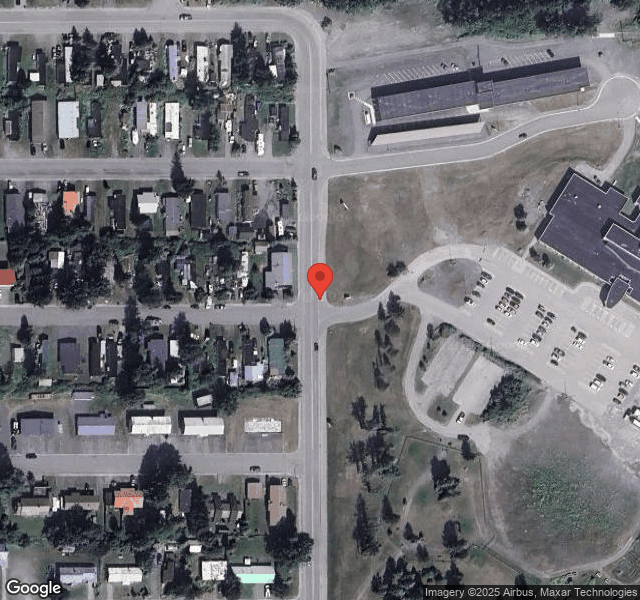

911 MEALS AVENUE, VALDEZ, AK 99686 (907) 834-1825
Government - City 10 Beds Independent Data: November 2025
Trust Grade
75/100
#10 of 20 in AK
Last Inspection: March 2025

Within standard 12-15 month inspection cycle. Federal law requires annual inspections.

Overview

Providence Valdez Medical Center has a Trust Grade of B, indicating it is a good choice for families considering care options. Ranking #10 out of 20 facilities in Alaska places it in the top half, while being #2 of 2 in Chugach County means there is only one other local option. However, the facility is facing a concerning trend, worsening from 6 issues in 2023 to 8 in 2025. Staffing is a strong point, with a perfect 5/5 star rating and a turnover rate of 36%, which is better than the state average. Despite having no fines, the facility has experienced issues such as not ensuring timely physician assessments for residents, with gaps of up to 368 days between visits, and failed to properly display staffing information, which could hinder transparency for families.

Trust Score
B
75/100
In Alaska
#10/20
Top 50%
Safety Record
Low Risk
No red flags
Inspections
Getting Worse
6 → 8 violations
Staff Stability
○ Average
36% turnover. Near Alaska's 48% average. Typical for the industry.
Penalties
✓ Good
No fines on record. Clean compliance history, better than most Alaska facilities.
Skilled Nurses
✓ Good
Each resident gets 258 minutes of Registered Nurse (RN) attention daily — more than 97% of Alaska nursing homes. RNs are the most trained staff who catch health problems before they become serious.
Violations
⚠ Watch
16 deficiencies on record. Higher than average. Multiple issues found across inspections.
★★★★☆
4.0
Overall Rating
★★★★★
5.0
Staff Levels
★★★★★
5.0
Care Quality
★★☆☆☆
2.0
Inspection Score
Stable
2023: 6 issues
2025: 8 issues

The Good

  • 5-Star Staffing Rating · Excellent nurse staffing levels
  • 5-Star Quality Measures · Strong clinical quality outcomes
  • Full Sprinkler Coverage · Fire safety systems throughout facility
  • No fines on record
  • Staff turnover below average (36%)

    12 points below Alaska average of 48%

Facility shows strength in staffing levels, quality measures, fire safety.

The Bad

Staff Turnover: 36%

Near Alaska avg (46%)

Typical for the industry

The Ugly 16 deficiencies on record

Mar 2025 8 deficiencies
CONCERN (D)

Potential for Harm - no one hurt, but risky conditions existed

Resident Rights (Tag F0550)

Could have caused harm · This affected 1 resident

. Based on record review, observation, and interview, the facility failed to ensure one resident (#5) out of seven sampled residents was provided care in a manner that promoted dignity and respect. Th...

Read full inspector narrative →
. Based on record review, observation, and interview, the facility failed to ensure one resident (#5) out of seven sampled residents was provided care in a manner that promoted dignity and respect. This failed practice placed the resident at risk of poor self-esteem and/or self-worth and a potential for poor quality of life. Findings: Record review on 3/3-6/25, revealed Resident #5 was admitted to the facility with diagnoses that included dementia (a decline in cognitive abilities), muscle weakness of right upper extremity, impaired ability to follow simple direction, and decreased functional mobility. Review of the Minimum Data Set (MDS- a federally required nursing assessment) Annual Assessment, dated 2/7/25, revealed in Section C- Cognitive Patterns C0100. Should Brief Interview of Mental Status be conducted? . the marked response was 0. No (resident is rarely/never understood). An observation on 3/5/25 at 9:54 AM, revealed Licensed Nurse (LN) #2 after the medication preparation at the nurses' station, the LN went to Resident #5's room. While LN #2 was outside the door with the door slightly opened, LN #2 asked the Certified Nurse Assistant (CNA) #2, who was inside the room, if Resident #5 was ready for medication administration. CNA #2 replied that Resident #5 was not yet ready. Since the Resident was not yet ready, LN #2 stated to the surveyor that he/she could keep the prepared medication in a locked cabinet inside the Resident's room. An observation on 3/5/25 at 9:55 AM revealed LN #2 opened the door and entered Resident #5's room followed by the surveyor. While in the room, it was observed that Resident #5 was out of the bathroom, seated in a shower chair naked with a towel on his/her back and a wet Hoyer (a lift device) sling underneath the Resident. Further observation revealed there were two CNAs inside the room. One male CNA (#1) and one female CNA (#2). An observation on 3/5/25 at 9:56 AM revealed LN #2 approached Resident #5 who was still seated in a shower chair, naked. The LN stated that he/she would administer the medication and gave the medication to the Resident. Then, LN #2 left the room. During the same observation, while Resident #5 was still naked, exposing his/her anterior (front side) body, the CNAs transferred him/her to bed through the use of a mechanical lift. The Resident was laid in bed, anterior body still exposed. The CNAs inserted chucks (an absorbent pad) underneath Resident #5 by turning him/her from side to side. CNA #2 wiped the Resident's buttocks and applied cream to the skin. Then, both CNAs helped the Resident put on his/her brief, shirt, socks and pants. During a joint interview on 3/5/25 at 2:59 PM, when asked about the process on providing a shower to a resident, CNA #2 stated that one CNA would provide the shower and one CNA would prepare the bed, apply cream to the resident's skin, and would help the resident put on his/her clothes. When asked how the CNAs ensure that privacy was provided to the resident after shower, CNA #1 stated the door was kept closed, window blinds were kept closed, and when somebody knocked at the door, the CNAs would make sure the resident was covered with blankets so the person at the door would not see the resident naked. During the same joint interview, CNA #1 stated the expectation was to provide warm blanket after shower, especially when transporting the resident from the tub room (a shared tub room located outside the residents' room) to the resident's room. CNA #1 stated Resident #5 showered in his/her own bathroom inside his/her room. CNA #1 further stated the CNAs should have covered Resident #5 with a towel. During an interview on 3/6/25 at 3:23 PM, the Clinical Director (CD) stated, each individual was provided care according to resident's preference. When asked the expectation for CNAs in providing resident's privacy after shower, the CD stated if the resident was from the tub room, the resident would be covered up and kept warm while being escorted to the resident's room. The CD further stated if the resident had showered in their own room, the resident should have been covered and toweled down because the room was heated. Then, the resident should have been transferred to their bed quickly and made the resident comfortable. When asked if the resident should have been covered, the CD stated it was not mandatory, as long as the CNAs could transfer the resident as quickly as possible. When asked if the CD was agreeable that the resident should have been covered during the medication administration, with the presence of a male and female CNAs in the room, the CD agreed that the resident should have been covered. The CD further stated: It is not the best practice; we could have done better. Review of the facility's policy titled: Activities of Daily Living, dated 11/2023, revealed: PURPOSE/SCOPE To provide for the basic needs and promote dignity and well being of all Long Term Care Residents. Review of the facility's admission packet, that contained a document titled: THE RESIDENT'S BILL OF RIGHTS, dated 1/2021, revealed: As a Resident, you have the Right to receive notices orally or in writing.any of the following information.To personal privacy of not only your own personal body, but also of your personal space, including accommodations and personal care. .
CONCERN (D)

Potential for Harm - no one hurt, but risky conditions existed

Deficiency F0806 (Tag F0806)

Could have caused harm · This affected 1 resident

**NOTE- TERMS IN BRACKETS HAVE BEEN EDITED TO PROTECT CONFIDENTIALITY** . Based on observation, interview, and record review, the facility failed to ensure one resident (#3) out of seven sampled resid...

Read full inspector narrative →
**NOTE- TERMS IN BRACKETS HAVE BEEN EDITED TO PROTECT CONFIDENTIALITY** . Based on observation, interview, and record review, the facility failed to ensure one resident (#3) out of seven sampled residents, with a known food allergy, received a diet free of identified allergens. Specifically, the facility failed to verify ingredients in a newly introduced menu item, resulting in Resident #3 being served and consuming pineapple, an identified allergen. This failed practice placed Resident #3 at risk for allergic reactions and adverse health outcomes. Findings: An observation on 3/5/25 at 1:10 PM revealed [NAME] #3 approached Licensed Nurse (LN) #2, stating Resident #3 had eaten a sweet and sour sauce containing pineapple and that Resident #3 had an allergy to pineapple. During an interview on 3/5/25 at 2:30 PM, when asked if he/she had consumed pineapple at lunch, Resident #3 confirmed, I could taste pineapple in the food I ate at lunch. During an interview on 3/5/25 at 2:10 PM, the Kitchen Manager (KM) stated, We have a [NAME] (paper card containing concise, easily accessible patient care information) card for all the residents, which contains food allergy information. The KM further explained, Before plating a resident's meal, we check the [NAME] to ensure residents are not given food which contains allergens. The KM further stated, Because we are using a new menu, the sweet and sour sauce we used is new to me, and I was unaware it contained pineapple. Review of the sweet and sour sauce ingredient list revealed: .Ingredients.Pineapple. Review of Resident #3's dietary [NAME], undated, revealed, .Allergies: Pineapple. Review of the facility policy titled: Cycle Menu, effective date 6/2023, revealed: Food and Nutrition Services will accommodate resident allergies, intolerances, and preferences. .
CONCERN (E)

Potential for Harm - no one hurt, but risky conditions existed

Deficiency F0761 (Tag F0761)

Could have caused harm · This affected multiple residents

**NOTE- TERMS IN BRACKETS HAVE BEEN EDITED TO PROTECT CONFIDENTIALITY** . Based on observation, record review, and interview, the facility failed to ensure correct medication labeling for two resident...

Read full inspector narrative →
**NOTE- TERMS IN BRACKETS HAVE BEEN EDITED TO PROTECT CONFIDENTIALITY** . Based on observation, record review, and interview, the facility failed to ensure correct medication labeling for two residents (#s 5 and 7) out of seven sampled residents. Specifically, the facility failed to ensure: 1) medications were labeled according to physician's order and 2) contained an expiration date. These failed practices placed all residents at risk of adverse effects and complications from receiving incorrect dosage and an expired medication. Findings: Medication Labelling: a. Glipizide tablet (a diabetes medicine that helps control blood sugar levels) An observation on [DATE] at 12:26 PM revealed during the medication preparation for Resident #7, one pack of Glipizide tablet 10 mg was labelled three times daily with meals. Record review of the medication administration record (MAR) on [DATE] revealed Glipizide tablet 10 mg was to be administered two times daily before meals. Review of the physician's order, dated [DATE], revealed GlipiZIDE (GLUCOTROL) Tablet 10 mg, Frequency: 2 TIMES DAILY BEFORE MEALS. During an interview on [DATE] at 2:49 PM, Licensed Nurse (LN) #1 stated the label for Glipizide 10 mg should have been changed by the pharmacist to one tablet twice a day before meals. b. Famotidine tablet (a medicine that reduces stomach acid) An observation and concurrent interview on [DATE] at 9:32 AM, at the nurses' station, during the medication preparation for Resident #5, LN #2 prepared Famotidine 20 mg morning dose because the evening dose was on hold. Record review of the MAR on [DATE], revealed Famotidine 20 mg one tablet every evening was on hold. During the same observation, a pack of Famotidine 20 mg label read: take 1 tablet by mouth every evening, dated [DATE]. Further observation of the label revealed a time: 0900, handwritten in black marker. LN #2 stated the label should have been changed. LN #2 further stated he/she would contact the pharmacist to provide the correct label. Review of the physician's order, dated [DATE], revealed: famotidine (PEPCID) tablet 20 mg DAILY. evening dose on hold. No order for the morning dose. During a follow-up interview and observation on [DATE] at 12:34 PM, LN #2 stated the label had been changed [by showing the new label] and the physician's order was changed to daily. During an interview on [DATE] at 3:37 PM, the Clinical Director (CD) stated that the facility had been struggling with the pharmacy provider, the way the pharmacy had packaged the medication was not ideal. Expired medication: An observation on [DATE] at 12:26 PM, during the medication preparation for Resident #7, revealed one bottle of Cholicalciferol (Vitamin D) capsule 5,000 units had no expiration date. During an interview on [DATE] at 2:43 PM, LN #1 stated the expiration date on the Cholicalciferol capsule [Vitamin D] 5,000 units was erased because the nurses had been using Avagard (alcohol-based hand sanitizer) during medication preparation. When asked how he/she would determine that the medication was not expired, LN #1 stated he/she knew the expiration date was printed in the label before and the nurses checked the expiration date of the medications monthly. Review of the facility's policy titled: Labeling Standards for Medications and Chemicals, dated 9/2023, revealed: . ensure all medication containers are labeled to i[e]nsure safe and effective patient care. Medication label must be clear, consistent, legible and in compliance with state and federal requirements .Dispensing label requirements.the label also includes .g. directions for use and any applicable accessory label. .
CONCERN (E)

Potential for Harm - no one hurt, but risky conditions existed

Deficiency F0883 (Tag F0883)

Could have caused harm · This affected multiple residents

. Based on record review and interview, the facility failed to ensure the medical record included documentation of the education provided to the resident or resident representative (RR) regarding the...

Read full inspector narrative →
. Based on record review and interview, the facility failed to ensure the medical record included documentation of the education provided to the resident or resident representative (RR) regarding the Influenza and Pneumococcal immunizations benefits and potential side effects before signing or declining the vaccine administration for five residents (#s 3; 4; 5; 7; and 8) out of five residents reviewed. This failed practice had the potential to affect all residents (based on census of seven) who were residing in the facility. Findings: Record review on 3/6/25 at 4:00 PM of the facility's list of residents' immunization information, untitled and undated, revealed the following Residents received immunizations: Resident #3 received Influenza immunization on 10/28/24 and Pneumococcal 20 immunization on 11/21/24. Resident #5 received Influenza immunization on 10/28/24. Resident #7 received Influenza immunization on 10/28/24. Resident #8 received Influenza immunization on 10/28/24. Further review of the list revealed Resident #4 declined Influenza immunization (no date). Review of the nurse's progress notes, dated 10/15/24, revealed Resident #4's representative declined influenza immunization for him/her on 10/11/24. Review on 3/3-6/25 of all the Residents' electronic health record (EHR), revealed no documentation that Residents #3, #4, #5, #7 and #8 or their RRs were provided education of the benefits and potential side effects of the vaccines before offering the Influenza and Pneumococcal immunizations. During an interview on 3/6/25 at 4:10 PM, the Long-Term Care Manager (LTCM) stated the residents' vaccination was scheduled with the State of Alaska Public Health (SOAPH). When asked if education was provided to the residents, she stated the facility asked the residents and/or RRs for immunization consent and the SOAPH provided the education before administration of vaccination. When asked if the education provided to the residents and/or RRs was documented, the LTCM showed the SOAPH vaccination documents of Residents #3; #5; #7; and #8 and stated according to SOAPH, the vaccination record would show that the immunization was given and that indicate that education was provided. The LTCM also stated that Resident #4's RR declined immunization for him/her. The LTCM further stated there was no education documentation provided to Resident #4's RR. During an interview on 3/6/25 at 5:14 PM, the Clinical Director (CD) stated that staff were educating the residents and their POA (Power of Attorney) before offering the vaccination, but that was not documented. Review of the facility's PVEC[unknown acronym] Pneumococcal, COVID-19, RSV [Respiratory Syncytial Virus] & Influenza Vaccination, dated 12/2024, revealed: PURPOSE/SCOPE All Long Term Care .residents, regardless of age and/or medical condition, will be offered vaccination when clinically indicated/recommended by the US Centers for Disease Control & Prevention (CDC), unless it is contraindicated or otherwise declined by the physician, or resident' legal representative. Education will be provided to all residents & resident's legal representative regarding individual vaccination risks and benefits. .
CONCERN (E)

Potential for Harm - no one hurt, but risky conditions existed

Deficiency F0887 (Tag F0887)

Could have caused harm · This affected multiple residents

. Based on record review and interview, the facility failed to ensure the medical record included documentation of education provided to the resident or resident representative (RR) regarding the COV...

Read full inspector narrative →
. Based on record review and interview, the facility failed to ensure the medical record included documentation of education provided to the resident or resident representative (RR) regarding the COVID-19 immunization benefits and potential side effects before signing or declining the vaccine administration for four residents (#s 3; 4; 5; and 7) out of five residents reviewed. This failed practice had the potential to affect all residents (based on census of seven) who were residing in the facility. Findings: Record review on 3/6/25 at 4:00 PM of facility's list of residents' immunization information, undated, revealed the following residents received immunization: Resident #3 received COVID-19 immunizations on 6/3/24 and 10/28/24. Resident #5 received COVID-19 immunizations on 6/3/24 and 10/28/24; and Resident #7 received COVID-19 immunizations on 6/3/24 and 10/28/24. Further review of the list revealed Resident #4 declined COVID-19 immunization (no date). Review of the nurse's progress notes, dated 10/15/24, revealed Resident #4's RR declined COVID-19 immunization for him/her on 10/11/24. Review on 3/3-6/25 of the residents' electronic health record (EHR), revealed no documentation that Residents #3, #4, #5, and #7 or their RRs were provided education of the benefits and potential side effects of the vaccines before offering COVID-19 immunization. During an interview on 3/6/25 at 4:10 PM, the Long-Term Care Manager (LTCM) stated the residents' vaccination was scheduled with the State of Alaska Public Health (SOAPH). When asked if education was provided to the residents, she stated the facility asked the resident or RR for immunization consent and the SOAPH provided the education before administration of vaccination. When asked if the education provided to the resident and RR was documented, the LTCM showed the SOAPH vaccination documents of Residents #3; #5; and #7 and stated according to SOAPH, the vaccination record would show that the immunization was given and that would indicate education was provided. The LTCM also stated that Resident #4's RR declined COVID-19 immunization for him/her. LTCM further stated there was no education documentation provided to Resident #4's RR. During an interview on 3/6/25 at 5:14 PM, the Clinical Director (CD) stated that staff were educating the residents and their POA (Power of Attorney) before offering the vaccination, but that it was not documented. Review of the facility's PVEC[unknown acronym] Pneumococcal, COVID-19, RSV [Respiratory Syncytial Virus] & Influenza Vaccination, dated 12/2024, revealed: PURPOSE/SCOPE All Long Term Care .residents, regardless of age and/or medical condition, will be offered vaccination when clinically indicated/recommended by the US Centers for Disease Control & Prevention (CDC), unless it is contraindicated or otherwise declined by the physician, or resident' legal representative. Education will be provided to all residents & resident's legal representative regarding individual vaccination risks and benefits. .
CONCERN (F)

Potential for Harm - no one hurt, but risky conditions existed

Deficiency F0712 (Tag F0712)

Could have caused harm · This affected most or all residents

. Based on record review and interview, the facility failed to ensure physicians consistently assessed residents in person at least once every 60 days for all residents (based on a census of 7). This ...

Read full inspector narrative →
. Based on record review and interview, the facility failed to ensure physicians consistently assessed residents in person at least once every 60 days for all residents (based on a census of 7). This failed practice placed all residents at risk for delayed identification of changes in medical condition and unmet medical care needs. Findings: Record review on 3/5/25 at 10:00 AM of the facility's Physician Visits Non-compliance Flowsheets, undated, revealed multiple instances where residents exceeded the 60-day interval between physician visits: Resident #1 had a gap of 73 days between physician visits (7/9/24 to 9/20/24) and another gap of 109 days between physician visits (9/20/24 to 1/7/25). Resident #2 had a gap of 128 days between physician visits (7/9/24 to 11/14/24). Resident #3 had a gap of 104 days between physician visits (10/23/24 to 2/4/25). Resident #4 had a gap of 368 days between physician visits (12/1/23 to 12/4/24). Resident #5 had a gap of 75 days between physician visits (8/22/24 to 11/5/24) and another gap of 71 days between physician visits (12/25/24 to 3/5/25). Resident #7 had a gap of 97 days between physician visits (7/31/24 to 11/5/24). Resident #8 had a gap of 82 days between physician visits (11/14/24 to 2/4/25). During an interview on 3/6/25 at 1:03 PM, the Long-Term Care Manager (LTCM) stated, Tracking physician visits has been a significant challenge. Nurses keep logs, but there's no reliable system for follow-up if physicians miss appointments. The LTCM further explained, We created the flowsheet because we knew it was a problem. However, even with the flowsheet, some residents are still not being seen timely because physicians rely on us for reminders, and sometimes those reminders aren't communicated effectively. During an interview on 3/6/25 at 2:00 PM, the Medical Director (MD) stated: I depend on my staff to keep track. I don't have time or a way to track that myself. The MD further explained, If someone misses a visit, the nursing staff or medical records department usually reminds us. But the system doesn't always work, especially if physicians are on vacation or busy. During the same interview, the MD acknowledged awareness of missed visits, stating, I'm probably one of the people who missed visits, especially when I'm busy or on vacation. Review of the facility's policy titled: Physician's Visits in Long Term Care, effective date 11/2023, revealed: Residents must be seen by a physician at least once every 30 days for the first 90 days after admission, and at least once every 60 thereafter. A physician visit is considered timely if it occurs not later than 10 days after the date the visit was required. Long Term Care staff will make appointments with the Primary Care Clinic for physicians to see residents in Long Term Care. The Team Leader on duty on day of the appointment is responsible for notifying Physician's office staff of missed appointments promptly and rescheduling if necessary. Notify LTC Manager of any barriers to make these appointments. .
CONCERN (F)

Potential for Harm - no one hurt, but risky conditions existed

Deficiency F0841 (Tag F0841)

Could have caused harm · This affected most or all residents

. Based on record review and interview, the facility failed to ensure the Medical Director(MD) fulfilled responsibilities for oversight and coordination of medical care in the facility. Specifically, ...

Read full inspector narrative →
. Based on record review and interview, the facility failed to ensure the Medical Director(MD) fulfilled responsibilities for oversight and coordination of medical care in the facility. Specifically, the MD did not provide adequate oversight to ensure physician compliance with required visits. This failed practice placed residents at risk for unmet medical needs, delayed medical treatment, and diminished quality of care. Findings: Review of the facility's document titled Description of Medical Director Duties, undated, revealed: .Duties and Responsibilities: .The medical director is responsible for implementation of resident care policies and the coordination of medical care in the facility. Medical director responsibilities must include their participation in: Administrative decisions including recommending, developing and approving facility policies related to residents' care. Resident care includes the resident's physical, mental and psychosocial well-being; Issues related to the coordination of medical care identified through the facility's quality assessment and assurance committee and other activities related to the coordination of care; Organizing and coordinating physician services and services provided by other professionals as they relate to resident care; Participate in the Quality Assessment and Assurance (QAA) committee or assign a designee to represent him/her. Review of the facility's policy titled Physician's Visits in Long Term Care [LTC], effective date 11/2023, revealed: Residents must be seen by a physician at least once every 30 days for the first 90 days after admission, and at least once every 60 thereafter. A physician visit is considered timely if it occurs not later than 10 days after the date the visit was required. Long Term Care staff will make appointments with the Primary Care Clinic for physicians to see residents in Long Term Care. The Team Leader on duty on day of the appointment is responsible for notifying Physician's office staff of missed appointments promptly and rescheduling if necessary. Notify LTC Manager of any barriers to make these appointments. Review on 3/5/25 at 1:00 PM of the facility's Physician Visits Non-compliance Flowsheets, undated, revealed multiple instances where residents exceeded the 60-day interval between physician visits: Resident #1 had a gap of 73 days between physician visits (7/9/24 to 9/20/24) and another gap of 109 days between physician visits (9/20/24 to 1/7/25). Resident #2 had a gap of 128 days between physician visits (7/9/24 to 11/14/24). Resident #3 had a gap of 104 days between physician visits (10/23/24 to 2/4/25). Resident #4 had a gap of 368 days between physician visits (12/1/23 to 12/4/24). Resident #5 had a gap of 75 days between physician visits (8/22/24 to 11/5/24) and another gap of 71 days between physician visits (12/25/24 to 3/5/25). Resident #7 had a gap of 97 days between physician visits (7/31/24 to 11/5/24). Resident #8 had a gap of 82 days between physician visits (11/14/24 to 2/4/25). During an interview with the MD on 3/6/25 at 2:00 PM, when asked how the MD ensured compliance with physician visits, she stated, I depend on my staff to keep track. I don't have time or a way to keep track of that. She further stated, .Obviously it's all going to hell in a hand basket, but it can't be just me. During an interview on 3/6/25 at 4:31 PM, when asked about the MD participation in the QAPI (Quality Assurance and Performance Improvement) meetings, the Regional Quality Manager (RQM) stated: The Medical Director doesn't bring up issues to QAPI; she listens and asks questions. During the same interview, when informed about physician's noncompliance with visits, including one resident who had not received a physician visit in over a year, the RQM stated: I didn't know about that, but I agree-this issue would be ideally addressed in QAPI. I'll put it on my radar to ensure more accountability and ownership by the Medical Director. .
MINOR (C)

Minor Issue - procedural, no safety impact

Staffing Information (Tag F0732)

Minor procedural issue · This affected most or all residents

. Based on observation and interview, the facility failed to ensure daily nurse staffing information posted in the facility was maintained for 18 months. This failed practice had the potential to prov...

Read full inspector narrative →
. Based on observation and interview, the facility failed to ensure daily nurse staffing information posted in the facility was maintained for 18 months. This failed practice had the potential to provide limited transparency regarding staffing levels, affecting all residents (based on a census of 7 residents) and visitors' ability to evaluate the adequacy of nursing care provided. Findings: An observation on 3/6/25 at 12:45 PM revealed the facility had a staffing board posted that displayed the facility name, current date, total number and actual hours worked by staff, and resident census. During an interview on 3/6/25 at 12:45 PM, when asked where the previous 18 months of staffing information was located, the Long-Term Care Manager (LTCM) responded: We don't take pictures of the staffing board every day. When asked if the facility retained records of previously posted staffing information, the LTCM said: We do not . we didn't know it was required. .
Dec 2023 6 deficiencies
CONCERN (D)

Potential for Harm - no one hurt, but risky conditions existed

Comprehensive Assessments (Tag F0636)

Could have caused harm · This affected 1 resident

. Based on record review and interview, the facility failed to comprehensively assess 1 resident (#9) out of 8 sampled residents using the Resident Assessment Instrument 3.0 Minimum Data Set (MDS, a f...

Read full inspector narrative →
. Based on record review and interview, the facility failed to comprehensively assess 1 resident (#9) out of 8 sampled residents using the Resident Assessment Instrument 3.0 Minimum Data Set (MDS, a federally required nursing assessment for long term care residents). Specifically, a medically necessary trunk restraint was not coded in the most recent quarterly assessment. This failed practice placed the resident at risk for inconsistent care. Findings: Record review on 11/28/23 to 12/1/23, revealed Resident #9 was admitted to the facility with diagnoses that included multiple sclerosis (a disease that affects the central nervous system), paraplegia (paralysis of the lower body), and weakness. During an interview on 11/28/23 at 11:07 AM, Resident #9 stated he/she used a torso harness to hold his/her body upright every time he/she was in his/her wheelchair. Review of the physician's order, dated 3/21/23 at 4:45 PM, revealed: May use Torso Support (staff to apply) while up in wheelchair . Review of the care plan, dated 6/10/23, revealed: Problem: Restraint/Seclusion Use for Patient Safety .[Resident #9] requests and requires a chest[torso] harness to be used for all times that [he/she] is upright in any chair, including wheelchairs . Review of Resident #9's recorded activity on 9/17/23 during the MDS look back period for quarterly assessment revealed the resident was up in chair. Review of the MDS quarterly review assessment, dated 9/21/23, revealed: Section P . E) Trunk restraint in chair or out of bed .0 . = Not used. During an interview on 12/1/23 at 8:09 AM, the Long-term care (LTC) Manager (LTCM) stated the activity on 9/17/23 would have required the use of Resident #9's chest harness. The chest harness was considered a medically necessary restraint because Resident #9 was not able to release it on his/her own. During the same interview, the LTCM stated Resident #9 was up in his/her wheelchair for short periods of time and required the use of the chest (torso) harness each time. The LTCM stated it should have been included in the MDS quarterly assessment. .
CONCERN (D)

Potential for Harm - no one hurt, but risky conditions existed

Comprehensive Care Plan (Tag F0656)

Could have caused harm · This affected 1 resident

. Based on record review, interview, and observation, the facility failed to develop an individualized care plan that addressed resident's care needs. Specifically, the facility failed to develop a ca...

Read full inspector narrative →
. Based on record review, interview, and observation, the facility failed to develop an individualized care plan that addressed resident's care needs. Specifically, the facility failed to develop a care plan to address the resident's edema (swelling caused by excess fluid trapped in tissues) for 1 resident (#10) out of 8 sampled residents. This failed practice placed the resident at risk for not receiving necessary care and services to address the individual's needs. Findings: Record review on 11/28/23 to 12/1/23, revealed Resident #10 was admitted to the facility with diagnoses that included Lewy body dementia (a type of dementia where protein deposits in the brain affecting thinking, memory and movement), hypertension, and impaired mobility. During an interview on 11/28/23 at 1:52 PM, Resident #10's representative stated the Resident had swelling in his/her legs that he/she thought was treated. Review of the Notes, dated 7/7/23, revealed: RN [Registered Nurse] Visit diagnoses 2+ pitting edema [skin rebounds after a few seconds of pressure being applied], bilateral edema of lower extremity . The note further revealed the licensed nurse (LN) communicated Resident #10's condition to the physician. Further review of the medical record revealed no physician's order concerning the edema. Review of Resident #10's care plan on 11/29/23 at 10:50 AM, did not include the edema. During an interview on 11/29/23 at 12:51 PM, LN #1 stated he/she was not aware of Resident #10's edema. The LN checked Resident #10's lower extremities for edema and found the resident's lower extremities were swollen and the resident's socks had left a noticeable dent on the area where the top of the socks end on both legs. The LN checked for edema by pressing on the resident's legs. Further observation revealed the pressure applied to the resident's skin left an indentation and the skin did not bounce back. The LN then reviewed Resident #10's medical record and stated the physician had performed an assessment on 10/21/23. The physician assessment revealed: .when asked today . [why his/her] left foot hurts .it[']s better when sock is removed, which is making a dent in [his/her] edema .pitting edema to shins . The LN further stated there were no physician orders created from that assessment. During the same interview when asked if there was a care plan for the edema, the LN stated there was not. The LN further stated the care plan should have been updated to include interventions for the edema. During an interview on 12/1/23 at 8:59 AM, the LTC (Long Term Care) Manager stated she was not aware of Resident #10's edema. She further stated she would add edema interventions to the care plan.
CONCERN (D)

Potential for Harm - no one hurt, but risky conditions existed

Accident Prevention (Tag F0689)

Could have caused harm · This affected 1 resident

. Based on record review and interview, the facility failed to ensure 1 resident (#3) out of 2 residents investigated for wander guards (as system used to detect residents who wander close to certain ...

Read full inspector narrative →
. Based on record review and interview, the facility failed to ensure 1 resident (#3) out of 2 residents investigated for wander guards (as system used to detect residents who wander close to certain doors), received monitoring of its functionality. Specifically, the facility failed to check the wander guard battery according to the manufacturer's instruction manual. This failed practice placed the resident at risk for potential elopement. Findings: Record review on 11/28/23 to 12/1/23 revealed Resident #3 was admitted to the facility with a diagnosis of dementia (a decline of cognitive abilities). Review of the physician's order, dated 6/7/23, revealed: Wanderguard alert system bracelet worn 24 hours every day. Review of Resident #3's Care Plan for cognitive impairment, dated 6/10/23, revealed: .Intervention . [Resident #3] wears a wander guard bracelet to prevent [him/her] from wandering and getting lost . Review of Stanley Healthcare Wanderguard Blue .User and Deployment Guide, published on 7/16/17, revealed: Checking the WanderGuard Blue Tag Battery Level .it is recommended to have the tag battery checked at least once a week. Review of the facility's policy, Resident Alarms, dated 11/2023, revealed: .Alarm function will be documented daily in the resident's record. During an interview on 11/29/23 at 12:40 PM, Licensed Nurse (LN) #1 stated the night shift nurse was responsible for checking the functionality of the wander guard. During an interview on 11/30/23 at 10:36 AM, the Long term care Manager stated the night shift nurse checked the wander guard daily. These daily checks were documented on a flowsheet. The LTC Manager stated the policy refers to all alarms used by residents including wander guard. Review of the flowsheet for wander guard monitoring from June 2023 to November 2023, revealed the night shift nurse had not checked Resident #3's wander guard daily. Further review of the flowsheet revealed the wander guard was not checked on the following weeks: 6/18-24/23, 7/23-29/23, 8/6-12/23, and 8/20-26/23. .
CONCERN (D)

Potential for Harm - no one hurt, but risky conditions existed

Deficiency F0757 (Tag F0757)

Could have caused harm · This affected 1 resident

. Based on record review, observation, and interview, the facility failed to ensure 1 resident (#2) out of 5 residents observed for medication administration was free from unnecessary medications. Spe...

Read full inspector narrative →
. Based on record review, observation, and interview, the facility failed to ensure 1 resident (#2) out of 5 residents observed for medication administration was free from unnecessary medications. Specifically, the facility failed to write administration parameters on a laxative (Miralax - a medication to treat constipation). This failed practice had the potential to place the resident at risk of being improperly medicated. Findings: Record review on 11/28/23 to 12/1/23 revealed Resident #2 was admitted to the facility with diagnoses that included Alzheimer's disease (a brain condition that affects memory, thinking and behavior), dementia (a decline in mental abilities that affects daily life). Review of Resident #2's most recent physician orders, dated 6/9/23, revealed: polyethylene glycol (Miralax) powder 8.5-25.5 g [grams] . PO [by mouth] . DAILY .Admin Instructions: Mix with 4-8 oz. Beverage . An observation and interview during Resident #2's medication administration on 11/30/23 at 8:34 AM, Licensed Nurse (LN) #1 prepared 17g of Miralax in water. When asked how he/she decided how much Miralax to administer to Resident #2, based on the physician's order, LN #1 stated he/she used nursing judgement. During an interview on 11/30/23 at 2:00 PM, the Clinical Pharmacist (CP) stated adverse effects of taking too little or too much Miralax could have resulted in constipation or loose stools. The CP reviewed the Miralax order and stated having administration parameters would have been a good idea to include on the order to minimize administration error. Review of the facility's policy Medication Administration and Documentation for Long Term Care, revised on 11/2023, revealed: Each nurse and physician administering medication .will be familiar with .The Five Rights: . Right Dose. Review of the Resident's [NAME] of Rights, updated on 1/2021 revealed: 12. To be free from unnecessary or excessive medications. .
CONCERN (F)

Potential for Harm - no one hurt, but risky conditions existed

Staffing Information (Tag F0732)

Could have caused harm · This affected most or all residents

. Based on observation and interview, the facility failed to post, in a clear and readable format, the facility name, daily total number of staff and the actual hours worked by Certified Nurse Aides (...

Read full inspector narrative →
. Based on observation and interview, the facility failed to post, in a clear and readable format, the facility name, daily total number of staff and the actual hours worked by Certified Nurse Aides (CNAs), and Registered Nurses (RNs). This failed practice denied the residents and/or resident representatives accurate information about staffing and the facility's ability to provide care to all residents (based on a census of 10). Findings: During random observations of the facility's nurse staffing information from 11/28/23 to 12/1/23, revealed a dry erase board, located by the nurse's office, which displayed the names of the staff on duty for the day and night shifts, the number of hours each staff member were scheduled to work, the date, and the census. The shift times, 07-7pm and 7pm-7am were written in smaller print on the day and night labels. The staff disciplines were labeled for 4 out of the 8 long term care staff displayed on the board. Staff #1, 2, 3, 4s' disciplines were not identified. In addition, there were also 5 hospital acute care staff displayed on the long-term care dry erase board. The facility name, total number of staff by discipline, and the total actual hours worked by Registered Nurses and Certified Nurse Aides were not displayed. During an interview on 12/1/23 at 10:15 AM, the Director of Clinical Services/ Long Term Care Administrator (DCS/LTCA) stated the dry erase board served as the facility's nurse staffing posting, and further stated the long term care unit does not have licensed practical nurses. The DCS/LTCA was unaware of the missing components required to be displayed. .
CONCERN (F)

Potential for Harm - no one hurt, but risky conditions existed

Deficiency F0761 (Tag F0761)

Could have caused harm · This affected most or all residents

**NOTE- TERMS IN BRACKETS HAVE BEEN EDITED TO PROTECT CONFIDENTIALITY** . Based on observation, and interview, the facility failed to ensure expired medical products were removed from the medication s...

Read full inspector narrative →
**NOTE- TERMS IN BRACKETS HAVE BEEN EDITED TO PROTECT CONFIDENTIALITY** . Based on observation, and interview, the facility failed to ensure expired medical products were removed from the medication storage cabinet. This failed practice placed the residents, who required these products for services (based on a census of 10), at risk of adverse effects or complications from use of expired products. Findings: An observation on [DATE] at 12:58 PM of the medication storage cabinet revealed the following expired medical supplies: 2- Ansep antimicrobial skin and wound cleanser 12 oz spray, expired on [DATE]: 1- prescription toothpaste for Resident #4: Sodium Fluoride 5000 ppm toothpaste expired on 11/2023: 1 - BD Safety Glide 27-gauge 1 ml needle, expired on [DATE]: 4 - Medline Lemon Glycerin swab stick 3/pack, expired on 2/2022: 8 - Covidiem Telfa non-adherent pads, expired on [DATE]: 3 - Covidiem Telfa Adhesive Island Dressing, expired on 5/2020: 7 - 3M Tegaderm film 6in x 8in, expired on [DATE]: 1- BD Vacutainer Urine complete cup kit, expired on 6/2023: and 2- BD Vacutainer Urine complete cup kit, expired on 10/2023. During an interview on [DATE] at 2:49 PM, the Licensed Nurse (LN) #1 stated the medical supply cabinet was checked by the night shift for expiration dates but unsure of the frequency it was checked. LN #1 was not aware of the items that had expired. During an interview on [DATE] at 3:29 PM, the Long Term Care Manager stated when items from the medical supply cabinet were expired, the supplies should have been replaced. .
Nov 2022 2 deficiencies
CONCERN (D)

Potential for Harm - no one hurt, but risky conditions existed

Deficiency F0688 (Tag F0688)

Could have caused harm · This affected 1 resident

. Based on interview, observation, and record review the facility failed to provide treatment that prevented further decreases in range of motion for 1 resident (R #2) out of 4 residents reviewed. Thi...

Read full inspector narrative →
. Based on interview, observation, and record review the facility failed to provide treatment that prevented further decreases in range of motion for 1 resident (R #2) out of 4 residents reviewed. This failed practice placed the resident at risk for further declines in positioning and contractures (fixed tightening of the muscle, tendon, and/or skin which prevents normal movement of the associated body part). Findings: During an interview on 11/08/22 at 3:11 PM, when asked about the R's care plan, R #2's Representative, stated he/she would like to see R #2 receive more Range of Motion (ROM-a joint going through repetitive movements) because R #2 is getting stiffer and not moving as well. During an interview on 11/08/22 at 3:25 PM, when asked how the facility assisted the residents with range of motion and mobility needs, Licensed Nurse (LN) ##3 stated the facility used to have a restorative program but with staffing it's not been happening consistently. Staff will do things with residents to try to help with movements. He/she stated the facility does not have a current restorative aide (RA-certified nurse aides with specialized training in restorative care) on staff On 11/09/22 at 10:11 AM, Certified Nursing Assistant (CNA) #2 and #3 were observed assisting R #2 with morning care. R#2 was on his/her back on the bed, and both legs were stiff strait and both feet were pointed in a down position. Both of R #2's arms were folded up in a flexed position across his/ her chest with both hands curled. As CNA #3 helped CNA #2 turn R #2 while changing his/her incontinence brief, providing pericare, and dressing him/her in a clean undergarment and pull up pants, CNA #3 stated yeah, [he/she] is so stiff., when asked if R #2 could bend or move. During the observation, CNA #3 had to lift R #2's tightly folded arms to wash and dry under his/her arms and dressed the Resident in a shirt. When pulling out the Resident's arm, the CNA again stated, so stiff. CNA #2 stated the R #2 would get red under his/her arms because they were held so tightly to his/her sides. Both Staff assisted the Resident into a wheelchair with the use of an overhead ceiling left. The Staff did not provide ROM for R #2. Review of a Resident Daily Care Plan, reviewed 5/12/21, revealed ROM: Dependent Passive Range of Motion (left shoulder) Please be aware of [his/ her] decrease ROM of Left shoulder. [He/she] continues with simple passive bilateral/upper extremity ROM with [his/her] dressing. During an interview on 11/09/22 at 3:35 PM when asked about any ROM and exercises provided for R #2 and who provided it, CNA #3 stated the facility used to have 3 restorative aides that were trained in providing services to residents. The CNA stated they no longer worked at the facility. When asked if Occupational Therapy (OT) or Physical Therapy (PT) had provided training to any of the other CNA's, stated the aides that had received training no longer worked here. During an interview on 11/09/22 at 5:00 PM, CNA #2 was asked if he/she had received any training on providing ROM to R #2, the CNA stated he/she had not been working at the facility for very long and had not received any training. During an interview on 11/10/22 at 10:30 AM, when asked how staff knew how to provide ROM for R #2 as he/she had contractors to his/her feet and hands and appeared very stiff, LN #3 stated when (named a different CNA) worked with R #2 he/she could get the R to relax and open right up. Stated the staff have t take the time to work with the Resident. During an interview on 11/10/22 at 4:00 PM Physical Therapist (PT) #2 stated the facility can provide PT, OT, or ST (speech therapy) services. When asked about any services provided for R #2, the PT stated the facility had provided a special wheelchair and they had been working on other things the R needed. He/she stated the facility had added the crossing system in the ceiling to make it easier to get residents out of bed. When asked about R #2's stiffness, the PT stated R #2 can open his/her hands if staff work with him/her. When asked about any training provided to the CNAs on the LTC, PT #2 stated time had been a big problem as he/she had been the only full-time therapist for a while. Review of a physician's note dated 10/26/22 revealed Getting very stiff e.g., arms at sides, able to do less for [R #2]. No apparent pain or joint swelling. Will need to [increase] ROM & positioning to avoid difficulty with care. During an interview on 11/10/22 at 6:08 PM with Physician #1, when asked about therapies and staff performing range of motion for the residents, he/she stated at one point staff were getting training. When asked if he/she would have ordered extra ROM for R #2, the Physician stated, basic range of motion does not need to be ordered. .
CONCERN (E)

Potential for Harm - no one hurt, but risky conditions existed

Medication Errors (Tag F0758)

Could have caused harm · This affected multiple residents

Based on record review and interview the facility failed to ensure psychotropic medications (drugs that affect brain activities associated with mental processes and behaviors) used on a as needed basi...

Read full inspector narrative →
Based on record review and interview the facility failed to ensure psychotropic medications (drugs that affect brain activities associated with mental processes and behaviors) used on a as needed basis (PRN) 1) were reassessed after 14-days, for the appropriateness of continued use and duration of the medication, for 4 residents (#5, 6. 9, and 10, out of 5 residents reviewed for unnecessary medications, and 2) psychotropic medications were given for anxiety had a rational for dosage selection for 1 resident (#9) out of 4 residents reviewed on psychotropic medications. These failed practices placed residents at risk for adverse consequences and/or impairment from medication side effects. Findings: Resident (R) #5 Record review on 11/7-8/22 revealed R#5 was admitted with diagnoses that included cerebellar atrophy (brain wasting away), diabetes, anxiety, and depression. Review of the November 2022 physician orders revealed a PRN (as needed) medication order for an anti-anxiety medication ordered on 9/30/22, Valium [benzodiazepine used for anxiety that can also treat muscle spasms and seizures] 5 mg PO [by mouth] Q [every] 6-hour PRN anxiety, 2 tablet maximum daily. Further review revealed the PRN Valium was originally ordered on 5/1/20. Review of the physician orders revealed no documentation rationale why the Valium was utilized for longer than 14 days or how long it was going to be used. Review of the MAR (medication administration record) sheets for June 1, 2022 to November 9, 2022, revealed R #5 was given one dose of the PRN Valium on 8/31/22. No other administration was documented. R #6 Record review on 11/7-8/22 revealed R #6 was admitted to the facility with diagnoses that included dementia, Parkinson's, depression (disorder of the central nervous system that can affect movement including tremors), and insomnia. Review of R #6's MAR for November 2022 revealed a PRN medication for Trazodone [Tricyclic antidepressant (TCA) medication] 50 mg ½ tab PO HS [hour of sleep] PRN for insomnia. Ordered 1/14/2021. Current Risk & Benefit completed 10/25/22. Review of the MAR sheets for July 1, 2022 through November 9, 2022, revealed the PRN medication list included the Trazadone. Further review revealed the medication was administered a total of five times over the 4-month span. Review of the physician orders revealed no documentation of the order being renewed for longer than 14 days or a rationale for a longer PRN duration. R #9 Record review on 11/7-8/22 revealed R #9 had diagnoses that included dementia, anxiety, pain, and depression. Review of R #9's November medication orders, revealed the medications memantine (anti-Alzheimer's medication) 5mg Q every AM and 10 mg at HS, sertraline (selective serotonin reuptake inhibitor-SSRI-antidepressant) 50 mg daily, Trazodone 25 mg at 1:00 PM and Trazodone 50 mg at bedtime. R #9's PRN orders included lorazepam (benzodiazepam-an antianxiety medication that can cause confusion and drowsiness) 0.25 mg to 1 mg PO Q 8 H PRN anxiety and Trazodone PO up to one-time daily PRN agitation. Further review of the physician orders revealed the lorazepam was started 2/14/22 and the PRN Trazadone was started 10/20/22. During an interview on 11/08/22 at 6:00 PM, when asked how nursing would know what dosing of lorazepam to administer, LN #3 replied It's a range it's in the MAR and based on how agitated [he/she] is. The LN added, To me [he/she] seems to ger more agitated. LN #3 stated they were using the lowest dose and the staff also have the PRN Trazodone. Review of the MAR for October 2020 revealed R #9 received 1 mg of lorazepam for restless and 4 extra PRN doses of Trazodone for restless. Review of the MAR for November revealed R #9 received 2 doses of PRN Trazodone for agitation. Review of a nurses note dated 7/14/22 revealed Behaviorally [he/she] has settled in. Ativan [lorazepam] needed-1mg works. During an interview on 11/10/22 at 2:42 PM, when asked about R #9's medication regime, the Pharmacist stated the introduction of the PRN Trazodone was working as a cross titration to attempt to get R #9 off duplicative therapy, using the sertraline. When asked about the range of dosing for the lorazepam, the Pharmacist stated, the use was alright for the short term, but it puts nurses in the doctors' seat. When asked about the range of dosing for the lorazepam, the Pharmacist stated, the use was alright for the short term, but it puts nurses in the doctors' seat. R #10 Record review on 11/9-10/22 revealed R #10 had diagnoses that included a history of stroke with weakness on one side of the body, disorder of the brain, insomnia, dementia, and insomnia. Review on 11/09-10/22 of R #10's November medication orders included the medications sertraline (antidepressant) 50 mg PO Daily, Aricept 10 mg (used to treat Alzheimer's disease), Trazodone 25 mg PO up to 2 more times per day at least 1 hour between PRN agitation, Trazodone 50 mg PO HS may repeat 1 x one hour later PRN agitation/restlessness, and Klonopin (benzodiazepine-used to treat seizure disorders and anxiety) 0.5 mg PO every 6 hours PRN anxiety. Review of the physician's orders revealed R #10 was prescribed the PRN Klonapin on 6/22/22 and the extra PRN dose of Trazadone on 10/06/22. Neither order had been reviewed for continued use after 14 days or had projected end date. During an interview with the Pharmacist on 11/10/22 at 2:35 PM, when asked about the psychotropic PRN medications and the medications needing to be reevaluated and renewed after 14 days, the Pharmacist stated, I've not been paying attention to that, I will start looking at them. The Pharmacist stated he was aware of the policy and Federal requirement. During an interview on 11/10/22 with Physician #1, when asked about psychotropic PRN medications, Physician #1 stated awareness of the requirements. Further stating most times the diagnosis warrants the potential need for the medication. We don't necessarily want to have to medicate, we try other things first, but if that fails the medication would be needed, the residents often need the meds for greater than a 14-day time period. Review of the facility policy titled Psychotropic Medication Use, effective date 11/2021, revealed preventative measures under procedures .B. PRN psychotropic medications will be given only as needed for a specific diagnosed conditions or distressed behavior .1. PRN orders are limited to 14 days unless the physician documents a longer duration and the rationale in the record. 2. PRN orders cannot be renewed unless the physician evaluates the resident for appropriateness of continuing the medication and documents that in the chart. According to the 2019 Beers Criteria® for Potentially Inappropriate Medication (PIM) Use in Older Adults published by the American Geriatrics Society in 2019. Older adults have increased sensitivity to benzodiazepines and decrease metabolism of long-acting agents; in general, all benzodiazepines increase risk of cognitive impairment, delirium, falls, fractures, and motor vehicle crashes in older adults. May be appropriate for seizure disorders, rapid eye movement sleep behavior disorder, benzodiazepine withdrawal ethanol withdrawal severe generalized anxiety disorder and peri-procedural anesthesia. The drugs SNRI, SSRI, TCA may exacerbate or cause SIADH (syndrome of inappropriate antidiuretic hormone secretion), hyponatremia; monitor sodium level closely when starting or changing dosages in older adults. The recommendation was use with caution the strength of the recommendation was Strong.
Understanding Severity Codes (click to expand)
Life-Threatening (Immediate Jeopardy)
J - Isolated K - Pattern L - Widespread
Actual Harm
G - Isolated H - Pattern I - Widespread
Potential for Harm
D - Isolated E - Pattern F - Widespread
No Harm (Minor)
A - Isolated B - Pattern C - Widespread

Questions to Ask on Your Visit

  • "Can I speak with families of current residents?"
  • "What's your RN coverage like on weekends and overnight?"

Our Honest Assessment

Strengths
  • • No major safety red flags. No abuse findings, life-threatening violations, or SFF status.
  • • No fines on record. Clean compliance history, better than most Alaska facilities.
  • • 36% turnover. Below Alaska's 48% average. Good staff retention means consistent care.
Concerns
  • • 16 deficiencies on record. Higher than average. Multiple issues found across inspections.
Bottom line: Generally positive indicators. Standard due diligence and a personal visit recommended.

About This Facility

What is Providence Valdez Medical Center's CMS Rating?

CMS assigns PROVIDENCE VALDEZ MEDICAL CENTER an overall rating of 4 out of 5 stars, which is considered above average nationally. Within Alaska, this rating places the facility higher than 99% of the state's 100 nursing homes. This rating reflects solid performance across the metrics CMS uses to evaluate nursing home quality.

How is Providence Valdez Medical Center Staffed?

CMS rates PROVIDENCE VALDEZ MEDICAL CENTER's staffing level at 5 out of 5 stars, which is much above average compared to other nursing homes. Staff turnover is 36%, compared to the Alaska average of 46%. This relatively stable workforce can support continuity of care.

What Have Inspectors Found at Providence Valdez Medical Center?

State health inspectors documented 16 deficiencies at PROVIDENCE VALDEZ MEDICAL CENTER during 2022 to 2025. These included: 15 with potential for harm and 1 minor or isolated issues.

Who Owns and Operates Providence Valdez Medical Center?

PROVIDENCE VALDEZ MEDICAL CENTER is owned by a government entity. Government-operated facilities are typically run by state, county, or municipal agencies. The facility operates independently rather than as part of a larger chain. With 10 certified beds and approximately 7 residents (about 70% occupancy), it is a smaller facility located in VALDEZ, Alaska.

How Does Providence Valdez Medical Center Compare to Other Alaska Nursing Homes?

Compared to the 100 nursing homes in Alaska, PROVIDENCE VALDEZ MEDICAL CENTER's overall rating (4 stars) is above the state average of 3.5, staff turnover (36%) is near the state average of 46%, and health inspection rating (2 stars) is below the national benchmark.

What Should Families Ask When Visiting Providence Valdez Medical Center?

Based on this facility's data, families visiting should ask: "Can I visit during a mealtime to observe dining assistance and food quality?" "How do you handle medical emergencies, and what is your hospital transfer rate?" "Can I speak with family members of current residents about their experience?"

Is Providence Valdez Medical Center Safe?

Based on CMS inspection data, PROVIDENCE VALDEZ MEDICAL CENTER has a clean safety record: no substantiated abuse findings (meaning no confirmed cases of resident harm), no Immediate Jeopardy citations (the most serious violation level indicating risk of serious injury or death), and is not on the Special Focus Facility watch list (a federal program monitoring the lowest-performing 1% of nursing homes). The facility has a 4-star overall rating and ranks #1 of 100 nursing homes in Alaska. While no facility is perfect, families should still ask about staff-to-resident ratios and recent inspection results during their visit.

Do Nurses at Providence Valdez Medical Center Stick Around?

PROVIDENCE VALDEZ MEDICAL CENTER has a staff turnover rate of 36%, which is about average for Alaska nursing homes (state average: 46%). Moderate turnover is common in nursing homes, but families should still ask about staff tenure and how the facility maintains care continuity when employees leave.

Was Providence Valdez Medical Center Ever Fined?

PROVIDENCE VALDEZ MEDICAL CENTER has no federal fines on record. CMS issues fines when nursing homes fail to meet care standards or don't correct problems found during inspections. The absence of fines suggests the facility has either maintained compliance or corrected any issues before penalties were assessed. This is a positive indicator, though families should still review recent inspection reports for the full picture.

Is Providence Valdez Medical Center on Any Federal Watch List?

PROVIDENCE VALDEZ MEDICAL CENTER is not on any federal watch list. The most significant is the Special Focus Facility (SFF) program, which identifies the bottom 1% of nursing homes nationally based on persistent, serious quality problems. Not being on this list means the facility has avoided the pattern of deficiencies that triggers enhanced federal oversight. This is a positive indicator, though families should still review the facility's inspection history directly.