ESTRELLA HEALTH AND REHABILITATION CENTER
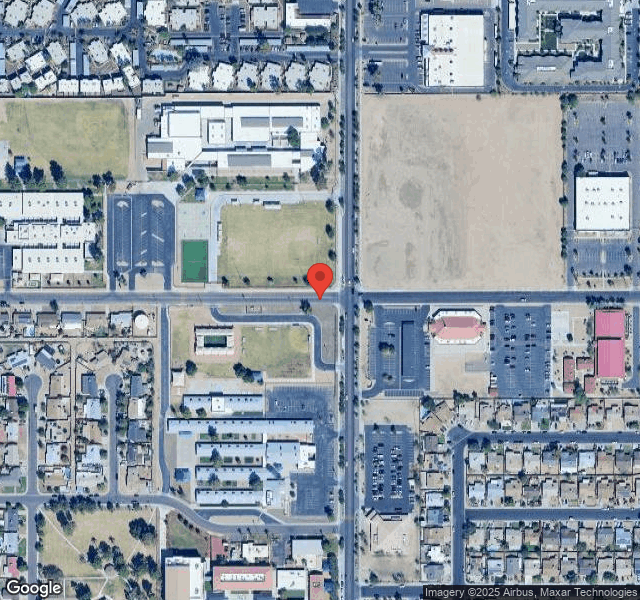
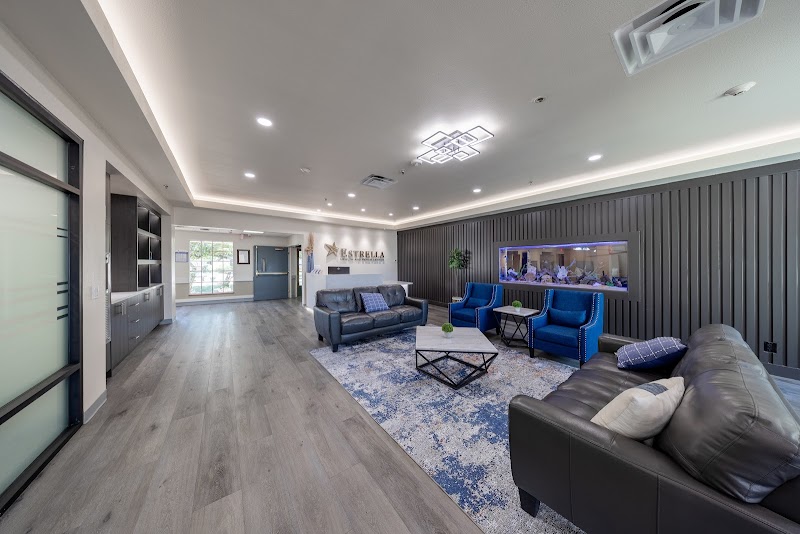
350 EAST LA CANADA, AVONDALE, AZ 85323 (623) 932-2282
For profit - Corporation 161 Beds THE ENSIGN GROUP Data: November 2025
Trust Grade
93/100
#11 of 139 in AZ
Last Inspection: March 2024

Within standard 12-15 month inspection cycle. Federal law requires annual inspections.

Overview

Estrella Health and Rehabilitation Center has received an excellent Trust Grade of A, indicating it is highly recommended and performing well. It ranks #11 out of 139 facilities in Arizona, placing it in the top half, and #10 out of 76 in Maricopa County, meaning only nine local options are better. However, the facility's trend is worsening, as the number of issues reported increased from 1 in 2023 to 2 in 2024. Staffing is a strength, with a 4/5 star rating and a turnover rate of 26%, significantly lower than the state average of 48%. The facility has zero fines on record, which is a positive indicator. That said, some concerns have been noted, including failures to manage glucometer quality control tests properly, which could lead to diabetic complications, and complaints about the food's quality and presentation, with residents expressing dissatisfaction regarding its taste and appearance. Overall, while there are strengths in staffing and no fines, families should consider the recent increase in reported issues and the quality of food provided.

Trust Score
A
93/100
In Arizona
#11/139
Top 7%
Safety Record
Low Risk
No red flags
Inspections
Getting Worse
1 → 2 violations
Staff Stability
✓ Good
26% annual turnover. Excellent stability, 22 points below Arizona's 48% average. Staff who stay learn residents' needs.
Penalties
✓ Good
No fines on record. Clean compliance history, better than most Arizona facilities.
Skilled Nurses
○ Average
Each resident gets 30 minutes of Registered Nurse (RN) attention daily — about average for Arizona. RNs are the most trained staff who monitor for health changes.
Violations
⚠ Watch
12 deficiencies on record. Higher than average. Multiple issues found across inspections.
★★★★★
5.0
Overall Rating
★★★★☆
4.0
Staff Levels
★★★★★
5.0
Care Quality
★★★★☆
4.0
Inspection Score
Stable
2023: 1 issues
2024: 2 issues

The Good

  • 4-Star Staffing Rating · Above-average nurse staffing levels
  • 5-Star Quality Measures · Strong clinical quality outcomes
  • Low Staff Turnover (26%) · Staff stability means consistent care
  • Full Sprinkler Coverage · Fire safety systems throughout facility
  • No fines on record
  • Staff turnover is low (26%)

    22 points below Arizona average of 48%

Facility shows strength in staffing levels, quality measures, staff retention, fire safety.

The Bad

Chain: THE ENSIGN GROUP

Part of a multi-facility chain

Ask about local staffing decisions and management

The Ugly 12 deficiencies on record

Oct 2024 1 deficiency
CONCERN (E) 📢 Someone Reported This

A family member, employee, or ombudsman was alarmed enough to file a formal complaint

Potential for Harm - no one hurt, but risky conditions existed

Safe Environment (Tag F0921)

Could have caused harm · This affected multiple residents

Deficiency Text Not Available

Read full inspector narrative →
Deficiency Text Not Available
Mar 2024 1 deficiency
CONCERN (D)

Potential for Harm - no one hurt, but risky conditions existed

Food Safety (Tag F0812)

Could have caused harm · This affected 1 resident

Based on observations, staff interviews and facility policy and procedure, the facility failed to there were no expired food items readily accessible for resident use; failed to follow proper food han...

Read full inspector narrative →
Based on observations, staff interviews and facility policy and procedure, the facility failed to there were no expired food items readily accessible for resident use; failed to follow proper food handling practices while preparing food; and, failed to ensure open food items were stored, labeled and dated in accordance with professional standards for food service safety. The deficient practice could result in food-borne related illness. Findings include: During the initial kitchen observation conducted with the dietary supervisor (staff #23) on March 25, 2024 at 8:47 a.m., the refrigerator contained the following food items that were beyond their use by dates: -Grape jelly, use by date of March 24, 2024; -Mustard, use by date of February 24, 2024; and, -Clear package containing 5 impossible burgers, use by date of March 24, 2024. This package was also not sealed and was open to air. The refrigerator also had an 8-lb (pound) container of potato salad that was open; and, a metal serving pan with caked grease on the top containing cooked hotdogs in water, and was partially covered with a plastic wrap. The freezer contained a 5-lb bag of frozen green beans, impossible patties container and 1/50 count case of ground beef patties that were open and not sealed. The dry storage had one 16-oz package of Jet Puff Marshmallows was open and not sealed. Continued observation revealed that the cook (staff #7) was cleaning the meat preparation station with the cloth from the sanitizing bucket; and, returning the cloth back into the sanitizing solution with pieces of raw ground beef. The cook then grabbed the same cloth from the sanitizing solution and proceeded to clean and sanitize the meat preparation station with the same cloth. An observation of puree preparation conducted with the dietary supervisor (staff #23) and the cook (staff #7) on March 27, 2024 at 10:54 a.m. The cook used his ungloved hand, scooped cheese sauce into the cooked macaroni and touched the cooked macaroni. He then wiped his ungloved hands onto his apron; and, he placed the cooked macaroni and cheese sauce into the blender and when finished, placed the cooked macaroni and cheese in the metal warming tray. The cook stated that he knew when the food was the right consistency and texture; and that, the pureed macaroni and cheese was ready to serve. The dietary supervisor (staff #23) tasted and tested the macaroni and cheese and told the cook that it was too thick and gritty and still had chunks that needed to be blended more. The cook placed and blended the cooked macaroni and cheese back into the blender and placed it into the serving tray without testing the consistency and texture. The dietary supervisor (staff #23) tasted and tested the macaroni and cheese and stated that the pureed food was still too thick and gritty and the cook had to blend it again. The cook placed the food back into the blender and the dietary supervisor told the cook that it needed to be thinned out. The cook then prepared chicken stock to add to the macaroni and cheese. The dietary supervisor stopped him and told him to add milk instead of the chicken stock as the macaroni and cheese was a cheese product. Immediately following the preparation of the macaroni and cheese, the cook took the same cloth from the same sanitizing bucket that used the meat preparation area and contained raw ground meat; and, clean the surface where the puree preparation was done. The dietary supervisor then told the cook to use the cloth from the new sanitizing bucket. In an interview with the dietary supervisor (staff #23) conducted on March 29, 2024 at 9:44 a.m., the dietary supervisor stated that expectations were that the sanitizing concentration reading were according to the range that they were supposed to be. The dietary supervisor stated that the risks associated with using cleaning solution not at the right concentration include E-Coli (bacteria) and other underlying foodborne illnesses that would make the residents sick. Further, the dietary supervisor stated that it was an expectation that dietary staff follow proper storage, labeling and dating food items opened; and, discarding any food items after the expiration or use by date Review of the facility policy on Food Storage revealed that sufficient storage facilities will be provided to keep foods safe, wholesome, and appealing. Food will be stored in an area that is clean dry, and free from containments. Food will be stored at appropriate temperatures and by methods designed to prevent contamination or cross contamination. Food should be dated as it is placed on the shelves if required by state regulation. Date marking should be visible on all high-risk food to indicate the date by which a ready-to-eat, TCS food should be consumed, sold or discarded. Food will be stored and handled to maintain the integrity of the packaging until ready for use. Plastic containers with tight-fitting covers or sealable plastic bags must be used for storing grain products, dried vegetables and broken lots of bulk foods or opened packages. All containers or storage bags must be legible and accurately labeled and dated. Refrigerated and frozen foods should be covered, labeled and dated and routinely monitored to assure that foods (including leftovers) will be consumed by their safe use by dates, or frozen (where applicable), or discarded. All refrigerated and frozen foods should be stored to allow air circulation.
Jun 2023 1 deficiency
CONCERN (D) 📢 Someone Reported This

A family member, employee, or ombudsman was alarmed enough to file a formal complaint

Potential for Harm - no one hurt, but risky conditions existed

Deficiency F0658 (Tag F0658)

Could have caused harm · This affected 1 resident

**NOTE- TERMS IN BRACKETS HAVE BEEN EDITED TO PROTECT CONFIDENTIALITY** Based on clinical record review, staff interviews, facility documentation, policy and procedure, the facility failed to ensure t...

Read full inspector narrative →
**NOTE- TERMS IN BRACKETS HAVE BEEN EDITED TO PROTECT CONFIDENTIALITY** Based on clinical record review, staff interviews, facility documentation, policy and procedure, the facility failed to ensure that accurate identification of one resident (#2) prior to transportation to an out of facility appointment; and, failed to ensure medical appointment was not missed for one resident (#1). The deficient practice resulted in one resident missing a scheduled appointment; and, the wrong resident was taken to an appointment. Finding include: -Resident #2 was readmitted at the facility on June 2, 2022 with diagnoses of metabolic encephalopathy, altered mental status, heart failure, sequelae of unspecified cerebrovascular disease and psychotic disorder with delusion. The care plan dated January 28, 2022 revealed the resident was at risk for impaired cognitive function/dementia or impaired thought processes. Intervention included to identify self at each interaction. Another care plan dated May 2, 2022 included the resident was dependent on staff for activities, cognitive stimulation, social interaction related to physical limitations, required transport and adapted materials. The monthly nursing summary dated May 11, 2023 revealed resident used a wheelchair for mobility and was totally dependent with 1-person assistance for wheelchair locomotion. It also included that the resident was incontinent with bladder and required 2-person assistance for transfers, bed mobility and toileting The NP (nurse practitioner) progress note dated May 12, 2023 included the resident was alert and forgetful. -Resident #1 was admitted on [DATE] with diagnoses of altered mental status, weakness, hemiplegia, unspecified sequelae of cerebrovascular disease and cognitive communication deficit. The care plan dated December 28, 2021 included that the resident exhibited or was at risk for cardiovascular symptoms or complications related to hypertension; and, had a decline in cognitive function or impaired thought processes related to a condition other than delirium, short/long term memory loss and dementia. The IDT (interdisciplinary team)-BIMS (Brief Interview for Mental Status) note dated September 29, 2022 included a BIMS score of 9 indicating the resident had moderate cognitive impairment. The consultation note dated October 5, 2022 included assessments of atrial fibrillation and carotid artery stenosis. The plan was for echocardiogram 2 weeks prior to the next follow-up in 6 months. The monthly nursing summary dated May 8, 2023 included that the resident required extensive assistance with one-person for mobility/ambulation, was incontinent with bladder and required one-person assist for transfers, bed mobility and toileting. The appointment list for May 8 through 12, 2023 revealed that resident #1 had an appointment scheduled for the heart clinic on May 12, 2023 at 11:15 a.m. Per the documentation, transportation with confirmation number was arranged to pick up resident #1 on May 12, 2023 between 10:15 and 10:45 a.m. The appointment list did not include any appointment scheduled for resident #2 on May 12, 2023. The grievance/complaint report dated May 12, 2023 revealed that the resident's family made a complaint and was upset that resident #1 had missed her cardiologist appointment. According to the report, the appointment was rescheduled and an investigation was completed. The facility investigation dated May 12, 2023 included that resident #1 missed her cardiologist appointment; and that, resident #2 was sent in resident #1's place. Per the documentation, shortly after the facility was made aware, resident #2 was returned to the facility safely. The investigation also included an interview with a licensed practical nurse (LPN/staff #25) who stated that transportation showed up just after medications were given to resident #1; and that, the LPN directed the transportation to resident #1 who was sitting in the dayroom. Per the report, the LPN reported that resident #2 was also in the day room and she clearly identified resident #1 to the transportation driver. Further, the investigation included that the NP was notified and the appointment was rescheduled for July 20, 2023. The quality team tracking form dated May 15, 2023 included identified problems that resident was sent out to the appointments without verification of appropriate resident; and that, transportation company was not verifying identification of residents being transferred to appointments. Causal factors included the following: staff lack of education on appointment process and proper identification of staff; staff lack of education to verify that name on doctor's appointment folder matches the name of resident; staff lack of education on location of appointment calendar and being aware of what resident was scheduled for appointments that day; and, vendor lack of education on facility's process for identification of residents prior to transporting to appointment. Interventions included education of staff regarding appointment process, resident rights; second identification to verify appropriate resident was sent to the appointment matches the appointment folder; calendar will be placed at the nurses desk daily with updated appointments; implemented audits to verify that appropriate resident s were sent to appointment and staff verifying correct resident was sent out; and, education of vendors on the facility's expectation on verification of residents identification and verifying with staff that appropriate resident was transferred. The facility also provided documentation of audits they completed to address these problems; and, copies of in-service training they completed with staff. However, at the time of the survey, the audits and in-service training presented were documented as ongoing; and, the quality team tracking form and the supporting documents submitted did not indicate that the identified issues have been resolved. An interview with an LPN (staff #10) was conducted on May 31, 2023 at 6:36 p.m. The LPN stated that when she comes for her shift in the morning, there is a list located at the nurse station; and, the list included all the residents that are scheduled for an appointment that day. She stated the unit secretary was responsible for scheduling the appointment, arranging the transportation and preparing the paperwork/packet for the appointment. She stated that when a resident has an appoint, she ensures that the CNA (certified nurse assistant) prepares the resident for the appointment. She said that the nurse on shift was responsible for ensuring that transportation will pick up the right resident for the appointment; and that, the nurses knows the residents so the nurses would know if transportation picked-up the wrong one for the appointment. The LPN stated that once transportation comes in to pick up the resident, she will give them the packet and will the resident for the appointment. Further, the LPN said that if the resident was not alert and oriented, there will be an escort assigned to go with the resident to the appointment. In an interview conducted with another LPN (staff #2) conducted on May 31, 2023 at 6:48 p.m., the LPN said that there was a staff responsible for scheduling appointment and arrange for transportation of the resident. He stated that staff will also prepare all the paperwork needed for the appointment. He said that scheduled appointments are found in the electronic record and in a list located at the nurse station. He stated that the list was an easy way to check which resident was going to an appointment. The LPN said that the resident will be picked up by transportation at the time scheduled and would also be brought back by the transportation arranged for that day. He stated that the information regarding the resident name and where the appointment will be is on the packet that was prepared for the appointment. He said that if the resident was not alert and oriented, an escort is assigned and will have the resident's packet. The LPN further stated that the nurse on shift the day of the appointment would know if the correct resident was taken by transportation because the transportation driver goes to the nurse station and would the nurse who they were picking up. An interview with the transportation specialist (staff #35) was conducted on June 1, 2023 at 11:18 a.m. Staff #35 stated that the nurses would place orders for appointments in the binder which she will check on a daily basis. She said that she would call the provider, schedule an appointment; and, once the schedule was confirmed, she will arrange for transportation. Staff #35 said that once a schedule and transportation was set, she will create a packet that includes the date/time/place of appointment, pick-up times, with or without escort, transportation company information. An interview with two clinical resource (staff #4 and #58) was conducted on June 1, 2023 at 1:00 p.m. Staff #4 stated that resident #1 missed the cardiology consult because there was a problem with transportation; and that, transportation picked up the wrong resident (#2) to the appointment of resident #1. Staff #4 stated that when transportation driver came to pick up resident #1 that day, the LPN (staff #25) was in the process of giving medication to another resident; and when the LPN got done with medication administration, the transportation driver was already gone. Staff #4 stated that both residents (#1 and #2) were two different rooms and were not roommate; and that, both residents were inside the activity room when transportation came. Staff #58 stated that the DON (director of nursing) instructed the transportation company to write an incident report; however, there was no incident report submitted because it was the transportation driver who reported the incident to the police. In an interview with another LPN (staff #41) conducted on June 1, 2023 at 1:55 p.m., the LPN stated that when she gets in for her shift, she will check the list of all the residents that will have an appointment for the day. She stated that the highlighted boxes in the list referred to the residents in the unit that has an appointment. The LPN stated that she will then instruct the CNA to prepared the resident for the appointment; and, when transportation arrives, she will hand them the packet and will direct transportation to the resident's room or the location of the resident. The LPN said that the nurse will identify the resident for the transportation staff; and that, as soon as she finds out that the wrong resident was taken by transportation, she will immediately call the transportation company and instruct them to come back. The LPN said that she will also notify management and ask them if she needed to document the incident; and if so, she will document it in the clinical record. She stated that will definitely call the resident's family and inform them of the incident, apologize and explain what happened. Regarding the incident, the LPN stated that she was aware that transportation took the wrong resident for the appointment of resident #1; however, she did not know the details of the event. An interview with the transportation company manager (staff #1) conducted on June 1, 2023 at 3:01 p.m., staff #1 stated that the transportation driver (staff #12) went to the facility to pick up a resident for an appointment. He stated that staff #12 informed the nurse who brought the resident out and told and identified the resident for staff #22; but that, the nurse had to give the resident her medication first. Staff #1 stated that staff #22 waited until the medication was given and took the resident to the appointment. Staff #1 said that shortly thereafter, someone from the facility called the dispatch and instructed to return the resident as it was the wrong resident. He stated that staff #22 came back at the facility and returned the resident. During an interview with the transportation driver (staff #12) conducted on June 1, 2023 at 3:09 p.m., staff #12 stated that he arrived at the facility and told the nurse that he was picking up resident #1 for an appointment. He stated the nurse gave him the room number for resident #1 who was not in the room; and that, he told the nurse who was at the medication cart at the station and told him that the resident was out and about. Staff #12 said that the nurse looked for the resident and came back and handed a female resident who was sitting in the wheelchair and told him here she is. He stated that the nurse told him that medications needed to be given so he waited; and then, he took the resident to the appointment site and gave the packet to the receptionist at the clinic and he left the resident at the reception area. he stated that shortly thereafter, dispatch called him and instructed him to pick the resident; however, he stated that dispatch did not tell him why so he assumed that the appointment was done. Staff #12 said than when he arrived at the clinic, the receptionist told him that it was a wrong resident that was taken to the appointment; and that, he returned to the facility and told the nurse that she sent him the wrong resident. he stated that the nurse appeared confused and denied the whole thing. Further, staff #12 stated that as he was leaving the facility, he met the resident's family at the front lobby and the resident's family told him this is resident #1 and pointed to resident #1. He further stated that the total time for the incident from pick up to return to facility was about an hour or a little over an hour. The facility policy on Appointments included that it was their policy to coordinate and arrange for appointments as ordered by the physician. The facility will maintain a system to monitor ordered appointments; and, the resident or responsible party will be notified of the appointment and of any changes/issues. The facility policy on Transportation to Diagnostic Appointment revealed that it was their policy to assist residents in arranging transportation to/from diagnostic appointments when necessary.
Dec 2022 5 deficiencies
CONCERN (D)

Potential for Harm - no one hurt, but risky conditions existed

Deficiency F0578 (Tag F0578)

Could have caused harm · This affected 1 resident

**NOTE- TERMS IN BRACKETS HAVE BEEN EDITED TO PROTECT CONFIDENTIALITY** Based on clinical record review, staff interviews, and policy and procedure, the facility failed to ensure advance directive was...

Read full inspector narrative →
**NOTE- TERMS IN BRACKETS HAVE BEEN EDITED TO PROTECT CONFIDENTIALITY** Based on clinical record review, staff interviews, and policy and procedure, the facility failed to ensure advance directive was accurate for one resident (#270). The sample size was 3. The deficient practice could result in residents' wishes not being honored. Findings include: Resident #270 was admitted to the facility on [DATE] with diagnoses that included end-stage renal disease, dependence on renal dialysis and age-related osteoporosis without current pathological fracture. Review of the physician's order dated [DATE] revealed an order for CPR (Cardio Pulmonary Resuscitation)/ Full code. Review of the PCC (Point Click Care) electronic record dashboard display revealed resident #270 was a full code. However, review of the advanced directive statement form revealed the resident advance directive was signed for a DNR (Do Not Resuscitate) on [DATE]. Further review of the clinical record revealed that an orange DNR code status advance directive form had been completed on [DATE]. An interview was conducted with a licensed practical nurse (LPN/ staff #161) on [DATE] at 10:59 am. She stated that an advance directive is obtained on admission and updated as the resident's status change; and, she will usually look for the advance directive in the facesheet in PCC and also look at the physician order. Staff #161 stated that an order is entered in PCC after the resident decide on their advance directive; and that, the advance directive in PCC should match to what the resident signed as the staff need to know resident's wishes when life saving measures are needed. An interview was conducted on [DATE] at 11:04 am. with another LPN (staff #86) who stated if the resident chooses to be DNR, an orange DNR paper is completed as soon as possible and signed by the resident, nurse and physician. Staff #86 said that the advance directive order is updated in PCC and the orange paper is scanned in PCC as well. He further stated that the advance directive signed and the physician order entered in PCC should match because in an emergency, nurses need to follow resident's wishes and not provide CPR when resident signed for a DNR. In an interview conducted with the Director of Nursing (DON/staff #132) on [DATE] at 11:49 a.m., the DON stated that his expectation was for staff to obtain advance directive during the resident's admission and ensure there is appropriate documentation in the electronic record. He stated if the resident chooses to be a DNR, there should be an orange DNR form signed. Further, the DON said that the advance directive in PCC and what the resident signed should match to avoid confusion and to let nurses know of resident's wishes during an emergency. Review of the facility policy titled Advance Directives and revised [DATE], stated that it is their policy that a resident's choice about advance directives will be recognized and respected. The policy stated once the advance directive or information regarding resident preferences regarding treatment options is received by the facility, it will be confirmed in the resident medical record and communicated to members of the care plan team. The facility will also notify the attending physician of advance directives so that, if necessary, appropriate orders can be documented in the resident's medical record and plan of care.
CONCERN (D) 📢 Someone Reported This

A family member, employee, or ombudsman was alarmed enough to file a formal complaint

Potential for Harm - no one hurt, but risky conditions existed

Deficiency F0583 (Tag F0583)

Could have caused harm · This affected 1 resident

**NOTE- TERMS IN BRACKETS HAVE BEEN EDITED TO PROTECT CONFIDENTIALITY** Based on clinical record review and staff interview the facility failed to ensure that one resident's privacy (#322) was protect...

Read full inspector narrative →
**NOTE- TERMS IN BRACKETS HAVE BEEN EDITED TO PROTECT CONFIDENTIALITY** Based on clinical record review and staff interview the facility failed to ensure that one resident's privacy (#322) was protected. The deficient practice could result in resident's right to privacy not respected and honored. Findings include: Resident #322 was admitted on [DATE] with diagnoses of fracture of unspecified metatarsal bone(s), left foot, subsequent encounter for fracture with routine healing, contusion of the right knee, subsequent encounter and abnormalities of gait and mobility. Review of the MDS (Minimum Data Set) discharge assessment dated [DATE] revealed the resident required extensive assistance with her activity of daily living and had a BIMS (Brief Interview for Mental Status) score of 15 indicating the resident was cognitively intact. The care plan with initiation date of January 9, 2022 included the resident was at risk for falls related to cognitive loss, lack of safety awareness and history of falls with fracture. Interventions included resident needed a safe environment. Review of facility documentation revealed that during the night of December 29, 2021, another resident wandered into the room of resident #322. According to the note, the other resident was crawling around on the floor and playing with the bed sheets of resident #322. Per the documentation, on December 30, 2021 resident #322 reported to staff that she did not feel safe being there because of the other resident's presence in her room. During an interview conducted with a licensed practical nurse (staff #86) on December 8, 2022 at 8:04 a.m., the LPN stated that he does not recall resident #322, but did remember the other resident who entered the room of resident #322. The LPN stated that the other resident was very cognitively impaired and wandered around her room and the unit on her hands and knees. The LPN stated that the other resident was being monitored every 15 minutes but staff could not redirect the resident from wandering. An interview was conducted on December 8, 2022 at 8:10 a.m. with a certified nursing assistant (staff #130) who stated that he knew resident #322 and the other resident whom he described as being a handful to care for. He also stated that other resident kept crawling around on the unit and when staff would try and redirect her or provide care she would scream, scratch and hit the staff. The LPN said that he was aware of the incident because resident #322 told him about it after resident #322 was moved to a new room in the facility. The LPN further stated that the other resident was eventually moved to another facility as the resident was unable to be redirected. In an interview conducted with the Director of Nursing (staff #132) on December 8, 2022 at 8:19 a.m., the DON stated that he was not present when the incident occurred and he was not aware of the details of the incident. However, he stated that his expectation was that staff would redirect and ensure resident safety and then notify himself and the provider. During an interview conducted on December 8, 2022 at 8:28 AM with the Executive Director (staff #41), he stated he vaguely recalls the incident which occurred prior to the facility take over. He said that he expects staff to redirect any resident from wandering and ensure resident safety. Review of the facility policy on Resident Rights included that it is their policy that all resident rights be followed per State and Federal guidelines as well as other regulatory agencies.
CONCERN (D) 📢 Someone Reported This

A family member, employee, or ombudsman was alarmed enough to file a formal complaint

Potential for Harm - no one hurt, but risky conditions existed

Transfer Requirements (Tag F0622)

Could have caused harm · This affected 1 resident

**NOTE- TERMS IN BRACKETS HAVE BEEN EDITED TO PROTECT CONFIDENTIALITY** Based on the closed clinical record review, staff interviews, and review of facility policy and procedures, the facility failed ...

Read full inspector narrative →
**NOTE- TERMS IN BRACKETS HAVE BEEN EDITED TO PROTECT CONFIDENTIALITY** Based on the closed clinical record review, staff interviews, and review of facility policy and procedures, the facility failed to ensure resident's representative was informed of discharge for one resident (#273). The deficient practice could result in discharge/transfer requirements not being met. Findings include: Resident #273 was admitted on [DATE] with diagnosis that included encephalopathy, muscle weakness, cerebrovascular disease and aphasia; and, and discharged on March 15, 2022. The baseline care plan dated February 19, 2022 included the resident was at risk for impaired cognitive function/dementia or impaired thought processes related to stroke. Intervention included that the resident needed supervision/assistance with all decision making. A progress notes from social service dated March 9, 2022 at 4:56 pm stated that the social service staff spoke to the resident's son regarding upcoming discharge and per son, he stated he will be appealing and completed financial portion of AZLTC. The progress notes further stated that the writer spoke with the resident's son about group home option in the meantime of the pending AZLTC application. The note stated the son was open to the idea. The social service progress note dated March 9, 2022 stated referral was sent to placement agent for possible group home placement. Review of the NOMNC (Notice of Medicare Non-Coverage) form included that services will end on March 11, 2022. The form also revealed that on March 9, 2022 at 9:30 a.m., the family was provided via telephone the NOMNC information regarding the appeal process that included an instruction that to file an immediate appeal, the QIO (Quality Improvement Organization) must be called by noon on March 10, 2022. The NOMNC also stated the reason why member could not sign/understand was because the member was not alert and oriented. The social service progress note dated March 11, 2022 revealed that family was appealing the discharge and waiting on return call from the QIO. According to the note, the family was made aware that even with the appeal going on, the facility was still looking for a group home and was going to order all DME (Durable Medical Equipment) needed for discharge just in case the resident lose in the appeal. Another social service progress note dated March 11, 2022 included the family was informed that the resident's discharge was held due to the appeal. Review of physician's order dated March 11, 2022 revealed that DC (discharge) held due to appeal. A review of the result of the appeal revealed that the appeals process was started on March 11, 2022 at 5:53 p.m. and medical records were received on March 12, 2022 at 10:37 a.m. Per the documentation, the outcome included that the case had not progressed to a physician review and to call the helpline for more details. The social service progress note dated March 14, 2022 included that the family was informed that the facility was not sure what was going on with the appeal as it did not say denied or approved. Further, the note included the family called the QIO; and that, the facility was working on getting the resident moved over to the group home by March 15, 2022. However, the progress note did not indicate whether or not the family was informed of and agreed on the facility's plan to move the resident to a group home by March 15, 2022. The discharge summary and post-discharge plan of care dated March 14, 2022 revealed the resident was discharged to an assisted living/board and care. The summary stated the discharge instructions were given to the resident; and that, the discharge summary was signed on March 15, 2022 by the facility nurse. The discharge progress note dated March 15, 2022 included the resident was discharged on March 15, 2022 via stretcher at approximately 2:10 p.m. accompanied by the medical transport company's personnel. It further stated that the resident's belongings, orders and medications were sent with the resident. The discharge MDS (Minimum Data Set) assessment dated [DATE] revealed a BIMS (Brief Interview for Mental Status) score of 3 which indicated severe cognitive impairment. The MDS included the resident had a planned discharge to the community with return not anticipated. A nursing progress note dated March 16, 2022 revealed that the family, NP (Nurse Practitioner) and case manager were notified of the resident's discharge to group home. However, the clinical record revealed no evidence that the family/resident's representative was informed of and agreed on the resident's discharge to a group home prior to March 15, 2022. Further review of the clinical record revealed the facility was not aware of the result of the appeal; and that, the resident's representative for resident #273 was not informed of the delay in appeal. An interview was conducted with the case manager (staff #8) and the business office manager (staff #146) on December 8, 2022 at 9:15 a.m. They both stated that the discharge process happens upon admission and the IDT (Interdisciplinary team) meet weekly to discuss the skilled residents. Staff #8 stated when a discharge date has been decided, a NOMNC will be issued and appeal process is explained to the resident and/or resident representative. Staff #8 stated that after an appeal number is provided, the resident's clinical records are faxed to the QIO (Livanta); and, the result of the appeal can be viewed through the QIO portal. Staff #146 stated that sometimes the facility receive a letter from the QIO and sometimes the facility had to call them to know the outcome of the appeal. Further, staff #145 stated the facility would not discharge a resident without an appeal outcome. During another interview with staff #146 on December 8, 2022 at 9:42 a.m., she stated she spoke the QIO on December 8, 2022 and was informed the appeal for resident #273 was not done in a timely manner by the resident's representative; therefore, the appeal was not processed. An interview was conducted with the Director of Nursing (DON/ staff #132) on December 8, 2022 at 11:49 a.m. The DON stated that when a resident or their representative appeal their discharge, the facility should have the result from the appeal before discharging the resident. He stated if there is no result from the appeal, the facility should be reaching out to the QIO to ask for the outcome of the appeal. He stated the facility should also be coordinating with the resident representative about the process and follow up with discharge decisions if the appeal process is taking a long time. The facility policy titled Criteria for Transfer and Discharge revised on January 2022 stated that if the resident exercises his or her right to appeal a transfer or discharge notice, the facility shall not transfer or discharge the resident while the appeal is pending.
CONCERN (D)

Potential for Harm - no one hurt, but risky conditions existed

Deficiency F0655 (Tag F0655)

Could have caused harm · This affected 1 resident

**NOTE- TERMS IN BRACKETS HAVE BEEN EDITED TO PROTECT CONFIDENTIALITY** Based on resident and staff interviews, review of the clinical record, facility documentation and policy, the facility failed to...

Read full inspector narrative →
**NOTE- TERMS IN BRACKETS HAVE BEEN EDITED TO PROTECT CONFIDENTIALITY** Based on resident and staff interviews, review of the clinical record, facility documentation and policy, the facility failed to ensure that one resident (#89) was provided a copy of their baseline care plan. The deficient practice could result in resident not receiving the needed care and services. Findings include: Resident #89 was admitted on [DATE] with diagnoses of quadriplegia C5-C7, fusion of spine unspecified, muscle weakness and need for assistance with personal care. The quarterly Minimum Data Set (MDS) assessment dated [DATE] revealed the resident had a Brief Interview for Mental Status (BIMS) score of 14, indicating the resident wass cognitively intact. Review of the clinical record revealed that a baseline care plan was created September 13, 2022. However, further review of the clinical record revealed no evidence that resident #89 was provided a copy of the baseline care plan. An interview was conducted on December 09, 2022 at 09:03 a.m. with resident #89 who stated that he did not receive a copy of his care plan. During an interview with the Director of Nursing (DON/staff #132) on December 8, 2022 at 12:45 p.m., the DON stated that care plans are provided to the resident and/or representative during the care plan meeting; and that, the facility should provide a copy of the resident's care plan 72 hours after admission. In an interview with two social workers (SW/staffs #70 and #8) conducted on on December 8, 2022 at 1:45 p.m., Staff #70 stated she had not printed any copies of a baseline care plan because no one requested for a copy; and that, if a resident asked for one, she would print out a copy. Staff #70 also said that they are responsible for providing a copy of the care plan to residents. Staff #8 said that care plans are provided to residents within 48 hours of a care plan meeting; and, there should be a progress note in the electronic record that would indicate that a copy of the care plan was provided to the resident. In another interview conducted with DON on December 8, 2022 at 2:04 p.m., the DON stated that her expectation was for the care plan to be accurate and up to date. The DON also stated that several staff could provide a copy of the baseline care plan to the resident; and that, care plans should be provided within 48 hours after admission. The facility policy on Baseline Care Plan policy revised April 2022 revealed that a baseline care plan needs to be developed and implemented within 48 hours of admission. The facility team will provide a written summary to the resident or resident representative.
CONCERN (D) 📢 Someone Reported This

A family member, employee, or ombudsman was alarmed enough to file a formal complaint

Potential for Harm - no one hurt, but risky conditions existed

Accident Prevention (Tag F0689)

Could have caused harm · This affected 1 resident

**NOTE- TERMS IN BRACKETS HAVE BEEN EDITED TO PROTECT CONFIDENTIALITY** Based on clinical record review and staff interviews the facility failed to ensure adequate supervision was provided for one res...

Read full inspector narrative →
**NOTE- TERMS IN BRACKETS HAVE BEEN EDITED TO PROTECT CONFIDENTIALITY** Based on clinical record review and staff interviews the facility failed to ensure adequate supervision was provided for one resident (#183) to prevent her from wandering into another resident's room. The deficient practice resulted in resident invading another resident's privacy. Findings include: Resident #168 was admitted on [DATE] with diagnoses of vascular dementia, unspecified severity without behavioral disturbance, psychotic disturbance, mood disturbance and anxiety and altered mental status. The 5-day MDS (Minimal Data Set) assessment dated [DATE] revealed the resident had severe cognitive impairment, required extensive assistance with activities of daily living and did not exhibit any behaviors. Review of a genral note dated December 22, 2021 revealed resident came out of her room in a sitting position multiple times throughout the shift and was hard to redirect. A general note dated December 23, 2021 revealed resident came out of her room multiple times this pm, scooted on the floor, was not wearing a top several times, banged on the walls in the room disturbing other residents and yelled loudly, was hitting and scratching the CNA. A general note dated December 25, 2021 included the resident scooted around on the floor multiple times this pm; was assisted off the floor by staff either into bed or wheelchair. Per the documentation, resident was very confused-calling out Uncle Bill; and that, resident was banging on the wall in her room disturbing other patients. The note also included that the resident goes into other resident rooms and was redirected multiple times. A nurse practitioner (NP) follow-up note dated December 27, 2021 revealed resident had increased agitation and behaviors noted, continued to crawl on her own after rolling from the bed, as well as crawling on the floor fro her wheelchair. Despite documentation of behavior affecting other residents, there was no evidence found in the clinical record that resident #168 was provided with increased supervision. Review of facility documentation revealed that during the night, resident (#168) wandered into another resident's room on December 29, 2021 and was crawling around on the floor and playing with the other resident's bed sheets. The care plans initiated on January 3, 2022 included the resident was at risk for impaired thought processes related to dementia. It also included that the resident was dependent on staff for activities, cognitive stimulation, social interaction and was at risk for falls related to cognitive loss and lack of safety awareness. During an interview conducted with a licensed practical nurse (staff #86) on December 8, 2022 at 8:04 a.m., the LPN stated that he remembered resident #183 whom the LPN stated described as very cognitively impaired and wandered around her room and the unit on her hands and knees. The LPN also stated that resident #168 was monitored every 15 minutes but staff could not redirect the resident from wandering. An interview was conducted on December 8, 2022 at 8:10 a.m. with a certified nursing assistant (staff #130) who stated that resident #168 was a handful to care for; and that, resident #168 kept crawling around on the unit and when staff would try and redirect her or provide care she would scream, scratch and hit the staff. The LPN said that resident #183 was eventually moved to another facility as the resident was unable to be redirected. In an interview conducted with the Director of Nursing (staff #132) on December 8, 2022 at 8:19 a.m., the DON stated that he was not present when the incident occurred and he was not aware of the details of the incident. However, he stated that his expectation was that staff would redirect and ensure resident safety and then notify himself and the provider. During an interview conducted on December 8, 2022 at 8:28 AM with the Executive Director (staff #41), he stated he vaguely recalls the incident which occurred prior to the facility take over. He said that he expects staff to redirect any resident from wandering and ensure resident safety. Review of the facility's policy on Professional Standards revealed that it is their policy that services provided meet professional standards of quality and be provided by qualified persons in accordance with each resident's care plan. The policy on Fall Management System included a purpose that each resident is assisted in attaining or maintaining their highest practicable level of function through providing the resident adequate supervision as appropriate to prevent accidents.
Sept 2021 4 deficiencies
CONCERN (E)

Potential for Harm - no one hurt, but risky conditions existed

Laboratory Services (Tag F0770)

Could have caused harm · This affected multiple residents

Based on review of facility documents, staff interviews, and the glucometer user guide, the facility failed to act upon glucometer quality control testing results that were out of range. The deficient...

Read full inspector narrative →
Based on review of facility documents, staff interviews, and the glucometer user guide, the facility failed to act upon glucometer quality control testing results that were out of range. The deficient practice could result in residents having diabetic complications due to wrong glucometer readings. Findings include: Review of the glucometer test logs were reviewed for cart #1 and cart #2 on station 2 with a Registered Nurse (RN/staff #13) on September 15, 2021 at 1:06 PM. The glucometer test log for cart #1 and cart #2 revealed multiple days where the testing results were out of range for the month of September. Continued review of the glucometer logs for cart #1 revealed multiple times the testing results were out of range for the month of August 2021. An interview was conducted immediately with staff #13 who stated that the night shift nurse is responsible for performing the daily quality control testing on the glucometers. The RN stated she was not sure what happen but the testing result should be within the range listed on the glucometer test strip bottle used for the test. In an interview conducted with a Licensed Practical Nurse (LPN/staff #12) on September 16, 2021 at 12:26 PM, the LPN stated that the night shift is responsible for testing the glucometer daily. Staff #12 stated two controls, high and low, are used for the glucometer control test and the results are compared to the range listed on the test strip bottle to see if the results are in range. The LPN further stated that if the result is not within range, he will use a new glucometer. He stated it is important to make sure the testing result is within range to get an accurate reading on a resident's blood sugar. An interview was conducted with an LPN (staff #120/Station 2-Unit Manager) on September 16, 2021 at 1:06 PM. She stated glucometer control testing is done every night by the night shift nurse. The LPN stated the glucometer machine should be calibrated correctly. The Unit Manager further stated that she spoke to the night shift nurse who was performing the control test and found out that the nurse was not calibrating the glucometer properly. She stated that in order to perform a control test, the nurse needs to press a button on the glucometer when using high and low control solutions which will let the glucometer machine know that it is calibrating. She stated the nurse was not doing this step which resulted in out of range test results. The LPN stated she educated the nurse to let the supervisor know the next morning or use a new set of glucometers if the results are out of range. She stated the unit managers review the logs at the end of month. The LPN stated it is important to make sure the glucometer control test results are within range to ensure the glucometer machine is working properly. An interview was conducted with the Director of Nursing (DON/staff #117) on September 17, 2021 at 11:23 AM. The DON stated that her expectation is for the nurses to calibrate the glucometer every night and to follow up if the test results are out of range. She stated that in this case, it was the user error as the nurse was not performing the testing correctly. Staff #117 stated the nurse has been educated regarding glucometer testing. She stated if the testing results were out of range multiple days back to back then it would be a concern regarding the use of the device. She stated the glucometer should be tested correctly and the test results should be within range to make sure glucose readings are accurate. The DON stated her expectation is for the unit managers to check the glucometer testing logs daily or at least weekly. She stated new staffs are oriented to glucometer testing upon hire and checked off again on testing if there are any changes. The DON stated the facility did not have a policy regarding glucometer control testing but that they use the glucometer user guide. The user guide for the glucometer used by the facility revised January 2021 stated that the purpose of the control solution testing is to make sure the meter and the test strips are working properly. The user guide listed steps for performing control testing which stated to compare the reading on the screen to the low range and high range printed on the test strip bottle. If the reading falls outside the low range or high range printed on the test strip bottle, see Control Solution Troubleshooting. Possible causes listed under Control Solution Troubleshooting included meter malfunction. The guide included control solution test results will be stored in the meter memory and indicated by ctl icon.
CONCERN (E)

Potential for Harm - no one hurt, but risky conditions existed

Deficiency F0804 (Tag F0804)

Could have caused harm · This affected multiple residents

Based on resident and staff interviews, a food test tray, and policy review, the facility failed to ensure food was provided that was palatable and attractive. The deficient practice has the potential...

Read full inspector narrative →
Based on resident and staff interviews, a food test tray, and policy review, the facility failed to ensure food was provided that was palatable and attractive. The deficient practice has the potential for residents who disliked a meal to experience nutritional problems or dissatisfaction with their meals. Findings include: On 9/13/21 at 10:44 AM, one resident stated that the food offered and prepared at the facility does not even look cooked. On 9/13/21 at 12:13 AM, a resident stated that the food tastes terrible, both the Macaroni & Cheese and the alternate bologna sandwich appear un-appetizing. On 9/13/21 at 12:17 AM, a resident stated that the food offered and prepared at the facility appears poor and tastes terrible. A resident council meeting was conducted on 9/16/21 at 10:00 AM. In the council meeting 6 out of 7 residents stated that food served and prepared by the facility looked and tasted bad. They added that alternate plates were just as bad. Review of the lunch menu for 09/16/21 revealed the following: -Pepperoni Pizza -Parsley Garnish -Assorted beverage -Chocolate Chip cookies -Zesty Cucumber salad On 09/16/21 at 12:30 PM a test tray of the lunch meal was evaluated: - The Pepperoni Pizza looked thin and stale, it appeared like old frozen pizza. It tasted stale, dry, and was not flavorful. - The Chocolate Chip cookies were with descent flavor, but without appeal. - The Zesty Cucumber salad was unidentifiable as a salad and had little zest. It was served in a plastic cup covered with plastic wrap. The test tray was sampled by the survey team and everyone agreed the food appeared unappetizing and had poor flavor. An interview was conducted with the district manager (staff #166) on 9/16/21 at 01:25 PM. Staff #166 stated that she has not had many complaints about the food before and that the residents are also offered alternates. An interview was conducted with the Director of Nursing (DON/staff #117) on 9/16/21 at 02:08 PM. Staff #117 stated that she had spoken with the manager and it had come to her attention over the past month that there were weaknesses and insufficiencies in their food and service. The DON stated that she has not had complaints about food appearance, but has heard some residents' concerns about the taste of the food served. Review of the facility policy titled Food and Nutritional Services (revised 6/15/18) stated the purpose is to provide food and nutrition services to meet the physiological and psychosocial needs of residents. The policy included food is prepared in a wholesome, appetizing, and sanitary manner.
CONCERN (E)

Potential for Harm - no one hurt, but risky conditions existed

Food Safety (Tag F0812)

Could have caused harm · This affected multiple residents

Based on observations, staff interviews, and policy and procedure, the facility failed to ensure food stored in the freezer were labeled and sealed and that food items stored in 2 of 4 nourishment ref...

Read full inspector narrative →
Based on observations, staff interviews, and policy and procedure, the facility failed to ensure food stored in the freezer were labeled and sealed and that food items stored in 2 of 4 nourishment refrigerators were dated and not past their expiration date. The deficient practice increases the risk of foodborne illnesses. Findings include: An initial kitchen observation was conducted on 09/13/21 at 8:50 AM with the dietary aide (staff #170). During the observation, a plastic bag full of hamburger patties was found open to air and was not labeled. A full kitchen observation was conducted 09/15/21 at 11:26 AM with the kitchen District Manager (staff #166) of the facility's 4 resident nourishment refrigerators. The refrigerator on hall 200 was observed with an unopened box of frozen pizza with an expiration date of December 2020. The nourishment refrigerator on hall 100 was observed to have a box of Pop-cycles with no expiration date. An interview was conducted with the district manager (staff #166) on 9/15/21 at 12:25 PM. Staff #166 stated that the snack refrigerators are checked daily by various dietary staff. She stated that she assigns them individually so there is no one person responsible other than herself. Staff #166 stated that it is her expectation that checking the freezers, and refrigerators for properly sealed and labeled food and their expiration date should be verified daily. She stated that this was not done and was an oversight on her part. An interview was conducted with the Director of Nursing (DON/staff #166) on 9/16/21 at 02:08 PM. The DON stated that it has come to her attention over the past months that there are weaknesses and insufficiencies with their food storage and service. She added that verifying food being sealed, labeled and before its expiration date should be done daily. The DON stated that it is a food safety issue that needs to be addressed. The facility policy Food and Nutrition Services (revised 6/15/18) stated that food items must be stored and labeled in a closed container to prevent contamination. Foods considered unsafe for consumption or beyond the expiration date will be discarded by the staff.
MINOR (B)

Minor Issue - procedural, no safety impact

Staffing Information (Tag F0732)

Minor procedural issue · This affected multiple residents

Based on observation, facility documentation, staff interviews, and policy and procedure, the facility failed to ensure that nurse staffing information included the actual hours worked by licensed and...

Read full inspector narrative →
Based on observation, facility documentation, staff interviews, and policy and procedure, the facility failed to ensure that nurse staffing information included the actual hours worked by licensed and unlicensed staff. The deficient practice could result in staffing information not being readily available to residents and visitors. Findings include: On September 13, 2021 at 10:02 a.m., the Daily Staff Posting was observed posted in the reception area. Review of the posting revealed that there was no place to document the actual hours worked by licensed and unlicensed staff on the form. Review of the Daily Staff Postings for August 2021 revealed that the actual hours worked by licensed and unlicensed staff for each shift was not documented on the postings. An interview was conducted on September 17, 2021 at 1:33 p.m. with the Scheduling Manager (staff #164). She stated that she is responsible for completing the Daily Staff Posting and it must include the date, census, number of staff, and the total hours worked. She stated that she removes the posting the next morning and figures out the actual hours worked for each shift. Staff #164 stated that once she figures that out, she updates the Daily Staff Posting in the computer and keeps it for her records and the original Daily Staff Posting is shredded. She acknowledged that there was no category on the form for actual hours worked and said that she makes the adjustment under total staff hours. Staff #164 stated that the purpose for the posting is so visitors are aware of the number of staff and hours worked. During the interview, she asked the Campus Manager (staff #165) to participate in the interview, because staff #165 had trained her to completed the Daily Staff Posting. Staff #165 stated that changes are made on the Daily Staff Posting the next day and actual hours worked are documented under the total hours worked. During an interview conducted with the Director of Nursing (DON/staff #117) on September 17, 2021 at 2:01 p.m., the DON stated the purpose of the Daily Staff Posting is so anyone entering the building is aware of staffing and the census. The DON stated that she expects the staff to update the posting first thing the next morning. The facility policy, Posting Staffing, revised November 1, 2019 stated that in accordance with federal and state regulations, Centers will post the census, shift hours, number of staff, and total actual hours worked by licensed and unlicensed nursing staff who are directly responsible for patient care for each shift and on a daily basis. The Center Nurse Executive or designee will post the number of staff and actual hours worked of nursing staff directly responsible for the care of patients.
Understanding Severity Codes (click to expand)
Life-Threatening (Immediate Jeopardy)
J - Isolated K - Pattern L - Widespread
Actual Harm
G - Isolated H - Pattern I - Widespread
Potential for Harm
D - Isolated E - Pattern F - Widespread
No Harm (Minor)
A - Isolated B - Pattern C - Widespread

Questions to Ask on Your Visit

  • "Can I speak with families of current residents?"
  • "What's your RN coverage like on weekends and overnight?"

Our Honest Assessment

Strengths
  • • Grade A (93/100). Above average facility, better than most options in Arizona.
  • • No major safety red flags. No abuse findings, life-threatening violations, or SFF status.
  • • No fines on record. Clean compliance history, better than most Arizona facilities.
  • • 26% annual turnover. Excellent stability, 22 points below Arizona's 48% average. Staff who stay learn residents' needs.
Concerns
  • • 12 deficiencies on record. Higher than average. Multiple issues found across inspections.
Bottom line: Generally positive indicators. Standard due diligence and a personal visit recommended.

About This Facility

What is Estrella Center's CMS Rating?

CMS assigns ESTRELLA HEALTH AND REHABILITATION CENTER an overall rating of 5 out of 5 stars, which is considered much above average nationally. Within Arizona, this rating places the facility higher than 99% of the state's 100 nursing homes. This rating reflects solid performance across the metrics CMS uses to evaluate nursing home quality.
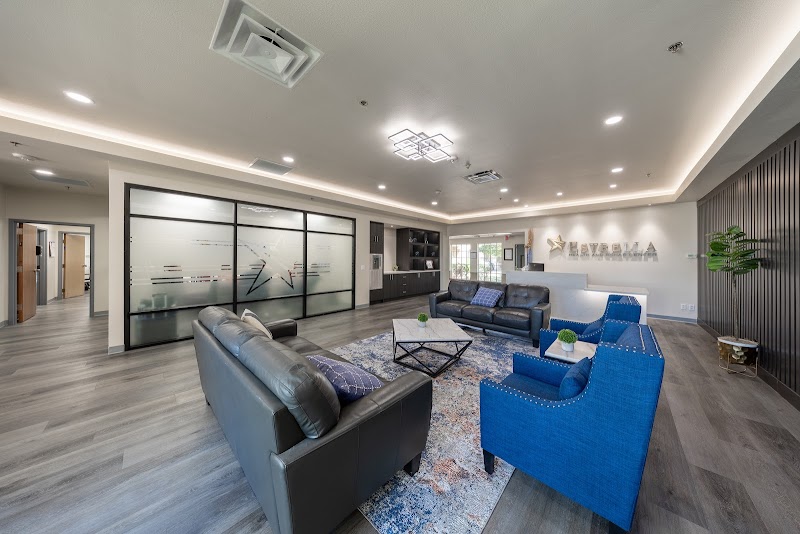
How is Estrella Center Staffed?

CMS rates ESTRELLA HEALTH AND REHABILITATION CENTER's staffing level at 4 out of 5 stars, which is above average compared to other nursing homes. Staff turnover is 26%, compared to the Arizona average of 46%. This relatively stable workforce can support continuity of care.

What Have Inspectors Found at Estrella Center?

State health inspectors documented 12 deficiencies at ESTRELLA HEALTH AND REHABILITATION CENTER during 2021 to 2024. These included: 11 with potential for harm and 1 minor or isolated issues.
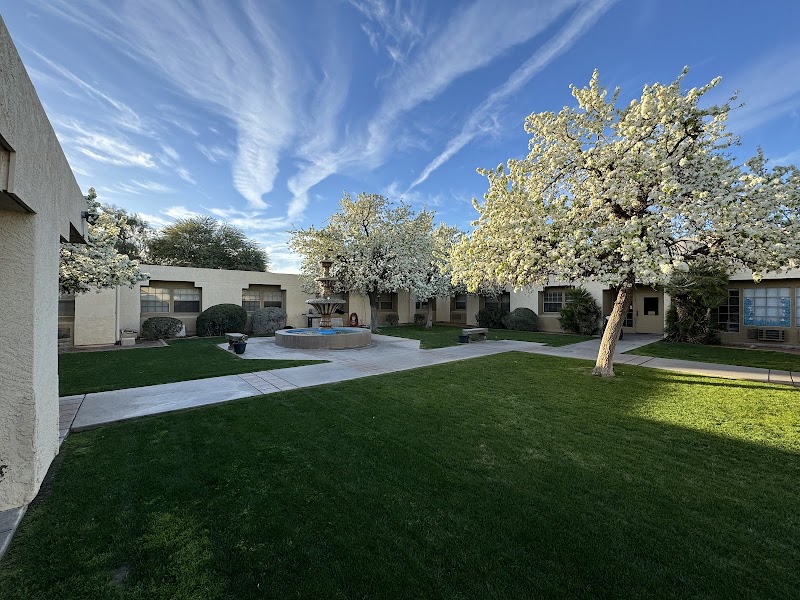
Who Owns and Operates Estrella Center?

ESTRELLA HEALTH AND REHABILITATION CENTER is owned by a for-profit company. For-profit facilities operate as businesses with obligations to shareholders or private owners. The facility is operated by THE ENSIGN GROUP, a chain that manages multiple nursing homes. With 161 certified beds and approximately 140 residents (about 87% occupancy), it is a mid-sized facility located in AVONDALE, Arizona.
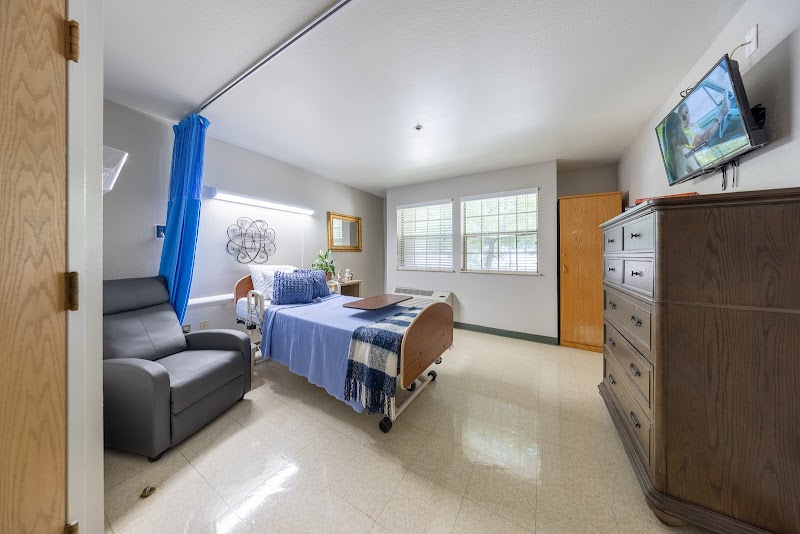
How Does Estrella Center Compare to Other Arizona Nursing Homes?

Compared to the 100 nursing homes in Arizona, ESTRELLA HEALTH AND REHABILITATION CENTER's overall rating (5 stars) is above the state average of 3.3, staff turnover (26%) is significantly lower than the state average of 46%, and health inspection rating (4 stars) is above the national benchmark.

What Should Families Ask When Visiting Estrella Center?

Based on this facility's data, families visiting should ask: "Can I visit during a mealtime to observe dining assistance and food quality?" "How do you handle medical emergencies, and what is your hospital transfer rate?" "Can I speak with family members of current residents about their experience?"

Is Estrella Center Safe?

Based on CMS inspection data, ESTRELLA HEALTH AND REHABILITATION CENTER has a clean safety record: no substantiated abuse findings (meaning no confirmed cases of resident harm), no Immediate Jeopardy citations (the most serious violation level indicating risk of serious injury or death), and is not on the Special Focus Facility watch list (a federal program monitoring the lowest-performing 1% of nursing homes). The facility has a 5-star overall rating and ranks #1 of 100 nursing homes in Arizona. While no facility is perfect, families should still ask about staff-to-resident ratios and recent inspection results during their visit.

Do Nurses at Estrella Center Stick Around?

Staff at ESTRELLA HEALTH AND REHABILITATION CENTER tend to stick around. With a turnover rate of 26%, the facility is 19 percentage points below the Arizona average of 46%. Low turnover is a positive sign. It means caregivers have time to learn each resident's needs, medications, and personal preferences. Consistent staff also notice subtle changes in a resident's condition more quickly. Registered Nurse turnover is also low at 13%, meaning experienced RNs are available to handle complex medical needs.

Was Estrella Center Ever Fined?

ESTRELLA HEALTH AND REHABILITATION CENTER has no federal fines on record. CMS issues fines when nursing homes fail to meet care standards or don't correct problems found during inspections. The absence of fines suggests the facility has either maintained compliance or corrected any issues before penalties were assessed. This is a positive indicator, though families should still review recent inspection reports for the full picture.

Is Estrella Center on Any Federal Watch List?

ESTRELLA HEALTH AND REHABILITATION CENTER is not on any federal watch list. The most significant is the Special Focus Facility (SFF) program, which identifies the bottom 1% of nursing homes nationally based on persistent, serious quality problems. Not being on this list means the facility has avoided the pattern of deficiencies that triggers enhanced federal oversight. This is a positive indicator, though families should still review the facility's inspection history directly.