ARCHSTONE CARE CENTER
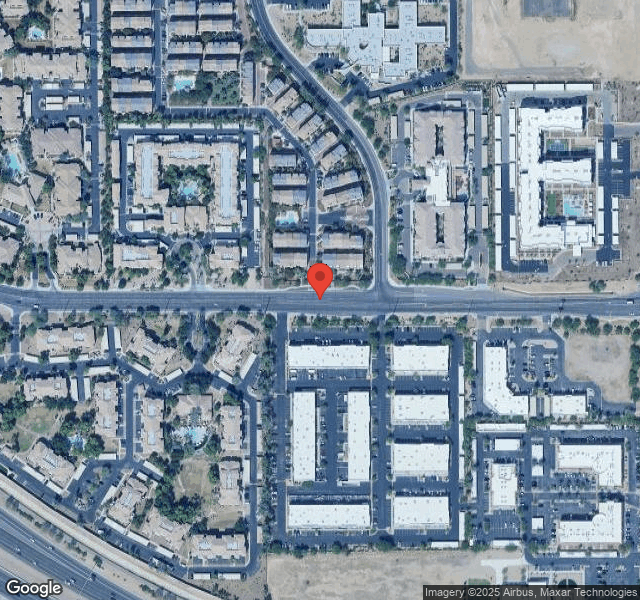

1980 WEST PECOS ROAD, CHANDLER, AZ 85224 (480) 821-1268
For profit - Partnership 120 Beds Independent Data: November 2025
Trust Grade
85/100
#6 of 139 in AZ
Last Inspection: October 2023

Over 2 years since last inspection. Current conditions may differ from available data.

Overview

Archstone Care Center in Chandler, Arizona, has a Trust Grade of B+, which means it is above average and generally recommended for families considering care options. It ranks #6 out of 139 facilities in Arizona, placing it in the top half, and also holds the #6 position out of 76 in Maricopa County, indicating a strong local reputation. The facility has maintained a stable trend in performance, with only one issue reported in both 2023 and 2024. Staffing is a mixed bag with a 3/5 rating, indicating average staffing levels, but a low turnover rate of 30% suggests that many staff members stay long-term. Notably, there have been no fines, which is a positive sign, but the center has less RN coverage than 94% of Arizona facilities, raising some concern about oversight. However, some incidents have been flagged, including a failure to properly inform a resident about the risks of psychoactive medications, which could lead to confusion or health risks. Additionally, a resident with severe cognitive impairment was found outside the facility, raising safety concerns. Lastly, there was a lapse in documenting tuberculosis test results for a staff member, which could pose a health risk. Overall, while Archstone Care Center has strengths in reputation and staff retention, families should weigh these factors along with the identified concerns.

Trust Score
B+
85/100
In Arizona
#6/139
Top 4%
Safety Record
Low Risk
No red flags
Inspections
Holding Steady
1 → 1 violations
Staff Stability
○ Average
30% turnover. Near Arizona's 48% average. Typical for the industry.
Penalties
✓ Good
No fines on record. Clean compliance history, better than most Arizona facilities.
Skilled Nurses
⚠ Watch
Each resident gets only 18 minutes of Registered Nurse (RN) attention daily — below average for Arizona. Fewer RN minutes means fewer trained eyes watching for problems.
Violations
⚠ Watch
16 deficiencies on record. Higher than average. Multiple issues found across inspections.
★★★★★
5.0
Overall Rating
★★★☆☆
3.0
Staff Levels
★★★★★
5.0
Care Quality
★★★★★
5.0
Inspection Score
Stable
2023: 1 issues
2024: 1 issues

The Good

  • 5-Star Quality Measures · Strong clinical quality outcomes
  • Full Sprinkler Coverage · Fire safety systems throughout facility
  • No fines on record
  • Staff turnover below average (30%)

    18 points below Arizona average of 48%

Facility shows strength in quality measures, fire safety.

The Bad

Staff Turnover: 30%

15pts below Arizona avg (46%)

Typical for the industry

The Ugly 16 deficiencies on record

Oct 2024 1 deficiency
CONCERN (D) 📢 Someone Reported This

A family member, employee, or ombudsman was alarmed enough to file a formal complaint

Potential for Harm - no one hurt, but risky conditions existed

Accident Prevention (Tag F0689)

Could have caused harm · This affected 1 resident

**NOTE- TERMS IN BRACKETS HAVE BEEN EDITED TO PROTECT CONFIDENTIALITY** Based on documentation, staff and resident interviews, and policy and procedures the facility failed to ensure that one resident...

Read full inspector narrative →
**NOTE- TERMS IN BRACKETS HAVE BEEN EDITED TO PROTECT CONFIDENTIALITY** Based on documentation, staff and resident interviews, and policy and procedures the facility failed to ensure that one resident (#1) received adequate supervision and care, during perineal care, to prevent accidents. The deficient practice could result in resident injuries. Findings include: Resident #1 was most recently admitted on [DATE] with diagnosis including: encephalopathy, extended spectrum beta lactamase resistance, unspecified fracture of the right ilium, subsequent encounter for fracture with routine healing, acute kidney failure, anemia in chronic kidney disease, acute embolism and thrombosis of unspecified deep veins of right lower extremity, type 2 diabetes, non-pressure chronic ulcer of other part of right lower leg with unspecified severity, muscle weakness, need for assistance with personal care, polyneuropathy, pressure ulcers of left heel-unstageable, chronic pain syndrome, retention of urine, chronic kidney disease stage 2, poly-osteoarthritis, essential hypertension, diastolic congestive heart failure, and morbid obesity. It was noted that the resident was discharged to the hospital on January 04, 2024. A review of the admission MDS (minimum data set) dated December 20, 2023 revealed a BIMS (brief interview of mental status) score of 10, indicating moderate cognitive impairment. The MDS further revealed that the resident had no noted behaviors, was totally dependent for toileting needs and personal hygiene. It was further noted that the resident had falls in the last 2-6 months prior to admission. A review of the care plan revealed a focus area for falls initiated on September 27, 2023, noting that the resident was at risk for falls. Interventions included to anticipate and meet the resident's needs, placing the call light within reach and educating on use thereof and safety, encouraging good footwear usage, following facility fall protocol and reviewing past falls to determine root cause. The care plan noted to assist with ADL's (activities of daily living) as needed but did not specify a 2-person assist. A review of the facility's fall assessment dated [DATE]. 2024 revealed that the resident was a moderate fall risk. It further noted that the bed was placed in the lowest position, that call light and water were in place and within reach. A review of the progress notes revealed that the resident had a witnessed fall on January 4, 2024. A, post fall, nursing assessment revealed no outwardly noted injuries and that the appropriate notifications transpired. The incident note in the progress notes further stated that that the CNA (certified nursing assistant) was performing peri care on the resident and proceeded to turn the resident to the left when the resident rolled out of bed and landed on her knees. It was noted that the resident did not hit her head and had been assessed for injuries. Notes stated that the resident was alert and oriented. It was documented that the physician and POA (power of attorney) were notified and that x-rays had been ordered. However, x-rays not able to be completed at the facility; therefore, the resident was sent to the hospital, per the progress notes. A review of the fall and fall prevention training documentation, revealed that a training was conducted on April 16, 2023; however, there was no evidence that staff #87 had participated in the training. Hospital records were requested, but had not been received. An interview was conducted on October 9, 2024 at 11:50 A.M. with staff #64 RN (registered nurse). Staff #64 stated that she recalled the incident of when resident #1 had rolled off the bed, but had not observed it. She stated that a post-fall incident assessment had been conducted and that notifications had transpired. She stated that she had later assisted with calling the hospital as the resident had been yelling out in pain. Staff #64 stated that she recalled having had peri care training and fall prevention training when she had initially started as a CNA in November of 2017 and a few thereafter but was unable to recall if she had either training last year. An interview was conducted on October 9, 2024 at 12:15 A.M with staff #106, DON (director of nursing), who provided fall and fall prevention in-service documentation. When asked about missing signatures on the sign-off, she stated that either staff did not attend or forgot to sign-off. She stated that oversight of the training documentation, at the time, was conducted by another staff member who is no longer at the facility. She stated that the risk would include staff not having received the necessary training. She further stated that she is now tracking all training and verify for completeness as well as conducting audits to ensure and verify understanding of the required trainings. Another interview was conducted with staff #106 DON regarding skills training for staff #87. Staff #106 stated that no skills training or annual performance review was conducted for staff #87 in 2023. A further review of the staff file revealed that although there was no evidence of an annual performance review a skills checklist was evident with a completion date of December 5, 2023; however individual topics did not denote a completion date-only the overall date was indicated. A subsequent interview was conducted on January 4, 2024 at 1:48 P.M. with staff #106 DON (director of nursing). Staff #106 stated that peri-care for a resident with a diagnosis of morbid obesity should always be a 2-person assist; however resident #1 was noted to have only been assisted by 1 CNA on January 4, 2024. She further stated that resident #1 was designated as a Hoyer lift transfer and therefore should have been a 2-person assist for peri care. She stated that the risk for not utilizing 2-staff members for peri care could include potential injuries or falls. Staff #106 further stated that fall management training is conducted annually. However, in reviewing the documentation of training, was unable to initially find documentation for fall management training in 2023. When the sign-off documentation was found it did not contain signatures or sign-off documentation for staff #87. Staff #106 stated that the risk for incomplete training could include not knowing about a change of condition and when to refer forward to therapy when that does happen. She stated that a change of condition might also be the cause a fall and without fall management training might not be recognized by staff. She further stated that her expectation was that policy was followed at all times when providing resident care and the risk for not doing so could result in resident injury. A telephonic interview was conducted on October 9, 2024 at 2:33 P.M. with staff #87 CNA. Staff #87 stated that on January 4, 2024 she had been performing peri care on resident #1. She stated that the resident was in bed on her left side and she was standing behind her on the other side of the bed. She stated that she made sure that the resident was secure. She stated that the resident's legs were stacked above each other, when the right leg slipped and dropped. She stated that the resident had her enabler bars in place and she was still behind her, when the resident's lower half of the body slipped from the bed, but upper half of the body remained on the bed. She stated that the resident landed on her knees and that she called out for help. Staff #87 stated that that the criteria for assisting residents with a diagnosis of morbid obesity includes having 2 -staff present if you can, but thought it was okay to do it by herself. She stated that in hind-sight having had another person there to assist would have been helpful, but stated that she couldn't find anyone. When asked if there were staffing concerns that day, she stated that she thought they were fully staffed that day with 3 CNA on that unit and a ratio of 10-13 residents. Staff # 87 stated that she did not recall having received fall management or peri care training when she started, but did recall having received a fall risk training in 2023; however, review of the training sign-off revealed no evidence of her presence in the training. Staff # 87 further stated that she had not had a skills assessment since starting at the facility in March of 2023; however, the personnel file did indicate the evidence of skills training dated December 5, 2023. A review of the facility policy entitled Peri care with a review date of February 2018 revealed that the resident should have their knees bent and feet flat on the mattress; however, when peri-care was provided to resident #1, the resident was reported to have been positioned on her left side and not with feet flat on the mattress, the resident fell and was subsequently transferred to the hospital. The policy entitled In-service Training, All Staff, revised August 2022 revealed that all staff must participate in initial orientation and annual in-service training.
Oct 2023 1 deficiency
CONCERN (D)

Potential for Harm - no one hurt, but risky conditions existed

Deficiency F0947 (Tag F0947)

Could have caused harm · This affected 1 resident

Based on personnel record reviews, staff interviews, and policy and procedures, the facility failed to ensure that one out of two Certified Nursing Assistants, (CNA/#106), sampled received in-services...

Read full inspector narrative →
Based on personnel record reviews, staff interviews, and policy and procedures, the facility failed to ensure that one out of two Certified Nursing Assistants, (CNA/#106), sampled received in-services and training for at least 12 hours per year. The deficient practice failed to ensure the continuing competence of the CNA. Based on personnel record reviews, staff interviews, and policy and procedures, the facility failed to ensure that one out of two Registered Nurses (RN/#33) sampled received in-services and training for at least 12 hours per year. The deficient practice failed to ensure the continuing competence of the RN. Findings include: Review of the personnel file for CNA, (staff #106), revealed a hire date of October 11, 2022. Further review of the training from October 2022 to October 2023, revealed no evidence of in-service training for Communication and Dementia. The review did reveal completed in-service training for Abuse and Neglect and Resident Rights. Review of the personnel file for RN, (staff #33), revealed a hire date of October 7, 2022. Further review of the training from October 2022 to October 2023 revealed no training had been completed. An interview was conducted on October 12, 2023 at 09:35 AM, with Director of Nursing, (DON staff #12). He stated that orientation and training for skills is provided upon hire. He also stated that in-services are provided monthly at staff meetings and that CNA (staff #106), did not have documentation that dementia training was completed since hire date. He did provide an in-service sign in sheet dated February 12, 2023, with CNA (staff #106) signature, but the in-service was for Abuse, Neglect, Misappropriation of Property, Elder Justice and Resident Rights. He stated he did not have documentation for any dementia in-service training for her. An interview was conducted on October 12, 2023 with DON (staff #12). He stated an employee audit revealed RN (staff #33), had not completed training, TB testing or fingerprint clearance. He stated he had a phone conversation with her on October 11, 2023. He stated she refused to obtain her fingerprint clearance card. As a direct result of this refusal, her employment was terminated on October 11, 2023. Review of the facility's Sufficient and Competent Nurse Staffing revealed licensed nurses and nursing assistants are trained and monitored by nursing leadership to ensure programming for staff training results in nursing competency and gaps in education are identified and addressed. Skills in the following areas but not limited to: Resident Rights, Behavioral Health, Psychosocial Care, Dementia Care, Person Centered Care, Communication, Basic Nursing Skills, Basic Restorative Services, Skin and Wound Care, Medication Management, Pain Management, Infection Control, Identification of Changes in Condition, and Cultural Competency.
Aug 2022 6 deficiencies
CONCERN (D)

Potential for Harm - no one hurt, but risky conditions existed

Transfer Requirements (Tag F0622)

Could have caused harm · This affected 1 resident

**NOTE- TERMS IN BRACKETS HAVE BEEN EDITED TO PROTECT CONFIDENTIALITY** Based on closed clinical record review, facility documents, staff interviews, and facility policies and procedures, the facility...

Read full inspector narrative →
**NOTE- TERMS IN BRACKETS HAVE BEEN EDITED TO PROTECT CONFIDENTIALITY** Based on closed clinical record review, facility documents, staff interviews, and facility policies and procedures, the facility failed to provide documentation of notification to the receiving provider (Emergency room) of the reason for the transfer, provide accurate transfer documentation, or follow the facility transfer process for one resident (#168). The deficient practice could result in discharge/transfer requirements not being met. Findings include: Resident #168 was admitted on [DATE] with diagnoses that included infection, atrial fibrillation, type 2 diabetes mellitus, muscle weakness, sepsis, and acute pulmonary edema. The resident was discharged on December 21, 2021 for not being COVID-19 vaccinated. Review of the medical record revealed no evidence of the specific needs that could not be met, the attempts the facility made to meet the resident's needs, or the specific services the new facility would provide to meet the resident's needs. Review of the facility admission booklet revealed no documentation that the facility did not accept resident's unless they had received the COVID-19 vaccination. Review of progress notes did not reveal any evidence the resident and or the resident's spouse had been notified of the facility requirement to be COVID-19 vaccinated prior to admission to the facility. Further review of progress notes did not reveal evidence the admissions staff had confirmed the resident's vaccination status through use of the state vaccine database (ASIIS), or contacting the family for a copy of the vaccination card. There was no documentation in the medical record of advanced notice due to this being a facility-initiated discharge, to the resident or resident representative. Review of the medical record revealed no discharge summary form was completed/provided to the receiving facility or to the resident/family. Review of the medical record revealed a Transfer/Discharge Report dated December 21, 2022 at 2:21 PM, with no documentation as to the reason for the transfer, personal effects sent with the resident, medications or history of the resident's stay. Documentation revealed that the resident was transferred to a different hospital at discharge from the hospital she had originally been admitted from. The report did not contain documentation that a copy was provided to the family or resident at the time of discharge. Review of the medical record revealed no evidence the receiving provider (emergency room) had been notified of the reason for the transfer. Review of the physician's order revealed no discharge order prior to discharge. Review of the medical record revealed no evidence the resident had been offered a COVID-19 vaccination when admitted to the facility. Review of progress notes revealed the resident's spouse had been notified of the transfer to the emergency room on December 21, 2021. Review of the discharge summary note by a case manager dated December 21, 2021 revealed the facility had been informed in writing that the resident had been vaccinated for COVID-19, but the resident stated that she was not vaccinated after discharge. It further stated that per protocol the resident was discharged . Review of physician progress note dated December 21, 2021 revealed the resident was transported to the emergency room due to vaccination status and criteria to be at the facility. An interview was conducted on August 23, 2022 at 11:15 AM with the Director of Admissions (staff #3), who stated that the facility is requiring that all new residents be vaccinated prior to admission. She stated that the process to confirm vaccination includes checking the state vaccine database (ASIIS), and contacting the family to ask for a copy of the vaccination card. She stated that this process would be completed prior to admission to the facility. She further stated that the hospital will try to see if the resident or family have easy access to the vaccination card, if not, the facility admissions staff would contact the family. The Admissions Director stated the vaccination card would be scanned into the medical record. She stated the first thing that is discussed with the resident and/or family is the admission information, including the need to be vaccinated prior to admission. She reviewed the medical for Resident #168, and stated that there was no documentation that the resident or the resident's family had been informed of the facility policy to be COVID-19 vaccinated prior to admission. She further stated that there was no documentation that they had confirmed the resident's vaccination status in the ASIIS database, or requested a copy of the vaccination card prior to admission. The Director of Admissions stated that the discharge staff at the hospital had told them the resident was vaccinated, but they did not check the ASIIS database, or ask the family directly about her vaccination status. She stated that this did not meet the facility admissions protocol. The Admissions Director stated that the admission forms/consents had not been signed at the time of admission. Staff #3 stated that she contacted the case manager at the hospital to let her know that there was an error in communication and that they were sending the resident back. However, review of the medical record revealed that the resident was transferred to a different hospital than the one the resident had been admitted from. She further stated that when a resident is discharged to the hospital the transfer summary paperwork is completed by the nurse. During an interview with the Administrator (staff #40) on August 23, 2022 at 11:25 AM, he stated that the current new patient handout/booklet was revised about two to three years ago and the only addition in the past year has been a letter regarding use of extension cords and candles. An interview was conducted on August 24, 2022 at 10:22 AM with an LPN (staff #58), who stated that a transfer/discharge summary should be completed at the time of discharge/transfer. She also stated that they would call the receiving facility and notify them of the reason for the transfer, then document the call in the medical record. She further stated that upon admission they test residents for COVID-19. She reviewed the medical record and stated that there was a progress note for the discharge summary, that the documentation stated that the resident was discharged related to COVID-19 vaccination status. She reviewed the medical record and stated that she did not see any documentation that the receiving hospital had been given a report. She further stated that she was the nurse that attended the resident's discharge, and she was not sure why the resident was sent back to the hospital. The LPN stated that the risk of not reporting the reason for the transfer to the hospital could result in the hospital not knowing why they are receiving the resident. An interview was conducted with the Director of Nursing (DON/staff #13) on August 24, 2022 at 2:56 PM, who stated that when they receive an admission referral they would find out if the patient is vaccinated, or the reason why if they are not. He reviewed the medical record and stated the facility did not follow the process for resident #168. He further stated the resident should not have been admitted to the facility without admissions confirming the vaccination card or checking the ASIIS system. The DON also stated that he would have kept the patient, as they currently have an unvaccinated resident residing in the facility. He reviewed the vaccine policy, and stated that it speaks to residents receiving the COVID-19 vaccine in the facility. He stated that they have no policy that states residents are required to be vaccinated prior to admission. The DON further stated that when a discharge/transfer is not emergent, the nurse would be expected to call the receiving facility and give a report, and document the call. He reviewed the medical record and stated that there was no documentation in the progress notes that the receiving facility had been notified of the reason for the transfer. He further stated that this did not meet the discharge policy. The DON stated the risk could result in the hospital being unable to care for the resident, and family would not know where the resident was transferred to. He stated that he did not see documentation that a COVID test had been done on admission, or orders for isolation. The DON reviewed the facility policy on discharges and stated the resident was not discharged following the facility policy, and this did not meet his expectations. An interview was conducted on August 25, 2022 at 9:09 AM with a Licensed Practical Nurse (LPN/staff #50), who stated that the discharge process included a physician order, and discharge summary. He further stated that the emergency room would be notified and it should be documented in the medical record. The LPN stated that they do vaccinate residents at the facility for COVID-19 and provide COVID-19 testing. Another interview was conducted on August 25, 2022 at 9:13 AM with the DON (staff #13), who stated that he could not speak to how the discharge benefited the resident's welfare, but that hospitals have more capabilities to prevent spread of infection. He also stated that there was no documentation in the medical record that a COVID-19 vaccination was offered to the resident, or of any reason why the facility could not meet the resident's needs. The DON stated that there was no documentation in the medical record that the resident was involved in the discharge, that the necessary healthcare information was shared with the emergency room, or that a discharge summary had been completed. He further stated that the facility policy is to obtain a physician order prior to transfer to the emergency room. He reviewed the medical record and stated that there was no documentation that a physician order had been obtained prior to discharge. He also stated that it is the facility policy for the attending physician to dictate a discharge note, and that he did not see one documented in the medical record. The DON stated that this did not meet the facility discharge policy. An interview was conducted on August 28, 2022 at 2:57 PM with the Infection Preventionist (IP/staff #55) in conjunction with the DON, who stated that it is the Administrator's preference that residents are admitted on ly if they are vaccinated. She also stated that new admissions are tested for COVID-19 when they are admitted . She further stated that when they realized the resident was not vaccinated, they should have offered to administer the COVID-19 vaccination and allowed the resident the right to refuse. She reviewed the line list and stated the facility was not in an outbreak status at the time of the resident's admission. The facility policy titled, admission Criteria, included that prior to admission, the resident or representative is informed of any service limitation or special characteristics of the facility. It also stated that the facility admits only residents whose medical and nursing care needs can be met. The facility policy titled, Transfer or Discharge Documentation, included that when a resident is transferred or discharged , details of the transfer or discharge will be documented in the medical record and appropriate information will be communicated to the receiving health care facility or provider. When a resident is transferred from the facility, the following information will be documented in the medical record: a) When a resident is transferred or discharged because his or her needs cannot be met at the facility, documentation will include: -the specific resident needs that cannot be met; -this facility's attempt to meet those needs; and -the receiving facility's services that are available to meet those needs. b) that an appropriate notice was provided to the resident and/or legal representative; c) the date/time of the transfer or discharge; d) the new location of the resident; e) the mode of transportation; f) A summary of the resident's overall medical, physical, and mental condition; g) Disposition of personal effects; h) Disposition of medications; Should a resident be discharged of any reason, the following information will be communicated to the receiving facility or provider: a) The basis for the transfer or discharge; b) If the resident is being transferred or discharged because his or her needs cannot be met at the facility, documentation will include: -The specific resident needs that cannot be met; -This facility's attempt to meet those needs; and -the receiving facility's services that are available to meet those needs. c) All special instructions or precautions for ongoing care, as appropriate; Review of the facility policy titled, Vaccination of Residents, included all residents will be offered vaccinations that aid in preventing infectious diseases. All new residents shall be assessed for current vaccination status upon admission. The resident or the resident's legal representative may refuse vaccines for any reasons.
CONCERN (D)

Potential for Harm - no one hurt, but risky conditions existed

Comprehensive Care Plan (Tag F0656)

Could have caused harm · This affected 1 resident

**NOTE- TERMS IN BRACKETS HAVE BEEN EDITED TO PROTECT CONFIDENTIALITY** Based on clinical record review, observations, staff interviews, and policy review, the facility failed to consistently implemen...

Read full inspector narrative →
**NOTE- TERMS IN BRACKETS HAVE BEEN EDITED TO PROTECT CONFIDENTIALITY** Based on clinical record review, observations, staff interviews, and policy review, the facility failed to consistently implement care planned interventions for application of a hand roll to decrease risk for further hand contracture prevention for one resident (#7). The sample size was 2. The deficient practice could result in care plan interventions not being followed for residents with contractures. Findings include: Resident #7 was admitted to the facility on [DATE] and readmitted on [DATE] with diagnoses that included cerebral infarction, hemiplegia, contracture of muscle, and dysphagia. Review of orders revealed: -Nursing to don/doff the patient to wear left hand roll all day, seven times a week as tolerated to decrease risk for further hand contracture and maintain skin integrity. Started October 24, 2018 and discontinued on October 26, 2018. Review of the medical record revealed no documentation that a hand roll had been applied after January 21, 2021. Review of the care plan revealed: - A focus on limited physical mobility related to weakness, history of cardiovascular accident (CVA) with left sided hemiparesis, aphasia, initiated on May 19, 2015 with interventions that included a hand roll to left hand, initiated on January 25, 2021. - A focus on ADL (activity of daily living) self-care performance deficit related to CVA with extensive residual deficits, requires total support with interventions initiated on January 17, 2019 included: hand roll to left hand as ordered, initiated on April 27, 2021, and hand roll to left hand related contracture prevention initiated on January 25, 2021. Review of a quarterly Minimum Data Set (MDS) assessment dated [DATE], included a staff assessment for Cognitive Skills for Daily Decision-Making that indicated the resident was severely impaired. The assessment included an impairment of the upper extremity (shoulder, elbow, wrist, hand). Review of current physician orders revealed no orders for use of hand roll to the left hand, however nurse practitioner notes document to use hand roll to the left hand. Review of Nurse Practitioner progress notes dated July 14, 2022 and August 15, 17, 19, 2022, included documentation of contracture left hand, apply left hand roll every day. Observations conducted on the following dates revealed the resident lying in bed with no hand roll observed in the left hand: -August 08, 2022 at 11:36 AM -August 23, 2022 at 10:29 AM and 3:27 PM An interview was conducted on August 24, 2022 at 10:22 AM with a Licensed Practical Nurse (LPN/staff #58), who stated that she is familiar with the resident's care and that the resident has contractures. She also stated that the treatment for the resident's contractures is to position with pillows. The LPN stated that documentation of hand roll application would be on the treatment administration record (TAR). She reviewed the medical record and stated that there was no documentation in the TAR that a hand roll had been applied. She also reviewed the care plan and stated that there is an intervention that stated to use a hand roll to the left hand. She stated the only documentation that she could see in the medical record that the hand roll was applied was on January 21, 2021. She stated that this did not meet the facility expectation for following care planned interventions. An interview was conducted on August 24, 2022 at 11:56 AM with a Certified Nursing Assistant (CNA/staff #51), who stated that she was familiar with the resident, and that she did not place a hand roll in the resident's left hand. She further stated that sometimes she will place it on for 2 hours, then remove. An interview was conducted on August 24, 2022 at 2:16 PM with the Director of Nursing (DON/staff #13), who stated that the hand roll for contracture prevention should be continuous, and should be documented in the tasks section of the medical record. He also stated that interventions in the care plan should be implemented. He reviewed the medical record and stated that there was no documentation that the hand roll had been applied. The DON reviewed the care plan and stated that the hand roll was documented in interventions and should be placed on the resident. He also stated that the risk of not following the care plan could result in and crease of contractures. The DON further stated that the expectation is to follow the care planned interventions, and that this did not meet his expectations. Review of the facility policy titled, Comprehensive Person-Centered Care Plans, included that a comprehensive care plan includes measurable objectives and timetables to meet the resident's physical, psychosocial and functional needs is developed and implemented for each resident.
CONCERN (D)

Potential for Harm - no one hurt, but risky conditions existed

Deficiency F0761 (Tag F0761)

Could have caused harm · This affected 1 resident

Based on observation, staff interview, and policy review, the facility failed to ensure medications were secured and not left unattended on top of the medication cart. The deficient practice could res...

Read full inspector narrative →
Based on observation, staff interview, and policy review, the facility failed to ensure medications were secured and not left unattended on top of the medication cart. The deficient practice could result in misappropriation of medications. Findings include: A medication administration observation was conducted on August 23, 2022 at 7:35 AM with a Registered Nurse (RN/staff #49). During the observation at 7:39 AM, a staff member came up to the nurse and said he was needed on station 1. The RN locked the medication cart, and was observed to walk down the hall away from the medication cart. At that time, it was observed that a vial of cefepime 2 grams, two 0.9% sodium chloride injections, and a 10 ml (milliliter) bag of sodium chloride were on top of the medication cart when the RN left the unit. The RN returned at 7:41 AM and continued medication administration. The RN moved the medication cart to the doorway of the next room and prepared medications by placing them in a medication cup on top of the cart. Leaving the medication cup with the medications, and the intravenous medications on top of the cart, the RN picked up a blood pressure cuff and entered a resident's room. The RN was observed to be across the room with his back turned away from the medication cart. After completing the blood pressure check, the RN was observed to walk back across the room, sanitize his hands, pick up the medication cup that was on the top of the medication cart, re-enter the room and administer the medications. The cefepime, sodium chloride syringes and sodium chloride were observed to be on top of the medication cart during the administration of the other medications. An interview was conducted on August 23, 2022 at 8:15 AM with an RN (staff #49), who stated that it is the facility policy to not leave any medications unattended. He stated that he did leave the medications, syringes, and sodium chloride on top of the medication cart, unattended when he left the unit, and during medication administration. He stated that this did not meet the facility policy for medication administration. An interview was conducted on August 24, 2022 at 10:22 AM with a Licensed Practical Nurse (LPN/staff #58), who stated that the facility policy includes not leaving any medications or anything unattended on top of the medication carts. She also stated that all medications and any saline products should be kept in the drawer. The LPN further stated that it is not following the facility process to leave IV mediation and sodium chloride on the cart unattended. She stated that the risk could result in another resident taking the medication. An interview was conducted on August 24, 2022 at 1:46 PM with the Director of Nursing (DON/staff #13), who stated that it is not following the facility process to leave medications unattended on top of the medication carts. The DON stated that they should be locked up in the cart. He stated that the risk could result in a resident taking the medication or the vials being switched. Review of the facility policy titled, Administering Medications, revealed medications shall be administered in a safe and timely manner. During the administration of medications, the medication cart will be kept closed and locked when out of sight of the medication nurse. No medications are kept on top of the cart.
CONCERN (D)

Potential for Harm - no one hurt, but risky conditions existed

Infection Control (Tag F0880)

Could have caused harm · This affected 1 resident

Based on observation, staff interviews, facility documentation, and policy review, the facility failed to ensure a blood pressure cuff designated for multi-resident use was properly cleaned and disinf...

Read full inspector narrative →
Based on observation, staff interviews, facility documentation, and policy review, the facility failed to ensure a blood pressure cuff designated for multi-resident use was properly cleaned and disinfected between resident use. The deficient practice increases the risk for transmission of infection. Findings include: An observation was conducted on August 23, 2022 at 7:35 AM with a Registered Nurse (RN/staff #49) using a blood pressure cuff to perform a blood pressure check on a resident. When the test was completed, staff #49 placed the blood pressure cuff on top of the medication cart, without sanitizing it. At 7:45 the RN was then observed to remove the blood pressure cuff from the top of the medication cart, and proceeded to perform a blood pressure test on another resident. When the test was completed, he was observed to bring the blood pressure cuff out of the resident's room and place it on top of the medication cart without sanitizing the cuff. At 8:07 AM, the RN was observed to enter another resident room taking the blood pressure cuff from the top of the medication cart. He was observed to complete the test and place the cuff on top of the medication cart, he did not sanitize the cuff at that time. During an interview conducted with staff #49 on August 23, 2022 at 8:15 AM, he stated that the blood pressure cuff is his own, and all staff have their own blood pressure cuffs. He also stated that according to the facility policy a blood pressure cuff does not need to be disinfected between resident use unless the resident is on isolation precautions. The RN stated that he did not sanitize the blood pressure cuff between resident use during the medication administration observation. He stated that the risk of not sanitizing between resident use could result in transmission of infection. An interview was conducted on August 24, 2022 at 10:22 AM with a Licensed Practical Nurse (LPN/staff #58), who stated that all nursing staff have their own equipment, including blood pressure cuffs. She stated that the facility process is to disinfect/sanitize the equipment after use on each resident. She further stated that would include all residents, not just those on contact/isolation precautions. The LPN stated the risk of not sanitizing equipment between residents could result in the equipment carrying germs from one resident to another. An interview was conducted on August 24, 2022 at 12:16 PM with the Assistant Director of Nursing, and Infection Preventionist (ADON-IP/staff #5), who stated that she instructs all staff to sanitize blood pressure cuffs after every resident use, for all residents. An interview was conducted on August 24, 2022 at 1:46 PM with the Director of Nursing (DON/staff #13), who stated that blood pressure cuffs are multi-resident use, and should be sanitized between each resident use. He also stated that the nurses have their own blood pressure cuffs, and he would expect those to be sanitized as well. The DON stated the risk of not sanitizing between each resident could result in spreading infection from resident to resident or resident to visitor, or resident to a staff member. Review of the facility policy titled, Cleaning and Disinfection of Resident-Care and Equipment, included that Resident-care equipment, including reusable items and durable medical equipment will be cleaned and disinfected according to current CDC (Centers for Disease Control and Prevention) recommendations for disinfection and the OSHA (Occupational Safety and Health Administration) Bloodborne Pathogens Standard. Reusable items are cleaned and disinfected between residents. Durable medical equipment (DME) equipment must be cleaned and disinfected before reuse by another resident.
CONCERN (D)

Potential for Harm - no one hurt, but risky conditions existed

Deficiency F0886 (Tag F0886)

Could have caused harm · This affected 1 resident

**NOTE- TERMS IN BRACKETS HAVE BEEN EDITED TO PROTECT CONFIDENTIALITY** Based on employee record reviews, facility documentation, staff interview, and facility policy and procedures, the facility fail...

Read full inspector narrative →
**NOTE- TERMS IN BRACKETS HAVE BEEN EDITED TO PROTECT CONFIDENTIALITY** Based on employee record reviews, facility documentation, staff interview, and facility policy and procedures, the facility failed to conduct COVID-19 testing based on the frequency set forth by state and federal guidelines for one staff (#1). The deficient practice could result in the spread of the COVID-19 virus. Findings include: Review of facility documentation revealed the facility was on outbreak status from June 17, 2022 thru August 11, 2022 and required COVID-19 testing 2 times per week. Review of the facility's July 2022 testing log indicated that employee #1 was COVID-19 tested on [DATE] and 26, and the results were negative. However, on July 29, the test came back positive. The time Card for July 2022 revealed staff #1 worked at the facility on July 6, 7, 8, 9, 10, 11, 12, 13, 14, 18, 19, 20, 21, 22, 23, 24, 25, 26, 27, and 28. Comparison of the test dates and Time Card revealed that staff #1 worked on every week in July but was not tested for COVID-19 for the first two weeks of July and was only tested on ce during the week of July 17 thru July 22, 2022. An interview was conducted on August 23, 2022 at 11:44 a.m. with the Infection Preventionist (staff #55). Staff #55 stated all staff are tested during a COVID outbreak. Staff #55 stated that during an outbreak, staff are tested every 3-7 days for 14 days. She said that staff knew when they needed to be tested. During an interview with staff #1 conducted on August 23, 2022 at 2:05 p.m., she stated that the only time she was off for the month of July was after she tested positive for COVID. Staff #1 also said that she only recalled being tested on ce or twice in the month of July while the facility was in outbreak. An interview was conducted on August 25, 2022 at 2:19 p.m. with the Director of Nursing (DON/staff # 13). Staff #13 said that during COVID outbreak, all staff are tested regardless of vaccination status. He included the facility was in outbreak from June 17 thru August 11, 2022. The facility's policy titled Coronavirus Disease (COVID-19) - Testing Staff revised 2021, revealed viral testing of all staff regardless of vaccination status is conducted if there is an outbreak in the facility. If additional cases are identified, testing will continue every 3-7 days until there are no new cases for 14 days.
CONCERN (D)

Potential for Harm - no one hurt, but risky conditions existed

Deficiency F0925 (Tag F0925)

Could have caused harm · This affected 1 resident

**NOTE- TERMS IN BRACKETS HAVE BEEN EDITED TO PROTECT CONFIDENTIALITY** Based on observations, resident and staff interviews, and review of facility documentation and policy, the facility failed to ma...

Read full inspector narrative →
**NOTE- TERMS IN BRACKETS HAVE BEEN EDITED TO PROTECT CONFIDENTIALITY** Based on observations, resident and staff interviews, and review of facility documentation and policy, the facility failed to maintain an effective pest control program to ensure the facility was free from insects. The deficient practice could result in ongoing insect problems. Findings include: Review of a pest control services invoice from an outside exterminator from June 15, 2022 through August 17, 2022 included: - June 15: interior, exterior, back wall and sidewall pest control for scorpions, cockroaches, spiders and crickets - July 14: interior, exterior, back wall and sidewall pest control for scorpions, cockroaches, spiders and crickets - August 17: interior, exterior, back wall and sidewall pest control for scorpions, cockroaches, spiders and crickets Review of the facility's work order request log regarding pest control for 2022 revealed the following: - January 9, 2022: report of ants on the dresser located in a resident's room - February 3, 2022: report of roaches on curtain located in a resident's room - February 12, 2022: report of cockroaches located in a resident's room - May 3, 2022: report of beetle or roach on the bed and on the floor located in a resident's room - August 3, 2022: report of big bugs in a resident's room - August 7, 2022: report of ants on side table located in a resident's room During an observation conducted on August 22, 2022 at 8:49 a.m., two cockroaches were observed in the hallway by rooms [ROOM NUMBERS]. One roach was dead, while the other one was alive scooting around. Staff members kept walking through the hall and passed by the insects and did not seem to notice the pests on the floor. One staff member was wiping the walls by the dead cockroach and did not seem to notice the pest. The pests were observed on the floor until about 9:39 a.m. On August 23, 2022 at 8:30 a.m., a cockroach was observed coming out of a resident room into the unit 2 hallway. An interview was conducted on August 24, 2022 at 1:17 p.m. with a resident who said that they have roaches bad in the facility. An interview was conducted on August 24, 2022 at 1:55 p.m. with the maintenance director (staff #39) who stated he schedules pest control weekly on Wednesdays. He stated once a month on one of those Wednesdays, the facility is sprayed for pests. Staff #39 stated that to his knowledge, the facility does not have a pest issue. He stated the exterminator sprays both the outside and the inside of the facility. Staff #39 verified with the exterminator during a call that the pest control service targets ants, roaches, cricket and any insects. He stated that whenever there is an issue, it is reported via an online work order system available for staff to fill out for requests. He stated alternatively, staff can come to the maintenance office to inform them of pest control issues. Staff #39 admitted that he is aware that there are sewage roaches and sometimes they come into the facility. He stated they try to keep water flowing in the rooms that are not in use to prevent the sewage roaches from coming in. He stated they do this by keeping p-traps water flowing and flushing. Staff #39 said that staff is supposed to inform maintenance of pest sightings/issues. An interview with a housekeeping (staff #38) conducted on August 25, 2022 at 10:16 a.m., who stated roaches seem to pop out in the facility. She stated mostly, they come out after the exterminator sprays the facility. Staff #38 stated that the last couple of times the exterminator sprayed, shortly thereafter, the roaches came out. Staff #38 stated staff are supposed to inform maintenance of pest sightings/issues. She said reporting can be done via the computer or by speaking directly with maintenance staff. She said she has reported roach sightings once or twice. Staff #38 stated the last report she made was about a month ago and was done verbally. An interview with a certified nursing assistant (CNA/staff #64) was conducted on August 25, 2022 at 10:38 a.m. Staff #64 said that she has seen pests such as scorpion, roaches and ants in the facility. She said right outside the building there are a lot of roaches. She said that sometimes they are told to put a work order in; other times, just tell maintenance directly. Staff #64 stated they have been instructed to inform maintenance of resident's concern regarding pests. She stated that last night one of her residents informed her about ants and showed her where it was in the room. She reported the ant sighting verbally. Continued review of the pest work order log did not render a match for the insect sighting that staff #64 reported. A follow up interview with the maintenance director (staff #39) was conducted on August 25, 2022 at 11:42 a.m. Staff #39 stated that if pest control issues were reported verbally, then there would be no documentation regarding the work order. He said he does reiterate to staff to request a work order via the computer but when staff is busy it does not happen. He said the maintenance staff are also busy so they are not able to generate the work order in the computer for verbal requests. Staff #39 also stated that no one informed him about roaches on Monday. The facility's pest control policy, revised May 2008, revealed the facility shall maintain an effective pest control program. The policy stated maintenance service assists in providing pest control services.
Mar 2021 8 deficiencies
CONCERN (D)

Potential for Harm - no one hurt, but risky conditions existed

Safe Environment (Tag F0584)

Could have caused harm · This affected 1 resident

**NOTE- TERMS IN BRACKETS HAVE BEEN EDITED TO PROTECT CONFIDENTIALITY** Based on observations, staff interviews, and policy review, the facility failed to ensure one resident's (#40) bathroom sink was...

Read full inspector narrative →
**NOTE- TERMS IN BRACKETS HAVE BEEN EDITED TO PROTECT CONFIDENTIALITY** Based on observations, staff interviews, and policy review, the facility failed to ensure one resident's (#40) bathroom sink was in working order. The deficient practice could result in residents' bathroom sinks not being in working order. Findings include: Resident #40 was admitted to the facility on [DATE] with diagnoses that included vascular dementia, hemiplegia and hemiparesis, and cerebral infarction. The quarterly Minimum Data Set assessment dated [DATE] revealed a score of 10 on the Brief Interview for Mental Status (BIMS) indicating the resident had moderately impaired cognition. An observation of resident #40's bathroom sink was conducted on March 1, 2021 at 9:55 am. The sink was observed full to the top with water. The resident stated the sink had been like that for a couple of months. The resident stated she had reported it to her Certified Nursing Assistant (CNA) and to her nurse. On March 2, 2021 at 10:20 am, another observation was conducted of resident #40's bathroom sink. The sink was observed three quarters full of water. The water was observed to be a milky color. The bottom of the sink was not visible through the water. Following this observation an interview was conducted with resident #40, who stated maintenance had come to look at the sink but did not fix the sink. She said the maintenance man spoke in Spanish and she was not able to understand him. The resident said her CNA had plunged the sink the day prior since it looked like it was going to overflow. Resident #40 stated she has had to brush her teeth in a basin at her bed since she was not able to use the clogged bathroom sink. The resident stated she has also had to wash her face and have personal care provided in bed due to the lack of a working sink. The resident stated she would prefer to do these activities in the bathroom at the sink. An interview was conducted on March 2, 2021 at 11:02 am with the maintenance manager (staff #78). Staff #78 stated all maintenance work in the building should be submitted on a work order, and that the work orders are picked up daily. He stated he receives 1-3 work orders a day and that he triages them to respond to the most important ones first. Staff #78 stated he does not keep work orders for the previous month and was unable to say if a work order had been submitted for resident #40's bathroom sink. Staff #78 stated he was not aware of any ongoing issues in the building. On March 2, 2021 at 11:47 am, an interview was conducted with a CNA (staff #8) who stated she was aware of the problem with resident 40's sink. The CNA said the sink had been clogged and not draining properly for a couple months. Staff #8 stated several work orders had been filled out and that she verbally informed staff #78 about the issue the day before. Staff #8 further stated staff #78 told her he would get to it when he had time. On March 2, 2021 at 12:23 pm, an interview was conducted with a Licensed Practical Nurse (LPN/staff #84) who stated work orders are submitted to maintenance through the drop box at the nurse's station. The LPN said that maintenance does not always respond to work orders immediately and sometimes she has made multiple work orders for the same issue. During an observation conducted of resident 40's bathroom sink with staff #78 on March 2, 2021 at 12:40 pm, staff #78 stated all plumbing in the building was expected to be in proper working order. Staff #78 stated he was aware of the problem with resident 40's sink. The maintenance manager stated there were two sinks in the facility that were having a problem and that the other sink was determined to be more of an emergency situation. Staff #78 stated he thought the issue with resident #40's sink was a problem with the pipes on the roof but that after investigating, that was not the problem. Staff #78 said the bathroom sink in resident 40's room needed to be re-piped and that the work would be completed that day. An interview was conducted with the facility administrator (staff #36) on March 2, 2021 at 12:47 pm. The administrator stated that he expects staff to fill out a work order for any work that needs to be done in the facility. The administrator stated the maintenance manager and assistant complete a lot of work on the building. Staff #36 stated maintenance does a lot of work that there were no work orders for as well. Staff #36 stated he was not aware of the problem with resident 40's sink. The administrator stated he would expect the staff to come to him if there was a work order that was not responded to. The facility's Work Orders policy revised April 2010, stated that in order to establish a priority of maintenance service, work orders must be filled out and forwarded to the maintenance director. The policy also included work orders are picked up daily and emergency requests will be given priority in making necessary repairs.
CONCERN (D)

Potential for Harm - no one hurt, but risky conditions existed

Comprehensive Care Plan (Tag F0656)

Could have caused harm · This affected 1 resident

**NOTE- TERMS IN BRACKETS HAVE BEEN EDITED TO PROTECT CONFIDENTIALITY** Based on clinical record review, resident and staff interviews, and policy review, the facility failed to ensure a comprehensive...

Read full inspector narrative →
**NOTE- TERMS IN BRACKETS HAVE BEEN EDITED TO PROTECT CONFIDENTIALITY** Based on clinical record review, resident and staff interviews, and policy review, the facility failed to ensure a comprehensive care plan was developed for one resident (#39) regarding seizures. The facility census was 55. The deficient practice could result in care issues not being addressed in residents' plan of care. Findings include: Resident #39 was admitted to the facility on [DATE], with diagnoses that included epilepsy and paralytic syndrome. Review of the admission Minimum Data Set (MDS) assessment dated [DATE] revealed a Brief Interview for Mental Status (BIMS) score of 15, indicating the resident had intact cognition. The MDS assessment also included the resident had a diagnosis of seizure disorder or epilepsy. Review of a SBAR (Situation, Background, Assessment, Recommendation) note dated February 23, 2021 at 2:59 am revealed the resident has seizure disorder, shaking temp 97.8 gen hives. A nursing note dated February 23, 2021 at 3:33 am revealed the resident was taken to the hospital at 3:30 am. A nurse note dated February 28, 2021 revealed the resident was re-admitted to the facility on [DATE] at 7:00 pm. Review of physician orders dated February 27, 2021 revealed orders for Lacosamide 200 milligrams (mg) by mouth two times a day for seizure disorder and Brivaracetam 50 mg by mouth two times a day for seizure disorder. A physician skin/wound note dated March 1, 2021 at 10:24 am stated the resident was recently hospitalized for seizures. The note included that according to records, the resident continued to have seizures while being transferred to the hospital and that the resident was intubated and admitted to ICU (intensive care unit). However, review of the resident's care plans did not reveal a care plan for seizures. An interview was conducted with resident #39 on March 4, 2021 at 10:29 am. The resident stated that in February of 2021 she was sent to the hospital for cellulitis, but that she had a seizure as well. The resident stated that she does not remember much of the seizure, but that she had a loss of control and was shaking. An interview was conducted with the Registered Nurse (RN/staff #16) on March 4, 2021 at 10:51 am, who stated that he assisted the resident during her seizure, but was not aware that the resident lost control or consciousness. The RN said that he was not aware the resident has a diagnosis of epilepsy, but was aware the resident had a history of seizures. The RN stated it would be his opinion that there should be a care plan for seizures. During an interview conducted with the Licensed Practical Nurse supervisor (LPN/staff #88) on March 4, 2021 at 11:01 am., staff #88 stated that she was aware that the resident had a diagnosis of epilepsy. Staff #88 also stated that she was not aware there was no care plan to monitor for seizures and that the nurse should be monitoring for seizures. An interview was conducted on March 4, 2021 at 11:21 am with the Director of Nursing (DON/staff #26). Staff #26 stated that she was not aware the resident had a diagnosis of epilepsy, but did say that a resident with epilepsy should have a care plan to address it. The DON said that she was not aware resident #39 reported loss of control and was not sure if the resident had an actual seizure. The DON stated that the process of initiating a care plan starts with the MDS Coordinator. The DON said the care plan is then reviewed by nursing and the interdisciplinary team. The DON further stated that she did not know why resident #39 did not have a care plan for seizures. Staff #26 said the MDS Coordinator was new to the facility. An interview was conducted with the MDS Coordinator (staff #73) on March 4, 2021 at 11:29 am. Staff #73 stated the resident's needs are evaluated on admission and a care plan is initiated at that time. The Coordinator further stated that she was aware the resident had epilepsy and should have a care plan to monitor for seizures. Staff #73 stated it must have been an oversight. Review of the facility's policy regarding assessments and care planning revised December 2016 included comprehensive assessments, care planning and the care delivery process involve collecting and analyzing information, choosing and initiating interventions, and then monitoring results and adjusting interventions. The policy stated to define conditions and problems that are causing or could cause other problems. Define current treatments and services; link with problems/diagnoses. The policy also included assessments (baseline, comprehensive, MDS, etc.) are used to develop, review and revise the resident's comprehensive care plan.
CONCERN (D)

Potential for Harm - no one hurt, but risky conditions existed

Deficiency F0676 (Tag F0676)

Could have caused harm · This affected 1 resident

**NOTE- TERMS IN BRACKETS HAVE BEEN EDITED TO PROTECT CONFIDENTIALITY** Based on clinical record review, resident and staff interviews, facility documentation and policy review, the facility failed to...

Read full inspector narrative →
**NOTE- TERMS IN BRACKETS HAVE BEEN EDITED TO PROTECT CONFIDENTIALITY** Based on clinical record review, resident and staff interviews, facility documentation and policy review, the facility failed to ensure one resident (#25) received consistent showers. The deficient practice could result in residents not consistently receiving showers. The resident census was 55. Findings include: Resident #25 was admitted to the facility on [DATE] and readmitted on [DATE] with diagnoses that included End Stage Renal Failure, Parkinson's Disease, and hypertension. The quarterly Minimum Data Set (MDS) assessment dated [DATE] included a Brief Interview Mental Status score of 11, indicating the resident was moderately impaired. The MDS assessment also included the resident required one-person physical assist in part of bathing activity. The resident's care plan for Activities of Daily Living included for showering/bathing and a sponge bath when a full bath or shower cannot be tolerated. Review of the Skin Monitoring: Comprehensive CNA Shower Review forms revealed the resident was scheduled for a shower on Tuesdays and Saturdays. There were no shower forms to confirm the resident received a shower on Saturday, January 2, 2021, Tuesday, January 12, 2020, and Saturday, January 30, 2021. An interview was conducted on March 1, 2021 at 12:10 p.m. with resident #25, who stated that he is supposed to get a shower on Tuesdays and Saturdays. The resident stated that when there are not enough staff, he does not receive a shower. An interview was conducted on March 3, 2021 at 2:54 p.m. with a Certified Nursing Assistant (CNA/staff #45), who stated residents are showered twice a week and there is a set schedule for resident showers. The CNA stated that he documents showers, refusals, or if the resident was not present for the shower on the Skin Monitoring: Comprehensive CNA Shower Review forms. Staff #45 stated the forms are then reviewed by a nurse. The CNA also stated that the facility was short staffed and the resident may not have gotten a shower. In an interview conducted with the Infection Control Preventionist (ICP/staff #88) and the Assistant Director of Nursing (ADON/staff #27) on March 4, 2021 at 8:56 a.m., the ADON stated every resident is provided a shower two times a week and all the information pertaining to the shower is documented on the Skin Monitoring: Comprehensive CNA Shower Review form. The ICP said that if a resident refused a shower or was not present for a shower, it would be documented on the shower form. The ADON and the ICP stated that there should be a shower form completed for each resident two times a week and a nurse must review the forms and sign off on them. In an interview conducted with the Director of Nursing (DON/staff #26) on March 4, 2021 at 10:39 a.m., the DON stated the facility does not have a shower policy, but that it is standard practice for each resident to be given a shower/bed bath two times a week. The DON also said if a resident refused a shower, it is her expectation that the nurse would talk to the resident and encourage the resident to take a shower. The DON said if the resident still refused, the nurse should document the refusal on the Skin Monitoring: Comprehensive CNA Shower Review form. The facility's Supporting Activities of Daily Living (ADL) revised March 18, 2018 included appropriate care and services will be provided for residents who are unable to carry out ADLs independently, with the consent of the resident and in accordance with the plan of care, including appropriate support and assistance with hygiene. The policy did not include providing the residents showers twice a week.
CONCERN (D)

Potential for Harm - no one hurt, but risky conditions existed

Pressure Ulcer Prevention (Tag F0686)

Could have caused harm · This affected 1 resident

**NOTE- TERMS IN BRACKETS HAVE BEEN EDITED TO PROTECT CONFIDENTIALITY** Based on observation, clinical record review, staff interviews, and policy review, the facility failed to ensure bilateral heel ...

Read full inspector narrative →
**NOTE- TERMS IN BRACKETS HAVE BEEN EDITED TO PROTECT CONFIDENTIALITY** Based on observation, clinical record review, staff interviews, and policy review, the facility failed to ensure bilateral heel pressure ulcer treatment was administered as ordered by the physician for one resident (#55). The deficient practice could result in residents receiving treatments not ordered by the physician. Findings include: Resident #55 was admitted on [DATE] with diagnoses that included dementia, type II diabetes mellitus with foot ulcer, Stage 3 chronic kidney disease, diabetic neuropathy and major depressive disorder. Review of the resident's care plan initiated March 2, 2021 revealed the resident had pressure ulcers to the heels and metatarsals. The goal was that the resident's pressure ulcer will show signs of healing and remain free from infection. Interventions included administering treatments as ordered and monitoring for effectiveness. Review of the physician orders revealed the following orders: -an order dated March 2, 2021 to apply skin prep to the right heel every night shift for wound care -an order dated March 3, 2021 to cleanse the left heel with normal saline, apply Medi honey to wound bed and cover with protective dressing every night shift for left heel treatment until the Santyl is available. An interview was conducted with the Nurse Practitioner (NP) on March 3, 2021 at 1:43 PM, after the NP had assessed resident #55 wounds. The NP stated the daily treatment recommended for the right heel was skin prep and leave open to air. The NP stated the daily treatment for the left heel was Medi honey and protective dressing. A wound treatment observation was conducted on March 3, 2021 at 1:50 PM. The Assistant Director of Nursing (ADON/staff #27) was observed to cleanse the left heel with normal saline, applied skin prep and leave the left heel open to air. The ADON was then observed to cleanse the right heel with normal saline, apply Medi honey with a cotton tipped applicator, place a gauze on the right heel and covered it with an island dressing and date the dressing March 3, 2021. A nursing Daily Wound Data Collection form dated March 3, 2021 revealed skin prep was applied to the right heel and the right heel was left open to air. A nursing Daily Wound Data Collection form dated March 3, 2021 revealed the left heel was cleansed with normal saline, pea sized Medi honey was applied to the wound bed and a protective dressing was applied. Review of the NP Wound Progress Note dated March 3, 2021 revealed the right heel wound was a deep tissue pressure injury persistent non-blanchable deep red, maroon or purple discoloration pressure ulcer. Measurements were 1.4 centimeters (cm) length x 3 cm width, with an area of 3.299 square cm. No drainage was noted and the wound bed had 76-100% epithelialization. The note included the dressing/recommendation for the right heel included skin prep and open to air daily. Continued review of the NP note dated March 3, 2021 revealed the left heel wound was a stage 3 pressure injury pressure ulcer with measurements 0.5 cm length x 1 cm width x 0.1 cm depth, with an area of 0.393 square cm and a volume of 0.039 cubic cm. A small amount of serous drainage was noted and the wound bed had 76-100% pink granulation. The note also revealed the dressing/recommendation for the left heel included medical grade honey, cover with dry protective dressing daily. An interview was conducted on March 4, 2021 at 10:02 AM with the ADON (staff #27). The ADON stated daily assessments of wounds are done by the nurses and that she reviews the Daily Wound Data Collection forms and weekly reviews the wound treatment to see if the wound is improving or not. The ADON stated the NP assess resident wounds weekly and new treatment orders are implemented as soon as possible. Staff #27 stated resident #55 wounds included a right heel wound and a left heel wound. The ADON further stated the treatment ordered for the right heel wound was skin prep and the treatment ordered to the left heel was Medi honey and cover with protective dressing. Another wound observation conducted with the ADON on March 4, 2021 at 10:15 AM, revealed resident #55 right heel and left heel were covered with a dressing. On March 4, 2021 at 10:31 AM, wound documents including orders, progress notes and weekly wound treatment order sheets were reviewed with the ADON. The ADON was unable to provide any documentation that reflected change in wound care for the right heel and left heel for resident #55. Following this review at 10:35 AM., the ADON agreed she applied Medi honey to the right heel and skin prep to the left heel. She stated that as the right heel is macerated, Medi honey was needed for the right heel. She stated the left heel was only baggy, red and not open, therefore she applied skin prep to the left heel. The ADON further stated the NP gave her a verbal order to apply skin prep to the left heel and Medi-honey to the right heel. The ADON stated the current order was a mistake and that she would verify the order with the NP or physician and update the order in the resident's clinical record. An interview was conducted with the Director of Nursing (DON/staff #26) on March 4, 2021 at 12:48 PM. The DON stated the nurses should follow the physician order for wound treatments. The DON stated the ADON told her that she had received a verbal treatment order from the NP and had forgotten to change the order for resident #55 in the clinical record. The DON further stated the ADON should have change the treatment order from the left heel to the right heel in the clinical record. A review of the physician order dated March 4, 2021 included to cleanse the left heel with normal saline, apply pea sized Medi honey to the wound bed and cover with protective dressing daily every night shift until Santyl is available. The facility's policy titled Medication and Treatment Order revised July 2016 revealed orders for medications and treatments will be consistent with principles of safe and effective order writing. The policy revealed verbal orders must be recorded immediately in the resident's chart by the person receiving the order and must include the prescriber's last name, credentials, and the date and time of the order. The policy further revealed verbal orders must be signed by the prescriber at his or her next visit. Review of the facility's Pressure Ulcers/Skin breakdown - Clinical Protocol revised April 2018 revealed the physician will order pertinent wound treatments, including pressure reduction surfaces, wound cleansing and debridement approaches, dressing (occlusive, absorptive, etc.), and application of topical agents. The policy further stated that during the resident visits, the physician will evaluate and document the progress of wound-healing- especially for those with complicated, extensive, or poorly healing wounds.
CONCERN (D)

Potential for Harm - no one hurt, but risky conditions existed

Respiratory Care (Tag F0695)

Could have caused harm · This affected 1 resident

**NOTE- TERMS IN BRACKETS HAVE BEEN EDITED TO PROTECT CONFIDENTIALITY** Based on observations, clinical record review, staff interviews, and policy review, the facility failed to ensure one resident (...

Read full inspector narrative →
**NOTE- TERMS IN BRACKETS HAVE BEEN EDITED TO PROTECT CONFIDENTIALITY** Based on observations, clinical record review, staff interviews, and policy review, the facility failed to ensure one resident (#410) had an order for oxygen use. The deficient practice could result in residents receiving oxygen without a physician order. Findings include: Resident #410 was readmitted to the facility on [DATE] with diagnoses that included cerebral hypertension and dementia. On March 2, 2021 at 3:12 p.m., an interview was conducted with a Certified Nursing Assistant (CNA/staff #45) in the resident's room. During this time, the resident was observed receiving oxygen via nasal cannula at 2 liters per minute. The oxygen tubing was dated February 27, 2021. Staff #45 stated that the nurses take care of the oxygen. On March 3, 2021 at approximately 9:30 a.m., the resident was observed sleeping in the bed receiving oxygen via nasal cannula at 2 liters per minute. However, review of the clinical record did not reveal an order for oxygen via nasal cannula at 2 liters per minute. An interview was conducted on March 3, 2021 at 9:32 a.m. with a Licensed Practical Nurse (LPN/staff #1), who stated a physician's order is needed before administering medications or a treatment to a resident. The LPN stated she knew resident #410 was receiving oxygen because she placed the oxygen on the resident that morning. After reviewing resident #410's orders, the LPN stated the order for oxygen was discontinued on February 24, 2021 because the resident was sent out to the hospital. The LPN stated that she would contact the Physician's Assistant. An interview was conducted on March 3, 2021 at 10:05 a.m. with the Director of Nursing (DON/staff #26), who stated that the expectation is that the nurses ensure the right medication/treatment is given to the right person based on the physician orders. The DON stated that if there is no order, the nurses should contact the physician. The DON also stated that if the resident is sent to the hospital and returns, the nurse is supposed to review the orders and confirm the orders with the doctor, the Assistant Director of Nursing is supposed to check the orders, and the nurse administering medications/treatments should be checking the order and the Medication Administration Record. The facility's Oxygen Administration policy stated the purpose of the procedure is to provide guidelines for safe oxygen administration. Verify that there is a physician's order for this procedure. Review the physician's orders or facility protocol for oxygen administration.
CONCERN (E)

Potential for Harm - no one hurt, but risky conditions existed

Deficiency F0552 (Tag F0552)

Could have caused harm · This affected multiple residents

**NOTE- TERMS IN BRACKETS HAVE BEEN EDITED TO PROTECT CONFIDENTIALITY** Based on clinical record review, staff interviews, and policy review, the facility failed to ensure one resident (#55) and/or th...

Read full inspector narrative →
**NOTE- TERMS IN BRACKETS HAVE BEEN EDITED TO PROTECT CONFIDENTIALITY** Based on clinical record review, staff interviews, and policy review, the facility failed to ensure one resident (#55) and/or their representative was informed of the risks and benefits of psychoactive medications prior to administration. The census was 55. The deficient practice could result in residents and/or the residents' representative not being aware of the risks and benefits of psychoactive medications. Findings include: Resident #55 was admitted to the facility on [DATE], with diagnoses that included dementia, adjustment disorder, and major depressive disorder. A quarterly Minimum Data Set assessment dated [DATE] revealed the resident had a Brief Interview for Mental Status score of 5, which indicated severe cognitive impairment. The assessment included the resident received antidepressant and antipsychotic medications during the 7-day look back period. Regarding Celexa Review of the clinical record revealed a physician order dated February 11, 2021 for Celexa (antidepressant) 20 milligrams (mg) one tablet by mouth one time a day for depression as evidenced by sad affect. A care plan initiated February 15, 2021 revealed the resident used antidepressant medication related to depression. Interventions included educating the resident/family/caregivers about risks, benefits, and the side effects and/or toxic symptoms; and administering antidepressant medications as ordered by the physician. Review of the Medication Administration Records (MARs) for February 2021 and March 2021 revealed the resident was administered Celexa as ordered. A review of the Psychotropic Medication Use Consent form for Celexa revealed a date of February 23, 2021 by one of the signatures on the form (signature of person presenting the form). The other signature on the form did not have a date. No other evidence was provided to indicate the resident/representative was informed of the risks and benefits of Celexa before February 23, 2021. Regarding Seroquel Review of the clinical record revealed a physician order dated February 11, 2021 for Seroquel (anti-psychotic) 25 mg one tablet by mouth at bedtime for agitation. Review of the nursing communication note dated February 11, 2021 revealed the resident's representative was notified of the resident's behavior of slapping self but refused consent for Seroquel. The note also revealed the resident representative wanted to be notified of any other outbursts and that the resident representative may consent then. The note included the resident's representative consented to a psych consult. A physician progress note dated February 16, 2021 revealed the resident representative had declined consent for Seroquel and that a psych consult was ordered. The note included the resident representative was now agreeable as the resident was agitated intermittently and harmful to self. Review of the MARs for February 2021 and March 2021 revealed Seroquel was not administered as ordered to the resident until February 16, 2021. However, no documented evidence was provided that the resident representative was informed of the risks and benefits of Seroquel. A consent for Risperdal with the date February 16, 2021 was provided. However, no physician order was found for Risperdal. The care plan initiated February 18, 2021 revealed the resident used antipsychotic medication related to behavior management. Interventions included administering psychotropic medications as ordered by the physician and discussing with the physician and family regarding ongoing need for use of medication. An interview was conducted on March 3, 2021 at 1:18 PM with a Licensed Practical Nurse (LPN/staff #1). The LPN stated the process is to obtain informed consent before administering a psychotropic medication. The LPN stated psychotropic medications are not administered without consent. Staff #1 stated that if the resident is unable to give consent, verbal consent is obtained from the resident's representative and that two nurses will sign the consent form. Staff #1 stated that if the resident or resident's representative refused to consent, the nurses will call the physician and the order would be discontinued. The LPN further stated that if the resident or their representative decides later to consent, the physician would be contacted to obtain an order for the medication. In an interview conducted with the Assistant Director of Nursing (ADON/staff #27) on March 4, 2021 at 10:02 AM, the ADON stated her expectation is for the nurse to obtain consent for a psychotropic medication prior to administering the medication. The ADON stated if the resident is cognitively impaired, the nurse would contact the resident representative to obtain verbal consent and two nurses would sign the consent form. The ADON also stated staff #88 signed the consent form for resident #55. An interview was conducted with the LPN (staff #88) on March 4, 2021 at 12:37 PM. The LPN stated that after a resident has been admitted , she and the ADON will conduct a chart check the next day to ensure all consents have been obtained. The LPN also stated that she conducts weekly chart checks. Staff #88 stated that the signed consents are sent to medical records. The LPN stated that if she finds a consent has not been obtained, she will print out the consent and give it to the nurse to obtain before administering the medications. Staff #88 stated the resident representative is contacted to obtain verbal consent for a psychotropic medication if the resident is unable to give consent. The LPN agreed that she signed the consent for Celexa on February 23, 2021 for resident #55. The LPN could not say why the Seroquel consent was missing for resident #55. During an interview conducted with the Director of Nursing (DON/staff #26) on March 4, 2021 at 12:48 PM, the DON stated all residents' documents including psychotropic medication consents are sent to medical record. The DON stated medical record then scans the residents' documents into the residents' electronic record under miscellaneous. She stated her expectation is for the nurses to obtain consent for a psychotropic medication prior to administration. The facility's Antipsychotic Medication Use policy revised December 2016 did not include informing residents and/or their representative of the risks and benefits of antipsychotic medications.
CONCERN (E)

Potential for Harm - no one hurt, but risky conditions existed

Deficiency F0657 (Tag F0657)

Could have caused harm · This affected multiple residents

**NOTE- TERMS IN BRACKETS HAVE BEEN EDITED TO PROTECT CONFIDENTIALITY** -Resident #43 was admitted [DATE] with diagnoses that include traumatic subdural hemorrhage with loss of consciousness, epilepsy...

Read full inspector narrative →
**NOTE- TERMS IN BRACKETS HAVE BEEN EDITED TO PROTECT CONFIDENTIALITY** -Resident #43 was admitted [DATE] with diagnoses that include traumatic subdural hemorrhage with loss of consciousness, epilepsy, Parkinson's disease, dementia without behavioral disturbance, and glaucoma. Review of the care plan initiated May 26, 2017 and revised April 6, 2020 revealed resident #43 had senile dementia, which was showing signs of progression as evidenced by inability to find his room on occasion. Review of the annual Minimum Data Set (MDS) assessment dated [DATE] revealed a score of 2 on the Brief Interview for Mental Status (BIMS) indicating the resident had severe cognitive impairment. Review of the clinical record revealed an alert note dated December 16, 2020 that stated the resident was found outside siting on a bench next to the front door. The resident stated he was looking for his truck. The alert note dated December 18, 2020 revealed that a wander guard was put on the resident's ankle. Continued review of the clinical record revealed the resident was on alert charting for elopement risk until December 19, 2020. A physician's order dated December 19, 2020 included checking the wander guard for placement during every shift. Another physician's order dated December 20, 2020 included maintenance was to check the wander guard function weekly and replace as needed. However, further review of the clinical record revealed the care plan had not been revised to include the resident's elopement and the placement of the wander guard. An interview was conducted on March 4, 2021 at 10:02 am with a Certified Nursing Assistant (CNA/staff #56), who stated she was familiar with the resident and his care. Staff #56 stated the resident is ambulatory in his wheelchair and enjoys taking himself around the building during the day. The CNA stated the resident enjoys his routine which included going to the main dining room for meals. Staff #56 stated the resident had difficulty with the changes to his routine due to COVID-19 restrictions and would not follow the guidelines to remain in his room. Staff #56 stated she was aware that resident #43 was an elopement risk because she knew he had a wander guard on. She stated she did not know if the wander guard was in the resident's care plan, since the nurse is the one who completes and updates the care plan. An interview was conducted on March 4, 2021 at 11:00 am with a Licensed Practical Nurse (LPN/staff #86), who stated she was familiar with the resident and his care. The LPN stated the resident wore a wander guard because he liked to try and get out of the building on occasion. Staff #86 stated the resident had been better about it recently, but that the resident used to try and open the doors to get out of the facility often. Staff #86 stated the admission nurse initiates the care plans for residents and the care plan should include everything the staff needs to be aware of about the resident. The LPN stated the care plan is updated whenever there is a new issue or a problem with the resident, or when there are new treatments or medications. Staff #86 stated resident #43's care plan should include that he wanders and that he wears a wander guard. An interview was conducted on March 4, 2021 at 11:30 am with the Director of Nursing (DON/staff #26). She stated the care planning process begins at admission with the admitting nurse initiating the care plan. Staff #26 stated the MDS coordinator updates the care plans as needed, with input from other staff. The DON stated that a resident's care plan should be updated with any changes or issues. She stated the care plan is discussed regularly in care plan meetings and updated as needed after the meetings. Regarding resident #43, the DON stated she did not consider the incident on December 16 to be an elopement since the resident did not leave the facility grounds and was located just outside the front door. The DON also stated she would expect the resident's care plan to be updated with the new information following the placement of the wander guard. The facility's policy titled Wandering and Elopements, revised March 2019, stated if a resident is identified as at risk for wandering, elopement, or other safety issues, the resident's care plan will include strategies and interventions to maintain the resident's safety. Based on clinical record review, staff interviews, and policy review, the facility failed to ensure one resident (#60) and the resident representative was provided the opportunity to participate in the care planning process and one resident's (#43) care plan was revised. The deficient practice could result in residents and their representatives not participating in the care planning process and care plans not being revised. Findings include: -Resident #60 was admitted to the facility on [DATE], with diagnoses that included Hemiplegia and Hemiparesis, vascular dementia, aphasia following cerebral infarction, and chronic kidney disease. Review of the resident's care plan history revealed care plan meetings occurred on September 29, 2020, October 3, 2020, and December 28, 2020. Review of the clinical record did not reveal a care plan meeting invitation informing the resident/representative a care plan meeting was scheduled September 29, 2020, October 3, 2020, and December 28, 2020. Review of the progress notes, including the Care Conference Notes, did not reveal documentation regarding the care plan meetings or who attended the meetings. An interview was conducted on March 4, 2021 at 12:04 p.m. with the MDS (Minimum Data Set) Coordinator (staff #73), who stated it was her responsibility to document who attended the Care Plan Meetings in the Care Conference Notes. Staff #73 stated she would not have completed documentation for the Care Plan Meetings on September 29, 2020, October 3, 2020, and December 28, 2020 because she did not start working for the facility until January 4, 2021. She reviewed the care plans and the Care Conference Notes and stated there was no documentation regarding those care plan meetings, but that she would continue to look. An interview was conducted on March 4, 2021 at 12:32 p.m. with the Social Services Director (SSD/staff #72), who stated that she was responsible for sending an invitation to the resident's representative when a care plan meeting is scheduled. Staff #72 stated that she mails the invitation to the representative and gives an invitation to the resident. Staff #72 also stated that she informs the resident verbally of the date and time of the meeting. The SSD stated that when the meeting occurs, the names of everyone attending are documented in the Care Conference Note. During the interview, the SSD reviewed her notes and stated the care plan meetings occurred on September 30, 2020, October 7, 2020, and December 30, 2020. Staff #72 stated that she did not have a copy of the invitation letters for those dates and did not document in the progress notes that the resident or representative were invited to the care plan meetings. She reviewed the Care Conference Notes and could not find any documentation regarding who attended the meetings and was not able to remember if the resident or representative attended. During an interview conducted with staff #73 on March 4, 2021 at 1: 14 p.m., the MDS Coordinator stated that she could not find any documentation regarding the care plan meetings or who attended. An interview was conducted on March 4, 2021 at 1:20 p.m. with the Director of Nursing (DON/staff #26), who stated that the resident is notified about a Care Plan Meeting verbally and it should probably be documented in the progress notes. The DON said the Conference Care Meeting, including who attended is documented in the Conference Care Notes. The facility's Comprehensive Assessment and the Care Delivery Process policy revised December 2016 revealed assessment and information collection included resident and family interview.
CONCERN (E)

Potential for Harm - no one hurt, but risky conditions existed

Infection Control (Tag F0880)

Could have caused harm · This affected multiple residents

-Staff #18, a registered nurse, was hired at the facility on January 10, 2020. A review of staff #18's personnel file on March 3, 2021 revealed no documented evidence that staff #18 was free from infe...

Read full inspector narrative →
-Staff #18, a registered nurse, was hired at the facility on January 10, 2020. A review of staff #18's personnel file on March 3, 2021 revealed no documented evidence that staff #18 was free from infectious tuberculosis. Review of the facility's Tuberculin skin test sheet for staff #18 revealed the test was given on January 14, 2020 in staff #18's left forearm. There was no documented result from the test. An interview was conducted on March 4, 2021 at 11:30 am with the Director of Nursing (DON/staff #26), who stated all staff are tested for tuberculosis annually. She stated the facility provides the test onsite. The DON stated the facility used to have a staff member who reviewed all of the employee tuberculosis tests, but that staff member was no longer employed with the facility. The DON stated that the managers are now supposed to review the tuberculosis tests for their employees. After reviewing staff #18's tuberculosis skin test, the DON stated there should be a result documented for the test. The facility's policy Employee Screening for Tuberculosis, revised August 2019, included all employees are screened for latent tuberculosis infection (LTBI) and active tuberculosis (TB) disease, using tuberculin skin test (TST) or interferon gamma release assay (IGRA) and symptom screening prior to beginning employment. Based on observation, personnel record review, staff interviews, and policy and procedures and the Centers for Disease Control and Prevention (CDC), the facility failed to ensure one staff (#12) maintained infection control standards regarding hand hygiene and one staff member (#18) had evidence of freedom from infectious tuberculosis on or before the staff member began providing services. The deficient practice could result in the spread of infection. Findings include: -On March 1, 2021 at 10:58 a.m., a Certified Nursing Assistant (CNA/staff #12) was observed putting two white plastic bags on the floor by the air conditioner in a resident's room. The CNA removed her gloves and picked the bags up, one in each hand. The resident asked the CNA to lower her mobile tray. The CNA was observed to hold both bags in her left hand, while she adjusted the resident's mobile tray with her right hand. The CNA was not observed to perform hand hygiene or disinfect the resident's tray. Following this observation, an interview was conducted with staff #12. The CNA stated one bag contained a soiled brief and the other bag contained dirty washcloths. The CNA said she should have sanitized her hands before touching the resident's mobile tray to keep the tray from being contaminated. Staff #12 stated she was trained to sanitize her hands after doffing her gloves to prevent cross contamination. An interview was conducted with the Infection Control Preventionist (ICP/staff #88) and the Assistant Director of Nursing (ADON/staff #27) on March 4, 2021 at 8:56 a.m. The ADON stated staff should put a soiled brief in a garbage can that is lined with a plastic bag, remove gloves, and sanitize their hands. Staff #27 stated that if she saw a staff member touching the bags and then the resident's mobile tray, she would retrain the staff because the staff would be handling dirty bags and then touching a clean tray. The facility's policy, How to Safely Remove Personal Protective Equipment (PPE), stated the outside of the glove is contaminated and to wash hands or use an alcohol-based hand sanitizer after removing all PPE. The CDC Hand Hygiene in Healthcare Settings for Healthcare Providers included hand hygiene is clinically indicated immediately after glove removal and after contact with contaminated surfaces.
Understanding Severity Codes (click to expand)
Life-Threatening (Immediate Jeopardy)
J - Isolated K - Pattern L - Widespread
Actual Harm
G - Isolated H - Pattern I - Widespread
Potential for Harm
D - Isolated E - Pattern F - Widespread
No Harm (Minor)
A - Isolated B - Pattern C - Widespread

Questions to Ask on Your Visit

  • "Can I speak with families of current residents?"
  • "What's your RN coverage like on weekends and overnight?"

Our Honest Assessment

Strengths
  • • Grade B+ (85/100). Above average facility, better than most options in Arizona.
  • • No major safety red flags. No abuse findings, life-threatening violations, or SFF status.
  • • No fines on record. Clean compliance history, better than most Arizona facilities.
  • • 30% turnover. Below Arizona's 48% average. Good staff retention means consistent care.
Concerns
  • • 16 deficiencies on record. Higher than average. Multiple issues found across inspections.
Bottom line: Generally positive indicators. Standard due diligence and a personal visit recommended.

About This Facility

What is Archstone's CMS Rating?

CMS assigns ARCHSTONE CARE CENTER an overall rating of 5 out of 5 stars, which is considered much above average nationally. Within Arizona, this rating places the facility higher than 99% of the state's 100 nursing homes. This rating reflects solid performance across the metrics CMS uses to evaluate nursing home quality.
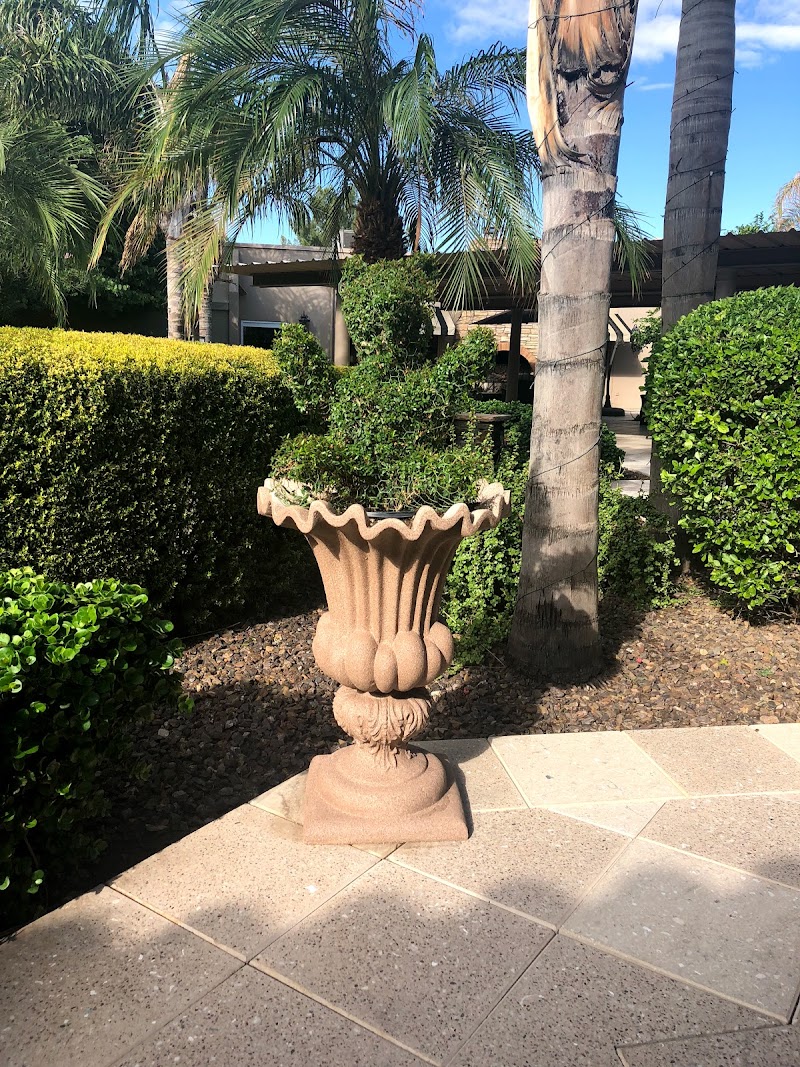
How is Archstone Staffed?

CMS rates ARCHSTONE CARE CENTER's staffing level at 3 out of 5 stars, which is average compared to other nursing homes. Staff turnover is 30%, compared to the Arizona average of 46%. This relatively stable workforce can support continuity of care.

What Have Inspectors Found at Archstone?

State health inspectors documented 16 deficiencies at ARCHSTONE CARE CENTER during 2021 to 2024. These included: 16 with potential for harm.
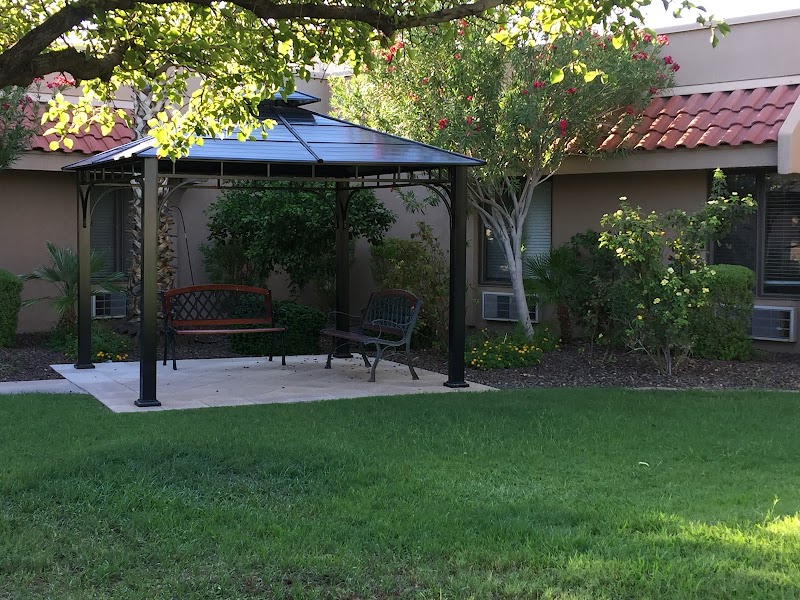
Who Owns and Operates Archstone?

ARCHSTONE CARE CENTER is owned by a for-profit company. For-profit facilities operate as businesses with obligations to shareholders or private owners. The facility operates independently rather than as part of a larger chain. With 120 certified beds and approximately 83 residents (about 69% occupancy), it is a mid-sized facility located in CHANDLER, Arizona.

How Does Archstone Compare to Other Arizona Nursing Homes?

Compared to the 100 nursing homes in Arizona, ARCHSTONE CARE CENTER's overall rating (5 stars) is above the state average of 3.3, staff turnover (30%) is significantly lower than the state average of 46%, and health inspection rating (5 stars) is much above the national benchmark.

What Should Families Ask When Visiting Archstone?

Based on this facility's data, families visiting should ask: "Can I visit during a mealtime to observe dining assistance and food quality?" "How do you handle medical emergencies, and what is your hospital transfer rate?" "Can I speak with family members of current residents about their experience?"

Is Archstone Safe?

Based on CMS inspection data, ARCHSTONE CARE CENTER has a clean safety record: no substantiated abuse findings (meaning no confirmed cases of resident harm), no Immediate Jeopardy citations (the most serious violation level indicating risk of serious injury or death), and is not on the Special Focus Facility watch list (a federal program monitoring the lowest-performing 1% of nursing homes). The facility has a 5-star overall rating and ranks #1 of 100 nursing homes in Arizona. While no facility is perfect, families should still ask about staff-to-resident ratios and recent inspection results during their visit.

Do Nurses at Archstone Stick Around?

ARCHSTONE CARE CENTER has a staff turnover rate of 30%, which is about average for Arizona nursing homes (state average: 46%). Moderate turnover is common in nursing homes, but families should still ask about staff tenure and how the facility maintains care continuity when employees leave.

Was Archstone Ever Fined?

ARCHSTONE CARE CENTER has no federal fines on record. CMS issues fines when nursing homes fail to meet care standards or don't correct problems found during inspections. The absence of fines suggests the facility has either maintained compliance or corrected any issues before penalties were assessed. This is a positive indicator, though families should still review recent inspection reports for the full picture.

Is Archstone on Any Federal Watch List?

ARCHSTONE CARE CENTER is not on any federal watch list. The most significant is the Special Focus Facility (SFF) program, which identifies the bottom 1% of nursing homes nationally based on persistent, serious quality problems. Not being on this list means the facility has avoided the pattern of deficiencies that triggers enhanced federal oversight. This is a positive indicator, though families should still review the facility's inspection history directly.