CHANDLER POST ACUTE AND REHABILITATION
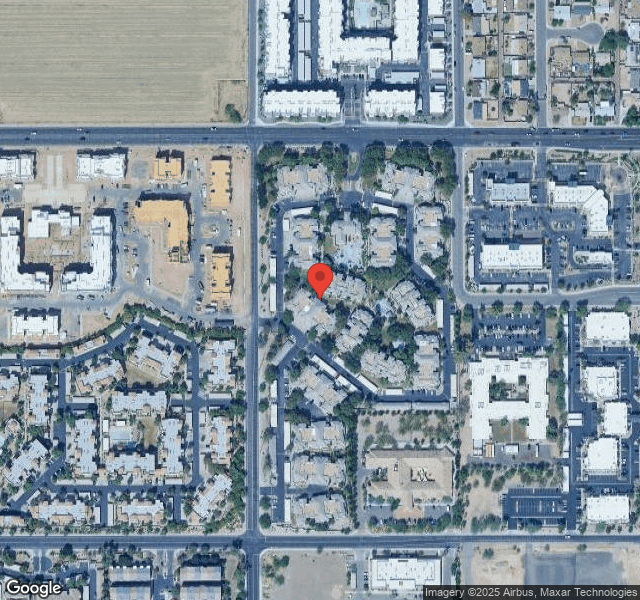

2121 WEST ELGIN STREET, CHANDLER, AZ 85224 (480) 899-6717
For profit - Corporation 120 Beds THE ENSIGN GROUP Data: November 2025
Trust Grade
85/100
#8 of 139 in AZ
Last Inspection: December 2023

Within standard 12-15 month inspection cycle. Federal law requires annual inspections.

Overview

Chandler Post Acute and Rehabilitation has a Trust Grade of B+, which means it is recommended and above average in terms of care quality. It ranks #8 out of 139 nursing homes in Arizona, placing it in the top half of facilities in the state, and #7 out of 76 in Maricopa County, indicating that only a few local options are better. The facility is improving, with a decrease in care issues from three in 2023 to two in 2024. Staffing is average, with a 3/5 star rating and a 50% turnover rate, similar to the state average. Notably, there have been no fines, which is a positive sign. However, there have been concerns such as failing to provide necessary respiratory care for a resident and not properly managing medications, including expired ones, which could potentially harm residents. Overall, while there are strengths, such as excellent health inspection and quality measures, families should be aware of these weaknesses when considering this facility.

Trust Score
B+
85/100
In Arizona
#8/139
Top 5%
Safety Record
Low Risk
No red flags
Inspections
Getting Better
3 → 2 violations
Staff Stability
⚠ Watch
50% turnover. Above average. Higher turnover means staff may not know residents' routines.
Penalties
✓ Good
No fines on record. Clean compliance history, better than most Arizona facilities.
Skilled Nurses
○ Average
Each resident gets 39 minutes of Registered Nurse (RN) attention daily — about average for Arizona. RNs are the most trained staff who monitor for health changes.
Violations
⚠ Watch
15 deficiencies on record. Higher than average. Multiple issues found across inspections.
★★★★★
5.0
Overall Rating
★★★☆☆
3.0
Staff Levels
★★★★★
5.0
Care Quality
★★★★☆
4.0
Inspection Score
Stable
2023: 3 issues
2024: 2 issues

The Good

  • 5-Star Quality Measures · Strong clinical quality outcomes
  • Full Sprinkler Coverage · Fire safety systems throughout facility
  • No fines on record

Facility shows strength in quality measures, fire safety.

The Bad

Staff Turnover: 50%

Near Arizona avg (46%)

Higher turnover may affect care consistency

Chain: THE ENSIGN GROUP

Part of a multi-facility chain

Ask about local staffing decisions and management

The Ugly 15 deficiencies on record

Nov 2024 1 deficiency
CONCERN (D) 📢 Someone Reported This

A family member, employee, or ombudsman was alarmed enough to file a formal complaint

Potential for Harm - no one hurt, but risky conditions existed

Deficiency F0658 (Tag F0658)

Could have caused harm · This affected 1 resident

**NOTE- TERMS IN BRACKETS HAVE BEEN EDITED TO PROTECT CONFIDENTIALITY** Base on documentation, staff and resident interviews, and the facility policy and procedures, the facility failed to monitor and...

Read full inspector narrative →
**NOTE- TERMS IN BRACKETS HAVE BEEN EDITED TO PROTECT CONFIDENTIALITY** Base on documentation, staff and resident interviews, and the facility policy and procedures, the facility failed to monitor and ensure that resident (#34) was administered pain and psychotropic medications as per the orders and medications were left with the resident unsupervised. The deficient practice could result in the pain and anxiety not being managed. Findings include: Resident #34 was admitted to the facility on [DATE] and readmitted on [DATE] with diagnoses that included post traumatic disorder, anxiety, major depression, low back pain, and chronic pain syndrome. The care plan dated May 26, 2023 revealed that the resident is on pain medication therapy related to pain. Interventions included to administer medication as ordered. Review of the care plan dated May 29, 2023 revealed that the resident is on anti-anxiety mediation due to anxiety as evidenced by restlessness. Interventions included to give anti-anxiety medications as ordered by the physician. The minimum data set (MDS) dated [DATE] included that the resident's memory is okay and she is able to make decisions independently. The order summary revealed: -April 10, 2024, Gabapentin capsule 400 mg give 2 capsules by mouth every 6 hours for neuropathy. Hold from October 11, 2024 to October 14, 2024. -April 12, 2024, Xtampza ER oral capsule ER 12 hour abuse-deterrent 27 mg (Oxycodone) give 1 capsule by mouth two times a day for pain. -April 14, 2024, monitor behavior every shift for anti-anxiety episodes as evidenced by target behavior, restlessness. -June 14, 2024, Oxycodone HCl oral tablet 15 mg (Oxycodone HCl) give 1 tablet by mouth every 6 hours for pain. Hold from October 11, 2024 to October 14, 2024. -July 31, 2024, Alprazolam tablet 0.5 mg give one tablet orally every 12 hours for anxiety as evidenced by restlessness. -October 27, 2024, Xtampza ER oral capsule ER 12 hour abuse-deterrent 27 mg give 1 capsule by mouth one time only for pain for one day. The medication administration record (MAR) dated October 27 2024 revealed: -Oxycodone HCl oral tablet 15 mg (Oxycodone HCl) give 1 tablet by mouth every 6 hours for pain was administered at 6:00 a.m. -Gabapentin capsule 400 mg give 2 capsules by mouth every 6 hours for neuropathy was administered at 6:00 a.m. -Alprazolam tablet 0.5 mg give 1 tablet orally every 12 hours for Anxiety as evidenced by restlessness was not administered at 8:00 a.m. -Xtampza ER oral capsule ER 12 hour abuse-deterrent 27 mg (Oxycodone) give 1 capsule by mouth two times a day for pain was not administered at 8:00 a.m. -Xtampza ER oral capsule ER 12 hour abuse-deterrent 27 mg give 1 capsule by mouth one time only for pain for one day was administered at 3:15 p.m. A behavior note dated October 16, 2024 by a licensed practical nurse (LPN/staff #48) revealed that the resident was compliant with taking her medications, but requires observation due to losing them or dropping her medications on herself. A progress note dated October 27, 2024 by a (RN/staff #33) revealed that the nurse received a report that the resident takes her medications in pudding. The nurse brought the resident her morning medications that contained controlled substances in pudding; the resident became immediately agitated that the medications weren't separated into a separate cup and threw them on the floor. The nurse informed the resident that controlled substances would not be re-pulled. The resident subsequently refused all care from the nurse, including afternoon medications, and removed her supplemental oxygen in protest. The nurse informed the Assistant Director of Nursing (ADON) and the medical doctor. The medical doctor stated that he would come and see the resident. A progress note dated October 27, 2024 by (RN/staff #33) revealed that the physician cleared a one-time dose of pain medication for the resident. A behavior note dated October 29, 2024 by a (LPN/staff #42) revealed that the resident was compliant with taking her medications and appeared to be in a positive mood. She was watched while taking her medications to make sure that did not drop or hide anything. An interview was conducted on November 1, 2024 with (RN/staff #33), who stated that he had provided care for resident #33 on prior occasions. He went to her room to administer her morning medications between 8:00 and 9:00 a.m. He stated that he received a report that the resident receives her medication in pudding, but she wanted to see the medications, so she could identify them and choose which medications that she wanted to take, but they were already dissolving, so they were not recognizable. He stated that the resident told him that she is usually given her medication on the side with the pudding and he told the resident that was fine, but he could not pull the narcotics again, so she would have to take the medications in the pudding. He stated that a certified nursing assistant (CNA/staff 8#) was in the resident's room when he left to get the resident some water, but the resident normally takes the medications just with pudding, and when he returned the CNA told him that the resident had thrown the pudding with the medications on the floor, so he had to throw it all away. He stated that he did not know if the resident was allowed to take her medication without supervision, but based on his training, he is supposed to watch the resident take the medication to verify that it was taken and to ensure that the resident doesn't aspirate. He stated that once the medications were on the floor, he told the resident that she would have to wait until the next time that the medications were scheduled to be administered and this included the pain and anti-anxiety medication. He stated that there is a risk of continued pain and withdrawal when pain medications are not administered as ordered, and there is a risk of agitation if anti-anxiety medications are not administered as per orders. He thought that the pain medication and anti-anxiety medication was due again sometime in the evening. He stated that he didn't contact the physician right away, but continued to monitor the resident, and around mid afternoon, the resident complained of pain, removed her oxygen, became aggressive and was still upset about not receiving her medications in the morning. He stated that he contacted the physician around 1:00 p.m.; the physician was in the facility and told him that he would come by and see the resident. He stated that it is not within his purview to decide if a resident should get medication or not and the normal process would be to call another nurse to witness the medications being thrown away and pull more pain and anti-anxiety medication for the resident, but the medication had dissolved, so another nurse would not be able to identify the medications to witness that the medication was thrown away. He stated that he did not contact the ADON or DON because he was the charge nurse that day. During a second interview with (RN/staff #33) conducted on November 1, 2024 at approximately 11:15 a.m., he reviewed the medication administration record (MAR) dated October 2024 and stated that the resident refused all medications on the morning of October 27, 2024 when he wouldn't pull another Xtampza ER oral capsule for pain and Alprazolam for anxiety. He stated that the resident did not receive any medication on the morning of October 27, 2024, and if he documented that the resident did receive a medication, it is a documentation error. An interview was conducted on November 1, 2024 with a certified nursing assistant (CNA/staff #8), who stated that the resident's call-light was on and she was walking towards the resident's room when she heard raised voices. She stated that she could hear (RN/staff #33) and the resident were both yelling, so she didn't go into the room. Staff #33 came out of the room and said, I am not dealing with her anymore, and then the pudding cup with the medications came flying out of the room into the hallway and landed on the floor. She cleaned up the pudding on the floor and when she went into the resident's room, the resident told her that she doesn't take her medications like that and kept asking to speak with the charge nurse, but the charge nurse had called off that day, so (RN/staff #33) was the acting charge nurse. The resident was upset throughout the day and there wasn't anyone there to help the resident with her problem. The resident was asking to talk to someone throughout the day. An interview was conducted on November 1, 2024 at 12:25 p.m. with resident #33, who stated that she takes her medication with yogurt/pudding because she has trouble swallowing them. She stated that the nurse brought her medications in the yogurt and she was not able to identify the medications and told staff #48 that she needed to see the pills to make sure that she was getting the right medications, and he told her that he was not pulling the medications again. He left the yogurt with the medications on her table and walked out of the room, so she threw the cup of yogurt with the medications out the door into the hallway. She stated that the nurse normally waits until she takes the medications before leaving the room. She stated that she asked the nurse to call her doctor. An interview was conducted on November 1, 2024 at 12:49 p.m. with the Director of Nursing (DON/staff #1), who stated that resident #34 is not allowed to take medication unsupervised because she has a history of pocketing medications. She stated that the resident was given her pain medication that afternoon and received her evening medications. She stated that (RN/staff #33) should have followed the process when medication is wasted; he could have called a nurse from another hall to witness him throwing the medications away. She stated that staff #33 should have also notified the physician right away about the resident not getting her medications to make sure that there were no issues, but the resident has other orders for pain medication, so the resident did not go without pain medication. The facility policy, Professional Standards states that it is the policy of this facility that services provided by the facility meet professional standards of quality and be provided by qualified persons in accordance with each resident's care plan. The facility policy, Self-Administration of Medications states that if a resident desire to participate in self administration, the interdisciplinary team will assess and periodically re-evaluate the resident based on change in the resident's status.
Apr 2024 1 deficiency
CONCERN (D) 📢 Someone Reported This

A family member, employee, or ombudsman was alarmed enough to file a formal complaint

Potential for Harm - no one hurt, but risky conditions existed

Quality of Care (Tag F0684)

Could have caused harm · This affected 1 resident

**NOTE- TERMS IN BRACKETS HAVE BEEN EDITED TO PROTECT CONFIDENTIALITY** Based on review of documentation, photographs, staff interviews, and the facility policy and procedure, the facility failed to p...

Read full inspector narrative →
**NOTE- TERMS IN BRACKETS HAVE BEEN EDITED TO PROTECT CONFIDENTIALITY** Based on review of documentation, photographs, staff interviews, and the facility policy and procedure, the facility failed to provide services in accordance with professional standards of practice for one resident (#1). The deficient practice could result in appropriate services not being identified and provided to residents. Findings include: Resident #1 was admitted to the facility on [DATE] with diagnoses that included hemiplegia and hemiparesis following cerebral infarction affecting the left dominant side, unspecified fracture of thoracic vertebrae 5 and 6, subsequent encounter for fracture with routine healing , hypertension, and hypotension. The order summary revealed an order for aspirin tablet chewable 81 milligram (mg) one tablet by mouth one time a day for clotting prevention dated January 16, 2024; ticagrelor oral tablet 90 mg one tablet by mouth for clotting prevention dated January 16, 2024, the order discontinued and request for stop date not provided; and ticagrelor oral tablet 90 mg give one tablet by mouth every 12 hours for coronary artery disease (CAD) dated January 19, 2024, the order was discontinued and request for stop date not provided. Review of the care plan did not reveal a plan for hypertension, coronary artery disease, or the use of anticoagulants. The minimum data set (MDS) assessnebt dated January 22, 2024 included a brief interview for mental status score of 12 indicating moderate cognitive impairment. Review of a weekly skin evaluation dated January 30, 2024 did not reveal any new skin issues. Documentation dated February 3, 2024 at 12:27 p.m. revealed that a licensed practical nurse (LPN/staff #244) sent pictures of the resident's left foot/lower leg and the left knee/thigh to the physician stating that everyone said this was new bruising; the resident was on an acetylsalicylic acid (aspirin) and ticagelor. Documentation revealed at 12:30 p.m., the physician stated to get an X-ray of the knee and foot; to hold the aspirin (acetylsalicylic acid) for two days; and, check for blood clotting factors to include PT (prothrombin time), PTT (partial thromboplastin time), INR (international normalized ration) with CBC (complete blood count) in the morning. There was no mention that the left leg was cool to the touch. Documentation dated February 3, 2024 at 1:23 p.m. revealed that (LPN/staff #244) sent a second message to the physician stating that a registered nurse (RN/staff #92) stated that the resident was not really eating or drinking, and resident had a peripheral (IV), and asked if the physician would like to start fluids. The documentation revealed at that at 1:24 p.m. the physician responded stating to give the resident a liter of .9 normal saline at 60 milliliter (mL)/hour. There was no mention that the left leg was cool to the touch. A progress note dated February 3, 2024 at 2:02 p.m. revealed that resident #1's left leg from the upper thigh area to the toes was cool to the touch and red blotchy in appearance; pulses were present; flushed foley with red tinged urine flowing; physician notified and orders received for IV fluids at 60 mL/hr and X-ray ordered for knee and ankle. The order summary revealed an order dated February 3, 2024, x-ray left knee and foot one time only for bruising and swelling for one day and completed February 4, 2024. The order summary revealed an order dated February 4, 2024, PT/INR, PTT, CBC in the morning for bruising for one day and discontinued February 5, 2024. A progress note dated February 4, 2024 at 6:46 a.m. revealed that the resident was admitted to the hospital intensive care unit for a myocardial infarction, stroke, and blood clots in the bottom left extremity. A progress note dated February 5, 2024 at 10:50 a.m. revealed that the resident passed away in the morning at the hospital. The medication administration record (MAR) dated February 2024 revealed: -January 16, 2024, Aspirin tablet chewable 81 mg give one tablet by mouth one time a day for clotting prevention was administered February 1, 2, and 3, 2024. -January 19, 2024, Ticagrelor oral tablet 90 mg give one tablet by mouth every 12 hours for coronary artery disease (CAD) was administered February 1, 2, and 3, 2024. -February 3, 2024, x-ray left knee and foot one time only for bruising an swelling for one day was completed on February 3, 2024. -February 4, 2024, PT/INR, PTT, CBC in the morning for bruising for one day and was not completed due to the resident being transferred to the hospital. An interview was conducted on April 2, 2024 at 9:34 a.m. with a registered nurse (RN/staff #92), who stated that when she is assessing a resident for pedal pulses and femoral pulses in the lower extremities, she compares the color, temperature, and pulse in both extremities to identify differences between the two. She asks the resident if he or she is experiencing tingling or numb sensations. She stated that a white color in the skin indicates hypoxia, a lack of oxygen, and a red, blue, purplish color indicates perfusion. She stated that when she assessed resident #1's left and right lower extremities on February 3, 2024, there was a difference in temperature and color. The left extremity was cooler to the touch and a purple blotchy color. She observed that the higher up the thigh, the more purplish the blotchiness. She stated that it is best practice to use a scale from 1 to 4 when assessing the intensity of the pulse, 1 being faint and 4 indicating a bounding pulse. She stated that using a scale to assess intensity allows her to determine if there was a difference or a change in pulse intensity, which may indicate a problem, but she did not use the scale to assess the resident and therefore, did not did not determine a baseline for pedal pushes, so she could not really assess a change in condition. She stated that she checked that a pedal pulse was present and continued to check every hour until the X-ray technician arrived, but she did not document the assessments in the progress notes. Staff #92 reported to the charge nurse (LPN/staff #244) and staff #244 contacted the physician. An interview was conducted on April 2, 2024 at 11:06 a.m. with (LPN/staff #244), who stated that she was notified by a certified nursing assistant (CNA) that the resident had new bruises on the left leg. She stated that she assessed the resident's left leg and observed there was new bruising around the knee and on the dorsal side of the foot, but the red/purplish discoloration could have been mottling, which would have indicated a lack of blood flow. Then she stated that she thought the blotchy discoloration and not mottling. She stated that if mottling was present, pedal pulses would need to be checked and the facility doesn't use the intensity scale to assess pedal pulses, they only check that a pedal pulse is present. Then she stated that she did not remember if the left leg was cool to the touch, blotchy in color, or if staff #92 was present during the assessment. Then she stated that the left leg was warm to the touch. She stated that she did not document her assessment and told staff #92 to complete the documentation. She stated that she contacted the physician to report new bruising around the knee and dorsal side of the left foot and the physician ordered an X-ray and to hold the blood thinners for three days. She stated that staff #92 should have told her that the resident's left leg was cool to the touch because she thought that the resident had bruising from an unknown injury, but did not report the injury of unknown origin to the Director of Nursing or the state agency. She stated that she was later told that the resident had blood clots in the lower extremities. An interview was conducted on April 2, 2024 at 12:42 p.m. with the Director of Nursing (DON/staff #7), who stated that if a resident's leg was cool from the thigh to the toe, it was an expectation that the pedal pulse is checked. She stated that the facility does not use an intensity scale when checking the pedal pulse, the staff just check that the pulse is present. She stated that a lack of a pulse or a weak pulse can indicate a lack of blood flow to the area. She stated that the physician should have been notified if the the left leg was cool to the touch and a cooler extremity could indicate a decrease in blood flow. The facility policy, Change of Condition dated July 2023 states that it is the policy of this facility that all changes in resident condition will be communicated to the physician and documented. Nursing actions, physician contacts and resident assessment information will be documented in the nursing progress notes.
Dec 2023 1 deficiency
CONCERN (D) 📢 Someone Reported This

A family member, employee, or ombudsman was alarmed enough to file a formal complaint

Potential for Harm - no one hurt, but risky conditions existed

Quality of Care (Tag F0684)

Could have caused harm · This affected 1 resident

**NOTE- TERMS IN BRACKETS HAVE BEEN EDITED TO PROTECT CONFIDENTIALITY** Based on clinical record review, staff interviews, facility documentation, and policy review, the facility failed to ensure that...

Read full inspector narrative →
**NOTE- TERMS IN BRACKETS HAVE BEEN EDITED TO PROTECT CONFIDENTIALITY** Based on clinical record review, staff interviews, facility documentation, and policy review, the facility failed to ensure that changes in resident #491 condition will be communicated to the physician. The deficient practice could result in delayed treatment. Findings include: Resident #491 was admitted on [DATE], with diagnoses of traumatic hemorrhage of cerebrum without loss of consciousness, wedge compression fracture of T11-T12 vertebra, fracture of the lower end of right radius and lower end of right ulna, dementia, essential primary hypertension, and atrial fibrillation. Record review dated September 8, 2023, revealed the following orders: aspirin 81 mg give one tablet by mouth one time a day for CVA prophylaxis, Lisinopril oral tablet 2.5 mg give one tablet by mouth one time a day for hypertension, and Amiodarone HCL oral tablet 200 mg give two tablets by mouth every 12 hours for atrial fibrillation for 7 days then give one tablet by mouth one time a day for atrial fibrillation for 23 days. Record review dated September 8, 2023, revealed resident had a hypertension care plan with a goal to remain free of complication related to hypertension. The interventions included to give anti hypertensive medications as ordered, to monitor for side effects such as orthostatic hypotension and increased heart rate (Tachycardia) and effectiveness, to monitor for and document any edema and notify MD, to monitor/document abnormalities for urinary output and report significant changes to the MD, to monitor/document/report to MD as needed any signs and symptoms of malignant hypertension such as headache, visual problems, confusion, disorientation, lethargy, nausea and vomiting, irritability, seizure activity, difficulty breathing (Dyspnea), and to monitor/record medication side effects and report to MD as necessary. On September 11, 2023, Interdisciplinary Team (IDT)-Brief Interview for Mental Status (BIMS) record revealed resident score was 0.0, a severe cognitive impairment. The Minimum Data Set (MDS) dated [DATE] revealed resident have a memory problem for short- and long-term memory; resident cognitive skills for daily decision making is severely impaired; resident required extensive assistance for bed mobility, transfer, dressing, eating, toilet use, personal hygiene; and resident required total dependence for bathing. During the review of vital signs, record review revealed the resident had a systolic blood pressure that ranges from 112 millimeter of mercury to 168 millimeters of mercury, and a diastolic blood pressure ranges from 68 millimeter of mercury to 89 millimeters of mercury since admission, except on September 17, 2023 at 07:29, record revealed the resident had a one-time episode of a blood pressure of 168/110. A physician progress note dated September 17, 2023 at 10:20 AM revealed, Patient lying in bed and no apparent distress. Seeing at around 9:50 AM. Not as talkative today. Appears comfortable. Blood Pressure: 168/110 September 17, 2023 at 7:29 AM. History of atrial fibrillation-on Amiodarone. On aspirin. Remains sinus on auscultation. Occasionally has an extra beat but remains in sinus. Follow up with cardiology. Hypertension-BP elevated. Monitor - on Lisinopril. During the review of vital signs, record review revealed the resident had a pulse rate that ranges from 54 beats per minute regular rate to 98 beats per minute regular rate since admission. But on September 18, 2023 at 6:36 AM, record revealed the resident had a new onset irregular pulse rate of 115 beats per minute. During the review of vital signs, record review revealed the resident had a respiration rate that ranges from 16 breaths per minute to 22 breaths per minute since admission. But on September 18, 2023 at 6:36 AM, record revealed the resident had respiration of 26 breaths per minute. There was no evidence found in the clinical record that the resident's physician was notified of the resident's blood pressure reading of 168/110 on September 17, 2023 at 7:29 AM. There was no evidence found in the clinical record that the resident physician was notified of the resident's new onset irregular heart rate of 115 beats per minute on September 18, 2023 at 6:36 AM, and there was no evidence in the clinical record that the resident's physician was notified regarding resident's status on September 18, 2023 upon entering the patient's room this morning during shift report the patient was seen breathing heavily, ADON was called into the room. Oxygen saturation were reading at 97%. Frequent checks were provided to the patient and the daughter was called and left a VM (voice message). Record review revealed on September 18, 2023 at 8:20 AM, therapy and CNA walked in the room and the patient was seen unresponsive, no pulse felt and patient is a DNR. During an interview with a Certified Nursing Assistant (CNA/staff #62) conducted on December 7, 2023 at 10:08 AM, the CNA stated that if there is a vital sign that looks too high or low, she will tell the nurse right away. She stated that they used a sheet that they grab every day and has section for blood pressure, respiration, and incontinent, and once the sheet is filled out with vital signs, she makes a copy and gives it to the nurse like for instance if she is done with room [ROOM NUMBER], she goes to the printer and make a copy and gives it to the nurse. The nurse has a copy by 7:00 AM and at the latest probably 7:30 AM. If low or high, she will retakes it again with same blood pressure cuff, and she will let the nurse know, and then the nurse will tell her to take with a manual blood pressure cuff just to make sure it is accurate reading. The vital signs that she takes are temperature, pulse, respiration, blood pressure and oxygen. Therapy does the height and weight. An interview was conducted on December 7, 2023 at 10:20 AM with a Licensed Nursing Assistant (LNA/Staff #92). Staff #92 stated that LNA is same thing as CNA with fingerprint. She stated that she takes vital signs right away, and writes/put it all in the sheet and then enters it in the system. If too high or too low, She stated that sometimes she rechecks it and sometimes the nurses do it. By 6:30 or 7:00 AM, the vital signs are entered in the system. Another interview was conducted on December 7, 2023 at 10:30 AM with a Licensed Practical Nurse (LPN/Staff #48). Staff #48 stated that admission nurses handles new patient, and then she gets report from them. The CNAs takes vital signs first thing in the morning before medication pass and the CNA gives us a copy of the paper of the residents' vital signs. Full set of vital signs are given to the nurse. She stated that she will go ask what happen if one of the vital signs is missing. Most part, the CNAs are pretty much on top of taking vital signs. Then, she stated that she will take the blood pressure for follow up, if they could not get it. Most part, the CNA will let me know if its high or low. If high or low, she will recheck it first, double check, then check what orders are in place, then she will let the provider know. An interview was conducted with the Director of Nursing (DON/Staff #170) on December 7, 2023 at 10:50 AM. The DON stated that the process for rehab patient is we get their vital signs every day and as needed. If there is a bad vital sign, the CNA notifies the nurse. It depends on the vital signs, usually the nurse or the CNA retakes them. If it is a high blood pressure, the nurse will check if there is a medication ordered and then the nurse will give the medication. If there is a new onset, then they are to notify the provider. Sometimes the provider will say, thanks for letting me know with no new orders or might order. If there is no new order, we might get vital signs the next shift to make sure nothing is significantly change. If on change of condition documentation, then vital signs are taken twice-day shift and night shift. Get the vital signs on day shift between 7:00 AM-9:00 AM and night shift between 7:00 PM-9:00 PM. Sometimes patients are on medication that requires us to check vitals. For change of condition, first admitted patients to establish baseline vital signs. If patient is on any type of change in condition, it will trigger the nurse to obtain vital signs at least twice a day. Some patient requires vital signs three times a day per insurance. The facility policy on Change of Condition Reporting, revised July 2017 and reviewed October 2023, included that all changes in resident condition will be communicated to the physician. For Acute Medical Change, any sudden or serious change in a resident's condition manifested by marked change in physical or mental behavior will be communicated to the physician with a request for physician visit promptly and/or acute care evaluation. The licensed nurse in charge will notify the physician. Nurse will be documented in the licensed progress notes as soon as possible after resident needs have been met. For Routine Medical Change, unusual signs and symptoms will be communicated to the physician promptly. Routine changes are minor changes in physical and mental behavior that are not life threatening. The licensed nurse is responsible for notification of the resident's condition to the physician. Document resident change of condition and response in the resident's medical record and update the residents Care Plan, as indicated. For follow-up, the licensed nurse responsible for the resident will continue assessment and documentation.
Oct 2023 1 deficiency
CONCERN (D) 📢 Someone Reported This

A family member, employee, or ombudsman was alarmed enough to file a formal complaint

Potential for Harm - no one hurt, but risky conditions existed

Infection Control (Tag F0880)

Could have caused harm · This affected 1 resident

Based on observation, clinical record review, staff interviews, and facility documentation and policy review, the facility failed to ensure infection control standard precautions was implemented by st...

Read full inspector narrative →
Based on observation, clinical record review, staff interviews, and facility documentation and policy review, the facility failed to ensure infection control standard precautions was implemented by staff during incontinence care. The deficient practice has the potential of contamination among other residents in the facility. Findings include: An observation of incontinence care was conducted on October 17, 2023 at 9:50 a.m. with two certified nurse assistants (CNAs/staffs #146 and #125). Staff #125 assisted the resident on her left side while staff #146 performed pericare to the resident. Staff #146 washed her hands with soap and water, dried her hands and donned disposable gloves on, cleaned the resident's perineal area, removed soiled brief and placed them in the trash bin. Using and without removing the same pair of gloves on, staff #146 then applied new and clean brief on the resident, placed the white flat sheet and blanket on the resident. Staff #146 then walked to the restroom, removed the gloves and washed and dried her hands. During an interview with the director of nursing (DON/staff # 175) conducted on October 17, 2023 at 10:38 a.m., the stated that her expectation was for staff to perform incontinence care as follows: Knock and introduce themselves to resident; state the activity that will be performed; perform hand hygiene; apply a fresh pair of disposable gloves; wipe front-to-back (with female residents); dispose of soiled brief in trash; remove disposable gloves; apply a fresh pair of disposable gloves; and, apply the clean brief on resident. In an interview with the CNA (staff #146) conducted on October 17, 2023 at 11:00 a.m., the CNA stated that when doing incontinence care, she will begin with hand hygiene, then will put gloves on and then proceed with cleaning resident's perineal area. She said that she will then remove the soiled brief, apply clean brief, remove her soiled gloves and throw the soiled brief and gloves in the trash. She said that she will then take the trash out of the resident's room. Review of the facility's policy on Infection Control Prevention and Program revealed that their policy included educating staff and resident to identify risk of infection and promote practices to decrease risk. Policies, procedures and aseptic practices are followed by personnel in performing procedures, linen handling and disinfection of equipment.
May 2023 1 deficiency
CONCERN (D) 📢 Someone Reported This

A family member, employee, or ombudsman was alarmed enough to file a formal complaint

Potential for Harm - no one hurt, but risky conditions existed

Free from Abuse/Neglect (Tag F0600)

Could have caused harm · This affected 1 resident

**NOTE- TERMS IN BRACKETS HAVE BEEN EDITED TO PROTECT CONFIDENTIALITY** Based on clinical record review, staff interviews, facility documentation, policy and procedure, the facility failed to ensure o...

Read full inspector narrative →
**NOTE- TERMS IN BRACKETS HAVE BEEN EDITED TO PROTECT CONFIDENTIALITY** Based on clinical record review, staff interviews, facility documentation, policy and procedure, the facility failed to ensure one resident (#1) was free from family abuse. Findings include: Resident #1 was admitted on [DATE] with diagnoses of traumatic brain injury (TBI), intracranial injury with loss of consciousness and mood disorder. A nursing progress note dated March 13, 2023 revealed the resident was alert x1. A physician progress note dated March 15, 2023 revealed the resident was alert and oriented x 1. A progress note dated March 17, 2023 included the resident was alert and confused, was yelling and combative when staff was doing cares and required 2 assist at all times to do cares for his safety. A progress note dated March 17, 2023 revealed the resident was restless, combative, aggressive for cares and very confused;and that, the resident was yelling and tried to bit on staff. Review of the MDS (Minimum Data Set) assessment dated [DATE] revealed a BIMS (Brief Interview of Mental Status) score of 3 indicating the resident had severe cognitive impairment. The assessment included the resident exhibited physical behavioral symptoms directed towards others with frequency of four to six days; was always incotinent with bowel and urine; and, required two plus person physical assist for toilet use, dressing and personal hygiene. A progress note dated March 20, 2023 revealed staff provided a modified one to one and care in pairs for safety. Per the documentation, resident strike out, yelled and cursed at staff; and, was resistant and not cooperative with cares. A progress note dated March 21, 2023 included the resident was combative, agitated for care; and required 3-4 people to change and reposition him. A progress note dated March 22, 2023 revealed resident was combative and yelled at staff when staff were providing cares. The documentation included that it took 3-4 staff members to provide cares to the resident. The care plan included the resident had activities of daily living (ADL) self-care performance deficit related to TBI. The goal was that the resident will safely perform bed mobility, grooming, dressing, toilet use and personal hygiene with supervision. Intervention 1-2 staff participation for toileting, repositioning and turning in bed. Review of a care plan initiated in March 22, 2023 revealed the resident had the potential for a behavior problem related to TBI and exhibited behaviors such as hitting, biting, and yelling. Interventions included anticipating needs, educating family/caregivers on successful coping and interaction strategies, and intervening as necessary to protect the rights and safety of others. An initial psychiatric evaluation dated March 26, 2023 revealed resident had behavioral issues with agitation, aggression, and lack of impulse control; and, had been combative with staff when providing care. Per the documentation, resident had poor insight and judgement; and that staff were encouraged to follow behavior plan. The progress note dated March 27, 2023 revealed the resident was very restless and required 2-3 staff assistant for ADL. Review of a progress note dated March 28, 2023 included the resident was combative and yelled at staff and tried to bit them when providing cares; and that, it took 3-4 staff members to provide care for the resident. A progress note dated March 30, 2023 revealed that resident was yelling and was becoming aggressive in room. Per the documentation, the staff knocked and entered the resident's room and found the family attempting to adjust the resident's brief while the resident was on the safety mattress. The documentation included that the resident was extremely agitated, flailing legs and kicking and spitting; and that, the staff donned gloves and told the family that she will get additional staff to come and reposition and adjust brief. According to the documentation, the family refused and wanted to be the one to adjust the resident's brief. It also included that the staff then proceeded and attempted to pull the resident's brief up in back which the resident had removed. According to the documentation, during this time the family was standing behind the resident attempting to hold the resident's hands; however, the resident then turned and bit the family's inner forearm and would not let go. The note included that at this time, the family responded and was escorted out of the facility. An interview was conducted on May 3, 2023 at 12:28 p.m. with registered nurse (RN/staff #150) who stated that at the time of the incident, the alleged perpetrator (resident's family member) went to the nurses' station and requested for resident to get a change and she wanted the resident to wear pull up instead of briefs. The RN said that the resident was lying on a mat on floor and while she was changing the resident, the AP went behind the resident extending her arms out for him to hold because the resident was flailing his hands. Staff #150 said the resident became agitated with the AP and bit the AP's inner forearm as it was close to his face. The RN said that the AP then slapped the resident; and, the RN immediately intervened and contacted two staff members over to the room as she escorted the AP out of the facility. The RN said that the AP did not understand that the resident's behavior was secondary to the resident's condition. Further, the RN stated that at the time of the incident, there were no other staff members with her inside the resident's room; and that, the only person the resident was not combative with was the resident's significant other. In an interview with certified nursing assistant (CNA/staff #129) conducted on May 3, 2023 at 1:37 p.m., the CNA stated resident #1 needed 2-3 people to change him so he does not hurt himself; and that, staff are prompted to go with two or more staff for his safety and theirs. She added that it had always been two people assist with resident #1; and that, she does not know the risk of having only one staff assisting because his care had been done in pairs. Staff #129 stated that when resident #1 was agitated/combative, staff were to step away until resident calms down; and that, if resident was agitated she does not go in the room, makes sure the resident was safe and let the nurse know. The CNA further stated that had been educated on how to handle aggressive behaviors. An interview was conducted on May 3, 2023 with licensed practical nurse (LPN/staff #120) who stated that at the early on resident admission, resident #1 would scream, yell, and hit. The LPN said that the CNAs provided the care; and that, staff could not change the resident unless there were more than three people in the room because resident was restless, rolling on the floor, tried to bite and grabbed the hands of staff. The LPN also said that even when the resident's family was present, the resident still needed two staff because there was a risk that staff would get bitten and scratched. The LPN also stated that when the resident's family (AP) was around the resident yelled, screamed and was agitated. The LPN said she thought that the resident was more agitated because the AP spoke to the resident like she was the mom; and than, resident #1 was an adult and even if he does not fully understand, no one likes to be spoken to the way the family does to the resident. Further, the LPN said that she noticed that resident #1 did not like being touched by staff or his family. In an interview with a CNA (staff #36) conducted on May 3, 2023 at 2:56 p.m., the CNA stated resident #1 fights during brief changes; and , the care planned for two staff assist with additional hands depending on the resident's mood. She said she had provided care for resident #1 when the family (AP) who will then step in and instruct staff what to do with resident #1. The CNA said that it takes three CNAs to perform care for resident #1; unless, there was a male staff, then it would be two staff. The CNA stated that the AP does not physically help during the care but would talk to the resident while staff changes him. She also said that if the resident's significant other was present and would help, resident #1 does not fight during cares. However, the CNA said that when the AP was present during cares, resident #1 gets aggravated. During an interview with assistance director of nursing (ADON, staff #54) conducted on May 4, 2023 at 9:39 a.m., the ADON stated resident #1 required two staff, not including family members. She also stated that the resident's significant other has a calming effect on the resident but not the family (AP) The ADON said that the resident required 2 staff assist for safety since admission and it has not changed. Further, the ADON said that before the incident, the AP was made aware that the resident required two-person assist. An interview was conducted on May 4, 2023 at 12:10 p.m. with MDS Coordinator (staff #96) who stated that the expectation was that there are two staff assisting residents with behaviors for the resident's safety because the resident may strike out. She also stated that family members were not counted as part of the two for two-person assist; and that, in the behavior unit there should be two people assisting the residents. In an interview with a CNA (staff #48) conducted on May 4, 2023 at 12:24 p.m., The CNA stated that besides the care plan, it is the experience working with a resident that staff know if resident required two-person assist. She also stated that she was more comfortable getting assistance from another staff than a family member because staff are trained and experienced to handle residents who are combative. During an interview with the director of nursing (DON/staff #149) conducted on May 4, 2023 at 1:11 p.m., the DON stated that a resident's behavior was taken into consideration when developing a care plan which starts on admission. Her expectation was that staff follow the care plan. Regarding resident #1, the DON stated that resident #1 was aggressive on admission and required two staff to complete the admission process; and that, the resident bit the ADON and was out of control. She said based on that, it was going to take a couple of staff to care for him. The DON stated that at that point they decided that the resident needed two staff to provide care for safety of the resident and staff. The DON said that at the time of the incident, the resident's family (AP) was encouraged to leave the room when care was being provided because the resident becomes agitated when she was in the room; however, the AP had insisted on staying in the room. She stated that resident #1 became more agitated requiring three or four people. The DON that family members are not accounted for in the two-person assist on the MDS or care plan. Review of the facility's policy titled, Resident Rights with a review date of May 2022 revealed the resident has the right to be free from physical abuse imposed for purposes of discipline or convenience. Review of the facility's policy titled, Abuse: Prevention of and Prohibition Against, with a review/revision date of October 2022 revealed, It is the policy of this facility that each resident has the right to be free from abuse; residents have a right to personal privacy of their physical body including accommodations and personal care. The facility will engage in training and orientation its new and existing nursing staff on topics which related to the delivery of care in the post-acute setting. Topics of such training will include but not limited to: prohibiting and preventing all forms of abuse. The facility will act to protect and prevent abuse from occurring within the facility by: 1) identifying, correcting, and intervening in situation in which abuse is more likely to occur, to include validating that the facility has deployed the correct number of competent staff on each shift to meet the needs of the residents 2) identifying, assessing, care planning for appropriate interventions, and monitoring of residents with needs and behaviors which might lead to conflict or neglect, such as residents that require extensive nursing care and/or are totally dependent on staff for the provision of care, 3) Ensuring the health and safety of each resident with regard to visitors such as family members.
Oct 2022 6 deficiencies
CONCERN (D)

Potential for Harm - no one hurt, but risky conditions existed

Deficiency F0554 (Tag F0554)

Could have caused harm · This affected 1 resident

**NOTE- TERMS IN BRACKETS HAVE BEEN EDITED TO PROTECT CONFIDENTIALITY** Based on observation, clinical record review, staff interviews, and policy reviews, the facility failed to ensure one resident (...

Read full inspector narrative →
**NOTE- TERMS IN BRACKETS HAVE BEEN EDITED TO PROTECT CONFIDENTIALITY** Based on observation, clinical record review, staff interviews, and policy reviews, the facility failed to ensure one resident (#192) was assessed to determine clinical appropriateness to self-administer medications. The deficient practice could result in medications not being taken as ordered. Findings include: Resident #192 was admitted to the facility on [DATE] with diagnoses that included displaced intertrochanteric fracture of left femur, generalized muscle weakness, and unspecified dementia. Review of the physician order summary revealed an order dated October 6, 2022 for polyethylene glycol 17 grams by mouth one time a day for bowel care. There was no physician order for the resident to self-administer medications. Review of clinical records revealed no indication that the resident was a candidate to self-administer medications. An observation for medication administration was conducted on October 19, 2022 at 7:51 a.m. with a registered nurse (RN/staff #116). During the medication pass, the RN gathered resident #192's medications, marked the resident's MAR as administered, provided the resident with ordered tablets and observed the resident take those tablets, and placed the premixed polyethylene glycol cup (with residual powder near its rim) on the table next to the resident. The RN then walked out of the room leaving the cup full of polyethylene glycol. Another observation was later conducted on October 19, 2022 at 10:02 a.m., resident #192 was asleep with the cup of polyethylene glycol still at the resident's bedside. The cup appeared to be untouched, full with some powder residue still visible near the rim of the cup. Review of the resident's MAR for October 2022 revealed polyethylene glycol remained to be marked as administered. Review of the task record revealed the resident's last bowel movements were October 10, 2022 and October 15, 2022. An interview was conducted on October 19, 2022 at 10:07 a.m. with staff #116. According to the RN, the process for administering medication included letting the residents know about the medications being administered and that the residents are observed taking all the medications. When asked if medications can ever be left at a resident's bedside, the RN said it is not allowed unless it is ordered, and no one that she was aware of had a current order for it. The RN explained the importance of ensuring that all the resident's medications are taken at once, for example, the polyethylene glycol-the medication is given at a set time or scheduled time, so residents are not sipping the cup all day. About the polyethylene glycol that was left at the resident's bedside at 10:14 a.m., the RN was observed going into the resident's room and immediately recalled leaving the medication at the bedside. At this time the nurse discarded the untouched medication. The RN stated the possible side effects of not taking the discarded medication was constipation. When asked about the resident's last BM, the RN asked another staff member who then looked in the task section, and identified it was on October 15, 2022. The RN stated the resident was now on day three and needed the polyethylene glycol. An interview was conducted on October 19, 2022 at 10:20 a.m. with the DON (staff #46). According to the DON, part of the process for administering medication is to sign off on the medication once it is given, not before it is administered. Also, she stated that medications are not to be left with the resident at any time including vitamins, unless a physician order is in place to self-administer; otherwise, it is difficult to track or monitor. Review of the facility's policy titled, Self-Administration of Medication, revealed If the resident is a candidate for self-administration of medications, this will be indicated in the chart. Review of the facility's policy title, Medication Administration, revealed the following procedures, the person administering medication must remain with the resident until all medication has been swallowed.
CONCERN (D)

Potential for Harm - no one hurt, but risky conditions existed

Deficiency F0578 (Tag F0578)

Could have caused harm · This affected 1 resident

**NOTE- TERMS IN BRACKETS HAVE BEEN EDITED TO PROTECT CONFIDENTIALITY** Based on clinical record review, staff interviews, and policy and procedure, the facility failed to implement their policy to en...

Read full inspector narrative →
**NOTE- TERMS IN BRACKETS HAVE BEEN EDITED TO PROTECT CONFIDENTIALITY** Based on clinical record review, staff interviews, and policy and procedure, the facility failed to implement their policy to ensure one sample resident's (#190) advance directive was implemented. The deficient practice could result in other residents' wishes not being honored. Findings include: Resident #190 was admitted to the facility on [DATE] with diagnoses that included chronic kidney disease, right femur fracture and protein-calorie malnutrition. A do not resuscitate (DNR) code status advance directive had been completed and signed by the resident's representative on [DATE]. Review of the physician's order revealed an order dated [DATE] that the resident was a DNR. However, a review of the computer dashboard display for this resident revealed the resident was a full code. Review of the 5-day Minimum Data Set assessment dated [DATE] revealed a Brief Interview for Mental Status score of 2 which indicated the resident had severe cognitive impairment. Review of the resident's care plan revealed no evidence the resident's code status was addressed. A review of the nursing notes dated [DATE] revealed the resident was discovered without a pulse and not breathing. The nurse checked the computer status and it was stated as full code. She called 911 and left a message for the family. She then started cardio-pulmonary resuscitation (CPR). She continued performing CPR until the family returned her call and told the nurse that the resident was a DNR. An interview was conducted with a Licensed Practical Nurse (LPN/staff #80) on [DATE] at 12:43 PM. The LPN stated that if he discovered a resident who was not breathing and had no pulse, he would quickly check the computer to see if the resident was a full code or a DNR. He stated that it takes too much time to run back to the nurses' station and check the actual advanced directive. An interview was conducted with another LPN (staff #116) on [DATE] at 12:53 PM. The LPN stated that she would check to see if the resident has a wrist band. She stated residents in the facility who are DNR now wear DNR wristbands. The LPN stated that if she did not see a wristband, she would check the pass down chart. She stated she would check the computer only if she needed to. An interview was conducted with medical records (staff #32) on [DATE] at 12:59 PM. Staff #32 stated that when she receives a request for a resident's code status, she enters the data right away. She stated that she does not know why the data was entered as a full code. An interview was conducted with the Director of Nursing (DON/staff #46) on [DATE] at 1:42 PM. The DON stated that she expects the nurse to verify a resident's DNR/Full Code status before starting CPR. She stated the nurse verifies the resident's status by checking the computer and or the resident's Advanced Directive in the DNR book. The DON stated that she believes resident #190's code status was transcribed into the computer as a Full Code incorrectly. She stated the Advanced Directive was for the resident to be a DNR regardless if there was an orange DNR sheet filled out. The DON stated the nurse should have checked the resident's Advanced Directives before starting CPR. Review of the facility policy regarding advance directive stated the facility will recognize a resident's choice on their advanced directive. Upon admission, Social Services will ask residents about their desire for an advanced directive and include it in the resident's medical record. If the resident or their representative determines and signs that the resident is not to be resuscitated, no cardio-pulmonary resuscitation (CPR) is to be attempted.
CONCERN (D)

Potential for Harm - no one hurt, but risky conditions existed

Notification of Changes (Tag F0580)

Could have caused harm · This affected 1 resident

**NOTE- TERMS IN BRACKETS HAVE BEEN EDITED TO PROTECT CONFIDENTIALITY** Based on clinical record review, staff interviews, and policy review, the facility failed to ensure the physician was notified o...

Read full inspector narrative →
**NOTE- TERMS IN BRACKETS HAVE BEEN EDITED TO PROTECT CONFIDENTIALITY** Based on clinical record review, staff interviews, and policy review, the facility failed to ensure the physician was notified of change in vital signs for one resident (#48). The sample size was 2. The deficient practice could result in delayed treatment for residents. Findings include: Resident #48 was admitted to the facility on [DATE] with diagnoses that included hemiplegia and hemiparesis following cerebral infarction affecting left non-dominant side, essential primary hypertension, seizures and unspecified psychosis not due to a substance or known physiological condition. Review of the annual Minimum Data Set assessment dated [DATE] revealed a Brief Interview for Mental Status score of six, which indicated the resident had severely impaired cognition. Review of physician orders revealed the following orders with corresponding start dates and discontinued date, if applicable: -Abilify (Aripiprazole): give 10 milligram (mg) via gastrostomy-tube (g-tube) at bedtime for psychosis as evidenced by auditory hallucinations related to dementia with behaviors. Start date: December 8, 2021. Discontinued Date: June 14, 2022. -Aripiprazole solution 1 mg/milliliter (ml): give 2 ml via g-tube at bedtime for major depressive disorder with psychosis as evidenced by auditory hallucination. Start date: September 24, 2022. -Lorazepam 2 mg tablet: give 1 tablet via g-tube every 1 hour as needed for seizures. Start date: February 15, 2022. Discontinued: October 9, 2022. Reordered: October 10, 2022. -Monitor for side effects of anti-anxiety/anxiolytics: hypotension, notify provider if present, every shift. Start Date: December 23, 2021. Review of the Medication Administration Records (MARs) from May 2022 to October 2022 revealed the resident was being monitored for side effects for the use of anti-anxiety/anxiolytics; however; review of the progress notes revealed the provider was not notified, as ordered, when the resident exhibited hypotensive blood pressure (BP) readings. Review of the vital sign records revealed the following BP readings: -May 31, 2022 at 12:02 p.m.: 79/59 millimeters of mercury (mmHg) with a warning, systolic low of 90 exceeded. No BP measurements noted for the remainder of the day. -June 8, 2022 at 11:25 a.m.: 82/71 mmHg with a warning, systolic low of 90 exceeded. The next BP reading was at 5:36 p.m.: 101/71 mmHg. -June 18, 2022 at 7:18 a.m.: 88/53 mmHg with a warning, systolic low of 90 exceeded. No BP measurement noted for the remainder of the day. -June 22, 2022 at 7:21 a.m.: 85/57 mmHg with a warning, systolic low of 90 exceeded. The next BP reading was at 6:10 p.m.: 127/82 mmHg. -July 12, 2022 at 11:08 a.m.: 86/51 mmHg with a warning, systolic low of 90 exceeded. The next BP reading was at 12:52 p.m.: 114/68 mmHg. -July 28, 2022 at 11:12 a.m.: 85/63 mmHg. The next BP reading was at 9:35 p.m.: 130/70 mmHg. -August 20, 2022 at 7:30 a.m.: 86/46 mmHg. The next BP reading was at 10:18 a.m. 95/56 mmHg. -September 16, 2022 at 7:05 p.m.: 89/52 mmHg with a warning, systolic low of 90 exceeded. The next BP reading was the following day at 9:15 a.m.: 90/61 mmHg. An interview was conducted on October 18, 2022 at 1:14 p.m. with a licensed nursing assistant (LNA/staff #62). According to the LNA, the nursing assistants (NAs) obtain vital signs, document them into the kiosk, which are then transmitted into the residents' personal chart, and then provide a copy of it to the nurse. The LNA stated that in the event that a reading is not right or inaccurate, for example: high bp >190 systolic or low bp <90 systolic, it is reported to the nurse at which time you would be told to retake the BP manually or the nurse will retake it. The LNA added that the first BP reading is recorded and the nurse that is notified will chart any subsequent rechecks. The LNA stated that being familiar with the residents' behaviors, anything out of the ordinary like agitation, drowsiness, even a rash are reported to the nurse but they do not record these observations. Lastly, the LNA denied knowing any side effects of psychotropic medication. An interview was conducted on October 18, 2022 at 1:29 p.m. with a licensed practical nurse (LPN/staff #80). According to the LPN, the NAs obtain the vital signs in the morning or at the beginning of the shift because these vital signs are used during medication pass. The LPN stated that low or high BPs such as systolic BP >125 or systolic BP <100 is reported to the nurse. When asked whether the physician is notified for highs or lows in BP, the LPN's response was that it depended on whether a standing order existed. If there was one, the LPN said the communication is done through a tiger text, a form of communication used by all the staff. The LPN added that if a low or high BP reading has occurred multiple times in a day, then it will be charted only once if a physician notification has occurred. In regards to monitoring side effects for psychotropic medications, the LPN stated to follow the physician order. The physician order mentioned above, along with the low BP readings, were reviewed with LPN. The LPN stated that for the BP readings listed that were rechecked and was found to be normal, a physician would not be notified. However, the LPN added that for the BP readings that were low and were not rechecked, the physician should have been notified. With regards to the BP reading of 79/59 mmHg, specifically, the LPN reported that as a nurse not only would the physician be notified of the low BP but she would also request for additional flushes to be given or request for urine order to check kidney function since the resident has a percutaneous endoscopic gastrostomy tube (peg-tube) in place. An interview was conducted on October 18, 2022 at 2:01 p.m. with the director of nursing (DON/staff #46). According to the DON, the NAs obtain resident vitals, write them on a vitals sheet, and sync them onto the residents' electronic records as well as report any abnormal vitals to the nurse. She added that the NAs carry on them generic vital range reminders and they are to report to the nurse systolic BP <100 and diastolic <60 and the nurse will determine if the reading is within normal range for that resident. She added, if the number is low for that resident, the nurse will redo it and if it continues to be low, then the physician is notified and it is charted on the progress note. With regards to psychotropic medications, the DON stated that there is an order for monitoring side effects and these are listed on the MAR, which the nurses sign off on every shift. The DON also stated, if specified psychotropic medication side effects are apparent such as hypotension, the physician would be notified; however, she stated that the low BP is the nurses' discretion-depending on the resident's baseline. When asked at what deviation from the resident's baseline would the physician be notified, the DON responded with 10-20 mmHg. Reviewed resident #48's BP on August 20, 2022 at 7:30 a.m. with the DON and she stated that because it was rechecked at 10:19 a.m. and the result was within normal range the physician would not need to be notified. The next BP reading reviewed with the DON was 85/63 mmHg on July 28, 2022 at 11:12 a.m., no rechecks noted, with the next BP reading at 10 hours later. The next BP readings reviewed with the DON were for July 12, 2022 and May 31, 2022 at which times, no rechecks were done nor was the provider notified. The DON stated that the Metoprolol was held for those hypotension readings, and when verified if there were physician orders to hold the medication she stated that based on nursing practice a BP medication is held for hypotensive readings. A follow-up question was asked whether it was also a nursing practice to contact the physician after those low BP readings, she responded, yes and she expected acknowledgement from the physician that he/she knew. At about 2:17 p.m. the DON reviewed the progress notes to find indication that the physician was made aware of the hypotensive readings, no communication was found. Finally, when asked if an order to monitor for psychotropic medication side effects was not in place, would she expect the nurses to notify the physician for the low BP readings aforementioned, she stated yes. Review of the facility's policy titled, Change of Condition Reporting, revealed, It is the policy of this facility that all changes in residents' condition will be communicated to the physician and documented. Unusual signs and symptoms will be communicated to the physician promptly.
CONCERN (D)

Potential for Harm - no one hurt, but risky conditions existed

Deficiency F0658 (Tag F0658)

Could have caused harm · This affected 1 resident

**NOTE- TERMS IN BRACKETS HAVE BEEN EDITED TO PROTECT CONFIDENTIALITY** Based on clinical record review, staff interviews, and review of policy and procedure, the facility failed to ensure administrat...

Read full inspector narrative →
**NOTE- TERMS IN BRACKETS HAVE BEEN EDITED TO PROTECT CONFIDENTIALITY** Based on clinical record review, staff interviews, and review of policy and procedure, the facility failed to ensure administration of medications met professional standards of quality for one resident (#76). The deficient practice could result in delayed treatment and adverse effects for residents. Findings include: Resident #76 was admitted on [DATE] with diagnoses that included metabolic encephalopathy, urinary tract infection (UTI), sepsis and retention of urine. A physician order dated September 26, 2022 included Cefuroxime Axetil tablet (antibiotic) 250 mg (milligrams) 2 tablets by mouth every 12 hours for UTI/sepsis for 6 days. The admission Minimum Data Set (MDS) assessment dated [DATE] revealed the resident scored a 4 on the Brief Interview of Mental Status (BIMS) which indicated severe cognitive impairment. The MDS assessment also revealed the resident received antibiotic medication during the 7 days lookback period. Review of the Medication Administration Record (MAR) for September 2022 revealed the Cefuroxime Axetil tablet was not administered on September 26, 2022, September 28 and 29, 2022. The MAR was marked '7' on September 26, 2022, a code that meant Other/See Nurse Notes, and was marked '6' on September 28 and 29, 2022, a code that meant Sleeping. The corresponding e-MAR (electronic MAR) note for September 26, 2022 stated new admit, medications pending delivery. The progress notes for September 26, 2022 did not reveal the medication was administered once it was available or that the physician was notified. The corresponding e-MAR note for September 28, 2022 stated patient is sonorous, difficulty to wake up, localizes to pain, pushes arm away from sternal rub and winces. The e-MAR- shift level administration note dated September 29, 2022 at 5:29 AM stated Patient is still difficult to arouse, sleeping, responds to sternal rub and falls back asleep. 123/70, HR (Heart Rate) 57, 95% O2 (Oxygen) on RA (Room Air), 96.8 F (Fahrenheit). The corresponding e-MAR note for September 29, 2022 stated see progress note. The e-MAR- shift level administration note dated September 29, 2022 at 10:45 pm stated Patient is lethargic, could not wake up enough to give medications. CNA (Certified Nursing Assistant) at 10:50 pm told RN (Registered Nurse) that the patient was seen at around 9:00 pm sitting up and was about to use the restroom. Patient had a large solid bowel movement. Patient was difficult to arouse after that incident because the patient is known to be a heavy sleeper. Patient's blood glucose was 143, patient localizes to pain via sternal rub, patient's vital signs are stable: 120/76, HR 75, 95% RA, RR (Respirations) 20, 97.8 F. Will continue to monitor and will give PO (oral) medications when patient is alert enough. The e-MAR Shift level Administration Note dated September 30, 2022 at 4:47 AM stated patient is still lethargic, patient was seen snoring earlier, patient moved her arms in her sleep to pull up her brief. Patient's vital signs are 110/72, 97.4 F, 99% O2 RA, HR 78, RR 18. Review of progress notes did not reveal the resident's antibiotic for UTI was administered on September 26, 28 and 29, 2022 and also did not reveal that the physician was notified. The care plan initiated on October 14, 2022 included the resident being on antibiotic therapy related to UTI. The intervention included administering medication as ordered. A review of the physician progress note dated October 16, 2022 stated the resident had UTI, was positive for E. coli and Klebsiella pneumonia and IV (Intravenous) Meropenem (antibiotic) will be started. An interview was conducted with a Licensed Practical Nurse (LPN/staff #55) on October 20, 2022 at 10:27 AM. She stated that when a resident is sleeping during medication administration, the process is to check back and administer the medication when the resident wakes up. She stated if the medication administration time is getting late then the nurse will try to wake the resident up and educate on the importance of receiving the medication. She stated when the resident refuses or does not want to wake up, the process is to notify the physician and let the charge nurse know. She stated everything is then documented in the progress notes. The LPN stated it is very important for the resident to receive their antibiotics for UTI especially with the age population at the facility as the resident can get septic really quickly if they do not receive antibiotics as ordered. She stated with the new admission, if the medication is not available, the nurses can get medication out of the Pyxis (medication dispenser). She stated if a dose of antibiotic is missed or not available then the process is to notify the physician and receive an order. She stated resident #76 is not verbally responsive but is alert and takes her medications by mouth. The LPN stated the resident does not really refuse her medications. An interview was conducted with the Director of Nursing (DON/staff #46) on October 20, 2022 at 10:37 AM. She stated that when a resident is asleep during medication administration then her expectation is from the staff to wait until the resident is awake and call the physician to see if the medication can be administered later if the time for medication administration is past. She stated it is important to administer antibiotics and if the resident missed a dose of it then her expectation is for the staff to notify the provider and extend the antibiotics treatment. She stated there is a standing order to hold the medications until it arrives from the pharmacy for the new admits and her expectation is for the nurses to administer the medication once it is available from the pharmacy. The DON stated resident #76 not receiving her antibiotics for UTI on those three occasions was definitely a concern and will be investigated. The facility policy titled Medication Administration revised August 2022 included that the policy of the facility is that medications shall be administered as prescribed by the attending physician. The policy further stated that if a medication is withheld, refused, or given other than at the scheduled time, the documentation will be reflected in the clinical record.
CONCERN (D)

Potential for Harm - no one hurt, but risky conditions existed

Accident Prevention (Tag F0689)

Could have caused harm · This affected 1 resident

**NOTE- TERMS IN BRACKETS HAVE BEEN EDITED TO PROTECT CONFIDENTIALITY** -Resident #33 was admitted to the facility on [DATE] with diagnoses that included personal history of traumatic brain injury, sc...

Read full inspector narrative →
**NOTE- TERMS IN BRACKETS HAVE BEEN EDITED TO PROTECT CONFIDENTIALITY** -Resident #33 was admitted to the facility on [DATE] with diagnoses that included personal history of traumatic brain injury, schizoaffective disorder (bipolar type) and borderline personality disorder. During initial observation and interview with resident #33 on October 17, 2022 at 9:57 a.m., resident #33 was observed sitting in the wheelchair. The resident inquired about the purpose of the survey and held out an item that appeared to be a sewing needle (two inches long, sharp on one end, and silver in color) and uttered, I have this and I know you like to look at this. One male resident was observed wandering in the hallway. The resident showed a device (threaded in between two rods with beads threaded in) which the needle was being used for and proceeded to thread the needle through his garment. Review of the care plan initiated on October 9, 2020 revealed the resident had potential for behaviors secondary to a diagnosis of schizoaffective disorder further complicated by traumatic brain injury with behaviors as evidenced by attention seeking behaviors such as causing self-harm and strikes/kicks out at staff during care. One of the goals was that the resident would not harm self or others. Interventions included staff following the behavioral plan per the psychiatric provider. Review of progress note revealed episodes of resident displaying agitation: -July 21, 2022 at 2:47 p.m. Resident held up the pieces of wood that still had nails in them, 'if they come back I'm going to get them with this.' -September 5, 2022 at 4:30 p.m. Resident was yelling, threw ice water at CNA and tried hitting CNA with closed fist. -September 6, 2022 at 6:46 p.m. The resident started kicking the gate out in the locked courtyard. He broke the gate but did not attempt to exit. He became aggressive with staff when asked to go back inside. He was striking out and hit certified nurse assistant (CNA). -September 8, 2022 at 12:07 p.m. Resident extremely agitated with staff today. Appears to be related to a perceived slight over the weekend, 'You fuckin'snitch. I'll kill you.' -September 24, 2022 at 5:41 p.m. Resident mostly in his room today. When he did come out a female peer was talking with him and offended him and he yelled back and went to his room. The behavior treatment plan dated October 9, 2022 revealed no mention of the resident having a sewing needle; however, it revealed special precautions that the resident was at risk for self-injurious behaviors which was interpreted as attention seeking behavior. The plan also revealed the resident was at a high risk for temper outburst that included rapid onset of agitation, even to simple social situations. Lastly, due to the resident's history, staff was instructed in the care plan to remove any and all items the resident is using to damage property, harm self or harm others. Review of the clinical record revealed no evidence the resident was allowed to have a needle or of continuous monitoring that the resident had a needle in his possession. An interview was conducted on October 20, 2022 at 8:59 a.m. with a CNA (staff #11). According to the CNA, upon admission residents admitted into the behavior unit are oriented to the bed controls, television controls, call lights, and to the unit. In addition, the staff stated that the CNAs check the rooms for safety and take an inventory of the resident's belongings; however, there is no ongoing inventory of residents' possession. Regarding resident #33, the CNA stated that the resident had a history of agitation and that the resident had enjoyed making bracelets. The CNA stated that there is a potential for other residents to wander in other residents' rooms and take items but they often get caught on their way out. An interview was conducted on October 20, 2022 at 9:10 a.m. with a registered nurse (RN/staff #103). According to the RN, the residents admitted to the behavior unit are assessed, code status is determined, physician orders and basic behavior plan are verified until an official plan is developed. The RN stated that resident #33 enjoyed arts and crafts. The RN stated that resident #33 had a history of anger outburst and broken property while residing in the facility. The RN explained that the resident had participated in activities that helped decrease his aggressive behavior like meditation and arts and crafts. The nurse added that the staff in charge of activities developed an individualized activity plan for resident #33 that included making bracelets with a bracelet making kit that were purchased by staff. According to this nurse, the kit is kept in the resident's room. When asked about the sewing needle that was included in the kit, the nurse said that the resident had no history of using the needle to hurt himself or others, that it was acceptable that the resident had it in his possession. In an interview conducted on October 20, 2022 at 9:26 a.m. with an activity employee (staff #50), she stated the bracelet making kit was purchased for resident #33 by the staff. According to staff #50, the craft kit that contained a sewing needle provided for resident #33 was pre-approved by the behavior program manager (staff #151); however, there was no documentation of such approval or discussion. The activities staff expressed her disbelief of the potential danger of having a sewing needle with the resident in a behavior unit. In an interview with resident #33 on October 20, 2022 at 9:35 a.m., the resident stated the activity he was working on and showed the crafts kit that were on the table. After observing a roll of thread on the resident's bed, the residents stated he was not allowed to have a needle. When asked if the resident ever had a needle he denied it and said that he was not allowed to have one. During this interview a staff member closed the door and about two minutes later the door was opened by a different staff member stating another resident was about to wander into resident #33's room. An interview was conducted on October 20, 2022 at 9:54 a.m. with the activity supervisor (staff #56). According to staff #56, the activity staff works directly with the behavioral physician on individualized preferences on activities. Staff #56 stated that staff #151 was a behavior doc. Staff #56 also stated the crafts kit with the needle was purchased by staff #50 and herself and that staff #151 was aware of it but was unsure if it was documented on the resident's chart. When asked whether the activity in question needed clearance from a psychiatric physician she stated that it did and that it was approved, referring to staff #151, and again was unsure if it was documented in the resident's chart. To staff #56's understanding, she stated, the needle was approved and the resident can have it in his room independently because it has been therapeutic and valuable to him but does not know if it is documented but it should be. Review of the clinical record revealed that staff #151 is a licensed clinical social worker and not a psychiatric physician as stated by staff #56. Later, on October 20, 2022 at 10:05 a.m. another interview was conducted with staff #50. She stated staff #151 approved the needles but did not have documentation. She explained that the care plan only stated bracelet making but she did not specify that it included needles and that it was not documented that she had spoken with staff #151, and was not sure if she should have or if she can. An interview was conducted on October 20, 2022 at 11:03 a.m. with the behavior program manager (staff #151). According to staff #151, he is a contracted provider that rounds on the resident on a weekly basis once the initial psychiatric evaluation has been completed by a psychiatric provider. He stated that they provide staff training and develop a non-pharmacologic treatment plan that encompass the resident's needs such as reducing risk of elopement if a resident is a high risk. Regarding activities in the behavior unit, he stated that staff #50 receives input from the nurses and together they develop an individualized plan. He added that the activity assessment is the same throughout the behavior and long-term care unit but the difference is that there are special precautions in the treatment plan, preventative approaches. Staff #151 stated that activities are not pre-approved but it has limitations due to the treatment plan and because behavior is hard to measure. Staff #151 stated the needle in question was approved as a team and that it was not a safety issue because the resident's history was considered. He stated the resident would need an audience to make any attempts to get attention. He stated his worry was reserved for residents with dementia who do not know what to do with a needle. He stated resident #33 can be approached and asked about the needle and its whereabouts and the resident would divulge, here it is. Staff #151 also stated that if there was a need to remove it from the resident's room they would, but by removing it, it would cause a huge increase in the resident behavior. Staff #151 was informed the resident denied ever having the needle because he was not allowed to have it. Staff #151 followed-up with expressing his understanding of what the problem is now with the needle in question. He stated the potential danger of having a needle is a low risk that the resident would to hurt himself or others with it, and he did not think it was a problem until it was brought up as a concern. He stated that he does not believe the psychiatric physician is aware and but the physician would refer to his judgement if asked. He added that if he felt it was not safe, he would notify the psychiatric physician to order the removal of the needle from the resident. An interview was conducted on October 20, 2022 at 11:44 a.m. with the director of nursing (DON/staff #46). According to the DON, the psychiatric provider, the assistant DON, and staff #151 developed the behavior treatment plan and reviewed it monthly. She added that activities are based on the resident behavior treatment plan and that it does not have to be approved first by the psychiatric physician. She said she believed the resident is allowed to have the needle because he does not have a history of harming others with it. She stated that the activity is used to keep the resident's behavior under control and that the resident has the item in his room and no one walks in his room. Regarding the resident denying having a needle, the DON said that it was part of the resident behavior, attention seeking and telling lies. The DON added that she did not believe there is a risk for harm with the needle and that the other residents do not go into his room. The DON stated they do not document everything that residents can do or everything that they do. The DON stated residents will wander and take items that are easily accessible and to her understanding, the needle is in the kit. Review of the facility's policy titled, Behavioral Health Services, revealed the following, It is the policy of this facility to provide residents with necessary behavioral health care and services to attain or maintain the highest practicable physical, mental, and psychosocial well-being, in accordance with resident's comprehensive assessment and plan of care while maintaining safety. Based on observations, staff interviews, facility documents and policies and procedures, the facility failed to ensure safe hot water temperature was consistently maintained in one resident's room (#61), and one resident's (#33) environment was free from potential hazard/risk. The sample size was 20. The deficient practice could result in residents being injured. Findings include: -Resident #61 was admitted to the facility on [DATE] with diagnoses that included encephalopathy unspecified and other neurological conditions. Review of the admission Minimum Data Set assessment for resident #61 dated 09/26/22 revealed a Brief Interview for Mental Status score of 12 which indicated the resident's cognition was moderately impaired. The assessment also revealed the resident used a wheelchair for mobility. During an observation conducted on 10/17/22 at 9:51 AM, the sink in the bathroom water temperature for resident #61 was checked and was 124.2 degrees Fahrenheit (F). During a second observation conducted with the maintenance director on 10/17/22 at 3:13 PM, the hot water temperature was observed to be 121.2 degrees F. The facility immediately turned down the water temperatures and monitored the water temperatures every few hours throughout the night. Review of the facility water temperature logs revealed no temperatures over 120 degrees Fahrenheit. An interview was conducted with the Maintenance Director (staff #93) on 10/17/22 at 03:21 PM. Staff # 93 stated the upper hot water temperature limit 120 degrees F. per facility policy. He stated the temperatures are checked every week. He stated that he has no idea how it got so hot. He included that excessively hot water could burn a resident's hands. In an interview conducted with the Director of Nursing (DON/staff #46) on 10/17/22 at 3:41 PM, the DON stated the hot water temperature should be under 120 degrees F., that anything higher poses a risk of burning to residents. The DON stated the expectation is that the hot water temperature be below 120 degrees F. The facility policy titled Testing Procedure (revised 7/2015) stated that patient rooms, common areas, shower rooms and the nurses' station water temperatures are to be >100 degrees and <120 degrees F.
CONCERN (D)

Potential for Harm - no one hurt, but risky conditions existed

Deficiency F0692 (Tag F0692)

Could have caused harm · This affected 1 resident

**NOTE- TERMS IN BRACKETS HAVE BEEN EDITED TO PROTECT CONFIDENTIALITY** Based on observations, clinical record review, staff interviews, and policy review, the facility failed to ensure one resident (...

Read full inspector narrative →
**NOTE- TERMS IN BRACKETS HAVE BEEN EDITED TO PROTECT CONFIDENTIALITY** Based on observations, clinical record review, staff interviews, and policy review, the facility failed to ensure one resident (#24) was evaluated timely after a significant weight loss. The sample size was 3. The deficient practice could result in delayed interventions for residents experiencing weight loss. Findings include: Resident #24 was admitted to the facility on [DATE] with diagnoses that included dementia, vascular dementia, abnormalities of gait and mobility, schizophrenia, and anxiety disorder. Physician orders dated 8/13/22 included regular diet, thin liquids consistency, SNP cereal every AM, and fortified ice cream twice a day. Review of the care plan initiated on 8/13/222 revealed the resident had potential for nutrition risk related to being underweight, diagnoses, and MNA (Mini Nutritional Assessment) score 6.0 indicating malnourished. The goal was that the resident would consume greater than 67% of meals. Interventions stated diet as ordered by the physician, serve supplements as ordered, registered dietician to evaluate and make diet change recommendations as needed, and weekly weights x 4 weeks and then monthly is stable. Review of the admission Minimum Data Set (MDS) assessment dated [DATE] revealed a Brief Interview for Mental Status (BIMS) score of 5 which indicated the resident had severe cognitive impairment. The assessment also revealed the resident required supervision for eating, weight was 112 pounds and height was 66 inches. A Nutrition - admission Evaluation dated 8/20/22 revealed the resident's weight was 112.4 pounds on 8/14/22 and height was 66 inches on 8/17/22. The evaluation included the desirable weight range/ideal weight range was 117 - 143 pounds. The assessed needs included the resident was at nutrition risk related to being underweight, diagnoses, and MNA score 6. Recommendations were SNP cereal every AM and house supplement 4 ounces three times a day related to suboptimal oral intake. Will continue to monitor. A physician order dated 8/20/22 included house supplement 4 ounces three times a day by mouth. Review of the Weights and Vitals Summary revealed the following weights: 8/14/22 - 112.4 lbs. (pounds) 8/21/22 - 111.2 lbs. 8/28/22 - 109.4 lbs. 9/4/22 - 112.6 lbs. 9/28/22 - 102 lbs. The weight loss from 8/28/22 - 9/28/22 was -6.78 and from 9/4/22 - 9/28/22 there was weight loss of -9.41%. Review of the Medication Administration Record for September 2022 revealed the resident consumed 100% of the house supplement except for 9/28/22 at 12:00 PM and 4:00 PM. The nursing note dated 9/4/22 stated the resident will eat a sandwich or snack item but would not eat much of her meals. Review of a nursing note dated 9/12/22 revealed the resident would only eat when she can carry it in her hand and enjoys drinking almost any fluids. A lab report dated 9/12/22 revealed the resident's Albumin level was 3.3 (recommended is 3.8 - 5.1). The nursing note dated 9/14/22 revealed the resident responds well to snacks and drinks. A Nursing note dated 9/16/22 stated the resident responds well to snacks and drinks but not so much with meals. The Certified Nursing Assistant (CNA) Documentation Survey Report v2 for October 22 revealed the amount eaten from 10/1/22 - 10/18/22 mostly 0-25% of the meal. During an observation conducted on 10/19/22 at 12:00 PM, the resident was observed not eating the lunch meal. Immediately following this observation, an interview was conducted with the Licensed Practical Nurse (LPN/staff #142). The LPN stated resident #24 refused breakfast and lunch but did have a shake. The LPN stated resident #24 usually refuses meals, but that the resident will still be woken up or encouraged to eat every mealtime. Staff #142 stated the resident occasionally has 1:1 for redirection to eat. The LPN stated the snack items available for the resident throughout the day included peanut butter and jelly, chips, crackers, and milkshakes which the resident will eat while pacing, throughout the day. An observation conducted of the lunch meal on 10/20/22 again revealed the resident was not eating the lunch meal. An interview was conducted with the dietician (staff #152) on 10/19/22 at 8:43 AM. She states that she gets weekly weights and will follow up with any resident regarding weight loss and accommodations that need to be made. She says the menu is very personally tailored to accommodate residents needs/preferences In an interview conducted with a CNA (staff #148) on 10/19/22 at 1:30 PM, she stated that the Assistant Director of Nursing (staff #86) is the one that asks CNAs to weigh residents. She stated and staff #86 had not asked recently for resident #24 to be weighed that she knew of. The CNA stated that she noticed resident #24 had noticeably lost weight, but that CNAs do not report on weight loss patterns. She stated that resident #24 does not eat meals, and is able to communicate no by pushing food away if she does not want it, which is often the case. She stated that a 1:1 staff can help a little, but the resident will still refuse most of the time. An additional interview was conducted with the dietitian (staff #152) on 10/19/22 at 1:45 PM. Staff #152 stated the 10 lbs. weight loss in less than a month was significant, and resident #24 nutrition needs should have been reviewed. She stated that for weight loss reporting, they typically start out monitoring every 1 week, then 1 month, then every 3 months, then every 6 months. The dietician stated that since it had been brought to their attention, the resident was weighed and the nutritional assessment update had been completed on 10/19/2022. The facility policy titled Nursing Services: Nutrition reviewed 07/2022 stated monthly weights are to be completed and reviewed by the registered dietitian or designee. Once evaluated, the dietitian will determine if there is a significant change and if so, additional nutritional interventions will be offered to the resident. If the resident weight varies from the previous reporting period by 5% in 30 days, the resident will be evaluated by the interdisciplinary team for intervention, the physician will be notified, and the care plan updated.
Jun 2021 4 deficiencies
CONCERN (D)

Potential for Harm - no one hurt, but risky conditions existed

Deficiency F0645 (Tag F0645)

Could have caused harm · This affected 1 resident

**NOTE- TERMS IN BRACKETS HAVE BEEN EDITED TO PROTECT CONFIDENTIALITY** Based on clinical record review, staff interviews, policy and procedure, the facility failed to ensure the Pre-admission Screeni...

Read full inspector narrative →
**NOTE- TERMS IN BRACKETS HAVE BEEN EDITED TO PROTECT CONFIDENTIALITY** Based on clinical record review, staff interviews, policy and procedure, the facility failed to ensure the Pre-admission Screening and Resident Review (PASRR) was completed for one of 2 sampled residents (#12). disorder. The deficient practice could result in residents with mental disorder not being identified or evaluated and not receiving care and services appropriate to their needs. Findings include: Resident #12 was admitted on [DATE] with diagnoses that included psychotic disorder, major depressive disorder, anxiety and unspecified dementia with behavioral disturbance. The level 1 PASRR screening completed by another facility and dated October 25, 2018 revealed the resident had no primary diagnosis of serious mental illness such as major depression and psychotic disorder. It also included the resident was admitted for 30 days of convalescent care and no referral to Level II determination was necessary. Despite the documentation that level 1 PASRR screening was completed approximately more than 2 years ago, the clinical record revealed no evidence that level 1 PASRR screening was completed by the facility prior to or on admission for resident #12. The admission MDS (Minimum Data Set) assessment dated [DATE] included active diagnoses of psychotic disorder, anxiety and depression. It also included that the resident received antipsychotic medications on a routine basis during the look back period of the assessment. The assessment revealed the resident was not coded for PASRR. The care plan dated April 16, 2020 included the resident was in a behavioral unit and had dementia with behaviors such delusions and talking to self. Interventions included medications as ordered and behavior treatment plan as written by the psych provider. The care plan dated July 21, 2020 revealed the resident required 24/7 care and will remain long term care in the locked behavioral unit. The mood care plan dated October 9, 2020 included the resident had potential for mood problem related to adjustment disorder, anxiety and depression. Interventions included medications as ordered and behavioral health consults as needed. The annual MDS (Minimum Data Set) assessment dated [DATE] included active diagnoses of psychotic disorder, anxiety and depression. It also included that the resident received antipsychotic medications on a routine basis during the look back period of the assessment. The assessment revealed the resident was not coded for PASRR. Despite documentations that the resident had a diagnoses of psychotic disorder, anxiety and depression and remained admitted at the facility, the clinical record revealed no evidence that a level 1 PASRR screening was completed since the admission date of April 1, 2020 through June 15, 2021. The clinical record also revealed no documentation of a reason why the PASRR was not completed for the resident. Further review of the clinical record revealed that Level 1 PASSR screening was completed by the facility only on June 16, 2021. The documentation included the resident had a diagnosis of serious mental illness of major depression, was taking psychotropic medications and referral to level II screening was not necessary. An interview was conducted on June 16, 2021 at 10:22 a.m. with the Director of Community Liaison (staff #86) and admission staff (staff #17). The admission staff (#17) stated that a hospital referral, including the PASRR could be uploaded electronically into the electronic health record (EHR). Both staff (#86 and #17) stated the social services (staff 46) and admission staff review these documents. During the interview, a review of the clinical record was conducted with staff #86 and #17. Both staff #86 and #17) stated that the resident's PASSR included an entry of a 30-day or less convalescent stay which was incorrect as resident #12 continued to reside at the facility. Further, both staff (#86 and #17) stated that the resident's PASRR needed to be updated. On June 16, 2021 at 10:33 a.m., an interview was conducted with Social Services (staff #46) who stated that PASRR are not usually reviewed. Staff #46 stated if the 30-day stay comes up, she will review the records for diagnoses that would indicate that a level II needs to be done; and, she will initiate this process. Staff #46 stated the 30-day convalescent statement was not correct for resident #12 because the resident was still admitted at the facility. Staff #46 further stated she should have closely reviewed the resident's PASRR; and that, the resident's PASRR definitely needs to be corrected. An interview and a review of the clinical record was conducted with the Director of Nursing (Staff #166) on June 17, 2021 at 9:43 a.m. Staff #166 stated question #9 on the resident's PASRR indicated a yes answer for the option of 30 or less days of convalescent stay. The DON stated the resident's PASSR was completed by another facility and they filled it out wrong. Further, the DON stated that this error was not caught by the facility's social services staff (#46). A review of the facility's PASRR policy dated May 2021 revealed that it is their policy to ensure that each resident is properly screened using the PASRR specified by the State. The policy also included that as their procedure, the facility will refer to the states Arizona Health Care Containment System (AHCCCS) PASRR policy.
CONCERN (D)

Potential for Harm - no one hurt, but risky conditions existed

Deficiency F0655 (Tag F0655)

Could have caused harm · This affected 1 resident

**NOTE- TERMS IN BRACKETS HAVE BEEN EDITED TO PROTECT CONFIDENTIALITY** Based on review of the clinical record, staff interviews and policy and procedure, the facility failed to ensure a baseline care...

Read full inspector narrative →
**NOTE- TERMS IN BRACKETS HAVE BEEN EDITED TO PROTECT CONFIDENTIALITY** Based on review of the clinical record, staff interviews and policy and procedure, the facility failed to ensure a baseline care plan related to hemodialysis was developed with interventions for one of 21 sampled residents (#55). The deficient practice may result in the residents not being provided with person-centered care and services according to their identified needs. Findings include: Resident #55 was readmitted to the facility on [DATE] with diagnoses that included end stage renal disease (ESRD) and hypertensive chronic kidney disease with stage 5 chronic kidney disease or ESRD. A physician's order dated May 19, 2021 revealed an order for dialysis on Mondays, Wednesdays, and Fridays and for staff to check vital signs (respirations, temperature, pulse, and blood pressure) pre and post dialysis on dialysis days in the morning. However, the Initial Care Plan dated May 19, 2021 did not include a focus of care with interventions implemented related to dialysis. A Daily Skilled Note dated May 20, 2021 at 8:36 a.m. included that the resident was receiving hemodialysis on Mondays, Wednesdays, and Fridays on an outpatient basis. A physician's order dated May 20, 2021 revealed an order for monitoring of the right arm fistula for bruit and thrill and to notify medical doctor if not present. It also included an order for the dialysis center to maintain shunt/fistula every day shift. A physician progress notes dated May 21 and 24, 2021 revealed the resident had a diagnosis of ESRD, was on hemodialysis (HD) Mondays and Fridays and had HD catheter on the right chest wall. The documentation in the MAR (medication administration record) for May 2021 revealed that monitoring of the right arm fistula for bruits and thrills was administered as ordered. The admission Minimum Data Set assessment dated [DATE] revealed the resident scored 11 on the Brief Interview for Mental Status indicating moderate cognitive impairment and an active diagnoses of ESRD. The assessment also coded that the resident was on dialysis. Despite documentation that resident goes to dialysis, a care plan was not developed with interventions implemented related to dialysis from May 19 through May 31, 2021. On June 1, 2021 a care plan was developed with a focus of care that the resident needed hemodialysis related to ESRD and goes to dialysis Monday, Wednesday and Friday. Interventions included checking of the right upper extremity arteriovenous fistula every day for bruit and thrill; encouraging resident to go for the scheduled dialysis; and, monitoring, documenting, and reporting to the physician as needed any signs and symptoms of infection to access site such as redness, swelling, warmth or drainage. On June 16, 2021 at 1:20 p.m., an interview was conducted with a registered nurse (RN/staff #121) who stated that it is the responsibility of the admitting nurse to complete the admission assessment. During the interview, a review of the clinical record was conducted with staff #121 who stated the admission assessment indicated resident #55 was on hemodialysis. However, staff #121 stated the resident's initial care plan did not include hemodialysis. Staff #121 further stated hemodialysis should have been included in the initial care plan. An interview was conducted on June 16, 2021 at 2:17 p.m. with the Director of Nursing (DON/staff #166) who stated the initial care plan is triggered as part of the admission assessment and is a part of the initial admission paperwork. The DON stated the initial care plan is a very basic care plan, and the nurse goes through and determine which areas or categories are appropriate to be included in the initial care plan. The DON said there were 7 categories included in the initial care plan such as: cognition, activities of daily living, skin, Covid-19 infection and risk for psychosocial well-being, nutrition, pain, falls, and discharge plan. She stated the interdisciplinary team (IDT) will follow up with a review of the resident's orders and add additional care areas as part of the chart review within 24 hours of resident admission. During the interview, a review of the clinical record was conducted with the DON who stated that care plan for resident #55 did not include hemodialysis as a focus of care with interventions until June 1, 2021. Further, the DON stated that hemodialysis was missed and this oversight did not meet her expectation. The facility's policy on Baseline Care Plan stated that it is their policy that the interdisciplinary team shall develop and implement a baseline care plan for each resident, within 48 hours of admission, that includes minimum healthcare information necessary to properly care for each resident and instructions needed to provide effective and person-centered care that meet professional standards of quality care. The baseline care plan will include minimum healthcare information necessary to properly care for a resident including, but not limited to: initial goals based on admission orders, physician orders, and therapy services.
CONCERN (E)

Potential for Harm - no one hurt, but risky conditions existed

Respiratory Care (Tag F0695)

Could have caused harm · This affected multiple residents

**NOTE- TERMS IN BRACKETS HAVE BEEN EDITED TO PROTECT CONFIDENTIALITY** Based on observations, clinical record review, staff interviews, and review of policy and procedure, the facility failed to ensu...

Read full inspector narrative →
**NOTE- TERMS IN BRACKETS HAVE BEEN EDITED TO PROTECT CONFIDENTIALITY** Based on observations, clinical record review, staff interviews, and review of policy and procedure, the facility failed to ensure one sampled resident (#67) identified with respiratory needs, was provided such care consistent with the physician's orders. The census was 102. The deficient practice could result in respiratory complications and compromise the resident's well-being. Findings include: Resident #67 was readmitted on [DATE] with diagnoses that included shortness of breath, pneumonia, morbid obesity and dependence on supplemental oxygen. Review of the care plan with an initiation date of February 1, 2017 revealed the resident had oxygen therapy as needed related to ineffective gas exchange. The goal was that the resident would have no signs or symptoms of poor oxygen absorption. Interventions included monitoring of oxygen saturations each shift and as needed and oxygen at 3 liters per minute (LPM) per nasal cannula or mask as needed with humidified water. The monthly nursing summary dated March 6, 2021 revealed the resident was on continuous oxygen at 2 LPM via nasal cannula, had no shortness of breath at any time while oxygen was used and lungs clear with no shortness of breath. The Medication Administration Record (MAR) revealed the resident was administered continuous oxygen at 3 LPM via nasal cannula from March 1 through 11, 2021. Despite documentation of discrepancies on the amount and frequency of oxygen administered to the resident, there was no evidence found in the clinical record the physician was notified and the orders were clarified. A physician order dated March 12, 2021 included an order for oxygen at 2 LPM via nasal cannula as needed for shortness of breath, respiratory distress, cyanosis, labored breathing. However, the MAR from March 13 through 31, 2021 revealed the order for oxygen was transcribed as oxygen 3 LPM continuous per nasal cannula every shift for shortness of breath. Despite the physician order for oxygen on as needed basis, the documentation in the MAR revealed the resident was administered with continuous oxygen at 3 LPM from March 13 through 31, 2021. The clinical record revealed no evidence the order was changed from PRN to continuous oxygen after March 12, 2021. The monthly nursing summary dated April 5, 2021 included the resident was on continuous oxygen at 2 LPM via nasal cannula and the resident had no shortness of breath at any time while oxygen was used. The nurse practitioner (NP) note dated April 6, 2021 included that bilateral lung sounds were clear to auscultations and the resident was oxygen dependent. The documentation included a plan to titrate oxygen via nasal cannula to keep saturations >93%. However, the documentation did not include the dose of oxygen to start the titration with and/or whether oxygen was to be administered on a continuous or as needed basis. The clinical record revealed no evidence of a physician order to titrate the oxygen. The MAR documented the resident received continuous oxygen at 3 LPM from April 1 through 30, 2021. Review of the clinical record revealed no evidence the orders for oxygen were clarified with the physician. The change in condition note dated May 2, 2021 revealed the resident denied shortness of breath, had no abnormal lung sounds heard and oxygen saturation was stable on oxygen per nasal cannula as ordered. The monthly nursing summary dated May 5, 2021 included the resident was on continuous oxygen at 3 LPM. The route of administration was not documented in the summary. The NP note dated May 3, 2021 included the resident was alert and oriented x1 with confusion, was oxygen dependent and was on oxygen via nasal cannula. The note did not indicate the dose of oxygen the resident was on. A change of condition note dated May 5, 2021 included that the resident had a small epistaxis (bleeding from the nose) to the right nostril; and that, nasal cannula was replaced with oxygen mask for 3 hours. Per the documentation, the oxygen mask was later replaced back to a nasal cannula and the resident did not have further bleeding. Despite the lack of a physician order for continuous oxygen, the documentation in the MAR from May 1 through 12, 2021 revealed the resident continued to received continuous oxygen at 3 LPM via nasal cannula or mask every shift for shortness of breath. The physician order dated May 13, 2021 included for oxygen at 3 LPM per nasal cannula or mask as needed (PRN) for shortness of breath. Review of a significant change Minimum Data Set (MDS) assessment dated [DATE] revealed the resident had a Brief Interview for Mental Status (BIMS) assessment score of 11, which indicated the resident had moderately impaired cognition. The assessment included active diagnoses of shortness of breath and dependence on supplemental oxygen with oxygen use. The assessment coded that the resident did not have shortness of breath and was on oxygen therapy. Review of a physician's progress note dated May 26, 2021 revealed the resident was oxygen dependent and was on oxygen via nasal cannula and to titrate oxygen to keep saturations over 93% with humidified air if dryness occurs. The documentation did not include how much oxygen the resident received and whether it was continuous or on as needed basis. Review of the active physician orders as of June 16, 2021 revealed an order for oxygen at 3 LPM per nasal cannula or mask as needed (PRN) for shortness of breath. Review of the MAR for June 2021 revealed the resident was not administered PRN oxygen from June 1 through the 16, 2021. Observations of the resident #67 were conducted on June 14, 2021 at 11:25 a.m. and June 15, 2021 at 11:36 a.m. The resident was laying supine in the bed with the head of the bed raised at approximately 45 degrees. The oxygen concentrator in the room was turned on and the resident was on 6 liters per minute of humidified oxygen via nasal cannula. An interview was conducted on June 16, 2021 at 11:42 a.m. with a certified nursing assistant (CNA/staff #22) who stated that she would be able to see signs and symptoms of difficulty breathing and would notify the nurse immediately. She stated resident #67 was on oxygen and she had never seen the resident short of breath or struggling to breathe. An interview with another CNA (staff #164) was conducted on June 16, 2021 at 11:55 a.m. Staff #164 stated that if a resident was on oxygen and was turning blue, she would make sure the oxygen was in place and she will inform the nurse. She stated when she takes vital signs she would also check the resident's oxygen saturation. Regarding resident #67, the CNA stated the resident was on oxygen and she had not seen the resident with respiratory distress. An interview was conducted on June 16, 2021 at 12:09 p.m. with a licensed practical nurse (LPN/staff #130) who stated that staff are required to follow the physician's orders as written and if he ever questions anything he would give the doctor a call. The LPN stated the physician order specifies the liters of oxygen to use and the nurse need to administer the ordered amount. The LPN stated he could not use nursing judgement to decide whether to increase or decrease the amount of oxygen to give to the resident. Regarding resident #67, the LPN stated the resident had orders for oxygen at 3 liters per minute as needed. He stated that if oxygen is administered to the resident, the nurse should document it on the MAR. The LPN also stated that he had not seen the resident with shortness of breath/respiratory distress since he was placed on oxygen. Regarding the amount of oxygen the resident received, the LPN stated the staff did not follow the physician orders as written if the resident was observed receiving 6 liters of oxygen on June 14 and 15, 2021. In an interview with the Director of Nursing (DON/staff #166) conducted on June 16, 2021 at 12:18 p.m., the DON stated the expectation was for staff to follow the physician's orders as written; and, the care provided to a resident, including the use of oxygen, would be documented in the medical record. She stated that if the physician's order was to administer 3 liters of oxygen to the resident and was observed to be receiving 6 liters of oxygen, staff did not meet her expectation regarding following the physician orders. She stated that if the nurse felt that the resident needed more oxygen or if the resident was experiencing shortness of breath, the nurse should call the doctor to get orders to increase the oxygen. Review of the facility's policy on physician's orders included that it is their policy that drugs shall be administered only upon the order of a person duly licensed and authorized to prescribe such drugs; and, to accurately implement orders in addition to medication orders only upon the order of a person duly licensed and authorized to do so in accordance with the resident's plan of care. The facility's policy on oxygen administration revealed that oxygen therapy is administered by licensed nurse as ordered by the physician or as a nursing measure in an emergency measure until the order can be obtained. The resident's record will include the following information: that oxygen is to be administered; when and how often oxygen is to be administered; the type of oxygen device to use; any special procedures or treatments to be administered; charting and documentation related to oxygen use.
CONCERN (E)

Potential for Harm - no one hurt, but risky conditions existed

Deficiency F0761 (Tag F0761)

Could have caused harm · This affected multiple residents

Based on observations, staff interviews, and policy and procedure, the facility failed to ensure expired medications were discarded and not available for resident use; failed to date the label of mult...

Read full inspector narrative →
Based on observations, staff interviews, and policy and procedure, the facility failed to ensure expired medications were discarded and not available for resident use; failed to date the label of multi-dose vials of medications when first opened; and failed to ensure that medications were stored according to manufacturer's instructions. The deficient practice could result in residents receiving expired and/or less effective medications and causing possible adverse consequences or complications. Findings include: An observation of the medication room in the west hall was conducted with the assistant Director of Nursing (ADON/staff #16) on June 16, 2021 at 8:22 a.m. In a refrigerator located inside the medication room the following medications with their expiration dates were found: -3 intravenous (IV) bags of Vancomycin (antibiotic) with an expiration date of June 12, 2021; -Six IV elastomeric pumps of Vancomycin with expiration date of June 10, 2021; and, -Four IV bags of Daptomycin (antibiotic) with expiration date of June 1, 2021. The following opened multidose vials were also found in the refrigerator with no open dates marked on the vial: -1 vial of tuberculin purified protein derivative (used for skin testing); and, -1 vial of insulin (antidiabetic/hormone). An interview with the ADON (staff #16) was conducted on June 16, 2021 at 8:36 a.m. immediately following the observation. Staff #16 stated that expired medications are to be taken out of the refrigerator and sent back to the pharmacy for destruction; and that, nursing staff have been educated on this protocol. She stated pharmacy sends the facility plastic totes to place expired medications for pick-up on Tuesdays. Staff #16 stated the IV antibiotic medications found in the refrigerator were expired and should have been removed from the refrigerator and placed into the destruction bin for the pharmacy to pick up. Staff #16 also stated the undated open multidose vials of insulin and the tuberculin found in the refrigerator should have been dated when they were opened. Further, staff #16 stated these vials will be removed from the refrigerator to ensure the vials are no longer available for resident use. An observation of the medication cart located in the east hall was conducted with a Licensed Practical Nurse (LPN/staff #58) on June 16, 2021 at 9:55 a.m. The following home medications were found stored in the medication cart: -3 insulin (antidiabetic) pens with a prescription fill date of April 7, 2021. The medication package inserts had an instruction that the medication should be discarded after 42 days when stored at room temperature; -2 insulin glargine pens which were both opened and had no open date marked on the pens; -2 liraglutide (antidiabetic) injection pens. One pen was opened with no open date written/marked and the other pen was not opened. The prescription fill date was documented as March 4, 2021. The medication package inserts had an instruction that the medication should be discarded after 30 days if unrefrigerated; and, -3 insulin aspart flex pens (antidiabetic) in one opened and undated box; and, 5 flex pens in one unopened box. The prescription fill date for both boxes was April 7, 2021. The medication package inserts had an instruction that the medication should be discarded after 28 days after opening and/or if the medication was kept unrefrigerated. An interview with staff #58 was conducted immediately after the observation. Staff #58 stated it is their policy to keep the resident's home medications separately in the medication cart until the resident is discharged . She stated it is rare that a resident brings home medications on admission at the facility and this usually happens when a resident is admitted for a respite or 5-day stay. Staff #58 stated that nursing was not actively administering these home medications to the resident who owns them; but, were just holding them in the medication cart until the resident is discharged . On June 16, 2021 at 11:01 a.m. an interview was conducted with the Director of Nursing (DON/staff #166) who stated that the facility does not have a specific policy regarding storing or handling of resident's home medications. In a later interview with the DON (staff #166) conducted on June 16, 2021 at 11:20 a.m., the DON stated sometimes residents bring a bag of home medications with them when they are admitted at the facility. The DON said the facility sends those medications right back home with the family and do not keep them in the facility. However, the DON stated that recently there was a resident who was readmitted to the facility and had brought his home insulin pens with him. The DON stated the physician verified the medications and gave permission to use them since they were labeled and were in their original boxes. However, the DON stated she did not realize the resident's medications had expired and/or were stored incorrectly. She stated that nursing had been educated to clean the unused or expired medications out of the medication storage rooms and medication carts. The DON further stated that having expired and/or opened and undated multidose medications readily available for resident use did not meet her expectations. Review of the facility's policy on Medication Access and Storage stated that it is their policy to store all drugs and biologicals in locked compartments under proper temperature controls. The medication supply is accessible only to licensed nursing personnel, pharmacy personnel, or staff members lawfully authorized to administer medications.The policy also included that medications requiring refrigeration or temperatures between 2 degrees Celsius (36 degrees Fahrenheit) and 8 degrees Celsius (46 degrees Fahrenheit) are kept in a refrigerator with a thermometer to allow temperature monitoring. Medications requiring storage in a cool place are refrigerated unless otherwise directed on the label. Outdated, contaminated, or deteriorated medications and those in containers that are cracked, soiled, or without secure closures are immediately removed from stock, disposed of according to procedures for medication destruction and reordered from the pharmacy, if a current order exists. Any opened vial without an open date will be discarded immediately, and replaced with a new vial. Any medication that cannot be verified as to the expiration date, either due to not being dated when opened, or unclear shelf life, shall be discarded immediately and replaced.
Understanding Severity Codes (click to expand)
Life-Threatening (Immediate Jeopardy)
J - Isolated K - Pattern L - Widespread
Actual Harm
G - Isolated H - Pattern I - Widespread
Potential for Harm
D - Isolated E - Pattern F - Widespread
No Harm (Minor)
A - Isolated B - Pattern C - Widespread

Questions to Ask on Your Visit

  • "Can I speak with families of current residents?"
  • "What's your RN coverage like on weekends and overnight?"

Our Honest Assessment

Strengths
  • • Grade B+ (85/100). Above average facility, better than most options in Arizona.
  • • No major safety red flags. No abuse findings, life-threatening violations, or SFF status.
  • • No fines on record. Clean compliance history, better than most Arizona facilities.
Concerns
  • • 15 deficiencies on record. Higher than average. Multiple issues found across inspections.
Bottom line: Generally positive indicators. Standard due diligence and a personal visit recommended.

About This Facility

What is Chandler Post Acute And Rehabilitation's CMS Rating?

CMS assigns CHANDLER POST ACUTE AND REHABILITATION an overall rating of 5 out of 5 stars, which is considered much above average nationally. Within Arizona, this rating places the facility higher than 99% of the state's 100 nursing homes. This rating reflects solid performance across the metrics CMS uses to evaluate nursing home quality.
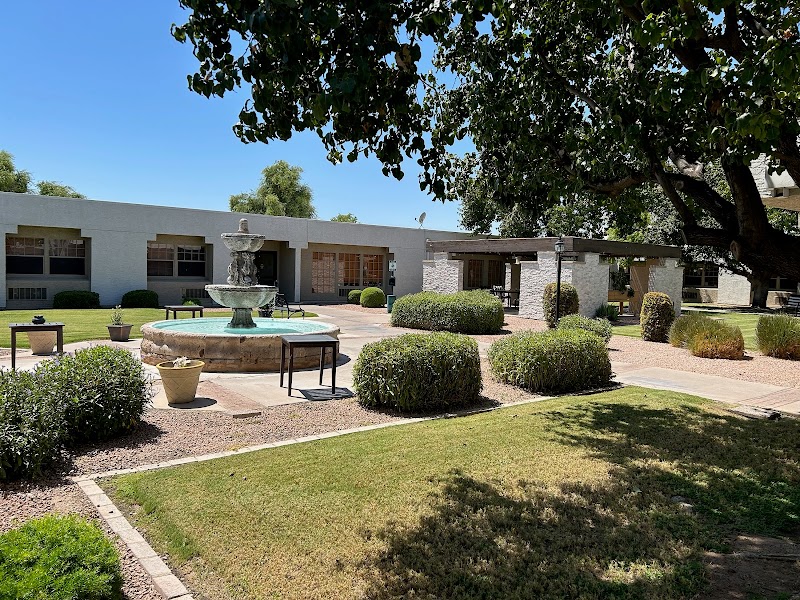
How is Chandler Post Acute And Rehabilitation Staffed?

CMS rates CHANDLER POST ACUTE AND REHABILITATION's staffing level at 3 out of 5 stars, which is average compared to other nursing homes. Staff turnover is 50%, compared to the Arizona average of 46%. RN turnover specifically is 57%, which is notably high. RNs provide skilled clinical oversight, so turnover in this role can affect medical care quality.

What Have Inspectors Found at Chandler Post Acute And Rehabilitation?

State health inspectors documented 15 deficiencies at CHANDLER POST ACUTE AND REHABILITATION during 2021 to 2024. These included: 15 with potential for harm.
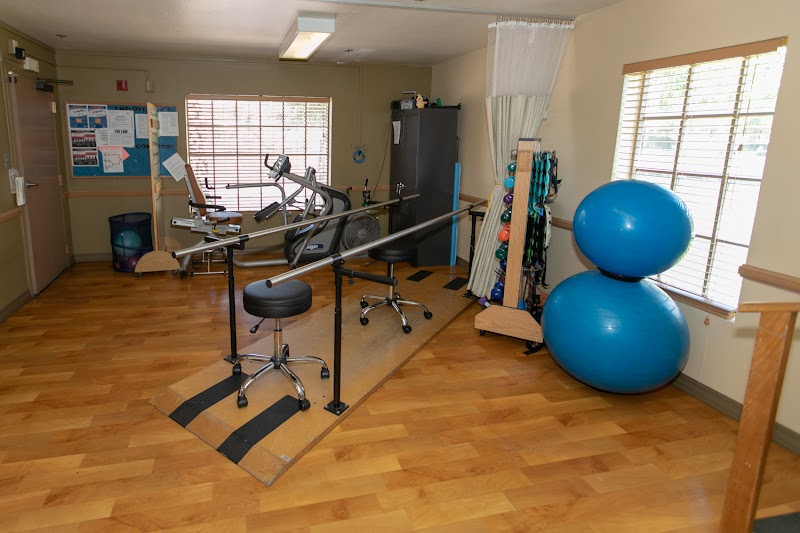
Who Owns and Operates Chandler Post Acute And Rehabilitation?

CHANDLER POST ACUTE AND REHABILITATION is owned by a for-profit company. For-profit facilities operate as businesses with obligations to shareholders or private owners. The facility is operated by THE ENSIGN GROUP, a chain that manages multiple nursing homes. With 120 certified beds and approximately 106 residents (about 88% occupancy), it is a mid-sized facility located in CHANDLER, Arizona.
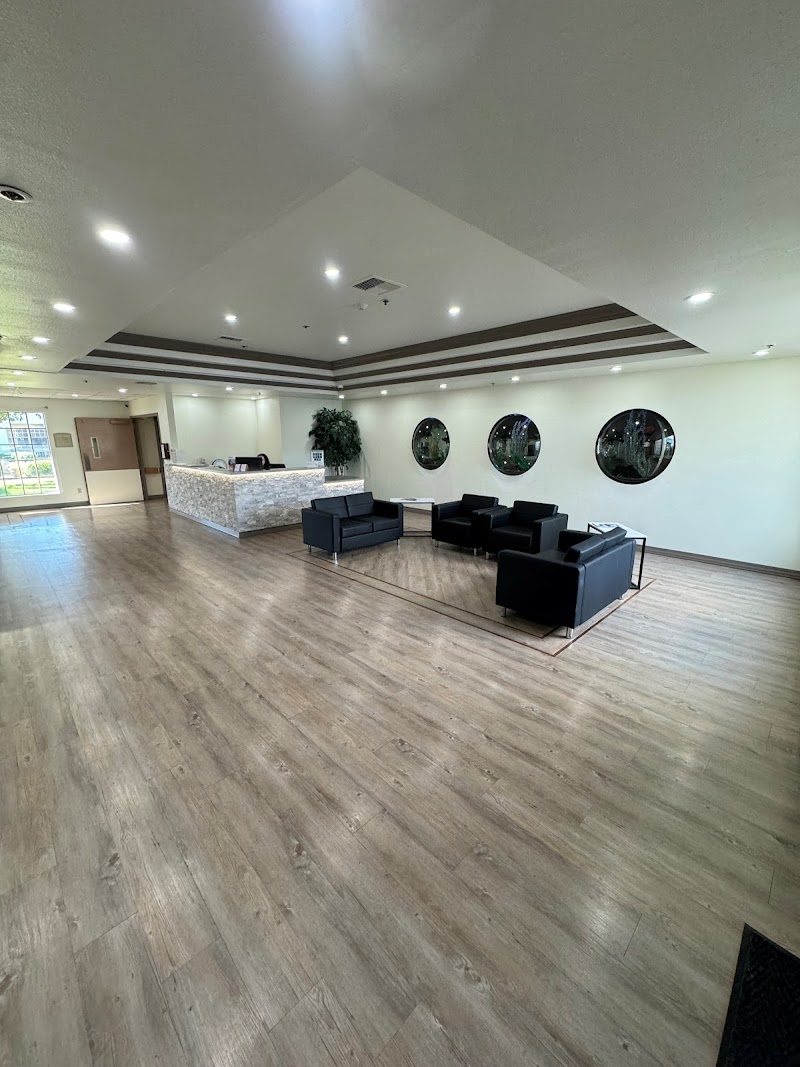
How Does Chandler Post Acute And Rehabilitation Compare to Other Arizona Nursing Homes?

Compared to the 100 nursing homes in Arizona, CHANDLER POST ACUTE AND REHABILITATION's overall rating (5 stars) is above the state average of 3.3, staff turnover (50%) is near the state average of 46%, and health inspection rating (4 stars) is above the national benchmark.

What Should Families Ask When Visiting Chandler Post Acute And Rehabilitation?

Based on this facility's data, families visiting should ask: "Can I visit during a mealtime to observe dining assistance and food quality?" "How do you handle medical emergencies, and what is your hospital transfer rate?" "Can I speak with family members of current residents about their experience?"

Is Chandler Post Acute And Rehabilitation Safe?

Based on CMS inspection data, CHANDLER POST ACUTE AND REHABILITATION has a clean safety record: no substantiated abuse findings (meaning no confirmed cases of resident harm), no Immediate Jeopardy citations (the most serious violation level indicating risk of serious injury or death), and is not on the Special Focus Facility watch list (a federal program monitoring the lowest-performing 1% of nursing homes). The facility has a 5-star overall rating and ranks #1 of 100 nursing homes in Arizona. While no facility is perfect, families should still ask about staff-to-resident ratios and recent inspection results during their visit.

Do Nurses at Chandler Post Acute And Rehabilitation Stick Around?

CHANDLER POST ACUTE AND REHABILITATION has a staff turnover rate of 50%, which is about average for Arizona nursing homes (state average: 46%). Moderate turnover is common in nursing homes, but families should still ask about staff tenure and how the facility maintains care continuity when employees leave.

Was Chandler Post Acute And Rehabilitation Ever Fined?

CHANDLER POST ACUTE AND REHABILITATION has no federal fines on record. CMS issues fines when nursing homes fail to meet care standards or don't correct problems found during inspections. The absence of fines suggests the facility has either maintained compliance or corrected any issues before penalties were assessed. This is a positive indicator, though families should still review recent inspection reports for the full picture.

Is Chandler Post Acute And Rehabilitation on Any Federal Watch List?

CHANDLER POST ACUTE AND REHABILITATION is not on any federal watch list. The most significant is the Special Focus Facility (SFF) program, which identifies the bottom 1% of nursing homes nationally based on persistent, serious quality problems. Not being on this list means the facility has avoided the pattern of deficiencies that triggers enhanced federal oversight. This is a positive indicator, though families should still review the facility's inspection history directly.