Desert Cove Nursing Center
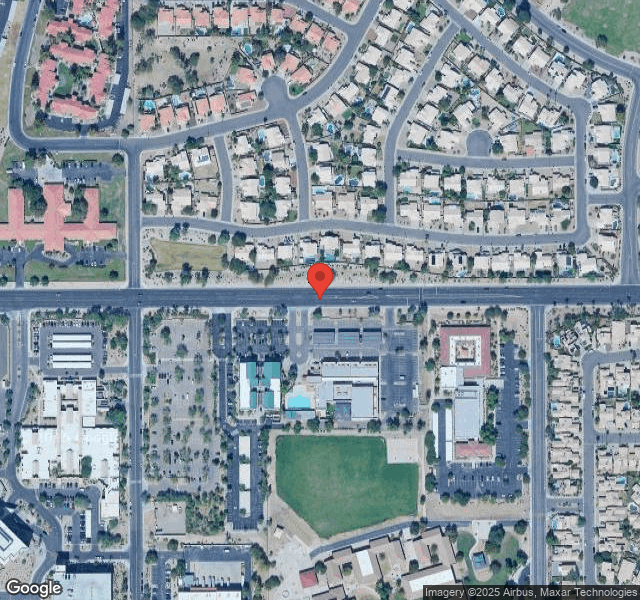
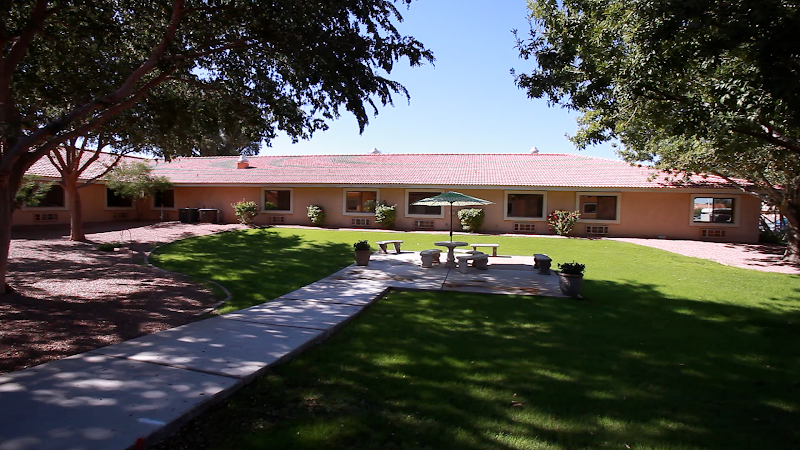
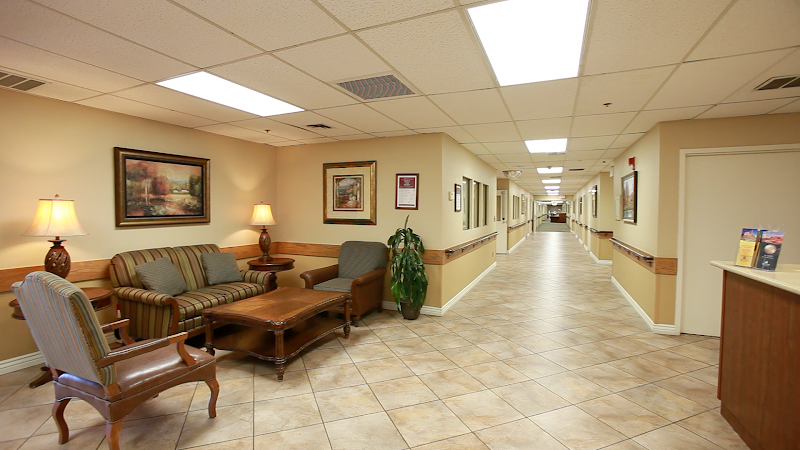
1750 WEST FRYE ROAD, CHANDLER, AZ 85224 (480) 899-0641
For profit - Corporation 120 Beds LIFE CARE CENTERS OF AMERICA Data: November 2025
Trust Grade
40/100
#102 of 139 in AZ
Last Inspection: February 2024

Within standard 12-15 month inspection cycle. Federal law requires annual inspections.

Overview

Desert Cove Nursing Center has received a Trust Grade of D, indicating below-average performance with some concerns. Ranked #102 out of 139 facilities in Arizona, this places them in the bottom half of state options, and at #64 out of 76 in Maricopa County, only 11 facilities offer worse care locally. While there are some signs of improvement, as issues decreased from 10 in 2024 to 5 in 2025, staffing is only average with a turnover rate of 57%, which is higher than the state average. Notably, there have been no fines reported, which is a positive aspect, and the facility has better RN coverage than many others, helping to identify potential issues. However, there are serious concerns, such as failing to ensure that residents received proper wound care and assistance during personal hygiene, which could affect their overall quality of life.
Trust Score
D
40/100
In Arizona
#102/139
Bottom 27%
Safety Record
Moderate
Needs review
Inspections
Getting Better
10 → 5 violations
Staff Stability
⚠ Watch
57% turnover. Above average. Higher turnover means staff may not know residents' routines.
Penalties
✓ Good
No fines on record. Clean compliance history, better than most Arizona facilities.
Skilled Nurses
○ Average
Each resident gets 30 minutes of Registered Nurse (RN) attention daily — about average for Arizona. RNs are the most trained staff who monitor for health changes.
Violations
⚠ Watch
35 deficiencies on record. Higher than average. Multiple issues found across inspections.
★★☆☆☆
2.0
Overall Rating
★★☆☆☆
2.0
Staff Levels
★★★★★
5.0
Care Quality
★☆☆☆☆
1.0
Inspection Score
Stable
2024: 10 issues
2025: 5 issues

The Good

  • 5-Star Quality Measures · Strong clinical quality outcomes
  • Full Sprinkler Coverage · Fire safety systems throughout facility
  • No fines on record

Facility shows strength in quality measures, fire safety.

The Bad

2-Star Overall Rating

Below Arizona average (3.3)

Below average - review inspection findings carefully

Staff Turnover: 57%

11pts above Arizona avg (46%)

Frequent staff changes - ask about care continuity

Chain: LIFE CARE CENTERS OF AMERICA

Part of a multi-facility chain

Ask about local staffing decisions and management

Staff turnover is elevated (57%)

9 points above Arizona average of 48%

The Ugly 35 deficiencies on record

1 actual harm
Sept 2025 2 deficiencies
CONCERN (D) 📢 Someone Reported This

A family member, employee, or ombudsman was alarmed enough to file a formal complaint

Potential for Harm - no one hurt, but risky conditions existed

ADL Care (Tag F0677)

Could have caused harm · This affected 1 resident

**NOTE- TERMS IN BRACKETS HAVE BEEN EDITED TO PROTECT CONFIDENTIALITY** Based on interview, review of clinical record, and review of facility policy and procedure, the facility failed to ensure a resi...

Read full inspector narrative →
**NOTE- TERMS IN BRACKETS HAVE BEEN EDITED TO PROTECT CONFIDENTIALITY** Based on interview, review of clinical record, and review of facility policy and procedure, the facility failed to ensure a resident (#5) was provided assistance with bathing or showering according to the resident's preference and to meet the resident' needs. The deficient practice could lead to a breakdown in skin integrity and/or psychosocial harm of a resident.Findings include:Resident #5 was admitted to the facility April 27, 2022, with diagnoses that included paraplegia, hypertension, and other chronic pain, and re-admitted to the facility on [DATE], with diagnoses that included sepsis and infection and inflammatory reaction due to indwelling urethral catheter.A quarterly minimum data set (MDS) assessment dated [DATE], revealed Resident #5 had a Brief Interview for Mental Status (BIMS) score of 15, indicating intact cognition. Section GG revealed the resident was dependent on caregivers for showering and/or bathing.A care plan initiated May 1, 2022, and another care plan initiated September 9, 2025, revealed the resident has an activities of daily living (ADL) self-care performance deficit due to limited mobility due to paraplegia. An intervention revealed that the resident is totally dependent on two staff to provide a bath/shower two times a week and as necessary. Facility shower schedules revealed that Resident #5 was scheduled to receive a shower or bath on the following dates:September 5, 2025 with assistance from a certified nursing assistant (CNA / Staff #14)September 8, 2025, from a CNA (Staff #70)September 12, 2025, from a CNA (Staff #14)September 15, 2025 from a CNA (Staff #2) A formal request was submitted to the facility on September 19, 2025, for shower sheets for Resident #5. The facility provided shower sheets and a task log that revealed the following documentation regarding showers for Resident #5 for the timeframe of August 23, 2025 through September 19, 2025:-August 23, 2025: bathing/showering did not occur on the task log, and no evidence of a shower sheet, and no evidence of a resident refusal in the clinical record-August 26, 2025: bathing/showering did not occur on the task log, and no evidence of a shower sheet, and no evidence of a resident refusal in the clinical record-September 6, 2025: bathing support provided with one person assistance on the task log, and no evidence of a shower sheet.-September 13, 2025: bathing/showering did not occur on the task log, documented by a CNA (Staff #39). Additionally, there was no evidence of a shower sheet, and no evidence of a resident refusal in the clinical record.-September 15, 2025: bathing/showering did not occur on the task log, documented by a CNA (Staff #99). Also, there was no evidence of a shower sheet, and no evidence of a resident refusal in the clinical record Review of a time punch report revealed that Staff #99 was not punched in to the facility anytime between September 13-September 16, 2025.An interview was conducted with Resident #5 on September 19, 2025, at 8:13 A.M. Resident #5 stated that he was not receiving his scheduled showers twice a week like he was supposed to and that at one point approximately a year and a half ago, he had gone without a shower for four weeks. Resident #5 stated that in the past, he had raised this concern with the social services director (Staff #36) and that Staff #36 had told him that he had to choose between getting up in his wheelchair or getting a shower. Resident #5 stated that for his past two scheduled showers, no staff had come and offered to give him a shower.An interview was conducted with a CNA (Staff #22) on September 19, 2025, at 11:18 A.M. Staff #22 stated that for bathing or showering, the staff have an assigned list of which staff are supposed to shower which residents. Staff #22 stated that showers or baths are to be documented on shower sheets, and the CNAs document any skin issues observed and then CNAs give the shower sheet to the nurse to sign off. Staff #22 stated that if a resident refuses a shower or bath then she will check with the resident several times throughout the day, and that if the resident still refuses, then the nurse will attempt to get the resident to shower, and if the resident still refuses then it is documented as a refusal on the shower sheet and also in the electronic medical record.An interview was conducted with a Registered Nurse and Assistant Director of Nursing (ADON / Staff #9) on September 19, 2025, at 11:24 A.M. Staff #9 stated that residents are given showers or baths on their assigned shower day, and that if the resident refuses, the CNA would notify the nurse, and the nurse would try to encourage the resident to shower. If the resident still refused, then the Director of Nursing (DON / Staff #80) would be notified. Staff #9 stated that showers or baths would be documented on a shower sheet that the nurse signs off on, and the shower sheet would also include if the resident refused. Staff #9 stated that the importance of regular showering or bathing would be to prevent the breakdown of skin, but that residents also have a right to refuse.An interview was conducted with the Social Services Director (Staff #36) on September 19, 2025, at 11:35 A.M. who stated that she was aware that Resident #5 had complained about not getting showers historically.An interview was conducted with the DON (Staff #80) on September 19, 2025, at 11:51 A.M. The DON stated that the facility's process for giving residents showers or baths is that each resident has two assigned shower days per week, and that showers or baths are documented on shower sheets and in the electronic task log. Additionally, the DON stated that if a resident refuses, then it should be documented as a refusal on the shower sheet or task log or a nurse's progress note. The DON stated that the importance of bathing or showering is that it helps maintain skin integrity and reduces odors.A telephonic interview was conducted on September 19, 2025, at 12:16 P.M. with a CNA (Staff #39) who had documented on September 13, 2025, that a shower or bathing did not occur for Resident #5. Staff #39 stated that she did not offer the resident a shower on September 13, 2025, because that is the night shift staff's assignment.A telephonic interview was conducted on September 19, 2025, at 12:20 P.M. with a CNA (Staff #99) whose electronic signature had documented in the electronic clinical record that a shower or bath did not occur for Resident #5 on September 15, 2025. Staff #99 stated that she has never been assigned to Resident #5 and has never assisted Resident #5. Additionally, Staff #99 stated that she was not in the facility on September 15, 2025, and that another staff member has her login passcode for the electronic clinical record.Another telephonic interview was conducted September 19, 2025, at 12:50 P.M. with a CNA (Staff #14) who was scheduled to assist Resident #5 with a shower on September 12, 2025. Staff #14 stated that she did not offer Resident #5 a shower that date because that resident was not part of her assigned hallway.A follow-up interview was conducted with the DON (Staff #80) on September 19, 2025, at 1:20 P.M. The task log for Resident #5's showering was reviewed, in addition to the time punch report for Staff #99, and the DON stated that she had no idea why there was electronic documentation completed by Staff #99 regarding Resident #5 not getting a shower on September 15, 2025, and that Staff #99 was not in the facility on September 15, 2025.Review of the facility policy titled Activities of Daily Living (ADLs), revised February 12, 2024, revealed that the resident will receive assistance as needed to complete activities of daily living (ADLs). Any change in the ability to perform ADLs will be reported to the nurse. Quality of care is a fundamental principle that applies to all treatment and care provided to facility residents. Based on the comprehensive assessment of a resident, the facility must ensure that's residents receive treatment and care in accordance with professional standards of practice, the comprehensive person-centered care plan, and the residents' choices. The facility must provide care and services in accordance with paragraph (a) for the following activities of daily living: bathing, dressing, grooming, and oral care. A resident who is unable to carry out activities of daily living receives the necessary services to maintain good nutrition, grooming, and personal and oral hygiene.Review of the facility policy titled Tub Baths and Showers, revised May 19, 2025, revealed that tub baths and showers provide personal hygiene, stimulate circulation, and reduce tension for a patient. They also allow observation of the condition of a patient's skin and assessment of joint mobility and muscle strength. The implementation of a tub bath or shower included to document the procedure. Documentation associated with tub baths and showers includes: skin condition, discoloration or redness, tolerance of the procedure, and teaching provided to the patient and family (if applicable).Review of the facility policy titled Nursing Documentation, issued August 20, 2019, revealed this facility will ensure nursing documentation is consistent with professional standards of practice, the state nurse practice act, and any state laws governing the scope of nursing practice. The medical record must reflect the resident's condition and the care and services provided across all disciplines to ensure information is available to facilitate communication among the interdisciplinary team. The medical record must contain an accurate representation of the actual experience of the resident and include enough information to provide a picture of the resident's progress, including his/her response to treatment and/or services, and changes in his/her condition, plan of care goals, objectives and/or interventions.
CONCERN (D) 📢 Someone Reported This

A family member, employee, or ombudsman was alarmed enough to file a formal complaint

Potential for Harm - no one hurt, but risky conditions existed

Quality of Care (Tag F0684)

Could have caused harm · This affected 1 resident

**NOTE- TERMS IN BRACKETS HAVE BEEN EDITED TO PROTECT CONFIDENTIALITY** Based on interview, review of clinical record, and review of facility policy and procedure, the facility failed to ensure a resi...

Read full inspector narrative →
**NOTE- TERMS IN BRACKETS HAVE BEEN EDITED TO PROTECT CONFIDENTIALITY** Based on interview, review of clinical record, and review of facility policy and procedure, the facility failed to ensure a resident (#5) was provided care and services for a urinary catheter according to physician orders. The deficient practice could lead to infection.Findings include:Resident #5 was admitted to the facility April 27, 2022, with diagnoses that included paraplegia, hypertension, and other chronic pain, and re-admitted to the facility on [DATE], with diagnoses that included sepsis and infection and inflammatory reaction due to indwelling urethral catheter.A quarterly minimum data set (MDS) assessment dated [DATE], revealed Resident #5 had a Brief Interview for Mental Status (BIMS) score of 15, indicating intact cognition. Section H revealed the resident had an indwelling catheter, and Section I revealed the resident had the active diagnoses of neurogenic bladder.A care plan for a catheter related to obstructive uropathy initiated October 20, 2022, revealed interventions to provide catheter care every shift and to observe for and report to the physician for signs and symptoms of urinary tract infection (UT)I: pain, burning, blood tinged urine, cloudiness, no output, deepening of urine color, increased pulse, increased temperature, urinary frequency, foul smelling urine, fever, chills, altered mental status, change in behavior, and change in eating patterns.An additional care plan initiated September 9, 2025, for a suprapubic catheter related to neurogenic bladder revealed interventions to provide catheter care every shift and to observe for and report to the physician for signs and symptoms of urinary tract infection (UT)I: pain, burning, blood tinged urine, cloudiness, no output, deepening of urine color, increased pulse, increased temperature, urinary frequency, foul smelling urine, fever, chills, altered mental status, change in behavior, and change in eating patterns.Another care plan for behavior dated September 9, 2025, revealed that the resident emptied urine from his catheter bag into an unmarked water pitcher. An intervention indicated to anticipate and meet the resident's needs.A physician order dated January 23, 2024, indicated to empty catheter and record amount in the electronic clinical record three times a day for output monitoring.Review of the Medication and Treatment Administration Record (MAR/TAR) for July 2025 revealed a record log for emptying the catheter and recording urine output in milliliters (mL) at 5:00 A.M., 1:00 P.M., and 9:00 P.M. The record revealed the log was blank on the following:-July 25 at 5:00 A.M.-July 28 at 5:00 A.M.The MAR/TAR for August 2025 revealed that the log for emptying the catheter and monitoring output was blank on the following:-August 9, 14, 15, 16, 21, 22, 23, 27, 28, 29, and 30 at 5:00 A.M.-August 21 and August 28 at 9:00 P.M.The MAR/TAR for September 2025 revealed that the log for emptying the catheter and monitoring output was blank on the following:-September 5, 6, 13, and 14 at 5:00 A.M.The clinical record was reviewed and revealed no evidence that the catheter was emptied or that urine output was recorded on the dates/times that the MAR/TAR was blank. Additionally, there was no evidence that the resident refused.An interview was conducted with Resident #5 on September 19, at 8:21 A.M. Resident #5 stated that his catheter was not being emptied as it should. He stated that there have been times where the catheter bag was not emptied for 12-14 hours at a time. He also stated that there have been times where the catheter was not emptied by staff as it should, and that he had to empty the catheter bag himself.An interview was conducted with a certified nursing assistant (CNA / Staff #22) on September 19, 2025, at 11:18 A.M. Staff #22 stated that CNAs are involved with residents' daily catheter care by emptying the catheter bag, and that for some residents, the nurse requests the CNAs to measure the urine output when emptying the catheter bag and notify the nurse of the output.An interview was conducted with a Registered Nurse and Assistant Director of Nursing (ADON / Staff #9) on September 19, 2025, at 11:24 A.M. Staff #9 stated that daily urinary catheter care involves cleaning and flushing the catheter, and to empty the catheter every shift and that some require more frequent emptying. Staff #9 stated that if a resident had a physician order to empty the catheter and monitor the output, then the nurse or the CNA would record the amount of urine that was emptied. Staff #9 stated that if the catheter bag was not emptied regularly or only emptied once a day, then that could cause an infection.An interview was conducted with the Social Services Director (Staff #36) on September 19, 2025, at 11:35 A.M. Staff #36 stated that if a resident raises a concern or complains about something then Staff #36 speaks to the resident and fill out a comment and concern card, and that Staff #36 takes it to the management team to have the issue addressed. Staff #36 stated that Resident #5 will say care items have not been completed by staff, and that Resident #5 had raised a concern about his catheter bag not being emptied.An interview was conducted with the Director of Nursing (DON / Staff #80) on September 19, 2025, at 11:51 A.M. Staff #80 stated that daily catheter care includes cleansing with soap and water, emptying the catheter, and that some require flushing. Additionally, the DON stated that the care is recorded on the MAR / TAR. The DON stated that the importance of daily catheter care is to keep it clean and to prevent infection. Additionally, Staff #80 stated that if a resident had a physician order to empty the catheter bag and monitor the output three times a day then that would be important to prevent infections and to prevent the bag from getting too full with urine backing up into the catheter tube. Also, the DON stated that if the physician order indicated to empty the catheter bag three times a day, and it was only completed once a day, then that would not meet her expectations. The MAR/TAR for August 2025 was reviewed together, and the DON stated that there were blank log entries for multiple dates and times, and that it could mean that the CNA did not get the information to the nurse. The DON stated that there was no other way to tell if the catheter was emptied or not.Review of the facility policy titled Indwelling Urinary Catheter (Foley) Management, revised June 27, 2023, revealed that the facility will ensure that residents admitted with a urinary catheter, or determined to need a urinary catheter for a medical indication will have the following areas addressed: insertion, ongoing care, and catheter removal protocols that adhere to professional standards of practice and infection prevention and control procedures and ongoing monitoring for changes in condition related to potential catheter acquired UTIs, recognizing, reporting and addressing such changes. Additionally, a resident who is incontinent of bladder receives appropriate treatment and services to prevent urinary tract infections and to restore continence to the extent possible. General guidelines for urinary catheter maintenance include to empty the collecting bag regularly using a separate, clean collecting container for each patient.
Jul 2025 1 deficiency
CONCERN (D) 📢 Someone Reported This

A family member, employee, or ombudsman was alarmed enough to file a formal complaint

Potential for Harm - no one hurt, but risky conditions existed

Report Alleged Abuse (Tag F0609)

Could have caused harm · This affected 1 resident

**NOTE- TERMS IN BRACKETS HAVE BEEN EDITED TO PROTECT CONFIDENTIALITY** Based on interviews, review of clinical record, and review of facility policy, the facility failed to ensure an allegation of ab...

Read full inspector narrative →
**NOTE- TERMS IN BRACKETS HAVE BEEN EDITED TO PROTECT CONFIDENTIALITY** Based on interviews, review of clinical record, and review of facility policy, the facility failed to ensure an allegation of abuse was reported to mandated entities within 2 hours for one resident (#2). The deficient practice could lead to an allegation of abuse not being investigated by all mandated entities timely, resulting in possible ongoing abuse to a resident.-Findings include: Resident #2 was admitted to the facility July 7, 2025, with diagnoses that included encounter for surgical aftercare following surgery on the circulatory system, peripheral vascular disease, type 2 diabetes mellitus, and major depressive disorder.A brief interview for mental status (BIMS) assessment dated [DATE], revealed the resident had a score of 14, indicating intact cognition.A Weekly Skin Integrity Data Collection dated July 19, 2025, revealed the resident's groin had a surgical incision, no redness, no bruising, no swelling to peri-area.An email receipt dated July 19, 2025, revealed that an Adult Protective Services report was submitted at 5:59 p.m.A facility self-report dated July 19, 2025, submitted to the State Agency at 6:13 p.m., revealed that Resident #2 reported to staff that a male Certified Nursing Assistant (CNA) entered her room the morning of July 18, 2025, twice, once with the nurse and once alone. The male CNA asked if she used the bathroom, or needed to be changed, patting the top of her incontinent brief. Resident #2 then stated that she used the bathroom, and the CNA left her room. Resident #2 stated that, at first, she did not think anything of it, but then later decided she should say something. The resident was unable to say who the male CNA was, but that he had a grey beard and was wearing green scrubs. The nurse that worked on July 18, 2025, was interviewed and stated that she was in and out of the resident's room multiple times during her shift and she was not accompanied by any CNA, and that the resident never said anything about the incident. At approximately 4:00 p.m. on July 19, 2025, the resident called the local police department and filed a complaint. A police officer responded and interviewed both the resident and the male CNA that worked yesterday. Per the documentation, after interviewing both parties, the officer had the Assistant Director of Nursing (ADON) take the CNA into the resident's room and asked the resident if she knew the CNA. The resident responded that she did not know the CNA, and had never seen him before.An interview written statement dated June 19, 2025, at 7:00 a.m., signed by the ADON (Staff #26), revealed an interview with a CNA (Staff #60). The statement revealed the ADON spoke with Staff #60 regarding stated allegations by Resident #2. Staff #60 stated he did not go in the resident's room at all on July 18 2025. The ADON informed Staff #60 that he was being sent home pending the investigation, and Staff #60 left the building. At approximately 8:30 a.m., the ADON called and requested that Staff #60 come back to the facility to work. At approximately 9:30 a.m., Staff #60 returned to work and went to the East unit.A time punch detail report revealed that Staff #60 had time punches as follows:-July 18, 2025: Punched in from 6:55 a.m. to 2:10 p.m. and from 2:15 p.m. to 5:42 p.m.-July 19, 2025: Punched in from 6:50 a.m. to 7:28 a.m. and from 9:04 a.m. to 5:35 p.m.A telephonic interview was conducted with a CNA (Staff #19) on July 22, 2025, at 9:44 a.m. Staff #19 stated that she believed she was the first staff that Resident #2 reported the allegation to. Staff #19 stated that sometime between midnight and the early morning hours of July 19, 2025, that she entered Resident #2's room and Resident #2 stated that I feel like I've been molested. Staff #19 stated that Resident #2 said that she sleeps with her nightgown up, and that a male staff entered the room and asked if she got up to use the restroom or if she used an incontinence brief. Staff #19 stated that Resident #2 said that the male staff said he had to check to see if she had urinary incontinence, and then patted the front of her brief over the genital area three times and then left the room. Staff #19 stated that Resident #2 gave a description and a name of the alleged perpetrator, and that Staff #19 reported to the nurse right away. A telephonic interview was conducted on July 22, 2025, at 10:11 a.m., with a Licensed Practical Nurse (LPN / Staff #31), who stated that she was the night nurse that worked the shift between July 18 and July 19, 2025. Staff #31 stated that she was notified of the allegation by a CNA (Staff #19) late in the night shift of July 18-19, 2025. Staff #19 stated that she then spoke to Resident #2 who said that at approximately 8:00 - 10:00 a.m. on July 18, 2025, that Resident #2 was in her room and a male staff entered and asked her if she used the bathroom, and then the male staff reached down and patted the front of her brief three times to see if she was incontinent, and then the male staff left the room. Staff #31 stated that Resident #2 reported a name of the male staff, which was the same first name as Staff #60, and provided a description. Staff #31 stated that she notified the Director of Nursing (DON) right away, and that later the DON responded that she was going to notify the Administrator.An interview was conducted with the DON (Staff #47) on July 22, 2025, at approximately 11:00 a.m. The DON stated that abuse could be verbal, physical, or sexual, and if staff are notified of an abuse allegation, then staff should immediately ensure the safety of the residents, then notify the DON or the Administrator immediately. Once notified, the DON and Administrator report to the mandated entities within two hours, including to the State Agency, to Adult Protective Services, to the ombudsman, and to the police department. Regarding Resident #2's sexual abuse allegation, the DON stated that she was notified on July 19, 2025, at around 4:30 a.m. that Resident #2 reported to a CNA and a nurse that a male staff asked the resident if she used the bathroom or needed to be changed and patted the outside of the resident's brief, either at the top or between the resident's legs. The DON stated that she notified the Administrator, and reported the allegation to the State Agency around 4:00 p.m. on July 19, 2025. The DON stated that there was a delay in reporting the allegation because the ADON (Staff #26) who did the investigation did not feel anything had happened. The DON stated that the alleged perpetrator (Staff #60) arrived to work at approximately 7:00 a.m. on July 19, 2025, and the ADON talked to him and then sent him home pending the investigation. The DON stated that an investigation was conducted and that the ADON also talked to Resident #2, and that no mandated reporting occurred during that time.A telephonic interview was conducted with the ADON (Staff #26) on July 22, 2025, at 11:46 a.m. The ADON stated that she was first notified by the DON around 5:00 a.m. on July 19, 2025, that Resident #2 had stated that a CNA with the same first name as Staff #60 had touched her on her brief. The ADON stated that the DON had asked Staff #26 to go to the facility and stop Staff #60 from entering the facility and interview him to get his statement. The ADON stated that when she interviewed Staff #60, that he stated he had not been in Resident #2's room all day on July 18, 2025. The ADON stated that she also interviewed Resident #2, Staff #19, and attempted to interview Staff #31 however Staff #31 was asleep. The ADON stated that around 8:30 a.m. on July 19, 2025, she notified the DON and the Administrator to provide the information from her investigation and that she did not give any guidance on whether the facility should report the incident to mandated sources.An interview was conducted with the Administrator (Staff #66) on July 22, 2025, at 12:04 p.m. The Administrator stated that abuse could be inappropriate sexual touching or could be verbal abuse. The Administrator stated that if there is an allegation of abuse, that the staff would protect the resident to ensure safety, and that staff obtains statements from staff and residents, and if there is a description of the alleged perpetrator, then the facility would suspend the staff member until the investigation is completed. The Administrator also stated that the facility must report an allegation of abuse to mandated entities including the police, the ombudsman, and the State Agency within 2 hours. The Administrator stated that he was first notified on July 19, 2025, around 5:15 to 5:20 a.m., and that there was an allegation from Resident #2 that she was patted by a male CNA on the front of her brief over her genital region. The Administrator stated that he determined that the allegation was not abuse based on the facility's investigation somewhere around 7:00 in the morning on July 19, 2025 and did not report the allegation to mandated entities that morning. Additionally, the Administrator stated that around 4:00 p.m. that same day, that Resident #2 called the police to report the allegation.Review of the facility policy titled Abuse - Identification of Types, revised June 17, 2024, revealed abuse is defined as the willful infliction of injury, unreasonable confinement, intimidation, or punishment with resulting physical harm, pain or mental anguish. It includes verbal abuse, sexual abuse, physical abuse, and mental abuse including abuse facilitated or enabled through the use of technology. Sexual abuse is non-consensual sexual contact of any type with a resident, as defined at have the capacity to consent. Sexual abuse includes, but is not limited to unwanted intimate touching of any kind especially of breasts or perinea area, and all types of sexual assault or battery, such as rape, sodomy, and coerced nudity.Review of the facility policy titled Abuse - Reporting and Response - No Crime Suspected, revised April 9, 2024, revealed in response to allegations of abuse, the facility must: ensure that all alleged violations involving abuse, are reported immediately, but not later than 2 hours after the allegation is made, if the events that cause the allegation involve abuse to the administrator of the facility and to other officials (including to the State Survey Agency and adult protective services where state law provides for jurisdiction in long-term care facilities) in accordance with State law through established procedures. An individual who reports an alleged violation to facility staff does not have to explicitly characterize the situation as abuse in order to trigger the facility to investigate. Rather, if facility staff could reasonably conclude that the potential exists related to abuse then it would be considered to be reportable and require action. For alleged violations of abuse the facility must report the allegation immediately, but no later than 2 hours after the allegation is made.
Apr 2025 1 deficiency
CONCERN (E) 📢 Someone Reported This

A family member, employee, or ombudsman was alarmed enough to file a formal complaint

Potential for Harm - no one hurt, but risky conditions existed

Quality of Care (Tag F0684)

Could have caused harm · This affected multiple residents

**NOTE- TERMS IN BRACKETS HAVE BEEN EDITED TO PROTECT CONFIDENTIALITY** Based on clinical record review, interviews, and facility documentation and policy, the facility failed to ensure that one resid...

Read full inspector narrative →
**NOTE- TERMS IN BRACKETS HAVE BEEN EDITED TO PROTECT CONFIDENTIALITY** Based on clinical record review, interviews, and facility documentation and policy, the facility failed to ensure that one resident (# 23) received wound care in accordance with physician orders. This deficient practice can result in diminished quality of life, and suboptimal clinical outcomes. Findings include: Resident # 23 was admitted to the facility April 3, 2023 with diagnoses that included heart failure, cellulitis of left lower limb, Diabetes Type 2 with ulcers, obesity, and muscle weakness. Review of the resident's Break in Skin Integrity care plan, initiated on February 20, 2023 revealed the resident was to have treatment as ordered and weekly skin checks. Review of the Nursing Home Comprehensive Minimum Data Set (MDS), dated [DATE], revealed the resident had a Brief Interview for Mental Status score of 15, indicating cognition was intact. The MDS also identified the resident as having an infection of the foot, and a diabetic foot ulcer(s). Review of the residents wound care order, initiated on April 5, 2023, instructed the licensed staff to address the left lower extremity ulcers in the following steps twice daily: 1. Clean the area with normal saline. 2. Paint Purulent areas with medi-honey 3. Cover the open-non-purulent areas with xeroform 4. Paint the diabetic ulcer to the heel with betadine and cover with a non-adherent pad. 5. Wrap with a bulky gauze bandage daily every shift. Review of the resident's wound care order, initiated on April 5, 2023, instructed the licensed staff to address the right inner calf in the following steps daily: 1. Wash the area with normal saline. 2. Paint with Betadine. 3. Cover with bordered gauze. Review of the clinical record, failed to support wound care for the left lower extremity ulcer was performed or refused on: April 6, 2023, April 10-11, 2023, April 17, 2023, April 23, 2023, April 25-26, 2023, and March 1, 2023. Review of the clinical record, failed to support wound care for the right inner calf was performed or refused on: April 6, 2023, April 10-11, 2023, April 13, 2023, April 17, 2023, April 25-26, and March 1, 2023. An interview was attempted with the complainant on April 24, 2025 at approximately 9:00 AM, however the number was no longer in service. During an interview with a Certified Nurse Assistant (CNA/Staff # 71) on April 24, 2025 at approximately 2:00 PM, the CNA revealed that during resident care, if a dressing is missing or falling off, or if any new abnormal skin changes are observed, it is the responsibility of the CNA to report it to the nurse. In an interview with a Registered Nurse (RN/Staff # 2) on April 24, 2025 at approximately 2:10 PM, the RN revealed the facility does not have a dedicated wound care nurse, but rather the licensed nurses incorporate wound care into their shift. In addition, the RN stated that provider orders for wound care are to be followed, or else the resident will have set backs in their healing. The RN stated that setbacks can include the wound becoming worse, larger, and even infected. The RN stated that refusal of dressing changes are documented and reported to management for further follow-up. During an interview with the Director of Nursing (DON/Staff # 21) on April 24, 2025 at 3:25 PM, the DON reviewed the resident's Treatment Administration Record (TAR), and identified shifts where wound care was not performed. The DON stated being unable to find evidence supporting whether or not wound care was conducted or refused on the identified shifts. The DON revealed that facility expectation was not met in ensuring wound care was provided to the resident as ordered. The facility's Nursing Documentation policy, issued August 20, 2019, revealed the resident's medical record must reflect the residents' condition and the care and services provided across all disciplines. In addition, the medical record must contain an accurate representation of the actual experience of the resident and include enough information to provide a picture of the resident's progress. The facility's Resident Rights policy, issued June 8, 2020, revealed the resident has the right to participate in establishing goals and outcomes of care, the type, amount, frequency, and duration of care, and any other factors related to the effectiveness.
Jan 2025 1 deficiency
CONCERN (D) 📢 Someone Reported This

A family member, employee, or ombudsman was alarmed enough to file a formal complaint

Potential for Harm - no one hurt, but risky conditions existed

Free from Abuse/Neglect (Tag F0600)

Could have caused harm · This affected 1 resident

**NOTE- TERMS IN BRACKETS HAVE BEEN EDITED TO PROTECT CONFIDENTIALITY** Based on clinical record review, staff interviews, and facility policy review, the facility failed to ensure one resident (#26) ...

Read full inspector narrative →
**NOTE- TERMS IN BRACKETS HAVE BEEN EDITED TO PROTECT CONFIDENTIALITY** Based on clinical record review, staff interviews, and facility policy review, the facility failed to ensure one resident (#26) was free from sexual abuse. The deficient practice resulted in a resident being inappropriately touched by another resident. Findings include: Resident #26 was admitted to the facility on [DATE] with diagnoses that included unspecified dementia, psychotic disturbance, mood disturbance, and anxiety. Review of the Minimum Data Set (MDS) dated [DATE] revealed a Brief Interview for Mental Status (BIMS) score of 10, indicating the resident had moderate cognitive impairment. Review of the care plan and nursing progress notes revealed no evidence of sexual abuse occurring. Additionally, there were no psychiatric notes or evaluations created following the abuse. Review of physician orders revealed no evidence of new orders following the abuse, including no new orders for psychiatric evaluation. Resident #13 was admitted to the facility initially on August 9, 2024. He was later re-admitted to the facility on [DATE] following a short hospital stay. His admitting diagnoses included memory deficit following cerebral infarction, major depressive disorder, and other sexual dysfunction not due to a substance or known physiological condition. Review of the Minimum Data Set (MDS) dated [DATE] revealed a Brief Interview for Mental Status (BIMS) score of 12, indicating the resident had moderate cognitive impairment. Review of physician orders revealed an order dated October 17, 2024, which instructed nursing staff to monitor and chart on inappropriate sexual comments. Additionally, the resident was ordered Fluoxetine HCl Capsule 40mg one time a day on October 17, 2024 for depression as evidenced by inappropriate sexual comments. Review of the care plan initiated on August 9, 2024 revealed a focus that Resident #13 had a behavior problem of grabbing female staff inappropriately and making sexual statements toward female staff. The entry, revised on December 20, 2024, included that Resident #13 touched a female peer. New interventions added on December 20, 2024 included that the resident be placed on 15-minute checks, and that the resident would be supervised by staff when in common areas. Review of the progress notes revealed that Resident #13 had multiple documented instances of inappropriate behavior towards others. A health status note dated August 11, 2024 described that during a shower, Resident #13 was grabbing the female staff in appropriate areas. The psychosocial note on August 14, 2024 revealed that the resident had been making inappropriate statements to staff and grabbed staff on the buttocks and breasts. An interview was conducted on January 3, 2025 at 12:33PM with Resident #13, who initially could not recall the incident with Resident #26. When asked if he recalled touching a resident at the Christmas party, Resident #13 stated that he remembered seeing a woman crying, so he kissed her. He denied that anything else occurred. He could not recall who the woman was. An interview was attempted with Resident #26 on January 3, 2025 at 12:48PM, but the resident was too confused to interview and was unable to be directed. An interview was conducted on January 3, 2025 at 11:08AM with a certified nursing assistant (CNA/Staff #2) who stated that he would define touching as sexual abuse. He recalls that he had heard about a sexual incident between Resident #13 and another resident but did not witness it. He stated that Resident #13 had previously shown sexual behaviors towards staff but only knew about one incident with another resident. He stated that Resident #13 now has to be supervised when in common areas, and that he has to watch television in his room now. An interview was conducted on January 3, 2025 at 11:16AM with a Licensed Practical Nurse (LPN/Staff #5) who stated she would consider sexual abuse to include verbally obscene things and touching inappropriately. When asked if any residents had shown sexually inappropriate behavior, the LPN named Resident #13, stating that she has not personally seen anything but has heard rumors that he had shown sexual behaviors toward staff. She further stated that she had heard of a sexual interaction between Resident #13 and another resident on Christmas. She explained that since this incident, Resident #13 cannot be in the dayroom alone with other female residents. An interview was conducted on January 3, 2025 at 11:35AM with the Admissions Assistant (Admin/Staff #11) who stated that during the facility Christmas party on December 20, 2024, she had been moving residents around to take pictures when she noticed that Resident #13 and Resident #26 were sat together in their wheelchairs, facing each other. She stated that she then saw that Resident #13 had his hand down Resident #26's pants. She elaborated that Resident #26 was wearing sweat pants with an elastic waistband, and that Resident #13 had his right hand down the top of the pants of Resident #26, almost to his elbow. Staff #11 further explained that she thought Resident #26 seemed to be okay with it, as she was moving her hand back and forth slowly on his arm. She was unsure how long the two residents had been in this situation, and there were no staff or family in the area to witness it. She stated that there were two residents who may have seen something, but that they were nonverbal and unable to provide a statement. Staff #11 explains that she immediately separated the residents, bringing Resident #26 into the common area, and notified her supervisors. An interview was conducted on January 3, 2025 at 12:14PM with the Director of Nursing (DON/Staff #17) who stated that she would consider unwanted touching from one resident to another to be sexual abuse. She also stated that a resident with a diagnosis of dementia would not have the capacity to consent to an intimate or sexual relationship. The DON also explained that she was informed of the incident between Resident #13 and Resident #26 by the Administrator. She explained that following the incident, both Resident #26 and Resident #13 denied that anything had occurred. She also stated that both residents are cognitively impaired and lack the capacity to consent. Additionally, the DON explained that new interventions were implemented to supervise Resident #13. When asked if Resident #13 had previously shown any sexually inappropriate behaviors, the DON responded that he had inappropriately grabbed a staff member one time only, and that the interventions described in the care plan had been effective at managing this resident's behaviors. The DON further explained that Resident #26 did not appear to be in distress following the incident, so no psychiatric evaluation or care plan revision was conducted for this resident. Review of the facility policy titled, Intimacy Between Residents / Sexual Consent, revealed that the facility will ensure residents have the capacity to consent to sexual activity, and if not, will prohibit the engagement of sexual activity with others. Review of the facility policy titled, Abuse - Prevention, revealed that it is the policy of the facility to prevent and prohibit all types of abuse. Review of the facility policy titled, Abuse - Identification of Types, revealed that it is the policy of the facility to identify abuse. This policy also defines sexual abuse as non-consensual sexual contact of any type with a resident, and gives an example of sexual abuse to be unwanted intimate touching of any kind especially of breasts or perineal area. The policy further explains that sexual contact is nonconsensual if the resident appears to want the contact to occur, but lacks the cognitive ability to consent.
Nov 2024 1 deficiency
CONCERN (D) 📢 Someone Reported This

A family member, employee, or ombudsman was alarmed enough to file a formal complaint

Potential for Harm - no one hurt, but risky conditions existed

Free from Abuse/Neglect (Tag F0600)

Could have caused harm · This affected 1 resident

**NOTE- TERMS IN BRACKETS HAVE BEEN EDITED TO PROTECT CONFIDENTIALITY** Based on clinical record review, facility documentation, and staff interviews, the facility failed to ensure three residents (#1...

Read full inspector narrative →
**NOTE- TERMS IN BRACKETS HAVE BEEN EDITED TO PROTECT CONFIDENTIALITY** Based on clinical record review, facility documentation, and staff interviews, the facility failed to ensure three residents (#1, #2 and #3) were provided adequate supervision to prevent resident abuse. The deficient practice could result in residents being at risk for abuse. Findings include: -Resident #1 was admitted to the facility on [DATE] which include a diagnoses of Hypertension, Diabetes Mellitus, Aphasia, Cerebrovascular Accident (CVA), and Bipolar Disorder. A review of resident's care plan dated August 14, 2023 revealed resident has the potential to be physically aggressive -strikes at others related to poor impulse control, non verbal, multiple cerebrovascular accident, confusion/impaired cognition. Resident will try to interact with others by tapping/patting them on the arm which can be misconstrued as hitting especially due to his hand contractures which appear fistlike , resident enjoys music via his headphones. Interventions include to administer medication as ordered, assess and anticipate resident's needs: food, thirst, toileting needs, comfort level, body positioning, and pain, modify environment: avoid crowding, no other residents should be within arms length of resident, staff to be present with resident when out of bed. A review of resident's care plan dated June 13, 2024 revealed resident is involved into 1:1 activities and small group activity such as church music and social events. Resident has to be greater than arms length of other resident due to him feeling threaten so he might try to swing at a person so a staff member must be with him at all times. A review of record revealed a Brief Interview for Mental Status (BIMS) assessment dated [DATE] revealed severe cognitive impairment. Resident is non verbal but able to make needs known with gestures/pointing. A review of resident's care plan dated November 8, 2024 revealed resident #1 was struck on their left shoulder. A review of care plan revealed an intervention dated November 12, 2024 was initiated for resident #1 to be escorted by staff in and out of dining room. A review of record dated November 16, 2024 revealed staff saw Resident #1 hitting another resident in the hall between room [ROOM NUMBER] and room [ROOM NUMBER]. Resident #1 use his fist and hit the other resident in his right arm three times. Both residents were separated and assessed for injury, police notified of altercation between resident #1 and another resident. -Resident #2 was admitted to the facility on [DATE] which include a diagnoses of Hypertension, Alzheimer's Disease, Dementia, and Depression. The Minimum Data Set (MDS) dated [DATE] revealed a BIMS score of 7.0 indicating severely impaired. A review of resident's care plan dated October 5, 2024 revealed resident has impaired cognitive ability related to Alzheimer's Dementia which can fluctuates quickly between pleasantly confused to aggression BIMS score of 7.0. The interventions include allow extra time for resident to respond to questions and instructions, face and speak clearly when communicating with resident, and keep the resident's routine consistent and try to provide consistent care givers as much as possible in order to decrease confusion. A review of resident's care plan dated November 8, 2024 revealed resident is physically aggressive to staff related to diagnosis of dementia and physical aggression to peer. The goal is for resident to not harm self or others. The intervention included the resident's triggers for physical aggression are multiple people trying to provide care. The resident's behaviors is de-escalated by one staff member providing care and others leaving area. A review of resident's record dated November 8, 2024 revealed a Behavior Note progress note stating that patient while in the dining room area had struck a patient on the back. -Resident #3 was admitted to the facility on [DATE] with diagnoses of Hypertension, End-Stage Renal Disease (ESRD), and Diabetes Mellitus. The MDS assessment dated [DATE] revealed a BIMS score of 12.0 indicating moderately impaired. A review of Health Status Note progress note dated November 11, 2024 revealed the physician was made aware of the resident being hit by another resident in the right upper arm outside the dining room in the hallway after breakfast. A review of progress note, Alert Note, dated November 16, 2024 revealed staff observed a resident using his fist and hitting resident #3 in his right arm three times in the east wing hall between rooms [ROOM NUMBERS]. Both residents were separated and assessed for injury, and no injury noted. An interview was conducted on November 19, 2024 at 10:50 am with a registered nurse (RN)/staff #40. Staff #40 stated that regarding a resident to resident altercation, they have not observed any incident, but if it happens, they separate them, calm them down, they call their director of nursing (DON) and ask her for further recommendation such as calling the police and documenting it for risk management. In addition, Staff #40 stated that they heard about one resident who has dementia, had a stroke, uses one arm to punch with, and they identified the resident as resident #1 involved with an incident that happened in November with resident #3. Staff #40 stated that they heard resident #1 punched resident #3, then resident #3 was moved over to the other wing. Attempted to interview resident #1 on November 19, 2024 at 12:55 PM. Resident #1 was non-verbal and smiled at the surveyor. Resident #2 and Resident #3 were not available for an interview. An interview was conducted on November 19, 2024 at 12:56 PM with a licensed practical nurse (LPN)/Staff #35. Staff #35 stated that resident #1 loves to listen to music and has outburst. Staff #35 stated that last Monday resident #1 tapped the upper arm of resident #3 while they were coming out of the dining area and this incident happened again on November 16. An interview was conducted on November 19, 2024 at 1:31 PM with the DON/Staff #25 and she stated that the residents were in the dining room and resident #1 backed up his wheelchair to resident #2. Resident #2 then hit the shoulder of resident #1. Regarding resident #1 and resident #3, the DON stated that on November 16, resident #1 and resident #3 were in the hallway and resident #1 touched resident #3's arm with his close hand. An interview was conducted on November 19, 2024 at 2:07 PM with the administrator/staff #20. The administrator stated that regarding Resident #1 and #2, the incident happened in the dining room in the evening, Resident #1 wears a headphone and resident #2 moved her wheelchair. Resident #1 reach over the handle of resident #2's wheelchair and resident #2 responded by hitting resident #1's back left shoulder. The administrator stated that resident #2 reached around and smacked resident #1. The administrator stated that there was a physical contact. Their plan for resident #1 is to escort the resident to and from the dining room and nowhere close to resident #2. Regarding resident #1 and resident #3, the administrator stated that on November 11 incident, both residents were leaving the dining room and when they were in the hallway, resident #3 was waiting for resident #1 to move faster, and resident #1 reacted to resident #3's gesture and that is when resident #1 hit resident #3 on his arm. The staff member that saw the incident between resident #1 and resident #3 was near the conference room door while the two residents were exiting the dining room. The administrator stated that no staff was exiting with them and nobody was escorting resident #1 at that time. In addition, regarding the incident on November 16 with resident #1 and resident #3, both residents were heading to the dining room and a staff saw resident #1 hit resident #3. No one was escorting resident #1 to the dining room. Review of facility's policy titled, Abuse-Prevention, issued on October 4, 2022 and reviewed in June 17, 2024 revealed the facility policy is to prevent and prohibit all types of abuse. Review of facility's policy titled, Resident Rights, issued June 8,2020 and revised in September 10, 2024 revealed (17) the resident has the right to be free from abuse.
Feb 2024 9 deficiencies
CONCERN (D)

Potential for Harm - no one hurt, but risky conditions existed

Deficiency F0554 (Tag F0554)

Could have caused harm · This affected 1 resident

**NOTE- TERMS IN BRACKETS HAVE BEEN EDITED TO PROTECT CONFIDENTIALITY** Based on observation, interviews, and record and policy review, the facility failed to ensure one resident (#6) was assessed to ...

Read full inspector narrative →
**NOTE- TERMS IN BRACKETS HAVE BEEN EDITED TO PROTECT CONFIDENTIALITY** Based on observation, interviews, and record and policy review, the facility failed to ensure one resident (#6) was assessed to self-administration medication. The deficient practice could result in residents self-administering medications without assessment. Findings included: Resident #6 was admitted to the facility on [DATE] with diagnoses that included type 2 diabetes, spinal stenosis, heart failure, and essential hypertension. Review of the quarterly MDS (minimum data set) assessment dated [DATE] revealed a BIMS (brief interview for mental status) score of 15, indicating the resident was cognitively intact. On February 5, 2024 at 11:16 A.M. a medication, hydrocortison ointment 1% max strength, was observed on a bedside table with resident #6. There were no staff present. Resident #6 stated that staff were aware that resident had the medication. On February 6, 2024 at 8:59 A.M. a vicks vaporub was observed on an over bed table by resident #6. There were no staff present. An interview was conducted on February 6, 2024 at 11:56 A.M. with a Certified Nursing Assistant (CNA, staff #61). The CNA (staff #61) stated she was unware of any policy or procedure for medications left at the bedside or medication self-administration. CNA #61stated that if she found medication (gestured holding medication cup), that she would take it to the nurse and the nurse disposed of it in the sharps container. The CNA added that it happened once a week, if that. The CNA stated that creams and ointments were locked away and must be requested from the nurse; and if cream or ointment were ordered then nurse must administer them. An interview was conducted on February 6, 2024 at 1:12 P.M. 02/06/24 01:12 PM with a Licensed Practical Nurse (LPN, staff #69). The LPN (staff #69) stated, all medications are stored in wound cart or medication cart. The LPN stated CNAs may not administer any ordered medications, including topicals like aquaphor, hydrocortisone cream, Vicks Vaporub. The LPN stated came in different forms - pills, liquid, powder, intravenous; and medications can be administered via by mouth, intramuscular, subcutaneous or intradermal injections. LPN #69 stated that products like aquaphor and biofreeze would be medications if ordered by the doctor. The LPN was aware of policy and procedure for medicaitons at bedside to self-administer but stated, usually we don't do that. Staff #69 stated there was a policy that a nurse to administer, observe and confirm that residnet took the medication. Review of records revealed no evidence that resident #6 was assessed to self administer medications. There were no physician orders for resident to self administer medications. An interview was conducted on February 7, 2024 8:35 A.M. with resident #6. The Vicks vapor rub was observed on a beside table; however, the hydrocortisone tube was not observed to be in the room. The resident looked around and stated that the hydrocortisone may have been picked up by accident when the meal tray was picked up. Resident #6 then stated that she applied the hydrocortisone to her ears 4 times a day. An interview was conducted on February 8, 2024 at12:56 P.M. with the DON (director of nursing, #98). The DON stated that it was an expectation to follow the self-administration of medication policy, if meds are at the bedside there has to be assessment. The DON continued that, it has to be in the care plan, and has to have an order. DON verifed by reviewing resident #6's records including assessments, and physician orders, that resident was not to self-administer medications. The DON stated that the risk for not following the policy related to medications left at bedside was that it was unknown if resident could safely keep and self administer medications. Review of the policy regarding self-administration of medications dated August 29, 2023, revealed, The facility will ensure that each resident who requests to self-administer medications is assessed by the interdisciplinary team (IDT) to determine if the resident is safe to self-administer medications. The facility will determine through an interdisciplinary assessment if the resident is able to either safely administer medications that are requested from a center location (e.g., medication cart or medication room) or the resident is able to safely store the medication in a secure area in their room, and safely administer the medication as prescribed. And, after the IDT and primary physician review the assessment and determines the resident can safely self-administer and safely store medications at bedside, a physician's order will be obtained and the care plan for the resident will reflect the self-administration.
CONCERN (D)

Potential for Harm - no one hurt, but risky conditions existed

Deficiency F0698 (Tag F0698)

Could have caused harm · This affected 1 resident

**NOTE- TERMS IN BRACKETS HAVE BEEN EDITED TO PROTECT CONFIDENTIALITY** Based on clinical record review, interviews, and facility policy, the facility failed to ensure one resident (#123) received saf...

Read full inspector narrative →
**NOTE- TERMS IN BRACKETS HAVE BEEN EDITED TO PROTECT CONFIDENTIALITY** Based on clinical record review, interviews, and facility policy, the facility failed to ensure one resident (#123) received safe monitoring of vital signs. Vital signs were obtained using the arm with the shunt contrary to the facility policy and care plan. The deficient practice could result in the potential for complications and the resident not receiving appropriate care and treatment. Findings included: Resident #123 was admitted to the facility on [DATE] with diagnoses that included end stage renal disease (ESRD), dependence on renal dialysis, and bacteremia. A progress note dated January 31, 2024 revealed a not indicating resident has left arm fistula. Review of a progress note dated February 4, 2024 revealed patient has shunt in left arm. Review of Dialysis Treatment Notification forms from January 26, 2024 through February 5, 2024 indicated resident had dialysis access on an arteriovenous fistula on was located on the left upper arm. A review of a minimum data set (MDS) dated [DATE] revealed the resident had a Brief Interview for Mental Status (BIMS) score of 15 indicating the resident was cognitively intact. It indicated patient had an active diagnosis for ESRD and was on hemodialysis. Review of a care plan for resident #123 dated Janaury 25, 2024 revealed resident was on dialysis. Interventions included assess shunt site for bruit and thrill, receive dialysis treatments as ordered, and to not take blood pressure on arm with shunt. Review of daily blood pressure vitals revealed that from January 25, 2024 to February 07, 2024, resident #123's blood pressure measurements were taken from his left arm on 7 occasions. An interview was conducted on February 7, 2024 at 2:18 P.M. with a Registered Nurse (RN staff #71). The RN stated that resident #123's dialysis shunt was in his left arm. After reviewing the vitals log showing the blood pressure readings were taken from both right and left arms, he stated that it did not matter which arm blood pressure was taken from as long as the cuff was high enough on the arm, it should not affect anything. During an interview conducted on February 8, 2024 with an RN (staff #58) at 10:06 A.M. she stated it was not okay to get blood pressure from the arm with the shunt for a dialysis resident because it could damage the access site, cause clotting, or cause circulatory problems. An interview was conducted on February 8, 2024 10:40 AM with an RN (staff #9). The RN stated that for a dialysis patient it is not appropriate to get blood pressure from the arm with the shunt. She (staff #9) added, she could not recall anything being wrong with resident #123's right arm that would have caused staff to use the arm with a shunt to get blood pressure. Review of the facility policy, Hemodialysis Offsite Policy, dated 4/24/2019 and reviewed on August 23, 2023 revealed, Avoid taking blood pressure and performing venipuncture on the arm with the shunt in place. Constricting clothing should not be placed on the affected arm.
CONCERN (D)

Potential for Harm - no one hurt, but risky conditions existed

Deficiency F0761 (Tag F0761)

Could have caused harm · This affected 1 resident

**NOTE- TERMS IN BRACKETS HAVE BEEN EDITED TO PROTECT CONFIDENTIALITY** Based on review of clinical records and policy, observations, and staff interviews the facility failed to ensure unused medicati...

Read full inspector narrative →
**NOTE- TERMS IN BRACKETS HAVE BEEN EDITED TO PROTECT CONFIDENTIALITY** Based on review of clinical records and policy, observations, and staff interviews the facility failed to ensure unused medication were disposed of according to accepted professional standards. The deficient practice of erroneous medication disposal may result in undesirable medication-induced harm. Findings included: On February 08, 2024 at 9:34 A.M. a small clear plastic measuring cup with a red capsule was observed to be on top of a medication cart with no staff present. The Director of Nursing (DON/Staff # 12) also observed the unattended medication on a medication cart located by the DON's office, while walking towards her office. The DON was then observed picking up the medication cup with the capsule and disposed of it in an uncovered rectangular bin located at the bottom end of the medication cart. An interview was conducted on February 8, 2024 at 10:11 A.M. with Registered Nurse (RN/Staff # 20) who stated unused medications should be disposed of in sharps container. Staff # 20 stated all pills, capsules, and sharps should be kept where they cannot be accessed. Staff # 20 stated discarding of medications in the uncovered trashcan is a risk because we have many residents who are not cognitive aware and may grab it. An interview was conducted on February 08, 2024 at 10:13 A.M. with the administrator (staff #96) who stated the trash can is not where we dispose of medications. Staff # 96 stated medications should be disposed of as stated in our policy and trashcan is not in our policy. Staff # 96 stated disposing of medication in any trashcan does not meet expectations. Review of the policy titled, LTC Facility's Pharmacy Services and Procedures Manual revised [DATE] revealed, wasted single doses of medication for disposal should disposed of in a manner that limits access to them by unauthorized personnel or residents; facility should destroy and dispose of medication in accordance with Facility policy and Applicable Law, and applicable environmental regulations; facility-approved commercially available drug disposal kits; discard expired or unused medications appropriately.
CONCERN (E)

Potential for Harm - no one hurt, but risky conditions existed

ADL Care (Tag F0677)

Could have caused harm · This affected multiple residents

**NOTE- TERMS IN BRACKETS HAVE BEEN EDITED TO PROTECT CONFIDENTIALITY** Based on clinical record review, observations, staff interviews, and review of policy, the facility failed to provide necessary ...

Read full inspector narrative →
**NOTE- TERMS IN BRACKETS HAVE BEEN EDITED TO PROTECT CONFIDENTIALITY** Based on clinical record review, observations, staff interviews, and review of policy, the facility failed to provide necessary services to maintain good grooming and personal hygiene for one resident (#39) and that assistance with meals was provided for one resident (#10). The sample size was 16. The deficient practice had the potential for not providing services and assistance to residents. Findings include: Resident #39 was admitted on [DATE] with diagnoses that included paraplegia, chronic pain, polyneuropathy, retention of urine, anxiety disorder, benign prostatic hyperplasia with lower urinary tract symptoms, calculus in the bladder, neuromuscular dysfunction of the bladder and muscle weakness. A review of the care plan regarding activities of daily living initiated on May 1, 2022 revealed that resident #39 is totally dependent on 2-staff members to provide a bath/shower twice a week and as necessary. A review of the quarterly MDS (minimum data set) assessment dated [DATE] revealed a BIMS (brief interview of mental status) score of 12, indicating mild cognitive impairment. A review of the CNA (certified nursing assistant) task and CNA Shower Review documentation revealed resident #39 had a bath/shower on Janury 20, 2024, January 24, 2024, and January 31, 2024. Resident only had one shower/bath during the week of January 24, 2024. A further review of the electronic health record (EHR) for resident #39 revealed no documented refusal of a shower during the week of January 24, 2024 and January 31, 2024. An interview was conducted on February 8, 2024 at 8:10 A.M. with a certified nursing assistant (CNA, staff #24). The CNA (staff #24) stated that residents should be getting a shower 2-3 times a week and they are documented by the CNAs in the EHR. Staff #24 stated that some residents do have to wait longer when they are short staffed, which has been occurring for the past 3 to 4 weeks; and, some of the residents have had to wait more than 7 days for a shower. Staff #24 stated that the risk for the residents is lack of hygiene and potential infection. An interview was conducted on February 8, 2024 at 8:16 A.M. with a licensed practical nurse (LPN, staff #58). Staff #58 stated that the CNAs conducted showers twice a week for residents and documented the showers in the EHR for the resident. The LPN (staff #58) stated that her impression was that showers were running smoothly. An interview was conducted on February 8, 2024 at 8:37 A.M. with the director of nursing (DON, staff #98). Staff #98 stated that the expectation were that showers are offered to the residents at least twice a week and that resident refusals were documented. She reviewed the shower sheets for resident #39 and stated that a 6-day gap between showers did not meet her expectations. Staff #98 stated that the potential risk to the resident could include infection. A review of the ADL (activities of daily living) policy, reviewed August 23, 2023, revealed that residents are to receive assistance to complete activities of daily living, to include bathing, dressing, grooming and oral care. The policy further noted that for tub baths and showers, Lippincott procedures are followed. Regarding resident #10 -Resident #10 was admitted on [DATE] with diagnoses that included quadriplegia, acute on chronic systolic heart failure, chronic respiratory failure, muscle weakness, anemia, idiopathic peripheral autonomic neuropathy, neuralgia, neuritis, contracture of the right and left hand, vitamin deficiency, chronic pain and gastro-esophageal reflux disease. Review of a care plan revised on February 18, 2019 revealed that the resident #10 had ADL self-care deficits due to weakness and quadriplegia. The care plan further stated that the resident required assistance with feeding. Review of the quarterly MDS assessment dated [DATE] revealed a BIMS score of 14, indicated the resident was cognitively intact. The MDS also revealed resident #10 had impairment on both sides of the upper extremity to include shoulder, elbow, wrist and hand and resident was dependent on eating. A review of the CNA tasks sheets regarding self-performance with eating in the EHR revealed that the resident had total dependence for most days; however, the following entries were noted: -January 29, 2024 - No entry before 1:27 P.M. Supervision at 1:27 P.M. and extensive assistance at 10:13 P.M.; -January 31, 2024 - Activity did not occur at 8:00 A.M and extensive assistance at 12:00 P.M. and at 10:47 P.M.; -February 3, 2024 - Supervision at 8:00 A.M. and 12:00 P.M. Extensive assistance for 9:00 P.M. -February 5, 2024- No entry before and after 2:00 P.M. Extensive assistance at 2:00 P.M. An interview was conducted with resident #10 on February 5, 2024 at 9:17 A.M. Resident #10 stated that she did not have a meal the morning of February 5, 2024. She stated that a tray was delivered and then later taken away by staff without anyone providing feeding assistance. The resident was observed to be quadriplegic with noted contractures on both hands and stated that she was unable to feed herself. An interview was conducted on February 8, 2024 at 8:10 A.M. with a CNA (staff # 24). Staff #24 stated that CNAs documented all meals and the amount consumed in PCC (point click care). She further stated that some residents required assistance with eating and that CNAs would provide that assistance and documented it. She stated that she is familiar with resident #10 and that the resident required extensive assistance with all meals. She further stated that if a resident refused a meal that would be documented in the record. There were no evidence that resident #10 refused meals on January 29, 2024, January 31, 2024, and February 5, 2024. An interview was conducted on February 8, 2024 at 11:13 A.M. with the DON (staff #98). The DON stated that the expectation was that if a resident required assistance with feeding, that staff provided the assistance during regular meal times and as requested. Staff #98 reviewed the resident #10's meal intake record and stated that it did not meet her expectation. She further stated that, in all likelihood, this was a documentation error. She stated that if a resident was not assisted with feeding it could result in weight and nutritional compromise for that resident. Review of the ADL policy with a revision date of August 23, 2023 revealed that feeding in long term care included review of the resident's medical record, noting conditions that may affect self-feeding ability and documenting the procedure.
CONCERN (E)

Potential for Harm - no one hurt, but risky conditions existed

Accident Prevention (Tag F0689)

Could have caused harm · This affected multiple residents

Based on review of clinical records and policy, observations, and staff interviews, the facility failed to ensure the environment remained free of accident hazards by not leaving medications unattende...

Read full inspector narrative →
Based on review of clinical records and policy, observations, and staff interviews, the facility failed to ensure the environment remained free of accident hazards by not leaving medications unattended. The deficient practice had the potential to cause an accident and may result in undesirable medication-induced harm. Findings included: On February 08, 2024 at 9:34 A.M. a small clear plastic measuring cup with a red capsule was observed to be on top of a medication cart with no staff present. The Director of Nursing (DON/Staff # 98) also observed the unattended medication on a medication cart located by the DON's office, while walking towards her office. The DON was then observed picking up the medication cup with the capsule and disposed of it in an uncovered rectangular bin located at the bottom end of the medication cart. An interview was conducted on February 08, 2024 at 9:34 AM with a registered nurse (RN/Staff # 71) who stated the medication on top of the medication cart was docusate that belonged to resident #55. An interview was conducted on February 08, 2024 at 9:34 AM with the DON and Staff # 71. DON confirmed that the medication was left on top of the medication cart unattended. DON confirmed that the medication was discarded into the trash can before Staff # 71 arrived. Staff # 71 stated they called me over and it slipped my mind, usually I grab it and hold onto medications. An interview was conducted on February 08, 2024 at 9:34 AM with DON and the RN (staff # 71). The DON confirmed that the medication was left on top of the medication cart unattended and she discarded the medication into the trashcan before staff #71 arrived. Staff #71 stated that he was called and it had slipped his mind that the medication was left unattended. An interview was conducted on February 08, 2024 at 10:13 AM with the administrator (staff # 96). The administrator stated that medications should always be within view and should not be left unattended in carts because it can be picked-up.
CONCERN (E)

Potential for Harm - no one hurt, but risky conditions existed

Deficiency F0727 (Tag F0727)

Could have caused harm · This affected multiple residents

Based on review of facility documentation, staff interviews and facility policy, the facility failed to use the services of a registered nurse (RN) for at least 8 consecutive hours a day, 7 days a wee...

Read full inspector narrative →
Based on review of facility documentation, staff interviews and facility policy, the facility failed to use the services of a registered nurse (RN) for at least 8 consecutive hours a day, 7 days a week. The census was 63. The deficient practice has the potential to affect resident care. Findings include: Review of the staff schedules punch details for January 2023 and March 2023 there were no Registered Nurse (RN) on duty for 8 consecutive hours for at least 4 days each month. In November and December 2023, there were no RNs for 8 consecutive hours for one day in each month. In an interview conducted with the staffing coordinator (staff #34) on February 8, 2024 at 10:24 A.M. she stated that she was aware of the regulations for scheduling an RN for 8 hours each day, and that there is typically an RN in the building. She stated the Infection Preventionist, who is an RN, or the Director of Nursing (DON) would be there. In an interview conducted with the DON on February 7, 2024, she stated that if there is not a licensed nurse available in a 24 hour period, the DON will come in to cover.
CONCERN (E)

Potential for Harm - no one hurt, but risky conditions existed

Deficiency F0757 (Tag F0757)

Could have caused harm · This affected multiple residents

**NOTE- TERMS IN BRACKETS HAVE BEEN EDITED TO PROTECT CONFIDENTIALITY** -Regarding Resident # 17: Resident # 17 was initially admitted to the facility on [DATE] with diagnoses that included displaced ...

Read full inspector narrative →
**NOTE- TERMS IN BRACKETS HAVE BEEN EDITED TO PROTECT CONFIDENTIALITY** -Regarding Resident # 17: Resident # 17 was initially admitted to the facility on [DATE] with diagnoses that included displaced intertrochanteric fracture of right femur, presence of right artificial hip joint, alcohol abuse, and heart failure. Review of an MDS assessment dated [DATE] revealed a BIMS score of 14, indicating resident was cognitively intact. The physician order revealed an order for oxycodone hydrochloride oral tablet 5 mg to give 1 tablet by mouth every 4 hours as needed for pain level 7-10. A care plan initiated on November 07, 2023 revealed pain related to chronic back pain and right hip fracture, and interventions in-place including pain meds as ordered. Review of the MAR from January 2024 to February 2024 revealed that oxycodone was administered for pain levels 0 to 6 on at least 11 occasions. An interview was conducted on February 09, 2024 at 09:55 P.M. with Registered Nurse (RN/Staff #20) who stated medication orders needed to be given as ordered. Staff #20 reviewed physician's orders for resident #17 and confirmed the parameters for opioid medication (oxycodone) were to be followed as written - pain levels between 7 and 10. Staff #20 stated if narcotics are given outside of parameters it may lead to respiratory depression. An interview was conducted on February 09, 2024 at 10:21 A.M. with the DON who stated she reviewed the physician order on the medical administration records and agreed that it was given outside of the parameters on several occasions. The DON stated given the oxycodone does not meet expectations. Review of the facility's policy titled, Administration of Medications (issued April 2019 and reviewed August 24, 2023) was reviewed and revealed that the facility will ensure medications are administered safely and appropriately per physician order to address residents' diagnoses and signs and symptoms. In addition, the policy stated that staff who are responsible for medication administration will adhere to the 10 rights of medication administration 1. Right Drug, 2. Right Resident 3. Right Dose and the doctor's order before medicating; if there is a question on the drug, stop and verify all information before administering. 4. Right Route 5. Right Time and Frequency, 6. Right Documentation 7. Right Assessment 8. Right to Refuse 9. Right Evaluation/Response 10. Right Education and Information. Based on clinical review, staff interviews, and facility policy and procedures, the facility failed to administer pain medication within the pain scale parameters for two resident (#39, #17). The deficient practice could result in residents being overmedicated. Findings include: Resident #39 was admitted on [DATE] with diagnosis including paraplegia, chronic pain, polyneuropathy, anxiety disorder, difficulty walking and muscle weakness. A review of the quarterly MDS (minimum data set) dated January 10, 2024 revealed a BIMS (brief interview of mental status) score of 12, indicating mild cognitive impairment. The MDS further revealed that resident #39 received both regularly scheduled medications as well as PRN (pro re nata-as needed) medications. A review of the physician orders revealed an order for 10 milligrams (mg) of oxycodone, 1 tablet by mouth, every 4 hours as needed for pain ranging from a pain level of 4 to a level of 10. Review of the MAR (medication administration record) for January 2024 and February 2024 revealed resident was administered the prescribed PRN 10 mg of oxycodone for pain levels from 0 to 3. The MAR revealed that oxycodone was administered at least 7 times outside of the prescribed parameters. An interview conducted on February 7, 2024 at 10:30 A.M. with staff #24 CNA (certified nursing assistant). Staff #24 stated that that she is very familiar with her residents and would observe for body language and or facial expressions for signs of pain, in addition to any verbal expressions of pain. The CNA stated that she would attempt non-pharmacological approaches to address the resident's pain and relay the information to the nurse. An interview was conducted on February 7, 2024 at 10:10 A.M. with staff #62, LPN (licensed practical nurse). The LPN stated that when a resident expresses that they are in pain, she would ask where the pain is and what level of pain the resident is experiencing. She stated she would review the record to see what medications the physician had ordered. She stated that she would then administer the medication as per the order and then monitor the resident for the next 30 minutes for effectiveness. She stated that medication is only administered as ordered and based on the pain scale. She further stated that if a resident insisted on medication outside of the prescribed pain range, she would contact the physician for further direction. Staff #62 stated that the risk to administering medications outside of the prescribed order or pain scale could result in addiction. An interview was conducted on February 8, 2024 at 8:26 A.M. with the DON (Director of Nursing, staff #98). Staff #98 stated that the expectation for administering pain medication, would include an assessment of the pain and pain level. She stated that the pain level would be documented in the electronic health record. Applicable medications would be administered as ordered and the resident would be monitored for effectiveness of the medication. She stated that if the resident's pain level is outside of the prescribed parameters, the expectation would be to contact the physician. The DON reviewed the MAR for resident #39 and confirmed that the PRN Oxycodone was administered outside of prescribed parameters on multiple occasions. She stated that this did not meet her expectations. The DON stated that the potential risk could include opioid addiction. A review of the Administration of Medications policy with a review date of August 24, 2023 revealed that medications are to be administered safely and appropriately per physician order to address resident's diagnosis and signs and symptoms.
CONCERN (E)

Potential for Harm - no one hurt, but risky conditions existed

Food Safety (Tag F0812)

Could have caused harm · This affected multiple residents

Based on observations, staff interviews, and review of policies and procedures, the failed to ensure staff conducted appropriate hand hygiene during kitchen food preparation and dining services, as we...

Read full inspector narrative →
Based on observations, staff interviews, and review of policies and procedures, the failed to ensure staff conducted appropriate hand hygiene during kitchen food preparation and dining services, as well as donning beard guards/ nets in the presence of facial hair. The deficient practice could result in infection and or contamination of food. Findings include: A kitchen observation was conducted on February 5, 2024 at 8:13 A.M. Staff #77, dietary aide, was observed in the kitchen, with facial hair present and not wearing a beard guard/ net. A kitchen observation was conducted on February 6, 2024 at 10:00 A.M. for puree observation. Staff #5, cook, was observed answering the kitchen phone and returning to the puree preparation without first conducting hand hygiene. A dining room observation was conducted on February 6, 2024 at 11:46 A.M. Staff #47, activities director, was observed pulling up his pants, scratching his face and then proceeding with passing out dining trays. A dining room observation occurred on February 6, 2024 at 11:49 A.M. Staff #34, staffing coordinator, was observed cutting up a residents food while standing and then proceeding to the next resident to cut up their food without conducting hand hygiene in between contact of each resident's utensils. A dining room observation occurred on February 6, 2024 at 11:59 A.M. Staff #47 was observed wiping under his eyes and then delivering a food tray to a resident's table without first conducting hand hygiene. An interview was conducted on February 6, 2024 at 11:56 A.M. with staff #34, staffing coordinator. Staff #34 stated that hand hygiene should be conducted between residents when cutting up food, but stated that this had not transpired. She stated that the risk could be infection. An interview was conducted on February 7, 2024 at 8:45 A.M. with staff #67 (dietary director). Staff #67 stated that the expectation was that appropriate hand hygiene is conducted at all times whether in the kitchen or dining room and that beard guards are worn in the kitchen. Staff #67 stated that the risk to the residents could include contamination of food and infection. An interview was conducted on February 7, 2024 with Executive Director (staff #96). Staff #96 stated that her expectation regarding kitchen and dining sanitation was to be perfect at all times and ensure that sanitary practices were followed. Staff #96 stated that the risk would include contamination of food and potential for infection. A review of the facility Associate Conduct and Dress Code policy, revised on March 28, 2023 revealed that dietary staff must wear beard restraints to prevent hair from contaminating the food. A review of the the policy titled, Handwashing and Glove Use, revised September 8, 2022 revealed that hands must be washed prior to beginning work, after using the restroom, after smoking, when working with different food substances and following contact with any unsanitary surfaces i.e. touching hair, sneezing, opening doors, etc.
CONCERN (E)

Potential for Harm - no one hurt, but risky conditions existed

Infection Control (Tag F0880)

Could have caused harm · This affected multiple residents

**NOTE- TERMS IN BRACKETS HAVE BEEN EDITED TO PROTECT CONFIDENTIALITY** An interview was conducted with a registered nurse (RN/staff #71) on February 6, 2024 at 6:42 A.M. prior to medication pass obse...

Read full inspector narrative →
**NOTE- TERMS IN BRACKETS HAVE BEEN EDITED TO PROTECT CONFIDENTIALITY** An interview was conducted with a registered nurse (RN/staff #71) on February 6, 2024 at 6:42 A.M. prior to medication pass observation. Staff #71 stated the routine is to come in, get report, count all narcotics, then sign sheets, and then hand off keys. During an observation of medication pass on February 6, 2024 at 07:25 A.M. with staff #71, staff #71 was observed returning the glucometer in the top drawer of the medication cart after performing a blood sugar check on one resident. Following the medication pass observation, staff #71 was interviewed on February 6, 2024 at 8:24 A.M. Staff #71 stated the process of blood sugar check for resident is to clean finger with alcohol swab, wait till it dries, then poke it. And, make note of blood sugar. Staff #71 stated he sanitized the glucometer with alcohol pad, then sanitized the insulin pen with alcohol pad. Staff #71 stated this is how staff did it. Staff #71 is not sure of the policy regarding sanitizing glucometer, sanitize in between each use. Staff#71 further stated, when staff come in beginning and end of shift, we wipe everything with bleach wipes. When staff #71 was asked about the bleach wipe, staff #71 went to the nurse's station and grabbed a container wipe under the table called Sani Wipe. On February 6, 2024 at 11:42 A.M. the Director of Nursing (DON/Staff #98) provided policy for Cleaning and Disinfection of the glucometer. The documents titled cleaning and Disinfecting QRC that has steps 1 thru 9, and another document titled ARK CARE TECHNICAL BRIEF Cleaning and Disinfecting the Assure Prism multi blood Glucose Monitoring System (BGMS). An interview was conducted the DON on February 7, 2024 at 9:05 A.M. Staff #98 stated that the process of medication administration includes the nurse have a list of patients and assignment, they do their 5 rights, gather the medication together, knock on the door, let patient know what medications are given, ask if patient have any pain, and ask pain level. If the resident had pain, go back and get the pain medication if pain medication is needed. The DON was informed about the glucometer observation during medication pass observation. The DON stated that he new nurse was reeducated on glucometer cleaning and use. The cleaning is bleach wipes located in the bottom of the medication carts. She stated that their Human Resources (HR) staff go over the lists of duties with staff and the type of position they are in, staff go through orientation, and go over life care academy videos in orientation, and the duties each of the staff in relation to their position. The DON's expectation with the staff was to follow the policies of life care, but if the staff was unsure of the specific duty, to ask the DON. Staff #98 further stated that the policy is to reeducate staff and then if the staff continues to not following policy, they are written up. If policy is not followed, it's an infection control issue. Staff #98 stated that she spoke to the other nurses, did her rounds by reeducating the staffs yesterday and this morning. A review of facility's policy for standard precaution titled, Surveillance of Infections revised date of May 19, 2023 revealed that the policy establishes an infection prevention and control program that include, at a minimum, a system for preventing, identifying, reporting, investigating, and controlling infectious and communicable diseases for all residents, staff, volunteers, visitors, and other individuals providing services under a contractual arrangement based upon the facility assessment and following accepted national standards. In addition, the Infection Prevention and Control Program (IPCP) and Plan with a revised date of January 25, 2023 and a review date of May 19, 2023 policy stated the facility has systems for prevention, identification, reporting, investigation and controlling infections and communicable diseases for all residents, staff, volunteers, visitors, and other individuals providing services through process surveillance such as hand hygiene, appropriate use of personal protective equipment, point-of-care testing, managing blood borne pathogen exposure, cleaning and disinfecting products and procedures for environmental surfaces and equipment, appropriate use of transmission based precautions, and handling, storing, processing, and transporting linens so as to prevent the spread of infection. Review of the facility policy regarding Cleaning and Disinfection of the Glucometer, review date of September 20, 2023 and a revised date of September 28, 2022, revaeled, to prevent the spread of infection, specially blood borne pathogens through the use of point of care blood glucose monitoring, by cleaning and disinfecting glucometers after each resident use. The cleaning procedure is needed to clean dirt, blood, and other bodily fluids off the exterior of the meter before performing the disinfection procedure. The disinfection procedure is needed to prevent the transmission of blood borne pathogens. Only wipes with EPA registration numbers validated for use in cleaning and disinfecting the meter. Review of the Handwashing and Glove Use policy revised date April 15, 2020, revealed, guidelines for handwashing and glove use to promote safe and sanitary conditions throughout the Food and Nutrition Services Department must be followed, and handwashing is a priority for infection control. Based on observation, interviews, and review of policy, the facility failed to ensure infection control practices were observed. The deficiency in practice can lead to the spread of infections. Regarding failure to ensure transmission-based precautions: Resident # 60 was admitted on [DATE] with diagnoses of unspecified hydronephrosis, malignant neoplasm of endometrium, and Type 2 Diabetes Mellitus. Review of a Minimum Data Set (MDS) assessment revealed a Brief Interview for Mental Status (BIMS) score of 15 indicatING the resident was cognitively intact. Review of a care plan initiated on June 27, 2018 by Infection Preventionist (IP)/Registered Nurse (RN) (Staff # 26), revealed Resident # 60 had a foley catheter. Interventions included to place resident in enhanced barrier precautions in order to prevent signs or symptoms of urinary infection. During an observation conducted on February 6, 2024 at 10:12 A.M. revealed personal protective equipment (PPE) and Centers for Disease Control and Prevention (CDC) signage outside of the door of room [ROOM NUMBER] reaffirming enhanced barrier transmission-based precaution for Resident # 60. On February 6, 2024 at 10:12 A.M., X-Ray Technician (Staff #97) was observed through the opened door of room [ROOM NUMBER] performing an electrocardiogram (ECG) on resident #60 without donning appropriate PPE. An interview was conducted with Staff #97 who admitted she did not see the enhanced barrier precaution signage outside of the door before entering and performing the ECG on Resident #60. Staff #97 stated usually when she sees this signage at other facilities, she always wears gloves and gown, and sometimes a mask. Staff # 97 stated performing an ECG is a high-contact procedure and required her to be in close proximity to a resident when placing the leads. Staff #97 stated there is always a risk of entering a room with transmission-based precautions signage and she should have worn gloves. An interview was conducted on February 6, 2024 at 10:18 A.M. with Infection Preventionist (IP/Staff #26) who stated that enhanced based precautions are used in cases of feeding tubes, peripherally inserted central catheter line, wounds, colostomy, tubes, secretions, catheters, medication pass - touching and repositioning these residents. Staff # 26 stated for these residents you would put on gown then gloves for donning and for doffing remove gloves then gown. Staff #26 stated he was unsure if an ECG on a resident would require PPE because she was touching the upper body of the resident and the catheter is in the lower body. Staff #26 stated it does not 100% meet her expectation. She added that as a provider you should be aware of posted signage or inquire if you are unsure. Staff #26 stated if she was the technician she would have asked staff about the transmission-based precautions; there was a sign outside of the room. An interview was conducted on February 7, 2024 at 10:22 A.M. with administrator (staff #96) who stated if there was a sign on the door, for infection precautions like enhanced barrier, the expectation is for staff and visitors to adhere to it. Staff # 96 stated if a staff did not follow the infection control protocol it could jeopardize themselves or the residents.
Jul 2023 3 deficiencies
CONCERN (D) 📢 Someone Reported This

A family member, employee, or ombudsman was alarmed enough to file a formal complaint

Potential for Harm - no one hurt, but risky conditions existed

ADL Care (Tag F0677)

Could have caused harm · This affected 1 resident

**NOTE- TERMS IN BRACKETS HAVE BEEN EDITED TO PROTECT CONFIDENTIALITY** Based on clinical record review, resident and staff interviews, and facility documentation and policy review, the facility faile...

Read full inspector narrative →
**NOTE- TERMS IN BRACKETS HAVE BEEN EDITED TO PROTECT CONFIDENTIALITY** Based on clinical record review, resident and staff interviews, and facility documentation and policy review, the facility failed to provide showers for 1 of 4 sampled resident (#50). The deficient practice could result in poor hygiene, discomfort, and skin problems for the resident. Findings include: Resident #50 was readmitted on [DATE] with diagnoses of paraplegia and muscle weakness. Review of the annual Minimum Data Set (MDS) assessment dated [DATE] revealed a Brief Interview for Mental Status (BIMS) score of 14 indicating resident was cognitively intact. Per the assessment, the resident required total assistance with personal hygiene, and that bathing did not occur during the assessment period. The activities of daily living (ADL) care plan for resident #50 included a goal to maintain current level of function. Interventions included extensive assistance with personal hygiene and oral care and 2 staff to provide bathing two times per week and as necessary. Review of the certified nursing assistant (CNA) documentation on bathing for June and July 2023 revealed no evidence that the resident received a bath or shower on July 5 and July 12. The shower sheets for June and July 2023 revealed no evidence the resident received a bath or shower on July 5 and July 12. In an interview with the director of nursing (DON/staff #23) conducted on July 27, 2023 at 2:30 p.m., the DON stated that residents were to receive perineal care every shift, showers twice weekly unless the resident request more often, shampoo with showers unless resident refused and for hair to be brushed or combed daily. An interview with resident #50 was conducted on July 28, 2023 at 8:30 a.m. Resident #50 had dried food on his chin and shirt and several days growth of beard. He stated that he had complaints about the care he was receiving. In another interview with resident #50 conducted on July 28, 2023 at 10:05 a.m., the resident stated that he went as long as 4 weeks without a shower, and staff had failed to give him a shower 6 times over the past few weeks. Resident #50 said that he had not received a shower at this time and was scheduled for a shower the next day. During an interview with CNA (staff #92) conducted on July 28, 2023 at 2:30 p.m., the CNA stated that residents were given showers twice a week on a schedule and as needed. She stated that in between shower days residents were assisted to wash armpits, and perineal areas, brush teeth, and comb or brush hair daily; and, shampoos are provided on shower days and as needed. Review of the facility policy regarding tub baths and showers revealed bathing frequency for tub baths or showers will be scheduled based on resident preferences.
CONCERN (D) 📢 Someone Reported This

A family member, employee, or ombudsman was alarmed enough to file a formal complaint

Potential for Harm - no one hurt, but risky conditions existed

Incontinence Care (Tag F0690)

Could have caused harm · This affected 1 resident

**NOTE- TERMS IN BRACKETS HAVE BEEN EDITED TO PROTECT CONFIDENTIALITY** Based on clinical record review, resident and staff interviews, and facility policy review, the facility failed to provide indwe...

Read full inspector narrative →
**NOTE- TERMS IN BRACKETS HAVE BEEN EDITED TO PROTECT CONFIDENTIALITY** Based on clinical record review, resident and staff interviews, and facility policy review, the facility failed to provide indwelling catheter care and services was provided for two of 4 sampled residents (residents #50 and #60). The deficient practice can result in residents developing urinary tract infections and other complications related to the use of indwelling catheters. Findings include: -Resident #50 was readmitted on [DATE] with diagnoses of paraplegia, neuromuscular dysfunction of the bladder, benign prostatic hyperplasia with lower urinary tract symptoms and calculous of the bladder. Review of the suprapubic catheter care plan revealed goals that the resident will show no signs and symptoms of urinary infection and remain free from catheter related trauma through next review date. Interventions included catheter care every shift, enhanced barrier precautions, flush suprapubic catheter with 60 cc sterile water every shift, observe for and report to physician signs and symptoms of UTI. The physician order dated November 22, 2022 included to change split gauze dressing to suprapubic catheter site daily and cleanse with normal saline (NS) or wound cleanser daily. A physician order dated December 19, 2022 revealed for suprapubic catheter 20 French (Fr) 30 milliliter (ml) flush every shift for prophylaxis. The order did not specify what to flush the catheter with or what quantity of flush to use. The annual MDS (Minimum Data Set) assessment dated [DATE] revealed a Brief Interview for Mental Status (BIMS) score of 14 indicating the resident was cognitively intact. The assessment also included that resident had suprapubic urinary catheter. Review of the physician order summary for July 2023 revealed the following orders: -Urinalysis and culture and sensitivity (order date: July 5, 2023); -Cefepime (antibiotic) intravenous (IV) solution every 12 hours for infection until July 16, 2023 (order date: July 6, 2023); -Doxycycline (antibiotic) 100 milligrams (mg) two times a day for 10 days for urinary tract infection (order date: July 10, 2023); and, -Catheter care every shift, keep the catheter placed below the level of the bladder, and an order to change the catheter bag as needed for infection, obstruction, or when the closed system is compromised (order date: July 27, 2023). Review of the laboratory report July 9, 2023 revealed urine culture of more than 100,000 colonies Klebsiella pneumoniae (bacteria) and 50,000 to 100,000 colonies of proteus mirabilis (bacteria). Review of the Medication Administration Records (MAR) for June and July 2023 revealed the suprapubic catheter site was cleansed and the dressing was changed daily; and, cefepime and doxycycline were documented as administered as ordered in July. Review of the Treatment Administration Records (TAR) for June and July 2023 revealed the catheter was flushed once per shift daily except on July 26, 2023 when it was not marked as administered on the day shift. The documentation in the TAR did not include the volume or solution used for the flushing of the catheter. The certified nursing assistant (CNA) documentation for July 2023 revealed catheter care with warm soap and water was documented as administered starting July 14 and was done at least once on July 16, 17, 19, 20, 22, 25, and 26, 2023. However, the clinical record revealed no documentation that catheter care was provided to resident #50 on days that were not marked as administered on the July 2023 CNA documentation. The clinical record also revealed no documentation why catheter care was not provided to the resident and that the physician was notified. In an interview with resident #50 on July 28, 2023 at 10:05 a.m., the resident stated that he was concerned because some of the nurses flush his catheter re-using a syringe stored in an open container on the windowsill. Resident #50 said he recently recovered from a urinary tract infection (UTI) for which he received IV cefepime. During an interview with registered nurse (RN/staff #57) conducted on July 28, 2023, the RN stated that resident #50 had a suprapubic catheter due to spastic bladder and urinary retention; and, the suprapubic catheter was flushed twice a day with 60 cc (cubic centimeter) of sterile water. The RN also said that she uses a new sterile irrigation set every time she flushes the catheter. However, the RN said that she cannot speak to what other nurses may or may not use to flush the catheter. -Resident #60 was readmitted on [DATE] with diagnoses of neuromuscular dysfunction of the bladder, urinary tract infection, hydronephrosis with renal and ureteral calculous obstruction. Review of the hospital progress note dated July 1, 2023 revealed the resident was status post (s/p) percutaneous nephrostomy tube, left side for obstructive uropathy. The nursing admission/readmission collection tool completed July 2, 2023 revealed resident #60 had an indwelling urinary catheter for urine retention and nephrostomy tube in place to right flank. The care plan for urinary catheter and left nephrostomy included a goal that resident will have no complications related to indwelling catheter use. Interventions included catheter care every shift, to empty left nephrostomy bag as ordered, enhanced barrier precautions, observe for and document for pain/discomfort due to catheter, observe for and report to physician signs and symptoms of UTI. The active physician orders as of July 2, 2023 revealed the following orders: -Catheter care every shift; -Keep catheter placed below the level of the bladder, provide foley catheter care; -Change catheter bag as needed for infection, obstruction, or when the closed system is compromised, indwelling catheter to straight drainage. Change for infection, obstruction, or when the system is compromised as needed; -Enhanced barrier precautions; and, -Kidney drain monitoring and output four times a day. Review of the MAR for July 2023 revealed catheter care was not marked as administered from July 2 through July 26, 2023. Further review of the clinical record revealed no documentation that catheter care was provided to resident #60, why catheter care was not provided, and that the physician was notified. In an interview with the Director of Nursing (DON/staff #23) conducted on July 27, 2023 at 2:30 p.m., the DON stated the facility attempts or assesses for discontinuation of catheters on admission; and, for residents whose condition requires indwelling catheters, the expectation was that the nurses and CNAs will observe for any blood or sediment. The DON stated that the CNAs were to provide catheter care with warm water and soap each shift. Regarding catheter changes, the DON said that catheter changes depended on what the physician ordered whether on a regular basis or on as needed. She also stated she had recently discovered that catheter care was not being captured in daily documentation and that the facility was in the process of correcting that. In an interview with a CNA (staff #78) conducted on July 28, 2023 at 9:00 a.m., the CNA stated that she does catheter care using soap and water each shift and she follows protocol on enhanced barrier precautions. The CNA said that for residents with a catheter, she was responsible for keeping the bag and tubing below the level of the bladder and off the floor, keeping the tubing free from kinks, washing the tubing from the catheter out, and reporting to the nurse any change in color, odor, or amount of urine. In an interview with another CNA (staff #92) conducted on July 28, 2023 at 2:30 p.m., the CNA stated that in caring for a resident with a catheter her responsibilities include keeping the peri-area clean, providing catheter care 2-3 times per day and checking urine output for color, amount, odor and report to the nurse any change. She stated that she was also responsible for keeping the bag and tubing below the level of the bladder and off the floor, and keeping the tubing free of kinks. Review of the facility policy on Management of Indwelling Urinary Catheters revealed that the facility will ensure that for residents with a medically necessary indwelling urinary catheter have closed drainage system maintained, bladder irrigation is not recommended unless obstruction is anticipated. If obstruction is anticipated, closed continuous irrigation is suggested to prevent obstruction. Documentation includes maintenance care provided.
CONCERN (D) 📢 Someone Reported This

A family member, employee, or ombudsman was alarmed enough to file a formal complaint

Potential for Harm - no one hurt, but risky conditions existed

Deficiency F0698 (Tag F0698)

Could have caused harm · This affected 1 resident

**NOTE- TERMS IN BRACKETS HAVE BEEN EDITED TO PROTECT CONFIDENTIALITY** Based on clinical record review, staff interviews, and facility documentation and policy review, the facility failed to ensure d...

Read full inspector narrative →
**NOTE- TERMS IN BRACKETS HAVE BEEN EDITED TO PROTECT CONFIDENTIALITY** Based on clinical record review, staff interviews, and facility documentation and policy review, the facility failed to ensure dialysis access sites were assessed and monitored for 2 of 3 sampled residents (#42 and #45). The deficient practice could result in residents developing serious complications of dialysis. Findings include: -Resident #42 was admitted on [DATE] and re-admitted on [DATE] with diagnoses of End Stage Renal Disease (ESRD), and dependence on renal dialysis. The physician order included first hemodialysis pick up on July 19, 2023 at 8:45 a.m. and run until 1:30 p.m. until July 23, 2023. It also included that on July 23, resident will return to a regular dialysis schedule of Monday-Wednesday-Friday with pick up time of 2:00 p.m. to 2:15 p.m. and dialysis to run at 2:45 p.m. to 6:45 p.m. It also included that dialysis resident-medication orders reflect times around dialysis (at least 2 hours prior to or after return). The care plan included resident was on hemodialysis and had a right upper chest permacath related to ESRD. The goal was that the resident will have no signs or symptoms of complications from dialysis. Interventions included that dialysis treatments as ordered, dry weights obtained from dialysis center, fluid restriction as ordered, observe for bleeding at dialysis site, and therapeutic diet as ordered. The skilled nursing note dated July 18, 2023 included the resident was on hemodialysis (HD) treatments 3 times per week. The admission MDS (Minimum Data Set) assessment dated [DATE] revealed the resident was receiving dialysis treatments. A skilled nursing note dated July 20, 2023 revealed the resident had HD treatment 3 times per week every Monday-Wednesday-Friday. The skilled nursing notes for July 23 and 25, 2023 included that the dialysis catheter to left upper chest was intact with dressing in place; and that, the resident had dialysis scheduled Monday-Wednesday-Fridays. Review of the dialysis treatment details reports revealed the resident had dialysis reports on July 19, 21, 24, and 26, 2023. Despite documentation that resident was on dialysis and goes to dialysis, the clinical record revealed no evidence of pre- and post-dialysis assessments or communications for resident #50. The clinical record revealed no documentation that pre- and post-dialysis assessments to include assessment of the dialysis access site for signs/symptoms of infection/bleeding and weights were completed for resident #50 as care planned. -Resident #45 was re-admitted to the facility on [DATE] with diagnoses of hypertensive chronic kidney disease, dependence on renal dialysis. The history and physical examination note dated May 23, 2023 revealed a diagnosis ESRD; and that, the resident was on hemodialysis. The quarterly MDS assessment dated [DATE] revealeds the resident was receiving dialysis treatments. Review of the active physician orders included the following: -Dialysis on Tuesday, Thursday, Saturday; -Dialysis resident-medication orders reflect times around dialysis (at least 2 hours prior to or after return); and, -Epogen (supplement) Injection Solution 10000 units/ml inject 1 ml subcutaneously every Saturday for anemia to be given at dialysis. Review of the care plan revealed the resident was on hemodialysis. The goal was that the resident will have no signs or symptoms of complications from dialysis. Interventions included to assess shunt site for bruit and thrill, dialysis treatments as ordered, do not take blood pressure on arm with shunt, dry weights obtained from dialysis center, encourage resident to go for the scheduled dialysis appointments and fluid restriction as ordered. The July 2023 MAR (medication administration record) revealed the resident received dialysis treatments every Tuesday, Thursday, and Saturday. It also included that Epogen was administered every Saturday at dialysis from July 1 through 28, 2023. Review of dialysis center documentation revealed the resident had dialysis on July 18, 20, and 22, 2023. Follow-up instructions for the dialysis access site included to palpate for thrill, auscultation of bruit of permanent access every 8 hours. However, the clinical record revealed no evidence that assessments of the shunt for bruit and thrill were completed. In an interview conducted with the Director of Nursing (DON/staff #23) conducted on July 27, 2023, the DON stated that the nurses were responsible for getting the residents ready for transport to dialysis, with a lift sling if needed and a meal or snack. She stated the nurses were not required to complete a communication form with pre-dialysis assessments because the dialysis center assesses and documents the condition of the resident pre and post dialysis. She stated that the dialysis center pre- and post-dialysis assessments were communicated back to the facility when the resident returns from dialysis. An interview conducted with certified nursing assistant (CNA/staff #92) was conducted on July 28, 2023 at 2:30 p.m. The CNA stated that she is responsible in keeping the dialysis access port dry, taking the blood pressures in the opposite arm, providing snack or lunch for dialysis and having the residents ready for pick up time on dialysis days. During an interview with registered nurse (RN/staff #57) conducted on July 28, 2023 at 2:45 p.m., the RN said that she ensures that dialysis and transportation were scheduled and checking the access site upon resident's return from dialysis. The RN said that if the access port was a central line, the dialysis nurse would place a pressure dressing which she can also remove. The RN also stated that if the resident has a shunt, she would check for bruit and thrill. Further, the RN stated that the facility does not manage the dialysis line dressing; and that, the dialysis nurse does that. The facility policy on Dialysis revealed general guidelines to assess the vascular access site for signs of clotting every 8 hours and document in the clinical nursing record the dialysis treatment completed, order changes and condition of the shunt site. The policy also included instructions for the day of dialysis to initiate the Pre/Post Dialysis Communication Form to be sent to the dialysis clinic with the resident; and, on return of the resident to obtain vital signs, follow the routine dialysis instructions on the dialysis transfer form, monitor vascular access site on a routine basis, and maintain dialysis transfer form in the resident's medical record-do not destroy. Regarding communication between the facility and the dialysis facility, the policy directs that communications will be documented in the medical record and include, but are not limited to, medication administrations, orders, laboratory values, and vital signs.
Jun 2023 1 deficiency 1 Harm
SERIOUS (G) 📢 Someone Reported This

A family member, employee, or ombudsman was alarmed enough to file a formal complaint

Actual Harm - a resident was hurt due to facility failures

Accident Prevention (Tag F0689)

A resident was harmed · This affected 1 resident

**NOTE- TERMS IN BRACKETS HAVE BEEN EDITED TO PROTECT CONFIDENTIALITY** Based on clinical record review, staff interviews and review of policy, the facility failed to ensure 2 residents (#45 and #22) ...

Read full inspector narrative →
**NOTE- TERMS IN BRACKETS HAVE BEEN EDITED TO PROTECT CONFIDENTIALITY** Based on clinical record review, staff interviews and review of policy, the facility failed to ensure 2 residents (#45 and #22) did not sustain injuries related to preventable accidents. The facility census was 62. The deficient practice increased the risk for pain, injury and rehospitalization. Findings include: -Resident #45 admitted to the facility on [DATE] with diagnoses that included cognitive social or emotional deficit following cerebral infarction, dementia without behavioral, psychotic or mood disturbance and tachycardia. An activity of daily living (ADL) self care performance deficit care plan was initiated on 08/27/19 related to activity intolerance, contracture of right hand and bilateral foot drop, muscle weakness, knee contractures and total assistance with ADLs. The goal was for the resident to maintain her current level of function. Intervention included assisting 2 staff with full mechanical lift. The quarterly Minimum Data Set assessment dated [DATE] revealed the resident scored 5 on the Brief Interview for Mental Status, indicating severe cognitive impairment. She required extensive to total 2-person physical assistance for most ADLs including transfers. An event note dated 05/31/23 included that at 2:50 p.m. a loud noise was heard from the resident's room. The note indicated that the resident was observed on the floor after being transferred from the Hoyer lift to her bed. According to the note, the sling was wet from a shower the resident had prior, and the Certified Nursing Assistant (CNA) was operating the Hoyer by herself with no one helping or supervising. The note included that after obtaining help to get the resident off the floor, blood was noted behind the resident's head and her head was bleeding. The note revealed the Director of Nursing (DON) and the doctor were notified and came into the resident's room to assess her. The note included that 911 and the resident's family were called. Upon re-entering the resident's room, the resident's oxygen saturation reading was at 90% and her heart rate was 177. The resident was placed on 4 liters of oxygen and at 3:05 p.m. emergency services arrived and the resident was transported to the hospital. The note indicated that the resident never lost consciousness. On 06/01/23 a health status note included that the resident had been admitted to the intensive care unit (ICU) for a head injury. Review of the hospital History and Physical dated 06/01/23 revealed the resident had been admitted to the trauma ICU in guarded condition. Per the assessment, the resident had a small right falx subdural hematoma, a small right subarachnoid hemorrhage, and a prominent soft tissue hematoma posterior to the left proximal tibia and fibula, measuring approximately 6.4 x 3.2 x 8.4 centimeters. During an interview conducted on 06/06/23 at 10:25 a.m. a Certified Nursing Assistant (CNA/staff #39) stated that she had worked in the facility for about 3 months. She stated that she had to complete computer classes and some lifting tests, to check for proper body alignment, before she could work on the floor. She stated that she did not complete skills training or check-off. She stated that she did not have training on how to use a Hoyer lift and that she did not know which sling to use for which resident. Further she stated that she just used the one in the resident's room. She stated that she would not transfer a resident by herself, but that she could not say anything for anyone else. She stated that she had not ever dropped a resident during a Hoyer transfer. At 10:37 a.m. on 06/06/23 an interview was conducted with resident #45's roommate (resident #2). She stated that she saw the resident fall from the Hoyer on 05/31/23. She stated that the CNA (staff #4) was using the Hoyer lift by herself. She said that staff #4 crossed the sling between the resident's legs before she transferred her, but somehow one of the loops slid off the hook. She stated that the first thing staff #4 did was to look at the sling. She stated that resident #45 had just come out of the shower and had been brought into the room. She stated that the sling was wet, but that both sides were hooked. She stated that resident #45 just slipped right out of it, landed on her bottom and then hit her head. She stated that she thought there were supposed to be two aides transferring the resident in the Hoyer. An interview was conducted on 06/06/23 at 11:00 a.m. with a CNA (staff #4). She stated that if they are short handed they always need to get someone to help them and work as a team. She stated that she has transferred residents by herself using a Hoyer because there was no one to help her. She stated that it was facility policy to always have two people. On 05/31/23, she stated that she was transferring resident #45 by herself. She stated that she was using a grayish, criss cross sling that crosses between the resident's legs and hooks up to the Hoyer. Regarding the incident with resident #45 she stated that she put the sling under the resident and showered her. After the shower, as she was transferring the resident back into her bed, she stated that one of the loops on the sling unpopped and the resident fell onto the floor. She stated that the resident fell on her butt then hit her head. She stated that she went to get the nurse while the resident was on the floor and after the nurse assessed her, the two of them put the resident back into bed. She stated that the doctor was in the facility at the time, so the resident was sent out right away. During the interview staff #4 demonstrated how the loop on the sling had slipped off the hook by indicating the loop had not been fully secured into the base of the hook, but was resting on top of it. She stated that the resident, sling and the Hoyer were wet and the loop had just slipped off. She stated that after the incident she met with the Director of Nursing (DON/staff #74) who told her that it was her fault because she did not have another person in the room with her when the resident fell. She stated that it was decided that she would always have two people to do a Hoyer transfer. On 06/06/23 at approximately 3:30 p.m. an interview was conducted with the DON (staff #74). She stated that her expectation was that two members of staff would assist with Hoyer lift transfers and that it did not meet her expectations for staff #4 to have transferred resident #45 by herself. The Transfer With a Mechanical Lift, Long-Term Care policy, revised May 22, 2023, included the facility will ensure that two associates should be present during the transfer of residents who require a mechanical lift, and at least one of the two associates must be over the age of 18. -Resident #22 admitted to the facility on [DATE] with diagnoses that included unspecified dementia without behavioral, psychotic or mood disturbance, anxiety and type 2 diabetes mellitus. An Occupational Therapy (OT) Evaluation & Plan of Treatment dated 08/12/22 included that the resident had a history of wounds and currently required maximal assistance for wheelchair positioning. According to the evaluation, formal assessment of strength was unable to be completed due to cognitive deficits and language barrier. Per the evaluation, range of motion was spastic in nature, with limitations in bilateral lower extremities and upper extremities and resident was resistant to movement. Further, the resident's neck was in a forward flexed position and her spine was kyphotic in nature. The recommendation included a Tilt in space recliner chair for optimal positioning and ease of transfers, self-feeding and overall improvement of quality of life. An ADL deficit care plan revised on 03/01/23 related to impaired balance and limited mobility due to osteoarthritis had a goal to maintain current level of function without decline in ADLs. Interventions included assistance of one to two staff for transfers. A Rehabilitation Services Multidisciplinary Screening Tool dated 05/15/23 revealed the resident had no functional level changes and that she was not appropriate for skilled therapy intervention at that time. The quarterly MDS assessment dated [DATE] did not include a brief interview for mental status. According to the assessment, the resident displayed no behaviors and she was totally dependent upon staff for ADLs with 1-person physical assistance required for bed mobility and 2+ physical assistance required for transfers. An incident report dated 06/04/23 at 1:34 p.m. included that a CNA found the resident slid down in her wheelchair with her leg bent and twisted in the wheelchair stabilizer/padding. Per the note, the CNA lifted the resident up in the wheelchair and transferred her to bed. According to the note, later in the shift the resident's sister told staff the leg was red and swollen. Nursing called the medical doctor (MD) and received an order to elevate and ice. A health status note dated 06/04/23 at 5:55 p.m. revealed the resident had edema to her left lower leg. The note indicated that the resident was placed in her bed to elevate and monitor and that the resident had no complaint of pain to the extremity, only her right hip. On 06/05/23 at 6:57 a.m. a health status note included that the resident had a swollen left leg. Per the note, the on-call was called and orders were received for two view x-rays of the tibia/fibula STAT. According to the note, a complete blood count with differential and a complete metabolic panel were also ordered STAT. Additional orders included to elevate the leg above the waist and to ice. At 10:50 a.m. on 06/05/23 a communication note included that the resident's family was notified that the resident had just been transferred to the hospital for evaluation and treatment, and that updates would be provided as information was available. On 06/05/23 at 1:17 p.m. an event note included the CNA who cared for the resident on 06/04/23 reported that the resident had slid down in her wheelchair, the CAN also reported that the resident's leg was bent and twisted in the wheelchair leg rest/support cushion. Per the note, the CNA then assisted the resident up into her wheelchair and back into bed. She stated the resident did not seem to be in pain at the time of the incident. An interview was conducted on 06/16/23 at 9:10 a.m. with a CNA (staff #43). She stated that on 06/04/23 she was just coming back from lunch and saw the resident sitting in her chair in the dining room, just getting done eating. She stated that she noticed that the resident was sliding down out of her chair, so she pulled her up. She stated that she stood behind the chair, put her arms under the resident's armpits and pulled her up as she normally would. She stated that the resident's feet looked fine before she pulled her up in the chair. She stated that the resident's feet did not touch the foot pedals because her legs were contracted up. She stated that the resident could not straighten out her legs at all. She stated that the resident's wheelchair was standard, with the sitting position as normally would be. She stated that she did not know whether the resident's leg or foot had been caught and she did not know what or when it happened because the resident did not make any noise when she was pulled up. She stated that it could have happened when she put the resident back into bed. She stated that depending upon the CNA, the resident may or may not be a 2-person assist. She stated that the resident usually makes noises whenever any type of care is provided. She stated that the resident did not make any noise to indicate she had been hurt when the resident was pulled up in the chair or when she was helped back into bed. At 10:26 a.m. on 06/16/23 a phone call was made to the resident's family member. She stated that when she visited the resident on 06/03/23, the resident was ok. On Sunday, 06/04/23, she stated that she went in around 3:00 p.m. to see the resident. She stated that the resident was in bed and that staff told her the resident had laid down after lunch. She stated that she asked the staff to help the resident get out of bed so that she could eat her dinner. She stated that the resident was crying, and found that the resident's left leg was really swollen. She stated that she asked the resident if she had fallen and the resident told her no. She stated that she reported the swelling to the CNA and the nurse. She stated that the swelling was about 3-4 inches above the resident's ankle, in the middle of her leg and that it was really red and swollen and it looked like it would explode. She stated that she told the nurse that she wanted to have the leg x-rayed and that the nurse told her to wait until the following day when the doctor could see her. She stated that the following day, the resident was sent to the hospital for x-rays and the results were 2 fractures in the left lower leg. She stated that the resident had to have surgery and the surgeon placed 2 screws in the leg. She stated the resident was in the hospital for 4-5 days and that she did not want her to come back to this facility. On 06/16/23 at 11:16 a.m. an interview was conducted with a Licensed Practical Nurse (LPN/staff #12) who stated that the resident did not speak English, nodded yes or no and that pain evaluations were conducted based upon facial grimacing. She demonstrated that the resident normally kept her arms drawn into her body tightly, with her hands up into her neck and that the resident had always kept her knees drawn up, in a fetal-like position. She stated that the resident sat up in her wheelchair for meals and that she received assistance with feeding. She stated that the resident's feet did not normally hang down, so staff raised the foot rests up and placed a cushion onto the two bars that hold the foot rests. The LPN stated the cushion was pretty firm and that it had indentations for each of her legs. She demonstrated that the resident's legs were usually positioned in a 45 degree angle. She stated that the resident was a 2-person total assist for transfers and had no lower extremity strength. She stated she could not say how the resident slid down in her chair because of the cushion. She stated that on the afternoon of 06/04/23, the resident's legs were dangling down and there was no cushion. She stated that the resident was not crying. She stated that she asked the CNA to place the resident back into her bed so that she could see the resident's leg. She stated that she did see some edema in the leg, but it was not pitting. She stated there was no redness or discoloration. She said that when she palpated the resident's leg, the resident did not grimace or make any noise. She said she thought that maybe the swelling was from having her legs dangling. She stated that she called the CNA (staff #43) into the room and asked her if she knew anything about the resident's leg or whether anything had happened to the resident that day. She stated that staff #43 put her hands on her hips, looked at the resident's leg and said no, she did not know anything. She stated that later, she found out that staff #43 did know something about the resident's leg. Staff #12 stated that when she came in the following morning, the resident's leg was purple and very swollen. She stated that she and the night nurse reached out to the DON and the provider and she was directed to send the resident out for an x-ray. She stated that later that day, she received a call from a nurse at the hospital who told her that the bone in the residents left lower leg was shattered. She stated she called the DON and told her what the nurse had said and about a day later, an officer came and asked her questions about the resident's injury. She stated that it was at that point that staff #43 finally said something about what may have happened. She stated that this resident should never have been positioned by one person from behind because she was so contracted and frail. She stated that the resident actually required two persons to reposition her in the chair, each person holding her under an arm and knee. During an interview conducted on 06/16/23 at 12:14 p.m. the DON (staff #74) stated that resident #22 was not contracted. She stated that per the last OT evaluation, the resident range of motion was spastic in nature, and included limitations in bilateral lower and upper extremities. She stated that according to the assessment, the resident required maximal assistance with wheelchair positioning; and that maximal assistance meant that the person assisting was doing at least 50% of the work. She stated that the resident could help a little bit during repositioning, but that the staff member was doing most of the work. She stated that the resident was sitting in her old wheelchair on the date of the incident because she liked it better. She stated that one person could reposition her in the chair by pulling back on the blanket the resident sits on. However, she stated that if it had been her she would have gotten another person to assist her. She stated that staff #43 had told her that staff #43 thought the resident was going to fall out of her chair and that was why she got behind the chair and pulled the resident up quickly. Staff #74 stated that it was never appropriate to pull a resident up in her chair like that without looking at her feet prior. She stated that staff #43 told her that the resident was on the edge of her chair and that she quickly came and pulled her back, and then afterward she laid the resident back in bed and that she thought everything was fine. She stated that she told staff #43 that moving forward, she had to report any little missed fall because the resident's little bones could break, and that if anything happened out of the norm to let people know. She stated that she did not remember whether or not she educated the CNA on repositioning residents in their wheelchairs at that time, but that later she had an in-service where she talked about body mechanics and repositioning. She stated that she did not know the extent of resident #22's injury, only that the leg was fractured. She stated that staff #43 should have definitely mentioned that the resident had a near fall in the room and that she had hurriedly pulled her up in her chair. In addition, she stated that staff #43 had told her that the incident happened in the resident's room not the dining room. The Body Mechanics and Resident Care Activities policy, reviewed 09/12/22, included that associates will utilize correct body mechanics to prevent undue strain and possible injury to themselves or the residents with whom they care for. For repositioning in a chair, instructions included to not push on [the resident ' s] knees without friction reduction or manually lift the resident up in a chair. The Limited Lift Program (Safe Patient Handling) policy, revised 08/22/22, included the purpose was to establish protocols that will provide the safest possible methods to lift, transfer or reposition residents. The facility will assess the residents' need for assistance with transfers activities, mobility or repositioning utilizing a validated mobility assessment by either nursing or therapy. Associates will be responsible for utilizing mechanical lift devices, transferring devices, proper body mechanics to lift, transfer, and/or pivot non-ambulatory residents as indicated.
Nov 2022 6 deficiencies
CONCERN (D)

Potential for Harm - no one hurt, but risky conditions existed

Deficiency F0552 (Tag F0552)

Could have caused harm · This affected 1 resident

**NOTE- TERMS IN BRACKETS HAVE BEEN EDITED TO PROTECT CONFIDENTIALITY** Based on clinical record review, staff interviews, and review of facility policy, the facility failed to ensure that one residen...

Read full inspector narrative →
**NOTE- TERMS IN BRACKETS HAVE BEEN EDITED TO PROTECT CONFIDENTIALITY** Based on clinical record review, staff interviews, and review of facility policy, the facility failed to ensure that one resident (#208) and/or their representative were informed of the risks and benefits of psychotropic medications prior to the administration of the medications. The sample size was 8. The deficient practice could result in residents and/or resident representatives not being aware of the benefits and the potential adverse side effects of psychoactive medications. Findings include: Resident #208 was admitted on [DATE] with diagnoses that included type 2 diabetes mellitus, chronic kidney disease, and major depressive disorder. The physician's orders revealed the following orders for antidepressant medications: -March 14, 2022 Fluoxetine HCL capsule 20 mg (milligrams), give 1 capsule by mouth once a day for depression. -March 14, 2022 Trazodone HCL tablet 50 mg give 1 tablet at bedtime for depression. -March 14, 2022 Venlafaxine HCL tablet 50 mg give 1 tablet by mouth twice a day for depression. -March 15, 2022 Fluoxetine HCL capsule 20 mg give 1 capsule by mouth twice a day for depression. Review of the March 2022 Medication Administration Record (MAR) revealed the resident received the antidepressant medications as ordered on March 14 & 15, 2022. The clinical record revealed the resident was discharged from the facility on March 15, 2022. However, review of the clinical record revealed no evidence that the resident and/or the resident's representative had been informed of the risks and benefits of the antidepressant medications. An interview was conducted on November 1, 2022 at 12:33 p.m. with the Health Information Director (HIM/staff #10), who stated that upon admission all the consents are in the chart as part of the admission packet, to sign as soon as possible. She stated that the facility policy is to have the consent form signed or receive verbal consent prior to the administration of the psychotropic medications. The HIM Director stated that all medication consents would be kept in the paper chart, not the electronic medical record (EMR). She reviewed the clinical record and stated that there were no consents for psychotropic antidepressants in the paper chart. Staff #10 also reviewed the EMR and stated that there was no evidence of a verbal consent for antidepressant medication administration in the medical record. An interview was conducted on November 1, 2022 at 12:50 p.m. with a Registered Nurse (RN/staff #31), who stated that the process is to obtain a consent prior to administration of any psychotropic medication, including antidepressant medications. The RN also stated that the risk of administering an antidepressant could result in the resident not being informed with respect to resident rights. An interview was conducted with the Director of Nursing (DON/staff #88) at 9:23 a.m. on November 3, 2022. She stated that the facility policy is that a consent for any psychotropic medications should be reviewed and signed prior to the administration of the medication. The DON reviewed the medical record and stated that the resident received Fluoxetine on 3 days, Trazodone 1 time and Venlafaxine twice without a consent. She stated that the risk could be violating resident rights, that the resident may not be aware of the side effects. The DON stated that the facility policy is to obtain a consent prior to administering psychotropic medications. She reviewed the clinical record and stated that there were no progress notes that the consent had been obtained. The facility policy titled, Psychotropic Medication Use, revealed the facility staff should inform the resident and/or representative of the initiation, reason for use, and the risks associated with the use of psychotropic medications, per facility policy or applicable state regulations.
CONCERN (D)

Potential for Harm - no one hurt, but risky conditions existed

Deficiency F0554 (Tag F0554)

Could have caused harm · This affected 1 resident

**NOTE- TERMS IN BRACKETS HAVE BEEN EDITED TO PROTECT CONFIDENTIALITY** Based on clinical record review, resident and staff interviews, and policy reviews, the facility failed to ensure one resident (...

Read full inspector narrative →
**NOTE- TERMS IN BRACKETS HAVE BEEN EDITED TO PROTECT CONFIDENTIALITY** Based on clinical record review, resident and staff interviews, and policy reviews, the facility failed to ensure one resident (#212) was assessed to self-administer medications. The sample size was 18. The deficient practice could result in medications not being administered as ordered. Findings include: Resident #212 was admitted on [DATE] with diagnoses that included fracture of left arm humerus, type 2 diabetes mellitus, hypertension, and chronic obstructive pulmonary disease. During an observation and resident interview conducted on October 31, 2022 at 9:20 AM, an Albuterol sulfate HFA inhaler was observed on the resident #212's bedside table. The resident stated the inhaler is always left on the bedside table. Review of physician's orders revealed no evidence of orders for an inhaler to be left at the bedside. Review of the clinical record revealed no evidence of an assessment for self-administration of medications. Review of the care plan revealed no evidence that self-administration of medication was care planning. At 1:00 PM on November 2, 2022, the resident stated the Albuterol sulfate HFA Inhaler was not brought from home, that it was given to the resident by a nurse at the facility. The inhaler was observed on the bedside table. An interview was conducted on November 2, 2022 at 1:01 PM with the Assistant Director of Nursing (ADON/staff #78), who stated that there is a pre-assessment for self-administration of medications. He stated that the medication self-administration review assessment should be completed for residents with medications kept at the bedside. The DON also stated it would be in the care plan, and it would also require a physician's order. He reviewed the clinical record and stated that the medication self-administration assessment had not been completed, was not included on the care plan, and there were no physician orders for self-administration of the Albuterol inhaler. The ADON entered the resident's room and stated that he observed the inhaler on the resident's bedside table. He further stated that this did not meet the facility policy and the risk could result in the medication being overused or misused. An interview was conducted on November 3, 2022 at 9:11 AM with the DON (staff #88), who stated that medications can be left at the bedside only if there is a physician order, and after a medication self-administration assessment. She stated that she had reviewed the clinical record and that it did not meet the facility policy, as the resident had not been assessed for self-administration, and there was no physician order. Review of the facility policy titled, Self-Administration of Medication, revealed the facility will ensure that each resident who requests to self-administer medications is assessed by the interdisciplinary team (IDT) to determine if the resident is safe to self-administer medications. The facility will determine if the resident is able to safely store and administer medication as prescribed. The IDT assessment will be completed in the electronic medication record. After the IDT and primary physician review the assessment and determine the resident can safely self-administer and store at bedside, a physician's order will be obtained and the care plan for the resident will reflect the self-administration. Review of the facility policy titled, Administration of Medications, revealed that the facility will ensure that medications are administered safely and appropriately per physician order.
CONCERN (D)

Potential for Harm - no one hurt, but risky conditions existed

Deficiency F0658 (Tag F0658)

Could have caused harm · This affected 1 resident

**NOTE- TERMS IN BRACKETS HAVE BEEN EDITED TO PROTECT CONFIDENTIALITY** Based on observation, clinical record review, resident and staff interviews, and policy review, the facility failed to ensure th...

Read full inspector narrative →
**NOTE- TERMS IN BRACKETS HAVE BEEN EDITED TO PROTECT CONFIDENTIALITY** Based on observation, clinical record review, resident and staff interviews, and policy review, the facility failed to ensure that one resident (#26) had an order for a multi-podus boot. The sample size was 3. The deficient practice could result in residents having multi-podus boots without an order. Findings include: Resident #26 was readmitted to the facility on [DATE] with diagnoses that included osteomyelitis, cellulitis of right limb, chronic obstructive pulmonary disease, difficulty in walking and major depressive disorder. During an observation conducted on October 31, 2022, the resident was observed lying on the bed with a multi-podus boot on the right foot. Review of the physician orders revealed no evidence of an order for application/use of a multi-podus boot. Review of the October 2022 Treatment Administration Record (TAR) revealed no evidence regarding the multi-podus boot. Review of the care plan did not reveal pressure relief of the left foot, using a multi-podus boot. Review of the admission Minimum Data Set (MDS) dated [DATE] revealed the resident had a Brief Interview of Mental Status (BIMS) score of 15, which indicated intact cognition. An interview was conducted on November 1, 2022 at 6:18 AM with the Director of Nursing (DON/staff #88), who stated the facility policy is to obtain a physician's order for treatment of a pressure relieving device, including the use/application of a multi-podus boot. The DON entered the resident's room and stated that there was a multi-podus boot in the room. She reviewed the clinical record and paper chart, including physical therapy notes (PT), and stated that there was no treatment order for application/use of a multi-podus boot for pressure relief. She also stated the PT notes dated October 29, 2022, stated the resident was to use the weight bearing boot. She further stated that she would expect that orders would have been placed in the medical record for the provider to sign and to ensure that nursing staff know when and on which extremity to place the boot. She stated that risk could result in the resident placing weight on the foot causing injury to the surgical incision. An interview was conducted on November 1, 2022 at 6:31 AM with a Registered Nurse (RN/staff #31), who stated that the resident wears a multi-podus boot on the right foot. She stated that the facility expectation is that there would be an order for the use of the multi-podus boot. The RN further stated that the resident is independent and places the boot on himself, but that it is her responsibility to ensure that the resident is wearing it. Another interview was conducted on November 1, 2022 at 10:08 AM with staff #31, who stated that the multi-podus boot should be on the care plan as an intervention for safety, pressure relief (non-weight bearing) therapy. She reviewed the resident's care plan and stated that there was no intervention for application of the multi-podus boot. The RN also stated that the multi-podus boot should have been added to the care plan, and that there should have been an order for the treatment/application. An interview was conducted on November 1, 2022 at 9:54 AM with resident #26, who stated that he started using the boot after surgery. The resident further stated that PT had been treating him for balance while wearing the boot. An interview was conducted on November 1, 2022 at 9:59 AM with a Certified Nursing Assistant (CNA/staff #77), who stated that the resident receives PT and is alert/oriented. Staff #77 stated she makes sure the resident wears the multi-podus boot. An interview was conducted on November 1, 2022 at 10:20 AM with the Director of Rehabilitation (staff #51), who stated that the resident started therapy on October 3, 2022, and was treated five times a week. He reviewed the clinical records and stated the resident was admitted with the multi-podus boot for weight bearing. He stated that when a resident is admitted with a pressure relieving device he would review the admitting orders and then nursing would write an order for use of the device and the provider would sign the order. Another interview with the DON was conducted on November 2, 2022 at 2:42 PM. The DON stated the use of a multi-podus boot is considered a treatment. She stated the application/use of the boot should be documented on the TAR and it would also require a physician order. She stated that there was no evidence of a physician order or documentation on the TAR as expected. Review of the facility policy titled, Treatment Orders, revealed that treatment orders are written per physician order. The physician order is followed, as are the manufacturer's instructions for use for each product ordered.
CONCERN (D)

Potential for Harm - no one hurt, but risky conditions existed

ADL Care (Tag F0677)

Could have caused harm · This affected 1 resident

**NOTE- TERMS IN BRACKETS HAVE BEEN EDITED TO PROTECT CONFIDENTIALITY** Based on clinical record review, resident and staff interviews, and review of policy and procedure, the facility failed to ensur...

Read full inspector narrative →
**NOTE- TERMS IN BRACKETS HAVE BEEN EDITED TO PROTECT CONFIDENTIALITY** Based on clinical record review, resident and staff interviews, and review of policy and procedure, the facility failed to ensure necessary services were consistently provided to maintain good personal hygiene for one resident (#25). The sample size was 5. The deficient practice could result in personal hygiene needs not being met for residents. Findings include: Resident #25 was readmitted to the facility on [DATE], discharged [DATE] and readmitted to the facility on [DATE] with diagnoses that included metabolic encephalopathy, chronic obstructive pulmonary disease, morbid (severe) obesity due to excess calories, and heart failure. A review of the care plan revised 10/27/21 revealed the resident had an Activities of Daily Living (ADL) self-care performance deficit related to respiratory failure. The goal was that the resident would maintain the current level of function in ADLs and needed assistance with bathing/showering. Interventions revealed the resident required assistance of one person for bathing/showering, and to provide a sponge bath when a full bath or shower cannot be tolerated. Review of the quarterly Minimum Data Set (MDS) assessment dated [DATE] included a score of 15 on the Brief Interview for Mental Status (BIMS) which indicated the resident had intact cognition. The assessment stated the resident required extensive assistance of two+ persons for bed mobility, transfer, and toilet use, and extensive assistance of one person for personal hygiene. Review of the Assigned Certified Nursing Assistant (CNA) tasks for ADLs revealed that in the last 30 days, a shower was completed once on 10/12/22. A review of shower sheets for the month of October 2022 revealed a shower was administered once for the month on 10/12/22. An interview was conducted with a CNA (staff #25) on 11/2/22 at 10:20 am. She stated that resident #25 needed a lot of assistance with ADLs. She stated that during hygiene and bathing, the resident is encouraged to wash areas the resident could reach. She stated that the resident never refused showers to her knowledge and was pretty active and involved. She stated the typical rule for residents is 2 showers a week, barring resident refusal or other unforeseen circumstances such as an injury. Staff #25 stated all information about bathing (method, refusal, etc.) were always documented. In an interview conducted with a Licensed Practical Nurse (LPN/staff #5) on 11/2/22 at 10:32 am, the LPN stated the policy is for residents to be offered two showers a week. The LPN stated that the one shower in a month did not sound correct because the resident shower schedule is Monday, Tuesday, and Wednesday, and she thought the resident usually showered at least once during her work week. She stated that showers are not documented anywhere else other than the shower sheets. The LPN stated that she did know why there was a discrepancy, that perhaps the CNA had not gotten around to documenting it yet. During an interview conducted with resident #25 on 11/2/22 at 10:56 am, the resident stated a shower was provided a few days ago and that he is usually kept very clean. The resident stated that it was a staffing problem, that in the past the resident had gone long periods of time without a shower. An interview was conducted with the Director of Nursing (DON/staff #88), who stated her expectation is for the residents to be showered more frequently and have it documented because if it was not documented it did not happen and coordination of care failed. The DON stated going so long without a shower could have health risks. Review of the facility policy Activities of Daily Living stated residents should be offered 2 showers or baths per week based on preference, with a minimum of 1 per week completed. Documentation is mandatory.
CONCERN (D)

Potential for Harm - no one hurt, but risky conditions existed

Deficiency F0757 (Tag F0757)

Could have caused harm · This affected 1 resident

**NOTE- TERMS IN BRACKETS HAVE BEEN EDITED TO PROTECT CONFIDENTIALITY** Based on clinical record review, staff interviews, and policy review, the facility failed to ensure one resident (#212) was free...

Read full inspector narrative →
**NOTE- TERMS IN BRACKETS HAVE BEEN EDITED TO PROTECT CONFIDENTIALITY** Based on clinical record review, staff interviews, and policy review, the facility failed to ensure one resident (#212) was free of unnecessary drugs, by failing to ensure pain medication was administered as ordered by the physician. The sample size was 5. The deficient practice could result in residents receiving medications that may not be necessary. Findings include: Resident #212 was admitted on [DATE] with diagnoses that included anxiety disorder, major depressive disorder, fracture of left arm humerus, type 2 diabetes mellitus, hypertension, and chronic obstructive pulmonary disease. Review of the physician orders dated October 25, 2022 included Oxycodone HCL (an analgesic opioid) 5 milligram (mg) tablet by mouth every 4 hours for severe pain 7-10. Review of the resident's care plan initiated on October 26, 2022, revealed the resident had pain/discomfort related to a left arm fracture with interventions to administer pain medications as ordered. Review of the Medication Administration Record (MAR) for October 2022 and November 2022 revealed that from October 26 through November 2, 2022, Oxycodone had been administered on 20 occasions with no evidence of the pain level at the time of administration in the MAR or the Pain Level summary. Review of the clinical record revealed no evidence of the resident's pain levels in progress notes for those dates. An interview was conducted on November 3, 2022 at 8:34 AM with a Registered Nurse (RN/staff #69), who stated that the facility process is to follow physician orders as written, including all parameters. She also stated that the pain level is documented in the MAR at the time the medication is administered. An interview was conducted on November 3, 2022 at 8:49 AM with the Director of Nursing (DON/staff #88), who stated that it is the facility policy to follow physician orders as written, including parameters. She stated that the pain level is documented in the MAR when the opioid is administered. She reviewed the medical record and stated that the Oxycodone had not been administered following physician orders and the risks could result in over-medication. The DON stated that Oxycodone had been administered 17 times in October 2022 and 3 times in November 2022, with no evidence of the pain level at the time of administration on the MAR or on the pain level summary. A review of the facility policy titled, Administration of Medications, revealed the facility will ensure medications are administered safely and per physician order to address residents' diagnoses and signs and symptoms. Medication administrations should be documented timely following the administration to the resident, note any perimeters around drug administration.
CONCERN (D)

Potential for Harm - no one hurt, but risky conditions existed

Medication Errors (Tag F0758)

Could have caused harm · This affected 1 resident

**NOTE- TERMS IN BRACKETS HAVE BEEN EDITED TO PROTECT CONFIDENTIALITY** Based on clinical record review, staff interviews, and policy review, the facility failed to ensure a PRN (as needed) psychotrop...

Read full inspector narrative →
**NOTE- TERMS IN BRACKETS HAVE BEEN EDITED TO PROTECT CONFIDENTIALITY** Based on clinical record review, staff interviews, and policy review, the facility failed to ensure a PRN (as needed) psychotropic medication had a stop date within the required time frame for one resident (#212). The sample size was 5. The deficient practice could result in residents receiving medication that is not necessary. Findings include: Resident #212 was admitted on [DATE] with diagnoses that included anxiety disorder, major depressive disorder, fracture of left arm humerus, type 2 diabetes mellitus, hypertension, and chronic obstructive pulmonary disease. A physician order dated October 26, 2022 included Alprazolam (a benzodiazepine for anxiety) 0.5 milligrams (mg) tablet by mouth every 12 hours as needed (PRN). The admission Minimum Data Set (MDS) assessment dated [DATE], revealed a Brief Interview for Mental Status (BIMS) score of 15, which indicated the resident intact cognition, with no behaviors exhibited. Review of the Medication Administration Records (MARs) for October 2022 and November 2022 revealed that from October 26, 2022 through November 2, 2022, resident #212 was administered Alprazolam on 10 occasions. Review of the resident's clinical record did not reveal any notes or communication from the physician as to why the PRN Alprazolam did not have a stop date within 14 days. An interview was conducted on November 3, 2022 at 8:34 AM with a Registered Nurse (RN/staff #69), who stated that orders for PRN psychotropics should have a time frame. She stated that the provider will review the MAR for medication reconciliation. The RN further stated that any PRN psychotropic medication orders should be clarified with the physician to obtain a time frame. An interview was conducted on November 3, 2022 at 8:49 AM with the DON (Director of Nursing/staff #88), who stated that the facility policy is that all PRN psychotropics should have a 14-day time frame. She also stated the risk could result in the resident's needs not being addressed. The DON reviewed the physician's orders and stated that the PRN Alprazolam order did not include a time frame. She further stated that she would correct that immediately. Review of the facility policy titled, Psychotropic Medication Use, revealed that PRN orders for psychotropic drugs should be limited to 14 days. If the attending or prescribing practitioner believes that it is appropriate for the PRN order to be extended beyond 14 days, he or she should document their rationale in the resident's medical record and indicate the duration for the PRN order.
Jun 2021 10 deficiencies
CONCERN (D)

Potential for Harm - no one hurt, but risky conditions existed

Deficiency F0565 (Tag F0565)

Could have caused harm · This affected 1 resident

Based on review of resident council minutes, resident and staff interviews, and policy and procedures, the facility was unable to demonstrate their response and rationale to grievances and recommendat...

Read full inspector narrative →
Based on review of resident council minutes, resident and staff interviews, and policy and procedures, the facility was unable to demonstrate their response and rationale to grievances and recommendations voiced during resident council meetings. The facility census was 57. The deficient practice could result in residents' concerns, views, grievances or recommendations not being considered or acted upon by facility staff. Findings include: During a resident council interview conducted on 6/8/2021 at 2:10 AM, residents stated the facility does not act promptly upon grievances and recommendations discussed at the meetings and that their concerns regarding staffing, call light response times, and not being able to exercise their choice to get up when they desire due to delayed staff assistance had not been addressed. Review of the resident council meeting minutes dated 3/18/2021, 4/15/2021, and 5/7/2021, revealed documentation that residents had concerns related to staffing, meals, showers, call light response time, and the night shift. Further review of the council meeting minutes revealed the written response from the facility regarding the residents' concerns was that the Director of Nursing (DON) was addressing the residents' concerns. No other evidence was provided that the facility had provided responses, actions and rationale regarding the residents' concerns. An interview was conducted with the DON (staff #19) and the Executive Director (ED/staff #110) on 06/10/2021 at 04:39 PM. The DON stated that her follow-up regarding concerns from the resident council would depend on the issue. She stated the Activities Director documents the information presented at the resident council on the meeting minutes. Staff #19 stated the facility process to address concerns would be reviewed at the next scheduled resident council meeting. The ED reviewed the resident council meeting minutes and stated the resident council meeting minutes did not meet the requirements of the facility policy. Staff #110 stated the minutes did not relay how the facility addressed the concerns discussed in the meetings. The ED also stated that she could not provide any documentation to show that the areas of concern were addressed, how they followed up on the concerns, or if the facility discussed the resolution with the council members. A facility policy titled Resident Council reviewed 5/18/2020 revealed that the facility must consider the views of a resident or group and act promptly upon the grievances and recommendations of such groups concerning issues of resident care and life in the facility. The facility must be able to demonstrate their response and rationale for such response. The Recreation Services/Activities Director will facilitate follow-up on all complaints, suggestions and ideas presented at the council meeting and will report results at the next meeting for the residents' information. This information will be included in the minutes.
CONCERN (D)

Potential for Harm - no one hurt, but risky conditions existed

Deficiency F0582 (Tag F0582)

Could have caused harm · This affected 1 resident

**NOTE- TERMS IN BRACKETS HAVE BEEN EDITED TO PROTECT CONFIDENTIALITY** Based on clinical record review, staff interview, and policy review, the facility failed to provide evidence that the Skilled Nu...

Read full inspector narrative →
**NOTE- TERMS IN BRACKETS HAVE BEEN EDITED TO PROTECT CONFIDENTIALITY** Based on clinical record review, staff interview, and policy review, the facility failed to provide evidence that the Skilled Nursing Facility Advanced Beneficiary Notice (SNFABN) was issued to one (#34) of three sampled residents. The deficient practice could result in residents not being informed of their potential liability for payment. Findings include: Resident #34 was readmitted to the facility on [DATE], with diagnoses that included paraplegia, foot drop, chronic respiratory failure with hypoxia, and major depressive disorder. Review of the admission Record face sheet revealed the resident was their own responsible party. The 5-day Minimum Data Set assessment dated [DATE] revealed a score of 15 on the Brief Interview for Mental Status which indicated the resident had intact cognition. Review of the Notice of Medicare Non-Coverage (NOMNC) revealed last day of coverage was on 9/12/2020. Further review of the clinical record revealed the resident continued to reside in the facility. However, no evidence was revealed that the SNFABN form informing the resident of care Medicare may not pay beginning 9/13/2020 was issued to the resident. An interview was conducted with the Executive Director (ED/staff #110) on 06/10/2021 at 09:35 AM. The ED stated the business office or case management would review the SNFABN with the resident when it is appropriate. The ED stated the resident would be provided the SNFABN before the start of noncovered services. She stated the SNFABN should be reviewed with the resident at the end of Medicare Services, and it should be signed by the resident. The ED stated the form should be signed and then scanned into the clinical record. She reviewed the clinical record for resident #34 and stated that the resident was not provided an SNFABN, and should have received one. The ED stated that this did not meet facility expectations. Review of the facility policy titled Denial or End of Benefits reviewed 3/30/2021 stated the denial or end of benefits process is in place to help the resident and family understand their options and needs that they might have regarding their care. Upon end of coverage under Medicare, the resident and family will receive a notice that specifically states the reason for non-coverage. For all residents who are Medicare, private pay, or managed care, the staff will ensure through discharge planning that the resident is aware of all his/her options. The SNFABN must be completed in order to transfer potential financial liability to the beneficiary. Deliver the SNFABN prior to providing the items or services that are the subject of the notice. The SNFABN must be reviewed with the beneficiary and any questions raised during that review must be answered before it is signed. The SNFABN must be delivered far enough in advance that the beneficiary has time to consider the options and make an informed choice. Once all blanks are completed and the form is signed, a copy is given to the beneficiary. In all cases, the notifier must retain a copy of the SNFABN delivered to the beneficiary on file.
CONCERN (D)

Potential for Harm - no one hurt, but risky conditions existed

Safe Environment (Tag F0584)

Could have caused harm · This affected 1 resident

**NOTE- TERMS IN BRACKETS HAVE BEEN EDITED TO PROTECT CONFIDENTIALITY** Based on clinical record review, resident and staff interviews, and policy review, the facility failed to ensure reasonable care...

Read full inspector narrative →
**NOTE- TERMS IN BRACKETS HAVE BEEN EDITED TO PROTECT CONFIDENTIALITY** Based on clinical record review, resident and staff interviews, and policy review, the facility failed to ensure reasonable care was exercised for the protection of one resident's (#38) personal property from loss or theft. The census was 57. The deficient practice could result in residents' personal property not being kept from loss or theft. Findings include: Resident #38 was readmitted on [DATE] with diagnoses that included chronic obstructive pulmonary disease, cerebrovascular disease, chronic kidney disease, difficulty in walking, anxiety disorder, major depressive disorder and chronic kidney disease. A review of the quarterly Minimum Data Set (MDS) assessment dated [DATE] revealed a score of 10 on the Brief Interview for Mental Status (BIMS), which indicated the resident had moderately impaired cognition. During an interview conducted with resident #38 on 06/07/2021 at 11:19 AM, the resident stated that the two new dresses that was given to the resident as a Mother's Day gift from a family member was missing. The resident stated that the resident did report the missing new dresses to staff, but could not recall the staff member's name and also told the family member about the new missing dresses. An interview was conducted with a Certified Nursing Assistant (CNA/staff #8) on 6/8/2021 at 3:10 PM. The CNA stated the resident did tell her about the missing dresses. The CNA stated that she looked in the laundry for the dresses, but was unable to find the dresses. The CNA stated that she did not notify her supervisor about the missing dresses. Staff #8 also stated that the dresses are still missing. The CNA stated the facility policy for missing items is to report it to the supervisor, and the supervisor would follow up. In an interview conducted with the resident's family member on 06/09/2021 at 09:18 AM via telephone call, the family member stated they had given the resident two dresses on Mother's Day. The family member also stated that the resident did mention via telephone call that the dresses were missing. An interview was conducted with the Laundry Director (staff #109) on 06/09/2021 at 12:24 PM, who stated that if a resident is missing clothing, the CNA will call the laundry and will go to the laundry to look for the clothing on the laundry's unmarked clothing rod. She stated that if the resident's missing clothing is not found, the facility will replace the items. Staff #109 stated that she was not told about this resident's missing dresses and that this was the first time she had heard about it. On 06/09/2021 at 12:30 PM, an interview was conducted with a laundry staff (staff #102), who stated that she was not told and was not aware of resident #38's missing dresses. On 06/09/2021 at 01:16 PM, an interview was conducted with a Licensed Practical Nurse (LPN/#104), who stated that the facility process for missing items is to check with laundry and see if they have the item. The LPN also stated that she would let her supervisor know if the items were not located in the laundry. An interview was conducted with the Director of Nursing (DON/staff #19) on 06/10/2021 at 09:06 AM. The DON stated that when a resident has a complaint of a missing item, nursing would try to find the item first. She stated that if nursing were unable to find the item, then nursing would report it to the DON, Administrator and Social Services. The DON stated they would obtain a statement from the resident. She further stated that if the missing items involved clothing she would get laundry involved. Staff #19 stated the information would be documented by Social Services. The DON stated that when the dresses were reported missing by the resident, and were not found in the laundry, it should have been reported to the nursing supervisor. An interview was conducted with the Executive Director (ED/staff #110) on 06/10/2021 at 09:29 AM. She stated that as soon as staff are notified about missing clothing, they would look for the clothing the resident's room and in the laundry. The ED stated that if the items were not located, the family will purchase new items and the facility will give the family a refund. The ED stated that there is a concern and comment card used to track missing items that should be filled out every time there is a missing item reported. She stated staff should fill out the card when they first hear about any missing items. The ED reviewed the comment and concern cards and stated that she had not received a card regarding the resident's missing dresses. The ED stated that the CNA should have filled out a card, or told the DON. She also stated that it did not meet her expectations that the Laundry Supervisor did not complete the card when she was told about the missing items on 6/09/2021. In a follow-up interview conducted with resident #38 on 06/10/2021 at 11:13 AM, the resident stated no one had yet spoken to the resident about the missing dresses. A review of the facility policy titled Grievance Procedures and Concern & Comment Program revealed that misplaced items such as eye glasses or clothing should be reported to the Executive Director who will appoint a representative to search with the resident and resident representative. At that time, the Executive Director will discuss any additional interventions needed to resolve the circumstance with the resident and family. The Social Services staff and/or the Executive Director are responsible for maintaining a record keeping system of all complaints reported via the Concern & Comment Program or any other means of reporting that includes the date the grievance was received, a summary statement of the resident's grievance, the steps taken to investigate the grievance, a summary of the pertinent findings or conclusions regarding the resident's concerns, a statement as to whether the grievance was confirmed or not confirmed, any corrective action taken or to be taken by the facility as a result of the grievance, and the date the written decision was issued. The staff are responsible for immediately communicating all grievances and concerns expressed by residents to a licensed nurse or department manager. Any associate can assist in completion of a Concern & Comment Form if a resident expresses a concern or comment. All concerns are reported to the Supervisor on duty who will then contact the Executive Director, Director of Nursing, and/or other personnel as needed.
CONCERN (D)

Potential for Harm - no one hurt, but risky conditions existed

Deficiency F0655 (Tag F0655)

Could have caused harm · This affected 1 resident

**NOTE- TERMS IN BRACKETS HAVE BEEN EDITED TO PROTECT CONFIDENTIALITY** Based on clinical record review, and resident and staff interviews, the facility failed to ensure a summary of the baseline care...

Read full inspector narrative →
**NOTE- TERMS IN BRACKETS HAVE BEEN EDITED TO PROTECT CONFIDENTIALITY** Based on clinical record review, and resident and staff interviews, the facility failed to ensure a summary of the baseline care plan was provided to one resident (#18) and/or the resident's representative. The census size was 57. The deficient practice could result in residents and/or their representatives not being provided a summary of the baseline care plan. Findings include: Resident #18 was admitted to the facility on [DATE] with diagnoses that included sepsis, unspecified organism; Infection and Inflammatory reaction due to other Cardiac and Vascular Devices, Implants and Grafts; Endocarditis, valve unspecified; End Stage Renal Disease; Dependence on renal dialysis; Type 2 Diabetes Mellitus without complications and Anxiety Disorder. Review of the care plan initiated on March 9, 2021 revealed the resident was diabetic and to educate the resident about the important of medication and the importance of compliance. The care plan initiated on March 9, 2021 also revealed the resident was at risk for falls and to assist with ADLs (activities of daily living) and to keep the call light within reach. The care plan initiated on March 9, 2021 further revealed the resident had break in skin integrity related to pressure ulcers and to educate the resident and/or family regarding skin problem and treatment. Review of the care plan initiated on March 9, 2021 also revealed the resident received dialysis 3 times a week and had a right chest wall dialysis cath. Review of the admission Minimum Data Set admission assessment dated [DATE] revealed a Brief Interview for Mental Status score of 14, indicating the resident was cognitively intact. The assessment included the resident required extensive assistance with activities of daily living. However, further review of the clinical record did not reveal any documentation that the resident and/or the resident representative had been provided with a summary of the resident's baseline care plan. During an interview conducted with the resident on June 7, 2021 at 11:37 AM, the resident stated that the resident had not had any discussions with the nursing staff or social worker regarding the resident's plan of care. During an interview conducted with the Assistant Director of Nursing (ADON/staff #42) on June 8, 2021 at 12:56 PM, staff #42 stated documentation that the baseline and comprehensive care plans were reviewed with the resident should be in the progress notes in the clinical record. The ADON stated that he keeps a signed copy of the baseline care plan indicating the care plan was reviewed with the resident and/or resident representative in a binder in his office. However, the ADON stated that he was unable to find documentation in the clinical record that the care plan had been reviewed with resident #18, nor could he locate a signed copy of the baseline care plan in the binder in his office.
CONCERN (D)

Potential for Harm - no one hurt, but risky conditions existed

Quality of Care (Tag F0684)

Could have caused harm · This affected 1 resident

**NOTE- TERMS IN BRACKETS HAVE BEEN EDITED TO PROTECT CONFIDENTIALITY** Based on observation, clinical record review, staff interviews, and policy review, the facility failed to ensure one of five sam...

Read full inspector narrative →
**NOTE- TERMS IN BRACKETS HAVE BEEN EDITED TO PROTECT CONFIDENTIALITY** Based on observation, clinical record review, staff interviews, and policy review, the facility failed to ensure one of five sampled residents (#34) received treatment and care in accordance with professional standards of practice, by failing to ensure an expired medication was not administered to the resident. The deficient practice could result in medications being administered that have decreased potency levels, resulting in medications being less effective. Findings include: Resident #34 was admitted to the facility on [DATE] with diagnoses of paraplegia, sarcoidosis, and hypertension. A physician's order dated December 14, 2020 included Atenolol (antihypertensive) tablet 50 milligram (mg) by mouth one time a day for hypertension. A medication administration observation was conducted with a Licensed Practical Nurse (LPN/staff #104) on June 9, 2021 at 7:42 AM. The LPN was observed to remove an Atenolol 50 mg from the medication card with an expiration date of May 31, 2021 and administered it to resident #34. Following this observation, an interview was conducted with the LPN (staff #104). The LPN stated that she inspects frequently for expired medications and that management also checks for expired medications. The LPN stated the Atenolol was expired and that she would remove it from the cart. An interview was conducted on June 10, 2021 at 1:52 PM with an LPN (staff #10), who stated that the rights of medication administration were checking to see if there was a physician's order, the right name, the right medication, and the right route. The LPN stated that it was wrong to give an expired medication to a resident. An interview was conducted on June 10, 2021 at 2:56 PM with the Assistant Director of Nursing (ADON/staff #43), who stated nurses have to conduct checks before giving a medication. The ADON stated the nurses are checking to ensure it is the right resident, the right medication, the medication is not expired, the right route and right techniques before administering a medication. The ADON stated medications could be less effective, and the Atenolol might not be as effective if it is expired. During an interview conducted with the Director of Nursing (DON/staff #19) on June 10, 2021 at 3:24 PM, the DON stated it was not ok to give expired medications to residents. A facility's policy titled LTC Facilities Receiving Pharmacy Products and Services from Pharmacy revealed that prior to administration of medication, facility staff should take all measures required by facility policy and applicable law, including, but not limited to the following: Facility staff should verify each time a medication is administered that it is the correct medication, at the correct dose, at the correct route, at the correct rate, at the correct time, for the correct resident, confirm that the medication administration record reflects the most recent medication order; check the expiration date on the medication; check for allergies to the medication; and, If necessary, obtain vital signs.
CONCERN (D)

Potential for Harm - no one hurt, but risky conditions existed

Deficiency F0698 (Tag F0698)

Could have caused harm · This affected 1 resident

**NOTE- TERMS IN BRACKETS HAVE BEEN EDITED TO PROTECT CONFIDENTIALITY** Based on clinical record review, staff interviews, and policy and procedure, the facility failed to ensure one sampled resident ...

Read full inspector narrative →
**NOTE- TERMS IN BRACKETS HAVE BEEN EDITED TO PROTECT CONFIDENTIALITY** Based on clinical record review, staff interviews, and policy and procedure, the facility failed to ensure one sampled resident (#252) who required dialysis received services consistent with professional standards of practice regarding assessment of the dialysis access site. The deficient practice could result in dialysis access site complications not being identified timely. Findings include: Resident #252 was admitted to the facility on [DATE] and readmitted on [DATE] with diagnoses that included hypertensive chronic kidney disease, with stage 5 chronic kidney disease or end stage renal disease with dependence on renal dialysis. A physician order dated May 28, 2021 revealed an order for the resident to have dialysis on Monday, Wednesday, and Friday. The order included do not take blood pressure on right arm with perm cath. Review of a nursing admission/readmission collection tool signed May 29, 2021 revealed the resident was on hemodialysis. The assessment did not include documentation of the presence or assessment of the dialysis access site. Review of a care plan dated May 31, 2021 revealed the resident received dialysis. The goal was that the resident would have no signs or symptoms of complications from dialysis. The interventions included to observe the dialysis access site for bleeding. The Medication Administration Record (MAR) and the Treatment Administration Record (TAR) for May 28 to 31, 2021 did not reveal documentation that assessment of the dialysis access site had been conducted. A pre/post dialysis communication form dated May 31, 2021 revealed a facility nurse documented on the pre-part of the form that the resident had a perm cath to the right chest. The assessment area related to the condition of the dialysis access/site was blank. Review of a nurse progress note dated May 31, 2021 at 4:09 p.m. revealed that the dialysis center had called the facility to notify the nurse the dialysis catheter was not working so the resident was sent to the hospital. Review of the hospital records dated May 31, 2021 revealed the resident presented to the emergency room after the dialysis unit was unable to utilize the Hemodialysis catheter. A physician order dated May 31, 2021 included to monitor the dialysis site to right subclavian every shift. Monitor for signs and symptoms of pain, swelling, bleeding and infection every shift. Notify medical doctor of any changes. An interview was conducted with a Licensed Practical Nurse (LPN/staff #50) on June 10, 2021 at 1:02 p.m. She stated that for a resident receiving dialysis, the nurses would be required to assess the dialysis site before and after dialysis and each shift. The LPN stated there should be an order to check the dialysis access site each shift. The LPN further stated that the nurse would document the check was completed on the MAR or the TAR. She stated that if there was a problem with the dialysis site, the nurse would notify the physician and the dialysis center. She stated that if the site check was not completed, the resident would be at risk of infection, loss of patency, or bleeding. The LPN reviewed the MAR/TAR and orders for resident #252 and stated that she did not see that the dialysis access site was ordered to be checked until May 31, 2021. The LPN also stated that she saw no documentation that the site was checked as required from admission on [DATE] through hospitalization on May 31, 2021. An interview was conducted with the Director of Nursing (DON/staff #19) on June 10, 2021 at approximately 2:00 p.m. The DON stated that staff are required to assess the dialysis access site pre and post dialysis assessment and each shift. The DON stated that the nurse would be assessing the access site for signs or symptoms of infection, redness, bleeding or swelling. She stated staff would notify the medical doctor if there was any change to the dialysis access site. She stated they would put in an order for dialysis site checks each shift and that the nurse would document the check on the MAR or TAR and sometimes in the progress notes. The DON stated that if there was no documentation that the resident's dialysis access site was checked each shift, the staff did not meet her expectations. The DON stated that if the staff did not do site checks as required, there could be potential risk for infection, bleeding, or pain at the dialysis access site. Review of a facility policy titled Dialysis reviewed May 12, 2020 stated the purpose was to provide care guidelines for the resident who receives dialysis at another facility. The policy included: This facility assures that each resident receives care and services for the provision of hemodialysis and/or peritoneal dialysis consistent with professional standards of practice including the: ongoing assessment of the resident's condition and monitoring for complications before and after dialysis treatments received at a certified dialysis facility. The facility must ensure that residents who require dialysis receive such services, consistent with professional standards of practice, the comprehensive care plan, and the resident's goals and preferences. The resident receiving dialysis shall receive consistent care pre and post-dialysis. The shunt site shall be checked on a daily basis with physician notification for any known or suspected problem. Assess for any signs and symptoms of infection, such a redness or edema at the shunt site. Assess the shunt site for signs of clotting every 8 hours, notify the physician if dark blood in tubing or a separation of blood and plasma are observed. Monitor for any complaints of pain or discomfort at vascular access site. Document in the clinical nursing record: condition of shunt site, complaints from resident (if applicable), and whether the physician was notified. The policy included to monitor the shunt site on a routine basis.
CONCERN (D)

Potential for Harm - no one hurt, but risky conditions existed

Deficiency F0761 (Tag F0761)

Could have caused harm · This affected 1 resident

Based on observation, staff interviews, and policy review, the facility failed to ensure expired medications were not available for use for three residents (#34, #6, and #20). The deficient practice c...

Read full inspector narrative →
Based on observation, staff interviews, and policy review, the facility failed to ensure expired medications were not available for use for three residents (#34, #6, and #20). The deficient practice could result in expired medication being administered to residents. The census was 57. Findings include: -During a medication administration observation conducted on June 9, 2021 with a Licensed Practical Nurse (LPN/staff #104), the LPN was observed to remove Atenolol (antihypertensive) 50 milligrams (mg) from resident #34's medication card with an expiration date of May 31, 2021 on it and administer it to the resident. An interview was conducted immediately after this observation with this LPN (staff #104), who stated she checks the medication cart often for expired medications. The LPN stated that management also checks the medications for expired dates. She stated expired medications should be put in the medication room. The LPN then reviewed the Atenolol for the resident and stated it was expired and that she would remove it. -During a medication storage observation conducted of hall 100 on June 9, 2021 at 8:25 AM with an LPN (staff #10), an Atenolol 50 mg medication card for resident #6 was observed to have an expiration date of May 31, 2021. Continued observation of this medication cart revealed a Hyoscyamine (anti-cholinergic) 0.125 mg medication card for resident #20 was observed to have an expiration date of June 8, 2021. An interview was conducted immediately after this observation with the LPN (staff #10), who stated that they do their best to check for medications that have expired. Staff #10 stated the management staff also checks the carts for expired medications. The LPN stated the Atenolol and Hyoscyamine should have been removed from the cart and taken to the medication room. An interview was conducted on June 10, 2021 at 2:56 PM with the Assistant Director of Nursing (staff #43), who stated expired medications should be placed in the medication room in the expired medications box. An interview was conducted with the Director of Nursing (DON/staff #19) on June 10, 2021 at 3:24 PM, who stated her expectations are that medications that are expired should be taken out of the medication cart. A facility's policy titled Storage and Expiration Dating of Medications, Biologicals, Syringes and Needles revealed the facility should ensure that medications and biologicals that: (1) have an expired date on the label; (2) have been retained longer than recommended by manufacturer or supplier guidelines; or (3) have been contaminated or deteriorated, are stored separate from other medications until destroyed or returned to the pharmacy or supplier.
CONCERN (E)

Potential for Harm - no one hurt, but risky conditions existed

Deficiency F0688 (Tag F0688)

Could have caused harm · This affected multiple residents

**NOTE- TERMS IN BRACKETS HAVE BEEN EDITED TO PROTECT CONFIDENTIALITY** Based on clinical record review, staff interviews, and policy review, the facility failed to ensure one sampled resident (#5) wi...

Read full inspector narrative →
**NOTE- TERMS IN BRACKETS HAVE BEEN EDITED TO PROTECT CONFIDENTIALITY** Based on clinical record review, staff interviews, and policy review, the facility failed to ensure one sampled resident (#5) with limited range of motion consistently received appropriate treatment and services to increase range of motion and/or prevent the further decrease in range of motion (ROM). The deficient practice could result in reduction of range of motion. Findings include: Resident #5 was admitted to the facility on [DATE] with diagnoses of multiple sclerosis and hemiplegia affecting left non-dominant side. Review of the clinical record revealed a physician's order dated August 19, 2020 for the resident to participate in the Restorative Nursing Program (RNP) to include Active Range of Motion (AROM) to the bilateral upper and lower extremities 10-15 repetitions as will comply up to 15 mins. The order did not include how often. A care plan initiated on August 19, 2020 revealed the resident had limited physical mobility related to multiple sclerosis. The goal was that the resident would remain free of complications related to immobility. Interventions included for the resident to participate in RNP AROM to the bilateral upper and lower extremities, 10-15 repetitions as will comply up to 15 mins. Review of the restorative nursing communication tool dated August 24, 2020 revealed the problem was spasticity to the left hand and that the goal was to prevent contracture and maintain joint integrity. The tool included active and passive ROM. A Rehabilitation Services Multidisciplinary Screening Tool dated February 8, 2021 revealed the resident reported a decrease in range of motion of the right upper extremity but was able to still complete basic self-cares. This document included that modifications were made and the Restorative Nursing Assistant (RNA) Certified Nursing Assistant (CNA) was informed of the modifications to include focus on the right upper extremity shoulder range of motion/strengthening. This document recorded no change in the residents' abilities. The Screening Tool also included RAI schedule 2 - 3X. The annual Minimum Data Set (MDS) assessment dated [DATE] revealed a Brief Interview for Mental Status score of 15 which indicated the resident had intact cognition. The assessment included the resident had limitation in ROM in one upper extremity and both lower extremities. The assessment also included the resident received AROM one day from the RNP during the 7-day lookback period. A Follow up Question Report for April 2021 revealed the RNP provided AROM to the bilateral upper and lower extremities for 15 minutes on April 5 and 16, 2021 for 20 minutes and April 9, 2021. A Follow up Question Report for May 2021 included the RNP provided AROM to the bilateral upper and lower extremities for 15 minutes on May 13, 20, and 21, 2021. The quarterly MDS assessment dated [DATE] revealed a Brief Interview for Mental Status score of 15 which indicated the resident had intact cognition. The assessment included the resident had limitation in ROM in one upper extremity and both lower extremities. The assessment also included the resident received AROM one day from the RNP during the 7-day lookback period. Review of the Follow up Question Report for June 2021 revealed the resident received AROM to the bilateral upper and lower extremities for 15 minutes on June 8, 9, and 10, 2021 from the RNP. An interview was conducted with the RNA coordinator (staff #4) on June 10, 2021 at 9:51 AM. Staff #4 stated that she provides AROM of 10 to 15 repetitions to resident #5's bilateral upper and lower extremities 2 to 3 times a week. Staff #4 stated the nursing staff is supposed to conduct AROM to the upper and lower extremities every shift. Staff #4 further stated the resident does not refuse, likes therapy, and wants more therapy. Staff #4 stated that she enters the sessions in the Electronic Medical Record. The RNA coordinator stated that she was not able to check how many times the resident has had therapy as she cannot see more than one day at a time. During an interview conducted with the Assistant Director of Nursing (ADON/staff #43) on June 10, 2021 at 2:56 PM, the ADON stated the order for the RNA program was being followed. Staff #43 stated that there is usually a time frame included. The ADON stated the RNA usually visits the resident 3 times a week. In an interview conducted with the Director of Nursing (DON/staff #19) on June 10, 2021 at 3:24 PM, the DON stated that an order for ROM should include the frequency i.e., how many weeks and how many times a week. After reviewing resident #5's clinical record, the DON stated the frequency of ROM for the resident was not included the order nor the care plan. The DON stated that she should have put the frequency on the care plan. Staff #19 stated the RNA coordinator has it in RNA paperwork. Staff #19 stated the resident should be receiving AROM up to two to three times a week. The DON stated resident #5 not receiving the therapy two to three times a week would not meet her expectations. Review of a facility's policy titled Restorative Nursing reviewed May 14, 2020 revealed the facility is responsible for providing maintenance and restorative programs as indicated by the resident's comprehensive assessment to achieve and maintain the highest practicable outcome. Restorative Nursing Functions can be ROM (active and passive). The trained CNA will document provided techniques per the restorative care plan in the medical record.
CONCERN (E)

Potential for Harm - no one hurt, but risky conditions existed

Deficiency F0725 (Tag F0725)

Could have caused harm · This affected multiple residents

**NOTE- TERMS IN BRACKETS HAVE BEEN EDITED TO PROTECT CONFIDENTIALITY** Based on resident and staff interviews, facility documentation, and policy reviews, the facility failed to ensure there was suff...

Read full inspector narrative →
**NOTE- TERMS IN BRACKETS HAVE BEEN EDITED TO PROTECT CONFIDENTIALITY** Based on resident and staff interviews, facility documentation, and policy reviews, the facility failed to ensure there was sufficient nursing staff to meet the needs of residents. This deficient practice resulted in residents' needs not being met. The census was 57. Findings include: During the initial phase of the survey, 9 out of 24 residents and one resident representative identified concerns of not having enough staff. Residents reported that they waited up to 2.5 hours for call lights to be answered. Residents stated the delay in staff response resulted in being late for a medically necessary appointment and not receiving timely assistance for toileting after a laxative resulted in a bowel movement. The residents interviewed stated that there were less staff working in the facility than before, and identified difficulty with staff responses every shift, weekdays, and weekends. Review of the Resident Council Minutes revealed: -March 18, 2021: Lack of staff on all shifts/Director of Nursing (DON) to address. -April 15, 2021: Weekend lack of staff; skipped showers; cold food; call lights are being ignored at night and sometimes during the day. Residents are sometimes told by staff that they will come right back, but they do not return/DON and Executive Director (ED) to address. -May 27, 2021: Staffing is getting better with new hires. A Resident Council interview was conducted on June 8, 2021 at 2:10 p.m. The residents stated that they did not receive the help and care they needed without waiting a long time and that staff did not respond to their call lights. They stated that this happened at night, but could happen in the day time as well depending on which staff was on the schedule. The residents reported bad call light response time after 5 p.m. and stated that there was not enough staff at night and that night shift had more staff turnover. The residents reported that there was a section that had four residents that required a Hoyer lift to transfer and that these residents were unable to get up as early as they liked and usually had to wait until between 10:30 a.m. and 11:30 a.m. The residents reported that the night shift (10:30 p.m. to 6:30 a.m.) only had one Certified Nursing Assistant (CNA) on the 100 hall and one CNA on the 200 hall which would result in 20 residents for each CNA. One resident stated that the CNAs asked the residents not to report that they are short staffed or the CNAs would get in trouble. The residents reported that there was only one CNA for two halls on May 29, 2021. The residents stated that they would wait for the call light to be answered for up to 2.5 hours and that staff was sitting at the desk and would only answer call lights for their assigned hall. The residents stated the CNAs have stated that they were told not to tell the residents that there was only 1 staff member assigned to 2 units at night. Additional interviews were conducted with residents on June 10, 2021. Residents stated the wait time for staff to respond to their call for assistance was frustrating, was longer after dinner, the length of time varied dependent upon which staff was working, the night shift is worse, and that the length of time can vary from 20 minutes to 2 hours. The residents stated that as a result, am care was not provided timely, they were in pain longer, had to stay in a brief longer after having a bowel movement which burned and was painful, and repositioning was delayed. The residents also stated that their concerns regarding the wait time for staff to respond to their needs were reported to the ED, DON, and two other staff member and that that staff agreed with the them, stating they were working on, but that there had been no changes. Review of the Facility assessment dated [DATE], revealed the facility's general approach to ensure sufficient staff to meet the needs of the residents included a desired certified nursing assistant (CNA) daily number of hours of care per resident/day (PPD) of 2.25 with an emergency staffing PPD for CNAs of 1.75. The PPD for Restorative Nursing Assistant was listed separately from the above CNA staffing PPD's. The nursing staff information postings for May 7- June 8, 2021, revealed the facility had an average census of 54.9 residents, with the census ranging from 51 to 59 residents. The average number of hours worked by CNAs who provided direct care to residents was 1.79 which was lower than the desired PPD stated in the facility's assessment. There were no days in which the CNA PPD was at the desired rate and on 2 days the CNA PPD was below the emergency staffing PPD for CNAs of 1.75. Review of six days of schedules and punch logs revealed: -May 7, 2021 actual PPD worked as CNA was 1.58. -May 20, 2021 actual PPD worked as CNA was 1.87. -May 29, 2021 actual PPD worked as CNA was 1.56, with orientee 1.70. -May 31, 2021 actual PPD worked as CNA was 1.88. -June 1, 2021 actual PPD worked as CNA was 1.84. -June 8, 2021 actual PPD worked as CNA was 1.80. An interview was conducted with the ED (staff #110) on June 10, 2021 at 9:05 a.m. She stated that the facility was not in emergency staffing and had not been since their first outbreak which was in the distant past. An interview was conducted with a CNA, who stated there were not enough CNAs scheduled to provide the residents all the care they needed. The CNA stated that the CNA assignment is normally 10-12 residents. The CNA stated the residents wait a long time for assistance. The CNA also stated the residents have complained about the time it takes for their call lights to be answered. The CNA stated their request for more help was brought to management and that management told the nursing staff that in order to get more help, the census would have to be higher. An interview was conducted with the ED (staff #110) on June 10, 2021 at 4:42 p.m. The ED acknowledged she was aware that multiple residents consider staffing an ongoing concern. Staff #110 stated that she had spoken to the residents about how the facility staffs and that some staff were terminated. The ED stated when the residents were talking about long wait times, she had found it to be staff driven. She stated that administrative staff would come in on off times and find staff being lazy which resulted in some staff terminations. The ED stated the facility was staffed well, the staff had a job, and the staff needed to do their job. The ED stated changes were made pretty swiftly when problems were identified. The ED stated she visits the residents and talks with them about their concerns and then she follows up with the residents. She stated the residents were having concerns especially at night and that she had made changes. The ED stated they staff by the census number and resident acuity. She stated the support staff, including the Restorative Nursing Assistant, were available to assist. The ED stated the staffing would be heavier if they were expecting multiple admissions. Staff #110 stated that staffing is an everyday/every hour situation that they are working on and that they just added an extra staff member on the p.m. shift. Staff #110 stated that she has not had any staffing complaints from staff or residents in the last few weeks. Review of a facility policy titled Call Light, use of stated the purpose is to respond promptly to residents' call for assistance and to ensure the call system is in proper working order. The policy also stated the basic responsibility was the licensed nurse and the nursing assistant. The procedure included that all facility personnel must be aware of call lights at all times; answer all call lights promptly whether or not you are assigned to the resident; and answer all call lights in a prompt, calm, and courteous manner. The facility's policy titled Staffing revised March 9, 2021 stated the facility maintains adequate staff on each shift to meet residents' needs, posts daily staffing data and furnishes staffing information to the state as specified in the Federal regulations. The policy included the facility utilizes the Facility Assessment as the foundation to determine staffing levels necessary to ensure that residents' needs are met.
CONCERN (E)

Potential for Harm - no one hurt, but risky conditions existed

Infection Control (Tag F0880)

Could have caused harm · This affected multiple residents

**NOTE- TERMS IN BRACKETS HAVE BEEN EDITED TO PROTECT CONFIDENTIALITY** Based on personnel record reviews, staff interviews, and review of policy, the facility failed to ensure that three of ten sampl...

Read full inspector narrative →
**NOTE- TERMS IN BRACKETS HAVE BEEN EDITED TO PROTECT CONFIDENTIALITY** Based on personnel record reviews, staff interviews, and review of policy, the facility failed to ensure that three of ten sampled personnel members (#62, #69, and #105) provided proof of freedom from infectious tuberculosis (TB) annually. The deficient practice could result in the potential spread of TB. Findings include: -Review of the personnel record for a Physical Therapist (staff #62) revealed a hire date of September 18, 2018. The record included a negative PPD (purified protein derivative) skin test dated May 26, 2019 and an Annual Tuberculosis Screening Assessment form dated April 15, 2021. However, the form was not signed by a practitioner. -A review of the personnel record for a Dietary aide (staff #69) revealed a hire date of April 23, 2001. The record included an Annual Tuberculosis Screening Assessment form dated April 25, 2021 that was not signed by a practitioner. -A review of the personnel record for the Social Services Director (staff #105) revealed a hire date of March 5, 2013. The record included a negative PPD skin test dated February 16, 2018 and an Annual Tuberculosis Screening assessment dated [DATE]. However, the screening form was not signed by a practitioner. An interview was conducted on June 10, 2021 at 3:52 p.m. with the Infection Preventionist Registered Nurse (IP/RN/staff #27). The IP stated their process was that they perform a 2 step TB test for new hires and after that staff would then receive a yearly PPD. The IP stated that if the staff member had a previous positive PPD test, a chest x-ray would be obtained and every five years thereafter. Staff #27 stated a TB screening assessment/questionnaire would be completed the years in between the 5 years. She stated the screening form would be signed by the employee and the IP nurse. The IP stated the practitioner would sign off on the chest x-ray but was not required to sign the TB screening form. The RN stated their company's policy had changed and that they needed to do the PPD skin test for employees every year and that they had not been doing that. She stated that they were working on getting into compliance and had started to test all staff that were not contraindicated for the PPD. The RN stated the risk factor was the chance that an employee could be positive for TB and potentially spread TB in the facility. An interview was conducted on June 10, 2021 at approximately 4:00 p.m. with the Director of Nursing (DON/staff #19). The DON stated that she understood that the facility staff were not in compliance with the required TB testing/screening requirements and that they were working toward compliance. She stated that the facility follows company policy, State, and Federal guidelines related to TB screening/testing for employees. Review of the facility's policy titled Tuberculosis-Arizona Addendum for Testing and Screening for Residents, Associates, and Volunteers issued May 7, 2021 stated the facility will evaluate each resident, associate, and volunteer for tuberculosis in accordance with Arizona Statute R9-10-113. The policy also stated every 12 months after the date of the individuals most recent tuberculosis screening test or written statement, one of the following will be done as evidence of freedom from infectious tuberculosis: documentation of a negative Mantoux skin test or other tuberculosis screening test recommended by the CDC (Center of Disease Control) administered to the individual within 30 calendar dates before or after the anniversary date of the most recent tuberculosis screening test or written statement that includes the date and the type of tuberculosis screening test; or if the individual has had a positive Mantoux skin test or other tuberculosis screening test, a written statement that the individual is free from infectious tuberculosis signed by a medical practitioner dated within 30 calendar days before or after the anniversary date of the most recent tuberculosis screening test or written statement.
Understanding Severity Codes (click to expand)
Life-Threatening (Immediate Jeopardy)
J - Isolated K - Pattern L - Widespread
Actual Harm
G - Isolated H - Pattern I - Widespread
Potential for Harm
D - Isolated E - Pattern F - Widespread
No Harm (Minor)
A - Isolated B - Pattern C - Widespread

Questions to Ask on Your Visit

  • "Why is there high staff turnover? How do you retain staff?"
  • "Can I speak with families of current residents?"
  • "What's your RN coverage like on weekends and overnight?"

Our Honest Assessment

Strengths
  • • No fines on record. Clean compliance history, better than most Arizona facilities.
Concerns
  • • 35 deficiencies on record, including 1 serious (caused harm) violation. Ask about corrective actions taken.
  • • Grade D (40/100). Below average facility with significant concerns.
  • • 57% turnover. Above average. Higher turnover means staff may not know residents' routines.
Bottom line: Trust Score of 40/100 indicates significant concerns. Thoroughly evaluate alternatives.

About This Facility

What is Desert Cove Nursing Center's CMS Rating?

CMS assigns Desert Cove Nursing Center an overall rating of 2 out of 5 stars, which is considered below average nationally. Within Arizona, this rating places the facility higher than 0% of the state's 100 nursing homes. A rating at this level reflects concerns identified through health inspections, staffing assessments, or quality measures that families should carefully consider.
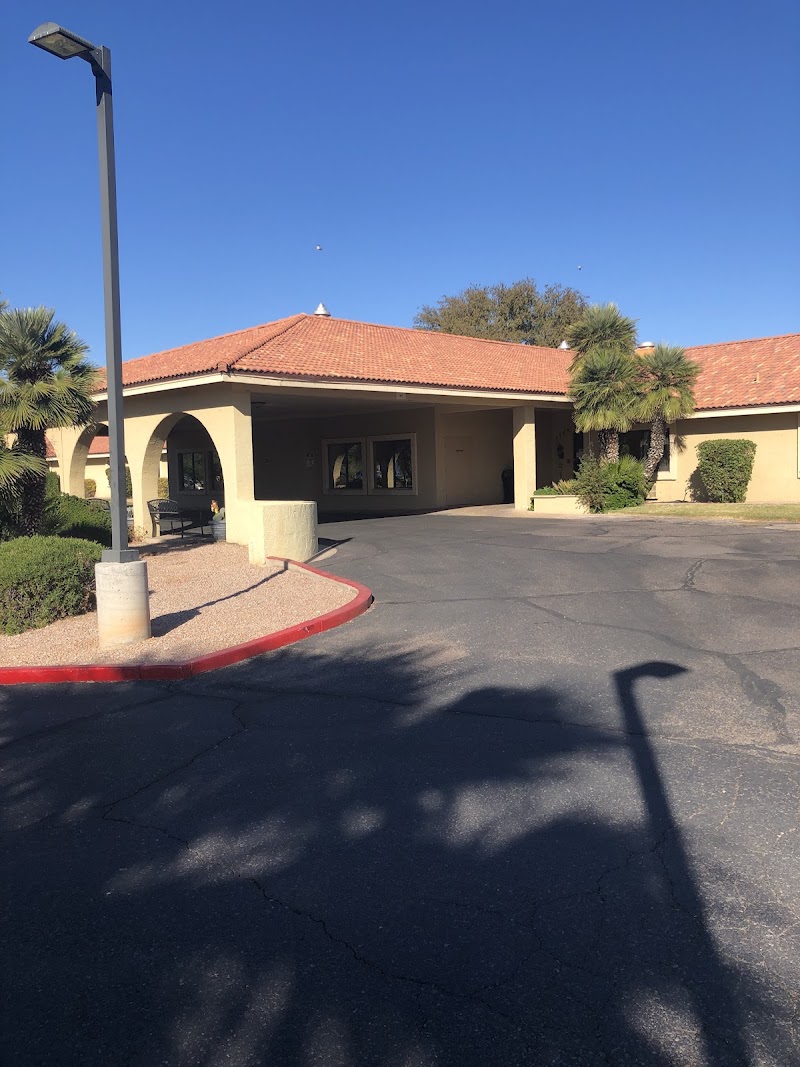
How is Desert Cove Nursing Center Staffed?
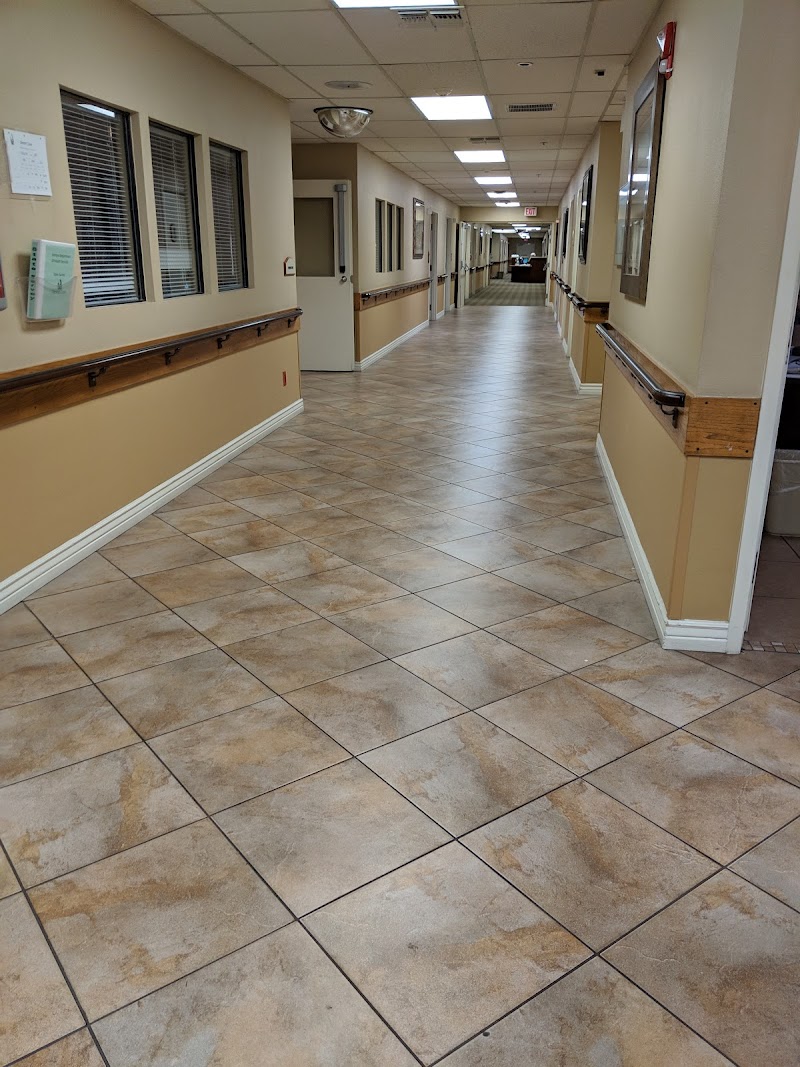
CMS rates Desert Cove Nursing Center's staffing level at 2 out of 5 stars, which is below average compared to other nursing homes. Staff turnover is 57%, which is 11 percentage points above the Arizona average of 46%. High turnover can affect care consistency as new staff learn residents' individual needs. RN turnover specifically is 57%, which is notably high. RNs provide skilled clinical oversight, so turnover in this role can affect medical care quality.

What Have Inspectors Found at Desert Cove Nursing Center?

State health inspectors documented 35 deficiencies at Desert Cove Nursing Center during 2021 to 2025. These included: 1 that caused actual resident harm and 34 with potential for harm. Deficiencies causing actual harm indicate documented cases where residents experienced negative health consequences.

Who Owns and Operates Desert Cove Nursing Center?

Desert Cove Nursing Center is owned by a for-profit company. For-profit facilities operate as businesses with obligations to shareholders or private owners. The facility is operated by LIFE CARE CENTERS OF AMERICA, a chain that manages multiple nursing homes. With 120 certified beds and approximately 68 residents (about 57% occupancy), it is a mid-sized facility located in CHANDLER, Arizona.

How Does Desert Cove Nursing Center Compare to Other Arizona Nursing Homes?

Compared to the 100 nursing homes in Arizona, Desert Cove Nursing Center's overall rating (2 stars) is below the state average of 3.3, staff turnover (57%) is significantly higher than the state average of 46%, and health inspection rating (1 stars) is much below the national benchmark.

What Should Families Ask When Visiting Desert Cove Nursing Center?

Based on this facility's data, families visiting should ask: "How do you ensure continuity of care given staff turnover, and what is your staff retention strategy?" "Can you walk me through typical staffing levels on day, evening, and night shifts?" "Can I visit during a mealtime to observe dining assistance and food quality?" "How do you handle medical emergencies, and what is your hospital transfer rate?" These questions are particularly relevant given the facility's high staff turnover rate and the below-average staffing rating.

Is Desert Cove Nursing Center Safe?

Based on CMS inspection data, Desert Cove Nursing Center has a clean safety record: no substantiated abuse findings (meaning no confirmed cases of resident harm), no Immediate Jeopardy citations (the most serious violation level indicating risk of serious injury or death), and is not on the Special Focus Facility watch list (a federal program monitoring the lowest-performing 1% of nursing homes). The facility has a 2-star overall rating and ranks #100 of 100 nursing homes in Arizona. While no facility is perfect, families should still ask about staff-to-resident ratios and recent inspection results during their visit.

Do Nurses at Desert Cove Nursing Center Stick Around?

Staff turnover at Desert Cove Nursing Center is high. At 57%, the facility is 11 percentage points above the Arizona average of 46%. Registered Nurse turnover is particularly concerning at 57%. RNs handle complex medical decisions and coordinate care — frequent RN changes can directly impact care quality. High turnover means new staff may not know residents' individual needs, medications, or preferences. It can also be disorienting for residents, especially those with dementia who rely on familiar faces. Families should ask: What is causing the turnover? What retention programs are in place? How do you ensure care continuity during staff transitions?

Was Desert Cove Nursing Center Ever Fined?

Desert Cove Nursing Center has no federal fines on record. CMS issues fines when nursing homes fail to meet care standards or don't correct problems found during inspections. The absence of fines suggests the facility has either maintained compliance or corrected any issues before penalties were assessed. This is a positive indicator, though families should still review recent inspection reports for the full picture.

Is Desert Cove Nursing Center on Any Federal Watch List?

Desert Cove Nursing Center is not on any federal watch list. The most significant is the Special Focus Facility (SFF) program, which identifies the bottom 1% of nursing homes nationally based on persistent, serious quality problems. Not being on this list means the facility has avoided the pattern of deficiencies that triggers enhanced federal oversight. This is a positive indicator, though families should still review the facility's inspection history directly.