
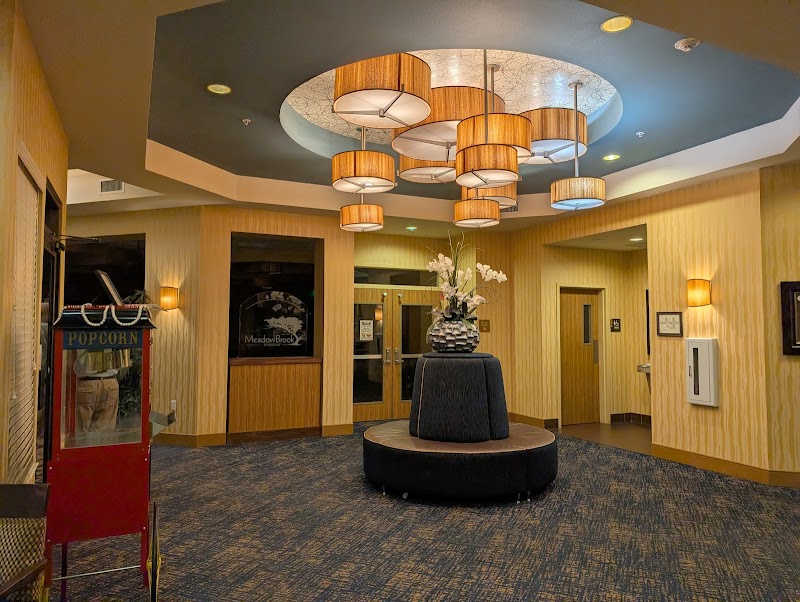
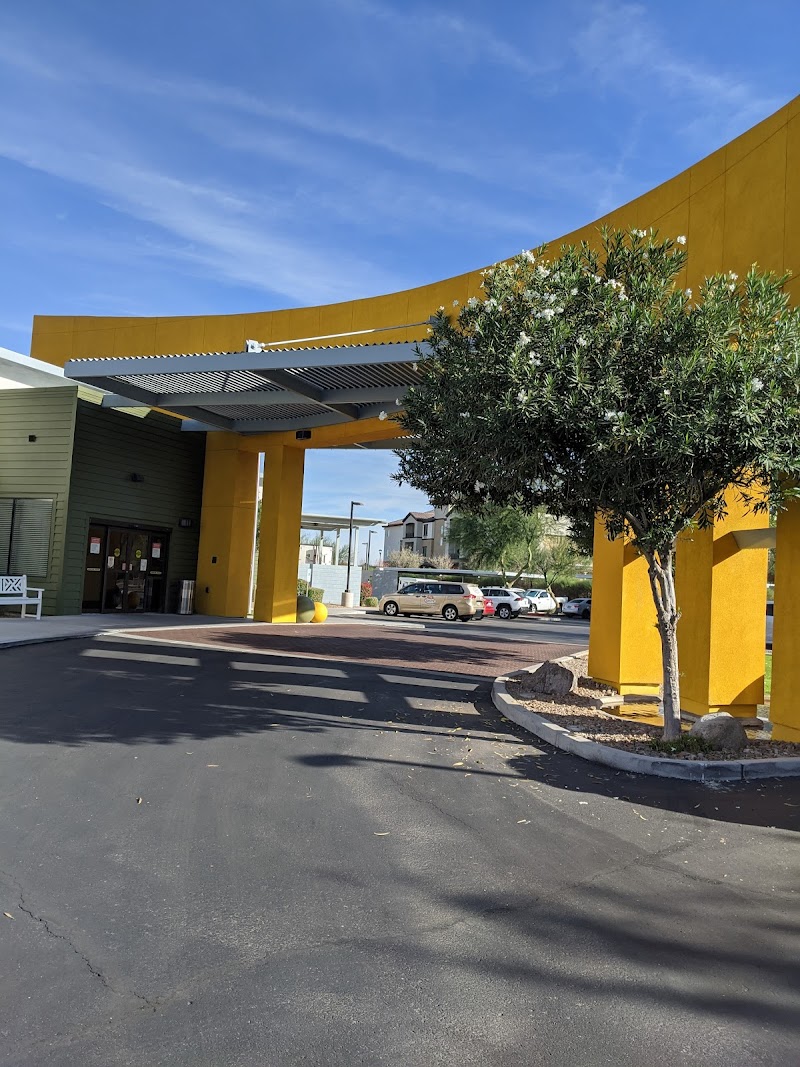
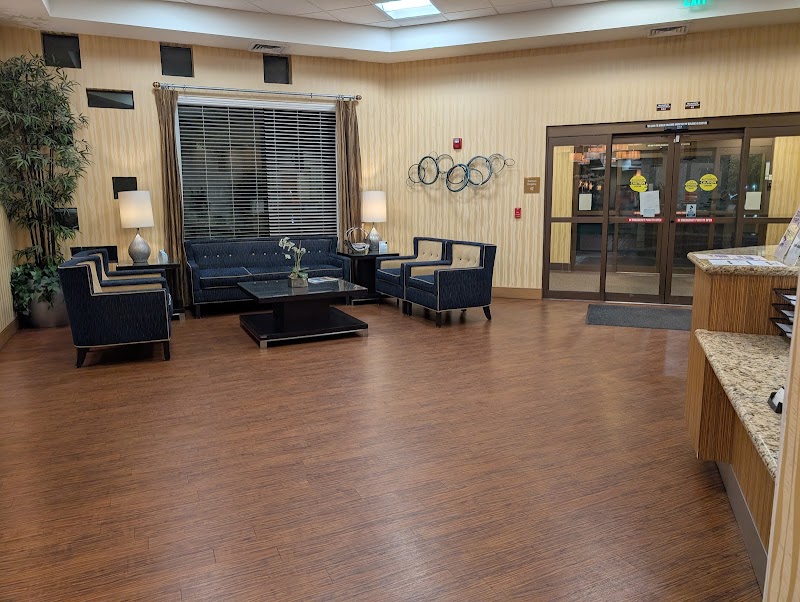

SANTE OF CHANDLER

825 SOUTH 94TH STREET, CHANDLER, AZ 85224 (480) 361-6636
For profit - Limited Liability company 70 Beds SANTE Data: November 2025
Trust Grade
80/100
#59 of 139 in AZ
Last Inspection: May 2024

Within standard 12-15 month inspection cycle. Federal law requires annual inspections.

Overview

Sante of Chandler has earned a Trust Grade of B+, which indicates that it is above average and recommended for families considering care options. It ranks #59 out of 139 facilities in Arizona, placing it in the top half of the state. The facility's performance has been stable, with 10 concerns identified in both 2022 and 2024, and no serious or critical issues reported. Staffing is a significant weakness, receiving only 1 out of 5 stars, but the turnover rate is impressively low at 0%, meaning staff tend to stay long-term. Notably, there have been no fines reported, indicating good compliance overall, yet there are concerns regarding infection control practices and medication administration that families should consider.

Trust Score
B+
80/100
In Arizona
#59/139
Top 42%
Safety Record
Low Risk
No red flags
Inspections
Holding Steady
5 → 5 violations
Staff Stability
○ Average
Turnover data not reported for this facility.
Penalties
✓ Good
No fines on record. Clean compliance history, better than most Arizona facilities.
Skilled Nurses
○ Average
RN staffing data not reported for this facility.
Violations
○ Average
10 deficiencies on record. Average for a facility this size. Mostly minor or procedural issues.
★★★★☆
4.0
Overall Rating
★☆☆☆☆
1.0
Staff Levels
★★★★★
5.0
Care Quality
★★★★☆
4.0
Inspection Score
Stable
2022: 5 issues
2024: 5 issues

The Good

  • 5-Star Quality Measures · Strong clinical quality outcomes
  • Full Sprinkler Coverage · Fire safety systems throughout facility
  • No fines on record

Facility shows strength in quality measures, fire safety.

The Bad

Chain: SANTE

Part of a multi-facility chain

Ask about local staffing decisions and management

The Ugly 10 deficiencies on record

May 2024 5 deficiencies
CONCERN (D)

Potential for Harm - no one hurt, but risky conditions existed

Deficiency F0554 (Tag F0554)

Could have caused harm · This affected 1 resident

**NOTE- TERMS IN BRACKETS HAVE BEEN EDITED TO PROTECT CONFIDENTIALITY** Based on observation, clinical record review, staff interviews, and policy reviews, the facility failed to ensure one resident (...

Read full inspector narrative →
**NOTE- TERMS IN BRACKETS HAVE BEEN EDITED TO PROTECT CONFIDENTIALITY** Based on observation, clinical record review, staff interviews, and policy reviews, the facility failed to ensure one resident (#269) was assessed to determine clinical appropriateness to self-administer medications. The deficient practice could result in medications not being taken as ordered. Findings include: Resident #269 was admitted to the facility on [DATE] with diagnoses that included chronic respiratory failure with hypoxia, congestive heart failure and asthma. Review of the physician order summary revealed an order dated May 25, 2024 for albuterol sulfate HFA (hydrofluoroalkane) inhalation 2 inhalation inhale orally every 6 hours as needed for cough, azelastine HCL (hydrochloride) nasal solution 1 spray in both nostrils one time a day for allergies, Budesonide-Formoterol Fumarate Inhalation Aerosol 2 inhalation inhale orally two times a day for interstitial lung disease rinse mouth and throat after use, and Latanoprost Ophthalmic Solution 0.005% Instill 1 drop in both eyes one time a day for glaucoma. Further review of the physician order revealed no order for the resident to self-administer medications. During an observation on May 28, 2024 at 9:46 A.M. in resident #269's room, a light blueish inhaler and a nasal spray was observed on the resident's over the bedside table and an eye drop was observed on top of the round table in his room. There were no staff present. At 9:52 A.M. licensed practical nurse (LPN/staff #76) was asked to come in resident #269's room and he identified the items as an inhaler, nasal spray, and an eye drop. Review of clinical records revealed no documentation that the resident was assessed by the interdisciplinary team (IDT) as a candidate to self-administer. Review of the care plan revealed no evidence that self-administration of medication was part of resident's care planning. An interview was conducted on May 30, 2024 at 10:29 A.M. with LPN (staff #57). The LPN stated that when administering medications, she makes sure that it is the right patient, route, dose, and documentation. Further, the LPN stated that she does not leave the medications with the resident but instead observes the resident take the medication. The LPN said the reason for that was the patient might not take the medication or somebody might come and take it from the resident. The LPN said she could be written up if she left the medication with the resident. An interview was conducted on May 31, 2024 at 10:01 A.M. with the Director of Nursing (DON/staff #143). The DON stated that a doctor's note or order was required in order for residents to self-administer medication. In addition, the DON stated that the resident would require an assessment by a nurse to self-administer a medication and if they can the medications were locked up in the resident's room and the staff would hold the key. The DON further stated that medications are not supposed to be left at the bedside without a doctor's order or assessment. The potential risk for leaving medications at bedside was overdose, interactions with other medications, and the medications can be taken incorrectly, for example, an eye drop might be taken orally. Review of the facility's policy title, Administering Medications, revised December 2012 revealed, Residents may self-administer their own medications only if the Attending Physician, in conjunction with the Interdisciplinary Care Planning Team, has determined that they have the decision-making capacity to do so safely. Review of the facility's policy titled, Self-Administration of Medication, revised December 2016 revealed Residents have the right to self-administer medications if the interdisciplinary team has determined that it is clinically appropriate and safe for the resident to do so.
CONCERN (D)

Potential for Harm - no one hurt, but risky conditions existed

Deficiency F0658 (Tag F0658)

Could have caused harm · This affected 1 resident

Based on observations, interviews, and policy review, the facility failed to ensure that services met professional standards of practice during medication administration using a pill cutter. The defic...

Read full inspector narrative →
Based on observations, interviews, and policy review, the facility failed to ensure that services met professional standards of practice during medication administration using a pill cutter. The deficient practice could result in cross-contamination of medications. Findings include: During an observation of medication administration on May 30, 2024 at 8:33 A.M. the licensed practical nurse (LPN/staff #3) was observed cutting the large pills she identified as hydralazine, vitamin C, and amlodipine using a white pill cutter. After breaking the pills, she returned the pill cutter in the top drawer of the medication cart without first cleaning it. An interview was conducted on May 30, 2024 at 9:14 A.M. with an LPN (staff #3). The LPN stated that there was only one pill cutter in the drawer and that she was not familiar with the process after using it to cut medications. An interview was conducted on May 30, 2024 at 9:19 A.M. with the Director of Nursing (DON/staff #143). The DON stated that to cut big pills, a pill cutter was used and the medication was given to the resident one at a time. She stated that there was a pill cutter in the medication cart. Further, the DON stated that after using the pill cutter to cut a medication the nurse had to wipe it with a tissue or clean it with bleach wipes before putting it back in the medication cart. In addition, the DON said that the risk for not cleaning the pill cutter was that medication left in the pill cutter can mix with other medications and possibly cause an interaction. The DON said her expectation was for staff to clean a pill cutter after each use.
CONCERN (D)

Potential for Harm - no one hurt, but risky conditions existed

Incontinence Care (Tag F0690)

Could have caused harm · This affected 1 resident

**NOTE- TERMS IN BRACKETS HAVE BEEN EDITED TO PROTECT CONFIDENTIALITY** Based on observation, interviews, and records review the facility failed to ensure 1 of 1 sampled resident (#57) received approp...

Read full inspector narrative →
**NOTE- TERMS IN BRACKETS HAVE BEEN EDITED TO PROTECT CONFIDENTIALITY** Based on observation, interviews, and records review the facility failed to ensure 1 of 1 sampled resident (#57) received appropriate indwelling catheter care and treatment. The deficient practice could result in residents developing complications related to indwelling catheter. The findings include: Resident #57 was admitted to the facility on [DATE] for diagnoses of fracture of sacrum, low back pain, chronic obstructive pulmonary disease, atrial fibrillation, and long-term use of anticoagulants. The admission Minimum Data Set (MDS) assessment dated [DATE] revealed a Brief Interview of Mental Status (BIMS) score of 15 indicating the resident was cognitively intact. The assessment also coded the resident had an indwelling catheter. Review of the physician order dated May 11, 2024 revealed the following orders: -Catheter size 16 French/10 cubic centimeters balloon for diagnosis of retention/failed void trial -Catheter care as needed for catheter maintenance. -Catheter care every shift, every day and night shift for catheter maintenance. -Change catheter for dislodgement/clogging as needed for catheter maintenance. Review of the care plan for the use of an indwelling Foley catheter revealed the resident had an altered elimination related to urinary retention with failed voiding trial. Interventions included routine catheter care every shift and as needed. An observation of catheter care was conducted on May 30, 2024 at 1:13 P.M. with certified nursing assistant (CNA/staff #108). During the catheter care, the outside of the tube had a collection of a white substance, approximately 2 inches from the penile meatus. The CNA (staff #108) applied pressure to remove the white substance. The CNA used a clean white wash cloth with soap and water to cleanse the resident's penis and groin. After cleaning the resident, the used white wash cloth was slightly brown. After the catheter care, the resident asked the CNA to be repositioned. An interview was conducted on May 30, 2024 at approximately 1:30 P.M. with resident #57 after the catheter care observation. The resident stated that catheter care had not been completed prior to the observation nor was it done daily. An interview was conducted on May 30, 2024 at 1:31 P.M. with a CNA (staff #108) regarding the catheter care she completed. According to the CNA, based on the buildup on the catheter tubing and her observation of the resident's perineal area, the resident had not had catheter care today or within the last 12 hours. The CNA stated that the resident was at risk for urinary tract infection (UTI) if catheter care was not done daily. The CNA verified the resident's medical record and identified that no other CNAs had performed catheter care yet that morning. The physician order for catheter care every shift, every day and night shift for catheter maintenance was transcribed in the Treatment Administration Record and revealed that on May 30, 2024, catheter care had been documented as completed by a Licensed Practical Nurse (LPN/staff #68). An interview was conducted on May 30, 2024 at 1:42 P.M. with LPN/staff #68. The LPN stated that she had completed catheter care at approximately 10:20 A.M. that morning and that she was accompanied by LPN/staff #60. An interview was conducted on May 30, 2024 at 1:45 P.M. with an LPN (staff #60). The LPN stated that she had assisted staff #68 with resident #57's wound care. The LPN (staff #60) stated she did not recall being involved in the catheter care for resident #57 while they were in the room and that their main focus while in the room was treating the resident's wound. Review of the staff schedule for May 30, 2024 revealed LPNs staff #68 and #60 were assigned to complete treatments. An interview was conducted on May 30, 2024 at 2:03 P.M. with the Director of Nursing (DON). The DON stated that catheter care was done to prevent bacteria from backing up causing a UTI. The DON stated that the expectation was for staff to perform catheter care and then chart that it was completed. The DON also stated that it did not meet her expectations when staff charted catheter care was completed when it was not. On May 30, 2024 at 4:11 P.M. an interview was conducted with a CNA (staff #87) who stated that nurses completed catheter care and thought it was done in the morning. An interview was conducted on May 31, 2024 at 8:56 A.M. with a CNA (Staff #149) who stated that CNAs completed catheter care every shift. The CNA stated that when she opens Point Click Care (database for storing electronic records), she was triggered to complete catheter care once a shift. The CNA stated that sometimes treatment nurses would complete the catheter care for the CNAs because they were already in the room performing wound care and then they would let the CNAs know that it had been done. The CNA stated that the process for catheter care included putting on a gown and gloves because the resident would be on enhanced barrier precaution and used soap and water in a basin or perispray (perineal spray) with a wash cloth. The CNA continued and stated to then pull foreskin back, depending if the male resident was circumcised or not, and clean around the area. The CNA stated that cleaning would start from the penis then down to the catheter tube--cleaning away from the penis. The CNA said the risk for not cleaning thoroughly was that resident could develop a UTI. A follow up interview was conducted with LPN (staff #60) on May 31, 2024 at 9:53 A.M. who stated that every staff completed catheter care. The LPN added that male resident had exudates around the catheter tubing at the entrance where the tubing entered the body. Regarding catheter care, the LPN said she would bring all the items she needed, which included hygiene wipes, spray cleaner for pericare (perineal care). The LPN said she would start the process by washing her hands and putting on PPE (personal protective equipment), for that particular person (referring to resident #57) she would put on gown and gloves. Then, the LPN added, clean from where the tubing goes into the penis outward, using multiple wipes, and if there were a lot of exudate she would use the spray to loosen it. The LPN stated it must be cleaned starting from the penis outward to prevent pushing bacteria into the body and cause an infection. A follow up interview was conducted with the DON on May 31, 2024 at 10:23 A.M. regarding the process for catheter care. The DON stated that staff must first introduce themselves, then sanitize hands and put on gown and gloves. The DON said if the male resident had foreskin to retract and clean. The DON then said she would have to review the process on how to perform catheter care because it had been so long since she had done one but her expectation was for staff to follow the steps on catheter care. The DON added that nurses and CNAs completed an annual skills review that included catheter care. A telephone interview was conducted on May 31, 2024 at 11:14 A.M. with LPN/staff#68. The LPN stated the process for catheter care for male residents was to pull skin back and clean area and then the Foley line, then clean the scrotum and groin. The LPN stated that yesterday, May 30, 2024 she only cleaned the line and it was not total catheter care. The LPN said the expectation was to pull skin back and clean everything. The LPN stated she did not clean the resident's penis, just the line. The LPN said she should not have marked the TAR for catheter care as completed because it was not a thorough catheter care and the risk for not performing a thorough catheter care was infection. Another interview was conducted on May 31, 2024 at 11:27 A.M. with the DON who stated she reviewed catheter care process which included getting a wash basin with water and soap. The DON added, to clean the groin first then the penis, retract the foreskin, hold catheter and clean around the shaft and get another wash cloth with water and soap and clean down the tube, then dry with dry wash cloth. Review of the facility's policy titled, Urinary Catheter Care revised on August 2022 revealed, the purpose of this procedure is to prevent urinary catheter-associated complications, including urinary tract infections. Perineal care - use soap and water or bathing wipes for routine daily hygiene. Clean the area under the foreskin in uncircumcised males daily; and The following information should be recorded in the resident's medical record: 1) the date and time that catheter care was given, and 2) The name and title of the individual (s) giving the catheter care.
CONCERN (D)

Potential for Harm - no one hurt, but risky conditions existed

Food Safety (Tag F0812)

Could have caused harm · This affected 1 resident

Based on observations, staff interviews, and policy review, the facility failed to ensure food was served in accordance with professional standards for food service safety. The deficient practice coul...

Read full inspector narrative →
Based on observations, staff interviews, and policy review, the facility failed to ensure food was served in accordance with professional standards for food service safety. The deficient practice could result in foodborne illnesses. Findings include: During an observation for lunch preparation on May 30, 2024 at 11:46 A.M. dietary staff #59 was using a food thermometer to check the temperature of a chicken for a chicken sandwich while the sandwich was on top of a white cutting board. At 11:47 A.M. the staff left the thermometer on top of the white cutting board used to cut the chicken sandwich. At 11:51 A.M. another staff (#36) was observed entering the kitchen and proceeded to scoop soup from a pot using a ladle without performing hand hygiene. After scooping the soup, the staff (#36) then attempted to open a plastic bag before washing her hands in the kitchen sink then left the kitchen with the container of soup. At approximately 11:55 A.M. an interview was conducted with staff #36 and she stated that she should have washed her hands before she scooped the soup from the pot. During a continuous observation of lunch preparation, staff #144 was observed leaving the kitchen and walking towards the dining area while holding a Styrofoam container. At 12:07 P.M. staff #144 came back in the kitchen without performing hand hygiene and proceeded to the tray line where the food trays were lined up. Staff #144 then opened the refrigerator door and removed milk cartoons out of the refrigerator without performing hand hygiene. At 12:09 P.M. staff #144 then washed his hands. During a dining room observation on May 30, 2024 at 12:14 P.M. there was a small sink in the corner of the dining room with an empty soap and paper towel dispenser. An interview was conducted on May 30, 2024 at 1:16 P.M. with a cook (staff #115). He stated that the dining area did not have a sink for guests to wash their hands but that there were bathrooms. An interview was conducted on May 30, 2024 at 4:29 P.M. with certified nursing assistant (CNA/staff #87). She stated that the residents could wash their hands using the sink in the dining area in the mini corner, and residents were assisted with hand hygiene before going to the dining room area and leaving the dining room. She added that there was no hand sanitizer in the dining room. An interview was conducted on May 31, 2024 at 9:07 A.M. with Culinary Service Director (CSD/staff #144). He stated that they have different color-coded cutting boards and that everything was wiped down in the morning, and sanitized before starting work. The CSD stated that every staff must wash their hands before performing any kitchen duties. He added that staff washed their hands every time after they touch their face, touch paper that comes from the outside, and every time they touch any products to avoid cross-contamination. Further, the CSD said if the staff come into the kitchen, they must wear hairnet and wash their hands. When someone goes outside the kitchen, they have to wash their hands when they come back to the kitchen. The CSD also stated that staff must sanitize the stem of the thermometer probe and the thermometer should not be on the counter but on the wall of the refrigerator because it has a magnet. He added, it was cross contamination if the thermometer was left on the cutting board. The facility's policy titled, Handwashing/Hand Hygiene, revised October 2023 revealed All personnel are expected to adhere to hand hygiene policies and procedures to help prevent the spread of infections to other personnel, residents, and visitors.
CONCERN (D)

Potential for Harm - no one hurt, but risky conditions existed

Infection Control (Tag F0880)

Could have caused harm · This affected 1 resident

**NOTE- TERMS IN BRACKETS HAVE BEEN EDITED TO PROTECT CONFIDENTIALITY** Based on observation, interviews, and records review the facility failed to ensure appropriate infection control practices were ...

Read full inspector narrative →
**NOTE- TERMS IN BRACKETS HAVE BEEN EDITED TO PROTECT CONFIDENTIALITY** Based on observation, interviews, and records review the facility failed to ensure appropriate infection control practices were used during catheter care for one resident (#57). The deficient practice could result in the spread of multi-drug resistant organisms (MDROs) to residents. The findings include: Resident #57 was admitted to the facility on [DATE] for diagnoses of fracture of sacrum, low back pain, chronic obstructive pulmonary disease, atrial fibrillation, and long-term use of anticoagulants. The admission Minimum Data Set (MDS) assessment dated [DATE] revealed a Brief Interview of Mental Status (BIMS) score of 15 indicating the resident was cognitively intact. The assessment also coded the resident had an indwelling catheter. Review of the physician order dated May 11, 2024 revealed the following orders: -Catheter size 16 French/10 cubic centimeters balloon for diagnosis of retention/failed void trial -Catheter care as needed for catheter maintenance. -Catheter care every shift, every day and night shift for catheter maintenance. -Change catheter for dislodgement/clogging as needed for catheter maintenance. Review of the physician order dated May 29, 2024 revealed an order to maintain enhanced barrier precautions per facility policies and procedure; however, medical records reveal a Foley catheter was started on May 11, 2024 for resident #57. An observation was conducted on May 30, 2024 at 1:05 P.M., an enhanced barrier precaution (EBP) signage on the resident #57's door frame. An observation of catheter care was conducted on May 30, 2024 at 1:13 P.M. with certified nursing assistant (CNA/staff #108). During the catheter care the CNA's scrubs were touching the resident and the CNA was not wearing a gown. After the catheter care was completed the resident asked the CNA to be repositioned. The CNA (staff #108) left the room to get another CNA (staff #148) to assist with repositioning the resident. Both CNAs were not wearing a gown while repositioning the resident. An interview was conducted on May 30, 2024 at 1: 30 P.M. with a CNA (staff #148) who stated the sign on the door meant the resident was on precaution and that gown and gloves had to be work to protect staff from exposure to bodily fluids. The CNA stated that they should have worn a gown when repositioning the resident. An interview was conducted on May 30, 2024 at 1:31 P.M. with a CNA (staff #108) while standing outside of resident #57's room. The CNA stated that the signage on the door meant the resident was on EBP. The CNA stated that the sign meant a gown and gloves had to be work when residents had an IV (intravenous line), Foley catheter, or ostomy. The CNA added that she should have worn a gown when handling resident #57's Foley catheter. The CNA stated wearing a gown protected him (referring to the resident). The CNA stated that PPE (personal protective equipment) did not have to be worn to reposition the resident. An interview was conducted on May 30, 2024 at 2:03 P.M. with the Director of Nursing/Infection Preventionist (DON/IP). The DON/IP stated that residents who had Foley catheters, IVs, tube feedings, and an open wound were placed on EBP to help prevent the spread of MDRO (multidrug resistant organism). The DON/IP stated that when providing care, transferring, toileting, and any other physical contact with residents on EBP the staff had to wear a gown and gloves. The DON/IP also stated that staff would need to wear a gown when performing catheter care because of the potential risk of spreading anything in their urine. The DON/IP stated that the process of putting on PPE for EBP for any patient care was to don gown and gloves and after patient care was completed, doff gown and gloves before leaving the room. On May 30, 2024 at 4:11 P.M. an interview was conducted with a CNA (staff #87). The CNA stated that residents with Foley catheters and open wounds were on EBP and that gloves and a gown were worn when providing care for those residents. The CNA stated that staff should wear a gown and gloves when repositioning residents in bed because staff are touching the resident's sheets and it was close contact. An interview was conducted on May 31, 2024 at 8:56 A.M. with a CNA (staff #149). The CNA stated that the process for catheter care included putting on a gown and gloves because the resident would be on enhanced barrier precaution. A follow up interview was conducted with LPN (staff #60) on May 31, 2024 at 9:53 A.M. regarding catheter care. The LPN said she would start the process by washing her hands and putting on PPE, for that particular person (referring to resident #57) she would put on gown and gloves. A follow up interview was conducted with the DON/IP on May 31, 2024 at 10:23 A.M. regarding the process for catheter care. The DON stated that staff must first introduce themselves, then sanitize hands and put on gown and gloves. Review of the facility's policy titled, Enhanced Barrier Precautions revised on August 2022 revealed that it is EBP are utilized to prevent the spread of multi-drug resistant organisms (MDROs) to residents. EBPs employ targeted gown and glove use during high contact resident care activities when contact precautions do not otherwise apply. Gloves and gown are applied prior to performing the high contact resident care activity. Examples of high-contact resident care activities requiring the use of gown and gloves for EBPs include: transferring, providing hygiene, changing linens, device care or use (urinary catheter). EBPs remain in place for the duration of the resident's stay or discontinuation of the indwelling medical device that places them at increased risk.
Mar 2022 5 deficiencies
CONCERN (D)

Potential for Harm - no one hurt, but risky conditions existed

Safe Environment (Tag F0584)

Could have caused harm · This affected 1 resident

**NOTE- TERMS IN BRACKETS HAVE BEEN EDITED TO PROTECT CONFIDENTIALITY** Based on observations, clinical record review, resident and staff interviews, and policy review, the facility failed to ensure o...

Read full inspector narrative →
**NOTE- TERMS IN BRACKETS HAVE BEEN EDITED TO PROTECT CONFIDENTIALITY** Based on observations, clinical record review, resident and staff interviews, and policy review, the facility failed to ensure one resident (#52) with wounds was provided a clean and homelike environment, by failing to ensure the resident's soiled bed linens were changed timely. The sample size was 16. The deficient practice could result in residents not being provided clean bed linens. Findings include: Resident #52 was admitted to the facility on [DATE] with diagnoses that included morbid obesity, depressive disorder, surgical wound on right foot and hypertension. Review of the care plan initiated on 02/19/2022 revealed the resident had multiple stage 4 pressure ulcers and wound to the bilateral lower extremities, buttock, thigh and scrotum and was at risk for new skin injury related to mobility decline, history of prior pressure ulcers with graft, and digit amputation. The goals were that the resident would have improved skin integrity by participating in the rehab plan to improve mobility and using preventative skin treatments, would not develop further skin breakdown, and the wounds would show signs and symptoms of healing. Interventions included administer treatment to wound/skin impairment per physician's order and encourage off-loading or frequent shifting of position while in bed or chair. Review of the clinical record revealed a physician order dated 03/03/22 to cleanse the right heel and plantar foot with wound spray, pat dry, apply medical grade honey, cover with Adaptic and DD, and wrap with Kerlix every Tuesday, Thursday and Saturday on the day shift and to monitor for changes. During an observation of the resident's room conducted on 03/07/22 at 1:19 PM, the resident was observed on a Bariatric bed. A brownish, red stain that appeared to be dried blood was observed on the resident's bed sheet just below the resident's right foot and was approximately 10 centimeters by 12 centimeters in size. During the observation, an interview was conducted with resident #52, who stated he believes the stain is blood from the last wound dressing change. The resident stated that he has not asked that the bed sheet be changed because he does not like to get out of bed. Resident #52 also stated that he does not remember when the lower bed sheet was last changed. A review of the nurses notes from admission on [DATE] through 3/7/22 revealed no mention of blood or other spilled fluid on the resident's sheets. Another observation was conducted of the resident on 03/08/22 at 12:20 PM. The lower bed sheet was observed to still have a brownish, red stain at the foot. The resident stated that the staff offered to change the bed sheets, but he refused. The resident stated that he does not know how long it had been since the staff changed the sheets. An interview was conducted on 3/08/22 at 1:02 PM with the Certified Nursing Assistant (CNA/staff #137) providing care for the resident. Staff #137 stated that she changes residents' sheets daily. The CNA stated that she had not noticed the dried blood stain on the sheet until the resident brought it to her attention a few minutes ago. She stated she attempted to change the sheet only to find that the sheet was attached to the bariatric mattress and she could not change the sheet. Staff #137 stated that she notified the nurse manager who is looking into the matter. The CNA stated that she does not remember changing the resident's sheets before. An interview was conducted on 03/08/22 at 1:23 PM with the Licensed Practical Nurse (LPN/staff #93) providing care to the resident. The LPN stated that she administered the resident's morning medications but did not notice the dried blood on the sheet. The LPN also stated that the dressing change was done that morning by the resource/wound nurse. On 03/08/22 at 1:30 PM, an interview was conducted with the resource/wound nurse (staff #64). The nurse stated that she changed the resident's dressing that morning and did not notice the dried blood on the sheet. Staff #64 stated it was brought to her attention by staff #137 that there was dried blood on the sheet and the sheet could not be changed without replacing the mattress. The nurse stated the company that delivered the bed was notified and would be coming to change it. When asked if the lower bed sheet had been changed before, she stated that she thinks it has, but is not sure. She stated the bed sheets should be changed if there is any stain on them. Staff #64 added that she does not remember spilling blood on the sheet or if the resident's dressings were taken off or soiled before. Another interview was conducted with resident #52 on 03/10/22 at 09:02 AM. The resident stated that the lower bed sheet was changed. The resident stated that he had to be transferred to another bed so they could change out the mattress. The resident added that this was the first time he had been transferred out of bed and had the lower mattress/sheet changed before. An interview was conducted with the Director of Nursing (DON/staff #34) on 03/10/22 at 10:06 AM. The DON stated that the resident's sheet should be changed frequently and immediately if it is stained with blood. She added that it is her expectation that the CNAs and nurses be aware of the resident's linen and sheets. The DON stated that the resident's bed sheets should have been changed many times since being admitted . A review of the facility policy titled Quality of Life - Homelike Environment (revised May 2017) stated staff shall provide person-centered care that emphasizes the residents' comfort, independence and personal needs. This policy included providing clean bed linens and a sanitary environment.
CONCERN (D)

Potential for Harm - no one hurt, but risky conditions existed

Incontinence Care (Tag F0690)

Could have caused harm · This affected 1 resident

**NOTE- TERMS IN BRACKETS HAVE BEEN EDITED TO PROTECT CONFIDENTIALITY** Based on clinical record review, staff interviews, and review of policies, the facility failed to ensure that a physician's orde...

Read full inspector narrative →
**NOTE- TERMS IN BRACKETS HAVE BEEN EDITED TO PROTECT CONFIDENTIALITY** Based on clinical record review, staff interviews, and review of policies, the facility failed to ensure that a physician's order was obtained and care and services were provided to one of two sampled residents (#255) admitted with an indwelling urinary catheter. The deficient practice could result in residents not having an order for urinary catheters and not being provided care to prevent urinary tract infections. Findings include: Resident #255 was admitted on [DATE], with diagnoses that included type 2 diabetes mellitus, disruption of wound, and benign prostatic hyperplasia (BPH). The initial admission Evaluation dated February 23, 2022 at 11:31 p.m. revealed the resident was able to correctly state name, birthdate, current date, place, and occurrence. It also revealed the resident had an indwelling urinary catheter in place. Review of the initial admission orders dated February 23, 2022 did not reveal an order for the indwelling Foley catheter. Review of nursing skilled notes dated February 24 and 28, 2022, revealed the resident had an indwelling Foley catheter. The admission Minimum Data Set assessment dated [DATE] revealed a score of 15 on the Brief Interview for Mental Status which indicated the resident was cognitively intact. The MDS included the resident had an indwelling catheter and the diagnosis BPH. A physician order dated March 1, 2022 revealed an order for a catheter related to BPH with urinary retention. However, no catheter size was included on the physician order. A care plan initiated on March 1, 2022 revealed the resident has altered elimination as exhibited by indwelling Foley catheter usage. The interventions included providing routine catheter care every shift and as needed. However, further review of the clinical record revealed evidence catheter care was provided every shift in March 2022, but did not reveal evidence that catheter care was provided every shift for February 2022. An interview was conducted on March 10, 2022 at 10:30 a.m. with the Director of Nurses (DON/staff #17). The DON stated the process and his expectation when admitting a resident with a Foley catheter is there must be an order. The DON stated the nursing admission assessment included the Foley catheter and that if there was no order for the catheter, the nurse conducting the admission assessment must call the physician for an order. The DON stated the Foley catheter order must include the size, diagnosis, Foley care every shift and as needed, and changing the drainage bag as needed. An interview was conducted on March 10, 2022 at 12:07 p.m. with a Licensed Practical Nurse (LPN/staff #57). The LPN stated the process for when admitting a resident with a Foley catheter includes an order for the catheter size/balloon, catheter care, change as needed, and diagnosis. The LPN stated if she observed a resident with a Foley catheter and there was no order for the Foley catheter, she would call the physician to obtain an order. The LPN stated the licensed nurses and/or certified nursing assistants can provide catheter care. The LPN further stated catheter care is done every shift and as needed and is documented on the TAR (Treatment Administration Record). The facility's policy Urinary Catheter Care revised September 2014 stated to review the resident's care plan to assess for any special needs of the resident. The date and time that catheter care was given should be recorded in the resident's medical record. The policy also stated if the resident refused the procedure, the reason(s) why and the intervention taken should be recorded in the resident's clinical record. A review of the facility's policy titled Medication and Treatment Orders revised July 2016 revealed orders for medications and treatments will be consistent with principles of safe and effective order writing. Review of the facility's policy Charting and Documentation revised July 2017 revealed documentation in the medical record may be electronic, manual or a combination. Treatments or services performed are to be documented in the resident medical record.
CONCERN (D)

Potential for Harm - no one hurt, but risky conditions existed

Respiratory Care (Tag F0695)

Could have caused harm · This affected 1 resident

**NOTE- TERMS IN BRACKETS HAVE BEEN EDITED TO PROTECT CONFIDENTIALITY** Based on clinical record review, staff interviews, and policy and procedure review, the facility failed to ensure one of two sam...

Read full inspector narrative →
**NOTE- TERMS IN BRACKETS HAVE BEEN EDITED TO PROTECT CONFIDENTIALITY** Based on clinical record review, staff interviews, and policy and procedure review, the facility failed to ensure one of two sampled residents (#54) had an order for oxygen use timely. The deficient practice could result in residents receiving oxygen without a physician's order. Findings include: Resident #54 was admitted to the facility on [DATE] with diagnoses that included pleural effusion, congestive heart failure, and traumatic brain injury. Review of the Brief Interview for Mental Status dated December 28, 2021 revealed a score of 10 indicating the resident a moderate cognitive impairment. Review of the Oxygen Saturation Summary revealed oxygen was administered to the resident from December 23, 2021 through January 2, 2022 and oxygen saturation levels were between 91% and 98%. However, review of the Order Summary Report did not reveal a physician order for oxygen use until January 3, 2022. The order stated to titrate oxygen as needed to keep oxygen saturation greater than 90% and to administer oxygen at 5 liters per minute via nasal cannula as needed. A care plan for oxygen therapy initiated on January 4, 2022 revealed interventions to monitor for signs and symptoms of respiratory distress and report to the physician as needed, and oxygen settings: (specify: The resident has oxygen via nasal prongs/mask at (X)L continuously/frequently. An interview was conducted on March 9, 2022 at 10:03 a.m. with a Licensed Practical Nurse (LPN/staff #96), who stated that she would check the resident's oxygen level, and contact the physician to obtain an order before administering oxygen. She reviewed the resident's orders and stated the resident had an order for oxygen with an order date of January 3, 2022. Then, she reviewed the oxygen saturation levels and said the resident was given oxygen prior to the order on January 3, 2022. On March 9, 2022 at 10:30 a.m., an interview was conducted with the Director of Nursing (DON/staff #34). He stated that an order is needed for oxygen unless it is an emergency. Then he reviewed the oxygen saturation levels for the resident and stated that oxygen was administered to the resident throughout the resident's stay. The DON stated that when the resident arrived from the hospital, the resident was on oxygen and an order for oxygen should have been obtained when the resident was admitted . The DON acknowledged that an order for oxygen was not obtained until January 3, 2022. The facility's policy, Oxygen Administration, revised October 2010 stated to verify that there is a physician's order for this procedure. Review the physician's orders or facility protocol for oxygen administration.
CONCERN (D)

Potential for Harm - no one hurt, but risky conditions existed

Deficiency F0697 (Tag F0697)

Could have caused harm · This affected 1 resident

**NOTE- TERMS IN BRACKETS HAVE BEEN EDITED TO PROTECT CONFIDENTIALITY** Based on clinical record review, resident and staff interviews, and policy and procedure review, the facility failed to ensure o...

Read full inspector narrative →
**NOTE- TERMS IN BRACKETS HAVE BEEN EDITED TO PROTECT CONFIDENTIALITY** Based on clinical record review, resident and staff interviews, and policy and procedure review, the facility failed to ensure one of two sampled residents (#107) received pain medications per the physician's orders. The deficient practice could result in residents' pain not being managed. Finding include: Resident #107 was admitted to the facility on [DATE] with diagnoses that included gastrointestinal hemorrhage, hematemesis, and atrial fibrillation. A physician's note dated March 6, 2022 stated the resident was oriented to person, place, time and situation. Review of the Order Summary Report revealed physician orders dated March 6, 2022 to evaluate the resident's pain every shift and document the response at the time of the evaluation using pain scale 9-10. Review of the care plan initiated on March 7, 2022 revealed the resident has the potential/actual alteration in comfort/pain related to recent hospitalization, deconditioning, and has a Dilaudid pain pump with bolus ability every 2 hours. The goals were that the resident would have relief from discomfort or pain and the discomfort/pain would not interrupt the resident's daily routine. Interventions included administering analgesics as ordered, observing for breakthrough pain and reporting, and reviewing pain medication efficacy to ensure desired therapeutic effect is achieved. Continued review of the Order Summary Report revealed the following physician orders: -Acetaminophen 325 mg (milligrams) two tablets by mouth every 6 hours as needed for pain 1-5/10 on pain scale of 0-10/10 dated March 7, 2022. -Percocet 5-325 mg one tablet by mouth every 6 hours as needed for pain 1-10 on pain scale of 1-10/10 ordered March 7, 2022 and discontinued on March 7, 2022. -Percocet 5-325 mg one tablet by mouth every 6 hours as needed for pain 6-10 on pain scale 0-10/10 ordered March 7, 2022 and reordered on March 8, 2022. Review of the Medication Administration Record (MAR) dated March 2022 revealed the resident's pain level was 5/0-10 during the day shift on March 7, 2022. Continued review of the clinical record did not reveal if Acetaminophen or Percocet was offered to the resident or if the resident declined the medication on the day shift on March 7, 2022. During an interview conducted with resident #107 on March 7, 2022 at 2:18 p.m., the resident stated that he had asked for pain medication at 9:00 a.m. that morning and still had not received it. The resident said that he had pain throughout his body and knows that he is supposed to get Percocet. On March 8, 2022 at 1:44 p.m., an interview was conducted with a Registered Nurse (RN/staff #23). She stated that she assesses the resident for pain and asks the resident for the pain level. The RN stated that then she asks if the resident wants pain medication, and if so the pain medication is administered based on the physician's order which includes a pain scale. She stated that an hour later, she will assess the pain level again and document if the mediation was effective or not. An interview was conducted on March 8, 2022 at 1:52 p.m. with the Director of Nursing (DON/staff #34). He stated it is his expectation that staff assess pain every shift. The DON stated generalized pain is treated with pain medication based on a pain scale, which is included on the order. He stated staff should follow-up and document if the pain medication was effective in the MAR. He reviewed the MAR for March 2022 and observed that the residents' pain level was 5 during the day shift and stated that staff should have followed up with the pain medication order. He reviewed the orders and stated that the order for Acetaminophen was not ordered until March 7, 2022 at 11:30 p.m., so it was not available for the resident on the morning of March 7, 2022, but the Percocet was ordered at 2:30 a.m. and was not discontinued until 11:30 p.m. on March 7, 2022, so staff would have been able to offer the Percocet to the resident the morning of March 7, 2022. The DON reviewed the MAR and said the Percocet was not administered to the resident. He continued to review the resident's clinical record and stated that there was no documentation showing the resident was offered or declined pain medication on March 7, 2022. The facility's policy, Pain Assessment and Management, revised March 2015 stated strategies that may be employed when establishing the medication regimen include: -Combining long-acting medications with PRNs for breakthrough pain; -Combining several analgesics or analgesics with other drug classes. Implement the medication regimen as ordered, carefully documenting the results of the interventions.
CONCERN (E)

Potential for Harm - no one hurt, but risky conditions existed

Infection Control (Tag F0880)

Could have caused harm · This affected multiple residents

Based on observations, staff interviews, the glucometer guide, and review of policy and procedures, the facility failed to ensure infection control standards were maintained regarding glucometers and ...

Read full inspector narrative →
Based on observations, staff interviews, the glucometer guide, and review of policy and procedures, the facility failed to ensure infection control standards were maintained regarding glucometers and hand hygiene. The deficient practice could result in transmission of infection. Findings include: Regarding the glucometer A medication administration observation was conducted on March 8, 2022 at 12:05 p.m. with a Licensed Practical Nurse (LPN/staff #200). The LPN took a glucometer from the medication cart drawer and placed it on top of the medication cart. The LPN then entered the resident's room and was observed to check a resident's blood glucose level, exited the room and placed the glucometer directly on top of the medication cart. The LPN was then observed to take one alcohol pad (saturated with 70% Isopropyl Alcohol) and wiped the front of the glucometer. After this procedure she placed the glucometer in the medication cart. An interview was immediately conducted with staff #200, who stated that cleaning the glucometer with an alcohol pad is the normal practice in the facility. An interview was conducted on March 8, 2022 at 12:54 p.m. with an LPN (staff #93). Staff #93 stated the process of checking a resident's blood sugar included wiping the glucometer with an alcohol pad before and after use because it dries quicker. The LPN also stated that sometimes he uses a bleach wipe. An interview was conducted on March 9, 2022 at 11:02 a.m. with the Director of Nursing (DON/staff #17), who stated that his expectation for cleaning the glucometer included the use of bleach wipes with a kill time of 3 minutes before and after use. On March 9, 2022, the DON provided the Professional Operator's Manual and In-Service Guide for the glucometer. The glucometer cleaning and disinfecting guidelines listed only EPA (Environmental Protection Agency) approved products. The 70% Isopropyl Alcohol pads were not included on the EPA list of approved disinfecting products. Regarding hand hygiene -A Humalog insulin medication administration observation was conducted on March 8, 2022 at 12:05 p.m. with an LPN (staff #200). The LPN was observed donning a clean pair of gloves without performing hand hygiene. Staff #200 then prepared the insulin injection on top of the medication cart. The LPN administered the injection, doffed the pair of gloves, held the dirty needle with the ungloved right hand, exited the room and disposed of the needle in the sharps' container on the medication cart. Immediately, without performing hand hygiene, the LPN donned a clean pair of gloves, prepared a Lantus insulin medication and was observed to administer the injection to the same resident. The LPN was then observed to doff the pair of gloves, hold the used needle with the ungloved right hand, and exit the room. The LPN disposed of the needle in the sharps' container located on the medication cart. The LPN was observed cleaning the injection pen with ungloved hands. Staff #200 then placed it back in the medication cart. No hand hygiene was observed after the procedure was completed. -A medication administration observation was conducted on March 8, 2022 at 12:40 p.m. with an LPN (staff #93). Staff #93 was not observed to perform hand hygiene prior to donning a clean pair of gloves. He then prepared and administered medications to a resident. While waiting for the resident to take the medications one at a time, staff #93 took off the dirty pair of gloves, and placed his hands inside his uniform's pants pockets. Staff #93 used an ABHR (alcohol-based hand rub) before exiting the room. An interview was immediately conducted with staff #93, who stated the normal procedure for a medication pass included hand washing before and after medication administration and before leaving the room. An interview was conducted on March 9, 2022 at 11:02 a.m. with the DON (staff #17). The DON stated the process of medication administration included hand hygiene with ABHR, then checking for the right resident, right dose, right time, right route, and knocking prior to entering the resident's room. Staff #17 stated that after medication administration, ABHR must be done prior to leaving the resident's room. The DON also stated that his expectation during medication pass included hand hygiene before and after contact with a resident, and different route of administrations. A facility policy, Handwashing/Hand Hygiene, stated the facility considers hand hygiene the primary means to prevent the spread of infections. All personnel shall follow the handwashing/hand hygiene procedures to help prevent the spread of infections to other personnel, residents, and visitors. The policy also stated to use an ABHR before and after direct contact with the resident, before and after preparing or handling medications, after removing gloves, and after contact with a resident's intact skin.
Understanding Severity Codes (click to expand)
Life-Threatening (Immediate Jeopardy)
J - Isolated K - Pattern L - Widespread
Actual Harm
G - Isolated H - Pattern I - Widespread
Potential for Harm
D - Isolated E - Pattern F - Widespread
No Harm (Minor)
A - Isolated B - Pattern C - Widespread

Questions to Ask on Your Visit

  • "Can I speak with families of current residents?"
  • "What's your RN coverage like on weekends and overnight?"

Our Honest Assessment

Strengths
  • • Grade B+ (80/100). Above average facility, better than most options in Arizona.
  • • No major safety red flags. No abuse findings, life-threatening violations, or SFF status.
  • • No fines on record. Clean compliance history, better than most Arizona facilities.
Concerns
  • • No significant concerns identified. This facility shows no red flags across CMS ratings, staff turnover, or federal penalties.
Bottom line: Generally positive indicators. Standard due diligence and a personal visit recommended.

About This Facility

What is Sante Of Chandler's CMS Rating?

CMS assigns SANTE OF CHANDLER an overall rating of 4 out of 5 stars, which is considered above average nationally. Within Arizona, this rating places the facility higher than 99% of the state's 100 nursing homes. This rating reflects solid performance across the metrics CMS uses to evaluate nursing home quality.

How is Sante Of Chandler Staffed?

CMS rates SANTE OF CHANDLER's staffing level at 1 out of 5 stars, which is much below average compared to other nursing homes.

What Have Inspectors Found at Sante Of Chandler?

State health inspectors documented 10 deficiencies at SANTE OF CHANDLER during 2022 to 2024. These included: 10 with potential for harm.

Who Owns and Operates Sante Of Chandler?

SANTE OF CHANDLER is owned by a for-profit company. For-profit facilities operate as businesses with obligations to shareholders or private owners. The facility is operated by SANTE, a chain that manages multiple nursing homes. With 70 certified beds and approximately 66 residents (about 94% occupancy), it is a smaller facility located in CHANDLER, Arizona.

How Does Sante Of Chandler Compare to Other Arizona Nursing Homes?

Compared to the 100 nursing homes in Arizona, SANTE OF CHANDLER's overall rating (4 stars) is above the state average of 3.3 and health inspection rating (4 stars) is above the national benchmark.

What Should Families Ask When Visiting Sante Of Chandler?

Based on this facility's data, families visiting should ask: "Can you walk me through typical staffing levels on day, evening, and night shifts?" "Can I visit during a mealtime to observe dining assistance and food quality?" "How do you handle medical emergencies, and what is your hospital transfer rate?" "Can I speak with family members of current residents about their experience?" These questions are particularly relevant given the below-average staffing rating.

Is Sante Of Chandler Safe?

Based on CMS inspection data, SANTE OF CHANDLER has a clean safety record: no substantiated abuse findings (meaning no confirmed cases of resident harm), no Immediate Jeopardy citations (the most serious violation level indicating risk of serious injury or death), and is not on the Special Focus Facility watch list (a federal program monitoring the lowest-performing 1% of nursing homes). The facility has a 4-star overall rating and ranks #1 of 100 nursing homes in Arizona. While no facility is perfect, families should still ask about staff-to-resident ratios and recent inspection results during their visit.

Do Nurses at Sante Of Chandler Stick Around?

SANTE OF CHANDLER has not reported staff turnover data to CMS. Staff turnover matters because consistent caregivers learn residents' individual needs, medications, and preferences. When staff frequently change, this institutional knowledge is lost. Families should ask the facility directly about their staff retention rates and average employee tenure.

Was Sante Of Chandler Ever Fined?

SANTE OF CHANDLER has no federal fines on record. CMS issues fines when nursing homes fail to meet care standards or don't correct problems found during inspections. The absence of fines suggests the facility has either maintained compliance or corrected any issues before penalties were assessed. This is a positive indicator, though families should still review recent inspection reports for the full picture.

Is Sante Of Chandler on Any Federal Watch List?

SANTE OF CHANDLER is not on any federal watch list. The most significant is the Special Focus Facility (SFF) program, which identifies the bottom 1% of nursing homes nationally based on persistent, serious quality problems. Not being on this list means the facility has avoided the pattern of deficiencies that triggers enhanced federal oversight. This is a positive indicator, though families should still review the facility's inspection history directly.