HAVEN OF DOUGLAS

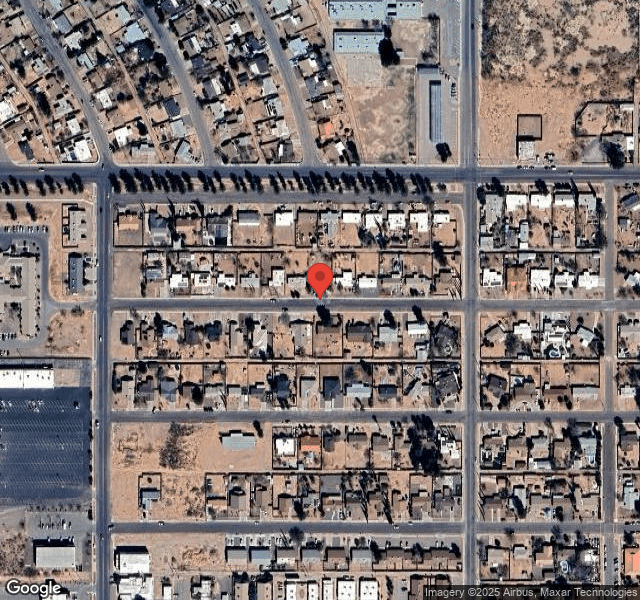
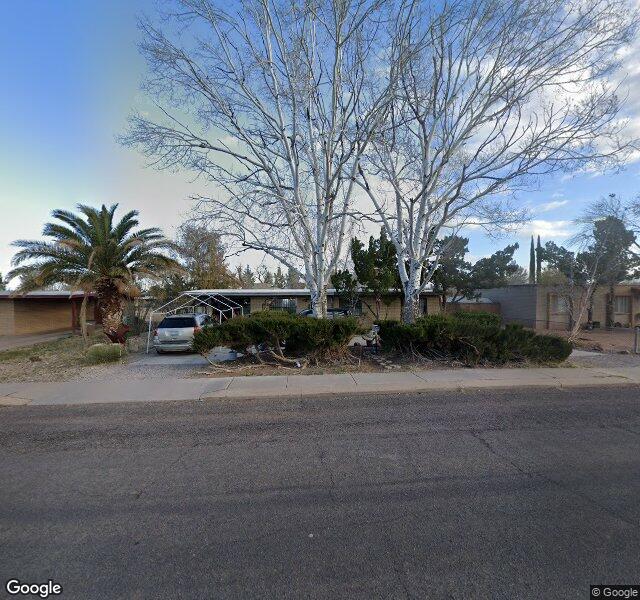
1400 NORTH SAN ANTONIO AVENUE, DOUGLAS, AZ 85607 (480) 935-4300
For profit - Limited Liability company 60 Beds HAVEN HEALTH Data: November 2025
Trust Grade
90/100
#13 of 139 in AZ
Last Inspection: July 2024

Within standard 12-15 month inspection cycle. Federal law requires annual inspections.

Overview

Haven of Douglas has a Trust Grade of A, indicating it is excellent and highly recommended. It ranks #13 out of 139 facilities in Arizona, placing it in the top half, and is the top facility out of four in Cochise County. The facility is showing an improving trend, reducing issues from 2 in 2024 to just 1 in 2025. Staffing is a strength, with a 4 out of 5-star rating and a turnover rate of 31%, which is significantly lower than the state average of 48%. Notably, there have been no fines on record, suggesting good compliance with regulations. However, there are some concerns. Recent inspections revealed issues such as failing to protect a resident from potential abuse by another resident and not ensuring that a resident was informed about the risks and benefits of a flu vaccine before administration. Additionally, one resident received oxygen without a proper physician's order, which could put their health at risk. While Haven of Douglas has many strengths, families should be aware of these weaknesses when considering this facility for their loved ones.

Trust Score
A
90/100
In Arizona
#13/139
Top 9%
Safety Record
Low Risk
No red flags
Inspections
Getting Better
2 → 1 violations
Staff Stability
○ Average
31% turnover. Near Arizona's 48% average. Typical for the industry.
Penalties
✓ Good
No fines on record. Clean compliance history, better than most Arizona facilities.
Skilled Nurses
○ Average
Each resident gets 41 minutes of Registered Nurse (RN) attention daily — about average for Arizona. RNs are the most trained staff who monitor for health changes.
Violations
⚠ Watch
11 deficiencies on record. Higher than average. Multiple issues found across inspections.
★★★★★
5.0
Overall Rating
★★★★☆
4.0
Staff Levels
★★★★★
5.0
Care Quality
★★★★☆
4.0
Inspection Score
Stable
2024: 2 issues
2025: 1 issues

The Good

  • 4-Star Staffing Rating · Above-average nurse staffing levels
  • 5-Star Quality Measures · Strong clinical quality outcomes
  • Full Sprinkler Coverage · Fire safety systems throughout facility
  • No fines on record
  • Staff turnover below average (31%)

    17 points below Arizona average of 48%

Facility shows strength in staffing levels, quality measures, fire safety.

The Bad

Staff Turnover: 31%

15pts below Arizona avg (46%)

Typical for the industry

Chain: HAVEN HEALTH

Part of a multi-facility chain

Ask about local staffing decisions and management

The Ugly 11 deficiencies on record

Aug 2025 1 deficiency
CONCERN (D) 📢 Someone Reported This

A family member, employee, or ombudsman was alarmed enough to file a formal complaint

Potential for Harm - no one hurt, but risky conditions existed

Free from Abuse/Neglect (Tag F0600)

Could have caused harm · This affected 1 resident

**NOTE- TERMS IN BRACKETS HAVE BEEN EDITED TO PROTECT CONFIDENTIALITY** Based on clinical record review, staff interviews, facility documentation, and policy review, the facility failed to protect the...

Read full inspector narrative →
**NOTE- TERMS IN BRACKETS HAVE BEEN EDITED TO PROTECT CONFIDENTIALITY** Based on clinical record review, staff interviews, facility documentation, and policy review, the facility failed to protect the rights of one resident (# 2) to be free from abuse by another resident (# 1). The deficient practice could result in other residents being abused. Regarding Resident # 1: Resident # 1 was admitted on [DATE], with diagnoses that included [NAME] Syndrome, adjustment disorder, and major depressive disorder.A care plan dated March 19, 2020, revealed that Resident # 1 exhibited behavior problems, including becoming very angry and agitated when another resident or roommate accidentally sits in his chair or accidentally touches personal items. The care plan also revealed that Resident #1 can become angry or agitated with other male residents who speak to my significant other. A Quarterly Minimum Data Set (MDS) assessment dated [DATE], revealed Resident # 1 was unable to complete the Brief Interview for Mental Status (BIMS), indicating severe cognitive impairment. The assessment also revealed that Resident # 1 had physical behavioral symptoms directed toward others in the past 1 to 3 days.An incident note regarding Resident # 1, dated August 16, 2025 at 10:33 p.m., revealed that a Licensed Practical Nurse (LPN/staff # 5) was notified by CNAs about aggressive behavior towards another resident in his room. CNA staff informed the LPN that Resident # 1 was attempting to throw book and physically push the other resident. Staff were able to intervene, and the LPN (staff # 5) was able to separate the two residents. The incident also revealed that the LPN explained to Resident # 1 that their actions were wrong and to avoid them. The LPN described that Resident # 1 was argumentative but nodded when the situation was explained, as if Resident # 1 understood. The LPN also noted that he will continue to monitor.Review of the clinical record revealed no evidence that the incident was reported on August 16, 2025 to administration, family, provider or the state agency and there was no evidence of an investigation regarding the incident. However, during an interview, a Registered Nurse (RN/staff #22) revealed that the incident was reported to her, but she did not investigate as there was no injury.Further review of the clinical record revealed no evidence of additional monitoring after the August 16, 2025 incident.A Behavioral note regarding a second incident that occurred with Resident # 1 and Resident #2 on August 17, 2025. The note relayed that on August 17, 2025 at 4:27 pm, LPN (Staff # 8) heard screaming in the south hall. When staff arrived at Resident # 1's room, they saw Resident # 1 mad and screaming at Resident # 2. Resident # 1 then proceeded to place his hands-on Resident # 2's chest and pushed her out of the room, while Resident # 2 sat her in her wheelchair. Staff managed to separate residents. The LPN stated that he tried to educate Resident # 1 that he could not touch other residents. LPN # 8 did indicate notifying administration, and police. An Incident report regarding Resident #1, dated August 17, 2025 at 10:33 p.m. revealed that police had arrived regarding the incident, and a report was filed. The report revealed that the incident was unsubstantiated because there was no harm. The facility placed a Velcro barricade across the door. Regarding Resident # 2:Resident # 2 was admitted on [DATE], with diagnoses that included fracture of the left femur, dementia, atelectasis, and anxiety disorder. A Quarterly Minimum Data Set (MDS) assessment dated [DATE], revealed a BIMS score of 6, indicating severe cognitive impairment.Review of Resident #2's comprehensive care plan dated July 30, 2025, revealed that Resident # 2 had impaired cognitive function, dementia, or impaired thought process due to Dementia. Further review of the care plan revealed no evidence of a focus regarding wandering from July 10, 2025 through August 19, 2025.A Behavioral note regarding Resident # 2, dated August 16, 2025, at 7:03 p.m., revealed that Resident # 2 had been observed by Licensed Practical Nurse (LPN / Staff #5) entering many resident rooms. Resident # 2 had to be redirected over 10 times just by LPN Staff #5. The behavioral note revealed that Resident # 2 was unwelcome in many of the rooms and was aggressive to other residents when she was dismissed from their room. An incident note regarding Resident # 2 marked late entry dated August 16, 2025, at 10:30 p.m. revealed that at 6:00 p.m., Certified Nursing Staff (CNA) overheard a commotion in Resident # 1's room. Staff had entered the room and found Resident # 2 attempting to show Resident # 1 a book. The incident report also revealed that Resident # 1 became visibly upset by Resident # 2's presence, and that staff had to remove Resident # 2 from the room in which Resident # 2 obtained a skin tear, described as a 2 cm by 2 cm superficial laceration on her right forearm, which was cleaned and treated. Further review of the clinical record revealed no evidence that the skin tear was assessed by a nurse at the time of the incident on August 16, 2025, or that the incident had been reported to administration, provider or family.A second incident occurred between Resident #1 and Resident #2 on August 17, 2025, per an incident note dated August 17, 2025 at 5:41pm, late entry. Nurse and CNAs monitored the resident, and she was assessed for injuries.Review of the resident's care plan revealed a new focus regarding wandering that was initiated on August 20, 2025, after the incident. Interventions included offer activities, redirect when wandering the hallway, redirect and reorient when removing items from other resident rooms, redirect out of other resident rooms as needed.A facility investigation report signed August 22, 2025, unsubstantiated the August 17, 2025 incident due to no harm occurring, but failed to include any information from the August 16, 2025, incident.An attempt was made to call LPN # 5 on August 28, 2025, at 11:23 a.m., but was unable to reach and no phone call was returned. An interview with LPN # 8 on August 28, 2025, at 11:41 a.m., revealed that Resident # 2 wanders and goes into Resident # 1's room. On August 17, 2025, LPN # 8 revealed that he saw Resident # 1 wheel up to Resident # 2 and push her on the chest back out of his room into the hallway. Staff separated the residents, and LPN # 8 stated that he assessed Resident # 2, and she appeared to be ok. LPN #8 then stated he called the supervisors and was told to call the police. LPN # 8 was unaware of other altercations of Residents # 1 and 2 prior to the August 17, 2025, incident. An interview with CNA # 10 on August 28, 2025, at 1:43 p.m. revealed that she heard Resident # 2 had been wandering into Resident # 1's room and there was an altercation between the two. CNA # 10 reported that she was in the dining room when an altercation happened between Resident # 1 and # 2 on August 16, 2025, and helped make sure residents were separated from each other before going back to her section. She was unsure if that incident was reported, as usually the nurses will report incidents. An interview with CNA # 13 on August 28, 2025 at 1:52 p.m. revealed that on August 17, 2025, it was getting close to dinner time, and she heard some commotion from Resident # 1's room. CNA # 13 said she witnessed Resident # 2 get pushed by Resident # 1. It was revealed that Resident # 2 was pushed back into the hallway from Resident # 1's room by Resident # 1. CNA # 13 stated that they managed to get the residents separated and watched Resident # 2 closely to make sure she did not go into Resident # 1's room for the rest of the night. CNA # 13 was aware of the altercation between Residents # 1 and 2 on August 16, 2025, but was not working on that day. Attempted to Interview Administrator (ED/Staff # 18) on August 28, 2025, however, it was reported by staff that he was in Canada and they were unable to reach him at the time. Attempted to interview the Director of Nursing (staff #77) on August 28, 2025, but she was not available due to being out of town, and was unable to reach.An interview with both LPN Care Coordinator (Staff # 21) and Registered Nurse (RN/Staff # 22) on August 28, 2025, at 2:15 p.m. revealed that RN Staff # 22 was on call that weekend and received both calls for the incidents on August 16 and the incident on August 17, 2025. She revealed that the incident on August 16. 2025 was not physical and therefore did not report or investigate. When asked about Resident # 2's skin laceration Staff # 22 revealed that it was obtained while they were trying to remove Staff # 2 from the room and not caused by Resident # 1. Staff # 22 stated she had assessed the wound on Monday, August 18th even though the only skin and wound assessments on record were August 15, 2025, and August 22, 2025. Both assessments indicated no wounds to the skin. Staff # 22 revealed that they monitored the residents that night but did acknowledge that another altercation took place on August 17th, where Resident # 1 had pushed Resident # 2 out of his room. LPN Staff # 21 revealed that after the second incident, they had a meeting with Resident # 1 and family to set up outside psychological services. LPN Staff # 22 also revealed that they placed a Velcro barricade across Resident # 1's room to help prevent other residents from wandering in.A Policy and Procedure titled, Resident Rights/Dignity: Abuse, Neglect, Exploitation and Misappropriation Prevention Program, dated January 1, 2024, stated the residents have the right to be free from abuse, neglect, misappropriation of resident property and exploitation. The policy also revealed that the resident abuse, neglect and exploitation prevention program consists of a facility-wide commitment to protect residents from abuse by anyone including other residents and protect resident from further harm during investigations.
Jul 2024 2 deficiencies
CONCERN (D)

Potential for Harm - no one hurt, but risky conditions existed

Deficiency F0552 (Tag F0552)

Could have caused harm · This affected 1 resident

**NOTE- TERMS IN BRACKETS HAVE BEEN EDITED TO PROTECT CONFIDENTIALITY** Based on clinical record review, facility documentation, interviews, and facility policy, the facility failed to ensure one resi...

Read full inspector narrative →
**NOTE- TERMS IN BRACKETS HAVE BEEN EDITED TO PROTECT CONFIDENTIALITY** Based on clinical record review, facility documentation, interviews, and facility policy, the facility failed to ensure one resident (#23) and/or their representative was informed of the risks and benefits of the flu vaccine, prior to administration. The deficient practice can result in the resident and/or the resident representative not being aware of the benefits and the potential adverse side effects of receiving a vaccination. Findings include: Resident #23 was admitted to the facility on [DATE] with diagnoses that included cerebral infraction due to embolism, dysphagia, type 2 diabetes mellitus and major depressive disorder. The quarterly Minimum Data Set (MDS) assessment dated [DATE] included a Brief Interview for Mental Status (BIMS) score of 8 indicating the resident's cognition was moderately impaired. Review of records revealed resident #23 had a family member designated as his responsible party, substitute decision maker. Review of records titled, Clinical-Immunizations revealed influenza immunization was administered to resident #23 on November 3, 2023. Review of an immunization record revealed there was no consent for the influenza vaccine for 2023. Review of a progress note dated November 3, 2023 revealed resident received flu shot on L. (left) deltoid. An interview was conducted on July 24, 2024 at 9:29 am with registered nurse (RN/staff #82). The RN stated that during admission staff goes over flu, pneumonia, and covid vaccines with the residents and determine whether they have been vaccinated or not and if not, did they want to. The RN stated that if residents wanted to be vaccinated, the consent form was given to the resident and staff would explain the signs and symptoms of receiving vaccines. Further, the RN said that once they received the consent for the vaccines, staff uploads it in the electronic record and an order for the vaccine was placed in the system. The RN stated that once the vaccine becomes available from pharmacy, staff administered the vaccine, document it and a seventy two-hour post vaccine monitoring was completed. In addition, the RN stated that before administering a vaccine, she would verify that a consent was signed, check the order, and then administer the vaccine. She added that the vaccine consent was in the residents electronic health record. The RN stated that the vaccine consents were part of the admission process, and were uploaded in the residents electronic health record. The RN further stated that consent for the flu vaccine was done every year. An interview was conducted on July 24, 2024 at 1:20 pm with the medical records manager (MRM, staff #44). The MRM stated that she scans documents such as laboratory results, imaging documents, progress notes, and all admission hospital paperwork. The MRM stated that consents in paper form were scanned manually every morning. She added, that if they were received later on the day, it would be scanned the following day. The MRM stated that for most part, the scanning of paperwork gets done by the next day. An interview was conducted on July 24, 2024 at 3:35 pm with the director of nursing (DON/staff #34). The DON stated that admission paperwork/packet included the advance directive, vaccine consent, and inventory paperwork for belongings. The DON stated that once the admissions paper work were completed, they were submitted to the medical records to make sure they were scanned into the resident's electronic records. The DON stated that for vaccine consent, if the patient had not had the vaccine such as the flu or pneumonia vaccine, they would get an order from the doctor, send it to pharmacy, and when they receive the vaccine, they will administer the vaccine to the resident. The DON reviewed resident #23's records and stated that resident received immunization on November 3, 2023 and that she was not able to find a consent for the 2023 flu vaccine. The DON stated that she would verify with medical record about the consent for the 2023 flu vaccine. An interview was conducted on July 25, 2024 at 10:55 am with RN (staff #61). The RN stated that before administration of the flu vaccine, she checks for allergies and consents, then she prepares the vaccine and then gives the flu shot. The RN stated that if she did not see a consent, she would ask the resident or their power of attorney (POA). And, the RN stated that if the resident could not sign the consent, she would ask the POA. The RN stated that if the POA signed the consent, then she would administer the vaccine shot. The RN stated that if a verbal consent was received from a POA or residents, then two nurses would sign the consent. The RN also stated that after receiving verbal consent from the POA, she would chart it in the progress note stating that she called the POA and received a verbal consent and witnessed by another nurse. Further review of resident #23's medical records revealed no flu vaccine consent for 2023. Review of facility's policy titled, Resident Rights/Dignity: Requesting, Refusing and/or Discontinuing Care or Treatment, effective date January 1, 2024 revealed (1) Residents/representative are informed (in advance) of: a. the care that will be furnished or made available to the resident based on his or her assessment and plan of care; b. the risk and benefits of the proposed care; (2) Residents/representatives are informed of his or her rights to: a. request, refuse and/or discontinue treatment. Review of facility's policy titled, D023-Infection Control: Vaccination of Residents, effective January 1, 2024 revealed 1. prior to receiving vaccinations, the resident or legal representative will be provided information and education regarding the benefits and potential side effects of the vaccinations. 2. Provision of such education shall be documented in the resident's medical record.
CONCERN (D)

Potential for Harm - no one hurt, but risky conditions existed

Respiratory Care (Tag F0695)

Could have caused harm · This affected 1 resident

**NOTE- TERMS IN BRACKETS HAVE BEEN EDITED TO PROTECT CONFIDENTIALITY** Based on interviews, clinical record review, and facility policy, the facility failed to ensure that one resident (#12) had an o...

Read full inspector narrative →
**NOTE- TERMS IN BRACKETS HAVE BEEN EDITED TO PROTECT CONFIDENTIALITY** Based on interviews, clinical record review, and facility policy, the facility failed to ensure that one resident (#12) had an order for oxygen prior to administration. The deficient practice could result in resident receiving oxygen without a physician order. Findings include: Resident #12 was admitted to the facility on [DATE] with diagnoses that included dementia and dependence on supplemental oxygen. Review of physician orders revealed an order for 0.5 to 5 liters (L) of oxygen, as needed, dated May 24, 2023 and discontinued on September 1, 2023. Review of a progress note dated September 7 - 9, 2023 revealed resident was on 2 L oxygen via nasal cannula. Review of a progress notes dated December 4 - 5, 2023 revealed resident was on 2 L oxygen via nasal cannula. Review of the Minimum Data Set (MDS) assessment dated [DATE] revealed that a Brief Interview for Mental Status (BIMS) could not be completed due to the resident being rarely or never understood. The MDS also showed that the resident was not on oxygen therapy. Review of vitals including oxygen saturation starting June 16, 2024 revealed resident was on a nasal cannula. An observation was conducted on July 22, 2024, resident #12 was observed with 2 L of oxygen via nasal cannula. The registered nurse (RN/staff #83) was observed going into the resident #12's room to replace the resident's nasal cannula. An interview was conducted with the RN (staff #83) and she reviewed the electronic record for resident #12, and confirmed there was no order for oxygen. The RN stated that she recalled family wanted resident on comfort cares only, including no oxygen. The RN said she removed the nasal cannula and put it back on after seeing tha the resident needed the oxygen. The RN said that the resident's family was made aware and they were okay with the change, but the order was not renewed. The RN said the resident was on 2 L oxygen prior to comfort care measures, so that's what theRN had the resident on and it was as needed only. Review of a progress note dated July 22, 2024 revealed physician was contacted and [NAME] order was received to renew as needed oxygen order per resident comfort care needs. It noted that the orders were updated and that staff will continue to monitor every shift to ensure oxygen requirements were met. An interview was conducted on July 25, 2024 at 8:21 AM with the Director of Nursing (DON) who stated that her expectation was that a an order was required before administering a medication, and that oxygen was considered a medication. The DON stated that it was up to the physician how many liters of oxygen the resident would received. The DON reviewed resident #12's chart and confirmed that there had not been an order for oxygen since September of 2023. The DON said that this did not meet expectations. Review of a policy titled, Orders/Receiving/Transcribing: Medication Orders updated on January 1, 2024, revealed that when recording orders for oxygen, specify the rate of flow, route, and rationale. Review of a policy titled, Respiratory/Pulmonary conditions: oxygen administration, updated January 1, 2024 revealed staff must verify that there is a physician order for oxygen administration. In addition, it noted that before administering oxygen and while the resident is receiving oxygen therapy, assess for the following: signs or symptoms of cyanosis, hypoxia, oxygen toxicity, vital signs, lung sounds, arterial blood gases and oxygen saturation, and other lab results.
Jan 2023 3 deficiencies
CONCERN (D)

Potential for Harm - no one hurt, but risky conditions existed

Deficiency F0560 (Tag F0560)

Could have caused harm · This affected 1 resident

**NOTE- TERMS IN BRACKETS HAVE BEEN EDITED TO PROTECT CONFIDENTIALITY** Based on record review, staff and resident interviews and policy and procedure, the facility failed to ensure one resident's rig...

Read full inspector narrative →
**NOTE- TERMS IN BRACKETS HAVE BEEN EDITED TO PROTECT CONFIDENTIALITY** Based on record review, staff and resident interviews and policy and procedure, the facility failed to ensure one resident's right to refuse transfer to another room in the facility. The facility census was 49 residents and the sample was 13. The deficient practice could result in residents not being able to exercise their rights. Findings include: Resident #18, was admitted to the facility on [DATE] with diagnoses that included type 2 diabetes, asthma, chronic obstructive pulmonary disease, pain, systemic lupus erythematosus, major depressive disorder, morbid obesity, and muscle weakness. Review of a quarterly Minimum Data Set (MDS) assessment dated [DATE], revealed a Brief Interview of Mental Status (BIMS) score of 13, which indicated intact cognition. The assessment further revealed a Mood severity scale of 06, which indicated mild depression, and no behaviors exhibited. Review of the clinical record revealed that the resident was transferred to another room in the facility on July 24, 2022. Review of the clinical record revealed no evidence of a room transfer form, including the resident's signature of agreement. Further review of the clinical record revealed no evidence of documentation that the resident was informed of the room transfer, or verbalized agreement. An interview was conducted on January 24, 2023 at 1:19 PM with a Licensed Practical Nurse (LPN/staff #40), who stated that the resident needs to be notified prior to a room transfer, and a progress note should be completed regarding the notification, and the resident's consent. She reviewed the clinical record and stated there was no documentation in the clinical record regarding the reason for the room transfer, or the resident's agreement. An interview was conducted on January 24, 2023 at 2:01 PM with Resident #18 through an interpreter, who stated that the staff had her change rooms on the day she had an altercation with another resident, but that she did not want to. She also stated that she told staff that she did not want to change rooms. An interview conducted on January 26, 2023 at 11:20 AM with the Director of Nursing (DON/staff #79), who stated that her expectation would be that the resident would be notified regarding a room change, and if they object they would try to accommodate the resident's choices and needs. She also started that the process of a room change would include clinical documentation regarding the need for the room change. She reviewed the clinical record and stated that she did not see any evidence in the clinical record regarding the need for the room change. Review of the facility policy titled, Room to Room Transfer, revealed that the resident should be consulted about the room transfer. The resident's request will be given consideration in making the transfer. The resident should be informed of the room location, the roommate and why the transfer is necessary. Documentation that should be included in the clinical record include: -The date and time the room transfer was made. -How the resident tolerated the move. -If the resident refused the move, the reason(s) why and the intervention taken. The policy also included to notify the supervisor if the resident refuses to move.
CONCERN (D) 📢 Someone Reported This

A family member, employee, or ombudsman was alarmed enough to file a formal complaint

Potential for Harm - no one hurt, but risky conditions existed

Report Alleged Abuse (Tag F0609)

Could have caused harm · This affected 1 resident

**NOTE- TERMS IN BRACKETS HAVE BEEN EDITED TO PROTECT CONFIDENTIALITY** -Regarding Resident #13 Resident #13 was initially admitted to the facility on [DATE] and readmitted on [DATE] with diagnoses th...

Read full inspector narrative →
**NOTE- TERMS IN BRACKETS HAVE BEEN EDITED TO PROTECT CONFIDENTIALITY** -Regarding Resident #13 Resident #13 was initially admitted to the facility on [DATE] and readmitted on [DATE] with diagnoses that included unspecified right bundle-branch block, contracture of muscle (right ankle, foot and hand), hemiplegia and hemiparesis following cerebral infarction affect right non-dominant side, mononeuropathy, aphasia, morbid obesity, and dysphagia. Review of the clinical record revealed that the resident sustained a fall with major injury that resulted in a fractured right knee on December 6, 2022. An IDT (Interdisciplinary Team) Fall Review progress note dated December 6, 2022 revealed that the resident suffered a fall with major injury when she attempted to grab things from her closet without asking for assistance or using her call light. Resident #13 was unable to safely complete the task and fell to the floor. During the post fall monitoring the resident exhibited signs/symptoms of pain and swelling to the right knee. The physician and POA (Power of Attorney) were contacted and an order for x-ray was obtained. The x-ray revealed signs of fracture and surgical history. However, it was unclear if the fracture line was from a previous injury or new. Interventions placed post-fall included head to toe assessment and neuro checks. Further review of the clinical record revealed no evidence that the facility reported the incident to the State Agency. Additionally, the IDT Fall Review & Report dated December 6, 2022 (signed December 9, 2022 by the Director of Nursing) indicated that the fall was not reported to the State Agency. In an interview with a Certified Nursing Assistant (CNA/staff #66) conducted on January 26, 2023 at 9:00 am, staff #66 stated that when a fall occurs, the nurse is notified immediately. She said that the resident is assessed with the nurse. Floor mats are placed. There are residents that get up on their own following a fall. Vitals are taken every 15 minutes, 30 minutes, an hour, 4 hours, then 8 hours following the fall. The injury is taken care of or the resident is sent to the hospital if needed. Staff #66 noted that when it comes to reporting falls, unwitnessed falls are reported to the nurse. It is then up to the nurse to further report the incident. An interview was conducted with a Registered Nurse (RN/staff #17) on January 26, 2023 at 10:27 a.m. Staff #17 stated that the process following a fall is that for a witnessed fall, someone can determine if the resident hit their head and confirm the need for neuro check. If unwitnessed, then neuro checks are conducted. The resident is then assessed head to toe for injury and treated as needed. Fall incidents are reported and the physician, POA or responsible party, DON, Case Manager, and Executive Director are all notified. The DON does the review of facts and based on that, it is determined whether it is abuse or neglect related and what additional reporting steps need to be completed. The Director of Nursing (DON/staff #79) was interviewed on January 26, 2023 at 1:31 p.m. Staff #79 stated that for unwitnessed falls, the procedure is that the attending staff immediately notify the nurse. The nurse then begins a head to toe and safety assessment. If the resident is alert and oriented, then they are interviewed regarding the incident. Neuro checks are conducted on the resident. The nurse then notifies the physician and POA and gets treatment orders. Monitoring is conducted for 72 hours. The DON stated that they do not report fall to the State Agency unless there is a suspected abuse or injury. She noted that in the case of resident #13, although she had a major injury, during the IDT and compliance review, it could not be determined whether the injury was old or new. Initially, it was not known the same day. However, after she had pain, she was sent to get x-rays and the fracture was noted. It was unclear if the injury was new or from a previous injury. The resident was referred to Ortho for follow-up. The IDT review determined the fall was not abuse related. Review of a facility policy titled Accidents and Incidents- Investigating and Reporting revised February 2014 indicated that the Nurse Supervisor/Charge Nurse and/or the department director or supervisor shall complete a Report of Incident/Accident and submit the original to the Director of Nursing services within 24 hours of the incident or accident. The policy further noted that the Director of Nursing shall ensure that the Administrator receives a copy of the Report of Incident/Accident An undated facility policy titled Fall Prevention Program indicated that scenarios such as (a) any change in level with or without injury, (b) an episode where resident loses balance and would have fallen without intervention, and (c) when a resident is found on the floor, it is assumed that a fall has occurred-are all considered falls. Furthermore, if injury results from either of these scenarios, an incident report must be filled out for the injury. Investigation guidelines indicated that witnesses and the resident be interviewed regarding the circumstances of the fall, determine potential causes, and note additional pertinent information. Based on clinical review, staff interviews, facility documentation and policy review, the facility failed to ensure that allegations of abuse for two residents (#18 and #13) were reported immediately to the Administrator and to the state agency within the required time frame. The facility census was 49 residents and the sample was 13. The deficient practice could result in abuse allegations not being reported. Findings include: Resident #18, was admitted on [DATE] with diagnoses that included type 2 diabetes, asthma, chronic obstructive pulmonary disease, pain, systemic lupus erythematosus, major depressive disorder, morbid obesity, and muscle weakness. Review of a quarterly Minimum Data Set (MDS) assessment dated [DATE], revealed a Brief Interview of Mental Status (BIMS) score of 13, which indicated intact cognition. The assessment further revealed a Mood Severity Scale of 06, which indicated mild depression, with no behaviors exhibited. The facility investigative report submitted to the State Agency on July 28, 2022 revealed that resident #18 had a verbal altercation with a fellow resident's family member, and the family member struck her on the head. The incident happened on July 24, 2022 at around 3:00 PM. It had previously been reported that the resident had a heated conversation with the fellow resident's family member, after which staff decided to move the resident to another room and decided to prohibit the daughter of the other resident from unsupervised visits. No prior report had mentioned physical contact of any sort. The investigative report included that the incident was reported to the police, APS (Adult Protective Services), Ombudsman and the State Agency (SA) on July 28, 2022. However, per the documentation, the incident occurred on July 24, 2022, but was not reported to the SA and APS until July 28, 2022 (four days after the incident). Review of the clinical record revealed no evidence of the incident that occurred on July 24, 2022 in progress notes or event notes. An interview was conducted on January 24, 2023 at 1:19 PM with a Licensed Practical Nurse (LPN/staff #40), who stated that she was the nurse on the floor and observed the altercation. She stated that she stepped in and asked what was happening, and asked the roommate's daughter to stop and move further down the hallway. The LPN stated that she talked to the resident who stated that she was hit on the head by the family member at the time the incident occurred. The LPN stated that she did not see the visitor hit the resident at the time the incident occurred. She further stated that she reported the altercation to the Director of Nursing (DON) at that time via telephone. The Nurse also stated that it would be abuse for a visitor to yell at a resident, and should be reported immediately. She further stated that it was the facility policy to document any resident altercations in the clinical record. She reviewed the clinical record and stated that she did not document the occurrence in the clinical record. An interview was conducted on January 24, 2023 with a Certified Nursing Assistant (CNA/staff #34), who stated that a visitor yelling at a resident would be considered abuse and should be reported immediately. An interview was conducted with the resident on January 24, 2023 at 2:01 PM, who stated that her roommate's daughter yelled/cursed at her, then hit her on the head with her knuckle. She also stated that she told the nurse about it later, and told the ladies in activities the next day and they reported it to the Administrator. An interview was conducted on January 24, 2023 at 2:26 PM with the Activities Manager (staff #3), who stated that the resident stated that that she had a disagreement with her roommate's family member. She also stated that she could not remember that the resident told her she was hit on the head, but that she had reported it to the Administrator. An interview was conducted on January 24, 2023 at 2:55 PM via telephone and a translator, with the facility [NAME]/transport (staff #63), who stated that she observed the incident between the visitor and resident #18. She stated that it occurred at the nursing station, that the visitor was yelling at the resident. She also stated that she did not see any signs of violence, or that the resident had been hit. She further stated that after the incident the nurse had a conversation with both the resident and the visitor. The [NAME] stated that the visitor yelled at the nurse that she wanted her mother's room changed. An interview was conducted on January 26, 2023 at 10:57 AM with the DON (staff #79), who stated that any allegation of abuse or suspected abuse, should be reported to the charge nurse who would notify the Executive Director (ED) and DON. She stated that an investigation would be started immediately. The DON stated that at first they would make sure the resident is safe, then start the investigation process. She also stated that the ED is the designated abuse reporter for the facility, and would start an investigation as soon as he was notified. The DON stated that a reportable abuse incident would include a threat to a resident, verbal abuse, physical contact, theft, loss, injury of unknown origin, or a fall with major injury. She stated that if someone was yelling at a resident it would be considered verbal abuse. She also stated that if a visitor was yelling or confronting a resident, she would consider that as putting the resident in jeopardy and should be reported as abuse. She stated that if a resident alleges that someone hit them, then they would start an investigation immediately. She stated that the incident occurred on a weekend, that involved a nurse hearing a visitor speaking to the resident in a loud voice. The DON also stated that when a resident reports being struck by a visitor, staff or another resident, the DON and ED should be immediately notified and an investigation would be initiated. An interview was conducted on January 26, 2023 at 12:31 PM with the Clinical Compliance Director (staff #86), who stated that he was the Director of Nursing at the time of the incident. He stated that he had been notified of the incident but was not told that the visitor was yelling at the resident, or that the resident was struck. He also stated that the abuse investigation was started four days after the incident occurred after the resident told activities staff that she had been struck. He further stated that the abuse was unsubstantiated through witness interviews who were present at the time it occurred. An interview was conducted on January 26, 2023 at 12:31 PM with the Executive Director (ED/staff #87), who stated that if a visitor is yelling at a resident it would be considered abuse, and would be reportable. He also stated that it should be reported within 2 hours to the SA. The ED further stated that the incident was not reported to the SA on July 24, 2022, because the nurse reported that she had observed a heated conversation, not yelling. He further stated that the resident did not report being hit until July 28, 2023 to a Case Manager, not an Activity staff member Further interview was conducted with LPN (staff #40) on January 26, 2023 at 12:52 PM. The LPN had initially stated that the resident told her at the time of the incident that the visitor hit her on the head. Later, during an interview with the acting Administrator (on January 26, 2023 at 12:31 PM), she was called into the room and recanted the statement, stating that she misunderstood the question, and that the resident stated that she was struck a couple of days later. Review of the facility policy titled, Abuse Policy, it revealed that abuse is the infliction of injury, that also includes verbal, physical abuse. If abuse is witnessed or suspected, the resident's safety will immediately be secured, and prompt reporting and investigation will be utilized. If abuse is witnessed or suspected, reporting and investigation will take place that includes notification of the ED, who will begin an investigation immediately. The resident suspected of being abused will be monitored and placed on alert charting. If the abuser is a visitor, they will be reported to local law enforcement agency. Review of the facility policy titled, Investigation and Reporting Accidents/Incidents, that included the nurse supervisor/charge nurse or supervisor shall promptly initiate and document investigation of the accident or incident. A Report of Incident/Accident should be submitted to the Director of Nursing Services within 24 hours of the incident or accident. Review of the facility policy titled, Charting and Documentation, should include that all services provided to the resident, or any changes should be documented in the resident's medical record. All incidents, accidents, or changes in the resident's condition must be recorded.
CONCERN (D)

Potential for Harm - no one hurt, but risky conditions existed

Staffing Information (Tag F0732)

Could have caused harm · This affected 1 resident

Based on facility documents and staff interviews and review of facility policy and procedure, the facility failed to ensure that the Daily Staff Postings for nursing staff was accurate for actual hour...

Read full inspector narrative →
Based on facility documents and staff interviews and review of facility policy and procedure, the facility failed to ensure that the Daily Staff Postings for nursing staff was accurate for actual hours worked by licensed and unlicensed direct care nursing staff. The deficient practice could result in residents and visitors not being informed of accurate and current staffing information. The facility census was 49 residents and the sample was 13. Findings include: A review of four randomly chosen days of staff postings compared with the actual hours worked by staff on those days revealed that none of the staff postings matched the actual hours worked by staff. Review of January 6, 2033 staff posting indicated: - RN Night shift: 1 RN (Registered Nurse) worked 4 hours on the night shift. However, review of the punch detail revealed that 1 RN worked 1.5 actual hours on the night shift. Review of January 7, 2023 staff posting indicated: -RN Day shift: 1 RN worked 12 hours. However, the review of the punch detail revealed that 2 RN's worked 19.98 actual hours. -Day shift: 1 LPN worked 12 hours. However, the punch detail revealed that 2 LPNs worked a total of 14 actual hours. -CNA Night shift: 3 CNAs on the night shift. However, the punch detail revealed that 1 CNA worked a total of 8 actual hours. Review of January 8, 2023 staff posting indicated: -LPN Night Shift: 1 LPN worked 4 hours, however the punch detail revealed that 1 LPN worked a total of 7.55 actual hours -CNA day shift: 7 CNA day shift worked 52.5 hours. However, review of the punch detail revealed 6 CNA worked with a total of 44.14 actual hours. -CNA Evening Shift: 5 CNA worked 37.5 hours. However, review of the punch detail revealed that 5 CNAs worked a total of 35.28 actual hours. Review of January 9, 2023 staff posting indicated: -CNA Day Shift: 6 CNAs worked 45 hours. However, review of the punch detail revealed that 7 CNAs worked a total of 46.72 actual hours. -CNA Evening Shift: 5 CNA worked 37.5 hours. However, 5 CNAs worked a total of 35.28 actual hours. An interview was conducted on January 26, 2023 at 9:43 AM with a Registered Nurse (RN/staff #24), who reviewed the staff postings and actual hours worked for licensed and unlicensed nursing staff on January 6, 2023 through January 9, 2023. She stated that the Daily Staff Postings were not accurate for those dates. An interview was conducted on January 26, 2023 at 11:32 AM with the Director of Nursing (DON/staff #79), who stated that she expected the Daily Staff Posting to be accurate for the number of staff and the actual hours worked. She also stated that the Staff Postings are completed by the night nurse, and she expected that they would be updated. She further stated that the risk of not having accurate Staff Postings could result in residents and their families not receiving current information.
Nov 2021 5 deficiencies
CONCERN (D)

Potential for Harm - no one hurt, but risky conditions existed

Notification of Changes (Tag F0580)

Could have caused harm · This affected 1 resident

**NOTE- TERMS IN BRACKETS HAVE BEEN EDITED TO PROTECT CONFIDENTIALITY** Based on clinical record review, staff interviews, and facility policy, the facility failed to ensure the physician was notified...

Read full inspector narrative →
**NOTE- TERMS IN BRACKETS HAVE BEEN EDITED TO PROTECT CONFIDENTIALITY** Based on clinical record review, staff interviews, and facility policy, the facility failed to ensure the physician was notified when an insulin was not administered as ordered for one resident (#1). The sample size was 5. The deficient practice could result in physicians not being notified when medications are not administered as ordered. Findings include: Resident #1 was readmitted to the facility on [DATE] with diagnoses that included essential hypertension, dementia, and Type 2 Diabetes Mellitus. A physician order dated June 4, 2020 included for Lantus Solution 100 unit/ML (insulin Glargine) inject 18 units subcutaneously at bedtime related to diabetes. Review of the Medication Administration Record (MAR) for July 2021 revealed the resident was not administer Lantus at bedtime on July 22, 2021 with the code 15 as the reason which meant the blood sugar was below parameters-no insulin required. A review of the MAR for August 2021 revealed Lantus was not administered to the resident on August 24 and 26, 2021 with the code 15 as the reason the insulin was not given. However, review of the clinical record did not reveal an order with parameters for the Lantus or that the physician was notified the medication was not given. An interview was conducted with a Registered Nurse (RN/staff #51) on November 4, 2021 at 8:58 AM, who stated that the facility policy is to notify the physician when medications are not administered as ordered, and the notification should be documented in the progress notes. The RN reviewed the August 2021 MAR regarding Lantus and stated that according to documentation the medication was not administered on August 24 and August 26, 2021. The RN reviewed the progress notes for August 24 and August 26, 2021, and stated that there was no documentation that the physician had been notified. She stated this was not following the facility policy and the risk to the resident would be that the physician is not aware of the resident's status. An additional interview was conducted on November 04, 2021 at 10:42 AM with staff #51, who stated that according to facility policy the nurse should notify the physician when a medication is not administered as ordered. The RN reviewed the July 2021 MAR and stated that Lantus had not been administered as ordered on July 22, and that there was no documentation in the progress notes that the physician had been notified. She further stated that it is the facility policy is to administer medication according to the physician's order, and if it is not administered as ordered the physician needs to be notified. An Interview was conducted on November 4, 2021 at 10:47 AM with the Director of Nursing (DON/staff #65), who stated that when a medication is not administered as ordered the physician needs to be notified, and the notification documented in the progress notes. The DON reviewed the July 2021 MAR regarding Lantus and stated there is no documentation that it was administered, and no documentation that the physician had been notified. He then reviewed the August 2021 MAR and stated that Lantus had not be administered on August 24 and 25, 2021. He further stated that he could find no documentation in the progress notes that the physician had been notified on those dates. The DON stated that the risk of not notifying the physician could be that the physician would not be aware of the resident's status. Review of the facility policy titled, Administering Medications, revealed that medications must be administered in accordance with the orders. If a dosage is believed to be inappropriate or excessive for a resident, or a medication has been identified as having potential adverse consequences for the resident or is suspected of being associated with adverse consequences, the person preparing or administering the medication shall contact the resident's Attending Physician or the facility's Medical Director to discuss the concerns.
CONCERN (D)

Potential for Harm - no one hurt, but risky conditions existed

Transfer Notice (Tag F0623)

Could have caused harm · This affected 1 resident

**NOTE- TERMS IN BRACKETS HAVE BEEN EDITED TO PROTECT CONFIDENTIALITY** Based on clinical record review, staff interviews and policy review, the facility failed to ensure one resident (#159) and/or th...

Read full inspector narrative →
**NOTE- TERMS IN BRACKETS HAVE BEEN EDITED TO PROTECT CONFIDENTIALITY** Based on clinical record review, staff interviews and policy review, the facility failed to ensure one resident (#159) and/or the resident's representative was notified in writing of a transfer/discharge. The sample size was 2. The deficient practice could result in residents and/or their representatives not being provided a written notice of a transfer/discharge. Findings include: Resident #159 was admitted to the facility on [DATE] with diagnoses that included cerebral infarction, acute kidney failure and heart failure. A nursing Health Status Note dated October 28, 2021 revealed the resident displayed shortness of breath, crackles auscultated to bilateral lungs, the Director of Nursing (DON) was notified, and the resident was sent to the ED. Review of the clinical record revealed a physician order dated October 28, 2021 to send the resident to the emergency department (ED) to evaluate and treat. The Discharge assessment dated [DATE] revealed the resident was short of breath, unable to maintain an oxygen saturation above 88% with supplement oxygen via nasal cannula, had crackles in both lungs upon auscultation, and that the resident was transferred to the ED on October 28, 2021. The assessment included the DON was notified. However, further review of the clinical record revealed no evidence the resident and/or the resident's representative was notified in writing of the transfer to the hospital. During an interview conducted on November 4, 2021 at 10:54 a.m. with a Registered Nurse (RN/staff #51), she stated that when they send residents to the hospital they are to notify the physician, the DON, and the resident's emergency contact or responsible party. The RN stated the notifications are to be documented in the clinical record, usually on the Discharge Assessment or in the Progress Notes. After reviewing the clinical record for resident #159, the RN stated that there was no documentation that the family had been notified. In an interview conducted with the DON (staff #65) on November 4, 2021 at 11:48 a.m., the DON stated that it was his expectation that the staff complete all documentation fully and correctly and that the staff document all notifications. Review of the facility titled Transfer or Discharge, Emergency (revised December 2016) revealed emergency transfers or discharges may be necessary to protect the health and/or well-being of the resident(s). The policy also revealed that should it become necessary to make an emergency transfer or discharge to a hospital, the facility will notify the representative or other family member.
CONCERN (D)

Potential for Harm - no one hurt, but risky conditions existed

Assessment Accuracy (Tag F0641)

Could have caused harm · This affected 1 resident

**NOTE- TERMS IN BRACKETS HAVE BEEN EDITED TO PROTECT CONFIDENTIALITY** Based on clinical record review, staff interviews, the Resident Assessment Instrument (RAI) manual, and policy review, the facil...

Read full inspector narrative →
**NOTE- TERMS IN BRACKETS HAVE BEEN EDITED TO PROTECT CONFIDENTIALITY** Based on clinical record review, staff interviews, the Resident Assessment Instrument (RAI) manual, and policy review, the facility failed to ensure Minimum Data Set (MDS) assessments for two residents (#59 and #159) were accurate. The sample size was 16. The deficient practice could result in inaccurate discharge tracking information and data that is not accurate for quality monitoring. Findings include: -Resident #59 was admitted to the facility on [DATE] with the following diagnoses: Cerebral Infarction, Disorder of Kidney and Ureter, Altered Mental Status, Alzheimer's Disease, Anxiety Disorder and Cognitive Communication Deficit. Review of the clinical record revealed a physician order dated August 13, 2021 that the resident may be discharged home on August 13, 2021. A Health Status Note dated August 13, 2021 included the resident was discharged on August 13, 2021 at 3:00 PM via wheelchair and was transported by spouse in personal vehicle. A Discharge summary dated [DATE] revealed the resident was discharged to the community. However, review of the discharge MDS assessment dated [DATE] revealed the resident was discharged to an acute hospital. During an interview conducted on November 3, 2021 at 11:16 AM with the MDS Coordinator (staff #71), she reviewed the discharge MDS assessment for resident #59 and stated that the resident was discharged to the community and not the hospital. Staff #71 stated that she coded the discharge location incorrectly and that she will immediately correct the error. An interview conducted on November 3, 2021 at 11:26 AM with the Director of Nursing (DON/staff #65). After review of the discharge MDS assessment for resident #59, the DON stated that the correction will be completed immediately. The RAI manual instructs to review the clinical record including the discharge orders for documentation of discharge location and code the corresponding 2-digit code. -Resident #159 was admitted to the facility on [DATE] with the following diagnoses: Cerebral Infarction, Acute Kidney Failure, Chronic Kidney Disease Stage 4, Heart Failure, Pressure Induced Deep Tissue Damage of the right heel and Pressure Ulcer of Sacral Region Stage 2. Review of the nursing Health Status Note dated October 23, 2021 revealed the resident arrived at 5:50 PM. The note included the resident had an open area to the left heel and to the gluteal cleft. The care plan revealed the resident had a stage 2 pressure ulcer to the sacrum and an unstageable pressure ulcer to the left heel (October 23, 2021) with the goal that the pressure ulcer will show signs of healing and remain free from infection. Review of the clinical record revealed physician orders dated October 27, 2021 to cleanse and pat dry the stage 2 pressure ulcer to the sacrum, apply thin layer of medihoney and cover with foam dressing every day; and to cleanse and pat dry the unstageable pressure ulcer to the left heel, apply thin layer of medihoney and cover with foam dressing, secure with gauze roll every day. A physician order dated October 28, 2021 included to send the resident to the emergency department (ED) for evaluation and treatment. A health status note dated October 28, 2021 revealed the resident was sent to the ED and report was called to the ED to advise the resident was in route. However, review of the discharge MDS assessment return anticipated dated October 28, 2021 revealed the resident did not have one or more unhealed pressure ulcers. During an interview conducted on November 4, 2021 at 10:35 AM with the MDS Coordinator (staff #71), she stated that she missed the pressure ulcer documentation when she reviewed the resident's record and that she would immediately fixed the issue. In an interview conducted on November 4, 2021 at 11:48 AM with the Director of Nursing (staff #65), he stated that the MDS assessments need to be accurately filled out. The RAI manual instructs to review the medical record, speak with direct care staff, examine the resident, and code the presence of any pressure ulcer in the past 7 days. Review of the facility policy, Resident Assessment, Accuracy of Assessment (MDS 3.0), revealed it is the policy of this facility to ensure that the assessment accurately reflect the resident's status.
CONCERN (D)

Potential for Harm - no one hurt, but risky conditions existed

Deficiency F0658 (Tag F0658)

Could have caused harm · This affected 1 resident

**NOTE- TERMS IN BRACKETS HAVE BEEN EDITED TO PROTECT CONFIDENTIALITY** Based on clinical record review, staff interviews, and facility policy, the facility failed to ensure that one of five sampled r...

Read full inspector narrative →
**NOTE- TERMS IN BRACKETS HAVE BEEN EDITED TO PROTECT CONFIDENTIALITY** Based on clinical record review, staff interviews, and facility policy, the facility failed to ensure that one of five sampled residents (#1) was administered a diabetic medication per physician's order. The deficient practice could result in residents not receiving physician ordered medications. Findings include: Resident #1 was admitted to the facility on [DATE] and readmitted on [DATE] with diagnoses that included essential hypertension, dementia, and Type 2 Diabetes Mellitus. The care plan initiated on April 4, 2013 revealed the resident has Diabetes Mellitus. Interventions included diabetes medication as ordered by the physician and to monitor, document, and report to the physician as needed signs/symptoms of hypoglycemia and hyperglycemia. A physician order dated June 4, 2020 included for Lantus Solution 100 unit/ML (insulin Glargine) inject 18 unit subcutaneously at bedtime related to diabetes. Review of the Medication Administration Record (MAR) for July 2021 revealed the resident was not administer Lantus at bedtime on July 22, 2021 with the code 15 as the reason which meant the blood sugar was below parameters-no insulin required. Review of the quarterly Minimum Data Set assessment dated [DATE] revealed a Brief Interview for Mental Status score of 03, which indicated the resident's cognition was severely impaired. The assessment also revealed the resident received insulin injections during the lookback period. A review of the MAR for August 2021 revealed Lantus was not administered to the resident on August 24 and 6, 2021 with the code 15 as the reason the insulin was not given. Additional review of the clinical record did not reveal an order with parameters for Lantus. An interview was conducted with a Registered Nurse (RN/staff #51) on November 4, 2021 at 8:58 AM, who stated that the facility policy is to follow the physician's order as written. The RN reviewed the MAR for August 2021 and stated that according to the documentation, the Lantus was not administered to the resident as ordered on August 24 and August 26, 2021. The RN also stated that there were no parameters for this medication. She stated that this was not following the facility policy. Later that morning at 10:42 AM, staff #51 reviewed the July 2021 MAR and stated that on July 22 the resident's blood glucose was documented as 149, Lantus was not given, and the code for not administering the Lantus was 15, which indicated the blood sugar was below parameters. The RN stated that Lantus had not been administered as ordered and that this did not meet the facility policy. She further stated that the facility policy is to administer medication according to the physician's order. An Interview was conducted on November 4, 2021 at 10:47 AM with the Director of Nursing (DON/staff #65), who stated that the facility policy regarding physician's orders is to execute them as written. After reviewing the MARs, the DON stated that Lantus had not been administered as ordered on July 22, 2021 and on August 24 and 26, 2021. The DON stated that the risk of not administering the insulin as ordered could be an increase in blood sugar. Review of the facility policy titled, Administering Medications, revealed medications shall be administered in a safe and timely manner, and as prescribed. The policy also revealed medications must be administered in accordance with the orders, including any required time frame.
CONCERN (D)

Potential for Harm - no one hurt, but risky conditions existed

ADL Care (Tag F0677)

Could have caused harm · This affected 1 resident

**NOTE- TERMS IN BRACKETS HAVE BEEN EDITED TO PROTECT CONFIDENTIALITY** Based on observations, clinical record review, resident and staff interviews, and policy review, the facility failed to ensure o...

Read full inspector narrative →
**NOTE- TERMS IN BRACKETS HAVE BEEN EDITED TO PROTECT CONFIDENTIALITY** Based on observations, clinical record review, resident and staff interviews, and policy review, the facility failed to ensure one of two sampled residents (#17) consistently received assistance with activities of daily living (ADLs). The deficient practice could result in ADLs needs not being met. Findings include: Resident #17 was admitted to the facility on [DATE] with diagnoses that included dysphagia, generalized muscle weakness, abnormalities of gait and mobility, acute respiratory failure with hypoxia, congestive heart failure, and dyspnea. A review of the annual Minimum Data Set (MDS) assessment dated [DATE] revealed the resident had a Brief Interview for Mental Status of 02 which indicated the resident had severe impaired cognition. The assessment also revealed the resident was totally dependent with dressing, personal hygiene, transfer, locomotion, toilet use and bed mobility, and required supervision with eating. The MDS assessment included it was very important for the resident to choose what clothes to wear, and to go outside to get fresh air when the weather is good. Review of the Monthly Nursing Summary dated October 29, 2021 revealed the resident was able to recall the current season, location of own room, staff names and faces, and that the resident was in a nursing home. The summary also revealed the resident required extensive assistance with bed mobility and transfer, was totally dependent for toilet use, and required supervision with setup help only for eating. The summary included the resident had own teeth, did not have dentures, and needed assistance with oral hygiene. An initial observation was conducted of the resident on November 1, 2021 at 1:43 p.m. The resident was observed lying in the bed looking out the window wearing a hospital gown with food particles on the chest area. The resident's left eye was observed reddened with crusted rheum present and the resident's hair uncombed. The resident was observed to have no upper teeth and missing bottom teeth. Following this observation, an interview was conducted with the resident who stated the staff does not always have the time to assist the resident with putting in the dentures and assist with dressing because they are very busy. Resident #17 stated that she needs help putting the dentures in. The resident stated the dentures were kept in the dresser located in the corner of the room and were out of reach. The resident stated she frequently eats without the dentures which makes chewing food a little harder. Resident #17 stated she has clothes but needs help getting dressed because she cannot walk by herself. The resident stated a machine lift is used to get her out of bed and sometimes the staff does not have the time to get her up. During an observation conducted of the resident on November 2, 2021 at 8:15 a.m., the resident was observed awake, lying in the bed wearing a hospital gown. A breakfast tray was observed in front of the resident and the resident was attempting to eat the food. The resident was observed to drool from the mouth whenever the resident attempted to chew the food. The resident was also observed not have upper and lower dentures in place or have a clothing protector in place. Another observation was conducted of the resident on November 3, 2021 at 10:00 a.m. The resident was observed lying in bed looking out the window wearing a hospital gown that had food particles on it. The resident was also observed with dry drool on the chin, hair uncombed, crusted rheum to the left eye, and no dentures in the mouth. An interview was conducted with a Temporary Nursing Assistant (TNA/staff #81) at 1:35 p.m. on November 3, 2021, who stated that he only works three times a week. The TNA stated that whenever he is caring for the resident, he would get the resident up because the resident enjoyed getting dressed and watching television in the wheelchair. The TNA stated the resident was dependent for ADLs and transfer, and a Hoyer lift was used to get the resident up. Staff #81 opened the night stand and dresser and found the upper and lower dentures in a denture cup. He stated the dentures were very dry and that he would need to clean the dentures and put water in the denture cup. Staff #81 stated the resident needed help with putting in the dentures. On November 3, 2021 at approximately 1:45 p.m., staff #81 cleaned the dentures and handed them to the resident. The resident told staff #81 she needed help putting the denture in, that she cannot do it by herself. The TNA assisted the resident with the dentures and asked the resident if the dentures fits. The resident said yes and thanked the TNA for helping her. Staff #81 also opened the resident's closet which revealed various clothing available for the resident to choose from. An interview was conducted on November 4, 2021 at 12:27 p.m. with a Registered Nurse (RN/staff #82), who stated she was very familiar with the resident. The RN stated the resident was alert and oriented to person, place, and time and needed total assistance with ADLs, transfer, dressing, and locomotion. Staff #82 stated that she did not know the resident had dentures. The RN stated that her expectation is for the resident to be out of bed daily to prevent lung issues and bed sores, unless the resident refused and the refusal should be documented. A follow up interview was conducted with the resident on November 4, 2021 at 12:28 p.m. The resident stated that she likes sitting up in the chair watching television and looking out the window but that she does not get the help from the staff to get into the chair because the machine lift requires two staff. The resident stated that she likes wearing regular clothes, but sometimes the staff leaves her in the gown when she is in bed. The resident stated that she is left in the gown most of the time, because the staff are very busy and does not have the time to get her dressed. The resident stated that she does not want to bother the staff because they have other residents to care for. The resident stated that she needs assistance with putting in the dentures, that she cannot clean the dentures by herself, and that most of the time the dentures are in the cabinet. An interview was conducted on November 4, 2021 at 1:24 p.m. with the Director of Nursing (DON/staff #65), who stated he was very familiar with the resident, and that the resident was dependent with all ADLs. He stated his expectation was that residents who need help with ADLs get the help they deserved. The DON stated he expected the staff to provide the assistance needed by the residents which includes hygiene needs, putting on street clothes, oral care, and getting out of bed daily. The DON also stated that he expected the staff to ensure the residents' dentures were put in if they have dentures. A facility policy Quality of Life - Accommodation of Needs revised August 2009 stated the facility's environment and staff behaviors are directed toward assisting the resident in maintaining and/or achieving independent functioning, dignity and well-being. The policy included the resident's individual needs and preferences shall be accommodated to the extent possible, except when the health and safety of the individual or other residents would be endangered. Staff shall arrange toiletries and personal items so that they are in easy reach of the resident. Staff shall help to keep hearing aids, glasses and other adaptive devices clean and in working order for the resident.
Understanding Severity Codes (click to expand)
Life-Threatening (Immediate Jeopardy)
J - Isolated K - Pattern L - Widespread
Actual Harm
G - Isolated H - Pattern I - Widespread
Potential for Harm
D - Isolated E - Pattern F - Widespread
No Harm (Minor)
A - Isolated B - Pattern C - Widespread

Questions to Ask on Your Visit

  • "Can I speak with families of current residents?"
  • "What's your RN coverage like on weekends and overnight?"

Our Honest Assessment

Strengths
  • • Grade A (90/100). Above average facility, better than most options in Arizona.
  • • No major safety red flags. No abuse findings, life-threatening violations, or SFF status.
  • • No fines on record. Clean compliance history, better than most Arizona facilities.
  • • 31% turnover. Below Arizona's 48% average. Good staff retention means consistent care.
Concerns
  • • 11 deficiencies on record. Higher than average. Multiple issues found across inspections.
Bottom line: Generally positive indicators. Standard due diligence and a personal visit recommended.

About This Facility

What is Haven Of Douglas's CMS Rating?

CMS assigns HAVEN OF DOUGLAS an overall rating of 5 out of 5 stars, which is considered much above average nationally. Within Arizona, this rating places the facility higher than 99% of the state's 100 nursing homes. This rating reflects solid performance across the metrics CMS uses to evaluate nursing home quality.

How is Haven Of Douglas Staffed?

CMS rates HAVEN OF DOUGLAS's staffing level at 4 out of 5 stars, which is above average compared to other nursing homes. Staff turnover is 31%, compared to the Arizona average of 46%. This relatively stable workforce can support continuity of care.

What Have Inspectors Found at Haven Of Douglas?

State health inspectors documented 11 deficiencies at HAVEN OF DOUGLAS during 2021 to 2025. These included: 11 with potential for harm.

Who Owns and Operates Haven Of Douglas?

HAVEN OF DOUGLAS is owned by a for-profit company. For-profit facilities operate as businesses with obligations to shareholders or private owners. The facility is operated by HAVEN HEALTH, a chain that manages multiple nursing homes. With 60 certified beds and approximately 49 residents (about 82% occupancy), it is a smaller facility located in DOUGLAS, Arizona.

How Does Haven Of Douglas Compare to Other Arizona Nursing Homes?

Compared to the 100 nursing homes in Arizona, HAVEN OF DOUGLAS's overall rating (5 stars) is above the state average of 3.3, staff turnover (31%) is significantly lower than the state average of 46%, and health inspection rating (4 stars) is above the national benchmark.

What Should Families Ask When Visiting Haven Of Douglas?

Based on this facility's data, families visiting should ask: "Can I visit during a mealtime to observe dining assistance and food quality?" "How do you handle medical emergencies, and what is your hospital transfer rate?" "Can I speak with family members of current residents about their experience?"

Is Haven Of Douglas Safe?

Based on CMS inspection data, HAVEN OF DOUGLAS has a clean safety record: no substantiated abuse findings (meaning no confirmed cases of resident harm), no Immediate Jeopardy citations (the most serious violation level indicating risk of serious injury or death), and is not on the Special Focus Facility watch list (a federal program monitoring the lowest-performing 1% of nursing homes). The facility has a 5-star overall rating and ranks #1 of 100 nursing homes in Arizona. While no facility is perfect, families should still ask about staff-to-resident ratios and recent inspection results during their visit.

Do Nurses at Haven Of Douglas Stick Around?

HAVEN OF DOUGLAS has a staff turnover rate of 31%, which is about average for Arizona nursing homes (state average: 46%). Moderate turnover is common in nursing homes, but families should still ask about staff tenure and how the facility maintains care continuity when employees leave.

Was Haven Of Douglas Ever Fined?

HAVEN OF DOUGLAS has no federal fines on record. CMS issues fines when nursing homes fail to meet care standards or don't correct problems found during inspections. The absence of fines suggests the facility has either maintained compliance or corrected any issues before penalties were assessed. This is a positive indicator, though families should still review recent inspection reports for the full picture.

Is Haven Of Douglas on Any Federal Watch List?

HAVEN OF DOUGLAS is not on any federal watch list. The most significant is the Special Focus Facility (SFF) program, which identifies the bottom 1% of nursing homes nationally based on persistent, serious quality problems. Not being on this list means the facility has avoided the pattern of deficiencies that triggers enhanced federal oversight. This is a positive indicator, though families should still review the facility's inspection history directly.