ASPIRE TRANSITIONAL CARE
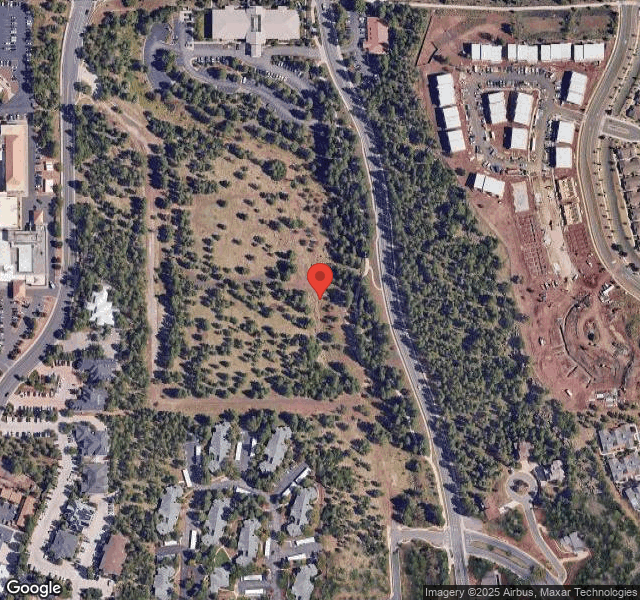

1521 NORTH PINE CLIFF DRIVE, FLAGSTAFF, AZ 86001 (928) 440-2350
For profit - Corporation 50 Beds THE GOODMAN GROUP Data: November 2025
Trust Grade
50/100
#98 of 139 in AZ
Last Inspection: August 2024

Within standard 12-15 month inspection cycle. Federal law requires annual inspections.

Overview

Aspire Transitional Care in Flagstaff, Arizona, has a Trust Grade of C, indicating an average facility that is neither particularly good nor bad. It ranks #98 out of 139 nursing homes in Arizona, placing it in the bottom half, but it is #2 out of 4 in Coconino County, meaning only one other local option is rated higher. The facility is improving, with issues decreasing from 10 in 2024 to just 2 in 2025. Staffing is a strong point, earning a rating of 4 out of 5 stars with a turnover rate of 36%, which is better than the state average. While there have been no fines, there have been serious concerns, including failures to report allegations of resident abuse for multiple residents and instances of staff lacking current CPR certification, highlighting significant areas that need attention.

Trust Score
C
50/100
In Arizona
#98/139
Bottom 30%
Safety Record
Low Risk
No red flags
Inspections
Getting Better
10 → 2 violations
Staff Stability
○ Average
36% turnover. Near Arizona's 48% average. Typical for the industry.
Penalties
✓ Good
No fines on record. Clean compliance history, better than most Arizona facilities.
Skilled Nurses
✓ Good
Each resident gets 97 minutes of Registered Nurse (RN) attention daily — more than 97% of Arizona nursing homes. RNs are the most trained staff who catch health problems before they become serious.
Violations
⚠ Watch
27 deficiencies on record. Higher than average. Multiple issues found across inspections.
★★☆☆☆
2.0
Overall Rating
★★★★☆
4.0
Staff Levels
★★★★☆
4.0
Care Quality
★★☆☆☆
2.0
Inspection Score
Stable
2024: 10 issues
2025: 2 issues

The Good

  • 4-Star Staffing Rating · Above-average nurse staffing levels
  • 4-Star Quality Measures · Strong clinical quality outcomes
  • Full Sprinkler Coverage · Fire safety systems throughout facility
  • No fines on record
  • Staff turnover below average (36%)

    12 points below Arizona average of 48%

Facility shows strength in staffing levels, quality measures, fire safety.

The Bad

2-Star Overall Rating

Below Arizona average (3.3)

Below average - review inspection findings carefully

Staff Turnover: 36%

10pts below Arizona avg (46%)

Typical for the industry

Chain: THE GOODMAN GROUP

Part of a multi-facility chain

Ask about local staffing decisions and management

The Ugly 27 deficiencies on record

Aug 2025 1 deficiency
CONCERN (E) 📢 Someone Reported This

A family member, employee, or ombudsman was alarmed enough to file a formal complaint

Potential for Harm - no one hurt, but risky conditions existed

Report Alleged Abuse (Tag F0609)

Could have caused harm · This affected multiple residents

**NOTE- TERMS IN BRACKETS HAVE BEEN EDITED TO PROTECT CONFIDENTIALITY** The facility failed to ensure that an allegation of resident abuse was reported to all applicable agencies for 3 out of 4 reside...

Read full inspector narrative →
**NOTE- TERMS IN BRACKETS HAVE BEEN EDITED TO PROTECT CONFIDENTIALITY** The facility failed to ensure that an allegation of resident abuse was reported to all applicable agencies for 3 out of 4 residents. Based on clinical record review, facility documentation, staff interviews, and policy review, the facility failed to ensure an allegation of resident abuse was reported to all applicable state agencies for 3 out of 4 residents (#57, #58, and #59). The deficient practice could result in further allegations of abuse not being reported and investigated by the appropriate state agencies. Findings include:-Regarding Resident # 57Resident # 57 was admitted to the facility on [DATE], with diagnoses of surgery aftercare for genitourinary system, urinary tract infection, sepsis, Parkinson's, and dementia. A comprehensive care plan dated February 27, 2024, revealed that Resident # 57 required assistance with activities of daily livings (ADL) due to weakness. The care plan also revealed that Resident # 57 had a potential for alteration in comfort related to decrease ability to move and recent surgery. The Minimum Data Set (MDS) dated [DATE], revealed that Resident # 57's Brief Interview for Mental Status (BIMS) score was 10 which indicated Resident # 57 had moderate cognitive impairment. A clinical note dated March 31, 2024 at 5:23 p.m., revealed that Resident # 57's caregiver was notified that Resident # 57 was transported to the hospital to evaluate the right shoulder. The writer informed Resident # 57's caregiver that Resident # 57 had indicated a Certified Nursing Assistant had hurt her.Review of the initial State Agency Report received April 5, 2024, revealed that this report was the initial and 5-day investigation report regarding Resident # 57's claim that a CNA hurt her. The report revealed that the facility was aware of Resident # 57's shoulder pain and allegation on March 31, 2024 but did not initially report to the State Agency until April 5, 2024. The 5-day investigation report also did not indicated notifications to law enforcement, adult protective services (APS), nor the Ombudsman. -Regarding Resident # 58Resident # 58 was admitted to the facility on [DATE], with diagnoses that include fracture to right lower leg, fracture to ribs, and fracture to lumbar area.The Minimum Data Set (MDS) dated [DATE], revealed that Resident # 58's BIMS score was 12, which indicated moderate cognitive impairment A comprehensive care plan dated July 27, 2024, revealed that Resident # 58 was resistive to care due to anxiety and staff should provide cares in pairs. Review of the Facility investigation dated July 25, 2024, revealed that Resident # 58 alleged sexual assault by a Certified Nursing Assistant (CNA/Staff # 56) during a transfer from the toilet to a standing position. The Investigation revealed that the Facility contacted police and the state agency within required time limits, but there is no report of contact made to APS. -Regarding Resident # 59Resident # 59 was admitted on [DATE], with diagnoses of right femur fracture, atrial fibrillation, anemia, hypotension, and cognitive communication deficit. A comprehensive care plan dated November 19, 2024, revealed that Resident # 59 had potential for falls related to right femur fracture. Interventions to fall risk included call light within reach when in room. The Minimum Data Set (MDS) dated [DATE], revealed that Resident # 59's BIMS score was 8, which indicated moderate cognitive impairment Review of the Facility Investigation report received December 3, 2024, revealed that Resident # 59 alleged to her son that a server (Staff # 7) had transferred her from the wheelchair to the bed by the waist. It also revealed that Resident # 59's son claimed abuse. The Facility investigation did not indicate that police, APS, or ombudsman had been contacted. An interview with Staff # 7 on August 20, 2025 at 3:02 p.m., revealed that if a resident indicated that they have been abused or neglected Staff # 7 would immediately make sure resident is safe and notify the charge nurse. From there the charge nurse would make notifications to Director of Nursing (DON/Staff # 29) and Administrator (ED/Staff # 14).An interview with CNA Staff # 56 on August 20, 2025 at 2:26 p.m., revealed that if a resident indicated they were abused or neglected, Staff # 56 would report allegation to her nurse and assist in keeping resident safe. An interview with Director of Social Services Staff # 17 on August 20, 2025 at 2:37 p.m., revealed that if a resident makes an allegation of abuse or neglect Staff # 17 would notify ED (Staff # 14) and DON (Staff # 29). Staff # 17 revealed that she has called APS for residents but not in allegations of abuse in facility, that is done by ED Staff # 14 or DON Staff # 29. An interview of ED (Staff # 14) on August 21, 2025 at 9:09 a.m. revealed that if a resident claimed to be abused or neglected, he would make sure resident is safe and start the investigation within 2 hours. ED (Staff # 14) revealed that the initial notification of abuse for Resident # 57 would be late if it came in along with the 5-day investigation. ED (Staff # 14) also revealed that APS and Ombudsman were not contacted for Residents # 57, 58, and 59, and police were not contacted for Resident # 57 and 59, during their investigations. A Policy and Procedure titled, Abuse, Neglect, and Exploitation reviewed on January 11, 2025, revealed that anyone with knowledge or concerns about the care of a resident in the facility must report suspected abuse to the Facility administrator, abuse agency hotline, or file a complaint with the state survey agency and adult protective services. The Policy also revealed that when abuse, neglect or exploitation is suspected the Administrator or designee should contact the state agency and the local Ombudsman office to report the alleged abuse. In the event the facility staff or administration reasonably suspect a crime has been committed against the resident such individual is required to report such suspicion to the relevant state agency and one or more local enforcement agencies immediately (but not later than 2 hours after forming the suspicion if the events that lead to the suspicion result in serious bodily injury,) or not later than 24 hours if the events lead to the suspicion do not result in bodily injury.
Aug 2025 1 deficiency
CONCERN (E) 📢 Someone Reported This

A family member, employee, or ombudsman was alarmed enough to file a formal complaint

Potential for Harm - no one hurt, but risky conditions existed

Report Alleged Abuse (Tag F0609)

Could have caused harm · This affected multiple residents

**NOTE- TERMS IN BRACKETS HAVE BEEN EDITED TO PROTECT CONFIDENTIALITY** Based on clinical record review, facility documentation, staff interviews, and policy review, the facility failed to ensure an a...

Read full inspector narrative →
**NOTE- TERMS IN BRACKETS HAVE BEEN EDITED TO PROTECT CONFIDENTIALITY** Based on clinical record review, facility documentation, staff interviews, and policy review, the facility failed to ensure an allegation of resident abuse was reported to all applicable state agencies for 3 out of 3 residents (#3, #7, and #5). The deficient practice could result in further allegations of abuse not being reported and investigated by the appropriate state agencies. Findings include:-Regarding Resident # 3Resident # 3 was admitted to the facility on [DATE], with diagnoses of cellulitis, streptococcal infection, and depression. A comprehensive care plan dated June 27, 2023, revealed that Resident # 3 had alteration in skin integrity related to cellulitis. A progress note dated June 27, 2023 at 4:30 p.m., revealed that Resident # 3 was upset with the wound nurse because the nurse seemed inexperienced and lacked wound care experience. Resident # 3 stated to staff that wound nurse intentionally shoved trauma scissors right into the wound causing an indentation.Review of the initial State Agency Report dated June 28, 2023, revealed that the Director of Nursing (DON/ Staff # 25) and Executive Director (ED/ Staff # 9) went to speak with Resident # 3 because she was upset about how the wound care was done the night before. Resident # 3 explained the nurse hurt her when cutting off the bandage. ED (Staff # 9) asked her if she thought it was her intent to hurt her during this and she said yes, and indicated it was abuse. The Minimum Data Set (MDS) dated [DATE], revealed that Resident # 3's Brief Interview for Mental Status (BIMS) score was 15 which indicated Resident # 3 was cognitively intact. Review of the Facility investigation report dated July 2, 2023, revealed that Facility conducted resident and staff interviews, however there was no indication that notifications were made to Law Enforcement, Adult Protective Services (APS), or the Ombudsman. -Regarding Resident #7Resident # 7 was admitted to the facility on [DATE], with diagnoses right femur fracture, orthopedic aftercare, and type two diabetes.A comprehensive care plan dated January 22, 2024, revealed that Resident # 7 had potential for falls related to the hip fracture. Interventions included check resident for any pain, positioning when needed, personal items are within reach, and personal needs are being met. The Minimum Data Set (MDS) dated [DATE], revealed that Resident # 7's BIMS score was 13 which indicated the resident is cognitively intact.Review of the initial State Agency Report dated February 5, 2024, revealed that Resident # 7 returned from a follow-up orthopedic appointment. Family members attended the appointment and returned to facility with her. At that time, Resident # 7 proceeded to tell the family that when they are not around that staff abuse her and push her around in bed. Review of the Facility Investigation with no date, revealed that the facility notified the State Agency, family, and physician, however law enforcement, APS, and Ombudsman were not notified. -Regarding Resident # 5Resident # 5 was admitted on [DATE], with diagnoses infection of surgical site, orthopedic aftercare, asthma, and prediabetes. A comprehensive care plan dated July 24, 2025, revealed that Resident # 5 required assistance with activities of daily living (ADL) due to weakness. Interventions include providing guided maneuvering of extremities, verbal cueing and sufficient time for resident to perform and or assist during dressing and other ADLs as needed. Review of the initial State Agency Report dated July 30, 2025, revealed that Resident # 5 was upset on how the overnight nurse helped her transfer on July 26. 2025. She was a stand by assist. ED Staff # 9 indicated at the time of their conversation Resident # 5 said he was rough with the transfer. No signs of injury. Resident # 5 was safe and staff member will not work until 5-day investigation was completed. The report also indicated no other agencies were contacted.Review of the Facility Investigation dated July 31, 2025, revealed that full investigation was completed however no indication Law Enforcement, APS, or Ombudsman were notified. An interview with Registered Nurse (RN / Staff # 59) on August 7, 2025 at 8:55 a.m., revealed that if a resident indicated that they have been abused or neglected Staff # 59 would immediately make sure resident is safe and notify DON (Staff #25). DON (Staff # 25) and ED (Staff # 9) would handle the allegation from there by conducting their investigation.An interview of Certified Nursing Assistant (CNA/ Staff # 56) on August 7, 2025 at 9:08 a.m., revealed that if a resident indicated they have been abused or neglected Staff # 56 would report it to her nurse and assist in keeping resident safe. CNA # 56 also revealed that the nurse would report the abuse to DON (Staff # 25) and ED (Staff # 9).An interview of DON (Staff # 25) on August 7, 2025 at 9:18 a.m. revealed that if a resident claimed to be abused or neglected her and ED (Staff # 9) would work together to investigate the allegations. DON (Staff # 25) revealed that ED (Staff # 9) would make all notifications to law enforcement, APS, and Ombudsman unless ED (Staff #9) is out of the facility then DON (Staff #25) would make the notifications. An interview of ED (Staff # 9) on August 7, 2025 at 9:58 a.m. revealed that if a resident claimed to be abused or neglected, he would make sure resident is safe and start the investigation within 2 hours. ED (Staff # 9) reported that notifications to Law enforcement, APS and Ombudsman depended on resident and family wishes but generally are not involved. ED (Staff # 9) indicated he was not aware of notification requirements and was under the impression the State Agency would make notifications to APS. A Policy and Procedure titled, Abuse, Neglect, and Exploitation reviewed on January 11, 2025, revealed that anyone with knowledge or concerns about the care of a resident in the facility must report suspected abuse to the Facility administrator, abuse agency hotline, or file a complaint with the state survey agency and adult protective services. The Policy also revealed that when abuse, neglect or exploitation is suspected the Administrator or designee should contact the state agency and the local Ombudsman office to report the alleged abuse. In the event the facility staff or administration reasonably suspect a crime has been committed against the resident such individual is required to report such suspicion to the relevant state agency and one or more local enforcement agencies immediately (but not later than 2 hours after forming the suspicion if the events that lead to the suspicion result in serious bodily injury,) or not later than 24 hours if the events lead to the suspicion do not result in bodily injury.
Aug 2024 10 deficiencies
CONCERN (D)

Potential for Harm - no one hurt, but risky conditions existed

Transfer Requirements (Tag F0622)

Could have caused harm · This affected 1 resident

**NOTE- TERMS IN BRACKETS HAVE BEEN EDITED TO PROTECT CONFIDENTIALITY** Based on closed record review, staff interviews, and policy review the facility failed to ensure that proper documentation was p...

Read full inspector narrative →
**NOTE- TERMS IN BRACKETS HAVE BEEN EDITED TO PROTECT CONFIDENTIALITY** Based on closed record review, staff interviews, and policy review the facility failed to ensure that proper documentation was provided to responsible parties and the receiving facility(short-term general hospital) for 1 of 2 sampled residents (#29) and one of two sampled residents ( #29) received proper notice of discharge. The deficient practice could lead to notifications of resident transfer/discharge not being made to all required parties. Findings include: Resident #29 was initially admitted on [DATE], with a diagnosis that included unspecified fracture of left foot, subsequent encounter for fracture with routine healing. An admission Minimum Data Set (MDS) assessment dated [DATE] revealed a Brief Interview for Mental Status (BIMs) assessment score of 15 identifying no cognitive impairment. A discharge MDS dated [DATE], revealed a discharge code 04 indicating that Resident #29 was discharged on August 1, 2024 to a short-term general hospital (acute hospital, inpatient prospective payment system (IPPS)). Review of the resident's clinical record revealed no evidence of provider orders, progress notes, or care plan related to the discharge, or of notification to the receiving facility. Further review of the clinical record revealed a faxed request from the receiving facility (short-term general hospital) on August 5, 2024 requesting a discharge summary. There was no evidence that the facility responded to the request. Review of a police report dated August 1, 2024 revealed that Resident #29 allegedly stole a phone from staff. The report revealed that the Executive Director (ED/staff #59) stated they no longer wanted the resident on the premises. The report revealed that due to necessary health care needs, the resident was transferred to the hospital. The report also included that nursing staff removed wound vac before transfer. Further review of the police report revealed evidence of other contraband (meth, syringes, weapons) being found. A late entry progress note dated August 20, 2024, by the Director of Nursing (DON/staff #32) revealed that the DON (staff #32) was notified at 0700 that a staff member's cell phone and pen were reported missing. The progress note indicated that a phone case was found by a Certified Nursing Assistant (CNA) in Resident #29's room. The progress note also indicated that police were notified. An officer arrived and conducted an investigation, and the cellphone was discovered in Resident #29 's room. An interview was conducted on August 20, 2024 at 1:23 PM, with the Medical Records Director (MRD/staff # 60), who reviewed Resident #29 ' s clinical record and stated there was no evidence of discharge documentation. An interview was conducted on August 20, 2024 at 1:29 PM with the DON(staff# 32), who alleged that Resident#29 had meth, syringes, and all kinds of weapons in his room, and that documentation can be found in the police report. The DON (saff #32) also reviewed clinical records and verified there was no documentation/ summary of discharge. An interview was conducted on August 21, 2024 at 11:19 AM with the alleged victim (Director of Life Enrichment, staff #35), who stated that both the ED (staff# 59) and DON (staff #32) were out of the facility, and she went to the admissions manager to report the missing property. The employee (staff #35) stated that she did not press charges and just wanted her property back. An interview was conducted on August 21, 2024 at 1:35 PM, with DON (Staff #32), with the ED (staff #59) present. The DON (staff #32) stated that the discharge/transfer process is to assess the situation and whether it is emergent or not. She stated that an acute transfer form is filled out and 3 copies are made for the resident, transportation, and the receiving facility, and that an acute transform form should always be completed. The DON stated when a patient is sent out 911, the acute transfer form should still be completed. She further stated for a facility to initiate a discharge (planned or unplanned) one of the following should occur: the resident has met their goals, a breach of admission contract, and change in care (if they need a higher level of care), and a transfer form would be completed. The DON(staff #32) stated she and the ED were off site at time of incident, and she received a message alerting her that there was a missing cell phone. The DON (staff #32) called the manager on duty and advised her to scope out the area surrounding the last known origin of the missing property. The DON (staff #32) stated she was informed that a CNA had seen a cell phone case inside of Resident #29's room. The DON(staff #32) stated she did not want the staff to get involved with Resident #29 due to alleged previous history and she notified police. The DON (staff #32) stated that the police found contraband in Resident #29 's room which included meth, syringes, and weapons. The DON (staff #32) stated that there is room for improvement since the acute care form was not completed and it was not a proper discharge due to the resident going into police custody. The DON (staff #32) stated this does not meet expectations and that the discharge summary should be documented, and the risks could result in residents not receiving proper care due to the receiving facility not having proper information. During the DON (Staff #32) interview, the ED (staff #59) interjected that he stated he asked the on duty manager to enter the resident 's room and ask Resident #29 whether or not he had the phone. The ED (staff #59) stated that he disagreed to the DON 's (staff #32) statement of not meeting expectations, as the resident was arrested and in police custody. An acute care transfer form, bed hold policy, and face sheet were not applicable since it was not a facility initiated discharge. A facility policy titled, Transfer and Discharge, reviewed October 24, 2023 revealed that non-emergency transfers or discharges require a summary and plan of care to be prepared for the resident. In addition to providing the resident with a statement of the right to appeal the action to the state agency designated for such appeals, along with the name, address and phone number of the state long term care ombudsman. Further review of the policy titled, Transfer and Discharge, revealed emergency transfer procedures should include the following: nursing should complete and send with the resident a Transfer Form which documents, current diagnosis, reasons for transfer/discharge, date, time, physician, current medications, treatments, any indication for transmission based precautions, and functional status. Nursing should document information regarding the transfer, in the medical record.
CONCERN (D)

Potential for Harm - no one hurt, but risky conditions existed

Deficiency F0655 (Tag F0655)

Could have caused harm · This affected 1 resident

**NOTE- TERMS IN BRACKETS HAVE BEEN EDITED TO PROTECT CONFIDENTIALITY** Based on observation, record review, interviews, and facility policy review, the facility failed to ensure one of one sampled re...

Read full inspector narrative →
**NOTE- TERMS IN BRACKETS HAVE BEEN EDITED TO PROTECT CONFIDENTIALITY** Based on observation, record review, interviews, and facility policy review, the facility failed to ensure one of one sampled resident (#19) had a baseline care plan and/or comprehensive care plan to address the resident's immediate needs within 48 hours of admission regarding his weightbearing status and proper use of orthotic. The deficient practice could result in a resident not receiving the necessary care, services, or assistance, leading to harm. Findings include: Resident #19 was admitted into the facility on July 07, 2024, with diagnoses that included a history of left proximal tibia fracture, diabetes mellitus, hypertension, and acute anemia. A review of the admission MDS (minimum data set) assessment dated [DATE] for Resident #19 revealed a BIMS (brief interview of mental status) score of 12, which indicated the resident was moderately cognitively impaired. Upon review of the physical therapy initial evaluation dated July 08, 2024, under the section labeled Precautions, it was documented for Resident #19 to remain Touchdown Flat Foot Weightbearing to the left lower extremity and to wear the knee brace unlocked and on at all times. Review of all physical therapy daily encounter notes from the start of care on July 08, 2024 through August 18, 2024 revealed a continuation of the precautions for Resident #19 to remain Touchdown Flat Foot Weightbearing to the left lower extremity and to wear the knee brace unlocked and on at all times. The care plan initiated July 07, 2024 was reviewed and revealed no evidence of any information regarding the touch down weightbearing status or the knee orthotic for the resident's left lower extremity. In an interview conducted August 20, 2024 at 12:44 PM, a certified nursing assistant (CNA/ staff #19), reported that if a resident has a weightbearing restriction, or if a resident needs an orthotic device, that it would be communicated verbally in report and would also be documented within the care plan. When requested to view the care plan for Resident #19 together, Staff #19 failed to identify anything documented within the care plan regarding the knee orthotic or the weightbearing status of the left lower extremity. In an interview conducted August 20, 2024 at 1:17 PM, the Director of Rehab (staff #116) stated that the process for admitting a resident from the hospital with orders for a weightbearing status or an orthotic device would include to ensure orders are transcribed accurately into the electronic medical record and to ensure that the supervising therapists collaborate with nursing and then update the baseline care plan to include that necessary information. Staff #116 stated that if that information was not added to the baseline care plan, there would be a risk of no clinical follow through with the rest of the interdisciplinary team and that there would be a risk of further injury for that resident's particular body part if an orthotic device was not worn or if a weightbearing status was not followed. When asked to view the care plan together, Staff #116 could not find any information documented within the care plan regarding the knee orthotic or the weightbearing status of the left lower extremity for Resident #19. In an interview conducted on August 20, 2024 at 2:00 PM, the Director of Nursing (staff #32) stated that there are risks if orders, special instructions, and the care plan do not contain the necessary information. Staff #32 reported that multiple members of the interdisciplinary team to include therapy, nursing, and medical records staff are responsible for transcribing discharge orders from the hospital and updating the care plan. Staff #32 stated that there could be further injury to the affected body part if pertinent information is missing from the medical record and if a weightbearing status is not followed or if a brace is not worn. When asked to locate the information regarding Resident #19's weightbearing status and the knee orthotic in the baseline care plan for Resident #19, Staff #32 confirmed that there were no orders, no special instructions, and no care plan present for the weightbearing status or knee orthotic. Review of the facility's policy titled Baseline Care Plans revealed that the baseline care plan will be developed within 48 hours of resident's admission and is to include the minimum healthcare information necessary to properly care for a resident, including but not limited to physician orders. Review of the facility's policy titled Clinical Documentation revealed that according to the principles of nursing documentation, documentation of nursing care is recorded in the medical record and is to be reflective of the care provided by nursing staff. Additionally, nursing care documented in the medical record will be accurate, complete, and legible.
CONCERN (D)

Potential for Harm - no one hurt, but risky conditions existed

Deficiency F0658 (Tag F0658)

Could have caused harm · This affected 1 resident

**NOTE- TERMS IN BRACKETS HAVE BEEN EDITED TO PROTECT CONFIDENTIALITY** Finding Include: Resident #432 was admitted on [DATE] with Alzheimer's Disease, Dementia, Unspecified Severity with Anxiety, Acu...

Read full inspector narrative →
**NOTE- TERMS IN BRACKETS HAVE BEEN EDITED TO PROTECT CONFIDENTIALITY** Finding Include: Resident #432 was admitted on [DATE] with Alzheimer's Disease, Dementia, Unspecified Severity with Anxiety, Acute Respiratory Failure with Hypoxia, Hypertensive Chronic Kidney Disease with stage 1 through 4 Chronic Kidney Disease, Unspecified Protein-Calorie Malnutrition, and Chronic Kidney Disease, Stage 3 Unspecified. Review of Nurse's note on 08/08/2024 revealed that the nurse was notified that resident #432 had tripped and fallen in her room, due to her long oxygen tubing that became trapped around the resident's wheelchair. The nurse's note also revealed that she was notified by the Certified Nursing Assistant (CNA) that housekeeping helped the patient off the floor into her wheelchair on 08/08/24 at 2:35PM. The admission Minimum Data Set (MDS) assessments was performed on 08/9/24 revealed a Brief Interview for Mental Status (BIMS) score of 15 signifying the resident had no cognitive impairment. MDS revealed the resident does not have Potential indicators of psychosis: Hallucinations, delusions. Also, no concerns on were stated for any behavioral symptoms such as no wandering -presence & frequency, and no change in behavior were indicated. Moreover, MDS revealed that the resident has shortness of breathing and is receiving pain medication regimen, and no presence of pain notated. During the interview with the resident (#432) on 08/19/24 at 01:43 PM, she stated that she tripped over her oxygen tubing when walking to the restroom and fell. An interview was conducted with the housekeeper (Laundry Assistant/ Staff #42) on 08/20/24 at 01:35 PM. Staff #42 stated that she should not have helped the resident. Further she stated that when this incident happened she was walking into the resident #432 room to give her laundry and the resident was going out to play bingo. The staff #42 stated that she observed that while the resident #432 was walking, her oxygen tubing got trapped into wheelchair and fell. Staff #42 stated she was unable to locate any clinical staff so she assisted the resident to stand up from the floor-she locked the wheelchair so the resident was able to sit in the chair. Then she stated she notified the CNA that resident #432 fell. An interview was conducted with Registered Nurse (RN/ Staff #27) on 08/20/24 at 1:49 PM. The Staff #27 stated the facility process when it comes to falls, first she will see if the resident is hurt, ensure if they are on blood thinner, contact the provider, and then contact the family member if resident wishes to. Staff #27 was aware of resident #432 fall that occurred on 8/8/24 assisted by the housekeeper. She also stated she was notified by the CNA immediately. Staff #27 further stated that residents fall was due to resident's oxygen tubing got trapped around resident's wheelchair. An additional interview was conducted with the RN (Staff #27) on 08/22/24 at 2:30PM. Staff #27 stated that she did post fall assessment on Resident #432 immediately upon being notified by the CNA approximately one minute after the incident. After the fall assessment was completed the provider was notified. Staff #27 also stated that the resident #432 stated that the family does not need to be aware as she was okay. However, the family members were notified the following morning while the family visited the facility. An interview was conducted with the Director of Nursing (DON/Staff #32) on 08/22/24 at 02:55PM. Staff #32 stated that the facility process upon falls is that first patient is checked, then vitals are taken, resident's provider is called immediately and the family is notified. DON further stated that her expectation is that CNA and Nurses or anyone who trained may help the resident pick them off the floor upon fall. DON also stated that the housekeeper should not be assisting after fall as it may pose lots of risks to the resident and the staff member if they are not trained. DON #32 stated that housekeeper (staff #42) does not have specific training on assisting falls and does not meet the facility expectations. Upon review of the job description of laundry assistant #42, it does not contain verbiage regarding assisting resident after a fall. Review of the facility policy titled, Training Requirements revised on 10/03/2023, revealed that training requirements should be met prior to staff and volunteers independently providing services to residents. Additional policy review titled, Post Fall Assessment Policy revised on 10/24/23, revealed that the nurse will respond to the resident sustaining a fall. Review of the facility's policy titled Transcribing Physician Orders revealed that Licensed Nursing staff will transcribe physician/medical provider's orders according to clinical standards of practice. Based on observation, record review, interviews, and facility policy review, the facility failed to include weightbearing and orthotic orders for one resident (#19) and to provide care and services related to falls for one resident (#432). The deficient practice could result in a resident not receiving the necessary care, services, or assistance, leading to harm. Findings Include: - Regarding Resident #19 Resident #19 was admitted into the facility on July 07, 2024, with diagnoses that included a history of left proximal tibia fracture, diabetes mellitus, hypertension, and acute anemia. A review of the admission MDS (minimum data set) assessment dated [DATE] for Resident #19 revealed a BIMS (brief interview of mental status) score of 12, which indicated the resident was moderately cognitively impaired. Upon review of the physical therapy initial evaluation completed on July 08, 2024, under the section labeled Precautions, it was documented for Resident #19 to remain Touchdown Flat Foot Weightbearing to the left lower extremity and to wear the knee brace unlocked and on at all times. Review of all physical therapy daily encounter notes for Resident #19 from the start of care on July 08, 2024 through August 18, 2024 revealed a continuation of the precautions for resident 19 to remain Touchdown Flat Foot Weightbearing to the left lower extremity and to wear the knee brace unlocked and on at all times. Upon review of the physician's orders, no evidence was found for any orders regarding the touch down weightbearing status or the knee orthotic for the Resident #19's left lower extremity. In an interview conducted August 20, 2024 at 1:17 PM, the Director of Rehab (Staff #116) stated that the process for admitting a resident from the hospital with orders for a weightbearing status or an orthotic device would include to ensure orders are transcribed accurately into the electronic medical record. Staff #116 stated that if that information was not added to the orders, there would be a risk of no clinical follow through with the rest of the interdisciplinary team and that there would be a risk of further injury for that resident's particular body part if an orthotic device was not worn or if a weightbearing status was not followed. When asked to view Resident #19's orders together, Staff #116 could not find any orders regarding the knee orthotic or the weightbearing status of the left lower extremity. Staff #116 stated that it would not meet standards of practice for Resident #19's weightbearing status and orthotic orders to not be included in the medical record. In an interview conducted on August 20, 2024 at 2:00 PM, the Director of Nursing (Staff #32) stated that there are risks if orders, special instructions, and the care plan do not contain the necessary information. Staff #32 reported that multiple members of the interdisciplinary team to include therapy, nursing, and medical records staff are responsible for transcribing discharge orders from the hospital. Staff #32 stated that there could be further injury to the affected body part if pertinent information is missing from the medical record and if a weightbearing status is not followed or if a brace is not worn. When asked to locate any orders regarding Resident #19's weightbearing status and the knee orthotic in the facility's medical record, Staff #32 confirmed that there were no orders, no special instructions, and no care plan present for the weightbearing status or knee orthotic. Staff #32 stated that it would not meet the facility's expectation and standards of practice to not include orders from the discharging hospital regarding Resident #19's weightbearing status and orthotic use into the medical record.
CONCERN (D)

Potential for Harm - no one hurt, but risky conditions existed

Infection Control (Tag F0880)

Could have caused harm · This affected 1 resident

**NOTE- TERMS IN BRACKETS HAVE BEEN EDITED TO PROTECT CONFIDENTIALITY** Based on the clinical review, interviews, facility documentation and policy review, the facility failed to maintain Enchanced -B...

Read full inspector narrative →
**NOTE- TERMS IN BRACKETS HAVE BEEN EDITED TO PROTECT CONFIDENTIALITY** Based on the clinical review, interviews, facility documentation and policy review, the facility failed to maintain Enchanced -Based Precautions (EBP) for 2 of 5 sampled residents (#430, #234).The deficient practice could result in spread of infection. Findings Include: - Regarding Resident #430: Resident #430 was admitted on [DATE] with diagnosis Type 2 diabetes mellitus, atherosclerotic heart, necrotizing fasciitis, chronic respiratory failure with hypoxia, acute on chronic systolic (congestive) heart failure, hypokalemia, hypomagnesemia and klebsiella pneumoniae. Physician orders included to wear PPE (Personal Protective Equipment) for Enhanced Barrier Precaution (EBP) and to use EBP sign as refers for direct care. The order also included that staff would need to wear non-sterile gown, gloves, every shift for wound care. The Progress notes for resident #430 revealed resident had first degree Av block & history of ESBL E coli infection. During an observation conducted on August 19, 2024 11:23 AM an EBP sign was posted outside Resident # 430's room. Staff # 62 ,Certified Nurse Assistant (CNA), was observed assisting with catheter tubing, and heard telling resident #430 that she would be transferred into her bed. Staff # 62 (CNA) was observed not wearing a gown while performing transfer. Staff # 67, Registered Nurse (RN), was helping during the transfer and was observed to be wearing a gown. The two staff turned Resident # 430 onto her right side, straighten out bed pad, then they turned the resident on her back, continued to reposition the resident, turning her onto her left side, and staff #19 certified Nurse Assistant (CNA) was observed not wearing gown entering the room to reposition Resident # 430. -Regarding Resident #234: Resident # 234 was admitted on [DATE] with the diagnosis end stage renal disease, enterocolitis difficile, type 2 diabetes mellitus, dependence on renal dialysis, atherosclerotic heart disease. Progress notes dated on August 21, 2024 revealed that Resident # 234 is c-diff positive and Resident # 234 would be placed on Enhanced barrier precaution. Observation outside Resident #234 revealed that there were no precaution signs on the entrance door. An interview was conducted with Staff # 67, Regertister Nuser (RN), on 08/20/2024 at 12:29PM. Staff #67 stated that a way to tell that a resident is on Transmission- Based precaution would be to look at their orders which will include the reason why. Staff #67 stated staff can identify those on EBP by looking for signs outside the resident ' s door and the signs would state if the resident is droplets, airborne, or contact base precaution. Staff #67 stated resident #430 Transmission-Based Precaution was taken down by the request of staff # 32, Director of Nursing (DON). Staff #67 stated training on Infection control is done annually. An interview was conducted with Staff # 28, Certified Nurse Assistant (CNA), on August 20, 2024 12:21 PM. Staff #28 stated that the staff has worked at the facility for over 3 years, and completes training yearly on infection control. Staff #28 explained the different types of transmission based precaution and stated contact based precaution would need to gown up, use hand sanitizer, and wash hands. Staff #28 stated there would be an orange sign outside the entrance of a resident to identify what type of Transmission Based Precaution they would need. Staff #28 stated there are times when a Transmission Based precaution sign is forgotten to be placed for a resident and stated those with a history with ESBL should be on enhanced precaution. An interview was conducted with Staff # 32, Director of NUrsing (DON), on August 20, 2024 01:42 PM. The DON stated that staffs receive in-service training informing them about TBP and the in-service training would inform staff on how to give care for residents on TBP. The DON stated Infection control training is done yearly with staff. When asked regarding the difference between each Transmission- Based precaution, the DON explained that for droplet Transmission based one would need to wear full surgical, mask and gloves, for Airborne Transmission-Based Precaution staff need to wear a N-95, gown up, and wear gloves and for resident with C-diff, staff would need to gown up, and wash their hands with soap. The DON stated not having a Sign for a resident needing a Transmission Based Precaution does not meet Facilities expectation. An interview was conducted with Staff # 36, RN, on August 21, 2024 at 12:17 PM. Staff #36 stated that resident # 234 is C-diff positive but the provider requested it to be taken off since the resident doesn't have soft stool. Review of clinical records showed there was no testing done to verify that resident #234 is no longer c-diff positive. Review of the facility's policy titled Management of C. Difficile Infection revealed that contact precautions shall be implemented in accordance with a physician order and facility policy for transmission-based precautions. Additionally, If a resident with C. Difficile infection is transferred or discharged , information related to the infection and contact precautions shall be communicated to the receiving facility/provider. Review of the facility policy titled Transmission-Based Precautions revealed that for a resident on Contact Precautions, healthcare personnel must wear a gown and gloves for all interactions that may involve contact with the resident or potentially contaminated areas in the resident's environment. Review of the facility policy title Enhance [NAME] Precaution revealed EBP would need to be followed outside the resident room during activities of daily living, transferring, mobility, and any close physical contact with residents.
CONCERN (E)

Potential for Harm - no one hurt, but risky conditions existed

Deficiency F0678 (Tag F0678)

Could have caused harm · This affected multiple residents

**NOTE- TERMS IN BRACKETS HAVE BEEN EDITED TO PROTECT CONFIDENTIALITY** Based on personnel file review, staff interviews, facility policy review, the facility failed to ensure that two of ten sampled ...

Read full inspector narrative →
**NOTE- TERMS IN BRACKETS HAVE BEEN EDITED TO PROTECT CONFIDENTIALITY** Based on personnel file review, staff interviews, facility policy review, the facility failed to ensure that two of ten sampled staff (Staff # 19 and #49) had current Cardio Pulmonary Resuscitation (CPR) certification. The deficient practice could result in staff not knowledgeable of how to provide emergency care to residents. Findings include: Review of the personnel file records for a Licensed Practical Nurse (LPN/ Staff #49) revealed a hire date of [DATE] with a valid CPR certification issued on [DATE], however, the CPR expired on [DATE]. Further review revealed no evidence of current CPR certification. Review of the personnel file for a Certified Nurse Assistance (CNA/Staff #19), revealed a hire date of [DATE] with valid CPR certification issued on February 18, 2022, however, CPR certification expired on February 28, 2024. Further review revealed no evidence of current CPR certification. Review of staff #49 punch detail revealed that the Staff #49 worked as LPN at this facility after CPR certification had expired. Staff #49 worked shifts from [DATE]-[DATE], and [DATE]-[DATE]. Review of staff #19 punch detail revealed that the Staff #19 worked as CNA at this facility after CPR certification had expired, Staff #19 worked on [DATE]. An interview was conducted with the Business Office Assistant (Staff #52) on [DATE] at 11: 25 AM and reviewed LPN employment records and stated the LPN did not have current CPR certification. Further, the Business Office Assistant (Staff #52) stated that she is responsible for monitoring the CPR certification for staff and she did not think the LPN or CNA should be working on the floor without current CPR certification. An Interview was conducted on [DATE] at 1:49 PM with the Director of Nursing (DON/Staff #32), who stated she expected staff to complete CPR certification upon hire. She also stated that risk of staff not having CPR certification could result in patient suffering. She further states that she was aware that they were not compliant. Review of the facility policy titled, CPR- Providing Basic Life Support revised on [DATE], revealed that CPR certified staff will be available at any time and staff will maintain current CPR certification for healthcare providers through CPR provider.
CONCERN (E)

Potential for Harm - no one hurt, but risky conditions existed

Accident Prevention (Tag F0689)

Could have caused harm · This affected multiple residents

**NOTE- TERMS IN BRACKETS HAVE BEEN EDITED TO PROTECT CONFIDENTIALITY** Based on record review, observations, staff and resident interviews, and policy review, the facility failed to ensure that the e...

Read full inspector narrative →
**NOTE- TERMS IN BRACKETS HAVE BEEN EDITED TO PROTECT CONFIDENTIALITY** Based on record review, observations, staff and resident interviews, and policy review, the facility failed to ensure that the environment remained free from accident hazards for 3 residents (#281, #26, and #482). The deficient practice could result in potential harm to residents due to unsupervised access to sharps. Findings include: - Regarding Resident #281 Resident #281 was admitted on [DATE]. Record review of the medical diagnoses for resident #281 revealed type two diabetes mellitus accompanied by unspecified dementia and a need for assistance with personal care. Review of the admission MDS (Minimum Data Set) assessment dated [DATE] revealed that resident #281 had a BIMS score of 08 that indicated moderate cognitive impairment. Within the same MDS assessment it was documented that resident #281 was able to utilize a walker and wheelchair to mobilize. On August 19, 2024 at 2:08 p.m, an observation of the resident environment revealed a blood glucometer and an opened container of lancets on a table in the room of resident #281. An interview was conducted on August 22, 2024, at 8:37 a.m with resident #281 who stated that nurses had left lancets and the blood glucometer in his room without explaining their purpose. Resident #281 stated the equipment was already in his room when he arrived at the facility. Resident #281 stated that he used the needles once to get the blood out and obtain a reading for the nurses without any staff present at that time. Resident #281 stated that staff did not inform him that he could not use the needles, nor were they aware that he had used them. The resident recalled that staff had asked him once if he had used a needle, to which he responded yes. No further action was taken, and the resident was not assessed. - Regarding Resident #26 Resident #26 was readmitted on [DATE]. Record review of the medical diagnoses for resident #26 revealed type two diabetes mellitus. Review of the admission MDS from August 6, 2024 revealed that resident #26 had a BIMS score of 13 that indicated resident cognition was intact. Within the same MDS assessment it was documented that resident #26 was able to utilize a walker and wheelchair to mobilize, and many of his ADLs were done independently with the exception of supervision for showering, toileting, and dressing of the lower body. On August 22, 2024 at 9:40 AM, an observation of the resident environment revealed resident #26 had a blood glucometer, lancets, and supplies on the table in the room. - Regarding Resident #482 Resident #482 was readmitted on [DATE]. Record review of the medical diagnoses for resident #482 revealed type two diabetes mellitus. Review of the admission MDS from August 18, 2024 revealed that resident #482 had a BIMS score of 13 that indicated resident with no cognitive impairment. Within the same MDS assessment it was documented that resident #482 was able to utilize a wheelchair to mobilize, and many of his ADLs were done independently with the exception of supervised showering, toileting, and dressing of the lower body. On August 22, 2024 at 9:58 AM, an observation of the resident environment revealed resident #482 had a blood glucometer, lancets, and supplies on the table in the room. On August 22, 2024, at 10 a.m., an interview was conducted with a Certified Nursing Assistant (CNA/Staff #15), who reported that medical devices, including blood glucometers, were stored in the rooms of every resident with diabetes. Staff #15 stated that lancets were kept in cabinets, and if any lancets were found in the resident rooms, she would have removed them. Each resident who had their blood taken had a bucket of medical equipment in their room. According to Staff #15, each bucket included test strips, a blood glucometer, alcohol wipes, cotton pads, and lancets. Staff #15 stated that if a resident with dementia had access to lancets, they could hurt themselves. On August 22, 2024, at 10:11 a.m., an interview was conducted with a Registered Nurse (RN/Staff#27), who stated that blood glucometers were kept in resident rooms, but residents did not check their own blood sugar. She also stated that only nurses and certified nursing assistants were authorized to perform blood sugar tests. Staff #27 stated that lancets were stored in a big cup in the resident rooms for convenience, as this arrangement prevents staff from having to visit the central supply each time a blood sugar check was needed. She stated that she believed there was minimal risk in leaving lancets in the rooms because 99.9 percent of patients cannot get up without assistance, and these lancets are atypical, so most people would not recognize them. However, Staff #27 stated that if residents managed to open the packaging, they could potentially poke their own finger, which was not in line with facility expectations. She emphasized that no resident should have used a lancet to perform such tasks without staff supervision, as it was not appropriate for them to handle such procedures on their own. An interview with the Director of Nursing (DON/Staff #32) was conducted on August 22, 2024, at 11:02 a.m., who stated that the facility's protocol involved storing blood glucometers in resident rooms to prevent cross-contamination. Staff #32 also stated that lancets were classified as sharps, and there were concerns about exposure if residents had access to sharps without staff supervision. The risks included the potential misuse of lancets to poke residents inappropriately, which would not align with the facility's expectations for lancet storage. Review of the facility's Exposure Control Plan for Blood Borne Pathogens revealed that lancets were classified as sharps, and contaminated sharps will be disposed of immediately or as soon as feasible after use. Contaminated sharps should have been disposed of in containers that were closable, puncture resistant, and leak proof. Review of the facility's Accident Prevention and Supervision policy revealed that the resident environment should have remained as free of accident hazards as possible, and residents should have received adequate supervision to prevent accidents. The policy emphasized the identification of hazard and risk factors for each resident to identify the potential risks of a resident having an avoidable accident. Review of the facility's Blood Glucose Monitoring policy revealed that all proper disposal techniques should have been used when using the equipment to comply with approved biohazard waste standards.
CONCERN (E)

Potential for Harm - no one hurt, but risky conditions existed

Deficiency F0698 (Tag F0698)

Could have caused harm · This affected multiple residents

**NOTE- TERMS IN BRACKETS HAVE BEEN EDITED TO PROTECT CONFIDENTIALITY** -Regarding Resident #234 Resident #234 was admitted into the facility on August 17, 2024, with diagnoses that included end stage...

Read full inspector narrative →
**NOTE- TERMS IN BRACKETS HAVE BEEN EDITED TO PROTECT CONFIDENTIALITY** -Regarding Resident #234 Resident #234 was admitted into the facility on August 17, 2024, with diagnoses that included end stage renal disease, enterocolitis due to Clostridium Difficile, and dependence on renal dialysis. Resident #234's care plan dated August 17, 2024 indicated that the resident received dialysis services and that an intervention was to communicate with dialysis center regarding medication, diet, and lab results. The care plan also indicated that the resident had C. Difficile, contracted at the hospital, and that the interventions were to use as much disposable equipment as possible or use dedicated equipment such as thermometer and blood pressure cuff and to monitor for symptoms of weakness, dehydration, fever, nausea and vomiting and blood in stool. Review of the orders dated August 19, 2024, revealed Resident #234 was to be on the transmission-based precaution, specifically Contact Precautions, due to her diagnosis of C. Difficile. Review of the orders also revealed that Resident #234 had an order for her dialysis appointment: Patient on hemodialysis Monday, Wednesday, and Friday (MWF) at Dialysis Center chair time (09:30). The order additionally contained the information Please complete pre-dialysis form and fax to dialysis center then place the form in MD box. On August 21, 2024 at 12:31 PM, a review of the clinical record revealed that there was no evidence of any dialysis communication assessment that was completed for Resident #234's first day of dialysis treatment on August 19, 2024. Further, there was a dialysis communication assessment dated for August 21, 2024, and it was signed and timestamped: 8/21/2024 01:33. On August 21, 2024, at 11:53 AM, a phone interview was conducted with the receptionist and receiving staff at Resident #234's dialysis treatment center. It was confirmed that the resident had received two dialysis treatments, one on August 19,, 2024 and one that was currently ongoing at the time of the phone call on August 21, 2024. The staff stated that the dialysis treatment center had not received any medical information from the facility prior to the resident's first dialysis treatment on August 19, 2024. Further, the staff confirmed that no information was provided from the facility to the dialysis treatment center regarding the resident having any medical diagnoses that may pose a risk to other staff or patients, and any transmission-based precautions that the resident was on. The staff also confirmed that the resident never came with any dialysis communication form that was specified in the resident's orders. On August 21, 2024, at 12:36 PM, a follow-up phone interview was conducted with the clinic manager at Resident #234's dialysis treatment center. The manager confirmed that the dialysis center had not received any information from the facility on or prior to August 19, 2024 regarding the resident's medical diagnoses, the resident's current condition and status, or the transmission-based precautions that the resident was ordered to maintain. The dialysis clinical manager confirmed that they had received no dialysis communication assessments either of the treatment dates. The dialysis center manager further stated that we would need that information timely to protect staff and residents while the resident was under their care at the dialysis treatment center. On August 21, 2024, at 2:38 PM, an interview was conducted with the Director of Nursing (staff #32) who stated that the facility does not have any dialysis contracts or agreements for as long as she has been employed there (for the past three years). Staff #32 reported that the facility only relies on their own dialysis policy for guidance on communication and collaboration of care. Staff #32 confirmed that it was her understanding that the dialysis treatment center was solely responsible for ensuring the provision of the dialysis treatments and care of the residents while at dialysis, and that it meets the current standards of practice for the safe administration of dialysis. When further questioned as to how the facility ensures that this is followed by the dialysis treatment center, staff #32 stated that I guess if we had the dialysis contracts in place, then we could ensure that. Staff #32 additionally confirmed that either on or prior to August 19, 2024, no clinical information regarding Resident #234 was given to the dialysis treatment center. Also, staff #32 agreed that at that time, on August 19, 2024, Resident #234 was to be on contact precautions for her diagnosis of C. Difficile, and that this was never communicated to the dialysis treatment facility. Staff #32 stated that the risk if a resident were to go to dialysis and that information regarding transmission-based precautions was not communicated to the dialysis treatment center, then other residents or staff could be exposed to those infections. Review of the facility's policy titled Dialysis Communication and Site Monitoring revealed that In order for continuity of care, communication between the dialysis center and facility is required and that all communication between the dialysis center and the facility will be maintained in the resident's chart. Regarding Resident #10: Resident #10 was admitted to the facility on [DATE] with diagnoses that included type 2 diabetes mellitus, muscle weakness, end stage renal disease, and dependence on renal dialysis. Review of the care plan initiated on July 18, 2024 revealed a focus that resident receives dialysis, and an intervention that included communicating and coordinating care with the dialysis center. Review of physician orders revealed an order dated July 20, 2024 that indicated the resident received dialysis every Tuesday, Thursday, and Saturday at US Renal Dialysis Center. The order further indicates that a pre-dialysis form should be completed and faxed to the dialysis center, then placed in the Medical Doctor (MD) box on every day the resident goes out for dialysis. Review of the EMR revealed 8 instances since July 20, 2024 in which the dialysis communication form had indicated that the dialysis center has own form they will return with resident, instead of sending the form with resident to dialysis or faxing to dialysis center: July 20, 2024 July 25, 2024 July 27, 2024 August 3, 2024 August 6, 2024 August 10, 2024 August 17, 2024 August 20, 2024 A review of the admission MDS (minimum data set) assessment dated [DATE] revealed a BIMS (brief interview of mental status) score of 10, which indicated the resident was moderately cognitively impaired. An interview was conducted with Resident #10 on August 21, 2024 at 8:25 AM, in which he denied receiving a snack or meal from the staff to take with him to dialysis. He further stated that he is normally picked up for dialysis between 8AM and 9AM. He attempts to eat breakfast before going. He further denied being provided food from the dialysis center while in treatment. The resident also stated that on August 20, 2024, he arrived late to the facility after dialysis, and was unable to eat dinner, as it was already over. He stated that he was provided a sandwich and had dinner in the middle of the night instead. An interview was conducted with a Registered Nurse (RN/ Staff #1) on August 21, 2024 at 8:35AM who stated that the staff do not typically give a snack or to-go lunch to residents going to dialysis but will provide one on request. The nurse further states that the overnight nurses are responsible for printing out the pre-dialysis communication form, which is sent with the resident to the dialysis center. An interview was conducted with the Director of Nursing (DON/ Staff #32) on August 21, 2024 at 11:43AM who stated that her expectation is that every resident going out for dialysis is provided a hot lunch to-go. She also expected her staff to complete the dialysis communication form, which includes how the form is communicated to the dialysis center. She states that it is typically given to transport or the patient, who is expected to hand it to the dialysis center. Another interview was conducted with the DON (Staff #32) on August 21, 2024 at 2:38PM. In this interview, the DON states that when it is not charted that the dialysis communication form was printed and sent with the resident, she cannot ensure it occurred. She states that the facility does not have dialysis contracts or agreements for as long as she has been employed there (for the past three years). The DON also states that she believes the dialysis center is responsible for resident comfort and nutrition while at dialysis. When further questioned as to how the facility ensures the dialysis staff addresses this and provides competent care, the DON stated that I guess if we had the dialysis contracts in place, then we could ensure that. Based on observations, staff interviews, and review of clinical records and policy the facility failed to ensure dialysis care and services, including nutrition, assessments, or coordination of care, were appropriately followed for 3 Residents (#15, #10, and #234). The deficient practice may result in complications of care and services to residents receiving dialysis. Findings include: -Regarding Resident # 15 Resident # 15 was admitted into the facility on August 01, 2024 with diagnoses that included dependence on renal dialysis, implants and grafts, and end stage renal disease. A review of the admission MDS (minimum data set) assessment dated [DATE] revealed a BIMS (brief interview of mental status) score of 8, which indicated the resident was moderately cognitively impaired. The care-plan initiated on August 06, 2024 revealed that Resident # 15 needs dialysis (hemo) related to renal failure. The goal was for resident to have no signs or symptoms through the review date. Interventions included to not draw blood or take blood pressure in arm with graft. Review of electronic medical records (EMR) revealed a physician order initiated on August 01, 2024 as follows: - No Blood Draws or Blood Pressure on Left Upper Extremity due to Shunt/Fistula. Review of EMR revealed three instances of staff measuring blood pressure on the left arm for Resident # 15 since his admission on [DATE] as follows: August 16, 2024 at 04:53 AM reading of 129/48 mmHg lying left arm. August 20, 2024 at 05:32 AM reading of 140/51 mmHg sitting left arm. August 20, 2024 at 08:53 PM reading of 122/60 mmHg sitting left arm. An interview was conducted on August 21, 2024 at 02:11 PM with Certified Nursing Assistant (Staff # 28) who stated night shift will obtain blood pressure reading of the residents who are expected to be going out for dialysis in the morning. Staff # 28 stated that blood pressure readings for dialysis residents are not obtained from certain sites when there is a limb alert bracelet on the residents; and that, it is a reminder to avoid taking blood pressure at that area. An observation was conducted on August 21, 2024 at 02:16 PM which noted Resident # 15 wearing bracelet with lettering, limb alert. An interview was conducted on August 21, 2024 at 02:17 PM with Registered Nurse (Staff # 16) who stated that prior to dialysis appointments vital signs are taken including blood pressure. Staff # 16 stated that taking blood pressure reading from an arm with shunt or fistula would result in inaccurate reading or deep vein thrombosis. Staff # 16 reviewed electronic medical records for Resident # 15 and confirmed that blood pressure readings should not be taken from left arm as per physician orders. Staff # 16 stated that the three blood pressure readings from the left arm would not meet facility's expectations. An interview was conducted on August 21, 2024 at 02:38 PM with Director of Nursing (DON/Staff # 32) who stated that taking resident's blood pressure measurement from an arm which had an alert bracelet and orders instructing not to be taken from would not meet the facility's expectation. Furthermore, DON stated would assume that this information would be on the facility's dialysis agreement that was unavailable at that time.
CONCERN (E)

Potential for Harm - no one hurt, but risky conditions existed

Deficiency F0761 (Tag F0761)

Could have caused harm · This affected multiple residents

**NOTE- TERMS IN BRACKETS HAVE BEEN EDITED TO PROTECT CONFIDENTIALITY** Based on observations, staff interviews, and policy review, the facility failed to ensure that medications and controlled substa...

Read full inspector narrative →
**NOTE- TERMS IN BRACKETS HAVE BEEN EDITED TO PROTECT CONFIDENTIALITY** Based on observations, staff interviews, and policy review, the facility failed to ensure that medications and controlled substances were kept locked. The deficient practice could result in residents, staff, and visitors having access to medications. Findings include: An observation of a medication cart on Hall A was conducted on August 19, 2024 at 11:58 AM. The medication cart was unlocked and unattended outside of room [ROOM NUMBER]. An observation of a treatment cart on Hall A was conducted on August 21, 2024 at 10:30 AM. The treatment cart was unlocked in the 140 ' s hall. An interview was conducted with a Registered Nurse (RN/staff #36) on August 19, 2024 at 12:11 PM, and confirmed that the medication cart was left unlocked. The RN stated that medication carts are secured and keys are passed between staff each shift, and when leaving the unit. He further stated that the risk of leaving the cart unlocked could result in patients or visitors accessing the medication. An interview was conducted with an RN (Staff # 33) on August 21, 2024 at 9:53 AM, who stated that treatment carts were left unlocked. The RN further stated that the treatment carts should be locked, and she is unaware if there are keys to unlock the carts. An interview conducted with the Minimum Data Set Coordinator RN (MDS RN/Staff # 40) on August 21, 2024 at 10:30 AM, who stated the treatment cart was left unlocked. The MDS RN stated that RN ' s are responsible for treatment carts and have the keys to unlock the carts. The MDS RN further stated the risk could result in patients accessing medications. An interview was conducted with the Director of Nursing (DON/Staff #32) on August 22, 2024 at 9:31 AM, who stated that she expects nurses to ensure medication carts are locked. A facility policy titled, Medication Storage (Medication Cart/Narcotics), revealed that all drugs and biologicals will be stored in locked compartments (i.e., medication carts, cabinets, drawers, refrigerators, medication rooms) under proper temperature controls. Only authorized personnel will have access to the keys to locked compartments. During a medication pass, medications must be under the direct observation of the person administering medications or locked in the medication storage area/cart.
CONCERN (E)

Potential for Harm - no one hurt, but risky conditions existed

Food Safety (Tag F0812)

Could have caused harm · This affected multiple residents

Based on observations, staff interviews, resident interviews, and policy review, the facility failed to ensure that food was stored under sanitary conditions that maintained freshness in the kitchen f...

Read full inspector narrative →
Based on observations, staff interviews, resident interviews, and policy review, the facility failed to ensure that food was stored under sanitary conditions that maintained freshness in the kitchen fridge and nourishment refrigerator. The deficient practice could result in potential foodborne illness. Findings include: An observation was conducted on August 19, 2024 at 10:44 a.m. of the walk-in fridge during the initial kitchen tour which revealed the Dining Services Director (staff#68) attempted to discard macaroni and cheese labeled with a discard date of 8/6 - 8/12, cheese sauce labeled with a discard date of 8/9 - 8/16, turkey gravy with a discard date of 8/13 - 8/19, and bread stuffing without a label or discard date. Moreover, a bowl of unlabeled cooked potatoes without a discard date was observed on the fridge shelf. A follow-up observation was conducted on August 19, 2024 at 11:05 a.m. which revealed a gallon of cow's milk labeled August 18 2024 and another labeled August 15 2024. On August 19, 2024 at 11:29 a.m., an observation by surveyor #51124 revealed a wait staff/server (staff#14) attempted to discard a personal milk carton with a discard date of July 6, 2024, another personal milk carton with a discard date of July 24, 2024, sushi with a discard date of August 16, 2024, and two yogurts with a discard date of July 25, 2024 from one of the nourishment refrigerators. During a follow-up visit to the kitchen on August 20, 2024 at 12:49 p.m., an additional observation of the walk-in fridge revealed a steel container with seven lemons, two of which were coated in a fluffy, white, greenish, and blueish substance on the peel. Additionally, a full bag of lemons was observed on the walk-in fridge shelf with one mushy, slimy, and sour-odored lemon at the bottom of the bag. An observation of the kitchen conducted on August 21, 2024 at 10:12 a.m. revealed multiple opened and used packages of bread and hot dog buns without labels and missing discard dates. During an interview conducted regarding the unlabeled breads, the dining services director (staff#68) stated the opened packages are supposed to be labeled and he thought they were. Staff#68 stated that not labeling foods and failure to put a discard date would leave residents at risk for foodborne illness. An interview was conducted with the Dining Services Director (staff#68) on August 19, 2024 at 10:50 a.m. who stated that once something is cooked, the kitchen staff will store it for seven days before they must discard it. An interview was conducted with the Dining Services Director (staff#68) on August 19, 2024 at 11:20 a.m. who stated that he was unsure of when the stuffing was cooked, or if the kitchen intended to use it later that day. On August 19, 2024 at 11:28 a.m., an interview with resident #235 revealed they had received grapes on August 18, 2024 that were moldy. An interview was conducted with the wait staff/server (staff#14) on August 19, 2024 at 11:29 a.m. who stated that the foods have been expired for some time, and that, sometimes staff forgets about them. An interview was conducted with the Dining Services Director (staff#68) on August 20, 2024 at 12:55 p.m. who stated that he observed a substance on the lemons in the steel container that appeared to be mold. Further inspection of the bag of lemons was conducted by staff #68 who stated it's mold, it's bad. The dining services director (staff#68) stated if he found what appeared to be mold on the food, he would take the plate away for sure and make sure none of the other fruits were bad. Interview was conducted with the Executive Director (ED/Staff#59) on August 21, 2024 at 2:39 p.m. who stated that the facility's process for food dating is that all foods should be dated when opened, and expired or outdated foods should be removed from wherever it is located. He also stated that outdated foods could put people at risk of getting sick from the food, or could contaminate other foods. When asked about the facility ' s expectations for food coming from the kitchen to be fresh and appropriate for consumption, he said yes, and the potential risk could discourage residents from eating, which has the potential to cause weight loss or reduced healing. Review of the facility 's Food Storage policy revealed that food is to be stored in an area that is clean, dry and free from contaminants. Food is to be stored by methods designed to prevent contamination. The policy included that all storage areas should have temperature and humidity controls to prevent condensation of moisture and growth of mold. The food storage policy also included that all containers must be legible and accurately labeled and dated, and date marking should indicate the date or day by which a ready-to-eat, time/temperature control for safety food should be consumed, sold, or discarded, which should be visible on all high-risk foods.
CONCERN (E)

Potential for Harm - no one hurt, but risky conditions existed

Medical Records (Tag F0842)

Could have caused harm · This affected multiple residents

**NOTE- TERMS IN BRACKETS HAVE BEEN EDITED TO PROTECT CONFIDENTIALITY** Based on clinical record review, staff interviews, facility documentation, and facility policy, the facility failed to ensure th...

Read full inspector narrative →
**NOTE- TERMS IN BRACKETS HAVE BEEN EDITED TO PROTECT CONFIDENTIALITY** Based on clinical record review, staff interviews, facility documentation, and facility policy, the facility failed to ensure that clinical records accurately reflected care and services provided to two out of two sampled residents (#281 and #19), regarding fluid restriction, care interventions, and the use of an air mattress. The deficient practice has the potential for clinical records to inaccurately and incompletely reflect the status of residents and alter the actual care that is provided. Findings Include: - Regarding Resident #281 regarding fluid restriction: Resident #281 was admitted to the facility on [DATE] with diagnoses that included unspecified injury of head, dementia, unsteadiness on feet, repeated falls, syndrome of inappropriate secretion of antidiuretic hormone, and hypo-osmolality and hyponatremia. Review of the care plan initiated on August 04, 2024, revealed that Resident #234 had potential for alteration in nutrition needs related to conditions associated with confusion, dementia, and related diagnoses. As an intervention, the care plan specified to Encourage fluids. There was no evidence of any care plan regarding a fluid restriction for Resident #281. Review of the MD admission summary dated [DATE] revealed that Resident #281's medical doctor (staff #117) documented that the resident had signs and symptoms consistent with SIADH (syndrome of inappropriate antidiuretic hormone secretion), and Patient will need to abide by a fluid restriction. Under the note section Assessment/Plan, staff #117 documented Continue fluid restriction. Review of the Provider Progress Note dated August 06, 2024, revealed Resident 281's nurse practitioner (staff #118) documented under the note section Assessment/Plan to Continue fluid restriction. Review of the Provider Progress Note dated August 07, 2024, revealed staff #118 again documented under the note section Assessment/Plan to Continue fluid restriction and added 8/7/24: stable at 128. Review of Resident #281's admission Minimum Data Set (MDS) assessment dated [DATE] revealed a Brief Interview of Mental Status (BIMS) score of 8, which indicated moderate cognitive impairment. Additionally, in section K, under Nutritional Approaches, no evidence of a therapeutic diet or altered diet was specified. Review of the physician's orders revealed no evidence of orders regarding a fluid restriction for Resident #281. On August 19, 2024, an observation of Resident #281's room revealed 1.5 fluid restriction written on the facility's whiteboard hanging on the wall. In an interview conducted on August 21, 2024, at 7:44 AM, a certified nursing assistant (CNA, staff #58), stated that CNAs or nurses are the staff members who write information on the whiteboards located in each of the residents' rooms. She stated that the information is in regard to that resident's care. Upon entering Resident #281's room to examine the whiteboard together, and when asked to clarify what the writing 1.5 fluid restriction meant, staff #58 stated, I don't know, I would have to ask the nurse. In an interview conducted on August 21, 2024, at 7:48 AM, a registered nurse (RN, staff #36) stated that he was not aware of any fluid restriction for Resident #281. When asked to clarify what the writing on Resident #281's whiteboard 1.5 fluid restriction meant, staff #36 stated I will have to find out. Staff #36 stated that the process for when a resident admits from an outside hospital into the facility and is supposed to be on a fluid restriction, is that the facility has a piece of paper in the resident's room for nursing staff to track fluid intake, that there would be an order in place, and that it would be documented on two times per day by the nurse. When asked to review the Resident #281's Provider Progress Notes from August 06 and August 07, 2024 where it was documented continue fluid restriction, staff #36 stated that yes the resident should have been on a fluid restriction. Staff #36 also stated that there were no orders for Resident #281 to be on a fluid restriction. Additionally, staff #36 reported that it is the responsibility of the medical provider to ensure that all necessary orders are in the medical record, and that the facility's process requires an order and a tracking sheet to ensure that a fluid restriction for a resident was followed. Further, staff #36 stated it would not meet the facility's expectation for Resident #281 to have continue fluid restriction documented in a provider note and fluid restriction written on the resident's whiteboard with no order and tracking sheet in place. In an interview on August 21, 2024, at 8:17 AM, the nurse practitioner (staff #118) reported that his involvement in the facility's process for ensuring a resident receives a fluid restriction is for him to assess the resident's cognitive capacity for the fluid restriction, to ensure an order is in place, to communicate with the Director of Nursing, and to review the progress weekly, and monthly if needed. Staff #118 confirmed that his progress notes would indicate if a resident was supposed to be on a fluid restriction, and that this would be communicated to nursing staff through an order in the medical record. When asked to review his progress notes from August 06 and August 07, 2024, staff #118 confirmed that Resident #281 was supposed to be on a fluid restriction at that time. When asked to review if there were ever any orders placed for fluid restriction for Resident #281, staff #118 stated that there were no orders placed. Staff #118 stated that there was supposed to be an order from the hospital for 1.5L fluid restriction transcribed into resident 281's orders from the discharge orders from the hospital, and that's where the breakdown is. Staff #118 confirmed that there is risk for harm if a resident has written on their whiteboard in the room for a fluid restriction and no orders or tracking sheet to track the fluid restriction. In an interview conducted on August 21, 2024, at 8:34 AM, the Director of Nursing (staff #32), stated that the process for admitting a resident from an outside hospital who was supposed to be on a fluid restriction would be to ensure the order for fluid restriction is in place and then monitor the fluid restriction. Staff #32 reported that it is the responsibility Director of Nursing, the Administrator, or the Admissions Coordinator to ensure that discharge orders from the hospital are accurately transcribed into the medical record at this facility. When reviewing Resident #281's medical record together, staff #32 confirmed that the resident came in with a discharge order for a 1.5 liter fluid restriction, and it was not activated or followed up on, and further, that this would not meet the facility's expectation for accurate documentation. Regarding Resident #281 and documented interventions Review of the care plan initiated on August 04, 2024, revealed that Resident #281 had potential for falls due to confusion and weakness. As an intervention, the care plan specified to Educate and provide reminders regarding safety precautions. Additionally, in the same care plan, Resident #281 was noted to have an alteration in skin integrity, with an intervention to Educate resident on the importance of offloading and pressure reduction as appropriate. There was no evidence of any care plan regarding use of an air mattress, or wheelchair cushions, or specialized wheelchair modifications for Resident #281. Review of Resident 281's admission Minimum Data Set (MDS) assessment dated [DATE] revealed a Brief Interview of Mental Status (BIMS) score of 8, which indicated moderate cognitive impairment. Additionally, in Section M Skin Conditions, it was not documented in the checkbox that Resident #281 had a Pressure reducing device for the chair or a Pressure reducing device for the bed. Review of the daily System Notes dated August 05, 06, 07, 15, 18, 19, 20, 21, and 22, 2024, revealed that several interventions under the section Current preventative safety measures in place were checked off in the documentation system and included room close to nurse's station. The System Note on August 18, 2024 additionally noted that an anti-rollback device was on the wheelchair. Review of the System Note on August 18, 19, 21, 22, 2024, revealed that several interventions under the section SKIN were checked off in the documentation system and included that a wheelchair cushion was noted to be in the wheelchair. The System Note on August 16, 2024 under the section SKIN included that an air mattress was in place and that a wheelchair cushion was in the wheelchair. Review of the physician's orders revealed no evidence of orders clarifying the type of mattress (standard or air mattress), wheelchair cushions, or specialized wheelchair modifications for Resident #281. During observations conducted on August 20, 2024, at 2:57 PM, and again on August 21, 2024 at 7:02 AM, Resident #281 did not have an air mattress in place, it was observed to be a standard mattress. Resident #281 also did not have a wheelchair cushion in place in the wheelchair. Additionally, the wheelchair did not have any anti-rollback devices or any other specialized devices on it. The resident's room was not near the nurse's station. In a direct line between Resident #281's room and the nearest nurse's station, traveling down the same side of the hallway, was 6 resident rooms, a clinical supply room, two office rooms, a storage room, and a medical preparation room as specified by the facility map and confirmed by observation. In an interview conducted on August 21, 2024 at 8:34 AM, the Director of Nursing (staff #32) stated that a System Note is something that automatically triggers on the treatment administration record (TAR) or the medication administration record (MAR), or a skilled charting note. Staff #32 confirmed that a nurse would have to click off particular items in a checklist form for them to appear in the generated System Note, and that those items should accurately reflect the nurse's assessment. After reviewing the System Notes for Resident #281, staff #36 stated that is would not meet the facility's expectation if a nurse was clicking off on interventions in a System Note that were not actually in place. Regarding Resident #19 and use of an air mattress Resident #19 was admitted into the facility on July 07, 2024, with diagnoses that included a history of left proximal tibia fracture, diabetes mellitus, hypertension, and acute anemia. A review of the admission MDS (minimum data set) assessment dated [DATE] for Resident #19 revealed a BIMS (brief interview of mental status) score of 12, which indicated the resident was moderately cognitively impaired. Under Section M Skin Conditions, it was documented that the resident had a Pressure reducing device for chair, a Pressure reducing device for bed and Pressure ulcer/injury care in place. Review of orders revealed no evidence of any orders for Resident #19 regarding an air mattress. Review of the care plan initiated on July 07, 2024 revealed that Resident #19 had an alteration in skin integrity related to impaired mobility. The care plan was noted to contain a revision added on July 18, 2024 to include the intervention of Cushion in wheelchair. No evidence was found of any intervention regarding an air mattress within the care plan. Review of a System Note dated July 08, 2024 revealed that several interventions under the section SKIN were checked off in the documentation system and included W/c cushion in W/C and Air mattress in place. Review of a Progress Note for Resident #19 dated July 16, 2024, at 3:09 PM, revealed that a registered nurse (staff #18) documented that CNAs called me in this morning to show me the pressure injury on this resident's sacrum. I took a re-evaluation picture and alerted (Resident #19's provider) of the new picture. New orders have been added and I just moved an air mattress into his room to help with offloading. In a phone interview conducted on August 20, 2024, at 11:31 AM, staff #18 stated that on the date of the July 16, 2024 progress note, she had noticed that Resident #19 was not on an air mattress and then proceeded to get the resident an air mattress due to her concerns of pressure related injury to Resident #19. In an interview on August 21, 2024 at 8:34 AM, the Director of Nursing (staff #32) stated that a System Note is something that automatically triggers on the treatment administration record (TAR) or the medication administration record (MAR), or a skilled charting note. Staff #32 confirmed that a nurse would have to click off particular items in a checklist form for them to appear in the generated System Note, and that those items should accurately reflect the nurse's assessment. She further stated that it would not meet the facility's expectation if a nurse was clicking off on interventions in a System Note that were not actually in place. Review of the facility's policy titled Clinical Documentation revealed that Nursing care documented in the medical record will be accurate, complete, and legible.
Aug 2023 6 deficiencies
CONCERN (D)

Potential for Harm - no one hurt, but risky conditions existed

Accident Prevention (Tag F0689)

Could have caused harm · This affected 1 resident

**NOTE- TERMS IN BRACKETS HAVE BEEN EDITED TO PROTECT CONFIDENTIALITY** Based on clinical record review, resident interview, staff interviews, observations and review of facility policies, the facilit...

Read full inspector narrative →
**NOTE- TERMS IN BRACKETS HAVE BEEN EDITED TO PROTECT CONFIDENTIALITY** Based on clinical record review, resident interview, staff interviews, observations and review of facility policies, the facility failed to ensure that one residents, #23, received adequate supervision to prevent medication accidents. The deficient practice could result in the resident sustaining medication accident-related injuries. Findings include: Resident #23 was admitted on [DATE] with diagnosis including staphylococcal arthritis of the right knee, type II diabetes, essential hypertension, hyperlipidemia, hypokalemia, obseity, muscle weakness, open wound of the left knee and abnormalities of gait and mobility. The admission MDS (minimum data set) dated July 22, 2023 revealed a BIMS (brief interview of mental status) score of 15, indicating that the resident is cognitively intact. A review of the physician orders for resident #23, revealed no evidence of an order for self-administration of medications. A review of the electronic medical record revealed no evidence of an assessment for medications at bedside for resident #23. A review of the care plan dated July 16, 2023 revealed no evidence of a self-administration authorization or focus. A review of the MAR (medication administration record) revealed no evidence of medication monitoring for a hydrocortisone 2.5% cream or Aspercreme. An observation on August 15, 2023 at 12:30 p.m. revealed the presence of hydrocortisone 2.5% cream as well as Aspercreme on top of the night table of resident #23. Both creams were observed to be visible upon entering the resident's room. An observation on August 16, 2023 at 1:23 p.m. revealed that the hydrocortisone 2.5% cream and the Aspercreme were still visibly located on the night table of resident #23. An observation on August 17, 2023 at 8:36 a.m. revealed that the hydrocortisone 2.5% and the Aspercreme were now visibly located on the bedside chair of resident #23. An interview was conducted with resident #23 on August 15, 2023 at 12:30 p.m. The resident stated the hydrocortisone cream and Aspercreme observed at bedside where hers and had been brought from home. When asked, she stated that the nursing staff was aware that she had the medications at her bedside. An interview was conducted on August 16, 2023 at 1:28 p.m. with staff #87 (CNA). The CNA stated that residents are not allowed to self-administer medications unless authorized. She stated that there is a screening form to assess the resident if they are able to self-administer medication. She stated that this was for both prescribed and over the counter medications. The CNA stated that when medications are observed at bedside they are confiscated, logged, locked-up and returned to the resident upon discharge. An interview was conducted on August 16, 2023 at 1:33 p.m. with staff #70 (RN). The RN stated that no medications, to include both prescription and over the counter medications are allowed at bedside unless the physician has written an order to authorize medications at bedside. The RN stated that this includes topical medications as well. The RN stated that he did not know if an assessment is generally conducted but stated that he did know that in order to self-administer medications, a resident must be capable and alert and oriented. An interview was conducted on August 17, 2023 at 8:38 a.m. with staff #88 (RN). The RN stated that in order for medications at bedside is always required. She stated that if she observes medications at bedside, she will remove them and advise the charge nurse. She stated that when she enters resident rooms, she would scan the surroundings to look for anything [NAME] to include medications at bedside. The RN stated that she was just in resident #23 and had not observed anything '[NAME]'. When asked if she had observed any medications at bedside, she stated that she had not. She looked in the electronic health record and stated that resident #23 did not have orders for any medications at bedside currently in place. She stated that the risk of a resident having medications at bedside when not authorized could include the resident falling out of therapeutic levels which might extend their stay or potentially having an interaction with other medications. An interview was conducted on August 17, 2023 at 8:48 a.m. with staff #84 (DON). The DON stated that her expectation is that if a resident requests to have medications at bedside, that the physician would be notified and if approved an order for the medication at bedside would be obtained. She stated that medication visible in the room should be identified by staff immediately, the resident should be educated and medication removed. She stated that even a topical medication is required to have an order. The DON reviewed the resident's electronic health record and stated that there was no order for hydrocortisone 2.5% or Aspercreme for resident #23. She stated that the potential risk to the resident could include interactions with other medications. A review of the medication administration policy with a review date of October 21, 2022 revealed that medications will only be administered as prescribed by the physician or only by persons law-fully authorized to do so in a safe and prudent manner. The policy further stated that medications are administered in accordance with written orders; however, no orders were evident for either the hydrocortisone 2.5% or the Aspercreme. Additionally, the policy states that medications are not left with the resident unless the resident has asked for and has been assessed for self-administration; however, medications were observed with the resident without an assessment for self-administration of medications.
CONCERN (D)

Potential for Harm - no one hurt, but risky conditions existed

Pharmacy Services (Tag F0755)

Could have caused harm · This affected 1 resident

**NOTE- TERMS IN BRACKETS HAVE BEEN EDITED TO PROTECT CONFIDENTIALITY** Based on clinical record review, interviews, and review of facility policies, the facility failed to ensure that medications wer...

Read full inspector narrative →
**NOTE- TERMS IN BRACKETS HAVE BEEN EDITED TO PROTECT CONFIDENTIALITY** Based on clinical record review, interviews, and review of facility policies, the facility failed to ensure that medications were available as ordered for one resident (#16). The deficient practice resulted in 1 resident not receiving medications that are physician ordered and necessary. Findings include: Resident #16 was admitted [DATE] with pertinent diagnosis that include E-coli, Diabetes type 2, Depression, Acute kidney failure, Deep vein thrombosis, Right femur fracture, neurogenic bladder, dementia and hypertension. Record review of an admission MDS (Minimum Data Set) dated June 26, 2023 noted a BIMS (Brief Interview for Mental Status) of 15, indicating that the resident has no cognitive impairment. A physician's order dated June 21, 2023, revealed Epoetin Alfa injection with instructions indicating 8000 u (units) be given subcutaneously one time a day for supplementation. A physician's order dated August 14, 2023 revealed Retacrit injection solution with instructions indicating 8000 u be given subcutaneously one time a day for supplementation. Review of the MAR (Medication Administration Record) from June 2023 to August 2023, revealed the medication were documented as code 9 on the MAR, indicating other/see nursing notes. Review of progress notes regarding Epoetin Alfa and Retacrit injections revealed the following: June 21, 2023 at 9:29 a. m. - not available June 28, 2023 at 7:22 a. m. - not available July 10, 2023 at 5:53 p. m. - Spoke with [NAME] at Pharmerica. She will reprocess request and send medication out today. July 19, 2023 at 5:27 p. m. - No documentation given. July 21, 2023 at 10:16 a. m. - Not in facility. Checking on order status? July 28, 2023 10:07 a. m. - Med not available Review of the clinical record revealed on July 7, 2023 at 5:54 p. m. a provider was notified and a partial dose was administered to the patient per provider instructions. However, further record review did not find that the physician was notified regarding the lack of administration of Epogen and Retacrit in the above listed doses. An Interview was conducted on August 18, 2023 at 8:12 a. m. with a Registered Nurse, (RN/staff #16) The RN stated that the pharmacy they use is Pharmerica and that any orders entered in the MAR are transcribed to the pharmacy automatically. While being interviewed the RN accessed the resident record to verify the resident's medication was not in stock, and confirmed the process for reordering of medications. An interview was conducted on August 17th, 2023 at 8:17 a. m. with the Director of Nursing (DON/Staff #84), The DON stated that the pharmacy will notify the facility if a medication is not available to dispense. However, the process is by email and if for example someone was notified on Friday in the afternoon, it might not get seen right away causing a delay in delivery. The DON accessed the resident's clinical record and confirmed their reordering process. The DON also stated that her expectation is that in the event a medication was unavailable, the nurses should be notifying the physician any time a medication is not available. The Facilities policy titled Medication Administration SNF Reviewed October 21, 2022 stated that Medications are administered in accordance with the written orders of the attending physician. It further states that if a dose of a regularly scheduled medication is held, refused or given at a time other than the prescribed time documentation in the electronic record will be done.
CONCERN (D)

Potential for Harm - no one hurt, but risky conditions existed

Medication Errors (Tag F0758)

Could have caused harm · This affected 1 resident

**NOTE- TERMS IN BRACKETS HAVE BEEN EDITED TO PROTECT CONFIDENTIALITY** Based on observations, staff interviews, clinical record review, facility documentation, and policy reviews, the facility failed...

Read full inspector narrative →
**NOTE- TERMS IN BRACKETS HAVE BEEN EDITED TO PROTECT CONFIDENTIALITY** Based on observations, staff interviews, clinical record review, facility documentation, and policy reviews, the facility failed to ensure that the prn (as needed) use of Trazodone (anti-depressant) for one resident (#19) is limited to 14 days, unless the attending physician documents a rationale to extend the medication. The deficient practice places the resident at risk of receiving unnecessary medications without evaluation. Findings include: -Resident #19 was admitted on [DATE] with diagnoses that included infection and inflammatory reaction due other internal orthopedic prosthetic devices, sepsis due to streptococcus pneumoniae, and anxiety disorder. A physician's order dated July 5, 2023, revealed an order for Trazodone tablet 100 mg (milligram) by mouth every 24 hours as needed for insomnia for 14 days. Review of medication administration record (MAR) dated July 2023, revealed the medication was administered ten times / over the 14 days it was prescribed. The psychotropic medication care plan initiated on July 6, 2023 included that the resident uses psychotropic medications Trazodone related to insomnia. The care plan included interventions to administer the medication as ordered, monitor for side effects and effectiveness. Review of the admission 5-day MDS (minimum data set) dated July 12, 2023 revealed a BIMS (brief interview of mental status) score of 11, indicating moderate cognitive impairment. The resident mood interview (PHQ-9) indicated resident had symptoms of feeling down, depressed, or hopeless 2-6 days per week. Further, the mood interview included feeling tired or having little energy 2-6 days per week. The assessment included the active diagnoses of septicemia, depression, and insomnia. A physician progress note dated July 20, 2023 reads, Patient seen in room, he states he still needs his Trazodone to sleep. A physician order dated July 20. 2023, revealed a new order for Trazodone tablet 100 mg by mouth every 24 hours as needed for insomnia for 90 days. Review of MAR dated July 2023, revealed Trazodone was administered on July 20, 21, 23, 26, 27 and 28, 2023. However, record review revealed no physician documented rationale for prescribing a psychotropic medication Trazodone as needed for 90 days. An interview was conducted on August 17, 2023 at 11:52 a.m. with a registered nurse (RN/ staff #71). He stated that when a psychotropic medication is ordered to be used as needed, the order must include the name of medication, dosage, frequency, diagnosis with specific behavior, and the order has a stop date of 14 days. He stated after 14 days, the resident has to be evaluated if the order for the psychotropic medication needs to be renewed for another 14 days. She stated the risk for the resident if the psychotropic medication is not assessed by the provider could include inappropriate use of medication. He stated that the resident could be at risk for being sleepy, drowsy, suicidal ideation, and increased depressive symptoms. An interview was conducted on August 18, 2023 at 12:17 p.m. with the director of nurses (DON/staff #84). She stated that a process for writing an order for psychotropic medication used as needed should include the medication name, dosage, indication of use, and end date of 14 days unless the physician evaluates its use. The facility's policy, Use of Psychotropic Drugs, with a review date of October 24, 2022 revealed that the residents do not receive psychotropic drugs pursuant to a PRN order unless that medication is necessary to treat a diagnosed specific condition that is documented in the clinical condition. The policy revealed the PRN orders for psychotropic drugs are limited to 14 days, except as provided if the attending physician believes that it is appropriate for the PRN order to be beyond 14 days. Further, the policy included that the physician should document their rationale in the resident's medical record and indicate the duration for the PRN order.
CONCERN (D)

Potential for Harm - no one hurt, but risky conditions existed

Infection Control (Tag F0880)

Could have caused harm · This affected 1 resident

Based on clinical record review, staff interview, and the facility's policies and procedures, the facility failed to conduct an ongoing infection control surveillance as required by Center for Medicar...

Read full inspector narrative →
Based on clinical record review, staff interview, and the facility's policies and procedures, the facility failed to conduct an ongoing infection control surveillance as required by Center for Medicare and Medicaid Services (CMS) guidelines. The deficient practice could put the residents at risk for communicable diseases and outbreaks due to lack of ongoing infection control surveillance. Findings include: -An infection control surveillance record review was conducted with the infection control preventionist (ICP) /director of nurses (staff #84) on August 16, 2023 at 1:45 p.m. Record review of the facility form, Infection Monitoring Log, for the month of May, June and July 2023 revealed 5 columns with the following information: -room number -patient name -infection -medication -admission (community acquired) or in patient (health care acquired) Record review of the May 2023 infection surveillance revealed an order listing report for antimicrobial, antifungals, antivirals, anti-infectives, and antiseptics were printed on May 10, May 24, and May 31, 2023. The order listing report contained the name of the residents with orders for antibiotic medications. Record review of the June 2023 infection surveillance revealed an order listing report for antimicrobial, antifungals, antivirals, anti-infectives, and antiseptics was printed on June 7, 2023. Record review of the July 2023 infection surveillance revealed an order listing report for antimicrobial, antifungals, antivirals, anti-infectives, and antiseptics was printed on July 3, 2023. Continued record review revealed the order listing reports were printed randomly which included only the antibiotic orders and no ongoing symptom surveillance to define infections. Record review of the form, Infection Monitoring Log, for the month of May, June and July 2023 revealed the infection control surveillance did not include evidence-based surveillance to define the infections, and did not include transmission-based precaution information. Further, the infection control surveillance did not include an ongoing analysis or surveillance data and documentation of the follow-up response to treatment. An immediate follow up interview was conducted with the ICP/DON (Infection Control Preventionist/Director of Nurse/staff #84). During the interview she stated she prints the physician order listing report every two weeks to capture the antibiotic orders. She stated that she is not currently using any evidence-based surveillance criteria but she will implement the McGeer surveillance criteria after the survey. She stated that she writes the orders for the transmission-based precautions (TBP) but she does not include it on the surveillance log. She said will add the TBP in the infection control surveillance log after the survey. During the interview, the ICP/DON accessed the record for resident #9, #19, #28, and #232 who received and or receiving antibiotic therapy. After reviewing the sampled resident's records in PCC, she stated she was using McGeer's criteria but could not find the records of symptoms surveillance in the PCC for the sampled residents. A follow up interview was conducted on August 16, 2023 at approximately 1:50 p.m. with the ICP/DON. She stated that in terms of infection control surveillance, she is using the McGeer's guidelines but verbally discussing it with the providers and the discussion was not documented. She stated she would be implementing the McGeer's infection control guidelines in the future. According to The Center for Medicare and Medicaid Services (CMS) guidelines §483.80, the facility must establish and maintain an infection prevention and control program designed to provide a safe, sanitary and comfortable environment and to help prevent the development and transmission of communicable diseases and infections. The CMS guidelines included a plan that uses evidence-based surveillance to define infections and the use of a data collection tool. Further, the plan must include ongoing analysis of surveillance data and documentation of follow-up activity in response.
CONCERN (E)

Potential for Harm - no one hurt, but risky conditions existed

Deficiency F0757 (Tag F0757)

Could have caused harm · This affected multiple residents

**NOTE- TERMS IN BRACKETS HAVE BEEN EDITED TO PROTECT CONFIDENTIALITY** Based on clinical record review, staff interviews, observation, facility documentation, review of policies and procedures, the f...

Read full inspector narrative →
**NOTE- TERMS IN BRACKETS HAVE BEEN EDITED TO PROTECT CONFIDENTIALITY** Based on clinical record review, staff interviews, observation, facility documentation, review of policies and procedures, the facility failed to ensure residents did not receive unnecessary medications including antibiotics with no indication of use for two resident (#19 and #28). Findings include: Regarding resident #19: -Resident #19 was admitted on [DATE] with diagnoses that included infection and inflammatory reaction due other internal orthopedic prosthetic devices, sepsis due to streptococcus pneumoniae and anxiety disorder. Review of the physician orders revealed the following: -7/6/2023: Ceftriaxone sodium solution (an antibiotic) 2 grams intravenously every 24 hours for infection until August 11, 2023. -8/12/2023: Amoxicillin-Pot Clavulanate oral tablet (an antibiotic) 875-125 milligrams one tablet by mouth two times a day for infection for 7 days. Review of medication administration records dated July and August 2023 revealed the antibiotics were administered as ordered. However, record review revealed no specific indication of use or diagnosis, and no evidence of specific monitoring for effectiveness of each antibiotic. -Review of the admission 5-day MDS (minimum data set) dated July 12, 2023 revealed a BIMS (brief interview of mental status) score of 11, indicating moderate cognitive impairment. Per the assessment, the resident received antibiotic, diuretic, opioid, and anticoagulant during the indicated look back period of the assessment reference date. Review of nurse's notes dated July 18, 2023 at 11:26 p.m. indicated the resident has a current infection. Further review of the note revealed no documentation of what type of infection and the type of treatment provided. A nurse's note dated August 15, 2023 at 11:52 a.m. indicated the resident has a current infection. However, the note revealed no evidence on what type of infection and no signs and symptoms of infection were assessed or monitored. Further record review of the nursing progress notes revealed no evidence of antibiotic indication of use, monitoring, and assessment of the medication's effectiveness. Regarding resident #28: -Resident #28 was admitted on [DATE] with diagnoses that included infection and inflammatory reaction due to other prosthetic devices, implant and graft in genital tract, elevated white blood cell, and type 2 diabetes mellitus. Review of the physician orders dated July 28, 2023 revealed the following: -Cefdinir Capsule 300 MG Give 300 mg by mouth two times a day for infection for 14 Days. - Metronidazole Tablet 500 MG Give 500 mg by mouth three times a day for infection for 14 days. Review of the medication administration record dated July and August 2023 revealed the medications were administered as ordered. However, record review revealed no specific diagnosis or indication for use fot the antibiotics. A nursing note dated July 28, 2023 at 1:24 p.m. indicated the resident was admitted with uterine infection. Another nurse's note dated July 29, 2023 at 9:35 a.m. indicated the resident has a current infection and that type of infection is skin. A care plan that was initiated on August 1, 2023 included a problem that resident is on antibiotic therapy Cefdinir and metronidazole for infection. The care plan interventions included monitoring of antibiotic's side effects and effectiveness. Continued review of the nurse 's note dated August 4, 2023 at 10:45 a.m. indicated the resident has a current infection and stated the type of infection was other. Further record review revealed no specific indication for use pertaining to the two antibiotic therapy, and no monitoring for effectiveness or side effects. An interview was conducted on August 18, 2023 at 11:52 a.m. with a registered nurse (staff #71). He stated that an antibiotic order should include the name of the medication, dosage, route of administration, and indication for use or specific diagnoses. He stated that it is important to specify and document the type of infection, signs and symptoms, and adverse effects every shift by the person who administered the medications. He stated if there are more than one antibiotic, there is a risk of the antibiotic being inappropriate to the patient if the indication of use was not included. He stated there is a risk for the resident not being assessed properly in terms of the treatment outcomes. An interview was conducted with the director of nurses (staff #84) on August 17, 2023 at 12:17 p.m. She stated that unnecessary medication including antibiotics should include monitoring, care plan and the effectiveness and adverse effects should be documented in the skilled notes in PCC (Point-Click-Care). She stated that it is her expectation moving forward that all antibiotic orders will include specific diagnosis and not just infection, and monitoring of its effectiveness. A facility policy, Antimicrobial Stewardship, with a review date of October 25, 2022 revealed that the director of nurses and or designee is responsible for establishing standards for nursing staff to assess, monitor, and communicate changes in a resident that could impact the need for antibiotics. Per the policy actions, the antibiotic dose, duration and indication for all antibiotic orders by the providers was included in the best practice procedures.
CONCERN (E)

Potential for Harm - no one hurt, but risky conditions existed

Antibiotic Stewardship (Tag F0881)

Could have caused harm · This affected multiple residents

**NOTE- TERMS IN BRACKETS HAVE BEEN EDITED TO PROTECT CONFIDENTIALITY** Based on clinical record review, staff interviews, and the facility's policies and procedures, the facility failed to conduct an...

Read full inspector narrative →
**NOTE- TERMS IN BRACKETS HAVE BEEN EDITED TO PROTECT CONFIDENTIALITY** Based on clinical record review, staff interviews, and the facility's policies and procedures, the facility failed to conduct an ongoing review for antibiotic stewardship as required by Center for Medicare and Medicaid Services (CMS) guidelines, and failed to review clinical signs and symptoms to determine if antibiotics are indicated. The deficient practice could have the potential for residents to have adverse effects due to the lack of protocols and monitoring. Findings include: Regarding resident #19 -Resident #19 was admitted on [DATE] with diagnoses that included infection and inflammatory reaction due other internal orthopedic prosthetic devices, sepsis due to streptococcus pneumoniae, and anxiety disorder. Review of the physician orders revealed the following: -7/6/2023: Ceftriaxone sodium solution (an antibiotic) 2 grams intravenously every 24 hours for infection until August 11, 2023. -8/12/2023: Amoxicillin-Pot Clavulanate oral tablet (an antibiotic) 875-125 milligrams one tablet by mouth two times a day for infection for 7 days. Review of the medication administration records dated July and August 2023 revealed the antibiotics were administered as ordered. Regarding resident #28 -Resident #28 was admitted on [DATE] with diagnoses that included infection and inflammatory reaction due to other prosthetic devices, implant and graft in genital tract, elevated white blood cell, and type 2 diabetes mellitus. Review of the physician orders dated July 28, 2023 revealed the following: -Cefdinir Capsule 300 MG Give 300 mg by mouth two times a day for infection for 14 Days. - Metronidazole Tablet 500 MG Give 500 mg by mouth three times a day for infection for 14 days. Review of the medication administration records dated July and August 2023 revealed the antibiotics were administered as ordered. An antibiotic stewardship investigation was conducted with the infection control preventionist (ICP) /director of nurses (staff #84) on August 16, 2023 at 1:35 p.m. Record review of the antibiotic stewardship revealed no clinical signs and symptoms documented if the antibiotic is indicated or if adjustment to therapy should be made. An immediate follow up interview was conducted with the ICP/DON nurse. During the interview she stated she prints the physician order listing report every two weeks to capture the antibiotic orders. She stated she does not use any protocols in reviewing the clinical signs and symptoms if the antibiotic is indicated or if an adjustment to therapy should be made. She stated that she verbally reviewed antibiotic orders and symptoms with the providers. She stated she did not document the antibiotic discussion in terms of signs and symptoms or indication of use in the resident's records after discussion with the providers. During the interview, the ICP/DON accessed the record for resident #19 and #28. Then she stated she is using McGeers but could not find records of symptoms surveillance in the PCC for the sampled residents. She accessed the PCC and stated in terms of diagnoses for antibiotics for the sampled residents, the diagnosis was not included in the medication orders, it just said infection. She accessed the antibiotic log and stated, one resident has pseudomonas to the right hip, and said she did not write in the log any sign and symptoms of infection. Further review of the antibiotic stewardship documents provided no evidence that a protocol was in place to review clinical signs and symptoms to determine if the antibiotic is indicated. A follow up interview was conducted on August 16, 2023 at approximately 1:50 p.m. with the ICP/DON. She stated that in terms of antibiotic stewardship, she is using the McGeer's guidelines but verbally discussing it with the providers and the discussion was not documented. She stated she would be implementing the McGeer's infection control guidelines in the future. An interview was conducted on August 17, 2023 at 10:44 a.m. with a registered nurse (staff #88). She stated that for her it's important to give antibiotics timely and run the appropriate tests ahead of time. She stated that it's important to review the nursing report papers daily to discern which patient is on what antibiotic and what coordinating tests were conducted. She stated that it's important to monitor signs and symptoms to include looking at difficulty breathing, rash, edema-all contingent on which antibiotic is being used. She stated that the length of therapy was contingent on the organism and what the provider was prescribing-some be for shorter duration and others maybe 3 weeks or longer-it would also be contingent on levels, labs and specialist recommendations. She stated that the documentation would be in PCC and could include a clinical note or an sbar note to the provider. If the provider is in house she would track him down, discuss verbally and then document in a clinical note. A policy, Antimicrobial Stewardship, with a review date of October 25, 2022 revealed that the facility has a coordinated program that promotes the appropriate use of antimicrobials (including antibiotics) to improve patient outcomes, reduce microbial resistance, and decrease the spread of infections caused by multidrug-resistant organisms. The policy action included specific procedures to improve antibiotic use according to best practice and indicated the assessment of residents timely as symptoms appear utilizing the McGeer's criteria for infection. Per the policy, the antibiotic dose, duration and indication for all antibiotic orders by the provider was included in the best practice procedures.
May 2023 2 deficiencies
CONCERN (D) 📢 Someone Reported This

A family member, employee, or ombudsman was alarmed enough to file a formal complaint

Potential for Harm - no one hurt, but risky conditions existed

Report Alleged Abuse (Tag F0609)

Could have caused harm · This affected 1 resident

**NOTE- TERMS IN BRACKETS HAVE BEEN EDITED TO PROTECT CONFIDENTIALITY** Based on closed clinical record review, staff interviews, facility documentation and policy review and the State Agency (SA) dat...

Read full inspector narrative →
**NOTE- TERMS IN BRACKETS HAVE BEEN EDITED TO PROTECT CONFIDENTIALITY** Based on closed clinical record review, staff interviews, facility documentation and policy review and the State Agency (SA) database, the facility failed to ensure that an allegation of abuse for one resident (#340) was reported to the State Agency as required. The deficient practice could result in abuse not identified and investigated. Findings include: Resident #340 was admitted on [DATE], with diagnoses of aftercare following joint replacement surgery, and presence of artificial shoulder joint. The admission progress note dated May 3, 2023 revealed resident #340 was disoriented upon admission, forgetful, required cueing and supervision due do moderately impaired cognition and required 2-person extensive assistance with activities of daily living (ADL's). Review of an admission Minimum Data Set (MDS) assessment dated [DATE] included Brief Interview for Mental Status (BIMS) score of 03 which indicated that the resident was severely cognitively impaired. The MDS also included the resident had mild depression. A weekly wound care note dated May 14, 2023 revealed that surgical right shoulder wound was hot to touch, swollen, with erythema (redness) surrounding wound (20 cm height x 19 cm width), increased pain, and a hard, swollen mass that measured 4 cm x 4 cm underneath the incision cite. The clinical note dated May 14, 2023 included that during a dressing change the resident's right shoulder was found to be red and warm near the surgical site, and had a painful, hard mass near the surgical site. The care plan dated May 3, 2023 included the resident had alteration in skin integrity related to decrease ability to move self. Interventions included treatment per physician orders and weekly skin rounds. The care plan had special instructions for non-weight bearing (NWB) on right upper extremity (RUE), shoulder immobilizer on at all times, was ok to remove for elbow, hand and wrist range of motion exercises, was ok to perform pendulums of shoulder, and no external rotation in adduction >30 degrees. A system note dated May 10, 2023 included the resident was alert and oriented X4 and reported pain on the right shoulder. A provider note dated May 11, 2023 revealed the was oriented to person, place, time and event. Assessment included right rotator cuff arthroplasty status post reverse right total shoulder arthroplasty. Per the documentation, the resident was prescribed with a narcotic analgesic by the orthopedic surgeon and that the resident continued to Tylenol (analgesic) at a lower dose that she used at home to avoid exceeding the maximum recommended Tylenol dose. A progress notes on May 14, 2023 revealed that the resident was sent to the hospital on May 14, 2023 at 10:28 a.m. for suspected right shoulder wound infection. per the documentation, the resident was alert and oriented to person, place and time and was able to communicate verbally at the time of discharge. The SA database received an online report dated May 17, 2023 that resident returned to the hospital on May 14, 2023 and there was fracture and infection on the resident's shoulder. Per the report, the caregiver was rough with the resident when the alleged perpetrator (AP) transferred the resident from the wheelchair to bed. Further, the report included that the resident was afraid to say anything because the resident though the AP would come and smother her. There was no evidence found in the clinical record and facility documentation that this incident was reported to the SA as required. The undated facility investigative report revealed undated written statements regarding an incident that occurred on May 10, 2023 from the AP (registered nurse/staff # 240) and the wound care nurse practitioner. The report also included undated copies of text messages with other staff members were included in the investigation. However, there was no evidence that the allegation of abuse was reported to the State Agency within the required timeframe. During an interview with the administrator (Staff #340) on May 19, 2023 at approximately 5:30 pm the administrator stated that on May 15, 2023 Adult Protective Services (APS) and the local police arrived at the facility and made him aware of allegations of abuse made by resident #340 after the resident was transported to the hospital. However, the administrator stated that the incident/allegation was not reported to the SA because he expected that APS had filed the report. Further, the administrator stated he was not aware that he needed to file a self-report with SA. An interview was conducted with a licensed practical nurse (LPN/staff #280) on May 19, 2023 at 6:52 pm. He stated that if he received a report of an allegation of abuse, he would report the allegation immediately to the administrator. He said that the administrator is obligated to start an investigation immediately and should contact all the mandatory agencies such as the State Agency, police and Adult Protective Services. Review of the facility policy on Abuse, Neglect and Exploitation last reviewed on January 11, 2023 revealed that anyone with knowledge or concerns about the care of a resident in the facility must report suspected abuse to the facility administrator, abuse agency hotline or file a complaint with the state survey agency and adult protective services immediately but not later than 2 hours after an allegation is made if the events that lead to the allegation involve abuse or not later than 24 hours if the events that lead to the allegation do not involve abuse. Reporting and investigation should be in accordance with state law/regulation.
CONCERN (D) 📢 Someone Reported This

A family member, employee, or ombudsman was alarmed enough to file a formal complaint

Potential for Harm - no one hurt, but risky conditions existed

Investigate Abuse (Tag F0610)

Could have caused harm · This affected 1 resident

**NOTE- TERMS IN BRACKETS HAVE BEEN EDITED TO PROTECT CONFIDENTIALITY** Based on closed clinical record review, staff interviews, facility documentation and policy review, the facility failed to ensur...

Read full inspector narrative →
**NOTE- TERMS IN BRACKETS HAVE BEEN EDITED TO PROTECT CONFIDENTIALITY** Based on closed clinical record review, staff interviews, facility documentation and policy review, the facility failed to ensure that a thorough investigation was compleated for an allegation of abuse for one resident (#340). Findings include: Resident #340 was admitted on [DATE], with diagnoses of aftercare following joint replacement surgery, and presence of artificial shoulder joint. The admission progress note dated May 3, 2023 revealed resident #340 was disoriented upon admission, forgetful, required cueing and supervision due do moderately impaired cognition and required 2-person extensive assistance with activities of daily living (ADL's). Review of an admission Minimum Data Set (MDS) assessment dated [DATE] included Brief Interview for Mental Status (BIMS) score of 03 which indicated that the resident was severely cognitively impaired. The MDS also included the resident had mild depression. A weekly wound care note dated May 14, 2023 revealed that surgical right shoulder wound was hot to touch, swollen, with erythema (redness) surrounding wound (20 cm height x 19 cm width), increased pain, and a hard, swollen mass that measured 4 cm x 4 cm underneath the incision cite. The clinical note dated May 14, 2023 included that during a dressing change the resident's right shoulder was found to be red and warm near the surgical site, and had a painful, hard mass near the surgical site. The care plan dated May 3, 2023 included the resident had alteration in skin integrity related to decrease ability to move self. Interventions included treatment per physician orders and weekly skin rounds. The care plan had special instructions for non-weight bearing (NWB) on right upper extremity (RUE), shoulder immobilizer on at all times, was ok to remove for elbow, hand and wrist range of motion exercises, was ok to perform pendulums of shoulder, and no external rotation in adduction >30 degrees. A system note dated May 10, 2023 included the resident was alert and oriented X4 and reported pain on the right shoulder. A provider note dated May 11, 2023 revealed the was oriented to person, place, time and event. Assessment included right rotator cuff arthroplasty status post reverse right total shoulder arthroplasty. Per the documentation, the resident was prescribed with a narcotic analgesic by the orthopedic surgeon and that the resident continued to Tylenol (analgesic) at a lower dose that she used at home to avoid exceeding the maximum recommended Tylenol dose. A progress notes on May 14, 2023 revealed that the resident was sent to the hospital on May 14, 2023 at 10:28 a.m. for suspected right shoulder wound infection. per the documentation, the resident was alert and oriented to person, place and time and was able to communicate verbally at the time of discharge. The SA database received an online report dated May 17, 2023 that resident returned to the hospital on May 14, 2023 and there was fracture and infection on the resident's shoulder. Per the report, the caregiver was rough with the resident when the alleged perpetrator (AP) transferred the resident from the wheelchair to bed. Further, the report included that the resident was afraid to say anything because the resident though the AP would come and smother her. The undated facility investigative report revealed undated written statements regarding an incident that occurred on May 10, 2023 from the AP (registered nurse/staff # 240) and the wound care nurse practitioner. The report also included undated copies of text messages with other staff members were included in the investigation. However, there was also no evidence that the allegation of abuse was thoroughly investigated to include resident interviews conducted and notifications of the alleged violation to other agencies or law enforcement. A verbal investigative report summary dated May 19, 2023 was provided by the administrator (staff# 340) and it revealed the allegation was unable to be substantiated. During an interview with the administrator (Staff #340) on May 19, 2023 at approximately 5:30 pm the administrator stated that on May 15, 2023 Adult Protective Services (APS) and the local police arrived at the facility and made him aware of allegations of abuse made by resident #340 after the resident was transported to the hospital. The administrator stated that on or about May 15, 2023 he initiated an investigation based on this allegation. In another interview with the administrator conducted on May 19, 2023 at 6:00 p.m., he stated that the investigation on this incident was complete and he had provided all the facility investigation documents. An interview was conducted with a licensed practical nurse (LPN) on May 19, 2023 at 6:52 pm. He stated that if he received a report of an allegation of abuse, he would report the allegation immediately to the administrator. He said that the administrator is obligated to start an investigation immediately and should contact all the mandatory agencies such as the State Agency, police and Adult Protective Services (APS). Review of the facility policy titled, Abuse, Neglect and Exploitation, reviewed January 11, 2023, revealed that anyone with knowledge or concerns about the care of a resident in the facility must report suspected abuse to the facility administrator, abuse agency hotline or file a complaint with the state survey agency and adult protective services immediately but not later than 2 hours after an allegation is made if the events that lead to the allegation involve abuse or not later than 24 hours if the events that lead to the allegation do not involve abuse. Reporting and investigation should be in accordance with state law/regulation.
Jun 2022 7 deficiencies
CONCERN (D)

Potential for Harm - no one hurt, but risky conditions existed

Report Alleged Abuse (Tag F0609)

Could have caused harm · This affected 1 resident

**NOTE- TERMS IN BRACKETS HAVE BEEN EDITED TO PROTECT CONFIDENTIALITY** Based on clinical record review, staff interviews, review of facility policy and the State Agency data base, the facility failed...

Read full inspector narrative →
**NOTE- TERMS IN BRACKETS HAVE BEEN EDITED TO PROTECT CONFIDENTIALITY** Based on clinical record review, staff interviews, review of facility policy and the State Agency data base, the facility failed to ensure that an allegation of abuse that involved two residents (#88 and #89) was reported within 2 hours to the State Survey Agency. Findings include: Resident #88 was admitted to the facility on [DATE] with diagnoses which included: Displaced Intertrochanteric Fracture of Left Femur; Subsequent Encounter for Closed Fracture with Routine Healing; Respiratory Failure with Hypoxia and Unspecified Dementia without Behavioral Disturbance. A nurse's note dated March 31, 2020 at 6:46 PM revealed that a Licensed Practical Nurse found the resident (#88) in the hallway crying. She located a staff member who spoke Navajo to translate for her at which time the resident (#88) told her that her husband (resident #89) had hit her on the right upper arm. The resident stated that this had happened to her twice in the facility and also at home a long time ago. The resident further stated the she had been hit because she was asking him to help her do something and he became upset. The residents were separated at that time. The staff member then notified the Director of Nursing, the Nurse Practitioner and the family. Review of the State Survey Agency data base revealed that the incident which occurred on March 31, 2020 at 6:46 PM, was not reported to the State Survey Agency until April 1, 2020 at 1:36 PM. Interviews with the Licensed Practical Nurse, Director of Nursing and Administrator who were involved in the incident were not able to be completed due to a change of ownership and the above individuals no longer are employed at the facility. Interviews were conducted with the following current staff during the course of the survey: During an interview conducted on June 21, 2022 at 2:07 PM with a Registered Nurse (Charge Nurse, staff #54), she stated that the Licensed Practical Nurse documented in the complaint was not a current employee of the facility. During an interview conducted on June 22, 2022 at 1:20 PM with a Certified Nursing Assistant (staff #48), she stated that if she sees someone hitting a resident, she would immediately intervene and make sure the resident is safe and remove the offender. She then stated that she will immediately report the situation to her nurse and the Director of Nursing. During an interview conducted on June 22, 2022 at 1:24 PM with the Central Supply agent (staff #24), she stated that if she saw any abuse occurring she would make sure the resident is safe, separate them from the abuser and then immediately let the Charge Nurse or the Director of Nursing know what happened. During an interview conducted on June 22, 2022 at 1:30 PM with a Registered Nurse (staff #64), he stated that if a staff member reported or if he sees any abuse occurring, he will immediately make sure the resident is safe, remove the abuser from the area and assess the resident for injury. He stated he would immediately notify the Charge Nurse, the Director of Nursing and the Administrator. He further stated he was unsure of the time frame for reporting to the State Agency, that he would have to look that up. During an interview conducted on June 22, 2022 at 1:41 PM with the Director of Nursing (staff #23), she stated that she was not familiar with the incident which occurred prior to her starting as the Director of Nursing. She added that she would ensure that the resident was safe and to assess for injury and document what occurred. She stated that she would report to the Executive Director who would report to the state agencies, the police, the provider and the family. She further stated that in the absence of the Executive Director, she would report within the two hours as required. During an interview conducted on June 22, 2022 at 2:02 PM with the Executive Director (staff #8), he stated he was unaware of the incident as it had occurred under the previous company and prior to his arrival as the new Executive Director on August 1, 2020. He added that they would make sure that the resident involved would be in a safe space and assessed and treated for any injuries. He added that if it was a resident to resident issue then the residents would be separated and that if it involved staff they would be sent home prior to an investigation being completed. He further stated that the incident needed to be reported immediately to the state agency, or within 2 hours. Review of the current facility policy on Abuse, Neglect and Exploitation, it states that anyone with knowledge or concerns about the care of a resident in the facility must report suspected abuse to the facility administrator, abuse agency hotline or file a complaint with the state agency and adult protective services immediately but not later than two hours after an allegation is made if the events that lead to the allegation involve abuse or result in serious bodily injury.
CONCERN (D)

Potential for Harm - no one hurt, but risky conditions existed

Deficiency F0757 (Tag F0757)

Could have caused harm · This affected 1 resident

**NOTE- TERMS IN BRACKETS HAVE BEEN EDITED TO PROTECT CONFIDENTIALITY** Based on clinical record review, staff interviews, and review of policy and procedure, the facility failed to ensure one residen...

Read full inspector narrative →
**NOTE- TERMS IN BRACKETS HAVE BEEN EDITED TO PROTECT CONFIDENTIALITY** Based on clinical record review, staff interviews, and review of policy and procedure, the facility failed to ensure one resident (#27) did not receive a medication when not indicated for use. The sample was 5 residents. The deficient practice could result in adverse medication side effects. Findings include: -Resident #27 admitted to the facility on [DATE] with diagnoses that included aftercare following joint replacement surgery, unilateral primary osteoarthritis right knee, and presence of artificial knee joint. Review of the physician's orders revealed: -An order dated June 2, 2022 for Norco (narcotic) 5-325 milligram (MG) tablet, give 1 tablet by mouth every 4 hours as needed for moderate pain (4-6). -An order dated June 2, 2022 for Norco (narcotic) 5-325 milligram (MG) tablet, give 2 tablet by mouth every 4 hours as needed for severe pain (7-10). Review of the June 2022 Medication Administration Record (MAR) revealed that 2 tablets of the Norco 5-325 were given for a pain level of 6 on June 3, 6, 16, and 17, 2022. Review of a Care Plan dated June 14, 2022 included the resident had an alteration in comfort related to osteoarthritis of the right knee status post total knee replacement and a surgical incision wound. The goal was the resident would be free of pain/discomfort and the interventions included to administer pain medications per order. A Pharmacist review dated June 18, 2022 included: Resident #27 had received Norco 5/325 mg 2 tablets for pain level of 6, however, it is only to be given for pain level 7-10. Please remind nursing staff to pay close attention to pain scale. On June 21, 2022 the Regional Nurse (RN/staff #100) stated there was no specific policy for following physician's orders. She stated to refer to the Medication Administration policy and stated that following the physician's orders is a professional standard of care. An interview was conducted on June 22, 2022 at 9:44 a.m. with a Registered Nurse (RN/staff #64). He stated the nurses were expected to follow the physician's orders as written, including following ordered parameters. He reviewed the June 2022 MAR for the Norco administration for resident #27 and stated that the Norco had been administered outside of the ordered parameters on the above dates. An interview was conducted on June 23, 2022 at 10:45 a.m. with the Director of Nursing (DON/staff #23). She stated that she expected staff to follow the physician's orders, give the medications as ordered, and to follow and ordered parameters. She reviewed the June MAR for resident #27 and stated that the staff did not follow the physician's orders as written when 2 tabs of Norco were given for a pain level of 6. She stated that the staff did not meet her expectations and there was a risk to the resident of respiratory depression and too high of a medication level in the resident's system. Review of the medication administration policy dated January 18, 2015 revealed: Medications are administered in accordance with the written orders of the attending physician.
CONCERN (D)

Potential for Harm - no one hurt, but risky conditions existed

Deficiency F0919 (Tag F0919)

Could have caused harm · This affected 1 resident

**NOTE- TERMS IN BRACKETS HAVE BEEN EDITED TO PROTECT CONFIDENTIALITY** Based on clinical record review, observations, interviews, and facility policy, the facility failed to ensure one resident (#17)...

Read full inspector narrative →
**NOTE- TERMS IN BRACKETS HAVE BEEN EDITED TO PROTECT CONFIDENTIALITY** Based on clinical record review, observations, interviews, and facility policy, the facility failed to ensure one resident (#17) received assistive devices to communicate need for assistance. The deficient practice could result in the resident not receiving needed care and assistance. Findings include: Resident #17 was admitted to the facility on [DATE] with diagnoses that included cerebral infarction, dysphagia, aphasia, hemiplegia and hemiparesis. A care plan pertaining to activities of daily living (ADL) initiated on May 27, 2022, revealed that the resident has performance deficit. Interventions indicated that the resident requires extensive assistance by staff to complete ADLs. Review of the admission Minimum Data Set (MDS) assessment dated [DATE], revealed that the resident's Brief Interview for Mental Status (BIMS) score as 12, indicating the resident has moderate cognitive impairment. The MDS also indicated that the resident's functional abilities in reference to eating, oral hygiene, bathing, dressing were coded as dependent which means that the caregiver performs all of the effort to complete the activity. During an interview conducted on June 21, 2022 at 09:10 a.m., the resident was asked to press the call button. He slowly reached for the button which was clipped to his bedsheet. He attempted to press the button but his grasp was not strong enough to activate it. When asked if he is normally able to activate the call light, he did not respond and just stared back at the surveyor. During the brief interview, the resident mostly nodded or shook his head to respond to questions. He seemed tired and appeared frustrated after he was unable to activate the call light. A Certified Nursing Assistant (CNA/staff #48) was interviewed on June 21, 2022 at 09:20 am, she stated that she does hourly rounding to check on the resident since he does have difficulty activating the call button. The hourly checks are in addition to the every 2-hour rounding conducted for repositioning. She said that the resident is very dependent on care and required assistance for meals. A follow-up interview was conducted with staff #48 on June 22, 2022 at 01:57 p.m., and she said that in order to ensure that the resident can communicate his needs, they place the call light on his strong side, they do more checks on him, and the staff communicates with each other regarding his care. She stated that the resident knows that the call light is there. However, he might be confused and unable to use it. She said, she has never seen him push the call button. She stated that she believes therapy is planning to add a push pad call light. Another observation was conducted on June 22, 2022 at 3:49 p.m. During this time, a Certified Nursing Assistant (CNA/staff #112) was asked if she could instruct the resident to activate the call light. The resident unsuccessfully attempted to press the call button. The CNA stated that they frequently check on the resident to determine if he needs assistance. She said that resident can speak when spoken to. However, the resident cannot speak loud enough to call out for help. An interview was conducted on June 22, 2022 at 04:09 p.m., with a Physical Therapy Assistant (PTA/staff#84). She said that the resident is receiving physical therapy (PT), occupational therapy (OT), and speech therapy (ST). She stated that due to severe residual from the CVA [cerebrovascular accident], the resident requires maximum assistance for all activities and is totally dependent on caregivers. She also said that even the resident's good side has minimal use, meaning there is not functional use but they are working on it. She said that the resident would not be able to activate a call light and has difficulty with grasping/pushing movements using his hands. If he is able to make those movements, it is not consistent. Furthermore, the call button will need to be placed on his right side for him to try to use it. She stated that resident required more time checks and full assists. A therapy coordinator (staff #74) was interviewed on June 22, 2022 at 04:16 p.m. She revealed that she was the one that conducted the resident's therapy evaluation. However, she is unsure if she documented that the resident needed alternate call light button (soft touch) or frequent rounding as interventions. She said this is due to the resident's family being a frequent presence in the facility during that period and providing the assistance themselves. She said that due to the resident's impairments, he is not able to press the call light button. She also acknowledged that she can see why the call light is a concern if the resident is unable to use it. An interview was conducted on June 23, 2022 at 10:50 a.m. with a Registered Nurse, (RN/staff #60). He said that the CNAs and nursing aides did a good job of conducting frequent checks and providing aid for the resident's meals and getting him up. He noted that the resident was just given a push pad for a call light to enable him to ask for help. During an interview with the Director of Nursing (DON/staff #23) conducted on June 23, 2022 at 11:23 a.m., she said that her expectation is that residents with impairments are assessed, given assistive device needed, and the care plan updated. She said that in the case of this resident, they recently provided him an assistive device to push the call light. Review of the facility's policy titled, Accessible Call Lights reviewed on October 25, 2021, indicated that each resident will be evaluated for unique needs and preferences to determine any special accommodations that may be needed in order for the resident to utilize the call system. Additionally, it stated that special accommodations will be identified on the resident's person-centered plan of care, and provided accordingly.
CONCERN (E)

Potential for Harm - no one hurt, but risky conditions existed

Comprehensive Care Plan (Tag F0656)

Could have caused harm · This affected multiple residents

**NOTE- TERMS IN BRACKETS HAVE BEEN EDITED TO PROTECT CONFIDENTIALITY** Based on clinical record review, staff interviews, and review of facility policy and procedure, the facility failed to develop t...

Read full inspector narrative →
**NOTE- TERMS IN BRACKETS HAVE BEEN EDITED TO PROTECT CONFIDENTIALITY** Based on clinical record review, staff interviews, and review of facility policy and procedure, the facility failed to develop the person-centered care plan to include the resident's medication/medical needs for one resident (#132). The sample was 16 residents. The deficient practice could result in an incomplete plan of care for the resident. Findings include: -Resident #132 admitted to the facility on [DATE] with diagnoses that included Atherosclerotic Heart Disease, Hypertension, disorders of psychological development, and mood disorder. Review of the physician's orders included: -June 7, 2022 order for Sertraline hydrochloride (antidepressant) 200 milligram (mg) capsule by mouth one time a day for mood disorder. -June 7, 2022 Furosemide (diuretic) 20 mg tablet by mouth one time a day for congestive heart failure (CHF)/ Edema. -June 7, 2022 Dulaglutide Solution Pen-injector 1.5 mg/0.5 milliliter (ml), inject 1.5 mg subcutaneously one time a day every Thursday for Diabetes Mellitus (DM). -June 8, 2022 Insulin Aspart Solution 100 UNIT/ml, inject subcutaneously before meals for DM as per sliding scale. -June 8, 2022 Lovenox (anticoagulant) Solution Prefilled Syringe 40 mg/0.4 ml inject 40 mg subcutaneously one time a day for deep vein thrombosis prophylaxis. -June 9, 2022 Metformin hydrochloride (anti-diabetic) 1000 mg tablet by mouth two times a day for diabetes. Review of the June 2022 Medication Administration Record (MAR) revealed the resident received the antidepressant medication, diuretic, diabetes related medications, insulin, and anticoagulant medications. Review of an admission Minimum Data Set (MDS) assessment dated [DATE] revealed the resident received 6 days of insulin, antidepressant medication, and diuretic medication; and 5 days of anticoagulant medication in the assessment period. Review of the care plan revealed interventions to: Give medications for hypertension and document response to medication and any side effects, give medications to control cholesterol level as ordered by the physician, give cardiac medications as ordered. However, the care plan did not include any further medication related focuses, goals, or interventions; or any accompanying risks of the medication use. An interview was conducted on June 23, 2022 at 10:01 a.m. with a Registered Nurse (RN/staff #66). She stated high risk medications, including psychotropic medications, diuretics, and anticoagulants; should be care planned related to the risk factors associated with their use. She stated that a diuretic should be on the care plan related to the risk for dehydration and the need to assess/monitor the resident for intake and output and for signs or symptoms of dehydration. She stated that anticoagulant use needed monitored related to bleeding risk and staff would need to monitor for signs of abnormal bleeding and to check for any laboratory needs and results. She stated psychotropic medication would be care planned to determine if the resident had a change/worsening from their baseline behaviors, risk for side effects and to determine if the medication dose needed adjusted. She reviewed the care plan and stated that the resident had a care plan for his cardiac condition and medications, but no care plan for risk for dehydration with diuretic use, anticoagulant use, or antidepressant use. An interview was conducted on June 23, 2022 at 10:45 a.m. with the Director of Nursing (DON/staff #23). She stated that diabetes medications, anticoagulants, insulins, diuretics and psychotropic medications were high risk medications and should be addressed on the care plan. She stated the care planning was important to make sure the facility was monitoring and intervening for things that could harm a resident and to have more awareness as a team. She reviewed the care plan for resident #132 and stated that his high risk medications were not included on his care plan which did not meet her expectations. Review of the facility policy for Comprehensive Care Plans last reviewed October 21, 2021 revealed: It is the policy of this facility to develop and implement a comprehensive person-centered care plan for each resident, consistent with resident rights, that includes measurable objectives and timeframes to meet a resident's medical, nursing, and mental and psychosocial need that are identified in the resident's comprehensive assessment. The comprehensive care plan will describe, at a minimum, the following: which included; The services that are to be furnished to attain or maintain the resident's highest practicable physical, mental, and psychosocial well-being. Other care plans that may need to be initiated on admission could include medications such as blood thinners and psychotropic medications. The care plan is reviewed in conjunction with each MDS and is revised to reflect progress toward goals, changes in goals, revision of interventions or other pertinent updates.
CONCERN (E)

Potential for Harm - no one hurt, but risky conditions existed

Deficiency F0658 (Tag F0658)

Could have caused harm · This affected multiple residents

**NOTE- TERMS IN BRACKETS HAVE BEEN EDITED TO PROTECT CONFIDENTIALITY** -Resident #19 admitted to the facility on [DATE] with diagnoses that included stage 4 (severe) chronic kidney disease (CKD), hea...

Read full inspector narrative →
**NOTE- TERMS IN BRACKETS HAVE BEEN EDITED TO PROTECT CONFIDENTIALITY** -Resident #19 admitted to the facility on [DATE] with diagnoses that included stage 4 (severe) chronic kidney disease (CKD), heart failure, chronic respiratory failure, primary hypertension, and type 2 diabetes mellitus. Review of physician's orders for resident #19 revealed physician orders that were dated May 31, 2022 for Hemodialysis at Fresenius located in Flagstaff every Tuesday, Thursday and Saturday one time a day every Tuesday, Thursday, Saturday for dialysis. Another physician's order stated Isosorbide dinitrate Tablet 10 Milligrams (MG) give 10 mg orally one time a day for Congestive Heart Failure (CHF) was dated 5/31/2022 and was discontinued and changed on 6/03/2022 to give the medication three times per day. A Physician's order was dated May 31, 2022 stated to give Metoprolol Succinate extended release (ER) Tablet Extended Release 24 Hour 50 MG give 1 tablet by mouth one time a day for CHF. Another physician's order was dated May 31, 2022 stated to administer a Gabapentin Capsule 100 MG give 100 mg orally two times a day for Neuropathy. An order was started for Sacubitril- Valsartan Tablet 24-26 MG give 0.5 tablet orally two times a day for CHF on May 30, 2022. Lastly, a physician's order was reviewed for Sevelamer Carbonate tablet 800 MG give 800 mg orally with meals for CKD with meals was dated May 30, 2022. Review of the residents Medication Administration Record (MAR) revealed that physicians' orders for Isosorbide, Metoprolol, sacubitril-valsartan, Gabapentin, and sevelamer were marked with the code 9 which indicated there would be a progress note for these medications on Tuesday June 2, 2022 and Thursday June 16, 2022 which were days that the resident was at Dialysis. However, there was an administration note dated June 2, 2022 at 9:04 AM that stated dialysis. There were no other notes found that would indicate why resident #19 did not receive the medications as ordered. An interview was conducted on June 22, 2022 at 2:03 PM with Registered Nurse (RN/staff#68). The nurse stated that when a resident is scheduled to go to dialysis that she is responsible to check the time the appointment is scheduled. Additionally, she stated that the resident should eat prior to their appointment and then the resident's vital signs should be assessed. The nurse stated that the resident should get all of their scheduled medications prior to going to their dialysis appointment if the resident's vital signs are stable. Further, the nurse explained that if the resident did not receive their medications then there should be a progress note in the resident's record. Additionally, the RN explained that the progress note should state whom was notified that the resident did not received the medications such as the physician, the dialysis center and the resident's representative. The nurse stated that if a resident did not receive their anti-hypertensive medications there would be increased risks for elevated blood pressure. Additionally, the resident could have increased risks for heart rate concerns if a resident did not get their CHF medications. Staff #68 reviewed the record for this resident and stated that the resident did not receive multiple medications on June 2, 2022 and June 19, 2022. She stated that the medications should have been given, change the times of administration, or documentation should have been in the record. An interview was conducted on June 22, 022 at 3:02 PM with the Director of Nursing (DON/staff #23). The DON stated that she expected the nursing staff to weigh dialysis residents and assess the residents' vital signs. Further, she stated that the nurse should give any medications ordered prior to the dialysis appointment. The DON explained that if the resident had abnormal vital signs then the nurse should hold medications or if the resident refused the medications then there should be documentation in the resident's record why the medications were not administered. If the resident was sent to dialysis and did not receive medications, then they should document not given or administered when the resident returned, then document and notify the provider. The DON reviewed the MAR for resident #19 and stated she would expect there to be more documentation because the record appears that the resident did not receive medications on June 2 and June 16. That does not meet her expectation because she has high expectations there should be notes that the physician was notified or that the resident was ok to receive the medication after dialysis. The policy titled Medication Administration was reviewed October 28, 2021 and stated Medications will be administered to residents as prescribed by the physician or only by persons law fully authorized to do so in a safe and prudent manner. Medications are to be administered per physician order. The person administering the medication will document on the resident electronic medical record. If a dose of a regularly scheduled medication is held, refused, or given at a time other than the prescribed time documentation in the electronic record will be done. The documentation is to include a reason for refusal (no reason given is adequate if applicable), as well as evidence to show that education was completed as appropriate. Medication time may be altered to meet resident and facility needs all while following MD orders. Medications are administered in accordance with the written orders of the attending physician. Based on clinical record review, staff interviews, and review of facility policy and procedures, the facility failed to ensure three residents (#27, #132, and #19) received medications as prescribed by the provider. The deficient practice could result in medical complications for the residents. Findings include: -Resident #27 admitted to the facility on [DATE] with diagnoses that included enterocolitis due to clostridium difficile (c. diff), aftercare following joint replacement surgery, and presence of artificial knee joint. Review of the resident's care plan revealed a focus dated June 2, 2022 that the resident had an infection of c. diff with a goal that the resident would be free from complications related to infection. The approaches included to administer antibiotic as per Doctor of Medicine (MD) orders. Review of a physician's order revealed an order dated June 2, 2022 for Vancomycin hydrochloride powder (antibiotic) give 125 milligrams (mg) by mouth every 6 hours for infection for ten days. Review of the June 2022 Medication Administration Record (MAR) revealed no documentation that the Vancomycin was administered at the 6:00 p.m. scheduled dose on June 7, 8, and 11, 2022. Review of the nurse progress notes for June 7, 8, and 11, 2022 did not address the 6:00 p.m. scheduled dose of Vancomycin. An interview was conducted on June 22, 2022 at 9:44 a.m. with a Registered Nurse (RN/staff #64). He stated the nurses were expected to follow the physician's orders as written, including following ordered parameters. He stated the physician's order for medications would be on the MAR and the nurses follow the MAR to know what medication to give, when to give the medication, the dose of the medication, etc. He stated that there should be documentation of communication with the doctor related to any missed doses. He stated that staff was expected to document on the MAR the medication/care given. He stated if the MAR had blank areas, no documentation of medication administration, he did not think there was any other way to see that the medication/care was provided. He stated that, based on the MAR, resident #27 did not receive all of the doses of Vancomycin that were ordered which put the resident at risk for resistance to the antibiotic and a risk for the infection to worsen or not resolve. An interview was conducted on June 23, 2022 at 10:45 a.m. with the Director of Nursing (DON/staff #23). She stated that she expected staff for follow the physician's orders, give the medications as ordered, and to follow and ordered parameters. She stated that if there were blanks on the MAR, there was no way for the facility to show that the medication was given. On review of the MAR for resident #27, she stated that there were blanks on the MAR for scheduled Vancomycin doses on June 7, 8, and 11, 2022. She stated there was a risk that an infection may not be treated adequately to resolve that infection if the ordered antibiotic therapy was not provided as prescribed. -Resident #132 was admitted to the facility on [DATE] with diagnoses that included type two diabetes mellitus (DM), atherosclerotic heart disease, hypertension, and an open foot wound. Review of the physician's orders revealed an order dated: -June 8, 2022 for Insulin Aspart Solution 100 units/milliliter (ml) Inject subcutaneously before meals for DM as per sliding scale, which included 151-200 equaled 2 units. -June 9, 2022 revealed an order for Metformin hydrochloride (anti-diabetic medication) 1000 mg tablet by mouth two times a day for diabetes. Review of the June 2022 MAR revealed: -The code of 13/no insulin required on June 19, 2022 for a blood sugar of 156. -No documentation that the Metformin was administered at 6:00 p.m. as ordered on June 11, 13, 16, 17, and 18, 2022. Review of the Care Plan revealed a problem created on June 20, 2022 that the resident had DM with goals that included the resident would be free from any signs or symptoms of hyperglycemia. The intervention included: Monitor/document/report PRN (as needed) any signs or symptoms of hypoglycemia. An interview was conducted on June 22, 2022 at 9:44 a.m. with an RN (staff #64). He reviewed the Metformin order on the June 2022 MAR for resident #132 and stated the medication was not given, or the nurse did not documented the administration of the medication, at the times that the MAR was left blank at the administration times. On review of the insulin administration on June 19, 2022 at 4:30 p.m. he stated the resident should have received 2 units of insulin based on the documented blood sugar results, but that the nurse documented that no insulin was needed. He stated the resident would be at risk for worsening wound healing and hyperglycemia if they did not receive insulin/oral anti-diabetic medications as ordered. An interview was conducted with the DON (staff #23) on June 23, 2022 at 10:45 a.m. She reviewed the Metformin order on the June 2022 MAR for resident #132 and stated that there was no way to show that the medication was provided at 6:00 p.m. on June 11, 13, 16, 17, or 18, 2022 as the MAR was left blank for those times. In addition, she stated that it appeared that the resident did not get the required dose of insulin on June 19, 2022 at 4:30 p.m. She stated that the resident was at risk for hyperglycemia if he did not receive the Metformin and insulin as ordered and that staff did not meet her expectation for medication administration for residents #27 and #132.
CONCERN (E)

Potential for Harm - no one hurt, but risky conditions existed

Incontinence Care (Tag F0690)

Could have caused harm · This affected multiple residents

**NOTE- TERMS IN BRACKETS HAVE BEEN EDITED TO PROTECT CONFIDENTIALITY** Based on clinical record review, staff interviews and review of policy and procedure, the facility failed to ensure there was a ...

Read full inspector narrative →
**NOTE- TERMS IN BRACKETS HAVE BEEN EDITED TO PROTECT CONFIDENTIALITY** Based on clinical record review, staff interviews and review of policy and procedure, the facility failed to ensure there was a physician order for use of an indwelling urinary catheter and failed to ensure catheter care was provided to one resident (#6). The deficient practice could result in unnecessary use of an indwelling catheter and increase client risk for urinary infection. Findings include: Resident # 6 was admitted to the facility on [DATE] with diagnoses that included closed fracture of the left femur, a closed fracture of the left radius, chronic kidney disease, anxiety and depressive episodes. Review of the plan of care initiated on May 11, 2022 revealed a focus that resident #6 had an indwelling catheter. The goal was that the resident will be and remain free from catheter-related trauma through review date. Review of the indwelling catheter justification assessment was dated May 11, 2022. The assessment revealed that the catheter was inserted on May 10, 2022 for urinary retention. Further, the assessment revealed that the medical justification was because of an inability to manage retention with intermittent catheterization. Additionally, the assessment indicated that there was a physician's order for the indwelling catheter. Review of the admission Minimum Data Set (MDS) assessment dated [DATE] revealed the resident had a Brief Interview for Mental Status (BIMS) score of 14, which indicated that the resident was cognitively intact. The assessment included that the resident had an indwelling catheter and indicated that the resident bladder continence was not rated due to the indwelling catheter. Review of the physician's orders for resident #6 revealed no orders for the resident Foley catheter or the care related to the catheter. On June 21, 2022 at 10:35 AM resident #6 was observed with a Foley catheter draining amber colored urine An interview with the resident was conducted on June 23, 2022 at 10:15 AM. The resident stated that the she was admitted to the facility with a Foley catheter and that the staff do come in regularly to help her with the catheter. She stated that staff drain it and assist her transferring with the Foley from the bed to her wheel chair. The resident declined to allow the surveyor to observe the care and services provided related to her catheter care. An interview was conducted on June 23, 2022 at 11:16 AM with Registered Nurse (RN/staff#60). The nurses stated that when a resident admits to the facility with a Foley catheter then the nurses will do an assessment for why the catheter is justified. Further, he stated that the assessment included looking at the site of insertion to see if there is irritation, trauma, and characteristics of the urine. Additionally, he stated that if there was abnormal urine or concerns then the medical provider should be notified right away because the resident could have an infection of the catheter could not be draining appropriately. Further, he explained, that the resident should have a stat lock to help with positioning and help with not causing trauma at the insertion site. The nurse stated that every resident with a Foley catheter should have physician's orders to clean with soap and water every shift and as needed as well as how often to change the catheter such as every 30 days. Further he explained that there should be physicians order to monitor for signs or infection. The nurse reviewed the record for resident #6 and stated that there were no orders for the resident's Foley catheter. The nurse also stated that if there are no physician's orders for the Foley then there would be no evidence that care was provided to the resident and further, that there would be an increased risk that care could be missed for the resident. An interview was conducted on June 23, 2022 at 11:26 AM with Certified Nursing Assistant (CNA/staff#41). The CNA stated that when a resident has a Foley then they need peri care performed every shift. Further, the CNA stated that if the resident is voiding or leaking urine from the insertion site then the CNA staff would have to notify the nurses because there could be an issue with the catheter. Further she explained that if the urine is cloudy, bloody, foul smelling, or has sediment then she would notify the nurse immediately. An interview was conducted on June 23, 2022 at 12:03 PM with the Director of Nursing (DON/staff#23). The DON stated that when a resident comes from the hospital then she or the charge nurses review the physician's orders and enter them into the resident record. Further, she stated that once a resident arrives at the facility the resident is assessed by nursing staff. She stated that if a resident is observed with a Foley catheter then they should have orders for the Foley catheter and that there is an appropriate diagnosis as well as orders for monitoring. The DON explained that and that there is normally a Physician's order for those items as well as changing the bag. The DON reviewed the physician's orders for resident #6 and stated that there were no orders for the residents Foley catheter previously however, the nursing staff had come to her earlier in the day so she added the orders for the Foley and the care required for the residents Foley catheter. The [NAME] stated that not having physician's orders in place for the resident catheter did not meet her expectations for the care required. The policy titled Urinary Catheters was reviewed on October 24, 2021. Use of urinary catheters may affect the resident's sense of dignity, psychosocial well-being and could lead to other medical complications. The physician should be consulted to determine type of incontinence, and appropriate use of catheter. Physician should document within the order for the use of the catheter, the diagnoses or clinical conditions making catheterization necessary. Documentation in the medical record should reveal continual assessment for use of the catheter. The plan of care should address catheter use, hydration programs and strategies to prevent urinary tract infections. Staff will follow current standards of practice when handling catheters. Hand hygiene is to be performed before and after manipulating catheter and gloves are worn. Urine collection bag is kept below the level of the bladder and off the floor. Urinary catheter tubing is unobstructed and free of kinking. Appropriate technique is used when emptying catheter bag. Urine samples are obtained using current nursing standards.
CONCERN (E)

Potential for Harm - no one hurt, but risky conditions existed

Medication Errors (Tag F0758)

Could have caused harm · This affected multiple residents

**NOTE- TERMS IN BRACKETS HAVE BEEN EDITED TO PROTECT CONFIDENTIALITY** -Resident # 6 was admitted to the facility on [DATE] with diagnoses that included closed fracture of the left femur, a closed fr...

Read full inspector narrative →
**NOTE- TERMS IN BRACKETS HAVE BEEN EDITED TO PROTECT CONFIDENTIALITY** -Resident # 6 was admitted to the facility on [DATE] with diagnoses that included closed fracture of the left femur, a closed fracture of the left radius, anxiety and depressive episodes. Review of the physician's orders revealed an order dated May 11, 2022 for Buspirone (antianxiety) 7.5 milligram (mg) tablet by mouth two times a day for anxiety. However, there was no monitoring of an identified target mood/behavior identified and no order to monitor the resident for psychotropic medication adverse side effects. Review of the physician's order revealed an order dated May 11, 2022 for Bupropion extended release (ER) (XL) tablet Extended Release 24 Hour 300 mg by mouth one time a day for depression. However, there was no monitoring of an identified target mood/behavior identified and no order to monitor the resident for psychotropic medication adverse side effects. Review of the May and June 2022 Medication Administration Record (MAR) revealed the resident received the Buspirone and Bupropion ER XL as ordered. Further review of the MAR and Treatment Administration Record (TAR) did not reveal behavior monitoring, side effect monitoring, or use of non-medication interventions for the resident's psychotropic medication use and anxiety and depression disorder. Review of the admission Minimum Data Set (MDS) assessment dated [DATE] revealed the resident had a Brief Interview for Mental Status (BIMS) score of 14, which indicated that the resident was cognitively intact and did not reveal any mood or behavior signs and symptoms during the assessment period. The assessment revealed a diagnosis of a depression disorder diagnosis was coded. However, anxiety was not coded. The assessment included 6 days of antidepressant use in the assessment period and 0 days of antianxiety use. Review of the care planed revealed a plan of care for the use of the antidepressant medication. The goal was that the resident will be free from discomfort or adverse reactions related to antidepressant therapy through the review date. Interventions included were to monitor/document side effects and effectiveness every shift. Also, to monitor, document, and report as needed adverse reactions to antidepressant therapy such as change in behavior, mood, cognition; hallucinations and delusions; social isolation, suicidal thoughts, withdrawal; decline in ADL ability, continence, no voiding; constipation, fecal impaction, diarrhea; gait changes, rigid muscles, balance problems, movement problems, tremors, muscle cramps, falls; dizziness/vertigo; fatigue, insomnia; appetite loss, weight loss, dry mouth, dry eyes. Review of the care plan did not reveal a plan of care for the use of the antianxiety medication. An interview was conducted on June 23, 2022 at 11:16 AM with Registered Nurse (RN/ staff#60). The nurse stated that if a resident is receiving psychotropic medications, nurses are responsible to assess the resident for side effects of the medication(s). Further, he stated when a resident is admitted to the facility and has physician's orders, then then there should be orders to monitor the resident for the effectiveness of the medication. Additionally, the nurse explained that if the resident is taking medications that are not effective then the provider may need to make changes to the medication. The nurse reviewed the physician's orders for resident #6 and stated there are not orders for behavior monitoring or side effect monitoring for the resident medications. The nurse stated that if a resident is not being monitored appropriately for the side effect of psychotropic medications then there are increased risks to the resident for tardive dyskinesia. An interview was conducted on June 23, 2022 at 12:03 PM with the Director of Nursing (DON/staff#23) The DON stated that behavior monitoring and side effect monitoring should be in every resident's physician's orders if they are on psychotropic medications. The DON stated that she had already been made aware of another finding regarding this concern. The DON reviewed the record for resident #6 and stated there were no orders for behavior or side effect monitoring the resident. The DON stated that the nursing staff should be monitoring and assessing the residents on psychotropic medications. Further, she explained that there is normally a physician's order in place for those residents receiving psychotropic medications and there are not orders in this resident's record. The policy tilted use of psychotropic drugs was reviewed on October 24, 2021 and included it is the facility's policy that each resident's drug regimen is free from unnecessary drugs, including unnecessary antipsychotic drugs. An unnecessary drug is any drug when used: In excessive dose (including duplicate drug therapy); or for excessive duration; or without adequate monitoring; or without adequate indications for its use; or in the presence of adverse consequences which indicate the dose should be reduced or discontinued; or any combination of the reasons. Based on clinical record review, staff interviews, and review of policy and procedure, the facility failed to ensure two residents (#132 and #6) were monitored for targeted behaviors, provided with non-medication interventions, and monitored for adverse side effects while being administered psychotropic medications. The deficient practice could result in unnecessary administration of psychotropic medications with the accompanying risks for adverse side effects. Findings include: -Resident #132 admitted to the facility on [DATE] with diagnoses that included Atherosclerotic Heart Disease, Hypertension, disorders of psychological development, and mood disorder. Review of the physician's orders revealed an order dated June 7, 2022 for Sertraline hydrochloride (antidepressant) 200 milligram (mg) capsule by mouth one time a day for mood disorder. However, there was no monitoring of an identified target mood/behavior identified and no order to monitor the resident for psychotropic medication adverse side effects. Review of the June 2022 Medication Administration Record (MAR) revealed the resident received the Sertraline as ordered. Further review of the MAR and Treatment Administration Record (TAR) did not reveal behavior monitoring, side effect monitoring, or use of non-medication interventions for the resident's psychotropic medication use and mood disorder. Review of the admission Minimum Data Set (MDS) assessment dated [DATE] revealed the resident had a Brief Interview for Mental Status (BIMS) score of 8, which indicated moderately impaired cognition and did not reveal any mood or behavior signs and symptoms during the assessment period. The assessment revealed a diagnosis of a mood disorder, the depression diagnosis was not coded. The assessment included 6 days of antidepressant use in the assessment period. Review of the care plan did not reveal a plan of care for the use of the antidepressant medication. Review of the nurse progress notes did not reveal monitoring for mood/behaviors or signs/symptoms of adverse medication side effects. An interview was conducted on June 23, 2022 at 10:01 a.m. with a Registered Nurse (RN/ staff #66). She stated that there should be supplementary documentation in the MAR that would show any changes in a resident's behavior. She stated that she monitors her residents during her shift and when she administers the psychotropic medication. She stated if she noted a behavior or side effect exhibited by the resident, she would chart the concern in the daily skilled note/progress note. She stated that a resident receiving psychotropic medication should have, on the administration record, monitoring each shift for behavior/mood and for adverse side effects of the medication. The RN reviewed the administration records for resident #132 and stated that the monitoring order/documentation was not found in his records. She stated the resident would have a daily nurse note, but that the note would not specifically address medication related mood/behaviors or side effects unless a problem was noted. She stated the risk factor of not monitoring for mood/behaviors and side effects on a resident receiving psychotropic medications included staff not identifying mood/behavior changes or side effects timely. An interview was conducted on June 23, 2022 at 10:45 a.m. with the Director of Nursing (DON/staff #23). She stated she expected staff to do ongoing monitoring of behavior/mood, side effects, use of non-med interventions for residents who were receiving psychotropic medications. She stated there would be an order for behavior monitoring and a separate order to monitor for side effects each shift which would be documented on the MAR. She stated that the facility was creating a template to document non-med interventions for psychotropic medication use, but not doing that documentation at the time of the interview. She reviewed the physician's orders/MAR for resident #132 and stated there was no order for behaviors or side effect monitoring for the resident. She stated there was no other way to show that monitoring was being done each shift and that there was a risk for the resident to decline, have mood swings, and have changes in behavior or side effects that were not identified timely. She stated the nurses did monitoring in their daily head to toe neurological section for changes, but there would be nothing specific to the psychotropic medication being used.
Understanding Severity Codes (click to expand)
Life-Threatening (Immediate Jeopardy)
J - Isolated K - Pattern L - Widespread
Actual Harm
G - Isolated H - Pattern I - Widespread
Potential for Harm
D - Isolated E - Pattern F - Widespread
No Harm (Minor)
A - Isolated B - Pattern C - Widespread

Questions to Ask on Your Visit

  • "Can I speak with families of current residents?"
  • "What's your RN coverage like on weekends and overnight?"

Our Honest Assessment

Strengths
  • • No major safety red flags. No abuse findings, life-threatening violations, or SFF status.
  • • No fines on record. Clean compliance history, better than most Arizona facilities.
  • • 36% turnover. Below Arizona's 48% average. Good staff retention means consistent care.
Concerns
  • • 27 deficiencies on record. Higher than average. Multiple issues found across inspections.
  • • Grade C (50/100). Below average facility with significant concerns.
Bottom line: Mixed indicators with Trust Score of 50/100. Visit in person and ask pointed questions.

About This Facility

What is Aspire Transitional Care's CMS Rating?

CMS assigns ASPIRE TRANSITIONAL CARE an overall rating of 2 out of 5 stars, which is considered below average nationally. Within Arizona, this rating places the facility higher than 0% of the state's 100 nursing homes. A rating at this level reflects concerns identified through health inspections, staffing assessments, or quality measures that families should carefully consider.
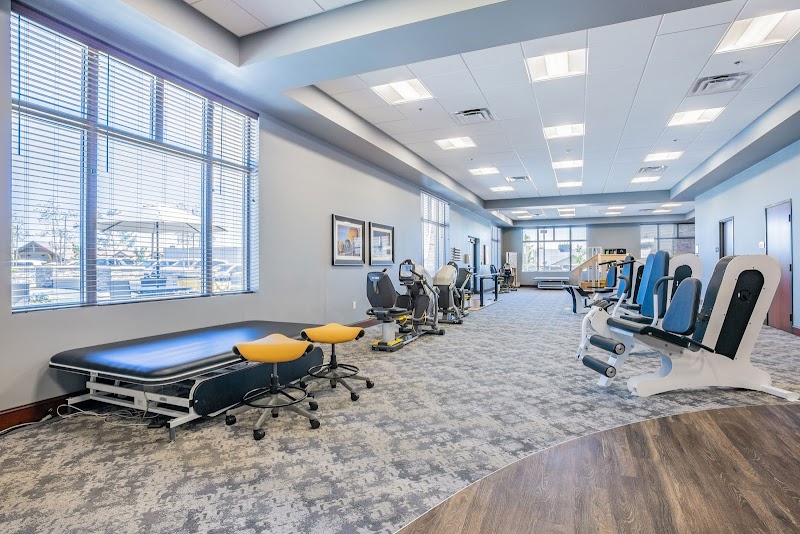
How is Aspire Transitional Care Staffed?

CMS rates ASPIRE TRANSITIONAL CARE's staffing level at 4 out of 5 stars, which is above average compared to other nursing homes. Staff turnover is 36%, compared to the Arizona average of 46%. This relatively stable workforce can support continuity of care.

What Have Inspectors Found at Aspire Transitional Care?

State health inspectors documented 27 deficiencies at ASPIRE TRANSITIONAL CARE during 2022 to 2025. These included: 27 with potential for harm.

Who Owns and Operates Aspire Transitional Care?

ASPIRE TRANSITIONAL CARE is owned by a for-profit company. For-profit facilities operate as businesses with obligations to shareholders or private owners. The facility is operated by THE GOODMAN GROUP, a chain that manages multiple nursing homes. With 50 certified beds and approximately 40 residents (about 80% occupancy), it is a smaller facility located in FLAGSTAFF, Arizona.
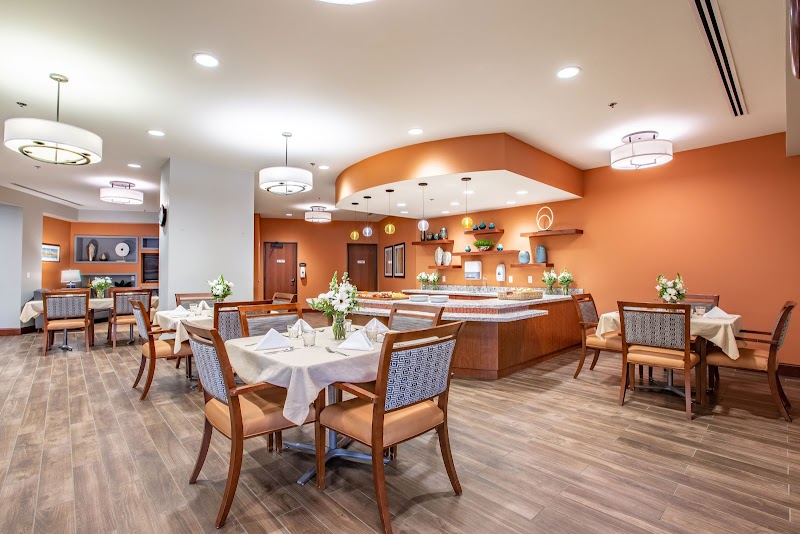
How Does Aspire Transitional Care Compare to Other Arizona Nursing Homes?

Compared to the 100 nursing homes in Arizona, ASPIRE TRANSITIONAL CARE's overall rating (2 stars) is below the state average of 3.3, staff turnover (36%) is significantly lower than the state average of 46%, and health inspection rating (2 stars) is below the national benchmark.

What Should Families Ask When Visiting Aspire Transitional Care?

Based on this facility's data, families visiting should ask: "Can I visit during a mealtime to observe dining assistance and food quality?" "How do you handle medical emergencies, and what is your hospital transfer rate?" "Can I speak with family members of current residents about their experience?"

Is Aspire Transitional Care Safe?

Based on CMS inspection data, ASPIRE TRANSITIONAL CARE has a clean safety record: no substantiated abuse findings (meaning no confirmed cases of resident harm), no Immediate Jeopardy citations (the most serious violation level indicating risk of serious injury or death), and is not on the Special Focus Facility watch list (a federal program monitoring the lowest-performing 1% of nursing homes). The facility has a 2-star overall rating and ranks #100 of 100 nursing homes in Arizona. While no facility is perfect, families should still ask about staff-to-resident ratios and recent inspection results during their visit.

Do Nurses at Aspire Transitional Care Stick Around?

ASPIRE TRANSITIONAL CARE has a staff turnover rate of 36%, which is about average for Arizona nursing homes (state average: 46%). Moderate turnover is common in nursing homes, but families should still ask about staff tenure and how the facility maintains care continuity when employees leave.

Was Aspire Transitional Care Ever Fined?

ASPIRE TRANSITIONAL CARE has no federal fines on record. CMS issues fines when nursing homes fail to meet care standards or don't correct problems found during inspections. The absence of fines suggests the facility has either maintained compliance or corrected any issues before penalties were assessed. This is a positive indicator, though families should still review recent inspection reports for the full picture.

Is Aspire Transitional Care on Any Federal Watch List?

ASPIRE TRANSITIONAL CARE is not on any federal watch list. The most significant is the Special Focus Facility (SFF) program, which identifies the bottom 1% of nursing homes nationally based on persistent, serious quality problems. Not being on this list means the facility has avoided the pattern of deficiencies that triggers enhanced federal oversight. This is a positive indicator, though families should still review the facility's inspection history directly.