Fountain Hills Post Acute
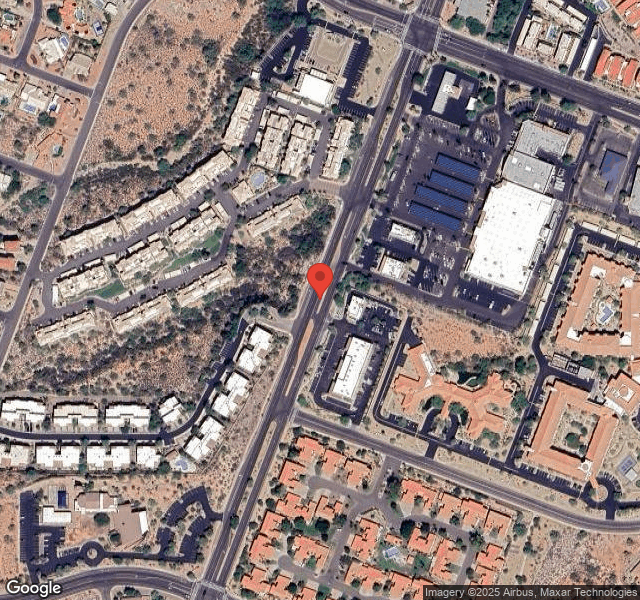
16300 EAST KEITH MCMAHAN DRIVE, FOUNTAIN HILLS, AZ 85268 (480) 836-4800
For profit - Corporation 64 Beds THE ENSIGN GROUP Data: November 2025
Trust Grade
75/100
#48 of 139 in AZ
Last Inspection: January 2024

Within standard 12-15 month inspection cycle. Federal law requires annual inspections.

Overview

Fountain Hills Post Acute has a Trust Grade of B, which indicates it is a good, solid choice among nursing homes. It ranks #48 out of 139 facilities in Arizona, placing it in the top half, and #37 out of 76 in Maricopa County, meaning there are only a few better local options. The facility is showing an improving trend, reducing issues from 9 in 2022 to 3 in 2024. Staffing is a strength here with a 4 out of 5-star rating and a turnover rate of 43%, which is below the Arizona average of 48%, suggesting that staff are experienced and familiar with residents' needs. However, there have been concerning incidents, such as a resident waiting 12 hours for assistance after using their call light, and a failure to ensure a complete anti-seizure medication regimen for another resident, indicating lapses in meeting care requirements. Overall, while there are some weaknesses, the facility has many strengths that make it worth considering.

Trust Score
B
75/100
In Arizona
#48/139
Top 34%
Safety Record
Low Risk
No red flags
Inspections
Getting Better
9 → 3 violations
Staff Stability
○ Average
43% turnover. Near Arizona's 48% average. Typical for the industry.
Penalties
✓ Good
No fines on record. Clean compliance history, better than most Arizona facilities.
Skilled Nurses
✓ Good
Each resident gets 60 minutes of Registered Nurse (RN) attention daily — more than 97% of Arizona nursing homes. RNs are the most trained staff who catch health problems before they become serious.
Violations
⚠ Watch
13 deficiencies on record. Higher than average. Multiple issues found across inspections.
★★★★☆
4.0
Overall Rating
★★★★☆
4.0
Staff Levels
★★★★☆
4.0
Care Quality
★★★★☆
4.0
Inspection Score
Stable
2022: 9 issues
2024: 3 issues

The Good

  • 4-Star Staffing Rating · Above-average nurse staffing levels
  • 4-Star Quality Measures · Strong clinical quality outcomes
  • Full Sprinkler Coverage · Fire safety systems throughout facility
  • No fines on record
  • Staff turnover below average (43%)

    5 points below Arizona average of 48%

Facility shows strength in staffing levels, quality measures, fire safety.

The Bad

Staff Turnover: 43%

Near Arizona avg (46%)

Typical for the industry

Chain: THE ENSIGN GROUP

Part of a multi-facility chain

Ask about local staffing decisions and management

The Ugly 13 deficiencies on record

Mar 2024 1 deficiency
CONCERN (D) 📢 Someone Reported This

A family member, employee, or ombudsman was alarmed enough to file a formal complaint

Potential for Harm - no one hurt, but risky conditions existed

Free from Abuse/Neglect (Tag F0600)

Could have caused harm · This affected 1 resident

**NOTE- TERMS IN BRACKETS HAVE BEEN EDITED TO PROTECT CONFIDENTIALITY** Based on record review, facility documentation, staff and resident interviews, and facility policy and procedures, the facility ...

Read full inspector narrative →
**NOTE- TERMS IN BRACKETS HAVE BEEN EDITED TO PROTECT CONFIDENTIALITY** Based on record review, facility documentation, staff and resident interviews, and facility policy and procedures, the facility failed to protect the right of one resident(#10) to be free from abuse by staff. The deficient practice could result in residents being abused. Findings include: Resident #10 was admitted to the facility on [DATE] with diagnoses that included post traumatic stress disorder, generalized muscle weakness, and bipolar disorder. Review of the care plan for activities of daily living (ADLs) dated November 26, 2023 revealed that the resident had a performance deficit related to weakness. The resident required extensive assistance with bed mobility and was totally dependent with transfers, toileting, and dressing. The bowel and bladder incontinence care plan dated December 3, 2023 included the interventions to use disposable briefs and change as needed; check as required for incontinence; wash, rinse and dry perineum; and, change clothing as needed after incontinence episodes. The Minimum Data Set (MDS) assessment dated [DATE] included a Brief Interview for Mental Status (BIMS) score of 13 indicating the resident was cognitively intact. The MDS also revealed that the resident required substantial/maximal assistance with rolling left to right while lying in bed. Review of the task sheet for bowel incontinence dated dated February 27, 2024 at 5:59 p.m. revealed that the resident was incontinent of bowel and was provided assistance by a certified nursing assistant (CNA/staff #13). Review of a brief interview for mental status dated March 2, 2024 revealed a score of 15 indicating the resident was cognitively intact. Review of a written interview conducted on March 4, 2024 at 9:00 a.m. by the Director of Nursing (DON/staff #1) with staff #13, revealed that he provided resident #10 with continence care on February 27, 2023 and she was soaked, so he changed her bed linens and her clothes. He stated that he cleaned her back up to the shoulders and used the back of one hand to lift her breast while cleaning underneath with the other hand and this is the way he handled female breasts. The written interview revealed that staff #13 stated that he never massaged the resident or any other residents, but acknowledged that he probably spends more time in the resident's room than he should to talk to her. An interview was conducted on March 5, 2024 at 2:12 p.m. with resident #10, who stated that on March 27, 2024 in the late afternoon, she pressed her call-light. Resident #10 stated that CNA/staff #13 came into her room and she requested that he change her brief. She stated that staff #13 removed her brief, wiped her gential area, and put on a clean brief. Resident #10 then stated that staff #13 removed her top because it was wet at the back a few inches from the bottom of the shirt and she was not wearing a bra. She stated that she was still on her left side and staff #13 was standing behind her when he began wiping her with a new clean wipe on her back all the wall up to her armpit area and she did not feel that that area needed to be cleaned. The resident (#10) stated that she was talking about how stressed she was on her wedding day and staff #13 began massaging her neck and shoulders and was talking about stress. Resident #10 continued and said staff #13 then rolled her on to her back and began wiping up her belly and stopped just below the breasts, and began wiping her arms, the bicep area, and under her arms. She stated that he then began wiping under her breasts and on top of her breasts and said, we can't forget the breasts. She stated that she was very uncomfortable and shut down. She stated that after he was done, he acted like nothing happened and stated that this has affected her sleep patterns because she was afraid that he was going to come back. -Resident #36 was admitted to the facility on [DATE] with diagnoses that included disassociative and conversion disorder, post traumatic stress disorder, and generalized muscle weakness. Review of the care plan dated July 19, 2023 revealed that the resident had an Activities of Daily Living (ADL) self care performance deficit related to rheumatoid arthritis. Interventions included a one person assist with bed mobility, transfers, toileting, dressing, and eating. The MDS dated [DATE] included a BIMS score of 15 indicating the resident was cognitively intact. The MDS also included that the resident had no hallucinations or delusions during the look-back period and the resident required partial/moderate assistance with showering. Review of the shower task sheet dated dated February 27, 2024 at 8:05 a.m. revealed that the resident was provided assistance with showering by a certified nursing assistant (CNA/staff #13). An interview was attempted on March 5, 2024 at 3:19 p.m. with staff #13, who stated that this was a legal matter and declined to interview. An interview was conducted on March 6, 2024 at 8:09 a.m. with resident #36, who stated that she was watching a detective show in her room and staff #13 came in and tried to massage her arms, but she told him that she did not need anyone massaging her arms. She stated that staff #13 was always hanging around their room. She stated that one time, she could see staff #13's shoes when she looked underneath the curtain between her and resident #10's side of the room. She stated that she asked him what he was doing and he told her that he was going to change the resident, but didn't want to bother her because resident #10 was sleeping. She stated that staff #13 remained in the room for approximately 5 more minutes, but she did not know what he was doing. She was not able to verify when this occurred. An interview was conducted on March 6, 2024 at 9:35 a.m. with (CNA/staff #58), who stated that she has had training on continence care and had provided care for resident #10. She stated that the resident was able to tell staff when she was soiled. Staff #58 stated that the resident's shirt do get wet, but it was usually in the back and if it was wet in the front, it was usually only a little bit. However, she would still clean the abdominal area and if she needed to clean under the resident's breasts, she would ask the resident to hold them up, while she cleaned underneath. She stated that she usually gives the resident a wipe to clean her arms and underarms because the resident was able to do this for herself, but struggled under the breast area. Staff #58 stated that she did not feel comfortable cleaning the resident's actual breast area and the resident was capable of cleaning the breast area herself. She stated that the resident told her that she did not want a male providing pericare and she reported it to the nurse. The resident told her that she had been molested by a male CNA. An interview was conducted with on March 6, 2024 at 1:11 p.m. with the (DON/staff #1), who stated that staff #13 had been terminated for refusing to interview and follow facility protocol. She stated that CNAs are taught to use massage to alleviate pain, but massage is not appropriate during continence care and the resident should be clothed. The facility policy, Freedom From Abuse, Neglect, Exploitation revised October 2023 states that it is the policy of this facility that each resident has the right to be free from abuse, neglect, misappropriation of resident property, and exploitation.
Jan 2024 2 deficiencies
CONCERN (D)

Potential for Harm - no one hurt, but risky conditions existed

Deficiency F0658 (Tag F0658)

Could have caused harm · This affected 1 resident

**NOTE- TERMS IN BRACKETS HAVE BEEN EDITED TO PROTECT CONFIDENTIALITY** Based on review of clinical records and policy, observations, and staff interviews the facility failed to ensure a complete anti...

Read full inspector narrative →
**NOTE- TERMS IN BRACKETS HAVE BEEN EDITED TO PROTECT CONFIDENTIALITY** Based on review of clinical records and policy, observations, and staff interviews the facility failed to ensure a complete anti-seizure medication regimen was administered to Resident # 295 within accepted professional standards of practice. The deficient practice of incomplete medication administration does not align with accepted professional standards of practice and may result in undesirable quality of care. Findings Include: Resident # 295 was admitted on [DATE] with diagnoses of burn of unspecified degree of buttock, essential hypertension, and unspecified convulsions. The most recent admission Minimum Data Set (MDS) assessment revealed a Brief Interview for Mental Status (BIMS) score of 13 which indicated the resident was cognitively intact. On admission, Resident # 295 had the following anti-seizure medication regimen: Vimpat (Lacosamide) oral tablet 200 milligrams, give 1 table by mouth two times a day for seizures, dated January 22, 2024 and Lamotrigine oral tablet 25 milligrams, give 2 tablets by mouth one time a day for seizure, dated January 19, 2024. Review of the Medication Administration Record with Staff #23 revealed that Lacosamide had initially been added the medication onto the facility's system on January 19, 2024. Lacosamide (Vimpat) oral tablets were entered on January 22, 2024 but no dispensed documentaton was provided for administration. Review of medication dispensing machine/emergency kit on January 24, 2024 at 11:02 AM revealed Lacosamide was not included in the list of available medications. During an interview conducted with Resident # 295, she stated she had not been receiving one of her two anti-seizure medications for 3 days. This prompted a review of the Medication Administration Records (MAR) on January 22, 2024 at 12:42 PM. The MAR revealed Lacosamide medication order had not been administered to her since her admission on [DATE]. Additionally, the MAR revealed 5 attempts of medication administrations had passed before a hold and discontinue was placed on the initial order of Lacosamide. MAR revealed Lacosamide medication was later re-ordered January 22, 2024 at 0927. During an interview conducted on January 24, 2024 at 10:05 AM with a Registered Nurse (RN/Staff # 48) who stated that nurses input medication orders onto the electronic records prior to admissions. Staff # 48 further stated this allows planning ahead so medications are on hand upon admission of new residents. However, electronic orders are always verified by the medical doctor prior to getting sent to pharmacy. She stated that medications have always gotten here when we needed them, pharmacy makes multiple runs in a day, and if we call they will make an extra run. Staff # 48 also reviewed the MAR and determined resident should be taking the medication based on her orders which listed Lacosamide was part of her anti-seizure regimen. Staff # 48 noted upon review of the MAR that Lacosamide should have been administered on admission day or by the next medication pass, and it did not meet expectations that the Lacosamide was unavailable to the resident since her admission. During an interview conducted on January 24, 2024 at 10:35 AM with the Medical Director (Staff # 82) he stated that when residents are sent to this facility, the discharging facility who is sending the resident over, is responsible for sending all electronic orders to pharmacy. Staff # 82 also stated since Resident #295 had not had seizures recently and felt comfortable waiting for the medication to arrive. Staff # 82 further stated if there was a chance of seizure, Ativan could always be given if needed. Staff # 82 stated he also contemplated the option of sending Resident #295 to the emergency department to obtain the medication, however he believed they would be sending her back immediately. During an interview conducted on January 24, 2024 at 1:37 PM with a Pharmacy Representative (Staff # 91) who stated that the first Lacosamide prescription sent to the Pharmacy was January 21, 2024 at 11:25 PM after the facility learned it could not be processed due to not having an electronic signature per auditing records. Staff #91 further stated that although the facility's records showed the Lacosamide was added onto the facility's system, the medication was never sent over to the Pharmacy because it required a signature. During an interview conducted on January 25, 2024 at 11:36 AM with Registered Nurse (RN/Staff # 23) in the presence of Director of Nursing (DON/Staff # 46), Staff # 23 stated we input all orders, however they have to be verified by the doctor. If a resident does not receive their order: we will call the doctor and pharmacy, and obtain the medication from the medication dispensing machine/emergency kit if available. Staff #23 revealed she had a secure communication with the Medical Director on January 21, 2024 when she noted that Lacosamide was unavailable to Resident # 295, Hi again. Pt was admitted on 1/19 and was sent with orders for Lacosamide 200 mg 1 tab BiD for seizures. We have not received any medication. I called Pharmacy and they do not have any prescriptions in their system. Could you escribe it over?. Staff # 23 the stated she was unavailable to communicate with Medical Director prior to January 21, 2024 because she was not working in the facility prior to January 21, 2024. A second interview was conducted on January 25, 2024 at 12:00 PM with Staff #82 while he reviewed medical records. Staff #82 stated we do not get many residents from the county. Now I see county did not send the medications over to pharmacy they only listed them on her discharge documents. Staff # 82 stated normally there is a picture of signed scripts on the discharge documentation. Staff #82 stated it does not meet expectations, and that Resident #295 should have received medication next scheduled administration after her admission. The policy and procedure document titled Nursing Clinical, Nursing Services - Physician Orders (reviewed Aug/2023) revealed that admission orders are reviewed with the Physician upon admission based on the discharge instructions from the discharging facility and are transcribed accordingly. The policy and procedure document titled, Clinical - Medication Management (reviewed July/2023) revealed unless otherwise specified by the resident's attending physician, routing medications will be administered per the facility time ranges within 1 hour before and 1 hour after the ordered time frame. Should a drug be withheld, refused, or given other than the scheduled time, the staff administering must indicate the reason on the MAR. Medication that has not arrived from the pharmacy should be pulled from the Stat Safe if available. If not available in the Stat Safe, the provider should be notified to determine if alternative medication, that is available in Stat Safe, should be given and order written for temporary medication, if applicable. It is the policy of this facility, medication shall be administered as prescribed by the resident's physician, nurse practitioner, or physician's assistant.
CONCERN (D)

Potential for Harm - no one hurt, but risky conditions existed

Accident Prevention (Tag F0689)

Could have caused harm · This affected 1 resident

**NOTE- TERMS IN BRACKETS HAVE BEEN EDITED TO PROTECT CONFIDENTIALITY** Based on review of clinical records and policy, observations, and staff interviews the facility failed to ensure cautionary slip...

Read full inspector narrative →
**NOTE- TERMS IN BRACKETS HAVE BEEN EDITED TO PROTECT CONFIDENTIALITY** Based on review of clinical records and policy, observations, and staff interviews the facility failed to ensure cautionary slippery-floor safety signs were present near a hazardous area for Resident #295. The deficient practice of reduced safety measures may result in a higher likelihood of accidental falls. Findings Include: Resident #295 was admitted on [DATE] with diagnoses of burn of unspecified degree of buttock, muscle weakness, abnormalities of gait and mobility, and unspecified convulsions. The most recent admission Minimum Data Set (MDS) assessment revealed a Brief Interview for Mental Status (BIMS) score of 13 which indicated the resident was cognitively intact. Care plan initiated on January 19, 2024, revealed a goal for Resident #295 was not to sustain serious injury due to risk for falls related to impaired mobility. On January 22, 2024 at 9:34 AM, Resident #295 was observed walking in front of room [ROOM NUMBER] with Physical Therapist (PT/Staff #81). On January 22, 2024 at 9:34 AM, an observation of room [ROOM NUMBER] revealed pooling of liquid on the floor at the doorway and into the facility's hallway. The pooled liquid covered approximately 75% of the door's width and extended a distance outside of the door which was approximately 25-33% of the width of the hallway. This liquid appeared to be water due to its transparency, however it was the facility's cleaning solution that was being used to mop the floor inside room [ROOM NUMBER] by Housekeeping/Staff #67. No cautionary slippery-floor safety signs were present in this area. An interview was conducted with Staff #67 who stated caution signs are always required when cleaning the floor. Staff #67 stated that the cleaning cart she was using was her usual cart and did not have a caution sign. On January 22, 2024 at 9:52 AM, an interview was conducted with Physical Therapist (PT/Staff #81) who stated making the initial therapy evaluation of Resident #295. She stated while walking the hallway earlier she saw the water on the floor outside of room [ROOM NUMBER] and tried to keep Resident #295 on the other side of the wet area. She added that having water on the floor where the residents are walking did not meet her expectations. On January 24, 2024 at 9:01 AM, an interview was conducted with Maintenance Supervisor/Staff # 45 who stated rooms are mopped daily with a cleaner of prediluted bleach and water. Staff #45 stated the cleaning process includes mopping the solution slightly past the resident's room door into the hallway. Staff #45 stated that it is expected to have the sign, caution slippery when wet sign placed at all times while mopping. Staff #45 stated if there are no wet floor caution signs residents may slip. On January 24, 2024 at 2:15 PM, an interview was conducted with Director of Nursing (DON/Staff # 46) who stated staff should have a caution sign when the floor is being mopped. The DON stated she would not want residents walking near a wet area. She further stated that the expectation is that a cone is out there whenever the floor is wet. The policy and procedure document titled Nursing, Resident Assessment - Fall Management System (reviewed Nov/2023) revealed that the facility is committed to promoting resident autonomy by providing an environment that remains free of accident hazards as possible. Furthermore, the policy of this facility to provide each resident with appropriate assessment and interventions to prevent falls and to minimize complications if a fall occurs.
Oct 2022 9 deficiencies
CONCERN (D)

Potential for Harm - no one hurt, but risky conditions existed

Deficiency F0552 (Tag F0552)

Could have caused harm · This affected 1 resident

**NOTE- TERMS IN BRACKETS HAVE BEEN EDITED TO PROTECT CONFIDENTIALITY** Based on clinical record review, staff interviews, and policy review, the facility failed to ensure one resident (#21) was infor...

Read full inspector narrative →
**NOTE- TERMS IN BRACKETS HAVE BEEN EDITED TO PROTECT CONFIDENTIALITY** Based on clinical record review, staff interviews, and policy review, the facility failed to ensure one resident (#21) was informed in advance of the risks and benefits of psychoactive medications. The sample size was 2. The deficient practice could result in residents and/or their representatives not being made aware of the risks and benefits of psychoactive medications. Findings include: Resident #21 was admitted to the facility on [DATE] with diagnoses that included major depressive disorder, anxiety disorder, and unspecified mood (affective) disorder. Review of physician orders revealed an order dated September 22, 2022 for Bupropion (antidepressant), and an order dated September 28, 2022 for Citalopram for depression. A care plan initiated on September 26, 2022 stated the resident was on antidepressant medication use related to depression as evidenced by sad affect, sleeplessness and social isolation. The interventions stated to educate the resident, family/caregivers about risks, benefits and the side effects of medication. Review of the admission MDS (minimum data set) assessment dated [DATE] revealed a BIMS (Brief Interview of Mental Status) score of 15 indicating the resident had intact cognition. The active diagnoses included anxiety disorder and depression. The MDS assessment indicated the resident received an antidepressant medication for 7 days of the 7 days lookback period. Review of the MARs (Medication Administration Records) dated September 2022 and October 2022 revealed resident #21 received the two antidepressant medications Bupropion and Citalopram per physician order. However, continued review of the clinical record revealed no evidence that the resident or the responsible party was informed of the risks and benefits for the use of the two antidepressant medications Bupropion and Citalopram. On October 19, 2022 at 10:33 a.m., the DON (Director of Nursing/staff #11) stated the consents for these two antidepressant medications were not available. An interview was conducted on October 20, 2022 at 12:35 p.m. with a registered nurse (RN/staff #10). Staff #10 stated psychotropic medications that are given routinely must have a physician order and a consent from the resident or POA (Power of Attorney), otherwise the medication cannot be administered. Staff #10 further stated that even if a physician ordered a psychotropic medication, if the resident did not give a consent, the physician had to be notified to discontinue the order. An interview was conducted on October 20, 2022 at 1:04 p.m. with the DON (staff #11). Staff #11 stated her expectation with regards to psychotropic medications is that it must have consent. Staff #11 stated the psychotropic medication cannot be given without consents, and that she would call the physician to discontinue the order. The DON stated that with regards to the medications Bupropion and Citalopram for resident #21, she cannot locate the consents. A facility policy, Psychoactive Medication, stated it is the policy of the facility to maintain every resident's right to be free from use of psychoactive medication. The use of a psychoactive medication must first be explained to the resident, family member, or legal representative. A consent is to be obtained either from the resident or responsible party if the resident is unable to give consent.
CONCERN (D)

Potential for Harm - no one hurt, but risky conditions existed

Notification of Changes (Tag F0580)

Could have caused harm · This affected 1 resident

**NOTE- TERMS IN BRACKETS HAVE BEEN EDITED TO PROTECT CONFIDENTIALITY** Based on clinical record review, staff interviews, and review of policy and procedures, the facility failed to ensure the provid...

Read full inspector narrative →
**NOTE- TERMS IN BRACKETS HAVE BEEN EDITED TO PROTECT CONFIDENTIALITY** Based on clinical record review, staff interviews, and review of policy and procedures, the facility failed to ensure the provider received notification of an unwitnessed fall regarding one resident (#84). The sample size was 12. The deficient practice could result in delayed care. Findings include: Resident #84 was admitted to the facility on [DATE] with diagnoses that included encephalopathy, unspecified dementia, anxiety, and bipolar disorder. A risk for falls care plan was initiated on 10/14/22 related to dementia, psychoactive drug use, and weakness. The goal was for the resident not to sustain serious injury. Interventions included encouraging the resident to participate in activities that promote exercise and physical activity for strengthening and improved mobility. The Fall Risk Evaluation dated 10/14/22 revealed the resident was assessed to be at high risk for falls. The nursing progress note dated 10/17/22 at 7:24 a.m. revealed the resident was found on the floor by the bedside during the midnight round. The note stated that upon assessment, no injuries were found and the resident was assisted back to bed. The note included the resident was not able to say how the fall occurred, that the resident had altered mental status, and mostly spoke another language other than English. The note stated the resident was medicated with as needed pain and antianxiety medications, and that attempts to reach the resident's representative were unsuccessful. Review of the Neurological Worksheet dated 10/17/22 beginning at 12:45 a.m. revealed neurological checks were completed. A Fall Risk Evaluation dated 10/17/22 at 11:59 p.m. revealed the resident was assessed to be at high risk for falls. The care plan was revised on 10/17/22 to include frequent visual checks by staff. However, review of the clinical record revealed no evidence the provider had been notified of the resident's fall. On 10/20/22 at 9:29 a.m., an interview was conducted with a Registered Nurse (RN/staff #10). She stated that when a resident has a fall, the process includes assessing the resident and obtaining vital signs before the resident is moved/assisted back into bed. The RN stated if the resident is disoriented and/or cannot state whether they hit their head or not, she will begin neuro checks. The RN stated that she will call the provider and the Director of Nursing (DON). She stated that she will document a progress note in the resident's clinical record. The RN stated that a fall is considered a change of condition and that follow up would continue for 3 days. An interview was conducted on 10/20/22 at 11:21 a.m. with the DON (staff #11). She stated that her expectations regarding the nurse responding to a fall would include completing a head-to-toe assessment, taking the resident's vital signs, assessing range of motion and cognition changes, and beginning neuro checks. She stated the nurse should assess the situation and determine what may have happened. The DON stated the nurse should notify the provider and family members, and that she would be notified by text. She stated the nurse should obtain any new orders and address the injuries and/or pain. The DON stated the nurse should make sure the resident is safe, and that new interventions are input into the resident's care plan. She stated that all of this should be documented in a progress note. The DON stated the interdisciplinary follow-up note would be completed after the risk management note and will show up in the progress notes. Review of the facility policy titled Fall Management System, reviewed 05/2022, revealed the facility is committed to promoting resident autonomy by providing an environment that remains as free of accident hazards as possible. Each resident is assisted in attaining or maintaining their highest practicable level of function through providing the resident adequate supervision, assistive devices and functional programs as appropriate to prevent accidents. It is the policy of the facility to provide each resident with appropriate assessment and interventions to prevent falls and to minimize complications if a fall occurs. When a resident sustains a fall, a physical assessment will be completed by a licensed nurse, with results documented in the nursing progress notes. The attending physician and family/responsible party shall be notified of the fall and the resident status. Review of the fall incident will include investigation to determine probable causal factors considering environmental factors, resident medical condition, resident behavioral manifestations, and medical or assistive devices that may be implicated in the fall. The investigation will be reviewed by the interdisciplinary team. Results of the investigation will be documented in the resident's clinical record.
CONCERN (D)

Potential for Harm - no one hurt, but risky conditions existed

Deficiency F0608 (Tag F0608)

Could have caused harm · This affected 1 resident

**NOTE- TERMS IN BRACKETS HAVE BEEN EDITED TO PROTECT CONFIDENTIALITY** Based on clinical record review, staff interviews, State Agency (SA) database, review of facility records, and review of policie...

Read full inspector narrative →
**NOTE- TERMS IN BRACKETS HAVE BEEN EDITED TO PROTECT CONFIDENTIALITY** Based on clinical record review, staff interviews, State Agency (SA) database, review of facility records, and review of policies and procedures, the facility failed to report an allegation of abuse regarding one sampled resident (#130), to the law enforcement agency within the required time frame. The deficient practice could result in more reasonable suspicions of crime not being reported. Findings include: Resident #130 was admitted to the facility on [DATE] with diagnoses that included wedge compression fracture of unspecified lumbar vertebra, contusion of left forearm, and generalized muscle weakness. An admission Minimum Data Set (MDS) assessment dated [DATE] included a BIMS (Brief Interview of Mental Status) score of 15 indicating resident #130 had intact cognition. The assessment stated the resident required extensive assistance with bed mobility, transfer, toilet use and personal hygiene with one-person physical assistance. Review of the State Agency (SA) Complaint/Incident Investigation Report, dated February 10, 2022 at 11:35 a.m. revealed the SA received a self-reported abuse allegation from the facility. The SA Complaint/Incident Investigation Report stated the resident and family member felt an agency aide and student had purposely kicked resident #130 during a transfer, and purposely mistreated the resident. Review of facility records did not reveal any documented evidence that the alleged abuse regarding resident #130 that occurred February 10, 2022 had been reported to law enforcement. On October 19, 2022 at 10:06 a.m., an interview was conducted with the current DON (director of nursing/staff #11). The DON stated that she reached out to the previous DON and facility leaders, and was told they could not find a facility investigation related to the alleged abuse. An interview was conducted with the current facility administrator (staff #51) on October 20, 2022 at 1:47 p.m. Staff #51 stated it is his expectation that the abuse policy is implemented and followed thoroughly. The facility's abuse policy, revised November 2018 stated the policy of the facility is that each resident has the right to be free from abuse, neglect, misappropriation of resident property, exploitation, and mistreatment. Ensure that all alleged violations involving abuse, neglect, exploitation or mistreatment, including injuries of unknown source and misappropriation of resident property, are reported to the administrator of the facility, the State Survey Agency, Adult Protective Services. Review of the facility's policy regarding Prevention of and Prohibition Against Abuse reviewed 9/2020, revealed it is the policy of the facility that each resident has the right to be free from abuse, neglect, misappropriation of resident property, and exploitation. Allegations of abuse, neglect, misappropriation of resident property, or exploitation will be reported outside the facility and to the appropriate State or Federal agencies in the applicable timeframes, per this policy and applicable regulations.
CONCERN (D)

Potential for Harm - no one hurt, but risky conditions existed

Investigate Abuse (Tag F0610)

Could have caused harm · This affected 1 resident

**NOTE- TERMS IN BRACKETS HAVE BEEN EDITED TO PROTECT CONFIDENTIALITY** Based on clinical record review, staff interviews, facility documentation, the State Agency (SA) database, and policy review, th...

Read full inspector narrative →
**NOTE- TERMS IN BRACKETS HAVE BEEN EDITED TO PROTECT CONFIDENTIALITY** Based on clinical record review, staff interviews, facility documentation, the State Agency (SA) database, and policy review, the facility failed to ensure that an allegation of abuse was investigated regarding one sampled resident (#130). The deficient practice could result in further allegations of abuse not being investigated. Findings include: Resident #130 was admitted to the facility on [DATE] with diagnoses that included wedge compression fracture of unspecified lumbar vertebra, contusion of the left forearm, and generalized muscle weakness. The resident was discharged [DATE]. An admission Minimum Data Set (MDS) assessment dated [DATE] included a BIMS (Brief Interview of Mental Status) score of 15 indicating resident #130 had intact cognition. The assessment stated the resident required extensive assistance with bed mobility, transfer, toilet use and personal hygiene with one-person physical assistance. Review of the State Agency (SA) Complaint/Incident Investigation Report, dated February 10, 2022 at 11:35 a.m. revealed the SA received a self-reported abuse allegation from the facility. The allegation included that the resident and family member felt an agency aide and student had purposely kicked resident #130 during a transfer, and purposely mistreated the resident. Review of the facility documentation revealed no evidence that the facility completed an abuse investigation related to the alleged physical and mental abuse. On October 19, 2022 at 10:06 a.m., an interview was conducted with the Director of Nursing (DON/staff #11), who stated that she had reached out to the previous DON and leaders, and was told they could not find the facility investigation related to the alleged abuse. An interview was conducted with the facility administrator (staff #51) on October 20, 2022 at 1:47 p.m. Staff #51 stated it is his expectation that the abuse policy is implemented and followed thoroughly, including the investigation process. The facility's abuse policy, revised November 2018 revealed each resident has the right to be free from abuse, neglect, misappropriation of resident property, exploitation, and mistreatment. All allegations of abuse, neglect, misappropriation of resident property, and exploitation will be promptly and thoroughly investigated by the administrator or his/her designee.
CONCERN (D)

Potential for Harm - no one hurt, but risky conditions existed

Deficiency F0692 (Tag F0692)

Could have caused harm · This affected 1 resident

**NOTE- TERMS IN BRACKETS HAVE BEEN EDITED TO PROTECT CONFIDENTIALITY** Based on clinical record review, resident and staff interviews, and review of policies, the facility failed to ensure two sample...

Read full inspector narrative →
**NOTE- TERMS IN BRACKETS HAVE BEEN EDITED TO PROTECT CONFIDENTIALITY** Based on clinical record review, resident and staff interviews, and review of policies, the facility failed to ensure two sample residents (#3 & #14) were consistently provided care and services to maintain acceptable parameters of nutritional status. The deficient practice could result in residents with unplanned weight loss and dehydration. Findings include: -Resident #3 admitted to the facility on [DATE] with diagnoses that included Parkinson's disease, Alzheimer's disease, and aphasia. A nutritional problem/potential nutritional problem care plan dated 05/03/21 related to abnormal labs, impaired cognition, and leaving 25% or more at meals, had a goal for the resident to maintain adequate nutritional status as evidenced by no significant weight changes. Interventions stated for the registered dietician to evaluate and make diet change recommendations. A physician order dated 09/02/21 included weekly weights, every day shift, every Tuesday per protocol. The annual Minimum Data Set assessment dated [DATE] revealed the resident had been assessed to have severely impaired cognition, and required total 1-person physical assistance for most activities of daily living, including eating. Review of a Quarterly Nutrition Review dated 08/25/22 revealed the resident weighed 115.4 pounds on 08/09/22. Per the review, the resident's weight had been stable for the past 90 days, with a 7% weight gain within the previous 180 days. The Weight Summary revealed the resident weighed 116.2 pounds on 09/06/22. The Weight Summary revealed the resident weighed 94.0 pounds on 09/20/22, for a loss of 19.10% within a 30-day period. The potential nutritional problem care plan was revised 09/23/22 to include a note regarding the significant weight loss in the previous 30 days, which was stated to be a possible error. The resident's skin was described as intact and according to the note, there were no new labs for review. Continued review of the clinical record revealed no evidence the resident had been assessed by the registered dietitian and/or the provider to address the significant loss of weight. In addition, no new interventions were identified in the resident's care plan. A physician order dated 10/06/22 revealed a regular diet, pureed texture, thin liquids consistency, screening for nutritional problems three times a day for significant weight loss, and 8 ounces of extra fluids with meals. Further review of the clinical record revealed the resident's weight was not obtained until 10/18/22, when the resident's weight was documented at 96.3 pounds. On 10/20/22 at 9:17 a.m., an interview was conducted with a Registered Nurse (RN/staff #10). She stated that weekly weights are obtained to identify significant weight loss, meaning 5 pounds or more. She stated that she works in the facility regularly, so even if the weights were not being completed she would notice whether the residents looked different (e.g., sunken cheeks or lack of skin turgor). She stated that she would also ask the Certified Nursing Assistants (CNAs) about the resident's appetite. The RN stated that if she noticed that a resident was not being weighed as ordered, she would take the weight immediately. She stated that it would not be appropriate not to follow the physician's orders. She stated that if a nurse thinks the order was not necessary, they must call the provider for approval to discontinue it. The RN stated that if the resident had a significant weight change, the weight on the resident's electronic profile would be red. The RN stated that before she panicked, she would re-weigh the resident. The RN stated the process for significant weight loss would include calling the doctor to report, obtaining new orders, following recommendations, and referral to the dietician. An interview was conducted on 10/20/22 at 10:21 a.m. with the Registered Dietician Nutritionist (RDN/staff #45). She stated that in order to conduct a good nutritional assessment, she would need to obtain the resident's height, weight, labs, and history data. She stated the residents who may be at risk for nutritional deficiencies will be identified. She stated that typically, she will rely on a gatekeeper, in this case the food service manager. She stated that if it was not identified previously, and weights were not being monitored, they will review the intake records, and complete a visual assessment (nutrition focused physical exam) if there was a lot of data. The RDN stated the only way she would have known the resident had lost weight would be for the resident's weight to have been triggered in red on the clinical record. The RDN stated that now the resident has been weighed and has triggered in the red, she would know the resident has had a significant weight change. She stated that it will be imperative to involve the provider as well. On 10/20/22 at 11:21 a.m., an interview was conducted with the Director of Nursing (DON/staff #11). She stated if the physician order reflected weekly weights, her expectation would be the resident would be weighed on a weekly basis. She stated that if the resident refused, it should be documented. The DON stated the risks for not following the physician order would include lack of monitoring of nutrition and hydration status. The facility policy titled Nutrition, reviewed 07/2022, revealed it is the policy of the facility to ensure that all residents maintain acceptable parameters of nutritional status, such as body weight and protein levels, unless the resident's clinical condition demonstrates that this is not possible. Each resident's nutritional status is assessed on admission and at least quarterly thereafter. Each resident is to be weighed upon admission, weekly weights for 4 weeks, and monthly weight thereafter unless otherwise specified by the attending physician. Monthly weights are to be completed and reviewed by the Registered Dietician, Dietary Technician and/or designee. Any resident weight that varies from the previous reporting period by 5% in 30 days, 7.5% in 90 days, and 10% in 180 days will be evaluated by the interdisciplinary team to determine the cause of weight loss/gain, interventions required, and need for further recommendation and/or referral. The family member/responsible party and attending physician will be notified. Care plans will be updated or revised as needed. -Resident #14 was admitted to the facility on [DATE] with diagnoses that included pneumonitis due to inhalation of food and vomit, type 2 diabetes mellitus without complications and chronic obstructive pulmonary disease. Review of the admission Minimum Data Set (MDS) assessment dated [DATE] revealed the resident scored 14 on the Brief Interview for Mental Status (BIMS) assessment, indicating intact cognition. The resident required extensive 2+ person physical assistance for most activities of daily living (ADLs), and received anticoagulant medication for 7 out of the 7 days in the lookback period. A potential fluid deficit care plan dated 10/14/22 related to nothing by mouth status had a goal for the resident to be free from symptoms of dehydration, to maintain moist mucous membranes and good skin turgor. Interventions stated to monitor/document/report to the medical doctor as needed for any signs or symptoms of dehydration. A physician order dated 10/15/22 included ice chips for breakfast, lunch, and dinner, per request of the resident, before meals. The order indicated the request had been received from Speech Therapy. Review of the October 2022 Medication Administration Record (MAR) revealed the resident received ice chips on 10/15/22 and 10/16/22. However, the MAR revealed the resident received ice chips only once, on 10/17/22 at 11:00 a.m. On 10/18/22 at 9:37 a.m., an interview was conducted with resident #14. She stated that she is supposed to receive ice chips 3 times per day, but that staff will not give it to her unless she keeps asking multiple times. The resident stated that she feels the staff do not take her need for ice as seriously as other residents who receive food. The resident stated that she had been assessed by the speech therapist as safe to receive ice chips, and that now that she is unable to eat, getting ice chips was a big deal to her. Review of the October 2022 MAR revealed the resident received ice chips on 10/18/22 at 11:00 a.m. The MAR also revealed the resident did not receive ice chips on 10/19/22 at 7:00 a.m. or 11:00 a.m. An interview was conducted on 10/19/22 at 1:49 p.m. with a Licensed Practical Nurse (LPN/staff #25). She stated that the resident had been cleared to receive ice chips, but that she aspirates on them. She stated that staff need to stay with the resident while she eats them. She stated that it was hard to stay in the resident's room because she did not have time to sit in there with the resident. The LPN stated that the nursing process and expectation is that she would call the provider to make a recommendation and explain her rationale. The LPN stated that it was not acceptable to not provide the ice chips as ordered. On 10/20/22 at 11:21 a.m., an interview was conducted with the Director of Nursing (DON/staff #11). She stated that if there is a physician order, she expects it to be followed. The DON stated that if nursing needs clarification, she expects clarification to be sought from the provider. She stated that she thought the nurses would know this process. The facility's policy regarding Physician Orders reviewed 8/2022 stated it is the policy of the facility to accurately implement orders in addition to medications orders (treatment, procedures) only upon the written order of a person duly licensed and authorized to do so in accordance with the resident's plan of care.
CONCERN (D)

Potential for Harm - no one hurt, but risky conditions existed

Respiratory Care (Tag F0695)

Could have caused harm · This affected 1 resident

**NOTE- TERMS IN BRACKETS HAVE BEEN EDITED TO PROTECT CONFIDENTIALITY** Based on clinical record review, staff interviews, and policy reviews, the facility failed to ensure respiratory care was provid...

Read full inspector narrative →
**NOTE- TERMS IN BRACKETS HAVE BEEN EDITED TO PROTECT CONFIDENTIALITY** Based on clinical record review, staff interviews, and policy reviews, the facility failed to ensure respiratory care was provided consistent with professional standards of practice for one resident (#19) by failing to ensure there was a physician order and ongoing care and monitoring for the use of a CPAP (continuous positive airway pressure) machine and not providing oxygen as ordered. The sample size was 2. The deficient practice could result in residents not having an order for the use of a CPAP machine and not receiving oxygen as ordered. Findings include: Resident #19 was admitted on [DATE] with diagnoses that included heart failure, other asthma, obstructive sleep apnea, and pleural effusion. An admission MDS (minimum data set) assessment dated [DATE] revealed resident #19 BIMS (brief interview of mental status) score was 11 which indicated moderate cognitive impairment. A physician order dated September 21, 2022 stated oxygen at 2 liters per minute via nasal cannula every shift for monitoring. Review of a physician progress note dated October 3, 2022 stated the resident is doing well on continuous oxygen with no specific complaints. Per the physician note, the resident is also using a CPAP machine. A physician progress note dated October 10, 2022 stated the resident is on oxygen and CPAP chronic. However, further review of the clinical record revealed no evidence of a physician order for CPAP machine, and no evidence of care and monitoring of the use of the CPAP machine. An observation was conducted on October 18, 2022 at 1:04 p.m. Resident #19 was observed seated in a wheelchair, with no oxygen on. There was an oxygen concentrator by the bedside that had oxygen tubing without a nasal cannula. A CPAP machine was observed on the nightstand. Resident #19 stated that he uses oxygen at night at 2 liters. The resident stated the physician told him to use the oxygen all the time to help him breathe better. Resident #19 stated the oxygen was not offered by the staff during the day, there is no nasal cannula. Resident #19 stated there is only a tubing on the oxygen because he had to attach it on the CPAP machine at night. Per resident #19, the nursing staff watches him when he attaches the oxygen on the CPAP machine every night. An interview was conducted on October 20, 2022 at 12:35 p.m. with a registered nurse (RN/staff #10). Per staff #10, the use of a CPAP machine must have a physician order, otherwise the staff would not know when to apply the device, how to maintain it such as putting in water, and how to prevent infection such as cleaning and replacing the mask, and the water reservoir. An interview was conducted on October 20, 2022 at 1:04 p.m. with the DON (Director of Nursing/staff #11). Staff #11 said her expectation for a CPAP machine and oxygen is there must be a physician order, per the facility policy. The DON stated if a physician order stated oxygen every shift, that means the resident is on continuous administration of oxygen therapy. The facility's policy Oxygen Administration stated it is the policy of the facility that oxygen therapy is administered as ordered by the physician. A facility policy, BIPAP/CPAP Monitoring and Management-Guideline, stated it is the policy of this facility that: 1. BiPAP/CPAP devices are administered as ordered by the physician for conditions such as Chronic Respiratory Failure, Respiratory Distress, and Sleep Apnea. 2. Interventions are implemented to minimize risks associated with BiPAP/CPAP. Obtain a physician order, and verify machine settings. For machines using humidification, fill the appropriate chamber, clean the chamber every evening before usage per manufacturer directions, and reassess the resident as needed in response to changes in physician orders, changes in the resident's condition, and in response to ventilator alarms.
CONCERN (D)

Potential for Harm - no one hurt, but risky conditions existed

Infection Control (Tag F0880)

Could have caused harm · This affected 1 resident

Based on observations, staff interviews, the CDC (Centers for Disease Control and prevention) and policy review, the facility failed to ensure visual alerts were posted to ensure everyone was aware of...

Read full inspector narrative →
Based on observations, staff interviews, the CDC (Centers for Disease Control and prevention) and policy review, the facility failed to ensure visual alerts were posted to ensure everyone was aware of the recommended infection control practices in the facility. The deficient practice could result in the spread of infection. Findings include: Upon entrance into the facility on October 19, 2022 at approximately 7:24 AM, it was observed that there was no signage posted on the door regarding infection prevention and control (IPC) practices in the facility. Review of the facility's resident matrix revealed residents in the facility had COVID. Observations conducted throughout the survey revealed no signage to inform visitors of appropriate IPC actions to take while in the facility. An interview was conducted on 10/20/22 at 9:09 AM with the Infection Control Prevention Specialist (staff #44) who stated there used to be signage that instructed what personal protective equipment (PPE) to wear while in the facility. An interview was conducted with the Director of Nursing (DON/staff #11) on 10/20/22 at 12:05 PM. The DON stated that the screening at the front desk is the signage of infection prevention practices for the facility. The DON stated individuals attest to the precautions for COVID when they screen in. The DON stated there is a physical posting by the double doors. On 10/20/22 at 12:20 PM, signage was observed on the outside wall of the facility that had a picture mask and said mask up. The CDC Interim Infection Prevention and Control Recommendations for Healthcare Personnel During the Coronavirus Disease 2019 (COVID-19) Pandemic updated September 23, 2022 stated to ensure everyone is aware of recommended IPC practices in the facility, post visual alerts (e.g., signs, posters) at the entrance and in strategic places (e.g., waiting areas, elevators, cafeterias). These alerts should include instructions about current IPC recommendations (e.g., when to use source control and perform hand hygiene). Review of the facility policy, Infection Prevention and Control Program revised 5/2022 revealed the infection prevention and control program is a facility-wide effort of all disciplines and individuals and is an integral part of the quality assurance and performance improvement program. The elements of the infection prevention and control program consist of coordination/oversight, policies/procedures, surveillance, data analysis, antibiotic stewardship, outbreak management, prevention of infection, and employee health and safety.
CONCERN (D)

Potential for Harm - no one hurt, but risky conditions existed

Deficiency F0919 (Tag F0919)

Could have caused harm · This affected 1 resident

**NOTE- TERMS IN BRACKETS HAVE BEEN EDITED TO PROTECT CONFIDENTIALITY** Based on observations, family and staff interviews, clinical record review, and review of policy, the facility failed to ensure ...

Read full inspector narrative →
**NOTE- TERMS IN BRACKETS HAVE BEEN EDITED TO PROTECT CONFIDENTIALITY** Based on observations, family and staff interviews, clinical record review, and review of policy, the facility failed to ensure the call light for one resident (#84) was appropriately placed within the resident's reach. The sample size was 12. The deficient practice could result in residents not having the means to communicate with staff and not receiving care or services in a timely manner. Findings include: Resident #84 was admitted to the facility on [DATE] with diagnoses that included encephalopathy, unspecified dementia, severe, anxiety, and bipolar disorder. A risk for falls care plan initiated on 10/14/22 related to dementia, psychoactive drug use, and weakness, had a goal the resident would not sustain serious injury. Interventions included keeping needed items, such as water, etc., in reach. On 10/18/22 at 10:17 a.m., an interview was conducted with the resident's representative. She stated the resident had fallen out of bed in the morning of the previous day. The representative stated that she did not know where the resident's call light was. There was no call light observed to be plugged into the wall over the resident's bed. After looking around the bed and the room for several minutes, the resident's representative stated the call light was in the drawer of the resident's bedside table. The bedside table was identified to be located across the room, approximately 4-5 feet from the resident's bed. An observation was conducted on 10/19/22 at 8:57 a.m. The resident was observed lying in bed with eyes closed. The resident's call light was observed in the drawer of the bedside table, across the room, disconnected, and not within the reach of the resident. On 10/19/22 at 8:59 a.m., an interview was conducted with a Certified Nursing Assistant (CNA/staff #28). She stated that she had been hired as a sitter for resident #84 beginning that morning at 6:00 a.m. She stated that she would be with the resident until 6:00 p.m. that evening. She stated that she had not noticed where the resident's call light was. An interview was conducted on 10/20/22 at 11:21 a.m. with the Director of Nursing (DON/staff #11). She stated that she would expect the call light to be within reach. The DON stated the call light should not be placed in a drawer, and that the risks to the resident would include falls and/or injuries. The facility policy titled Call Light/Bell, reviewed 05/2022, stated it is the policy of this facility to provide the resident a means of communicating with nursing staff. Place the call device within the resident's reach before leaving the room. If the call light/bell is defective, immediately report this information to the unit supervisor and communicate to the maintenance department immediately and complete a work order.
CONCERN (E)

Potential for Harm - no one hurt, but risky conditions existed

Deficiency F0725 (Tag F0725)

Could have caused harm · This affected multiple residents

**NOTE- TERMS IN BRACKETS HAVE BEEN EDITED TO PROTECT CONFIDENTIALITY** Based on the clinical record reviews, resident and staff interviews, facility document, and facility assessment, the facility fa...

Read full inspector narrative →
**NOTE- TERMS IN BRACKETS HAVE BEEN EDITED TO PROTECT CONFIDENTIALITY** Based on the clinical record reviews, resident and staff interviews, facility document, and facility assessment, the facility failed to ensure that there was sufficient nursing staff to meet the needs of multiple residents (#s 11, 19, 27, 85, 129, and 180). The census was 27. The deficient practice could result in residents' care needs not being met. Findings include: -Resident #11 was admitted on [DATE] with diagnoses that included fractures and other multiple trauma, aphasia, and Parkinson's disease. Review of the admission MDS (Minimum Data Set) assessment dated [DATE] revealed the BIMS (Brief Interview for Mental Status) was not completed. The MDS stated the resident was totally dependent on two staff with toilet use, and extensive assistance with personal hygiene, and eating. During an interview conducted with the resident on October 18, 2022 at 11:25 a.m., the resident stated that he put on his call light during the night and waited 12 hours for a staff member to come in to change his wet brief. -Resident #19 was admitted on [DATE] with diagnoses that included heart failure, other asthma, obstructive sleep apnea, and pleural effusion. An admission MDS assessment dated [DATE] revealed a BIMS score of 11 which indicated the resident had moderate cognitive impairment. The MDS revealed the resident needed extensive assistance with bed mobility, transfer, and personal hygiene. An interview was conducted with resident #19 on October 18, 2022 at 10:14 a.m. Resident #19 stated he had a fall with injuries but he does not recall when. The resident stated the staff answered his call bell, turned off the call bell, but the staff did not come back to provide his needs, and that it happens more frequently on weekends. -Resident #27 was admitted to the facility on [DATE] with diagnoses that included anemia, atrial fibrillation, and depression. Review of the admission MDS assessment dated [DATE] revealed a BIMS score of 14 indicating the resident had intact cognition. The MDS stated the resident needed supervision with activities of daily living. An interview was conducted on October 18, 2022 at 9:18 a.m. with resident #27. The resident stated that during the first week of his admission, he attempted to call 911 because he was having severe pain in the spine, and that he pressed the call bell but no staff responded for more than one hour. Resident #27 stated there was not enough staff especially on the weekend, it was impossible to get help. The resident stated the staff told him there was only one CNA (certified nursing assistant), and one nurse for the entire facility. The resident stated he does go to the dining room but the staff made him feel like he was a bother. The resident stated the staff would bring coffee but did not offer condiments. -Resident #85 was admitted to the facility on [DATE] with diagnoses that included hypertension, arthritis, and osteoporosis. Review of the admission MDS assessment dated [DATE] revealed a BIMS score of 15 indicating the resident had intact cognition. The MDS stated the resident always had urinary incontinence, and frequent bowel incontinence. The MDS also revealed the resident required extensive assistance with toilet use, bed mobility and transfer. An interview was conducted with resident #85 on October 18, 2022 at 9:51 a.m. Resident #85 stated she pressed her call light at 10:00 p.m., but the staff did not come until 4:00 a.m. -Resident #129 was admitted to the facility on [DATE] with diagnoses that included diabetes, Parkinson's disease, and atrial fibrillation. Review of the admission MDS assessment dated [DATE] revealed a BIMS of score 6 indicating the resident had severely impaired cognition. The MDS stated the resident needed extensive assistance with transfer and toilet use, supervision with eating, and limited assistance with personal hygiene. An interview was conducted with resident #129 on October 18, 2022 at 9:42 a.m. Resident #29 stated he was admitted to receive therapy because he cannot stand up or walk due to Parkinson's disease. Resident #29 stated there were times that he was hungry, he ordered more food from the staff, but the staff just walked away and the staff did not come back. Resident #29 stated he did not have to wait long for the call light to be answered when he wanted snacks. However, even though the staff answers the call bell, they do not come back. -Resident #180 was admitted to the facility on [DATE] with diagnoses that included atrial fibrillation, anemia, and diabetes. Review of the resident's admission MDS assessment dated [DATE] revealed a BIMS score of 15 indicating the resident had intact cognition. The MDS stated the resident had urinary incontinence occasionally, and needed extensive assistance with transfer and toilet use, and supervision with personal hygiene. An interview was conducted with the resident on October 18, 2022 at 12:49 p.m. Resident #180 stated the call bell is not answered timely. The resident stated it takes more than one hour to get a response. Review of the facility assessment revealed the average daily census is 25, and that the facility averages 30 admissions and 25 discharges per month. The assessment also revealed the facility considers both census numbers and acuity levels that impact staffing needs, and staffs accordingly. The staffing assessment plan included one full time DON (director of nursing), one ADON (assistant director of nursing), one wound nurse, one full time MDS nurse, two RNs (registered nurse) for the morning shift and two RNs for the evening shift, 4 - 6 CNAs (certified nursing assistant) for the morning and evening shift, and one RNA (restorative nursing assistant). Review of the daily staffing documentation revealed the staff works 12-hour shift and revealed the following: October 19, 2022 - 3 CNAs for the morning shift, and 2 CNAs for the evening shift. October 20, 2022 - 2 CNAs for the morning shift, and 2 CNAs for the evening shift. October 21, 2022 - 2 CNAs for the morning shift, and 2 CNAs for the evening shift. During an interview conducted with a staff member (anonymous), the staff member stated skilled residents have higher acuity because they have complex care. The staff member stated it is very busy. The staff member stated with regards to adequate staffing, the level of attention and care needed is not being provided. An interview was conducted with the staffing coordinator (staff #17) on October 20, 2022 at about 9:30 a.m. Staff #17 stated the facility staffing was based on the census, not the facility assessment. An interview was conducted with the DON (staff #11) on October 20, 2022 at 10:00 a.m. Staff #11 stated the facility assessment is their emergency staffing plan. Staff #11 stated that since the acquisition, the facility changed the process to a new staffing grid and resident's acuity. Another interview was conducted on October 20, 2022 at 12:35 p.m. with the DON (staff #11). Staff #11 stated that she recognized the weekends are more of an issue because of lower coverage, and because of less core staff and more agency staff used in the facility. The DON stated the facility is more reliant with agencies on the weekend, and the facility is working on that.
Oct 2021 1 deficiency
CONCERN (D)

Potential for Harm - no one hurt, but risky conditions existed

Medication Errors (Tag F0758)

Could have caused harm · This affected 1 resident

**NOTE- TERMS IN BRACKETS HAVE BEEN EDITED TO PROTECT CONFIDENTIALITY** Based on clinical record review, staff interviews, and policy review, the facility failed to ensure an order for a PRN (as neede...

Read full inspector narrative →
**NOTE- TERMS IN BRACKETS HAVE BEEN EDITED TO PROTECT CONFIDENTIALITY** Based on clinical record review, staff interviews, and policy review, the facility failed to ensure an order for a PRN (as needed) psychotropic medication included a 14 day stop date and/or documentation by the prescribing practitioner regarding the rationale for extended use that indicated the duration for the PRN order, for one resident (#18). The sample size was 5. The deficient practice could result in residents receiving psychotropic medications that may not be necessary. Findings include: Resident #18 was admitted to the facility on [DATE] with diagnoses that included urinary tract infections site not specified, paroxysmal atrial fibrillation, Type 2 Diabetes Mellitus without complications, and unspecified dementia with behavioral disturbances. A review of the clinical record revealed a physician order dated September 9, 2021 for Lorazepam (anxiolytic) concentrate 2mg/ml (milligrams/milliliters) give 1 mg by mouth every 4 hours as needed for restlessness. Review of the Medication Administration Record (MAR) for September 2021 revealed the resident was administered PRN Lorazepam once on September 12, and twice on September 15 & 22. A review of October 2021 MAR revealed PRN Lorazepam was administered to the resident once on October 8 & 12. However, further review of the physician orders did not reveal an order for the duration of the PRN Lorazepam. In an interview conducted with a Registered Nurse (RN/staff #21) on October 14, 2021 at 12:51 p.m., the RN stated PRN psychotropic medications should have a stop date which is 14 days unless the resident is receiving hospice. An interview was conducted with the Assistant Director of Nursing (ADON/staff #1) on October 14, 2021 at 1:24 p.m. The ADON stated that PRN psychotropic medications should be ordered for 10-14 days and then a physician has to review it. Staff #1 reviewed the clinical record for staff #18 and acknowledged the PRN Lorazepam order did not have a stop date. The ADON stated that the resident is receiving hospice services and that their physician writes the orders. She stated that the PRN Lorazepam is an order from the hospice agency. The ADON also stated the hospice nurses comes to the facility 1 to 2 times a week to monitor the resident's medications. Review of the facility's Antipsychotic Medication Use policy revised December 2016, revealed residents will not receive PRN doses of psychotropic medications unless that medication is necessary to treat a specific condition that is documented in the clinical record. The need to continue PRN orders for psychotropic medications beyond 14 days requires that the practitioner document the rationale for the extended order and the duration of the PRN order will be indicated in the order.
Understanding Severity Codes (click to expand)
Life-Threatening (Immediate Jeopardy)
J - Isolated K - Pattern L - Widespread
Actual Harm
G - Isolated H - Pattern I - Widespread
Potential for Harm
D - Isolated E - Pattern F - Widespread
No Harm (Minor)
A - Isolated B - Pattern C - Widespread

Questions to Ask on Your Visit

  • "Can I speak with families of current residents?"
  • "What's your RN coverage like on weekends and overnight?"

Our Honest Assessment

Strengths
  • • No major safety red flags. No abuse findings, life-threatening violations, or SFF status.
  • • No fines on record. Clean compliance history, better than most Arizona facilities.
  • • 43% turnover. Below Arizona's 48% average. Good staff retention means consistent care.
Concerns
  • • 13 deficiencies on record. Higher than average. Multiple issues found across inspections.
Bottom line: Generally positive indicators. Standard due diligence and a personal visit recommended.

About This Facility

What is Fountain Hills Post Acute's CMS Rating?

CMS assigns Fountain Hills Post Acute an overall rating of 4 out of 5 stars, which is considered above average nationally. Within Arizona, this rating places the facility higher than 99% of the state's 100 nursing homes. This rating reflects solid performance across the metrics CMS uses to evaluate nursing home quality.

How is Fountain Hills Post Acute Staffed?

CMS rates Fountain Hills Post Acute's staffing level at 4 out of 5 stars, which is above average compared to other nursing homes. Staff turnover is 43%, compared to the Arizona average of 46%. This relatively stable workforce can support continuity of care.

What Have Inspectors Found at Fountain Hills Post Acute?

State health inspectors documented 13 deficiencies at Fountain Hills Post Acute during 2021 to 2024. These included: 13 with potential for harm.

Who Owns and Operates Fountain Hills Post Acute?

Fountain Hills Post Acute is owned by a for-profit company. For-profit facilities operate as businesses with obligations to shareholders or private owners. The facility is operated by THE ENSIGN GROUP, a chain that manages multiple nursing homes. With 64 certified beds and approximately 49 residents (about 77% occupancy), it is a smaller facility located in FOUNTAIN HILLS, Arizona.

How Does Fountain Hills Post Acute Compare to Other Arizona Nursing Homes?

Compared to the 100 nursing homes in Arizona, Fountain Hills Post Acute's overall rating (4 stars) is above the state average of 3.3, staff turnover (43%) is near the state average of 46%, and health inspection rating (4 stars) is above the national benchmark.

What Should Families Ask When Visiting Fountain Hills Post Acute?

Based on this facility's data, families visiting should ask: "Can I visit during a mealtime to observe dining assistance and food quality?" "How do you handle medical emergencies, and what is your hospital transfer rate?" "Can I speak with family members of current residents about their experience?"

Is Fountain Hills Post Acute Safe?

Based on CMS inspection data, Fountain Hills Post Acute has a clean safety record: no substantiated abuse findings (meaning no confirmed cases of resident harm), no Immediate Jeopardy citations (the most serious violation level indicating risk of serious injury or death), and is not on the Special Focus Facility watch list (a federal program monitoring the lowest-performing 1% of nursing homes). The facility has a 4-star overall rating and ranks #1 of 100 nursing homes in Arizona. While no facility is perfect, families should still ask about staff-to-resident ratios and recent inspection results during their visit.

Do Nurses at Fountain Hills Post Acute Stick Around?

Fountain Hills Post Acute has a staff turnover rate of 43%, which is about average for Arizona nursing homes (state average: 46%). Moderate turnover is common in nursing homes, but families should still ask about staff tenure and how the facility maintains care continuity when employees leave.

Was Fountain Hills Post Acute Ever Fined?

Fountain Hills Post Acute has no federal fines on record. CMS issues fines when nursing homes fail to meet care standards or don't correct problems found during inspections. The absence of fines suggests the facility has either maintained compliance or corrected any issues before penalties were assessed. This is a positive indicator, though families should still review recent inspection reports for the full picture.

Is Fountain Hills Post Acute on Any Federal Watch List?

Fountain Hills Post Acute is not on any federal watch list. The most significant is the Special Focus Facility (SFF) program, which identifies the bottom 1% of nursing homes nationally based on persistent, serious quality problems. Not being on this list means the facility has avoided the pattern of deficiencies that triggers enhanced federal oversight. This is a positive indicator, though families should still review the facility's inspection history directly.