ADVANCED HEALTH CARE OF GLENDALE
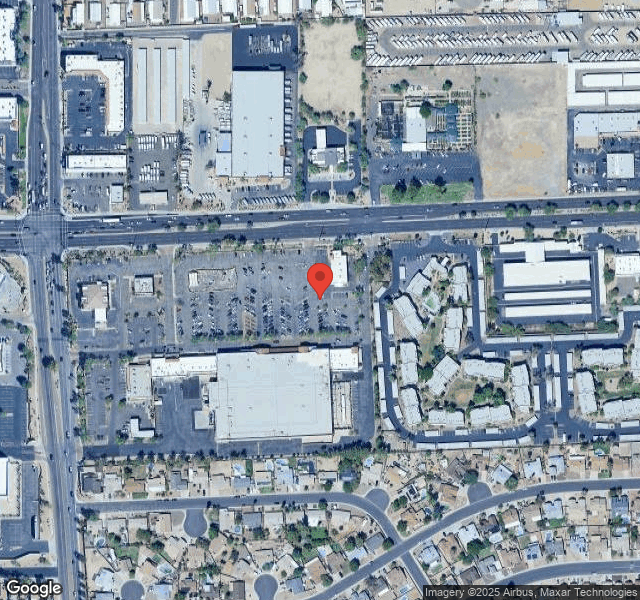
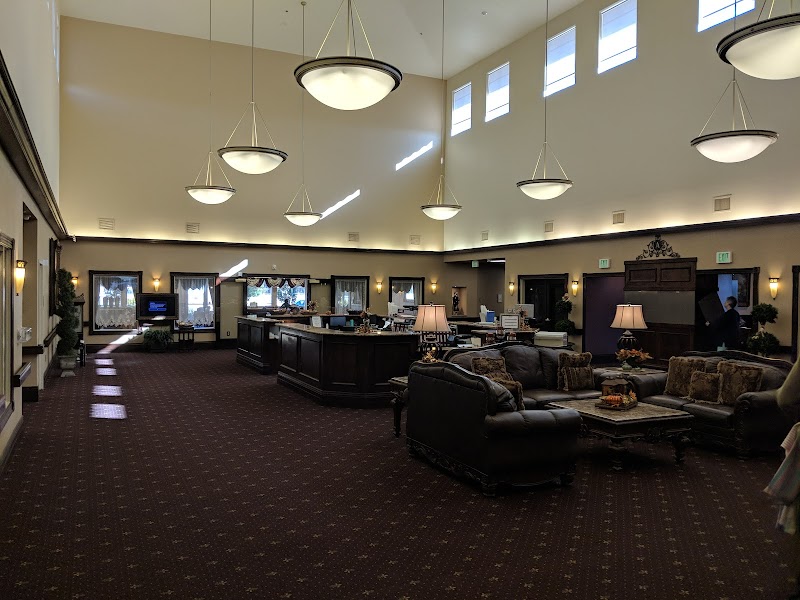
16825 NORTH 63RD AVENUE, GLENDALE, AZ 85306 (602) 732-3400
For profit - Corporation 54 Beds ADVANCED HEALTH CARE Data: November 2025
Trust Grade
90/100
#3 of 139 in AZ
Last Inspection: September 2024

Within standard 12-15 month inspection cycle. Federal law requires annual inspections.

Overview

Advanced Health Care of Glendale has received a Trust Grade of A, indicating it is considered excellent and highly recommended among nursing homes. It ranks #3 out of 139 facilities in Arizona, placing it in the top tier statewide, and #3 out of 76 in Maricopa County, suggesting only two local options are better. However, there is a trend of worsening care, with issues increasing from 1 in 2023 to 6 in 2024. Staffing is rated at 4 out of 5 stars, with a turnover rate of 49%, which is average compared to the state average of 48%, but the facility offers good RN coverage, exceeding 90% of Arizona facilities. While there have been no fines, which is a positive sign, recent inspections revealed concerns about resident dignity and privacy, including incidents where personal care was not adequately performed and staff entering rooms without knocking, which could lead to psychosocial harm. Overall, while there are strengths in staffing and a strong trust grade, families should be aware of the recent trends and specific incidents that indicate areas needing improvement.

Trust Score
A
90/100
In Arizona
#3/139
Top 2%
Safety Record
Low Risk
No red flags
Inspections
Getting Worse
1 → 6 violations
Staff Stability
⚠ Watch
49% turnover. Above average. Higher turnover means staff may not know residents' routines.
Penalties
✓ Good
No fines on record. Clean compliance history, better than most Arizona facilities.
Skilled Nurses
✓ Good
Each resident gets 83 minutes of Registered Nurse (RN) attention daily — more than 97% of Arizona nursing homes. RNs are the most trained staff who catch health problems before they become serious.
Violations
⚠ Watch
11 deficiencies on record. Higher than average. Multiple issues found across inspections.
★★★★★
5.0
Overall Rating
★★★★☆
4.0
Staff Levels
★★★★★
5.0
Care Quality
★★★★☆
4.0
Inspection Score
Stable
2023: 1 issues
2024: 6 issues

The Good

  • 4-Star Staffing Rating · Above-average nurse staffing levels
  • 5-Star Quality Measures · Strong clinical quality outcomes
  • Full Sprinkler Coverage · Fire safety systems throughout facility
  • No fines on record

Facility shows strength in staffing levels, quality measures, fire safety.

The Bad

Staff Turnover: 49%

Near Arizona avg (46%)

Higher turnover may affect care consistency

Chain: ADVANCED HEALTH CARE

Part of a multi-facility chain

Ask about local staffing decisions and management

The Ugly 11 deficiencies on record

Sept 2024 5 deficiencies
CONCERN (D)

Potential for Harm - no one hurt, but risky conditions existed

Resident Rights (Tag F0550)

Could have caused harm · This affected 1 resident

**NOTE- TERMS IN BRACKETS HAVE BEEN EDITED TO PROTECT CONFIDENTIALITY** Based on observations, resident and staff interviews, clinical record review, and policy review, the facility failed to ensure t...

Read full inspector narrative →
**NOTE- TERMS IN BRACKETS HAVE BEEN EDITED TO PROTECT CONFIDENTIALITY** Based on observations, resident and staff interviews, clinical record review, and policy review, the facility failed to ensure that dignity and privacy was maintained for one resident (#338). Findings include: Resident #338 was admitted on [DATE] with diagnoses that included pneumonia, edema, type 2 diabetes mellitus, depression, and anxiety. A review of clinical record Minimum Data Set (MDS) is still in process. During an interview conducted on September 24, 2024 at 11:11 am, the resident stated that she had a one bad experience. Staff #27 stated that they are not allowed to tell personal information as it is HIPPA (Health Insurance Portability and Accountability Act) and they are here to answer their bell, and resident stated that they open the bathroom door without knocking. A comprehensive care plan dated September 26, 2024 included that the resident has a diagnosis of anxiety. The approach or interventions included to provide support and reassurance and validate concerns. In addition, another care plan dated September 26, 2024 included that resident requires/receives staff assistant with activities of daily living completion related to limited mobility and generalized weakness due to medically complex condition-pneumonia, respiratory failure, asthma, bronchiectasis, hypertension, asthma, diabetes, anxiety, and depression. The approach or interventions included staff to allow for and encourage patient choices and preferences and staff to explain task at hand. During an interview conducted on September 26, 2024 at 10:29 AM resident stated that when she came in the facility at night, they asked Staff #27 if she was a nurse, and staff #27 stated that they cannot tell them that as it is against HIPPA, and Staff #27 was asked what they you do, and Staff #27 stated that they answer the call bell, and then they asked what shift Staff #27 works and Staff #27 said they can't tell them that. Resident stated that they did not get herbal tea yesterday as the staff #27 stated that they do not know if they have any, and when resident went in the dining room she was able to get the tea. An interview was conducted on September 26, 2024 at 1:55 pm a certified nursing assistant (CNA)/Staff #100. Staff #100 stated that her responsibilities include to communicate with her team, get report, start her shift where is needed and then begin her assignments such as giving showers, weights, helping during meals, and taking vital signs. She also answers the call lights and when entering the resident's' room, she will knock first. When performing care with their new residents, she stated that the admission nurse gives her a paper for the new admission, it tells them if they have to bring equipment such as oxygen, and any supply as needed in the room, and the paperwork tells them if they are on isolation so they can set it up. When meeting her resident the first time, she introduces herself, tells them what she does here, and explain about the place if the resident has not been there before, she will tell them that it is a skilled facility, she will not tell them what shift she works but explain that when they need something to press the call light. For meals, she will bring a menu because they have two menus, one is for breakfast and the other is a full set menu. The breakfast menu has its own paper, and the full set menu she will explain to the resident. She further stated that when a resident first gets in the facility, they will get for instant a lunch for them by writing it in the ticket and then she will explain how to take their meal by using an iPhone tablet and she will asked for their drink choice because they have a beverage menu. The drink menu includes apple juice, cranberry, lemonade, ice tea lemon lime, coffee, hot chocolate with/without sugar, orange juice, almond milk, tomato juice and a lot of teas, including hot teas. An interview was conducted on September 26, 2024 at 2:39 pm with the director of nursing/Staff #119 and present during the interview is Regional Nurse/Staff #126 and assistant director of nursing/Staff #12. The DON stated that the process for welcoming new resident is they do a welcome call, they have a full-time admission nurse, and a CNA or any staff member would go in, then welcome the resident, they get a set of vital signs, and gives them a call light education. The DON expectation for her staff is to knock at the door, introduce themselves, let them know their position in the facility and what they are there to do. The DON stated to knock, and say hi welcome to advance healthcare, my name is, I'm the director of nursing, and if resident ask what shift they work, she stated that she will explain the way shift work in the facility and assure them. The DON stated, if a resident ask what shift their staff work, the expectation would be to give the resident accurate information regarding facility shift and it is not a policy violation. The facility's policy Resident Rights included that (1) A facility must treat each resident with respect and dignity and care for each resident in a manner and in an environment that promotes maintenance or enhancement of his or her quality of life, recognizing each resident's individuality.
CONCERN (D)

Potential for Harm - no one hurt, but risky conditions existed

Deficiency F0583 (Tag F0583)

Could have caused harm · This affected 1 resident

**NOTE- TERMS IN BRACKETS HAVE BEEN EDITED TO PROTECT CONFIDENTIALITY** Based on observations, resident and staff interviews, clinical record review, and policy review, the facility failed to ensure t...

Read full inspector narrative →
**NOTE- TERMS IN BRACKETS HAVE BEEN EDITED TO PROTECT CONFIDENTIALITY** Based on observations, resident and staff interviews, clinical record review, and policy review, the facility failed to ensure that dignity and privacy was maintained for one resident (#338). Findings include: Resident #338 was admitted on [DATE] with diagnoses that included pneumonia, edema, type 2 diabetes mellitus, depression, and anxiety. A review of clinical record Minimum Data Set (MDS) is still in process. During an interview conducted on September 24, 2024 at 11:11 am, the resident stated that she had a one bad experience. Staff #27 stated that they are not allowed to tell personal information as it is HIPPA (Health Insurance Portability and Accountability Act) and they are here to answer their bell, and resident stated that they open the bathroom door without knocking. A comprehensive care plan dated September 26, 2024 included that the resident has a diagnosis of anxiety. The approach or interventions included to provide support and reassurance and validate concerns. In addition, another care plan dated September 26, 2024 included that resident requires/receives staff assistant with activities of daily living completion related to limited mobility and generalized weakness due to medically complex condition-pneumonia, respiratory failure, asthma, bronchiectasis, hypertension, asthma, diabetes, anxiety, and depression. The approach or interventions included staff to allow for and encourage patient choices and preferences and staff to explain task at hand. During an interview conducted on September 26, 2024 at 10:29 AM resident stated that when she came in the facility at night, they asked Staff #27 if she was a nurse, and staff #27 stated that they cannot tell them that as it is against HIPPA, and Staff #27 was asked what they you do, and Staff #27 stated that they answer the call bell, and then they asked what shift Staff #27 works and Staff #27 said they can't tell them that. Resident stated that they did not get herbal tea yesterday as the staff #27 stated that they do not know if they have any, and when resident went in the dining room she was able to get the tea. An interview was conducted on September 26, 2024 at 1:55 pm a certified nursing assistant (CNA)/Staff #100. Staff #100 stated that her responsibilities include to communicate with her team, get report, start her shift where is needed and then begin her assignments such as giving showers, weights, helping during meals, and taking vital signs. She also answers the call lights and when entering the resident's' room, she will knock first. When performing care with their new residents, she stated that the admission nurse gives her a paper for the new admission, it tells them if they have to bring equipment such as oxygen, and any supply as needed in the room, and the paperwork tells them if they are on isolation so they can set it up. When meeting her resident the first time, she introduces herself, tells them what she does here, and explain about the place if the resident has not been there before, she will tell them that it is a skilled facility, she will not tell them what shift she works but explain that when they need something to press the call light. For meals, she will bring a menu because they have two menus, one is for breakfast and the other is a full set menu. The breakfast menu has its own paper, and the full set menu she will explain to the resident. She further stated that when a resident first gets in the facility, they will get for instant a lunch for them by writing it in the ticket and then she will explain how to take their meal by using an iPhone tablet and she will asked for their drink choice because they have a beverage menu. The drink menu includes apple juice, cranberry, lemonade, ice tea lemon lime, coffee, hot chocolate with/without sugar, orange juice, almond milk, tomato juice and a lot of teas, including hot teas. An interview was conducted on September 26, 2024 at 2:39 pm with the director of nursing/Staff #119 and present during the interview is Regional Nurse/Staff #126 and assistant director of nursing/Staff #12. The DON stated that the process for welcoming new resident is they do a welcome call, they have a full-time admission nurse, and a CNA or any staff member would go in, then welcome the resident, they get a set of vital signs, and gives them a call light education. The DON expectation for her staff is to knock at the door, introduce themselves, let them know their position in the facility and what they are there to do. The DON stated to knock, and say hi welcome to advance healthcare, my name is, I'm the director of nursing, and if resident ask what shift they work, she stated that she will explain the way shift work in the facility and assure them. The DON stated, if a resident ask what shift their staff work, the expectation would be to give the resident accurate information regarding facility shift and it is not a policy violation. The facility's policy Resident Rights included that (1) A facility must treat each resident with respect and dignity and care for each resident in a manner and in an environment that promotes maintenance or enhancement of his or her quality of life, recognizing each resident's individuality.
CONCERN (D)

Potential for Harm - no one hurt, but risky conditions existed

Deficiency F0757 (Tag F0757)

Could have caused harm · This affected 1 resident

**NOTE- TERMS IN BRACKETS HAVE BEEN EDITED TO PROTECT CONFIDENTIALITY** Based on observations, staff interview, and policy review, the facility failed to ensure opioid medication regimen was administe...

Read full inspector narrative →
**NOTE- TERMS IN BRACKETS HAVE BEEN EDITED TO PROTECT CONFIDENTIALITY** Based on observations, staff interview, and policy review, the facility failed to ensure opioid medication regimen was administered according to physician's ordered parameters for one patient (#8). The deficient practice could result in the side effects of exacerbated respiratory failure or cause life-threatening breathing problems. Findings: The subacute rehab patient (#8) was admitted on [DATE] with diagnoses of GLF-ground level fall, acute respiratory failure with hypoxia, lobar pneumonia, single subsegmental thrombotic pulmonary embolism, gastrostomy, acute embolism and thrombosis of right distal lower extremity, edema, acute post hemorrhagic anemia, adult failure to thrive, dementia. History of breast cancer. An admission 5-day Minimum Data Set (MDS) included the patient's Brief Interview for Mental status (BIM) score of 12 out of 15 which indicated the resident was moderately impaired. The MDS also included the resident experienced frequent pain and was receiving (PRN) as needed pain medication. A physician's order dated September 03, 2024 included oxycodone 5 mg tablet every 6 Hours PRN 5 mg, gastric tube, Every 6 Hours - PRN, Pain parameters 8-10/10 Review of the Medication Administration Record (MAR) and the opioid oxycodone PRN pain management treatment was administered to patient outside of the provider's ordered pain level parameters of 8-10 of a pain scale 1-10. There is no evidence or documentation within the clinical records that the physician had been notified when oxycodone was administered outside of ordered perimeters on dates: 9/04/2024 at 19:09 for pain level 7 9/11/2024 at 19:41 for pain level 7 9/12/2024 at 19:33 for pain level 6 9/16/2024 at 21:04 for pain level 5 9/18/2024 at 19:14 for pain level 7 9/19/2024 at 02:16 for pain level 7 An interview was conducted on September 26, 2024 12:51 PM with nurse (#28) who stated about pain management opioid treatment, that if a patient has an order for pain medication, the patient has a related pain scale with parameters, and it is the facility policy and procedures to follow physician orders as written including parameters. Nurse referred to patient #8's oxycodone order having the pain scale of 1-10, and she stated that the opioid is prescribed for 8-10 pain level treatment on patient provider's order and that the floor nurse would only administer that opioid treatment if the patient's pain is within that range of 8-10 parameters. But, if the patient requested the opioid medication and their pain level is not within the prescribed 8-10 perimeters, then the nurse would call the patient's physician for clarification, then put in a new order or parameter change and document the change in either the MAR or progress note, or both locations. Nurse #28 stated patient #8's oxycodone, that the oxycodone was given outside of provider's 8-10 pain level perimeters order and she counted six times this occurred from 9/4/24-9/19/24. She stated that the order is written for the pain scale of 8-10 and the medication should have been administered only for the pain levels in that range. She further stated, that when a medication is administered outside of provider's orders, the physician would be notified, and if a new one-time order was received, there should be documentation of a change in the current order or parameter. Nurse #28 reviewed the progress notes on patient #8 and stated there were no related notes that the physician had been notified nor a note of a change in orders. The Nurse (#28) expressed that the risk of administering an opioid outside of the ordered parameters could result in the resident becoming lethargic, respiratory distress, and the doctor would not know or beaware. Interview was conducted September 27, 2024 08:15 AM with the Director of Nursing (DON staff #119) who stated, the facility's expectation of opioid oxycodone being dispersed to patient would be to follow the MD's (Medical Doctor's) orders, including parameters. The Director of Nursing expressed that the facility has a policy in place, that pain medication at times can be administer outside of parameters with documentations in place, or note that the opioid medication was requested by the patient and the MD is informed. Furthermore, that documentation should be in nursing progress note or within the patient's MAR, and it is expected that the nurses document in progress notes all MD order changes or parameter changes. Director of Nursing stated, the orders are changed to patient's needs by the physician. DON mentioned that she did talk to nurse #28 on September 26, 2024 and they reviewed patient #8's MAR of the six times oxycodone medication that were given to patient outside of parameters. DON stated she did not see any orders to change those parameters, nor identified any nursing progress note of a nurse calling MD to change parameters nor change the order. DON stated, she expects the nursing to notified the physician and document, and that the risk of not following the MD administration order, is that the MD would not be aware. Review of facility's policy Pain Management revealed that patients will be assessed for intensity of pain by utilizing a standard pain scale of 0-10 and the physician will be notified for further orders/interventions and asked to clarify parameters based upon pain intensity. Documentation of PRN medications will be documented on the EMAR. Additionally, the EMAR will prompt the administering nurse to include the reason given, location, and intensity of pain as per the 0-10 scale or FLACC numerical score prior to administration. The policy notes, it is not the purpose of this policy to neither dictate physician orders nor contradict current standards of care. Optimal pain control shall be determined with respect to patient goals in collaboration with the interdisciplinary team and the patient's physician.
CONCERN (D)

Potential for Harm - no one hurt, but risky conditions existed

Menu Adequacy (Tag F0803)

Could have caused harm · This affected 1 resident

Deficiency Text Not Available

Read full inspector narrative →
Deficiency Text Not Available
CONCERN (D)

Potential for Harm - no one hurt, but risky conditions existed

Food Safety (Tag F0812)

Could have caused harm · This affected 1 resident

Deficiency Text Not Available

Read full inspector narrative →
Deficiency Text Not Available
Sept 2024 1 deficiency
CONCERN (E) 📢 Someone Reported This

A family member, employee, or ombudsman was alarmed enough to file a formal complaint

Potential for Harm - no one hurt, but risky conditions existed

Deficiency F0557 (Tag F0557)

Could have caused harm · This affected multiple residents

**NOTE- TERMS IN BRACKETS HAVE BEEN EDITED TO PROTECT CONFIDENTIALITY** Based on clinical record review, interviews and review of facility policy, the facility failed to ensure residents are treated w...

Read full inspector narrative →
**NOTE- TERMS IN BRACKETS HAVE BEEN EDITED TO PROTECT CONFIDENTIALITY** Based on clinical record review, interviews and review of facility policy, the facility failed to ensure residents are treated with dignity and respect. The deficient practice could lead to residents suffering from psychosocial harm. Findings include: Resident #4 was admitted to the facility on [DATE] with a diagnosis of orthostatic hypotension and fracture of vertebrae. Resident #20 was admitted to the facility on [DATE] with a diagnosis of metabolic encephalopathy, sepsis, acute respiratory failure and chronic kidney disease. Resident #60 was admitted to the facility on [DATE] with a diagnosis of acute respiratory failure, acute pulmonary edema and pneumonia. An interview was conducted on September 10, 2024 at 3:30 PM with Resident #20. He stated a male CNA (Certified Nursing Assistant, Staff# 42) entered his room and completed a brief change without providing peri care. Later that night, Resident #20 was sleeping and was awakened by the same CNA grabbing the front of his brief. Resident #20 asked him what he was doing and the CNA replied you're dry and left the room. Resident #20 stated he felt violated like he was groped, and that Staff #42 had no compassion. He stated Staff #42 should have woken him up and told him he was going to check his brief first. Resident #20 said, if you don't do things at his pace then he just does if for you. Like turning, I can turn but I need a little extra time but if that doesn't work for Staff #42 then he just rolls you over. There really isn't any compassion from him and that is a real problem. Another interview was conducted on September 10, 2024 at 5:20 PM with Resident #20 and his spouse (via phone). Both stated that they had reported these incidents to the evening charge nurse, Staff #108, who apologized and stated she would educate Staff #42. Resident #20 stated he no longer wanted Staff #42 to care for him. Resident #20 also stated that Administration never followed up with him regarding these incidents, and he felt that they just didn't care. An interview was conducted on September 10, 2024 at 6:06 PM with the Administrator, Staff #101, and the DON (Director of Nursing), Staff #105. When asked if any residents had reported any incidents with any CNA's, Staff #105 stated yes, that a resident complained a CNA entered his room at night and checked his brief and left. When asked what was the issue, Staff #105 stated that was it, oh and that he did not want that CNA back in his room so we just reassigned him to another hallway. When asked if she had personally interviewed the resident, she stated no, I didn't have to because my nurse reported it to me. When asked what was the issue logged into the grievance log regarding a CNA , Staff #101 I went and spoke with this resident, #60, he said he did not like the CNA's demeanor. Resident stated he rang his call bell, the CNA went in, he told him he needed his bedside commode emptied and the CNA said that's what I get paid to do. Resident didn't like that he said it and he didn't want the CNA in his room anymore, so we made sure of this. When this author asked if it was the same CNA in both incidents,. Staff #101 stated Actually, yes, it was now that I think about it. An interview was conducted on September 10, 2024 at 6:40 PM with Resident #4. She stated Well, I don't want to get anyone in trouble but I don't like Staff #42. He's rude, uncaring and full of himself. He's good looking and he knows it type attitude. I need help getting up because I have orthostatic blood pressure and he had an attitude and said to me why don't you have a fall bracelet on? Staff #42 said you should have a fall bracelet on if you need help getting up. So, I asked one of the nurses here about it and she said they don't even have fall bracelets here, so what is that guy talking about! He's never been inappropriate with me but I'd prefer he does not come into my room. An interview was conducted on September 10, 2024 at 7:00 PM with Resident #60. When asked why he filed a grievance on September 9, 2024, he stated well, he (Staff 342) came in here because I rang the call bell because my commode needed emptied. He came in and said it's a win-win, I get paid and you get taken care of. What kind of a statement is that? He's very uncaring, he's rude and I think all he cares about is money. I mean we are people that are having a hard time right now and need some help and someone is here and just cares about money. Actually, he took my commode out of the room, which I though was weird but when he returned it he said I was rude to him. So I said I was sorry if he misunderstood anything I said, but I apologized to him! Can you believe that? So, the next day I spoke with what's his name, the big boss (Staff #101) and told him what happened and that I did not want him back in my room. I just don't trust him and I'm not sure what he is really capable of. An interview was conducted, via phone, on September 11, 2024 at 11:40 AM with RN, (Registered Nurse), Staff #108. When asked if she received any complaints from any residents on the night of September 5th and 6th, she stated yes. Resident #20 said that the CNA, (Staff #42), changed his brief and did not do peri-care. Then on the 6th, in the morning, the same CNA at about 4:00 AM came into the room and did not wake him and just checked his brief. He woke up and said what are you doing?' and the CNA said I'm checking your brief. Resident #20 said it was more of an attitude problem. When asked if Resident #20 told her that he felt like he was groped, she stated what is groped? It was explained that groped means when someone grabs your genital area without permission and feels you in an inappropriate manner. She then stated oh no, he did not say that. Afterwards I talked to the management team, Staff #105, about the incident. Staff #105 told me to talk to the CNA and she would hold a class so this does not happen again. That's all I know. The facilities policy on Resident Rights, Version A0717, states Respect and Dignity-The resident has a right to be treated with respect and dignity.
Apr 2023 1 deficiency
CONCERN (D) 📢 Someone Reported This

A family member, employee, or ombudsman was alarmed enough to file a formal complaint

Potential for Harm - no one hurt, but risky conditions existed

Deficiency F0658 (Tag F0658)

Could have caused harm · This affected 1 resident

**NOTE- TERMS IN BRACKETS HAVE BEEN EDITED TO PROTECT CONFIDENTIALITY** Based on closed clinical record review, resident and staff interviews, and facility policy and procedures, the facility failed t...

Read full inspector narrative →
**NOTE- TERMS IN BRACKETS HAVE BEEN EDITED TO PROTECT CONFIDENTIALITY** Based on closed clinical record review, resident and staff interviews, and facility policy and procedures, the facility failed to ensure one resident's (#15) with low oxygen level was monitored and treated. The deficient practice could result in residents not receiving the care needed and development of complications. Findings include: Resident #15 was admitted on [DATE] with diagnoses of aftercare following joint replacement surgery, paroxysmal atrial fibrillation, and personal history of other venous thrombosis and embolism. The baseline care plan dated February 10, 2023 included the resident was alert and oriented x 3 and had alterations in comfort. Approaches included medications as ordered. The brief interview for mental status (BIMS) dated February 10, 2023 revealed a score of 15 indicating the resident was cognitively intact. The nursing note dated February 12, 2023 included the resident was alert and oriented x 4. A physician order dated February 14, 2023 included for oxygen (O2) per nasal cannula (NC) to maintain O2 saturation >90%, to document liters per minute (LPM) every shift and may titrate/discontinue O2 LPM as tolerated while maintaining O2 saturation >90% every shift. Review of the resident's documented O2 levels on February 14, 2023 from 3:33 a.m. to 4:37 p.m. revealed that at 1:33 p.m., the O2 level was 85%. The documentation also included that the oxygen was last at 4:37 p.m. was documented at 92%. A progress note dated February 14, 2023 at 4:41 p.m. written by a registered nurse (RN/staff #13) revealed the resident's left lower extremities were swollen; and that, an X-ray was done and the results were pending. Per the documentation the resident and the RN called her surgeon who instructed to send the resident to the hospital for an evaluation related to a recent hypoxia episode. The documentation also included the resident had no signs of distress; and that, transportation gave an estimated time of arrival of 4 hours. The chest X-ray dated February 14, 2023 revealed the heart was mildly enlarged, mediastinum was normal without adenopathy and there was marked pulmonary venous congestion. Impression included mild cardiomegaly with marked congestive heart failure. A progress note dated February 14, 2023 at 7:10 p.m. written by a (RN/staff #13) included that the lab and chest X-ray results were reported to the nurse practitioner (NP) and copies were placed in the resident's paperwork for transport to the hospital. An interview was conducted on February 25, 2023 at 12:30 p.m. with a certified nursing assistant (CNA/staff #5) who stated that she and another CNA worked with the resident #15 who seemed agitated and was concerned about her breathing. The CNA stated that she took the resident's vitals and reported them to the nurse; and that, the resident was sent out to the hospital. In interview conducted with the RN (staff #13) conducted on February 25, 2023 at 12:54 p.m. the RN stated the resident was a nurse and complained about her breathing to the CNA. The RN said she instructed the resident to take deep breaths, gave the resident O2 and the O2 level changed from 88% to 96%. She stated the resident called the surgeon who wanted the resident sent to the emergency room. The RN also said that she called the surgeon who told her if the facility provider agreed to send the resident to the emergency room. She stated that she explained to the resident that the resident would be transported to the emergency room as non-emergent transfer; and that, if her condition changed, the facility would respond appropriately by calling 911. An interview was conducted on February 25, 2023 at 1:23 p.m. with resident #15 who stated that she was a nurse; and that, she went into heart failure and knew she needed to go to the hospital. She stated she called her physician who wanted her to go to the hospital. She said that she was hypoxic and was having trouble breathing; however, she does not remember if her O2 level was low. Resident #15 stated that her O2 level which was taken by transportation was 88% at that time. An interview was conducted on February 25, 2023 at 1:53 p.m. with the Director of Nursing (DON/staff #7) and the licensed practical nurse (LPN/staff #42). The DON stated that based on the clinical record, the resident was transported to the hospital on February 14, 2023 at 9:00 p.m. The LPN (staff #42) said at the time of the incident, her shift began at 6:00 p.m. and the resident was transported to the hospital between 9:30 p.m. to 10:00 p.m. The LPN stated that the CNA took the resident's vitals and it should have been documented under the vitals section of the clinical record. The DON said that the resident was on O2 at 1 liter for comfort and it was continued until transport arrived. During the interview, a review of the clinical record was conducted with the DON who stated that the oxygen order was for O2 level to be kept above 90% and may titrate. The DON also stated that based on the clinical record, the resident's O2 was last checked at 4:37 p.m. on February 14, 2023; and that, the night shift staff should have checked the resident's pulse oximetry because the resident had a change of condition. The DON also said that the clinical record revealed documentation that the staff checked the resident's O2 level after 4:37 p.m.; and that, the resident's O2 level could have dropped and gone into respiratory distress. The DON reviewed the X-ray results and stated that the results showed mild cardiomegaly with congestive heart failure and the resident's low O2 level could be a symptom. The facility policy on Oxygen Administration, dated September 28, 2022 included that only qualified personnel administer oxygen in accordance with a physician's order. Appropriate safety precautions are utilized to provide safe administration and storage of oxygen. It also included that before administering oxygen, and while the patient is receiving oxygen therapy, assess for the following: -Signs or symptoms of cyanosis, hypoxia, and/or toxicity; -Vital signs; -Lung sounds; -Oxygen saturation; and -Other laboratory results, if applicable. Continued review of the policy included that after completing the oxygen set-up or adjustment, document the following: -Date and time the procedure was performed; -The name/title of individual who performed the procedure; -The rate of oxygen flow, route, and rationale; -The frequency and duration of the treatment; -All assessment data obtained before, during and after the procedure; and -How the patient tolerated the procedure.
Aug 2022 4 deficiencies
CONCERN (D)

Potential for Harm - no one hurt, but risky conditions existed

ADL Care (Tag F0677)

Could have caused harm · This affected 1 resident

**NOTE- TERMS IN BRACKETS HAVE BEEN EDITED TO PROTECT CONFIDENTIALITY** Based on clinical record review, staff interviews, and review of facility documentation and policy, the facility failed to ensur...

Read full inspector narrative →
**NOTE- TERMS IN BRACKETS HAVE BEEN EDITED TO PROTECT CONFIDENTIALITY** Based on clinical record review, staff interviews, and review of facility documentation and policy, the facility failed to ensure one resident (#97) was provided adequate showers to maintain good grooming. The sample size was one resident. The deficient practice could result in altered skin and adverse psychosocial impact. Findings include: Resident #97 was admitted to the facility on [DATE] with diagnoses that included right femur fracture status post hemiarthroplasty and acute posthemorrhagic anemia. Review of the facility shower schedule revealed that residents were scheduled for showers two times a week by room number. Review of the admission Minimum Data Set (MDS) assessment dated [DATE] included a Brief Interview for Mental Status (BIMS) score of 8, which indicated moderated cognitive impairment. The resident received total assist with bathing. The Care Area Assessment (CAA) for Activities of Daily Living (ADL) included a hospital stay for a fractured right hip and hematuria and that he was at the facility for rehabilitation. He had physical limitations and decreased mobility of his right leg and a decline in ADLs due to weakness and decreased mobility. Review of the resident's ADL care plan, dated March 12, 2021, revealed the resident required staff assist with ADL completion related to limited mobility and generalized weakness due to a right hip fracture. The goal included that the resident would present a clean and neat appearance. An intervention included staff to assist the resident with showers twice weekly and as needed per the resident's preference. Review of the facility's shower documentation for March 5 through 29, 2021 revealed the resident received a bed bath on March 11, 2021. Also noted, the resident refused a shower on March 25, 2021. There was no other documentation to show that the resident received any further bathing or bathing opportunities. The resident was discharged from the facility on March 29, 2021. An interview was conducted on August 16, 2022 at 1:41 p.m. with a Registered Nurse (RN/staff #52). She stated that showers are done based off of a shower schedule and that residents were scheduled to have a shower two times a week. She stated that residents could have more that two showers if needed. An interview was conducted on August 17, 2022 at 2:26 p.m. with a Certified Nursing Assistant (CNA/staff #33). She stated that residents are offered a shower twice a week and that staff had a schedule that is listed by room number. She stated she would document provision of the shower in the electronic ADL documentation for the resident and on a shower sheet. She stated if a resident refused the shower, there was a refusal form for staff to fill out on which the resident would sign and say why the shower was refused. She stated if the shower was not documented as given or refused, the facility would not be able to show that a shower was offered. She stated if the resident did not get assistance with ADLs, they may not have good hygiene and may be at increased risk for skin issues. An interview was conducted on August 18, 2022 at 10:41 a.m. with the Director of Nursing (DON/staff #40). She stated the residents are offered showers based on the shower schedule which includes providing residents with two showers per week (Sunday to Saturday). She stated if a resident refused a shower the staff is supposed to fill out a refusal form for the resident to sign. She stated the shower would be documented in the task documentation and on a shower sheer. On review of the shower documentation for resident #97, she stated that staff did not meet her expectations for provision of showers and stated there was a risk that the resident did not have proper hygiene. She stated if unable to find documentation of showers, there was no other way to show the showers were offered/given. Review of a facility policy for Shower/Bath, dated February 23, 2021, included that showers/baths are scheduled two times per week. Residents will be educated on shower/bath schedule on admission. If a different schedule is requested, arrangements will be made. The policy included that the facility will follow physician orders if a shower/bath order is different from two times per week. The policy included to document the shower/bath in the clinical record.
CONCERN (D)

Potential for Harm - no one hurt, but risky conditions existed

Quality of Care (Tag F0684)

Could have caused harm · This affected 1 resident

**NOTE- TERMS IN BRACKETS HAVE BEEN EDITED TO PROTECT CONFIDENTIALITY** Based on clinical record review, staff interviews, and review of facility policies, the facility failed to ensure one resident's...

Read full inspector narrative →
**NOTE- TERMS IN BRACKETS HAVE BEEN EDITED TO PROTECT CONFIDENTIALITY** Based on clinical record review, staff interviews, and review of facility policies, the facility failed to ensure one resident's (#97) skin was assessed and treated timely. The sample size was one resident. The deficient practice could result in late identification and treatment of skin issues. Findings include: Resident #97 was admitted to the facility on [DATE] with diagnoses that included right femur fracture status post hemiarthroplasty and acute posthemorrhagic anemia. Review of the admission skin assessment, dated March 5, 2021, revealed the resident had a pink, blanchable area to the coccyx/sacrum area. A Braden Risk Assessment, dated March 5, 2021, included that the resident was at low risk for pressure ulcers. Documented interventions included weekly skin assessment completion by a licensed nurse and barrier ointment. Review of the physician's orders dated March 5, 2021 revealed the following orders: -Barrier cream to perineal area every shift or after each incontinent episode. The schedule for administration included on the day shift and the night shift. -Weekly skin assessment to be completed once a day on Thursdays. The order included that + (altered skin) results are to be documented in the nurses notes. The March 2021 Treatment Administration Record (TAR) revealed that the barrier cream was provided as ordered. Review of Physical Therapy (PT) and Occupational Therapy (OT) notes dated March 10, 2021 revealed that the resident had red skin and a leaking catheter and a red rash between his legs and on the inner thighs. The nurse was notified of the red skin and the leaking catheter. A Certified Nursing Assistant (CNA) skin monitoring and shower review sheet dated March 11, 2021 included that the resident had redness to his upper thigh/perineal area in the front and the back. Review of the admission Minimum Data Set (MDS) assessment dated [DATE] included a Brief Interview for Mental Status (BIMS) score of 8, which indicated moderated cognitive impairment. The documentation included a risk of skin breakdown, bowel incontinence, and Moisture Associated Skin Damage (MASD). The pressure ulcer Care Area Assessment (CAA) included to monitor the skin weekly for change and if a change was noted to inform the physician and the nurse manager for treatment. Despite documentation of redness and a rash on the resident, review of the clinical record revealed no evidence that a skin assessment had been completed by a nurse. The March 2021 TAR documented a - for the scheduled skin assessment for March 11, 2021. Review of the resident's skin care plan, dated March 12, 2021, revealed the resident was at risk for altered skin integrity related to impaired mobility. Interventions included barrier ointment as needed, monitor skin daily during care and report changes to the nurse, and weekly skin assessments by the licensed nurses. A CNA skin monitoring and shower review sheet dated March 14, 2021 included that the resident had raw, peeling skin to his upper thigh/perineal area. Despite documentation of raw, peeling skin to his upper thigh/perineal area, there was no evidence that a nurse assessment was conducted of the resident's skin. Review of the March 2021 TAR revealed nurse initials and a - for the scheduled skin assessment on March 18, 2021. Review of an OT note dated March 19, 2021 included that perineal care was completed to assist the resident with cleaning his rash area. Review of the clinical record did not reveal nursing documentation of assessment of a rash. Review of the March 2021 TAR revealed nurse initials and a - for the scheduled skin assessment on March 25, 2021. A CNA skin monitoring and shower review sheet dated March 28, 2021 included a rash to the resident's perineal area. Review of the clinical record did not reveal any nurse assessment documentation of the CNA documented rash. The resident was discharged from the facility on March 29, 2021. An interview was conducted on August 17, 2022 at 2:26 p.m. with a CNA (staff #33). She stated if she noticed a change in a resident's skin, she would report it to the nurse or the wound care nurse and they would assess the area. She stated that she observes residents' skin when she provides showers and when she changes residents. She stated that when she provides a shower, she completes a shower sheet skin observation and she documents any skin alterations. She said this form then goes to the nurse who will sign it. An interview was conducted on August 17, 2022 at 3:14 p.m. with a Licensed Practical Nurse (LPN/staff #58). He stated that the admission nurse conducts a skin assessment and that the nurses complete weekly skin assessments. He stated ongoing assessment for skin changes included the CNA shower sheet on which the CNAs are very detailed on the skin observation portion. He stated the CNA would turn the shower sheet into him and he would act on any issue and follow-up on any skin changes. He stated his signature on a shower sheet indicates that he saw the form, not the resident's skin. He stated anything out of the ordinary would be reported to the nurse by the CNA and he would assess the concern. He said this may include notifying the wound nurse or the physician, depending on the situation. He stated that if a resident develops altered skin, this should be indicated on the nursing skin assessment. He stated that he thought there was supposed to be a skin assessment form done each week in addition to initialing the TAR that the skin assessment was done. On review of the clinical record for resident #97, he stated that unfortunately the nurse did not do the weekly head to toe skin assessment documentation, which could cause a risk for skin breakdown. He said that the record indicated that the resident developed altered skin integrity and that he would have expected to see nurse assessment documentation, but did not. An interview was conducted on August 17, 2022 at 4:21 p.m. with a Registered Nurse (RN/staff #52). She stated that when she signed the CNA shower sheet, it just indicates that she acknowledged the form. She stated that if a resident had a new skin issue, she would address it by assessing the area and documenting in the clinical record. She stated that any skin alteration should be assessed by a nurse and documented. She stated that the weekly skin assessment on the TAR would have a - if there was no new skin changes, all existing skin alterations should already have documentation of assessment. She stated a + sign for the skin assessment would indicate a new skin alteration and should have a comment and documentation of assessment of the altered skin condition. An interview was conducted on August 18, 2022 at 10:29 a.m. with the Director of Nursing (DON/staff #40). She stated a nurse conducts a head to toe skin assessment on admission then a head to toe skin assessment would be done weekly by a licensed nurse. She stated the nurse would sign off on the administration record that the skin assessment was done and that there should be a corresponding skin assessment sheet completed or a skin assessment nursing note. She stated the CNAs conduct skin observations on the shower sheets, which are then given to the nurse who would look for any changes. She stated that nurse would follow-up on any noted altered skin/skin changes and that she expected the nurse to do an assessment, document findings, and notify the physician and the responsible party. She stated the CNA shower sheet documentation are CNA observations and not a nurse assessment. On review of the documentation for resident #97, she stated that rashes, redness, and peeling skin were noted on the CNA observations and she would have expected to see nurse follow up and documentation of the assessments and she did not. She also stated that she did not see any documentation of the head to toe skin assessments that were initialed as completed on the administration record. She stated if a nurse did not do the weekly skin assessments, or follow up on the CNA observations, it could cause delayed treatments, infection, and worsening of wounds. Review of the shower/bath policy, dated February 23, 2021, included to report any findings to the nurse. Review of a facility policy for skin assessment, management, and documentation, dated August 10, 2020, included that the admission nurse or designee will perform a complete skin check or assessment on admission and document it in the clinical record. The policy included that the licensed nurse assigned to each resident will be responsible for completing all daily monitoring, treatments, and weekly skin assessments on the date and shift indicated. The licensed nurse will initial the appropriate box indicating that he/she has completed the assigned daily monitoring, treatment and/or weekly skin assessment. A narrative description of all wounds, treatments, and interventions will be recorded in the clinical record. Weekly skin assessments should be entered separately from other notes. The policy included that appropriate protective measures and interventions will be initiated and addressed on a care plan update.
CONCERN (D)

Potential for Harm - no one hurt, but risky conditions existed

Infection Control (Tag F0880)

Could have caused harm · This affected 1 resident

Based on an observation, staff interviews, and facility documentation and policies, the facility failed to maintain infection control standards during medication administration. The deficient practice...

Read full inspector narrative →
Based on an observation, staff interviews, and facility documentation and policies, the facility failed to maintain infection control standards during medication administration. The deficient practice could lead to transmission of infections including COVID-19. Findings include: A medication administration observation was conducted on August 16, 2022 at 8:01 a.m. of a Licensed Practical Nurse (LPN/staff #52) administering medication to a resident. By the resident's door, there was a sign that said the resident was on standard, droplet, and contact isolation and this included clean hands and use of a gown, mask, eye protection, and gloves. The door frame had a green magnet on it. The nurse donned Personal Protective Equipments (PPE) including a gown, gloves, N95 mask and the nurse was already wearing eye protection. The nurse did not secure the gown at his waist leaving his back partially exposed and the gown fell forward from the nurse's shoulders approximately 3 times during medication administration exposing the nurse's full back, shoulders, and parts of his upper arms. The nurse went into the bathroom to empty the resident's urinal. After doing this, he did not perform hand hygiene or change his gloves and then proceeded to touch the bedside table, the countertop by the resident's sink, and the thermostat to adjust the room temperature. The nurse then doffed and disposed of his PPE to exit the room and performed hand hygiene. At 8:06 a.m. the nurse re-entered the resident's room after donning PPE and again did not secure the gown at the waist. An interview was conducted on August 16, 2022 at 1:58 p.m. with the LPN (staff #64). He stated the facility provided education on infection control including the donning and doffing of PPE and hand washing. He stated when donning a gown he was supposed to secure the neck and waist ties. He stated if the gown was not secured there was a risk of contamination and the spread of infection. He stated that he should have done a glove change and hand hygiene after handling and emptying the urinal and before touching anything in the environment. He stated that there was a risk of spreading infection by not doing this. An interview was conducted on August 16, 2022 at 2:11 p.m. with the Director of Nursing (DON/staff #40). She stated all nurses had been educated on donning and doffing PPE and that she expected staff to don and doff PPE correctly. She stated she would hope that the staff would tie the gown at the neck and waist. She stated that donning the gown securely was important to eliminate cross contamination and that an unsecured gown in a room on transmission based precautions would not give the required protection. She stated that if gloves became contaminated, the staff member should remove the gloves, do hand hygiene, and put on new gloves. She stated after staff touched and emptied a urinal, they would need to change their gloves and do hand hygiene before touching any other surface. She stated that it was important to prevent cross contamination. Review of facility documentation, dated May 2, 2022, revealed that residents will have magnets on their door, and depending on the color of the magnet, this will determine what PPE is required prior to entering the room. The form included that a green magnet=quarantine. The patient will be on this isolation until their 7th day in the facility, if they test negative for COVID-19. The form included to wear goggles or a faceshield, an N95 mask, a cloth gown, and gloves at all times when in the room. Review of facility documentation regarding donning PPE included to fully cover torso from neck to knees, arms to end of wrist, and wrap around the back. Fasten in back of neck and waist. Review of the facility's standard precautions policy revealed that standard precautions are the minimum precautions utilized on all residents when there is potential or actual contact with body fluids which may or may not contain blood and/or infectious organisms. The policy included to wash hands after touching blood, body fluids, secretions, excretions, and contaminated items, whether or not gloves are worn. The policy included to wash hands immediately after gloves are removed, between resident contacts, and when otherwise indicated to avoid transfer of microorganisms to other residents or environments. The policy included that it may be necessary to wash hands between tasks and procedures on the same patient to prevent cross-contamination of different body sites. The policy included to wear gloves when touching blood, body fluids, secretions, excretions, and contaminated items. Put on clean gloves just before touching mucous membranes and non-intact skin. Change gloves between tasks and procedures on the same patient after contact with material that may contain a high concentration of microorganisms. Remove gloves promptly after use, before touching non-contaminated items and environmental surfaces, and before going to another resident, and wash hands immediately to avoid transfer of microorganisms to other patients or environments. The facility's contact precautions policy included that in addition to standard precautions, use contact precautions for specific residents known or suspected to be infected or colonized with epidemiologically important microorganisms that can be transmitted by direct contact with the resident or indirect contact with environmental surfaces or patient-care items in the resident's environment. Gloves and hand washing, in addition to wearing gloves as outlined under standard precautions; wear gloves when entering the room. During the course of providing care for a resident, change gloves after having contact with material that may contain high concentrations of microorganisms. Review of the droplet precautions policy revealed: In addition to standard precautions, use droplet precautions, or the equivalent, for patients know or suspected to be infected with microorganisms transmitted by droplets that can be generated by the patient during coughing, sneezing, talking, or the performance of procedures.
CONCERN (E)

Potential for Harm - no one hurt, but risky conditions existed

Deficiency F0658 (Tag F0658)

Could have caused harm · This affected multiple residents

**NOTE- TERMS IN BRACKETS HAVE BEEN EDITED TO PROTECT CONFIDENTIALITY** Based on observations, clinical record reviews, staff interviews, review of medication administration pharmacy directions, and r...

Read full inspector narrative →
**NOTE- TERMS IN BRACKETS HAVE BEEN EDITED TO PROTECT CONFIDENTIALITY** Based on observations, clinical record reviews, staff interviews, review of medication administration pharmacy directions, and review of facility policies, the facility failed to ensure medications were administered per professional standards of care for four residents (#23, #149, #105, and #96). The deficient practice could result in medication errors, adverse effects, and decreased effectiveness of medication treatments for residents. Findings include: -Resident #23 was admitted to the facility on [DATE] with diagnoses that included pneumonia, facial weakness following cerebral infarction, and type two Diabetes Mellitus (DM). Review of the physician's orders revealed an order dated July 27, 2022 for metformin (an anti-diabetic medication) tablet 1000 milligrams (mg) twice a day. Review of the medication card included a red sticker that directed to take this medication with a meal. Review of the August 2, 2022 admission Minimum Data Set (MDS) assessment included a Brief Interview for Mental Status (BIMS) score of 11, which indicated the resident had moderately impaired cognition. The assessment included a diagnosis of DM. A medication administration observation was conducted on August 16, 2022 at 7:19 a.m. of a Registered Nurse (RN/staff #52) administering medication to resident #23. The RN was noted to administer metformin 1000 mg to the resident. The resident did not have food present and the nurse did not offer food. An interview was conducted on August 16, 2022 at 7:25 a.m. with resident #23 who stated he had not had breakfast yet. An interview was conducted on August 16, 2022 at 1:41 p.m. with the RN (staff #52). She stated she was expected to follow pharmacy directions during medication administration. She acknowledged that the metformin medication card for resident #23 indicated that the medication was to be taken with a meal and that she did not follow the pharmacy direction. She stated that she could have encouraged the resident to have a cracker or an ensure. She stated the risk of taking metformin without food was low blood sugar. An interview was conducted on August 16, 2022 at 2:11 p.m. with the Director of Nursing (DON/staff #40). She stated she expected staff to follow pharmacy directions during medication administration. She stated if the medications included the direction to be given with food, and were not, staff did not follow her expectations and as a result the resident could experience side effects including upset stomach or altered absorption. -Resident #149 was admitted to the facility on [DATE] with diagnoses that included aftercare following joint replacement surgery, type 2 DM, and bipolar disorder. Review of the admission MDS dated [DATE] included a BIMS score of 14, which indicated the resident had intact cognition. The resident diagnoses included DM and bipolar disorder, and the assessment included use of antidepressant medication. Review of the August 2022 recapitulation of physician's orders revealed the following orders: -Amlodipine (to treat high blood pressure and chest pain) 5 mg once a day -Metformin (anti-diabetic medication) 500 mg tablet twice a day for DM type 2 -Vilazodone (and antidepressant medication) 10 mg tablet, give 30 mg for depression. -Omeprazole 40 mg once a day -Aspirin delayed release 81 mg twice a day -Lamotrigine (anticonvulsant) 25 mg once a day A medication administration observation was conducted on August 16, 2022 at 7:41 a.m. of a RN (staff #52) administering medication to resident #149. The RN was noted to fill a medication cup with the following medications: -Amlodipine Besylate 5 mg -Aspirin 81 mg enteric coated -Lamotrigine 25 mg -Metformin hydrochloride extended release 500 mg -Omeprazole delayed release 40 mg capsule -Three vilazodone hydrochloride 10 mg tablets. Upon continued observation, the nurse gave the resident the cup containing the medications and left the room before the resident took the medications. The resident took the medications while the nurse was out of the room. The resident did not have a meal present. The nurse provided ensure (nutrition drink) with the medication administration, however, the resident was not noted to begin drinking the ensure prior to/or with the medication administration or throughout the observation. Review of the medication card for metformin included a red sticker that directed to take this medication with a meal. Review of the card for vilazodone included a red sticker that directed to take medication with food. An interview was conducted on August 16, 2022 at 7:49 a.m. with resident #149. She stated that she had not had breakfast yet. She had not consumed the ensure that the nurse had given her. During an interview conducted on August 16, 2022 at 1:41 p.m. with the RN (staff #52), she acknowledged the pharmacy directions to take the metformin and vilazodone with food/meal. She stated that she did not follow the pharmacy directions as the resident had not had breakfast yet and she did not provide food with the medications. She stated that giving the metformin without food put the resident at risk of decreased blood sugar and giving the vilazodone without food could effect the resident's stomach or medication absorption. She acknowledged that she left the resident with the medications and did not observe the resident taking the medications. She stated that she was expected to stay with the resident and make sure the resident takes all their medications. She stated there was a risk of choking or that the resident may drop the medications, and stated that the facility sometimes had residents that wandered and/or had dementia. She stated she would not know for sure that a resident took all of their medications unless she saw the resident take them. An interview was conducted on August 16, 2022 at 2:11 p.m. with the DON (staff #40). She stated she expected the nurse to stay and make sure the resident took their medications before leaving the room. She stated the facility had to have an order to leave medications at the bedside and that the resident would have to be assessed for self medication and the facility would provide a lockbox and key to secure the medications. She stated the risks included the resident not taking the medications and experiencing adverse effects or a wandering resident entering the room and taking another resident's medications. She also stated she expected staff to follow pharmacy directions during medication administration. She stated if the medications included the direction to be given with food, and were not, staff did not follow her expectations and as a result the resident could experience side effects including upset stomach or altered absorption. -Resident #105 was admitted to the facility on [DATE] with diagnoses that included atrial fibrillation, cardiac arrhythmia, and hypertensive heart disease. Regarding blood pressure medication administration: A physician's order dated August 11, 2022 revealed an order for metoprolol tartrate (a medication used to treat high blood pressure) 75 mg tablet for hypertension (high blood pressure), hold if Systolic Blood Pressure (SBP) is under 140 millimeters of mercury (mm Hg) or heart rate is below 60 beats per minute (bpm). The resident's cardiac care plan, dated August 12, 2022, revealed a goal to have no acute cardiac episodes and that the resident's condition remain stable. The interventions included providing medication as ordered, monitor vital signs and heart sounds, and report abnormalities to the physician. A medication administration observation was conducted on August 16, 2022 at 8:01 a.m. of a Licensed Practical Nurse (LPN/staff #52) administering medication to resident #105. The nurse stated the resident's blood pressure was 132/64 mm Hg and heart rate was 84 bpm. The medication administration included three metoprolol tartrate 25 mg tablets. The directions on the medication card included to hold for a SBP under 140 mm Hg or heart rate under 60. The nurse administered the medication despite the resident's systolic blood pressure reading of 132 mm Hg. Review of the August 16, 2022 Medication Administration Record revealed that the resident's blood pressure was documented to be 132/64 mm Hg related to the medication administration time period. An interview was conducted on August 16, 2022 at 1:58 p.m. with the LPN (staff #64). He stated he was expected to follow the physician's orders as written, including ordered parameters. He stated that he did not follow the physician's orders because he should not have administered the metoprolol when the resident's blood pressure was below the ordered parameters. He stated there was a risk that the resident's blood pressure would go lower and that he would need to monitor the resident and notify the provider of the medication error. An interview was conducted on August 16, 2022 at 2:11 p.m. with the DON (staff #40). She stated she expected the nurses to follow the physician's medication orders, including parameters. She stated a medication given outside of blood pressure parameters could cause the resident to become hypotensive or effect other vital signs. Regarding insulin administration: Review of the resident's diabetes care plan, dated August 12, 2022, revealed a goal that the resident would receive treatment and/or medication per physician's orders without adverse effects. Interventions included to monitor blood glucose levels and to provide medication and/or treatment per physician's orders. Review of a physician's order dated August 15, 2022 revealed an order for Novolog mix 70-30 U-100 insulin solution; 100 units a milliliter (ml) per sliding scale three times a day before meals. The sliding scale included to administer no units for a Blood Glucose (BG) of 120 milligrams per deciliter (mg/dL) or less, 2 units for a BG of 121 to 150 mg/dL, 5 units for a BG of 151 to 200 mg/dL, 10 units for a BG of 201-250 mg/dL, 15 units for a BG of 251-300 mg/dL, 20 units for a BG of 301-350 mg/dL, 25 units for a BG of 351-400 mg/dL, and for any BG greater than 400 mg/dL to notify the physician immediately for further instructions. Review of the August 2022 MAR revealed that the Novolog was documented as not given on August 16. Documentation included that the medication was not administered as the medication was not available. An interview was conducted on August 16, 2022 at 1:58 p.m. with the LPN (staff #64). He stated that he needed to re-do the Novolog order because there was no place to document a blood sugar on the MAR. He stated that his notes included that the resident's blood sugar was 176 mg/dL before breakfast. He stated that, based on the ordered sliding scale, the resident would have required 5 units of insulin at that time. He stated if the resident should have had insulin coverage and the medication was not available he could have notified the doctor. He stated that under 200 mg/dL was not a bad blood sugar and that he used his nursing judgement and felt the doctor did not need a call. An interview was conducted on August 16, 2022 at 2:11 p.m. with the DON (staff #40). She stated she expected the nurses to follow the physician's medication orders. She stated the nurse needed to notify the doctor if the insulin required to treat a blood sugar, based off of the ordered sliding scale, was not available. She stated the nurse should then follow the physician's directions. She stated she expected the nurse to call the pharmacy as well to determine when the medication would be delivered. She stated the risk to the resident was hyperglycemia (high blood sugar). Review of a progress note written on August 16, 2022 at 2:53 p.m., after the interview with the LPN (staff #64) and DON (staff #40), included that the Novolog was unavailable this morning before breakfast. The note included that pharmacy was notified and the medication was in route. The physician was notified and there were no new orders. Review of the insulin administration policy revealed that the nurse will ensure, prior to administering each dose of insulin that both the correct type and dose of insulin and number of units ordered are checked against the physician's orders, the insulin vial, and syringe before the patient receives the medication. The policy included that a resident who is prescribed insulin can expect that the medication be administered in the correct form and dosage, at the correct time, with the correct injection technique with concurrent observation of benefit and potential side effects of drug interactions. -Resident #96 was admitted to the facility on [DATE] with diagnoses that included infection following a procedure, deep incisional surgical site, and subsequent encounter for lumbar incision and drainage. Review of the physician's orders revealed an order dated May 8, 2021 for ampicillin sodium (an antibiotic) 2 grams (gm) via IV every 4 hours; 12:00 a.m., 4:00 a.m., 8:00 a.m., 12:00 p.m., 4:00 p.m., and 8:00 p.m. for a lumbar incision and drainage infection. Review of the May 2021 Medication Administration Record (MAR) revealed the following: -May 9, 2021 8:00 p.m. scheduled dose was administered late, documented at 9:27 p.m. -May 10, 2021 12:00 a.m. scheduled dose was administered late, documented at 1:21 a.m. -May 10, 2021 4:00 a.m. scheduled dose was administered late: done at 5:40 a.m. The resident was discharged from the facility on May 11, 2021. An interview was conducted on August 17, 2022 at 9:29 a.m. with a LPN (staff #49). She stated if a medication was scheduled to be administered every 4 hours the medication administration time period was up to one hour before and no later than an hour after the specific scheduled time. She stated it was important for an antibiotic to be given as scheduled to prevent delay of care so the medication would treat the identified infection. She stated staff were expected to give the medications as scheduled. On review of the resident's MAR, she stated there were three instances where medications were given late, and stated that the nurse did not follow facility expectations for medication administration. An interview was conducted on August 17, 2022 at 9:55 a.m. with the Director of Nursing (DON/staff #40). She stated she expected medication to be administered within one hour before, to one hour after the scheduled time. She stated for an IV antibiotic that was scheduled to be administered every 4 hours the nurse would have the hour before, and up to the the hour after the scheduled time to administer the medication. She stated timely administration of antibiotic medication was important to keep the medication at therapeutic levels and to prevent delay of the healing process. On review of the resident's MAR, she stated staff did not follow expectations when the antibiotic was administered late. Review of the facility policy for medication administration included that medications are administered in accordance with a physician's written orders. Review of the administration of medication policy revealed that licensed personnel, in accordance with professional standards of practice, will appropriately administer prescribed medications. The policy included to identify the medication on the MAR, identify the bubble pack, bottle etc. in the medication cart, and to compare the prescription label to the order on the MAR. The policy included to verify the 6 medication administration rights which include: right patient, right drug, right dose, right dosage form, right route, and right time. The policy also included to stay with the resident until all medications have been ingested and ensure that ancillary tasks such as blood pressure, apical pulse, etc. are performed with applicable medications. Review of the medication error policy revealed a policy statement to safeguard the resident against and provide emergency care as necessary related to medication errors. The policy included that medication errors are minimized by following the six rights of medication administration including: right patient, right medication, right dosage, right dosage form, right route, and right time.
Understanding Severity Codes (click to expand)
Life-Threatening (Immediate Jeopardy)
J - Isolated K - Pattern L - Widespread
Actual Harm
G - Isolated H - Pattern I - Widespread
Potential for Harm
D - Isolated E - Pattern F - Widespread
No Harm (Minor)
A - Isolated B - Pattern C - Widespread

Questions to Ask on Your Visit

  • "Can I speak with families of current residents?"
  • "What's your RN coverage like on weekends and overnight?"

Our Honest Assessment

Strengths
  • • Grade A (90/100). Above average facility, better than most options in Arizona.
  • • No major safety red flags. No abuse findings, life-threatening violations, or SFF status.
  • • No fines on record. Clean compliance history, better than most Arizona facilities.
Concerns
  • • 11 deficiencies on record. Higher than average. Multiple issues found across inspections.
Bottom line: Generally positive indicators. Standard due diligence and a personal visit recommended.

About This Facility

What is Advanced Health Care Of Glendale's CMS Rating?

CMS assigns ADVANCED HEALTH CARE OF GLENDALE an overall rating of 5 out of 5 stars, which is considered much above average nationally. Within Arizona, this rating places the facility higher than 99% of the state's 100 nursing homes. This rating reflects solid performance across the metrics CMS uses to evaluate nursing home quality.
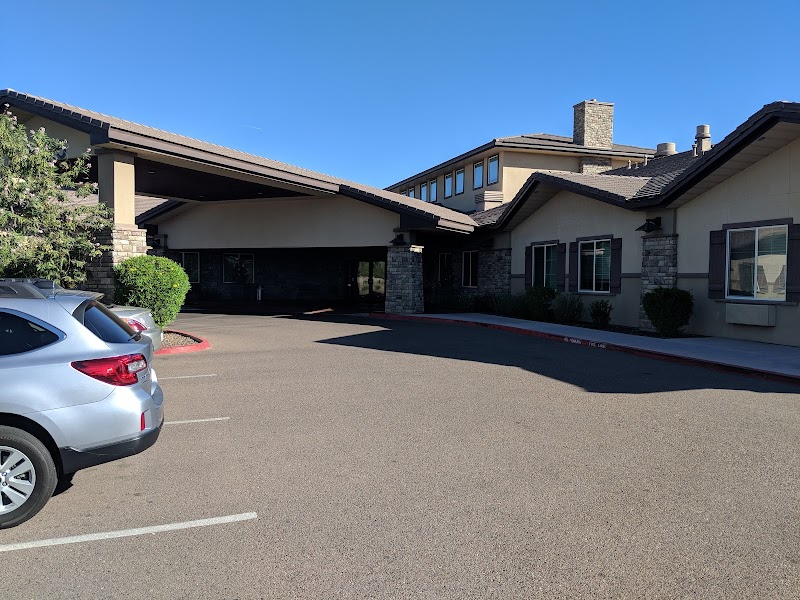
How is Advanced Health Care Of Glendale Staffed?

CMS rates ADVANCED HEALTH CARE OF GLENDALE's staffing level at 4 out of 5 stars, which is above average compared to other nursing homes. Staff turnover is 49%, compared to the Arizona average of 46%.

What Have Inspectors Found at Advanced Health Care Of Glendale?

State health inspectors documented 11 deficiencies at ADVANCED HEALTH CARE OF GLENDALE during 2022 to 2024. These included: 11 with potential for harm.
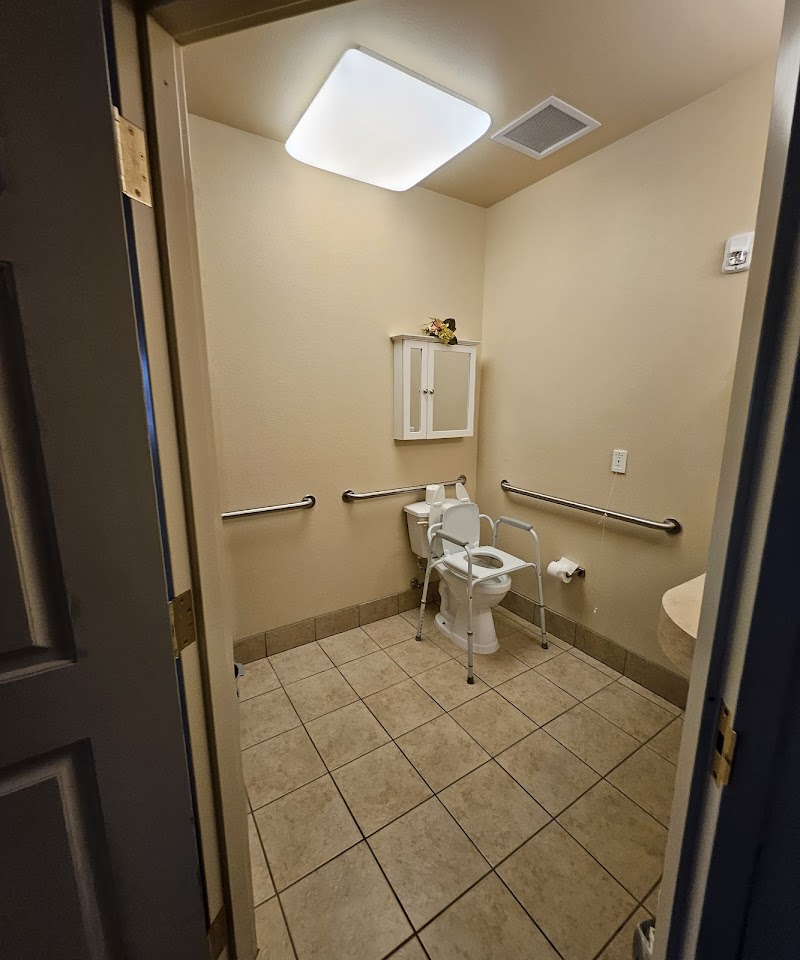
Who Owns and Operates Advanced Health Care Of Glendale?

ADVANCED HEALTH CARE OF GLENDALE is owned by a for-profit company. For-profit facilities operate as businesses with obligations to shareholders or private owners. The facility is operated by ADVANCED HEALTH CARE, a chain that manages multiple nursing homes. With 54 certified beds and approximately 48 residents (about 89% occupancy), it is a smaller facility located in GLENDALE, Arizona.
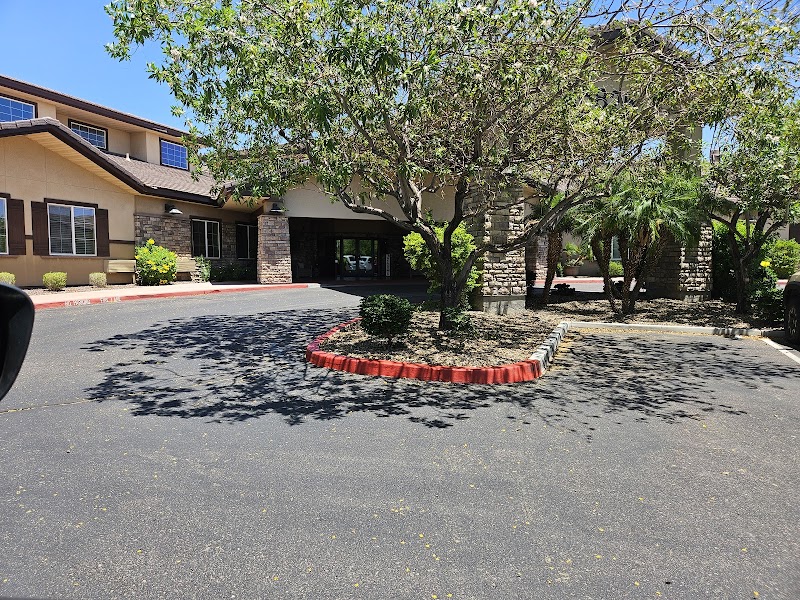
How Does Advanced Health Care Of Glendale Compare to Other Arizona Nursing Homes?

Compared to the 100 nursing homes in Arizona, ADVANCED HEALTH CARE OF GLENDALE's overall rating (5 stars) is above the state average of 3.3, staff turnover (49%) is near the state average of 46%, and health inspection rating (4 stars) is above the national benchmark.

What Should Families Ask When Visiting Advanced Health Care Of Glendale?

Based on this facility's data, families visiting should ask: "Can I visit during a mealtime to observe dining assistance and food quality?" "How do you handle medical emergencies, and what is your hospital transfer rate?" "Can I speak with family members of current residents about their experience?"

Is Advanced Health Care Of Glendale Safe?

Based on CMS inspection data, ADVANCED HEALTH CARE OF GLENDALE has a clean safety record: no substantiated abuse findings (meaning no confirmed cases of resident harm), no Immediate Jeopardy citations (the most serious violation level indicating risk of serious injury or death), and is not on the Special Focus Facility watch list (a federal program monitoring the lowest-performing 1% of nursing homes). The facility has a 5-star overall rating and ranks #1 of 100 nursing homes in Arizona. While no facility is perfect, families should still ask about staff-to-resident ratios and recent inspection results during their visit.

Do Nurses at Advanced Health Care Of Glendale Stick Around?

ADVANCED HEALTH CARE OF GLENDALE has a staff turnover rate of 49%, which is about average for Arizona nursing homes (state average: 46%). Moderate turnover is common in nursing homes, but families should still ask about staff tenure and how the facility maintains care continuity when employees leave.

Was Advanced Health Care Of Glendale Ever Fined?

ADVANCED HEALTH CARE OF GLENDALE has no federal fines on record. CMS issues fines when nursing homes fail to meet care standards or don't correct problems found during inspections. The absence of fines suggests the facility has either maintained compliance or corrected any issues before penalties were assessed. This is a positive indicator, though families should still review recent inspection reports for the full picture.

Is Advanced Health Care Of Glendale on Any Federal Watch List?

ADVANCED HEALTH CARE OF GLENDALE is not on any federal watch list. The most significant is the Special Focus Facility (SFF) program, which identifies the bottom 1% of nursing homes nationally based on persistent, serious quality problems. Not being on this list means the facility has avoided the pattern of deficiencies that triggers enhanced federal oversight. This is a positive indicator, though families should still review the facility's inspection history directly.