BELLA VITA HEALTH AND REHABILITATION CENTER
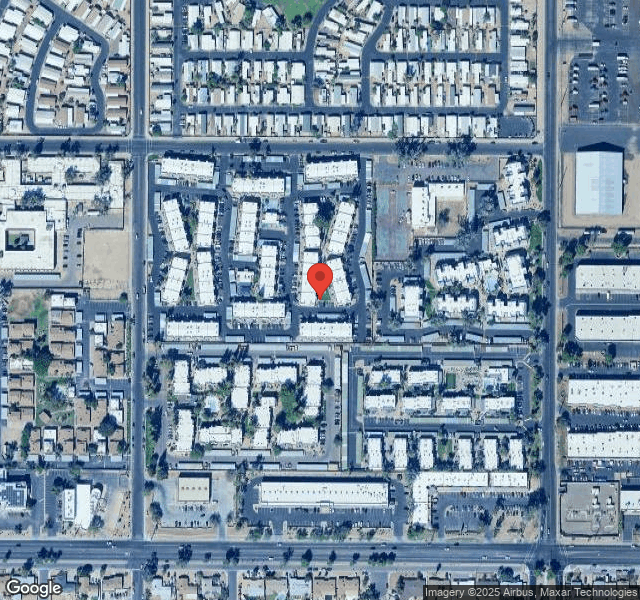
5125 NORTH 58TH AVENUE, GLENDALE, AZ 85301 (623) 931-5800
For profit - Corporation 176 Beds THE ENSIGN GROUP Data: November 2025
Trust Grade
50/100
#64 of 139 in AZ
Last Inspection: October 2024

Within standard 12-15 month inspection cycle. Federal law requires annual inspections.

Overview

Bella Vita Health and Rehabilitation Center has a Trust Grade of C, which means it is average, placing it in the middle of the pack among nursing homes. It ranks #64 out of 139 facilities in Arizona, indicating that it is in the top half, but there are still many options available. The facility is showing improvement, with issues decreasing from seven in 2024 to just two in 2025. However, staffing is a concern, with a rating of 2 out of 5 stars and a turnover rate of 52%, which is slightly above the state average. Notably, there were incidents where residents were not properly involved in the discharge process and a lack of physician orders for oxygen administration, which could lead to serious health risks. Overall, while there are some strengths, particularly in quality measures and the absence of fines, families should weigh these concerns carefully.

Trust Score
C
50/100
In Arizona
#64/139
Top 46%
Safety Record
High Risk
Review needed
Inspections
Getting Better
7 → 2 violations
Staff Stability
⚠ Watch
52% turnover. Above average. Higher turnover means staff may not know residents' routines.
Penalties
✓ Good
No fines on record. Clean compliance history, better than most Arizona facilities.
Skilled Nurses
⚠ Watch
Each resident gets only 13 minutes of Registered Nurse (RN) attention daily — below average for Arizona. Fewer RN minutes means fewer trained eyes watching for problems.
Violations
⚠ Watch
18 deficiencies on record. Higher than average. Multiple issues found across inspections.
★★★☆☆
3.0
Overall Rating
★★☆☆☆
2.0
Staff Levels
★★★★★
5.0
Care Quality
★★☆☆☆
2.0
Inspection Score
Stable
2024: 7 issues
2025: 2 issues

The Good

  • 5-Star Quality Measures · Strong clinical quality outcomes
  • Full Sprinkler Coverage · Fire safety systems throughout facility
  • No fines on record

Facility shows strength in quality measures, fire safety.

The Bad

3-Star Overall Rating

Near Arizona average (3.3)

Meets federal standards, typical of most facilities

Staff Turnover: 52%

Near Arizona avg (46%)

Higher turnover may affect care consistency

Chain: THE ENSIGN GROUP

Part of a multi-facility chain

Ask about local staffing decisions and management

The Ugly 18 deficiencies on record

Mar 2025 2 deficiencies
CONCERN (D) 📢 Someone Reported This

A family member, employee, or ombudsman was alarmed enough to file a formal complaint

Potential for Harm - no one hurt, but risky conditions existed

Transfer Notice (Tag F0623)

Could have caused harm · This affected 1 resident

**NOTE- TERMS IN BRACKETS HAVE BEEN EDITED TO PROTECT CONFIDENTIALITY** Based on clinical record review, staff and resident/resident representative interviews, the facility failed to ensure that resid...

Read full inspector narrative →
**NOTE- TERMS IN BRACKETS HAVE BEEN EDITED TO PROTECT CONFIDENTIALITY** Based on clinical record review, staff and resident/resident representative interviews, the facility failed to ensure that residents and/or the resident's representative (RR) were notified in writing of transfer to another facility for 2 of 5 sampled residents (#21, and #14). Failure of notification had the potential to affect the resident and their RR by not having clear knowledge of where and why the resident was transferred. Findings include: -Regarding Resident #21 Resident #21 was originally admitted on [DATE] with diagnoses that included cerebral palsy, functional quadriplegia, tourettes and dysphagia. Review of the clinical record revealed a notice of proposed transfer/discharge document dated February 28, 2025 indicating that the resident ' s niece/representative was notified. There were no prior indications of discharge planning. Review of the resident ' s care plan dated February 19, 2017 indicated that the resident did not have an active discharge plan and wished to remain in the facility for long term care (LTC). There were no additions or corrections made to the care plan until the resident ' s discharge - dated March 3, 2025. Review of resident #21 ' s most recent Discharge Minimum Data Set (MDS) dated [DATE] identified that the resident was discharged on March 3, 2025 to another skilled nursing facility. Further review of the resident ' s MDS identified a Brief Interview for Mental Status (BIMS) summary score of 00 indicating severe cognitive impairment. A progress note dated March 3, 2025 at 15:57 p.m. revealed a discharge note, that the resident was admitted to the facility for custodial/long-term care services. The note identified that the reason for discharge was due to, being discharged to another facility. An interview was conducted on March 19, 2025 at 11:54 a.m. with the resident ' s representative. The representative stated that Resident #21 could not consent on her own for a transfer. She further stated that the facility contacted her after the transfer was complete; and that, the reason for the transfer was because the facility would be undergoing construction; and that, the resident would not be able to return due to the long term care unit being changed to a memory care unit. The resident ' s representative also stated that the receiving facility now calls constantly due to the resident ' s behaviors which she does not understand why it was not communicated. -Regarding Resident #14 Resident # 14 was admitted [DATE] with diagnoses that included chronic obstructive pulmonary disease, acute and chronic respiratory failure with hypoxia and hypercapnia, pneumonia and congestive heart failure. Review of the resident ' s care plan dated September 19, 2022 indicated that the resident wished to remain in the facility for LTC. There were no additions or corrections made until the resident ' s discharge - dated February 14, 2025. Review of the clinical record revealed a notice of proposed transfer/discharge document dated February 5, 2025 indicating that the resident ' s Daughter/representative and LTC case manager (CM) were notified. The document identified that the reason for discharge was that the resident ' s needs could no longer be met in the facility. Review of resident #14 ' s most recent Discharge Minimum Data Set (MDS) dated [DATE] identified that the resident was discharged on February 13, 2025 to another skilled nursing facility. Further review of the resident ' s MDS identified a Brief Interview for Mental Status (BIMS) summary score of 15 indicating no cognitive impairment. A progress note dated February 12, 2025 at 15:12 p.m. revealed a discharge note the reason for discharge was due to being discharged to another facility. An interview was conducted on March 19, 2025 at 10:04 a.m. with the resident ' s representative who was also her power of attorney (POA). The representative stated that the receiving facility notified her the day before that the resident would be transferred. She further stated that she reached out to the prior facility ' s social worker and was told that the facility had already contacted her regarding the transfer, but she knows that she had not talked to anyone. The resident ' s POA stated that she was told the transfer was due to renovations. She revealed that her mother did not want to move but the facility did not give her an option and simply transferred her. The POA stated that she did not receive any formal paperwork or notice nor did she give verbal consent; and that the facility just picked the place and sent her. An interview was conducted with the resident ' s insurance case manager on March 19, 2025 at 10:21 a.m. who stated that the social service director called to tell her that some residents would be moved out due to renovations that were being done. She stated that she was not made aware of these transfers until they were completed. An interview was conducted with a Licensed Practical Nurse (LPN/Staff #31) on March 19, 2025 at 12:29 p.m. The LPN demonstrated an ongoing discharge and stated that the process is case management/ the social worker will have all the paperwork ready. The paperwork will identify where the resident is going and around what time, she stated that she will then go over all the information with the resident and the patient will sign on the face sheet. The LPN stated that she will then check medications and ensure that correct medications are being sent with the resident or that the medications are discharged if appropriate. Staff #31 stated that prescriptions are also sent with the resident. She further stated that she will check the inventory sheet to ensure that residents are sent out with everything, as well as doing appropriate assessments like skin checks. The LPN stated that everything is scanned into the system and sent directly to the medical records supervisor. Staff #31 stated the discharge process starts with case management and social services; she mainly works on the actual discharge and assessments. The LPN stated that she ' s aware that there are renovations to turn the back half of the 400s unit into a walking dementia unit. She stated that a lot of residents were being transferred out and gave an estimate of 10 that she knew of, but was not sure of how far in advance residents and/or their representatives were notified. An interview was conducted with the Social Services Manager (SSM/Staff #19) on March 19, 2025 at 12:39 p.m. who stated that he does not handle skilled nursing discharges, just long-term care. The SSM stated that he initiates the discharge planning process when delivering the 30 day notice. He further stated that if they have a POA or family he will talk with them before the resident. Staff #19 stated that the process is different with LTC since residents are there long-term but if needed he will tell them that their needs cannot be met at the facility and provide them with a list of other facilities in the area. The SSM stated that there will be a packet sent out with the resident to the receiving facility. He stated that the 400s hall is currently being renovated and the 500s hall should be next. Staff #19 stated that the discharge process begins with a notice for transfer/discharge. Additionally, he stated that notifications are usually delivered 30 days before discharge. He then stated there should be consent whether from the resident or the representative to initiate the transfer and if that is not possible he will get verbal consent and sign off. When asked about the specific residents records the SSM stated he did not have access to them and stated that the Medical Records Director (MRD) would be able to provide them. An interview was conducted with the MRD (Staff #56) on March 19, 2025 at 12:53 p.m. with an additional corporation resource (Staff #72) present. When asked if she was able to retrieve the notices pertaining to the specific residents the MRD stated that she does not have access to them and was confused by what was being asked of her. The corporate resource then attempted to look into the requested transfer notices and accepted a formal request for those discharge records. An interview was conducted with the administrator (Staff #7) on March 19, 2025 at 2:13 p.m. The administrator stated that with LTC residents the facility would try to talk with the family right away regarding the discharge. The residents might be in the facility for varied reasons. He further stated that many of the residents chose to be discharged /transferred themselves. Staff #7 stated that a lot of the long term residents want to transfer to be close to family so the facility tries to work and send referrals out to get things done. He also stated the facility tries to give a 30 day notice if the transfer/discharge is planned. The administrator stated that the facility had started renovations in January of 2025 and that it was communicated to the residents that the facility was not kicking anyone out. Staff #7 further restated that residents who left self-elected to leave the facility and go to another facility. The administrator stated the process is that the facility will notify and communicate with case managers, the ombudsman and family to ensure the residents are properly placed. Review of a facility policy obtained on March 19, 2025 and reviewed in July 2024 titled, Nursing Administration Section: Continuum of Care Subject: Discharge or Transfer states, A transfer and or discharge shall be considered for the following reasons as regulated by Federal, State and other Regulatory Agencies. 2. Transfer/discharge: Other Healthcare Facility B. Keep Resident/Family involved with all discharge planning.
CONCERN (E) 📢 Someone Reported This

A family member, employee, or ombudsman was alarmed enough to file a formal complaint

Potential for Harm - no one hurt, but risky conditions existed

Deficiency F0660 (Tag F0660)

Could have caused harm · This affected multiple residents

**NOTE- TERMS IN BRACKETS HAVE BEEN EDITED TO PROTECT CONFIDENTIALITY** Based on clinical record review, staff and resident/resident representative interviews, the facility failed to ensure that the r...

Read full inspector narrative →
**NOTE- TERMS IN BRACKETS HAVE BEEN EDITED TO PROTECT CONFIDENTIALITY** Based on clinical record review, staff and resident/resident representative interviews, the facility failed to ensure that the resident and resident ' s representatives were a part of the discharge/transfer process for 4 of 5 sampled residents (#21, #32, #16 and #14). Findings include: -Regarding Resident #21 Resident #21 was originally admitted on [DATE] with diagnoses that included cerebral palsy, functional quadriplegia, tourettes and dysphagia. Review of the resident ' s care plan dated February 19, 2017 indicated that the resident did not have an active discharge plan and wished to remain in the facility for long term care (LTC). There were no additions or corrections made to the care plan until the cancellation due to the resident ' s discharge date d March 3, 2025. Review of the clinical record revealed a notice of proposed transfer/discharge document dated February 28, 2025 indicating that the resident ' s niece/representative was notified. There were no prior indications of discharge planning. Review of resident #21 ' s most recent Discharge Minimum Data Set (MDS) dated [DATE] identified that the resident was discharged on March 3, 2025 to another skilled nursing facility. Further review of the resident ' s MDS identified a Brief Interview for Mental Status (BIMS) summary score of 00 indicating severe cognitive impairment. A progress note dated March 3, 2025 at 15:57 p.m. revealed a discharge note, that the resident was admitted to the facility for custodial/long-term care services. The note identified that the reason for discharge was due to ' being discharged to another facility. ' An interview was conducted on March 19, 2025 at 11:54 a.m. with the resident ' s representative. The representative stated that Resident #21 could not consent on her own for a transfer. She further stated that the facility contacted her after the transfer was complete but did not mention the transfer at all before. -Regarding Resident #14 Resident # 14 was admitted [DATE] with diagnoses that included chronic obstructive pulmonary disease, acute and chronic respiratory failure with hypoxia and hypercapnia, pneumonia and congestive heart failure. Review of the resident ' s care plan dated September 19, 2022 indicated that the resident wished to remain in the facility for LTC. There were no additions or corrections made to the care plan until the cancellation of the care plan due to resident ' s discharge date d February 14, 2025. Review of the clinical record revealed a notice of proposed transfer/discharge document dated February 5, 2025 indicating that the resident ' s Daughter/representative and LTC case manager (CM) were notified. There were no prior indications of discharge planning in the clinical record. Review of resident #14 ' s most recent Discharge Minimum Data Set (MDS) dated [DATE] identified that the resident was discharged on February 13, 2025 to another skilled nursing facility. Further review of the resident ' s MDS identified a Brief Interview for Mental Status (BIMS) summary score of 15 indicating no cognitive impairment. A progress note dated February 12, 2025 at 15:12 p.m. revealed the reason for discharge was due to ' being discharged to another facility. ' An interview was conducted on March 19, 2025 at 10:04 a.m. with the resident ' s representative who was also her power of attorney (POA). The representative stated that the receiving facility notified her the day before that the resident would be transferred. She further stated that she reached out to the prior facility ' s social worker and was told that the facility had already contacted her regarding the transfer, but she stated that she had not talked to anyone. She revealed that her mother did not want to transfer but the facility did not give her an option and transferred her. The POA stated that she did not receive any formal paperwork or notice nor did she give verbal consent; and that the facility just picked the new facility and sent her. An interview was conducted with the resident ' s insurance case manager on March 19, 2025 at 10:21 a.m. who stated that she was not made aware of the transfer until they were completed. -Regarding Resident #16 Resident #16 was admitted [DATE] with diagnoses that included chronic obstructive pulmonary disease, chronic respiratory failure with hypoxia, hypertensive chronic kidney disease, diabetes and dementia. Review of the resident ' s care plan dated January 16, 2017 indicated that the resident wanted to discharge home with family in Alabama and noted that this was an unrealistic goal stating she will remain in the facility for LTC. There were no additions or corrections made to the care plan until the cancellation of the care plan due to resident ' s discharge date d February 18, 2025. Review of the clinical record revealed a notice of proposed transfer/discharge document dated February 14, 2025 indicating that the resident ' s sister/representative was notified. There were no prior indications of discharge planning in the clinical record. Review of resident #16 ' s most recent Discharge Minimum Data Set (MDS) dated [DATE] identified that the resident had a planned discharge on [DATE] to another skilled nursing facility. Further review of the resident ' s MDS identified a Brief Interview for Mental Status (BIMS) summary score of 15 indicating she was cognitively intact. A progress note dated February 17, 2025 at 17:00 p.m. revealed a discharge note that identified that the reason for discharge was ' being discharged to a skilled nursing facility. ' Another progress note dated February 17, 2025 at 17:00 p.m. revealed the resident was discharged from the facility to the receiving facility. An interview was conducted on March 19, 2025 at 1:49 p.m. with the resident ' s representative. The representative stated that she had not talked with her sister in 2 months and that the resident suffered from short term memory loss and would forget to call. She further stated that the facility did not reach out to her to notify her of the transfer and she was completely unaware that they even initiated the transfer. -Regarding Resident #32 Resident #32 was originally admitted on [DATE] with diagnoses that included end stage renal disease, chronic hypertensive kidney disease and type 2 diabetes. Review of the resident ' s care plan dated October 17, 2017 indicated that the resident wanted to remain in the facility for LTC. There were no additions or corrections made to the care plan until the cancellation of the care plan due to resident ' s discharge date d February 21, 2025. Review of the clinical record revealed a notice of proposed transfer/discharge document dated February 14, 2025 indicating that the resident ' s son/representative was notified. There were no prior indications of discharge planning in the clinical record. Review of resident #32 ' s most recent Discharge Minimum Data Set (MDS) dated [DATE] identified that the resident had a planned discharge on [DATE] to another skilled nursing facility. Further review of the resident ' s MDS identified a Brief Interview for Mental Status (BIMS) summary score of 15 indicating the resident was cognitively intact. A progress note dated February 19, 2025 at 18:07 p.m. revealed a discharge note that identified that the reason for discharge was due to ' being discharged to a skilled nursing facility. ' Another progress note dated February 17, 2025 at 17:00 p.m. revealed the resident was discharged from the facility to the other. An interview was conducted on March 19, 2025 at 11:37 a.m. with Resident #32. The resident stated that he did not have a plan for discharge and he had wanted to remain in the facility. He further stated that the facility told him he was going to transfer due to renovations.The resident then stated that he was transferred to the new facility. An interview was conducted with a Licensed Practical Nurse (LPN/Staff #31) on March 19, 2025 at 12:29 p.m. The LPN demonstrated an ongoing discharge and stated that the process is case management/ the social worker will have all the paperwork ready. The paperwork will identify where the resident is going and around what time, she stated that she will then go over all the information with the resident and the patient will sign on the face sheet. Staff #31 stated the discharge process starts with case management and social services; she mainly works on the actual discharge and assessments. An interview was conducted with the Social Services Manager (SSM/Staff #19) on March 19, 2025 at 12:39 p.m. He stated that he does not handle skilled nursing discharges, just long term care. The SSM stated that he initiates the discharge planning process when delivering the 30 day notice. He further stated that if they have a POA or family he will talk with them before the resident. Staff #19 stated that the process is different with LTC since residents are there long term but if needed he will tell them that their needs cannot be met at the facility and provide them with a list of other facilities in the area. The SSM stated that there will be a packet sent out with the resident to the receiving facility. Staff #19 stated that the process for discharge begins with a notice for transfer/discharge. In addition he stated that notifications are usually delivered 30 days before discharge. He then stated there should be consent whether from the resident or the representative to initiate the transfer and if that is not possible he will get verbal consent and sign off. An interview was conducted with the MRD (Staff #56) on March 19, 2025 at 12:53 p.m. with an additional corporation resource (Staff #72) present. When asked if she was able to retrieve the notices pertaining to the specific residents the MRD stated that she does not have access to them and was confused by what was being asked of her. The corporate resource then attempted to look into the requested transfer notices and accepted a formal request for those discharge records, he also stated that 30 day notices are not applicable in all cases of transfers/discharges. An interview was conducted with the administrator (Staff #7) on March 19, 2025 at 2:13 p.m. The administrator stated that with LTC residents the facility would try to talk with the family right away regarding the discharge. The residents might be in the facility for varied reasons. He further stated that many of the residents chose to be discharged /transferred themselves. Staff #7 stated that a lot of the long term residents want to transfer to be close to family so the facility tries to work and send referrals out to get things done. He also stated the facility tries to give a 30 day notice if the transfer/discharge is planned. The administrator stated that the facility had started renovations in January of 2025 and that it was communicated to the residents that the facility was not kicking anyone out. Staff #7 further restated that residents who left self-elected to leave the facility and go to another facility. The administrator stated the process is that the facility will notify and communicate with case managers, the ombudsman and family to ensure the residents are properly placed. Review of a facility policy obtained on March 19, 2025, Issued May of 2007 and reviewed in July 2024 titled, Nursing Administration Section: Continuum of Care Subject: Discharge or Transfer states, A transfer and or discharge shall be considered for the following reasons as regulated by Federal, State and other Regulatory Agencies. 2. Transfer/discharge: Other Healthcare Facility B. Keep Resident/Family involved with all discharge planning.
Oct 2024 5 deficiencies
CONCERN (D) 📢 Someone Reported This

A family member, employee, or ombudsman was alarmed enough to file a formal complaint

Potential for Harm - no one hurt, but risky conditions existed

Free from Abuse/Neglect (Tag F0600)

Could have caused harm · This affected 1 resident

**NOTE- TERMS IN BRACKETS HAVE BEEN EDITED TO PROTECT CONFIDENTIALITY** Based on observations, staff and resident/resident representative interviews, clinical record and policy review the facility fai...

Read full inspector narrative →
**NOTE- TERMS IN BRACKETS HAVE BEEN EDITED TO PROTECT CONFIDENTIALITY** Based on observations, staff and resident/resident representative interviews, clinical record and policy review the facility failed to ensure that two resident 's (#214 and #525) were free from abuse. The deficient practice may result in physical and/or psychosocial harm to the residents. Findings include: Resident #214 was admitted on [DATE] and discharged on January 21, 2024 with diagnosis including unilateral primary osteoarthritis of left hip, other intervertebral disc disorders of lumbar region, pain in left hip, and muscle weakness. Review of the incident report dated January 15, 2024 revealed Resident #214 had a Brief Interview for Mental Status (BIMS) summary score of 14 indicating no cognitive impairment. The care-plan initiated on January 18, 2024 revealed that Resident #214 was at risk for impaired thought process related to new environment. The goal was that resident will maintain current level of cognitive function through the review date. Interventions included - monitor/observe resident for changes in mood/behavior patterns, fear of other residents and/or staff. Review of progress note dated January 18, 2024 showed that resident #214 was seated in her wheelchair in front of station 300 drinking her tea. Resident #214 was approached by another resident who yelled in her face. The unit secretary immediately came from behind the desk and removed resident #214 and called for assistance. Further around 4:10 pm, resident #214 informed the unit secretary that prior to her coming that the other resident had walked past her in front of the desk and took his right fist and struck her in the right shoulder and mid-back area as she was passing him in her wheelchair. Resident #214 didn't tell anyone of this alleged incident prior to telling the unit secretary. Resident #214 had a PRN skin evaluation completed and noted no marks or bruising to her right shoulder or mid-back area. Resident #214 denied pain or discomfort and feels safe in the facility. She declined notification to her family and explained that she would call her family. Provider, Ombudsman, Glendale Police, APS, and DHS were notified of the alleged incident. Resident #525 was admitted on [DATE] and discharged on January 18, 2024 with diagnoses which included non-displaced zone II fracture of sacrum, acute pain due to trauma, muscle weakness and other stimulant abuse. Review of the incident report dated January 15, 2024 revealed Resident #214 had a Brief Interview for Mental Status (BIMS) summary score of 15 indicating no cognitive impairment. Review of progress note dated January 18, 2024 showed that resident #525 approached another resident and started yelling in her face. The unit secretary immediately separated both residents. Resident #525 continued to walk towards both the unit secretary and the other resident yelling and showed signs of aggression and then he walked outside to the patio. Around 4:10 pm, the other resident had informed the unit secretary that prior to her coming, resident #525 walked past her and took his right fist and struck her in her right shoulder and mid back area as she was passing him in her wheelchair. Both assistant directors of nursing went to speak with resident #525 and he continued to yell and requested to leave facility against medical advice (AMA). Resident #525 was removed by police and detained due to alleged incident and outstanding warrants. A facility reported incident and 5-day report was made on January 18, 2024. This report included Resident #214 notified unit secretary (staff #321) that resident #525 took his right fist and struck her in her shoulder and mid back area as she was passing him in her wheelchair. Resident #214 did not tell anyone prior to telling staff #321. An interview was conducted with several certified nursing assistants (CNAs) and licensed practical nurse (LPNs) who did not witness any aggressive behaviors between resident #214 and resident #525 in past. An interview was conducted licensed practical nurse (LPN/Staff #314) on October 30, 2024 at 8:54 a.m. who stated that the altercation had happened between resident #214 and #525. Staff #314 recalled that resident #525 had raised his fist and hit resident #214 but not sure how hard. Moreover, Staff #314 stated that assistance director of nursing and director of nursing approached resident #525 and separated him from the other residents. Full skin assessments were done on resident #214 and no injury were found. An interview was conducted with certified nursing assistant (CNA/Staff #203) on October 30, 2024 at 9:32 a.m. who stated that process after an altercation is reporting it to floor nurse, call for help, and separate residents immediately. If a resident hits another resident then we do skin assessment for any marks, injury, bruise or open areas. An interview was conducted with administration/executive director (Staff # 72) on October 30, 2024 at 9:48 a.m. who stated that any altercation or abuse that happens is reported to adult protected service (APS), state, police, family, power of attorney (POA) and ombudsmen within 2 hours. He further stated that we substantiate if it happens or people witness that it happens then we separate them first, make sure they are safe, not injured. Regarding resident #214 and #525, he stated that he saw in camera recorder that residents were in hall 300, resident #214 said something to resident #525, he gone away and then he came back and pushed resident #214 with palm on right shoulder and both of them were on wheelchair. Review of facility policy regarding Abuse: Prevention of and Prohibition Against revised on August, 2024 revealed that the facility will act to protect and prevent abuse and neglect from occurring within the facility by establishing a safe environment.
CONCERN (D) 📢 Someone Reported This

A family member, employee, or ombudsman was alarmed enough to file a formal complaint

Potential for Harm - no one hurt, but risky conditions existed

Transfer Notice (Tag F0623)

Could have caused harm · This affected 1 resident

**NOTE- TERMS IN BRACKETS HAVE BEEN EDITED TO PROTECT CONFIDENTIALITY** Based on interview, record review, and facility policy review, the facility failed to notify the Ombudsman of transfer/discharge...

Read full inspector narrative →
**NOTE- TERMS IN BRACKETS HAVE BEEN EDITED TO PROTECT CONFIDENTIALITY** Based on interview, record review, and facility policy review, the facility failed to notify the Ombudsman of transfer/discharge for one resident (#163). Failure to notify Ombudsman of transfers/discharges may result in residents being discharged against their will. Findings include: Resident # 163 was admitted on [DATE] with a diagnoses including acute kidney failure, Gastro-Esophageal reflex, and multiple fractures of the ribs. A Minimum Data Set (MDS) assessment dated [DATE], revealed a Brief Interview for Mental Status (BIMS) score of 11, which indicated moderately impaired cognition. admission transfer/discharge reports dated July 2024 revealed no evidence that resident (#163) had been listed as discharged . A Care plan dated July 29, 2024 revealed a focus that the resident is to return or be discharged to an alternative placement. A progress note dated July 30, 2024 revealed that the resident was transferred to a rehabilitation facility via stretcher. A physician's order dated July 30, 204 revealed an order to discharge to a rehabilitation facility. An email sent to the Ombudsman on August 7, 2024 by the Medical Records Supervisor ( Staff # 208) revealed no evidence that the resident was discharged in July 2024. Review of the facility Record Hospital Transfer and admission / Discharge revealed no evidence of Resident ( #163) discharge. An interview was conducted on October 30, 2024 at 11:53 AM with Social Services Supervisor (Staff # 230), who stated that the resident had requested to be transferred to another facility. She also stated that the Ombudsman should be notified when residents transfer / discharge from the facility on a monthly basis. She reviewed the email she sent to the Ombudsman with the residents that discharged /transferred during July 2024, and stated that resident #163 was not on the list. An interview was conducted on October 30,2024 at 12:33 PM with the Medical Records Supervisor (Staff #208), who stated that the discharge paperwork would be sent to her, and scanned into the clinical records. She also stated that she would send a list of discharged or transferred residents to the Ombudsman once a month. She reviewed the clinical Record and stated there was no evidence that the Ombudsman had been notified of the resident's discharge. She further stated that Resident (#163) was not on that list of discharged / transferred residents for July 2024 that she sent to the Ombudsman. An interview was conducted on October 30,2024 at 2:26PM with the Assistant Director of Nursing (ADON/ Staff # 34) who reviewed the July Hospital Transfers and admission Discharge report and stated that Resident (#163) was not included on the list of transfers or discharges. An interview was conducted on October 31, 2024 at 8:56 AM with the Case Manger ( Staff #301), who stated that it is mandatory to notify the Ombudsman when residents are discharged from the facility . She further stated the risk could be that the Ombudsman would not be aware that a resident was discharged . An interview was conducted on October 31, 2024 at 11:34 AM with the Director of Nursing (DON/ Staff # 42) who stated that the Ombudsman would be notified of when a resident transfers or discharges from the facility. She also stated that the Ombudsman was not notified of the resident's discharge in July. A facility Policy titled, Admission, Transfer and Discharge, revealed that when the facility transfers/discharges a resident, the facility will ensure that the transfer / discharge is documented in the Resident medical record and appropriate information is communicated to the receiving health care institution is provided. Review of facility policy titled, Change of Condition Reporting, reviewed on June, 2023 indicated, for acute medical change that the resident representative will be notified that there has been a change in the resident's condition and what steps are being taken. Review of State Operations Manual (Rev. 211; Issued: 02-03-23; Effective: 10-21-22; Implementation: 10-24-22) revealed, §483.15(c)(3) Notice before transfer. Before a facility transfers or discharges a resident, the facility must- Notify the resident and the resident's representative(s) of the transfer or discharge and the reasons for the move in writing and in a language and manner they understand. The facility must send a copy of the notice to a representative of the Office of the State Long-Term Care Ombudsman.
CONCERN (D)

Potential for Harm - no one hurt, but risky conditions existed

ADL Care (Tag F0677)

Could have caused harm · This affected 1 resident

**NOTE- TERMS IN BRACKETS HAVE BEEN EDITED TO PROTECT CONFIDENTIALITY** Based on observation, clinical record review, staff and resident interviews, and policy review, the facility failed to ensure on...

Read full inspector narrative →
**NOTE- TERMS IN BRACKETS HAVE BEEN EDITED TO PROTECT CONFIDENTIALITY** Based on observation, clinical record review, staff and resident interviews, and policy review, the facility failed to ensure one resident (#320) was provided assistance with showering and dressing. This deficient practice could result in residents not being provided appropriate hygiene care and services. Findings include: Resident #320 was admitted to the facility on [DATE] with diagnoses that included muscle weakness (generalized), hemiplegia and hemiparesis, and type 2 diabetes mellitus. Review of the care plan dated October 24, 2024 revealed the resident had activities of daily living (ADL) performance deficit related to general weakness, impaired mobility, history of multiple strokes, hypertension, and atrial fibrillation with pacemaker. Review of the Certified Nursing Assistant (CNA) bathing task log revealed no evidence that the resident had received a shower from admission on [DATE] to October 30, 2024. The task log revealed one entry of a refusal of a shower on October 28, 2024. Review of the shower sheets for resident #320 revealed the refusal on October 28, 2024 and signed by the CNA and charge nurse assigned on that date. The resident did not sign this sheet. No other shower sheets were provided or available. Interview was conducted with resident #320 on October 28, 2024 at 12:09 PM, who stated that no one has offered him a shower since admitting to the facility; and that, he would be interested in having one. At the time of the interview, the resident was laying in bed. He was dressed in a black t-shirt with yellow print, and there were dried skin flakes covering the shirt. Review of the admissions Minimum Data Set (MDS) assessment dated [DATE] revealed a Brief Interview for Mental Status (BIMS) score of 15, indicating intact cognition. The MDS also revealed that the resident required partial/moderate assistance with activities such as bathing and dressing. Further interview was conducted with resident #320 on October 30, 2024 at 10:22AM. The resident is observed in bed, wearing the same shirt from previous interview 2 days prior. Dried skin is still noted over the shirt. In this interview, the resident reports that he still has not been given a shower. He reports that a few days prior, a female staff member stated they would come back to give him a shower, but she never returned. The resident could not recall exactly when this happened or who the staff was. He reports no one has offered a shower since. The resident also reports he has not refused any showers and would love to receive one. Interview was conducted on October 30, 2024 at 1:19PM with a Licensed Practical Nurse (LPN/Staff #83) who stated that residents get showers at least twice a week, and any refusals should be documented by both the CNAs and nurses. Interview was conducted on October 30, 2024 at 01:33PM with the CNA (staff #203) who signed the refusal shower sheet on October 28, 2024. The CNA reports that residents receive showers twice a week or as requested. The CNA reports that she offered resident #320 a shower on October 28, 2024, but he reported feeling sick and did not want one. She states she returned later and offered again. She could not recall what times she offered, but reports that is was before and after breakfast. When asked if she assisted the resident to get dressed, the CNA reports that therapy often helps with that. The CNA was also informed at this time by the surveyor that resident #320 reported he would like a shower. Additional interview was conducted with Resident #320 on October 31, 2024 at 08:40AM, who reports that he still was not offered a shower. He further explains that he does not know what dates he is supposed to receive a shower, and thinks the staff may be too busy to assist him. The resident was observed to still be in the same clothing, a black t-shirt with yellow print. The resident reports that no one has offered to assist him to change clothing. He reports that he can sometimes manage on his own, but has a hard time due to a history of multiple strokes. The resident also explains that he has new shirts in his drawer, but no one had come to change him into a new shirt. He could not recall how long he had the same shirt on, but confirms his shirt had not been changed this week. Interview was conducted on October 31, 2024 at 8:46AM with an LPN (staff #314), who confirmed that resident #320's scheduled shower dates are Mondays and Thursdays. Upon looking at the electronic health record (EHR) and the resident's admission date, the LPN states that the resident should have been offered at least two showers by this point. The LPN instructs to check the EHR for charting of showers. Interview was conducted on October 31, 2024 at 10:53AM with the Director of Nursing (DON/Staff #42) and the Assistant Director of Nursing (ADON/Staff #34). In this interview, the DON confirms that residents should be offered a shower twice a week, according to their shower schedule and preferences. The DON and ADON both explain that these showers are expected to be charted in the EHR. The DON further explains that each refusal or offering of a shower is not necessarily expected to be charted. When asked about dressing residents, the DON states that the staff encourage residents to get dressed, but it is their right to refuse. When asked if this should be documented, the DON and ADON both report that it does not have to be documented that a staff offers to dress the resident or if the resident refuses. When asked how they can ensure their staff are offering to assist residents with dressing, the DON reports that you can tell through the staff rounding. Review of the facility policy titled, ADLs- hygiene, grooming, toileting, bathing, oral care, dressing, grooming, mobility, transfers, ambulation, etc. indicates that if a resident is unable to carry out ADLS independently, including dressing and grooming, the services will be provided by staff. This policy also indicates that bathing will be offered twice a week and as requested by the resident. The policy states that ADL care, including dressing, personal hygiene and grooming, will be documented in the medical record.
CONCERN (D)

Potential for Harm - no one hurt, but risky conditions existed

Deficiency F0757 (Tag F0757)

Could have caused harm · This affected 1 resident

**NOTE- TERMS IN BRACKETS HAVE BEEN EDITED TO PROTECT CONFIDENTIALITY** Based on observation, clinical record review, interviews, and policy review, the facility failed to ensure that a blood pressure...

Read full inspector narrative →
**NOTE- TERMS IN BRACKETS HAVE BEEN EDITED TO PROTECT CONFIDENTIALITY** Based on observation, clinical record review, interviews, and policy review, the facility failed to ensure that a blood pressure medication was administered within ordered parameters for one resident (# 60). Findings Include: Resident # 60 was re-admitted to the facility on [DATE] with diagnoses that included dependence on hemodialysis, hypotension, hypothyroidism, muscle weakness, and unspecified issues of the musculoskeletal system. Review of the admissions Minimum Data Set (MDS) assessment dated [DATE] revealed a Brief Interview for Mental Status (BIMS) score of 15, which indicated intact cognition. The care plan for hypotension-initiated January 3, 2024, revealed for staff to monitor, and record vital signs, and to report any significant abnormalities to the physician (MD). A medication order for Midodrine HCL 5 mg was initiated on January 30, 2024 for three tablets to be administered with meals for hypotension (low blood pressure), but to hold the dose if the systolic blood pressure was greater than 130. The MAR revealed that the Midodrine 5mg tablet was administered outside of parameters with systolic blood pressures (BP) greater (>) than 130, 4 times in June 2024, 5 times in July 2024, 1 time in August 2024 and 2 times in October 2024. The clinical record failed to reflect any documentation supporting the reason for administration of Midodrine 5 mg to be given outside of parameter. The clinical record failed to reflect documentation that the provider was notified when Midodrine 5mg was given outside of parameter. In an interview with the Assistant Director of Nursing (ADON/Staff # 34) on 10/31/24 at 8:43 a.m. the ADON was able to identify occurrences of when the Midodrine administered above a systolic of 130, but was unable to locate any order to support this medication to be given out of parameter. The ADON was also unable produce any documentation that the physician was contacted. The ADON stated that blood pressure medications should be given within parameter, especially this one because high blood pressure can also cause the resident issues, and any concerns about the blood pressure or parameters should be directed to the DON and provider. In an interview with the Director of Nursing (DON/Staff # 42) on October 31, 2024 at approximately 1:30, the DON was also unable to produce documentation to support the blood pressure medication was to be given out of parameter. She voiced that this practice was not per facility protocol and further reinforced the importance of the administering nurse's duty of ensuring medications are given correctly. A policy titled Documentation and Charting advises the facility is to provide a complete account of the resident's care, treatment, response to care, and progress of the resident's care. A policy titled Medication Administration-Oral revealed that if there is any question in regard to dosage, the person in doubt should not give the drug until clarification has been obtained.
CONCERN (D)

Potential for Harm - no one hurt, but risky conditions existed

Infection Control (Tag F0880)

Could have caused harm · This affected 1 resident

**NOTE- TERMS IN BRACKETS HAVE BEEN EDITED TO PROTECT CONFIDENTIALITY** Regarding Resident # 60 Resident # 60 was admitted to the facility on [DATE], with diagnoses that include; end-stage renal disea...

Read full inspector narrative →
**NOTE- TERMS IN BRACKETS HAVE BEEN EDITED TO PROTECT CONFIDENTIALITY** Regarding Resident # 60 Resident # 60 was admitted to the facility on [DATE], with diagnoses that include; end-stage renal disease (ESRD), dependence on renal dialysis, anxiety, tobacco use, and anemia. Review of the admissions Minimum Data Set (MDS) assessment dated [DATE] revealed a Brief Interview for Mental Status (BIMS) score of 15, indicating intact cognition. The MDS also identified the resident as hemodialysis dependent. Review of the care plan for hemodialysis initiated on January 11, 2024 included the intervention for the use of enhanced barrier precautions (EBP) with the resident. An order dated May 17, 2024 provides instruction for the care of the resident's fistula (left upper arm hemodialysis access). An order dated October 28, 2024 was written to begin Enhanced Barrier Precautions (EBP) due to the resident's fistula. Review of resident's record did not indicate resident had order for EBP prior to October 28, 2024 and after resident's admission. An interview was conducted on October 30, 2024 at 8:15 am with the resident. Resident stated everything is going good at dialysis, and that she handles her fistula herself at the nursing home. She states four hours after treatment she knows it's safe to remove her bandages. She further elaborated that if she has any issues with the access, she is to notify staff for assistance. An interview was conducted on October 30, 2024 at approximately 1:30 p.m. with the Director of Nursing (DON/Staff # 42). The surveyor reviewed with DON the order entry for EBP that was activated on October 28, 2024 at 6:30 p.m. The DON stated that whenever a resident is indicated to be on EBP, orders and implementation of those orders are expected to begin immediately. A policy titled Dialysis (Renal), Pre and Post Care indicates the dialysis access should be assessed upon return to the facility for patency, and any unusual redness or swelling. Review of facility policy titled, Infection Prevention and Control Program (revised 06/23) revealed that policies, procedures and aseptic practices are following by personnel in performing procedures, linen handling, and disinfection of equipment. This policy also revealed that the spread of infections is accomplished by use of Standard Precautions and/or other transmission-based precautions. However, review of this policy revealed no descriptive CDC guidance or application of CDC recommendations. Review of the EBP signage provided by the facility revealed that providers and staff must wear gloves and gown for high-contact resident care activities including: dressing, bathing, transferring, changing linens, providing hygiene, changing briefs or assisting with toileting, device care or use (central line, urinary catheter, feeding tube, tracheostomy), and wound care. Review of the guidelines published June 2021 from the Centers for Disease Control and Prevention (CDC) revealed that EBP may be applied to residents with wounds or indwelling devices, regardless of MDRO (multidrug-resistant organism) colonization status. Review of facility policy titled, Linen Handling, states that all soiled linen shall be treated as possibly infectious and handled as such. The policy states that clean linens should be carried and held away from the body, and gowns and gloves should be worn when sorting or washing linen. Review of facility policy titled, Infection Prevention and Control Program, revealed that policies, procedures and aseptic practices are following by personnel in performing procedures, linen handling, and disinfection of equipment. -Regarding medication administration A medication administration observation was conducted on October 30, 2024 at 7:19 AM of a Licensed Practical Nurse (LPN/Staff #83). The following medications were administered: -Acetaminophen Tablet 650 MG -Lidocaine External Patch 4 % (Lidocaine) -Enoxaparin Sodium Injection Solution Prefilled Syringe 40 MG/0.4ML (Enoxaparin Sodium) The medications were administered to one resident with Enhanced Barrier Precautions (EBP) signage in front of the resident's door. Staff #83 was observed without utilizing EBP prior to administering Lidocaine External Patch 4 % (Lidocaine) onto the resident's right chest and Enoxaparin Sodium Injection Solution Prefilled Syringe 40 MG/0.4ML (Enoxaparin Sodium) into the resident's lower left quadrant In an interview conducted with Staff #83 on October 30, 2024 at 7:23 AM, staff #83 stated that the facilities' expectations regarding EBP signage in regards to medication administration is that any direct contact requires full personal protection equipment (PPE), including a gown, gloves, and hand sanitizer before and after touching the resident. Staff #83 stated that EBP was not utilized while the medication administration was observed. In an interview conducted with an Licensed Practical Nurse (LPN/ Staff #101) on October 30, 2024 at 8:13 AM, staff #101 stated that the facilities' expectations, regarding EBP signage, during medication administration is that any direct contact requires full personal protection equipment (PPE), including a gown, gloves, and hand sanitizer before and after touching the resident. Staff #101 also stated that medications that require full PPE are patches, injections and topicals; and that, oral medications do not require full PPE. In an interview conducted with an LPN (Staff #29) on October 30, 2024 at 8:38 AM, staff #29 stated that the facilities' expectations regarding EBP signage in regards to medication administration is that any direct contact requires full personal protection equipment (PPE). During an interview conducted with the Director of Nursing (DON/Staff #42) on October 30, 2024 at 1:02PM, Staff #42 stated that the facilities' expectations regarding EBP signage, during medication administration is that any direct contact requires full personal protection equipment (PPE), including a gown, gloves, and hand sanitizer before and after touching the resident. Staff #42 also stated that the medications that require full PPE are for patches, injections and topicals; and that, oral medications do not require full PPE. Staff #42 also stated that not utilzing PPE during admnistration of patches, injections, and topicals when a resident has an EBP signage in front of their door is not the facilities best practice. Based on observations, staff and resident interviews, clinical record and policy review the facility failed to ensure enhanced barrier precaution orders were implemented for two residents (#157 and #60); proper infection control practices were implemented during the laundry process; and that, infection prevention and personal protective equipment were utilized as ordered for one resident during medication administration. The deficient practice could result in a spread of preventable illness to residents and staff. Findings Include: -Regarding Resident #157 Resident #157 was admitted to the facility on [DATE] with diagnoses that included hemiplegia and hemiparesis following cerebral infarction affecting left side, morbid obesity, and dysphagia. Review of the Nurse Practitioner (NP) progress noted dated October 11, 2024 revealed that the NP was aware that the resident had a gastrojejunostomy (GJ tube), and therefore instructed the staff to provide GJ tube site care. Review of the physician order dated October 11, 2024 revealed instructions for staff to monitor the resident's percutaneous endoscopic gastromy (PEG) tube site, including cleansing and covering the site with a dressing every shift. Review of the Treatment Administration Record (TAR) for October 2024 revealed that staff were instructed to monitor the PEG tube site, including cleansing and covering the site with a dressing every shift. This was charted as completed twice a day since admission. Further review of physician orders revealed no evidence of an order for Enhanced Barrier Precautions (EBP). Review of the care plan revealed no evidence of enhanced barrier precautions being utilized, and no mention of the resident having a feeding tube in place. Review of the Minimum Data Set (MDS) dated [DATE] revealed a Brief Interview for Mental Status (BIMS) score of 13, indicating intact cognition. Observation of Resident #157's room on October 28, 2024 at 8:32AM revealed no evidence of EBP signage in or outside of the resident's room. Observation revealed the resident was laying in bed at this time with shirt slightly exposing their stomach, and a feeding tube was noted in place. Observation of resident #157's room on October 30, 2024 at 11:52AM revealed two staff members in the resident's room at this time. Both staff members did not wear gowns. The two staff were assisting the resident to re-position in bed, as they were touching the resident's bedding under the resident. Interview was conducted on October 30, 2024 at 11:58 AM with Resident #157 and their mother. At this time, still no EBP signage in or outside of the resident's room. Resident #157 lifted their shirt, exposing the feeding tube and explained that the staff assist with cleaning the feeding tube by wiping it with gauze and applying a dressing onto it. An interview was conducted on October 31, 2024 at 07:12 AM with the Infection Preventionist/ Licensed Practical Nurse (IP/LPN/Staff #89) who stated that she expects staff to follow CDC guidelines regarding EBP usage. She further explained that EBP should be implemented if a resident has anything coming out of their body such as devices, foley catheters, or PICCs (peripherally inserted central catheter). When asked if resident #157 should be on EBP, she stated that she was not sure since his feeding tube has not been accessed at the facility. -Regarding Laundry Practice An interview was conducted on October 30, 2024 at 11:20 AM with the Director of House Keeping and Laundry (Staff #60), who stated that during washing process in the laundry, everything is treated as infected, so a gown should be worn every time. She also stated that the certified nursing assistants should strip the beds and place the dirty linens in a sealed bag, which is collected for cleaning. Observation of the laundry process was conducted on October 30, 2024 at 11:26 AM with Staff #60. During this observation, the staff member washed their hands and then wore gloves but no gown. The staff member opened the cart with the soiled linens revealing some items in the soiled cart were bagged and others were not. Some of the bags were sealed and others were not. Staff #60 then moved each item from the soiled linen cart into the washing machine. Sealed bag was placed into the washing machine and then opened inside the machine to remove the items. Staff #60 completed this process wearing gloves but no gown was worn. Interview was conducted on October 31, 2024 at 07:12AM with the Infection Preventionist (IP/Staff #89), who stated that housekeeping is instructed to treat every room as infectious. She elaborated that soiled linens should be bagged in the room, and PPE should be properly donned and doffed when handling dirty linen. Further observation of the laundry process was conducted on October 31, 2024 beginning at 7:26 AM with staff #60 and staff #126. During this observation, the two staff were observed holding linen against their body when transferring the items from the clean linen bin onto the folding table as well as during the folding process -- without use of gloves or gowns. At 7:27AM, Staff #126 was observed folding a blanket over the clean linen bin, holding the blanket against her chest, and then placed it on the folding table. At 7:29 AM, Staff #126 was observed folding a fitted sheet from the clean linen bin, then holding the sheet against her chest as they folded the sheet and placed it onto the folding table. At 7:31AM, Staff #126 again was observed to pull a fitted sheet from the clean linen bin, held the sheet against her waist when folding, and then placed it on the folding table. At 7:33AM, Staff #60 was observed pulling dry linen from the dryer, and held some of the clean linen against her chest as they placed it into the clean bin. This process was conducted without the use of a gown or gloves. An interview was conducted on October 31, 2024 at approximately 07:50AM with the Director of Housekeeping and Laundry (Staff #60), who stated that staff are not supposed to touch clean linen to their clothing during folding. Instead, the folding table should be used to fold items. Staff #60 also identified that touching clean laundry to staff clothing could result in contamination to the clean laundry. At 08:07AM on October 31, 2024, again staff were observed transferring dirty linen from the soiled linen cart to the washing machine. Prior to handling the dirty linen, staff #126 donned a gown and tied it at the waist, but did not tie the gown at her neck. The soiled linen cart was observed at this time to have un-bagged dirty linen sitting on top of bagged laundry within the cart. The staff proceeded to don gloves and removed the laundry from the top of the linen cart. While removing the dirty linen from the cart, the staff member's gown fell down from her shoulder to the top of her chest, with the inside of the gown turned out. The staff then pulled up the gown, touching the inside of the gown while readjusting gown. The gown continued to fall down again 2 more times, once at 08:10 AM and again at 08:11AM. Both times, the staff member touched the inside of the gown with her gloved hand to pull the gown up to their shoulders. An interview was conducted on October 31, 2024 at 08:11AM with Staff #126, who stated that when handling the laundry, staff are supposed to tie the gown at the neck and waist. She stated there was not any risk associated with her gown falling down from her shoulders, because the dirty linen would not touch her clothing. She further stated that gowns were used to protect their clothing from touching the dirty linen.
Sept 2024 1 deficiency
CONCERN (D) 📢 Someone Reported This

A family member, employee, or ombudsman was alarmed enough to file a formal complaint

Potential for Harm - no one hurt, but risky conditions existed

Free from Abuse/Neglect (Tag F0600)

Could have caused harm · This affected 1 resident

**NOTE- TERMS IN BRACKETS HAVE BEEN EDITED TO PROTECT CONFIDENTIALITY** Based on record review, staff interviews, facility documentation, and policy review, the facility failed to ensure one resident ...

Read full inspector narrative →
**NOTE- TERMS IN BRACKETS HAVE BEEN EDITED TO PROTECT CONFIDENTIALITY** Based on record review, staff interviews, facility documentation, and policy review, the facility failed to ensure one resident (#11) was free from abuse from a staff member. This deficient practice could result in the physical and/or mental harm of a resident. Findings include: Resident #11 was admitted to the facility on [DATE] with diagnoses that included Bipolar disorder, Anxiety disorder, and Schizophrenia. A 5-day MDS (Minimum Data Set) dated September 10, 2024 was reviewed. A BIMS (Brief Interview for Mental Status) assessment was completed and indicated BIMS score was 13 which indicated Resident #11 was cognitively intact; and that, the resident had experienced hallucinations, and physical and verbal behaviors directed at others. Moreover, this assessment revealed that this resident was independent for bathing. A care plan dated September 10, 2024 revealed that this resident had potential for a psychosocial well-being problem related to a staff to resident altercation. A Psychiatric Note dated September 10, 2024 revealed that this resident had multiple suicide attempts in the past and had feelings of anger, frustration, and some depression due to her current situation. Patient stated had been feeling intermittently anxious and restless. This note revealed that the resident had chronic auditory and visual hallucinations as well as episodes of severe paranoia and admits to having daily command hallucinations that included self-harm; and that, while in the facility -- tried to stab herself with a handle of a hairbrush, but it didn't work. This document included, assessed patient a likelihood rating of self-harm or harming others which patient verbalized a 10. Document revealed staff reported the resident had intermittent episodes of hallucinations since arriving to the facility, appeared to react to internal stimuli at times and that the day of the note the resident has been getting more aggressive and agitated. A nursing noted dated September 1, 2024 included that the provider had ordered staff to send resident to ER and that resident #11 was sent to the hospital for suicidal ideation and physical aggression. A self-reported document provided by the Director of Nursing (DON/staff #71) revealed, At approx. 10:30 am on 9/10/2024 (staff #57) was showering (resident #11). During the shower (resident #11) began yelling and screaming and striking out. The nurse (staff# 92) came in the shower room to inform the patient that she was being sent out for SI (suicidal ideation) and that once her shower is completed, she would need to come in the common area until transportation arrives. The patient's behaviors began to escalate when the CNA provided her with clean clothes to wear. The CNA called the nurse(staff #91) to the shower room to inform that the patient refused to put on clean clothes and wanted her dirty clothes back. When the nurse provided patient with education regarding the importance of having clean clothes, the patient became immediately aggressive towards the nurse (staff #91). (Resident #11) began spitting at the nurse in her face, cursing at the nurse, kicking, punched the nurse in the chest twice and the patient then grabbed the nurse's arm and began to dig her nails into her right arm. The patient was yellingand cursing when two other certified nursing assistants (CNAs) came into the shower room. They were alerted due to the level of yelling from the patient CNAs (#54 and #22). The patient was seated on the chair in the shower room and (staff #22) approached the patient and as she approached the patient grabbed her left hand and placed it in her mouth and then continued to bite the CNAs left index finger. The CNA continued to ask the patient to release her bite and the patient continued to bite harder. The staff were unable to get her to release the bite and redirect her. (Staff #22) then took her right closed hand and struck the patient in the right side of her face twice. Once the CNA struck the patient her bite was released. The nurse intervened immediately and removed the patient. (Staff #22) left the unit. Manager was informed immediately and CNA was suspended and escorted from the facility. The patient denied pain or discomfort. PRN skin assessment was completed and noted no bruising or discoloration to face. Provider and all parties notified. A Counseling or Disciplinary Note for CNA (staff #22) dated September 10, 2024 revealed that action was taken to suspend staff pending investigation and subject to discharge. An interview was conducted on September 16, 2024 at 10:42 A.M. with a Certified Nursing Assistant (CNA/staff #54) who stated that the resident kept to herself and was only up for meals. She stated that one of the CNAs was giving her a shower that day, and that she heard someone screaming in the shower. The CNA stated that she went into the shower, and the resident was screaming and spitting at the nurse, the CNA giving shower on left was telling her to calm and trying to calm her and the other was grabbing her wrist, to stop her from digging her nails into the CNA on her left. Staff #54 stated that the resident bit her finger, and as soon as she bit her finger, that the CNA punched her with her right hand because she was holding with the left. The CNA stated that she observed that the resident's forehead was red. The CNA stated that later she gave the resident a cup of water and the resident said she was fine. The CNA stated that the CNA who hit the resident was #22 and the nurse was #92. An interview conducted on September 16, 2024 at 10:53 with a Licensed Practical Nurse (LPN/staff #92), who stated that resident #11 was upset and started screaming after the nurse mentioned having to be there monitoring since she had told the provider that she had a plan to commit suicide. This nurse stated that the CNA had called her, and that the resident said she wanted them out; and that, when they stayed -- she started screaming and punching. This nurse also stated that the resident was digging her nails into a CNA and bit her on the finger. She said that the staff had calmed the resident down; and that, the resident was sitting on a shower bench; and that, CNA #22 punched her; and that, she had no idea why the CNA did it because it was after the bite; and that, the resident had already calmed down and was sitting on the bench. This nurse stated that the CNA punched her twice with a closed hand. An interview was conducted pm September 16, 2024 at 12:38 P.M. with a CNA (staff #57) who stated that she had only worked with the resident a day and a half and that the resident had no outbursts at that time. This CNA stated that the resident asked if she could get a shower. This CNA stated that the resident was told that she needed to sit in the area for her safety; and that, after the resident finished showering attempted to give her clean clothes, but the resident said that she did not want them. This CNA stated that she then called the nurse and the resident started to curse and punch the nurse. This CNA stated that she asked the resident to calm down; and that, two other CNAs came into the shower room. This staff stated that while one of the CNAs was holding the resident's hand the resident bit her. This CNA bent over to place socks on the resident and that she heard something happen while the resident was screaming and spitting. This CNA said that she did not see what it was but that the nurse and one of the CNAs told her that the other CNA punched the resident. An interview was conducted on September 16, 2024 at 11:21 A.M. with a CNA (staff #22) who stated that she was dismissed from the facility, but that she had been a CNA there. This CNA stated that she had a good relationship with the resident and that she was not her resident on the day of the incident. She stated the nurse requested her assistance; and that, the nurse went into the shower room, and that she heard the resident screaming, Get me out of here and kept getting louder. She stated that she went into the room, and the nurse was screaming back at the resident, That's not how it works; and that, everyone there was yelling. This CNA stated that the resident had a shirt and one leg in her pants; and that, CNA was holding one of the resident's hands; and that, the nurse was holding the resident's other hand, and the resident was yelling, you better not break my finger! This CNA stated that she was trying to deescalate the situation; and that, she took the resident's right hand and the other CNA had the resident's left hand; and that, the resident and the nurse were still going back and forth verbally. This CNA stated that in the midst of that the resident started biting on her finger, so she got her finger out of the resident's mouth and that the resident was spitting. Then the nurse was telling the resident that she was going to jail. This CNA stated that the resident launched herself at her; and that, she put her hand out; and that, the resident smacked into her hand. She stated that she then left the shower room because she was upset and took a break, but when she came back, the nurse had called the supervisor. This CNA stated that the supervisor asked her if she hit the resident and then this CNA stated that because she was attacked she did hit the resident; and that, it was a reflex not done intentionally. This CNA stated that it was only once; and that, she did not have a closed fist; and that, there were no bruises. An interview was conducted on September 16, 2024 at 12:48 PM with the Director of Nursing (DON/staff #71) who stated had not witnessed the event, but concluded, from speaking to the Psychological provider and the staff, was that the Psych provider had seen the resident that morning and that she had told them that she had suicidal thoughts and a plan to kill herself therefore the provider wanted the resident sent out to the hospital and the resident wanted a shower. DON stated that staff #57 gave her a shower, and handed the resident clean clothes but that the resident did not want to wear them; and that, the resident then went off. DON stated that the CNA radioed for help; and that, the nurse came to assist and told the resident that she was going out to the hospital. DON stated that the resident then grabbed the nurse, digging nails in, and the nurse told her to let go. DON stated that the patient was spittiing and hit her twice and refused to let go. This DON stated that CNA #57 told the resident to let go, and that CNA (staff #22) came into the shower room attempting to get the resident to release the nurse. DON stated that the patient bent forward and was biting her finger; and that, staff #22 told the management team that she was gently pushing on the resident's head to release the resident's bite and had not done anything intentional. DON stated that facility did not substantiate abuse because they felt that the CNA (staff #22) was trying to release the resident's grip. However, this statement differs from those told by the persons in attendance and from the facility's report provided day of the incident. DON stated that staff #22 was terminated for attendance issues; and that, she needed to be reinstated because it was an error. This staff member said that it doesn't meet her expectations if a resident was struck in the facility. A policy titled Abuse: Prevention of and Prohibition Against revised October, 2023 revealed that it is the policy of this Facility that each resident has the right to be free from abuse and that the Facility will provide oversight and monitoring to ensure that its staff, who are agents of the Facility, deliver care and services in a way that promotes and respects the rights of the residents to be from abuse. This policy included that abuse is willful infliction of injury, intimidation, or punishment with resulting physical harm, pain, or mental anguish. This document included that willful, as used in this definition of abuse, means the individual must have acted deliberately, not that the individual must have intended to inflict injury or harm.
Sept 2024 1 deficiency
CONCERN (D) 📢 Someone Reported This

A family member, employee, or ombudsman was alarmed enough to file a formal complaint

Potential for Harm - no one hurt, but risky conditions existed

Free from Abuse/Neglect (Tag F0600)

Could have caused harm · This affected 1 resident

**NOTE- TERMS IN BRACKETS HAVE BEEN EDITED TO PROTECT CONFIDENTIALITY** Based on documentation, staff interviews, and the facility policy and procedures, the facility failed to protect the rights of o...

Read full inspector narrative →
**NOTE- TERMS IN BRACKETS HAVE BEEN EDITED TO PROTECT CONFIDENTIALITY** Based on documentation, staff interviews, and the facility policy and procedures, the facility failed to protect the rights of one resident (#107) to be free from abuse by a resident. The deficient practice could result in residents subjected to further abuse. Findings include: Regarding residents #107 and #15: -Resident #107 was admitted to the facility on [DATE] with diagnoses of chronic obstructive pulmonary disease, depression and anxiety. The minimum data set (MDS) dated [DATE] included a brief interview for mental status (BIMS)score of 3 indicating the resident had a severe cognitive impairment. The care plan dated September 5, 2024 revealed the resident had the potential for a psychosocial well-being problem related to resident to resident on September 5, 2024. Interventions included to monitor for mood behavior patterns, aggressive behaviors towards other residents and/or staff, fear of other residents and/or staff and notify provider if present; and that, when conflict arises, remove residents to a calm safe environment and allow to vent/share feelings. A progress note dated September 5, 2024 revealed that resident #107 was sitting in his wheelchair in front of the nurse's station. Per the documentation, the nurse saw resident #15 came up behind resident #107's wheelchair and began yelling that he wanted him to move.; and that, the nurse and two certified nursing assistants (CNAs) went to assist as resident #15's tone became elevated. It also included that resident #15 made contact with the right side of face of resident #107 face with a closed right fist. According to the documentation, resident #107 reported that he was in his wheelchair and the other resident (#15) came up behind him, yelled at him and wanted him to move so resident #15 could get past him in the hall; and then, struck him. -Resident #15 was admitted on [DATE] with diagnoses of secondary Parkinsonism, bipolar disorder, anxiety disorder, unspecified dementia, and unspecified psychosis. The care plan dated March 21, 2024 revealed the resident had a potential to demonstrate verbal and physical behaviors related to dementia and a bipolar disorder. Interventions included to analyze key times, places, circumstances, triggers, and what de-escalates behaviors and document. Also, to assess and anticipate the resident's needs: food, thirst, toileting needs, comfort level, body positioning, pain, etc. The minimum data set (MDS) assessment dated [DATE] included a BIMS score of 10 indicating the resident had a moderate cognitive impairment. A progress note dated June 29, 2024 revealed the resident was verbally aggressive, and threatened to hit staff. Per the documentation, the resident was not easily redirected, had to be redirected several times during the shift and was demanding for his pull-ups. A progress note dated September 5, 2024 included that resident #15 was sitting at the dining room waiting for dinner; and, resident #107 was sitting in his wheelchair in front of the nurse's station. Per the documentation, the nurse saw resident #15 came up behind the wheelchair of resident #107 and began yelling at resident #107 that he wanted resident #107 him to move. The documentation also included that the nurse and two certified nursing assistants (CNAs) went to assist as resident #15's tone became elevated; and, resident #15 made contact with the right side of face of resident #107 face with a closed right fist. It also included that both residents were separated immediately; and that, resident #15 kept saying that he was sorry when asked what happened. An interview was conducted on September 10, 2024 at 9:30 a.m. with the Director of Nursing (DON/staff #1), who stated that all staff have received training on abuse, which includes physical abuse, and the willful intent to cause harm. The DON stated that her expectation was that there is always one staff to monitor the residents in the common area, while the other staff were providing care for the other residents. An interview was conducted on September 10, 2024 at 10:53 p.m. with the Assistant Director of Nursing (ADON/staff #27), who stated that staff should be within a reasonable distance to supervise and monitor the residents. If a resident was being physically aggressive, the resident should be taken to a quiet place. Regarding residents #36 and #22: -Resident #22 admitted to the facility on [DATE] with diagnoses that included dementia in other diseases classified elsewhere without behavioral disturbance, unspecified psychosis, and an anxiety disorder. The minimum data set (MDS) assessment dated [DATE] included a brief interview for mental status (BIMS) score of 11 indicating the resident was cognitively intact. The care plan dated August 23, 2024 revealed that the resident had the potential for a psychosocial well-being problem related to an altercation with another resident. Interventions included monitor /observe resident for changes in mood/behavior patterns, aggressive behaviors towards other residents and/or staff, fear of other residents and/or staff and notify the provider if present. When conflict arises, remove residents to a calm safe environment and allow to vent/share feelings. A progress note dated August 24, 2024 revealed that at approximately 9:05 p.m. on August 23, 2024 on the behavioral secured unit, the nurse was charting in the common area dayroom and observed resident #22 sitting in a chair doing crossword a puzzle. Per the documentation, at approximately 9:10 p.m., resident #22 got up and headed towards his room; and that, the nurse turned around when she heard resident #22 and resident #36 talking, and their level of tone increased. The documentation included that as the nurse approached both residents, resident #36 took his right hand in a closed position and made contact with the left side of the face of resident #22. It also included that resident #22 reported that resident #36 hit him. According to the documentation, staff separated both residents immediately. -Resident #36 was admitted on [DATE] with diagnoses of unspecified dementia with other behavioral disturbance, unspecified psychosis and anxiety disorder. The care plan dated August 21, 2024 revealed the resident was at risk for impaired cognitive function/dementia or impaired thought processes related to dementia, likely advanced, and sundowning. Interventions included a therapy evaluation and treatment as per physician orders. The care plan dated August 21, 2024 revealed the resident was on psychotropic medications related to a brief psychotic disorder, auditory hallucinations/physical aggression. Interventions included to monitor/record occurrence for target behavior symptoms, specifically brief psychotic disorder auditory hallucinations, and document. The care plan dated August 23, 2024 revealed that the resident had the potential for a psychosocial well-being problem related to an altercation with another resident. Interventions included monitor /observe resident for changes in mood/behavior patterns, aggressive behaviors towards other residents and/or staff, fear of other residents and/or staff and notify the provider. When conflict arises, remove residents to a calm safe environment and allow to vent/share feelings. A progress note dated August 23, 2024 at 5:19 a.m. revealed that the resident wandered around the unit, was verbally and physically aggressive; yelled at staff, pushed and attempted to throw chairs at staff in the dayroom, while other residents were watching. Per the documentation, the resident required redirection at all times, especially from the medication cart and the nurse's station; and that, the resident struggled with interventions. A progress note dated August 24, 2024 included that on August 23, 2024 at approximately 9:05 p.m. on the behavioral secured unit, resident #36 was ambulating in the hallway and the common area, dayroom. At approximately 9:10 p.m. the nurse turned around when the residents were talking and their level of tone was increased. Per the documentation, as the nurse approached the residents, resident #22 took his right hand which was in a closed position and hit the side of the face of the resident #36. Review of the follow up psych evaluation dated August 27, 2024 revealed that the resident had worsening episodes of aggression and agitation; and that, the dose for the antipsychotic medication was increased and and a new medication was started. Per the documentation, staff reported that resident #22 hit another resident in the face four days ago, and the attack was reportedly provoked. It also included that the resident had no recollection of the incident and doesn't remember striking anyone. The discharge minimum data set (MDS) assessment dated [DATE] included the resident was assessed by staff to have severe cognitive impairment. It also included that the resident displayed physical and verbal behaviors towards others 1-3 days during the look-back period. Review of the behavior task sheet dated August 2024 revealed that on August 22, 2024 resident #36 exhibited the following behaviors: kicking/hitting two times, grabbing one time, abusive language two times, and threatening behaviors two times. An interview conducted on September 9, 2024 at 3:57 p.m. with a certified nursing assistant (CNA/staff #7) who stated that if a CNA was going to help a resident in the resident's room, another CNA was supposed to monitor the dining area and the hall. An interview with the Therapy Program Manager (staff #5) was conducted in September 10, 2024 at 8:40 a.m. The therapy program manager reviewed clinical record of resident #36; and stated that the resident had the strength and full range of motion to injure someone. He also stated that resident #36 did not have the cognition for intent because the resident was only oriented to self and can only follow one-step directions. An interview was conducted on September 10, 2024 at 8:56 a.m. with a licensed practical nurse (LPN/staff #31) who stated that the CNAs were putting the residents to bed, so she was the only staff in the dining area and was throwing trash away because the residents had just finished their snack. The LPN stated that resident #22 came to her and told her that resident #36 hit him; and that, resident #36 did not say anything when asked about what happened. The LPN said that she did not realize that resident #36 was still in area. The LPN also stated that resident #36 has a tendency to be aggressive and would push chairs at people; and that, someone would have to keep an eye on him unless he was sleeping. Regarding resident #22, the LPN stated that resident #22 was quiet and had no problems. She also stated that it would be beneficial if she had more support staff. During an interview with the Director of Nursing (DON/staff #1) conducted on September 10, 2024 at 9:30 a.m., the DON stated that the resident to resident incident between residents #22 and #36 occurred on a secured dementia unit between the dining area and the hallway because the residents were free and were allowed to walk about. She stated that the LPN (staff #31) and two CNAs were working on the unit. She stated that the LPN reported that she was standing at the medication cart and had a view of the dining area and the hallway; and that, residents #22 and #36 crossed paths in the hallway and their tone of voices were escalating. The DON said that the LPN could not what the two residents were saying; and that, resident #36 hit resident #22. The DON said that at the time of the incident, the two CNAs were providing care for other residents in their rooms. The DON said that it was her requirement that one staff was present at all times in the common area to monitor the residents, while other staff were doing other things, such as providing care for other residents. She stated that she was not aware that resident #36 had aggressive behaviors. During the interview, a review of the clinical record for resident #36 was conducted by the DON who stated that resident #36 had a diagnosis of unspecified dementia with other behavioral disturbance related to confusion, increased wandering, pacing, and aggression; and that, on August 22 prior to the incident, resident #36 exhibited kicking, grabbing, language, threatening behaviors. The Facility assessment dated 2024 states that residents with behaviors are elvaluated on a case-by-case basis to allow facility leadership the opportunity to evaluate the facility's ability to provide care properly and safely for the individual with the identified behavior as well as maintain the safety of other residents residing in the facility. The facility policy, Abuse: Prevention of and Prohibition Against revised October 2022 states that each resident has the right to be free from abuse, neglect, misappropriation of resident property, and exploitation. Physical abuse includes, but is not limited to hitting, slapping, pinching, and kicking.
Aug 2023 1 deficiency
CONCERN (E) 📢 Someone Reported This

A family member, employee, or ombudsman was alarmed enough to file a formal complaint

Potential for Harm - no one hurt, but risky conditions existed

Respiratory Care (Tag F0695)

Could have caused harm · This affected multiple residents

**NOTE- TERMS IN BRACKETS HAVE BEEN EDITED TO PROTECT CONFIDENTIALITY** Based on clinical record review, resident and staff interviews, and facility documentation and policy review, the facility faile...

Read full inspector narrative →
**NOTE- TERMS IN BRACKETS HAVE BEEN EDITED TO PROTECT CONFIDENTIALITY** Based on clinical record review, resident and staff interviews, and facility documentation and policy review, the facility failed to ensure there was a physician order for the use of oxygen for one resident (#2). The deficient practice could result in resident receiving oxygen not administered appropriately and as recommended by the physician. Findings include: Resident #2 was admitted on [DATE] with diagnoses of chronic respiratory failure with hypoxia, COPD (chronic obstructive pulmonary disease), and dependence on supplemental oxygen. A physician order dated July 13, 2023 revealed to document temperature and oxygen saturation and monitor for symptoms such as shortness of breath or difficulty breathing. A nurse practitioner (NP) note dated July 14, 2023 included the resident had COPD and respiratory failure with hypoxia and was oxygen dependent. It also included the resident had even and labored respiration while resting in bed. Assessments included COPD and oxygen dependence. Plan was to monitor respiratory status, depot to above 90%, continue with inhalers as ordered and to follow up with pulmonology. A daily skilled note dated July 14, 2023 revealed oxygen saturation at 98% via nasal cannula. On July 16, 2023, a daily skilled note revealed oxygen saturation reading at 94% via nasal cannula. A physician admission progress note dated July 17, 2023 revealed the resident had a medical history that included COPD, respiratory failure with hypoxia, and oxygen dependence. Assessments included COPD and oxygen dependence. Plan was to monitor respiratory status, depot to 90%, continue with inhalers as ordered, and follow up with pulmonology. Review of the admission Minimum Data Sheet (MDS) assessment dated [DATE] revealed a BIMS (Brief Interview for Mental Status) score of 15 indicating that the resident was cognitively intact. The assessment also included the resident had respiratory failure, required extensive one-person assistance for mobility, dressing, and personal hygiene, required extensive two-person assistance for transfers and was totally dependent on staff for toilet use. Further review of the MDS assessment did not indicate that resident was on oxygen. A daily skilled note dated July 23, 2023 revealed the resident's oxygen saturation reading at 96% via room air. An NP progress note dated July 31, 2023 included assessments of COPD and oxygen dependence. Per the documentation, carbon dioxide (CO2) was noted to be >40 secondary to chronic CO2 retention. The plan was to monitor respiratory status, O2 (oxygen) at 2.5 lpm (liters per minute) via nasal cannula, keep O2 saturation above 90%, continue inhalers as ordered, follow up with pulmonology, and repeat basic metabolic panel (BMP). The vitals log for O2 saturation for July 2023 revealed the resident had oxygen saturation rate that ranged from 93% through 99% when she was on oxygen via nasal cannula. Review of the July 2023 Medication Administration Record (MAR) revealed that O2 saturation rate was not taken on the following dates/shift: -July 22 on the night shift; and, -July 25 on the day shift A nursing note dated August 7, 2023 included that the nurse contacted NP for laboratory review since CO2 was critical at 40. Per the documentation, the NP reviewed the laboratory result and stated that this was due to chronic respiratory failure hence CO2 retention. There were no new orders received. Review of the vitals log for O2 saturation for August 2023 revealed the resident had oxygen saturation rate that ranged from 94% through 99% when she was on oxygen via nasal cannula. Despite documentation that the resident was on oxygen, there was no evidence found of a physician order for the use of oxygen to include the oxygen rate and frequency until August 24, 2023; and that, a care plan was not developed with interventions implemented related to the resident's oxygen use until August 24, 2023. A physician order dated August 24, 2023 included for the following orders: -Oxygen at 2-5 lpm as needed via nasal cannula (NC), titrate as needed to keep O2 saturation above 90% for diagnosis of COPD; -O2 saturation rate every shift for SOB, tachypnea, cyanosis, labored respirations, or change in level of consciousness; and, -Oxygen tube change every night shift every 14 days. The care plan initiated on August 24, 2023 included that the resident had oxygen therapy related to COPD. Interventions included medications as ordered by the physician, oxygen at 2-5 lpm as needed via nasal cannula and may titrate as needed to keep O2 saturation above 90%, and to monitor for signs/symptoms of respiratory distress and report to physician as needed. Review of facility documentation on the list of residents on oxygen at the facility revealed that resident #2 was not included in the list. During an interview with a certified nursing assistant (CNA/staff #9) conducted on August 24, 2023 at 12:03 p.m., the CNA stated that she was familiar with resident #2 but had only worked with her 2-3 times; and that, the resident had always been on oxygen since approximately August 14, 2023. The CNA stated that resident #2 was on continuous oxygen and was dependent on the supplemental oxygen and dependent on care from staff. The CNA stated that the only time she has heard the resident complain of shortness of breath was when they are doing a full bed change; however, she did full bed change for resident #2 four times already and the resident complained only once. The CNA stated that when the resident complained about it, the resident had her oxygen cannula on and she then notified the nurse of resident #2's SOB. She stated she was not sure if resident #2 ever had an incident of shortness of breath that resulted in a call to 911. An interview with a licensed practical nurse (LPN/staff #18) was conducted on August 24, 2023 at 2:03 p.m. The LPN said that she saw resident #2 on oxygen. She stated that she was unaware of any incident of shortness of breath for resident #2 that resulted in a 911 call. Staff #18 stated that if a resident required oxygen, a physician order that include the checks for the oxygen saturation, rate and frequency will be in place. The LPN stated that if an order was not in place and the resident needed oxygen, a physician order should be obtained. The LPN said that when resident's O2 sat is low, the resident was in distress, and if the staff was unable to take care of the resident with the orders, staff would call the paramedics or if the resident requested or wanted to go to the hospital. The LPN stated that normally, it was the nurse who would call 911/paramedics but sometimes the residents also take it upon themselves to call when they want help now and the resident was panicked and know they can get help from 911. The LPN said that when a resident call 911, staff sometimes does not know about it since the resident went directly to 911; and if this happens, the nurse should document this in the progress note and inform the DON, physician, and resident family. The LPN said that this will not trigger an incident/accident report but it will trigger a change of condition. Further, the LPN said that it was definitely a problem if a resident was using oxygen and there was no order in place; and that, this was a medication error. Further, the LPN stated that it was also problematic because nobody would know and monitor the resident for complications related to oxygen use. During an interview with another LPN (staff #27) conducted on August 24, 2023 at 2:27 p.m., staff #27 stated that resident #2 was alert and oriented with some confusion with time and events. Staff #27 also stated that resident #2 had a history of COPD and respiratory failure, hypoxic, and has CO2 buildup; and that, the resident was on oxygen and had been on oxygen since approximately at the end of July 2023. Staff #27 stated the resident gets shortness of breath with any kind of exertion even if she was on oxygen; and also, on turning during changing, transfer or dressing. Staff #27 stated she would not want the resident to be off the NC for more than 5 minutes; and, the only time she would consider disconnecting the NC was during transfers. However, staff #27 said that it should really not be removed since the resident gets anxiety and uncomfortable when not on her supplemental oxygen. Regarding the incident on August 9, 2023, staff #27 stated she was aware that the resident had shortness of breath and called 911. She also stated that resident #2 and the roommate told her about the incident when she returned to duty. Staff #27 stated that resident #2 and her roommate told her that a CNA on the night shift removed the oxygen during care; and that, after the care was provided the CNA took the tubing and flipped it to the chair which resident #2 could not reach. Staff #27 said that resident #2 used her call light to ask for help but that no one responded so resident #2 asked her roommate to call for help. Staff #27 said that the roommate tried to call the front desk but no one picked up; and that, the roommate got so nervous because resident #2 was not feeling well so she called 911. Staff #27 stated that resident #2 and the roommate told her that when the paramedics arrived they were mad that staff did not assist and they had to respond. Further, staff #27 said that resident #2 did not go to the hospital since resident #2 felt better after the oxygen was placed back on her. Staff #27 further stated that when she returned to duty, she did not receive any report regarding this issues/incident with resident #2. A telephone interview with a CNA (staff #36) was conducted on August 24, 2023 at 2:52 p.m. The CNA stated that resident #2 was on oxygen, was dependent on staff for care and required 2-person assist for transfer. She also stated that the resident uses her call light if she needs anything and that the resident was able to verbalize her needs. The CNA also said that resident #2 had shortness of breath that can sometimes be triggered during transfers so they have to do transfer quickly. The CNA further stated that the resident's head had to be on elevated position or she will have breathing issues. Further, the CNA stated that she was not aware of any incident of resident being short of breath and called 911. An interview with resident #2 was conducted on August 24, 2023 at 1:15 p.m. Resident #2 stated that she required continuous oxygen and had been on continuous oxygen since before she arrived at the facility. The resident stated that earlier in the month of August, she had an incident in which she suffered from shortness of breath SOB because the CNA who assisted her, took her nasal cannula off and when she was done changing her, the CNA did not place the nasal cannula back on her. Resident #2 stated that the CNA had placed the nasal canula where she could not reach it so she then rang the call bell and kept ringing it to get assistance to retrieve the NC so she can get oxygen but no one responded. Resident #2 stated that her roommate became concerned and tried to call the front desk; however, was also unsuccessful. The resident said that whoever was on the other line would pick up, they would just hang up and not talk to the caller. Resident #2 said that she had progressively started to feel bad due to her shortness of breath and so her roommate called 911. Resident #2 said that the paramedics came shortly and placed her NC back on; and she immediately felt better and did not feel the need to be taken to the hospital. An interview with the Director of Nursing (DON/staff #45) was conducted on August 24 at 3:45 p.m. The DON stated that the expectation was for staff to provide all the care to meet the needs of their residents while they are under their custody/care; and, this included answering call lights as soon as possible. The DON said that it is the expectation that orders are reviewed the next day after the residents' admission; and that, the electronic record reviewed by the Assistant Director of Nursing (ADON) to ensure and to check that treatment and orders needed were in place. The DON said that if a resident was receiving treatment such as oxygen the expectation was that there should be a corresponding physician order for its use. Regarding resident #2, the DON stated that resident #2 was a transferred from another facility, was a long-term care resident and was on oxygen. The DON said that the staff knew resident #2 was on oxygen and her O2 saturations were okay; and, that, the resident can go without supplemental oxygen. However, the DON said that the resident gets anxious. Further, the DON stated that there should have been an order for oxygen; however, staff missed the lack of physician order for the use of oxygen for resident #2. The DON said that resident #2 never went without an oxygen. Regarding the incident, the DON stated that she just found out about the incident today; and that, the ADON was originally made aware by the night nurse. The DON also said that the incident was not documented in the resident's clinical record since the resident was not struggling and it was the roommate who called 911. Further, the DON said that she was not sure if anyone spoke with resident #2 regarding the incident. Review of facility policy on Oxygen Administration reviewed July 2012 revealed that oxygen therapy is administered by licensed nurse as ordered by physician or as a nursing measure and an emergency measure until the order can be obtained. Furthermore, the policy indicated that the resident's clinical record will document that oxygen is to be administered, when and how often it is administered, the type of oxygen devise to use, and charting and documentation related to oxygen use. The facility policy on Comprehensive Person-Centered Care Planning reviewed June 2023, included that within 48 hours of the resident's admission, the facility will develop and implement a baseline care plan that includes instructions needed to provided effective and person-centered care. Additionally, the policy noted that the baseline care plan will include minimum healthcare information necessary to properly are for a resident including initials goals, physician orders, and therapy services. Review of the facility policy titled, Physician Orders reviewed August 2022, revealed that it is their policy to accurately implement orders in addition to medication orders, treatment, procedures only upon the written order of a person duly licensed and authorized to do so in accordance with the residents' plan of care. The facility policy titled Documentation and Charting revised July 2022 indicated that the facility is to provide a complete account of the resident's care, treatment, response to care, signs, symptoms, etc., as well as the progress of the resident's care.
Feb 2022 8 deficiencies
CONCERN (D)

Potential for Harm - no one hurt, but risky conditions existed

Resident Rights (Tag F0550)

Could have caused harm · This affected 1 resident

**NOTE- TERMS IN BRACKETS HAVE BEEN EDITED TO PROTECT CONFIDENTIALITY** Based on observation, clinical record review, staff interviews, and policy review, the facility failed to ensure that one reside...

Read full inspector narrative →
**NOTE- TERMS IN BRACKETS HAVE BEEN EDITED TO PROTECT CONFIDENTIALITY** Based on observation, clinical record review, staff interviews, and policy review, the facility failed to ensure that one resident (#548) was treated with respect and dignity. The census was 166. The deficient practice could negatively impact the psychosocial well-being of the residents. Findings Include: Resident #548 was admitted on [DATE] with diagnoses that included COVID-19, unspecified psychosis, need for assistance with personal care, unspecified dementia without behavioral disturbance and abnormal weight loss. The baseline care plan dated January 27, 2022 indicated the resident had a potential nutritional problem related to COVID, anxiety, depression, coronary artery disease, lung cancer, psychosis, and weakness. The dietary orders revealed an order dated January 28, 2022 for a regular diet, mechanical soft texture, with thin liquids consistency. Review of the comprehensive care plan dated January 28, 2022 indicated the resident was at risk for malnutrition due to decreased appetite and intake and was at risk for psychosocial well-being due to isolation precautions. Interventions included to provide therapy, activities and dining to resident's room and diet as ordered. The daily skilled notes dated January 28 and 29, 2022 included the resident was alert and oriented x3 and required limited assistance with one physical assist for eating. The Mini-Nutritional assessment dated [DATE] included a score of 10 indicating the resident was at risk of malnutrition. It also included moderate decrease in food intake over the past 3 months due to loss of appetite, digestive problems, chewing or swallowing difficulties. Review of the nutrition admission assessment dated [DATE] included the resident was at risk of malnutrition due to decreased appetite/intake related to COVID, dysphagia and dementia with hallucinations. The assessment also included meal intake of mechanical soft foods average 40% which was not enough to meet needs. The dietary orders revealed that on February 3, 2022 the diet order was changed to a regular diet, pureed texture, with thin liquids consistency. Review of the admission Minimum Data Set (MDS) dated on February 3, 2022 revealed a Brief Interview for Mental Status (BIMS) score of 0, indicating the resident had severe cognitive impairment. The assessment revealed the resident was on a mechanically altered diet and required supervision with one-person physical assistance when eating. Further, the MDS revealed the resident held food in his mouth or cheeks after meals, had complaints of difficulty or pain while swallowing, and was coughing and choking during meals or when swallowing medications. The daily skilled note dated February 5, 2022 included the resident was alert and oriented x3 and required extensive assistance with one physical assist for eating. A nursing discharge summary note dated February 7, 2022 revealed the resident required extensive assistance with one physical assist for eating. During a lunch observation in the resident's room conducted on February 7, 2022 from 12:17 p.m. through 1:11 p.m., the room was dimly lit and the resident was seated in his bed at a 45-degree angle with the food tray placed near the resident. There was a sign posted on the wall above the resident's head that read, 1:1 feeder which indicated the resident was a one to one assist during meals. There was also an instruction posted that read, Please be sure the patient is sitting up right, given small bites, remind the patient to drink small sips and use straw, no citrus, slow feeding alternate liquids/solids and provide lots of encouragement to eat. The resident sampled the food and stated he could not eat the meal. There was no staff present in the room assisting the resident with his meal at any point for the duration of the observation. An interview was conducted on February 9, 2022 at 11:45 a.m. with a certified nurse assistant (CNA/ staff#31) who stated residents who needed assistance with dining are referred to as feeders. An interview was conducted on February 10, 2022 at 1:16 p.m. with a licensed practical nurse (LPN/staff #90) who stated the residents in her hall need assistance with meals which are provided by a CNA or speech therapist (ST). Staff #90 stated there was a board at the nurse station that was specifically for feeders; and, the sign feeder located above a resident's bed was something she would not typically see because she knows who the feeders are. She also stated that she and/or other staff or the ST would post the sign for instructional purposes or at the family's request. During the interview, staff #90 acknowledged she had used the word feeder multiple times to indicate and/or identify resident/s requiring assistance with meals. Further, staff #90 stated she knew she should not refer to resident/s this way. During an interview with the Director of Nursing (DON/staff #28) conducted on February 10, 2022 at 1:28 p.m., the DON stated her expectation was that all of the residents who need assistance with dining receive that assistance. She stated that restorative nursing assistants (RNAs) or the CNAs can help or assists the resident at meal times. The DON also stated she expected staff to treat the residents with respect and dignity at all times, and that includes during dining. Further, the DON stated any of the staff in the facility should not refer to residents as feeders. The facility policy on Dignity and Respect stated that it is their policy that all residents be treated with kindness, dignity, and respect. The staff shall display respect for residents when speaking with, caring for, or talking about them, as constant affirmation of their individuality and dignity as human beings.
CONCERN (D)

Potential for Harm - no one hurt, but risky conditions existed

Transfer Notice (Tag F0623)

Could have caused harm · This affected 1 resident

**NOTE- TERMS IN BRACKETS HAVE BEEN EDITED TO PROTECT CONFIDENTIALITY** Based on clinical record review, staff interviews and facility documentation, policy and procedures, the facility failed to ensu...

Read full inspector narrative →
**NOTE- TERMS IN BRACKETS HAVE BEEN EDITED TO PROTECT CONFIDENTIALITY** Based on clinical record review, staff interviews and facility documentation, policy and procedures, the facility failed to ensure the Ombudsman was notified regarding a transfer for one resident (#75). The deficient practice could result in residents not protected from inappropriate discharge. Findings include: Resident #75 was readmitted [DATE] with diagnoses to include obstructive and reflux uropathy, stage 3 chronic kidney disease and personal history of urinary tract infections (UTIs). The comprehensive care plan (initiation date of January 14, 2019) included the resident had right and left nephrostomy tube for hydronephrosis and a suprapubic catheter for a diagnosis of neurogenic bladder with obstructive uropathy. Interventions included catheter/nephrostomy care as ordered and wearing of abdominal (ABD) binder while in bed to help prevent nephrostomy tube from being pulled out. Per the care plan, the resident had history of refusing to wear the ABD binder and had been to the hospital related to nephrostomy tube replacement. The quarterly minimum data set (MDS) assessment dated [DATE] revealed a brief interview for mental status (BIMS) score of 14 indicating the resident was cognitively intact. Active diagnoses included renal insufficiency, obstructive uropathy and UTI in the last 30 days. The physician order dated November 21, 2021 revealed an order to send the resident to the emergency room (ER) for bilateral nephrostomy tube replacement. A Discharge MDS dated [DATE] revealed the resident had an unplanned discharge to an acute care hospital with return anticipated. A change of condition note dated November 21, 2021 revealed the resident's right nephrostomy tube to abdomen fell off. Per the documentation, the primary care clinician and a family member were notified. The note did not include the Ombudsman was notified. A nursing progress note dated November 21, 2021 included the right nephrostomy tube was detached from the resident's abdomen. According to the documentation, the resident was sent to the ER for nephrostomy tube replacement; and that, all parties were notified of the change in condition. However, further review of the clinical record revealed no evidence the Ombudsman was notified of the resident's transfer to the hospital on November 21, 2021. A nursing note dated November 23, 2021 included the resident returned at the facility with a new nephrostomy tube. An interview was conducted on February 10, 2022 at 1:38 p.m. with licensed practical nurse (LPN/staff #53) who stated that when a resident is sent to a hospital, she prepares a packet to be sent with the resident during the transfer and she must notify the provider and family as well. Staff #52 said she also would document in the progress note where/when the resident was transferred or discharged and when/to whom notifications were made. However, staff #53 stated she was not aware of the need to notify the Ombudsman notification. In an interview conducted with the social services supervisor (staff #162) on February 12, 2022 at 1:49 p.m., staff #162 stated for a resident being sent to the hospital, she would request a bed hold and notify the insurance and case manager of the hospital transfer. She stated the Ombudsman is not notified of hospital transfers of long-term care residents. During an interview conducted with the Director of Nursing (DON/staff #28) on February 10, 2022 at 2:01 p.m., the DON stated that if a resident was discharged to the hospital, a packet is sent with the resident and provided for use by the hospital and the family and doctor were notified. The DON further stated she was unaware of the Ombudsman being notified of hospital transfers. On February 10, 2022 at 2:12 p.m., the medical records supervisor (staff #158) and the DON provided a cumulative list of the notifications made for all the residents transferred and discharged from the facility in November 2021. A review of the list was conducted with staff #158 and the DON who both stated resident #75 was not on that list and probably because the resident was not a discharge. Staff #158 and the DON both stated that resident #75 was transferred to the hospital on November 21, 2021 but was expected to return and considered to have been on bed hold. The facility policy on Admission, Transfer and Discharge (revised November 2016) revealed that each resident will remain in the facility, and not transferred or discharged unless the discharge or transfer is appropriate as per the existing criteria. The policy also included that the facility shall ensure that the discharge is documented in the resident record and the facility will notify the Ombudsman per CMS (Center for Medicare and Medicaid services) regulations and guidelines.
CONCERN (D)

Potential for Harm - no one hurt, but risky conditions existed

Deficiency F0726 (Tag F0726)

Could have caused harm · This affected 1 resident

**NOTE- TERMS IN BRACKETS HAVE BEEN EDITED TO PROTECT CONFIDENTIALITY** Based on personnel file review, staff interviews, facility policy and procedure, the facility failed to ensure two temporary nur...

Read full inspector narrative →
**NOTE- TERMS IN BRACKETS HAVE BEEN EDITED TO PROTECT CONFIDENTIALITY** Based on personnel file review, staff interviews, facility policy and procedure, the facility failed to ensure two temporary nurse aides (#151 & #47) were fully trained to provide care to residents. The deficient standard could lead to care provided to residents does not meet their needs safely and in a manner that promotes residents' rights, physical, mental and psychosocial well-being. Findings include: A Temporary Nurse Aide (TNA) Skills Competency Checklist was used for facility's new employees who complete the program. It included that Competency may not be demonstrated simply by documenting that staff attended a training, listened to a lecture, or watched a video. A staff's ability to use and integrate the knowledge and skills that were the subject of the training, lecture or video must be assessed and evaluated by staff already determined to be competent in these skill areas. -Regarding staff #151 Personnel file review revealed that staff #151 was hired as a nursing assistant on [DATE]. The TNA Skills Competency Checklist for staff #151 revealed the following skill areas were not marked with competency date and observed by information to indicate these were completed; and that, staff #51 were competent in performing these areas: -Personal care routines (bathing), shampooing, oral hygiene, denture care, grooming, shaving, and nail care; -Body mechanics, choking, injury prevention; -Making an occupied bed; -Assisting with walking (ambulation); -Assisting with ostomy; -Oxygen therapy, motivate resident/stop when resists, specific Behavioral Symptoms, specific Techniques for ADLs; -Vital sign measurement and recording: blood pressure, pulse, respiratory rate, temperature, oximetry reading, reporting abnormal or variations; -Pain management, promoting comfort and sleep, end of life care; and, -Physical Care of Body after death. Further review of the form revealed it was signed by staff #151 and the supervisor. However, the date was left blank. There was no evidence found that staff #151 was determined by the facility as competent on the above-mentioned skills area not marked or signed. According to facility documentation, staff #151 was terminated on February 10, 2022. -Regarding staff #47 Personnel file review revealed that staff #47 was hired as a nursing assistant on [DATE]. The TNA Skills Competency Checklist revealed the following skill areas were not marked with competency date and observed by information to indicate these were completed; and that, staff #47 was competent in performing these areas: -Oral hygiene, denture care, shaving, and nail care; -Bloodborne pathogens, choking, and injury prevention: -Oxygen therapy, motivate resident/stop when resists, and specific behavioral symptoms; -Pain management, promoting comfort and sleep, and end of life care; and, -Physical Care of Body after death. The form was signed by staff #47. However, the supervisor signature and dates were left blank. There was no evidence found that staff #47 was determined by the facility as competent on the above-mentioned skills area not marked or signed. An interview was conducted on February 10, 2022 1:12 p.m. with certified nursing assistant (CNA/staff #31) who stated that CNAs are responsible for caring for residents, performing vitals, and charting about cares. When a new CNA starts working at the facility, a senior CNA give new CNA a tour of supply, equipment, and resource locations in addition to sanitization techniques; shows care techniques and informs them to inform nurses abnormal conditions or vitals that are out of range. Staff #31 stated new CNAs are oriented to the patients of the hall, are informed of any behaviors or special needs for the residents, and are told to come find a senior CNA if they need help or more information. An interview was conducted on February 10, 2022 at 1:16 p.m. with temporary nurse aide (TNA/staff #123) who stated a newly hired TNA is oriented for a week to every single potential care area that a CNA can perform. Staff #123 said training for TNA's consists of a month-long training process; and that, TNAs are not allowed to perform independently until they are trained in the area they need to perform in. In an interview with a licensed practical nurse (LPN/staff #124) conducted on February 10, 2022 at 1:27 p.m., staff #124 stated TNAs must go through all the training steps with CNAs prior to performing on their own. She stated her role in training is to provide guidance and assistance to the CNA and/or TNA to ensure proper nursing needs are met, specifically vital measurement and abnormal presentations. Staff #124 further stated the nurse also checks off the CNAs or TNAs skill training sheet. An interview was conducted with another LPN (staff #146) conducted on February 10, 2022 at 1:36 p.m. Staff #146 stated the nurse's role in TNA training involves signing off the TNA skills training sheet. The newly trained TNA are required to perform the care and have it signed off on before they can independently perform care. Staff #146 said that if the new TNA performs the care incorrectly, the TNA may not be checked off until they have shown competency. Once the training is complete the new staff (TNA/CNA) takes their skills training to Human Resources (HR) for filing in their employee file. During an interview with the Director of Nursing (DON/staff #28) conducted on February 10, 2022 at 02:22 p.m., the DON reviewed the skills training sheets for staffs #151 and #47. The DON stated staff #151 was not fully onboarded so they did not finish training her. Staff #28 stated new TNAs should have been onboarded on all of these skills before their document is submitted to HR. She said it takes multiple days for training to be performed and completed; and, new staff cannot get them all done in a certain time period. The DON said the new staff are meant to hold onto their training skills sheet until their training is complete and will turn in the completed sheet to HR. Regarding staffs #151 and #47, the DON stated some of the trainers may not have signed off on the training sheets even though the training was provided. Further, the DON stated the facility has no policy regarding TNAs but they follow the Center for Medicare and Medicaid Services (CMS) and Arizona Board of Nursing (AZBON) guidelines for compliance with TNA training and certification. In an interview with human resources (HR/staff #27) conducted on February 10, 2022 at 2:42 p.m., staff #27 said the TNA training sheet should be fully completed by the time the document reaches the HR office. An interview with staffing coordinator (staff #82) was conducted on February 10, 2022 at 2:44 p.m. Staff #82 stated newly hired TNAs take an 8-hour course, receives orientation to the floor for 6 days prior to being allowed to work by themselves on the floor. The TNAs must be observed by nurses and partner CNAs before they are allowed to take a section for themselves. If the TNA does not get their skills signed off, they cannot work on their own. Regarding competency checklist sheets for staffs #151 and #47, the staffing coordinator stated that despite not being completely filled out, the checklists may have been turned in to HR because the two TNAs (#151 and #47) thought it was completed. Staff #82 stated both TNAs (staff #151 and #47) should have been fully trained prior to being sent to the floor to work. However, staff #82 stated there was no other documentation that shows staff #151 and #47 were trained other than the skills training list provided to the survey team. During the interview, the HR staff (#27) joined in and stated that HR reviews and ensures the skills training document is signed off by the trainer staff during the 6 days of floor training prior to working solo on the floor. In another interview with the DON (staff #28) conducted on February 10, 2022 at approximately 2:50 p.m., the DON stated newly hired TNAs should be fully trained prior to working with residents. The Facility Assessment included a purpose to determine what resources are necessary to care for residents competently during both day-to-day operations and emergencies. It also included that the facility uses competency-based approach focusing on ensuring that each resident is provided care that allows the resident to maintain or attain their highest practicable physical, mental and psychosocial well-being. The assessment included that staff are assigned according to job title and competencies. Further review of the facility assessment revealed that the facility has identified the following needed competencies based on high risk, high volume or problem-prone service areas for CNAs: -CNA skills checklist; -Incontinent perineal care; -Catheter care; -Transfers, gait belts, mechanical lifts; -Vital signs; -Donning/doffing of PPE (personal protective equipment); and, -CPR (cardiopulmonary resuscitation). The CMS QSO-21-17-NH memo updated on [DATE] included that the waiver allows facilities to employ individuals beyond four months, in a nurse aide role even though they might have not completed a State approved Nurse Aide Training and Competency Evaluation Programs (NATCEP). The individual could continue to work as long as the nursing home ensure that the nurse aide could demonstrate competency in skills and techniques needed to care for residents.
CONCERN (D)

Potential for Harm - no one hurt, but risky conditions existed

Medication Errors (Tag F0758)

Could have caused harm · This affected 1 resident

**NOTE- TERMS IN BRACKETS HAVE BEEN EDITED TO PROTECT CONFIDENTIALITY** Based on clinical record review, staff interview and facility policy and procedure review and the National Institute of Mental H...

Read full inspector narrative →
**NOTE- TERMS IN BRACKETS HAVE BEEN EDITED TO PROTECT CONFIDENTIALITY** Based on clinical record review, staff interview and facility policy and procedure review and the National Institute of Mental Health and the DSM-5 (Diagnostic and Statistical Manual of Mental Disorders - 5th Edition), the facility failed to ensure there were adequate indications for the use of an antipsychotic medication for one resident (#148). The deficient practice could result in residents receiving an unnecessary psychotropic medication. Findings include: Resident #148 was admitted to the facility on [DATE] with diagnoses of unspecified dementia without behavioral disturbance and cognitive communication deficit. A physician order dated January 26, 2021 included for Quetiapine Fumarate (antipsychotic) give 50 mg (milligrams) by mouth at bedtime for psychosis as evidenced by yelling out. The verbal consent for psychotropic medications form dated January 26, 2021 included the use of Seroquel (brand name for Quetiapine Fumarate) for psychosis. The care plan on antipsychotic medication use dated January 27, 2021 revealed use of medication related to psychosis as evidenced by verbal outbursts. The goal was that the resident would remain free of drug related complications. Interventions included to administer medications as ordered, monitor/document for side effects and effectiveness, and monitor/record/report side effects and adverse reactions of psychoactive medications. The social services admission note dated January 29, 2021 included the resident was a new admission to the facility due a diagnosis of dementia. The pharmacy review conducted in January 2021revealed the medications were reviewed and there were no recommendations made. Review of the Medication Administration Record (MAR) from January 26, 2021 through February 2021, revealed Quetiapine was administered as ordered and side effects/target behaviors for its use were monitored and documented. Review of the 5 Day Minimum Data Set (MDS) assessment dated [DATE] revealed a Brief Interview for Mental Status (BIMS) score of 7 indicating the resident had severe cognitive impairment. The assessment coded the resident did not exhibit any behavioral symptoms and potential indicators of psychosis such as hallucinations and delusions. Further, the assessment included the resident did not have a psychiatric/mood disorder such as psychotic disorder. The psychiatric evaluation dated February 2, 2021 included the resident had a history of dementia and anxiety; and that, staff reported resident was confused, anxious and consistently getting out of her wheelchair. The note documented the resident reported difficulty to fall asleep, sometimes wakes up during the night and experiences nightmares. Current psychiatric medication included Seroquel 50 mg by mouth at bedtime. Per the documentation, the resident had no psychotic symptoms noted or reported and had no evidence of hallucinations/delusions. Assessment included Alzheimer's disease. The discharge summary with effective date of February 28, 2021 revealed the resident was discharged to an assisted living on March 3, 2021. The therapy section of the summary included the resident was alert and oriented x 2 and had diagnoses that included COVID plus pneumonia, respiratory failure, acute metabolic encephalopathy and acidosis. The nursing progress note dated March 2, 2021 revealed the resident was discharged with all her medications and belongings. Review of the clinical record from January 26, 2021 through March 2, 2021 revealed no evidence the resident had exhibited psychosis or psychotic symptoms/behaviors such as hallucinations or delusions. During an interview conducted with the Director of Nursing (DON/staff #28) on February 8, 2022 at 2:46 p.m., the DON stated residents who are receiving psychotropic medications need to have an appropriate diagnosis for the use of such medications. She further stated the lack of an appropriate diagnosis for resident #148 was an issue and should have been caught by the pharmacist who did the resident's medication review. Review of the facility's policy on Psychoactive Medication revised in November of 2020 stated, No psychoactive medications will be utilized without a specific physician's order, or without a diagnosed specific condition, and will include the target behavior. It also stated that psychoactive medications shall not be administered for the purpose of discipline or convenience. They are to be administered only when required to treat the resident's medical symptoms. The National Institute of Mental Health defined psychosis as conditions that affect the mind, where there has been some loss of contact with reality. During a period of psychosis, a person's thoughts and perceptions are disturbed and the individual may have difficulty understanding what is real and what is not. Symptoms of psychosis include delusions (false beliefs) and hallucinations (seeing or hearing things that others do not see or hear). Other symptoms include incoherent or nonsense speech, and behavior that is inappropriate for the situation. The DSM-5 included that psychotic disorder not otherwise specified (PNOS) has been recategorized as unspecific/other schizophrenia/other psychotic disorder. These categories refer to symptoms that are typical of a schizophrenia spectrum or other psychotic disorder diagnosis. Symptoms that may be present include delusions, hallucinations, disorganized speech, grossly disorganized or catatonic behavior and flat affect.
CONCERN (D)

Potential for Harm - no one hurt, but risky conditions existed

Infection Control (Tag F0880)

Could have caused harm · This affected 1 resident

**NOTE- TERMS IN BRACKETS HAVE BEEN EDITED TO PROTECT CONFIDENTIALITY** Based on an observation, staff interviews, and policy and procedures, the facility failed to ensure proper infection control mea...

Read full inspector narrative →
**NOTE- TERMS IN BRACKETS HAVE BEEN EDITED TO PROTECT CONFIDENTIALITY** Based on an observation, staff interviews, and policy and procedures, the facility failed to ensure proper infection control measures related to use of Personal Protective Equipment (PPE) were followed by one staff member (staff #151). The deficient practice could result in the spread of infection. Findings include: Resident #548 was admitted on [DATE] with a primary diagnosis of COVID-19. A physician order dated January 27, 2022 included contact/droplet precautions every shift for 14 days and isolations precautions every shift. The care plan with initiation date of January 28, 2022 included the resident was at risk for psychosocial well-being related to visitation restrictions and remaining mainly in the room due to isolation/droplet precautions. Interventions included adhering to transmission-based precautions; educating staff/resident and any visitors of COVID-19 signs and symptoms and precautions; observing strict isolation and droplet precautions and monitoring compliance at all times. The admission Minimum Data Set (MDS) assessment dated on February 3, 2022 revealed the resident had a Brief Interview for Mental Status (BIMS) score of 0, indicating that the resident has severely impaired cognition. Active diagnosis included COVID-19. Review of clinical record from January 28 through February 6, 2022 revealed documentation that the resident had confirmed diagnosis of and was monitored for COVID-19. On February 7, 2022 at 1:11 p.m., a temporary nursing assistant (TNA/staff #151) who was wearing a blue facemask exited resident #548's room. She then removed the facemask outside of the resident room, placed the mask under her arm and then on top of the PPE cart down the hall. Staff #151 then got a new box of mask out, placed the box on the same PPE cart where the used mask was placed. She then grabbed and disposed the used mask inside another resident's room. During this time, another staff member went and opened the new box of masks which was now sitting on top of the PPE cart. However, the PPE cart was not disinfected by staff #151 after she placed the used mask and before she placed the new box of mask on top of the PPE cart. An interview was conducted on February 10, 2022 at 1:16 p.m. with a licensed practical nurse (LPN/staff #90) who stated when entering a resident room on isolation, staff are to perform hand hygiene, put mask on and don gowns on. She said staff are to perform hand hygiene again and don an extra blue mask prior to entry into the room. Staff #90 stated the extra blue mask are to be changed every after each resident and are to be discarded inside before exiting the resident's room. Further, staff #90 stated staff should not lay the mask down on any surface because of the risk of contamination and transfer of germs/infections to residents/staff. An interview was conducted with a TNA (staff #151) on February 7, 2022 at 01:27 p.m. She stated the process for donning and doffing PPE included donning the gown first, then placing a regular mask (blue mask) over the N95 mask, and then donning gloves which are located inside of the room. Staff #151 said she was supposed to doff PPE such as the mask between each resident and inside the resident's room, but she kept forgetting to doff her mask before exiting the resident room. During an interview conducted with the Director of Nursing (DON/staff #28) on February 10, 2022 at 1:28 p.m., the DON stated that staff are to don and doff PPE when entering and exiting resident rooms. She stated disposable PPE such as the regular mask, should be discarded in the trash cans in the room and she does not expect to see staff take off the regular mask outside of the resident room and into the common area. The DON further stated that staff should be donning a new regular mask over the N95 each time they enter a resident room. The facility policy on Infection Prevention and Control Program, included that the infection prevention and control program is a facility wide effort involving all disciplines and individuals and is an integral part of quality assurance and performance improvement. Prevention of spread of infections is accomplished by use of Standard Precautions and/or other transmission-based precautions. Staff and resident education are done to identify risk of infection and promote practices to decrease risk. Policies, procedures and aseptic practices are followed by personnel in performing procedures, linen handling and disinfection of equipment. The facility policy on Transmission-Based Precaution and Isolation included that it is their policy to implement infection control measures to prevent the spread of communicable diseases and conditions.
CONCERN (E)

Potential for Harm - no one hurt, but risky conditions existed

Deficiency F0552 (Tag F0552)

Could have caused harm · This affected multiple residents

**NOTE- TERMS IN BRACKETS HAVE BEEN EDITED TO PROTECT CONFIDENTIALITY** -Resident #548 was admitted to the facility on [DATE] with diagnoses that included dementia without behavioral disturbance, hall...

Read full inspector narrative →
**NOTE- TERMS IN BRACKETS HAVE BEEN EDITED TO PROTECT CONFIDENTIALITY** -Resident #548 was admitted to the facility on [DATE] with diagnoses that included dementia without behavioral disturbance, hallucinations, anxiety disorder, major depressive disorder, and unspecified psychosis not due to a substance or known physiological condition. The resident's antidepressant care plan, dated January 28, 2022 revealed that the resident was receiving antidepressant medication related to depression. Interventions included to educate the resident, family and/or caregivers about risks, benefits, and the side effects of the medication and to give the medication as ordered. The resident's psychotropic medication care plan, dated January 28, 2022, revealed the resident received psychotropic medications related to psychosis as evidenced by visual hallucinations. Interventions included the use of an antipsychotic medication, to administer the medication as ordered, and to educate the resident, family and/or caregivers about risks, benefits, and the side effects of the medication and to give the medication as ordered. Review of the admission MDS dated [DATE] revealed a BIMS score of 00, indicating severely impaired cognition. The MDS also included that the resident received antipsychotic and antidepressant daily during the 7-day look-back period. Review of the February 2022 recapitulation of physician's orders revealed the following orders: -Quetiapine (an antipsychotic medication) 25 mg every 8 hours for psychosis. -Amitriptyline (an antidepressant medication) 25 mg by mouth at bedtime for depression. Review of the MAR for January through February 7, 2022 revealed that the medications were given as ordered. The resident was discharged from the facility on February 7, 2022. Review of the clinical record revealed no evidence that the facility informed the resident or resident's representative of the risks and benefits of the quetiapine or the amitriptyline. The review of the clinical record also revealed no evidence that consent was obtained from the resident or resident representative prior to the administration of these medications. An interview was conducted on February 10, 2022 at 1:16 PM with a Licensed Practical Nurse (LPN/staff #90). She stated the facility definition of a psychotropic medication is any medication that could alter your mental state such as an antipsychotic or an antidepressant. She stated she would expect to see an informed consent form for a resident receiving psychotropic medication. She said that this is usually done on admission by the nurse or a case manager on shift. She also stated the nurse or case manager would provide copies of the consent to the resident or resident's representative. An interview was conducted on February 10, 2022 at 2:29 PM with the DON (staff #28) and a RN (staff #28). They said that nursing staff should receive some form of consent prior to administering psychotropic medications to residents. They said that this could include verbal or written consent from the resident or resident representative when appropriate. A consent means that the facility has the approval to treat the resident for the associated condition and the risks and benefits of the medication have been explained. The DON said it would not meet her expectations if a psychotropic consent was not obtained prior to administering the psychotropic medication. The DON said that the consent should be completed and uploaded into the clinical record. Review of the facility's psychoactive medication policy, revised November 2020, revealed that the use of psychoactive medication must first be explained to the resident, family member, or legal representative including the potential negative outcomes. The policy included that a consent is to be obtained either from the resident or responsible party if the resident is unable to give consent. A verbal consent may be obtained if no responsible person is available. The person obtaining the consent is to sign the consent once obtained. -Resident #37 was admitted to the facility on [DATE] with diagnoses of major depressive disorder, suicidal ideations, and mental disorder. The resident's psychotropic medication care plan, dated August 28, 2021, revealed that the resident was on psychotropic medications related to psychosis as evidenced by paranoid delusions. Interventions included to provide medications as ordered and to educate the resident, family, and caregivers about the risk, benefits, and side effects of the medications being given. An admission MDS dated [DATE] revealed that the resident had a BIMS score of 11, which indicated that the resident was moderately cognitively impaired. The MDS indicated that the resident received antipsychotic medication 5 days during the 7-day look-back period. Review of the February 2022 recapitulation of physician's orders revealed an order for Zyprexa (an antipsychotic medication) 10 mg, 1 tablet by mouth at bedtime for psychosis as evidenced by delusions. Review of the MAR for November 2021 through February 10, 2022 revealed that medication was administered as per the physician's order. However, review of the clinical record revealed no evidence that the facility informed the resident or resident's representative of the risks and benefits of Zyprexa. The review of the clinical record also revealed no evidence that consent was obtained from the resident or resident representative prior to administration of the Zyprexa. Based on clinical record reviews, staff interviews, and facility policy, the facility failed to ensure that risks and benefits of psychotropic medications were explained to 3 residents (#111, #37, and #548) and/or their representatives prior to receiving the medications. The sample size was 5 residents. The deficient practice could result in residents and/or their representatives not being informed of the risks and benefits of psychotropic medications. Findings include: -Resident #111 was admitted to the facility on [DATE] with diagnoses that included Post Traumatic Stress Disorder (PTSD), muscle weakness, and diabetes mellitus type 2. The resident's mood care plan, dated January 16, 2022, revealed that the resident had potential for a mood problem related to PTSD, anxiety, and depression. Interventions included to provide medications as ordered including an antidepressant medication, and to educate the resident, family, and caregivers about the risk, benefits, and side effects of the antidepressant medication. The quarterly Minimum Data Set (MDS) dated [DATE] revealed that the resident scored a 15 on the Brief Interview for Mental Status (BIMS) indicating that he was cognitively intact. Also, the assessment indicated that the resident received antidepressant medication every day during the 7-day look-back period of the assessment. Review of the February 2022 recapitulation of physician's orders revealed that the resident was to receive Wellbutrin (an antidepressant medication) 150 milligrams (mg), 2 tablets by mouth daily for depression. The Medication Administration Record (MAR) for December 2021 through February 2022 revealed the medication was given as ordered. Review of the clinical record revealed no evidence that the risks and benefits of the Wellbutrin were explained to the resident and/or the resident's representative. In an interview with a clinical resource Registered Nurse (RN/staff #193) on February 10, 2022 at 3:30 p.m., she stated that the facility was unable to find the signed form indicating that the resident had been explained the risks and benefits of the Wellbutrin medication.
CONCERN (E)

Potential for Harm - no one hurt, but risky conditions existed

Deficiency F0645 (Tag F0645)

Could have caused harm · This affected multiple residents

**NOTE- TERMS IN BRACKETS HAVE BEEN EDITED TO PROTECT CONFIDENTIALITY** -Resident #3 was admitted to the facility on [DATE] with diagnoses that included schizoaffective disorder: bipolar type, psychoa...

Read full inspector narrative →
**NOTE- TERMS IN BRACKETS HAVE BEEN EDITED TO PROTECT CONFIDENTIALITY** -Resident #3 was admitted to the facility on [DATE] with diagnoses that included schizoaffective disorder: bipolar type, psychoactive substance abuse, and muscular dystrophy. Review of the level 1 PASRR revealed that the document was incomplete. The form included the resident's name, date of birth , Social Security Number (SSN), gender, and address. The rest of the form including whether the resident had any dementia diagnoses, any serious mental illnesses, mental disorders, exhibited any interpersonal symptoms or behaviors, exhibited any symptoms related to adapting to change, any history of psychiatric treatment, any diagnoses of intellectual disability, or if the a referral for a level II PASRR was necessary was left blank. An admission MDS dated [DATE] revealed the resident could not complete the BIMS due to the resident being rarely or never understood. The resident was noted to have both short and long term memory problems. The assessment indicated that the resident was not determined to have a serious mental illness as evaluated by a level II PASRR. The resident's mood care plan, initiated July 29, 2021, revealed that the resident had a mood problem. An intervention included behavioral health consults as needed. During an interview with the MDS coordinator on February 9, 2022 at 10:28 a.m., she said that the PASRR for resident #3 was not filled out. She said that social services follows up on PASRRs and would document this in the care plan. The MDS coordinator reviewed the care plan and said that there was no documentation regarding the resident's PASRR. An interview was conducted with a social worker (staff #162) on February 9, 2022 at 11:48 a.m. She stated that the PASRR for resident #3 was not completed. She said that her current process is to run a monthly audit. She said she had run the audit and knew that this resident's PASRR was missing. She said she contacted the PASRR coordinator for the state and he said he had the level 2 PASRR for this resident. She said she obtained this paperwork and scanned it into the clinical record. She said that the resident has been receiving services and this is ongoing. Review of the facility's PASRR policy, dated May 2021, revealed that the facility will ensure that each resident is properly screened using the State PASRR screening form. The policy included that the facility will refer to the State's PASRR policy. -Resident #100 was admitted to the facility on [DATE] with diagnoses that included fracture of nasal bones, bipolar disorder, vascular dementia with behavioral disturbance, mood affective disorder, and major depressive disorder. Review of the quarterly MDS assessment dated [DATE] revealed a BIMS score of 9 indicating impaired cognition. The MDS assessment also included the resident received antidepressants. Review of the clinical record revealed no evidence that a level 1 PASRR had been completed before or upon admission to the facility. An interview was conducted on February 8, 2022 at 12:41 p.m. with social services (staff #138) and the medical records director (staff #158). Staff #158 stated that documents are scanned in and uploaded into the electronic clinical record. Staff #138 stated that social services completes the PASRR and will give a copy to medical records to upload into the electronic clinical record. During an interview on February 9, 2022 at 9:33 a.m. with a social services supervisor (staff #162), she stated she was responsible for reviewing the PASRRs every 30 days. She stated that she runs the monthly report on the 15th of every month to do this follow up. An interview was conducted on February 9, 2022 at 1:44 p.m. with the DON (staff #28) who stated that the hospital will send the PASRR before admission. She said that social services conducts an audit to ensure that the residents have completed level 1 PASRRs and/or referrals for level II PASRRs as needed. She said social services will do a new PASRR on residents who enter the facility. The DON said that the resident did not have a level 1 PASRR in the clinical record. Based on clinical record reviews, staff interviews, facility documentation, and facility policy, the facility failed to ensure Preadmission Screening and Resident Review (PASRR) documentation was complete, accurate, and available for three residents (#12, #100, and #3). The sample size was 4 residents. The deficient practice could result in residents not receiving specialized services that they require. Findings include: -Resident #12 was admitted to the facility on [DATE] with diagnoses that included adjustment disorder, bipolar disorder, and anxiety disorder. Review of PASRR documentation revealed that a level 1 PASRR was completed prior to admission on [DATE] at an acute care hospital. The document revealed that the resident did have a serious mental disorder, bipolar disorder, and had exhibited hallucinations and delusions. The document further revealed that the resident had experienced an inpatient psychiatric hospitalization within the prior 2 years and the resident required assistance with tasks for which he should be capable. The PASRR level 1 revealed that the resident admission met the criteria for a 30 day convalescent care stay. The document revealed that a referral for a level 2 PASRR was needed. The admission Minimum Data Set (MDS) dated [DATE] revealed that the resident was not assessed for the Brief Interview for Mental Status (BIMS). The assessment indicated that the resident was not determined to have a serious mental illness as evaluated by a level II PASRR. The baseline care plan dated November 12, 2022 revealed that the PASRR level 2 referral had been submitted from the hospital and that the resident did not qualify for a level 2 PASRR. No further information on the determination was included in the care plan. There was no documentation in the clinical record as to how this information had been obtained. An email from the State PASRR coordinator to the social service supervisor (staff #162), dated February 9, 2022, indicated that after review, the resident did not require a level II PASRR. An interview was conducted with the Director of Nursing (DON/staff #28) on February 10, 2022 at 12:00 p.m. She stated that the facility requests the PASRR documentation from the hospital upon a resident's admission. She stated that the social services supervisor (staff #162) audits new admits and follows through on the PASRR documentation. She said that the social service supervisor also audits charts regarding the PASRRs and checks to see if residents would qualify for a level 2 PASRR. She said she would expect audits and documentation to be completed within about 2 weeks of admission. She said this would include all appropriate documentation such as a letter or a copy of the recommendation from the PASRR coordinator after a referral for a level II PASRR. She stated that a delay in having the appropriate PASRR paperwork is not acceptable and is not appropriate follow through. She stated that she expects better follow through on all aspects of resident documentation. She further stated that the facility had recognized that this was a process problem and staff had been working on the process. She said that they started a new audit policy about a month ago but it needs to be tweaked and some adjustments must be made. She stated that the letter from the PASRR coordinator should have been available for review in the clinical record.
CONCERN (E)

Potential for Harm - no one hurt, but risky conditions existed

ADL Care (Tag F0677)

Could have caused harm · This affected multiple residents

**NOTE- TERMS IN BRACKETS HAVE BEEN EDITED TO PROTECT CONFIDENTIALITY** -Resident #548 was admitted to the facility on [DATE] with diagnoses that included COVID-19, psychosis, need for assistance with...

Read full inspector narrative →
**NOTE- TERMS IN BRACKETS HAVE BEEN EDITED TO PROTECT CONFIDENTIALITY** -Resident #548 was admitted to the facility on [DATE] with diagnoses that included COVID-19, psychosis, need for assistance with personal care, dysphagia, dementia without behavioral disturbance, and weight loss. Review of the resident's nutrition care plan, initiated January 28, 2022, revealed risk for malnutrition due to decreased appetite from COVID-19 and dysphagia. An intervention included to provide diet as ordered. The diet orders revealed that on January 28, 2022, the resident was to receive a regular diet, mechanical soft texture, with thin liquids consistency. This order was discontinued on February 3, 2022 and a new order for a regular diet, pureed texture, with thin liquids was started. Review of the admission MDS assessment dated [DATE] revealed a BIMS score of 00 indicating the resident had severely impaired cognition. The MDS indicated the resident was on a mechanically altered diet and required supervision with meals with one-person assistance. The assessment indicated that the resident had held food in his mouth or cheeks after meals, had pain or difficulty with swallowing, and was at risk for coughing and choking during meals. On February 7, 2022 at 12:17 p.m., an observation was made of the resident's room during lunch time. The room was dimly lit and on the wall above the resident's head was a sign that read, 1:1 feeder indicating the resident required one on one meal assistance. Instruction on the sign said to ensure the resident was sitting upright, given small bites, reminded to drink small sips and use a straw, can have no citrus, required slow feeding alternating liquids and solids, and to provide a lot of encouragement to eat. The resident was seated at about a 45 degree angle, the food tray was placed near the resident without a straw, and staff was not present in the room during the meal. The resident had sampled the food and verbally indicated that he could not eat the meal. Facility staff did not assist the resident with his meal at any point during the observation. The resident was discharged from the facility on February 7, 2022 at around 7:00 p.m. An interview was conducted on February 9, 2022 at 11:45 a.m. with a CNA (staff #31). The staff member referred to residents in the facility who need assistance with dining as feeders. An interview was conducted on February 10, 2022 at 1:16 p.m. with a LPN (staff #90). She stated residents in her hall do need assistance with meals and that a CNA or a speech therapist will offer this assistance during meal times. She stated there is a board in the nurses station that is specifically for feeders. She stated the sign above the resident labeled feeder is something she would not typically see because she knows who the feeders are. She indicated speech therapy or other staff would post the sign for instructional purposes or at the family's request. An interview was conducted on February 10, 2022 at 1:28 p.m. with the DON (staff #28). She stated her expectation is that all of the residents who need assistance with dining receive that assistance. She stated that Restorative Nursing Assistants (RNA) can help the resident at meals or the CNA can assist as well. She stated she would not expect any of the staff in the facility to refer to residents as feeders. The facility's ADL policy, reviewed May 2021, revealed a policy statement that residents are given the appropriate treatment and services to attain or maintain the highest practicable physical, mental, and psychosocial well-being of each resident in accordance with a written plan of care. The policy noted that if a resident is unable to carry out ADLS, the services will be provided by qualified staff. This included services necessary to maintain good nutrition. The facility's meal assistance policy, revised October 2021, revealed that the policy of the facility is to ensure residents are provided with a well-balanced diet and are provided adequate nutrition. The procedure included to encourage residents to feed themselves, but if assistance is necessary, to provide this for the resident. The policy included to be alert to the dangers of choking while residents are eating. -Resident #19 was admitted to the facility on [DATE] with diagnoses that included hemiplegia and hemiparesis following cerebral infarction (stroke) affecting right dominant side, dysphagia, difficulty in walking, and muscle weakness. Review of the quarterly MDS dated [DATE] revealed the resident scored a 15 on BIMS indicating he was cognitively intact. The MDS indicated that he was totally dependent on staff for bathing with one-person physical assistance. The MDS identified that the resident had an impairment on one side for both lower and upper extremities. Review of the CNA documentation for bathing for January and February 2022 revealed no documentation that the resident received bathing from February 1-8 and January 26-31, 2022. Review of the resident's clinical record and facility documentation did not reveal any additional documentation for showers provided or any notes indicating the resident was refusing showers or bed baths. An interview was conducted with a CNA (staff #80) on February 9, 2022 at 8:23 a.m. The CNA stated that there is an assignment sheet that tells her which days and which shift residents are to receive bathing. She stated that if a resident refuses a shower, the nurse is notified and it is documented in the electronic clinical record and on the shower sheet. She stated that if she noticed a resident had not received a bath or shower in several days, she would notify the nurse. She reviewed this resident's shower documentation and said the resident had not had a shower this week. An interview was conducted with the resident on February 9, 2022 at 8:37 a.m. The resident stated that he did not receive any form of bathing this week. During an interview on February 9, 2022 at 8:37 a.m. with a Licensed Practical Nurse (LPN/staff #75), she stated if a CNA informed her that a resident was refusing a shower she would document this in the nursing notes and fill out a shower sheet showing the resident refused. She stated CNAs fill out the shower sheet logs and the nurse will check over it and sign off on the shower sheet. She stated that if she noticed a resident has not received bathing in several days that she would check the scheduled shower day for the resident, talk to the resident about it, and ask the CNA to work the resident into the schedule. An interview was conducted on February 9, 2022 with the DON (staff#28) at 1:44 p.m. She stated that the process for bathing is to offer residents showers twice a week and as needed. She stated that if a resident refused a shower a nurse would be notified and the nurse would encourage the resident and document this in the clinical record. She stated if a scheduled bathing day is missed a nurse will ask the resident once again and offer a shower another day. She reviewed the resident's record and said that the resident did not have a shower during a week in January and hasn't had one in February 2022 at all. The facility's ADL policy, reviewed May 2021, revealed a policy statement that residents are given the appropriate treatment and services to attain or maintain the highest practicable physical, mental, and psychosocial well-being of each resident in accordance with a written plan of care. The policy noted that if a resident is unable to carry out ADLs, the services will be provided by qualified staff. The policy included that bathing will be offered at least twice weekly and as needed per resident request and that ADL care provided will be documented in the clinical record accordingly. Based on clinical record reviews, facility documentation, observations, staff interviews, and facility policies, the facility failed to ensure 2 residents (#24 and #19) received consistent showers and failed to ensure one resident (#548) received meal assistance. The sample size was 7 residents. The deficient practice could result in resident's needs not being met. Findings include: -Resident #24 was admitted to the facility on [DATE] with diagnoses that included Alzheimer's disease, type 2 diabetes mellitus, obesity, and muscle weakness. A care plan was initiated on January 14, 2021 that included the resident had an Activities of Daily Living (ADL) self care performance deficit related to diagnoses of Alzheimer's dementia, diabetes mellitus, and obesity. An intervention included to encourage the resident to participate to the fullest extent possible with each interaction. Review of the Certified Nursing Assistant (CNA) documentation for bathing from January through June, 2021 revealed the following: -In January 2021, the resident only received three sponge baths. -In February 2021, the resident only received a full bath once and two sponge baths. -In March 2021, the resident only received two full showers and 1 sponge bath. There was a gap between March 2 and March 31. -In April 2021, the resident only received two showers and two sponge baths. -In May 2021, the resident only received one sponge bath. -In June 2021, there were no showers or bed baths documented for the entire month. Review of the resident's clinical record and facility documentation did not reveal any additional documentation for showers provided or any notes indicating the resident was refusing showers or bed baths. The quarterly Minimum Data Set (MDS) Assessment, dated November 22, 2021 revealed the resident scored a 9 on the Brief Interview for Mental Status (BIMS) indicating moderate cognitive impairment. The assessment also included the resident required extensive assistance with personal hygiene and total dependence for bathing with the assistance of one staff member. An interview was conducted on February 2, 2022 at 1:14 pm with a CNA (staff #185) who stated showers and bed baths are provided per the bathing schedule and each resident is scheduled twice a week. Staff #185 stated showers and bed baths are documented in the shower task in the electronic clinical record and also on a paper shower sheet. Staff #185 stated if a resident is refusing showers, staff #185 will inform the nurse and ask the resident multiple times if they want to shower. Staff #185 stated all shower refusals would be documented in the shower task as well, and the nurse will write a note in the resident's chart. An interview was conducted with a Registered Nurse (RN/staff #191) on February 9, 2022 at 1:19 pm. She stated all of the residents have scheduled shower days and shower forms to be completed by the CNA when showers are provided. She stated if a resident is refusing showers, it would be documented in the progress notes as well as on the shower sheet. She stated she would let the Director of Nursing (DON) know if a resident was consistently refusing showers. She stated she did not know of any residents in the facility who refused showers regularly. An interview was conducted on February 9, 2022 at 1:45 pm with the DON (Staff #28). She stated all residents have scheduled shower days and the CNAs assist with showers. She stated if a resident is refusing showers, the nurse will talk with the resident and if the resident continues to refuse, the refusal is documented in the resident's record. Resident #24's record was reviewed with the DON at the time of the interview. She stated the documentation indicated resident #24 was not receiving regular showers and had not received a shower at all in the month of June 2021.
Understanding Severity Codes (click to expand)
Life-Threatening (Immediate Jeopardy)
J - Isolated K - Pattern L - Widespread
Actual Harm
G - Isolated H - Pattern I - Widespread
Potential for Harm
D - Isolated E - Pattern F - Widespread
No Harm (Minor)
A - Isolated B - Pattern C - Widespread

Questions to Ask on Your Visit

  • "What safeguards are in place to prevent abuse and neglect?"
  • "Can I speak with families of current residents?"
  • "What's your RN coverage like on weekends and overnight?"

Our Honest Assessment

Strengths
  • • No fines on record. Clean compliance history, better than most Arizona facilities.
Concerns
  • • Multiple safety concerns identified: Federal abuse finding. Review inspection reports carefully.
  • • 18 deficiencies on record. Higher than average. Multiple issues found across inspections.
  • • Grade C (50/100). Below average facility with significant concerns.
Bottom line: This facility has a substantiated abuse finding. Extreme caution advised. Explore alternatives.

About This Facility

What is Bella Vita Center's CMS Rating?

CMS assigns BELLA VITA HEALTH AND REHABILITATION CENTER an overall rating of 3 out of 5 stars, which is considered average nationally. Within Arizona, this rating places the facility higher than 0% of the state's 100 nursing homes. This mid-range rating indicates the facility meets federal standards but may have areas for improvement.

How is Bella Vita Center Staffed?

CMS rates BELLA VITA HEALTH AND REHABILITATION CENTER's staffing level at 2 out of 5 stars, which is below average compared to other nursing homes. Staff turnover is 52%, compared to the Arizona average of 46%. RN turnover specifically is 73%, which is notably high. RNs provide skilled clinical oversight, so turnover in this role can affect medical care quality.

What Have Inspectors Found at Bella Vita Center?

State health inspectors documented 18 deficiencies at BELLA VITA HEALTH AND REHABILITATION CENTER during 2022 to 2025. These included: 18 with potential for harm.
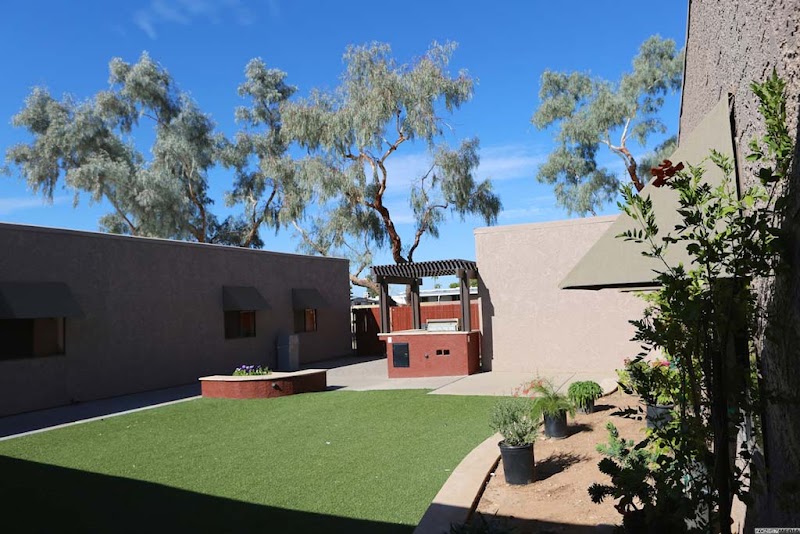
Who Owns and Operates Bella Vita Center?

BELLA VITA HEALTH AND REHABILITATION CENTER is owned by a for-profit company. For-profit facilities operate as businesses with obligations to shareholders or private owners. The facility is operated by THE ENSIGN GROUP, a chain that manages multiple nursing homes. With 176 certified beds and approximately 150 residents (about 85% occupancy), it is a mid-sized facility located in GLENDALE, Arizona.
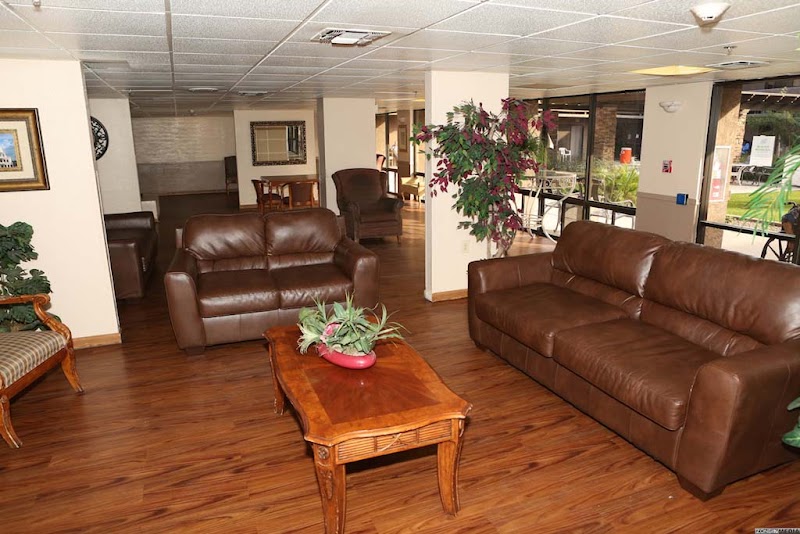
How Does Bella Vita Center Compare to Other Arizona Nursing Homes?

Compared to the 100 nursing homes in Arizona, BELLA VITA HEALTH AND REHABILITATION CENTER's overall rating (3 stars) is below the state average of 3.3, staff turnover (52%) is near the state average of 46%, and health inspection rating (2 stars) is below the national benchmark.

What Should Families Ask When Visiting Bella Vita Center?

Based on this facility's data, families visiting should ask: "What safeguards and monitoring systems are in place to protect residents from abuse or neglect?" "Can you walk me through typical staffing levels on day, evening, and night shifts?" "Can I visit during a mealtime to observe dining assistance and food quality?" "How do you handle medical emergencies, and what is your hospital transfer rate?" These questions are particularly relevant given the substantiated abuse finding on record and the below-average staffing rating.

Is Bella Vita Center Safe?

Based on CMS inspection data, BELLA VITA HEALTH AND REHABILITATION CENTER has documented safety concerns. The facility has 1 substantiated abuse finding (meaning confirmed case of resident harm by staff or other residents). The facility has a 3-star overall rating and ranks #100 of 100 nursing homes in Arizona. Families considering this facility should ask detailed questions about what corrective actions have been taken since these incidents.

Do Nurses at Bella Vita Center Stick Around?

BELLA VITA HEALTH AND REHABILITATION CENTER has a staff turnover rate of 52%, which is 6 percentage points above the Arizona average of 46%. Moderate turnover is common in nursing homes, but families should still ask about staff tenure and how the facility maintains care continuity when employees leave.

Was Bella Vita Center Ever Fined?

BELLA VITA HEALTH AND REHABILITATION CENTER has no federal fines on record. CMS issues fines when nursing homes fail to meet care standards or don't correct problems found during inspections. The absence of fines suggests the facility has either maintained compliance or corrected any issues before penalties were assessed. This is a positive indicator, though families should still review recent inspection reports for the full picture.

Is Bella Vita Center on Any Federal Watch List?

BELLA VITA HEALTH AND REHABILITATION CENTER is not on any federal watch list. The most significant is the Special Focus Facility (SFF) program, which identifies the bottom 1% of nursing homes nationally based on persistent, serious quality problems. Not being on this list means the facility has avoided the pattern of deficiencies that triggers enhanced federal oversight. This is a positive indicator, though families should still review the facility's inspection history directly.