HORIZON POST ACUTE AND REHABILITATION CENTER
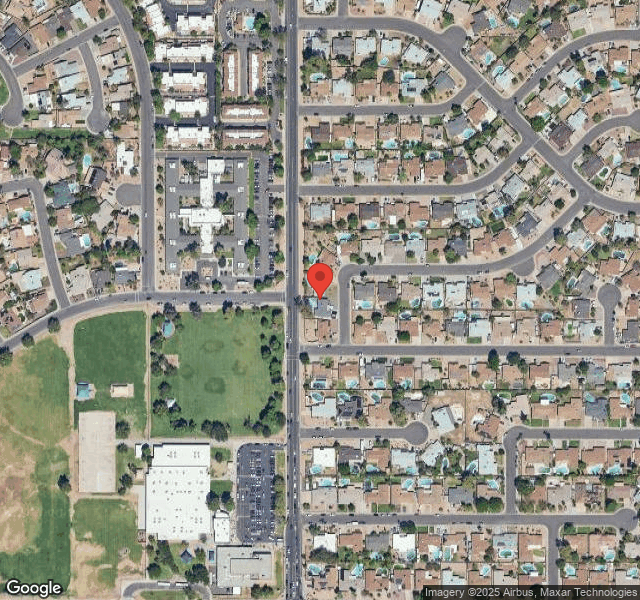
4704 WEST DIANA AVENUE, GLENDALE, AZ 85302 (623) 247-3949
For profit - Corporation 196 Beds THE ENSIGN GROUP Data: November 2025
Trust Grade
75/100
#52 of 139 in AZ
Last Inspection: May 2025

Inspected within the last 6 months. Data reflects current conditions.

Overview

Horizon Post Acute and Rehabilitation Center in Glendale, Arizona, has a Trust Grade of B, which means it is a good choice, indicating a solid level of care. It ranks #52 out of 139 facilities in Arizona, placing it in the top half, and #39 out of 76 in Maricopa County, meaning there are only a few local options that are better. The facility is showing an improving trend, with the number of issues decreasing from 11 in 2022 to 9 in 2025. Staffing is rated average at 3 out of 5 stars, with a turnover rate of 48%, which matches the state average, meaning staff retention is a concern. There have been no fines, which is a positive sign, and the facility has average RN coverage, although more RN oversight could enhance care quality. However, there are specific concerns noted in recent inspections. For instance, there were medication administration errors affecting multiple residents, with a medication error rate of 15.79%, which is higher than the acceptable limit. Additionally, there were issues with ensuring proper care for residents with catheters and feeding tubes, which could lead to potential health risks. Overall, while the facility has strengths like a good trust grade and no fines, families should be aware of the medication errors and care concerns that need to be addressed.

Trust Score
B
75/100
In Arizona
#52/139
Top 37%
Safety Record
Low Risk
No red flags
Inspections
Getting Better
11 → 9 violations
Staff Stability
⚠ Watch
48% turnover. Above average. Higher turnover means staff may not know residents' routines.
Penalties
✓ Good
No fines on record. Clean compliance history, better than most Arizona facilities.
Skilled Nurses
○ Average
Each resident gets 31 minutes of Registered Nurse (RN) attention daily — about average for Arizona. RNs are the most trained staff who monitor for health changes.
Violations
⚠ Watch
20 deficiencies on record. Higher than average. Multiple issues found across inspections.
★★★★☆
4.0
Overall Rating
★★★☆☆
3.0
Staff Levels
★★★★★
5.0
Care Quality
★★★☆☆
3.0
Inspection Score
Stable
2022: 11 issues
2025: 9 issues

The Good

  • 5-Star Quality Measures · Strong clinical quality outcomes
  • Full Sprinkler Coverage · Fire safety systems throughout facility
  • No fines on record

Facility shows strength in quality measures, fire safety.

The Bad

Staff Turnover: 48%

Near Arizona avg (46%)

Higher turnover may affect care consistency

Chain: THE ENSIGN GROUP

Part of a multi-facility chain

Ask about local staffing decisions and management

The Ugly 20 deficiencies on record

Jul 2025 3 deficiencies
CONCERN (D) 📢 Someone Reported This

A family member, employee, or ombudsman was alarmed enough to file a formal complaint

Potential for Harm - no one hurt, but risky conditions existed

Free from Abuse/Neglect (Tag F0600)

Could have caused harm · This affected 1 resident

**NOTE- TERMS IN BRACKETS HAVE BEEN EDITED TO PROTECT CONFIDENTIALITY** The facility failed to ensure one resident was free from abuse from another resident,Based on clinical record reviews, facility ...

Read full inspector narrative →
**NOTE- TERMS IN BRACKETS HAVE BEEN EDITED TO PROTECT CONFIDENTIALITY** The facility failed to ensure one resident was free from abuse from another resident,Based on clinical record reviews, facility documentation, resident and staff interviews, and policy review, the facility failed to ensure that one resident (#100) was free from physical abuse from other residents (resident #200). The deficient practice could result in further incidents of resident to resident abuse.Findings include:-Resident #100 was admitted to the facility on [DATE], with diagnosis that Diabetes mellitus type 2, end stage renal disease, anemia, hyperlipidemia, heart disease and depression.Review of the Quarterly Minimum Data Set (MDS) assessment dated [DATE] revealed a Brief Interview for Mental Status (BIMS) score of 15 which indicated the resident had no cognitive impairment. A behavioral care-plan initiated May 5, 2025 showed the resident had the potential to demonstrate verbally aggressive behaviors related to poor impulse control and agitation, with a goal of will have zero episodes of verbally aggressive or agitation behaviors and a noted intervention of when resident becomes verbally aggressive, intervene before agitation escalates.-Resident #200 was admitted to the facility on [DATE], with diagnosis that include dementia, rheumatoid arthritis, anemia, depression, heart failure, and peripheral vascular disease.Review of the Quarterly Minimum Data Set (MDS) assessment dated [DATE] revealed a Brief Interview for Mental Status (BIMS) score of 9 which indicated the resident had moderate cognitive impairment. A behavioral care-plan initiated September 9, 2021 revealed the resident has the potential to demonstrate physical behaviors related to physical aggression towards other residents, with goals noted as will not harm self or others, and noted interventions of analyze key times, places, circumstances, triggers, and what de-escalated behaviors and document those, assess and anticipate resident's needs, and document observed behavior and attempted interventions.Review of information received from the SA complaint tracking system revealed that on July 18, 2025, at 5:45 a.m. a complaint incident was received that revealed that resident #200 had punched resident #100 with a closed fist. The complaint also states that the administrator was aware and had told the staff to keep quiet about the situation. A review of progress notes for resident #100 dated June 30, 2025 at 12:13 p.m. revealed resident #100 was alert and oriented to person, place and time. Able to communicate well, and had appropriate affect.A review of progress notes for resident #100 dated July 16, 2025 at 3:36 p.m. revealed Resident #100 has been observed bumping into walls and objects while independently wheeling himself in his manual wheelchair. Resident has a dx of legally blind due to Diabetes. Resident has been educated on the risks of ambulating independently. Resident became irate, became verbally aggressive and called is brother [NAME] on the phone. While on speaker, [NAME] asked to be transferred to another facility, his brother agreed and asked this write to facilitate a transfer. Brother was also educated on the risks of resident ambulating independently in his wheelchair and he demanded he continue with the wheelchair.An interview was conducted with resident #100 on July 22, 2025 at 1:45 p.m. The resident stated that he was running down the hallway and bumped into resident #200. He then stated he was shocked and said who was that? and stated that resident #200 got verbally aggressive and punched me in my face. He continued that he was just rolling down the hallway in his wheelchair and that he bumped into resident #200 on accident. The resident further stated that resident #200 was totally abusive. The resident concluded that a charge nurse identified as staff #15 broke it up, and didn't know if anyone else saw it.An interview was conducted with resident #200 on July 22, 2025 at 2:00 p.m. The resident stated that resident #100 ran into him on purpose, from behind. Resident #200 stated that there was all kinds of room on the side in the hallway resident #100 could have used instead of running into him, and pointed to the other side of the hall. Resident #200 stated that he pushed resident #100 away, and that resident #100 came straight at him. Resident #200 stated that resident #100 was trying to hit him and he told him to stop, and that resident #200 was just an asshole and was looking for it. Resident #200 concluded that yes he felt abused and stated that he was just trying to protect himself, and noted that he had a scratch on his arm from the incident. A roughly 1.5 long scratch that appeared to be healing was noted on resident #200's right arm during this interview, however review of skin notes and other documentation reviewed revealed nothing in the clinical record related to the injury.An interview was conducted with a Certified Nursing Assistant (CNA/staff #10) on June 23 2025 at 9:56 a.m. The CNA stated that she has been there a year and 11 months. When asked about the incident between the residents she stated that the incident happened on Wednesday, and that she doesn't work Wednesdays. The CNA concluded that she did hear about the incident involving resident #100 and resident #200 but did not work that day.An interview was conducted with a Certified Nursing Assistant (CNA/staff #5) on June 23, 2025 at 10:08 a.m. The CNA stated that yes resident #100 and resident #200 had an altercation, but that she wasn't involved. The CNA further stated she was in another resident's room when the incident occurred and didn't see anything. She also stated that resident #100 had told her about the incident. The CNA stated that that's what he said referring to resident #100. The CNA stated that after the incident that a nurse took resident #100 down the hallway and took resident #200 to his room.An interview was conducted with a Licensed Practical Nurse (LPN/staff #15) on June 23, 2025 at 10:43 a.m. The LPN stated yeah I got between them, referencing resident #100 and resident #200. The LPN stated that there were arms flailing around, and that like resident #100 said he bumped into the back of resident #200. The LPN stated they were both yelling and flailing arms but stated she did not see the beginning of the altercation. The LPN stated further that from her understanding, both residents were assessed, but that it was just her asking are you ok and that nothing was documented in the record. The LPN stated that she can't speak for other staff, only to what she saw. The LPN concluded that after she reported the incident to the Assistant Director of Nursing (ADON) and the Director of Nursing (DON), and that was all, as the DON and ADON were the ones above her she stated she didn't do anything else.An interview with the Director of Nursing (DON/staff #50) was conducted on June 23, 2025 at 11:20 a.m. The DON stated that she was aware of an incident, and that what she was told was staff #15 heard some arguing, saw them kind of yelling, arms flying a bit, separated them, interviewed them, and stated she guesses resident #100 had bumped into resident #200's wheelchair, and they tried to push each other out of the way. She further stated that staff #15 had assessed both residents, and that usually a skin assessment would be done if they had been hitting each other or if there was a physical altercation. The DON stated that both residents told her they weren't injured, and would normally do a skin assessment if they were. During the interview the DON accessed the clinical record and confirmed that no assessments and no incident documentation was noted for either resident in the clinical record related to the altercation. The DON further stated that the incident wasn't reportable because it was in a community setting and that it wasn't reportable because no threat was made. The DON concluded that it was not reported to any state agency because neither resident stated they were hit.The DON provided camera footage of the hallway where the altercation occurred, and stated that video clearly shows nothing occurred. However, on review of the video, does not show either resident, but does show 6 staff members responding urgently to some kind of situation occurring around the corner out of view from the camera. One of the responding staff members was staff #5, clearly visible in the footage.An interview was conducted with a certified nursing assistant (CNA/staff #5) on June 23, 2025 at 11:37 a.m. During this interview the CNA was shown the footage provided by the DON and confirmed she was one of the responding staff in the video. However, no documentation related to the altercation between resident #100 and resident #200 was noted in the clinical record for either resident, from any author.An interview with the Director of Nursing (DON/staff #50) and Administrator (Admin/staff #75) was conducted on June 23, 2025 at 11:41 a.m. During the interview when asked about the incident the administrator stated they did not report the incident. The Administrator then asked the surveyor why he was not interviewed, as he was the one that conducted the interviews following the incident. The surveyor then asked the administrator why they interviewed the residents if no investigation was completed, and the administrator stated nothing further other than they didn't do an investigation or report it because it wasn't reportable, there wasn't any threats made so we didn't feel we needed to.A review of facility policy titled Abuse: Prevention of and the prohibition against revealed it is the policy of this facility that each resident has the right to be free from abuse, neglect, misappropriation of resident property, and exploitation. It further reveals that abuse is defined as the willful infliction of injury, unreasonable confinement, intimidation, or punishment with resulting physical harm, pain, or mental anguish, and that willful as used in this definition means the individual must have acted deliberately, not that the individual must have intended to inflict injury or harm.
CONCERN (D) 📢 Someone Reported This

A family member, employee, or ombudsman was alarmed enough to file a formal complaint

Potential for Harm - no one hurt, but risky conditions existed

Abuse Prevention Policies (Tag F0607)

Could have caused harm · This affected 1 resident

**NOTE- TERMS IN BRACKETS HAVE BEEN EDITED TO PROTECT CONFIDENTIALITY** The facility failed to ensure a credible allegation of abuse was investigated.Based on clinical record reviews, facility documen...

Read full inspector narrative →
**NOTE- TERMS IN BRACKETS HAVE BEEN EDITED TO PROTECT CONFIDENTIALITY** The facility failed to ensure a credible allegation of abuse was investigated.Based on clinical record reviews, facility documentation, resident and staff interviews, and policy review, the facility failed to ensure that their policy on abuse was followed. The deficient practice could result in more cases of resident to resident abuse not being investigated.Findings include:-Resident #100 was admitted to the facility on [DATE], with diagnosis that Diabetes mellitus type 2, end stage renal disease, anemia, hyperlipidemia, heart disease and depression.Review of the Quarterly Minimum Data Set (MDS) assessment dated [DATE] revealed a Brief Interview for Mental Status (BIMS) score of 15 which indicated the resident had no cognitive impairment. A behavioral care-plan initiated May 5, 2025 showed the resident had the potential to demonstrate verbally aggressive behaviors related to poor impulse control and agitation, with a goal of will have zero episodes of verbally aggressive or agitation behaviors and a noted intervention of when resident becomes verbally aggressive, intervene before agitation escalates.-Resident #200 was admitted to the facility on [DATE], with diagnosis that include dementia, rheumatoid arthritis, anemia, depression, heart failure, and peripheral vascular disease. Review of the Quarterly Minimum Data Set (MDS) assessment dated [DATE] revealed a Brief Interview for Mental Status (BIMS) score of 9 which indicated the resident had moderate cognitive impairment. A behavioral care-plan initiated September 9, 2021 revealed the resident has the potential to demonstrate physical behaviors related to physical aggression towards other residents, with goals noted as will not harm self or others, and noted interventions of analyze key times, places, circumstances, triggers, and what de-escalated behaviors and document those, assess and anticipate resident's needs, and document observed behavior and attempted interventions.Review of information received from the SA complaint tracking system revealed that on July 18, 2025, at 5:45 a.m. a complaint incident was received that revealed that resident #200 had punched resident #100 with a closed fist. The complaint also states that the administrator was aware and had told the staff to keep quiet about the situation. A review of progress notes for resident #100 dated June 30, 2025 at 12:13 p.m. revealed resident #100 was alert and oriented to person, place and time. Able to communicate well, and had appropriate affect.A review of progress notes for resident #100 dated July 16, 2025 at 3:36 p.m. revealed Resident #100 has been observed bumping into walls and objects while independently wheeling himself in his manual wheelchair. Resident has a dx of legally blind due to Diabetes. Resident has been educated on the risks of ambulating independently. Resident became irate, became verbally aggressive and called is brother [NAME] on the phone. While on speaker, [NAME] asked to be transferred to another facility, his brother agreed and asked this write to facilitate a transfer. Brother was also educated on the risks of resident ambulating independently in his wheelchair and he demanded he continue with the wheelchair.An interview was conducted with resident #100 on July 22, 2025 at 1:45 p.m. The resident stated that he was running down the hallway and bumped into resident #200. He then stated he was shocked and said who was that? and stated that resident #200 got verbally aggressive and punched me in my face. He continued that he was just rolling down the hallway in his wheelchair and that he bumped into resident #200 on accident. The resident further stated that resident #200 was totally abusive. The resident concluded that a charge nurse identified as staff #15 broke it up, and didn't know if anyone else saw it.An interview was conducted with resident #200 on July 22, 2025 at 2:00 p.m. The resident stated that resident #100 ran into him on purpose, from behind. Resident #200 stated that there was all kinds of room on the side in the hallway resident #100 could have used instead of running into him, and pointed to the other side of the hall. Resident #200 stated that he pushed resident #100 away, and that resident #100 came straight at him. Resident #200 stated that resident #100 was trying to hit him and he told him to stop, and that resident #200 was just an asshole and was looking for it. Resident #200 concluded that yes he felt abused and stated that he was just trying to protect himself, and noted that he had a scratch on his arm from the incident. A roughly 1.5 long scratch that appeared to be healing was noted on resident #200's right arm during this interview, however review of skin notes and other documentation reviewed revealed nothing in the clinical record related to the injury.An interview was conducted with a Certified Nursing Assistant (CNA/staff #10) on June 23 2025 at 9:56 a.m. The CNA stated that she has been there a year and 11 months. When asked about the incident between the residents she stated that the incident happened on Wednesday, and that she doesn't work Wednesdays. The CNA concluded that she did hear about the incident involving resident #100 and resident #200 but did not work that day.An interview was conducted with a Certified Nursing Assistant (CNA/staff #5) on June 23, 2025 at 10:08 a.m. The CNA stated that yes resident #100 and resident #200 had an altercation, but that she wasn't involved. The CNA further stated she was in another resident's room when the incident occurred and didn't see anything. She also stated that resident #100 had told her about the incident. The CNA stated that that's what he said referring to resident #100. The CNA stated that after the incident that a nurse took resident #100 down the hallway and took resident #200 to his room.An interview was conducted with a Licensed Practical Nurse (LPN/staff #15) on June 23, 2025 at 10:43 a.m. The LPN stated yeah I got between them, referencing resident #100 and resident #200. The LPN stated that there were arms flailing around, and that like resident #100 said he bumped into the back of resident #200. The LPN stated they were both yelling and flailing arms but stated she did not see the beginning of the altercation. The LPN stated further that from her understanding, both residents were assessed, but that it was just her asking are you ok and that nothing was documented in the record. The LPN stated that she can't speak for other staff, only to what she saw. The LPN concluded that after she reported the incident to the Assistant Director of Nursing (ADON) and the Director of Nursing (DON), and that was all, as the DON and ADON were the ones above her she stated she didn't do anything else. An interview with the Director of Nursing (DON/staff #50) was conducted on June 23, 2025 at 11:20 a.m. The DON stated that she was aware of an incident, and that what she was told was staff #15 heard some arguing, saw them kind of yelling, arms flying a bit, separated them, interviewed them, and stated she guesses resident #100 had bumped into resident #200's wheelchair, and they tried to push each other out of the way. She further stated that staff #15 had assessed both residents, and that usually a skin assessment would be done if they had been hitting each other or if there was a physical altercation. The DON stated that both residents told her they weren't injured, and would normally do a skin assessment if they were. During the interview the DON accessed the clinical record and confirmed that no assessments and no incident documentation was noted for either resident in the clinical record related to the altercation. The DON further stated that the incident wasn't reportable because it was in a community setting and that it wasn't reportable because no threat was made. The DON concluded that it was not reported to any state agency because neither resident stated they were hit.The DON provided camera footage of the hallway where the altercation occurred, and stated that video clearly shows nothing occurred. However, on review of the video, does not show either resident, but does show 6 staff members responding urgently to some kind of situation occurring around the corner out of view from the camera. One of the responding staff members was staff #5, clearly visible in the footage.An interview was conducted with a certified nursing assistant (CNA/staff #5) on June 23, 2025 at 11:37 a.m. During this interview the CNA was shown the footage provided by the DON and confirmed she was one of the responding staff in the video. However, no documentation related to the altercation between resident #100 and resident #200 was noted in the clinical record for either resident, from any author.An interview with the Director of Nursing (DON/staff #50) and Administrator (Admin/staff #75) was conducted on June 23, 2025 at 11:41 a.m. During the interview when asked about the incident the administrator stated they did not report the incident. The Administrator then asked the surveyor why he was not interviewed, as he was the one that conducted the interviews following the incident. The surveyor then asked the administrator why they interviewed the residents if no investigation was completed, and the administrator stated nothing further other than they didn't do an investigation or report it because it wasn't reportable, there wasn't any threats made so we didn't feel we needed to.A review of facility policy titled ‘Abuse: Reporting alleged violations of abuse, neglect, exploitation and mistreatment' revealed that in response to allegations of abuse, neglect, exploitation or mistreatment, the facility will ensure that all alleged violations involving abuse, neglect, exploitation or mistreatment including injuries of unknown source and misappropriation of resident property, are reported immediately but not later than 2 hours after the allegation is made if the events that cause the allegation involves abuse or results in serious bodily injury. It further revealed that The facility shall conduct a prompt, thorough, and complete investigation in response to reportable allegations of abuse, neglect, mistreatment, exploitation, or misappropriation of resident property.
CONCERN (D) 📢 Someone Reported This

A family member, employee, or ombudsman was alarmed enough to file a formal complaint

Potential for Harm - no one hurt, but risky conditions existed

Report Alleged Abuse (Tag F0609)

Could have caused harm · This affected 1 resident

**NOTE- TERMS IN BRACKETS HAVE BEEN EDITED TO PROTECT CONFIDENTIALITY** The facility failed to ensure a credible incident of abuse was reported timely and accurately.Based on clinical record reviews, ...

Read full inspector narrative →
**NOTE- TERMS IN BRACKETS HAVE BEEN EDITED TO PROTECT CONFIDENTIALITY** The facility failed to ensure a credible incident of abuse was reported timely and accurately.Based on clinical record reviews, facility documentation, resident and staff interviews, and policy review, the facility failed to ensure that an incident of abuse was reported timely and accurately. The deficient practice could result in further incidents of resident to resident abuse.Findings include: -Resident #100 was admitted to the facility on [DATE], with diagnosis that Diabetes mellitus type 2, end stage renal disease, anemia, hyperlipidemia, heart disease and depression.Review of the Quarterly Minimum Data Set (MDS) assessment dated [DATE] revealed a Brief Interview for Mental Status (BIMS) score of 15 which indicated the resident had no cognitive impairment. A behavioral care-plan initiated May 5, 2025 showed the resident had the potential to demonstrate verbally aggressive behaviors related to poor impulse control and agitation, with a goal of will have zero episodes of verbally aggressive or agitation behaviors and a noted intervention of when resident becomes verbally aggressive, intervene before agitation escalates.-Resident #200 was admitted to the facility on [DATE], with diagnosis that include dementia, rheumatoid arthritis, anemia, depression, heart failure, and peripheral vascular disease.Review of the Quarterly Minimum Data Set (MDS) assessment dated [DATE] revealed a Brief Interview for Mental Status (BIMS) score of 9 which indicated the resident had moderate cognitive impairment. A behavioral care-plan initiated September 9, 2021 revealed the resident has the potential to demonstrate physical behaviors related to physical aggression towards other residents, with goals noted as will not harm self or others, and noted interventions of analyze key times, places, circumstances, triggers, and what de-escalated behaviors and document those, assess and anticipate resident's needs, and document observed behavior and attempted interventions.Review of information received from the SA complaint tracking system revealed that on July 18, 2025, at 5:45 a.m. a complaint incident was received that revealed that resident #200 had punched resident #100 with a closed fist. The complaint also states that the administrator was aware and had told the staff to keep quiet about the situation. A review of progress notes for resident #100 dated June 30, 2025 at 12:13 p.m. revealed resident #100 was alert and oriented to person, place and time. Able to communicate well, and had appropriate affect.A review of progress notes for resident #100 dated July 16, 2025 at 3:36 p.m. revealed Resident #100 has been observed bumping into walls and objects while independently wheeling himself in his manual wheelchair. Resident has a dx of legally blind due to Diabetes. Resident has been educated on the risks of ambulating independently. Resident became irate, became verbally aggressive and called is brother [NAME] on the phone. While on speaker, [NAME] asked to be transferred to another facility, his brother agreed and asked this write to facilitate a transfer. Brother was also educated on the risks of resident ambulating independently in his wheelchair and he demanded he continue with the wheelchair.An interview was conducted with resident #100 on July 22, 2025 at 1:45 p.m. The resident stated that he was running down the hallway and bumped into resident #200. He then stated he was shocked and said who was that? and stated that resident #200 got verbally aggressive and punched me in my face. He continued that he was just rolling down the hallway in his wheelchair and that he bumped into resident #200 on accident. The resident further stated that resident #200 was totally abusive. The resident concluded that a charge nurse identified as staff #15 broke it up, and didn't know if anyone else saw it.An interview was conducted with resident #200 on July 22, 2025 at 2:00 p.m. The resident stated that resident #100 ran into him on purpose, from behind. Resident #200 stated that there was all kinds of room on the side in the hallway resident #100 could have used instead of running into him, and pointed to the other side of the hall. Resident #200 stated that he pushed resident #100 away, and that resident #100 came straight at him. Resident #200 stated that resident #100 was trying to hit him and he told him to stop, and that resident #200 was just an asshole and was looking for it. Resident #200 concluded that yes he felt abused and stated that he was just trying to protect himself, and noted that he had a scratch on his arm from the incident. A roughly 1.5 long scratch that appeared to be healing was noted on resident #200's right arm during this interview, however review of skin notes and other documentation reviewed revealed nothing in the clinical record related to the injury.An interview was conducted with a Certified Nursing Assistant (CNA/staff #10) on June 23 2025 at 9:56 a.m. The CNA stated that she has been there a year and 11 months. When asked about the incident between the residents she stated that the incident happened on Wednesday, and that she doesn't work Wednesdays. The CNA concluded that she did hear about the incident involving resident #100 and resident #200 but did not work that day.An interview was conducted with a Certified Nursing Assistant (CNA/staff #5) on June 23, 2025 at 10:08 a.m. The CNA stated that yes resident #100 and resident #200 had an altercation, but that she wasn't involved. The CNA further stated she was in another resident's room when the incident occurred and didn't see anything. She also stated that resident #100 had told her about the incident. The CNA stated that that's what he said referring to resident #100. The CNA stated that after the incident that a nurse took resident #100 down the hallway and took resident #200 to his room.An interview was conducted with a Licensed Practical Nurse (LPN/staff #15) on June 23, 2025 at 10:43 a.m. The LPN stated yeah I got between them, referencing resident #100 and resident #200. The LPN stated that there were arms flailing around, and that like resident #100 said he bumped into the back of resident #200. The LPN stated they were both yelling and flailing arms but stated she did not see the beginning of the altercation. The LPN stated further that from her understanding, both residents were assessed, but that it was just her asking are you ok and that nothing was documented in the record. The LPN stated that she can't speak for other staff, only to what she saw. The LPN concluded that after she reported the incident to the Assistant Director of Nursing (ADON) and the Director of Nursing (DON), and that was all, as the DON and ADON were the ones above her she stated she didn't do anything else.An interview with the Director of Nursing (DON/staff #50) was conducted on June 23, 2025 at 11:20 a.m. The DON stated that she was aware of an incident, and that what she was told was staff #15 heard some arguing, saw them kind of yelling, arms flying a bit, separated them, interviewed them, and stated she guesses resident #100 had bumped into resident #200's wheelchair, and they tried to push each other out of the way. She further stated that staff #15 had assessed both residents, and that usually a skin assessment would be done if they had been hitting each other or if there was a physical altercation. The DON stated that both residents told her they weren't injured, and would normally do a skin assessment if they were. During the interview the DON accessed the clinical record and confirmed that no assessments and no incident documentation was noted for either resident in the clinical record related to the altercation. The DON further stated that the incident wasn't reportable because it was in a community setting and that it wasn't reportable because no threat was made. The DON concluded that it was not reported to any state agency because neither resident stated they were hit.The DON provided camera footage of the hallway where the altercation occurred, and stated that video clearly shows nothing occurred. However, on review of the video, does not show either resident, but does show 6 staff members responding urgently to some kind of situation occurring around the corner out of view from the camera. One of the responding staff members was staff #5, clearly visible in the footage.An interview was conducted with a certified nursing assistant (CNA/staff #5) on June 23, 2025 at 11:37 a.m. During this interview the CNA was shown the footage provided by the DON and confirmed she was one of the responding staff in the video. However, no documentation related to the altercation between resident #100 and resident #200 was noted in the clinical record for either resident, from any author.An interview with the Director of Nursing (DON/staff #50) and Administrator (Admin/staff #75) was conducted on June 23, 2025 at 11:41 a.m. During the interview when asked about the incident the administrator stated they did not report the incident. The Administrator then asked the surveyor why he was not interviewed, as he was the one that conducted the interviews following the incident. The surveyor then asked the administrator why they interviewed the residents if no investigation was completed, and the administrator stated nothing further other than they didn't do an investigation or report it because it wasn't reportable, there wasn't any threats made so we didn't feel we needed to.A review of facility policy titled ‘Abuse: Reporting alleged violations of abuse, neglect, exploitation, or mistreatment' revealed that the facility will ensure that all alleged violations involving abuse, neglect, exploitation, or mistreatment, including injuries of unknown source and misappropriation of resident property are reported to the administrator of the facility, the state survey agency, and adult protective services.
Jun 2025 1 deficiency
CONCERN (D) 📢 Someone Reported This

A family member, employee, or ombudsman was alarmed enough to file a formal complaint

Potential for Harm - no one hurt, but risky conditions existed

Free from Abuse/Neglect (Tag F0600)

Could have caused harm · This affected 1 resident

**NOTE- TERMS IN BRACKETS HAVE BEEN EDITED TO PROTECT CONFIDENTIALITY** Based on observation, interviews, review of records, and review of facility policy and procedure, the facility failed to protect...

Read full inspector narrative →
**NOTE- TERMS IN BRACKETS HAVE BEEN EDITED TO PROTECT CONFIDENTIALITY** Based on observation, interviews, review of records, and review of facility policy and procedure, the facility failed to protect the rights of one resident (#22) to be free from abuse by another resident (#16). The deficient practice could lead to physical and psychosocial harm to residents. Findings Include: -Resident #22 was admitted to the facility on [DATE] with diagnoses that included: Human Immunodeficiency Virus Disease, hemiplegia, bipolar disorder, generalized anxiety disorder, unspecified dementia, schizoaffective disorder, major depressive disorder, and general muscle weakness. A quarterly minimum data set (MDS) assessment dated [DATE] revealed the resident had a brief interview for mental status (BIMS) score of 9, indicating a moderate cognitive impairment. Further, the MDS revealed that resident #22 had impairments on one side in the upper and lower extremities and used the aid of a wheelchair for mobility. A nursing progress note dated May 18, 2025 at 11:10 p.m. revealed that resident #22 was involved in an altercation with his roommate (resident #16) over noise. Resident's left eye had an abrasion and was beginning to swell. The residents were separated, monitored, and resident #22's eye was treated. -Resident #16 was admitted to the facility on [DATE] with diagnoses including: multiple sclerosis, major depressive disorder, general muscle weakness, and adult failure to thrive. A quarterly MDS assessment dated [DATE] revealed a BIMS score of 15, indicating that resident #16 was cognitively intact. Resident #16's psychiatric progress note dated October 9, 2023 revealed that he did not like his current roommate. Additional psychiatric progress notes dated: October 16, 2023, October 30, 2023, November 13, 2023, December 11, 2023, December 29, 2023, January 12, 2024, January 21, 2024, February 1, 2024, February 16, 2024, March 25, 2024, April 5, 2024, May 10, 2024, June 20, 2024, and July 29, 2024, revealed issues with sleep in regards to roommate and staff providing care. Resident #16's care plan revealed a focus of potential to demonstrate verbally abusive behaviors in regards to ineffective coping skills, initiated on October 7, 2023. Facility census records revealed that resident #22 and resident #16 began sharing room on July 19, 2023. An interview was conducted with resident #22 on June 4, 2025 at 11:58 a.m. Resident #22's eye was still visibly discolored and he stated that he was hit by his roommate late at night after words were exchanged. He stated that resident #16 was frequently verbally aggressive with staff, and resident #22 would tell his roommate to be kind. Resident #16 was interviewed on June 4, 2025 at 12:22 p.m., he stated that he was tired of his shit and insults and that on the night of the incident he told resident #22, Quit f***ing with me, or I will slap the sh** out of you. Soon afterwards he stated that he went to his roommate's bed and hit him one time in the eye with the back of his hand. An interview was conducted with the director of nursing (DON/staff #126) on June 4, 2025 at 1:42 p.m. DON #126 stated that if there are documented behavioral concerns between residents, then the roommates should be separated. When asked to review the psychiatry notes in resident #16's clinical record. DON #126, stated that her expectation would be to have the psych nurse communicated the on going issues so issues could have been addressed. A facility policy titled Abuse: Prevention of and Prohibition Against, revised 10/2023 states that the facility will act to protect and prevent abuse and neglect form occurring in the facility by: identifying, correcting and intervening in situation in which abuse, neglect, exploitation and/or misappropriation of resident's property is more likely to occur.
May 2025 5 deficiencies
CONCERN (D)

Potential for Harm - no one hurt, but risky conditions existed

Deficiency F0578 (Tag F0578)

Could have caused harm · This affected 1 resident

**NOTE- TERMS IN BRACKETS HAVE BEEN EDITED TO PROTECT CONFIDENTIALITY** Based on resident and staff interviews, review of the clinical record, facility documentation and policy, the facility failed to...

Read full inspector narrative →
**NOTE- TERMS IN BRACKETS HAVE BEEN EDITED TO PROTECT CONFIDENTIALITY** Based on resident and staff interviews, review of the clinical record, facility documentation and policy, the facility failed to ensure that a code status was accurate and consistent in the medical record for one (Resident #28) of twenty-seven residents. The deficient practice could result in residents not receiving care consistent with the signed advanced directive. Findings include: Resident # 28 was admitted on [DATE] for surgical aftercare following surgery on skin and subcutaneous tissues. Additional diagnoses included local infection of the skin and subcutaneous tissue, open wound of lower back and pelvis without penetration into retroperitoneum, unspecified open wound of right buttock, unspecified open wound of left buttock, chronic kidney disease, stage 3, hypertensive chronic kidney disease or unspecified chronic kidney disease, unspecified atrial fibrillation, and orthostatic hypotension. A review of the Minimum Data Set (MDS) dated [DATE] revealed a Brief Interview of Mental Status (BIMS) score of 15, suggesting that the resident had no cognitive impairment. A review of the resident dashboard, located in the electronic health record and verified by physician order review revealed a code status of cardiopulmonary resuscitation (CPR) as CPR/Full Code, however the resident's Advanced Care Directive form dated [DATE] indicated that resident preferance as do not resuscitate (DNR) status refusing resuscitation measures including but not limited to: CPR, endotracheal intubation and other advanced airway management, artificial ventilation, defibrillation and related emergency procedures. The form stipulated that if checked, the orange prehospital medical directives form must be completed. The attached orange pre-hospital directive indicated that in the event of cardiac or respiratory arrest, the resident refused any resuscitation measures including cardiac compression, endotracheal intubation and other advanced airway management, artificial ventilation, defibrillation, administration of advanced cardiac life support drugs and related emergency medical procedures. The facility Advance Health Care Directives form indicated the resident had elected DNR code status, however the baseline care plan revealed no entry notating the presence of specific treatment of healthcare choice, whether full-code or DNR. An interview with the resident (#28) was conducted on [DATE] at 09:07 AM who confirmed that she had elected DNR status. An interview was conducted on [DATE] at 08:40 AM with staff #152 Certified Nursing Assistant (CNA). The CNA stated that resident code status is identified using the code arrest book that is located in the nursing station. If a code arrest occurs and the resident is identified as a full code, the facility has a radio system that is used to call for help. If the code is successful, the resident is taken to the hospital. An interview was conducted on [DATE] at 10:07 AM with staff #151 social service supervisor. The social service supervisor revealed advanced directives are confirmed by the nurse during the admission process with the resident or their representative. The nurse confirms and adds the advance directive to the physician orders which are reviewed and signed by the provider. She stated that if a resident who was identified as a full code had a code on the unit, a code would be called using the facility radio system. Responding staff would begin cardiopulmonary resuscitation, using the automated external defibrillator (AED) available on the unit and 911 emergency response would be activated. She stated that if the code is successful, the resident would be transported to the hospital for further care. An interview was conducted on [DATE] at 08:35 AM with staff #101, registered nurse (RN). The RN stated that the staff check the code book at the nurses' station to verify resident code status in conjunction with the electronic health record dashboard to confirm code status. If the resident had elected DNR status, the prehospital directive (orange card) would be placed on the top of the record in the code book at the nurses' station for ease of verification. The RN obtained the book from the nurse's station and verified that resident #28 had both advanced directive and prehospital directives in the record indicating election of DNR status. The RN stated that if there was a noted a discrepancy between the information in the dashboard of the electronic health record and the book on the unit, the RN would report it through the chain of command to the Director of Nursing. The RN obtained the code book from the nursing station and verified that resident #28 had completed advanced directives that indicate DNR status which were in conflict with the notation of full code on the electronic health record dashboard. The RN identified the risk of this discrepancy as a possibility of resuscitating someone who did not want to be resuscitated. Staff #101 stated that this did not meet her expectation, as the code status in the electronic health record and the code arrest book in the nurse's station should all match what is ordered by the physician. An interview was conducted on [DATE] at 10:01 AM with staff #232, Nurse Practitioner (NP) who stated that the advanced directives are typically reviewed with the residents and or representatives if they do not have the capacity to make decisions. Staff #232 stated that he would explain the options and would refer to case management to complete the necessary forms. The NP stated that orders would be placed in the in the medical record if updates or changes were indicated. An interview was conducted on [DATE] at 10:48 AM with staff #109 Director of Nursing (DON), who reviewed the DNR process. She reported that nurses review the consent packet with residents and/or their representatives upon admission to the facility and advanced directives are included in the discussion. When resident's choice is confirmed, the resident or responsible party sign the required forms, the signature is witnessed by facility staff and the documents are scanned and placed in the Electronic Health Record. She stated that medical records staff review the documents and organize them into 'code books' that are located at each nursing station. The DON reported that the medical records department does a weekly review of these resources and if a resident changed their advanced directives, the 'code book' would be updated and new forms scanned into the medical record. The DON stated that corresponding physician orders are entered into the electronic health record. She stated that in the event of a resident emergency, staff confirm code status by accessing the advanced directives on the book at the nurses' station or review of the Kardex in the electronic health record whichever is closer. She stated that this did not meet her expectations and stated that the risk of discrepancy between the book and the electronic health record would be that a resident's elected DNR wishes would not be followed. The DON reviewed the resident's Kardex, electronic health record and 'code book' from the unit and confirmed that there was a discrepancy on the Kardex indicating that the patient had elected full-code status which conflicted with the signed Advanced Care Directive Form dated [DATE]. She confirmed the expectation that the code book and the clinical record match. She identified the discrepancy, that if there is an error, someone who opted not to be coded could be and their wishes may not be followed. The DON stated that she would confirm the resident's advanced directives and follow with a facility-wide audit to ensure accuracy. A review of the facility policy/procedure entitled Advance Directives in Section Care and Treatment reviewed [DATE], revealed that advance directives will be recognized and respected by the facility.
CONCERN (D)

Potential for Harm - no one hurt, but risky conditions existed

PASARR Coordination (Tag F0644)

Could have caused harm · This affected 1 resident

**NOTE- TERMS IN BRACKETS HAVE BEEN EDITED TO PROTECT CONFIDENTIALITY** -Regarding Resident #37: Resident #37 was originally admitted to the facility on [DATE] and most recently re-admitted on [DATE],...

Read full inspector narrative →
**NOTE- TERMS IN BRACKETS HAVE BEEN EDITED TO PROTECT CONFIDENTIALITY** -Regarding Resident #37: Resident #37 was originally admitted to the facility on [DATE] and most recently re-admitted on [DATE], with diagnoses that included, other psychotic disorder due to a substance or known physiological condition, chronic pain, depression and anxiety. A Pre-admission Screening and Resident Review (PASRR) Level I Screening dated September 12, 2024 completed prior to admission, revealed that it was left mostly blank. A care plan initiated on September 12, 2024 included the following focus: -Psychotropic medications use related to schizoaffective disorder -Ineffective coping related to substance abuse -Potential for a psychosocial well-being problem with interventions that included to consult with psych services and social services. -Potential for mood problem An admission Minimum Data Set (MDS) assessment dated [DATE] revealed a Brief Interview for Mental Status (BIMS) score of 15, which indicated intact cognition. The assessment also revealed diagnoses that included a psychotic disorder other than schizophrenia, anxiety disorder and depression. A PASRR Level I Screening dated October 14, 2024 revealed that Resident #37 had mental disorders to include anxiety and depression and had a substance related disorder. A level II screening was deemed necessary for mental illness only. A care plan focus of potential for mood problem revealed a PASRR level II was submitted on October 14, 2024. A PASRR Level II referral response was sent and a note, dated October 16, 2024, from the State PASRR Program-AHCCCS (Arizona Health Care Cost Containment System) relayed that the resident did not meet the criteria for a Level II PASRR evaluation. The letter stated that if their condition changed in the future to submit a new Level I screening tool if needed. A physician order dated February 17, 2024 included an order to administer Olanzapine (antipsychotic) 10 milligrams (mg) for schizoaffective disorder aeb (as evidenced by) striking out. A Review of a PASRR Level I Screening dated February 18, 2025, after the resident had been in the hospital revealed the Mental illness, symptoms and medication sections were left blank, despite the February 17, 2025 diagnosis of schizoaffective disorder. The box was marked that stated no referral necessary for any Level II . A psychologist provider progress note, dated March 6, 2025 revealed a diagnosis of schizoaffective disorder. A modified quarterly Minimum Data Set (MDS) assessment dated [DATE] included active diagnoses of schizophrenia, anxiety and depression. The assessment also included a Brief Interview of mental status (BIMS) score of 15, which indicated intact cognition. Review of the nursing care plan, initiated May 13, 2025, included that the resident was receiving psychotropic medications for schizoaffective disorder. Despite documentation that the resident had a new diagnosis of schizoaffective disorder, no evidence was found that the facility referred the resident to the appropriate state-designated mental health or intellectual disability authority for review or why the resident was not referred. During an interview conducted with the Social Services Assistant (SSA/staff #151) on May 15, 2025 at 8:56 AM, she stated the social services department reviews the face sheet upon admission and completes a PASRR prescreening. She also stated, after that a 30-day PASRR is conducted that included a review of medications, diagnoses and psychiatric notes. She stated that if there were diagnoses such as: anxiety, depression, schizophrenia, any mental diagnosis or psychoactive substance abuse, they would recommend a level II PASRR. The SSA (staff #151) further stated that if a resident had a previous declination of a level II by the State, but then went to the hospital or had a new diagnosis, they would need to be reassess with a Level I PASRR and go through the process again. The SSA stated she was not aware of the schizoaffective disorder diagnosis for Resident #37 and therefore she did not complete a 30-day review or send the referral for a Level II PASRR. An interview was conducted with the MDS Coordinator (staff #41) on May 15, 2025 at 11:02 AM. The MDS Director stated she received information regarding Resident #37's new diagnosis of schizoaffective disorder from a provider progress note dated March 6, 2025. She stated other management team members were aware of the new diagnosis and that a PASRR should have been completed. An interview was conducted with the Social Services Director (staff #45) on May 16, 2025 at 11:02 AM. The Social Services Director stated she and her assistant were not made aware of the new schizoaffective diagnosis in March 2025 for Resident #37. She relayed that Resident #37 should have had a new Level I PASRR completed and it should have been referred to the State for a Level II PASRR, and that this did not occur related to the new diagnosis of schizoaffective disorder. A policy titled, PASRR, reviewed May 2025, revealed that each resident would be properly screened using the PASRR specified by the State. Based on clinical record review and staff interviews, the facility failed to ensure two residents' PASARR screenings (#3, #37) were completed accurately and referred to the appropriate state-designated mental health or intellectual disability authority for review. The deficient practice could result in necessary specialized services not being provided for residents who need it. Findings include: Resident #3 was admitted to the facility on [DATE] with diagnoses that included anoxic brain damage, mood affective disorder, and convulsions. Review of the Arizona Pre-admission Screening and Resident Review (PASSAR) level one screening tool, completed October 19, 2010, revealed that the resident met the criteria for a thirty-day convalescent care stay. At this time, no referral was deemed necessary for a level two PASARR evaluation. Review of Resident #3's diagnoses revealed that she was diagnosed with major depressive disorder, single episode, on February 15, 2014. Resident #3 was then diagnosed with mood disorder due to known physiological condition on August 7, 2019. She was diagnosed with anxiety disorder on July 20, 2021, and she was diagnosed with dementia on October 1, 2022. Record review revealed no evidence that a new PASARR was completed until August 12, 2019. Review of the PASARR level one screening tool, completed August 12, 2019, revealed that Resident #3 was documented to have no serious mental illnesses (SMI) and had no mental disorders or suspected mental disorders. The PASARR indicated that no referral was necessary for a level two PASARR evaluation. Review of the Minimum Data Set (MDS) dated [DATE] revealed that Resident #3 had active diagnoses which included anxiety disorder, depression, bipolar disorder, and mood affective disorder. Review of the physician orders revealed an order, dated May 8, 2025, revealed that Resident #3 was prescribed Mirtazapine 7.5mg for depression. Despite documentation that the resident had diagnoses of major depressive disorder, mood disorder, bipolar disorder, and anxiety disorder, no evidence was found that the facility referred the resident to the appropriate state-designated mental health or intellectual disability authority for review or why the resident was not referred. Interview was conducted on May 16, 2025 at 10:25AM with the Case Manager (Staff #45) and the Social Services Supervisor (Staff #151), who stated that the purpose of a PASARR is to ensure that residents are getting the psychiatric care needed. The staff members stated that in order to determine if Resident #3's 2019 PASARR was completed accurately, they would need to refer to the diagnoses and Medication Administration Record (MAR) from that time. However, the staff members stated that the PASARR completed for Resident #3 in 2019 was not reflective of Resident #3's active diagnoses, and a new one should have been completed. Interview was conducted on May 16, 2025 at 12:32PM with the Director of Nursing (DON/Staff #109), who stated that she would expect all residents to get a PASARR level one screening on admission to determine if a referral for level two services is necessary. She also stated that if a resident remained in the facility after thirty days, she would expect social services to complete a new PASARR. The DON reviewed the PASARRs completed for Resident #3 and agreed that she would expect Resident #3's diagnoses to have been reflected on the PASARR level one screening. The DON identified the purpose of completing an accurate PASARR would be to determine if the resident was safe in the facility or needed a higher level of care. She explained that if a resident was considered to have serious mental illness and required level two services, then the resident's psychiatric needs could not be met in the facility.
CONCERN (D)

Potential for Harm - no one hurt, but risky conditions existed

Deficiency F0761 (Tag F0761)

Could have caused harm · This affected 1 resident

**NOTE- TERMS IN BRACKETS HAVE BEEN EDITED TO PROTECT CONFIDENTIALITY** Based on observations, staff interviews and policy review, the facility failed to ensure that medications were not left at the b...

Read full inspector narrative →
**NOTE- TERMS IN BRACKETS HAVE BEEN EDITED TO PROTECT CONFIDENTIALITY** Based on observations, staff interviews and policy review, the facility failed to ensure that medications were not left at the bedside for one resident (#448). The deficient practice could result in harm to the residents, and/or visitors who have access to medications. Findings Include: Resident #448 was admitted on [DATE], diagnosis included displaced fracture of surgical neck of left Humorous, anemia, retention of urine, hypokalemia, chronic pain syndrome, alcohol abuse, and anxiety disorder. The Admissions Minimum Data Set (MDS) assessment dated [DATE] revealed a Brief Interview for Mental Status (BIMS) score of 15 indicating that resident was cognitively intact. Review of care plan revealed no evidence that Resident #448 was able to self-administer medication. Review of the physician's orders revealed no orders to self-administer medications. Review of the assessments revealed not assessed to self-administer medications. Review of progress note revealed no interdisciplinary meeting for self-administering medication. Further review of the Physicians orders revealed no orders for Omeprazole delayed release capsule, 20 mg acid reducer (proton pump inhibitor). An observation conducted on May 13, 2025 at 08:50 AM revealed Resident #448 was laying in her bed awake, table on the side of her bed which had water and purple medication bottle with a cap on her table. Resident #448 stated that this is her over the counter medication for heart burn. An interview was conducted on May 13, 2025 at 8:54 AM with Certified Nurse Assistance (CNA/staff #200), who identified this medication was Omeprazole 20mg acid reducer for heat burn and it is not supposed to be left on the bedside. She stated there are risk posed to have medication left the bedside where the resident can overdose and cause diarrhea because it is for acidity. CNA took the medication and called the nurse; additionally a doctor came into the room. An interview was conducted on May 13, 2025 at 08:56 AM with the Physician (staff #178), who stated that over the counter medication are not allowed to be on bedside. An interview was conducted on May 13, 2025 at 08:58 AM with the Licensed Practical Nurse (LPN/staff #145), who identified the medication was an over the counter medication Omeprazole 20 mg for acid reflux. She stated that she was not aware that resident #448 had this medication. She stated that medication was not allowed to be on beside. She stated there are risk of this medication left on beside such as resident can overdose, can cause dizziness, vomit, or have abdominal pain. An interview was conducted on May 16, 2025 at 12:18PM with Director of Nursing (DON/ Staff #109), who stated that no one is allowed to have any over the counter medication left on beside even if it is Omeprazole. She also stated strictly no medication can be allowed on beside. She stated that resident is not allowed to self-administer medication unless they have been assessed. She stated if they are assessed and able to self-administer - then the resident would be given knowledge on how safely administer medication and knowledge of the medication, then physician orders the medication, and it will be care planned. She stated that risk of having omeprazole or medication left on bedside the staff member would not know what medication the resident is taking or interaction with the medication that the facility was providing. Reviewed the policy titled Self-Administration of Medications Revised date May 2025 revealed that to participate in self-administration drugs, the interdisciplinary team will assess and periodically re-asses the resident based on change in the resident's status. If resident is a candidate for self-administration of medication, a physician's order for self-administration of medications or for specific medication. Review of policy titled Quality of Life revised April 2025 revealed avoid leaving in the resident's room any medication that might cause harm.
CONCERN (E)

Potential for Harm - no one hurt, but risky conditions existed

Unnecessary Medications (Tag F0759)

Could have caused harm · This affected multiple residents

**NOTE- TERMS IN BRACKETS HAVE BEEN EDITED TO PROTECT CONFIDENTIALITY** Based on observations, staff interviews, record review, and policy review, the facility failed to ensure the medication error ra...

Read full inspector narrative →
**NOTE- TERMS IN BRACKETS HAVE BEEN EDITED TO PROTECT CONFIDENTIALITY** Based on observations, staff interviews, record review, and policy review, the facility failed to ensure the medication error rate was not 5% or greater, by failing to administer medications as ordered for three of four residents (#58, #25, #103). The deficient practice could result in adverse effects and further medication errors. Findings Include: Six medication administration errors were identified out of 38 opportunities during medication administration observation. The medication error rate was 15.79% -Regarding Resident #58 Resident #58 was admitted to the facility on [DATE] with diagnoses that included viral hepatitis, anxiety disorder, depression, and schizophrenia A quarterly Minimum Data Set (MDS) assessment dated [DATE], revealed a Brief Interview for Mental Status (BIMS) score of 15, which indicated intact cognition. Provider orders revealed an order for Senna Plus 8.6/50 mg (milligrams), take 1 tablet by mouth in the morning. The medication was scheduled to be administered at 8:00 AM. A medication administration observation was conducted with a Licensed Practical Nurse (LPN/staff #138) on May 15, 2025 at 7:00 AM for Resident #58. The LPN (staff #138) was observed to take a bottle of Senna 8.6 mg out of the medication cart and place one tablet in the cup with the other medications. The resident was observed to swallow the Senna 8.6 mg. An interview was conducted with the LPN following the administration, regarding administering Senna instead of Senna Plus. The LPN acknowledged that she mistakenly administered the wrong type of Senna to the resident. -Regarding Resident #103 Resident #103 was admitted to the facility on [DATE], with diagnoses that included coronary artery disease, hypertension, Diabetes mellitus, thyroid disorder, and depression. An annual MDS assessment dated [DATE], revealed a BIMS score of 15, which indicated intact cognition. Provider orders for Resident #103 revealed the following orders to be administered at 8:00 AM: -Amlodipine 10 mg, give 1 tablet by mouth -Carvedilol 12.5 mg, give 1 tablet by mouth -Losartan Potassium 50 mg, give 1 tablet by mouth -Levetiracetam 1000 mg, give 1 tablet by mouth -Metformin 500 mg, give 1 tablet by mouth A medication administration observation was conducted with a Licensed Practical Nurse (LPN/staff #153) on May 15 at 9:25 AM for Resident #10. The LPN was observed administering the medications at 9:30 AM, with the resident observed swallowing the medications at 9:31 AM. An interview was conducted with the LPN (staff #153) following the administration. She acknowledged that the medications were administered late according to the provider order and facility policy. She stated medications are considered late if administered more than 1 hour after the scheduled time. The LPN stated she usually finished her 8:00 AM medication pass around 10:30 AM and that she typically administers medications to 27-30 residents. She stated she has brought her concerns regarding late medications to the attention of the Director of Nursing. -Regarding Resident #25 Resident #25 was re-admitted to the facility on [DATE] with diagnoses that included orthopedic aftercare, absence of left toes, and Type 2 Diabetes mellitus with hyperglycemia. A quarterly MDS assessment dated [DATE] revealed a BIMS score of 13, which indicated intact cognition. During a medication observation with another LPN (staff #153), who stated that she had 5 more residents to administer medications. The LPN (staff #153), was observed in a resident's room, administering insulin. Upon exiting the room, the LPN stated she was administering sliding scale insulin to Resident #25. Upon review of Resident #25's orders, an order for blood sugars to be assessed and Humalog sliding scale to be administered before meals. Resident #25's blood sugar was assessed after he had eaten breakfast and the insulin was administered late. An observation of the morning medication pass was conducted on May 16, 2025 at 9:30 AM. One LPN (staff #54) stated that she had 5 more residents to administer medications to at that time. She also stated she had expressed concern to the DON regarding not being able to get medications administered on time. It was observed at this time that the resident had already eaten breakfast. An interview was conducted with the Director of Nursing (DON/staff #109) on May 15, 2025 at 10:16 AM, who stated that medications are considered administered on time if they are administered one hour before to one hour after the scheduled time. She stated nurses have been instructed to communicate with their supervisor if they were not able to administer medications on time. She stated nurses have not communicated any issues to their supervisors. She acknowledged the late medications administered during the observed medication passes and stated the risk of late medications could be adverse effects of medications given too close together. An additional interview was conducted with LPN (staff #138) on May 15, 2025 at 1:02 PM. The LPN stated that she had informed the DON that nurses are not able to complete their medication passes within the one-hour time frame and that medications were therefore being administered late. An additional interview was conducted with the DON on May 16, 2025 at 10:25 AM. She acknowledged the medication errors and stated they are working on a process to address the issue. She stated the medication errors could lead to negative outcomes. A facility policy titled, Administration of Drugs, dated May 2025, revealed that medications shall be administered as prescribed by the attending physician. If a medication is given other than at the scheduled time, the documentation will be reflected in the clinical record.
CONCERN (E)

Potential for Harm - no one hurt, but risky conditions existed

Infection Control (Tag F0880)

Could have caused harm · This affected multiple residents

**NOTE- TERMS IN BRACKETS HAVE BEEN EDITED TO PROTECT CONFIDENTIALITY** -Resident #545 was originally admitted to the facility on [DATE] and re-admitted on [DATE] with diagnoses that included urinary ...

Read full inspector narrative →
**NOTE- TERMS IN BRACKETS HAVE BEEN EDITED TO PROTECT CONFIDENTIALITY** -Resident #545 was originally admitted to the facility on [DATE] and re-admitted on [DATE] with diagnoses that included urinary tract infection, adult failure to thrive, gastrostomy status, chronic kidney disease stage 3, obstructive and reflux uropathy and hemiplegia and hemiparesis following cerebral infarction affecting left non-dominate side. An admission Minimum Data Set (MDS) assessment dated [DATE], revealed that Resident #545 had a Brief Interview for Mental Status (BIMS) score of 6, which indicated severe cognitive impairment. The MDS assessment further revealed that the resident had a Foley catheter and an intravenous catheter (IV). A Nursing Care Plan, dated May 10, 2025, indicated Resident #545 had an indwelling catheter, a Peripherally Placed Central Catheter (PICC) and a feeding tube. Physician orders, dated May 10, 2025, revealed the following: -Check for Foley catheter privacy bag every shift, -Catheter [Foley] care every shift -Check placement of G-tube (feeding tube) every shift, -Cleanse G-tube with warm soap and water or normal saline (NS), pat dry, every shift, -Jevity 1.5 at 80 milliliters per hour (ml/hr) via G-tube continuous via pump x 20 hours per day. Start at 12:00 PM and turn off at 8:00 AM and -PICC line flush with 10 ml NS and 5 ml heparin every shift. An initial observation of Resident #545 was conducted on May 13, 2025 at 12:05 PM. The resident was observed to have a Foley catheter in place. The Foley catheter drainage bag was observed directly on the floor under the resident's bed. A privacy bag was not observed covering the Foley catheter drainage bag and the emptying spout was observed directly touching the floor of the resident's room. An interview was conducted with a Licensed Practical Nurse (LPN/staff #57) on May 13, 2025 at 12:10 PM. The LPN admitted had observed the foley catheter bag sitting on the floor, under the resident's bed. She stated the bag should not be touching the floor and should be in a privacy bag. The LPN was observed to raise the resident's bed to a higher position. Upon raising the bed, it was discovered that the Foley catheter bag was not attached to the bed, but was sitting directly on the floor. The LPN picked up the Foley catheter bag, put a privacy bag over it and hung it from the bed railing. An observation was made of an LPN (staff #138) performing feeding tube and PICC management care on May 15, 2025 at 12:18 PM. The LPN was observed to don a gown outside of Resident #545's room, as the LPN entered the room she donned gloves. The LPN was not observed to sanitize her hands before donning the gloves. The LPN repositioned the resident in his bed, closed the door to his room and doffed her gloves. She then donned new gloves. The LPN did not sanitize her hands in between glove changes. The LPN was observed cleaning the two PICC line ports with an alcohol wipe. She was then observed to administer 10 cubic centimeters (cc) of NS into each port, followed by 5 cc of Heparin (an anticoagulant). The LPN placed an alcohol cap onto each port. She doffed her gloves, threw them into a garbage can and donned new gloves. The LPN did not sanitize her hands in between glove changes. The LPN was then observed to write the date on a bottle of Jevity (tube feeding formula) and hang it on an IV pole. She connected the tubing to the Jevity and to a bag of water that was hanging from the IV pole. The LPN programmed the pump to 80 cc/hr. At that time, the resident had requested a pain pill, so the LPN doffed her gloves and removed her gown. She left the room and came back with a pain pill, after donning a new gown and gloves. She did not sanitize her hands. The LPN was observed to check the placement of the feeding tube, checked for any residual and flushed the tube with 20 cc of water. She administered the crushed pain pill, mixed with water and then flushed again with 30 cc of water. The LPN then secured the feeding tube tubing to the port on the resident and began the feeding. She then removed her gown, doffed her gloves and threw them into the garbage can. She did not sanitize her hands. An interview was conducted with the LPN, following the procedure. She acknowledged that she should have sanitized her hands between donning and doffing gloves and when she removed gloves following the procedures. An interview was conducted with the Director of Nursing (DON/staff #109) on May 16, 2025 at 10:09 AM. The DON stated that the LPN (staff #138) should have sanitized her hands before she began the procedure, before and after donning/doffing gloves and at the end of the procedure. She stated the risk of not doing so could be cross contamination from one to another. Review of the facility policy titled, IPCP Standard and Transmission-Based Precautions (revised October 2022), revealed that Enhanced Barrier Protection (EBP), which referred to the use of gown and gloves during high-contact resident care activities, is indicated when contact precautions do not otherwise apply for residents with wounds and/or indwelling medical devices, regardless of MDRO colonization. The policy also defined wound care as an activity requiring the usage of PPE for residents on EBP. A policy titled, Infection Control/Procedure/Catheter care, reviewed July 2024, revealed that drainage bags were to be kept in privacy bags. It also explained that when performing catheter care, staff should wash hands, put gloves on, perform the task, remove gloves and wash hands. A policy titled, Tube feeding-Nasogastric or Gastrostomy, revised May 2025, revealed staff were to wash hands before performing cares with the feeding tube. Based on clinical record review, observation, and staff interviews, the facility failed to ensure appropriate infection control practices were implemented and followed for two residents (#64, #545). The deficient practice could result in a spread of preventable illness to residents and staff. Findings include: -Resident #64 was admitted to the facility on [DATE] with diagnoses that included dementia, reduced mobility, and aphasia. Review of the care plan revealed a focus, initiated May 28, 2020, which revealed that the resident had actual or potential for pressure injury development related to tube feeding and history of pressure injury over the right heel, left lateral ankle, right medial great metatarsal head, and sacrum/upper buttocks. The focus also revealed that on December 2, 2024, the resident had a pressure injury to the left plantar great metatarsal head. Interventions in place for this focus included the usage of Enhanced Barrier Precautions (EBP). Review of physician orders revealed an order, dated January 10, 2025, which instructed the usage of enhanced barrier precautions, related to enteral feeding and wound care. Review of the Minimum Data Set (MDS), dated [DATE], revealed that Resident #64 had one stage four pressure ulcer, which was present upon admission, and one unstageable pressure ulcer, which was not present upon admission. An observation of wound care was conducted on May 15, 2025 at 2:12PM for Resident #64's left platar great metatarsal head wound and the scar tissue on the resident's ankle. Observation in Resident #64's room during the wound care revealed signage for Enhanced Barrier Precautions (EBP) on the wall behind the resident's bed. The wound care was provided by a Registered Nurse (RN/Staff #11) and a Licensed Practical Nurse (LPN/Staff #105). Prior to interacting with the resident, both staff members performed hand hygiene and donned gloves. Both staff members failed to don gowns prior to beginning the wound care. During the wound care, the staff properly removed the soiled dressings and applied new dressing, but gowns were not utilized in any point during the wound care. An interview was conducted on May 15, 2025 at 2:23PM with the Registered Nurse (RN/Staff #11) who had provided the wound care, stated that gown and gloves would be required during wound care for residents with chronic wounds, who would usually be on contact precautions. She explained that if a resident had a lot of drainage in the wound, this would warrant the resident to be put onto contact precautions, which would then require the use of a gown and gloves. The RN stated that Resident #64 did not have a lot of drainage in her wound, so she did not need to use a gown and gloves during her wound care. Interview was conducted on May 16, 2025 at 12:32PM with the Director of Nursing (DON/Staff #109), who stated that staff should don gown and gloves any time they are providing direct care for residents with orders for Enhanced Barrier Precautions (EBP). The DON identified the purpose of EBP to be to decrease the risk for infection, especially for residents that may have chronic open wounds.
Dec 2022 3 deficiencies
CONCERN (D) 📢 Someone Reported This

A family member, employee, or ombudsman was alarmed enough to file a formal complaint

Potential for Harm - no one hurt, but risky conditions existed

ADL Care (Tag F0677)

Could have caused harm · This affected 1 resident

**NOTE- TERMS IN BRACKETS HAVE BEEN EDITED TO PROTECT CONFIDENTIALITY** Based on review of clinical record review, staff interviews,facility policy and procedure, the facility failed to ensure inconti...

Read full inspector narrative →
**NOTE- TERMS IN BRACKETS HAVE BEEN EDITED TO PROTECT CONFIDENTIALITY** Based on review of clinical record review, staff interviews,facility policy and procedure, the facility failed to ensure incontinence care was provided for one resident (#3). The deficient practice could result in residents not receiving necessary care and services to maintain good grooming and personal hygiene Findings include: Resident #3 was admitted on [DATE] with diagnoses that included dysarthria following unspecified cerebrovascular disease, facial weakness, hemiplegia and hemiparesis, dysphagia following cerebral infarction, muscle weakness, anxiety disorder, and depression. A physician order dated February 10, 2022 included to apply barrier cream to buttocks every shift and as needed for incontinent episodes and preventative measures. The bowel/bladder incontinence care plan was initated on February 10, 2022 with a goal that the resident would remain free from skin breakdown due to incontinence and brief use. Interventions included using disposable briefs and changing them every shift and as needed, encourage fluids during the day to promote prompted voiding responses, establish voiding patterns, and check as required for incontinence. A care plan initiated on February 10, 2022 revealed the resident had the potential for pressure ulcer development related to decreased mobility. The goal was that the resident would have intact skin and be free of redness and blisters. Interventions included applying barrier cream as ordered, encourage fluid intake, assist to keep skin hydrated and daily body checks. The admission Minimum Data Set (MDS) assessment dated [DATE] included a brief interview for mental status (BIMS) score of 12 indicating resident had a mild cognitive impairment. The assessment included the resident was frequently incontinent of urine and bowel, was not on a toileting program, required extensive physical assistance with bed mobility, transfers, toilet use and personal hygiene. Review of the medication administration record (MAR) for May 2022 revealed no documentation the barrier cream was applied to the buttocks on May 9 (night shift) and 11 (day shift). The documentation survey report for May 2022 revealed that the tasks on personal hygiene, bed mobility, bowel and bladder continence and toilet use were not marked as completed on May 3, 8, 14, 23, 28, and 29. The clinical record revealed no evidence that abovementioned tasks were provided to the resident on the dates not marked as completed in the report. During an interview conducted on December 20, 2022 at 3:34 p.m. with a certified nursing assistant (CNA/staff #21) who stated that resident #3 was incontinent, needed his brief changed between 3 and 5 times a shift and needed assistance with a lot of his care. The CNA stated the resident was receptive to care and never refused care from her. An interview with a registered nurse (RN/staff #69) was conducted on December 21, 2022 at 10:41 a.m. The RN stated that resident #3 was incontinent of bladder and bowel many times during the shift and was encouraged to help with his ADLs (activities of daily living); but, the resident was never out of bed for her. During an interview conducted with the Director of Nursing (DON/staff #73) on December 21, 2022 at 11:57 a.m., the DON stated the expectation was for staff to provide continence care, to round on the residents every couple of hours, provide toileting before bed and to document care in the clinical record. A facility policy titled Incontinent Care reviewed May 2022 included that it is the policy of this facility to remove urine and feces from skin, check for incontinent episodes and offer throughout the shifts based on resident needs, cleanse and lubricate skin. The procedure includes to document the care in the resident record.
CONCERN (D) 📢 Someone Reported This

A family member, employee, or ombudsman was alarmed enough to file a formal complaint

Potential for Harm - no one hurt, but risky conditions existed

Quality of Care (Tag F0684)

Could have caused harm · This affected 1 resident

**NOTE- TERMS IN BRACKETS HAVE BEEN EDITED TO PROTECT CONFIDENTIALITY** Based on review of clinical record review, staff interviews, facility policy and procedure, the facility failed to ensure wound ...

Read full inspector narrative →
**NOTE- TERMS IN BRACKETS HAVE BEEN EDITED TO PROTECT CONFIDENTIALITY** Based on review of clinical record review, staff interviews, facility policy and procedure, the facility failed to ensure wound care and treatment was administered as ordered for one resident (#1). The deficient practice could result worsening of the wound. Findings include: Resident #1 was admitted on [DATE] with diagnoses of orthopedic aftercare following surgical amputation, acquired absence of left leg above knee, peripheral vascular disease and local infection of the skin and subcutaneous tissue. A care plan initated on November 11, 2022 revealed the resident had an actual impairment to skin integrity with potential for further impairment related to decreased mobility related to left AKA (above the knee amputation) surgical wound. The goal was that the resident would not have any complications related to the left AKA incision with wound vac. Interventions included to administer treatment per orders, observe effectiveness, identify/document potential causative factors and eliminate/resolve where possible, and follow facility protocols for treatment of injury. The provider order dated November 14, 2022 revealed an order for a NPWT (Negative Pressure Wound Therapy) to left AKA at 125 mmHg (millimeters of mercury) continuously; check proper settings and function; change canister as needed; patch leaks as needed with drape. If unable to maintain good seal or if frank bleeding occurs, stop NPWT and remove dressing; loosely pack with damp gauze with 1/4 strength Dakin's solution and cover with dry dressing; and, notify physician and wound care team every shift. Another physician order dated November 15, 2022 included for NPWT to left AKA at 125 mmHg continuously; check proper settings and function; change canister as needed; patch leaks as needed with drape. If unable to maintain good seal or if frank bleeding occurs, stop NPWT and remove foam dressing; clean with NS (normal saline) or wound cleanser, pat dry and cover with dry dressing and secure; and to notify physician and wound care team every shift for surgical site. The admission Minimum Data Set (MDS) assessment dated [DATE] included a brief interview for mental status (BIMS) score of 14 indicating the resident had intact cognition. The assessment included that resident required extensive physical assistance with bed mobility, transfers, locomotion, dressing, toilet use, and personal hygiene. A provider note November 21, 2022 revealed that the left lower extremity had a significant edema (swelling) within the thigh and over the recent AKA (above the knee amputation) stump. The note included the wound vac was removed for examination and there was significant leakage through the adhesive and poor suction on the sponge dressing. Per the documentation, the skin around the distal thigh was macerated and there was thin serosanguineous drainage from the central and lateral aspect of the wound. Further, the note included the wound vac had not been functioning appropriately; and that, the provider spent a great deal of time cleaning and prepping the wound and reapplying the wound vac. The physician order dated November 21, 2022 included for doxycycline hyclate (antibiotic) Tablet 100 mg (milligram) give 1 tablet by mouth two times a day for left stump cellulitis for 5 days. A daily skilled note dated November 24, 2022 written by a licensed practical nurse (LPN/staff #13) included that the resident had a +4 pitting edema to the left AKA with serosanguineous weeping. The note included the wound vac had no suction and an attempt was made to replace the wound vac; however, the staff was unable to due to moisture. Per the note, dry dressing and gauze with calcium alginate for absorption was applied to the wound. The clinical record revealed no documentation that the physician or the wound team was notified that the wound vac was removed on November 24, 2022. A daily skilled note dated November 25, 2022 included the resident had a wound vac to the left AKA surgical wound and that, the resident responded to treatment. The documentation also included that the wound vac dressing was not holding pressure and had to be replaced. The clinical record revealed no documentation that the physician or the wound team was notified that the wound vac dressing was not holding pressure and had to be replaced on November 25, 2022. A nursing note dated November 26, 2022 at 10:57 a.m. revealed that the wound vac dressing was unable to maintain a good seal or adequate suction despite numerous attempts to seal the dressing. Per the note, the wound vac was stopped and the foam dressing was removed; and that, the incisin was cleansed with wound cleanser, patted dry and covered with dry dressing and absorbent pads and secured with tape. Further, the documentation included that a supervisor was notified. An eMAR (electronic medication administration record) note dated November 26, 2022 at 4:42 pm included that the left stump remained with the wound vac in place at 150 mm Hg. However, there was no evidence found in the clinical record that the order was changed for the wound vac suction setting from 125 mmHg to 150 mmHg. An eMAR note dated November 27, 2022 revealed the resident had a wet to dry dressing applied to the left AKA surgical incision. The MAR for November 2022 revealed the application of NPWT was not marked as administered on November 26 (day shift) and 27, 2022. There was no evidence found in the clinical record the physician or the wound team was notified of the wound vac not administered as ordered on November 26 (day shift) and 27, 2022. A nursing note dated November 28, 2022 revealed there was a dark tissue noted to left stump and the provider was on site and ordered to have the resident sent to the hospital ER via 911. Per the documentation, the family was notified of the transfer. A physician order dated November 28, 2022 included to send resident to the ER (emergency room) for evaluation and treatment via 911. A progress note dated November 28, 2022 revealed that the provider received a call from an NP (nurse practitioner) and a subsequent photo of change in resident's surgical stump. The note included that it needed to be addressed immediately in a hospital; and that, the provider recommend to send the resident to the hospital. An interview was conducted on December 21, 2022 at 8:23 a.m. with the wound nurse (staff #15) who stated that wound vac's should be monitored every shift to ensure they have a seal and the suction was set to the proper level ordered. Staff #15 stated staff are trained to re-enforce the dressing or apply a new one if there was a leak in the wound vac. Staff #15 stated if they cannot get it to maintain good suction they should call the wound team or the provider. Regarding resident #1, the wound nurse said that the resident had a lot of drainage from his surgical wound and it would fill up the small canisters on the wound vac quickly. Staff #15 stated that as long as the canisters were changed regularly, the dressing would not become saturated and it would maintain a good seal; and that, the facility made sure to have back up canisters in the room and at the nursing station to avoid fluid back up into the dressing. Staff #15 said that the issue of excessive fluid was identified on the day of resident #1's admission and a more advanced dressing (dermatack) was used for the drape to stick better to the wounds surrounding tissue. Further, the wound nurse said that she was never called or notified when resident #1 had issues with his wound vac or when there were periods when the wound vac was not in place. During a phone interview with a licensed practical nurse (LPN/staff #13) conducted on December 21, 2022 at 10:04 a.m. the LPN stated that resident #1's wound vac was not draining; and, she had to redo the dressing because when she came on shift the wound vac was not in place. The LPN said she did not know how long the wound vac had been off the resident but the bed was saturated from the night shift. Staff #13 stated she could not get the wound vac to function properly; and, she was not given any information on how to use the wound vac or how to apply it to the resident. An interview was conducted on December 21, 2022 at 11:48 a.m. with another LPN (staff #71) who stated that the suction on a wound vac is set as ordered by the provider; and that, when leaving the room she ensures there are no beeps on the wound vac and that the suction is good. Regarding resident #1, the LPN stated that the resident had a lot of seeping; and that, the canisters on the vac needed changed every couple hours. Regarding her documentation of suction setting of 150 mmHg, staff #71 stated she does not know why she documented that the wound vac was set at 150 mmHg without a physician order. During an interview conducted with the Director of Nursing (DON/staff #73) on December 21, 2022 at 11:57 a.m., the DON stated the expectation was for staff to apply the wound vac properly and monitor that it is functioning during the shift. Regarding resident #1, the DON stated that the resident needed his wound vac to be reapplied constantly and staff made attempts to reinforce the dressing. The DON stated there were extra canisters available in the resident's room and at the nursing station because resident's canisters were filling so fast. Further, the DON stated the expectation was for staff to follow the provider orders for wound care; and that, any issues are communicated with the providers and documented in the clinical record. A facility policy titled Wound Management reviewed May 2022 included to monitor impact of interventions and modify interventions as appropriate based on any identified changes in condition.
CONCERN (D) 📢 Someone Reported This

A family member, employee, or ombudsman was alarmed enough to file a formal complaint

Potential for Harm - no one hurt, but risky conditions existed

Deficiency F0790 (Tag F0790)

Could have caused harm · This affected 1 resident

**NOTE- TERMS IN BRACKETS HAVE BEEN EDITED TO PROTECT CONFIDENTIALITY** Based on clinical record review, staff interviews, and facility policy and procedures, the facility failed to ensure assistance ...

Read full inspector narrative →
**NOTE- TERMS IN BRACKETS HAVE BEEN EDITED TO PROTECT CONFIDENTIALITY** Based on clinical record review, staff interviews, and facility policy and procedures, the facility failed to ensure assistance in obtaining dental care and services was provided to one resident (#4). The deficient practice could result in residents not receiving dental care needed. Findings include: Resident #4 was admitted on [DATE] with diagnoses of hemiplegia and hemiparesis following cerebral infarction, alcohol abuse, severe protein-calorie malnutrition and unspecified dementia. A physician order dated May 6, 2022 included that the resident may have dental care/service as needed. A nurse practitioner (NP) note dated May 9, 2022 included the resident had dental caries and pain when eating. According to the documentation, the resident had a dry mouth, was encouraged to push fluids and to receive oral care. Plan was to follow up with a dentist for poor dentation. Further, the note included that if the resident has fevers or persistent leukocytosis, dentation may be the source of infection. A physician progress note dated May 9, 2022 revealed the resident assessment and plan included to follow up with a dentist for poor dentation. However, review of the clinical record revealed no evidence that a dental order or appointment was made. Another NP note dated May 11, 2022 continued to include that the resident had dental and pain when eating. According to the documentation, the resident had a dry mouth, was encouraged to push fluids and to receive oral care. Plan was to follow up with a dentist for poor dentation. Further, the note included that if the resident has fevers or persistent leukocytosis, dentation may be the source of infection. A nutrition admission evaluation dated May 11, 2022 revealed the resident was on a regular mechanical soft texture, thin fluid consistency, and no supplements ordered. The assessment included the resident had her own upper and lower teeth with some missing on both upper and lower; required extensive assistance with dining in the resident's room; and, needed an altered diet related to chewing ability as evidenced by some missing teeth. Diagnosis included dementia and dehydration. The admission Minimum Data Set (MDS) assessment dated [DATE] included that resident #4 did not have any broken or loosely fitting dentures, no natural teeth or tooth fragments; and, had coughing or choking during meals and complaints of difficulty or pain when swallowing. An eMAR (electronic medication administration record) notes dated May 13 and 14, 2022 included the resident was medicated with Ultracet (analgesic/narcotic) 37.5-325 mg (milligram) for pain everywhere. An eMAR note dated May 29, 2022 revealed the resident was complaining of loosing a tooth on the right-side lower jaw; and that, the physician was notified. A care plan was initiated on May 30, 2022 for oral/dental health problems related to missing/loosing teeth. The goal was that the resident would comply with mouth care at least daily. Interventions included to coordinate arrangements for dental care, monitor/document/report to the physician as needed for signs and symptoms of oral/dental problems and provide mouth care. Despite being care planned, documentation of pain, complaints of losing and missing teeth and physician recommendation to follow-up with a dentist for poor dentation, there was no evidence found in the clinical record that a dental appointment or referral was set or made for resident #4. Further review of the clinical record revealed resident was discharged from the facility on May 31, 2022. A discharge note dated May 31, 2022 revealed the resident was discharged home; and that, all medications, scripts and discharge instructions were provided and reviewed with resident and family. Further, the note included the resident was instructed to follow up with PCP (primary care physician). However, the documentation did not include dental referral or appointment. An interview was conducted on December 20, 2022 at 12:33 pm with Social Services/Case Manager (staff #58) who stated that if a resident needed an urgent dental service related to pain or infection, the dental referral would be initiated within three days. Staff #58 stated there was no dental referral made for resident #4 because there was no specific order for a dental consult. A phone interview with an NP (staff #65) was conducted on December 21, 2022 at 9:51 a.m. The NP stated resident #4 was admitted with poor dentation and there was some concern for infection. Staff #65 stated there were orders for oral care; however, she does not remember the resident complaining of any pain or anything related to her teeth. Further, the NP said that she was never notified of any loosing teeth; and, at the time she felt outpatient dental care would be fine. During an interview with the Director of Nursing (DON/staff #73) conducted on December 21, 2022 at 11:57 a.m., the DON stated resident #4 had poor dentation but it was not an issue for her. The DON stated that if she was having tooth pain or an infection, a physician order would have been entered and the resident would have seen a dentist. Further, the DON stated that if the provider thought the resident could wait and follow up with a dentist after discharge they would have noted that as well in the clinical record. A facility policy titled Dental Services reviewed January 2022 included that it is their policy to ensure that residents who require dental services on a routine or emergency basis have access to such services without barrier. Emergency dental services include services needed to treat an episode of acute pain in teeth, gums, or palate and broken or otherwise damaged teeth or any other problem of the oral cavity that required immediate attention by a dentist. If a referral for dental services does not occur within three business days from the date of loss/damage, the facility will document what actions were taken to ensure the resident could eat, drink and communicate adequately while awaiting dental services.
Apr 2022 8 deficiencies
CONCERN (D)

Potential for Harm - no one hurt, but risky conditions existed

Deficiency F0552 (Tag F0552)

Could have caused harm · This affected 1 resident

**NOTE- TERMS IN BRACKETS HAVE BEEN EDITED TO PROTECT CONFIDENTIALITY** Based on clinical record review, staff interviews, facility documents, and policy review, the facility failed to ensure one resi...

Read full inspector narrative →
**NOTE- TERMS IN BRACKETS HAVE BEEN EDITED TO PROTECT CONFIDENTIALITY** Based on clinical record review, staff interviews, facility documents, and policy review, the facility failed to ensure one resident (#425) and/or their representative were informed of the risks and benefits of a psychotropic medication prior to receiving the medication. The sample size was 6. The deficient practice could result in residents and/or their representatives not being aware of the risks and benefits of psychoactive medications. Findings include: Resident #425 was admitted to the facility on [DATE] with diagnoses that included pneumonia, bipolar disorder, anxiety disorder and hypertension. The resident was discharged from the facility on February 13, 2022. Review of the physician's orders revealed an order dated February 5, 2022 for Trazodone 25 milligrams (MG) by mouth at bedtime for insomnia. This order was discontinued on February 9, 2022. Review of the Medication Administration Record (MAR) for February 2022 revealed Trazodone was administered as ordered through February 8, 2022. However, further review of the clinical record revealed no evidence the resident or the resident's representative were informed of the risks and benefits of receiving Trazodone prior to the medication being administered. An interview was conducted on March 30, 2022 at 1:50 PM with a Licensed Practical Nurse (LPN/staff #146). The LPN stated that if any resident is on a psychotropic medication there has to be a physician's order for the medication. Additionally, the LPN stated that after a physician's order is obtained then a consent from the resident or their representative should be obtained prior to administering the medication. The LPN stated that it is important to obtain a consent from the resident because it is the resident's right to be informed of the side effects and risks related to the drug class. Staff #146 stated that if the resident or representative refused to sign the consent, then the form would be signed as refused and the physician would be notified. An interview was conducted on March 30, 2022 at 2:06 PM with the Director of Nursing (DON/staff #142) The DON stated that when a resident has been ordered a psychotropic medication, the expectation is that staff would ensure there is an appropriate diagnosis, review the risks and benefits of the medication with the resident or the representative, and obtain consent for the medication. The DON stated that it is important to obtain consent prior to the administration of a psychotropic medication because a resident has a right to be informed and to know the risks and side effects, and to make an informed choice for their health or beliefs. The DON stated that Trazodone is an antidepressant psychotropic medication and would require consent prior to administering the medication. The DON stated that after review of resident #425's clinical record, the facility was unable to provide evidence that the facility obtained informed consent for the administration of a Trazodone prior to the medication being administered 4 times. Further, the DON stated that the quality improvement team (QIT) had noticed that these consents for psychotropic medications had been an issue with non-compliance and on February 17, 2022, a plan was implemented to correct the non-compliance. Review of the facility's quality improvement documentation for psychoactive medications revealed the facility had identified a problem with inconsistent documentation for psychoactive medications that included consents not being obtained timely when initiating psychoactive medications. The documentation included an in-service was provided on February 17 & 18, 2022, the content of the in-services, and audits conducted on February 17 & 23, 2022 and March 1, 9, 16, 24, and 29, 2022. The facility's policy titled Psychotropic Drug Use, revised November 2021, revealed informed consent is an educational process that must take place between the facility and the resident. Residents prescribed psychotropic medications will be referred to the facility's Psychotropic Drug Review Committee and/or the Psychiatrist to ensure informed consent is obtained prior to medication use.
CONCERN (D)

Potential for Harm - no one hurt, but risky conditions existed

Deficiency F0561 (Tag F0561)

Could have caused harm · This affected 1 resident

**NOTE- TERMS IN BRACKETS HAVE BEEN EDITED TO PROTECT CONFIDENTIALITY** Based on observation, clinical record review, resident and staff interviews, and policy and procedures, the facility failed to e...

Read full inspector narrative →
**NOTE- TERMS IN BRACKETS HAVE BEEN EDITED TO PROTECT CONFIDENTIALITY** Based on observation, clinical record review, resident and staff interviews, and policy and procedures, the facility failed to ensure one resident (#34) had the right to self-determination by failing to honor the resident request to eat breakfast in the dining room. The sample size was 26. The deficient practice could result in residents being denied their right to make their own decisions. Findings include: Resident #34 was admitted to the facility on [DATE] with diagnoses that included quadriplegia, aphasia, contractures to right and left upper arms, and neuromuscular dysfunction of bladder. Review of the current care plan initiated on June 25, 2014 revealed the resident requires extensive assistance, dependence on staff for activities of daily living (ADL) due to quadriplegia and contractures to both upper extremities. The goal stated the resident's ADL needs will be met by staff. Interventions included assistive dining for all meals and for staff to anticipate and meet the resident's needs. The quarterly Minimum Data Set (MDS) assessment dated [DATE] included a Brief Interview for Mental Status (BIMS) score of 15 indicating the resident was cognitively intact. It also included that the resident was not delusional and did not hallucinate. The assessment included the resident requiring extensive two-person assistance with bed mobility and transfers, extensive one-person assistance with dressing, and was totally dependent for eating. On March 30, 2022 at 7:55 a.m., resident #34's call-light above the resident's door was on. A male staff member was observed answering the call-light at 7:59 a.m. On March 30, 2022 at 8:07 a.m., meal trays were observed being served to resident #34 and resident #34's roommate in their room. On March 30, 2022 at 8:09 a.m., an interview was conducted with resident #34. Resident #34 stated that he had pushed the call-light earlier that morning, and told staff that he wanted to get up and go to breakfast. The resident stated the staff left the room and did not return. It was observed that resident #34 was still in bed, not dressed and the resident's food tray had been left on a mobile tray on the left side of the bed. Resident #34 said he needed help with eating. On March 30, 2022 at 8:19 a.m., a female staff member was observed entering the resident's room with a drink in her hand and shutting the door. The MDS nurse (staff #31) was interviewed on March 30, 2022 at 9:09 a.m. He stated that he was helping out on the 400 Hall this morning with answering call-lights and assisting with meal time. He said that he answered resident #34's call-light earlier that morning and the resident wanted help with getting dressed, and getting up in the wheelchair, so he could go to breakfast in the dining room. Staff #31 said that he announced over the radio that resident #34 wanted to get up, get dressed and go to breakfast, but that he does not know if the Certified Nursing Assistants (CNAs) responded. He stated that if a resident wants to get up, get dressed and go to breakfast, it is his/her freedom of choice to make these decisions. Staff #31 stated that he did not know if there was an impact on a resident who is not allowed to get up, get dressed, and eat with other residents in the dining room. On March 30, 2022 at 9:22 a.m., an interview was conducted with two CNAs (staff #64 and staff #68) in the resident's room. Staff #64 stated that the resident usually gets up, gets dressed, and goes to breakfast in the dining room. It was observed that both staff had radios and they stated that their radios had been on, but they did not hear a message this morning saying that resident #34 wanted to get dressed. Both staff members stated that the resident had eaten breakfast in his room and they had just finished helping the resident get dressed and get up. Resident #34 was observed sitting in the wheelchair. An interview was conducted on March 30, 2022 at 9:39 a.m. with the Director of Nursing (DON/staff #142), who stated that staff are expected to answer the call light as soon as possible. Staff #142 stated staff are supposed to address the resident's needs if possible and, if staff need help, staff is responsible for calling for help on the radio. She said the facility's process for staff members is to call for help and wait for a response from staff over the radio, and if there is no response, staff should seek out staff to assist. She also stated that staff #31 was helping with tray service and answering call-lights this morning. The DON stated that he does not remember staff #31 calling out over the radio for help with resident #34. She said as the DON, she does listen to the radio and would follow-up if no other staff responded. She said the residents have the right to make choices, such as getting dressed, getting up, and eating in the dining room. The DON stated resident #34 may feel ignored and that the resident usually does eat in the dining room. The facility's policy, Resident Rights, stated that as a resident of this nursing facility, you have the right to a dignified existence, self-determination, and communication with and access to persons and services inside and outside the facility. You have the right to be treated with respect and dignity including the right to reside and receive services in the facility with reasonable accommodation of your needs and preferences except when to do so would endanger your or other residents' health or safety. The policy also stated the resident has the right to self-determination through support of their choice, including the right to choose activities, schedules (including sleeping and waking times), health care and providers of health care services consistent with their interests, assessments, plan of care, and make choices about aspects of their life in the facility that are significant to the resident.
CONCERN (D)

Potential for Harm - no one hurt, but risky conditions existed

Quality of Care (Tag F0684)

Could have caused harm · This affected 1 resident

**NOTE- TERMS IN BRACKETS HAVE BEEN EDITED TO PROTECT CONFIDENTIALITY** Based on observations, clinical record review, resident and staff interviews, and policy and procedures, the facility failed to ...

Read full inspector narrative →
**NOTE- TERMS IN BRACKETS HAVE BEEN EDITED TO PROTECT CONFIDENTIALITY** Based on observations, clinical record review, resident and staff interviews, and policy and procedures, the facility failed to ensure [NAME] Hose were applied to one of two sampled residents (#113) as per the physician order. The deficient practice could impact the health and wellbeing of residents. Findings include: Resident #113 was admitted to the facility on [DATE] with diagnoses that included Parkinson's disease, osteomyelitis of the vertebra, sacral, and sacrococcygeal region, thrombocytosis, and a coagulation deficit. Review of the clinical record revealed a physician order dated March 3, 2022 for bilateral lower extremity anti-embolism stockings/TED hose or equivalent size extra-large, wear while in bed as tolerated, remove every shift for skin inspection and notify the provider if present; every shift for DVT prophylaxis The admission Minimum Data Set (MDS) assessment dated [DATE] included a Brief Interview for Mental Status (BIMS) score of 15, indicating the resident was cognitively intact. It also included that the resident did not refuse care during the lookback period. A Nurse Practitioner (NP) progress note dated March 28, 2022 stated that the NP discussed elevation and compression of edematous extremities with the resident's nurse. Edema improved, resident with 1+pitting edema with some retraction to lower extremity. Review of the Treatment Administration Record (TAR) for March 2022 revealed no evidence the anti-embolism stockings/TED hose or equivalent were applied on March 30 and 31, 2022. Review of the progress notes for March 28 through March 31, 2022, did not reveal evidence the resident refused to wear the [NAME] hose. During the initial interview conducted with resident #113 on March 28, 2022 at 1:37 p.m., it was observed that the resident was not wearing a [NAME] hose on the bilateral left extremity while in bed. On March 29, 2022 at 10:22 a.m., the resident was observed not wearing [NAME] hose while in bed. On March 30, 2022 at 11:16 a.m., the resident was observed not wearing [NAME] hose while in bed. An interview was conducted on March 30, 2022 at 11:16 a.m. with a Licensed Practical Nurse (LPN/staff #48), who stated that [NAME] hose are normally put on by the nurse and if the resident refuses to wear the [NAME] hose, she would document the refusal in the progress note/MAR (Medication Administration Record). Then, she reviewed the MAR for March 2022 and the progress notes and stated that she could not find any documentation saying the resident refused to wear the [NAME] hose. On March 30, 2022 at 11:26 a.m., an interview was conducted with a Certified Nursing Assistant (CNA/staff #144), who stated that he knows the resident and has worked with the resident at least 6 times. The CNA stated that he has never seen the resident wearing [NAME] hose. Then, the CNA spoke to the resident and observed that the resident was not wearing the [NAME] hose. The resident told the CNA that he has not worn the [NAME] hose for at least a week and does not know if he is still supposed to be wearing them. The resident stated that he would wear the [NAME] hose if he is supposed to wear them. Staff #144 said he would follow-up on the [NAME] hose. On March 30, 2022 at 12:12 p.m., staff #144 stated he went to central supply and got a new [NAME] hose for the resident. An interview was conducted on March 30, 2022 at 12:13 p.m. with an LPN (staff #143). He reviewed the resident's TAR and said the resident was supposed to have [NAME] hose on, and observed that the [NAME] hose was not on. The LPN said that it is his understanding that the [NAME] hose should have been put on that morning, but the CNA did not know that the resident was supposed to wear the [NAME] Hose. The LPN stated that he would be making a note that the [NAME] Hose were not put on the resident and that new ones were retrieved by the CNA. The Director of Nursing (DON/staff #142) was interviewed on March 30, 2022 at 12:51 p.m. She said the nurses are supposed to put the [NAME] hose on the residents, and that an order is needed. Staff #142 stated the [NAME] hose are usually put on during the first medication round and the first round starts at 8:00 a.m. The DON stated it is her expectation that staff notify her or go to central supply to get the [NAME] hose if needed. She said, if a resident refuses to wear the [NAME] hose, staff should document the refusal on the MAR, notify the provider, and document in a progress note that the resident was educated on risks and benefits regarding the [NAME] hose. The DON stated that there is a risk of edema if [NAME] hose are not put on. The facility's policy, Anti-embolic Stocking (Elastic Stockings, [NAME] Hose), reviewed April 2021 stated it is the policy of the facility to provide support for lower extremities and to aid return circulation from lower extremities as needed. Observe the resident for signs and symptoms of circulatory problems, including color of toes, temperature, pain, and edema. Remove stockings as ordered or at least once every shift, unless contraindicated, to inspect the condition of skin. The facility's policy, Physician Orders, revised August 2021 stated it is the policy of this facility to accurately implement orders in addition to medication orders (treatment procedures) only upon the written order of a physician duly licensed and authorized to do so in accordance with the resident plan of care.
CONCERN (D)

Potential for Harm - no one hurt, but risky conditions existed

Respiratory Care (Tag F0695)

Could have caused harm · This affected 1 resident

**NOTE- TERMS IN BRACKETS HAVE BEEN EDITED TO PROTECT CONFIDENTIALITY** Based on observation, clinical record review, resident and staff interviews, and policy and procedures, the facility failed to e...

Read full inspector narrative →
**NOTE- TERMS IN BRACKETS HAVE BEEN EDITED TO PROTECT CONFIDENTIALITY** Based on observation, clinical record review, resident and staff interviews, and policy and procedures, the facility failed to ensure a physician order was in place prior to administering oxygen to one of two sampled residents (#113). The deficient practice could result in residents receiving unnecessary oxygen treatment. Findings include: Resident #113 was admitted to the facility on [DATE] with diagnoses that included Parkinson's disease; osteomyelitis of vertebra, sacral, and sacrococcygeal region; thrombocytosis, and a coagulation deficit. The admission Minimum Data Set (MDS) assessment dated [DATE] included a Brief Interview for Mental Status (BIMS) score of 15, indicating the resident was cognitively intact. The assessment also included the resident did not receive oxygen therapy while at the facility during the lookback period. A review of the Daily Skilled Note dated March 18, 2022 revealed under respiratory, oxygen via nasal cannula was administered while a resident and was set at 2 liters. Review of a Daily Skilled Note dated March 23, 2022 revealed the resident's oxygen saturation was 95% and the Method: was oxygen via nasal cannula. A Daily Skilled Note dated March 25, 2022 revealed the resident's oxygen saturation was 92% and that the Method: was oxygen via nasal cannula. A Daily Skilled Note dated March 29, 2022 at 9:37 a.m. stated the oxygen saturation was 96.0 % and Method: oxygen via nasal cannula. However, review of the clinical record did not reveal an order for oxygen therapy. On March 28, 2022 at 1:31 p.m., the resident was observed receiving oxygen via nasal cannula, while lying in bed. The oxygen concentrator was between 3-4 liters. The resident stated that he was not sure how many liters of oxygen was supposed to be administered. An interview was conducted on March 30, 2022 at 11:16 a.m. with a Licensed Practical Nurse (LPN/staff #48). She reviewed the resident's orders and stated that she did not see an order for oxygen. Then she reviewed the progress notes and said the note dated March 29, 2022 at 9:37 a.m. says the resident received oxygen via cannula and the oxygen saturation was 96%. She said, since the resident's oxygen level was at 96%, this was not an emergency situation and there should have been an order for oxygen. On March 30, 2022 at 12:56 p.m., an interview was conducted with the Director of Nursing (DON/staff #142). She stated that an order is needed prior to administering oxygen to a resident. She said staff would administer oxygen if the resident was having desaturation, below 90% oxygen saturation, and would contact the physician. Then, she reviewed the progress note dated March 29, 2022 at 9:37 a.m. and stated that the note says the resident received oxygen via cannula and the oxygen saturation was 96%. She also said that the note should have included that the physician was contacted. The facility's policy, Oxygen Therapy, reviewed July 2021 stated it is the policy of this facility that oxygen therapy is administered by a licensed nurse as ordered by the physician or as a nursing measure and in an emergency measure until the order can be obtained.
CONCERN (D)

Potential for Harm - no one hurt, but risky conditions existed

Unnecessary Medications (Tag F0759)

Could have caused harm · This affected 1 resident

**NOTE- TERMS IN BRACKETS HAVE BEEN EDITED TO PROTECT CONFIDENTIALITY** Based on observations, clinical record reviews, staff interviews, review of facility documents, and review of policies and proce...

Read full inspector narrative →
**NOTE- TERMS IN BRACKETS HAVE BEEN EDITED TO PROTECT CONFIDENTIALITY** Based on observations, clinical record reviews, staff interviews, review of facility documents, and review of policies and procedures, the facility failed to ensure the medication error rate was not 5% or greater, by failing to administer medications as ordered to two residents (#27 and #183). The error rate was 10.71%. The deficient practice could result in further medication errors. Findings include: -Resident #183 was most recently admitted to the facility on [DATE] with diagnoses that included cutaneous abscess of the abdominal wall, severe protein-calorie malnutrition, and gastrostomy status. On March 30, 2022 at 8:14 a.m., a Licensed Practical Nurse (LPN/ staff #143) was observed to administer resident #183 medications during a medication administration observation. The LPN was observed to separately crush four medications, including a Carafate tablet, and mix the medications with water in separate medication cups. The LPN put the resident's tube feeding on hold; flushed the gastrostomy tube with water; and administered the medications separately through the gastrostomy tube with a water flush between each medication. However, review of the physician's orders revealed an Enteral Feeding Order dated March 12, 2022, every shift may crush medications and administer via feeding tube unless contraindicated; and an order dated March 21, 2022 for Sucralfate (Carafate) 1 gram (GM) tablet by mouth three times a day for gastric protection. An interview was conducted on March 30, 2022 at 12:51 p.m. with the LPN (#143). He stated that he was expected to follow the route of medication administration that was written in the physician's order. He stated that he would contact the physician and clarify the order if he thought the order was wrong. The LPN reviewed the order and stated that the order was to give the Carafate by mouth. He stated that he had crushed and given the medication by gastrostomy tube and that it was an error. He stated that if he had noticed that the medication was ordered to be given by mouth he would have called the physician and gotten the order clarified as the resident could eat food by mouth. An interview was conducted on March 30, 2022 at 1:49 p.m. with the Director of Nursing (DON/staff #142). She stated that she expected the staff to follow the physician's orders as written, including medication routes. She stated that if a nurse questioned a medication order, the nurse should review the order, find out who the physician is and call them to clarify the order and to see if the order was written as intended. She stated if the medication is ordered by mouth and given through the feeding tube staff did not meet her expectations. She stated that the resident may have an order to crush and combine unless contraindicated but that would not change the route ordered i.e. by mouth. She stated that she would have expected the nurse to clarify with the resident and the physician and update the order if indicated. The DON stated the risk of giving the medication by the wrong route would depend on the medication. The DON stated if the medication needed to be administered orally to attain the intended effect, the same effect might not be achieved by an alternate route. A second interview was conducted on April 1, 2022 at 9:05 a.m. with the DON. On review of the facility provided Physician's Desk Reference (PDR) information for Carafate, the DON stated that the medication was contraindicated for crushing and should not have been crushed and administered via the gastrostomy tube. Review of facility provided documentation of undated PDR.net (Physician Desk Reference) drug information for Carafate revealed: Oral administration, Take on an empty stomach at least one hour prior to a meal and at bedtime. Oral Solid Formulations: Tablets; Do not crush or chew (the tablet dosage form is not amenable to crushing or chewing). -Resident #27 was admitted to the facility on [DATE] with diagnoses that included sepsis, muscle weakness, and dysphagia. On March 30, 2022, starting at 8:43 a.m., an LPN (staff #86) was observed to administer three resident's medications, including resident #27, during a medication administration observation. During the observations, the LPN was observed to administer resident #27 medications that included aspirin and Baclofen (skeletal muscle relaxant). The nurse crushed and combined the medications being administered and mixed the medications into applesauce. Review of the physician's orders revealed an order dated February 11, 2019 for aspirin tablet 81 milligram (mg) tablet by mouth one time a day for Deep Vein Thrombosis (DVT) prophylaxis; and an order dated March 24, 2021 for Baclofen 5 mg tablet by mouth one time a day for muscle contractures. However, review of the clinical record did not reveal orders, or other documentation, that the resident was to receive medications in crushed form or to combine the crushed medications. An interview was conducted on March 30, 2022 at 12:26 p.m. with the resident. She stated that she is able to take her medication whole and that she had not requested her medications to be crushed, she further stated that she did not care either way. An interview was conducted on March 30, 2022 at 12:29 p.m. with the LPN (staff #86). She stated that the resident had had difficulty with taking whole pills because the resident had only one or two teeth. She stated the resident's medication administration had been changed to crushing the medications and mixing them in applesauce, or giving whole in applesauce. The LPN stated that the resident should have an order to crush the medication and to combine the medications. The nurse reviewed the physician's orders for the resident and stated that there was no order to crush the resident's medications. She stated that she should not have crushed the medications without an order. The LPN stated that she did not follow protocol and there would be risks to the resident of crushing a medication that was contraindicated for crushing, or a risk of interactions between the medications that were mixed together. An interview was conducted on March 30, 2022 at 1:49 p.m. with the DON (staff #142). She stated that a resident may have an order to crush and combine medications unless contraindicated. She stated that the order should be in the electronic record as an order. The DON stated that if the resident did not have the order to crush and combine their medications then staff would not be able to crush the resident's medications. The DON stated the risk of crushing a resident's medications without a physician's order would be that staff might crush a medication that was contraindicated for crushing and/or the medications could contradict one another if mixed. She stated that the resident's medications may not have been reviewed by the pharmacist to determine if the medications could be crushed. Review of a facility policy for Crushing Medications dated April 2021 revealed it is the policy of this facility that medications may be crushed when it is safe to do so. Medication tablets may be crushed or capsules emptied out when a resident has difficulty swallowing, or is a tube feeder. The following guidelines must be used when the crushing of a medication is necessary, which included, the resident's Medication Administration Record must indicate the necessity for crushing the medication. Review of a policy on Physician's Orders dated as reviewed August 2021 revealed it is the policy of this facility to accurately implement orders only upon the written order of a person duly licensed and authorized to do so in accordance with the resident's plan of care. Orders for medications must include route of administration if other than oral. Review of a policy for Administration of Drugs revised May 2021 included it is the policy of this facility that medications shall be administered as prescribed by the attending physician. Medications must be administered in accordance with the written orders of the attending physician. The seven rights of medication administration are as follows in order to ensure safety and accuracy of administration. Right route-medications are administered according to the route prescribed.
CONCERN (D)

Potential for Harm - no one hurt, but risky conditions existed

Deficiency F0810 (Tag F0810)

Could have caused harm · This affected 1 resident

**NOTE- TERMS IN BRACKETS HAVE BEEN EDITED TO PROTECT CONFIDENTIALITY** Based on observations, clinical record review, staff interviews, and policy review, the facility failed to ensure a dish for ass...

Read full inspector narrative →
**NOTE- TERMS IN BRACKETS HAVE BEEN EDITED TO PROTECT CONFIDENTIALITY** Based on observations, clinical record review, staff interviews, and policy review, the facility failed to ensure a dish for assistive eating was provided for one sampled resident (#49) as ordered. The deficient practice could result in residents not receiving eating equipment needed when consuming meals. Findings include: Resident #49 was admitted to the facility on [DATE] with diagnoses that included legal blindness, diabetes mellitus, and depression. Review of the clinical record revealed a physician order dated December 13, 2018 for a regular diet, regular texture, thin liquids consistency, diet condiments/deserts, and for the resident's food to be in a bowl. The quarterly Minimum Data Set assessment dated [DATE] revealed a score of 15 on the Brief Interview for Mental Status which indicated the resident had intact cognition. The assessment included the resident had severely impaired vision. The assessment also revealed the resident required supervision of one person for eating and extensive assistance of two+ persons for bed mobility and transfer. Review of the resident's current care plan dated February 24, 2022 revealed the resident has the potential for nutritional problems and requires food to be in bowls to promote self-feeding (legally blind). An observation was conducted of the resident on March 29, 2022 at approximately 8:45 a.m. The resident was observed eating breakfast (1 pancake and 1 sausage) without assistance. The resident's food was observed on a plate and not in a bowl. During the observation, a staff member entered the resident's room to assist the resident and told the resident the food was on the plate. On March 30, 2022 at 8:13 a.m., the resident was observed eating food on a plate. The resident's meal consisted of eggs, toast with jam, banana, and cream of wheat. The cream of wheat was in a bowl. Following the observation, an interview was conducted with a Certified Nursing Assistant (CNA/staff #68), who stated the diet ticket states what diet and assistance residents require. Regarding resident #49, the CNA stated that the resident needs all food to be in a bowl. She stated that she must tell the resident which side the food is on because the resident cannot see. An interview was conducted with the Dietary consultant (staff #155) on March 30, 2022 at 2:39 p.m. Staff #155 stated that the meal ticket for resident #49 did not include the use of a bowl for food. She stated the process is first there is a diet assessment with recommendations which can include assistive devices, then a diet order for the assistive device, the assistive device will be added to the resident's meal ticket, and dietary staff will follow the order including providing the assistive device. She stated the bowl was on resident #49's care plan but was not added to the resident's meal ticket. Staff #155 stated the resident's meal ticket was revised today to indicate the use of the bowl. During an interview conducted with the Director of Nursing (DON/staff #142) on March 31, 2022, the DON stated assistance with meals are on the resident's care plan and the [NAME]. The DON also stated that she would have to review resident #49's plan of care. The facility's policy Physician Orders revised May 2021 stated it is the policy of this facility to accurately implement orders in addition to medication orders (treatment, procedures) only upon the written order of a person duly licensed and authorized to do so in accordance with the resident's plan of care.
CONCERN (D)

Potential for Harm - no one hurt, but risky conditions existed

Medical Records (Tag F0842)

Could have caused harm · This affected 1 resident

Deficiency Text Not Available

Read full inspector narrative →
Deficiency Text Not Available
CONCERN (E)

Potential for Harm - no one hurt, but risky conditions existed

Infection Control (Tag F0880)

Could have caused harm · This affected multiple residents

**NOTE- TERMS IN BRACKETS HAVE BEEN EDITED TO PROTECT CONFIDENTIALITY** Regarding resident #105 Resident #105 was admitted to the facility on [DATE] with diagnoses that included osteomyelitis of the l...

Read full inspector narrative →
**NOTE- TERMS IN BRACKETS HAVE BEEN EDITED TO PROTECT CONFIDENTIALITY** Regarding resident #105 Resident #105 was admitted to the facility on [DATE] with diagnoses that included osteomyelitis of the left ankle and foot, type 2 diabetes mellitus with diabetic neuropathy and chronic obstructive pulmonary disease (COPD). Review of the quarterly Minimum Data Set (MDS) assessment dated [DATE] revealed a Brief Interview for Mental Status (BIMS) score was 15 which indicated the resident was cognitively intact. The assessment indicated that the resident had a diabetic foot ulcer that required ointments and dressings. A physician order dated March 4, 2022 stated wound culture to the left foot. Review of a wound culture result indicated it was collected from the resident's wound on the left lower extremity on March 4, 2022, and was reported to have moderate growth of staphylococcus aureus and carbapenem-resistant Enterobacteriaceae (CRE) Klebsiella pneumoniae on March 14, 2022. The Nurse Practitioner (NP/staff#147) event note dated March 15, 2022 stated the wound culture has resulted and is positive for moderate growth of E. faecalis sensitive to Penicillin and Vancomycin, moderate growth CRE Klebsiella pneumonia, moderate growth MSSA (methicillin-susceptible Staphylococcus aureus). Current antibiotic regimen with Vancomycin and Cefepime adequate coverage for E. faecalis and MSSA. No options at facility for treatment of CRE. The resident should be in contact isolation due to CRE. Review of the resident census for March 2022 revealed that resident #105 was in a semi private shared room with a resident on March 1, 2022 until March 19, 2022. Further review of the March 2022 census revealed that resident #105 was moved to a private room on March 19, 2022. A physician order dated March 21, 2022 stated change of condition for contact isolation for CRE in left foot and intravenous (IV) antibiotics for osteomyelitis to left foot until April 16, 2022. An interview was conducted on March 31, 2022 at 1:44 PM with a Registered Nurse (RN/staff #18). The RN stated that there is a dashboard in the computer charting system that notifies the nursing staff of new lab results. She stated that it is the nurse's responsibility to review the lab result and notify the physician. The RN stated that lab result reports such as wound cultures are reported to the facility staff typically in the morning. The RN stated that if an abnormal lab result or wound culture was resulted and indicated an infectious disease, then the resident should be placed in isolation. The RN stated that if the physician did not give orders for isolation and she knew the resident had an infectious disease, then she would notify the Director of Nursing (DON). Staff #18 stated for a wound that is infectious, the resident should be placed into a private room as soon as possible. The RN stated that if the resident's wound culture result was reported on March 14, 2022, then the resident should have been placed in isolation right away because of the CRE in the wound. The nurse stated that she suspected that resident #105 was not compliant with the dressing on the left leg. She explained that the resident knows how to remove the boot because the resident instructs the nurses how to do it. The RN stated that when she further assessed the dressing that the dressing appeared to be ball up and looked like it was rearranged. The nurse stated that if it took the facility 5 days to place the resident on isolation precaution and move the resident to a private room, it would be too long as there is a potential risk for infection to spread to staff and other residents. An interview was conducted on March 31, 2022 at 2:30 PM with the RN Infection Preventionist (IP/staff #99). The IP stated that when a floor nurse receives lab results, they should review the results and notify the physician. She further explained that if the nurse does not understand the result or is unfamiliar with the lab or wound culture result, then they should ask the charge nurse or the IP. Staff #99 stated that she and the DON run reports twice a week to review labs. She stated that a part of her role as an Infection Preventionist is mapping infections and looking at orders and progress notes. The IP stated that if a wound culture is abnormal, the nurses should notify the provider and isolation precautions should start very soon after. She stated, four or five days later is too long for an infectious disease. The IP reviewed the resident #105's clinical record and stated that the resident was moved to a private room on March 19, 2022. Additionally, the IP stated while staff should use standard precaution with all wounds, there is a risk to spread infection to others in the facility. An interview was conducted on March 31, 2022 at 2:57 PM with the DON (staff#142). The DON stated that if an abnormal lab result or wound culture was resulted and received, then the nurse should notify the provider and the provider should provide new orders. The DON stated that if the provider orders a resident to be placed on isolation precautions, then the facility staff should get the room set up and transfer the resident to the private room as soon as they receive the physician order to do so. The DON stated that when she reviewed the census sheet for room changes on Monday March 21, 2022, it was revealed resident #105 had been moved from a semi private room on March 19, 2022 to a private room over a weekend. Further she stated she reviewed the NP note that was entered late and noticed that the resident should be placed on contact precautions. The DON stated she entered the physician's order on March 21, 2022. The DON stated that the standard of practice that occurred in this case does not meet her expectations. Another interview was conducted on April 1, 20221 at 8:20 AM with DON (staff#142). The DON stated that the resident was moved on March 19, 2022 because the nurse manager spoke with the infectious disease physician and the physician directed the nurse supervisor to move the resident and place the resident on contact precautions. The DON stated there was no physician's order entered into the resident's clinical record until March 21, 2022. The DON stated that she went back and spoke to the RN (staff #18) about the resident being non-compliant and picking at the dressing. The DON stated that staff #18 confirmed to the DON that yes, she thought the resident picked at the dressing. The DON stated that her expectation of the nurse is to document and notify the provider because there is further increased risk to spread infection. The DON stated that if the resident's wound culture result came in on March 14, 2022 and was determined as infectious, she expects the nurses to talk to the physician. Further, the DON stated that she would expect the Infection Preventionist to challenge why the resident was not on precautions once she reviewed the wound culture. The DON stated that not placing the resident on contact precautions was possibly missed because the resident was not on any antibiotics and that is usually where she and the IP catch new infections because they do not review every lab specifically. The DON stated that for the duration, the resident was not in isolation and had an infectious disease. She stated she did not believe there was an increased risk to staff or the resident's former roommate because they follow standard precautions and their policies and procedures. The DON stated that if it took 3 or 4 days for the resident to be placed into contact isolation, then no that does not meet her expectation for infection prevention of an infectious disease. The facility's policy titled Infection Prevention and Control Program with subject transmission-based precautions and isolation revised January 2022, stated it is the policy of this facility to implement infection control measures to prevent the spread of communicable diseases and conditions. It is appropriate to individualize decisions regarding resident placement (shared or private), balancing infection risks with the need for more than one occupant in the room, the presence of risk factors that increase the likelihood of transmission, and the potential for adverse psychological impact on the infected or colonized resident. It is therefore appropriate to use the least restrictive approach possible that adequately protects the resident and others. Multidrug Resistant Organisms (MDRO) includes CRE. Prevention and control of MDRO included contact isolation. Room Placement will depend on the epidemiology of the specific microorganisms, the ability of the resident to assist in confining and containing the microorganisms and the temporal relationship of the known infected or colonized residents to newly identified cases. If Standard Precautions are applied universally to all residents, placing MDRO residents in private rooms or cohorting becomes a secondary infection control measure. Roommates exposed to a MDRO positive resident will not be subject to a surveillance culture unless evidence of active infection is present. The policy stated that however, residents exposed to MDRO positive roommates will be observed and monitored for 72 hours to rule out possible MDRO infection. Based on observation, clinical record review, staff interviews, and facility policy and procedure, the facility failed to ensure infection control measures were implemented as required for one resident #105, and failed to ensure one staff wore the face mask appropriately. The deficient practice could result in spread of infection to staff and residents. Findings include: Regarding the face mask On March 28, 2022 at 2:50 p.m., two female staff and one male staff (A) wearing their face masks were observed walking together from the reception area to the kitchen/dining room. At the end of the hallway just before the kitchen/dining room, another male staff (B) wearing a white shirt and tan pants was observed standing and holding a folded box carton. The male staff (B) then started talking to one of the female staff who was walking down the hallway. However, the male staff (B) was observed with his facemask positioned down his chin with his nose and mouth not covered the whole time he was talking with the female staff. An interview was conducted on March 31, 2022 at 1:11 p.m. with a unit secretary (staff #70), who stated that every person i.e. staff and visitors that enters the building must have their masks on at all times while inside the building. In an interview with a Licensed Practical Nurse (LPN/staff #28) conducted on March 31, 2022 at 1:18 p.m. The LPN stated that face masks must be worn at all times while inside the building, and that the mask should be worn to cover the nose and the mouth. She stated that when the mask is worn under the chin or one loop is not on the ears or the mask does not cover the nose, it is considered inappropriate use of the face mask. The LPN said the only time staff can remove the mask is when they are in the staff break room eating their food. During an interview with the Infection Preventionist (staff #99) conducted on March 31, 2022 at 2:28 p.m., she stated that a mask should be worn when any employee, vendor and/or visitor enter the facility, and that masks should be worn with both straps on, fitted to the face, and should cover the nose and the mouth.
Understanding Severity Codes (click to expand)
Life-Threatening (Immediate Jeopardy)
J - Isolated K - Pattern L - Widespread
Actual Harm
G - Isolated H - Pattern I - Widespread
Potential for Harm
D - Isolated E - Pattern F - Widespread
No Harm (Minor)
A - Isolated B - Pattern C - Widespread

Questions to Ask on Your Visit

  • "Can I speak with families of current residents?"
  • "What's your RN coverage like on weekends and overnight?"

Our Honest Assessment

Strengths
  • • No major safety red flags. No abuse findings, life-threatening violations, or SFF status.
  • • No fines on record. Clean compliance history, better than most Arizona facilities.
Concerns
  • • 20 deficiencies on record. Higher than average. Multiple issues found across inspections.
Bottom line: Generally positive indicators. Standard due diligence and a personal visit recommended.

About This Facility

What is Horizon Post Acute And Rehabilitation Center's CMS Rating?

CMS assigns HORIZON POST ACUTE AND REHABILITATION CENTER an overall rating of 4 out of 5 stars, which is considered above average nationally. Within Arizona, this rating places the facility higher than 99% of the state's 100 nursing homes. This rating reflects solid performance across the metrics CMS uses to evaluate nursing home quality.
How is Horizon Post Acute And Rehabilitation Center Staffed?

CMS rates HORIZON POST ACUTE AND REHABILITATION CENTER's staffing level at 3 out of 5 stars, which is average compared to other nursing homes. Staff turnover is 48%, compared to the Arizona average of 46%.

What Have Inspectors Found at Horizon Post Acute And Rehabilitation Center?

State health inspectors documented 20 deficiencies at HORIZON POST ACUTE AND REHABILITATION CENTER during 2022 to 2025. These included: 20 with potential for harm.
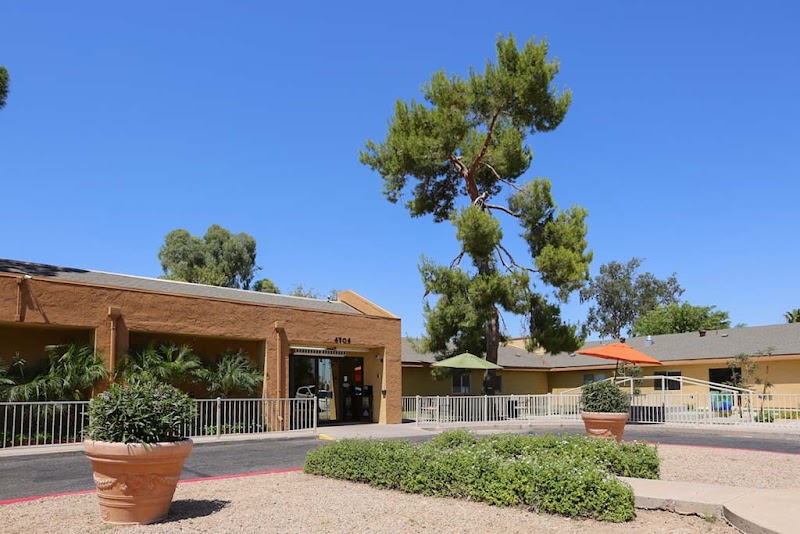
Who Owns and Operates Horizon Post Acute And Rehabilitation Center?

HORIZON POST ACUTE AND REHABILITATION CENTER is owned by a for-profit company. For-profit facilities operate as businesses with obligations to shareholders or private owners. The facility is operated by THE ENSIGN GROUP, a chain that manages multiple nursing homes. With 196 certified beds and approximately 137 residents (about 70% occupancy), it is a mid-sized facility located in GLENDALE, Arizona.
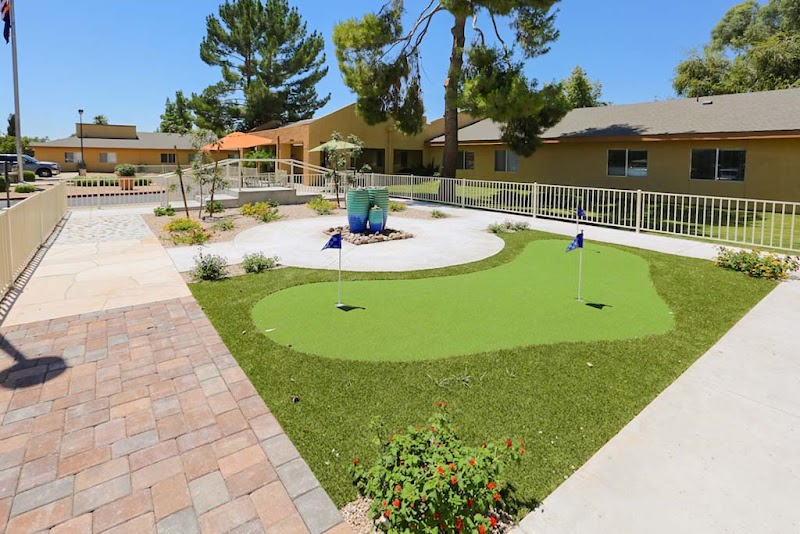
How Does Horizon Post Acute And Rehabilitation Center Compare to Other Arizona Nursing Homes?

Compared to the 100 nursing homes in Arizona, HORIZON POST ACUTE AND REHABILITATION CENTER's overall rating (4 stars) is above the state average of 3.3, staff turnover (48%) is near the state average of 46%, and health inspection rating (3 stars) is at the national benchmark.

What Should Families Ask When Visiting Horizon Post Acute And Rehabilitation Center?

Based on this facility's data, families visiting should ask: "Can I visit during a mealtime to observe dining assistance and food quality?" "How do you handle medical emergencies, and what is your hospital transfer rate?" "Can I speak with family members of current residents about their experience?"

Is Horizon Post Acute And Rehabilitation Center Safe?

Based on CMS inspection data, HORIZON POST ACUTE AND REHABILITATION CENTER has a clean safety record: no substantiated abuse findings (meaning no confirmed cases of resident harm), no Immediate Jeopardy citations (the most serious violation level indicating risk of serious injury or death), and is not on the Special Focus Facility watch list (a federal program monitoring the lowest-performing 1% of nursing homes). The facility has a 4-star overall rating and ranks #1 of 100 nursing homes in Arizona. While no facility is perfect, families should still ask about staff-to-resident ratios and recent inspection results during their visit.

Do Nurses at Horizon Post Acute And Rehabilitation Center Stick Around?

HORIZON POST ACUTE AND REHABILITATION CENTER has a staff turnover rate of 48%, which is about average for Arizona nursing homes (state average: 46%). Moderate turnover is common in nursing homes, but families should still ask about staff tenure and how the facility maintains care continuity when employees leave.

Was Horizon Post Acute And Rehabilitation Center Ever Fined?

HORIZON POST ACUTE AND REHABILITATION CENTER has no federal fines on record. CMS issues fines when nursing homes fail to meet care standards or don't correct problems found during inspections. The absence of fines suggests the facility has either maintained compliance or corrected any issues before penalties were assessed. This is a positive indicator, though families should still review recent inspection reports for the full picture.

Is Horizon Post Acute And Rehabilitation Center on Any Federal Watch List?

HORIZON POST ACUTE AND REHABILITATION CENTER is not on any federal watch list. The most significant is the Special Focus Facility (SFF) program, which identifies the bottom 1% of nursing homes nationally based on persistent, serious quality problems. Not being on this list means the facility has avoided the pattern of deficiencies that triggers enhanced federal oversight. This is a positive indicator, though families should still review the facility's inspection history directly.