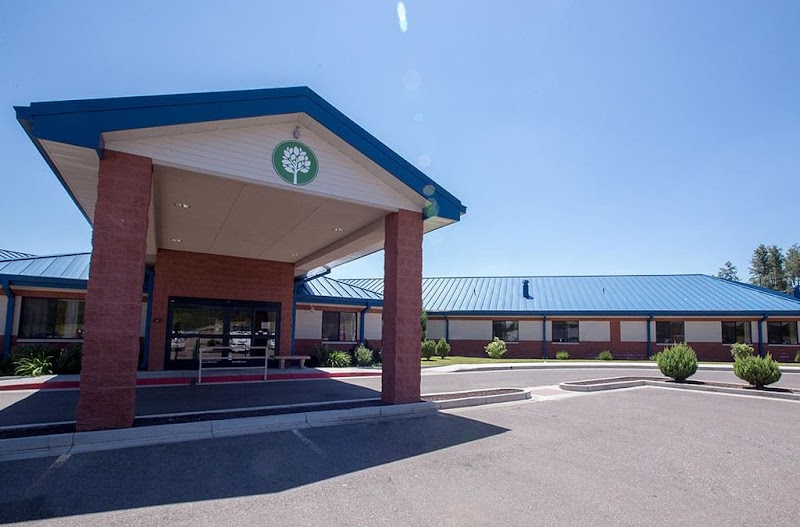
HAVEN OF LAKESIDE

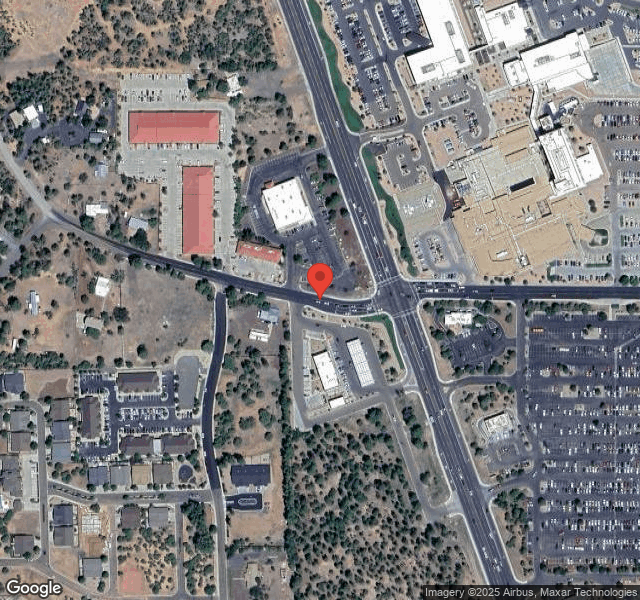
3401 NORTH LOCKWOOD DRIVE, LAKESIDE, AZ 85929 (928) 368-2060
For profit - Individual 112 Beds HAVEN HEALTH Data: November 2025
Trust Grade
10/100
#131 of 139 in AZ
Last Inspection: June 2024

Within standard 12-15 month inspection cycle. Federal law requires annual inspections.

Overview

Haven of Lakeside has received a Trust Grade of F, indicating significant concerns and a poor overall quality of care. It ranks #131 out of 139 facilities in Arizona, placing it in the bottom half of nursing homes in the state, but #1 of 3 in Navajo County, meaning it is the best option locally, although still not ideal. The facility is worsening, with issues increasing from 6 in 2024 to 9 in 2025. Staffing is below average with a 2/5 star rating and a 56% turnover rate, which is concerning as it is higher than the state average. While there are no fines recorded, which is a positive sign, serious incidents have been reported, including a failure to ensure residents were free from injuries and unmonitored treatment of a resident's catheter, both of which pose significant health risks.

Trust Score
F
10/100
In Arizona
#131/139
Bottom 6%
Safety Record
High Risk
Review needed
Inspections
Getting Worse
6 → 9 violations
Staff Stability
⚠ Watch
56% turnover. Above average. Higher turnover means staff may not know residents' routines.
Penalties
✓ Good
No fines on record. Clean compliance history, better than most Arizona facilities.
Skilled Nurses
○ Average
Each resident gets 33 minutes of Registered Nurse (RN) attention daily — about average for Arizona. RNs are the most trained staff who monitor for health changes.
Violations
⚠ Watch
44 deficiencies on record. Higher than average. Multiple issues found across inspections.
★☆☆☆☆
1.0
Overall Rating
★★☆☆☆
2.0
Staff Levels
★★★★☆
4.0
Care Quality
★☆☆☆☆
1.0
Inspection Score
Stable
2024: 6 issues
2025: 9 issues

The Good

  • 4-Star Quality Measures · Strong clinical quality outcomes
  • Full Sprinkler Coverage · Fire safety systems throughout facility
  • No fines on record

Facility shows strength in quality measures, fire safety.

The Bad

1-Star Overall Rating

Below Arizona average (3.3)

Significant quality concerns identified by CMS

Staff Turnover: 56%

10pts above Arizona avg (46%)

Frequent staff changes - ask about care continuity

Chain: HAVEN HEALTH

Part of a multi-facility chain

Ask about local staffing decisions and management

Staff turnover is elevated (56%)

8 points above Arizona average of 48%

The Ugly 44 deficiencies on record

2 actual harm
Jul 2025 1 deficiency
CONCERN (D) 📢 Someone Reported This

A family member, employee, or ombudsman was alarmed enough to file a formal complaint

Potential for Harm - no one hurt, but risky conditions existed

Free from Abuse/Neglect (Tag F0600)

Could have caused harm · This affected 1 resident

**NOTE- TERMS IN BRACKETS HAVE BEEN EDITED TO PROTECT CONFIDENTIALITY** Based on interviews, review of clinical record, and facility policy, the facility failed to protect the residents' (#26, #24, #4...

Read full inspector narrative →
**NOTE- TERMS IN BRACKETS HAVE BEEN EDITED TO PROTECT CONFIDENTIALITY** Based on interviews, review of clinical record, and facility policy, the facility failed to protect the residents' (#26, #24, #4, and #6) right to be free from physical abuse by a resident. The deficient practice could result in physical and psychosocial harm.Regarding Resident #26 and Resident #24:-Resident #26 was admitted to the facility November 6, 2023, with diagnoses that included unspecified dementia, unspecified severity, with other behavioral disturbance, prediabetes, type 2 diabetes mellitus, chronic kidney disease, cardiomegaly, delirium due to known physiological condition, anxiety disorder, bradycardia, and adult failure to thrive.An admission minimum data set (MDS) assessment dated [DATE], revealed a brief interview for mental status (BIMS) score of 1, indicating severe cognitive impairment. Section C revealed the resident had inattention and disorganized thinking. Section E revealed the resident had wandering behavior that occurred daily.A care plan dated November 15, 2023, revealed the Resident #26 had a behavior problem due to wandering/exit seeking, with interventions for staff to intervene as necessary to protect the rights and safety of others, approach and speak in a calm manner, divert attention, and remove from situation and take to alternate location as needed.An Incident Note, dated December 10, 2023, revealed Resident #26 was in the room of Resident #24 and was standing over Resident #24. Resident #24 became extremely angry and started hitting Resident #26 in the face several times. Resident #24 hit Resident #26 on the left cheek leaving a red mark. The residents were separated by the nurse and a Certified Nursing Assistant (CNA). Resident #26 was assessed and had visible open skin on the left hand fourth finger on both sides. Basic first aid given, and 15-minute checks initiated.An additional Incident Note dated December 10, 2023, revealed Resident #26 was wandering in the hall since start of shift. No redness was noted to face, and middle finger left hand bandages are intact to fingers. Resident remained on every 15-minute checks per provider directions.Despite the documentation of open skin on Resident #26's hand, a Weekly Skin check and Wound assessment dated [DATE], revealed the resident did not have any new or ongoing skin impairments.-Resident #24 was re-admitted to the facility December 28, 2020, with diagnoses that included epilepsy, personal history of traumatic brain injury, unspecified intracranial injury with loss of consciousness of unspecified duration, hypo-osmolality and hyponatremia, anxiety disorder, other specified mental disorders due to known physiological condition, unspecified intellectual disabilities, schizoaffective disorder, and obsessive-compulsive disorder.A quarterly MDS assessment dated [DATE], revealed a BIMS assessment was not conducted for the resident.A care plan dated October 12, 2022, revealed the resident had a behavior problem due to physical behaviors, yelling at staff, pacing, urinating and defecating on bathroom floor to annoy roommates, and touching inappropriately. Interventions included for staff to intervene as necessary to protect the rights and safety of others, approach and speak in a calm manner, divert attention, remove from situation and take to alternate location as needed.An Incident Note dated December 10, 2023, revealed Resident #24 was in his room and Resident #26 was standing over Resident #24. Resident #24 became extremely angry and started hitting Resident #26 in the face several times. Resident #26 hit Resident #24 on the left cheek leaving a red mark. The residents were separated by the nurse (Staff #70) and CNAs. Basic first aid was administered. Notifications were made to the Administrator, Director of Nursing (DON), physician, and resident's family.An additional Incident Note dated December 10, 2023, revealed Resident #24 remained on 15-minute checks per the physician. No redness was noted to the resident's left cheek.A facility Reportable Event Record/Report dated December 15, 2023, revealed that on December 10, 2023, at approximately 5:45 p.m., Resident #26 was walking around the facility's behavioral unit when he walked into Resident #24's room. Staff called out to Resident #26 to redirect him and started working their way toward Resident #24's room. When staff approached the room, they found that Resident #26 and Resident #24 were in an altercation. Staff separated the residents and escorted Resident #26 out of Resident #24's room. When staff asked Resident #24 what happened, he told staff that he was resting and when he opened his eyes, Resident #26 was there at his bedside and it startled Resident #24. Resident #24 stated that he swung at Resident #26 and contacted Resident #26's left cheek. Resident #26 defended himself and contacted Resident #24's cheek. Both residents were assessed by the nurse and found to have no injuries or skin impairments. Residents were separated, made safe, and placed on 15-minute safety checks per medical provider's instructions.A telephonic interview was attempted on July 16, 2025, at 9:04 a.m., with a Licensed Practical Nurse (LPN / Staff #70), however the phone contact provided was a wrong number.An interview was conducted with a CNA (Staff #20) on July 16, 2025, at 9:15 a.m., who stated that she was working on the behavioral unit on the day of the incident between Resident #26 and Resident #24. Staff #20 stated that Resident #26 was very confused and went into Resident #24's room, and that she remembered hearing Resident #26 screaming. Staff #20 stated that then another CNA went into Resident #24's room and called for help, so Staff #20 ran into the room. Staff #20 stated when she entered the room, she saw Resident #24 grabbing Resident #26's neck and hitting Resident #26. Staff #20 stated she intervened and helped to separate the residents and calmed Resident #24 down. Staff #20 stated that she could not remember if there were any injuries to the residents. Additionally, Staff #20 stated after the incident, the residents were kept separated and were placed on 15-minute checks.An interview was conducted with the facility Administrator (Staff #39) on July 16, 2025, at 9:38 a.m. The Administrator stated that if there is an allegation of abuse, that the facility staff ensure the safety of residents, then staff notify their immediate supervisor, the DON, and Administrator. The Administrator stated an initial investigation is conducted and within 2-hours the facility determines if it is a legitimate allegation, and then if it is a legitimate allegation, the allegation is reported to mandated entities. The facility staff then complete the investigation and submit a 5-day report to the State Agency. Regarding the incident on December 10, 2023, between Resident #26 and Resident #24, the Administrator stated that he did not recall the actual incident, but that his understanding based on reading the investigation report was that Resident #26 wandered into Resident #24's room, and that startled Resident #24. The Administrator stated that Resident #24's immediate reaction was that he swung and contacted Resident #26's cheek and Resident #26 struck Resident #24, and then staff separated the residents. The Administrator stated that there were no major skin impairments on the residents. The Administrator stated that the definition of abuse is not clear, and that taken at face value, there was an altercation between the residents, and by current definitions that would be defined as abuse. However, the Administrator stated that he did not think there was ill intent of Resident #26 to go into the room and startle Resident #24. Additionally, that Resident #24 had a traumatic brain injury and given his impairments, the Administrator stated that he did not think Resident #24 had intent to harm, and that Resident #26 was defending himself.Regarding Resident #6 and Resident #4:-Resident #6 was admitted to the facility February 20, 2021, with diagnoses that included cerebral infarction due to thrombosis of left anterior cerebral artery, epilepsy, diffuse traumatic brain injury with loss of consciousness, hemiplegia affecting right dominant side, cerebral edema, atrial septal defect, tachycardia, unspecified psychosis, insomnia, anxiety disorder, schizoaffective disorder, personal history of traumatic brain injury, and major depressive disorder.An annual MDS assessment dated [DATE], revealed the resident had a BIMS score of 1, indicating severe cognitive impairment.A care plan dated March 2, 2022, revealed Resident #6 had a communication problem due to brain injury, with interventions for staff to be conscious of the resident's position when in groups, activities, and the dining room to promote proper communication with others.An additional care plan dated January 28, 2022, revealed Resident #6 had a psychosocial well-being problem due to anxiety, ineffective coping, lack of acceptance to current condition, traumatic brain injury (TBI), schizophrenia, and verbal and physical aggression. Interventions included that the resident needs assistance/supervision/support to identify precipitating factors and stressors, and when conflict arises, remove residents to a calm safe environment and allow to vent/share feelings.A Behavior note dated July 5, 2024, revealed another resident was in a wheelchair behind Resident #6, who did not like this and stated mother fu****. The other resident was redirected back down the hallway.A Behavior note dated July 5, 2024, revealed Resident #6 drank juice out of another resident's drink, and a staff approached Resident #6 and took the juice and tried to redirect Resident #6. Resident #6 started to swing at the staff, and a CNA came and redirected the resident to the TV room.A Behavior note dated July 11, 2024, revealed Resident #6 approached the nurse when at the medication cart and became very invasive of personal space. The resident became agitated with the nurse when nurse did not shake the resident's hand, and slapped the nurse on left upper arm.A Behavior note dated July 11, 2024, revealed staff attempted to encourage resident unsuccessfully to lay in bed to rest. The resident's responses were come on mother fu****, and Resident #6 attempted to hit a CNA.A Behavior note dated July 13, 2024, revealed at 6:27 p.m., Resident #6 attempted to grab a male peer, and the nurse intervened to keep the residents separated. At 7:15 p.m., Resident #6 stated to a nurse come on mother fu****. At 8:50 p.m., Resident #6 attempted to enter another peer's room and the nurse attempted to redirect the resident, then Resident #6 attempted to hit the nurse. Another resident heard Resident #6 stating fu** you bi***, and motherfu****, and the other resident emerged from the room. A verbal altercation ensued and the nurse stood between the residents preventing a physical altercation from occurring.A Behavior note dated July 13, 2024, revealed that Resident #6 stated to another resident Mother fu**** and bast***.An Incident note dated July 15, 2024, revealed that Resident #6 was struck by another resident in the face. Per the documentation, Resident #6 was unable to state what happened, and was removed from the area and assessed for injury. The documentation revealed that first aid was initiated. There was no evidence of a skin assessment or description of any injury or details on what type of first aid was initiated and to what area of the resident's body.The clinical record was reviewed and there was no evidence of a skin assessment for Resident #6 that described any injury following a resident to resident altercation incident on July 15, 2024.-Resident #4 admitted to the facility April 17, 2024, with diagnoses that included cerebral infarction, unspecified mood disorder, type 2 diabetes mellitus, opioid dependence, post-traumatic stress disorder, epilepsy, hemiplegia and hemiparesis following cerebral infarction affecting left side, dysphagia, disorientation, and history of falling.An admission MDS assessment dated [DATE], revealed Resident #4 had a BIMS score of 15, indicating intact cognition.A care plan dated April 9, 2024, revealed Resident #4 had potential for impaired cognitive function or impaired thought process due to behaviors, with interventions to reduce any distractions: turn off TV, radio, close door etc., and to use consistent, simple, directive sentences, and to provide the resident with necessary cues, and to stop and return if the resident is agitated and as needed.An Incident note dated July 15, 2024, revealed that Resident #4 rolled alongside Resident #6 in the dining room, and Resident #4 punched Resident #6 in the face. Resident #4 refused to comment, and Resident #6 was removed from the area and assessed for injury.A Behavior note dated July 16, 2024, revealed Resident #4 went by Resident #6 as he was leaving the dining room and stated you're a useless human being.A facility Reportable Event Record/Report dated July 20, 2024, revealed that on July 15, 2024, at approximately 12:00 p.m., on the behavioral unit, Resident #4 struck Resident #6 on the lower part of Resident #6' face. Prior to the event occurring, Resident #4 was wheeling himself to the dining area for lunch, and Resident #6 looked at Resident #4 and called him a mother fu****. In response, Resident #4 wheeled over to Resident #6 and struck Resident #6 causing Resident #6's lip to swell. Staff did witness the physical altercation, and immediately intervened and separated the two residents. The nurse on duty issued an ice pack for the Resident #6's swelling but did not find any other skin impairments. Social services staff met with Resident #4 to discuss his behavior, in which Resident #4 admitted it was not the right thing to do, but that he did not appreciate being called that name. Resident #4 apologized and stated that he has calmed down and will not have any further issues.A facility investigation (undated) revealed that per a CNA (Staff #86), she was passing trays in the dining room and witnessed Resident #4 reach out and contact Resident #6's lower jaw. Staff #86 immediately separated the residents.A telephonic interview was conducted with a CNA (Staff #52) on July 15, 2025, at 3:11 p.m., who stated that she recalled that staff had informed her that there was an incident where Resident #4 struck Resident #6 in the face on July 15, 2024, but that she did not witness the incident personally.An interview was conducted with a CNA (Staff #86) on July 16, 2025, at 8:11 a.m. Staff #86 stated that if there is an allegation of abuse, then staff are expected to remove the residents to safety and notify the nurse, and try to keep the residents separated. Regarding the incident on July 15, 2024, Staff #86 stated that she witnessed Resident #4 approach Resident #6 and that Resident #4 struck Resident #6 in the face, and that it was aggressive in nature. Staff #86 stated that she then intervened and removed Resident #6 from that area and reported to the nurse. Staff #86 additionally stated that Resident #4 does not care for Resident #6.An interview was conducted with the Administrator (Staff #39) on July 16, 2025, at 9:38 a.m. The Administrator stated that his understanding of the incident on July 15, 2024, was that Resident #4 was passing by Resident #6, and Resident #6 used some language toward him (Resident #4). The Administrator stated that Resident #6 has limited words available to him and that is how he communicates. The Administrator stated that Resident #4 took offense and wheeled over to Resident #6 and made contact with Resident #4, causing Resident #4's lip to swell, and then Resident #4 received an ice pack from the nurse. The Administrator stated that the incident was a resident to resident altercation.Review of the facility policy titled Abuse Policy, dated 2022, revealed the facility strives to prevent the abuse of all their residents, and recognizes that we care for residents with the diagnosis of dementia and other mental illnesses whose behaviors are not always predictable. The facility further recognizes that due to the proximity of our residents to one another and an individual's freedom of choice, that situations may arise where it is not possible to completely prevent all incidents of abuse. By definition, abuse is the infliction of injury, unreasonable confinement, intimidation, or punishment with resulting physical harm, pain or mental anguish. Abuse also includes the deprivation by an individual, including a caretaker, of goods or services that are necessary to attain or maintain physical, mental, and psychosocial well- being. Instances of abuse of all residents, irrespective of any mental or physical condition, cause physical harm, pain or mental anguish. It includes verbal abuse, sexual abuse, physical abuse, neglect, mental abuse including abuse facilitated or enabled through the use of technology, and misappropriation of property. Potential abusers can be residents, employees, family members, visitors, venders, or any other person who comes into the facility. None of these types or sources of abuse are condoned in the facility. Our objective is to provide a safe haven for our residents through preventative measures that protect every resident's right to freedom from abuse. If abuse is witnessed or suspected, or an injury of unknown origin is identified, the resident's safety will immediately be secured. Prompt reporting and investigation will be utilized to identify the validity of findings and reasonable measures will be implemented to deter further incidents of abuse.Review of the facility policy titled Resident Rights/Dignity: Abuse, Neglect, Exploitation or Misappropriation - Reporting and Investigating, dated January 1, 2024, revealed all reports of resident abuse (including injuries of unknown origin), neglect, exploitation, or theft/misappropriation of resident property are reported to local, state and federal agencies (as required by current regulations) and thoroughly investigated by facility management. Findings of all investigations are documented and reported.
Jul 2025 2 deficiencies
CONCERN (D) 📢 Someone Reported This

A family member, employee, or ombudsman was alarmed enough to file a formal complaint

Potential for Harm - no one hurt, but risky conditions existed

Report Alleged Abuse (Tag F0609)

Could have caused harm · This affected 1 resident

**NOTE- TERMS IN BRACKETS HAVE BEEN EDITED TO PROTECT CONFIDENTIALITY** The facility failed to ensure an alleged violation involving two residents (#37 and #42) was reported to the State Agency. Based...

Read full inspector narrative →
**NOTE- TERMS IN BRACKETS HAVE BEEN EDITED TO PROTECT CONFIDENTIALITY** The facility failed to ensure an alleged violation involving two residents (#37 and #42) was reported to the State Agency. Based on clinical record review, resident and staff interviews, review of the facility documentation and policy, the facility failed to ensure an alleged violation involving two residents (#37 and #42) was reported to the State Agency (SA).Findings include:Regarding Resident #37Resident #37 was admitted on [DATE], with a diagnosis of anxiety disorder, chronic obstructive pulmonary disease, dependence on supplemental oxygen, dementia, and cognitive communication deficit.Review of the Minimum Data Set (MDS) assessment revealed the resident had a Brief Interview for Mental Status (BIMS) score of 12/15, indicating the resident had moderate cognitive impairment. The care plan, focusing on behavior, dated May 2, 2023, revealed the resident frequently misplaced items accusing others of taking them, and then needed help finding them. Review of a progress note dated June 27, 2025, indicated that during the night shift, the nurse found the resident and another resident, in the room lying on the floor. Resident #37 claimed that she was awoken by the other resident, and that he had a cord in his hand, fearing he would use the cord to choke her. However, later when Emergency Medical Services (EMS) arrived, the resident stated that she had been choked by the other resident with the cord and that this had happened the previous week as well.Regarding Resident #42Resident #42 was admitted to the facility on [DATE], with a diagnosis of encephalopathy, cognitive communication deficit, dementia with behavioral disturbance, schizoaffective disorder, depression, and anxiety disorder.Review of the MDS dated [DATE], revealed the resident had a BIMS score of 6/15, indicating the resident had severe cognitive impairment. The care plan, focusing on impaired cognitive function, dated June 13, 2025, revealed the resident had impaired thought processes related to encephalopathy, cognitive communication deficit, and dementia. The resident was receiving anti-psychotic medication related to combativeness and schizoaffective disorder. The care plan, focusing on behavior, dated June 20, 2025, revealed the resident had physical behaviors and wandering.Review of a hospital visit record, dated June 20, 2025, stated patient has history of dementia and got angry and was violent with staff at haven of lakeside. PD (police department) brought patient here. Came from Lakeside after punching staff. Review of resident #42's progress note revealed no documentation of this incident. However, a progress note, dated June 27, 2025, revealed the resident was found on the floor, in another resident's room, yelling at staff and making incoherent statements. The nursing staff performed a focused assessment finding no injuries and the resident was redirected to his room. Resident was sent to the hospital for further treatment.On July 1, 2025, it was reported to the SA (State Agency) from APS (Adult Protective Services) that resident #37 claimed she was attacked by resident #42 with a cord. There is no evidence in the clinical record or in the facility documentation that this incident was reported to the SA.A phone interview was conducted on July 9, 2025, at 1:50 PM, with resident #37's POA (Power of Attorney). She stated I do not know anything more that happened regarding this incident except for what staff at the facility told me. A male resident went into her room while she was sleeping and attacked her. They did not say exactly what happened but that they were sending her to the ER (Emergency Room). She had a minor injury to her arm. Resident #37 told the hospital staff she was attacked by a male resident with a black cord. However, the hospital did not find any injuries based on this information. She stated, I know that she has problems, and that she does make things up. Further stating, she understands how they think something happened. The POA stated she did not know if anything happened or not. She stated the facility told her the other resident was not coming back to the facility.A phone interview was conducted on July 9, 2025, at 4:04 PM, with LPN (Licensed Practical Nurse, staff #100), who was involved in this incident. The nurse stated the CNA (Certified Nursing Assistant) came and told me she needed help because two residents were on the floor. Resident #42 was on the floor sitting up, half in the doorway and half in the hallway, and he had a black cord in his hand. Resident #37 was laying on the floor and had a skin tear on her elbow and faint mark of blood on her thigh. She stated that, after she assessed her, she determined the blood on the thigh was just blood from the skin tear on her elbow. She was saying that resident #42 came into her room and pulled her out of bed. She stated that the biggest concern was to get that cord out of resident #42's hands. She stated that she asked him what happened and took the cord away from him. She stated the CNA that was in the room with her was saying, he was trying to kill her, and he pulled her out of bed. She stated that she started shaking her head no, so she would stop talking and escalating the situation. She further stated she asked resident #42 why he was in the room, and he said, I wanted to go in there, just call the cops on me, they did the last time. She stated she got him out of the room and was taking him back to his room and he just kept saying call the cops on me. Staff #100 stated that there have been issues with resident #42 in the past and the last time the police were called. She stated that she got him settled and then went back to resident #37's room and asked her what happened. She said, he was in my room, and he put the cord on my neck. Staff #100 stated that she looked at her neck and there were no markings at all. Next, the resident said he pulled her out of bed. The LPN asked her if she was hurt and she said no. Staff #100 said she didn't think that happened because she is in her 50's and if she was pulled out of bed, I know I would be hurting. She stated that she is older than her and she didn't have pain anywhere. The LPN said, I continued talking to her and she finally said, that's what the CNA said. She stated that she then went to talk to the CNA asking her did you see the cord around her neck? She said no. The LPN then asked her what she said to the resident, and she stated, I asked her, did he pull you out of bed and try to strangle you? She stated that she then explained to the CNA that she couldn't ask a resident those types of questions. She stated to the CNA that this is a behavioral unit, and you have to ask them what happened and without putting ideas in their head. She then stated that the police arrived, and they are upset that resident #42 was asleep in his bed so they couldn't talk to him and questioned why they had to show up. The LPN stated that she explained to them that a call for the ambulance was placed for both residents and that she didn't know why they showed up either. As far as resident #42, she stated that she took him back to his room and he just fell asleep. As far as the cord, she stated that one of the staff members figured out it came from one of our nurse's station chairs. She stated that staff thought that's where he got it from.An interview was conducted on July 9, 2025, at 5:11 PM with the Director of Nursing (DON, staff #200). The DON stated that he received a phone call around 10:00 or 11:00 PM from a nurse who stated that a CNA alerted her that resident #37, and resident #42 were both on the floor. Resident #42 was on the floor in the doorway and half in the hallway of resident #37's room. Resident #37 was on the floor. He stated that accusations were made, and that they were false accusations, and there was paranoia. He stated that staff #100 did an assessment, and there was no indication of injuries related to the accusations. EMS took both residents to the hospital. He stated that staff interviews were conducted that same night and camera footage was reviewed. He stated that they came to the conclusion that it was coming from her behavior, and that nothing happened. He stated that resident #37's behaviors are accusations and that resident #42's behaviors are rummaging. The DON stated that the investigation was conducted and determined it was related to just the behaviors. He reported that in the past, resident #42's behaviors are confusion, frustration, sundowning, and frustration with staff. Staff #200 relayed a past incident with a staff member. He stated that a staff member went into resident #42's room to provide care to his roommate, which triggered resident #42. He became upset and was not able to be redirected. He stated that we then tried to get him admitted to an Alzheimer's unit with no success and had our physiatrist see him. The DON stated that he was moved to another room, a single room to try to help with behaviors and reduce the agitation. Staff #200 stated that as far as reporting, the facility would report any allegation of abuse, any witnessed abuse whether it be physical, mental or sexual. This was determined that it was just behaviors. We did not take resident #42 back though.The facility's policy on Abuse, Neglect, Exploitation or Misappropriation-Reporting and Investigating dated January 1, 2024, includes a section for Reporting Allegations to the Administrator and Authorities, which states if resident abuse, neglect, exploitation, misappropriation of resident property or injury of unknown source is suspected, the suspicion must be reported immediately to the administrator and to other officials according to state law. The administrator or the individual making the allegation immediately reports his or her suspicion to the following persons or agencies: The state licensing/certification agency responsible for surveying/licensing the facility, the local/state ombudsman, the resident's representative, Adult protective services, law enforcement officials, the resident's attending physician and the facility medical director. Immediately is defined as: within two hours of an allegation involving abuse or result in serious bodily injury; or within 24 hours of an allegation that does not involve abuse or result in serious bodily injury.
CONCERN (D) 📢 Someone Reported This

A family member, employee, or ombudsman was alarmed enough to file a formal complaint

Potential for Harm - no one hurt, but risky conditions existed

Investigate Abuse (Tag F0610)

Could have caused harm · This affected 1 resident

**NOTE- TERMS IN BRACKETS HAVE BEEN EDITED TO PROTECT CONFIDENTIALITY** The facility failed to ensure a complete investigation involving an alleged violation with two residents (#37 and #42) was condu...

Read full inspector narrative →
**NOTE- TERMS IN BRACKETS HAVE BEEN EDITED TO PROTECT CONFIDENTIALITY** The facility failed to ensure a complete investigation involving an alleged violation with two residents (#37 and #42) was conducted.Based on clinical record review, resident and staff interviews, review of the facility documentation and policy, the facility failed to ensure a complete investigation involving an alleged violation with two residents (#37 and #42) was conducted. Findings include:Regarding Resident #37Resident #37 was admitted on [DATE], with a diagnosis of anxiety disorder, chronic obstructive pulmonary disease, dependence on supplemental oxygen, dementia, and cognitive communication deficit.Review of the Minimum Data Set (MDS) assessment revealed the resident had a Brief Interview for Mental Status (BIMS) score of 12/15, indicating the resident had moderate cognitive impairment. The care plan, focusing on behavior, dated May 2, 2023, revealed the resident frequently misplaced items accusing others of taking them, and then needed help finding them. Review of a progress note dated June 27, 2025, indicated that during the night shift, the nurse found the resident and another resident, in the room lying on the floor. Resident #37 claimed that she was awoken by the other resident, and that he had a cord in his hand, fearing he would use the cord to choke her. However, later when Emergency Medical Services (EMS) arrived, the resident stated that she had been choked by the other resident with the cord and that this had happened the previous week as well.Regarding Resident #42Resident #42 was admitted to the facility on [DATE], with a diagnosis of encephalopathy, cognitive communication deficit, dementia with behavioral disturbance, schizoaffective disorder, depression, and anxiety disorder.Review of the MDS dated [DATE], revealed the resident had a BIMS score of 6/15, indicating the resident had severe cognitive impairment. The care plan, focusing on impaired cognitive function, dated June 13, 2025, revealed the resident had impaired thought processes related to encephalopathy, cognitive communication deficit, and dementia. The resident was receiving anti-psychotic medication related to combativeness and schizoaffective disorder. The care plan, focusing on behavior, dated June 20, 2025, revealed the resident had physical behaviors and wandering.Review of a hospital visit record, dated June 20, 2025, stated patient has history of dementia and got angry and was violent with staff at haven of lakeside. PD (police department) brought patient here. Came from Lakeside after punching staff. Review of resident #42's progress note revealed no documentation of this incident. However, a progress note, dated June 27, 2025, revealed the resident was found on the floor, in another resident's room, yelling at staff and making incoherent statements. The nursing staff performed a focused assessment finding no injuries and the resident was redirected to his room. Resident was sent to the hospital for further treatment.On July 1, 2025, it was reported to the SA (State Agency) from APS (Adult Protective Services) that resident #37 claimed she was attacked by resident #42 with a cord. There is no evidence in the clinical record or in the facility documentation that this incident was reported to the SA.A phone interview was conducted on July 9, 2025, at 1:50 PM, with resident #37's POA (Power of Attorney). She stated I do not know anything more that happened regarding this incident except for what staff at the facility told me. A male resident went into her room while she was sleeping and attacked her. They did not say exactly what happened but that they were sending her to the ER (Emergency Room). She had a minor injury to her arm. Resident #37 told the hospital staff she was attacked by a male resident with a black cord. However, the hospital did not find any injuries based on this information. She stated, I know that she has problems, and that she does make things up. Further stating, she understands how they think something happened. The POA stated she did not know if anything happened or not. She stated the facility told her the other resident was not coming back to the facility.A phone interview was conducted on July 9, 2025, at 4:04 PM, with LPN (Licensed Practical Nurse, staff #100), who was involved in this incident. The nurse stated the CNA (Certified Nursing Assistant) came and told me she needed help because two residents were on the floor. Resident #42 was on the floor sitting up, half in the doorway and half in the hallway, and he had a black cord in his hand. Resident #37 was laying on the floor and had a skin tear on her elbow and faint mark of blood on her thigh. She stated that, after she assessed her, she determined the blood on the thigh was just blood from the skin tear on her elbow. She was saying that resident #42 came into her room and pulled her out of bed. She stated that the biggest concern was to get that cord out of resident #42's hands. She stated that she asked him what happened and took the cord away from him. She stated the CNA that was in the room with her was saying, he was trying to kill her, and he pulled her out of bed. She stated that she started shaking her head no, so she would stop talking and escalating the situation. She further stated she asked resident #42 why he was in the room, and he said, I wanted to go in there, just call the cops on me, they did the last time. She stated she got him out of the room and was taking him back to his room and he just kept saying call the cops on me. Staff #100 stated that there have been issues with resident #42 in the past and the last time the police were called. She stated that she got him settled and then went back to resident #37's room and asked her what happened. She said, he was in my room, and he put the cord on my neck. Staff #100 stated that she looked at her neck and there were no markings at all. Next, the resident said he pulled her out of bed. The LPN asked her if she was hurt and she said no. Staff #100 said she didn't think that happened because she is in her 50's and if she was pulled out of bed, I know I would be hurting. She stated that she is older than her and she didn't have pain anywhere. The LPN said, I continued talking to her and she finally said, that's what the CNA said. She stated that she then went to talk to the CNA asking her did you see the cord around her neck? She said no. The LPN then asked her what she said to the resident, and she stated, I asked her, did he pull you out of bed and try to strangle you? She stated that she then explained to the CNA that she couldn't ask a resident those types of questions. She stated to the CNA that this is a behavioral unit, and you have to ask them what happened and without putting ideas in their head. She then stated that the police arrived, and they are upset that resident #42 was asleep in his bed so they couldn't talk to him and questioned why they had to show up. The LPN stated that she explained to them that a call for the ambulance was placed for both residents and that she didn't know why they showed up either. As far as resident #42, she stated that she took him back to his room and he just fell asleep. As far as the cord, she stated that one of the staff members figured out it came from one of our nurse's station chairs. She stated that staff thought that's where he got it from.An interview was conducted on July 9, 2025, at 5:11 PM with the Director of Nursing (DON, staff #200). The DON stated that he received a phone call around 10:00 or 11:00 PM from a nurse who stated that a CNA alerted her that resident #37, and resident #42 were both on the floor. Resident #42 was on the floor in the doorway and half in the hallway of resident #37's room. Resident #37 was on the floor. He stated that accusations were made, and that they were false accusations, and there was paranoia. He stated that staff #100 did an assessment, and there was no indication of injuries related to the accusations. EMS took both residents to the hospital. He stated that staff interviews were conducted that same night and camera footage was reviewed. He stated that they came to the conclusion that it was coming from her behavior, and that nothing happened. He stated that resident #37's behaviors are accusations and that resident #42's behaviors are rummaging. The DON stated that the investigation was conducted and determined it was related to just the behaviors. He reported that in the past, resident #42's behaviors are confusion, frustration, sundowning, and frustration with staff. Staff #200 relayed a past incident with a staff member. He stated that a staff member went into resident #42's room to provide care to his roommate, which triggered resident #42. He became upset and was not able to be redirected. He stated that we then tried to get him admitted to an Alzheimer's unit with no success and had our physiatrist see him. The DON stated that he was moved to another room, a single room to try to help with behaviors and reduce the agitation. Staff #200 stated that as far as reporting, the facility would report any allegation of abuse, any witnessed abuse whether it be physical, mental or sexual. This was determined that it was just behaviors. We did not take resident #42 back though.Review of the facility investigation of the incident included, an incident summary and skin assessments completed on resident #37, with no findings, and other residents. The report states resident #37 stated resident #42 choked her or that she believed she was going to be choked. It also states that staff interviews were conducted, however they are not included in the report. A verbal request was made to staff #200 for the documentation of the staff interviews but was never provided. The conclusion of the summary states based on the findings of this investigation, including the absence of physical findings, witness reports, and known behavioral histories of both residents, the facility determined that the event was behavioral in nature and not an allegation of abuse. Therefore, it was not deemed reportable to the Department of Health.The facility's policy on Abuse, Neglect, Exploitation or Misappropriation-Reporting and Investigating dated January 1, 2024, includes a section for Investigating Allegations which states, all allegations are thoroughly investigated. The individual conducting the investigation as a minimum; reviews the documentation and evidence; reviews the resident's medical record to determine the resident's physical and cognitive status at the time of the incident and since the incident; interview staff members (on all shifts) who have had contact with the resident during the period of the alleged incident; documents the investigation completely and thoroughly. The Follow Up Report section states; within five (5) business days of the incident, the administrator will provide a follow-up investigation report; the follow-up investigation report will provide sufficient information to describe the results of the investigation, and indicate any corrective actions taken if the allegation was verified; the follow-up investigation report will provide as much information as possible at the time of the submission of the report; the resident and/or representative are notified of the outcome immediately upon conclusion of the investigation.
Jun 2025 1 deficiency 1 Harm
SERIOUS (G) 📢 Someone Reported This

A family member, employee, or ombudsman was alarmed enough to file a formal complaint

Actual Harm - a resident was hurt due to facility failures

Accident Prevention (Tag F0689)

A resident was harmed · This affected 1 resident

**NOTE- TERMS IN BRACKETS HAVE BEEN EDITED TO PROTECT CONFIDENTIALITY** Based on clinical review, interviews and facility policy review, the facility failed to ensure that two residents (#75 and #10) ...

Read full inspector narrative →
**NOTE- TERMS IN BRACKETS HAVE BEEN EDITED TO PROTECT CONFIDENTIALITY** Based on clinical review, interviews and facility policy review, the facility failed to ensure that two residents (#75 and #10) were free from injuries from a preventable accident. The deficient practice could lead to serious injury or death to residents. Findings include: - Regarding resident #10: Resident #10 was admitted to the facility on [DATE] with diagnoses of myocardial infarction type 2, acute respiratory failure with hypoxia, chronic obstructive pulmonary disease with acute exacerbation, psychotic disorder with hallucinations due to known physiological condition, bipolar disorder current episode with hypomanic, burn of third degree of abdominal wall, burn of second degree of abdominal wall, dependence on supplemental oxygen, depression and anxiety disorder. Review of a smoking policy signed by the resident dated [DATE] revealed that the policy indicated that smoking is prohibited in any area where oxygen is being administered or stored. The policy indicated acknowledgement by the resident that the policy was reviewed and that violations may result in forfeiture of smoking privileges. A smoking care plan initiated on [DATE] indicated a goal of smoke safety at designated areas at scheduled times. Interventions included orientation to smoking procedures and areas, and smoking policy provided to resident/resident representative. Review of the smoking evaluations dated [DATE], [DATE], and [DATE] revealed that resident #10 did not have cognitive loss, no visual deficit and no dexterity problems. Frequency was 2-5 cigarettes per day and preferred to smoke mornings, afternoons, evenings and at night. He was considered a safe smoker due to he could light his own cigarette and did not require any adaptive equipment such as: a smoking apron, cigarette holder, supervision or one to one assistance. Review of the quarterly Minimum Data Set (MDS) assessment dated [DATE] revealed resident #10 had a BIMS (Brief Interview for Mental Status) score of 15, indicating no cognitive impairment. A progress note dated [DATE] documented that at approximately 5:00 PM, resident #10 was outside smoking when he dropped his cigarette causing his oxygen tank, clothes right flank, stomach, and upper thigh to catch fire. According to the note the resident ' s wounds were cleansed, covered with Silvadene, and a border dressing was applied. Additionally, the note indicated that 911 was called and the resident was transported to the hospital for further evaluation. An emergency department (ED) note dated [DATE] revealed that resident #10 presented to the ED with burns to this right hip, thigh flank area after oxygen tubing caught fire while the resident was smoking during supplemental oxygen use. The note indicated that the resident ' s symptoms included pain. The intervention noted was bandage applied. The note cited that resident sustained 3rd degree burn in a small area on right side. The plan of care indicated was to have resident follow-up with outpatient wound clinic. It was noted that the injury did not require skin graft. Further description of the burn indicated that it was approximately a 5 x 8 cm area that may be full-thickness burn with some surrounding erythema (redness) and blistering. The resident ' s disposition was listed as home discharge. Further review of the ED noted revealed a provider which described the encounter as resident presented to ED with burns to right hip, thigh area after oxygen tubing caught on fire as he was smoking during supplemental oxygen use. The note indicated that the resident stated that he dropped his cigarette on his sweatpants and it started to smolder. The note stated that the resident could not assist himself and stated that I do not have any legs. The note documented that the resident ' s friends had to respond by using a blanket to put the fire out. An emergency room (ER) discharge instruction dated [DATE] revealed that resident #10 was diagnosed with second degree burn of flank and third degree burn of flank. The instruction indicated for the resident to follow-up with the wound clinic that week due to the likelihood that the skin will need debrided. A smoking care plan revised on [DATE] revealed resident required supervision. Interventions indicated that to ensure safety while smoking, the resident required staff supervision. - Regarding resident #75 Resident #75 was admitted to the facility on [DATE] with a diagnosis of orthostatic hypotension, chronic obstructive pulmonary disease, and cervicogenic headache. A smoking care plan initiated on [DATE] indicated a goal for the resident to smoke safely. Interventions included for facility staff to supervise resident #75 while smoking at designated times and that facility will store smoking materials between designated times. However, review of the resident's smoking evaluation dated [DATE] indicated that the resident did not require any supervision or one to one assistance. The evaluation stated that the facility did need to store the resident's lighter and cigarettes. A progress note dated [DATE] revealed that resident #75 was outside smoking when he gave another resident a cigarette and that resident caught his oxygen (O2) tubing on fire. The note documented that resident #75 turned off the other resident ' s O2 and patted the fire with his right hand to put it out. The note indicated that resident #75 sustained blisters on the tips of his 3 middle fingers and the palm of his hand. The note stated that resident #75 ' s wounds were cleansed and petroleum dressing was applied. Review of the admission MDS dated [DATE] revealed a BIMS score of 15 indicating that the resident was cognitively intact. Resident #25 admitted to the facility on [DATE] with a readmission date of [DATE] with a diagnosis of aftercare following joint replacement surgery, anxiety disorder, depression cognitive communication deficit, bipolar disorder and nicotine dependence. Review of the MDS dated [DATE] revealed a BIMS score of 15, indicating no cognitive impairment. Review of the smoking evaluation dated [DATE] revealed the resident had no cognitive loss, no visual deficit and no dexterity problems. Frequency was 5-10 cigarettes per day and preferred to smoke in the morning, afternoon, evenings and at night. Resident #25 was considered a safe smoker due to she could light her own cigarette and did not require any adaptive equipment such as: a smoking apron, cigarette holder, supervision or one to one assistance. The evaluation stated she could store her own lighter and cigarettes. Review of the State Agency ' s (SA) complaint database revealed a Facility Reported Incident (FRI) submitted on [DATE]. The FRI, indicated that resident #10 was in the designated smoking area when he accidentally dropped his cigarette in his lap, setting himself on fire. An interview was conducted on [DATE] at 1:10 PM with the Executive Director, staff #100. He stated he was in his office getting ready to leave for the day when the Director of Nursing (DON), staff #300, came into his office and told him resident #10 had set himself on fire while smoking. Staff #100 and staff #300 went to resident #10's room to speak with him. Upon entrance, the resident's sweatpants had been removed, he was back in bed, and the nurse was treating his burns. Resident #10 explained he was smoking and he dropped the cigarette on his pants. He was trying to find it, but his pants began smoking and then a fire started. He stated that staff #300 came out and poured a pitcher of juice on his pants and put out the fire. Staff #100 stated that resident #10 has gone back and forth with smoking and not smoking. He had quit for quite some time and just recently started again. He states he completed a BIMS test on him at bedside and resident #10 passed. Staff #300 completed wound care on the resident and paramedics arrived and took resident #10 to the hospital. Staff #100 stated the facility has an open smoking policy, which means residents are assessed to be a safe smoker or a supervised smoker. However, any resident residing in the behavioral unit does require supervision. The most recent evaluation completed on resident #10 prior to the incident was on [DATE] and the resident was deemed a safe smoker. Since this incident, the staff have done a reevaluation and deemed the resident unsafe to smoke on his own and requires supervision. An interview was conducted on [DATE] at 2:54 PM with Resident #10. Upon entrance to his room, it was observed that resident #10 was on a nasal cannula and had a portable oxygen tank on the back of his wheelchair. He stated I just decided to smoke because my friend goes out there and it just looks like they all have a good time so I just decided to start smoking again. I just dropped the cigarette because my hands were slippery, they are just that way. My friend, (resident #75) was out there, he was here before and he just came back. He (resident #75) helped me put the fire out. Then someone came out and threw Gatorade on the flames. I went to the hospital but they did not do much for me really. I don't blame anyone but myself for this. When asked if he had his oxygen on when he went out to smoke, he stated I had the tubing in my nose but I don't think the tank was on because I would've blown up if it was. An interview was conducted on [DATE] at 3:24 PM with Assistant Director of Nursing (ADON), staff # 200. She stated "The process for evaluating a resident as a safe smoker consists of: 1. Identify resident as a smoker. 2. Observe resident smoke. Determine if resident can get the cigarette out of the pack, light the cigarette, hold the cigarette, are cognitive to know what they are doing. 3. Determine if resident can extinguish the cigarette and dispose of it in the container. If they can meet all of these things they are considered a safe smoker and can keep their lighter and cigarettes with them and go in and out on their own. If they are deemed an unsafe smoker, staff keep their cigarettes and lighter. An unsafe smoker will have to inform staff when they want to go out to smoke. Staff will then get their cigarettes and lighter and go out with them to supervise. According to staff #200, resident #10 quit smoking for a long time and just started again. I think it's because his friend (resident #75) was out there. Staff #200 was asked what is the process for a resident smoker who is on oxygen. She stated the oxygen should be turned off and the nasal tubing should be removed before they engage in smoking. Staff #200 indicated that it was unclear if the resident #10 ' s oxygen was off when he went out to smoke. She stated we don't really know for sure because staff did not see what happened. His friend (resident #75) told us the oxygen was off but the cannula was on his face. An interview was conducted on [DATE] at 3:45 PM with Resident #75. He stated I feel like this thing is all my fault. I went out to smoke and resident #10 was there, he's my best friend. He asked me if I had a cigarette and I said yes. I gave him one. Everyone keeps telling me it's not my fault, but if I wouldn't have given him the cigarette, this wouldn't have happened! We were sitting there, and resident #25 was out there too with us, and all of a sudden resident #10's pants started smoking and then a flame came up. I told resident #25 to go and get help. I wheeled myself over to him, and went kind of behind him so I could reach my hand along the side of his pants and put the flames out. As I was doing that, there was a huge whoosh and the flame got bigger. I looked at the oxygen tank and saw it was on and then, the tubing was on fire. I grabbed the tube and pulled it off his face and threw it on the ground. The fire was going up the tubing toward the tank. I was going as fast as I could to turn the tank off and I did. Then the big guy came out with lemonade or whatever is in the pitchers of stuff to drink, he had two of them and poured them on the fire. He's a hero! I just keep blaming myself for giving him that cigarette. I told resident #10, no more, don't ask me for cigarettes anymore because I'm not giving you any. I told him to get a patch. I think he's got the start of dementia or something because he can't remember. Something else, why don't they have signs back there in that area that say if you are on oxygen turn it off before you smoke? Now, I just try to go out and smoke when I know resident #10 is in his room. I just don't ever want to see that happen again. It was just terrible! I was so upset and still am. Again, I know everyone says it's not my fault, but in my mind, if I wouldn't have given him the cigarette that wouldn't have happened. I think I'm traumatized or something. It should be noted that as resident #75 was talking, it was noted that he had a pack of cigarettes between his legs resting on his wheelchair. It was observed that resident #75's right hand had a white gauze wrap around the fingers and top part of his hand. He stated he was burned from trying to help put the fire out that was on resident #10. A follow-up interview was conducted on [DATE] at 4:01 PM with the ADON (staff #200). The ADON stated that when a resident is evaluated, we have them sign a paper that they are educated that if they have oxygen to turn it off and remove the cannula. Residents #10 and #75 were both evaluated as safe smokers but now resident #10 is a supervised smoker. During the interview, the ADON confirmed that if a resident is a safe smoker they can keep their lighter and cigarettes with them, even in their room. Staff #200 stated that she is unsure why resident #75 ' s smoking evaluation indicated that the facility will store his cigarette and lighter since he is deemed a safe smoker. Review of the document signed by resident #10 dated [DATE] states Smoking is prohibited in any area where oxygen is being administered or stored An interview was conducted on [DATE] at 4:45 PM with resident #25. She asked Are you here because of the fire? Resident #25 stated that the incident was terrible! Additionally, resident #25 said that I'm so traumatized by what happened. I cried that night when I went to bed. I just can't believe it! According to resident #25, resident #10 is her friend and he could have died from that incident! In hindsight, she commented that she could not believe that she had not thought think to grab that fire blanket there when she goes past it so many times She noted that she just froze. Resident # 25 commented that it was a good thing resident #75 was there., Resident #75 reacted so fast and then staff #300 came out with 2 pitchers of stuff and poured it on the fire. She stated they are heroes! According to resident #25, resident #75 went over there and started patting at the flames and then this huge whoosh came up. It was awful! She indicated that she froze resident #75 had to yell at her to go get help. She said that she went as fast as she could to get help. Resident #25 stated that resident #10 shouldn't be smoking. He quits then he starts again but he shouldn't do it anymore . She commented that resident #10 has signs of dementia. You can just tell. Review of the facility's policy on Smoking dated [DATE] states This facility has established and maintains safe resident smoking practices. Oxygen use is prohibited in smoking areas. Residents are not permitted to give smoking items to other residents.
Mar 2025 3 deficiencies
CONCERN (D) 📢 Someone Reported This

A family member, employee, or ombudsman was alarmed enough to file a formal complaint

Potential for Harm - no one hurt, but risky conditions existed

Abuse Prevention Policies (Tag F0607)

Could have caused harm · This affected 1 resident

**NOTE- TERMS IN BRACKETS HAVE BEEN EDITED TO PROTECT CONFIDENTIALITY** Based on interviews, review of facility documentation, and review of policy and procedures, the facility failed to implement the...

Read full inspector narrative →
**NOTE- TERMS IN BRACKETS HAVE BEEN EDITED TO PROTECT CONFIDENTIALITY** Based on interviews, review of facility documentation, and review of policy and procedures, the facility failed to implement their policy to report and investigate allegations of neglect for one resident (#8) and failed to protect a reporter from retaliation. The deficient practice could result in allegations of neglect not being reported and investigated timely, which could result in continuing neglect. Findings include: Resident #8 was admitted to the facility on [DATE], with diagnoses that included chronic obstructive pulmonary disease, post-polio syndrome, chronic pain syndrome, asthma, and dyspnea. An admission minimum data set (MDS) assessment dated [DATE], revealed the resident had a Brief Interview or Mental Status (BIMS) score of 15, indicating intact cognition. Additionally, Section E revealed that the resident had no potential indicators of psychosis, and no physical behavioral symptoms. A physician order dated February 12, 2025, at 10:58 AM, indicated to send Resident #8 to the emergency room (ER) for further evaluation of seizure like symptoms. An Alert Charting note dated February 12, 2025, at 11:09 AM, indicated that Resident #8 appears to be altered from baseline mentation with possible seizure activity. Physician notified and resident sent to the ER for evaluation. Emergency Medical Services (EMS) arrived at 11:09 AM, and the resident left the facility via ambulance at 11:15 AM. A therapy daily treatment note dated February 12, 2025, by a Certified Occupational Therapy Assistant (COTA /Staff #8), revealed that a co-treatment session for Resident #8 was completed with physical therapy. The note stated that Resident #8 was not very responsive that day, the COTA informed nursing and the provider, and communicated with the resident's sister who stated she has never seen her brother like that. The note further stated the resident was sent out to the emergency department via ambulance. A therapy daily treatment note dated February 12, 2025, by a Physical Therapy Assistant (PTA / Staff #10), revealed a co-treatment of Resident #8 with a COTA to ensure patient safety due to a medical change. The note revealed the PTA indicated that the nurse needed to check on the resident due to a mental status change. The note stated the resident demonstrated increased confusion, difficulty with communication, oriented only to self, as well as dyskinetic movements followed by stilled body movements, blank expression, and lack of eye tracking. Nursing staff indicated that the resident is on medication for a urinary tract infection. The COTA informed the provider, and the provider indicated I will check on him in 5-10 minutes when I get down there. The PTA and COTA addressed other nursing staff and other nursing staff indicated the patient is faking, and is fine. The PTA discussed with the Director of Rehab (DOR) who continued to ask the facility staff to check and follow up on the resident. The PTA discussed the resident's status with the resident's family about what occurred during attempted therapy session. The resident was sent to the emergency department. An email dated February 14, 2025, from Resident #8's sister sent to the Director of Nursing (DON / Staff #95) and to the Assistant Director of Nursing (ADON / Staff #73), revealed that Resident #8 is now in the intensive care unit due to a severe infection from a urinary tract infection, and that she had communicated her concerns in previous emails on February 5 and 11, with no response from the facility staff. Additionally, the email revealed the resident's sister's concern that when she arrived to the facility on the morning of February 12, that there was a delay in the provider assessing the resident, and additionally the provider took more time to write at his desk before the resident was sent to the emergency room. The email revealed that then the resident's sister instructed the nurse to call 911 and not wait for the doctor's note, at which point the nurse then called 911. Additionally, the email revealed the resident's sister's allegation that the facility staff ignored (her) requests and alerts to (Resident #8's) condition that led to the resident being in the intensive care unit. Records from the discharging hospital revealed a physician note dated February 15, 2025, that Resident #8 was transferred to the hospital from another hospital for a higher level of care. Resident #8 was at a skilled nursing facility, had a urine culture that grew Enterobacter, and subsequently developed urosepsis and was sent to the emergency room. Resident #8 was found to be obtunded and hypotensive and transferred to the intensive care unit (ICU) for norepinephrine and fluid resuscitation, and was treated for acute kidney injury, possible seizure, and acute respiratory failure secondary to influenza A. On March 4, 2025, at 12:20 PM, a formal request was made to the facility for any text or email communication between facility staff and the contracted therapy company staff regarding any human resource (HR) issues for the PTA (Staff #10) as well as any supplemental training, corrective actions, disciplinary actions, and/or termination notice for Staff #10. The administrator (Staff #80) signed a statement that there was none. Additionally, a formal request was made to the facility for any policies on therapy documentation, the administrator signed a statement that there was no specific policy for therapy staff, that the facility follows the general policy Documentation: Charting and Documenting. Review of the contract between the PTA (Staff #10) and the facility's contracted therapy company revealed her assignment at the facility was initiated December 30, 2024, and was to end March 29, 2025. An interview was conducted on March 4, 2025, at 9:54 AM with a Certified Occupational Therapy Assistant (COTA / Staff #8). The COTA stated that if therapists were to notice a possible change in condition of a resident during a treatment session they would alert the nurse, check the resident's vitals, and possibly communicate with the provider. The COTA stated that the facility expects therapists to document the change of condition, to chart exactly what is going on and that nursing was informed, and to notify the Director of Rehab (DOR). The interview continued and the COTA stated in regard to Resident #8, that she noticed a big change in him on February 12, 2025. She stated prior to February 12, the resident was a little confused the whole time he was here, and that he had weird hand gestures. Normally, Resident #8 could converse with the therapists and follow directions. However, on the day of February 12, the COTA stated that she entered the resident's room around 9:00 AM. The resident was in bed, disoriented, and very different from any other day: he was unable to verbalize anything, could not follow any kind of direction, flailing his arms, randomly reaching places, and not oriented to himself, the time, or the place. Additionally, the COTA stated that during this therapy session on February 12, she was attempting to perform a co-treatment with a Physical Therapy Assistant (PTA / Staff #10), and that they both let the charge nurse (Staff #30) know about the resident's changes right away. The COTA stated that the nurse did not come to the resident's room to assess the resident, and the nurse responded by stating that this was typical behavior from Resident #8. The COTA stated she then re-iterated to the nurse that this was not typical behavior from the resident, and the nurse replied that this is typical behavior from the resident at night. She stated she did not proceed to assist Resident #8 out of bed because she was concerned about his status. The COTA stated that at that time, she also informed the DOR (Staff #20) what was going on with Resident #8, and that no staff came to assess the resident during the 10-15 minutes that she was in the room with the resident. The COTA stated that Resident #8's sister came in the middle of the attempted therapy session, and that the resident's sister stated that she was also very concerned with the resident's status and had tried to tell the facility staff of the change the prior evening on February 11. The COTA stated that she had to start treatments with her other scheduled patients but that she continued to go back to the room and check on Resident #8 several times, and that it was approximately 1 to 1.5 hours before EMS came to the facility for the resident. Further, the COTA stated that regarding the PTA (Staff #10), it seems like they fired her related to this incident, and that she's an excellent therapist and she advocates for her patients. An interview was conducted on March 4, 2025, at 10:17 AM, with a rehab tech (Staff #18). Staff #18 stated that on February 12, 2025, he passed by the resident's room and observed that the resident looked confused while working with the therapist. Additionally, Staff #18 stated that he witnessed a conversation between the PTA (Staff #10) and the nurse (Staff #30) where the PTA was expressing her concern about the resident to the nurse. Staff #18 stated that he passed by and did not hear the nurse's response. He additionally stated that in regard to Staff #10, I think she was let go, but could not specify why. An interview was conducted with an Occupational Therapist and Director of Rehab (DOR / Staff #20) on March 4, 2025, at 11:33 AM. The DOR stated that if therapists were to notice a change of condition in a patient, that they would be expected to notify the nurse and then to notify herself so that she could follow up appropriately. The DOR stated that she was familiar with Resident #8, and normally the resident was alert and oriented, and had none of the physical signs or symptoms that he was experiencing on February 12, 2025. She stated that the two therapists, Staff #8 and Staff #10, noted that Resident #8's status was off and notified the nurse, and then the provider, and then they notified her. The DOR stated that she went to the resident's room and assessed the resident. The DOR stated that she observed the resident had reduced orientation, was looking around the room, not aware of what was going on, and had dyskinetic, clonus, jerky movements. She confirmed there was a change of condition, and she stated she was concerned the resident was having a medical emergency. She then went to the nurse and the provider (Staff #55), and that after they talked to me, it seemed like they were more motivated to get things going. She stated that when she reported this to the provider, the provider was charting at the desk, and did not go assess the resident right away. She stated that she observed the provider and the Assistant Director of Nursing (ADON / Staff #73) both go into the resident's room to assess the resident 5-10 minutes later, and that they called EMS after that. The interview continued and the DOR stated that regarding the PTA (Staff #10), that her employment was ended due to a compliance issue, and more specifically that she had written a note insinuating nursing negligence. The DOR stated that the note was Staff #10's daily note from February 12, 2025, for Resident #8's treatment session. The note was then reviewed together. The DOR stated that she did not believe anything in Staff #10's note was fabricated or false. She confirmed that she believed the note was an accurate representation of events. Further, she stated that the nurse stated that Resident #8 was faking his symptoms. She stated that the note was first discovered by the facility's nurses during a chart review, and was escalated to the administrator (Staff #80). She stated that the administrator had contacted her via text message that Staff #10's note was detrimental to the facility and the provider. The DOR stated that she was not familiar with the facility's policy on neglect, but that she was aware that allegations of abuse, neglect, and fraud need to be reported to mandatory reporting sources. The DOR stated that Staff #10 did report her concerns of the nurse and provider neglecting a potential medical emergency to her right away. The DOR stated that she was not aware of the facility's neglect reporting policy that reporters are to be protected from retaliation. A telephonic interview was conducted on March 14, 2025, at 1:20 PM, with a Physical Therapy Assistant (PTA /Staff #10). The PTA stated that on February 12, 2025, between 7:30 AM and 9:00 AM, she entered Resident #8's room for a therapy treatment along with the COTA (Staff #8). The PTA stated that the resident was not responding correctly, so the PTA directed that they would not get the resident out of bed due to safety concerns. The PTA stated that she reported the resident's change of condition to the floor nurse (Staff # 79), who stated that she had not worked that hall before and did not know the resident's normal baseline status. The PTA re-stated to the nurse that she was familiar with the resident's baseline status and that the resident was having a change of condition. The PTA stated that the nurse (Staff #79) was going to notify the charge nurse (Staff #30). She stated that the COTA (Staff #8) went to go notify the provider. The PTA stated at that point, she then went to the DOR and reported her concerns with the situation. The DOR then assessed the patient and went to the provider who said he would be down to assess the resident in 5-10 minutes. The PTA stated that then, herself and the DOR together went to the charge nurse (Staff #30), and the charge nurse said to both of us that Resident #8 was probably faking his symptoms. She stated that the facility was not going to send the resident to the emergency room at that point. She stated that approximately 20 minutes later, she observed the floor nurse (Staff #79) talking to the resident's sister. The PTA then requested to the resident's sister to talk in a private space, so they went to the therapy gym. The PTA stated that she was concerned that Resident #8 was having a medical emergency, and encouraged the resident's sister to request the resident to be sent out to the emergency room. She stated that she continued to treat her scheduled patients that morning, and that the DOR had told her that she talked to the provider again and emphasized to the provider that something was wrong with the resident, and the resident was sent to the hospital. She stated that at that time, she brought up her concerns of the nurse's and provider's negligence to the DOR, and then documented everything as it happened in her therapy note. The interview continued and the PTA stated that about a week and a half to two weeks after the incident on February 12, the facility discovered her therapy note from that date. She stated that the regional manager of the contracted therapy company contacted her and asked her to change her documentation in her therapy note from February 12. She stated that she was told her documentation sounded like it was targeting the facility. She stated that the regional manager explicitly told her she did nothing wrong in the incident, but just asked her to change her note. The PTA stated that the manager sent her a copy of her note with highlighted areas of what needed to be changed. The PTA provided a copy of the highlighted note when requested on March 4, 2025. The PTA stated she was worried about losing her job, so she did change the note. Additionally, she stated that she was terminated, and she never received or signed anything regarding disciplinary actions or termination. She stated that her contracted therapy company told her over the phone that the reason she was terminated was because her documentation was non-compliant and that she brought morale down. A telephonic interview was conducted with a Nurse Practitioner (NP / Staff #55), on March 4, 2025, at 1:44 PM. The NP stated that he was notified of Resident #8's change of condition on the morning of February 12, 2025. He stated that he was at the nurse's station. He stated he did not recall if he was notified at all prior to that. He additionally stated that he could not recall which staff informed him, or the time. He stated that he went down to the resident's room and saw the resident, but could not specify when. He stated that the resident was sent to the hospital, and was diagnosed with seizures, and re-admitted to the facility on seizure medication. An interview was conducted with the administrator (Staff #80) on March 4, 2025 at 1:51 PM. The video camera footage for the facility was requested for review for the date of February 12, 2025. The administrator stated that camera footage was not available, as the footage deletes after 72 hours. An interview was conducted with a Licensed Practical Nurse and charge nurse (LPN / Staff #30) on March 4, 2025, at 2:00 PM. The LPN stated that if she was informed of a medical change in a patient, that she would do an assessment, take vital signs, and notify the physician and family. Regarding Resident #8 on February 12, 2025, the LPN stated that she then went with the resident's sister and the social services director to the resident's room. She stated the resident was presenting as awkward, that he was dropping things, reaching for things, and there was a noted difference. She stated that I thought maybe he wasn't doing well, but maybe trying to look worse than it was. At that point, the LPN stated that she left the room and moved on. She believed it was around 10:00 AM that the provider went in to assess the resident. An interview was conducted with a Registered Nurse and ADON (Staff #73) on March 4, 2025, at approximately 2:30 PM. In regard to Resident #8 and the incident on February 12, 2025, the ADON stated that both the nurse and the therapist alerted her that Resident #8 was having a change of condition. The ADON then went to the provider (Staff #55) and requested that the provider assess the resident with her. The ADON and the provider went to the resident's room together and noted that the resident had altered mental status, not answering questions or responding to any directions, and staring off into nothing. The ADON stated that the provider instructed to send the resident to the emergency room. The ADON could not recall what time this occurred, but estimated that it was mid-morning. She stated that the emergency medical services (EMS) arrived at 11:09 AM and that the resident left the facility with EMS at 11:15 AM. The ADON stated that her understanding of neglect is a failure to provide necessary treatment and care for a resident, and that it could be a case of neglect if a resident is requiring emergency services and not receiving that service urgently. The ADON stated that the facility's policy is to report cases of neglect and abuse immediately, and to protect both residents and reporters from retaliation. A telephonic interview was conducted with Resident #8's sister on March 4, 2025, at 3:09 PM. She stated that on February 12, she arrived to the facility between 10:00 and 10:30 AM. She observed Resident #8 in his room, and saw that he was completely out of it, grabbing at people and the sidebars of his bed, and rolling over on his side. She stated the resident was not aware that she was there. She stated that the PTA (Staff #10) asked her to talk and they went to speak privately in the therapy gym, and the PTA suggested that she make sure he gets the help he needed. She stated that one of the nurses told her that Resident #8 was going to be sent out to the hospital on non-emergent transport, and at that point, she stated that she went to the nurse's station and told facility staff I want you to call emergency (services) now. She stated that during that morning, she overheard a staff member state that sometimes Resident #8 makes stuff up, insinuating that he was faking his symptoms. She stated that as an outcome, that Resident #8 went to the hospital and was transferred to the intensive care unit (ICU), and was diagnosed with sepsis from a urinary tract infection. A telephonic interview was conducted with a Registered Nurse (RN / Staff #79) on March 4, 2025, at 3:35 PM. She stated that she was Resident #8's floor nurse on February 12, 2025. She stated that a therapist notified her of the resident's change and asked if the resident had been like that all morning, but could not recall what time this occurred. She stated that the provider (Staff #55) arrived to the building between 9:00 and 10:00 AM. She stated that she followed the provider to the resident's room when he went to assess the resident. She stated that it looked like the resident was having absence seizures because the resident was drifting off. She stated that the provider instructed her to send the resident to the hospital, but he instructed her to wait until he filled out his note. She stated that she overhead and gathered from the charge nurse (Staff #30) that Resident #8 does this all the time, that those were not her exact words, but that she insinuated that she meant the resident was having behaviors instead of having real symptoms. Finally, Staff #79 re-stated that she was instructed by the provider to send the resident to the emergency room after they had assessed the resident in his room, but to wait until the provider finished his physician note first. A telephonic interview was conducted on March 4, 2025, at 3:48 PM, with the Regional Manager for the facility's contracted therapy company (Staff #112). She stated she was familiar with the PTA (Staff #10), and that she was terminated February 27, 2025 for documenting things in conversations between herself and nursing staff. She stated that no, she did not believe Staff #10 was falsely documenting the events in her note. She stated that in Staff #10's treatment note, there was documentation of a conversation with nursing. She stated that on February 20, 2025, she had a training with Staff #10, educating her on correcting her documentation, and from the date of the training moving forward, there were no further incidents where Staff #10 demonstrated any HR issues or actions that needed correction. Additionally, there were no further incidents or trainings of any kind. The Regional Manager stated that it was a unanimous decision between the managers of the contract therapy company and the facility's administrator that Staff #10 would be terminated. An interview was conducted with the Director of Nursing (DON / Staff #95) on March 4, 2025, at 4:27 PM, who stated that if a resident who is normally alert and oriented is found to be lethargic, that he would expect the nurse to notify the provider, then follow the provider's orders and to document it in a progress note. The DON stated that his understanding of neglect would be withholding care from a resident that causes harm. The DON stated that if a resident had a delay in care that was provided, that in order to meet the criteria of neglect, that you would have to prove that harm was done. The interview continued and the DON stated in regard to Resident #8, that he could not recall which staff asked him to go assess the resident. The DON stated that he was in his morning meeting until around 10:00 AM, and after that, at approximately 10:30, he went to assess Resident #8 in his room. He stated he talked to the floor nurse (Staff #79) who was unfamiliar with the resident and did not know what the resident's baseline was. The DON stated that he met with the provider and told the provider that the resident had definitely changed, and that he talked to the floor nurse (Staff #79) and instructed her that we need to send (Resident #8) out to the hospital, then the nurse called 911. He stated that the resident was transferred to a hospital for a higher level of care. He stated that the resident was diagnosed with a urinary tract infection and Influenza A. On March 4, 2025, at 5:26 PM, an interview was conducted with the administrator (Staff #80). The administrator stated that if a resident were to demonstrate signs and symptoms of a possible medical emergency, that his expectation would be for staff to send the resident to the hospital or to get a second set of eyes to assess the resident. The administrator stated that neglect is intentionally or unintentionally preventing care of a resident, and that it could lead to loss of life or a worsening of an existing medical condition. The administrator stated he was aware of allegations of neglect of Resident #8 when the resident's sister reached out to the ADON and the DON via email. Additionally, Staff #80 stated that a few weeks after February 12, 2025, the therapy note from Staff #10 was brought to his attention, and that the therapist never reported concerns of neglect to anyone on the date of February 12, 2025. He stated that the therapy note alleged that the provider would assess the resident in 10-15 minutes and that a nursing staff made a comment that the resident was faking his symptoms. He stated that Staff #10 was terminated and that he did not know why, and that he never observed any negative behaviors from Staff #10. He stated that the facility has a mandatory reporting policy on allegations of neglect, and that Staff #10 did not report her concerns timely, and that the allegation of neglect was not investigated or reported to the mandatory reporting sources. Additionally, the administrator stated that anybody should feel comfortable reporting allegations of neglect, and that there is protection from retaliation for reporters. Review of the facility policy titled Resident Rights/Dignity: Abuse, Neglect, Exploitation or Misappropriation - Reporting and Investigating, dated January 1, 2024, revealed all reports of resident neglect are reported to local, state and federal agencies and thoroughly investigated by facility management. Findings of all investigations are documented and reported. If resident neglect is suspected, the suspicion must be reported immediately to the administrator and to other officials according to state law. Immediately is defined as within 24 hours of an allegation that does not involve abuse or result in serious bodily injury. All allegations are thoroughly investigated. The administrator initiates investigations. The administrator ensures that the resident and the person(s) reporting the suspected violation are protected from retaliation or reprisal by the alleged perpetrator, or by anyone associated with the facility. Review of the facility policy titled Assessments/Care Planning: Change in a Resident's Condition or Status, dated January 1, 2024, revealed the facility promptly notifies the resident, his or her attending physician, and the resident representative of changes in the resident's medical/mental condition and/or status. Prior to notifying the physician or healthcare provider, the nurse will make detailed observations and gather relevant and pertinent information for the provider, including (for example) information prompted by the Interact SBAR Communication Form. The nurse will record in the resident's medical record information relative to changes in the resident's medical/mental condition or status. Review of the facility policy titled Assessments/Care Planning: Resident Examination and Assessment, dated January 1, 2024, revealed to notify the physician of any abnormalities such as, but not limited to: abnormal vital signs, labored breathing, or change in cognitive, behavioral or neurological status from baseline. Review of the facility policy titled Documentation: Charting and Documenting, dated January 1, 2024, revealed all services provided to the resident, progress toward the care plan goals, or any changes in the resident's medical, physical, functional or psychosocial condition, shall be documented in the resident's medical record. The medical record should facilitate communication between the interdisciplinary team regarding the resident's condition and response to care. Documentation in the medical record may be electronic, manual or a combination. Documentation in the medical record will be objective (not opinionated or speculative), complete, and accurate. Documentation of procedures and treatments will include care-specific details, including: the assessment data and/or any unusual findings obtained during the procedure/treatment; how the resident tolerated the procedure/treatment; and notification of family, physician or other staff, if indicated.
CONCERN (D) 📢 Someone Reported This

A family member, employee, or ombudsman was alarmed enough to file a formal complaint

Potential for Harm - no one hurt, but risky conditions existed

Quality of Care (Tag F0684)

Could have caused harm · This affected 1 resident

**NOTE- TERMS IN BRACKETS HAVE BEEN EDITED TO PROTECT CONFIDENTIALITY** Based on interviews, review of facility documentation, and review of policy and procedures, the facility failed to assess a resi...

Read full inspector narrative →
**NOTE- TERMS IN BRACKETS HAVE BEEN EDITED TO PROTECT CONFIDENTIALITY** Based on interviews, review of facility documentation, and review of policy and procedures, the facility failed to assess a resident for a change of condition timely, and provide timely transfer to emergency services for one resident (#8). Additionally, the facility failed to obtain a physician order for administration of oxygen therapy according to professional standards for one resident (#8). The deficient practice could result in a delay of care for a resident, leading to a worsening medical condition, and could lead to a physician not being aware of a resident's respiratory status regarding oxygen use. Findings Include: -Regarding resident assessment and timely transfer to emergency services for Resident #8: Resident #8 was admitted to the facility on [DATE], with diagnoses that included chronic obstructive pulmonary disease, post-polio syndrome, chronic pain syndrome, asthma, and dyspnea. An admission minimum data set (MDS) assessment dated [DATE], revealed the resident had a Brief Interview or Mental Status (BIMS) score of 15, indicating intact cognition. Additionally, Section E revealed that the resident had no potential indicators of psychosis, and no physical behavioral symptoms. There was no evidence of physician orders for 72-hour monitoring of a change of condition for Resident #8. A physician order dated February 12, 2025, at 10:58 AM, indicated to send Resident #8 to the emergency room (ER) for further evaluation of seizure like symptoms. An Alert Charting note dated February 12, 2025, at 11:09 AM, indicated that Resident #8 appears to be altered from baseline mentation with possible seizure activity. Physician notified and resident sent to the ER for evaluation. Emergency Medical Services (EMS) arrived at 11:09 AM, and the resident left the facility via ambulance at 11:15 AM. A therapy daily treatment note dated February 12, 2025, by a Certified Occupational Therapy Assistant (COTA /Staff #8), revealed that a co-treatment session for Resident #8 was completed with physical therapy. The note stated that Resident #8 was not very responsive that day, the COTA informed nursing and the provider, and communicated with the resident's sister who stated she has never seen her brother like that. The note further stated the resident was sent out to the emergency department via ambulance. A therapy daily treatment note dated February 12, 2025, by a Physical Therapy Assistant (PTA / Staff #10), revealed a co-treatment of Resident #8 with a COTA to ensure patient safety due to a medical change. The note revealed the PTA indicated that the nurse needs to check on the resident due to a mental status change. The resident demonstrated increased confusion, difficulty with communication, oriented only to self, as well as dyskinetic movements followed by stilled body movements, blank expression, and lack of eye tracking. Nursing staff indicated that the resident is on medication for a urinary tract infection. The COTA informed the provider, and the provider indicated I will check on him in 5-10 minutes when I get down there. The PTA and COTA addressed other nursing staff and other nursing staff indicated the patient is faking, and is fine. The PTA discussed with the DOR who continued to ask the facility staff to check and follow up on the resident. The PTA discussed the resident's status with the resident's family about what occurred during attempted therapy session. The resident was sent to the emergency department. An email dated February 14, 2025, from Resident #8's sister sent to the Director of Nursing (DON / Staff #95) and to the Assistant Director of Nursing (ADON / Staff #73), revealed that Resident #8 is now in the intensive care unit due to a severe infection from a urinary tract infection, and that she had communicated her concerns in previous emails on February 5 and 11, with no response from the facility staff. Additionally, the email revealed the resident's sister's concern that when she arrived to the facility on the morning of February 12, that there was a delay in the provider assessing the resident, and additionally the provider took more time to write at his desk before the resident was sent to the emergency room. The email revealed that then the resident's sister instructed the nurse to call 911 and not wait for the doctor's note, at which point the nurse then called 911. Additionally, the email revealed the resident's sister's allegation that the facility staff ignored (her) requests and alerts to (Resident #8's) condition that led to the resident being in the intensive care unit. Records from the discharging hospital revealed a physician note dated February 15, 2025, that Resident #8 was transferred to the hospital from another hospital for a higher level of care. Resident #8 was at a skilled nursing facility, had a urine culture that grew Enterobacter, and subsequently developed urosepsis and was sent to the emergency room. Resident #8 was found to be obtunded and hypotensive and transferred to the intensive care unit (ICU) for norepinephrine and fluid resuscitation, and was treated for acute kidney injury, possible seizure, and acute respiratory failure secondary to influenza A. An interview was conducted on March 4, 2025, at 9:54 AM with a Certified Occupational Therapy Assistant (COTA / Staff #8). The COTA stated that if therapists were to notice a possible change in condition of a resident during a treatment session they would alert the nurse, check the resident's vitals, and possibly communicate with the provider. The COTA stated that the facility expects therapists to document the change of condition, to chart exactly what is going on and that nursing was informed, and to notify the Director of Rehab (DOR). The interview continued and the COTA stated in regard to Resident #8, that she noticed a big change in him on February 12, 2025. She stated prior to February 12, the resident was a little confused the whole time he was here, and that he had weird hand gestures. Normally, Resident #8 could converse with the therapists and follow directions. However, on the day of February 12, the COTA stated that she entered the resident's room around 9:00 AM. The resident was in bed, disoriented, and very different from any other day: he was unable to verbalize anything, could not follow any kind of direction, flailing his arms, randomly reaching places, and not oriented to himself, the time, or the place. Additionally, the COTA stated that during this therapy session on February 12, she was attempting to perform a co-treatment with a Physical Therapy Assistant (PTA / Staff #10), and that they both let the charge nurse (Staff #30) know about the resident's changes right away. The COTA stated that the nurse did not come to the resident's room to assess the resident, and the nurse responded by stating that this was typical behavior from Resident #8. The COTA stated she then re-iterated to the nurse that this was not typical behavior from the resident, and the nurse replied that this is typical behavior from the resident at night. She stated she did not proceed to assist Resident #8 out of bed because she was concerned about his status. The COTA stated that at that time, she also informed the DOR (Staff #20) what was going on with Resident #8, and that no staff came to assess the resident during the 10-15 minutes that she was in the room with the resident. The COTA stated that Resident #8's sister came in the middle of the attempted therapy session, and that the resident's sister stated that she was also very concerned with the resident's status and had tried to tell the facility staff of the change the prior evening on February 11. The COTA stated that she had to start treatments with her other scheduled patients but that she continued to go back to the room and check on Resident #8 several times, and that it was approximately 1 to 1.5 hours before EMS came to the facility for the resident. An interview was conducted on March 4, 2025, at 10:17 AM, with a rehab tech (Staff #18). Staff #18 stated that he had observed Resident #8 on previous dates and that normally the resident was able to converse, and was oriented to himself, the place, and aware of his surroundings. Staff #18 stated that on February 12, he passed by the resident's room and observed the resident looked confused while working with the therapist. Additionally, Staff #18 stated that he witnessed a conversation between the PTA (Staff #10) and the nurse (Staff #30) where the PTA was expressing her concern about the resident to the nurse. Staff #18 stated that he passed by and did not hear the nurse's response. He additionally stated that in regard to Staff #10, I think she was let go, but could not specify why. An interview was conducted with an Occupational Therapist and Director of Rehab (DOR / Staff #20) on March 4, 2025, at 11:33 AM. The DOR stated that if therapists were to notice a change of condition in a patient, that they would be expected to notify the nurse and then to notify herself so that she could follow up appropriately. The DOR stated that she was familiar with Resident #8, and normally the resident was alert and oriented, and had none of the physical signs or symptoms that he was experiencing on February 12, 2025. She stated that the two therapists, Staff #8 and Staff #10, noted that Resident #8's status was off and notified the nurse, and then the provider, and then they notified her. The DOR stated that she went to the resident's room and assessed the resident. The DOR stated that she observed the resident had reduced orientation, was looking around the room, not aware of what was going on, and had dyskinetic, clonus, jerky movements. She confirmed there was a change of condition, and she stated she was concerned the resident was having a medical emergency. She then went to the nurse and the provider (Staff #55), and that after they talked to me, it seemed like they were more motivated to get things going. She stated that when she reported this to the provider, the provider was charting at the desk, and did not go assess the resident right away. She stated that she observed the provider and the Assistant Director of Nursing (ADON / Staff #73) both go into the resident's room to assess the resident 5-10 minutes later, and that they called EMS after that. A telephonic interview was conducted on March 4, 2025, at 12:38 PM, with a CNA (Staff #2), who stated that she worked with Resident #8 on the date of February 12, 2025. The CNA stated that she arrived at 6:00 AM, and when she first rounded, the resident was sleeping through the morning. Sometime between 8:00 and 10:00 AM, she noticed the resident was confused and not himself, and was not confused before that date, and that the resident's sister was in the room at that time. The CNA stated that Resident #8 was not making sense when he talked, and that he could not use his urinal like he could before. The CNA told the nurse, but unable to specify who the nurse was. She stated the nurse came and assessed the resident and talked with the resident's sister. She stated some time after that, the resident discharged to the hospital, but could not specify when. A telephonic interview was conducted on March 14, 2025, at 1:20 PM, with a Physical Therapy Assistant (PTA /Staff #10). The PTA stated that on February 12, 2025, between 7:30 AM and 9:00 AM, she entered Resident #8's room for a therapy treatment along with the COTA (Staff #8). The PTA stated that the resident was not responding correctly, so the PTA directed that they would not get the resident out of bed due to safety concerns. The PTA stated that she reported the resident's change of condition to the floor nurse (Staff # 79), who stated that she had not worked that hall before and did not know the resident's normal baseline status. The PTA re-stated to the nurse that she was familiar with the resident's baseline status and that the resident was having a change of condition. The PTA stated that the nurse (Staff #79) was going to notify the charge nurse (Staff #30). She stated that the COTA (Staff #8) went to go notify the provider. The PTA stated at that point, she then went to the DOR and reported her concerns with the situation. The DOR then assessed the patient and went to the provider who said he would be down to assess the resident in 5-10 minutes. The PTA stated that then, herself and the DOR together went to the charge nurse (Staff #30), and the charge nurse said to both of us that Resident #8 was probably faking his symptoms. She stated that the facility was not going to send the resident to the emergency room at that point. She stated that approximately 20 minutes later, she observed the floor nurse (Staff #79) talking to the resident's sister. The PTA then requested to the resident's sister to talk in a private space, so they went to the therapy gym. The PTA stated that she was concerned that Resident #8 was having a medical emergency, and encouraged the resident's sister to request the resident to be sent out to the emergency room. She stated that she continued to treat her scheduled patients that morning, and that the DOR had told her that she talked to the provider again and emphasized to the provider that something was wrong with the resident, and the resident was sent to the hospital. A telephonic interview was conducted with a Nurse Practitioner (NP / Staff #55), on March 4, 2025, at 1:44 PM. The NP stated that he was notified of Resident #8's change of condition on the morning of February 12, 2025. He stated that he was at the nurse's station. He stated he did not recall if he was notified at all prior to that. He additionally stated that he could not recall which staff informed him, or the time. He stated that he went down to the resident's room and saw the resident, but could not specify when. He stated that the resident was sent to the hospital, and was diagnosed with seizures, and re-admitted to the facility on seizure medication. An interview was conducted with the administrator (Staff #80) on March 4, 2025 at 1:51 PM. The video camera footage for the facility was requested for review for the date of February 12, 2025. The administrator stated that camera footage was not available, as the footage deletes after 72 hours. An interview was conducted with a Licensed Practical Nurse and charge nurse (LPN / Staff #30) on March 4, 2025, at 2:00 PM. The LPN stated that if she was informed of a medical change in a patient, that she would do an assessment, take vital signs, and notify the physician and family. Regarding Resident #8 on February 12, 2025, the LPN stated that she was first notified of the resident's change of condition by the floor nurse (Staff #79), sometime between 7:00 and 9:00 AM. She stated that she went to the resident's room and spoke to the resident asking if he was ok, and the resident stated that he needed a pain pill. She stated that she did not assess the resident's vital signs, that a CNA took the resident's vitals, and she did not remember what the vitals were. The LPN stated that she left the room and notified the floor nurse of the resident's request for a pain pill. The LPN stated that the resident seemed normal to her. She stated that approximately 1-2 hours later, the resident's sister arrived and noticed the resident was different, and the resident's sister got the social services director. The LPN stated that she then went with the resident's sister and the social services director to the resident's room. She stated the resident was presenting as awkward, that he was dropping things, reaching for things, and there was a noted difference. She stated that I thought maybe he wasn't doing well, but maybe trying to look worse than it was. At that point, the LPN stated that she left the room and moved on. She believed it was around 10:00 AM that the provider went in to assess the resident. An interview was conducted with a Registered Nurse and ADON (Staff #73) on March 4, 2025, at approximately 2:30 PM. The ADON stated that if a change of condition was noted in a resident, that she would expect the change of condition would be communicated up the chain of command from a nurse to a charge nurse to a provider, and to send the resident to a higher level of care if needed. She stated that there is a change of condition process that the facility follows which includes following a change of condition sheet and starting the resident on 72-hour monitoring. In regard to Resident #8 and the incident on February 12, 2025, the ADON stated that both the nurse and the therapist alerted her that Resident #8 was having a change of condition. The ADON stated that she was not aware of what Resident #8's baseline status was. The ADON then went to the provider (Staff #55) and requested that the provider assess the resident with her. The ADON and the provider went to the resident's room together and noted that the resident had altered mental status, not answering questions or responding to any directions, and staring off into nothing. The ADON stated that the provider instructed to send the resident to the emergency room. The ADON could not recall what time this occurred, but estimated that it was mid-morning. She stated that EMS arrived at 11:09 AM and that the resident left the facility with EMS at 11:15 AM. The ADON stated that if a resident has a change of condition that is not addressed timely, then the resident's condition could worsen. A telephonic interview was conducted with Resident #8's sister on March 4, 2025, at 3:09 PM. The resident's sister stated that she noticed a change in the resident during the late afternoon to early evening of February 11, 2025, and she had brought her concerns to facility staff that afternoon on February 11. She stated that on February 12, she arrived to the facility between 10:00 and 10:30 AM. She observed Resident #8 in his room, and saw that he was completely out of it, grabbing at people and the sidebars of his bed, and rolling over on his side. She stated the resident was not aware that she was there. She stated that the PTA (Staff #10) asked her to talk and they went to speak privately in the therapy gym, and the PTA suggested that she make sure he gets the help he needed. She stated that one of the nurses told her that Resident #8 was going to be sent out to the hospital on non-emergent transport, and at that point, she stated that she went to the nurse's station and told facility staff I want you to call emergency (services) now. She stated that during that morning, she overheard a staff member state that sometimes Resident #8 makes stuff up, insinuating that he was faking his symptoms. She stated that as an outcome, that Resident #8 went to the hospital and was transferred to the intensive care unit (ICU), and was diagnosed with sepsis from a urinary tract infection. A telephonic interview was conducted with a Registered Nurse (RN / Staff #79) on March 4, 2025, at 3:35 PM. The RN stated that if a resident is having a possible change of condition, that she would ask other staff to see if the resident is different from baseline, then follow-up with the doctor, and chart the symptoms and instructions from the provider in a progress note. She stated that she was Resident #8's floor nurse on February 12, 2025. She stated that she arrived to the facility around 5:45 AM, and first saw the resident in his room between 7:45 to 8:00 AM to administer his medication. She stated that he was not very awake, the resident grunted, and could not arouse to take medications, and the nurse left the room. She came back to the resident at 8:30 AM. She stated she tried to administer his medication, however he could not take his medications. She stated that then she crushed the medications and the resident was able to take the medications. She stated that she then asked other staff what the resident's baseline was, and that staff stated that this was not normal for Resident #8. She stated that a therapist notified her of the resident's change and asked if the resident had been like that all morning, but could not recall what time this occurred. She stated that the provider (Staff #55) arrived to the building between 9:00 and 10:00 AM. She stated that she followed the provider to the resident's room when he went to assess the resident. She stated that it looked like the resident was having absence seizures because the resident was drifting off. She stated that the provider instructed her to send the resident to the hospital, but he instructed her to wait until he filled out his note. She stated that she overhead and gathered from the charge nurse (Staff #30) that Resident #8 does this all the time, that those were not her exact words, but that she insinuated the resident was having behaviors instead of having real symptoms. She also stated she heard the resident's sister state that she had alerted the facility staff the day before of her concerns that her brother was off. Finally, Staff #79 re-stated that she was instructed by the provider to send the resident to the emergency room after they had assessed the resident in his room, but to wait until the provider finished his physician note first. An interview was conducted with a Case Manager (Staff #81) on March 4, 2025, at 4:15 PM. She stated that on February 11, 2025, Resident #8's sister came to her and stated that there was something going on with Resident #8 and asked Staff #81 to check on him. Staff #81 stated she was familiar with the resident and had regular visits with him prior to this date. She stated normally, the resident was very alert. She went to the resident's room on February 11, and stated that I had never seen him like that. She stated his eyes were bulging, he was slumped over, was grabbing at his inhalers, and was not responding when spoken to. Then, Staff #81 stated that she went to the charge nurse (Staff #30) and brought up her concerns, to which the charge nurse replied he's fine. She stated she did not see anybody come to the room to assess the resident while she was there or directly afterward. She stated approximately 15 minutes later, she was told by nursing staff that Resident #8 was a little lethargic. An interview was conducted with the Director of Nursing (DON / Staff #95) on March 4, 2025, at 4:27 PM, who stated that if a resident who is normally alert and oriented is found to be lethargic, that he would expect the nurse to notify the provider, then follow the provider's orders and to document it in a progress note. The DON stated that if a resident had a delay in care that was provided, that in order to meet the criteria of neglect, that you would have to prove that harm was done. The DON stated in regard to Resident #8, that he could not recall which staff asked him to go assess the resident. The DON stated that he was in his morning meeting until around 10:00 AM, and after that, at approximately 10:30, he went to assess Resident #8 in his room. He stated he talked to the floor nurse (Staff #79) who was unfamiliar with the resident and did not know what the resident's baseline was. The DON stated that he met with the provider and told the provider that the resident had definitely changed, and that he talked to the floor nurse (Staff #79) and instructed her that we need to send (Resident #8) out to the hospital, then the nurse called 911. He stated that the resident was transferred to a hospital for a higher level of care. He stated that the resident was diagnosed with a urinary tract infection and Influenza A. On March 4, 2025, at 5:26 PM, an interview was conducted with the administrator (Staff #80). The administrator stated that if a resident were to demonstrate signs and symptoms of a possible medical emergency, that his expectation would be for staff to send the resident to the hospital or to get a second set of eyes to assess the resident. The administrator declined to state the impact on a resident if staff failed to assess and respond to a resident's change of condition timely, and stated I stay out of the clinical side of things. -Regarding physician orders for oxygen therapy for Resident #8: Review of the O2 Sats Summary log revealed the resident was on room air on all log entries except the following entries where the resident was documented to receive oxygen therapy via nasal cannula: -2/2/2025: 93.0% Oxygen via Nasal Cannula -2/3/2025: 97.0% Oxygen via Nasal Cannula -2/4/2025: 93.0% Oxygen via Nasal Cannula -2/5/2025: 97.0% Oxygen via Nasal Cannula -2/5/2025: 91.0% Oxygen via Nasal Cannula -2/6/2025: 76.0% Oxygen via Nasal Cannula -2/7/2025: 93.0% Oxygen via Nasal Cannula -2/7/2025: 99.0% Oxygen via Nasal Cannula -2/11/2025: 92.0% Oxygen via Nasal Cannula There was no evidence of a physician order for oxygen use for the timeframe of the resident's admission on [DATE] until discharge to the hospital on February 12, 2025. Review of the care plan revealed no evidence of a care plan for oxygen use for the timeframe of the resident's admission on [DATE] until discharge to the hospital on February 12, 2025. An interview was conducted with a Registered Nurse and ADON (Staff #73) on March 4, 2025, at approximately 2:30 PM. The ADON stated if a resident were to need oxygen, that nurses contact the provider to let them know what is going on and then document that in a progress note, and that oxygen use should be incorporated into the resident's care plan. The ADON stated that the provider should be aware and directing treatment involving oxygen therapy. The medical record was reviewed and the ADON stated there were no oxygen orders for the timeframe of the resident's original admission, and the ADON stated I think the orders just needed to be put in. An interview was conducted on March 4, 2025, at 4:27 PM with the DON (Staff #95), who stated that a nurse can initiate oxygen therapy if needed, then notify the provider, then place a physician order for oxygen use. The DON stated that the importance of having a physician order for oxygen is that it allows for continuity of care, and that it triggers the nurses to complete a specific assessment, and that it helps the facility to care plan appropriately for the resident. The clinical record was reviewed together for Resident #8 and the DON stated that there were no physician orders for oxygen use for Resident #8 during his original admission to the facility from January 28, 2025 through February 12, 2025. The DON confirmed on the O2 Sats Summary log that the resident had been receiving oxygen therapy. The DON stated that this would not meet his expectation, that he would expect for the resident to have physician orders for oxygen use. Additionally, the DON stated that the impact on a resident could be administration of too much oxygen which could lead to altered mental status in a resident. Review of the facility policy titled Assessments/Care Planning: Change in a Resident's Condition or Status, dated January 1, 2024, revealed the facility promptly notifies the resident, his or her attending physician, and the resident representative of changes in the resident's medical/mental condition and/or status. Prior to notifying the physician or healthcare provider, the nurse will make detailed observations and gather relevant and pertinent information for the provider, including (for example) information prompted by the Interact SBAR Communication Form. The nurse will record in the resident's medical record information relative to changes in the resident's medical/mental condition or status. Review of the facility policy titled Assessments/Care Planning: Resident Examination and Assessment, dated January 1, 2024, revealed to notify the physician of any abnormalities such as, but not limited to: abnormal vital signs, labored breathing, or change in cognitive, behavioral or neurological status from baseline. Review of the facility policy titled Documentation: Charting and Documenting, dated January 1, 2024, revealed all services provided to the resident, progress toward the care plan goals, or any changes in the resident's medical, physical, functional or psychosocial condition, shall be documented in the resident's medical record. The medical record should facilitate communication between the interdisciplinary team regarding the resident's condition and response to care. Documentation in the medical record may be electronic, manual or a combination. Documentation in the medical record will be objective (not opinionated or speculative), complete, and accurate. Documentation of procedures and treatments will include care-specific details, including: the assessment data and/or any unusual findings obtained during the procedure/treatment; how the resident tolerated the procedure/treatment; and notification of family, physician or other staff, if indicated. Review of the facility policy titled Respiratory/Pulmonary Conditions: Oxygen Administration, dated January 1, 2024, revealed the purpose of this procedure is to provide guidelines for safe oxygen administration. Verify that there is a physician's order for this procedure.
CONCERN (D) 📢 Someone Reported This

A family member, employee, or ombudsman was alarmed enough to file a formal complaint

Potential for Harm - no one hurt, but risky conditions existed

Medical Records (Tag F0842)

Could have caused harm · This affected 1 resident

**NOTE- TERMS IN BRACKETS HAVE BEEN EDITED TO PROTECT CONFIDENTIALITY** Based on interviews, review of facility documentation, and review of policy and procedures, the facility failed to maintain a co...

Read full inspector narrative →
**NOTE- TERMS IN BRACKETS HAVE BEEN EDITED TO PROTECT CONFIDENTIALITY** Based on interviews, review of facility documentation, and review of policy and procedures, the facility failed to maintain a complete and accurate medical record for one resident (#8) regarding administration of oxygen therapy dose. The deficient practice could result in an incomplete medical record which could lead to interdisciplinary team members not being aware of a resident's respiratory status regarding oxygen use. Findings Include: Resident #8 was admitted to the facility on [DATE], with diagnoses that included chronic obstructive pulmonary disease, post-polio syndrome, chronic pain syndrome, asthma, and dyspnea. An admission minimum data set (MDS) assessment dated [DATE], revealed the resident had a Brief Interview or Mental Status (BIMS) score of 15, indicating intact cognition. Section O indicated that the resident was not receiving oxygen therapy on admission or while a resident. Review of the O2 Sats Summary log revealed the resident was on room air on all log entries except the following entries where the resident was documented to receive oxygen therapy via nasal cannula: -2/2/2025: 93.0% Oxygen via Nasal Cannula -2/3/2025: 97.0% Oxygen via Nasal Cannula -2/4/2025: 93.0% Oxygen via Nasal Cannula -2/5/2025: 97.0% Oxygen via Nasal Cannula -2/5/2025: 91.0% Oxygen via Nasal Cannula -2/6/2025: 76.0% Oxygen via Nasal Cannula -2/7/2025: 93.0% Oxygen via Nasal Cannula -2/7/2025: 99.0% Oxygen via Nasal Cannula -2/11/2025: 92.0% Oxygen via Nasal Cannula There was no evidence of documentation of the dose of oxygen that was administered to the resident during this timeframe. There was no evidence of a provider order for oxygen use for the timeframe of the resident's admission on [DATE] until discharge to the hospital on February 12, 2025. Review of the care plan revealed no care plan for oxygen use for the timeframe of the resident's admission on [DATE] until discharge to the hospital on February 12, 2025. An interview was conducted with a Registered Nurse and ADON (Staff #73) on March 4, 2025, at approximately 2:30 PM. The ADON stated if a resident were to need oxygen, that nurses contact the provider to let them know what is going on and then document that in a progress note, and that oxygen use should be incorporated into the resident's care plan. The medical record was reviewed and the ADON stated there were no oxygen orders for the timeframe of the resident's original admission, and the ADON stated I think the orders just needed to be put in. Additionally, the ADON stated that that she could not find in the clinical record the dose of oxygen that the resident was receiving during this timeframe. An interview was conducted on March 4, 2025, at 4:27 PM with the DON (Staff #95), who stated that a nurse can initiate oxygen therapy if needed, then notify the provider, then place a physician order for oxygen use. The DON stated that the importance of having a physician order for oxygen is that it allows for continuity of care, and that it triggers the nurses to complete a specific assessment, and that it helps the facility to care plan appropriately for the resident. The clinical record was reviewed together for Resident #8 and the DON stated that there were no physician orders for oxygen use for Resident #8 during his original admission to the facility from January 28, 2025 through February 12, 2025. The DON confirmed on the O2 Sats Summary log that the resident had been receiving oxygen therapy. Additionally, the DON stated that normally, the dose of oxygen is recorded and monitored in the treatment administration record, however if there is no physician order, then it will not be triggered to be monitored on the record. The DON stated that this would not meet his expectation, that he would expect for the resident to have physician orders for oxygen use. Additionally, the DON stated that the impact on a resident could be administration of too much oxygen which could lead to altered mental status in a resident. Review of the facility policy titled Documentation: Charting and Documenting, dated January 1, 2024, revealed all services provided to the resident, progress toward the care plan goals, or any changes in the resident's medical, physical, functional or psychosocial condition, shall be documented in the resident's medical record. The medical record should facilitate communication between the interdisciplinary team regarding the resident's condition and response to care. Documentation in the medical record may be electronic, manual or a combination. Documentation in the medical record will be objective (not opinionated or speculative), complete, and accurate. Documentation of procedures and treatments will include care-specific details, including: the assessment data and/or any unusual findings obtained during the procedure/treatment; how the resident tolerated the procedure/treatment; and notification of family, physician or other staff, if indicated. Review of the facility policy titled Respiratory/Pulmonary Conditions: Oxygen Administration, dated January 1, 2024, revealed the purpose of this procedure is to provide guidelines for safe oxygen administration. Verify that there is a physician's order for this procedure.
Feb 2025 1 deficiency
CONCERN (E) 📢 Someone Reported This

A family member, employee, or ombudsman was alarmed enough to file a formal complaint

Potential for Harm - no one hurt, but risky conditions existed

Free from Abuse/Neglect (Tag F0600)

Could have caused harm · This affected multiple residents

**NOTE- TERMS IN BRACKETS HAVE BEEN EDITED TO PROTECT CONFIDENTIALITY** Based on clinical record reviews, facility documentation, resident and staff interviews, and policy review, the facility failed ...

Read full inspector narrative →
**NOTE- TERMS IN BRACKETS HAVE BEEN EDITED TO PROTECT CONFIDENTIALITY** Based on clinical record reviews, facility documentation, resident and staff interviews, and policy review, the facility failed to ensure that four residents (#24, #68, #10, #12) were free from physical abuse. The deficient practice could result in further incidents of resident to resident abuse. Findings include: Regarding Resident #24 -Resident #24 was admitted to the facility on [DATE] and discharged on September 30, 2023 with a re-admission date of October 3,2023. Resident passed away on October 9, 2023 with diagnosis including Alzheimer's disease with late onset, dementia in other diseases classified elsewhere, unspecified severity, with mood disturbance, major depressive disorder, single episode, unspecified, anxiety disorder, unspecified, schizoaffective disorder, unspecified. A review of the quarterly MDS (minimum data set) dated June 22, 2023 revealed a BIMS (brief interview of mental status) score of 06, indicating that the resident had severe cognitive impairment. The MDS further indicated that the resident had noted verbal behavioral symptoms directed towards others. A review of the progress notes revealed a nursing note entry for July 28, 2023 at 10:27 p.m. indicating from 6:30pm to 7:15pm resident #24 was cursing at roommate, resident #68, using profanity. The note indicated resident was silent for about an hour then began cursing at the roommate again. A review of the progress notes revealed a nursing behavior note entry for July 30, 2023 at 2:40 p.m. indicating that at approximately 12:05 P.M. Staff #7 reported that resident #68, roommate to resident #24 reported to her that resident #24 had thrown a book at her. Staff # 7 documented resident #68 right arm was bleeding. Staff #7 further documented that a CNA while helping resident #24 lower her bed and picked up her meal tray, resident #24 asked the CNA to pick her book up from the floor. A review of the MAR (medication administration record) for resident #24 revealed that medications were administered as ordered. A review of the behavioral care plan revealed that the residents target behaviors were verbal aggression directed towards peers and staff and resistive with care. It was further noted on June 12, 2023 resident #24 was prone to becoming verbally aggressive to roommates and peers that enter her space. In order to address this behavior, resident #24 was provided with a TV for her own personal use and a pair of headphones to help her with territorial behavior. It was further noted resident #24 and her roommate, resident #68 had exchanged verbally aggressive comments to each other, but their risk for physical aggression was assessed to be relatively low due to difficulty with mobility, but staff should attempt to provide privacy and independence in their environment, this was to be done with the individual TVs, having the curtain pulled to avoid them being able to see each other, unless they request otherwise. A review of the behavioral care plan revealed that the residents target behaviors were verbal aggression directed towards peers and staff, physical aggression toward peer and resistive with care. It was noted on August 4, 2023 resident #24 demonstrated a behavior of attempting to become physically aggressive to her roommate in times of agitation by throwing things at her. The documentation states resident #24 appeared to make one known connection, when she threw a book at her roommate (#68) while they were having a verbal conflict while she was attempting to use the restroom on her side of the room. -Regarding Resident #68 Resident # 68 was admitted to the facility on [DATE] and passed away on April 14, 2024 with diagnosis including hypertensive heart disease with heart failure, major depressive disorder, recurrent, mild, anxiety disorder, unspecified, dementia in other diseases classified elsewhere, severe, with mood disturbance, psychotic disorder with delusions due to known physiological condition. A review of the quarterly MDS dated [DATE], revealed a BIMS score of 13, indicating cognition intact. Further review of the MDS indicated the resident had physical behavioral symptoms directed towards others, other behavioral symptoms not directed towards others, resident reject evaluation or care and wandering. A review of the behavioral care plan revealed that the residents target behaviors were verbal aggression directed towards peers and staff and resistive with care. It was further noted on June 12, 2023 resident #68 was prone to becoming verbally aggressive to roommates in the past and should be given the opportunity for privacy and personal space to avoid interpersonal conflicts the interventions would include having personal TV's and pulling the curtain for personal space. Consequences for the residents verbally aggressive behaviors included a warning. If the conflict continued the resident was to be removed from the room and engaged with positive distractors. A review of the progress notes revealed a nursing note entry for July 30, 2023 at 2:45 p.m. indicating that a CNA reported that resident had a skin tear on her right forearm. It further notes resident #68 was wheeled out in her wheelchair with the CNA. The note stated the writer observed a new 12-inch skin tear on the upper right forearm. Resident #68 reported my roommate threw a heavy book at me and that's why I have this cut on my arm, First aid was performed and approximated edges cleaned with normal saline and applied a Tegaderm dressing. The resident was placed on fifteen-minute safety checks. Further review of the progress notes following incident on July 30, 2023 indicate continued resident to resident verbal and physical aggression between residents #24 and #68 through second reported incident on September 2, 2023. A review of the facility 5-day investigative report revealed that on July 30, 2023 at approximately 12:30 P.M. resident #68 reported that resident #24 hit her with a book. The report indicates resident #68 has a new skin impairment on her right forearm that appeared to be consistent with being struck by a book. The report states there have been no previous altercations between the residents and no precursors to the event. It was determined neither resident was at risk for a repeat incident. The facility recommended the incident be closed with no further action. A review of the progress notes revealed a nursing note entry for July 31, 2023 at 12:38 p.m. indicating a correction in the size of the skin tear. The note stated the skin tear is about 6 inches long. The note further indicated the incident was reported to the Executive Director and the Clinical Director. The Clinical Director advised that the resident not be moved unless physical harm was displayed by resident or roommate. The clinical Director stated they should be on fifteen-minute checks and the curtain to be drawn across the room so they do not see each other. A skin assessment conducted on July 31, 2023, revealed new skin impairments. A right forearm, skin tear. Further review of the progress notes revealed an alert charting note dated August 3, 2023 at 8:52am indicating resident #68 requested a room change related to roommate throwing things at her. Resident reported that on August 3, 2023 resident #24 threw a cup at her. Resident reported resident #24 is mean and you need to get me out of here. The resident was informed the requested room change would be discussed with administration. Further review of the progress notes revealed a nursing note dated August 3, 2023 at 10:52pm indicating resident #68 was in the bathroom and being assisted with care and back in wheelchair. When resident #68 left the bathroom resident #24 and #68 began yelling and cursing at each other. The CNA reported standing between the two residents. While assisting resident #68 to her side of the room, resident #24 threw books at resident #68. The CNA reported the books hit the floor, but resident #68 stated the book hit her on the arm with the previous injury. Incident #2 Regarding residents #68 and #24 Review of the progress notes revealed an incident nursing note dated September 2, 2023 10:37 pm indicating at approximately 7:25 pm resident #24 was sitting in hall by the doorway and reached out and slapped resident #68 on the left side of her face. The progress note revealed the CNA removed resident #68 from the area. The progress note indicated resident #68 was assessed with no noted redness or discoloration to the face or of pain. The progress notes stated resident #68 was temporarily moved to another room. Further review of the progress notes revealed a nursing note dated September 3, 2023 at 1:44 pm indicating resident sated I want to stay in this room one more night so I don't have to deal with my roommate. The resident was informed she could remain in the room another night. There was no documented skin assessment completed for resident #68 following the incident reported on September 3, 2023. Review of the room/roommate change notice revealed resident #68 was moved to another room effective September 6, 2023. Cited reason; not getting along with (#24) roommate. A review of the facility 5-day investigative report revealed that on September 2, 2023 at approximately 8:00pm resident #68 was being wheeled out of her room when resident #24, who was sitting near the doorway reached out and made contact with resident #68 left cheek. The residents were separated and resident #68 was taken to the nurse for evaluation. Per the nurse's evaluation there was no redness or discoloration and no complaints of pain. Behavioral Unit physician instructed staff to do a room move and place residents on 15-minute safety checks for 24 hours. An interview was conducted on February 20, 2025 at 4:56PM with Certified Nursing Assistant (CNA/Staff #13) who stated she could recall their behaviors- resident #24 always had books at her bedside, she stated resident #68 told her that resident #24 had thrown a book at her. She stated resident #68 had a skin tear on her arm and it was bleeding- took the resident to the nurse and she cleaned and dressed her skin tear. Staff #13 stated resident #68 she was put back in the same room that same day- no room change due to limited availability, Staff #13 stated they did not get along because resident #24 wanted the room to herself-she did not like having a roommate and there were a lot of issues between the two -mostly verbal. Staff #13 stated resident #24 was mean to resident #68 and would laugh at her. Staff #13 stated from what I witnessed resident #24 would call her a c**t and a B***h- they would go at it for a while and we would have to intervene and remove one of the residents-usually resident #68 until she wanted to go back into the room. She stated it would end when they were asleep, they would fight over the TV- we would tell the nurse what was going on and they would talk to them; as far as moving them they didn't. An interview was conducted on February 21, 2025 at 8:24am with Certified Nursing Assistant (CNA/Staff#15). She stated she has worked for the facility since 2010 and on the behavioral unit since 2015. Staff #15 stated the facility process when there is resident to resident altercation is to the let the ED and DON know within 2 hours, move them away from each other for their own safety and let the nurse know. She stated staff are to go by the behavior care plan when there is an incident with any of the residents and if the hurt each other they follow their process and keep them separated and if needed move the other resident to another room. Staff #15 stated resident #68 had dementia, hallucinates, attitude will change and will holler and throw things and never liked having a roommate, and would call resident #68 F*****g B***h, W***e, and S** . She stated both residents #24 and #68 did not like having each other as roommates- they would call each other names and that resident #24 would instigate a lot of the interactions. She stated I do not know why they did not move the residents at the times- they go by the doctor's word, we were told to chart what we see and if there were verbal confrontations they were to separate and either take them to their room or take them out to give them space. An interview was conducted with Licensed Practical Nurse (LPN/staff #7) on February 21. 2025 at 10:05 am and has worked for the facility for four years with two of those years on the behavioral unit including 2023. She stated the facility process for reporting abuse is to notify the abuse coordinator/administrator and the medical director for the behavioral unit. Staff #7 stated the residents involved would be separated first and are placed on 15-minute safety monitoring for 24 hours and if needed for another 24 hours. She stated the role of the behavioral unit director and facility psychiatrist is to develop the behavior care plans, disciplinary actions, consequences for the resident's behaviors, such as removal of their favorite items. Staff #7 stated she does not feel removal of the resident's items works and only escalates the resident's behaviors towards staff, because they are the ones who removed the items. Staff #7 stated resident #24 had a sarcastic behavior and when resident #24 and #68 were together they were very volatile towards each other; calling each other names such as B****, witch, anything that was derogatory and were equally abusive towards one another. Staff # 7 stated she reported that the resident's behaviors were increasing and something needed to be done, but the directive from former administrator (Staff #23) and former Director of Nursing (Staff #20) were to keep the residents together and continue to document their behaviors. Staff #7 stated she wanted them to be moved, but they would not move them. Staff #7 stated the first incident involving the book throwing was resident #24 and #68 were in their room and could be heard talking to each other as their tone started to escalate. Staff #7 stated resident #68 informed her that resident #24 threw a book at her. Staff #7 stated she saw a bruise and a skin tear. Staff #7 stated when she reported the incident to the Staff #23, Staff #20, and Clinical Director (Staff #19) she made another recommendation for a room change and that the residents were not compatible with their behaviors continuing to escalate. Staff #7 stated the directive was we'll see what we will do in the next 24-48 hours Staff #7 stated there was no room changes made and the verbal behaviors continued between residents #24 and #68. Staff #7 stated staff # 23, #19 and #20 appeared okay with the residents being verbally abuse towards one another. Staff #7 stated there were open rooms at the time, but they would not move the residents mainly due to the Staff #19 recommendations and wanting to keep the rooms open for prospective admissions. Staff #7 stated the second incident where resident #24 slapped resident #68. Staff # 7 stated the resident was moved to another room due to the incident. Staff #7 stated resident #68 wanted to live by herself, but Staff #19 did not feel she would be successful and would lead to another incident. Staff #7 stated the resident was moved by the nurse for that night because she did not feel they were getting support from administration. Staff #7 stated Staff #19 made recommendations but the final decision came from the former administrator (Staff #23), Former DON (Staff #20) and current Executive Director (Staff #25). A telephonic interview was conducted on February 21, 2025 at 1:44pm with (LPN/Staff #14). Staff #14 stated residents #24 and #68 behaviors were escalated- Stating resident #24 was territorial about the room and resident #68 was antagonistic they did not get along. Staff #4 stated she was unsure why the resident were not separated and not placed in separate rooms. Staff #14 stated the resident's behaviors were well documented and reported to the doctor. Staff #14 stated many of the behaviors displayed were cursing and name calling. Staff #4 stated staff would follow the directives given; sometimes they would work and sometimes they did not. Staff would inform the provider (Staff #19) that the interventions were not working. Staff #14 stated the facility had meetings on every Friday would go over all the residents and any issues or concerns they were having. Staff #14 stated resident #68 requested to be moved, and had moved her one night in the past, but did not feel that she could make the decision for a permanent room change and would need to follow the directive from the doctor, DON and Administrator. An interview was conducted on February 21. 2025 at 8:58am with Unit Manager/CNA (Staff 11). She stated she has worked for the facility for 10 years and familiar with resident #24 and #68. Staff #11 stated when there is a resident to resident altercation she has been trained to separate the residents get them out of harm's way and notify the ED, DON, and the provider who oversee the unit for any issues. Staff #11 stated if there are verbal incidents the residents will be separated as it can lead to a physical confrontation. If the language continues or the language gets really bad staff will separate and do 15-minute checks on both residents. Regarding Incident #2 An interview was conducted on February 21. 2025 at 8:58am with Unit Manager/CNA (Staff 11). Staff #11 stated she was present during the incident. She stated resident #68 wanted to go to the bathroom and resident #24 was blocking the door with her wheelchair so staff#11 moved her and when she went to move resident #68, who was also in a wheelchair, resident #24 slapped resident #68 on the cheek when she was going by. Staff #11 stated resident #68 cheek was a little pink, but did not last long. Staff #11 stated she separated them and took resident #68 out of the room because resident #24 kept trying to go on her side of the room. Staff #11 stated she let the nurse know, who contacted the ED and the DON and the provider. Staff #11 stated we kept resident #68 out of the room for a while and resident #24 went to bed and forgot about it and staff ended up moving resident #68 to a different room at that time. Staff #11 stated the relationship between the two residents was very bad. She stated resident #24 was verbally confrontational to any of the roommates she had and that resident #68 would snap back a few times. She stated resident #24 would laugh and make fun of resident #68 when in the room. Staff #11 stated I don't know why she was not moved after the first incident because there were beds available to move her to. Staff #11 stated she would describe the incidents between residents #24 and #68 as abuse-resident to resident. ____________________________ Regarding resident #12 -Resident #12 was admitted on [DATE] June 3, 2023 with diagnosis including unspecified dementia, unspecified severity, with anxiety, anoxic brain damage, not elsewhere classified, personal history of transient ischemic attack (TIA), and cerebral infarction without residual deficits, major depressive disorder, recurrent, in partial remission, generalized anxiety disorder. A review of the quarterly MDS dated [DATE] revealed resident was not assessed for BIMS. The MDS revealed that the resident exhibited other behavioral symptoms not directed towards others. A review of the Care Plan dated December 29, 2023 revealed a focus for behavior problems related to eating other residents' food, wandering, physical behaviors and refusing care. Interventions included administer medications as ordered. A review of the Behavior Care Plan revealed primary target behaviors 11/4/22 Physical Aggression to Peers, 12/15/23 Inciting Peers, 12/15/23 Sexual Behavior to Peers. Secondary behaviors were identified as Intrusive Wandering, Withdrawn; Isolative, Elopement Risk, and Psychotic Thinking on 5/23/22. Further review of the behavior care plan revealed a prior incident involving residents #12 and #10 on June 26, 2023. It states Resident #10 has been observed teasing a peer resident #12 as was his pattern before he is not likely to be the first to initiate an altercation with a peer but he can be aggressive when provoked to aggression. Staff should closely monitor this interaction and separate at the first signs of agitation. A review of the MAR for December 2023 revealed medications administered as ordered. A review of the progress notes revealed an alert note entry for December 25, 2023 at 4:33pm indicate resident #12 keeps teasing resident #10 every time he walks by resident #10 in the hall. It reports that resident #10 gets mad and pushes resident #12 away from him, but resident #12 continues to tease resident #12 while being told not to bother or touch resident #10. Further review of the progress notes revealed a behavior nursing note dated December 31, 2023 at 8:53pm indicates resident #10 was sitting in the hallway. Resident #12 went past the resident and was antagonizing him when resident #10 reached out to grab resident #12 when resident #12 hit resident #10 in the upper arm several times with a closed fist. Resident #12 was redirected to his room. Regarding resident #10 -Resident #10 was admitted on [DATE] and passed away May 11, 2024 with diagnosis including unspecified dementia, unspecified severity, without behavioral disturbance, psychotic disturbance, mood disturbance, and anxiety, encephalopathy, unspecified, unspecified dementia, unspecified severity, with other behavioral disturbance, other symptoms and signs involving appearance and behavior, major depressive disorder, recurrent, mild. A review of the behavior care plan revealed the following documentation dated October 20, 2023. At this time, resident #10 is more likely to have verbal aggression that can lead to potential physical aggression with his roommate, these altercations do not appear particularly dangerous but instead more annoying to each other related to space and items. Staff should monitor this behavior and assess, while they are getting used to each other they are more likely to have periodic agitation but if this appears to increase notify the Clinical Director and Program Manager for further instruction. Whenever residents make physical contact, immediately notify the Clinical Director for further instruction. A review of the Care Plan Date Initiated November 20, 2019 revealed a focus for impaired visual function, impaired functional ability and impaired cognitive function/dementia or impaired thought processes related to short term memory loss. Interventions included administer meds as ordered, report and document any declines in ability, A review of the quarterly MDS dated [DATE] revealed a BIMS score of 00 a severe level of cognitive impairment. A review of the progress notes revealed a nursing note dated December 31, 2023 at 8:38p.m. the note indicated resident was sitting in the hallway, Resident #12 went past resident and was antagonizing him. Resident #10 reached out to grab the resident and resident #12 started hitting resident in the upper left arm several times with a closed fist. Documented Skin Assessment not completed following the resident to resident altercation on December 31, 2023. A review of the facility 5-day investigation dated January 5, 2024 noted that resident #12 struck resident #10 on his arm. The report indicated resident was walking down the hallway of the unit when resident #10 started verbally provoking resident #12. In response resident #12 approached resident #10 and struck him in the arm. The report indicates a skin assessment was conducted and noted some minor redness on resident #10's arm where he was struck, however no complaints of pain or discomfort. Residents were separated and 15-minute checks implemented. The facility report recommended the incident be closed with no further action. An interview was conducted on February 21, 2025 with (LPN/staff #11). Staff #11 stated resident #12 would antagonize resident #10 by grabbing his hand really hard and would go by and tap on him. Staff #11 reported on the day of the incident [AGE] year-old resident #10 was out and had made a fist bump not to hit. Staff #12 disliked him speaking Spanish and was always upset with resident #10. Staff #11 stated resident #10 was in his wheelchair and when he put his arm out resident #12 grabbed his hand and hit him with a closed fist multiple times in his chest and arms. Staff #11 stated she completed a skin assessment and noted redness and bruising on his arm and the chest had some redness to it. resident attacked nurse while trying to take his phone per Dr. l orders and began to punch the nurse- saw it on the cameras and staff came in to assist. Staff #11 stated resident #12 has some extensive behaviors and that resident #10 had mild behaviors, was easily redirected and was unable to defend himself due to visual and hearing issues. Staff #11 stated resident # would get mad and go off on other residents. An interview was conducted with the Director of Nursing (DON/staff #28) on February 21, 2025 at 1:53P.M. Staff #28 stated that he had joined the facility in August 2024 and that resident #68 passed away the first day he was there. In regards to resident #10 and #12 he did not meet resident #10 as he had passed away prior to his arrival. He stated resident # 12 has had elopement issues in the past, self-isolation, instances with inappropriate sexual behaviors, but no resident to resident altercations since he has been there. He stated his expectations for alleged abuse are separate the residents, and initiate 15-minute checks. He stated the facility has provided 1:1 supervision if needed. He stated the protocol if 1:1 supervision is needed they meet for IDT to determine if floor staff or a room change is needed, Staff #28 stated the facility determines a room changes based on id the resident requests a room change, if no rooms are available the facility will offer transfer to another facility. Staff #28 stated once there is an altercation between residents the expectation is to make immediate room changes or 1:1 supervision. The IDT team will meet, but ultimately it would be the administrator to make the final decision for a room change. He stated the risks in not making the room changes are continued abuse. An interview was conducted with the Administrator/ Abuse Coordinator (admin/staff #25) on February 21, 2025 2024 at 2:03 P.M. Staff #28 stated that he became aware of the first incident between residents #24 and #68 sometime in July 2023 by one of the CAN's, but is aware that the residents were separated the residents. He stated he got as much information possible at the time and made sure they were safe and separated in separate areas. He stated he notified the medical director of the behavioral unit and took instruction from her regarding the care plan and if they were to be kept separated, He stated the staff follow her direction as the doctor. He stated there was a minor skin tear from what he read from the skin assessment, and basic care was provided with no sutures needed. He stated the investigation conducted within the window to meet with the staff and gather information, meet with the residents Staff #28 stated he could not recall the second incident, but to his recollection neither resident recalled the event He stated social services met with the residents to ensure no lasting or lingering effects- and take direction from the medical director. He stated the results of the investigation were that there were no lasting or lingering effects with either resident and they did continue as roommates as directed by the medical director. Staff #28 stated the final decision would come from him as the administrator to make the decision to move the residents, but they do meet as an IDT to go over that and any input from the clinical staff. He stated the floor staff are capable of making the decision and would notify him and the DON e and the DON decide to finalize the move with also taking in the providers decision. Staff #28 stated the provider felt it would be more detrimental to move resident #24 or #68. He stated the residents were placed on 15-minute safety checks to ensure no further incidents and the report was unsubstantiated. A review of the facility policy titled Abuse Policy revealed that Haven Health facilities strive to prevent the abuse of all their residents. Haven Health recognizes that we care for residents with the diagnosis of dementia and other mental illnesses whose behaviors are not always predictable. Haven Health further recognizes that due to the proximity of our residents to one another and an individual's freedom of choice, that situations may arise where it is not possible to completely prevent all incidents of abuse. By definition, abuse is the infliction of injury, unreasonable confinement, intimidation, or punishment with resulting physical harm, pain or mental anguish. Abuse also includes the deprivation by an individual, including a caretaker, of goods or services that are necessary to attain or maintain physical, mental, and psychosocial well- being. Instances of abuse of all residents, irrespective of any mental or physical condition, cause physical harm, pain or mental anguish. It includes verbal abuse, sexual abuse, physical abuse, neglect, mental abuse including abuse facilitated or enabled through the use of technology, and misappropriation of property. Potential abusers can be residents, employees, family members, visitors, venders, or any other person who comes into the facility. None of these types or sources of abuse are condoned in Haven Health facilities. Our objective is to provide a safe haven for our residents through preventative measures that protect every resident's right to freedom from abuse. If abuse is witnessed or suspected, or an injury of unknown origin is identified, the resident's safety will immediately be secured. Prompt reporting and investigation will be utilized to.
Feb 2025 1 deficiency
CONCERN (D) 📢 Someone Reported This

A family member, employee, or ombudsman was alarmed enough to file a formal complaint

Potential for Harm - no one hurt, but risky conditions existed

Free from Abuse/Neglect (Tag F0600)

Could have caused harm · This affected 1 resident

**NOTE- TERMS IN BRACKETS HAVE BEEN EDITED TO PROTECT CONFIDENTIALITY** Based on clinical record review, resident and staff interviews, and policy review, the facility failed to ensure one of three sa...

Read full inspector narrative →
**NOTE- TERMS IN BRACKETS HAVE BEEN EDITED TO PROTECT CONFIDENTIALITY** Based on clinical record review, resident and staff interviews, and policy review, the facility failed to ensure one of three sampled residents (#1) was not abused by another resident (#2). The deficient practice could result in residents being physically and emotionally harmed. Findings Include: -Regarding Resident #1: Resident #1 was admitted to the facility on [DATE] with diagnoses that included traumatic subdural hemorrhage without loss of consciousness, metabolic encephalopathy, dementia, delirium, depression, and anxiety. The OBRA (Omnibus Budget Reconciliation Act) admission Minimum Data Set (MDS) assessment dated [DATE], revealed that the resident's Brief Interview for Mental Status (BIMS) score was 99, which indicated severe cognitive impairment. The assessment also revealed that the resident was exhibiting behavioral symptoms including physical and verbal on one to three days, and utilized a wheelchair and walker for mobility. A skin assessment dated [DATE], revealed that there was a resident to resident incident and there were no open areas or bruising to the site. A weekly skin assessment dated [DATE], revealed no evidence of bruising or wounds to the legs. Review of progress notes dated January 18, 2025 revealed no evidence of the altercation between Resident #1 and Resident #2. Review of the care plan revealed no evidence of the behaviors or altercation that occurred on January 18, 2025. A weekly skin assessment dated [DATE], revealed no evidence of bruising or wounds to the legs. -Regarding Resident #2: Resident #2 was admitted to the facility on [DATE] with diagnoses that included alcohol abuse withdrawal, delirium, alcohol-induced dementia, and type two diabetes. The OBRA admission assessment dated [DATE] revealed that the resident's BIMS score was 04, which indicated severe cognitive impairment. The assessment also revealed that the resident was not exhibiting behavioral symptoms. A behavioral care plan initiated January 17, 2025 revealed that Resident #2 exhibited verbal aggression and physical posturing towards staff and peers, and that staff should direct his attention away, make sure he was not within arm's length of his peers, or encourage him to go to his room to calm down. The care plan revealed resident #2 was less likely to physically hit someone, but rather it was a warning that he would. A behavior progress note dated January 18, 2025 revealed Resident #2 got upset because his roommate took a shower and thought that Resident #1 took his shaving stuff. Resident #2 went up to Resident #1 and kicked him in his legs. The progress note revealed that staff redirected Resident #2 away from his roommate. A weekly skin assessment was conducted on January 18, 2025 and it revealed no evidence of new skin issues or injury. Review of the facility investigation and reportable event record January 18, 2025 revealed that on January 18, 2025 at 4:45 p.m., Resident #2 was being escorted to his room in his wheelchair by staff when he stated you used my shaving cream to Resident #1. The facility investigation revealed that staff observed Resident #2 raise his foot and kick Resident #1 in the leg before staff intervened to move Resident #2 out of the room. It was revealed that staff immediately brought Resident #2 to the nurse ' s station to report the incident and a skin assessment was conducted for Resident #1, with no noted injuries. The facility investigation revealed that staff informed Resident #2 that personal care items were not kept in resident rooms and were provided by staff as needed. The residents were placed on 15-minute safety checks and were assigned to separate rooms for the night. Review of the care plan revealed no evidence of the behaviors or altercation that occurred on January 18, 2025. A behavior progress note dated January 19, 2025 revealed that the resident exhibited inappropriate sexual behaviors toward staff. A behavior progress notes dated January 27, 2025 revealed that Resident #2 pushed Resident #1 away from his room and Resident #2 blocked the room so he could not enter. The progress note revealed that staff removed Resident #1 and told him they would take him to the bathroom later. A behavior progress note dated February 1, 2025 at 12:35 p.m. revealed that during lunch, Resident #2 got upset with Resident #1 for getting in his space, and Resident #2 yelled and put his fists up. The progress note revealed that staff redirected Resident #1 away from Resident #2. A behavior progress notes dated February 1, 2025 1:05 p.m. revealed that Resident #1 was passing by when Resident #2 yelled at Resident #1. The progress note revealed that staff redirected Resident #2 away from Resident #1. A behavior progress notes dated February 4, 2025 revealed that Resident #2 blocked the doorway to the room so that Resident #1 could not enter. An interview was conducted on February 6, 2024 at 1:28 p.m. with a Certified Nursing Assistant (CNA/Staff #256), who stated that she did not witness the altercation but she was at the nurse ' s station when it was reported. Staff #256 stated that Resident #1 did not have any behavioral changes following the altercation because he had dementia and so he was acting like he usually did. Staff #256 stated that Resident #2 ' s behavior prior to the incident was building up to it because Resident #1 would get up from his chair to go near Resident #2 and they would yell at each other. Staff #256 stated that Resident #2 had an issue with Resident #1, and they had other verbal altercations, some of which she reported, and they would chart them as behaviors. An interview was conducted on February 6, 2024 at 2:38 p.m. with a Registered Nurse (RN/Staff #158), who stated that the altercation was reported to him by the Certified Medication Aide (CMA/Staff #103). Staff #158 stated that neither of the patients exhibited any behavioral changes following the altercation, and that after the staff reported it to the Director of Nursing (DON/Staff#89), and he conducted a skin assessment on Resident #1 and charted the incident in a behavioral progress note. Staff #158 stated that he would only document the incident in the clinical record of the resident who physically harmed the other resident. Staff #158 stated that Resident #2 talked aggressively with everyone because it was the tone of his voice, and staff would give him a doll to make him less aggressive. Staff #158 stated that Resident #2 did not want anyone to go near him, and that he exhibited behaviors when other residents got too close. Staff #158 stated that the behavior was preventable as long as someone was always looking at Resident #2, but they were not doing a 1:1 with him. An interview was conducted on February 6, 2024 at 3:08 p.m. with a CMA, Staff #103, who stated that she witnessed the altercation between Resident #1 and Resident #2. Staff #103 stated that Resident #1 had a shower and then was sitting next to her medication cart when she heard Resident #2 wheeling his chair up next to Resident #1 and he said did you take a shower? You took my shaver. Staff #103 stated that residents do not have access razors or shavers so when she heard him say that, she immediately went to separate the residents but did not make it there in time, so she witnessed Resident #2 kick Resident #1 in the leg. Immediately following the incident, Staff #103 stated that she separated the residents and told the nurse, Staff #158, what had happened. Staff #103 stated that Staff #158 directed her to call the Executive Director (ED/Staff#207) but he did not answer so she contacted the DON, Staff #89. Staff #103 stated that leading up to the incident they knew Resident #2 was territorial and they would put Resident #2 into bed before putting Resident #1 to bed because if they didn ' t, Resident #2 might exhibit behaviors. Staff #103 stated that at the time of the altercation, neither resident made a noise and they did not really implement any interventions to prevent this from occurring again aside from keeping a close eye on Resident #2. An interview was conducted on February 6, 2024 at 3:25 p.m. with the Director of Nursing, Staff #89, who stated that it was reported to him by the nurse, Staff #158, that Resident #2 kicked Resident #1 in the leg within 15 to 30 minutes of it happening. Staff #89 stated that the facility substantiated their investigation of the resident to resident altercation because there was an eye witness, and that police and other state agencies were not notified because it was not necessary. Staff #158 stated that the facility placed both residents on 15-minute checks, and a room change was not done at the time of the incident. Staff #89 stated that a recent prior incident involving an altercation between Resident #2 and another resident prompted the facility to initiate a behavioral program for Resident #2. An interview was conducted on February 6, 2024 at 3:36 p.m. with the Executive Director and Abuse Coordinator, Staff #207, who stated that he was notified of the altercation by the DON (Staff #89) shortly after it occurred. Staff #207 stated that he conducted his interviews the week after the incident occurred, and that the facility always followed the recommendations of the medical director who determined in this case that the facility should have revisited the residents care plans, conducted 15-minute checks for 24 hours on both residents, and that the residents should have slept in different rooms the night of the altercation. Staff #207 stated that the residents were roommates again the night after the incident, and the medical director told them the residents were okay to be roommates again because the residents did not have issues with one another the day after the altercation. Staff #207 stated that the results of the investigation were emailed to the Arizona Department of Health Services, and the ombudsman, local law enforcement, and Adult Protective Services were notified of the altercation. Review of the policy titled, Abuse Policy, revealed that abuse of any type, including verbal, sexual, physical, neglect, and mental abuse are not condoned, and residents have a right to be free from abuse. The policy also revealed that prompt reporting and investigating would be utilized to identify and implement measures to deter further incidents of abuse.
Oct 2024 1 deficiency
CONCERN (D) 📢 Someone Reported This

A family member, employee, or ombudsman was alarmed enough to file a formal complaint

Potential for Harm - no one hurt, but risky conditions existed

Free from Abuse/Neglect (Tag F0600)

Could have caused harm · This affected 1 resident

**NOTE- TERMS IN BRACKETS HAVE BEEN EDITED TO PROTECT CONFIDENTIALITY** Based on documentation, staff interviews, and the facility policy and procedures, the facility failed to protect the rights of t...

Read full inspector narrative →
**NOTE- TERMS IN BRACKETS HAVE BEEN EDITED TO PROTECT CONFIDENTIALITY** Based on documentation, staff interviews, and the facility policy and procedures, the facility failed to protect the rights of two residents (#24 and #15) to be free abuse by residents (#6 and #34). The deficient practice could result in residents being physically and mentally harmed. Findings include: Regarding resident #24 and #6 -Resident #24 was admitted to the facility on [DATE] with diagnoses of hemiplegia, unspecified affecting the right dominant side, major depressive disorder, anxiety, and schizoaffective disorder. A care plan dated July 12, 2021 revealed the resident had the potential to demonstrate physical and verbal behaviors (hitting and swearing, threatening) related to poor cognition and understanding of situations. Interventions included that when the resident becomes agitated, intervene before agitation escalates; guide away from the source of distress; engage calmly in conversation; and if the resident was aggressive, staff were to walk away, and approach later. The care plan dated January 28, 2022 revealed that the resident had a psychosocial well-being problem actually related to anxiety, ineffective coping, lack of acceptance to current condition, traumatic brain injury, schizophrenia, verbal and physical aggression; and that, the resident was involved in an altercation with a peer. Interventions included assistance/encouragement/support to identify problems that cannot be controlled, and assistance/supervision/support to identify precipitating factor(s) stressors. The minimum data set (MDS) assessment dated [DATE] did not include a brief interview for mental status (BIMS) score because the resident was not able to complete the interview. A progress note dated July 3, 2024 revealed the resident was watching television along with another resident. Per the documentation, staff asked another resident a question, but the other resident did not hear and what, what? It also included that resident #24 then quickly self-propelled himself over to the other resident and grabbed his hand; and that, the other resident tried to pull his hand away and then cocked his arm, but staff was able to intervene before the other resident was able to punch resident #24. A progress note dated July 6, 2024 revealed that resident #24 was getting angry at other residents and self-propelled himself numerous times in his wheelchair and was giving the other residents angry looks. Review of the clinical record revealed no documentation of the resident to resident altercation with resident #15 that occurred on September 10, 2024. Review of the weekly skin check and wound assessment dated [DATE] revealed that resident #24 had a slightly red left cheek and red left eye. Forty-five minutes later the red left cheek and eye were resolved. -Resident #6 was admitted to the facility on [DATE] with diagnoses of unspecified mood affective disorder, depression, post-traumatic stress disorder, hemiplegia and hemiparesis following a cerebral infarction affecting the left non-dominant side. The care plan dated July 16, 2024 revealed that the resident had a behavior problem related to physical behaviors, and inappropriate sexual comments. Interventions included for staff to intervene as necessary to protect the rights and safety of others, approach/speak in a calm manner, divert attention and remove from the situation and take to an alternate location as needed. The MDS assessment dated [DATE] included a BIMS score of 15 indicating the resident was cognitively intact. The progress note dated August 29, 2024 revealed that resident #6 was sitting in the dining room waiting for dinner to arrive when another resident walked into the dining room. Per the documentation, resident #6 told the other resident to get your skinny ass in a chair now, you are too difficult for everyone to deal with, f**k you. A progress note dated August 29, 2024 revealed that the resident was coming down the hallway after snack time. Per the documentation, resident #6 wheeled up to another resident and raised his fists like he was going to punch him and he also purposely bumped into the other resident's wheelchair. It also included that the CNA redirected both of the residents, and there were no further behaviors. A progress note dated September 2, 2024 revealed that resident #6 was leaving the dining room after lunch and ran his wheelchair into the wheelchair of another resident; and that, staff moved the other resident out of path and resident #6 returned to his room. A progress note dated September 11, 2024 revealed that during snack time, resident #6 was going by another resident (#24) in the hallway heading for the dining room. Per the documentation, resident asked the other resident (#24) if he was okay and the other resident responded loudly; and that, resident #6 punched the other resident (#24) on the left cheek of the face. It also included that the other resident (#24) angrily asked resident #6 why he hit resident #24 in the face; and that, resident #6 continued towards the dining room, while calling the other resident names. The documentation also included that resident #6 reported that he would break legs and knock another resident out. The charge nurse, Assistant Director of Nursing and the Director of Nursing were notified and the police were called. Review of the 5-day investigation dated September 15, 2024 revealed that on September 10, 2024 at approximately 2:30 p.m. resident #6 was rolling himself down the hall to the dining room for a scheduled snack time. Per the documentation, he stopped next to resident #24 who was sleeping and tapped him on the shoulder.; and that, both residents spoke to each other, but staff could not hear what was said. It also included that resident #6 reached out and hit the left cheek of resident #24; and that, both residents were put on 15 minute checks and the police were called. Regarding residents #34 and #15 -Resident #34 was admitted to the facility on [DATE] with diagnoses of alcohol dependence with alcohol induced persisting dementia, delirium due to known physiological condition, and unspecified protein-calorie malnutrition. The care plan dated August 28, 2023 revealed that the resident had a behavior problem related to impaired cognitive function, physical behaviors, resistive to care, and verbal behavior. Interventions included to intervene as necessary to protect the rights and safety of others, approach/speak in a calm manner, divert attention, remove from situation and take to alternative location as needed. The minimum data set (MDS) dated [DATE] included a BIMS score of 2 indicating resident had severe cognitive impairment. The progress note dated August 31, 2024 revealed that a resident approached the nurse and reported that resident #34 was mad because the resident greeted resident #34 good morning and while the other resident was watching television, resident #34 tried to swing at him. Review of the progress note dated September 10, 2024 revealed that a certified medication assistant (CMA) heard yelling in the television area and saw resident #15 bumped into the wheelchair of resident #34 who began yelling at resident #15 again. Per the documentation, the CMA saw that both residents had their fists raised at each other; and, the CMA separated the two residents and informed them that it was unnecessary to try and fight each other. It also included that the CMA informed resident #34 that resident #15 bumped into his wheelchair by accident; but that, resident #34 did not respond and returned to watching television. -Resident #15 was admitted to the facility on [DATE] with diagnoses of unspecified dementia without a behavioral disturbance, anemia, and difficulty walking. The MDS assessment dated [DATE] included a BIMS score of 6 indicating the resident had severe cognitive impairment. The care plan dated April 8, 2024 revealed that resident #15 had a behavior problem related to putting himself on the floor at times, physical, and verbal behaviors. Interventions included to intervene as necessary to protect the rights and safety of others, approach/speak in a calm manner, divert attention, remove from situation and take to alternate location as needed. The progress note dated September 10, 2024 revealed that a certified medication assistant (CMA) heard yelling in the television area and saw resident #15 bumped into the wheelchair of resident #34 who began yelling at resident #15 again. Per the documentation, the CMA saw that both residents had their fists raised at each other; and, the CMA separated the two residents and informed them that it was unnecessary to try and fight each other. It also included that the CMA informed resident #34 that resident #15 bumped into his wheelchair by accident; but that, resident #34 did not respond and returned to watching television. The CMA then informed resident #15 to stay away from resident #34 to avoid any more problems. Review of the 5-day investigation dated September 18, 2024 revealed that on September 13, 2024 at approximately 3:45 p.m., resident #34 had an altercation with resident #15. The documentation included that resident #34 was carrying a doll around while in his wheelchair and resident #15 was giving him a hard time for doing so; and that, while both residents were in the common area watching television, resident #34 wheeled over to resident #15 and pushed resident #15 from behind causing resident #15 to fall out of his wheelchair and land on the ground. An interview conducted on September 30, 2024 at 1:45 p.m. with a CNA (CNA/staff #11), who stated that she has received training on abuse and learned that she was to prevent residents from abusing each other by ensuring that they were separated, supervision was provided, and putting the residents on 15-minute room checks for approximately 24 hours if there had been a verbal threat or an incident had occurred between residents. She stated that staff try to ensure that there was always a staff in the public areas to supervise the residents. The CNA also said that it is abuse if a resident was physically abusive to another resident and an altercation occurs. The CNA further stated that resident #6 was oriented times 4 and knew that staff were watching him. An interview was conducted on September 30, 2024 at 2:05 p.m. with a registered nurse (RN/staff #15) who stated that she had received training on abuse. She stated that there was not always a staff to monitor the hall and dining room area; and that, the residents have activities and snack time in the dining room, so the activity person can help with supervision. She stated that resident #6 had a diagnosis of dementia, was oriented and a bully; and that, resident #6 gave resident #24 a shiner. An interview was conducted on October 1, 2024 at 9:19 a.m. with the Director of Nursing (DON/staff #1), who stated that all staff were required to attend abuse training and there are different types of abuse: physical, verbal, sexual, psychological, financial, and neglect. He stated that there was a staff assigned to supervising the common areas. A facility policy, Abuse Policy states that the facility strives to prevent the abuse of all their residents. The facility recognizes that they care for residents with a diagnosis of dementia and other mental illnesses whose behaviors are not always predictable. The facility further recognizes that due to the proximity of the residents to one another and an individual's freedom of choice, that situations may arise where it is not possible to completely prevent all incidents of abuse.
Jun 2024 5 deficiencies
CONCERN (D)

Potential for Harm - no one hurt, but risky conditions existed

Deficiency F0561 (Tag F0561)

Could have caused harm · This affected 1 resident

**NOTE- TERMS IN BRACKETS HAVE BEEN EDITED TO PROTECT CONFIDENTIALITY** Based on resident and staff interviews, clinical record review, and facility policy, the facility failed to ensure one resident ...

Read full inspector narrative →
**NOTE- TERMS IN BRACKETS HAVE BEEN EDITED TO PROTECT CONFIDENTIALITY** Based on resident and staff interviews, clinical record review, and facility policy, the facility failed to ensure one resident (#31) was able to make choices about their care. The deficient practice could result in residents being denied the right to make their own choices. Findings include: Resident #31 was admitted to the facility on [DATE] with diagnoses that included spondylolisthesis, anxiety disorder, chronic obstructive pulmonary disease, and osteoarthritis. The Quarterly Minimum Data Set assessment from 02/29/2024, the Brief Interview for Mental Status (BIMS) score was 10 which suggested moderate cognitive impairment. There was no evaluation of bathing ability due to the bathing activity not being performed in the lookback period. Care plan initiated on 10/13/2022 had a goal for a performance deficit for activities of daily living (ADL) related to her diagnoses. It documented that she is bedfast most of the time and interventions included encouraging resident to participate to the fullest extent possible with each interaction, use the call light to call for assistance, and completing skin inspection during routine cares and per bath schedule. According to the facility shower schedule, Resident #31 is on the schedule to receive showers on the night shift on Mondays and Thursdays. The night shift is from 6:00pm to 6:00am. A review of shower sheets from April, May, and June 2024 show the resident refused a shower or bed bath 4 times on 4/15/24, 5/6/24, 5/27/24, and 6/3/24. Of those, three refusal forms are signed by resident with her handwritten note saying staff came at 8pm instead of 3pm, as a reason for why she refused. There are no showers documented for the three month period. Of approximately 18 scheduled bathing opportunities for Resident #31 from 04/01/2024 to 06/03/2024, 14 showers were not documented as being attempted. A progress note dated 5/18/2024 at 5:26pm stated that the resident#31 had not been showering because she needed assistance in shower. In an interview with resident #31 on 06/04/24 at 10:23am, she reported staff always gave her nighttime showers which she did not want because then her long hair would still be wet when she went to bed. She said she told them this, but they would instead mark her down as a refusal and she would miss her shower for that day. She said the most recent time this has happened was last night which was 06/03/2024. Certified Nursing Assistant (CNA) Staff #78 was interviewed on 06/05/2024 at 1:34pm. While she did not recall Resident #31 specifically, she stated that if a resident refuses a shower or bed bath, staff will ask if they want it at a different time and try to accommodate the resident. During an interview at 01:15pm on 06/06/2024 with Licensed Vocational Nurse (LVN), Staff #112, she reported that the facility does AM and PM baths according to the schedule, where each resident has designated weekdays and a shift they have showers or bed baths. She stated residents are able to request a different day and time, but if they move to days, then a resident from days will have to move to nights to balance the work load. There is not a specific time on the night shift that showers are completed. If a resident refuses, the CNA will verify if the patient really does not want to bathe at all. If they refuse a shower due to it being a certain time, they can be moved to the opposite shift. In an interview on 06/05/2024 at 4:15p, the Assistant Director of Nursing (ADON), Staff #43 stated that her expectation is for residents to have 2 showers a week and that if a resident prefers showers at a certain time that will be accommodated. If the resident is refusing at night just due to a time preference, the facility will accommodate and move them to the opposite shift. In facility policy titled Personal Care: Activities of Daily Living, supporting in effect on January 1, 2024, it states residents will be provided with care, treatment and services as appropriate to maintain or improve their ability to carry out activities of daily living. If resident with cognitive impairment or dementia resists care, staff will attempt to identify the underlying cause of the problem and not just assume the resident is refusing or declining care. Approaching the resident in a different way or at a different time may be appropriate. In facility policy titled Resident rights- Resident Self Determination and Participation in effect January 1, 2024, it states each resident is allowed to choose activities, and schedule health care and healthcare providers that are consistent with his or her interests, values, assessments, and plans of care, including: A daily routine, such as sleeping and waking, eating, exercise and bathing schedules; personal care needs such as bathing methods, grooming styles and dress.
CONCERN (D) 📢 Someone Reported This

A family member, employee, or ombudsman was alarmed enough to file a formal complaint

Potential for Harm - no one hurt, but risky conditions existed

Free from Abuse/Neglect (Tag F0600)

Could have caused harm · This affected 1 resident

**NOTE- TERMS IN BRACKETS HAVE BEEN EDITED TO PROTECT CONFIDENTIALITY** Based on clinical record reviews, staff interviews, facility documentation and policies and procedures, the facility failed to e...

Read full inspector narrative →
**NOTE- TERMS IN BRACKETS HAVE BEEN EDITED TO PROTECT CONFIDENTIALITY** Based on clinical record reviews, staff interviews, facility documentation and policies and procedures, the facility failed to ensure that one resident (#304) was free from abuse by another resident (#20). Findings include: Resident #20 was admitted on [DATE] with diagnoses that included cerebrovascular accident (CVA), epilepsy, traumatic brain injury (TBI), major depressive disorder, and schizoaffective disorder. Review of the care plan initiated on January 28, 2022 and revised on April 4, 2022 revealed that resident #20 have a psychosocial well-being problem related to anxiety, ineffective coping, lack of acceptance to current condition, TBI, schizophrenia, verbal and physical aggression. It also stated that he had been involved in altercation with peer. The interventions initiated on January 29, 2022 included need of assistance/encouragement/support to identify problems that cannot be controlled, and identify precipitating factor(s)/stressors. Another care plan initiated on July 12, 2021 revealed resident #20 have a potential to demonstrate physical and verbal behaviors (hitting and swearing, threatening) related to poor cognition and understanding of situations. The interventions initiated on July 12, 2021 included cognitive assessment, evaluate effectiveness and side effects of psychoactive medications, psychiatric/psychogeriatric consult as indicated, and when become agitated, intervene before agitation escalates, and guide away from source of distress. A nursing progress note dated August 2, 2022 revealed that resident #20 had stated he hit another resident on the cheek and there were no witness. The documentation further revealed that the nurse had a talk with the resident about the other resident being very old, frail and not strong. A physician progress note dated August 4, 2022 at 20:00 stated that resident #20 may have had a possible altercation, but it was unwitnessed and resident #20 admitted to hitting another resident on the cheek. A quarterly Minimum Data Set (MDS) assessment dated [DATE] included the resident #20 was admitted from an acute hospital and his Brief Interview for Mental status (BIMS) score was not assessed. The resident mood was not assessed, there were no indicators of psychosis behavior, he did not exhibited behaviors of physical, verbal, or other behavioral symptoms directed toward others. In addition, his quarterly MDS included that he had received antipsychotic, antianxiety, and antidepressant medication. -Resident #304 was admitted on [DATE] with diagnoses that included Alzheimer's disease, major depressive disorder, and bilateral hearing loss. Resident #304 admission MDS assessment BIMS score was not assessed. It was identified that his hearing was highly impaired and he makes himself understood and sometimes understand others. In regards to physical and verbal behavioral symptoms directed toward others, behavior of this type occurred. In addition, the MDS revealed the resident had received antipsychotic and antidepressant medication. Review of care plan initiated on August 4, 2022 stated that resident #304 have a communication problem related to aging process and hearing deficit. The interventions included to anticipate and meet needs, be conscious of his position when in groups, activities, and dining room to promote proper communication with others. In addition, another care plan initiated on August 12, 2022 revealed resident have an impaired cognitive function/dementia or impaired thought processes related to Alzheimer's. The interventions included to administer medications as ordered, use his first name to identify yourself at each interaction, face him when speaking and make eye contact, and provide him with necessary cues-stop and return when if agitated. According to the clinical records review of resident #304, an incident note on August 2, 2022 at 17:00 revealed that resident #304 could not explain much but he agreed that someone hit his face. The note further stated that resident's #304 left cheek was reddish. On June 5, 2024 at 10:28 AM, an interview was conducted with a certified nursing assistant (CNA/Staff #45). Staff #45 stated that with resident #20 does not like yelling and loud noises, and resident #20 will cuss them out. In addition, Staff #45 stated that she has not seen him being physical with other residents. Instead, she stated that resident #20 yells mostly and then charge his wheelchair towards whoever is yelling, and then staff intervenes and redirects resident by slowly pulling his wheelchair back. On June 5, 2024 at 10:44Am, an interview was conducted with Licensed Practical Nurse (LPN/Staff #98). She stated that when there is a resident confrontation, she redirects them and goes in between the residents to make sure there is no additional contact between the residents. Staff #98 stated that resident #20 has a Trans Ischemic Attack (TIA) and is prone to mood changes. She further added that resident #20 gets aggravated, goes to another resident and start cussing. Staff stated that she heard about the slap incident with the resident. She added that resident's #20 behavior is not going away and is controlled by medication. On June 5, 2024 at 12:33 PM, an interview was conducted with the Assistant Director of Nursing/Staff #43 and administrator/Staff #131. Per Staff #131, he stated that they make everybody feel safe, by staff intervening when there is physical contact, and once safe, they do assessment. Staff #131 added that for an altercation with resident to resident, the residents are separared, assessed, and MD is notified for further instructions. A review of facility policy titled, Abuse Prevention Program, revised December 2016, revealed residents have the right to be free from abuse. Furthermore, the policy revealed the administration will protect our resident from abuse by anyone including, but not necessarily limited to facility staff, other residents .
CONCERN (D)

Potential for Harm - no one hurt, but risky conditions existed

Report Alleged Abuse (Tag F0609)

Could have caused harm · This affected 1 resident

**NOTE- TERMS IN BRACKETS HAVE BEEN EDITED TO PROTECT CONFIDENTIALITY** Based on resident and staff interviews, clinical record review, and facility policy, the facility failed to ensure that alleged ...

Read full inspector narrative →
**NOTE- TERMS IN BRACKETS HAVE BEEN EDITED TO PROTECT CONFIDENTIALITY** Based on resident and staff interviews, clinical record review, and facility policy, the facility failed to ensure that alleged violations involving abuse were reported within required timeframe for one resident (#16). Findings include: Resident #16 was admitted to the facility on [DATE] and readmitted on [DATE] with diagnoses that include hypertension, chronic obstructive pulmonary disease, cardiomegaly, and dementia. Review of Quarterly Minimum Data Set assessment from 01/18/2024 revealed resident #16 Brief Interview for Mental Status (BIMS) score was unable to be assessed due to the resident being rarely or never understood. Staff assessment indicated there were short- and long-term memory problems and resident's cognitive skills were severely impaired. There was no fall history documented. Review of care plan initiated on 12/02/2019 reveal that resident #16 did have a goal related to her risk for falls with interventions that were updated after her 03/23/2024 fall which included being on the Falling Leaf program. A review of progress notes dated 03/23/2024 at approximately 10:30pm stated that a Certified Nursing Assistant (CNA) found the resident on the floor after an unwitnessed fall. The resident #16 had a laceration to her forehead, blood was spreading on the floor, and the resident was complaining of her hand hurting and said it was broken. The note further stated that the resident appeared confused and asked staff repeatedly where she fell from. Emergency Medical Services (EMS) were called and she was transported to the hospital. On 03/24/2024, the facility called the hospital who reported her left pinky finger was broken and her laceration had been stitched up and she would be able to return in the morning. Her x-rays and head CT were negative for any injury. The interdisciplinary team (IDT) reviewed the fall and injury on 03/26/2024 at 11:32am and placed the resident on the Falling Leaf Program for her safety. Active orders after the resident's fall on 03/23/2024 included a fall mat on floor next to the bed for prevention of injury dated 3/29/2024 and wound care for her forehead laceration dated 03/25/2024. Facility self reports for March and April 2024 were requested. None were reported for Resident #16 in that timeframe. During an interview with the Executive Director, Staff #131, on 06/06/2024 at 4:25pm he stated if a resident had a unwitnessed fall with a major injury and cannot say how it happened, that is not necessarily reportable to the Department of Health Services. He stated the interdisciplinary team will discuss it and determine if it it is reportable or not. For example, if a patient is sent to the hospital, they may have to wait on imaging from the hospital to determine if there was an injury or not. The IDT will always include the [NAME] President of Clinical Operations, Staff #136 as well. He stated they moved quickly and all of this was able to be accomplished within the 2 hours reporting timeframe. The team will still meet and update the resident's care plan as needed if they return to the facility, and implement interventions to prevent future incidents. During a review of Resident #16's fall on 03/23/2024, he confirmed it had not been reported, but the team met as he was able pull up IDT notes. He stated it was not an injury of unknown origin because it came from the fall. When asked how the IDT determined the injury was from the fall if it was unwitnessed and the resident was not able to state what happened, he said it would be a presumption. In the facility Abuse policy version 0622, it states the facility's objective is to provide a safe haven for residents through preventative measure that protect every resident's right to freedom from abuse. If abuse is witnessed or suspected, or an injury of unknown origin is identified the resident's safety will be immediately secured. Prompt reporting and investigation will be utilized to identify the validity of findings and reasonable measures will be implemented to deter further incidents of abuse.
CONCERN (D)

Potential for Harm - no one hurt, but risky conditions existed

ADL Care (Tag F0677)

Could have caused harm · This affected 1 resident

**NOTE- TERMS IN BRACKETS HAVE BEEN EDITED TO PROTECT CONFIDENTIALITY** Based on resident and staff interviews, clinical record review, and facility policy, the facility failed to ensure one resident ...

Read full inspector narrative →
**NOTE- TERMS IN BRACKETS HAVE BEEN EDITED TO PROTECT CONFIDENTIALITY** Based on resident and staff interviews, clinical record review, and facility policy, the facility failed to ensure one resident (#27) received necessary services to maintain personal hygiene. The deficient practice may cause a decline or decrease in a resident's quality of life. Findings include: Resident #27 admitted to the facility on [DATE] with diagnoses that included myotonic muscular dystrophy, acute respiratory failure with hypoxia, and major depressive disorder. Care plan initiated on 02/04/2023 had a goal for a performance deficit for activities of daily living (ADL) related to her diagnoses. Interventions included encouraging resident to participate to the fullest extent possible with each interaction, use the call light to call for assistance, and assistance with bathing/showering per bath schedule preference and as necessary. Review of quarterly Minimum Data Set (MDS) assessment from 04/04/2024 revealed resident #27 the Brief Interview for Mental Status (BIMS) score was 13 which indicated no cognitive impairment. For performance of activities of daily living, the MDS documented she was dependent for personal hygiene and mobility. According to the facility shower schedule, Resident #27 is on the schedule to receive showers on the night shift on Wednesdays and Saturdays. The night shift is from 6:00pm to 6:00am. A review of paper shower sheets from April, May, and June 2024 show the resident refused a shower or bed bath 3 times on 06/01/2024, 05/19/2024, and 05/01/2024. The electronic chart shows 3 refusals were documented on 05/09/2024, 05/23/2024, and 06/01/2024. Certified Nursing Assistant (CNA) documentation in the electronic health records shows no showers in the last 30 days. Paper documentation shows no showers for April, May, or June 2024. Of approximately 18 scheduled bathing opportunities for Resident #27 from 04/01/2024 to 06/03/2024, 12 showers were not documented as being attempted. A review of progress notes shows that on 5/18/2024 at 8:10pm, nursing documented the resident needs to be showered and have oral care on regular basis. It showed linens, gown, and socks were all changed. In an interview with Resident #27 on 06/04/24 at 12:57pm, she stated that she believed it had been a month since she last received any shower or bed bath. Observations showed her hair to be stringy in appearance and clumped together. Certified Nursing Assistant (CNA) Staff #78 was interviewed on 06/05/2024 at 1:34pm. She stated when completing personal hygiene they will ask the resident if they are able to do it themselves and also determine if it will be a one or two person job to assist. If a resident refuses a shower, staff will ask if they want it at a different time. If they do not want a shower after they will have to sign a shower sheet showing their refusal. Staff will try to encourage residents to try it in an hour or a later time. Staff #78 stated that Resident #27 prefers bed baths to showers. In an interview on 06/05/2024 at 4:15p, the Assistant Director of Nursing (ADON), Staff #43 stated that her expectation is for residents to have 2 showers a week and that if a resident prefers showers at a certain time that will be accommodated. If the resident is refusing at night just due to a time preference, the facility will accommodate and move them to the opposite shift. In facility policy titled Personal Care: Activities of Daily Living, supporting in effect on January 1, 2024, it states residents will be provided with care, treatment and services as appropriate to maintain or improve their ability to carry out activities of daily living. If resident with cognitive impairment or dementia resists care, staff will attempt to identify the underlying cause of the problem and not just assume the resident is refusing or declining care. Approaching the resident in a different way or at a different time may be appropriate.
CONCERN (E)

Potential for Harm - no one hurt, but risky conditions existed

Deficiency F0868 (Tag F0868)

Could have caused harm · This affected multiple residents

Based on concerns identified during the survey, review of the facility assessment, staff interviews, Quality Assurance (QA) documentation, and policy review, the Quality Assessment and Assurance (QAA)...

Read full inspector narrative →
Based on concerns identified during the survey, review of the facility assessment, staff interviews, Quality Assurance (QA) documentation, and policy review, the Quality Assessment and Assurance (QAA) committee failed to ensure the director of nursing (DON) attended the QAA meeting. The deficient practice can result in quality care concerns not being identified and corrected. Findings include: During the survey which was conducted on June 3, 2024 through June 6, 2024, concerns were identified regarding the attendance of the director of nursing during QAA meeting. Review of the facility document titled, QAPI Attendance Record revealed that on January 25, 2024 the executive director, medical director, DON, Infection Preventionist (IP), and others revealed a signature for each attendee except the pharmacy consultant. But for the months of February through May 2024, the document revealed the DON's QAPI Attendance Record signature was left blank. Furthermore, a review of the facility document titled, Facility Assessment revealed a list of Persons involved in completing assessment. The list of persons included the executive director /Staff #131, DON/Staff #43, governing body rep/Staff #136 and Date(s) of assessment or update was Updated 05/20/2024. However, review of facility record revealed Staff #43 is a licensed practical nurse (LPN) and assistant director of nursing (ADON). Additional facility record revealed that Staff #134 was the DON from August 2, 2022 through March 8, 2024, Staff #136 filled in as DON from March 9, 2024 through April 21, 2024, and Staff #135 was the DON from April 22, 2024 through May 20, 2024. An interview was conducted with the human resources (HR) manager/Staff #83, on June 5, 20204 at 1:40 PM. Staff #83 stated that the facility had a DON from July 2022 through March 2024. Staff #134 left the faciity on March 8, 2024. He added that on April 28, 2024, Staff #135 resumed the DON role and then resigned from the position on May 20, 2024. Then the ADON took over full time as acting DON on May 20, 2024. He stated that the ADON is still the acting DON up to present. He stated that his understanding of the State law allows an LPN to act as acting DON up to 8 months. An interview was conducted with the executive director/Staff #131 on June 6, 2024 at 5:28 PM regarding Quality Assurance and Process Improvement (QAPI). Present with the interview were Staff #132/Vice President Clinical Operation and Staff #133/Compliance Director/Acting DON. Staff #131 stated that they meet once a month with the medical director, executive director, IP, and multiple others are invited and also at least quarterly with the medical director, consultant pharmacist, and executive director. Staff #131 stated that the executive director, IP, DON, medical director are required to attend the QAA meeting. During the interview, the facility was not able to provide documentation that the DON was present onsite during the QAA meetings for the months of February through May 2024. Review of the Quality Assurance and Performance Improvement (QAPI) Program Policy, in effect on January 1, 2024, revealed the QAPI is overseen and implemented by the QAPI committee. The document revealed the committee meets at least quarterly (or more often as necessary).
Dec 2022 14 deficiencies
CONCERN (D)

Potential for Harm - no one hurt, but risky conditions existed

Transfer Notice (Tag F0623)

Could have caused harm · This affected 1 resident

**NOTE- TERMS IN BRACKETS HAVE BEEN EDITED TO PROTECT CONFIDENTIALITY** Based on clinical record review, staff interviews, and review of policy and procedure, the facility failed to notify one residen...

Read full inspector narrative →
**NOTE- TERMS IN BRACKETS HAVE BEEN EDITED TO PROTECT CONFIDENTIALITY** Based on clinical record review, staff interviews, and review of policy and procedure, the facility failed to notify one resident (#1), or the resident's representative, and ombudsman in writing of the reason for the transfer/discharge. The sample size was 1. The deficient practice could result in residents not knowing their discharge rights. Findings include: -Resident #1 was readmitted to the facility on [DATE] with diagnoses that included acquired absence of left leg above knee, anxiety disorder, chronic kidney disease, and chronic obstructive pulmonary disease. Review of the resident's Minimum Data Set (MDS) assessments revealed a discharge, return anticipated assessment dated [DATE]. The coding included that it was an unplanned discharge to a acute hospital. Review of a nurse's progress note dated October 14, 2022 included the resident stated that she wanted to go to the hospital because she felt that her kidneys were blocked. The nurse called the on call physician and tried to get an order. The Director of Nursing (DON) was called and notified that the resident wanted to go to the hospital, and the DON approved. The nurse included she would call and get report and update per protocol. Review of a nurse's progress note dated October 20, 2022 included the resident was admitted from the health care center with a diagnoses of acute renal failure. Review of the resident's MDS assessments revealed an entry tracking form, dated October 20, 2022 that was coded as a re-entry from the hospital. Review of clinical record did not reveal written notification of the reason for discharge to the resident, resident representative, and ombudsman as required related to a hospital transfer/discharge. An interview was conducted on December 8, 2022 at 3:06 p.m. with the [NAME] President of Clinical Operations (staff #84). She stated that she expected staff to provide the resident/resident representative and the Ombudsman a written explanation of the reason for discharge and the appeals process. The notice was expected to be provided at the time of transfer/discharge or mailed after the discharge. She stated the notifications were not done as required for resident #1 and that staff did not meet expectations. Review of a facility policy for transfer or discharge, emergency included: Emergency transfers or discharges may be necessary to protect the health and/or well-being of the resident(s). Should it become necessary to make an emergency transfer or discharge to a hospital or other related institution, our facility will: notify the resident's attending physician; notify the receiving facility that the transfer is being made; prepare the resident for transfer; prepare a transfer form to be sent with the resident; notify the representative or other family member; assist in obtaining transportation; and others as appropriate or necessary. The policy did not include providing the required written notice at transfer/discharge to the resident, representative, and ombudsman.
CONCERN (D)

Potential for Harm - no one hurt, but risky conditions existed

Deficiency F0625 (Tag F0625)

Could have caused harm · This affected 1 resident

**NOTE- TERMS IN BRACKETS HAVE BEEN EDITED TO PROTECT CONFIDENTIALITY** Based on clinical record review, staff interviews, and review of policy and procedure, the facility failed to notify one residen...

Read full inspector narrative →
**NOTE- TERMS IN BRACKETS HAVE BEEN EDITED TO PROTECT CONFIDENTIALITY** Based on clinical record review, staff interviews, and review of policy and procedure, the facility failed to notify one resident (#1), or the resident's representative of the bedhold and reserve bed payment policies at the time of transfer/discharge to the hospital. The sample size was 1. The deficient practice could result in residents not knowing their discharge rights. Findings include: -Resident #1 was readmitted to the facility on [DATE] with diagnoses that included acquired absence of left leg above knee, anxiety disorder, chronic kidney disease, and chronic obstructive pulmonary disease. Review of the resident's Minimum Data Set (MDS) assessments revealed a discharge, return anticipated assessment dated [DATE]. The coding included that it was an unplanned discharge to a acute hospital. Review of a nurse's progress note dated October 14, 2022 included the resident stated that she wanted to go to the hospital because she felt that her kidneys were blocked. The nurse called the on call and tried to get an order. The Director of Nursing (DON) was called and notified that the resident wanted to go to the hospital. the DON approved. The nurse included she would call and get report and update per protocol. Review of a nurse's progress note dated October 20, 2022 included the resident was admitted from the health care center with a diagnoses of acute renal failure. Review of the resident's MDS assessments revealed an entry tracking form, dated October 20, 2022 that was coded as a re-entry from the hospital. Review of clinical record did not reveal notification of the bedhold and reserve bed payment policies were provided to the resident/resident representative as required related to a hospital transfer/discharge. An interview was conducted on December 8, 2022 at 3:06 p.m. with the [NAME] President of Clinical Operations (staff #84). She stated that she expected staff to provide the resident/resident representative a written explanation of the notice of bed hold policy, The notice was expected to be provided at the time of transfer/discharge or mailed after the discharge. She stated the notifications were not done as required for resident #1 and that staff did not meet expectations. Review of a facility policy for transfer or discharge, emergency included: Emergency transfers or discharges may be necessary to protect the health and/or well-being of the resident(s). Should it become necessary to make an emergency transfer or discharge to a hospital or other related institution, our facility will: Notify the resident's attending physician; notify the receiving facility that the transfer is being made; prepare the resident for transfer; prepare a transfer form to be sent with the resident; notify the representative or other family member; assist in obtaining transportation; and others as appropriate or necessary. The policy did not include providing the bedhold and reserve bed payment policies to the resident/ representative at the time of transfer/discharge to the hospital.
CONCERN (D)

Potential for Harm - no one hurt, but risky conditions existed

Comprehensive Assessments (Tag F0636)

Could have caused harm · This affected 1 resident

**NOTE- TERMS IN BRACKETS HAVE BEEN EDITED TO PROTECT CONFIDENTIALITY** Based on clinical record review, staff interviews, and review of facility policy and procedure, the facility failed to ensure co...

Read full inspector narrative →
**NOTE- TERMS IN BRACKETS HAVE BEEN EDITED TO PROTECT CONFIDENTIALITY** Based on clinical record review, staff interviews, and review of facility policy and procedure, the facility failed to ensure complete and accurate comprehensive Minimum Data Set (MDS) assessments for two residents (#62 and #64). The sample was 35 residents. The deficient practice could result in inadequate assessment of resident needs. Findings include: -Resident #62 was admitted to the facility on [DATE] with diagnoses that included sepsis, pneumonia, acute respiratory failure, and cognitive communication deficit. Review of a comprehensive/admission MDS dated [DATE] included that the Brief Interview for Mental Status (BIMS) should be conducted. There was no information documented for the BIMS and the BIMS score was dashed/- which meant it was not assessed. The staff assessment for mental status was not completed. The assessment included the Mood interview should be completed. Each section of the Mood interview was dashed/-. The staff assessment of mood was not completed. The assessment included the resident received 6 days of antianxiety medication in the lookback period (September 19-25, 2022). -Resident #64 admitted to the facility on [DATE] and re-admitted on [DATE] with diagnoses that included hypertensive heart disease, pressure ulcers, anxiety disorder, and depression. Review of a comprehensive/admission MDS dated [DATE] revealed that the resident was able to make himself understood and was able to understand others with clear comprehension. The question Should BIMS be conducted?, contained a dash/not assessed and all of the assessment questions were dashed as well as the BIMS score. The question Should the staff assessment for mental status be conducted? was marked as Yes (resident was unable to complete brief interview for mental status.) However, the staff assessment stated the resident's memory was ok; the resident was able to recall the current season, location of own room, staff names and faces, and that he was in a nursing home, and was independent in decision making. The assessment included no information of whether the Mood interview should be completed and each question in the Mood interview was dashed/-. The staff assessment of mood was completed. The activity and pain assessments were documented as completed by the resident. The assessment included the resident received 1 day of an antianxiety medication and 3 days of an antidepressant medication. An interview was conducted on December 8, 2022 at 2:52 p.m. with the Registered Nurse (RN) MDS coordinator/Care Coordinator (RN/staff #46). She stated that the MDS was supposed to be filled out completely and accurately to ensure that residents got the care they needed and to identify any gaps in care. She stated the MDS would trigger the Care Area Assessment and drive the care plan. She stated if an area was not assessed on the MDS it may impact care planning for the resident. She stated she was aware that cognition and mood were not being consistently assessed. She stated that the social services department were supposed to do that section and the new social services staff was working toward compliance. She stated it was important to assess mood and cognition on residents as impairment would impact almost all other areas for the resident. She stated the assessments were especially important for residents who were receiving psychotropic medications. She stated there was a risk that the facility would miss something that needed to be done for the resident if the resident was not fully assessed. An interview was conducted on December 8, 2022 at 3:06 p.m. with the [NAME] President of Clinical Operations (staff #84). She stated she expected the MDS to be completed timely, accurately, and she expected all portions of the MDS to be completed as required. She stated if the resident was not fully assessed, there was a risk that the resident needed more assist related to cognition or mood or the facility could miss a change in condition in a resident. She stated assessment of mood and cognition were especially important with use of psychotropic medications as the assessments would help to determine appropriate course of treatment and if the current course was appropriate. She stated the assessment could also determine if any referrals were necessary. She stated if the MDS was incomplete or incorrect it could impact the comprehensiveness of the care plan and the facility could miss a significant change. Review of a facility policy for accuracy of assessments (MDS 3.0) dated October 2015, included: It is the policy of this facility to ensure that the assessment accurately reflect the resident's status. Purpose: To assure that each resident receives an accurate assessment by staff that are qualified to assess relevant care areas and knowledgeable about the resident's status, needs, strengths, and areas of decline. Procedure: A Registered Nurse (RN) must conduct of coordinate each assessment with the appropriate participation of health professionals. The physical, mental and psychosocial condition of the resident determines the appropriate level of involvement of physicians, nurses, rehabilitation therapists, activities professionals, medial social workers, dieticians, and other professionals in assessing the resident and in correcting resident assessments. Involvement of other disciplines is dependent upon resident status and needs. On an assessment or correction request, the RN Assessment Coordinator is responsible for certifying overall completion once all individual assessors have complete and signed their portion(s) of the MDS.
CONCERN (D)

Potential for Harm - no one hurt, but risky conditions existed

Assessment Accuracy (Tag F0641)

Could have caused harm · This affected 1 resident

**NOTE- TERMS IN BRACKETS HAVE BEEN EDITED TO PROTECT CONFIDENTIALITY** Based on clinical record review, staff interviews, and review of facility policy and procedure, the facility failed to ensure co...

Read full inspector narrative →
**NOTE- TERMS IN BRACKETS HAVE BEEN EDITED TO PROTECT CONFIDENTIALITY** Based on clinical record review, staff interviews, and review of facility policy and procedure, the facility failed to ensure complete and accurate Minimum Data Set (MDS) assessments for two residents (#1 and #64). The sample was 35 residents. The deficient practice could result in inadequate assessment of resident needs. Findings include: -Resident #1 was admitted to the facility on [DATE] with diagnoses that included acquired absence of left leg above knee, anxiety disorder, chronic kidney disease, and chronic obstructive pulmonary disease. Review of a Quarterly MDS dated [DATE] revealed: The Brief Interview for Mental Status should have been completed, however, the interview questions were left blank and the score has a dash/not assessed. The staff assessment for mental status was not completed. The mood interview should have been conducted, however, all of the mood questions and the severity score contain dashes. The staff assessment of mood questions were not assessed. The pain assessment interview should have been conducted. The pain assessment interview questions were left blank and the staff assessment of pain was not completed. The resident was marked as limited assist for toileting, however the resident had an indwelling urinary catheter and a colostomy. An interview was conducted on December 8, 2022 at 9:22 a.m with the resident. She stated she had not had a change in toileting. She stated she had a colostomy and staff had always had to help her with toileting. An interview was conducted on December 8, 2022 at 11:38 a.m. with the MDS coordinator (staff #46). She stated that she was new at the time of the assessment and that she had made a coding error in toileting, which she would modify. -Resident #64 was admitted to the facility on [DATE] and re-admitted on [DATE] with diagnoses that included hypertensive heart disease, pressure ulcers, anxiety disorder, and depression. Review of a quarterly MDS dated [DATE] revealed: The assessment included that the BIMS should be conducted, however, there were no documented answers for the questions and the BIMS score contained a dash/not assessed. The staff assessment of mental status was not completed. The assessment included the Mood interview should be completed, however, each question in the Mood interview was dashed/-. The staff assessment of mood was dashed. The question regarding Functional Limitation in Range of Motion (ROM) contained dashes/was not assessed. The assessment included diagnoses of anxiety disorder, depression, and post traumatic stress disorder and that the resident received 7 days of both antianxiety and antidepressant medications. An interview was conducted on December 8, 2022 at 2:29 p.m. with a Registered Nurse (RN/staff #60). She stated resident #64 had contractures since he arrived. She stated he should have been assessed to determine if interventions were needed. She stated his ROM was impairing his functional status. An interview was conducted on December 8, 2022 at 2:52 p.m. with the Registered Nurse (RN) MDS coordinator/Care Coordinator (RN/staff #46). She stated that the MDS was supposed to be filled out completely and accurately to ensure that residents got the care they needed and to identify any gaps in care. She stated the MDS would trigger the Care Area Assessment and drive the care plan. She stated if an area was not assessed on the MDS it may impact care planning for the resident. She stated she was aware that cognition and mood were not being consistently assessed. She stated that the social services department were supposed to do that section and the new social services staff was working toward compliance. She stated it was important to assess mood and cognition on residents as impairment would impact almost all other areas for the resident. She stated the assessments were especially important for residents who were receiving psychotropic medications. She stated there was a risk that the facility would miss something that needed to be done for the resident if the resident was not fully assessed. An interview was conducted on December 8, 2022 at 3:06 p.m. with the [NAME] President of Clinical Operations (staff #84). She stated she expected the MDS to be completed timely, accurately, and she expected all portions of the MDS to be completed as required. She stated if the resident was not fully assessed, there was a risk that the resident needed more assist related to cognition or mood or the facility could miss a change in condition in a resident. She stated assessment of mood and cognition were especially important with use of psychotropic medications as the assessments would help to determine appropriate course of treatment and if current course was appropriate. She stated the assessment could also determine if any referrals were necessary. She stated if the MDS was incomplete or incorrect it could impact the comprehensiveness of the care plan and the facility could miss a significant change. She stated there was a risk if range of motion (ROM) was not assessed, or incorrectly assessed as the facility could miss a change in ROM/contracture and miss interventions that would be needed. She stated she would have expected resident #64 to be assessed for ROM on the MDS assessment. She stated resident #64 had contractures which were present on admission. Review of a facility policy for accuracy of assessments (MDS 3.0) dated October 2015, included: It is the policy of this facility to ensure that the assessment accurately reflect the resident's status. Purpose: To assure that each resident receives an accurate assessment by staff that are qualified to assess relevant care areas and knowledgeable about the resident's status, needs, strengths, and areas of decline. Procedure: A Registered Nurse (RN) must conduct of coordinate each assessment with the appropriate participation of health professionals. The physical, mental and psychosocial condition of the resident determines the appropriate level of involvement of physicians, nurses, rehabilitation therapists, activities professionals, medial social workers, dieticians, and other professionals in assessing the resident and in correcting resident assessments. Involvement of other disciplines is dependent upon resident status and needs. On an assessment or correction request, the RN Assessment Coordinator is responsible for certifying overall completion once all individual assessors have complete and signed their portion(s) of the MDS.
CONCERN (D)

Potential for Harm - no one hurt, but risky conditions existed

Deficiency F0680 (Tag F0680)

Could have caused harm · This affected 1 resident

Based on personnel file review, staff interview, and job description, the facility failed to ensure the activities program was directed by a qualified professional. The deficient practice could result...

Read full inspector narrative →
Based on personnel file review, staff interview, and job description, the facility failed to ensure the activities program was directed by a qualified professional. The deficient practice could result in lack of appropriate activity programs for residents. Findings include: A review of the personnel file for the activity director (AD/staff #5) revealed she was hired on June 24, 2020 as an activity assistant, but was identified by the facility as the Activity Manager. Further review of the file did not reveal any experience in a social, recreational, or therapeutic activities program. The personnel file also revealed no evidence of completion of a course and certification in therapeutic activities. A review of the facility staff list revealed that staff #5 was the Activities Manager. During an interview conducted on December 7, 2022 at 11:49 a.m. with human resources (staff #32), ten employee files were reviewed and he identified staff #5 as the Activities Manager. An interview was conducted on December 8, 2022 at 11:43 a.m. with the [NAME] President of Clinical Operations/Regional Nurse (staff #84), who stated that she agrees that the Activities Manager needs to meet the qualifications for the position with experience and/or education. She stated that she reviewed the staff's file and agreed that she doesn't meet the qualifications to be Activities Manager. Review of the facility's job description for activity assistant revealed that the minimum requirements for the position were a background check, fingerprint clearance card, Tuberculosis clearance, an employee health screening prior to hire, and must be able to speak and understand English. Further review revealed that staff #5 signed and dated the job description on June 24, 2020.
CONCERN (D)

Potential for Harm - no one hurt, but risky conditions existed

Deficiency F0688 (Tag F0688)

Could have caused harm · This affected 1 resident

**NOTE- TERMS IN BRACKETS HAVE BEEN EDITED TO PROTECT CONFIDENTIALITY** Based on clinical record review, observations, staff and resident interviews, and review of facility policy, the facility failed...

Read full inspector narrative →
**NOTE- TERMS IN BRACKETS HAVE BEEN EDITED TO PROTECT CONFIDENTIALITY** Based on clinical record review, observations, staff and resident interviews, and review of facility policy, the facility failed to assess for interventions for identified decreased Range of Motion (ROM)/contractures for one resident (#64) of two residents reviewed for positioning and mobility. The deficient practice could result in residents not receiving required services and a further decline in resident status. Findings Include: -Resident #64 admitted to the facility on [DATE] and re-admitted on [DATE] with diagnoses that included hypertensive heart disease, muscle weakness, abnormalities of gait and mobility, and need for assistance with personal care. Review of a care plan focus dated April 28, 2022 revealed the resident had impaired functional mobility with a goal to remain free from complications of impaired range of motion. The interventions included to report and document any declines in ability and to refer to therapy as necessary. Review of Occupational Therapy (O.T.) notes for start of care April 29, 2022 included the resident had impaired upper extremity ROM due to contractures, with functional limitations as a result of contractures. The resident had multiple Bilateral Upper Extremity (BUE) and Bilateral Lower Extremity (BLE) contractures, and needed skilled therapy to address the impairments. Device/current orthotic device= To further assess and fabricate. Splint/orthotic recommendations included: the resident would be further evaluated for needs of specific splints and orthotics. Risk factors: Due to the documented physical impairments and associated functional deficits, without skilled therapeutic intervention, the resident was a risk for falls, pressure sores, Deep Vein Thrombosis (DVT), immobility, increased tone, limiting functional movement and contracture(s). Review of the Physical Therapy (P.T.) note for start of care April 29, 2022 included the resident had impaired lower extremity ROM bilaterally. Clinical impression included the resident had functional deficits, was a fall risk, had impaired endurance, balance, strength and neuromuscular control. The reason for therapy included to address functional deficits and underlying impairments for maximal functional independence. Due to the documented physical impairments and associated functional deficits, without skilled therapeutic intervention, the resident was at risk for falls, further decline in function, immobility and decreased skin integrity. Review of the admission Minimum Data Set (MDS) dated [DATE] revealed the resident received extensive assist with bed mobility and dressing; and total assist with transfers, eating, toileting, hygiene and bath. The resident was coded as having no loss of functional ROM and no therapy or Restorative Nursing Assistant (RNA) treatments were provided. Review of the Activities of Daily Living (ADL) Care Area Assessment (CAA) worksheet included the resident had a decline in ADL abilities and required extensive to total assistance with ADLS. Review of O.T. notes signed June 15, 2022 revealed the resident's discharge destination was the Long Term Care Setting. Skilled interventions provided: Not Applicable, insurance company declined to authorize therapy services. No discharge recommendations were made. Review of P.T. notes signed June 20, 2022 included the resident's discharge destination was the Long Term Care Setting as Administration reported that the resident would not be receiving authorization for P.T. to treat. Recommendations: Restorative Program Established/trained = Other Restorative Program, Certified Nursing Assistants (CNA) can provide ROM. Functional Maintenance Program Established/Trained = Other, CNA's can provide ROM. Review of a care plan focus initiated on April 28, 2022 and revised on August 8, 2022 included the resident had an ADL self care performance deficit with a goal to improve his level of function in bed mobility, transfers, eating, dressing, toilet use and personal hygiene. Interventions included: P.T./O.T. evaluation and treatment as per MD orders; encourage him to participate to the fullest extent possible with each interaction; encourage him to use the call light to call for assistance; and monitor/document/report to MD PRN (as needed) any changes, any potential for improvement, reasons for self care deficit, expected course, and declines in function. Review of the physician's orders revealed: -An order dated September 13, 2022 for Physical Therapy (P.T.) to evaluate and treat. -An order dated September 13, 2022 for O.T. to evaluate and treat 3-6 times per week times 14 weeks for ADL retraining, therapeutic exercises and activities, cognitive re-education and community re-integrations skills. Review of a quarterly MDS dated [DATE] revealed the question regarding Functional Limitation in ROM contained dashes/was not assessed, and no therapy or RNA treatments were provided. An observation/interview was conducted on December 5, 2022 at 03:38 p.m. with resident #64. The resident stated he was unable to close his hands and demonstrated an attempted to close hands into a fist position. The resident had very little hand movement from a flattened position and parts of the hands/fingers were hyperextended. There were no splinting or supports in place at the time of the observation. He stated that he was unable to grasp items and had to get assist from staff with care, including feeding. He stated that he had not received any ROM exercises or splinting, and that when he asked about services they said no. An observation of the resident was conducted on December 7, 2022 1:32 p.m. There were no observed splinting or supports observed in place to hands. An interview was conducted on December 8, 2022 at 1:53 p.m. with the Director of Rehabilitation (DOR/staff #83). She stated the resident was evaluated for therapy but that insurance denied the treatment. She stated she did not believe the resident was getting restorative RNA services and that she did not believe any treatment had been done for the resident's contractures. She stated, without insurance approval, any program would be from nursing. She stated she thought the resident should have been assessed for intervention (i.e. ROM exercises, splint use) if the resident had hand contractures. She stated if he had not received intervention there was a risk for further impairment. An interview was conducted on December 8, 2022 at 2:29 p.m. with a Licensed Practical Nurse (LPN/staff #60). She stated that resident #64 had joint contractures at the time of admission to the facility. She stated she thought that he had been oversplinted as his hands were very flat. She stated the resident was unable to do ROM exercises and stated his body did not bend at the pelvis. She stated he had very little flexion in his legs/feet and had no decline in joint status at the facility. She stated the resident should have been assessed to determine if interventions were needed. She stated the resident was at risk for further decline in ROM status, especially without the ability to move, and stated that his altered ROM was impairing his functional status. An interview was conducted on December 8, 2022 at 3:48 p.m. with the [NAME] President of Clinical Operations (staff #84). She stated that resident #64 had joint contractures at the time of admission to the facility. She stated that therapy had evaluated the resident but that treatment was denied by the insurance company. She stated therapy had made recommendations regarding contracture assessment and potential interventions and the facility failed to follow up or initiate interventions recommended by the therapy department. She stated it was a facility responsibility to assess for contractures and to initiate interventions to prevent worsening of contractures and resident decline. Review of a facility policy for Range of Motion Exercises, revised October 2010, revealed the purpose of the procedure was to exercise the resident's joints and muscles. There was no policy provided that addressed the assessment and management of a resident with contractures.
CONCERN (D)

Potential for Harm - no one hurt, but risky conditions existed

Deficiency F0697 (Tag F0697)

Could have caused harm · This affected 1 resident

**NOTE- TERMS IN BRACKETS HAVE BEEN EDITED TO PROTECT CONFIDENTIALITY** Based on closed clinical record review, staff interviews, and policy review, the facility failed to provide pain management in a...

Read full inspector narrative →
**NOTE- TERMS IN BRACKETS HAVE BEEN EDITED TO PROTECT CONFIDENTIALITY** Based on closed clinical record review, staff interviews, and policy review, the facility failed to provide pain management in a timely manner in accordance with physician's orders for one resident (#289). The sample size was 6 residents. The deficient practice could result in resident's pain not being managed timely. Resident #289 was admitted to the facility on [DATE] with diagnoses that included scoliosis surgery, fusion of spine, and hypertension. Review of the clinical record revealed the following physicians orders: -Oxycodone Tablet 5 milligrams (mg) 1 tablet by mouth every 6 hours as needed for pain level of 6 to 10. Order dated 11/22/22 10:00 am -Tylenol Extra Strength Tablet 500 mg (Acetaminophen) 2 tablet by mouth every 6 hours as needed for Pain Scale 1-5, not to exceed 3mg per 24/hour period. Order dated 11/22/22 9:54am Review of admission Minimum Data Set (MDS) assessment dated [DATE] revealed the resident received extensive assistance on all activities of daily living (ADLs) attempted with the exception of eating. Pain was not assessed and Brief Interview for Mental Status (BIMS) was not completed. Review of the care plan initiated on 11/22/22 identified a concern of pain post surgery. The goal was that the resident would remain free from pain or at a level of discomfort acceptable to the resident through the review date. Interventions included giving analgesics as ordered by the physician; monitoring and documenting for side effects and effectiveness. During an interview on 12/05/22 11:53 AM, Resident #289 stated when she was admitted she did not get pain medications until the next day and had been in a lot of pain. Nursing note entered by Licensed Practical Nurse (LPN), Staff #87 from admission dated 11/22/22 8:49pm stated patient had pain rated a 10 on a pain scale of 1 to 10, with 10 being the most painful. It stated no medications were available as of 9pm and Resident #289 was given Tylenol. Nursing note for that same night, timestamped 9:58pm showed that the Tylenol had been ineffective and the patient was still at a 10 of 10 pain level. It stated no medications had arrived from the pharmacy as of 10pm. Nursing note timestamped 11pm stated that the nurse, LPN Staff #42, administered oxycodone from Pixus at 11pm to the patient. Nursing note times tamped 11:33pm stated the oxycodone had been effective and follow up pain scale was 6. Medication Administration Record (MAR) confirms 11/22/22 8:49pm administration of Tylenol was ineffective and that the Oxycodone given at 11pm was effective. During an interview on 12/07/22 at 11:09am with the charge nurse (Licensed Practical Nurse/Staff #21), she stated that if a patient was admitted from the hospital and stated they were in 10/10 pain, options were to talk to the resident about what pain medications worked in the past for them and contact the on call physician or nurse practitioner to get pain medication prescribed. If the medications were prescribed, but had not been delivered yet, she would go into Pixus or the E-Kit (emergency kit) and get the prescribed dose for the patient. The nurse stated if a patient had an order for oxycodone for pain 6-10, and Tylenol for pain 1-5, then it would not be appropriate to give Tylenol for a 10 pain. Staff #21 stated that it was appropriate to pull from Pixus any time a medication is not available and confirmed that oxycodone 5mg is stocked. After reviewing Resident #289's chart, she stated waiting from 8:49pm to 11pm was too long and incredibly inappropriate and she would not have done that, especially if pain is reported at a 10. She stated it was a very valid 10 as well because Resident #289 had just come in from surgery. During an interview with the Acting Director of Nursing (DON) Staff #84 on 12/02/22, she stated her expectations for providing pain medications if there is a doctors order, but pharmacy has not filled it yet, are to do a pain assessment on arrival, give over the counter medication if it is ordered, and reach out to the pharmacy for the estimated time of arrival. If the pharmacy can immediately bring pain medications, and the pain level of the patient is tolerable, they can wait until it is delivered. If not, they will need to troubleshoot pain management and see if there is something in the E-Kit or if local delivery is available. During this time it would be appropriate to give the patient a pain medication rated for a lower pain level, as it could bring the pain level down to a more tolerable level while waiting for the pharmacy to deliver medications. The facility policy titled Pain-Clinical Protocol stated that residents will be assessed for pain upon admission, onset of new pain, or worsening of existing pain by an interdisciplinary team who work together to achieve the highest practicable outcome. The policy included the facility will assist each resident with pain by developing and implementing a plan, using pharmacologic and/or non-pharmacologic interventions to manage the pain and/or try to prevent the pain consistent with the resident's goals. policy further revealed to monitor pain status and treatment effects at regular intervals.
CONCERN (D) 📢 Someone Reported This

A family member, employee, or ombudsman was alarmed enough to file a formal complaint

Potential for Harm - no one hurt, but risky conditions existed

Menu Adequacy (Tag F0803)

Could have caused harm · This affected 1 resident

**NOTE- TERMS IN BRACKETS HAVE BEEN EDITED TO PROTECT CONFIDENTIALITY** Based on observations, resident and staff interviews, and record review, the facility failed to ensure menus were followed in re...

Read full inspector narrative →
**NOTE- TERMS IN BRACKETS HAVE BEEN EDITED TO PROTECT CONFIDENTIALITY** Based on observations, resident and staff interviews, and record review, the facility failed to ensure menus were followed in regard to food served. The deficient practice could place residents at risk of nutritional problems and dissatisfaction with their meals. Findings include: Resident #189 was admitted to the facility on [DATE] with diagnoses that included diverticulosis, anemia and hypertension. Review of the residents discharge Minimum Data Set (MDS) dated [DATE] revealed a Brief Interview of Mental Status (BIMS) score of 10, which indicated the resident had a mild cognitive deficit. Review of the facility documentation of an event (date not listed) revealed that the menu called for tuna salad, chips, sliced tomatoes, banana pudding and choice of beverage. However, the facility cook served potato salad sandwiches and a bag of chips. The facility was unable to provide documentation that a change in the menu was approved by a registered dietitian nutritionist (RDN). An interview was conducted with the current kitchen manager (Staff #10) on 12/07/22 at 12:38 PM. Staff #10 stated that around Thanksgiving, she was out with COVID, and the facility hired a cook who worked there for about 2 weeks. There were several concerns with the cook's performance and he was told that to either quit or the facility would let him go. She stated that she had heard that the cook served a potato salad sandwich with a bag of potato chips one day. She stated he did not follow the menu. The menu of the day was for tuna salad An interview was conducted with the Director of Nursing (DON/Staff #36) on 12/7/22 at 1:45 PM. The DON stated that it is her expectation that the menu be followed as written. the menu is written by a dietitian and ensures proper nutrition for the residents. Review of the facility policy stated that regular therapeutic diets will be written by the registered dietitian nutritionist (RDN). Changes in the menu will be noted on the menu substitution sheet and posted. The RDN will approve the changes.
CONCERN (E)

Potential for Harm - no one hurt, but risky conditions existed

Deficiency F0655 (Tag F0655)

Could have caused harm · This affected multiple residents

**NOTE- TERMS IN BRACKETS HAVE BEEN EDITED TO PROTECT CONFIDENTIALITY** Based on clinical record review, staff interviews, and review of facility policy, the facility failed to ensure baseline care pl...

Read full inspector narrative →
**NOTE- TERMS IN BRACKETS HAVE BEEN EDITED TO PROTECT CONFIDENTIALITY** Based on clinical record review, staff interviews, and review of facility policy, the facility failed to ensure baseline care planning as required for 4 residents (#1, #62, #64, and #88). The sample was 35 residents. The deficient practice could result in lack of resident involvement in the plan of care. Findings Include: -Resident #1 was admitted to the facility on [DATE] with diagnoses that included acquired absence of left leg above knee, anxiety disorder, chronic kidney disease, and chronic obstructive pulmonary disease. Review of the clinical record did not reveal documentation that the facility provided the resident and their representative with a summary of the baseline care plan as required. An interview was conducted on December 8, 2022 at 1:27 p.m. with the [NAME] President of Clinical Operations (staff #84). She stated the baseline care planning was not completed as required for Resident #1. -Resident #62 admitted to the facility on [DATE] with diagnoses that included sepsis, pneumonia, acute respiratory failure, and cognitive communication deficit. Review of the clinical record did not reveal documentation that the facility provided the resident and their representative with a summary of the baseline care plan as required. An interview was conducted on December 8, 2022 at 09:00 a.m. with the Corporate Compliance Registered Nurse (RN/staff #86). She stated the baseline care plan was required to be completed and reviewed with the resident including the medications ordered. She stated the baseline completion was important so the resident would know, and could contribute, to the plan of care, and be aware of the medications they would be receiving while at the facility. A second interview was conducted on December 8, 2022 at 10:12 a.m. with RN staff #86. She stated the baseline care plan was not completed with resident #62 as required. -Resident #64 admitted to the facility on [DATE] and re-admitted on [DATE] with diagnoses that included hypertensive heart disease, pressure ulcers, anxiety disorder, and depression. Review of the clinical record did not reveal documentation that the facility provided the resident and their representative with a summary of the baseline care plan as required. A request for the baseline care plan documentation was provided to the facility on December 8, 2022 at 12:45 p.m. No further documentation was received. -Resident #88 admitted to the facility on [DATE] with diagnoses that included metabolic encephalopathy, neutropenia, decreased white blood cell count, and acute myeloid leukemia. Review of the clinical record did not reveal documentation that the facility provided the resident and their representative with a summary of the baseline care plan as required. An interview was conducted on December 6, 2022 at 2:29 p.m. with the Corporate Compliance RN (staff #86). She stated the baseline care plan was not completed as required for resident #88. A second interview was conducted on December 8, 2022 at 10:07 a.m. with the Corporate Compliance RN (staff #86). She stated the resident was receiving palliative hospice care and that the hospice care should have been included in a baseline care plan. An interview was conducted on December 8, 2022 at 3:06 p.m. with the [NAME] President of Clinical Operations (staff #84). She stated she expected a baseline care plan to be completed on all new admissions and reviewed with the resident within 48 hours to review care with the resident. She stated the risk of the baseline care plan not being completed would be that the staff may miss interventions or care related tasks for the resident and the risk of not reviewing the baseline care plan with the resident could lead to a lack of communication with the resident regarding their plan of care. Review of a facility policy on Baseline care plans, dated December 2016, included: To assure that the resident's immediate care needs are met and maintained, a baseline care plan will be developed within 48 hours of the resident's admission. The resident and their representative will be provided a summary of the baseline care plan.
CONCERN (E)

Potential for Harm - no one hurt, but risky conditions existed

Deficiency F0657 (Tag F0657)

Could have caused harm · This affected multiple residents

**NOTE- TERMS IN BRACKETS HAVE BEEN EDITED TO PROTECT CONFIDENTIALITY** Based on clinical record review, staff and resident interviews and policy review, the facility failed to ensure one resident (#4...

Read full inspector narrative →
**NOTE- TERMS IN BRACKETS HAVE BEEN EDITED TO PROTECT CONFIDENTIALITY** Based on clinical record review, staff and resident interviews and policy review, the facility failed to ensure one resident (#47) or resident's representative was able to participate in the care planning process. The sample was 35 resident. The deficient practice could result in residents and representatives not participating in and understanding their plan of care. Findings include: Resident #47 was admitted to the facility on [DATE] with diagnoses that included unspecified dementia, hypertension, and major depression. The quarterly Minimum Data Set (MDS) dated [DATE] included a staff assessment for mental status which indicated the resident had some difficulty making decisions in new situations. Review of the care plan dated April 6 2020 for impaired cognitive function/dementia or impaired thought processes related to dementia, short-term memory loss included the intervention that resident needs supervision/assistance with all decision making. Review of facility documentation did not reveal documentation to support that the resident or resident's guardian was invited to care plan conferences in 2022. An interview was conducted on December 5, 2022 at 2:11 p.m. with the resident's guardian, who stated that she has not been invited to a care plan in over a year. She stated that she mentioned it to the nurse, but has had no response. She stated that the facility used to contact her and hold care plan meetings via phone because she works. On December 8, 2022 at 2:00 p.m. an interview was conducted with social services (SS/staff #88), who stated that she is responsible for scheduling the care plan meetings. She was not able to provide documentation for the invitations to the last three care plan meetings or the attendance sheets, but stated that she would look for them. An interview was conducted on December 8, 2022 at 2:28 p.m. with the [NAME] President of Clinical Operations (staff #84), who stated that she could not find any documentation, a letter or progress note stating that guardian was invited to the care plan meeting which occurs quarterly. The facility's policy, Care Plans - Comprehensive, revised September 2010 states an individualized comprehensive care plan that includes measurable objectives and timetables to meet the resident's medical, nursing, mental and psychological needs is developed for each resident. The comprehensive care plan is based on a thorough assessment that includes building on the resident's strengths and reflecting the resident's expressed wishes regarding care and treatment goals.
CONCERN (E)

Potential for Harm - no one hurt, but risky conditions existed

Accident Prevention (Tag F0689)

Could have caused harm · This affected multiple residents

**NOTE- TERMS IN BRACKETS HAVE BEEN EDITED TO PROTECT CONFIDENTIALITY** Based on clinical record review, facility documentation, staff interviews, and policy, the facility failed to ensure that an app...

Read full inspector narrative →
**NOTE- TERMS IN BRACKETS HAVE BEEN EDITED TO PROTECT CONFIDENTIALITY** Based on clinical record review, facility documentation, staff interviews, and policy, the facility failed to ensure that an appropriate level of supervision was provided for one resident (#8) resulting in two another residents (#24 and #6) being slapped and grabbed. The sample was 7 residents. The deficient practice could result in other residents being physically harmed. Findings include: Resident #8 was admitted to the facility on [DATE] with diagnoses that included traumatic brain injury, unspecified intellectual disabilities, unspecified mood affective disorder, and schizoaffective disorder. The Minimum Data Set (MDS) dated [DATE] included a brief interview for mental status score of 8 indicating the resident had a moderate cognitive impairment. Review of the progress notes revealed the following: -January 28, 2022 a registered nurse (RN) notified that this resident struck another peer in the arm. Staff member states that resident was walking down the hall when the resident struck peer in the arm without warning. -April 4, 2022 revealed that this resident followed and went into another resident's room, kicked him in the leg and hit him in the face. -May 27, 2022 included this resident became angry with aides for not being able to get an item fast enough and threw his dinner items displaying physically and verbally aggressive behavior. -June 4, 2022 included this resident became angry at another resident who treated him badly by shushing him as he spoke to the nurse in front of the med cart. The resident moved to stand right in front of the other resident in an intimidating way, while nurse tried to get him away from the med cart. -June 20, 2022 included this resident was involved in an altercation with another resident, unknown reasons as they are not fluent in English. There were dirty looks, posturing, both talking in angry tone. Both were escorted to other ends of the hallway. -July 26, 2022 included this resident was standing in front of another resident in a doorway giving him very harsh looks, body language was negative as well. -September 26, 2022 included this resident is sulking after being caught holding another resident's head down. -October 24, 2022 revealed this resident struck another resident in the face the previous night. -October 27, 2022 included this resident returned from the emergency room. Assessment of right ankle through x-ray revealed a bimalleolar fracture. -October 28, 2022 revealed that resident #8 is currently bedbound due to a broken ankle sustained during the altercation. Review of the care plan dated October 12, 2022 revealed that resident #8 has a behavior problem related to physical behaviors and included the interventions to intervene as necessary to protect the rights and safety of others, approach/speak in a calm manner, divert attention, remove from situation and take to alternative location as necessary. -Resident #27 was admitted to the facility on [DATE] with diagnoses that included unspecified dementia, bipolar disorder, and schizoaffective disorder. The Minimum Data Set (MDS) dated [DATE] included a brief interview for mental status score of 12 indicating the resident had a mild cognitive impairment. Review of the progress notes did not reveal documentation of the resident being slapped across the face by resident #8 on October 23, 2022. An incident report dated October 23, 2022 revealed that the nurse heard yelling coming from the hallway and found resident #27 holding her left cheek and stating that resident #8 slapped her face. Staff observed that resident #27's cheek was red. -Resident #6 was admitted to the facility on [DATE] with diagnoses that included traumatic brain injury (TBI), anoxic brain damage, and unspecified dementia. The Minimum Data Set (MDS) dated [DATE] included that the resident was not able to complete the brief interview for mental status. Review of the care plan revised May 27, 2022 revealed that the resident uses an anti-psychotic medications, Risperidone, related to TBI. Interventions included to track behaviors and elopement attempts. Review of a physician progress note dated October 28, 2022 revealed that while on the unit during this stay, the resident has shown behaviors related to elopement, but to the physician's knowledge he has not had physically aggressive incidents with peers prior to the most recent incident. The resident provided a detailed explanation of the accounting that appeared to match that of the staff. The resident stated that he is not afraid and is not planning any further action toward his peer. The resident reported he was previously incarcerated when he was attacked by his sister and retaliated by assaulting her. Staff should continue to monitor resident every 15 minutes due to his history and immediately report any and all verbal and physical acts of aggression. Review of a police report dated October 26, 2022 revealed the following: -a licensed practical nurse (LPN/staff #44) stated that resident #8 grabbed and punched resident #6. Resident #6 got up and punched resident #8, which caused resident #8 to fall on the floor. Resident #8 was observed to have a red area around his left eye and his ankle was twisted. Resident #8 stated that he was experiencing pain. -a certified nursing assistant (CNA/staff #14) stated that resident #8 hit resident #6 in the head from behind. Resident #6 stood up from the table and punched resident #6 in the face. By the time staff came to break up the fight, both residents were kicking and punching each other. Resident #8 was removed and resident #6 was lying on the floor. She stated that everyone noticed that resident #8 had a broken ankle. -an activities assistant (staff #56) stated that resident #8 was sitting in the dining room and was agitated because resident #6 had coffee and he wanted coffee. Staff #56 states that she spoke to resident #8 to calm him down and walked away. Resident #8 walked up to resident #6 and punched him in the head. Resident #6 got up and punched resident #8 in the face and resident #8 fell to the floor. Then, resident #6 kicked resident #8 before being escorted to his room. An interview was conducted on December 6, 2022 at 2:06 p.m. with the activities assistant (staff #56), who stated that when there is a group activity, there is always a staff present in the room. If she was to leave the room, she would get a CNA to provide coverage. There should be staff present at all times in case the residents get into mischief, residents get into a fight, or in case a resident chokes. She stated that she was present when the altercation occurred between resident #8 and resident #6 in the dining room during snack time. She stated that she was standing in the doorway to the dining room facing the hallway, (CNA/staff #14) was in the office next to the dining room, and (LPN/staff #44) was in the hallway by the med cart, which was located next to the dining room door. She stated that resident #6 was sitting at the table by the window and resident #8 was sitting at a table on the other side of the room and when she turned around she saw resident #8 at resident #6's table and he already had a hold of resident #6's hair. Then resident #6 got up and hit resident #8 with a closed fist, kicked him, and knocked resident #8 down, resulting in a black eye and a broken ankle. On December 6, 2022 at 2:35 p.m., an interview was conducted with (LPN/staff #44), who stated that was by the med cart in the hallway next the dining room doorway and the two residents were sitting at separate tables across the room from each other when all of sudden she saw resident #8 by resident #6's table. Then resident #8 got up and the residents were hitting each other. Resident #8 fell on the floor and his ankle was broken. Resident #6 didn't get hurt. She stated that staff #56 was watching the dining room and she thinks that there was one CNA working that shift. Then she reviewed the incident witness statements to the police and stated that there were three staff on the hall: her, staff #56 and staff #14. An interview was conducted on December 7, 2022 at 9:55 a.m. with (CNA/staff #14), who stated that there is supposed to be a staff present when the residents are in the TV room, doing activities, and during meals/snacks in the dining room. She stated that the residents are supervised to prevent choking, and fighting. She stated that staff can stand in the hall and are able to see into both dining rooms, but staff should be facing the dining area monitoring the residents and should see as soon as the resident gets up. She stated that resident #8 was at the table by the window and resident #6 was at a table on the opposite side of the room. She stated that she, the Director of Nursing (DON/staff #36), the (LPN/staff #44) were having a discussion by the med cart because the DON needed a CNA to go to another area to help another CNA transfer a resident. She stated that there was a second staff (CNA/staff #66), who was assisting a resident in a room. She said, staff #66 came out of the room and said that someone has to go back into the dining room because resident #8 has behaviors. She stated that they all turned around and saw resident #8 walking towards resident #6, but before staff could get to him, it looked like resident #8 was trying to grab resident #6, to pull his hair. Resident #6 stood up and hit resident #8 in the face and he fell to the floor, it also looked like resident #6 kicked resident #8. She stated that resident #8's face was bleeding from the nose, and she and the DON were trying to lift resident #8 up, but he wouldn't stand. She pulled his pant leg up and she could see the bone was dislocated. She stated staff were aware that resident #8 had behaviors. An interview was conducted on December 7, 2022 at 10:43 a.m. with a licensed nursing assistant (LNA/staff #26), who stated that resident #24 was sitting in a chair in the hallway just outside of the TV room, while she was taking the resident's vitals, and resident #8 was standing by the dining room. She stated that the nurse was in one of the resident's rooms and she was the only LNA/CNA working on the Hall 200. She stated that resident #8 was telling her that resident #24 was talking about him. Resident #24 heard resident #8 say her name and started yelling at him. Both residents were yelling at each other in Spanish and when staff #26 looked up, resident #8 was standing by them. Then, resident #8 slapped resident #24 with an open hand across the face. She stated that she thinks resident #8 had already walked away and was sitting in the dining room when the nurse came out of the resident's room. She stated that she did not call for help and the nurse came out of the resident's room because she heard yelling. An interview was conducted on December 8, 2022 at 8:40 a.m. with the Assistant Director of Nursing (ADON/staff #68), who stated that hall is a behavioral unit and the residents do have documented behaviors in the past, psych issues, and aggressive behaviors are possible. Then she stated that if an altercation occurs, she would expect the staff to call for help and if there is a unit has residents with behaviors, the expectation is that there is some type supervision. The Executive Director(staff #85) joined the interview at 9:08 a.m. and stated that the residents should be supervised during meal time. It is his expectation that staff is present at all times and within eyesight of all the residents during meal time. He stated that facing outwards with back to the residents is not appropriate supervision. The facility's policy, Safety and Supervision of Residents, revised July 2017 states the facility strives to make the environment as free from accident hazards as possible. Resident safety and supervision and assistance to prevent accidents are facility-wide priorities. The interdisciplinary care team shall analyze information obtained from assessments and observations to identify any specific accident hazards or risks for individual residents. The care team shall target interventions to reduce individual risks related to hazards in the environment, including adequate supervision and assistive devices.
CONCERN (E)

Potential for Harm - no one hurt, but risky conditions existed

Incontinence Care (Tag F0690)

Could have caused harm · This affected multiple residents

**NOTE- TERMS IN BRACKETS HAVE BEEN EDITED TO PROTECT CONFIDENTIALITY** Based on clinical record review, staff interviews, and review of facility policy, the facility failed to provide urinary cathete...

Read full inspector narrative →
**NOTE- TERMS IN BRACKETS HAVE BEEN EDITED TO PROTECT CONFIDENTIALITY** Based on clinical record review, staff interviews, and review of facility policy, the facility failed to provide urinary catheter care as ordered to one resident (#64). Three residents were reviewed for urinary catheter/Urinary Tract Infection (UTI). The deficient practice could result in complications with indwelling urinary catheters, including infection. Findings Include: -Resident #64 admitted to the facility on [DATE] and re-admitted on [DATE] with diagnoses that included hypertensive heart disease, flaccid neuropathic bladder, muscle weakness, abnormalities of gait and mobility, and need for assistance with personal care. Review of the admission Minimum Data Set (MDS) assessment dated [DATE] revealed the resident was always incontinent and required total assist for toileting. Review of the physician's orders for August 23, 2022 revealed: -An order for a Foley Catheter Size 16 french/30 cubic centimeter (cc) balloon. -An order for catheter care with soap & water or wipes every shift for flaccid neuropathic bladder. -An order to change the foley catheter monthly. Review of the September 2022 Treatment Administration Record (TAR) revealed no documentation that the catheter care was provided four scheduled times on second shift. Review of the October 2022 TAR revealed no documentation that the catheter care was provided six scheduled times on second shift; and no documentation that the catheter was changed as scheduled on October 23, 2022. Review of a quarterly MDS dated [DATE] revealed the resident required total assist with toileting, had a urinary catheter, and included a diagnosis of a neurogenic bladder. Review of the November 2022 TAR revealed no documentation that the catheter care was provided 13 scheduled times on second shift. Review of the December 2022 TAR revealed no documentation that the catheter care was provided two scheduled times on second shift. Review of the care plan did not reveal that the urinary catheter use was addressed in a focus, goal, or in interventions. An interview was conducted on December 8, 2022 at 2:23 p.m. with a Licensed Practical Nurse (LPN/staff # 60). She stated if catheter care was not documented on the TAR, the facility would be unable to show that the care was provided. She stated if the care was not provided as ordered there was a risk for infection. She stated staff was expected to follow the physician's orders as written and to document the care was provided. She stated if the care was not documented, it was not done. An interview was conducted on December 8, 2022 at 3:06 p.m. with the [NAME] President of Clinical Operations (staff #84). She stated that urinary catheter (foley) care was ordered to be completed two times a day. She stated the order would be included on the TAR to ensure delegation occurs and the task would be signed as completed by the nurse. She stated the CNA or the nurse could do the actual catheter care, but that the nurse was ultimately responsible to ensure the care was provided. She stated if the TAR was blank, there was a potential that the care was not provided. She stated she expected the nurse to complete the administration documentation. If the care was not given, she stated there was a potential for infection or complications with the catheter. Review of a facility policy for urinary catheter care, revised September 2014, included the purpose of the procedure was to prevent catheter associated urinary tract infections. Documentation: The following information should be recorded in the resident's medical record, which included: The date and time that catheter care was given and the signature and title of the person recording the data.
CONCERN (E)

Potential for Harm - no one hurt, but risky conditions existed

Deficiency F0726 (Tag F0726)

Could have caused harm · This affected multiple residents

**NOTE- TERMS IN BRACKETS HAVE BEEN EDITED TO PROTECT CONFIDENTIALITY** Based on interviews, personnel record review, facility assessment review, and policy, the facility failed to ensure 2 staff (#26...

Read full inspector narrative →
**NOTE- TERMS IN BRACKETS HAVE BEEN EDITED TO PROTECT CONFIDENTIALITY** Based on interviews, personnel record review, facility assessment review, and policy, the facility failed to ensure 2 staff (#26 and #89) possessed the competencies and skills needed to care for residents with behaviors. The deficient practice could result in a delayed and inappropriate response to deescalate behaviors. Findings include: Staff #26 was hired as a licensed nursing assistant (LNA) on November 23, 2021. Review of the employee's personnel record did not reveal that she had completed behavior intervention training. Review of the staff's time card revealed that staff #26 worked October 23, 2022 from 5:57 a.m. to 7:07 p.m. -Staff #89 was hired as a licensed practical nurse (LPN) on August 11, 2022 and resigned on October 26, 2022. Review of the employee's personnel record did not reveal that she had completed behavior intervention training. Review of the staff's time card revealed that staff #89 worked on October 23, 2022 from 5:57 p.m. to 6:04 a.m. Review of a 5-day written investigation report dated October 28, 2022 revealed that (LPN/staff #89) and (LNA/staff #26) were working on the behavior unit, on October 23, 2022 when resident #8 slapped resident #24 across the face with an open hand resulting in a pink mark on the resident's face. An interview was conducted on December 7, 2022 at 10:43 a.m. with (LNA/staff #26). She stated that resident #24 was sitting in a chair in the hallway just outside of the TV room, while she was taking the resident's vitals, and resident #8 was standing by the dining room. She stated that both residents were yelling at each other in Spanish and she turned her back to resident #8 and continued taking resident #24's vitals and when she looked up, resident #8 was standing by them. Then, resident #8 slapped resident #24 with an open hand across the face. During an interview conducted on December 8, 2022 at 9:08 a.m. with the Executive Director (ED/staff #85), he stated that the medical provider provides the materials for the course on behaviors, which includes how to prevent and intercede during a resident behavior and the facility provides the staff with the in-service. He stated that hall is a behavior unit and the LNA should have intervened to make ensure the resident was safe and should have alerted the nurse immediately. He stated that staff should not turn his/her back on the second resident. He stated that the hall has a ratio of 1 to 6 and this can be a combination of a CNA, Nurse, [NAME], or Activity Assistant. He also stated the valets and activity assistant are not trained to provide direct care or to intercede/deescalate behaviors. The Facility assessment dated [DATE] states that the facility accepts residents with, or our residents may develop, the following common diseases, conditions, physical and cognitive disabilities, or combinations of conditions that require complex medical care and management. Psychiatric/mood disorders: Impaired Cognition, Depression, Bipolar Disorder Schizophrenia, Post Disorders Traumatic Stress Disorder, Anxiety Disorder, Non- aggressive Behaviors that Needs Interventions, Dementia-with behaviors. Individual nursing staff assignments are based on patient care needs and individual staff needs/training.
CONCERN (E)

Potential for Harm - no one hurt, but risky conditions existed

Medication Errors (Tag F0758)

Could have caused harm · This affected multiple residents

**NOTE- TERMS IN BRACKETS HAVE BEEN EDITED TO PROTECT CONFIDENTIALITY** Based on clinical record review, staff interviews, and review of facility policy, the facility failed to ensure one resident (#6...

Read full inspector narrative →
**NOTE- TERMS IN BRACKETS HAVE BEEN EDITED TO PROTECT CONFIDENTIALITY** Based on clinical record review, staff interviews, and review of facility policy, the facility failed to ensure one resident (#64) receiving psychotropic medications received consistent monitoring for behaviors and side effects; failed to document the use of non pharmacologic interventions; and failed to ensure a PRN (as needed) antianxiety medication had a duration for treatment. Five residents were reviewed for medication use. The deficient practice could result in unnecessary medication use and adverse side effects. Findings include: Resident #64 admitted to the facility on [DATE] and re-admitted on [DATE] with diagnoses that included hypertensive heart disease, anxiety disorder, and depression. A psychotropic medication informed consent form dated April 28, 2022 was reviewed for Ativan (Lorazepam) which included the medication class as an antianxiety and the target symptoms as restlessness. Review of the admission Minimum Data Set (MDS) assessment dated [DATE] revealed: a staff assessment of mental status that included no memory problem, the resident was oriented and independent in decision making; the resident's mood assessment was not completed; the resident received one day of an antianxiety medication and three days of an antidepressant medication. Review of a Quarterly MDS assessment dated [DATE] revealed the resident's cognition and mood assessment were not completed; the resident received 7 days of an antianxiety medication and 7 days of an antidepressant medication. Review of the resident's care plan revealed a focus dated April 28, 2022 and revised August 8, 2022, for antidepressant medication use with a goal that the resident would be free from discomfort or adverse reactions related to antidepressant therapy. Interventions included give antidepressant medications ordered by physician; and monitor/document side effects and effectiveness. It included antidepressant side effects as dry mouth, dry eyes, constipation, urinary retention, suicidal ideations. Review of the physician's orders revealed an order, dated August 23, 2022 for Escitalopram Oxalate (Selective Serotonin Reuptake Inhibitor-can treat depression and generalized anxiety disorder) 10 mg by mouth one time a day for Depression. Review of a psychotropic medication informed consent form dated August 23, 2022 revealed: -Escitalopram included: The medication was an antidepressant, the diagnosis was depression and the target symptom was loss of interest. -Mirtazapine (Remeron): The medication was an antidepressant, the diagnosis was depression and the target symptom was statements of sadness. Review of the clinical record/administration record did not reveal facility staff documentation of monitoring for adverse side effects or behaviors, use of non pharmacologic interventions, and no target behavior was included in the order. Review of the September 2022 Medication Administration Record (MAR) revealed the resident received the routine Lorazepam, Escitalopram, and mirtazapine as ordered, and received PRN Lorazepam 7 times. Review of a psychotropic medication review dated October 12, 2022 did not include any documentation for frequency of target behaviors. Review of a Quarterly MDS assessment dated [DATE] revealed the resident cognitive and mood status assessments were not completed. The resident was receiving daily antianxiety and antidepressant medication. Review of the physician's orders revealed orders dated October 28, 2022: -Mirtazapine (antidepressant) 15 mg by mouth one time a day for Depression. -Lorazepam (sedative) 1 mg by mouth one time a day for anxiety as evidenced by (AEB) statements of anxiousness. -Lorazepam 1 mg by mouth every 8 hours as needed for (no reason was included) may give regardless of routine dose . Review of the clinical record/administration record did not reveal facility staff documentation of monitoring for adverse side effects for Mirtazapine, monitoring for target behavior(s) or use of non-pharmacologic interventions for Mirtazapine or Lorazepam; or a duration for the PRN Lorazepam. Review of the October and November 2022 MARs revealed the resident received the routine Lorazepam, Escitalopram, and mirtazapine as ordered. Review of the resident's care plan revealed a focus dated April 28, 2022 and revised December 6, 2022 for use of anti-anxiety medications for anxiety, as evidenced by (AEB) statements of anxiousness and itching. The goal was the resident would be free from discomfort or adverse reactions related to antianxiety therapy. The interventions included: Give anti-anxiety medications ordered by physician; Monitor/document side effects and effectiveness. It included antianxiety side effects: drowsiness, lack of energy, clumsiness, slow reflexes, slurred speech, confusion and disorientation, depression, dizziness, lightheadedness, impaired thinking and judgment, memory loss, forgetfulness, nausea, stomach upset, blurred or double vision; and paradoxical side effects: mania, hostility and rage, aggressive or impulsive behavior, hallucinations. Review of the December 2022 MAR revealed the resident received the routine Lorazepam, Escitalopram, and mirtazapine as ordered. An interview was conducted on December 8, 2022 at 2:23 p.m. with a Licensed Practical Nurse (LPN/staff #60). She stated the facility needed to obtain an order and a consent, after providing risk and benefit education to the resident/representative, prior to use of psychotropic medication. She stated the facility was not permitted to administer psychotropic medication without obtaining the consent. She stated the diagnosis should be appropriate for the type of medication used and there should be a target behavior identified that is specific to the resident. She stated staff was required to monitor for side effect and target behavior every shift and document in the administration record. She stated the risk if staff was not monitoring the medication use was: The facility would not know if the medications was working or if the resident was experiencing adverse side effects. She stated the use of non-pharmacologic interventions was built into the order in the administration system, the nurse should put the information in at the time of medication administration, and the documentation should seen on the MAR. She stated PRN psychotropic medications could only be ordered for 14 days and then the facility had to obtain a new order if the medication needed to be continued. She stated if the resident had an order for a PRN psychotropic medication that was over 14 days old and did not include a duration, the facility did not meet expectations. An interview was conducted on December 8, 2022 at 3:06 p.m. with the [NAME] President of Clinical Operations (staff #84). she stated she expected the order for psychotropic medications to include a diagnosis/indication that was appropriate for the use of the ordered medication. She stated before the medication could be used the resident/representative had to be educated on the risk/benefits of the medication use and a consent obtained for the medication use. She stated that a separate order should be entered to monitor the identified target behavior for worsening, improvement, and/or stabilization. She stated an additional order should be obtained to monitor form adverse side effects. She stated PRN antipsychotic medication use was limited to 14 days. She stated the initial order for non-antipsychotic psychotropic medications could not exceed 14 days, and then the provider could review the medication and extend the use with documented justification and a duration for the continued medication use. She stated non pharmacologic interventions were imbedded in the documentation of medication administration, and documented use would show on the MAR. She stated staff did not meet her expectations for monitoring of psychotropic medications, use of non-pharmacologic interventions, and no duration on a PRN psychotropic medication order. She stated there would be risks that a resident could be on unaware that they were receiving a medication that had risks and the resident would not have the chance to decline/refuse the medication; without behavioral monitoring staff/provider would not know if the medication was effective in treating the target behavior/diagnosis for the medication; if side effect monitoring was not completed staff may miss manifested side effects related to the medication which could adversely effect the resident. Review of the facility policy for Behavioral Assessment, Intervention, and Monitoring; revised March of 2015 revealed behavioral symptoms will be identified using facility-approved behavioral screening tool. Behavioral symptoms will be managed appropriately. Residents will have minimal complications associated with the management of altered or impaired behavior. The facility will comply with regulatory requirements related to the use of medications to manage behavioral changes. When medications are prescribed for behavioral symptoms, documentation will include: Rationale for use; potential underlying causes of the behavior; other approaches and interventions tried prior to the use of antipsychotic medications; Potential risks and benefits of medications as discussed with the resident and/or family; specific target behaviors and expected outcomes; dosage; duration; monitoring for efficacy and adverse consequences; and plans (if applicable) for gradual dose reduction. The nursing staff and the physician will monitor for side effects and complications related to psychoactive medications.
Jul 2021 15 deficiencies 1 Harm
SERIOUS (G)

Actual Harm - a resident was hurt due to facility failures

Incontinence Care (Tag F0690)

A resident was harmed · This affected 1 resident

**NOTE- TERMS IN BRACKETS HAVE BEEN EDITED TO PROTECT CONFIDENTIALITY** Based on clinical record review, observation, staff interviews, and review of policies and procedures, the facility failed to en...

Read full inspector narrative →
**NOTE- TERMS IN BRACKETS HAVE BEEN EDITED TO PROTECT CONFIDENTIALITY** Based on clinical record review, observation, staff interviews, and review of policies and procedures, the facility failed to ensure one of two sampled residents (#10) received consistent treatment and services related to a suprapubic catheter. The deficient practice could result in complications for residents with indwelling urinary catheters. Findings include: Resident #10 was admitted to the facility on [DATE], with diagnoses that included obstructive and reflux uropathy, diverticulum of bladder, cerebral infarction due to embolism, and hemiplegia and hemiparesis following cerebral infarction affecting the left non-dominant side. Review of the care plan initiated on January 8, 2021 revealed the resident had a suprapubic catheter. The goals included the resident would show no signs/symptoms of urinary infection. The interventions included monitor for signs/symptoms of discomfort on urination and frequency; monitor/document for pain/discomfort due to catheter; Monitor/record/report to medical doctor (MD) for signs/symptoms of UTI: pain, burning, blood tinged urine, cloudiness, no output, deepening of urine color, increased pulse, increased temperature, urinary frequency, foul smelling urine, fever, chills, altered mental status, change in behavior, change in eating patterns. Review of the physician's orders revealed: -An order dated January 8, 2021 for a suprapubic catheter, size 18 French, 10 milliliter (ml) bulb to drainage bag. -An order dated January 8, 2021 to change suprapubic drainage bag every two weeks and as needed (PRN) related to obstructive and reflux uropathy. -An order dated January 31, 2021 for the suprapubic catheter: cleanse insertion site with normal saline and pat dry, wrap tube with calcium alginate rope as close to insertion site as able, cover with split gauze, notify primary care physician (PCP) if signs/symptoms of infection. A lab report dated as collected on February 15, 2021 and reported on February 20, 2021 revealed the resident urine culture grew Pseudomonas aeruginosa over 100,000 colony-forming unit (CFU)/milliliter (ml). The physician's orders dated March 5, 2021 included for suprapubic catheter care with soap and water, or wipes, every shift. Review of the Treatment Administration Record (TAR) for March 2021 revealed: -No documentation that the order to cleanse the suprapubic catheter insertion site was completed: March 5, 9 see nurse notes; March 6 and 12, 7 sleeping. -No documentation that the order to do suprapubic catheter care was completed on the first shift March 7, 5 hold/see nurse notes. -No documentation that the order to change the suprapubic drainage bag was completed on March 6, 9 see nurse notes. A nurse progress note dated March 5, 2021 included: suprapubic catheter/cleanse insertion site; with a note that the resident was up in chair. Review of the nurse progress notes dated March 5, 2021 did not reveal the referred note regarding the suprapubic catheter care each shift. Review of a nurse progress note dated March 6, 2021 included: Change suprapubic drainage bag every two weeks with a note that it was changed at the last urologist appointment. However, review of the clinical documentation revealed the last urology appointment occurred February 11, 2021, which was over 14 days before the scheduled change. Review of the nurses' progress notes dated March 15, 2021 revealed: -The resident was very confused and yelling that he needed to urinate. -The resident was encouraged to drink more water because he was more confused than baseline, some redness remained around suprapubic catheter insertion site. Review of the March 2021 Medication Administration Record (MAR) revealed the resident was administered Tylenol tablet 325 milligram (mg) 2 tablets for a temperature of 103.9 on March 16, 2021 at 4:30 p.m. However, review of the clinical documentation, including a Nurse Practitioner (NP) note dated March 16, 2021, did not reveal that the physician was notified of the elevated temperature, need to urinate, or increased confusion. Review of the nurses' progress notes dated March 17, 2021 at 2:58 a.m. revealed: -The resident was almost non-responsive and soaking wet on his head and shirt when checked at first round of the night shift. Doctor was called and gave order to put in intravenous (IV) and give one liter of normal saline. -By 0630 the liter bag was nearly empty, the resident's arm was swollen up as if infiltrated, but there was no redness at insertion site and no pain reported by the resident. Fluid and IV side were discontinued. Resident continued to have no output to bag, but Certified Nursing Assistant (CNA) reported his brief had been wet yesterday and split gauze around catheter insertion site was damp today. Resident also had a temperature of 100.6 which resolved to 98.3 by 10:00 a.m. without medication. Attempt was made to flush catheter at 10:00 a.m., but no fluid could be pushed into or pulled out of catheter. Urologist was contacted to report issues. He said to send the resident to the emergency department for work up. Resident transported to the hospital at 12:20 p.m. Review of the hospital records for the admission date of March 17, 2021 revealed the resident had a clogged suprapubic catheter for 48 hours and was unable to urinate. Doctor from urology at bedside to replace Foley (urinary catheter), lots of sludge coming out. Labs noted white blood cells 16+(normal range 4.50 to 11.00) and patient started on Rocephin. Urinalysis with red and white blood cells >20, 2+ protein, leukocyte esterase 3+, mucous present, occasional urine bacteria, 2+ blood and cloudy urine. Pubic region very tender. Patient had a catheter associated complicated UTI. Patient with replacement of his suprapubic catheter. Resident received IV ceftriaxone during the hospital visit and was directed to continue cefdinir 300 mg oral two times a day through March 23, 2021. Review of the clinical record revealed the resident was readmitted on [DATE]. The physician's orders dated March 19, 2021 included for cefdinir (antibiotic) capsule 300 mg by mouth two times a day for infection until March 24, 2021. Review of the nurses' progress notes dated March 19, 2021 at 3:10 a.m. revealed: -Suprapubic catheter in place draining dark yellow urine with sediment. Site cleansed with normal saline, covered with split gauze. Large amounts of thick discharge noted at site. -Suprapubic catheter in place draining dark amber urine. Resident on oral antibiotic for UTI. A review of the care plan did not reveal the UTI (March 2021) was addressed on the care plan. Review of the TAR for March 2021 revealed: -No documentation that the order to change the suprapubic drainage bag was completed on March 20, blank/no initials of completion. -No documentation that the order to do suprapubic catheter care each shift was completed on first shift March 21, blank/no initials of completion. -No documentation that the order to cleanse the suprapubic catheter insertion site was completed on March 21, blank/no initials of completion. A nurse progress note dated March 22, 2021 at 7:08 p.m. stated supra pubic catheter present and draining clear yellow urine to bag. Insertion cleaned, possible scant leakage around insertion. Site looks more irritated than previous, but is under treatment. Resident afebrile with mentation more consistent with baseline. Will continue to monitor. A nurse's progress note dated April 3, 2021 stated purulent drainage present on suprapubic catheter dressing. No other signs/symptoms of infection noted. Catheter is patent and flowing with clear yellow urine. Will continue to monitor. Continued review of the nurses' progress notes for April 3, 2021 did not reveal the physician was notified of the purulent drainage. Review of the TAR for April 2021 revealed: -No documentation that the order to change the suprapubic drainage bag was completed on April 3, blank/no initials of completion. -No documentation that the order to cleanse the suprapubic catheter insertion site was completed: on April 10, code 7 sleeping. -A code of 9 for suprapubic catheter care every shift on April 8 (second shift) and April 16 (first shift). Nursing progress notes dated April 8, 2021 included the resident refused suprapubic catheter care, refused all cares, was angry and combative, yelling leave me alone. A nurse progress note dated April 11, 2021 at 12:17 a.m. revealed the supra pubic catheter was in place draining dark orange urine, site cleaned with normal saline and covered with split gauze, small amount of redness noted. A nurse progress note dated April 13, 2021 at 2:39 p.m. stated the resident was taken to the urologist for a catheter replacement. Review of a nurse progress note dated April 14, 2021 at 5:44 p.m. revealed the suprapubic catheter was draining dark orange urine, there was yellow drainage noted in the resident's brief at the insertion site, some frank blood leaked from the insertion site after dressing change. The nurse progress note dated April 15, 2021 at 11:09 a.m. revealed the suprapubic catheter was in place draining dark, bloody urine. Review of the clinical record, including the NP notes dated April 6 and 15, 2021, did not reveal the provider was notified of the drainage or bleeding at the insertion site or the dark bloody urine. A nurse progress note dated April 16, 2021 at 6:30 a.m. revealed the resident was sent to the hospital for altered mental status. Review of the facility's discharge assessment dated [DATE] included: The resident was transferred to the hospital emergency department because of altered mental status including confusion and aggression. The assessment included the resident's skin was cool and clammy and the suprapubic catheter was intact and draining dark, bloody urine. Review of the emergency room records for April 16, 2021 revealed the resident had a positive urinalysis with a clinical impression of an acute UTI with a prescription for cefdinir (antibiotic) 300 mg two times a day for treatment. Review of a nurses' progress note dated April 16, 2021 at 10:34 a.m. revealed the resident returned from the hospital, Foley (urinary catheter) in place and draining dark red urine. Review of the physician's orders revealed an order dated April 16, 2021 for cefdinir capsule, give one capsule by mouth two times a day for UTI for 10 days. No medication dose was included in the order. Review of the progress notes revealed a late entry/infection surveillance report note with an effective date of April 16, 2021 that included symptoms of hematuria and altered level of consciousness were first observed April 15, 2021. That the resident had a UTI with a culture showing >100,000 Pseudomonas aeruginosa, methicillin-resistant Staph aureus (MRSA), and Enterococcus faecalis. The note included that cefdinir and Macrobid (antibiotic) were ordered and that Macrobid was added for duplicate treatment of UTI once cultures came back positive for MRSA. Review of the quarterly Minimum Data Set (MDS) assessment dated [DATE] revealed the Brief Interview for Mental Status (BIMS) was not assessed. The assessment included, under bowel and bladder, that the resident had an indwelling catheter (including suprapubic catheter and nephrostomy tube) with a diagnosis of obstructive uropathy. The assessment did not code the presence of a UTI. A NP progress note dated April 19 2021 included the resident had a MRSA urinary tract infection and that the antibiotic treatment with Macrobid would be lengthened from 5 days to 15 days given the chronicity of the resident's urinary tract infections. Review of the physician's orders revealed an order dated April 19, 2021 for Macrobid 100 mg capsule by mouth two times a day for MRSA UTI for 14 days and for a urinalysis with culture and sensitivity to be done May 4, 2021. Review of the TAR for April 2021 revealed: -No documentation that the order to cleanse the suprapubic catheter insertion site was completed on April 18, blank/no initials of completion. -No documentation that the order to change the suprapubic drainage bag was completed on April 17, blank/no initials of completion. -No documentation that the order to do suprapubic catheter care each shift was completed on the first shift April 18 or the second shift April 21 and 26, blank/no initials of completion. Review of the care plan revealed a focus dated April 23, 2021 that the resident was on antibiotic therapy related to infection (MRSA UTI) with cefdinir and Macrobid prescribed for treatment. The goal was that the resident would be free of any discomfort or adverse side effects of antibiotic therapy. The interventions included to administer medication as ordered and observed for possible side effects every shift. A urology consult dated May 4, 2021 stated the resident had a partially blocked suprapubic catheter tube and that the tube was changed. A nurse progress note dated May 4, 2021 at 12:49 p.m. revealed the suprapubic catheter was leaking and draining dark yellow urine to the bag. The resident went to a urology appointment on May 4 and the catheter was changed, they reported partial blockage. A NP progress note dated May 4, 2021 at 10:08 p.m. revealed the resident had confusion and malaise and that the nurse would check another urinalysis with a culture and sensitivity as the resident had experienced a change in his overall health. Review of a lab report dated as collected on May 3, 2021 and reported on May 5, 2021 revealed a routine urine culture and was abnormal as it showed gram negative rods greater that 100,000 Cfu (colony forming unit) per ml. The report further included that the test was not performed as the specimen was not received at refrigerated temperature. Tests: urinalysis. complete with microscopic examination with reflex to urine culture, routine. Review of the clinical record did not reveal that the test was repeated to include the specific tests ordered. Review of the TAR for May 2021 revealed: -No documentation that the order to cleanse the suprapubic catheter insertion site was completed: on May 2 and 12, blank/no initials of completion. The code of 9 (see nurse notes) was documented on May 1, 7, and 8. -No documentation that the order to do suprapubic catheter care each shift was completed: on May 1 and 12 (first shift) or May 1, 3, or 10 (second shift), blank/no initials of completion. The nurses' progress notes dated May 1, 7, and 8, in regards to cleansing the suprapubic catheter insertions site indicated that the resident refused the care. Review of the nurses' progress notes dated May 10, 2021 revealed: -The suprapubic catheter was in place and intact draining 200 milliliters (ml) of dark yellow urine. Redness noted around the insertion site as well as purulent drainage mixed with blood. Resident stated that he had pain with cleaning. -The resident stated that he was seeing buffalo outside of his window. A NP note dated May 13, 2021 at 11:54 a.m. revealed a psychotropic medication review and included that the resident had been having increased behaviors. The note included the resident was aggressive threating staff at times, smearing feces, trying to pull out catheter, and quite resistant to cares at times. A nurse progress note dated May 13, 2021 at 4:12 p.m. revealed that the suprapubic catheter was draining cloudy yellow urine with sediment. Review of the clinical record, including the NP note from May 13, 2021, did not reveal that the provider was notified of the redness, pain, and purulent drainage at the suprapubic insertion site, nor did the record include that the resident was transported to the hospital or for what reason. The hospital records for the visit starting May 13, 2021 included the resident presented to the emergency room with clogging of the catheter, fever (initial temperature 102.1), and some altered mental status from baseline. The resident met sepsis criteria and was given Rocephin (antibiotic). Catheter was changed out and was flowing. Sepsis criteria: systemic inflammatory response syndrome (SIRS) criteria met evidenced by abnormal heart rate >90; Suspected infection evidenced by UTI; organ dysfunction evidenced by elevated lactate >2. Urinalysis dated May 13, 2021 revealed red blood cells and white blood cells >20, 2+ protein (negative at normal), positive nitrite (negative at normal), 3+ leukocyte esterase (negative at normal), mucous present, moderate bacteria, 3+ blood (negative at normal), cloudy urine, and white blood cell clumps 11-20. The assessment and plan included diagnoses of severe sepsis and catheter associated UTI with Proteus mirabilis, catheter blockage with acute on chronic cystitis, catheter blockage repaired in the emergency room and Intravenous antibiotics. Final blood culture for Proteus mirabilis, critical value. The resident received IV antibiotics: azithromycin, cefepime, ceftriaxone, and vancomycin during the hospital stay and was directed to take cefuroxime 500 mg oral tablet orally 2 times a day through May 24, 2021. Review of the clinical record revealed the resident was readmitted on [DATE] with diagnoses of sepsis, UTI, cystitis unspecified without hematuria, and proteus (mirabilis) (morganii) as the cause of diseases classified elsewhere. Review of the nurse progress note dated May 18, 2021 at 6:41 p.m. revealed the resident arrived back to the facility from the hospital at 4:20 p.m. A physician's order dated May 18, 2021 revealed for cefuroxime axetil 500 mg tablet by mouth two times a day for antibiotic related to sepsis. The nurse infection progress note dated May 19, 2021 revealed the resident was on oral antibiotics for a UTI. Review of the care plan did not reveal that the UTI (May 2021) was addressed on the care plan. Review of the TAR for May 2021 revealed: -The order to cleanse the suprapubic catheter insertion site was not re-instated after the resident's return from the hospital. -No order was obtained, and no documentation was completed, for suprapubic catheter care on the resident's return from the hospital on May 18, 2021. A review of the clinical record revealed no evidence that suprapubic catheter care was provided to the resident from May 18 - 23, 2021. Review of the physician's orders dated May 24, 2021 revealed: -Suprapubic catheter, size 18 French, 10 cubic centimeter (cc) bulb. -Catheter care with soap and water, or wipes, every shift related to obstructive and reflux uropathy. -Change suprapubic drainage bag every 14 days and PRN related to obstructive and reflux uropathy. Review of the TAR for May 2021 revealed no documentation that the order to do suprapubic catheter care each shift was completed on May 30 on the first shift. A nurse progress note noted June 4, 2020 at 1:17 a.m. revealed the resident's catheter was changed yesterday at the urology appointment. The note included the catheter was draining dark brown urine with blood and that fluids were offered frequently. Review of the TAR for June 2021 revealed no documentation that suprapubic catheter care was completed on the first shift on June 20, 27, or 28 and the second shift on June 4, 10, 20, or 24, blank/no initials of completion. A urology appointment consultation report dated July 1, 2021 revealed the suprapubic catheter was changed and that Keflex (antibiotic) 500 mg was given. Review of the TAR for July 2021 revealed no documentation that suprapubic catheter care was completed on the first shift on July 3, 4, or 10, and the second shift on July 1, 3, or 5, blank/no initials of completion. A nurse progress note dated July 10, 2021 stated that the resident was admitted to the hospital. Review of the clinical record did not reveal the reason that the resident was transferred to the hospital. Review of the hospital records for the visit starting July 10, 2021 revealed that the patient was sent to the hospital for a clogged catheter but it was draining foul looking urine and the patient's temperature was 101.7, white count 16,200 and lactate 3.36. Severe Sepsis criteria was met related to SIRS criteria evidenced by abnormal temperature >100.9, abnormal white blood cells; suspected infection evidenced by UTI, Pneumonia/respiratory; and organ dysfunction evidenced by elevated lactate >2. Assessment and Plan included diagnoses of severe sepsis likely due to recurrent UTI from suprapubic catheter. Urine culture for hospital stay showed >100.000 Cfu/ml proteus mirabilis. Discharge diagnosis, severe sepsis. Received IV ceftriaxone and azithromycin (antibiotics) during hospital stay with orders to continue amoxicillin-clavulanate (antibiotic) 875 mg-125 mg oral tablet two times a day until July 18, 2021. The physician order dated July 12, 2021 included for amoxicillin-potassium clavulanate 875-125 mg tablet by mouth two times a day for antibiotic related to UTI. A nurse admission progress note dated July 13, 2021 at 12:08 a.m. stated the resident was admitted to the facility at approximately 7:00 p.m. in stable condition. Resident's catheter was patent and flowing with clear yellow urine, redness present at suprapubic catheter site and purulent drainage present on catheter dressing. NP and wound nurse notified. The NP progress note dated July 13, 2021 at 11:29 a.m. included that the resident was being seen for hospital follow up. The NP stated that the resident was taken to the hospital for malaise and found to have a urinary tract infection. The NP stated that the resident did not return on antibiotics and that as the resident was asymptomatic the NP would watch for now. Review of the care plan did not reveal that the UTI (July 2021) was addressed on the care plan. Review of the clinical record up to July 15, 2021 at 9:36 a.m. revealed no orders were obtained for the use of the suprapubic catheter (including size and amount of bulb inflation), or suprapubic catheter care at the resident's return from the hospital on July 12, 2021. During an observation conducted of suprapubic catheter care on July 15, 2021 at 2:09 p.m. with an RN (staff #71) and a Certified Nursing Assistant (CNA/staff #79), the catheter was observed draining clear amber urine with a small amount of sediment present in the dependent loop of the tubing. The insertion site was not observed to be red or with drainage. An interview was conducted with a Registered Nurse (RN/staff #37) on July 15, 2021 at 9:36 a.m. She stated that she would expect to see a check mark and the nurse's initials on the MAR/TAR to show that care was given. The RN stated that blanks on the administration record meant that the care had not been signed as completed and that there would be no evidence to show the care had been given. She stated that suprapubic catheter care was usually done one time a day and that there should be orders for the care. The RN stated that she would have to check the resident's order to see when the site care should be done. She did a review of the resident's orders and stated that there were no orders for the resident to receive suprapubic catheter care. The RN stated that the last suprapubic catheter care was documented for day shift on July 12th, however, per the clinical documentation the resident was at the hospital at that time. An interview was conducted with a Licensed Practical Nurse (LPN/staff #41) on July 15, 2021 at 12:22 p.m. She stated that when a resident has a suprapubic catheter, staff are to monitor the area for redness or inflammation every shift and document the monitoring on the administration record, and monitor the characteristics of the urine. The LPN stated that it would be concerning if the urine was dark, cloudy, had sediment, or an odor when emptied. She stated that if changes occur, the physician should be notified and the nurse should document the communication and observations/assessment in the clinical record. The LPN stated that if an infection was suspected the nurse should look for signs/symptoms including changes in behavior and fever. She stated that if a suprapubic catheter became clogged and the physician decided the resident was to be sent to the hospital, the nurse should document the change of condition and do a discharge assessment in the electronic clinical record. The LPN stated that the change of condition documentation should include vital signs and a progress note. The LPN stated the risk of not providing suprapubic catheter care could be infection of the site, redness or drainage around the site. She stated that if the suprapubic catheter was clogged, the nurse would not see urine output in the drainage bag and the resident may have a distended bladder. The LPN stated that any change in the resident's condition should be documented in the progress notes, the physician and family should be notified, and staff should follow orders as directed by the physician. She stated that if the emergency room found the resident to have an elevated temperature and purulent urine on arrival, the facility staff should have identified the problems before transfer. The LPN stated that things do not develop overnight and that the facility staff should catch signs/symptoms of infection. An interview was conducted on July 15, 2021 at 1:07 p.m. with the Clinical Compliance nurse/interim Director of Nursing (DON/staff #82). She stated that it was her expectations that documentation of care be completed as close to real time as possible. She stated that if care was not completed, the nurse should document the reason in the progress notes. She stated that she expected documentation on the MAR/TAR to include the nurse's initials to show the care was completed. The DON stated that if there were blanks on the MAR/TAR, it meant that staff did not document that the care was completed, or did not give the care. Staff #82 stated that you have to assume that the care was not given. She stated that any resident clinical record found with blanks on the MAR/TAR would not meet expectations, and would pose a risk for a decline in status, acute problems, or not being to manage the resident's acute illnesses. She stated that care plans were to be updated with the resident's changes and that the resident should have his current infection on the care plan. The DON stated that if the care plan was not followed the resident may not get medication/treatments as ordered. She stated that if interventions on the care plan were not followed then the care plan was not being implemented as required and it could lead to complications/declines for the resident. She stated that when a resident is transferred to the hospital there should be a discharge assessment on the resident including vital signs. She stated that the clinical record should show what was happening with the resident and why they were sent to the hospital. On review of the clinical record for this resident, the DON stated that she was unable to find complete vital signs for the March 17, 2021 hospitalization; she was unable to find the required assessment before the hospital transfer on May 13, 2021; and she was unable to find an assessment, vital signs, or transfer information relating to the resident hospitalization on July 10, 2021. She stated that there was no further transfer information other than what was provided for this resident. On review of the emergency room record she stated that the facility staff should have identified that the suprapubic catheter was draining foul looking urine, that the resident had an elevated temperature, and a history of sepsis and UTIs. The DON stated that she did not believe that the signs/symptoms developed between the resident leaving the facility and arriving at the emergency room. She stated that the risk of not identifying an illness timely was the risk of unidentified infection, hospitalization, or death. The DON stated that if the staff had identified the signs/symptoms of infection for the resident, the hospitalization may have been prevented. She stated that if a resident had a change in condition, staff are to assess the resident, obtain vital signs, notify the physician, take appropriate actions, notify the family, and document. The DON stated the resident should have current orders for the suprapubic catheter including the size, an order to monitor the suprapubic site, an order to change the catheter bag, an order to provide catheter care, and an order for replacing the catheter. She stated that the orders should be scheduled and PRN (as needed). The DON stated that the nurse should assess and document the condition of the insertion site each shift. She stated the CNA would assist with the catheter care and the nurse would make sure the care was done and would document the care on the TAR. On review of the clinical record she stated that the site had not been documented as assessed on the TAR from July 13, 2021 at 12:58 a.m. through her review on 7/15/21. She stated that there was no way to show that the resident received the catheter care required each shift since returning from the hospital. The DON stated that if a suprapubic catheter did not receive care or was not properly monitoring for infection, the risk would be that the resident's current infection could have worsened and staff would be unable to tell if the infection was improving or resolving. Review of a facility policy on suprapubic catheter care revised October 2010 included: The purpose of this procedure is to prevent skin irritation around the stoma site and to prevent infection of the resident's urinary tract. The guidelines included: Observe the resident's urine level for noticeable increases or decreases; should the resident indicate that his/her bladder is full or that he/she needs to void, report it immediately to your supervisor; check urine for unusual appearance (i.e., color, blood, etc.); and observe the resident for signs and symptoms of urinary tract infection and urinary retention, report findings to your supervisor. The steps in the procedure included to inspect the stoma site and skin around the stoma for any redness or skin breakdown, and check the urine for color and clarity. The documentation that should be recorded in the resident's medical record included: all assessment data obtained during the procedure, the results of the skin assessment around the stoma site, and the character of the urine such as color, clarity, and odor. Review of a facility policy on change in a resident's condition or status revised December 2016 included: Our facility shall promptly notify the resident, his or her attending physician, and representative of changes in the resident's medical/mental condition and/or status. The nurse will notify the resident's attending physician or physician on call including when there is a need to alter the resident's treatment significantly. Prior to notifying the physician or healthcare provider, the nurse will make detailed observations and gather relevant and pertinent information for the provider. Except in medical emergencies, notifications will be made within 24 hours of a change occurring in the resident's medical/mental condition or status. The nurse will record in the resident's medical record information relative to changes in the resident's medical/mental condition or status.
CONCERN (D)

Potential for Harm - no one hurt, but risky conditions existed

Transfer Notice (Tag F0623)

Could have caused harm · This affected 1 resident

**NOTE- TERMS IN BRACKETS HAVE BEEN EDITED TO PROTECT CONFIDENTIALITY** Based on clinical record review, facility documentation, staff interviews, and review of policies and procedures, the facility f...

Read full inspector narrative →
**NOTE- TERMS IN BRACKETS HAVE BEEN EDITED TO PROTECT CONFIDENTIALITY** Based on clinical record review, facility documentation, staff interviews, and review of policies and procedures, the facility failed to notify one of two sampled residents (#10) and/or the resident's representative in writing of the transfers/discharges and failed to send a copy of the notice to the Office of the State Long Term Care Ombudsman. The deficient practice could result in residents/representatives not being provided a written notice of transfer and the Ombudsman not receiving a copy of the notice. Findings include: Resident #10 was admitted to the facility on [DATE], with readmission dates of March 18, 2021 and May 18, 2021. Diagnoses included obstructive and reflux uropathy, diverticulum of bladder, sepsis, UTI, proteus (mirabilis) (morganii) as the cause of diseases classified elsewhere, and cystitis. A nurse progress note dated April 16, 2021 revealed the resident was sent to the hospital emergency department for altered mental status. Review of the clinical record did not reveal the ombudsman was notified in writing of the transfer to the hospital. The census list for the resident revealed the resident was discharged from May 13 to 18, 2021. Review of the clinical record did not reveal written notification of the discharge was provided to the resident/responsible party. A nurse progress note dated July 10, 2021 stated the resident was admitted to the hospital. Review of the clinical record did not reveal written notification of the discharge as required to the resident/responsible party. During an interview conducted with a Licensed Practical Nurse (LPN/staff #41) on July 15, 2021 at 12:22 p.m., the LPN stated that before a resident is transferred to the hospital the staff would call the family. An interview was conducted with the Clinical Compliance nurse/interim Director of Nursing (DON/staff #82) on July 15, 2021 at 1:07 p.m. The DON stated that the protocol for the transfer of a resident to the hospital included notification to the family. She stated that there was no further transfer information other than what was provided for this resident. Review of the facility's policy on discharging the resident revised December 2016 stated the purpose was to provide guidelines for the discharge process. The policy stated that if the resident is being discharged to a hospital, ensure that a transfer summary is completed and telephone report is called to the receiving facility. The policy did not include the requirements for notification in writing to the ombudsman and the resident/responsible party of transfer or discharge.
CONCERN (D)

Potential for Harm - no one hurt, but risky conditions existed

Deficiency F0655 (Tag F0655)

Could have caused harm · This affected 1 resident

**NOTE- TERMS IN BRACKETS HAVE BEEN EDITED TO PROTECT CONFIDENTIALITY** Based on clinical record review, staff interviews, and policy review, the facility failed to ensure a baseline care plan was dev...

Read full inspector narrative →
**NOTE- TERMS IN BRACKETS HAVE BEEN EDITED TO PROTECT CONFIDENTIALITY** Based on clinical record review, staff interviews, and policy review, the facility failed to ensure a baseline care plan was developed and implemented for one of 17 sampled residents (#23). The deficient practice may result in residents not being provided the services and person-centered care necessary to meet their needs. Findings include: Resident #23 was admitted to the facility on [DATE] with diagnoses that included unspecified systolic (congestive) heart failure, chronic obstructive pulmonary disease, acute respiratory failure, dependence on supplemental oxygen, anxiety disorder, unspecified dementia without behavioral disturbance, and encounter for palliative care. An admission assessment titled admission + GG for PDPM was completed for resident #23 on July 6, 2021. It included the resident had a rash on the coccyx, needed extensive assistance for transferring, was on a mechanical soft/chopped diet, used oxygen at 2 liters per minute via nasal cannula, and was incontinent of bladder and bowel. There were sections on the assessment to complete care plan interventions, but these sections were left blank. Addition review of resident #23's clinical record did not reveal a baseline care plan had been developed for the resident. An interview was conducted with the medical records manager (staff #43) on July 15, 2021 at 8:26 am. At this time, resident #23's comprehensive care plan was provided. The comprehensive care plan was initiated on July 14, 2021. Staff #43 stated that there was no other care plan for resident #23 that had been completed during the resident's current stay at the facility. In an interview conducted with a Licensed Practical Nurse (LPN/staff #41) on July 15, 2021 at 8:40 am, the LPN stated that she was familiar with resident #23. Staff #41 stated the resident was receiving hospice services and oxygen continuously via nasal cannula. The LPN also stated the resident was receiving multiple medications including an opioid pain medication, an anti-anxiety medication, and a diuretic. Staff #41 stated that she would expect all of those things to be included in a care plan. Staff #41 stated the nurse who does the admission will start a baseline care plan for the residents. The LPN reviewed resident #23's clinical record and was not able to locate a baseline care plan. An interview was conducted with the Interim Director of Nursing (staff #82) on July 15, 2021 at 9:52 am. Staff #82 stated the baseline care plan is completed by the admitting nurse, and the comprehensive care plan is done by the Minimum Data Set (MDS) coordinator. Staff #82 stated every new admit is expected to have a baseline care plan. She stated that if a resident had been admitted previously and was readmitted , the resident would have a baseline care plan competed within 48 hours of the readmission. Staff #82 stated the baseline care plan should include all of the necessary information to care for the resident. She stated that she would expect to see hospice, oxygen, medications, and any other necessary information on the baseline care plan. Staff #82 stated she would expect resident #23 to have a baseline care plan. The facility's policy titled Care Plans, Comprehensive Person Centered included care plans should be developed and implemented for each resident to meet the resident's physical, psychosocial, and functional needs.
CONCERN (D)

Potential for Harm - no one hurt, but risky conditions existed

Deficiency F0657 (Tag F0657)

Could have caused harm · This affected 1 resident

**NOTE- TERMS IN BRACKETS HAVE BEEN EDITED TO PROTECT CONFIDENTIALITY** Based on clinical record review, staff interviews, and review of policies and procedures, the facility failed to ensure a care p...

Read full inspector narrative →
**NOTE- TERMS IN BRACKETS HAVE BEEN EDITED TO PROTECT CONFIDENTIALITY** Based on clinical record review, staff interviews, and review of policies and procedures, the facility failed to ensure a care plan for one of 17 sampled residents (#10) was revised. The deficient practice could result in residents care needs not being revised and interventions implemented. Findings include: Resident #10 was readmitted to the facility on [DATE] and May 18, 2021 with diagnoses that included obstructive and reflux uropathy, diverticulum of bladder, sepsis, UTI (urinary tract infection), proteus (mirabilis) (morganii) as the cause of diseases classified elsewhere, and cystitis. Review of the physician's orders revealed an order dated March 19, 2021 for cefdinir (antibiotic) capsule 300 milligrams (mg) by mouth two times a day for infection until March 24, 2021. A nurse's progress note dated March 19, 2021 revealed the suprapubic catheter was in place draining dark amber urine. Resident on oral antibiotic for UTI. Review of the care plan did not reveal that the UTI (March 2021) was addressed on the care plan. A physician's order dated May 18, 2021 revealed for cefuroxime axetil 500 mg tablet by mouth two times a day for antibiotic related to sepsis. The nurse's infection progress note dated May 19, 2021 revealed the resident was on oral antibiotics for a UTI. Review of the care plan did not reveal that the sepsis/UTI (May 2021) was addressed on the care plan. Review of the physician's orders revealed an order dated July 12, 2021 for amoxicillin-potassium clavulanate 875-125 mg tablet by mouth two times a day for antibiotic related to UTI. Review of the care plan did not reveal that the UTI (July 2021) was addressed on the care plan. An interview was conducted on July 15, 2021 at 12:22 p.m. with a Licensed Practical Nurse (LPN/staff #41). The LPN stated that she did not know a lot about the care plan, that the nurse does the initial care plan, and the Interdisciplinary team does the full care plan. She stated that she did not know who updated the care plan, but that staff communicated changes in the resident care shift to shift through report. The LPN stated that the care plan should be updated with resident changes but that she did not know how to update the care plan. An interview was conducted with the Clinical Compliance nurse/interim Director of Nursing (DON/staff #82) on July 15, 2021 at 1:07 p.m. She stated that care plans were to be updated with resident's changes. Staff #82 stated infections that the resident has should be on the care plan.
CONCERN (D)

Potential for Harm - no one hurt, but risky conditions existed

Quality of Care (Tag F0684)

Could have caused harm · This affected 1 resident

**NOTE- TERMS IN BRACKETS HAVE BEEN EDITED TO PROTECT CONFIDENTIALITY** Based on clinical record review, staff interviews, and policy review, the facility failed to ensure one sample resident (#23) ha...

Read full inspector narrative →
**NOTE- TERMS IN BRACKETS HAVE BEEN EDITED TO PROTECT CONFIDENTIALITY** Based on clinical record review, staff interviews, and policy review, the facility failed to ensure one sample resident (#23) had an order for hospice services. The deficient practice could result in resident not have orders for hospice services. Findings include: Resident #23 was admitted to the facility on [DATE] with diagnoses that included unspecified systolic (congestive) heart failure, chronic obstructive pulmonary disease, acute respiratory failure, dependence on supplemental oxygen, anxiety disorder, unspecified dementia without behavioral disturbance, and encounter for palliative care. Review of the clinical record revealed nurse visit notes from the hospice agency dated July 6, 2021 and July 9, 2021. The clinical record also included hospice aide visit notes dated July 6, 2021 and July 8, 2021. However, review of the physician orders did not reveal an order for hospice services. An interview was conducted with a Licensed Practical Nurse (LPN/staff #41) on July 15, 2021 at 8:40 am. Staff #41 stated the resident was receiving hospice services and that she would expect a resident who is receiving hospice services to have an order for hospice in their clinical record. The LPN reviewed resident #23's clinical record and was not able to locate an order for hospice. An interview was conducted with the Interim Director of Nursing (staff #82) on July 15, 2021 at 9:52 am. Staff #82 stated all residents who are receiving hospice services should have an order for hospice. She stated the facility and the hospice provider work together to coordinate care and services for the resident. The facility policy titled Hospice Program included when a resident participates in the hospice program, a coordinated plan of care between the facility, hospice agency, and resident/family will be developed.
CONCERN (D)

Potential for Harm - no one hurt, but risky conditions existed

Deficiency F0694 (Tag F0694)

Could have caused harm · This affected 1 resident

**NOTE- TERMS IN BRACKETS HAVE BEEN EDITED TO PROTECT CONFIDENTIALITY** Based on resident and staff interviews, clinical record review, observation, and policy review, the facility failed to provide p...

Read full inspector narrative →
**NOTE- TERMS IN BRACKETS HAVE BEEN EDITED TO PROTECT CONFIDENTIALITY** Based on resident and staff interviews, clinical record review, observation, and policy review, the facility failed to provide peripherally inserted central catheter (PICC) line care in accordance with the physician order for one sampled resident (#11). The deficient practice could increase the risk for infection. Findings include: Resident #11 was admitted to the facility on [DATE] with diagnoses that included acute hematogenous osteomyelitis, bacterial agents as the cause of diseases, and personal history of methicillin resistant staphylococcus aureus infection. Review of the admission Minimum Data Set (MDS) assessment dated [DATE] revealed a Brief Interview for Mental Status (BIMS) score of 15, which indicated the resident's cognition was intact. Review of the physician's orders revealed the following: -April 22, 2021 Change Tubing (peripheral intravenous (IV)/PICC) every 24 hours for intermittent flow. -April 22, 2021 Monitor PICC Line insertion site every 8 hours for signs/symptoms of infection; redness, warmth, swelling, drainage. - April 22, 2021 Flush PICC Line with 10 milliliters(ml) of normal saline (NS) every 8 hours, as needed (PRN) and Pre and Post Medication. -May 6, 2021 Change PICC line dressing every 7 days and PRN using sterile technique. -May 6, 2021 Change PICC Line Injection Cap weekly and PRN. Review of the May 2021 Medication Administration Record (MAR) revealed: -No documentation that the tubing change was done every 24 hours on May 4, 2021 and May 19, 2021. -No documentation that the PICC line flush was completed or the PICC line site was monitored at 2:00 p.m. on May 4, 19, and 23, 2021; and May 29, 2021 at 2:00 p.m. as the MAR was marked with a 9 which meant to see nurses' notes. Review of the nurses' progress notes for May 29, 2021 revealed that the nurse was unable to complete the PICC line flush and the PICC line site monitoring. Review of the June 2021 MAR revealed: -No documentation that the PICC line flush was completed at 2:00 p.m. on June 1, 16, 21, or 23, 2021; or on June 24, 2021 as the resident was sleeping (code 7). -The PICC line dressing and injection cap change were not completed on June 28, 2021 because the resident was sleeping (code 7). A physician order dated July 12, 2021 included to change the PICC line dressing every 7 days and PRN using sterile technique. Review of the MAR for July 2021 revealed: -The PICC line dressing was changed on July 5, 2021 which was 14 days since the last dressing change (June 21, 2021). -No documentation that the PICC line dressing was changed as scheduled on July 12, 2021 but revealed documentation that the dressing was changed on July 14, 2020. -No documentation that the PICC line flush or site monitoring was completed on July 6, 2021 at 6:00 a.m. and 2:00 p.m. or on July 7, 2021 at 2:00 p.m. An observation was conducted of the resident's PICC line site on July 12, 2021 at 1:27 p.m. The resident's PICC line dressing was not observed to have a date on it. The dressing was also observed to have been reinforced with tape on the edges. During this observation the resident stated the PICC line dressing had not been changed for about a month. He denied pain and stated the site itches a bit. Another observation was conducted of the resident's PICC line dressing on July 15, 2021 at 1:00 p.m. The dressing was dated July 13, 2021. The resident stated that the dressing had been changed since the last interview. In an interview conducted with a Licensed Practical Nurse (LPN/staff #41) on July 15, 2021 at 12:22 p.m., the LPN stated a Registered Nurse (RN) take cares of the IV/PICC line as it is out of an LPN scope of practice. An interview was conducted on July 15, 2021 at 1:07 p.m. with the interim Director of Nursing (DON/staff #82). She stated that the PICC dressing should be changed every 7 days and as needed, that patency would be maintained by flushing the line before use, and the site would be monitored for signs and symptoms of infection and infiltration by the RN. Staff #82 stated the PICC line care provided should be documented on the MAR. The interim DON reviewed the clinical record for resident #11 and stated the PICC line care was not provided consistently as ordered and that it did not meet expectations. Staff #82 further stated the blanks in the MAR could mean staff did not give the care or did not document the care was given. Review of a facility policy revised April 2016 for Central Venous and Midline Catheter Flushing revealed to flush catheters at regular intervals to maintain patency and before and after the following the administration of intermittent solutions; administration of medication; administration of blood or blood products; obtaining blood samples; and/or converting from continuous to intermittent therapies. Review of a facility policy revised April 2016 for Central Venous Catheter Dressing Changes revealed: the purpose of this procedure is to prevent catheter-related infections that are associated with contaminated, loosened, soiled, or wet dressings. Apply and maintain sterile dressing on intravenous access devices. Dressings must stay clean, dry, and intact. Explain to the resident that the dressing should not get wet. Change dressings if any suspicion of contamination is suspected. Catheter site care shall allow for the observation and evaluation of the catheter-skin junction and surrounding tissue. Change semi-permeable membrane dressings at least every 5-7 days and PRN (when wet, soiled, or not intact). Review of a facility's policy revised April 2008 for Charting and Documentation revealed: All services provided to the resident, or any changes in the resident's medical or mental condition, shall be documented in the resident's medical record. All observations, medications administered, services performed, etc., must be documented in the resident's clinical records.
CONCERN (D)

Potential for Harm - no one hurt, but risky conditions existed

Unnecessary Medications (Tag F0759)

Could have caused harm · This affected 1 resident

**NOTE- TERMS IN BRACKETS HAVE BEEN EDITED TO PROTECT CONFIDENTIALITY** Based on observations, clinical record reviews, staff interviews, and policy review, the facility failed to ensure the medicatio...

Read full inspector narrative →
**NOTE- TERMS IN BRACKETS HAVE BEEN EDITED TO PROTECT CONFIDENTIALITY** Based on observations, clinical record reviews, staff interviews, and policy review, the facility failed to ensure the medication error rate was not 5% or greater, by failing to administer medications as ordered for two residents (#53 and #68). The medication error rate was 11.11%. The facility census was 68 residents. The deficient practice could result in additional medication errors. Findings include: -Resident #53 was admitted to the facility on [DATE] with diagnoses that included age related osteoporosis with current pathological fracture left femur and fracture of the mandible. Review of the physician's orders revealed an order dated June 9, 2021 for docusate sodium 50 milligram (mg) tablet by mouth two times a day for laxative; and an order dated July 1, 2021 for zinc 50 mg tablet, give 200 mg by mouth one time a day for wound healing. Review of the Medication Administration Record (MAR) for July 2021 revealed documentation for docusate sodium 50 mg and zinc 50 mg, give 200 mg to be administered to the resident at 8:00 a.m. During a medication administration observation conducted on July 14, 2021 at 7:57 a.m. with a Registered Nurse (RN/staff #15), the RN was observed to administer one docusate sodium 100 mg tablet and one zinc 50 mg tablet to resident #53. An interview was conducted with the RN (staff #15) on July 14, 2021 at 11:35 a.m. The RN stated that she was expected to follow physician's orders and that the 5 rights of medication administration included giving the right dose. She acknowledged that she gave the resident 100 mg of docusate sodium and stated 50 mg of docusate sodium was ordered. The RN also stated that she remembered she gave one 50 mg tablet of zinc to the resident. After reviewing the order, she stated zinc 200 mg was ordered. The RN stated it was a medication error and that she did not follow their policy. -Resident #68 was admitted to the facility on [DATE] with diagnoses that included necrotizing fasciitis, cellulitis of the left lower limb, absence of left leg below the knee, and aftercare following surgical amputation. Review of the physician's orders revealed an order dated June 30, 2021 for zinc tablet 220 mg by mouth one time a day for supplement. Review of the MAR for July 2021 revealed documentation for zinc 220 mg to be administered to the resident at 8:00 a.m. During a medication administration observation conducted on July 14, 2021 at 9:09 a.m., a RN (staff #76) was observed to administer 4 tablets of zinc 50 mg (200 mg) to resident #68. On July 14, 2021 at 11:24 a.m., an interview was conducted with the RN (staff #76). The RN stated that she needed to follow the physician's order when administering medications to resident. She stated that the 5 rights for medication administration included giving the right dose of the medication. The RN stated that she gave resident #68 four 50 mg tablets of zinc which equaled 200 mg and that the order was for 220 mg. The RN stated giving the wrong dose of a medication is an error. She stated the facility only had 50 mg tablets of zinc and no 20 mg tablets. The RN stated that she probably should have notified the staff member that orders over the counter medication for the facility that they needed a different dose than what was available or they could get the ordered dose from the pharmacy. An interview was conducted with the interim Director of Nursing (DON)/Clinical Compliance nurse (staff #82) on July 14, 2021 at 11:45 a.m. The DON stated that she expected staff to follow the physician orders as written including the dosage ordered for medications. She stated that the nurses that administered the wrong doses of medications did not follow expectations and did not follow the facility policy for medication administration. The DON stated that there could be adverse effects from administering a resident the wrong dosage of a medication. Review of the facility policy for administering medications revealed medications shall be administered in a safe and timely manner, and as prescribed. Medications must be administered in accordance with the orders, including any required time frame. The policy also revealed the individual administering the medication must check the label three times to verify the right resident, right medication, right dosage, right time, and right method (route) of administration before giving the medication.
CONCERN (D)

Potential for Harm - no one hurt, but risky conditions existed

Deficiency F0761 (Tag F0761)

Could have caused harm · This affected 1 resident

Based on observation and staff interviews, the facility failed to ensure that an expired medication was unavailable for resident use. The deficient practice could result in residents receiving expired...

Read full inspector narrative →
Based on observation and staff interviews, the facility failed to ensure that an expired medication was unavailable for resident use. The deficient practice could result in residents receiving expired medications. The facility census was 68 residents. Findings include: During a medication storage observation conducted with a Licensed Practical Nurse (LPN/staff #63) on July 15, 2021 at 1:13 PM of the 400-hall medication cart, one opened box of Cetirizine (antihistamine) 10 milligrams tablets was observed with an expiration date of April 2021. In an interview conducted with a Registered Nurse (staff #15) on July 14, 2021 at 10:48 AM., the RN stated expired medications are wasted or thrown away. An interview was conducted with the Interim Director of Nursing (DON/staff #82) on July 15, 2021 at 2:16 PM. Staff #82 stated the DON is responsible for checking medication carts weekly for expired medication. The interim DON stated expired narcotics are destroyed on site by the DON and another nurse, expired medications are sent back to the pharmacy, and over-the-counter medications are thrown away or sent to the pharmacy to be destroyed.
CONCERN (D)

Potential for Harm - no one hurt, but risky conditions existed

Food Safety (Tag F0812)

Could have caused harm · This affected 1 resident

-On 07/12/2021 at 11:51 AM, an initial tour of the facility's kitchen was conducted with the District Dietary Manager (staff #83). A refrigerator located in the tray preparation area contained one cov...

Read full inspector narrative →
-On 07/12/2021 at 11:51 AM, an initial tour of the facility's kitchen was conducted with the District Dietary Manager (staff #83). A refrigerator located in the tray preparation area contained one covered plastic container of potato salad. The plastic lid was labelled use by 07/10. Staff #83 stated that the container was probably mislabeled. He stated he would find the original container from the food supplier to verify the expiration date. During an interview conducted with staff #83 on 07/14/21 at 08:23 AM, staff #83 stated that they could not find the potato salad original container. He stated the potato salad that was in the prep fridge was thrown away. Staff #83 stated that it should have been removed or used by 07/10/2021. An interview was conducted with the Executive Director (ED/staff #27) on 07/15/2021 at 01:20 PM. The ED stated that outdated food was not a common practice and that the potato salad was overlooked. The ED also stated that he was not sure of their policy for outdated or leftover foods or when they should be removed. A review of the facility's policy titled Food Storage and Date Marking stated leftover food is stored in covered containers or wrapped carefully and securely. Each item is clearly labeled (if not easily identifiable) and dated if stored for over 24 hours. Leftover food is used within seven (7) days or discarded. NOTE: Preparation date is day one. Based on observations, staff interviews, and policy reviews, the facility failed to ensure that one staff (#67) performed hand hygiene in accordance with professional standards for food service safety, and that outdated food was discarded. The census was 68. The deficient practice could place residents at risk for foodborne illness. Findings include: On July 14, 2021 at 7:57 a.m., a Certified Nurse Assistant (CNA/staff #67) was observed on Hall 200 in the area where the TV is located serving residents food and removing food trays. The CNA was observed wearing a surgical mask and no gloves. Staff #67 knelt down with her hands and forearms resting on the table of the male resident sitting closest to the exit door just to the right of the nurse's station. The CNA was observed to then get up, removed his plate and utensils, walked over to the trash can by the nursing station and scraped the remaining food off of the plate into the trash. When she was done, she put the soiled plate and utensils on a tray. The CNA was then observed to remove cereal and milk from the food cart to give to the same resident. Next the CNA was observed to remove the plate and utensils from another male resident sitting directly across from the TV. She scraped the plate over the trash can, put the soiled plate and utensils on a tray and then went to the cart and got that resident cereal and milk. When she was done, she removed the plate and utensils from the tray of a third male sitting by the window and then sanitized her hands. An interview was conducted with staff #67 on July 14, 2021 at 8:48 a.m., who stated she usually sanitizes her hands before touching the food cart, between serving a food tray to each resident, and when she has finished serving all the residents. She stated that when all the residents are finished eating, she sanitizes her hands, removes all the food trays, and sanitizes her hands again. The CNA then she stated that it does not always work out that way. Staff #67 stated that if a resident is finished eating, she removes the tray and sanitizes her hands before giving another resident food to prevent cross contamination. She acknowledged that she had removed soiled plates and utensils, gone into the food cart, and gave two residents cereal and milk without sanitizing her hands. The CNA stated that she should have sanitized her hands before going back into the cart where the food for all residents was being kept, to get cereal and milk for the first resident. The interim Director of Nursing (DON/staff #82) was interviewed on July 14, 2021 at 10:33 a.m. She stated that she expects that when food trays are delivered that staff sanitize their hands between residents. Staff #82 stated staff should not touch the rim of the cup or plate, the top of the utensils, or the eating surface to prevent cross contamination when picking up trays because the resident has been touching everything. The facility policy Assistance with Meals revised July 2017 stated all employees who provide resident assistance with meals will be trained and shall demonstrate competency in the prevention of food borne illness, including personal hygiene practices and safe food handling.
CONCERN (E)

Potential for Harm - no one hurt, but risky conditions existed

Transfer Requirements (Tag F0622)

Could have caused harm · This affected multiple residents

**NOTE- TERMS IN BRACKETS HAVE BEEN EDITED TO PROTECT CONFIDENTIALITY** -Resident #62 was admitted to the facility on [DATE] with diagnoses of fracture of the left femur, chronic obstructive pulmonary...

Read full inspector narrative →
**NOTE- TERMS IN BRACKETS HAVE BEEN EDITED TO PROTECT CONFIDENTIALITY** -Resident #62 was admitted to the facility on [DATE] with diagnoses of fracture of the left femur, chronic obstructive pulmonary disease (COPD), and dementia. A review of the clinical record revealed a nursing progress note dated 7/6/2021 that the resident complained of severe chest pain and was sent to the emergency department (ED) for evaluation. The note stated the resident's spouse was notified of the transfer and that the resident left the facility via emergency medical services (EMS) at 07:21 AM. Further review of the clinical record did not reveal documentation that the physician had been notified, an assessment was conducted of the resident, physician documentation regarding the transfer, that an order had been obtained, or that the required information had been provided to the receiving facility. On 07/14/21 at 10:31 AM, an interview was conducted with a RN (staff #15). She stated that she was familiar with the resident and the transfer to the hospital. The RN stated the process for an urgent transfer of a resident to a hospital would include obtaining the resident's vital signs, remaining with the resident, and one-to-one care until the emergency medical technicians (EMTs) arrived and took over the resident's care. The RN stated that she prints a resident profile admission record, one copy for the hospital and one copy for the EMTs. Staff #15 stated this information includes a history and progress note, vital signs, medications, medical and family contact information, and advance directives. The RN stated that there is a standing order for urgent transfers. She stated notification of the provider is via a computer messaging system. The RN stated the nurse with the resident is responsible for notifying the family and calling report to the ED. An interview was conducted with the medical records manager (staff #43) on 07/15/2021 at 09:10 AM, who stated the standard transfer order is part of an admission order set and should be in the resident's discontinued orders. Staff #43 stated stated the communication forms sent with a resident to another facility would include a face sheet, diagnoses, medications, and contact numbers. She stated that these communication forms are not specifically copied into the chart. She stated that the nursing note should record all notification and forms that were sent with the resident. On 07/15/2021 at 10:55 AM, an interview was conducted with the interim Director of Nursing (staff #82). She stated that the nurse's responsibility in facilitating a transfer would involve an assessment of the resident, family notification, confirming a bed hold, and securing personal belongings. Staff #82 stated that a transfer list including medications would be given to the EMS and to the hospital. After reviewing the clinical record for resident #62, staff #82 stated that the clinical record did not include a physical assessment, notification to the physician or documents sent with the resident. She stated that assessment, notification and documentation is missing from the transfer nursing note and the documentation is incomplete. Review of the facility's policy on change in a resident's condition or status revised December 2016 included: Our facility shall promptly notify the resident, his or her attending physician, and representative of changes in the resident's medical/mental condition and/or status. The nurse will notify the resident's attending physician or physician on call including when there is a need to alter the resident's treatment significantly. Prior to notifying the physician or healthcare provider, the nurse will make detailed observations and gather relevant and pertinent information for the provider. Except in medical emergencies, notifications will be made within 24 hours of a change occurring in the resident's medical/mental condition or status. The nurse will record in the resident's medical record information relative to changes in the resident's medical/mental condition or status. A review of the facility's policy titled Transfer or Discharge Documentation stated that when a resident is transferred or discharged , the reason for the transfer or discharge will be documented in the medical record. For a transfer or discharge that is necessary for the resident's welfare and the resident's needs cannot be met in the facility, the basis for the transfer or discharge must be documented in the resident's clinical record by the resident's attending physician. The policy also stated that documentation from the care planning team concerning all transfers or discharges must include, as a minimum, and as they apply: a summary of the resident's overall medical, physical, and mental condition; disposition of personal effects; and disposition of medications. Based on clinical record reviews, staff interviews, and the facility policy, the facility failed to ensure the clinical record for two sampled residents (#10 and #62) contained the required transfer/discharge documentation. The census was 68. The deficient practice could result in transfer/discharge paperwork not being completed for residents. Findings Include: -Resident #10 was admitted to the facility on [DATE] and readmitted to the facility on [DATE] with diagnoses that included obstructive and reflux uropathy, diverticulum of bladder, sepsis, UTI (urinary tract infection), and cystitis. Review of a nurse progress note dated March 17, 2021 revealed the resident was transported to the hospital per direction of the urologist related to issues with the urinary catheter. Continued review of the clinical record did not reveal a hospital transfer form containing the required information, nor was one provided when requested. A review of the clinical record revealed the resident was readmitted back to the facility on March 18, 2021. Review of a nurse progress note dated April 16, 2021 at 6:30 a.m. revealed the resident was sent to the hospital emergency department for altered mental status. Continued review of the clinical record did not reveal a hospital transfer form containing the required information, nor was one provided when requested. A nurse progress note dated April 16, 2021 at 10:34 a.m. revealed the resident had returned to the facility from the hospital. Review of the census list for the resident revealed the resident was discharged from May 13 to 18, 2021. However, review of the clinical record did not include a discharge assessment, hospital transfer form, or documentation that the resident was transported to the hospital or for what reason. No further records were provided at request. A nurse progress note dated May 18, 2021 at 6:41 p.m. revealed the resident arrived back to the facility from the hospital at 4:20 p.m. Review of a nurse progress note dated July 10, 2021 stated that the resident was admitted to the hospital. Review of the clinical record did not include a discharge assessment, hospital transfer form, or documentation that the resident was transported to the hospital or for what reason. No further records were provided at request. A nurse progress note dated July 13, 2021 at 12:08 a.m. stated the resident was admitted to the facility at approximately 7:00 p.m. An interview was conducted on July 15, 2021 at 12:22 p.m. with a Licensed Practical Nurse (LPN/staff #41). She stated that if changes occur in a resident, the physician should be notified and the nurse should document the communication and observations/assessment in the clinical record. She stated that the change of condition documentation should include vital signs and a progress note. The LPN stated that before a resident is transferred to the hospital, the staff would call the family, make a note of the change in condition, do the discharge assessment, make a copy of the transfer sheet, send the medication list, and call the emergency room to give report. An interview was conducted on July 15, 2021 at 1:07 p.m. with the Clinical Compliance nurse/interim Director of Nursing (DON/staff #82). She stated that the protocol for the transfer of a resident to the hospital included notification to the physician and family including the bed hold policy, and notification to the hospital that the resident was coming. Staff #82 stated that when a resident is transferred to the hospital there should be a discharge assessment of the resident including vital signs. She stated that the clinical record should have documentation of what was happening with the resident and why the resident was sent to the hospital. On review of the clinical record for this resident, the DON stated that she was unable to find complete vital signs for the March 17, 2021 hospitalization; she was unable to find the required assessment before the hospital transfer on May 13, 2021; and she was unable to find an assessment, vital signs, or transfer information relating to the resident hospitalization on July 10, 2021. The DON stated that there was no further transfer information other than what was provided for this resident. She stated that if a resident had a change in condition, staff are to assess the resident, obtain vital signs, notify the physician, take appropriate actions, notify the family, and document.
CONCERN (E)

Potential for Harm - no one hurt, but risky conditions existed

Comprehensive Care Plan (Tag F0656)

Could have caused harm · This affected multiple residents

**NOTE- TERMS IN BRACKETS HAVE BEEN EDITED TO PROTECT CONFIDENTIALITY** -Resident #15 was admitted to the facility on [DATE] and readmitted following a hospitalization on July 2, 2021. The resident's ...

Read full inspector narrative →
**NOTE- TERMS IN BRACKETS HAVE BEEN EDITED TO PROTECT CONFIDENTIALITY** -Resident #15 was admitted to the facility on [DATE] and readmitted following a hospitalization on July 2, 2021. The resident's diagnoses included dementia with behavioral disturbance, psychotic disorder with delusions due to known psychological condition, anxiety disorder, restlessness and agitation, and type 2 diabetes. Review of the resident's clinical record revealed a physician's order dated May 25, 2021 for an anticoagulant medication, Apixaban 5 milligram (mg) 1 tablet by mouth two times a day for anticoagulant therapy. Review of the Medication Administration Record (MAR) for May 2021, June 2021, and July 2021 revealed the Apixaban was administered to the resident as ordered. However, continued review of the clinical record revealed resident #15 did not have a care plan that included the use of an anticoagulant medication. An interview was conducted on July 15, 2021 at 8:40 am with an LPN (staff #41), who stated that she was familiar with resident #15 and the resident's medications. The LPN stated that she knew the resident was taking an anticoagulant medication. Staff #41 stated an anticoagulant medication should be on a resident's care plan and staff should be monitoring the resident for side effects. An interview was conducted with the Interim Director of Nursing (staff #82) on July 15, 2021 at 9:52 am. Staff #82 stated the resident's care plans are usually completed by the Minimum Data Set (MDS) nurse, but that the nurses on the floor or other managers can make changes to care plans as they are needed. Staff #82 stated resident medications that require monitoring or have side effects should be on a resident's care plan. She stated that anticoagulant medications should be on the care plan. Staff #82 stated resident #15 should have a care plan for anticoagulant medications. The facility policy titled Care Plans, Comprehensive Person-Centered revised December 2016, stated the care plan interventions are derived from a thorough analysis of the information gathered as part of the comprehensive assessment. The comprehensive, person-centered care plan that includes measurable objectives and timetables to meet the resident's physical, psychosocial and functional needs is developed and implemented for each resident. The policy also included the comprehensive, person-centered care plan will describe the services that are to be furnished to attain or maintain the resident's highest practicable physical, mental, and psychosocial well-being. Based on clinical record review, staff interviews, and policy and procedures, the facility failed to develop and implement comprehensive care plans for 3 out of 17 sampled residents (#34, #15, and #63). The deficient practice could result in care needs not being identified and provided. Findings include: Resident #34 was admitted to the facility on [DATE] with diagnoses that included traumatic brain injury, cerebral infarction, and tachycardia. The Order Summary Report revealed an order for: -Lexapro (Escitalopram Oxalate) 10 milligrams (mg) tablet by mouth one time a day for anxiety and depression with a start date of April 7, 2021. -Target Symptoms/Behavior Tracking: LEXAPRO Mood Changes/Lashing Out every shift for Behavior Tracking with a start date of April 7, 2021. -Anti-Depressant side effects: Monitor for dry mouth, dry eyes, constipation, urinary retention, suicidal ideations (IF YES see Behavior Note) every shift for Anti-Depressant Monitoring with a start date of April 7, 2021. The quarterly Minimum Data Set (MDS) assessment dated [DATE] included a Brief Interview for Mental Status score of 3 indicating the resident had a severe cognitive impairment. The assessment also revealed the resident received an antidepressant for 7 days during the look-back period. However, review of the care plan did not reveal a care plan had been developed regarding the resident receiving the antidepressant, Lexapro. An interview was conducted with a Licensed Practical Nurse (LPN/staff #63) on July 15, 2021 at 9:36 a.m., who stated that she was not sure what should be in a care plan, but thinks the care plan should be updated when changes occur. On July 15, 2021 at approximately 1:55 p.m., an interview was conducted with the interim Director of Nursing (DON/staff #82). Staff #82 stated the care plan should reflect the resident's needs and would include the use of psychotropic medications and mental health issues. Staff #82 also stated the care plan for resident #34 should have included the resident's use of Lexapro for depression along with the monitoring of behaviors and side effects of the medication. -Resident #63 was admitted to the facility on [DATE] with diagnoses that included disorders of bone, soft tissue disorders, and urinary tract infection. Regarding zolpidem (sedative/hypnotic): A physician order dated June 24, 2021 included for zolpidem 12.5 milligrams (mg) one tablet by mouth at bedtime for insomnia. Review of the comprehensive care initiated on June 24, 2021 revealed the resident used sedative/hypnotic medication related to insomnia. Interventions included to administer the medications as ordered, to monitor for side effects and/or toxic symptoms or sedative/hypnotic medication, and target symptoms/behavior tracking of zolpidem-sleeplessness. A review of the Medication Administration Record (MAR) for June 2021 revealed no documentation regarding the monitoring of target symptoms/behaviors and adverse side effects for zolpidem from June 24-28, 2021. A review of the July 2021 MAR revealed no documentation that the care plan had been implemented for monitoring for hypnotic side effects and target symptoms/behaviors on the first shift on July 6-10, 2021. Regarding Seroquel (antipsychotic): A physician order dated June 23, 2021 included for Seroquel 100 mg by mouth two times a day for antipsychotic. The comprehensive care plan initiated on June 30, 2021 revealed the resident used Seroquel to treat the behaviors of agitation and irritability; and had the potential for side effects and adverse reactions related to long term psychotropic medication use. The goal included psychotropic use will be managed safely and without serious complications as evidenced by absence of side effects or adverse reaction and appropriate monitoring using the Abnormal Involuntary Movement Scale (AIMS) tool. The interventions included to administer the medications as ordered; monitor for side effects and/or toxic symptoms of anti-psychotic medication; target symptoms/behavior tracking for quetiapine of agitation and irritability. Review of the June 2021 MAR revealed no documentation regarding the monitoring of the target symptoms/behaviors for quetiapine (anti-psychotic) from June 24-28, 2021 and on the first shift on June 30, 2021. Review of the MAR for July 2021 revealed no documentation that the care plan had been implemented for monitoring for anti-psychotic side effects and target symptoms/behaviors on the first shift July 6-10, 2021. The MAR also revealed no documentation that Seroquel was administered or that monitoring was completed on July 7 and 8, 2021. An interview was conducted with a Registered Nurse (RN/staff #37) on July 15, 2021 at 9:36 a.m. Staff #37 stated the expectation is that if the care was given, you would expect to see the nurse's initials and a check mark in the space on the MAR indicating that care was completed. The RN stated that blanks on the MAR means that the care was not signed as completed. The RN stated that if the care was not signed as complete, there was no way for the facility to show that the care was given. An interview was conducted on July 15, 2021 at 12:22 p.m. with a Licensed Practical Nurse (LPN/staff #41). The LPN stated that she did not know a lot about the care plan. Staff #41 stated that the nurse does initial care plan and the Interdisciplinary Team (IDT) completes the care plan for the resident. The LPN stated that staff should follow the care plan for the resident. On July 15, 2021 at 1:07 p.m., an interview was conducted with the Clinical Compliance Nurse/interim Director of Nursing (DON/staff #82). She stated that care plans are to be implemented by staff as written. The interim DON stated that if the care plan was not followed, the resident may not receive medication/treatments as ordered. Staff #82 stated the care plan was not being followed if staff did not implement the care plan interventions. She stated that if the care plan was not being implemented, it could lead to complications/declines for the resident.
CONCERN (E)

Potential for Harm - no one hurt, but risky conditions existed

Deficiency F0658 (Tag F0658)

Could have caused harm · This affected multiple residents

**NOTE- TERMS IN BRACKETS HAVE BEEN EDITED TO PROTECT CONFIDENTIALITY** Based on clinical record review, staff interviews, and review of policies and procedures, the facility failed to meet profession...

Read full inspector narrative →
**NOTE- TERMS IN BRACKETS HAVE BEEN EDITED TO PROTECT CONFIDENTIALITY** Based on clinical record review, staff interviews, and review of policies and procedures, the facility failed to meet professional standards of quality by failing to follow physician orders and care plan interventions for those orders for 1 of 17 sampled residents (#63). The deficient practice could result in physician orders not being implemented for residents. Findings include: Resident #63 was admitted to the facility on [DATE] with diagnoses that included disorders of bone, soft tissue disorders, and urinary tract infection. Review of the clinical record revealed physician orders dated June 23, 2021 for: -quetiapine fumarate (Seroquel) 100 milligrams (mg) tablet by mouth two times a day for antipsychotic, and to monitor for side effects -Digoxin 125 micrograms (mcg) by mouth one time a day related to paroxysmal atrial fibrillation, cardiac arrhythmia -dutasteride 0.5 mg capsule by mouth one time a day for benign prostatic hyperplasia -Flomax 0.4 mg capsule by mouth one time a day for benign prostatic hyperplasia -Eliquis 5 mg tablet by mouth two times a day related to paroxysmal atrial fibrillation, and to monitor for signs/symptoms of bleeding/hemorrhage/bruising every shift -famotidine 20 mg tablet by mouth two times a day for gastroesophageal reflux disease -lactobacillus capsule by mouth two times a day for probiotics related to urinary tract infection -metoprolol tartrate 50 mg tablet by mouth two times a day related to paroxysmal atrial fibrillation, cardiac arrhythmia -to observe for signs/symptoms of COVID-19 every shift for infection surveillance Continued review of the physician orders revealed orders dated June 24, 2021 for: -zolpidem tartrate (sedative/hypnotic) extended release (ER) 12.5 mg tablet by mouth at bedtime for difficulty sleeping/insomnia -oxybutynin chloride ER 10 mg tablet by mouth one time a day for over active bladder The care plan initiated on June 24, 2021 revealed the resident used sedative/hypnotic medication (zolpidem) related to insomnia. Interventions included to administer the medication as ordered, monitor for side effects and/or toxic symptoms, and for target symptoms/behavior tracking: zolpidem-sleeplessness. Review of the care plan initiated on June 24, 2021 revealed the resident has pain and takes an opioid analgesic oxycodone-acetaminophen and Fentanyl patch. Interventions included to administer analgesia medication as ordered. Physician orders dated June 28, 2021 included to monitor for hypnotic side effects; track target symptoms/behaviors every shift for zolpidem and quetiapine; and for opioid use monitor for constipation, signs/symptoms of delirium/over-sedation, change in mental status, and reduced respirations every shift. A physician order dated June 29, 2021 included for cranberry 450 mg tablet by mouth one time a day related to urinary tract infection. A care plan initiated on June 30, 2021 revealed the resident used the antipsychotic medication Seroquel. Interventions included administer medication as ordered, monitor for side effects and/or toxic symptoms, and track target symptoms of agitation and irritability. Review of the Medication Administration Record (MAR) for June 2021 revealed no evidence that the monitoring was completed of the target symptoms/behaviors for quetiapine (antipsychotic) on the first shift on June 30, 2021. A review of the care plan initiated on June 30, 2021 revealed the resident was on Digoxin therapy related to atrial fibrillation. Interventions included Digoxin levels as ordered by the physician. The care plan initiated on June 30, 2021 revealed the resident was on anticoagulant therapy (Eliquis) related to atrial fibrillation. Interventions included monitoring for symptoms of anticoagulant complications. Review of physician orders dated July 1, 2021 included for: -gabapentin 100 mg capsule by mouth three times a day for neuropathy -Fentanyl patch 12 mg/hour apply 2 patches transdermal every 72 hours for pain and remove per schedule Physician orders dated July 6, 2021 included for: -Oxycodone-acetaminophen 5-325 mg tablet by mouth one time a day for pain -Senna 8.6 mg two capsules by mouth in the evening for constipation A Consultant Pharmacist's Medication Regimen Review dated July 13, 2021 stated that there were charting holes on the electronic MAR for multiple medications on July 6 and 7, 2021, with the question were these doses administered. Review of the July 2021 MAR revealed no evidence that the following medications were administered: -quetiapine fumarate, cranberry, digoxin (antiarrhythmic), dutasteride (urinary retention), Flomax (urinary retention), oxybutynin chloride (bladder relaxant) on July 6 and 7, 2021 -Gabapentin (anticonvulsant) at 8:00 a.m. and 12:00 p.m. on July 6 and 7, 2021 -oxycodone-acetaminophen (opioid analgesic) on July 6, 2021 -Senna (laxative) from July 6 to 10, 2021 -the 8:00 a.m. dose of Eliquis (anticoagulant), famotidine (anti-acid), lactobacillus, metoprolol tartrate (antihypertensive) on July 6 and 7, 2021 -application/removal of the ordered fentanyl (opioid analgesic) patch on July 7 and July 10, 2021. Continued review of the MAR for July 2021 revealed no evidence of: -monitoring for an anticoagulant, anti-psychotic, and hypnotic side effects on the first shift on July 6-10, 2021 -monitoring for target symptoms/behaviors for quetiapine or zolpidem (sedative-hypnotic) on the first shift on July 6-10, 2021. -observations for signs/symptoms of COVID-19 on the first shift on July 6-10, 2021 -opioid use monitoring on the first shift on July 6-10, 2021. An interview was conducted with a Registered Nurse (RN/staff #37) on July 15, 2021 at 9:36 a.m. The RN stated the expectation is that if the care was given, you would expect to see the nurse's initials and a check mark in the space on the MAR indicating that care was completed. Staff #37 stated that blanks on the MAR means the care was not signed as completed. The RN stated that if the care was not signed as complete, there was no way for the facility to show the care was given. In an interview conducted with a Licensed Practical Nurse (LPN/staff #41) on July 15, 2021 at 12:22 p.m., the LPN stated that if the monitoring was not initialed on the MAR or documented elsewhere, the facility would not be able to show that the monitoring was done. On July 15, 2021 at 1:07 p.m., an interview was conducted with the Clinical Compliance nurse/interim Director of Nursing (DON/staff #82). Staff #82 stated that she expects staff to initial a medication was administered on the MAR and that if the medication was not administered to document the reason why in the progress notes. She stated that if there were blanks on the MAR it meant that staff did not document the care was given or the staff did not give the care. The interim DON stated that she would have to assume the care was not given. Staff #82 reviewed resident #63's MAR for July 2021 and stated that she would not be able to show that the care/monitoring/medication was completed. Review of the facility's policy for Charting and Documentation revised April 2008 revealed: All services provided to the resident, or any changes in the resident's medical or mental condition, shall be documented in the resident's medical record. All observations, medications administered, services performed, etc., must be documented in the resident's clinical records. The facility's policy titled Administering Medications revised December 2012 revealed: Medications shall be administered in a safe and timely manner, and as prescribed. The individual administering the medication must initial the resident's MAR on the appropriate line after giving each medication. If a drug is withheld, refused, or given at a time other than the scheduled time, the individual administering the medication shall initial and circle the MAR space provided for that drug and dose.
CONCERN (E)

Potential for Harm - no one hurt, but risky conditions existed

Accident Prevention (Tag F0689)

Could have caused harm · This affected multiple residents

**NOTE- TERMS IN BRACKETS HAVE BEEN EDITED TO PROTECT CONFIDENTIALITY** -Resident #9 was admitted to the facility on [DATE] with diagnoses that included adjustment disorder with mixed disturbance of e...

Read full inspector narrative →
**NOTE- TERMS IN BRACKETS HAVE BEEN EDITED TO PROTECT CONFIDENTIALITY** -Resident #9 was admitted to the facility on [DATE] with diagnoses that included adjustment disorder with mixed disturbance of emotions and conduct, major depressive disorder, nicotine dependence, and anxiety disorder. Review of the clinical record revealed a safe smoking evaluation dated January 8, 2021 that the resident needing supervision for smoking. The evaluation included the resident had cognitive loss and needed the facility to store the lighter and cigarettes. Review of the care initiated on January 9, 2021 revealed the resident was a supervised smoker. The goal was that the resident would smoke safely at the designated area(s) at scheduled times. Interventions included asking for smoking materials, demonstrating safe technique for putting out matches or lighter and disposing of ash, and demonstrating the ability to physically hold the smoking device while smoking. The quarterly minimum data set assessment dated [DATE] revealed a brief interview for mental status score of 9 which indicated the resident had moderately impaired cognition. The assessment did not include whether or not the resident had current tobacco use, that section of the assessment was not coded. A practitioner's note dated July 6, 2021 at 1:35 PM included the resident was now allowed to go outside and smoke on his own. However, further review of the clinical record revealed no documentation the resident had been reassessed and deemed a safe smoker. On July 15, 2021 at 8:40 AM, resident #9 was observed smoking a cigarette outside the facility between the 300 and 400 halls. The resident was observed to be smoking without supervision. An interview was conducted with a Registered Nurse (RN/staff #78) on July 14, 2021 at 1:33 PM, who stated the resident did not keep his cigarettes with him. The RN stated the resident only kept an empty box to transport the cigarettes outside to prevent crushing them. The RN also stated that the resident kept his lighter on him. An interview was conducted with Resident #9 on July 14, 2021 at 2:25 PM, who stated that he keeps his lighter in his pocket but that his cigarettes are kept in the nurse's cart. The resident stated there was no covered area to smoke. The resident stated that he goes outside three times per day to smoke. During the interview, a smoking schedule was observed posted in resident #9's room that listed smoking times as follows: 8:15 AM-10:45 AM, 1:30 PM-3:30 PM, and 7:30 PM-9:00 PM. In an interview conducted with the Director of Nursing (DON/staff #82) on July 14, 2021 at 2:35 PM, the DON stated when residents are admitted a smoking evaluation is completed. The DON stated that if the resident smokes, the care plan is updated, and the resident is placed on the smoking schedule based on their safety and supervision needs. She said smoking evaluations are then completed quarterly. The DON stated the residents must purchase their own cigarettes or have them brought in by a friend or family member. Staff #82 stated the residents can keep their cigarettes on them if they have been assessed to be a safe smoker and have voiced understanding of how to extinguish a cigarette and the proper use of a fire extinguisher. The DON also stated that she thought the smoking policy had been updated recently. Review of the facility smoking policy provided by the facility on July 14, 2021 stated the facility shall establish and maintain safe resident smoking and tobacco practices. The policy revealed residents may not have or keep any Tobacco products or smoking articles, including cigarettes, tobacco, e-cigarettes, vaping, etc., except when they are under direct supervision. The staff shall consult with the attending physician and the director of nursing to determine if safety restrictions need to be placed on a resident's smoking privileges based on the Safe Smoking Evaluation. The resident's ability to smoke safely will be re-evaluated quarterly, upon a significant change (physical or cognitive), and as determined by the staff. The policy also included any resident with restricted smoking privileges requiring monitoring shall have the direct supervision of a staff member, family member, visitor or volunteer worker at all times while smoking. On July 15, 2021 at 9:10 AM, the DON brought another smoking policy that included the above information but stated that residents who are not deemed a safe smoker may not have or keep any tobacco products or smoking articles, including cigarettes, tobacco, e-cigarettes, vaping, etc., except when they are under direct supervision. Based on observations, clinical record review, resident and staff interviews, and review of policy and procedures, the facility failed to ensure an emergency exit door was not blocked and that one sampled resident (#9) was provided the supervision to smoke safely. The deficient practices could result in residents being physically harmed. Findings include: -On July 14, 2021 at 8:12 a.m., a Hoyer lift was observed blocking the emergency door exit at the end of Hall 100 and a Geri chair was observed next to the lift in front of the window on the right. During a second observation conducted at 9:05 a.m. on July 14, 2021, the Hoyer lift was observed still blocking the emergency door at the end of Hall 100. An interview was conducted with a Registered Nurse (RN/staff #76) on July 14, 2021 at 9:58 a.m. The RN stated the emergency exit should never be blocked because residents need to be able to get out of the building if there is an emergency, such as a fire. Staff #76 stated that if she was to observe the emergency exit was blocked, she would educate the staff. During the interview, a Certified Nursing Assistant (CNA/staff #67) who was present stated that she did not know who had put the Hoyer lift in front of the emergency exit. The CNA stated that she had moved the lift to the right of the door by the window. Staff #67 stated that she had removed the Geri chair because a resident needed the chair. During an interview conducted with the Interim Director of Nursing (DON/staff #82) on July 14, 2021 at 10:12 a.m., the DON stated emergency exits cannot be blocked because residents have to be able to access the exit if needed. The DON stated that if she observes an emergency exit being blocked, she would re-educate staff and let them know the importance of being able to get out of the building. The facility policy Hazardous Areas, Devices, and Equipment revised July 2017 stated a hazard is defined as anything in the environment that has the potential to cause injury or illness. Examples of environmental hazards include equipment and devices that are left unattended or are malfunctioning and objects in the hallways that obstruct a clear path.
CONCERN (E)

Potential for Harm - no one hurt, but risky conditions existed

Respiratory Care (Tag F0695)

Could have caused harm · This affected multiple residents

**NOTE- TERMS IN BRACKETS HAVE BEEN EDITED TO PROTECT CONFIDENTIALITY** -Resident #61 was admitted to the facility on [DATE] with diagnoses that included a displaced fracture of the right femur, chron...

Read full inspector narrative →
**NOTE- TERMS IN BRACKETS HAVE BEEN EDITED TO PROTECT CONFIDENTIALITY** -Resident #61 was admitted to the facility on [DATE] with diagnoses that included a displaced fracture of the right femur, chronic obstructive pulmonary disease (COPD), and shortness of breath. Review of the Weights and Vital Signs Summary revealed multiple entries between 06/20/2021 and 07/14/2021, that the resident's oxygen saturation was checked with the resident receiving oxygen via nasal cannula. Review of the annual Minimum Data Set (MDS) assessment dated [DATE] revealed a Brief Interview for Mental Status (BIMS) score of 06 which indicated that resident had severely impaired cognition. The MDS assessment also revealed the resident had oxygen therapy while a resident. The care plan initiated on 06/29/2021 included the resident had oxygen therapy. The interventions included oxygen per physician order. The care plan initiated on 06/29/2021 included the resident had COPD. Interventions included to give oxygen therapy as ordered by the physician. However, a review of physician's orders did not reveal an order for oxygen. An initial observation was conducted of the resident on 07/12/2021 at 12:21 PM. The resident was observed lying in the bed with oxygen in place via nasal cannula at 3 liters per minute. On 07/12/2021 at 02:48 PM, another observation was conducted of the resident. The resident was observed receiving oxygen via nasal cannula at 3 liters per minute. A family member was visiting the resident and stated that the resident must wear oxygen. An interview was conducted with a RN (staff #15) on 07/14/2021 at 10:38 AM. The RN stated that there was a standing order to administer oxygen for urgent need. Staff #15 stated that an order could be obtained 24 hours a day, 7 days a week, as there was always a provider available. The RN stated that she had noticed yesterday (07/13/2021) that an active order for oxygen was missing for resident #61. She further stated that an order should have been in place, and that she had activated an order on 07/13/2021. On 7/15/2021 at 10:49 AM, an interview was conducted with the interim DON (staff #83). She stated that the process for oxygen administration included notifying the physician of the need and obtaining an order. The interim DON further stated that an order is necessary for oxygen administration. Staff #83 stated that there should be an active order for a resident that has been receiving oxygen. A review of the facility's policy for oxygen administration revised October 2010 stated the purpose is to provide guidelines for safe oxygen administration. The policy stated that in preparation for oxygen administration verify that there is a physician's order for this procedure. Review the physician's orders or facility protocol for oxygen administration. -Resident #23 was admitted to the facility on [DATE] with diagnoses that included unspecified systolic (congestive) heart failure, chronic obstructive pulmonary disease, acute respiratory failure, dependence on supplemental oxygen, anxiety disorder, unspecified dementia without behavioral disturbance, and encounter for palliative care. Review of the admission + GG for PDPM dated July 6, 2021 revealed a respiratory assessment was conducted. The respiratory assessment included the resident used oxygen via nasal cannula at 2 liters. Continued review of the clinical record revealed the resident's oxygen saturation was taken multiple times a day from July 7 - 14, 2021 and included multiple times that the resident was using oxygen via nasal cannula. However, further review of the clinical record did not reveal an order for oxygen use. During an observation conducted of the resident on July 12, 2021 at 12:00 pm, the resident was observed using oxygen via nasal cannula at 2 liters per minute (2LPM). Another observation was conducted of resident #23 on July 13, 2021 at 8:14 am. The resident was observed using oxygen via nasal cannula at 2 LPM. An interview was conducted with a Licensed Practical Nurse (LPN/staff #41) on July 15, 2021 at 8:40 am, who stated she was familiar with resident #23 and his care. She stated the resident uses oxygen continuously via nasal cannula, and that his oxygen should be between 2 and 3 LPM. Staff #41 stated all residents who are receiving oxygen will have an order for oxygen which will include how many liters per minute, whether the oxygen is continuous or as needed, and how the oxygen should be administered. The LPN reviewed resident #23's orders and was not able to locate an order for oxygen. Staff #41 stated that she would have to call the physician right away to see if the resident should be receiving oxygen. An interview was conducted with the Interim Director of Nursing (staff #82) on July 15, 2021 at 9:52 am. Staff #82 stated a resident using oxygen should have an order for oxygen. Based on observations, clinical record reviews, staff interviews, and review of policy and procedures, the facility failed to ensure there was a physician order for the use of oxygen for 3 of 3 sampled residents (#10, #23, and #61). The deficient practice could result in residents not having orders for oxygen use. Findings include: -Resident #10 was admitted to the facility on [DATE] with diagnoses that included cerebral infarction, chronic pulmonary embolism, and heart failure. Review of the care plan initiated on May 18, 2021 revealed the resident had altered respiratory status/difficulty breathing related to a possible pneumonia diagnosis. The goal was that the resident would have no complications related to shortness of breath. The intervention was to provide oxygen as ordered. Review of the weights and vitals summary revealed the resident was receiving oxygen via nasal cannula on the dates of May 19 through May 22, 2021. However, review of the clinical record revealed the resident did not have an order for oxygen administration. Continued review of the clinical record revealed a physician's order dated May 23, 2021 (discontinued July 12, 2021) for oxygen at 1-5 liters per minute as needed to keep oxygen saturations above 90% every shift. Review of the weights and vitals summary revealed the resident was receiving oxygen via nasal cannula on the dates of July 13, 14, and July 15, 2021 at 5:49 a.m. However, review of the clinical record revealed the resident did not have an order for oxygen administration at that time. Observations were conducted of the resident on July 13, 2021 at 8:37 a.m. and July 14, 2021 at 8:10 a.m. The resident was observed in bed receiving oxygen via nasal cannula from an oxygen concentrator at 2 liters/minute. An interview was conducted with a Registered Nurse (RN/staff #37) on July 15, 2021 at 09:36 a.m., who stated that oxygen administration required a physician's order. The RN stated the order would include how often and how much oxygen was to be administered and the reason for the oxygen use. After reviewing the clinical record for resident #10, the RN stated the oxygen should not have been being administered without an order. On July 15, 2021 at 1:07 p.m., an interview was conducted with the Clinical Compliance nurse/interim Director of Nursing (DON/staff #82). Staff #82 stated that an order was needed to administer oxygen. Staff #82 also stated that resident #10 receiving oxygen without an order did not meet her expectations.
CONCERN (E)

Potential for Harm - no one hurt, but risky conditions existed

Medication Errors (Tag F0758)

Could have caused harm · This affected multiple residents

**NOTE- TERMS IN BRACKETS HAVE BEEN EDITED TO PROTECT CONFIDENTIALITY** -Resident #19 was admitted to the facility July 24, 2017 on with diagnoses that included an anxiety disorder, major depressive d...

Read full inspector narrative →
**NOTE- TERMS IN BRACKETS HAVE BEEN EDITED TO PROTECT CONFIDENTIALITY** -Resident #19 was admitted to the facility July 24, 2017 on with diagnoses that included an anxiety disorder, major depressive disorder, unspecified psychosis, and epilepsy. A care plan initiated on July 31, 2017 revealed the resident used antipsychotic medication Seroquel (Quetiapine) related to depression with psychosis, OCD (obsessive-compulsive disorder). Interventions included to administer medication as ordered and monitor for side effects: unsteady gait, tardive dyskinesia, extrapyramidal symptoms (shuffling gait, rigid muscles, shaking, frequent falls, refusing to eat, difficulty swallowing, dry mouth, depression, suicidal ideations, social isolation, blurred vision, diarrhea, fatigue, insomnia, loss of appetite, weight loss, muscle cramps, nausea, vomiting, and behavior symptoms not usual for resident. A care plan initiated on July 31, 2017 revealed the resident used an antidepressant medication Venlafaxine (Effexor) related to depression. Interventions included to give the medication ordered by physician and monitor/document side effects and effectiveness. The antidepressant side effects listed were as follows: dry mouth, dry eyes, constipation, urinary retention, and suicidal ideations. Monitor/document/report to MD as needed ongoing serious side effects of depression unaltered by antidepressant meds: sad, irritable, anger, never satisfied, crying, shame, worthlessness, guilt, suicidal ideation, negative moods/comments, slowed movement, agitation, disrupted sleep, fatigue, lethargy, does not enjoy usual activities, changes in cognition, changes in weight/appetite, fear of being alone or with others, unrealistic fears, attention seeking, concern with body functions, anxiety, and constant reassurance. Review of the Order Summary Report revealed the following orders: -Quetiapine Fumarate 50 mg one tablet by mouth in the evening for dementia and OCD and psychosis related to unspecified dementia with behavioral disturbance with a start date of August 26, 2020. -Effexor (antidepressant) Extended Release 112.5 mg by mouth one time a day related to major depressive disorder, recurrent severe with psychotic symptoms with a start date of January 29, 2021. -Buspirone (anxiolytic) 10 mg tablet by mouth two times a day for OCD with a start date of March 31, 2021. The order summary did not include orders to monitor for side effects and track behaviors for psychotropic medications. However, the Medication Administration Record included the information. Review of the MAR dated May 2021 revealed: -Anti-anxiety side effects: were not monitored during the day shift on May 14 and May 23, 2021. -Anti-depressant (Venlafaxine) side effects were not monitored during the day shift on May 14 and May 23, 2021. -Anti-psychotic (Quetiapine) side effects were not monitored during the day shift on May 14 and May 23, 2021. -Target symptoms/behavior tracking: (Seroquel: wandering, elopement) were not tracked during the day shift on May 14 and May 23, 2021. -Target symptoms/behavior tracking: (Venlafaxine: self-isolation/crying) were not tracked during the day shift on May 14 and May 23, 2021. -Target symptoms/behavior tracking: (Buspirone: excessive hand washing/toilet paper use was not tracked during the day shift on May 14 and May 23, 2021. -Quetiapine Fumarate Tablet 50 mg give 1 tablet by mouth in the evening for dementia and OCD and psychosis related to unspecified dementia with behavioral disturbance was not given on May 23, 2021. Review of the MAR dated June 2021 revealed Quetiapine Fumarate Tablet 50 mg give 1 tablet by mouth in the evening for dementia and OCD and psychosis related to unspecified dementia with behavioral disturbance was not given on June 14, 2021. An interview was conducted with an LPN (staff #66) on July 15, 2021 at 9:01 a.m. The LPN stated that after she has administered a medication to a resident she checks it off on the Electronic Medication Record (EMAR) to show that it was given. She said that if the medication is not checked off, it means the medication was not given and she would notify the DON of the error. During the interview, the LPN reviewed the MAR for May and June 2021 and agreed that the above medications were not given, the behaviors were not tracked and the side effects were not monitored because there were no checkmarks/initials indicating it had been done. She also reviewed the progress notes and stated the resident was at the facility on the above dates and that there were no notes to explain why the medications were not given or why the behaviors and side effects were not tracked and monitored. On July 15, 2021 at 10:19 a.m., the interim DON (staff #82) was interviewed. She stated that once a medication is administered or behaviors and side effects are monitored, the person responsible must check it off on EMAR to show that it was done. The DON stated that if it is not checked off, it was not completed. The facility's policy Behavior Management Program stated the facility leadership Is required to review all residents in an effort to review behaviors and manage their psychotropic medication regimen. If psychotropic medications are ordered, effectiveness and side effects are to be evaluated according to OBRA guidelines to ensure a therapeutic environment is provided using only those medications with a therapeutic value to the individual resident. Psychotropic medications shall only be utilized with a physician order and shall never be used for the convenience of staff. The policy included that for hypnotic medications, track hours slept every shift. All Psychotropic Medications require the following (utilize the Psychotropic Medication Reference Guide): 1. Assistant DON ensures Informed consent Is obtained from the resident and/or responsible party. 2. The medication and appropriate diagnosis is entered Into the Physicians Orders section of the EHR (electronic health record). 3. An order is entered for specific behavior tracking to prompt nurses to track the number of behaviors every shift. 4. A separate order is entered to track each shift for the side effects of the drug type. A review of the facility's policy for Charting and Documentation revised April 2008 revealed: All services provided to the resident, or any changes in the resident's medical or mental condition, shall be documented in the resident's medical record. All observations, medications administered, services performed, etc., must be documented in the resident's clinical records. The facility's Administering Medications policy revised December 2012 stated medications must be administered in accordance with the orders, including any required time frame. If a drug is withheld, refused, or given at a time other than the scheduled time, the individual administering the medication shall initial and circle the MAR space provided for that drug and dose. The individual administering the medication must initial the resident's MAR on the appropriate line after giving each medication and before administering the next ones. Based on clinical record reviews, staff interviews, and review of policies and procedures, the facility failed to ensure two of five sampled residents (#63 and #19) receiving psychotropic medications were consistently administered medications as ordered, monitored for side effects and target behaviors, and had adequate indications for use. The deficient practice could result in the unnecessary use of psychotropic medications. Findings include: -Resident #63 was admitted to the facility on [DATE] with diagnoses that included disorders of bone, soft tissue disorders, and urinary tract infection. Review of physician orders dated June 23, 2021 included for Quetiapine Fumarate (Seroquel) (anti-psychotic) 100 milligram (mg) tablet by mouth two times a day for anti-psychotic and for Anti-Psychotic Side Effects: Monitor for unsteady gait, tardive dyskinesia, Extrapyramidal Symptoms (EPS) (shuffling gait, rigid muscles, shaking), frequent falls, refusal to eat, difficulty swallowing, dry mouth, depression, suicidal ideations, social isolation, blurred vision, diarrhea, fatigue, insomnia, loss of appetite, weight loss, muscle cramps, nausea, vomiting, behavior symptoms not usual to resident (If yes, see behavior note) every shift for anti-psychotic monitoring. The Psychotropic Medication Informed Consent dated June 23, 2021 revealed the resident consented to the use of Quetiapine for a diagnosis of insomnia and target symptoms of agitation and irritability. A physician order dated June 24, 2021 included for zolpidem tartrate (sedative/hypnotic) extended release 12.5 mg tablet by mouth at bedtime for difficulty sleeping/insomnia and to consult psychiatry for Seroquel (quetiapine) use. Review of the care plan initiated on June 24, 2021 revealed the resident used a sedative/hypnotic medication (zolpidem) related to insomnia. The goal was to reduce the use of hypnotic medications to the lowest dosage and still control the sleep disorder. The interventions included to administer the medications as ordered, monitor for side effects and/or toxic symptoms of sedative/hypnotic medication, and target symptoms/behavior tracking of zolpidem-sleeplessness. A physician order dated June 28, 2021 included for Target Symptoms/Behavior Tracking: quetiapine agitation and/or irritability every shift for behavior tracking, for Target Symptoms/Behavior Tracking: zolpidem - sleeplessness every shift for behavior tracking, and for Hypnotic Side Effects: Monitor for day time drowsiness, confusion, loss of appetite in morning, increased risk for falls/fractures, dizziness (If yes, see behavior note) every shift for sedative/hypnotic Monitoring. An admission Minimum Data Set (MDS) assessment dated [DATE] revealed a Brief Interview for Mental Status (BIMS) score of 15, which indicated the resident's cognition was intact. The assessment included the resident reported 2-6 days in the last 14 days of little interest or pleasure in doing things and trouble falling or staying asleep, or sleeping too much. The assessment included the resident received 6 days of an anti-psychotic medication and 6 days of a hypnotic medication. A care plan initiated on June 30, 2021 revealed the resident used antipsychotic medications (Seroquel) to treat behaviors of agitation and irritability. The goal was that the psychotropic med use would be managed safely and without serious complication. The interventions included to administer the medications as ordered; monitor for side effects and/or toxic symptoms of anti-psychotic medication; and target symptoms/behavior tracking for quetiapine of agitation and irritability. Review of an initial psychiatric evaluation dated June 30, 2021 revealed that the resident had diagnoses that included bipolar disorder, major depressive disorder, anxiety disorder, and insomnia. The resident had a depressed mood and was fearful; no psychotic symptoms were noted or reported; and he had sleep interruptions due to pain. The recommendation was to continue with current treatment plan. Review of the Medication Administration Record (MAR) for June 2021 revealed: -No documented monitoring of the target symptoms/behaviors for zolpidem or quetiapine from the start of the medications on June 24, 2021 until the monitoring was ordered on June 28, 2021. -No documented monitoring for adverse side effects for the zolpidem use from the start of the medication on June 24, 2021 until the monitoring was ordered on June 28, 2021. -No monitoring of the target symptoms/behaviors for quetiapine on the first shift on June 30, 2021 as the monitoring was not initialed as completed. Review of a Consultant Pharmacist's Medication Regimen Review dated July 13, 2021 included the following: -To adjust the ordered diagnosis to better support the anti-psychotic use as the psychiatric evaluation from June 30, 2021 indicated a diagnosis of bipolar disorder for quetiapine. -That there were charting holes on the electronic MAR for multiple medications on July 6 and 7, 2021 with the question: Were these doses administered? Review of the July 2021 MAR revealed: -No monitoring for anti-psychotic and hypnotic side effects on the first shift July 6-10, 2021 as the monitoring was not initialed as completed. -No monitoring for target symptoms/behaviors for quetiapine or zolpidem on the first shift July 6-10, 2021 as the monitoring was not initialed as completed. -No administration of the ordered quetiapine fumarate on July 6 and 7, 2021 as the administration was not initialed as completed. An interview was conducted on July 15, 2021 at 9:36 a.m. with a Registered Nurse (RN/staff #37). She stated that the expectation is that if the care was given you would see the nurse's initials and a check mark in the space on the MAR signing the item as completed. The RN stated blanks on the administration record means that the care was not signed as completed. She stated that if the care was not signed as complete there was no way for the facility to show that the care was given. An interview was conducted on July 15, 2021 at 12:22 p.m. with a Licensed Practical Nurse (LPN/staff #41). She stated that the order for the psychotropic medication had to include the diagnosis and that separate orders would be obtained to monitor for the specific target behavior and side effects. The LPN stated that the monitoring was done each shift and documented on the MAR. The LPN stated that if the monitoring was not initialed on the MAR or documented elsewhere, the facility would not be able to show that monitoring had occurred. The LPN stated the diagnosis for the medication use should align with the classification of the medication. She stated that insomnia was not an appropriate diagnosis for an anti-psychotic medication and that the behavior of agitation would not be appropriate for anti-psychotic medication use. On July 15, 2021 at 1:07 p.m., an interview was conducted with the Clinical Compliance nurse/interim Director of Nursing (DON/staff #82). She stated that she expects staff to initial ordered medication administration/care provision completion on the MAR/TAR (Treatment Administration Record) and to document the reason in the progress notes if the care was not completed as ordered. The DON stated that if there were blanks on the MAR/TAR it meant that staff did not document the care given or that staff did not give the care. She stated that she would have to assume the care was not given. On review of the July 2021 MAR/TAR for resident #63, the DON stated that she would not be able to show that the care/monitoring/medication was given/done for the areas that were not documented/initialed as completed. The DON stated that to administer psychotropic medication in the facility the staff had to obtain an order with an appropriate diagnosis. Staff #82 stated that the diagnosis should align with the classification of the medication. In addition, she stated that specific behaviors should be identified that align with the type of medication/diagnosis. She stated that separate orders should be obtained for the monitoring of the target behaviors and to monitor for adverse side effects of the medication. She stated that there should be ongoing monitoring for side effects and target behaviors each shift. The DON stated that the diagnosis of insomnia and the target behaviors of agitation and irritability were not appropriate for anti-psychotic use. The DON stated that insomnia was not a psychotic diagnosis and agitation/irritability were not psychotic behaviors. Staff #82 stated that when the psychiatric physician stated that the medication was for psychosis, the resident/responsible party should have been made aware and the consent updated. The DON stated that the diagnosis in the current order and the identified target behaviors did not support the use of an anti-psychotic medication and did not meet her expectations.
Understanding Severity Codes (click to expand)
Life-Threatening (Immediate Jeopardy)
J - Isolated K - Pattern L - Widespread
Actual Harm
G - Isolated H - Pattern I - Widespread
Potential for Harm
D - Isolated E - Pattern F - Widespread
No Harm (Minor)
A - Isolated B - Pattern C - Widespread

Questions to Ask on Your Visit

  • "What safeguards are in place to prevent abuse and neglect?"
  • "Why is there high staff turnover? How do you retain staff?"
  • "Can I speak with families of current residents?"
  • "What's your RN coverage like on weekends and overnight?"

Our Honest Assessment

Strengths
  • • No fines on record. Clean compliance history, better than most Arizona facilities.
Concerns
  • • Multiple safety concerns identified: Federal abuse finding, 2 harm violation(s). Review inspection reports carefully.
  • • 44 deficiencies on record, including 2 serious (caused harm) violations. Ask about corrective actions taken.
  • • Grade F (10/100). Below average facility with significant concerns.
  • • 56% turnover. Above average. Higher turnover means staff may not know residents' routines.
Bottom line: This facility has a substantiated abuse finding. Extreme caution advised. Explore alternatives.

About This Facility

What is Haven Of Lakeside's CMS Rating?

CMS assigns HAVEN OF LAKESIDE an overall rating of 1 out of 5 stars, which is considered much below average nationally. Within Arizona, this rating places the facility higher than 0% of the state's 100 nursing homes. A rating at this level reflects concerns identified through health inspections, staffing assessments, or quality measures that families should carefully consider.

How is Haven Of Lakeside Staffed?

CMS rates HAVEN OF LAKESIDE's staffing level at 2 out of 5 stars, which is below average compared to other nursing homes. Staff turnover is 56%, which is 10 percentage points above the Arizona average of 46%. High turnover can affect care consistency as new staff learn residents' individual needs. RN turnover specifically is 57%, which is notably high. RNs provide skilled clinical oversight, so turnover in this role can affect medical care quality.

What Have Inspectors Found at Haven Of Lakeside?

State health inspectors documented 44 deficiencies at HAVEN OF LAKESIDE during 2021 to 2025. These included: 2 that caused actual resident harm and 42 with potential for harm. Deficiencies causing actual harm indicate documented cases where residents experienced negative health consequences.

Who Owns and Operates Haven Of Lakeside?

HAVEN OF LAKESIDE is owned by a for-profit company. For-profit facilities operate as businesses with obligations to shareholders or private owners. The facility is operated by HAVEN HEALTH, a chain that manages multiple nursing homes. With 112 certified beds and approximately 92 residents (about 82% occupancy), it is a mid-sized facility located in LAKESIDE, Arizona.

How Does Haven Of Lakeside Compare to Other Arizona Nursing Homes?

Compared to the 100 nursing homes in Arizona, HAVEN OF LAKESIDE's overall rating (1 stars) is below the state average of 3.3, staff turnover (56%) is significantly higher than the state average of 46%, and health inspection rating (1 stars) is much below the national benchmark.

What Should Families Ask When Visiting Haven Of Lakeside?

Based on this facility's data, families visiting should ask: "What safeguards and monitoring systems are in place to protect residents from abuse or neglect?" "How do you ensure continuity of care given staff turnover, and what is your staff retention strategy?" "Can you walk me through typical staffing levels on day, evening, and night shifts?" "Can I visit during a mealtime to observe dining assistance and food quality?" These questions are particularly relevant given the substantiated abuse finding on record, the facility's high staff turnover rate, and the below-average staffing rating.

Is Haven Of Lakeside Safe?

Based on CMS inspection data, HAVEN OF LAKESIDE has documented safety concerns. The facility has 1 substantiated abuse finding (meaning confirmed case of resident harm by staff or other residents). The facility has a 1-star overall rating and ranks #100 of 100 nursing homes in Arizona. Families considering this facility should ask detailed questions about what corrective actions have been taken since these incidents.

Do Nurses at Haven Of Lakeside Stick Around?

Staff turnover at HAVEN OF LAKESIDE is high. At 56%, the facility is 10 percentage points above the Arizona average of 46%. Registered Nurse turnover is particularly concerning at 57%. RNs handle complex medical decisions and coordinate care — frequent RN changes can directly impact care quality. High turnover means new staff may not know residents' individual needs, medications, or preferences. It can also be disorienting for residents, especially those with dementia who rely on familiar faces. Families should ask: What is causing the turnover? What retention programs are in place? How do you ensure care continuity during staff transitions?

Was Haven Of Lakeside Ever Fined?

HAVEN OF LAKESIDE has no federal fines on record. CMS issues fines when nursing homes fail to meet care standards or don't correct problems found during inspections. The absence of fines suggests the facility has either maintained compliance or corrected any issues before penalties were assessed. This is a positive indicator, though families should still review recent inspection reports for the full picture.

Is Haven Of Lakeside on Any Federal Watch List?

HAVEN OF LAKESIDE is not on any federal watch list. The most significant is the Special Focus Facility (SFF) program, which identifies the bottom 1% of nursing homes nationally based on persistent, serious quality problems. Not being on this list means the facility has avoided the pattern of deficiencies that triggers enhanced federal oversight. This is a positive indicator, though families should still review the facility's inspection history directly.