ADVANCED HEALTHCARE OF MESA
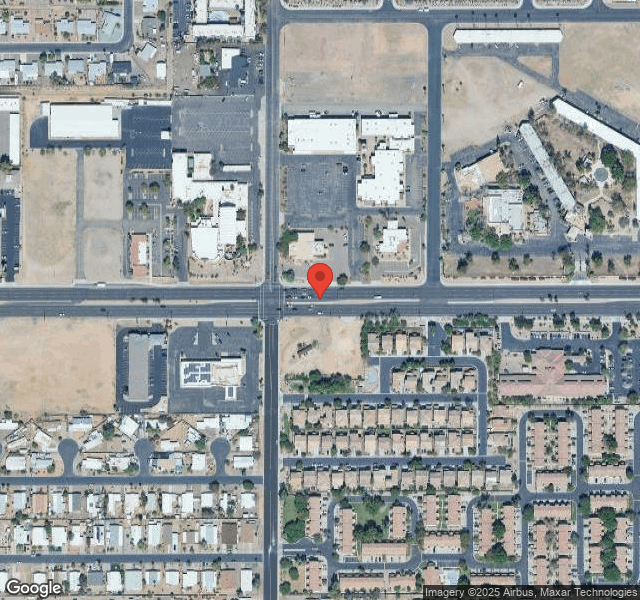

5755 EAST MAIN STREET, MESA, AZ 85205 (480) 214-2400
For profit - Limited Liability company 38 Beds ADVANCED HEALTH CARE Data: November 2025
Trust Grade
90/100
#4 of 139 in AZ
Last Inspection: October 2024

Within standard 12-15 month inspection cycle. Federal law requires annual inspections.

Overview

Advanced Healthcare of Mesa has received an A Trust Grade, indicating excellent care and a strong reputation among facilities. It ranks #4 out of 139 nursing homes in Arizona, placing it in the top tier of state facilities, and also ranks #4 out of 76 in Maricopa County. The facility is showing an improving trend, with issues decreasing from 4 in 2023 to only 1 in 2024. Staffing is a relative strength, with a 4-star rating and a turnover rate of 44%, which is slightly below the state average of 48%. Importantly, there have been no fines recorded, which suggests compliance with regulations. However, there have been some concerning incidents, such as a failure to notify two residents about their transfer and not properly completing a discharge assessment for another resident, which could affect care needs. Additionally, there was an incident where a resident was not allowed to return to the facility after hospitalization, which could create challenges for their continuity of care. While there are notable strengths in staffing and overall quality, families should be aware of these specific areas needing improvement.

Trust Score
A
90/100
In Arizona
#4/139
Top 2%
Safety Record
Low Risk
No red flags
Inspections
Getting Better
4 → 1 violations
Staff Stability
○ Average
44% turnover. Near Arizona's 48% average. Typical for the industry.
Penalties
✓ Good
No fines on record. Clean compliance history, better than most Arizona facilities.
Skilled Nurses
✓ Good
Each resident gets 76 minutes of Registered Nurse (RN) attention daily — more than 97% of Arizona nursing homes. RNs are the most trained staff who catch health problems before they become serious.
Violations
○ Average
6 deficiencies on record. Average for a facility this size. Mostly minor or procedural issues.
★★★★★
5.0
Overall Rating
★★★★☆
4.0
Staff Levels
★★★★★
5.0
Care Quality
★★★★★
5.0
Inspection Score
Stable
2023: 4 issues
2024: 1 issues

The Good

  • 4-Star Staffing Rating · Above-average nurse staffing levels
  • 5-Star Quality Measures · Strong clinical quality outcomes
  • Full Sprinkler Coverage · Fire safety systems throughout facility
  • No fines on record
  • Staff turnover below average (44%)

    4 points below Arizona average of 48%

Facility shows strength in staffing levels, quality measures, fire safety.

The Bad

Staff Turnover: 44%

Near Arizona avg (46%)

Typical for the industry

Chain: ADVANCED HEALTH CARE

Part of a multi-facility chain

Ask about local staffing decisions and management

The Ugly 6 deficiencies on record

Oct 2024 1 deficiency
CONCERN (D)

Potential for Harm - no one hurt, but risky conditions existed

Assessment Accuracy (Tag F0641)

Could have caused harm · This affected 1 resident

Based on clinical record review, staff interview, the Resident Assessment Instrument (RAI) manual, and facility failed to properly complete a Discharge Minimum Data Set (MDS) assessment for Resident #...

Read full inspector narrative →
Based on clinical record review, staff interview, the Resident Assessment Instrument (RAI) manual, and facility failed to properly complete a Discharge Minimum Data Set (MDS) assessment for Resident #31. The deficient practice could result in delayed identification of potential risks and care needs of the residents. Findings include: Resident #31 was admitted into the facility on July 05, 2024 with a diagnosis of surgical wound infections, peritoneal abscess, elevated white blood cell count, chronic obstructive pulmonary disease, and epigastric pain. MDS revealed that the resident had been discharged to a short-term general hospital. Progress notes for resident #31 revealed that residents had been discharged home with Home Health services with discharge summary, and medication review on July 19, 2024. Resident #31 was discharged on July 05, 2024; however, MDS and progress notes there was a discrepancy between progress notes, and MDS. An interview was conducted on October 17, 2024 at 1:19PM with RN/MDS Coordinator (Registered Nurse & Minimum Data Set) (Staff #9) review with progress notes and states that resident #31 was discharged to home health and that the resident never went to the hospital. RN MDS (Staff # 9) had reviewed resident MDS and stated that on the MDS it is revealed that resident has been discharged to a short term hospital. RN MDS Coordinator ( staff # 9) stated that the MDS was inaccurate and that this is not part of the facility expectation. An interview was conducted on October 17 at 1:56 PM with DON ( Director of Nursing) staff # 48 stated that this resident came in here for rehab , and when resident # 31 was discharged and they went home. In the MDS it gives you 4 option to pick from in regard to the resident discharge in this case RN MDS coordinator (staff # 9) had selected option 1 instead of opinion 4. The facility expectation would be that they are supposed to follow the Medicare Guide that applies to all staff. Review of the facility Policy titled, Patient Assessment revealed, that any individual who completes any part of the assessment on RAI will sign and certify the accuracy of that part of the assessment they have completed.
Nov 2023 4 deficiencies
CONCERN (D) 📢 Someone Reported This

A family member, employee, or ombudsman was alarmed enough to file a formal complaint

Potential for Harm - no one hurt, but risky conditions existed

Transfer Requirements (Tag F0622)

Could have caused harm · This affected 1 resident

**NOTE- TERMS IN BRACKETS HAVE BEEN EDITED TO PROTECT CONFIDENTIALITY** Based on clinical review, staff interviews and the facility policy and procedures, the facility failed to ensure one resident (#...

Read full inspector narrative →
**NOTE- TERMS IN BRACKETS HAVE BEEN EDITED TO PROTECT CONFIDENTIALITY** Based on clinical review, staff interviews and the facility policy and procedures, the facility failed to ensure one resident (#86) was permitted to return to the facility after a hospitalization. Findings include: Resident #86 was admitted to the facility on [DATE] with diagnoses that included periprosthetic fracture around internal prosthetic left knee joint, acute and chronic respiratory failure with hypoxia, and chronic pain syndrome. The minimum data set (MDS) dated [DATE] included a brief interview for mental status score of 13 indicating the resident was cognitively intact. Review of a Covid-19 test dated November 14, 2023 revealed a positive result. A progress note dated November 14, 2021 at 4:17 PM revealed that the resident had a rapid Covid test and tested positive earlier today. The resident complained of shortness of breath, with wet cough. The physician was notified and the resident was transferred to the emergency department (ER) via ambulance for further medical management. The family was notified about the hospital transfer and the resident's belongings were sent along with her. A progress note dated November 14, 2021 at 10:08 PM revealed that the resident's daughter called the facility to report on the resident regarding the ER admission and discharge. The daughter was notified about the facility Covid-19 positive patient protocol. Despite being educated, the concerned family member was audibly upset due to the fact the resident cannot be readmitted into this facility with a positive Covid-19 status. Review of the clinical record did not reveal a bed-hold policy signed and dated by the resident or a family member. An interview was conducted on November 8, 2023 at 8:27 AM with the Director of Nursing (DON/staff #81), who stated that the the resident was transferred to the hospital because she tested positive for Covid, was symptomatic, and the physician wanted her transferred to the hospital. She stated that the facility did not keep residents who tested positive for Covid and would transfer them to the hospital or another facility. She stated that if the resident would have passed the quarantine period, she would have been able to come back to the facility. Then she reviewed the progress notes and stated that the daughter was told on November 14, 2021, that the resident could not return to the facility, which is the same day that the resident was transferred to the hospital. She acknowledged that on November 14, 2023, she did not know how long the hospital was going to keep the resident or if the resident was being admitted , but knew that the resident was in the incubation period, so was not admitted back to the facility. She stated that the facility was able to isolate residents with Covid-19 by room, but did not have staff to care for the residents. She wouldn't have hired registry staff to provide one to one care for residents with Covid-19 because it is not practical for financial reasons, but doesn't have any documentation of trying to find additional staff or telling AZDHS that this was not feasible. An interview was conducted on November 8, 2023 at 9:04 AM with a Registered Nurse/Critical Nurse Manager (RN/staff #25), who stated that she was responsible for discharge planning and any family concerns. She stated that if a resident was Covid-19 positive in 2021 and symptomatic, the resident was transferred to the hospital if ordered by the physician. During the interview, she reviewed facility documentation and stated that she didn't have any notes regarding the resident's discharge. She stated that it was her understanding that the facility did not have a Covid unit and she followed facility protocol, which was to transfer the Covid-19 positive residents to the hospital or another facility. During an interview conducted on November 8, 2023 at 9:12 AM with the Administrator (staff #90), she stated that resident #86 would not have been given the resident a bed-hold policy because the facility wasn't going to accept the resident back due to being Covid-19 positive. An interview was conducted on November 8, 2023 at 10:20 AM with the Administrator (staff #90) and the Director of Nursing (DON/staff #81). Both staff stated that they developed a plan for Covid positive residents, but didn't implement the plan. Staff #90 stated that they were a Covid-19 free facility and wanted to remain that way. The facility's Covid-19 Emergency Plan, Location of Confirmed Patients with SARS-CoV-2 states to identify space in the facility that could be dedicated to care for residents with confirmed Covid-19. This could be a dedicated floor, unit, or wing in the facility or a group of rooms at the end of the unit that will be used to cohort residents with Covid-19. Determine the location of the Covid-19 care unit and create a staffing plan before residents or HCP with Covid-19 are identified in the facility.
CONCERN (D)

Potential for Harm - no one hurt, but risky conditions existed

Deficiency F0625 (Tag F0625)

Could have caused harm · This affected 1 resident

**NOTE- TERMS IN BRACKETS HAVE BEEN EDITED TO PROTECT CONFIDENTIALITY** Based on facility documentation, the facility failed to ensure two residents (#86, #26) were notified were made aware of the bed...

Read full inspector narrative →
**NOTE- TERMS IN BRACKETS HAVE BEEN EDITED TO PROTECT CONFIDENTIALITY** Based on facility documentation, the facility failed to ensure two residents (#86, #26) were notified were made aware of the bed-hold policy upon transfer to the hospital. Findings include: Resident #86 was admitted to the facility on [DATE] with diagnoses that included periprosthetic fracture around internal prosthetic left knee joint, acute and chronic respiratory failure with hypoxia, and chronic pain syndrome. The minimum data set (MDS) dated [DATE] included a brief interview for mental status score of 13 indicating the resident was cognitively intact. A progress note dated November 14, 2021 at 4:17 PM revealed that the resident had a rapid Covid test and tested positive earlier today. The resident complained of shortness of breath, with wet cough. The physician was notified and the resident was transferred to the emergency department (ER) via ambulance for further medical management. The family was notified about the hospital transfer and the resident's belongings were sent along with her. A progress note dated November 14, 2021 at 10:08 PM revealed that the resident's daughter called the facility to report on the resident regarding the ER admission and discharge. The daughter was notified about the facility Covid-19 positive patient protocol. Despite being educated, the concerned family member was audibly upset due to the fact the resident cannot be readmitted into this facility with a positive Covid-19 status. Review of the clinical record did not reveal a bed-hold policy signed and dated by the resident or a family member. -Resident #26 was admitted to the facility on with diagnoses that included benign prostatic hyperplasia without lower urinary tract symptoms, hypertensive heart disease with heart failure, and an anxiety disorder. The minimum data set (MDS) dated [DATE] included a brief interview for mental status score of 12 indicating the resident had a mild cognitive impairment. A progress note dated September 10, 2023 revealed that the resident was transported to the hospital as per physician's orders for possible sepsis at approximately 6:40 a.m. The vital signs were taken prior to transport and were as follows: 112/57 blood pressure, 121 heart rate, 72% oxygen on 1 liter., 102.7 temperature, and 22 respiratory rate. There was an attempt to contact the resident's daughter, but there was no answer. The nurse sent the face sheet and orders to transport. Review of the clinical record did not reveal a bed-hold policy. During an interview conducted on November 6, 2023 at 9:24 AM with resident #26, he stated that he did not receive a written statement regarding the reason for going to the hospital or a bed hold policy when he was transferred to the hospital. An interview was conducted on November 8, 2023 at 8:27 AM with the Director of Nursing (DON/staff #81), who stated that the the resident is given a bed-hold policy when he/she is transported to the hospital if it is feasible. If the situation is emergent, the bed hold policy is discussed with a family member, who would decide if he/she wanted to pay the rate required. She stated that she was not sure if the conversation regarding the bed hold policy with the family member is documented in a progress note. She also, stated that if the bed-hold form was used, she would expect that it was signed and dated by the resident or family member. During an interview conducted on November 8, 2023 at 9:12 AM with the Administrator (staff #90), she stated that resident #86 would not have been given the resident a bed-hold policy because the facility wasn't going to accept the resident back due to being Covid positive. The facility's policy Admission, Transfer, Discharge Rights (F-Tag) states that before a patient is transferred to a hospital or goes on therapeutic leave, the facility will provide written information to the patient, a family member or resident representative specifying the duration of the bed-hold policy during which the patient is permitted to return and resume temporary residence in the facility.
CONCERN (D)

Potential for Harm - no one hurt, but risky conditions existed

Infection Control (Tag F0880)

Could have caused harm · This affected 1 resident

**NOTE- TERMS IN BRACKETS HAVE BEEN EDITED TO PROTECT CONFIDENTIALITY** Based on observation, clinical record, staff interviews and the facility policy and procedures, the facility failed to use appro...

Read full inspector narrative →
**NOTE- TERMS IN BRACKETS HAVE BEEN EDITED TO PROTECT CONFIDENTIALITY** Based on observation, clinical record, staff interviews and the facility policy and procedures, the facility failed to use appropriate hand hygiene practices and PPE when providing wound care for one resident (#18). The deficient practice could result in infection. Findings include: Resident #18 was admitted to the facility on [DATE] with diagnoses that included dementia, fracture of left femur, and abnormalities of gait and mobility. A care plan dated October 9, 2023 for an actual impaired skin integrity related to admitted with surgical incision left hip. admitted with deep tissue injury on (DTI) on right buttock and left heel. The resident admitted with a stage II pressure ulcer to sacrum. -October 11, 2023 DTI right buttock is resolved. -October 11, 2023, stage II sacrum is now an unstageable pressure ulcer on her sacrum. -October 20, 2023, sacrum ulcer is resolved. -November 6, 2023, left heel is now stage III. Interventions include to treat left heel per order. Wound order dated November 3, 2023 revealed skin prep, okay open to air daily, float heels in bed, offload wound, reposition per facility protocol, offloading mattress. November 6, 2023 wound note revealed a facility acquired left heel non-blanchable redness -October 9, 2023: 3 cm length x 3 cm width -November 6, 2023: 0.8 length cm x 0.5 cm width On November 7, 2023 at 10:31 a.m. observed a Registered Nurse/Clinical Nurse Manager (RN/staff #1) clean a pressure ulcer on left heel. Staff #1 was observed: -sanitzing hands -donning gown and gloves -placing a paper towel below resident's left foot (foot was elevated by a pillow and did not touch the paper towel -removed the resident's sock and bandage/gauze -bandage/gauze was placed on the paper towel -cleansed the left heel with clean gauze and then placed gauze on the paper towel -doffed dirty gloves and placed them on the paper towel -reached under her gown and pulled out another pair of gloves from her pocket and did not sanitize hands prior to donning the gloves -Collagen pad was applied and covered -doffed gloves and washed hands An interview was conducted on November 8, 2023 at 11:10 AM with (RN/staff #1), who stated that she doesn't necessarily need to sanitize her hands after doffing soiled gloves and before donning the new gloves because she has already cleaned her hands prior to beginning wound care. She acknowledged that she didn't sanitize her hands after doffing the soiled gloves and donning a new pair of gloves when she cleaned the resident's wound on November 7, 2023. She also, stated that it would not be appropriate to take new gloves from her pocket beneath her gown because the gown could be contaminated and she acknowledged that she pulled her gloves from underneath her gown when providing wound care on November 7, 2023. An interview was conducted on November 8, 2023 at 11:22 AM with the Director of Nursing (DON/staff #81), who stated that when wound care is provide, the nurse should doff her gloves after removing the bandage, sanitize hands, and don new gloves. She stated that the hands should be sanitized because the old gloves may be contaminated. She also stated that the inside of the gown has the potential to be contaminated because it is touching the staff's clothing, so reaching underneath the gown to get gloves from the pocket creates the potential for contamination. The facility's policy Isolation Procedures and Universal Precautions states that hand washing is considered the single most important procedure for preventing infections. Hand washing is necessary before and after removal of gloves and barriers.
CONCERN (E)

Potential for Harm - no one hurt, but risky conditions existed

Transfer Notice (Tag F0623)

Could have caused harm · This affected multiple residents

**NOTE- TERMS IN BRACKETS HAVE BEEN EDITED TO PROTECT CONFIDENTIALITY** Based on facility documentation, the facility failed to ensure two residents (#86, #26) were notified in writing regarding the r...

Read full inspector narrative →
**NOTE- TERMS IN BRACKETS HAVE BEEN EDITED TO PROTECT CONFIDENTIALITY** Based on facility documentation, the facility failed to ensure two residents (#86, #26) were notified in writing regarding the reason for transfer and a copy was sent to the ombudsman. Findings include: Resident #86 was admitted to the facility on [DATE] with diagnoses that included periprosthetic fracture around internal prosthetic left knee joint, acute and chronic respiratory failure with hypoxia, and chronic pain syndrome. The minimum data set (MDS) dated [DATE] included a brief interview for mental status score of 13 indicating the resident was cognitively intact. A progress note dated November 14, 2021 at 4:17 PM revealed that the resident had a rapid Covid test and tested positive earlier today. The resident complained of shortness of breath, with wet cough. The physician was notified and the resident was transferred to the emergency department (ER) via ambulance for further medical management. The family was notified about the hospital transfer and the resident's belongings were sent along with her. A progress note dated November 14, 2021 at 10:08 PM revealed that the resident's daughter called the facility to report on the resident regarding the ER admission and discharge. The daughter was notified about the facility Covid-19 positive patient protocol. Despite being educated, the concerned family member was audibly upset due to the fact the resident cannot be readmitted into this facility with a positive Covid-19 status. -Resident #26 was admitted to the facility on with diagnoses that included benign prostatic hyperplasia without lower urinary tract symptoms, hypertensive heart disease with heart failure, and an anxiety disorder. The minimum data set (MDS) dated [DATE] included a brief interview for mental status score of 12 indicating the resident had a mild cognitive impairment. During an interview conducted on November 6, 2023 at 9:24 AM with resident #26, he stated that he did not receive a written statement regarding the reason for going to the hospital or a bed hold policy when he was transferred to the hospital. An interview was conducted on November 8, 2023 at 8:27 AM with the Director of Nursing (DON/staff #81), who stated that the nurse/charge nurse informs the resident and family verbally regarding the reason for transport to the hospital. She also stated that the ombudsman is notified of the transfer at the end of the month, but the reason for discharge is not included. An interview was conducted on November 8, 2023 at 10:20 AM with the Administrator (staff #90) and the (DON/staff #81). , Interview with 1. Administrator and 2. DON, Staff #81 stated that the facility did not give the residents a written reason for being transferred to the hospital, so the ombudsman did not receive a copy. She stated that the facility has never been provided the resident with a reason for transfer in writing and is currently looking at how to develop a process. Staff #90 stated that when she was at a conference, she heard other facilities talking about notifying the ombudsman about the reason for the transfer, but didn't know what they were talking about. The facility's policy Admission, Transfer, Discharge Rights (F-Tag) states that before a facility transfers or discharges a patient, the facility will notify the resident and the resident's representative(s) of the transfer or discharge and the reasons for the move in writing and in a language and manner they understand. Subject to the resident's agreement, the facility must send a copy of the notice to a representative of the Office of the State Long Term Care Ombudsman.
Sept 2022 1 deficiency
CONCERN (D)

Potential for Harm - no one hurt, but risky conditions existed

Quality of Care (Tag F0684)

Could have caused harm · This affected 1 resident

**NOTE- TERMS IN BRACKETS HAVE BEEN EDITED TO PROTECT CONFIDENTIALITY** Based on clinical record review, staff interviews, and review of policies and procedures, the facility failed to ensure that a p...

Read full inspector narrative →
**NOTE- TERMS IN BRACKETS HAVE BEEN EDITED TO PROTECT CONFIDENTIALITY** Based on clinical record review, staff interviews, and review of policies and procedures, the facility failed to ensure that a physician's order had been obtained to treat and monitor a skin injury for one resident (#86). The deficient practice may result in additional resident skin injuries being treated without a physician's order for treatment. Findings include: Resident #86 was admitted on [DATE], with diagnoses that included congestive heart failure, atherosclerotic heart disease, and acute kidney failure. A progress note dated September 19. 2022 included that resident #86 had fallen in her bathroom that resulted in a large skin tear on her right upper extremity. The note included that the skin tear required Steri-strips, and a non-adherent gauze and small island dressing. Review of the clinical record for resident #86 revealed that there were no physician's orders for treatment or monitoring of the large skin tear on the resident's right upper extremity. A care plan dated September 20, 2022 included that resident #86 was at risk for falls related to weakness, and had a fall with a skin tear on September 19, 2022. The care plan included a goal to minimize the risk of falls throughout the resident's stay. The care plan did not include any additional interventions regarding wound care for a skin tear on the right upper extremity, or interventions for monitoring of the wound. Observations conducted on September 27, 2022 at 10:10 AM, during the Recertification survey, resident #86 was observed sitting upright in chair and had a 4x4 island dressing near her right elbow. The dressing was observed to be clean, dry and intact. During an interview conducted on September 27, 2022 at 10:14 AM with resident #86, she stated that she sustained a small skin tear on her elbow when she fell at the facility, and stated that she had no recollection of the incident. Resident #86 stated that the bandage on her right arm/elbow has not been changed or looked at since the fall happened. During an interview conducted on September 29, 2022 at 11:01 AM. with an LPN (Licensed Practical Nurse/Staff #29), he stated that he was aware that resident #86 had fallen and that the resident had a skin tear. Staff #29 stated that he has never changed the dressing on the resident's wound because that was the wound nurse's job. An observation of wound care for resident #86 was conducted on September 29, 2022 at 11:40 AM with an LPN (Staff #25). During observation of the wound care provided by staff 25, the wound dressing was noted to be well secured and was not soiled, and the resident's skin under the dressing was clean. There was no foul odor Steri-strips were not present on the wound, which appeared to be healed. During an interview conducted on September 29, 2022 at 11:44 AM with Staff #25, she stated that she had not previously changed the wound dressing on the resident's (#86) arm/elbow because she was not aware of the wound. Staff #25 included that there should have been an order to change the dressing and monitor for infection, and that it was apparently overlooked. During an interview conducted on September 29, 2022 at 12:36 PM with the Director of Nursing (DON/Staff #47), she stated that the wound should have been monitored and should have a had a physician's order for treatment. The DON stated that the nurse should have reported the resident's (#86) skin tear to the wound nurse, and that if she had known of the resident's fall and the skin tear, as the director of nursing, she would have followed up on the wound. A facility Policy titled, Care of Skin Tears and Abrasions (revised 28 Sept. 2022) stated the facility shall obtain and verify that there is a physician's order to treat the wound.
Understanding Severity Codes (click to expand)
Life-Threatening (Immediate Jeopardy)
J - Isolated K - Pattern L - Widespread
Actual Harm
G - Isolated H - Pattern I - Widespread
Potential for Harm
D - Isolated E - Pattern F - Widespread
No Harm (Minor)
A - Isolated B - Pattern C - Widespread

Questions to Ask on Your Visit

  • "Can I speak with families of current residents?"
  • "What's your RN coverage like on weekends and overnight?"

Our Honest Assessment

Strengths
  • • Grade A (90/100). Above average facility, better than most options in Arizona.
  • • No major safety red flags. No abuse findings, life-threatening violations, or SFF status.
  • • No fines on record. Clean compliance history, better than most Arizona facilities.
  • • 44% turnover. Below Arizona's 48% average. Good staff retention means consistent care.
Concerns
  • • No significant concerns identified. This facility shows no red flags across CMS ratings, staff turnover, or federal penalties.
Bottom line: Generally positive indicators. Standard due diligence and a personal visit recommended.

About This Facility

What is Advanced Healthcare Of Mesa's CMS Rating?

CMS assigns ADVANCED HEALTHCARE OF MESA an overall rating of 5 out of 5 stars, which is considered much above average nationally. Within Arizona, this rating places the facility higher than 99% of the state's 100 nursing homes. This rating reflects solid performance across the metrics CMS uses to evaluate nursing home quality.
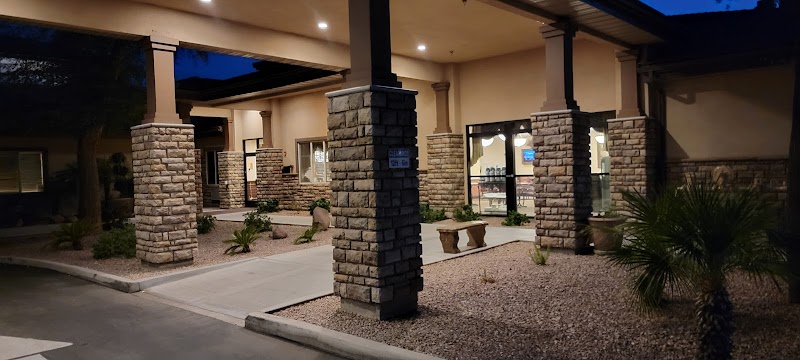
How is Advanced Healthcare Of Mesa Staffed?

CMS rates ADVANCED HEALTHCARE OF MESA's staffing level at 4 out of 5 stars, which is above average compared to other nursing homes. Staff turnover is 44%, compared to the Arizona average of 46%. This relatively stable workforce can support continuity of care.

What Have Inspectors Found at Advanced Healthcare Of Mesa?

State health inspectors documented 6 deficiencies at ADVANCED HEALTHCARE OF MESA during 2022 to 2024. These included: 6 with potential for harm.
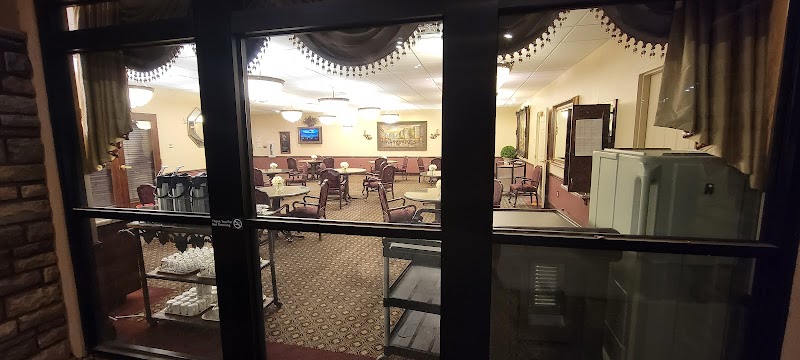
Who Owns and Operates Advanced Healthcare Of Mesa?

ADVANCED HEALTHCARE OF MESA is owned by a for-profit company. For-profit facilities operate as businesses with obligations to shareholders or private owners. The facility is operated by ADVANCED HEALTH CARE, a chain that manages multiple nursing homes. With 38 certified beds and approximately 37 residents (about 97% occupancy), it is a smaller facility located in MESA, Arizona.

How Does Advanced Healthcare Of Mesa Compare to Other Arizona Nursing Homes?

Compared to the 100 nursing homes in Arizona, ADVANCED HEALTHCARE OF MESA's overall rating (5 stars) is above the state average of 3.3, staff turnover (44%) is near the state average of 46%, and health inspection rating (5 stars) is much above the national benchmark.

What Should Families Ask When Visiting Advanced Healthcare Of Mesa?

Based on this facility's data, families visiting should ask: "Can I visit during a mealtime to observe dining assistance and food quality?" "How do you handle medical emergencies, and what is your hospital transfer rate?" "Can I speak with family members of current residents about their experience?"

Is Advanced Healthcare Of Mesa Safe?

Based on CMS inspection data, ADVANCED HEALTHCARE OF MESA has a clean safety record: no substantiated abuse findings (meaning no confirmed cases of resident harm), no Immediate Jeopardy citations (the most serious violation level indicating risk of serious injury or death), and is not on the Special Focus Facility watch list (a federal program monitoring the lowest-performing 1% of nursing homes). The facility has a 5-star overall rating and ranks #1 of 100 nursing homes in Arizona. While no facility is perfect, families should still ask about staff-to-resident ratios and recent inspection results during their visit.

Do Nurses at Advanced Healthcare Of Mesa Stick Around?

ADVANCED HEALTHCARE OF MESA has a staff turnover rate of 44%, which is about average for Arizona nursing homes (state average: 46%). Moderate turnover is common in nursing homes, but families should still ask about staff tenure and how the facility maintains care continuity when employees leave.

Was Advanced Healthcare Of Mesa Ever Fined?

ADVANCED HEALTHCARE OF MESA has no federal fines on record. CMS issues fines when nursing homes fail to meet care standards or don't correct problems found during inspections. The absence of fines suggests the facility has either maintained compliance or corrected any issues before penalties were assessed. This is a positive indicator, though families should still review recent inspection reports for the full picture.

Is Advanced Healthcare Of Mesa on Any Federal Watch List?

ADVANCED HEALTHCARE OF MESA is not on any federal watch list. The most significant is the Special Focus Facility (SFF) program, which identifies the bottom 1% of nursing homes nationally based on persistent, serious quality problems. Not being on this list means the facility has avoided the pattern of deficiencies that triggers enhanced federal oversight. This is a positive indicator, though families should still review the facility's inspection history directly.