DESERT BLOSSOM HEALTH & REHAB CENTER
60 SOUTH 58TH STREET, MESA, AZ 85206 (480) 832-3903
For profit - Corporation 106 Beds THE ENSIGN GROUP Data: November 2025
Trust Grade
70/100
#46 of 139 in AZ
Last Inspection: May 2024

Within standard 12-15 month inspection cycle. Federal law requires annual inspections.

Overview

Desert Blossom Health & Rehab Center has a Trust Grade of B, which means it is a good choice among nursing homes, indicating a solid level of care. It ranks #46 out of 139 facilities in Arizona, placing it in the top half, and #35 out of 76 in Maricopa County, suggesting there are only a few local options that are better. Unfortunately, the facility's performance is worsening, with issues increasing from 4 in 2024 to 5 in 2025. Staffing is a concern here, with a rating of 2 out of 5 and a turnover rate of 52%, which is higher than the state average, indicating potential challenges in continuity of care. On a positive note, the facility has not incurred any fines, suggesting compliance with regulations, and there is an average level of RN coverage, which is important for monitoring resident health. However, incidents have raised concerns; for example, the facility failed to provide CPR to a resident who had requested it in their advanced directive, and another resident's nutritional needs were not adequately addressed, which could lead to malnutrition. Overall, while there are some strengths, families should be aware of these significant weaknesses when considering this facility.

Trust Score
B
70/100
In Arizona
#46/139
Top 33%
Safety Record
Moderate
Needs review
Inspections
Getting Worse
4 → 5 violations
Staff Stability
⚠ Watch
52% turnover. Above average. Higher turnover means staff may not know residents' routines.
Penalties
✓ Good
No fines on record. Clean compliance history, better than most Arizona facilities.
Skilled Nurses
○ Average
Each resident gets 39 minutes of Registered Nurse (RN) attention daily — about average for Arizona. RNs are the most trained staff who monitor for health changes.
Violations
⚠ Watch
18 deficiencies on record. Higher than average. Multiple issues found across inspections.
★★★★☆
4.0
Overall Rating
★★☆☆☆
2.0
Staff Levels
★★★★★
5.0
Care Quality
★★★☆☆
3.0
Inspection Score
Stable
2024: 4 issues
2025: 5 issues

The Good

  • 5-Star Quality Measures · Strong clinical quality outcomes
  • Full Sprinkler Coverage · Fire safety systems throughout facility
  • No fines on record

Facility shows strength in quality measures, fire safety.

The Bad

Staff Turnover: 52%

Near Arizona avg (46%)

Higher turnover may affect care consistency

Chain: THE ENSIGN GROUP

Part of a multi-facility chain

Ask about local staffing decisions and management

The Ugly 18 deficiencies on record

1 actual harm
Jul 2025 4 deficiencies
CONCERN (D) 📢 Someone Reported This

A family member, employee, or ombudsman was alarmed enough to file a formal complaint

Potential for Harm - no one hurt, but risky conditions existed

Report Alleged Abuse (Tag F0609)

Could have caused harm · This affected 1 resident

**NOTE- TERMS IN BRACKETS HAVE BEEN EDITED TO PROTECT CONFIDENTIALITY** Based on clinical record review, facility records, staff interviews, and facility policy, the facility failed to ensure that tha...

Read full inspector narrative →
**NOTE- TERMS IN BRACKETS HAVE BEEN EDITED TO PROTECT CONFIDENTIALITY** Based on clinical record review, facility records, staff interviews, and facility policy, the facility failed to ensure that that an allegation of abuse was reported as required. Findings include:-Resident #100 was admitted on [DATE] with diagnoses of Major Depressive Disorder, difficulty walking, and type 2 Diabetes Mellitus.An annual Minimum Data Set (MDS) dated [DATE] included that this resident was cognitively intact. This document included that this resident required supervision for all activities of daily living.-Resident #12 was admitted on [DATE] with diagnoses of Major Depressive Disorder, hemiparesis and hemiplegia.A quarterly Minimum Data Set (MDS) dated [DATE] included that this resident was cognitively severely impaired with fluctuating inattention and required extensive assistance for bed mobility, dressing, toilet use and personal hygiene.An intake for a facility reported incident received September 16, 2022 included that resident #12 was the resident involved and that previous complaints states male resident touched resident in the vagina. This intake included that a call was received from the Administrator and when APS worker notified him of the allegation on Friday, all parties were notified. The alleged perpetrator (Resident #100) who is alert and oriented, was immediately placed with a 1:1 sitter around the clock and will remained so until the resident is transferred out to another facility which may happen today.A 5-day report with a fax date of September 23, 2022 included that the date of this incident was on September 16, 2022.However, a nursing progress note dated September 9, 2022 included that around 1830 a Certified Nursing Assistant (CNA) informed the nurse that a resident complained that resident #100 touched her inappropriately. This note included that the charge nurse was notified and that she informed the Director of Nursing (DON).An interview was conducted on July 18, 2025 at 9:08 AM with a CNA (staff #14) who said that it is my job is to prevent abuse, and to protect the residents. This staff said that first she would come to see what is the scenario and make sure the residents are safe, and if it is a resident to resident abuse, she would remove one of the residents and inform her nurse. This CNA said the nurse would take over because it is abuse.An interview was conducted on July 17, 2025 at 10:16 AM with a Licensed Practical Nurse (LPN/staff #110) who said that abuse can be financial, emotional or physical. She said that if she witnessed abuse, that she would try to deescalate the situation then she would try to separate the residents and immediately call her administrator, notify the provider, and the supervisor or administrator usually reach out to the resident's family.An interview was conducted on July 18, 2025 at 10:40 AM with a LPN (staff #107) who said that she was provided abuse training and that she would report it to the Nurse Manager or the DON and that they report it to the Department of Health and other authorities.An interview was conducted on July 18, 2025 at 10:50 AM with an Assistant Director of Nursing (ADON/staff #82) who said that staff should immediately call the Abuse Coordinator/Executive Director or the DON.An interview was conducted on July 18, 2025 at 11:06 AM with the DON (staff #82) included that her expectation for her staff would be to immediately report it. This DON included that the Abuse Coordinator/Executive Director is involved and that usually he calls her and they investigate. This DON included that they report sexual abuse within 2 hours and that they try to get an initial investigation so they know a little better what to report. This DON reviewed the clinical record and said that the progress note dated September 9, 2022 looked like the incident reported on September 16, 2022. A follow up interview was conducted on July 18, 2025 at 11:45 AM with the DON (staff #82) who verified that the incident reported on September 16, 2022 was the incident that was recorded on September 9, 2022 progress note. This DON said that it was probably because that nurse was agency and did not report it correctly and that she was not working in the facility during that time. A policy titled Abuse: Prevention of and Prohibition Against reviewed September 2024 included that allegations of abuse, neglect, misappropriation of resident property, or exploitation will be reported outside the Facility and to the appropriate State or Federal agencies in the applicable timeframes, as per this policy and applicable regulations.
CONCERN (D) 📢 Someone Reported This

A family member, employee, or ombudsman was alarmed enough to file a formal complaint

Potential for Harm - no one hurt, but risky conditions existed

Deficiency F0658 (Tag F0658)

Could have caused harm · This affected 1 resident

**NOTE- TERMS IN BRACKETS HAVE BEEN EDITED TO PROTECT CONFIDENTIALITY** Based on clinical record review, staff interviews and policy review, the facility failed to ensure one of three residents (#62) ...

Read full inspector narrative →
**NOTE- TERMS IN BRACKETS HAVE BEEN EDITED TO PROTECT CONFIDENTIALITY** Based on clinical record review, staff interviews and policy review, the facility failed to ensure one of three residents (#62) received services that met professional standards in regards to his medications being administered per provider order. This deficient practice could lead to medical complications.Findings include:Resident #62 was admitted on [DATE], with diagnoses that included bacteremia, urinary tract infection, sepsis and sacral decubitus.A provider order was written on April 7, 2025, for Ceftaroline Fosamil (an antibiotic), 400 milligrams intravenously (IV) every 8 hours for sepsis for 29 days. The first dose of the medication was scheduled to be administered the night of the resident's admission on [DATE].Review of Resident #62's Medication Administration Record (MAR), dated April 2025, revealed a code of 7 for the following scheduled IV doses: April 7, 2025 at 8:00 PM, April 8, 2025 at 8:00 AM and 2:00 PM, April 9, 2025 at 2:00 PM and April 10, 2025 at 8:00 AM. A code of 7 was defined in the MAR as meaning the medication was not administered, and to see the progress notes.Progress notes for Resident #62 were reviewed. A note on April 7, 2025, at 11:52 PM, stated, waiting on pharmacy. On April 8, 2025, at 6:59 PM, it stated, on order. On April 9, 2025, at 1:40 PM, the note stated, pending arrival. On April 10, 2025, at 10:54 AM, it stated night shift charting. Unknown if hanged.There was no indication in the progress notes that the provider was notified that the IV antibiotics were not administered per order.Two infectious disease doctor visit summaries, dated April 8, 2025 and April 10, 2025, revealed the reason for the consultation was for antibiotic management. The provider indicated that the plan was for the resident to take Ceftaroline until May 7, 2025. The note indicated that the provider discussed with nursing on duty. There was no indication in the note that the provider was aware that the resident had missed some scheduled doses of the IV antibiotic.An interview was conducted with a Licensed Practical Nurse (LPN/staff #41) on July 16, 2025, at 9:35 AM. The LPN stated that if she were missing a medication from the medication cart, she would check the facility for the medication, re-order it through the system, call the pharmacy and notify the director of nursing or the manager on duty.An interview was conducted with a Registered Nurse (RN/staff #45) on July 17, 2025, at 11:25 AM. The RN stated if he were missing an IV medication, he would notify the IV company. If it was unavailable, he would notify the provider and the director of nursing and document in the progress notes.An interview was conducted with the Director of Nursing (DON/staff #125) on July 17, 2025, at 12:45 PM, who stated that if an IV antibiotic was missing, she would expect staff to look for it, call the pharmacy and notify the provider. She stated those actions should be documented in a progress note.The DON then reviewed Resident #62's medical record. She located several progress notes stating that the medication was not administered per the provider's order. She stated she was unsure as to the reason the antibiotics were not administered according to the order. She could not locate any progress notes stating a provider had been notified.A follow-up interview was conducted with the DON on July 18, 2025, at 11:10 AM. The DON acknowledged that the IV antibiotics should have been administered per the provider's order and that the documentation showed that the resident missed several doses, without proper documentation of the provider being notified. The risk of the deficient practice was that the resident's infection could be prolonged and could possibly worsen.A review of the facility's medication policy revealed that staff are to notify the provider if there are irregularities in the administration of medications.
CONCERN (D) 📢 Someone Reported This

A family member, employee, or ombudsman was alarmed enough to file a formal complaint

Potential for Harm - no one hurt, but risky conditions existed

Deficiency F0697 (Tag F0697)

Could have caused harm · This affected 1 resident

**NOTE- TERMS IN BRACKETS HAVE BEEN EDITED TO PROTECT CONFIDENTIALITY** Based on clinical record review, interviews, and facility policy, the facility failed to ensure that 1 out of 10 sampled residen...

Read full inspector narrative →
**NOTE- TERMS IN BRACKETS HAVE BEEN EDITED TO PROTECT CONFIDENTIALITY** Based on clinical record review, interviews, and facility policy, the facility failed to ensure that 1 out of 10 sampled residents (# 41) received pain medication as ordered by the physician. The deficient practice could result in the potential for the resident to be in unnecessary pain.Findings include: Resident #41 was admitted on [DATE], with diagnoses that included fracture of the pelvis without disruption of the pelvic ring, fall from a roof, pain in the right shoulder, and muscle weakness.Review of the Resident's care plan revealed that Resident # 41 is currently prescribed an opioid for pain, effective September 11, 2023, with an intervention task that included to administer opioid medication as prescribed. Review of Resident's # 41 Minimum Data Set (MDS) dated [DATE], revealed a Brief Interview for Mental Status (BIMS) score of 15, which indicated the resident was cognitively intact. The MDS revealed that Resident # 41 was on Opioids for pain, which he received occasionally, and rated his pain level an 8 out of 10 over the last 5 days. Review of the Resident's orders revealed the following orders,Dated September 12, 2023, at 1:25 p.m. Oxycodone HCL Oral Tablet 5 MG 1 tablet by mouth every 4 hours as needed for pain 1-3. Discontinued September 19, 2023, at 2:58 p.m.Dated September 12, 2023, at 1:25 p.m. Oxycodone HCL Oral Tablet 5 MG 2 tablets by mouth every 4 hours as needed for pain 4-10. Discontinued September 19, 2023, at 2:58 p.m.Dated September 19, 2023, at 2:59 p.m. Oxycodone HCL Oral Tablet 5 MG 1 tablet by mouth every 4 hours as needed for pain 1-3. Discontinued September 22, 2023, at 7:56 a.m.Dated September 19, 2023, at 2:59 p.m. Oxycodone HCL Oral Tablet 5 MG 2 tablets by mouth every 4 hours as needed for pain 4-10. Discontinued September 22, 2023, at 7:56 a.m. Review of September 2023 Medical Administration Record (MAR) revealed on September 15, 2023, administration of Oxycodone HCL Oral 5 MG Tablets at 8:47 a.m., one tablet was administered for a pain level of 6 out of 10.Further review of the Controlled Drug Receipt/Record/Disposition Form revealed that on September 15, 2023, only one tablet was pulled from the cart at 8:00 a.m.Review of September 2023 MAR revealed on September 17, 2023, administration of Oxycodone HCL Oral 5 MG Tablets at 2:05 p.m., one tablet was administered for pain level 5 out of 10, and at 11:35 p.m., only one tablet was administered for a pain level of 8 out of 10.Further review of the Controlled Drug Receipt/Record/Disposition Form revealed that on September 17, 2023, only one tablet was pulled from the cart at 2:10 p.m., and one tablet was pulled from the cart at 11:40 p.m.Review of September 2023 MAR revealed on September 18, 2023, administration of Oxycodone HCL Oral 5 MG Tablets at 4:40 a.m., one tablet administered for pain level 8 out of 10. At 12:50 p.m., one tablet was administered for a pain level of 6 out of 10, and at 4:55 p.m. and one tablet was administered for a pain level of 7 out of 10. Further review of the Controlled Drug Receipt/Record/Disposition Form revealed that on September 18, 2023, only one tablet was pulled from the cart at 4:00 a.m., and 12:51 p.m. Two tablets were pulled at 5:00 p.m., even though only one tablet was marked administered at that time. Review of September 2023 MAR revealed on September 19, 2023, administration of Oxycodone HCL Oral 5 MG Tablets at 4:15 a.m. one tablet administered for a pain level of 5 out of 10, and at 12:37 p.m., one tablet was administered for a pain level of 7 out of 10.Further review of the Controlled Drug Receipt/Record/Disposition Form revealed that on September 19, 2023, only one tablet was pulled from the cart at 4:15 a.m. and 12:40 p.m.Review of September 2023 MAR revealed on September 20, 2023, administration of Oxycodone HCL Oral 5 MG Tablets at 5:21 a.m., one tablet for a pain level of 6 out of 10, and at 1:37 p.m., one tablet was administered for a pain level of 7 out of 10.Further review of the Controlled Drug Receipt/Record/Disposition Form revealed that on September 20, 2023, only one tablet was pulled from the cart at 5:23 a.m. and 1:35 p.m.Review of September 2023 MAR revealed on September 21, 2023, administration of Oxycodone HCL Oral 5 MG Tablets at 1:30 a.m., one tablet for a pain level of 6 out of 10, and at 7:19 p.m., one tablet was administered for a pain level of 7 out of 10.Further review of the Controlled Drug Receipt/Record/Disposition Form revealed that on September 21,2023 only one tablet was pulled from the cart at 1:31 a.m. and 6:48 a.m.An interview was conducted on July 18, 2025, at 10:12 a.m. with Registered Nurse (RN/Staff # 108), who stated that if a narcotic needed to be administered, we would look at the orders and usually we need to try a non-pharmaceutical intervention first but if that does not work then we would dispense the narcotic based on the parameters of the orders. Once the medication is pulled from the cart, she would document the date, time. and the amount of the narcotic on the narcotic count sheets. Once it is recorded, we then administer the narcotic to the resident, and then we document the administration into the MAR. RN #108 revealed that after some time, she would then follow up with the resident to see if the medication was effective. An interview with the Director of Nursing (DON/Staff # 125) was conducted on July 18, 2025, at 11:46 a.m. revealed that when a patient requests medications, the nurses are to look at the order on the MAR, dispense the medications per the order, and administer the medication. In reviewing the September 2023 MAR, DON # 125 acknowledged that nurses must have misread the orders and possibly got confused with the multiple changes in orders. DON # 125 reveled that she expects that doctors' orders are followed in the MAR. Review of the facility policy titled, Medication Administration, reviewed September 2024, revealed that it is the policy of the facility to accurately prepare, administer and document oral medications. The policy also revealed that if there is any question in regard to dosage, the person in doubt should not give the drug until she has obtained information which clarifies the drug dosage.
CONCERN (D) 📢 Someone Reported This

A family member, employee, or ombudsman was alarmed enough to file a formal complaint

Potential for Harm - no one hurt, but risky conditions existed

Pharmacy Services (Tag F0755)

Could have caused harm · This affected 1 resident

**NOTE- TERMS IN BRACKETS HAVE BEEN EDITED TO PROTECT CONFIDENTIALITY** Based on clinical record review, interviews, and facility policy, the facility failed to ensure drug records were in order and t...

Read full inspector narrative →
**NOTE- TERMS IN BRACKETS HAVE BEEN EDITED TO PROTECT CONFIDENTIALITY** Based on clinical record review, interviews, and facility policy, the facility failed to ensure drug records were in order and that an account of all controlled drugs was maintained for 1 out of 10 sampled residents (# 41). The deficient practice could result in the potential for the resident to not being properly medicated. Findings include: Resident # 41 was admitted on [DATE] with diagnoses that included fracture of the pelvis without disruption of the pelvic ring, fall from a roof, pain in the right shoulder, and muscle weakness.Review of the Resident's care plan revealed that Resident # 41 is currently prescribed an opioid for pain, effective September 11, 2023, with an intervention task that included to administer opioid as prescribed. Review of Resident's # 41 Minimum Data Set (MDS) dated [DATE] revealed a BIMS of 15, which indicates the resident is cognitively intact. The MDS revealed that Resident # 41 was on opioids for pain, which he received occasionally and rated the pain an 8 out of 10 over the last 5 days. Review of the Resident's orders revealed the following orders,Dated September 12, 2023, at 1:25 p.m. Oxycodone HCL Oral Tablet 5 MG 1 tablet by mouth every 4 hours as needed for pain 1-3. Discontinued September 19, 2023, at 2:58 p.m.Dated September 12, 2023, at 1:25 p.m. Oxycodone HCL Oral Tablet 5 MG 2 tablets by mouth every 4 hours as needed for pain 4-10. Discontinued September 19, 2023, at 2:58 p.m.Dated September 16, 2023, at 3:12 p.m. Oxycodone HCL Tablet 5 MG 2 tablets by mouth two times a day for pain. Discontinued September 19, 2023, at 2:44 p.m. Dated September 19, 2023, at 2:59 p.m. Oxycodone HCL Oral Tablet 5 MG 1 tablet by mouth every 4 hours as needed for pain 1-3. Discontinued September 22, 2023, at 7:56 a.m.Dated September 19, 2023, at 2:59 p.m. Oxycodone HCL Oral Tablet 5 MG 2 tablets by mouth every 4 hours as needed for pain 4-10. Discontinued September 22, 2023, at 7:56 a.m.Dated September 19, 2023 at 2:44 p.m. Oxycodone HCL Tablet 5 MG 2 tablets by mouth two times a day for pain management. Discontinued September 22, 2023, at 7:56 a.m. Review of the Controlled Drug Receipt/Record/Disposition forms for September 13, 2023, revealed that Oxycodone HCL 5 MG tablets were taken from the cart at, 8:20 a.m. 2 tablets marked. This entry was crossed out with a note of dropped/wasted along with two staff initials.8:45 a.m. 2 tablets marked12:55 p.m. 2 tablets marked4:50 p.m. 1 tablet marked8:40 p.m. 2 tablets marked Review of September 2023, Medical Administration Record (MAR) revealed on September 13, 2023, administration of Oxycodone HCL Oral 5 MG Tablets was at the following times,8:45 a.m. 2 tablets as needed for pain of 8.12:55 p.m. 2 tablets as needed for a pain of 7.4:40 p.m. 1 tablet as needed for a pain of 3. Review of the Controlled Drug Receipt/Record/Disposition forms for September 16, 2023, revealed that Oxycodone HCL 5 MG tablets were taken from the cart at, 8:00 a.m. 2 tablets marked.5:24 p.m. 2 tablets marked.8:00 p.m. 2 tablets marked.Review of September 2023, Medical Administration Record (MAR) revealed on September 16, 2023, administration of Oxycodone HCL Oral 5 MG Tablets was at the following times,8:00 p.m. 2 tablets scheduled for a pain of 5.Review of the Controlled Drug Receipt/Record/Disposition forms for September 21, 2023, revealed that Oxycodone HCL 5 MG tablets were taken from the cart at, 1:31 a.m. 1 tablet marked6:59 a.m. 1 tablet marked No Time marked, there is a note indicating the rest of the medication was sent home with the patient on September 21, 2023, with two staff initials.Review of September 2023, Medical Administration Record (MAR) revealed on September 21, 2023, administration of Oxycodone HCL Oral 5 MG Tablets was at the following times,1:30 a.m. 1 tablet as needed for pain of 6.7:19 a.m. 1 tablet as needed for pain of 7. 8:00 a.m. 2 tablets scheduled for pain of 6.An interview was conducted on July 18, 2025, at 10:12 a.m. with Registered Nurse (RN/Staff # 108), who stated that if a narcotic needed to be administered, once the medication is pulled from the cart, she would document the date, time, and the amount of the narcotic on the narcotic count sheets. Once it is recorded, we then administer the narcotic to the resident, and then we document the administration into the MAR. If the resident refuses or the narcotic gets dropped, we then waste the medication and document on the narcotic sheet that the medication was wasted, and have two nurses sign off on the narcotic sheet. RN # 108 also stated that at the end of the shift, the narcotic cards and each individual pill are counted with the oncoming nurse. If count is off, then they would try and recount it. If it continued to be off, we would contact the Director of Nursing for further instructions. An interview with the Director of Nursing (DON/Staff # 125) was conducted on July 18, 2025, at 11:46 a.m. revealed that at the end of every shift, the outgoing and incoming nurses will reconcile the count of the narcotic cards to the actual count of narcotics on hand. The facility has an independent pharmacy that conducts reconciliation between narcotic count sheets and the MAR. DON # 125 acknowledged that the count is off between September 13, 16, and 21 narcotic counts and MAR. DON # 125 explained that her expectation is that whatever narcotic is pulled from the cart is accounted for on the MAR. Review of the facility policy titled, Controlled Medications- Storage and Reconciliation, reviewed April of 2025, revealed that when a controlled medication is administered, the licensed nurse administering the medication immediately enters the date and time of administration amount administered and signature of the nurse administering the dose, completed after the medication is actually administered.
Jun 2025 1 deficiency 1 Harm
SERIOUS (G) 📢 Someone Reported This

A family member, employee, or ombudsman was alarmed enough to file a formal complaint

Actual Harm - a resident was hurt due to facility failures

Quality of Care (Tag F0684)

A resident was harmed · This affected 1 resident

**NOTE- TERMS IN BRACKETS HAVE BEEN EDITED TO PROTECT CONFIDENTIALITY** Based on clinical record review, staff interviews, facility documentation, and policy review, the facility failed to follow resi...

Read full inspector narrative →
**NOTE- TERMS IN BRACKETS HAVE BEEN EDITED TO PROTECT CONFIDENTIALITY** Based on clinical record review, staff interviews, facility documentation, and policy review, the facility failed to follow resident's advanced directives by not providing Cardiopulmonary Resuscitation (CPR) on 1 of 3 sampled residents (#21). The deficient practice could result in death of the resident. Findings include: Resident #21 was admitted on [DATE], with diagnoses of acute and chronic respiratory failure with hypoxia. Review of the Preferred Intensity of Care document signed [DATE] revealed Resident # 21's advanced directive was to receive resuscitation and transfer to an acute Hospital. A physician's order dated [DATE] included CPR Full Code, Oxygen at 3-4 liters per minute via nasal cannula, continuous, allowing to titrate up 5 liters per minute to keep oxygen saturation above 88, and pulse oximetry testing as needed for signs and symptoms of respiratory distress. According to the comprehensive care plan initiated on [DATE], the resident had oxygen therapy due to lung cancer, in which the Facility was to monitor for signs and symptoms of respiratory distress and report to the medical doctor as needed: respirations, pulse oximetry, and increased heart rate. Review of the overnight shift schedule dated [DATE] revealed the staff assigned to Resident #21 included: Certified Nursing Assistant (CNA/Staff #7) from 6:00 p.m. - 6:00 a.m., Registered Nurse (RN/Staff #4) from 6:00 p.m. - 12:00 a.m., Licensed Practical Nurse (LPN/Staff #13) from 12:00 a.m. - 6:00 a.m. RN (#55) was also scheduled to work the back cart from 6:00 p.m.- 6:00 a.m. According the Medical Administration Record (MAR) dated [DATE] at 6:15 p.m. an administration of ipratropium-albuterol solution was administered via nebulizer due to shortness of breath and wheezing. Review of vital signs dated [DATE] at 7:21 p.m., performed by CNA (#7), revealed a blood pressure of 82/48 and pulse oxygenation at 90% via nasal cannula. The MAR dated [DATE] indicated that midodrine oral tablet was administered at 9:29 pm for low blood pressure. According to the MAR, the medication was administered by RN (#4). It was further documented by this RN (#4) at 9:49 p.m. the nebulizer treatment was effective. Review of the clinical record revealed no evidence of follow up of the effectiveness of the midodrine on the critically low blood pressure nor documentation of physician being contacted. A Nursing progress note dated [DATE] at 3:03 a.m., written by LPN (#13) revealed that Resident (# 21) was found by a CNA (not identified) at approximately 2:00 a.m. cold and unresponsive. According to the progress note, CPR was initiated. Review of the record revealed no evidence on who initiated CPR and what time CPR was initiated. The Director of Nursing (DON/ Staff #6) was notified at 2:30 a.m. by LPN (#13). LPN (#13) was given instruction to call 911, at that time. Emergency Medical Technicians (EMTs) arrived at approximately 2:35 a.m. and resident was pronounced deceased at 2:40 a.m. An EMT report dated [DATE], revealed that EMTs were called at 2:34 a.m. and were on the scene at 2:37 a.m. When they arrived to the Facility, CPR was not being conducted, instead Resident (#21) had her sheets pulled over her entire body and staff said that Resident (#21) was deceased . When staff was asked when Resident (#21) was last seen normal, the staff stated they did not know. On assessment performed by the EMTs, Resident (#21) was apneic, pulseless, and unresponsive. Resident (#21) was cold to the touch, stiff, with dependent lividity present. No signs of trauma were present. LPN (#13) signed Transfer of Patient Care for Resident (#21) and stated they would contact family. A phone interview was attempted with LPN (#13) on [DATE] at 3:10 p.m. and on [DATE] at 9:28 a.m. No contact was made. An interview with a CNA (#7) was conducted on [DATE] at 3:14 p.m., CNA (#7) stated that she was assigned to Resident's (#21) room on the overnight shift on [DATE]. She stated that Resident (#21) was wheezing and not feeling well. She further stated that Resident's (#21) roommate, Resident (#36), had pressed her call light concerned for resident, telling staff that Resident (#21) was asking to go to hospital. CNA (#7) informed RN (#4) about Resident (#21) condition and her wanting to go to the hospital. RN (#4) informed CNA (#7) that Resident's (#21) physician was aware. Review of the clinical record reveled no evidence that Nurse (#4) assessed the resident at this time. According to CNA (#7) she went into Resident's (#21) room at approximately 1:40 a.m., and the resident was struggling to breath so she put her nasal cannula on. Review of the clinical record revealed no evidence that the provider was notified during this time. She returned around 2:00 a.m. to check on resident and discovered she was not breathing. She stated that she was unaware of the resident's code status so she called LPN (#13) and asked her. CNA reported that LPN (#13) came into the room assessed the resident and told her that CPR was not necessary because Resident (#21) had clearly passed. CNA (#7) stated that LPN (#13) and RN (#55) discussed what to do and decided to call DON (#6) and EMS. CNA (#7) stated that during this time a Code was never called and CPR was not performed. An interview with RN (#4) was conducted on [DATE] at 3:29 p.m. RN (#4) reported not remembering Resident (#21). She could not recall any incident with Resident (#21). Attempted phone interview with RN (#55) on [DATE] at 3:27 p.m. and then again on [DATE] at 9:25 a.m. A voicemail message was left both times with no return calls. Facility tried to reach out to RN (#55) and reported they were unable to get ahold of her but confirmed she was still employed with facility. An interview with CNA (#43) was conducted on [DATE] at 8:56 a.m. She stated the Facility's process during a code would be to call for help and start getting everything ready, once help arrives, compressions are started and someone else will do the bag. Whoever is not doing compressions usually makes the phone call to EMS. We do this until EMS arrives and takes over. EMS does not take long because they are right next door to us. CNA replied the nurses can get CPR status in the electronic medical record (EMR), a CNA would not have access to that so they would have to look in the books at the nurses' station. CNA (#43) stated that LPN (#13) was let go and had not seen her in the last two weeks. An interview with LPN (#29) was conducted on [DATE] at 9:10 a.m. who stated that the procedure for a code included checking the code status on the computer then check vitals and start CPR, LPN (#29) stated that she would assign someone to call 911. If a CNA discovered a resident, they would call the code through the walkies and check with nurses on code status or look at nurses' station for the paper copies. We train codes here at the facility we just had a mock code a couple weeks ago. She stated that once CPR has been initiated, it isn't stopped until EMS takes over. LPN (#29) stated that EMS will pronounce the patient, the only time nurses can pronounce is if they have a Do Not Resuscitate (DNR) order or are on Hospice. Attempted phone interview with Resident (#36), the roommate to Resident (#21) at the time of the incident, on [DATE] at 10:00 a.m. Phone number was not in operation. An interview with Human Resources Director (HR/Staff #16) on [DATE] at 11:16 a.m. stated that LPN (#13) was terminated on [DATE]. She stated that when a staff member is terminated the manager fills out a termination form and HR (#16) enters into the computer. Usually, corrective actions are conducted by the manager and administrator. She stated that she does not sit in on corrective actions. She reported that there was an investigation conducted by DON (#6) regarding LPN (#13). She recalled that the investigation was about a death and not following procedures but she did not have details. When HR (#16) reviewed her computer, she stated the official reason for LPN's (#13) termination was misconduct. An interview with DON (#6) on [DATE] at 12:05 p.m. stated that during a code, if a resident is found pulseless and not breathing staff will check status, call 911 and call a code blue on the walkies or over the speaker. She stated that staff know the code status because it is in the resident's orders in the Electronic Medical Record (EMR), or there is a binder for the CNAs at the nurses' desk. DON (#6) stated CNAs typically ask the floor nurse as they have immediate access to the chart. CPR is initiated by whomever discovers resident as long as they are certified to perform CPR. She stated that 911 is usually called immediately and they are next door. The faster they get here the sooner we can stop doing CPR because they will take over. DON (#6) responded that EMS or provider would pronounce death if in building. The only time nurses can pronounce death is if the resident status is a DNR or the resident is a Hospice patient, then two nurses can pronounce death. The DON then reviewed Resident's (#21) chart regarding her code. DON stated that Resident (#21) was a full code. DON identified resident change of condition and pointed out last blood pressure was low taken at 7:21 p.m., and facility provided fluids and midodrine. DON reviewed chart for documentation on midodrine follow up. She said staff typically write in MAR the effectiveness but was unable to locate another note in the chart. She went on to state that Resident (#21) was found unresponsive about 2:00 a.m. per the progress note, and CPR started. The DON also stated that she was contacted about 30 minutes later by LPN (#13) about the incident. DON instructed LPN (#13) to call EMS. DON said that there was some confusion by LPN (#13), who thought she could pronounce death with another nurse. DON had to inform LPN (#13) not on a full code resident and EMS needed to be dispatched immediately. DON reiterated that during the 30 minutes from when Resident (#21) was identified until EMS arrived, CPR never stopped, and was performed by CNA #7. DON stated that EMS arrived around 2:35 p.m., and took over. EMS pronounced her dead at 2:40 a.m. The DON said later there was a debrief of the code and CNA (#7) told me she started CPR and we discussed who gets contacted and when. Per DON a mock code for staff was conducted a couple weeks later. DON stated that LPN (#13) was investigated for being disrespectful to coworkers and pushing back on her duties that she felt were not part of her job. DON (#6) stated she believed the staff followed protocol during this incident. Review of Change of Condition Reporting Policy dated [DATE], included for life threatening changes a licensed nurse will initiate appropriate first aid measures until emergency response personnel arrive on scene. Licensed nurse will inform primary physician (alternate physician, or Medical Director) of resident status as soon as possible once resident needs have been met and immediacy of nursing care is completed. It goes on to include, all nursing actions, physician contacts, resident representative, and resident assessment information will be documented in the nursing progress note. Review of CPR and First Aid policy dated [DATE], once CPR is initiated, it will be discontinued only by a physician's order and or the arrival of rescue personnel who take over CPR efforts and/or transport the resident.
May 2024 4 deficiencies
CONCERN (D)

Potential for Harm - no one hurt, but risky conditions existed

Safe Environment (Tag F0584)

Could have caused harm · This affected 1 resident

**NOTE- TERMS IN BRACKETS HAVE BEEN EDITED TO PROTECT CONFIDENTIALITY** Based on observations, interviews, facility document reviews, and facility policy, the facility failed to ensure a comfortable a...

Read full inspector narrative →
**NOTE- TERMS IN BRACKETS HAVE BEEN EDITED TO PROTECT CONFIDENTIALITY** Based on observations, interviews, facility document reviews, and facility policy, the facility failed to ensure a comfortable and safe temperatures were maintained in one resident room (Resident #274). The deficient practice could place the resident's at risk for safety and illness. Findings included: Resident #274 was admitted on [DATE] with diagnoses of osteomyelitis, urinary tract infection, chronic systolic heart failure. The resident's Brief Interview for Mental Status (BIMS) dated May 1, 2024 revealed a score of 15 that indicated resident was cognitively intact. During an initial screening on May 6, 2024 at 9:34 AM, Resident #68 stated that the room was hot, she had been in that same room for a month, and staff were aware of her concerns. Resident #68 added that the second week she got there that she almost passed out. She stated she was not used to hot temperatures since she was living in a different state. She further added that the staff brought her lots of ice and cool rags because she was very hot and she felt like she was going to pass out. Resident #274, who shared the same room with Resident #68, stated that the air conditioner did not work and the maintenance staff were aware that the air conditioning was not working. An interview was conducted with Maintenance Director/Staff #115 on May 8, 2024 at 12:14 PM. Staff #115 stated that the certified nursing assistants (CNAs) and all staff can submit work order. He used an app that gave weekly and monthly task and work orders. Staff #115 stated that he viewed and checked the work orders in his phone. After viewing and checking the work orders he had received, he communicated with the nursing team. For example, he communicated a work order for a low air mattress and issues with lighting for a resident. Another interview was conducted with Resident #274 on May 9, 2024 at 9:37 AM. Resident #274 stated that it was still hot in her room. The portable fan was turned on in her room. She added that her roommate was discharged yesterday and she left her the portable fan to use. In addition, Resident #274 stated that her room felt hot since she arrived on May 1st. During the interview, the resident's room had a sliding door and she stated that she felt the sun heat was coming in from the door all day. The sliding door had a shade and the shade was rolled up from the bottom and closed about two thirds from the top. Resident stated that she did not messed with the shade because it was not in her side of the room. On May 9, 2024 at 9:58 AM, a temperature check was performed using a laser temperature gun. The temperature by the window hallway outside the Resident #274 's room was 74.5-75 degrees Fahrenheit. The temperature in the resident's room just outside the resident's bathroom door was 75 degrees Fahrenheit with a portable fan turned on. An interview was conducted with a certified nursing assistant (CNA)/Staff #108 on May 9, 2024 at 2:01 PM. Staff #108 stated that the temperature in the rooms are pretty much even. And, if residents say that their rooms were warm, she will have the maintenance staff check the room. She further stated that the thermostats were controlled in the hallways. An interview was conducted with the Maintenance Director/Staff #115 on May 9, 2024 at 2:06 PM. Staff #115 stated that the facility had 16 units total and each unit controls 7 to 8 rooms with the common area or office per unit. He stated that the back end where the Director of Nursing (DON) and rooms 5 through 18 use unit 12 or 13 to control the temperature. He further added that the thermostat was set between 71 through 74 degrees Fahrenheit. He stated that he checked the temperature every morning. He also felt the vents to make sure that cool temperature was coming out and this is done every weekly. He further added that when he checked the thermostat in the room, he carried his temperature check gun. If the temperature is hot, he will offer a fan to the resident and then communicate the issue with the DON and admission so the resident can be moved to another room. Furthermore, he stated that there was a thermostat issue a week ago or so and a technician was called. On May 9, 2024 at 3:45 PM, Resident #274 stated that it was cooler today but it had been hot. With laser temperature gun, the temperature at vent was 91 degrees Fahrenheit, and the floor fan was on high setting. On May 9, 2024 at 3:52 PM, another interview was conducted with the Director of Maintenance. Staff #115 took temperatures in room [ROOM NUMBER]. Staff #115 used two temperature guns and the first one read 88.2 degrees Fahrenheit. The second reading was 87 degrees Fahrenheit. The temperature in room [ROOM NUMBER] was 61 degrees Fahrenheit, in room [ROOM NUMBER] was 49 - 52 degrees Fahrenheit depending on the thermometer. He further stated that maybe the vents need to be adjusted. He also added that the resident had originally said that it was hot on May 2nd when he was in Resident #274's room fixing a television. He agreed that it was very warm. He added that the thermostat was installed on that unit in May, but did not include the vents, ducts, or actual air conditioning. He added a floor fan in her room. One thermostat will control 7 rooms approximately and it cannot be adjusted for her. On May 9, 2024 at 4:15 PM, an interview with the Director of maintenance was conducted. The administrator/Staff #72 was present during the interview. The Director of maintenance stated that a comfortable environment temperature is between 72 thru 73 degrees Fahrenheit. The administrator added that the temperature range is 71 thru 82 degrees is the safe temperature range but certain resident had a preference for warmer and cooler temperatures. A review of the facility policy titled, Temperature, Rise in Environment and in the Facility, with a reviewed date of May 2022 revealed an acceptable environmental temperature ranges from 71-81 degrees to ensure a home like environment the resident has the right to request adjustment to room temperature for comfort.
CONCERN (D)

Potential for Harm - no one hurt, but risky conditions existed

Deficiency F0658 (Tag F0658)

Could have caused harm · This affected 1 resident

**NOTE- TERMS IN BRACKETS HAVE BEEN EDITED TO PROTECT CONFIDENTIALITY** Based on clinical record review, staff interviews and facility policy review, the facility failed to ensure medication services ...

Read full inspector narrative →
**NOTE- TERMS IN BRACKETS HAVE BEEN EDITED TO PROTECT CONFIDENTIALITY** Based on clinical record review, staff interviews and facility policy review, the facility failed to ensure medication services are provided according to accepted standards of clinical practice for one resident (#177). The deficient practice could place residents at risk for developing illness. Findings included: Resident #177 was admitted at the facility on April 18, 2024 with diagnoses of acute on chronic systolic congestive heart failure, generalized edema, and acute kidney failure. An admission Minimum Data Set (MDS) assessment dated [DATE] revealed a Brief Interview of Mental Status (BIMS) score of 15 which meant the resident was cognitively intact. Review of Resident #177 care plan initiated on April 18, 2024 revealed a focus for potential fluid deficit related to diuretic use. The goals included that the resident will be free of symptoms of dehydration and will maintain moist mucous membranes, good skin turgor. The interventions included to administer medications as ordered. On May 7, 2024 at 7:23 AM the medication administration observation pass was conducted with licensed practical nurse (LPN)/Staff #200, she stated that the process of administering medication included the right person and right dose. Resident #177 was amongst the residents observed for medication administration observation pass. During Resident #177's medication preparation on May 7, 2024 at 7:55 AM, Staff #200 stated that the staff noticed two orders for potassium medication and stated that she was holding the potassium 10 mEq (Milliequivalent). Review of Resident #177 record revealed following two physician orders for Potassium Chloride ER medication: -Potassium Chloride ER (Extended Release) Oral Tablet 10 mEq, give 1 tablet by mouth three times a day for supplement -Potassium Chloride ER Oral Tablet 20 mEq, give 40 mEq by mouth one time a day for diuresis A review of Resident #177's Medication Administration Record (MAR) revealed on May 7, 2024 for 0800 Hours, Potassium Chloride ER Oral Tablet 20 mEq, give 40 mEq by mouth one time a day for diuresis, was administered by Staff #200 and Potassium Chloride ER Oral Tablet 10 MEQ, give 1 tablet by mouth three times a day for supplement, was marked held/see nurse notes by Staff #200. A follow up interview was conducted with Staff #200 on May 7, 2024 at 3:40 PM. Staff #200 stated that she informed her charge nurse and she stated that the potassium medication was a duplicate order. She stated that if she did not understand something about the medication then she will go to the charge nurse or the director of nursing (DON) or the physician if readily available. A review of Resident #177 clinical record on May 7, 2024 at 3:57 PM revealed a documentation under electronic medication administration record (eMAR)-medication administration note dated May 7, 2024 at 8:04. The note stated that the Potassium Chloride ER Oral Tablet 10 mEq, give 1 tablet by mouth three times a day for supplement, was held for duplicate order. In addition, a review of Resident #177 laboratory results dated [DATE] at 17:16 revealed a potassium of 3.9 millimoles per liter (mmol/L). An interview was conducted with registered nurse RN/Staff #11 on May 8, 2024 at 10:32 AM regarding physician orders. He stated that for an order that he had a question with, he stated that he double checked with the provider. He contacted the provider by using the provider numbers located in the station phone. The station phone included the provider's number and their office numbers. Furthermore, he stated that for medications that needed clarification such as sometimes orders are transcribed in a wrong way for instance the nurses transcribed by mouth instead of enteral feeding. He called the doctor to confirm route. Another example, for same medication with two orders that looked like maybe a mistake, he reads the actual order. An example was a vitamin C order 500 mg everyday but certain days of the week there was an order for vitamin C 1000 mg. He stated that he wondered why he was signing the medication vitamin C twice. He stated He did not hold the order and only gave the medications after the order was confirmed by talking to the provider. An interview was conducted with the director of nursing (DON)/Staff #14 on May 9, 2024 at 2:44 PM and she stated that when preparing medication, she anticipated the nurse to call the provider for clarification and her expectation for her staff was to clarify and notify. The nurse is using her judgement that she will review order and then notify provider. Review of Medication Administration Policy revised 05/2017; last Reviewed 10/2023 revealed the facility to accurately prepare, administer and document oral medications. In addition, Essential Points: 13. Any irregularity in pouring or administering must be reported to the doctor. 14. If there is any question in regard to dosage, the person in doubt should not give the drug until she has obtained information which clarifies drug dosage.
CONCERN (D) 📢 Someone Reported This

A family member, employee, or ombudsman was alarmed enough to file a formal complaint

Potential for Harm - no one hurt, but risky conditions existed

Deficiency F0692 (Tag F0692)

Could have caused harm · This affected 1 resident

**NOTE- TERMS IN BRACKETS HAVE BEEN EDITED TO PROTECT CONFIDENTIALITY** Based on observations, staff interviews, and review of policies and procedures, the facility failed to ensure staff provided mea...

Read full inspector narrative →
**NOTE- TERMS IN BRACKETS HAVE BEEN EDITED TO PROTECT CONFIDENTIALITY** Based on observations, staff interviews, and review of policies and procedures, the facility failed to ensure staff provided meals according to regulations to one resident (#76). The deficient practice could result in residents not meeting dietary needs. Findings include: Resident #76 was admitted to the facility on [DATE] and discharged on 4/27/2023 with diagnoses that included left tibia fracture, chronic obstructive pulmonary disease, heart failure, and chronic kidney disease. Resident #76 had an order dated 4/15/2023 for regular diet with regular texture and thin liquids. There were also orders for once daily dietary supplements; Glucerna 8 ounces and Prostat 30 milliliters, dated 4/19/202 and 4/22/2023 respectively. Medicare Minimum Data Set (MDS) dated [DATE] shows Brief Interview of Mental Status (BIMS) of 15 which indicated no cognitive impairment. The care plan initiated on 4/16/2023 reflected a goal related to resident being malnourished. The goal for resident #76 was to maintain adequate nutritional status as evidenced by consuming more than 75% of meals and supplements. Interventions included diet as ordered by the physician and monitor and report to the physician any decreased appetite, unexpected weight loss, A nutritional screening dated 4/18/24 revealed the resident was malnourished due to being bed bound and experiencing rapid weight loss. Recommendations were to provide dietary supplement Ensure. A review of the facility grievance log for April 2023 showed resident #76 had brought up meal concerns with the kitchen and the Assistant Director of Nursing on 4/17/2023. Review of the Plan of Care (POC) task documentation shows one shift on 4/18/2023 and 4/20/2023 each, show no documentation of meals being provided to resident #76. In an interview on 05/09/2024 at 1:41pm with a Certified Nursing Assistant (CNA/Staff #40), Staff #40 stated that activity of daily living (ADL) care is always documented in the electronic health record (EHR) and CNAs document under POC tasks. They stated that ADL's like meals, baths, brief changes, and dressing is documented each time it is completed. In an interview with CNA (Staff #24), she stated ADL care is always documented in the EHR including refusals of care which are also reported to the nurse. Each time they provide the ADL service it is documented in the system. Some of them are required the one time and then it will be as needed. For bowel movements for example, a new entry can be created for each time a brief change is done. Each meal is also a new entry. She reviewed the print out of POC tasks for resident #76 and when asked what the blanks meant, she stated that meant it was not completed. In an interview with the Director of Nursing (DON/ Staff #14) on 05/09/2024 at 2:10pm, she reviewed a print out of the POC tasks for Resident #76 and stated that the blanks are not indicative of the services not being completed. They just mean that it was not documented. There are areas that show that if a service was completed after midnight, then they will roll over to the next day, but it was still completed. Review of Resident #76's chart shows that eating was not documented for 2 days and she indicated this was not due to the midnight rollover glitch. The DON stated that the facility had intitated the following measures after the April 12, 2023 abbreviated survey: -staff to be in-serviced on accuracy and completion of daily Point of Care/Activities of Daily (POC/ADL) Living with a completion date of 06/21/2023. -staff to be in-serviced on recognizing and reporting changes in ADL activity/ability. The completion date was 06/21/2023. -DNS or designee will conduct a daily review Monday through Friday of POC/ADL documentation completion x 4 weeks to ensure substantial compliance. 06/21/2023. -DNS or designee will ensure that the nutrition report will be discussed and reviewed at the weekly nutrition meeting for the Interdisciplinary Team (IDT) to recognize declines or changes in eating patterns and respond proactively to the changes as indicated x4 weeks. The completion date was 06/21/2023. -DNS or designee will report findings of reviewes to the QAPI committee with additioanl follow-up and recommendation as needed until substantial compliance is achieved and maintained. The completion date was 06/21/2023. In a policy titled Documentation and Charting last reviewed 07/2023, it stated that facility will provide a complete account of the resident's care, treatment, response to the care, signs, symptoms, etc. as well as the progress of the resident's care.
CONCERN (D)

Potential for Harm - no one hurt, but risky conditions existed

Medical Records (Tag F0842)

Could have caused harm · This affected 1 resident

**NOTE- TERMS IN BRACKETS HAVE BEEN EDITED TO PROTECT CONFIDENTIALITY** Based on clinical record review, staff interviews, and review of facility policies and practices, the facility failed to ensure ...

Read full inspector narrative →
**NOTE- TERMS IN BRACKETS HAVE BEEN EDITED TO PROTECT CONFIDENTIALITY** Based on clinical record review, staff interviews, and review of facility policies and practices, the facility failed to ensure nursing documentation reflect care and medical services provided for Resident # 36 according to professional standards. The deficient practice may result in incomplete and/or inaccurate clinical records, and suboptimal care due to the absence of pertinent clinical information. Findings include: Resident # 36 was admitted to the facility on [DATE] with diagnoses that included hypothyroidism, depression, and generalized anxiety disorder. The comprehensive minimum data set (MDS) assessment dated [DATE] revealed a brief interview for mental status (BIMS) score of 15, which indicated the resident was cognitively intact. On May 06, 2024 at 10:02 AM, an observation of Resident # 36 revealed discoloration surrounding her left eye darkened at an unknown stage of bruising. An interview conducted with Resident # 36 stated that this was due to a recent fall injury inside the facility which resulted in a left sided-orbital fracture. On May 07, 2024 at 3:39 PM, electronic medical record (EMR) nursing progress notes reviewed from the day of fall dated April 29, 2024 at 3:03 PM, revealed no information detailing how the fall had occurred: Nurse was notified that resident was found on the floor, resident was bleeding from her eyebrow, pressure was applied to site followed by steri strips, and provider notified and advised staff to send resident to emergency department via 911. On May 07, 2024 at 04:45 PM, an interview was conducted with Director of Nursing (DON/Staff # 14) regarding completing and accurately documenting the fall incident. Staff # 14 stated Resident # 36 was found on the floor, alert and oriented, and the fall was not suspected to be a result of neglect or abuse. Staff # 14 stated that the call light was not used by the resident and believed she had tripped over her oxygen tubing. Staff # 14 stated that although these details were not found on the nursing progress notes, this was documented on the facility's risk assessment notes. Staff # 14 attempted to locate the documentation on the facility risk assessment, however realized the documentation was never created and that this information about the incident was just being recalled. Staff # 14 requested that Assistant Director of Nursing (ADON/Staff # 64) join in the interview because she had discussed the incident with her. Staff # 64 joined the interview, but could not recall the incident details or explain accurately when a fall should be reported to the Department of Health Services (DHS). Staff # 64 stated that since she was hired as ADON she was unaware if falls were reported and confirmed she had not reported any falls to DHS. Staff # 14 stated she would like to educate Staff # 64 at this time, and proceeded to explain which falls must be reported to DHS. On May 08, 2024 at 08:45 AM, a list of residents who had previous falls with major injury in the last 6 months was requested. The list revealed a single individual or Resident # 36. On May 08, 2024 at 09:24 AM, Staff # 14 stated that the facility had made an error by failing to document how the fall had occurred, however that the notes were created last night as a late entry through risk management documentation. Staff # 14 stated she was there when it happened, and should have documented or made sure that staff documented. Staff # 14 stated not only was she there and failed to document, but she failed to make sure that her staff documented what happened. She stated that did not meet professional standards. Review of the facility's policy titled, Fall Management System revision date of July 2023 revealed, -review of the fall incident will include investigation to determine probably causal factors considering environmental factors, resident medical condition, resident behavioral manifestations, and medical or assistive devices that may be implicated in the fall. -the investigation will be reviewed by the interdisciplinary team (IDT). Results of the investigation will be documented in the resident's clinical record. Review of the facility's policy titled, Documentation and Charting revision date of July 2022 revealed, it is the policy of this facility to provide: -a complete account of the resident's care, treatment, response to the care, signs, symptoms, etc. -the facility, as well as other interested parties, with a tool for measuring the quality of care provided to the resident. -nursing service personnel with a record of the physical and mental status of the resident. -the elements of quality medical nursing care -legal record that protects the resident, physician, nurse and the facility.
Apr 2023 1 deficiency
CONCERN (E) 📢 Someone Reported This

A family member, employee, or ombudsman was alarmed enough to file a formal complaint

Potential for Harm - no one hurt, but risky conditions existed

Deficiency F0692 (Tag F0692)

Could have caused harm · This affected multiple residents

**NOTE- TERMS IN BRACKETS HAVE BEEN EDITED TO PROTECT CONFIDENTIALITY** Based on clinical record review, staff interviews and review of policies and procedures, the facility failed to ensure identify ...

Read full inspector narrative →
**NOTE- TERMS IN BRACKETS HAVE BEEN EDITED TO PROTECT CONFIDENTIALITY** Based on clinical record review, staff interviews and review of policies and procedures, the facility failed to ensure identify and address the risk factors for the nutritional status for one resident (#1). The deficient practice could result in residents not meeting dietary needs. Findings include: Resident #1 was admitted on [DATE] with diagnoses of transient ischemic attack (TIA), cerebral infarction without residual deficits, gastro-esophageal reflux disease (GERD) without esophagitis and type 2 diabetes mellitus. A care plan initiated on January 14, 2023 revealed the resident had ADL (activities of daily living) self-care performance deficit. Goal was that the resident would maintain current level of function in eating. Interventions included to discuss feelings about self-care deficit, participate to the fullest extent possible, and use mobility bars. The nutrition care plan dated January 14, 2023 included resident had malnutrition. Goal was that the resident will maintain adequate nutritional status as evidence by consuming more than 65% of meals and supplements. Interventions included to monitor and report to physician as needed for any signs or symptoms of decreased appetite, RD (registered dietician) to evaluate and make diet change recommendations, and provide supplements as ordered. A nursing note dated January 14, 2023 revealed the resident was alert and oriented times 1-2, was able to answer yes or no questions only and continued to refuse medications; and that, the nurse educated the resident on the importance of the medications. The weight on January 14, 2023 was 135 lbs. (pounds). The speech therapy note dated January 16, 2023 included the resident was at baseline for cognition and had a history of TBI (traumatic brain injury) with a decline over the past several months. Review of the admission minimum data set (MDS) assessment dated [DATE] included the resident had a brief interview for mental status (BIMS) score of indicating the resident had severe cognitive impairment. A nursing note dated February 8, 2023 included the resident refused medications during the first medication pass and 45 minutes later; and that, the staff attempted another time right before lunch and the resident stated that he was not taking them today. The weights record for February and March 2023 were recorded as follows: -February 1 was 126.4 lbs. which was significant weight loss 6.37% from January 14, 2023; -March 6 was 128.6 lbs. Review of the Documentation Survey report from February 1 through March 31, 2023 revealed that there were multiple dates that the meal intake percentages boxes were blank and not marked. The report also revealed multiple dates that documented resident had meal intake of less than 50%. The clinical record revealed no evidence that the resident was provided with meals on the dates that were not marked in the report. Further, the clinical record revealed no evidence that the provider was notified for the missed meals or intake of less than 50% for February and March 2023. During an interview with a certified nursing assistant (CNA/staff #22) conducted on April 12, 2023 at 10:19 a.m., the CNA stated that resident #1 required adaptive silverware because his grips had gotten weak. Staff #22 stated resident #1 was not on a feeding program and no one was assisting the resident with feeding. Staff #22 stated she would go to the kitchen to get big silverware so the resident could feed himself. An interview was conducted on April 12, 2023 at 10:53 a.m. with a registered dietitian (RD/staff #45) who stated the resident does not use an adaptive equipment; and that, if the resident had a consistent decline in intake and required assistive devices, she would want to be notified to complete a nutritional assessment and work with therapy to meet the resident's need. Regarding resident #1, the RD stated that based on their assessment, resident #1 had an average oral meal intake of 38% and was placed on supplements. The RD said she was never notified of missed meals, lack of intake, or any use of adaptive equipment. An interview with a registered nurse (RN) conducted on April 12, 2023 at 11:52 a.m. The RN stated that if a resident has supplements then there was a required intake percentage of the supplement. The RN said that if the resident's food intake was consistently low, she would inform the Director of Nursing (DON) or the RD. Regarding resident #1, the RN stated that the resident was receptive to care, could follow enough to understand, was thin but not emancipated. The RN further stated that she could not recall the resident having an adaptive utensil/assistive device for eating. In an interview with the DON (staff #70) conducted on April 12, 2023 at 12:55 p.m., the DON stated that the expectation was that staff would set up meal trays when they are delivered to the room. The DON stated that meal percentages are documented in to the electronic chart and some residents eat less than 50% of their meals. The DON stated that the expectation was that if a staff see a regular pattern of eating less than 50%, the nurse should be notified; and, the nurse should notify the dietary manager. The DON stated that a regular pattern was defined as what was normal for that resident and if the intake was less and was a deviation from the regular pattern it should be reported. The DON also stated that if a resident needs adaptive equipment, occupational therapy should screen the resident prior to use of the adaptive equipment. A facility policy titled Change of Condition Reporting (revised 7/2022) included that all changes in resident conditions will be communicated to the physician and documented. The change of condition and response will be documented in the nursing progress notes and the resident's care plan will be updated.
Jan 2023 2 deficiencies
CONCERN (D) 📢 Someone Reported This

A family member, employee, or ombudsman was alarmed enough to file a formal complaint

Potential for Harm - no one hurt, but risky conditions existed

Pharmacy Services (Tag F0755)

Could have caused harm · This affected 1 resident

**NOTE- TERMS IN BRACKETS HAVE BEEN EDITED TO PROTECT CONFIDENTIALITY** Based on closed clinical record review, interviews, and policy, the facility failed to ensure that medications were available as...

Read full inspector narrative →
**NOTE- TERMS IN BRACKETS HAVE BEEN EDITED TO PROTECT CONFIDENTIALITY** Based on closed clinical record review, interviews, and policy, the facility failed to ensure that medications were available as ordered for one resident (#261). The deficient practice could result in residents not receiving needed medications. Findings include: Resident #261 was admitted to the facility on [DATE] with diagnoses that included dementia, heart disease, encephalopathy, hypotension, breast cancer, and lung cancer. The resident's pain care plan, dated 1/29/22, revealed a goal to manage pain related to cancer and risk of impaired cognition related to dementia. Review of the physician's orders dated 1/30/22 revealed an order for anastrozole (used to treat breast cancer) 1 milligram (mg) per day. The admission Minimum Data Set (MDS) assessment dated [DATE] revealed a Brief Interview for Mental Status (BIMS) score of 11 indicating cognitive impairment. Review of the Medication Administration Record (MAR) for January and February 1 through 8, 2022 revealed that the resident did not receive the anastrozole 1 mg on any occasion. Review of the nursing notes indicated that the anastrozole was not administered because the prescription was not filled and was on order with the pharmacy. The nursing notes did not indicate that the physician had been notified that the medication was not available. The resident discharged from the facility on 2/8/22. During an interview with a Registered Nurse (RN/staff #2) on 1/4/23 at 2:03 PM, she stated that if a medication is not available when a resident is admitted to the facility, the next steps would be to contact the physician, contact the pharmacy, and inform the Director of Nursing (DON) and the resident. She said that depending on the medication, pharmacy may be able to give them a code to get it from the medication dispenser. She said she would document all of these things in the clinical record. She stated that for anastrozole specifically, it would not be available in the medication dispenser or the emergency kit, so they would need to continue to follow-up with the pharmacy. In an interview with the facility's pharmacist (consultant staff #129) on 1/5/22 at 9:57 AM, she stated she could not say what risks or side effects there would be for going so many days without anastrozole, due to it being a maintenance medication for the suppression of cancer. She said that she could see that other medications were dispensed and administered for the resident during the same timeframe. She stated the initial prescription was received for anastrozole on 1/29/22 but it was not filled. She said there may have been some confusion because the resident received a 14-day supply on 1/24/22 when she was at another facility. She said that she could see that the medication was not given and that this was confusing because this would have been an easy fix with one call or message. She stated that the pharmacy keeps records of all communications, and for this resident there weren't any records of the facility contacting them for follow-up. During an interview with the DON (staff #7) on 1/6/23 at 12:33 PM, she stated her expectation when medications are not available for a resident on admission is that the nurses notify the provider who may put the medication on hold while they figure out what is going on. She said that if the medications continues to not be available for multiple days, they should follow up with the provider as often as necessary and the provider will usually give guidance on the next steps. Her expectations for documentation of these actions is that it always is put in a nursing note in the resident's clinical record. She said she did not see any notes to show that the process was followed. Review of the facility's physician orders policy, dated 8/22, revealed that drugs must be ordered before administering the last dose. The policy included that any irregularity in administering must be reported to the doctor.
CONCERN (D) 📢 Someone Reported This

A family member, employee, or ombudsman was alarmed enough to file a formal complaint

Potential for Harm - no one hurt, but risky conditions existed

Medical Records (Tag F0842)

Could have caused harm · This affected 1 resident

**NOTE- TERMS IN BRACKETS HAVE BEEN EDITED TO PROTECT CONFIDENTIALITY** Based on closed clinical record review, interviews, and policy, the facility failed to ensure continence care was adequately doc...

Read full inspector narrative →
**NOTE- TERMS IN BRACKETS HAVE BEEN EDITED TO PROTECT CONFIDENTIALITY** Based on closed clinical record review, interviews, and policy, the facility failed to ensure continence care was adequately documented for one resident (#266). The deficient practice could result in residents' clinical records not being accurate and complete. Findings include: Resident #266 was admitted to the facility on [DATE] with diagnoses that included fracture of right leg, dislocation of a joint in right foot, epilepsy, dementia, and major depressive disorder. The resident's incontinence care plan, dated 1/19/22, revealed the resident had bowel and bladder incontinence with the goal to remain free from skin breakdown. Interventions included washing and drying perineum and changing clothing as needed after incontinence episodes. A bowel and bladder evaluation dated 1/22/22 showed that the was always incontinent of bowel and bladder. Review of a Minimum Data Set (MDS) assessment dated [DATE] revealed a Brief Interview for Mental Status (BIMS) score of 14 indicating the resident was cognitively intact. The assessment included that the resident was not on a toileting program and was frequently incontinent. Review of the bowel and bladder continence documentation from 1/20 through 2/18/22 revealed more than 10 occasions where incontinence care was not documented for an entire shift. This included four day shifts in a row where continence care was not documented. The resident was discharged from the facility on 2/18/22. The clinical record did not include any further information regarding continence care during the times that the continence documention was not documented. Review of facility documentation revealed that the problem of documenting Activity of Daily Living (ADL) care had been identified in the March 2022 Quality Assurance (QA) committee and the facility began working on the problem as part of their Quality Assurance and Performance Improvement (QAPI) process. The goal was to improve CNA documentation, specifically with ADL documentation. The information provided included evidence of staff education and monitoring with improvement noted from 57% in January 2022 to 88-90% in November and December 2022. Review of current practice revealed no evidence of deficient practice. An interview was conducted with a Certified Nursing Assistant (CNA/staff #34) on 1/5/23 at 12:10 PM. She stated that residents are changed every two hours and as needed unless they are care planned for something different. She said that the CNAs document the continence care in the record. She said that it is typical to document throughout the shift as it can be a lot to try to catch up on at the end of a shift. The Director of Nursing (DON/staff #57) was interviewed on 1/5/23 at 12:20 PM. She reviewed the continence documentation for the resident and stated that the facility does not track brief changes. She stated she could not locate any further documentation for the resident's continence care. She said that documentation for incontinence care was done once for a whole shift, but that each brief change was not documented. She stated that the issue of missed documentation was identified and addressed in the QA process. Review of the facility's incontinent care policy, revised on 5/2022, revealed that the policy of the facility was to check for incontinent episodes routinely and as needed.
Dec 2021 6 deficiencies
CONCERN (D)

Potential for Harm - no one hurt, but risky conditions existed

Notification of Changes (Tag F0580)

Could have caused harm · This affected 1 resident

**NOTE- TERMS IN BRACKETS HAVE BEEN EDITED TO PROTECT CONFIDENTIALITY** Based on clinical record review, staff interviews and policy review, the facility failed to ensure the physician was notified of...

Read full inspector narrative →
**NOTE- TERMS IN BRACKETS HAVE BEEN EDITED TO PROTECT CONFIDENTIALITY** Based on clinical record review, staff interviews and policy review, the facility failed to ensure the physician was notified of one resident's (#38) high blood sugar. The deficient practice has the potential for adverse effects on residents with sliding scale insulin orders. The facility census was 82 residents, the sample was 6. Findings include: Resident #38 was admitted on [DATE] with diagnoses that included pressure ulcer sacral region stage 4, Type 2 diabetes with hyperglycemia, Major depressive disorder, and anxiety disorder. The physician's orders dated October 29, 2021 included an order for insulin- Humalog Solution 100 UNIT/ML (milliliter) Inject subcutaneously before meals for Diabetes Mellitus (DM) and Inject 6 unit subcutaneously before meals for DM and as per sliding scale: if 0 - 60 = 0 units Give Glucagon 1mg (milligram) SQ (subcutaneous) and CALL MD (physician); 61 - 69 = 0 units Give Orange Juice with Sugar PO (by mouth) and CALL MD; 70 - 150 = 0 units; 151 - 200 = 2 units; 201 - 250 = 4 units; 251 - 300 = 6 units; 301 - 350 = 8 units; 351+ = 10 units CALL MD A review of the admission Minimum Data Set (MDS) dated [DATE], revealed a Brief Interview for Mental Status (BIMS) score of 15, which indicated the resident's cognition was intact. Review of the November 2021 Medication Administration Record (MAR) revealed the resident's blood sugar level was 436 on November 3, and 421 on November 9, 2021. Further review of the clinical record did not reveal any documentation that the physician was notified of the high blood sugar levels. An interview was conducted on November 30, 2021 at 12:09 PM with a Licensed Practical Nurse (LPN/staff #74), who stated that facility policy for administering a medication is to follow physician's orders as written. She reviewed the November 2021 MAR for resident #38 and stated that on November 3, 2021 the resident's blood sugar was documented as 436, and the physician should have been notified according to the physician's order. She further stated that the physician should have been informed on November 9, 2021 regarding a documented blood glucose of 421. The LPN reviewed the progress notes and stated that there was no documentation that the physician had been informed of the blood glucose levels on November 3, or November 9, 2021. She stated that if the physician was notified it should be documented in the progress notes. She stated that according to the documentation in the medical record, the physician had not been notified as written in the physician's order. The LPN stated the risk of not following physician's orders could result in the physician not being informed of the resident's status, and possible hyperglycemia, or diabetic coma. An interview was conducted on December 01, 2021 at 10:11 AM with the Director of Nursing (DON/staff #107), who stated that it is the facility's policy to follow physician's orders as written. She reviewed the orders for Humalog with sliding scale and stated that the physician should be notified if the blood sugar is 351 or over. The DON reviewed the November 2021 MAR and stated that according to the documented blood sugar levels on November 3 and 9, 2021 the physician should have been notified. She also stated that the notification should be documented in the progress notes. The DON reviewed the progress notes for November 3 and 9, 2021 and stated that no documentation was found that the physician was notified when the resident had a blood sugar of 436 and 421. She also stated that the facility policy would be to notify the physician, but the expectation would be that they notify and document. She further stated that the risk of not notifying the provider could be that the provider would not be aware of a high blood sugar level. The facility policy titled, Administration of Drugs, revealed that medications shall be administered as prescribed by the attending physician. Medications must be administered in accordance with the written orders of the attending physician. The facility policy titled, Physician Orders, revealed that medication orders shall be accurately implemented (treatment, procedures) only upon the order of a person duly licensed and authorized to do so in accordance with the resident's plan of care.
CONCERN (D)

Potential for Harm - no one hurt, but risky conditions existed

Comprehensive Care Plan (Tag F0656)

Could have caused harm · This affected 1 resident

**NOTE- TERMS IN BRACKETS HAVE BEEN EDITED TO PROTECT CONFIDENTIALITY** -Resident #10 was admitted on [DATE] with diagnoses that included epilepsy, anoxic brain damage, and abnormal posture. On 11/29/...

Read full inspector narrative →
**NOTE- TERMS IN BRACKETS HAVE BEEN EDITED TO PROTECT CONFIDENTIALITY** -Resident #10 was admitted on [DATE] with diagnoses that included epilepsy, anoxic brain damage, and abnormal posture. On 11/29/21 at 9:21 AM, resident #10 was observed in bed with his head resting against a textured mat which was against the wall at the head of the resident's bed. Additional observations were made on 11/30/2021 at 9:57 AM and 1:37PM. Another observation was made on 12/01/2021 at 8:52AM. During all observations, the resident was positioned the same with his head resting against the mat on the wall. Review of a physician's order dated 6/10/2019 revealed the resident may have his bed against the wall for increased sense of safety and security and to provide more space in room. The order included that this was not a restraint, as it did not restrict freedom of natural movement. The order also included to keep the bed against the wall to increase living space. Review of the 9/8/2021 quarterly Minimum Data Set (MDS) revealed the resident required extensive assist for bed mobility and required two staff for assistance. The MDS included that the resident was totally dependent with transfers and required two staff for assistance. Review of the resident's comprehensive care plan revealed no documentation regarding the need for the mat on the wall for the resident. On 12/1/21 at 12:18 PM during an interview with a Certified Nursing Assistant (CNA/staff #37), the CNA stated no matter how the resident is repositioned, he will lean on the wall. The CNA stated that the mat is for protection so he doesn't get hurt. During an interview with a Licensed Practical Nurse (LPN/staff #115) on 12/1/21 at 12:37 PM, she stated that the Assistant Director of Nursing (ADON) is the one who updates the care plans and any staff member can ask the ADON to update a resident's care plan. She stated that things such as new doctor's orders for antibiotics or unusual care needs should be included in the resident's care plan. She stated that the resident requires total assistance for all care. The LPN said that the mat is against the wall to help because he puts his head against the wall all the time. She stated the mat is to keep him from getting hurt if he bangs his head against the wall. She stated that she did not know if the mat intervention should be in the resident's care plan. During an interview with the Director of Nursing (DON/staff #107) on 12/1/2021 at approximately 2:00PM, the DON stated that care plans are started when a resident is admitted and are continually updated during the resident's stay. The DON said that care plans are updated by the ADON, the MDS nurses, DON, and others as needed to ensure the care plan is personalized. The DON said that for this resident, the mat is on the wall as a preventative measure. The DON said that therapy worked on the mat placement with nursing and that she did not remember why the mat was in use. She stated that if the mat is being used to protect the wall it would not be in the care plan, but if it is being used for resident protection, it should be in the care plan. Review of the care planning policy states that the interdisciplinary team shall develop a comprehensive person-centered care plan for each resident that includes measurable objectives and timeframes to meet a resident's medical, nursing, mental and psychosocial needs that are identified in the comprehensive assessment. The policy further states that the care plan will be revised as needed. Based on clinical record review, observations, staff interviews and policy review, the facility failed to ensure that a care plan was developed for CPAP/BIPAP (continuous positive airway pressure/bilevel positive airway pressure) use for one resident (#21), and failed to ensure that a care plan was developed for the use of a protective mat for one resident (#10). The facility census was 82, and the sample was 18. The deficient practice could result in care plans not being developed to meet resident needs. Findings include: Resident #21 was re-admitted on [DATE], with diagnoses that included morbid obesity with alveolar hypoventilation, acute and chronic respiratory failure with hypoxia, and obstructive sleep apnea. Review of physician's orders revealed no orders for use of a CPAP/BIPAP machine. The Medication Administration Record for October through November 29, 2021 revealed no documentation of administration or use of a CPAP/BIPAP machine. A review of the quarterly Minimum Data Set assessment dated [DATE] revealed the resident had a Brief Interview for Mental Status (BIMS) score of 15, which indicated intact cognition, and included coding for diagnoses of obstructive sleep apnea with no oxygen or respiratory therapy. Review of the current comprehensive care plan did not reveal a care plan for the use of a CPAP/BIPAP machine. A review of a progress note dated November 9, 2021 revealed that the resident had increased irritation from leaks in the BIPAP mask at night. An observation of the resident's room on November 29, 2021 at 09:14 AM revealed a CPAP/BIPAP machine on the resident's bedside table. An interview was conducted with the resident on November 30, 2021 at 09:14 AM, who stated that he has used the CPAP/BIPAP machine since his admission. He further stated that he completed a sleep study, then was given the BIPAP machine. An interview was conducted with a licensed practical nurse (LPN/Staff #74) on November 30, 2021 at 12:22 PM, who stated that the resident is administered oxygen using a CPAP/BIPAP machine during the night. An interview was conducted on November 30, 2021 at 12:49 PM with a Certified Nursing Assistant (CAN/staff #27), who stated the resident has a CPAP/BIPAP machine and that the nurse is responsible for care and treatment of the machine. An interview was conducted on December 01, 2021 at 01:56 PM with the Director of Nursing (DON/staff #107), who stated that the resident is using a BIPAP machine and that it should be documented in the resident's care plan. She reviewed the medical record and stated that there was no CPAP/BIPAP care plan initiated prior to November 30, 2021, when it was brought to their attention by a surveyor. She further stated that there were no previous goals and interventions developed. She also stated that the CPAP/BIPAP was coded in the quarterly MDS of July 2021 and that she would expect that it would have been added to the care plan. She further stated that this did not meet the facility expectation regarding care plans. An interview was conducted on December 01, 2021 02:04 PM with a Licensed Practical Nurse (LPN/staff #115) who stated that new therapies/diagnoses should be added to the care plan, and on admission any treatments or care related to diagnoses. She stated that she would expect the CPAP/BIPAP to be on the care plan, but it was not prior to November 30, 2021.
CONCERN (D)

Potential for Harm - no one hurt, but risky conditions existed

Respiratory Care (Tag F0695)

Could have caused harm · This affected 1 resident

**NOTE- TERMS IN BRACKETS HAVE BEEN EDITED TO PROTECT CONFIDENTIALITY** -Resident #250 was admitted on November, 21, 2021 with diagnoses that include pneumonia, urinary tract infection, and obstructiv...

Read full inspector narrative →
**NOTE- TERMS IN BRACKETS HAVE BEEN EDITED TO PROTECT CONFIDENTIALITY** -Resident #250 was admitted on November, 21, 2021 with diagnoses that include pneumonia, urinary tract infection, and obstructive sleep apnea. A review of the documents sent to the facility from the hospital discharging resident #250 revealed a hospital visit summary (HSV) with a list of vital signs. On November 21, 2021 at 2:03 AM the resident had oxygen flowing at a rate of 1 liter per minute (L/min). Review of the Initial admission Assessment documented on November 21, 2021, the nurse performing the assessment documented the resident as being on oxygen administered through a nasal cannula. Review of the skilled nursing notes on November 22, 24, 27, 28, and 29, 2021 revealed documentation the resident was receiving oxygen through a nasal cannula. Review of a progress note from November 22, 2021 revealed documentation the resident was receiving 2 L of oxygen via nasal cannula. In a provider progress note from November 24, 2021 it was documented the resident was on 2-4 L/min, continuous oxygen. Review of the resident's vital signs documented in the electronic medical record under oxygen saturation rates, it was documented the resident was receiving oxygen via nasal cannula on November 24, 27, 28, and 29, 2021. The documentation also revealed the resident was receiving oxygen via mask on November 22, 2021. However, review of the resident's physician's orders did not reveal on order for oxygen administration. On November 29, 2021 at 12:18 PM the resident was observed wearing a nasal cannula administering oxygen at a rate of 2.5 L/min. During an interview with a Registered Nurse (RN, staff #91) on November 30, 2021 at 2:44 PM she said she knew the resident and remembered him being on oxygen upon admission. She said admission orders are entered by the director of nursing (DON), assistant director of nursing (ADON), or the charge nurse. She mentioned the vital signs are documented under vitals in the electronic medical record and can be entered by a nursing assistant or the nurse. She also said that oxygen is considered a medication and requires an order to be administered continuously or as needed (PRN). She added any nurse can obtain an order for oxygen at any time and document it in the resident's electronic medical record. When asked to look at his orders, she said he did not have an order for oxygen but needed one. During an interview with the Director of Nursing (DON, Staff #107) she said resident's admission orders are entered by a charge nurse or any nurse on the leadership team. She also mentioned any nursing assistant or nurse can document a resident's oxygen saturation in the electronic medical record and whether the resident was on oxygen or room air is documented in the same place. She said oxygen was a medication, required an order to be administered, and any nurse could obtain the order. She said the documentation showed he was being administered oxygen and he did not have an order for it prior to today. She mentioned her expectations were the nurse obtain the order for oxygen unless it was an emergency, in which case the nurse could administer the oxygen, place the order, and notify the provider after the emergency. A facility policy titled oxygen administration, reviewed July 2021, stated: It is the policy of this facility that oxygen therapy is administered by a licensed nurse as ordered by the physician or as a nursing measure and an emergency measure until an order can be obtained. Based on clinical record review, observations, staff interviews and policy review, the facility failed to ensure that one resident (#21) had an order for CPAP/ BIPAP (Continuous Positive Airway Pressure /Bilevel Positive Airway Pressure) machine use and care, and that one resident (#250) had an order for oxygen administration. The facility census was 82, and the sample was 2. The deficient practice could result in residents not receiving necessary CPAP/BIPAP treatment, or oxygen therapy. Findings include: Resident #21 was re-admitted on [DATE], with diagnoses that included morbid obesity with alveolar hypoventilation, acute and chronic respiratory failure with hypoxia, and obstructive sleep apnea. Review of physician's orders October through November 2021, revealed no orders for use of a CPAP/BIPAP machine. The Medication Administration Record (MAR) for October through November 2021, revealed no documentation of administration or use of a CPAP/BIPAP machine. A review of the quarterly Minimum Data Set (MDS) assessment dated [DATE], revealed the resident had a Brief Interview for Mental Status (BIMS) score of 15, which indicated intact cognition, and included coding for diagnosis of obstructive sleep apnea with no oxygen or respiratory therapy. Review of the current comprehensive care plan dated November 17, 2021, did not reveal a care plan for the use of a CPAP/BIPAP machine. A review of a progress note dated November 9, 2021 revealed that the resident had increased irritation from leaks in the BIPAP mask at night. An observation of the resident's room on November 30, 2021 at 09:14 AM, revealed a CPAP/BIPAP machine on the resident's bedside table. An interview was conducted with the resident on November 30, 2021 at 09:14 AM, who stated that he has used the CPAP/BIPAP machine since his admission. He further stated that he completed a sleep study and then was given the BIPAP machine. An interview was conducted with a Licensed Practical Nurse (LPN/Staff #74) on November 30, 2021 at 12:22 PM, who stated that the resident is administered oxygen using a CPAP/BIPAP machine during the night. She reviewed the physician's orders in the medical record and stated that she did not see any orders for use of a CPAP/BIPAP machine. She also stated that she did not know if orders were required for the use/administration of a CPAP/BIPAP machine. An interview was conducted on November 30, 2021 at 12:49 PM with a CNA (staff #27), who stated the resident has a CPAP/BIPAP machine and that the nurse is responsible for care and treatment using the machine. An interview was conducted on November 30, 2021 at 01:03 PM with the Director of Nursing (DON/staff #107), who stated that the resident is using a BIPAP machine, and should have a physician's order. She reviewed the physician's orders in the medical record and stated that she did not see any orders for the use of the CPAP/BIPAP machine. The DON stated that it was not following the facility policy. Further interview with the DON (staff #107) was conducted on December 01, 2021 at 10:26 AM, who stated that it is the facility responsibility to place orders in the EMR (electronic medical record) system. She also stated that the resident had used the CPAP/BIPAP prior to admission to the facility, and that they had missed the need for an order to continue the use of the CPAP/BIPAP machine. The DON again reviewed the medical record and stated that there were no orders in the medical record for use of the CPAP/BIPAP machine from the resident's re-admission on [DATE]. She also reviewed the notes from the sleep study and stated that she did not see an order in the notes for administration/care of the CPAP/BIPAP machine. She further stated that in most cases, the facility would need an order from the facility provider, not an outside source. She stated that orders have now been received for administration of the CPAP/BIPAP machine starting on December 1, 2021. A Review of the facility policy titled, CPAP and BIPAP Policy, revealed that CPAP/BIPAP shall only be initiated as ordered by the patient's physician or nurse practitioner. A review of the facility policy titled, Physician Orders, revealed that it is the policy that drugs shall be administered only upon the order of a person duly licensed and authorized to prescribe such drugs. It is the policy of this facility to accurately implement orders in addition to medication orders (treatment, procedures) only upon the order of a person duly licensed and authorized to do so in accordance with the resident's plan of care. Medication, treatment or related procedure orders are transcribed in the eMAR (electronic Medication Administration Record), eTAR (electronic Treatment Administration Record) accordingly.
CONCERN (E)

Potential for Harm - no one hurt, but risky conditions existed

ADL Care (Tag F0677)

Could have caused harm · This affected multiple residents

**NOTE- TERMS IN BRACKETS HAVE BEEN EDITED TO PROTECT CONFIDENTIALITY** -Resident #23 was admitted on [DATE] with diagnoses of Stenosis and Dorsalgia. The care plan initiated on April 24, 2021 include...

Read full inspector narrative →
**NOTE- TERMS IN BRACKETS HAVE BEEN EDITED TO PROTECT CONFIDENTIALITY** -Resident #23 was admitted on [DATE] with diagnoses of Stenosis and Dorsalgia. The care plan initiated on April 24, 2021 included an Activities of Daily Living (ADL's) self care performance deficit related to muscle weakness and difficulty walking. The goal was that the resident will safely perform bed mobility, transfers, eating, dressing, grooming, toilet use, and personal hygiene. The Minimum Data Set (MDS) completed November 19, 2021 included a Brief Interview for Mental Status (BIMS) score of 14 which indicated the resident was cognitively intact. The MDS also included the resident required extensive assistance and the physical assistance of one person to perform personal hygiene activities, and that the resident had impairment in his range of motion for both upper extremities. The Point Click Care (PCC) Certified Nursing Assistant (CNA) Personal Hygiene documentation included one section for all of the following: combing hair, brushing teeth, shaving, applying makeup, washing/drying face and hands (excludes baths and showers) Review of the PCC personal hygiene documentation for resident #23 revealed there was no specific area to document teeth brushing. During an interview with resident #23 on November 29, 2021 at 01:06 PM the resident said he had not had his teeth brushed in about 2 weeks. An interview was conducted on December 1, 2021 at 10:08 AM with a Temporary Nursing Assistant (TNA/staff # 32). She said her process for ADL's when she comes on shift in the morning is to start taking vitals, provide personal care, and pass out the trays. After the residents are done eating she starts from one end of the hall to the other getting her residents ready for the day. She said at times she does miss tasks because it is very busy. Resident #23's record was reviewed and she was unable to locate specifics in the medical record for teeth brushing. When informed that the resident had reported he had not had his teeth brushed in 2 weeks, and asked if this was is was accurate, she said yes, but she could only speak for the last week as she was out with an injury. She confirmed his teeth did not get brushed on her shift on 11/30/21. An interview was conducted with Temporary Nursing Assistant (TNA/staff #27) on December 1, 2021 at 11:42 AM regarding oral care and teeth brushing. She said the residents on her shift do not get missed. She stated her residents are alert and orientated and she waits until they ask to brush their teeth. She does not do it unless they ask. An interview was conducted on December 1, 2021 with Licensed Practical Nurse (LPN/ staff #83) regarding tasks for residents being missed. She said tasks do often get missed due to the fact that there are a lot of residents who are total care only so many CNAs. She said the staff report to her at end of shift to inform her of what tasks have been missed and it is reported to the next shift. Review of the task area in resident #23's medical record revealed there was no specific area for oral care to be documented. Another interview with resident #23 was conducted on December 1, 2021 at 10:57 AM and he stated he did not get his teeth brushed the previous day and has not had his teeth brushed as of the time of the interview. He stated that the Director of Nursing (DON/staff #107) came by prior to this interview, looked in his mouth and stated it looked fine to her. An interview was conducted with the Director of Nursing (DON/staff #107) on December 1, 2021. She stated the expectation for the CNA providing oral care for residents is that it is the resident's personal preference. It is individualized to each resident. If the resident is alert and orientated, the resident has to ask for oral care. If the resident is not able to make needs known, they check with the family to find out what their oral care routine is. Resident #23 was discussed and the DON stated the resident self directs his own care and he has to ask staff to get his teeth brushed. The facility's policy titled ADL's, services carried out was most recently revised in July of 2015 includes that the residents are given the appropriate treatment and services to attain or maintain the highest practicable physical, mental, and psychological well- being of each resident in accordance with a written care plan. The policy also indicated that if a resident is unable to carry out activities of daily living, the necessary services to maintain good nutrition, grooming and personal oral hygiene will be provided by qualified staff. Based on observation, clinical record review, resident and staff interviews, and policies and procedures, the facility failed to ensure that one resident (#38,) received consistent showers/bathing, and that one resident (#23) received assistance with oral care. The deficient practice could result in the resident's grooming and hygiene needs not being met. The facility census was 82 residents, and the sample was 6. Findings Include: -Resident #38 was admitted on [DATE] with diagnoses that included pressure ulcer sacral region stage 4, diabetes with hyperglycemia, major depressive disorder, and anxiety disorder. Review of the shower schedule revealed the resident was scheduled for showers every Sunday and Thursday. A care plan dated October 29, 2021 included the resident had an ADL (Activities of Daily Living) self-care performance and would safely perform grooming, and personal hygiene. Interventions included to encourage the resident to participate to the fullest extent possible with each interaction. Review of the skilled nursing notes from October 29 through November 20, 2021, revealed no documentation that the resident was offered, refused or was provided any showers or bed baths. An admission Minimum Data Set (MDS) assessment dated [DATE], included a Brief Interview for Mental Status (BIMS) score of 15, which indicated the resident's cognition was intact. The MDS included the resident required extensive assistance with personal hygiene. Review of bathing task documentation for the past 30 days revealed no documentation that the resident had received a shower or bed bath, except for November 21, 2021. Observations were conducted on November 29 and 30, 2021, which revealed that the resident's fingernails had a dark substance underneath all of the nails on both hands, and the nails were approximately 0.4 centimeters long. An interview was conducted with the resident on November 29, 2021 at 09:16 AM, and she stated that she had asked a CNA (Certified Nursing Assistant) to cut her fingernails but was told that he could not cut them because she is diabetic. Further interview with the resident was conducted on November 30, 2021 at 9:54 AM, and she stated that she has not yet had a shower or her nails cut. An interview was conducted on November 30, 2021 at 11:49 AM with a Registered Nurse (RN/staff #4) who stated that showers and bed baths should be performed twice a week. She further stated that CNAs clean the resident's nails during showers or bed baths. An interview was conducted on November 30, 2021 at 11:55 AM with a Licensed Practical Nurse (LPN/staff #74) who stated that the shower schedule shows that resident #38 should receive showers on Sunday and Thursday. She also stated that CNAs document showers on a skin observation shower sheet, including if the shower was provided or refused. She reviewed the skin observation shower sheets for October 2021 and did not see a shower sheet for this resident. She also stated that she did not see any shower sheets for the resident in November. The LPN stated that the facility policy is to complete showers twice weekly and document if the shower was provided or refused. She further stated that this did not follow the facility policy. The LPN reviewed the bath task form in the EMR (electronic medical record) for November and stated that there was no documentation that a shower or bed bath had been provided or refused except on November 21, 2021. An interview was conducted on November 30, 2021 at 12:40 PM with a CNA (staff #27), who stated that they follow a shower schedule that is divided by shift and room number. She also stated that they document on a skin and shower form if the shower was provided or refused. She reviewed the shower schedule and stated that the resident should be offered showers on Thursday and Sunday. The CNA further stated that someone picks up the shower sheets when they are completed, and that CNAs also document in the EMR on the bathing task, if a shower was given or refused. An interview was conducted on November 30, 2021 at 12:56 PM with the Director of Nursing (DON/staff #107), who stated that the facility policy is to provide showers to residents twice weekly. She further stated that bath/shower documentation is not consistent, but CNAs can document on a skin shower form or in the EMR bathing task. She also stated that there should be documentation that the shower was provided or refused in the EMR or on the skin shower form. Further interview was conducted on November 30, 2021 at 01:29 PM with the DON (staff #107) who reviewed the shower sheets and stated that the only shower sheet she saw was for November 21, 2021. She also stated that she did not find any other completed skin shower forms. She reviewed the EMR bathing task documentation in the EMR and stated she did not see and documentation that any baths or showers had been provided or refused except on November 21, 2021. The DON stated that this did not meet the facility policy regarding showers and stated the risk would be poor hygiene and possible skin issues. Review of a facility policy titled, ADL services to carry out, revealed it is the policy of the facility that residents are given the appropriate treatment and services to attain or maintain the highest practicable physical, mental and psychosocial well-being. If a resident is unable to carry out activities of daily living, the necessary services to maintain good grooming will be provided by qualified staff. Bathing will be offered at least twice weekly, and PRN per resident request. ADL care provided will be documented in the medical record accordingly. Review of a facility policy titled, Shower and bed bath, services to carry out, revealed that showers and bed baths will be provided to residents in accordance with the resident's shower schedule provided. Shower and bed baths will be documented in the medical record/POC.
CONCERN (E)

Potential for Harm - no one hurt, but risky conditions existed

Deficiency F0757 (Tag F0757)

Could have caused harm · This affected multiple residents

**NOTE- TERMS IN BRACKETS HAVE BEEN EDITED TO PROTECT CONFIDENTIALITY** -Resident #11 was admitted to the facility on [DATE] with diagnoses the included spina bifida, diabetes mellitus type 2, gangren...

Read full inspector narrative →
**NOTE- TERMS IN BRACKETS HAVE BEEN EDITED TO PROTECT CONFIDENTIALITY** -Resident #11 was admitted to the facility on [DATE] with diagnoses the included spina bifida, diabetes mellitus type 2, gangrene of the coccyx, and urinary tract infection. A physician's order dated November 11, 2021 reads: oxyCodone (a narcotic pain medication) 15 milligrams (mg). Give 1 tablet by mouth every 4 hours as needed for pain- 5-10 Refer to non-pharmacological intervention order Review of the November medication administration record (MAR) reveals that on twelve occasions the oxyCodone was administered for pain levels below 5 out of 10: November 7 at 16:08 and 20:22 November 8 at 16:31 and 20:36 November 12 at 15:44 November 15 at 17:16 November 16 at 16:43 and 21:29 November 18 at 5:12 November 22 at 10:15 November 23 at 16:57 November 26 at 15:41. Review of the progress notes for November 2021 did not reveal any communication with the resident's physician regarding the medication being given outside of parameters ordered. The notes did not provide any information as to why the oxyCodone was given to resident when pain was less than 5 out of 10. During an interview with a licensed practical nurse (LPN/Staff #115) on December 2, 2021 at 8:30 AM she reported that when she administers pain medication she will ask a resident about their pain level, on a scale from 1 to 10. She will then look at what the order says. She stated that if the resident reported a pain level below the parameter they would get the medication that was order for the lower parameter because the resident's pain is not bad enough to get the OXY. Resident #11's MAR was reviewed with this LPN and she stated the numbers recorded on the MAR indicate the resident's pain level. During an interview with the Director of Nursing (DON/Staff #107) on December 2, 2021 at 08:36 AM She stated that her expectation is that the nurse would assess pain and quantify it. The nurse would then try non-pharmacological intervention. If that is not successful then she would expect the nurse to give medication per the order. During review of the resident's MAR with the DON, she stated that the medication should be given only if pain level reported is in the range indicated in the order. The DON stated that the medication should not have been given when the resident's pain level was lower than stated parameters and should have only been given if the pain was between 5-10 out of 10. -Resident #43 was admitted on [DATE] with diagnoses that included presence of left artificial knee joint, repeated falls, and muscle weakness. The Minimum Data Set (MDS) completed on November 11, 2021 included a Brief Interview for Mental Status (BIMS) score of 15 which indicates the resident was cognitively intact. The Physician's order on August 30, 2021 included oxyCodone HCl Tablet 5 MG (milligram), (a narcotic pain medication) give 1 tablet by mouth every 6 hours as needed for Pain 5-10 Another physician's order dated August 30, 2021 included Acetaminophen Tablet 650 MG. Give 1 tablet by mouth every 6 hours as needed for Pain 1-4 Review of the Medication Administration Record (MAR) for November 2021 revealed that medication Oxycodone was administered for pain levels less than 5 on 7 occasions. (November 5th, November 12th, November 15th, November 16th, November 22nd, November 23rd, November 26th) An interview was conducted with a Licensed Practical Nurse (LPN/staff #115) on December 2, 2021 at 8:30 AM. She stated her process for administering pain medication was to ask the resident to quantify their pain level for the pain scale of 1-10. She said she would look at the order for the pain scale and would give which ever medication matched up with the pain order. During an interview with Director of Nursing (DON/staff #107) on 12/2/2021 at 8:35 AM, the DON stated her expectation for the nurses is they should assess pain, then refer to Non-Pharmacological Intervention Order (NPI). If that is not effective, then provide pain medication and administer per the order. A residents MAR was reviewed and it was noted a medication was given out of the parameters. The DON stated that the medication should not have been given at that pain level and should have only been given when the order matched. The facility's policy titled Medication Administration was last revised in May 2021 and included it is the policy of the facility that medications shall be administered as prescribed by the attending physician. The policy also included medications must be administered in accordance with the written orders of the attending physician. Based on documentation, staff interviews, and facility policy and procedures, the facility failed to ensure pain medication was administered within the order parameters for 4 out of 6 sampled residents (#18, #43, #9, and #11). The deficient practice could result residents receiving unnecessary pain medication. Findings include: Resident #18 was admitted to the facility on [DATE] with diagnoses that included hemiplegia and hemiparesis following cerebral infarction, and chronic respiratory failure. The admission Minimum Data Set (MDS) dated [DATE] included a Brief Interview for Mental Status (BIMS) score of 3 indicating the resident had a severe cognitive impairment. Review of the Order Summary Report revealed an order dated August 30, 2021 for Tramadol HCI tablet 50 mg (milligram) give 1 tablet by mouth every 6 hours as needed for moderate and severe pain 4-10. NPI (Non Pharmacological Interventions): Refer to NPI order. The Medication Administration Record (MAR) for November 2021 revealed that Tramadol HCI 50 mg tablet was administered for a pain level of 0 on November 9 at 5:47 p.m., November 20 at 6:04 p.m., and November 26 at 5:42 p.m., 2021. Review of the progress note dated November 9, 20, and 26, 2021 did not include any documentation that the physician was notified and authorized the Tramadol to be administered for a pain level of 0. -Resident #9 was admitted to the facility on [DATE] with diagnoses that included hypertensive heart disease, diabetes type II, and major depressive disorder. Review of the resident's quarterly Minimum Data Set (MDS) dated [DATE], revealed that the residents Brief Interview for Mental Status (BIMS) score was 15, indicating the resident had no cognitive impairment. Review of physician's orders dated 8/30/21 included for pain reliever Tylenol (Acetaminophen) - Give 500 milligrams (mg) by mouth every 6 hours as needed for pain level 1-5 (out of a scale of 1-10). Continued review of the physician's orders dated 8/30/21 included for pain reliever Oxycodone 5mg by mouth - give one tablet every 4 hours as needed for pain levels 6-10 and on 11/12/21 Oxycodone 10mg - give one tablet every 4 hours as needed for pain levels 6-10. Review of the Medication Administration Report (MAR) for September, October and November revealed the medications were administered outside of the ordered parameters on the following occasions: 9/12/21 and 9/25/2021, Tylenol 500mg was administered when the resident reported pain at a level of 7 on both days. 10/5/21 and 10/31/2021, Oxycodone 5mg was administered when the resident reported pain levels 2 on both days. 11/12/2021, Oxycodone 5mg was administered in the morning when the resident reported pain at level 2. 11/12/21 (evening) and 11/20/21, Oxycodone 10mg was administered when the resident report pain also at a level of 2. 11/28/21. Oxycodone 10mg was administered with a pain level reported as 0. Review of the resident's nurse's notes do not show documentation that a physician was notified or called on any of days Tylenol and Oxycodone was administered out of the prescribed medication parameters. An interview was conducted with the resident on 11/30/21 at 1:07 PM. The resident stated that she has not asked for either pain medication specifically, she only asks for and reports her pain level.
CONCERN (E)

Potential for Harm - no one hurt, but risky conditions existed

Deficiency F0919 (Tag F0919)

Could have caused harm · This affected multiple residents

**NOTE- TERMS IN BRACKETS HAVE BEEN EDITED TO PROTECT CONFIDENTIALITY** Based on observations, staff and resident interviews, and facility policy, the facility failed to ensure that one shower room wa...

Read full inspector narrative →
**NOTE- TERMS IN BRACKETS HAVE BEEN EDITED TO PROTECT CONFIDENTIALITY** Based on observations, staff and resident interviews, and facility policy, the facility failed to ensure that one shower room was equipped to allow residents to call for staff assistance. The deficient practice could result in residents not having the means to communicate with staff. The facility census was 82 residents. Findings include: Resident #14 was admitted to the facility on [DATE] with diagnoses that include coronary artery disease, hypertension, diabetes, and Parkinson's Disease. The resident's quarterly Minimum Data Set (MDS) assessment was completed on November 22, 2021 and included the resident scored 13 on the Brief Interview for Mental Status (BIMS), indicating he was cognitively intact. An interview was conducted on November 29, 2021 at 10:47 AM with resident #14 who stated that he was left in the shower room three times, and that there was not a call light to call for assistance. An observation was conducted on November 30, 2021 at 10:57 AM of the shower room on unit 2. It was observed that the shower room was not equipped with a communication system to alert staff should a resident require assistance while in the shower room. An interview was conducted on November 30, 2021 at 1:21 PM with the Director of Nursing (staff #107) who stated she was not sure if there were call lights in the shower rooms. An interview was conducted on November 30, 2021 at 2:49 PM with a Licensed Practical Nurse (LPN/staff #115), who stated that for more independent residents the CNAs will set them up in the shower, and then leave to answer other call lights. The LPN also stated that she did not think that there were call lights in the shower room on that unit. She then entered the shower room on unit 2 and stated that she did not see a call light in the shower room, and that this could be risk of resident's not being able to communicate with staff when left alone in the shower. An interview was conducted on November 30, 2021 at 03:00 PM with a Temporary Nursing Aid (TNA/staff #68), who stated that there were call lights in both shower rooms. The TNA then entered the shower room on unit 2 and stated that it should be attached to the wall, but he could not locate a call light in the shower room. He stated that this would not be following the facility policy and that the risk would be that the resident could not call for assistance if needed. An interview was conducted on November 30, 2021 at 03:41 PM with a Licensed Nursing Assistant (LNA/staff #95), who stated that during showers he will set up the resident in the shower room and leave, and would then check in once or twice to see how the resident is doing. An interview was conducted on December 1, 2021 at 9:51 AM with the Executive Director (staff #88), who stated that when the shower room on unit 2 was remodeled a call light had not been installed. He also stated that they did not realize the shower room did not have a call light until it was brought to their attention yesterday. He further stated that the call light had now been installed. The facility policy titled, Call Light/Bell, revealed that it is the policy of this facility to provide the resident a means of communication with nursing staff and to place the call device within reach before leaving the room. If the call light/bell is defective, immediately report this information to the unit supervisor and communicate to Maintenance Department Immediately. The policy also includes staff should answer the light/bell within a reasonable time frame.
Understanding Severity Codes (click to expand)
Life-Threatening (Immediate Jeopardy)
J - Isolated K - Pattern L - Widespread
Actual Harm
G - Isolated H - Pattern I - Widespread
Potential for Harm
D - Isolated E - Pattern F - Widespread
No Harm (Minor)
A - Isolated B - Pattern C - Widespread

Questions to Ask on Your Visit

  • "Can I speak with families of current residents?"
  • "What's your RN coverage like on weekends and overnight?"

Our Honest Assessment

Strengths
  • • No fines on record. Clean compliance history, better than most Arizona facilities.
Concerns
  • • 18 deficiencies on record, including 1 serious (caused harm) violation. Ask about corrective actions taken.
Bottom line: Mixed indicators with Trust Score of 70/100. Visit in person and ask pointed questions.

About This Facility

What is Desert Blossom Health & Rehab Center's CMS Rating?

CMS assigns DESERT BLOSSOM HEALTH & REHAB CENTER an overall rating of 4 out of 5 stars, which is considered above average nationally. Within Arizona, this rating places the facility higher than 99% of the state's 100 nursing homes. This rating reflects solid performance across the metrics CMS uses to evaluate nursing home quality.
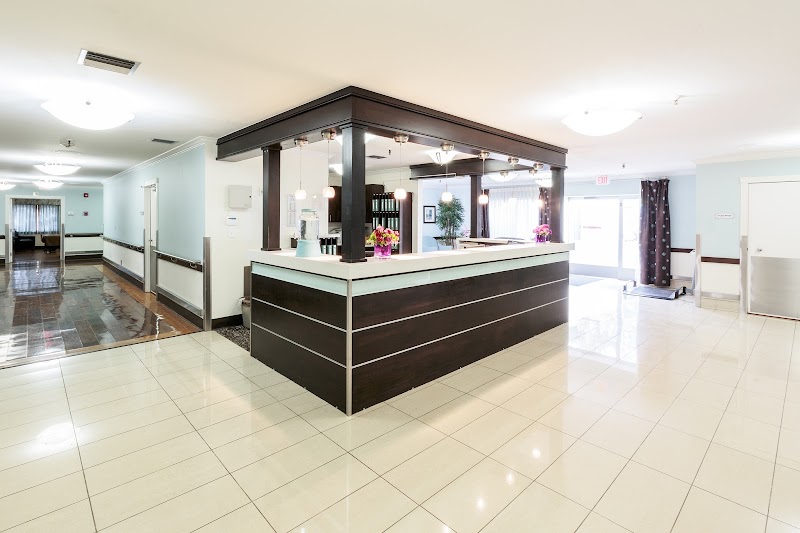
How is Desert Blossom Health & Rehab Center Staffed?

CMS rates DESERT BLOSSOM HEALTH & REHAB CENTER's staffing level at 2 out of 5 stars, which is below average compared to other nursing homes. Staff turnover is 52%, compared to the Arizona average of 46%.

What Have Inspectors Found at Desert Blossom Health & Rehab Center?

State health inspectors documented 18 deficiencies at DESERT BLOSSOM HEALTH & REHAB CENTER during 2021 to 2025. These included: 1 that caused actual resident harm and 17 with potential for harm. Deficiencies causing actual harm indicate documented cases where residents experienced negative health consequences.
Who Owns and Operates Desert Blossom Health & Rehab Center?

DESERT BLOSSOM HEALTH & REHAB CENTER is owned by a for-profit company. For-profit facilities operate as businesses with obligations to shareholders or private owners. The facility is operated by THE ENSIGN GROUP, a chain that manages multiple nursing homes. With 106 certified beds and approximately 87 residents (about 82% occupancy), it is a mid-sized facility located in MESA, Arizona.
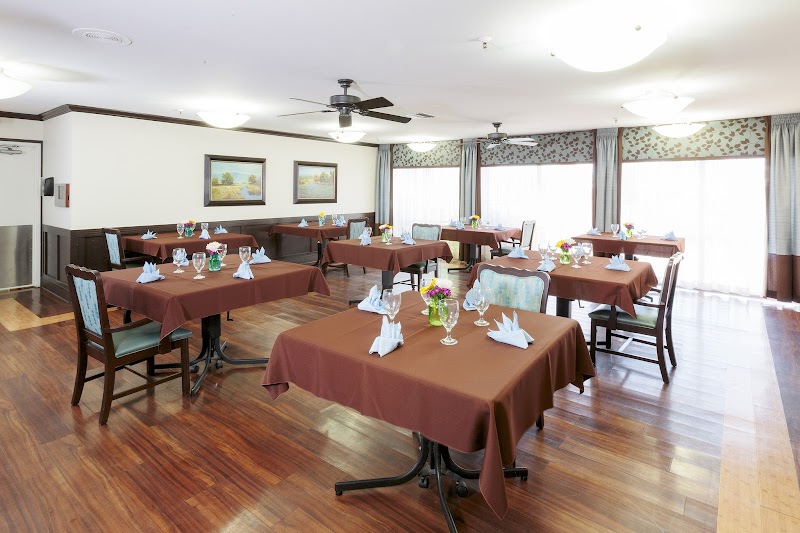
How Does Desert Blossom Health & Rehab Center Compare to Other Arizona Nursing Homes?

Compared to the 100 nursing homes in Arizona, DESERT BLOSSOM HEALTH & REHAB CENTER's overall rating (4 stars) is above the state average of 3.3, staff turnover (52%) is near the state average of 46%, and health inspection rating (3 stars) is at the national benchmark.

What Should Families Ask When Visiting Desert Blossom Health & Rehab Center?

Based on this facility's data, families visiting should ask: "Can you walk me through typical staffing levels on day, evening, and night shifts?" "Can I visit during a mealtime to observe dining assistance and food quality?" "How do you handle medical emergencies, and what is your hospital transfer rate?" "Can I speak with family members of current residents about their experience?" These questions are particularly relevant given the below-average staffing rating.

Is Desert Blossom Health & Rehab Center Safe?

Based on CMS inspection data, DESERT BLOSSOM HEALTH & REHAB CENTER has a clean safety record: no substantiated abuse findings (meaning no confirmed cases of resident harm), no Immediate Jeopardy citations (the most serious violation level indicating risk of serious injury or death), and is not on the Special Focus Facility watch list (a federal program monitoring the lowest-performing 1% of nursing homes). The facility has a 4-star overall rating and ranks #1 of 100 nursing homes in Arizona. While no facility is perfect, families should still ask about staff-to-resident ratios and recent inspection results during their visit.

Do Nurses at Desert Blossom Health & Rehab Center Stick Around?

DESERT BLOSSOM HEALTH & REHAB CENTER has a staff turnover rate of 52%, which is 6 percentage points above the Arizona average of 46%. Moderate turnover is common in nursing homes, but families should still ask about staff tenure and how the facility maintains care continuity when employees leave.

Was Desert Blossom Health & Rehab Center Ever Fined?

DESERT BLOSSOM HEALTH & REHAB CENTER has no federal fines on record. CMS issues fines when nursing homes fail to meet care standards or don't correct problems found during inspections. The absence of fines suggests the facility has either maintained compliance or corrected any issues before penalties were assessed. This is a positive indicator, though families should still review recent inspection reports for the full picture.

Is Desert Blossom Health & Rehab Center on Any Federal Watch List?

DESERT BLOSSOM HEALTH & REHAB CENTER is not on any federal watch list. The most significant is the Special Focus Facility (SFF) program, which identifies the bottom 1% of nursing homes nationally based on persistent, serious quality problems. Not being on this list means the facility has avoided the pattern of deficiencies that triggers enhanced federal oversight. This is a positive indicator, though families should still review the facility's inspection history directly.