MI CASA NURSING CENTER
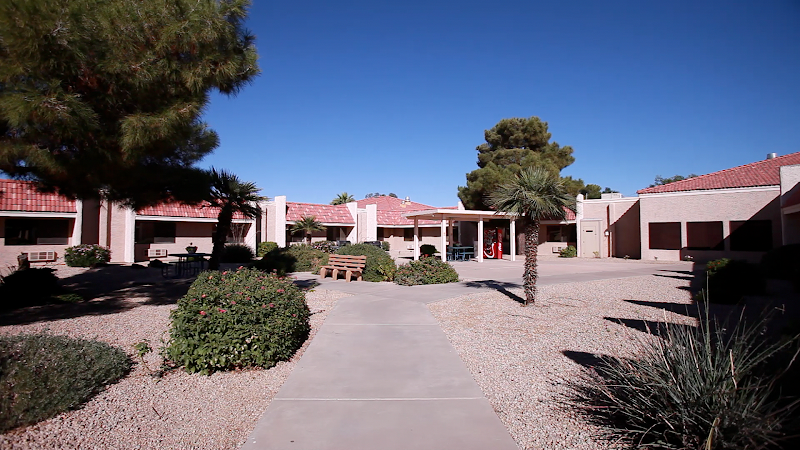
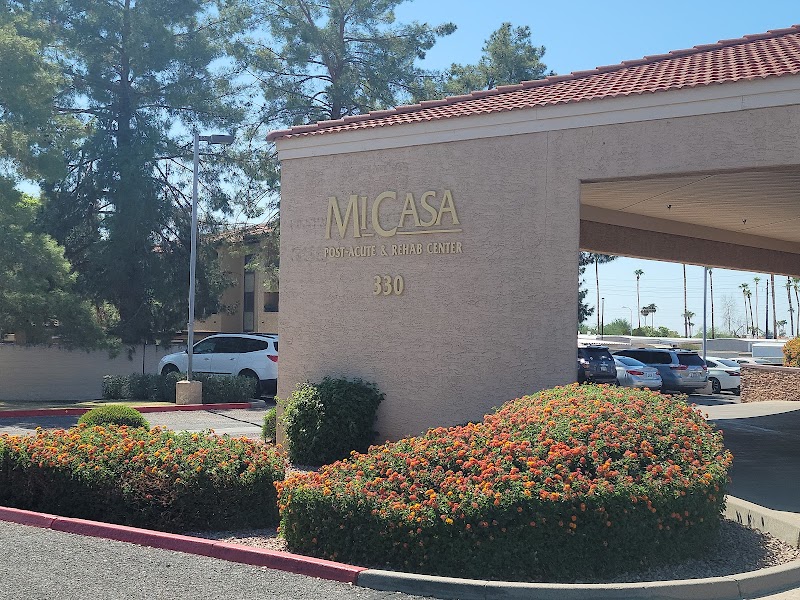
330 SOUTH PINNULE CIRCLE, MESA, AZ 85206 (480) 981-0687
For profit - Corporation 180 Beds LIFE CARE CENTERS OF AMERICA Data: November 2025
Trust Grade
43/100
#87 of 139 in AZ
Last Inspection: April 2025

Within standard 12-15 month inspection cycle. Federal law requires annual inspections.

Overview

Mi Casa Nursing Center has received a Trust Grade of D, indicating below-average performance with some concerning issues. They rank #87 out of 139 facilities in Arizona, placing them in the bottom half of all nursing homes in the state, and #57 out of 76 in Maricopa County, indicating limited local options that are better. The facility's trend is worsening, with the number of issues increasing from 2 in 2024 to 12 in 2025. Staffing is rated average with a turnover rate of 46%, which is slightly better than the state average, suggesting that staff are relatively stable and familiar with residents. However, the center has been fined $6,510, which is average but reflects some compliance issues. Specific incidents raised by inspectors include a failure to provide necessary care for a resident with constipation, which could lead to complications and discomfort, and a lack of proper food handling practices that could risk contamination of beverages. Additionally, infection control measures were not adequately maintained for a resident at risk for falls, exposing them to potential health risks. Overall, while the nursing center has some strengths in staffing stability, there are significant areas of concern regarding care and compliance that families should carefully consider.

Trust Score
D
43/100
In Arizona
#87/139
Bottom 38%
Safety Record
High Risk
Review needed
Inspections
Getting Worse
2 → 12 violations
Staff Stability
⚠ Watch
46% turnover. Above average. Higher turnover means staff may not know residents' routines.
Penalties
✓ Good
$6,510 in fines. Lower than most Arizona facilities. Relatively clean record.
Skilled Nurses
○ Average
Each resident gets 39 minutes of Registered Nurse (RN) attention daily — about average for Arizona. RNs are the most trained staff who monitor for health changes.
Violations
⚠ Watch
22 deficiencies on record. Higher than average. Multiple issues found across inspections.
★★★☆☆
3.0
Overall Rating
★★★☆☆
3.0
Staff Levels
★★★★★
5.0
Care Quality
★★☆☆☆
2.0
Inspection Score
Stable
2024: 2 issues
2025: 12 issues

The Good

  • 5-Star Quality Measures · Strong clinical quality outcomes
  • Full Sprinkler Coverage · Fire safety systems throughout facility
  • No fines on record

Facility shows strength in quality measures, fire safety.

The Bad

3-Star Overall Rating

Near Arizona average (3.3)

Meets federal standards, typical of most facilities

Staff Turnover: 46%

Near Arizona avg (46%)

Higher turnover may affect care consistency

Federal Fines: $6,510

Below median ($33,413)

Minor penalties assessed

Chain: LIFE CARE CENTERS OF AMERICA

Part of a multi-facility chain

Ask about local staffing decisions and management

The Ugly 22 deficiencies on record

Sept 2025 1 deficiency
CONCERN (D) 📢 Someone Reported This

A family member, employee, or ombudsman was alarmed enough to file a formal complaint

Potential for Harm - no one hurt, but risky conditions existed

Medical Records (Tag F0842)

Could have caused harm · This affected 1 resident

**NOTE- TERMS IN BRACKETS HAVE BEEN EDITED TO PROTECT CONFIDENTIALITY** Based on record review and staff interview, the facility failed to accurately document wound treatment for one resident, which c...

Read full inspector narrative →
**NOTE- TERMS IN BRACKETS HAVE BEEN EDITED TO PROTECT CONFIDENTIALITY** Based on record review and staff interview, the facility failed to accurately document wound treatment for one resident, which could cause a delay in required wound treatment, prolonging healing time, a possible infection, and needless pain to the resident. Findings include:Resident #42 was admitted on [DATE] with diagnoses that included encounter for surgical aftercare, type 2 diabetes, infection following procedure, acute respiratory failure with hypoxia, protein-calorie malnutrition, sepsis, atherosclerotic heart disease, muscle weakness, intestinal obstruction, hypothyroidism, hypertension, vascular disorder, gastro-esophageal reflux disease, depression, hyperlipidemia, insomnia, and absence of the right leg below the knee.A Medicare 5-Day Minimum Data Set (MDS) dated [DATE], revealed a Brief Interview for Mental Status (BIMS) score of 14, which indicated intact cognition. The MDS also revealed that the resident had surgical wounds and would receive surgical wound care, application of nonsurgical dressings, and application of ointments and medications other than to the feet.A wound progress note dated September 3, 2025, at 3:14 p.m. revealed that the resident was admitted with an abdominal surgical wound, and that the treatment had changed to Adaptic on biological mesh, acetic, then acid-soaked gauze, followed by a dry dressing, with the wound team to follow.An order initiated on September 3, 2025, at 3:20 p.m. for acetic acid irrigation solution 0.25% every shift for surgical wound care via irrigation and 1 use application was charted to have occurred on the day and night shift of September 3, 2025. The order specified to cleanse with normal saline (NS), pat dry, apply Adaptic (a non-adhering gauze dressing) on the biological mesh, lightly pack with the acetic acid-soaked gauze, and cover with a dry dressing. A care plan initiated on July 15, 2025, revealed an intervention to initiate and continue the care plan for abdominal wounds.An interview was conducted on September 5, 2025, at 12:22 p.m. with a Licensed Practical Nurse (LPN/Staff#25) who stated that she was familiar with Resident #42 and that she assisted with her wound care. The LPN stated that she was taken off the schedule because the facility told her she did not do Resident #42's wound care as it was ordered. The LPN stated that she did not do the wound care on the night shift of September 3, 2025, because it was so busy that night, and when she opened up the treatment administration record, she did not know there was a wound change. The LPN stated that she tried to tell the Director of Nursing (DON/Staff#58) that it was an honest omission because she did not intend to make the mistake, but that night it was already too late to do the wound care. The LPN stated that the order was to change the dressings twice a day on the day and night shifts, and that the day shift nurse told her that the wounds were already done. An interview was conducted on September 5, 2025, at 1:12 p.m. with the DON, Staff #58, who stated that she was familiar with a wound concern regarding Resident #42 and that she suspended the nurse involved immediately. The DON stated that she spoke with the resident on the morning of September 4, 2025, who revealed to her that the nurse did not do her wound on the evening of September 3, 2025. The DON also stated that they missed one wound treatment, but the resident's wound was bad, and the order was for dressing changes twice a day. The DON stated that the wound care did not happen according to the LPN (Staff #25) and Resident #42, but it was charted by the LPN that she did complete the wound care. The DON stated that it was not her expectation to see the LPN chart that she completed a treatment that she did not do because it made her question the nurse, and she would expect that if you did not, or could not complete a treatment, her staff should document why and chart properly. The DON stated that the risk of missing a wound treatment could be infection, having to have more surgery, or death, and the risks of inaccurately charting treatments in the medical record would be the same. A review of a policy titled, Nursing Documentation, was conducted on September 5, 2024, and revealed that the facility would ensure nursing documentation was consistent with professional standards of practice, the state nurse practice act, and any state laws governing the scope of nursing practice. The policy also revealed that the medical record would reflect a resident's progress toward achieving their person-centered plan of care objectives and goals and the improvement and maintenance of their clinical, functional, mental and psychosocial status. The policy also revealed that the medical record must contain an accurate representation of the actual experience of the resident and include enough information to provide a picture of the resident's progress, including his/her response to treatment and/or services, and changes in his/her condition, plan of care goals, objectives and/or interventions.
Apr 2025 6 deficiencies
CONCERN (D)

Potential for Harm - no one hurt, but risky conditions existed

Deficiency F0561 (Tag F0561)

Could have caused harm · This affected 1 resident

**NOTE- TERMS IN BRACKETS HAVE BEEN EDITED TO PROTECT CONFIDENTIALITY** Based on clinical record review, interviews, and facility policy; the facility failed to ensure a resident (#65 ) had the right ...

Read full inspector narrative →
**NOTE- TERMS IN BRACKETS HAVE BEEN EDITED TO PROTECT CONFIDENTIALITY** Based on clinical record review, interviews, and facility policy; the facility failed to ensure a resident (#65 ) had the right to make choices regarding the continuation of specialized rehabilitative services. This deficient practice could result in loss in autonomy for residents, regarding their care and goals. Findings Include, Resident # 65 was admitted to the facility on [DATE] for orthopedic aftercare following a fracture of the right fibula ( calf bone), with additional diagnoses of severe osteoporosis, depression, chronic pain, muscle weakness, and difficulty in walking. Orders for Physical Therapy and Occupational Therapy evaluations and treatment were written on March 7, 2025. The Physical Therapy Evaluation and Plan of Treatment signed March 9, 2025 revealed a certification period of March 9, 2025 through April 19, 2025. The evaluation and plan was signed by the provider on March 14, 2025, certifying that the recommendations under the treatment plan were medically necessary. The Occupational Therapy Evaluation and Plan of Treatment signed March 11, 2025 revealed a certification period of March 10, 2025 through May 10, 2025. The evaluation and plan was signed by the provider on March 14, 2025, certifying that the recommendations under the treatment plan were medically necessary. The admission Minimum Data Set, dated [DATE] revealed the resident as cognitively intact, with a Brief Interview Mental Status (BIMS) score of 15. A progress note dated March 19, 2024 reflected the resident communicated with the Social Services Assistant the desire to not be discharged on March 22, 2025, due to needing more time to work with therapy. The Notice of Medicare Non-Coverage, signed by the resident on April 1, 2025, alerted the resident that skilled nursing services would end on April 3, 2025. The care plan does not reflect resident ' s desire to continue specialized rehab services. An interview was conducted with the resident on April 1, 2025 at 10:18 a.m. The resident revealed confusion as to why therapy services were stopped. The resident revealed that the staff told her she was uncooperative because of her declination of three therapy sessions in the past. The resident revealed the only reason she cancelled three times was because of feeling really sick those days. The resident voiced wanting to continue therapy because of growing weakness since becoming bedbound . The resident revealed sadness since she was unable to meet her goal of being able to pivot to the bedside commode before being discharged in a couple of days. A second interview was conducted on February 3, 2025 at 8:45 a.m. with the resident. The resident revealed making several inquiries over the past couple of weeks about therapy services, to no avail. The resident does not recall any interactions with the insurance company regarding the payment of therapy services. The resident was unable to recall attending any care plan meeting with staff members. The resident stated there is no reason for me to continue being here, when what I really need is rehab services. The resident voiced having a fear of falling and breaking another bone again, and knows she is not ready for discharge based on the amount of therapy services she has received. An interview was conducted with the Case Manager (Staff # 50) to review the resident record on the continuation of services. The case manager revealed the resident benefits were extended on a couple of occasions, with the latest to expire on April 3, 2025. The case manager revealed the resident was eligible for services from March 22, 2025 until April 3, 2025. The case manager does not have enough information available to provide rationale regarding the resident not continuing therapy services. A panel discussion was held on April 4, 2025 at 9:50 a.m.,with the Executive Director (Staff #05 ), the Director of Nursing (Staff #10 ), the Director of Rehabilitation Services (Staff # 72) , and the [NAME] President of Clinical Services (Staff # 30). The panel agreed that it was the resident ' s right and choice to continue therapy services. The panel was also in agreement that insurance coverage for rehab services were still active. The panel identified a break in communication as a factor in the resident not receiving services, which they felt does not meet the expectation of the facility. The facility ' s Comprehensive Care Plans and Revisions policy ensures the interdisciplinary team is composed of individuals who have knowledge of the resident and needs. The facility ' s Refusal of Care or Treatment policy, allows the resident to be informed and made aware of the risks, benefits, and procedures to be used in providing treatment as well as alternatives. The facility ' s Resident Rights policy dictates the resident has the right to be informed, in advance, of changes to the plan of care. In addition, the resident has the right to request, refuse, and/or discontinue treatment.
CONCERN (D)

Potential for Harm - no one hurt, but risky conditions existed

Deficiency F0578 (Tag F0578)

Could have caused harm · This affected 1 resident

**NOTE- TERMS IN BRACKETS HAVE BEEN EDITED TO PROTECT CONFIDENTIALITY** Based on clinical record review, staff interviews and review of policy and procedures, the facility failed to ensure a resident ...

Read full inspector narrative →
**NOTE- TERMS IN BRACKETS HAVE BEEN EDITED TO PROTECT CONFIDENTIALITY** Based on clinical record review, staff interviews and review of policy and procedures, the facility failed to ensure a resident ' s (# 98) code status was ordered and care planned for in the clinical record. This deficient practice can result in residents receiving emergent services which are not in accordance with their wishes. Findings include, Resident # 98 initially admitted to the facility on [DATE], and readmitted to the facility on [DATE] with diagnoses including Non-[NAME] lymphoma, gout, muscle weakness, resistance to multiple antibiotics, urinary tract infection, and an indwelling urinary catheter. The advance directive dated March 14, 2025 revealed that in the event of a cardiac arrest, the Do Not Resuscitate (DNR) request is to be honored. Review of the Nursing Home PPS (NP) Minimum Data Set, dated [DATE] revealed a Brief Interview for Mental Status (BIMS) score of 8, indicating moderate impairment in cognition. Review of the electronic clinical record on April 1, 2025 did not support an order for the resident ' s code status. Review of the electronic clinical record on April 2, 2025 supported a verbal order for the resident ' s code status. The resident ' s clinical record does not support or reflect a DNR order being incorporated into the care plan. An interview was conducted with the Unit Registered Nurse (RN/Staff # 46) on February 2,2025 at 11:08 a.m. The RN explained one way for staff to identify resident code status is by a clinical report sheet that is created everyday and updated necessary. The RN revealed advanced directives are not sent to the medical records department, but rather they are housed in the hard charts at the nursing station. The RN explained a Code Book ( a collection of resident advance directives ) are not used at the facility, in order to respect resident record privacy. The RN stated the admission nurse has the responsibility of entering the information in the electronic clinical record when an advance directive is received. The RN also stated if working on the medication cart, the code status can be pulled up in the electronic clinical record. The RN was unable to find the code status for the resident # 98 in the electronic clinical record but was able to locate the Advance Directives consent form in the clinical record hard chart. The RN was then able to enter the order, to reflect in the electronic clinical record. An interview was conducted with the Executive Director (ED/Staff # 05 ) and the Clinical Services Director (Staff #30 ) on April 4, 2025 at 11:40 a.m. After review of the documentation, Staff #30 revealed that the resident ' s advance directive should have been ordered, and careplanned for. The ED shared immediate plans to conduct a 100% chart audit to ensure advance directives are entered according to facility policy. The ED also presented future goals of uploading hard copies of the advance directives into the electronic record. Both parties were in agreement that the DNR order and DNR care plan for this resident did not meet facility expectations and policy. The facility ' s Advance Directive policy revealed a physician ' s order must be obtained. In addition, the Do Not Resuscitate (DNR) order is flagged appropriately on the resident ' s chart to alert staff as to status. Also, the DNR order is to be incorporated into the resident ' s care plan. The facility ' s Physician Orders policy included code status as a type of physician order.
CONCERN (D)

Potential for Harm - no one hurt, but risky conditions existed

Deficiency F0825 (Tag F0825)

Could have caused harm · This affected 1 resident

**NOTE- TERMS IN BRACKETS HAVE BEEN EDITED TO PROTECT CONFIDENTIALITY** Based on clinical record review, interviews, and facility policy; the facility failed to ensure one resident (# 65) received spe...

Read full inspector narrative →
**NOTE- TERMS IN BRACKETS HAVE BEEN EDITED TO PROTECT CONFIDENTIALITY** Based on clinical record review, interviews, and facility policy; the facility failed to ensure one resident (# 65) received specialized rehabilitative services according to provider orders and professional standards. This deficient practice could result in residents not reaching their highest level of well-being. Findings include, Resident # 65 was admitted to the facility on [DATE] for orthopedic aftercare following a fracture of the right fibula (calf bone), with additional diagnoses of severe osteoporosis, depression, chronic pain, muscle weakness, and difficulty in walking. An order dated March 7, 2025 allowed the resident to be admitted to the facility related to right tibia/fibula fracture. Orders for Physical Therapy (PT) and Occupational Therapy (OT)evaluations and treatment were written on March 7, 2025. A progress note dated March 9, 2025 revealed the resident was admitted to the facility for further rehabilitation and medical management on March 7, 2025. The Physical Therapy Evaluation and Plan of Treatment signed March 9, 2025 revealed a certification period of March 9, 2025 through April 19, 2025. The evaluation and plan, signed by the provider on March 14, 2025, certified that the recommendations under the treatment plan were medically necessary. The PT evaluation and plan of treatment included services five times a week for six weeks during the certification period of March 9, 2025 to April 19, 2025. The decline in functional mobility secondary to decreased functional strength, balance, and activity tolerance as well as pain, is identified as the reason for physical therapy. The Occupational Therapy Evaluation and Plan of Treatment signed March 11, 2025 revealed a certification period of March 10, 2025 through May 10, 2025. The evaluation and plan, signed by the provider on March 14, 2025, certified that the recommendations under the treatment plan were medically necessary. The OT evaluation and plan of treatment included services five times a week for 62 days during the certification period of March 10, 2025 to May 10, 2025. The resident ' s impairment in mobility and strength, is identified as the reason for occupational therapy. The admission Minimum Data Set, dated [DATE] revealed the resident as cognitively intact, with a Brief Interview Mental Status (BIMS) score of 15. A progress note dated March 18, 2025 revealed PT/OT services to continue for re- strengthening. A progress note dated March 19, 2024 reflected the resident communicated with the Social Services Assistant and the insurance case manager the desire to not be discharged on March 22, 2025, due to needing more time to work with therapy. A progress note dated March 25, 2025 revealed the provider notified nursing that the resident was requesting to speak to the clinical manager regarding her therapy sessions. The disposition of the progress note revealed that provider was informed by nursing that the resident ran out of covered therapy days. The PT Discharge summary dated [DATE] revealed the resident will require assistance with all mobility, and will recommend home health physical therapy. The summary revealed the resident was discharged per provider or case manager. A progress note dated March 28, 2025 revealed the resident was to continue to work with PT/OT. The OT Discharge summary dated [DATE] revealed the discharge reason was due to a change in payer source. A progress note dated March 31, 2025 revealed plans to work with Physical Therapy and Occupational Therapy (PT/OT) for fall precautions. A progress note dated April 1, 2025 revealed the resident stayed in bed all shift. The Notice of Medicare Non-Coverage (NOMNC), signed by the resident on April 1, 2025, alerted the resident that skilled nursing services would end on April 3, 2025. An order dated April 2, 2025 revealed the resident was able to be discharged home on April 4, 2025 with PT/OT to evaluate and treat. A spreadsheet dated April 3, 2025 provided by the case manager (Staff # 22) revealed the resident received insurance coverage authorization approvals from March 7, 2025 to April 3, 2025. The clinical record does not reflect a physician order to discharge rehabilitative services The nursing care plan does not reflect the resident ' s goals for specialized rehab services. An interview was conducted on April 1, 2025 with the resident at 10:18 a.m. The resident revealed residing at the facility was for approximately a month. The resident voiced being under the impression that her residency included receiving physical therapy and occupational therapy, but for the past two weeks she has not received any rehab services. The resident was unclear, as to why she no longer received rehabilitative services. The resident speculated that she believes it was stopped because they said she was not cooperative. The resident stated that she was cooperative, but there were three times where she declined therapy, because of not feeling well. The resident was also under the impression that since she was so close to discharge, they were no longer going to provide therapy services. The resident feels she has grown weaker since all she does is lay in bed all day. The resident voiced her goal was to be able to pivot to the bedside commode, and decreasing her fall risk before discharge. The resident voiced discouragement about not reaching her goals. The resident revealed anxiety about falling, because of her history of severe osteoporosis and has suffered from six fractures in the past three years. An interview was conducted on April 3, 2024 at 7:56 a.m. with the Restorative Nurse Assistant (RNA/Staff # 25). The RNA revealed referrals for restorative nursing services are provided by either nursing or rehabilitative services. The RNA explained some of the benefits of restorative nursing services includes prevention of contracture, maintenance or improvement of resident ability and reinforcement of skills the resident learned from therapy. An interview was conducted with the Director of Rehabilitative Services (DOR/Staff # 72) on April 3, 2025 at approximately 8:30 a.m. The DOR verified that the resident signed the Notice of Medicare Non-Coverage (NOMNC/ a notice that informs the resident when care will end) on April 2, 2025. The DOR revealed the dates of service for Physical Therapy began on March 9, 2025 and ended March 20, 2025. In addition, the DOR verified the provider ordered the frequency of services for five times a week. The DOR explained once coverage of specialized services ends, the resident has the option of beginning restorative nursing services. The DOR verified the resident was not on rehabilitative services or restorative services after March 20, 2025. The DOR admitted that the extension of resident stay was not effectively communicated to the department. The DOR revealed the resident was still eligible for specialized rehabilitative services from March 21, 2025 to current, and should have been treated or re-evaluated for rehabilitative or restorative services during this time period. The DOR voiced this was not up to facility expectation, and interventions will immediately be put in place, so this does not happen again. An interview was conducted on April 3, 2025 at 9:35 a.m. with the facility case manager (Staff # 22). The case manager revealed the resident was expected to be discharged on March 22, 2025, but was not due to an extension of insurance coverage. The case manager further explained that the insurance interdisciplinary team granted the resident extensions of coverage, and confirmed there was never a gap in the resident ' s coverage. The case manager in summation supported the resident was able to qualify for rehabilitative services from an insurance coverage standpoint. A panel discussion conducted April 3, 2025 at 8:12 a.m. was conducted with the Vice-President of Clinical Resources (Staff # 30), the Executive Director (Staff # 05), the Director of Nursing (Staff # 10), and the Director of Rehabilitative Services (Staff # 72). After review of the resident record, the panel agreed that according to clinical record the provider was provided miscommunication about the resident ' s status of coverage for specialized rehabilitation services. In addition, the panel vowed to immediately implement measures to avoid any future breaks in communication when it comes to anticipated discharges and rehabilitative services. The panel agreed that the resident, with insurance coverage for services, did not meet facility expectation. A follow-up interview was conducted on April 3, 2025 at approximately 2:03 p.m. with the resident. The resident voiced frustration that there was not really a point in being here, if I ' m not getting physical therapy. The resident continued I kept asking around and even asked the doctor why I no longer get therapy, but no one gives me an answer. The resident revealed that when her leg heals, her goal is to be able to walk again. The resident explained that she would have loved to get stronger up top during her stay here, to be able to do more for herself while in bed. In regards to her participation in a care plan meeting, the resident responded What ' s a care plan meeting. After an explanation of care plan meeting was given to the resident, the resident failed to recall anyone or a group of people coming by her bedside to discuss her goals. The resident further elaborated that if she was in the meeting, she would have liked to know what was going on with my rehab!. In a written response dated April 4, 2025, the Executive Director (Staff # 05) verified that there were no re-evaluations for specialized rehabilitative services available for this resident. The facility ' s Refusal of Care or Treatment policy revealed the need to explore the reasons for treatment refusals, and to provide possible alternatives with the resident and/or resident representative. The facility ' s Resident Assessment Instrument and Care Plan Development policy revealed an individualized person-centered Care Plan, includes the resident ' s voice, the resident ' s goals while residing in the facility, and for discharge that assist the resident to attain and/or maintain their highest practicable level of well-being. The facility ' s Specialized Rehabilitative Services policy revealed the facility will provide or arrange for residents in need of specialized rehabilitative services for the appropriate length of time as assessed in their comprehensive plan of care.
CONCERN (E)

Potential for Harm - no one hurt, but risky conditions existed

Incontinence Care (Tag F0690)

Could have caused harm · This affected multiple residents

**NOTE- TERMS IN BRACKETS HAVE BEEN EDITED TO PROTECT CONFIDENTIALITY** Based on observation, resident and staff interviews, clinical record review, and facility policy and procedures, the facility fa...

Read full inspector narrative →
**NOTE- TERMS IN BRACKETS HAVE BEEN EDITED TO PROTECT CONFIDENTIALITY** Based on observation, resident and staff interviews, clinical record review, and facility policy and procedures, the facility failed to provide care and services related to constipation for one resident (#12); and failed to ensure catheter care was provided to one resident (#46) as ordered by the physician. The deficient practice could result in complications and as well as pain and discomfort. Findings include: Resident #12 was admitted on [DATE], with a diagnosis of intracranial injury with loss of consciousness, full incontinence of feces, and diffuse traumatic brain injury without loss of consciousness. Resident #12 was documented as being alert but altered, difficult to assess due to not following commands, moans, but no meaningful conversation. The admission Minimum Data Set (MDS) assessment dated [DATE], revealed that resident #12 was documented as being rarely/never understood and had a. Brief Interview for Mental Status (BIMS) score of 00, indicating the resident had severe cognitive impairment. The care plan dated with a revision February 21, 2025, revealed the resident had bowel incontinence immobility. Interventions included to check every two hours and assist with toileting as needed, pericare as needed, and after each incontinent episode. The physician's progress note dated March 9, 2025, revealed the resident was more restless lately, per nursing staff. Physical examination included the resident was alert but altered, was difficult to assess due to not following commands, moans, but no meaningful conversation; and had a soft, nontender, nondistended abdomen. However, per the documentation, the resident was difficult to assess due to agitation. The order note dated March 9, 2025, included that X-rays could not be taken until the resident was medicated with a narcotic pain medication because the resident was too combative. In a nurse practitioner (NP) progress notes dated March 10, 2025, it was documented that Resident #12 continued to be periodically restless with nursing with periodic agitation. The Health status note dated March 12, 2025, stated the patient was alert and awake. The patient vomited a large emesis of food particles, he had a soft to touch abdomen, which had no distention, and bowel sounds were active x4. The nurse practitioner and the responsible party for the resident were notified. The CNA (certified nursing assistant) task documentation from March 1 through March 13, 2025, revealed that the resident did not have a documented bowel movement for more than 3 days. There was no evidence that the resident received any medication to help with his bowel movement An Event note dated March 14, 2025, stated Resident# 12 was sent out to the hospital for a CT scan of his shunt, due to multiple round level falls (GLF) and 3 episodes of projectile vomiting. The hospital documentation dated March 14, 2025, included that the resident was admitted for a diagnosis of severe constipation; and that the CT scan showed a stool ball that appeared to have been too far up the rectal vault to be able to be reached digitally. A physician's note dated March 15, 2025, stated, Pt was noted to be having abdominal pain. CT Imaging showed Moderate to large amount retained stool with prominent stool in the rectum. General surgery consulted & advised No acute surgical interventionindicated. Pt was given bowel care. The physician orders with a start date of March 16, 2025, included for Senna (laxative) Oral Tablet 8.6 mg (milligrams), give 1 tablet by mouth one time a day for bowel care for 30 days. Review of the clinical record revealed there was no physician order for any stool softener and/or laxative for constipation until March 16, 2025. The physician's order with a start date of March 17, 2025, included for Docusil (laxative) Oral 100 mg (milligrams) 1 tablet by mouth 2x a day for bowel care. The progress note dated March 24, 2025, included that Resident #12 was admitted to the hospital on [DATE], for nausea and vomiting with seizure episodes. According to the documentation, the resident had abdominal pain, and the CT (computed tomography) scan conducted showed a moderate to large amount of retained stool in the rectum. It also included that general surgery was consulted, and there was no acute surgical intervention indicated. Further, bowel care was given, and the resident was readmitted to the facility on [DATE]. An interview with CNA#41 was conducted on April 3, 2025, at 12:40 pm. The CNA stated that they check on the residents every 2 hours, and movements were documented in the clinical record by frequency, size, and consistency. The CNA said that he was notified that a resident did not have a bowel movement, and staff were to check the chart to see when the last time the resident had a bowel movement. He stated that ideally, they would notify the nurse every shift when a resident did not or had not had a bowel movement. Further, if there was documentation that the resident did not have a bowel movement for 5-6 days, they were to immediately notify the floor nurse. An interview with RN#56 was conducted on April 3, 2025, at 1:01 pm. She said the nursing staff is issued an alert on their computer screen for a resident who has not had a bowel movement in 3 days. If as-needed (PRN) meds are in the chart and approved by the physician, medications can be given immediately. Medications such as Milk of Magnesia (MOM) sometimes take 24-48 hours after administering it to have a bowel movement. If there is still no bowel movement, report to the physician. An interview with the Director of Nursing (DON) was conducted on 04/04/25 at 10:21 am. She said if a resident has not had a bowel movement in 3 days, MOM should be a standing order except for people on dialysis. If MOM does not work after 24 hours, go to a suppository; if no bowel movement after 24 hours, go to Fleet. The facility physician is informed during the process after MOM and suppositories do not work. The physician can order the resident to be sent out to the hospital for bowel issues. The DON stated the CNAs are supposed to document every shift, and the facility's electronic medical record (EMR) PCC would alert the nursing staff of bowel movement troubles. Regarding Resident #46 Resident #46 was admitted to the facility on [DATE], with a diagnosis of Anoxic Brain Damage, having an indwelling catheter for neurogenic bladder. The admission Minimum Data Set (MDS) assessment dated [DATE], revealed that Resident #46 was documented as being rarely/never understood. The cognitive skills were documented as being severely impaired. Brief Interview for Mental Status (BIMS) score of 00, indicating the resident was severely impaired. Review of the Order Summary Report identified orders to secure the catheter with an anchoring device to prevent tension. This order was dated January 31, 2025, and was to be completed on every shift. Care Plan Report dated May 13, 2024, revealed Resident #46 had an indwelling catheter and was totally dependent on staff. The care plan stated that catheter care was to be done on every shift. Catheter bag change was to be completed as needed. The tubing for the catheter was to be checked every shift for kinks. The family was to be educated regarding indwelling catheter care. The clinical record revealed no evidence that the catheter care order was changed. While reviewing the CNA Bowel and Bladder Elimination Report - Between March 4, 2025, and April 2, 2025, the following was identified: March 5, 2025, 03:12 was the only check. March 6, 2025, 06:26 was the only check. March 7, 2025, 10:46 was the only check. March 8, 2025, 01:52 was the only check. March 9, 2025, 05:35 was the only check. March 10, 2025, 02:23 was the only check. March 24, 2025, 10:10 was the only check. March 26, 2025, 14:53 was the only check. March 28, 2025, 15:31 was the only check. March 31, 2025, 02:39 was the only check. April 01, 2025, 02:01 was the only check. Additionally, on 03/25/2025, no checks were completed. There was no documentation as to why catheter care was not provided as ordered, nor that the physician was notified. Observations made on April 2, 2025, at 12:41 pm, Resident #46 was lying in bed in a slightly upright position. There was a clear bag attached near the foot of the bed with what looked like clear urine. The resident had pillows around the bed, and the side rails were up. An interview with CNA# was conducted on April 3, 2025, at 12:40 pm. He said CNAs check the residents with catheters, some outputs, color, foul odors, and check the tubing to make sure it is not twisted. An interview with RN# was conducted on April 3, 2025, at 1:01 pm. She said that both nurses and CNAs look at residents with catheters to see if there is cloudy urine, check for kinks in the hose, and see if the bag needs to be drained and/or changed. RN# stated there was a standard order to change the bag every 30 days. Catheter care is done on every shift and is documented by the nurse and CNAs. An interview with DON (Staff #10) was conducted on 04/04/25 10:21 am. She said that catheter care was to be done on each shift. The facility has only two 12-hour shifts. The DON stated that there should be two entries into PCC for catheter care from the CNAs. The facility police titled Bowel and Bladder Program (issued date 09/24/2024) stated, The facility will ensure that a resident who is admitted with incontinence of bladder, receives appropriate treatment and services to prevent urinary tract infections and to restore as much normal bladder function as possible.
CONCERN (E)

Potential for Harm - no one hurt, but risky conditions existed

Food Safety (Tag F0812)

Could have caused harm · This affected multiple residents

Based on observations, staff interviews, and facility policy and procedure, the facility failed to follow proper food handling practices while distributing beverages. This deficient practice can resul...

Read full inspector narrative →
Based on observations, staff interviews, and facility policy and procedure, the facility failed to follow proper food handling practices while distributing beverages. This deficient practice can result in contamination of resident beverages, and an increased risk of food-borne related illness. An observation was conducted on a hall with six residents on Enhanced Barrier Precautions (EBP), on April 1, 2025 at approximately 11:39 a.m. A staff member retrieved an uncovered beverage from the bedside table, and delivered the glass and meal to a resident room. Simultaneously, a second staff member returned from a resident room on the far end of the hallway, and retrieved a meal tray which contained a cup of coffee, glass of water and juice, which were all uncovered. On April 1, 2025 at 11:42 a.m., a staff was observed carrying uncovered beverages (a cup of coffee, glass of water and glass of juice) approximately 14 feet from the resident room to the food trolley. An observation was conducted on April 1, 2025 at 11:45 a.m., on a hall with five residents on EBP. During the observation, the staff member poured juice in a glass with ice, and then proceeded to transport the beverage and meal approximately 26 feet from where the food trolley was located. An observation of Resident # 12 meal tray on April 1, 1015 at 11:49 a.m., revealed a staff member, who delivered a glass of water, a glass of juice, and a glass of dairy, in which all items were uncovered. At station 2, on April 1, 2025 at 11:56, observed approximately a dozen of uncovered beverages on a bedside table by the nurse's station. An observation of meal and beverage delivery was conducted with the Registered Dietitian (RD/Staff # 14) on April 3, 2025 at approximately 11:40 a.m. During this time, a female staff member was observed obtaining an uncovered beverage from the drink cart, and proceeding down the hallway for resident delivery. An interview was conducted on (Check with INOKE) at with the Kitchen Manager (Staff # 43). The Kitchen Manager revealed if the residents want to have meals in their rooms, they will accommodate those requests. In order to accomodate, the Kitchen Manager further explained that the kitchen aide will deliver the food trolleys to the hallways. The Kitchen Manager clarified that the nursing staff takes over delivery of the trays and beverages, instead of the kitchen aides. An interview was conducted on April 3, 2025 at approximately 11:50 a.m. with the Registered Dietitian (RD/Staff # 14). The dietitian explained that the female staff member should have covered the beverage before resident delivery, as a way to decrease the risk of contamination. The RD revealed they are in process of getting a kitchen refrigerator replacement for beverages, in order to add another layer of security to ensure beverages are covered. A panel discussion with the Director of Nursing (Staff # 10), the [NAME] President of Clinical Resources (Staff #30), and the Registered Dietitian (Staff # 14) was held on April 3, 2025 at approximately 12:48 p.m. The panel agreed that the facility expectation is to have all food and beverages covered during delivery to avoid potential contamination. The panel revealed the facility is organizing and will implement re-training to ensure staff members are practicing proper handling of beverages, in addition to obtaing a new refrigerator for beverages. The panel agreed that staff distributing beverages uncovered to resident rooms, failed to meet facility expectations. The facility's Infection Prevention and Control Program and Plan revealed applicable precautions are based on the potential and mechanism for transmission. The facility's Surveillance of Infections policy defines process surveillance as the review of practices by associates directly related to resident care.
CONCERN (E)

Potential for Harm - no one hurt, but risky conditions existed

Infection Control (Tag F0880)

Could have caused harm · This affected multiple residents

**NOTE- TERMS IN BRACKETS HAVE BEEN EDITED TO PROTECT CONFIDENTIALITY** Based on clinical records, observation, interviews, and policy review, the facility failed to ensure infection control measures ...

Read full inspector narrative →
**NOTE- TERMS IN BRACKETS HAVE BEEN EDITED TO PROTECT CONFIDENTIALITY** Based on clinical records, observation, interviews, and policy review, the facility failed to ensure infection control measures were in place for one resident (#2). This deficient practice can result in transmission of preventable illness to residents and staff. Findings include, Resident # 2 was admitted to the facility on [DATE] with diagnosis that include quadriplegia, legal blindness, and aphasia (difficulty speaking). A fall mat care plan, initiated on June 26, 2021, revealed the resident was at risk for falls related to a history of falls. The Quarterly Minimum Data Set (MDS) dated [DATE] revealed the Staff Assessment for Mental Status ability to make decisions regarding tasks of daily life was severely impaired. On February 3, 2025 at 1:03 p.m., observed with Resident # 2, and two of the resident's representatives, a blue fall mat on the floor next to the resident's bed ripped apart approximately ¾ way. The internal sponge-like content was exposed. On February 3, 2025 at 1:18 p.m., a Registered Nurse (RN/Staff #21) entered the resident's room and observed the fall mat. The RN stated that the mat will be removed, and replaced immediately due to it being a source of potential source of infection since it cannot be cleaned properly. On February 3, 2025 at 1:31 p.m., the Infection Preventionist (IP/Staff #88) entered the room and evaluated the fall mat. The IP revealed this was an infection control concern, because the mat cannot be cleaned properly, and can harbor organisms that are potentially infectious. Immediately after the interview, the torn mat was replaced with an intact one. An interview was conducted on April 4, 2025 at 8:45 a.m. with the Certified Occupational Therapist Assistant (COTA/Staff # 44). The COTA explained that fall mats definitely should not be torn, due to the increased risk of accidents and infection control issues. The Fall Management policy revealed that resident environment should remain as free of accident hazards as possible. The hyperlink imbedded in the policy entitled Lippincott Solutions Fall Management, Long-term Care was provided by the facility, in which the procedure directs the staff to remove a product that has compromised integrity from resident use. The Infection Prevention and Control Program Plan identified appropriate storage, cleaning, disinfection, and/or disposal of supplies and equipment as a method to reduce the risks associated with medical equipment.
Jan 2025 1 deficiency
CONCERN (E) 📢 Someone Reported This

A family member, employee, or ombudsman was alarmed enough to file a formal complaint

Potential for Harm - no one hurt, but risky conditions existed

Deficiency F0725 (Tag F0725)

Could have caused harm · This affected multiple residents

**NOTE- TERMS IN BRACKETS HAVE BEEN EDITED TO PROTECT CONFIDENTIALITY** Based on documentation, staff and resident interviews, and the facility policy and procedures, the facility failed to ensure tha...

Read full inspector narrative →
**NOTE- TERMS IN BRACKETS HAVE BEEN EDITED TO PROTECT CONFIDENTIALITY** Based on documentation, staff and resident interviews, and the facility policy and procedures, the facility failed to ensure that adequate staffing was available to provide for the residents needs and care timely. The deficient practice could result in residents not receiving the care needed. Findings include: Resident #22 was admitted to the facility on [DATE] with diagnoses that included hemiplegia and hemiparesis following a cerebral infarction affecting the right dominant side, repeated falls, obesity, and chronic kidney disease. The baseline care plan dated February 3, 2024 revealed that the resident is at risk for skin breakdown. Interventions included to clean and dry skin after each incontinent episode. The investigation included that a family member had to provide continence care for the resident on February 4, 2025 because staff would not answer the call-light. Review of the toilet task sheet revealed that staff did not provide continence care on February 4, 2025 during the day shift. -Resident #77 was admitted to the facility on [DATE] with diagnoses that included a displaced trimalleolar fracture of the left lower leg, right artificial hip joint, and generalized muscle weakness. The minimum data set (MDS) dated [DATE] included a brief interview for mental status score of 15 indicating the resident was cognitively intact. It also included that the resident required substantial/maximal assistance with transferring to and from bed to chair. Review of the care plan did not reveal a plan for assistance with activities of daily living, such as transfers. Review of the Daily Staff Posting dated January 24, 2025 revealed that ten CNAs were scheduled to work the day shift. Review of the schedule for Station Two dated January 24, 2025 revealed that two nurses and four certified nursing assistants (CNAs) were scheduled to work the day shift. -Licensed Practical Nurse (LPN/staff #152), 7:00 a.m. to 7: 00 p.m. -(LPN/staff #22), 7:00 a.m. to 7: 30 p.m. -(CNA/staff #51), 6:30 a.m. to 2:30 p.m. -(CNA/staff #95), 6:30 a.m. to 6:30 p.m. -(CNA/staff #176), 6:30 a.m. to 6:30 p.m. -(CNA/staff #97), 8:00 a.m. to 6:00 p.m. Review of the time sheets dated January 24, 2025 revealed: -Licensed Practical Nurse (LPN/staff #152), 7:09 a.m. to 9: 20 p.m. -(LPN/staff #22), 7:16 a.m. to 9: 01 p.m. -(CNA/staff #51), 6:29 a.m. to 2:30 p.m. -(CNA/staff #95), 6:29 a.m. to 6:31 p.m. -(CNA/staff #176), 6:32 a.m. to 6:26 p.m. -(CNA/staff #97), 8:02 a.m. to 7:27 p.m. Review of the schedule for Station Three dated January 24, 2025 revealed that two nurses and three certified nursing assistants (CNAs) were scheduled to work the day shift. -Registered Nurse (RN/staff #13), 7:00 a.m. to 7:00 p.m. -Registry Nurse, 7:00 a.m. to 7:00 p.m. -(CNA/staff #78), 6:30 a.m. to 6:30 p.m. -(CNA/staff #19), 8:30 a.m. to 2:30 p.m. -(CNA/staff #68), 6:30 a.m. to 6:30 p.m. Review of the time sheets dated January 24, 2025 revealed: -(RN/staff #13) worked on January 24, 2025 from 6:55 a.m. to 8:05 p.m. -(CNA/staff #78), 6:15 a.m. to 6:32 p.m. -(CNA/staff #19), 8:22 a.m. to 3:13 p.m. -(CNA/staff #68), 6:37 a.m. to 6:31 p.m. Review of the schedule for Station three dated January 28, 2025 revealed that two nurses and three certified nursing assistants (CNAs) were scheduled to work the day shift. The scheduled times for the three CNAs was 6:30 a.m. to 6:30 p.m. During an interview conducted on January 29, at 12:48 p.m. with resident #120, he stated that it takes about 30 minutes for staff to answer his call-light. During an interview conducted on January 29, 2025 at 1:55 p.m. with resident #77, she stated that last night she waited for her call-light to be answered for over two hours and had to sit in her bowel movement for that time. She stated that a new CNA from Haiti told her that she didn't know that she was assigned to her room. Resident #77 stated that she is waiting for her call-light to be answered for a minimum of one hour daily. She stated that after therapy, the Assistant Director of Therapy had to wait with her for a CNA to come and help her get back into bed. She stated that she likes to go back to bed after therapy to rest because she has pain in her ankle. An interview was conducted on January 30, 2025 at 9:46 a.m. with a certified nursing assistant (CNA/staff #75) who stated that continence care is provided every two hours and when the resident turns on the call-light and requests assistance. She stated that if the skin is red, she applies barrier cream and notifies the nurse on duty and texts the wound nurse. Staff #75 stated that a couple of weeks ago, resident #44 complained to her and a licensed practical nurse (LPN/staff #22) that it took the night shift over three hours to come and change her. (LPN/staff #22) told the resident that she would follow up on her concern. Resident #44 needed to be changed at the time that she made the complaint, so staff #75 changed her and her skin was red, so she applied barrier cream. Staff #75 stated that last Thursday at approximately 3:00 p.m., a female resident in room [ROOM NUMBER] (Station 3) complained that she had not been changed since 6:00 a.m. Staff #75 stated that she had been pulled from another area for approximately an hour because the CNA assigned to the female resident in room [ROOM NUMBER] had taken another resident to an appointment. Staff #75 stated that she reported the complaint to (LPN/staff #66) and it was her understanding that (LPN/staff #66) would follow up on the complaint. Staff #75 changed the resident and also reported that there was redness to the area. She stated that there were three CNAs assigned to the hall on Station 3: one took a resident to an appointment, and one left at 2:30 p.m., so she was called over to help, which meant that there were two CNAs to assist approximately forty residents. She stated that typically there are four CNAs and each CNA has 10 to 13.33 residents. Staff #75 stated that the CNA who had taken a resident to an appointment returned around 4:30 p.m. and then left, so there were still only two CNAs working on Station 3. She feels that the facility is short staffed and has complained to the Director of Nursing and the Staffing Coordinator who have told her that they are working on the staffing shortage. An interview was conducted on January 30, 2025 at 1:20 p.m. with residents #55, #115, and #136. Resident #55 stated that last week, she wanted to lay down and waited for over an hour for staff to come and assist her. She also stated that yesterday, she was on the bedpan and the CNA told her to push the call-light when she was done. She stated that she pressed the call-light and waited for over an hour for the CNA to come back and it was uncomfortable and painful. She stated that the CNA told her that she was doing other things. Resident #55 stated that she uses the toilet during the day and needs assistance with transferring to and from the toilet. If she needs to use the toilet during lunch time and the CNA assigned to her is not available, none of the other CNAs will come to help her because they are busy and short staffed during lunch time. Resident #115 stated that she has waited one to two hours to be changed and has complained to the DON. She also stated that she has called for a CNA to change her roommate (#88) because the room smells, who has dementia and speaks a different language, and was told by the CNA that the roommate was not assigned to her. Resident #136 stated that he waits for over an hour for his call-light to be answered on a weekly basis when he needs to be changed and when he is waiting for his supper. During an interview conducted on January 30, 2025 at 12:30 p.m. with resident #44, she stated that she has to wait for one hour or more weekly for a CNA to come and help her with care. An interview was conducted on January 30, 2025 at 1:34 p.m. with the Assistant Director of Therapy (ADT/staff #54), who stated that he goes to get the residents when he is going to provide therapy, but he doesn't schedule therapy with the residents, so the residents don't know when he is going to show up. If a resident is not ready (dressed) for therapy, he pushes the call-light, so a CNA will come and get the resident ready and comes back later to get the resident, and this occurs daily. He stated that after therapy has been completed, he takes the resident back to the room, and pushes the call-light, so the CNA will come and assist the resident with transitioning back into bed. He stated that he has waited for more than an hour for a CNA to come and assist the resident with getting back into bed more than one time, but believes that occurred months ago. He stated that he has heard residents complain about waiting for thirty to sixty minutes for care to be provided, but doesn't document any of the complaints, but reports it to his supervisor and the DON. He stated that on January 24, 2025, he went to resident #77's room at approximately 11:30 a.m. to get her for therapy. He stated that resident #77 was agitated and complained about waiting for at least an hour for staff to answer her call-light and get her up that morning. Staff #54 stated that he provided 30 minutes of therapy with the resident and then pressed the call-light, so a CNA would come to help the resident transition back to bed. He waited 15 minutes with the resident and then left to provide another resident 30 minutes of therapy. He stated that he when he came back, resident #77 was in bed, but he did not know how long she waited for assistance after he had left the room. He stated that he reported resident #77's complaint about call-light response time to the (RN/staff #13). An interview was conducted on January 30, 2024 at 2:02 pm with a registered nurse/Infection Preventionist (RN/staff #13), who stated that last week she was the only nurse working on the upper 500 and 600 Hall (Station 3) where resident #77 resides and vaguely remembers the resident complaining that she had to wait for a CNA to come and get her up. She stated that there should have been three CNAs working on January 24, 2025, one CNA on the upper 500 Hall, and the other two CNAs on the 600 Hall. She stated that there were at least three call-lights on in the upper 500 Hall and she had to stop administering medications and answer the call-lights; she wasn't sure which CNA was assigned to the upper 500 Hall. She assumed that there were two CNAs assisting the residents on the 600 Hall, but she wasn't really sure. She stated that the upper 500 and 600 Hall was short of CNAs that morning and they pulled two CNAs from Station 2. She stated that the nurse is responsible for monitoring and supervising the CNAs on the floor. She stated that when a resident complains about call-light response time, she is supposed to give the resident a grievance form to complete, but she was trying to deal with the complaints and the needs of the residents herself and didn't offer a grievance form to resident #77. She stated that when a CNA goes on break or lunch, one of the other CNAs has to cover the rooms, so there are only two CNAs to assist the residents during breaks and lunchtime. An interview was conducted on January 30, 2025 at 3:09 p.m. with the Staffing Coordinator (staff #99), who stated that staffing is based on the census and she tries to keep the CNA to resident staffing ratio at 1 CNA to 10 or 14 residents. She stated that when a CNA goes to the lunch, the other CNAs on the hall cover the rooms. She stated that two nurses are needed for Station three, one for the long-term care side and the other for the skilled nursing side. She stated that she originally had scheduled two CNAs for Station Three (CNA/staff #78) and (CNA/staff #118) and staff #118 called off, but she needed three CNAs for Station Three, so she pulled two CNAs (CNA/staff #19) and (CNA/staff #68) from Station Two. She stated that there were supposed to be four to five CNAs on Station Two and when she pulled the two CNAs to Station Three, it left Station Two with only three CNAs, so she used the (CNA/staff #97) who was supposed to assist the residents with showers on Station Two to fill in, but she didn't start her shift until 8:00 a.m., so there were only three CNAs on Station Two from 6:30 a.m. to 8:00 a.m. Staff #99 stated that she is responsible for contacting the staff and did not contact the CNAs scheduled to do showers to ask them to come in at 6:30 a.m. and to stay until 6:30 p.m. so they were short staffed from 6:30 a.m. to 8:00 a.m. and they were also short staffed at the end of the shift from 2:30 p.m. to 6:30 p.m. She stated that they do not use registry for CNAs, but are in the process of hiring more CNAs because they are short staffed and she is aware of the residents complaints. She stated that due to call offs, they are short staffed weekly. An interview was conducted on January 30, 2025 at 3:48 p.m. with the Director of Nursing (DON/staff #163), who stated that she, the staffing coordinator and the Administrator determine the number of staff needed daily. She stated that the staffing coordinator can hire CNAs from registry at any time even the same morning of call-offs and is responsible for the scheduling and the Daily Staff Posting. Staff #163 normally starts work about 8:00 a.m. and will walk around to each station to see if there were any call-offs. She stated that additional CNAs are scheduled to assist the residents with showers and are normally scheduled from 8:00 a.m. to 6:00 p.m., but if they were not called to come in early, they would be short staffed from 6:30 a.m. to 8:00 a.m. and if the CNAs clocked out at 6:00 p.m., they would have been short staffed from 6:00 p.m. to 6:30 p.m. She stated that when a resident makes a complaint, she tries to resolve it and there is no documentation regarding complaints about staffing and agreed that the complaint process needs to be reviewed. The facility policy, Staffing states that the facility maintains adequate staff on each shift to meet the residents' needs, posts daily staffing data and furnishes staffing information to the state as specified in the Federal regulations.
Jan 2025 4 deficiencies
CONCERN (D) 📢 Someone Reported This

A family member, employee, or ombudsman was alarmed enough to file a formal complaint

Potential for Harm - no one hurt, but risky conditions existed

Resident Rights (Tag F0550)

Could have caused harm · This affected 1 resident

**NOTE- TERMS IN BRACKETS HAVE BEEN EDITED TO PROTECT CONFIDENTIALITY** Based on review of records and staff interviews, it was revealed that the facility failed to ensure that dignity was maintained ...

Read full inspector narrative →
**NOTE- TERMS IN BRACKETS HAVE BEEN EDITED TO PROTECT CONFIDENTIALITY** Based on review of records and staff interviews, it was revealed that the facility failed to ensure that dignity was maintained for one resident (#33). The deficient practice could result in residents not being treated in a dignified manner. Findings include: Resident #33 was readmitted to the facility on [DATE] with diagnoses that included acute and chronic respiratory failure with hypoxia, Type 2 diabetes mellitus with diabetic neuropathy, and chronic obstructive pulmonary disease. Progress note dated August 9, 2023 indicated resident #33 neuro was alert and oriented x3 and psych was calm cooperative. Review of the Minimum Data Set (MDS) assessment dated [DATE], revealed a Brief Interview of Mental Status (BIMS) of 15. The MDS also indicated the resident did not have any behavior or mood issues. The assessment also revealed that resident #33 needed substantial/maximal assistance with toileting. The facility 5-day investigation report dated August 11, 2023 revealed on August 11, 2023, resident #33 was upset and indicated a Certified Nursing Assistant (CNA) staff #313 was very mean to the resident. Resident #33 reported her call light was turned off by the CNA staff #313 and care had not been provided. Resident reported she was upset to the CNA staff #313. CNA informed resident that she was unable to wake resident. Resident and CNA started arguing per report and while resident #33 was speaking CNA staff #313 put her hand up to shoosh the resident. Resident #33 reported that the CNA did not respect her. CNA #313 stated to resident you better watch your tone as I did nothing wrong and further stated to the resident you better respect me as your CNA because I am trying to help you. The report further indicated that CNA staff #313 got another CNA staff #507 to help her with the care of the resident but would not allow CNA #507 to take over the care of resident. In a handwritten statement by CNA staff #313, dated August 11, 2023 she reported she asked resident #33 to watch her tone because she did nothing wrong to resident. CNA staff #313 indicated she got another CNA staff #507 to be a witness while she changed the resident to avoid any allegations. Employee file contained a Corrective Action Form for CNA staff #313 dated August 16, 2023 regarding the incident on August 10, 2023. The form described the incident which indicated while producing care to a resident, CNA #313 rudely told the resident #33 to stop talking while the resident was expressing her concern for the delayed care. The form was signed by the DON and CNA staff #313. During a telephone interview with CNA staff #313 on December 31, 2023, she stated resident put call light on and when she went to the room, the resident was asleep and she was unable to wake the resident so she turned the call light off. CNA staff #313 stated a few hours later call light was back on and resident was angry and yelling. CNA informed resident she tried waking her but that resident not easy to wake due to loud CPAP machine. CNA also stated that resident had a history of behaviors but there was no documentation in the clinical record that resident had any behavior issues. Call placed to witness, CNA staff #507. CNA staff #507 stated that CNA staff #313 asked for help with resident #33 as the resident had a bad attitude. CNA staff #507 stated she tried to be a buffer between resident #33 and CNA staff #313 as the two kept bickering. CNA staff # 507 offered to take over care for the resident as she was tired of listening to CNA staff #313 and Resident #33 [NAME] but CNA staff #313 stated no that she would finish with the resident as it was her resident. Attempts were made to LPN staff #17, who was also present during the incident, left voicemail on both December 31, 2024 and January 2, 2025 but did not receive a call back. During an interview with the director of nursing (DON/staff #122) conducted on January 2, 2025, she stated staff are to complete training on dignity and respect upon hire and annually. DON stated it is her expectation that staff are not rude to a resident and if that should occur, she would expect another staff member to take over the care of that resident. DON stated she was familiar with Resident #33 and that she was a lovely lady. DON also stated resident #33 was very anxious and the incident would not have been good for the resident's health. DON also stated CNA staff #313 had a lot of attitude concerns and that CNA staff #313 has been written up for past incidents with the last one being May 28, 2024 for being insubordinate to supervisors. The facility policy titled Resident Rights revised September 10, 2024 stated that the resident has a right to a dignified existence and the resident has the right to be treated with respect and dignity.
CONCERN (D) 📢 Someone Reported This

A family member, employee, or ombudsman was alarmed enough to file a formal complaint

Potential for Harm - no one hurt, but risky conditions existed

Free from Abuse/Neglect (Tag F0600)

Could have caused harm · This affected 1 resident

**NOTE- TERMS IN BRACKETS HAVE BEEN EDITED TO PROTECT CONFIDENTIALITY** Based on clinical record review, interviews, facility documentation and policies and procedures, the facility failed to ensure t...

Read full inspector narrative →
**NOTE- TERMS IN BRACKETS HAVE BEEN EDITED TO PROTECT CONFIDENTIALITY** Based on clinical record review, interviews, facility documentation and policies and procedures, the facility failed to ensure that one resident (#39) was free from physical and emotional abuse by another resident (#41). This deficient practice can create an unsafe environment for residents. The sample size was four residents. Findings include: Resident # 39 was admitted to the facility February 28, 2023 with diagnoses that included a traumatic brain injury, aphasia, epilepsy, mixed receptive-expressive disorder, and dependence of wheelchair. A quarterly Minimum Data Set (MDS) dated [DATE] revealed the resident scored a 3 on the Staff Assessment for Mental Status, indicating the resident cognition is severely impaired. The resident is coded as having no behavioral issues directed towards others. A care plan goal of not harming self or others with the revision date of August 3, 2024 encourages the staff to analyze and document triggers, and what de-escalates harmful behavior. In addition, a care plan goal of not harming another resident, instructs staff to watch for signs of aggressive behaviors or resident flailing arms and to intervene as necessary. A progress note dated February 8, 2023 revealed the responsible party of the resident was notified, and was aware of the behaviors the resident normally exhibits. A progress note dated February 8, 2023 revealed the Director of Nursing (DON/Staff # 122) spoke with resident # 41 and documented the response he did not see anyone to help him with the other resident to have him stop moving the table. Resident was observed December 31, 2024 at 9:30 a.m. in his electric wheelchair in his room, moving arms about and pointing. Resident is non-verbal. The surveyor left to go get a staff member to assist with the resident. Regarding Resident # 41: Resident # 41 was readmitted to the facility September 16, 2024 with diagnoses that included a history of stroke with residual deficits, type 2 diabetes, muscle weakness, dementia with behavioral disturbance and depression. The annual MDS dated [DATE] revealed the resident had a Brief Interview Mental Status (BIMS) score of 13, which suggested the resident is cognitively intact. The care plan does not reflect any revision of behavioral disturbance goals or interventions between November 22, 2022 to October 31, 2024. An interview was conducted on December 31, 2024 at approximately 9:37 a.m. with resident #8. The resident stated that arguments occur often between residents because the response of management is always I'll have a talk with them about it. The resident is disheartened because nothing ever becomes of it, so residents take matters into their own hands. The resident stated it's hard to even relax in your room, when other residents are allowed to barge right in, without any consequence. The resident feels a lot of bad behaviors are excused by staff due to the offending resident's mental health problems, but feels it is unfair to the residents that follow the rules. The resident reports recently having to break up an altercation on Thanksgiving in the dining area during family visitation. The resident stated they were calling for help and but staff was not available to diffuse the situation, so he pulled his wheelchair between the arguing residents and was able to de-escalate the situation. An interview was conducted on December 31, 2024 at 10:45 a.m. with resident # 11. The resident revealed witnessing several verbal arguments between residents, and feels these occurrences are becoming more commonplace. The resident attributes part of the increase is due to a few residents with repeated bad behaviors are able to get away with making other residents feel stressed out. A recent example witnessed by the resident occurred on November 28, 2024 on Thanksgiving. The resident witnessed resident # 3 being threatened by another resident (unidentified) by stating he was going to kick his a---. No staff was in sight, so the incident was broken up by resident # 8 by parking his electric wheelchair between the two before it became physical. The resident recalled other residents calling for the staff as well, and was surprised with the loud radio, and shouting, no staff member came quickly to check on the commotion. A written interview/correspondence was received on December 31, 2024 at 12:41 p.m. with the Executive Director (ED/Staff # 505). The correspondence revealed the facility had no record of an incident on November 28, 2024 in the ballroom. An interview was conducted on January 1, 2024 at 9:37 a.m. with resident # 41. Resident # 41 recalls the incident and feels he tried to handle the situation the right way but he was not able to get any assistance from the staff so the resident handled the incident himself. Resident # 41 stated they were in the unit day room and states resident # 39 kept repeatedly hitting the table and trays and moving the table. Resident # 41 stated that resident # 39 always exhibits restless behaviors, and it always takes the staff over 30 minutes to even address all that constant banging. Some of us residents don't always want to deal with this, it is the staff's job not ours to keep an eye on him. The resident further continued and feels that staff should be supervising the dining area and day areas. The resident recalls he and others were calling out for assistance to handle the disturbance, but it was to no immediate avail. The resident stated hitting resident's # 39 hand, because verbal request did not work. The resident states he was not trying to cause major injury to resident #39, but rather to stop and correct the resident's behavior. The resident revealed he used the backscratcher because he could not reach the resident. The resident now describes the situation as water under the bridge since it has been a while, but they still let resident #41 continue to make a lot of noise all day. An interview was conducted on January 2, 2025 at 11:33 a.m. with Certified Nurse Assistant (CNA/Staff # 101). The CNA revealed the process if a resident gets into an altercation with another resident is to immediately separate them, alert the nurse, and then let the nurse take over the situation. In addition, during meals it is usually the CNA's or management who are assigned to monitor the dining area. The CNA clarified that there is not a designated nurse assistant to cover the unit dining area, it is whoever is available. An interview was conducted on January 2, 2025 at approximately 11:41 a.m. with a Licensed Practical Nurse (LPN/Staff # 39), who stated when two residents get into an altercation, they separate them and check for injurie. In addition, the staff will contact the providers, and facility management for further direction. Staff # 39 identified signs to prevent an incident from escalating. Those signs include monitoring a resident agitation, moods, abnormal movement. If an incident is escalating they immediately separate to diffuse the situation. Distraction is also a technique used to de-escalate a situation. In regards to monitoring the unit dining area, the CNA's or management team are usually supervising the residents while in there. An interview was conducted on January 2, 2025 at approximately 1:00 p.m. with the Ombudsman (Staff # 515). She stated the November 28, 2024 dining room incident was never bought to her attention, however she works with many residents who feel the need to take matters into their own hands. An interview was conducted on January 2,2025 at 12:33 p.m. with the Director of Nursing (DON/Staff # 122). The DON does recall the altercation between resident # 39 and resident # 41 and stated one of the residents was pushing around the table, he didn't see anyone to help him stop the resident so he used his backscratcher to get the other resident to stop. The DON continued that the steps that were taken so the behavior is not repeated was to remove the two residents away from each other, and restrict them from being in the same area together. The DON voiced awareness that the two residents were not moved and remained together on the same ward. The DON stated the rationale involved both resident's level of care. Both parties need assistance to be lifted into the wheelchair, so staff supervision is available. They are also confident that there will be no further issues, because the dayroom is a closely monitored area that sits in close proximity to the nurse's station. The DON stated people are in and out of there all the time, and the staff can see inside the day room. In regards to the dining room area, she states managers are assigned certain days to monitor the residents. An interview was conducted with the Executive Director (ED/Staff # 505) on January 2, 2025 at 1:12 p.m. The ED recalled receiving a phone call that a CNA saw resident # 41 waving his backscratcher at resident # 39. The ED stated they contacted the physician, family, and police, who conducted the investigation. The ED stated resident # 41 told the ED that he did not hit him but was using the backscratcher to wave the resident away. The ED reported that the resident # 39 was evaluated and there was no evidence of injury. The ED stated the steps that were taken to reduce the risk of this occurring again involved counseling resident # 41 to keep his distance from resident #39. In addition, resident # 41 now eats his meals in the dining room, instead of the day room. And lastly, due to resident level of care, the staff checks to make sure other residents are not within reach of resident # 39. The ED stated that both residents reside on the same ward, because neither party wanted to move rooms. The facility's Abuse- Identification of types identified corporal punishment (i.e. pinching, slapping of hands, or hitting with an object) is used to correct or control behavior. The facility's Conducting an Investigation policy the alleged victim will be examined for any sign of injury, include a physical examination or psychosocial assessment. Witnesses to the incident are also to be interviewed. Based on clinical record review, facility documentation, and staff interviews, the facility failed to ensure that one resident (resident #47) was free from verbal abuse from an employee. The deficient practice could result in further instances of verbal abuse from an employee, creating an unsafe resident environment. Findings include: -Resident # 47 was admitted on [DATE] with a diagnosis of encounter for orthopedic aftercare following surgical amputation, anxiety disorder, muscle weakness, cognitive communication deficit, bipolar disorder, depression and was discharged on January 11, 2023. A five-day admission MDS (minimum data set) dated December 28, 2022 revealed a BIMS (Brief Interview for Mental Status) score of 10, indicating that Resident #47 had moderate cognitive impairment. The MDS also revealed that the resident required maximal assistance to complete lower body dressing and putting on/taking off footwear. Indicating that a helper does more than half of the effort, assisting with lifts or holds trunk or limbs. Resident #47's progress notes revealed no evidence of documentation regarding the incident that occurred on January 1, 2023 at approximately 6:55PM. An interview was conducted on December 31, 2024 at 8:27AM an accounting clerk (Staff #25) where the personnel record of the perpetrator (previous employed certified nursing assistant/CNA/Staff #510) was reviewed. The review revealed two employee statements completed by the perpetrator dated November 8, 2022 and November 9, 2022, a corrective action form of a 2nd written warning with the date of November 10, 2022, an incomplete employee statement regarding the perpetrator's behavior dated December 30, 2022, and, a personnel action form of voluntary termination dated January 10, 2023 with an employee statement from the perpetrator. It was determined with Staff #25 that there was no documentation of a corrective action form of a 1st written warning, and as well as no other documentation of the incomplete employee statement dated December 30, 2022 regarding inappropriate behavior of the perpetrator. A review of CNA/Staff #510's corrective action form of a 2nd written warning dated November 10, 2022 revealed that the CNA/Staff #510 continued to refuse their assignments verbally stated that she was not going to do the new room assignments and walked away from the station. The form also revealed that CNA/Staff #510 made her co-workers feel intimidated and uncomfortable to work with. An interview was conducted on December 31, 2024 at 9:49AM with a previous employed licensed practical nurse (LPN/Staff #508), where LPN/Staff #508 stated that the perpetrator could be very inappropriate and required consistent re-direction with their language with staff and residents. She also stated that the perpetrator (LPN/Staff #508) was observed with intimidating behavior. During this interview, LPN/Staff #508 did require additional assistance with the incident details, to which this surveyor read their witness statement. Following this review, LPN/Staff #508 stated that they could re-call the incident but remembers that a CNA (/Staff #509) came to them with the allegation of verbal abuse from the perpetrator to resident #47. LPN/Staff #508 stated that the perpetrator could have said, when I tell you to put your motherf***ing feet up, you get your mother f***ing feet up, and if not those exact words, then worse. LPN/Staff #508 also stated that they were concerned for retaliation due to the intimidating and taunting behavior of the perpetrator, following this incident. A phone interview with the alleged CNA (Staff #510) on January 2, 2025 at 8:55AM but was unsuccessful as she did call back at 8:59AM and quickly disconnected the call after this surveyor introduced themselves. An attempt to call back was made immediately after with no response or call back. A phone interview with a CNA who completed a statement in the facility's investigation (Staff #21) was attempted on January 2, 2025 at 9:10AM but was unsuccessful as she did not respond or call back. An interview was conducted with an LPN (Staff #39) on January 2, 2025 at 9:57AM, where staff #39 stated that they could recollect the perpetrator to have a 'bad' attitude. Staff #39 stated an example where she and the perpetrator had a disagreement regarding CNA assignments, which resulted into the perpetrator having to go home due to refusing to work that assignment. Staff #39 also stated that the perpetrator was not approachable and was not kind to other staff members, that at one point, they were put on separate shifts to limit their interactions. Staff #39 stated that they did not observe any behaviors with residents, however, has heard of inappropriate interactions with residents from other staff. An interview with the director of nursing (DON/ Staff # 122) was conducted on January 2, 2025 at 9:57AM where the shared their understanding of verbal abuse as telling someone they can't have something that is theirs, yelling and cussing at a resident, and providing inappropriate and rude customer service to residents. During this interview, a review of the incident report was done with the surveyor and Staff #122. Following this review, Staff #122 stated that their involvement with the reporting process does not extend into the investigation, but were familiar of the incident between the perpetrator and resident #47. Staff #122 stated that they were unaware of any behaviors regarding the perpetrator, however, did state that if an employee were to say, when I tell you to put your motherf***ing feet up, you get your mother f***ing feet up, then that is verbal abuse, without a doubt. A policy titled, Abuse - identification of types revealed that examples of verbal abuse include but are not limited to harassing a resident, mocking, insulting, ridiculing, yellowing or hovering over a resident, with the intent to intimidate, and, threatening or isolating residents. A policy titled, Abuse - prevention, revealed the facility will identify, correct and intervene in situations in which abuse, neglect, exploitation and/or misappropriation of resident property, and that will include having trained and qualified (registered, licensed, and certified) staff on each shift in sufficient numbers to meet the needs of the residents. The policy also revealed that assigned staff will have the knowledge of the individual residents' care needs and behavioral symptoms, if any.
CONCERN (D) 📢 Someone Reported This

A family member, employee, or ombudsman was alarmed enough to file a formal complaint

Potential for Harm - no one hurt, but risky conditions existed

ADL Care (Tag F0677)

Could have caused harm · This affected 1 resident

**NOTE- TERMS IN BRACKETS HAVE BEEN EDITED TO PROTECT CONFIDENTIALITY** Based on clinical record reviews, interviews, facility documentation and policies, the facility failed to ensure that three resi...

Read full inspector narrative →
**NOTE- TERMS IN BRACKETS HAVE BEEN EDITED TO PROTECT CONFIDENTIALITY** Based on clinical record reviews, interviews, facility documentation and policies, the facility failed to ensure that three residents (# 3, # 8, # 11) received consistent showers. The sample size was four residents. The deficient practice can result in resident grooming and hygiene needs not being met. Findings include, Regarding Resident # 3: Resident # 3 was admitted to the facility on [DATE], with diagnoses that included atrial fibrillation, dysphagia, morbid obesity, and chronic pain syndrome. A care plan with the revision date of October 5, 2023 revealed the resident's preference to not have a male assist with shower or baths. The quarterly Minimum Data Set (MDS) dated [DATE] revealed a Brief Interview Mental Status (BIMS) score of 14 indicating the resident is cognitively intact. The MDS also indicated the resident has complete dependence for showers and shower transfers. A Weekly Skin Integrity Data assessment dated [DATE] indicated the resident had a rash on the arms and groin. A progress note dated June 9, 2024 revealed resident refusal of a shower and was advised that another shower would not be offered until his next shower day. A progress note dated June 13, 2024 revealed the resident requested a day time shower, but it was explained to him that he would be showered this evening. The resident also requested to have a female Certified Nurse Assistant (CNA) shower him, and declined the offer for a shower with the male CNA twice. A progress note dated August 6, 2024 revealed the resident was educated regarding his refusal of a shower. The interventions and task reports for May 2024 through December 2024 provided by the facility revealed the resident bath days were Saturday and Wednesdays. Based on the documentation received by the facility, the following was revealed: - May 2024, 8 of 9 ordered bi-weekly showers were missed. -June 2024, 8 of 9 ordered bi-weekly showers were missed. -July 2024, 9 of 9 ordered bi-weekly showers were missed. -August 2024, 6 of 9 ordered bi-weekly showers were missed. -September 2024, 1 of 7 ordered bi-weekly showers were missed. -October 2024 ,3 of 9 ordered bi-weekly showers were missed. -November 2024 ,2 of 9 ordered bi-weekly showers were missed. -December 2024, 3 of 8 ordered bi-weekly showers were missed. Regarding Resident # 8 Resident # 8 was admitted to the facility on [DATE], with diagnoses that included paralysis of dominant side after a stroke, lupus, morbid obesity, diabetes, congestive heart failure, and muscle weakness. The quarterly MDS dated [DATE] revealed a Brief Interview Mental Status (BIMS) score of 14, which indicated resident was cognitively intact. The MDS also indicated the resident required supervision or touching assistance for showers/bathing. A care plan with the revision date of December 20, 2024, revealed the resident required extensive assistance by one staff member while showering. A progress note dated August 9, 2024, revealed the resident was educated about refusing showers. A progress note dated January 6, 2023 revealed the resident required an anti-fungal powder to be applied to the resolving rash in the skin folds after showers. The interventions and task reports for May 2024 through December 2024 provided by the facility revealed the resident bath days were Tuesdays and Fridays. The documentation revealed the following: -May 2024, 4 of 9 ordered bi-weekly showers were missed. -June 2024, 6 of 8 ordered bi-weekly showers were missed. -July 2024, 6 of 9 ordered bi-weekly showers were missed. -August 2024, 6 of 9 ordered bi-weekly showers were missed. -September 2024, 2 of 8 ordered bi-weekly showers were missed. -October 2024, 7 of 9 ordered bi-weekly showers were missed. -November 2024, 1 of 9 ordered bi-weekly showers were missed. -December 2024, 8 of 9 ordered bi-weekly showers were missed. Regarding Resident # 11, Resident # 11 was re-admitted to the facility on [DATE] (original admit date of April 6, 2023) with diagnoses that included an enlarged heart, leukemia, muscle weakness, depression, anxiety and morbid obesity. The quarterly MDS dated [DATE] revealed a Brief Interview for Mental Status (BIMS) score of 14, which indicated the resident is cognitively intact. The assessment also indicates the resident needs partial/moderate assistance with showering/bathing. A care plan with the revision date of October 21, 2024 revealed the resident required assistance of one staff member with bathing/showering. The interventions and task reports for May 2024 -through June 2024 and September 2024 through December 2024 provided by the facility revealed the resident bath days were Mondays and Thursdays. The documentation revealed the following: -May 2024, 7 of 9 ordered bi-weekly showers were missed. -June 2024, 8 of 8 ordered bi-weekly showers were missed. -September 2024, 3 of 5ordered bi-weekly showers were missed. -October 2024, 3 of 8 ordered bi-weekly showers were missed. -November 2024, 4 of 8 ordered bi-weekly showers were missed. -December 2024, 7 of 9 ordered bi-weekly showers were missed Regarding Facility, The Quality Assessment and Assurance Meeting Agenda and Minutes dated August 17, 2023, revealed the facility needed a personal improvement plan for showers. The resident council meeting minutes dated February 28, 2024 revealed the Executive Director (ED/Staff # 505) discussed the facility doing their best to keep up with the shower schedule. The resident council meeting minutes dated May 9, 2024 revealed the concern of not receiving showers. A staff schedule /assignment sheet dated June 11, 2024 has written towards the bottom All Showers on NOC need to be done per [NAME] your DON. A staff schedule/assignment sheet dated June 12, 2024 has written towards the bottom All Showers are to be done per [NAME] your DON. The resident council meeting minutes dated June 13, 2024 revealed that a meeting for the Certified Nurse Assistants (CNA) was held to remind them to do their showers as scheduled. The resident council meeting minutes dated July 10, 2024 revealed the residents' outcry of No showers!!!. An interview was conducted on December 30, 2024 at approximately 12:30 p.m. with the Ombudsman (Staff # 515). The Ombudsman stated there has been an issue with residents not receiving showers for months, and states this is often a topic of concern at resident council meetings as well. She further explained when these matters are bought to the attention of management, but has yet to see any plan implemented or successful resolution. An interview was conducted on December 31, 2024 at 9:37 a.m. with resident # 8. The resident would like to see more staff on the floor that answer call lights, and give showers as they should. The resident feels there is not enough staff to provide the right amount of care for the residents. The resident states when in resident council they continually bring up the issue of showers not being completed, and becomes disappointed when there is no change. Resident also reported that he was not reciving showers on the night shift so he has been making request to start day shift showers. An interview was conducted on December 31, 2024 at approximately 10:20 a.m. with resident #3. The resident revealed there is much improvement needed in the performance of the care aides and completing showers. The resident stated he is supposed to get 2 showers a week, but it hardly gets done because they only have one person doing the showers An interview was conducted on December 31, 2024 at approximately 10:45 a.m. with resident # 11. The resident revealed that they go long stretches, once as long as two weeks, without receiving a shower. The resident continued to voice that when the staff were not helping keep her skin folds clean and dry, they allowed the yeast rash to return. In addition, poor call light response the resident has experienced sitting in wet brief for hours on many occasions, which also contributed to the yeast rash returning. An interview was conducted on January 1, 2025 at 9:20 a.m. with Certified Nursing Assistant (CNA/Staff # 36). The CNA stated that nurse assistants are responsible for reporting to the nurses any abnormal skin findings detected during resident brief changes and showers. An interview was conducted on January 2, 2025 at 9:28 a.m. with the Infection Preventionist (IP/Staff # 261). The IP explained ways to reduce chances of developing a yeast skin infection, which included; ensuring the resident is clean and dry and making sure areas prone to sweat are kept clean and dry. An interview was conducted on January 2, 2025 at 9:38 a.m. with the Director of Nursing (DON/Staff # 122). The DON revealed the CNA's are required to document showers/baths/and refusals in the clinical record. An interview was conducted on January 2, 2025 at 10:49 a.m. with the Wound Care Nurse (WCN/Staff # 56). The WCN stated that risk factors such as heavier set people with skin folds, can be hard to stay dry. For a resident with a chronic yeast skin infection, showering and keeping the resident dry helps the resident not have a rash exacerbation. Furthermore, if those interventions do not resolve the issue, they contact the provider for further guidance, which typically includes the use of antifungals. The facility policy Activities of Daily Living dictates the facility must provide ca and services for resident hygiene, which included bathing and dressing. The facility policy Resident Rights indicates the resident has the right to receive services in the facility with reasonable accommodations and preferences except when to do so would endanger the health or safety of the resident or other residents. The facility policy Staffing dictates the facility maintain adequate staff on each shift to meet the needs of the residents.
CONCERN (E) 📢 Someone Reported This

A family member, employee, or ombudsman was alarmed enough to file a formal complaint

Potential for Harm - no one hurt, but risky conditions existed

Deficiency F0725 (Tag F0725)

Could have caused harm · This affected multiple residents

**NOTE- TERMS IN BRACKETS HAVE BEEN EDITED TO PROTECT CONFIDENTIALITY** Based on the clinical record review, staff interviews, facility document, and quality assessment and assurance meeting minutes, ...

Read full inspector narrative →
**NOTE- TERMS IN BRACKETS HAVE BEEN EDITED TO PROTECT CONFIDENTIALITY** Based on the clinical record review, staff interviews, facility document, and quality assessment and assurance meeting minutes, the facility failed to ensure it had adequate staffing on August 22, 2023. An interview with the Staffing Coordinator #180 December 31, 2023 10:41 am, she stated that staffing is based on the resident census and acuity for each station. The Facility has three stations with Station 1 as the skilled unit. She added, ideally there should be at least two (2) licensed nurses in each station and shifts or six (6) licensed nurses per day while three to four (3-4) CNAs per station and shifts or ten to eleven (10-11) CNAs per day. This is based on the facility's staff assessment. On the night of September 22, 2023 the facility was understaffed especially with the CNAs on the evening and the night shifts. Moreover, only one CNA covered the twenty eight (28) residents at station 3 that night and the same CNA continued to work the night shift at the same station. Overall, on September 22, 2023 there were insufficient numbers of CNAs to cater for the needs of the residents in all the stations and shifts. The Staffing Coordinator #180 stated that the facility is struggling with hiring sufficient numbers of CNAs despite efforts to hire more staff. She stated that there is a high turnover for CNAs with high rates of attendance issues. She reported that these staffing issues were brought up to the leadership team and currently the facility is working on solutions to address these problems. In an interview with CNA #54 on December 31, 2024 12:30 am stated that currently there are three CNAs that work during the day shift with sometimes four CNAs, depending on the availability of staff. The CNA #54 stated that one of the reasons for low staff was the change of the shift hours from eight (8) to twelve(12) hour shifts. She stated that a lot of CNAs resigned because they did not want to work 12 hours. Further, CNA #54 said the new staffing coordinator would not work with the CNAs regarding the 12 hour shifts, so those CNAs resigned. She also added that some day shifts have 4 CNAs tending to fifty four (54) residents. However, the CNA #54 is adamant that more CNAs are needed but they are working with the team at this time to meet the goals of the residents. During an interview with the Director of Nurse (DON) #122, the DON mentioned that the ripple effects of COVID-19 had a direct impact on care staff up to 2023. The DON understood the fact that it was hard at the time to hire sufficient numbers of nurses including CNAs. The DON revealed that the evening shifts are the hardest to fill, however it has improved lately. The DON understood the needs to improve the ongoing staffing specifically on the night of September 22, 2023, and related that not meeting the staffing requirement posed risks to the residents ' health outcomes such as falls, skin issues, and not having the care they need. The DON stated that the staff had brought this to their attention and are currently trying to hire more staff to meet the needs of the residents. The facility has no staffing policy, however the facility assessment is used for staffing and they do not use the nursing registry at this time. Moreover, based on reviewing the quality assessment and assurance meeting agendas (QAPI) 2023, staffing issues were continuously raised as one of the facility ' s concerns. Although there was no incident reported from the station where the complainant worked on October 22, 2023, this intake was substantiated due to inadequate staffing. Based on clinical record review, staff interviews, facility documentation, and review of facility policy and facility assessment, the facility failed to ensure it had adequate staffing to meet the needs of the residents. Review of Resident Council meeting minutes revealed the following staffing related concerns: -March 02, 2023: The Director of Nursing (DON / Staff #122) spoke to residents about staffing and the efforts to hire more staff. -October 05, 2023: concerns with Saturday and Sunday staffing -January 04, 2024: concerns with call lights being turned off only after the Residents' needs/wants are met. -February 08, 2024: Discussion of business with executive director (ED / Staff #505): regarding call lights, staff could forget. Put the call light back on, and Doing the best we can to keep up with shower schedule. -March 14, 2024: a resident discussed with the ED earlier in the day about concerns discussed in last month's resident council meeting, which she learned have not been addressed, by neither the ED nor the DON. -May 09, 2024: Old business discussed on March, 2024 still unresolved. New concerns included no showers, short staffed, no staff on weekends, staff idle at the nurse's station. Additionally, one resident reported he cannot get a hold of anyone, when he has difficulty breathing. Another resident was revealed to state that night shift took too long to change and put back to bed. Review of the facility's Grievance Log and Concern and Comment Forms revealed: -January 09, 2023: a resident revealed that one time she waited over an hour to have someone help her off the bedside commode, and that she had to call the front desk. -February 08, 2023: a resident revealed that her call light was on from 8:00 PM to 10:30 PM, when she was given her night time medications that should have been given at 8:00 PM. The Investigation Findings on the form revealed that an In-Service was given for staff to monitor call lights closely. Direct Care Staffing was reviewed via the daily staff posting, staff schedule, and staff punch logs, for the date of March 16, 2023, and revealed the following staff for the whole facility. The census for that day was 116 residents. Day: -Registered Nurses (RN): 3 -Licensed Practical Nurses (LPN): 2 -Certified Nursing Assistants (CNA): 4 Evenings: -CNA: 6 Nights: -RN: 1 -LPN: 4 -CNA: 6 An observation was conducted on December 30, 2024, on the 300 hall unit. At 1:19 AM, a call light was observed to be on for room [ROOM NUMBER]. A nurse was observed at the nurse's station, and was working at a computer. There were no care staff observed on the floor. The observation continued, and at 1:30 PM, a staff member entered the hall, and wheeled a different resident from another room out of the hallway in a wheelchair. The call light for room [ROOM NUMBER] was still unanswered. The observation continued. At 1:48 PM, the call light was still unanswered. The floor nurse was observed to tell a nurse from a different hallway that he is going on break, and then he left the unit. At 1:49 PM, a male resident was observed on the unit yelling for help and stated she's in my room and eating my stuff. The DON was on the unit at the nurse's station, and responded to the resident yelling for help. The DON was observed to take a female resident who was in a wheelchair out of the male's room, and the DON then wheeled the female resident in the wheelchair off the unit. The call light for room [ROOM NUMBER] was still unanswered. Besides a housekeeper, there were no other staff observed on the unit. The observation continued, and at 1:54 PM, a CNA was observed to enter the unit and responded to the call light for room [ROOM NUMBER]. The call light was turned off, and the CNA exited the room. The time that the call light was observed to be on was 35 minutes. After the CNA left room [ROOM NUMBER], a follow-up interview was conducted at 1:56 PM, with the resident in that room. The resident in bed A stated that he said he needed to be changed, and that the staff member stated that she would be back. He further stated that sometimes it feels like they don't care at all. He stated that at night it is really bad, that the CNAs won't answer your call light for 45 minutes to an hour. He stated he hears the staff joking around in the hallway at night. The observation continued, and at 2:41 PM, the nurse returned to the unit from his break. The time that the nurse was observed to be off of the unit was 53 minutes. An additional observation was conducted on the 400 hall on December 31, 2024, at 10:15 AM. Two call lights were observed to be on in rooms [ROOM NUMBERS]. The ED (Staff #505) entered the unit and responded to one of the rooms with the call light on. The DON (Staff #122) entered the unit at 10:44 AM, and entered room [ROOM NUMBER], with the call light still on, and exited the room at 10:45 AM, with the call light still on. At this time, an interview was conducted with the resident in room [ROOM NUMBER]. The resident stated that his call light had been on for awhile, and that staff had just come in and said they would get a CNA because he needed to be changed. The surveyor then left the room. The observation continued from the hallway, and at 10:48 AM, a CNA entered room [ROOM NUMBER], and the call light was turned off. The call light for room [ROOM NUMBER] was observed to be on for 33 minutes. An interview was conducted with a member of the Resident Council on January 2, 2025, at 11:24 AM. The resident stated that staffing and long call light wait times had been a repeated concern discussed during meetings since she had been a member of Resident Council. She stated that I think we all have had to wait, for more than 30 minutes. She stated that a couple times, I've noticed 45 minutes. An interview was conducted with the DON on January 2, 2025, at 11:34 AM. The DON stated that her expectation for staff taking a break during their shift would be a half hour, and that if a staff took longer than 40 minutes, she would consider that too much. The DON stated that in regard to call light wait times, that she considered 20 to 30 minutes too long. She stated that there has been an issue with finding staff, and that it has been ongoing. She stated that staffing requirements for the facility for the year of 2023 was 2 nurses every shift for station 1 and 2, and 1 nurse for station 3 every shift. For CNAs, the facility required 2 CNAs for station 1 every shift, and station 2 would have 3 to 4 CNAs for every shift, and that station 3 would have 2 CNAs every shift. She clarified that this was for census over the number of 104 residents. The staffing schedule for March 16, 2023, was reviewed with the DON, who stated that staffing would not meet her expectation, that she would consider it short-staffed, and that she would want more staff. The DON stated that the risks to residents of understaffing would be falls, skin issues, and residents not having the total care that they need to have. An interview was conducted with the Staffing Coordinator (Staff #180). The staffing data for March 15 and 16, 2023, was reviewed together with Staff #180. who stated that 6 CNAs to cover the whole building for a shift would not meet the staffing requirements. She stated during that timeframe, the care was not at the level it should have been, and that we are still a little understaffed, but that it has improved. The ED stated that there was no staffing policy, and that the Facility Assessment was used to guide staffing. Review of the Facility Assessment, revised June 24, 2024, revealed the average daily census was 104 to 117 residents. The Direct Care Staffing needs were as follows: Station 1 Day: -Registered Nurses (RN):0-2 -Licensed Practical Nurses (LPN): 0-2 -Certified Nursing Assistants (CNA): 3 Station 1 Night: -RN:0-2 -LPN: 0-2 -CNA: 2-3 Station 2 Day: -RN:0-2 -LPN: 0-2 -CNA: 4-5 Station 2 Night: -RN:0-2 -LPN: 0-2 -CNA: 3-4 Station 3 Day: -RN:0-2 -LPN: 0-2 -CNA: 4-5 Station 4 Night: -RN:0-2 -LPN: 0-2 -CNA: 3-4
Jun 2024 2 deficiencies
CONCERN (D) 📢 Someone Reported This

A family member, employee, or ombudsman was alarmed enough to file a formal complaint

Potential for Harm - no one hurt, but risky conditions existed

Free from Abuse/Neglect (Tag F0600)

Could have caused harm · This affected 1 resident

**NOTE- TERMS IN BRACKETS HAVE BEEN EDITED TO PROTECT CONFIDENTIALITY** Based on clinical record reviews, resident and staff interviews, and review of facility documentation and policies, the facility...

Read full inspector narrative →
**NOTE- TERMS IN BRACKETS HAVE BEEN EDITED TO PROTECT CONFIDENTIALITY** Based on clinical record reviews, resident and staff interviews, and review of facility documentation and policies, the facility failed to protect the rights of two residents (#30 and #20) to be free from abuse by a staff and another resident. The deficient practice could result in further abuse and injury of residents. Findings include: Regarding resident #30 Resident #30 was admitted to the facility on [DATE] with diagnoses of Covid-19, Type 2 diabetes mellitus without complications, chronic obstructive pulmonary disease (COPD) and mild Protein-Calorie Malnutrition. Review of the 5-day Minimum Data Sat (MDS) dated [DATE], revealed a Brief Interview for Mental Status (BIMS) score of 10 indicating resident had moderate cognitive impairment. Further review of the MDS revealed that the resident had no behaviors exhibited; and that the resident required extensive assistance with bed mobility, transfers, toilet use, and personal hygiene. The care plan dated July 10, 2023 revealed the resident needed assistance with ADL (activities of daily living) to maintain or attain the highest level of function. Intervention included to assist the resident with mobility and ADLs as needed. The NP (nurse practitioner progress note dated August 2, 2023 revealed that the resident was transferred to the facility for rehabilitation and continued medical management. Physical examination included that the resident was alert and oriented x 3. Review of the facility's investigation report dated August 5, 2023 revealed that on August 3, 2023 at approximately 11:35 a.m. the resident reported to a certified nursing assistant (CNA/staff #108) that a licensed practical nurse (LPN/staff #100) threw thrown his television remote at him because his volume was too high; and that, the LPN removed the batteries from his television remote. Per the report, in an interview with the resident conducted by the facility, the resident reported that he did not like being alone so he had his TV on; and, he fell asleep and may have rolled onto his TV remote causing it to turn his TV up. The documentation also included that the resident reported that the (LPN/staff #100) came in his room and told him that he cannot have his TV on; and that, the LPN grabbed his remote, turned the TV down and left his room with his remote. The resident reported that the LPN came back in his room and tossed the remote back to him; however, the resident noticed that the batteries to his remote had been removed. Per the documentation, the resident screamed back at the LPN and used profanity that he wanted his batteries back; and, the LPN brought the batteries back and tossed them on his lap. The facility report also included documentation of an interview was conducted with (LPN/staff #100) conducted by the facility. The documentation included that the incident took place at approximately 2:00 a.m. on August 3, 2023 and the LPN (staff #100) reported that she went to the resident's room to turn down his TV because it was very loud and found the resident sleeping. She reported that she picked up his remote from the bedside table and turned the TV down. The LPN reported that the resident woke up and yelled at her to give the remote back to him as he was grabbing her hand. The LPN reported that this startled her and she dropped the remote; and, while she was picking up the remote she noticed that the back had fallen off so she replaced it and handed the remote back to the resident. She further stated that when she was stepping out of the door, she stepped on a battery, picked it up and handed the battery to the resident. Further, the LPN denied throwing the remote and batteries at the resident and reported that she underhand tossed the remote into the resident's lap because she was afraid that the resident would hit her. Continued review of the facility report revealed an email from another LPN (staff #184) addressed to the director of nursing (DON/Staff #11) dated August 3, 2023. The documentation that staff #184 was working with the alleged LPN (staff #100) the night of the alleged event. Staff #184 reported that the alleged LPN was walking into the resident's room and said that the resident needed to turn his TV down. She stated the alleged LPN then went to where staff #184 was and told staff #184 that the alleged LPN took the remote from the resident; and then, the alleged LPN walked away and came back to tell her that the alleged LPN gave the remote back to the resident but the alleged LPN took the batteries out of it. The documentation also included that the alleged LPN told staff #184 that the alleged LPN should open the resident's room door as the alleged LPN had closed it. It also included that staff #184 told the alleged LPN that she (referring to the alleged LPN) needed to open the resident's door immediately and the alleged LPN was not to close the resident's room door. Further, the email included that she heard a dayshift CNA reporting to the dayshift nurse that the resident reported that the alleged LPN had thrown the remote at the resident, had taken his remote and had given it back to him without the batteries. Further review of the facility investigative report revealed that the alleged LPN denied taking the resident's remote; but, there were statements from the resident and another LPN (staff #184) that the alleged LPN did. The facility concluded that the allegation of abuse was unable to be substantiated but there was a customer service issue with the alleged LPN. Review of the employee file of the alleged LPN (staff #100) revealed that a disciplinary action was taken for the alleged event; and that, the alleged LPN was terminated August 7, 2023 for failing to provide good customer service to a patient. A phone interview with the alleged LPN (staff #100) was attempted on June 5, 2024 at 2:10 p.m. but was unsuccessful. There was no answer and the alleged LPN did not return the call. A phone interview with the other LPN (staff #184) was attempted on June 5, 2024 at 2:12 p.m. but was unsuccessful. There was no answer and staff #184 did not return the call. In an interview with the Executive Director (ED/Staff #33) and the DON Staff #11) conducted on June 5, 2024 at 3:58 p.m., the ED stated that he unsubstantiated the allegation of abuse due to the interviews conducted with Resident #30 and the alleged LPN (Staff #100) The DON stated the alleged LPN was terminated due to her inappropriate behavior with the resident and based on the email submitted by another LPN (staff #184) who was on shift with the alleged LPN at the time of the incident had occurred. Regarding residents #15 and #20 -Resident #20 (alleged victim) was admitted to the facility on [DATE] with diagnoses of hemiplegia and hemiparesis following cerebral infarction affecting right dominant side, dysphagia, oropharyngeal phase and cerebral infarction without residual deficits. The care plan dated January 25, 2022 revealed that the resident was dependent on staff for meeting his emotional, intellectual, physical and social needs related to physical limitations. A care plan dated March 2, 2022 included that the resident had ADL self-care performance deficit related to limited mobility. The health status note dated January 5, 2023 revealed the resident was alert and oriented and was able to make needs known. -Resident #15 (alleged aggressor) was admitted on [DATE], with diagnoses of Parkinson's disease, delusional disorders, aphasia following cerebral infarction, and unspecified dementia. The care plan with revision date of October 14, 2029 included that the resident was at risk for change in mood or behavior due to medical condition, cognitive communication defect, depression and history of declining care and treatments. Interventions included medications as ordered and to consult with the resident on preferences regarding customary routine. The significant change MDS assessment dated [DATE] revealed that the resident was assessed to have short- and long-term memory problem; and that, the resident had moderately impaired cognitive skills for daily decision making. The behavior note dated January 3, 2023 included that the nurse was by the nurse station when the nurse heard someone yelling for help by the dining room. Per the documentation, resident #15 was holding another resident (#20) by the shoulders from behind. Both residents were separated from each other and resident #15 denied holding resident #20. A late entry event note dated January 4, 2023 included that the IDT (interdisciplinary team) reviewed the incident and had removed resident #15 from the situation and was being monitored by staff. Review of the care plan dated January 4, 2023 revealed the resident had the potential to be physically aggressive related to cognitive deficit and poor impulse control. Interventions included to administer medications as ordered, assess/anticipate needs and provide physical and verbal cues to alleviate anxiety. An alert note dated January 5, 2023 included that resident #15 was on alert for resident to resident altercation. Review of the facility investigation dated January 6, 2023 revealed that on January 3, 2023 at approximately 12:20 p.m., several staff heard resident #20 yelling in the dining room for help.PM in the dining room. The report included that a nurse and two CNAs witnessed resident #15 sitting in his wheelchair in front of the television in the dining room with resident #20 directly behind him. The documentation included that the hands of resident #20 were on the shoulders of resident #15 preventing resident #15 from propelling his wheelchair forward. The facility investigative report also included an interview conducted by the facility with resident #20 who reported that he was watching television and was about 6 feet away and facing the TV when suddenly resident #15 came from behind him and placed her hand on his shoulder. Resident #15 reported that he asked resident #20 what she wanted and resident #20 just told him that she was going to help him. Resident #15 also reported that when he tried to move away, resident #20 placed her other hand on his left shoulder and gripped his shoulders harder and essentially pinching and preventing him from moving. Continued review of the report revealed that a review of the facility's closed circuit TV was conducted during their investigation. Per the documentation, resident #20 was exactly in the position that he had reported and resident #15 was at a table approximately 12 feet away; and that, resident #15 was seen slowly wheeling behind resident #20. It also included that resident #15 gently placed her left hand on the shoulder of resident #20 who noticed her coming before she placed her hand on him. The documentation included that both residents had a brief conversation and after several minutes, resident #20 attempted to move and resident #15 was holding on tight by the time it took for the staff to remove her hands. Further review of the facility's investigative report revealed that the allegation was substantiated that resident #15 in fact gripped resident #20 to the point of hurting. An interview was conducted on June 5, 2024 at 12:38 p.m. with resident #20 who stated that resident #15 came up behind him and pinched the hell out of my shoulder. The resident stated he could not get resident #15 off of him or he could not get away because of the hold resident #15 had on his shoulders so he screamed for help. He stated five staff came and were able to pull resident #15 off of him. The resident stated that resident #15 pinching him caused a bruise on his left shoulder. He stated he had never had any issues with resident #15 prior and he had seen that resident #15 was extremely confused at the time. He stated the staff kept him and resident #15 separated after the incident. During an interview with the DON (staff #11) and ED (staff #33) conducted at 3:37 p.m. on June 5, 2024, the DON stated that any time there was a resident to resident incident staff knows to immediately remove and separate the involved residents and notify both her and the ED. The DON further stated that resident identified as the aggressor will be monitored; and, if both involved residents were roommates, the staff will move the residents in a different room. Regarding the incident between residents #15 and #20, the ED stated he substantiated the incident due to the fact the incident did occur and caused resident #20 pain. Review of the facility policy titled Abuse-Prevention with a review date of July 18, 2023 revealed that it is their policy to prevent and prohibit all types of abuse, neglect, misappropriation of resident property, and exploitation. It also included the facility will take steps to prevent physical abuse by any individual which included residents. The policy further included that physical abuse includes, but is not limited to hitting, slapping, punching, biting and kicking.
CONCERN (D) 📢 Someone Reported This

A family member, employee, or ombudsman was alarmed enough to file a formal complaint

Potential for Harm - no one hurt, but risky conditions existed

Quality of Care (Tag F0684)

Could have caused harm · This affected 1 resident

**NOTE- TERMS IN BRACKETS HAVE BEEN EDITED TO PROTECT CONFIDENTIALITY** Based on clinical record review, staff interviews, and facility documentation and policies, the facility failed to ensure care a...

Read full inspector narrative →
**NOTE- TERMS IN BRACKETS HAVE BEEN EDITED TO PROTECT CONFIDENTIALITY** Based on clinical record review, staff interviews, and facility documentation and policies, the facility failed to ensure care and treatment were provided for one resident (#10) according to professional standards of practice. The deficient practice resulted in the hospitalization of the resident. Findings include: Resident #10 was admitted to the facility on [DATE] with diagnoses of chronic hepatic failure, hypertension, congestive heart failure, chronic kidney disease with end stage renal disease, and hyperkalemia. The nutrition care plan dated 04/04/2024 included a goal for the resident's skin to improve. The skin integrity documentation dated 04/09/2024 included cellulitis and blisters to the left lower extremity (LLE) and right lower extremity (RLE). The provider note dated 04/10/2024 included that the resident had cellulitis on bilateral lower extremities (BLE) and edema. Treatment included antibiotics for 5 days which was noted as completed; and that, the problem still persisted. A physician order dated 04/10/2024 included a treatment to cleanse bilateral foot blister with NS (normal saline), pat dry, wrap with kerlix daily every day shift and as needed if soiled. A provider note dated 04/14/2024 revealed that the resident still had BLE swelling; and that, antibiotics were ordered for leg cellulitis. The physician order dated 04/15/2024 revealed an order to cleanse left lower extremity open blister with saline, apply non-adherent pad to open area and wrap with ace wrap one time a day for cellulitis. The skin integrity note dated 04/16/2024 included right and left lower extremity cellulitis with blisters. The skin integrity note dated 04/23/2024 revealed right and left lower extremity cellulitis (lymphedema) with blisters. The skin integrity dated 04/30/2024 included lymphedema. The Wound Observation Tool was dated 04/30/2024 revealed that the left lower extremity wound was unchanged and had large serous drainage. Wound measurement was 40 cm (centimeter) length x 40 cm (width) x 0 cm (depth). Per the documentation, there were no signs of infection and treatment included iodoform and kerlix dressing. The wound treatment orders for the bilateral foot blisters and the left lower extremity were transcribed onto the Treatment Administration Record (TAR) for April 2024 and revealed the resident refused treatment and dressing change on 04/15/2024; and, treatment/dressing change on bilateral foot blisters was not documented as administered on 04/14/2024, 04/21/2024, 04/26/2024 and 04/30/2024. Continued review of the TAR revealed that treatment/dressing change on the left lower extremity was not documented as administered on 04/21/2024, 04/26/2024 and 04/30/2024. The TAR for May 2024 revealed that the treatments for the bilateral foot blisters and the left lower extremity were documented as refused on 05/01/2024. Despite documentation of the wounds and treatment orders, the clinical record revealed no evidence that the resident's wounds were care planned with interventions. The clinical record revealed that the resident was transferred to the hospital on [DATE] and returned at the facility on 05/15/2024. The physician orders dated 05/16/2024 included the following: -Cleanse the right foot with wound cleanser, pat dry, apply alginate with silver, cover with dry dressing, abd pad and secure with tubi grip every day shift for wound care; and, -Cleanse BLE with wound cleanser, pat dry, apply impregnated bismuth, cover with dry dressing, abd pad and secure with ace wrap every day shift for wound care. These orders were transcribed onto the TAR for May 2024 and revealed that treatment to the right foot and the BLE were documented as administered from 05/16/2024 through 05/21/2024. The clinical record revealed no documentation that the resident refused treatment for the right foot and the BLE. Further, the resident's refusal and/or noncompliance with wound care was not identified as a focus area with interventions placed in the care plan. Review of the nursing progress note on 05/21/2024 included that the resident remained non-compliant with wound care; and that, the wound doctor is aware. The documentation included that on this day, the resident allowed staff to change his bandages; and, upon removal of all the bandages from his LLE, maggots were noted on his foot. Per the documentation, the wound doctor was notified and orders were received to send the resident to the ER (emergency room) for evaluation and treatment. In an interview with the Assistant Director of Nursing (ADON)/Wound Nurse (staff #117) conducted on 06/05/2024 at 1:45 p.m., the ADON stated that she will first see the residents with wound, go with the wound provider on rounds; and, the only treatments that she performs were wound vacs and complex dressings. Regarding resident #10, the ADON said that Resident #10 did not have a complex dressing so she did not do the resident's wound dressing. The ADON stated that the staff nurses were responsible for the treatments of the resident #10's wound. An interview with the Director of Nursing (DON) was conducted on 06/05/2024 at 2:45 p.m. The DON stated that the expectation was for wound care to be documented in the TAR when they are completed. The DON said that if there was a concern, staff can document in a nursing note or they notify the wound nurse. Further, the DON said that besides the documentation of the TAR, the bandages are dated per the wound nurse. According to the Centers for Disease Control and Prevention (CDC), myiasis is a parasitic infection of fly larva (maggots) in human tissue and that people who have untreated or open wounds have a higher risk for getting myiasis. The CDC also noted that prevention is key to protecting oneself from myiasis and precautions to take include cover open wounds.
Jun 2023 1 deficiency
CONCERN (D)

Potential for Harm - no one hurt, but risky conditions existed

Deficiency F0761 (Tag F0761)

Could have caused harm · This affected 1 resident

Based on observations, staff interviews and a review of the facility policies, the facility failed to ensure that two medication carts were secured while left unattended. The deficient practice could ...

Read full inspector narrative →
Based on observations, staff interviews and a review of the facility policies, the facility failed to ensure that two medication carts were secured while left unattended. The deficient practice could result in unauthorized personnel having access to the medications. Findings include: An observation of a medication cart on the 100 hallway was conducted on June 7, 2023 at 12:05 pm. The cart was left unlocked by nursing staff and was left unattended for over five minutes. During this time, there were multiple staff members passing by and did not notice the unlocked medication cart. In another observation conducted on June 7, 2023 at 12:47 p.m., the medication cart was unlocked and unattended outside of a resident room in the 200 hall. A nurse returned to the medication cart within two minutes of the observation. An interview was conducted with a registered nurse (RN/staff #55) on June 7, 2023 at 12:55 p.m. The RN stated her expectation was that the nurse will lock the med cart, ensure that there were no medications on the med cart surface and lock the computer monitor when leaving the med cart. The RN stated that the controlled substance lock box was within the med cart and the controlled count log was kept on top of the med cart; and that, nursing staff maintains the medication cart. The RN stated that the facility had 6 medication carts and that if she finds it unlocked, she will lock the cart, notify and educate the nurse. Staff #55 stated that an unlocked med cart could result in another resident or visitor or staff removing medications from the cart. Staff #55 stated that if the controlled count book ever went missing, they would do a med count, review the MAR (Medication Administration Record) and notify the pharmacy. In another observation conducted June 7, 2023 at 3:00 p.m. the treatment cart was unlocked and had supplies on the top of the cart. An interview with another RN (staff #145) was conducted on June 8, 2023 at 9:21 a.m. The RN stated that medication carts should be locked and that each med cart has one external lock that will lock all of the drawers. Staff #145 stated that if she observed an unlocked med cart, she would lock it, notify the nurse and educate the nurse. Staff #145 stated if the medication cart was not locked another resident or visitor or staff would have access to the medications.
Apr 2022 7 deficiencies
CONCERN (D)

Potential for Harm - no one hurt, but risky conditions existed

Deficiency F0635 (Tag F0635)

Could have caused harm · This affected 1 resident

**NOTE- TERMS IN BRACKETS HAVE BEEN EDITED TO PROTECT CONFIDENTIALITY** Based on clinical record review, staff interviews, and policy reviews, the facility failed to ensure that physician orders regar...

Read full inspector narrative →
**NOTE- TERMS IN BRACKETS HAVE BEEN EDITED TO PROTECT CONFIDENTIALITY** Based on clinical record review, staff interviews, and policy reviews, the facility failed to ensure that physician orders regarding Advance Directives were obtained for one resident (#67). The sample size was 18. The deficient practice could result in residents not having physician orders regarding code status. Findings include: Resident #67 was admitted to the facility on [DATE], with diagnoses that included left femur fracture, Bipolar Disorder, heart failure and depression. Review of the resident's clinical record revealed an Advance Directives form dated [DATE] which was signed by the resident's responsible party. The documentation included the resident's desire to receive all types of care (such as Cardiopulmonary Resuscitation-CPR, hydration, hospitalization, nutrition, ventilation) in the event that the attending physician determined his condition is terminal, incurable or irreversible, and that death was imminent. However, review of physician orders did not reveal an order dated [DATE] for the resident's code status. Review of the resident's face sheet under the Advance Directives section revealed a Full Code status. Review of the chart header in the resident's electronic record revealed an area to document the code status, however, this area was blank. According to the admission Minimum Data Set assessment dated [DATE] the resident had a Brief Interview of Mental Status score of 12, indicating moderate cognitive impairment. Further review of the clinical record revealed there was no physician's order for a full code status for the resident as of [DATE]. An interview was conducted with the resident's Licensed Practical Nurse (LPN/staff #100) on [DATE] at 10:24 AM. The nurse stated that if the resident were found to be not breathing, she would look at the computer for the code status. She said she would also look for the physician's order. The LPN stated that if no order was found, she would look for the resident's Advance Directives in the resident's chart, but admitted that she could not find them. She added that the Advance Directives were not filed correctly. The LPN stated that Advance Directives are done on admission and that the nurse is responsible to make sure that the code status is added to the computer and that the physician's order for code status is completed and signed by the physician. She said that they should be in the computer with an order. She added that this is likely an oversight. An Interview was conducted with the Assistant Director of Nursing (ADON/staff #28) on [DATE] at 10:31 AM. The ADON stated that it is facility policy that the resident's Advance Directives and code status be found in the resident's chart and on the computer, electronics charting. The ADON stated the nurse uses this information to identify if the resident should be resuscitated for not. An Interview was conducted with the Director of Nursing Interview (DON/staff #20) on [DATE] at 10:41 AM. The DON stated that the admission nurse does the documentation and adds the Advance Directives to the resident's chart and the physician has an order for the code status in the computer. She added that it is her expectation that Advance Directives have a physician order and be documented correctly for all residents. She added that it is facility policy that there is an order for a code status and that failure to have one could cause confusion in following the residents' advance directives. Review of the facility's policy Physician Orders revised [DATE] revealed a physician, physician assistant or nurse practitioner must provide orders for the resident's immediate care and ongoing care of the resident. The policy also revealed physician orders include code status. The facility's policy Cardiopulmonary Resuscitation (CPR) Guidelines revised [DATE] stated the purpose is to ensure that each facility is able to and does provide emergency basic life support immediately when needed, including CPR, to any resident requiring such care prior to the arrival of emergency medical personnel in accordance with related physician orders such as the resident's advance directives. Physician orders to support resident's choices should be obtained as soon as possible after admission, or a change in resident preference or condition, to facilitate staff in honoring resident choices.
CONCERN (D)

Potential for Harm - no one hurt, but risky conditions existed

Deficiency F0645 (Tag F0645)

Could have caused harm · This affected 1 resident

**NOTE- TERMS IN BRACKETS HAVE BEEN EDITED TO PROTECT CONFIDENTIALITY** Based on clinical record review, staff interviews, and policy review, the facility failed to ensure one of two sampled residents...

Read full inspector narrative →
**NOTE- TERMS IN BRACKETS HAVE BEEN EDITED TO PROTECT CONFIDENTIALITY** Based on clinical record review, staff interviews, and policy review, the facility failed to ensure one of two sampled residents (#46), who remained in the facility longer than 30 days, Level I Preadmission Screening and Resident Review (PASRR) was updated. The deficient practice could result in specialized services not being provided for residents who need it. Findings include: Resident #46 was admitted to the facility on [DATE] with diagnoses that included urinary tract infection, altered mental status, and Type 2 Diabetes Mellitus. Review of the medical record revealed a PASRR Level 1 dated November 25, 2021, which revealed the resident's admission met the criteria for a 30-day Convalescent Care. The PASRR Level 1 also revealed a statement that if the resident's stay exceeds 30 days, the facility must update the Level 1 PASRR. A review of the medical record revealed the resident continued to reside in the facility. However, there was no evidence that the Level 1 PASRR had been updated/completed, despite the resident continuing to reside in the facility. An interview was conducted on April 20, 2022 at 09:30 AM with the Social Services Director (SSD/staff #58), who stated that the PASRR Level 1 is usually completed prior to the resident's admission to the facility. She stated that when a resident is admitted from a hospital or another skilled nursing facility a PASRR Level 1 should be completed, then she would review the form for accuracy. Staff #58 further stated that if a resident is admitted to the facility without a PASRR Level 1, they are obligated to ensure that it is completed. The SSD stated that a subsequent Level 1 PASRR, would need to be completed if there is a change in psych diagnosis, when a resident's stay in the facility exceeds 30 days of convalescent care, or for a significant change. She also stated that when a resident has been in the hospital and returns with a new diagnosis, the PASRR Level 1 should be completed upon readmission. The SSD reviewed the medical record and stated a PASRR Level 1 had been completed on November 25, 2021 after re-admission from the hospital. She stated the PASRR is marked that the stay met the criteria for convalescent care requiring less than 30 days of nursing services. She further stated that she is responsible for reviewing the PASRRs and a subsequent assessment should have been completed after 30 days of admission. She also stated that this did not follow the PASRR policy. The SSD stated an inaccurate/incomplete screening puts the resident at risk for unmet psychosocial, psychiatric, and mental needs. An interview was conducted on April 20, 2022 at 10:12 AM with the DON (staff #20), who stated the PASRR Level 1 was usually completed prior to admission by the hospital, and would be reviewed by Social Services. The DON also stated that when a Level 1 PASRR is marked yes for 30-day convalescent care, that social services would update the PASRR after the initial 30 days, if the resident stayed in the facility. She reviewed the medical record and stated the Level 1 PASRR should have been updated when the resident stayed in the facility over 30 days, and this had not been done. The DON further stated that this did not meet the facility policy and the risk could result in changes not being identified. Review of a facility's policy titled Pre-admission Screening (PASRR) reviewed August 7, 2021 revealed PASRR screening is a Federal requirement to help ensure that individuals who have a mental disorder or intellectual disabilities are not inappropriately placed in nursing homes for long term care. The PASRR requires that all applicants to a Medicaid-certified nursing facility be evaluated for a serious mental disorder and/or intellectual disability.
CONCERN (D)

Potential for Harm - no one hurt, but risky conditions existed

Deficiency F0655 (Tag F0655)

Could have caused harm · This affected 1 resident

**NOTE- TERMS IN BRACKETS HAVE BEEN EDITED TO PROTECT CONFIDENTIALITY** Based on clinical record review, staff interviews and policy review, the facility failed to ensure one resident (#71) and/or the...

Read full inspector narrative →
**NOTE- TERMS IN BRACKETS HAVE BEEN EDITED TO PROTECT CONFIDENTIALITY** Based on clinical record review, staff interviews and policy review, the facility failed to ensure one resident (#71) and/or their representative were provided a written summary of the baseline care plan. The deficient practice could result in residents and their representatives not being provided a copy of the baseline care plan. Findings include: Resident #71 was admitted to the facility on [DATE] with diagnoses that included right knee total knee arthroplasty, type 2 diabetes, hypertension, depression. Review of the resident's medical record revealed a baseline care plan dated March 30, 2022 which addressed pain and activity of daily living needs. Review of the admission Minimum Data Set (MDS) assessment dated [DATE] revealed a Brief Interview of Mental Status score of 14, which indicated the resident had intact cognition. Further review of the medical record revealed no evidence the resident and/or the resident's representative were provided a written summary of the baseline care plan. An interview was conducted on April 20, 2022 at 12:45 PM with a Licensed Practical Nurse (LPN/staff #100), who stated that the admission nurse completes the initial admission baseline assessment form and then it is reviewed by the MDS coordinator and reviewed at that time with the resident. She stated that nursing does not give the resident a baseline care plan summary. An interview was conducted on April 20, 2022 at 1:14 PM with the MDS Coordinator (staff #111), who stated that a baseline care plan populates with all the admission assessments, and nursing or the MDS Coordinator completes the care plan. He stated that the baseline care plan should be reviewed with the resident, then signed and scanned into the medical record. He stated the signed form would be kept in the paper chart, and a copy given to the resident. Staff #111 reviewed the resident's paper chart and stated he did not see a copy of a signed baseline care plan. He reviewed the electronic medical record (EMR) and stated that he could not find a signed copy of the baseline care plan summary scanned into the system. An interview was conducted on April 20, 2022 at 01:25 PM with the Director of Nursing (DON/staff #20), who stated that the baseline care plan starts at admission and should be updated as needed. She also stated that admissions should be reviewing the baseline care plan with the resident and/or the resident's representative at that time and they should receive a copy of the baseline care plan summary. The DON reviewed the resident's paper chart and stated that she did not see a note by case management for review of the care plan. She stated that she would look for other documentation that the care plan was reviewed with the resident in the case management office. At 02:19 PM, the DON stated that she could not find any documentation that the case manager had discussed the care plan with the resident. She also stated that it would be documented on the Initial Discharge Planning Evaluation Form in the EMR and that the form has not been completed. She also stated the risk of not completing the baseline care plan summary could result in the resident not having what is needed, or not knowing why they are at the facility. An interview was conducted on April 20, 2022 at 02:45 PM with a Case Manager (staff #67), who stated that care plans are completed by nursing. She also stated that she completes the initial discharge planning evaluation, and that she did not complete one for the resident. She stated that the facility policy is to complete the discharge planning evaluation within 48 -72 hours. She further stated that she verbally reviews the care plan with the resident or representative, that she does not complete a baseline care plan summary or give a signed copy to the resident/representative. Review of the facility policy titled Baseline Care Plan revised May 19, 2021 revealed that the facility must develop and implement a baseline care plan for each resident within 48 hours of admission. The policy also revealed the facility will review the baseline care plan and physician orders with the resident and/or representative and will provide the resident and/or their representative with copies of the baseline care plan and physician orders.
CONCERN (D)

Potential for Harm - no one hurt, but risky conditions existed

Medication Errors (Tag F0758)

Could have caused harm · This affected 1 resident

**NOTE- TERMS IN BRACKETS HAVE BEEN EDITED TO PROTECT CONFIDENTIALITY** Based on clinical record review, staff interviews, and policy review, the facility failed to ensure that one resident (#23) who ...

Read full inspector narrative →
**NOTE- TERMS IN BRACKETS HAVE BEEN EDITED TO PROTECT CONFIDENTIALITY** Based on clinical record review, staff interviews, and policy review, the facility failed to ensure that one resident (#23) who was receiving a psychotropic medication was monitored for possible side effects, effectiveness, and adverse reactions. The sample size was 5. The deficient practice could result in residents receiving antipsychotic medications that may not be necessary. Findings include: Resident #23 was admitted on [DATE], with diagnoses that included dementia, psychosis, depression and liver cirrhosis. An admission Minimum Data Set assessment dated [DATE] revealed a Brief Interview of Mental Status score of 6, indicating the resident had moderate cognitive impairment. A care plan dated 02/21/22 revealed the resident uses psychotropic medications related to hallucinations. The goal was for the resident to remain free of psychotropic drug related complications and to reduce the use of psychotic medications. Interventions included administering psychotropic medications as ordered, observing for side effects and effectiveness every shift, and observing for and reporting any adverse reactions. Review of the physician order with a revision date of 03/30/22 revealed for Seroquel (antipsychotic) 25 milligrams (mg) by mouth every 12 hours for psychosis with agitation. The order did not include monitoring for any side effects, effectiveness, or adverse reactions related to the use of the antipsychotic medication (Seroquel). Review of the April 2022 Medication Administration Record (MAR) for resident #23, revealed the resident had been given Seroquel 25 mg every 12 hours as ordered. However, further review of the MAR and the resident's clinical record revealed no evidence that the resident was being monitored for side effects, effectiveness, and adverse reactions. An interview was conducted with the resident's nurse Licensed Practical Nurse (LPN/staff #100) on 04/20/22 at 12:20 PM. The LPN stated that there are or should be behavior monitoring being done whenever an antipsychotic medication is used. She stated that she does not know why there are no behaviors being monitored. She suggested that someone was not paying attention. An interview was conducted with the Director of Nursing (DON/staff #20) on 4/20/22 at 12:41 PM. The DON stated that all psychotic medications are required to have the reason for the medication and monitoring of behaviors related to the use of the medication. She stated she has no explanation as to why it was not included except that it was ordered after the resident had been admitted and was an oversight. Review of the facility's policy regarding Psychotropic Medication Management revealed psychotropic drugs include but are not limited to antipsychotics, antidepressants, antianxiety, and hypnotics. The resident's medical record must show documentation of adequate indications for a medication's use and the diagnosed condition for which a medication is prescribed. The policy included the medication management supports and promotes the monitoring of medications for efficacy and adverse consequences.
CONCERN (E)

Potential for Harm - no one hurt, but risky conditions existed

ADL Care (Tag F0677)

Could have caused harm · This affected multiple residents

**NOTE- TERMS IN BRACKETS HAVE BEEN EDITED TO PROTECT CONFIDENTIALITY** -Resident #76 was admitted to the facility on [DATE] and readmitted on [DATE], with diagnoses that included chronic systolic con...

Read full inspector narrative →
**NOTE- TERMS IN BRACKETS HAVE BEEN EDITED TO PROTECT CONFIDENTIALITY** -Resident #76 was admitted to the facility on [DATE] and readmitted on [DATE], with diagnoses that included chronic systolic congestive heart failure, difficult walking, muscle weakness, chronic obstructive pulmonary disease, Type 2 Diabetes Mellitus, and morbid obesity, A Care Plan dated January 7, 2021 revealed the resident had an Activity of Daily Living (ADL) self-care deficit related to limited mobility and required extensive assistance of one staff with showering two times per week and as necessary. A quarterly MDS assessment dated [DATE] included a BIMS score of 13, which indicated the resident was cognitively intact. Review of the shower schedule revealed the resident was to receive showers on Tuesdays and Fridays. Review of the facility shower sheets for March 2022 revealed documentation that the resident received showers on three out of nine scheduled days during the month. Review of the March 2022 documentation on the ADL Bathing Task record, revealed evidence that the resident received a shower on one of the nine scheduled shower days, and no evidence that the resident had refused showers at any time during the month. Review of the facility shower sheets for April 1 through April 19, 2022 revealed no evidence that the resident received or declined a shower. Review of the documentation on the ADL Bathing Task in the medical record, revealed no evidence that the resident received or refused a shower for April 1 through April 19, 2022. According to the corresponding nursing notes from March 1 through April 19, 2022, revealed there was no evidence that the resident was provided or refused a shower during this time. An interview was conducted with the resident on April 18, 2022 at 10:14 AM, who stated that he should receive showers twice weekly, but receives one every two to three weeks. The resident further stated that he has spoken to the CNAs about not receiving showers. Upon observation, the resident's hair appeared matted and greasy. An interview was conducted on April 19, 2022 at 11:03 AM with a Licensed Practical Nurse (LPN/staff #43), who stated that residents are offered showers twice a week, following the shower schedule. The LPN further stated that the facility policy is to document in the electronic medical record (EMR) and on a shower sheet when a resident receives a shower or refuses a shower. An interview was conducted on April 19, 2022 at 3:05 PM with a Nursing Assistant (NA/staff #4), who stated the facility policy is to offer residents showers twice a week, complete documentation on the shower sheet and in the EMR if the resident refused or received a shower. The NA stated that she was not able to give/offer the scheduled showers to this resident recently. She further stated that she missed his showers a couple of weeks ago because she had too many other things to complete, but that she did inform the nurses. She reviewed the shower book for this resident and stated that the resident had no showers this month. The NA stated that she does not have access to the EMR documentation completed in March 2022. She also stated that this does not follow the facility policy, and the risk to the resident could be a urinary tract infection or skin breakdown. She also stated that she will offer the resident a shower right now. An interview was conducted on April 20, 2022 at 10:23 AM with the DON (staff #20), who stated that showers should be offered to residents twice a week. She also stated that showers should be documented in the EMR and also on shower sheets if the resident received or declined a shower. She reviewed the shower task documentation in the EMR and stated that according to the documentation, the resident received only 1 shower in March and 1 in April. She reviewed the shower sheets for March 1 through April 19, 2022 and stated that there is no documentation of showers refused or received in April, and three shower sheets with documentation for the month of March 2022. The DON stated that this did not meet the facility policy and the risk of not receiving consistent showers could result in skin issues and infection. Review of the facility policy titled, Activities of Daily Living (ADLs) reviewed July 17, 2021, revealed the facility must provide care and services for bathing, dressing, grooming, and oral care. The facility policy titled, Tub baths and showers, revealed that tub baths or showers will be scheduled at least two times per week based on resident preferences. Staff will encourage residents to complete a minimum of one tub bath, shower, or bed bath per week. Based on clinical record review, staff and resident interviews, facility documents and policy and procedure, the facility failed to ensure that two of three sampled residents (#77 and #76) received showers according to the facility policy. The deficient practice could result in residents' personal hygiene and grooming needs not being met. Findings include: -Resident #77 was admitted to the facility on [DATE] with the following diagnoses: Urinary Tract Infection; Acute Kidney Failure, Unspecified; Calculus of Kidney; Chronic Kidney Disease, Stage 3, unspecified; Type II Diabetes Mellitus without complications; Chronic Obstructive Pulmonary Disease; Dependence on Supplemental Oxygen; Convulsions, unspecified, Major Depressive Disorder, single episode and Anxiety Disorder, unspecified. A review of the care plan initiated on October 17, 2019 revealed the resident has an Activities of Daily Living self-care performance deficit related to impaired balance and limited mobility. The interventions revealed the resident requires assistance of one staff with showering as scheduled and as necessary. Review of the shower record book, located on the resident's hall, revealed the resident is scheduled for showers on Wednesday evening shift and Saturday evening shift. Review of the shower sheets for the month of March revealed that the resident received two showers, March 4, 2022 at 2:30 PM and March 21, 2022 at 2:30 PM. The resident was scheduled for 9 showers in March of 2022 and received only 2. Review of the quarterly Minimum Data Set (MDS) assessment dated [DATE] revealed that the resident was moderately cognitively impaired with a BIMS (Brief Interview for Mental Status) of 11 and required extensive assistance with activities of daily living. Review of the electronic medical record revealed a single entry on April 9, 2022 at 4:46 PM that no shower activity occurred and that the resident refused. There were no other entries in the bathing Point of Care record for the last 30 days. Continued review of the shower record book, located on the resident's hall, did not reveal any documentation of showers or refusals for the month of April 2022. The resident was scheduled for 5 showers in April and had received 0 as of April 20, 2022. Review of the nursing progress notes did not reveal any documentation that the resident received or refused showers. During an interview with the resident conducted on April 18, 2022 at 9:22 AM, the resident stated that she had gone 2 months without a shower, which was not too long ago. The resident further stated that the facility is short of staff and that she needed people to assist with her care. The resident added that she was supposed to have received a shower this past Saturday, but did not receive it. The resident also stated that if you turn down a shower, you have to sign a paper that you declined the shower and that sometimes she did turn showers down. During an interview conducted on April 19, 2022 with a Certified Nursing Assistant (CNA/staff #115), she stated that the resident is scheduled for a shower on Tuesday and Saturday on the evening shift and that showers are documented on a pink shower sheet and also in the computer. She further stated that if the resident refuses a shower, then the resident signs the sheet and it is given to the nurse to also sign. The CNA added that the resident rarely refuses because she really likes her showers. She reviewed the shower sheet book and could not find any documentation for the resident. During an interview conducted on April 19, 2022 at 1:14 PM with a CNA (staff #62), she stated that the resident receives showers twice a week on the second shift. She further stated that she saw the CNA students provide the resident with a shower this past Thursday morning (April 14th). When she reviewed the shower sheet book she was unable to locate any documentation for showers. There was documentation in the computer for a refusal on the 9th of April 2022, but no documentation in the shower sheet book. During an interview conducted on April 19, 2022 at 1:33 PM with the Director of Nursing (DON/staff #20), she stated that her expectation of the CNA staff is to provide care as scheduled and document it. She further stated that the residents can refuse, and they will offer other options, but if they still refuse then the staff are to fill out the sheet and give it to the nurse. The DON added that the documents are to be placed in the shower sheet book and that she collects the sheets each month to audit them so she can provide direction and education for the staff. Additionally, the DON stated that the CNA students are to follow the same procedures as the regular staff.
CONCERN (E)

Potential for Harm - no one hurt, but risky conditions existed

Pressure Ulcer Prevention (Tag F0686)

Could have caused harm · This affected multiple residents

**NOTE- TERMS IN BRACKETS HAVE BEEN EDITED TO PROTECT CONFIDENTIALITY** Based on clinical record review, staff interviews, and review of the facility's policy and procedure, the facility failed to ens...

Read full inspector narrative →
**NOTE- TERMS IN BRACKETS HAVE BEEN EDITED TO PROTECT CONFIDENTIALITY** Based on clinical record review, staff interviews, and review of the facility's policy and procedure, the facility failed to ensure timely consistent treatments were provided to one resident (#78) with pressure ulcers. The sample size was 2. The deficient practice could result in worsening of residents' pressure ulcers. Findings include: Resident #78 was admitted to the facility on [DATE] with diagnoses that included pressure ulcer of sacral region stage 4, type 2 diabetes mellitus, muscle weakness and adult failure to thrive. Review of a physician's order dated August 4, 2021 stated to cleanse the sacrum with n/s (normal saline), pat dry, apply Chymosyn, and cover with aquacell and ABD pad if resident allows to absorb drainage every day shift for pressure injury. The quarterly MDS (Minimum Data Set) assessment dated [DATE] included a BIMS (Brief Interview of Mental Status) score of 8 which indicated the resident's cognition was moderately impaired. The MDS assessment also revealed the resident currently had one unhealed stage 4 pressure ulcer that was present upon admission. Review of the care plan revised on April 13, 2022 revealed the resident had a break in skin integrity, a sacral pressure ulcer/pressure injury that was present upon admission related to terminal illness and refusal to turn and reposition. Interventions included giving medications and ordered supplements to promote wound healing, and treatment as ordered. Wound assessments from January 2022 through April 2022 revealed the resident's pressure ulcer to the sacrum/coccyx remained unchanged except on February 24, 2022, the pressure ulcer was documented as worsening. Further review of the wound assessment notes from February 24, 2022 stated that the sacral wound was larger in size that week and that worsening was unavoidable due to the resident's declining repositioning and care. Review of the Treatment Administration Record (TAR) from January 2022 through April 2022 revealed no evidence the stage 4 pressure injury treatment was provided as ordered as the area to document the treatment was blank three times in January 2022, seven times in February 2022, and three times in March 2022. Further review of the resident's clinical record including progress notes and e-MAR (electronic Medication Administration Record) notes did not reveal evidence that the treatment was provided on those days, the reason why the treatments were not documented, or if the treatments were not provided. An interview was conducted with a Registered Nurse (RN/staff #13) on April 19, 2022 at 1:06 pm. She stated that resident #78 has a pressure ulcer to the sacrum and the resident has daily treatment for the wound. The RN stated the resident refuses the wound treatment most of the time. She stated the pressure ulcer wound has been the same way and resident #78 went to the wound clinic. The RN stated after the wound treatment is provided, it is documented in TAR. She stated even if the resident refused treatment, it should be documented in the TAR as refused. An interview was conducted with a RN (staff #30) on April 20, 2022 at 12:33 pm. She stated the process of wound treatment is to first look at the TAR for the wound treatment order, do the treatment and document an assessment of the wound in PCC (Point Click Care) under assessment. She stated the order in the TAR also needs to be clicked off after providing treatment. She stated if the resident refused or was not available, then she will try to do the treatment another time when the resident is ready or available. The RN stated if the resident still refuses or is unavailable, then she will mark the treatment was not provided, document the reason, and pass it on to the next shift. The RN stated the treatment order in the TAR cannot be left as is, some things need to be documented, so that the person reviewing the TAR knows whether the treatment was done or not done. Regarding the blanks in the TAR for the resident's pressure injury treatment, she stated that the resident mostly refuses treatment. She stated she had forgotten to chart it and it was bad charting on her part. An interview was conducted on April 20, 2022 at 2:13 p.m. with the Director of Nursing (DON/staff #20). She stated her expectation is for the staff to provide treatment as ordered, check off the treatment as done in MAR/TAR and document. She stated the facility is trying to improve on documentation. In regards to the blank spaces in the TAR, the DON stated that the resident probably refused treatments that day and the nurses forgot to chart. She stated resident #78 has a history of continuously refusing treatments. The DON stated it is very important to document the treatment as done or document the reason why it was not done; as not documented or not clicked meant the task was not done. The facility's policy titled Skin Integrity and Pressure Ulcer/Injury Prevention and Management revised August 25, 2021 stated that based on comprehensive assessment of a resident, the facility must ensure that a resident with pressure ulcers receives necessary treatment and services, consistent with professional standards of practice, to promote healing, prevent infection and prevent new ulcers from developing.
CONCERN (E)

Potential for Harm - no one hurt, but risky conditions existed

Deficiency F0757 (Tag F0757)

Could have caused harm · This affected multiple residents

**NOTE- TERMS IN BRACKETS HAVE BEEN EDITED TO PROTECT CONFIDENTIALITY** Based on clinical record review, staff interviews, and facility policy and procedures, the facility failed to ensure opioid pain...

Read full inspector narrative →
**NOTE- TERMS IN BRACKETS HAVE BEEN EDITED TO PROTECT CONFIDENTIALITY** Based on clinical record review, staff interviews, and facility policy and procedures, the facility failed to ensure opioid pain medication was administered as ordered for one sampled resident (#4). The deficient practice could result in residents receiving unnecessary medications. Findings include: Resident #4 was originally admitted to the facility on [DATE]. The resident was briefly discharged and readmitted to the facility on [DATE] with diagnoses that included closed fracture of the lower end of the left femur, lower back pain, and hemiplegia and hemiparesis following a cardiovascular disease affecting the residents right dominant side. The resident care plan revised on May 20, 2019 had a focus that resident #4 was at risk for alteration in comfort related to chronic physical disability, hemiplegia. The goal was that the resident will express pain relief. Interventions included giving pain medications as ordered and notifying the physician if interventions were unsuccessful or if current complaints were a significant change from resident's past experience of pain. Physician's orders dated January 27, 2022 included Acetaminophen 325 Milligrams (MG), give 2 tablets orally every 4 hours as needed for pain 1-5 and Norco Tablet (Hydrocodone-Acetaminophen) 5-325 MG give 1 tablet orally every 6 hours as needed for pain 6-10. Review of the Medication Administration Record (MAR) for March 2022 revealed that Norco was administered 16 times when the resident reported pain 4 out of 10 on the pain scale, and 2 times for pain reported as 5 out of 10 on the pain scale. A review of the MAR for April 2022 revealed that Norco was administered 19 times when the resident reported pain 4 out of 10 on the pain scale. Review of the clinical record revealed no documentation to include why the medication was given outside of the ordered pain scale parameters. An interview was conducted on April 29, 2022 at 1:10 PM with a Licensed Practical Nurse (LPN/staff #100). The LPN stated that if a resident reported pain then she would assess the resident for the location of the pain, the type of pain such as sharp, and ask the resident to verbalize how much pain they were having on a scale of 1-10. She explained that the pain scale helps the nurse to know the amount of pain the resident states they are experiencing. The LPN stated the value of 1 on the scale is the least amount of pain, whereas 10 out of 10 is the highest reported pain on the scale. Further the nurse stated she would then review the resident's record for physician orders for as needed pain medications. The LPN also stated that it would not be appropriate to give pain medication if the resident is reporting pain less than the parameters on the order. Additionally, she stated the pain scale is important to follow because opioid pain medications have many risks for the resident such as becoming constipated, addicted, dizzy, or becoming an increased fall risk. The LPN reviewed the MAR for April 2022 for resident #4 and stated that the Norco was given multiple times for pain of 4 on the pain scale. She stated that the physician order stated to administer the medication for pain 6-10. An interview was conducted on April 19, 2022 at 1:53 PM with the Director of Nursing (DON/staff #20). The DON stated that she expects the nurses to assess pain by asking the resident for the location of the pain, the numerical number for the reported pain on the pain scale, and then to look at physician orders for medications prescribed for the resident's pain. The DON stated she would expect the physician order to include the medication, the dose, how often to administer the pain medication and parameters for the pain scale such as 1-5 out of 10 or 6-10 out of 10. The DON stated that there are increased risks to the resident that is receiving opioid pain medications such as over sedation, a decrease in blood pressure, and an increased risk for addiction. The DON reviewed the MAR for resident #4 for April 2022. The DON stated that the physician order for Norco was to be administered for a pain scale of 6-10/10 and the nurses had given the medication multiple times when the resident reported pain was less than 6 on the pain scale. The DON stated that the nurses should notify the provider, and review how often the resident was requesting the pain medication, and/or adjust the pain scale. Additionally, the DON stated that they should have been administering the Acetaminophen first then the Norco if the Acetaminophen was not effective for treating the resident's pain. The facility policy titled Physicians Orders revised March 17, 2022 stated a physician, physician's assistant or nurse practitioner must provide orders for the resident's immediate care and ongoing care of the resident. The facility is obligated to follow and carry out the orders of the prescriber in accordance with all applicable State and Federal guidelines. The policy also stated physician orders include medications and treatments. The policy included medications, diets, therapy, and any treatment may not be administered to the resident without a written order from the physician. Medication orders commonly used include as needed (PRN) orders: orders must be acted on based on the occurrence of a specific indication or symptom.
Understanding Severity Codes (click to expand)
Life-Threatening (Immediate Jeopardy)
J - Isolated K - Pattern L - Widespread
Actual Harm
G - Isolated H - Pattern I - Widespread
Potential for Harm
D - Isolated E - Pattern F - Widespread
No Harm (Minor)
A - Isolated B - Pattern C - Widespread

Questions to Ask on Your Visit

  • "What safeguards are in place to prevent abuse and neglect?"
  • "Can I speak with families of current residents?"
  • "What's your RN coverage like on weekends and overnight?"

Our Honest Assessment

Strengths
  • • Licensed and certified facility. Meets minimum state requirements.
Concerns
  • • Multiple safety concerns identified: Federal abuse finding. Review inspection reports carefully.
  • • 22 deficiencies on record. Higher than average. Multiple issues found across inspections.
  • • Grade D (43/100). Below average facility with significant concerns.
Bottom line: This facility has a substantiated abuse finding. Extreme caution advised. Explore alternatives.

About This Facility

What is Mi Casa Nursing Center's CMS Rating?

CMS assigns MI CASA NURSING CENTER an overall rating of 3 out of 5 stars, which is considered average nationally. Within Arizona, this rating places the facility higher than 0% of the state's 100 nursing homes. This mid-range rating indicates the facility meets federal standards but may have areas for improvement.
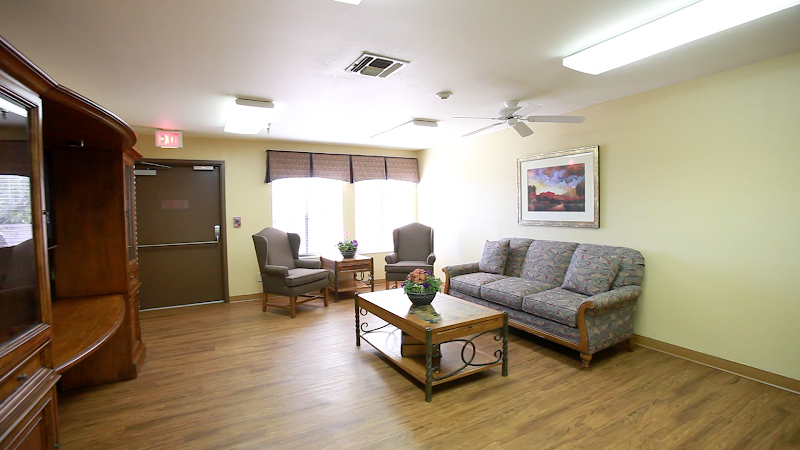
How is Mi Casa Nursing Center Staffed?

CMS rates MI CASA NURSING CENTER's staffing level at 3 out of 5 stars, which is average compared to other nursing homes. Staff turnover is 46%, compared to the Arizona average of 46%.

What Have Inspectors Found at Mi Casa Nursing Center?

State health inspectors documented 22 deficiencies at MI CASA NURSING CENTER during 2022 to 2025. These included: 22 with potential for harm.
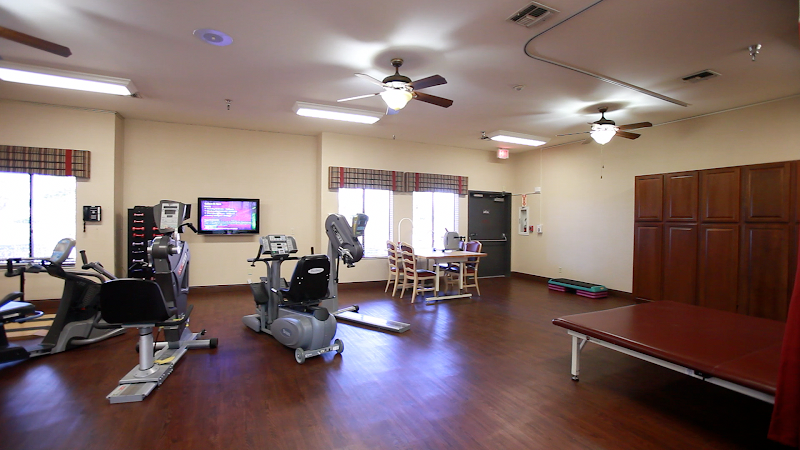
Who Owns and Operates Mi Casa Nursing Center?

MI CASA NURSING CENTER is owned by a for-profit company. For-profit facilities operate as businesses with obligations to shareholders or private owners. The facility is operated by LIFE CARE CENTERS OF AMERICA, a chain that manages multiple nursing homes. With 180 certified beds and approximately 113 residents (about 63% occupancy), it is a mid-sized facility located in MESA, Arizona.
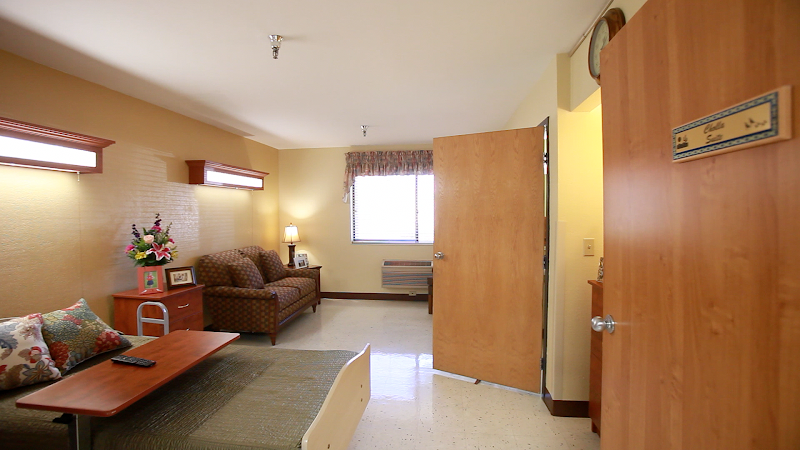
How Does Mi Casa Nursing Center Compare to Other Arizona Nursing Homes?

Compared to the 100 nursing homes in Arizona, MI CASA NURSING CENTER's overall rating (3 stars) is below the state average of 3.3, staff turnover (46%) is near the state average of 46%, and health inspection rating (2 stars) is below the national benchmark.

What Should Families Ask When Visiting Mi Casa Nursing Center?

Based on this facility's data, families visiting should ask: "What safeguards and monitoring systems are in place to protect residents from abuse or neglect?" "Can I visit during a mealtime to observe dining assistance and food quality?" "How do you handle medical emergencies, and what is your hospital transfer rate?" "Can I speak with family members of current residents about their experience?" These questions are particularly relevant given the substantiated abuse finding on record.

Is Mi Casa Nursing Center Safe?

Based on CMS inspection data, MI CASA NURSING CENTER has documented safety concerns. The facility has 1 substantiated abuse finding (meaning confirmed case of resident harm by staff or other residents). The facility has a 3-star overall rating and ranks #100 of 100 nursing homes in Arizona. Families considering this facility should ask detailed questions about what corrective actions have been taken since these incidents.

Do Nurses at Mi Casa Nursing Center Stick Around?

MI CASA NURSING CENTER has a staff turnover rate of 46%, which is about average for Arizona nursing homes (state average: 46%). Moderate turnover is common in nursing homes, but families should still ask about staff tenure and how the facility maintains care continuity when employees leave.

Was Mi Casa Nursing Center Ever Fined?

MI CASA NURSING CENTER has been fined $6,510 across 1 penalty action. This is below the Arizona average of $33,144. While any fine indicates a compliance issue, fines under $50,000 are relatively common and typically reflect isolated problems that were subsequently corrected. Families should ask what specific issues led to these fines and confirm they've been resolved.

Is Mi Casa Nursing Center on Any Federal Watch List?

MI CASA NURSING CENTER is not on any federal watch list. The most significant is the Special Focus Facility (SFF) program, which identifies the bottom 1% of nursing homes nationally based on persistent, serious quality problems. Not being on this list means the facility has avoided the pattern of deficiencies that triggers enhanced federal oversight. This is a positive indicator, though families should still review the facility's inspection history directly.