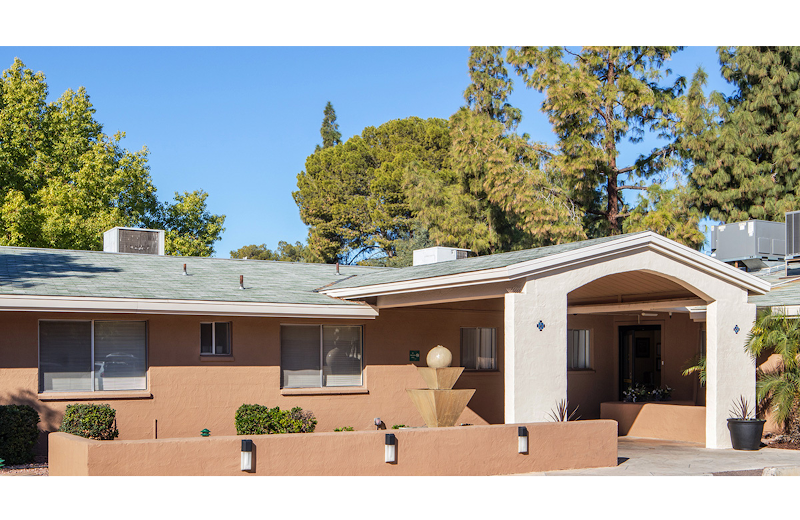
SANDRIDGE POST ACUTE

255 WEST BROWN ROAD, MESA, AZ 85201 (480) 833-3988
For profit - Limited Liability company 191 Beds PACS GROUP Data: November 2025
Trust Grade
45/100
#91 of 139 in AZ
Last Inspection: March 2024

Within standard 12-15 month inspection cycle. Federal law requires annual inspections.

Overview

Sandridge Post Acute in Mesa, Arizona has a Trust Grade of D, indicating below-average care with some significant concerns present. It ranks #91 out of 139 facilities in Arizona, placing it in the bottom half, and #58 out of 76 in Maricopa County, meaning there are only a few local options that are better. The facility's performance is worsening, with issues increasing from 7 in 2024 to 8 in 2025. Staffing is a relative strength here, with a 3/5 star rating and a turnover rate of 39%, which is better than the state average of 48%. However, there are serious concerns, including multiple incidents of failing to protect residents from potential abuse, as six residents were not safeguarded against sexual or physical abuse from another resident, and the facility did not report these allegations to authorities. While there are no fines on record and quality measures are rated 5/5 stars, families should be aware of the significant safety and oversight issues when considering this facility for their loved ones.

Trust Score
D
45/100
In Arizona
#91/139
Bottom 35%
Safety Record
High Risk
Review needed
Inspections
Getting Worse
7 → 8 violations
Staff Stability
○ Average
39% turnover. Near Arizona's 48% average. Typical for the industry.
Penalties
✓ Good
No fines on record. Clean compliance history, better than most Arizona facilities.
Skilled Nurses
⚠ Watch
Each resident gets only 25 minutes of Registered Nurse (RN) attention daily — below average for Arizona. Fewer RN minutes means fewer trained eyes watching for problems.
Violations
⚠ Watch
34 deficiencies on record. Higher than average. Multiple issues found across inspections.
★★★☆☆
3.0
Overall Rating
★★★☆☆
3.0
Staff Levels
★★★★★
5.0
Care Quality
★★☆☆☆
2.0
Inspection Score
Stable
2024: 7 issues
2025: 8 issues

The Good

  • 5-Star Quality Measures · Strong clinical quality outcomes
  • Full Sprinkler Coverage · Fire safety systems throughout facility
  • No fines on record
  • Staff turnover below average (39%)

    9 points below Arizona average of 48%

Facility shows strength in quality measures, fire safety.

The Bad

3-Star Overall Rating

Near Arizona average (3.3)

Meets federal standards, typical of most facilities

Staff Turnover: 39%

Near Arizona avg (46%)

Typical for the industry

Chain: PACS GROUP

Part of a multi-facility chain

Ask about local staffing decisions and management

The Ugly 34 deficiencies on record

Jun 2025 1 deficiency
CONCERN (D) 📢 Someone Reported This

A family member, employee, or ombudsman was alarmed enough to file a formal complaint

Potential for Harm - no one hurt, but risky conditions existed

Free from Abuse/Neglect (Tag F0600)

Could have caused harm · This affected 1 resident

**NOTE- TERMS IN BRACKETS HAVE BEEN EDITED TO PROTECT CONFIDENTIALITY** Based on clinical record review, staff interviews, facility documentation, and policy review, the facility failed to ensure 1 of...

Read full inspector narrative →
**NOTE- TERMS IN BRACKETS HAVE BEEN EDITED TO PROTECT CONFIDENTIALITY** Based on clinical record review, staff interviews, facility documentation, and policy review, the facility failed to ensure 1 of 3 sampled residents (Resident # 16) was free from abuse by another resident (# 22). The deficient practice could result in other residents being abused. Findings include: -Regarding Resident (# 22) Resident (# 22) was admitted to the facility on [DATE] with diagnoses of major depressive disorder, Post Traumatic Stress Disorder, bipolar disorder, and hemiplegia and hemiparesis affecting left non-dominant side. A Quarterly Minimum Data Set (MDS) assessment dated [DATE] revealed a Brief Interview for Mental Status (BIMS) score of 0 indicating severe cognitive impairment. It was also noted that the resident is rarely understood. A comprehensive care plan dated December 3, 2024, revealed that Resident (# 22) makes statements of auditory hallucination and delusions. Interventions include, maintaining calm with a slow, understandable approach, and staff to observe for signs and symptoms of depression and emotional distress notifying physician as needed. A comprehensive care plan dated December 4, 2024, revealed that Resident (# 22) has a behavioral problem including history of methamphetamine use with hallucinations, paranoia, and irritability. The care plan also revealed that Resident (# 22) at times would leave the facility for long periods of time. Interventions include staff are to intervene as necessary to protect the rights and safety of others by diverting attention and removing from situation which includes taking to alternate location as needed. A behavioral progress note dated June 8, 2025 at 5:56 p.m., revealed that Resident (# 22) in her motorized chair wheeled herself out of the front door of the facility. A Medication Administration note dated June 9, 2025 at 12:50 a.m. regarding the removal of her 'carrot' splint to left upper extremity was not completed due to Resident (# 22) not in the building. A behavioral progress note dated June 9, 2025 at 5:12 a.m. indicated that Resident (# 22) returned to the Facility at approximately 3:15 a.m., talking nonsensically. Resident (# 22) told staff that she was smoking methamphetamine while she was out of the Facility. A behavioral progress note dated June 10, 2025 at 11:11 a.m. written by Director of Nursing (DON/Staff # 17) indicated that Resident (# 22) continued to talk nonsensical throughout morning and she continued to have delusions and hallucinations. The progress note also indicated that Resident (# 22) had an altercation with another resident and Police were called with the crisis team and Resident (# 22) was transferred to a Behavioral Health Center. -Regarding Resident (# 16) Resident (# 16) was admitted to the facility on [DATE] with diagnoses of cerebral infarct, schizoaffective disorder bipolar type. A Quarterly Minimum Data Set (MDS) assessment dated [DATE] revealed a Brief Interview for Mental Status (BIMS) score of 13 indicating mild cognitive impairment. The assessment also indicated verbal behaviors directed toward others. Review of a facility investigation report, which was not dated, revealed that on June 9, 2025 at approximately 10:00 a.m. activity staff responded to Resident (# 16) and Resident (# 22) having a verbal altercation in the activity room and observed Resident (# 22) swing her ankle foot orthosis (AFO) brace at Resident (# 16). The report also revealed that the Crisis team was called to the Facility for Resident (# 22), who was taken to a Behavioral Health Center and has been discharged from the facility. A Skin Assessment was performed on June 9, 2025, on Resident (# 16) which indicated that he had no new skin issues at the time. Observation of Resident (# 16) was conducted on June 18, 2025 at 2:38 p.m. revealed resident sleeping in bed comfortably with no marks on resident's face. Bed is clean and room is clean. Resident (# 16) did not appear in any distress. An attempt to interview Resident #16 was made, but resident declined and went back to sleep. An interview was conducted with Activities Assistant (Staff #5) on June 18, 2025 at 2:52 p.m., who stated that while she was getting ready for an activity, she heard Resident (# 16) calling derogatory names at Resident (# 22) and Resident (# 22) yelling back at him. Staff (# 5) immediately separated the residents within the activity room and calmed down the situation. Staff (# 5) did not report the initial verbal altercation and returned to prepping for activities and began to hear the commotion start again, when she went back to activity room Staff (# 5) saw Resident (# 22) swing something metal from her wheelchair, hitting Resident (# 16) in the head knocking his head back. Staff (# 5) stated that she swung the metal object using her right hand. Staff (# 5) immediately took Resident (# 22) to her room and notified Staff's (# 5) direct report of the incident. During an interview conducted with DON (#17) on June 18, 2025 at 3:32 p.m., he stated that he was immediately notified of the incident and the residents were already separated and he notified the Administrator and started to make other notifications, including the Police Department. DON (# 17) stated Resident (# 16) was assessed, and no injuries or redness were discovered. DON stated that when Police Department came to the Facility, Resident (# 22) had requested to be sent out to Behavioral Health Hospital, despite the fact that it was documented that Resident (# 22) was nonsensical at this time. DON stated that the crisis team came out and Resident (# 22) was transferred to a Behavioral Health Center. A Policy and Procedure titled, Abuse, Exploitation and Misappropriation Prevention Program, revised April 2021, stated that residents have the right to be free from abuse which includes verbal and physical abuse. The Policy also indicates that the facility is committed to protect residents from abuse by other residents.
Apr 2025 4 deficiencies
CONCERN (E) 📢 Someone Reported This

A family member, employee, or ombudsman was alarmed enough to file a formal complaint

Potential for Harm - no one hurt, but risky conditions existed

Free from Abuse/Neglect (Tag F0600)

Could have caused harm · This affected multiple residents

**NOTE- TERMS IN BRACKETS HAVE BEEN EDITED TO PROTECT CONFIDENTIALITY** Based on clinical record review, interviews, and review of facility policies, the facility failed to ensure six of six sampled r...

Read full inspector narrative →
**NOTE- TERMS IN BRACKETS HAVE BEEN EDITED TO PROTECT CONFIDENTIALITY** Based on clinical record review, interviews, and review of facility policies, the facility failed to ensure six of six sampled residents (#2, #3, #4, #5, #6 and #8) were free from sexual or physical abuse from one resident #1. The deficient practice could lead to sexual, physical and psychosocial harm to the residents. Findings include: -Regarding residents #1 and #2: -Resident #1 was admitted to the facility December 21, 2021 with dysphagia following cerebral infarction, unspecified dementia, mild, with agitation, schizophrenia, unspecified. A review of the quarterly Minimum Data Set (MDS) dated [DATE] revealed Resident #1 completed a Brief Interview for Mental Status (BIMS) score of 08 indicating moderate cognitive impairment. Further review of the MDS revealed no indicators for mood, but will self-isolate. Indicators for physical behavioral symptoms directed towards others, verbal behavioral symptoms directed towards others, other behavioral symptoms not directed towards others and wandering. These assessments occurred 1-3 days of the lookback period. Review of the care plan, date-initiated December 22, 2024 revealed a focus for elopement; resident at risk for elopement/exit seeking; wandering related to dementia and other cognitive behaviors. Further review of the care plan revealed focus for behavior problems, agitation related to depression and schizophrenia, likes to follow female residents around to help them with things, per family and the potential to be physically aggressive related to dementia, poor impulse control; citing incident on April 13, 2025 with another resident due to resident not getting out of his desired chair; verbal aggression. Interventions include administer medications as ordered, intervene as necessary to protect the rights and safety of others. Review of the physicians orders dated April 15, 2025 revealed monitoring episodes of restlessness, agitation every shift and record every shift, Depakote Oral Tablet Delayed Release 125 MG (Divalproex Sodium) Give 125 mg by mouth two times a day for Mood/AEB Impulsivity, Mirtazapine Tablet 15 MG Give 1 tablet by mouth in the evening for Depression as exhibited by poor by mouth intake; Quetiapine Fumarate Oral Tablet 50 MG (Quetiapine Fumarate) Give 1 tablet by mouth in the morning for as exhibited by mood. Review of the Medication Administration Record for April 15, 2025 revealed a change in the number of times dosage administered for antipsychotic due to elevated behaviors. Review of a Nurse Practitioners Note dated April 14, 2025 at 8:16 p.m. revealed -Patient seen sitting up in activities room eating breakfast without difficulty nurse reports patient with aggressive behavior towards females and other residents. POC discussed with nursing. PMH NP was also alerted to patient behavioral issues at this time. Patient denies any chest pain shortness of breath and has pleasant affect at time of assessment. NAD. Review of the nurse's progress notes dated April 14, 2025 at 3:25 p.m. revealed a note text: During a verbal disagreement between two resident #1 approached and began yelling at the male resident. He then began threatening the male resident and staff had to step between to calm the situation. Resident was escorted back to his room, while also threatening nurses and using vulgar language. A progress note dated April 14, 2025 at 1:31 p.m. revealed a nurse's note text: This writer spoke with CNA who witnessed the alleged res to res. CNA clarified that when she was passing out trays, she heard two residents talking loudly to each other, she turned around to see resident #1 contact resident #8 trying to get him to move chairs. At that time two CNA's stepped in to separate the two residents. A progress note dated April 13, 2025 at 4:46 p.m. revealed a nurse's note text; Nurse summoned to dining room per certified nursing assistant (CNA) reported per CNA resident #1 punched resident #8 because he would not get out of his desired chair. CNA reported hearing a sound when physical contact was made. This nurse attempted to escort resident #1 to his room. Resident #1 is resistive to redirection and had to be redirected X 4 before returning to his bedroom. Resident #8 assessed by other nurse on duty. Representative notified. Manager on duty notified. Nurse Practitioner notified. New order for Hydroxyzine 25mg by mouth every 6 hours as needed for Anxiety X 14days.Representative contacted regarding new order, she declined to initiate Hydroxyzine. Nurse Practitioner notified. A behavior progress note dated April 12, 2025 at 5:37 p.m. states reported per CNA resident #1 required redirection multiple times throughout the day. Resident #1 noted rubbing resident #4 leg. When redirected resident #1 stated, That's my girl. becoming visibly upset when asked to leave the area near resident #4. Frequent visual checks continue to maintain distance of resident #1 and resident #4. Nurse Practitioner notified. A behavior progress note dated April 5, 2025 at 4:31 p.m. revealed resident #1 had an eventful day exhibiting increased sexual tendencies towards female peers. resident #1 noted touching resident #6 legs several times while in the dining room. When redirected resident #1 becomes visibly angered and posturing. Resident #1 stated, I'm gonna do it again. resident #1 had to be redirected from propelling resident #4 female peer per wheelchair from dining room. resident #1 walked away but later returned visibly upset. Attempts to redirect, distract and calm resident #1 were unsuccessful. Resident #5 female peer was found lying in resident #1 room with resident #1 at bedside. When attempting to remove resident #5, resident #1 stated. It's ok, leave her alone, she's with me. A behavior progress note dated March 28, 2025 at 5:25 p.m. revealed resident #1 has been talking to a female resident and trying to get her to walk with him to his room all afternoon. He was walking the female resident in the direction of his room about 30 minutes ago when this nurse intercepted and started walking the resident back towards the activities room, and he swung a punch at this nurse. Resident is also entering the rooms of female residents continuously, and when staff ask him to leave the room, he does but then goes and enters another female resident's room very shortly thereafter. Will continue to monitor. A behavior progress note dated March 22, 2025 at 2:27 p.m. revealed Reported per CNA resident #1 noted slapping the buttocks of resident #3 The sister of resident #3 was present at the time. Nurse Practitioner notified of incident. New order for Depakote 125mg by mouth twice daily for Mood/AEB. A behavior progress note dated March 21, 2025 at 2:28 p.m. revealed resident #1 increased sexual tendencies towards his female peers. Resident #1 noted leading resident #2. to his bedroom. This nurse attempted to redirect and intervene the situation, this only further angers the resident #1 This nurse leading resident #2 by hand to the common area but resident #1 became visibly upset stating, She's coming with me. Resident #1 grabbed her hand tighter and continued to walk towards his bedroom. This nurse acting as a barrier standing between residents #1 and #2. Resident #1 dropped her hand and walked away to his bedroom. Resident #1 family came to visit shortly after and is aware of the incident. Will notify Primary Care Physician. Resident observation on April 18, 2025 at 8:18 a.m. resident #1 provided with 1:1 intervention for 12 hours by Certified Nursing Assistant (CNA/Staff #18). Stated she was informed April 17, 2025 that she would be providing 1:1 care for resident #1 and to monitor his behaviors due to aggression and sexualized behaviors, she stated this was the first time resident #1 has been provided with 1:1 care. Residents #2 and resident 6 were observed seated in recliners in the dining room. There were two CNA's present. -Regarding Resident #2 -Resident #2 was admitted to the facility February 8, 2025 with diagnosis that included metabolic encephalopathy, cognitive communication deficit and altered mental status, unspecified. A review of the Part A Discharge MDS dated [DATE] revealed Resident #2 completed a Brief Interview for Mental Status (BIMS) score of 02 indicating severe cognitive impairment. Review of the care plan date-initiated February 9 2025 and a revision on April 4, 2025 revealed a focus for psychosocial behaviors; exhibits or is at risk for behavioral symptoms delusions, hallucinations, anxiety, SI without a plan, agitation, disrobing, wandering into others rooms. Interventions included Administer medication as ordered, document and record behavioral episodes and manage environmental factors to optimize comfort. Review of the progress notes revealed a behavior note dated April 4, 2025 at 1:27 p.m. Note Text: Resident was found in another resident's room. Resident was easily directed out of room. Skin check was performed. No abnormal findings. An interview was conducted on April 17, 2025 at 12:46 p.m. with Licensed Practical Nurse (LPN/Staff #93). Stated resident #1 has sexual tendencies mostly touching and kissing, rubbing of female residents' legs and those who are ambulatory. Stated resident #1 is fixated on two of them, resident's #4 and #2. Stated resident #1 has be separated from her before and tried to take resident #2 to his room. Staff #93 stated resident #1 had taken a female resident to his room approximately six weeks ago. The resident was resident #4. Staff #93 stated resident #4 was in his room in her wheelchair and resident #1 was standing up pacing the room. Staff #93 stated resident #1 has kissed resident 2 and #4, he's touched them by rubbing their legs, and he grabbed both of resident #3 buttocks, Staff #93 stated resident #1 paces the unit and staff keep a visual with 15-minute checks on resident #1. Staff #93 stated resident #1 has not been provided with 1:1 intervention and that he is unpredictable with physical aggression and posturing. An interview was conducted on April 17, 2025 at 1:22 p.m. with Certified Nursing Assistant (CAN/Staff #59. She stated she was informed that LPN/Staff #93 resident went to go get resident #1 for dinner when she saw resident #2 laying in the bed, she stated resident #1- he was sitting in a chair in his room. she stated resident #2 paces and wanders and had not seen her for about 30 minutes. Staff #59 stated we have to watch out for resident #1 he touches the females. An interview was conducted on April 17, 2025 at 1:28p.m. with certified nursing assistant (CNA/Staff #51) CAN #51 stated she first became aware of the incident when the nurse (LPN/Staff #93) called out for help to resident #1 room. She stated both (LPN/Staff #29) went to the room to find resident #2 lying on top of resident #1 bed naked with no clothing on. Staff #51 stated resident #1 was seated at the bedside with his shirt off and had put on a coat jacket, further stating his pants were on, but could not recall if his shoes were on. Staff#51 stated staff #29 assisted with getting resident #2 dressed. Staff #51 stated she documented the incident in Point Click Care and assumed LPN# 93 and #29 had reported the incident to the Director of Nursing. Staff #93 stated the doctor; family and the DON are aware of resident #1 sexualized behaviors with the other residents. An interview was conducted on April 17, 2025 at 2:18p.m. with housekeeper (staff #80). Staff #80 stated she has observed resident #1 with two female residents on two different occasions. Staff #80 stated On Saturday April 5, 2025, sometime in the morning while cleaning resident rooms she observed resident #1 had resident #2 laying on his bed covered with a blanket. Staff #80 stated resident #1 had his hands underneath the blanket and was rubbing her body. Staff #80 stated it looked like he was rubbing her up and down from her upper thighs to her chest area and touching her legs. Staff #80 stated she immediately informed the CNA that works on the weekends (did not know her name) and also informed her supervisor, Director of Housekeeping (Staff # 42). Staff #80 stated she was hesitant as to what to do with what she had observed, but stated I knew it was the right thing to do. An interview was conducted on April 17, 2025 at 3:37 p.m. with Operations Manager/ Abuse Coordinator (Staff #62). Staff #62 stated he did not file a report with the state agency because he had not been informed that resident #2 was disrobed and was told that resident #1 was sitting on the other side of the room when found. Staff #62 stated based on the report he received from his staff that there was nothing reportable. An interview was conducted on April 18, 2025 at 10:25 a.m. with Director of Housekeeping (Staff # 42). Staff #42 stated that his expectations are that his staff notify and report what they see immediately. He also stated his staff are instructed to notify him immediately as to what they observed and what happened. Staff #80 stated he will then immediately notify the person in charge of that department and the unit manager for ay type of abuse. Staff #42 stated staff #80 telephoned him on Saturday April 5, 2025 at 9:32 a.m. informing him that she had observed resident #1 touching one of the female residents on the thighs in his room. He stated she also informed hm that the female resident was lying on his bed and was rubbing the female resident. Staff #42 stated that staff #80 informed him that she had told resident #1 to leave and had told one of the CNA's. Staff #42 stated he informed her she did the right thing and that he would handle it from there. Staff #42 stated he immediately called the Unit Manger (Staff #79). Staff #42 stated he told her that he was notified by one of the housekeepers that resident #1 was rubbing one of the residents on the thigh. Staff #42 stated he did not inform her that the female resident was observed lying on the bed in resident #1 room. Staff #42 stated he did not inform the Director of Nursing (DON/Staff #86) or the Abuse Coordinator (Staff #62). An interview was conducted April 18, 2025 at 11:00 a.m. with Register Nurse Unit Manager (RN/UM/Staff #79). Staff # 79 stated she has been in the position as RN/UUM since March 2025 and that her responsibilities are to ensure everything is running ok and to make sure that unit is kept clean- residents are safe, family phone calls, log books updated- meds. Staff #79 stated staff report to her anything out of the norm. this would be anything that could lead to possible concerns, including inappropriate behaviors. Staff #79 stated inappropriate behaviors are reported to the DON, depending what is reported to her and if it is something that can be re-directed and no one is hurt from the behavior, then she feels no need to call the DON- Staff #79 stated she would notify the DON if a resident is hurt or imposing harm to another resident. Staff # 79 stated she notified on a Saturday morning that one of the housekeepers had seen a resident touching another resident. She stated it was on a Saturday-morning. She stated I just called the floor and told them to make sure that he [resident #1] is not around the girls. Further stating I did not feel that it warranted me calling the DON at that time. No one was hurt or in distress at that time. Staff #79 stated she was never informed of the residents sexualized behaviors and had that anything like that would warrant me to call my DON. Staff #79 stated does not take part in report with the nursing staff. -Regarding Resident #3 -Resident #3 was admitted to the facility March 7, 2025 with diagnosis that included vascular dementia, unspecified severity, with other behavioral disturbance, Alzheimer's disease, unspecified depression, unspecified, cerebral infarction, unspecified. A review of the admission MDS revealed a BIMS score of 7, indicating severe cognitive impairment. Further review revealed no indicators for mood or behaviors. There were indicators for wandering that occurred 1-3 days in the lookback period. Review of the care plan date-initiated March 19 2025 revealed a focus for risk for elopement and wandering related to disoriented to place and impaired safety awareness and impaired cognitive function, dementia or impaired thought processes related to dementia, difficulty making decisions and psychotropic drug use. Interventions included distracting the resident from wandering by offering pleasant diversions, intervene as appropriate and administer medications as ordered. Review of the progress notes revealed no documentation regarding the resident's buttocks being grabbed by resident #1. An interview was conducted April 17, 2025 at approximately 3:00 p.m. Resident #3 interviewed alone and in private in her room- pleasant and able to communicate and make needs knows- resident #3was able to recall being touched inappropriately by another resident. Stated yeah [NAME] has a bad habit of doing inappropriate things- I think he likes the ladies he grabbed my bottom. I didn't like him doing that, I try to keep away from him. I don't think he means any harm, but it's not nice for him to do that. Resident #3 stated I don't feel safe in my room, men come in all the time. I was changing my clothes and had just put on my bra when [NAME] came in. Sometimes I'll find people in my bed or they walk in your room at night. I had pushed the dresser against my door to keep them from coming in but they told me I couldn't. I don't remember if my sister was her with me, I can call and ask her if she was- (resident tried to call sister from cell phone no response. A male resident entered the resident's room during interview. later identified by staff as resident #10. Resident #10 was observed wandering around aimlessly going into different resident's rooms, no intervention observed by staff during observation on the unit. -Resident # 4 Resident was admitted to the facility December 8, 2023 with diagnosis that included unspecified dementia, unspecified severity, with agitation, restlessness and agitation, anxiety disorder, unspecified, impulsiveness, major depressive disorder, recurrent, unspecified. Review of the quarterly MDS dated [DATE] revealed a BIMS score of 12 indicating moderate cognitive impairment. The resident was assessed with a mild mood score of 10 with concerns with self-isolation and depression. There were also indicators for verbal behavioral symptoms directed towards others, e.g., threatening, screaming cursing at others, wandering and rejection of care with presence and frequency of this type occurred 1-3 days. Resident has no impairment of the upper or lower extremities and uses a wheelchair for mobility. Review of the care plan date-initiated December 15, 2023 and revised March 18, 2025 revealed a focus for elopement at risk for elopement, exit seeking, wandering related to dementia or other cognitive behavior and cognitive impairment loss related to Alzheimer's disease or other dementias. Interventions included allow wandering in safe areas within the facility, administering medication as ordered and anticipating the residents needs and met promptly. Review of the progress notes revealed no documentation regarding inappropriate touching or kissing of the resident by resident #4, An interview was conducted on April 17, 2025 at 12:46 p.m. with Licensed Practical Nurse (LPN/Staff #93). Stated resident #1 is fixated on two of them, resident's #4 and #2. Stated resident #1 has been separated from her before and tried to take resident #2 to his room. Staff #93 stated resident #1 had taken a female resident to his room approximately six weeks ago. The resident was resident #4. Staff #93 stated resident #1 has been observed kissing, touching and rubbing on resident #4 legs. An interview was conducted on April 17, 2025 at 1:28p.m. with certified nursing assistant (CNA/Staff #51) CNA #51 stated I know resident #1 touches residents #6 and #4, he will whisper in their ear; I don't know what he is saying. CNA #51 stated resident #1 will touch resident #4 and #6 on their arms and legs, stating it appears sexual when he touches them. -Regarding Resident #5 - Resident was admitted to the facility February 8, 2024 with diagnosis including cardiomyopathy, unspecified, altered mental status, unspecified, dementia in other diseases classified elsewhere, mild, with other behavioral disturbance cognitive communication deficit unspecified dementia, unspecified severity, with other behavioral disturbances. Review of the annual MDS dated [DATE] revealed a BIMS score of 03, indicating severe cognitive impairment. Resident not assessed for mood, unable to respond. Assessment for behaviors revealed other behavioral symptoms not directed toward others, places the resident at significant risk for physical illness or injury, interferes with the resident's care, interferes with the resident's participation in activities or social interactions, and significantly intrude on the privacy or activity of others. Further review of the MDS revealed the resident uses a wheelchair for mobility. Review of the care plan revealed a focus for cognitive impairment related to altered Alzheimer's disease or other dementias and the risk for elopement and wandering related to dementia and other cognitive behaviors, Interventions included administer medications as ordered, allow to wander in safe areas within the facility. Review of the progress notes revealed no documentation of and observation alleged incident involving resident #1 taking resident #5 to his room by the hand and attempting to lay her on his bed. The incident was reported to a certified nursing assistant who was able to intervene and remove resident #5 from resident #1 room. An interview was conducted on April 17, 2025 at 2:18p.m. with housekeeper (staff #80). Staff #80 stated she has observed resident #1 on two different occasions. Staff #80 stated I saw him in his room with her trying to lay her on his bed- I saw him take her by the hand to his room (Staff #80 did not know the residents name but was able to point the resident out- identified as [NAME]) Staff #80 stated I told the CNA who went in the room to get her. -Regarding Resident #6 Resident was admitted to the facility April 11, 2023 with diagnosis including unspecified dementia, unspecified severity, without behavioral disturbance, psychotic disturbance, mood disturbance, and anxiety, vascular dementia, unspecified severity, without behavioral disturbance, psychotic disturbance, mood disturbance, and anxiety, cognitive communication deficit, Wernicke's encephalopathy Review of the quarterly MDS dated [DATE] revealed a BIMS score of o5, indicating severe cognitive impairment, no indicators for mood or behaviors. Uses walker and wheelchair for mobility. Review of the care plan revealed a focus for impaired cognitive function and thought processes related to vascular dementia, Wernicke's encephalopathy, and unspecified psychosis. Date Initiated: 04/23/2023 Revision on: 05/04/2023. Interventions included stress key words and present just one thought, question or command at a time. A behavior progress note dated April 5, 2025 at 4:31 p.m. revealed resident #1 had an eventful day exhibiting increased sexual tendencies towards female peers. resident #1 noted touching resident #6 legs several times while in the dining room. When redirected resident #1 becomes visibly angered and posturing. Resident #1 stated, I'm gonna do it again. -Regarding Resident #8 Resident #8 was admitted to the facility August 16, 2024 with diagnosis including unspecified dementia, severe, with psychotic disturbance, altered mental status, unspecified, depression, unspecified, anxiety disorder, unspecified. Review of the significant change of cognitive impairment MDS dated [DATE] revealed a BIMS score pf 03 indicating severe cognitive impairment, no indicators for [NAME] or behaviors, wandering with no impact on others, diagnosis for Anxiety disorder, Depression (other than bipolar), altered mental status, unspecified. Received Antipsychotic, Antidepressant, - gradual dose reduction (GDR) was attempted 11/30/2024- Physician documented GDR as clinically contraindicated 11/30/2024. Review of the care plan date-initiated August 22, 2024 revealed a focus for Psychosocial- Emotional/Trauma: At risk for decreased psychosocial well-being physical, social, or spiritual wellbeing related to alleged incident with peer on April 13, 2025. Date Initiated: April 15, 2025 Revision on: April 15, 2025, Interventions: included contact resident representative/friend for comfort and support. Date Initiated April 15, 2025. Review of eINTERACT Change in Condition Evaluation dated April 13, 2025 at 6:02 p.m. revealed pain in side remains, No signs of bruising/abrasion on skin of left side, pain with movement. Open cyst on upper mid back, cleaned and applied dry dressing. Pain medications administered PRN, dressing change daily on upper back till healed. The change in condition and notifications reported to primary care clinician Review of Treatment Administration Record for April 2025 revealed new orders for treatment for ruptured cyst with a start date of April 14, 2025. Review of the physician order summary dated April 13, 2025 revealed a STAT order for an x-ray ribs left side for trauma during altercation, however the examination results dated April 14, 2025 at 1:39pm and reported date April 14, 2025 at 1:41 p.m. revealed significant findings of unilateral left ribs x-ray. The impression revealed an acute hairline of the left lower rib fracture. Review of the nurses progress noted dated April 13, 2025 at 6:38 p.m. revealed a note text of the following detail; Informed of altercation in dining room, resident states he came out of nowhere and hit me, it was hard enough to push me back in my chair. Skin assessment performed, cyst on upper mid back ruptured and wound care performed, pain in left side ribs under arm no bruising or open skin in that area. Pain reported level 7/10, PRN medication administered. NP [NAME] notified, x-ray ordered and wound care to cyst. An interview was conducted on April 17, 2025 at 12:46 p.m. with Licensed Practical Nurse (LPN/Staff #93). Stated there was an incident involving resident #1 and resident #8, Staff #93 stated it was time to serve dinner came and resident #1 came from his room. Staff #93 stated she was at the med cart. She stated she was told by staff resident #1 told resident #8 to get out of his chair and resident #8 said no and resident #1 struck resident #8 on the upper right back to mid area. Staff #93 stated a weekend intervened and there were lots of lots of commotion. Staff #93 stated resident #1 was standing away from the table and resident #8 was standing at the other side of the table. She stated she had to ask resident #1 to leave the area multiple time- he refused- She stated it took four attempts to get the resident #1 to leave. Staff #93 stated LPN/Staff#9 came and completed a skin check for resident #8. She stated resident #8 complained of pain on the side he had a ruptured cyst, located on the left near his scapula where resident #1 hit him- the ruptured cyst was noted at the time of the assessment. Staff #93 stated an assessment was not done for resident #1 since he had not been hit. An attempt to interview resident #8 was made on April 18, 2025 at 8:35 a.m. due to the resident's severe cognition, he could not recall the incident in detail. Resident was walking the hallways- pleasant mood. An interview was conducted on April 18, 2025 at 1:09 p.m. with Abuse Coordinator (Staff #62) regarding residents #1 and #8. Staff #62 stated he was informed by the DON (Staff #86) of the alleged incident on Sunday, April 13, 2025. Staff #62 stated he was informed there was an altercation between residents #1 and #8 who were fighting over a chair in the dining room and staff intervened and removed resident #1 from the dining room. Staff #62 stated he informed the DON to follow-up with staff on duty and get their statements and made some call to initiate the two-hour required investigation report for the state agency. Staff #62 stated following the investigation injuries reported for resident #8 with an oozing cyst and x-rays taken revealed a hairline fracture of his ribs and that the resident had complained of pain. Staff #62 stated the facility unsubstantiated their investigation based on follow-up with the staff at the time; that it appeared two residents and argued over the chair and staff were able to intervene before anything escalated. Staff #62 stated resident #1 and #8 were pleasant with each other following the incident. An interview was conducted on April 18, 2025 at 1:29 p.m. with Director of Nursing (DON/Staff #86) stated the process for reporting alleged abuse is reporting to the different agencies as soon as they are aware. He stated he provides his staff with as much training as possible and during the facility monthly all-staff meetings. He stated they are told to immediately report to their supervisor or to the abuse coordinator. The DON stated he monitors for potential abuse by rounding the units, keeping up with daily nursing notes and being in front with his teams. The DON stated actions taken to protect the residents and other residents from abuse during the investigation process for resident #1 and #8 were that they were immediately separated and provided with frequent checks. He stated Resident #1 is being monitored 1:1 and will be moving the resident to an all-male unit to protect the females on the unit and the other residents. He stated he was not informed of what had happened with resident #! Nor of the other incidents with the other females on the unit. He stated he is very upset with this information. The DON stated staff #79 is new to her role as unit manager and staff #93 is a new floor nurse, that they report the incidents to me immediately. It is not expected that they make that decision on their own. I will be providing some additional training and education for my new staff. Review of the facility policy titled Abuse, Neglect, Exploitation and Misappropriation Prevention Program states Residents have the right to be free from abuse, neglect, misappropriation of resident property and exploitation. This includes, but is not limited to freedom from corporate punishment, involuntary seclusion, verbal, mental, sexual or physical abuse, and physical or chemical restraint not required to treat the resident's symptoms.
CONCERN (E) 📢 Someone Reported This

A family member, employee, or ombudsman was alarmed enough to file a formal complaint

Potential for Harm - no one hurt, but risky conditions existed

Abuse Prevention Policies (Tag F0607)

Could have caused harm · This affected multiple residents

**NOTE- TERMS IN BRACKETS HAVE BEEN EDITED TO PROTECT CONFIDENTIALITY** Based on clinical record review, resident and staff interviews, facility documentation and policy review, the facility failed to...

Read full inspector narrative →
**NOTE- TERMS IN BRACKETS HAVE BEEN EDITED TO PROTECT CONFIDENTIALITY** Based on clinical record review, resident and staff interviews, facility documentation and policy review, the facility failed to implement their abuse policy, by failing to report an allegation of sexual abuse involving five residents (#2, # 3, #4, #5 and #6) to the State Agency. The deficient practice could result in continued resident to resident sexual abuse Findings include: -Regarding residents #1 and #2: -Resident #1 was admitted to the facility December 21, 2021 with dysphagia following cerebral infarction, unspecified dementia, mild, with agitation, schizophrenia, unspecified. A review of the quarterly Minimum Data Set (MDS) dated [DATE] revealed Resident #1 completed a Brief Interview for Mental Status (BIMS) score of 08 indicating moderate cognitive impairment. Further review of the MDS revealed no indicators for mood, but will self-isolate. Indicators for physical behavioral symptoms directed towards others, verbal behavioral symptoms directed towards others, other behavioral symptoms not directed towards others and wandering. These assessments occurred 1-3 days of the lookback period. Review of the care plan, date-initiated December 22, 2024 revealed a focus for elopement; resident at risk for elopement/exit seeking; wandering related to dementia and other cognitive behaviors. Further review of the care plan revealed focus for behavior problems, agitation related to depression and schizophrenia, likes to follow female residents around to help them with things, per family and the potential to be physically aggressive related to dementia, poor impulse control; citing incident on April 13, 2025 with another resident due to resident not getting out of his desired chair; verbal aggression. Interventions include administer medications as ordered, intervene as necessary to protect the rights and safety of others. Review of the physicians orders dated April 15, 2025 revealed monitoring episodes of restlessness, agitation every shift and record every shift, Depakote Oral Tablet Delayed Release 125 MG (Divalproex Sodium) Give 125 mg by mouth two times a day for Mood/AEB Impulsivity, Mirtazapine Tablet 15 MG Give 1 tablet by mouth in the evening for Depression as exhibited by poor by mouth intake; Quetiapine Fumarate Oral Tablet 50 MG (Quetiapine Fumarate) Give 1 tablet by mouth in the morning for as exhibited by mood. Review of the Medication Administration Record for April 15, 2025 revealed a change in the number of times dosage administered for antipsychotic due to elevated behaviors. Review of a Nurse Practitioners Note dated April 14, 2025 at 8:16 p.m. revealed -Patient seen sitting up in activities room eating breakfast without difficulty nurse reports patient with aggressive behavior towards females and other residents. POC discussed with nursing. PMH NP was also alerted to patient behavioral issues at this time. Patient denies any chest pain shortness of breath and has pleasant affect at time of assessment. NAD. Review of the nurse's progress notes dated April 14, 2025 at 3:25 p.m. revealed a note text: During a verbal disagreement between two resident #1 approached and began yelling at the male resident. He then began threatening the male resident and staff had to step between to calm the situation. Resident was escorted back to his room, while also threatening nurses and using vulgar language. A progress note dated April 14, 2025 at 1:31 p.m. revealed a nurse's note text: This writer spoke with CNA who witnessed the alleged res to res. CNA clarified that when she was passing out trays, she heard two residents talking loudly to each other, she turned around to see resident #1 contact resident #8 trying to get him to move chairs. At that time two CNA's stepped in to separate the two residents. A progress note dated April 13, 2025 at 4:46 p.m. revealed a nurse's note text; Nurse summoned to dining room per certified nursing assistant (CNA) reported per CNA resident #1 punched resident #8 because he would not get out of his desired chair. CNA reported hearing a sound when physical contact was made. This nurse attempted to escort resident #1 to his room. Resident #1 is resistive to redirection and had to be redirected X 4 before returning to his bedroom. Resident #8 assessed by other nurse on duty. Representative notified. Manager on duty notified. Nurse Practitioner notified. New order for Hydroxyzine 25mg by mouth every 6 hours as needed for Anxiety X 14days.Representative contacted regarding new order, she declined to initiate Hydroxyzine. Nurse Practitioner notified. A behavior progress note dated April 12, 2025 at 5:37 p.m. states reported per CNA resident #1 required redirection multiple times throughout the day. Resident #1 noted rubbing resident #4 leg. When redirected resident #1 stated, That's my girl. becoming visibly upset when asked to leave the area near resident #4. Frequent visual checks continue to maintain distance of resident #1 and resident #4. Nurse Practitioner notified. A behavior progress note dated April 5, 2025 at 4:31 p.m. revealed resident #1 had an eventful day exhibiting increased sexual tendencies towards female peers. resident #1 noted touching resident #6 legs several times while in the dining room. When redirected resident #1 becomes visibly angered and posturing. Resident #1 stated, I'm gonna do it again. resident #1 had to be redirected from propelling resident #4 female peer per wheelchair from dining room. resident #1 walked away but later returned visibly upset. Attempts to redirect, distract and calm resident #1 were unsuccessful. Resident #5 female peer was found lying in resident #1 room with resident #1 at bedside. When attempting to remove resident #5, resident #1 stated. It's ok, leave her alone, she's with me. A behavior progress note dated March 28, 2025 at 5:25 p.m. revealed resident #1 has been talking to a female resident and trying to get her to walk with him to his room all afternoon. He was walking the female resident in the direction of his room about 30 minutes ago when this nurse intercepted and started walking the resident back towards the activities room, and he swung a punch at this nurse. Resident is also entering the rooms of female residents continuously, and when staff ask him to leave the room, he does but then goes and enters another female resident's room very shortly thereafter. Will continue to monitor. A behavior progress note dated March 22, 2025 at 2:27 p.m. revealed Reported per CNA resident #1 noted slapping the buttocks of resident #3 The sister of resident #3 was present at the time. Nurse Practitioner notified of incident. New order for Depakote 125mg by mouth twice daily for Mood/AEB. A behavior progress note dated March 21, 2025 at 2:28 p.m. revealed resident #1 increased sexual tendencies towards his female peers. Resident #1 noted leading resident #2. to his bedroom. This nurse attempted to redirect and intervene the situation, this only further angers the resident #1 This nurse leading resident #2 by hand to the common area but resident #1 became visibly upset stating, She's coming with me. Resident #1 grabbed her hand tighter and continued to walk towards his bedroom. This nurse acting as a barrier standing between residents #1 and #2. Resident #1 dropped her hand and walked away to his bedroom. Resident #1 family came to visit shortly after and is aware of the incident. Will notify Primary Care Physician. Resident Observation on April 18, 2025 at 8:18 a.m. resident #1 provided with 1:1 intervention for 12 hours by Certified Nursing Assistant (CNA/Staff #18). Stated she was informed April 17, 2025 that she would be providing 1:1 care for resident #1 and to monitor his behaviors due to aggression and sexualized behaviors, she stated this was the first time resident #1 has been provided with 1:1 care. Residents #2 and resident 6 were observed seated in recliners in the dining room. There were two CNA's present. -Regarding Resident #2 -Resident #2 was admitted to the facility February 8, 2025 with diagnosis that included metabolic encephalopathy, cognitive communication deficit and altered mental status, unspecified. A review of the Part A Discharge MDS dated [DATE] revealed Resident #2 completed a Brief Interview for Mental Status (BIMS) score of 02 indicating severe cognitive impairment. Review of the care plan date-initiated February 9 2025 and a revision on April 4, 2025 revealed a focus for psychosocial behaviors; exhibits or is at risk for behavioral symptoms delusions, hallucinations, anxiety, SI without a plan, agitation, disrobing, wandering into others rooms. Interventions included Administer medication as ordered, document and record behavioral episodes and manage environmental factors to optimize comfort. Review of the progress notes revealed a behavior note dated April 4, 2025 at 1:27 p.m. Note Text: Resident was found in another resident's room. Resident was easily directed out of room. Skin check was performed. No abnormal findings. An interview was conducted on April 17, 2025 at 12:46 p.m. with Licensed Practical Nurse (LPN/Staff #93). Stated resident #1 has sexual tendencies mostly touching and kissing, rubbing of female residents' legs and those who are ambulatory. Stated resident #1 is fixated on two of them, resident's #4 and #2. Stated resident #1 has be separated from her before and tried to take resident #2 to his room. Staff #93 stated resident #1 had taken a female resident to his room approximately six weeks ago. The resident was resident #4. Staff #93 stated resident #4 was in his room in her wheelchair and resident #1 was standing up pacing the room. Staff #93 stated resident #1 has kissed resident 2 and #4, he's touched them by rubbing their legs, and he grabbed both of resident #3 buttocks, Staff #93 stated resident #1 paces the unit and staff keep a visual with 15-minute checks on resident #1. Staff #93 stated resident #1 has not been provided with 1:1 intervention and that he is unpredictable with physical aggression and posturing. An interview was conducted on April 17, 2025 at 1:22 p.m. with Certified Nursing Assistant (CAN/Staff #59. She stated she was informed that LPN/Staff #93 resident went to go get resident #1 for dinner when she saw resident #2 laying in the bed, she stated resident #1- he was sitting in a chair in his room. she stated resident #2 paces and wanders and had not seen her for about 30 minutes. Staff #59 stated we have to watch out for resident #1 he touches the females. An interview was conducted on April 17, 2025 at 1:28p.m. with certified nursing assistant (CNA/Staff #51) CAN #51 stated she first became aware of the incident when the nurse (LPN/Staff #93) called out for help to resident #1 room. She stated both (LPN/Staff #29) went to the room to find resident #2 lying on top of resident #1 bed naked with no clothing on. Staff #51 stated resident #1 was seated at the bedside with his shirt off and had put on a coat jacket, further stating his pants were on, but could not recall if his shoes were on. Staff#51 stated staff #29 assisted with getting resident #2 dressed. Staff #51 stated she documented the incident in Point Click Care and assumed LPN# 93 and #29 had reported the incident to the Director of Nursing. Staff #93 stated the doctor; family and the DON are aware of resident #1 sexualized behaviors with the other residents. An interview was conducted on April 17, 2025 at 2:18p.m. with housekeeper (staff #80). Staff #80 stated she has observed resident #1 with two female residents on two different occasions. Staff #80 stated On Saturday April 5, 2025, sometime in the morning while cleaning resident rooms she observed resident #1 had resident #2 laying on his bed covered with a blanket. Staff #80 stated resident #1 had his hands underneath the blanket and was rubbing her body. Staff #80 stated it looked like he was rubbing her up and down from her upper thighs to her chest area and touching her legs. Staff #80 stated she immediately informed the CNA that works on the weekends (did not know her name) and also informed her supervisor, Director of Housekeeping (Staff # 42). Staff #80 stated she was hesitant as to what to do with what she had observed, but stated I knew it was the right thing to do. An interview was conducted on April 17, 2025 at 3:37 p.m. with Operations Manager/ Abuse Coordinator (Staff #62). Staff #62 stated he did not file a report with the state agency because he had not been informed that resident #2 was disrobed and was told that resident #1 was sitting on the other side of the room when found. Staff #62 stated based on the report he received from his staff that there was nothing reportable. An interview was conducted on April 18, 2025 at 10:25 a.m. with Director of Housekeeping (Staff # 42). Staff #42 stated that his expectations are that his staff notify and report what they see immediately. He also stated his staff are instructed to notify him immediately as to what they observed and what happened. Staff #80 stated he will then immediately notify the person in charge of that department and the unit manager for ay type of abuse. Staff #42 stated staff #80 telephoned him on Saturday April 5, 2025 at 9:32 a.m. informing him that she had observed resident #1 touching one of the female residents on the thighs in his room. He stated she also informed hm that the female resident was lying on his bed and was rubbing the female resident. Staff #42 stated that staff #80 informed him that she had told resident #1 to leave and had told one of the CNA's. Staff #42 stated he informed her she did the right thing and that he would handle it from there. Staff #42 stated he immediately called the Unit Manger (Staff #79). Staff #42 stated he told her that he was notified by one of the housekeepers that resident #1 was rubbing one of the residents on the thigh. Staff #42 stated he did not inform her that the female resident was observed lying on the bed in resident #1 room. Staff #42 stated he did not inform the Director of Nursing (DON/Staff #86) or the Abuse Coordinator (Staff #62). An interview was conducted April 18, 2025 at 11:00 a.m. with Register Nurse Unit Manager (RN/UM/Staff #79). Staff # 79 stated she has been in the position as RN/UUM since March 2025 and that her responsibilities are to ensure everything is running ok and to make sure that unit is kept clean- residents are safe, family phone calls, log books updated- meds. Staff #79 stated staff report to her anything out of the norm. this would be anything that could lead to possible concerns, including inappropriate behaviors. Staff #79 stated inappropriate behaviors are reported to the DON, depending what is reported to her and if it is something that can be re-directed and no one is hurt from the behavior, then she feels no need to call the DON- Staff #79 stated she would notify the DON if a resident is hurt or imposing harm to another resident. Staff # 79 stated she notified on a Saturday morning that one of the housekeepers had seen a resident touching another resident. She stated it was on a Saturday-morning. She stated I just called the floor and told them to make sure that he [resident #1] is not around the girls. Further stating I did not feel that it warranted me calling the DON at that time. No one was hurt or in distress at that time. Staff #79 stated she was never informed of the residents sexualized behaviors and had that anything like that would warrant me to call my DON. Staff #79 stated does not take part in report with the nursing staff. -Regarding Resident #3 -Resident #3 was admitted to the facility March 7, 2025 with diagnosis that included vascular dementia, unspecified severity, with other behavioral disturbance, Alzheimer's disease, unspecified depression, unspecified, cerebral infarction, unspecified. A review of the admission MDS revealed a BIMS score of 7, indicating severe cognitive impairment. Further review revealed no indicators for mood or behaviors. There were indicators for wandering that occurred 1-3 days in the lookback period. Review of the care plan date-initiated March 19 2025 revealed a focus for risk for elopement and wandering related to disoriented to place and impaired safety awareness and impaired cognitive function, dementia or impaired thought processes related to dementia, difficulty making decisions and psychotropic drug use. Interventions included distracting the resident from wandering by offering pleasant diversions, intervene as appropriate and administer medications as ordered. Review of the progress notes revealed no documentation regarding the resident's buttocks being grabbed by resident #1. An interview was conducted April 17, 2025 at approximately 3:00 p.m. Resident #3 interviewed alone and in private in her room- pleasant and able to communicate and make needs knows- resident #3was able to recall being touched inappropriately by another resident. Stated yeah [NAME] has a bad habit of doing inappropriate things- I think he likes the ladies he grabbed my bottom. I didn't like him doing that, I try to keep away from him. I don't think he means any harm, but it's not nice for him to do that. Resident #3 stated I don't feel safe in my room, men come in all the time. I was changing my clothes and had just put on my bra when [NAME] came in. Sometimes I'll find people in my bed or they walk in your room at night. I had pushed the dresser against my door to keep them from coming in but they told me I couldn't. I don't remember if my sister was her with me, I can call and ask her if she was- (resident tried to call sister from cell phone no response. A male resident entered the resident's room during interview. later identified by staff as resident #10. Resident #10 was observed wandering around aimlessly going into different resident's rooms, no intervention observed by staff during observation on the unit. -Resident # 4 Resident was admitted to the facility December 8, 2023 with diagnosis that included unspecified dementia, unspecified severity, with agitation, restlessness and agitation, anxiety disorder, unspecified, impulsiveness, major depressive disorder, recurrent, unspecified. Review of the quarterly MDS dated [DATE] revealed a BIMS score of 12 indicating moderate cognitive impairment. The resident was assessed with a mild mood score of 10 with concerns with self-isolation and depression. There were also indicators for verbal behavioral symptoms directed towards others, e.g., threatening, screaming cursing at others, wandering and rejection of care with presence and frequency of this type occurred 1-3 days. Resident has no impairment of the upper or lower extremities and uses a wheelchair for mobility. Review of the care plan date-initiated December 15, 2023 and revised March 18, 2025 revealed a focus for elopement at risk for elopement, exit seeking, wandering related to dementia or other cognitive behavior and cognitive impairment loss related to Alzheimer's disease or other dementias. Interventions included allow wandering in safe areas within the facility, administering medication as ordered and anticipating the residents needs and met promptly. Review of the progress notes revealed no documentation regarding inappropriate touching or kissing of the resident by resident #4, An interview was conducted on April 17, 2025 at 12:46 p.m. with Licensed Practical Nurse (LPN/Staff #93). Stated resident #1 is fixated on two of them, resident's #4 and #2. Stated resident #1 has been separated from her before and tried to take resident #2 to his room. Staff #93 stated resident #1 had taken a female resident to his room approximately six weeks ago. The resident was resident #4. Staff #93 stated resident #1 has been observed kissing, touching and rubbing on resident #4 legs. An interview was conducted on April 17, 2025 at 1:28p.m. with certified nursing assistant (CNA/Staff #51) CNA #51 stated I know resident #1 touches residents #6 and #4, he will whisper in their ear; I don't know what he is saying. CNA #51 stated resident #1 will touch resident #4 and #6 on their arms and legs, stating it appears sexual when he touches them. -Regarding Resident #5 - Resident was admitted to the facility February 8, 2024 with diagnosis including cardiomyopathy, unspecified, altered mental status, unspecified, dementia in other diseases classified elsewhere, mild, with other behavioral disturbance cognitive communication deficit unspecified dementia, unspecified severity, with other behavioral disturbances. Review of the annual MDS dated [DATE] revealed a BIMS score of 03, indicating severe cognitive impairment. Resident not assessed for mood, unable to respond. Assessment for behaviors revealed other behavioral symptoms not directed toward others, places the resident at significant risk for physical illness or injury, interferes with the resident's care, interferes with the resident's participation in activities or social interactions, and significantly intrude on the privacy or activity of others. Further review of the MDS revealed the resident uses a wheelchair for mobility. Review of the care plan revealed a focus for cognitive impairment related to altered Alzheimer's disease or other dementias and the risk for elopement and wandering related to dementia and other cognitive behaviors, Interventions included administer medications as ordered, allow to wander in safe areas within the facility. Review of the progress notes revealed no documentation of and observation alleged incident involving resident #1 taking resident #5 to his room by the hand and attempting to lay her on his bed. The incident was reported to a certified nursing assistant who was able to intervene and remove resident #5 from resident #1 room. An interview was conducted on April 17, 2025 at 2:18p.m. with housekeeper (staff #80). Staff #80 stated she has observed resident #1 on two different occasions. Staff #80 stated I saw him in his room with her trying to lay her on his bed- I saw him take her by the hand to his room (Staff #80 did not know the residents name but was able to point the resident out- identified as [NAME]) Staff #80 stated I told the CNA who went in the room to get her. -Regarding Resident #6 Resident was admitted to the facility April 11, 2023 with diagnosis including unspecified dementia, unspecified severity, without behavioral disturbance, psychotic disturbance, mood disturbance, and anxiety, vascular dementia, unspecified severity, without behavioral disturbance, psychotic disturbance, mood disturbance, and anxiety, cognitive communication deficit, Wernicke's encephalopathy Review of the quarterly MDS dated [DATE] revealed a BIMS score of o5, indicating severe cognitive impairment, no indicators for mood or behaviors. Uses walker and wheelchair for mobility. Review of the care plan revealed a focus for impaired cognitive function and thought processes related to vascular dementia, Wernicke's encephalopathy, and unspecified psychosis. Date Initiated: 04/23/2023 Revision on: 05/04/2023. Interventions included stress key words and present just one thought, question or command at a time. A behavior progress note dated April 5, 2025 at 4:31 p.m. revealed resident #1 had an eventful day exhibiting increased sexual tendencies towards female peers. resident #1 noted touching resident #6 legs several times while in the dining room. When redirected resident #1 becomes visibly angered and posturing. Resident #1 stated, I'm gonna do it again. -Regarding Resident #8 Resident #8 was admitted to the facility August 16, 2024 with diagnosis including unspecified dementia, severe, with psychotic disturbance, altered mental status, unspecified, depression, unspecified, anxiety disorder, unspecified. Review of the significant change of cognitive impairment MDS dated [DATE] revealed a BIMS score pf 03 indicating severe cognitive impairment, no indicators for [NAME] or behaviors, wandering with no impact on others, diagnosis for Anxiety disorder, Depression (other than bipolar), altered mental status, unspecified. Received Antipsychotic, Antidepressant, - gradual dose reduction (GDR) was attempted 11/30/2024- Physician documented GDR as clinically contraindicated 11/30/2024. Review of the care plan date-initiated August 22, 2024 revealed a focus for Psychosocial- Emotional/Trauma: At risk for decreased psychosocial well-being physical, social, or spiritual wellbeing related to alleged incident with peer on April 13, 2025. Date Initiated: April 15, 2025 Revision on: April 15, 2025, Interventions: included contact resident representative/friend for comfort and support. Date Initiated April 15, 2025. Review of eINTERACT Change in Condition Evaluation dated April 13, 2025 at 6:02 p.m. revealed pain in side remains, No signs of bruising/abrasion on skin of left side, pain with movement. Open cyst on upper mid back, cleaned and applied dry dressing. Pain medications administered PRN, dressing change daily on upper back till healed. The change in condition and notifications reported to primary care clinician Review of Treatment Administration Record for April 2025 revealed new orders for treatment for ruptured cyst with a start date of April 14, 2025. Review of the physician order summary dated April 13, 2025 revealed a STAT order for an x-ray ribs left side for trauma during altercation, however the examination results dated April 14, 2025 at 1:39pm and reported date April 14, 2025 at 1:41 p.m. revealed significant findings of unilateral left ribs x-ray. The impression revealed an acute hairline of the left lower rib fracture. Review of the nurses progress noted dated April 13, 2025 at 6:38 p.m. revealed a note text of the following detail; Informed of altercation in dining room, resident states he came out of nowhere and hit me, it was hard enough to push me back in my chair. Skin assessment performed, cyst on upper mid back ruptured and wound care performed, pain in left side ribs under arm no bruising or open skin in that area. Pain reported level 7/10, PRN medication administered. NP [NAME] notified, x-ray ordered and wound care to cyst. An interview was conducted on April 17, 2025 at 12:46 p.m. with Licensed Practical Nurse (LPN/Staff #93). Stated there was an incident involving resident #1 and resident #8, Staff #93 stated it was time to serve dinner came and resident #1 came from his room. Staff #93 stated she was at the med cart. She stated she was told by staff resident #1 told resident #8 to get out of his chair and resident #8 said no and resident #1 struck resident #8 on the upper right back to mid area. Staff #93 stated a weekend intervened and there were lots of lots of commotion. Staff #93 stated resident #1 was standing away from the table and resident #8 was standing at the other side of the table. She stated she had to ask resident #1 to leave the area multiple time- he refused- She stated it took four attempts to get the resident #1 to leave. Staff #93 stated LPN/Staff#9 came and completed a skin check for resident #8. She stated resident #8 complained of pain on the side he had a ruptured cyst, located on the left near his scapula where resident #1 hit him- the ruptured cyst was noted at the time of the assessment. Staff #93 stated an assessment was not done for resident #1 since he had not been hit. An attempt to interview resident #8 was made on April 18, 2025 at 8:35 a.m. due to the resident's severe cognition, he could not recall the incident in detail. Resident was walking the hallways- pleasant mood. An interview was conducted on April 18, 2025 at 1:09 p.m. with Abuse Coordinator (Staff #62) regarding residents #1 and #8. Staff #62 stated he was informed by the DON (Staff #86) of the alleged incident on Sunday, April 13, 2025. Staff #62 stated he was informed there was an altercation between residents #1 and #8 who were fighting over a chair in the dining room and staff intervened and removed resident #1 from the dining room. Staff #62 stated he informed the DON to follow-up with staff on duty and get their statements and made some call to initiate the two-hour required investigation report for the state agency. Staff #62 stated following the investigation injuries reported for resident #8 with an oozing cyst and x-rays taken revealed a hairline fracture of his ribs and that the resident had complained of pain. Staff #62 stated the facility unsubstantiated their investigation based on follow-up with the staff at the time; that it appeared two residents and argued over the chair and staff were able to intervene before anything escalated. Staff #62 stated resident #1 and #8 were pleasant with each other following the incident. An interview was conducted on April 18, 2025 at 1:29 p.m. with Director of Nursing (DON/Staff #86) stated the process for reporting alleged abuse is reporting to the different agencies as soon as they are aware. He stated he provides his staff with as much training as possible and during the facility monthly all-staff meetings. He stated they are told to immediately report to their supervisor or to the abuse coordinator. The DON stated he monitors for potential abuse by rounding the units, keeping up with daily nursing notes and being in front with his teams. The DON stated actions taken to protect the residents and other residents from abuse during the investigation process for resident #1 and #8 were that they were immediately separated and provided with frequent checks. He stated Resident #1 is being monitored 1:1 and will be moving the resident to an all-male unit to protect the females on the unit and the other residents. He stated he was not informed of what had happened with resident #! Nor of the other incidents with the other females on the unit. He stated he is very upset with this information. The DON stated staff #79 is new to her role as unit manager and staff #93 is a new floor nurse, that they report the incidents to me immediately. It is not expected that they make that decision on their own. I will be providing some additional training and education for my new staff. Review of the facility policy titled, Abuse, Neglect, Exploitation or Misappropriation-Reporting and Investigating, with a revision date of April 2021 revealed a policy statement All reports of resident abuse (including injuries of unknown origin), neglect, exploitation, or theft/misappropriation of resident property are reported to local, state, and federal agencies (as required by current regulations) and thoroughly investigated by facility management. Reporting allegations to the Administrator and authorities (2) The administrator or the individual making the allegation immediately reports his or her suspicion to the following persons or agencies: a. The state licensing/certification agency responsible for surveying/licensing the facility; b. The local/state ombudsman; c. the resident's representative; d. Adult protective services; i.e. law enforcement officials; f. The resident's attending physician; and g. the facility's medical director. (3) Immediately is defined as: a. within two hours of an allegation involving abuse.
CONCERN (E) 📢 Someone Reported This

A family member, employee, or ombudsman was alarmed enough to file a formal complaint

Potential for Harm - no one hurt, but risky conditions existed

Report Alleged Abuse (Tag F0609)

Could have caused harm · This affected multiple residents

**NOTE- TERMS IN BRACKETS HAVE BEEN EDITED TO PROTECT CONFIDENTIALITY** Based on clinical record review, resident and staff interviews, facility documentation and policy review, the facility failed to...

Read full inspector narrative →
**NOTE- TERMS IN BRACKETS HAVE BEEN EDITED TO PROTECT CONFIDENTIALITY** Based on clinical record review, resident and staff interviews, facility documentation and policy review, the facility failed to ensure that an allegation of sexual abuse for five residents (#2, # 3, #4, #5 and #6) was reported to the State Agency. Findings include: -Regarding residents #1 and #2: -Resident #1 was admitted to the facility December 21, 2021 with dysphagia following cerebral infarction, unspecified dementia, mild, with agitation, schizophrenia, unspecified. A review of the quarterly Minimum Data Set (MDS) dated [DATE] revealed Resident #1 completed a Brief Interview for Mental Status (BIMS) score of 08 indicating moderate cognitive impairment. Further review of the MDS revealed no indicators for mood, but will self-isolate. Indicators for physical behavioral symptoms directed towards others, verbal behavioral symptoms directed towards others, other behavioral symptoms not directed towards others and wandering. These assessments occurred 1-3 days of the lookback period. Review of the care plan, date-initiated December 22, 2024 revealed a focus for elopement; resident at risk for elopement/exit seeking; wandering related to dementia and other cognitive behaviors. Further review of the care plan revealed focus for behavior problems, agitation related to depression and schizophrenia, likes to follow female residents around to help them with things, per family and the potential to be physically aggressive related to dementia, poor impulse control; citing incident on April 13, 2025 with another resident due to resident not getting out of his desired chair; verbal aggression. Interventions include administer medications as ordered, intervene as necessary to protect the rights and safety of others. Review of the physicians orders dated April 15, 2025 revealed monitoring episodes of restlessness, agitation every shift and record every shift, Depakote Oral Tablet Delayed Release 125 MG (Divalproex Sodium) Give 125 mg by mouth two times a day for Mood/AEB Impulsivity, Mirtazapine Tablet 15 MG Give 1 tablet by mouth in the evening for Depression as exhibited by poor by mouth intake; Quetiapine Fumarate Oral Tablet 50 MG (Quetiapine Fumarate) Give 1 tablet by mouth in the morning for as exhibited by mood. Review of the Medication Administration Record for April 15, 2025 revealed a change in the number of times dosage administered for antipsychotic due to elevated behaviors. Review of a Nurse Practitioners Note dated April 14, 2025 at 8:16 p.m. revealed -Patient seen sitting up in activities room eating breakfast without difficulty nurse reports patient with aggressive behavior towards females and other residents. POC discussed with nursing. PMH NP was also alerted to patient behavioral issues at this time. Patient denies any chest pain shortness of breath and has pleasant affect at time of assessment. NAD. Review of the nurse's progress notes dated April 14, 2025 at 3:25 p.m. revealed a note text: During a verbal disagreement between two resident #1 approached and began yelling at the male resident. He then began threatening the male resident and staff had to step between to calm the situation. Resident was escorted back to his room, while also threatening nurses and using vulgar language. A progress note dated April 14, 2025 at 1:31 p.m. revealed a nurse's note text: This writer spoke with CNA who witnessed the alleged res to res. CNA clarified that when she was passing out trays, she heard two residents talking loudly to each other, she turned around to see resident #1 contact resident #8 trying to get him to move chairs. At that time two CNA's stepped in to separate the two residents. A progress note dated April 13, 2025 at 4:46 p.m. revealed a nurse's note text; Nurse summoned to dining room per certified nursing assistant (CNA) reported per CNA resident #1 punched resident #8 because he would not get out of his desired chair. CNA reported hearing a sound when physical contact was made. This nurse attempted to escort resident #1 to his room. Resident #1 is resistive to redirection and had to be redirected X 4 before returning to his bedroom. Resident #8 assessed by other nurse on duty. Representative notified. Manager on duty notified. Nurse Practitioner notified. New order for Hydroxyzine 25mg by mouth every 6 hours as needed for Anxiety X 14days.Representative contacted regarding new order, she declined to initiate Hydroxyzine. Nurse Practitioner notified. A behavior progress note dated April 12, 2025 at 5:37 p.m. states reported per CNA resident #1 required redirection multiple times throughout the day. Resident #1 noted rubbing resident #4 leg. When redirected resident #1 stated, That's my girl. becoming visibly upset when asked to leave the area near resident #4. Frequent visual checks continue to maintain distance of resident #1 and resident #4. Nurse Practitioner notified. A behavior progress note dated April 5, 2025 at 4:31 p.m. revealed resident #1 had an eventful day exhibiting increased sexual tendencies towards female peers. resident #1 noted touching resident #6 legs several times while in the dining room. When redirected resident #1 becomes visibly angered and posturing. Resident #1 stated, I'm gonna do it again. resident #1 had to be redirected from propelling resident #4 female peer per wheelchair from dining room. resident #1 walked away but later returned visibly upset. Attempts to redirect, distract and calm resident #1 were unsuccessful. Resident #5 female peer was found lying in resident #1 room with resident #1 at bedside. When attempting to remove resident #5, resident #1 stated. It's ok, leave her alone, she's with me. A behavior progress note dated March 28, 2025 at 5:25 p.m. revealed resident #1 has been talking to a female resident and trying to get her to walk with him to his room all afternoon. He was walking the female resident in the direction of his room about 30 minutes ago when this nurse intercepted and started walking the resident back towards the activities room, and he swung a punch at this nurse. Resident is also entering the rooms of female residents continuously, and when staff ask him to leave the room, he does but then goes and enters another female resident's room very shortly thereafter. Will continue to monitor. A behavior progress note dated March 22, 2025 at 2:27 p.m. revealed Reported per CNA resident #1 noted slapping the buttocks of resident #3 The sister of resident #3 was present at the time. Nurse Practitioner notified of incident. New order for Depakote 125mg by mouth twice daily for Mood/AEB. A behavior progress note dated March 21, 2025 at 2:28 p.m. revealed resident #1 increased sexual tendencies towards his female peers. Resident #1 noted leading resident #2. to his bedroom. This nurse attempted to redirect and intervene the situation, this only further angers the resident #1 This nurse leading resident #2 by hand to the common area but resident #1 became visibly upset stating, She's coming with me. Resident #1 grabbed her hand tighter and continued to walk towards his bedroom. This nurse acting as a barrier standing between residents #1 and #2. Resident #1 dropped her hand and walked away to his bedroom. Resident #1 family came to visit shortly after and is aware of the incident. Will notify Primary Care Physician. Resident Observation on April 18, 2025 at 8:18 a.m. resident #1 provided with 1:1 intervention for 12 hours by Certified Nursing Assistant (CNA/Staff #18). Stated she was informed April 17, 2025 that she would be providing 1:1 care for resident #1 and to monitor his behaviors due to aggression and sexualized behaviors, she stated this was the first time resident #1 has been provided with 1:1 care. Residents #2 and resident 6 were observed seated in recliners in the dining room. There were two CNA's present. -Regarding Resident #2 -Resident #2 was admitted to the facility February 8, 2025 with diagnosis that included metabolic encephalopathy, cognitive communication deficit and altered mental status, unspecified. A review of the Part A Discharge MDS dated [DATE] revealed Resident #2 completed a Brief Interview for Mental Status (BIMS) score of 02 indicating severe cognitive impairment. Review of the care plan date-initiated February 9 2025 and a revision on April 4, 2025 revealed a focus for psychosocial behaviors; exhibits or is at risk for behavioral symptoms delusions, hallucinations, anxiety, SI without a plan, agitation, disrobing, wandering into others rooms. Interventions included Administer medication as ordered, document and record behavioral episodes and manage environmental factors to optimize comfort. Review of the progress notes revealed a behavior note dated April 4, 2025 at 1:27 p.m. Note Text: Resident was found in another resident's room. Resident was easily directed out of room. Skin check was performed. No abnormal findings. An interview was conducted on April 17, 2025 at 12:46 p.m. with Licensed Practical Nurse (LPN/Staff #93). Stated resident #1 has sexual tendencies mostly touching and kissing, rubbing of female residents' legs and those who are ambulatory. Stated resident #1 is fixated on two of them, resident's #4 and #2. Stated resident #1 has be separated from her before and tried to take resident #2 to his room. Staff #93 stated resident #1 had taken a female resident to his room approximately six weeks ago. The resident was resident #4. Staff #93 stated resident #4 was in his room in her wheelchair and resident #1 was standing up pacing the room. Staff #93 stated resident #1 has kissed resident 2 and #4, he's touched them by rubbing their legs, and he grabbed both of resident #3 buttocks, Staff #93 stated resident #1 paces the unit and staff keep a visual with 15-minute checks on resident #1. Staff #93 stated resident #1 has not been provided with 1:1 intervention and that he is unpredictable with physical aggression and posturing. An interview was conducted on April 17, 2025 at 1:22 p.m. with Certified Nursing Assistant (CAN/Staff #59. She stated she was informed that LPN/Staff #93 resident went to go get resident #1 for dinner when she saw resident #2 laying in the bed, she stated resident #1- he was sitting in a chair in his room. she stated resident #2 paces and wanders and had not seen her for about 30 minutes. Staff #59 stated we have to watch out for resident #1 he touches the females. An interview was conducted on April 17, 2025 at 1:28p.m. with certified nursing assistant (CNA/Staff #51) CAN #51 stated she first became aware of the incident when the nurse (LPN/Staff #93) called out for help to resident #1 room. She stated both (LPN/Staff #29) went to the room to find resident #2 lying on top of resident #1 bed naked with no clothing on. Staff #51 stated resident #1 was seated at the bedside with his shirt off and had put on a coat jacket, further stating his pants were on, but could not recall if his shoes were on. Staff#51 stated staff #29 assisted with getting resident #2 dressed. Staff #51 stated she documented the incident in Point Click Care and assumed LPN# 93 and #29 had reported the incident to the Director of Nursing. Staff #93 stated the doctor; family and the DON are aware of resident #1 sexualized behaviors with the other residents. An interview was conducted on April 17, 2025 at 2:18p.m. with housekeeper (staff #80). Staff #80 stated she has observed resident #1 with two female residents on two different occasions. Staff #80 stated On Saturday April 5, 2025, sometime in the morning while cleaning resident rooms she observed resident #1 had resident #2 laying on his bed covered with a blanket. Staff #80 stated resident #1 had his hands underneath the blanket and was rubbing her body. Staff #80 stated it looked like he was rubbing her up and down from her upper thighs to her chest area and touching her legs. Staff #80 stated she immediately informed the CNA that works on the weekends (did not know her name) and also informed her supervisor, Director of Housekeeping (Staff # 42). Staff #80 stated she was hesitant as to what to do with what she had observed, but stated I knew it was the right thing to do. An interview was conducted on April 17, 2025 at 3:37 p.m. with Operations Manager/ Abuse Coordinator (Staff #62). Staff #62 stated he did not file a report with the state agency because he had not been informed that resident #2 was disrobed and was told that resident #1 was sitting on the other side of the room when found. Staff #62 stated based on the report he received from his staff that there was nothing reportable. An interview was conducted on April 18, 2025 at 10:25 a.m. with Director of Housekeeping (Staff # 42). Staff #42 stated that his expectations are that his staff notify and report what they see immediately. He also stated his staff are instructed to notify him immediately as to what they observed and what happened. Staff #80 stated he will then immediately notify the person in charge of that department and the unit manager for ay type of abuse. Staff #42 stated staff #80 telephoned him on Saturday April 5, 2025 at 9:32 a.m. informing him that she had observed resident #1 touching one of the female residents on the thighs in his room. He stated she also informed hm that the female resident was lying on his bed and was rubbing the female resident. Staff #42 stated that staff #80 informed him that she had told resident #1 to leave and had told one of the CNA's. Staff #42 stated he informed her she did the right thing and that he would handle it from there. Staff #42 stated he immediately called the Unit Manger (Staff #79). Staff #42 stated he told her that he was notified by one of the housekeepers that resident #1 was rubbing one of the residents on the thigh. Staff #42 stated he did not inform her that the female resident was observed lying on the bed in resident #1 room. Staff #42 stated he did not inform the Director of Nursing (DON/Staff #86) or the Abuse Coordinator (Staff #62). An interview was conducted April 18, 2025 at 11:00 a.m. with Register Nurse Unit Manager (RN/UM/Staff #79). Staff # 79 stated she has been in the position as RN/UUM since March 2025 and that her responsibilities are to ensure everything is running ok and to make sure that unit is kept clean- residents are safe, family phone calls, log books updated- meds. Staff #79 stated staff report to her anything out of the norm. this would be anything that could lead to possible concerns, including inappropriate behaviors. Staff #79 stated inappropriate behaviors are reported to the DON, depending what is reported to her and if it is something that can be re-directed and no one is hurt from the behavior, then she feels no need to call the DON- Staff #79 stated she would notify the DON if a resident is hurt or imposing harm to another resident. Staff # 79 stated she notified on a Saturday morning that one of the housekeepers had seen a resident touching another resident. She stated it was on a Saturday-morning. She stated I just called the floor and told them to make sure that he [resident #1] is not around the girls. Further stating I did not feel that it warranted me calling the DON at that time. No one was hurt or in distress at that time. Staff #79 stated she was never informed of the residents sexualized behaviors and had that anything like that would warrant me to call my DON. Staff #79 stated does not take part in report with the nursing staff. -Regarding Resident #3 -Resident #3 was admitted to the facility March 7, 2025 with diagnosis that included vascular dementia, unspecified severity, with other behavioral disturbance, Alzheimer's disease, unspecified depression, unspecified, cerebral infarction, unspecified. A review of the admission MDS revealed a BIMS score of 7, indicating severe cognitive impairment. Further review revealed no indicators for mood or behaviors. There were indicators for wandering that occurred 1-3 days in the lookback period. Review of the care plan date-initiated March 19 2025 revealed a focus for risk for elopement and wandering related to disoriented to place and impaired safety awareness and impaired cognitive function, dementia or impaired thought processes related to dementia, difficulty making decisions and psychotropic drug use. Interventions included distracting the resident from wandering by offering pleasant diversions, intervene as appropriate and administer medications as ordered. Review of the progress notes revealed no documentation regarding the resident's buttocks being grabbed by resident #1. An interview was conducted April 17, 2025 at approximately 3:00 p.m. Resident #3 interviewed alone and in private in her room- pleasant and able to communicate and make needs knows- resident #3was able to recall being touched inappropriately by another resident. Stated yeah [NAME] has a bad habit of doing inappropriate things- I think he likes the ladies he grabbed my bottom. I didn't like him doing that, I try to keep away from him. I don't think he means any harm, but it's not nice for him to do that. Resident #3 stated I don't feel safe in my room, men come in all the time. I was changing my clothes and had just put on my bra when [NAME] came in. Sometimes I'll find people in my bed or they walk in your room at night. I had pushed the dresser against my door to keep them from coming in but they told me I couldn't. I don't remember if my sister was her with me, I can call and ask her if she was- (resident tried to call sister from cell phone no response. A male resident entered the resident's room during interview. later identified by staff as resident #10. Resident #10 was observed wandering around aimlessly going into different resident's rooms, no intervention observed by staff during observation on the unit. -Resident # 4 Resident was admitted to the facility December 8, 2023 with diagnosis that included unspecified dementia, unspecified severity, with agitation, restlessness and agitation, anxiety disorder, unspecified, impulsiveness, major depressive disorder, recurrent, unspecified. Review of the quarterly MDS dated [DATE] revealed a BIMS score of 12 indicating moderate cognitive impairment. The resident was assessed with a mild mood score of 10 with concerns with self-isolation and depression. There were also indicators for verbal behavioral symptoms directed towards others, e.g., threatening, screaming cursing at others, wandering and rejection of care with presence and frequency of this type occurred 1-3 days. Resident has no impairment of the upper or lower extremities and uses a wheelchair for mobility. Review of the care plan date-initiated December 15, 2023 and revised March 18, 2025 revealed a focus for elopement at risk for elopement, exit seeking, wandering related to dementia or other cognitive behavior and cognitive impairment loss related to Alzheimer's disease or other dementias. Interventions included allow wandering in safe areas within the facility, administering medication as ordered and anticipating the residents needs and met promptly. Review of the progress notes revealed no documentation regarding inappropriate touching or kissing of the resident by resident #4, An interview was conducted on April 17, 2025 at 12:46 p.m. with Licensed Practical Nurse (LPN/Staff #93). Stated resident #1 is fixated on two of them, resident's #4 and #2. Stated resident #1 has been separated from her before and tried to take resident #2 to his room. Staff #93 stated resident #1 had taken a female resident to his room approximately six weeks ago. The resident was resident #4. Staff #93 stated resident #1 has been observed kissing, touching and rubbing on resident #4 legs. An interview was conducted on April 17, 2025 at 1:28p.m. with certified nursing assistant (CNA/Staff #51) CNA #51 stated I know resident #1 touches residents #6 and #4, he will whisper in their ear; I don't know what he is saying. CNA #51 stated resident #1 will touch resident #4 and #6 on their arms and legs, stating it appears sexual when he touches them. -Regarding Resident #5 - Resident was admitted to the facility February 8, 2024 with diagnosis including cardiomyopathy, unspecified, altered mental status, unspecified, dementia in other diseases classified elsewhere, mild, with other behavioral disturbance cognitive communication deficit unspecified dementia, unspecified severity, with other behavioral disturbances. Review of the annual MDS dated [DATE] revealed a BIMS score of 03, indicating severe cognitive impairment. Resident not assessed for mood, unable to respond. Assessment for behaviors revealed other behavioral symptoms not directed toward others, places the resident at significant risk for physical illness or injury, interferes with the resident's care, interferes with the resident's participation in activities or social interactions, and significantly intrude on the privacy or activity of others. Further review of the MDS revealed the resident uses a wheelchair for mobility. Review of the care plan revealed a focus for cognitive impairment related to altered Alzheimer's disease or other dementias and the risk for elopement and wandering related to dementia and other cognitive behaviors, Interventions included administer medications as ordered, allow to wander in safe areas within the facility. Review of the progress notes revealed no documentation of and observation alleged incident involving resident #1 taking resident #5 to his room by the hand and attempting to lay her on his bed. The incident was reported to a certified nursing assistant who was able to intervene and remove resident #5 from resident #1 room. An interview was conducted on April 17, 2025 at 2:18p.m. with housekeeper (staff #80). Staff #80 stated she has observed resident #1 on two different occasions. Staff #80 stated I saw him in his room with her trying to lay her on his bed- I saw him take her by the hand to his room (Staff #80 did not know the residents name but was able to point the resident out- identified as [NAME]) Staff #80 stated I told the CNA who went in the room to get her. -Regarding Resident #6 Resident was admitted to the facility April 11, 2023 with diagnosis including unspecified dementia, unspecified severity, without behavioral disturbance, psychotic disturbance, mood disturbance, and anxiety, vascular dementia, unspecified severity, without behavioral disturbance, psychotic disturbance, mood disturbance, and anxiety, cognitive communication deficit, Wernicke's encephalopathy Review of the quarterly MDS dated [DATE] revealed a BIMS score of o5, indicating severe cognitive impairment, no indicators for mood or behaviors. Uses walker and wheelchair for mobility. Review of the care plan revealed a focus for impaired cognitive function and thought processes related to vascular dementia, Wernicke's encephalopathy, and unspecified psychosis. Date Initiated: 04/23/2023 Revision on: 05/04/2023. Interventions included stress key words and present just one thought, question or command at a time. A behavior progress note dated April 5, 2025 at 4:31 p.m. revealed resident #1 had an eventful day exhibiting increased sexual tendencies towards female peers. resident #1 noted touching resident #6 legs several times while in the dining room. When redirected resident #1 becomes visibly angered and posturing. Resident #1 stated, I'm gonna do it again. -Regarding Resident #8 Resident #8 was admitted to the facility August 16, 2024 with diagnosis including unspecified dementia, severe, with psychotic disturbance, altered mental status, unspecified, depression, unspecified, anxiety disorder, unspecified. Review of the significant change of cognitive impairment MDS dated [DATE] revealed a BIMS score pf 03 indicating severe cognitive impairment, no indicators for [NAME] or behaviors, wandering with no impact on others, diagnosis for Anxiety disorder, Depression (other than bipolar), altered mental status, unspecified. Received Antipsychotic, Antidepressant, - gradual dose reduction (GDR) was attempted 11/30/2024- Physician documented GDR as clinically contraindicated 11/30/2024. Review of the care plan date-initiated August 22, 2024 revealed a focus for Psychosocial- Emotional/Trauma: At risk for decreased psychosocial well-being physical, social, or spiritual wellbeing related to alleged incident with peer on April 13, 2025. Date Initiated: April 15, 2025 Revision on: April 15, 2025, Interventions: included contact resident representative/friend for comfort and support. Date Initiated April 15, 2025. Review of eINTERACT Change in Condition Evaluation dated April 13, 2025 at 6:02 p.m. revealed pain in side remains, No signs of bruising/abrasion on skin of left side, pain with movement. Open cyst on upper mid back, cleaned and applied dry dressing. Pain medications administered PRN, dressing change daily on upper back till healed. The change in condition and notifications reported to primary care clinician Review of Treatment Administration Record for April 2025 revealed new orders for treatment for ruptured cyst with a start date of April 14, 2025. Review of the physician order summary dated April 13, 2025 revealed a STAT order for an x-ray ribs left side for trauma during altercation, however the examination results dated April 14, 2025 at 1:39pm and reported date April 14, 2025 at 1:41 p.m. revealed significant findings of unilateral left ribs x-ray. The impression revealed an acute hairline of the left lower rib fracture. Review of the nurses progress noted dated April 13, 2025 at 6:38 p.m. revealed a note text of the following detail; Informed of altercation in dining room, resident states he came out of nowhere and hit me, it was hard enough to push me back in my chair. Skin assessment performed, cyst on upper mid back ruptured and wound care performed, pain in left side ribs under arm no bruising or open skin in that area. Pain reported level 7/10, PRN medication administered. NP [NAME] notified, x-ray ordered and wound care to cyst. An interview was conducted on April 17, 2025 at 12:46 p.m. with Licensed Practical Nurse (LPN/Staff #93). Stated there was an incident involving resident #1 and resident #8, Staff #93 stated it was time to serve dinner came and resident #1 came from his room. Staff #93 stated she was at the med cart. She stated she was told by staff resident #1 told resident #8 to get out of his chair and resident #8 said no and resident #1 struck resident #8 on the upper right back to mid area. Staff #93 stated a weekend intervened and there were lots of lots of commotion. Staff #93 stated resident #1 was standing away from the table and resident #8 was standing at the other side of the table. She stated she had to ask resident #1 to leave the area multiple time- he refused- She stated it took four attempts to get the resident #1 to leave. Staff #93 stated LPN/Staff#9 came and completed a skin check for resident #8. She stated resident #8 complained of pain on the side he had a ruptured cyst, located on the left near his scapula where resident #1 hit him- the ruptured cyst was noted at the time of the assessment. Staff #93 stated an assessment was not done for resident #1 since he had not been hit. An attempt to interview resident #8 was made on April 18, 2025 at 8:35 a.m. due to the resident's severe cognition, he could not recall the incident in detail. Resident was walking the hallways- pleasant mood. An interview was conducted on April 18, 2025 at 1:09 p.m. with Abuse Coordinator (Staff #62) regarding residents #1 and #8. Staff #62 stated he was informed by the DON (Staff #86) of the alleged incident on Sunday, April 13, 2025. Staff #62 stated he was informed there was an altercation between residents #1 and #8 who were fighting over a chair in the dining room and staff intervened and removed resident #1 from the dining room. Staff #62 stated he informed the DON to follow-up with staff on duty and get their statements and made some call to initiate the two-hour required investigation report for the state agency. Staff #62 stated following the investigation injuries reported for resident #8 with an oozing cyst and x-rays taken revealed a hairline fracture of his ribs and that the resident had complained of pain. Staff #62 stated the facility unsubstantiated their investigation based on follow-up with the staff at the time; that it appeared two residents and argued over the chair and staff were able to intervene before anything escalated. Staff #62 stated resident #1 and #8 were pleasant with each other following the incident. An interview was conducted on April 18, 2025 at 1:29 p.m. with Director of Nursing (DON/Staff #86) stated the process for reporting alleged abuse is reporting to the different agencies as soon as they are aware. He stated he provides his staff with as much training as possible and during the facility monthly all-staff meetings. He stated they are told to immediately report to their supervisor or to the abuse coordinator. The DON stated he monitors for potential abuse by rounding the units, keeping up with daily nursing notes and being in front with his teams. The DON stated actions taken to protect the residents and other residents from abuse during the investigation process for resident #1 and #8 were that they were immediately separated and provided with frequent checks. He stated Resident #1 is being monitored 1:1 and will be moving the resident to an all-male unit to protect the females on the unit and the other residents. He stated he was not informed of what had happened with resident #! Nor of the other incidents with the other females on the unit. He stated he is very upset with this information. The DON stated staff #79 is new to her role as unit manager and staff #93 is a new floor nurse, that they report the incidents to me immediately. It is not expected that they make that decision on their own. I will be providing some additional training and education for my new staff. Review of the facility policy titled, Abuse, Neglect, Exploitation or Misappropriation-Reporting and Investigating, with a revision date of April 2021 revealed a policy statement All reports of resident abuse (including injuries of unknown origin), neglect, exploitation, or theft/misappropriation of resident property are reported to local, state, and federal agencies (as required by current regulations) and thoroughly investigated by facility management. Reporting allegations to the Administrator and authorities (2) The administrator or the individual making the allegation immediately reports his or her suspicion to the following persons or agencies: a. The state licensing/certification agency responsible for surveying/licensing the facility; b. The local/state ombudsman; c. the resident's representative; d. Adult protective services; i.e. law enforcement officials; f. The resident's attending physician; and g. the facility's medical director. (3) Immediately is defined as: a. within two hours of an allegation involving abuse.
CONCERN (E) 📢 Someone Reported This

A family member, employee, or ombudsman was alarmed enough to file a formal complaint

Potential for Harm - no one hurt, but risky conditions existed

Investigate Abuse (Tag F0610)

Could have caused harm · This affected multiple residents

**NOTE- TERMS IN BRACKETS HAVE BEEN EDITED TO PROTECT CONFIDENTIALITY** Based on clinical record reviews, staff interviews, review of facility records, and review of policies and procedures, the facil...

Read full inspector narrative →
**NOTE- TERMS IN BRACKETS HAVE BEEN EDITED TO PROTECT CONFIDENTIALITY** Based on clinical record reviews, staff interviews, review of facility records, and review of policies and procedures, the facility failed to have evidence that an alleged violation involving sexual abuse regarding five residents (#2, # 3, #4, #5 and #6) was thoroughly investigated. The deficient practice could result in additional alleged violations involving abuse not being investigated Findings include: -Regarding residents #1 and #2: -Resident #1 was admitted to the facility December 21, 2021 with dysphagia following cerebral infarction, unspecified dementia, mild, with agitation, schizophrenia, unspecified. A review of the quarterly Minimum Data Set (MDS) dated [DATE] revealed Resident #1 completed a Brief Interview for Mental Status (BIMS) score of 08 indicating moderate cognitive impairment. Further review of the MDS revealed no indicators for mood, but will self-isolate. Indicators for physical behavioral symptoms directed towards others, verbal behavioral symptoms directed towards others, other behavioral symptoms not directed towards others and wandering. These assessments occurred 1-3 days of the lookback period. Review of the care plan, date-initiated December 22, 2024 revealed a focus for elopement; resident at risk for elopement/exit seeking; wandering related to dementia and other cognitive behaviors. Further review of the care plan revealed focus for behavior problems, agitation related to depression and schizophrenia, likes to follow female residents around to help them with things, per family and the potential to be physically aggressive related to dementia, poor impulse control; citing incident on April 13, 2025 with another resident due to resident not getting out of his desired chair; verbal aggression. Interventions include administer medications as ordered, intervene as necessary to protect the rights and safety of others. Review of the physicians orders dated April 15, 2025 revealed monitoring episodes of restlessness, agitation every shift and record every shift, Depakote Oral Tablet Delayed Release 125 MG (Divalproex Sodium) Give 125 mg by mouth two times a day for Mood/AEB Impulsivity, Mirtazapine Tablet 15 MG Give 1 tablet by mouth in the evening for Depression as exhibited by poor by mouth intake; Quetiapine Fumarate Oral Tablet 50 MG (Quetiapine Fumarate) Give 1 tablet by mouth in the morning for as exhibited by mood. Review of the Medication Administration Record for April 15, 2025 revealed a change in the number of times dosage administered for antipsychotic due to elevated behaviors. Review of a Nurse Practitioners Note dated April 14, 2025 at 8:16 p.m. revealed -Patient seen sitting up in activities room eating breakfast without difficulty nurse reports patient with aggressive behavior towards females and other residents. POC discussed with nursing. PMH NP was also alerted to patient behavioral issues at this time. Patient denies any chest pain shortness of breath and has pleasant affect at time of assessment. NAD. Review of the nurse's progress notes dated April 14, 2025 at 3:25 p.m. revealed a note text: During a verbal disagreement between two resident #1 approached and began yelling at the male resident. He then began threatening the male resident and staff had to step between to calm the situation. Resident was escorted back to his room, while also threatening nurses and using vulgar language. A progress note dated April 14, 2025 at 1:31 p.m. revealed a nurse's note text: This writer spoke with CNA who witnessed the alleged res to res. CNA clarified that when she was passing out trays, she heard two residents talking loudly to each other, she turned around to see resident #1 contact resident #8 trying to get him to move chairs. At that time two CNA's stepped in to separate the two residents. A progress note dated April 13, 2025 at 4:46 p.m. revealed a nurse's note text; Nurse summoned to dining room per certified nursing assistant (CNA) reported per CNA resident #1 punched resident #8 because he would not get out of his desired chair. CNA reported hearing a sound when physical contact was made. This nurse attempted to escort resident #1 to his room. Resident #1 is resistive to redirection and had to be redirected X 4 before returning to his bedroom. Resident #8 assessed by other nurse on duty. Representative notified. Manager on duty notified. Nurse Practitioner notified. New order for Hydroxyzine 25mg by mouth every 6 hours as needed for Anxiety X 14days.Representative contacted regarding new order, she declined to initiate Hydroxyzine. Nurse Practitioner notified. A behavior progress note dated April 12, 2025 at 5:37 p.m. states reported per CNA resident #1 required redirection multiple times throughout the day. Resident #1 noted rubbing resident #4 leg. When redirected resident #1 stated, That's my girl. becoming visibly upset when asked to leave the area near resident #4. Frequent visual checks continue to maintain distance of resident #1 and resident #4. Nurse Practitioner notified. A behavior progress note dated April 5, 2025 at 4:31 p.m. revealed resident #1 had an eventful day exhibiting increased sexual tendencies towards female peers. resident #1 noted touching resident #6 legs several times while in the dining room. When redirected resident #1 becomes visibly angered and posturing. Resident #1 stated, I'm gonna do it again. resident #1 had to be redirected from propelling resident #4 female peer per wheelchair from dining room. resident #1 walked away but later returned visibly upset. Attempts to redirect, distract and calm resident #1 were unsuccessful. Resident #5 female peer was found lying in resident #1 room with resident #1 at bedside. When attempting to remove resident #5, resident #1 stated. It's ok, leave her alone, she's with me. A behavior progress note dated March 28, 2025 at 5:25 p.m. revealed resident #1 has been talking to a female resident and trying to get her to walk with him to his room all afternoon. He was walking the female resident in the direction of his room about 30 minutes ago when this nurse intercepted and started walking the resident back towards the activities room, and he swung a punch at this nurse. Resident is also entering the rooms of female residents continuously, and when staff ask him to leave the room, he does but then goes and enters another female resident's room very shortly thereafter. Will continue to monitor. A behavior progress note dated March 22, 2025 at 2:27 p.m. revealed Reported per CNA resident #1 noted slapping the buttocks of resident #3 The sister of resident #3 was present at the time. Nurse Practitioner notified of incident. New order for Depakote 125mg by mouth twice daily for Mood/AEB. A behavior progress note dated March 21, 2025 at 2:28 p.m. revealed resident #1 increased sexual tendencies towards his female peers. Resident #1 noted leading resident #2. to his bedroom. This nurse attempted to redirect and intervene the situation, this only further angers the resident #1 This nurse leading resident #2 by hand to the common area but resident #1 became visibly upset stating, She's coming with me. Resident #1 grabbed her hand tighter and continued to walk towards his bedroom. This nurse acting as a barrier standing between residents #1 and #2. Resident #1 dropped her hand and walked away to his bedroom. Resident #1 family came to visit shortly after and is aware of the incident. Will notify Primary Care Physician. Resident Observation on April 18, 2025 at 8:18 a.m. resident #1 provided with 1:1 intervention for 12 hours by Certified Nursing Assistant (CNA/Staff #18). Stated she was informed April 17, 2025 that she would be providing 1:1 care for resident #1 and to monitor his behaviors due to aggression and sexualized behaviors, she stated this was the first time resident #1 has been provided with 1:1 care. Residents #2 and resident 6 were observed seated in recliners in the dining room. There were two CNA's present. -Regarding Resident #2 -Resident #2 was admitted to the facility February 8, 2025 with diagnosis that included metabolic encephalopathy, cognitive communication deficit and altered mental status, unspecified. A review of the Part A Discharge MDS dated [DATE] revealed Resident #2 completed a Brief Interview for Mental Status (BIMS) score of 02 indicating severe cognitive impairment. Review of the care plan date-initiated February 9 2025 and a revision on April 4, 2025 revealed a focus for psychosocial behaviors; exhibits or is at risk for behavioral symptoms delusions, hallucinations, anxiety, SI without a plan, agitation, disrobing, wandering into others rooms. Interventions included Administer medication as ordered, document and record behavioral episodes and manage environmental factors to optimize comfort. Review of the progress notes revealed a behavior note dated April 4, 2025 at 1:27 p.m. Note Text: Resident was found in another resident's room. Resident was easily directed out of room. Skin check was performed. No abnormal findings. An interview was conducted on April 17, 2025 at 12:46 p.m. with Licensed Practical Nurse (LPN/Staff #93). Stated resident #1 has sexual tendencies mostly touching and kissing, rubbing of female residents' legs and those who are ambulatory. Stated resident #1 is fixated on two of them, resident's #4 and #2. Stated resident #1 has be separated from her before and tried to take resident #2 to his room. Staff #93 stated resident #1 had taken a female resident to his room approximately six weeks ago. The resident was resident #4. Staff #93 stated resident #4 was in his room in her wheelchair and resident #1 was standing up pacing the room. Staff #93 stated resident #1 has kissed resident 2 and #4, he's touched them by rubbing their legs, and he grabbed both of resident #3 buttocks, Staff #93 stated resident #1 paces the unit and staff keep a visual with 15-minute checks on resident #1. Staff #93 stated resident #1 has not been provided with 1:1 intervention and that he is unpredictable with physical aggression and posturing. An interview was conducted on April 17, 2025 at 1:22 p.m. with Certified Nursing Assistant (CAN/Staff #59. She stated she was informed that LPN/Staff #93 resident went to go get resident #1 for dinner when she saw resident #2 laying in the bed, she stated resident #1- he was sitting in a chair in his room. she stated resident #2 paces and wanders and had not seen her for about 30 minutes. Staff #59 stated we have to watch out for resident #1 he touches the females. An interview was conducted on April 17, 2025 at 1:28p.m. with certified nursing assistant (CNA/Staff #51) CAN #51 stated she first became aware of the incident when the nurse (LPN/Staff #93) called out for help to resident #1 room. She stated both (LPN/Staff #29) went to the room to find resident #2 lying on top of resident #1 bed naked with no clothing on. Staff #51 stated resident #1 was seated at the bedside with his shirt off and had put on a coat jacket, further stating his pants were on, but could not recall if his shoes were on. Staff#51 stated staff #29 assisted with getting resident #2 dressed. Staff #51 stated she documented the incident in Point Click Care and assumed LPN# 93 and #29 had reported the incident to the Director of Nursing. Staff #93 stated the doctor; family and the DON are aware of resident #1 sexualized behaviors with the other residents. An interview was conducted on April 17, 2025 at 2:18p.m. with housekeeper (staff #80). Staff #80 stated she has observed resident #1 with two female residents on two different occasions. Staff #80 stated On Saturday April 5, 2025, sometime in the morning while cleaning resident rooms she observed resident #1 had resident #2 laying on his bed covered with a blanket. Staff #80 stated resident #1 had his hands underneath the blanket and was rubbing her body. Staff #80 stated it looked like he was rubbing her up and down from her upper thighs to her chest area and touching her legs. Staff #80 stated she immediately informed the CNA that works on the weekends (did not know her name) and also informed her supervisor, Director of Housekeeping (Staff # 42). Staff #80 stated she was hesitant as to what to do with what she had observed, but stated I knew it was the right thing to do. An interview was conducted on April 17, 2025 at 3:37 p.m. with Operations Manager/ Abuse Coordinator (Staff #62). Staff #62 stated he did not file a report with the state agency because he had not been informed that resident #2 was disrobed and was told that resident #1 was sitting on the other side of the room when found. Staff #62 stated based on the report he received from his staff that there was nothing reportable. An interview was conducted on April 18, 2025 at 10:25 a.m. with Director of Housekeeping (Staff # 42). Staff #42 stated that his expectations are that his staff notify and report what they see immediately. He also stated his staff are instructed to notify him immediately as to what they observed and what happened. Staff #80 stated he will then immediately notify the person in charge of that department and the unit manager for ay type of abuse. Staff #42 stated staff #80 telephoned him on Saturday April 5, 2025 at 9:32 a.m. informing him that she had observed resident #1 touching one of the female residents on the thighs in his room. He stated she also informed hm that the female resident was lying on his bed and was rubbing the female resident. Staff #42 stated that staff #80 informed him that she had told resident #1 to leave and had told one of the CNA's. Staff #42 stated he informed her she did the right thing and that he would handle it from there. Staff #42 stated he immediately called the Unit Manger (Staff #79). Staff #42 stated he told her that he was notified by one of the housekeepers that resident #1 was rubbing one of the residents on the thigh. Staff #42 stated he did not inform her that the female resident was observed lying on the bed in resident #1 room. Staff #42 stated he did not inform the Director of Nursing (DON/Staff #86) or the Abuse Coordinator (Staff #62). An interview was conducted April 18, 2025 at 11:00 a.m. with Register Nurse Unit Manager (RN/UM/Staff #79). Staff # 79 stated she has been in the position as RN/UUM since March 2025 and that her responsibilities are to ensure everything is running ok and to make sure that unit is kept clean- residents are safe, family phone calls, log books updated- meds. Staff #79 stated staff report to her anything out of the norm. this would be anything that could lead to possible concerns, including inappropriate behaviors. Staff #79 stated inappropriate behaviors are reported to the DON, depending what is reported to her and if it is something that can be re-directed and no one is hurt from the behavior, then she feels no need to call the DON- Staff #79 stated she would notify the DON if a resident is hurt or imposing harm to another resident. Staff # 79 stated she notified on a Saturday morning that one of the housekeepers had seen a resident touching another resident. She stated it was on a Saturday-morning. She stated I just called the floor and told them to make sure that he [resident #1] is not around the girls. Further stating I did not feel that it warranted me calling the DON at that time. No one was hurt or in distress at that time. Staff #79 stated she was never informed of the residents sexualized behaviors and had that anything like that would warrant me to call my DON. Staff #79 stated does not take part in report with the nursing staff. -Regarding Resident #3 -Resident #3 was admitted to the facility March 7, 2025 with diagnosis that included vascular dementia, unspecified severity, with other behavioral disturbance, Alzheimer's disease, unspecified depression, unspecified, cerebral infarction, unspecified. A review of the admission MDS revealed a BIMS score of 7, indicating severe cognitive impairment. Further review revealed no indicators for mood or behaviors. There were indicators for wandering that occurred 1-3 days in the lookback period. Review of the care plan date-initiated March 19 2025 revealed a focus for risk for elopement and wandering related to disoriented to place and impaired safety awareness and impaired cognitive function, dementia or impaired thought processes related to dementia, difficulty making decisions and psychotropic drug use. Interventions included distracting the resident from wandering by offering pleasant diversions, intervene as appropriate and administer medications as ordered. Review of the progress notes revealed no documentation regarding the resident's buttocks being grabbed by resident #1. An interview was conducted April 17, 2025 at approximately 3:00 p.m. Resident #3 interviewed alone and in private in her room- pleasant and able to communicate and make needs knows- resident #3was able to recall being touched inappropriately by another resident. Stated yeah [NAME] has a bad habit of doing inappropriate things- I think he likes the ladies he grabbed my bottom. I didn't like him doing that, I try to keep away from him. I don't think he means any harm, but it's not nice for him to do that. Resident #3 stated I don't feel safe in my room, men come in all the time. I was changing my clothes and had just put on my bra when [NAME] came in. Sometimes I'll find people in my bed or they walk in your room at night. I had pushed the dresser against my door to keep them from coming in but they told me I couldn't. I don't remember if my sister was her with me, I can call and ask her if she was- (resident tried to call sister from cell phone no response. A male resident entered the resident's room during interview. later identified by staff as resident #10. Resident #10 was observed wandering around aimlessly going into different resident's rooms, no intervention observed by staff during observation on the unit. -Resident # 4 Resident was admitted to the facility December 8, 2023 with diagnosis that included unspecified dementia, unspecified severity, with agitation, restlessness and agitation, anxiety disorder, unspecified, impulsiveness, major depressive disorder, recurrent, unspecified. Review of the quarterly MDS dated [DATE] revealed a BIMS score of 12 indicating moderate cognitive impairment. The resident was assessed with a mild mood score of 10 with concerns with self-isolation and depression. There were also indicators for verbal behavioral symptoms directed towards others, e.g., threatening, screaming cursing at others, wandering and rejection of care with presence and frequency of this type occurred 1-3 days. Resident has no impairment of the upper or lower extremities and uses a wheelchair for mobility. Review of the care plan date-initiated December 15, 2023 and revised March 18, 2025 revealed a focus for elopement at risk for elopement, exit seeking, wandering related to dementia or other cognitive behavior and cognitive impairment loss related to Alzheimer's disease or other dementias. Interventions included allow wandering in safe areas within the facility, administering medication as ordered and anticipating the residents needs and met promptly. Review of the progress notes revealed no documentation regarding inappropriate touching or kissing of the resident by resident #4, An interview was conducted on April 17, 2025 at 12:46 p.m. with Licensed Practical Nurse (LPN/Staff #93). Stated resident #1 is fixated on two of them, resident's #4 and #2. Stated resident #1 has been separated from her before and tried to take resident #2 to his room. Staff #93 stated resident #1 had taken a female resident to his room approximately six weeks ago. The resident was resident #4. Staff #93 stated resident #1 has been observed kissing, touching and rubbing on resident #4 legs. An interview was conducted on April 17, 2025 at 1:28p.m. with certified nursing assistant (CNA/Staff #51) CNA #51 stated I know resident #1 touches residents #6 and #4, he will whisper in their ear; I don't know what he is saying. CNA #51 stated resident #1 will touch resident #4 and #6 on their arms and legs, stating it appears sexual when he touches them. -Regarding Resident #5 - Resident was admitted to the facility February 8, 2024 with diagnosis including cardiomyopathy, unspecified, altered mental status, unspecified, dementia in other diseases classified elsewhere, mild, with other behavioral disturbance cognitive communication deficit unspecified dementia, unspecified severity, with other behavioral disturbances. Review of the annual MDS dated [DATE] revealed a BIMS score of 03, indicating severe cognitive impairment. Resident not assessed for mood, unable to respond. Assessment for behaviors revealed other behavioral symptoms not directed toward others, places the resident at significant risk for physical illness or injury, interferes with the resident's care, interferes with the resident's participation in activities or social interactions, and significantly intrude on the privacy or activity of others. Further review of the MDS revealed the resident uses a wheelchair for mobility. Review of the care plan revealed a focus for cognitive impairment related to altered Alzheimer's disease or other dementias and the risk for elopement and wandering related to dementia and other cognitive behaviors, Interventions included administer medications as ordered, allow to wander in safe areas within the facility. Review of the progress notes revealed no documentation of and observation alleged incident involving resident #1 taking resident #5 to his room by the hand and attempting to lay her on his bed. The incident was reported to a certified nursing assistant who was able to intervene and remove resident #5 from resident #1 room. An interview was conducted on April 17, 2025 at 2:18p.m. with housekeeper (staff #80). Staff #80 stated she has observed resident #1 on two different occasions. Staff #80 stated I saw him in his room with her trying to lay her on his bed- I saw him take her by the hand to his room (Staff #80 did not know the residents name but was able to point the resident out- identified as [NAME]) Staff #80 stated I told the CNA who went in the room to get her. -Regarding Resident #6 Resident was admitted to the facility April 11, 2023 with diagnosis including unspecified dementia, unspecified severity, without behavioral disturbance, psychotic disturbance, mood disturbance, and anxiety, vascular dementia, unspecified severity, without behavioral disturbance, psychotic disturbance, mood disturbance, and anxiety, cognitive communication deficit, Wernicke's encephalopathy Review of the quarterly MDS dated [DATE] revealed a BIMS score of o5, indicating severe cognitive impairment, no indicators for mood or behaviors. Uses walker and wheelchair for mobility. Review of the care plan revealed a focus for impaired cognitive function and thought processes related to vascular dementia, Wernicke's encephalopathy, and unspecified psychosis. Date Initiated: 04/23/2023 Revision on: 05/04/2023. Interventions included stress key words and present just one thought, question or command at a time. A behavior progress note dated April 5, 2025 at 4:31 p.m. revealed resident #1 had an eventful day exhibiting increased sexual tendencies towards female peers. resident #1 noted touching resident #6 legs several times while in the dining room. When redirected resident #1 becomes visibly angered and posturing. Resident #1 stated, I'm gonna do it again. -Regarding Resident #8 Resident #8 was admitted to the facility August 16, 2024 with diagnosis including unspecified dementia, severe, with psychotic disturbance, altered mental status, unspecified, depression, unspecified, anxiety disorder, unspecified. Review of the significant change of cognitive impairment MDS dated [DATE] revealed a BIMS score pf 03 indicating severe cognitive impairment, no indicators for [NAME] or behaviors, wandering with no impact on others, diagnosis for Anxiety disorder, Depression (other than bipolar), altered mental status, unspecified. Received Antipsychotic, Antidepressant, - gradual dose reduction (GDR) was attempted 11/30/2024- Physician documented GDR as clinically contraindicated 11/30/2024. Review of the care plan date-initiated August 22, 2024 revealed a focus for Psychosocial- Emotional/Trauma: At risk for decreased psychosocial well-being physical, social, or spiritual wellbeing related to alleged incident with peer on April 13, 2025. Date Initiated: April 15, 2025 Revision on: April 15, 2025, Interventions: included contact resident representative/friend for comfort and support. Date Initiated April 15, 2025. Review of eINTERACT Change in Condition Evaluation dated April 13, 2025 at 6:02 p.m. revealed pain in side remains, No signs of bruising/abrasion on skin of left side, pain with movement. Open cyst on upper mid back, cleaned and applied dry dressing. Pain medications administered PRN, dressing change daily on upper back till healed. The change in condition and notifications reported to primary care clinician Review of Treatment Administration Record for April 2025 revealed new orders for treatment for ruptured cyst with a start date of April 14, 2025. Review of the physician order summary dated April 13, 2025 revealed a STAT order for an x-ray ribs left side for trauma during altercation, however the examination results dated April 14, 2025 at 1:39pm and reported date April 14, 2025 at 1:41 p.m. revealed significant findings of unilateral left ribs x-ray. The impression revealed an acute hairline of the left lower rib fracture. Review of the nurses progress noted dated April 13, 2025 at 6:38 p.m. revealed a note text of the following detail; Informed of altercation in dining room, resident states he came out of nowhere and hit me, it was hard enough to push me back in my chair. Skin assessment performed, cyst on upper mid back ruptured and wound care performed, pain in left side ribs under arm no bruising or open skin in that area. Pain reported level 7/10, PRN medication administered. NP [NAME] notified, x-ray ordered and wound care to cyst. An interview was conducted on April 17, 2025 at 12:46 p.m. with Licensed Practical Nurse (LPN/Staff #93). Stated there was an incident involving resident #1 and resident #8, Staff #93 stated it was time to serve dinner came and resident #1 came from his room. Staff #93 stated she was at the med cart. She stated she was told by staff resident #1 told resident #8 to get out of his chair and resident #8 said no and resident #1 struck resident #8 on the upper right back to mid area. Staff #93 stated a weekend intervened and there were lots of lots of commotion. Staff #93 stated resident #1 was standing away from the table and resident #8 was standing at the other side of the table. She stated she had to ask resident #1 to leave the area multiple time- he refused- She stated it took four attempts to get the resident #1 to leave. Staff #93 stated LPN/Staff#9 came and completed a skin check for resident #8. She stated resident #8 complained of pain on the side he had a ruptured cyst, located on the left near his scapula where resident #1 hit him- the ruptured cyst was noted at the time of the assessment. Staff #93 stated an assessment was not done for resident #1 since he had not been hit. An attempt to interview resident #8 was made on April 18, 2025 at 8:35 a.m. due to the resident's severe cognition, he could not recall the incident in detail. Resident was walking the hallways- pleasant mood. An interview was conducted on April 18, 2025 at 1:09 p.m. with Abuse Coordinator (Staff #62) regarding residents #1 and #8. Staff #62 stated he was informed by the DON (Staff #86) of the alleged incident on Sunday, April 13, 2025. Staff #62 stated he was informed there was an altercation between residents #1 and #8 who were fighting over a chair in the dining room and staff intervened and removed resident #1 from the dining room. Staff #62 stated he informed the DON to follow-up with staff on duty and get their statements and made some call to initiate the two-hour required investigation report for the state agency. Staff #62 stated following the investigation injuries reported for resident #8 with an oozing cyst and x-rays taken revealed a hairline fracture of his ribs and that the resident had complained of pain. Staff #62 stated the facility unsubstantiated their investigation based on follow-up with the staff at the time; that it appeared two residents and argued over the chair and staff were able to intervene before anything escalated. Staff #62 stated resident #1 and #8 were pleasant with each other following the incident. An interview was conducted on April 18, 2025 at 1:29 p.m. with Director of Nursing (DON/Staff #86) stated the process for reporting alleged abuse is reporting to the different agencies as soon as they are aware. He stated he provides his staff with as much training as possible and during the facility monthly all-staff meetings. He stated they are told to immediately report to their supervisor or to the abuse coordinator. The DON stated he monitors for potential abuse by rounding the units, keeping up with daily nursing notes and being in front with his teams. The DON stated actions taken to protect the residents and other residents from abuse during the investigation process for resident #1 and #8 were that they were immediately separated and provided with frequent checks. He stated Resident #1 is being monitored 1:1 and will be moving the resident to an all-male unit to protect the females on the unit and the other residents. He stated he was not informed of what had happened with resident #! Nor of the other incidents with the other females on the unit. He stated he is very upset with this information. The DON stated staff #79 is new to her role as unit manager and staff #93 is a new floor nurse, that they report the incidents to me immediately. It is not expected that they make that decision on their own. I will be providing some additional training and education for my new staff. Review of the facility policy titled, Abuse, Neglect, Exploitation or Misappropriation-Reporting and Investigating, with a revision date of April 2021 revealed a policy statement All reports of resident abuse (including injuries of unknown origin), neglect, exploitation, or theft/misappropriation of resident property are reported to local, state, and federal agencies (as required by current regulations) and thoroughly investigated by facility management. Reporting allegations to the Administrator and authorities (2) The administrator or the individual making the allegation immediately reports his or her suspicion to the following persons or agencies: a. The state licensing/certification agency responsible for surveying/licensing the facility; b. The local/state ombudsman; c. the resident's representative; d. Adult protective services; i.e. law enforcement officials; f. The resident's attending physician; and g. the facility's medical director. (3) Immediately is defined as: a. within two hours of an allegation involving abuse
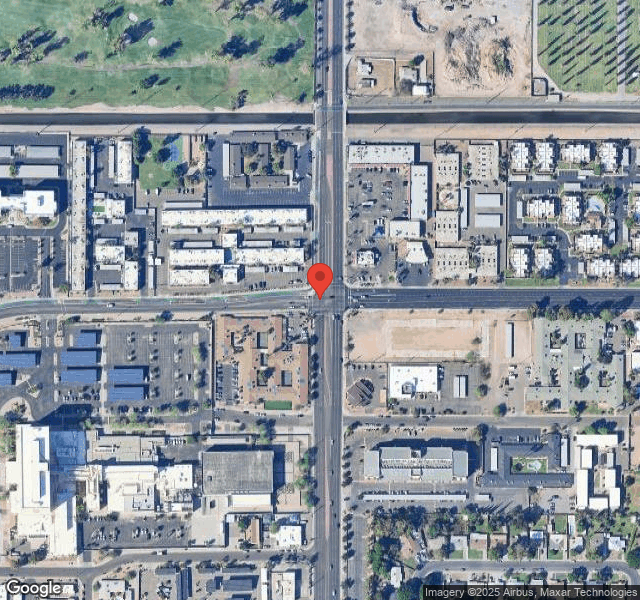
Jan 2025 3 deficiencies
CONCERN (D) 📢 Someone Reported This

A family member, employee, or ombudsman was alarmed enough to file a formal complaint

Potential for Harm - no one hurt, but risky conditions existed

Abuse Prevention Policies (Tag F0607)

Could have caused harm · This affected 1 resident

**NOTE- TERMS IN BRACKETS HAVE BEEN EDITED TO PROTECT CONFIDENTIALITY** Based on staff interviews, facility documentation and policy review, the facility failed to implement their abuse policy, by fai...

Read full inspector narrative →
**NOTE- TERMS IN BRACKETS HAVE BEEN EDITED TO PROTECT CONFIDENTIALITY** Based on staff interviews, facility documentation and policy review, the facility failed to implement their abuse policy, by failing to report and investigate an allegation of abuse involving one resident (#1) to the State Agency. The deficient practice could result in further incidents of abuse. Findings include: Resident #1 was admitted to the facility on [DATE], with diagnoses of senile degeneration of brain, unspecified dementia and major depressive disorder. Review of Minimum Data Set (MDS) dated [DATE] revealed a Brief Interview for Mental Status (BIMS) score of 6.0 indicating severe impairement. Record revealed resident #1 was admitted to hospice services on January 3, 2025. An interview was conducted on January 13, 2025 at 1:58 pm with a certified nursing assistant (CNA)/Staff #124. Staff #124 identified resident #1 who was observed sitting in a reclining chair with her feet elevated, eyes close, dressed in pants and sweat shirt. Staff #124 stated that resident #1 is newly admitted under hospice services. And while resident is receiving hospice care, a hospice aid comes to give resident her shower. Staff #124 stated that resident still answers questions, can pivot for transferring in and out of bed, and resident requires prompting and assistance with toileting. An interview was conducted on January 13, 2025 at 2:11 pm with a licensed practical nurse (LPN)/Staff #134. Staff #134 stated that she works in the dementia unit, she helps with activities of daily living (ADLs), and assist with feeding residents. She stated that regarding resident #1, resident was recently placed on hospice care, resident can follow directions, resident walks a little bit less than compared a week ago, and staff #134 stated that she has no knowledge of any allegations of abuse. Staff #134 stated that resident is by herself in the room without a roommate. Staff #134 stated that the blinds in the resident's room are torn up, they hang a sheet over the window to cover the window. She reiterated that she has no knowledge of allegation of abuse to any of her residents. And for any allegation that she is made aware of, she will report it to her supervisor right away. In addition, she stated that she receives abuse training yearly. Furthermore, staff #134 stated that the care of resident #1 involves a hospice nurse that comes and a hospice CNA that gives resident a bath. Staff #134 showed the surveyors resident's hospice medical record paper copy in a binder located in the nurses station which included hospice contact number, hospice nurse/Staff #232 and the hospice aid/Staff #240. On January 13, 2025 at 3:17 pm, operation manager/staff #300 stated that they received an allegation of abuse from adult protective services (APS) today at 12:45 pm, and he stated that he had submitted a facility report at 2:30 pm. The Department's Complaints/Incident Tracking System revealed the facility reported the allegation of abuse on January 13, 2025 at 2:38 pm to the State Agency. An interview was conducted on January 13, 2025 at 4:04 pm with a CNA/Staff #240. Staff #240 stated that she saw resident #1 on Monday which is January 6, on Wednesday which is January 8, and Monday which is January 13. Staff #240 stated that she help resident with her showers and the resident did not refuse any of her showers. She stated that on Monday, January 6, during her initial visit to resident #1, staff #240 stated that resident kept repeating that she was raped and would like to press charges. In addition, Staff #240 stated that the resident has bruise redness on her left side of the neck which looks like a choked mark or something like a hand placed on the neck, bruising on top of both hands and bruise on the left above resident's wrist. The bruise is purple and greenish in color. The resident's left upper arm inside the elbow has dark purple bruising. Staff #240 stated that after giving the resident her shower, she informed her nurse Staff #232 and a female social worker which she showed her the pictures. Staff #240 stated that she asked her nurse at that time if they have a sheet for her to document her skin assessment and she was told no. An interview was conducted on January 13, 2025 at 4:20 pm with a registered nurse (RN)/Staff #232. Staff #232 stated that she initially met the resident on January 6. She stated that Staff #240 gave resident a shower, and Staff #240 asked resident about the bruise on her wrist, and then the resident told her that she has been raped by a big black male. Staff#232 stated that the bruise and allegation of rape was reported to her by Staff #240 after she had finished giving resident her shower. Staff #232 stated that after being made aware of the allegation, she did a head to toe assessment, and she found bruise on resident's both wrist, resident only alert to self, the bruising did not look like grab marks, she ask the resident questions and the resident was unable to provide her details. Staff #232 stated that she then spoke with Staff #302 who is the social worker of the facility, and Staff #232 also reported the allegation to her director of nursing (DON). Staff #232 stated that she saw resident again on January 8th and resident made same statement that she has been raped. She saw the resident Monday, January 13, and resident did not say anything about rape. An interview was conducted on January 13, 2025 at 5:01 pm with social service director/Staff #302. Staff #302 stated that his role as a social worker involves follow up with grievances. Staff #302 stated that he has no knowledge of any allegation of abuse not until this morning when APS came in. He stated that he works Monday thru Friday from 08:30 to 5:00 pm. He stated that one of the hospice nurse reported to him that one of their resident, resident #1, who is in their memory care unit, that there was something reported to nursing and at that time he was in the nursing station, and he stated that one of their resident was saying weird things, referring in the past about something happened to her, that the resident was saying random things like having hallucination or delusion, and that the resident was saying that stuff was missing in the past. Staff #302 stated that the resident was doing very well and then she turns for the worst, her health declined, and on January 2, 2025 he called hospice to evaluate her because resident was not acting like her usual self, and not talking to every body like her normal self. He added that normally the resident was walking, talking, and making phone calls, then on January 2nd when he saw the resident, the resident was not walking, talking or calling anyone. Staff #302 stated that he spoke with a female nurse between 8:00 am to 5:00 pm, who spoke with the hospice nurse, who staff #302 stated he does not remember the name of the nurse he spoke with. Staff #302 stated that when something is reported to him like grievance, he will bring it to their morning meetings or stand up meeting with the IDT (interdisciplinary team) department which is composed of the administrator, DON, nurse managers, housekeeping manager, MDS nurse, the whole management team. His responsibility when an allegation of abuse is reported to him is to report to his administrator or the DON. An interview was conducted on January 13, 2025 at 5:39 pm with resident #1. During the interview, resident verbally stated her name, stated she has been here couple years, stated that she has been hurt, she has been raped, she stated she does not like being raped, she was raped twice, she has 2 rapes here, and it is not a pleasant situation. She stated that they pin you down, person is big guy three times her size, it happened right in her room, they are aware of it, it happens in the morning in a hurry, you have two people , big guys, both males, her clothes comes off, one is not a big guy but the other guy is a bigger guy, he pulls her aside, next thing she knew her underwear is pulled, she is having nightmare, she does not know how to explain it, it usually happens in her room, like he is changing her diaper, he gets her pants and underwear off, he changes her, so she gets a clean start for the day, the next thing she knew he puts a new diaper on, this big guy can just hold you down, then he puts her in a different clothes, it is scary and spooky. Resident pointed down below her mid waist area and stated that he doesn't put it inside but it is humiliating. Surveyor observe bruise, light purple bluish on top of resident's right hand, and bruise upper left wrist. The surveyors returned in the resident's room at 6:07 pm on January 13, 2025 after resident had a male and a female CNAs perform patient care. The interview with resident continued. The resident stated that the rape is in his apartment, the big guy came one time in the morning, a huge black man wears a blue uniform, the alleged perpetrator #400 is an older guy, huge shoulders, can't miss him because he is so big, alleged perpetrator #400 hurt her in her shoulder, lower back, did not enter her, he held her down. An interview was conducted on January 13, 2025 at 6:50 pm with the DON/Staff #305. The DON stated that for reporting allegation of abuse, they have a two-hour window. Their staff receive annual training on abuse. The DON stated that he was made aware of the allegation of abuse at 12:45 pm from APS for possible sexual assault and bruising. Then, he spoke with his administrator and reported it to the Department of Health (DHS) only. The DON stated that he refers to the policy and procedure to who he reports to for possible sexual assault, and he added to report to the state licensing, ombudsman, resident representative, APS, law enforcement officials, resident attending physician/medical director. At 6:58 pm on January 13, 2025, Staff #300 stated that he does not know if it was reported to the law enforcement because the social service does it. At 7:03 pm on January 13, 2025, Staff #302 joined the interview and stated that the law enforcement was notified today, and stated that once the state surveyors conclude today then they will notify the ombudsman and the case manager. At 7:09 pm on January 13, 2025, LPN/unit manager/Staff #310 stated that she called the law enforcement and informed them of the allegation of rape at 6:30 pm. Review of record revealed a social service note dated January 14, 2025 that the ombudsman and case manager were notified about the allegation that the resident's family reported to APS and State. Review of the facility policy titled, Abuse, Neglect, Exploitation or Misappropriation-Reporting and Investigating, with a revision date of April 2021 revealed a policy statement All reports of resident abuse (including injuries of unknown origin), neglect, exploitation, or theft/misappropriation of resident property are reported to local, state, and federal agencies (as required by current regulations) and thoroughly investigated by facility management. Reporting allegations to the Administrator and authorities (2) The administrator or the individual making the allegation immediately reports his or her suspicion to the following persons or agencies: a. The state licensing/cerificaation agency responsible for surveying/licensing the facility; b. The local/state ombudsman; c. the resident's representative; d. Adult protective services; e. law enforcement officials; f. The resident's attending physician; and g. the facility's medical director. (3) Immediately is defined as: a. within two hours of an allegation involving abuse.
CONCERN (D) 📢 Someone Reported This

A family member, employee, or ombudsman was alarmed enough to file a formal complaint

Potential for Harm - no one hurt, but risky conditions existed

Report Alleged Abuse (Tag F0609)

Could have caused harm · This affected 1 resident

**NOTE- TERMS IN BRACKETS HAVE BEEN EDITED TO PROTECT CONFIDENTIALITY** Based on staff interviews, facility documentation and policy review, the facility failed to ensure that an allegation of abuse f...

Read full inspector narrative →
**NOTE- TERMS IN BRACKETS HAVE BEEN EDITED TO PROTECT CONFIDENTIALITY** Based on staff interviews, facility documentation and policy review, the facility failed to ensure that an allegation of abuse for one resident (#1) was reported to the State Agency. The deficient practice can result in further incidents of abuse not being reported in accordance with professional standards. Findings include: Resident #1 was admitted to the facility on [DATE], with diagnoses of senile degeneration of brain, unspecified dementia and major depressive disorder. Review of Minimum Data Set (MDS) dated [DATE] revealed a Brief Interview for Mental Status (BIMS) score of 6.0 indicating severe impairement. Record revealed resident #1 was admitted to hospice services on January 3, 2025. An interview was conducted on January 13, 2025 at 1:58 pm with a certified nursing assistant (CNA)/Staff #124. Staff #124 identified resident #1 who was observed sitting in a reclining chair with her feet elevated, eyes close, dressed in pants and sweat shirt. Staff #124 stated that resident #1 is newly admitted under hospice services. And while resident is receiving hospice care, a hospice aid comes to give resident her shower. Staff #124 stated that resident still answers questions, can pivot for transferring in and out of bed, and resident requires prompting and assistance with toileting. An interview was conducted on January 13, 2025 at 2:11 pm with a licensed practical nurse (LPN)/Staff #134. Staff #134 stated that she works in the dementia unit, she helps with activities of daily living (ADLs), and assist with feeding residents. She stated that regarding resident #1, resident was recently placed on hospice care, resident can follow directions, resident walks a little bit less than compared a week ago, and staff #134 stated that she has no knowledge of any allegations of abuse. Staff #134 stated that resident is by herself in the room without a roommate. Staff #134 stated that the blinds in the resident's room are torn up, they hang a sheet over the window to cover the window. She reiterated that she has no knowledge of allegation of abuse to any of her residents. And for any allegation that she is made aware of, she will report it to her supervisor right away. In addition, she stated that she receives abuse training yearly. Furthermore, staff #134 stated that the care of resident #1 involves a hospice nurse that comes and a hospice CNA that gives resident a bath. Staff #134 showed the surveyors resident's hospice medical record paper copy in a binder located in the nurses station which included hospice contact number, hospice nurse/Staff #232 and the hospice aid/Staff #240. On January 13, 2025 at 3:17 pm, operation manager/staff #300 stated that they received an allegation of abuse from adult protective services (APS) today at 12:45 pm, and he stated that he had submitted a facility report at 2:30 pm. The Department's Complaints/Incident Tracking System revealed the facility reported the allegation of abuse on January 13, 2025 at 2:38 pm to the State Agency. An interview was conducted on January 13, 2025 at 4:04 pm with a CNA/Staff #240. Staff #240 stated that she saw resident #1 on Monday which is January 6, on Wednesday which is January 8, and Monday which is January 13. Staff #240 stated that she help resident with her showers and the resident did not refuse any of her showers. She stated that on Monday, January 6, during her initial visit to resident #1, staff #240 stated that resident kept repeating that she was raped and would like to press charges. In addition, Staff #240 stated that the resident has bruise redness on her left side of the neck which looks like a choked mark or something like a hand placed on the neck, bruising on top of both hands and bruise on the left above resident's wrist. The bruise is purple and greenish in color. The resident's left upper arm inside the elbow has dark purple bruising. Staff #240 stated that after giving the resident her shower, she informed her nurse Staff #232 and a female social worker which she showed her the pictures. Staff #240 stated that she asked her nurse at that time if they have a sheet for her to document her skin assessment and she was told no. An interview was conducted on January 13, 2025 at 4:20 pm with a registered nurse (RN)/Staff #232. Staff #232 stated that she initially met the resident on January 6. She stated that Staff #240 gave resident a shower, and Staff #240 asked resident about the bruise on her wrist, and then the resident told her that she has been raped by a big black male. Staff#232 stated that the bruise and allegation of rape was reported to her by Staff #240 after she had finished giving resident her shower. Staff #232 stated that after being made aware of the allegation, she did a head to toe assessment, and she found bruise on resident's both wrist, resident only alert to self, the bruising did not look like grab marks, she ask the resident questions and the resident was unable to provide her details. Staff #232 stated that she then spoke with Staff #302 who is the social worker of the facility, and Staff #232 also reported the allegation to her director of nursing (DON). Staff #232 stated that she saw resident again on January 8th and resident made same statement that she has been raped. She saw the resident Monday, January 13, and resident did not say anything about rape. An interview was conducted on January 13, 2025 at 5:01 pm with social service director/Staff #302. Staff #302 stated that his role as a social worker involves follow up with grievances. Staff #302 stated that he has no knowledge of any allegation of abuse not until this morning when APS came in. He stated that he works Monday thru Friday from 08:30 to 5:00 pm. He stated that one of the hospice nurse reported to him that one of their resident, resident #1, who is in their memory care unit, that there was something reported to nursing and at that time he was in the nursing station, and he stated that one of their resident was saying weird things, referring in the past about something happened to her, that the resident was saying random things like having hallucination or delusion, and that the resident was saying that stuff was missing in the past. Staff #302 stated that the resident was doing very well and then she turns for the worst, her health declined, and on January 2, 2025 he called hospice to evaluate her because resident was not acting like her usual self, and not talking to every body like her normal self. He added that normally the resident was walking, talking, and making phone calls, then on January 2nd when he saw the resident, the resident was not walking, talking or calling anyone. Staff #302 stated that he spoke with a female nurse between 8:00 am to 5:00 pm, who spoke with the hospice nurse, who staff #302 stated he does not remember the name of the nurse he spoke with. Staff #302 stated that when something is reported to him like grievance, he will bring it to their morning meetings or stand up meeting with the IDT (interdisciplinary team) department which is composed of the administrator, DON, nurse managers, housekeeping manager, MDS nurse, the whole management team. His responsibility when an allegation of abuse is reported to him is to report to his administrator or the DON. An interview was conducted on January 13, 2025 at 5:39 pm with resident #1. During the interview, resident verbally stated her name, stated she has been here couple years, stated that she has been hurt, she has been raped, she stated she does not like being raped, she was raped twice, she has 2 rapes here, and it is not a pleasant situation. She stated that they pin you down, person is big guy three times her size, it happened right in her room, they are aware of it, it happens in the morning in a hurry, you have two people , big guys, both males, her clothes comes off, one is not a big guy but the other guy is a bigger guy, he pulls her aside, next thing she knew her underwear is pulled, she is having nightmare, she does not know how to explain it, it usually happens in her room, like he is changing her diaper, he gets her pants and underwear off, he changes her, so she gets a clean start for the day, the next thing she knew he puts a new diaper on, this big guy can just hold you down, then he puts her in a different clothes, it is scary and spooky. Resident pointed down below her mid waist area and stated that he doesn't put it inside but it is humiliating. Surveyor observe bruise, light purple bluish on top of resident's right hand, and bruise upper left wrist. The surveyors returned in the resident's room at 6:07 pm on January 13, 2025 after resident had a male and a female CNAs perform patient care. The interview with resident continued. The resident stated that the rape is in his apartment, the big guy came one time in the morning, a huge black man wears a blue uniform, the alleged perpetrator #400 is an older guy, huge shoulders, can't miss him because he is so big, alleged perpetrator #400 hurt her in her shoulder, lower back, did not enter her, he held her down. An interview was conducted on January 13, 2025 at 6:50 pm with the DON/Staff #305. The DON stated that for reporting allegation of abuse, they have a two-hour window. Their staff receive annual training on abuse. The DON stated that he was made aware of the allegation of abuse at 12:45 pm from APS for possible sexual assault and bruising. Then, he spoke with his administrator and reported it to the Department of Health (DHS) only. The DON stated that he refers to the policy and procedure to who he reports to for possible sexual assault, and he added to report to the state licensing, ombudsman, resident representative, APS, law enforcement officials, resident attending physician/medical director. At 6:58 pm on January 13, 2025, Staff #300 stated that he does not know if it was reported to the law enforcement because the social service does it. At 7:03 pm on January 13, 2025, Staff #302 joined the interview and stated that the law enforcement was notified today, and stated that once the state surveyors conclude today then they will notify the ombudsman and the case manager. At 7:09 pm on January 13, 2025, LPN/unit manager/Staff #310 stated that she called the law enforcement and informed them of the allegation of rape at 6:30 pm. Review of record revealed a social service note dated January 14, 2025 that the ombudsman and case manager were notified about the allegation that the resident's family reported to APS and State. Review of the facility policy titled, Abuse, Neglect, Exploitation or Misappropriation-Reporting and Investigating, with a revision date of April 2021 revealed a policy statement All reports of resident abuse (including injuries of unknown origin), neglect, exploitation, or theft/misappropriation of resident property are reported to local, state, and federal agencies (as required by current regulations) and thoroughly investigated by facility management. Reporting allegations to the Administrator and authorities (2) The administrator or the individual making the allegation immediately reports his or her suspicion to the following persons or agencies: a. The state licensing/cerificaation agency responsible for surveying/licensing the facility; b. The local/state ombudsman; c. the resident's representative; d. Adult protective services; e. law enforcement officials; f. The resident's attending physician; and g. the facility's medical director. (3) Immediately is defined as: a. within two hours of an allegation involving abuse.
CONCERN (D) 📢 Someone Reported This

A family member, employee, or ombudsman was alarmed enough to file a formal complaint

Potential for Harm - no one hurt, but risky conditions existed

Investigate Abuse (Tag F0610)

Could have caused harm · This affected 1 resident

**NOTE- TERMS IN BRACKETS HAVE BEEN EDITED TO PROTECT CONFIDENTIALITY** Based on interviews and review of the facility policy, the facility failed to investigate and correct alleged violations of abus...

Read full inspector narrative →
**NOTE- TERMS IN BRACKETS HAVE BEEN EDITED TO PROTECT CONFIDENTIALITY** Based on interviews and review of the facility policy, the facility failed to investigate and correct alleged violations of abuse for resident #1. The deficient practice could lead to residents suffering from psychosocial harm and further abuse of residents. Findings include: Resident #1 was admitted to the facility on [DATE], with diagnoses of senile degeneration of brain, unspecified dementia and major depressive disorder. Review of Minimum Data Set (MDS) dated [DATE] revealed a Brief Interview for Mental Status (BIMS) score of 6.0 indicating severe impairement. Record revealed resident #1 was admitted to hospice services on January 3, 2025. An interview was conducted on January 13, 2025 at 1:58 pm with a certified nursing assistant (CNA)/Staff #124. Staff #124 identified resident #1 who was observed sitting in a reclining chair with her feet elevated, eyes close, dressed in pants and sweat shirt. Staff #124 stated that resident #1 is newly admitted under hospice services. And while resident is receiving hospice care, a hospice aid comes to give resident her shower. Staff #124 stated that resident still answers questions, can pivot for transferring in and out of bed, and resident requires prompting and assistance with toileting. An interview was conducted on January 13, 2025 at 2:11 pm with a licensed practical nurse (LPN)/Staff #134. Staff #134 stated that she works in the dementia unit, she helps with activities of daily living (ADLs), and assist with feeding residents. She stated that regarding resident #1, resident was recently placed on hospice care, resident can follow directions, resident walks a little bit less than compared a week ago, and staff #134 stated that she has no knowledge of any allegations of abuse. Staff #134 stated that resident is by herself in the room without a roommate. Staff #134 stated that the blinds in the resident's room are torn up, they hang a sheet over the window to cover the window. She reiterated that she has no knowledge of allegation of abuse to any of her residents. And for any allegation that she is made aware of, she will report it to her supervisor right away. In addition, she stated that she receives abuse training yearly. Furthermore, staff #134 stated that the care of resident #1 involves a hospice nurse that comes and a hospice CNA that gives resident a bath. Staff #134 showed the surveyors resident's hospice medical record paper copy in a binder located in the nurses station which included hospice contact number, hospice nurse/Staff #232 and the hospice aid/Staff #240. On January 13, 2025 at 3:17 pm, operation manager/staff #300 stated that they received an allegation of abuse from adult protective services (APS) today at 12:45 pm, and he stated that he had submitted a facility report at 2:30 pm. The Department's Complaints/Incident Tracking System revealed the facility reported the allegation of abuse on January 13, 2025 at 2:38 pm to the State Agency. An interview was conducted on January 13, 2025 at 4:04 pm with a CNA/Staff #240. Staff #240 stated that she saw resident #1 on Monday which is January 6, on Wednesday which is January 8, and Monday which is January 13. Staff #240 stated that she help resident with her showers and the resident did not refuse any of her showers. She stated that on Monday, January 6, during her initial visit to resident #1, staff #240 stated that resident kept repeating that she was raped and would like to press charges. In addition, Staff #240 stated that the resident has bruise redness on her left side of the neck which looks like a choked mark or something like a hand placed on the neck, bruising on top of both hands and bruise on the left above resident's wrist. The bruise is purple and greenish in color. The resident's left upper arm inside the elbow has dark purple bruising. Staff #240 stated that after giving the resident her shower, she informed her nurse Staff #232 and a female social worker which she showed her the pictures. Staff #240 stated that she asked her nurse at that time if they have a sheet for her to document her skin assessment and she was told no. An interview was conducted on January 13, 2025 at 4:20 pm with a registered nurse (RN)/Staff #232. Staff #232 stated that she initially met the resident on January 6. She stated that Staff #240 gave resident a shower, and Staff #240 asked resident about the bruise on her wrist, and then the resident told her that she has been raped by a big black male. Staff#232 stated that the bruise and allegation of rape was reported to her by Staff #240 after she had finished giving resident her shower. Staff #232 stated that after being made aware of the allegation, she did a head to toe assessment, and she found bruise on resident's both wrist, resident only alert to self, the bruising did not look like grab marks, she ask the resident questions and the resident was unable to provide her details. Staff #232 stated that she then spoke with Staff #302 who is the social worker of the facility, and Staff #232 also reported the allegation to her director of nursing (DON). Staff #232 stated that she saw resident again on January 8th and resident made same statement that she has been raped. She saw the resident Monday, January 13, and resident did not say anything about rape. An interview was conducted on January 13, 2025 at 5:01 pm with social service director/Staff #302. Staff #302 stated that his role as a social worker involves follow up with grievances. Staff #302 stated that he has no knowledge of any allegation of abuse not until this morning when APS came in. He stated that he works Monday thru Friday from 08:30 to 5:00 pm. He stated that one of the hospice nurse reported to him that one of their resident, resident #1, who is in their memory care unit, that there was something reported to nursing and at that time he was in the nursing station, and he stated that one of their resident was saying weird things, referring in the past about something happened to her, that the resident was saying random things like having hallucination or delusion, and that the resident was saying that stuff was missing in the past. Staff #302 stated that the resident was doing very well and then she turns for the worst, her health declined, and on January 2, 2025 he called hospice to evaluate her because resident was not acting like her usual self, and not talking to every body like her normal self. He added that normally the resident was walking, talking, and making phone calls, then on January 2nd when he saw the resident, the resident was not walking, talking or calling anyone. Staff #302 stated that he spoke with a female nurse between 8:00 am to 5:00 pm, who spoke with the hospice nurse, who staff #302 stated he does not remember the name of the nurse he spoke with. Staff #302 stated that when something is reported to him like grievance, he will bring it to their morning meetings or stand up meeting with the IDT (interdisciplinary team) department which is composed of the administrator, DON, nurse managers, housekeeping manager, MDS nurse, the whole management team. His responsibility when an allegation of abuse is reported to him is to report to his administrator or the DON. An interview was conducted on January 13, 2025 at 5:39 pm with resident #1. During the interview, resident verbally stated her name, stated she has been here couple years, stated that she has been hurt, she has been raped, she stated she does not like being raped, she was raped twice, she has 2 rapes here, and it is not a pleasant situation. She stated that they pin you down, person is big guy three times her size, it happened right in her room, they are aware of it, it happens in the morning in a hurry, you have two people , big guys, both males, her clothes comes off, one is not a big guy but the other guy is a bigger guy, he pulls her aside, next thing she knew her underwear is pulled, she is having nightmare, she does not know how to explain it, it usually happens in her room, like he is changing her diaper, he gets her pants and underwear off, he changes her, so she gets a clean start for the day, the next thing she knew he puts a new diaper on, this big guy can just hold you down, then he puts her in a different clothes, it is scary and spooky. Resident pointed down below her mid waist area and stated that he doesn't put it inside but it is humiliating. Surveyor observe bruise, light purple bluish on top of resident's right hand, and bruise upper left wrist. The surveyors returned in the resident's room at 6:07 pm on January 13, 2025 after resident had a male and a female CNAs perform patient care. The interview with resident continued. The resident stated that the rape is in his apartment, the big guy came one time in the morning, a huge black man wears a blue uniform, the alleged perpetrator #400 is an older guy, huge shoulders, can't miss him because he is so big, alleged perpetrator #400 hurt her in her shoulder, lower back, did not enter her, he held her down. An interview was conducted on January 13, 2025 at 6:50 pm with the DON/Staff #305. The DON stated that for reporting allegation of abuse, they have a two-hour window. Their staff receive annual training on abuse. The DON stated that he was made aware of the allegation of abuse at 12:45 pm from APS for possible sexual assault and bruising. Then, he spoke with his administrator and reported it to the Department of Health (DHS) only. The DON stated that he refers to the policy and procedure to who he reports to for possible sexual assault, and he added to report to the state licensing, ombudsman, resident representative, APS, law enforcement officials, resident attending physician/medical director. At 6:58 pm on January 13, 2025, Staff #300 stated that he does not know if it was reported to the law enforcement because the social service does it. At 7:03 pm on January 13, 2025, Staff #302 joined the interview and stated that the law enforcement was notified today, and stated that once the state surveyors conclude today then they will notify the ombudsman and the case manager. At 7:09 pm on January 13, 2025, LPN/unit manager/Staff #310 stated that she called the law enforcement and informed them of the allegation of rape at 6:30 pm. Review of record revealed a social service note dated January 14, 2025 that the ombudsman and case manager were notified about the allegation that the resident's family reported to APS and State. Review of the facility policy titled, Abuse, Neglect, Exploitation or Misappropriation-Reporting and Investigating, with a revision date of April 2021 revealed a policy statement All reports of resident abuse (including injuries of unknown origin), neglect, exploitation, or theft/misappropriation of resident property are reported to local, state, and federal agencies (as required by current regulations) and thoroughly investigated by facility management. Reporting allegations to the Administrator and authorities (2) The administrator or the individual making the allegation immediately reports his or her suspicion to the following persons or agencies: a. The state licensing/cerificaation agency responsible for surveying/licensing the facility; b. The local/state ombudsman; c. the resident's representative; d. Adult protective services; e. law enforcement officials; f. The resident's attending physician; and g. the facility's medical director. (3) Immediately is defined as: a. within two hours of an allegation involving abuse.
Dec 2024 1 deficiency
CONCERN (D) 📢 Someone Reported This

A family member, employee, or ombudsman was alarmed enough to file a formal complaint

Potential for Harm - no one hurt, but risky conditions existed

Accident Prevention (Tag F0689)

Could have caused harm · This affected 1 resident

**NOTE- TERMS IN BRACKETS HAVE BEEN EDITED TO PROTECT CONFIDENTIALITY** Based on clinical record review, interviews, review of Hoyer lift manual and facility policies, the facility failed to use a two...

Read full inspector narrative →
**NOTE- TERMS IN BRACKETS HAVE BEEN EDITED TO PROTECT CONFIDENTIALITY** Based on clinical record review, interviews, review of Hoyer lift manual and facility policies, the facility failed to use a two-person transfer, as identified by the equipment manual, when transferring a resident. This resulted in resident #3 sustaining a major injury. Findings include: Resident #3 was admitted on [DATE] with diagnoses of chronic obstructive pulmonary disease (COPD), heart failure, closed fracture of the right lower leg with routine healing and stage 1 kidney disease. The activities of daily living (ADLs) care plan dated August 13, 2020 revealed that the resident required assistance with ADLs/mobility secondary to multiple chronic conditions, morbid obesity and history of foot/leg fractures. Intervenations included extensive assistance of 1-2 staff for bed mobility, toileting and dressing; may use Hoyer lift for transfers; and total dependence for bathing. The care plan dated February 6, 2023 included that the resident was at risk for falls related to history of falls, impaired mobility and diagnosis of visual loss. Intervention included to assist resident/caregiver to organize belongings for a clutter free-environment in the resident's room and consistent furniture arrangement. The physician order dated February 28, 2022 included a Hoyer lift may be used for transfers. The quarterly Minimum Data Set (MDS) assessment dated [DATE] revealed a Brief Interview for Mental Status (BIMS) score of 8 indicating resident #3 had moderate cognitive impairment. The MDS also revealed that the the helper does all of the effort with no effort from the resident or the assistance of 2 or more helpers was required for the resident to complete the activity. Further, the MDS included that the resident did not have a fracture and did not have any falls since the previous assessment. The comprehensive skin evaluation/assessment dated [DATE] included that the resident had moderate pain, had discoloration ecchymotic skin and bruise to the right side of the lower extremity. A late entry eINTERACT Summary note dated August 7, 2024 included that there was a change in condition of the resident due to a fall. Per the documentation, the primary care provider recommended new pain medications and x-rays; and that, the resident had a fracture and the family decided not to treat the fracture. A nurse's note dated August 7, 2024 revealed the resident was alert and able to make needs known and was s/p (status post) fall in the morning shift. Per the documentation, the 2 views x-ray done to the right femur had an impression of acute displaced periprosthetic fracture in the distal femoral metaphysis. It also included that the nurse practitioner (NP) and the resident's family was notified of the results. The fall incident report dated August 7, 2024 included that a certified nursing assistant (CNA/staff #17) was transferring resident in the mechanical lift when the right bottom strap came off the lift hook then the resident slid out of the sling onto the floor. Per the documentation, the resident complained of right leg pain and her head was hurting; and that, the Hoyer lift taken out of commission. It also included that the resident was alert and oriented to person, place and situation and had a pain level of 3. Predisposing physiological factor included confusion. Injuries Report Post Incident included fracture of the distal femur. Further, the documentation included staff education on mechanical lift usage and the hoyer was taken out of commission; and that, there were no statements found. The report did not indicate whether there was another staff present in the resident's room during the transfer. The Rehab-Status Post-Fall Screen assessment dated [DATE] revealed that on August 7, 2024 at 11:00 a.m., the resident had a witnessed fall in the resident's room during a hoyer lift transfer. Per the documentation, the strap of the sling of the Hoyer got unhooked and the resident slid out of the sling and onto the floor. Recommendations from therapy included to conduct staff in-service on Hoyer transfers. The documentation did not include whether there was another staff present in the resident's room during the transfer. The fall care plan was revisedon August 10, 2024 to include that on August 7, 2024 the resident slid out of Hoyer sling during transfer. Intervention included to have a spotter in the room when Hoyer lift is in place. The eINTERACT transfer form dated August 11, 2024 included that the resident was sent to the hospital for femural fracture and per family's request. Per the documentation, the resident had a recent fall on August 7, 2024 resulting in a fracture to the femur and that at that time the family did not want the resident to be sent to the hospital. However, the documentation did not include whether there was another staff present in the resident's room during the transfer. The IDT (interdisciplinary team) functional abilities collaboration evaluation dated August 13, 2024 included that the resident had a fall on August 7, 2024 with major injury. The facility's Total Mechanical Lift Competency Checklist and Sit/Stand Mechanical Lift Competency Checklist for their staff with revision date of April 2008 revealed that under section two titled, Mechanical Lift Operation subsection A included to ensure two caregivers are present; and visually inspects sling for signs of wear and tear and not to use any sling that is visually damaged. The Hoyer Lift User Instruction Manual provided to the survey team revealed safety precautions such as not lifting the patient unless trained and competent to do so, always check the sling is suitable for the particular patient and is of the correct size and capacity, always carry out lifting operations according to the instruction in the user manual. Operating instructions included to have someone assist when attempting to transfer a patient. An interview was conducted on December 18, 2024 at 2:10 p.m. with a certified nursing assistant (CNA/staff #100) who stated that she typically do not use a Hoyer lift often because she mostly works in the behavioral unit; and that, today she was providing coverage in the general unit. She stated that when using the Hoyer lift to transfer a resident, she would put the sling on the resident, hook it up to the Hoyer and then lift the resident out of their wheelchair. Further, the CNA said that 2 staff members were required to be present and both staff had to be involved in the actual transfer. The CNA said that a dietary staff cannot be the 2nd staff member when operating the Hoyer because that dietary staff does not know the resident's care. An interview was conducted on December 18, 2024 at 2:19 p.m. with the CNA (staff #17) who was the CNA who assisted the resident with transfer using the Hoyer in August 2024. Staff #17 said that she received training on how to use the Hoyer lift when she was hired and a few months ago. She said that prior to using the Hoyer lift, she tests out the lift by moving it up and down to ensure that it was functioning correctly. She stated that when transferring a resident using the Hoyer lift, she uses a sling and connects them to the handles, then gets the chair ready and safely puts the tresident in the chair. Further, staff #17 said that she also ensures that she has someone with her to help. Regarding the incident with resident #3, she stated that she was helping resident #3 get up and get dressed for the day; and, resident #3 fell when she was using the Hoyer lift. Staff #17 said that the resident fell because one of the sides of the sling was not connected and it came off. She said that the dietary director (DD/staff #127) was helping her by being the spotter that day of the incident. Staff #17 further stated that she was not sure how the sling came off; and that, maybe she did not put the strap/sling all the way and it slid off the hook. In an interview with the Director of Nursing (DON/staff #50) conducted on December 18, 2024 at 2:43 p.m., the DON stated that he was not sure how the strap came off the Hoyer lift as the CNA (staff #17) working with the resident swore she put the strap on. He said that he had tried to replicate the scenario and he could not figure out how the strap came off. The DON stated that the dietary director (staff #127) just happened to walk by when the transfer was in progress and he had assisted as the spotter for the CNA (staff #17) with the Hoyer transfer of resident #3. The DON further stated that anyone can spot the Hoyer transfer but the person operating the Hoyer lift had to be a clinical staff; and, it was not the standard of care that it was required that the second person was the a clinical person to assist with Hoyer transfers. Further, the DON stated that if staff did not received training on Hoyer, it does not mean that they do not know how to operate the Hoyer. The DON also compared using a Hoyer to changing a tire on a car; and that, he did not get training on how to change a tire on a car but he knows how to do it regardless. An interview was conducted on December 18, 2024 at 3:11 p.m. with the dietary director (DD/staff #127) who stated that in his 14 years working at the facility he had assisted with Hoyer lift transfers several times. He stated that when assisting with Hoyer transfers, he would get rid of the tables, clear out items in the way or even move wheelchairs around. However, he stated that he does not assist with the actual transfer using the Hoyer lift because he has not been trained on how to do the actual transfer. Regarding the incident with resident #3, the DD said that he was walking down the hallway when the CNA (staff #17) waved him down for assistance; he did but he did not enter the resident's room. He said that he spotted from the hallway. He said that the CNA had elevated the resident using the Hoyer and was starting to bring her off the bed when one of the straps came down and the resident started to slide out of the sling. The DD said that the CNA stopped what she what she was doing and lowered the resident on the Hoyer. He further stated that he could not recall if the straps were in place; and, admitted to not knowing the process of how the straps of the Hoyer should look or work. Further, the DD said that if he was trained on the Hoyer lift transfer, he might have been able to tell if the resident was strapped in correctly. During an interview with a Registered Nurse (RN/Staff #124) conducted on December 18, 2024 at 3:58 p.m., the RN stated that she had helped CNAs when they are transferring residents using the Hoyer lift; and that, two persons were needed to operate a Hoyer lift. The RN said that priori to the incident with resident #3, the CNAs were using the Hoyer lift by themselves; and that, after the incident, facility management sent out a text message to staff that CNAs cannot operate the Hoyer by themselves. Further, the RN stated that a dietary staff could not be the second person operating the Hoyer Lift because they do not know how the Hoyer work and what information was needed to operate it; and that, the second person could either a CNA or another nurse. The RN said that she was not sure if rehab staff could help with the Hoyer transfer; and that, if staff were not trained on the use of Hoyer lift, there was a risk of resident falling. Further, the RN stated that it could also result in resident becoming fearful of the Hoyer and would not trust staff. In an interview conducted with another CNA (staff #161) conducted on December 18, 2024 at 3:47 p.m., the CNA stated that when using a Hoyer, there should be 2 persons doing it. She stated that one person would work the control and the other will be with the resident. She also said that one person will be standing by the Hoyer and the oether person will be with the patient on the bed and guide the resient. The CNA also said that moving the machine always required 2 persons and this could be the CNA and another nurse or CNA or therapy. Further, the CNA siad that she would get their help before moving the resident. An interview was conducted on December 18, 2024 at 4:12 PM with another RN (staff #158) who stated that she recently received training on using the Hoyer lift because of the incident with resident #3. The RN said that prior to the incident with resident #3, there was not a requirement to have two people in the room when using the Hoyer lift. However, The RN said that this was now a requirement; and that, dietary staff were not able to help withHoyer transfers. The RN said that when using the Hoyer for resident transfers, there had to be two CNAs or a CNA and a nurse or two nurses in the room. Further, the RN said that untrained staff using the Hoyer or having only one staff qualified to use the Hoyer could result in a fall of the resident being transferred because the transfer might not be done correctly, or the staff person might not know how to operate the Hoyer lift. During an interview with the admiistrator conducted on December 18, 2024 at 5:15 p.m., the administrator stated that the dietary manager (staff #127) did not have training on use of Hoyer; and that the dietary manager does not operate the Hoyer but would be the spotter during the transfer. Further, the administrator stated that the facility allowed staff such as housekeeping and dietary to spot the Hoyer while it is being used. In another interview with the DON conducted on December 19, 2024 at 8:19 a.m., the DON stated that when tranferring a resident using the Hoyer lift, first person would hook up the sling to the Hoyer while the second person watches the transfer. The first person would operate the transfer only when they were trained to do so; and, the second person would be able to move things out of the way. The DON stated that the second person did not need to be trained on the Hoyer; but, should be inside the resident room during the transfer. The DON said that the User Manual for the Hoyer lift, did not say that the person using the Hoyer must be a licensed or qualified. Further, the DON said on August 7, 2024, the CNA (staff #17) and the dietary director (DD/staff #127) were transferring resident #3 using the Hoyer; and that, this was in line with the manufacturer's instructions of having two people to transfer a resident. The DON further stated that he was not sure how the strap came off the Hoyer during the transfer process and how the incident happened; but, resident #3 sustained a fracture as a result of the fall from the Hoyer. Review of facility policy titled Safe Lifting and Movement of Residents with last revision date of July 2017 included that in order to protect the safety and well-being of staff and residents, and to promote quality care, the facility uses appropriate techniques and devices to lift and move residents. The policy also included that staff responsible for direct resident care will be trained in the use of manual (gait/transfer belts, lateral boards) and mechanical lifting devices. The policy did not include how many staff members are required for the transfer of a resident using a Hoyer lift.
Aug 2024 1 deficiency
CONCERN (D) 📢 Someone Reported This

A family member, employee, or ombudsman was alarmed enough to file a formal complaint

Potential for Harm - no one hurt, but risky conditions existed

Accident Prevention (Tag F0689)

Could have caused harm · This affected 1 resident

**NOTE- TERMS IN BRACKETS HAVE BEEN EDITED TO PROTECT CONFIDENTIALITY** Based on resident and staff interviews, clinical record review, and facility policy, the facility failed to ensure adequate supe...

Read full inspector narrative →
**NOTE- TERMS IN BRACKETS HAVE BEEN EDITED TO PROTECT CONFIDENTIALITY** Based on resident and staff interviews, clinical record review, and facility policy, the facility failed to ensure adequate supervision was provided to prevent elopement for one resident (#37). The deficient practice resulted in resident eloping from the facility. Findings include: Resident #37 admitted [DATE] with diagnoses of dementia, diastolic congestive heart failure (CHF), adjustment disorder and anxiety disorders The elopement risk dated January 29, 2024 revealed a score of 10 indicating the resident was at risk for elopement. Another elopement risk dated April 29, 2024 revealed a score of 22 indicating the resident was at risk for elopement. The assessment included that the resident voiced attempt to elope but there was no action made. The initial facility report received on August 26, 2024 revealed that on August 25, 2024 at 7:15 p.m., a certified nurse assistant (CNA) told the on-duty nurse that the resident cannot be located during checks and changes. The documentation included that the resident was saying for the last week that he had been wanting to leave. Per the report, the facility started the elopement procedure. However, review of the clinical record revealed no documentation that resident was expressing to leave the facility; whether the resident was placed in increased monitoring; and that, the resident eloped from the facility on August 25, 2024. Despite documentation that the resident was at risk for risk for elopement, there was no evidence found that a care plan was developed with interventions implemented to address the resident's risk for elopement until August 26, 2024. The care plan dated August 26, 2024 included that the resident was an elopement risk/wandered related to impaired safety awareness. Interventions included providing structured activities such as toileting, walking inside and outside, reorientation strategies including signs, pictures and memory boxes; and, assessing for fall risk. The elopement and wandering risk observation/assessment dated [DATE] revealed the resident expressed plan to leave but had not attempted to leave the facility. It also included that the resident ambulated independently with or without the use of an assistive device; and, the resident was in the locked memory care unit. Another elopement and wandering risk observation/assessment dated [DATE] revealed a score of 22 indicating the resident was at risk for elopement. Per the assessment, the resident had verbalized a desire to leave the facility, packed their belongings, stood by exit doors, or attempted to open an exit do; had exhibited unsafe wandering or has made one or more attempts to elope prior to admission or in the last year; and exhibited unsafe wandering or elopement attempts and was difficult to redirect. The documentation also included that based on the elopement and wandering risk observation/assessment findings, a wander guard alarm was indicated. The logbook documentation on check operation of door monitors and patient wandering system revealed the following findings: -August 2, 2024 - the back door, chi patio and front door had a pass remark; and, -August 16, 21 and 29, 2024- the front door had a pass remark. The CNA documentation from August 1 through August 30, 2024 revealed that resident had wandering behavior documented on August 8, 9, 20, 21, 23 and 29, 2024. The facility 5-day report submitted on August 30,2024 included that on August 25, 2024 at around 7:00 p.m., the NOC (night) shift nurse was doing rounds for their medication pass when the nurse noticed that the resident was not in his room. Per the documentation, the resident was not found on the unit and the patio; and, an elopement was called and local police department was notified. The documentation also included that the nurse and CNA drove on areas around the facility but was not able to find the resident. On August 26, 2024, Monday, the facility management team and other staff from sister facilities searched different parts of the city following all leads from all sources but still was not able to find the resident. On August 27, 2024 Tuesday, the administrator received a call from a case manager from a hospital who reported that the resident was at the emergency department (ED) of hospital since Monday August 26, 2024. The facility concluded that the resident eloped from the facility on the evening of August 25, 2024; and, the facility executed elopement protocol per facility policy. Plan of action included updating the care plan, staff in-service training on elopement, and all door alarms were serviced on unit that the resident resides. An interview with the nurse manager (staff #77) was conducted on August 30, 2024 at approximately 1:20 p.m. The nurse manager stated she was very familiar with resident #37 and his plan of care. She stated that the resident on the long-term care unit, but approximately 8 months to a year ago, he was moved to the locked unit due to his wandering behavior and decrease in BIMS score. She stated that the facility remained unsure on how the resident eloped from the facility; but, she recalled that she got a call Sunday night from the nurse (LPN/staff #45) who reported that the resident was not in his room, the cafeteria, or anywhere on the unit. The nurse manager said that staff searched the whole building and called police; and, several staff members drove around the neighborhood and were unable to locate the resident. The nurse manager stated that the hospital notified the facility on Tuesday, August 27, 2024 that they had found the resident who was in the hospital. She stated that the resident to the facility on Wednesday, August 28, 2024; and that, since the resident's return, he was placed on every 15-minute checks and the facility had increased Activities engagement so the resident was not isolated. In an interview with resident #37 conducted on August 30, 2024 at 1:26 p.m., the resident stated that he did not recall the incident of his elopement. However, he said that he will figure out how to escape from the facility eventually. An observation of the secured unit was conducted with a CNA (staff #12) on August 30, 2024 at 2:22 p.m. The door to the smoking area was blocked by a wheeled medication cart. When the medication cart was wheeled out of the way, the door was unlocked, opened and the alarm did not sound off. The CNA proceeded going outside to the patio and smoking area and checked the gate which was locked. The CNA stated that the gate was low the gate; and that, some residents who were tall and could get over it easily. In an interview with a licensed practical nurse (LPN/staff #45) conducted on September 3, 2024 at 11:25 a.m., the LPN stated that she was working the day resident #37 went missing. The LPN stated that the resident had a low BIMS score, had no previous elopement, was admitted in the secured unit for 8 months and had been wandering and asking to leave. The LPN said that when she started her rounds, a family member/visitor came up to her saying they had brought a coffee for Resident #37 who was not in his room. She said that she thought the resident stepped outside to smoke; but, when she went outside she did not find the resident. The LPN said that she then went to double check in the resident's room, but the resident was not in there; and, the roommate reported that resident #37 was gone and had left earlier that day at around 4pm. She stated the facility shut down the building, began the search, and informed the local police and supervisor (staff #77). The LPN said that she was not sure how the resident was able to leave since the door to the smoking area required a staff to open it and the alarm would sound off immediately if the door was opened and startle the residents when they open the door. Further, the LPN stated that there had been a flood on the unit in August, and this may be the reason why the door to the smoking area can be opened without the alarm sounding off or why the alarm no longer works. In an interview with the Director of Nursing (DON) conducted on August 30, 2024 at 2:57 p.m., he stated that the facility 5-day investigation report had not found anything of significance; and that, the facility was not able to figure out how the resident had eloped on August 25, 2024. He stated there were no cameras on the secure unit. The DON also stated that the expectation was for staff to do checks and changes to keep resident safe, offer the resident the ability to go outside in the day; and that, staff will do risk assessment on every resident that is admitted and quarterly thereafter. The facility policy on Wandering and Elopements with revision date of March 2019 included that the facility will identify residents who are at risk for unsafe wandering and strive to prevent harm while maintaining the least restrictive environment for residents. If identified as at risk for wandering, elopement or other safety issues, the resident's care plan will include strategies and interventions to maintain the resident's safety.
Mar 2024 3 deficiencies
CONCERN (D) 📢 Someone Reported This

A family member, employee, or ombudsman was alarmed enough to file a formal complaint

Potential for Harm - no one hurt, but risky conditions existed

Deficiency F0578 (Tag F0578)

Could have caused harm · This affected 1 resident

**NOTE- TERMS IN BRACKETS HAVE BEEN EDITED TO PROTECT CONFIDENTIALITY** Based on resident and staff interviews, review of the clinical record, facility documentation and policy, the facility failed to...

Read full inspector narrative →
**NOTE- TERMS IN BRACKETS HAVE BEEN EDITED TO PROTECT CONFIDENTIALITY** Based on resident and staff interviews, review of the clinical record, facility documentation and policy, the facility failed to ensure that code status was accurate and consistent in the medical record for one resident, #16. The deficient practice could result in resident not receiving care consistent with their signed advance directive. Findings include: Resident #16 was admitted on [DATE] with diagnosis including hypertensive heart disease with heart failure, bipolar disorder, schizophrenia, dementia, mood disturbance, anxiety, type 2 diabetes, depression, atherosclerotic heart disease of native coronary arteries, heart failure, Parkinson's disease, and psychotic disturbance. A review of the quarterly MDS (minimum data set) dated [DATE] revealed a BIMS (Brief interview of mental status) score of 14, suggesting the resident was cognitively intact. A review of the physician orders revealed an order dated [DATE] noting a DNR (do not resuscitate). A subsequent order in the electronic health record dated [DATE] revealed a full-code order, signifying that all resuscitation procedures will be provided to keep the resident alive. A review of the electronic health record revealed an advanced directive dated February 25, 2024, which noted that resident #16 is to be resuscitated and hospitalized . The advanced directive was signed and dated by the responsible party and the facility representative on February 26, 2024; however, the physician order was not updated until [DATE]. A review of the care plan, revealed an entry for [DATE] noting NO CPR. An interview was conducted on [DATE] at 12:29 PM with staff #84 CNA (Certified Nursing Assistant). Staff #84 stated that she tries to make sure that she knows whether any of her patients have a DNR in place. Staff #84 reviewed the health record for resident #16 and stated that the resident was a DNR. Staff #84 stated that to her knowledge the DON (Director of Nursing) completes the advanced directives documentation with the residents. An interview was conducted on [DATE] at 12:43 PM with staff #86 RN (Registered Nurse). Staff #86 stated that that advanced directives are completed by the nurse on shift at admission. She further stated that an advanced directive is completed each time a resident gets sent out of the facility and returns. Staff #86 stated that if a resident is coding (cardiopulmonary arrest), staff would first check their code status (resuscitate or do not resuscitate) in the electronic health record. When asked where the code status is noted, staff #86 demonstrated where in the electronic health record she would look. She indicated the resident's profile page. She stated that once the code status was identified, staff would call the code, and notify the nurse practitioner or physician. Staff #86 stated that she knows which of her patients have a DNR in place, but generally does not work in this specific unit/area. Staff #86 pulled up the electronic health record for resident #16 and stated that the resident was a DNR signified on the profile page. When staff #86 was asked to pull up the advanced directive document in the electronic health record, she gasped and stated that this is not good, the resident is a full-code. She stated that the expectation is that the advanced directive documents match the code status on the profile page. She stated that the risk could include someone not being resuscitated when they are designated as a full-code, meaning that they are to receive all life saving measures. An interview was conducted on [DATE] at 12:50 PM with staff #34 DON (Director of Nursing). Staff #34 stated that any of the nurses can complete an advanced directive document with a resident. Staff #34 stated that if a resident is not of sound mind, then 2 physicians could make the necessary elections and sign the advanced directive/ DNR form on behalf of the resident. When staff #34 reviewed the electronic health record, he stated that the advanced directive selection did not match what was displayed on the resident's profile page. He further stated that this did not meet his expectations and that the code status displayed always needs to match the code status on the most current advanced directive form; however, the code status on the profile page for resident #16 did not match the code selection on the advanced directive form. He stated that the risk could include a full-code patient not being resuscitated. A review of the facility policy entitled Advanced Directives, with a revised date of [DATE], revealed that the resident has the right to formulate an advanced directive and that their advanced directives are honored in accordance with state law and facility policy. The policy further stated that resident's wishes are communicated to the resident's direct care staff and physician by placing the advanced directive documents in a prominent location; however, care staff on the unit for resident #16 were not familiar with the resident's wishes and looked up the code status on the resident's profile page, which did not correspond to the resident's elected wishes on the advanced directives form; moreover, the physician had not been notified of the residents current advanced directive election until [DATE], post interview with staff #86.
CONCERN (D) 📢 Someone Reported This

A family member, employee, or ombudsman was alarmed enough to file a formal complaint

Potential for Harm - no one hurt, but risky conditions existed

Free from Abuse/Neglect (Tag F0600)

Could have caused harm · This affected 1 resident

**NOTE- TERMS IN BRACKETS HAVE BEEN EDITED TO PROTECT CONFIDENTIALITY** Based on clinical record review, staff interviews, facility documentation, policies and procedures, the facility failed to ensur...

Read full inspector narrative →
**NOTE- TERMS IN BRACKETS HAVE BEEN EDITED TO PROTECT CONFIDENTIALITY** Based on clinical record review, staff interviews, facility documentation, policies and procedures, the facility failed to ensure that one resident, #74 was free from staff abuse. The deficient practice could result in other residents being abused. Findings include: Resident #74 was admitted on [DATE] with diagnosis including chronic obstructive pulmonary disease, hypertension, paraplegia, muscle weakness and idiopathic neuropathy. A review of the quarterly MDS (minimum data set) dated July 20, 2023 revealed a BIMS (brief interview of mental status) score of 15, suggesting the resident was cognitively intact. A review of the care plan for resident #74 revealed no significant behaviors and or applicable findings. A review of the progress notes revealed that a skin assessment was conducted on September 15, 2023 revealing no skin injuries or wounds. The progress notes further revealed a change of condition documentation on September 17, 2023. A review of the facility's investigative report revealed that on September 17, 2023 staff #121 was cleaning the bathroom of resident #74. After staff #121 left the room, resident #74 was noted to have followed her into the hallway. The resident was then noted to have grabbed the broom from the housekeeping cart and began hitting staff #121. It was noted that staff #121 was observed blocking the blows and as a result made contact with the resident. The facility report further revealed that staff #121 was terminated on September 17, 2023 and is not eligible for rehire. The report further revealed that an in-service was conducted post incident. An interview was conducted on March 19, 2024 at 12:32 PM with staff #84 CNA (certified nursing assistant). Staff #84 stated that she in a resident's room, heard commotion outside and went to investigate. She stated that she saw the resident #74 and staff #121 fighting. She stated that she ran over in an effort to protect the resident. She said that she had observed the staff member hitting the resident a few times. Another staff member arrived and assisted with separating the resident and staff #121. She stated that she then proceeded to move resident #74 outside and assess him for injuries as well as help calm him down and reassure him that he was safe. She stated that no injuries were observed. An interview was conducted on March 20, 2024 at 12:12 PM with staff #86 RN (registered nurse). The RN stated that training, regarding resident , is conducted at hire, annually and then as needed throughout the year. An interview was conducted on March 20, 2024 at 2:10 PM with staff #94 CNA (certified nursing assistant). Staff #94 stated that abuse includes not only physical abuse by anyone but also verbal abuse. The CNA stated that staff receive training regarding abuse at least annually but often times more frequently. An attempt was made to contact staff #121 CNA (alleged perpetrator) on March 21, 2024 at 8:38 AM. A message on the phone noted that the person called was unable to receive messages at the time. An interview was conducted on March 21, 2024 at 9:03 AM with staff #43 (licensed practical nurse). Staff #43 stated that she was around the corner when she heard yelling. She stated that when she came around the corner, she saw that resident #74 had a broom and was hitting staff #121. She stated that staff #121 yelled for the resident to stop. She stated that one of the CNA's grabbed the resident and she took the broom out of his hand. She stated that thereafter staff #121 went behind the resident, after he had already been restrained, and started hitting him from behind. She stated that she did not recall where or how often resident #74 was hit by staff #121. She stated that, to her knowledge, resident #74 did not incur any injuries. She stated that all staff received additional abuse training after the incident. Staff #43 stated that the expectation is that resident abuse does not occur; however, it was observed that staff #121 did hit resident #74 willfully. An attempt was made to interview resident #74 on March 21, 2024 at 9:36 AM; however, the resident declined the interview. A review of the Abuse, Neglect, Exploitation and Misappropriation Prevention Program policy revised April 2021 revealed that the objective is to keep residents free from abuse by facility staff or others. A review of the facility policy entitled Resident Rights, revised December 2016, revealed that residents have a right to be free from abuse; however, staff #121 was observed, by other staff, hitting resident #74.
CONCERN (D) 📢 Someone Reported This

A family member, employee, or ombudsman was alarmed enough to file a formal complaint

Potential for Harm - no one hurt, but risky conditions existed

Respiratory Care (Tag F0695)

Could have caused harm · This affected 1 resident

**NOTE- TERMS IN BRACKETS HAVE BEEN EDITED TO PROTECT CONFIDENTIALITY** Based on observations, resident and staff interviews, clinical record review, and policies and procedures, the facility failed e...

Read full inspector narrative →
**NOTE- TERMS IN BRACKETS HAVE BEEN EDITED TO PROTECT CONFIDENTIALITY** Based on observations, resident and staff interviews, clinical record review, and policies and procedures, the facility failed ensure that oxygen cylinders are not stored directly on the floor for one resident, # 364. The deficient practice could cause the cylinder to tip over, the valve to break off and or the cylinder to potentially explode. Findings include: Resident #364 was admitted on [DATE] with diagnosis including chronic obstructive pulmonary disease, chronic respiratory failure with hypoxia, acquired absence of left leg-below the knee, anxiety, and major depressive disorder-recurrent. A review of the MDS (minimum data set) dated March 19, 2024 revealed a BIMS (brief interview of mental status) score of 15, suggesting the resident was cognitively intact. A review of the physician orders revealed an order on March 8, 2024 for 2 liters per minute of oxygen via nasal cannula as needed, per concentrator/ tank for shortness of breath. An observation was conducted on March 20, 2024 at 11:49 AM in the room of resident #364. Resident #364 was observed to be resting in her bed and approximately 2 feet from the foot end of her bed, an oxygen cylinder was observed sitting directly on the floor without carrier/ caddy or other stabilizing support mechanism. An observation was conducted on March 20, 2024 at 2:04 PM. The oxygen cylinder was observed in the same location, situated directly on the floor. An observation was conducted on March 20, 2024 at 2:12 PM, post interview with nursing staff. The oxygen cylinder remained in the resident's room, directly on the floor. An interview was conducted on March 20, 2024 at 2:04 PM with staff #87 (licensed practical nurse). Staff #87 stated that portable oxygen is not stored in resident rooms. She stated that only concentrators were used in the rooms. When asked why oxygen cylinders could not be kept in the resident rooms, she stated that the cylinders could fall over and cause injury or even explode. She stated all cylinders must be kept in a carrier and can never sit directly on the floor. An interview was conducted on March 20, 2024 at 2:10 PM with staff #94 (certified nursing assistant). Staff #94 stated that portable oxygen is only utilized when residents are transported or leaving their room. She stated that oxygen cylinders must always be in a sleeve or caddy and can never sit directly on floor. She stated that the risk for not have a cylinder in a sleeve or caddy could include it falling over and exploding. An interview was conducted on March 20, 2024 at 2:15 PM with staff #81 RN. Staff #81 stated that oxygen containers/ cylinders should always be in a carrier when in a resident's room. Staff #81 was taken to the resident's room, and then observed the oxygen container on the floor. She immediately picked up the container and removed it from the room. She stated that the container shouldn't be there like that. Stating that it needed to be in a a carrier. She stated that the risk could include explosion. An interview was conducted on March 20, 2024 at 2:21 PM with staff #34 DON (director of nursing). Staff #34 stated that oxygen containers are usually stored in oxygen storage rooms, and at times may be located in bottle bags on the resident's wheelchair. Staff # stated that the cylinders/ containers should not be kept in the resident's rooms directly on the floor. Staff #34 stated that the risk could include explosion. A review of the facility policy entitled Oxygen Administration with a revised date of July 2017 revealed that portable oxygen cylinders area strapped to the stand; however, the oxygen cylinder in the room of resident #364 was placed directly on the floor without a stand.
Mar 2024 2 deficiencies
CONCERN (D) 📢 Someone Reported This

A family member, employee, or ombudsman was alarmed enough to file a formal complaint

Potential for Harm - no one hurt, but risky conditions existed

Accident Prevention (Tag F0689)

Could have caused harm · This affected 1 resident

**NOTE- TERMS IN BRACKETS HAVE BEEN EDITED TO PROTECT CONFIDENTIALITY** Based on observations, documentation, staff interviews, and policy and procedures, the facility failed to ensure that one reside...

Read full inspector narrative →
**NOTE- TERMS IN BRACKETS HAVE BEEN EDITED TO PROTECT CONFIDENTIALITY** Based on observations, documentation, staff interviews, and policy and procedures, the facility failed to ensure that one resident (#1) did not elope. The deficient practice could result in residents getting lost and/or harmed. Findings include: Resident #1 was admitted to the facility on [DATE] with diagnoses that included schizoaffective disorder, alcohol abuse, and opioid abuse. The minimum data set (MDS) dated [DATE] included a brief interview for mental status score of 15 indicating the resident was cognitively intact. The elopement risk assessment dated [DATE] revealed a score of 18 indicating the resident was a high risk for elopement. Review of the care plan dated December 29, 2023 revealed the resident has a history of leaving against medical advise. Interventions included to administer medications as ordered, to assess for placement in a specifically designed therapeutic unit as indicated, and to assess living concerns and issues causing behavior. A progress note dated December 15, 2023 at 5:15 PM revealed that the resident has been pacing the unit most of the day and asking to go outside to smoke, resident was taken on smoking patio, and he is asking if he can leave the facility. Staff spoke with resident and reminded him that he is not to leave the building. The resident was in the dining room during lunch and was checked on around 3:55 PM, so he could smoke prior to dinner. The resident was not in his room. Staff searched the building and found there was a window open in a room on the unit. Staff went out of the building looking the resident and the police were notified. A progress note dated February 17, 2024 at 8:32 AM revealed that the resident has been pacing the unit most of the day asking to go outside to smoke and keeps asking this writer why he is here in this place stating he isn't sick and doesn't need to be in this facility and that he can go home. He states that he has a wife, house and kids he can go out to. Staff let the resident know that he lives here and they can talk to his parents about him moving. The resident checked at 3:30 AM and was resting his bed. When the CNA went to get him to come out to breakfast at 6:15 AM, the resident was not in bed, the sliding window lock was on the floor, and there was a chair against the wall on the patio. An interview was conducted with a certified nursing assistant (CNA/staff #16), who stated that the residents in their rooms are supposed to be checked every 15 minutes. He and the other CNA decide who is going to check the bedrooms, but they do not document when this occurs. He stated that resident #1 has escaped from the facility two times. The first time the resident escaped through a bedroom window that was left open by construction workers. He was missing for a few days and then his mom called to say that he was at her house. The second time, the resident went through another bedroom window and scaled the wall in the patio area. His mother called the next day to say he was at her house. Staff #16 stated that they had a meeting when the resident left the first time and they were instructed to pay more attention to the resident. An interview was conducted on March 4, 2024 at 2:21 PM with a Licensed Practical Nurse (LPN/staff #14), who stated that everyone on the unit is a wandering risk and they are supposed to check the residents rooms a minimum of every two hours. She stated that the staff decide who is going to monitor the hall and bedrooms and when she monitors, she checks the bedrooms every hour, but doesn't document when the bedrooms were checked. She stated that all the bedroom windows have a sliding window lock, so the windows can only open a little. She stated that the resident got out the first time because the contractors left the window open in one of the rooms and took the bus to his mother's house in Phoenix. The second time he went out another bedroom window and climbed over the patio wall. She stated that staff were supposed to try and keep the resident busy in the dining room with activities and music with the other residents. An interview was conducted on March 4, 2024 at 4:00 PM with the Director of Nursing (DON/staff #116), who stated that the resident was on a secured unit due to the alcohol induced persisting amnesic disorder. He stated that the construction workers left a bedroom window open and the resident got out. So they started using sliding window locks, and the second time the resident removed a bedroom window from the track and got out. He stated that the staff are supposed to check on the residents a minimum of every two hours. He stated that after the resident eloped the second time, it was determined that the facility could not monitor the resident appropriately for safety. The facility's policy, Safety and Supervision of Residents revised July 2017 states that resident safety supervision and assistance to prevent accidents are facility-wide priorities. The care team shall target interventions to reduce individual risks related to hazards in the environment, including adequate supervision and assistive devices.
CONCERN (E) 📢 Someone Reported This

A family member, employee, or ombudsman was alarmed enough to file a formal complaint

Potential for Harm - no one hurt, but risky conditions existed

Free from Abuse/Neglect (Tag F0600)

Could have caused harm · This affected multiple residents

**NOTE- TERMS IN BRACKETS HAVE BEEN EDITED TO PROTECT CONFIDENTIALITY** Based on documentation, staff interviews, and facility policy and procedures, the facility failed to ensure that one resident (#...

Read full inspector narrative →
**NOTE- TERMS IN BRACKETS HAVE BEEN EDITED TO PROTECT CONFIDENTIALITY** Based on documentation, staff interviews, and facility policy and procedures, the facility failed to ensure that one resident (#14) was free from abuse by other resident (#21). The deficient practice could result in residents being emotionally and physically harmed. Findings include: -Resident (#14) was admitted to the facility on [DATE] and readmitted on [DATE] with diagnoses that included quadriplegia, bipolar disorder, anxiety disorder, and post traumatic disorder. The minimum data set (MDS) dated [DATE] included a brief interview for mental status (BIMS) score of 15 indicating the resident was cognitively intact. A physician's progress note dated October 23, 2023 at 4:35 PM included that the patient is in bed and states that pain level is 2/10 to his face and nose. Resident had an altercation last night. Review of a 5-day written investigation revealed a statement dated October 23, 2023 by resident #14. He stated that he and resident #21 were both swinging at each other and resident #21 did not hit him first. A progress note dated October 25, 2023 at 4:10 PM revealed that the resident had a verbal/physical altercation with another male resident. A small abrasion remains on each side of residents nose. The resident denies any pain or discomfort to the area. No other injuries were noted. -Resident #21 was admitted to the facility on [DATE] with diagnoses that included osteomyelitis of vertebra, depression, hypertension, and other psychoactive substance abuse, but in remission. The minimum data set (MDS) dated [DATE] did not include a brief interview for mental status (BIMS) score. A physician's note dated October 22, 2023 at 10:01 PM revealed that the patient had a verbal/physical altercation with another resident. Both patients were inebriated. The patient tried to stand up from wheelchair and fell to ground. He did not hit head, so no change in level of consciousness, but did sustained a skin tear to right elbow, and multiple small abrasions to both lower extremities. The areas were cleansed and dressed. Review of a 5-day written investigation revealed a statement dated October 23, 2023 by resident #21. He stated that he and resident #14 were verbally arguing and resident #14 drove by him in his wheelchair and hit him in the head. Resident #21 stated that he then stood up and hit resident #14 in the head with the back of his hand. Resident #14 ran into him with his wheelchair and he sat down and fell out of his wheelchair. -Resident #40 was admitted to the facility on [DATE], with diagnoses that included Type II diabetes, chronic kidney disease, and anxiety. The minimum data set (MDS) dated [DATE] included a brief interview for mental status (BIMS) score of 13 indicating the resident was cognitively intact. Review of a 5-day written investigation revealed a statement dated October 23, 2023 by resident #40. He stated that resident #21 was on the patio drinking alcohol and the other residents told him that he should not be drinking. Resident #40 stated that he witnessed resident #14 ramming his motorized wheelchair into resident #21 multiple times. Then, resident #21 got up and slapped resident #14 across the face really hard and fell to the ground and resident #14 pinned resident #21 to the ground. Resident #40 stated that both residents had been drinking. -Resident #6 was admitted to the facility on [DATE] with diagnoses that included human immunodeficiency virus, sepsis, and syncope and collapse. The minimum data set (MDS) dated [DATE] included a brief interview for mental status (BIMS) score of 14 indicating the resident was cognitively intact. Review of a 5-day written investigation revealed a statement dated October 23, 2023 by resident #6. He stated that resident #14 ran over resident #21 with his wheelchair. Then, resident #21 hit resident #14 with an open hand in the face. Resident #21 got up and resident #14 hit him; resident #21 lost his balance and fell back into his wheelchair sideways. Resident #6 stated that he went to get staff. During an interview was conducted on March 4, 2024 at 1:09 PM with the Director of Nursing (DON/staff #116) and the Administrator (staff #165). Staff #165 stated that both residents were cognitively intact and able to make their own decisions. She also stated that there was not a staff supervising the residents on the patio, but staff did go out to the patio area when they heard something happening and did intervene. The facility's policy, Abuse, Neglect, Exploitation and Misappropriation Prevention Program revised April 2021 states that residents have the right to be free from abuse, neglect, misappropriation of resident property and exploitation. This includes but is not limited to freedom from corporal punishment, involuntary seclusion, verbal, mental, sexual physical abuse, and physical or chemical restraint not required to treat the resident's symptoms.
Nov 2022 9 deficiencies
CONCERN (D)

Potential for Harm - no one hurt, but risky conditions existed

Deficiency F0554 (Tag F0554)

Could have caused harm · This affected 1 resident

**NOTE- TERMS IN BRACKETS HAVE BEEN EDITED TO PROTECT CONFIDENTIALITY** Based on observation, clinical record review, staff interviews, and policy review, the facility failed to ensure one resident (#...

Read full inspector narrative →
**NOTE- TERMS IN BRACKETS HAVE BEEN EDITED TO PROTECT CONFIDENTIALITY** Based on observation, clinical record review, staff interviews, and policy review, the facility failed to ensure one resident (#5) was assessed to self-administer medications. The sample size was 26. The deficient practice could result in residents not receiving medications as ordered by the physician. Findings include: Resident #5 was readmitted to the facility on [DATE] with diagnoses that included chronic respiratory failure with hypoxia, obstructive sleep apnea, asthma, COPD (Chronic Obstructive Pulmonary Disease), allergic rhinitis and chronic sinusitis. Review of the physician orders included the following medication orders: -Artificial Tear Solution, instill one drop in both eyes every 8 hours as needed for dry eyes order dated March 15, 2021. -Incruse Ellipta Aerosol Powder Breath Activated 62.5 MCG/INH (Microgram/Inhalation) (Umeclidinium Bromide), one puff inhale orally one time a day for COPD order dated August 10, 2021. -Flonase Allergy Relief Suspension 50 MCG/ACT (Actuation) (Fluticasone Propionate), one spray in both nostrils one time a day for Allergy order dated August 10, 2022. Review of the self-administration of medications assessment form dated April 23, 2022 revealed the resident marked she does not want to self-administer medication. The assessment form was signed by the resident. Review of a quarterly Minimum Data Set (MDS) assessment dated [DATE] included the resident scoring 15 on the Brief Interview for Mental Status (BIMS) indicating intact cognition. Review of the Medication Administration Record (MAR) for October 2022 and November 2022 revealed the resident received Incruse inhaler and Flonase nasal spray daily as ordered. The MAR revealed no documentation that the resident received as needed artificial tear solution eye drop. During an interview conducted with the resident on November 14, 2022 at 10:01 am, three medications, Incruse Ellipta 62.5 MCG inhaler, artificial tear solution eye drop and Fluticasone propionate 50 MCG nasal spray, were observed on top of the resident's tray table. The resident stated she used all three medications herself and did not tell the nurse after she used it. She stated she used the Incruse inhaler most mornings, eye drop and nasal spray as needed. An interview was conducted with a Licensed Practical Nurse (LPN/staff #51) on November 16, 2022 at 11:58 am. He stated that residents are not allowed to keep medications in their room without approval from the physician. He stated that after the resident is assessed to self-administer the medication, an order is received from the physician. He stated the medications then be kept in an enclosed container locked up in the resident's room. The LPN stated that he was not aware resident #5 was able to self-administer medications and was not aware resident #5 had medications in the room. Following the interview, an observation was conducted of resident #5's room with staff #51. The three medications were observed on top of the tray table. Staff #51 then took the three medications and told the resident that the medications will be kept in the medication cart. The resident was observed to agree with the LPN. The resident stated that staff #51 had left the medications there. Staff #51 stated that he did not leave the medications with the resident and that he had not seen the medications there before. An interview was conducted with the Director of Nursing (DON/staff #70) on November 17, 2022 at 12:47 pm. He stated his expectation is for the nurses to not leave medications with the resident without an assessment. He stated if the resident is assessed to be able to self-administer medications, then a physician order will be obtained. The DON stated only after the assessment has been completed and physician order obtained, are residents able to keep their medications in their room. The facility policy titled Medications: Self-administration revised March 1, 2022 stated that residents who request to self-administer medications will be evaluated for safe and clinically appropriate capability based on the resident's functionality and health conditions. The policy further stated that if it is determined that the resident is able to self-administer, a physician/ advanced practice provider (APP) order is required and when applicable, resident must be provided with a secure, locked area to maintain medications.
CONCERN (D)

Potential for Harm - no one hurt, but risky conditions existed

Deficiency F0625 (Tag F0625)

Could have caused harm · This affected 1 resident

**NOTE- TERMS IN BRACKETS HAVE BEEN EDITED TO PROTECT CONFIDENTIALITY** -Resident #122 was admitted to the facility on [DATE] with diagnoses that included Alzheimer's Disease, Dementia in other diseas...

Read full inspector narrative →
**NOTE- TERMS IN BRACKETS HAVE BEEN EDITED TO PROTECT CONFIDENTIALITY** -Resident #122 was admitted to the facility on [DATE] with diagnoses that included Alzheimer's Disease, Dementia in other diseases classified elsewhere with behavioral disturbance, Anxiety disorder and Depression, unspecified. Review of the Nursing note/Transfer/DC/assessment/Summary dated 09/02/22 at 2:53 AM revealed resident #122 would be transferred to a higher level of care and was sent out. Continued review of the clinical record revealed no evidence that the resident/representative was provided written information regarding the facility's bed hold policy prior to being transferred to the hospital. An interview was conducted with the Office Manager (staff #97) on 11/16/22 at 9:22 AM. Staff #97 stated that per their policy, the nurse will offer the bed hold policy. Staff #97 stated that once it is completed, it will go to the business office and a copy will go to medical records to be uploaded into PCC (Point Click Care) under documents. Staff #97 stated admission should be doing the initial bed hold notice. Staff #97 also stated there was no bed hold notice for resident #122. An interview was conducted with an LPN (staff #52) on 11/16/22 at 9:27 AM. The LPN stated nursing does not provide bed hold notices. The LPN also stated he was not aware of any policy, and thinks that the business office does the bed hold notices. In an interview conducted with the Director of Nursing (DON/staff #70) on 11/16/22 at 9:33 AM, the DON stated that the bed hold notification is done by admissions upon admission. The DON stated that he was not sure of the bed hold policy when a resident is transferred to a hospital. On 11/16/22 at 2:30 PM, the Administrator (staff #23) indicated they had no documentation regarding bed hold information for resident #122. The facility's Discharge and Transfer policy reviewed 11/15/22 stated that for residents transferred to a hospital, the Bed Hold Notice of Policy & Authorization form will be provided per the Accounts Receivable Policies and Procedures, Bed Holds policy. Based on clinical record reviews, staff interviews, facility documentation and policy review, the facility failed to ensure two residents (#122 & #65) and/or the residents' representative were provided written information regarding the facility's policy for bed hold. The sample was 2. The deficient practice could result in residents not being informed of the facility's bed hold policy. Findings include: -Resident #65 was admitted to the facility on [DATE], with diagnoses that included chronic pulmonary disease, type II diabetes mellitus, and hypertension. Review of the quarterly minimum data set (MDS) assessment dated [DATE] included a brief interview for mental status score of 8 indicating the resident had a moderate cognitive impairment. A progress note dated September 14, 2022 at 12:29 p.m. revealed the resident appeared puffy and cheeks were pink. Vitals were taken and noted. The resident's left hand and arm were also puffier. A rolled pillow case was placed for the resident to grip and elevated the arm. The resident denied pain. The head of the bed was elevated to 40 degrees. The concerns were reported to the unit manager and the nurse practitioner. Review of the clinical record revealed the resident was transferred to the hospital on September 15, 2022. During an interview conducted on November 17, 2022 at 2:59 p.m. with the Office Manager (staff #97), she stated that the resident was transferred to the hospital on September 15, 2022. She stated that she notifies the Ombudsman when the resident is transferred to the hospital, but does not give the bed hold policy to the resident or the resident representative. An interview was conducted on November 17, 2022 at 3:13 p.m. with a Licensed Practical Nurse (LPN/staff #132), who stated that when a resident is transferred to the hospital, she sends the Advanced Directive, face sheet, medication list, and medical history to the hospital via the emergency medical transportation staff. The LPN stated she was not familiar with the bed hold policy. The LPN also stated that she does not give the resident or the resident representative the bed hold policy when the resident is being transported to the hospital. During an interview conducted on November 17, 2022 at 3:17 p.m. with the Administrator (staff #23), he stated that the bed hold policy is issued to the resident when the resident is admitted to the facility and that it is the only time that it is issued unless it is requested by a resident or family member. He confirmed that the resident was transferred to the hospital on September 15, 2022, and that the resident or the resident representative would not have received the bed hold policy at that time. He stated that is because the facility does not have a process in place for this to occur.
CONCERN (D)

Potential for Harm - no one hurt, but risky conditions existed

Deficiency F0637 (Tag F0637)

Could have caused harm · This affected 1 resident

**NOTE- TERMS IN BRACKETS HAVE BEEN EDITED TO PROTECT CONFIDENTIALITY** Based on clinical record review, staff interviews, the Resident Assessment Instrument (RAI) manual and policy review, the facili...

Read full inspector narrative →
**NOTE- TERMS IN BRACKETS HAVE BEEN EDITED TO PROTECT CONFIDENTIALITY** Based on clinical record review, staff interviews, the Resident Assessment Instrument (RAI) manual and policy review, the facility failed to ensure a significant change Minimum Data Set (MDS) assessment was completed for one resident (#3). The sample size was 26. The deficient practice could affect the resident's continuity of care. Findings include: Resident #3 was admitted to the facility on [DATE] with diagnoses that included trimalleolar fracture of left lower leg, vascular dementia, type 2 diabetes, hypertension, obstructive pulmonary disease, and depression. Review of the care plan initiated on 6/14/22 revealed it was modified on 6/17/22 to reflect concern that the resident had a decline in cognitive function or impaired related to dementia. The goal was that the resident would be able to make simple decisions by responding yes or no on most days. Interventions included monitoring for decline in Activity of Daily Living (ADL) function and referring to rehabilitation therapy if decline in ADLs is noted. Review of the admission Minimum Data Set (MDS) assessment dated [DATE] revealed a Brief Interview for Mental Status (BIMS) score of 5 which indicated the resident had severe cognitive impairment. The assessment also revealed resident #3 needed extensive assistance for all ADLs, except transfer (needed limited assistance), locomotion off unit (needed limited assistance), and eating (needed supervision). A nursing note dated 9/13/22 stated rehabilitation services and the resident ability were reviewed. A review of the quarterly MDS assessment dated [DATE] revealed a BIMS score of 3 which indicated the resident had severe cognitive impairment. The assessment also revealed resident #3 needed extensive assistance from 1 staff for all ADLs, except eating (needed limited assistance). A care plan meeting note dated 10/13/22 stated the resident was a one-person assistance with ADLs, and was mobile with a wheelchair. Review of the Certified Nursing Assistant (CNA) task record for the last 30 days revealed: -Transfer: 10 independent, 6 supervision, 1 limited assistance, 21 extensive assistance -Eating: 18 independent, 20 supervision, 0 limited assistance, 1 extensive assistance -Locomotion off unit: 10 independent, 6 supervision, 1 limited assistance, 25 extensive assistance. During an interview conducted with a Licensed Practical Nurse (LPN/staff #28) on 11/15/22 at 9:30 AM, she stated that resident #3 had been admitted to the facility with a broken ankle, but it was healed now. She stated residents are assessed on admission and then quarterly to see if rehabilitation services are needed. She stated that resident #3 walks independently, toilets independently, and dresses, so the resident would not be a good candidate for Rehabilitation Services. The LPN also stated that she thinks that cognitively, the resident would not be able to follow a program. In an interview conducted on 11/15/22 at 10:30 AM with the MDS Coordinator (staff #36) and MDS staff in training (staff #100), staff #36 stated MDS assessments are compared to previous assessments, and there is an outside agency to act as a scrubber that flags any changes and lets her know. She stated she would then evaluate ADLs and use the most dependent score that occurred at least 3 times in a 7-day period. She stated this method can sometimes give false positives in dementia residents and that they would observe the resident to accurately assess if the change was significant or not. Staff #36 stated that guidelines say it is a significant change if there is a decline in at least 2 areas, for example limited assistance to extensive assistance. She stated there is a particular CNA (staff #63), that always selects extensive assistance, whether it was or not. She stated she and the Unit Manager have been trying to train him to assess appropriately. She stated the MDS assessment for resident #3 was completed by a rover off-site, but they are supposed to follow up if they notice any significant change after doing scrubber, but she was not notified. She stated she would follow up regarding resident #3's current status and see if corrections needed to be made. She stated that with the change in 3 ADLs areas, and decline of 2 in the BIMS score, it would qualify as a significant change and an assessment should have been done. On 11/15/22 at 11:11 AM, staff #36 reported she had spoken with staff and that resident #3 is pretty independent. She stated staff reported they had not recognized any change in cognition or decline in independence, and the resident had been at those levels since admission. She stated the corrected MDS assessment and note is in the chart. Staff #35 stated the protocol for significant change assessments is to deactivate the current MDS assessment and open a significant change assessment. She stated that she would then assess and speak to staff regarding the resident. She stated the Interdisciplinary Team would be made aware and referrals would be made as appropriate. She stated the outcome of not completing a significant change assessment is that the assessment drives the care plan, and if it is incorrect there will be mistakes made in what care is provided to a resident. An interview was conducted with the Director of Nursing (DON/staff #70) on 11/18/22 at 9:10 AM. The DON stated his expectations for identifying significant change assessments rely on the MDS nurse recognizing them and reviewing them with the DON and the team so that the care plan and physician orders can be updated appropriately. The RAI manual stated a significant change assessment is appropriate if there is a consistent pattern of changes, with either two or more areas of decline or two or more areas of improvement. This may include two changes within a particular domain (e.g. two areas of ADL decline or improvement). Review of the facility's Activities of Daily Living policy stated that residents are assessed for significant changes in all areas of ADLs, and risk for decline in any ADL ability. Rehabilitative services (occupational, physical, speech, or restorative nursing programs) are provided to restore or maintain functional status.
CONCERN (D)

Potential for Harm - no one hurt, but risky conditions existed

Deficiency F0655 (Tag F0655)

Could have caused harm · This affected 1 resident

**NOTE- TERMS IN BRACKETS HAVE BEEN EDITED TO PROTECT CONFIDENTIALITY** Based on clinical record review, staff interviews, and policy reviews, the facility failed to ensure that a baseline care plan i...

Read full inspector narrative →
**NOTE- TERMS IN BRACKETS HAVE BEEN EDITED TO PROTECT CONFIDENTIALITY** Based on clinical record review, staff interviews, and policy reviews, the facility failed to ensure that a baseline care plan included resident-specific health and safety concerns related to injury for one resident (#176). The sample size was 26. The deficient practice could result in baseline care plans not addressing resident's needs and interventions not being in place to address those needs. Findings include: Resident #176 was admitted on [DATE] with diagnoses that included unspecified fracture of the shaft of the right tibia, subsequent encounter for closed fracture with routine healing, chronic obstructive pulmonary disease, type 2 diabetes mellitus without complications, anxiety disorder, major depressive disorder, and cognitive communication deficit. Review of the Daily/Skilled Note dated January 2, 2022 revealed the reason for skilled care/stay/documentation as teaching and training wound care fracture post fall. The note also indicated the resident was alert and oriented. Review of the medical record including the resident's baseline care plans revealed no evidence that a baseline care plan had been developed within 48 hours to address the resident's fracture of the shaft of the right tibia, risks associated with that condition or activities of daily living impairments related to the condition. Review of the Treatment Administration Record (TAR) for the month of January 2022 included: - Wound - Right Lower Leg: Clean with wound cleanser. Apply xeroform, cover with abdominal pad, wrap with roll gauze, and wrap with ACE bandage every day shift for wound care, with a start date of January 5, 2022 and discontinued date of January 7, 2022. - Wound - Right Lower Leg: Clean with wound cleanser. Apply xeroform, cover with ABD pad, wrap with roll gauze, and wrap with ACE bandage every night shift for wound care, with a start date of January 7, 2022 and discontinued date of January 15, 2022. An interview was conducted on November 17, 2022 at 3:16 p.m. with the Director of Nursing (DON/staff #70), who stated that the expectation with regards to baseline care plans is that it would include at least three pertinent things related to the resident's condition/reason for admission. The DON stated for example, if the reason for a resident's condition included a wound, then it should be included in the care plan. A review of the resident #176's clinical record was conducted with the DON. Staff #70 stated that with regards to this resident's care plan it does not have the basic information that should have been included, it should have addressed the resident's condition. Review of the facility policy titled Person-Centered Care Plan revised October 24, 2022 stated that a baseline care plan must be developed within 48 hours and include minimum healthcare information necessary to properly care for a resident including, but not limited to initial goals based on admission orders. Review of the facility policy titled Activities of Daily Living (ADLs) revised June 1, 2021 stated that the care plan will address the resident's ADL needs and goals, including the provision of ADLs if the resident is unable to perform ADLs.
CONCERN (D)

Potential for Harm - no one hurt, but risky conditions existed

Deficiency F0657 (Tag F0657)

Could have caused harm · This affected 1 resident

**NOTE- TERMS IN BRACKETS HAVE BEEN EDITED TO PROTECT CONFIDENTIALITY** Based on clinical record review, staff interviews, and policy review, the facility failed to revise the comprehensive care plan ...

Read full inspector narrative →
**NOTE- TERMS IN BRACKETS HAVE BEEN EDITED TO PROTECT CONFIDENTIALITY** Based on clinical record review, staff interviews, and policy review, the facility failed to revise the comprehensive care plan for one resident (#235). The sample was 26. The deficient practice could result in care not being provided. Findings include: Resident #235 was admitted to the facility on [DATE] and readmitted on [DATE] with diagnoses that included traumatic subarachnoid hemorrhage with loss of consciousness of an unspecified duration, fall from non-moving wheelchair, and hemiplegia and hemiparesis affecting left non-dominant side. The quarterly Minimum Data Set (MDS) dated [DATE] included a brief interview for mental status (BIMS) score of 15, indicating the resident was cognitively intact. The assessment also included the resident using a wheelchair as a mobility device. The care plan initiated on June 23, 2021 and revised on November 10, 2021 revealed the resident required assistance/was dependent for activities of daily living (ADL) care in bathing, grooming, personal hygiene, dressing, bed mobility, transfer, locomotion, toileting related to limited mobility. The plan included one intervention, which was monitoring for decline in ADL function and referring to rehabilitation therapy if decline in ADLs is noted. An interview was conducted on November 15, 2022 at 11:17 a.m. with the MDS Coordinator (staff #36). She referred to the resident's MDS assessment and stated that the resident uses a manual wheelchair. Then, she reviewed the resident's care plan and stated that there was a care plan for ADLs with one intervention, which was to monitor the decline in ADLs. She stated that there should have been other interventions, including the use of a wheelchair. She stated that the purpose of the care plan is so the staff know what type of care is being provided, durable medical equipment needed, and how many staff is required to assist the resident. During an interview conducted on November 16, 2022 at 10:33 a.m. with the Director of Nursing (DON/staff #70), he stated that the care plan is a personalized plan of care that the staff would reference to see what kind of ADL preferences are being provided. The DON stated certified nursing assistants (CNAs) should have access to the interventions in the care plan, so they know what type of care is required and the number of staff members needed to provide the care. The facility's policy, Person-Centered Care Plan, revised October 24, 2022 stated a comprehensive person-centered care plan must be developed for each resident and must describe the services that are to be furnished. The care plan must be customized to each individual patient's preferences and needs. The policy also stated the care plans will be reviewed and revised by the interdisciplinary team after each assessment, including both the comprehensive and quarterly review assessments, and as needed to reflect the response to care and changing needs and goals.
CONCERN (D)

Potential for Harm - no one hurt, but risky conditions existed

Deficiency F0658 (Tag F0658)

Could have caused harm · This affected 1 resident

**NOTE- TERMS IN BRACKETS HAVE BEEN EDITED TO PROTECT CONFIDENTIALITY** Based on clinical record review, staff interviews, and policy review, the facility failed to administer insulin per physician or...

Read full inspector narrative →
**NOTE- TERMS IN BRACKETS HAVE BEEN EDITED TO PROTECT CONFIDENTIALITY** Based on clinical record review, staff interviews, and policy review, the facility failed to administer insulin per physician orders, monitor the behaviors for use of an antipsychotic medication, and ensure a PRN pain medication had pain scale parameters for one resident (#40). The sample size was 5. The deficient practice could result in residents experiencing adverse effects. Findings include: Resident #40 was admitted to the facility on [DATE] and readmitted on [DATE] with diagnoses that included unspecified Osteoarthritis, Type II Diabetes Mellitus (DM), peripheral vascular disease. Review of the Order Summary revealed orders for: -Humalog Solution 100 UNIT/ML (Insulin Lispro (Human)) inject as per sliding scale: if 0 - 150 = 0 units (If blood glucose is less than 70, call MD); 151 - 200 = 2 units; 201 - 250 = 4 units; 251 - 300 = 6 units; 301 - 350 = 8 units; 351+ = 10 units and (if blood glucose is greater than 400, call MD immediately for further instruction), subcutaneously before meals and at bedtime for sliding scale insulin coverage for diabetes must take finger stick blood glucose prior to administration, and inject 5 units subcutaneously with meals for DM ordered October 14, 2022. -Amitriptyline HCl 150 milligrams (mg) 1 tablet by mouth at bedtime for depression ordered October 15, 2022. -Percocet 10-325 mg (Oxycodone - Acetaminophen) 1 tablet by mouth every 4 hours as needed (PRN) for pain ordered October 28, 2022, the order did not include a pain scale. Review of the Medication Administration Record (MAR) dated October 2022 revealed the finger stick blood glucose was not done 6 times to determine if insulin needed to be administered as per the sliding scale, and insulin was not administered 6 times with meals. Continued review of the MAR for October 2022 revealed Amitriptyline was not administered on October 20, 2022 and there was no documentation of behaviors being monitored for the month of October. The October 2022 MAR also revealed Percocet was administered 7 times. The admission Minimum Data Set (MDS) assessment dated [DATE] included a brief interview for mental status score of 15 indicating the resident was cognitively intact. During an interview conducted on November 18, 2022 at 8:26 a.m. with the Director of Nursing (DON/staff #70), he reviewed the order for Percocet and stated that the order did not include a pain scale and when a pain medication is ordered PRN, a pain scale is required. Then he reviewed the MAR dated October 2022 and stated that a blood sugar level should have been recorded even if the blood sugar level is within range and the insulin was not administered. He stated that if there is no documentation on the MAR, the insulin was not given. He stated that the insulin 5 unit subcutaneously with meals should have been administered and agreed that there were multiple times that it did not occur. The DON stated that when a psychotropic medication, such as Amitriptyline is being administered, the behaviors associated with the diagnosis should be monitored. The DON reviewed the MAR and stated that the behaviors were not being monitored and the reason behaviors are monitored is to determine if the medication is warranted. The facility's policy, Pain Management, reviewed October 24, 2022 stated PRN medications will be documented in the Medication Administration Record (MAR), have defined parameters for use, have reasons for PRN medication requests documented, and effectiveness and/or side effects/adverse drug reactions will be assessed and documented. The facility's Pharmacy Services Policies and Procedures, revised November 28, 2017 stated staff will monitor the resident behavior using a behavioral monitoring form per nursing policy.
CONCERN (D)

Potential for Harm - no one hurt, but risky conditions existed

Quality of Care (Tag F0684)

Could have caused harm · This affected 1 resident

**NOTE- TERMS IN BRACKETS HAVE BEEN EDITED TO PROTECT CONFIDENTIALITY** Based on clinical record review, resident and staff interviews, and policy review, the facility failed to ensure one resident (#...

Read full inspector narrative →
**NOTE- TERMS IN BRACKETS HAVE BEEN EDITED TO PROTECT CONFIDENTIALITY** Based on clinical record review, resident and staff interviews, and policy review, the facility failed to ensure one resident (#49) was provided wound care and treatment per physician's orders. The sample size was three residents. The deficient practice could result in delayed wound healing and residents not receiving treatment as ordered. Findings include: Resident #49 was admitted to the facility on [DATE] with diagnoses that included chronic respiratory failure with hypoxia, heart failure, type 2 diabetes mellitus without complications, morbid (severe) obesity due to excess calories, major depressive disorder and dependence on wheelchair. Review of the resident's care plan initiated on July 25, 2022 revealed the resident was at risk for skin breakdown related to decreased activity, incontinence, obesity, and decline to accept wound care for the LE (Left Extremity) cellulitis. The interventions stated to encourage the resident to let the nurse do wound treatments and provide wound treatment as ordered. A physician order dated September 2, 2022 included wrapping the bilateral lower legs with ace wraps and putting cotton roll to the bilateral toes every day shift. A physician order dated November 4, 2022 stated to cleanse the right medial thigh with wound cleanser, apply calcium alginate and cover with a silicone dressing every day shift for redness. Review of the quarterly Minimum Data Set (MDS) assessment dated [DATE] included the resident scoring 15 on the Brief Interview for Mental Status (BIMS) indicating intact cognition. Review of the November 2022 Treatment Administration Record (TAR) revealed no documentation that the wound care to the right medial thigh and treatment order to wrap bilateral lower legs with ace wrap was completed on November 11, 12 and 13, 2022. Review of the clinical record revealed no evidence that the treatments were provided on those dates. Review of the skin check dated November 13, 2022 included the resident had bilateral lower extremity cellulitis and a right thigh wound. During an interview conducted with resident #49 on November 14, 2022 at 10:51 am, the resident stated that the wound treatment and dressing changes were not done daily by the nurses. The resident stated the treatments needed to be done daily and the leg treatments were last done on Thursday, November 10, 2022. An interview was conducted with a Licensed Practical Nurse (LPN/staff #51) on November 16, 2022 at 11:54 am. He stated that wound care is done by the wound nurse. The LPN stated that when the wound nurse is not on duty, wound care is done by the nurse assigned to the resident. An interview was conducted with the wound nurse (staff #86) on November 16, 2022 at 12:52 pm. She stated resident #49 dressings are changed daily but the resident is non-compliant with the treatment and refuses treatments most days. She stated the nurses should be documenting refusal if the resident refused a dressing change. She stated the wound care and treatments should be done as ordered. She stated she did not work on November 11, 12 and 13, 2022. She stated when she was not working, the nurse assigned to the resident was responsible to do the wound care and dressing change. An interview was conducted with the Director of Nursing (DON/ staff #70) on November 16, 2022 at 1:27 pm. He stated his expectation from staff is for them to do wound treatments as scheduled. He stated after the treatment the nurses should be documenting in the TAR. He stated if the resident is sleeping, staff should attempt to arouse the resident and see if the resident is ok with the treatment. He stated if the resident is out and about in the facility and not available, the staff should attempt to provide treatment at different times. The DON stated that if the resident refused treatment, the unit manager should be notified and it should be documented that the resident refused. He stated resident #49 refuses most of his care and is non-compliant with his care. He stated if the resident refused wound care, the staff should be documenting the attempt to perform wound care but the resident refused. He stated the staff should not leave the treatment undocumented and leave it blank. Review of a facility policy titled Treatments, revised June 1, 2021, revealed a licensed nurse or medical technician, per state regulations, will perform ordered treatments. The policy stated that the treatments should be performed as ordered and administration should be documented on TAR. The policy further stated that resident's response and refusal of treatment should be documented if applicable.
CONCERN (D) 📢 Someone Reported This

A family member, employee, or ombudsman was alarmed enough to file a formal complaint

Potential for Harm - no one hurt, but risky conditions existed

Deficiency F0692 (Tag F0692)

Could have caused harm · This affected 1 resident

**NOTE- TERMS IN BRACKETS HAVE BEEN EDITED TO PROTECT CONFIDENTIALITY** Based on clinical record review, staff interviews, and review of policies and procedures, the facility failed to ensure that one...

Read full inspector narrative →
**NOTE- TERMS IN BRACKETS HAVE BEEN EDITED TO PROTECT CONFIDENTIALITY** Based on clinical record review, staff interviews, and review of policies and procedures, the facility failed to ensure that one resident (#338) was consistently provided meals to maintain nutritional status. The sample size was 2. The deficient practice could result in nutritional needs of residents not being met. Findings include: Resident #338 was admitted to the facility on [DATE] with diagnoses that included fracture of unspecified part of neck of left femur, dysphagia, metabolic encephalopathy, type 2 diabetes mellitus, muscle weakness, cognitive communication deficit, and major depressive disorder. A physician's order dated January 27, 2022 stated regular diet, dysphagia advanced texture, thick liquids-honey consistency. Review of the January 2022 task charting log titled Meal revealed no information regarding resident #338's eating self-performance, eating support provided, and amount eaten on the following dates and meal times: January 27 - lunch January 28 - dinner January 29 - dinner January 31 - lunch and dinner Review of the admission Minimum Data Set (MDS) assessment dated [DATE] revealed a Brief Interview for Mental Status (BIMS) score of 2 indicating that the resident had severe cognitive impairment. The MDS also indicated that the resident needed extensive assistance for eating and required a one-person physical assistance. Review of a daily skilled note dated February 4, 2022 indicated that the resident was alert and oriented. It also noted that the resident refused breakfast and only ate 10% of lunch. A care plan initiated on February 8, 2022 revealed the resident had nutritional risk. The goal was that the resident would have by mouth intake of > 50% at meals. Interventions indicated included monitoring intake at all meals, offering alternate choices as needed, alerting the dietitian and physician of any decline in intake. Review of the Nutritional Assessment signed on February 8, 2022 revealed that when asked about whether the resident's appetite was good and if the resident was eating well, the resident shook her head no. Furthermore, the summary portion of the Nutritional Assessment stated that according to the nurse, some days the resident ate well and others only ate a few bites. Despite this, the assessment was scored NA (not applicable) with the category marked as no concerns identified. An additional daily skilled note dated February 11, 2022 revealed the resident had to be fed and had a very poor appetite. It also indicated the resident refused breakfast and only ate 10% of lunch. There was no indication that the resident was offered alternate choices or that the dietitian or physician was notified per the care plan intervention. Another daily skilled note dated February 25, 2022 revealed the resident only ate approximately 25% of breakfast and refused lunch. There was no indication that the resident was offered alternate choices or that the dietitian or physician was notified per the care plan intervention. Further review of the Meal documentation log for February 2022 revealed no information regarding the resident's eating self-performance, eating support provided, and amount eaten on the following dates and meal times: February 1 - dinner February 2 - breakfast and dinner February 3 - dinner February 4 - lunch and dinner February 5 - dinner February 6 - dinner February 7 - dinner February 8 - dinner February 9 - dinner February 10 - dinner February 11 - dinner February 12 - dinner February 13 through 16 - breakfast, lunch, and dinner February 17 - lunch and dinner February 18 - breakfast, lunch, and dinner February 19 - dinner February 20 - breakfast, lunch, and dinner February 21 - dinner February 22 - dinner February 23 - dinner February 24 - lunch and dinner February 25 - breakfast, lunch, and dinner February 26 - dinner February 27 - dinner February 28 - lunch and dinner During an interview with the Certified Nursing Assistant (CNA/staff #95) conducted on November 15, 2022 at 12:57 p.m., she stated that a CNA's duties included passing out food trays, picking up food trays after the resident has finished eating, and documenting food intake for each meal. Staff #95 stated that a CNA informs the nurse if a resident refused a meal. Staff #95 stated she encourages residents to eat meals and informs and offers them alternate choices such as sandwiches if they refuse or do not eat a significant amount of their meal. Resident #338's Meal Log was reviewed with staff #95. She stated that it was not supposed to be blank. Staff #338 said that she is unsure of what it means, it could be a missed charting but it is not supposed to happen. During an interview with a Licensed Practical Nurse (LPN/staff #71) conducted on November 15, 2022 at 1:26 p.m., she stated that CNAs inform her if a resident has a decline in intake or did not eat. She stated she then follows up with the kitchen to see if something different can be done. She said she gets the dietitian involved and notifies the physician. Staff #71 said that meal intake should be documented. She stated that if she is informed a resident is not eating, she documents it on a progress note and passes on the information to the next shift. The LPN stated that when meal intake is not documented, someone is not paying attention or does not know if a resident is eating. An interview was conducted on November 17, 2022 at 3:16 p.m. with the Director of Nursing (DON/staff #70). The DON stated that breakfast, lunch, and dinner is documented on the resident's clinical record. Staff #70 stated that meal percentage and any snacks should be documented. The DON stated if a resident refused a meal, the nurse, dietitian, and physician should be notified and that the refusal should be documented. The DON stated if a resident is unavailable that should also be documented. Staff #70 stated that if charting is missing, the resident has to be checked for weight loss, and if the Meal Log is not marked then the task was not accomplished. Resident #338's Meal Log was reviewed with the DON and he agreed that the logs were not completed appropriately due to some of the meal times not being filled out. The facility Policy titled Nutrition/Hydration Management revised June 1, 2021 stated that part of its standard practice is to observe oral intake of meals, supplements and snacks and complete the Meal Monitor Data Collection Sheet when ordered or indicated. The facility policy titled Activities of Daily Living (ADLS) revised June 1, 2021 indicated that residents are assessed upon admission, quarterly, and with a significant change to identify his/her status in all areas of ADLs, inability to perform, risk for decline and ability to improve. A resident who is unable to carry out ADLs will receive the necessary level of ADL assistance to maintain good nutrition, grooming, and personal and oral hygiene. ADL documentation that is not documented within 24 hours of occurring is considered late documentation. The facility policy titled Clinical Record: Charting and Documentation revised July 1, 2021 indicated that to provide a complete account of the resident's stay from admission through discharge, provide information about the resident that will be used in developing a plan of care, and as a tool for measuring the quality of care provided to the resident.
CONCERN (D)

Potential for Harm - no one hurt, but risky conditions existed

Medical Records (Tag F0842)

Could have caused harm · This affected 1 resident

**NOTE- TERMS IN BRACKETS HAVE BEEN EDITED TO PROTECT CONFIDENTIALITY** Based on clinical record review, staff interviews, and policy review, the facility failed to ensure one resident's (#83) clinica...

Read full inspector narrative →
**NOTE- TERMS IN BRACKETS HAVE BEEN EDITED TO PROTECT CONFIDENTIALITY** Based on clinical record review, staff interviews, and policy review, the facility failed to ensure one resident's (#83) clinical record was accurate and complete regarding advance directive. The sample size was 3. The deficient practice could result in residents' clinical records not being complete. Findings include: Resident #83 was admitted to the facility on [DATE] with diagnoses that included chronic osteomyelitis, right ankle and foot open wound, muscle weakness, difficulty in walking, hepatic failure, and alcoholic cirrhosis. Review of resident #83's Advance Directive revealed a file titled DNR Advance Directive. However, upon opening the file, it indicated that the resident signed for a full code. The form was signed by the resident and the facility's representative October 10, 2022. Further review of resident #83's clinical record did not reveal any physician's order regarding the resident's code status. The admissions Minimum Data Set (MDS) assessment dated [DATE] revealed a BIMS (Brief Interview of Mental Status) score of 15, which indicated the resident's cognition was intact. Review of the resident's electronic record dashboard revealed that the code status was left blank. An interview was conducted with a Registered Nurse (RN/staff #71) on November 16, 2022 at 1:44 am. She stated that upon admission, they speak with the resident or resident representative/power of attorney if the resident is not alert/oriented to determine and provide information regarding advance directive. Staff #71 also stated that all residents should have a physician order that reflects their choice in code status. When asked about resident #83, she stated that the resident is a full-code. Resident #83's clinical record was reviewed with staff #71. She stated that she does not see a physician order reflecting the resident's code status. Upon seeing this, she stated that she is now unsure if there has to be a physician order. She stated that the code status on the resident's electronic record dashboard was left blank. Additionally, she also saw a file titled DNR Advance Directive which she agreed was confusing since after opening it, the document revealed that the resident's wishes were for a full code. An interview was conducted with the Director of Nursing (DON/staff #70) on November 17, 2022 at 3:16 pm. He stated that an advance directive has to be signed by the resident if alert and oriented, or by the power of attorney. Staff #70 also said that a physician order had to be in place that matches the resident's wishes/choice for status code. A review of resident #83's clinical record was conducted with the DON. Staff #70 stated that looking at the resident's record, it appears that there is no physician order for code status and there should have been one. The DON stated that although the file is titled DNR Advance Directive, his expectation is that staff will open the file to verify the code status. He stated that in the case of resident #83, upon opening the file, it revealed that the resident signed for a full code. The facility policy titled Code Order Status with an effective date of October 21, 2020 stated that upon admission/re-admission, a code status is required as soon as possible as part of the patient's admission order set. An order for code status includes Full Code or DNR (do not resuscitate).
May 2021 10 deficiencies
CONCERN (D)

Potential for Harm - no one hurt, but risky conditions existed

Deficiency F0661 (Tag F0661)

Could have caused harm · This affected 1 resident

**NOTE- TERMS IN BRACKETS HAVE BEEN EDITED TO PROTECT CONFIDENTIALITY** Based on clinical record review, staff interviews, and policy review, the facility failed to develop a discharge summary for one...

Read full inspector narrative →
**NOTE- TERMS IN BRACKETS HAVE BEEN EDITED TO PROTECT CONFIDENTIALITY** Based on clinical record review, staff interviews, and policy review, the facility failed to develop a discharge summary for one resident (#97) that included a recapitulation of the resident's stay and a final summary of the resident's status. The deficient practice could result in necessary information not being communicated at the time of discharge. Findings include: Resident #97 was admitted on [DATE], with diagnoses that included COVID-19, pneumonia and muscle weakness. A physician's order dated 2/15/2021 revealed an order to discharge the resident to home with home health, physical and occupational therapy. A review of the discharge MDS (Minimum Data Set) assessment dated [DATE] revealed it was a planned discharged and that the resident was discharged to the community. However, further review of the clinical record did not reveal a discharge summary that included a recapitulation of the resident's stay and a final summary of the resident's status at the time of discharge. An interview was conducted with Social Services (staff #92) on 5/14/2021 at 09:24 AM. She stated that the discharge summary is located in the clinical record. She reviewed the resident clinical record and stated that she did not see any documentation that the discharge summary had been completed and reviewed with the resident. An interview was conducted on 5/14/2021 at 09:41 AM with the Medical Record Coordinator (staff #16). She reviewed the clinical record and stated there was no discharge summary for resident #97. An interview was conducted on 5/14/2021 at 09:55 AM with the Licensed Practical Nurse (LPN)/Unit Manager (staff #30). Staff #30 reviewed the resident's clinical record and stated that she could not find the discharge summary in the clinical record. Another interview was conducted with staff #92 on 5/14/2021 at 10:31 AM. She stated that there was no nursing documentation regarding the resident's discharge, or discharge summary in the clinical record. An interview was conducted with the Director of Nursing (DON/staff #111) on 5/14/2021 at 10:31 AM, who stated that the resident should have received a copy of the discharge summary, and that Social Services should have reviewed the paperwork with the resident. A review of the facility policy titled Discharge Planning Process, revealed that all patients being discharged home, to an assisted living facility, or another community-based setting will be given a discharge transition plan and discharge packet. The discharge transition plan must include, but is not limited to a recapitulation of the patient's stay that includes, but is not limited to diagnoses, course of illness/treatment or therapy, a final discharge summary of the patient's status at the time of discharge, reconciliation of all pre-discharge medications and a post-discharge plan of care that was developed with the participation of the patient, and their representative.
CONCERN (D)

Potential for Harm - no one hurt, but risky conditions existed

ADL Care (Tag F0677)

Could have caused harm · This affected 1 resident

**NOTE- TERMS IN BRACKETS HAVE BEEN EDITED TO PROTECT CONFIDENTIALITY** Based on clinical record review, resident and staff interviews, review of facility records, and policy and procedure, the facili...

Read full inspector narrative →
**NOTE- TERMS IN BRACKETS HAVE BEEN EDITED TO PROTECT CONFIDENTIALITY** Based on clinical record review, resident and staff interviews, review of facility records, and policy and procedure, the facility failed to ensure one resident (#30) received the necessary services to maintain good grooming and personal hygiene. The facility census was 105. The deficient practice could result in residents not receiving ADL (Activities of Daily Living) care. Findings include: Resident #30 was admitted to the facility on [DATE] and readmitted on [DATE] with diagnoses that included encounter for orthopedic aftercare, major depressive disorder, age-related osteoporosis, and mid cognitive impairment. The admission Minimum Data Set (MDS) assessment dated [DATE] revealed that the resident required physical help with bathing and required extensive assistance with personal hygiene and dressing. Review of the current care plan did not reveal a care plan for ADL care prior to May 12, 2021. Review of the task documentation for April 6 - 10, 2021 and April 25 - May, 1 2021 did not revealed documentation that any bathing was given or refused for the resident. Review of the shower sheets and records provided by the facility did not reveal any shower sheets or records for bathing for April 6 - 10, 2021 or April 25 - May 1, 2021. Review of the clinical record and facility records for the resident did not reveal that any showers were provided or refused between the dates of April 6 - 10, 2021; and between the dates of April 25 - May 1, 2021. An interview was conducted on May 10, 2021 at 10:21 a.m. with resident #30. She stated that she had only received two showers since she got to the facility and no bed baths. The resident stated that the staff do not offer bathing and that when she has asked, she has been told we will see. An interview was conducted on May 13, 2021 at 8:58 a.m. with a Certified Nursing Assistant (CNA/staff #109). Staff #109 stated that there is usually a shower aide, but if there is not a shower aid the CNA on the hall does the resident's shower. He stated that the CNA has a list of the showers that are assigned/scheduled for the shift. The CNA stated that the residents are offered two showers a week and that the showers were charted in the book and on a shower sheet. He stated that it the resident refuses the shower the CNA will still complete the shower sheet and will write refused on it. The CNA stated that there was no way to show that the shower was provided or offered if it was not charted in the computer and on a shower sheet. An interview was conducted on May 13, 2021 at 9:54 a.m. with a Licensed Practical Nurse (LPN/staff #37). She stated that the resident has a shower schedule for two times a week and that they have shower sheets. She stated that the CNA should offer the shower and if the resident refuses they tell her and she tells the CNA to offer the shower three times. She stated that, if the resident was alert and oriented, she would have the resident sign the shower sheet and say they refused the shower. She stated that she would then sign the sheet and give it to the unit manager. She stated that there was no way to show that a shower was offered and given/refused if there was not shower sheet or other documentation. An interview was conducted on May 13, 2021 at 1:04 p.m. with the Director of Nursing (DON/staff #111). The DON stated that staff should offer showers/bed baths twice a week. He stated that they would accept a declination of bathing from the resident as they cannot force the resident to shower. Staff #111 stated that staff would document when bathing is provided in the electronic documentation. He stated that the facility established a shower sheet and the CNA and nurse would document on the sheet. The DON stated that it did not meet his expectation if there was not documentation that bathing was offered. Review of the facility's policy for ADLs revised November 30, 2020 revealed: Based on the comprehensive assessment of a resident and consistent with the resident's needs and choices, the center must provide the necessary care and services to ensure that a resident's ADL activities are maintained. Activities of daily living included bathing.
CONCERN (D)

Potential for Harm - no one hurt, but risky conditions existed

Pharmacy Services (Tag F0755)

Could have caused harm · This affected 1 resident

**NOTE- TERMS IN BRACKETS HAVE BEEN EDITED TO PROTECT CONFIDENTIALITY** Based on clinical record review, observations, staff interviews, and policy and procedures, the facility failed to ensure the ac...

Read full inspector narrative →
**NOTE- TERMS IN BRACKETS HAVE BEEN EDITED TO PROTECT CONFIDENTIALITY** Based on clinical record review, observations, staff interviews, and policy and procedures, the facility failed to ensure the account of narcotic medication for two residents (#349 and #350) were accurate. The deficient practice could result in result in misappropriation of residents' narcotic medications. Findings include: -Resident #349 was admitted to the facility on [DATE] with diagnoses that included supraventricular tachycardia, urinary tract infection, benign prostatic hyperplasia, and malignant neoplasm of bronchus or lung. Review of the physician's orders revealed an order dated May 1, 2021 for oxycodone hydrochloride (narcotic analgesic) one 5 milligrams (mg) tablet by mouth every 4 hours as needed for pain. An observation was conducted on May 13, 2021 at 2:41 p.m. of the Chi medication cart with a Licensed Practical Nurse (LPN/staff #12). Review of the control medication log for the resident revealed there were 19 oxycodone 5 mg tablets available. However, review of the blister pack containing the oxycodone 5 mg tablets revealed there were 17 tablets remaining. -Resident #350 was admitted to the facility on [DATE] with diagnoses that included displaced [NAME] fracture or the left tibia, fracture of talus, fracture of metatarsal bone(s) left foot, fracture of nasal bones, laceration of scalp, and person injured in motor-vehicle accident. Review of the physician's orders revealed an order dated May 7, 2021 for Hydrocodone-Acetaminophen 10-325 mg give one tablet by mouth every 4 hours as needed for pain. An observation was conducted on May 13, 2021 at approximately 2:44 p.m. of the Chi medication cart with an LPN (staff #12). Review of the controlled medication log for the resident revealed there were 6 Hydrocodone-Acetaminophen 10-325 mg tablets available. However, review of the blister pack containing the Hydrocodone-Acetaminophen 10-325 mg tablets revealed there were 5 tablets available. Following these observations, an interview was conducted with the LPN (staff #12). The LPN stated narcotic medications should be signed out on the controlled medication log and the Medication Administration Record (MAR) at the time the medication was given. She stated that the actual medication counts did not match the controlled medication log book count and that it did not meet facility expectations. An interview was conducted on May 14, 2021 at 9:35 a.m. with the Director of Nursing (DON/staff #111). The DON stated that staff should document administration of a medication in the electronic record when the medication is given, and eventually sign out the medication in the controlled medication log. The DON stated that he would prefer staff sign out the medication on the controlled medication log at the time of administration. He stated that staff should reconcile the controlled medication log by the end of the shift. The DON stated that the risk of not reconciling the count on the controlled medication log at the time of administration, is that a medication could be missing and would require an investigation into the missing medication. Review of the facility's policy for management of controlled drugs revised November 1, 2019 revealed that after pouring the medication for administration, log out the medication on the controlled medication inventory page. Include the date, time, number/amount of drug, and signature. Subtract the number/amount from the previous total. The policy included this yield should equal the number remaining in the container. Regarding shift count, the policy stated to perform a complete count of all Schedule II to IV controlled medications at the change of shift or at any time in which narcotic keys are surrendered from one licensed nursing staff to another. If a discrepancy is noted during the count, enter No in the Status of Count Exact column of the Shift Count Page, both licensed nursing staff will sign the Shift Count Page to acknowledge completion of the shift count, notify the nursing supervisor immediately, and enter shift count discrepancy on the Controlled Drugs Discrepancy Investigation Form. Conduct the investigation using the Controlled Drugs Discrepancy Investigation Form. If it is determined that the discrepancy is a drug diversion, enter the drug diversion into the Risk Management System (RMS) as a new event and information into the Other Investigation/QA (Quality Assurance) tool in RMS.
CONCERN (D)

Potential for Harm - no one hurt, but risky conditions existed

Laboratory Services (Tag F0770)

Could have caused harm · This affected 1 resident

Based on observations, facility documentation, staff interviews, policy review and manufacturer guide, the facility failed to ensure quality control solution testing was consistently performed on a gl...

Read full inspector narrative →
Based on observations, facility documentation, staff interviews, policy review and manufacturer guide, the facility failed to ensure quality control solution testing was consistently performed on a glucometer. The deficient practice could result in not being aware of glucometers that were not functioning properly which could result in inaccurate glucose levels for residents with diabetes. Findings include: A medication cart observation was conducted of the CHI medication cart on May 13, 2021 at 2:25 p.m. with a Licensed Practical Nurse (LPN/staff #12). Review of the glucometer test logs revealed the following: -For December 2020, glucometer control testing was not performed December 1-6, 12-13, and 27-30, 2020. -For January 2021, glucometer control testing was not performed January 7-8, 10-12, and 21, 2021. -For an undated 2021 form located between the forms for February 2021 and April 2021, glucometer control testing was not performed on the 5th, 10th, 22-23, and 29-31. An interview was conducted on May 14, 2021 at 8:43 a.m. with a Unit Manager for the Alpha and Beta Unit/LPN (staff #30). The Unit Manager stated that the glucose monitor machine check was done by the night shift. She stated that it was mandatory that the testing be conducted every night and documented on the blood glucose meter control log for that glucometer. The Unit Manager stated that the testing had to be done every night so that staff would know that the glucometer was working correctly. Staff #30 stated that if the testing was not being performed nightly, there was a risk of inaccurate glucose readings. Staff #30 also stated that she conducted random checks of the glucometer test logs on her assigned units to ensure the testing was being done. An interview was conducted with the Director of Nursing (DON/staff #111) on May 14, 2020 at 9:35 a.m. The DON stated that the glucose monitor calibration testing needs to be performed each day prior to use of the glucometer and as needed by the night shift staff. He stated the risk of not consistently performing the quality control/calibration testing of the glucometer would be that they would not know if the machine was giving accurate blood sugar results which could affect the dosage of insulin administered to a resident. The DON stated that staff did not meet his expectation if they were not consistently performing quality controls testing on the glucometers. Review of a facility policy for the glucose meter revised November 1, 2010 revealed: To check expiration day on reagent strips and control solution, replace if outdated; to calibrate the reagent strips with meter per manufacturer's instructions, if indicated. Complete accuracy test according to manufacturer's instructions. document testing results on the blood glucose meter quality control log. The policy included that designated staff would audit quality control logs monthly for completion. Review of the manufacturer's user guide for the glucometer the purpose of the control solution testing is to make sure the meter and the test strips are working properly. The guide included you should perform control testing when using the meter for the first time, using a new bottle of blood glucose test strips, if you left the test strip bottle cap open for a while, you dropped the meter, you suspected the meter and test strips are not working properly, the blood glucose test results do not reflect how the person feels, and you want to practice the testing procedure.
CONCERN (E)

Potential for Harm - no one hurt, but risky conditions existed

Assessment Accuracy (Tag F0641)

Could have caused harm · This affected multiple residents

**NOTE- TERMS IN BRACKETS HAVE BEEN EDITED TO PROTECT CONFIDENTIALITY** -Resident #92 was admitted [DATE] and readmitted on [DATE] with diagnoses of obesity, chronic obstructive pulmonary disease (ast...

Read full inspector narrative →
**NOTE- TERMS IN BRACKETS HAVE BEEN EDITED TO PROTECT CONFIDENTIALITY** -Resident #92 was admitted [DATE] and readmitted on [DATE] with diagnoses of obesity, chronic obstructive pulmonary disease (asthma), and bipolar disorder. Review of a nursing note dated 1/20/2021 revealed the resident was admitted to hospice. A physician order dated 1/21/2021 included for hospice care and treatment. A care plan initiated on 1/21/2021 regarding hospice revealed the hospice start date was 1/20/2021. Review of the hospice binder for the resident revealed the resident received hospice services from a Certified Nursing Assistant on 1/28/2021 and from a hospice nurse on 1/29/2021. However, review of the Significant Change in Status MDS assessment dated [DATE] did not include the resident received hospice services during the 7-day lookback period. On 5/13/2021 at 12:42, an interview was conducted with the MDS Coordinator (staff #93). Staff #93 stated that a resident being admitted to hospice would require a change in significant status MDS assessment and that they would have 14 days to submit the assessment. Staff #93 stated the MDS assessment dated [DATE] was coded incorrectly and should have included hospice care. Review of the facility's policy regarding MDS Remote Completion revealed that the centers will follow the RAI (Resident Assessment Instrument) manual instructions for completing the assessment process. The policy included the purpose is to ensure compliance with the RAI process and timely completion of the MDS. The RAI Manual revealed Significant Change in Status (SCSA) MDS assessment is required to be completed when a terminally ill resident enrolls in a hospice program and remains a resident at the nursing home. The ARD must be within 14 days from the effective date of the hospice election (which can be the same or later than the date of the hospice election statement, but not earlier than). An SCSA must be performed regardless of whether an assessment was recently conducted on the resident. This is to ensure a coordinated plan of care between the hospice and nursing home is in place. The RAI manual also included that it is required that the assessment accurately reflects the resident's status and that the importance of accurately completing and submitting the MDS assessment cannot be over-emphasized. -Resident #67 was admitted to the facility on [DATE] with diagnoses that included Peripheral Vascular Disease, Type 2 Diabetes Mellitus, Muscle Weakness, Dementia without behavioral disturbance, and altered mental disturbance. Review of an admission nursing note dated 4/4/2021 at 10:14 PM revealed that the resident's oxygen saturation was 96% on oxygen via nasal cannula. A nursing progress note dated 4/5/2021 revealed the resident was receiving oxygen via nasal cannula and that the oxygen saturation was 96%. Review of the Weights and Vitals Summary revealed the resident's oxygen saturation was 93% on oxygen via nasal cannula on 4/7/2021 and 97% on 4/8/2021 while on oxygen via nasal cannula. However, review of the admission MDS assessment dated [DATE] revealed the resident did not receive oxygen therapy while a resident of the facility and within the last 14 days. An interview was conducted on 05/12/2021 at 09:13 AM with a Registered Nurse (RN/staff #13), who stated that the resident was receiving oxygen at the time he was admitted to the facility. In an interview conducted on 05/12/2021 at 09:40 AM with a Certified Nursing Assistant (CNA/staff #100), the CNA stated that the resident has been administered oxygen since admission. An interview was conducted on 05/13/2021 at 10:54 AM with the MDS Coordinator (staff #93). After reviewing the resident's clinical record, staff #93 stated the admission MDS assessment was not coded for oxygen and that the assessment should have been coded for oxygen. The MDS Coordinator stated the nursing note dated 4/10/2021 included oxygen and that she should have caught it. She also stated the risk of the MDS assessment not being accurate could impact the resident's care and treatment. An interview was conducted on 05/13/2021 at 12:14 PM with the Director of Nursing (DON/staff #111). The DON stated that he would expect that the oxygen administration for resident #67 should be coded on the admission MDS assessment. The DON stated that his expectation is that the MDS assessment be completed accurately, and the risk of not being accurate is not meeting the standards of care. A review of the facility's policy titled, MDS Remote Completion, revealed the facility will follow the RAI manual instructions for completing the assessment process. The RAI Manual instructs to review the resident's clinical record to determine whether or not the resident received oxygen within the last 14 days while a resident. Code the resident received oxygen therapy if the resident received continuous or intermittent oxygen administered via cannula and if the resident places or removes his/her own oxygen cannula. Based on clinical record reviews, staff interviews, facility policy, and the Resident Assessment Instrument (RAI) manual, the facility failed to ensure the Minimum Data Set (MDS) assessments for three residents (#30, #67 and #92) were accurate. The census was 105. The deficient practice has the potential to affect continuity of care. Findings include: -Resident #30 was admitted to the facility on [DATE] with diagnoses that included supraventricular tachycardia and type 2 diabetes mellitus. Review of the physician orders revealed an order for Clopidogrel Bisulfate (antiplatelet medication) 75 milligrams by mouth one time a day for blood clot prevention. Review of the Medication Administration Record (MAR) for March 2021 revealed the resident was administered Clopidogrel Bisulfate as ordered. The admission MDS assessment dated [DATE] revealed the resident received anticoagulation medication for seven days of the seven-day lookback period. However, further review of the clinical record did not reveal the resident was administered an anticoagulation medication. An interview was conducted with the MDS coordinator (staff #93) on May 13, 2021 at 10:09 a.m. After reviewing the clinical record, staff #93 stated the MDS assessment was coded that the resident received an anticoagulant medication. She also stated that review of the MAR for March 2021 did not reveal the resident was administered an anticoagulant medication. She said the resident received Clopidogrel, which is not an anticoagulant. Staff #93 stated the MDS assessment was coded in error regarding the anticoagulant medication. The RAI manual instructs to record the number of days an anticoagulant medication was received by the resident any time during the 7-day lookback period. Do not code antiplatelet medications such as aspirin/extended release, dipyridamole, or Clopidogrel here.
CONCERN (E)

Potential for Harm - no one hurt, but risky conditions existed

Deficiency F0655 (Tag F0655)

Could have caused harm · This affected multiple residents

**NOTE- TERMS IN BRACKETS HAVE BEEN EDITED TO PROTECT CONFIDENTIALITY** -Resident #67 was admitted to the facility on [DATE] with diagnoses that included Peripheral vascular disease, Type 2 Diabetes M...

Read full inspector narrative →
**NOTE- TERMS IN BRACKETS HAVE BEEN EDITED TO PROTECT CONFIDENTIALITY** -Resident #67 was admitted to the facility on [DATE] with diagnoses that included Peripheral vascular disease, Type 2 Diabetes Mellitus, Muscle Weakness, Dementia without behavioral disturbance, and altered mental disturbance. Review of an admission nursing note dated 4/4/2021 at 10:14 PM revealed that the resident's oxygen saturation was 96% on oxygen via nasal cannula. A nursing progress note dated 4/5/2021 revealed the resident was receiving oxygen via nasal cannula and that the oxygen saturation was 96%. Review of the Weights and Vitals Summary revealed the resident oxygen saturation was 93% on oxygen via nasal cannula on 4/7/2021. However, further review of the clinical record did not reveal a baseline care plan had been developed within 48 hours of admission for the use of oxygen. An interview was conducted with a Registered Nurse (RN/staff #13) on 05/12/2021 at 09:13 AM. The RN stated resident #67 had been administered oxygen since being admitted from the hospital. The RN stated the initial care plan is developed by nursing and revised as needed. After reviewing the clinical record, the RN stated the administration of oxygen was not included in the baseline care plan. She stated the expectation is that oxygen administration would have been addressed in the baseline care plan. An interview was conducted on 05/13/2021 at 12:14 PM with the Director of Nursing (DON/staff #111). The DON stated that the admitting nurse completes the initial care plan. He stated that he would expect that any areas that are a prominent part of care should be on the care plan. The DON also stated that the oxygen administration should be on the care plan as it is a prominent part of care. -Resident #77 was admitted to the facility on [DATE] with diagnoses that included cirrhosis of liver, chronic kidney disease, type 2 diabetes mellitus, obstructive and reflux uropathy. Review of a nursing note dated 4/13/2021 revealed the resident's Foley catheter was intact with clear yellow urine noted. A physician order dated 4/14/2021 included for a Foley catheter and catheter care. A nursing note dated 4/15/2021 revealed the Foley catheter was patent and draining amber colored urine. Review of the Treatment Administration Record for April 2021 revealed catheter care was performed every shift starting 4/14/2021. However, review of the care plan initiated 4/14/2021 revealed no care plan for catheter or catheter care. An interview with resident #77 was conducted on 05/10/2021 at 09:54 AM. The resident stated that he has had the Foley catheter in place for 67 days. An interview was conducted with a RN (staff #13) on 05/12/2021 at 09:13 AM. She stated that resident #77 was admitted with a Foley catheter. The RN stated the initial baseline care plan is developed by nursing. She reviewed the resident's care plan and stated that the Foley catheter and catheter care were not included. The RN stated the Foley catheter and catheter care should have been included in the initial baseline care plan. The RN stated that the facility expectation would be that the catheter and catheter care be in the baseline care plan. An interview was conducted on 5/13/2021 at 10:54 AM with the MDS nurse (staff #93). Staff #93 stated that if a resident is admitted with a Foley catheter, the expectation would be the initial baseline care plan would include the Foley catheter. She reviewed the resident's clinical record and stated that catheter and catheter care were not initiated on the initial baseline care plan. An interview was conducted on 05/13/2021 at 12:14 PM with the Director of Nursing (DON/staff #111). The DON stated that the admitting nurse completes the initial care plan. He stated that he would expect any areas that are a prominent part of care to be documented on the baseline care plan. The DON also stated that the catheter and catheter care should be care planned as they were a prominent part of care. Staff #111 stated that an inaccurate care plan would not meet professional standards of care. The DON stated that the facility expectation is that an initial care plan would be developed for catheter and catheter care. A review of the facility policy titled, Person-Centered Care plan revealed that the center must develop and implement a baseline person-centered care plan within 48 hours for each patient that includes the instructions needed to provide effective and person-centered care that meet professional standards of practice. A baseline care plan must be developed within 48 hours and include the minimum healthcare information necessary to properly care for a patient including the following: initial goals based on admission orders, physician orders, dietary orders, therapy services, and social services. -Resident #345 was admitted to the facility on [DATE] with diagnoses that included altered mental status unspecified, bipolar disorder, unspecified mood (affective) disorder, Schizophrenia, anxiety disorder, major depressive disorder, and hallucinations. Review of the physician's orders revealed: -an order dated May 5, 2021 for Olanzapine tablet 5 mg give one tablet by mouth one time a day for bipolar disorder. -an order dated May 5, 2021 for Vistaril capsule 25 mg give one capsule by mouth every 6 hours as needed for anxiety as evidenced by restlessness for 14 days. Review of the current Care Plan did not reveal any care plans that were initiated within 48 hours of the May 4, 2021 admission. Review of the clinical record did not reveal baseline care plans with goals and interventions to meet the resident's immediate needs were initiated within 48 hours of admission. On May 14, 2021 at 08:43 a.m., an interview was conducted with a Licensed Practical Nurse (LPN/staff #6). During the interview, she looked for the resident's baseline care plan and stated that she was not able to find it. She said she was not aware of the resident's behaviors or any non-pharmacological interventions. An interview was conducted on May 14, 2021 at 8:55 a.m. with the MDS Coordinator (staff #93), who stated that the facility does not do a separate baseline care plan. She said, when a resident is admitted the facility, the facility starts the comprehensive care plan. She reviewed the resident's comprehensive care plan and stated that the baseline care plan was a part of the comprehensive care plan and the baseline care plan included any care plan completed on May 8, 2021. She acknowledged that the baseline care plan was not completed on time and stated that it should be done within 48 to 72 hours of the resident being admitted . Staff #93 also stated it was the responsibility of the nurses to complete the baseline care plan. Staff #93 stated the facility had been struggling with completing care plans due to COVID-19 and staff turnover rate because staff do not know how to implement a care plan. An interview was conducted on May 14, 2021 at 10:06 a.m. with the Center Nurse Executive (staff #111) and the Regional Executive Director (staff #95). Staff #95 stated the baseline care plan is the comprehensive care plan. Staff #95 stated the facility starts the comprehensive care plan when the resident is admitted . During the interview, the care plan was reviewed. Staff #111 said the resident was admitted on [DATE] and the care plan was initiated on May 8, 2021. Staff #95 stated the baseline care plan is to be completed within the first 48 hours and agreed the care plan was completed late. Based on clinical record reviews, resident and staff interviews, and policy and procedures, the facility failed to develop baseline care plans within 48 hours for four residents (#s 30, 345, 67 and 77) that included the minimum healthcare information necessary to properly care for the residents. The facility census was 105. The deficient practice could result in residents' needs not being met. Findings include: -Resident #30 admitted to the facility on [DATE] with diagnoses that included encounter for orthopedic aftercare, major depressive disorder, age-related osteoporosis, and mid cognitive impairment. Review of the physician's orders revealed an order dated March 4, 2021 for Abilify (antipsychotic) for depression and an order for Temazepam (sedative) for insomnia. Review of the admission Minimum Data Set (MDS) assessment dated [DATE] revealed the resident required physical assistance with bed mobility, dressing, hygiene, toileting, and bathing; supervision with eating, and did not walk or locomote during the look back period March 5 - 11, 2021. The assessment included the resident was always incontinent of urine and occasionally incontinent of bowel. The assessment also included the resident received antipsychotic and antidepressant medications. Continued review of the clinical record revealed no baseline care plans had been developed within 48 hours of admission to address the resident required assistance with activities of daily living (ADL) and the use of psychotropic medications. An interview was conducted on May 13, 2021 at 11:40 a.m. with a Registered Nurse/MDS coordinator (RN/staff #93). Staff #93 stated that the baseline care plan would be initiated in the electronic care plan for the resident within 48 hours of admission and then built upon during the resident's stay. Another interview was conducted on May 13, 2021 at 12:17 p.m. with an RN/MDS coordinator (staff #93). She stated that the baseline care plan was supposed to be initiated by nursing and other departments and that, technically, all nurses and unit managers were supposed to be involved. She stated that staff would meet with the resident and fill out an assessment. Staff #93 stated that anything pertinent to the resident should be in the baseline care plan, for example ADL, therapy, Foley catheter, wound care, surgery, special diet or swallow issues, incontinence, and psychiatric history or medications. Staff #93 stated that immediate care needs for the resident should be care planned/initiated within 48 hours of admission. The RN stated that upon review of the care plan for resident #30 that she did not see that the initial/baseline care plan was established within 48 hours of admission. An interview was conducted on May 13, 2021 at 1:04 p.m. with the Director of Nursing (DON/staff #111). The DON stated that they should initiate some elementary care plans when a resident is first admitted , like code status and basic care needs, within the first 48 hours. He stated that the admitting nurse would typically do the initial care plan after assessing the resident. The DON stated that it was his expectation that the facility would have a care plan to meet the resident's basic needs.
CONCERN (E)

Potential for Harm - no one hurt, but risky conditions existed

Comprehensive Care Plan (Tag F0656)

Could have caused harm · This affected multiple residents

**NOTE- TERMS IN BRACKETS HAVE BEEN EDITED TO PROTECT CONFIDENTIALITY** -Resident #14 was readmitted to the facility on [DATE] with diagnoses that included Parkinson's disease, functional quadriplegia...

Read full inspector narrative →
**NOTE- TERMS IN BRACKETS HAVE BEEN EDITED TO PROTECT CONFIDENTIALITY** -Resident #14 was readmitted to the facility on [DATE] with diagnoses that included Parkinson's disease, functional quadriplegia, heart failure, and long-term use of anticoagulants. A physician's order dated 10/22/2020 included for Eliquis (anticoagulant) 5 milligram tablet twice a day. A quarterly MDS assessment dated [DATE] revealed a Brief Interview for Mental Status (BIMS) score of 15, indicating the resident had no cognitive impairment. The MDS assessment also included the resident received anticoagulant medications. Review of the medication administration record (MAR) for March 2021 and April 2021 revealed the resident was administered the Eliquis as ordered. However, review of the care plan did not reveal a care plan had been developed for the resident's use of anticoagulant medications. At 12:29 P.M. on 05/13/21, an interview was conducted with the MDS Coordinators (staff #93 and staff #2). Staff #93 stated all treatments and care should be included in a resident's care plan including the use of an anticoagulant medication. Staff #93 said it is important to include an anticoagulant medication because the resident would be at increased risk of abnormal bleeding. After reviewing resident #14 clinical record, staff #93 stated there was no care plan for the use of an anticoagulant medication. Staff #93 further stated that the use of an anticoagulant medication should be care planned. An interview was conducted with the DON (staff #111) and the Regional Executive Director (staff #95). Staff #111 stated the care plan's purpose is to communicate care with the team. Staff #111 stated that his expectation is that required care be included in the care plan and that the use of an anticoagulant medication should be included in the care plan. Staff #95 stated the care plan is a communication between the resident, nursing and other staff. Staff #95 also stated that he was unsure if anticoagulant therapy was significant or necessary to include in the care plan. A facility's policy titled Person-Centered Care Plan revised 07/01/2019 revealed the care plan will be developed within 7 days after completion of the comprehensive assessment of the patient that includes measurable objectives and timetables to meet a resident's medical, nursing, nutrition, and mental and psychosocial needs that are identified in the comprehensive assessments. A comprehensive person-centered care plan must be developed for each patient and must describe the services that are to be furnished. Based on clinical record reviews, observations, resident and staff interviews, and policy review, the facility failed to ensure that a care plan was developed for one resident (#14) regarding anticoagulant therapy, for one resident regarding the use of oxygen (#67), and for one resident regarding catheter and catheter care (#77). The facility census was 105. The deficient practice could result in care issues not being addressed in residents' plan of care. Findings include: -Resident #67 was admitted to the facility on [DATE] with diagnoses that included peripheral vascular disease, Type 2 Diabetes Mellitus, muscle weakness, Dementia without behavioral disturbance, and altered mental disturbance. Review of an admission nursing note dated 4/4/2021 at 10:14 PM revealed that the resident's oxygen saturation was 96% on oxygen via nasal cannula. A nursing progress note dated 4/5/2021 revealed the resident was receiving oxygen via nasal cannula and that the oxygen saturation was 96%. The admission Minimum Data Set (MDS) assessment dated [DATE] did not include the resident was receiving oxygen therapy. Review of the Weights and Vitals Summary revealed documentation that the resident received oxygen via nasal cannula multiple days in April 2021 and May 2021. However, review of the comprehensive care plan did not reveal a care plan had been developed for the use of oxygen. An observation was conducted of the resident on 05/10/2021 at 09:15 AM. The resident was observed lying in bed receiving oxygen via nasal cannula. During an observation conducted of the resident on 5/10/2021 at 11:35 AM, the resident was observed receiving oxygen at 3 liters via nasal cannula. Another observation was conducted of the resident on 5/11/2021 at 11:50 AM. The resident was observed receiving oxygen at 3 liters via nasal cannula. An interview was conducted with a Registered Nurse (RN/staff #13) on 05/12/2021 at 09:13 AM. The RN stated that the care plan is developed by nursing, and revised as needed. After reviewing the clinical record, the RN stated that per facility policy, she would expect a care plan to have been developed for oxygen administration. An interview was conducted with the MDS Coordinator (staff #93) on 5/13/2021 at 10:54 AM. Staff #93 stated that nursing is responsible for developing the interim care plans which should address key care areas. She also stated nursing is responsible for updating the care plan for any day to day changes. Staff #93 reviewed resident #67's clinical record and stated a care plan had not been developed for oxygen administration per facility policy. An interview was conducted on 05/13/2021 at 12:14 PM with the Director of Nursing (DON/staff #111). The DON stated the admitting nurse completes the initial care plan and that the interdisciplinary team (IDT) and the MDS nurse will update the care plan with any changes that may occur. The DON stated that he would expect any areas that are a prominent part of care to be included in the care plan. The DON also stated oxygen administration should be in the care plan as it is a prominent part of care. -Resident #77 was admitted to the facility on [DATE] with diagnosis that included cirrhosis of liver, chronic kidney disease, type 2 diabetes mellitus, obstructive and reflux uropathy. A physician order dated 4/14/2021 included for a Foley catheter and catheter care. A review of the treatment administration record (TAR) for April 2021 revealed that catheter care had been performed each shift starting on 4/14/2021. A nursing note dated 4/15/2021 revealed the Foley catheter was patent and draining amber colored urine. An admission MDS assessment dated [DATE] included the resident had an indwelling urinary catheter. Review of a nursing note dated 4/21/2021 revealed the Foley catheter was intact with clear yellow urine noted. A nursing note dated 5/1/2021 included the Foley catheter was patent and draining amber colored urine. Another nursing note dated 5/9/2021 revealed the Foley catheter was patent and draining clear amber urine. However, review of the care plan revealed no care plan had been developed for a urinary catheter or catheter care. During an interview conducted with resident #77 on 05/10/2021 at 09:54 AM, the resident stated that he has had the Foley catheter in place for 67 days. An interview was conducted with an RN (staff #13) on 05/12/2021 at 09:13 AM. The RN stated the care plan is developed by nursing and revised as needed. The RN stated resident #77 was admitted with a Foley catheter. She reviewed the resident's care plan and stated that the Foley catheter and catheter care should have been care planned. An interview was conducted on 5/13/2021 at 10:54 AM with the MDS nurse (staff #93). She reviewed the clinical record for resident #77 and stated that the urinary catheter and catheter care were not initiated on the care plan until 5/12/2021. An interview was conducted on 05/13/21 at 12:14 PM with the Director of Nursing (DON/staff #111). The DON stated that a care plan should have been developed for the urinary catheter and catheter care. Staff #111 stated that he would expect any areas that are a prominent part of care to be included in the care plan.
CONCERN (E)

Potential for Harm - no one hurt, but risky conditions existed

Pressure Ulcer Prevention (Tag F0686)

Could have caused harm · This affected multiple residents

**NOTE- TERMS IN BRACKETS HAVE BEEN EDITED TO PROTECT CONFIDENTIALITY** Based on clinical record review, staff interviews, and policies and procedures, the facility failed to provide consistent wound ...

Read full inspector narrative →
**NOTE- TERMS IN BRACKETS HAVE BEEN EDITED TO PROTECT CONFIDENTIALITY** Based on clinical record review, staff interviews, and policies and procedures, the facility failed to provide consistent wound treatments for one resident (#3). The deficient practice may result in worsening of existing wounds. Findings include: Resident #3 was originally admitted to the facility on [DATE] and readmitted on [DATE] with diagnoses that included paraplegia, pressure ulcer of left buttock (stage 4), pressure ulcer of left heel (stage 4), pressure ulcer of sacral region (stage 4), pressure ulcer of right buttock (stage 4), non-pressure chronic ulcer of other part of unspecified lower leg with unspecified severity, cutaneous abscess of left lower limb, encounter for surgical aftercare following surgery on the skin and subcutaneous tissue and moderate protein calorie malnutrition. The care plan initiated on April 15, 2021 included that the resident had actual skin breakdown: Stage 3 pressure ulcer to sacrum, Stage 3 Pressure ulcer to right and left ischium, unstageable pressure ulcer to right heel, left medial midfoot eschar covered abrasion, right dorsal third toe abrasion and urinary fistula. The Care Plan stated that further skin breakdown was expected and wound healing was unlikely 2/2: Paraparesis, lack of sensation, chronic osteomyelitis from chronic wound infection, resident noncompliance with medical treatment and interventions to promote healing such as refusal of medications, dressing changes, wound assessment, assistance with turning and offloading, and hyperbaric treatments. The goal stated that the resident will allow wound treatment at least 3 times weekly. One of the interventions included to provide treatment to wounds per physician order and observe for signs of infection until healed and report changes. A quarterly MDS (Minimum Data Set) assessment dated [DATE] revealed the resident had a BIMS (Brief Interview for Mental Status) score of 13, which indicated the resident was cognitively intact. The assessment included the resident had 2 stage 3 pressure ulcers, and surgical wounds. The MDS assessment also included the resident was receiving pressure ulcer care, pressure ulcer relieving device for the bed, nutrition or hydration intervention to manage skin problems, application of non-surgical dressings, ointments/medications and dressing to feet. An admission Braden Scale assessment dated [DATE] included the resident had very limited mobility, was bedfast and rarely had moist skin. The assessment identified that the resident was at mild risk for pressure ulcer development. Regarding the left heel DTI (deep tissue injury): The physician's order dated March 23, 2021 included to apply betadine to left heel DTI daily every day shift. Review of the TAR (Treatment Administration Record) for March 2021 revealed no documentation that the treatment to left heel DTI was done on March 24, 2021. The TAR for April 2021 revealed no documentation that the treatment was provided to the left heel DTI on April 13, 2021. Review of the TAR dated May 2021 revealed no documentation that the resident received the treatment to the left heel DTI on May 5 and 11, 2021. Regarding the posterior buttock wounds: The physician's order dated April 17, 2021 included to apply xeroform gauze to posterior buttock wounds and cover with dry dressing every day shift. Review of the TAR for April 2021 revealed no documentation that the treatment to the posterior buttock was done on April 17 and 21, 2021 The TAR for May 2021 revealed no documentation that the treatment was provided to the resident on May 5, 8, and 11, 2021. Regarding the left hip cyst area: The physician's order dated March 10, 2021 included to cleanse left hip cyst area with wound cleanser, pat dry, pack with ¼ inch iodoform, cover with ABD pad and secure with tape daily every day shift for left hip cyst. Review of the TAR for March 2021 revealed no documentation that the treatment to the left hip cyst was done on March 11, 12, 13, 19, and 24, 2021. The TAR for April 2021 revealed no documentation that the treatment to the left hip cyst was provided on April 13, 17, and 21, 2021. Review of the TAR dated May 2021 revealed no documentation that treatment to the left hip cyst was provided on May 5, 8, and 11, 2021. Regarding the left ischium: The physician's order dated March 10, 2021 included to cleanse left ischium with wound cleanser and pat dry, place Aquacel AG to wound bed, cover with ABD pad/border dressing and secure with tape every day shift for left ischium. Review of the TAR dated March 2021 revealed no documentation that the treatment to the left ischium was done on March 11, 12, 13, 19, and 24, 2021. Review of the TAR dated April 2021 revealed no documentation that the treatment to the left ischium was provided on April 13, 17, and 21, 2021. The TAR for May 2021 revealed no documentation that treatment to the left ischium was done on May 5, 8, and 11, 2021. Regarding the left lateral leg: The physician's order dated March 10, 2021 included to cleanse left lateral leg with wound cleanser and pat dry, cover with ABD pad and secure with tape daily every day shift for left lateral leg. Review of the TAR for March 2021 revealed no documentation that treatment to the left lateral leg was done on March 11, 12, 13, 19, 24, and 25, 2021. The TAR for April 2021 revealed no documentation that treatment to the left lateral leg was done on April 13, 17, and 21, 2021. Review of the TAR for May 2021 revealed no documentation that treatment to the left lateral leg was provided on May 5, 8, and 11, 2021. Regarding the right heel: The physician's order dated March 13, 2021 included to paint right heel with betadine every day shift for wound. The order was discontinued on May 11, 2021. Another physician order dated May 12, 2021 included to clean right heel with wound cleanser and apply medihoney, cover with border gauze every day shift for wound. Review of the TAR dated March 2021 revealed no documentation that the ordered treatment to the right heel was done on March 13, 24, and 25, 2021. The TAR for April 2021 revealed no documentation that the ordered treatment to the right heel was provided on April 13, 2021. Review of the TAR for May 2021 revealed no documentation the ordered treatment was done on May 5, 2021. Regarding the right ischium: The physician's order dated March 10, 2021 included to cleanse right ischium with wound cleanser and pat dry, place Aquacel AG to wound bed, cover with ABD pad/border dressing and secure with tape every day shift for right ischium. Review of the TAR for March 2021 revealed no documentation that treatment to the right ischium was done on March 11, 12, 13, 19, and 24, 2021. The TAR dated April 2021 revealed no documentation that the treatment to the right ischium was provided on April 13, 17, and 21, 2021. Review of the TAR for May 2021 revealed no documentation the treatment to the right ischium was done on May 5, 8, and 11, 2021. Regarding the sacrum: The physician's order dated March 10, 2021 included to cleanse sacrum with wound cleanser and pat dry, place Aquacel AG to wound bed, cover with ABD pad/border dressing and secure with tape every day shift for sacral wound care. Review of the TAR dated March 2021 revealed no documentation that treatment to the sacrum was done on March 11, 12, 13, 19, and 24, 2021. The TAR for April 2021 revealed no documentation that treatment to the sacrum was done on April 13, 17, and 21, 2021. Review of the TAR for May 2021 revealed no documentation that the treatment to the sacrum was provided on May 5, 8, and 11, 2021. Regarding the third right toe: The physician's order dated March 10, 2021 included to paint third right toe with betadine every day shift for eschar. Review of the TAR dated March 2021 revealed no documentation that the treatment to the third right toe was done on March 13 and 24, 2021. The TAR for April 2021 revealed no documentation the treatment to the third right toe was done on April 13 and 21, 2021. Review of the TAR for May 2021 revealed no documentation that the treatment to the third right toe was done on May 5 and 11, 2021. No clinical record documentation was found regarding the reason the treatments were not administered. An interview was conducted with a Licensed Practical Nurse (LPN/staff #69) on May 12, 2021 at 12:58 pm. The LPN stated that the resident's wound care dressing treatment is daily and as needed. She stated the resident refused wound care sometimes. The LPN further stated that when the resident refuses wound dressing treatment, the treatment should be marked as refused on the TAR. Another interview was conducted with an LPN (staff #6) on May 13, 2021 at 12:35 pm. She stated that she checks off the task on the TAR after a wound treatment is done. The LPN stated if there are any changes in the wound, a comment is entered describing the wound. She stated resident #3 is cooperative with wound treatments. The LPN stated that when a resident refuses treatment, the nurses will document refused on the TAR and document the reason for the refusal. She further stated that if the TAR for wound treatment are blank then she assumes that the treatment was not done. An interview was conducted with the Director of Nursing (DON/staff #111) on May 13, 2021 at 1:50 pm. He stated that the nurses follow the physician's order and treatment plan, monitor and provide treatment as needed. The DON stated nurses document when a treatment is declined by a resident. Staff #111 stated when there is blank on the TAR, it does not mean the treatment was not done. He stated resident #3 receives treatment as ordered but that resident #3 goes to appointments, has declined wound treatments multiple times and is non-complaint. He further added that the resident refuses and also goes out for appointments a lot which might be the reason for the gaps on the TAR. The DON stated if the resident is not receiving daily treatments, he will look to see why the treatments were not done. The DON stated the expectation is for nurses document appropriately. The facility's policy titled Skin Integrity Management reviewed on December 20, 2019 revealed to implement special wound care treatments/techniques as indicated and ordered. The policy included a reference to the Skin Integrity Care Delivery Process. The facility's Skin Integrity Care Delivery Process dated June 1, 2016 included wound documentation guidelines which stated to complete treatment rendered documentation when a dressing is changed. It further stated to document response on the TAR and/or nurses' note, for example: Patient tolerated dressing change well, no changes noted with wound or surrounding tissue. The process also included pressure injury/ulcer guidelines which stated to transcribe the order and document the treatment on the TAR.
CONCERN (E)

Potential for Harm - no one hurt, but risky conditions existed

Respiratory Care (Tag F0695)

Could have caused harm · This affected multiple residents

**NOTE- TERMS IN BRACKETS HAVE BEEN EDITED TO PROTECT CONFIDENTIALITY** -Resident #48 was originally admitted on [DATE] and re-admitted on [DATE] with diagnosis that included chronic respiratory failu...

Read full inspector narrative →
**NOTE- TERMS IN BRACKETS HAVE BEEN EDITED TO PROTECT CONFIDENTIALITY** -Resident #48 was originally admitted on [DATE] and re-admitted on [DATE] with diagnosis that included chronic respiratory failure with hypoxia, chronic obstructive pulmonary disease, tracheostomy status, dysphagia, contact with and (suspected) exposure to COVID-19, morbid obesity with alveolar hypoventilation and type 2 diabetes mellitus. Multiple observations were conducted on May 11, 2021 of the resident receiving oxygen via nasal cannula. An observation was conducted of the resident on May 11, 2021 at 1:58 p.m. The resident was observed sitting in a wheelchair in her room receiving oxygen via nasal cannula from an oxygen concentrator. The resident was also observed to have tracheostomy tube that was capped. The quarterly Minimum Data Set (MDS) assessment dated [DATE] revealed that the resident scored a 15 on the Brief Interview for Mental Status (BIMS) which indicated the resident had intact cognition. The assessment also included the resident received oxygen therapy and tracheostomy care while in the facility. Review of the Weights and Vitals Summary revealed the resident was receiving oxygen via nasal cannula from December 2020 to May 2021. However, review of the clinical record did not reveal an order for oxygen use or tracheostomy care. An interview was conducted with the resident on May 11, 2021 at 1:58 p.m. The resident stated that she has been on oxygen for a long time and was receiving oxygen at 2 liters. She stated the nurses obtain her oxygen saturation and change the oxygen tubing every week. Resident #48 also stated that she has a tracheostomy that she is not using. She stated the tracheostomy is capped and she is in process of having it taken out. The resident stated the morning shift nurses change the cap on the tracheostomy daily and are good at providing tracheostomy care. An interview was conducted with an LPN (staff #7) on May 12, 2021 at 11:05 a.m. The LPN staff stated the tracheostomy is capped and that the dressing around the trach is changed daily by the night shift nurse. Staff #7 stated that she has been working at the facility for a year and the resident has always been on oxygen via nasal cannula. She stated the resident is on 2 liters of oxygen. After reviewing the resident's clinical record, the LPN did not find an order for oxygen use or tracheostomy care. The LPN stated there should be an order for oxygen use and tracheostomy care. An interview was conducted with the LPN unit manager (staff #30) on May 12, 2021 at 11:16 a.m. Staff #30 stated the resident is in process of having the tracheostomy removed. The unit manager stated the nurses change the inner cannula daily and place a cap on the tracheostomy. She also stated that the nurses change the tracheostomy dressing daily and as needed (PRN). The unit manager stated the resident has been on oxygen the whole time she has been at the facility. She stated the nurses change the oxygen tubing weekly. The LPN stated that she cannot tell how much oxygen the resident is to receive without looking at the orders. She reviewed the resident's clinical record and was unable to find an order for oxygen use and tracheostomy care. The unit manager stated that she knows the resident is on 3 liters of oxygen. Staff #30 stated she thinks the order for oxygen use and tracheostomy care were missed when the resident was transferred back to the facility. In an interview conducted with the Director of Nursing (DON/staff #111) on May 13, 2021 at 1:50 p.m., the DON stated the expectation is for the resident to have an order for oxygen use and tracheostomy care. The facility's policy titled Tracheostomy Care revised November 1, 2019 stated to perform tracheostomy care at least twice a day and as needed as ordered and to verify orders before performing trach care. The facility's policy titled Oxygen: Concentrator revised November 1, 2019 stated to verify orders. Attach the prescribed oxygen delivery device. Apply oxygen delivery to the resident. Based on observations, clinical record reviews, resident and staff interviews, and review of policies and procedures, the facility failed to ensure two residents (#67 and #48) had an order for oxygen use and that one resident (#48) had an order for tracheostomy care. The deficient practice could result in residents receiving oxygen and tracheostomy care without a provider's order. Findings include: Resident #67 was admitted on [DATE] with diagnosis of peripheral vascular disease, type 2 diabetes mellitus without complications, muscle weakness, unspecified dementia without behavioral disturbance and altered mental status. Review of an admission nursing note dated 4/4/2021 at 10:14 PM revealed that the resident's oxygen saturation was 96% on oxygen via nasal cannula. A nursing progress note dated 4/5/2021 revealed the resident was receiving oxygen via nasal cannula and that the oxygen saturation was 96%. Review of the Weights and Vitals Summary revealed documentation that the resident received oxygen via nasal cannula multiple days in April 2021 and May 2021. An observation was conducted of the resident on 05/10/2021 at 09:15 AM. The resident was observed lying in bed receiving oxygen via nasal cannula. During an observation conducted of the resident on 5/10/2021 at 11:35 AM, the resident was observed receiving oxygen at 3 liters via nasal cannula. Another observation was conducted of the resident on 5/11/21 at 11:50 AM. The resident was observed receiving oxygen at 3 liters via nasal cannula. However, review of the physician orders did not reveal an order for oxygen use until 05/11/2021. In an interview conducted with a Licensed Practical Nurse (LPN/staff #9) on 05/11/2021 at 02:06 PM, the LPN stated there must be an order for oxygen before administering oxygen to a resident. Staff #9 stated that if there was no order for oxygen, the resident should not be receiving oxygen. An interview was conducted on 05/12/2021 at 09:13 AM with a Registered Nurse (RN/staff #13), who stated the resident was using oxygen at the time of admission. She stated that when a resident is admitted to the facility from the hospital, the hospital sends the medication orders, which are then verified with the physician at the facility. The RN stated oxygen saturations and orders for oxygen would be documented in the electronic record. The RN reviewed the resident's clinical record for April 2021 and May 2021 and stated that she did not see any orders for oxygen use prior to 5/11/2021. She stated that she would expect to see oxygen orders from the date of admission, as the resident had been receiving oxygen since admission. The RN also stated she did not see documentation that the oxygen tubing had been changed prior to 5/11/2121. During an interview conducted with the Minimum Data Set Coordinator (staff #93) on 05/13/2021 at 10:54 AM, staff #93 stated that when a resident is admitted to the facility on oxygen the expectation is that there would be an order for oxygen. Staff #93 also stated the facility had been administering oxygen without a physician order. An interview was conducted on 05/13/2021 at 12:06 PM with the Director of Nursing (DON/staff #111). The DON stated the expectation would be that there is an order for oxygen use and that an order would be obtained if the resident was admitted on oxygen without an order for oxygen. The DON reviewed the clinical record for resident #67 and stated that he did not see orders for oxygen administration prior to 5/11/2021.
CONCERN (E)

Potential for Harm - no one hurt, but risky conditions existed

Deficiency F0761 (Tag F0761)

Could have caused harm · This affected multiple residents

**NOTE- TERMS IN BRACKETS HAVE BEEN EDITED TO PROTECT CONFIDENTIALITY** Based on observations, staff interviews, policy and procedures, and the website Humalog.com, the facility failed to ensure one r...

Read full inspector narrative →
**NOTE- TERMS IN BRACKETS HAVE BEEN EDITED TO PROTECT CONFIDENTIALITY** Based on observations, staff interviews, policy and procedures, and the website Humalog.com, the facility failed to ensure one resident's (#67) expired medication was not available for use and that vials of insulin contained the date the vials were opened for 5 residents (#s 95, 245, 251, 346, and 347). The census was 105. The deficient practice could result in the administration of expired medications. Findings include: Regarding expired medication: Resident #67 was admitted to the facility on [DATE] with diagnoses that included orthopedic aftercare following a surgical amputation, osteomyelitis, Methicillin susceptible staphylococcus Aureus infection, and Enterococcus. Review of the physician's orders did not reveal a current order for Vancomycin hydrochloride. An observation was conducted on May 13, 2021 at 1:55 p.m. of the Chi medication storage room with a Licensed Practical Nurse (LPN/staff #12). A bottle of Vancomycin hydrochloride 250 milligrams (mg)/5 milliliter (ml) (50 mg/ml) solution for resident #67 was observed in the refrigerator with an expiration date of April 25, 2021. An interview was conducted with the LPN (staff #12) at the time of the observation. The LPN stated the medication was expired and that the resident did not use the medication any longer. The LPN also stated that expired medications should not be available for use. An interview was conducted on May 14, 2021 at 9:35 a.m. with the Director of Nursing (DON/staff #111). The DON stated that expired medications should not be in storage and available for use. The DON stated that there was a risk that an expired medication could be administered if staff failed to follow the procedure for administration which includes checking for the expiration date. Regarding open insulin vials: -Resident #95 was admitted to the facility on [DATE] with diagnoses that included type 2 diabetes Mellitus with diabetic neuropathy and long-term use of insulin. Review of the physician's orders revealed an order dated May 5, 2021 for Humalog solution 100 unit/ml (insulin Lispro) inject as per sliding scale subcutaneously before meals and at bedtime for diabetes mellitus. During an observation conducted on May 13, 2021 at 2:25 p.m. of the Chi medication cart with an LPN (staff #12), an open vial of Humalog insulin for resident #95 was observed with no date documented that the vial was opened. -Resident # 245 was admitted to the facility on [DATE] with diagnoses that included type 2 diabetes mellitus. Review of the physician's orders revealed an order dated May 5, 2021 for Humalog solution 100 unit/ml (insulin Lispro) inject as per sliding scale subcutaneously before meals for diabetes mellitus. The observation of the Chi medication cart with the LPN (staff #12) on May 13, 2021 continued. An open vial of Humalog insulin resident #245 was observed stored in the manufacturer's insulin box for resident #346. No date was observed documented on the vial that indicated the date the vial was opened. -Resident #251 was admitted to the facility on [DATE] with diagnoses that included type 2 diabetes mellitus. Review of the physician's orders revealed an order dated April 22, 2021 for Humalog solution 100 unit/ml (insulin Lispro) inject as per sliding scale subcutaneously before meals and at bedtime for diabetes. During the observation conducted of the Chi medication cart with the LPN (staff #12) on May 13, 2021, an open Humalog insulin vial for resident #251 was observed stored in the manufacturer's insulin box for resident #245. No date was observed documented on the vial that indicated the date the vial was opened. -Resident #346 was admitted to the facility on [DATE] with diagnoses that included type 2 diabetes mellitus and long term (current use) of insulin. Review of the physician's orders revealed an order dated May 7, 2021 for Humalog solution 100 unit/ml (insulin Lispro) inject as per sliding scale subcutaneously before meals and at bedtime for diabetes mellitus 2. The observation of the Chi medication cart continued with the LPN (staff #12) on May 13, 2021. An open vial of Humalog insulin for resident #346 was observed stored in the manufacturer's insulin box for resident #251. No documentation was observed on the insulin vial that indicated the date the vial of insulin was opened. -Resident #347 was admitted to the facility on [DATE] with diagnoses that included type 2 diabetes mellitus with foot ulcer, exocrine pancreatic insufficiency, and long term (current) use of insulin. Review of the physician's orders revealed an order dated May 9, 2021 for Humalog solution 100 unit/ml (insulin Lispro) inject as per sliding scale subcutaneously before meals and at bedtime for diabetes mellitus. During the observation conducted on May 13, 2021 of the Chi medication cart with the LPN (staff #12), an open Humalog insulin vial for resident #347 was observed with no documentation of the date that the vial was opened. During these observations, an interview was conducted with the LPN (staff #12) on May 13, 2021. The LPN stated that staff is supposed to date the insulin vials when they are opened and discard any unused portion after 28 days. The LPN also stated that the box the vial of insulin is stored in should be for the resident whose name is on the vial. She stated that she would assume that the vials of insulins were expired because the vials were not dated when opened. The LPN stated that she would be disposing of the vials of insulin and would call the pharmacy to have a new supply sent STAT. An interview was conducted on May 14, 2021 at 9:35 a.m. with the DON (staff #111). The DON stated that when the staff opens an insulin vial, the insulin vial needs to be labeled with the date that the vial was opened. He stated that he believed insulin was good for 28 days after being opened. The DON stated that the risk was that staff would not know the expiration date and could potentially give the insulin more than 28 days after the insulin vial was opened. The DON stated that his expectations were not met regarding the open/undated insulin vials found on the medication cart. Review of the facility's policy on storage and expiration dating of medications, biologicals, syringes and needles dated 10/31/16 revealed the facility should ensure that medications and biologicals that have an expired date on the label are stored separate from other medications until destroyed or returned to the pharmacy or supplier. Once any medication or biological package is opened, the facility should follow the manufacturer/supplier guidelines with respect to expiration dates for opened medication when the medication has a shortened expiration date once opened. The facility should ensure that the medications and biologicals for each resident are stored in the container in which they were originally received. Review of Humalog.com for Insulin lispro injection 100u/ml revealed: Opened Humalog vials must be thrown away 28 days after first use, even if they still contain insulin.
Understanding Severity Codes (click to expand)
Life-Threatening (Immediate Jeopardy)
J - Isolated K - Pattern L - Widespread
Actual Harm
G - Isolated H - Pattern I - Widespread
Potential for Harm
D - Isolated E - Pattern F - Widespread
No Harm (Minor)
A - Isolated B - Pattern C - Widespread

Questions to Ask on Your Visit

  • "What safeguards are in place to prevent abuse and neglect?"
  • "Can I speak with families of current residents?"
  • "What's your RN coverage like on weekends and overnight?"

Our Honest Assessment

Strengths
  • • No fines on record. Clean compliance history, better than most Arizona facilities.
  • • 39% turnover. Below Arizona's 48% average. Good staff retention means consistent care.
Concerns
  • • Multiple safety concerns identified: Federal abuse finding. Review inspection reports carefully.
  • • 34 deficiencies on record. Higher than average. Multiple issues found across inspections.
  • • Grade D (45/100). Below average facility with significant concerns.
Bottom line: This facility has a substantiated abuse finding. Extreme caution advised. Explore alternatives.

About This Facility

What is Sandridge Post Acute's CMS Rating?

CMS assigns SANDRIDGE POST ACUTE an overall rating of 3 out of 5 stars, which is considered average nationally. Within Arizona, this rating places the facility higher than 0% of the state's 100 nursing homes. This mid-range rating indicates the facility meets federal standards but may have areas for improvement.

How is Sandridge Post Acute Staffed?

CMS rates SANDRIDGE POST ACUTE's staffing level at 3 out of 5 stars, which is average compared to other nursing homes. Staff turnover is 39%, compared to the Arizona average of 46%. This relatively stable workforce can support continuity of care.

What Have Inspectors Found at Sandridge Post Acute?

State health inspectors documented 34 deficiencies at SANDRIDGE POST ACUTE during 2021 to 2025. These included: 34 with potential for harm.

Who Owns and Operates Sandridge Post Acute?

SANDRIDGE POST ACUTE is owned by a for-profit company. For-profit facilities operate as businesses with obligations to shareholders or private owners. The facility is operated by PACS GROUP, a chain that manages multiple nursing homes. With 191 certified beds and approximately 140 residents (about 73% occupancy), it is a mid-sized facility located in MESA, Arizona.

How Does Sandridge Post Acute Compare to Other Arizona Nursing Homes?

Compared to the 100 nursing homes in Arizona, SANDRIDGE POST ACUTE's overall rating (3 stars) is below the state average of 3.3, staff turnover (39%) is near the state average of 46%, and health inspection rating (2 stars) is below the national benchmark.

What Should Families Ask When Visiting Sandridge Post Acute?

Based on this facility's data, families visiting should ask: "What safeguards and monitoring systems are in place to protect residents from abuse or neglect?" "Can I visit during a mealtime to observe dining assistance and food quality?" "How do you handle medical emergencies, and what is your hospital transfer rate?" "Can I speak with family members of current residents about their experience?" These questions are particularly relevant given the substantiated abuse finding on record.

Is Sandridge Post Acute Safe?

Based on CMS inspection data, SANDRIDGE POST ACUTE has documented safety concerns. The facility has 1 substantiated abuse finding (meaning confirmed case of resident harm by staff or other residents). The facility has a 3-star overall rating and ranks #100 of 100 nursing homes in Arizona. Families considering this facility should ask detailed questions about what corrective actions have been taken since these incidents.

Do Nurses at Sandridge Post Acute Stick Around?

SANDRIDGE POST ACUTE has a staff turnover rate of 39%, which is about average for Arizona nursing homes (state average: 46%). Moderate turnover is common in nursing homes, but families should still ask about staff tenure and how the facility maintains care continuity when employees leave.

Was Sandridge Post Acute Ever Fined?

SANDRIDGE POST ACUTE has no federal fines on record. CMS issues fines when nursing homes fail to meet care standards or don't correct problems found during inspections. The absence of fines suggests the facility has either maintained compliance or corrected any issues before penalties were assessed. This is a positive indicator, though families should still review recent inspection reports for the full picture.

Is Sandridge Post Acute on Any Federal Watch List?

SANDRIDGE POST ACUTE is not on any federal watch list. The most significant is the Special Focus Facility (SFF) program, which identifies the bottom 1% of nursing homes nationally based on persistent, serious quality problems. Not being on this list means the facility has avoided the pattern of deficiencies that triggers enhanced federal oversight. This is a positive indicator, though families should still review the facility's inspection history directly.