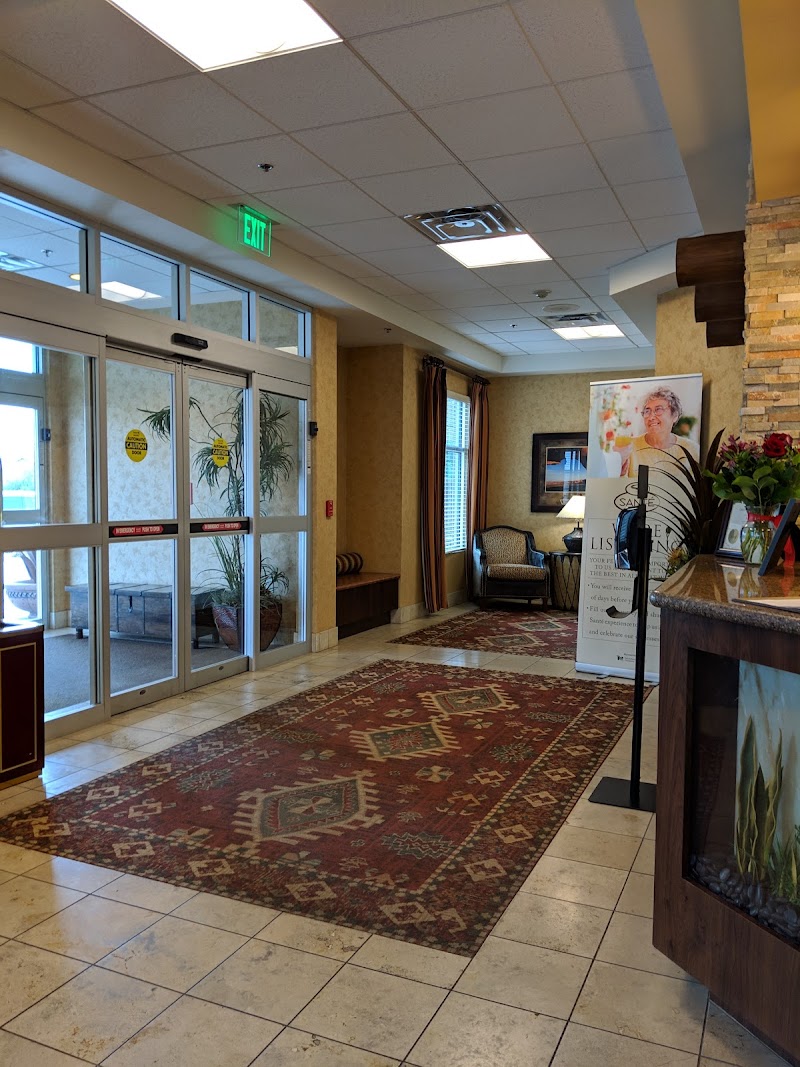
SANTE OF MESA

5358 EAST BASELINE ROAD, MESA, AZ 85206 (480) 699-9624
For profit - Limited Liability company 70 Beds SANTE Data: November 2025
Trust Grade
78/100
#25 of 139 in AZ
Last Inspection: September 2024

Within standard 12-15 month inspection cycle. Federal law requires annual inspections.

Overview

Sante of Mesa has received a Trust Grade of B, indicating it is a good choice for care, falling within the 70-79 range. The facility ranks #25 out of 139 nursing homes in Arizona, placing it in the top half, and #20 out of 76 in Maricopa County, meaning there are only a few local options that are better. The facility is currently improving, having reduced its reported issues from five in 2024 to just one in 2025. Staffing is a relative strength, with a 4/5 star rating and a turnover rate of 41%, which is lower than the Arizona average of 48%, suggesting that staff are stable and familiar with the residents. However, there are some concerning aspects, including $3,146 in fines, which is higher than 77% of Arizona facilities, and specific incidents of care failures, such as a resident being administered oral medications through an intravenous line, leading to neglect. Additionally, another finding noted that medications were left unattended for a resident to self-administer, which is against safety protocols. Overall, while Sante of Mesa has many strengths, families should be aware of its past compliance issues.

Trust Score
B
78/100
In Arizona
#25/139
Top 17%
Safety Record
Moderate
Needs review
Inspections
Getting Better
5 → 1 violations
Staff Stability
○ Average
41% turnover. Near Arizona's 48% average. Typical for the industry.
Penalties
⚠ Watch
$3,146 in fines. Higher than 86% of Arizona facilities, suggesting repeated compliance issues.
Skilled Nurses
✓ Good
Each resident gets 61 minutes of Registered Nurse (RN) attention daily — more than 97% of Arizona nursing homes. RNs are the most trained staff who catch health problems before they become serious.
Violations
⚠ Watch
19 deficiencies on record. Higher than average. Multiple issues found across inspections.
★★★★★
5.0
Overall Rating
★★★★☆
4.0
Staff Levels
★★★★★
5.0
Care Quality
★★★★☆
4.0
Inspection Score
Stable
2024: 5 issues
2025: 1 issues

The Good

  • 4-Star Staffing Rating · Above-average nurse staffing levels
  • 5-Star Quality Measures · Strong clinical quality outcomes
  • Full Sprinkler Coverage · Fire safety systems throughout facility
  • No fines on record
  • Staff turnover below average (41%)

    7 points below Arizona average of 48%

Facility shows strength in staffing levels, quality measures, fire safety.

The Bad

Staff Turnover: 41%

Near Arizona avg (46%)

Typical for the industry

Federal Fines: $3,146

Below median ($33,413)

Minor penalties assessed

Chain: SANTE

Part of a multi-facility chain

Ask about local staffing decisions and management

The Ugly 19 deficiencies on record

1 actual harm
Jul 2025 1 deficiency
CONCERN (D) 📢 Someone Reported This

A family member, employee, or ombudsman was alarmed enough to file a formal complaint

Potential for Harm - no one hurt, but risky conditions existed

Deficiency F0563 (Tag F0563)

Could have caused harm · This affected 1 resident

**NOTE- TERMS IN BRACKETS HAVE BEEN EDITED TO PROTECT CONFIDENTIALITY** The facility failed to ensure that one resident (# 634) was properly informed by not implementing a password protocol for visita...

Read full inspector narrative →
**NOTE- TERMS IN BRACKETS HAVE BEEN EDITED TO PROTECT CONFIDENTIALITY** The facility failed to ensure that one resident (# 634) was properly informed by not implementing a password protocol for visitation.Based on clinical record review, interviews, and facility documentation and facility documentation and policy, the facility failed to ensure that the facility implemented a password protocol to protect one resident (# 634) from harm. The sample size was four residents. This deficient practice could result in residents being further victimized. Findings include:Resident # 634 was admitted to the facility on [DATE] with diagnoses that included dementia, respiratory failure with hypoxia, atrial fibrillation, long term use of anticoagulants, anxiety, hypertensive heart disease with heart failure, and muscle weakness. The admission Minimum Data Set (MDS) dated [DATE], revealed that the resident had a Brief Interview for Mental Status (BIMS) of 08, indicating moderately impaired cognition. The clinical record banner alert, retrieved July 2, 2025, with special instructions that the son was trespassed. A progress note dated August 15, 2023 revealed that the resident's son was trespassed from the building, and no resident information was to be shared about the resident. A progress note dated September 13, 2023 revealed a password protocol was implemented on September 11, 2023, which required a password for resident visitation. The note further revealed that assistance was required to remove parties from the resident's room that were creating a disturbance. The parties did not know there was a password needed to see the resident. The care plan did not reflect a safety plan for the resident. The clinical record did not record the password protocol for resident. A joint interview was conducted with CNA (Staff # 77) and Assistant Director of Nursing (ADON/Staff # 39) on July 2 2025 at 11:47 a.m. The parties revealed that when a guest/visitor enters the facility, that guest will sign the guest book, and ask for the room number. The parties further explained that the doors are locked from 8 p.m. to 6 a.m., and in that case, the visitors will use the intercom system and staff will escort the visitors to the room. An interview was conducted with CNA (Staff # 77) on July 2, 2025 at 11:52 a.m. The CNA revealed that abuse is any unwanted action toward someone, that can include verbal, physical, emotional, and confinement. The CNA further proceeded that if a visitor is not treating the resident with respect, she will inform the visitor to leave. In addition, she will also grab a nurse to help escort someone off the property, but fortunately, she has not had to deal with an episode like that in a long time. An interview with Licensed Practical Nurse (LPN/Staff # 43) was conducted on July 2, 2025 at 12:25 p.m. The LPN identified that abuse can be anything that would threaten a resident in their view, which can include physical, emotional, financial, and sexual in nature. During an interview conducted with the Director of Social Services (DoSS/Staff # 10), on July 2, 2025 at 1:50 p.m., revealed abuse in services is conducted approximately three to four times a year, in addition to a skills fair, to reinforce abuse training. The DoSS explained that the password protocol should have been in the resident's chart on a banner as an alert. The DoSS further explained that the password protocol is implemented on residents that require extra security from outside parties. After review of the clinical record, the DoSS revealed that facility expectations for enhanced security measures of this resident were not met. An interview conducted with the Executive Director (ED/Staff # 61) , conducted on July 2, 2025 at approximately 2 p.m., who revealed being unable to locate the password or password protocol in the chart. After review of the clinical record, the ED revealed that the password protocol should have been documented appropriately. All interviews failed to reflect what the resident's password protocol was. Involved parties were not available for interviews. The Abuse Prevention Program policy, revised December 2016, advises that the facility is to protect the residents from abuse by anyone including family members, legal representatives, friends, visitors, or any other individual. An objective of the Quality Assurance and Performance Improvement (QAPI) Plan, policy revised April 2014, reinforces and builds upon effective systems and processes related to the delivery of quality care and services. The Trauma Informed Care policy, Identification Number NS-12056, revealed the facility should implement resident-specific approaches to be developed and included in the resident's care plan. In addition, facilities must evaluate whether the interventions have been able to mitigate (or reduce) the impact of identified triggers on the resident that may cause re-traumatization.
Sept 2024 3 deficiencies
CONCERN (D)

Potential for Harm - no one hurt, but risky conditions existed

Transfer Notice (Tag F0623)

Could have caused harm · This affected 1 resident

**NOTE- TERMS IN BRACKETS HAVE BEEN EDITED TO PROTECT CONFIDENTIALITY** Based on clinical record review, interview, review of policies and procedures, the facility failed to notify the ombudsman of tr...

Read full inspector narrative →
**NOTE- TERMS IN BRACKETS HAVE BEEN EDITED TO PROTECT CONFIDENTIALITY** Based on clinical record review, interview, review of policies and procedures, the facility failed to notify the ombudsman of transfer or discharge. The deficit practice would result in residents not being able to inform the ombudsman being unaware for any transfer or discharge. Resident # 70 was admitted to the facility on [DATE] with diagnoses that include adult failure to thrive, HTN, BPH, Anemia. Resident # 70 was discharged [DATE]. Resident # 70 needs supervision or touching assistance with: eating, oral hygiene, and personal hygiene. Resident # 70 needs substantial/maximal assistance with: upper body dressing, lower body dressing, putting on/taking on foot wear, roll left and right, sit to lying, chair/bed-to-chair transfer. The care plan revealed Resident #70 was monitored for any change of conditions. If any change were to occur it would be reported to their provider. Resident # 70 is at risk for altered fluid balance r/t Poor intake, feeding tube. Resident # 70 has oral thrush and antifungal. Progress notes on June 14, 2024 revealed Resident # 70 is progressing with their therapy and was going to be discharged to an acute rehab center. There was no date or time that resident discharge was completed in progress notes or that the ombudsman was notified. Staff #66 Care Manager LPN said the resident was the main point of contact for plan of care and discharge plan. Resident # 70 was provided admission orders, baseline care plan and discussion held on Resident # 70 goals, expectation, and treatment. Resident #70 was informed of their treatment orders, dietary orders, medications, and therapy services. If there are any changes care plan will be notified to Resident # 70. Resident # 70 had verbalized in understanding their care plan and agreed to the care plan. Interview with staff # 167 Care Manager Licensed Practical Nurse (LPN) on 09/05/2024 at 8:44AM revealed Resident # 70 was transferred to an acute rehab unsure of the reason. Since this was an emergency transfer there were no documents signed by resident or on the resident behalf of this transfer. Interview with staff # 66 Care manager Licensed Practical Nurse (LPN) on 09/05/2024 at 9:17AM revealed an Ombudsman would only be notified if there is a problem. Since this is not a discharge a discharge packet was not given to resident #70. This was a skilled nursing facility to a skilled nursing facility transfer. An email or fax of everything needed would have be given to the receiving facility. On 09/06/2024 at 8:44AM the Administrator said the process of discharge would normally be if a resident had requested for a change in facility they would give the resident a list of facilities. With this list we will help residents pick out a facility that they would like. In this case this Resident # 70 wife wanted to go to a different facility prior to coming to this facility. At the time Resident # 70 was not qualified for that particular facility. Resident # 70 would start off with a lower level rehab to build on their strength like this facility. During Resident # 70 times here, they were recovering quite well. Resident # 70 wife requested this transfer and we had sent out a referral which was approved. During this process case managers and resource nurses are involved. There should have been a note that the patient was discharged in the progress notes. There was no discharge packet given. On 09/05/2024 2:58PM documentation the ombudsman being notified of transfer and discharge was requested but the documentations was not provided. Social Services Staff # 172 stated they were not aware that the ombudsman needed to notify. Review of the policy Transfer or Discharge facility revealed that the Ombudsman would be given a notice of transfer or discharge and resident and representatives.
CONCERN (D)

Potential for Harm - no one hurt, but risky conditions existed

Deficiency F0727 (Tag F0727)

Could have caused harm · This affected 1 resident

Based on the reviewing of staff list, census, record review and interview facility failed to ensure that a Registered Nurse (RN) severed 8 consecutive hours in the day.The deficit practice would resul...

Read full inspector narrative →
Based on the reviewing of staff list, census, record review and interview facility failed to ensure that a Registered Nurse (RN) severed 8 consecutive hours in the day.The deficit practice would result resident care not being property given in need of a registered nurse. Reviews of daily staff revealed that an RN was not present during the 8 hours in the day for 8 different dates. On May 19, 2024 the Census was 58 no RN coverage for day and night. On July 01, 2024 Census was 68 no RN coverage for the day for 8 hours. At the August 05, 2024 census there was 68 no RN coverage for the day for 8 hours. On August 06,2024 census was 66 for the day for 8 hours, August 12, 2024 the census was 69 and no RN coverage for 8 hours of the day. August 19,2024 census 67 no RN coverage for the day for 8 hours. August 27, 2024 census 64 no RN coverage for the day for 8 hours. September 01, 2024 census 59 no RN coverage for 8 of the day. Upon further review of the daily staffing list provided to the surveyor, Director of Nursing or Assistant of Director of Nursing are not listed on the daily staffing list. Interview with staff # 52 Certified Nurse Assistant CNA September 05, 2024 1:35PM. Typically I would get 11-12 residents under my care. I don't stay over time when working. If my coverage isn t here on time we would document and report our task and care that we have given to residents. This will help the next person taking over when we leave for the day. We can communicate with staff verbally and put reports within the chart. Call devices are given to residents and they can put them on their neck or they can have it near them on the table. We have in-service training and staff meetings to help us learn. Interview with Staff # 34 Director of Nursing (DON) on September 06, 2024 at 2:29 PM, the DON stated if we don't have an RN 8 hours of the day, the Director of Nursing or Assistant Director of Nursing would cover during those days. The Director of Nursing would work Monday - Friday. Our coverage is not based on the census, and if someone calls off the Director of Nursing or Assistant Director of Nursing would cover. We do what we can with what we have. Policy review of staffing had revealed 24 hours of the day a Licensed Nurses need to be able to provide direct resident services .
CONCERN (D)

Potential for Harm - no one hurt, but risky conditions existed

Deficiency F0757 (Tag F0757)

Could have caused harm · This affected 1 resident

**NOTE- TERMS IN BRACKETS HAVE BEEN EDITED TO PROTECT CONFIDENTIALITY** Based on clinical record review, staff interviews, and the facility policy and procedures, the facility failed to ensure pain me...

Read full inspector narrative →
**NOTE- TERMS IN BRACKETS HAVE BEEN EDITED TO PROTECT CONFIDENTIALITY** Based on clinical record review, staff interviews, and the facility policy and procedures, the facility failed to ensure pain medications were administered in accordance with the physician's orders for one resident (#15). The deficient practice could result in the resident receiving unnecessary medication and being overmedicated. Findings include: Resident #15 was admitted to the facility on [DATE] with diagnoses of a fracture of shaft of right fibula, fracture of shaft of right tibia, and acquired absence of left hip joint. A review of the quarterly Minimum Data Set (MDS) assessment, dated June 20, 2024 revealed the resident had a Brief Interview for Mental Status (BIMS) score of 15, which indicated the resident is cognitively intact. A physician's order dated May 9, 2024 indicated Oxycodone HCI (narcotic analgesic) Oral Tablet 5 milligrams (mg) was to be given by mouth every 4 hours as needed for pain between 6-10 on a 0-10 pain scale. A review of the July and August medication administration record (MAR) revealed that oxycodone was not being administered within the pain parameters established by the physician. For the month of July 2024, oxycodone was administered below the required pain rating of 6-10 thirty-three times. For the month of August 2024, oxycodone was administered below the required pain rating of 6-10 thirty-two times. The clinical record revealed no documentation of the reason why oxycodone was administered outside of the parameters established by the physician's orders and that the physician was not notified. An interview was conducted with staff #110 (Registered Nurse) on September 6, 2024 at 9:58 AM. Staff # 110 indicated that pain medications are given to residents after a pain assessment is done. During the pain assessment a resident identifies how much pain they are having using a pain scale to determine if they are eligible to take the specific pain medication. Staff #110 explained that she will look at the medication order and it would specify when to give the medication to the resident. Staff #110 reviewed the August MAR for resident #15 and indicated that the oxycodone was not administered within parameters. When asked what the risk would be to the resident when administering oxycodone outside of parameters, staff #110 indicated that they would not be doing what would be best for the resident and they would not be treating the pain as prescribed by the physician. An interview was conducted on September 6, 2024 at 10:31 AM with staff #34 (Director of Nursing). Staff #34 indicated that when a resident asks for pain medications, the nurse is to ensure there is an order then ask the resident what they rated their pain as, and then identify the symptoms that indicates the resident is in pain. When reviewing the August MAR for resident #15, staff # 34 stated they saw multiple administrations being done outside of the ordered parameters. Staff #34 indicated that the nurse did not administer pain medication according to her expectation as she expected staff to follow the orders. When asked what the risk to the resident would be when oxycodone is administered outside of the ordered parameters, staff #34 explained that it could make the resident sleepy and it would enhance their fall risk. Staff #34 continued by stating their goal is not to make them dependent on narcotics. A review of the facility policy titled Administering Medications, revised on December 2012 indicated that medications are to be administered according to orders. A review of the facility policy titled Pain Assessment and Management, revised on March 2015 states Addiction to narcotic analgesics is not likely if used appropriately for moderate to severe pain.
Apr 2024 1 deficiency
CONCERN (D) 📢 Someone Reported This

A family member, employee, or ombudsman was alarmed enough to file a formal complaint

Potential for Harm - no one hurt, but risky conditions existed

Deficiency F0698 (Tag F0698)

Could have caused harm · This affected 1 resident

**NOTE- TERMS IN BRACKETS HAVE BEEN EDITED TO PROTECT CONFIDENTIALITY** Based on observation, clinical record review, staff interview, and facility documentation, policy and procedure, the facility fa...

Read full inspector narrative →
**NOTE- TERMS IN BRACKETS HAVE BEEN EDITED TO PROTECT CONFIDENTIALITY** Based on observation, clinical record review, staff interview, and facility documentation, policy and procedure, the facility failed to ensure dialysis assessments were completed and transportation to dialysis appointments was arranged for one of three sampled residents (#4). The deficient practice could result in the resident missing dialysis treatment and developing renal complications. Findings include: The facility's contract with the Dialysis Facility, signed and dated 10/18/2023, it included that the facility shall be responsible for arranging transportation of residents to and from Dialysis Facility, including all transportation costs and expenses. Long term care facility shall be responsible for ensuring that residents are (i) medically stable to undergo such transportation, (ii) medically suitable to receive treatment at Dialysis Facility, and (iii) timely transported to and from Dialysis Facility. Resident (#4) was admitted [DATE] with diagnoses of type 2 diabetes mellitus with diabetic chronic kidney disease (CKD), CKD with Heart Failure and Stage 5 CKD or end stage renal disease A physician order dated April 8, 2024 included for dialysis three times a week on Mondays, Wednesdays, and Fridays; and, the chair time would be from 11:50am to 3:20pm with an arrival time of 11:30am. Another physician order dated April 8, 2024 revealed an order to complete pre-dialysis and post-dialysis assessments every day shift on every Monday, Wednesday, and Friday. A progress note dated April 9, 2024 included that the care manager met with the resident and family for an admission intake review that covered review of all medications, treatment orders, dietary orders, therapy services and all other interventions or services ordered at the time of admission. A review of the Treatment Administration Record (TAR) for April 2024 included that a post dialysis assessment was documented as completed on April 10 and 12, 2024. However, the documentation from the dialysis center revealed that the resident did not receive dialysis on April 10, 2024. A progress note dated April 10, 2024 revealed that the resident was sent to the emergency room (ER) at 2:45 p.m. The progress note dated April 11, 2024 revealed that the resident returned to the facility at 12:05 a.m. Per the documentation, the family were upset because resident #4 was not scheduled for dialysis on April 11, 2024. Further, the documentation included that the family took the resident to the dialysis center on April 11, 2024 at 5:00 a.m.; and that, the facility agreed to schedule transport to pick the resident from dialysis to return to the nursing facility. Further review of the clinical record revealed no documentation of reason why transportation to dialysis appointment was not arranged for resident #4. In an interview with the licensed practical nurse (LPN/staff #90) conducted on April 17, 2024 at 3:00 p.m., the LPN (#90) stated that they did not complete any post dialysis assessment for resident #4 even if it was on the TAR. LPN (#90) stated that pre- and post- dialysis assessments were completed in the assessment section of the electronic health record. A review of the clinical record was conducted with the LPN (#90) during the interview. The LPN stated that there were no dialysis assessments completed for resident #4. An interview with the Director of Nursing (DON/staff #88) was conducted on April 17, 2024 at 4:31 p.m. The DON stated that the clinical record of resident #4 did not have dialysis assessments completed for resident #4. During an interview with the unit clerk (staff #76) conducted on April 17, 2024 at 2:45 p.m., the unit clerk stated that they were responsible for scheduling transportation for all residents; and that, if they had already left for the day when a resident gets admitted , the care management or the transportation director will have to set it up the appointments. Staff (#76) said that if the facility were notified that a resident was not picked up at the facility, they will follow up immediately with the dialysis center to see if the resident person can still be seen for dialysis. They stated that if the center does not have any chairs available for later time that same day, they will schedule a special chair for the resident for the next day; and that, they would make the appointment for them to be seen outside their regularly scheduled time. Staff (#76) stated that if the facility was advised that it was an urgent case, the facility will take the resident to the hospital to be dialyzed. Regarding resident #4, staff (#76) stated that resident #4 did not have dialysis completed on April 10, 2024 at 11:30 a.m. because the staff who completed the resident's admission did not inform her that the resident needed transportation to dialysis. Staff (#76) said that they found out that the resident did not go to his dialysis appointment when they received a call from the resident's family at approximately 10:00 a.m. and reported that family was at the dialysis center but resident #4 was not. Staff (#76) said they called the dialysis center to see if the resident could be seen that day, but she was told no. Staff (#76) stated that the resident was then scheduled on April 11, 2024 at 5:00 a.m. and they notified the family. However, the unit clerk said that on April 10, the resident had an accident and was sent out to the ER. Further, Staff (#76) said that they cancelled the resident's transportation to dialysis for April 11, 2024 at 5 a.m. because she did not know if the resident would be back to the nursing facility from the ER. The Staff (#76) said that the resident returned at the facility on April 11, 2024 at 12:00 a.m. In another interview with the LPN (staff #90) conducted on April 17, 2024 at 3:00 p.m., the LPN stated they were responsible for setting up transportation to dialysis appointments for residents; and that, the facility provided all transportation, so it is very unlikely for transportation not showing up. Staff (#90) said that if the transportation did not come, they would call the dialysis center to let them know and work to reschedule the resident for later time that day or as soon as possible. Further, Staff (#90) stated that the provider at the dialysis center will either say the resident was okay to skip that day's session and attend their next appointment as scheduled; or, they will need to come in as soon as possible. In an interview with the nurse care manager (staff #65) conducted on April 17, 2024 at 3:12 p.m., they stated a 'meet and greet' with new admissions where they would go over things like transportation needs and dialysis appointments; but, the unit clerk or maintenance director will set up the actual transportation. Regarding resident (#4), staff (#65) said that after completing the intake with resident #4 and his family, they told the staff (#76) that resident (#4) would need transportation set up for his Monday, Wednesday, Friday dialysis appointments. Staff (#65) said that there was no transportation set up to take the resident to his April 10, 2024 11:30 a.m. appointment; and that, after the resident was sent out for his fall on April 10 (same day as the scheduled dialysis), an appointment was made for 5:00 a.m. on April 12, 2024. Staff (#65) further stated that she made sure transportation had been set up for that one as well as a return car for 10:00 a.m. In an interview with the DON conducted on April 17, 2024 at 3:55 p.m., the DON stated that the expectation was for the facility to always offer to transport residents to dialysis appointments whether they use the facility driver or a third-party vendor to do so. The DON said that if transportation does not show up, staff were expected to check if they can get the resident's dialysis set up again immediately; and, for staff to call the dialysis center and see if the resident can be accommodated, or as a last resort to go to the hospital if needed. The DON further stated that her expectation was for nursing staff to do an assessment before and after dialysis appointments for residents. At 4:03 p.m., the Assistant Director of Nursing (ADON/staff #43) joined the interview and stated that that transportation had been set up for resident #4 on April 10, 2024 but the resident had a fall and ended up going to the ER due to head gash. Staff (#43) said that the hospital refused to dialyze the resident him while he was in the hospital; and that, transportation had been cancelled and rescheduled to 5:00 a.m. on April 12, 2024 because it was not clear at the time if the resident would be back in the facility in time. The Staff (#43) also said that the resident's family agreed to take the resident to dialysis. During the interview, a review of the clinical record was conducted with both the DON and the Staff (#43). The review revealed that the resident's appointment was scheduled for 11:30 a.m. on April 10, 2024 and the resident did not have a fall until 2:35 p.m. on April 10, 2024. Staff (#43) was not able to explain why the resident did not go to his 11:30 a.m. appointment. A facility policy on Transportation, Diagnostic Services or Medical Appointments included that the facility will assist residents in arranging transportation to/from diagnostic or medical appointments when necessary. Should it become necessary for the facility to provide transportation, the Social Service Designee or Concierge staff will be responsible for arranging the transportation through the business office. Requests for transportation should be made as far in advance as possible. Review of the facility policy on Pre-Dialysis and Post-Dialysis Assessment Procedure revealed that upon return to the facility, staff is to Ensure guest is comfortable and safe upon return, obtain report from dialysis center or Review any dialysis records upon return to the facility, Complete an evaluation/Assessment that may include vital signs, mental status, body systems assessment, access site assessment (i.e. dressing, caps, access site, bruit, thrill), pain/discomfort, complete post-transport assessment, and report any significant findings or abnormalities during the evaluation/assessment to the physician and carry out any orders received.
Jan 2024 1 deficiency
CONCERN (D) 📢 Someone Reported This

A family member, employee, or ombudsman was alarmed enough to file a formal complaint

Potential for Harm - no one hurt, but risky conditions existed

Report Alleged Abuse (Tag F0609)

Could have caused harm · This affected 1 resident

**NOTE- TERMS IN BRACKETS HAVE BEEN EDITED TO PROTECT CONFIDENTIALITY** Based on clinical record review, facility documentation, the State database, staff interviews, and policies review, the facility...

Read full inspector narrative →
**NOTE- TERMS IN BRACKETS HAVE BEEN EDITED TO PROTECT CONFIDENTIALITY** Based on clinical record review, facility documentation, the State database, staff interviews, and policies review, the facility failed to ensure that an allegation of abuse for one resident (#45) was reported to the State within the required time frame. The deficient practice could result in further incidents of abuse not being reported as required. Findings include: Resident #45 was admitted to the facility on [DATE] with diagnoses that included chronic kidney disease and pneumonia. According to the Minimum Data Set assessment, he scored 13 on his Brief Interview for Mental Status (BIMS) which indicated cognitive intactness. He had orders for 300 milligrams (mg) of Gabapentin one time a day for neuropathy dated 10/17/23. His hospital discharge paperwork reflected this same order for 300mg of Gabapentin once a day. He had a new order for Gabapentin dated 11/9/23 for 800 mg three time a day for neuropathy. In a review of the grievance log for November 2023, the facility received a Comment and Concern Form from Resident #45 on 11/9/23. His concern was that he had been asking for Gabapentin since he cannot sleep due to the pain related to his neuropathy in his arms and legs. He stated he laid awake all night in pain and felt the staff did not take him seriously. He stated he had contacted an attorney due to not getting his medications being a form of abuse. The Grievance log shows that the complaint was investigated by staff and resolved on 11/9/23 and the resident was informed the same day. In an interview on 1/31/24 with the social services director at 11:25 AM, she stated that the Executive Director is the one who reports abuse to the Department of Health, and Social Services will report to the Ombudsman and Adult Protective Services. She stated she gets reports of abuse from a resident, staff, or comment/concern cards. She will then go an interview the patient and will write up a report which is given to the Director of Nursing and the Executive Director to follow up with. During an interview with the Executive Director on 1/31/24 at 1:13 PM regarding Resident #45, she stated that she had had concerns with medication orders and how they were written and nursing had to get updated orders to manage the residents pain. The Executive Director reviewed the documentation of his grievance where Resident #45 specified he felt he was being abused. She stated that if the patient stated he felt he was abused it would be reportable. Upon a request for self reports for November 2023, and a review of State databases, it was revealed this incident had not been reported by the facility. The Executive Director stated she would report the abuse to DHS immediately. DHS received the report on 1/31/24 at 01:47 PM. In a facility policy titled Grievances/Complaints, Recording and Investigating last revised April 2017, it states The Grievance Officer will coordinate actions with the appropriate state and federal agencies, depending on the nature of the allegations. All alleged violations of neglect, abuse and/or misappropriation of property will be reported and investigated under guidelines for reporting abuse, neglect and misappropriation of property, as per state law. Additionally, in the facility policy titled Abuse Neglect, Exploitation or Misappropriation-Reporting and Investigating, last revised September 2022, it states the administrator or the individual making the allegation immediately reports his or her suspicion to the following persons or agencies: a. The state licensing/certification agency responsible for surveying/licensing the facility; b. The local/state ombudsman; c. The resident's representative; d. Adult protective services (where state law provides jurisdiction in long-term care); e. Law enforcement officials; f. The resident's attending physician; and g. The facility medical director . Immediately is defined as: a. within two hours of an allegation involving abuse or result in serious bodily injury; or b. within 24 hours of an allegation that does not involve abuse or result in serious bodily injury.
Nov 2022 5 deficiencies
CONCERN (D)

Potential for Harm - no one hurt, but risky conditions existed

Deficiency F0552 (Tag F0552)

Could have caused harm · This affected 1 resident

**NOTE- TERMS IN BRACKETS HAVE BEEN EDITED TO PROTECT CONFIDENTIALITY** Based on clinical record reviews, staff interviews, and review of facility policy, the facility failed to ensure one resident (#...

Read full inspector narrative →
**NOTE- TERMS IN BRACKETS HAVE BEEN EDITED TO PROTECT CONFIDENTIALITY** Based on clinical record reviews, staff interviews, and review of facility policy, the facility failed to ensure one resident (#225) and/or their representatives were informed in advance of the risks and benefits of proposed treatment with psychotropic medications. The sample size was 7. The deficient practice could result in residents receiving high risk medications without education, their knowledge, or consent. Findings include: Resident #225 was admitted to the facility on [DATE] with diagnoses that included unspecified dementia, unspecified severity, without behavioral disturbance, psychotic disturbance, mood disturbance, and anxiety. The baseline care plan dated October 26, 2022 revealed the resident was admitted with impaired cognitive function or impaired thought processes related to confusion, BIMS (Brief Interview of Mental Status) score of 00 and cognitive communication deficit. The baseline care plan included that the resident used antipsychotic medication. Interventions stated to administer medication as ordered, monitor/document for side effects and effectiveness. Intervention also included keeping the physician and family informed of the need for ongoing use of medication. A physician order dated October 26, 2022 included Quetiapine Fumarate (Seroquel/antipsychotic) tablet 25 milligrams 1 tablet by mouth at bedtime for Psychosis as evidenced by Delusions. The admission MDS (Minimum Data Set) assessment dated [DATE] revealed the resident received antipsychotic medication for 5 days during the 7-day look-back period of the assessment. Review of the MAR (Medication Administration Record) for October and November 2022 revealed Seroquel 25 milligrams was administered as ordered. However, review of the clinical record revealed no evidence that the risks and benefits of Seroquel were explained to the resident and/or the resident's representative. An interview was conducted with a Licensed Practical Nurse (LPN/staff #100) on November 9, 2022 at 1:11 pm. She stated that a psychotropic medication consent is required before administration of any psychotropic medication including antipsychotic medication. She stated the consent is signed by the resident or their POA (Power of Attorney) and the nurse. She stated Seroquel is a psychotropic medication and the resident or their POA should be informed regarding the medication and the side effects. An interview was conducted with the DON (Director of Nursing/staff #171) on November 9, 2022 at 2:33 pm. She stated a consent should be signed prior to administration of psychotropic medication. She stated the nurse would explain the medication and the reason for use with the resident or their POA. The DON stated that psychotropic medication can alter the mind therefore the resident or their representative should be informed before the medication is administered to the resident. The facility's policy titled Antipsychotic Medication Use revised July 2022 stated residents (and/or resident representatives) will be informed of the recommendation, risks, benefits, purpose and potential adverse consequences of antipsychotic medication use and residents (and/or representatives) may refuse medications of any kind.
CONCERN (D)

Potential for Harm - no one hurt, but risky conditions existed

Transfer Notice (Tag F0623)

Could have caused harm · This affected 1 resident

**NOTE- TERMS IN BRACKETS HAVE BEEN EDITED TO PROTECT CONFIDENTIALITY** Based on clinical record review, staff interviews, and policy and procedures, the facility failed to notify the ombudsman in wri...

Read full inspector narrative →
**NOTE- TERMS IN BRACKETS HAVE BEEN EDITED TO PROTECT CONFIDENTIALITY** Based on clinical record review, staff interviews, and policy and procedures, the facility failed to notify the ombudsman in writing regarding one resident's (56) discharge. The sample size was 2. The deficient practice could result in the ombudsman not being notified of resident discharges. Findings include: Resident #56 was admitted to the facility on [DATE] with diagnoses that included cerebral infarction, hypertension, and thrombotic microangiopathy. The admission Minimum Data Set (MDS) assessment dated [DATE] included a brief interview for mental status (BIMS) score of 13 indicating the resident was cognitively intact. Review of a progress note dated August 26, 2022 revealed the resident received medications, treatments, discharge instructions, and/or written prescriptions. Review of the discharge MDS assessment dated [DATE] stated that the resident was discharged to the community on August 26, 2022. An interview was conducted on November 10, 2022 at 11:29 a.m. with the Social Services Coordinator (staff #155), who stated that she does not notify the ombudsman when a resident is discharged to home, but does notify the ombudsman when a resident is transferred to the hospital. During the interview, she reviewed the list of residents who were transferred to the hospital in August 2022 that she had emailed to the Ombudsman, she stated the resident's name was not on the list. During the exit interview conducted on November 10, 2022 with the facility, the Administrator (staff #182) stated that the facility only provides skilled nursing and the Ombudsman does not want to be notified every time a resident is discharged to the community because skilled nursing is short-term and residents are discharging all the time. The facility's policy, Transfer or Discharge, Facility-Initiated, dated October 2022 stated the resident and representative are notified in writing of the specific reason for the transfer or discharge. A copy of the notice is sent to the Office of the State Long-Term Care Ombudsman at the same time the notice of transfer or discharge is provided to the resident and representative.
CONCERN (D)

Potential for Harm - no one hurt, but risky conditions existed

Deficiency F0658 (Tag F0658)

Could have caused harm · This affected 1 resident

**NOTE- TERMS IN BRACKETS HAVE BEEN EDITED TO PROTECT CONFIDENTIALITY** Based on clinical record review, staff interviews, and policy and procedure, the facility failed to ensure medications were admi...

Read full inspector narrative →
**NOTE- TERMS IN BRACKETS HAVE BEEN EDITED TO PROTECT CONFIDENTIALITY** Based on clinical record review, staff interviews, and policy and procedure, the facility failed to ensure medications were administered according to physician ordered parameters for one resident (#223). The sample size was 5. The deficient practice could result in residents receiving medications that may not be necessary. Findings include: Resident #223 was admitted to the facility on [DATE] with diagnoses that included hypotension, essential (primary) hypertension, paroxysmal atrial fibrillation and heart failure. Review of the clinical record revealed an order for Midodrine HCL 5 mg (milligrams) 1 tablet via PEG-tube (percutaneous endoscopic gastrostomy feeding tube) three times a day for hypertension. HOLD if SBP (systolic blood pressure) > 120, HR (Heart Rate) > 60 dated October 21, 2022. Review of the care plan initiated on November 2, 2022 revealed the resident had hypertension. The interventions stated to give hypertensive medications as ordered, and to monitor for side effects such as orthostatic hypotension and increased heart rate. Review of the Medication Administration Record (MAR) for November 2022 revealed evidence that Midodrine 5 mg had been administered with a systolic blood pressure greater than 120 and HR greater than 60 on twelve occasions. Further review of the clinical record revealed no evidence on the reason the medication was administered outside the ordered parameter. An interview was conducted on November 10, 2022 at 10:22 am with a Licensed Practical Nurse (LPN/staff #128). She stated medication parameters should be followed when administering medications. She stated Midodrine is given for hypotension and the medication is held if the systolic blood pressure is high. She stated if the systolic blood pressure was high then the Midodrine should have been held. The LPN stated the medication should be administered according to the physician ordered parameters and that the risk could result in hypertensive issues. An interview was conducted on November 10, 2022 at 10:40 am with the Director of Nursing (DON/staff #171). She stated that her expectation is for the nurses to review the resident's blood pressure and heart rate prior to administration of blood pressure medications. She stated if the resident's blood pressure or heart rate is too low or too high, the nurses should notify the physician. She reviewed the November 2022 MAR and stated Midodrine had been administered outside of physician ordered parameters. The DON stated if the ordered parameters are not followed, the resident's blood pressure can drop or get too high which can be dangerous. The facility policy titled Administering Medications revised December 2012 stated that medications shall be administered in a safe and timely manner, and as prescribed. The policy included that medications must be administered in accordance with the orders, including any required time frame.
CONCERN (D)

Potential for Harm - no one hurt, but risky conditions existed

Food Safety (Tag F0812)

Could have caused harm · This affected 1 resident

Based on observation and staff interviews, the facility failed to ensure food items in the kitchen dry storage were sealed, dated or not expired. The deficient practice could result in a potential for...

Read full inspector narrative →
Based on observation and staff interviews, the facility failed to ensure food items in the kitchen dry storage were sealed, dated or not expired. The deficient practice could result in a potential for food borne illness. Findings include: An initial observation of the kitchen refrigerator was conducted with the Dietary Manager (staff #139) on 11/09/22 at 12:40 PM. A bottle of pickles, a bag containing nuts and potato chips were observed unlabeled and undated. In addition, a container of dried milk and peanut butter was found to be expired (10/22/22 and 10/21/22). An interview was conducted with the culinary services director (staff #139) on 11/09/22 at 12:40 PM. Staff #139 stated that it is his expectation that the food in the freezer, refrigerator and dry goods be labeled, marked and dated. He stated that he does check the dry goods area but did not look well enough to notice the items. He stated they were overlooked. An interview was conducted with the Director of Nursing (DON/staff #171) on 11/09/22 at 1:51 PM. The DON stated that it is her expectation that food in the refrigerator and dry goods be marked and dated, and not expired to ensure freshness and safety. The DON stated failure to mark, date, and check expirations dates can put residents at risk for foodborne illnesses.
CONCERN (E)

Potential for Harm - no one hurt, but risky conditions existed

Deficiency F0554 (Tag F0554)

Could have caused harm · This affected multiple residents

**NOTE- TERMS IN BRACKETS HAVE BEEN EDITED TO PROTECT CONFIDENTIALITY** -Resident #264 was admitted to the facility on [DATE] with diagnoses that included acute pyelonephritis, urinary tract infection...

Read full inspector narrative →
**NOTE- TERMS IN BRACKETS HAVE BEEN EDITED TO PROTECT CONFIDENTIALITY** -Resident #264 was admitted to the facility on [DATE] with diagnoses that included acute pyelonephritis, urinary tract infection, chronic kidney disease, paraplegia, depression, and hypertension. Active physician orders for medications included Gabapentin, cefdinir (antibiotic), Pantoprazole (antacid), Cymbalta (antidepressant), fluconazole (antifungal), midodrine anti-hypotension), oxycodone (narcotic), Seroquel (antipsychotic), and Lovenox (anticoagulant). During an interview conducted with resident #264 on 11/07/22 at 11:20 AM, a cup full of medications was observed on the table. Resident #264 said staff knew her really well and knew that she was going to take the pills so they were okay to leave them with her. She picked up the cup and self-administered a pill. Immediately following the observation, an interview was conducted with an LPN (staff #107) who was standing outside the room. She stated that pills cannot be left with a resident and should never be taken outside of the nurse ' s view. The LPN stated she was not the one to give Resident #264 her pills that morning. At 11:40 am on 11/07/22, an interview was conducted with the administering nurse, Registered Nurse (RN/staff #181). The RN went to the resident ' s room and observed the remaining medications. She chided Resident #264 saying you were supposed to take those. She acknowledged they should not be left unsupervised and identified the pills as Omnisef (cefdinir) and Fluconazole. Review of the clinical record did not reveal the resident had been assessed to self-administer medications. An interview was conducted with the DON (staff #171) on 11/9/22 at 1050 am. Staff #171 stated the process for a resident to self-administration medications included assessing the resident to determine if it is appropriate for the resident to self-administer medications. She stated if the resident is assessed to be able to self-administer medications, then a physician order will be obtained. The DON stated those residents who use inhalers typically are candidates for this. The DON stated the expectation is for the nurses to watch residents take their medications. The DON stated this is because the resident may have dropped them by accident and needs a replacement, they may be choosing to not take medications or taking them incorrectly. The facility policy titled Administering Medications revised December 2012 stated that medications shall be administered in a safe and timely manner, and as prescribed. The policy further stated that residents may self-administer their own medications only if the attending physician, in conjunction with the Interdisciplinary Care Planning Team, has determined that they have the decision-making capacity to do so safely. Based on clinical record reviews, observations, staff interviews, and policy and procedure, the facility failed to ensure medications were not left unattended for 4 residents (#214, #215, #216 and #264) who were not assessed for self-administration of medications. The sample size was 16. The deficient practice could result in residents unsafely administering medications. Findings include: -Resident #214 was admitted to the facility on [DATE] with diagnoses that included acute respiratory failure with hypoxia, chronic obstructive pulmonary disease with (acute) lower respiratory infection, heart failure, hypertension and paroxysmal atrial fibrillation. During a medication administration observation conducted on November 8, 2022 at 7:39 A.M. with a Licensed Practical Nurse (LPN/staff #98), the LPN was observed to prepare the following medications for resident #214: Amlodipine Besylate (antihypertensive) 5 mg tablet Aspirin Enteric Coated (EC) Delayed Release 81 mg tablet Augmentin (antibiotic) 500-125 mg tablet Gabapentin (anticonvulsant) 300 mg Capsule Ipratropium- Albuterol (bronchodilator) Solution 0.5-2.5 (3) mg/3 ml (Milliliter) Prednisone (corticosteroids) 30 mg Trimethoprim (antibiotic) 100 mg tablet Around 7:48 am, the LPN was observed to place the medication cup with prepared medications on top of the resident's tray table. The LPN left the resident's room to get a cup of water for the resident, leaving the medications unattended. During the medication administration observation conducted on November 8, 2022 at 7:51 am with an LPN (staff #98), an inhaler was observed in resident's #214 room. The inhaler was labeled as Albuterol Sulfate Aerosol Solution. The staff was then observed to ask the resident if the inhaler was supposed to be in his room with him. The resident did not answer. The nurse was observed to administer 2 puffs of the medication to the resident. The nurse was then observed to leave the inhaler with the resident and leave the room. Review of the clinical record revealed no evidence the resident had been assessed to self-administer medications. -Resident #215 was admitted to the facility on [DATE] with diagnoses that included pneumonia, sepsis, pulmonary fibrosis, acute kidney failure and atherosclerotic heart disease of native coronary artery without angina pectoris. During a medication administration observation conducted on November 8, 2022 at 8:00 A.M. with staff #98 (LPN), the LPN was observed to prepare the following medications for resident #215: Augmentin 875-125 mg tablet Aspirin chewable 81 mg tablet Atorvastatin (statin) 40 mg tablet Glipizide (anti-diabetic) ER (Extended Release) 2.5 mg tablet Enoxaparin Sodium (anticoagulant) solution prefilled syringe 40 mg/0.4 ml Multivitamin tablet The LPN was observed to give the medication cup with prepared medications to the resident, place the Enoxaparin Solution syringe on top of the resident's tray table and leave the resident's room to get a cup of water for the resident, leaving the medications unattended. The resident was observed holding the medication cup in his hand. Review of the clinical record revealed no evidence the resident had been assessed to self-administer medications. An interview was conducted with the LPN (staff #98) on November 8, 2022 at 8:40 am. She stated that medications cannot be left with residents unattended. She stated she saw the surveyors in the room therefore thought it was ok to leave the medications in the resident's room while she went to get water for the residents. The LPN stated the risk for leaving the medications unattended is that the resident can hide the medications and the nurses will not know if the resident took all the ordered medications or not. An interview was conducted with an LPN (staff #119) on November 9, 2022 at 12:58 pm. He stated that the medications cannot be left with the residents unattended. He stated the residents can drop the medications, choke on the medication, or a family member can take some medications if the medications are left unattended. An interview was conducted with the DON (staff #171) on November 9, 2022 at 2:33 pm. She stated her expectation is for the staff to watch the resident take all their medications when administering medications, and not leave the medications unattended. -Resident #216 was admitted to the facility on [DATE] with diagnoses that included chronic obstructive pulmonary disease, solitary pulmonary nodule and atherosclerotic heart disease of native coronary artery without angina pectoris. During the medication administration observation conducted on November 8, 2022 at 8:23 am with staff #98, the nurse asked resident #216 if he had his inhaler. The resident stated that he had his inhaler and showed the inhaler. The inhaler was labeled as Trelegy Ellipta 100-62.5-25 MCG (Microgram)/INH (Inhalation). The resident stated he used the inhaler in the evening. Review of the clinical record revealed no evidence the resident had been assessed to self-administer medications. An interview was conducted with the staff #98 on November 8, 2022 at 8:40 am. She stated that residents are able to keep their own medications only after the physician has written an order. She stated she did not see the inhaler for resident #214 and #216 in the nursing cart and she knew that the residents kept the inhaler in their room. She stated the physician will assess the resident to see if they are able to keep medications with them, and then the nurses are able to leave the medication at the resident's bedside. She stated the residents should be assessed before residents are able to keep and administer their own medication. An interview was conducted with an LPN (staff #119) on November 9, 2022 at 12:58 pm. He stated that residents are able to keep their own medications including an inhaler if the physician is ok with it and residents are able to self-administer their medication. The LPN stated residents are evaluated and an order is entered stating the resident is able to self-administer the medication. He stated without the assessment and a physician order, medications cannot be left with the residents. An interview was conducted with the DON (staff #171) on November 9, 2022 at 2:33 pm. She stated if the residents are alert and oriented, residents are evaluated for medication self-administration and an order is received from the physician. She stated after the residents are cleared to self-administer their medications, the medications are kept in a lock box in the resident's room and a key will be kept with the resident and the nurses.
Oct 2021 8 deficiencies 1 Harm
SERIOUS (G)

Actual Harm - a resident was hurt due to facility failures

Free from Abuse/Neglect (Tag F0600)

A resident was harmed · This affected 1 resident

**NOTE- TERMS IN BRACKETS HAVE BEEN EDITED TO PROTECT CONFIDENTIALITY** Based on clinical record review, facility documents, staff interviews, personnel record review, the State Agency complaint datab...

Read full inspector narrative →
**NOTE- TERMS IN BRACKETS HAVE BEEN EDITED TO PROTECT CONFIDENTIALITY** Based on clinical record review, facility documents, staff interviews, personnel record review, the State Agency complaint database, review of Police and Medical Examiner documents, and policies and procedures, the facility failed to ensure that one resident (#318) was free from neglect, by failing to ensure the resident was not administered oral medications through an intravenous line. Resident #318 coded and expired. The deficient practice could result in residents not being provided the necessary services to prevent harm. Findings include: Resident #318 was admitted to the facility on [DATE] with diagnoses that included type 2 diabetes, bacteremia, moderate protein calorie malnutrition, acquired absence of specified parts of the digestive system, dementia and encephalopathy. Review of the admission Evaluation dated September 13, 2021 revealed the resident arrived to the facility on September 13, 2021 at 5:00 PM. The evaluation included the resident had severe decrease in food intake over the past 3 months due to loss of appetite, digestive problems, chewing or swallowing difficulties. The evaluation also included resident #318 was receiving TPN (Total Parenteral Nutrition) and did not receive food by mouth. The evaluation further revealed the resident did not have enteral tube feeding devices, i.e. nasogastric tube, gastrostomy/PEG (percutaneous endoscopic gastrostomy) tube. The care plan initiated on September 13, 2021 revealed the resident had Diabetes Mellitus and was at risk for altered nutrition. Interventions included to administer medications as ordered. Review of the physician's orders dated September 13, 2021 included the following: -Atorvastatin Calcium 80 milligrams (mg) by mouth at bedtime for CAD (coronary artery disease) -Carvedilol 12.5 mg by mouth two times a day for hypertension, hold for systolic blood pressure (SBP) < 100 and/or heart rate (HR) < 60 with meals -Donepezil 10 mg by mouth at bedtime for dementia -Metformin 500 mg by mouth two times a day for DM-2 -Metoprolol Tartrate 25 mg by mouth two times a day for hypertension, hold for SBP < 100 and/or HR < 60 -May crush or liquefy medications, if not contraindicated. The physician orders dated September 13, 2021 also included for TPN at 80 milliliters per hour (ml/hr) intravenously (IV) every 24 hours for nutritional feeding and dextrose solution 10% at 80 ml/hr IV every shift for use if TPN is interrupted. Review of the MAR (Medication Administration Record) for September 2021, revealed Atorvastatin Calcium, Carvedilol, Donepezil, Metformin, and Metoprolol were given to the resident on September 14, 2021 at 8:00 PM. A Skin/Wound note dated September 14, 2021 revealed resident #318 had a single lumen PICC (Peripherally Inserted Central Catheter) in place (a type of intravenous tube inserted into a smaller vein in the arm that ends in a large vein near the heart). A nurse's note dated September 15, 2021 at 12:36 PM revealed an RN (Registered Nurse/staff #176) was at the nurse's station when she heard a call of code blue at approximately 8:12 PM to 8:15 PM, and that upon arriving at the room where the code was called she assessed the resident (#318). The note included that staff began CPR (Cardiopulmonary Resuscitation), 911 was called at approximately 8:20 PM - 8:25 PM, and the resident's spouse was notified and gave permission for hospital transport. The note included the paramedics told staff #176 at 9:00 PM, that the resident had expired. The note included the RN proceeded to delegate to staff to clean the resident, turn down the air conditioner in the room and complete proper evaluation when death occurs. Staff #176 then notified the resident's spouse that resident #318 had expired, and notified the DON (Director of Nursing) that the resident expired. Review of the facility's investigative report dated September 15, 2021 included a narrative report which detailed the following events that had occurred on September 14, 2021: -At 9:10 PM, a Charge Nurse (staff #176) notified the DON (staff #7) that a resident had expired, a code blue had been called, and that the resident's death was unexpected. The DON instructed the charge nurse to notify the medical examiner, which was then delegated to the RN (staff #182). -At 9:57 PM, staff #182 notified the DON that during medication administration resident #318 became diaphoretic and unresponsive. When the DON asked if the resident had aspirated, staff #182 stated that the resident had refused to take medications orally, and that the nurse had crushed the medications, dissolved them in water, and pushed the medications through the PICC line because he felt the resident should get the medications. The DON asked staff #182 additional questions to clarify that the nurse had dissolved the medications and injected the medications into the PICC line, which staff #182 confirmed. -At 10:10 PM, the DON notified the Administrator (staff #180) of the incident. -At 10:13 PM, the DON let staff #182 know via telephone that he would be removed from the assignment effective immediately and that he was suspended. -At 10:31 PM, Staff #182 confirmed verbally and in writing to the charge nurse what he had told the DON. -At 10:35 PM, Administrator and DON arrive at the facility. -At 10:45 PM, Staff #182 was interviewed by the Administrator, DON, and Senior [NAME] President of Clinical/Compliance Nurse and they let staff #182 know that he was suspended. Staff #182 was sent for a drug test. -At 11:30 PM, call from Medical Examiner's office, they declined the case. -At 23:40 AM on September 15, 2021, call made to spouse regarding mortuary arrangements. Spouse asked if they knew the cause of the resident's death. (A response to the spouse question was not included.) The narrative report also included that during the 3rd interview with staff #182, the RN stated that when he dissolved the medication tablets in lukewarm water to administer them through the PICC line, some of the tablets did not fully dissolve 100% and that some particles did not fully dissolve. The staff statement included staff #182 stated he used a prefilled 10 cc (cubic centimeter) syringe to administer approximately 2-3 syringes of the solution. Staff #182 stated that resident #318 started to appear sweaty, diaphoretic and unresponsive and that he flushed the PICC line, reconnected the PICC line to the TPN, and then called Code Blue. The narrative report included that the Charge Nurse responded to the Code Blue, CPR was initiated and that on September 14, 2021 at 8:59 PM paramedics pronounced resident #318 deceased . Interventions implemented after the incident included that on September 14, 2021 the resident's room was secured and the nurse cart was checked. The narrative report concluded that the facility was unable to substantiate the account of events provided by staff #182 because they were unable to locate proof of the syringes, medication cup/applesauce and because of other details provided by staff #182 in his statements. The report included that they retrieved the trash at approximately 11:30 PM on September 14, 2021 and check the trash for the entire building and that they were unable to locate the syringe in the location that staff #182 stated it would be. The report also revealed the RN's statement remained consistent regarding pushing the resident's oral medications through the resident's PICC line and the resident coded. Continued review of the facility investigative report dated September 15, 2021 included the following statements: -A handwritten statement dated September 14, 2021 at 10:30 pm from staff #182 that included that when staff #182 received resident #318, the resident was in bed, with TPN in progress and he offered the resident medications. The statement included that the resident stated the resident was unable to swallow, so staff #182 crushed the medications and mixed them with applesauce. Resident #318 refused to take the crushed medications mixed with applesauce, and staff #182 then crushed the same medications and administered the medications through the PICC line. Resident #318 became unresponsive, Code Blue was called, resuscitation and CPR was started, and the resident was pronounced dead at 8:59 PM. -A statement dated September 14, 2021 from an LPN (Licensed Practical Nurse/staff #65) included that she was a participant in the Code Blue and that she observed that resident #318 was not breathing and he was throwing up. The statement included that no pulse was found. -A statement dated September 15, 2021 by a Charge Nurse (staff #176) included that when she assisted with the Code Blue at approximately 8:12 PM on September 14, 2021, the code status of the resident was verified and CPR was initiated and paramedics were called. The paramedics pronounced the resident as deceased at 8:59 PM. She then called the resident's spouse and informed the spouse that resident #318 had passed away and remained on the phone to console the spouse. Review of the State Agency complaint database revealed that on September 15, 2021 at 1:24 PM, a report was received from the facility that resident #318 had died unexpectedly and that an investigation was ongoing. The facility report did not include any additional details and did not include that the resident's nurse had stated that he injected crushed pills into the resident's PICC line at the time of death, information that was known by management staff at the time of the report. A Police report dated September 15, 2021 included that the ME (Medical Examiners) office had contacted the Police and had stated the following: -On September 14, 2021 at approximately 9:00 PM the ME's office received a phone call from the facility to report an unexpected death and that based on the story told to the ME office, the ME had declined the case due to it being considered a natural death. -On the morning of September 15, 2021, a call was received from the DON (staff #7), who stated that she had reviewed the records for resident #318, and discovered that the resident's nurse had improperly administered the resident's medications, that the resident's nurse was supposed to give the medications orally, but instead had administered the medications intravenously and that is when the resident went into cardiac arrest and was unable to be saved. The DON included that resident #318 was pronounced dead at 8:59 PM. -The medical examiner included that the DON refused to provide the name of the nurse who had been responsible for resident #318, and when asked if the nurse had given the oral medications intravenously on purpose she stated that she did not know. The ME office included the DON was not forthcoming with information and would only answer questions asked of her, that it sounded like she was scared to even be making the call. The Police Department report also included that evidence seized by the police in their investigation was listed as a plastic bag containing a syringe, a medication cup and a cylinder which contradicted the facility report that they were unable to locate proof of the syringes, medication cup/applesauce. Review of a ME document revealed the facility was required to submit records to the ME office for death investigation. Review of the personnel record for staff #182 revealed a record of his orientation which included staff #182 was checked off for medication administration on July 7, 2021 by a preceptor. The personnel record also included a job description for the registered nurse that an RN is to prepare and administer medications as ordered by the physician and to be knowledgeable of nursing and medical practices and procedures. During a telephone interview conducted on October 5, 2021 at 1:33 PM with staff #182, he stated that on September 14, 2021 he attempted to give resident #318 medications at about 8:00 PM. The RN stated that the resident would not take the medications whole due to being unable to swallow the medications. Staff #182 stated that he crushed the medications and put them into applesauce. Staff #182 stated that the resident refused the medications crushed in applesauce due to being unable to swallow them. Staff #182 took the crushed medication and applesauce and discarded them into the trash on the medication cart, and obtained a new set of the same medications, crushed them and put them into lukewarm tap water to dissolve them. Staff #182 stated that he then aspirated the medications and water into a syringe and proceeded to push them into the PICC line. The resident became diaphoretic almost immediately and staff #182 stated he knew things were not going well and the resident began to fade away. When asked why he put the medications into a PICC line he stated that it occurred to him that if you can push medications thru a G (gastrostomy) tube, why not a PICC line? The resident gets TPN thru the PICC line just like a G tube. Staff #182 stated that he had never done that before, and that was not an acceptable practice, and not the policy of the facility either. Staff #182 stated that in that moment, it seemed like a good idea. During an interview conducted on October 6, 2021 at 6:06 AM with the ADON (Assistant Director of Nursing/staff #62), she stated that she assumed it was oral medications that staff #182 had pushed through a PICC line, because the resident had no physician's orders for medications to be given through the PICC line. Staff #62 stated that you cannot push medications through a PICC line like a G-tube, they cannot be treated the same, and they are not interchangeable. Staff #62 stated that a PICC line goes into the blood system and a G-tube is for medications and nutrition. Staff #62 stated that her expectation is that if a resident refuses medication, the nurse does not give the medication and contacts the physician. During an interview conducted on October 6, 2021 at 08:43 AM with an RPH (Registered Pharmacist/staff #212), he stated that oral medications cannot be given through a PICC line for many reasons. The RPH stated that they are not sterile, have coatings and /or binders that would not dissolve in a fluid and could damage a blood vessel and be potentially fatal. The RPH stated that the lack of being sterile could cause an infection in the patient and the coatings or binders would not dissolve in fluid which could cause pulmonary emboli, critical illness or could be lethal. The RPH stated that a pulmonary embolism would be apparent very quickly and would be potentially fatal. An interview was conducted on October 7, 2021 at 9:38 AM with the DON, who stated that when resident #318 expired, the resident's family was notified that the Medical Examiner's office was looking into the care of this resident, and that the facility did not discuss the cause of death because they are not doctors, and do not wish to speculate as to the cause of death of a resident. The DON stated that she was told by staff #182 that the resident coded while he was giving the resident the nighttime medications. She stated that staff #182 stated he had crushed the medications and put them through the PICC line, because the resident needed the medications. The DON stated that she asked him at that time if the medications were IV (intravenous) medications and staff #182 replied no, the oral medications were put through a PICC line. The DON stated staff #182 was terminated because he violated the facility policy for medication administration/5 rights of medication administration. The DON stated oral medications cannot be given through a PICC line because the particles in the blood system can cause emboli. The DON stated the incident was reported to the State as an unexpected death and the Administrator (staff #180) chose the reporting category. When asked if staff #182's actions were negligent, the DON replied that staff #182 violated the 5 rights of medication administration and that was possibly negligence in this case. She stated not giving a medication by the right route is a violation of the 5 rights of medication, and that she did not discuss potential negligence with the Administrator. The DON stated that the neglect is when someone does not provide services identified as necessary, and that it could also be negligence if someone is not providing the services accurately. However, the DON stated that she did not consider this incident negligence because it was a medication error. During a telephone interview conducted on October 8, 2021 at 8:21 AM with the facility Medical Director (staff #232), he stated that giving oral medications through a PICC line is an absolutely unacceptable practice, and that he has never experienced this type of incident in his career. The Medical Director stated that depending on how much medication was actually administered and what the medication was, the outcome would be catastrophic for the patient. In an interview conducted on October 8, 2021 at 8:45 AM with the administrator (staff #180), she stated that she initially had received a call from the DON, who reported that a nurse (staff #182) had reported administering an oral medication into a PICC line. The administrator stated while interviewing staff #182 he stated that he put medications into the resident's PICC line because he wanted to make sure that the resident received the medications. The administrator stated that she interviewed additional staff at that time and that she secured items from the resident's room and kept them for the detective. The administrator stated that the DON notified the family that the resident had an unexpected death, but did not discuss the possible causes, and that no one has told the family about the nurse putting the medications into the PICC line. The administrator stated I'm not a doctor so I do not have any opinion on the cause of death. During a follow-up interview conducted on October 8, 2021 at 9:58 a.m. with the DON, she stated that she had not told the family of the medication error because she was not sure exactly what happened as the story from staff #182 did not make sense. Review of the facility policy titled Abuse and Neglect-Clinical Protocol revealed neglect is defined as the failure of the facility, its employees or service providers to provide goods and services to a resident that are necessary to avoid physical harm, pain, mental anguish or emotional distress. The policy included that along with staff and management, the physician will help identify situations that might constitute or could be construed as neglect; for example, inadequate prevention or care of pressure ulcers, inattention to advance directives and resident wishes, inappropriate management of problematic behavior, recurrent failure to provide incontinence care, failure to report or evaluate significant weight loss, repeated failure to check for correct application of restraints, etc. The policy also included the physician and staff will help identify risk factors for abuse within the facility; for example, issues related to staff knowledge and skill, or performance that might affect resident care. Review of a facility policy Abuse Prevention Program included that residents have the right to be free from abuse, neglect, misappropriation of resident property and exploitation.
CONCERN (D)

Potential for Harm - no one hurt, but risky conditions existed

Resident Rights (Tag F0550)

Could have caused harm · This affected 1 resident

**NOTE- TERMS IN BRACKETS HAVE BEEN EDITED TO PROTECT CONFIDENTIALITY** Based on observations, staff interviews, and policy and procedures, the facility failed to ensure one resident's (#270) urinary ...

Read full inspector narrative →
**NOTE- TERMS IN BRACKETS HAVE BEEN EDITED TO PROTECT CONFIDENTIALITY** Based on observations, staff interviews, and policy and procedures, the facility failed to ensure one resident's (#270) urinary catheter bag was covered. The sample size was 2. The deficient practice could result in residents not being afforded dignity and privacy. Findings include: Resident #270 was admitted to the facility on [DATE] with diagnoses that included a urinary tract infection, fracture of the neck of the right femur, and major depressive disorder. The care plan initiated on October 2, 2021 stated the resident was admitted with a Foley catheter related to Benign Prostatic Hyperplasia with lower urinary tract symptoms. Interventions included staff will position catheter bag and tubing below the level of the bladder and away from the entrance door, privacy bag will be used when out of room. On October 4 2021 at 10:04 a.m., resident #270 was observed from the hallway sitting in the wheelchair in the resident room. The catheter bag could be seen resting on the floor under the wheelchair. The resident was then interviewed during this time, the urine in the bag was visible as the bag was not covered. A second observation was conducted on October 7, 2021 at 8:34 a.m. The catheter bag was observed hanging on the left side of the bed closest to the window and was not covered. The urine in the bag was visible. An interview was conducted on October 7, 2021 at 8:46 a.m. with a certified nursing assistant (CNA/staff #179). The CNA observed the resident's catheter bag was hanging from the bed and not covered. He stated that the bag does not have a cover and he did not know if there was a cover for the bag. Staff #179 stated that he was going to ask the nurse. When he returned, he stated that the privacy bags are in the utility room and he was going to put one on the catheter bag right now. On October 7, 2021 at 2:07 a.m., an interview was conducted with a registered nurse (RN/staff #159), who stated that catheter bags need to be covered with a privacy cover and this is facility policy. The facility's policy, Quality of Life - Dignity, revised August 2009 stated demeaning practices and standards of care that compromise dignity are prohibited. Staff shall promote dignity and assist residents as needed by helping the resident to keep urinary catheter bags covered.
CONCERN (D)

Potential for Harm - no one hurt, but risky conditions existed

Deficiency F0578 (Tag F0578)

Could have caused harm · This affected 1 resident

**NOTE- TERMS IN BRACKETS HAVE BEEN EDITED TO PROTECT CONFIDENTIALITY** Based on clinical record review, staff interviews, and policy review, the facility failed to ensure one of three sampled residen...

Read full inspector narrative →
**NOTE- TERMS IN BRACKETS HAVE BEEN EDITED TO PROTECT CONFIDENTIALITY** Based on clinical record review, staff interviews, and policy review, the facility failed to ensure one of three sampled residents (#468) code status was consistent in the clinical record. The census was 65. The deficient practice could result in residents receiving services which are not in accordance with their wishes. Findings include: Resident #468 was admitted to the facility on [DATE], with the diagnoses of arteriosclerotic heart disease and Diabetes Mellitus. Review of the care plan initiated on [DATE] revealed the resident's preference for an advance directive is to be a DNR (Do Not Resuscitate). The goal was that the resident does not consent to CPR (Cardiopulmonary Resuscitation) or other life-prolonging measures in the event the resident is found without a pulse, not breathing or unresponsive while in the facility. Interventions included to ensure the Preferred Intensity of Care form is completed, complete a DNR form (orange form) and file in the clinical record, and obtain and follow a DNR order per resident request. A review of the Preferred Intensity of Care Advanced Directive/Medical Treatment Decisions form revealed the resident did not want to be resuscitated. The form contained the signatures of the resident and a facility representative dated [DATE]. Review of the orange Prehospital Medical Care Directive (DO NOT RESUSCITATE) form revealed the signature of the resident with no date, and the signatures of a Licensed Health Care Provider and a witness with the date [DATE]. However, the physician order dated [DATE] revealed for a Full Code status. An interview was conducted with a Registered Nurse (RN/staff #126) on [DATE] at 12:48 p.m. The RN stated that when a resident is admitted to the facility, consents are obtained for advance directives, full code versus DNR. Staff #126 stated the completed form is placed in the hard chart. She stated the RN then writes an order for the physician to sign and enters the code status in the care plan. In an interview conducted with the Director of Nursing (DON/staff #7) on [DATE] at 1:11 p.m., the DON stated the nurse interviews the residents on admission and completes the code status form. The DON stated the nurse then writes an order and notifies the medical provider to sign the order. The facility's Advanced Directives Policy revised [DATE] stated that upon admission, the resident will be provided with written information concerning the right to refuse or accept medical or surgical treatment and to formulate an advanced directive. The plan of care for each resident will be consistent with his or her documented treatment preferences and/or advance directive. The Director of Nursing Services or designee will notify the Attending Physician of advance directives so that appropriate orders can be documented in the resident's medical record and plan of care.
CONCERN (D)

Potential for Harm - no one hurt, but risky conditions existed

Report Alleged Abuse (Tag F0609)

Could have caused harm · This affected 1 resident

**NOTE- TERMS IN BRACKETS HAVE BEEN EDITED TO PROTECT CONFIDENTIALITY** Based on clinical record review, facility documentation, the State database, staff interviews, and policies review, the facility...

Read full inspector narrative →
**NOTE- TERMS IN BRACKETS HAVE BEEN EDITED TO PROTECT CONFIDENTIALITY** Based on clinical record review, facility documentation, the State database, staff interviews, and policies review, the facility failed to ensure that an allegation of neglect for one resident (#318) was reported to the State Agency and Adult Protective Services (APS) within the required time frame of 2 hours. The deficient practice could result in further incidents of neglect not being reported as required. Findings include: Resident #318 was admitted to the facility on [DATE] with diagnoses of type 2 diabetes, moderate protein calorie malnutrition, and acquired absence of other specified parts of the digestive system. Review of the facility reportable event record/report revealed that on [DATE] at approximately 8:25 p.m. to 8:30 p.m. the Director of Nursing (DON) received a voicemail from the charge nurse that a code blue was called for resident #318 room. At 9:10 p.m., the charge nurse notified the DON that resident #318 had expired and that it was unexpected. The DON communicated to the charge nurse that the Medical Examiner (ME) needed to be called. This duty was assigned to the nurse assigned to resident #318. At 9:57 p.m., the Registered Nurse (RN) assigned to the resident called the DON and reported the ME office had been notified and needed more information. The DON proceeded to ask what led up to the code and the RN explained that he was administering medications in applesauce but the resident was not tolerating it and maybe did not like it, he did not know. The resident asked for water but he declined because the resident was on thickened liquids and they were not available. During that time the RN reported the resident became diaphoretic and unresponsive. The DON asked if the resident aspirated and the RN said no, because the resident declined to take the medications orally. The RN stated that he felt the resident should receive the medications and administered the medications through the TPN (Total Parenteral Nutrition). The DON asked what the RN meant because she did not know what medications were prescribed and thought maybe the resident had IV (intravenous) medications ordered. The RN proceeded to state that he had dissolved the medications in water and pushed them through the PICC (Peripherally Inserted Central Catheter) line. The DON asked again to clarify if the RN meant a PEG (Percutaneous Endoscopic Gastrostomy) tube or a PICC line. The RN stated the PICC line because the resident did not have a PEG tube. Further review of the report revealed a self-report was made to the Department of Health on [DATE]. No evidence was found in the report that APS was notified. Review of the State database revealed the facility reported an unexpected death notification on [DATE] at 1:24 p.m. Although the staff was aware that the RN stated that he had administered medications through the resident's PICC line, no evidence was found that this information was reported to the State Agency at that time. An interview was conducted with the DON (staff #7) on [DATE] at 9:38 a.m. The DON stated the administrator did the online reporting to State in this case and the report was not discussed with her. The DON said that she does not consider this incident as negligence that it was a medication error. On [DATE] at 8:45 a.m., an interview was conducted with the administrator (staff #180). The administrator stated that she had received a call from the DON regarding the incident the evening of the incident and came to the facility. She stated that she left the building, went home and returned to the building about 4 hours later, on [DATE]. She said she then conducted additional interviews with staff, notified the State (DHS) and the police. Review of the facility policy Abuse Investigation and Reporting (revised [DATE]) revealed that all reports of resident abuse, neglect, exploitation, misappropriation of resident property, mistreatment and/or injuries of unknown source (abuse) shall be promptly reported to local, state and federal agencies (as defined by current regulations). The policy included all alleged violations involving abuse, neglect, exploitation, or mistreatment including injuries of an unknown source and misappropriation of property will be reported by the facility administrator, or his/her designee, to the State licensing/certification agency responsible for surveying/licensing the facility and APS (where state law provides jurisdiction in long term care). An alleged violation of abuse, neglect, exploitation or mistreatment (including injuries of unknown source and misappropriation of resident property) will be reported immediately but not later than two hours if the alleged violation involves abuse or has resulted in serious bodily injury. The facility's Abuse and Neglect - Clinical Protocol policy revised [DATE], revealed neglect means the failure of the facility, its employees or service providers to provide goods and services to a resident that are necessary to avoid physical harm, pain, mental anguish or emotional distress. The policy included that along with staff and management, the physician will help identify situations that might constitute or could be construed as neglect; for example, inadequate prevention or care of pressure ulcers, inattention to advance directives and resident wishes, inappropriate management of problematic behavior, recurrent failure to provide incontinence care, failure to report or evaluate significant weight loss, repeated failure to check for correct application of restraints, etc. The policy also included the physician and staff will help identify risk factors for abuse within the facility; for example, issues related to staff knowledge and skill, or performance that might affect resident care.
CONCERN (D)

Potential for Harm - no one hurt, but risky conditions existed

Deficiency F0658 (Tag F0658)

Could have caused harm · This affected 1 resident

**NOTE- TERMS IN BRACKETS HAVE BEEN EDITED TO PROTECT CONFIDENTIALITY** Based on clinical record review, staff interviews, and policy and procedures, the facility failed to ensure one resident (#54) w...

Read full inspector narrative →
**NOTE- TERMS IN BRACKETS HAVE BEEN EDITED TO PROTECT CONFIDENTIALITY** Based on clinical record review, staff interviews, and policy and procedures, the facility failed to ensure one resident (#54) was administered pain medications according to the physician order. The sample size was 5. The deficient practice could result in residents receiving pain medications that are not effective. Findings include: Resident #54 was admitted to the facility on [DATE] with diagnoses that included major depressive disorder, fracture of shaft of left Fibula, and diabetes. Review of the Order Summary Report revealed physician orders dated September 16, 2021 for Norco (narcotic) 7.5-325 milligrams one tablet by mouth every four hours as needed for pain 4-10 on a pain scale of 0-10/10 and Tylenol (analgesic) 325 mg give two tablets by mouth every 6 hours as needed for pain 1-3/10 on a pain scale of 0-10/10. The admission Minimum Data Set assessment dated [DATE] included a Brief Interview for Mental Status (BIMS) score of 15 indicating the resident was cognitively intact. Review of the Medication Administration Record (MAR) dated September 2021 revealed Tylenol was administered two times for a pain level of 6 on September 26 and 30; and 4 times for a pain level of 5 - twice on September 21 and once on September 22 and 27. On October 6, 2021 at 11:36 a.m., an interview was conducted with a Registered Nurse (RN/staff #37). She stated that when a physician prescribes a pain medication as needed (PRN), there is a pain scale included in the order. Staff #37 stated the physician will usually prescribe a pain medication for a lower level of pain and a stronger pain medication for a higher level of pain. The RN stated that it is important to review the orders and understand the pain scales prior to administering a pain medication. She stated that once she reviews the physician's orders, she will assess the resident's level of pain to determine which pain medication to administer. The RN reviewed the MAR dated September 2021 for resident #54 and stated the Tylenol pain scale was 1-3/10 and that Tylenol was administered out of the ordered parameters. The RN stated that there is a risk when giving medication outside of the parameters because the dose being given may not be effective or the resident may be getting a pain medication that is too strong. An interview was conducted on October 7, 2021 at 2:15 p.m. with the Director of Nursing (DON/staff #7), who stated it is her expectation that pain medications be administered within the ordered parameters. Staff #7 stated that if the medication is given outside of the parameters, it is considered an error unless staff has notified the physician to obtain authorization prior to giving the pain medication outside of the parameters. The facility's policy, Administering Pain Medications, revised October 2010 stated the purpose of this procedure is to provide guidelines for assessing the resident's level of pain prior to administering analgesic pain medication. Administer pain medications as ordered.
CONCERN (D)

Potential for Harm - no one hurt, but risky conditions existed

ADL Care (Tag F0677)

Could have caused harm · This affected 1 resident

**NOTE- TERMS IN BRACKETS HAVE BEEN EDITED TO PROTECT CONFIDENTIALITY** Based on observation, clinical record review, resident and staff interviews, and policies and procedures, the facility failed to...

Read full inspector narrative →
**NOTE- TERMS IN BRACKETS HAVE BEEN EDITED TO PROTECT CONFIDENTIALITY** Based on observation, clinical record review, resident and staff interviews, and policies and procedures, the facility failed to ensure that one of three sampled residents (#30) received consistent showers/bathing. The deficient practice could result in resident grooming and hygiene needs not being met. Findings include: Resident #30 was admitted on [DATE] with diagnoses of acquired absence of right foot, osteomyelitis, cellulitis of right lower limb, end stage renal disease, type 2 diabetes mellitus, hemiplegia and hemiparesis following cerebral infarction, and dysphagia. Review of the Daily Skilled Nursing Note Summary dated September 26, 2021 revealed the resident was alert and oriented to person, place, time and situation. Review of the care plan initiated on September 27, 2021 revealed the resident had a self-care deficit as evidenced by the need for assistance with ADLs (Activities of Daily Living). Interventions included to provide a sponge/bed bath when a full bath or shower cannot be tolerated, and the resident requires 1-2 staff participation with bathing. Review of the clinical record and the Bathing Tasks dated September 25, 2021 through October 4, 2021 revealed no evidence that the resident was provided showers/bathing from September 25 through 27, 2021, and September 29, 2021 through October 4, 2021. Review of skilled nursing notes from September 25, 2021 through October 4, 2021 revealed no evidence that the resident was offered, refused or was given any showers or bed baths. An observation of the resident was conducted on October 05, 2021 at 09:53 AM. The resident was observed to have dry skin and someone had written the word yes on the left shin area. The resident's hair was disheveled. The resident stated that staff were not doing anything for the dry skin. An interview was conducted with a Certified Nursing Assistant (CNA/staff #174) on October 06, 2021 at 11:00 AM, who stated that all residents are offered a shower daily. The CNA stated that showers and shower refusals are documented in the electronic medical record (EMR), and also on paper refusal forms and skin checks forms. She stated the paper shower forms are given to the charge nurse at the end of the shift. The CNA stated that if a resident is out of the facility on the scheduled shower day, a shower would be offered the next day. She stated that it is the facility policy that showers would be documented every day whether given or refused. An interview was conducted on October 07, 2021 at 10:46 AM with a Charge Nurse/Registered Nurse (RN/#34), who stated that it is the facility process to offer showers to all residents daily. She further stated that showers are provided by day and evening shifts, based on room number. The RN stated that it is also the facility policy that if a shower was given or refused it would be documented in the EMR. She stated that showers are documented daily, and should be documented whether provided or refused. An interview was conducted on October 07, 2021 at 12:38 PM with the Assistant Director of Nursing (ADON/staff #62), who stated the facility policy and expectation is to provide showers to all residents on both day and evening shifts, and to document if the shower was given or refused in the EMR. She further stated that the Director of Nursing (DON) reviews the shower sheets and the documentation in the EMR. She stated the DON does not keep the shower sheets, that they are just an internal tool. She reviewed the documentation in the EMR, bathing tasks, and stated that there was no documentation that the resident had refused, or been given a shower or bed bath September 25 through 27, 2021, and September 29, 2021 through October 4, 2021. An interview was conducted on October 07, 2021 at 01:25 PM with the DON (staff #7), who stated that it is the facility process/expectation that showers are offered to residents on a daily basis, then documented in the EMR if it was given or refused. She further stated this had been identified and education is ongoing, related to the turn-over in staffing. She reviewed the medical record and stated that the bathing task is documented as activity did not occur and she could not say if the resident was offered a shower according to that documentation. An interview was conducted on October 07, 2021 at 02:49 PM with a CNA (staff #124), who stated that they were educated to use the activity did not occur option if they are not able to get to the resident because they had too many admissions or not enough staff. He reviewed the Bathing Task in the resident record and stated that it looked like the resident was not given the opportunity to refuse or agree to a shower on those days, because it was documented as activity did not occur, and that this was not following the facility policy and procedure. Another interview was conducted on October 08, 2021 at 09:27 AM with the DON (staff #7), who stated that the risk of a resident not receiving consistent showers could be poor hygiene and skin issues. An interview conducted with Licensed Nursing Assistant (LNA/staff #102) on October 08, 2021 at 09:41 AM. The LNA stated the risk of not providing showers consistently or as scheduled could result in a bed sore not being identified, hygiene issues, and dry skin. A review of the facility policy titled, Charting and Documentation, revealed that all services provided to the resident shall be documented in the resident's medical record. The medical record should facilitate communication between the interdisciplinary team regarding the resident's condition and response to care. Treatments or services performed are to be documented in the resident medical record. A review of the facility policy titled, Quality of Life-Resident Self Determination and Participation, revised December 2016 revealed that each resident is allowed to choose activities, schedules and health care that are consistent with his or her interests, values, assessments and plans of care. This includes daily routine, such as bathing schedules and personal care needs, such as bathing methods, grooming styles and dress.
CONCERN (D)

Potential for Harm - no one hurt, but risky conditions existed

Infection Control (Tag F0880)

Could have caused harm · This affected 1 resident

**NOTE- TERMS IN BRACKETS HAVE BEEN EDITED TO PROTECT CONFIDENTIALITY** Based on clinical record reviews, staff interviews, and policy reviews, the facility failed to ensure that one staff member prac...

Read full inspector narrative →
**NOTE- TERMS IN BRACKETS HAVE BEEN EDITED TO PROTECT CONFIDENTIALITY** Based on clinical record reviews, staff interviews, and policy reviews, the facility failed to ensure that one staff member practiced proper hand hygiene between glove use after providing catheter care for one resident (#23), and that one resident's (#270) urinary catheter bag was not on the floor. The deficient practice could result in the spread of infection. Findings include: -Resident #23 was admitted to the facility on [DATE] with diagnoses that included a stage IV pressure ulcer (PU) to sacral region, Enterococcus, PU left heel, and deep tissue damage to right heel. Review of the care plan initiated on September 1, 2021 revealed the resident was admitted with a Foley catheter related to wound healing pressure ulcer (sacral and sacrococcygeal region). Interventions included to provide catheter care every shift and as needed. The admission Minimum Data Set (MDS) assessment dated [DATE] included a Brief Interview for Mental Status (BIMS) score of 9 indicating the resident had moderate cognitive impairment. The assessment also included the resident had an indwelling urinary catheter and required extensive assistance with eating. During an interview with the resident on October 4, 2021 at 11:43 a.m., a Certified Nursing Assistant (CNA/staff #174) entered the room. Staff #174 was observed to sanitize her hands, don gloves, and emptying the resident's catheter bag. The resident asked for help with reaching the water cup and stated it was too heavy to hold. Staff #174 doffed the gloves, donned another pair of gloves, and held the cup and straw, while the resident drank the water. Following this observation, an interview was conducted with the CNA. The CNA stated that she had received training in PPE use. She stated that she was supposed to sanitize her hands prior to donning the second pair of gloves. The CNA stated the reason for hand sanitizing is to prevent cross contamination to the second pair of gloves. During an observation of catheter care conducted on October 7, 2021 at 2:07 a.m. with a Registered Nurse (RN/staff #159), she was observed washing her hands prior to donning gloves. She stated that hands should be sanitized prior to donning gloves when providing any type of care. The RN stated that she doffs her gloves and washes her hands after she has completed catheter care because she needs to sanitize her hands after touching the resident's clothing and skin. Staff #159 also stated that when providing a resident assistance with meals there can potentially be an infection control issue and the care giver should be wearing gloves. -Resident #270 was admitted to the facility on [DATE] with diagnoses that included a urinary tract infection, fracture of the neck of the right femur, and major depressive disorder. Review of the care plan initiated on October 2, 2021 revealed the resident was admitted with a Foley catheter related to Benign Prostatic Hyperplasia with lower urinary tract symptoms. Interventions included staff will position catheter bag and tubing below the level of the bladder and away from the entrance door, privacy bag will be used when out of room. On October 4 2021 at 10:04 a.m., resident #270 was observed from the hallway sitting in the wheelchair in the resident's room. The urinary catheter bag was observed resting on the floor under the wheelchair. During an interview conducted with a CNA (staff #179) on October 7, 2021 at 8:46 a.m., the CNA stated that he provides catheter care. The CNA stated the urinary catheter bag should hang below the bladder, but should not touch the floor. Staff #179 stated there is potential for spread of infection if the bag is on the floor and leaking or broken. During an observation of catheter care conducted on October 7, 2021 at 2:07 a.m. with a RN (staff #159), she stated the urinary catheter bag should never touch the floor. The RN stated this is for infection control and is their policy for standard care of catheters. The facility's policy, Handwashing/Hand Hygiene, revised August 2015 stated the facility considers hand hygiene the primary means to prevent the spread of infection. All personnel shall follow the handwashing/hand hygiene procedures to help prevent the spread of infections to other personnel, residents, and visitors. Use an alcohol-based hand rub containing at least 62% alcohol; or, alternatively, soap (antimicrobial or non-antimicrobial) and water before and after handling an invasive device (e.g., urinary catheters, IV access sites) and before donning sterile gloves. The facility's policy, Catheter Care, Urinary, revised September 2014 stated the purpose of this procedure is to prevent catheter-associated urinary tract infections. Maintain clean technique when handling or manipulating the catheter, tubing, or drainage bag. Be sure the catheter tubing and drainage bag are kept off the floor. Remove gloves and discard into the designated container. Wash and dry your hands thoroughly.
CONCERN (E)

Potential for Harm - no one hurt, but risky conditions existed

Deficiency F0757 (Tag F0757)

Could have caused harm · This affected multiple residents

**NOTE- TERMS IN BRACKETS HAVE BEEN EDITED TO PROTECT CONFIDENTIALITY** Based on clinical record review, staff interviews, and policy and procedures, the facility failed to ensure two residents (#46 a...

Read full inspector narrative →
**NOTE- TERMS IN BRACKETS HAVE BEEN EDITED TO PROTECT CONFIDENTIALITY** Based on clinical record review, staff interviews, and policy and procedures, the facility failed to ensure two residents (#46 and #54) was free from unnecessary medication. The sample size was 5. The deficient practice could result in residents receiving medications that may not be necessary. Findings include: -Resident #46 was admitted on [DATE], with diagnoses that included local infection of the skin and subcutaneous tissue, cellulitis of left lower limb, Type 2 Diabetes Mellitus with diabetic neuropathy, Rheumatoid Arthritis, and Gout. A review of the clinical record revealed a physician's order dated September 14, 2021 for Oxycodone (narcotic) 10 milligrams by mouth every 6 hours as needed for pain 7-10 on a pain scale of 0-10; and an order dated September 21, 2021 for Tylenol 325 milligrams give 2 tablets by mouth every 6 hours as needed for pain. Review of the Medication Administration Record (MAR) for September 2021 revealed the resident was administered Oxycodone for a pain level of 5 one time on September 23, 25, and 27, and for a pain level of 6 more than 10 times. A review of October 2021 MAR revealed the resident received Oxycodone for a pain level of 5 once on October 2 and for a pain level of 6 twice on October 3 and 5, and once on October 5. During an interview conducted with a Licensed Practical Nurse (LPN/staff #126) on October 6, 2021 at 1:47 p.m., the LPN stated the parameters in a physician's order such as pain scale should be followed and that she would follow the physician order. An interview was conducted with the Director of Nursing (DON/staff #7) on October 7, 2021 at 2:15 p.m. The DON stated their policy is for the staff to assess the resident's pain on the numerical scale and follow the parameters on the physician order. She stated that her expectations are for pain medications to be given within the ordered parameters. The facility's Administering Pain Medications policy revised October 2010 stated the purpose of this procedure is to provide guidelines for assessing the resident's level of pain prior to administering analgesic pain medication. The policy included to conduct a pain assessment, document the results of the pain assessment in the resident's medical record, and administer pain medications as ordered.
Understanding Severity Codes (click to expand)
Life-Threatening (Immediate Jeopardy)
J - Isolated K - Pattern L - Widespread
Actual Harm
G - Isolated H - Pattern I - Widespread
Potential for Harm
D - Isolated E - Pattern F - Widespread
No Harm (Minor)
A - Isolated B - Pattern C - Widespread

Questions to Ask on Your Visit

  • "Can I speak with families of current residents?"
  • "What's your RN coverage like on weekends and overnight?"

Our Honest Assessment

Strengths
  • • $3,146 in fines. Lower than most Arizona facilities. Relatively clean record.
  • • 41% turnover. Below Arizona's 48% average. Good staff retention means consistent care.
Concerns
  • • 19 deficiencies on record, including 1 serious (caused harm) violation. Ask about corrective actions taken.
Bottom line: Generally positive indicators. Standard due diligence and a personal visit recommended.

About This Facility

What is Sante Of Mesa's CMS Rating?

CMS assigns SANTE OF MESA an overall rating of 5 out of 5 stars, which is considered much above average nationally. Within Arizona, this rating places the facility higher than 99% of the state's 100 nursing homes. This rating reflects solid performance across the metrics CMS uses to evaluate nursing home quality.

How is Sante Of Mesa Staffed?

CMS rates SANTE OF MESA's staffing level at 4 out of 5 stars, which is above average compared to other nursing homes. Staff turnover is 41%, compared to the Arizona average of 46%. This relatively stable workforce can support continuity of care.

What Have Inspectors Found at Sante Of Mesa?

State health inspectors documented 19 deficiencies at SANTE OF MESA during 2021 to 2025. These included: 1 that caused actual resident harm and 18 with potential for harm. Deficiencies causing actual harm indicate documented cases where residents experienced negative health consequences.

Who Owns and Operates Sante Of Mesa?

SANTE OF MESA is owned by a for-profit company. For-profit facilities operate as businesses with obligations to shareholders or private owners. The facility is operated by SANTE, a chain that manages multiple nursing homes. With 70 certified beds and approximately 64 residents (about 91% occupancy), it is a smaller facility located in MESA, Arizona.

How Does Sante Of Mesa Compare to Other Arizona Nursing Homes?

Compared to the 100 nursing homes in Arizona, SANTE OF MESA's overall rating (5 stars) is above the state average of 3.3, staff turnover (41%) is near the state average of 46%, and health inspection rating (4 stars) is above the national benchmark.

What Should Families Ask When Visiting Sante Of Mesa?

Based on this facility's data, families visiting should ask: "Can I visit during a mealtime to observe dining assistance and food quality?" "How do you handle medical emergencies, and what is your hospital transfer rate?" "Can I speak with family members of current residents about their experience?"

Is Sante Of Mesa Safe?

Based on CMS inspection data, SANTE OF MESA has a clean safety record: no substantiated abuse findings (meaning no confirmed cases of resident harm), no Immediate Jeopardy citations (the most serious violation level indicating risk of serious injury or death), and is not on the Special Focus Facility watch list (a federal program monitoring the lowest-performing 1% of nursing homes). The facility has a 5-star overall rating and ranks #1 of 100 nursing homes in Arizona. While no facility is perfect, families should still ask about staff-to-resident ratios and recent inspection results during their visit.

Do Nurses at Sante Of Mesa Stick Around?

SANTE OF MESA has a staff turnover rate of 41%, which is about average for Arizona nursing homes (state average: 46%). Moderate turnover is common in nursing homes, but families should still ask about staff tenure and how the facility maintains care continuity when employees leave.

Was Sante Of Mesa Ever Fined?

SANTE OF MESA has been fined $3,146 across 1 penalty action. This is below the Arizona average of $33,110. While any fine indicates a compliance issue, fines under $50,000 are relatively common and typically reflect isolated problems that were subsequently corrected. Families should ask what specific issues led to these fines and confirm they've been resolved.

Is Sante Of Mesa on Any Federal Watch List?

SANTE OF MESA is not on any federal watch list. The most significant is the Special Focus Facility (SFF) program, which identifies the bottom 1% of nursing homes nationally based on persistent, serious quality problems. Not being on this list means the facility has avoided the pattern of deficiencies that triggers enhanced federal oversight. This is a positive indicator, though families should still review the facility's inspection history directly.