SPRINGDALE VILLAGE HEALTHCARE


7255 EAST BROADWAY ROAD, MESA, AZ 85208 (480) 981-8844
For profit - Limited Liability company 122 Beds ALLEGIANT HEALTHCARE Data: November 2025
Trust Grade
40/100
#122 of 139 in AZ
Last Inspection: April 2024

Within standard 12-15 month inspection cycle. Federal law requires annual inspections.

Overview

Springdale Village Healthcare has a Trust Grade of D, indicating below-average performance with several concerns that families should consider. They rank #122 out of 139 nursing homes in Arizona, placing them in the bottom half of facilities statewide, and #71 out of 76 in Maricopa County, suggesting limited local options for better care. The facility's trend is stable, maintaining 7 reported issues in both 2024 and 2025. Staffing is a significant concern, with a low rating of 1 out of 5 stars and a troubling 100% turnover rate, well above the Arizona average of 48%, which may affect continuity of care. However, the facility has no fines on record and boasts good RN coverage, exceeding that of 82% of Arizona facilities, which is a positive aspect. Specific incidents noted by inspectors include failures to complete necessary assessments for three residents, potentially leading to unmet care needs, and the absence of a care plan for a resident with multiple health issues. Additionally, three staff members lacked current CPR certification, raising safety concerns. While there are strengths, such as the absence of fines and good RN coverage, families should weigh these against the significant staffing challenges and care deficiencies highlighted in the inspection findings.

Trust Score
D
40/100
In Arizona
#122/139
Bottom 13%
Safety Record
Low Risk
No red flags
Inspections
Holding Steady
7 → 7 violations
Staff Stability
⚠ Watch
100% turnover. Very high, 52 points above average. Constant new faces learning your loved one's needs.
Penalties
✓ Good
No fines on record. Clean compliance history, better than most Arizona facilities.
Skilled Nurses
✓ Good
Each resident gets 57 minutes of Registered Nurse (RN) attention daily — more than average for Arizona. RNs are trained to catch health problems early.
Violations
⚠ Watch
28 deficiencies on record. Higher than average. Multiple issues found across inspections.
★★☆☆☆
2.0
Overall Rating
★☆☆☆☆
1.0
Staff Levels
★★★★★
5.0
Care Quality
★★☆☆☆
2.0
Inspection Score
Stable
2024: 7 issues
2025: 7 issues

The Good

  • 5-Star Quality Measures · Strong clinical quality outcomes
  • Full Sprinkler Coverage · Fire safety systems throughout facility
  • No fines on record

Facility shows strength in quality measures, fire safety.

The Bad

2-Star Overall Rating

Below Arizona average (3.3)

Below average - review inspection findings carefully

Staff Turnover: 100%

53pts above Arizona avg (47%)

Frequent staff changes - ask about care continuity

Chain: ALLEGIANT HEALTHCARE

Part of a multi-facility chain

Ask about local staffing decisions and management

Staff turnover is very high (100%)

52 points above Arizona average of 48%

The Ugly 28 deficiencies on record

Apr 2025 6 deficiencies
CONCERN (D) 📢 Someone Reported This

A family member, employee, or ombudsman was alarmed enough to file a formal complaint

Potential for Harm - no one hurt, but risky conditions existed

Deficiency F0578 (Tag F0578)

Could have caused harm · This affected 1 resident

**NOTE- TERMS IN BRACKETS HAVE BEEN EDITED TO PROTECT CONFIDENTIALITY** Based on clinical record review, resident and staff interviews, and policy review, the facility failed to ensure two of three sa...

Read full inspector narrative →
**NOTE- TERMS IN BRACKETS HAVE BEEN EDITED TO PROTECT CONFIDENTIALITY** Based on clinical record review, resident and staff interviews, and policy review, the facility failed to ensure two of three sampled residents (#15 and #43) reviewed for advance directives right to formulate an advance directive. The deficient practice could result in residents not receiving proper care according to their preferences or potential harm to the resident ' s life. Findings Include: -Regarding Resident #15 Resident #15 was admitted to the facility on [DATE] with diagnoses that included pneumonia, COVID-19, chronic obstructive pulmonary disease, hypoxemia, type 2 diabetes, protein-caloric malnutrition, anxiety, and dysphagia (difficulty swallowing). A physician ' s order dated February 6, 2023 was written for full code. A care plan initiated on February 6, 2023 revealed a focus on Resident #15 having an advance directive of full code with an intervention to call for help immediately and begin basic life support if the resident became unresponsive. A Medicare 5-Day Minimum Data Set (MDS) dated [DATE] revealed a Brief Interview for Mental Status (BIMS) score was 13, which indicated no cognitive impairment. There was no electronic or physical evidence in Resident #15 ' s clinical record of a signed advance directive or acknowledgement. Additionally, there was no evidence of a discussion with the resident or his representatives regarding his code status. -Regarding Resident #43 Resident #43 was admitted to the facility on [DATE] with diagnoses that included local infection of the skin and subcutaneous (fatty tissue just below the skin) tissue, sepsis (the body's overwhelming and life-threatening response to infection that can lead to tissue damage, organ failure, and death), pneumonia due to streptococcus (bacterial) pneumoniae, COVID-19, acute systolic heart failure, history of traumatic brain injury, type 2 diabetes, hypertension, depression, and morbid obesity. A physician ' s order dated January 27, 2023 was written for full code. A care plan initiated on January 27, 2023 revealed a focus on Resident #43 having an advance directive of full code with an intervention to call for help immediately and begin basic life support if the resident became unresponsive. There was no electronic or physical evidence in Resident #43 ' s clinical record of a signed advance directive or acknowledgement. Additionally, there was no evidence of a discussion with the resident or his representatives regarding his code status. An interview was conducted on April 9, 2025 at 8:15 a.m. with a Registered Nurse (RN/Staff#111) who stated that the facility ' s process for advance directive paperwork was to complete the physical form right away. The RN stated that the document would ultimately be uploaded and located in the Electronic Medical Record (EMR), but there should always be a copy of it in the building. An interview was conducted on April 9, 2025 at 8:28 a.m. with a Certified Nursing Assistant (CNA/Staff#115) who stated that if a resident were found unresponsive, she would need to find the full code or do not resuscitate (DNR) paperwork in the EMR or report sheet at the nurses station. An interview was conducted on April 9, 2025 at 9:58 a.m. with a Licensed Practical Nurse (LPN/Staff#201) who stated that on admission, staff needed to have residents or representatives sign a lot of paperwork that included advance directives. The LPN stated that they would input the code status into the EMR and physically store the paperwork with the Director of Nursing (DON). The LPN stated that the facility did not store hard charts at the nurses station, and if there was a refusal to sign paperwork it would need to be documented in the medical record. The LPN stated that the risk of not having physical or electronic documentation in the EMR would be that residents may not have their wishes honored, and it could be a problem in case of an emergency. An interview was conducted on April 9, 2025 at 10:46 a.m. with the Director of Nursing (DON/Staff#123) who stated that it was her expectation on admission for staff to complete the advance directive paperwork with the residents or their families. The DON stated that a copy of the advance directives should be maintained as a physical copy at the nurses stations, and there should always be something filled out on the forms. The DON stated that the risk of not filling out the advance directive paperwork would be that residents may not have their preferences honored, and they could be rehospitalized . The DON also stated that she could not find evidence of advance directives in the physical or electronic charts of Resident #15 or Resident #43. Review of a policy titled, Advance Directives, revealed that the facility needed to inform and provide written information to all residents regarding their right to accept or refuse medical treatment. The policy also revealed that a copy of the resident ' s advance directive was required to be included in the medical record after the advance directive had been issued.
CONCERN (D) 📢 Someone Reported This

A family member, employee, or ombudsman was alarmed enough to file a formal complaint

Potential for Harm - no one hurt, but risky conditions existed

Notification of Changes (Tag F0580)

Could have caused harm · This affected 1 resident

**NOTE- TERMS IN BRACKETS HAVE BEEN EDITED TO PROTECT CONFIDENTIALITY** Based on clinical record review, interviews with staff, and facility policies, the facility failed to ensure that 2 residents (#...

Read full inspector narrative →
**NOTE- TERMS IN BRACKETS HAVE BEEN EDITED TO PROTECT CONFIDENTIALITY** Based on clinical record review, interviews with staff, and facility policies, the facility failed to ensure that 2 residents (#23 & #62) representatives were informed after a change in condition. Findings include: Resident #23 was admitted on [DATE] with diagnoses of metabolic encephalopathy, Parkinson's disease, and cerebral infarction. A care plan initiated on December 28, 2022 included that this resident was at risk for falls related to weakness and/or debility. A 5-day scheduled assessment Minimum Data Set (MDS) dated [DATE] included that this resident was moderately cognitively impaired and that this resident required extensive assistance for most activities of daily living including transfers. A narrative note dated January 15, 2023 included that this resident experienced a fall and that provider was notified of the fall however, family not notified. An interview was conducted on April 10, 2025 at 10:02 A.M. with a Registered Nurse (RN/staff #23) who said that a soon as a resident falls, staff do an assessment, perform a head to toe skin check, start neurological monitoring, and once the resident is deemed safe to move, the staff will get the resident back in bed, and then do a risk management assessment and start monitoring for a change in condition. This nurse said that staff will inform the Director of Nursing, the resident's family members and the resident's provider. An interview was conducted on April 10, 2025 at 10:24 A.M. with the Director of Nursing (DON/staff #200) This DON said that her expectations for a fall would be that staff would do a head to toe to make sure there were no injuries, check vitals, then make the Medical Doctor, the resident's family and herself aware, and then fill out risk assessment out. This DON said that it does not meet her expectation that a family was not notified and said that there's the risk of the family no knowing and getting upset, and there's a risk of harm if the resident is confused and is unable to provide an accurate history when family would know. An interview was conducted on April 10, 2025 at 10:24 A.M. concurrently with a clinical resource (staff #240) who reviewed resident #23's clinical record and said that there was nothing in the record regarding notification of the family. Regarding Resident #62: Resident #62 was admitted on [DATE] with dysphagia, hemiplegia, hemiparesis, cognitive communication deficit, and depression. A progress note dated April 5, 2023 revealed Resident #62 was discovered walking outside the front door of the facility around 7:00 p.m. to 7:30 p.m. The resident was redirected by staff to his room and the nurse notified a corporate nurse. A progress note dated April 7, 2023 at 4:02 p.m., revealed that the resident was found outside the building, and that a social worker reported that per the Administrator, the resident was to be sent to an emergency room, and a case manager would notify family. A progress note dated April 8, 2023 indicated that Resident #62 was transported from the facility at 7:00pm and that the outgoing nurse had reported that a case manager was to call family. The clinical record dated April 7, 2023 through April 8, 2023, revealed no evidence that the family was notified. An interview was conducted with a Licensed Practical Nurse (LPN/Staff # 201) on April 10, 2025 at 10:21 a.m., stated that if an elopement takes place, the Director of Nursing (DON) or Executive Director (ED) can delegate contacting the family to the nurses. who would document in the Electronic Medical Record (EMR) in our progress notes any contacts or attempted contacts to family. An interview was conducted with the DON (Staff # 9) stated family, physician, and all other appropriate agencies would be notified when a resident elopes. The DON reviewed Resident #62's clinical record and stated that when Resident #62 left the building the first time all notifications and assessments were not appropriately made as well as no care plans indicating the resident's risk for elopement. A review of the facility's policy on Elopement/Unsafe Wandering dated September, 2024 included that when the resident has been located and/or returns to the facility, the attending physician and resident representative will be notified of the resident's return and the resident status. A policy titled Fall Management system reviewed March, 2025 included that the attending Physician and family/responsible party shall be notified of the fall and the resident status.
CONCERN (D) 📢 Someone Reported This

A family member, employee, or ombudsman was alarmed enough to file a formal complaint

Potential for Harm - no one hurt, but risky conditions existed

Deficiency F0657 (Tag F0657)

Could have caused harm · This affected 1 resident

**NOTE- TERMS IN BRACKETS HAVE BEEN EDITED TO PROTECT CONFIDENTIALITY** Based on clinical record review, interviews with staff, and facility policies, the facility failed to ensure that professional s...

Read full inspector narrative →
**NOTE- TERMS IN BRACKETS HAVE BEEN EDITED TO PROTECT CONFIDENTIALITY** Based on clinical record review, interviews with staff, and facility policies, the facility failed to ensure that professional standards were followed in regards to care planning and an interdisciplinary review of the fall regarding one resident (#210). Findings include: Resident #210 was admitted on [DATE] with diagnoses of encephalopathy, aphasia, and depression. An admission Minimum Data Set (MDS) dated [DATE] included that this resident was severely cognitively impaired and that this resident required partial/moderate assistance for transfers from chair to bed and toilet transfers. A care plan initiated on March 19, 2025 included that this resident was at risk for falls related to to a history of falls and cognitive impairment. This care plan's latest update was on March 20, 2025. A nursing note dated March 21, 2025 included that the resident was observed on the floor by the Certified Nursing Assistant (CNA) and that the resident said that she slid off the bed. This note included that the nurse assessed the resident and the resident has stable VS. BP 131/85, 86 bpm, 98.3, 96% RA, 20rr. This note included that the resident denied pain and had no loss of mobility and that the provider, the Director of Nursing and family member were notified. A nursing note dated April 1, 2025 included this nurse heard a CNA calling for help, went to a resident room to the CNA and observed the resident sitting on the floor with her back to the bathroom door. This note included that the resident said that she walked into the door and fell and has a bruised and small hematoma to her forehead. This note included that an assessment was performed, the resident helped back into bed and that the resident's family and providers were notified. However, no care plan update or interdisciplinary meeting was found in the clinical record for these falls. An interview was conducted on April 10, 2025 at 10:02 A.M. with a Registered Nurse (RN/staff #23) who said that a soon as a resident falls, staff do an assessment, perform a head to toe skin check, start neurological monitoring, and once the resident is deemed safe to move, the staff will get the resident back in bed, and then do a risk management assessment and start monitoring for a change in condition. This nurse said that staff will inform the Director of Nursing, the resident's family members and the resident's provider. An interview was conducted on April 10, 2025 at 10:24 A.M. with the Director of Nursing (DON/staff #200) This DON said that her expectations for a fall would be that staff would do a head to toe to make sure there were no injuries, check vitals, then make the Medical Doctor, the resident's family and herself aware, and then fill out risk assessment out. This DON said that it does not meet her expectation that a family was not notified and said that there's the risk of the family no knowing and getting upset, and there's a risk of harm if the resident is confused and is unable to provide an accurate history when family would know. An interview was conducted on April 10, 2025 at 10:24 A.M. concurrently with a clinical resource (staff #240) who reviewed resident #23's clinical record and said that there was nothing in the record regarding notification of the family. A policy titled Fall Management System reviewed March, 2025 included that it is the policy of this facility to provide each resident with appropriate assessment and interventions to prevent falls and to minimize complications if a fall occurs. This document included that a resident's existing care plan will be updated. The care plan interventions will address those elements determined by investigation as probable causal factors that contributed to the fall.
CONCERN (D) 📢 Someone Reported This

A family member, employee, or ombudsman was alarmed enough to file a formal complaint

Potential for Harm - no one hurt, but risky conditions existed

Quality of Care (Tag F0684)

Could have caused harm · This affected 1 resident

**NOTE- TERMS IN BRACKETS HAVE BEEN EDITED TO PROTECT CONFIDENTIALITY** Based on clinical record review, interviews and facility policy review, the facility failed to ensure one resident's (#110) medi...

Read full inspector narrative →
**NOTE- TERMS IN BRACKETS HAVE BEEN EDITED TO PROTECT CONFIDENTIALITY** Based on clinical record review, interviews and facility policy review, the facility failed to ensure one resident's (#110) medication was administered according to physician orders. The deficient practice could result in medication errors that could harm residents. Findings include: Resident #110 was admitted to the facility on [DATE]. 2023 with a diagnosis of anemia in chronic kidney disease, chronic obstructive pulmonary and type 2 diabetes. Review of the MDS (Multiple Date Set) dated February 24. 2023 reveals a BIMS (Brief Interview for Mental Status) score of 15, indicating no cognitive impairment. Review of the discharge instructions and medication orders from the hospital state cyclobensaprine 10 mg oral tablet, 1 tab oral three times a day as needed for spasms. Review of the orders upon admission to the facility, that were transcribed from the hospital discharge sheet show the same order states cyclobenzaprine HCI oral tablet 10 mg, give 3 tablet by mouth every 8 hours as needed for spasms. Review of the MAR TAR (Medication Administration Record and Treatment Administration Record) for February 2023 reveal Resident #110 received the incorrect dose of cyclobenzaprine on the following dates: February 1, 2023 in the AM, February 24, 2023 in the AM, February 25, 2023 in the AM and PM, February 26, 2023 in the AM and February 27, 2023 in the AM. Review of the MAR TAR for March 2023 reveal Resident #110 received the incorrect dose of cyclobenzaprine on the following dates: March 1, 2023 in the AM, March 2, 2023 in the AM, March 3, 2023 in the AM and the PM, March 5, 2023 in the AM and March 7, 2023 in the AM. On March 7, 2023 at 7:00 PM the order was changed to read cyclobenzaprine HCI oral tablet 10 mg, give 1 table by mouth every 8 hours as needed for spasms. Review of the MAR TAR from March 8, 2023 through March 23, 2023 reveal the medication was given according to physician orders. An interview was conducted on April 10, 2025 at 11:01 AM with Director of Nursing (staff #200). She stated the orders are transcribed from the discharge instruction from the hospital when a resident admits. Pharmacy reviews the medication and so does staff #200 to ensure doses are accurate and then they are verified with the physician. When asked to review the cyclobenzaprine order, staff #200 stated oh, that is wrong, She was overmedicated. I cannot speak to what happened because the facility had different owners at that time. Review of the facility's policy for Nursing Services/Physician Orders dated May 2021 and reviewed on August 2021, August 2022, August 2023 and August 2024 states admission orders are reviewed with the physician upon admission based on the discharge instructions from the discharging facility and are transcribed accordingly.
CONCERN (D) 📢 Someone Reported This

A family member, employee, or ombudsman was alarmed enough to file a formal complaint

Potential for Harm - no one hurt, but risky conditions existed

Accident Prevention (Tag F0689)

Could have caused harm · This affected 1 resident

**NOTE- TERMS IN BRACKETS HAVE BEEN EDITED TO PROTECT CONFIDENTIALITY** Based on clinical record review, staff interviews, facility documentation and policy review, the facility failed to properly mon...

Read full inspector narrative →
**NOTE- TERMS IN BRACKETS HAVE BEEN EDITED TO PROTECT CONFIDENTIALITY** Based on clinical record review, staff interviews, facility documentation and policy review, the facility failed to properly monitor one of three sampled residents (#62) who were at risk of elopement. The deficient practice could result in elopement, and physical injury. Findings include: Resident #62 was admitted on [DATE] with dysphagia, hemiplegia, hemiparesis, cognitive communication deficit, and depression. There was no evidence of a completed admission Minimum Data Set (MDS) assessment. An Elopement Screen dated April 5, 2023, revealed that the resident had a history of wandering, exhibited exit seeking behavior, and had no previous history of exiting a facility or home without supervision. The resident was determined to be at risk to elope and to be placed on elopement risk protocol. A care plan was initiated April 7, 2025, revealed there was no evidence of a focus or risk of elopement placed in the comprehensive care plan. Review of the clinical record revealed no evidence of a wander risk assessment after the elopement. A progress note dated April 5, 2023, revealed Resident #62 was discovered walking outside the front door of the facility around 7:00 p.m. to 7:30 p.m., the resident was redirected by staff to his room and the nurse notified a corporate nurse. Further review of the clinical record revealed no evidence that the provider or family were notified. A progress note dated April 7, 2023 at 4:02 p.m., revealed that the resident was found outside the building, and that a social worker reported that per the Administrator, the resident was to be sent to an emergency room, and a case manager would notify family. A progress note dated April 8, 2023 indicated that Resident #62 was transported from the facility at 7:00pm and that the out going nurse had reported that a case manager was to call family. The clinical record dated April 7, 2023 through April 8, 2023, revealed no evidence that the family was notified. An interview with a Licensed Practical Nurse (LPN/Staff # 201) on April 10, 2025 at 10:21 a.m., stated that residents are assessed for elopement risk on admission. If a resident is assessed to be an elopement risk, they wear special bands on their wrist letting us know that they are at risk. The LPN stated that when a resident elopes staff will look for the resident and notify either the Director of Nursing (DON) or the Executive Director (ED). If we locate the resident, we get the resident back into the building and assess resident for any injuries. The LPN stated that the DON or ED would be the one to inform the family. An interview with the DON (Staff # 9) on April 10, 2025 at 11:35 a.m., stated that residents are identified as an elopement risk by doing an assessment on admission, and that the resident would be given a yellow wrist band indicating that the resident would be an elopement risk. The DON also stated that a focus of elopement would be added into the care plan to monitor resident for unsafe wandering. If an elopement occurs, a code yellow is called and the staff will start looking for resident. If we cannot find resident, we notify police and family. Once resident is found we bring back to facility and assess the resident for any injuries, then we go through notifications of family, physician, and all other appropriate agencies. The DON reviewed Resident #62's clinical record and stated that when Resident #62 left the building the first time all notifications and assessments were not appropriately made, as well as no care plans indicating the resident's risk for elopement. A review of the facility's policy on Elopement/Unsafe Wandering dated September 2024, included that the facility will assess residents with capabilities of ambulation or mobility in wheelchair to determine risks for elopement and unsafe wandering on admission and with observed behaviors of wandering or attempts to elope. The policy also revealed that residents that are at risk for elopement will have individualized care plan developed that includes measurable objectives and timeframes.
CONCERN (D) 📢 Someone Reported This

A family member, employee, or ombudsman was alarmed enough to file a formal complaint

Potential for Harm - no one hurt, but risky conditions existed

Medical Records (Tag F0842)

Could have caused harm · This affected 1 resident

**NOTE- TERMS IN BRACKETS HAVE BEEN EDITED TO PROTECT CONFIDENTIALITY** Based on clinical record review, interviews, facility policy review, State Agency complaint tracking system, the facility failed...

Read full inspector narrative →
**NOTE- TERMS IN BRACKETS HAVE BEEN EDITED TO PROTECT CONFIDENTIALITY** Based on clinical record review, interviews, facility policy review, State Agency complaint tracking system, the facility failed to ensure medical records were complete and readily accessible for one resident (#110). The deficient practice could result pertinent medical information being missed by staff members which could be harmful. Findings include: Resident #110 was admitted to the facility on [DATE]. 2023 with a diagnosis of anemia in chronic kidney disease, chronic obstructive pulmonary and type 2 diabetes. Review of the MDS (Minimum Data Set) assessment dated [DATE]. 2023 reveals a BIMS (Brief Interview for Mental Status) score of 15, indicating no cognitive impairment. The complaint filed at the State Agency on March 9, 2023, revealed that while the resident was admitted to the facility she did not receive the insurance authorized time for therapy. Review of the facility documentation revealed the facility ownership had changed on March 1, 2025. The clinical record revealed no documentation of any entries prior to March 1, 2025. An interview was conducted on March 8, 2025 at 1:10 PM with the Administrator, staff #100. He stated the facility could not obtain certain parts of the electronic records from the previous owners. He had contacted them and the access was denied. An interview was conducted on April 10, 2025 with the Therapy Director, (staff #800) who stated he was assisting staff members in trying to obtain the records needed but were not able to access anything previous to February 1, 2025. The State of Arizona law Statue 12-2297 states a health care provider must retain the original or copies of an adult patient's medical records for at least six years after the after the last date the patient received medical or health care services from that provider, according to the Arizona legislature.
Jan 2025 1 deficiency
CONCERN (D) 📢 Someone Reported This

A family member, employee, or ombudsman was alarmed enough to file a formal complaint

Potential for Harm - no one hurt, but risky conditions existed

Infection Control (Tag F0880)

Could have caused harm · This affected 1 resident

**NOTE- TERMS IN BRACKETS HAVE BEEN EDITED TO PROTECT CONFIDENTIALITY** Based on observation, clinical record review, interviews with residents and staff, and review of facility policy, the facility f...

Read full inspector narrative →
**NOTE- TERMS IN BRACKETS HAVE BEEN EDITED TO PROTECT CONFIDENTIALITY** Based on observation, clinical record review, interviews with residents and staff, and review of facility policy, the facility failed to ensure appropriate infection control guidelines were implemented and followed for one resident (#1). The deficient practice could result in the spread of infectious disease. Findings include: Resident #1 was admitted to the facility on [DATE] with diagnoses that included major depressive disorder, allergic rhinitis, and type 2 diabetes mellitus with diabetic polyneuropathy. Review of the Quarterly Minimum Data Set (MDS) dated [DATE] revealed a Brief Interview for Mental Status (BIMS) score of 15, indicating the resident's cognition was intact. Review of the Certified Nursing Assistant (CNA) task log for bowel movements revealed an entry on January 1, 2025 at 9:39PM, which indicated Resident #1 had experienced three episodes of loose/ diarrhea stools. It was also revealed that the bowel movements charted on January 1, 2025 at both 4:23PM and 9:39PM were incontinent bowel movements, when the resident was previously charted as mostly continent. Review of the nursing progress notes revealed a health status/progress note dated January 2, 2025 at 05:48AM, which revealed that the resident was experiencing diarrhea, and a stool sample was sent to the lab to rule out clostridium difficile (c.diff). Review of the care plan revealed a focus that the resident had a diagnosis that required enhanced barrier precautions (EBP) to be utilized. There was no evidence found to reveal that contact precautions should be utilized. Review of the Physician Orders revealed no evidence that contact precautions had been ordered. Initial observation of Resident #1's room on January 2, 2025 at 10:19AM revealed signage for EBP outside of the resident's room in addition to a cart with PPE. There was no signage for contact precautions outside of the resident's room. Interview was conducted with Resident #1 on January 2, 2025 at 10:20AM, who confirms she began having diarrhea yesterday on January 1, 2025, and that she was still having the diarrhea. She stated that she believed it to be some sort of flu. Interview was conducted on January 2, 2025 at 12:56PM with a Certified Nursing Assistant (CNA/Staff #3) who stated that she knew of two residents on the unit experiencing diarrhea and vomiting. She states that these residents are on contact precautions, not enhanced barrier precautions. Interview was conducted on January 2, 2025 at 12:43PM with a Licensed Practical Nurse (LPN/ Staff #16) on January 2, 2025 at 12:43PM, who stated that she knew of two residents with diarrhea at the moment, one of which was Resident #1. She could not confirm how long the diarrhea had been ongoing. She states that for these residents, contact precautions should be used and that these residents were encouraged to isolate in their rooms. She also confirms that Resident #1 had a C-diff culture pending. Interview was conducted on January 2, 2025 at 1:31PM with the Infection Preventionist (IP/Staff #8), who stated that she would consider 2 episodes of diarrhea in a shift to be a concern. She explains that for residents with multiple episodes of diarrhea, these residents were placed on contact precautions. Review of the infection control mapping for December 30, 2024 to January 1, 2025 revealed multiple resident rooms being monitored for loose stools and/or vomiting. Resident #1's room was not included in the rooms being monitored, despite having symptoms. Interview was conducted on January 2, 2025 at 3:37PM with the Administrator (Staff #21), who also stated that residents with recent diarrhea were placed on contact precautions and that these precautions should have been in place at the time of the survey. She further states that residents being tested for c-diff should have contact precautions in place. Review of the facility policed titled, Clostridium Difficile, revealed that clostridium difficile infection is suspected in residents with acute, unexplained onset of diarrhea (three or more unformed stools within 24 hours). The policy also states that residents with diarrhea and suspected CDI are placed on contact precautions while awaiting laboratory results.
Oct 2024 1 deficiency
CONCERN (D) 📢 Someone Reported This

A family member, employee, or ombudsman was alarmed enough to file a formal complaint

Potential for Harm - no one hurt, but risky conditions existed

Free from Abuse/Neglect (Tag F0600)

Could have caused harm · This affected 1 resident

**NOTE- TERMS IN BRACKETS HAVE BEEN EDITED TO PROTECT CONFIDENTIALITY** Based on clinical record review, resident and staff interviews, and policy review, the facility failed to protect the rights of ...

Read full inspector narrative →
**NOTE- TERMS IN BRACKETS HAVE BEEN EDITED TO PROTECT CONFIDENTIALITY** Based on clinical record review, resident and staff interviews, and policy review, the facility failed to protect the rights of one resident (#1) to be free from abuse by staff. The deficient practice could result in appropriate action not taken and further abuse of residents. Findings include: Resident #1 was readmitted on [DATE] with diagnoses of cerebrovascular disease (CVA), dementia and major depressive disorder. The care plan dated August 22, 2024 revealed that the resident was at risk for skin breakdown related to a decline in mobility/transfers/repositioning. Interventions included to administer ointments or medications as ordered as preventative measure and to assist resident to reposition while in bed or wheelchair as needed. The care plan on ADLs (activities of daily living) dated August 22, 2024 revealed that the resident was at risk for ADL self-care performance deficit related to weakness/debility. Interventions included staff participation was required with bathing, turning and repositioning, moving on and off unit, daily hygiene needs and toileting. A review of the facility staffing schedule document for September 27, 2024 revealed that the certified nurse assistant (CNA/staff #141) was on the schedule for the night shift. A health status progress note dated September 28, 2024 revealed that a certified nursing assistant (CNA) notified nursing staff of skin tear and bruising to resident #1 right forearm. Per the documentation, staff assessment revealed bruising and skin shearing to the lower right arm; and that, the administrator, charge nurse, and nurse practitioner were notified. The nursing note dated September 28, 2024 included a Braden Scale score of 12 indicating the resident was high risk for pressure ulcer. The Brief Interview for Mental Status (BIMS) Evaluation dated September 30, 2024 included a score of 99 indicating resident was unable to complete the interview. Per the documentation, the resident memory problems and ability to make decisions regarding tasks of daily life was severely impaired. Another BIMS evaluation dated October 1, 2024 included a score of 3 indicating the resident had severe cognitive impairment. The Discharge summary dated [DATE] included that resident was discharged to hospice. Reason for discharge was that goals were met. The facility's 5-day report dated October 3, 2024 revealed that during the morning rounds, the CNA identified that the resident had bruising on her right forearm consistent with being squeezed by a hand with scratches that would be consistent with fingernails. Per the documentation, the employee that cared for the resident could have been found to be more aggressive than necessary; and that, the allegation was verified by evidence collected during their investigation. In an interview with the administrator (staff #1) conducted on October 3, 2024 at 2:48 p.m. the administrator stated that resident #1 was admitted in the facility for respite and had gone home. The administrator stated that the resident #1 had a roommate (resident #2); and, the alleged certified nursing assistant (CNA/staff #141) worked from 6 p.m. to 6 a.m. at the time of the alleged incident. The administrator stated that the resident's roommate (resident #2) reported that resident #1 was swinging her arm and the CNA (staff #141) grabbed the arm of resident #1 and told resident #1 not to hit the CNA or the CNA will hit the resident back. The administrator stated that there were bruising like four fingers marking of right hand identified and found on the arm of resident #1. The administrator stated that they interviewed their staffs, notified the police, ombudsman, medical director, spoke to the resident's family, and notified the staffing agency for the CNA (staff #141). An interview was conducted via phone on October 3, 2024 at 3:31 p.m. with a CNA (staff #78) who stated that she received a report from the alleged CNA (staff #141) who told her that resident #1 and her roommate (resident #2) were good and had no problem. The CNA stated that had taken the resident's vital signs on the resident's left arm; and that, later she came back to provide resident #1 care and she removed the blanket covering on resident's right arm and when the resident raised her right arm, she saw marks on the resident's skin that she did not see on September 27, 2024. The CNA said that she saw three round markings in the front of the arm and one round marking in the back of the right forearm. The CNA stated that she then called the registered nurse (RN/staff #61) who asked resident #1 what happened. The CNA said that resident #1 reported that a black cat scratched her. However, the CNA said the nurse asked the resident's roommate what happened; and the roommate reported that resident #1 went to swing at the alleged CNA (staff #141) who then grabbed the resident's arm and told resident #1 do not hit or the CNA (staff #141) would hit the resident back. Further, the CNA stated that they received in-service training on abuse conducted by the administrator on September 28, 2024. A phone interview was conducted on October 3, 2024 at 3:45 p.m. with the RN (staff #61) who stated that at around 7:30 a.m. at the time of the incident, a CNA (staff #78) reported that the right arm of resident #1 had what looked like a hand print. The RN said that the resident's roommate (resident #2) reported that the alleged CNA (staff #141) came in to change resident #1 who was trying not to be changed; and that, the alleged CNA (staff #141) said that she will not have some old lady tell her that they were going to be changed. The RN said that resident #1 said it was a black cat; and, she reported the incident to the administrator at around 8:00 a.m. She said that the supervisor, administrator and police came; and there was a mandatory in-service on September 28, 2024. A phone interview with the alleged CNA (staff #141) was attempted on October 3, 2024 at 4:21 p.m. but was unsuccessful. Staff #141 did not answer nor returned the call. An interview with the hospice nurse (staff #142) was conducted on October 3, 2024 at 4:55 p.m. The hospice nurse said that she visited resident #1 on September 27, 2024 the day resident was admitted to the facility and the resident did not have wounds or bruises. She stated that she heard that the incident happened on the weekend. Further, she stated that the resident was found to have bruising and skin tear on her right forearm, scabbed and open to air. A review of facility's policy titled, Abuse and Neglect Policy, revised October 2022 revealed residents have the right to be free from abuse, neglect, and it includes but is not limited to freedom from verbal, mental, neglect, or physical abuse.
Apr 2024 6 deficiencies
CONCERN (D)

Potential for Harm - no one hurt, but risky conditions existed

Deficiency F0661 (Tag F0661)

Could have caused harm · This affected 1 resident

**NOTE- TERMS IN BRACKETS HAVE BEEN EDITED TO PROTECT CONFIDENTIALITY** Based on clinical record review, interviews, and review of facility policy and procedure, the facility failed to ensure a discha...

Read full inspector narrative →
**NOTE- TERMS IN BRACKETS HAVE BEEN EDITED TO PROTECT CONFIDENTIALITY** Based on clinical record review, interviews, and review of facility policy and procedure, the facility failed to ensure a discharge summary was completed for a resident (#14) discharge. The deficient practice could result in an unsafe discharge for residents. Findings include: Resident #14 was admitted to the facility on [DATE] with diagnoses of dementia, kidney disease, and type 2 diabetes. The discharge Minimum Data Set (MDS) assessment dated [DATE] revealed the resident had a Brief Interview for Mental Status (BIMS) score of 12 indicating moderate cognitive impairment. Review of a progress note indicated resident #14 received a notice of discharge on [DATE] and transferred to a sister facility on January 2, 2024. The progress note did not indicate a full discharge summary was provided to the resident or the resident's representative at the time of discharge. An interview was conducted with the Director of Social Services (staff #72) on April 3, 2024 at 8:53 AM. Staff #72 indicated they were not sure what the facility's policy was related to required paperwork when discharging a resident. Staff #72 indicated they were not sure who was responsible to ensure the completion of the resident's discharge summary. Staff #72 also indicated that she was responsible to ensure that a resident was able to access resources upon discharge. When asked what the risks would be of a resident or their representative not obtaining a discharge summary upon discharge, staff indicated the residents would not be able to get outside services once they are discharged . Staff #72 stated, timeliness is important to their care and good communication,. An interview was conducted on April 3, 2024 with the Director of Nursing (DON/staff #33) at 9:10 AM. Staff #33 indicated they were still new in the role and was getting up to speed on the facility's policies and procedures. Staff #33 stated I don't know what the process is for discharge right now, but I know what I would like to see the process be. Staff #33 indicated they would like to see a transfer form which would include a recapitulation of the resident's stay which would also include progress notes and a communication of the discharge or transfer of the resident. Staff #33 also indicated that they have been having conversations with staff who participates in the discharge process about including residents' goals for discharge in their care plan regardless if the residents were actually discharge or not. When asked about the risks associated with not providing residents or their representative with a copy of a discharge summary, they indicated that it could lead to distress and/or psychosocial harm to the residents and/or their representative. A review of the facility policy titled, Discharge Planning Process, which was implemented in November 2017, indicated that the Discharge Summary was to be included in the discharging resident's discharge plan.
CONCERN (D)

Potential for Harm - no one hurt, but risky conditions existed

Deficiency F0680 (Tag F0680)

Could have caused harm · This affected 1 resident

**NOTE- TERMS IN BRACKETS HAVE BEEN EDITED TO PROTECT CONFIDENTIALITY** Based on interviews, facility documents and employee record review, the facility failed to ensure that the activities program wa...

Read full inspector narrative →
**NOTE- TERMS IN BRACKETS HAVE BEEN EDITED TO PROTECT CONFIDENTIALITY** Based on interviews, facility documents and employee record review, the facility failed to ensure that the activities program was directed by a qualified professional. The deficient practice could result in the activities program not being directed by a qualified professional Findings included: On [DATE] at 11:14 AM, a review of staff #21's file was conducted with the Human Resources (HR) Director and Business Office Director (staff #52). On [DATE] at 12:35 PM, an interview was conducted with Staff #52 and he stated that he oversaw the operation for the HR and business office, performed and provided standard operating procedure for HR which included full screening and scheduling interview, conducted onboarding, ensuring paper work and packets were up to date, and verified licenses, fingerprint cards, and references. He said he also updated employee files. Staff #52 stated that he did not know the policy on licenses and certifications. He added that staff would be removed from the schedule immediately if their license expired. He would notify the staff, Director of Nursing (DON), and the administrator when a license or certification was expired. On [DATE] at 9:00 am, the Administrator (staff #6) provided a document that revealed staff # 21's employment timeline. The document revealed that staff #21 was hired as an activity assistant on [DATE] and was promoted to the Director of Activity position in 2013. The document further revealed that per regulation, the activities program must be directed by a qualified professional who is a qualified therapeutic recreation specialist or an activities professional who- (i): [left blank] (ii) Is: (A) Eligible for certification as a therapeutic recreation specialist or as an activities professional by a recognized accrediting body on or after [DATE]; or (B) Has 2 years of experience in social or recreational program within the last 5 years, one of which was full-time in a therapeutic activities program; or (C) Is a qualified occupational therapist or occupational therapy assistant; or (D) Has completed a training course approved by the State. The document stated that staff #21 met the qualifications of a qualified professional under (ii)B; however, Staff # 21 did not meet the other qualification as required per regulation: (i) Is licensed or registered, if applicable, by the State in which practicing. On [DATE] at 8:40 AM, an interview was conducted with Activity Director (staff #21). Staff #21 stated that she has been in the Activity Director role for ten years and a total thirteen years with the company. Her role as an Activity Director included organizing monthly activity calendars with three to five activities and organizing staff calendars. She stated that there's activities seven days a week, on holidays and evenings, and also depending on resident's needs. She stated that she started as an activity assistant in 2011 for two years. During her role as an activity assistant, she assisted the activity director, doing documentation, everything what a director would do. She stated that the documentation involved what they do for residents daily, performing assessment for new admission, and developing care plans. For instance, for a resident assessment, the resident was assessed for skill level and preferences. If a resident wanted to be independent, they were provided leisure materials such as magazines, books, or face time with family members. Furthermore, she stated her experience included attending activity professional group meetings organized by the activity director. She added, the meetings she attended included going to other facilities and meeting with other activity directors. Staff #21 said the last time she attended a meeting with other activity directors was in 2019. She stated that she has not taken any courses or training approved by the State.
CONCERN (D)

Potential for Harm - no one hurt, but risky conditions existed

Deficiency F0883 (Tag F0883)

Could have caused harm · This affected 1 resident

**NOTE- TERMS IN BRACKETS HAVE BEEN EDITED TO PROTECT CONFIDENTIALITY** Based on interviews, record review, facility document review, and facility policy review, the facility failed to ensure that one...

Read full inspector narrative →
**NOTE- TERMS IN BRACKETS HAVE BEEN EDITED TO PROTECT CONFIDENTIALITY** Based on interviews, record review, facility document review, and facility policy review, the facility failed to ensure that one resident (#4) was administered pneumococcal vaccine. The deficient practice could result in residents not receiving vaccines. Findings included: Resident #4 was admitted on [DATE] with diagnoses of type 2 diabetes mellitus, atrial fibrillation, asthma, chronic obstructive pulmonary disease, and seizures. The admission Minimal Data Set (MDS) dated [DATE] revealed a Brief Interview for Mental Status (BIMS) score of 15 indicating cognitively intact. Review of a document titled, Consent/Pneumonia Vaccine revealed a signed consent to receive the pneumonia vaccine on her initial admission date in August 23, 2023 and on November 26, 2023 readmission date. Her record revealed that an immunization of Pneumococcal PCV13 vaccine was required and there was no evidence that the resident received the vaccine. An interview was conducted on April 4, 2024 at 8:56 AM with the Infection Preventionist (IP) (staff #53) and Director of Nursing (DON/staff #33). The DON stated that immunization of residents required consent and then the consent was uploaded into the system. They further added that immunization was offered upon admission and during the flu season. During the interview the DON verified the resident #4 's record and confirmed the resident consented to receiving the vaccination but the resident did not receive the pneumonia vaccine.
CONCERN (E)

Potential for Harm - no one hurt, but risky conditions existed

Comprehensive Assessments (Tag F0636)

Could have caused harm · This affected multiple residents

**NOTE- TERMS IN BRACKETS HAVE BEEN EDITED TO PROTECT CONFIDENTIALITY** Based on clinical record review, staff interviews, and the Resident Assessment Instrument (RAI) 3.0 User's manual, the facility ...

Read full inspector narrative →
**NOTE- TERMS IN BRACKETS HAVE BEEN EDITED TO PROTECT CONFIDENTIALITY** Based on clinical record review, staff interviews, and the Resident Assessment Instrument (RAI) 3.0 User's manual, the facility failed to ensure the completion of comprehensive Minimum Data Set (MDS) assessments for three residents (#8, #10, #12) within the regulatory time frames. The deficient practice could result in inadequate assessment of resident needs. Findings include: Regarding Resident #8 Resident #8 was admitted to the facility on [DATE]. Review of the MDS revealed both an annual assessment dated [DATE] and a quarterly assessment dated [DATE] were still In Progress. The annual and quarterly assessments were not completed in the required timeframe for resident #8. Regarding Resident #10 Resident #10 was initially admitted to the facility on [DATE] and re-admitted on [DATE]. Review of the MDS revealed a quarterly assessment dated [DATE] was In Progress. The MDS assessment for resident #10 was not completed in the required timeframe. Regarding Resident #12 -Resident #12 was admitted to the facility on [DATE] and re-admitted on [DATE]. Review of the discharge assessment MDS dated [DATE] revealed it was In Progress. The discharge MDS for resident #8 was not completed in the required timeframe. An interview was conducted with the MDS coordinator/Licensed Practical Nurse (LPN/Staff #38) on April 2, 2024 at 9:49 AM. Staff #38 indicated he started his role as the MDS coordinated in mid-January and was aware there was a backlog. He also indicated that the MDS coordinator position had been vacant for a while prior to him taking the position so they were not being completed. Due to this, he and another contractor were doing 5 extra MDS assessments a week in an effort to get caught up. Staff #38 also indicated the facility was aware of the issue and there was a Quality Assurance and Performance Improvement (QAPI) plan in place to improve in this area. An interview was conducted with the Director of Nursing (DON/staff #33) and the facility Administrator (ADM/Staff #6) on April 2, 2024 at 10:02 AM. Both staff members acknowledged the facility was behind in the MDS assessments and indicated since they both took over in their roles, they had identified the issue of MDS assessments not being completed in a timely manner. Staff #6 indicated the person who was tasked with completing the MDS had quit and the facility did not have anyone who was qualified and knew how to do the MDS. Both staff members indicated they monitor the MDS completion progress each week during their weekly At Risk meetings and track the numbers of outstanding MDS assessments. Review of the RAI 3.0 User's manual, dated October 2023 revealed the Assessment Reference Date must be within 366 days after the previous Omnibus Budget Reconciliation Act (OBRA) assessment; the MDS completion must be no later than 14 calendar days after the above ARD; quarterly assessment must be completed with 92 days of the previous OBRA assessment; and discharge return not anticipated be within 14 days of the discharge date .
CONCERN (E)

Potential for Harm - no one hurt, but risky conditions existed

Comprehensive Care Plan (Tag F0656)

Could have caused harm · This affected multiple residents

**NOTE- TERMS IN BRACKETS HAVE BEEN EDITED TO PROTECT CONFIDENTIALITY** Based on observations, interviews, review of records, documents and policy, the facility failed to develop and implement a care ...

Read full inspector narrative →
**NOTE- TERMS IN BRACKETS HAVE BEEN EDITED TO PROTECT CONFIDENTIALITY** Based on observations, interviews, review of records, documents and policy, the facility failed to develop and implement a care plan for one resident (#4). The deficient practice could result in the resident's care needs not being met. Findings included: Resident #4 was admitted to the facility on [DATE] with diagnoses of type 2 diabetes mellitus, atrial fibrillation, depression, anxiety disorder, and seizures. The admission Minimum Data Set (MDS) assessment dated [DATE] revealed resident #4 had a Brief Interview for Mental Status (BIMS) score of 15 indicating cognitively intact; and, resident received antipsychotic and antidepressant medications. Review of the physician orders revealed the following orders: abilify oral tablet 10 milligrams (mg) one tablet by mouth one time a day for bipolar disorder dated November 27, 2023 and end date on November 30, 2023; abilify 10 mg one tablet by mouth at bedtime for bipolar disorder frequent mood changes dated December 29, 2023; anti-psychotic medication use: observe closely for significant side effects, sedation, drowsiness, dry mouth, constipation, blurred vision, extra pyramidal reaction, weight gain, edema, postural hypotension, sweating, loss of appetite, urinary retention date of November 27, 2023; anti-anxiety medication use: observe closely for significant side effects, sedation, drowsiness, ataxia (drunk walk), dizziness, nausea, vomiting, confusion, headache, blurred vision, skin rash dated November 27, 2023; paroxetine hydrochloride oral tablet 20 mg two tablets by mouth one time a day for depression dated November 30, 2023; anti-depressant medication use: monitor for significant side effects: drowsiness, dry mouth, blurred vision, urinary retention, tachycardia, muscle tremor, agitation, headache, skin rash, photosensitivity (skin), excess weight gain dated December 20, 2023. The care plan dated March 25, 2024 for the use of antidepressant medication revealed to, Specify medications related to (r/t). The goals included the resident will be free from discomfort or adverse reactions related to antidepressant therapy through the review date and the resident will show decreased episodes of signs and symptoms of depression through the review date; however, there were no specific interventions included in the care plan as well as the specific medication. The care plan dated March 25, 2024 related to the resident having depression. The goals included the resident will remain free of signs and symptoms of distress, symptoms of depression, anxiety or sad mood by/through review date; however, there were no specific interventions included in the care plan as well as the specific medication. An interview was conducted on April 3, 2024 at 10:24 AM with a licensed practical nurse (LPN/staff #50). The LPN stated that the care plan process began during admission and was based on the needs of the resident and the integration of resident's diagnoses and medication. The care plan also included any changes, progression or decline of the resident. Staff #50 stated that the care plan needed to be adjusted as needed to fit the resident's needs. For example, a care plan would include a resident with a foley catheter, an intravenous line on antibiotic, or be a two persons assist, or anything specific for that resident would be in the care plan. The care plan included an initial problem, set goals, and interventions to achieve the resident's goals. In addition, the LPN stated that the care plan was updated as needed, during weekly risk assessment, and for instance during a change in condition such as a fall. An interview was conducted on April 3, 2024 at 10:31 AM an LPN (staff #51). She stated that a care plan, baseline care plan was completed for each resident. The LPN (staff #51) added that the MDS used the information from the baseline care plan to complete a comprehensive care plan. Further, she stated that the care plan was updated as the resident's needs changed. Staff #51 explained that in the care plan staff put information such as depression, anti-anxiety medication, and also the use of non-pharmacological and pharmacological psychotropic medication. She stated that the care plan would be patient specific. The Interdisciplinary Team (IDT) met every three months for care plan updates. An interview was conducted On April 3, 2024 at 11:44 AM with the director of nursing (DON/staff #33) with the administrator (staff #6) present. The DON stated that the residents were assessed on admission using diagnoses, medication ordered, ancillary orders, and ancillary services to create a care plan for the resident. The care plan had a focus or problem, a measurable goal, and interventions to help facilitate the goal. The care plans were updated daily, quarterly, any change in the resident's condition, or other subjects where a care plan needed to be updated. In addition, the DON stated that care plans can be reviewed by any staff; however, there were no designated staff to complete the care plans. All members of the IDT added to the care plan. The DON further stated that the care plan should be complete--that all components of the care plan should be included such as the focus or problem, the goals, and the interventions. If there were no intervention, the goals of the care plan would not be met. Review of facility's policy on Care Plans, revised on March 2022 revealed that the baseline care plan included instructions needed to provide effective, person-centered care of the resident that meet professional standards of quality care and must include the minimum healthcare information necessary to properly care for the resident including but not limited to the following such as, initial goals based on admission orders and discussion with the resident/representative; physician orders; dietary orders; therapy services; social services; and PASARR (Pre admission Screening and Resident Review) recommendation, if applicable. The resident and /or representative are provided a written summary of the baseline care plan that includes, but is not limited to the following such as stated goals and objectives of the resident; a summary of the resident's medications and dietary instructions; any services and treatments to be administered by the facility and personnel acting on behalf of the facility; and any updated information based on the details of the comprehensive care plan, as necessary.
CONCERN (E)

Potential for Harm - no one hurt, but risky conditions existed

Deficiency F0726 (Tag F0726)

Could have caused harm · This affected multiple residents

**NOTE- TERMS IN BRACKETS HAVE BEEN EDITED TO PROTECT CONFIDENTIALITY** Based on interviews, record review, facility document review, and facility policy review, the facility failed to ensure that thr...

Read full inspector narrative →
**NOTE- TERMS IN BRACKETS HAVE BEEN EDITED TO PROTECT CONFIDENTIALITY** Based on interviews, record review, facility document review, and facility policy review, the facility failed to ensure that three staff members (#35, staff #15, and staff #17) had current cardiopulmonary resuscitation (CPR) certification training on file. The deficient practice could put the resident's safety at risk and could result in needs not being met. Findings included: On [DATE] at 11:14 AM, a review of employees' files was conducted along with the Human Resources (HR) Director and Business Office Director (staff #52). During the employees' files review the following were identified: - License Practical Nurse (LPN/staff #35) CPR certification expiration date [DATE]. - Certified Nursing Assistant (CNA/staff #15) CPR certification expiration date [DATE]. - Certified Nursing Assistant (CNA)/staff #17) CPR certification expiration date [DATE]. On [DATE] at 12:35 PM, an interview was conducted with Staff #52 and he stated that he oversaw the operation for the HR and business office, performed and provided standard operating procedure for HR which included full screening and scheduling interview, conducted onboarding, ensuring paper work and packets were up to date, and verified licenses, fingerprint cards, and references. He said he also updated employee files. Staff #52 stated that he did not know the policy on licenses and certifications. He added that staff would be removed from the schedule immediately if their license expired. He would notify the staff, Director of Nursing (DON), and the administrator when a license or certification was expired. An interview was conducted on [DATE] at 8:29 AM with the Director of Nursing (DON)/Staff #33 and the Administrator/Staff #6. They stated that the hiring process included obtaining the staff's CPR certification. A follow up interview was conducted on [DATE] at 8:56 AM with the DON and he stated that it was the responsibility of the staff member to keep up and stay current with their CPR and that staff were given time to complete their CPR certification. Staff with an expired CPR certification were not allowed to assist in any CPR activity. Review of a punch detail record revealed that LPN (staff # 35) worked approximately 860 from [DATE] through [DATE] with an expired CPR certification on file. Review of a punch detail record revealed that CNA (staff # 15) worked approximately 175 hours from February 18, 2024 through [DATE] with an expired CPR certification on file. Review of a punch detail record revealed that CNA (staff #17) worked approximately 140 hours from February 18, 2024 through [DATE] with an expired CPR certification on file. The facility's policy related to CPR Procedure dated [DATE] revealed that CPR certification was a mandatory requirement for all clinical positions. In addition, the policy specified that in the event of a medical emergency within the workplace, employees who are CPR certified were expected to respond according to their training. Further, the policy stated that by adhering to this CPR procedure, the facility aims to maintain a safe and prepared workforce capable of responding effectively to medical emergencies.
Dec 2022 11 deficiencies
CONCERN (D)

Potential for Harm - no one hurt, but risky conditions existed

Safe Environment (Tag F0584)

Could have caused harm · This affected 1 resident

**NOTE- TERMS IN BRACKETS HAVE BEEN EDITED TO PROTECT CONFIDENTIALITY** Based on observations, clinical record review, resident and staff interviews, and review of facility policy/procedure, the facil...

Read full inspector narrative →
**NOTE- TERMS IN BRACKETS HAVE BEEN EDITED TO PROTECT CONFIDENTIALITY** Based on observations, clinical record review, resident and staff interviews, and review of facility policy/procedure, the facility failed to ensure housekeeping services necessary to maintain a safe and clean environment were provided for one resident (#58). The sample size was 18. The deficient practice could result in residents not having a safe and clean environment. Findings include: Resident #58 was admitted on [DATE] with diagnoses of urine retention, dysphagia, metabolic encephalopathy, chronic kidney disease, pneumonia, and dependence on oxygen. A care plan dated November 29, 2022 revealed resident was functioning at a reasonably dependent level concerning leisure pursuits. Review of the admission Minimum Data Set (MDS) assessment dated [DATE] revealed a Brief Interview for Mental Status (BIMS) score of 14 which resident had intact cognition. An interview was conducted on December 12, 2022 at 12:16 p.m. with the resident's family who stated she visits resident #58 every day and stays until the evening. Further, she stated the resident's room had only been cleaned one time since admission. An observation of the resident's room conducted on December 14, 2022 at 1:30 p.m. revealed there were dust, dust clumps/fuzzies observed under the bed and on the floor in front of the bathroom door. Further, there were dust on the picture frames on the wall, on top of the refrigerator and next to a chair. In another interview with the resident's family conducted on December 14, 2022 at 1:30 p.m., she stated that resident's room had not been cleaned from November 24, 2022 until December 12, 2022. She further stated that the room had not been cleaned since December 12, 2022. An interview was conducted on December 14, 2022 at 1:41 p.m. with a certified nursing assistant (CNA/staff #74) who stated there was one housekeeper per unit, and they clean all resident rooms and the common areas daily. During an interview with the Director of Nursing (DON/staff #72) conducted on December 15, 2022 at 9:44 a.m., the DON stated that the expectation was for resident rooms to be cleaned on a daily basis. An interview was conducted on December 15, 2022 at 10:09 a.m. with a housekeeper (staff #211) who stated that resident rooms are cleaned daily and this included cleaning under the beds and chairs, bathroom, dusting and taking all the all trash. In an interview conducted with the Environmental services director (EVS/staff #58) on December 15, 2022 at 10:17 a.m., staff #58 resident rooms are cleaned one time a day; and, cleaning included removing trash, disinfecting the bed tray, table, lounge chair, door knobs, dressers and the bathroom. He also stated that housekeepers should clean under the beds, remove all the dust/dirt, and mop the room. Staff #58 said there should not be any dust underneath the resident's beds. Regarding resident #58's room, he said that there was no reason that the room should not have been cleaned this week. He stated they were short-handed, but were still sweeping and mopping all resident rooms. The EVS stated he did not expect to see dust or dust clumps under the bed; and that, the risk of not cleaning the rooms regularly could be a safety issue for the resident. During the interview, the housekeeping director entered the resident's room and joined the interview. The housekeeping director stated that there was dust under the bed, chair, on the picture frames and TV, and on the floor by the bathroom; and that, it did not seem that the room had been cleaned recently or per facility policy. In another interview conducted on December 15, 2022 at 10:36 a.m. with the resident's family who stated that resident #58's room had not been cleaned on December 14 or December 15, 2022. An interview was conducted on December 15, 2022 at 11:39 a.m. with the administrator (staff #111) who stated that all resident rooms are expected to be cleaned at least daily. Review of the facility policy titled, Cleaning and Disinfecting Resident's Rooms, Common Areas, and High Traffic Areas, revealed that housekeeping and environmental surfaces and floors will be cleaned on a regular basis. The facility policy on Supporting Activities of Daily Living (ADLs) revealed residents will be provided with care, treatment and services as appropriate to maintain or improve their ability to carry out ADLs; and, residents who are unable to carry out ADLs independently will receive the services necessary to maintain good nutrition, grooming and personal and oral hygiene.
CONCERN (D) 📢 Someone Reported This

A family member, employee, or ombudsman was alarmed enough to file a formal complaint

Potential for Harm - no one hurt, but risky conditions existed

Deficiency F0658 (Tag F0658)

Could have caused harm · This affected 1 resident

**NOTE- TERMS IN BRACKETS HAVE BEEN EDITED TO PROTECT CONFIDENTIALITY** Based on closed record review, staff interviews and facility policy and procedures, the facility failed to ensure medications we...

Read full inspector narrative →
**NOTE- TERMS IN BRACKETS HAVE BEEN EDITED TO PROTECT CONFIDENTIALITY** Based on closed record review, staff interviews and facility policy and procedures, the facility failed to ensure medications were administered as ordered by the physician for one resident (#123). The deficient practice could result in resident not provided with medication needed. Findings include: Resident #123 was admitted on [DATE] with diagnoses of orthopedic aftercare, cervicalgia, spondylosis with myelopathy and spinal stenosis. The admission note dated November 26, 2021 included the resident had a surgical wound and had an admitting diagnosis of C5 cervical fusion. The health status note dated November 26, 2021 revealed the resident was alert and oriented x4 and was aware of orders for oxycodone (opioid) but would like to try Flexeril (muscle relaxant) first before taking oxycodone. Per the note, the resident did not like the feeling he gets when he takes oxycodone. A physician order dated November 26, 2021 revealed the following orders: -Acetaminophen (analgesic) 325 mg (milligrams) give 2 tablets by mouth every 6 hours as needed for pain 1-5; -Oxycodone 10 mg give one tablet by mouth every 4 hours as needed for pain 6-10; and, -Cyclobenzaprine (generic name for Flexeril) 10 mg give one tablet by mouth every 8 hours as needed for muscle spasms. These orders were transcribed onto the MAR (medication administration record) for November 2022. According to the documentation in the MAR, oxycodone and cyclobenzaprine were documented as administered as ordered and was effective on November 27 and 28. Further review of the MAR revealed that acetaminophen was also administered on November 27 and 28, 2021; however, acetaminophen was administered for pain level of 8. The clinical record revealed no documentation any reason why acetaminophen was administered outside the ordered parameter of pain level 1-5 on November 27 and 28, 2021. An interview was conducted with a licensed practical nurse (LPN/staff #55) on December 14, 2022 at 1:49 p.m. The LPN stated that nurses are expected to follow the physician's order including the ordered parameter when administering medications to the residents. She also said that if the resident's pain level is outside the ordered parameter, she will inform the resident of the specific medication ordered to address the specific pain level; and that, if the resident request another kind of pain medication, she will inform the provider of the request and wait for new orders. During an interview with the director of nursing (DON/staff #72) conducted on December 15, 2022 at 8:46 a.m., the DON stated that when orders are received, the nurses are to transcribe them into the medical record and administer the medication as ordered and following the set parameters for the medications. The DON also said that there should be documentation in the clinical record why a medication was administered outside of the set parameters. She further stated that the electronic record prompts the nurse to document something when administering the medications. The facility policy on Administering Medications included that medications are administered in a safe and timely manner, and as prescribed; and that medications are administered in accordance with prescriber orders, including any required time frame.
CONCERN (D)

Potential for Harm - no one hurt, but risky conditions existed

ADL Care (Tag F0677)

Could have caused harm · This affected 1 resident

**NOTE- TERMS IN BRACKETS HAVE BEEN EDITED TO PROTECT CONFIDENTIALITY** Based on clinical record review, observations, staff interviews, and review of policy, the facility failed to ensure one residen...

Read full inspector narrative →
**NOTE- TERMS IN BRACKETS HAVE BEEN EDITED TO PROTECT CONFIDENTIALITY** Based on clinical record review, observations, staff interviews, and review of policy, the facility failed to ensure one resident (#8) was provided showers. The deficient practice could result in grooming and hygiene needs not being met. Findings include: Resident #8 was admitted on [DATE] with diagnoses that included strain of muscle, fascia, and tendon at wrist and hand level, muscle weakness, spinal stenosis, and cerebral infarction. A physician order dated October 25, 2022 revealed an order for occupational therapy (OT) evaluation and treatment for ADL (activities of daily living) retraining. Review of admission MDS (Minimum Data Set) assessment dated [DATE] revealed a BIMS (Brief Interview for Mental Status) score of 14 which indicated the resident had intact cognition. The assessment also revealed the resident required extensive assistance with all ADLs and total dependence on staff for bathing. Review of the care plan initiated on November 7, 2022 revealed resident needed assistance with self-care and was at risk for ADL self-care performance deficit related to weakness and debility. The goals were that the resident would be at their prior level of functioning by discharge and will reach rehab goals to return home safely. Interventions included physical therapy and occupational therapy evaluation and treatment, wheelchair management, and staff participation with bathing. The shower schedule sheet revealed that resident #8 had a schedule every Sundays and Wednesdays on the morning shift. A review of CNA (certified nursing assistant) tasks in the electronic record for the 30 day look back period at the time of the survey revealed showers were marked as provided to resident #8 on November 18, 2022. The shower skin check sheets for November 2022 revealed the following: -Refused showers on November 4, 15 and 30; -Had a sponge bath on November 8; -Provided with showers on November 11 and 18. The skilled progress note dated November 29, 2022 revealed the resident was alert and oriented to person, place and time. Review of shower skin check sheets for December 2022 revealed a shower skin check sheet dated December 14, 2022 signed by the CNA and the nurse. However, the sheet did not indicate whether or not the resident was provided with showers; or that, the resident refused. There was no evidence found in the clinical record of any documentation that showers were provided or resident refused showers for December 2022. During an interview conducted on December 12, 2022 at 10:06 a.m., resident #8 stated she had no showers since she arrived at the facility and she had been there for 6 weeks. An interview was conducted on December 14, 2022 at 1:41 p.m. with a CNA (staff #74) who stated she was responsible for 11-16 residents per shift; and sometimes does not have enough time to complete her assignments each day. The CNA stated that when this happens, she would skip giving showers to resident/s and make it up the next day. However, she stated that this does not happen very often. In another interview with the CNA (staff #74) conducted on December 15, 2022 at 10:57 a.m., staff #74 stated that bathing provided to residents is recorded in the electronic record and in paper forms located in the unit. Staff #74 stated that if a resident refuse, the paper form was still filled out and signed by her and the nurse. During an interview with the DON (Director of Nursing/staff #72 conducted on December 15, 2022 at 1:00 p.m., the DON stated her expectation was for showers to be provided twice a week as scheduled; and, showers provided are documented by the CNAs on each shift in the electronic record. The DON also said that staff can try to accommodate a resident if they want showers to occur more often. The facility policy on Supporting ADL included that residents will be provided with care, treatment and services as appropriate to maintain or improve their ability to carry out ADLs; and residents who are unable to carry out activities of daily living independently will receive the services necessary to maintain good grooming and personal hygiene. A review of the facility policy on Bath, Shower/Tub revealed purposes to promote cleanliness, provide comfort to the resident and to observe the condition of the resident's skin. It also included that documentation of bath or shower provided included the date and time of shower, name and title of individual who assisted the resident, all assessment data obtained during the shower/tub bath, how resident tolerated shower, and the reason why the resident refused and the intervention taken.
CONCERN (D)

Potential for Harm - no one hurt, but risky conditions existed

Quality of Care (Tag F0684)

Could have caused harm · This affected 1 resident

**NOTE- TERMS IN BRACKETS HAVE BEEN EDITED TO PROTECT CONFIDENTIALITY** Based on clinical record review, staff interviews, and review of policy, revealed the facility failed to ensure one resident (#2...

Read full inspector narrative →
**NOTE- TERMS IN BRACKETS HAVE BEEN EDITED TO PROTECT CONFIDENTIALITY** Based on clinical record review, staff interviews, and review of policy, revealed the facility failed to ensure one resident (#223) received treatment and care in accordance with professional standards of practice. The sample size was one. The deficient practice could rsult in resident not receiving the treatment based on their assessed need. Findings include: Resident #223 admitted on [DATE] with diagnoses of pneumonia, acute systolic (congestive) heart failure, and lymphedema. A care plan dated December 2, 2022 revealed resident had a skin breakdown related to lower extremity cellulitis and lymphedema. The goal was to minimize the risk of infection. Interventions included provision of treatments as ordered. The active orders for December 2022 revealed the following treatment: -Apply size F tubigrip (compression garment) to left and right lower extremity one time a day for alteration/edema management; -Cleanse left lateral and posterior lower leg with normal saline, pat dry, apply calcium alginate (absorbent), cover with dry absorbent pad, secure with dry dressing one time a day for wound care/vascular ulcer; -Cleanse right lower calf above the heel with normal saline, pat dry, apply calcium alginate, and cover with a dry dressing one time a day for wound care/vascular ulcer; -Cleanse right medial calf with normal saline, pat dry, apply alginate, and cover with a dry dressing one time a day for wound care/venous ulcer; and, -Cleanse right medial lower leg with sterile water, apply silver alginate (antimicrobial), and cover with a dry dressing one time a day for wound care/vascular ulcer. A review of the Wound Treatment record from December 2022 revealed treatments were not documented as completed on December 10 and 11, 2022. The clinical record revealed no evidence that treatment was provided on December 10 and 11, 2022. There was no documentation of a reason why treatment was not provided; and that, the physician was notified. An interview was conducted on December 12, 2022 at 10:22 a.m. Resident #223 stated he has lymphedema, gets blisters on his legs that pops open. Further, the resident stated that his dressings were not changed on a regular basis. In an interview with a licensed practical nurse (LPN/staff #87) conducted on December 15, 2022 at 9:02 a.m., the LPN stated the wound nurse completes the dressing changes majority of the time; and, the floor nurses complete dressing changes on the weekends. He stated that if the dressing changes are simple, it will be documented on the treatment administration record (TAR). Otherwise, the wound nurse has a separate wound administration tab in the electronic record. On December 15, 2022 at 12:41 p.m. an interview was conducted with an LPN (staff #26) who said that depending on what type of wound the resident has, wound care is provided by floor nurses and/or the wound nurse. She stated the wound nurse will treat the more significant wounds. The LPN also stated that the general philosophy was that if treatment was not documented, it was not done. She also stated that if dressings were not changed according to the physician order, a wound that was open and draining could get infected; or, the wound itself could become bigger. The LPN further stated the expectation was to do wound care daily as ordered. During an interview with the Director of Nursing (DON/staff #72) conducted on December 15, 2022 at 1:35 p.m., the DON stated that her expectation was that dressing changes are completed daily as ordered. She also said that if there was an order for wound dressing change, her expectation was for staff to complete it as ordered. The facility policy on Treatments, revised on December 2022, revealed that treatments shall be administered in a timely manner, and as prescribed. Treatments must be administered in accordance with the orders, including any required timeframe.
CONCERN (D)

Potential for Harm - no one hurt, but risky conditions existed

Staffing Information (Tag F0732)

Could have caused harm · This affected 1 resident

Based on observation, staff interviews, and policy review, the facility failed to ensure the Daily Staff Postings for nursing staff was accurate for actual hours worked by licensed and unlicensed dire...

Read full inspector narrative →
Based on observation, staff interviews, and policy review, the facility failed to ensure the Daily Staff Postings for nursing staff was accurate for actual hours worked by licensed and unlicensed direct care nursing staff. The facility census was 74 residents and the sample was 18. The deficient practice could result in residents and visitors not being informed of accurate and current staffing information. Findings include: Review of the following four randomly chosen days of staff postings compared with the actual hours worked by staff on those days revealed that none of the staff postings matched the actual hours worked by staff: -December 1, 2022 staff posting indicated 80 Licensed Practical Nurse (LPN) hours worked, and 136 Certified Nursing Assistant (CNA) hours worked. However, the total hours worked revealed 87 LPN hours worked and 122.75 CNA hours worked; -December 2, 2022 staff posting indicated 96 LPN hours worked, and 136 CNA hours worked. However, the total hours worked revealed 90 LPN hours worked, and 142.95 CNA hours worked; -December 3, 2022 staff posting indicated 12 Registered Nurse (RN) hours worked, 84 LPN hours worked, and 128 CNA hours worked. However, the total hours worked revealed 18.25 RN hours worked, 78.75 LPN hours worked, and 141.25 CNA hours worked; and, -December 4, 2022 staff posting indicated 84 LPN hours worked, and 128 CNA hours worked. However, the total hours worked revealed 80.75 LPN hours worked, and 96.25 CNA hours worked. An interview was conducted on December 13, 2022 at 8:30 a.m. with the Administrator (staff #111) who stated that staff postings provided to the survey team were accurate, and reflected the actual hours of staff that worked on each day provided. In an interview with the staffing coordinator (staff #45) conducted on December 14, 2022 at 12:35 p.m., staff #45 stated she looks at the schedule, completes the staff posting and updates the posting throughout the day. She also stated that staff postings provided to the survey team should be accurate. Staff #45 said she does not check the staff posting form for accuracy by comparing the schedule to the actual hours posted on the daily staffing form. During the interview, staff #45 reviewed the staff postings dated December 1 through December 4, 2022; and stated that the LPN and CNA hours were not accurate and did not match with the actual hours worked. During an interview with the Director of Nursing (DON/staff #72) conducted on December 15, 2022 at 9:44 p.m., the DON stated that staff posting is posted in the morning by the administrator; and, she was not sure if it was updated with actual hours worked. In another interview conducted with the Administrator (staff #111) on December 15, 2022 at 11:30 a.m., the administrator stated that staff posting form is posted first thing in the morning and at the end of the day it is updated with the actual hours worked. He stated that he expects that the daily staff postings provided to the survey team was accurate. During the interview, he reviewed the staff postings for December 1 through December 4, 2022 and stated that they were not accurate. Review of the facility policy titled, Posting Direct Care Daily Staffing Numbers, revealed that the facility will post, on a daily basis for each shift, the number of nursing personnel responsible for providing direct care to residents. The information recorded on the form shall include the actual time worked during that shift for each category and type of nursing staff.
CONCERN (E)

Potential for Harm - no one hurt, but risky conditions existed

Deficiency F0657 (Tag F0657)

Could have caused harm · This affected multiple residents

**NOTE- TERMS IN BRACKETS HAVE BEEN EDITED TO PROTECT CONFIDENTIALITY** Based on clinical record review, staff interviews, and review of policy and procedures, the facility failed to ensure the compre...

Read full inspector narrative →
**NOTE- TERMS IN BRACKETS HAVE BEEN EDITED TO PROTECT CONFIDENTIALITY** Based on clinical record review, staff interviews, and review of policy and procedures, the facility failed to ensure the comprehensive care plan was updated to reflect the changing needs of 1 out of 2 sampled residents (#3). The deficient practice could increase the risk for further falls and injuries. Findings include: Resident #3 admitted on [DATE] with diagnoses of a displaced intertrochanteric fracture of the right hip, primary hypertension and cognitive communication deficit. The admission clinical evaluation with Braden Scale note dated August 11, 2022 revealed the resident had an admitting diagnosis of fracture of the right hip and had a history of falls. The admission Minimum Data Set assessment dated [DATE] revealed the resident required extensive assistance for most activities of daily living (ADLs) and a Brief Interview for Mental Status (BIMS) score of 14 indicating intact cognition. A care plan dated August 17, 2022 revealed resident was at risk for falls related to unsteady gait and/or balance and weakness and/or debility. The goal was that the level of independence be maintained to the best of the resident's ability while reducing the likelihood of falls or injury. Intervention included to keep the bed at the lowest level as needed. The care plan also included that the resident was found on the floor on November 9, 2022 and was unsure how the incident occurred. Review of a narrative progress note dated November 10, 2022 at 5:35 a.m. revealed the resident was found on the floor in a sitting position, with the left leg crisscrossed under the right leg, with her upper body against the bed and her left hand gripping the grab bar. The note included the resident was alert and oriented, had grippy socks on, call light within reach, bed locked and room light was on at the time of the fall. Per the documentation, the resident was last observed at 4:50 a.m. prior to the fall; and immediate intervention included low bed and every 15-minute checks. An incident note dated November 10, 2022 included resident was sitting on the floor with left leg crisscrossed under the right leg, with her back leaning against bed and her left hand gripping the grab bar. Per the documentation, the bed was in the lowest position at the time of the fall. Resident was assisted back to bed x 3, neuro and safety checks every 15 minutes were initiated and resident was instructed to use the call light when in need of assistance. Review of the fall care plan revealed revision dates of November 10 and 22, 2022. However, there was no evidence found the care plan was revised to include new interventions were put in place and implemented to prevent a fall. The incident note dated November 30, 2022 revealed the resident was found on the floor sitting on her bottom, legs out in front of her with no footwear and the call-light was not on. Per the documentation, the floor was dry, the bed was locked and in lowest position. A narrative note dated November 30, 2022 included the resident was found sitting on her bottom with her legs straight out in front of her. Per the documentation, the resident did not use the call light and was barefoot at the time of the fall. Immediate intervention implemented post fall included non-skid socks. An interview was conducted on December 15, 2022 at 9:02 a.m. with a Licensed Practical Nurse (LPN/staff #87) who stated that post-fall process included an assessment, notification of the provider and family, completion of an incident report/risk management report, implementation of neuro checks, and updating the care plan to prevent further falls. He stated that no matter how many times a resident fall, the care plan is revised to add new interventions that may include moving the resident closer to the nurse station or implementing one-on-one supervision. During an interview conducted on December 15, 2022 at 1:35 p.m., the Director of Nursing (DON/staff #72) stated that her expectations was that the resident's care plan is updated with new interventions after a fall incident. The facility policy on Comprehensive Person-Centered Care Plan included that a comprehensive, person-centered care plan that include measurable objectives and timetables to meet the resident's physical, psychosocial and functional needs is developed and implemented for each resident. Assessments of the residents are on-going and care plans are revised as information about the residents and the residents' conditions change. The interdisciplinary team must review and update the care plan when the desired outcome is not met and at least quarterly, in conjunction with the quarterly MDS assessment. The facility policy on Managing Falls and Fall risks revealed that based on previous evaluations and current data, the staff will identify interventions related to the resident's specific risks and causes to try to prevent the resident from falling and to try to minimize complications from falling. It also included that if falling recurs, despite initial interventions, staff will implement additional or different interventions of indicate why the current approach remains relevant. The Goals Objectives, Care Plans policy, revised December 2022 included care plans shall incorporate goals and objectives that lead to the resident's highest obtainable level of independence. Care plans will be updated with new changes of condition. The Managing Falls and Fall Risk policy revised March 2018, included based on previous evaluations and current data, the staff will identify interventions related to the resident's specific risks and causes to try to prevent the resident from falling and try to minimize complications from falling. If falling recurs despite initial interventions, staff will implement additional or different interventions, or indicate why the current approach remains relevant.
CONCERN (E)

Potential for Harm - no one hurt, but risky conditions existed

Pressure Ulcer Prevention (Tag F0686)

Could have caused harm · This affected multiple residents

**NOTE- TERMS IN BRACKETS HAVE BEEN EDITED TO PROTECT CONFIDENTIALITY** Based on clinical record review, staff interviews and review of policy and procedure, the facility failed to ensure necessary ca...

Read full inspector narrative →
**NOTE- TERMS IN BRACKETS HAVE BEEN EDITED TO PROTECT CONFIDENTIALITY** Based on clinical record review, staff interviews and review of policy and procedure, the facility failed to ensure necessary care and services related to pressure ulcer was provided for one resident (#3). The sample size was 18. The deficient practice may result in development of pressure ulcer. Findings include: Resident #3 admitted on [DATE] with diagnoses of a displaced intertrochanteric fracture of the right hip, type 2 diabetes mellitus and cognitive communication deficit. The admission clinical evaluation with Braden Scale dated August 11, 2022 included that the resident had admitted with a surgical incision to her right trochanter (hip). She required extensive 2-person assistance with bed mobility and was incontinent of both bowel and bladder. According to the Braden Scale, the resident was at moderate risk for skin breakdown. A physician order dated August 11, 2022 included skin prep to bilateral heels every shift for prophylaxis. A care plan dated August 12, 2022 revealed the resident had skin breakdown related to diabetes, impaired mobility and incontinence. The goal was to reduce the likelihood of further skin breakdown. Interventions included to float heels as tolerated and to provide a pressure-relieving mattress. Review of a physician order dated August 13, 2022 included for A&D ointment to legs and feet one time a day for skin maintenance. The admission Minimum Data Set (MDS) assessment dated [DATE] revealed a brief interview for mental status (BIMS) score of 14 indicating resident had intact cognition. Per the MDS, the resident required extensive assistance for most activities of daily living, and had one stage 3 pressure ulcer which was present upon admission. Another physician order dated August 17, 2022 included a low air loss mattress every shift for skin alteration. The Skin and Wound Evaluation dated August 19, 2022 revealed a DTI (deep tissue injury) to the left heel; and, was documented as in-house acquired. However, review of the skin breakdown care plan did not include revision and/or updates to interventions. A skin and wound Evaluation was completed August 25, 2022. Review of the August 2022 TAR (Treatment Administration Record) revealed treatments to bilateral heels were administered as ordered. Continued review of the clinical record revealed skin and wound evaluations were completed on September 1, 8, 15, 22 and 29, 2022. Review of the September TAR revealed treatments to bilateral heels were not documented as administered on September 4 and 9, 2022. The clinical record revealed no evidence that treatments to bilateral heels were provided on September 4 and 8; and that, the physician was notified. A physician order dated October 2, 2022 included floating bilateral heels as tolerated. The skin and wound evaluation dated October 7, 2022 revealed DTI to the left heel. On December 12, 2022 at 11:52 a.m., resident #3 was in bed in a semi-Fowler's position. Her feet were resting against the foot-board of her bed with no pillows or pressure-relieving boots for off-loading purposes were identified. An observation was conducted on December 14, 2022 at 8:22 a.m. The resident was in a semi-Fowler's position in her bed, with her bare feet resting against the foot-board of her bed. At 8:28 a.m. on December 14, 2022, an interview was conducted with the wound nurse (staff #9) who stated the resident's pressure ulcer to the left heel was caused by a combination of shearing and pressure. She stated the resident's heels were floated on pillows; and that, she did not think the resident was using pressure-relieving boots. An interview was conducted on December 15, 2022 at 9:02 a.m. with an LPN (staff #87) who stated that interventions for pressure ulcer prevention included turning/repositioning the resident every 2 hours, utilizing a low air loss mattress, using paper pads in lieu of fabric pads on the bed, using pillows to assist in repositioning or floating areas, and pressure-relieving boots for offloading. The LPN stated these interventions should be in the care plan and/or added as needed. He stated that the floor nurses and/or the wound nurse may update the residents' care plans as needed. During an interview with the Director of Nursing (DON/staff #72) conducted on December 15, 2022 at 1:35 p.m., the DON stated pressure ulcer prevention include batch orders for skin protocol, use of barrier cream, turning and repositioning every 2 hours, and a low air loss mattress. She said that if there were observable signs of pressure, she would expect nursing to offload the area and apply skin prep. The DON said other that these interventions she would defer to the wound nurse. She also said she would anticipate that a wound provider would come in weekly for wound care; and, if the nurses or certified nursing assistants notice a change in the condition of the wound they will notify the wound nurse. The DON further stated that in order to off-load pressure from the heels, staff need to utilize pressure-relieving boots; and that, staff would ask the wound nurse on what to do if the resident's feet are resting on the end of the bed. The facility policy on Pressure Injury Risk Assessment Procedure revised March 2020 included a purpose to provide guidelines for the structured assessment and identification of residents at risk of developing new pressure injuries or worsening of existing pressure injuries; to identify all risk factors; and, to determine which can be modified and which cannot, or which can be immediately addressed and which will take time to modify. Once the assessment is conducted and risk factors are identified and characterized, a resident-centered care plan can be created to address the modifiable risks for pressure injuries. Repeat the risk assessment weekly for the first four weeks, if there is a significant change in condition, or as often as is required based on the resident's condition. The Pressure Ulcers/Skin Breakdown - Clinical Protocol policy revised 12/2022 revealed that the licensed nursing staff and practitioner will assess and document an individual's significant risk factors for developing pressure ulcers; for example, immobility, recent weight loss and a history of pressure ulcer(s). The physician/practitioner will help identify factors contributing or predisposing residents to skin breakdown, to include but not limited to: medical comorbidities such as diabetes, overall medical instability and macerated or fragile skin. The physician/practitioner will order pertinent wound treatments, including pressure reduction surfaces. The physician/practitioner will guide the care plan as appropriate, especially when wounds are not healing as anticipated or new wounds develop despite existing interventions.
CONCERN (E)

Potential for Harm - no one hurt, but risky conditions existed

Incontinence Care (Tag F0690)

Could have caused harm · This affected multiple residents

**NOTE- TERMS IN BRACKETS HAVE BEEN EDITED TO PROTECT CONFIDENTIALITY** Based on clinical record review, staff interviews, and review of policy, the facility failed to ensure catheter care was provide...

Read full inspector narrative →
**NOTE- TERMS IN BRACKETS HAVE BEEN EDITED TO PROTECT CONFIDENTIALITY** Based on clinical record review, staff interviews, and review of policy, the facility failed to ensure catheter care was provided according to physician orders for two residents (#42 and #222); and, failed to provide incontinence care to one resident (#274). The deficient practice could result in increased risk for complication such as infection, pain, and rehospitalization. Findings include: -Resident #42 admitted on [DATE] with diagnoses of carpal tunnel syndrome, multiple sclerosis, type 2 diabetes mellitus, hypertension, edema, and major depressive disorder, A physicians order dated November 21, 2022 included an order for a foley catheter, and catheter care every shift. The care plan initiated on November 21, 2022 revealed resident had foley catheter related to urinary retention as evidenced by neurogenic bladder. The goal was to minimize the risk and being free from urinary tract infections (UTI). Interventions included emptying drainage bag each shift and as needed; monitor amount and any changes in characteristic; bowel and bladder care protocol; foley catheter change every month and as needed. The nurse practitioner (NP) note dated November 22, 2022 revealed the resident was alert and oriented x 4 and had a foley. Plan included foley care. Skilled progress note dated November 22, 2022 included foley catheter was present. The admission Minimum Data Set (MDS) assessment dated [DATE] revealed a Brief Interview for Mental Status (BIMS) score of 15 which indicated the resident was cognitively intact. The assessment also revealed the resident required extensive assistance with toileting, was always continent with bowel and had an indwelling catheter. Despite the physician order for catheter care, there was no evidence found in the clinical record that catheter care was done on every shift as ordered since admission. During an interview with certified nursing assistant (CNA/staff #54) was conducted on December 14, 2022 at 1:50 p.m., the CNA stated if a patient has a foley catheter, the pericare will be documented in the electronic record under CNA task on toilet use. Immediately following the CNA interview, another interview was conducted with a nurse (staff #99) who the CNAs are responsible in providing pericare for residents. During an interview with the Director of Nursing (DON/staff #72) was conducted on December 15, 2022 at 1:00 p.m., the DON stated her expectation was that catheter care should be done every time a resident soils themselves, during bathing, and as needed. The DON said that the absolute minimum for catheter care was once per shift. Further, she stated that she expects CNAs to document pericare on each shift in the electronic record. -Resident #222 readmitted to the facility on [DATE] with diagnoses that included encephalopathy, obstructive and reflux uropathy and acute kidney failure. The hospital Discharge Documentation/Instructions dated March 19, 2022 revealed diagnoses of sepsis with encephalopathy without septic shock, acute dehydration, chronic renal failure and renal insufficiency. Instructions included establishing care with nephrology. A physician order dated March 19, 2022 included furosemide (diuretic) 40 mg (milligrams) one tablet daily for congestive heart failure. A skilled progress note dated March 20, 2022 revealed resident was alert and oriented to person, was short tempered, easily annoyed, rejected evaluation of care and resisted care and detailed assessments. According to the note, resident had a patent foley catheter which was draining clear urine. Another physician order dated March 20, 2022 included recording output due to catheter placement, every shift for output. However, the order did not include set parameters for recording output. The order also included to change catheter drainage bag every 7 days and as needed. A nurse practitioner (NP)/physician assistant (PA) progress note dated March 21, 2022 revealed the resident had a foley catheter with amber urine; and, there were no new orders. Plan was to follow-up with nephrology. A wound care note dated March 21, 2022 included the resident was alert and oriented x 2, was able to make some needs known and had a foley catheter that was draining clear yellow urine. Despite documentation of resident having an indwelling catheter, the comprehensive care plan did not include catheter use, recording urinary output, or when notification of the provider was necessary. A physician order dated March 22, 2022 included a consultation with nephrology for acute kidney injury on chronic kidney disease. A health status/progress note dated March 23, 2022 included the resident was noted with a temperature of 102.0 F (Fahrenheit); and that, the nurse practitioner was notified and new orders for acetaminophen (non-opioid analgesic/fever reducer) 650 mg, a UA (urinalysis), C&S (culture and sensitivity), a CBC (complete blood count) and a CMP (complete metabolic panel) were received. A skilled nursing note dated March 23, 2022 revealed foley catheter was present, patent and draining clear urine. The NP/PA progress note dated March 23, 2022 included the resident still have an acute kidney injury, as of earlier labs. It also included the resident had a foley catheter draining with clear yellow urine. Per the note, the plan included UA, C&S, to follow labs and monitor closely, to hold furosemide in an acute kidney injury setting and follow-up with nephrology. Plan was to follow-up with nephrology. A physician order dated March 23, 2022 included to hold furosemide. An NP/PA progress note dated March 24, 2022 included the resident was possibly dehydrated, as he did not like to drink fluids; and was on foley catheter. The note stated that encouraging oral hydration was emphasized with nursing. Plan was to follow-up with nephrology. A skilled progress note dated March 25, 2022 revealed the resident was alert and oriented to person and situation; and had a patent foley catheter and was draining clear urine. Per the clinical record, furosemide was reinstituted on March 26, 2022 and was given according to the physician order. A urogram result with report date of March 26, 2022 revealed the urine was cloudy with small amount of blood and high urine qualitative protein (300 mg/dl (milligram/deciliter) values. An NP/PA progress note dated March 28, 2022 included the result of the UA final culture revealed no growth noted; and that, the resident was doing okay, with no new concerns noted. The note indicated that encouragement of oral hydration was emphasized with nursing; and, resident had a blood pressure of 110/58, pulse of 78, respiratory rate of 18, and temperature of 98.4 F. Plan was to follow-up with nephrology. A skilled nursing progress note dated March 28, 2022 included the resident's blood pressure was 181/87; his pulse was 93, irregular and was a new onset; his respirations were 24; his temperature was 101.0 F; and, his urine was cloudy. The note stated that there had been a significant change in the resident in the last 24 hours. The documentation also included the provider had been notified and new orders for chest x-rays, labs, UA and C&S was obtained. An NP/PA progress note dated March 29, 2022 revealed the resident was lethargic and had a fever of 101.0 F and had refused labs and x-rays the day before. The note indicated that an empiric renal dose of cephalosporin (antibiotic) and doxycycline (antibiotic) had been ordered. Per the documentation, the resident agreed to the previously labs ordered (UA, C&S, and chest x-rays); and, to the order for 1 liter of ½ normal saline. Plan was to follow-up with nephrology. The urogram result with report dated of March 30, 2022 included high urine qualitative protein values (300 mg/dl). On March 30, 2022 at 1:24 p.m., an NP/PA progress note revealed the resident had been seen lying in bed, was diaphoretic and continued to have fevers. The note also included the UA was negative and chest x-ray were negating; and, the blood cultures were pending results. Per the documentation, the resident continued on IV (intravenous) antibiotics and IV fluids; and that, resident's indwelling foley catheter was draining clear and yellow urine. Assessment included acute on chronic renal failure. Plan was to encourage hydration and nutrition and to follow up with nephrology. A lab note dated March 30, 2022 revealed the lab results were reported to the NP and there were no new orders at this time. At 3:20 p.m. on March 30, 2022, a health status progress note included the resident left the facility and was transferred to the hospital at the family's request. A discharge MDS (Minimum Data Set) dated March 30, 2022 revealed the resident was discharged to an acute hospital on March 30, 2022. Despite the documentation of a physician order for nephrology consult on March 22, 2022 and documentation to follow-up with nephrology since March 21, 2022, the clinical record revealed no evidence that an appointment was subsequently scheduled until March 30, 2022 (date of discharge). A physician order dated March 30, 2022 revealed that an appointment with nephrology was scheduled for May 3, 2022 at 10:45 a.m. Despite the documentation that the resident had a foley catheter and had orders related to catheter care and urinary output, there was no evidence found in the clinical record that a care plan was developed, implemented with interventions to address these issues until March 31, 2022 (day after the resident was transferred to the hospital). A care plan was created on March 31, 2022 to include the resident had an indwelling catheter related to obstructive uropathy and had the potential fluid-deficit. The goal was for the resident to remain free of catheter-related trauma, be free of symptoms of dehydration, maintain moist mucous membranes and good skin turgor. Interventions included to measure and record urinary output per guidelines, catheter care provided during routine peri care, monitor intake and output as per facility policy and to monitor/document/report to the medical doctor as needed signs and symptoms of dehydration, including decreased or no urine output, concentrated urine, and/or urine with strong odor. The (Treatment Administration Record) for March 2022 revealed the following urinary output: -March 21 - 600 ml (milliliters) on day shift; and, none was recorded for the night shift; -March 22 - 550 ml for night shift; and, none recorded for day shift; -March 23 - 800 ml for day shift and none recorded for the night shift; -March 24 - 700 ml for the day shift and 300 ml for night shift; -March 28 - 200 ml for the day shift and 500 ml for the night shift; and, -March 30 - urinary output for day shift was marked as X; and, was blank and not marked for the night shift. There was no documentation in the clinical record whether or not the resident had urinary output and/or whether the output was within normal limits for the dates not marked with urine output in the TAR; and that, the provider had been notified of urinary outputs of 200 ml and 300 ml. Continued review of the TAR for March 2022 revealed that the orders to change catheter bag was transcribed onto the TAR with a start date of March 20, 2022. However, the TAR revealed this order was not marked as administered. There was no evidence found in the clinical record that the catheter bag was changed as ordered from March 20 through March 30, 2022. On December 14, 2020 at 10:38 a.m. an interview was conducted with a certified nursing assistant (CNA/staff #53) who stated she will record intake and output in the electronic record for CNA notes; and that, she stated she would automatically know if the resident's output was not equal to what they have taken in. She stated that she will report anything that might be abnormal to the nurse. The CNA also said that she will give the information and actually give a copy of the input/output results to the nurse. The CNA stated the facility policy mandates that the CNAs must chart after every shift, even if they have to stay late. Further, the CNA stated that if a resident was not producing very much urine, the biggest culprit would be that they were not drinking enough. She said that if this happens, she would notify the nurse and usually the nurse will push fluids. An interview with the unit clerk (staff #90) was conducted on December 14, 2022 at 10:47 a.m. Staff #90 stated when a resident is admitted , she will review the H&P (History and Physical) to identify whether there are any recommendations to follow-up; and, reads the doctors' notes to find out what appointment was needed for the resident. She stated that she will try to follow-up within a week of admission; and, will document her notes on paper, but not in the electronic record. Staff #90 said that sometimes it can take a while to get a follow-up appointment scheduled, even months; and that, usually the resident or the nurse will ask her whether or not the appointment was made. She said that 7-10 days would be the normal time period it would take to get an appointment made. In an interview was conducted with a Licensed Practical Nurse (LPN/staff #26) on December 14, 2022 at 11:03 a.m., the LPN stated that normal urine output per hour would be about 30 ml. She stated the CNAs record the resident's input and/or output depending on the physician's orders and report the results to the nurses. The LPN said that the designation for day and night shifts on the TAR would indicate a 12-hour period; and, if a resident had an output of 200-300 mL for a 12-hour period she would clarify that the catheter was functioning properly, would look to see whether the resident had water at the bedside, then would take the resident's vitals, assess for constipation and notify the provider. The LPN also stated that abnormal labs and lack of urine output would indicate that the resident's kidney function was not working. During an interview with the Director of Nursing (DON/staff #72) on December 14, 2022 at 12:53 p.m., the DON stated the facility goes strictly by the orders that the hospital provides; and that, if the physician sees a recommendation, it will be his decision to follow up on the recommendation or not. The DON stated that if the recommendation to establish care with a nephrologist was in the discharge summary, there would be an order for it. She stated that the admissions nurse would identify it and put the order in. She also stated that if an order was in the MAR/TAR, it should be documented on by staff. She stated that her expectations are not met if staff did not to fill in the MAR/TAR. The DON further stated that clarification on physician orders should be determined; and that, the provider would have to state the parameters they would want to be notified for. She said that if a resident only put out 200 mL for an entire shift, she would anticipate that staff would warrant a phone call to the provider. The DON stated that nurses and CNAs are educated on this twice per year; and that, if a specific resident needed to be monitored, they would have to complete education regarding the resident when the resident was admitted . A follow-up interview and review of the clinical record was conducted with the unit clerk (staff #90) was conducted on December 14, 2022 at 11:57 a.m. The unit clerk (staff #90) stated that there was an order for nephrology consult dated March 30, 2022; and that, it was something that she would have made an appointment for. However, the unit clerk (staff #90) stated she did not recall making an appointment for the resident; and, she did not think she had made this appointment. The facility policy on Treatments revealed that treatments shall be administered in a safe and timely manner and as prescribed; and must be administered in accordance with the orders, including any required timeframe. It also included that as required or indicated for a treatment, the individual administering the treatments will record in the resident's medical record the date and time the treatment was completed; any complaints or concerns with the treatment; and any results achieved and when those results were observed. Further, the policy included that if a treatment is not given, it will be documented in the resident's medical record stating the reason why; and the physician, resident or POA (power of attorney) and the DON are to be notified of missed treatment. The facility policy/procedure on Urinary Catheter Care included a purpose to prevent catheter-associated urinary tract infections. It also included a general guideline to observe resident's urine level for noticeable increases or decreases; and that, if the level stays the same or increases rapidly to report it to the physician or supervisor. Further, the policy included to maintain an accurate record of the resident's daily output, per facility policy and procedure. The facility policy on Measuring and Recording Output revealed a purpose to accurately determine the amount of urine that a resident excretes in a 24-hour period. -Resident #274 admitted on [DATE] with diagnoses of hemiplegia affecting the left nondominant side, generalized muscle weakness and chronic pain syndrome. The admission clinical evaluation with Braden Scale dated December 5, 2022 revealed the resident was continent of both bowel and bladder. The baseline care plan dated December 5, 2022 revealed the resident required one-person physical assistance for toileting and was frequently incontinent of bladder and occasionally incontinent of bowel. The admission MDS (Minimum Data Set) assessment dated [DATE] revealed the resident had a BIMS (brief interview for mental status) score 14 indicating resident had intact cognition. The assessment included the resident required extensive assistance for most activities of daily living, including toileting, no trial of a toileting program had been implemented, and was always incontinent of bladder and frequently incontinent of bowel. A care plan dated December 13, 2022 included the resident had alteration in elimination care related to bowel and bladder incontinence. Goal was that the resident will have minimized risk of associated complications and skin will remain intact. Interventions included house bowel and bladder protocol. Review of the CNA (certified nursing assistant) documentation from December 5 through 14, 2022 revealed the resident was totally dependent on staff for using the toilet. However, the documentation revealed the resident was incontinent of bladder for all but one shift and incontinent of bowel for all but two instances. In an interview conducted on December 14, 2022 at 10:36 a.m., resident #274 stated that it takes 2 people to assist her to the toilet; and that, she uses her call bell to ask for help but the CNA will leave the room to go find someone to help them. Resident #274 also stated that by the time they come back, she has already gone in her brief. The resident further stated that she thought it would help if someone came to help her to the toilet every 2 hours. Resident #274 also said that CNAs tell her that CNAs hope therapy will get her up to the toilet because the CNAs are so busy passing trays. An interview was conducted on December 15, 2022 at 10:25 a.m. with a licensed practical nurse (LPN/staff #212) who stated that toileting should be completed every 2 hours and with assistance as needed. She said the number of times the resident uses the toilet should be documented; and that, nursing staff should follow their bowel and bladder protocols. The LPN stated that if the resident was unable to use the toilet it would affect the resident's dignity and their ability to be as independent as possible. Further, the LPN said that it is the resident's right to use the toilet if they are able. On December 15, 2022 at 10:33 a.m., an interview was conducted with a CNA (staff #213) who stated that when a resident puts their light on, she tries to answer immediately. She stated if the resident can walk to the bathroom, she will help them walk. The CNA stated that not providing timely assistance would have an effect on the resident's psyche; and that, most residents do not want to be incontinent. During an interview with the Director of Nursing (DON/staff #72) conducted on December 15, 2022 at 2:19 p.m., the DON stated if a resident requires assistance to the toilet or commode, the resident should receive it. The also said that the facility do not have a bowel and bladder program; and that, staff should be providing residents toileting assistance every 2 hours. The Bowel and Bladder Management policy included that the facility was committed to ensuring that residents entering the facility continent will remain continent, unless their clinical condition changes such that incontinence is demonstrated to be unavoidable. Within 14 days following admission to the facility, all residents identified with incontinence will have a bowel and bladder assessment completed and appropriate management program implemented. This assessment is also to be completed on any current resident who develops bowel and/or bladder incontinence where none previously existed, and reviewed annually for residents who are incontinent as identified by the MDS. The following criteria should be utilized when making the decision for bowel and bladder retraining: the resident is alert and cognitively intact, is motivated to be continent, can initiate voiding, is able to stay dry by being toileted on a regular schedule or by self-toileting, and a schedule has been determined and established.
CONCERN (E)

Potential for Harm - no one hurt, but risky conditions existed

Unnecessary Medications (Tag F0759)

Could have caused harm · This affected multiple residents

**NOTE- TERMS IN BRACKETS HAVE BEEN EDITED TO PROTECT CONFIDENTIALITY** Based on observation, clinical record review, staff interviews, and review of policy and procedure, the facility failed to ensur...

Read full inspector narrative →
**NOTE- TERMS IN BRACKETS HAVE BEEN EDITED TO PROTECT CONFIDENTIALITY** Based on observation, clinical record review, staff interviews, and review of policy and procedure, the facility failed to ensure the medication error rate was less than 5% by failing to ensure two out of three residents reviewed (#20 and #62 ) received medications according to the physician orders. The medication error rate was 6.67%. The deficient practice could result in further medication errors. Findings include: -Resident #20 was admitted on [DATE] with diagnoses that included osteomyelitis of vertebra, sacral and sacrococcygeal, type 2 diabetes mellitus and primary hypertension. A physician order dated November 10, 2022 included for bumetanide (diuretic) 1 mg (milligram) give one time a day for edema for 10 days and, to hold if SBP (systolic blood pressure) is less than 100. During the medication pass observation conducted with a licensed pratical nurse (LPN/staff #76) on December 13, 2022 at 7:37 a.m., staff #76 pulled all the resident's medications from the medication cart and reviewed the resident's vital signs. Staff #76 verified the resident's blood pressure was 109/56 and pulse of 73 prior to medication administration. Staff #76 then removed several medications from the medication cup with a spoon, placed the medications she scooped out into a separate cup and then wasted them into the sharps container. At approximately 7:45 a.m. on December 13, 2022, an interview was conducted with staff #76 who stated she would hold the diuretic in addition to the resident's antihypertensive medication due to the low blood pressure reading. Staff #76 stated that she would waste them into the sharps container and would document a reason that the resident's blood pressure was out of parameters for the ordered medication. Review of an eMAR (electronic Medication Administration Note) dated December 13, 2022 at 7:57 a.m. included for bumetanide tablet 1 mg one time a day for edema and to hold if SBP is less than 100. However, according to the documentation, the medication was not given related to a blood pressure of 109/56 per scale. During an interview with the Director of Nursing (DON/staff #72) conducted on December 15, 2022 at 2:09 p.m., the DON stated she would expect that if a resident's systolic blood pressure was within the parameter, she expected that the resident will receive the medication as ordered by the physician. The DON stated that if there was no notation as to why the medication was held, or if the nurse did not notify the providerld and not given, she would consider this as a medication error. The DON stated that she was curious as to the reason the nurse had for holding and not giving the medication of resident #20. A review of the electronic record was conducted by the DON during the interview; and the DON stated that the nurse not giving the medication was most likely an error. -Resident #62 was admitted on [DATE] with diagnoses that included encephalopathy, acute kidney failure and end stage renal disease. A physician order dated November 7, 2022 included for calcium carbonate (supplement) tablet 1250 mg give 1 tablet 3 times a day for nutritional supplement. During the medication pass observation conducted on December 13, 2022 at 8:25 a.m. with a Registered Nurse (RN/staff #99) who was preparing medications for resident #61. The RN removed three calcium carbonate tablets from the container and put 2 into a clean medication cup. She then placed the third tablet into a pill splitter and cut the tablet in half. The RN placed half of the tablet into the medication cup with the other 2 tablets and wasted the other half into the sharps container. Staff #99 carried the medications into the resident's room and proceeded to administer them. After administering the bulk of the medications, the RN handed the calcium carbonate tablets to the resident who chewed the tablets and swallowed them. In an interview conducted with the RN (staff #99) on December 13, 2022 at 8:45 a.m., the RN stated the order was for 1250 mg of calcium carbonate, so she gave 2 ½ tablets. An interview with the DON was conducted on 3, 2022 at 9:01 a.m. The DON reviewed the order and stated that the order was for 1 tablet 3 times per day. The DON further stated that giving too much calcium could cause problems with the heart. The facility's policy on Medication Administration revised April 2019, included that medications are administered in a safe and timely manner, and as prescribed. Review of the facility policy on Medication Errors included a goal to provide medication per physician orders to all residents.
CONCERN (E)

Potential for Harm - no one hurt, but risky conditions existed

Deficiency F0761 (Tag F0761)

Could have caused harm · This affected multiple residents

Based on observation, staff interviews, and review of policy and procedure, the facility failed to ensure that expired supplies and medication with missing and/or damaged labels were not available for...

Read full inspector narrative →
Based on observation, staff interviews, and review of policy and procedure, the facility failed to ensure that expired supplies and medication with missing and/or damaged labels were not available for resident use; and failed to ensure that a resident's home medications were not left unsecured on a counter in the medication room. The deficient practice could result in ineffective treatments/procedures, and/or in residents receiving expired medications, and/or schedule II - V controlled medications being unsecured. Findings include: An observation of the medication room was conducted with a licensed practical nurse (LPN/staff #76) on December 15, 2022 at 2:49 p.m. During the observation, the following expired biological/drugs were found mixed with unexpired items on the shelves in the medication room: -A tray of 29 red-topped blood collection tubes with an expiration date of October 31, 2022; -A box containing approximately 23 BD Safety LOK vacutainer blood collection sets with an expiration date of October 31, 2022; -A box of approximately 30 Regulator IV (intravenous) sets with an expiration date of April 13, 2022; and, -A bag of 5% dextrose and 0.45% sodium chloride with the label damaged/peeled off so that no resident information was identifiable. Continued observation of the medication room revealed there was a home-medication pill container with 14 separate compartments sitting on the counter. Inside each one of the compartments, multiple pills and capsules were found. The total number of pills was approximately 25-30. There was no information on or around the container to provide identification or quantity of the medications. An interview was conducted on December 15, 2022 at 3:13 p.m. with staff #76 who stated that the charge nurse and Central Supply staff were responsible for ensuring that supplies and medications were not expired. Staff #76 stated she could not identify what medications were in the pill container; and that, residents home medications were supposed to be sent back home with resident's families. Further, staff #76 stated she could not say whether or not any of the medications were narcotics or controlled substances. During an interview with the Director of Nursing (DON/staff #72) conducted on December 15, 2022 at 3:20 p.m., the DON stated that the unsecured medications, the expired biological and the IV solution with the damaged/missing label did not meet her expectation. The facility policy on Storage of Medication policy revised April 2019 included that the facility stores all drugs and biological in a safe, secure, and orderly manner. Discontinued, outdated, or deteriorated drugs or biological are returned to the dispensing pharmacy or destroyed. Schedule II-V controlled medications are stored in separately locked, permanently affixed compartments. Security access to controlled medication is separated from access to non-controlled medications. Review of the facility policy on Residents Home Medications revised December 2022, included that upon admission, the charge nurse, or designee, will verify home medications with the resident or POA. The resident or POA are to take the medications home. If the resident or POA are unable to take the medications home, they will be stored in a secure location until discharge. The charge nurse, or designee, is to make a list of medications and quantities that will be stored by the facility.
CONCERN (E)

Potential for Harm - no one hurt, but risky conditions existed

Infection Control (Tag F0880)

Could have caused harm · This affected multiple residents

Based on observation, staff interviews and review of policy and procedures, the facility failed to ensure that biohazardous material/sharps were disposed of properly. The deficient practice may increa...

Read full inspector narrative →
Based on observation, staff interviews and review of policy and procedures, the facility failed to ensure that biohazardous material/sharps were disposed of properly. The deficient practice may increase the risk for needle sticks and/or the spread of bloodborne pathogens. Findings include: On December 15, 2022 at 2:49 p.m., an observation of a medication room was conducted with a Licensed Practical Nurse (LPN/staff #76). On the counter above the medication refrigerator was an IV (intravenous) start kit that contained sterile IV supplies and a red container with a clear lid. There was also a saline flush connected to an IV start line lying across the top of the sterile supplies in the kit. On the end of the start line was a catheter which appeared to be soiled with a reddish substance. An interview with staff #76 was conducted on December 15, 2022 at 3:13 p.m. Staff #76 stated that the item laying on top of the IV start kit was an IV start line; and, there was a saline flush attached to the line on one end and a catheter attached to the other end. Staff #76 said that the catheter appeared to have been used and the reddish substance appeared to be blood. She stated she did not know who put it there; and that, sharps belonged in the sharps container which was a red container. Staff #76 said that the used catheter should have been placed into the sharps container. In an interview with the Director of Nursing (DON/staff #72) conducted on December 15, 2022 at 3:20 p.m., the DON stated that used IV start line and catheter should be disposed of properly; and the location of where these items were found in the medication room during the observation did not meet her expectations. The facility policy on Needle Handling and/or Disposal policy revised December 2022 included a purpose to guide safe handling and disposal of used needles; and objective to prevent needlestick injuries and exposure to human immunodeficiency virus, hepatitis B, viruses or other bloodborne infections through contact with blood or tissues. Safety precautions included that after using a needle, if the needle disposal box is directly available, discard the needle without recapping. Place used needles in the needle disposal box. When the needle disposal box is three-quarter filled, or at the fill line, seal the box and store it in a closed, puncture-resistant container marked Biohazard until incinerated or picked up by a licensed vendor for proper disposal. Further, it also included not to discard used or unused needles into trash receptacles.
Sept 2021 3 deficiencies
CONCERN (D)

Potential for Harm - no one hurt, but risky conditions existed

Respiratory Care (Tag F0695)

Could have caused harm · This affected 1 resident

**NOTE- TERMS IN BRACKETS HAVE BEEN EDITED TO PROTECT CONFIDENTIALITY** Based on clinical record review, observation, staff interviews, and policy review, the facility failed to ensure one resident (#...

Read full inspector narrative →
**NOTE- TERMS IN BRACKETS HAVE BEEN EDITED TO PROTECT CONFIDENTIALITY** Based on clinical record review, observation, staff interviews, and policy review, the facility failed to ensure one resident (#34) had an order for oxygen use. The sample size was 3. The deficient practice could result in residents receiving oxygen without a physician order. Findings include: Resident #34 was admitted to the facility on [DATE] with diagnoses of heart failure, atherosclerotic heart disease, and polyneuropathy. Review of orders sent from another facility included for oxygen 2-4 liters if signs of shortness of breath dated April 14, 2021. Review of a COVID-19 assessment dated [DATE] revealed the resident's oxygen saturation level was 95% with oxygen being administered through a nasal cannula. A review of the Weights and Vitals Summary revealed documentation that the resident's oxygen saturation was checked multiple times with the resident receiving oxygen via nasal cannula in August 2021 and September 2021. During an observation conducted of the resident on September 28, 2021 at 8:52 AM, the resident was observed to be receiving oxygen via nasal cannula. However, review of the clinical record did not reveal an order for oxygen use. An interview was conducted with a Licensed Practical Nurse (LPN/staff #105) on September 28, 2021 at 12:18 PM. She said the unit manager or admissions nurse enters orders when a resident is admitted but that the nurse caring for the resident can call the physician and obtain orders at any time. The LPN stated administering oxygen to any resident requires an order because it is considered a medication. After reviewing the clinical record for resident #34, the LPN stated that she did not see an order for oxygen but one was needed because the resident was receiving oxygen. Staff #105 stated that she remembered the resident arriving to the facility on oxygen. In an interview conducted with the Director of Nursing (DON/staff #1) on September 28, 2021 at 1:27 PM, the DON stated that the two unit managers, the assistant director of nursing (ADON), and herself that will enter admission orders. She stated any resident needs an order for oxygen to be administered. The DON stated resident #34 had an order for oxygen on the transfer orders received from the sending facility but the order did not get transferred to their system. She said the order should have been transferred over to their system. The DON stated the order for oxygen was entered into their system just prior to the interview. Review of the facility policy titled oxygen administration revised July 2021 revealed the purpose of the procedure is to provide guidelines for safe oxygen administration. The policy stated to verify that there is physician's order for this procedure. Review the physician's orders or the facility protocol for oxygen administration.
CONCERN (E)

Potential for Harm - no one hurt, but risky conditions existed

Deficiency F0645 (Tag F0645)

Could have caused harm · This affected multiple residents

**NOTE- TERMS IN BRACKETS HAVE BEEN EDITED TO PROTECT CONFIDENTIALITY** -Resident #39 was admitted to the facility on [DATE] with diagnoses that included Chronic Kidney disease, Effective Mood disorde...

Read full inspector narrative →
**NOTE- TERMS IN BRACKETS HAVE BEEN EDITED TO PROTECT CONFIDENTIALITY** -Resident #39 was admitted to the facility on [DATE] with diagnoses that included Chronic Kidney disease, Effective Mood disorder and Anxiety Disorder. Review of the hospital PASARR Level I Screening Document dated 7/14/2020 revealed that the resident's admission met the criteria for 30-day convalescent care and that the attending physician had certified prior to admission the resident required less than 30 calendar days of nursing facility services. It also included an instruction that the resident will be needing long term placement after the convalescent period is over. Level II was not necessary. The clinical record revealed no evidence that a Level I PASARR screening was completed after July 14, 2020. The care plan initiated on July 16, 2020 included the resident used antidepressant medication related to depression, antipsychotic medications related to anxiety disorder, and that Social Services is to assess the resident every 90 days and PRN. An interview was conducted on September 30, 2021 at 9:44 AM with a Social Worker (staff #21). Staff #21 stated that she was unaware that the resident needed another PASARR assessment after the convalescent period was finished. She stated that no other PASARR was completed after the preadmission was completed. Staff #21 added that she was not aware the resident care plan included for an assessment every 90 days and PRN. An interview was conducted on September 30, 2021 with the Director of Nursing (Staff #1) at 9:52 AM. The DON stated that it is her expectation that all PASARR's be completed as required. She added that the previous Minimum Data Set (MDS) coordinator must have been aware of this if she wrote it in the care plan, but neither she or the Social Worker were aware of this. The facility's policy on admission Criteria (revised March 2019) included that all new admissions and readmissions are screened for mental disorders (MD), intellectual disabilities (ID) or related disorders (RD) per the Medicaid Preadmission Screening and Resident Review (PASARR) process. The facility conducts a Level PASARR screen for all potential admissions, regardless of payer source, to determine if the individual meets the criteria for a MD, ID or RD. The State may choose not to apply the PASARR requirement if: the attending physician has certified (prior to admission) that the individual will likely need less than 30 days of care at the facility. Based on clinical record reviews, staff interviews, and policy review, the facility failed to ensure Preadmission Screening and Resident Review (PASARR) was completed for two residents (#13 and #39) who stayed longer than 30 days at the facility. The deficient practice can result in necessary specialized services not being provided for residents who need it. Findings include: -Resident #13 was admitted to the facility on [DATE] with a diagnosis of major depressive disorder. Review of the PASARR Level I Screening Document dated August 5, 2020 revealed the resident's admission met the criteria for 30-day convalescent care and that the attending physician had certified prior to admission the resident required less than 30 calendar days of nursing facility services. The document also included an instruction that the facility must update the Level I at such time that it appears the resident's stay will exceed 30 days. The clinical record revealed no evidence that a Level I PASARR screening was completed after August 5, 2020. Review of the physician order summary report revealed an order for trazodone (antidepressant) dated September 18, 2020 for major depressive disorder. The care plan with a revision date of October 9, 2020 included the resident uses antidepressant medication related to depression. The significant change MDS (Minimum Data Set) assessment dated [DATE] revealed that the resident had an admission date of August 9, 2020. Active diagnosis included depression. The assessment also included that the resident was not considered to have serious mental illness. A psychiatry note dated August 18, 2021 included established medical diagnoses of anxiety disorder and recurrent major depressive disorder. An interview was conducted with the Director of admission (staff #58) on September 29, 2021 at 12:18 p.m. Staff #58 stated that the hospital completes the PASARR Level I screening before the resident is admitted to the facility. He stated that if the resident is admitted without it, the social service director is responsible in ensuring that a PASARR Level I screening is completed upon or on admission of the resident. In an interview conducted with the social services director (staff #21) and the Director of Nursing (DON/staff #1) on September 29, 2021 at 12:20 p.m., the DON stated that when she receives the referral from the hospital, she instructs the hospital to do a Level I PASARR screening before the resident is admitted to the facility. The social services director stated that the hospital completes the PASARR level I screening before the resident is admitted to the facility; and that, the screening completed by the hospital is valid. Staff #21 said that the facility does not complete another level I screening on admission; and residents who come in for respite services also do not need a PASARR screening. However, when asked about residents who stayed longer than the 30-day convalescent care, staff #21 stated that she will seek the assistance of the corporate resource to answer the question. In another interview conducted with the social service director (staff #21) conducted on September 29, 2021 at 1:20 p.m., staff #21 stated that if the resident is a level I PASARR only, there will be no PASARR completed for the resident after 30-day convalescent care. Staff #21 said that if it is a level II PASARR, then another screening is completed after 30 days. Staff #21 further stated that if the resident has a diagnosis of mental disorder, then the resident meets the criteria for a level II PASARR. An interview was conducted with a corporate resource (staff #103) on September 29, 2021 at 1:22 p.m. Staff #103 stated that the PASARR form the facility is using included instructions on what to do next once a box is answered. Staff #103 said the facility follows the directions on the PASARR form when filling them out. During the interview, staff #103 provided a blank copy of the Level I PASARR form the facility used. On page 2 of the form was question #22 (Does the admission meet criteria for 30-day Convalescent Care?) with an instruction that read, The NF (nursing facility) must update the Level I at such time that it appears the individual's stay will exceed 30 days. Staff #103 stated that she did not know that another PASARR must be completed when the resident stays at the facility for more than 30 days. On September 29, 2021 at 1:30 p.m., staff #103 stated that another PASARR had not completed for resident #13 since August 5, 2020. During an interview conducted with the DON (staff #1) and the corporate resource (staff #103) on September 30, 2021 at 12:00 p.m., the DON stated another PASARR screening was not completed when the resident stayed beyond the 30-day convalescent care.
CONCERN (E)

Potential for Harm - no one hurt, but risky conditions existed

Food Safety (Tag F0812)

Could have caused harm · This affected multiple residents

Based on observations, staff interviews, facility documentation, and facility policies and procedures, the facility failed to ensure the nourishment refrigerators were maintained at the appropriate te...

Read full inspector narrative →
Based on observations, staff interviews, facility documentation, and facility policies and procedures, the facility failed to ensure the nourishment refrigerators were maintained at the appropriate temperatures, and failed to ensure that the bread was disposed of by the best buy date, and failed to ensure beverages were covered when delivered to residents. The deficient practice could place residents at risk for foodborne illness. Findings include: Regarding the Nourishment Refrigerators An observation of station 1, 2, and 3 nourishment refrigerators was conducted on September 29, 2021 with the Dietary Manager (staff #75). The following was observed: -The refrigerator at station 1 was observed at 10:12 a.m. to have a temperature of 60 degrees Fahrenheit (F) and contained milk, fruit cocktail, and applesauce. The milk temperature was 51 degrees F, the fruit cocktail temperature was 49.1 degrees F, and the applesauce temperature was 49.6 degrees F. The dietary manager said he was going to throw the food out and stop using the refrigerator. Review of the station 1 corresponding record of refrigeration temperatures log form for September 2021 revealed the refrigerator temperature was documented to be over 41 degrees F from September 1, 2021- September 12, 2021. Temperatures read, 44 degrees F, 45 degrees F, 42 degrees F, and 43 degrees F. On the form, there was a place to document corrective action. There was no corrective action or comments documented on the form when the refrigerator temperature was above 41 degrees F. -The refrigerator at station 2 was observed at 10:21 a.m. to have a temperature of 40 degrees F. The milk had a temperature of 52 degrees F. Review of the station 2 record of refrigeration temperatures log form for September 2021 revealed the refrigerator temperature was documented to be over 41 degrees F from September 8, 2021- September 17, 2021. Temperatures read 42 degrees F and 43 degrees F. On the form, there was a place to document corrective action. There was no corrective action or comments documented on the form when the refrigerator temperature was above 41 degrees F. -The refrigerator at station 3 was observed at 10:24 a.m. to have a temperature of 50 degrees F. The dietary manager took the temperature of milk and it was 52 degrees F. The dietary manager said he was going to throw the food out and stop using the refrigerator. Review of the station 3 record of refrigeration temperatures log form for September 2021 revealed the refrigerator temperature was documented to be over 41 degrees F from September 9, 2021- September 18, 2021. Temperatures read 42 degrees F, 48 degrees F, and 46 degrees F. There was no corrective action or comments documented on the form when the refrigerator temperature was above 41 degrees F. An interview was conducted on September 29, 2021 at 10:30 a.m. with the dietary manager (staff #75), who stated the expectation of staff is to take temperatures of the nourishment refrigerators daily and report if the temperature is above 41 degrees F, so that action can be taken. Staff #75 reviewed the record of refrigeration temperatures logs for station 1, 2, and 3 and said there was no documentation of corrective action when the refrigerator temperatures were above 41 degrees F. He said that the protocol is that when the temperature is above 41 degrees F, action should be taken and it should be documented on the log. The dietary manager stated that the temperatures for the refrigerators should be at 41 degrees F or lower. An interview was conducted on September 29, 2021 at 2:29 p.m. with the Director of Nursing (DON/staff #1) and Clinical [NAME] President (VP) (staff #103). The DON stated that she expects the kitchen staff to follow the facility polices and protocols including ensuring food is stored safely. Review of the facility's policy on Food Storage: Cold Foods revised April 2018, revealed that all perishable foods will be maintained at a temperature of 41 degrees F or below, except during necessary periods of preparation and service. Freezer temperatures will be maintained at a temperature of 0 degrees F or below. An accurate thermometer will be kept in each refrigerator and freezer and a written record of daily temperatures will be recorded. Regarding the Bread An observation conduction on September 27, 2021 at 9:02 a.m. revealed 3 loaves of unopened bread with a best buy date of September 13, 2021 and 5 loaves of unopened bread with a best buy date of September 20, 2021 in the dry storage room. An interview conducted on September 27, 2021 at 1:44 p.m. with the dietary manager (staff #75). He stated that an outdated storage quick reference guide was being followed. He said that there was no other policy or reference guide for best buy dates for bread. He provided an updated dry storage quick reference guide. An interview was conducted on September 29, 2021 at 2:29 p.m. with the DON (staff # 1) and the Clinical VP (staff #103). Staff #1 stated that she expects kitchen staff to follow their policies regarding food storage. The dry storage quick reference guide revised March 1, 2016, identifies bread (hamburger/hot dog buns) and the recommended storage time at 70 degrees F for unopened and opened bread. The guide included that unopened bread is to be used within 4-5 days and opened bread is to be used within 1 day. The guide included that bread can be kept in the refrigerator for 1-2 weeks and can be kept in the freezer for 3 months. Regarding Uncovered Beverages During an observation conducted on September 27, 2021 at 11:57 a.m., staff was observed to pour coffee in a cup and juice in a glass and walked the uncovered beverages approximately 35 ft (feet) from the beverage cart to a resident's room. An observation was conducted on September 27, 2021 at 12:00 p.m. of a staff walking an uncovered glass of juice approximately 20 ft from the beverage cart to a resident's room. Second dining observation conducted on September 29, 2021 An observation was conducted in the back hall of station 3 on September 29, 2021 at 7:47 a.m., 7:48 a.m., 7:49 a.m., 7:51 a.m., in which staff members were observed to walk an uncovered cup of coffee and orange juice from the left corner of the nurse station to residents' room, an approximate 20 ft from the cart, 13 ft from the cart, and 21 ft from the cart. An observation was conducted on September 29, 2021 at 7:53 a.m. and 7:54 a.m., of two separate staff members walking an uncovered cup of coffee approximately 11 ft and 21 ft to two different resident rooms. An observation was conducted in the back hall of station 3 on September 29, 2021 at 8:00 a.m., a beverage cart was parked at a resident's room by the electrical room. Staff poured chocolate with coffee and another staff walked the uncovered beverage approximately 12 ft to a resident's room. An interview was conducted on September 29, 2021 at 10:39 a.m., with the dietary manger (staff #75). He stated the staff members who are serving beverages should take the cart with them door to door. The dietary manager said that staff should not pour beverages and then walk down the hall with uncovered beverages. He said at this time, the nursing staff are the ones who deliver the meal trays and beverages and that they have been educated on how to do this including that they should take the beverage cart door to door rather than walking across the hallway with opened beverages. Staff #75 said that there was no specific facility policy regarding beverage service. An interview conducted on September 29, 2021 at 11:33 a.m., with a Certified Nursing Assistant (CNA/staff #18), who stated that when serving beverages to residents, the beverage cart is moved from room to room and the beverages are served when the cart is located in front of the resident's room. The CNA said that she does not take a beverage and walk down the hall to deliver it. An interview conducted on September 29, 2021 at 2:29 p.m., with the DON (Director of Nursing staff #1) and Clinical VP (staff #103). The DON said that it was her expectation that the staff follow the facility policies and protocols regarding meal service.
Understanding Severity Codes (click to expand)
Life-Threatening (Immediate Jeopardy)
J - Isolated K - Pattern L - Widespread
Actual Harm
G - Isolated H - Pattern I - Widespread
Potential for Harm
D - Isolated E - Pattern F - Widespread
No Harm (Minor)
A - Isolated B - Pattern C - Widespread

Questions to Ask on Your Visit

  • "Why is there high staff turnover? How do you retain staff?"
  • "Can I speak with families of current residents?"
  • "What's your RN coverage like on weekends and overnight?"

Our Honest Assessment

Strengths
  • • No major safety red flags. No abuse findings, life-threatening violations, or SFF status.
  • • No fines on record. Clean compliance history, better than most Arizona facilities.
Concerns
  • • 28 deficiencies on record. Higher than average. Multiple issues found across inspections.
  • • Grade D (40/100). Below average facility with significant concerns.
  • • 100% turnover. Very high, 52 points above average. Constant new faces learning your loved one's needs.
Bottom line: Trust Score of 40/100 indicates significant concerns. Thoroughly evaluate alternatives.

About This Facility

What is Springdale Village Healthcare's CMS Rating?

CMS assigns SPRINGDALE VILLAGE HEALTHCARE an overall rating of 2 out of 5 stars, which is considered below average nationally. Within Arizona, this rating places the facility higher than 0% of the state's 100 nursing homes. A rating at this level reflects concerns identified through health inspections, staffing assessments, or quality measures that families should carefully consider.
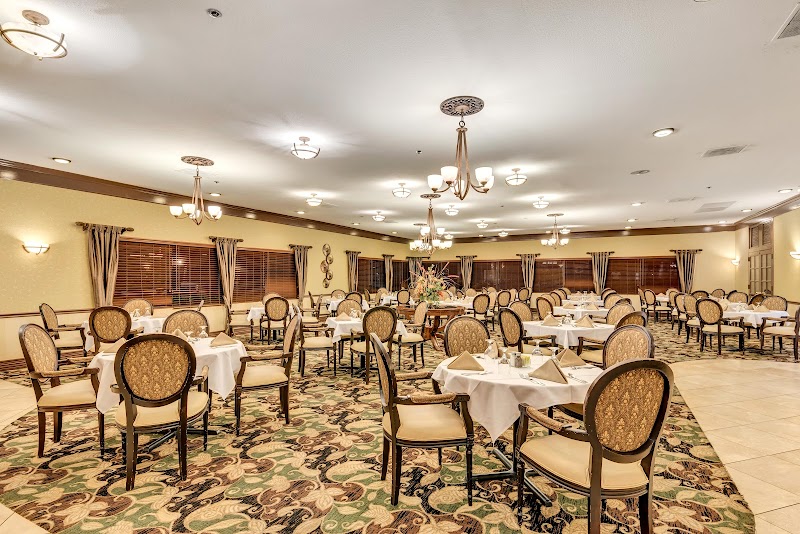
How is Springdale Village Healthcare Staffed?

CMS rates SPRINGDALE VILLAGE HEALTHCARE's staffing level at 1 out of 5 stars, which is much below average compared to other nursing homes. Staff turnover is 100%, which is 53 percentage points above the Arizona average of 47%. High turnover can affect care consistency as new staff learn residents' individual needs. RN turnover specifically is 100%, which is notably high. RNs provide skilled clinical oversight, so turnover in this role can affect medical care quality.

What Have Inspectors Found at Springdale Village Healthcare?

State health inspectors documented 28 deficiencies at SPRINGDALE VILLAGE HEALTHCARE during 2021 to 2025. These included: 28 with potential for harm.

Who Owns and Operates Springdale Village Healthcare?

SPRINGDALE VILLAGE HEALTHCARE is owned by a for-profit company. For-profit facilities operate as businesses with obligations to shareholders or private owners. The facility is operated by ALLEGIANT HEALTHCARE, a chain that manages multiple nursing homes. With 122 certified beds and approximately 27 residents (about 22% occupancy), it is a mid-sized facility located in MESA, Arizona.

How Does Springdale Village Healthcare Compare to Other Arizona Nursing Homes?

Compared to the 100 nursing homes in Arizona, SPRINGDALE VILLAGE HEALTHCARE's overall rating (2 stars) is below the state average of 3.3, staff turnover (100%) is significantly higher than the state average of 47%, and health inspection rating (2 stars) is below the national benchmark.

What Should Families Ask When Visiting Springdale Village Healthcare?

Based on this facility's data, families visiting should ask: "How do you ensure continuity of care given staff turnover, and what is your staff retention strategy?" "Can you walk me through typical staffing levels on day, evening, and night shifts?" "Can I visit during a mealtime to observe dining assistance and food quality?" "How do you handle medical emergencies, and what is your hospital transfer rate?" These questions are particularly relevant given the facility's high staff turnover rate and the below-average staffing rating.

Is Springdale Village Healthcare Safe?

Based on CMS inspection data, SPRINGDALE VILLAGE HEALTHCARE has a clean safety record: no substantiated abuse findings (meaning no confirmed cases of resident harm), no Immediate Jeopardy citations (the most serious violation level indicating risk of serious injury or death), and is not on the Special Focus Facility watch list (a federal program monitoring the lowest-performing 1% of nursing homes). The facility has a 2-star overall rating and ranks #100 of 100 nursing homes in Arizona. While no facility is perfect, families should still ask about staff-to-resident ratios and recent inspection results during their visit.

Do Nurses at Springdale Village Healthcare Stick Around?

Staff turnover at SPRINGDALE VILLAGE HEALTHCARE is high. At 100%, the facility is 53 percentage points above the Arizona average of 47%. Registered Nurse turnover is particularly concerning at 100%. RNs handle complex medical decisions and coordinate care — frequent RN changes can directly impact care quality. High turnover means new staff may not know residents' individual needs, medications, or preferences. It can also be disorienting for residents, especially those with dementia who rely on familiar faces. Families should ask: What is causing the turnover? What retention programs are in place? How do you ensure care continuity during staff transitions?

Was Springdale Village Healthcare Ever Fined?

SPRINGDALE VILLAGE HEALTHCARE has no federal fines on record. CMS issues fines when nursing homes fail to meet care standards or don't correct problems found during inspections. The absence of fines suggests the facility has either maintained compliance or corrected any issues before penalties were assessed. This is a positive indicator, though families should still review recent inspection reports for the full picture.

Is Springdale Village Healthcare on Any Federal Watch List?

SPRINGDALE VILLAGE HEALTHCARE is not on any federal watch list. The most significant is the Special Focus Facility (SFF) program, which identifies the bottom 1% of nursing homes nationally based on persistent, serious quality problems. Not being on this list means the facility has avoided the pattern of deficiencies that triggers enhanced federal oversight. This is a positive indicator, though families should still review the facility's inspection history directly.