AZ - RIO VISTA POST ACUTE AND REHABILITATION
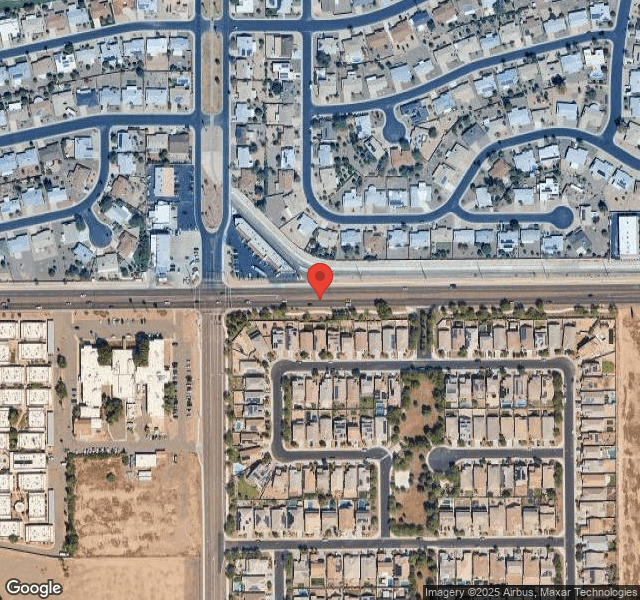

10323 WEST OLIVE AVENUE, PEORIA, AZ 85345 (623) 875-0100
For profit - Limited Liability company 150 Beds THE ENSIGN GROUP Data: November 2025
Trust Grade
65/100
#42 of 139 in AZ
Last Inspection: May 2023

Over 2 years since last inspection. Current conditions may differ from available data.

Overview

Rio Vista Post Acute and Rehabilitation in Peoria, Arizona, has a Trust Grade of C+, which indicates it is slightly above average. It ranks #42 out of 139 nursing homes in Arizona, placing it in the top half of facilities statewide, and #32 out of 76 in Maricopa County, meaning only one other local option is rated higher. Unfortunately, the facility's trend is worsening, as issues increased from 3 in 2023 to 7 in 2025. Staffing is rated average with a turnover of 52%, which is close to the state average of 48%. The absence of fines is a positive sign, indicating no recorded compliance problems, and there is better RN coverage than 75% of facilities in the state, which helps ensure residents receive proper care. However, there are some concerning incidents. For example, one resident developed a pressure ulcer due to insufficient monitoring and care, which could lead to further complications. Another resident did not receive necessary respiratory care, potentially risking respiratory issues. Additionally, the facility failed to consistently screen staff for COVID-19, which poses a risk for infection spread. Overall, while there are strengths in staffing and RN coverage, the rising number of issues and specific care deficiencies are important to consider.

Trust Score
C+
65/100
In Arizona
#42/139
Top 30%
Safety Record
Moderate
Needs review
Inspections
Getting Worse
3 → 7 violations
Staff Stability
⚠ Watch
52% turnover. Above average. Higher turnover means staff may not know residents' routines.
Penalties
✓ Good
No fines on record. Clean compliance history, better than most Arizona facilities.
Skilled Nurses
✓ Good
Each resident gets 45 minutes of Registered Nurse (RN) attention daily — more than average for Arizona. RNs are trained to catch health problems early.
Violations
⚠ Watch
23 deficiencies on record. Higher than average. Multiple issues found across inspections.
★★★★☆
4.0
Overall Rating
★★★☆☆
3.0
Staff Levels
★★★★★
5.0
Care Quality
★★★☆☆
3.0
Inspection Score
Stable
2023: 3 issues
2025: 7 issues

The Good

  • 5-Star Quality Measures · Strong clinical quality outcomes
  • Full Sprinkler Coverage · Fire safety systems throughout facility
  • No fines on record

Facility shows strength in quality measures, fire safety.

The Bad

Staff Turnover: 52%

Near Arizona avg (46%)

Higher turnover may affect care consistency

Chain: THE ENSIGN GROUP

Part of a multi-facility chain

Ask about local staffing decisions and management

The Ugly 23 deficiencies on record

1 actual harm
Jun 2025 3 deficiencies
CONCERN (D) 📢 Someone Reported This

A family member, employee, or ombudsman was alarmed enough to file a formal complaint

Potential for Harm - no one hurt, but risky conditions existed

Abuse Prevention Policies (Tag F0607)

Could have caused harm · This affected 1 resident

**NOTE- TERMS IN BRACKETS HAVE BEEN EDITED TO PROTECT CONFIDENTIALITY** Based on documentation, staff interviews, and the facility policy and procedures, the facility failed implement their abuse poli...

Read full inspector narrative →
**NOTE- TERMS IN BRACKETS HAVE BEEN EDITED TO PROTECT CONFIDENTIALITY** Based on documentation, staff interviews, and the facility policy and procedures, the facility failed implement their abuse policy. By failing to report an allegation of misappropriation involving one resident (#5) to the state agency. The deficient practice could result in abuse/neglect and misappropriation, and other policies not being followed and potentially placing residents at harm. Findings included:Resident #5 was admitted to the facility on [DATE] with diagnoses that included Hypertension, and fractures.The minimum data set (MDS) dated [DATE] included a brief interview for mental status (BIMS) score of 10 indicating the resident had moderate cognitive impairment.A request was made on June 27, 2025 at 11:04 a.m. for the 5 day reports from April 2024 through May 2024 and revealed no 5 day reports for Resident #5 were completed.A request of grievances was made on June 27, 2025 at 11:04 a.m. for the grievance log from April 2024 through May 2024 which revealed a documented on grievance on the May 2024 grievance log -- Line 2 had a grievance with Resident #5's name. The Summary of Concern and was listed as 'missing money'. The Resolution box listed, 'police called'.An interview was conducted on June 27, 2025 at 2:21 p.m. with Staff #1 LPN (licensed practical nurse) who stated that if staff suspect someone is abusing or stealing from a resident they immediately report to staff #7 (Administrator). Training is done yearly and if you do not report abuse/neglect/misappropriation you could get fired, reported to the state, and fined.An interview was conducted on June 27, 2025 at 2:28 p.m. with Staff #3 CNA (certified nursing assistant) who stated that when a resident tells staff their money is missing, staff should report that to the nurse right away. The training for abuse/neglect/misappropriation happens every month and if staff do not report, they could lose their license.An interview was conducted on June 27, 2025 at 2:35 p.m. with Staff #2 the assistant director of nursing (ADON) who stated that trainings are done for abuse/neglect and misappropriation and if suspected, staff should notify the facility officer right away. The facility officer for abuse/neglect/misappropriation is (Staff #7). An interview was conducted on June 27, 2025 at 2:44 p.m. with Staff #7 who stated that she was not in the building when Resident #5 reported that his wallet with $800-$1200 was missing; and that the admission packet had a statement that if you have over $50, the nurse would strongly suggest to put it in the trust. Staff #7 stated that the admission nurses are trained to encourage the family member to take the money to the bank or put it in the trust (at the facility). Staff # 7 stated that if a grievance is made, it will at least be investigated to find out if it was on the inventory sheet. Staff #7 stated that if it were reported it to the state, it would be within the two hour time frame; and that, if facility does not go through proper investigations and reporting timely, may cause residents to feel it won't be addressed or taken seriously.An interview was conducted on June 27, 2025 at 3:12 p.m. with Staff #4 Social Services Coordinator and Staff #7 who confirmed that the grievance was documented. Staff #4 revealed that Resident #5 had mentioned that he did not have his wallet; and that the police were called. Staff #7 joined in the interview who confirmed yes, that is a reportable. A review of the facility policy entitled Abuse: Prevention of and Prohibition Against, with a revision date 10/2024 revealed that each resident has the right to be free from abuse, neglect, misappropriation of resident property, and exploitation. Section F. Investigation: all allegations of abuse, neglect, misappropriation of resident property, and exploitation will be promptly and thoroughly investigated by the Administrator or his/her designee. Section H. Reporting/Response Allegations of abuse, neglect, misappropriation of resident property, or exploitation will be reported outside the Facility and to the appropriate State and Federal agencies in the applicable timeframes, as per this policy and applicable regulations.
CONCERN (D) 📢 Someone Reported This

A family member, employee, or ombudsman was alarmed enough to file a formal complaint

Potential for Harm - no one hurt, but risky conditions existed

Report Alleged Abuse (Tag F0609)

Could have caused harm · This affected 1 resident

**NOTE- TERMS IN BRACKETS HAVE BEEN EDITED TO PROTECT CONFIDENTIALITY** Based on documentation, staff interviews, and the facility policy and procedures, the facility failed to report an allegation of...

Read full inspector narrative →
**NOTE- TERMS IN BRACKETS HAVE BEEN EDITED TO PROTECT CONFIDENTIALITY** Based on documentation, staff interviews, and the facility policy and procedures, the facility failed to report an allegation of misappropriation for one resident (#5), within the required timeframe. The sample was 3. The deficient practice could result in resident personal property being misappropriated.Findings included:Resident #5 was admitted to the facility on [DATE] with diagnoses that included Hypertension, and fractures.The minimum data set (MDS) dated [DATE] included a brief interview for mental status (BIMS) score of 10 indicating the resident had moderate cognitive impairment.A request was made on June 27, 2025 at 11:04 a.m. for the 5 day reports from April 2024 through May 2024 and revealed no 5 day reports for Resident #5 were completed.A request of grievances was made on June 27, 2025 at 11:04 a.m. for the grievance log from April 2024 through May 2024 which revealed a documented on grievance on the May 2024 grievance log -- Line 2 had a grievance with Resident #5's name. The Summary of Concern and was listed as 'missing money'. The Resolution box listed, 'police called'.An interview was conducted on June 27, 2025 at 2:21 p.m. with Staff #1 LPN (licensed practical nurse) who stated that if staff suspect someone is abusing or stealing from a resident they immediately report to staff #7 (Administrator). Training is done yearly and if you do not report abuse/neglect/misappropriation you could get fired, reported to the state, and fined.An interview was conducted on June 27, 2025 at 2:28 p.m. with Staff #3 CNA (certified nursing assistant) who stated that when a resident tells staff their money is missing, staff should report that to the nurse right away. The training for abuse/neglect/misappropriation happens every month and if staff do not report, they could lose their license.An interview was conducted on June 27, 2025 at 2:35 p.m. with Staff #2 the assistant director of nursing (ADON) who stated that trainings are done for abuse/neglect and misappropriation and if suspected, staff should notify the facility officer right away. The facility officer for abuse/neglect/misappropriation is (Staff #7). An interview was conducted on June 27, 2025 at 2:44 p.m. with Staff #7 who stated that she was not in the building when Resident #5 reported that his wallet with $800-$1200 was missing; and that the admission packet had a statement that if you have over $50, the nurse would strongly suggest to put it in the trust. Staff #7 stated that the admission nurses are trained to encourage the family member to take the money to the bank or put it in the trust (at the facility). Staff # 7 stated that if a grievance is made, it will at least be investigated to find out if it was on the inventory sheet. Staff #7 stated that if it were reported it to the state, it would be within the two hour time frame; and that, if facility does not go through proper investigations and reporting timely, may cause residents to feel it won't be addressed or taken seriously.An interview was conducted on June 27, 2025 at 3:12 p.m. with Staff #4 Social Services Coordinator and Staff #7 who confirmed that the grievance was documented. Staff #4 revealed that Resident #5 had mentioned that he did not have his wallet; and that the police were called. Staff #7 joined in the interview who confirmed yes, that is a reportable. A review of the facility policy entitled Abuse: Prevention of and Prohibition Against, with a revision date 10/2024 revealed in section H. Reporting/Response revealed that allegations of abuse, neglect, misappropriation of resident property, or exploitation will be reported outside the Facility and to the appropriate State or Federal agencies in the applicable timeframes, as per this policy and applicable regulations.
CONCERN (D) 📢 Someone Reported This

A family member, employee, or ombudsman was alarmed enough to file a formal complaint

Potential for Harm - no one hurt, but risky conditions existed

Investigate Abuse (Tag F0610)

Could have caused harm · This affected 1 resident

**NOTE- TERMS IN BRACKETS HAVE BEEN EDITED TO PROTECT CONFIDENTIALITY** Based on documentation, staff interviews, and the facility policy and procedures, the facility failed to complete a thorough inv...

Read full inspector narrative →
**NOTE- TERMS IN BRACKETS HAVE BEEN EDITED TO PROTECT CONFIDENTIALITY** Based on documentation, staff interviews, and the facility policy and procedures, the facility failed to complete a thorough investigation regarding misappropriation for one resident (#5), submit the 5 day investigation within the required timeframe, and prevent further potential misappropriation during the investigation. The sample was 3. The deficient practice could result in resident personal property being misappropriated.Findings included:Resident #5 was admitted to the facility on [DATE] with diagnoses that included Hypertension, and fractures.The minimum data set (MDS) dated [DATE] included a brief interview for mental status (BIMS) score of 10 indicating the resident had moderate cognitive impairment.A request was made on June 27, 2025 at 11:04 a.m. for the 5 day reports from April 2024 through May 2024 and revealed no 5 day reports for Resident #5 were completed.A request of grievances was made on June 27, 2025 at 11:04 a.m. for the grievance log from April 2024 through May 2024 which revealed a documented on grievance on the May 2024 grievance log -- Line 2 had a grievance with Resident #5's name. The Summary of Concern and was listed as 'missing money'. The Resolution box listed, 'police called'.An interview was conducted on June 27, 2025 at 2:21 p.m. with Staff #1 LPN (licensed practical nurse) who stated that if staff suspect someone is abusing or stealing from a resident they immediately report to staff #7 (Administrator). Training is done yearly and if you do not report abuse/neglect/misappropriation you could get fired, reported to the state, and fined.An interview was conducted on June 27, 2025 at 2:28 p.m. with Staff #3 CNA (certified nursing assistant) who stated that when a resident tells staff their money is missing, staff should report that to the nurse right away. The training for abuse/neglect/misappropriation happens every month and if staff do not report, they could lose their license.An interview was conducted on June 27, 2025 at 2:35 p.m. with Staff #2 the assistant director of nursing (ADON) who stated that trainings are done for abuse/neglect and misappropriation and if suspected, staff should notify the facility officer right away. The facility officer for abuse/neglect/misappropriation is (Staff #7). An interview was conducted on June 27, 2025 at 2:44 p.m. with Staff #7 who stated that she was not in the building when Resident #5 reported that his wallet with $800-$1200 was missing; and that the admission packet had a statement that if you have over $50, the nurse would strongly suggest to put it in the trust. Staff #7 stated that the admission nurses are trained to encourage the family member to take the money to the bank or put it in the trust (at the facility). Staff # 7 stated that if a grievance is made, it will at least be investigated to find out if it was on the inventory sheet. Staff #7 stated that if it were reported it to the state, it would be within the two hour time frame; and that, if facility does not go through proper investigations and reporting timely, may cause residents to feel it won't be addressed or taken seriously.An interview was conducted on June 27, 2025 at 3:12 p.m. with Staff #4 Social Services Coordinator and Staff #7 who confirmed that the grievance was documented. Staff #4 revealed that Resident #5 had mentioned that he did not have his wallet; and that the police were called. Staff #7 joined in the interview who confirmed yes, that is a reportable. A review of the facility policy entitled Abuse: Prevention of and Prohibition Against, with a revision date 10/2024 revealed in section F. Investigation revealed that allegations of abuse, neglect, misappropriation of resident property, or exploitation will be promptly and thoroughly investigated by the Administrator or his/her designee. Interviews with any witnesses to the incident; An interview with staff members (on all shifts) who may have information regarding the alleged incident. A review of all circumstances surrounding the incident. At the conclusion of the investigation, the Facility will attempt to determine if abuse, neglect, misappropriation of resident property, or exploitation has occurred. The investigation, and the results of the investigation, will be documented.
May 2025 3 deficiencies
CONCERN (D) 📢 Someone Reported This

A family member, employee, or ombudsman was alarmed enough to file a formal complaint

Potential for Harm - no one hurt, but risky conditions existed

Deficiency F0561 (Tag F0561)

Could have caused harm · This affected 1 resident

**NOTE- TERMS IN BRACKETS HAVE BEEN EDITED TO PROTECT CONFIDENTIALITY** Based on observation, clinical record review, resident and staff interviews, and review of facility policy, the facility failed ...

Read full inspector narrative →
**NOTE- TERMS IN BRACKETS HAVE BEEN EDITED TO PROTECT CONFIDENTIALITY** Based on observation, clinical record review, resident and staff interviews, and review of facility policy, the facility failed to ensure one (#5) of three sampled residents' choices regarding personal hygiene care were considered and honored in regard to shower preferences. The deficient practice could result in residents not having their choice in personal preferences that are significant to them. Findings include: Resident #5 was admitted to the facility on [DATE] with diagnoses that included metabolic encephalopathy, urinary tract infection, and end stage renal disease. Review of the Minimum Data Set (MDS) dated [DATE] revealed a Brief Interview for Mental Status (BIMS) score of 13, indicating intact cognition. Review of the care plan revealed a problem focus initiated on September 10, 2024, which revealed that the resident could be resistive to care, such as refusing showers. Interventions in place included allowing the resident to make decision about treatment regime to provide a sense of control, providing consistency in care to promote comfort with Activities of Daily Living (ADLs) as much as possible, and providing the resident with opportunities for choice during care provision. Review of the bathing charting in the Electronic Health Record (EHR) revealed that from April 7, 2025 to May 6, 2025, Resident #5 received one shower, two sponge baths, and one full-body bath. At that time period, there were three documented instances of the resident refusing, on April 9, April 16, and April 30 of 2025, which all were on Wednesdays. Review of the provider order dated March 14, 2025 revealed that Resident #5 received dialysis three times a week on Monday, Wednesday, and Friday. Review of the shower sheets for February 2025 through May 4, 2025 revealed that Resident #5 received six showers, nine bed baths, and refused ten showers. Of the ten documented refusals, eight of these were on Wednesdays, which was one of the resident's scheduled dialysis days. Review of the shower sheet dated Wednesday, April 2, 2025, revealed that the staff documented that the resident left before a shower could be completed. There was no evidence found that a shower was completed or attempted again until April 6, 2025. Additionally, review of the shower sheet dated April 9, 2025 revealed a comment from staff that indicated that the resident had refused her shower; and that, stated she did not want to go outside after shower because she was concerned about developing pneumonia. Review of the progress notes revealed psychiatric notes, from December 2024 to the most recent note dated April 22, 2025. These notes revealed that the resident had been documented by staff to occasionally refuse showers. There was no evidence found in the progress notes that the resident had been asked about why she had refused. An interview was conducted on May 6, 2025 at 10:07AM with Resident #5, who stated that she did not like her shower schedule. She explained that one of her scheduled shower days fell on Wednesdays, which was a day she was also scheduled for dialysis outside of the facility. The resident explained that she normally leaves for dialysis between 08:00AM and 9:00AM and she does not return to the facility until 3:00 or 4:00PM. The resident further explained that she does not want to go out to dialysis with wet hair, so she often denies a shower on Wednesday mornings when staff offer her a shower. The resident stated she had told multiple staff that she does not like showering on dialysis days, but claimed that none of the staff have done anything to change her shower schedule. Interview was conducted on May 7, 2025 at 10:50AM with a Certified Nursing Assistant (CNA/Staff #16), who confirmed that Resident #5's shower days were Sundays and Wednesdays during the day shift. The CNA stated that Resident #5 could take showers, but had lately been preferring to do bed baths instead. The CNA also stated that staff attempt to shower Resident #5 before dialysis because she is often tired after dialysis. The CNA stated that Resident #5 will sometimes say that she does not want to shower before going to dialysis because she does not want to get sick with pneumonia again. The CNA then stated that the resident is particular in her wants, as she will often deny her shower before dialysis, but she almost always gets up for her smoke breaks. The CNA stated that she felt there was time to complete Resident #5's showers before dialysis, as her transportation does not arrive until around 0830AM, however Resident #5 often does not want to get up or she gets cold. When asked what is done for a resident that is frequently refusing baths, the CNA explained that the staff will attempt to talk to the resident and offer to do a bed bath instead. The CNA stated that a shower is always offered first, and if the resident refuses, the staff should document on the shower sheets that a shower was offered and the resident chose a bed bath instead. The CNA also explained that each room is assigned a shower date and time, though staff attempt to accommodate if the residents have preferences. She also stated that if a shower is missed due to an appointment, staff would attempt to complete later that day or the following day. An interview was conducted on May 7, 2025 at 11:35AM with a Licensed Practical Nurse (LPN/Staff #33) who stated that Resident #5 decides what she wants to do regarding her care, including showers. The LPN stated that the resident will often be tired the day of and the day after dialysis. The LPN explained that Resident #5's shower times were Sundays and Wednesdays between 6:00AM and 2:00PM. She stated that the resident's transportation normally arrives between 08:30AM and 09:30AM. The LPN explained that staff attempt to provide showers before her dialysis. The LPN also stated that the resident will sometimes refuse, stating that she does not want her hair to be wet when going to dialysis. The LPN stated that she had attempted to tell the resident that she could get a shower without wetting her hair, but the resident did not accept. Interview was conducted on May 7, 2025 with the Director of Nursing (DON/Staff #18) who stated that resident preferences are considered when implementing the facility shower schedule. The DON also stated that some residents may have dialysis or appointments on their shower days, and if this was the case, staff discuss with the resident if they would like their shower moved to another day. The DON stated that if a resident was noted to frequently refuse showers, staff would discuss with the resident to ask for the resident's preferences, and staff would see if the preferences could be accommodated. When asked if she was aware of Resident #5's preference to not have showers on dialysis days, the DON stated she was unsure if the concern had been brought up to any management, but stated that staff did not bring up shower concerns during the weekly interdisciplinary team (IDT) rounds. Review of the facility policy titled, ADL's - hygiene, grooming, toileting, bathing, oral care, dressing, grooming, mobility, transfers, ambulation, etc. (Revised July 2025), revealed that residents should be involved in decision making and given choices related to ADL activities as much as possible.
CONCERN (D) 📢 Someone Reported This

A family member, employee, or ombudsman was alarmed enough to file a formal complaint

Potential for Harm - no one hurt, but risky conditions existed

Pressure Ulcer Prevention (Tag F0686)

Could have caused harm · This affected 1 resident

**NOTE- TERMS IN BRACKETS HAVE BEEN EDITED TO PROTECT CONFIDENTIALITY** Based on observation, clinical record review, staff interviews, and review of facility policy, the facility failed to ensure one...

Read full inspector narrative →
**NOTE- TERMS IN BRACKETS HAVE BEEN EDITED TO PROTECT CONFIDENTIALITY** Based on observation, clinical record review, staff interviews, and review of facility policy, the facility failed to ensure one (#2) of four residents reviewed for pressure ulcers was provided care and services to prevent and safely treat pressure ulcers. The deficient practice could result in the development and worsening of pressure ulcers. Findings include: Resident #2 was admitted to the facility on [DATE] with diagnoses that included (cystitis) inflammation of the bladder, Type two diabetes mellitus, and generalized muscle weakness. Review of the nursing progress note dated April 8, 2025 revealed that on admission, the resident was noted to have a wound to the right heel, which had a clean dressing in place. There was no evidence of other wounds noted at this time. Review of the Initial admission Record revealed that on April 9, 2025, the resident was observed to have a right heel wound. There was no evidence of any other wounds or skin impairments at that time. Review of Resident #2's care plan revealed a problem focus, initiated on April 9, 2025, that revealed that the resident had a pressure ulcer or potential for pressure ulcer development. The goal in place for this focus was that the resident would have intact skin, free of redness, blisters, or discoloration through the review date. Interventions in place for this focus included: weekly head to toe skin assessments; informing the resident, family, and caregivers of any new areas of skin breakdown; and monitoring, documenting, and reporting to the Medical Doctor (MD) any changes in skin status. Review of the Minimum Data Set (MDS) dated [DATE] revealed a Brief Interview for Mental Status (BIMS) score of 12, indicating moderate cognitive impairment. Review of the nursing notes revealed a note dated April 20, 2025, which indicated that Resident #2 was noted to have a superficial popped out blister at the sacral area with redness on surrounding skin. The note revealed that the area was about one and a half inches in diameter. The nurse indicated that they had cleansed the area and applied a healing cream to avoid irritation. There was no evidence found in this note that the medical doctor (MD) had been notified or new orders were ordered to administer treatment. There was no evidence found to indicate what type of cream treatment was applied to the wound. An interview was conducted on May 7, 2025 at 10:50AM with a Certified Nursing Assistant (CNA/Staff #16), who stated that if she noticed a new skin impairment on a resident, she would let the nurse know and contact the wound nurse to determine if it was a new skin impairment. An interview was conducted on May 7, 2025 at 1:00PM with the Registered Nurse (RN/Staff #24) who initially noted the new skin impairment. The RN described that he had noticed on April 20, 2025, that Resident #2 had a sore on his bottom, which he described as a red open area with tearing skin, about a one-inch area. The RN stated that he had never seen a bed sore prior to this, but stated that he knew that they often started with a blister. The RN detailed that he had applied a cream to the wound when he noticed it. The RN could not identify the name of the cream he had used, but knew that the CNAs often used the cream for patients with bedsores. When asked if staff should obtain an order to apply a treatment to a wound, the RN explained that he did not think the treatment would require an order, as he believed this was a treatment he could begin and notify the MD after. The RN stated that he had spoken to his Director of Nursing (DON) about this case this morning, May 7, 2025, and understood that he had failed to follow protocol with this case. An interview was conducted on May 7, 2025 at 2:34PM with the wound care Registered Nurse (RN/Staff #27), who stated that she was not aware of Resident #2's new skin impairment, which was noted on April 20, 2025. The RN explained that she was on vacation at that time, so the DON was covering her job at the time. The RN reviewed the nursing note in which the skin impairment was described, and the RN stated that the wound described could be a potential pressure ulcer or it could be a skin tear. An interview was conducted on May 7, 2025 at 4:10PM with the Director of Nursing (DON/Staff #18), who stated that she would expect that if staff noticed a change of condition, the staff should notify the provider, who would give instruction on what to do next. She stated she would then expect staff to follow any new orders, notify family, and document the change of condition. When asked if she felt that Resident #2's new noted skin impairment on April 20, 2025 would be considered a change of condition, the DON stated it was potentially a change of condition, depending on what type of open area was discovered. When asked if she could determine what type of treatment was applied by the nurse, the DON stated that she would assume the nurse applied a protective barrier cream with zinc. The DON stated that the nurse should have notified the wound care nurse and put in a nursing note upon discovering the skin impairment. When asked if the DON felt this wound could have potentially been a pressure ulcer developing, the DON denied that this was a pressure ulcer, stating that the nurse had the skills to assess and determine the nature of the wound, though the wound nurse should have been notified. Review of the facility policy titled, Wound Management (reviewed June 2024), revealed that once a wound has been identified, assessed, and documented, nursing shall administer treatment to each affected area per the Physician's order. The policy also indicated that all wound or skin treatments should be documented in the resident's clinical record at the time they are administered. Review of the facility policy titled, Change of Condition Reporting (reviewed June 2024), revealed that all changes in resident condition will be communicated to the physician and resident representative and documented.
CONCERN (E) 📢 Someone Reported This

A family member, employee, or ombudsman was alarmed enough to file a formal complaint

Potential for Harm - no one hurt, but risky conditions existed

Respiratory Care (Tag F0695)

Could have caused harm · This affected multiple residents

**NOTE- TERMS IN BRACKETS HAVE BEEN EDITED TO PROTECT CONFIDENTIALITY** Based on observation, clinical record review, staff interviews, and review of facility policy, the facility failed to ensure one...

Read full inspector narrative →
**NOTE- TERMS IN BRACKETS HAVE BEEN EDITED TO PROTECT CONFIDENTIALITY** Based on observation, clinical record review, staff interviews, and review of facility policy, the facility failed to ensure one (#4) of three sampled residents was provided respiratory care consistent with professional standards and highest practicability of care. The deficient practice could result in respiratory complications. Findings include: Resident #4 was admitted to the facility on [DATE] with diagnoses that included diabetes mellitus, hypertension, and heart failure with preserved ejection fraction. Review of the Minimum Data Set (MDS) dated [DATE] revealed a Brief Interview for Mental Status (BIMS) score of 12, indicating moderate cognitive impairment. Review of the care plan revealed no evidence of oxygen use or needs and no evidence of the resident having a focus related to respiratory issues. Review of the progress notes revealed Physician and nurse practitioner (NP)/physician asssistant (PA) progress notes from November 2, 2024 to November 27, 2022 which recommended supplemental oxygen use to keep oxygen saturation (the amount of oxygen circulating in your blood) percent greater than ninety-two percent. Review of the documented oxygen saturations revealed that all oxygen saturations documented included that the resident was on room air, indicating oxygen was not being administered during the reading. Additionally, the documentation revealed eight oxygen saturation readings that were less than or equal to ninety-two percent: November 27, 2024 14:37 82.0% Room Air November 27, 2024 06:55 91.0% Room Air November 25, 2024 07:26 92.0% Room Air November 21, 2024 07:37 92.0% Room Air November 20, 2024 21:12 82.0% Room Air November 20, 2024 06:50 86.0% Room Air November 18, 2024 08:26 90.0% Room Air November 17, 2024 21:13 80.0% Room Air There was no evidence found that the staff re-checked oxygen saturation following these low oxygen saturation readings, or that oxygen was applied. Further review of the nursing progress notes revealed multiple daily skilled notes (dated November 18, November 19, November 20, November 21, November 25, November 27 of 2024) which included vital signs for Resident #4. In these notes, the recorded oxygen saturation were less than ninety-two percent, and the note indicated that the resident was on room air. There was no evidence found that the provider was notified of these lower readings. Review of provider orders revealed no evidence that oxygen was ordered for Resident #4. Review of the Medication Administration Record (MAR) and Treatment Administration Record (TAR) for November 2024 revealed no evidence that oxygen was ordered or administered to Resident #4. A telephone interview was conducted on May 6, 2025 at 8:32AM with Resident #4's family member, who revealed that she had noticed on multiple occasions, during her stay, that Resident #4 had difficulty breathing. The family expressed that she would tell the staff about the respiratory issues the resident was having, but felt that the staff brushed her off. The family member stated that the facility did not provide Resident #4 with oxygen when Resident #4 was experiencing respiratory distress. A interview was conducted on May 6, 2025 at 08:55AM with a Certified Nursing Assistant (CNA/Staff #7) who stated that if she noticed a resident was in respiratory distress, she would sit them upright to help them breathe better. She stated that if the resident had orders for oxygen, she would ensure the oxygen was on and did not fall off. The CNA stated that she would then call the nurse. Interview was conducted on May 7, 2025 at 1:00PM with a Registered Nurse (RN/Staff #24), who stated that if a negative change in a resident's condition was noticed, he should notify the provider and colleagues. The RN further explained that if the change was emergent, such as one that disrupted the resident's vitals, this would require immediate intervention and he would call his supervisor for assistance. A interview was conducted on May 7, 2025 at 4:10PM with the Director of Nursing (DON/Staff #18), who stated that she would expect that during a change of condition, the staff should notify the provider, who would give instruction on what to do next. She stated she would then expect the staff to follow any new orders, notify family, and document the change of condition. The DON also stated that if a resident needs oxygen therapy, the staff should call the provider, obtain an order, and administer oxygen per the order. The DON stated that oxygen should have an order to administer it. The DON also stated that if a resident's oxygen saturation is noted to be abnormally low, she would expect the staff to notify the nurse, who would then assess the patient. She stated she would then expect the nurse to call the provider for orders if the resident showed signs of distress and follow the orders. When reviewing the chart for Resident #4, the DON could not find evidence that the provider was contacted for the low oxygen saturation readings recorded. Additionally, no order was located for oxygen usage. Review of the facility policy titled, Change of Condition Reporting (reviewed June 2024), revealed that all changes in resident condition will be communicated to the physician and resident representative and documented. Review of the facility policy titled, Oxygen Administration (reviewed January 2025), revealed that oxygen therapy should be administered by a licensed nurse as ordered by the physician or as a nursing measure and an emergency measure until the order can be obtained.
Feb 2025 1 deficiency
CONCERN (D) 📢 Someone Reported This

A family member, employee, or ombudsman was alarmed enough to file a formal complaint

Potential for Harm - no one hurt, but risky conditions existed

Deficiency F0660 (Tag F0660)

Could have caused harm · This affected 1 resident

**NOTE- TERMS IN BRACKETS HAVE BEEN EDITED TO PROTECT CONFIDENTIALITY** Based on clinical record review, resident and staff interviews, and policy review, the facility failed to ensure a Peripherally ...

Read full inspector narrative →
**NOTE- TERMS IN BRACKETS HAVE BEEN EDITED TO PROTECT CONFIDENTIALITY** Based on clinical record review, resident and staff interviews, and policy review, the facility failed to ensure a Peripherally Inserted Central Catheter (PICC) line was discontinued when not required prior to, or at time of, discharge for one of three Residents (#1). The deficient practice could result in residents utilizing the PICC line inappropriately or getting infection if not prope. Findings include: Resident #1 was admitted to the facility on [DATE] with diagnoses that included sepsis, psychoactive substance abuse, depression, and anxiety. An order was initiated on January 23, 2025 to flush the PICC line right upper extremity (RUE) before and after use of intravenous IV medications. An order was initiated on January 23, 2025 to do PICC line care and dressing changes. An order initiated on January 24, 2025 revealed that Resident #1 ' s opioid risk was high risk. An order initiated on January 24, 2025 revealed that upon discharge, the facility should have removed the negative pressure wound therapy (NPWT) dressing and discarded it, as well as removed the canister from the device and placed the device in a clear plastic bag to be placed in the med room. There was no evidence of an order to remove Resident #1 ' s PICC line in the clinical record. An assessment utilizing the opioid risk tool was conducted on January 24, 2025 which revealed that Resident #1 had a personal history of substance abuse of illegal drugs. A care plan initiated on January 24, 2025 revealed a focus on the potential for an adverse outcome from opioid use because of her history of opioid abuse or other substance abuse. The care plan also revealed a focus on IV antibiotic therapy with an intervention for RUE PICC line care as ordered with no evidence of a revision to that intervention. The care plan revealed focuses on fall risk, pain, dehydration, ADL self care performance deficit, the risk for impaired cognitive function or impaired thought processes, and the potential for a psychosocial well-being problem all due to opioid dependency, psychoactive substance abuse, depression, and homelessness. The care plan also revealed a focus on the resident ' s wish to be discharged to their home. A weekly skin assessment conducted on January 30, 2025 at 6:39 p.m. indicated that the resident had a wound vac on her left foot and a PICC RUE line. A progress note dated January 31, 2025 revealed that the resident was discharged on January 31, 2025 at 2:30 p.m. via wheelchair, and that she left without signing her discharge summary. It was revealed that the resident left with the wound vaccuum in place and that the resident was alert and oriented and could communicate her needs well. The Discharge Minimum Data Set (MDS) assessment dated [DATE] revealed that the resident's Brief Interview for Mental Status (BIMS) score was 14, which indicated intact cognition. A Discharge summary dated [DATE] and signed by the Director of Nursing (DON/Staff#22) revealed that the resident was discharged to a shelter. The skin assessment portion of the discharge summary remained blank and indicated not available na for the need for ongoing treatment, treatment ordered, and other treatments or skin care. The discharge summary revealed that discharge instructions were given to the resident and her personal belongings were sent with her, the resident needed to follow up with wound care, and that her insurance ended on January 31, 2025. An interview was conducted on February 5, 2025 at 11:54 a.m. with a social worker at the hospital (Hospital Social Worker/Staff#507) who stated that a patient came into the emergency room on February 2, 2025 after being homeless following her discharge from the facility. The social worker stated that the resident was discharged from the facility with a PICC line and a history of substance abuse, including methadone. The social worker stated that when they asked Resident #1 about the PICC line she stated the facility did not remove it, and she still had it in. An interview was conducted on February 5, 2025 at 12:37 p.m. with an emergency room physician (emergency room Physician/Staff#398) who stated that she was the physician working at the hospital at the time the resident came into the emergency room on February 2, 2025 and that she did the initial assessment of Resident #1. The physician stated that Resident #1 claimed she was discharged to a shelter from the facility and that they did not have space for her when she arrived. The physician stated that the nurses witnessed and documented a PICC line in the right upper extremity of Resident #1 upon her admission to the hospital. An interview was conducted on February 5, 2025 at 2:18 p.m. with a Licensed Practical Nurse (LPN/Staff#57) who stated that on the day of discharge, the PICC line would be removed from residents with a PICC line. The LPN further stated that residents would not be discharged with a PICC line in place. An interview was conducted on February 5, 2025 at 2:25 p.m. with the Director of Case Management (DOCM/Staff#77) who stated that when a resident ' s coverage would run out she would try to find a discharge location that works for them, and if a resident had substance abuse problems she would try to get placement. Staff #77 stated that when the facility discharged residents to shelters, they would look at whether or not a resident was alert and oriented because they wouldn't know if there would be a spot at the shelter when they were discharged and there was no way to communicate with the shelter. Staff #77 stated that in Resident #1's case, her coverage was ending on January 31, 2025, the doctor changed the antibiotics from IV antibiotics to PO (by mouth), and that the facility could not send residents with a wound vac if they did not have a place to live. Staff #77 stated that they changed Resident #1 from IV to PO antibiotics because they, would have had to keep her if they did not. Staff #77 stated that it would be dangerous to discharge a resident with a PICC line who had a history of drug abuse. Staff #77 stated that if a resident was discharged with a PICC line left in place, it would indicate an unsafe discharge. An interview was conducted on February 5, 2025 at 2:32 p.m. with a Registered Nurse (RN/Staff#23) who stated that a resident being discharged would need their PICC line removed by a registered nurse before discharging. A telephonic interview was conducted on February 5, 2025 at 3:48 p.m. with a License Practical Nurse (LPN/Staff#66) who stated that his role in the discharge process was to check for wounds, sign the discharge summary, initiate a discharge progress note, document the time the resident left and what they signed, document if the resident took prescriptions, who was taking the resident, and how they left. Staff #66 stated that if he removed a PICC line he would document in the progress note that it was removed. The LPN also stated that there needed to be an order to remove the PICC line. The LPN stated that he had removed a PICC line before, but never at this facility and he stated that it was important to remove a PICC line to avoid problems with infection and to prevent residents from using it for their own purposes like drug abuse. The LPN further stated that he worked with Resident #1 the morning she was to be discharged and he was unsure of why she was moved from IV to PO antibiotics. The LPN relayed that when he got to Resident #1's room to discharge her, she was nowhere to be found, but he did not want to say she was lost. He further stated that at that time he spoke with a staff member at the front desk who stated that they witnessed the resident leaving with the wheelchair and getting into a vehicle. The LPN stated that he does know if the resident left against medical advice because, someone told me (Staff #66) she (the resident) was smoking downstairs by the chapel. Staff #66 further stated that he did not report it to anyone because his, schedule was busy that day, and he did not tell anyone that Resident #1 left without a skin assessment. The LPN stated that he did not remove Resident #1's PICC line prior to her discharge and that he would call it an unsafe discharge if a resident discharged into the community with a PICC line in place and a history of substance abuse. An interview was conducted on February 5, 2025 at approximately 4 p.m. with the Director of Nursing, (DON/Staff#22), who confirmed that the resident was discharged with a PICC line. The DON stated that the nurse let Resident #1 know she would be discharging and that she needed to come back to see him. The DON stated that the facility knew Resident #1 left with the PICC line in place because she was on IV antibiotics at the facility. The DON further stated that the facility did have patients who would leave against medical advice in the past; and that, the process would be to call the police, but the police told the facility they are, no longer taking those calls. DON stated that the discharge for Resident #1 was considered a completed discharge and was not considered an against medical advice (AMA) discharge. The DON stated that the facility called the resident a ride for transportation to the shelter, and that they don't know if Resident #1 got into the vehicle. The DON stated that discharging Resident #1 with a PICC line would be a safe discharge because she was alert and oriented, and could leave if she chose to. The DON then stated that you cannot safely discharge to the community a resident with history of drug abuse with a PICC line.
May 2023 3 deficiencies
CONCERN (D) 📢 Someone Reported This

A family member, employee, or ombudsman was alarmed enough to file a formal complaint

Potential for Harm - no one hurt, but risky conditions existed

Deficiency F0658 (Tag F0658)

Could have caused harm · This affected 1 resident

**NOTE- TERMS IN BRACKETS HAVE BEEN EDITED TO PROTECT CONFIDENTIALITY** -Resident #66 was admitted on [DATE] with diagnoses of cerebral infarction, hemiplegia and hemiparesis affecting right dominant ...

Read full inspector narrative →
**NOTE- TERMS IN BRACKETS HAVE BEEN EDITED TO PROTECT CONFIDENTIALITY** -Resident #66 was admitted on [DATE] with diagnoses of cerebral infarction, hemiplegia and hemiparesis affecting right dominant side, aphasia, epilepsy unspecified, type 2 diabetes mellitus, atrial fibrillation, unspecified dementia and anxiety disorder. The care plan initiated on October 21, 2021 included that resident was on anticoagulant therapy related to atrial fibrillation. Interventions included to take/give medication at the same time each day. The current comprehensive care plan included an intervention to administer medications as ordered and to monitor/document for side effects and effectiveness. Review of the physician orders revealed the following morning medications: -Aspirin (nonsteroidal anti-inflammatory) 81 mg (milligrams) give 1 tablet by mouth one time a day for DVT (deep vein thrombosis) prophylaxis; -Tramadol (narcotic analgesic) 50 mg give 1 tablet by mouth every 6 hours as needed for pain 1-10; -Acetaminophen (analgesic) 325 mg give 2 tablets by mouth every 6 hours as needed for generalized discomfort; -Amiodarone (antiarrhythmic) 200 mg give 1 tablet by mouth one time a day for Atrial fibrillation; -Apixaban (anticoagulant) 5 mg give 1 tablet by mouth two times a day for Atrial fibrillation; -Clonidine (anti-hypertensive) 0.1 mg give 1 tablet by mouth every 8 hours for hypertension; -Diltiazem (calcium-channel blocker) 30 mg give 1 tablet by mouth two times a day for hypertension; and, -Famotidine (antacid) 20 mg give 1 tablet by mouth two times a day for GERD (gastro-esophageal reflux disease). These medications were transcribed onto the MAR for August 2022. However, review of the MAR revealed that these medications were neither documented as administered or not administered as ordered on August 26, 2022; and that, the boxes for these medication on this date were blank. The clinical record revealed no evidence why these medications were not administered as ordered; and that, the physician was notified. An interview with licensed practical nurse (LPN/staff #156) was conducted on May 26, 2023 at approximately 10:00 a.m. The LPN stated that staff were supposed to document if the resident took the medication or refused; and, inform the physician if the medication was not given or the resident refused. The LPN also stated that a nurse was expected to document administration/non-administration of medication and/or refusal of medication at time of administration in the clinical record. The LPN stated that she was unable to answer why there was no documentation that medications were administered or not administered to resident #66; or. the resident refused medications on August 26, 2022; and that, nursing staff probably failed to document administration. The LPN also stated that nurses worked 12 hour shifts and it was weird that charting of administration was not present in the electronic clinical record. Further, the LPN said if a nurse fails to document administration could result in a possible or definite medication error because the nurse may be unsure if the medication was given or not. The LPN also said that if a medication was not given it could pose harm to the resident. During an interview with the Director of Nursing (DON/staff #27) on May 26, 2023 at approximately 10:30 a.m., the DON stated that if a resident was administered with a medication, the staff would document the administration on the medication administration record (MAR) and/or if the medication was refused staff would document the refusal in the clinical record (MAR or progress note) and contact the provider. The DON stated that her expectation was for nurses to document in the clinical record whether or not the resident had received the medication. She stated that the risk to a resident could be a complication or change in condition due to the administration or lack of administration; and that, the nurse managing the change in condition would not know if the change in condition was related to the administration or lack of administration of the medication. Further, the DON stated that all resident refusal of medications is passed along in shift report. According to facility policy titled Administration of Drugs revised August 2022, it is their policy that medications shall be administered as prescribed by the attending physician. The policy included the seven rights of medication administration are as follows to ensure safety and accuracy of administration: right resident, right time, right medication, right dose, right route, right documentation and right diagnosis. Further, right documentation was defined as documentation of administration or refusal of medication after the administration or attempt and note any concerns. Further, the policy included that medications must be administered in accordance with the written orders of the attending physician; and that, Only licensed medical and nursing personnel or other lawfully authorized staff members may prepare, administer and record the administration of medications. Based on observations, clinical record reviews, staff interviews and facility policy review, the facility failed to ensure that medications were not left at bedside and readily available for use for one resident (104) and, the facility failed to ensure medications were administered to one resident (#66) as ordered by the physician. This deficient practice could result in residents not receiving medications as ordered by the physician and could result in increased risk of side effects. Findings include. Resident #104 admitted on [DATE] with diagnoses of necrotizing fasciitis, sepsis, acute respiratory failure and type 2 diabetes mellitus with diabetic neuropathy. A review of the clinical record revealed no documentation of a physician order for any eye drops. During an observation of the resident's (#104) room conducted on May 22, 2023, revealed the following eye drop bottles were found at the bedside: Refresh (ocular lubricant), Latanoprost (eye pressure lowering agent) and Brimonidine Tartrate (alpha adrenergic agonist). In another observation conducted on May 25, 2023 at 10:24 a.m., the abovementioned eye drop medication bottles continued to be found at bedside of resident #104. An interview with certified nursing assistant (CNA/staff #114) was conducted on May 25, 2023 at 10:39 a.m. The CNA she had never observed medications in resident rooms; and that, residents are not allowed to keep medications in their rooms. The CNA also said that she had not seen a resident self administer medications; and, had only seen a nurse give medications. The CNA also stated if she finds medications in a resident room, she would remove the medications and give them to the nurse on shift. In an interview with registered nurse (RN/staff #63) conducted May 25, 2023 at 10:32 a.m., the RN stated that residents were not allowed to administer their own medications; and that, if she enters and finds medications in the resident room, she would ask the resident when the last time he/she took the medication, would remove the medications and would check if there was an order for them. The RN also said that she would compare the medication/s with the physician order or MAR (medication administration record) transcribed; and, would notify the provider and follow directive/orders. During the interview, a review of the clinical record with the LPN who stated that resident #104 did not have physician orderd for the eye drops found at bedside in the resident's (#104) room. During an interview conducted with Director of Nursing (DON/staff #27) on May 25, 2023 at 10:44 a.m., the DON stated the residents are allowed to self administer medications, prescribed or OTC (over the counter) if the residents were assessed and approved by the provider. The DON stated that there were no residents in the facility that were assessed and approved to self administer medication. Further, the DON said that residents were not allowed to keep medications in their room unless they were approved for self administration of the medication. She stated that if there was medication in the resident room that was not approved for self administration, it will be removed and the provider orders will be reviewed to see if there was an order for the medication. The DON also said that if there was no order for resident self administration, the nurse will store and administer the medication; and that, if there was no order for the medication, the provider will be notified and obtain an order to continue or discontinue the medication. The DON stated that residents will always be educated regarding medication and facility policy; and that, risk/benefits of the medication will be discussed with the resident as well.
CONCERN (D)

Potential for Harm - no one hurt, but risky conditions existed

Quality of Care (Tag F0684)

Could have caused harm · This affected 1 resident

**NOTE- TERMS IN BRACKETS HAVE BEEN EDITED TO PROTECT CONFIDENTIALITY** Based on clinical record review, resident and staff interviews, facility documentation and policy review, the facility failed to...

Read full inspector narrative →
**NOTE- TERMS IN BRACKETS HAVE BEEN EDITED TO PROTECT CONFIDENTIALITY** Based on clinical record review, resident and staff interviews, facility documentation and policy review, the facility failed to ensure that assessments consistently identified and accurately described the skin condition for one resident (#2). The deficient practice could result in resident not receiving the appropriate care and services according to their needs. Findings Include: Resident #2 was readmitted on [DATE] with diagnoses of abscess of bursa to right shoulder, cellulitis of right upper limb, end stage renal disease (ESRD), type 2 diabetes and anemia. The care plan dated February 17, 2023 included the resident had potential for pressure ulcer development related to right shoulder abscess, s/p (status post-surgical debridement, morbid obesity, and had a wound to the right shoulder. Interventions included to follow facility policies/protocol for the prevention/treatment of skin breakdown; to monitor/document/report to physician as needed changes in skin status such as appearance, color, wound healing, signs/symptoms of infection, wound size and stage; and weekly head to toe skin at risk assessment. The physician progress note dated March 6, 2023 revealed the resident was alert and awake, had warm and dry skin with no rash noted. Assessments included chronic issue of shoulder pain; and that, the resident was informed 2 weeks ago that she may have a pus pocket in her shoulder which on examination looked to be at baseline; and that there may be fluid collection or inflammatory reaction palpated in the right shoulder. Plan included checking the area using an ultrasound; and, preventive skin measures per nursing/facility. Despite documentation that the resident had skin issue identified, the shower skin assessment dated [DATE] included shower was provided and there were no old/new skin issues identified and documented. The soft tissue ultrasound result dated March 8, 2023 included 8.5 cm (centimeters) in greatest diameter of hypoechoic vascular area seen on the right shoulder which could represent bony deformity versus soft tissue mass. Impression was an 8.5 cm mass. The shower skin assessment dated [DATE] included that bed/sponge bath was provided and there were no old/new skin issues identified and documented. A nurse practitioner (NP) progress note dated March 15, 2023 included the resident was alert and awake and skin was warm and dry with no rashes noted. Per the documentation, the surface of the shoulder looked to at baseline; and that, there may be a fluid collection or inflammatory reaction palpated in the right shoulder. The daily skilled note dated March 15, 2023 included resident was alert and oriented x 4; and there were no active symptoms affecting the integumentary system observed and no new issues reported. The documentation did not mention description of the right shoulder. The shower skin assessments dated March 14, 16 and 19, 2023 included resident refused shower or bed/sponge bath. The weekly skin evaluations dated March 9 and 21, 2023 revealed the skin was intact, had skin discoloration to buttocks and back of thighs and some scattered bruising to the left arm and to the top of the left foot. However, it did not document description of wound to the right shoulder. The shower skin assessment dated [DATE] included bed/sponge bath was provided; and that, there was nothing new to report related to old/new skin issues. The weekly skin evaluation dated March 29, 2023 included skin was intact, warm to touch and had no areas of concerns noted. It did not include description of wound to the right shoulder. Review of the clinical record revealed that succeeding skin assessments dated April 5, 12 and 19, 2023 revealed skin was intact and there were no issues noted related to the right shoulder. Further, the clinical record revealed no documentation of the wound to the right shoulder from march 7 through April 22, 2023. The skin assessment dated [DATE] revealed an abscess was noted to the front of the right shoulder; and that, there was redness, warmth and tenderness to touch noted. Per the documentation, there was no drainage noted. The nursing note dated April 24, 2023 included resident had abscess, raised, soft, reddened right shoulder. Per the documentation resident was requesting to go to the hospital for evaluation. Another nursing note dated April 24, 2023 revealed that resident was transported to the hospital in stable condition. Further review of the clinical record revealed no documentation that the wound to the right shoulder was monitored; and that, treatment was provided from March 6 through April 24, 2023. Review of hospital physician progress note dated April 27, 2023 included that I&D (incision and drainage) was completed; and that, the resident had a large necrotizing soft tissue infection of the right shoulder. An interview with resident #2 was conducted on May 22, 2023 at 10:30 a.m., she stated the pain on right shoulder was worsening each day and she wanted to be seen by a skin specialist. Resident #2 stated her family came to visit one day and saw how bad her skin looked and had informed the nurses to examine her skin. Resident #2 stated the facility and the nurse at that time did not want to send the resident out to the hospital; however, her family got upset and demanded the facility to send resident #2 out to the nearest hospital. Resident #2 stated she had told the nurses about the bruising, redness and swelling to her right shoulder but the nurses told resident #2 that they will just continue to monitor. In an interview with the Director of Nursing (DON/staff #27) conducted on May 24, 2023 at 12:26 p.m., the DON stated that skin assessments are done on the day it prompts the nurses on the TAR (treatment administration record); and that, skin assessments are done weekly. The DON said that the expectation was for nurses to complete a thorough assessment of the skin and document any area that needs to be treated. She stated that if there were new skin issues and it was not on the day of the skin assessment, the expectation was for the nurse to document it in a progress note. The DON said that the wound nurse would be consulted; and that, the best time to notice any new skin issues is during the resident's shower days. She stated the CNA does not complete the skin assessment but if anything abnormal was noticed and was noted before, then the CNA was to notify the bedside nurse. In another interview with the DON (staff #27) conducted on May 24, 2023 at 3:40 p.m., the DON stated that skin assessment was completed for resident #2; and that, the physician note dated March 6, 2023 documented a pocket of puss to the right shoulder from an appointment the resident went outside of the facility. The DON said that the facility physician reported a mild boggy sensation on the resident arm; and that, she did not know why the skin assessments completed by staff did not mention skin issue regarding the pocket pus identified by the facility physician. Further, the DON said that the facility physician did not say the resident had pocket pus as this was a description documented by a physician who saw the resident during an out-of-facility appointment. An interview with corporate staff and the DON (staff #27) was conducted on May 25, 2023 approximately between 12:00 p.m. and 1:00 p.m. Both the corporate staff and the DON stated that proper interventions were followed for resident #2 and explained that an abscess could be internal and in the case of resident #2, there was not much the nurses could document in their skin assessment. Review of the facility policy on Skin and Wound Monitoring and Management included that a licensed nurse must assess/evaluate a resident's skin on admission and each pressure injury and/or non-pressure injury that exists on the resident. The assessment t/evaluation should align with the scope of practice and include but not limited to: measuring the skin injury; staging the skin injury (when the cause is pressure); describing the nature of the injury (e.g., pressure, stasis, surgical incision), describing the location and characteristics of the skin alteration. A licensed nurse will assess/evaluate a resident's skin at least weekly. Areas of breakdown, excoriation, or discoloration, or other unusual findings (either initially identified at the time of admission or as a new findings) must be documented in the nursing notes or on appropriate weekly assessment form. (Skin Pressure Ulcer Weekly, Skin Ulcer Non-Pressure Weekly, or Skin Evaluation - PRN/Weekly). The policy further included that once an area of alteration in skin integrity has been identified, assessed, and documented, nursing shall administer treatment to each affected area as per physician's order. Licensed nurse should document skin evaluations in accordance with this policy and document on the appropriate skin assessment/evaluation weekly/PRN (as needed) form. All residents will have a head to toe skin check performed at least weekly by a licensed nurse who should document the findings. Any skin issues identified as a result of weekly skin check should be documented and responded to.
CONCERN (D)

Potential for Harm - no one hurt, but risky conditions existed

Deficiency F0802 (Tag F0802)

Could have caused harm · This affected 1 resident

Based on personnel file review, staff interviews and facility documentation and policy review, the facility failed to ensure that evidence of training to safely and effectively carry out the functions...

Read full inspector narrative →
Based on personnel file review, staff interviews and facility documentation and policy review, the facility failed to ensure that evidence of training to safely and effectively carry out the functions of the food and nutrition services were not expired for two staff members (#92 and #132). The deficient practice could result in dietary not having the appropriate skills to carry out their functions and responsibilities. Findings include: -Regarding the dietary aide (staff #92) The personnel file of dietary aide (staff #92) revealed a hire dated of November 14, 2019. The file also included a completion of a Food Handler Card Training dated November 12, 2019 and was valid through November 12, 2022. However, there was no evidence found that the food handler card training was renewed and completed after November 12, 2022. Review of the punch details for staff #92 revealed that staff #92 worked more than 50% of the time after November 12, 2022. -Regarding dietary aide/cook (staff #132) The personnel file of dietary aide/cook (staff # 132) revealed a hire date of April 13, 2022. The file included that staff #132 did not complete food handler card training within 30 days of the hire date. The unsigned and undated job description for staff #132 revealed that education and experience requirement for a job title of a cook included a current food handler's permit as required by State regulation. However, there was no evidence found that staff #132 had food handler card training from April 13 through May 21, 2023. The personnel file revealed that food handler card training was issued for staff #132 on May 22, 2023. During an interview with the Human Resource (HR) Director (staff #46) who stated the onboarding process was done once an offer letter is sent out and signed by the new hire employee; and that, a sit down is done with HR and all the required documents are done in the office. Staff #46 said that orientation is set up for the new hire and they are to complete online training through corporate, and two in-person orientation as well. Further, staff #46 stated training is scheduled through the department head and the staffing coordinator also helps out with onboarding. The HR director said that they use a payroll system call Workday and all the license information is entered into that system. She said she runs a report monthly and will send a detailed email to each department head for any upcoming renewal license or expired license or certifications. Regarding the dietary aide (staff #92), the HR director stated that the food handlers' card for staff #92 expired on November 12, 2022 and there no renewal completed. Regarding the dietary aide/cook (staff #132), the HR director said that staff #132 did not have a food handler card training completed within 30 days of hired date; and, did not have a food handler card training until May 22, 2023.
Mar 2022 4 deficiencies 1 Harm
SERIOUS (G)

Actual Harm - a resident was hurt due to facility failures

Pressure Ulcer Prevention (Tag F0686)

A resident was harmed · This affected 1 resident

**NOTE- TERMS IN BRACKETS HAVE BEEN EDITED TO PROTECT CONFIDENTIALITY** Based on clinical record review, staff interviews, and policy reviews, the facility failed to ensure care and services were prov...

Read full inspector narrative →
**NOTE- TERMS IN BRACKETS HAVE BEEN EDITED TO PROTECT CONFIDENTIALITY** Based on clinical record review, staff interviews, and policy reviews, the facility failed to ensure care and services were provided to prevent the development of pressure ulcer for one resident (#262) and failed to ensure the pressure ulcer was thoroughly assessed consistently. The deficient practice could result in residents developing pressure ulcers and has the potential for inadequate or inaccurate or inappropriate treatment and subsequent deterioration of pressure ulcer. Findings include: Resident #262 was admitted on [DATE] with diagnoses of unspecified low back pain, sciatica and generalized muscle weakness. The skin integrity care plan dated December 6, 2021 revealed the resident having potential impairment for skin integrity related to incontinence, limited mobility, sciatica and severe pain. Interventions included weekly skin assessment; following facility protocols for treatment of injury; and, notifying the nurse immediately of any new areas of skin breakdown: redness, blisters, bruises or discoloration noted during bath or daily care. The pressure ulcer care plan dated December 6, 2021 included the resident having a potential for pressure ulcer development related to incontinence, limited mobility, back pain and sciatica. Goal was that the pressure ulcer will show signs of healing. Interventions included wound care to be completed by the physician/NP (nurse practitioner); medications/treatment as ordered; weekly head to toes skin at risk assessment; and, to monitor/document/report to the physician as needed changes in skin status such as appearance, color, wound healing, wound size and shape. Review of the Braden Scale dated December 6, 2021 revealed a score of 15 indicating the resident was at low risk for pressure ulcer. A physician order dated December 6, 2021 included for encouraging turning and repositioning every shift, weekly Braden scale for 4 weeks on night shift (Monday) and weekly skin evaluation every night shift (Friday). The start date for the weekly skin evaluation was December 10, 2021. The occupational therapy (OT) note dated December 7, 2021 included the resident required maximum assistance x 2 for sit to supine and repositioning; and maximum encouragement for participation due to pain level. The nutritional care plan dated December 7, 2021 included the resident had a nutritional problem or potential related to alteration in skin integrity as evidenced by PI (pressure injury); and that, the resident had increased nutrient needs related to wound healing. However, the skin/wound note dated December 7, 2021 revealed the resident was seen for initial skin evaluation and there were no pressure ulcers present. Per the documentation, the resident had generalized dry skin, was unable to demonstrate ability to turn side to side, unable to reposition self while in bed and unable to lift each leg off the surface due to severe pain. A physician order dated December 8, 2021 revealed an order to apply house barrier cream topically to the buttocks/peri area every shift for skin care. The shower sheet for December 9, 2021 revealed the resident was provided with a bed/sponge bath. The documentation did not indicate any old or new skin issues. The daily skilled note dated December 11, 2021 included the resident was alert and oriented x 3, with skin described as warm, dry and intact and with fair turgor. Per the documentation, there were no active symptoms affecting the integumentary system observed; and that skin condition is not a new onset. The documentation did not include whether or not the resident had skin issues or wounds. The admission Minimum Data Set (MDS) assessment dated [DATE] revealed a Brief Interview for Mental Status (BIMS) score of 12 which indicated the resident had moderate cognitive impairment. The assessment also included the resident at risk of developing pressure ulcers or injuries, had no pressure ulcer or injury and no skin tears or moisture related skin damage. Skin and ulcer treatments included pressure reducing devices for chair and bed. Further, the MDS revealed the resident was frequently incontinent and required extensive assistance with tasks such as personal hygiene and bathing. The weekly skin evaluation dated December 13, 2021 revealed no new skin issues. However, the documentation did not include whether or not the resident had skin issues or wounds. The shower sheet for December 13, 2021 revealed the resident was asked three times but refused a shower or bed/sponge bath. A late-entry daily skilled note dated December 13, 2021 revealed a normal overall skin description and there were no active symptoms affecting the integumentary system observed; and that, skin condition is not a new onset. The documentation did not include whether or not the resident had skin issues or wounds. The succeeding daily skilled notes from December 14 through 16, 2021 included skin was intact with no active symptoms affecting the integumentary system. The shower sheet for December 16, 2021 revealed the resident was provided with a bed/sponge bath. The weekly skin evaluation dated December 18, 2021 revealed skin was warm, dry and intact; and there were no open areas or lesions noted. The shower sheet for December 19, 2021 revealed the resident was provided with a bed/sponge bath. The documentation did not indicate any old or new skin issues. The shower sheet dated December 23, 2021 revealed the resident refused a shower or bed/sponge bath. The daily skilled notes from December 18 through 25, 2021 revealed the skin was intact with no active symptoms affecting the integumentary system. The weekly skin evaluation dated December 25, 2021 revealed no new skin issue. However, the documentation did not include whether or not the resident had existing skin issues or wounds. The shower sheet dated December 26, 2021 revealed the resident refused a shower or bed/sponge bath; and that the resident was in too much pain. A review of the certified nursing assistant (CNA) documentation from December 8 through 26, 2021 revealed the resident was turned and repositioned at least two to three times per day; except on December 24 and 25 when it was documented that the resident was repositioned only once in a 24-hour period. Review of the treatment administration record (TAR) for December 2021 revealed that weekly Braden scale assessments and skin evaluations were completed as ordered. It also revealed that barrier cream to the buttocks/peri area was administered from December 8 through 25, 2021. Continued review of the clinical record from December 6 through December 25, 2021 revealed no evidence the resident had any wound or skin issues identified. However, review of the weekly pressure ulcer assessment dated [DATE] revealed an initial evaluation of an unstageable pressure ulcer to the sacrum which was not present on admission. It also included moderate serosanguineous exudate with slight odor, macerated wound edges, and wound bed had black/brown eschar. The skin/wound note dated December 26, 2021 revealed the wound on the resident's sacrum that measured 9.5 centimeters (CM) x 13.6 cm with moderate eschar, minimal pink granulation and moderate serosanguineous drainage. The Braden scale assessment dated [DATE] included a score of 12 indicating the resident was at high risk for pressure sore. The pressure ulcer care plan was revised on December 26, 2021 to include wound to the sacrum. The interdisciplinary team (IDT) review note dated December 26, 2022 revealed the resident's pressure ulcer on the sacrum was unavoidable because the resident had impaired mobility, bowel/bladder incontinence and serum albumin below 3.4 grams/deciliter (g/dl) or pre-albumin below 15 milligrams/deciliter (mg/dl). Risk factors included weight loss and muscle weakness. The following interventions were put in place: low air loss mattress (LALM), wheelchair cushion, frequent repositioning and dietary support. Recommendations included providing supplements and follow up with the wound team. A physician order dated December 26, 2021 included to cleanse the sacral wound with wound cleanser or normal saline, apply Dakin's gauze to wound bed and cover twice daily and as needed. This order was transcribed onto the TAR for December and was documented as administered as ordered. Despite documentation the resident had an unstageable pressure ulcer to the sacrum, the daily skilled notes from December 26 through 28, 2021 documented skin was intact. The skin committee IDT note dated December 30, 2021 included unstageable pressure ulcer to sacrum, with moderate eschar, minimal pink granulation and moderate serosanguineous drainage. The documentation did not include the measurement of the wound. The weekly skin evaluation dated January 1, 2022 revealed skin was warm, dry, fair turgor and with sacral wound noted. The documentation did not include the type and stage, measurement and wound descriptions such as presence/absence of exudate, odor, tunneling, slough or eschar. The daily skilled notes dated January 1 and 2, 2022 revealed the skin was warm, dry with a sacral wound; and, to refer to wound notes. However, the clinical record revealed no evidence of wound notes for January 1 and 2, 2022. The Braden scale assessment dated [DATE] revealed a score of 11 indicating the resident was at high risk for pressure sore. The weekly pressure ulcer assessment dated [DATE] was signed as completed. However, there were no other areas answered except that it was a follow-up assessment. The sections regarding wound location, stage, measurement, exudate, description of wound bed/edges and surrounding tissue were blank. The clinical record revealed no evidence the pressure ulcer to the sacrum was thoroughly assessed to include measurement and status of the wound from December 27, 2021 through January 3, 2022. The daily skilled note dated January 4, 2022 revealed skin was warm to touch with new issues; and, to see wound nurse's notes. However, the clinical record revealed no evidence of a wound note for January 4, 2022. Further review of the clinical record revealed that on January 4, 2022, the resident was admitted to hospice services for a diagnosis of malnutrition. The physician order dated January 4, 2022 included an order for discharge to a group home with hospice services. The hospice nurse's initial assessment dated [DATE] revealed a stage IV pressure ulcer to the coccyx that measured 14 cm x 20 cm x 3 cm, with small serosanguinous drainage, red wound bed, attached wound edges, and intact surrounding tissue. The Discharge summary dated [DATE] revealed the reason for discharge was that the resident's health had improved sufficiently and services of the facility were no longer required. The section on skin/wounds was blank. The skin committee IDT note dated January 5, 2022 included unstageable pressure ulcer to sacrum, with loose black eschar loosely attached to wound edges, bone and tendon present, moderate serosanguineous drainage and with strong odor on exam. Per the documentation, the wound was staged by the wound care NP as stage IV sacral decubitus ulcer. However, the documentation did not include the measurement of the wound. However, the discharge MDS assessment dated [DATE] revealed the resident had one unstageable pressure ulcer due to slough and/or eschar. There was no documentation found in the clinical record from January 5 through 7, 2022 that the stage IV pressure ulcer to the sacrum noted on January 5 got worse and/or became an unstageable pressure ulcer. The clinical record also revealed no evidence that a new unstageable pressure ulcer developed from January 5 through 7, 2022. An interview was conducted on March 1, 2022 2:40 p.m., with a registered nurse (RN/staff#104) who stated a head to toe assessment is completed/documented in the electronic record upon resident's admission at the facility and succeeding skin assessments of all residents in the skilled unit are done every week, usually on a Thursdays. The RN stated showers are typically done twice a week by the CNAs who also assess the resident for any skin issues and are expected to advise the nurse of any concerns. She said the nurse would then document the concern and inform the wound nurse. Further, she said a wound doctor visits the facility at least weekly and will make rounds with the wound nurse to address resident skin concerns. On March 2, 2022 at 8:54 a.m., an interview was conducted with a licensed practical nurse (LPN/ staff #127) who stated that skin assessments on all residents are done by nursing staff once a week. She said if there are any issues or concerns, the provider and wound care nurse are notified and the issue is documented in the electronic record. Staff #127 said skin assessments are ongoing and it is a standard of practice to always compare the assessments from current week to the prior week. She said an alert and oriented resident can also tell the nurse if they notice new skin issues. Further, staff #127 said that the weekly skin assessment found in the electronic record was the only document the staff use to document skin findings and/or wounds. During the interview, a review of the clinical record was conducted with staff #127 who said resident #262 did not have a wound when she came in, had no skin issues noted on December 25, 2021; but, revealed a large wound on the coccyx on December 26, 2021. Further, staff #127 stated the progression and the size of the resident #262's wound would not have occurred in 24 hours. She said she does not know how a sudden change in skin condition would happen. An interview was conducted with the wound care nurse (staff #102) on March 2, 2022 at 10:15 AM. Staff #102 stated she sees all new admissions within 24 hours to ensure all residents' skin integrity; follows treatment orders; and conducts rounds with the wound care doctor. Staff #102 also stated she also assesses for any potential risks for the development of pressure ulcers the resident may have and would put the needed interventions in place. Regarding resident #262, the wound nurse said the resident was bed-bound, very thin, in pain and was unable to reposition self because of sciatica. She said that because of these factors, wound or pressure ulcer development was probable. She said upon admission, a low air loss mattress was ordered for the resident to assist with repositioning. Additionally, staff #102 stated she conveyed to staff the importance of turning and repositioning for resident #262. During the interview, a review of the clinical record was conducted with staff #102 who stated skin assessments were done on December 15 and 25, 2021 which revealed no new skin issues. Staff #102 said that according to the documentation on December 26, 2021 that she was notified by a nurse supervisor that the resident had a coccyx wound measuring 9.5 cm. X 13.6 cm. Staff #102 stated that in her opinion, it was impossible for a wound that size to develop within 24 hours. She said that from her experience, the wound probably took approximately 2 weeks to form; and that staff should have noticed skin changes much earlier. The wound nurse said that if resident #262 refused turning and repositioning because of pain, staff should have contacted the provider to address a possible change in pain medications. She said she was new to the role of a wound nurse; and that the previous wound nurse who was present at the time the resident was admitted no longer works at the facility. She further stated it was clear to her that the previous wound nurse was not aware of the resident's skin changes because there were no additional interventions put in place since resident's admission on [DATE] until the time when the wound was discovered on December 26, 2021. In an interview with the Director of Nursing (DON/staff #35) on March 3, 2022 at 1:27 p.m., the DON stated her expectation was for skin assessments to be done completely and in a timely manner. She said the Braden scale and/or skin assessments are done by the nurses weekly and/or pressure ulcer wound assessments are done by the wound care team to determine and see the status/progression of the wound. She said skin should also be checked by the CNAs during showers and bed baths; and, the expectation was for the CNAs and/or shower aides to always fill out a shower sheet and include any skin issues found. The DON said that if a new wound is identified, the nurses should contact the wound nurse, write a progress and change of condition note (COC), and notify the family and provider. She said residents who are identified as at risk for developing pressure ulcers should have the following interventions: application of barrier cream, turning/repositioning, medications, discussing risk factors with the resident for refusal of care, and talking with and asking the family to help ensure resident compliance with the interventions. The DON said if a resident report that it was too painful to be turned and repositioned, the nurse should notify the provider for more pain medications or different medications. Additionally, she said that X-rays might be ordered to determine if any bone changes had occurred. Further, the DON stated the wound care nurse is responsible for completing the weekly pressure ulcer assessments. A review of the clinical record of resident #262 was conducted with the DON who said the follow up weekly pressure ulcer assessment dated [DATE] was not filled out, had no information at all and was signed by the floor nurse and not the wound nurse. She said that perhaps it was an error; however, she could not find in the clinical record a completed document by a wound nurse for January 2, 2022. She stated the resident's pressure ulcer in the sacrum should have been assessed and documented the week after it was found and before discharge on [DATE]. The DON stated the clinical record of resident #262 was lacking appropriate documentation; and, there was no evidence of any assessments of the resident's pressure ulcer to include measurements from December 26, 2021 through January 7, 2022. Further, she stated this was a problem because the wound nurses should have been measuring and documenting the wound carefully. She said the facility tracks and trends all wounds to establish progress; and, the lack of weekly wound measurement is a concern. The facility policy Care and Treatment / Wound Management reviewed May, 2021 revealed that it is their policy that a resident does not develop pressure ulcers unless the individuals clinical condition or other factors determine that a pressure ulcer was unavoidable interventions included to stabilize, reduce or remove underlying risks, reposition the resident, use pressure relieving devices such as low air loss mattress, pillows and wedges and if the resident is incontinent provide regular peri care to ensure the residents skin remains clean and dry. The policy further revealed that a weekly head to toe skin assessment with follow up as applicable was to be completed. The facility policy Documentation and Charting (reviewed July, 2020) revealed that it is the facility policy to provide a complete account of the residents' care, treatment, response to care, signs, symptoms etc., as well as the progress of the residents' care. The facility policy Skin Assessment (revised May, 2007) revealed that the facility policy was to assess all residents upon admission, when a comprehensive assessment is required and quarterly thereafter to identify risk of skin breakdown. If skin breakdown is present wound care will be followed and documentation is completed.
CONCERN (D)

Potential for Harm - no one hurt, but risky conditions existed

Deficiency F0679 (Tag F0679)

Could have caused harm · This affected 1 resident

**NOTE- TERMS IN BRACKETS HAVE BEEN EDITED TO PROTECT CONFIDENTIALITY** Based on observation, clinical record review, resident and staff interviews, and facility policy, the facility failed to ensure ...

Read full inspector narrative →
**NOTE- TERMS IN BRACKETS HAVE BEEN EDITED TO PROTECT CONFIDENTIALITY** Based on observation, clinical record review, resident and staff interviews, and facility policy, the facility failed to ensure an ongoing activity was provided based on the comprehensive assessment and preferences for one resident (#462). The deficient practice could result in the not having meaningful activities based on the resident's interest and preferences. Findings Include: Resident #462 was admitted to the facility on [DATE] with diagnoses of orthopedic aftercare, unilateral primary osteoarthritis, left hip and presence of left artificial hip joint. A nursing progress note dated February 16, 2022 revealed the resident was alert and oriented x 4 and was able to make needs known. An activity admission evaluation dated February 17, 2022 revealed the resident was alert and oriented to person, place and time with adequate communication and cognition skills. Activity interests included card games, computer games, puzzles, exercise groups, music, reading, walking and wheeling outdoors, sewing and watching television (TV). The activities care plan dated February 17, 2022 included the resident was dependent on staff for activities, cognitive stimulation and social interactions related to physical limitations such as left hip fracture. The goal was that the resident will attend and participate in activities of choice. Interventions included preferred activities such as computer games, logic puzzles, classical music, [NAME] King books, sitting outside, TV, sewing, pet visits and current events. Further, the care plan included the resident needed one to one bedside/in-room visits and activities if unable to attend out of room. The NP (nurse practitioner) progress note dated February 18, 2022 included the resident was alert and awake and had multiple complaints about food, room and TV (television). The social service summary note dated February 21, 2022 revealed the resident was alert and oriented x 3 and was able to make needs known. Review of the Activities log from February 17, 2022 through March 1, 2022 revealed the resident was documented as active in independent activity of watching TV and meal/food/or snack. According to the documentation, there was no one on one activity provided. The log also revealed the resident was marked as not available for the following activities: -Creative activity in February 20 and 27; -Mental activity on February 24; and, -Social activity on February 26. An observation was conducted on February 28, 2022 at 11:43 a.m., revealed resident #462 was in her room, lying in bed and the activity calendar was posted on the wall to the left of the resident. An interview was conducted immediately following the observation. Resident #462 stated that when she got admitted at the facility, the activity calendar was posted on a different side of the wall where she could not see it; and that, she had to ask for it to be posted closer to her so she could read it. Resident #462 stated she would have gone to activities and she would like to do activities but she did not know how. She stated that there was no posting of activity for February available in her room and the calendar posted at the time of interview was already for the month of March. Further, resident #462 stated that no one from activities had spoken with her to discuss any activity options. An interview was conducted on March 1, 2022 at 12:57 p.m. with the activity director (staff #99) who stated she had been the activity director for a year. She stated each resident is interviewed regarding their activity preferences within three days of admission. Staff #99 said each resident is provided with their preferred activities; and that, all activities provided are documented in the clinical record and in the progress notes. She stated that for residents on transmission-based precautions, activities will be provided in the resident's rooms. Regarding resident #462, she stated she was familiar with the resident and was not aware the resident refused to participate in activities at any time. When asked about resident's preferred activities, staff #99 said she would have to check the resident's record. An interview was conducted on March 3, 2022 at 12:48 p.m. with the Director of Nursing (DON/staff #35) who stated residents were restricted to activities in their rooms due to COVID-19 precautions in the building. The DON stated activity staff put a special focus on residents in the observation unit since they are not able to leave their rooms for activities. She stated the activity staff completes an assessment and provide resident activities according to their preferences. The DON stated the activity director and associates should be going into each resident's room to provide activities. Regarding resident #462, the DON said the resident was admitted in the observation unit and was placed on transmission-based precautions. Further, the DON stated she was not aware of any issues regarding the activity program. The facility policy on Activities revealed that it is their policy to ensure that residents have the right to choose the types of activities and social events in which they wish to participate. Residents are encouraged to choose the types of activities and social events in which they prefer to participate. Some activities can be adapted to accommodate the resident's change in functioning due to physical or cognitive limitations.
CONCERN (D)

Potential for Harm - no one hurt, but risky conditions existed

Deficiency F0685 (Tag F0685)

Could have caused harm · This affected 1 resident

**NOTE- TERMS IN BRACKETS HAVE BEEN EDITED TO PROTECT CONFIDENTIALITY** Based on observations, clinical record review, resident and staff interviews and facility policy and procedure review, the facil...

Read full inspector narrative →
**NOTE- TERMS IN BRACKETS HAVE BEEN EDITED TO PROTECT CONFIDENTIALITY** Based on observations, clinical record review, resident and staff interviews and facility policy and procedure review, the facility failed to ensure care and assistance with the use of hearing aids was provided to one resident (#65). The deficient practice could lead to the resident not able to hear and maintain hearing abilities resulting in difficulty in communication. Findings include: Resident #65 was readmitted on [DATE] with diagnoses of unspecified fracture of the shaft of the humerus, anxiety disorder and osteoarthritis. The care plan dated August 11, 2020 revealed the resident was at risk for communication problem related to hearing deficit and had bilateral hearing aids. The goal was that the resident will be able to make needs known on a daily basis. Interventions included to anticipate and meet needs, and use of adaptive communication equipment, hearing aid. A nursing progress note dated January 28, 2022 revealed the resident's hearing aids were delivered. The hearing aid service note dated January 28, 2022 revealed that new rechargeable hearing aids were delivered with charging and cleaning instructions. The NP (nurse practitioner) progress note dated February 3, 2022 included the resident reported getting her hearing aids. The social service summary dated February 3, 2022 revealed the resident was alert and oriented with some forgetfulness and was hard of hearing. The annual Minimum Data Set (MDS) assessment dated [DATE] revealed a Brief Interview for Mental Status (BIMS) score of 12 indicating moderate cognitive impairment. Per the assessment, the resident had adequate hearing with hearing aids. A physician order dated February 9, 2022 revealed for hearing aids to be placed on the charger prior to the resident going to bed every night shift. A psychiatric note dated February 15, 2022 revealed the resident was alert and oriented x 3 and can verbalize needs. Review of the treatment administration records (TAR) and revealed that the hearing aids were placed on the charger every night as ordered from February 10, 2022 through March 1, 2022. However, in an interview conducted on February 28, 2022 at 1:37 p.m., resident #65 stated she was having difficulty with hearing because she does not have her hearing aids on. She said that she received new hearing aids last month but no one has helped her to get them to work yet. She stated that without her hearing aids she cannot hear; and that, she needed staff assistance in putting them on. During the interview, an observation was conducted and revealed there were two hearing aids next to the charger on the bedside table. An interview was conducted with a licensed practical nurse (LPN/staff #25) on March 2, 2022 at 11:58 a.m. The LPN stated she had worked on this unit for several years and the residents' hearing aids are locked in the cart at night. She stated the expectation was the nurse or CNA would help the residents in putting their hearing aids on in the morning. Regarding resident #65, the LPN stated the resident does not have any hearing aids; and that, the resident hears her without a problem. Further, the LPN stated that she was not aware that resident #65 has hearing aids; and that, there are no hearing aids in the medication cart for that unit. During an interview with certified nursing assistant (CNA/staff #59). conducted on March 2, 2022 at 12:05 p.m., the CNA stated she works on the day shift and she assists the residents to get ready for the day. She said the process for residents with hearing aids included for the nurse to take them from the cart, give the hearing aid to the CNA and instruct the CNA to put them on the resident every day in the morning. Regarding resident #65, the CNA said she does not think the resident has hearing aids and was hard of hearing. In another observation conducted on March 2, 2022 at 12:40 p.m., the hearing aids of resident #65 was next to the charger on the bedside table. Immediately following the observation an interview was conducted with the resident who stated she still has not had her hearing aid on because none of the staff has helped her put them on. She also said that in the past, there were two staff members who would always help her with her hearing aids. However, the resident said she does not see them anymore and no one helps her with her hearing aids even when she asks for help. Review of the facility policy on Care of Hearing Aid with review date of May 2007 revealed that it is their policy to maintain the residents hearing aids in good order. The policy included a primary purpose of caring for a hearing aid is to maintain resident's hearing aid in good order. The facility policy on Documentation and Charting reviewed on July 2020 revealed that it was their policy to provide a complete account of the residents' care, treatment, response to care, signs, symptoms etc. as well as the progress of the residents' care. In their policy on Services to Carry Out Activities of Daily Living with review date of July 2020, it revealed that residents are to be given the appropriate treatment and services to attain or maintain the highest practicable physical, mental and psychosocial well-being in accordance with a written plan of care.
CONCERN (E)

Potential for Harm - no one hurt, but risky conditions existed

Infection Control (Tag F0880)

Could have caused harm · This affected multiple residents

Based on observation, staff interviews and review of facility documentation, policies and procedures, the facility failed to ensure that staff were consistently screened for COVID-19 upon entry to the...

Read full inspector narrative →
Based on observation, staff interviews and review of facility documentation, policies and procedures, the facility failed to ensure that staff were consistently screened for COVID-19 upon entry to the facility and prior to working their shift. The deficient practice could result in the spread of infection to residents and staff. Findings include: During an observation conducted on February 28, 2022 at 8:00 a.m., the receptionist instructed the staff and visitors waiting in the lobby to wear a mask and perform hand hygiene using the alcohol-based hand rub (ABHR) also located in the lobby. At the corner of the lobby, there was an I-Pad which the receptionist directed the staff and visitors to go for COVID-19 screening questions. The electronic screening questions included signs and symptoms of COVID-19, recent travel, COVID-19 exposure, and temperature. A laminated poster with information on handwashing and precautionary measures for symptomatic staff and visitors was also posted on the door as you entered the lobby. Review of the Labor Hours Reports dated February 19, 20 and 21, 2022 revealed the following staff punched in and worked their entire shifts on the following dates: -February 19: registered nurse (RN/#170); laundry staff (#24); dietary aide (#22); -February 20: dietary aide (staff #22); licensed practical nurse (LPN/#38); registered nurse (RN/#149); certified nursing assistant (CNA #147); and, -February 21: laundry staff (#97) and dietary aide (#56) A review of the screening documents dated February 19 through 21, 2022 revealed documentations of COVID-19 screening for staffs #24 and #22 only for February 19. Further review of facility documentation revealed no evidence that staffs #38, #56, #97, #147, #149, and #170 were screened for COVID-19 prior to or at the beginning of their shifts on February 19, 20 and 21, 2022. An interview was conducted on February 28, 2022 at 1:42 p.m. with a certified nursing assistant (CNA/staff #142) who stated that the staff screening area is located at the front lobby or the back of the facility by the time clock. Staff #142 stated that staff performs self-screening prior to working and once completed, staff can clock in and sign-in by the computer. In an interview conducted with the Infection Control Preventionist (ICP/ staff #125) on March 1, 2022 at 1:14 p.m., the ICP stated an in-service training on self-screening prior to entry to resident care areas was provided to all staff; and that, Human Resources (HR) maintained screening completed for all staff. However, during an interview conducted on March 2, 2022 at 9:22 a.m., the Director of Nursing (DON/ staff #150) stated that only two (staff #24 and 22) out of 8 sampled staff completed the screening prior to entering the resident's care area; and that, she could not find any documentation that staffs #38, #56, #97, #147, #149, and #170 were screened prior to their shifts. She stated her expectation was for every staff to complete a COVID-19 screening prior to entering the resident's care area; and that, staff who do not comply with the facility's screening policy will not be allowed to enter the building. The DON further stated moving forward, the employee entrance will have a staff monitor 24/7 to ensure this deficient practice does not occur again. The facility policy on Infection Control and Prevention, stated that it is their policy to include preparatory plans and actions to respond to the threat of the COVID-19, including but not limited to infection prevention and control practices in order to prevent transmission. The policy included healthcare personnel be screened on a daily basis, and monitored for COVID-19 symptoms and fever.
Nov 2019 9 deficiencies
CONCERN (D)

Potential for Harm - no one hurt, but risky conditions existed

Deficiency F0578 (Tag F0578)

Could have caused harm · This affected 1 resident

**NOTE- TERMS IN BRACKETS HAVE BEEN EDITED TO PROTECT CONFIDENTIALITY** Based on clinical record reviews, staff interviews and policy review, the facility failed to ensure one of 23 sampled residents ...

Read full inspector narrative →
**NOTE- TERMS IN BRACKETS HAVE BEEN EDITED TO PROTECT CONFIDENTIALITY** Based on clinical record reviews, staff interviews and policy review, the facility failed to ensure one of 23 sampled residents (#288) was informed and provided written information regarding advance directives at the time of admission. The deficient practice could result in residents not receiving advance directive information timely. Findings include: Resident #288 was admitted on [DATE], with diagnoses that included sepsis unspecified organism, diabetes mellitus type 2, and rhabdomyolysis. Review of the clinical record revealed a face sheet that the resident had a Power of Attorney for care. Review of a nursing daily skilled note dated October 26, 2019 revealed the resident was alert and oriented x 2 with intermittent confusion. A Social Services progress note dated October 28, 2019 included a voice mail had been left for the resident's family member to discuss Advanced Directives. Review of the Advanced Directive Statement revealed the resident was full code status. The form included the resident's Medical Power of Attorney (MPOA) signature with the date October 28, 2019. The form also included the facility representative signature with the date October 26, 2019. A physician's order dated October 28, 2019 revealed for full code status. However, further review of the clinical record did not reveal evidence that the resident and/or the resident's representative was informed and provided written information regarding the right to formulate an advance directive at the time of admission. On October 31, 2019 at 2:29 p.m., an interview was conducted with the Director of Medical Records (staff #96). She stated that the resident was admitted on [DATE] and that it was the responsibility of the charge nurse to get the Advanced Directive signed or get a verbal authorization from the POA within the first 24 hours after admission. On October 31, 2019 at 2:41 p.m., an interview was conducted with the Director of Nursing (DON/staff #53). She stated that when a new resident is admitted , they are a full code. The DON stated that the expectation is for the admitting nurse to be responsible for obtaining the resident's Advanced Directive within the first 24 hours after the resident is admitted . She stated that if a resident does not have an Advanced Directive, he or she is a full code. The facility's policy titled Advanced Directive Documentation revealed written information will be provided to residents at the time of admission regarding their right under State law to accept or refuse medical treatment and the right to formulate Advanced Directives. The admission coordinator or social service director shall provide the resident or responsible agent information regarding the right to formulate an Advance Directive, inquire whether he/she has completed an Advance Directive, and document in the resident's health record. The policy also revealed documentation shall be included in the resident's health record that, at the time of admission, the resident was provided written information regarding Advanced Directives and whether or not the resident had executed such a document.
CONCERN (D)

Potential for Harm - no one hurt, but risky conditions existed

Quality of Care (Tag F0684)

Could have caused harm · This affected 1 resident

**NOTE- TERMS IN BRACKETS HAVE BEEN EDITED TO PROTECT CONFIDENTIALITY** Based on clinical record review, staff interviews and policy review, the facility failed to ensure one sampled resident (#76) wa...

Read full inspector narrative →
**NOTE- TERMS IN BRACKETS HAVE BEEN EDITED TO PROTECT CONFIDENTIALITY** Based on clinical record review, staff interviews and policy review, the facility failed to ensure one sampled resident (#76) was provided bowel care in accordance with professional standards of practice. The deficient practice could result in residents not receiving bowel care. Findings include: Resident # 76 was admitted to the facility on [DATE], with diagnoses that included pain, depression, and generalized muscle weakness. Review of the clinical record revealed physician orders dated October 3, 2019 for Magnesium Hydroxide 30 milliliters by mouth every 24 hours as necessary (PRN) for constipation. Review of the Certified Nursing Assistant (CNA) daily flowsheet for bowel movements (BM) dated October 2019 revealed the resident did not have a BM from October 15 through 19, 2019. Review of the Medication Administration Record for October 2109 revealed no evidence the resident was administered the PRN Magnesium Hydroxide. An interview was conducted with a CNA (staff #63) on October 31, 2019 at 2:50 p.m. Staff #63 stated all CNAs have to chart every shift on the flowsheet whether the resident did or did not have a BM. Staff #63 stated that if a resident went 3 days without a BM or complained of constipation, the CNAs have to inform the nurse. An interview was conducted with a Licensed Practical Nurse/Assistant Director of Nursing (staff #10) on November 1, 2019 at 11:01 a.m. She stated she reviewed the clinical record for resident #76 and that the resident went 4-5 days without a BM. Staff #10 stated all nurses should be asking the resident every shift about constipation and documenting the information. Staff #10 further stated the electronic record system sends out an alert to nurses when a resident has not had a BM for 3 days. She stated the nurses have access to delete the alert without addressing the issue. The facility's policy regarding bowel care management revealed it is the policy of this facility to follow physician orders and implement bowel care interventions. The policy included monitoring and recording BMs daily. The policy also included that if the resident has no BM in 3 days; implement the PRN bowel care orders.
CONCERN (D)

Potential for Harm - no one hurt, but risky conditions existed

Deficiency F0697 (Tag F0697)

Could have caused harm · This affected 1 resident

**NOTE- TERMS IN BRACKETS HAVE BEEN EDITED TO PROTECT CONFIDENTIALITY** Based on clinical record review, interviews, and policy review, the facility failed to ensure that pain medication was provided ...

Read full inspector narrative →
**NOTE- TERMS IN BRACKETS HAVE BEEN EDITED TO PROTECT CONFIDENTIALITY** Based on clinical record review, interviews, and policy review, the facility failed to ensure that pain medication was provided as scheduled to one resident (#84). The sample size was 3 residents. The deficient practice could result in unrelieved pain for residents. Findings include: Resident #84 was admitted to the facility on [DATE], with diagnoses that included chronic pain syndrome, chronic obstructive pulmonary disease, peripheral vascular disease, and opioid dependence. The resident's care plan for pain dated July 30, 2019, revealed that the resident was prescribed an opioid for chronic pain. The goal of this plan was that the resident would remain free from pain or at a level of comfort acceptable to the resident. An intervention included to administer the opioid as prescribed. A physician's order dated August 2, 2019 included to administer MS Contin (an opioid pain medication) 15 milligrams (mg) by mouth every 12 hours for pain management. Review of the Medication Administration Record (MAR) for August 2019 revealed that the medication was to be given at 8:00 a.m. and again at 8:00 p.m. There was no documentation that the medication was administered on August 19 for the a.m. dose or August 27 for the p.m. dose. The clinical record was reviewed and did not include a reason why the medication was not given on these dates. A Controlled Drug Record for the MS Contin for August 2019, revealed that the medication was given more than an hour after the administration times of 8:00 a.m. or 8:00 p.m. This occurred on the following occasions: -August 3 at 09:40 a.m. -August 4 at 9:40 p.m. -August 8 at 10:27 p.m. -August 12 at 09:13 p.m. -August 19 at 09:39 p.m. -August 23 at 09:45 p.m. A Quarterly Minimum Data Set (MDS) assessment dated [DATE], indicated the resident had a Brief Interview for Mental Status (BIMS) score of 8 indicating cognitive impairment. The resident was coded to have pain frequently and received scheduled and as needed pain medications in the last 5 days. A Controlled Drug Record for the MS Contin for September 2019, revealed that the medication was given more than an hour before or after the administration times of 8:00 a.m. or 8:00 p.m. or the time of administration was not documented. This occurred on the following occasions: -September 6 at 11:10 a.m. and 9:30 p.m. -September 14 at 9:05 a.m. -September 15 at 9:48 p.m. -September 17 at 9:30 a.m. -September 23 there was no documented time. Review of the MAR for September 2019 revealed that the resident had pain levels documented on the dates that the medications were administered more than an hour after the administration times of 8:00 a.m. and 8:00 p.m. or the time of administration was not documented. These included: -September 6 at the 8:00 p.m. administration time, the pain level was 7 -September 14 at the 8:00 a.m. administration time, the pain level was 8 -September 15 at the 8:00 p.m. administration time, the pain level was 8 -September 23 at the 8:00 p.m. administration time, the pain level was 7 A Controlled Drug Record for the MS Contin for October 2019, revealed that the medication was given more than an hour before or after the administration times of 8:00 a.m. or 8:00 p.m. or the administration time was not documented. This occurred on the following occasions: -October 11 a.m. there was no documented time and October 11 at 9:17 p.m. -October 12 at 9:30 p.m. -October 16 at 11:00 a.m. -October 22 at 9:10 p.m. -October 23 at 9:30 p.m. -October 24 at 4:00 a.m. -October 25 at 4:30 p.m. In an interview with resident #84 on October 28, 2019 at 09:41 a.m., the resident stated that she doesn't get her pain pill timely. She said that often she has to wait hours for it. During an interview conducted with a Registered Nurse (RN/ staff #94) on November 1, 2019 at 9:21 a.m., she stated that her procedure for passing medications include that she checks the five rights which include the right dose, right medication, right person, right route, and the right time. She stated that medications are provided to residents timely when there are four Certified Nursing Assistants (CNAs) working the unit, but when there are three CNAs, she can't always get the residents their medications timely because she ends up doing some CNA work. She said it is especially hard on one side of the unit because there are a lot of time consuming resident needs such as feeding tubes. She stated that resident #84 does go downstairs and when she does, she does not always get her medication on time. She reviewed the electronic clinical record and said that the MS Contin is showing in red on this date, which indicates that the medication has not been given and that it is past the correct time of administration, making it late. She said this is because she has been so busy on this date and there are only 3 CNAs. She said the staffing is mostly consistent, but when there aren't enough CNA's, that is when the nurses struggle to get everything done. In an interview with the Director of Nursing (DON/staff #53) on November 1, 2019 at 1:59 p.m., she stated that her expectation for medication administration is that medications will be administered as ordered, per the five rights including the right time. She stated that the facility uses the hour rule, meaning that a medication can be administered up to an hour before and as late as an hour after it is scheduled. She said that if the resident is not available in the unit, but is in the building, her expectation is that the nurse will locate the resident and attempt to give them their medications on time. She said the nurse should have found resident #84 to give the MS Contin on time. A policy titled Medication Administration Controlled Medications revealed that when a controlled medication (such as an opioid medication) is administered, the licensed nurse administering the medication will immediately enter all of the following: date and time of administration, amount administered, and the signature of the nurse administering the dose. In a policy titled MAR and Treatment Administration Record (TAR) Documentation reveals that it is the policy of the facility that medication and treatment records shall reflect the administration as prescribed by the physician.
CONCERN (D)

Potential for Harm - no one hurt, but risky conditions existed

Deficiency F0757 (Tag F0757)

Could have caused harm · This affected 1 resident

**NOTE- TERMS IN BRACKETS HAVE BEEN EDITED TO PROTECT CONFIDENTIALITY** Based on clinical record review, staff interviews and policy review, the facility failed to ensure one resident's (#15) drug reg...

Read full inspector narrative →
**NOTE- TERMS IN BRACKETS HAVE BEEN EDITED TO PROTECT CONFIDENTIALITY** Based on clinical record review, staff interviews and policy review, the facility failed to ensure one resident's (#15) drug regimen was free from unnecessary drugs, by failing to provide narcotic pain medication per the physician ordered parameters. The deficient practice could result in the administration of unnecessary pain medication. Findings include: Resident #15 was admitted to the facility on [DATE] with diagnoses that included discitis of the lumbar region, congestive heart failure, type 2 diabetes, anxiety and bipolar disorder. A care plan with a focus on acute back pain was initiated on May 8, 2018. The goal was for the resident to verbalize adequate relief of pain or ability to cope with incompletely relieved pain through the review date. Interventions included following the pain scale to medicate as ordered, and a pain assessment every shift. A care plan with a focus on opioid medication use was initiated on May 20, 2019. The goals were for the resident to be free of adverse reactions related to opioid use, and free from pain or at a level of discomfort acceptable to the resident through the review date. An intervention included to administer the opioid as prescribed. A physician's order dated July 20, 2019 included for Oxycodone HCI (opioid) 10 mg by mouth every six hours as needed for severe chronic back pain of 7-10. Review of the Medication Review Report for August 1 2019 - October 31, 2019 revealed the following order: Acetaminophen 650 mg 2 tablets every 4 hours as needed for general pain of 1-3. The quarterly Minimum Data Set (MDS) assessment dated [DATE] revealed the resident scored a 15 on the Brief Interview for Mental Status, indicating intact cognition. The MDS also included the resident received opioid pain medication daily. Review of the August 2019 Medication Administration Record (MAR) revealed that Oxycodone HCI 10 mg was administered on 16 occasions when the resident's reported pain level was not within the ordered parameters as follows: August 2: AM shift for a pain level of 6 August 8: PM shift for a pain level of 6 August 9: AM shift for a pain level of 4 August 15: PM shift for a pain level of 4 August 16: AM shift for a pain level of 5 August 17: AM shift for a pain level of 5 August 18: PM shift for a pain level of 5 August 19: AM shift for a pain level of 0; and PM shift for a pain level of 5 August 22: PM shift for a pain level of 0 August 23: PM shift for a pain level of 4 August 25: AM shift for a pain level of 4; and PM shift for a pain level of 6 August 29: AM shift for a pain level of 5 August 30: AM shift for a pain level of 4; and PM shift for a pain level of 5 Review of the September 2019 MAR revealed that Oxycodone HCI 10 mg was administered on 12 occasions when the resident's reported pain level was not within the parameters as follows: September 6: AM shift for a pain level of 6 September 8: PM shift for a pain level of 3 September 12: AM shift for a pain level of 5; and PM shift for a pain level of 6 September 13: AM shift for a pain level of 5 September 23: PM shift for a pain level of 5 September 24: AM shift for a pain level of 5 September 27: AM shift for a pain level of 3; PM shift for a pain level of 1 September 30: PM shift for pain level of 0; later in the PM shift for a pain level of 2 Review of the October 2019 MAR revealed that Oxycodone HCI 10 mg was administered on 9 occasions when the resident's reported pain level was not within the physician ordered parameters as follows: October 2: AM shift for a pain level of 5 October 7: PM shift for a pain level of 6 October 11: PM shift for a pain level of 5; another PM shift for a pain level of 6 October 15: PM shift for a pain level of 6 October 17: AM shift for a pain level of 5 October 20: AM shift for a pain level of 0 October 29: AM shift for a pain level of 6; PM shift for a pain level of 0 Review of the nursing notes from August, September and October 2019 revealed no indication of why the medication was administered outside of the ordered parameters. An interview was conducted on November 1, 2019 at 9:07 a. m., with a Licensed Practical Nurse (LPN/Staff #59). He stated he always asks residents for their pain level prior to administering as needed pain medications. Staff #59 stated he checks the parameters on the order prior to administering medications. He said that he would give Tylenol for minor pain. Staff #59 stated that resident #15 knows when she is allowed to have another dose of pain medication, and will ask for it every 6 hours. He stated if he or the nurses try to withhold the medication after she has requested it, she will become angry. Staff #59 stated he has not discussed resident #15's pain medication with the physician. An interview was conducted on November 1, 2019 at 9:47 a.m., with the Director of Nursing (DON/staff #53). She stated that she expects all medications to be administered as ordered, and that the nurse should contact the physician if a resident is requesting medications outside of the parameters. The DON said she expects the nurses to ask the resident what their pain level is and to only give opioid medications when the pain level is within the ordered parameters. While reviewing the clinical record for resident #15, the DON stated the Oxycodone had been given outside of the parameters of the physician's order on multiple occasions. She stated the nurses were not following her expectations in this case. A policy titled, Physician's Orders included it is the policy of the facility to accurately implement physician's orders.
CONCERN (E)

Potential for Harm - no one hurt, but risky conditions existed

ADL Care (Tag F0677)

Could have caused harm · This affected multiple residents

**NOTE- TERMS IN BRACKETS HAVE BEEN EDITED TO PROTECT CONFIDENTIALITY** -Resident #84 was admitted to the facility on [DATE], with diagnoses that included dementia, chronic obstructive pulmonary disea...

Read full inspector narrative →
**NOTE- TERMS IN BRACKETS HAVE BEEN EDITED TO PROTECT CONFIDENTIALITY** -Resident #84 was admitted to the facility on [DATE], with diagnoses that included dementia, chronic obstructive pulmonary disease, peripheral vascular disease, opioid dependence, and heart failure. Review of a care plan initiated May 15, 2019 revealed the resident had bowel and bladder incontinence related to dementia and impaired mobility. The goal was the resident will remain free from skin breakdown due to incontinence and brief use. Interventions include required checking every two hours for incontinence, washing, rinsing and drying perineum, and changing clothes as needed after incontinence episodes. A quarterly MDS assessment dated [DATE], revealed a score of 8 on the BIMS which indicated the resident had moderately impaired cognition. The assessment included the resident required one person physical assistance for toilet use and had frequent episodes of urinary and bowel incontinence. On October 28, 2019 at 9:26 a.m., an interview was conducted with resident #84. The resident stated that she has waited three hours many times for assistance to the toilet. The resident further stated that she has especially had accidental incontinence episodes many times in the morning when she wakes up. Review of the ADL report for October 2019, revealed bowel and bladder care was provided to resident #84 twice a day on October 4 and 5, three times a day on October 10, 11, 12 and 19, four times a day on October 7, 14, 18 and 26, and five times a day on October 2, 8, 9, 13, 17, 20, 21 and 29. Further review of the ADL report for October 2019 revealed bowel and bladder care was provided six to ten times on the other days in October. On November 1, 2019 at 10:37 a.m. an interview was conducted with a staff member. This staff member said it is frustrating for the residents and the staff when residents have to wait for incontinent care. The staff member stated that when there are less than three CNAs, call lights will remain on for twenty to thirty minutes or more before staff can answer the call lights. Later, at 12:44 p.m., this same staff member stated resident #84 is able to tell staff when she needs to use the toilet. The staff member stated that occasionally they are not able to get resident #84 to the toilet timely. The staff member also stated that bowel and bladder care is documented in the electronic record. On November 1, 2019 at 1:25 p.m., an interview was conducted with the DON (staff #53). She stated the CNAs make rounds every 2 hours and incontinence care is to be provided as needed. She stated her expectation is that every time a resident is incontinent, they would receive incontinence care. She said that it is her expectation that whenever the resident requests to be changed or toileted, their request is met. The facility's policy titled Quality of Care, ADL Services to Carry Out reviewed on July 2017, revealed if a resident is unable to carry out activities of daily living; the necessary services will be provided by qualified staff. The policy included ADL care provided will be documented in the medical record accordingly. -Resident #55 was admitted on [DATE], with diagnoses that included hemiplegia and hemiparesis following cerebral infarction affecting left dominant side, superficial mycosis unspecified, and pain. Review of the clinical record revealed Eucerin ointment was being applied twice a day to the entire body for dry skin related to rash and other nonspecific skin eruption since May 1, 2019 and that Nystatin Powder was being applied to the left lower abdominal fold twice a day for rash since May 18, 2019. Review of the care plan initiated May 21, 2019 revealed the resident had ADL self-care performance deficit related to hemiplegia and pain. The goal was that the resident would maintain the current level of function in personal hygiene. Interventions included the resident was totally dependent on staff for bathing. Continued review of the care plan initiated May 21, 2019 revealed the resident was resistive to care at times related to poor attitude towards staff. The goal was that the resident would cooperate with care. Interventions included if possible, negotiate a time for ADLs so that the resident participates in the decision process and return upon the agreed time, if the resident resists ADLS, reassure the resident, leave and return 5-10 minutes later, and maintain consistency in timing of ADLs, caregivers and routine as much as possible. Review of the quarterly MDS assessment dated [DATE] revealed a score of 15 on the BIMS which indicated the resident had intact cognition. The assessment included the resident required the physical assistance of one person for bathing and that bathing did not occur during the 7 day look-back period. Review of the shower schedule for the hall that resident #55 resided on revealed all showers must be completed and the shower sheet is to be filled out. The schedule also included if you have more than 2 showers in your assignment, please see your charge nurse to have one of your showers signed out to a co-worker. The skin observation/shower sheets for September 2019 revealed resident #55 received showers on September 17, 19, and 27, 2019. The skin observation/shower sheet for September 22, 2019 revealed the resident refused. Review of the shower documentation for October 2019 revealed the resident received a shower on October 3 and a sponge bath on October 24, 2019. During an interview conducted with resident #55 on October 28, 2019 at 9:22 a.m., the resident stated that in September, he waited for over 2 weeks to get a shower. He stated that he reported it to the Assistant Director of Nursing (ADON) on September 17, 2019. The resident stated that his complaint was investigated and substantiated. The resident stated that he has a rash under his pannus on the left side. He stated that it hurts and smells, and that it embarrasses him. The resident stated that he thinks the area needs to be thoroughly washed in the shower and dried. On October 31, 2019 at 12:29 p.m., an interview was conducted with a staff member. The staff member stated that when there are fewer CNAs things get done, just not right away. The staff member said especially when you have larger residents such as resident #55, who require two staff member to transfer into the shower chair, two staff members to push the shower chair into and out of the shower room, and two staff members to transfer the resident back into the wheelchair or into the bed. The staff member stated that residents who require two-person assistance for showers take a lot of time. The staff member said the CNAs may not get the showers done when the residents want especially if they are short staffed and that sometimes they have to put showers off until the next shift. The staff member said that if showers are put off until the next shift she typically does not follow up to ensure the shower was provided. An interview was conducted on October 31, 2019 at 1:39 p.m. with a CNA (staff #51). She stated that resident #55 was showered on the dates indicated on the skin observation sheets. She said that if there was not a skin observation form/shower sheet for the resident, there was CNA task documentation for showers in the electronic record that would indicate if the resident received a shower. Staff #51 stated that if there was no skin observation sheet or no CNA shower task documentation, then the resident did not receive a shower. After reviewing the CNA task documentation, the CNA stated there was a place to document when a resident refuses to be showered. However, she said there was no documentation to indicate the resident had refused. On October 31, 2019 at 1:44 p.m., an interview was conducted with another staff member. The staff member stated that when CNA staffing is low, showers get skipped. The staff member stated the larger residents probably get their showers skipped more often because they require two staff assistance, and take more time and effort. The staff member said shower sheets are filled out each time a resident receives showered. The staff member further stated that if there are no shower sheets, that means the resident was not showered. An interview was conducted with the DON (staff #53) on November 1, 2019 at 11:56 a.m. She stated that her expectation is that every resident is offered two showers per week and as needed. She said every floor has a shower schedule. She stated that the CNAs can pick up the shower schedules/assignments from the nurses' station. The DON stated that if a resident refuses a shower, she would expect the CNAs to approach the resident later to offer the shower again or get the nurse involved. She said showers are documented in the electronic record, CNAs complete shower sheets - whether or not the shower was given or refused, and that the CNAs give the shower sheets to the nurse to sign. She stated that official documentation is contained and tracked in the Point of Care (POC) CNA task documentation. She stated that in September 2019, resident #55 had complained that he was not receiving his showers. She further stated that she addressed the issue in a CNA in-service meeting on September 26, 2019. The DON stated that if there are no shower sheets or POC documentation for showers, then the showers most likely were not given. She said that not providing showers does not meet her expectations or follow the facility policy. Review of the facility's policy titled Quality of Care revealed it is the policy of this facility that residents are given the appropriate treatment and services to attain or maintain the highest practicable physical, mental, and psychosocial well-being of each resident in accordance with a written plan of care. Additionally, the policy included bathing will be offered at least twice weekly and as needed per resident request, and ADL care provided will be documented in the medical record accordingly. Regarding incontinent care -Resident #57 was admitted on [DATE] with diagnoses that included chronic obstructive pulmonary disease, hemiplegia and hemiparesis following cerebral infarction affecting right dominant side, and type 2 diabetes mellitus. The admission MDS assessment dated [DATE] revealed a BIMS score of 14 which indicated the resident had intact cognition. The assessment included the resident was totally dependent on staff for toilet use and required the assistance of two + persons. The assessment also included the resident had frequent episodes of urinary incontinence and occasional episodes of bowel incontinence. Review of the care initiated September 20, 2019 revealed the resident had a potential for impairment to skin integrity related to disease process and incontinence. The goal was the resident would be free from injury/skin breakdown. Interventions included keeping hands and body parts from excessive moisture and identifying/documenting potential causative factors and eliminating/resolving where possible. A care plan initiated October 1, 2019 revealed the resident had bladder/bowel incontinence. The goal was that the resident's skin would remain free from skin breakdown due to incontinence and brief use. Interventions included checking as required for incontinence, washing, rinsing, and drying perineum, and changing clothing as needed after incontinence episodes. Review of the ADL report for October 2019 revealed resident #57 received incontinence care 3 times during a 24 hour period on October 21, 2 times during a 24 hour period on October 1, 17, 19, 20, 25, and 30, and one time during a 24 hour period on October 3, 4, 6, 7, 9, 10, 14, 15, 22, 23, 24, 26, 27, and 29. Additionally, the ADL report revealed the resident received no incontinence care during a 24 hour period on October 2, 5, 8, 11, 12, 13, 16, 18, 28, and 31, 2019. A physician's order dated October 31, 2019 revealed for fluconazole (antifungal) 150 milligrams (mg) by mouth one time only for yeast infection for one day. Review of the Medication Administration Record for October 2019 revealed the resident received Fluconazole 150 mg on October 31, 2019 at 4:44 p.m. A nursing progress note dated November 1, 2019 at 00:19 a.m. revealed the CNAs reported to this nurse about this resident having spots of redness on her lower back. Observed from the resident a new skin issue of spots of redness of varied sizes on her lower back. The note included the nurse informed the physician who gave an order for fluconazole 150 mg to be given as soon as possible, and repeat in 72 hours. The note also included an order was given for Nystatin cream to be applied 3 times a day for 7 days. The note revealed the resident took the first dose of fluconazole. Another physician order dated November 1, 2019 revealed for fluconazole 150 mg by mouth one time only for fungal infection until November 3, 2019 and for Nystatin cream 3 times a day to the lower back for fungal infection for 7 days. An interview was conducted with resident #57 on October 28, 2019 at 9:02 a.m. The resident stated there have been times when she has waited over 2 - 3 hours for someone to answer her call light. She stated that there have been instances when her call light was not answered at all during the day, evening, and night shifts. The resident stated the outcome has been broken skin on her buttocks and a painful, burning rash in her peri area from sitting in wet briefs for extended time periods. She stated the nurses have been putting cream on it, but that the real solution would be to have her brief changed on a regular basis. The resident stated she spoke to the CNAs and the DON about the delay in providing incontinent care. The resident stated the DON asked her about it but that nothing has changed since she spoke to the DON. An interview was conducted with a staff member on October 31, 2019 at 11:38 a.m. The staff member stated that on the night shift, there is only one CNA assigned to assist 32 residents. The staff member stated that as a result, residents frequently do not get changed or repositioned. On November 1, 2019 at 1:09 p.m., an interview was conducted with another staff member. The staff member stated that incontinence care and CNA rounding to check on the residents does not always occur in a timely manner due to a shortage of staff. She stated that some residents require an additional CNA to assist in transfers and care. She said that those residents often wait the longest for assistance. She stated that the CNAs really have a tough time providing care for all the residents because they are constantly understaffed. She said that another issue with being understaffed is that residents' incontinence needs get neglected and that the residents who require total assistance are not always turned every 2 hours as required. On November 1, 2019 at 1:16 p.m., an interview was conducted with a staff member. The staff member said they document incontinence care in the bladder/bowel and toileting areas of the ADL report. The staff member stated that if there are only 2 checkmarks in the column, it meant the resident was only provided incontinence care 2 times during the 24 hour period. Based on clinical record reviews, facility documentation, resident and staff interviews and policy review, the facility failed to ensure 4 of 7 sampled residents (#38, #55, #57 and #84) received the necessary services to maintain good personal hygiene. The deficient practice could result in hygiene needs not being met. Findings include: Regarding showers -Resident #38 was admitted to the facility on [DATE] with diagnoses that included morbid obesity with alveolar hypoventilation, bipolar disorder, essential hypertension, and gastro-esophageal reflux disease. Review of the care plan initiated August 29, 2019 revealed the resident had Activity of Daily Living (ADL) self-care performance deficit related to morbid obesity. The goal was that the resident would safely perform personal hygiene with assistance. Interventions included encouraging the resident to participate to the fullest extent possible with each interaction and allowing sufficient time for dressing and undressing. Continued review of the care plan initiated August 29, 2019 revealed the resident had the potential for impairment to skin integrity related to limited mobility. Interventions included keeping the resident's skin clean and dry. The admission Minimum Data Set (MDS) assessment dated [DATE] revealed a Brief Interview for Mental Status (BIMS) score of 15 which indicated the resident had intact cognition and that the resident required total staff assistance for bathing. Review of the bathing documentation for September 2019 revealed the resident received a shower on September 1, 3, 4, 7, 10, and 14, 2019. The documentation also included the resident refused a shower on September 18 and 21, 2019. Review of the bathing documentation for October 2019 revealed the resident received a shower on October 5, 20, 27, and 30, 2019. No refusals were documented. Continued review of the clinical record revealed no further documentation of showers given or refused and no corresponding shower/skin sheets. During an interview conducted with resident #38 on October 28, 2019 at 2:21 p.m., the resident stated that the staff are not very good about giving residents showers. The resident stated the staff missed giving her one of her showers the previous week. An interview was conducted with a Certified Nursing Assistant (CNA/staff #105) on October 30, 2019 at 1:16 p.m. The CNA stated residents are offered showers two to three times a week. She stated that when she has provided a resident a shower, she documents the shower on the shower sheet, sign it and put it into the book at the nurses' station to be reviewed by the nurse. The CNA stated that if a resident refuses a shower, the resident is offered a shower later, and that if the resident continues to refuse, she would document the refusal on the shower sheet and in the electronic record. After reviewing the bathing documentation for resident #38, the CNA stated that if there was no shower sheet and no further documentation in the electronic record, there would be no evidence that the resident was provided showers or refused showers. An interview was conducted with a Licensed Practical Nurse (LPN/staff #7) on October 30, 2019 at 1:38 p.m. The LPN stated that the bathing task in the electronic record should reflect whether a shower was given or refused. She stated that if a resident refuses a shower, she instructs the CNAs to offer the resident a shower a second time during their shift. She stated that if the resident continues to refuse a shower, it should be documented in a progress note and the shower would pass to the next shift. The LPN stated that a shower sheet is created whenever a shower is offered. She stated that if the resident refused a shower, the CNA would mark refused on the shower sheet. She stated that if there was no shower documentation found, then it would mean no shower was offered and/or given. After reviewing the bathing documentation for resident #38, the LPN stated the documentation did not meet the expectation for provision of showers and shower documentation. In interview conducted with the Director of Nursing (DON/staff #53) on November 1, 2019 at 11:56 a.m., the DON stated that she expects every resident to be offered two shower a week. She stated that if the resident requests showers more frequently, they would attempt to accommodate the request. She stated that each unit has a shower schedule which is included on the daily CNA assignment. She stated that if the resident refuses their shower, she would like staff to re-approach the resident and get the nurse involve. The DON stated the CNA should document whether the shower given or refused in the electronic record. She stated that a shower sheet is to be completed for all showers assigned whether the shower was given or refused and signed by the CNA and the nurse. After reviewing the clinical record for resident #38, she stated that based off the documentation, there is no documented evidence resident #38 was offered showers two times a week as required.
CONCERN (E)

Potential for Harm - no one hurt, but risky conditions existed

Deficiency F0725 (Tag F0725)

Could have caused harm · This affected multiple residents

Based on observation, resident and staff interviews, facility documentation and policy review, the facility failed to ensure there was sufficient nursing staff to meet the needs of the residents. The ...

Read full inspector narrative →
Based on observation, resident and staff interviews, facility documentation and policy review, the facility failed to ensure there was sufficient nursing staff to meet the needs of the residents. The deficient practice resulted in resident needs not being met. The facility census was 96. Findings include: During resident interviews, five residents stated that they had concerns with the nurse staffing in the facility. They all said that there were not adequate staffing levels to meet their needs. One resident said staff do not answer her call light timely. She said that she has soiled herself because staff have taken over an hour to respond to her call light. Another resident said she feels there needs to be more staff and that it takes anywhere from thirty minutes to over two hours before the staff answer her call light. She said she worries that she might have an incontinent accident from having to wait so long. Another resident said that it can take up to an hour for staff to answer his call light. He said that this makes him very anxious and worried. Another resident said that she has waited for up to three hours for staff to answer her call light. She said she had to wait in her bed in a wet brief. A resident said that the facility is short-staffed and that it takes staff over an hour to respond to her call light. She said she has had to wait this long while lying in a wet brief. An interview was conducted with a Certified Nursing Assistant (CNA) on October 31, 2019, at 10:24 a.m. She reported there are not enough staff on duty to meet the needs of the residents. She stated residents have wet themselves because she has not been able to get to them in time. During an observation conducted on October 31, 2019 at 10:42 a.m., a resident was observed to come out of his room and tell the Licensed Practical Nurse (LPN) that he would like to take a shower. The LPN stated that he could not take a shower. She said that all the nurse's aids were busy helping other people and that there was no one to help him at that time. She told the resident to go back into his room, sit on the end of his bed, and wait for a staff member to come. During an interview with a LPN on October 31, 2019, at 11:15 a.m., she reported there are not enough staff on duty. She said that she has to care for thirty-two residents on a regular basis and that this has gone up from twenty-four residents. She stated that she does not have time to actually assess how the residents are doing and she cannot sit down and talk with them when they need to talk. An interview was conducted with a CNA on October 31, 2019, at 11:35 a.m. She stated currently thirty-three residents are split between two staff because one is on lunch. She stated she feels they need another staff member to meet the needs of the residents. She stated there are times when a resident has soiled themselves because staff is not able to get to the resident in time. An interview was conducted with a LPN on October 31, 2019, at 11:45 a.m. She reported the residents do not receive the care they need because of the low staffing levels in the building. She stated the facility is always short staffed and she feels the residents' needs are not being met. She reported pool staff will come in for a shift and will not return because of how low the staffing levels are in the facility. She stated the residents will be left soiled for extended periods of time because they are short staffed. An interview was conducted with the Director of Nursing (DON/staff #53) on November 1, 2019 at 8:59 a.m. She stated staff levels are based on census and acuity in the building. She stated staff and family have brought concerns forward regarding staffing. She stated the staffing coordinator attempts to find someone to come in to fill the gap. She stated the facility uses pool staff for CNAs at this time because the facility still needs to fill areas for staffing. She stated there has been turnover since the facility was purchased by a new company. She stated she was aware residents have had to sit in a wet brief or have accidents because there is not enough staff on duty to meet the needs of the residents. During an interview with a Registered Nurse (RN) on November 1, 2019 at 9:21 a.m., she stated that she is able to complete her medication pass timely when there are adequate levels of CNAs on the floor, but that sometimes, there are not. She said that when this happens, she ends up doing some CNA work and the medication pass is completed late. She said that it is especially difficult on one side of the unit she works because there are residents who have complicated needs such as feeding tubes. Review of the facility assessment revealed, The purpose of the assessment is to determine what resources are necessary to care for residents. This assessment will help make decisions about direct care staff needs, as well as our capabilities to provide services to the residents in the facility. Using a competency-based approach focuses on ensuring that each resident is provided care that allows the resident to maintain or attain their highest practicable physical, mental, and psychosocial well-being. The facility assessment further noted the facility's general staffing meets the needs of the residents at any given time. This includes the following: -The facility considers both census numbers and acuity levels that impact staffing needs and therefore, staffs accordingly. -The facility projects census and staffing needs daily, weekly, and monthly. The facility is actively hiring for line staff positions in nursing. When necessary, as needed (PRN) staff or staff overtime is scheduled for additional coverage. -If necessary, the facility has contracts in place for temporary agency personnel for RNs, LPNs and CNAs. A review of the facility's policy states, It is the policy of this facility to provide services by sufficient number on a 24-hour basis to provide nursing care to all resident's . which promotes each resident's physical, mental and psychosocial well-being.
CONCERN (E)

Potential for Harm - no one hurt, but risky conditions existed

Deficiency F0761 (Tag F0761)

Could have caused harm · This affected multiple residents

Based on observations, staff interviews and policy review, the facility failed to ensure that medications and medical supplies were discarded when expired. The deficient practice could result in resid...

Read full inspector narrative →
Based on observations, staff interviews and policy review, the facility failed to ensure that medications and medical supplies were discarded when expired. The deficient practice could result in residents receiving medications that are less potent, decreasing effectiveness. Findings include: On October 31, 2019 at 8:54 a.m., an observation of the La Casitas medication storage area was conducted with the Assistant Director of Nursing (ADON/staff #10) and the Director of Nursing (DON/staff #53). The following expired items were observed on the shelf and were available for resident use: -4 bottles of hand sanitizer (4 ounces) with an expiration date of March 2019 -1 half box of safety needles 25 G x 1 inch (approximately 50-60) with an expiration date of June 2019 -2 bottles of hydrogen peroxide 3% strength, one bottle had an expiration date of March 2019 and the other one had an expiration date of August 2019. On October 31, 2019 at 9:41 a.m., an observation of the Desert Sunrise medication room was conducted with a Licensed Practical Nurse (LPN/staff #54). The following expired items were observed on the shelf and were available for resident use: -2 bottles of hand sanitizer (4 ounces) with an expiration date of March 2019 -Argenaid powder (supplement) 1 box (approximately 14 packets) had an expiration date of October 15, 2019 An interview was conducted on October 31, 2019 at 9:44 a.m., with a licensed practical nurse (LPN/staff #54). She stated that when the nurses come in for supplies, they are supposed to monitor for expired items. She stated that it is every nurses' responsibility to identify and dispose of expired products. She said if a nurse finds an expired product on the shelf, they are supposed to throw them into the trash or into the sharps container. She said if a nurse finds a medication that is expired, they should send it back to pharmacy. On October 31, 2019 at 10:19 a.m., an observation was conducted of the Serenity Springs medication storage area, with the DON. Review of the medication refrigerator temperature log revealed no documentation of the refrigerator temperature on the following dates in October 2019: October 1, 2, 4, 5, 9, 10, 15, 16, 23, 24 and 25. An interview was conducted on October 31, 2019 at 10:35 a.m., with the DON. She stated that her expectation is for the nurses to take the expired products out of circulation and re-order if needed. She said that all of the nurses are responsible to ensure there are no expired products on the shelves for resident use. She stated the facility has two unit managers that go through the over-the-counter products and dispose of expired products. The DON further stated that it was her expectation for the refrigerator temperature logs to be completed on a daily basis. On October 31, 2019 at 10:40 a.m., an observation of the Serenity Springs medication cart #2 was conducted with a LPN (staff #58). The following expired medications/items were in the medication cart and available for resident use: -chlorhexidine gluconate 0.12% (antiseptic) oral rinse with an expiration date of April 17, 2019 -triple antibiotic ointment, 1 tube with an expiration date of September 2019 -1 bottle of hand sanitizer (4 ounces) with an expiration date of March 2019 On October 31, 2019 at 12:03 p.m., an observation of the Desert Sunrise South hall medication cart was conducted with a Registered Nurse (RN/staff #94). The following medications were in the medication cart and were available for resident use: -folic acid 400 microgram (vitamin) tablets with an expiration date of August 2019 -sertraline hydrochloride 25 mg (antidepressant), approximately five tablets which was labeled with a resident's name and had an expiration date of September 2019 Review of the facility's Medication Access and Storage policy revealed to store all drugs and biologicals in locked compartments, under proper temperature controls. The policy stated that medications requiring refrigeration or temperatures between 36 degrees F and 46 degrees F are kept in a refrigerator, with a thermometer to allow temperature monitoring. The policy also stated that outdated, contaminated or deteriorated medications and those in containers that are cracked, soiled, or without secure closures are immediately removed from stock, disposed of according to procedures for medication destruction and reordered from the pharmacy, if a current order exists.
CONCERN (E)

Potential for Harm - no one hurt, but risky conditions existed

Medical Records (Tag F0842)

Could have caused harm · This affected multiple residents

**NOTE- TERMS IN BRACKETS HAVE BEEN EDITED TO PROTECT CONFIDENTIALITY** Based on clinical record review, staff interview, and policy review, the facility failed to ensure the clinical record was compl...

Read full inspector narrative →
**NOTE- TERMS IN BRACKETS HAVE BEEN EDITED TO PROTECT CONFIDENTIALITY** Based on clinical record review, staff interview, and policy review, the facility failed to ensure the clinical record was complete regarding medications for one resident (#39).The deficient practice could result in residents' clinical records not being complete. Findings include: Resident #39 was admitted on [DATE] with diagnoses that included acute transverse myelitis in demyelinating disease of central nervous system and type 2 diabetes mellitus. Review of the Medication Administration Records (MARs) for August, September, and October 2019 revealed no documentation for multiple medications which included insulin, diuretic, and opioid analgesic medications. Review of the clinical record revealed no documentation to indicate if the medications were administered, held, or refused. On November 1, 2019 at 9:01 a.m., an interview was conducted with the Director of Nursing (DON/staff #53). The DON stated her expectation is for the nurses to document medications were administered or write a progress note in the resident's clinical record providing a rationale why the medication was not administered. She said the incomplete documentation did not meet her expectation. The facility's policy regarding Medication Administration revealed it is the policy of this facility that medication records shall reflect the administration as prescribed by the physician. The nurse who administers the medication shall record his/her initials in the appropriate box on the medication record. When a routine medication is refused by the resident or withheld, the nurse must document the reason. The policy also included when routine pertinent medications, such as cardiac, blood pressure, antibiotics, etc., are withheld or refused by the resident for two doses, the attending physician shall be notified.
CONCERN (E)

Potential for Harm - no one hurt, but risky conditions existed

Deficiency F0868 (Tag F0868)

Could have caused harm · This affected multiple residents

**NOTE- TERMS IN BRACKETS HAVE BEEN EDITED TO PROTECT CONFIDENTIALITY** Based on concerns identified during the survey, review of the facility assessment, staff interviews and policy review, the Quali...

Read full inspector narrative →
**NOTE- TERMS IN BRACKETS HAVE BEEN EDITED TO PROTECT CONFIDENTIALITY** Based on concerns identified during the survey, review of the facility assessment, staff interviews and policy review, the Quality Assessment and Assurance (QA) committee failed to identify quality concerns related to sufficient staffing and provision of care, and implement corrective action and monitoring to correct the issues. The deficient practice resulted in quality care concerns not being identified and corrected. Findings include: During the survey, concerns were identified regarding a lack of sufficient staffing to meet the needs of multiple residents. The concerns included interviews with multiple residents who stated that at times call lights were not answered timely, anywhere from 30 minutes up to three hours. Concerns also included two residents who did not receive adequate showers and two residents who did not receive adequate incontinence care. Multiple staff were also interviewed and reported that there were not enough staff to meet the needs of the residents. An interview was conducted with the Administrator (staff #8) and the Director of Nursing (DON/staff #53) on November 1, 2019 at 2:30 p.m. Staff #8 stated that prior to May 1, 2019, the staffing for the facility was much different, as the staffing numbers were not sustainable and therefore had to be changed. She said when the facility changed ownership in June of 2019, multiple staff members quit and they had to use agency staff to fill the open shifts. She stated that she had received concerns from residents and families regarding increased use of agency staff, concerns regarding the care provided by agency staff and that care needs were not being met. Staff #8 said that they do not have enough of their own staff to deliver quality care and have been trying to hire enough staff since June 2019. She said that she has concerns about whether the agency staff ignore the call lights, provides the resident cares, and will show up to work. The DON stated that when she started at the facility in August 2019, she identified a concern with customer service as the resident families were upset at the new ownership and the use of agency staff. As a response, she stated that the facility made a goal to cease using agency CNA's by November 15, 2019. She stated that in the latter part of August, she had received concerns from three to four residents stating that they did not receive their showers as scheduled. She stated that she did not link the issue to not having enough staff, as she thought it was a breakdown in communication and documentation. The DON further stated that she received concerns regarding quality of staff and provision of care in early September, but has not received any concerns about staffing and provision of care from the resident counsel members, but a family member brought up a concern about a call light not being answered by agency staff last week. The facility was unable to provide any documentation that the above issues had been identified in QA , and that a plan had been developed and implemented, and that ongoing monitoring was done to correct the concerns. Review of the facility assessment dated [DATE] revealed the facility will conduct, document and annually review a facility wide assessment, which includes both the resident population and the resources the facility needs to care for its residents. The purpose of the assessment is to determine what resources are necessary to care for residents competently during both day-to-day operations and emergencies. Per the assessment, it will help make decisions about direct care staff needs, as well as our capabilities to provide services to the residents in the facility. Using a competency based approach, focuses on ensuring that each resident is provided care that allows the resident to maintain or attain their highest practicable physical, mental, and psychosocial well-being. The assessment included that types of care provided by the facility include bathing/showers, incontinence prevention and care, and responding to requests for assistance to the bathroom/toilet promptly, in order to maintain continence and promote resident dignity. Staffing needs are based on the projected resident population and their needs for care and support to ensure there is sufficient staff to meet the needs of the residents at any given time. Review of the facility's Quality Assurance policy revealed the plan is a data-driven and proactive approach to quality improvement, in which all staff and residents are involved in continuously identifying opportunities for improvement. The policy included that gaps in systems are addressed through planned interventions with a goal of improving the overall quality of life and quality of care and services delivered to nursing home residents. The facility will partner with each resident, their family, and/or advocate to achieve their individualized goals and provide care and when the need is identified, we will implement corrective action plans or quality improvement projects to improve processes, systems, outcomes, and satisfaction. The policy further included that the facility continually identifies opportunities for improvement and uses criteria to prioritize opportunities including: aspects of care occurring most frequently or affecting large numbers of residents and resident/family expectations/complaints.
Understanding Severity Codes (click to expand)
Life-Threatening (Immediate Jeopardy)
J - Isolated K - Pattern L - Widespread
Actual Harm
G - Isolated H - Pattern I - Widespread
Potential for Harm
D - Isolated E - Pattern F - Widespread
No Harm (Minor)
A - Isolated B - Pattern C - Widespread

Questions to Ask on Your Visit

  • "Can I speak with families of current residents?"
  • "What's your RN coverage like on weekends and overnight?"

Our Honest Assessment

Strengths
  • • No fines on record. Clean compliance history, better than most Arizona facilities.
Concerns
  • • 23 deficiencies on record, including 1 serious (caused harm) violation. Ask about corrective actions taken.
Bottom line: Mixed indicators with Trust Score of 65/100. Visit in person and ask pointed questions.

About This Facility

What is Az - Rio Vista Post Acute And Rehabilitation's CMS Rating?

CMS assigns AZ - RIO VISTA POST ACUTE AND REHABILITATION an overall rating of 4 out of 5 stars, which is considered above average nationally. Within Arizona, this rating places the facility higher than 99% of the state's 100 nursing homes. This rating reflects solid performance across the metrics CMS uses to evaluate nursing home quality.
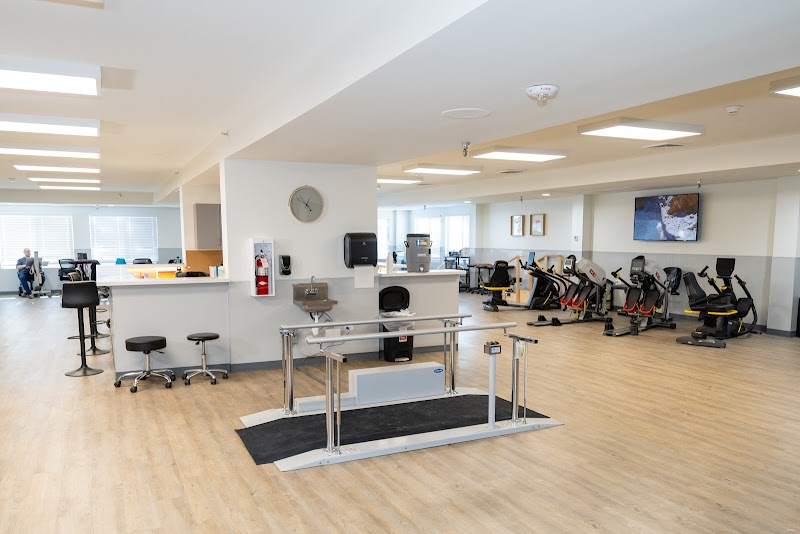
How is Az - Rio Vista Post Acute And Rehabilitation Staffed?

CMS rates AZ - RIO VISTA POST ACUTE AND REHABILITATION's staffing level at 3 out of 5 stars, which is average compared to other nursing homes. Staff turnover is 52%, compared to the Arizona average of 46%.

What Have Inspectors Found at Az - Rio Vista Post Acute And Rehabilitation?

State health inspectors documented 23 deficiencies at AZ - RIO VISTA POST ACUTE AND REHABILITATION during 2019 to 2025. These included: 1 that caused actual resident harm and 22 with potential for harm. Deficiencies causing actual harm indicate documented cases where residents experienced negative health consequences.
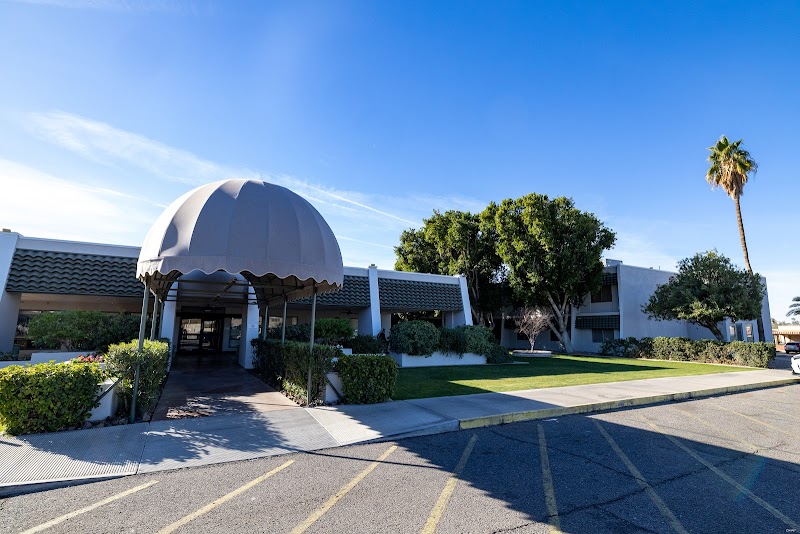
Who Owns and Operates Az - Rio Vista Post Acute And Rehabilitation?

AZ - RIO VISTA POST ACUTE AND REHABILITATION is owned by a for-profit company. For-profit facilities operate as businesses with obligations to shareholders or private owners. The facility is operated by THE ENSIGN GROUP, a chain that manages multiple nursing homes. With 150 certified beds and approximately 130 residents (about 87% occupancy), it is a mid-sized facility located in PEORIA, Arizona.
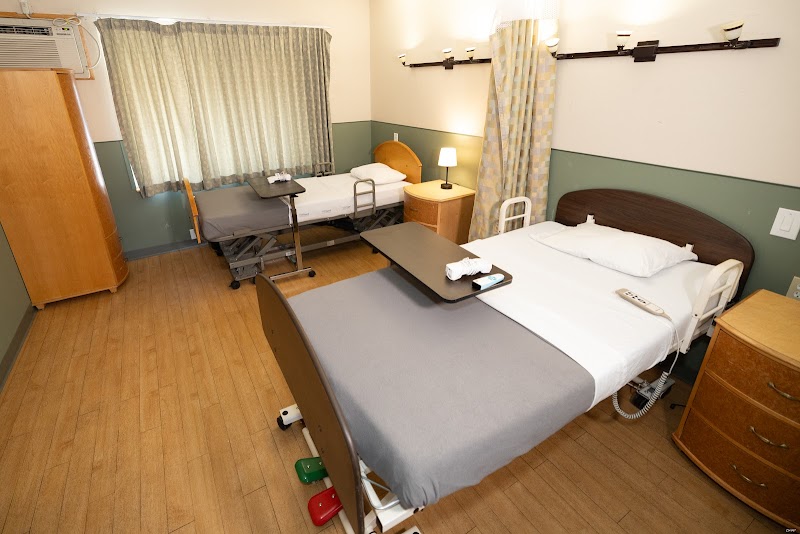
How Does Az - Rio Vista Post Acute And Rehabilitation Compare to Other Arizona Nursing Homes?

Compared to the 100 nursing homes in Arizona, AZ - RIO VISTA POST ACUTE AND REHABILITATION's overall rating (4 stars) is above the state average of 3.3, staff turnover (52%) is near the state average of 46%, and health inspection rating (3 stars) is at the national benchmark.

What Should Families Ask When Visiting Az - Rio Vista Post Acute And Rehabilitation?

Based on this facility's data, families visiting should ask: "Can I visit during a mealtime to observe dining assistance and food quality?" "How do you handle medical emergencies, and what is your hospital transfer rate?" "Can I speak with family members of current residents about their experience?"

Is Az - Rio Vista Post Acute And Rehabilitation Safe?

Based on CMS inspection data, AZ - RIO VISTA POST ACUTE AND REHABILITATION has a clean safety record: no substantiated abuse findings (meaning no confirmed cases of resident harm), no Immediate Jeopardy citations (the most serious violation level indicating risk of serious injury or death), and is not on the Special Focus Facility watch list (a federal program monitoring the lowest-performing 1% of nursing homes). The facility has a 4-star overall rating and ranks #1 of 100 nursing homes in Arizona. While no facility is perfect, families should still ask about staff-to-resident ratios and recent inspection results during their visit.

Do Nurses at Az - Rio Vista Post Acute And Rehabilitation Stick Around?

AZ - RIO VISTA POST ACUTE AND REHABILITATION has a staff turnover rate of 52%, which is 6 percentage points above the Arizona average of 46%. Moderate turnover is common in nursing homes, but families should still ask about staff tenure and how the facility maintains care continuity when employees leave.

Was Az - Rio Vista Post Acute And Rehabilitation Ever Fined?

AZ - RIO VISTA POST ACUTE AND REHABILITATION has no federal fines on record. CMS issues fines when nursing homes fail to meet care standards or don't correct problems found during inspections. The absence of fines suggests the facility has either maintained compliance or corrected any issues before penalties were assessed. This is a positive indicator, though families should still review recent inspection reports for the full picture.

Is Az - Rio Vista Post Acute And Rehabilitation on Any Federal Watch List?

AZ - RIO VISTA POST ACUTE AND REHABILITATION is not on any federal watch list. The most significant is the Special Focus Facility (SFF) program, which identifies the bottom 1% of nursing homes nationally based on persistent, serious quality problems. Not being on this list means the facility has avoided the pattern of deficiencies that triggers enhanced federal oversight. This is a positive indicator, though families should still review the facility's inspection history directly.