IMMANUEL CAMPUS OF CARE
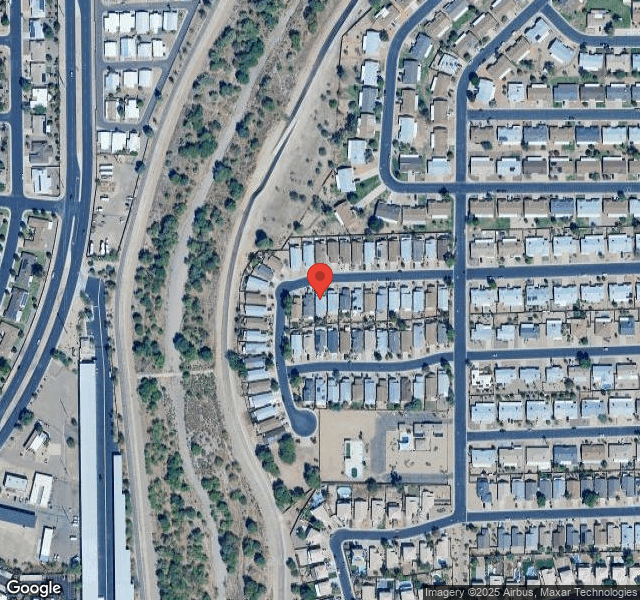
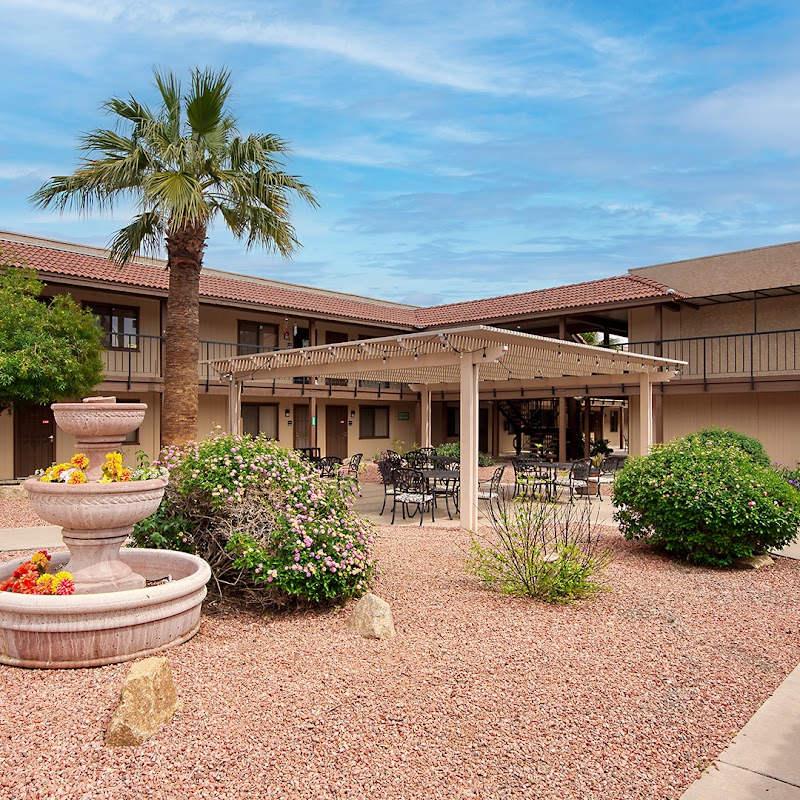
11301 NORTH 99TH AVENUE, PEORIA, AZ 85345 (623) 977-8373
For profit - Corporation 228 Beds Independent Data: November 2025
Trust Grade
28/100
#111 of 139 in AZ
Last Inspection: January 2025

Within standard 12-15 month inspection cycle. Federal law requires annual inspections.

Overview

Immanuel Campus of Care in Peoria, Arizona, has received a Trust Grade of F, indicating poor performance with significant concerns. Ranking #111 out of 139 facilities in Arizona places it in the bottom half, while its county rank of #67 out of 76 suggests there are only a few worse options locally. The facility is worsening, with issues increasing from 8 in 2024 to 10 in 2025. Staffing is a strong point, boasting a 5/5 star rating and a low turnover rate of 22%, much better than the state average. However, the facility has concerning fines of $18,529, which is higher than 85% of Arizona facilities, and less RN coverage than 75% of state facilities, which could impact the quality of care. Specific incidents include a failure to prevent a non-prescribed medication overdose for a resident, raising concerns about medication management, and a serious lapse in ensuring residents were protected from potential abuse by other residents. Additionally, there were issues with inaccurate medication administration records that could lead to administering unnecessary medications. While the staffing situation is favorable, the facility's overall performance and recent incident history raise significant red flags for families considering care for their loved ones.

Trust Score
F
28/100
In Arizona
#111/139
Bottom 21%
Safety Record
High Risk
Review needed
Inspections
Getting Worse
8 → 10 violations
Staff Stability
✓ Good
22% annual turnover. Excellent stability, 26 points below Arizona's 48% average. Staff who stay learn residents' needs.
Penalties
○ Average
$18,529 in fines. Higher than 71% of Arizona facilities. Some compliance issues.
Skilled Nurses
○ Average
Each resident gets 37 minutes of Registered Nurse (RN) attention daily — about average for Arizona. RNs are the most trained staff who monitor for health changes.
Violations
⚠ Watch
37 deficiencies on record. Higher than average. Multiple issues found across inspections.
★★☆☆☆
2.0
Overall Rating
★★★★★
5.0
Staff Levels
★★★★★
5.0
Care Quality
★☆☆☆☆
1.0
Inspection Score
Stable
2024: 8 issues
2025: 10 issues

The Good

  • 5-Star Staffing Rating · Excellent nurse staffing levels
  • 5-Star Quality Measures · Strong clinical quality outcomes
  • Low Staff Turnover (22%) · Staff stability means consistent care
  • Full Sprinkler Coverage · Fire safety systems throughout facility
  • No fines on record
  • Staff turnover is low (22%)

    26 points below Arizona average of 48%

Facility shows strength in staffing levels, quality measures, staff retention, fire safety.

The Bad

2-Star Overall Rating

Below Arizona average (3.3)

Below average - review inspection findings carefully

Federal Fines: $18,529

Below median ($33,413)

Minor penalties assessed

The Ugly 37 deficiencies on record

2 actual harm
Jul 2025 3 deficiencies
CONCERN (D) 📢 Someone Reported This

A family member, employee, or ombudsman was alarmed enough to file a formal complaint

Potential for Harm - no one hurt, but risky conditions existed

Free from Abuse/Neglect (Tag F0600)

Could have caused harm · This affected 1 resident

**NOTE- TERMS IN BRACKETS HAVE BEEN EDITED TO PROTECT CONFIDENTIALITY** Based on clinical record review, resident and staff interviews, and review of facility policy, the facility failed to protect th...

Read full inspector narrative →
**NOTE- TERMS IN BRACKETS HAVE BEEN EDITED TO PROTECT CONFIDENTIALITY** Based on clinical record review, resident and staff interviews, and review of facility policy, the facility failed to protect the rights of one resident (#16) to be free from abuse from another resident (#3). The deficient practice could result in residents being physically or emotionally harmed.Findings include:-Resident #16 was admitted to the facility on [DATE] with diagnoses that included anoxic brain damage, paraplegia, and obesity.Review of the Minimum Data Set (MDS) dated [DATE] revealed a Brief Interview for Mental Status (BIMS) score of 14, indicating intact cognition.Review of the progress notes revealed a nurses' note, dated July 7, 2025 at 11:15AM, which revealed that Resident #16 was experiencing increased hallucinations, delusions, and false allegations towards staff and peers.Further review of the progress notes revealed a room change notice, dated July 7, 2025 at 1:57PM, which revealed that Resident #16 had his room moved to another hall. The reason listed was prevention.Review of the nurses note, dated July 7, 2025 at 8:17PM, revealed that police had called the facility unit wishing to speak to Resident #16, as he had requested to file a report against another resident for assault. The staff who wrote the note indicated that they had no knowledge of the alleged event. The note also indicated that Resident #16 declined to talk to police at the time.Review of the facility self-report investigation revealed that Resident #16 reported to his insurance case manager on July 7, 2025 that he was struck on the left side of his face by another resident. Resident #16 did not identify the resident at first, but later stated that it was Resident #3 who struck him.Interview was conducted on July 15, 2025 at 09:55AM with Resident #16, who confirmed that another resident had punched him in the face and attempted to choke him. When asked where exactly he had been hit, the resident pointed to his face, under his left eye. The resident reported that this incident occurred when he was on his previous unit and that the incident had occurred on a Thursday. The resident explained that the incident occurred in the hallway, as staff was pushing his wheelchair into a room. He also stated that staff and residents had seen the incident occur, and named a Life Enrichment Associate who saw it. Resident #16 stated that following the event, the staff took the other resident away, and staff assisted Resident #16 to go outside to smoke.-Resident #3 was admitted to the facility on [DATE] with diagnoses that included chronic systolic heart failure, dementia with other behavioral disturbance, and anemia.Review of the MDS dated [DATE] revealed a BIMS score of 0, indicating severe cognitive impairment.Review of the progress notes revealed an order administration note, dated July 3, 2025 at 6:00PM, which indicated that Resident #3 was administered Ativan for aggressive behavior. The note indicated that the resident was very aggressive and agitated.Interview was conducted on July 15, 2025 at 10:01AM with Resident #3, who denied recalling ever being involved in or witnessing any fights between residents.Interview was conducted on July 15, 2025 at 10:06AM with a Licensed Practical Nurse (LPN/Staff #4), who stated that she did not witness the altercation between Resident #16 and Resident #3, but had heard about it from a case worker. The LPN explained that Resident #16 had claimed that Resident #3 had choked him.Interview was conducted on July 15, 2025 at 11:00AM with a Life Enrichment Associate (Staff #7), who stated that on July 3, 2025, she was gathering the residents to watch a movie, when she witnessed Resident #3 hit Resident #16. She explained that this incident occurred as she was assisting Resident #16 toward the day room. The staff stated that Resident #3 approached Resident #16 and hit him in the face. The staff stated that the two residents were separated. When asked if this incident had been reported to anyone, including facility management, the staff stated that she was not sure if the incident had been reported, but stated that there was a nurse and Certified Nursing Assistants (CNAs) who had also seen the event occur. Staff #7 stated that an incident like this should typically be reported, and confirmed that this could be potential abuse.Further review of the facility self-report investigation revealed that three staff interviews were conducted from the staff that were working on July 3, 2025, who all denied witnessing the alleged altercation. However, there was no evidence that Staff #7, who directly saw the incident, was interviewed or provided a statement.Interview was conducted on July 15, 2025 at 12:22PM with the Executive Director (ED/Staff #35), who confirmed that she is the abuse officer for the facility. The ED confirmed that all staff receive annual and ongoing training on abuse, including the types of abuse, reporting, and who to notify. The ED stated that she would expect staff to notify their supervisor of potential abuse, who would then report to her, so that abuse can be reported to the appropriate agencies within two hours. The ED also stated that her process for investigating abuse included to interview the alleged victim, the alleged perpetrator, and then to interview ten percent of the residents on the unit and ten percent of the staff working. The ED stated that the risk of abuse not being reported would be that the facility cannot act to prevent further harm. When asked about the altercation between Resident #16 and Resident #3, the ED stated that she first became aware of the incident through Resident #16's insurance case manager. The ED then explained that when interviewed, Resident #16 could not tell them the date the incident occurred, only that it was a Thursday, and the resident also did not name any witnesses. The ED stated that her investigation included interviewing some of the staff working the previous Thursday, though she could not verify that any staff witnessed the altercation or that abuse had occurred.Review of the facility policy titled, Abuse Program Policy and Procedure, revealed that residents have the right to be free from abuse, neglect, misappropriation of property, corporal punishment, and involuntary seclusion. The policy revealed that employees must immediately report any suspected abuse or incidents of abuse to the Administrator and/or designee. The policy also indicated that all alleged violations involving abuse, neglect, exploitation or mistreatment should be reported immediately, but not later than two hours after the allegation is made, if the events that cause the allegation involve abuse or result in serious bodily injury.
CONCERN (D) 📢 Someone Reported This

A family member, employee, or ombudsman was alarmed enough to file a formal complaint

Potential for Harm - no one hurt, but risky conditions existed

Abuse Prevention Policies (Tag F0607)

Could have caused harm · This affected 1 resident

**NOTE- TERMS IN BRACKETS HAVE BEEN EDITED TO PROTECT CONFIDENTIALITY** Based on clinical record review, resident and staff interviews, facility documentation, and policy review, the facility failed t...

Read full inspector narrative →
**NOTE- TERMS IN BRACKETS HAVE BEEN EDITED TO PROTECT CONFIDENTIALITY** Based on clinical record review, resident and staff interviews, facility documentation, and policy review, the facility failed to develop and implement policies and procedures for documenting and reporting alleged violations involving abuse, in accordance with federal and state laws and regulations. The deficient practice resulted in an alleged violation concerning abuse (involving Resident #16 and Resident #3) not being investigated timely and reported within the mandatory two-hour timeframe to Adult Protective Services (APS) and the State Agency. This deficient practice could result in further allegations not being documented or reported in a timely manner, which could impact residents' quality of life and care.Findings include:Regarding Resident #16Resident #16 was admitted to the facility on [DATE] with diagnoses that included anoxic brain damage, paraplegia, and obesity.Review of the Minimum Data Set (MDS) dated [DATE] revealed a Brief Interview for Mental Status (BIMS) score of 14, indicating intact cognition.Review of Resident #16's progress notes revealed no evidence that any altercations or potential abuse situations had occurred on the night of July 3, 2025.Review of the nurses note, dated July 7, 2025 at 8:17PM, revealed that police had called the unit wishing to speak to Resident #16, as he had requested to file a report against another resident for assault. The staff who wrote the note indicated that they had no knowledge of the alleged event. The note also indicated that Resident #16 declined to talk to police at the time.Review of the facility self-report investigation revealed that Resident #16 reported to his insurance case manager on July 7, 2025 that he was struck on the left side of his face by another resident. Resident #16 did not identify the resident at first, but later stated that it was Resident #3 who struck him.Interview was conducted on July 15, 2025 at 09:55AM with Resident #16, who confirmed that another resident had punched him in the face and attempted to choke him. The resident reported that this incident occurred when he was on his previous unit and that the incident had occurred on a Thursday. The resident stated that staff and residents had seen the incident occur, and named a Life Enrichment Associate who saw it. Resident #16 stated that following the event, the staff took the other resident away, and staff assisted Resident #16 to go outside to smoke.Regarding Resident #3Resident #3 was admitted to the facility on [DATE] with diagnoses that included chronic systolic heart failure, dementia with other behavioral disturbance, and anemia.Review of Resident #3's progress notes revealed no evidence that any altercations or potential abuse situations had occurred on the night of July 3, 2025.Interview was conducted on July 15, 2025 at 11:00AM with a Life Enrichment Associate (Staff #7), who stated that on July 3, 2025, she was gathering the residents to watch a movie, when she witnessed Resident #3 hit Resident #16. She explained that this incident occurred as she was assisting Resident #16 toward the day room. The staff stated that there was no sign of escalation, but that Resident #3 approached Resident #16 and hit him in the face. The staff stated that the two residents were separated. When asked if this incident had been reported to anyone, including facility management, the staff stated that she was not sure if the incident had been reported, but stated that there was a nurse and Certified Nursing Assistants (CNAs) who had also seen the event occur. Staff #7 stated that an incident like this should typically be reported, and confirmed that this could be potential abuse.Further review of the facility self-report investigation revealed that three staff interviews were conducted from the staff that were working on July 3, 2025, who all denied witnessing the alleged altercation. However, there was no evidence that Staff #7, who directly saw the incident, was interviewed or provided a statement. There was no evidence found that all witnesses and staff who worked with the residents were interviewed, as instructed in the facility policy. Interview was conducted on July 15, 2025 at 12:22PM with the Executive Director (ED/Staff #35), who confirmed that she is the abuse officer for the facility. The ED confirmed that all staff receive annual and ongoing training on abuse, including the types of abuse, reporting, and who to notify. The ED stated that she would expect staff to notify their supervisor of potential abuse, who would then report to her, so that abuse can be reported to the appropriate agencies within two hours. The ED also stated that her process for investigating abuse included to interview the alleged victim, the alleged perpetrator, and then to interview ten percent of the residents on the unit and ten percent of the staff working. The ED stated that the risk of abuse not being reported would be that the facility cannot act to prevent further harm. When asked about the altercation between Resident #16 and Resident #3, the ED stated that she first became aware of the incident through Resident #16's insurance case manager. The ED then explained that when interviewed, Resident #16 could not tell them the date the incident occurred, only that it was a Thursday, and the resident also did not name any witnesses. The ED stated that her investigation included interviewing some of the staff working the previous Thursday, though she could not verify that any staff witnessed the altercation or that abuse had occurred.Review of the facility policy titled, Abuse Program Policy and Procedure, revealed that employees must immediately report any suspected abuse or incidents of abuse to the Administrator and/or designee. The policy also indicated that all alleged violations involving abuse, neglect, exploitation or mistreatment should be reported immediately, but not later than two hours after the allegation is made, if the events that cause the allegation involve abuse or result in serious bodily injury. The policy listed the minimum steps the individual conducting the investigation should take, which included to interview the person reporting the incident, interview any witnesses to the incident, interview the resident, and interview staff members who have had contact during the period of the alleged incident. There was no evidence found that these steps were taken as instructed in the facility policy.
CONCERN (D) 📢 Someone Reported This

A family member, employee, or ombudsman was alarmed enough to file a formal complaint

Potential for Harm - no one hurt, but risky conditions existed

Report Alleged Abuse (Tag F0609)

Could have caused harm · This affected 1 resident

**NOTE- TERMS IN BRACKETS HAVE BEEN EDITED TO PROTECT CONFIDENTIALITY** Based on clinical record reviews, facility documentation, and staff interviews, the facility failed to ensure that an alleged vi...

Read full inspector narrative →
**NOTE- TERMS IN BRACKETS HAVE BEEN EDITED TO PROTECT CONFIDENTIALITY** Based on clinical record reviews, facility documentation, and staff interviews, the facility failed to ensure that an alleged violation involving abuse (involving Resident #16 and Resident #3) was reported to the State Agency and Adult Protective Services (APS) within the required timeframe of two hours. The deficient practice could cause a delay in response to potential abuse, putting residents at risk.Findings include:Regarding Resident #16Resident #16 was admitted to the facility on [DATE] with diagnoses that included anoxic brain damage, paraplegia, and obesity.Review of the Minimum Data Set (MDS) dated [DATE] revealed a Brief Interview for Mental Status (BIMS) score of 14, indicating intact cognition. Review of the facility self-report investigation revealed that Resident #16 reported to his insurance case manager on July 7, 2025 that he was struck on the left side of his face by another resident. Resident #16 did not identify the resident at first, but later stated that it was Resident #3 who struck him.Interview was conducted on July 15, 2025 at 09:55AM with Resident #16, who confirmed that another resident had punched him in the face and attempted to choke him. When asked where exactly he had been hit, the resident pointed to his face, under his left eye. The resident reported that this incident occurred when he was on his previous unit and that the incident had occurred on a Thursday. The resident explained that the incident occurred in the hallway, as staff was pushing his wheelchair into a room. He also stated that staff and residents had seen the incident occur, and named a Life Enrichment Associate who saw it. Resident #16 stated that following the event, the staff took the other resident away, and staff assisted Resident #16 to go outside to smoke.Regarding Resident #3Resident #3 was admitted to the facility on [DATE] with diagnoses that included chronic systolic heart failure, dementia with other behavioral disturbance, and anemia.Interview was conducted on July 15, 2025 at 11:00AM with a Life Enrichment Associate (Staff #7), who stated that on July 3, 2025, she was gathering the residents to watch a movie, when she witnessed Resident #3 hit Resident #16. She explained that this incident occurred as she was assisting Resident #16 toward the day room. The staff stated that there was no sign of escalation, but that Resident #3 approached Resident #16 and hit him in the face. The staff stated that the two residents were separated. When asked if this incident had been reported to anyone, including facility management, the staff stated that she was not sure if the incident had been reported, but stated that there was a nurse and Certified Nursing Assistants (CNAs) who had also seen the event occur. Staff #7 stated that an incident like this should typically be reported, and confirmed that this could be potential abuse.Further review of the facility self-report investigation revealed that three staff interviews were conducted from the staff that were working on July 3, 2025, who all denied witnessing the alleged altercation. However, there was no evidence that Staff #7, who directly saw the incident, was interviewed or provided a statement.Interview was conducted on July 15, 2025 at 12:22PM with the Executive Director (ED/Staff #35), who confirmed that she is the abuse officer for the facility. The ED confirmed that all staff receive annual and ongoing training on abuse, including the types of abuse, reporting, and who to notify. The ED stated that she would expect staff to notify their supervisor of potential abuse, who would then report to her, so that abuse can be reported to the appropriate agencies within two hours. The ED also stated that her process for investigating abuse included to interview the alleged victim, the alleged perpetrator, and then to interview ten percent of the residents on the unit and ten percent of the staff working. The ED stated that the risk of abuse not being reported would be that the facility cannot act to prevent further harm. When asked about the altercation between Resident #16 and Resident #3, the ED stated that she first became aware of the incident through Resident #16's insurance case manager. The ED then explained that when interviewed, Resident #16 could not tell them the date the incident occurred, only that it was a Thursday, and the resident also did not name any witnesses. The ED stated that her investigation included interviewing some of the staff working the previous Thursday, though she could not verify that any staff witnessed the altercation or that abuse had occurred.Review of the facility policy titled, Abuse Program Policy and Procedure, revealed that employees must immediately report any suspected abuse or incidents of abuse to the Administrator and/or designee. The policy also indicated that all alleged violations involving abuse, neglect, exploitation or mistreatment should be reported immediately, but not later than two hours after the allegation is made, if the events that cause the allegation involve abuse or result in serious bodily injury.
Jul 2025 1 deficiency
CONCERN (D) 📢 Someone Reported This

A family member, employee, or ombudsman was alarmed enough to file a formal complaint

Potential for Harm - no one hurt, but risky conditions existed

Free from Abuse/Neglect (Tag F0600)

Could have caused harm · This affected 1 resident

**NOTE- TERMS IN BRACKETS HAVE BEEN EDITED TO PROTECT CONFIDENTIALITY** Based on clinical record review, facility documentation, and staff interviews, the facility failed to protect the rights of one ...

Read full inspector narrative →
**NOTE- TERMS IN BRACKETS HAVE BEEN EDITED TO PROTECT CONFIDENTIALITY** Based on clinical record review, facility documentation, and staff interviews, the facility failed to protect the rights of one resident #222 to be free from abuse by another resident #333. The deficient practice could result in further abuse.Findings include:-Resident #222 was admitted on [DATE] with diagnoses that included unspecified intracranial injury with loss of consciousness.An MDS (Minimum Data Set) assessment dated [DATE] revealed a BIMS (Brief Interview of Mental Status) score of 04, which indicated that the resident was severely cognitively impaired.Progress note dated April 14, 2024 revealed that Resident #222 was observed sitting outside during a smoke break when Resident #333 stood up, turned around, hit Resident #222 in the face. Further, the progress note revealed that Resident #222 had been immediately separated from the location of the incident, and assessed for any pain and injuries. The progress note also revealed that mild redness was observed on Resident #222's face. The progress note also revealed that Resident #222 was moved to a different unit following that incident. A skin assessment with the completion date of April 14, 2024 confirmed documentation of mild redness on the face of Resident #222.- -Resident #333 was admitted on [DATE] with diagnoses that included schizoaffective disorder, bipolar type.MDS (Minimum Data Set) assessment dated [DATE] revealed a BIMS (Brief Interview of Mental Status) score of 06, which indicated resident was severely cognitively impaired.Progress note dated April 14, 2024 revealed that Resident #222 had been observed sitting outside during a smoke break when Resident #333 stood up, turned around, hit Resident #222 in the face. Further, the progress note revealed that Resident #333 had been immediately separated from the location of the incident, and assessed for any pain and injuries. An interview was conducted Licensed Practical Nurse (LPN/Staff #88) on July 3, 2025 at 11:10AM, who stated that abuse can be in the form of verbal, physical, misappropriation of property, emotional; and, as well as neglect. Staff #88 stated that although they did not witness the incident between Resident #222 and Resident #333, if a resident to resident incident occurred in a common area, such as the designated smoking area, that it can be identified as abuse, and if not addressed per professional standards and facility protocol, may place residents and staff into immediate danger.An interview was conducted with a Certified Nursing Assistant (CNA/Staff #77) on July 3, 2025 at 12:13PM, who stated that abuse can be in the form of verbal, physical, emotional, sexual, and as well as misappropriation of property. Staff #77 stated that although they did not witness the incident between Resident #222 and Resident #333, if a resident to resident incident occurred in a common area, such as the designated smoking area, that it can be identified as abuse, and can subject a resident to the risk of further abuse and effect their wellbeing if the facility's abuse policy was not implemented.An interview was conducted with a CNA (Staff #22) on July 3, 2025 at 1:28PM, who stated that although they did not witness the incident between Resident #222 and Resident #333, if a resident to resident incident occurred in a common area, such as the designated smoking area, that it can be identified as abuse, if a resident harmed the other resident physically, mentally, verbally or emotionally.An interview was conducted with Resident #333 on July 3, 2025 at 1:40PM who recalled that residents have been a part of altercation that took place in the area that was designated for smoking.An interview was conducted with the Administrator (Staff #66) on July 3, 2025 at 2:26PM who stated that Resident #222 and Resident #333 were located in the designated smoking area when Resident #333 stood up from their seat and hit Resident #222 in the face, which had resulted in mild redness to Resident #222's face. Staff #66 stated that both residents had been separated; and that, Resident #222 had been placed in a room in which they felt safe in. Staff #66 also stated that both residents underwent assessments to determine further injuries. Staff #66 also stated that within their investigation, interviews were conducted with witnesses who confirmed the incident did occur.A facility policy titled Abuse Program Policy and Procedure revealed that abuse is defined as the willful infliction of injury, unreasonable confinement, intimidation, or punishment with resulting in physical harm, pain, or mental anguish. The policy also defined physical abuse to include hitting, slapping, pinching and kicking.
May 2025 1 deficiency
CONCERN (D) 📢 Someone Reported This

A family member, employee, or ombudsman was alarmed enough to file a formal complaint

Potential for Harm - no one hurt, but risky conditions existed

Free from Abuse/Neglect (Tag F0600)

Could have caused harm · This affected 1 resident

**NOTE- TERMS IN BRACKETS HAVE BEEN EDITED TO PROTECT CONFIDENTIALITY** Based on clinical record review, staff interviews, and policy review, the facility failed to ensure one resident (#32) did not a...

Read full inspector narrative →
**NOTE- TERMS IN BRACKETS HAVE BEEN EDITED TO PROTECT CONFIDENTIALITY** Based on clinical record review, staff interviews, and policy review, the facility failed to ensure one resident (#32) did not abuse another resident (#121). The deficient practice could result in residents being physically harmed. Findings include: -Resident #32 was admitted on [DATE] with diagnoses that included pityriasis versicolor, bipolar disorder, aphasia, mild neurocognitive disorder, psychoactive substance abuse, history of traumatic brain injury, and schizoaffective disorder bipolar type. Review of a care plan initiated on May 4, 2023 revealed no evidence of physical behaviors or the incident that occurred between the two residents. An Annual Minimum Data Set (MDS) assessment dated [DATE], revealed a Brief Interview for Mental Status (BIMS) score of 05, which indicated the resident was severely cognitively impaired. The assessment also indicated no behaviors were exhibited. A progress note dated June 1, 2024 at 3:58 p.m. revealed that the resident was being physically and verbally aggressive with staff and trying to hit them while attempting to leave. The progress note revealed that three staff members attempted to contain the aggressive behaviors, but ultimately the police were called. The progress note further revealed that the resident hit another resident before he was placed on 1:1 supervision. An Interdisciplinary Team note dated June 3, 2024 at 12:06 p.m. revealed that the resident had an episode of physical aggression on June 1, 2024 with another resident, and the interventions were to separate the residents, place the resident on a 1:1 supervision until a unit change was completed. -Resident #121 was admitted on [DATE] with diagnoses that included dementia with agitation, type 2 diabetes, bipolar disorder, anxiety, altered mental status, adjustment disorder, conduct disorder, major depressive disorder, post-traumatic stress disorder, and psychosis. A progress note dated June 1, 2024 at 2:42 p.m. revealed that the resident was in the dining room attempting to ambulate around another resident when the aggressor pulled the resident down to the floor. The progress note revealed that the resident was first on his knees, then he fell to the ground before he was assessed for pain and injuries. An admission Minimum Data Set (MDS) assessment dated [DATE], revealed a Brief Interview for Mental Status (BIMS) score of 00, which indicated severe cognitive impairment. Review of a care plan initiated on June 7, 2024 revealed a focus on physically aggressive behaviors related to dementia. Review of the facility investigation dated June 4, 2024 revealed that Resident #121 was attempting to ambulate near Resident #32 in the dayroom when Resident #32 grabbed Resident #121 ' s leg and pulled him to the ground. The investigation revealed that Resident #121 fell onto his knees, was assessed for pain and injuries, and no injuries were found. The investigation further revealed that the two residents were separated immediately, and Resident #32 was put on 1:1 supervision until a unit change could be completed. The investigation revealed that the facility substantiated resident to resident abuse. An interview was conducted on May 27, 2025 at 2:12 p.m. with a Certified Nursing Assistant (CNA/Staff#52) who stated that he recalled observing the incident between Resident #32 and Resident #121. The CNA stated that Resident #32 grabbed Resident #121 ' s ankle; and then, escorted Resident #32 back to his room after getting assistance from the nurse to assess Resident #121. A telephonic interview was attempted with no response on May 27, 2025 at 2:21 p.m. with a Licensed Practical Nurse (LPN/Staff#170) who witnessed the incident. An interview was conducted on May 27, 2025 at 2:28 p.m. with the administrator and Abuse Coordinator (Administrator/Staff#43) who stated that there was an incident between two residents in which one resident grabbed another resident's leg and pulled him to the ground. The administrator stated that the staff separated the residents, placed Resident #32 on 1:1 supervision, and completed a unit change for Resident #32. The administrator stated that they usually do a good job of preventing altercations like this, but this incident they did not prevent because the resident just grabbed at the other resident, which resulted in the facility substantiating their investigation of resident to resident abuse. Review of a policy titled, Resident Rights, was revised in December of 2016 and revealed that residents should be free from abuse, neglect, misappropriation of property, and exploitation. Review of a policy titled, Abuse Program Policy and Procedure, was revised in November of 2017 and revealed that residents had the right to be free from abuse, and furthermore the facility would ensure that residents were not subjected to abuse by anyone, including other residents. The policy revealed that the facility would prevent and prohibit all types of abuse, and it also defined physical abuse as hitting, slapping, pinching, and kicking.
Mar 2025 1 deficiency 1 Harm
SERIOUS (G) 📢 Someone Reported This

A family member, employee, or ombudsman was alarmed enough to file a formal complaint

Actual Harm - a resident was hurt due to facility failures

Accident Prevention (Tag F0689)

A resident was harmed · This affected 1 resident

**NOTE- TERMS IN BRACKETS HAVE BEEN EDITED TO PROTECT CONFIDENTIALITY** Based on record review, staff and resident interviews, facility documentation, and facility policy and procedure, the facility f...

Read full inspector narrative →
**NOTE- TERMS IN BRACKETS HAVE BEEN EDITED TO PROTECT CONFIDENTIALITY** Based on record review, staff and resident interviews, facility documentation, and facility policy and procedure, the facility failed to ensure adequate supervision to prevent a non-prescribed medication overdose for one resident (#12). The deficient practice could result in an avoidable accidental overdose of residents. Findings Include: -Regarding Resident #24: -Resident #24 was admitted to the facility on [DATE] with diagnoses that included asthma, major depressive disorder, and opioid use with unspecified opioid induced disorder. A care plan-initiated [DATE] revealed no focus related to substance abuse or dependency. A quarterly Minimum Data Set (MDS) assessment dated on [DATE] revealed a Brief Interview for Mental Status (BIMS) score of 14 which indicated resident was cognitively intact. Review of a Nurse Practioner (NP) progress note dated [DATE] at 4:14 PM revealed that the resident reported recent methamphetamine abuse, and reported trying to refrain from use. An interview was conducted on [DATE] at 1:29 PM with Resident #24 who stated that he did give fentanyl to Resident #12, but could not remember the exact date, only that it occurred around the end of February 2025 or beginning of [DATE]. Resident #24 also stated that he believed it was the reason why Resident #12 went to the hospital. In a follow up interview with resident #24 conducted on [DATE] at 2:49 PM, the resident stated that he obtained the fentanyl from outside the facility. He further stated that the individual that he obtained the fentanyl from was not a staff member or associated with the facility. -Regarding Resident #12 Resident #12 was admitted to the facility on [DATE] with diagnoses that included esophageal obstruction, anxiety disorder, and long-term use of opiate analgesic. A quarterly MDS assessment dated on [DATE] revealed a BIMS score of 14 which indicated that the resident was cognitively intact. The resident's care plan revealed a focus for a known history of substance abuse related to poisoning by other opioids, accidental. Interventions included administering medications as ordered, monitor for side effects, report to the physician as needed, and encourage the resident to communicate triggers as needed. A nurse's progress note dated [DATE] at 1:02 PM revealed Resident #12 was found in bed unresponsive around 12:15 PM, oxygen and cardiopulmonary resuscitation (CPR) were initiated. The note revealed that there was mouth foaming and some residual at the nose noted. Upon ambulance arrival the resident was responsive to some questions and was then transferred to the hospital. A nurse's note dated [DATE] at 6:43 PM revealed that the resident was admitted to the hospital for observation. A hospital visit summary dated [DATE] revealed that a urine drug screen for Resident #12 was positive for oxycodone, fentanyl, and benzodiazepines. Review of physician's orders revealed no evidence of an order for fentanyl. An interview was conducted on [DATE] at 1:31 PM with resident #12 who stated he went to the hospital on [DATE] due to a fentanyl drug overdose. The resident stated that he obtained the fentanyl from outside the facility from an individual who is not affiliated with the facility. The resident further stated that he did not receive any medications that were not prescribed to him from anyone in the facility. Resident #12 further stated that Resident #24 was his previous roommate in the facility. An interview was conducted on [DATE] at 2:56 PM with a Licensed Practical Nurse (LPN/Staff #27) who stated that residents were not allowed to keep medications in their room unless specifically indicated. The LPN also stated that if observed that a resident had illicit drugs or prescriptions that were not prescribed to them that she would alert the supervisor. The Staff #27 stated that she was not aware of any interventions that were in place to prevent a resident from obtaining non-prescribed medications or other illicit substances. Staff #27 also stated that she was aware of the incident that occurred on [DATE] regarding Resident #12 and stated that it was suspected that the resident, got something and overdosed on it. Staff #27 stated that she was not aware of what Resident #12 had taken or where he had obtained the substance from. An interview was conducted on [DATE] at 3:26 PM with an LPN (Staff #3) who stated that he was usually assigned to the locked units of the facility so it was not an issue with resident's bringing in illicit substances or non-prescribed medications because the residents do not leave the unit. Staff #3 also stated that he had heard of residents who are not on the locked units bringing things into the facility. Staff #3 stated that an intervention to prevent residents from bringing in non-prescribed medications or illicit substances included searching the resident's room if they are suspected of using illicit drugs or behaving differently. Staff #3 stated that he was aware of the incident that occurred on [DATE] regarding Resident #12, and stated that the resident was found in his room unresponsive so cardiopulmonary resuscitation (CPR) was initiated and 911 was called. Staff #3 further stated that Resident #12 was suspected to have overdosed on a substance and that there was residual powder around the resident's nose. Staff #3 stated that staff did find some substance in Resident #12's room but were not sure what it was. In an interview conducted on [DATE] at 3:46 PM with the Assistant Director of Nursing (ADON/ Staff #42), the ADON stated that interventions to ensure there are no illicit substances in the facility included: asking the residents if they had illicit substances, drug screenings, and room searches. The ADON stated that the facility would need to obtain consent prior to administering a drug screen or searching the resident's room. The ADON also stated that they educate residents about the dangers of using illicit substances, especially if the resident is currently taking a narcotic. The ADON stated that interventions were in place to prevent a resident from obtaining outside non-prescribed medications or illicit substances which included: the physician could limit the resident going outside the facility on a pass, counseling, and outpatient rehabilitation or other services other than what the facility can provide. The ADON stated that there was one suspected incident of a resident sharing a non-prescribed medication with another resident. However, no residents have stated that they had shared a non-prescribed medication with another resident. The ADON further stated that Resident #12 told the facility he had obtained the non-prescribed medication from outside of the facility and would not tell the facility what the substance was. The ADON confirmed that the hospital records revealed a urine drug screen that was positive for fentanyl, and a suspected drug overdose for Resident #12. Review of the facility policy, Safety and Supervision of Residents, revised [DATE], revealed that resident safety and supervision and assistance to prevent accidents are facility-wide priorities. The policy indicated that the care team shall target interventions to reduce individual risks related to hazards in the environment, including adequate supervision. The policy also revealed that resident supervision is a core component of the systems approach to safety.
Mar 2025 1 deficiency
CONCERN (D) 📢 Someone Reported This

A family member, employee, or ombudsman was alarmed enough to file a formal complaint

Potential for Harm - no one hurt, but risky conditions existed

Free from Abuse/Neglect (Tag F0600)

Could have caused harm · This affected 1 resident

**NOTE- TERMS IN BRACKETS HAVE BEEN EDITED TO PROTECT CONFIDENTIALITY** Based on clinical record reviews, facility documentation, resident and staff interviews, and policy review, the facility failed ...

Read full inspector narrative →
**NOTE- TERMS IN BRACKETS HAVE BEEN EDITED TO PROTECT CONFIDENTIALITY** Based on clinical record reviews, facility documentation, resident and staff interviews, and policy review, the facility failed to ensure that two residents (#1 and #2) were free from physical abuse. The deficient practice could result in further incidents of staff to resident abuse. Findings include: - Regarding resident#1: Resident #1 was admitted to the facility on [DATE] with diagnosis including conduct disorder, unspecified, personal history of traumatic brain injury, unspecified mood [affective] disorder, violent behavior, anxiety disorder, unspecified. A review of the quarterly Minimum Data Set (MDS) dated [DATE] revealed a Brief Interview for Mental Status (BIMS) score of 00, indicating severe cognitive impairment. Further review of the MDS revealed no indicators for mood or behaviors and dependent for activities of daily living and substantial/maximal assist for mobility. A review of the care plan initiated on November 25, 2024 revealed a focus area indicating that the resident has a psychosocial wellbeing problem related to traumatic brain injury. Interventions included allowing the resident time to answer questions and to verbalize feelings, perceptions and fears. Further review of the care plan revealed a focus area that the resident has a behavior problem related to verbal aggression. Interventions included intervening as to protect the rights and safety of others, approaching and speaking to the resident in a calm manner, diverting their attention, remove from situation and take to alternate location as needed. If reasonable, discuss the resident's behavior and explain or reinforce why the behavior is inappropriate and/or unacceptable to the resident. A review of the progress notes for March 9, 2025 revealed no documentation regarding the alleged abuse of staff to resident. A review of the Weekly Skin Evaluation dated March 10, 2025 revealed no breakdowns, open areas or areas of concern for resident #1. An attempt to conduct a telephonic interview was conducted March 20, 2025 at 11:30am with certified nursing assistant (CNA/Staff #5). There was no response. Message left for a return phone call. An interview was conducted on conducted on March 20, 2025 at 2:30 p.m. with Licensed Practical Nurse (LPN/Staff #11). Staff #11 stated resident #1 was seated in his wheelchair in the far in of the community room and was trying to go to the side of the room where there were other residents and CNA #5 were seated. Staff #11 stated CNA #5 did not want the resident in the area she was seated at and CNA#5 pushed the resident roughly and resident #1 was resistant. Staff #11 stated he was concerned with what he saw and told CNA #5 to stop and that CNA #5 stated I don't care. Staff #11 stated I told her to be careful pushing resident #1. Staff #11 stated the CNA#5 did not explain to the resident #1 what she was going to do as she pulled the resident back to the far corner of the room. Staff #11 stated he told CNA#5 to keep serving the residents their meals. Staff #11 stated he continued with his med pass believing CNA #5 had listened to his directive. Staff #11 stated he noticed CNA #5 went to the nurse's station and grabbed a desk chair and went towards resident #1 who was propelling himself towards the table she did not want him to sit at, and purposely tipped the desk chair behind resident #1 and aggressively and with force pushed the desk chair against the back of the resident's wheelchair hitting resident #1 on his upper back. Staff #11 stated Staff #5 displayed abusing behavior I told her repeatedly to stay away from the resident due to her anger that was directed towards the resident- the resident had not done anything to her. Staff #11 stated CNA #5 had a temper and had been aggressive with resident #1 before and used to pull him back and she would take the bib and used it to pull the resident back forcefully- jerking the resident. Staff #11 stated he did not report the prior incident because I talked to her about what she did and thought it would not happen again. An attempt to interview was conducted on March 20, 2025 at 2:48 pm with resident #1. Due to the resident's cognition and BIMS score of 00, the interview could not be completed. The resident was unable to follow line of questioning or remembrance of the alleged event. A review of the facility reportable event report with discover date of March 10, 2025 revealed both resident #1 and Staff #5 were interviewed. Interview with resident #1 was unable to be completed due to level of cognition, but the resident answered yes to felling safe in the facility. Staff #5 reported that she felt the need to defend herself by pushing her chair into the resident's wheelchair and could have handled her frustration differently and stopped when told to by the nurse. Staff #5 was immediately suspended and resident #1 was assessed revealing no injuries. Staff #5 was terminated and Stated Board of Nursing notified of the abuse. -Regarding Resident #2 Resident #2 was admitted to the facility on [DATE] with diagnosis including hemiplegia and hemiparesis following cerebral infarction affecting left non-dominant side, major depressive disorder, recurrent, unspecified, personal history of transient ischemic attack (TIA), and cerebral infarction without residual deficits, mood disorder due to known physiological condition, unspecified. Review of the Care Plan initiated on August 17, 2024 revealed and area of focus for physically aggressive behaviors related to depression by spitting at staff. Interventions included staff will observe behavior occurrences, cause, interventions and effect and report as needed. Further review of the care plan revealed a focus for smoking. Interventions included instructing on facility policy regarding smoking times, locations and safety concerns. Review of the quarterly MDS dated [DATE] revealed a BIMS score of 12 indicating moderate cognitive impairment. Further review of the MDS revealed no indicators for mood and behavioral symptoms directed towards others. Review of the behavior charting dated March 19, 2025 for resident #2 revealed resident was redirected when cussing and name calling to staff and going on nursing station without permission. The charting stated the resident #2. attends supervised smoke break, and able to let needs be known. Further review revealed resident compliant with medication, participated in the last supervised smoke break of the day, no negative behavior and resident is sleeping comfortably through the night. Review of the progress notes revealed no documentation regarding alleged staff to resident abuse. An interview as conducted on March 20, 2025 at 2:52 pm with resident #2. Resident #2 stated he had come from his shower and wanted to be shaved. Resident #2 stated CNA/Staff#7 told him to go to his room. Resident #2 stated Staff #7 said go to your room like I was a little kid. Resident #2 stated I told her to go f**k herself. Resident #2 stated CNA #7 said f*** you mother****** go to your room mother******. Resident #2 stated it made me feel very mad when she spoke to me in that language. Resident #2 stated he has had no further problems since and that staff #7 has not been back. A telephonic interview was conducted on March 20, 2025 at 12:21 pm with CNA/Staff #7. Staff #7 said she was assisting with resident #2. Staff #7 stated she has been employed with the facility since May 2024 and received CPI training as part of the new hire process and had refresher training November 2024. Staff #7 stated resident #2 wanted his head shaved and wanted CNA/Staff#22 to shave his head bald. Staff #7 stated resident #2 had followed her and staff#22 and behind the red line at the nursing station and was yelling and screaming at Staff #22 to have his head shaved. Staff #7 stated Staff #22 explained to him she could not do it at that time due to completing rounds, but that she could do it later. He started swing his arms as if to hit someone, I got around him to pull the resident out of the red line area as he was swinging at staff #22. Staff #7 stated she told the resident that if staff #22 did not have time to shave his head, she would since she was staying until 4:30pm. Staff #7 stated resident #2 started screaming using the Mother***(MF) and B word. Staff #7 stated she explained to the resident he could not use that language. Staff #7 stated additional staff came to assist and tried to calm the resident down. Staff #7 stated Registered Nurse/ Staff # 32 asked that she finish her rounds. Staff #7 denied using inappropriate language directed at the resident, that she just kept telling him to not use the MF or B word. Staff #7 stated that she did tell resident #2 that she would not take him for his smoke break. Staff #7 stated she told the resident this because he was already upset with her, not to punish the resident, but because he was already upset with her. Staff #7 stated I did not tell him correctly. An interview was conducted on March 20, 2025 at 12:53 pm with Registered Nurse (RN/ Staff # 32). Staff #32 stated she worked for the facility since 2016 and worked on the unit the date of the alleged incident. Staff #32 stated she is familiar with resident #2 and staff #7. Staff #32 stated resident #2 has a history of being verbally and physically abusive towards staff, attention seeking, and demanding with care. Staff #2 stated she was not present at the actual incident and was told by CNA/Staff #7 that the resident was following another staff member and had crossed the red line. Staff #32 stated staff #7 told her that she and staff #22 were telling resident #2 to go back and he tried to hit one of them, calling them names using the word b****, and m*****f***** and f***y**. Staff #32 stated I am surprised because she is our go-to CNA, a hard worker and very good with the residents. An interview was conducted on March 20, 2025 at 1:12 pm with (CNA/Staff #22). Staff #22 stated she has worked for the facility for 15 years and has worked with staff #7. Staff #22 stated she is good with the residents, but has an aggressive tone. I have heard her speaking to the CNA's with who she has a problem or with some of the residents. Staff #22 stated she was assigned resident #2 on the date of the alleged incident. Staff #22 stated he asked me to shave, I told him when lunch is done I will come and find you- he said ok. Staff #22 stated she went to lay down another resident and when she came out of the room she saw staff #7 taking resident #2 to the soiled laundry. Staff #22 stated staff #7 told her she was bringing him to staff#22 to shave. Staff #22 stated she told staff #7 that she had already spoken to him and that she would take care of him after lunch. Staff #22 stated Staff #7 told the resident he would have to wait and started taking him to the dining room. Staff #22 stated when the resident became upset and started using foul language, she walked away. Staff #22 stated staff #7 got mad and came back and said what did you say?. Staff #22 stated staff #7 told resident#2 that you have to respect me and if you keep talking to me that way I'm not taking you to smoke. Staff #22 stated there were other words that were said but she did not hear them, but that she was yelling and screaming at the resident, Staff #22 stated I have heard her speak to another resident like that, she does not know how to control her anger. An attempt was made to interview (CNA/Staff#30) on March 20, 2025 at 1:42 pm, Message was left for a return phone call. A review of the facility reportable event report with discover date of March 19, 2025 revealed multiple staff witnesses reporting staff #7 yelling and curing at resident #2. Interview with staff #7 revealed staff #7 stated I got loud with resident #2. An interview as conducted on March 10, 2025 at 4:18 pm with Director of Nursing (DON/Staff#15). Staff #15 stated all new hires are provided with Crisis Prevention Intervention (CPI) training and at annual renewal classes. Staff #15 stated the trainings involve real life scenarios and mock drill. Staff # 15 stated if there are any outbursts from residents, the staff will have a huddle and will reflect for prevention instead of reaction. Staff #15 stated the expectation for alleged staff to resident abuse is to remove the person hat is named- interview, suspend immediately, interview all staff that work the unit and staff off the unit and based on the results of the investigation will terminate their employment or have them return to work. Staff #15 stated CNA #5 admitted to the incident involving resident #1 and the facility has substantiated their investigation. Staff #15 stated in regards to resident #2, the facility will also substantiate and that both CNA #5 and CNA#7 will be reported to the State Board of Nursing. Staff #15 stated that it is her expectation that any suspected abuse is reported right away and has been discussed in abuse and that Staff should not make the decision when to report. Staff #15 stated it has never been the facility's practice to record allegations of staff to resident abuse, only resident to resident abuse. Review of the abuse policy tilted Abuse Program Policy and Procedure revised November 2017 states Our residents have the right to be free from abuse, neglect, misappropriation of resident property, corporal punishment and involuntary seclusion. Our facility will not condone any form of resident abuse and will continually monitor our facility's policies, procedures, training programs, systems, etc., to assist in preventing resident abuse. Residents must not be subjected to abuse by anyone, including, but not limited to, facility staff, other residents, consultants or volunteers, staff of other agencies serving the resident, family members or legal guardians, friends, or other individuals. This includes but is not limited to freedom from corporal punishment, involuntary seclusion and any physical or chemical restraint not required to treat the resident's symptoms.
Jan 2025 3 deficiencies
CONCERN (D)

Potential for Harm - no one hurt, but risky conditions existed

Deficiency F0557 (Tag F0557)

Could have caused harm · This affected 1 resident

**NOTE- TERMS IN BRACKETS HAVE BEEN EDITED TO PROTECT CONFIDENTIALITY** Based on onsite investigation, interviews, review of facility documentation and policy, the facility failed to ensure that one r...

Read full inspector narrative →
**NOTE- TERMS IN BRACKETS HAVE BEEN EDITED TO PROTECT CONFIDENTIALITY** Based on onsite investigation, interviews, review of facility documentation and policy, the facility failed to ensure that one resident # 64 was treated with dignity and respect and that the resident was cared for in a manner and in an environment that promoted maintenance or enhancement of his or her quality of life, recognizing the resident 's individuality. The deficient practice could result in a lower quality of life for residents in the facility. Findings include: Resident #64 was admitted on [DATE] with diagnosis including schizoaffective disorder, bipolar type, major depressive disorder, single episode, unspecified, unspecified dementia, unspecified severity, without behavioral disturbance, psychotic disturbance, mood disturbance, and anxiety. A review of the quarterly MDS dated [DATE] revealed a BIMS score of 04, which indicated resident was severely cognitively impaired. A review of the care plan revealed a focus for mood problems related to dementia. Interventions included monitor and record mood and report to provider for mood patterns or signs or symptoms of depression, anxiety or sad mood. Moreover, the care plan revealed resident required extensive assist with ADL care related to dementia, generalized weakness and pain. Interventions included total assist with dressing and hygiene. Observations: An observation conducted on January 28, 2025 at 12:11 AM, revealed Resident #64 with her breast exposed in the dining room with other residents present. An observation conducted on January 29, 2025 at 11:01 AM, revealed Resident #64 with her top clothing raised while in the hallway with breast exposed. Other residents were present. An interview was conducted on January 31, 2025 at 11:01 A.M. with a Certified Nursing Assistant (CNA/staff # 736). Staff # 736 stated that the staff were the ones who choose the residents clothing; and that, Resident #64 does not own any undergarments. Staff #736 stated she had observed resident #64 with her clothing up and happens 1-2 times per week with other residents present, and this is why the staff do not dress the resident in a dress. Staff #736 stated this is part of the resident's behavior and when it happens staff will take the resident to her room and place her in bed. Staff #736 stated the resident requires constant re-direction with pulling her clothing up. Staff #736 stated she has not reported the incidents to the nurse and stated, it is bad that I have not. Staff #736 stated activities staff have also returned the resident to her room due to trying to undress. An interview was conducted on January 31, 2025 at 11:01 A.M. with Licensed Practical Nurse (LPN/# 723). Staff # 723 stated Resident #64 is a max assist with ADL's with dressing, with no significant changes in the resident's behaviors. Staff #723 stated she was not informed that the resident was exposing herself, and had concerns with the resident's dignity and exposing her breasts with other residents present. An interview was conducted on January 31, 2025 at 12:13 P.M. with Director of Nursing (DON/Staff #405). Staff # 405 stated if a resident has a history of exposing themselves, or have been made aware that they have exposed themselves, that they would need to meet and decide what to do for that resident. Staff #405 stated it is her expectation that staff would report the incidents as soon as they are aware of them; and that, the risks for not reporting these behaviors of exposing themselves would be a dignity concern for those residents that have exposed themselves and for the residents who would observe it. Staff #405 further stated that dependent on the resident; there could be possible harm to the resident's emotional stability. A review of the facility policy titled Dignity states each resident shall be cared for in the manner that promotes and enhances his or her sense of well-being, level of satisfaction with life, and feelings of self-worth and self-esteem.
CONCERN (D) 📢 Someone Reported This

A family member, employee, or ombudsman was alarmed enough to file a formal complaint

Potential for Harm - no one hurt, but risky conditions existed

Free from Abuse/Neglect (Tag F0600)

Could have caused harm · This affected 1 resident

**NOTE- TERMS IN BRACKETS HAVE BEEN EDITED TO PROTECT CONFIDENTIALITY** -Regarding Resident #12: Resident #12 was admitted to the facility on [DATE] with diagnoses that included quadriplegia, bipolar ...

Read full inspector narrative →
**NOTE- TERMS IN BRACKETS HAVE BEEN EDITED TO PROTECT CONFIDENTIALITY** -Regarding Resident #12: Resident #12 was admitted to the facility on [DATE] with diagnoses that included quadriplegia, bipolar disorder, major depressive disorder, and auditory hallucinations. A care plan revised November 24, 2020 revealed that resident #12 had a potential to be verbally abusive. The Minimum Data Set (MDS) dated [DATE] included a brief interview for mental status (BIMS) score of 15 which indicated that the resident was cognitively intact. -Regarding Resident #400 Resident #400 was admitted to the facility on [DATE] with diagnoses that included paraplegia, paranoid personality disorder, restlessness and agitation. A quarterly MDS dated [DATE] included a BIMS score of 15 which indicated that the resident was cognitively intact. On January 29, 2025 at 10:58 a.m. a phone interview attempt was made with resident #12, however resident did not answer the phone call. An interview was conducted with resident #12's representative on January 29, 2025 at 11:01 a.m., the resident's representative stated that the facility made her aware of the altercation when it occurred and knew that it was physical. The resident's guardian stated that the facility intervened and separated the residents immediately. The resident's representative stated that there were no injuries as a result of the altercation, and that, the resident stated he felt safe at the facility. On January 29, 2025 at 12:06 p.m. a phone interview attempt was made with resident #400, however resident did not answer the phone call. An interview was conducted with resident #400's representative on January 29, 2025 at 12:07 p.m., the residents representative stated that the facility made her aware of the altercation when it occurred. An interview was conducted with a licensed practical nurse (LPN/Staff #95) on January 31, 2025 at 8:30 a.m., the LPN stated that resident #400 was in the kitchen and resident #12 was in the hallway in front of the kitchen. Staff #95 stated that the residents began exchanging words and resident #400 rolled out of the kitchen and punched resident #12 twice in the face. Staff #95 stated that she intervened and attempted to block resident #12 from further hits until additional staff helped separate the two residents. Staff #95 stated that she immediately notified the Director of Nursing (DON) and the physician regarding the altercation. An interview was conducted with a Certified Nursing Assistant (CNA/Staff #150) on January 31, 2025 at 9:44 a.m., the CNA stated that she was not directly involved when the residents began physically fighting. Staff #150 stated that she was made aware of the two residents beginning talking negatively with each other; and that resident #400 turned around and began punching resident #12. An interview was conducted with a licensed practical nurse (LPN/Staff #854) on January 31, 2025 at 10:06 a.m., the LPN stated that she was not directly involved in the incident but did hear that it was a physical altercation between resident #12 and #400; and that, the nursing staff attempted to intervene but resident #12 did get hit by resident #400. An interview was conducted with the DON (Staff #405) on January 31, 2025 at 11:58 a.m., the DON stated that the facilities process regarding abuse is to educate the staff to report any suspicion or knowledge of abuse. Staff #405 stated that the administrator is the abuse coordinator and they are to report any alleged abuse to the Arizona Department of Health Services, Adult Protective Services, the Ombudsman and the local police department within 2 hours of being informed. The DON stated that she was familiar with the altercation that occurred between resident #12 and #400. She stated that she was made aware that the two residents were arguing and it became physical where a nurse intervened to attempt to break up the physical altercation. The DON stated that both residents were assessed for injury and resident #400 was placed on 1:1 care until he was moved to another unit. Staff #405 stated that notifications were made to the resident ' s representatives and the physician as well. An interview was conducted with the Administrator (Staff #28) on January 31, 2025 at 12:10 p.m., the Administrator stated that any time alleged abuse occurs education is provided to all staff as well as several times a year. Administrator stated that education involves observing for verbal or nonverbal cues to help protect the residents and prevent any abuse from occurring. Staff #28 stated that she was made aware on June 20, 2024 that resident #400 hit resident #12 twice in the face. Additionally, administrator stated that resident #400 was placed on 1:1 care until his unit switch; and that, no injuries were noted to resident #12. The administrator confirmed her role as the facility's abuse coordinator; in her investigation she was able to substantiate the allegation of resident-to-resident physical abuse due to staff witnessing it and both residents admitting to it. The administrator stated that the risks could result in someone getting seriously hurt leading to a higher level of care. Staff #28 stated that the actions of staff were to her expectations it was unfortunate the incident occurred. Review of facility policy titled, Abuse Program Policy and Procedure, identified that residents have the right to be free from abuse, and residents must not be subjected to abuse by anyone, including, but not limited to, facility staff, other residents, staff of other agencies serving the resident, family members or legal guardians, friends, or other individuals. Further review of the policy under subsection, Resident to Resident Altercations, identified that staff will monitor residents for aggressive/inappropriate behavior towards other residents, family members, visitors or to the staff. Occurrences of such incidents shall be promptly reported to the Nurse Supervisor, Director of Nursing Services, and to the Administrator. Based on clinical record reviews, staff and resident interviews, facility documentation and policies, the facility failed to ensure that two residents (#137, #12) were free from abuse. The deficient practice could lead to further abuse of residents. Findings include: -Regarding Resident #137 Resident #137 was admitted at the facility April 17, 2024 with diagnoses of traumatic hemorrhage of cerebrum, bipolar disorder, major depressive disorder, anxiety disorder, and insomnia. A review of the Quarterly Minimum Date Set (MDS) dated [DATE] revealed the Brief Interview of Mental Status (BIMS) score section was 00/15 which indicated was severely cognitively impaired. In addition, MDS revealed resident #137 had short and long-term memory problems, cognitive skills for daily decision making was severely impaired, is rarely understood, rarely understands, physical and verbal behavioral symptoms directed towards others were not exhibited, and has no physical impairment in upper extremity range of motion (ROM), and has impairment on both sides of lower-extremity range of motion (ROM). A review of behavior charting documentation dated July 07, 2024, revealed resident #137 as, increased mood swings which involve crying then immediately yelling out angry and is difficult to redirect and has poor safety related to trying to stand up unassisted. In section-3 of behavior charting document, the selected interventions are redirection, acknowledged appropriate behaviors, promoted healthy boundaries, reduced emotional stimuli, promoted environmental safety, verbally de-escalated outburst, and safety checks. The box for intervention 1:1 one on one was not checked as an intervention. A review of clinical records Change of Condition progress-note July 07, 2024, by a licensed practical nurse #770 revealed that resident #137 was, sitting in w/c, verbalizing non-sensible verbiage, approached by peer-who raised his right closed hand and brought into contact with right side of patient's mouth. Patients separated and assessed for injury. Cold pack applied to right side of mouth. -Regarding Resident #105 Resident #105 was admitted to the facility on [DATE] with diagnoses schizoaffective disorder, delusional disorders, fetal alcohol syndrome, lack of expected normal physiological development in childhood. A review of Reportable Event Record July 7, 2024 resident to resident abuse, revealed resident #105 is alert with Brief Interview of Mental Status (BIM) score of 00/15 which indicated was severely cognitively impaired. The Reportable Event Record noted, two male residents (#137 and #105) were in dayroom. Resident #137 wandered and approached resident #105. The CNA redirected #137. As resident #137 and CNA were moving away from resident #105 when thereafter #105 reached, and hit resident #137 on the right side of his mouth. Both residents were immediately separated. Resident #105 was placed on one-on-one supervision until a room and unit change could be completed with one of the men. The nurse performed first aid and applied ice to #137's mouth as a preventative measure. No injuries noted. It was noted that the allegation of resident-to-resident abuse was substantiated. A review of behavior charting documentation dated July 07, 2024 revealed, resident #105, has increased yelling out, cursing, laughing and crying at times, he yells out Big Fat Pig and other inappropriate phrases, he is verbally and physically aggressive. In section-3 of behavior charting document, the selected interventions are redirection, acknowledged appropriate behaviors, promoted healthy boundaries, reduced emotional stimuli, promoted environmental safety, verbally de-escalated outburst, and safety checks. The box for intervention 1:1 one on one was not checked as an intervention. A review of clinical records progress-note July 7, 2024 revealed, resident #105 rose from geri-chair, approached peer in w/c, raised his closed right hand and came in contact with peer right-side of mouth. Residents separated, one on one provided, no injuries seen. Resident #105's guardian and emergency contacts notify. Management notified, Physicians notified-no new orders. A review of clinical records progress-note July 8, 2024, revealed that resident #105 s/p (status/post) physical aggression initiated. Intervention placed as residents involved immediately separated until other resident moved to different unit for prevention of further incident. Resident tolerating intervention well at this time. An interview was conducted on January 29, 2025 with Behavioral Unit certified nursing assistant (CNA/Staff #762) who revealed the process and procedures. Staff #762 stated they all monitor the units activity and try to redirect residents and prevent altercations. If resident to resident abuse occurs, we immediately separate the residents, inform Nurse, whom informs the manager and we write out a witness statement. On orientation we had training on abuse reporting, and we have abuse course training, and cross training in the units. Staff #762 stated that the CNAs had access to care plans on each resident. Staff #762 recalled that resident #105 was on this unit July 2024 and resident #137 was moved to the other secured unit where resident #105 could not enter. All moving or room changing decisions are carried through management and care plans are updated by a nurse. Resident #105 actions was stated as, he can move very fast. An interview was conducted on January 29, 2025 with certified nursing assistant (CNA/Staff #315). Staff #315 stated having access to care plans and that resident #137 can answer simple-basic yes and no questions with head motion but verbally he is difficult to understand. Staff #315 stated that resident #137 had a short attention span and the team consistently been able to redirect resident #137 with snacks like applesauce, yogurt, and pudding. Staff #315 reviewed her training for resident to resident altercations procedures in reporting immediately to nurse, after both involved residents were safely separated. An interview was conducted on January 31, 2025 with Behavioral Unit licensed practical nurs (LPN/Staff #30). Staff #30 stated he was working on the unit in July 2024, but was not on site for that incident between resident #137 and resident #105 yet heard about the incident. Staff #30 recalled that resident #137 got moved right away off this unit Behavioral Unit to a secured unit. Staff #30 stated that resident #105 cannot communicate nor carry a conversation; and that, resident #105 is easily annoyed. Moreover, resident #105 stated that back in July 2024, resident #105 was a fast mover. Resident #137 was new to the unit in 2024 and the medical doctor was adjusting his medication, because he was agitated and noisy. An interview was conducted on January 31, 2025 with DON staff #405. Staff #405 stated procedure regarding escalating behaviors between residents is that the staff redirect, and remove the residents from the situation. If behavior continues and is resident to resident type, the residents are separated. The aggressor receive one on one care and move one of the residents to another unit. Staff #405 stated that nurses do a skin assessment, provide first aid. Staff #405 stated that at times, residents may be sent to the hospital. Staff #405 stated that abuse is reported to management immediately, and within two hours, make sure reported to all the related parties, and the team will call to all the required agencies reporting the incident. Staff #405 stated that the process involves retraining after interviewing the staff that are present at scene, and interview the residents that are interviewable. Staff #405 stated that abuse is always reported within 2-hours; and that, the risk of not doing so is that there would be serious harm or something broken, or become unconscious. Staff #405 stated that they have daily discussions on identified concerns. Staff #405 stated that resident #105 approached resident #137 and hit resident #137. They were separated. Nursing staff called and informed all the related parties and then made agency contacts. All the behavioral unit staff have specialized training, but in this case, it appeared that (resident #105) just stepped up and hit him (resident #137). An interview was conducted January 31, 2025 with the Abuse Coordinator/Administrator (Staff #28). Staff #28 stated, we make sure residents are separated, placed on one on one, and nurse do skin checks and provide first aid. Staff #28 stated that the team reported incident within 2-hours to state agencies, police, Ombudsman, and appropriate parties.
CONCERN (E)

Potential for Harm - no one hurt, but risky conditions existed

Deficiency F0757 (Tag F0757)

Could have caused harm · This affected multiple residents

**NOTE- TERMS IN BRACKETS HAVE BEEN EDITED TO PROTECT CONFIDENTIALITY** Based on review of clinical records and policy, and staff interviews the facility failed to ensure that the medication administr...

Read full inspector narrative →
**NOTE- TERMS IN BRACKETS HAVE BEEN EDITED TO PROTECT CONFIDENTIALITY** Based on review of clinical records and policy, and staff interviews the facility failed to ensure that the medication administration records accurately reflected targeted behavior monitoring as specified within physician orders for residents (# 118, # 123). The deficient practice may result in administering unnecessary medication and/or undesirable medication-induced harm. Findings include: -Resident # 118 was initially admitted into the facility on February 23, 2023 and readmitted on [DATE] with diagnoses that included major depressive disorder, bipolar disorder, and insomnia. A review of the Quarterly MDS (minimum data set) assessment dated [DATE] revealed a BIMS (brief interview of mental status) score of 11, which indicated the resident was moderately cognitively impaired. Review of electronic medical records (EMR) revealed a physician order initiated on October 25, 2024 as follows: trazadone hydrochloride oral tablet 100 milligram, give 1 tablet by mouth at bedtime for depression as evidenced by inability to sleep. -Resident # 123 was initially admitted into the facility on October 25, 2023 and readmitted on [DATE] with diagnoses that included major depressive disorder, bipolar disorder, Parkinson's disease, and personality disorder. A review of the Quarterly MDS (minimum data set) assessment dated [DATE] revealed a BIMS (brief interview of mental status) score of 04, which indicated the resident was severely cognitively impaired. Review of electronic medical records (EMR) revealed a physician order initiated on March 12, 2024 as follows: Lexapro oral tablet 10 milligram, give 1 tablet by mouth one time a day for depression as evidenced by verbalizing sadness. An interview was conducted on January 29, 2025 PM with Licensed Practical Nurse (LPN/Staff # 768) who confirmed that nurses administered medications daily to residents in the facility based on physician orders. Staff #768 stated that medication orders have the name of the medication, dosage, frequency; and that, medication orders may have additional parameters or instructions that require documentation or communication with the physician. Staff # 768 specified when providing psychiatric medication the order will include the specific behaviors that should be monitored for each medication. Staff #768 stated if a written order has 'a.e.b.' or 'as evidenced by', it means those behaviors should be monitored per the order. Moreover, Staff # 768 stated that this additional behavior observation would be documented on the medication administration record (MAR). Staff # 768 stated that the risks are that the facility would not know if the medication is working or not because they won't be able to track it. An interview was conducted on January 29, 2025 at 02:28 PM with Licensed Practical Nurse (LPN/Staff # 111) who confirmed that as a nurse in the facility she administered medications to the residents. Staff # 111 confirmed that whenever psychotropic medication are administered there are certain behaviors that are required to be monitored. Staff # 111 stated if residents continue with the behaviors the doctor is notified because sometimes they will reevaluate the order and see if it needs to be adjusted. Staff # 111 stated that the assessment is documented then staff go back and reassess to see the behavior change; but that, the resident has to exhibit the behavior to administer the medication. Staff # 111 stated if this were not documented we would not be able to determine if the medication is needed or not or its effectiveness to treat the diagnosis or why the meds are given. Staff # 111 stated if behavior is not monitored, the medication can trigger something else different than the purpose it was given. On January 29, 2025 at 02:35 PM Staff # 111 reviewed the medication administration records for Resident # 118. Staff # 111 confirmed that trazadone medication had been administered as ordered daily December 01 through December 31, 2024 and January 01 through January 28, 2025. Moreover, Staff # 111 confirmed that the ordered specified 'a.e.b.' inability to sleep, therefore Resident # 118 should have been monitored for sleep. Staff # 111 stated that based on the order, she would have monitored if resident is waking due to insomnia. Staff # 111 stated that the way the order was written the medication would not be administered if the resident had no insomnia. Staff # 111 confirmed that the inability to sleep was not monitored for this resident on the electronic medical records, but it should have been monitored. Staff # 111 stated prior to administering medication, she would call doctor and ask why is the medication given. On January 29, 2025 at 02:44 PM Staff # 111 reviewed the medication administration records for Resident # 123. Staff # 111 confirmed that Lexapro medication had been administered as ordered daily December 01 through December 31, 2024 and January 01 through January 28, 2025. Moreover, Staff # 111 confirmed that the ordered specified 'a.e.b.' verbalizing sadness, therefore Resident # 123 should have been monitored for verbalized sadness. Staff # 111 stated that based on the order, she would have asked the resident if something is making them sad. Staff # 111 stated that the way the order was written the medication would not be administered if the resident was not sad. Staff # 111 confirmed that the verbalization of sadness was not monitored for this resident on the electronic medical records, but it should have been monitored. Staff # 111 stated prior to administering medication, she would call doctor and ask why is the medication given. An interview was conducted on January 29, 2025 at 03:39 PM with the Director of Nursing (DON/Staff # 405 ). DON stated that a medication order had the name of medication, the diagnoses, the route, the frequency, and parameter if necessary. DON stated that parameters could be in both, as needed medication, as well as for scheduled medication orders. DON stated that the purpose of a parameter is that it gives directions within certain situations. DON stated that the parameter can be both before or after the medication is administered. DON stated if the medication is given outside the parameter, anything outside of the parameter would require the nurse to call the doctor and would not meet the expectation. DON stated only measuring side effects would not be enough; and that, it is usually documented separately; and that, the behaviors for any psychotropic medication should still be monitored if it is a parameter within the order. DON reviewed medication administration records for Residents (# 118 and # 123) and confirmed that the 'as evidenced by' or 'a.e.b.' indicated behavior in the orders for trazadone and lexapro were not monitored. DON stated that monitoring the behavior meets the facility's expectations; and that, if 'a.e.b.' were not documented it would not meet the facility's expectations. DON confirmed that the behavior specified on the order was not monitored on the medication administration records, progress notes, or electronic medical records and did not meet the facility's expectations. Review of the facility's Policy titled, Administering Medications, (revised April 2019) revealed, medications are administered in accordance with prescriber orders; as required or indicated for a medication, the individual administering the medication records in the resident's medical record: any results achieved and when those results were observed; and the signature and title of the person administering the drug.
Dec 2024 3 deficiencies
CONCERN (D) 📢 Someone Reported This

A family member, employee, or ombudsman was alarmed enough to file a formal complaint

Potential for Harm - no one hurt, but risky conditions existed

Resident Rights (Tag F0550)

Could have caused harm · This affected 1 resident

**NOTE- TERMS IN BRACKETS HAVE BEEN EDITED TO PROTECT CONFIDENTIALITY** Based on observation, documentation, resident and staff interviews, and the facility policy and procedures, the facility failed ...

Read full inspector narrative →
**NOTE- TERMS IN BRACKETS HAVE BEEN EDITED TO PROTECT CONFIDENTIALITY** Based on observation, documentation, resident and staff interviews, and the facility policy and procedures, the facility failed to ensure that residents (#55 and #33) were allowed to leave their rooms during a COVID-19 outbreak. The deficient practice could result in residents not being treated with dignity and respect or afforded their rights. Findings include: Resident #55 was admitted to the facility on [DATE] with diagnoses that included dementia in other diseased classified, traumatic brain injury, adjustment disorder, schizoaffective disorder, and bipolar disorder. The minimum data set (MDS) dated [DATE] included a brief interview for mental status score of 9 indicating the resident had a moderate cognitive impairment. The COVID-19 line listing documentation revealed that resident #55 tested positive for COVID-19 on December 2, 2024 and was asymptomatic. Note: resident #55 remained quarantined on December 20, 2024, which was a total of 18 days. -Resident #33 was admitted to the facility on [DATE] with diagnoses that included major depression, general anxiety, and borderline personality disorder. The minimum data set (MDS) dated [DATE] included a brief interview for mental status score of 14 indicating the resident was cognitively intact. The COVID-19 line listing documentation revealed that resident #33 tested positive for COVID-19 on December 2, 2024 and was asymptomatic. Note: resident #33 remained quarantined on December 20, 2024, which was a total of 18 days. An interview was conducted on December 19, 2024 at 4:15 p.m. with resident #55, who stated that he is not allowed to go out of his room because of COVID-19. He stated that he is not sick and has not been allowed to go for a cigarette. The resident was upset as evidenced by the increased volume and irritated tone of his voice. During the interview, resident #66 called out from across the hall and wanted to report that he was told that he can't come out of his room, but he did have COVID-19. During this time, another resident #33 ambulated in her wheelchair to the door of her room and stated that she is not allowed out of her room and no one answered her call light. Then, a certified nursing assistant (CNA/staff #6) was observed carrying a food tray towards resident #33's room and heard telling resident #33 to get back in her room, your not supposed to be out of your room in an unwelcoming tone. Staff #6 went into resident #33's room to deliver the food tray and resident #33 was heard saying, don't you like me to staff #6 and staff #6 said, don't talk like that, in an unfriendly and gruff voice, and walked out of the resident's room. The surveyor stopped staff #6 and asked for an interview. Staff #6's tone and general demeanor softened and she stated that there is COVID-19 on the unit and this is why residents are not supposed to come out of their rooms and why she is delivering food trays to the residents' rooms. During an interview was conducted on December 20, 2024 at 8:30 a.m. with the Nursing Administrator Staff (LPN/staff 17), staff reviewed the COVID-19 Line List and stated that resident #55 and #33 tested positive for COVID-19 on December 2, 2024, so they should have been able to come out of their room as of December 10, 2024. She stated that residents out of quarantine and residents who are COVID-19 negative should have been allowed to come out of their rooms, eat meals and do activities in the public area. She stated that if staff are telling residents that they can't come out of their rooms, it is a violation of resident rights and seclusion is a form of abuse. She stated that if she heard a staff telling a resident to get back in his or her room, she would consider a dignity and respect issue. She stated that she never told staff the the residents could not come out of their rooms because COVID-19 was spreading. An interview was conducted on December 20, 2024 at 9:16 a.m. with the Quality Assurance and Performance Improvement (QAPI) nurse, who identified herself as the Infection Control Preventionist (staff #20). She stated that after the seven days, she notifies the staff that the resident can come out of his or her room. She reviewed the COVID-19 Line List and stated that resident #55 and #33 tested positive for COVID-19 on December 2, 2024, so they should have been able to come out of their rooms as of December 10, 2024 and meals and activities should have been offered in the dining room. She stated that staff cannot tell residents to get back in their rooms because it is a form of seclusion and is a matter of dignity and respect. She stated that if she witnessed a staff telling a residents to get back in their rooms, she would remove the resident from the unit, re-educate the staff, and write the staff up if this was a pattern of behavior and seclusion if a form of abuse. She stated that she never told staff that the residents had to stay in their rooms, but may have told staff to encourage the residents to stay in their rooms because COVID-19 is spreading. Then, (staff #20) stated that this never applied to all the residents, just the residents who were COVID-19 positive. She also stated that the Nursing Administrator Staff (LPN/staff 17) never assisted her with implementing procedures or monitoring the COVID-19 outbreak. An interview was conducted on December 20, 2024 at 4:35 p.m. with a licensed practical nurse (LPN/staff #14), who stated that she was told by the nursing administrator staff (LPN/staff #17) and the QAPI nurse (LPN/staff #20) that none of the residents are allowed to come out of their rooms because people keep getting sick. The facility policy, Resident Rights states that Federal and state laws guarantee certain basic rights to all residents of this facility. These rights include to be treated with respect, kindness, and dignity, and to be free from corporal punishment or involuntary seclusion, and physical or chemical restraints not required to treat the resident's symptoms.
CONCERN (D) 📢 Someone Reported This

A family member, employee, or ombudsman was alarmed enough to file a formal complaint

Potential for Harm - no one hurt, but risky conditions existed

Deficiency F0679 (Tag F0679)

Could have caused harm · This affected 1 resident

**NOTE- TERMS IN BRACKETS HAVE BEEN EDITED TO PROTECT CONFIDENTIALITY** Based on documentation, resident and staff interviews, and the facility policy and procedures, the facility failed to ensure tha...

Read full inspector narrative →
**NOTE- TERMS IN BRACKETS HAVE BEEN EDITED TO PROTECT CONFIDENTIALITY** Based on documentation, resident and staff interviews, and the facility policy and procedures, the facility failed to ensure that residents (#55 and #33) were offered activities when they were COVID-19 positive and the residents on their unit were not allowed to attend activities in the common area. The deficient practice could impact the psychosocial well being of residents. Findings include: Resident #55 was admitted to the facility on [DATE] with diagnoses that included dementia in other diseased classified, traumatic brain injury, adjustment disorder, schizoaffective disorder, and bipolar disorder. The minimum data set (MDS) dated [DATE] included a brief interview for mental status score of 9 indicating the resident had a moderate cognitive impairment. The COVID-19 line listing documentation revealed that resident #55 tested positive for COVID-19 on December 2, 2024 and was asymptomatic. Note: resident #55 remained quarantined on December 20, 2024, which was a total of 18 days. -Resident #33 was admitted to the facility on with diagnoses that included The minimum data set (MDS) dated [DATE] included a brief interview for mental status score of 14 indicating the resident was cognitively intact. The COVID-19 line listing documentation revealed that resident #33 tested positive for COVID-19 on December 2, 2024 and was asymptomatic. Note: resident #55 remained quarantined on December 20, 2024, which was a total of 18 days. An interview was conducted on December 19, 2024 at 4:15 p.m. with resident #55, who stated that he is not allowed to go out of his room because of COVID-19. He stated that he is not sick and has not been allowed to go for a cigarette. The resident was upset as evidenced by the increased volume and irritated tone of his voice. During the interview, resident #66 called out from across the hall and wanted to report that he was told that he can't come out of his room, but he did have COVID-19. During this time, another resident #33 ambulated in her wheelchair to the door of her room and stated that she is not allowed out of her room. Then, a certified nursing assistant (CNA/staff #6) was observed carrying a food tray towards resident #33's room and heard telling resident #33 to get back in her room, your not supposed to be out of your room in an unwelcoming tone. Staff #6 went into resident #33's room to deliver the food tray and resident #33 was heard saying, don't you like me to staff #6 and staff #6 said, don't talk like that, in an unfriendly and gruff voice, and walked out of the resident's room. The surveyor stopped staff #6 and asked for an interview. Staff #6's tone and general demeanor softened and she stated that there is COVID-19 on the unit and this is why residents are not supposed to come out of their rooms and why she is delivering food trays to the residents' rooms. During an interview conducted on December 20, 2024 at 8:30 a.m. with the Nursing Administrator Staff (LPN/staff 17), she reviewed the COVID-19 Line List and stated that resident #55 and #33 tested positive for COVID-19 on December 2, 2024, so they should have been able to come out of their rooms as of December 10, 2024. She stated that residents out of quarantine and residents who are COVID-19 negative should have been aloud to come out of their rooms, eat meals and do activities in the public area. She stated that she told the staff that residents are allowed to come out of their rooms to attend activities and staff could encourage residents to wear masks. An interview was conducted on December 20, 2024 at 9:16 a.m. with the the Quality Assurance and Performance Improvement (QAPI) nurse, who identified herself as the Infection Control Preventionist (staff #20). She stated that the quarantine time for COVID-19 is seven days. She stated that after the seven days, she notifies the staff that the resident can come out of his or her room. She reviewed the COVID-19 Line List and stated that resident #55 and #33 tested positive for COVID-19 on December 2, 2024, so they should have been able to come out of their rooms as of December 10, 2024 and meals and activities should have been offered in the dining room. An interview was conducted on December 20, 2024 at 10:05 a.m. with the activity assistant/Life Enrichment Associate (staff #26) and the Life Enrichment Director (staff #35). Staff #26 stated that the purpose of activities is to keep the residents entertained, out of bed, and happy. She stated that each resident is assessed and asked what he or she likes to do and if a resident is not attending activities, she would assume that something is wrong, such as the resident is sad, and would report it to the nurse. Then, she stated that she doesn't document the types of activities or the number of times any resident attends activities, so she guesses that she wouldn't really know if a resident had a change of condition. She stated that during the COVID-19 outbreak, she did not offer any of the residents who were COVID-19 positive any activity materials and did not want to put on the personal protective equipment (PPE) to enter their rooms, but it was her understanding that she was supposed to offer them activity packets. She thought that the quarantine was ten days and stated that she was told by a nurse when the quarantine ended for a resident. She stated that the COVID-19 outbreak made her nervous and she didn't offer any activities to the residents on the unit who tested positive for ten days. She stated that there is a risk of residents not having anything to do and she was not following the activity care plan when she didn't offer activities to the residents. She stated that she had been offering activities to a few of the residents in the dining room. During the interview, (staff #35) stated that the purpose of activities is to improve lives, help with depression, physical and emotional well being, and it creates a sense of community. She stated that she reviews the residents quarterly and when their is a change in condition or concern regarding activity participation, but didn't have any documentation for any of these residents. An interview was conducted on December 20, 2024 at 10:51 a.m. with the Director of Nursing (DON/staff #1), who stated that all residents who were COVID-19 free, were allowed to move around on the unit. She stated that one-to-one activities were offered to the residents who were COVID-19 positive in their rooms and the other residents were allowed to attend regular activities. It was her expectation that activities are documented: attended, not attending, passive and self-directed for each resident. The activity assistant/Life Enrichment Associate (staff #26) should be following the activity care plan for each resident and the purpose of activities is keep the residents engaged, happy, and to decrease behaviors. She stated that the risk of not offering activities is that residents may experience depression, self-isolation, and anxiety sometimes. An interview was conducted on December 20, 2024 at 4:35 p.m. with a licensed practical nurse (LPN/staff #14), who stated that she was told by the nursing administrator staff (LPN/staff #17) and the QAPI nurse (LPN/staff #20) that none of the residents are allowed to come out of their rooms because people keep getting sick. Review of the facility policy, Resident Rights revealed that employees shall treat all residents with kindness, respect, and dignity. Federal and state laws guarantee certain basic rights to all residents of this facility. These rights include the resident's right to: communication with and access to people and services.
CONCERN (D) 📢 Someone Reported This

A family member, employee, or ombudsman was alarmed enough to file a formal complaint

Potential for Harm - no one hurt, but risky conditions existed

Accident Prevention (Tag F0689)

Could have caused harm · This affected 1 resident

**NOTE- TERMS IN BRACKETS HAVE BEEN EDITED TO PROTECT CONFIDENTIALITY** Based on documentation, staff interviews, and the facility policy and procedures, the facility failed to ensure one resident (#7...

Read full inspector narrative →
**NOTE- TERMS IN BRACKETS HAVE BEEN EDITED TO PROTECT CONFIDENTIALITY** Based on documentation, staff interviews, and the facility policy and procedures, the facility failed to ensure one resident (#77) was provided the supervision needed to maintain her health and safety. The deficient practice could result in residents being harmed physically and psychologically. Findings included: Resident #77 was admitted to the facility on [DATE] and readmitted on [DATE] with diagnoses that included borderline personality disorder, schizoaffective disorder, major depression, and generalized anxiety. The behavior psychiatric evaluation dated September 21, 2024 revealed that the chief complaint was depressed mood and suicidal thoughts. The patient was admitted with depressed mood and suicidal attempt. As per the clinical and multidisciplinary team (MDT) assessment, the patient is functionally impaired due to influence of symptoms and is risky to get discharged from the inpatient unit. The Approach Plan/behavior plan date May 9, 2023 revealed that the resident had a self-harming/suicidal history. Interventions included to be aware of history of self-harm, suicidal ideation and/or prior attempted suicides and ensure the resident knows she is a valued person. If observing an increase in mood or harm is being expressed, contact the psych provider. The minimum data set (MDS) dated [DATE] included a brief interview mental status score of 15 indicating the resident was cognitively intact. Review of the care plan dated November 4, 2024 revealed that the resident had a history of suicidal ideations/attempts. Interventions included to see the behavior plan. A behavior note dated December 18, 2024 revealed that the resident was transferred to a unit to be monitored for suicidal safety reason. The resident was to remain on one-to-one supervision care. Review of the 5-day written investigation dated December 20, 2024 revealed that prior to the resident being left unsupervised, one staff had left the unit to assist with an emergency in another area, adding to the strain on staff. A progress note dated December 18, 2024 revealed that at approximately 7:10 p.m. staff went into the resident's room and noted that the resident had a sheet wrapped around her neck. The resident was pink in color and responsive. The sheet was removed from her neck and she was taken to the nurses station. She verbalized that she was depressed and wanted to harm herself. The resident was assessed for injury and vital signs (VS) were taken. VS: 127/104, 155, 99% RA, 98 F, 24. Crisis line was called and advised to call the fire department. The Director of Nursing (DON), Administrator, nurse practitioner (NP), power of attorney (POA), and the assistant director of nursing (ADON) were notified. The emergency medical services (EMS) arrived at approximately 7:30 p.m. and the resident left the facility at approximately 7:40 p.m. An interview was conducted on December 20, 2024 at 10:51 p.m. with the Director of Nursing (DON/staff #1), who stated that resident #77 was supposed to have a one-to-one staffing ratio because she was having a hard time. She stated that the one-to-one left resident #77 to assist staff with another resident. Resident #77 was found standing on her bed with a sheet wrapped around her neck and 911 was called. She was transferred to the hospital because she stated that she wanted to harm herself. Staff #1 stated that since then, the staff are being retrained not to leave a resident if staff is assigned as the one-to-one even if there is a situation with another resident. An interview was conducted on December 20, 2024 at 2:29 p.m. with a licensed practical nurse (LPN/staff #12), who stated that the resident had just transferred to the unit and was supposed to have a one-to-one staff. The one-to-one was the only male staff on the unit and when another male resident was trying to break through the locked door, the male staff was the only one strong enough to handle him. The male resident was kicking and screaming. When the male staff went to help with the male resident, resident #77 was left unsupervised. Resident #77 went into her room and was found with a sheet wrapped around her neck trying to hang herself from the ceiling. Staff #12 pointed and identified the male resident #99 as the resident who was trying to break down the doors to get out. The facility policy, Safety and Supervision of Residents states that the resident supervision is a core component of the systems approach to safety. The type and frequency of resident supervision is determined by the individual resident's assessed needs and identified hazards in the environment.
Sept 2024 1 deficiency
CONCERN (D) 📢 Someone Reported This

A family member, employee, or ombudsman was alarmed enough to file a formal complaint

Potential for Harm - no one hurt, but risky conditions existed

Free from Abuse/Neglect (Tag F0600)

Could have caused harm · This affected 1 resident

**NOTE- TERMS IN BRACKETS HAVE BEEN EDITED TO PROTECT CONFIDENTIALITY** Based on clinical record reviews, facility documentation, staff interviews, policy review, and the State Agency (SA) complaint t...

Read full inspector narrative →
**NOTE- TERMS IN BRACKETS HAVE BEEN EDITED TO PROTECT CONFIDENTIALITY** Based on clinical record reviews, facility documentation, staff interviews, policy review, and the State Agency (SA) complaint tracking system, the facility failed to ensure that a resident (resident #1) was free from verbal abuse from staff members. The deficient practice could lead to further abuse of residents. Findings include: Resident #1 was admitted on [DATE] with diagnoses of bipolar disorder, essential hypertension, paraplegia, other neuromuscular dysfunction of the bladder, type 2 diabetes mellitus, personal history of sudden cardiac arrest, chronic pain syndrome, obesity and anxiety. A review of the MDS (Minimum Data Set) assessment revealed a BIMS (Brief Interview for Mental Status) score of 15, indicating the resident was cognitively intact. Review of the reported incident submitted on August 29, 2024, revealed that the Administrator was informed by a staff member of unprofessional conduct when trying to redirect a resident not to smoke unattended. On August 28, 2024, resident #1 became argumentative with staff member #4. Staff member #4 admitted that he had called the resident, bitch ass and if he were not in a wheelchair, he would put his hands on him and fuck him up after being called a bitch. Staff member #4 was suspended pending investigation. During an entrance conference held with the Administrator (staff #7) on September 5, 2024 at 08:58 AM, administrator confirmed that staff member #4 had been terminated. Review of the facility's 5-day investigation report revealed that staff #4 had a written and signed statement of being unprofessional. Review of resident's care plan revealed that resident #1 had a behavior problem as evidenced by (AEB) history of verbal and physical aggression, delusions, sleeplessness. Interventions were in place to help decrease situations. Review of resident's Medication Administration Record (MAR) did not show any documentation for behaviors on August 28 and 29, 2024. Staff in-service for abuse training held on July 19, 2024 at 11:30 AM and list of attendees with signatures were reviewed, and Staff member #4 was not on the list. Administrator stated that staff member #4 was likely missing from the list and not in attendance due to already having abuse training at orientation. Review of staff #4 prior orientation abuse training was dated May 01, 2024. Review of the facility's Identifying Types of Abuse policy (revised September 2022) was revealed Abuse is defined as the willful infliction of injury, unreasonable confinement, intimidation, or punishment with resulting physical harm, pain or mental anguish. Abuse includes verbal abuse, sexual abuse, physical abuse and mental abuse including abuse facilitated or enabled through the use of technology. Abuse toward a resident can occur as staff-to-resident abuse. Verbal abuse may be considered to be a type of mental abuse. Verbal abuse includes the use of verbal, written or gestured communication, or sounds, to resident within hearing distance, regardless of age, ability to comprehend, or disability.
Jul 2024 1 deficiency
CONCERN (D) 📢 Someone Reported This

A family member, employee, or ombudsman was alarmed enough to file a formal complaint

Potential for Harm - no one hurt, but risky conditions existed

Medical Records (Tag F0842)

Could have caused harm · This affected 1 resident

**NOTE- TERMS IN BRACKETS HAVE BEEN EDITED TO PROTECT CONFIDENTIALITY** Based on observation, clinical record review, staff interviews, review of facility documentation and policy, the facility failed...

Read full inspector narrative →
**NOTE- TERMS IN BRACKETS HAVE BEEN EDITED TO PROTECT CONFIDENTIALITY** Based on observation, clinical record review, staff interviews, review of facility documentation and policy, the facility failed to ensure that the skin assessment was complete and accurately documented in the clinical record for one resident (#43). The deficient practice could result in inaccurate information of the condition or status of the resident that could affect the care provided to the resident. Findings include: Resident #43 was admitted on [DATE] with diagnoses of senile degeneration of brain, chronic kidney disease, stage 2, dementia, anxiety, major depressive disorder. A review of the annual MDS (minimum data set) dated June 18, 2024 revealed that the resident had a BIMS (brief interview of mental status) score of 00 indicating the resident had severe cognitive impairment. The care plan with revision date of June 19, 2024 included that the resident was at risk for skin breakdown. Interventions included padding of the left side of the bed rails due to resident reaching through the pull bars to reach the night stand. The weekly skin check dated June 20, 2024 revealed the resident had no skin breakdown, or no open areas or areas of concern. A review of the progress note dated June 25, 2024 revealed that the resident had a discoloration to left forearm, dark blue in color; and a non-visible discoloration to right arm. Per the documentation, the skin was intact and a certified nurse assistant (CNA) noted the discoloration while giving care. Another progress note dated June 25, 2024 included that the resident had a quarter sized brownish discoloration on the left wrist and appeared to be a resolving bruise. Per the documentation, the resident can be fidgety, uncooperative with care, and had poor safety awareness; and that, the resident could have bumped her wrist on pull bar. The note also included that there was no swelling, no pain, and the resident had full ROM in left fingers, elbow, and shoulder. The progress note dated June 27, 2024 revealed the resident had four (4) dark discolorations on right inner, upper arm; and that, the areas were not raised and was not painful when palpated. However, the weekly skin check dated June 27, 2024 revealed the resident had no skin breakdown, or no open areas or areas of concern. The documentation did not include the resident had discoloration to the skin. The weekly skin checks dated July 2 and July 4, 2024 continued to include that the resident had no skin breakdown, or no open areas or areas of concern. The documentation did not include the resident had discoloration to the skin. An observation of resident #43 was conducted with a CNA (staff #224) on July 9, 2024 at 9:53 a.m. The resident had yellow and green-colored bruises to the lower right forearm; and, a larger bruise that was green in color near the right elbow. An interview certified nursing assistant (CNA/Staff #224) was conducted on July 9, 2024 at 9:55 a.m. The CNA stated that resident's bed had padded bedrails to prevent the resident from bruising her arms. The CNA also stated that the resident would place her arms in between the bedrails when trying to reach her nightstand or when feeling anxious. In an interview with a licensed practical nurse (LPN/staff #40) conducted on July 9, 2024 at 10:13 a.m. The LPN stated that she was familiar with resident #43; and that, a few weeks prior a night nurse had reported bruising. The LPN stated that the night nurse asked the resident and her roommate what happened because the resident was crying at 3:00 a.m. The LPN said that the resident had complained of her arm hurting; and that, the bruise had turned to a yellowish-green color. She further stated the resident had recently received an abrasion from hitting her arm under the dining table. During the interview, a review of the clinical record was conducted with the LPN who stated that the weekly skin assessments should have noted the bruising on resident #43. The LPN further stated that the weekly skin assessment dated for June 27, 2024 did not document that the resident had bruising to the left and right arm. An interview was conducted with Director of Nursing (DON/staff #83) on July 9, 2024 at 10:25 a.m. The DON stated that skin assessments were completed once a week for every resident; and, were usually completed on the resident's shower days to make it easier for the resident. The DON said that weekly skin assessments should be documented accurately and should include the skin is either intact or any open area, treatment in place, and document any skin tear, pressure ulcer, bruises or any breaks in the skin or alteration in the skin. She further stated this would include new bruises, documentation of prior bruises; and that, anything other than their natural skin should be documented on the skin assessment. Review of the facility policy titled Skin Assessment Frequency Policy states it is our policy to perform full body assessment as part of our systemic approach to pressure injury prevention and management. This policy includes the following procedural guidelines in performing the full body skin assessment.
Apr 2024 1 deficiency 1 Harm
SERIOUS (G) 📢 Someone Reported This

A family member, employee, or ombudsman was alarmed enough to file a formal complaint

Actual Harm - a resident was hurt due to facility failures

Free from Abuse/Neglect (Tag F0600)

A resident was harmed · This affected 1 resident

**NOTE- TERMS IN BRACKETS HAVE BEEN EDITED TO PROTECT CONFIDENTIALITY** Based on clinical record reviews, resident and staff interviews, and review of facility documentation and policies, the facility...

Read full inspector narrative →
**NOTE- TERMS IN BRACKETS HAVE BEEN EDITED TO PROTECT CONFIDENTIALITY** Based on clinical record reviews, resident and staff interviews, and review of facility documentation and policies, the facility failed to protect the rights of 21 residents (#34, #183, 164, #104, #128, #156, #169, #144, #28, #184, #170, #77, #172, #182, #1, #47, #98, #196, #134, #142 and #86) to be free from abuse by another resident. The sample size was 77. The deficient practice could result in further abuse and resident(s) sustaining injury from resident to resident abuse. Findings include: Regarding residents #34 and #190 -Resident #34 was admitted to the facility on [DATE], with diagnoses that included schizophrenia, fracture of left radius, acute post hemorrhagic anemia, acute osteomyelitis left hand, psychosis, acquired absence of right upper limb below elbow, and open wound of right upper arm. The care plan dated March 29, 2023 included that the resident used anti-psychotic medication related to behavior Lewy bodies, violent behavior, psychosis, psychoactive substance abuse, stimulant abuse, schizoaffective disorder-bipolar type, bipolar disorder, suicidal ideations, anxiety disorder, major depressive disorder, and mood disorder. A review of a progress note dated December 24, 2023 revealed that resident #34 was brought to the dining room and was assessed by a registered nurse (RN/staff #186). The documentation included that the resident had small lacerations to his face and a small one to the chest; and that, the RN cleansed all lacerations with wound cleanser and patted dry. Another progress note dated December 24, 2023 revealed that resident #34 complained of pain to the face and left wrist area; and that, the resident had discoloration marks, scratches to his face and had a clean bandage intact to his left wrist. Per the documentation, the resident showed the RN (staff #183) that he was not able to move his left hand or hold a cup or spoon. It also included that the resident was administered with pain medications; and that, the physician was notified. Further, the documentation included that the resident was sent to the hospital; and, the resident returned from the hospital. According to the documentation, the resident had a fracture of the left arm and had a splint on left arm and a sling in place. -Resident #190 was admitted on [DATE] with diagnoses of Huntington's disease, violent behavior, psychoactive substance abuse, stimulant abuse, schizoaffective disorder-bipolar type, suicidal ideations, anxiety disorder and major depressive disorder. A review of resident #190's care plan dated November 2, 2022, revealed the resident had behavior problems related to a psychiatric diagnosis. A review of behavioral health plan dated December 1, 2022, revealed the resident had behaviors of striking out, hitting, and throwing things. A review of another care plan for resident #190 dated December 14, 2022, revealed the resident had physically aggressive behaviors related to anger. The progress notes dated December 23, 2023 included that resident #190 came to the dining room area to get a drink of water and asked the RN (staff #186) if he could get some medicine for his headache. Per the documentation, while the RN was getting his medication, resident #190 picked up a dining chair and hit the RN on the left posterior shoulder and left side of head with it. The RN tried to grab the chair while backing away from resident #190; and, two CNAs (Certified Nursing Assistant) and a second RN intervened. According to the documentation, resident #190 ran to his room where the door was open and started hitting his roommate (resident #34). It also included that the CNAs removed resident #190 from the room and escorted him to the courtyard; and, the RN then administered as needed medication for aggression to resident #190. On December 24, 2023, the facility submitted a self-report to the SA (State Agency) that residents #190 hit resident #34. An eInteract form dated December 27, 2023 revealed the police sent resident #190 to a behavioral facility on December 24, 2023 at 9:22 a.m. for behavior issues and interventions related to anger. Review of the facility's investigative report dated December 28, 2023, revealed the police were called and when the police arrived, resident #190 was hand-cuffed and removed from the facility. The report included an interview conducted by the facility on December 24, 2023 with resident #34 reported that he wished he could have defended himself when his roommate (resident #190) was hitting him. The report also included an interview conducted by the facility on December 4, 2023 with resident #190 who told the facility that he was because he wanted to go home; and, he was sorry to hit his roommate (resident #34). Continued review of the facility investigative report included a witness statement dated December 24, 2023 by a CNA (staff #146) who reported that resident #190) came out to the dining area, requested for a cup to drink water from staff and after drinking water resident #190 said he wanted to go home. Per the documentation, the nurse told resident #190 that it was late and he cannot go home; and that, resident #190 became aggravated and picked up a chair and attempted to throw it at the nurse. The documentation also included that the CNA reported that she and another CNA (staff #267) ran over to resident #190 and took the chair away from him; and the nurse told the both CNAs to take resident #190 back in his room while the nurse prepared the resident's medication. According to the documentation the two CNAs were standing with resident #190 him at the courtyard; and the resident kept saying he wanted to go home. It also included that both CNAs tried redirecting the resident and told him that will talk with the management in the morning. The documentation included that resident #190 then ran to his room and the two CNAs ran after him. Further, the documentation included that the resident #190 was found on top of his roommate (resident #34) on the bed and his roommate was struggling with him. The two CNAs pulled him out from his roommate, took him roommate to the dining room and resident #190 remained in his room and was given a shot by the nurse. The facility investigation also included another witness statement dated December 24, 2023, by another CNA (staff #267) who reported that resident #190 came to the dining room, drank water, and told the nurse that he wanted to go home; and, the nurse told him that he cannot go home and it was late. The documentation included that the resident got upset, picked a chair, attempted to hit the nurse, the CNA and another CNA (staff #146) ran and took the chair away and the nurse asked both CNAs to take the resident to his room and that the nurse was going to give the resident a shot. Per the documentation, the two CNAs and the resident were at the yard and the resident continued to say he wanted to go home and that the nurse did not want him to go. It also included that the two CNAs attempted to calm the resident to stay as the nurse will let the manager know in the morning; and that, a few minutes later, the resident ran to his room. The documentation included that the two CNAs went to the resident's room immediately and found the resident on his roommate's (resident #34) bed and his roommate (resident #34) was trying to get out of bed. Further, the documentation included that resident #34 had blood and was taken to the dining room for first aid treatment. Both CNAs were in the room with resident #190. Continued review of the facility investigation revealed a witness statement dated December 24, 2023 by an RN (staff #281) who reported that the RN saw resident #190 was asking his nurse for water and then pain medication; and that, the nurse proceeded to the med cart and was attempting to open cart. The RN said that resident #190 raised a chair and attempted to hit his nurse; and that, the RN and two CNAs intervened and separated nurse from resident #190. The RN reported that resident #190 was taken to the middle courtyard by the two CNAs; and that, the two CNAs reported that while they were in the courtyard, resident #190 ran to his room and jumped on the roommate (resident #34) and was hitting his roommate on the face. Per the documentation, the roommate was removed from the room and taken to the day room; and, resident #190 was administered with his as needed IM (intramuscular) injection. Further, the two CNAs stayed in the room with resident #190 him while the RN notified management and administered first aid to the roommate. Further, the documentation included that resident #190 threatened that he will continue to assault people until the facility discharge him. The witness statement by another RN (staff #186) included that on December 23, 2023 at 11:55 p.m., resident #190 came to the dining room area to get a drink of water and asked staff #186 if he could get some medicine because he had a headache. Per the documentation, staff #186 got up to check on the computer what PRN medication the resident had and as staff #186 proceeded to open the medication cart, the resident attacked staff #186 with one of the brown dining room chairs and hit staff #186 on the left posterior shoulder and to the left side of the head. Per the documentation, staff #186 tried to grab the chair and at the same time walking backwards away from the resident; and that, the coworkers of staff #186 intervened separated the resident from staff #186 and took the away to the unit's court yard area. It also included that staff #186 proceeded to obtain the resident's medication from the medication room and upon coming out of the medication room, the roommate (resident #34) of resident #190 was sitting in the unit's dining room with other licensed staff who was assessing him since resident #190 had injured the roommate as well. Regarding residents #31 and #183 -Resident #31 was admitted to the facility on [DATE] with diagnoses of anxiety disorder, persistent mood disorders, major depressive disorder, disorder of psychological development, bipolar disorder, hearing loss, and schizoaffective disorder-bipolar type. The behavioral plan dated May 23, 2021 revealed the resident was physically aggressive. Interventions included that staff were to attempt to anticipate needs to prevent escalation, keep things out of reach, and offer alternative solutions to express anger such as hitting a pillow, ripping up newspaper, or using soft objects to squeeze. A review of the BIMS score dated February 3, 2023 revealed a score of 15 indicating the resident was cognitively intact. -Resident #183 was admitted to the facility on [DATE] with diagnoses disruptive mood dysregulation disorder, major depressive disorder, unspecified psychosis, adjustment disorder, and borderline personality disorder. A review of the BIMS score dated March 8, 2023 revealed a score of 15 indicating the resident was cognitively intact. The behavior plan dated March 29, 2023 revealed the resident was physically aggressive. Interventions included that staff were to attempt to anticipate needs to prevent escalation, avoid having them around targeted person, and if aggression continues, leave and return in 10 minutes and re-approach until behavior stops. A progress note dated March 10, 2023 7:28 p.m. revealed that resident #183 was sitting at nursing station when another resident (#31) walked up to her, pulled her hair and open handedly hit her three times with light force to the head. Per the documentation, both residents were separated and placed on one on one supervision; and, at 9:55 p.m., resident #183 was transferred to another room on a different unit. It also included that there were no signs or symptoms of injury to both residents. On March 10, 2023, the facility submitted a self-report to the SA regarding an incident where resident #31 hit and pulled the hair of resident #183. A review of facility documentation included that an interview with residents #31 and #183 was conducted by the facility on March 13, 2023. Per the documentation, resident #31 admitted to hitting and grabbing the hair of resident #183; and that she was sorry and did not mean to do that. The documentation included that resident #183 stated that she was not doing anything when resident #31 grabbed her hair and hit her. Regarding resident #164 and #185 -Resident #164 was admitted on [DATE] with diagnoses that included hypertension, unspecified psychosis, and schizophrenia. The BIMS score dated April 28, 2023 revealed a score of 15 indicating the resident had intact cognition. A review of the care plan and behavioral plan revealed that resident #164 did not have any aggressive physical behaviors. The progress note dated June 6, 2023 included that resident #164 was assessed post event with no injury and no redness or discoloration noted to the head; and that, resident #164 said she was fine. -Resident #185 was admitted on [DATE] with diagnoses of schizoaffective disorder - bipolar type, personal history of traumatic brain injury, altered mental status, other psychoactive substance abuse with psychoactive substance-induced mood disorder, and psychosis The behavior plan dated August 29, 2022, revealed the resident had a history of striking out or hitting. The care plan dated March 1, 2023 revealed the resident had the potential to be physically aggressive related to poor impulse control. Interventions included that when the resident become agitated, staff were to intervene before agitation escalated and guide the resident away from the source of distress, engage calmly in conversation, and if the resident was aggressive, staff were to walk calmly away and approach later. The BIMS score dated April 28, 2023 included a score of 13 indicating the resident had mild cognitive impairment. A progress note dated June 6, 2023 included that resident #185 punched resident #164 in the back of the head. The documentation included that the CNA reported that the CNA was speaking to resident #164 when resident #185 walked by and just punched resident #164 in the back of the head. Per the documentation, both Residents were escorted to their rooms; and, resident #185 had a 1:1 with CNA outside her room. At 6:58 p.m., LPN/staff #245 contact the psychiatrist and received an order for resident #185 to be sent to the emergency room. The facility self-report dated June 6, 2023 revealed that resident #185 hit resident #164 in the back of the head. A review of the facility's investigative report dated June 12, 2023 revealed that resident #185 approached and hit resident #164 on the back of her head twice. It also included a written witness statement by a CNA (staff #198) who reported that the CNA was talking with resident #164 when resident #185 walked past them, turned around, reached up and punched resident #164 in the back of the head two times. per the documentation, another CNA walked resident #185 back to her room and the CNA (staff #198) walked resident #164 back to her room. Regarding residents #121 and #104 -Resident #121 was admitted on [DATE] with the diagnoses of paranoid schizophrenia, mixed obsessional thoughts and acts, bipolar disorder, borderline intellectual functioning, auditory hallucinations, visual hallucinations, dementia with mood disturbance, major depressive disorder, generalized anxiety disorder, traumatic brain injury, disruptive mood dysregulation disorder, borderline personality disorder, suicidal ideations, and schizoaffective disorder- bipolar type. A review of the care plan dated March 7, 2023 revealed that the resident had behavior problems. Another care plan dated March 14, 2023, revealed that the resident used antipsychotic medications related to behavior management. The behavioral health plan dated March 24, 2023 revealed the resident had physical aggression. The BIMS score dated June 7, 2023 was 11 indicating the resident had moderate cognitive impairment. The progress note dated July 8, 2023 at 11:30 a.m. included that the LPN (staff #64) saw resident #121 punched another resident (#104) in the doorway of the dining room: and that, resident #121 lost his balance. It also included that there were no injuries were noted; and, resident #121 was moved to another room on a different unit. An interdisciplinary note dated July 12, 2023 revealed that resident #121 was placed on one on one supervision until resident #121 was moved to another room. -Resident #104 was admitted on [DATE], with diagnoses of impulse disorder, traumatic brain injury, personality disorder, extrapyramidal and movement disorder, paranoid schizophrenia and disorganized schizophrenia A review the care plan revealed the resident was physically aggressive and was striking residents and staff. Another care plan dated September 18, 2017 included the resident had impaired cognitive function/dementia or impaired thought processes related to dementia and schizophrenia. A review of resident #104's behavioral health plan dated March 4, 2021 revealed the resident had physical and verbal aggressive behaviors. A review of the BIMS score dated June 24, 2023 revealed a score of 3 indicating the resident had severe cognitive impairment. A progress note dated July 8, 2023 revealed that resident #104 was playing with the light switches in the hallway when another resident #121 came out of the dining room to ask resident #104 to stop playing with the lights. Per the documentation, both residents started punching each other and was separated from each other; and that, resident #104 had a scratch on the right elbow. An interdisciplinary note dated July 12, 2023 revealed that on July 8, 2023 resident #104 was placed on one on one supervision until the other resident #121 was moved to another room. The facility self-report dated July 8, 2023 revealed an altercation between residents #104 and #121. The report included a written statement dated July 8, 2023 from the LPN who saw the incident. The LPN wrote that resident #104 was playing with the light switches and the LPN asked resident #104 to stop. Per the documentation, resident #121 then approached resident #104 and began speaking to resident #104; and that, both residents began hitting each other. It also included that the LPN got between the two residents, separated them and directed resident #104 to go back to his room. The documentation included that both residents were placed on a one on one supervision until a room and unit change was done. Further review of the report included an interview with resident #121 and resident #104 conducted by the facility on July 9, 2023. Per the documentation, resident #121 was sorry for hitting the other resident; and, resident #104 was unable to recall the altercation with resident #121. Regarding residents #128 and #167 -Resident #128 was admitted on [DATE], with diagnoses of delusional disorders, psychosis, major depressive disorder, schizophrenia, and vascular dementia with other behavioral disturbance. A review of the BIMS score dated June 16, 2023 revealed a score of 6 indicating the resident had severe cognitive impairment. The progress note dated July 30, 2023 revealed that a CNA reported that resident #128 was in the room of resident #167; and that, resident #167 struck resident #128 on the face. Per the documentation, resident #128 was removed from the room and taken to his own room; and that, resident #128 had no injury noted, was confused and was unable to verbalize the incident and is confused. A progress note dated August 3, 2023 included that residents (#128 and #167) were immediately separated and placed on one on one supervision until resident #167 was moved to a different room and unit. -Resident #167 was admitted on [DATE], with diagnoses of mild neurocognitive disorder, major depressive disorder, anxiety disorder, borderline personality disorder, vascular dementia with other behavioral disturbance, and disruptive mood dysregulation disorder. The BIMS score dated June 14, 2023 was 13 indicating the resident had intact cognition. A review of a progress note dated July 30, 2023 revealed that resident #128 entered the room of resident #167 room after lunch; and that, resident #167 yelled at resident #128 to get out of the room. Per the documentation, a CNA heard resident #167 yelling and responded by trying to remove resident #128 from the room when resident #167 struck resident #128 on the face in the right eye. It also included that resident #167 was immediately placed on a one on one. A progress note dated July 31, 2023 revealed resident #167 was moved to another room and unit due to a higher acuity. A physician note dated July 31, 2023 revealed the physician ordered a psychiatric consult for behavior and medication management. Review of the facility investigative report included interviews with resident #167 and #128 conducted by the facility on July 30, 2023. Per the documentation, resident #167 was sick of resident #128 coming into his room so he hit resident #128; and, resident #128 did not have any recollection of the incident. The facility investigation also included a written witness statement dated July 30, 2023 by a by CNA (staff #163) who reported that she was looking for resident #128 when she heard resident #167 screaming; and, when the CNA went into the room of resident #167, she grabbed a wheelchair to get resident #128 out. It also included that resident #167 swung at resident #128 hitting resident #128 in the right eye. Further review of the facility investigation included a written statement from an LPN (staff #279) who reported that during an interview the LPN conducted with resident #167 on July 30, 2023, resident #167 reported that I'm (referring to resident #167) just sick of him (referring to resident #128). Per the documentation, resident #167 continued to yell, was placed on one to one supervision until the unit manager came to assist with moving the resident and was then moved to another room and unit. Regarding residents #156 and #17 -Resident #156 was admitted on [DATE] with diagnoses of alcohol dependence with alcohol-induced persisting dementia, violent behavior, and dementia with other behavioral disturbance. The behavioral health plan dated May 7, 2021 revealed the resident had delusions and had a behavior of striking out and hitting. The care plan dated November 21, 2022, revealed the resident had an actual history to demonstrate physical aggressive behaviors and struck out at staff and peers. A review of the BIMS score dated September 18, 2023 revealed a score of 3 indicating the resident had severe cognitive impairment. The progress notes dated November 4, 2023 included that the doorway of the dining room was blocked by the wheelchair of resident #156 and was not allowing other residents to pass through so another resident #17 hit resident #156 in the face with his hand. Per the documentation, both residents were separated, assessed for injuries and were placed on one to one supervision until one of the residents was moved. It also included that there were no injuries noted. The progress note dated November 6, 2023 revealed that resident #156 was moved to another room and unit. A progress note dated November 7, 2023 revealed resident #156 was seen by psychiatry. -Resident #17 was admitted on [DATE] with diagnoses of persistent mood [affective] disorder, focal traumatic brain injury, generalized anxiety disorder, blindness right eye category 3, bipolar disorder, psychosis, and dementia. A review of the BIMS score dated November 3, 2023 revealed a score of 3 indicating the resident had severe cognitive impairment. The facility investigation included interviews with residents #156 and #17 conducted by the facility on November 8, 2023. Per the documentation, resident #156 did not remember getting hit; and, resident #17 denied hitting anybody. The investigation also included an interview conducted on November 9, 2023 with the LPN (staff #64) who witnessed the incident. Per the documentation, the LPN reported that the doorway of the dining room was blocked by resident #156's wheelchair; and that, resident #17 hit resident #156 open handed in his face. It also included that there were no injuries noted; and, both residents were immediately separated and resident #17 was placed on one on one supervision. Regarding residents #168 and #169 -Resident #168 was admitted on [DATE], with diagnoses of bipolar disorder, Asperger's, mood disorder, moderate intellectual disabilities, metabolic syndrome, anxiety disorder, attention deficit hyperactivity disorder, pervasive developmental disorder, and autistic. The behavioral health plan dated June 16, 2021 revealed the resident had physically aggressive behaviors. The care plan dated December 14, 2022 revealed the resident had physically aggressive behaviors. -Resident #169 was admitted to the facility on [DATE] with diagnoses that included end stage renal disease, traumatic brain injury, violent behavior, hallucinations, schizophrenia, bipolar, paranoid personality disorder, generalized anxiety disorder, TIA and cerebral infarction, major depressive disorder, and blindness one eye. The resident was discharged on January 26, 2023. A review of resident #169's clinical record revealed a BIMS score of 13 on October 14, 2022 that indicated the resident was cognitively intact. A review of resident #169's behavioral health plan dated March 4, 2021, revealed the resident had physically aggressive behavior. On January 24, 2023, the facility submitted a self-report to the SA regarding an incident between residents #169 and #168 where one resident hit the other resident causing the other resident to hit the initial resident back. A progress note dated January 24, 2023 revealed that the LPN (staff #270) witnessed resident #169 backed her wheelchair up and bumped into resident #168 who then pointed in resident #169's face. Per the documentation, resident #169 then grabbed the arm of resident #168 to get the finger of resident #168 out of her face. It also included that resident #168 then grabbed the arm of resident #169; and before the LPN could get to the residents, resident #168 punched resident #169 in the face. Further, the documentation included that when resident #169 moved her wheelchair back to get away, resident #168 lost her balance and fell. The two residents were immediately separated and put on one to one supervision; and, resident #169 had a bruise on her right cheek with a small bump. According to the documentation, resident #169 was moved to a new room. Review of the facility documentation included that an interview with residents #168 and #169 was conducted by the facility on January 26, 2023. Per the documentation, resident #169 reported that she was backing up in her chair and accidentally bumped into resident #168 who then started telling her to watch where she was going and put finger in her face. It also included that resident #169 reported that she grabbed the arm of resident #168 to move it away and resident #168 grabbed her arm back and then punched her face on her right cheek. According to documentation, resident #168 reported that resident #169 bumped into her when resident #169 was backing up in her chair. It also included that resident #168 reported that she pointed at the face of resident #169 and told resident #169 to watch where she was going. Further, resident #168 reported that resident #169 grabbed her arm; and that resident #168 then grabbed the arm and punched resident #169 in the face. Regarding residents #144 and #49 -Resident #144 was admitted on [DATE] with diagnoses of mood affective disorder, major depressive disorder, and schizoaffective disorder. A review of the BIMS score dated July 9, 2023 revealed a score of 5 that indicated the resident had severe cognitive impairment. The behavior plan dated August 8, 2022 revealed the resident had behaviors of striking out and hitting, throwing things, and hallucinations. A review of the progress note dated July 15, 2023 included that resident #144 was attacked by his peer (resident #49) because resident #144 destroyed the posters on the door of resident #49. Per the documentation, resident #144 was removed to a safe area. -Resident #49 was admitted on [DATE] with diagnoses of focal traumatic brain injury, dementia, anorexia, suicidal ideations, bipolar disorder, persistent mood affective disorder and adjustment disorder with mixed disturbance of emotions and conduct. The BIMS score dated on May 26, 2023 included a score of 4 indicating the resident had severe cognitive impairment. A review of the care plan dated March 20, 2022 revealed the resident had a potential to be physically aggressive with a history of harming others. The behavioral plan dated September 9, 2022, revealed the resident had a history of striking out and hitting. On July 15, 2023, the facility submitted a self-report to the SA regarding resident #49 hitting resident #144. A review of a progress note dated July 15, 2023 revealed that resident #49 got upset and attacked his peer (resident #144) because resident #144 destroyed his posters. Per the documentation, both residents were separated immediately and resident #49 went back to his room and slept. The care plan dated July 17, 2023 revealed the resident had behavior problems, was not interviewable and was not reliable. Review of facility documentation revealed a written statement dated July 15, 2023 by a CNA (staff #280) who stated that on July 15, 2023 at about 9:55 p.m. the CNA asked and offered to take resident #144 to go to his room; but resident #144 refused and told the CNA that he will go by himself. Per the documentation, the CNA said okay and started organizing the chairs when the CNA heard commotion in the room of resident #144 but the CNA was informed by another staff that the commotion was in the room of resident #49. The documentation included that the CNA rushed into the room of resident #49 and found resident #49 over resident #144; and resident #49 was hitting resident #144 and was struggling to take his paper from resident #144 who had blood on his face. Further, it also included that the CNA separated both residents and sent resident #144 back to his room. The facility documentation also included an interview with residents #144 and #49 conducted by the facility on July 16, 2023. Per the documentation, resident #144 reported that resident #49 hit him so he tried to hit resident #49 back. It also included that resident #49 reported that resident #144 made him mad by pulling his pictures off his door; and that, he scratched resident #144. Regarding residents #28 and #49 -Resident #28 was admitted to the facility on [DATE] with diagnoses that included disorder of psychological development, traumatic brain injury, and schizoaffective disorder- bipolar type. A review of the care plan dated March 31, 2022 revealed the resident had behavior problems, was not interviewable and was not reliable. The behavioral plan dated April 14, 2022 revealed the resident had physical aggressive behavior. The progress note dated August 16, 2023 revealed that resident #28 was shoved by resident #49 causing resident #28 to fall to the ground. The progress note dated August 17, 2023 included that resident #28 was status post fall due to a resident to resident altercation; and, had an abrasion was noted to the left side of his lip. It also included that the resident denied pain or discomfort. Another progress note dated August 17, 2023 revealed that resident #28 was involved in a physical altercation and was immediately separated from the aggressor. It also included that the aggressor was placed on one-to-one supervision until the aggressor was moved to a[TRUNCATED]
Mar 2024 2 deficiencies
CONCERN (D) 📢 Someone Reported This

A family member, employee, or ombudsman was alarmed enough to file a formal complaint

Potential for Harm - no one hurt, but risky conditions existed

Deficiency F0658 (Tag F0658)

Could have caused harm · This affected 1 resident

**NOTE- TERMS IN BRACKETS HAVE BEEN EDITED TO PROTECT CONFIDENTIALITY** Based on clinical record review, facility documents, staff interviews and facility policy, the facility failed to ensure that a ...

Read full inspector narrative →
**NOTE- TERMS IN BRACKETS HAVE BEEN EDITED TO PROTECT CONFIDENTIALITY** Based on clinical record review, facility documents, staff interviews and facility policy, the facility failed to ensure that a resident (#90) was provided with care consistent with professional standards. Findings include: Resident #90 was admitted on [DATE] with diagnoses of anxiety disorder and quadriplegia. A Quarterly Minimum Data Set (MDS) dated [DATE] included that this resident was not mentally impaired, used a wheelchair and was dependent for most activities of daily living. A care plan dated 5/31/22 included that this uses anti-anxiety medications related to anxiety as evidenced by verbalizing anxiety and agitation/restlessness. Interventions included to Monitor/document/report PRN any adverse reactions to ANTI-ANXIETY therapy including impaired thinking and judgment, and impulsive behavior. A Human Resources Personnel Action Notice dated 2/5/24 included that staff #323 was terminated for inappropriate behavior with a resident. This document included On 2/1/24, after normal business hours, a nurse approached the Social Services office to retrieve a laptop that belonged to their unit. When the nurse unlocked and opened the door she found this Associate unclothed and alone with a male resident. Nurse stated that male resident was fully clothed. Further investigation, including an interview with the resident, revealed this incident was consensual by both parties. While this associate denied all allegations, we find that associate has crossed professional boundaries by engaging an inappropriate relationship with a resident she has a duty to protect. Associates' behavior not only violates the fundamental principles of professionalism and ethical conduct of a Social Worker, it jeopardizes the safety, dignity, and welfare of the residents under our care. An interview was conducted on 2/29/24 at 10:25 AM with a Social Services Assistant (staff #300) who said that in June, 2022 this staff was going home and returned to the social services office after 5 PM which was after closing hours for the social services office because he left his wallet in his desk. This staff stated that there was a chair barricaded against the door, and that staff #323 and resident #90 were in the social services office. Staff #300 stated that it was not normal to close or barricade the door in the social services office during interviews with residents and that he informed management. Staff #300 stated that he had been told by multiple persons that staff #323 was later found in the office inappropriately with resident #90 again by staff #1. An interview was conducted on 2/29/24 at 10:46 PM with a Licensed Practical Nurse (LPN/staff #1) who said that she was given the code to the social services office to retrieve a computer and that when she opened the door she saw the resident in his chair and that she saw staff #323 and was able to see skin on her thighs, arms and abdomen. She said that staff #323 bent to pick up something and that said she said I'm sorry and she shut the door and returned to her station. She said that some minutes later staff #323 came and returned the computer to her. She said that when staff #323 returned the computer that she was fully clothed and that she was not able to see her abdomen and thighs. This nurse said that she reported it immediately to the DON but it went to voicemail and so she notified the assistant DON who said that he would notify whoever need to be notified. An email dated 3/8/24 provided by the Administrator (staff #106) included a section of the facility's employee handbook which revealed that, The fundamental principle guiding this policy is that no associate should have, or appear to have, personal interests or relationships that actually or potentially conflict with the best interests of Immanuel. Another email provided by staff #106 later that day included that the part of the handbook I have provided includes the rationale regarding relationships. We do not have anything separate.
CONCERN (D) 📢 Someone Reported This

A family member, employee, or ombudsman was alarmed enough to file a formal complaint

Potential for Harm - no one hurt, but risky conditions existed

Accident Prevention (Tag F0689)

Could have caused harm · This affected 1 resident

**NOTE- TERMS IN BRACKETS HAVE BEEN EDITED TO PROTECT CONFIDENTIALITY** Based on clinical record review, facility documents, staff interviews and facility policy, the facility failed to ensure that a ...

Read full inspector narrative →
**NOTE- TERMS IN BRACKETS HAVE BEEN EDITED TO PROTECT CONFIDENTIALITY** Based on clinical record review, facility documents, staff interviews and facility policy, the facility failed to ensure that a resident (#90) did not elope. Findings include: Resident #90 was admitted on [DATE] with diagnoses of anxiety disorder and quadriplegia. A Quarterly Minimum Data Set (MDS) dated [DATE] included that this resident was not mentally impaired, used a wheelchair and was dependent for most activities of daily living. A care plan dated 5/31/22 included that this uses anti-anxiety medications related to anxiety as evidenced by verbalizing anxiety and agitation/restlessness. Interventions included to Monitor/document/report PRN any adverse reactions to ANTI-ANXIETY therapy including impaired thinking and judgment, and impulsive behavior. However, review of the care plan did not find a care plan for elopement. A physician's order dated 6/1/23 included that this resident may not go out on pass. A progress note dated 2/4/24 at 17:05 included that Front desk at Immanual called Pleasant Cove to inform this nurse that resident slipped out the door while letting another resident with a pass leave facility and this resident did not have a pass to leave facility. Staff out looking for resident as well as his friend at this facility. A progress note dated 2/4/2024 at 17:31 included that Resident came back to facility at 17:15 p.m. and appeared intoxicated. N.P. called and a hold for 24 hours was given for all narcotics by N.P. Resident denied offer to go to bed. Unit manager called and informed of situation from the start. Resident has tried a second time to leave facility without a pass and was halted by receptionist and sent back to floor. An interview was conducted on 2/28/24at 4:21 p.m. with a Licensed Practical Nurse (LPN/staff #65) who said that when a resident elopes, the staff look for them and then they let the Director of Nursing (DON) and nurse manager know and that the DON will inform the police and the state. She said elopement is when a resident leaves the facility without permission. This nurse said that the staff document the elopement and call the family. This nurse said that that she was working when resident #90 left. She said that she called the resident's friend and told them he had to come back and that he did. She said that resident #90 would not answer his cell phone. She said that when he leaves the facility he will become intoxicated and runs his wheelchair into things. An interview was conducted on 2/28/24 at 5:23 p.m. with the DON (staff #186) who said that residents are not supposed to elope. She said that this resident eloped if the facility did not know where he was and if he could not be found. This DON said that the staff care plan for risk of elopement. A policy titled Elopements and Wandering Residents, which did not include a revision or draft date, revealed that this facility ensures that residents who are at risk for elopement receive adequate supervision to prevent accidents and receive care in accordance with their person centered plan of care addressing the unique factors contributing to elopement risk.
Nov 2023 6 deficiencies
CONCERN (D)

Potential for Harm - no one hurt, but risky conditions existed

Deficiency F0558 (Tag F0558)

Could have caused harm · This affected 1 resident

**NOTE- TERMS IN BRACKETS [NAME]VE BEEN EDITED TO PROTECT CONFIDENTIALITY** Based on clinical record review, resident and staff interviews, and policy review, the facility failed to ensure one sampled...

Read full inspector narrative →
**NOTE- TERMS IN BRACKETS [NAME]VE BEEN EDITED TO PROTECT CONFIDENTIALITY** Based on clinical record review, resident and staff interviews, and policy review, the facility failed to ensure one sampled resident (#160) needs were addressed in the resident's care plan and admission process for left breast lump, unspecified malignant neoplasm of bone and articular cartilage, liver cirrhosis, and viral Hepatis C infection. The deficient practice could result in residents' needs not being addressed. The facility census was 165 at the time of the survey. Findings include: Review of the resident's discharge/transfer documentation (June 23, 2023) from radiology in North Dakota revealed CT Chest findings Of note are left breast calcifications including calcification in mass. This is probably a fibroadenoma but I would recommend mammograms for this patient has not had previous mammograms that I can see. Impression: 7. Left breast changes as described. Mammography is suggested. Review of the resident's discharge/transfer documentation (June 23, 2023) from Hospital in North Dakota revealed Hospital Course provider statement .I recommend to have a mammogram follow-up we given her situation were able to convince radiology to do it here but then at the last minute she refused ill be her responsibility to get this mammogram going forward compliance is a huge issue she threatened to leave AGAINST MEDICAL ADVICE on every day that she was here really not she has been on it be able to take care of manage herself is a big question she understands that she is in a significant amount of risk from a heart standpoint at any use of drugs alcohol or other substances is likely can result in her death. Review of the resident's discharge/transfer documentation Utilization Review (July 6, 2023) from Good Road Recovery Center in North Dakota revealed Medical recommendations .major concern is her current chronic congestive heart failure with an ejection fraction (EF) of <20, estimated 15% per last hospitalization; however, [NAME] did state that her EF does go back up when she has sobriety and good medication compliance. This was verified as her last EF on 11/22/22 was approximately 50%. With that said, she will need a large amount of follow ups with nephrology for recent acute kidney infection, as well as repeat Echo and cardiology appointments, ultrasound of her breast as well as most likely fine needle aspiration of the mass, etc. The other concerning piece was she was somewhat non-compliant with recommendations (see bullet 3). Dr. [NAME]'s exact words before discharge were able to convince radiology to do the mammogram here but then at the last minute she refused .she threatened to leave AGAINST MEDICAL ADVICE on every day that she was here, really not she has been on it be to take care or manage herself is a big question. They did have concern for her taking care of herself due to this per Dr. [NAME]'s recommendations. 3. Past Hx of an Osteosarcoma. Recent concerns for mass in the breast that she refused imaging of as they wanted to image it before she discharged . Possible concern or metastasis which again would take numerous time away from treatment. The resident's discharge/transfer documentation further reveled medical recommendations .the extensive need of medical services required supersedes and would qualify her need for a higher level of care to focus on Dual Diagnosis Treatment for Medical, Substance Use Disorder and Behavioral Health treatment at the current status client presents with. to Include: referrals, follow-ups, medication management, etc.to compliance with daily weights, dietary intake, medication compliance, timely medical referrals and recommended specialty procedures and follow ups. When I did speak with her, she was open to going to AZ after [NAME] I- LPC (Licensed Professional Counselor) spoke with her. She seems very open to treatment. We do not have 24 hour medical services and even though we have an on call provide, client requires more higher level of healthcare needs to manage her DX and complications and to stabilize. The resident's discharge/transfer documentation further reveled Medical recommendations Discharge Planning for Current LOC: 1. ICC (Immanuel Campus of Care) acceptance requested, if accepted and transfer is justified, admit date anticipated for July 10th, 2023. 2. Guardianship Hearing @0900 7/7/2023 via Zoom. Resident #160 was admitted to the facility on [DATE] with diagnoses that included dilated cardiomyopathy; malignant neoplasm of bone and articular cartilage, unspecified; alcohol dependence, uncomplicated; opioid dependence; other stimulant of dependence, uncomplicated; thrombosis of atrium, auricular appendage, and ventricle as current complications following acute myocardial infarction; pulmonary hypertension, unspecified; unspecified cirrhosis of liver; chronic viral hepatitis C; heart failure; and unspecified lump in the left breast, unspecified quadrant. Review of the care plan (July 10, 2023) revealed the resident had is independent for self-care and activities for daily living (ADL) but has potential for decline regards to medical and psychiatric diagnosis. The care plan revealed the resident's guardian wishes to only be asked about placement on comprehensive assessments. The care plan revealed focus areas in behavioral and psychiatric management but does not contain focus areas in the resident's diagnosis for heart failure, liver cirrhosis, viral hepatitis C, thrombosis of atrium, dilated cardiomyopathy, malignant neoplasm of bone and articular cartilage unspecified, and lump in the left breast. Review of the physician baseline care plan examination (July 10, 2023) revealed considerations to the resident's goals, physical assessment, dietary preferences, mental health needs, mobility, bowel and bladder, but does not address the resident's diagnoses. Review of the admission nursing data collection (July 10, 2023) revealed considerations to the resident's demographic detail, oral dental, elopement risk, vision and hearing, hydration, continence, rehabilitation, pain, medications, behaviors, skin, Braden risk assessment, active conditions, hot liquid safety, fall risk, but does not address the management resident's diagnoses. Review of the Social Services notes (July 11, 2023) revealed the following text: Resident is a [AGE] year-old female admitted [DATE] for Long Term Care. She has a guardian [NAME] who only wants to be asked about placement only on comprehensive assessments. Resident is a full code. She is alert and orientated, able to verbalize wants/needs with clear speech and is understood/understands. Resident was born in [NAME] ND. This is her fist time in Arizona. She is single; never married, has one daughter. Her next of kin are her two siblings. Resident has her GED and had job hx at front desk at a hotel. Resident is a non-veteran. Resident enjoys talking with siblings and watching tv. She is a cigarette smoker. She has her own teeth, needs glasses, hearing is adequate. She was previously living at a hospital in ND. Does not use any durable medical equipment. Resident's care plan will be developed and followed through next review. Social Services will continue to check in as needed with resident to ensue resident feels safe and secure at the facility. Review of the order details revealed consults for Cardiology regards to CHF (August 15, 2023, Arizona Heart Specialists (September 5, 2023), and ECHO (September 5, 2023), but does not reveal consults for lump in left breast, cirrhosis of liver, or malignant neoplasm of bone and articular cartilage. Review of the physician progress notes (July 10, 2023 to November 2, 2023) revealed referrals to cardiology and ECHO. The physician progress notes also revealed (July 16, 2023) the resident's History of Present Illness (HPI) annotated the CT showed calcifications in the breast but the resident refused mammogram. Per medical records pt (patient) had multiple attempts of leaving AMA (against medical advice). The physician progress notes (July 16, 2023) revealed the resident's diagnoses in the provider's assessment or plan did not include the resident's diagnoses for lump in left breast or malignant neoplasm of bone and articular cartilage. The admission Minimum Data Set (MDS) assessment dated [DATE] included a Brief Interview for Mental Status (BIMS) score of 15 indicating the resident was cognitively intact. The assessment also included the resident had no impairments of range of motion or use of mobility devises. The assessment revealed the diagnosis of coronary artery disease, heart failure, and viral hepatitis. Interview with the resident conducted on October 30, 2023 at 10:55 AM, the resident stated Social Services told me that in regards to receiving services from Indian Health Services (IHS), I was not able to get on anything other than the insurance I'm on. My lump was discovered in Fargo, ND before I got here. The facility hasn't done anything about it. The last time I seen the doctor was about a week ago and he just comes and sits at the nurse's station but he doesn't talk to me about any of my medical conditions. Interview with Social Services department on November 1, 2023 at 11:11 AM with Staff #15 and Staff #115 revealed the following statements, for resident choices, within reason, if they choose to wake up or get up late we will encourage them to get ready but we don't force. I believe the facility makes accommodations for veterans to have representation by the Veterans Administration. So normally, we make accommodations with the case manager's (health insurance) for access to services. Staff #230 in the behavioral department handles referrals for insurance, emergency. For the [NAME] represented in a guardian is contacted, some are their own responsible person. We will contact the family member as need to ensure services are continued. For tribes, their federal entitlements are gained on admission and we make needs, [NAME] is the guardian for a few of our clients. For dental and vision, it is up to us and for non-medical needs we make the assessment. [NAME] is the director of the [NAME] ([NAME] Tribes), he does a lot of the [NAME]. The guardian I believe is involved in clinical care and treatment, I'm not aware that the guardian is a medical doctor or clinician. Our business office is part of the process transition in handling care and treatment for special services Interview with the facility Business Office staff Staff #33 on November 1, 2023 at 3:26 PM, -How are federal entitlements considered for residents, for example Veterans or American Indians? For veterans, I don't think we get veteran benefits. The business office scope, we do the billing, share costs, post payments, answer their calls, part of the scope is to consider their health care coverage. Social services would arrange, say glasses, and provide insurance information. Social services would contact billing for questions and arrange for services to be provided. I wouldn't know about certain groups that receive entitlements, many of the resident's here have guardian's and they handle the cost share as necessary or as needed. I haven't gotten involved with Indian Health Service or Veteran health insurance claims, we only have one resident who is on Indian Health Service. Interview with the resident's court appointed guardian on November 2, 2023 at 8:08 AM, -Are you familiar with the [NAME] ([NAME]) tribal members receiving treatment at Immanuel Campus of Care in Phoenix, AZ? Yes, and they have been here for a few months and longer. Some background, we have 17,000 here and around the world, we have a self-insured health plan the [NAME] pays for, 3-years ago, we tried to make our dollars more effective to reduce health costs, we put together a team and reconstituted a behavioral team, we have contracts with treatment centers around the country. But we recognized that we do not have the local resources. I'm not a licensed counselor but have taken some course. I was tasked to find a place for people of mental instability. We had to find facility that would be able to lock them in due to their medical condition and we found them at Windsor and Immanuel Campus of Care, our director is a MD. After our [NAME] reviewed the facility we approved the contract for care. We started the process to take the ones that needed support, after a psych evaluation, and almost every single one had a family demand we do something for them because they are a danger to themselves and loved ones and we took them to the court and signed the court order and escorted them there. Half of them wouldn't be alive if we didn't do something. We needed a program that would be able to detox and receive the help they need. It saved our [NAME] an exorbitant amount of money in counseling and jail care. My counterpart, [NAME] who visits them a few times a week. We get monthly status reports from the facility for updates to the court. We've had them there in about 9 months and are stepping down to a program Lightfire in the local area. The facility in Fargo can only keep them for a few weeks. We have a member who has murder charges and the court, the feds have dropped charges on a few of them because they are in a locked facility. We have some who are there and will never leave. -How often is the facility communicating with you in regards to the resident's treatment and health needs? The facility contacts me every day, [NAME] (counselor), [NAME], or [NAME] will call, text, email and we will to our medical doctor, judge, and [NAME] who is in Phoenix. Immanuel is good at getting their items for ADL needs and we are in constant contact with them. We have some pathological liars down there, and we had to limit their phone access and give them a list of who they will call. We have a member who is so co-dependent with her mother, the resident's name is [NAME]. Her mom needs as much co-dependent counseling if anyone. -How are medical and dental decisions considered for [NAME] tribal members? The director there is a doctor, [NAME] and Doctor [NAME] the Psychiatrist. I give consent for medicine. They bring optometrist and dentist on site. I take the doctor's word on medication prescription and I verify the medication. -What is your expectation for care and treatment from Immanuel Care Center? Our goal is to step them down into their independent lives. We want to step them down into their sober living in Bismarck and hoping a year and reintegrating. I expect them to address the trauma in their life, we want them to get detox for the brain to heal. As far as other medical concerns, I would expect them to take care of them. -Is Indian Health Service (HIS) an option for medical treatment? I assume it would be and we are in discussion with a treatment center near there. I suppose that is something we can discuss. We make our private insurance a last resort. We have one of our own in the Phoenix area, Hope and Healing. I know there have been issues in Phoenix in fraudulent billing. If they know about a medical condition we would expect let them to let us know or take care of it. As far as I know everything has come up and should've been handled. Interview with the Director of Nursing (Staff #69) on November 2, 2023 at 8:08 AM and revealed the statements; -Can you describe the admissions process? For admissions, when we receive the referral we'll do a clinical review and assess services they might need from us, we will go through their medications and diagnosis, behavioral symptoms, restraints, medications, and anything else in their background that may or may not be a fit for use. We then clear them clinically then they go to a behavioral review, a two-step process. For baseline care plan it is created when they arrive, and there is an examination and reviewed with the patient and signed or reviewed with the guardian. The nurse, LPN completes the care plan. And is how continuity of care is ensured. -Can you show me in the resident's care plan where the unspecified lump in left breast is considered? After review of the care plan for the resident (#160) the identification of the unspecified left breast, the care plan does not indicate an observation of the resident's left breast condition. The resident's (#160) comprehensive care plan may show the concern, but after review I do not see consideration for her unspecified left breast lump. -What is the risk of not evaluating conditions based on admission? In the hospital they addressed a calcified mass in her left breast. That wasn't something we were treating for here and the hospital treated. -What is the expected time for conditions to be evaluated? It depends on the priority and why the patient is here and what the doctor says. The resident is here because she has alcohol and opioid dependence and she's here for counseling. Medical conditions are considered while they are here and doctor's evaluation he will recommend treatment. His evaluation on July 16, 2023, reports that the HPI (history of present illness) the resident has refused mammography. This is his admission note, he is referring to her medical note at that point. We continue to do our skin assessments. There other things he addressed. What would have been your expectation for the physician to include on the resident's admission note? My citation would have been to educate her on the risk and inform her on medical condition and would not expect the physician to keep pushing it. She is very vocal and if she wanted to do something she would definitely let us know. Her condition would not necessarily be considered in the care plan, she's not taking medications. At that time her lump was calcified in June and she was admitted in July. At, 12:15 PM on November 2, 2023, following the in-office interview the DON reported that she called the facility Nurse Practitioner, in regard to the resident's treatment plan for her left breast lump, and it was stated by the Nurse Practitioner that for calcified lump conditions the condition would be evaluated on their next annual women's exam. Review of the facility Resident Rights policy and revealed resident rights include: be notified of his or her medical condition and of any changes in his or her condition; be informed of, and participate in , his or her care planning and treatment; equal access to quality care, regardless of source of payment. Review of the facility Social Services policy and revealed the facility provides medically-related social services to assure that each resident can attain or maintain his/her highest practiable physical, mental, or psychosocial wellbeing. The social services department is repsonsible for assisting in providing correctie action for the residnet's needs by developing and maintaining individualized social services care plans; and making refferals to social services agencies as necessary or apporpriate. Review of the admission Criteria policy and revealed the facility admits only residents whose medical and nursing care needs can be met. Prior to or at the time of admission, the resident's attending physician provides the facility with information needed for the immediate care of the resident, and residents are admitted to this facility as long as their needs can be meet adequately by the facility.
CONCERN (D)

Potential for Harm - no one hurt, but risky conditions existed

Deficiency F0583 (Tag F0583)

Could have caused harm · This affected 1 resident

**NOTE- TERMS IN BRACKETS HAVE BEEN EDITED TO PROTECT CONFIDENTIALITY** Based on observation, interviews and record review, the facility failed to have reasonable access to the use of a telephone and ...

Read full inspector narrative →
**NOTE- TERMS IN BRACKETS HAVE BEEN EDITED TO PROTECT CONFIDENTIALITY** Based on observation, interviews and record review, the facility failed to have reasonable access to the use of a telephone and a place in the facility where calls can be made without being overheard or documented for one sample resident (#418) Findings include: Resident (#418) was admitted to the facility on [DATE] with diagnosis, that included cellulitis of right lower limb, unspecified mood [affective] disorder, post-traumatic stress disorder, unspecified, major depressive disorder, single episode, unspecified, borderline personality disorder, post-traumatic stress disorder, chronic, post-traumatic stress disorder, unspecified. The Minimum Data Set (MDS) dated [DATE] included a brief interview for mental status score of 15 which indicates resident is cognitively intact. Further review of Section F - Preferences for Routine & Activities revealed activity preferences are very important for the resident. to do things with groups of people. Review of the progress note dated 10/26/2023 revealed the following notation; Resident (#418), Type: Behavior Note, Effective Date: 10/26/2023 15:53:00, Note Text: Resident received a phone call at nurses' desk. Person on phone doesn't appear to be someone the resident knows personally. She is asking person on phone that she needs to visit and she needs to call the state. She claims facility won't take her to get new debit card, but resident does not have I.D Social Services is working with the resident Resident went on and on about not having a power chair, being in a behavioral unit, having a bad heart valve, that she was lied to about admission, etc. (Most of the same stories told on her admission day.) Resident has asked to go to the hospital today because she says she has a cardiac history. Her vital signs are WNL, has no chest pain, and O2 sats are at 99% on O2. She is manipulative and demanding to staff. An interview was conducted on November 2, 2023 at 10:29 AM with staff (RN #226) who has been employed with the facility for two years. Staff (RN #226) stated residents are limited to the amount of time for phone use, stating the reasons for the limitations are due to the facility rules. She stated the residents are able to use the phone at the nursing station from 10a-12p and from 6PM- 8PM. The residents are allowed 15 minutes on the phone. Staff (RN #226) stated the staff dial the number for those residents who are unable to dial. She stated staff were told, if the residents were allowed to keep their phones staff would be unable to monitor the residents phone use. She stated they were also told by administration by keeping their phones, it will keep the residents awake. Staff (RN #226) stated staff will fully charge the residents phones and tablets when they are allowed to use them. She stated the facility has received a lot of complaints from residents, because they are not able to keep their phones. She stated she believes the rules changed when a resident shopped online for thousands of dollars and the facility had to pay for the charges. Staff (RN #226) stated staff are responsible for monitoring the residents phone calls, but are not to document their conversations. Staff (RN#226) stated the residents should have the right to their privacy. She further stated residents incoming calls are not restricted. An interview was conducted with resident (#418) on November 2, 2023 at approximately 11:00am. Resident (#418) stated she was told she has to use the phone at the nurse's station when she needs to talk to someone. Resident (#418) stated I can't call when I want to. Only at certain times and I don't like that. The resident stated she was going to purchase her own personal cell phone. The resident stated staff will sit at the desk when she makes a phone ca; and stated I know they're listening to what I have to say. Resident (#418) stated she was unaware there was another phone she could use for privacy, as she had been told by staff that she had to use the phone at the nurse's desk. An interview was conducted with Director of Nursing (DON) (Staff #69) on November 2, 2023 at 01:29 PM The DON (Staff #69) stated there is a process when residents make or receive phone calls. She stated residents have scheduled times when they are allowed make phone calls either with their personal cell phones or at the nurse's station. She stated residents are able to receive phone calls with no restrictions. DON (staff #69) stated residents are allowed to have their conversations in private at the nursing stations. DON (Staff #69) was asked to review the nursing progress note for resident (#418) dated 10/26/2023 at 15:53:00. She stated she would consider the residents documented conversation to be a private conversation. She further stated it is not the facility's practice to stand and listen or even document a resident conversation, but she was making false accusations. The DON (staff #69) stated the facility will document a resident's conversation when the resident will make false accusations. The DON (Staff #69) stated the resident (#418) behavior plan indicates that she makes false allegations. The DON (Staff #69) stated the resident had the option to a private conversation by using the cordless phone, but she chose not to. The DON stated there was no documentation that resident (#418) refused this option. A review of the facility policy titled Telephone, Behavioral Resident Use of' states residents on the Cognitive Behavioral unit may receive all incoming telephone calls, unless otherwise specified in their Behavioral Care Plan or the doctor's orders. Immanuel Campus of Care provides a private phone for resident use.
CONCERN (D)

Potential for Harm - no one hurt, but risky conditions existed

PASARR Coordination (Tag F0644)

Could have caused harm · This affected 1 resident

**NOTE- TERMS IN BRACKETS HAVE BEEN EDITED TO PROTECT CONFIDENTIALITY** Based on review of clinical records, staff interviews and review of facility policy and procedure, the facility failed to ensure...

Read full inspector narrative →
**NOTE- TERMS IN BRACKETS HAVE BEEN EDITED TO PROTECT CONFIDENTIALITY** Based on review of clinical records, staff interviews and review of facility policy and procedure, the facility failed to ensure that a Pre- admission Screening and Resident Review (PASARR) Level 2 referral was completed for one resident (#48). The deficient practice could lead to residents not receiving needed care and services. Findings include: Resident #48 was admitted to the facility on [DATE] with diagnosis of Unspecified mood (affective) disorder, anxiety disorder, unspecified, hallucinations, unspecified. The resident had a PASARR Level 1 at that time. A review of the resident record revealed that resident #48 was readmitted to the facility May 27, 2022 with a new diagnosis of Schizoaffective Disorder, Bipolar Type. Further review of the clinical record revealed a level I PASARR was not completed nor referred for a level II for the new diagnosis of Schizoaffective Disorder, Bipolar Type. A review of the September 9, 2023 quarterly minimum data set (MDS) was conducted. Section C revealed that the resident was moderately cognitively impaired with a Brief Interview for Mental Status (BIMS) of 10. Section N revealed that the resident is receiving an antipsychotic, antianxiety and antidepressants and that antipsychotics were received on a routine basis. The progress note from the Nurse Practitioner dated October 23, 2023 revealed that the following problems were reviewed: psychiatric treatment. Medication management, issues with anxiety, delusions, and mood disorder. A review of the Care plan dated 09/22/2022 revealed resident (#48) has impaired thought processes r/t schizoaffective disorder (bipolar), anxiety disease, and hallucinations. Date initiated 09/02/2022 and a revision on 09/02/2022. The interventions focus on communication with the use of the resident's name, identifying themselves with each interaction, face the resident when speaking and making eye contact. Reduce any distractions-turnoff TV, radio, close, door etc. Resident understands consistent, simple, directive sentences. Provide resident with necessary cues-stop and return if agitated. Date initiated 09/02/2022, Revision on 09/02/2022 An interview was conducted with Social Services Director (staff #15) and Social Services Assistant (staff #115) on November 2, 2023 at 2:18 PM. Staff (#115) stated the facility process when a resident is admitted to the facility with a Level I PASARR it would be reviewed immediately and 28-30 days following would send the referral to the state for a Level II if needed. She further stated if a resident is re-admitted with a new diagnosis, social services would redo the Level I with the appropriate new diagnosis and refer to the state authority if a Level II is needed. (Staff #15) and staff (#115) both accessed the resident's medical record on PCC (point click care) and were not able to provide the PASARR level I for the resident. Staff (#115) stated she will immediately redo a Level I PASARR for resident (#48) and submit to the state authority. An interview was conducted with the Director of Nursing staff (#69) on November 2, 2023 at 2:33 PM. Staff (#69) stated it is her expectation if a resident is admitted with a PASSAR, Social Services are expected to ensure residents re at the right level and the forms are filled out appropriately in their charts. facility does not have any documentation for the PASSAR level II. Staff (#69) accessed PCC reviewing the resident's diagnosis and stated the resident was diagnosed with schizoaffective disorder, bipolar type and that the resident was readmitted with the new diagnosis of schizoaffective disorder type on May 21, 2022. Further review of the resident's chart was conducted by staff (#69), confirming the Level I had not been completed and a new Level I with the new diagnosis would be submitted with the current date. Staff (#69) stated the risks of not properly completing a PASSAR Level I upon admission could possibly mean the resident would not receive the necessary services for their mental health. Review of the facility policy titled Pre- admission Screening and Resident Review 2001 MED-PASS, Inc. (Revised 2018), revealed that the facility was responsible for completing a new Level I PASARR for a new mental diagnosis. The facility was also responsible in submitting a referral for a Level II PASARR. The policy further revealed that an updated PASSAR Level I screening must be conducted for each resident in the facility who had a serious mental illness not less than annually.
CONCERN (E)

Potential for Harm - no one hurt, but risky conditions existed

Resident Rights (Tag F0550)

Could have caused harm · This affected multiple residents

**NOTE- TERMS IN BRACKETS HAVE BEEN EDITED TO PROTECT CONFIDENTIALITY** - Regarding Resident #31 Resident #31 was admitted on [DATE], with diagnoses that included anxiety disorder, unspecified psychos...

Read full inspector narrative →
**NOTE- TERMS IN BRACKETS HAVE BEEN EDITED TO PROTECT CONFIDENTIALITY** - Regarding Resident #31 Resident #31 was admitted on [DATE], with diagnoses that included anxiety disorder, unspecified psychosis, and major depressive disorder. A review of the resident's inventory sheet dated April 27, 2023, revealed that among the items she arrived with were a black and red cell phone with a charger. A review of resident #31's care plan initiated on October 9, 2023, revealed that she is independent and able to make her own choices regarding activities. It indicated the goal for the resident to maintain involvement in cognitive stimulation and social activities as desired. Further review of the resident's care plan did not indicate any personal electronic items or communication restrictions placed on the resident as part of her care/treatment. The quarterly Minimum Data Set (MDS) assessment dated [DATE], included a Brief Interview for Mental Status (BIMS) score of 15 indicating the resident had intact cognition Further review of the resident's clinical record did not reveal any documentation indicating that the resident was to be restricted from accessing her personal electronic property or that she needed to be placed on communication restriction. No evidence of medical need justified restrictions for resident's access to her personal electronic items or placement on communication restrictions. An interview with resident #35 was conducted on October 30, 2023 at 12:00 p.m. Resident stated that since her arrival she has not had access to her cellphone. Resident #35 said that if she needs to make a phone call, she must use the phone at the nurse's station. She also noted that she can only use the phone for 15 minutes daily and only on Mondays, Wednesdays, and Fridays. An interview was conducted with a Certified Nursing Assistant (CNA/staff #225) on November 1, 2023 at 9:00 a.m. Staff #85 stated that residents have phone times which are 10 a.m. to 12 noon and 6 p.m. to 8 p.m. daily. She stated that the facility does not allow the residents to have their phones on whenever they want, and they are not allowed to take them to their rooms and have to only use them in the view of staff. Staff #225 stated that she has no idea what the rational is for the restriction on the residents personal phones. An interview with a Licensed Practical Nurse (LPN/staff #92) was conducted on November 1, 2023 at 9:45 a.m. Staff #92 stated that residents are only allowed to have their phones between the approved times of 10 am and 12pm and then at 6pm to 8pm. Staff #92 stated that they are allows to use the phone at the nurses station in the event they need to make a phone call outside of the approved time but those calls are limited to 15 minutes and there are only certain people they are allowed to call. Staff #92 stated that this is a broad blanket policy and is not based on the individual and their care plan. Staff #92 also stated that she believes that this policy was put in place to ensure that residents done call people they should not be calling over and over again. An interview with the Director of Behavior Services (Staff #39) was conducted on November 1, 2023 at 12:30 p.m. Staff #39 stated that the residents are allotted this specific phone time to ensure structure for the resident. Staff #39 stated that outside of the structure for the resident, there is no other rational for why this policy was put in place. Staff #39 further stated that this is a broad policy and that there is legitimate clinical reason that is documented as to why an individual would be put on these limitations. An interview with the Director of Nursing and Administrator ( Staff #69 DON and #165) was conducted on November 1, 2023 at 1:30 p.m. Staff #69 stated that there was no clinical reasoning as to why residents who are admitted to the facility with a personal cell phone are not allowed to keep it on their person and would be restricted from using it. Staff #165 stated that this is a hard and fast policy with no variance due to diagnosis or behaviors and that this is also not listed in their care plan. During an observation of the Canyon Suites nurse's station conducted on November 3, 2023 at 9:43 a.m., electronic items identified by staff as belonging to the residents were seen on one side of the nurse's station counter. The items were seen in disarray. Items appeared to look like they were just dumped on the counter. Cords were not neatly arranged. Items were just on top of each other haphazardly placed. There was no clear evidence that items were labeled. Items were unsecured and someone could grab them if there was no one paying attention. Additionally, the nurse's station does not have an area where residents can have private conversation when using the phone at the nurse's station. - Regarding Resident #100 Resident #100 was admitted on [DATE], with diagnoses that included anxiety disorder, unspecified mood disorder, and major depressive disorder. A review of the resident's inventory sheet revealed that among the items he arrived with was 1 cell phone. A review of resident #100's care plan initiated on September 29, 2023, revealed that he is independent and can make his own choices regarding activities. It indicated the goal for the resident to maintain involvement in cognitive stimulation and social activities as desired. Further review of the resident's care plan did not indicate any personal electronic items or communication restrictions placed on the resident as part of his care/treatment. The admission Minimum Data Set (MDS) assessment dated [DATE], included a Brief Interview for Mental Status (BIMS) score of 15, indicating the resident had intact cognition Further review of the resident's clinical record did not reveal any documentation indicating that the resident was to be restricted from accessing his personal electronic property or that he needed to be placed on communication restriction. There is no evidence of medical need justified restrictions for the resident's access to his personal electronic items or placement on communication restrictions. Resident #100 was interviewed on October 30, 2023 at 11:34 a.m. Resident stated that since his arrival he has not had access to his cellphone. Resident #100 said that if he needs to make a phone call, he must use the phone at the nurse's station. Resident #100 also noted that he can only use the phone for 15 minutes daily and only on Mondays, Wednesdays, and Fridays. Resident #100 also stated that when he needs to use the nurses station phone the nurse has a list of the people he is approved to call and will dial the number for him. An interview was conducted with a Certified Nursing Assistant (CNA/staff #225) on November 1, 2023 at 9:00 a.m. Staff #85 stated that residents have phone times which are 10 a.m. to 12 noon and 6 p.m. to 8 p.m. daily. She stated that the facility does not allow the residents to have their phones on whenever they want, and they are not allowed to take them to their rooms and have only to use them in the view of staff. Staff #122 stated that she has no idea what the rational is for the restriction on the residents personal phones. An interview with a Licensed Practical Nurse (LPN/staff #92) was conducted on November 1, 2023 at 9:45 a.m. Staff #92 stated that residents are only allowed to have their phones between the approved times of 10 am and 12pm and then at 6pm to 8pm. She stated that they are allows to use the phone at the nurses station in the event they need to make a phone call outside of the approved time but those calls are limited to 15 minutes and there are only certain people they are allowed to call. Staff #92 stated that this is a broad blanket policy and is not based on the individual and their care plan, Staff also stated that she believes that this policy was put in place to ensure that residents done call people they should not be calling over and over again. An interview with the Director of Behavior Services (Staff #39) was conducted on November 1, 2023 at 12:30 p.m. Staff #39 stated that the residents are allotted this specific phone time to ensure structure for the resident. Staff #39 stated that outside of the structure there is no other rational for why this policy was put in place. Staff further stated that this is a broad policy and that there is legitimate clinical reason that is documented as to why an individual would be put on these limitations. An interview with the Director of Nursing and Administrator ( Staff #69 DON and #165) was conducted on November 1, 2023 at 1:30 p.m. Staff #69 stated that there was no clinical reasoning as to why residents who are admitted to the facility with a personal cell phone are not allowed to keep it on their person and would be restricted from using it. Staff #165 stated that this is a hard and fast policy with no variance due to diagnosis or behaviors and that this is also not listed in their care plan. During an observation of the Canyon Suites nurse's station conducted on November 3, 2023 at 9:43 a.m., electronic items identified by staff as belonging to the residents were seen on one side of the nurse's station counter. The items were seen in disarray. Items appeared to look like they were just dumped on the counter. The cords were not neatly arranged. Items were just on top of each other and haphazardly placed. There was no clear evidence that items were labeled. Items were unsecured and someone could grab them if there was no one paying attention. Additionally, the nurse's station does not have an area where residents can have private conversations when using the phone at the nurse's station. - Regarding Resident #165: Resident #165 was admitted on [DATE] with diagnoses which included anxiety disorder, auditory hallucinations, and body dysmorphic disorder. Review of the resident's inventory sheet dated October 6, 2023 revealed that among the items she arrived with were a laptop with charger, two cell phones, and charger. Review of the resident #165's care plan initiated on October 9, 2023 revealed that she is independent and able to make her own choices regarding activities. It indicated the goal for the resident to maintain involvement in cognitive stimulation and social activities as desired. Further review of the resident's care plan did not indicate any personal electronic items or communication restriction placed on the resident as part of her care/treatment. The admission Minimum Data Set (MDS) assessment dated [DATE] included a Brief Interview for Mental Status (BIMS) score of 15 indicating the resident had intact cognition. The activities note dated October 12, 2023 documented that the resident is independent and able to make her own choices regarding activities. The note indicated that the resident enjoys music, watching tv, and socializing. The not also stated that the resident is alert and oriented, and able to make her needs known verbally. Review of the Interdisciplinary Care Conference note dated October 25, 2023 noted that resident was settling in well making friends and participating in groups of choice. For recreation goals it noted that resident will participate in groups of choice. However, there was no mention of resident restriction for use of personal electronic items or communication restrictions. Further review of the resident's clinical record did not reveal any documentation indicating that resident is to be restricted from accessing her personal electronic property or that she needed to be placed on communication restriction. There was no evidence of medical need that justified restrictions for resident's access to her personal electronic items or placement on communication restrictions. An interview with resident #165 was conducted on October 30, 2023 at 12:30 p.m. Resident #165 stated that she has been at the facility for about a month. Since her arrival she has not had access to her laptop and cellphone. She said that she wants to be able to have access her laptop but was told that it might not be possible until after the next care conference. Additionally, she stated that she also does not have access to her cellphone since the facility took it. Resident #165 said that if she needs to make a phone call she has to use the phone located at the nurse's station. She also noted that she can only use the phone for 15 minutes a day and only on Mondays, Wednesdays, and Fridays. Resident #165 mentioned that she is from North Dakota and was sent to the facility for care. She said she has no family/friends in the local community. This was another reason why she would like to have access to her laptop and cellphone. During a follow-up interview with resident #165 conducted on November 3, 2023 at 7:53 a.m., she said that she finally got access to her laptop this past Wednesday, November 1, 2023. However, she said that she is not allowed to keep her laptop. Resident #165 noted that her laptop is kept at the nurse's station. Furthermore, she said that she is only allowed to use her laptop between the hours of 8 a.m. to 8 p.m. Additionally, she noted that she is still not allowed to have her cellphone. An interview was conducted with a Certified Nursing Assistant (CNA/staff #85) on November 3, 2023 at 7:56 a.m. Staff #85 stated that residents have phone times which are 10 a.m. to 12 noon and 6 p.m. to 8 p.m. daily. She also noted that residents can access their tablet/computer between the hours of 8 a.m. to 8 p.m. Staff #85 said that she does not know why there are restrictions but that it is what she was told when she started working at the facility 3 ½ years ago. She stated that the only time she hears the residents complain with regards to their laptop/tablet access is when they have not earned the privilege. She noted that for the MHA (Mandan, Hidatsa and Arikara) Nation residents there is a two-week wait time to access their electronics per their guardian. Which is unlike the rest of the behavioral residents who can use their electronics right away. Staff #85 noted that when they first started seeing MHA Nation as residents, the residents were calling judges and lawyers nonstop so their guardian put a blanket policy for them of two-week wait period as a cool off period. Additionally, MHA Nation residents have an approved call list which are the only people they are allowed to contact. An interview with a Licensed Practical Nurse (LPN/staff #135) was conducted on November 3, 2023 at 9:35 a.m. Staff #135 said that residents have time restriction monitoring for laptop and cell phone use. She said that it is not necessarily a blanket policy as it is sometimes up to their care plan. Staff #135 indicated that there are phone times. She said not a whole lot of their residents admit with cell phones. Phone times are on certain times - 10 a.m. until noon and 6 p.m., Mondays through Fridays. She also indicated that there is electronic times which are from 8 a.m. until 8 p.m. With regards to the electronic items, it is on an individual basis so it really depends. A lot of times the residents do not arrive to the facility with their stuff so they have to wait until their belongings/items gets to the facility. Electronic items are kept at the nurse's station on the counter. Staff #135 pointed to the haphazard pile of electronic items on one side of the nurse's station counter stating that is where the resident's electronics are kept. She then apologized for the appearance of the items saying she knew it looks unorganized and messy. Staff #135 said that none of the residents have complained to her about not being able to have access to their personal electronic items. During an observation of the Canyon Suites nurse's station conducted on November 3, 2023 at 9:43 a.m., electronic items identified by staff as belonging to the residents were seen on one side of the nurse's station counter. The items were seen in disarray. Items appeared to look like they were just dumped on the counter. Cords were not neatly arranged. Items were just on top of each other haphazardly placed. There was no clear evidence that items were labeled. Items were unsecured and someone could grab them if there was no one paying attention. Additionally, the nurse's station does not have an area where residents can have private conversation when using the phone at the nurse's station. Based on clinical documentation, staff and resident interviews, and the facility policy and procedures, the facility failed to ensure that three residents (#15, #165, #31) had access to their personal phones and were afforded privacy when making phone calls. The deficient practice could result in the rights and personal choices of the residents being denied. Findings include: Resident #15 was admitted to the facility on [DATE] and readmitted on [DATE] with diagnoses that included unspecified psychosis, major depressive disorder single episode, anxiety disorder, and peripheral vascular disease. The minimum data set (MDS) dated [DATE] included a brief interview for mental status score of 13 indicating the resident was cognitively intact. During an interview conducted on October 30, 2023 at 12:05 p.m. with resident #15, he stated that he is only allowed to have access to his phone between 10:00 a.m. and 12:00 p.m. and 6:00 p.m. to 8:00 p.m. daily. He stated that his phone is taken away from him and he is treated like a prisoner, a child. During a second interview conducted on November 3, 2023 at 12:15 p.m. with resident #15, he stated that is not allowed to keep his phone with him at all times. An interview was conducted on November 3, 2023 at 12:18 p.m. with a certified nursing assistant (CNA/staff #41), who stated that the residents are allowed to have their personal phones from 10:00 a.m. and 12:00 p.m. and 6:00 p.m. to 8:00 p.m. daily and when personnel phones are not being used, they are locked up the med room and put on chargers. She stated that the personal phones are locked up to prevent the residents from calling someone to come and pick them up, and so the phones are not t lost or stolen by someone else. She stated that she has received training on resident rights and it is her understanding that a resident has the right to his/her personal belongings, but the phones are kept and the reason is that it is within the scope of safety for the residents. She stated that the facility has a phone and if a resident wants to make an outgoing call, the resident is put on a list and can make a call when it is the resident's turn. Calls are limited to 15 minutes, so everyone gets a turn. An interview was conducted on November 3, 2023 at 12:38 p.m. with a licensed practical nurse (LPN/staff #235), who stated that the residents are allowed to have thier personal phones from 10:00 a.m. and 12:00 p.m. and 6:00 p.m. to 8:00 p.m. daily and the residents can always use the facility phone to make a phone call, which was located at the nurse's station. She stated that the staff try to prevent other residents from coming near the nurse's station, so the residents can have privacy during their phone call and the nurses would step away from the desk. Staff #235 pointed to the floor in front of the nurse's station and stated that there used to be tape on the floor a few feet away from the nurse's station and residents could not pass the the tape when another resident was on a phone call, but she doesn't know what happened to the tape. During the interview, multiple staff and residents were observed near or passing the nurse's station and nothing to prevent others from overhearing a resident on a private phone call. Staff #235 stated that she has had training on resident rights and stated that residents have a right to their own personal property. She stated that resident #15 can't have his phone on him because of behavioral guidelines instilled by the facility. She, personally, doesn't see any reason why resident #15 can't have his phone all the time, but then other residents would see and want their phones, so it is done across the board. She stated that there is a basic lockdown of phones across the facility.
CONCERN (E)

Potential for Harm - no one hurt, but risky conditions existed

Deficiency F0576 (Tag F0576)

Could have caused harm · This affected multiple residents

**NOTE- TERMS IN BRACKETS HAVE BEEN EDITED TO PROTECT CONFIDENTIALITY** - Regarding Resident #31 Resident #31 was admitted on [DATE], with diagnoses that included anxiety disorder, unspecified psychos...

Read full inspector narrative →
**NOTE- TERMS IN BRACKETS HAVE BEEN EDITED TO PROTECT CONFIDENTIALITY** - Regarding Resident #31 Resident #31 was admitted on [DATE], with diagnoses that included anxiety disorder, unspecified psychosis, and major depressive disorder. A review of the resident's inventory sheet dated April 27, 2023, revealed that among the items she arrived with were a black and red cell phone with a charger. A review of resident #31's care plan initiated on October 9, 2023, revealed that she is independent and able to make her own choices regarding activities. It indicated the goal for the resident to maintain involvement in cognitive stimulation and social activities as desired. Further review of the resident's care plan did not indicate any personal electronic items or communication restrictions placed on the resident as part of her care/treatment. The quarterly Minimum Data Set (MDS) assessment dated [DATE], included a Brief Interview for Mental Status (BIMS) score of 15 indicating the resident had intact cognition Further review of the resident's clinical record did not reveal any documentation indicating that the resident was to be restricted from accessing her personal electronic property or that she needed to be placed on communication restriction. No evidence of medical need justified restrictions for resident's access to her personal electronic items or placement on communication restrictions. An interview with resident #35 was conducted on October 30, 2023 at 12:00 p.m. Resident stated that since her arrival she has not had access to her cellphone. Resident #35 said that if she needs to make a phone call, she must use the phone at the nurse's station. She also noted that she can only use the phone for 15 minutes daily and only on Mondays, Wednesdays, and Fridays. An interview was conducted with a Certified Nursing Assistant (CNA/staff #225) on November 1, 2023 at 9:00 a.m. Staff #85 stated that residents have phone times which are 10 a.m. to 12 noon and 6 p.m. to 8 p.m. daily. She stated that the facility does not allow the residents to have their phones on whenever they want, and they are not allowed to take them to their rooms and have to only use them in the view of staff. Staff #225 stated that she has no idea what the rational is for the restriction on the residents personal phones. An interview with a Licensed Practical Nurse (LPN/staff #92) was conducted on November 1, 2023 at 9:45 a.m. Staff #92 stated that residents are only allowed to have their phones between the approved times of 10 am and 12pm and then at 6pm to 8pm. Staff #92 stated that they are allows to use the phone at the nurses station in the event they need to make a phone call outside of the approved time but those calls are limited to 15 minutes and there are only certain people they are allowed to call. Staff #92 stated that this is a broad blanket policy and is not based on the individual and their care plan. Staff #92 also stated that she believes that this policy was put in place to ensure that residents done call people they should not be calling over and over again. An interview with the Director of Behavior Services (Staff #39) was conducted on November 1, 2023 at 12:30 p.m. Staff #39 stated that the residents are allotted this specific phone time to ensure structure for the resident. Staff #39 stated that outside of the structure for the resident, there is no other rational for why this policy was put in place. Staff #39 further stated that this is a broad policy and that there is legitimate clinical reason that is documented as to why an individual would be put on these limitations. An interview with the Director of Nursing and Administrator ( Staff #69 DON and #165) was conducted on November 1, 2023 at 1:30 p.m. Staff #69 stated that there was no clinical reasoning as to why residents who are admitted to the facility with a personal cell phone are not allowed to keep it on their person and would be restricted from using it. Staff #165 stated that this is a hard and fast policy with no variance due to diagnosis or behaviors and that this is also not listed in their care plan. During an observation of the Canyon Suites nurse's station conducted on November 3, 2023 at 9:43 a.m., electronic items identified by staff as belonging to the residents were seen on one side of the nurse's station counter. The items were seen in disarray. Items appeared to look like they were just dumped on the counter. Cords were not neatly arranged. Items were just on top of each other haphazardly placed. There was no clear evidence that items were labeled. Items were unsecured and someone could grab them if there was no one paying attention. Additionally, the nurse's station does not have an area where residents can have private conversation when using the phone at the nurse's station. - Regarding Resident #100 Resident #100 was admitted on [DATE], with diagnoses that included anxiety disorder, unspecified mood disorder, and major depressive disorder. A review of the resident's inventory sheet revealed that among the items he arrived with was 1 cell phone. A review of resident #100's care plan initiated on September 29, 2023, revealed that he is independent and can make his own choices regarding activities. It indicated the goal for the resident to maintain involvement in cognitive stimulation and social activities as desired. Further review of the resident's care plan did not indicate any personal electronic items or communication restrictions placed on the resident as part of his care/treatment. The admission Minimum Data Set (MDS) assessment dated [DATE], included a Brief Interview for Mental Status (BIMS) score of 15, indicating the resident had intact cognition Further review of the resident's clinical record did not reveal any documentation indicating that the resident was to be restricted from accessing his personal electronic property or that he needed to be placed on communication restriction. There is no evidence of medical need justified restrictions for the resident's access to his personal electronic items or placement on communication restrictions. Resident #100 was interviewed on October 30, 2023 at 11:34 a.m. Resident stated that since his arrival he has not had access to his cellphone. Resident #100 said that if he needs to make a phone call, he must use the phone at the nurse's station. Resident #100 also noted that he can only use the phone for 15 minutes daily and only on Mondays, Wednesdays, and Fridays. Resident #100 also stated that when he needs to use the nurses station phone the nurse has a list of the people he is approved to call and will dial the number for him. An interview was conducted with a Certified Nursing Assistant (CNA/staff #225) on November 1, 2023 at 9:00 a.m. Staff #85 stated that residents have phone times which are 10 a.m. to 12 noon and 6 p.m. to 8 p.m. daily. She stated that the facility does not allow the residents to have their phones on whenever they want, and they are not allowed to take them to their rooms and have only to use them in the view of staff. Staff #122 stated that she has no idea what the rational is for the restriction on the residents personal phones. An interview with a Licensed Practical Nurse (LPN/staff #92) was conducted on November 1, 2023 at 9:45 a.m. Staff #92 stated that residents are only allowed to have their phones between the approved times of 10 am and 12pm and then at 6pm to 8pm. She stated that they are allows to use the phone at the nurses station in the event they need to make a phone call outside of the approved time but those calls are limited to 15 minutes and there are only certain people they are allowed to call. Staff #92 stated that this is a broad blanket policy and is not based on the individual and their care plan, Staff also stated that she believes that this policy was put in place to ensure that residents done call people they should not be calling over and over again. An interview with the Director of Behavior Services (Staff #39) was conducted on November 1, 2023 at 12:30 p.m. Staff #39 stated that the residents are allotted this specific phone time to ensure structure for the resident. Staff #39 stated that outside of the structure there is no other rational for why this policy was put in place. Staff further stated that this is a broad policy and that there is legitimate clinical reason that is documented as to why an individual would be put on these limitations. An interview with the Director of Nursing and Administrator ( Staff #69 DON and #165) was conducted on November 1, 2023 at 1:30 p.m. Staff #69 stated that there was no clinical reasoning as to why residents who are admitted to the facility with a personal cell phone are not allowed to keep it on their person and would be restricted from using it. Staff #165 stated that this is a hard and fast policy with no variance due to diagnosis or behaviors and that this is also not listed in their care plan. During an observation of the Canyon Suites nurse's station conducted on November 3, 2023 at 9:43 a.m., electronic items identified by staff as belonging to the residents were seen on one side of the nurse's station counter. The items were seen in disarray. Items appeared to look like they were just dumped on the counter. The cords were not neatly arranged. Items were just on top of each other and haphazardly placed. There was no clear evidence that items were labeled. Items were unsecured and someone could grab them if there was no one paying attention. Additionally, the nurse's station does not have an area where residents can have private conversations when using the phone at the nurse's station. The facility failed to ensure that 3 resident had reasonable access to the use of a telephone. Based on observation, interviews and record review, the facility failed to have reasonable access to the use of a telephone and a place in the facility where calls can be made without being overheard or timed for three sampled residents (#418) (#100) and ) (#35). Findings include: On November 2, 2023 an interview with resident (#418) revealed that she does not have a telephone in her room. She stated that when there is a phone call for her or if she needs to make a call, she has to go to the nurses' station and make the call. She also stated that she is only allowed to make calls at certain times of the day and only for a few minutes. Resident (#418) stated she dislikes being limited with her calls and having to talk at the nurse's station where she feels staff are listening to her conversations. She further stated she has not been informed there is a cordless phone for use for the residents and has only been told to use the one at the nursing station. An interview was conducted with Certified Nursing Assistant (CNA, staff #225) on November 1, 2023 at 9:00 a.m. CNA (Staff# 225) stated she has been with the facility for 17 years. (CNA, staff #225) stated the residents have phone times from 10am-12pm and 6pm-8pm. She stated the resident's phones are kept and charged at the nurse's station at night. The residents are not allowed to keep their phones in their rooms other than the allotted time frames. She stated there are a certain few that are allowed to take their phones to their room to talk, while others are only allowed to use them in the dayroom. She stated this distinction is made by the unit managers. She further stated the nurses have a cordless phone at the nurse's station that residents can use if they do not have a phone. CNA (staff #225) stated she has no idea what the rational is, in regards to the restricted phone times. An interview was conducted with Nurse Manger, (Staff # 92) on November 1, 2023 at 9:45 a.m. Staff #92 stated the residents have their phones from 10am-12pm and then 6pm -8pm and either use the desk or their personal cellphone. The use of the desk is limited to 15 minutes and are only allowed to call their case managers on Tuesdays. She further stated the residents are only allowed to call from a list of people like their case managers or their guardians. Staff (#92) stated the rationale for limiting the residents phone use to four hours, is to limit 24- hour access to people they should not call repeatedly. She further stated this also prevents a resident who may be upset from calling emergency services. Staff (#92) stated this a broad-spectrum policy and if the resident refuses to relinquish their cell phone the facility can withhold the residents cell phone permanently. An interview was conducted with Behavioral Health Director (Staff #39) on November 1, 2023 at 12:30 p.m. Staff (39) stated residents who were admitted with a personal cell phone and residing in the behavioral units, have structured timeframes for phone use. Those timeframes are 10am-12pm and 6pm-8pm. (Staff #39) stated residents are not allowed to make outgoing calls beyond these timeframes, but are allowed to receive incoming calls. (Staff #39) stated there is no clinical rationale for personal phone use restriction to four hours per day and further stated it is a broad policy and not based on an individual's behavior. An interview was conducted with the Director of Nursing and Administrator (Staff #69 DON and #165) on November 1, 2023 at 1:30 p.m. Staff #69 stated that there was no clinical reasoning as to why residents who are admitted to the facility with a personal cell phone are not allowed to keep it on their person and would be restricted from using it. Staff #165 stated that this is a hard and fast policy with no variance due to diagnosis or behaviors and that this is also not listed in their care plan.
CONCERN (E) 📢 Someone Reported This

A family member, employee, or ombudsman was alarmed enough to file a formal complaint

Potential for Harm - no one hurt, but risky conditions existed

Free from Abuse/Neglect (Tag F0600)

Could have caused harm · This affected multiple residents

Deficiency Text Not Available

Read full inspector narrative →
Deficiency Text Not Available
Oct 2023 1 deficiency
CONCERN (D) 📢 Someone Reported This

A family member, employee, or ombudsman was alarmed enough to file a formal complaint

Potential for Harm - no one hurt, but risky conditions existed

Incontinence Care (Tag F0690)

Could have caused harm · This affected 1 resident

**NOTE- TERMS IN BRACKETS HAVE BEEN EDITED TO PROTECT CONFIDENTIALITY** Based on clinical documentation, staff interviews, and facility policy and procedures, the facility failed to provide bowel care...

Read full inspector narrative →
**NOTE- TERMS IN BRACKETS HAVE BEEN EDITED TO PROTECT CONFIDENTIALITY** Based on clinical documentation, staff interviews, and facility policy and procedures, the facility failed to provide bowel care for one resident (#1) in accordance with standards of practice. The deficient practice could result in residents being constipated resulting in bowel obstructions. Findings include: Resident #1 was admitted to the facility on [DATE] with diagnoses that included iron deficiency anemia, plantar facial fibromatosis, and other intervertebral disc displacement. A care plan for depression dated August 15, 2022 includes an intervention to monitor for side effects: dry mouth, eyes, constipation, urinary retention, suicidal ideations. The minimum data set (MDS) dated [DATE] included a brief interview for mental status score of 15 indicating the resident was cognitively intact. It also included that the resident required a two-person extensive assist with toileting. The care plan for pain dated May 16, 2023 states the resident has potential for pain and is taking routine medication for neuropathy and is prescribed opioid medication as needed. Interventions include to monitor/document for side effects of pain medication, observe for constipation. Review of the order summary revealed orders: -dated July 7, 2023, monitor for side effects related to opioid use: 1. nausea, vomiting , and/or lack of appetite; 2. fatigue, sleeplessness, trouble concentrating, hallucinations, and/or drowsiness/somnolence; 3. constipation; 4. itching; 5. dry mouth; 6. abdominal pain or discomfort/cramping or bloating; 7. sweating; 8. headache and/or dizziness; 9. urinary retention every day and night shift. -dated July 21, 2023, kidney, ureter, and bladder x-ray (KUB) of lower left quadrant LLQ. The order was discontinued. -dated July 21, 2023, abdominal ultrasound related to lower left quadrant (LLQ) pain one time only for LLQ pain for 2 days. -dated September 7, 2023, Senna oral tablet 8.6 mg give 1 tablet by mouth one time a day for bowel care. -dated September 13, 2023, referral to gastrointestinal (GI) doctor related to chronic constipation. The order was discontinued. -dated September 18, 2023, refer to gastroenterologist to evaluate and treat irritable bowel syndrome and chronic constipation. Up to 6 visits per year, expires September 18, 2024. -dated September 21, 2023, Miralax oral powder 17 gm/scoop (Polyethylene Glycol 3350) give 1 scoop by mouth two times a day for bowel care mix with 8 ounces of water. -dated September 25, 2023, stat kidney, ureter, and bladder x-ray (KUB) due to right side abdominal pain one time only for one day. The order was discontinued. -dated September 25, 2023, send to ER to evaluate right abdominal , right flank, and back pain. Rule out bowel obstruction. -dated September 25, 2023, Docusate sodium oral capsule 100 mg give 1 capsule by mouth every 12 hours as needed for constipation for 14 days. Review of the bowel continence task sheets dated September 2023 revealed that the resident did not have a bowel movement from September 20, 2023 through September 26, 2023 Review of the medication administration record dated September 2023 revealed: -monitor for side effects related to opioid use: 1. nausea, vomiting , and/or lack of appetite; 2. fatigue, sleeplessness, trouble concentrating, hallucinations, and/or drowsiness/somnolence; 3. constipation; 4. itching; 5. dry mouth; 6. abdominal pain or discomfort/cramping or bloating; 7. sweating; 8. headache and/or dizziness; 9. urinary retention every day and night shift did not reveal documentation for constipation. -Miralax oral powder 17 gm/scoop (Polyethylene Glycol 3350) give 1 scoop by mouth two times a day for bowel care mix with 8 ounces of water was administered. -Senna oral tablet 8.6 mg give 1 tablet by mouth one time a day for bowel care was administered. -Docusate sodium oral capsule 100 mg give 1 capsule by mouth every 12 hours as needed for constipation for 14 days administered on twice on September 26, 2023 and marked as ineffective; administered one time September 27, 2023 and marked as effective. A Nurse Practitioner (NP) progress note dated September 7, 2023 revealed that the resident complained about not having a bowel movement for 3 days and NP adjusted medication. A progress note dated September 25, 2023 revealed that the resident requested to go to the emergency room (ER) today due to right sided flank, right sided abdominal pain and back pain. Resident reports that she is only having small soft stools, she is passing gas, and is concerned about her irritable bowel syndrome (IBS) and obstruction. The facility is not able to do a kidney, ureter and bladder x-ray (KUB) due to the resident's weight. The provider was informed and an order was received to send the resident to the ER for evaluation and treatment. A nursing home transfer form dated September 25, 2023 revealed that the resident wanted to go to the hospital for abdominal and back pain, concerned about constipation, and needs a KUB, but is too large for a portable KUB. A progress note dated September 25, 2023 revealed that the resident returned from the hospital at 9:28 p.m. with new orders for Zofran 4 mg oral tablet, cefdinir 300 mg oral capsule, and Docusate oral capsule. A nurse practioner (NP) progress note dated September 26, 2023 revealed that the resident's chief complaints included abdominal pain, constipation, and a suspected urinary tract infection. The patient is up in her wheelchair, she is very upset, and had to go to the emergency room at her request for abdominal pain and constipation yesterday. She returned back from the emergency room last night, placed on by mouth antibiotics and Zofran for constipation and presumptive UTI. On previous exam in early September, the patient complained of right lower quadrant pain in which she tells me she was supposed to follow-up with gastroenterology, but never did. The NP placed a gastroenterologist consult that same day and staff has been working on the referral. An interview was conducted on October 19, 2023 at 12:00 p.m. with resident (#1), who stated that she has an order for Miralax and Senna, but goes days without having a bowel movement (BM). She stated that she was having side and back pain and was supposed to have an x-ray done, but was told that it couldn't be done because of her size. She stated that she told staff that she needed to go to the hospital and refused to take her medications on that day because staff weren't listening to her and she wanted to go to the hospital. She stated that she had a Urinary Tract Infection and was constipated. An interview was conducted on October 19, 2023 at 12:50 p.m. with a Certified Nursing Assistant (CNA/staff #8), who stated that she asks resident #1 if she had a BM and documents the resident's response on the task sheet and if the resident doesn't have a BM for three days, she reports it to the nurse. She stated that she remembers the resident telling the nurse a couple of weeks ago that she was still having trouble going and they aren't doing anything for her. An interview was conducted on October 19, 2023 at 2:35 p.m. with a Licensed Practical Nurse (LPN/staff #203), who stated that the CNAs are responsible for monitoring and providing Activities of Daily Living (ADL) care, which includes continence care. The CNAs would document BMs on the task sheet and if a resident doesn't have a BM in 72 hours, the nurse is automatically notified by the software system. She stated that she would follow the resident's order and if there was no order for constipation, the facility has a standing order for Milk of Magnesia (MOM) and would offer it to the resident. Also, she would contact the physician to get an order and would contact the physician if the resident did not have a BM by day 4 and 5. She stated that there is a risk if a bowel obstruction/impaction if the constipation is not addressed. An interview was conducted on October 19, 2023 at 2:56 p.m. with the Director of Nursing (DON/staff #1), who stated that if the resident has not had a BM within 72 hours, the nurse is alerted by the software system and it is her expectation that the nurse talks to the resident even if the is toileting independently because the resident may not have told the CNA that he/she did not have a BM. She stated that the nurse should check the resident's abdomen to see if a KUB is necessary, and check if the resident needs water. She stated that it is the responsibility of the DON and the ADON to monitor and review the task sheets, MAR, and treatment administration record (MAR). During a second interview was conducted October 20, 2023 at 8:12 a.m. with the (DON/staff #1), she reviewed the task sheet for BMs dated September 2023 and stated that there was no documentation of the resident having a BM from September 20 through September 26, 2023. She stated that if the resident has not had a BM for 72 hours, the nurse, the nurse should do something on the 4th day. She stated that the resident was given Docusate on September 26, 2023, which was an order from the hospital. She stated that the facility process requires the CNA to ask the resident if she had a BM and document it in the task sheet. She reviewed the progress notes and stated there was a note dated September 24, 2023 stating that the resident reported the Miralax is not working and she is having small BMs and gas. She also stated that there was no documentation of the physician being notified about the constipation. During an interview on October 20, 2023 at 11:45 a.m. with the (DON/staff #1), she stated that the hospital did not provide a discharge summary for the resident on September 25, 2023 because the resident was not admitted . The hospital provided an order for an antibiotic for a UTI and Docusate for constipation. The facility policy Standards of Quality Care state that based on comprehensive assessments, the facility will ensure that residents receive treatment and care by qualified persons in accordance with professional standards of practice, the comprehensive person-centered care plans, and the resident's choices. Each resident will be provided care and services to attain or maintain his/her highest practicable physical, mental, and psychological well-being.
Sept 2023 1 deficiency
CONCERN (D) 📢 Someone Reported This

A family member, employee, or ombudsman was alarmed enough to file a formal complaint

Potential for Harm - no one hurt, but risky conditions existed

Free from Abuse/Neglect (Tag F0600)

Could have caused harm · This affected 1 resident

**NOTE- TERMS IN BRACKETS HAVE BEEN EDITED TO PROTECT CONFIDENTIALITY** Based on clinical record review, staff interviews, and facility documentation and policy review, the facility failed to ensure t...

Read full inspector narrative →
**NOTE- TERMS IN BRACKETS HAVE BEEN EDITED TO PROTECT CONFIDENTIALITY** Based on clinical record review, staff interviews, and facility documentation and policy review, the facility failed to ensure that one resident (#176) were free from physical abuse of another. The sample size was 4. The deficient practice could result in resident(s) sustaining physical injuries and/or psychosocial harm. Findings include: Resident # 176 was admitted on [DATE], with diagnoses of diffuse traumatic brain injury (TBI) with loss of consciousness of unspecified duration, psychoactive substance dependent, and anxiety. The annual MDS (Minimum Data Set) assessment dated [DATE], included a BIMS (Brief Interview for Mental Status) score of 00, which indicated the resident had severe cognitive impairment. The current care plan included the resident has a behavior problem related to TBI and required psychoactive medication to help manage mood and behavior symptoms which include agitation and yelling. -Resident # 70 was admitted [DATE] with diagnoses of bipolar disorder, schizoaffective disorder, antisocial personality, personality disorder, and anxiety. An annual MDS assessment dated [DATE] included a BIMS score of 15, which indicated the resident had intact cognition. The current care plan revealed the resident was prescribed with antipsychotic, mood stabilizing, hypnotic, and anxiolytic medications related to diagnoses of schizoaffective disorder, bipolar disorder, and antisocial disorder. The facility investigative report revealed that on January 8, 2023 the CNA (certified nursing assistant/staff #241) yelled out for help because resident #70 was punching the arms of resident #176 in the hallway of the unit. Per the documentation, the nurse and the CNA separated the two residents; and that, resident #70 reported that resident #176 messed up his bathroom with poop. The documentation included that resident #176 did not admit or deny messing up resident #70 bathroom. It also included that Resident #176 had redness on his right hand and discoloration to left hand and the physician was notified. It also included that the two residents were placed on one-on-one monitoring; and that, resident #176 was transferred to another unit. The facility substantiated the allegation of resident to resident abuse. An incident note dated January 9, 2023 included a CNA yelled for help and nurse went and saw resident #70 was punching resident #176 on the arms. Per the documentation, the nurse separated the 2 residents. A physician note dated January 10, 2023 revealed resident #70 stated that he hit resident #176 because resident #176 had bowel movement on the floor in his bathroom. An attempted to interview the CNA (staff #241) who witnessed the incident was conducted on September 13, 2023 at 2:49 p.m. but was not successful. An interview with resident #70 and #170 was conducted on September 13, 2023. Neither residents remember the incident in January 2023. Review of the facility policy on abuse revealed that facility staff will monitor residents for aggressive/ inappropriate behavior towards other residents, family members, visitors, or to the staff. Occurrences of such incidents shall be promptly reported to the Nurse Supervisor, Director of Nursing Services, and to the Administrator.
Aug 2023 1 deficiency
CONCERN (D) 📢 Someone Reported This

A family member, employee, or ombudsman was alarmed enough to file a formal complaint

Potential for Harm - no one hurt, but risky conditions existed

Accident Prevention (Tag F0689)

Could have caused harm · This affected 1 resident

**NOTE- TERMS IN BRACKETS HAVE BEEN EDITED TO PROTECT CONFIDENTIALITY** Based on observation, clinical record review, staff interviews, and facility documentation and policy, the facility failed to en...

Read full inspector narrative →
**NOTE- TERMS IN BRACKETS HAVE BEEN EDITED TO PROTECT CONFIDENTIALITY** Based on observation, clinical record review, staff interviews, and facility documentation and policy, the facility failed to ensure adequate supervision was provided to prevent elopement for one resident (#41). The deficient practice could result in increased risk of harm and injury. Findings include: Resident #41 was admitted on [DATE] with diagnoses of encephalopathy, hypertension, cardiomyopathy, altered mental status, history of traumatic brain injury, and neurocognitive disorder. -First incident: May 4, 2023: A nursing note dated May 4, 2023 included that resident left the facility through the window. A health status note dated May 4, 2023 included that the resident had left the unit through the window and local police had been notified. The admission summary note dated May 9, 2023 included the resident arrived back to the unit and was able to ambulate without an assistive device. The elopement risk dated May 9, 2023 revealed that resident was at risk for elopement due to history of leaving without informing staff, and having short term memory problems. The care plan dated May 9, 2023 included that the resident was an elopement risk/wanderer. Goal was that the resident would not leave the facility unattended. Interventions included resident admitted in a secured unit at the facility. The health status note dated May 10, 2023 included that the resident was readmitted on [DATE], was alert and oriented and had no behavior issues noted. A progress note dated May 10, 2023 included the resident had a history of substance abuse and was on a court ordered treatment. -Second incident: May 11, 2023 The behavior note dated May 11, 2023 revealed that resident attempted to break through the glass window in his room with the leg of a wheelchair; and that, the attempt was detected, stopped, and reported by care staff. According to the documentation, resident was to a higher acuity unit. The care plan dated May 11, 2023 included resident was acting out and attempted to break glass windows and/or exit seeking behavior. Interventions included monitoring the resident for exit seeking behavior. The Minimum Data Set (MDS) assessment dated [DATE] included a BIMS (Brief Interview for Mental Status) score of 15 indicating the resident was cognitively intact. Per the assessment, the resident ambulated independently, did not use any mobility devices, did not have wanderguard in place; and, did not have any wandering behaviors. The IDT (interdisciplinary team) note dated May 18, 2023 included the resident had an incident on May 10, 2023. Per the documentation, intervention placed to move the resident to a high acuity unit to prevent further incident. A physician note dated May 19, 2023 included the resident was admitted in the secured high acuity behavior unit at the facility and was on a court ordered treatment. Assessments included psychiatric disorder unknown type, substance abuse and history of traumatic brain. -Third Incident: August 13, 2023 The social services note dated August 9, 2023 included the resident was alert and oriented and can voice needs and wants with clear speech. The task documentation on Assurance check for August 2023 revealed the resident was coded as OO - out of the building on August 2, 3, 4, 8, 9 and 13. The documentation did not define what out of the building means or include. Despite documentation that resident was out of the building, there was no documentation that the resident was placed on any new intervention or increased supervision. A behavior note dated August 13, 2023 included that staff came in to check on and ask the resident if he was attending the smoke break. According to the documentation, the resident was not in the room and the resident's window was noted to be pulled open. It also included that staff searched around the facility and local bar and the resident was not located; and that, the physician, guardian and local police were notified. The facility reportable event record/report dated August 18, 2023 included that the event occurred on August 13, 2023 at 3:15 p.m. The report included that resident #41 was seen by staff around 2:00 p.m. looking at the clock on the wall and going back to his room minutes later. It also included that at 2:50 p.m. a certified nurse assistant (CNA) went to get the resident for a smoke break and saw that the resident was not in his room. Per the documentation, the room window was wide open and the bathroom door was opened blocking the window view so he could leave by climbing out the window and no one would see him do that. It also included that the resident's room window was located on the outside perimeter of the facility gate. The report included that staff performed a resident check on the unit and resident was not found in the unit. It also included that staff searched around the facility and neighborhood and the resident was not located. The facility report included that the facility was not able to substantiate elopement because the resident was alert and oriented to person, place, time and event. In an interview with the Director of Behavioral Services (staff #31) conducted on August 28, 2023, he stated there were 3 levels of acuity for his behavioral units which were all secured units. An interview was conducted on August 28, 2023 at 3:11 p.m. with a CNA (staff #61) on the secured unite where resident #41 was admitted and eloped from. The CNA (staff #61) stated she had not been informed of any history of elopement attempts for resident #41. She stated that she knew the resident he had eloped recently and was no longer at the facility. Regarding resident #41, the CNA stated that the resident was alone a lot, ambulated independently ambulated; and that she could not recall any specific interventions for resident #41. In general, the CNA stated that staff would keep an eye on residents, and round every hour to prevent resident elopement. She stated if the resident was a known risk for elopement, staff should go and check the resident every 30 minutes. If the resident were exit seeking, this behavior should be discussed in shift report. The CNA further stated that, there was no elopement binder at the nurses' station; and, the facility does not use restraints like wander guards. An observation of the room where resident #41 eloped from was conducted with CNA (staff #61) on August 28, 2023 at 3:23 p.m. The window inside the room window was able to be opened and when the CNA moved the window, a loose screw fell to the floor. The CNA stated that several of the rooms in the hall have a window that accesses outside of the facility. In an interview with Licensed Practical Nurse (LPN/staff #91) conducted on August 28, 2023 at 3:30 p.m., the LPN stated that she was not at the facility when the resident eloped. The LPN stated that staff were very good at monitoring behaviors and would call the physician if the residents' exit seeking behavior was caused by increased anxiety. She also said that the facility has a good activity aide to keep residents occupied. She stated the facility does not use restraints or wander guards as they were not appropriate for long term care patients. Further, the LPN stated that if a resident was attempting to leave through a window, they would call maintenance to secure the window. Regarding resident #41, the LPN said that the resident usually came out of his room and spent most of the day outside of his room. An interview with social services (SS) director (SSD/staff #11) and SS assistant (SSA/staff #71 was conducted on August 28, 2023 at 3:38 p.m. The SSD stated that when a resident elopes she would complete the report to Adult Protective Services (APS) each time. Regarding resident #41, the SSD stated that she could only recall the resident eloping once. However, the SSD returned later with 3 reports of elopement for resident #41. During an interview with the Director of Nursing (DON/staff #21) and the behavioral service director (staff #31) conducted on August 28, 2023 at 3:41 p.m. both stated that the facility does not use restraints such as wanderguard; and that, elopement risk was done on admission and again each time at readmission. The DON stated the windows in his room were secured with screws so the resident could not open it past a certain level. The DON and staff #31 both stated that resident #41 was considered an elopement risk and was moved to different units' multiple times because changing environments can be an effective intervention to prevent elopement. Further, staff #31 stated that resident #41 displayed no precursors prior to the incident on August 13, 2023 for example saying that he wanted to leave. In another interview with the DON and staff #31 conducted on August 28, 2023 at 4:50 p.m., the DON stated for residents that were an elopement risk, staff needed to document the behavior and notify the nurse immediately if a patient was exhibiting those behaviors so that interventions can be put in place such as keeping the residents in common areas visible to the staff. The DON stated that no one would be placed on frequent checks, like 15-minute checks, unless there was a reason; the resident may be placed on a 1:1 until the issue can be resolved; and that, it was a case by case for each patient. The DON and staff #31 both stated that on certain units and based on acuity, the facility have hall monitors in order to anticipate and prevent things from happening; and that, hall monitors will sit in the halls and were always present to observe. The DON stated that her expectations was for her staff to identify elopement risk and be alert to their behavior to prevent resident elopement. The DON said that the resident at risk for elopement should not be left alone; and that, while there was an elopement book at the front desk, there was no elopement book at any of the nurses' stations. Further, the DON stated that it was important to monitor elopement risks because residents are in the facility for reason; and, if residents go offsite unsupervised, due to cognitive impairment and/or other factors, the resident/s may not be able to keep themselves safe, which was the goal and purpose of the facility. Regarding resident #41, the DON stated that she did think that resident #41's elopement could have been prevented. The facility policy on Wandering and Elopements included that the facility will identify residents who are at risk of unsafe wandering and strive to prevent harm while maintaining the least restrictive environment for residents. If identified as at risk for wandering, elopement or other safety issues, the resident's care plan will include strategies and interventions to maintain the resident's safety.
Jul 2023 1 deficiency
CONCERN (E) 📢 Someone Reported This

A family member, employee, or ombudsman was alarmed enough to file a formal complaint

Potential for Harm - no one hurt, but risky conditions existed

Free from Abuse/Neglect (Tag F0600)

Could have caused harm · This affected multiple residents

**NOTE- TERMS IN BRACKETS HAVE BEEN EDITED TO PROTECT CONFIDENTIALITY** -Resident # 11 was admitted on [DATE], with diagnoses of diffuse traumatic brain injury with loss of consciousness of unspecifie...

Read full inspector narrative →
**NOTE- TERMS IN BRACKETS HAVE BEEN EDITED TO PROTECT CONFIDENTIALITY** -Resident # 11 was admitted on [DATE], with diagnoses of diffuse traumatic brain injury with loss of consciousness of unspecified duration, acute kidney failure, and anxiety disorder. Review of the care plan revised on July 19, 2021 revealed the resident had impaired cognitive function and impaired thought processes related to traumatic subarachnoid hemorrhage with loss of consciousness. Interventions included administration of medications as ordered; monitor/document for side effects and effectiveness; keep the resident's routine consistent and try to provide consistent caregivers as much as possible in order to decrease confusion. The MDS (Minimum Data Set) assessment dated [DATE] included a BIMS (Brief Interview of Mental Status) score of 00, indicating resident had severe cognitive impairment. The assessment also included that the resident required extensive assistance with ADLs (Activities of Daily Living) to include dressing, toileting, personal hygiene, transfers and bed mobility. The behavior charting from August 01 through October 01, 2022 revealed the resident frequently displayed behaviors of poor boundaries, disorganized thinking, yells at staff and sundowning. Interventions include emotional support, redirection, acknowledgement of appropriate behaviors, and promoting environmental safety. -Resident # 10 was re-admitted to the facility on [DATE], with diagnoses of paranoid schizophrenia, anxiety disorder and a personal history of traumatic brain injury. The care plan revised on April 18, 2022 revealed the resident had impaired thought processes related to paranoid schizophrenia and cognition fluctuation due to mood, behaviors and diagnoses. Interventions included asking yes/no questions in order to determine the resident's needs, communicating with the resident/family/caregivers regarding residents' capabilities and needs, cueing, reorienting and supervision as needed, reminding resident to use his words when he mumbles, presenting just one thought, idea, question or command at a time and using task segmentation to support short term memory deficits and breaking tasks into one step at a time. The MDS assessment dated [DATE] included a BIMS score of 04, indicating resident had severe cognitive impairment. The assessment also included the resident required assistance with dressing, toileting and personal hygiene. Review of the behavior charting from August 01 through October 01, 2022 revealed the resident frequently yelled out disturbing others and poor boundaries. Interventions include to promote healthy boundaries, y, and safety checks. The progress note dated September 24, 2022 revealed that at 3:27 p.m., resident #10 reported that someone was in his bed and he bit them. Review of the facility's investigative report revealed resident #10 admitted to biting resident #11. The report also included that resident #11 identified resident #10 as the one that bit him; and that written statements from staff included that staff observed resident #11 in the bed of resident #10. An interview was conducted on July 25, 2023 with a licensed practical nurse (LPN/staff #22) who stated that staff were always present walking up and down the halls to observe and ensure residents were kept six feet apart or spaced out in day room in case residents get upset with each other. The LPN stated that staff assist in redirecting and deescalating residents to prevent physical aggression. In an interview conducted with a certified nursing assistant (CNA #191) on July 27, 2023 at 1:27 p.m., the CNA stated that there was one CNA in the hallway in each unit to monitor residents and prevent any incidents from occurring. An interview was conducted on July 7, 2023 at 3:36 p.m. with the Director of Nursing (DON/staff #193) who stated that the facility does have hall monitors and every employee goes through CPI training (Crisis Prevention Intervention). -Resident # 5 was admitted on [DATE] with diagnoses of schizophrenia, obsessive-compulsive disorder and suicidal ideations. Review of resident approach plan dated September 29, 2022 included the resident had behaviors such as verbal and physical aggression, history of self-harm and hallucinations. Approaches and interventions included: to always ask permission to enter their room; focus on fulfilling their needs and distract them with pleasant conversation; smile and speak in a calm voice; and state step by step what you are going to do; be aware of history; clear all sharp objects, cords, heavy objects from his possession; let him before within arms reach what you are wanting to help him with; do not dispute hallucinations unless he was in harms way; redirect with reality based and familiar topics to him; and provide headphones for music or other activities he may enjoy. The care plan initiated on October 3, 2022 revealed the resident was on antipsychotic and anti-anxiety medications related to self-inflicted injury and bipolar disorder; had been screened for traumatic history and was positive for vehicular crash, invasive medical procedures, diagnosed mental health disorder, and gun violence. Interventions included to keep psych provider informed of trauma and any new developments, monitor/record occurrence of for target behavior symptoms verbalizes distress and document per facility protocol, give medications as ordered by physician, monitor/document side effects and effectiveness of medications. -Resident #6 was admitted to the facility on [DATE] with diagnoses that included: cerebral infarction due to thrombosis of unspecified precerebral artery, hemiplegia and hemiparesis following nontraumatic subarachnoid hemorrhage affecting right dominant side, major depressive disorder. Review of the care plan initiated on February 23, 2021 revealed the resident had history of TBI (traumatic brain injury) s/p (status post) craniotomy. The MDS (Minimum Data Set) assessment dated [DATE] included a BIMS (Brief Interview of Mental Status) score of 5, indicating the resident had severe cognitive impairment. The progress note dated October 4, 2022 included that resident #6 was at the nursing station in the dining room, was moved and separated from the roommate after they were in an altercation. Per the documentation, there were no injuries and resident #6 was not able to explain what happened secondary to aphasia. Review of facility investigative report included that resident #5 reported that resident #6 pushed him and had touched his back while he was in his wheelchair. Resident #5 also reported that he did not get hurt but he was pushed into the hallway from the dayroom. The report also included that resident #6 admitted to pushing resident #5 on his back while resident #5 was in his wheelchair. The facility investigative report included an interview with a certified nurse assistant (CNA/staff # 229) conducted on October 04, 2022. The CNA reported that resident #5 was heading back to his room and resident # 6 was heading to the day room for his medication. The CNA reported that resident #5 stopped to tell resident #6 something; and that, resident #6 got agitated with what was said and began to get loud. The CNA stated that they got up to defuse the situation and before they could get to both residents, resident #6 pushed resident #5 on his back. Further, the CNA said that they then got resident #6 away from the hallway into the day room to keep them separated. Review of the facility's policy, titled, Abuse Program Policy and Procedure with a revised date of November 2017 revealed, Our residents have the right to be free from abuse. Residents must not be subjected to abuse by anyone, including but not limited to, facility staff and residents. Based on clinical record review, staff and resident interviews, and observation of current practice the facility failed to ensure 4 residents (#1, #28, #5, #11) were free from abuse. The deficient practice could result in residents being abused by other residents. Findings include: -Resident #1 was admitted on [DATE] with diagnoses of schizoaffective disorder, unspecified psychosis not due to a substance or known physiological condition, and major depressive disorder. The care plan with an initiation date of February 4, 2022 revealed resident was screened for traumatic history and was positive for previous trauma. Intervention included resident will feel safe in his environment. The ADL (activities of daily living) care plan dated February 15, 2022 included the resident had self-care performance deficit related to right hemiplegia, mood, and behavior and psychological diagnoses. Interventions included assistance needed was expected to fluctuate due to mood and behavior. Review of the MDS (Minimum Data Set) assessment dated [DATE] included a BIMS (Brief Interview of Mental Status) score of 4, indicating resident had severe cognitive impairment. The psychiatry note dated September 12, 2022 revealed resident ate meal with peers in the dining room; engaged in group activities; and, was social with peers and staff. Per the note, resident's thought process was illogical at times and had poor judgement and insight. A progress note dated September 28, 2022 revealed an LPN (licensed practical nurse) witnessed a resident hit resident #1 on the left side of the face with an open palm by the entrance of the day room. Per the note, a CNA (certified nurse assistant) who was monitoring the dining room separated the residents immediately; and the LPN ran over to assist in the situation and assessed the resident. Resident #1 was found to have some redness to the left eye and surrounding area with no pain. The facility's investigation report revealed a written statement dated September 29, 2022 by staff who witnessed the incident. The statement revealed resident #2 hit resident #1 on the left side of the face. -Resident #28 was readmitted on [DATE] with diagnoses that included anxiety disorder, moderate intellectual disabilities, and pervasive developmental disorder. The care plan with an initiation date of August 12, 2022 revealed resident was independent in making her own choices regarding activities. Review of the MDS assessment dated [DATE] included a BIMS score of 15, indicating the resident was cognitively intact. The facility's investigative report revealed a written statement from resident #28 and dated September 9, 2022. In the statement, resident #28 wrote that stated the alleged perpetrator (resident #29) came into her room and touched her on her left breast, was trying to play with it; asked her to perform oral sex; attempted to kiss her but she turned her head away; and, he left the room. The facility's investigative report also included an interview conducted on September 9, 2022 with the alleged perpetrator (resident #29) who admitted to touching resident #28's left breast without permission; asking her if she would perform oral sex; and, leaving the room when she said no. The facility's investigative report also included an interview on September 9, 2022 with staff who stated that he saw resident #29 exiting resident #28's room. An interview was conducted on July 25, 2023 with the LPN (staff #22) who stated staff were always present walking up and down the halls to observe and ensure residents were kept six feet apart or spaced out in day room in case residents got upset with each other. The LPN also said that staff assist in redirecting and deescalating residents to prevent physical aggression. Staff #22 stated that if an allegation was made, she would notify the Administrator and alleged staff is removed immediately. She added that the investigation process included all staff on the unit are interviewed and they fill out a questionnaire. Staff #22 also stated that if it was a resident-to-resident abuse, the administrator is notified immediately; residents are separated; and, the alleged perpetrator is placed on one-to-one observation. An interview with a CNA (staff #191) was conducted on July 27, 2023 at 1:27 p.m. The CNA stated there was one CNA in the hallway in each unit to monitor residents and prevent any incidents from occurring; and that, there were one to two CNAs who will accompany residents to the activity room depending on how many residents attend activity. Staff #191 stated that on the day of the incident between residents #28 and #29, another staff member noticed that resident #29 was not in his room and after searching every room in the unit, resident #29 was found in resident #28's room. An interview was conducted on July 27, 2023 with the DON (Director of Nursing, staff #193) who stated that when there is an allegation of abuse, it is reported to the Administrator immediately. She added that if an employee was the alleged perpetrator, the employee is suspended pending investigation that included interviewing residents and staff. The DON also stated that the facility has staff who are trained on crisis prevention to monitor the halls to prevent resident to resident altercations. If resident-to-resident altercations do occur, staff will monitor the resident and are kept apart.
Jun 2023 3 deficiencies
CONCERN (D) 📢 Someone Reported This

A family member, employee, or ombudsman was alarmed enough to file a formal complaint

Potential for Harm - no one hurt, but risky conditions existed

Investigate Abuse (Tag F0610)

Could have caused harm · This affected 1 resident

**NOTE- TERMS IN BRACKETS HAVE BEEN EDITED TO PROTECT CONFIDENTIALITY** Based on record review, staff interviews, facility documentation, policy and procedure, the facility failed to ensure an allegat...

Read full inspector narrative →
**NOTE- TERMS IN BRACKETS HAVE BEEN EDITED TO PROTECT CONFIDENTIALITY** Based on record review, staff interviews, facility documentation, policy and procedure, the facility failed to ensure an allegation of resident-to-resident abuse was thoroughly investigated. The facility census was 185. The deficient practice may result in allegations of abuse not being thoroughly investigated. Findings include: -Resident #1 was admitted on [DATE] with diagnoses which included post-traumatic stress disorder, major depressive disorder and anxiety disorder. The traumatic history care plan dated June 3, 2022 included that the resident has been screened for traumatic history and was positive for domestic violence including: elder abuse, adult sexual abuse and adult physical abuse. The goal for the plan was for the resident to feel safe and secure. Interventions included to keep the psychiatric provider informed of trauma and any new developments. On May 25, 2023 at 3:01 p.m. a nurse practioner (NP) note included that resident #1 had reported her mood as okay and reported depression and anxiety as I am coping. According to the note, the resident was provided support and therapeutic listening to reduce anxiety and depression. On June 1, 2023 at 1:35 p.m. an NP note included that the resident had been seen for psychiatric treatment and medication management. The note indicated that the resident reported her mood as okay, and further reported depression and anxiety as not good. According to the note, the resident reported having issues with her boyfriend (resident #2) and that they recently separated. A social service note dated June 1, 2023 at 3:14 p.m. included that the Social Services Director (staff #60) and the Administrator (staff #30) had visited with the resident one-on-one per her request. Per the note, the resident voiced she was doing fine, just sad over her recent breakup. The note indicated that social services educated the resident on grieving and allowing herself time, and that the resident stated she felt safe at the facility. A documented interview conducted on June 1, 2023 at 3:14 p.m. revealed that the resident stated she had spoken with a friend about her breakup with her boyfriend (resident #2). During the interview, resident #1 reported that while she and resident #2 were dating, he came into her room to wake her up. Per the interview, she stated that when he came in that specific morning, he woke her by putting his hands gently on her chest close to her neck, which startled her. According to the interview, resident #1 stated that she did not think he was trying to harm her, that she had told him that she did not like that and he had said OK. The interview included that they went outside that morning as usual. The document was signed by resident #1, staff #60 and staff #30. During an interview conducted on June 14, 2023 at 3:15 p.m. resident #1 stated that about 2 weeks ago, late morning, she woke up to resident #2's hands around her neck. She stated that she told the social services assistant (staff #50) and that her friend was with her when she reported the incident. An interview conducted on June 14, 2023 at 3:30 p.m. with the Social Services Assistant (staff #50). She stated that about three weeks ago, on a Wednesday or Thursday, that resident #1 needed to talk to her and did not want to be around resident #2 as they had a fight. Staff #50 stated that was all information she was aware of. On June 14, 2023 at 3:45 p.m. an interview was conducted with the facility administrator (staff #30). She stated that she did not report the incident because resident #1 had told her not to. Per the quarterly Minimum Data Set (MDS) assessment dated [DATE]th, 2023 revealed resident #1 scored 14 on the Brief Interview for Mental Status (BIMS), indicating the resident was cognitively intact. -Resident #2 was readmitted to the facility on [DATE] with diagnoses including Guillain Barre Syndrome, schizophrenia and schizoaffective disorder, bipolar type. A Preadmission Screening and Resident Review (PASRR) positive care plan revised on August 29, 2022 related to severe mental illness had a goal to maintain the highest level of practicable well-being. Interventions included to report any need and reevaluate for additional specialized services. Review of the quarterly Minimum Data Set (MDS) assessment dated [DATE]th, 2023 revealed a BIMS score of 15, indicating the resident was cognitively intact. A social services note dated May 24, 2023 at 3:54 p.m. included that resident #2 had a room change for higher acuity. On May 24, 2023 at 3:58 p.m. a social services note indicated that the writer had visited with the resident and his case manager in person. The note included that the case manager had given authorization for the resident to be moved to a high acuity behavioral unit within the facility. Per the note, the resident was in agreement, voiced appreciation and the room move was initiated. However, review of the resident's clinical record did not indicate a rationale for the move. An interview conducted on June 14, 2023 at 3:30 p.m. with the Social Service Director (staff #60) and the Social Services Assistant (staff #50). Staff #50 stated that on June 1, 2023, she heard concerns from resident #1's counselor. She stated that she immediately notified the Administrator (staff #30) and stated on May 24, 2023 resident #2 was moved to another unit. However, review of facility documentation did not indicate that the allegation had been investigated further. Review of the Abuse Program Policy and Procedure, revised November 2017, included that all reports of resident abuse, neglect, misappropriation of resident property, exploitation and injuries of unknown source shall be promptly and thoroughly investigated by facility management. Should an incident or suspected incident of abuse, neglect, misappropriation of resident property, exploitation and injuries of unknown source be reported, the Administrator, or his/her designee, will appoint a member of management to investigate the alleged incident.
CONCERN (E) 📢 Someone Reported This

A family member, employee, or ombudsman was alarmed enough to file a formal complaint

Potential for Harm - no one hurt, but risky conditions existed

Free from Abuse/Neglect (Tag F0600)

Could have caused harm · This affected multiple residents

**NOTE- TERMS IN BRACKETS HAVE BEEN EDITED TO PROTECT CONFIDENTIALITY** Based on record review, resident and staff interviews, facility documentation, policy and procedure, the facility failed to ensu...

Read full inspector narrative →
**NOTE- TERMS IN BRACKETS HAVE BEEN EDITED TO PROTECT CONFIDENTIALITY** Based on record review, resident and staff interviews, facility documentation, policy and procedure, the facility failed to ensure one resident (#1) was not abused by another (#2). The facility census was 185. The deficient practice could result in further resident-to-resident abuse. Findings include: -Resident #1 was admitted on [DATE] with diagnoses which included post-traumatic stress disorder, major depressive disorder and anxiety disorder. The traumatic history care plan dated June 3, 2022 included that the resident has been screened for traumatic history and was positive for domestic violence including: elder abuse, adult sexual abuse and adult physical abuse. The goal for the plan was for the resident to feel safe and secure. Interventions included to keep the psychiatric provider informed of trauma and any new developments. On May 25, 2023 at 3:01 p.m. a nurse practioner (NP) note included that resident #1 had reported her mood as okay and reported depression and anxiety as I am coping. According to the note, the resident was provided support and therapeutic listening to reduce anxiety and depression. On June 1, 2023 at 1:35 p.m. an NP note included that the resident had been seen for psychiatric treatment and medication management. The note indicated that the resident reported her mood as okay, and further reported depression and anxiety as not good. According to the note, the resident reported having issues with her boyfriend (resident #2) and that they recently separated. A social service note dated June 1, 2023 at 3:14 p.m. included that the Social Services Director (staff #60) and the Administrator (staff #30) had visited with the resident one-on-one per her request. Per the note, the resident voiced she was doing fine, just sad over her recent breakup. The note indicated that social services educated the resident on grieving and allowing herself time, and that the resident stated she felt safe at the facility. A documented interview conducted on June 1, 2023 at 3:14 p.m. revealed that the resident stated she had spoken with a friend about her breakup with her boyfriend (resident #2). During the interview, resident #1 reported that while she and resident #2 were dating, he came into her room to wake her up. Per the interview, she stated that when he came in that specific morning, he woke her by putting his hands gently on her chest close to her neck, which startled her. According to the interview, resident #1 stated that she did not think he was trying to harm her, that she had told him that she did not like that and he had said OK. The interview included that they went outside that morning as usual. The document was signed by resident #1, staff #60 and staff #30. However, review of the resident's clinical record did not provide evidence of this, or any, conversation related to the alleged incident. Review of the quarterly Minimum Data Set (MDS) assessment dated [DATE]th, 2023 revealed a Brief Interview for Mental Status (BIMS) score of 14 indicating the resident was cognitively intact. The mood portion of the assessment was blank, with no scoring noted. The behavior assessment indicated the resident displayed no overall presence or symptoms of behaviors, including potential indicators of psychosis. During an interview conducted on June 14, 2023 at 3:15 p.m. resident #1 stated that about 2 weeks ago, late morning, she woke up to resident #2's hands around her neck. She stated that she told the social services assistant (staff #50) and that her friend was with her when she reported the incident. An interview conducted on June 14, 2023 at 3:30 p.m. with the Social Services Assistant (staff #50). She stated that about three weeks ago, on a Wednesday or Thursday, that resident #1 needed to talk to her and did not want to be around resident #2 as they had a fight. Staff #50 stated that was all information she was aware of. On June 14, 2023 at 3:45 p.m. an interview was conducted with the facility administrator (staff #30). She stated that she did not report the incident because resident #1 had told her not to. The administrator stated that she had asked the physician to do a medication review. -Resident #2 was readmitted to the facility on [DATE] with diagnoses including Guillain Barre Syndrome, schizophrenia and schizoaffective disorder, bipolar type. A Preadmission Screening and Resident Review (PASRR) positive care plan revised on August 29, 2022 related to severe mental illness had a goal to maintain the highest level of practicable well-being. Interventions included to report any need and reevaluate for additional specialized services. Review of the quarterly MDS assessment dated [DATE]th, 2023 revealed a BIMS score of 15, indicating the resident was cognitively intact. The resident's mood and behavior assessments included no overall presence of symptoms were identified. A social services note dated May 24, 2023 at 3:54 p.m. included that resident #2 had a room change for higher acuity. On May 24, 2023 at 3:58 p.m. a social services note indicated that the writer had visited with the resident and his case manager in person. The note included that the case manager had given authorization for the resident to be moved to a high acuity behavioral unit within the facility. Per the note, the resident was in agreement, voiced appreciation and the room move was initiated. However, review of the resident's clinical record did not provide indication of the rationale for the move. A social services note dated June 1, 2023 at 4:00 p.m. included that the resident saw a counselor at the facility that day and that no concerns were noted. An interview conducted on June 14, 2023 at 3:30 p.m. with the Social Service Director (staff #60) and the Social Services Assistant (staff #50). Staff #50 stated that on June 1, 2023, she heard concerns from resident #1's counselor. She stated that she immediately notified the Administrator (staff #30) and stated on May 24, 2023 resident #2 was moved to another unit. Review of the Abuse Program Policy and Procedure, revised November 2017, included that residents must not be subjected to abuse by anyone, including but not limited to, facility staff, or other residents.
CONCERN (E) 📢 Someone Reported This

A family member, employee, or ombudsman was alarmed enough to file a formal complaint

Potential for Harm - no one hurt, but risky conditions existed

Report Alleged Abuse (Tag F0609)

Could have caused harm · This affected multiple residents

**NOTE- TERMS IN BRACKETS HAVE BEEN EDITED TO PROTECT CONFIDENTIALITY** Based on clinical record review, staff interviews, facility documentation, and policy and procedure, the facility failed to ensu...

Read full inspector narrative →
**NOTE- TERMS IN BRACKETS HAVE BEEN EDITED TO PROTECT CONFIDENTIALITY** Based on clinical record review, staff interviews, facility documentation, and policy and procedure, the facility failed to ensure an allegation of abuse was reported to the State Agency (SA) within the required timeframe. The facility census was 185. The deficient practice could result in allegations of abuse not being reported. Findings include: -Resident #1 was admitted on [DATE] with diagnoses which included post-traumatic stress disorder, major depressive disorder and anxiety disorder. The traumatic history care plan dated June 3, 2022 included that the resident has been screened for traumatic history and was positive for domestic violence including elder abuse, adult sexual abuse and adult physical abuse. The goal for the plan was for the resident to feel safe and secure. Interventions included to keep the psychiatric provider informed of trauma and any new developments. On May 25, 2023 at 3:01 p.m. a nurse practioner (NP) note included that resident #1 had reported her mood as okay and reported depression and anxiety as I am coping. According to the note, the resident was provided support and therapeutic listening to reduce anxiety and depression. On June 1, 2023 at 1:35 p.m. an NP note included that the resident had been seen for psychiatric treatment and medication management. The note indicated that the resident reported her mood as okay, and further reported depression and anxiety as not good. According to the note, the resident reported having issues with her boyfriend (resident #2) and that they recently separated. A social service note dated June 1, 2023 at 3:14 p.m. included that the Social Services Director (staff #60) and the Administrator (staff #30) had visited with the resident one-on-one per her request. Per the note, the resident voiced she was doing fine, just sad over her recent breakup. The note indicated that social services educated the resident on grieving and allowing herself time, and that the resident stated she felt safe at the facility. A documented interview conducted on June 1, 2023 at 3:14 p.m. revealed that the resident stated she had spoken with a friend about her breakup with her boyfriend (resident #2). During the interview, resident #1 reported that while she and resident #2 were dating, he came into her room to wake her up. Per the interview, she stated that when he came in that specific morning, he woke her by putting his hands gently on her chest close to her neck, which startled her. According to the interview, resident #1 stated that she did not think he was trying to harm her, that she had told him that she did not like that and he had said OK. The interview included that they went outside that morning as usual. The document was signed by resident #1, staff #60 and staff #30. However, review of the resident's clinical record did not provide evidence of this, or any, conversation related to the alleged incident. In addition, the allegation was not reported to the State Agency within the required timeframe in accordance with federal guidelines. Review of the quarterly Minimum Data Set (MDS) assessment dated [DATE]th, 2023 revealed a Brief Interview for Mental Status (BIMS) score of 14 indicating the resident was cognitively intact. The mood portion of the assessment was blank, with no scoring noted. The behavior assessment indicated the resident displayed no overall presence or symptoms of behaviors, including potential indicators of psychosis. During an interview conducted on June 14, 2023 at 3:15 p.m. resident #1 stated that about 2 weeks ago, late morning, she woke up to resident #2's hands around her neck. She stated that she told the social services assistant (staff #50) and that her friend was with her when she reported the incident. An interview conducted on June 14, 2023 at 3:30 p.m. with the Social Services Assistant (staff #50). She stated that about three weeks ago, on a Wednesday or Thursday, that resident #1 needed to talk to her and did not want to be around resident #2 as they had a fight. Staff #50 stated that was all information she was aware of. On June 14, 2023 at 3:45 p.m. an interview was conducted with the facility Administrator (staff #30). She stated that she did not report the incident because resident #1 had told her not to. -Resident #2 was readmitted to the facility on [DATE] with diagnoses including Guillain Barre Syndrome, schizophrenia and schizoaffective disorder, bipolar type. A Preadmission Screening and Resident Review (PASRR) positive care plan revised on August 29, 2022 related to severe mental illness had a goal to maintain the highest level of practicable well-being. Interventions included to report any need and reevaluate for additional specialized services. Review of the quarterly MDS assessment dated [DATE]th, 2023 revealed a BIMS score of 15, indicating the resident was cognitively intact. The resident's mood and behavior assessments included no overall presence of symptoms were identified. A social services note dated May 24, 2023 at 3:54 p.m. included that resident #2 had a room change for higher acuity. On May 24, 2023 at 3:58 p.m. a social services note indicated that the writer had visited with the resident and his case manager in person. The note included that the case manager had given authorization for the resident to be moved to a high acuity behavioral unit within the facility. Per the note, the resident was in agreement, voiced appreciation and the room move was initiated. However, review of the resident's clinical record did not include documentation of the alleged incident between he and resident #1. In addition, there was no evidence that the allegation was reported to the SA or to adult protective services. A social service note dated June 1, 2023 at 4:00 p.m. included that the resident saw a counselor at the facility that day and that no concerns were noted. An interview conducted on June 14, 2023 at 3:30 p.m. with the Social Services Director (staff #60) and the Social Services Assistant (staff #50). Staff #50 stated that on June 1, 2023, she heard concerns from resident #1's counselor. She stated that she immediately notified the Administrator (staff #30) and stated on May 24, 2023 resident #2 was moved to another unit. Review of the Abuse Program Policy and Procedure, revised November 2017, included that all alleged violations involving abuse, neglect, exploitation or mistreatment, including injuries of unknown source and misappropriation of resident property, are reported immediately, but not later than 2 hours after the allegation is made, if the events that cause the allegation involve abuse or result in serious bodily injury, or not later than 24 hours if the events that cause the allegation do not involve abuse and do not result in serious bodily injury, to the administrator of the facility and to other officials (including the State Survey Agency and adult protective services where state law provides for jurisdiction in long-term care facilities) in accordance with State law through established procedures.
Apr 2023 1 deficiency
CONCERN (D) 📢 Someone Reported This

A family member, employee, or ombudsman was alarmed enough to file a formal complaint

Potential for Harm - no one hurt, but risky conditions existed

Free from Abuse/Neglect (Tag F0600)

Could have caused harm · This affected 1 resident

**NOTE- TERMS IN BRACKETS HAVE BEEN EDITED TO PROTECT CONFIDENTIALITY** Based on review of the facility documentation and staff interview, the facility failed to ensure that one resident (#34) was fre...

Read full inspector narrative →
**NOTE- TERMS IN BRACKETS HAVE BEEN EDITED TO PROTECT CONFIDENTIALITY** Based on review of the facility documentation and staff interview, the facility failed to ensure that one resident (#34) was free from abuse of another. The deficient practice could result in further abuse of residents at the facility. Findings include: -Resident #34 was admitted on [DATE] with diagnoses of paranoid schizophrenia, personal history of traumatic brain injury, unspecified hemiplegia and anxiety disorder. A health status note dated April 4, 2023 revealed the resident was yelling out in the day room and was hit on the left side of face receiving a small scratch. Per the documentation, residents were separated; and, the NP (nurse practitioner), DON (director of nursing), case manager and resident's family were informed. Another health status note dated April 4, 2023 included the resident continued to deny any pain after altercation with other resident. A nursing note dated April 4, 2023 revealed the resident continued on neuro checks due to resident-to-resident altercation. Per the documentation, resident was alert and oriented, was in no acute distress and denied pain/discomfort at this time. The annual MDS (minimum data set) assessment dated [DATE] revealed the resident had a BIMS (brief interview for mental status) score of 5 indicating the resident had severe cognitive impairment. The assessment included the resident required extensive assistance with his ADLs (activities of daily living), was frequently incontinent of bowel and had an indwelling catheter. The MDS also revealed that the resident exhibited behavioral symptoms not directed towards others such as physical symptoms such as hitting or scratching self, pacing, rummaging, public sexual acts, disrobing in public, throwing or smearing food or bodily wastes, or verbal/vocal symptoms like screaming, disruptive sounds one to three days during the assessment period. The care plan dated April 5, 2022 included that resident had impaired thought processes related to paranoid schizophrenia and cognition which fluctuates due to mood, behaviors and diagnosis. -Resident #50 was admitted on [DATE] with diagnoses of focal traumatic brain injury with loss of consciousness of 30 minutes or less, unspecified dementia without behavioral disturbance, psychotic disturbance, mood disturbance and anxiety, bipolar disorder, persistent mood [affective] disorder with mixed disturbance and anxiety, adjustment disorder with mixed disturbance of emotion and conduct, suicidal ideation, and problems related to living in residential institution. The care plan dated August 8, 2022 included the resident had a behavior problem related to psych diagnoses. Interventions included to see BH (behavioral health) plan. Review of the quarterly MDS assessment dated [DATE] revealed resident had a BIMS score of 3 indicating the resident had severely impaired cognition. The assessment included the reside was independent with his ADLs, continent of both bowel and bladder, and had behavioral symptoms not directed towards others such as physical symptoms such as hitting or scratching self, pacing, rummaging, public sexual acts, disrobing in public, throwing or smearing food or bodily wastes, or verbal/vocal symptoms like screaming, disruptive sounds one to three days during the assessment period one to three days during the assessment period. The psychiatry note dated April 4, 2023 included the reside had increased yelling on the unit and needed continual redirection by staff to stay compliant with care and medications. The health status note dated April 4, 2023 revealed that resident #50 hit other resident (#34) to the left side of face causing a small scratch. Per the documentation, resident #50 was separated from the other resident; and that, the NP, DON and case manager were informed. Another health status note dated April 4, 2023 included resident #50 continued to be separated from other residents. The nursing note dated April 5, 2023 included that resident #50 continued on 1:1 monitoring due to resident-resident altercation on day shift; and, the resident had been in his room since the incident. Another nursing note dated April 5, 2023 revealed that resident #50 was transferred to another unit due to physical aggression. Per the documentation, resident #50 arrived at unit and was yelling at staff, was argumentative and posturing to staff. It also included that the physician was notified requesting medication adjustment. The facility report dated April 6, 2023 included that on April 4, 2023 at 4:20 p.m. residents #34 and #50 were in the dayroom when resident #34 was yelling out. Per the report, resident #50 then approached and hit resident #34 with the remote control on the left side of the face. It also included that resident #34 received a small scratch on the left side of his face. Further review of the facility report revealed that the facility was able to substantiate the allegation of resident to resident abuse. During an interview with a licensed practical nurse (LPN/staff #207) conducted on April 11, 2023 at 1:22 p.m., the LPN stated that resident #50 was transferred from another unit for resident safety after resident #50 had an altercation and struck another resident. The LPN said that resident #50 had his medications adjusted and was currently compliant; however, resident #50 still yells and paces around the unit. The LPN stated that when resident #50 becomes agitated, staff would redirect the resident; and that, if this approach fails, staff would use additional medications. Further, the LPN stated that resident #50 had to be compliant in order to use the smoking area as it was a privilege for the residents to use. An interview was conducted on April 11, 2023 at 1:31 p.m. with another LPN (staff #100) who stated that at the time of the incident, resident #34 was in the day room and was making noises, like yelling out. The LPN said that resident #50 got upset, walked over and struck resident #34 in the face. Staff #100 stated that he did not actually see the incident as he was caring for another resident at the time; but the CNAs (certified nursing assistants) in the day room witnessed the incident. Staff #100 said that he immediately assessed resident #34 and found a small scratch on the face of resident #34 who did not complain of any pain or discomfort. Regarding resident #50, the LPN said that resident #50 was very mobile and unpredictable and had a history of being aggressive towards others. Staff #100 stated that neither one of the CNAs (staff #6 and 187) who witnessed the incident were not available for interview as one had called off and the other was not working. In an interview with a registered nurse (RN/staff #40) conducted on April 11, 2023 at 2:32 p.m. the RN stated that resident #50 had never exhibited that sort of behavior prior to the incident. She said that after an altercation their policy was to move the resident to another unit to ensure resident safety. The RN stated that resident #50 had been moved to another unit and since his transfer to the new unit resident #50 was much more compliant with his medications. The RN stated that there were two CNAs present in the day room at the time of the incident; however, but they were not fast enough to get to resident #50 prior to him striking resident #34. Further, the RN stated that there was no advanced warning from resident #50 who just got up and struck resident #34 because resident #34 would not shut up. Review of the facility policy on Abuse revealed that residents have the right to be free from abuse, neglect, misappropriation or resident property, corporal punishment and involuntary seclusion. Additionally, it stated the facility will prevent and prohibit all types of abuse, neglect, misappropriation of resident property and exploitation.
Sept 2022 5 deficiencies
CONCERN (D)

Potential for Harm - no one hurt, but risky conditions existed

Deficiency F0558 (Tag F0558)

Could have caused harm · This affected 1 resident

**NOTE- TERMS IN BRACKETS HAVE BEEN EDITED TO PROTECT CONFIDENTIALITY** Based on clinical record review, resident and staff interviews, and policy review, the facility failed to ensure one sampled res...

Read full inspector narrative →
**NOTE- TERMS IN BRACKETS HAVE BEEN EDITED TO PROTECT CONFIDENTIALITY** Based on clinical record review, resident and staff interviews, and policy review, the facility failed to ensure one sampled resident (#134) needs and preferences were addressed timely regarding a wheelchair. The deficient practice could result in residents' needs/preferences not being addressed. Findings include: Resident #134 was admitted to the facility on [DATE] with diagnoses that included recurrent depressive disorders, muscle spasm, and other paralytic syndrome following unspecified cerebrovascular disease bilateral. The admission Minimum Data Set (MDS) assessment dated [DATE] included a Brief Interview for Mental Status (BIMS) score of 15 indicating the resident was cognitively intact. The assessment also included the resident had limitation in range of motions in the lower extremities and that the resident used a wheelchair for mobility and required two+ person assistance with transfers. The assessment revealed locomotion on and off the unit did not occur during the lookback period. Review of the care plan (undated) revealed the resident had activities of daily living self-care performance deficit related to paralytic syndrome, chronic pain, bedbound status, and depression. The goal stated the resident will maintain the current level of function in bed mobility, transfers, eating, dressing, toilet use and personal hygiene. Interventions included praising and encouraging all efforts at self-care but did not include ambulation with a specialized wheelchair. Review of the task sheets dated July, August, and September 2022 revealed locomotion on the unit did not occur except on July 20, 2022 with limited assistance, July 22, 2022 the resident was totally dependent, and on August 31, 2022 when the resident required extensive assistance. During an interview conducted on August 29, 2022 at 9:48 a.m. with resident #134, it was observed that both of the resident legs were contracted. The resident stated he required a special wheelchair due to the contractures. The resident also stated the wheelchair was left at the prior facility and he has not been able to get out of bed since being admitted to the facility. An interview was conducted on September 2, 2022 at 8:59 a.m. with the Social Services Director (#108), who stated that she did not know anything about the wheelchair and was going to follow-up on the missing wheelchair. She agreed that the resident could have a decline if he was not able to get out of bed and ambulate for 6 weeks. During a second interview conducted on September 2, 2022 at 9:33 a.m. with the Social Services Director (staff #108), she stated that she had called the resident's mother that morning and the resident's mother said she would deliver the wheelchair today. She stated the resident's mother told her that the resident cannot use another wheelchair due to the contractures. She stated that staff are going to see if the resident is able to use a Geri chair, so he can get up. During the interview, she reviewed the task sheet documentation and stated that locomotion on the unit did not occur. She attributed the three dates documenting that locomotion occurred as errors, as the resident had never gotten out of bed since being admitted . Staff #108 stated that it was not possible because the resident did not have his wheelchair. She also stated she was not able to find any documentation that the Geri chair was offered as an option to the resident. She stated that the facility does have a pick-up service and could have offered to pick the wheelchair up for the resident. She reviewed the resident plan and stated that the plan says that he is bedridden and refuses care, but agreed that the resident is not bedridden, that the resident has a wheelchair. Another interview was conducted on September 2, 2022 at 10:50 a.m. with the resident, who stated that he wanted his wheelchair. The resident stated his mom is supposed to bring the wheelchair today. He also stated that no one had offered to get him up in a Geri chair. He said that no staff had offered to get him out of bed since he has been at the facility. The resident stated that he did not tell anyone that he wanted to get up because he knew that it was not possible without his wheelchair. The resident stated he would like to get in his wheelchair, so he can move/go around the building. The resident stated he would also like to be able to get out of bed to take a shower if possible. An interview was conducted on September 2, 2022 at 10:57 a.m. with a Certified Nursing Assistant (CNA/staff #155), who stated the resident had not been out of bed since being admitted because the resident does not have a wheelchair. She stated the resident has been waiting for his wheelchair to be delivered. The CNA stated the resident may be able to use a Geri chair if it was reclined. She stated did not know if staff had offered the use of a Geri chair to the resident and that it would have to be a specific type of Geri chair because of the resident's contractures. She said that she never asked the resident if he wanted to get up. She stated that one of the nurses asked about the resident's wheelchair, but she did not remember which nurse or the date that it happened. During an interview conducted on September 2, 2022 at 11:05 a.m. with a Registered Nurse (RN/staff #78), she stated the resident plan bedridden and the resident told her that he was bedridden when he was admitted . She also stated that she knew there was something about a wheelchair, which should have been reported to social services. The RN stated social services is responsible for following up on the missing wheelchair. An interview was conducted with the Director of Nursing (DON/staff #58) on September 2, 2022 at 12:34 p.m., who stated residents are usually admitted to the facility with their wheelchair. The DON stated that if a piece of equipment is left at a prior location, social services should contact the family to see if the family can pick it up, but the facility occasionally will pick up the equipment. She stated the resident's mother had the wheelchair and said she would bring it to the facility in July 2022. She said that she just became aware today that the resident had a wheelchair and needed it to ambulate because it was customized for the resident. The DON stated there is a risk to staying in bed for long periods of time, such as developing pressure ulcers and getting pneumonia. The facility's policy, Assistive Devices and Equipment, revised January 2020 stated the facility maintains and supervises the use of assistive devices and equipment for residents including mobility devices (wheelchairs, walkers and canes). Requests or the need for special equipment are referred to the social services department.
CONCERN (D)

Potential for Harm - no one hurt, but risky conditions existed

Free from Abuse/Neglect (Tag F0600)

Could have caused harm · This affected 1 resident

**NOTE- TERMS IN BRACKETS HAVE BEEN EDITED TO PROTECT CONFIDENTIALITY** Based on clinical record review, facility documentation, resident and staff interviews, and policy review, the facility failed t...

Read full inspector narrative →
**NOTE- TERMS IN BRACKETS HAVE BEEN EDITED TO PROTECT CONFIDENTIALITY** Based on clinical record review, facility documentation, resident and staff interviews, and policy review, the facility failed to ensure one resident (#64) was free from abuse by another resident (#161). The deficient practice could result in residents being abused by other residents. Findings include: -Resident #64 was admitted to the facility on [DATE] with diagnoses that included sepsis, unspecified organism, cellulitis of left lower limb, and unspecified dementia with behavioral disturbance. The quarterly Minimum Data Set (MDS) assessment dated [DATE] included a Brief Interview for Mental Status (BIMS) score of 2 indicating the resident had severe cognitive impairment. The assessment also included the resident did not hallucinate and was not delusional. The resident's functional status included the resident ambulated with a wheelchair. Review of a progress note dated August 25, 2022 at 6:16 p.m., revealed the resident #64 was alert and oriented, a focus physical assessment was done, small light purple bruising to the right cheek was noted, and the resident denied pain to site. The note included the resident was medically stable and vital signs were within therapeutic range immediately after the altercation between the two residents. The two residents were kept separated from each other while they remained in the dining room and they continued eating their snacks and watching TV. The unit manager and resident #64's guardian were made aware of the incident. -Resident #161 was admitted to the facility on [DATE] with diagnoses that included Schizoaffective disorder, bipolar type; other psychoactive substance abuse with psychoactive substance-induced mood disorder; and unspecified psychosis not due to a substance or known physiological condition. The admission MDS assessment dated [DATE] included a BIMS score of 11 indicating the resident had moderate cognitive impairment. The assessment also included the resident was independent in the areas of bed mobility, transfers, walking in room and in corridor. Review of a progress note dated August 17, 2022 stated the resident was alert and oriented to self with forgetfulness and confusion. Resident #161 had physical aggression towards roommate. Resident was assigned one-to-one observation until the resident can be transferred to another room. Review of a progress note dated August 26, 2022 stated that on August 25, 2022, the Registered Nurse (RN) was notified that while resident #161 and resident #64 were participating with activities and eating snacks with peers, resident #161 got up from the chair and made contact with her hand to the other resident's cheek. The residents were immediately separated. During an interview conducted on August 29, 2022 at 10:06 a.m. in the dining room, with resident #64, it was observed that the resident had a black eye. The resident stated that she was hit in the face by a female resident and that was how she got the black eye and she is now scared. The resident pointed to a table behind her by the window closest to the TV and stated that the female resident hit her, while she was sitting at the table. On August 31, 2022 at 1:06 p.m., an interview was conducted with the activity assistant (#86). She stated that if there are not enough staff, she is responsible for supervising the residents when she provides activities. She stated that she is supposed to get staff if a resident becomes violent. She stated that she left the residents in the dining room watching a movie to hand out snacks to the residents who were in their rooms. Staff #86 stated residents are left by themselves in the dining room a lot if they are sitting watching TV. Staff #86 stated that when she came back, resident #64 was crying, and one of the other resident said that another resident had hit her. She stated that staff told her that resident #161 had hit resident #64. She stated that when she left the dining room, there was a staff in the refrigerator in the dining room. She stated she did not tell the staff that she was leaving the dining room or ask the staff to supervise the residents. Staff #86 stated she was not able to identify the staff and thought that it was one of the evening staff putting his or her lunch away. An interview was conducted on September 1, 2022 at 9:42 a.m. with the Licensed Practical Nurse (LPN/staff #196), who stated activities are conducted in the dining room and it is usually the activities person that monitors the residents during activities, and pointed to the activity person on the unit sitting with the residents. He stated that if there is an extra Certified Nursing Assistant (CNA), one would be assigned to help monitor the residents during activities. He said that the activity person should not leave the residents alone. The LPN stated that if the activity person needs to leave the room, she/he should let staff know, so staff can monitor the residents. An interview was conducted on September 1, 2022 at 9:55 a.m. with a RN (staff #245), who stated resident #161 had been aggressive with another resident prior to this incident and was assigned one-to-one supervision at that time. She stated that the activities are conducted in the dining room and the activities assistant supervises the residents and calls if she needs help. The RN stated that if the activity assistant (staff #86) leaves the room, she should notify staff and get someone to monitor the residents while she is gone because the residents require supervision when they are all together in the dining room. She stated that on the day of the incident, she observed staff #86 was in the dining room handing out snacks and doing activities with the residents before she went downstairs. The RN stated that when she came back upstairs, she was told about the incident and she began interviewing the staff. She stated that the CNAs told her that they were not in the dining room when the incident occurred. The RN stated staff #86 told her that she did not see what happened because she was passing snacks to the residents in their rooms. On September 1, 2022 at 11:27 a.m., an interview was conducted with the Director of Nursing (DON/staff #58), who stated that it is her expectation that the residents are supervised during activities by the activity assistant. The DON stated the activity assistant should notify staff if she needs to leave, so someone else can supervise the residents. The DON stated there is a risk of leaving residents unsupervised and the purpose of supervision to help avoid any incidents. An interview was conducted on September 1, 2022 at 2:18 p.m. with CNA (staff #171), who stated that when the residents are in the dining room, they are supposed to be supervised. The CNA stated the activity assistant is with the residents during activities. She said that she came into the dining room right after resident #64 was hit by resident #161. Staff #171 stated she tried to keep the residents separated. She stated that resident #161 was aggressive with another resident prior to this incident. An interview was conducted on September 1, 2022 at 2:26 p.m. with CNA (staff #147), who stated that she was charting at the nurse's station on the day of the incident. She stated that the activity person was in the dining room with the residents and left the room while the residents were watching a movie, and that is when the incident happened. An interview was conducted on September 1, 2022 at 2:35 p.m. with the Administrator (#208). She stated that when there is an activity, there has to be staff there at all times with the residents. The facility's policy, Abuse Program and Policy Procedure, revised November 2017 states the residents have the right to be free from abuse, neglect, misappropriation of resident property, corporal punishment and involuntary seclusion. The facility has developed and implemented policies and procedures that include seven components: screening, training, prevention, identification, investigation, protection and reporting/response. This includes the facility's identification of residents whose personal histories render them at risk for abusing other residents, and development of intervention strategies to prevent occurrences, monitoring for changes that would trigger abusive behavior, and reassessment of the interventions on a regular basis.
CONCERN (D)

Potential for Harm - no one hurt, but risky conditions existed

Investigate Abuse (Tag F0610)

Could have caused harm · This affected 1 resident

**NOTE- TERMS IN BRACKETS HAVE BEEN EDITED TO PROTECT CONFIDENTIALITY** Based on clinical record review, facility documentation, staff interviews, and policy and procedure, the facility failed to ensu...

Read full inspector narrative →
**NOTE- TERMS IN BRACKETS HAVE BEEN EDITED TO PROTECT CONFIDENTIALITY** Based on clinical record review, facility documentation, staff interviews, and policy and procedure, the facility failed to ensure that an allegation of abuse involving two residents (#64 and #161) was thoroughly investigated. The deficient practice could result in allegations not being thoroughly conducted. Findings include: -Resident #64 was admitted to the facility April 25, 2019 with diagnoses that included sepsis, unspecified organism, cellulitis of left lower limb, unspecified dementia with behavioral disturbance. Review of a progress note dated August 25, 2022 at 6:16 p.m., revealed the resident #64 was alert and oriented, a focus physical assessment was done, small light purple bruising to the right cheek was noted, and the resident denied pain to site. The note included the resident was medically stable and vital signs were within therapeutic range immediately after the altercation between the two residents. The two residents were kept separated from each other while they remained in the dining room and they continued eating their snacks and watching TV. The unit manager and resident #64's guardian were made aware of the incident. -Resident #161 was admitted to the facility on [DATE] with diagnoses that included Schizoaffective disorder, bipolar type; other psychoactive substance abuse with psychoactive substance-induced mood disorder; an unspecified psychosis not due to a substance or known physiological condition. Review of a progress note dated August 26, 2022 stated that on August 25, 2022, the Registered Nurse (RN) was notified that while resident #161 and resident #64 were participating with activities and eating snacks with peers, resident #161 got up from the chair and made contact with her hand to the other resident's cheek. The residents were immediately separated. Review of the facility's 5-day written report dated August 30, 2022 did not reveal an interview was conducted with the activity assistant (#86), who was supposed to be supervising the residents during a group activity in the dining room when resident #161 hit resident #64 in the face. During an interview conducted on September 1, 2022 at 11:27 a.m. with the Director of Nursing (DON/staff #58). The DON stated that it is her expectation the residents are supervised during activities by the activity assistant. She stated that if the activity assistant needs to leave the activity, she should notify staff so someone else can supervise the residents. She said that there is a risk of leaving residents unsupervised and the purpose of supervision is to help avoid any incidents. The DON stated a thorough investigation would include interviewing staff and any witnesses. The DON stated she would want to determine who was present at the time of the incident and would interview anyone who was there. An interview was conducted on September 1, 2022 at 2:35 p.m. with the Administrator (staff #208), who stated that when she does an investigation, it requires 10% of staff and 10% of resident interviews based on the hall/unit census. She reviewed the 5-day written report and confirmed that it did not include an interview from the activity assistant (staff #86). Staff #208 stated she did not think that she mentioned staff #86 in the 5-day written report. She stated there has to be staff monitoring the residents when there is an activity at all times. The Administrator stated she did not know who was in the dining room with the residents when the incident occurred. She stated that it was the charge nurse who interviewed the staff and did not interview staff #86. She stated it should have been part of the investigation if she was assigned to monitor the residents. The facility's policy, Abuse Program and Policy Procedure, revised November 2017 stated all reports of resident abuse, neglect, misappropriation of resident property, exploitation and injuries of unknown source shall be promptly and thoroughly investigated by facility management. Should an incident or suspected incident of resident abuse, mistreatment, neglect, misappropriation of resident property, exploitation or injury of unknown source be reported, the Administrator or his/her designee, will appoint a member of management to investigate the alleged incident. The Administrator will provide any supporting documents relative to the alleged incident to the person in charge of the investigation. The individual conducting the investigations will interview staff members (on all shifts) who had contact with the resident during the period of the alleged incident and will review all events leading up to the alleged incident.
CONCERN (D)

Potential for Harm - no one hurt, but risky conditions existed

Deficiency F0658 (Tag F0658)

Could have caused harm · This affected 1 resident

**NOTE- TERMS IN BRACKETS HAVE BEEN EDITED TO PROTECT CONFIDENTIALITY** -Resident #85 was admitted on [DATE] with diagnoses that included chronic Atrial fibrillation, major depressive disorder, anxiet...

Read full inspector narrative →
**NOTE- TERMS IN BRACKETS HAVE BEEN EDITED TO PROTECT CONFIDENTIALITY** -Resident #85 was admitted on [DATE] with diagnoses that included chronic Atrial fibrillation, major depressive disorder, anxiety disorder, and unspecified mood disorder. The quarterly MDS assessment dated [DATE] revealed a score of 15 on the BIMS, indicating the resident was cognitively intact. A report was received by the State Agency (SA) on August 18, 2022 that stated a resident alleged a housekeeping employee (staff #259) gave resident #85 a Xanax (anti-anxiety medication) pill. Review of the facility's investigation received by the SA on September 22, 2022 revealed interviews with two residents who witnessed the incident. Both witnesses stated they saw a housekeeping staff give resident #85 a pill from staff #259's pocket while in the activity room. The investigation also included an interview with resident #85 who initially denied receiving a pill from staff #259, but then returned to the Administrator two hours later and said that staff #259 had given him a pill and that staff #259 said it was a Xanax at the time. Resident #85 stated he was in the activity room at the time and staff #259 got the pill from out of staff #259's pocket. The investigation included staff #259 was sent home from work during the investigation, and did not return for an interview with human resources. Review of staff #259 employee file revealed staff #259 he was terminated on August 22, 2022 due to substantiated allegations. Attempts to interview staff #259 via phone were unsuccessful. An interview was conducted with the Administrator (staff #208) on September 1, 2022 at 10:00 am. The administrator said she became aware of the incident when another resident reported it to staff. She stated she followed up with resident #85 who initially denied the incident, but then came back to her and told her had received a pill from staff #259. The administrator stated she could not identify the medication since she nor any other staff did not witness the incident. She stated resident #85 told her it was a Xanax. The administrator said it was not the expectation in the facility that housekeeping staff would be administering medications. She stated that any medication needed to be administered by a licensed nurse and only with a physician's order. The facility's policy Administering Medications revised April 2019 revealed only persons licensed or permitted by this state to prepare, administer and document the administration of medications may do so. Based on clinical record review, staff interviews, facility documents and policy and procedures, the facility failed to ensure one resident (#174) was administered medication as ordered by the physician and that one resident (#85) was administered medications by a qualified professional. The sample size was 5. The deficient practice could result in residents experiencing complications from not receiving medications as ordered, and from receiving medications from a person not qualified to administer medications. Findings include: -Resident #174 was admitted to the facility on [DATE] with diagnoses that included paraplegia, pain, and type II diabetes. The quarterly Minimum Data Set (MDS) assessment dated [DATE] included a Brief Interview for Mental Status (BIMS) score of 15 indicating the resident was cognitively intact. Review of the order summary revealed orders dated April 22, 2022 for: - Metoprolol Succinate Extended Release 50 MG (milligrams) by mouth one time a day for hypertension, hold if systolic blood pressure <110 and heart rate <60. -Morphine Sulfate Extended Release 15 MG by mouth every 8 hours for chronic pain. Review of the care plan did not reveal a care plan for hypertension medication. Review of the care plan (undated) revealed the resident had the potential for pain related to paraplegia, bed and wheelchair bound, wounds, left above knee amputee, and neuropathy. Interventions included administering analgesia medication as ordered and giving the medication ½ hour before treatments or care. Review of the Medication Administration Record (MAR) dated August 2022 revealed no evidence Metoprolol was administered on August 20 and 21, 2022, a 9 was documented which meant other/see nurse notes. Review of the progress note dated August 20, 2022 at 8:15 a.m. revealed Metoprolol was on order and they were waiting for the pharmacy delivery. Continued review of the MAR dated August 2022 revealed for August 23 at 10:00 p.m. the code 9. Review of the progress notes did not reveal why the Morphine was not administered on August 23, 2022. During an interview conducted on September 1, 2022 at 9:55 a.m. with a Registered Nurse (RN/#245), she reviewed the MAR dated August 2022 and acknowledged Metoprolol was not administered on August 20 and 21. She referred to a nurse progress note dated August 20, 2022 and stated the medication had not been delivered by the pharmacy and the note did not state the physician had been contacted. She stated that when a medication is not available, the physician should be notified the same day and this is a medication error. The RN also stated that there is a risk of the resident developing a complication if the medication is not being administered. She also stated Morphine was not administered on August 23, 2022. She referred to the progress notes/clinical record and stated that she could not find any documentation stating why the Morphine was not administered. An interview was conducted on September 1, 2022 at 11:45 a.m. with the Director of Nursing (DON/staff #58), who stated that when medications are not delivered, staff should contact the physician and document it in a progress note. The DON stated the physician may say hold the medication or order something else to be given. She stated that it could be a documentation error. The DON stated she would be concerned about holding hypertension medication without contacting the physician because there is the risk of stroke. She also stated not receiving morphine as ordered could result in pain. The facility's policy, Administering Medications, revised April 2019 stated medications are administered in accordance with prescriber orders, including any required timeframe.
CONCERN (E)

Potential for Harm - no one hurt, but risky conditions existed

Deficiency F0567 (Tag F0567)

Could have caused harm · This affected multiple residents

Based on resident and staff interviews, review of facility documents, and policy review, the facility failed to ensure three sampled residents (#17, #35, and #51) had the right to access their persona...

Read full inspector narrative →
Based on resident and staff interviews, review of facility documents, and policy review, the facility failed to ensure three sampled residents (#17, #35, and #51) had the right to access their personal trust funds as required. The deficient practice could result in residents not being able to access their personal funds when needed. Findings Include: -An interview was conducted on August 29, 2022 at 9:53 a.m. with resident #17. The resident stated that he/she had a personal trust fund account at the facility and was unable to access funds for family clothing and dental needs. Review of facility documentation revealed Resident #17 had a trust account with the facility. -An interview was conducted on August 29, 2022 at 11:46 a.m. with resident #35. The resident stated that he/she could not access their personal trust fund on the weekend. Review of facility documentation revealed Resident #35 had a trust account with the facility. -An interview was conducted on August 29, 2022 at 1:18 p.m. with resident #51. The resident stated that money from his/her personal trust fund was not available on the weekend. Review of facility documentation revealed Resident #51 had a trust account with the facility. An interview was conducted on September 2, 2022 at 12:51 p.m. with the Business Office Manager (staff #27). She stated she had been at the facility for three months and the residents did not have access to their personal trust funds outside of posted banking hours or on Saturday or Sunday. Review of a facility posting titled Banking Hours revealed: Effective June 8, 2022. 8:00 a.m. to 3:30 p.m. Monday-Friday. Review of the Resident Trust Fund Policy and procedures revealed: Resident trust accounts will be managed in accordance with all Federal and State regulations. Residents will have reasonable access to the trust account. Weekend resident trust fund account policy: The weekend trust fund designee is to pick up the cashbox from the weekend supervisor's office. Each resident can withdraw up to $50, anything greater than $50 should be requested in the Business Office by Friday morning before the weekend it is needed. Any resident that did request additional funds will be pre-approved and notated on the fund balance report. Weekend bank hours are Saturday and Sunday from 10 a.m. to 4 p.m. Residents must have convenient access to their funds held in the trust account. Petty cash amounts held at the facility should not be excessive. However, enough cash should be available to meet the daily needs of the residents at the facility. Trust fund hours should be convenient, providing residents with reasonable access to their funds.
Understanding Severity Codes (click to expand)
Life-Threatening (Immediate Jeopardy)
J - Isolated K - Pattern L - Widespread
Actual Harm
G - Isolated H - Pattern I - Widespread
Potential for Harm
D - Isolated E - Pattern F - Widespread
No Harm (Minor)
A - Isolated B - Pattern C - Widespread

Questions to Ask on Your Visit

  • "What safeguards are in place to prevent abuse and neglect?"
  • "Can I speak with families of current residents?"
  • "What's your RN coverage like on weekends and overnight?"

Our Honest Assessment

Strengths
  • • 22% annual turnover. Excellent stability, 26 points below Arizona's 48% average. Staff who stay learn residents' needs.
Concerns
  • • Multiple safety concerns identified: Federal abuse finding, 2 harm violation(s). Review inspection reports carefully.
  • • 37 deficiencies on record, including 2 serious (caused harm) violations. Ask about corrective actions taken.
  • • $18,529 in fines. Above average for Arizona. Some compliance problems on record.
  • • Grade F (28/100). Below average facility with significant concerns.
Bottom line: This facility has a substantiated abuse finding. Extreme caution advised. Explore alternatives.

About This Facility

What is Immanuel Campus Of Care's CMS Rating?

CMS assigns IMMANUEL CAMPUS OF CARE an overall rating of 2 out of 5 stars, which is considered below average nationally. Within Arizona, this rating places the facility higher than 0% of the state's 100 nursing homes. A rating at this level reflects concerns identified through health inspections, staffing assessments, or quality measures that families should carefully consider.
How is Immanuel Campus Of Care Staffed?

CMS rates IMMANUEL CAMPUS OF CARE's staffing level at 5 out of 5 stars, which is much above average compared to other nursing homes. Staff turnover is 22%, compared to the Arizona average of 46%. This relatively stable workforce can support continuity of care.

What Have Inspectors Found at Immanuel Campus Of Care?

State health inspectors documented 37 deficiencies at IMMANUEL CAMPUS OF CARE during 2022 to 2025. These included: 2 that caused actual resident harm and 35 with potential for harm. Deficiencies causing actual harm indicate documented cases where residents experienced negative health consequences.
Who Owns and Operates Immanuel Campus Of Care?

IMMANUEL CAMPUS OF CARE is owned by a for-profit company. For-profit facilities operate as businesses with obligations to shareholders or private owners. The facility operates independently rather than as part of a larger chain. With 228 certified beds and approximately 161 residents (about 71% occupancy), it is a large facility located in PEORIA, Arizona.
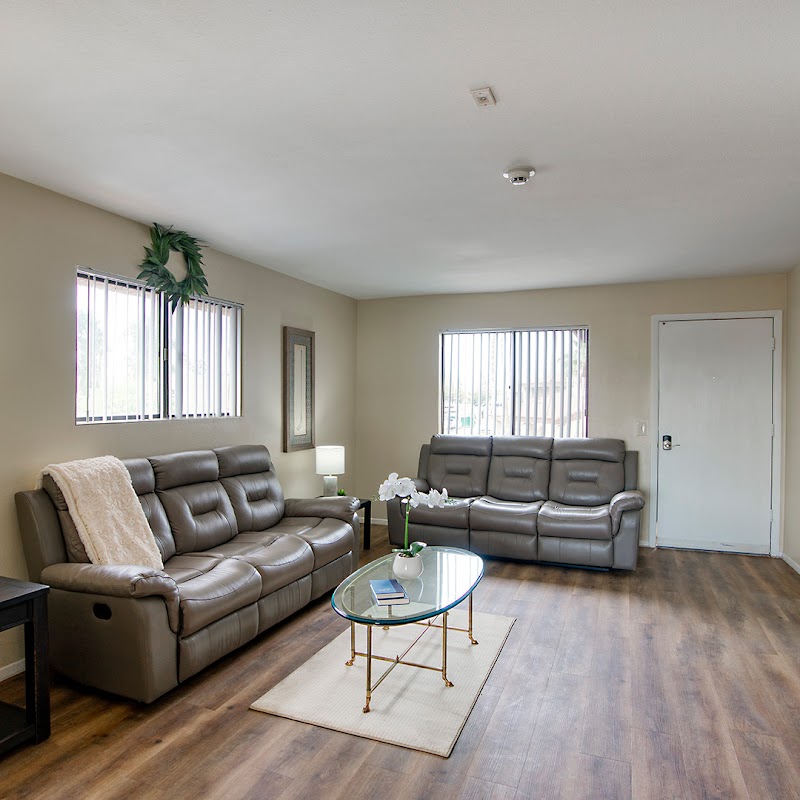
How Does Immanuel Campus Of Care Compare to Other Arizona Nursing Homes?

Compared to the 100 nursing homes in Arizona, IMMANUEL CAMPUS OF CARE's overall rating (2 stars) is below the state average of 3.3, staff turnover (22%) is significantly lower than the state average of 46%, and health inspection rating (1 stars) is much below the national benchmark.

What Should Families Ask When Visiting Immanuel Campus Of Care?

Based on this facility's data, families visiting should ask: "What safeguards and monitoring systems are in place to protect residents from abuse or neglect?" "Can I visit during a mealtime to observe dining assistance and food quality?" "How do you handle medical emergencies, and what is your hospital transfer rate?" "Can I speak with family members of current residents about their experience?" These questions are particularly relevant given the substantiated abuse finding on record.

Is Immanuel Campus Of Care Safe?

Based on CMS inspection data, IMMANUEL CAMPUS OF CARE has documented safety concerns. The facility has 1 substantiated abuse finding (meaning confirmed case of resident harm by staff or other residents). The facility has a 2-star overall rating and ranks #100 of 100 nursing homes in Arizona. Families considering this facility should ask detailed questions about what corrective actions have been taken since these incidents.

Do Nurses at Immanuel Campus Of Care Stick Around?

Staff at IMMANUEL CAMPUS OF CARE tend to stick around. With a turnover rate of 22%, the facility is 24 percentage points below the Arizona average of 46%. Low turnover is a positive sign. It means caregivers have time to learn each resident's needs, medications, and personal preferences. Consistent staff also notice subtle changes in a resident's condition more quickly. Registered Nurse turnover is also low at 29%, meaning experienced RNs are available to handle complex medical needs.

Was Immanuel Campus Of Care Ever Fined?

IMMANUEL CAMPUS OF CARE has been fined $18,529 across 2 penalty actions. This is below the Arizona average of $33,264. While any fine indicates a compliance issue, fines under $50,000 are relatively common and typically reflect isolated problems that were subsequently corrected. Families should ask what specific issues led to these fines and confirm they've been resolved.

Is Immanuel Campus Of Care on Any Federal Watch List?

IMMANUEL CAMPUS OF CARE is not on any federal watch list. The most significant is the Special Focus Facility (SFF) program, which identifies the bottom 1% of nursing homes nationally based on persistent, serious quality problems. Not being on this list means the facility has avoided the pattern of deficiencies that triggers enhanced federal oversight. This is a positive indicator, though families should still review the facility's inspection history directly.