LAKE PLEASANT POST ACUTE REHABILITATION CENTER
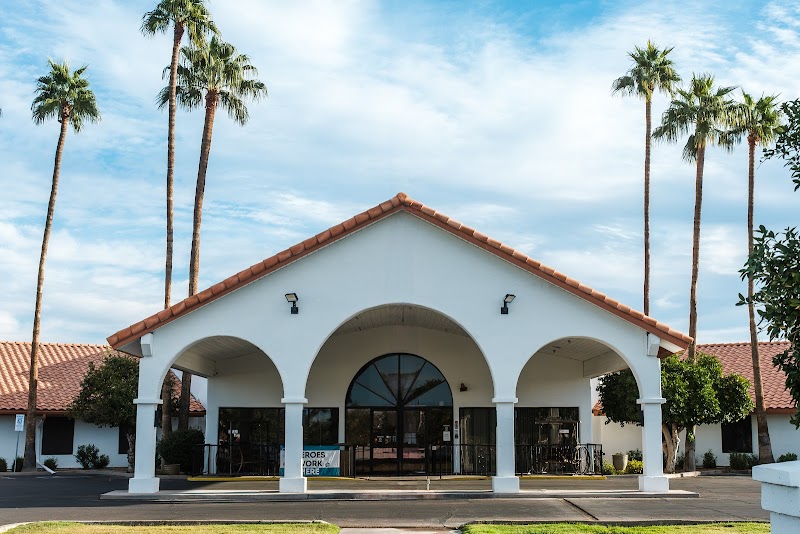
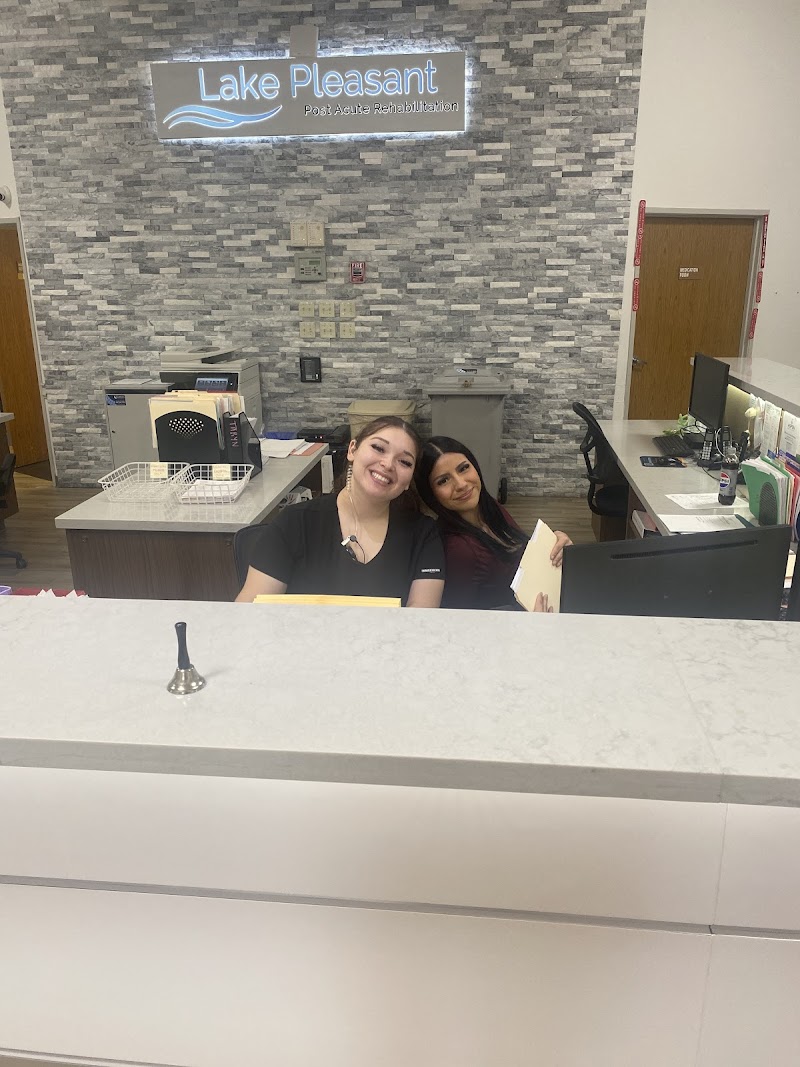
20625 NORTH LAKE PLEASANT ROAD, PEORIA, AZ 85382 (623) 566-0642
For profit - Corporation 128 Beds THE ENSIGN GROUP Data: November 2025
Trust Grade
75/100
#53 of 139 in AZ
Last Inspection: May 2024

Within standard 12-15 month inspection cycle. Federal law requires annual inspections.

Overview

Lake Pleasant Post Acute Rehabilitation Center has a Trust Grade of B, indicating it is a good, solid choice for care. It ranks #53 out of 139 facilities in Arizona, placing it in the top half, and #40 of 76 in Maricopa County, meaning there are only a few better local options. The facility is improving, as it reduced its number of issues from 10 in 2023 to 6 in 2024. Staffing is a concern, with a low rating of 2 out of 5 stars and a turnover rate of 51%, which is average for Arizona. However, the facility has no fines, which is a positive sign, and it offers more RN coverage than many state facilities, helping to ensure better care. On the downside, there have been several specific incidents noted. Residents reported receiving cold food served in Styrofoam containers with plastic cutlery, which has been a long-standing issue. Additionally, food safety practices were not followed, as items in the kitchen were not properly labeled or dated, raising concerns about foodborne illness. Lastly, two residents did not have their nutritional needs adequately monitored, which could lead to health declines. Overall, while there are strengths, families should weigh these concerns when considering care options.

Trust Score
B
75/100
In Arizona
#53/139
Top 38%
Safety Record
Low Risk
No red flags
Inspections
Getting Better
10 → 6 violations
Staff Stability
⚠ Watch
51% turnover. Above average. Higher turnover means staff may not know residents' routines.
Penalties
✓ Good
No fines on record. Clean compliance history, better than most Arizona facilities.
Skilled Nurses
⚠ Watch
Each resident gets only 29 minutes of Registered Nurse (RN) attention daily — below average for Arizona. Fewer RN minutes means fewer trained eyes watching for problems.
Violations
⚠ Watch
20 deficiencies on record. Higher than average. Multiple issues found across inspections.
★★★★☆
4.0
Overall Rating
★★☆☆☆
2.0
Staff Levels
★★★★★
5.0
Care Quality
★★★☆☆
3.0
Inspection Score
Stable
2023: 10 issues
2024: 6 issues

The Good

  • 5-Star Quality Measures · Strong clinical quality outcomes
  • Full Sprinkler Coverage · Fire safety systems throughout facility
  • No fines on record

Facility shows strength in quality measures, fire safety.

The Bad

Staff Turnover: 51%

Near Arizona avg (46%)

Higher turnover may affect care consistency

Chain: THE ENSIGN GROUP

Part of a multi-facility chain

Ask about local staffing decisions and management

The Ugly 20 deficiencies on record

May 2024 5 deficiencies
CONCERN (D)

Potential for Harm - no one hurt, but risky conditions existed

Deficiency F0582 (Tag F0582)

Could have caused harm · This affected 1 resident

**NOTE- TERMS IN BRACKETS HAVE BEEN EDITED TO PROTECT CONFIDENTIALITY** Based on clinical record review, staff interviews, and policy review, the facility failed to provide evidence that monthly billi...

Read full inspector narrative →
**NOTE- TERMS IN BRACKETS HAVE BEEN EDITED TO PROTECT CONFIDENTIALITY** Based on clinical record review, staff interviews, and policy review, the facility failed to provide evidence that monthly billing statements were issued to one resident (#62). The deficient practice could result in residents not being informed of the monthly payment deducted from their personal accounts. Findings include: Resident #62 was admitted on [DATE] with diagnoses that included cellulitis of buttock, chronic obstructive pulmonary disease, and type 2 diabetes mellitus. Review of the admission Record face sheet revealed the resident was their own financial responsible party. Review of the MDS revealed a Brief Interview for Mental Status (BIMS) was conducted revealing a BIMS score of 15 which suggests that cognition is intact. An interview was conducted with resident #62 on May 9, 2024 08:37 a.m. Resident #62 stated she is concerned with the amount of money left in her account after her payment to the facility. She stated she does not feel that the financial part has been thoroughly explained to her as why she is only left with forty dollars every month. An interview was conducted with Business Office Manager (BOM/Staff #7) and Business Office Staff (staff # 1) on May 10, 2024 at 10:33 a.m. Staff #7 stated the resident does not have a trust with the facility and her share of cost is determined by Arizona Long Term Care (ALTCS). BOM/Staff #7 stated that the facility is required to provide the resident or their responsible party with a monthly billing statement and the address on the statement is the daughters address and may be going there. She stated the monthly billing statements go out on the 20th of every month. BOM acknowledged the resident is her own financial party. She stated the monthly billing may be mailed to the daughter because she is involved in her care. She further stated the billing statements are hand delivered to the LTC care residents. Staff #1 stated she has hand delivered the statements to resident #62, but does not have a system indicating they were received by the resident. BOM stated they could print the prior months statement and deliver it to the resident. An interview was conducted with resident #62 on May 10, 2024 at 10:55 AM who stated she has not received a billing statement since she was first admitted and they have not been shared with her by her daughter. She stated that is not true at all, they do not hand deliver one to her or she would have it. The resident stated she does not understand why they would go to her daughter when she takes care of her own financial business. Further stating she would like to know where her money is going and deserves to know how it is being spent. Review of the facility policy titled Accounts Receivable Policy and Procedure Resident [NAME] states resident billing is the most important procedure performed in the overall accounts receivable process. 1. Statements will be generated monthly, typically on or about the 20th of the month or upon discharge or request. 6. Print and mail or deliver to the resident or responsible party as appropriate.
CONCERN (D)

Potential for Harm - no one hurt, but risky conditions existed

Deficiency F0696 (Tag F0696)

Could have caused harm · This affected 1 resident

**NOTE- TERMS IN BRACKETS HAVE BEEN EDITED TO PROTECT CONFIDENTIALITY** Based on clinical record review, staff and resident interviews and policy and procedures, the facility failed to ensure that car...

Read full inspector narrative →
**NOTE- TERMS IN BRACKETS HAVE BEEN EDITED TO PROTECT CONFIDENTIALITY** Based on clinical record review, staff and resident interviews and policy and procedures, the facility failed to ensure that care and assistance were provided to one resident (#1) with a prosthesis that did not fit properly. The deficient practice could result in a decline in mobility and level of functioning, requiring more assistance and being more dependent. Findings include: Resident #1 was admitted on [DATE], with diagnoses that included fracture of nasal bones, subsequent encounter for fracture with routine healing, type 2 diabetes mellitus with foot ulcer, unspecified open wound, right foot, subsequent encounter, peripheral vascular disease, unspecified, other abnormalities of gait and mobility, acquired absence of left leg below knee, A Medicare 5-day MDS(Minimum Data Set) assessment dated [DATE] revealed the resident scored 13 on the Brief Interview for Mental Status (BIMS), indicating cognition was intact. The MDS assessment revealed no impairment with upper extremity, lower extremity impairment on both sides. The assessment revealed resident required substantial/maximal assistance with toileting, shower baths, lower body dressing and putting on/taking off footwear and partial to moderate assist with upper body dressing. A care plan dated April 11, 2024, revealed the resident required assistance with lower body and upper body dressing. The goal was for the resident to maintain current level of function in bed mobility, transfers, eating, dressing, grooming, toilet use and personal hygiene. Review of an Occupational Therapy (OT) Evaluation and Plan of Treatment dated April 12, 2024, revealed the following goals: the resident will safely and effectively perform upper and lower body dressing with supervision or touching assistance in order to be able to return to prior level of living, resident will complete all ADL/self-care tasks with independence using AE as needed/trained. The approaches included for therapeutic exercises and activities, group therapy and self-care management training. The resident's goal was to be able to return home. Per the evaluation, the resident demonstrated good rehab potential as evidenced by active participation in skilled treatment. The OT evaluation also included the resident has had a mechanical ground level fall with head injury, which resulted in a head laceration, nasal bone fracture and has chronic wounds on his right foot with a BKA. He previously required 1 person assist with mobility and has had a prosthesis for his left lower extremity. The evaluation did not include any plan to address the resident's prosthesis, which did not fit properly. Review of an Physical Therapy (PT) Evaluation and Plan of Treatment dated April 12, 2024, revealed the following goals: The resident will enhance functional mobility as evidenced by an increase in score to 10/20 on the Elderly Mobility Scale (Taget:4/25/2024), resident will safely perform functional transfers with partial/moderate assistance to proper positioning before/during transfer and for proper sequencing without medical complications in order to safely return home, resident will safely ambulate 50 feet using two-wheeled walker on level surfaces with partial/moderate with ability to right self to achieve/maintain balance in order to return to prior living and supervision levels. The approaches included for therapeutic exercises and activities, neuromuscular reeducation, gait training therapy, group therapy. The assessment revealed the prosthesis present/assessed was marked yes. Further review of the physical therapy notes revealed a summary note entered 05/10/2024 which stated a consultation was done regarding the fit of the resident's prosthesis. The note stated upon removal of the prosthesis it was found the resident had self-donned prosthesis with sock layers next to skin. The note stated a PTA (Physical Therapy Assistant) educated resident placing neoprene sleeve flush to skin, then appropriate layering of socks for a better fit. Resident #1 was initially screened on 05/06/24 at 10:30 AM. Resident (#1) stated he is no longer able to wear his leg prosthesis, due to the rubber being stretched. He stated he is unable to do anything without his prosthetic leg, stating his leg keeps falling off and the facility has done nothing to help him with it. An interview was conducted on May 10, 2019 at 05/10/24 08:21 a.m., with resident #1. Also present was his nephew, who provided care when at home. He stated the prosthesis for his left lower leg is too big for his stump and that the rubber part of the prosthetic is stretched. He stated that he has complained to staff and staffs are aware and are doing nothing about it. The nephew stated he brought in additional stockings and socks and had placed them on the resident to secure a tighter grip with the prosthesis. He further stated the prosthesis is not fitting due to the resident's weight loss and that his uncle is concerned with it falling off if he tried to walk. An interview was conducted on May 10, 2024 at 8:25 a.m., with a Certified Nursing Assistant (CNA/Staff #105). She stated the resident does have a prosthetic, but stated the resident complained that it did not fit right and looked loose. She said she had not passed on the information that the prosthesis may be too large, because therapy was working with him and thought they already knew about it. On May 10, 2024 at 8:33 a.m., an interview was conducted with a Director of Rehab (Staff #12) She stated resident (#1) was evaluated by both PT and OT on April 12, 2024. She stated PT and OT met with the resident Monday thru Friday five days per week. The resident received 25 minutes of PT and 25 minutes of OT daily. She stated the resident was assessed for strengthening, range of motion, transfers, prevent decline and to progress. She stated she did not know if there were any identified concerns with the resident's prosthesis and would need to consult with his therapist. She stated the initial assessment process would have included an assessment of the resident's prosthesis, and if there are any concerns with fitting the facility has resources that are able to come in and assess the prosthesis. On May 10, 2024 at 9:28 a.m., (Staff #12) stated that PT went in and met with the resident, that this was the first time hearing of the prothesis not fitting correctly. Staff #12 stated they had found the resident had placed too many pairs of socks and stockings and had noted the prosthesis appeared loose when sitting due to contracture of the muscles, but had contacted the Hanger Clinic and Hanger would meet with the resident at 11a.m. that day to evaluate the prothesis. A request was made for facility policy for Prosthesis or Prosthetic Devices on May 10, 2024 at 10:28 a.m. Staff #156 returned the request stating the facility does not have a policy for prosthesis or prosthetic devices.
CONCERN (D)

Potential for Harm - no one hurt, but risky conditions existed

Infection Control (Tag F0880)

Could have caused harm · This affected 1 resident

Based on personnel record reviews, staff interviews and policies and procedures, the facility failed to ensure that one of 10 sampled employees (#80) had current evidence of freedom from infectious Tu...

Read full inspector narrative →
Based on personnel record reviews, staff interviews and policies and procedures, the facility failed to ensure that one of 10 sampled employees (#80) had current evidence of freedom from infectious Tuberculosis (TB). The deficient practice could result in the potential of residents and employees being exposed to TB. Findings include: A review of personnel records conducted on May 9, 2024 at 10:57 a.m. with Human Resources Manager (Staff # 43) and HR Clinical Resource (Staff # 157) revealed the following: A review of the personnel record for a Activities Director (ACT/staff #80) revealed a hire date of September 30, 2015. The record further revealed no prior documentation of a negative TB skin, nor was there current documentation that staff #80 was free of TB. Staff #157 stated she would download the document, print and provide a copy. HR Clinical Resource (Staff #157) provided a copy of a completed TB Skin Test Consent Form. Review of the form revealed date given as 5/15/24 at 0700 and date read as 5/17/24 at 0800. An interview was conducted on May 9, 2024 at 03:27 PM with staff (Staff #80) who stated she received her TB test on May 15, 2024, but could not recall who provided her with the TB skin test. Staff #80 confirmed the day date as May 9, 2024. An interview was conducted with Director of Nursing (Staff # 68) who stated she believed TB tests are completed annually or are screened. Staff # 68 reviewed the TB Skin Test Consent Form for Staff # 80 and stated that was not accurate and the dates were wrong. She stated she did not have an explanation how this occurred and the expectations are that documents are documented correctly.
CONCERN (E)

Potential for Harm - no one hurt, but risky conditions existed

Resident Rights (Tag F0550)

Could have caused harm · This affected multiple residents

Based on observations, resident and staff interviews, the facility failed to provide a dignified dining experience to Resident #62, Resident #149, Resident #47 and Resident #42. The facility census wa...

Read full inspector narrative →
Based on observations, resident and staff interviews, the facility failed to provide a dignified dining experience to Resident #62, Resident #149, Resident #47 and Resident #42. The facility census was 99. Findings include: Observation was conducted on May 6, 2024 at 8:20 AM of resident dining during breakfast. Observation revealed residents eating breakfast out of Styrofoam containers with plastic cutlery. Multiple residents reported that food has been served that way for a long time and often was cold by the time they received it. Resident #42 stated in an interview on 5/6/24 at 10:18AM that the food was always cold and came in clamshell containers with plastic silverware. During an interview with Resident #149 conducted on 5/6/24 at 10:33AM, he stated that the food was served in a clam shell container and came cold. In an interview with the ombudsman on 05/07/24 at 12:26 PM, the ombudsman reported that residents have been eating out of Styrofoam for about a year now. She reported that she had discussed with the administrator and the administrator stated that the facility was working on it. Multiple staff and residents report that plasticware has been used for a long time. Interview with the Dietary Supervisor (Staff #36) on 5/8/24 at 1:15PM confirmed that food had been served on plasticware since before he was hired approximately 4 months ago, as previous staff used it. When asked what was keeping the facility from serving on real dishware, he reported that the plate warmer had only just arrived about 3 weeks ago. When asked who made the decision to use plastic ware until the plate warmer arrived, he stated to ask the administration. Interview with Resident #62 on 5/9/24 highlighted dissatisfaction with the dining experience. She complained that her food was served in a box and complained that food was given to her upside-down, causing her food inside to be messy. During an interview with Resident #47 on 5/9/24 at 10:03 AM. Resident #47 explained that the facility had been using Styrofoam clamshells for the last two years. She also stated that dinner the previous night (5/8/24) was served in Styrofoam and was cold. The resident's recounting of what was served aligned with the menu - chicken enchiladas with rice and beans. Resident also stated there was no way to reheat the food because the plastic melts. Interview with the Executive Director (Staff #26) on 5/9/24 at 12:50PM confirmed that food had been served on plasticware since before he was hired on, following the facility plate warmer being stolen. He stated he was unsure when the warmer was stolen, but showed that the process to obtain a new warmer was started in December 2023, and it was finally obtained and operational April 8th, 2024. This administrator claimed the plate warmer had been in use since that date.
CONCERN (E)

Potential for Harm - no one hurt, but risky conditions existed

Food Safety (Tag F0812)

Could have caused harm · This affected multiple residents

Based on observation, staff interviews, and policy review, the facility failed to ensure food was stored in accordance with professional standards for food service safety. The deficient practice could...

Read full inspector narrative →
Based on observation, staff interviews, and policy review, the facility failed to ensure food was stored in accordance with professional standards for food service safety. The deficient practice could contribute to the spread of foodborne illness. Findings include: Upon initial tour of the kitchenon 5/6/24 at 8:20 AM, it was observed that some of the items, such as dry pasta, stored in original bag that had been tied on itself had no additional labeling or dating. Observation in the refrigerator and freezer revealed lack of labeling and dating of items. Most items were observed stored in cardboard boxes. There were no dates or labels on multiple boxes in the refrigerator and no dates on most boxes in the freezer. Observation was made of sealed bags of shredded lettuce stored in the refrigerator without label or date. Further observation in the refrigerator revealed prepared food items in unlabeled metal tins. Surveyor noted prepared meatballs stored in a metal tin with plastic wrap on top without label or date. A brown gravy in a metal tin was also observed uncovered and unlabeled. Interview with the Dietary Supervisor (Staff #36) on 5/6/24 at 8:35AM revealed that the kitchen staff do not record use-by dates. When asked how the staff knew when an item is no longer safe to use, the Dietary Supervisor stated that his staff used those items very quickly, so there is no need to record a use-by date. He further stated that there was no policy in place on labeling foods with use-by dates. Review of facility policy regarding food storage showed that policy required all TCS foods to be covered, labeled, and dated if not for immediate use. This document further stated that date marking should be visible to indicate the date by which ready-to-eat, potentially hazardous food should be consumed, sold, or discarded.
Jan 2024 1 deficiency
CONCERN (E) 📢 Someone Reported This

A family member, employee, or ombudsman was alarmed enough to file a formal complaint

Potential for Harm - no one hurt, but risky conditions existed

Deficiency F0692 (Tag F0692)

Could have caused harm · This affected multiple residents

**NOTE- TERMS IN BRACKETS HAVE BEEN EDITED TO PROTECT CONFIDENTIALITY** Based on clinical documentation, staff interviews, and facility policy and procedures, the facility failed to monitor and mainta...

Read full inspector narrative →
**NOTE- TERMS IN BRACKETS HAVE BEEN EDITED TO PROTECT CONFIDENTIALITY** Based on clinical documentation, staff interviews, and facility policy and procedures, the facility failed to monitor and maintain acceptable parameters of nutrition for two residents (#12 and #36). The deficient practice could result in a physical and a mental decline in overall health. Findings include: 1) Resident #12 was admitted to the facility on [DATE] with diagnoses that included quadriplegia, chronic obstructive pulmonary disease, Type II Diabetes, acute kidney failure, and Schizoaffective Disorder. Review of the percentage meal intake task sheets dated December 27, 2023 through January 15, 2024 revealed that the percentage of meal intake was not documented ten times, and was documented as not applicable six times. It also included that the resident refused to eat nine times. Review of the progress notes dated December 27, 2023 through January 15, 2024 did not reveal documentation of the physician being notified by the facility regarding the resident's weight loss or refusal to eat. The mini nutritional evaluation dated December 28, 2023 revealed a score of 10 indicating the resident was at risk for malnutrition. It also included that the resident weighed 218 lbs., had no decrease in food intake and weight loss of 2.2 to 6.6 lbs. in the last three months. Recommendations included to monitor PO intake, monitor weight, super cereal with breakfast, mash potatoes with lunch, pudding with dinner, Magic Cup every day. Encourage PO intake as necessary and assist with meals as tolerated. The order summary revealed: -regular diet, regular texture, thin liquids consistency, diabetic condiments, no added sugar, with diabetic preferences diet ordered December 27, 2023. -weekly weights for four weeks every day shift, every Wednesday ordered December 27, 2023. -resident needs to go to dining room for all meals every day shift ordered January 9, 2024. The nutritional care plan dated December 28, 2023 revealed that the resident had a nutritional problem or potential related to environmental and recent hospitalization. The resident was at risk for involuntary weight loss relate to by mouth (PO) intake not meeting exclusive enteral nutrition (ENN) as evidenced by PO intake 57%. Interventions included: -Diet as ordered by the physician: regular diet, regular texture, thin liquids consistency, super cereal with breakfast, pudding with lunch, mashed potatoes with dinner, diabetic condiments, no added sugar, with diabetic preferences. -Monitor and report to the physician as needed for any serious signs of decreased appetite, nausea and vomiting, unexpected weight loss. -Weekly weights for four weeks and then monthly if stable. Review of the weights revealed the resident was weighed: -December 27, 2023 and weighed 218 lbs. -January 3, 2024 and weighed 210.9 lbs. -January 10, 2024 refused to be weighed. -no weight documented the fourth week. 2) Resident #36 was admitted to the facility on [DATE] with diagnoses that included encephalopathy, hypotension, unspecified dementia, and cognitive communication deficit. Review of the order summary revealed: Weekly weights times 4 weeks every day shift Tuesday ordered December 4, 2023. -Regular diet, puree texture, thin liquids consistency, one-on-one assisted feeding ordered December 5, 2023. -Med Pass four times a day for increased PO intake 2 ounce each by mouth ordered December 6, 2023. Review of the percentage meal intake task sheets dated December 5, 2023 through January 15, 2024 revealed that the percentage of meal intake was not documented twenty-one times, and was documented as not applicable fourteen times. It also included that the resident refused to eat one time and was not available one time. The nutritional care plan dated December 6, 2023 revealed that the resident has a nutritional problem or potential nutritional problem related to impaired mobility and generalized weakness. The mini nutritional evaluation score was 3 indicating the resident was malnourished. The resident was underweight related to previous inadequate energy intake as evidenced by BMI of 14.8. Interventions included to monitor and report to the physician as needed for any serious symptoms (s/s) of: decreased appetite, nausea or vomiting, unexpected weight loss, complaints of stomach pain, etc. The Nutrition admission Evaluation dated December 6, 2023 revealed that the resident weighed 83.8 lbs. with a desirable weight range of 104 to 127 lbs. The resident had a body mass index (BMI) of 14.8 and was below weight. Recommendations included to encourage and monitor intake. The Nutrition Interdisciplinary Team Review dated December 6, 2023 stated that the purpose of this interdisciplinary team review is to review the nutritional status of the resident and to ensure that the resident is receiving appropriate diet/nutrition for their body size, structure and medical condition, and to evaluate potential risk factors that may have a direct influence in resident outcomes relating to weight loss or weight gains. BMI is less than 19 at 14.8. Added 2 ounces Med Pass four times a day. Refer to physician for weight being a nutritional risk. Continue to monitor for additional changes. Review of weights revealed: -December 5, 2023, 83.8 lbs., -December 13, 2023, 84.1 lbs., -December 20, 2023, 83.4 lbs., -December 27, 2023, 76.2 lbs. The minimum data set (MDS) dated [DATE] included a brief interview for mental status score of 1 indicating the resident has a severe cognitive impairment. It also included that the resident requires partial/moderate assistance with eating: assistance in lifting, holding, trunk or limbs, but provided less than half the effort. An interview was conducted on January 17, 2024 at 8:15 AM, with a Restorative Nursing Assistant (RNA/staff #82) who stated that she has received training on activities of daily living (ADLs). She stated that of monitoring the percentage of meal intake is to make sure that the resident is consuming enough food. She documents the percentage of meal intake on the task sheet and it should be documented three times a day, one time for each meal. She stated that if the resident refuses to eat, she reports it to the nurse and the risk of not notifying the nurse is that the resident may have a change in weight. If she documents not applicable on the task sheet, it means that it didn't happen or she did not see how much the resident ate. She stated that resident #12 is supposed to have the percentage of meal intake documented. An interview was conducted on January 17, 2024 at 8:41 AM, with the Assistant Director of Nursing (ADON/staff #7), who stated that the Certified Nursing Assistants (CNAs) document the percentage of meal intake in the task sheet and this is done for all the residents. It is her expectation that documentation is completed for breakfast, lunch, and dinner. She stated that the purpose of monitoring the percentage of meal intake for the residents is primarily to monitor nutritional value and their likes and dislikes. She stated that if a resident is refusing to eat, it should be reported to the nurse because the resident may need an evaluation for swallowing, appetite stimulant, and to notify the physician. She stated that there is a risk of weight loss if the documentation is not completed, because we wouldn't know if there was a concern that needed to be addressed. She stated that documenting not applicable means that the resident doesn't take food by mouth (PO) or the resident was not at the facility during mealtime. She thinks the dietician is responsible for monitoring the task sheets to ensure the documentation is being completed. An interview was conducted on January 17, 2024 at 9:01 AM, with the Director of Nursing (DON/staff #1), who stated that the percentage of meal intake is documented for every resident and should be documented when the meal tray is picked up from the resident. She stated that the dietician is responsible for monitoring the percentage for meal intake documentation, which is completed by the CNAs. It is her expectation that the dietician reviews the task sheets to determine if nutritional needs are being met, if supplements are needed, and would discuss any nutritional concerns at the weekly meeting. She stated that not applicable would be documented if the meal tray was not picked up, the resident was NPO, or the resident was not in the facility during meal time. She stated that if the documentation is not being completed or is incorrect, there is no way to determine if the resident is eating and there is a risk of weight loss. An interview was conducted on January 17, 2024 at approximately 11:30 AM, with the registered diet technician (staff #16), who stated that she monitors the weights of the residents by reviewing the percentage of meal intake for the last seven days and if the resident ate less than 50% of the meal intake, she reports it during the weekly meeting. She also reviews the weekly weights and if there is a weight loss, she would then review the task sheets to determine what happened. She stated that she has concerns regarding the lack of documentation, documented refusals, and the documentation of not applicable and has reported it to the team during the weekly meetings. She stated that the DON and the ADON told her they would reeducate the CNAs on documentation. She stated that there is a risk when the documentation is incomplete or incorrect. The facility's policy Nutrition dated states that it is the policy of the facility to ensure that all residents maintain acceptable parameters of nutritional status, such as body weight and protein levels, unless the resident's clinical condition demonstrates that this is not possible. Each resident is to be weighed upon admission, weekly weights for four (4) weeks a monthly weight thereafter unless otherwise specified by the attending physician. The weight will be entered into the resident's clinical record.
Dec 2023 2 deficiencies
CONCERN (D) 📢 Someone Reported This

A family member, employee, or ombudsman was alarmed enough to file a formal complaint

Potential for Harm - no one hurt, but risky conditions existed

Report Alleged Abuse (Tag F0609)

Could have caused harm · This affected 1 resident

**NOTE- TERMS IN BRACKETS HAVE BEEN EDITED TO PROTECT CONFIDENTIALITY** Based on closed clinical record review, staff interviews, facility documentation and policy review and the State Agency database...

Read full inspector narrative →
**NOTE- TERMS IN BRACKETS HAVE BEEN EDITED TO PROTECT CONFIDENTIALITY** Based on closed clinical record review, staff interviews, facility documentation and policy review and the State Agency database, the facility failed to ensure that an allegation of abuse for one resident (#44) was reported to the State Agency (SA) as required. The deficient practice could result in residents not protected from further abuse and allegation not investigated. Findings include: Resident #44 was admitted on [DATE], with diagnosis of displaced bimalleolar fracture of the left leg. A nursing skilled note dated May 24, 2023 included the resident was alert and oriented to person, place, time and situation, and was verbally appropriate. Review of the admission Minimum Data Set (MDS) assessment dated [DATE] revealed a Brief Interview for Mental Status (BIMS) score of 15, which indicated the resident was cognitively intact. A late entry administrative note dated June 02, 2023, at 6:00 p.m. included that the Executive Director informed the Director of Nursing (DON) that the police were on their way after a phone call was made by the resident's family regarding an allegation of abuse. Per the documentation, the resident's family reported that a staff member held a rag with bleach over the resident's face to initiate a seizure. There was no evidence found in the clinical record and facility documentation that the allegation of abuse was reported to the SA as required. Review of the SA database revealed no evidence that the allegation of abuse was reported to the SA on June 2, 2023. During an interview with the Interim Director of Nursing (ADON/staff #55) conducted on December 13, 2023, at 9:20 a.m., he stated that it was his expectation, as well as the facility policy, to report all allegations of abuse within two hours of notification. A review of the clinical record was conducted with the ADON during the interview. The ADON stated that the progress note dated June 2, 2023 noted an allegation of abuse and this was reportable to the SA; however, the ADON stated that the facility did not report this allegation of abuse to the SA as required. The facility policy on Abuse: Prevention of and Prohibition Against revealed that allegations of abuse, neglect, misappropriation of resident property, or exploitation will be reported outside of the facility and to the appropriate State or Federal agencies within the applicable timeframes as per this policy and applicable regulations. The policy also included that the facility will notify the state survey agency and other authorities as required by the Abuse Prevention Policy and as required by law.
CONCERN (D) 📢 Someone Reported This

A family member, employee, or ombudsman was alarmed enough to file a formal complaint

Potential for Harm - no one hurt, but risky conditions existed

Investigate Abuse (Tag F0610)

Could have caused harm · This affected 1 resident

**NOTE- TERMS IN BRACKETS HAVE BEEN EDITED TO PROTECT CONFIDENTIALITY** Based on closed clinical record review, staff interviews, facility documentation and policy review, the facility failed to ensur...

Read full inspector narrative →
**NOTE- TERMS IN BRACKETS HAVE BEEN EDITED TO PROTECT CONFIDENTIALITY** Based on closed clinical record review, staff interviews, facility documentation and policy review, the facility failed to ensure that an allegation of abuse for one resident (#44) was thoroughly investigated. The deficient practice could result in residents not protected from further abuse and appropriate corrective action not taken. Findings include: Resident #44 was admitted on [DATE], with diagnosis of displaced bimalleolar fracture of the left leg. A nursing skilled note dated May 24, 2023 included the resident was alert and oriented to person, place, time and situation, and was verbally appropriate. Review of the admission Minimum Data Set (MDS) assessment dated [DATE] revealed a Brief Interview for Mental Status (BIMS) score of 15, which indicated the resident was cognitively intact. A late entry administrative note dated June 02, 2023, at 6:00 p.m. included that the Executive Director informed the Director of Nursing (DON) that the police were on their way after a phone call was made by the resident's family regarding an allegation of abuse. Per the documentation, the resident's family reported that a staff member held a rag with bleach over the resident's face to initiate a seizure. There was no evidence found in the clinical record and facility documentation that the allegation of abuse was thoroughly investigated. During an interview with the Interim Director of Nursing (ADON/staff #55) conducted on December 13, 2023, at 9:20 a.m., he stated that it was his expectation, as well as the facility policy, to report all allegations of abuse within two hours of notification. A review of the clinical record was conducted with the ADON during the interview. The ADON stated that the progress note dated June 2, 2023 noted an allegation of abuse and this was reportable to the SA; however, the ADON stated that the facility did not report this allegation of abuse to the SA as required. Further, he stated that there was no investigation that had been conducted or any steps taken by the facility to ensure the safety of the resident. The facility policy on Abuse: Prevention of and Prohibition Against revealed that allegations of abuse, neglect, misappropriation of resident property, or exploitation will be reported outside of the facility and to the appropriate State or Federal agencies within the applicable timeframes as per this policy and applicable regulations. The policy also included that the facility will notify the state survey agency and other authorities as required by the Abuse Prevention Policy and as required by law.
Jan 2023 7 deficiencies
CONCERN (D) 📢 Someone Reported This

A family member, employee, or ombudsman was alarmed enough to file a formal complaint

Potential for Harm - no one hurt, but risky conditions existed

Notification of Changes (Tag F0580)

Could have caused harm · This affected 1 resident

**NOTE- TERMS IN BRACKETS HAVE BEEN EDITED TO PROTECT CONFIDENTIALITY** Based on review of the clinical records, staff interviews, and facility policies and procedures, the facility failed to notify t...

Read full inspector narrative →
**NOTE- TERMS IN BRACKETS HAVE BEEN EDITED TO PROTECT CONFIDENTIALITY** Based on review of the clinical records, staff interviews, and facility policies and procedures, the facility failed to notify the legal guardian for one resident (#52) with impaired cognitive status for consents for treatment, the facility failed to notify the legal guardian for one resident (#52) with impaired cognitive status for a change in condition. The deficient practice could result in other guardians not being notified. Findings include: Resident # 52 was admitted on [DATE] with diagnoses that included hemiplegia, cerebral infarction due to unspecified occlusion or stenosis of right middle cerebral artery, other symptoms and signs involving cognitive functions and awareness, cognitive communication deficit, other symptoms and signs involving cognitive functions following cerebral infarction, bipolar disorder, dysphasia and schizoaffective disorder, bipolar type. An admission Minimum Data Set (MDS) dated [DATE] included that resident #52 had a Brief Interview for Mental Status (BIMS) score of 12 indicating mild cognitive deficit. The assessment included no documention of behaviors or moods. The assessment included that the resident required extensive assistance for bed mobility, dressing, and personal hygiene. The assessment included diagnoses of cerebrovascular accident, transient ischemia attack or stroke, manic depression, and schizophrenia. The assessment included that the resident received antidepressant medication 6 of the last 7 days. The assessment did not include that the resident received any Antipsychotic medications. The assessment included that the resident and family participated in the assessment but not the guardian or legally authorized representative did not participate. A physician progress note dated November 12, 20221 at 1:08 PM, included that resident #52 had schizoaffective disorder and per the records was legally incompetent. The note included that the resident was alert to place and time and answered questions with some forgetfulness. A Psychiatric note dated December 3, 2021 at 10:14 AM, included that the resident is legally incompetent and that since last visit, the patient's legal guardian relayed concerns that the patient is no longer taking Invega. The note included that the guardian requested that the staff speak with the resident's cardiologist and that the staff had attempted calling cardiology with no success. The note included that the guardian also relayed that she would contact the cardiologist for approval and call us back but there was no approval received at the time of the note. The note included that the resident only had a mild elevation of his QTc (a measurement of heart ventricular repolarization) and appears to be doing well regarding psychotic symptoms. The note included that the resident denied any hallucinations, delusions, or paranoia. Another Psychiatric note dated December 28, 2021 at 9:11 AM, included that the cardiologist approved the resident to resume Invega Trinza. The note included that the provider spoke with the guardian and they requested the resident restart the Invega Trinza and that an order would be put in to start the medication. An eMAR-Medication Administration Note January 2, 2022 at 2:58 PM, included that the Ivnega Trinza 546 mg (milligram)/1.75 mL (milliters) for schizoaffective disorder was coming from the pharmacy. Another eMAR note dated January 2, 2022 at 7:43 PM, included that the order for Invega Trinza needed to be clarified on Monday. A Psychiatric note dated January 4, 2022 at 9:54 AM, included that after an extensive conversation with the guardian, the provider ordered the Invega Trinza. The note included that the insurance company had not yet approved the medication and it was currently on hold. Review of the clinical record revealed no documention of communication of the Invega Trinza being held to the legal guardian. Review of the the clinical record revealed no documentation of consent provided by the guardian with risks and benefits. Another Psychiatric note dated January 25, 2022 at 10:00 AM, included that the resident had recent hallucinations but those hallucinations were not bothersome at this time. A Psychiatric note dated February 8, 2022 at 11:10 AM, included that the resident reported some hallucinations. Review of the Medication Administration Record (MAR) for February 2022 revealed that resident #52 was administered Invega Trinza on February 8 at 3:08 PM. A consent for psychotropic medications without a date included that verbal consent was given by resident #52 and was cosigned by two staff members. Review of the clinical record revealed no consent from the legal guardian for Invega Trinza. A Change of Condition note dated February 14, 2022 at 4:06 PM included that the resident returned from a dermatology appointment with a new prescription for antibiotic therapy and several antibiotic topical treatment and Antifungal shampoo. The note included that the resident's family member was made aware of the changes. Review of the clinical record revealed no documention of the legal guardian notified of the change of condition. A Psychiatric note dated February 15, 2022 at 9:30 AM, included that the resident report some mild anxiety without any hallucinations. The note included the resident started Invega Trinza last week and the potential side effects and benefits had been discussed with the resident. The note included that the resident verbalized understanding and agreement with the plan. Review of the clinical record revealed no documention of a discussion with the legal guardian about the potential side effects and benefits or the plan of care. A Quarterly MDS dated [DATE] included that resident #52 had a Brief Interview for Mental Status (BIMS) score of 15 indicating no cognitive deficit. The assessment included no documention of behaviors or moods. An eMAR note dated June 10, 2022 at 4:20 PM, included that Invega Trinza was administered. Review of the MAR for March 2022 revealed that the resident was administered Invega Trinza on March 8 at 11:00 AM. An Influenza Immunization informed consent form dated November 14, 2022 included that resident #52 signed his own consent. Review of the clinical record revealed no documention of the legal guardian being notified of the flu consent. A nursing note dated January 11, 2023 at 1:05 AM, included that the resident was not in his room and the legal guardian was notified. The note included that the guardian informed the facility that the resident was transported to a hospital by the guardian. Review of the clinical record revealed POA documention that included that the resident was an incapacitated ward and/or protected person with the family listed as the guardian and conservator. This document included that it was notarized on October 15, 2018. Review of consents for medications revealed that staff obtained verbal consents from the resident and had the resident sign his own consent for a flu vaccine. Review of the clinical record revealed no documention of the POA being notified or consenting at the time for the medications. It also revealed that the resident did not received his medication related to a delay in authorization from December of 2021 through February of 2022. During an interview conducted on January 25, 2023 at 11:42 AM, with a Registered Nurse (RN/staff #115) and a Clinical Resource Nurse (staff #114), staff #115 stated that the resident was pleasant and cooperative. Staff #115 stated he was able to make his needs known, was alert and orientated, and was able to have a conversation without any concerns. Staff #115 stated she did not know the family was the guardian and staff #115 stated she would have never guessed that resident #52 was incapacitated or incompetent. An interview was conducted on January 25, 2023 at 11:55 AM, with the Director of Nursing (DON/staff #113). The DON stated that the expectation of the staff is to get consent for treatment from the MPOA when a resident is impaired or incapacitated. The DON stated that the guardian for resident #52 was contacted in December of 2021 for the psychotropic medication but the consent was documented as a verbal consent from the resident. The DON stated he believed this to be a documentation error as the guardian knew about the medication. The DON stated that the resident should not have signed his own consents because he had a guardian documented in the medical record. The DON stated the expectation is that if there is a change of condition for anyone that is incapacitated that the guardian would be notified. A facility policy titled Care and Treatment, Psychotropic Drug Use (revised October 2022) included that it is the policy of this facility to ensure that residents who have not used psychotropic drugs are not given these drugs unless the medications is necessary to treat a specific condition as diagnosed and documented in the clinical record. All effort will be made by the Licensed Nurses to obtain as much history regarding these medications, including prior informed consents, from the previous facility or through resident or resident representative interview. Any information obtained will be documented in the resident's clinical record. A facility policy titled Care and Treatment, Change of Condition Reporting (revised July 2022) included that it is the policy of this facility that all changes in resident condition will be communicated to the physician. Acute medical changes and routine medical changes include notification to responsible parties and documention of notifications.
CONCERN (D) 📢 Someone Reported This

A family member, employee, or ombudsman was alarmed enough to file a formal complaint

Potential for Harm - no one hurt, but risky conditions existed

ADL Care (Tag F0677)

Could have caused harm · This affected 1 resident

**NOTE- TERMS IN BRACKETS HAVE BEEN EDITED TO PROTECT CONFIDENTIALITY** Based on observations, resident, resident representative, and staff interviews, and facility documentation, the facility failed ...

Read full inspector narrative →
**NOTE- TERMS IN BRACKETS HAVE BEEN EDITED TO PROTECT CONFIDENTIALITY** Based on observations, resident, resident representative, and staff interviews, and facility documentation, the facility failed to ensure necessary services were provided to maintain personal hygiene for one resident (#41). Findings include: Resident #41 originally admitted to the facility on [DATE], and had a reentry date of 02/04/20. Her diagnoses included fusion of spine, muscle weakness, spinal stenosis, glaucoma, heart disease, and neuropathy. Physician orders included prescription for Percocet and Gabapentin. Her Annual Minimum Data Set (MDS) assessment dated [DATE] showed a Brief Interview for Mental Status (BIMS) of 13 which indicated little to no cognitive impairment. In order to perform Activities of Daily living, such as bed mobility or using the toilet, she required extensive assistance from one staff person. Not on toileting program. Resident is always incontinent of bladder, and frequently incontinent of bowel. She is not on a toileting program. Resident #41 uses a wheelchair at all times for locomotion. Resident #41 alleged that she was not changed for 18 hours on September 29, 2022. The facility investigation stated that Resident #41 was combative, refused treatment, and her care plan was updated to reflect that two staff would care for her at all times (Cares in Pairs). The Care plan initiated on 9/5/19 did not reflect any changes regarding incontinence or care after October 2022. The care plan included the goal to remain from from skin breakdown due to bowel and bladder incontinence. Interventions included checking as required for incontinence and then to wash, rinse and dry perineum, and change clothing as needed. Review of skin evaluations from 9/21/22 to 10/12/22 did not show any skin breakdown. During an interview on 01/25/23 at 11:19 AM, CNA Staff #97 stated that CNAs do hourly checks to see if a resident briefs need to be changed. When asked how brief changes are documented, he stated that if the CNA selects incontinent when charting in CNA tasks, that means the resident was changed. He stated that he knew resident #41, and she did not refuse care, and she on a Cares in Pairs protocol. Certified Nursing Assistant (CNA) Task review for September and October did not show any documentation on 2nd shift of any continence care. For the month of September 2022, across all shifts there were 10 shifts that did no documentation of incontinence care. For October 2022, there were 16 total shifts that did have any documentation of incontinence care. Based on observations, resident, resident representative, and staff interviews, and facility documentation, the facility failed to ensure necessary services were provided to maintain personal hygiene for one resident (#41). Findings include: Resident #41 originally admitted to the facility on [DATE], and had a reentry date of 02/04/20. Her diagnoses included fusion of spine, muscle weakness, spinal stenosis, glaucoma, heart disease, and neuropathy. Physician orders included prescription for Percocet and Gabapentin. Her Annual Minimum Data Set (MDS) assessment dated [DATE] showed a Brief Interview for Mental Status (BIMS) of 13 which indicated little to no cognitive impairment. In order to perform Activities of Daily living, such as bed mobility or using the toilet, she required extensive assistance from one staff person. Not on toileting program. Resident is always incontinent of bladder, and frequently incontinent of bowel. She is not on a toileting program. Resident #41 uses a wheelchair at all times for locomotion. Resident #41 alleged that she was not changed for 18 hours on September 29, 2022. The facility investigation stated that Resident #41 was combative, refused treatment, and her care plan was updated to reflect that two staff would care for her at all times (Cares in Pairs). The Care plan initiated on 9/5/19 did not reflect any changes regarding incontinence or care after October 2022. The care plan included the goal to remain from from skin breakdown due to bowel and bladder incontinence. Interventions included checking as required for incontinence and then to wash, rinse and dry perineum, and change clothing as needed. Review of skin evaluations from 9/21/22 to 10/12/22 did not show any skin breakdown. During an interview on 01/25/23 at 11:19 AM, CNA Staff #97 stated that CNAs do hourly checks to see if a resident briefs need to be changed. When asked how brief changes are documented, he stated that if the CNA selects incontinent when charting in CNA tasks, that means the resident was changed. He stated that he knew resident #41, and she did not refuse care, and she on a Cares in Pairs protocol. Certified Nursing Assistant (CNA) Task review for September and October did not show any documentation on 2nd shift of any continence care. For the month of September 2022, across all shifts there were 10 shifts that did no documentation of incontinence care. For October 2022, there were 16 total shifts that did have any documentation of incontinence care. Review of the facility policy Incontinent Care revealed It is the policy of this facility to: 1. Remove urine or feces from skin. 2. Check for incontinent episodes and offer throughout the shifts based on resident needs. 3. Cleanse and lubricate skin. 4. Provide dry, odor free perennial care system. Additionally the facility policy ADL, Services to carry out states It is the policy of this facility that residents are given the appropriate treatment and services to attain or maintain the highest practicable physical, mental and psychosocial well-being of each resident in accordance with a written plan of care.
CONCERN (D)

Potential for Harm - no one hurt, but risky conditions existed

Deficiency F0685 (Tag F0685)

Could have caused harm · This affected 1 resident

**NOTE- TERMS IN BRACKETS HAVE BEEN EDITED TO PROTECT CONFIDENTIALITY** Based on resident and staff interviews, clinical record review, and policy review, the facility failed to ensure that one sample...

Read full inspector narrative →
**NOTE- TERMS IN BRACKETS HAVE BEEN EDITED TO PROTECT CONFIDENTIALITY** Based on resident and staff interviews, clinical record review, and policy review, the facility failed to ensure that one sampled resident (#15) was assisted with making a vision appointment. The deficient practice could result in decreased vision abilities. Findings include: Resident #15 was admitted on [DATE] with diagnoses that included anxiety disorder, unspecified fall, subsequent encounter, muscle weakness, generalized; other abnormalities of gait and mobility. A physician order dated December 25, 2022 revealed a vision evaluation and treatment as needed No directions specified for order. Revision date December 25, 2022. Review of the care plan dated July 26, 2021 revealed the resident had impaired visual function. The interventions included ensuring appropriate visual aids (glasses) are available to support participation in activities. Review of the quarterly Minimum Data Set (MDS) assessment dated [DATE] revealed a score of 15 on the Brief Interview for Mental Status (BIMS) indicating the resident is cognitively intact. The assessment also included that the resident had adequate vision and is in need of corrective lenses in completing her B1000 Vision An interview was conducted on January 23, 2023 at 11:49 AM with resident #15. Resident #15 stated that her vision is poor and she has been without her eyeglasses for six months. The resident stated she has asked the facility numerous times for a new pair of glasses and reported her inability to see correctly. The resident stated she has asked to see the eye doctor for months and the facility has not made an appointment with an eye doctor and had been told they are looking into it. The resident stated that she had glasses, but the frame was broken by a Certified Nursing Assistant while making her bed. The resident reported she really needs her glasses and is tired of waiting. The resident stated not having her glasses had affected her ability to read and see or participate in some of the activities offered. A review of the residents Inventory of Personal Effects dated January 28, 2022 revealed resident #15 had eyeglasses upon admission. On January 25, 2023 at 01:54 PM an interview was conducted with staff #49 (Social Service Director). Staff #49 stated the policy for resident personal items broken by staff and if listed on the inventory sheet, the item is paid for with petty cash. Staff #49 stated resident #49 reported her eyeglass frames had been broken in December 2022. Staff #49 stated she visited the resident to identify any dental or vision concerns and does not understand how she overlooked her. Staff #49 stated that she had contacted the provider, Eyes on Sight for a frame replacement on December 19, 2022 via telephone call. Staff #49 stated she did not have any documentation of the phone call for the frame replacement. She stated the process should not have taken longer than 30 days from the date of the request. Staff #49 stated the provider; Eyes on Sight comes to the facility to provide services to any resident with vision needs. Staff #49 reported the facility had sought eyeglass services through the resident's insurance and was waiting for approval. Staff #49 was observed as frustrated with the questions and stated I provide transportation for all the residents and I know it falls on me. I guess I didn't follow through like I should have. She stated I admit I have not had time to follow through with her glasses. Staff #49 was informed resident had reported she had been without her glasses for a while and it had affected her daily life, as she relies on them for her vision needs. On January 26, 2023 an interview was conducted at 09:53 AM with Director of Nursing (DON/Staff #113) and Clinical Resource (Staff #114). The DON explained when concerns are brought to their attention and they will speak to the resident, using the grievance process and come up with a resolution. Staff #114 reported the process is completed and falls under Resident Rights. The DON stated the concern for the resident eyeglasses had not been brought to his attention or it would have been resolved immediately. The DON and Staff #114 were informed there was no documentation of the facility's effort in resolving the resident's issue in having her eyeglasses repaired or replaced in a timely manner and the facility failed to ensure the resident was provided with replacement lenses, which had limited the residents vision abilities and activities on a daily basis. Review of the facility policy Resident Rights and Grievances revised November 2016, revealed that the Grievance Official evaluates and investigates the concern and takes immediate action to resolve the concern and prevent further potential violations of any residents' rights while the alleged violations are being investigated.
CONCERN (D)

Potential for Harm - no one hurt, but risky conditions existed

Deficiency F0757 (Tag F0757)

Could have caused harm · This affected 1 resident

**NOTE- TERMS IN BRACKETS HAVE BEEN EDITED TO PROTECT CONFIDENTIALITY** Based on review of clinical records, staff interviews, and facility policies and procedures, the facility provided a psychotropi...

Read full inspector narrative →
**NOTE- TERMS IN BRACKETS HAVE BEEN EDITED TO PROTECT CONFIDENTIALITY** Based on review of clinical records, staff interviews, and facility policies and procedures, the facility provided a psychotropic medication for Bipolar disorder for one resident (#71) without a diagnosis of Bipolar disorder: Findings include: Resident # 71 was admitted on [DATE] with diagnoses that included fracture of lower end of left humerous, chronic respiratory failure, type 2 diabetes mellitus, Methicillin susceptible staphylococcus Aureus infection, anemia, hypo-osmolality and hyponatremia, hepatomegaly, depression, visual hallucinations, and acute embolism and thrombosis of deep veins of right upper extremity. Review of the clinical record revealed the following provider orders: -ARIPiprazole Oral Tablet 5 MG (Aripiprazole) Give 1 tablet by mouth at bedtime for Bipolar AEB (as evidenced by) Labile mood. Review of the Medication Administration Record (MAR) for January 20 through January 25, 2023 revealed the resident received ARIPiprazole one time a day for six days. Review of the clinical record revealed no documention of a diagnosis of Bipolar disorder. Review of a face sheet presented to the surveyor on January 26, 2023 included a diagnosis of Bipolar disorder. During an interview conducted on January 26, 2023 at 12:43 pm with an Assistant Director of Nursing/Licensed Practical Nurse (ADON/LPN, staff #36), staff #36 stated that on admission orders are verified and entered into the system. Staff #36 stated that when a resident has psychotropic medications there needs to be an order with a diagnosis and symptoms to administer the medication for. Staff #36 stated that a consent needs to be signed for the medication either by the resident or if the resident was incapacitated the MPOA (medical power of attorney). Staff #36 stated that the staff, provider, and pharmacy checks to ensure that medications are ordered and administered correctly. During an interview conducted on January 26, 2023 at 2:20 pm with Medical Records Staff (staff #17), staff #17 stated that she added the diagnosis of Bipolar today, January 26, 2023. Staff #17 stated she did not know where she found the diagnosis in the records or medical history to add it and denied being instructed to add it from any other staff member. During an interview conducted on January 26, 2023, at 2:28 pm with a Clinical Resource (staff #114), staff #114 stated when she presented this surveyor the face sheet with the diagnosis of Bipolar for resident #71, she did not know that it had been added today. Staff #114 stated that the diagnosis was located in some medical records from the hospital but was added to the facility diagnoses on January 26, 2023. A facility policy titled Physician Orders (revised August 2022) included it is the policy of this facility that drugs shall be administered only upon the written order of a person duly licensed and authorized to prescribe such drugs. It is the the policy of this facility to accurately implement orders in addition to medications orders only upon the written order of a person duly licensed and authorized to do so in accordance with the resident's plan of care. Orders for medications must include a reason or problem for which it is given. A facility policy titled Care and Treatment, Psychotropic Drug Use (revised October 2022) included that it is the policy of this facility to ensure that residents who have not used psychotropic drugs are not given these drugs unless the medications is necessary to treat a specific condition as diagnosed and documented in the clinical record. All effort will be made by the Licensed Nurses to obtain as much history regarding these medications, including prior informed consents, from the previous facility or through resident or resident representative interview. Any information obtained will be documented in the resident's clinical record.
CONCERN (E) 📢 Someone Reported This

A family member, employee, or ombudsman was alarmed enough to file a formal complaint

Potential for Harm - no one hurt, but risky conditions existed

Deficiency F0658 (Tag F0658)

Could have caused harm · This affected multiple residents

**NOTE- TERMS IN BRACKETS HAVE BEEN EDITED TO PROTECT CONFIDENTIALITY** Based on observations; resident, resident representative, and staff interviews; facility documentation; and review of facility p...

Read full inspector narrative →
**NOTE- TERMS IN BRACKETS HAVE BEEN EDITED TO PROTECT CONFIDENTIALITY** Based on observations; resident, resident representative, and staff interviews; facility documentation; and review of facility policies, the facility failed to ensure profession standards of care were maintained related to: a physician's order was not obtained before administering oxygen to one resident (#385) and the facility failed to ensure ordered care was provided related to a infection for one resident (#135). The deficient practices could result in resident's getting unsuitable treatment and for negative resident outcomes. Findings include: -Resident #385 was admitted to the facility on [DATE] with diagnoses that included anemia, hypoxemia, heart failure, hypertension, and depression. There was a physicians order dated 01/16/23 for an Albuterol inhaler that ordered the inhalation of 2 puffs every 4 hours as needed for shortness of breath or wheezing. Review of an incomplete admission Minimum Data Set (MDS) assessment dated [DATE] revealed a Brief Interview of Mental Status (BIMS) of 14 which indicated the resident had no cognitive impairment. Resident #385's Care Plan initiated on 1/17/2023 included the goal to monitor for shortness of breath due to altered cardiovascular status related to arrhythmia. A review of the providers progress notes dated 1/24/2023 at 07:03 AM, show that Resident #385 had an oxygen saturation of 98% on 2 Liters of oxygen and no wheezing was noted. The progress note dated 1/17/23 state the patient was on 2 to 3 liters of oxygen with an oxygen saturation of 94 to 96%. She does complain of shortness of breath especially with activity. She does have wheezing to her left lobe today. chest x-ray today with Mild interstitial infiltrate is seen throughout the right lung. During a random observation by surveyor on 01/23/23 at 08:55 AM, Resident #385 was observed to be on 2 liters of oxygen, but there was no order in her chart. During an interview with licensed practical nurse Staff #54 on 1/23/23 at 11:10 AM, she confirmed the patient was on 2 Liters of oxygen currently, but an order was not present in her chart. When asked how they knew how much oxygen to put her on without an order, she stated they will have the order from the hospital carry over, and that is what they kept her on. Staff #54 stated they will work on getting an order now. Resident #385 was admitted to the facility directly from the hospital and a review of hospital discharge documents showed a hospital order for 1.5 liters of oxygen. Observation on 1/26/23 at 10:30 AM, showed the chart had not been updated with oxygen orders yet. -Resident #135 was admitted to the facility on [DATE] with diagnoses that included Methicillin Resistant Staphylococcus Aureus (MRSA) infection, infection and inflammation reaction due to internal left hip prosthesis, and encounter for removal of internal fixation device. Review of the physician's orders revealed: -An order, dated July 23, 2022, for vancomycin hydrochloride (HCL) Solution (antibiotic) 750 milligrams (mg) intravenously (IV) every 12 hours for left hip infection until August 21, 2022. -An order dated July 24, 2022 for vancomycin HCl Solution 750 mg intravenously two times a day for left hip infection until August 21, 2022. Review of the resident's care plan revealed focuses dated July 25, 2022: -The resident was on antibiotic therapy related to prosthetic joint infection suppressive therapy and at risk for possible adverse reaction related to antibiotic therapy. The interventions included to administer the medication as ordered and to report pertinent lab results to the MD; -The resident was on IV therapy required for infection, Peripherally Inserted Central Catheter (PICC) Right Upper Extremity (RUE) with a goal that the IV would be maintained and be free of complications for successful completion of IV therapy August 21, 2022. The interventions included: Check labs as ordered and notify MD with results: and Infuse the fluids or medications as ordered. Review of a physician's order dated July 26, 2022 revealed an order for a STAT trough for hip infection and to fax the results to pharmacy, pharmacy to adjust dosage of medication if needed. Review of the July 2022 IV Medication Administration Record (MAR) revealed: -Additional information- Hold date-from July 26, 2022 10:12 p.m. to July 27, 2022 3:04 p.m. Per the administration documentation the intravenous (IV) vancomycin was held on July 26 at 10:00 PM, and July 27 at 10:00 AM. However, Review of the physician's orders did not reveal orders to hold the medication. Review of the progress notes revealed: -July 26, 2022 provider note that included the resident had a chronic left hip infection with prior removal of left hip hardware after previously undergoing left total hip arthroplasty who was hospitalized and had a MRI to the left hip with reported abscess, fistulous tract, and suspected early osteomyelitis left greater trochanter. She was seen by infectious disease who recommended IV vancomycin for 6 weeks followed by suppressive therapy with doxycycline, IV vancomycin until August 21. -July 26, 2022 nurse's progress note that included MD order for STAT trough. Will communicate results with pharmacy to adjust dosage as needed. Review labs for vancomycin trough revealed: a level collected July 26, 2022/received and reported July 27, 2022 at 10:26 a.m. of 17.7. The report included a notes: Drug dosage and/or time of administration not provided with request; Clinical correlation with patient medical records is advised. The report included a handwritten note; Reported to (providers name) July 27, 2022. Review of the nurse's progress notes dated July 27, 2022 revealed: vancomycin 17.7 reported to Dr; and Lab results sent to Dr for review, no further orders at this time. Review of a physician's order dated July 28, 2022 revealed: vancomycin trough 30 minutes prior to each 4th dose. Fax results to pharmacy. Goal trough 15-20. If trough greater than 20 hold vancomycin, fax to pharmacy, and hold until you receive further instruction from pharmacy. Review labs for vancomycin trough revealed: a level dated July 29, 2022 of 10.8. The report included a note: Drug dosage and/or time of administration not provided with request; Clinical correlation with patient medical records is advised. Review of an admission Minimum Data Set (MDS) assessment dated [DATE] included the resident had a Brief Interview for Mental Status (BIMS) score of 14, which indicated the resident's cognition was intact. The diagnoses included infection with a multidrug resistant organism and infection/inflammation reaction due to internal left hip prosthesis. the assessment included a surgical wound, surgical wound care, and daily antibiotic use. Review of the August 2022 IV MAR revealed: -No documentation that the August 3, 2022 10:00 PM, dose of vancomycin was administered (square for administration documentation was left blank). Review labs for vancomycin trough revealed: a level dated August 4, 2022 of 7.5. The report included a note: Drug dosage and/or time of administration not provided with request; Clinical correlation with patient medical records is advised. Handwritten notes: Pharmacy to dose dated August 4, 2022 at 4:00 PM; and a note that the lab was re-drawn last night and waiting for results dated August 6, 2022. Review labs for vancomycin trough revealed: a level collected August 5, 2022/ received and reported August 7, 2022 of 12.8. The report included a notes: Drug dosage and/or time of administration not provided with request; Clinical correlation with patient medical records is advised. Review of a nurse's progress note dated August 7, 2022 included: Writer spoke with lab yesterday to confirm that they received a vancomycin trough from August 8th night shift. Lab stated they received it but needed clarification on the test. Writer clarified and lab said they would run it STAT. Writer called lab at start of shift today as there were no results. Lab said they were unsure of why they did not run it yet and would call and see what happened. Writer called back 2 hours later and test still wasn't processed. Writer pulled another vancomycin trough before handing the a.m. dose of vancomycin. -Results faxed to pharmacy to dose. Review of a physician's order dated August 7, 2022 revealed an order for vancomycin HCL use 1 gram (GM) intravenously two times a day for left hip infection until August 7, 2022. Review a lab dated August 7, 2022 for vancomycin trough revealed: The last dosage of vancomycin was not given, a level dated of 13.4. The report included a notes: Drug dosage and/or time of administration not provided with request; Clinical correlation with patient medical records is advised. Review of a nurse's note dated August 8, 2022 included: vancomycin trough 30 minutes prior to p.m. dose on August 8, 2022 at bedtime pull via PICC and call in STAT, to be drawn August 8. Review of an Infectious Disease provider's progress note dated August 8, 2022 continued to include the plan for IV vancomycin with an end date of August 21. Review a lab dated August 8, 2022 for vancomycin trough revealed: The report had a flag. The last dosage of vancomycin was not given, a level dated of 9.7. The report included a notes: Drug dosage and/or time of administration not provided with request; Clinical correlation with patient medical records is advised. Review of IV tracking form from pharmacy revealed a new order for vancomycin was obtained and due on August 7, 2022. The document did not reveal further information until August 12, 2022. Review of a provider's progress note dated August 8, 2022 revealed the resident was placed on a six-week course of IV vancomycin with plans for suppressive doxycycline. The resident was transferred to the facility on July 23, 2022 for continued care and rehabilitation services. Infectious disease was consulted to assist with management of care. Review of a physician's orders dated August 11, 2022 revealed: -vancomycin HCL solution 1 gm intravenously two times a day for left hip infection until August 25, 2022, pharmacy to dose. -Discontinue PICC; -Place PICC for antibiotic therapy. Review of the August 2022 IV MAR revealed: -No documentation that IV vancomycin was administered after the 10:00 PM, dose on August 7 through August 11, 2022 10:00 AM, dose. The next dose provided was on August 11, 2022 at 10:00 PM. -Discontinue PICC August 11, 2022 6:36 AM, initialed as completed. -Place PICC for antibiotic therapy August 11, 2022 5:50 PM, initialed as completed. Review of a provider progress note dated August 11, 2022 included provider spoke to infectious disease and vancomycin end date was August 21. Assessment and Plan included: IV vancomycin until August 21, per discussion last dosage was on August 7th, resume IV vancomycin and end date will be adjusted for missed doses to August 25th. Review of facility documentation revealed a Medication Error Report dated August 11, 2022 with an error date of August 7, 2022. The report included the Medication as ordered; vancomycin 1 gram (GM) every 12 hours until August 21, 2022. Description of error; Medication was updated for a new dose and the end date was incorrect. Outcome to resident: PICC line was discontinued in error due to belief that the antibiotic was completed. Corrective action taken; PICC line re-inserted, vancomycin re-started on August 11, 2022 and will continue until August 25, 2022. Measures taken to prevent the recurrence of similar error(s); Education provided to nurse. Assistant Director of Nursing to check stop dates for correct dates in daily orders. Assessment and Summary of Error: Type of Error, Wrong stop date/duration; Reason for error; Transcription error. Person making error, Licensed Practical Nurse (LPN/staff #120). Review of facility documentation/In-service with LPN (staff #120) dated August 12, 2022 included: Subject; Updating vancomycin orders. Information reviewed: vancomycin requires updates at times related to dose changes. When updating order, the duration needs to remain the previous duration ordered, unless order changed by provider. Review of a Infectious Disease provider's progress note dated August 18, 2022 included: vancomycin now extended to August 25 due to missed doses. An interview was conducted on January 24, 2023 at 10:05 AM, with a resident representative. He stated the facility called him and told him they pulled out the resident's PICC line and did not administer her antibiotic/IV vancomycin to treat her MRSA leg infection for four days, then re-inserted the PICC line and gave the antibiotics. A interview was conducted on January 25, 2023 at 2:13 PM with the Infection Control Provider (staff #119). She stated, on review of her notes, the antibiotic therapy was extended to August 25 for missed doses. She stated she would not know whether the doses were missed on purpose or accidentally. She stated the nurse would draw the trough and send it to pharmacy and that would decide dosing. She stated the missed doses would not effect the final treatment of the infection, and that the resident did not have an active infection at the time of the final IV antibiotic therapy completion. She stated it was protocol to do suppressive antibiotics for 6-12 months for this resident's diagnosis and that continued antibiotic therapy was for prophylaxis, not for treating an active infection. An interview was conducted on January 26, 2023 at 9:15 AM, with clinical resource staff (#118). She stated there was no documented reason or order for the vancomycin being held on July 26, 2022 at 10:00 p.m. or July 27, 2022 at 10:00 a.m. She also stated there was no documentation that the IV vancomycin was administered as ordered on August 3, 2022 at 10:00 PM. An interview was conducted on January 26, 2023 at 12:09 PM, with a Licensed Practical Nurse(LPN/staff #58). She stated if an antibiotic was stopped prior to planned duration, there should be documentation that directed to hold the medication and why it was being held. On review of the clinical record she stated considering the original order for the Vancomycin through August 21, 2022 the antibiotic therapy would not have been stopped unless the physician gave an specific order to stop the medication or switch to a different form. She stated there should have been another order or documentation explaining why the medication was not being administered. She stated she did not know how it happened and that there should have been a progress note that included the doctor was called and gave orders. She stated the physician's note from August 8th indicated the resident was still supposed to be receiving the IV vancomycin through August 21st. On review of laboratory documentation she stated the trough was low on August 8, which would not indicate that the medication should be held. She stated staff could not give the vancomycin unless pharmacy tells them the dose. She stated she though that the order for the new dose was not obtained from pharmacy and the resident should have been receiving the medications and labs unless directed to hold r/t lab /trough level. She stated that should have been documented, if that was the case. She stated she though something happened with the pharmacy which resulted in not obtaining the dosing order starting August 8, 2022. She stated if IV antibiotic therapy was interrupted/stopped, there was a risk of worsening infection. An interview was conducted on January 26, 2023 at 1:32 PM, with a second Clinical Resource staff member (staff #114). She stated after review of the record and medication error report, the IV vancomycin was not supposed to be stopped from August 8 to 11, 2022. She stated the facility should have continued labs and pharmacy dosing of the medication as planned. She stated there should be notes in the clinical record for any intentional medication holds or dose changes. She stated there was a risk that the medication would not be therapeutic to treat the diagnosis. Review of a facility policy, revised November 2007, for Professional Standards revealed: It is the policy of this facility that services provided by the facility just meet professional standards of quality and be provided by qualified persons in accordance with each resident's care plan. Professional standards of quality means services that are provided according to accepted standards of clinical practice. Standards regarding quality care practices may be published by a professional organization, licensing board, accreditation body or other regulatory agency. Direct care-givers will have information regarding the services and care they provide to the resident. Care will be given by qualified persons in accordance with the resident's care plan. Review of a facility policy, revised August 2022, for Physician's orders revealed: It is the policy of this facility that drugs shall be administered only upon the written order of a person duly licensed and authorized to prescribe such drugs. It is the policy of this facility to accurately implement orders in additions to medication orders (treatment, procedures) only upon the written order of a person duly licensed and authorized to do so in accordance with the resident's plan of care. No drugs or biologicals shall be administered except upon the order of a person lawfully authorized to prescribe for and treat human illnesses. Drug and biological orders must be recorded in the resident's medical record under orders. Review of a facility policy, revised August 2016, for Administration of Drugs and Fluids, Intravenous revealed: It is the policy of this facility that medications shall be administered as prescribed by the attending physician. Medications must be administered in accordance with the written orders of the attending physician. If a medication is withheld, refused, or given other than at the scheduled time, the documentation will be reflected in the clinical record.
CONCERN (E)

Potential for Harm - no one hurt, but risky conditions existed

Deficiency F0725 (Tag F0725)

Could have caused harm · This affected multiple residents

Based on resident, resident representative, and staff interviews and facility documentation, the facility failed to ensure there was sufficient nursing staff to meet the needs of residents. This defic...

Read full inspector narrative →
Based on resident, resident representative, and staff interviews and facility documentation, the facility failed to ensure there was sufficient nursing staff to meet the needs of residents. This deficient practice resulted in residents' needs not being met. Findings include: During the initial phase of the survey, 14 out of 35 residents and the state appointed ombudsman for the facility identified concerns of not having enough staff. Residents reported they waited up to 2 hours for call lights to be answered. The residents interviewed stated the following: 3 stated They were unable to get care in the facility at night. 2 stated they were unable to find staff when they left their room on one night 2 stated staff had slow response to call lights 4 stated their medications were significantly delayed Review of Resident Council meeting minutes detail the following reoccurring subjects of concern: At the Resident council meeting held on May 8, 2022, residents brought up concerns of medications being given late, and that wait times for assistance at night are long. During the meeting on July 27, 2022 residents discussed showers not being completed. During the Resident council meeting held on August 10, 2022 slow call light response time concerns were discussed. During the meeting on September 21, 2022, residents discussed concerns regarding slow 200 hall call light response times. During the meeting on October 12 2022, they discussed call light responses and concerns that CNAs were answering lights without addressing issues at the time light is answered. During the meeting held on November 15, 2022, they discussed resident's having issues getting medications on time, and that call light response times were a concern due to registry staff. Review of the Facility Assessment updated March, 2022, stated the average daily census ranges for the past year was 89 residents, fluctuating as low as 73, and as high as 100. The facility hires and staffs for an average census of 91. The assessment stated the approximate number of admissions on a monthly basis is 64 and discharges is 61. The Facility Assessment revealed the facility's general approach to ensure sufficient staffing to meet the needs of residents included scheduling 7-10 certified nursing assistant staff members per day shift (6a-6p), and 7-9 CNA's per night shift (6p-6a). This is equal to 84-120 hours during the day shift and 84-108 hours during the night shift. There was a discrepancy on the facility assessment that showed CNA's were staffed on 3 shifts (6 AM-2 PM, 2PM-10PM, and 10PM-6AM). This was brought to the Clinical Resource Staff #114's, attention on 1/25/23 at 1:03 PM. She stated the facility assessment is reviewed annually by Resources which should have been caught by her. When asked if switching CNAs from 8 hour shifts to 12 hour shifts was a reason to update a Facility Assessment, she stated yes. They updated it and provided a copy reflecting the 12 hour shifts. On January 26, 2023 at 11:30 AM, Staff #114 stated the facility assessment was not being used for staffing requirements. The facility assessment was not due to be updated yet, as it was done annually, and the staffing requirements had not been changed. (Staff #114 did provide a Facility assessment with different staffing information reflecting the change from 3 shifts to 2). She stated that contrary to the interview with the Director of Nursing (DON, Staff #113) and staffing coordinator, there was a salaried CNA who worked 'a lot' on overnights and weekends. She was not able to provide any proof that she had worked on the understaffed evenings in question. Staff #114 stated that leadership/IDT team is also available on all overnights and weekends at all times to assist with direct care tasks. Review of the nursing staff postings, staff schedules, punch details, and registry pay schedule revealed the following: On 12/23/22, the facility census was 96. The nurse staff posting information and schedule for that day indicated the actual hours worked was 49.23 hours for nurse aides. On 1/1/23, the facility census was 84. The nurse staff posting information and schedule for that day indicated the actual hours worked was 47.31 hours for nurse aides. Review of the payroll records revealed only 31.12 hours worked by 4 nurse aides on 1/1/23. On 1/13/23, the facility census was 96. The nurse staff posting information and schedule for that day indicated the actual hours worked was 54.49 hours for nurse aides. Review of the payroll records revealed only 29.86 hours worked by 3 nurse aides on 1/13/23. On 1/15/23, the facility census was 102. The nurse staff posting information and schedule for that day indicated the actual hours worked was 58.7 hours for nurse aides. On 1/18/23, the facility census was 106. The nurse staff posting information and schedule for that day indicated the actual hours worked was 51.05 hours for nurse aides. During interview on 1/25/23 at 11:36am with the staffing coordinator, Staff #21, she stated staffing needs are determined based on census, or acuity. She stated she staffed 5 nurses and 9 CNAs during the day shift and 5 nurses and 7 CNAs for the night shift. Weekends are not staffed differently. A list of CNA staffing data that included the below days was reviewed with the staffing coordinator and DON. Per the staffing requirements of 9 CNAs day and 7 CNAs night given during the interview with the SC, the following days were not staffed adequately by CNAs: 12/23/22- 60 scheduled, 49.23 actual worked 12/27/22- 72 scheduled, 56.76 actual worked 1/1/23- 60 scheduled, 47.31 actual worked 1/2/23- 72 scheduled, 68.91 actual worked 1/3/23- 84 scheduled, 58.12 actual worked 1/9/23- 72 scheduled, 59.23 actual worked 1/13/23-60 scheduled, 54.49 actual worked 1/18/23- 72 scheduled, 51.05 actual worked Clinical Resource Staff #118, Staffing Coordinator #21, Director of Nursing #113 were interviewed on 1/26/23 at 9:45 AM. DON and SC were asked why there was such a discrepancy between the scheduled hours/CNAs and the actual hours worked. They stated that the numbers did not reflect registry staff. SC was asked where the actual hours worked total came from on the staff postings, and she stated she calculated them herself. When asked if the staff posting and punch details included registry staff and hours, she stated they did. When asked if the above list of days were adequately staffed, they stated that if those numbers were accurate, they were not, but they would verify the numbers themselves. They were advised the numbers were pulled directly from their staff postings. They did not provide alternate staffing numbers. During an interview with a CNA, Staff #97, on 1/25/23 at 11:19 AM, He stated he is typically responsible for 13-15 residents during his shift. He said that 2 shifts a week, he will not have enough time to complete his assignments and will put off completing charting when that occurs. He stated he is asked to either stay late, come in early, or work overtime two to three times a week. When asked about registry staff and if there are any concern, the CNA stated he is fine with registry staff, except there are times when they do not do any work. During an interview on 1/26/23 at 1:20 PM with Staff #114 and Executive Director, Staff #112, they stated in June 2022, the CNA schedule was changed to 2 twelve hours shifts in order to better serve residents. They reiterated leadership and members of the interdisciplinary team are available to assist on the floor if needed. Staff #112 stated if a resident does not get the help they need, or see staff when they go looking, then that speaks to the work ethic of the staff, not that they are not staffed enough. Clinical Resource Staff #114 and Executive Director stated they had been in the process of switching to a new system during the 3rd Quarter in April-June 2022, and it did not record registry staff in PBJ report. She provided proof it had been corrected and they went up a star rating. Executive Director provided invoices showing registry staff had been present during that 3rd quarter. Review of the facility documentation in the facility assessment The facility considers both census numbers and acuity levels that impact staffing needs, and staffs accordingly. Because the majority of admissions occur in the afternoon/evenings, a fullÂtime admissions RN is staffed for those hours, in addition to a 12 hour weekend shift supervisor. The RN ADON also flexes her schedule to assist with increase in admissions on any given day. A full-time Social Worker and a full-time nurse case manager is employed to provide coordination of care and discharge planning and education. Nursing Services Staffing Plan, RNs/LPN's post-acute 6am-6pm: 2; RNs/LPNs post-acute 6pm-6am: 2; RN's/LPNs long term care 6am-6pm: 2; RNs/LPNs long term care 6pm-6am: 2; C.N.A.s 6am-2pm: 7-10; C.N.A.s 2pm-10pm: 7-9; C.N.A.s 10pm-6am: 4-5.
CONCERN (E) 📢 Someone Reported This

A family member, employee, or ombudsman was alarmed enough to file a formal complaint

Potential for Harm - no one hurt, but risky conditions existed

Medication Errors (Tag F0758)

Could have caused harm · This affected multiple residents

**NOTE- TERMS IN BRACKETS HAVE BEEN EDITED TO PROTECT CONFIDENTIALITY** Based on clinical record review, staff interviews, review of facility documentation and policies, the facility failed to ensure ...

Read full inspector narrative →
**NOTE- TERMS IN BRACKETS HAVE BEEN EDITED TO PROTECT CONFIDENTIALITY** Based on clinical record review, staff interviews, review of facility documentation and policies, the facility failed to ensure accuracy of provider order for a psychotropic medication that was administered to one resident (#136). The deficient practice could result in adverse medication effects. Findings include: Resident #136 was admitted to the facility on [DATE] with diagnoses that included dementia, major depression disorder, and anxiety disorder. Review of The MED Form dated May 10, 2022/signed May 11, 2022 by a doctor, included the resident was on paroxetine hydrochloride (HCL) (Paxil) 40 mg tab, take one-half tab by mouth every evening and was appropriate for admission to skilled nursing facility for respite care. Review of a Psychoactive Mediation Evaluation dated May 12, 2022/signed May 13, 2022, included the resident was receiving a psychoactive medication of paroxetine 40 mg tab, take one-half tab by mouth every evening. Review of the facility physician's orders revealed: -An order dated May 12, 2022 for paroxetine HCL 40 mg tablet by mouth in the evening for antidepressant. -An order, dated May 13, 2022, for paroxetine HCL 40 mg tablet by mouth in the evening for depression As Evidenced By (AEB) self isolation. Review of the May 2022 Medication Administration Record (MAR) revealed documentation that the resident received the 40 mg dose of paroxetine HCL on May 12, 2022 and May 14-21, 2022. Review of the residents care plan revealed a focus, dated May 13, 2022, that the resident was on antidepressant medication with a goals that included the resident would be free from adverse reactions related to antidepressant therapy. The interventions included to monitor for side effects of anti-depressants: common side effects sedation, drowsiness, headache, decreased appetite. Review of a note from the consultant pharmacist dated May 15, 2022 included a recommendation to review the use of Paxil because Paxil was designated as a high risk medication in geriatric patients due to it's strong anticholinergic properties and potential for heavy sedation and orthostatic hypotension. The Physician response, dated May 17, 2022, included the resident was on a respite stay and would continue home med. Review of the admission Minimum Data Set (MDS) assessment dated [DATE] included the resident had a Brief Interview for Mental Status (BIMS) score of 11, which indicated the resident had moderately impaired cognition. The assessment included the resident received daily antidepressant medication. Review of facility documentation revealed a Medication Error Report dated May 23, 2022 with an error date of May 12, 2022. The report included the medication ordered was Paxil 40 mg, give 1/2 tab daily. Description of error included: When medication transcribed to electronic clinical record, the nurse missed the 1/2 tab and input order as paroxetine 40 mg, one tab each evening. Assessment and summary of error included type of error as wrong dose and reason for error was transcription error. An interview was conducted on January 24, 2023 at 10:36 a.m. with a family member. She stated the resident received 40 mg of Paxil while at the facility, when he was supposed to be receiving 20 mg. An interview was conducted on January 25, 2023 at 1:49 p.m. with the resident's physician (staff #117). He stated would have kept the home Paxil dose if the resident was there for a respite stay. He stated if the dose put in the system was not the same as the residents home dose, it was probably a transcription thing. An interview was conducted on January 26, 2023 at 8:35 a.m. with the pharmacy resource (staff #116). She stated that all orders had to be confirmed by the provider. She stated she would take the orders coming in from outside, review what was put into the resident's medical record and would question the dose change inputted in the system. She stated she would want to double check what she received from the consultant. She stated the higher dose of Paxil would put the resident at an increased risk for potential side effects. An interview was conducted on January 26, 2023 at 9:01 a. m. with a Registered Nurse/Assistant Director of Nursing (RN/ADON staff #81). She stated that all residents came in with a set of orders. She stated staff reviewed the orders, put the orders into the computer, and confirmed the orders with the doctor. She stated if the doctor changed orders on admission, the staff would input the order as per the doctor directions. She stated there was no way to know why a medication dose was changed. She stated the doctor would review the order the next day and makes sure those are the orders he wanted. She stated she did not know about documentation needs if a psychotropic medication dose was changed. She stated that respite would be hospice and the orders would be from the hospice provider. She stated if medication changes were made there should be documented reasons in the providers notes. On review of the resident's clinical record she stated the outside admitting doctor ordered 20 mg of paroxetine. She stated the 40 mg order looked like a transcription error. She stated the dosage change could cause potential adverse side effects from the medication, i.e. somnolence. An interview was conducted on January 26, 2023 at 9:16 a.m. withe the Director of Nursing (DON/staff #113) with two resource nurses present (staff # 114 and 118) He stated he expected staff to give medications as ordered by the provider. He stated the facility would contact the provider if there was any discrepancy with the medication. He stated there should be a progress note to document if order changes were made. He stated the provider should make a progress note to document the rationale for increasing a psychotropic medication dose. On review of the original order and the facility orders he stated the outside provider ordered paroxetine 40 mg 1/2 tab which would be 20mg. He stated the order was input into the clinical record as 40mg tablet and the 1/2 tab portion from the original order was not included. He stated the order did not match the orders sent by the outside admitting source and that it appeared that there was a transcription error. He stated the resident was at risk of not receiving a therapeutic dose and had a potential for adverse effects. Review of the facility policy for Medication Administration revised August 2016 included: It is the policy of this facility that medications shall be administered as prescribed by the attending physician. The seven rights of medication administration included right dose, Medications are administered according to the dose prescribed. Review of the facility policy for Medication Errors and Adverse Reactions, revised May 2021, included: It is the policy of this facility that medication errors and adverse drug reactions be reported to the resident's attending physician. Review of the facility policy for Physician's Orders, reviewed August 2022, included: It is the policy of this facility that drugs shall be administered only upon the written order of a person duly licensed and authorized to prescribe such drugs. It is the policy of this facility to accurately implement orders in addition to medication orders only upon the written order of a person duly licensed and authorized to do so in accordance with the resident's plan of care. admission orders are reviewed with the physician upon admission based on the discharge instructions fro the discharging facility and are transcribed accordingly.
Jan 2023 1 deficiency
CONCERN (D)

Potential for Harm - no one hurt, but risky conditions existed

Deficiency F0886 (Tag F0886)

Could have caused harm · This affected 1 resident

Based on county COVID-19 transmission rates, facility documentation, interviews, facility policy, and Center for Medicare and Medicaid Services (CMS) Interim Final Rule requirements, the facility fail...

Read full inspector narrative →
Based on county COVID-19 transmission rates, facility documentation, interviews, facility policy, and Center for Medicare and Medicaid Services (CMS) Interim Final Rule requirements, the facility failed to ensure that staff were tested for COVID-19 at the required frequency. The facility census was 100 residents. This deficient practice could lead to the spread of COVID-19. Findings include: Review of the COVID-19 Log and Line List dated November 2022 revealed the facility was in outbreak mode from November 2, 2022 through November 22, 2022. -Resident #1 tested positive on November 2, 2022 -Resident #2 tested positive on November 2, 2022 -Resident #3 tested positive on November 2, 2022 -Resident #4 tested positive on November 2, 2022 -Resident #5 tested positive on November 2, 2022 -Resident #6 tested positive on November 2, 2022 -Resident #7 tested positive on November 2, 2022 -Resident #8 tested positive on November 2, 2022 Staff #13 was hired on April 20, 2022 as a physical therapy assistant. Review of staff #13's time card revealed that he worked on November 5, 2022 from 6:15 a.m. to 7:20 p.m. Review of staff #13's COVID-19 test results revealed that he was tested for COVID-19 on: -November 7, 2022 -November 14, 2022 -November 21, 2022 -November 28, 2022 An interview was conducted on January 17, 2023 with clinical resource (staff #27), and the Assistant Director of Nursing/ICP (ADON/staff #22). Staff #27 stated that the facility had multiple COVID positive test results on November 2, 2022 and the facility was in outbreak mode as of that dated. (ADON/staff #22) stated that there were 8 residents that tested positive for COVID-19 on November 2, 2022. She stated that during outbreak mode, all staff are tested twice a week and testing must be done until there is a period of 14 days when there are positive test results. The facility policy, Laboratory Services - Testing Requirements for COVID-19, dated March 22, 2022 states that the facility will test individuals per the current CMS/CDC (Interim Infection Prevention and Control Recommendations to Prevent SARS-CoV-2 Spread in Nursing Homes) guidance: for routine, outbreak, symptomatic, and exposure.
Dec 2021 4 deficiencies
CONCERN (D)

Potential for Harm - no one hurt, but risky conditions existed

Notification of Changes (Tag F0580)

Could have caused harm · This affected 1 resident

**NOTE- TERMS IN BRACKETS HAVE BEEN EDITED TO PROTECT CONFIDENTIALITY** Based on closed record review, a screen shot, staff interviews, and facility policy reviews, the facility failed to notify a pro...

Read full inspector narrative →
**NOTE- TERMS IN BRACKETS HAVE BEEN EDITED TO PROTECT CONFIDENTIALITY** Based on closed record review, a screen shot, staff interviews, and facility policy reviews, the facility failed to notify a provider timely of an increase in heart rate for one sampled resident (#94). The deficient practice could result in further lack of notification to providers for a change in resident condition. Findings include: Resident #94 was admitted to the facility on [DATE] with diagnoses that included cerebral infarction, unspecified atrial fibrillation, acute kidney failure, and chronic obstructive pulmonary disease. A physician order dated [DATE] revealed the resident was a full code/cardiopulmonary resuscitation (CPR). Review of the Weights and Vitals Summary revealed the resident's pulse was 112 beats per minute (BPM) and the resident's blood pressure (BP) was 90/64 on [DATE] at 9:06 pm. Continued review of the Weights and Vital Summary revealed the resident's pulse was 120 bpm and the BP were 94/73 on [DATE] at 9:20 am, and the pulse was 125 bpm and the BP were 96/62 on at 10:34 pm on [DATE]. The Weights and Vital Summary included warnings for these pulses that a high of 100 was exceeded. A Daily Skilled Note dated [DATE] at 3:35 pm included resident #94's pulse was 120 beats per minute and that the vital signs did not show any fluctuation from baseline that required intervention. A screen shot of a text message dated [DATE] at 7:56 pm from a Licensed Vocational Nurse (LVN/staff #18) to a provider included that resident #94 had a heart rate that had been elevated since the night before. The text included that the rate on [DATE] ranged from 110 to 115 beats per minute and today ([DATE]) the range was 120 to 130 beats per minute. The text included that staff #94 had just checked a manual apical heart rate and it was 130 beats per minute. An interview was conducted on [DATE] at 12:42 pm with a Certified Nursing Assistant (staff #76). Staff #76 stated that if a resident's set of vitals are outside of the normal limits, they report it to the nurse right away. Staff #76 stated that a normal heart rate is between 60 and 90 to 100 beats per minute. Staff #76 stated anything higher than 100 beats per minute would be reported and documented in the medical record. An interview was conducted on [DATE] at 1:02 pm with the Director of Nursing (DON/staff #20) and a Corporate Clinical Specialist (staff #120). The DON stated that a change of condition notification to the provider would be documented in the medical record. The DON stated that an elevated heart rate of greater than 100 beats per minute should be reported to the provider. The DON stated they could not see where the provider was notified on [DATE] for a heart rate of 112 BPM for resident #94. During an interview conducted on [DATE] at 3:10 pm with an LVN (staff #18), staff #18 stated that they were very busy on the night of [DATE]. Staff #18 stated that they had rechecked resident #94's heart rate and it had improved so they did not notify the provider. Staff #18 stated that they did not know why they did not document the improved heart rate. Staff #18 stated that if it is not documented it was not done. The LVN stated that they did notify the provider via text message the following night when the heart rate was again elevated. A facility policy titled Vital Signs included that it is the policy of this facility that a resident's vital signs shall be recorded as the physician's orders indicated, or as frequently as the resident's condition warrants. Vital signs shall be taken and recorded in accordance with the resident's condition and current treatment plan, and as prescribed by the attending physician. A facility policy titled Change of Condition Reporting revealed it is the policy of this facility that changes in a resident's condition will be communicated to the physician and documented. The purpose of this policy is to clearly define guidelines for timely notification of a change in resident condition. Abnormal signs and symptoms will be communicated to the physician. The nurse is responsible for notification of physician when a significant change in resident's condition is noted. Document resident change of condition and response in medical record.
CONCERN (D)

Potential for Harm - no one hurt, but risky conditions existed

Assessment Accuracy (Tag F0641)

Could have caused harm · This affected 1 resident

**NOTE- TERMS IN BRACKETS HAVE BEEN EDITED TO PROTECT CONFIDENTIALITY** Based on the clinical record review, staff interview, and the Resident Assessment Instrument (RAI) manual, the facility failed t...

Read full inspector narrative →
**NOTE- TERMS IN BRACKETS HAVE BEEN EDITED TO PROTECT CONFIDENTIALITY** Based on the clinical record review, staff interview, and the Resident Assessment Instrument (RAI) manual, the facility failed to ensure one resident's (#93) discharge Minimum Data Set (MDS) was accurate. The sample size was 21. The deficient practice could result in inaccurate discharge tracking information. Findings include: Resident #93 was admitted to the facility on [DATE], with diagnoses that included Sepsis, Pneumonia due to Coronavirus, and Acute Respiratory Failure with Hypoxia. A physician order dated September 10, 2021 included to discharge the resident to a group home on September 12, 2021 and Hospice was to treat and follow at discharge. Review of a nursing note dated September 12, 2021 revealed the resident was discharged to a group home for hospice and comfort measures. In addition, the nursing discharge summary note dated September 12, 2021 revealed medical transport arrived to transfer the resident to the group home managed by Hospice. However, review of the discharge MDS assessment dated [DATE] revealed resident #93 was discharged to an acute hospital. An interview was conducted with the MDS Registered Nurse Coordinator (staff #60) on December 7, 2021 at 1:19 PM. Staff #60 stated that she must have marked the wrong box on the MDS assessment. In addition, she stated that the resident was discharged to a community-based facility and she would correct the entry. The RAI manual instructs to review the clinical record including the discharge orders for documentation of discharge location and code the corresponding 2-digit code. The manual included the assessment must accurately reflect the resident's status.
CONCERN (D)

Potential for Harm - no one hurt, but risky conditions existed

Deficiency F0757 (Tag F0757)

Could have caused harm · This affected 1 resident

**NOTE- TERMS IN BRACKETS HAVE BEEN EDITED TO PROTECT CONFIDENTIALITY** Based on clinical record review, staff interviews, and policy review, the facility failed to ensure one resident (#15) was not a...

Read full inspector narrative →
**NOTE- TERMS IN BRACKETS HAVE BEEN EDITED TO PROTECT CONFIDENTIALITY** Based on clinical record review, staff interviews, and policy review, the facility failed to ensure one resident (#15) was not administered unnecessary drugs, by failing to administer pain medication as ordered by the physician. The sample size was 5. The deficient practice could result in residents receiving pain medications that may not be necessary. Findings include: Resident #15 was admitted to the facility on [DATE] with the following diagnoses: chronic obstructive pulmonary disease, hyperlipidemia, peripheral vascular disease, obstructive sleep apnea, and fibromyalgia. The admission Minimum Data Set assessment dated [DATE] revealed a Brief Interview for Mental Status score of 15, which indicated the resident had intact cognition. The assessment included the resident received an opioid medication 7 days of the lookback period. Review of the clinical record revealed a physician order dated September 29, 2021 for Oxycodone (opioid) 5 milligram tablet by mouth every 4 hours as needed for pain scale 6-10. Review of the Medication Administration Record for November 2021 revealed the following times that the resident received Oxycodone for a pain level less than 6: November 11, 2021 at 11:22 AM for a pain level of 5; November 12, 2021 at 1:15 PM for a pain level of 5; November 13, 2021 at 11:14 AM for a pain scale of 4; November 15, 2021 at 12:03 PM for a pain level of 5; November 17, 2021 at 7:55 PM for a pain level of 5; November 20, 2021 at 2:25 AM for pain level of 4; November 20, 2021 at 8:00 AM for pain level of 5; November 21, 2021 at 11:15 AM for pain level of 4; November 28, 2021 at 11:57 AM for pain level of 4. An interview was conducted with a Licensed Practical Nurse (LPN/staff #57) on December 8, 2021 at 9:36 AM. She stated that she would assess a resident having pain by asking the location of the pain, type of pain i.e. throbbing, burning, aching, and the pain level on a pain scale of 0-10. The LPN stated that she would review the physician's order and verify she was administering the appropriate pain medication based on the scale for that particular reported pain number. Staff #57 stated that if a resident reported pain less than the physicians order parameters, she would offer the resident education on why is was inappropriate to administer the opioid medication. Further, she stated she would try to offer a non-pharmacological intervention first, such as repositioning, and if that did not work she would see if the resident had a physician's order for Tylenol or Ibuprofen for pain instead of the opioid medication. The LPN stated that administering opioid medications has a high risk for a resident to develop addiction, constipation or increased tolerance to the medication rendering it useless if not used appropriately. The Director of Nursing (DON/staff#20) was interviewed on December 8, 2021 at 9:53 AM. She stated that her expectation is that the nurses assess the residents' pain and administer medications as ordered by the physician. Further, she stated nurses should offer non-pharmacological interventions prior to the administration of opioid medications due to the increased risk factors related to this drug class. The DON also stated that the inter-disciplinary team (IDT) meets monthly, and reviews pain management. She stated that apart of the pain management review would include the discussion of the possible need to schedule pain medications or change the types of interventions used to treat the residents' pain. Upon review of the clinical record for resident #15, the DON confirmed that the Oxycodone was not administered on multiple occasions as the orders directed. Review of the facility's policy, Physicians Orders, dated March 2020 stated it is the policy of this facility that drugs shall be administered only upon the written order of a person duly licensed and authorized to prescribe such drugs. No drugs or biologicals shall be administered except upon the order of a person lawfully authorized to prescribe for and treat human illnesses.
CONCERN (E)

Potential for Harm - no one hurt, but risky conditions existed

Safe Environment (Tag F0584)

Could have caused harm · This affected multiple residents

**NOTE- TERMS IN BRACKETS HAVE BEEN EDITED TO PROTECT CONFIDENTIALITY** Based on observations, clinical record review, staff interviews, and policy review, the facility failed to maintain a safe, clea...

Read full inspector narrative →
**NOTE- TERMS IN BRACKETS HAVE BEEN EDITED TO PROTECT CONFIDENTIALITY** Based on observations, clinical record review, staff interviews, and policy review, the facility failed to maintain a safe, clean and comfortable environment for two residents (#42 and #19). The census was 101. The deficient practice could result in resident rooms not having a homelike environment. Findings include: -Resident #42 was admitted to the facility on [DATE] with diagnoses that included quadriplegia, hypertension, and coronary artery disease. An observation was conducted of resident #42's room on December 6, 2021 at 11:00 AM. The enteral feeding pump on a pole next to the resident's bed was observed. The pump and the pole were observed to have on it a brown crusty substance that had dried onto the equipment. During several more observations conducted throughout the day on December 6 and 7, 2021, the pump and pole were observed to have the dried substance on it. -Resident #19 was admitted to the facility on [DATE] with diagnoses that included anemia, hypertension, and renal insufficiency. During an observation conducted of resident #19's room on December 7, 2021 at 8:46 a.m., it was observed that a substance appeared to be smeared on the wall next to the resident's bed. The substance appeared to be brown in color. There were 4 to 5 streaks of the brown substance approximately 1 to 2 feet above the resident's bed. Several more observations were conducted on December 7, 2021 and revealed the substance was still on the wall. An interview was conducted on December 8, 2021 at 8:08 a.m. with the Director of Housekeeping in training (staff #112) with the previous director of housekeeping (staff #69) also present. Staff #112 stated that daily cleaning for a regular room included the bathroom, removal of trash, dusting surfaces, sanitization of the resident's tray table, sweeping and mopping the floors, and cleaning all remotes and door handles. She stated that on the long-term care halls, 2 rooms were deep cleaned daily. Staff #112 stated deep clean included cleaning behind furniture items, removing and washing curtains, light fixtures, and wiping the walls with bleach. She stated that if any potential biohazard is found, the CNA would clean it and advise housekeeping of the need for disinfection. Staff #112 further stated that walkers, wheelchairs, and IV (intravenous)/ tube feeding poles are to be cleaned daily. On December 8, 2021 at 8:26 a.m., observations were conducted of resident #19's room with staff #69 and staff #112. Staff #69 stated that resident #19's room had a brown substance on the wall by the resident's bed that looked like feces was smeared on the wall. She stated it should have been cleaned by the Certified Nursing Assistant (CNA) when it occurred and then the CNA should have contacted housekeeping to disinfect the wall. Staff #69 stated the area should have been treated as a biohazard because it is an unknown substance and it could be feces. She further stated that this was a problem as the resident was leaning on the wall right by the substance. Staff #69 stated it is especially concerning as it is an unknown substance. Following this observation, an observation was conducted of resident #42's room at 8:42 a.m. Staff #112 stated that the brown colored splatter was visible on the enteral feeding pump machine and the pole it hung on. She stated that the pole and pump should have been cleaned by the housekeeping staff. Staff #112 further stated that the splatters were dried and would now be harder to remove. An interview was conducted on December 8, 2021 at 9:25 a.m. with a CNA (staff #79). She stated that a CNA should clean the tray tables, sheets and bedding for the resident rooms. She stated that no one told her that she was responsible for cleaning the walls. Staff #70 stated that she would assume that she and the nurse would be responsible for wiping off the IV and tube feeding poles. The CNA stated that she did not wipe off the pole used by resident #42 and was not sure if the nurse cleaned it. An interview was conducted with the Director of Nursing (DON/staff #20) on December 8, 2021 at 9:40 a.m. She stated that room cleaning was expected to be done on walls, IV and enteral feeding poles, and general housekeeping was the first line of defense against the spread of disease. She stated that the facility had a program called guardian angel rooms that involves leadership observing about 4 rooms per week for cleanliness, signage, call lights and making sure things like water are readily available to the resident. The DON stated that splatter on an IV/enteral feeding pole is an infection control issue for the resident. When asked about the recent observations, she stated that her expectation was that the clinical staff clean the brown substance/feces or the splatter on the pole immediately when they see it and not wait for housekeeping. Review of the facility policy Housekeeping Services revised November 2007 revealed that the facility required effective environmental sanitation to lessen the hazards of exposure to contaminated air, dust, furnishings, equipment and other fomites. Frequent cleaning of the facility's interior would aid in physically removing and reducing microorganisms potential contribution to the incidence of health associated infections. The policy further stated that the housekeeping supervisor will work closely with the infection control team to maintain high standards of cleanliness and will inspect the facility periodically as a joint exercise with the infection control team.
Understanding Severity Codes (click to expand)
Life-Threatening (Immediate Jeopardy)
J - Isolated K - Pattern L - Widespread
Actual Harm
G - Isolated H - Pattern I - Widespread
Potential for Harm
D - Isolated E - Pattern F - Widespread
No Harm (Minor)
A - Isolated B - Pattern C - Widespread

Questions to Ask on Your Visit

  • "Can I speak with families of current residents?"
  • "What's your RN coverage like on weekends and overnight?"

Our Honest Assessment

Strengths
  • • No major safety red flags. No abuse findings, life-threatening violations, or SFF status.
  • • No fines on record. Clean compliance history, better than most Arizona facilities.
Concerns
  • • 20 deficiencies on record. Higher than average. Multiple issues found across inspections.
Bottom line: Generally positive indicators. Standard due diligence and a personal visit recommended.

About This Facility

What is Lake Pleasant Post Acute Rehabilitation Center's CMS Rating?

CMS assigns LAKE PLEASANT POST ACUTE REHABILITATION CENTER an overall rating of 4 out of 5 stars, which is considered above average nationally. Within Arizona, this rating places the facility higher than 99% of the state's 100 nursing homes. This rating reflects solid performance across the metrics CMS uses to evaluate nursing home quality.
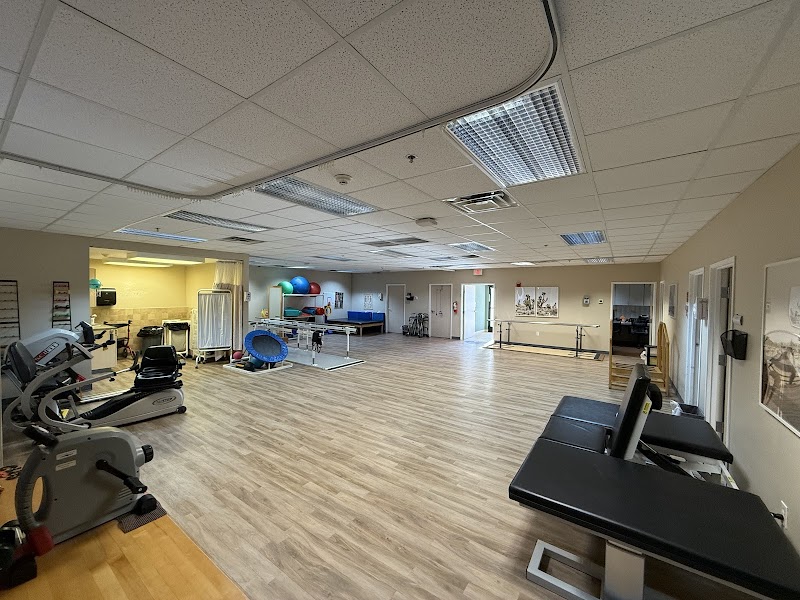
How is Lake Pleasant Post Acute Rehabilitation Center Staffed?

CMS rates LAKE PLEASANT POST ACUTE REHABILITATION CENTER's staffing level at 2 out of 5 stars, which is below average compared to other nursing homes. Staff turnover is 51%, compared to the Arizona average of 46%. RN turnover specifically is 68%, which is notably high. RNs provide skilled clinical oversight, so turnover in this role can affect medical care quality.

What Have Inspectors Found at Lake Pleasant Post Acute Rehabilitation Center?

State health inspectors documented 20 deficiencies at LAKE PLEASANT POST ACUTE REHABILITATION CENTER during 2021 to 2024. These included: 20 with potential for harm.
Who Owns and Operates Lake Pleasant Post Acute Rehabilitation Center?

LAKE PLEASANT POST ACUTE REHABILITATION CENTER is owned by a for-profit company. For-profit facilities operate as businesses with obligations to shareholders or private owners. The facility is operated by THE ENSIGN GROUP, a chain that manages multiple nursing homes. With 128 certified beds and approximately 101 residents (about 79% occupancy), it is a mid-sized facility located in PEORIA, Arizona.
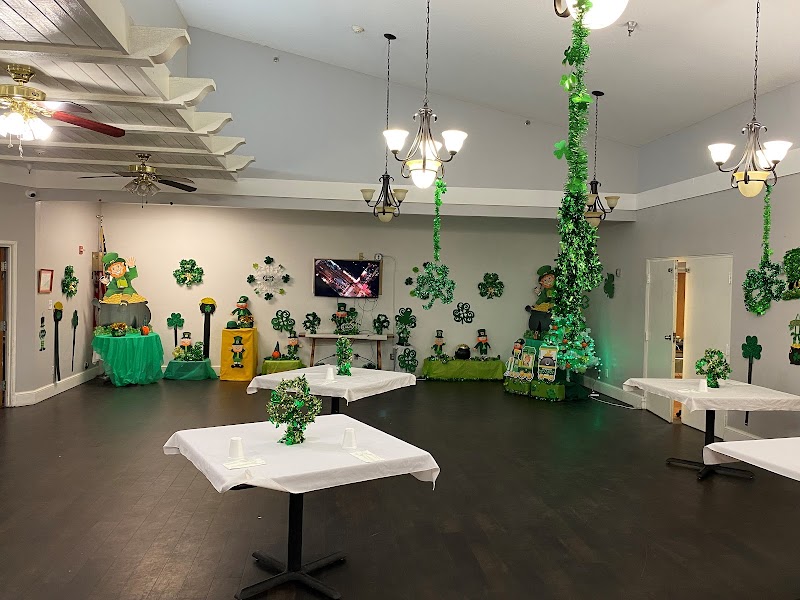
How Does Lake Pleasant Post Acute Rehabilitation Center Compare to Other Arizona Nursing Homes?

Compared to the 100 nursing homes in Arizona, LAKE PLEASANT POST ACUTE REHABILITATION CENTER's overall rating (4 stars) is above the state average of 3.3, staff turnover (51%) is near the state average of 46%, and health inspection rating (3 stars) is at the national benchmark.

What Should Families Ask When Visiting Lake Pleasant Post Acute Rehabilitation Center?

Based on this facility's data, families visiting should ask: "Can you walk me through typical staffing levels on day, evening, and night shifts?" "Can I visit during a mealtime to observe dining assistance and food quality?" "How do you handle medical emergencies, and what is your hospital transfer rate?" "Can I speak with family members of current residents about their experience?" These questions are particularly relevant given the below-average staffing rating.

Is Lake Pleasant Post Acute Rehabilitation Center Safe?

Based on CMS inspection data, LAKE PLEASANT POST ACUTE REHABILITATION CENTER has a clean safety record: no substantiated abuse findings (meaning no confirmed cases of resident harm), no Immediate Jeopardy citations (the most serious violation level indicating risk of serious injury or death), and is not on the Special Focus Facility watch list (a federal program monitoring the lowest-performing 1% of nursing homes). The facility has a 4-star overall rating and ranks #1 of 100 nursing homes in Arizona. While no facility is perfect, families should still ask about staff-to-resident ratios and recent inspection results during their visit.

Do Nurses at Lake Pleasant Post Acute Rehabilitation Center Stick Around?

LAKE PLEASANT POST ACUTE REHABILITATION CENTER has a staff turnover rate of 51%, which is 5 percentage points above the Arizona average of 46%. Moderate turnover is common in nursing homes, but families should still ask about staff tenure and how the facility maintains care continuity when employees leave.

Was Lake Pleasant Post Acute Rehabilitation Center Ever Fined?

LAKE PLEASANT POST ACUTE REHABILITATION CENTER has no federal fines on record. CMS issues fines when nursing homes fail to meet care standards or don't correct problems found during inspections. The absence of fines suggests the facility has either maintained compliance or corrected any issues before penalties were assessed. This is a positive indicator, though families should still review recent inspection reports for the full picture.

Is Lake Pleasant Post Acute Rehabilitation Center on Any Federal Watch List?

LAKE PLEASANT POST ACUTE REHABILITATION CENTER is not on any federal watch list. The most significant is the Special Focus Facility (SFF) program, which identifies the bottom 1% of nursing homes nationally based on persistent, serious quality problems. Not being on this list means the facility has avoided the pattern of deficiencies that triggers enhanced federal oversight. This is a positive indicator, though families should still review the facility's inspection history directly.