CHRISTIAN CARE NURSING CENTER
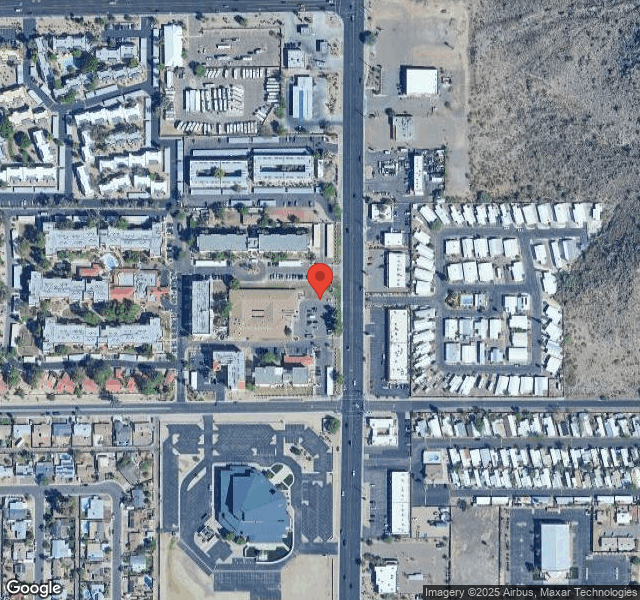
11812 NORTH 19TH AVE, PHOENIX, AZ 85029 (602) 443-5405
Non profit - Corporation 68 Beds Independent Data: November 2025
Trust Grade
80/100
#45 of 139 in AZ
Last Inspection: August 2024

Within standard 12-15 month inspection cycle. Federal law requires annual inspections.

Overview

Christian Care Nursing Center in Phoenix, Arizona, has a Trust Grade of B+, indicating it is above average and recommended for families seeking care. It ranks #45 out of 139 facilities in Arizona, placing it in the top half, and #34 out of 76 in Maricopa County, meaning there are only a few local options that perform better. The facility is improving, with issues decreasing from 6 in 2023 to just 1 in 2024, which is a positive trend. However, staffing is a concern, earning a poor rating of 0 out of 5, despite having a low turnover rate of 0%, which is excellent compared to the state average. Notably, there have been no fines, but some specific incidents raised concerns, such as one resident not receiving the required two-person assistance for transfers, and multiple issues with missing signatures in narcotic logs, as well as improper food storage practices that could increase the risk of foodborne illnesses. Overall, while there are strengths in its ratings and trend, families should consider the staffing issues and recent inspection findings when making their decision.

Trust Score
B+
80/100
In Arizona
#45/139
Top 32%
Safety Record
Low Risk
No red flags
Inspections
Getting Better
6 → 1 violations
Staff Stability
○ Average
Turnover data not reported for this facility.
Penalties
✓ Good
No fines on record. Clean compliance history, better than most Arizona facilities.
Skilled Nurses
○ Average
RN staffing data not reported for this facility.
Violations
⚠ Watch
12 deficiencies on record. Higher than average. Multiple issues found across inspections.
★★★★☆
4.0
Overall Rating
☆☆☆☆☆
0.0
Staff Levels
★★☆☆☆
2.0
Care Quality
★★★★☆
4.0
Inspection Score
Stable
2023: 6 issues
2024: 1 issues

The Good

  • Full Sprinkler Coverage · Fire safety systems throughout facility
  • No fines on record

Facility shows strength in fire safety.

The Bad

No Significant Concerns Identified

This facility shows no red flags. Among Arizona's 100 nursing homes, only 0% achieve this.

The Ugly 12 deficiencies on record

Aug 2024 1 deficiency
CONCERN (D)

Potential for Harm - no one hurt, but risky conditions existed

Food Safety (Tag F0812)

Could have caused harm · This affected 1 resident

Based on observations, staff interviews, and facility policy review, the facility failed to ensure that there were no expired food items readily available for resident use in the dining room refrigera...

Read full inspector narrative →
Based on observations, staff interviews, and facility policy review, the facility failed to ensure that there were no expired food items readily available for resident use in the dining room refrigerator. The deficient practice could result in potential foodborne illness. Findings include: On August 26, 2024 at 10:02 a.m. an interview was conducted with the administrator (staff #10)who stated that the kitchen had not been in-use since December 2023; and that, food was brought from the neighboring assisted living facility which was considered their satellite kitchen. The administrator stated that whenever drinks or snacks were requested outside of regular meal times, the items in the dining room refrigerator were available to the residents. An observation of the refrigerator located in the dining room was conducted administrator immediately following the interview. There were five cartons of orange juice with expiration date of August 23, 2024 found inside the refrigerator. In the cabinet beside the refrigerator were twelve peanut butter sandwich crackers without any expiration date on packaging or any dates that would indicate if the crackers were old or newly opened or used by dates. The administrator stated that the dietary aides had not removed the expired juices; and that, the peanut butter sandwich cracker snacks had no used by dates. Further, the administrator said that there was a risk of residents becoming ill if they eat or drink expired items; having expired food items readily available for resident use did not meet the facility's expectations. Review of the facility's Policy titled, Food Storage (revised July 21, 2022) revealed all foods should be covered, labeled, and dated and routinely monitored to assure that foods (including leftovers) will be consumed by their safe use by dates, or frozen (where applicable), or discarded.
Jul 2023 6 deficiencies
CONCERN (D) 📢 Someone Reported This

A family member, employee, or ombudsman was alarmed enough to file a formal complaint

Potential for Harm - no one hurt, but risky conditions existed

Investigate Abuse (Tag F0610)

Could have caused harm · This affected 1 resident

Deficiency Text Not Available

Read full inspector narrative →
Deficiency Text Not Available
CONCERN (D) 📢 Someone Reported This

A family member, employee, or ombudsman was alarmed enough to file a formal complaint

Potential for Harm - no one hurt, but risky conditions existed

Quality of Care (Tag F0684)

Could have caused harm · This affected 1 resident

**NOTE- TERMS IN BRACKETS HAVE BEEN EDITED TO PROTECT CONFIDENTIALITY** Based on clinical record review, staff interviews, facility documentation and policy review, the facility failed to document tre...

Read full inspector narrative →
**NOTE- TERMS IN BRACKETS HAVE BEEN EDITED TO PROTECT CONFIDENTIALITY** Based on clinical record review, staff interviews, facility documentation and policy review, the facility failed to document treatment and care in accordance with professional standards of practice regarding implementation of compression stockings for one resident #263. The deficient practice could result in residents not receiving treatment and care based on their needs. Findings Include: Resident #263 was admitted on [DATE] with diagnosis including unspecified dementia, Alzheimer's disease and essential hypertension. The MDS (minimum data set) dated April 20, 2020 revealed a BIMS (brief interview for mental status) score of 4, suggesting severe cognitive impairment. The dashboard in the electronic health record revealed that resident #263 required one-person physical assistance with dressing. A review of the physician's orders dated January 28, 2020 included an order for compression stockings for edema. Review of the care plan initiated February 5, 2020 included that resident #263 was to have compression stockings applied in the morning and taken off at bed time. A review of the physician progress notes dated March 5, 2020 revealed that compression stockings (TED hose/thrombo-embolic deterrent) were in use for resident #263. However, on March 7, 2020 a new order was generated, due to the absence of compression stockings in the facility, to read compression stockings or CE wraps to be put on the morning and taken off at night. A review of the progress notes revealed an entry on March 7, 2020, noting a concern expressed by the son that resident #263 was not wearing TED hose. The note further indicated that the floor nurse checked the resident's room and was unable to locate the stockings and that no stockings were located in the supply room. A review of the TAR (Treatment Administration Record) for March 2020 revealed no evidence of a nurse initial or administration check-mark noting compression stocking application on the morning of March 1, 2020. A further review of the TAR revealed the following: -March 10, 2020: no evidence that compression stockings were applied. -March 11, 2020: no evidence that compression stockings were removed. -March 15, 2020: no evidence that compression stockings were applied. Additional review of the care plan further revealed that resident #263 had ADL (activities of daily living) self-care performance deficits due to confusion, dementia and impaired mobility. An interview was conducted on July 21, 2023 with staff #17 (LPN). Staff #17 stated that nurses check to ensure compression stockings are put on and taken off as ordered via visual confirmation. Staff #17 stated that there should always be an entry in the electronic health record indicating application or removal of compression stockings. When staff #17 was asked to review the record for resident #263, she stated that it appeared that no one signed off on March 1, 10, 11, and 15th. She stated that the risk of not wearing compression stockings, as ordered, could include the resident being at risk for an embolism. An interview was conducted on July 21, 2023 at 8:57 a.m. with the Director of Nursing (DON/staff #2) and MDS Nurse, (staff #41). Staff #2 stated that if there were blank signature areas in the MAR (medication administration record) or TAR, it indicated that the task was not completed. Both staff #2 and staff #41 reviewed the electronic health record for resident #263 and stated that based on the observation of the MAR/ TAR, the compression stockings were either not administered or taken off on March 1, 10, 11 and 15 of 2020. Staff #2 stated that the risk to the resident would be that the edema for resident #263 would not be addressed. A review of the Charting Documentation policy, revised date of February 4, 2022, included that treatments or services performed are to be documented in the resident's medical record and that documentation in the medical record will be objective, complete and accurate. The Provision of Physician Ordered Services policy, reviewed/revised February 4, 2022, included the purpose was to provide a reliable process for the proper and consistent provision of physician ordered services according to professional standards of quality. Professional Standards of Quality means that care and services are provided according to accepted standards of clinical practice.
CONCERN (D)

Potential for Harm - no one hurt, but risky conditions existed

QAPI Program (Tag F0867)

Could have caused harm · This affected 1 resident

Based on concerns identified during the survey, the narcotic log review, and staff interviews, the Quality Assurance and Performance Improvement (QAPI) committee failed to implement and review an appr...

Read full inspector narrative →
Based on concerns identified during the survey, the narcotic log review, and staff interviews, the Quality Assurance and Performance Improvement (QAPI) committee failed to implement and review an appropriate plan of action to correct the deficiency of incomplete narcotic count documentation. The deficient practice could result in narcotic medications not being accurately accounted for. Findings include: A review of the narcotic logs was conducted on July 20, 2023 at 9:05 a.m. The review revealed that there were multiple missing signatures for the narcotic count log for the months of January 2023, February 2023, March 2023, April 2023, May 2023, and June 2023. The total count of missing signatures was 139. The breakdown by month, revealed the following: January: north medication cart: missing 15 signatures January: south medication cart: missing 14 signatures February: north medication cart: missing 2 signatures February: south medication cart: missing 13 signatures March: north medication cart: missing 21 signatures March: south medication cart: missing 9 signatures April: north medication cart: missing 20 signatures April: south medication cart: missing 12 signatures May: north medication cart: missing 15 signatures May: south medication cart: missing 3 signatures June: north medication cart: missing 7 signatures June: south medication cart: missing 8 signatures An interview was conducted on July 20, 2023 at 1:18 p.m. with the Director of Nursing (DON/staff #2). The DON stated that the expectation for medication storage is that scheduled drugs are kept under lock and key and that storage locations are temperature controlled. She stated that the medication control logs are expected to be counted properly during at the beginning and end of each shift and at the same time every day. She stated that she had scheduled nursing shifts to overlap in an effort to facilitate the medication counts. She stated that missing signatures on the narcotic control logs did not meet her expectations. She stated that she had implemented an additional audit program on the 13th of July, 2023 and noted that 7 of the missing signatures for that month were registry nurses. An interview was conducted on July 20, 2023 at 1:29 p.m. with the Administrator (staff #106). She stated that QAPI meetings are held monthly; however with the relocation process occurring within the facility, meetings are now held every other month. She stated that an area identified by QAPI was the lack of consistent documentation for the narcotic log counts. Staff #106 stated that she knew at the beginning of the year that the narcotic logs were not being signed consistently and had created a PIP (performance improvement plan). She stated that she was focused on performance improvement and had put spot checks in place, but the staff member in charge of the spot checks had left as well as the previous DON. She stated that under the new DON, daily audits have been put in place effective July 13, 2023 and would continue for 4 weeks. She stated that the facility had also identified those registry nurses who are not following the medication count policy and reported them to the agency. The facility was addressing the issues with in-house nurses directly on an individual basis. The administrator stated that some of the tools utilized to correct and monitor identified issues included audits, observations and training. However, staff #106 stated that with changes in staffing and change in facility focus to include the relocation of residents, tracking the effectiveness of the PIP for the narcotic log documentation had not been consistent, which did not meet her expectations. She stated that the lack of review could impact the resolution of the identified concern.
CONCERN (E) 📢 Someone Reported This

A family member, employee, or ombudsman was alarmed enough to file a formal complaint

Potential for Harm - no one hurt, but risky conditions existed

Accident Prevention (Tag F0689)

Could have caused harm · This affected multiple residents

**NOTE- TERMS IN BRACKETS HAVE BEEN EDITED TO PROTECT CONFIDENTIALITY** Based on observations, clinical record reviews, staff interviews, facility documentation and policy and procedures, the facility...

Read full inspector narrative →
**NOTE- TERMS IN BRACKETS HAVE BEEN EDITED TO PROTECT CONFIDENTIALITY** Based on observations, clinical record reviews, staff interviews, facility documentation and policy and procedures, the facility failed to ensure that the resident environment remained free of accident hazards, by failing to ensure that a shower chair was inspected for safety before use, and that one resident received appropriate transfer assistance (#113). The deficient practice increased the risk for preventable accidents. Findings include: Resident #113 was admitted on [DATE], with diagnoses that included wedge compression fracture of vertebra, fracture of shaft of right arm humerus, difficulty walking and muscle weakness. Review of the admission MDS (minimum data set) dated October 25, 2022 revealed a BIMS (brief interview of mental status) score of 9, indicating moderate cognitive impairment. The assessment revealed that resident required extensive two-plus person physical assistance with transfers. A nurse's notes dated October 27, 2022 at 2:36 p.m. revealed while resident #113 was being transferred from wheelchair to bed the resident began slipping off the side of the bed. Further, the notes revealed the staff noticed the resident was bleeding and discovered a large laceration approximately 12 millimeters long to the right lower extremity. The notes indicated that the resident had edema on both lower extremities and fragile skin. Per the nursing notes, the resident was sent out to an acute care hospital for further evaluation. A physician order written on October 31, 2022 revealed the following order: -Clean right lower extremity laceration with wound cleanser, pat dry, apply Xeroform dressing and wrap with kerlix every other day for laceration. Review of the facility's 5-day investigation report submitted to the State Agency on November 1, 2022 at 9:45 a.m. included the following narrative notes: [The] resident was sitting up in a shower chair following the shower. [A] CNA (certified nursing assistant) performed a transfer from shower to bed. During transfer, the resident was unable to fully sustain her weight. After transfer, the resident was sitting on the mattress but not fully. The CNA called for lifting assistance. When the CNAs looked down, the resident had a skin tear on her right lower leg. Resident was found to have a large leg laceration to the right leg that was not able to be steri-stripped. Further record review revealed the resident was transferred from the shower chair to the bed and that her right lower leg was caught on the shower chair which had protruding capped bolts causing her right leg to rub and the skin to tear. However, record review revealed the resident was transferred only by one CNA from shower chair to bed, and there was no evidence of the shower chair examination prior to use. Review of a care plan problem that was initiated on November 17, 2022 revealed the resident has a skin tear on right lateral lower extremity due to injury during transfer. The interventions included using caution during transfers to prevent striking arms, legs, and hands against any sharp or hard surface. An interview was conducted on July 21, 2023 at 10:29 a.m. with certified nursing assistant (CNA/staff #11). She stated that she gets reports from another CNA she is relieving, and that the report would include how many staff's assistance is needed for transferring the residents under her care. She stated that if a resident required two-person physical assistance for transfers, she could use a mechanical lift or she would ask another CNA or a charge nurse for help. She stated that the same process applies for a resident requiring two-person assistance when transferring from shower chair to bed. An interview was conducted on July 21, 2023 at 10:42 a.m. with a licensed practical nurse (LPN/ staff #17). She said when CNAs arrive to work on the floor, she gives them a report including whether a resident is independent or total care. She stated for residents who required extensive assistance of two-persons, the CNA would call her to help with transfer with the use of gait belts which are located in all resident rooms. Following the interview at 10:57 a.m., staff #17 inspected the shower chair located in the resident's room. She touched the two large knobs located in the front of the shower chair and she immediately pulled back her hand. She stated the knobs were sharp and could cut the skin, especially if the skin was frail. An interview was conducted with the executive director (ED/ staff #6) on July 21, 2023 at 11:13 a.m. She stated that it was her expectation that all DME (durable medical equipment), including shower chairs, must be examined by the maintenance or staff for safety prior to use. Following the interview with staff #6 at 11:22 a.m., she walked into the resident's room and examined the shower chair. She immediately removed the shower chair from the resident's room after touching the knobs located on the front of the shower chair. She stated that the facility owned the shower chair and that the knobs located on the front of the chair, located where the resident's legs would be resting, were sharp. The facility policy, Provision of Quality Care, revised on February 4, 2022 included that each resident will be provided care and services to attain or maintain his/her highest practicable physical, mental, and psychosocial well-being.
CONCERN (E) 📢 Someone Reported This

A family member, employee, or ombudsman was alarmed enough to file a formal complaint

Potential for Harm - no one hurt, but risky conditions existed

Pharmacy Services (Tag F0755)

Could have caused harm · This affected multiple residents

-A review of the narcotic logs was conducted on July 20, 2023 at 9:05 a.m. The review revealed that there were multiple missing signatures for the narcotic count log for the months of January 2023, Fe...

Read full inspector narrative →
-A review of the narcotic logs was conducted on July 20, 2023 at 9:05 a.m. The review revealed that there were multiple missing signatures for the narcotic count log for the months of January 2023, February 2023, March 2023, April 2023, May 2023, and June 2023. The total count of missing signatures was 139. The breakdown by month, revealed the following: January: north medication cart: missing 15 signatures January: south medication cart: missing 14 signatures February: north medication cart: missing 2 signatures February: south medication cart: missing 13 signatures March: north medication cart: missing 21 signatures March: south medication cart: missing 9 signatures April: north medication cart: missing 20 signatures April: south medication cart: missing 12 signatures May: north medication cart: missing 15 signatures May: south medication cart: missing 3 signatures June: north medication cart: missing 7 signatures June: south medication cart: missing 8 signatures An observation of the medication storage room on July 20, 2023 at 9:21 a.m. was conducted with a Licensed Practical Nurse (LPN/staff #105) revealed no narcotics housed in the medication storage room. Staff #105 stated all narcotics are currently on the medication cart. She stated that as the resident census was so low, that there was only a north medication cart at that time, as there was no longer a need for a south medication cart. An observation of the north medication cart conducted on July 20, 2023 at 9:30 a.m. with an LPN (staff #105) revealed a total of 8 controlled medication cards present, which were reviewed and the counts were confirmed. Staff #105 stated that when medication counts are conducted that one nurse would count the medications, while another nurse would log the count. She stated that medication counts must be conducted every shift, per policy, and must always be signed off on the medication log. An interview was conducted on July 20, 2023 at 1:18 p.m. with the Director of Nursing (DON/staff #2). The DON stated that the expectation for medication storage is that scheduled drugs are kept under lock and key and that storage locations are temperature controlled. She stated that the medication control logs are expected to be counted properly at the beginning and end of each shift, and at the same time every day. She stated that she had scheduled nursing shifts to overlap in an effort to facilitate the medication counts. She stated that missing signatures on the narcotic control logs did not meet her expectations. She stated that she had implemented an additional audit program on the 13th of July, 2023 and noted that 7 of the missing signatures for that month were registry nurses. An interview was conducted on July 20, 2023 at 1:29 p.m. with the administrator (staff #106). She stated that she knew at the beginning of the year that logs were not being signed consistently. She stated that she was focused on performance improvement and had put spot checks in place, but the staff member in charge of the spot checks had left as well as the previous DON. She stated that under the new DON, daily audits have been put into place, since July 13, 2023 and would continue for 4 weeks. She stated that the facility had also identified those registry nurses who are not following the medication count policy and reported them to the agency. The facility was addressing the issues with in-house nurses directly on an individual basis. The administrator stated that if the medication counts and subsequent signatures on the log are not occurring then it was not meeting her expectations. She stated that the risk was that narcotics could be diverted and patient care could be affected. A review of the Medication Storage policy with revise date of February 4, 2023 included that staff must resolve discrepancies and report any discrepancies that cannot be resolved immediately. It further stated staff may not leave the area until discrepancies are resolved. A Controlled Substances policy with a revise date of February 2, 2023 included that nursing staff must count controlled medications at the end of each shift and that the nurse coming on duty in conjunction with the nurse going off duty must make the count together. It further revealed that nursing staff must document and report any discrepancies to the director of nursing services. Based on observations, staff interviews, and policy review, the facility failed to ensure their system of prompt identification of loss or potential diversion of controlled medications was implemented. The resident census was 9. The deficient practice could result in misappropriation of residents' medications. Findings include: -Regarding misappropriation of a medication: Review of the Controlled Count Record revealed no evidence of two nurse reconciliation: -January 29, 2023: 6AM - 6PM - no evidence of off-going nurse verification -January 29, 2023: 6PM - 6 AM - no evidence of on-coming nurse verification. According to a facility investigation, dated January 30, 2023 at approximately 6:30 AM the Director of Nursing (DON/staff #2) was informed that there were missing narcotics by an on-coming registry Registered Nurse (Rn/staff #100). The investigation revealed that a vial of liquid Ativan (lorazepam/anxiolytic) for oral administration ordered for a hospice patient, was missing from the medication refrigerator. The investigation also revealed that the off-going RN (staff #27) had thoroughly examined the medication cart, medication refrigerator, sharps containers and outside garbage receptacles, without recovery of the medication. The report/investigation revealed that the DON was unable to definitively determine who took the medication or what happened to the medication. Per the Controlled Count Record dated the January 30, 2023, the 6AM - 6PM shift documentation revealed no evidence of off-going nurse verification. Written statements from 5 nurses were obtained on January 30, 2023 and included the following: - Licensed Practical Nurse (LPN/staff #103) who stated she worked January 28, 2023, 6:00 AM - 6:00 PM, relayed that she viewed the contents in the medication refrigerator during the on-going reconciliation, but did not look at the individual medications. She also indicated that when completing the off-going shift narcotic reconciliation with staff #27, they did not check the contents of the fridge at all. The Investigation revealed that the LPN cancelled her shift for January 29, 2023 and called off a scheduled shift on January 31, 2023. -RN (staff #27) furnished a written statement indicating that January 29, 2023 he confirmed the vial of Ativan (lorazepam/anxiolytic) was there at 6:00 PM when his shift started, and at approximately 7:00 PM. The report included that staff #27 stated that he always checks the medication refrigerator when reconciling narcotics. Per the report RN (staff #27) was removed from the scheduled and submitted to a drug screen that was negative. The investigation included that RN (staff #27) had received previous counselling regarding medication errors. -Registry Licensed Practical Nurse (LPN/staff #104's), written statement revealed that she was scheduled on January 29, 2023, 6:00 PM - 6:00 AM and that she became aware of the situation at shift change. She further revealed that she was not assigned to the unit, and did not open the medication refrigerator. -Registry RN (staff #102), who worked on January 29, 2023, 6:00 Am - 6:00 PM, stated that she did not pass medications or count narcotics, but did open the medication refrigerator to retrieve tuberculosis solution, and did not notice if the Ativan was present. -Registry LPN (staff #101) worked January 29, 2023, 6:00 AM - 6:00 PM and stated that she did not administer Ativan or open the medication refrigerator. An interview was conducted on July 20, 2023 at 08:27 AM with a registry LPN (staff #105), who stated that narcotics are counted each shift by the on-going and off-going nurses. She further stated that it is the facility policy for both nurses to sign the Controlled Count Record. The LPN reviewed the July 2023, Controlled Count Record form, and stated that there were multiple missing signatures for the two-person sign off. She further revealed that on July 1 and July 2, 2023, there was 1 shift each day that did not have evidence of two nurse sign off. She also stated that this did not follow the facility policy. As the form was initially being reviewed with the nurse, she stated that she forgot to sign the form this morning, and then quickly signed/corrected the form. The LPN further stated that this did not follow the facility process. An interview was conducted on July 20, 2023 at 9:46 AM with the Director of Nursing (DON/staff #2), who stated that she expected that the on-coming/off-going shifts sign the reconciliation form as they complete the narcotic count. She stated the risk of not conducting the narcotic reconciliation per policy could result in a medication being diverted. The DON also stated that the nurses have been educated regarding medication reconciliation. An interview conducted on July 20, 2023 at 9:46 AM with a Clinical Resource (staff #41) who stated that they were notified regarding the missing Ativan on January 30, 2023. She also stated that staff interviews were conducted, and a room to room check including the medication carts and storage room. She stated that the facility process was not followed, that narcotic not been located. Review of a facility policy titled, Controlled Substances, revealed that the facility shall comply with all laws, regulations, and other requirements related to handling, storage, disposal, and documentation of Schedule II and other controlled substances. Nursing staff must count controlled medications at the end of each shift. The nurse coming on duty and the nurse going off duty must make the count together. The must document and report any discrepancies to the Director of Nursing Services.
CONCERN (E)

Potential for Harm - no one hurt, but risky conditions existed

Food Safety (Tag F0812)

Could have caused harm · This affected multiple residents

Based on observations, interviews, and record review, the facility failed to ensure that food was properly stored, labeled and dated sanitary conditions. The census was 9. The deficient practice could...

Read full inspector narrative →
Based on observations, interviews, and record review, the facility failed to ensure that food was properly stored, labeled and dated sanitary conditions. The census was 9. The deficient practice could result in residents acquiring a foodborne illness. Findings include: During a brief kitchen inspection conducted on July 17, 2023 at 8:29 a.m. with the Food Service Director (staff #7), the following were identified in the refrigerator and freezer: -Sweet Street Chocolate Peanut Butter Pie with a received date of 4/12/23, was notably exposed to air and had no use by date. -Brand Villa Frizzoni pepperoni slices was open and exposed to air, with no use by date. -1 large box of blueberries with received date of 2/24/23 was open and exposed to air and did not include an open or use by date. The blueberries were withered and wrinkled in appearance. -Oatmeal Raisin English Bay cookies dated 5/12/23 had no open or use by date. -1 large pepperoni pizza opened and exposed to air, with no open or use by date. -Cooked Meatloaf sealed in aluminum foil dated 6/17/23. -Great Value Vanilla and Chocolate Containers of ice cream with no open or use by date. -6 large fresh zucchini were noted with mold, and appeared soft and wrinkled. -Macaroni salad 3-pound container with no open or use by dates, was open and exposed to air. An interview was conducted with the Food Service Director (staff #7) during the inspection. He stated that the food products should be dated with opened and use by dates. He stated that there could be possible contamination or spoilage of the oatmeal cookies. Staff #7 stated that the meatloaf was left over and expired from a previous meal and should have been tossed. He stated that the Activities Department should not be storing food items (ice cream) without permission or his knowledge. Review of the facility policy titled Food Storage included that sufficient storage facilities will be provided to keep foods safe, wholesome, and appetizing. Food will be stored in an area that is clean, dry, and free from contaminants. Food will be stored at appropriate temperatures and by methods designed to prevent contamination or cross contamination.
Jun 2022 5 deficiencies
CONCERN (D)

Potential for Harm - no one hurt, but risky conditions existed

Deficiency F0582 (Tag F0582)

Could have caused harm · This affected 1 resident

**NOTE- TERMS IN BRACKETS HAVE BEEN EDITED TO PROTECT CONFIDENTIALITY** Based on clinical record review, staff interviews, and policy review, the facility failed to provide evidence that the Notice of...

Read full inspector narrative →
**NOTE- TERMS IN BRACKETS HAVE BEEN EDITED TO PROTECT CONFIDENTIALITY** Based on clinical record review, staff interviews, and policy review, the facility failed to provide evidence that the Notice of Medicare Non-Coverage (NOMNC) was issued to one (#86) of three sampled residents when there was an ending of Medicare services. The deficient practice could result in residents not being informed of their potential liability for payment. Findings include: Resident #86 was admitted [DATE] with diagnoses that included unspecified fracture of the second lumbar vertebra, subsequent encounter for fracture with routine healing, unspecified fracture of the lower end of the right radius, subsequent encounter for closed fracture with routine healing, and unspecified fracture of the lower end right ulna, subsequent encounter for closed fracture with routine healing Review of the face sheet revealed that a family member of resident #86 was the responsible party. A skilled nursing note dated November 11, 2021 revealed the resident was alert and oriented to person, place, time, and situation. Review of the clinical record revealed the last day of Medicare coverage was on November 11, 2021. Review of a progress note dated November 11, 2021 revealed the resident was discharged to independent living with the family member, transport via car. The note also revealed the resident was discharged due to completing skilled services. However, no evidence was revealed in the medical record that the NOMNC informing resident #86 and/or the resident's family member that Medicare may not pay for services beginning on November 11, 2021 was issued to the resident. An interview was conducted on June 1, 2022 at 1:48 PM with the Social Services Director (staff #35), who stated she was not able to locate a NOMNC for the resident. An interview was conducted on June 1, 2022 at 1:57 PM with the Director of Nursing (DON/staff #33). The DON stated the process is to notify residents or family members of discharge from Medicare services by delivering a NOMNC normally within seventy-two hours of the discharge date . The DON stated the expectation is that a NOMNC be delivered and explained to the resident and/or the resident's representative prior to discharge. Staff #33 stated the resident's representative can sign the NOMNC on behalf of the resident. Review of the facility policy titled, Advance Beneficiary Notice of Non-Coverage (ABN) Policy, revealed that it is the policy to inform any Medicare beneficiary of the termination of their part A/Skilled stay via a NOMNC letter and follow up with notice of skilled nursing facility advance beneficiary notice of non-coverage (SNFABN) verbally with the resident and or representative when the NOMNC is delivered. This information is documented in the progress notes in the electronic medical record.
CONCERN (D)

Potential for Harm - no one hurt, but risky conditions existed

Drug Regimen Review (Tag F0756)

Could have caused harm · This affected 1 resident

**NOTE- TERMS IN BRACKETS HAVE BEEN EDITED TO PROTECT CONFIDENTIALITY** Based on clinical record review, staff interview, and policy review, the facility failed to act upon a pharmacy recommendation t...

Read full inspector narrative →
**NOTE- TERMS IN BRACKETS HAVE BEEN EDITED TO PROTECT CONFIDENTIALITY** Based on clinical record review, staff interview, and policy review, the facility failed to act upon a pharmacy recommendation timely for one resident (#11). The sample size was 5 residents. The deficient practice could result in other pharmacy recommendations not being acted upon timely. Findings include: Resident #11 was admitted to the facility on [DATE] with diagnoses of Unspecified Dementia Without Behavioral Disturbances, Major Depressive Disorder, recurrent, unspecified, Anxiety Disorder, unspecified. A physician's order dated March 11, 2022 included Quetiapine Fumarate (Seroquel) ER (extended release) 150 MG (milligram) tablet by mouth in the morning for anxiety AEB (as evidenced by) yelling out related to unspecified dementia without behavioral disturbance. Another physician's order dated March 11, 2022 included Quetiapine Fumarate 300 MG tablet by mouth at bedtime for anxiety AEB restlessness related to unspecified dementia without behavioral disturbance. A monthly Pharmacy review for March 2022 stated the resident is receiving the psychotropic medication Seroquel but lacks an allowable diagnosis to support its use. It also stated Antipsychotics have a black box warning that they can increase the mortality rate in dementia patients. The pharmacist recommendation was for the psychiatric physician to assess the resident. Review of the Medication Administration Records for April 2022 and May 2022 revealed the resident received the medication as ordered. However, further review of the clinical record did not reveal evidence that the pharmacist recommendation had been acted upon. In an interview conducted on June 1, 2022 at 1:05 pm with the Director of Nursing (DON/staff #33), the DON stated that she reviewed the pharmacy medication recommendation review for March 2022 that indicated Seroquel was being administered to the resident without a proper diagnosis. The DON stated the review revealed psychiatry was supposed to follow up with an acceptable diagnosis for the resident to continue taking Seroquel. The DON then provided psychiatry notes from two psychiatry providers but neither notes revealed an addition or change of a diagnosis that would support a rationale for the administration of Seroquel. The facility policy related to Psychotropic Medication revised on February 4, 2022 stated the pharmacist performing the monthly medication regimen review will also review the resident's medical record to appropriately monitor the medication regimen and ensure that the medications each resident receives are clinically indicated. The pharmacist will alert the facility immediately for any hazards related to FDA boxed warning and provide directions for monitoring and additions to the plan of care.
CONCERN (D)

Potential for Harm - no one hurt, but risky conditions existed

Deficiency F0773 (Tag F0773)

Could have caused harm · This affected 1 resident

**NOTE- TERMS IN BRACKETS HAVE BEEN EDITED TO PROTECT CONFIDENTIALITY** Based on clinical record review, staff interviews, and review of policy and procedure, the facility failed to ensure that the or...

Read full inspector narrative →
**NOTE- TERMS IN BRACKETS HAVE BEEN EDITED TO PROTECT CONFIDENTIALITY** Based on clinical record review, staff interviews, and review of policy and procedure, the facility failed to ensure that the ordering provider was notified of lab results in a timely manner for one resident (#136). The sample size was 12 residents. The deficient practice could result in delayed treatment. Findings include: Resident #136 was admitted on [DATE] with diagnoses that included unspecified dementia with behavioral disturbance, stage 3 chronic kidney disease, and a history of falling. A review of the care plan initiated on May 26, 2017 revealed the resident was incontinent of bladder and/or bowel related to poor cognitive skills, inability to communicate the need for toileting, and chronic kidney disease stage 3. Interventions included administering appropriate cleansing and peri-care after each incontinent episode, toileting at regular intervals, and providing fluids according to schedule. The quarterly Minimum Data Set (MDS) assessment dated [DATE] revealed the resident scored a 3 on the Brief Interview for Mental Status (BIMS) indicating severe cognitive impairment. The MDS assessment further revealed the resident experienced frequent incontinence. A bi-annual history and physical (H&P) dated January 7, 2020 revealed the resident was experiencing dysuria. The plan included collecting a urinalysis (UA) with culture and sensitivity (C&S) and to start an antibiotic if the urine culture was positive. The bi-annual H&P was signed by a healthcare group company Nurse Practitioner (NP/staff #51) on January 9, 2020. A nurse's note dated January 7, 2020 at 3:44 p.m. revealed the NP was in for a visit and new orders were received for a UA with C&S. Review of physician orders revealed an order dated January 7, 2020 for a UA with C&S. Review of the lab report for the UA with C&S revealed the collection date was January 8, 2020 at 3:30 p.m. and the received date was January 9, 2020 at 11:07 AM. The report also revealed the documentation across from the UA with C&S run by . on 1/9/2020 1:01:37 PM, and across from urine culture run by . on 1/11/2020 2:42:57 PM. The culture and sensitivity revealed that Escherichia coli (E-coli) was present and the colony count was 50,000 to 100,000 cfu/ml (colony forming units per milliliter). A hand-written note on the lab report revealed the results were texted to the NP (staff #51) on January 11, 2020. However, a review of the nursing communication with physician note dated January 11, 2020 at 6:38 p.m. revealed the lab results dated January 8, 2020 were faxed to the facility physician (staff #52). The note also revealed tiger texted the results from recent UA and C&S, resident may have E.coli. A nurse's note dated January 15, 2020 at 2:00 p.m. stated the NP (staff #51) was texted the CBC (complete blood count) and prior lab results and that there were no new orders. A nurse's note dated January 17, 2020 at 7:14 a.m. revealed the resident was sent to the hospital. An interview with a Licensed Practical Nurse (LPN/staff #21) was conducted on June 1, 2022 at 9:39 a.m. She stated that if there is a concern with a resident such as a urinary tract infection (UTI), the nurse would let the provider know and the provider may order labs and other tests as needed. The LPN stated labs are done in the facility. She stated lab orders that are stat (immediate) are done in 4 to 6 hours. The LPN stated that if it is not indicated as stat, the lab draw would be some time later that day. She stated the lab results may be in the results section of the resident's electronic health record. The LPN stated lab results that are faxed to the facility are immediately uploaded into the system. She stated that if she does not see results after 4 hours she would call the lab to inquire about the status. She stated results take no longer than 24 hours. The LPN stated the provider is called as soon as possible with all lab results, usually within an hour of results being sent. The nurse stated that informing the provider should not take longer than 4 hours. Staff #21 stated if there were any orders, they would be put into the system by the nurse after being advised by the provider via phone. She stated a progress note is to be entered as well indicating the call to the provider, any orders, and follow up notes needed. The LPN stated this can be one or multiple notes depending on the conversation and follow up needed. An interview with the Director of Nursing (DON/staff #33) was conducted on June 1, 2022 at 11:18 a.m. She stated that if labs are ordered for a resident, the lab comes to the facility and the results are generally available the same day. The DON stated that however, the current lab seems to take longer at times. She said UA results are typically available within a couple hours but the C&S may take a day or two. The DON stated if the results are not seen in a timely manner, she expects that the nurse would call the lab to follow up on the results. She stated that the provider is to be contacted immediately via email and/or phone and told the results of the UA and contacted again with C&S results. She said that antibiotics are prescribed once the C&S results have been obtained. The DON stated it is not good practice to prescribe an antibiotic without a C&S being completed. She stated the C&S result determines the appropriate antibiotic to be prescribed based on the organism involved. She said that the recommendation was that an antibiotic would be prescribed for bacteria count over 100,000 cfu/ml and 3 other symptoms based on McGeer's criteria (a diagnostic tool used to identify true infections) that is used in the facility. The DON stated that a wait of 2 or 3 days to notify the provider of lab results was not acceptable and does not meet her expectation. She stated labs and lab results are considered an order and should be forwarded to the provider as soon as the results are available. The DON said that waiting 2 or 3 days was bad nursing practice as waiting to advise the provider of results can be detrimental to the resident. Review of the facility policy change in resident condition or status (February 2022) revealed that the facility shall promptly notify the resident, his or her attending physician and any representative of changes in the residents medical/mental condition and or status. The nurse will notify the resident's attending physician when there is a significant change that will not resolve itself without intervention. No facility policy for notification of lab results to the provider or notification to provider was provided as these were covered by the change of condition policy per the DON.
CONCERN (D)

Potential for Harm - no one hurt, but risky conditions existed

Deficiency F0825 (Tag F0825)

Could have caused harm · This affected 1 resident

**NOTE- TERMS IN BRACKETS HAVE BEEN EDITED TO PROTECT CONFIDENTIALITY** Based on clinical record review, staff interviews, and policy review, the facility failed to provide a speech therapy evaluation...

Read full inspector narrative →
**NOTE- TERMS IN BRACKETS HAVE BEEN EDITED TO PROTECT CONFIDENTIALITY** Based on clinical record review, staff interviews, and policy review, the facility failed to provide a speech therapy evaluation and treatment as ordered by the physician for one sampled resident (#4). The deficient practice could result in the resident not maintaining their communication capabilities. Findings include: Resident #4 was admitted to the facility on [DATE] with diagnoses that included cognitive communication deficit, hemiplegia and hemiparesis following cerebral infarction affecting right dominant side, dysphagia, muscle weakness and cerebral infarction. A review of physician orders revealed an order dated November 30, 2021 for speech therapy (ST) to evaluate and treat. Review of a care plan initiated on December 1, 2021 revealed the resident presented with an alteration in the ability to communicate due to a cerebrovascular accident with expressive aphasia. The goal was that the resident would communicate through verbal/non-verbal means. Interventions included assessing the resident's communication strengths and deficits, and emphasizing abilities. A social service progress note dated December 2, 2021 revealed social services spoke with resident #4's spouse to better assess the resident's communication abilities. The spouse indicated that the resident's world has shrunk as a result of declined ability to communicate. Review of the Social Service Initial Psychosocial History Evaluation dated December 2, 2021, indicated that resident #4 had difficulty communicating and could become agitated/irritated as a result. It also noted that the resident was unable to consistently make needs known and would become frustrated. A care plan initiated on December 22, 2021 revealed the resident has a potential for a psychosocial well-being problem related to cognitive communication deficit. Interventions included providing the resident time to respond to questions and verbalizing feelings, perceptions, and fear. A Social Service Psychosocial Quarterly Evaluation dated March 3, 2022, revealed the resident can be unhappy when unable to express feelings, needs or words. It also indicated that resident #4 has difficulty communicating and becomes sad and frustrated when unable to get the meaning across. Review of the quarterly Minimum Data Set (MDS) assessment dated [DATE] revealed the resident had unclear speech, slurred or mumbled words. The nursing progress note dated May 9, 2022, revealed an incident occurred in which the resident was agitated, pointed to the foot of the bed and yelled for help. A Certified Nursing Assistant (CNA) had to be called to assist in communicating with resident #4. Continued review of resident #4's clinical record did not reveal any speech therapy evaluation or treatments. An interview was conducted with the MDS Coordinator (staff #8) on June 1, 2022 at 10:45 a.m. Staff #8 stated that residents normally have orders from the hospital if they need communication intervention. She stated swallowing, cognition, respiratory, coughing or spitting are indicators of speech deficit and are reported to the physician to determine if an evaluation order is appropriate. She said orders are reviewed every morning. She said that the expectation is that once an evaluation is completed, it is annotated in the progress report. Staff #8 stated that if the evaluation found that treatment is not required, then it should be indicated in the progress report as such and the order discontinued. During the interview, clinical records for resident #4 were reviewed with staff #8. Regarding the order for speech therapy to evaluate and treat, staff #8 stated that there was no documentation regarding the status or outcome of the order. An interview conducted with the Director of Nursing (DON/staff #33) on June 1, 2022 at 10:59 a.m. The DON stated the expectation is that if an order to evaluate is given, then it is to be completed. During the interview, clinical records for resident #4 were reviewed with staff #33, who stated that there was an order for speech therapy evaluation and treatment. Staff #33 said there was no assessment or progress notes regarding the evaluation. She stated that she was not sure what happened in the case of resident #4 since she was not employed at the facility during that time. A policy regarding Provision of Quality of Care dated February 4, 2022, indicated that based on comprehensive assessment the facility will ensure residents receive treatment and care by qualified persons.
CONCERN (E)

Potential for Harm - no one hurt, but risky conditions existed

Medication Errors (Tag F0758)

Could have caused harm · This affected multiple residents

**NOTE- TERMS IN BRACKETS HAVE BEEN EDITED TO PROTECT CONFIDENTIALITY** -Resident #11 was admitted to the facility on [DATE] with diagnoses of Unspecified Dementia Without Behavioral Disturbances, Maj...

Read full inspector narrative →
**NOTE- TERMS IN BRACKETS HAVE BEEN EDITED TO PROTECT CONFIDENTIALITY** -Resident #11 was admitted to the facility on [DATE] with diagnoses of Unspecified Dementia Without Behavioral Disturbances, Major Depressive Disorder, recurrent, unspecified, Anxiety Disorder, unspecified. A physician's order dated March 11, 2022 included Quetiapine Fumarate (Seroquel) ER (extended release) 150 MG tablet by mouth in the morning for anxiety AEB yelling out related to unspecified dementia without behavioral disturbance. Another physician's order dated March 11, 2022 included Quetiapine Fumarate 300 MG tablet by mouth at bedtime for anxiety AEB restlessness related to unspecified dementia without behavioral disturbance. Review of the care plan initiated on March 18, 2022 revealed the resident used the psychotropic medication Seroquel related to dementia as evidence by yelling out, visual hallucinations, often about a dog. The goal was for the resident to remain free from psychotropic drug related complications including movement disorder, discomfort, hypertension, gait disturbance, constipation/impaction or cognitive/behavioral impairment. Interventions included administering the psychotropic medication as ordered by the physician, monitoring for side effects and effectiveness every shift, and consulting with pharmacy, the medical doctor to consider dosage reduction when clinically appropriate. A monthly Pharmacy review for March 2022 stated the resident is receiving the psychotropic medication Seroquel but lacks an allowable diagnosis to support its use. It also stated Antipsychotics have a black box warning that they can increase the mortality rate in dementia patients. The pharmacist recommendation was for the psychiatric physician to assess the resident. Review of the April 2022 and May 2022 MARs revealed the resident received the medications as ordered. In an interview conducted on June 1, 2022 at 1:05 pm with the Director of Nursing (DON/staff #33), she stated that she reviewed the pharmacy medication recommendation review for March 2022 that indicated Seroquel was being administered to the resident without a proper diagnosis. The DON stated the review revealed psychiatry was supposed to follow up with an acceptable diagnosis for the resident to continue taking Seroquel. The DON then provided psychiatry notes from two psychiatry providers but neither notes revealed an addition or change of a diagnosis that would support a rationale for the administration of Seroquel. The facility policy related to Psychotropic Medication revised on February 4, 2022 stated based upon each resident's comprehensive care assessment, the facility will ensure residents who have not received psychotropic drugs are not given them unless the medication is necessary to treat a specific condition that is diagnosed and documented in the clinical record. The indication for any psychotropic medication will be thoroughly documented in the clinical record to include an appropriate supporting diagnosis and identification of behavioral symptom(s) being treated. The medical record must show documentation of adequate indication and diagnosed condition. Residents will not receive psychotropic medications unless behavioral programming and or environmental changes or non-pharmacological interventions have failed to sufficiently address the resident's target behavioral goals. Based on clinical record reviews, staff interviews, and policy review, the facility failed to ensure one resident (#34) who was receiving a psychotropic medication was monitored for behaviors and side effects, and that one resident (#11) receiving an antipsychotic medication had adequate indication for its use. The sample size was 5 residents. The deficient practice could result in residents receiving psychotropic medications not being monitored for behaviors, side effects and effectiveness, and not having indication for its use. Findings include: -Resident #34 was originally admitted to the facility on [DATE] and later readmitted on [DATE] after a brief discharge. The resident had diagnoses that included urinary tract infection, recurrent major depressive disorder, anxiety disorder, and multiple pressure ulcers. A physician's order dated July 12, 2021 stated Amitriptyline 25 Milligram (MG) give 1 tablet by mouth at bedtime for depression as evidenced by (AEB) neuropathy. The order was discontinued on August 10, 2021 A physician's order dated July 12, 2021 stated to monitor specific behavior of depression related to neuropathic pain and document the number of episodes every shift. The order was discontinued on August 10, 2021 Further review of the physician orders revealed a physician's order dated August 19, 2021, discontinued on August 20, 2021 for antidepressant medication- monitor for common-sedation, drowsiness, dry mouth, blurred vision, urinary retention, tachycardia, muscle tremor, agitation, headache, skin rash, photosensitivity, and excess weight gain. every shift for Psychotropic med use. Document: 'N' if monitored and none of the above observed. 'Y' if monitored and any of the above was observed, select chart code 'Other/ See Nurses Notes' and document in a progress note findings. A physician's order dated December 4, 2021 stated Paxil (Paroxetine) 10 MG by mouth at bedtime for depression. The care plan initiated on December 9, 2021 revealed a Focus that stated mood related to depression AEB sadness, decreased interest, self-isolation. The resident has been prescribed Paxil which is classified as an antidepressant. The goal was to improve quality of life and for the resident's mood to improve and for symptoms to become less frequent. Interventions included notifying the physician for any and all changes in the resident condition, monitoring for medication effectiveness and potential for decrease in medications, and monitoring for adverse reactions and side effects to medication usage like dry mouth, constipation, orthostatic hypotension, unrelieved depression, nausea, vomiting and diarrhea. The 10 MG Paxil order was discontinued on March 10, 2022 and a new order dated March 10, 2022 stated Paroxetine 20 MG, give 1 tablet by mouth at bedtime for depression. However, further review of the orders revealed no physician orders for behavior monitoring or side effect monitoring for this antidepressant medication. Review of the Medication Administration Records (MAR) revealed that resident #34 received Paxil as ordered from March 2022 through May 31, 2022. A quarterly minimum data set (MDS) assessment dated [DATE] revealed a brief interview for mental status (BIMS) score of 15, which indicated that the resident did not have cognitive deficits. Further, the assessment revealed that resident #34 had received antidepressant medications on 7 days of the 7-day lookback period. An interview was conducted with a Licensed Practical Nurse (LPN/staff #37) on June 1, 2022 at 1:00 PM. The nurse stated that psychotropic medications orders are entered in the resident's record once the nurse receives an order from the physician. She also stated that if a resident was receiving any psychotropic medication such as an antidepressant, there should be a consent, and a physician's order for the nurse to monitor the resident for behaviors or side effects. Further, she explained that the nurses do not have to complete monitoring with every administration, but there should be documentation in the resident's record once every shift. Additionally, the nurse stated that it is important to document every shift if the resident is or is not experiencing behaviors or side effects. Staff #37 stated that psychotropic medications have many side effects and nurses have to check and be sure that the medication is needed and is treating the resident's symptoms effectively. The nurse reviewed the orders for resident #34 and stated the resident is currently on Paxil and the staff are not currently monitoring this resident for behaviors or side effects because there is no order. However, the LPN stated the order should have been there and both day shift and night shift nursing staff should have been documenting it in the resident's record. The nurse stated that historically the facility does monitor every shift for residents' behaviors because it is important to see if the resident's medications are working and are effective. On June 1, 2022 at 1:30 PM, an interview was conducted with the Director of Nursing (DON/staff #33). The DON stated that when the nurse obtains an order for any psychotropic medication such as an antidepressant, then there should be an appropriate diagnosis and the nurses should be documenting any signs or symptoms of depression or side effects that the resident is or is not experiencing. The DON stated that it is important so when they review the resident's record they can assess and decide if the resident needs more or less medication because the physician should be giving the least amount of medication to the resident. Further, she stated that she believes there should be a physician's order for both behavior and side effect monitoring in the residents' clinical record. The DON stated that upon review of resident #34 clinical record, there was not any monitoring for the behaviors. Further, she stated that this resident does have depression and has symptoms of depression due to the disease process. She stated that since it was not done that does not meet her expectations. The facility policy titled Psychotropic medication revised on February 4, 2022 stated the facility will monitor psychotropic medications for proper dose, including duplicate therapy, duration, evidence of adequate monitoring for efficacy and adverse consequences and to prevent, identify and respond to adverse consequences. The goal is to monitor the resident's use of psychotropic drugs in an effort to assist with stabilizing or improving the resident's outcome, quality of life and functional capacity, while using psychotropic medications only when needed to treat a specific condition that is diagnosed and documented. Identified target behaviors will be monitored each shift along with individualized interventions as well as supporting documentation in the clinical record. The goals of psychotropic medication and non-pharmacologic approaches will be addressed in the resident's care plan. The care plan will also include the type of psychotropic drug(s) to be monitored for side effects daily, such as gait disorders, movement disorders, cognitive or behavior changes, discomfort (pain, constipation etc.), signs of hypotension, dry mouth (cholinergic effects).
Understanding Severity Codes (click to expand)
Life-Threatening (Immediate Jeopardy)
J - Isolated K - Pattern L - Widespread
Actual Harm
G - Isolated H - Pattern I - Widespread
Potential for Harm
D - Isolated E - Pattern F - Widespread
No Harm (Minor)
A - Isolated B - Pattern C - Widespread

Questions to Ask on Your Visit

  • "Can I speak with families of current residents?"
  • "What's your RN coverage like on weekends and overnight?"

Our Honest Assessment

Strengths
  • • Grade B+ (80/100). Above average facility, better than most options in Arizona.
  • • No major safety red flags. No abuse findings, life-threatening violations, or SFF status.
  • • No fines on record. Clean compliance history, better than most Arizona facilities.
Concerns
  • • 12 deficiencies on record. Higher than average. Multiple issues found across inspections.
Bottom line: Generally positive indicators. Standard due diligence and a personal visit recommended.

About This Facility

What is Christian Care Nursing Center's CMS Rating?

CMS assigns CHRISTIAN CARE NURSING CENTER an overall rating of 4 out of 5 stars, which is considered above average nationally. Within Arizona, this rating places the facility higher than 99% of the state's 100 nursing homes. This rating reflects solid performance across the metrics CMS uses to evaluate nursing home quality.
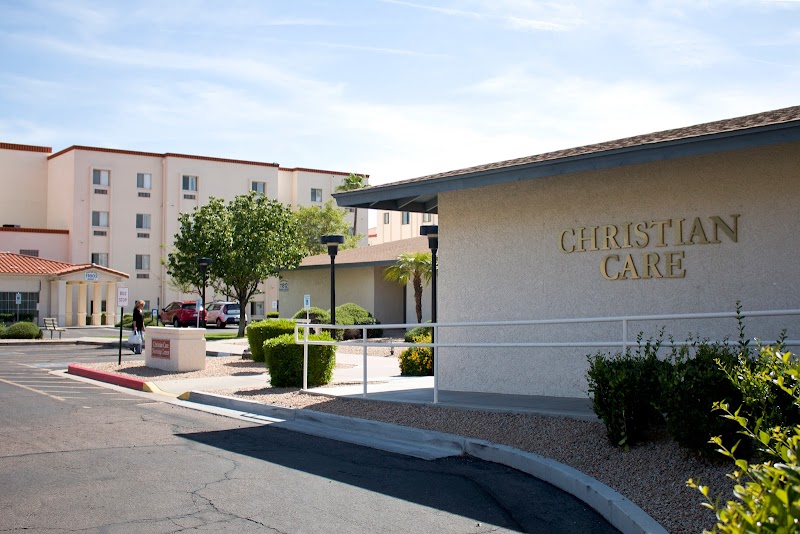
How is Christian Care Nursing Center Staffed?

Detailed staffing data for CHRISTIAN CARE NURSING CENTER is not available in the current CMS dataset.
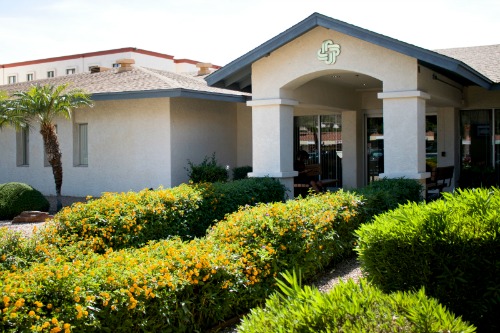
What Have Inspectors Found at Christian Care Nursing Center?

State health inspectors documented 12 deficiencies at CHRISTIAN CARE NURSING CENTER during 2022 to 2024. These included: 12 with potential for harm.
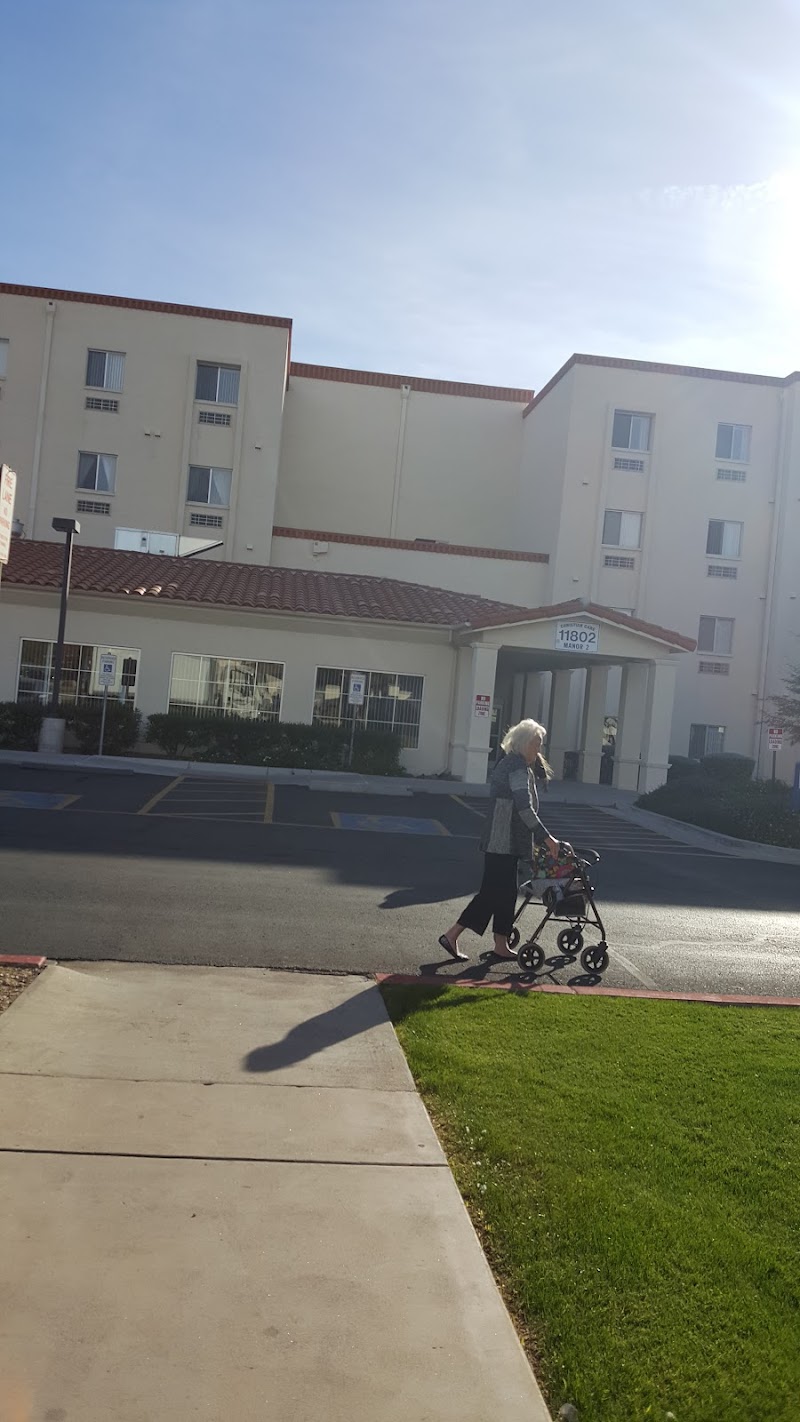
Who Owns and Operates Christian Care Nursing Center?

CHRISTIAN CARE NURSING CENTER is owned by a non-profit organization. Non-profit facilities reinvest revenue into operations rather than distributing to shareholders. The facility operates independently rather than as part of a larger chain. With 68 certified beds and approximately 3 residents (about 4% occupancy), it is a smaller facility located in PHOENIX, Arizona.

How Does Christian Care Nursing Center Compare to Other Arizona Nursing Homes?

Compared to the 100 nursing homes in Arizona, CHRISTIAN CARE NURSING CENTER's overall rating (4 stars) is above the state average of 3.3 and health inspection rating (4 stars) is above the national benchmark.

What Should Families Ask When Visiting Christian Care Nursing Center?

Based on this facility's data, families visiting should ask: "Can I visit during a mealtime to observe dining assistance and food quality?" "How do you handle medical emergencies, and what is your hospital transfer rate?" "Can I speak with family members of current residents about their experience?"

Is Christian Care Nursing Center Safe?

Based on CMS inspection data, CHRISTIAN CARE NURSING CENTER has a clean safety record: no substantiated abuse findings (meaning no confirmed cases of resident harm), no Immediate Jeopardy citations (the most serious violation level indicating risk of serious injury or death), and is not on the Special Focus Facility watch list (a federal program monitoring the lowest-performing 1% of nursing homes). The facility has a 4-star overall rating and ranks #1 of 100 nursing homes in Arizona. While no facility is perfect, families should still ask about staff-to-resident ratios and recent inspection results during their visit.

Do Nurses at Christian Care Nursing Center Stick Around?

CHRISTIAN CARE NURSING CENTER has not reported staff turnover data to CMS. Staff turnover matters because consistent caregivers learn residents' individual needs, medications, and preferences. When staff frequently change, this institutional knowledge is lost. Families should ask the facility directly about their staff retention rates and average employee tenure.

Was Christian Care Nursing Center Ever Fined?

CHRISTIAN CARE NURSING CENTER has no federal fines on record. CMS issues fines when nursing homes fail to meet care standards or don't correct problems found during inspections. The absence of fines suggests the facility has either maintained compliance or corrected any issues before penalties were assessed. This is a positive indicator, though families should still review recent inspection reports for the full picture.

Is Christian Care Nursing Center on Any Federal Watch List?

CHRISTIAN CARE NURSING CENTER is not on any federal watch list. The most significant is the Special Focus Facility (SFF) program, which identifies the bottom 1% of nursing homes nationally based on persistent, serious quality problems. Not being on this list means the facility has avoided the pattern of deficiencies that triggers enhanced federal oversight. This is a positive indicator, though families should still review the facility's inspection history directly.