CORONADO HEALTHCARE CENTER
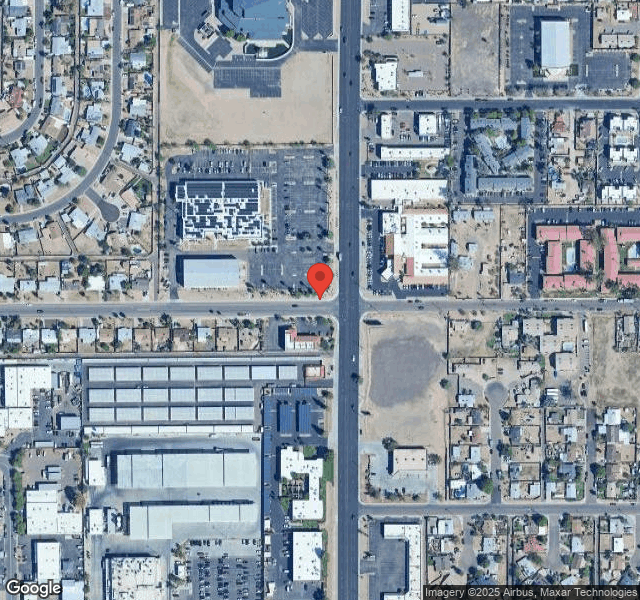

11411 NORTH 19TH AVE, PHOENIX, AZ 85029 (602) 256-7500
For profit - Limited Liability company 191 Beds THE ENSIGN GROUP Data: November 2025
Trust Grade
90/100
#10 of 139 in AZ
Last Inspection: December 2023

Within standard 12-15 month inspection cycle. Federal law requires annual inspections.

Overview

Coronado Healthcare Center in Phoenix, Arizona, has an impressive Trust Grade of A, indicating it is highly recommended and offers excellent care. It ranks #10 out of 139 facilities in the state, placing it in the top half, and #9 out of 76 in Maricopa County, meaning only eight local facilities are rated higher. However, the facility is currently facing a worsening trend in issues, with reported concerns increasing from 2 in 2024 to 4 in 2025. Staffing is rated average with a turnover rate of 46%, which is slightly better than the state average of 48%, but the RN coverage is concerning, being lower than 79% of Arizona facilities. Notably, the facility has not incurred any fines, which is a positive sign. Specific incidents include failing to inform a resident's legal guardian about changes in their condition, neglecting proper wound care for a resident with multiple ulcers, and not adhering to physician orders for IV site care, all of which raise concerns about the quality of care provided. Overall, while there are strengths in the facility's ratings, the recent issues highlight areas that need improvement.

Trust Score
A
90/100
In Arizona
#10/139
Top 7%
Safety Record
Low Risk
No red flags
Inspections
Getting Worse
2 → 4 violations
Staff Stability
⚠ Watch
46% turnover. Above average. Higher turnover means staff may not know residents' routines.
Penalties
✓ Good
No fines on record. Clean compliance history, better than most Arizona facilities.
Skilled Nurses
⚠ Watch
Each resident gets only 27 minutes of Registered Nurse (RN) attention daily — below average for Arizona. Fewer RN minutes means fewer trained eyes watching for problems.
Violations
⚠ Watch
12 deficiencies on record. Higher than average. Multiple issues found across inspections.
★★★★★
5.0
Overall Rating
★★★☆☆
3.0
Staff Levels
★★★★★
5.0
Care Quality
★★★★☆
4.0
Inspection Score
Stable
2024: 2 issues
2025: 4 issues

The Good

  • 5-Star Quality Measures · Strong clinical quality outcomes
  • Full Sprinkler Coverage · Fire safety systems throughout facility
  • No fines on record

Facility shows strength in quality measures, fire safety.

The Bad

Staff Turnover: 46%

Near Arizona avg (46%)

Higher turnover may affect care consistency

Chain: THE ENSIGN GROUP

Part of a multi-facility chain

Ask about local staffing decisions and management

The Ugly 12 deficiencies on record

Jun 2025 2 deficiencies
CONCERN (D) 📢 Someone Reported This

A family member, employee, or ombudsman was alarmed enough to file a formal complaint

Potential for Harm - no one hurt, but risky conditions existed

Resident Rights (Tag F0550)

Could have caused harm · This affected 1 resident

**NOTE- TERMS IN BRACKETS HAVE BEEN EDITED TO PROTECT CONFIDENTIALITY** Based on interviews, review of records, and review of facility policy and procedure, the facility failed to ensure one resident'...

Read full inspector narrative →
**NOTE- TERMS IN BRACKETS HAVE BEEN EDITED TO PROTECT CONFIDENTIALITY** Based on interviews, review of records, and review of facility policy and procedure, the facility failed to ensure one resident's (#30) rights were honored with notification of changes of condition to the resident's legal guardian. The deficient practice could result in a legal guardian not being aware of a resident's condition, and unable to participate in medical decision-making on behalf of the resident. -Findings include: Resident #30 was re-admitted to the facility on [DATE], with diagnoses that included acute on chronic congestive heart failure, chronic obstructive pulmonary disease, type 2 diabetes mellitus, chronic kidney disease, unspecified dementia, and dysphagia. A Letter and Acceptance of Permanent Guardianship, provided to the State Agency, dated April 25, 2024, revealed Resident #30 was appointed a permanent legal guardian by the court. An Advance Directive Statement dated June 25, 2024, revealed verbal consent from the resident's Public Fiduciary for the resident's care directives. An admission minimum data set (MDS) assessment dated [DATE], revealed the resident had a Brief Interview for Mental Status (BIMS) score of 6, indicating severely impaired cognition. A patient profile banner in the resident's electronic medical record revealed Resident #30 has a legal guardian, with a phone contact. A care plan dated June 25, 2024, revealed the resident is at risk for impaired cognitive function / dementia or impaired thought processes. There was no evidence of any intervention to include communication with the resident's legal guardian. A Case Manager note dated June 26, 2024, revealed case management followed up with a call to the resident's emergency contact, and they informed the name of the Public Fiduciary. An additional Case Manager note dated June 26, 2024, revealed the Public Fiduciary called back and the resident lives at a memory care unit. An eMAR-Medication Administration Note dated June 28, 2024, revealed a change of condition for elevated INR, hold coumadin for 48 hours, and repeat INR. The note stated Provider notified. Responsible party notified: Resident #30, does not want anyone else notified. There was no evidence of notification to the resident's legal guardian. A Nursing note dated June 29, 2024, revealed the resident's blood glucose was uncontrolled and noted to be 560 at 3:00 PM. The provider was notified of concerns, and new order was noted. There was no evidence of notification to the resident's legal guardian. An eMAR-Medication Administration Note dated June 30, 2024, revealed a change of condition for dose increase of Glargine for uncontrolled blood glucose. The note stated Provider notified. Responsible party notified: Resident #30. There was no evidence of notification to the resident's legal guardian. A Social Service Summary, dated July 3, 2024, revealed Resident #30 admitted from the hospital and was there for skilled services. The note state There is no discharge date at this time. Case manager will follow up with the resident regarding discharge plans. There was no evidence of notification to the resident's legal guardian. An eMAR-Medication Administration Note dated July 4, 2024, revealed a change of condition for chest x-ray for diagnosis of congestive heart failure. The note stated Provider notified. Responsible party notified was Resident #30. There was no evidence of notification to the resident's legal guardian. An additional eMAR-Medication Administration Note dated July 4, 2024, revealed a change of condition for increased dose of Lasix for edema. The note stated Provider notified. Responsible party notified: Resident #30. There was no evidence of notification to the resident's legal guardian. A Nursing note dated July 5, 2025, revealed a new verbal order received from the provider to schedule paracentesis for diagnosis of ascites. There was no evidence of notification to the resident's legal guardian. A Care Conference note dated July 10, 2024, revealed the Interdisciplinary Team (IDT) held a Care Conference for Resident #30 on Juy 9, 2024. There was no evidence of communication to the resident's legal guardian. A Case Manager note dated July 10, 2024, revealed case management spoke with the resident's Public Fiduciary, letting her know Notice of Medical Non-Coverage (NOMNC) was issued, and the resident will return back to the memory care unit. An interview was conducted with a registered nurse (RN / Staff #16) on June 4, 2025, at 11:19 AM, who stated if a resident has a legal guardian, nursing communication occurs with both the legal guardian and the resident, and nurses obtain a resident's legal consents with the legal guardian. Staff #16 stated if a resident has a change of condition, the legal guardian would be notified. An interview was conducted with a licensed practical nurse (LPN / Staff #28) on June 4, 2025, at 11:28 AM. Staff #28 stated if there is a change of condition with a resident, the nurse would call the legal guardian to let them know about changes with the resident. Staff #28 stated that even if the resident requested that the nurse not contact anyone, the nurse would still contact the legal guardian anyway. An interview was conducted with the Social Services Supervisor (Staff #91) on June 4, 2024, at 11:42 AM. Staff #91 stated that a legal guardian, is an individual appointed by court, that is responsible for a resident, and they would make decisions for the resident. Staff #91 stated that nursing staff would communicate with both the resident and the legal guardian regarding medical changes of condition and decision-making. Staff #91 stated that even if a resident did not want their legal guardian notified, the guardian is appointed by the court, so staff would be obligated to communicate with the guardian, and that they have to be informed of what is going on with the resident. An interview was conducted with the Director of Nursing (DON / Staff #35) on June 4, 2025, at 12:58 PM. The DON stated that there are different levels of legal guardianship, so he would have to see documentation to see what the specific guardianship entails. The DON stated that sometimes the facility does not know if a resident has a legal guardian. Additionally, the DON stated that if the facility was aware that the resident has a court appointed legal guardian, then communication and consent for treatment should occur with the legal guardian, and that if the resident has a change of condition, then both the resident and legal guardian should be notified. Review of the facility policy titled Resident Rights, reviewed May 2022, revealed it is the policy of this facility that all resident rights be followed per state and federal guidelines. The Resident has the right to be fully informed in advance about care and treatment, and, unless adjudicated incompetent or otherwise found incapacitated under state law, participate in planning medical treatment, to be fully informed in a language he or she understands of his or her medical condition, to refuse medical treatment, to Nursing Center compliance with the terms of a written directive concerning medical care signed by Resident (i.e. Durable Power of Attorney for Health Care, Living Will, etc.) that complies with applicable state law, and to be informed of any significant change in the Resident's condition, or need to alter treatment significantly. Review of the policy titled Advance Directive Documentation, revised November 2016, revealed a conservator the person appointed by a court with the legal power and duty of taking care of and managing the property and/or personal affairs of another person who is considered incapable of administering his/her own affairs. Decision-making capacity is the ability to make choices that reflect an understanding and appreciation of the nature and consequences of one's actions. A person is presumed to have a capacity to make health care decisions unless the attending physician determines that the person is incapacitated or a court rules that the person is incompetent. A surrogate decision-maker is an individual who participates in health care decision-making on behalf of an incapacitated person. This individual may be formally appointed by the Durable Power of Attorney for Health Care or by a court in a conservatorship or guardianship proceeding. The admission Coordinator, or Social Service Director, shall provide the resident or responsible agent information regarding the right to formulate an advance directive, inquire whether he/she has completed an Advance Directive, and document in the resident's health record. If a resident is not capable of independent decision making inform the surrogate decision maker to document his/her desire to initiate an advance directive and his/her knowledge that this decision is in the resident's best interest or is to comply with resident's known desires, when this need arises.
CONCERN (D) 📢 Someone Reported This

A family member, employee, or ombudsman was alarmed enough to file a formal complaint

Potential for Harm - no one hurt, but risky conditions existed

Quality of Care (Tag F0684)

Could have caused harm · This affected 1 resident

**NOTE- TERMS IN BRACKETS HAVE BEEN EDITED TO PROTECT CONFIDENTIALITY** Based on interviews, review of records, and review of facility policy and procedure, the facility failed to ensure one resident ...

Read full inspector narrative →
**NOTE- TERMS IN BRACKETS HAVE BEEN EDITED TO PROTECT CONFIDENTIALITY** Based on interviews, review of records, and review of facility policy and procedure, the facility failed to ensure one resident (#10) was provided care regarding wound care treatments. -Findings include: Resident #10 was re-admitted to the facility on [DATE], with diagnoses that included acute respiratory failure with hypoxia, methicillin resistant staphylococcus aureus infection, bacteremia, acute and subacute infective endocarditis, type 2 diabetes mellitus with foot ulcer, and congestive heart failure. A significant change minimum data set (MDS) assessment dated [DATE], revealed the resident had a Brief Interview for Mental Status (BIMS) score of 15, indicating intact cognition. Section M revealed the resident had 4 unstageable pressure ulcers present on admission or reentry, and additionally diabetic foot ulcer(s) present. The assessment revealed the resident was receiving pressure ulcer/injury care and application of dressings to the feet. A care plan dated April 8, 2025, revealed the resident has actual impairment in skin integrity / pressure injury development: pressure injury (PI) right heel, PI left distal heel, PI left proximal heel, and PI sacrum. Interventions included to administer treatments as ordered and monitor for effectiveness, educate resident, family / caregivers as to causes of skin breakdown; including: transfer / positioning requirements; importance of taking care during ambulating / mobility, good nutrition and frequent repositioning, and weekly head to toe skin at risk assessment. A physician order dated April 9, 2025, indicated to cleanse sacrum with wound cleanser, apply Silver Sulfadiazine Cream 1 % to sacrum topically, and cover with dry dressing, every day shift. A physician order dated April 9, 2025, indicated to apply betadine topically to right 3rd toe, every day shift. Four physician orders dated April 9, 2025, and discontinued April 15, 2025, indicated to apply betadine moist gauze and cover with dry dressing, every day shift, to 4 wound locations: left lateral mid foot, left distal heel, left proximal heel, and right lateral mid foot. Five physician orders dated April 16, 2025, indicated to apply MeSalt and cover with dry dressing, every day shift, to 5 wound locations: left lateral mid foot, left distal heel, left proximal heel, right lateral mid foot, and right lateral heel. A Skin Evaluation- PRN/Weekly assessment dated [DATE], revealed Resident #10 had sacral ulceration, and open ulceration to the left lateral mid foot, left distal heel, left proximal heel, right lateral heel, right lateral foot, and a missing toe nail to the right 3rd toe with dry crusted blood. A Skin Pressure Ulcer Weekly assessment dated [DATE], revealed the following unstageable pressure ulcers: 1.) Right heel, lateral (length x width): 6.8 x 5.0 centimeters (cm), depth: unable to determine (UTD) 2.) Left heel, distal: 2.0 x 2.0, depth: UTD 3.) Left heel, proximal: 1.0 x 1.0, depth: UTD 4.) Sacrum: 2.5 x 4.0, depth: UTD A Skin Ulcer Non-Pressure Weekly assessment dated [DATE], revealed the following wounds: 1.) Diabetic ulcer, left lateral mid foot: 0.5 x 0.4, depth: UTD 2.) Diabetic ulcer, right lateral mid foot: 1.0 x 2.0, depth: UTD 3.) Right 3rd toe, toe nail came off for unknown reason: 0.8 x 0.8, depth: UTD A Skin Pressure Ulcer Weekly assessment dated [DATE], revealed the following unstageable pressure ulcers: 1.) Right heel, lateral: 1.2 x 1.0, depth: UTD 2.) Left heel, distal: 2.0 x 2.0, depth: UTD 3.) Left heel, proximal: 3.0 x 2.5, depth: UTD 4.) Sacrum: 2.6 x 4.0, depth: UTD A Skin Ulcer Non-Pressure Weekly assessment dated [DATE], revealed the following wounds: 1.) Diabetic ulcer, left lateral mid foot: 2.5 x 1.5, depth: UTD 2.) Diabetic ulcer, right lateral mid foot: 1.0 x 2.0, depth: UTD 3.) Right 3rd toe, toe nail came off for unknown reason: 0.8 x 0.8, depth: UTD An Interdisciplinary Team Skin Review - Weekly Update, dated April 16, 2025, revealed the following interventions are monitored to maximize resident outcomes to further enhance the wound healing process: treatment per physician orders, medication / mineral / vitamin supplements, and pressure redistributing devices. The resident's response to treatment plan revealed the resident readmits with ongoing pressure injuries to bilateral heels and returns with new pressure injury to the sacrum, low air loss mattress put in place, utilizing heel protectors when in bed, and utilizing a waffle cushion to the wheelchair. There was no evidence of addressing the resident's missed wound care treatments. An Interdisciplinary Team Skin Review - Weekly Update, dated April 22, 2025, revealed the same response to treatment: readmits with ongoing pressure injuries to bilateral heels and returns with new pressure injury to the sacrum, low air loss mattress put in place, utilizing heel protectors when in bed, and utilizing a waffle cushion to the wheelchair. There was no evidence of addressing the resident's missed wound care treatments. The Medication and Treatment Administration Record (MAR / TAR) for April 2025, revealed no evidence that Resident #10 received any wound care treatments on April 10, 2025. Additionally, the MAR / TAR revealed 2; Hold/See Nurse Notes for all wound care orders for the following dates in April 2024: 11, 13, 14, 16, 17, 19, 21, 23, 24, 26. Review of the clinical record revealed the following nurse notes regarding the wound treatments that were not administered: -April 11: resident not in room or surrounding area -April 13: not in room, several attempt between 11:00 and 2:00 -April 14: not in room or on unit, unable to change dressing -April 16: refused dressing change -April 17: not in room or on unit, unable to change dressing -April 19: refused at this time -April 21: attempted to see resident x 2, not in room or surrounding -April 23: not in room or on unit -April 24: refused treatment, wanting to sleep -April 26: no evidence of a note Additionally, there was no evidence of follow-through to re-attempt treatment at a later time, or to coordinate with the resident an alternate time, or to communicate to the following shift to attempt to provide wound care. An interview was conducted with a registered nurse (RN / Staff #16) on June 4, 2025, at 11:19 AM, who stated if a resident is unavailable for treatment, staff would find the resident see where they are at. If the resident was not in their room, or anywhere else that staff looked, the nurse would then notify managers and determine the last time the resident was seen, and that would be urgent to locate a missing resident. Staff #16 stated if the resident were at dialysis, staff would give the treatment when the resident returns. Additionally, Staff #16 stated if a resident were in their wheelchair, smoking, or visiting with family, and preferred the treatment not at that particular time, then staff would return to see if it is a better time later. Staff #16 stated if a nurse did not return later to give an ordered wound treatment, the result could be infection or worsening of symptoms, because of the missed treatment. Staff #16 stated her understanding of neglect is residents not getting their needs met. An interview was conducted with a licensed practical nurse (LPN / Staff #28) on June 4, 2025, at 11:28 AM. Staff #28 stated if a nurse noticed a resident were not in their room and they had a treatment due, the nurse would check in common areas and all other places such as activities, the bathroom, patios, other resident rooms, and therapy gym. If the resident could not be located, that would be an urgent situation, and then the nurse would announce the resident as missing, and staff would search until that resident were located. Staff #28 stated if a resident were due a wound care treatment, and the resident was busy doing something they wanted to do, and the resident stated not right now, then the nurse would come back later and reschedule it with the resident. Staff #28 stated that if a resident were not given ordered medication or treatment over time, that would be neglect. An interview was conducted with the Director of Nursing (DON / Staff #35) on June 4, 2024, at 12:28 PM. The DON stated that neglect could be withholding services and care, locking a resident in a room, or not allowing the resident things they need. The DON stated the expectation for nurses is to follow physician orders, and if there is a change, to notify the physician for guidance. The DON stated if a resident is unavailable for treatment, the nurse would hold the treatment and wait for resident and/or find the resident. The DON stated if the resident was up in their wheelchair or smoking or visiting with family and the resident said not right now for a treatment, the nurse should then ask when a better time would be, and try to follow up at least one more time. If a resident were due a treatment and could not be located, the DON stated the nurse would look for the resident, and have other staff assist in looking for the resident, and that the facility has an elopement procedure if residents are missing. The interview with the DON continued, and the clinical record was reviewed for Resident #10. The DON stated that the 2 coded on the MAR / TAR indicates to see the nurse's notes. The DON stated that no wound care treatment was provided on April 10, 2025, and no notes specifying the reason. The DON stated that there was no evidence that the wound care treatments were followed-up to attempt later on April 11, 13, 14, 16, 17, 19, 21, 23, or 24, 2025. The DON stated that there was no evidence of the nurse following-up or to educate the resident, and that he would expect that the nurse would follow-up on what the determination was and then have the follow-through. The DON stated that esident #10 was choosing to make himself unavailable for wound treatments that the nurses were trying to provide. The DON also stated that he was not aware of a scheduled time that the resident should have been in his room for wound treatments. Review of the policy titled Abuse: Prevention of and Prohibition Against, revised October 2023, revealed it is the policy of this facility that each resident has the right to be free from abuse, neglect, misappropriation of resident property, and exploitation. Neglect is the failure of the facility, its employees, or service providers, to provide goods and services to a resident that are necessary to avoid physical harm, pain, mental anguish, or emotional distress. Review of the facility policy titled Wound Management, revised February 2021, revealed it is the policy of this facility that a resident having pressure ulcers receives necessary treatment and services to promote healing, prevent infection, and prevent new, avoidable sores from developing. Once a wound has been identified, assessed, and documented, nursing shall administer treatment to each affected area as per the Physician's order. All wound or skin treatments should be documented in the resident's clinical record at the time they are administered. In order to prevent the development of skin breakdown or prevent existing pressure ulcers from worsening, nursing staff shall monitor impact of interventions and modify interventions as appropriate based on any identified changes in condition and review and / or re-evaluate existing treatment regimen in connection with the resident's clinical presentation, to include current interventions and care plan considerations, if any wound is non-healing or not showing signs of improvement after a given time or any time a wound is worsening. Review of the policy titled Physician Orders, revised May 2021, revealed it is the policy of this facility to accurately implement orders in addition to medication orders (treatment, procedures) only upon the order of a person duly licensed and authorized to do so in accordance with the resident's plan of care. Medication, treatment, or related procedure orders are transcribed in the medical record accordingly. Review of the policy titled Documentation and Charting, reviewed July 2022, revealed it is the policy of the facility to provide a complete account of the resident's care, treatment, response to the care, signs, symptoms, etc., as well as the progress of the resident's care, guidance to the physician in prescribing appropriate medications and treatments, the facility, as well as other interested parties, with a tool for measuring the quality of care provided to the resident, nursing service personnel with a record of the physical and mental status of the resident, the elements of quality medical nursing care, and a legal record that protects the resident, physician, nurse and the facility.
May 2025 2 deficiencies
CONCERN (D) 📢 Someone Reported This

A family member, employee, or ombudsman was alarmed enough to file a formal complaint

Potential for Harm - no one hurt, but risky conditions existed

Quality of Care (Tag F0684)

Could have caused harm · This affected 1 resident

Based on observation, interviews, review of records, and review of facility policy and procedure, the facility failed to ensure a resident (#4) was provided treatment and services according to profess...

Read full inspector narrative →
Based on observation, interviews, review of records, and review of facility policy and procedure, the facility failed to ensure a resident (#4) was provided treatment and services according to professional standards regarding following a physician order regarding care of an intravenous (IV) site. The deficient practice could lead to infection of an IV site. -Findings Include: Resident #4 was admitted to the facility May 7, 2025, with diagnoses that included staphylococcal arthritis of right hand, methicillin susceptible staphylococcus aureus infection, cellulitis of right upper limb, and cutaneous abscess of right hand. A physician order dated May 7, 2025, indicated for central line and midline care: change all central line, PICC, and midline transparent dressings per sterile technique upon admission, every 7 days, and as needed for wet, loose, or soiled. If site is not visible for assessment, change dressing every 48 hours. Change injection caps to each lumen upon admission, every 7 days and after blood draws only if not able to clear line The Medication Administration Record (MAR) for May 2025 revealed the order to change the central line / PICC / midline transparent dressing was checked off as completed by a Registered Nurse (RN / Staff #29) on May 12, 2025. An observation was conducted on May 16, 2025, at 10:09 AM. Resident #4 was lying in bed with an IV treatment administered through an IV line in the resident's left arm. There was a transparent dressing present on the IV site, secured by tape, with a date marked on the dressing of 5/4 with initials. An interview was conducted at this time with an RN (Staff #29). Staff #29 stated that the date on the dressing was May 4, 2025, and that a nurse would not be able to remove or change the dressing without removing the part of the dressing that was initialed and dated. Staff #29 also stated that the dressing was from the discharging hospital. An interview was conducted with the Assistant Director of Nursing (ADON / Staff #41) on May 16, 2025, at approximately 1:15 PM. The ADON stated that the facility ensures IV sites are kept clean and free from infection by following physician orders, and that the order for central line care indicates to change the transparent dressing every 7 days and as needed. The ADON stated that if the orders were not followed then the risk to a resident could be infection of the IV site. The ADON reviewed Resident #4's MAR for May 2025, and stated that record indicated that the nurse had changed the transparent IV dressing on May 12, 2025. Review of the facility policy titled Nursing Clinical: Physician Orders, revised May 2021, revealed it is the policy of the facility that drugs shall be administered only upon the written order of a person duly licensed and authorized to prescribe such drugs. It is the policy of this facility to accurately implement orders in addition to medication orders (treatment, procedures) only upon the written order of a person duly licensed and authorized to do so in accordance with the resident's plan of care. Medication, treatment or related procedure orders are transcribed in the eMAR (electronic Medication Administration Record) accordingly.
CONCERN (D) 📢 Someone Reported This

A family member, employee, or ombudsman was alarmed enough to file a formal complaint

Potential for Harm - no one hurt, but risky conditions existed

Infection Control (Tag F0880)

Could have caused harm · This affected 1 resident

Based on observation, interviews, review of records, and review of facility policy and procedure, the facility failed to ensure infection control policies were followed for one resident (#4) regarding...

Read full inspector narrative →
Based on observation, interviews, review of records, and review of facility policy and procedure, the facility failed to ensure infection control policies were followed for one resident (#4) regarding Enhanced Barrier Precautions (EBP). The deficient practice could lead to the spread of infection. -Findings Include: Resident #4 was admitted to the facility May 7, 2025, with diagnoses that included staphylococcal arthritis of right hand, methicillin susceptible staphylococcus aureus infection, cellulitis of right upper limb, and cutaneous abscess of right hand. A physician order dated May 8, 2025, indicated for enhanced barrier precautions: personal protective equipment (PPE) required for high resident contact care activities, with an indication of wounds and a central line. An additional physician order dated May 8, 2025, indicated for ceftriaxone sodium injection solution reconstituted 2 gm (Ceftriaxone Sodium), to use 2 grams intravenously one time a day. An observation was conducted on May 16, 2025, at 10:09 AM. Resident #4 was lying in bed with an IV treatment administered through a central line in the resident's left arm. A Registered Nurse (RN / Staff #29) entered the room, only donned gloves and did not don a gown, disconnected the IV line, wiped the hub with an alcohol wipe, and flushed the IV line. An interview was conducted with the Assistant Director of Nursing (ADON / Staff #41) on May 16, 2025, at approximately 1:15 PM. The ADON stated that EBP are applied when giving direct patient care for residents who have a central line, indwelling urinary catheter, wounds, and other specific care. The ADON stated that EBP require staff to don a gown and gloves to prevent the spread of infection. Additionally, the ADON stated that staff know which residents to apply EBP, because there is a physician order for it. Review of the facility policy titled IPCP Standard and Transmission-Based Precautions: Infection Control, revised October 2023, Enhanced Barrier Protection (EBP}: expand the use of PPE and refer to the use of gown and gloves during high-contact resident care activities that provide opportunities for indirect transfer of multi drug resistant organisms (MDROs) to staff hands and clothing then indirectly transferred to residents or from resident-to-resident (e.g., residents with wounds and indwelling medical devices are at especially high risk of both acquisition of and colonization with MDROs). Examples of high-contact resident care activities requiring gown and glove use for Enhanced Barrier Precautions include: i. Dressing ii. Bathing/showering iii. Transferring iv. Providing hygiene v. Changing linens vi. Changing briefs or assisting with toileting vii. Device care or use: central vascular line (including hemodialysis catheters), indwelling urinary catheter, feeding tube, tracheostomy/ventilator viii. Wound care: any skin opening requiring a dressing.
Jan 2024 2 deficiencies
CONCERN (D) 📢 Someone Reported This

A family member, employee, or ombudsman was alarmed enough to file a formal complaint

Potential for Harm - no one hurt, but risky conditions existed

Free from Abuse/Neglect (Tag F0600)

Could have caused harm · This affected 1 resident

**NOTE- TERMS IN BRACKETS HAVE BEEN EDITED TO PROTECT CONFIDENTIALITY** Based on clinical record review, facility documentation, staff interviews, and policy the facility failed to ensure that one res...

Read full inspector narrative →
**NOTE- TERMS IN BRACKETS HAVE BEEN EDITED TO PROTECT CONFIDENTIALITY** Based on clinical record review, facility documentation, staff interviews, and policy the facility failed to ensure that one resident (#1) was free from sexual abuse. The deficient practice has the potential for further abuse resulting in harm to residents. Findings included: Resident #1 was admitted to the facility on [DATE] with diagnoses that included metabolic encephalopathy, neurosyphilis, cerebral edema, rhabdomyolysis, anxiety disorder, bipolar disorder, and cognitive communication deficit. Review of the MDS (Minimum Data Set) assessment dated [DATE] revealed a Brief Interview for Mental Status (BIMS) score of 8, indicating moderate cognitive impairment. In a psychiatric evaluation dated 1/4/2024, the Nurse Practitioner stated that resident #1 had Lack of insight concerning matters of self .Please note, due to the patient's lack of insight and impaired memory, patient has no capacity to make her own medical decisions and her [family member], who has the MPOA [Medical Power of Attorney], makes decisions for her. Review of the progress note from 1/21/2024 and 1/22/2024 revealed documentation that resident #1 was increasingly expressing a desire for sexual activity and asked staff if they wanted to see her nipples. The note stated resident #1 was place on a 1:1 for increased monitoring and help redirect the resident's behavior and comments; and, that the psychiatric provider was notified. Review of the facility's investigation report noted an interview with a Certified Nursing Assistant (CNA/staff# 52). The CNA (#52) reported that on the evening of 1/21/2024, she saw resident #1 bent over with resident #2 standing behind her. Both residents had their pants and briefs pulled down. The staff separated residents and reported what she saw to the a nurse (staff #34). Review of a surveillance video footage from 1/21/2024 of the hallway outside resident #1's bedroom showed resident #1 and resident #2 enter resident #1's room at 8:27 p.m. Then at 8:28 p.m. a CNA (staff #52) entered resident #1's room and leave the room seconds later while resident #1 and resident #2 remained together inside the room. The CNA walked to the nurse's station with her back to the room and several seconds later resident #1 and resident #2 stepped out into the hallway. Review of the physician order dated 1/23/24 revealed an order for a one on one (1:1) staff supervision due to increased statements of expressing her sexuality and redirection; an order for a change in condition protocols to be completed every shift for 3 days. Changes in condition were identified as increased statements of expressing her sexuality and sexual desires and Start Sertraline, Depakote, and Melatonin. The physician also ordered for 250 milligram (mg) of Depakote tablet every 12 hours dated 1/23/2024 and 50 mg Sertraline one time a day dated 1/24/2024. Review of a care plan initiated on 1/23/2024 for behavior problem of expressing sexual desires related to metabolic encephalopathy and cognitive communication deficit revealed a goal of having fewer episodes by review date of 03/20/2024. Interventions included 1:1 for redirecting sexual comments and administer medications as ordered. A progress note dated 1/23/2024 at 10:46 a.m., stated that nursing staff spoke with resident #1's MPOA about the increase in sexual behaviors and that the resident now had a 1:1 with her to ensure the safety of her and other patients in the facility. A progress note dated 1/24/2024 revealed resident received new medications after staff spoke with resident's psychiatric provider and received new orders. A Preadmission Screening and Resident Review (PASRR) screening was completed for resident #1 on 1/24/2024 and a referral for Level II determination for mental illness was recommended. In an interview with Resident #1's MPOA on 1/25/2024, he stated he did not consent for resident #1 to engage in any sexual relationship and did not believe it was appropriate for her at all. -Resident #2 was admitted on [DATE] and discharged on 1/23/2024. Review of an MDS assessment dated [DATE] revealed a BIMS score of 9 indicating moderate cognitive impairment. A telephone interview was conducted on 1/25/2024 with resident #2 and he seemed hesitant answering questions about the incident and confused. Resident #2 stated he did not remember resident #1, and that he did not have a sexual relationship with any one at the facility. -Resident #3 admitted to the facility on [DATE] and discharged against medical advice (AMA) on 1/20/2024. Review of the MDS assessment dated [DATE] revealed resident #3 had a BIMS score of 15 indicating no cognitive impairment. A telephone interview was conducted with resident #3 on 1/25/2024. Resident #3 stated he never said a word to resident #1 but also stated that they have hugged and that he has been in her room and spent time with her on the smoking patio. He explained that soon after their hug he left the facility AMA for personal reasons. He expressed he felt resident #1 was in the wrong place and was worried for her because people might take advantage of her. Without being prompted, resident #3 stated several times that he was not a dirty old man and that people get lonely. He explained they were just friends. An interview was conducted on 1/25/2024 at 1:25 p.m. with resident #1. During the interview, resident #1 was observed drooling without any attempt of wiping it. Resident #1 stated she did not know when or why she was assigned a 1:1 staff. Resident #1 denied sexual contact with any residents during her stay in the facility and that she felt safe. During the interview, the 1:1 staff was present. An interview was conducted on 1/25/2024 wtih a CNA (staff #71) and she stated as a 1:1 staff her responsibility was to redirect resident #1's sexual behaviors. She also stated that resident #1 was alert and oriented at baseline. In a telephone interview with a Licensed Practical Nurse (LPN, staff #34) conducted on 1/25/2024 at 12:00 p.m., he stated that resident #1 was not fully lucid. He stated that her baseline was she knew where she was but had a mentality of a child and did not understand the consequences of her actions. Further, he stated that sexual abuse was not limited to actual sexual intercourse but any sexual advances from one person to another person would need to be reported immediately. Staff #34 explained that he did not witness any sexual contacts between resident #1 and another male resident from a different unit; however, he had seen the two residents earlier in the shift in front of the resident's room and suspected something might happen. He stated a CNA had reported to him that she witnessed resident #1 bent over with the other resident behind her. Staff #34 explained that he reported the incident to the administrator and had stated it was not an assault because they saw it as mutual. He stated he felt resident #1 was able to consent. Further, he stated resident #1 cannot make decisions but like a child wants things, she is allowed to want something. He said that penetration probably did occur because there was not enough time before staff intervened and that other resident was very advanced in age. In an interview conducted with an MDS nurse (Staff #6) on 1/25/2024 at 2:37 p.m., she stated that she completed resident #1's BIMS again after the incident on 1/21/2024 occured, a directive she received from the DON, and the resident scored a 12. During an interview with the psychiatric nurse practitioner on 1/25/2024, he stated resident #1 is alert and oriented x 2 (who she is and where she is). He stated she does not have insight. He further stated she does not know what happened to her or why she is in the facility; she cannot make medical decision; and, had no insight. He stated he will refer to her parent who is her MPOA for all decision making. He stated resident #1 did not have the insight to know that sexual intercourse could lead to her getting pregnant. He stated he recommended to the facility that they provide her with a pregnancy test, but he is not sure if they did so or not. He then stated that resident #1 was the aggressor in sexual situations and felt she can consent. An interview was conducted on 1/25/2024 at 1:31 p.m. with a CNA (Staff #15). The CNA stated that resident #1 is not alert or oriented at baseline. She does not consistently make activity of daily living decisions. She stated Resident #1 did not make decisions on when she got up or what she wore. As an example, she stated resident #1 was not able to make decisions for what she wanted for lunch. In an interview with a nurse (staff #3) on 1/25/2024 at 1:35 p.m. she stated that the 1:1 staff is for the increased sexuality and interaction with other patients. She added the 1:1 kept her safe and kept her mind occupied. Her baseline was alert and oriented x 2. She can say when her birthday was, but her decision making is impaired. Staff #3 also stated resident #1 made impulsive decisions, but cannot understand consequences. She stated she was not on shift during the incidents, but to her knowledge, resident #1 has not had sexual contact with any other residents. An interview was conducted with the Director of Nursing (DON/staff #22) on 1/25/2024 at 3:00 p.m. and he stated that the facility did not have a policy on when, how, and by whom the determination of capacity to consent to a sexual relationship were made or documented. He stated if residents wanted to engage in sexual relations, then they have a conversation with the DON and Social Services about awareness of what they are asking for. As part of protecting resident rights they would then help provide privacy or what was needed to facilitate resident doing what they wanted. The DON stated that in regards to resident #1, he was notified on Sunday, 1/21/2024 of the sexual contact between resident #1 and another male resident. He stated that after speaking with staff #34, the nurse assigned to resident #1 that shift, he made the decision to place resident #1 on a 1:1 until everything could be looked at. He further stated that additional details came to light when Adult Protective Services (APS) came in to investigate on Tuesday 1/23/2024, which included the allegation that the resident was not oriented and was being sexually touched by other residents. He stated the event was not reportable on 1/21/2024, and he did not need to report until the details of possible assault from APS were shared. He stated resident #1 was placed on the 1:1 on 1/21/2024 because his concern at the time was someone was approaching resident #1. They later determined that resident #1 was possibly the aggressor. The DON stated he was familiar with resident #1 prior to the incident and spoke with her MPOA multiple times. He stated she can make decisions, for example, what she wanted to eat, if she wanted to call a specific family member, and when she does not want something. He stated he is used to her being alert and oriented x 2 as a baseline. He stated he noted big improvements since resident #1's admission. He explained, in the beginning, she constantly asked the same questions and not know what was happening from minute to minute. Further, he described her mind as child-like intially, but in gathering information this past week, he no longer agreed with that assessment. Review of the facility's policy titled, Freedom From Abuse, Neglect, Exploitation reviewed on 10/2023 revealed, It is the policy of this Facility to protect its residents from abuse, neglect, exploitation and misappropriation of resident property.
CONCERN (D) 📢 Someone Reported This

A family member, employee, or ombudsman was alarmed enough to file a formal complaint

Potential for Harm - no one hurt, but risky conditions existed

Report Alleged Abuse (Tag F0609)

Could have caused harm · This affected 1 resident

Based on clinical record review, facility documentation, staff interviews, and policy the facility failed to ensure that an allegation of sexual abuse for one resident (#1) were reported timely to the...

Read full inspector narrative →
Based on clinical record review, facility documentation, staff interviews, and policy the facility failed to ensure that an allegation of sexual abuse for one resident (#1) were reported timely to the State Agency. This deficiency practice could result in the appropriate State agencies not being notified of allegations of abuse as required. Review of the facility's investigation report noted an interview with a Certified Nursing Assistant (CNA/staff #52). The CNA (#52) reported that on the evening of 1/21/2024, she saw resident #1 bent over with resident #2 standing behind her. Both residents had their pants and briefs pulled down. The staff separated residents and reported what she saw to a nurse (staff #34). Review of a surveillance video footage from 1/21/2024 of the hallway outside resident #1's bedroom showed resident #1 and resident #2 enter resident #1's room at 8:27 p.m. Then at 8:28 p.m. CNA (staff #52) entered resident #1's room and leave the room seconds later while resident #1 and resident #2 remained together inside the room. The CNA walked to the nurse's station with her back to the room and several seconds later resident #1 and resident #2 stepped out into the hallway. In a telephone interview conducted on 1/25/2024 at 12:00 p.m. with Licensed Practical Nurse (LPN, staff #34), he stated a CNA had reported to him that she witnessed resident #1 bent over with the other resident behind her. Staff #24 explained that he reported the incident to the administrator and had stated it was not an assault because they saw it as mutual. An interview was conducted with the Director of Nursing (DON/staff #22) on 1/25/2024 at 3:00 p.m. The DON stated that he was notified on Sunday 1/21/2024 of the sexual contact between resident #1 and another male resident. He stated that after speaking with staff #34, the nurse assigned to resident #1 during that shift, he made the decision to place resident #1 on a 1:1 until everything could be looked at. The DON stated that additional details came to light when Adult Protective Services (APS) came in to investigate on Tuesday 1/23/2024, which included the allegation that the resident was not oriented and was being sexually touched by other residents. He stated the event was not reportable on 1/21/2024, and he did not need to report until the details of possible assault from APS were shared. He stated resident #1 was placed on the 1:1 on 1/21/2024 because his concern at the time was someone was approaching resident #1. They later determined that resident #1 was possibly the aggressor. The facility did not report the incident to the State agency until 1/23/23 at 3:49 p.m. Review of the facility's policy titled, Freedom From Abuse, Neglect, Exploitation reviewed on 10/2023 revealed, Allegations of abuse, neglect, misappropriation of resident property, or exploitation will be reported outside the Facility and to the appropriate State or Federal agencies in the applicable timeframes, as per this policy and applicable regulations.
Dec 2023 2 deficiencies
CONCERN (D) 📢 Someone Reported This

A family member, employee, or ombudsman was alarmed enough to file a formal complaint

Potential for Harm - no one hurt, but risky conditions existed

Free from Abuse/Neglect (Tag F0600)

Could have caused harm · This affected 1 resident

**NOTE- TERMS IN BRACKETS HAVE BEEN EDITED TO PROTECT CONFIDENTIALITY** Based on clinical record review, staff interviews, and review of the facility policy and procedures, the facility failed to ensu...

Read full inspector narrative →
**NOTE- TERMS IN BRACKETS HAVE BEEN EDITED TO PROTECT CONFIDENTIALITY** Based on clinical record review, staff interviews, and review of the facility policy and procedures, the facility failed to ensure one resident (#465) was free from abuse of another. The deficient practice could result on resident being physically and psychosocially harmed by other residents. Finding includes: Resident #465 was admitted to the facility on [DATE] with diagnosis included metabolic encephalopathy, acute respiratory failure with hypoxia, Chronic Obstructive Pulmonary Disease (COPD), protein-calorie malnutrition, dysphagia, benign prostatic hyperplasia without lower urinary tract symptoms, Hypertension (HTN). Resident #465 is alert and oriented with BIMS score of 13. Resident #464 was admitted to the facility on [DATE] with diagnosis included rhabdomyolysis, unspecified convulsions, heart failure, chronic viral hepatitis C, adjustment disorder with mixed anxiety and depressed mood, mood disorder, insomnia, other stimulant abuse, opioid abuse. Resident #464 is alert and oriented with BIMS score of 14. Review of an 5 Day Report revealed that Resident #465 was interviewed by the Operations Manager (staff # 177) and he stated that Resident #464 became upset with Resident #465 being in his room. Resident #465 further stated that Resident #464 kicked at him, contacting his right forearm causing a skin tear. Resident #465 was moved from room [ROOM NUMBER] A and relocated to 507 B, and full body check was completed. Review of the 5 Day Report revealed that Resident #464 stated to a Licensed Practical Nurse (LPN, staff# 205) that I told Resident #465 that I was going to kick his ass. When asked why he was upset, Resident #464 did not provide a reason. Facility further reached out to the crisis response team due to Resident #464 behaviors. Review of Resident #465 in a progress note on November 8, 2021 by the Behavioral staff revealed that Resident was just lying in his bed when Resident #464 came over to his bed and started kicking him then he hit him on his arm causing it to bleed. Review of Resident #464 in a progress note on November 7, 2021 from the Behavioral staff revealed that resident confirmed to staff that Yes, I told Resident #465 that I was going to kick his ass so I went up to him and hit and kicked him. An Interview was conducted with Certified Nursing Assistant (CNA, staff # 156) on November 7, 2021 she stated that she heard a commotion from room [ROOM NUMBER] and responded immediately. She noted Resident #464 by Resident #465 bed and he was informed by Resident #465 that Resident #464 kicked him. During an interview conducted on December 20, 2023 at 11:05 AM with the Operations Manager (staff #177), she stated that she does not remember about the incident. She further stated that if criteria is present then it should be substantiated. During an interview conducted with Director of Nursing (DON, staff #11) on December 21, 2023 at 2:35 PM, she stated that facility will file a report within 2 hours whether the injury is serious or non-serious to the State Agency. Review of the facility policy Abuse Prevention of and Prohibition Against revised 11/2017 stated that each resident has the right to be free from abuse, neglect, misappropriation of resident property, and exploitation.
CONCERN (D) 📢 Someone Reported This

A family member, employee, or ombudsman was alarmed enough to file a formal complaint

Potential for Harm - no one hurt, but risky conditions existed

Deficiency F0661 (Tag F0661)

Could have caused harm · This affected 1 resident

**NOTE- TERMS IN BRACKETS HAVE BEEN EDITED TO PROTECT CONFIDENTIALITY** Based on clinical record review, staff interviews, and review of facility policies and procedures, the facility failed to ensure...

Read full inspector narrative →
**NOTE- TERMS IN BRACKETS HAVE BEEN EDITED TO PROTECT CONFIDENTIALITY** Based on clinical record review, staff interviews, and review of facility policies and procedures, the facility failed to ensure that one resident (# 613) had a reconciliation of post-discharge medications according to professional standards. The deficient practice could result in unsafe discharges for residents. Findings include: Resident # 613 was admitted into the facility on May 06, 2021 with diagnoses that included rhabdomyolysis, dementia, acute respiratory failure with hypoxia, and chronic obstructive pulmonary artery disease. A discharge Minimum Data Set (MDS) assessment revealed a Brief Interview for Mental Status (BIMS) score of 10 which indicated the resident was moderately cognitively impaired. Clinical record review revealed that resident # 613 had a planned discharge on [DATE]. Discharge documentation electronically signed by staff # 203 on May 21, 2021 revealed that the resident had improved sufficiently, and no longer needed the services of the facility. Discharge progress notes electronically signed by staff # 203 revealed resident required assistance with activities of daily living, and supervision - oversight, encouragement or cueing. Clinical record review revealed that resident # 613 was to be discharged with all her current medications on hand. The following physician medication orders were actively being administered and were listed on the discharge report: - Zoloft tablet, 25 milligrams by mouth, one time a day for depression - Amlodipine besylate tablet, 5 milligrams, 1 tablet by mouth one time a day for hypertension - Docusate sodium tablet 100 milligrams, 1 tablet by mouth one time a day for bowel care - Acetaminophen tablet 650 milligrams, 1 tablet by mouth every 6 hours as needed for pain - Calcium carbonate tablet chewable 500 milligrams, 1 chewable tablet by mouth every 6 hours as needed for dyspepsia The May 2021 medication administration record (MAR) report revealed staff # 203 administered the Zoloft, Amlodipine, and Docusate on the day of discharge. Photographs of nine medication blister packs, taken by daughter May 2021, revealed resident # 613 was discharged with blister pack of Amlodipine 5 milligram, however was also given eight other medication blister packs belonging to three different residents # 614, # 615, # 616. The photographs revealed that three out of eight medication blister packs were not empty; including 2 blister packs of Diltiazem 360 milligram extended release containing at least 8 and 5 capsules each, and 1 pack of Atorvastatin 40 milligram containing at least 8 tablets. Resident # 614 was admitted into the facility on May 05, 2021 and discharged on June 05, 2021. Review of the May 2021 MAR revealed actively administered to resident # 614: - Cardizem long acting tablet extended release, 24 hour 360 milligrams (Diltiazem hydrochloride extended release coated beads) give 1 tablet by mouth one time a day for hypertension, hold for heart rate below 60 - Clonidine hydrochloride tablet 0.2 milligram, give 1 tablet by mouth one time a day for hypertension - Levetiracetam tablet 1000 milligrams, give 1 tablet by mouth two times a day for seizures - Lisinopril tablet 40 milligrams, give 1 tablet by mouth one time a day for hypertension - Atorvastatin calcium tablet 20 milligrams, give 1 tablet by mouth at bedtime for hyperlipidemia Staff # 203 administered Cardizem, Clonidine, Levetiracetam, and Lisinopril to resident # 614 on May 21, 2021. Staff # 205 administered Atorvastatin to resident # 614 on May 21, 2021. Resident # 615 was admitted into the facility on April 14, 2021 and discharged on June 28, 2022. Review of the May 2021 MAR revealed actively administered to resident # 615: Atorvastatin calcium tablet 40 milligrams, give 1 tablet by mouth at bedtime for hyperlipidemia. Staff # 206 administered Atorvastatin to resident # 615 on May 21, 2021. Resident # 616 was admitted into the facility on April 21, 2021 and discharged on May 25, 2021. Review of the May 2021 MAR revealed actively administered to resident # 616: Apixaban tablet 5 milligrams, give 5 milligrams by mouth every 12 hours for atrial fibrillation. Staff # 203 administered Apixaban to resident # 616 on May 21, 2021. During an interview via phone on December 19, 2023 at 03:00 PM with the daughter of resident # 613 reaffirmed that resident # 613 had been discharged with medications that were not for her mother stating that medication blister packages were labeled with other resident's names. The medication blister packs that were given to resident # 613: 1. Amlodipine besylate tablet, 5 milligrams, 1 tablet by mouth one time a day for hypertension 2. Cardizem long acting tablet extended release, 24 hour 360 milligrams (Diltiazem hydrochloride extended release coated beads) give 1 tablet by mouth one time a day for hypertension, hold for heart rate below 60 - containing at least 8 capsules 3. Cardizem long acting tablet extended release, 24 hour 360 milligrams (Diltiazem hydrochloride extended release coated beads) give 1 tablet by mouth one time a day for hypertension, hold for heart rate below 60 - containing at least 5 capsules 4. Clonidine hydrochloride tablet 0.2 milligram, give 1 tablet by mouth one time a day for hypertension 5. Levetiracetam tablet 1000 milligrams, give 1 tablet by mouth two times a day for seizures 6. Lisinopril tablet 40 milligrams, give 1 tablet by mouth one time a day for hypertension 7. Atorvastatin calcium tablet 20 milligrams, give 1 tablet by mouth at bedtime for hyperlipidemia 8. Atorvastatin calcium tablet 40 milligrams, give 1 tablet by mouth at bedtime for hyperlipidemia 9. Apixaban tablet 5 milligrams, give 5 milligrams by mouth every 12 hours for atrial fibrillation An interview was conducted on December 19, 2023 at 1:22 PM with Registered Nurse (RN/Staff # 45) who stated that they learn which residents will be discharged from their case managers. Staff # 45 stated the process for residents who are able to take their medications home involves physically printing out a medication sheet which they can use to grab the medications that are given to the residents. Staff # 45 states that the discharge nurse is the one responsible to verify that the medications handed to the resident or family match the discharge summary. Staff # 45 stated that if a resident is given Cardizem and does not require it can cause the heart rate to drop. An interview was conducted on December 20, 2023 at 8:29 AM with the Operations Manager (Staff # 177) who stated that nurses handle the actual discharge and provide documents regarding any records. Staff # 177 stated that medication reconciliation is done by the nurses which go through the reconciliation list, however interdisciplinary team will complete individualized section of the discharge form. An interview was conducted on December 20, 2023 at 8:40 AM with the Director of Nursing (DON/Staff # 11).The DON stated that as member of the interdisciplinary team he works with other staff during the discharge process. DON stated there is always a potential risk that a resident could be discharged with inappropriate medication because it is a full manual process. DON stated that the floor nurses don't really document anything, they print-out the orders and go with resident to sign-off on discharge paperwork. At 10:00 AM DON stated that the facility was notified that a resident had been discharged with medications belonging to other residents days after. DON stated the facility had implemented an education on this stating, I will find documents to find reports we did about this occurrence. At approximately 12:16 PM DON provided a written letter and dated May 25, 2021 by DON which revealed the following: The facility was notified that a resident was discharged to a group home with another residents' medications. Facility will implement and establish a system to evaluate medications on discharge to ensure right medication go with the discharging resident. Licensed nurses will in-serviced by DNS or designee about discharge process, ensuring right medications are prepared and given to residents on discharge as well as reviewing discharge paperwork with residents with proper documentation. DON stated that discharging a resident with other resident's medications did not meet his expectations. Review of the facility's Nursing Services Policy and Procedure titled, Admission, Transfer and Discharge Rights: Discharge Summary (revised 11/2016) revealed that, When the facility anticipates a resident's discharge, the discharge summary shall include, but not limited to, the following: b. A final summary of the resident's status to include a description of the resident's: xiv. Medications. Additionally, A reconciliation of all pre-discharge medications with the resident's post-discharge medications (both prescribed and over the counter).
Jan 2023 2 deficiencies
CONCERN (D) 📢 Someone Reported This

A family member, employee, or ombudsman was alarmed enough to file a formal complaint

Potential for Harm - no one hurt, but risky conditions existed

Abuse Prevention Policies (Tag F0607)

Could have caused harm · This affected 1 resident

**NOTE- TERMS IN BRACKETS HAVE BEEN EDITED TO PROTECT CONFIDENTIALITY** Based on clinical record review, staff interviews, facility documentation, policy and procedure and the State Agency (SA) databa...

Read full inspector narrative →
**NOTE- TERMS IN BRACKETS HAVE BEEN EDITED TO PROTECT CONFIDENTIALITY** Based on clinical record review, staff interviews, facility documentation, policy and procedure and the State Agency (SA) database, the facility failed to implement their abuse policy by failing to ensure an allegation of abuse was reported to the State Survey Agency and APS (Adult Protective Services) within the required timeframe for one resident (#1). The deficient practice could result in abuse not reported and investigated on. Findings include: Resident #1 was admitted on [DATE] with diagnosis of sepsis, acute respiratory failure, chronic obstructive pulmonary disease and unspecified dementia. A behavior note dated January 6, 2023 included that at around 8:30 p.m., the resident called 911 stating the skin tears on his arm were caused by staff assaulting him and wanted to file a police report. Despite documentation of resident making an allegation of abuse, there was no evidence found that this allegation was reported to the SA and the APS as required. A review of the SA database for January 6, 2023 did not reveal any notifications from the facility of an allegation of abuse from staff towards resident #1. During a telephone interview conducted with a licensed practical nurse (LPN/staff #11) on January 10, 2023 at 11:12 a.m., the LPN stated that the resident called 911 and informed her that the staff had assaulted the resident resulting in the scratches on the resident's arms. The LPN stated she did not tell of report the incident to her supervisor until the next day. An interview was conducted with the Director of Nursing (DON/staff #7) on January 10, 2023 at 11:28 a.m. The DON stated the expectation was for staff to report any allegations of abuse to the supervisor or abuse coordinator immediately. Regarding resident #1, the DON stated he was not aware that the resident reported that he was assaulted by staff; and that, the allegation was not reported to the SA and APS. In an interview with the Executive Director (ED/staff #20) conducted on January 10, 2023 at 11:44 a.m., the ED stated he was the abuse coordinator for the facility; however, he was not made aware of any allegation made by resident #1. Further, the ED said that there were no notifications made to APS or the SA. A facility policy on Abuse: Prevention of and Prohibition Against revised in October 2022, revealed that it was their policy that each resident has the right to be free from abuse, neglect, misappropriation of resident property, and exploitation. The facility will provide oversight and monitoring to ensure that its staff, who are agents of the facility, deliver care and services in a way that promotes and respects the rights of the residents to be from abuse, neglect, misappropriation of resident property, and exploitation. Residents also have the right to be free from verbal, sexual, physical, and mental abuse, corporal punishment, and involuntary seclusion. The policy also included that the facility staff with knowledge of an actual or potential violation of this policy must report the violation to his or her supervisor or the facility administrator immediately. All allegations of abuse, neglect, misappropriation of resident property, or exploitation should be reported immediately to the administrator. Allegations of abuse, neglect, misappropriation of resident property, or exploitation will be reported outside the Facility and to the appropriate State or Federal agencies in the applicable timeframes, as per this policy and applicable regulations.
CONCERN (D) 📢 Someone Reported This

A family member, employee, or ombudsman was alarmed enough to file a formal complaint

Potential for Harm - no one hurt, but risky conditions existed

Report Alleged Abuse (Tag F0609)

Could have caused harm · This affected 1 resident

**NOTE- TERMS IN BRACKETS HAVE BEEN EDITED TO PROTECT CONFIDENTIALITY** Based on clinical record review, staff interviews, facility documentation, policy and procedure and the State Agency (SA) databa...

Read full inspector narrative →
**NOTE- TERMS IN BRACKETS HAVE BEEN EDITED TO PROTECT CONFIDENTIALITY** Based on clinical record review, staff interviews, facility documentation, policy and procedure and the State Agency (SA) database, the facility failed to ensure an allegation of abuse was reported to the State Survey Agency and APS (Adult Protective Services) within the required timeframe for one resident (#1). The deficient practice could result in abuse not reported and investigated on. Findings include: Resident #1 was admitted on [DATE] with diagnosis of sepsis, acute respiratory failure, chronic obstructive pulmonary disease and unspecified dementia. A psychiatric note dated January 5, 2023 included resident #1 was alert and oriented x 4 with good insight, had some intermittent episodes of anxiety with intermittent episodes of noncompliance. Per the documentation, the resident had the mental capacity to make his own medical decisions. A behavior note dated January 6, 2023 included that at around 8:30 p.m., the resident called 911 stating the skin tears on his arm were caused by staff assaulting him and wanted to file a police report. According to the documentation, when the officers arrived the resident was told the officers were going to watch the cameras, open an investigation and if the resident was not being honest the resident could get in trouble for making a false report to law enforcement. Per the note, the resident then denied the claims and declined filing a report. Despite documentation of resident making an allegation of abuse, there was no evidence found that this allegation was reported to the SA and the APS as required. A review of the SA database for January 6, 2023 did not reveal any notifications from the facility of an allegation of abuse from staff towards resident #1. During a telephone interview conducted with a licensed practical nurse (LPN/staff #11) on January 10, 2023 at 11:12 a.m., the LPN stated that the resident called 911 and informed her that the staff had assaulted the resident resulting in the scratches on the resident's arms. The LPN stated she and a certified nursing assistant (CNA) helped the resident; and that, she did not investigate the allegation nor did she remove any staff members at the time of the incident. Staff #11 stated the resident was questioned by law enforcement about the incident; and that, the resident changed his statement after talking to the officer. Further, staff #11 stated she did not tell of report the incident to her supervisor until the next day. An interview was conducted with the Director of Nursing (DON/staff #7) on January 10, 2023 at 11:28 a.m. The DON stated the expectation was for staff to report any allegations of abuse to the supervisor or abuse coordinator immediately. Regarding resident #1, the DON stated he was not aware that the resident reported that he was assaulted by staff; and that, the allegation was not reported to the SA and APS. In an interview with the Executive Director (ED/staff #20) conducted on January 10, 2023 at 11:44 a.m., the ED stated he was the abuse coordinator for the facility; however, he was not made aware of any allegation made by resident #1. Further, the ED said that there were no notifications made to APS or the SA. A facility policy on Abuse: Prevention of and Prohibition Against revised in October 2022, revealed that it was their policy that each resident has the right to be free from abuse, neglect, misappropriation of resident property, and exploitation. The facility will provide oversight and monitoring to ensure that its staff, who are agents of the facility, deliver care and services in a way that promotes and respects the rights of the residents to be from abuse, neglect, misappropriation of resident property, and exploitation. Residents also have the right to be free from verbal, sexual, physical, and mental abuse, corporal punishment, and involuntary seclusion. The policy also included that the facility staff with knowledge of an actual or potential violation of this policy must report the violation to his or her supervisor or the facility administrator immediately. All allegations of abuse, neglect, misappropriation of resident property, or exploitation should be reported immediately to the administrator. Allegations of abuse, neglect, misappropriation of resident property, or exploitation will be reported outside the Facility and to the appropriate State or Federal agencies in the applicable timeframes, as per this policy and applicable regulations.
Apr 2021 2 deficiencies
CONCERN (D)

Potential for Harm - no one hurt, but risky conditions existed

Deficiency F0657 (Tag F0657)

Could have caused harm · This affected 1 resident

**NOTE- TERMS IN BRACKETS HAVE BEEN EDITED TO PROTECT CONFIDENTIALITY** Based on clinical record review, observation, staff interview, and policy review, the facility failed to ensure that one residen...

Read full inspector narrative →
**NOTE- TERMS IN BRACKETS HAVE BEEN EDITED TO PROTECT CONFIDENTIALITY** Based on clinical record review, observation, staff interview, and policy review, the facility failed to ensure that one resident's (#52) care plan for pain was followed. The deficient practice could result in residents care plans not being implemented. Findings include: Resident #52 was admitted on [DATE] with diagnoses that included necrotizing fasciitis, depression, and schizophrenia. A physician order dated 03/05/2021 revealed for Tylenol 325 milligrams (mg) two tablets by mouth every 6 hours as needed for fever 100 degrees Fahrenheit or greater. A care plan dated 03/05/2021 revealed the resident was on as needed pain medication for the left lower extremity cellulitis with abscess. The goals included the resident will verbalize adequate relief of pain. One of the interventions was that the resident would be administered analgesia medication as per orders. Review of the admission Minimum Data Set (MDS) assessment dated [DATE] revealed the resident scored a 15 on the Brief Interview of Mental Status (BIMS), indicating the resident had no cognitive impairment. The MDS assessment also revealed the resident experienced pain almost constantly. Review of the physician order dated 04/10/2021 included for Oxycodone 10 mg one tablet by mouth every 6 hours as needed for pain 1-10. Review of the Medication Administration Record for April 2021 revealed the last time Oxycodone was given to the resident was on 04/22/2021 at 10:43 pm for a pain level 8. During an observation conducted on 04/29/2021 at 12:24 PM, resident #52 was observed telling the nurse that she was in pain and wanted an Oxycodone. The resident was observed walking away saying the nurse could not give her anything. An interview was conducted with the Licensed Practical Nurse (LPN/staff #172) on 04/29/2021 at 12:29 PM. The LPN stated the resident's physician cut her off of narcotics two weeks ago and the pharmacy will not send anymore. Staff #172 stated that she could not give the resident any Tylenol or Motrin because there was no order for Tylenol or Motrin. The LPN further stated that neither the physician orders nor the care plan had been updated. An interview was conducted with the Director of Nursing (DON/staff #139) on 04/30/2021 at 08:13 AM. The DON stated Oxycodone should have been discontinued and an order for Tylenol should have been written. The DON stated the resident was aware the plan was to discontinue the Oxycodone. Staff #139 stated the orders and the plan of care should have been updated with new orders. In an interview conducted with a Registered Nurse RN/staff #170) on 04/30/2021 at 08:21 AM, the RN stated that she was aware the resident was not allowed to have Oxycodone even though there is an active order for Oxycodone. The RN further stated the care plan could not be followed because there was a lack of clarification. The facility's policy on pain management reviewed 09/2020 stated the facility assist each resident with pain to maintain or achieve the highest practicable level of well-being and functioning by developing and implementing a plan, using pharmacological and/or non-pharmacological interventions to manage the pain.
CONCERN (D)

Potential for Harm - no one hurt, but risky conditions existed

Deficiency F0697 (Tag F0697)

Could have caused harm · This affected 1 resident

**NOTE- TERMS IN BRACKETS HAVE BEEN EDITED TO PROTECT CONFIDENTIALITY** -Resident #52 was admitted on [DATE] with diagnoses that included necrotizing fasciitis, depression, and schizophrenia. Review o...

Read full inspector narrative →
**NOTE- TERMS IN BRACKETS HAVE BEEN EDITED TO PROTECT CONFIDENTIALITY** -Resident #52 was admitted on [DATE] with diagnoses that included necrotizing fasciitis, depression, and schizophrenia. Review of a physician discharge summary from the Burn Clinic dated 03/05/2021 at 9:33 AM revealed the resident could have Oxycodone for severe pain and/or 30 minutes prior to dressing changes and to wean the resident off Oxycodone as the pain improves. The summary also revealed to alternate between Tylenol and/or Ibuprofen every 4-6 hours for mild to moderate pain. Review of the clinical record revealed a physician order dated 03/05/2021 for Tylenol 325 milligrams (mg) two tablets by mouth every 6 hours as needed for fever 100 degrees Fahrenheit or greater. A care plan dated 03/05/2021 revealed the resident was on as needed pain medication for the left lower extremity cellulitis with abscess. The goals included the resident will verbalize adequate relief of pain. One of the interventions was that the resident would be administered analgesia medication as per orders. Review of the admission MDS assessment dated [DATE] revealed the resident scored a 15 on the BIMS, indicating the resident had no cognitive impairment. The MDS assessment also revealed the resident experienced pain almost constantly. Review of the physician order dated 04/10/2021 included for Oxycodone 10 mg one tablet by mouth every 6 hours as needed for pain 1-10. A physician progress note dated 04/22/2021 at 09:22 AM included Oxycodone for pain. A nurse progress note dated 4/22/2021 at 01:38 PM revealed the resident was currently taking Tylenol and alternating with Motrin with some relief. Review of the Medication Administration Record for April 2021 revealed the last time Oxycodone was given to the resident was on 04/22/2021 at 10:43 pm for pain level 8. The MAR did not include for Tylenol and/or Motrin for pain. An interview was conducted with resident #52 on 04/29/21 at 12:21 PM. The resident stated that her pain level was 8. The resident stated that she stopped asking for pain medication a few weeks ago because the nurse refused to give her any. During an observation conducted on 04/29/21 at 12:24 PM, resident #52 was observed telling the nurse that she was in pain and wanted an Oxycodone. The resident was observed walking away without any medication. The resident stated that the nurse said she could not give her any. An interview was conducted with the LPN (staff #172) on 04/29/2021 at 12:29 PM. The LPN stated the resident's physician cut her off of narcotics two weeks ago and the pharmacy will not send anymore. Staff #172 stated the system had not been updated and so she could not give the resident any pain medication. Staff #172 also stated that she has not given the resident any Tylenol or Motrin because she does not have an order for them. An interview was conducted with the DON (staff #139) on 04/30/21 at 08:13 AM. The DON stated the plan was to wean the resident off of Oxycodone and start Tylenol for pain management. The DON stated the physician did not specifically give a verbal order to do this, and there was no order written to discontinue Oxycodone. The DON said that this was an oversight, and that the nurse should have called the physician for verification and addressed the resident's pain. The DON stated the nursing note stating the resident was currently taking Tylenol alternating with Motrin was incorrect and was typed as what the nurse believed at the time. An interview was conducted with a Registered Nurse (RN/staff #170) on 04/30/21 at 08:34 AM. Staff #170 stated that she was aware the resident was not to be given Oxycodone anymore. The RN stated that it was wrong the resident was not given Oxycodone when there was an active order for it. The RN stated the physician should have been called to clarify his intentions with orders. The facility's policy on pain management reviewed 09/2020 stated residents are provided and receive the care and services needed according to established practice guidelines. Resident pain is assessed and managed by an interdisciplinary team who work together to achieve the highest practicable outcome. The facility assists each resident with pain to maintain or achieve the highest practicable level of well-being and functioning by developing and implementing a plan, using pharmacological and/or non-pharmacological interventions to manage the pain. The policy also stated to consult the physician for additional interventions if pain is not relieved by currently ordered treatment modalities and comfort measures. Based on clinical record review, observation, resident and staff interviews, and policy review, the facility failed to ensure two of six sampled residents (#63 and #52) were provided pain management services consistent with professional standards of practice. The deficient practice could result in unmanaged pain for residents. Findings include: Resident #63 was admitted to the facility on [DATE] with diagnoses that included post procedural hypothyroidism, acquired absence of other organs, malignant neoplasm of thyroid gland, and quadriplegia. Review of the care plan initiated on March 14, 2021 revealed the resident was prescribed an opioid for pain management, with potential for adverse outcomes from opioid use. The goal was that the resident would be free of adverse reactions related to opioid use. The interventions were to administer opioid as prescribed and provide education to the resident on the potential risks, adverse outcomes, complications, and medication interactions associated with opioid use including death. Review of the admission Minimum Data Set (MDS) assessment dated [DATE] revealed the resident had a Brief Interview for Mental Status (BIMS) score of 15, which indicated the resident had intact cognition. The MDS assessment included the resident had almost constant pain, the pain made it hard to sleep at night, and the resident's day-to-day activities were limited because of pain. A nursing progress note dated April 6, 2021 included the resident requested the physician increase the pain medication dosage. The note also included new orders for the pain clinic referral were received. Review of the physician's orders revealed an order dated April 6, 2021 to refer to pain clinic for increase pain. However, further review of the clinical record did not reveal any additional information or documentation regarding the referral to the pain clinic. An interview was conducted with the resident on April 26, 2021 at 01:11 p.m. The resident stated that she wanted the pain medication changed to something else because the morphine was not working. The resident stated that the facility was going to send her to a pain management appointment. The resident also stated that she had not heard anything else about the appointment being set up. In an interview conducted on April 28, 2021 at 01:24 p.m. with a unit manager/Licensed Practical Nurse (LPN/staff #177), the LPN stated that regarding an order for an appointment with an outside provider, the nurse would enter the order into the resident's clinical record and notify the Medical Records Director (staff #121), who would schedule the appointment. An interview was conducted on April 28, 2021 at 1:50 p.m. with a Medical Records assistant (staff #10) and the Medical Records Director (staff #121). Staff #10 stated that the referral for resident #63 had not been sent to the pain clinic because the order did not include a diagnosis. Staff #10 stated that on April 6, 2021, she notified the nurse that wrote the order via Tiger text message, that a diagnosis was needed for the order. Staff #10 stated that she did not receive a response from the nurse. Staff #10 stated that appointments for outside providers should be scheduled within a day or two of receipt of the order. Staff #121 stated the referral had not been sent and no appointment had been made. Staff #121 stated that they should have followed up with the nurse when there was no response to the text message requesting additional information. On April 28, 2021 at 2:17 p.m., an interview was conducted with the Director of Nursing (DON/staff #139). The DON stated that the order for an outside referral would be entered into the electronic record and the nurse would notify the Medical Records Department who would send the referral to the outside provider and schedule the appointment. The DON stated the referral should be sent within 72 hours or so. Staff #139 stated that if Medical Records needed additional information for the referral, they would communicate it in the daily meeting or by Tiger text to the nurse, nurse manager and potentially to him. Staff #139 stated that he would hope Medical Records would follow up with the nurse if they had not heard anything back from the nurse within 24 to 48 hours. He stated that any clinician could obtain the needed information for Medical Records and that it did not need to be the specific nurse that wrote the order. The DON stated that his expectations were not met regarding the pain clinic referral dated April 6, 2021 not being sent to the outside provider. Review of the facility's policy for outside referrals revealed if the facility does not employ a qualified professional to furnish a specific service ordered by the physician, the facility will make necessary arrangements for services to be furnished to the resident by a person or agency outside the facility. The primary physician will order the consult or outside referral, the facility will arrange and schedule the appointment with considerations or the resident's insurance and availability of the service in the area, and the facility will notify the responsible party once appointment is arranged. In the event the facility is unable to schedule the appointment in a timely manner, the responsible party will be informed and the ordering physician be notified so that follow up action can be taken accordingly. Review of the facility's policy for pain management included it is the policy of this facility to provide an environment and programs that assist each resident to attain or maintain the resident's highest practicable physical, mental and psychosocial wellbeing. Consult the physician for additional interventions if pain is not relieved by currently ordered treatment modalities and comfort measures.
Understanding Severity Codes (click to expand)
Life-Threatening (Immediate Jeopardy)
J - Isolated K - Pattern L - Widespread
Actual Harm
G - Isolated H - Pattern I - Widespread
Potential for Harm
D - Isolated E - Pattern F - Widespread
No Harm (Minor)
A - Isolated B - Pattern C - Widespread

Questions to Ask on Your Visit

  • "Can I speak with families of current residents?"
  • "What's your RN coverage like on weekends and overnight?"

Our Honest Assessment

Strengths
  • • Grade A (90/100). Above average facility, better than most options in Arizona.
  • • No major safety red flags. No abuse findings, life-threatening violations, or SFF status.
  • • No fines on record. Clean compliance history, better than most Arizona facilities.
Concerns
  • • 12 deficiencies on record. Higher than average. Multiple issues found across inspections.
Bottom line: Generally positive indicators. Standard due diligence and a personal visit recommended.

About This Facility

What is Coronado Healthcare Center's CMS Rating?

CMS assigns CORONADO HEALTHCARE CENTER an overall rating of 5 out of 5 stars, which is considered much above average nationally. Within Arizona, this rating places the facility higher than 99% of the state's 100 nursing homes. This rating reflects solid performance across the metrics CMS uses to evaluate nursing home quality.

How is Coronado Healthcare Center Staffed?

CMS rates CORONADO HEALTHCARE CENTER's staffing level at 3 out of 5 stars, which is average compared to other nursing homes. Staff turnover is 46%, compared to the Arizona average of 46%. This relatively stable workforce can support continuity of care.

What Have Inspectors Found at Coronado Healthcare Center?

State health inspectors documented 12 deficiencies at CORONADO HEALTHCARE CENTER during 2021 to 2025. These included: 12 with potential for harm.
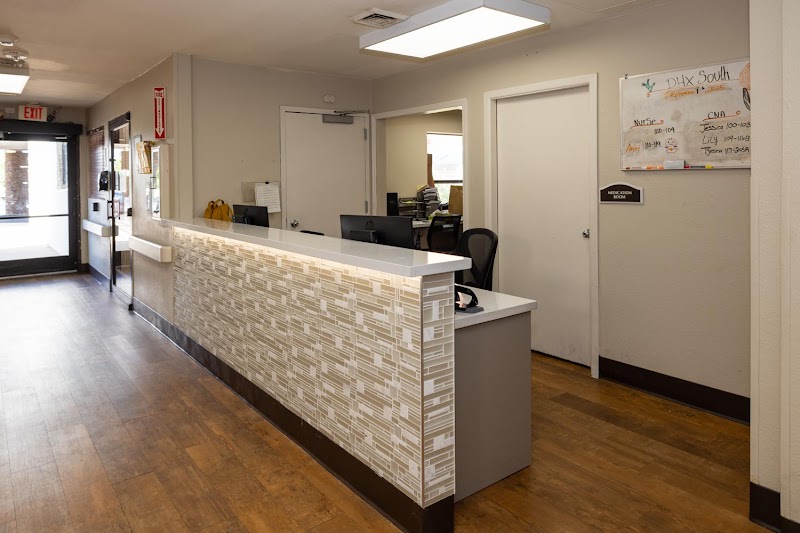
Who Owns and Operates Coronado Healthcare Center?

CORONADO HEALTHCARE CENTER is owned by a for-profit company. For-profit facilities operate as businesses with obligations to shareholders or private owners. The facility is operated by THE ENSIGN GROUP, a chain that manages multiple nursing homes. With 191 certified beds and approximately 152 residents (about 80% occupancy), it is a mid-sized facility located in PHOENIX, Arizona.
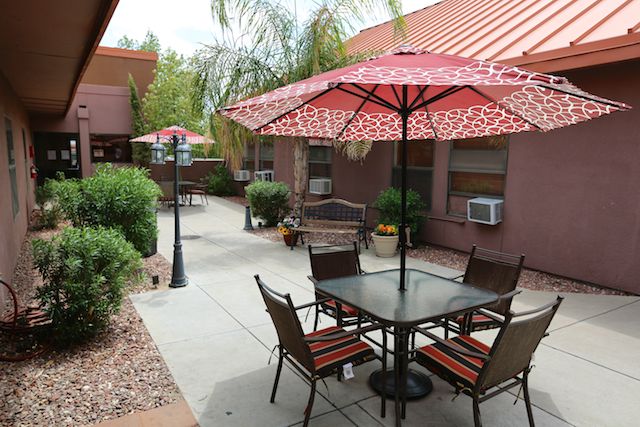
How Does Coronado Healthcare Center Compare to Other Arizona Nursing Homes?

Compared to the 100 nursing homes in Arizona, CORONADO HEALTHCARE CENTER's overall rating (5 stars) is above the state average of 3.3, staff turnover (46%) is near the state average of 46%, and health inspection rating (4 stars) is above the national benchmark.

What Should Families Ask When Visiting Coronado Healthcare Center?

Based on this facility's data, families visiting should ask: "Can I visit during a mealtime to observe dining assistance and food quality?" "How do you handle medical emergencies, and what is your hospital transfer rate?" "Can I speak with family members of current residents about their experience?"

Is Coronado Healthcare Center Safe?

Based on CMS inspection data, CORONADO HEALTHCARE CENTER has a clean safety record: no substantiated abuse findings (meaning no confirmed cases of resident harm), no Immediate Jeopardy citations (the most serious violation level indicating risk of serious injury or death), and is not on the Special Focus Facility watch list (a federal program monitoring the lowest-performing 1% of nursing homes). The facility has a 5-star overall rating and ranks #1 of 100 nursing homes in Arizona. While no facility is perfect, families should still ask about staff-to-resident ratios and recent inspection results during their visit.

Do Nurses at Coronado Healthcare Center Stick Around?

CORONADO HEALTHCARE CENTER has a staff turnover rate of 46%, which is about average for Arizona nursing homes (state average: 46%). Moderate turnover is common in nursing homes, but families should still ask about staff tenure and how the facility maintains care continuity when employees leave.

Was Coronado Healthcare Center Ever Fined?

CORONADO HEALTHCARE CENTER has no federal fines on record. CMS issues fines when nursing homes fail to meet care standards or don't correct problems found during inspections. The absence of fines suggests the facility has either maintained compliance or corrected any issues before penalties were assessed. This is a positive indicator, though families should still review recent inspection reports for the full picture.

Is Coronado Healthcare Center on Any Federal Watch List?

CORONADO HEALTHCARE CENTER is not on any federal watch list. The most significant is the Special Focus Facility (SFF) program, which identifies the bottom 1% of nursing homes nationally based on persistent, serious quality problems. Not being on this list means the facility has avoided the pattern of deficiencies that triggers enhanced federal oversight. This is a positive indicator, though families should still review the facility's inspection history directly.