DESERT HAVEN CARE CENTER
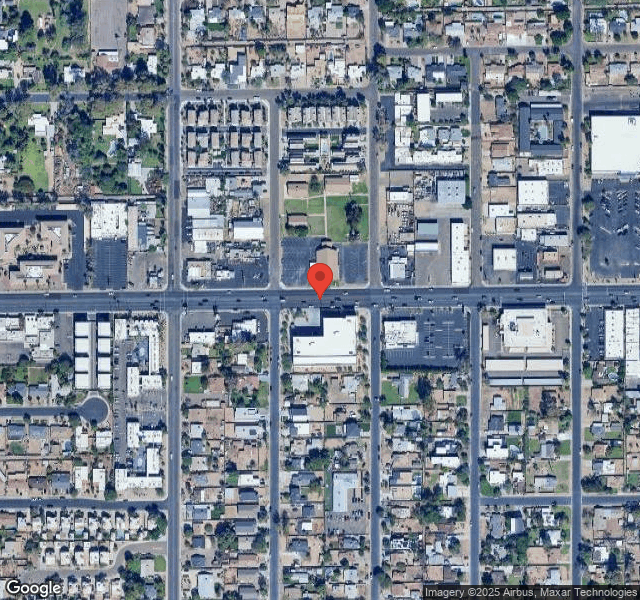
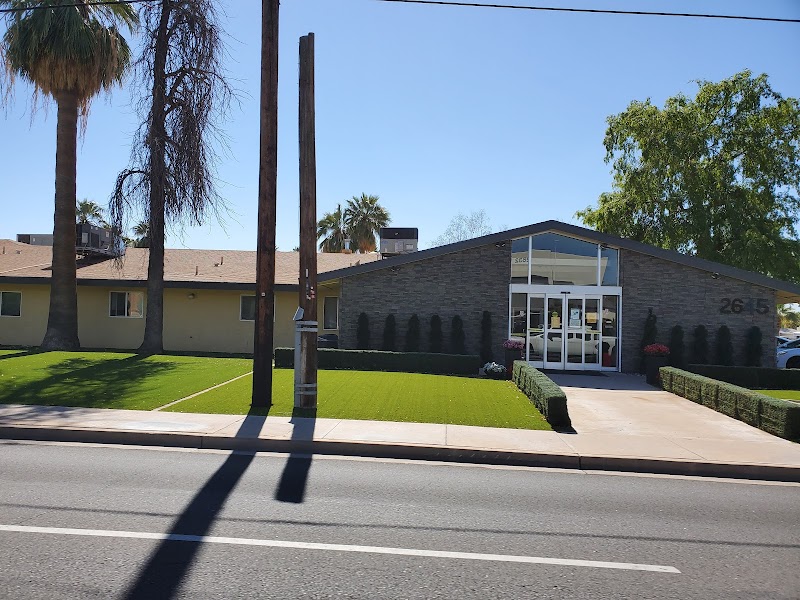
2645 EAST THOMAS ROAD, PHOENIX, AZ 85016 (602) 243-6121
For profit - Limited Liability company 115 Beds Independent Data: November 2025
Trust Grade
58/100
#70 of 139 in AZ
Last Inspection: April 2024

Within standard 12-15 month inspection cycle. Federal law requires annual inspections.

Overview

Desert Haven Care Center in Phoenix, Arizona has a Trust Grade of C, which means it is average and sits in the middle of the pack compared to other facilities. It ranks #70 out of 139 in Arizona, placing it in the bottom half of all nursing homes in the state, and #52 out of 76 in Maricopa County, indicating that there are only a few local facilities with a better rating. The facility shows an improving trend, reducing issues from 9 in 2022 to 7 in 2024. Staffing is a notable strength with a rating of 4 out of 5 stars and a turnover rate of 24%, which is significantly lower than the state's average, meaning staff tend to stay long-term. However, the center was fined $8,018, which is concerning as it is higher than 83% of Arizona facilities, suggesting ongoing compliance issues. In terms of care, there were serious incidents noted, such as failing to provide adequate supervision for a resident at high risk of wandering, which could lead to injury. Additionally, residents were observed eating with disposable cutlery and Styrofoam containers, which raises concerns about dignity during meals. There were also cleanliness issues reported, including dust and stains in bathrooms that had not been properly addressed. Overall, while there are strengths in staffing and some improvements in care issues, the facility has significant weaknesses in compliance and the quality of the living environment.

Trust Score
C
58/100
In Arizona
#70/139
Top 50%
Safety Record
Moderate
Needs review
Inspections
Getting Better
9 → 7 violations
Staff Stability
✓ Good
24% annual turnover. Excellent stability, 24 points below Arizona's 48% average. Staff who stay learn residents' needs.
Penalties
✓ Good
$8,018 in fines. Lower than most Arizona facilities. Relatively clean record.
Skilled Nurses
⚠ Watch
Each resident gets only 20 minutes of Registered Nurse (RN) attention daily — below average for Arizona. Fewer RN minutes means fewer trained eyes watching for problems.
Violations
⚠ Watch
25 deficiencies on record. Higher than average. Multiple issues found across inspections.
★★★☆☆
3.0
Overall Rating
★★★★☆
4.0
Staff Levels
★★★★★
5.0
Care Quality
★★☆☆☆
2.0
Inspection Score
Stable
2022: 9 issues
2024: 7 issues

The Good

  • 4-Star Staffing Rating · Above-average nurse staffing levels
  • 5-Star Quality Measures · Strong clinical quality outcomes
  • Low Staff Turnover (24%) · Staff stability means consistent care
  • Full Sprinkler Coverage · Fire safety systems throughout facility
  • No fines on record
  • Staff turnover is low (24%)

    24 points below Arizona average of 48%

Facility shows strength in staffing levels, quality measures, staff retention, fire safety.

The Bad

3-Star Overall Rating

Near Arizona average (3.3)

Meets federal standards, typical of most facilities

Federal Fines: $8,018

Below median ($33,413)

Minor penalties assessed

The Ugly 25 deficiencies on record

1 actual harm
Nov 2024 1 deficiency
CONCERN (D) 📢 Someone Reported This

A family member, employee, or ombudsman was alarmed enough to file a formal complaint

Potential for Harm - no one hurt, but risky conditions existed

Deficiency F0558 (Tag F0558)

Could have caused harm · This affected 1 resident

**NOTE- TERMS IN BRACKETS HAVE BEEN EDITED TO PROTECT CONFIDENTIALITY** Based on observation, staff interviews, and review of facility documentation, the facility failed to ensure call light was withi...

Read full inspector narrative →
**NOTE- TERMS IN BRACKETS HAVE BEEN EDITED TO PROTECT CONFIDENTIALITY** Based on observation, staff interviews, and review of facility documentation, the facility failed to ensure call light was within reach for one resident (#27). The deficient practice could result in a preventable accident and resident not able to meet the resident's needs. Findings include: Resident #27 was admitted to the facility May 17, 2024 with two discharges to the hospital on July 22, 2024 and October 21, 24. Resident was re-admitted to the facility on [DATE] with diagnoses of atherosclerotic heart disease of native coronary artery without angina pectoris, encephalopathy, unspecified, and bipolar disorder. Review of the quarterly MDS (minimum data set) assessment dated [DATE] revealed a BIMS (brief interview of mental status) score of 06 indicating severe cognitive impairment. Further review of the MDS revealed the resident has both upper and lower impairment on both sides. A care plan dated May 29, 2024 revealed resident had activities of daily living (ADL) self-care deficit and needed assistance with bed mobility, transfer, locomotion, eating, toilet use, personal hygiene, bathing related to spinal stenosis, impaired mobility and behavioral episodes. The care plan also revealed interventions which included positioning rail(s) as an enabler: ¼ rails; Assist and/or guard position rails and soft touch call light. The physician order report revealed an order dated October 31, 2023 for opiod medication monitoring for nausea, vomiting, sedation, slowed reaction, respiratory depression. An observation was conducted on November 06, 2024 at 9:20 A.M. The soft touch call light was in the resident's top dresser drawer, approximately two feet out of reach from the resident. A follow up observation on November 06, 2024 at 12:36 P.M. revealed the resident's soft touch call light pinned on the resident's lap at her hip -- out of reach for the resident. The resident was screaming for help. This surveyor entered the resident's room and the resident immediately asked if this surveyor could have the call light placed where she is able to reach it. Review of the providers progress note dated August 27, 2024 revealed resident was seen for follow-up due to altered mental status. The note stated, Since last week her delirium and screaming is nearly constant. She is up all night and then naps during the day. Recently did a GDR on Seroquel and she is somewhat worse with behaviors, continues to see things on wall but this is no different that prior to her hospitalization. This morning she was napping but opened her eyes. Says the oxygen does not stay on, this provider adjusted the NC. She requires 1:1 assist with eating, bed positioning, hygiene and other ADL's. An interview was conducted on November 06, 2024 at 12:53 P.M with certified nursing assistant (CNA#12/Staff) CNA #12 stated that resident #27 was dependent for total care and dependent for eating. Stated the resident requires a pad call light due to limited movement. She stated the resident had limited movement with her right arm; and that, she did not recall whether she had placed the call light within reach for the resident after her rounds at 6:30am. CNA #12 stated she assisted the resident with her breakfast at approximately 7:40 a.m. and following breakfast at approximately 9:15 a.m. had placed the call light on the resident's gown. She stated no one else had entered the resident's room, since she was the one assigned to the resident for the day. CNA #12 stated when the resident needs assistance she will use her call light or start yelling. In an interview with the Director of Nursing (DON/Staff#12) November 06, 2024 at 1:07 P.M. she stated resident #27 uses a touch call light and it should be placed on her upper chest. The DON stated the resident does not have the ability to reach her call light at her hip and had noticed this when in the resident's room. The DON stated she had to reposition the resident's call light to where it was within reach; and that, the risk of not having the call light within reach is the resident would be unable to call for help if needed and could fall. A request was made for the facility Call Light Policy. DON/Staff#12 stated the facility does not have a Call Light Policy and signed a statement indicating the facility does not have a Call Light policy.
Aug 2024 1 deficiency 1 Harm
SERIOUS (G) 📢 Someone Reported This

A family member, employee, or ombudsman was alarmed enough to file a formal complaint

Actual Harm - a resident was hurt due to facility failures

Accident Prevention (Tag F0689)

A resident was harmed · This affected 1 resident

**NOTE- TERMS IN BRACKETS HAVE BEEN EDITED TO PROTECT CONFIDENTIALITY** Based on clinical record review, staff interviews, and facility documentation and policy review, the facility failed to ensure a...

Read full inspector narrative →
**NOTE- TERMS IN BRACKETS HAVE BEEN EDITED TO PROTECT CONFIDENTIALITY** Based on clinical record review, staff interviews, and facility documentation and policy review, the facility failed to ensure adequate supervision was provided to one resident (#1) to prevent elopement. The deficient practice could result in injury or harm to the resident. Findings include: Resident #1 was admitted to the facility on [DATE] with diagnoses that included post-traumatic stress disorder, aphasia following cerebral infarction, mild neurocognitive disorder due to known physiological condition with behavioral disturbance, anoxic brain damage, vascular dementia, mild, with agitation, dysphagia, epilepsy, intractable without status epilepticus. The minimum data set (MDS) assessment was currently in progress for new admission to facility and had not been completed. The elopement risk assessment dated [DATE] revealed a score of 14 indicating the resident was a high risk to wander. Review of the care plan dated August 21, 2024 revealed the resident has a history of eloping. Interventions included to distract resident from wandering by offering pleasant diversions, structured activities, food, conversation and television, identify pattern of wandering, is wandering purposeful, aimless or escapist? Does it indicate the need for more exercise? and to intervene as appropriate. A progress note dated August 16, 2024 at 22:51 stated that the resident#1 was alert, wondering about unit and exit seeking at times. Another progress note dated August 18, 2024 at 17:21 stated that the resident #1 continue on 1:1 monitoring with aide staff on the shift. The note further stated that the resident was noted pushing on the exit doors attempting to leave the facility. A progress note dated August 20, 2024 at 20:30 stated approximately at 1830 the nurse heard alarm for exit door. The note stated the medication delivery had just came through door, the nurse then accepted medications and went to turn off alarm. The nurse found alarm to be door by oak dining room. The note stated the nurse immediately went out the door looking to see if anyone had gotten out the door. The note further stated upon coming back inside, another resident stated he saw resident #1 push on this exit door getting it opened and walked out. A progress note dated August 21, 2024 at 15:55 stated that the resident #1 had returned to the facility from a hospital with only clothing that the resident was wearing and no other personal belongings. The note state blisters were present to resident #1's sole of left foot near heel and ball of left foot. The note stated one additional blister was present to sole of right foot near ball of foot. An interview was conducted on August, 23, 2024 at 10:54 AM with Unit Manager(UM)/ Licensed Practical Nurse (LPN/staff #2) who stated that resident #1 was new and they did not know his behaviors. Staff #2 stated resident #1 was on 1 to 1 (one staff member to one resident) monitoring over the weekend and was currently on 1 to 1, for 24 hours and an aide will monitor the resident. Staff #2 stated the facility also has video to help monitor and stated the facility will watch all the time. Staff #2 stated resident #1's feet is doing better and the blisters are drying up. An interview was conducted on August 23, 2024 at 10:58 AM with a certified nursing assistant (CNA/staff #3), who stated that the staffs were familiar with this resident and is currently overseeing the care of the resident while the main CNA scheduled to be on 1 to 1 care is at lunch. Staff #3 stated that the staff was told resident #1 is a 1 to 1, because he had an elopement. Staff #3 stated the way to keep the resident safe is good communication, face forward, stay side by side, try not to leave the room, give them space and always make sure staff have replacement to watch them. An interview was conducted on August 23, 2024 at 1:11 PM with the Director of Nursing (DON/staff #1), who stated that she was not in the facility when the elopement occurred but was told by the nurse that was working that evening, what had occurred. The medication guy came with a delivery. The nurse went to turn the alarm off and noted that the door next to Oak dining room alarm was going off. She stated the nurse then went out and did not see anyone, came back and another resident said they saw the resident push on the door and go out. That is when the search started. The resident was originally on a 1 to 1 and that was removed on Monday morning (August 19, 2024). She stated there are many consequences if a resident elopes and resident could get lost. The resident was found by his sister the next morning and was taken to a local hospital to be assessed. The resident returned to the facility later in the day with blisters on the bottom of both feet. The facility's policy, Elopement Guidelines last reviewed on November 30, 2022, states that all Nursing personnel shall report and investigate all reports of missing residents.
Apr 2024 5 deficiencies
CONCERN (E)

Potential for Harm - no one hurt, but risky conditions existed

Resident Rights (Tag F0550)

Could have caused harm · This affected multiple residents

Based on observations, staff and resident interviews, the facility failed to ensure that residents were were treated with dignity while dining by using disposable cutlery and dishware. The deficient p...

Read full inspector narrative →
Based on observations, staff and resident interviews, the facility failed to ensure that residents were were treated with dignity while dining by using disposable cutlery and dishware. The deficient practice could result in residents not able to exercise their right to be treated with respect and dignity. Findings include: During dining observation conducted on Monday, April 15, 2024 at 5:07 p.m., there were seven residents in the dining room eating dinner. The food, drinks and dessert for the seven residents were served in Styrofoam containers, cups, and bowls. The residents were also using plastic ware for utensils. In an interview One of the resident's (#80) stated that Styrofoam is used sometimes, but not all the time. An interview was conducted on April 16, 2024 at 12:35 p.m. with the dietary director (staff #85), who stated that meals were served on Styrofoam when there is an emergency situation and when the dishwasher staff calls off. He stated that the dishwashing staff (#135) called off on Monday, April 15, 2024, so he did not have anyone to wash the dinner dishes. The dietary director then said that staff #135 was not scheduled to work on Mondays and he was not always able to get a staff to stay to do the dishes on Monday nights, so they use Styrofoam dishware. He stated that the use of Styrofoam dishware, cups and bowls and plastic utensils usually occurs on a monthly basis; and that, the Administrator was aware that he did not have a dishwashing staff coverage on Monday nights and the facility was using Styrofoam dishware cups and bowls and plastic utensils occasionally to serve food/drinks to the residents. Further, the dietary director said that the residents have a right to a home-like environment, which included using proper dishware, cups, and utensils. An interview with the Executive Director (ED/staff #18) was conducted on April 16, 2024 at 1:07 p.m. The ED stated that he supervises the dietary manager/director (staff #85) who informs him when the kitchen needs staff. The ED said he does not review the schedule for the kitchen staff, so he was not aware of a dishwasher being needed on Monday nights; and that, he was just informed by staff #85 five minutes before this interview. The ED said that Styrofoam dishware cups and bowls and plastic utensils had not been used in the facility since the outbreak of COVID-19; and, it was his expectation for staff provide a homelike environment in dining room. The ED further stated it was his expectation that Styrofoam dishware, cups and bowls and plastic utensils would not be used. He stated that it was also his expectation that staff working the Monday night shift wash the dishes if there was not a dishwashing staff scheduled. The facility policy, Dining Room Service dated 2018 included that that individuals will be encouraged to receive their meals in the dining room. A comfortable, attractive atmosphere will be maintained in the dining room area.
CONCERN (E) 📢 Someone Reported This

A family member, employee, or ombudsman was alarmed enough to file a formal complaint

Potential for Harm - no one hurt, but risky conditions existed

Safe Environment (Tag F0584)

Could have caused harm · This affected multiple residents

**NOTE- TERMS IN BRACKETS HAVE BEEN EDITED TO PROTECT CONFIDENTIALITY** -An observation of the bathroom of a room (#30) conducted on April 16, 2024 at 3:28 p.m. with the maintenance director who state...

Read full inspector narrative →
**NOTE- TERMS IN BRACKETS HAVE BEEN EDITED TO PROTECT CONFIDENTIALITY** -An observation of the bathroom of a room (#30) conducted on April 16, 2024 at 3:28 p.m. with the maintenance director who stated that housekeeping was expected to clean bathrooms, including the walls, sink, and vents. He then poked a white substance on the bathroom vent and there was a puff of white and brown substance that came out from the vent. The maintenance director said that the white and brown substance that came out of the vent was dust and should have been cleaned. Another observation of bathroom between two different rooms was conducted with the maintenance director. The bathroom wall was stained with brown substance; and, the maintenance director stated that he would call a pest control company and have them assess the stain because he does not know what the brown stain was. He then grabbed a paper towel and touched the substance, and it crumbled under his touch. The ventilation in the bathroom had dark brown flecks; and the maintenance director stated he expected housekeeping to clean vents and walls. The facility policy, Maintenance Services states that maintenance services shall be provided to all areas of the building, grounds, and equipment. The maintenance director is responsible for developing and maintaining a schedule of maintenance services to assure that the buildings, grounds, and equipment are maintained in a safe and operable manner. Based on observations , staff interviews and review of facility policy and procedure, the facility failed to ensure that the living space, interior and fixtures were maintained in good repair/condition; and, failed to ensure clean and sanitary environment. The deficient practice could result in residents not being afforded a home-like environment. Findings include: During an observation of a resident (#63) room on April 15, 2024 at 11:12 a.m., the window blinds in the were observed broken on both sides in multiple places. There was a light brown substance that had run down the walls and was now dry and there was a strong odor of urine. The plaster and paint were chipped off from the wall by the mirror; and, there were multiple small holes and plaster chipped off on the wall just under the toilet paper holder. The vents located in the bathroom ceiling was covered in brown dust/dirt. In an observation of another room (#22) conducted on April 15, 2024 at 1:14 p.m., the window blinds were broken in multiple places. An interview was conducted on April 17, 2024 at 10:44 a.m. with a certified nursing assistant (CNA/staff #32), who stated that if there was something broken or damaged in the room, staff were to notify maintenance by informing the nurse who would then contact the maintenance staff. During the interview, and observation of the resident (#63) room was conducted with the CNA who stated that the window blinds appeared to have been replaced. Another observation of another resident room next door was conducted with the CNA who stated that the window blinds were broken and should be fixed. In an interview with the licensed practical nurse (LPN/staff #4) conducted on April 17, 2024 at 10:49 a.m., the LPN stated that anything that was broken, including walls and blinds, the nurses would notify maintenance staff. The LPN said that it was an expectation that blinds were replaced immediately, the walls were checked right away and wall repair was planned/scheduled. Further, the LPN said that if things were broken and/or not cleaned, it affects the residents' homelike environment. An interview was conducted on April 17, 2024 at 11:02 a.m. with the Central Supply Manager (staff #63) who stated that his job duties included facility maintenance. He stated that anyone including nurses, CNAs, housekeeping staff and the residents can report or enter a report order when repairs were needed. He stated that the Maintenance Director (staff #20) supervised the housekeepers and does a walk-through of the building daily; and that, the housekeepers should report any damage when they see it. He stated that blinds can be replaced the next day unless they need to be ordered; and, even then, they usually get them by the next day. He said he can also go to the store to purchase blinds and other supplies. The central supply manager stated that he has not noticed any broken blinds in the building. At the end of the interview, the central supply manager walked across the hall from the central supply room and saw that the blinds in room [ROOM NUMBER] were broken in multiple areas.
CONCERN (E)

Potential for Harm - no one hurt, but risky conditions existed

PASARR Coordination (Tag F0644)

Could have caused harm · This affected multiple residents

**NOTE- TERMS IN BRACKETS HAVE BEEN EDITED TO PROTECT CONFIDENTIALITY** Regarding Resident #22 -Resident #22 was initially admitted to the facility on [DATE] with diagnoses that included cerebral infa...

Read full inspector narrative →
**NOTE- TERMS IN BRACKETS HAVE BEEN EDITED TO PROTECT CONFIDENTIALITY** Regarding Resident #22 -Resident #22 was initially admitted to the facility on [DATE] with diagnoses that included cerebral infarction, adjustment disorder with mixed disturbance of emotions and conduct, mental disorder, adjustment disorder with depressed mod, major depressive disorder, and bipolar disorder. A Pre-admission Screening and Resident Review of (PASRR) Level 1 screening dated September 21, 2021 included diagnoses of major depression, and bipolar disorder. The documentation also included that this was submitted for a PASRR level II determination. Review of the clinical record revealed a new diagnosis of schizoaffective disorder on January 7, 2022. A psychiatric evaluation dated January 11, 2022 revealed the resident had schizoaffective disorder. However, there was no evidence that an updated PASRR I was completed to reflect the new diagnoses of schizoaffective disorder; and there was no evidence that the resident was referred to PASRR level II determination. Review of clinical noted dated October 3, 2023 through January 9, 2024, revealed evidence that the resident had episodes of yelling, using inappropriate language, inappropriate sexual behavior, and being verbally aggressive with staff. A behavioral care plan revised March 29, 2024 indicated that the resident displays behavioral symptoms which included delusions, inappropriate sexual behavior, yelling, and aggression. Interventions included to intervene when any inappropriate behavior is observed, use creative refocusing to alter behavior, and medication adjustment. An interview was conducted on April 16, 2024 at 2:08 p.m., with the Director of Social Services (staff #200), who stated that if a resident has a new mental disorder diagnoses after they have been admitted , a new PASRR should be re-accomplished and a referral for level II determination has to be submitted. Staff #200 noted that if a PASRR is not updated and level II determination is not completed, then there is a chance that the resident is not getting the treatment they need. Staff #200 also stated that when there is no outcome, it is hard to say why a PASRR is important other than it is a routine requirement. He also noted that he is not sure what the value of the PASRR is. Resident # 22's record was reviewed with staff #200 on April 16, 2024 at approximately 2:08 p.m. During the review, staff #200 confirmed that the resident's PASRR is from September 21, 2021. He noted that with a new diagnosis of schizoaffective disorder back in January 7, 2022, it should have triggered a new PASRR and a level II determination. Staff #200 agreed that an updated PASRR should have been accomplished and submitted for level II determination. An interview with the Director of Nursing (DON/staff #14) was conducted on April 16, 2024 at 2:42 p.m. Staff #14 stated that her expectation is that PASRR is completed for each resident. She noted that if there are changes in diagnoses then it should be updated. Staff #14 stated that the impact of not having an updated PASRR is that the care might not be according to the care plan and what they only know about. The DON further noted that she does not know what the impact of the PASRR but knows it is required. She indicated that the PASRR tells you what the diagnoses or any mental illness but that it is already available via reports. The DON noted that with regards to resident #22 having a new mental disorder diagnoses after admission, she stated there should have been an updated PASRR since the facility did a sweep on PASRR. Review of the facility's policy titled PASRR Guideline reviewed July 15, 2022 stated that Preadmission Screening and Resident Review (PASRR) is required for all individuals being considered for admission to a Medicaid-certified nursing facility be screened to determine if the person has, or is suspected of having, a mental illness, intellectual disability, or related condition. The facility's policy on PASRR Guideline included that the Preadmission Screening and Resident Review (PASRR) is guided by federal regulations that require all individuals being considered for admission to a Medicaid-certified nursing facility (NF) be screened prior to admission, to determine if the person has, or is suspected of having, a mental illness, intellectual disability, or related condition. PASRR helps to ensure that individuals are not inappropriately placed in nursing homes for long term care. PASRR requires that all applicants to a Medicaid-certified nursing facility be evaluated for mental illness (Ml) and/ intellectual disability (ID). Based on clinical record reviews, staff interviews and review of facility policy, the facility failed to ensure that Preadmission Screening and Resident Review (PASRR) was updated for two residents (#73 and #22); and failed to ensure level II determination was submitted for one resident (#22). The deficient practice could result in residents not receiving the care and services they needed. Findings include: -Resident #73 was admitted on [DATE] with diagnoses of bipolar disorder, major depressive disorder, severe intellectual disability. Review of the clinical record revealed that the resident had a new diagnoses of anxiety disorder on January 24, 2024. However, further review of the clinical record revealed no evidence that the PASSR Level I screening was completed after January 24, 2024. An interview was conducted on April 16, 2024 at 3:28 p.m. with the Social Services Director (staff #29), who stated that if a resident had a new psychiatric diagnosis, the PASRR needs to be updated. During the interview, a review of the clinical record was conducted with staff #29 who stated that the PASRR for resident #73 should have been updated when the resident had a new diagnosis of anxiety. She also stated that there was documentation that the resident had an intellectual disability, but there were no details regarding how the intellectual disability affected the resident's ability to complete activities of daily living, but this could have been assessed by observation and included on the PASRR. During an interview with the Director of Nursing (DON/staff #14) conducted on April 16, 2024 at 3:43 p.m., she stated that the PASRR needs to updated if the resident has a new psychiatric diagnosis.
CONCERN (E)

Potential for Harm - no one hurt, but risky conditions existed

Food Safety (Tag F0812)

Could have caused harm · This affected multiple residents

**NOTE- TERMS IN BRACKETS HAVE BEEN EDITED TO PROTECT CONFIDENTIALITY** Based on observations, staff interviews and review of facility policy and procedure, the facility failed to ensure food items we...

Read full inspector narrative →
**NOTE- TERMS IN BRACKETS HAVE BEEN EDITED TO PROTECT CONFIDENTIALITY** Based on observations, staff interviews and review of facility policy and procedure, the facility failed to ensure food items were labeled and dated when opened; and, failed to ensure that open food item was stored to maintain freshness and prevent contamination. Findings included: The initial tour of the kitchen was conducted on April 15, 2024 at 8:35 a.m. with the Dietary Director (staff #85). There was a 15-pound box of bacon, which was approximately half full in the large refrigerator. A white sheet of paper lay over the top of the bacon, but the bacon was not in a sealed bag/container. There was also approximately one fourth of shredded lettuce remaining in a two pound plastic bag that was not sealed, and the bag had no open date. The bread was located on a tray in the kitchen. A half a loaf of wheat bread was observed and there was no open date, six hamburger buns were in a plastic bag with no open date, and an open bag of twenty-three [NAME] Hawaiian Sweet Rolls did not have an open date. Staff #85 stated he thought that about half the bacon remained in the box and he was not sure if the bacon needed to be stored in a sealed container to maintain freshness. He agreed that the shredded lettuce should have been sealed. He stated that the bread is supposed to be thrown away after 6 days, but he did not know when the wheat bread, hamburger buns, or Hawaiian rolls had been opened. Staff #85 tested the Quat in a small red cleaning bucket with Quat test strip and stated that it should test around 200 parts per million (ppm) and tested at 400 ppm. Staff #85 stated that if the ppm is not accurate, the solution should be adjusted and tested again. He stated that the solution was too strong and needed more water. An interview was conducted on April 17, 2024 at 11:44 a.m. with the Executive Director (staff #18), who stated that open products should be dated and if refrigerated, the products should be sealed with a lid or stretch wrap. He stated that when products are not sealed, oxidation could occur, which creates and issue, and can effect nutritive value and quality. Staff #18 also stated that the Quat should be tested with the testing strips to ensure the correct potency for contaminants. The facility policy, Food Storage and Date Marking states that sufficient storage facilities are provided to keep foods safe, wholesome, and appetizing. Leftover food is stored in covered containers or wrapped carefully and securely. Each item is clearly labeled (if not easily identifiable) and dated if stored for over 24 hours. Leftover food is used within seven (7) days or discarded. The facility Quaternary Sanitizer Test Strip directions states to dip the test strip in the quat solution for ten seconds and it should test at 200 ppm.
CONCERN (E)

Potential for Harm - no one hurt, but risky conditions existed

Infection Control (Tag F0880)

Could have caused harm · This affected multiple residents

**NOTE- TERMS IN BRACKETS HAVE BEEN EDITED TO PROTECT CONFIDENTIALITY** Based on observations, clinical record review, staff interviews, review of facility documentation and policy, the CDC (Centers f...

Read full inspector narrative →
**NOTE- TERMS IN BRACKETS HAVE BEEN EDITED TO PROTECT CONFIDENTIALITY** Based on observations, clinical record review, staff interviews, review of facility documentation and policy, the CDC (Centers for Disease Control and Prevention) and CMS (Centers for Medicare and Medicaid Services) guidance, the facility failed to ensure enhanced barrier precautions (EBP) were implemented for one resident (#72). The deficient practice could result in transmission of multi-drug resistant organisms. Findings include: Resident #72 was admitted on [DATE] with diagnosis of hemiplegia, diabetes mellitus type 2, cerebral infarction, dementia, and gastrostomy status. A review of the quarterly MDS (minimum data set) assessment dated [DATE] revealed BIMS (brief interview of mental status) score of 03, indicating the resident had severe cognitive impairment. The MDS also included that the resident had a gastrostomy tube. The physician order dated August 25, 2022 included for PEG (Percutaneous endoscopic gastrostomy) tube placement 18fr x 45cm. for nutritional support. The care plan dated August 28, 2022 revealed that the resident required tube feedings related to a swallowing problem. Interventions included to monitor, document, and report any signs or symptoms of aspiration, fever, infection, tube dysfunction or malfunction, and abnormal breathing sounds. An observation was conducted on April 17, 2024 at 9:25 a.m. There were no signs related to EBP posted outside of the room of resident #18; and, there were no PPE (personal protective equipment) visible outside of the resident's room. An interview was conducted on April 17, 2024 at 9:40 a.m. with a licensed practical nurse (LPN/Staff #9) who stated that there were no precautions in use anywhere in the building. The LPN also stated that this made it easier for staff to take care of the residents as staff did not have to gown up. Further, the LPN said that EBP were only used for leaking wounds and major infections. During an interview with the Director of Nursing, (DON) conducted on April 17, 2024 at 10:30 a.m., the DON stated that there were no precautions in use in the building right now. The DON stated that she had reviewed the notice about EBP and she did not agree with it because it does not maintain a homelike environment. Further, the DON also stated that none of her residents meet the criteria for contact precautions. A review of the facility assessment revealed the services provided by the facility include infection prevention and control, including the identification and containment of infections, and the prevention of infections. The CDC website on healthcare acquired infections revealed that the enhanced barrier precautions are an infection control intervention designed to reduce the transmission of resistant organisms that employ targeted gown and glove use during high-contact resident care activities. The CDC website further showed examples of high-contact resident care activities includes device care or use: central line, urinary catheter, feeding tube, or tracheostomy/ventilator. The CDC website further stated that the use of gown and glove for high-contact resident care activities is indicated when contact precautions do not otherwise apply. Updated July 12, 2022. https://cdc.gov/hai/containment/PPE-Nursing-Homes.html; however, enhanced barrier precautions were not noted for resident #72 who has a PEG tube and receives regular tube feedings. The CMS QSO-24-08-NH Memo dated March 20, 2024 included that EBP recommendations now include use of EBP for residents with chronic wounds or indwelling medical device during high-contact resident care activities regardless of their multidrug-resistant organism (MDRO) status, in addition to resident who have an infection or colonization with a CDC-targeted or other epidemiologically important MDRO when contact precautions do not apply. Indwelling medical device examples include central lines, urinary catheters, feeding tubes and tracheostomies. EBP should be used for any residents who meet the above criteria, wherever they resident in the facility. The effective date of this memo was April 1, 2024.
Dec 2022 9 deficiencies
CONCERN (D) 📢 Someone Reported This

A family member, employee, or ombudsman was alarmed enough to file a formal complaint

Potential for Harm - no one hurt, but risky conditions existed

Deficiency F0561 (Tag F0561)

Could have caused harm · This affected 1 resident

**NOTE- TERMS IN BRACKETS HAVE BEEN EDITED TO PROTECT CONFIDENTIALITY** Based on clinical record review, facility documentation, resident and staff interviews, and facility policy and procedure, the f...

Read full inspector narrative →
**NOTE- TERMS IN BRACKETS HAVE BEEN EDITED TO PROTECT CONFIDENTIALITY** Based on clinical record review, facility documentation, resident and staff interviews, and facility policy and procedure, the facility failed to assist one resident (#4) with a request to transfer to another facility within a timely manner. The sample size was 3. The deficient practice could result in residents being denied the right to make their own choices. Findings include: Resident #4 was admitted to the facility on [DATE] with diagnoses that included Psoriatic Arthritis Mutilans, contracture of muscle, and chronic pain syndrome. The initial psychiatric evaluation dated August 4, 2022 revealed the resident plan was to look for another place to live. The resident endorses anxiety over the future. The resident reported a desire to leave this facility and find a new place to live. Coordinated and consulted with nursing staff, and social services regarding assessment. Review of the occupational therapy Discharge summary dated [DATE] revealed the resident was to discharge to long-term care. Review of the physical therapy Discharge summary dated [DATE] revealed a discharge plan for the resident to currently stay in the facility and there may be another place that the resident could be moving to. The physician's discharge order for physical therapy dated September 1, 2022 did not specify discharge instructions and was not signed or dated by the physician. The care plan dated September 8, 2022 stated the resident expressed a discharge goal to discharge to an assisted living setting. No active discharge plan is indicated at this time. The resident remains long-term care for 24-hour staff available for custodial care and medication management. Interventions included encouraging the resident to discuss feelings and concerns with impending discharge, evaluating and discussing with the resident/family/caregivers the prognosis for independent or assisted living, evaluating the resident's motivation to return to the community; preparing and giving the resident contact numbers for all community referrals, and sending packets with the resident's information to assisted living facilities of the resident choice for consideration of admission to that community. The quarterly Minimum Data Set (MDS) assessment dated [DATE] included a Brief Interview for Mental Status score of 15 indicating the resident was cognitively intact. Facility documentation revealed that the Social Services Assistant (staff #56) faxed a submission packet to one long-term care facility on August 8, 2022 and emailed a submission packet to the same facility and one other long-term care facility on November 7, 2022. A 30-day notice of transfer or discharge date d November 15, 2022 was issued to the resident for failure to pay for residency. An interview was conducted on November 29, 2022 at 10:52 a.m. with a licensed practical nurse/Unit Manager (LPN/staff #27), who stated that she notifies social services when a resident is requesting to leave/transfer to another facility and staff #56 sends submission packets out to other facilities. The LPN stated that staff #56 notifies her when a placement is found. An interview was conducted on November 29, 2022 at 11:16 a.m. with the Social Services Assistant (staff #56), who stated that he sent out submission packets to a bunch of assisted living facilities, but he was not able to provide documentation of these submissions, but believed that the first submissions were sent out the first week of November 2022. Then, he stated that he thinks that he sent out applications for a handful of skilled nursing facilities (SNFs), but did not remember which ones. He stated that the resident was admitted in July 2022 and never wanted to be there. He stated that the policy/facility process is to begin looking for placement immediately, as soon as the resident requests it. Staff #56 stated he knew the resident wanted to leave approximately two months ago when there was an issue regarding the resident paying the share of cost. Staff #56 stated that the resident did not want to pay because the resident did not want to be there. During an interview conducted with resident #4 on November 29, 2022 at 1:26 p.m., resident #4 stated that nobody explained to him that he could not live in a place where he can go out and that he never thought this would be permanent. The resident stated that about two months ago, staff #56 told him that this was his permanent place/home. The resident stated that he did not file a complaint because he did not know that he could. The resident stated he refused to pay his portion of rent because he does not want to be there. On November 30, 2022 at 8:35 a.m., staff #56 and the Executive Director (ED/staff #79) were observed checking the memory on the fax machine. Staff #79 stated that the memory did not go back to August 2022, so there was no way to show that staff #56 had faxed submission packets to other facilities during that time. On November 29, 2022 at 11:44 a.m., an interview was conducted with the Director of Nursing (DON/staff #63), who stated that staff #56 has been responsible for sending out the submission packets to find appropriate placements for residents. She stated that if a resident wants to leave, the facility should begin looking for placement as soon as it is expressed to staff. She confirmed that she reviews the psych notes and the unit manager would be responsible for reviewing the notes. The DON reviewed the psych notes and stated that the resident wanted to go to an assisted living facility. The DON stated that she only became aware of the resident wanting to leave in the last month, and submission packets were sent out to other facilities. The facility's Residents [NAME] of Rights policy stated the resident has a right to dignified existence, self-determination and communication with access to persons and services inside and outside the facility. A facility shall protect and promote the rights of each resident, including the following right to exercise the resident's rights as a resident of the facility and as a citizen or resident of the United States. The resident has a right to participate in planning his or her care and treatment or changes in care and treatment unless adjudged incompetent or otherwise found to be incapacitated under the Law of the State.
CONCERN (D)

Potential for Harm - no one hurt, but risky conditions existed

Deficiency F0645 (Tag F0645)

Could have caused harm · This affected 1 resident

**NOTE- TERMS IN BRACKETS HAVE BEEN EDITED TO PROTECT CONFIDENTIALITY** Based on clinical record review, staff interviews, and review of policy, the facility failed to ensure that one out of two sampl...

Read full inspector narrative →
**NOTE- TERMS IN BRACKETS HAVE BEEN EDITED TO PROTECT CONFIDENTIALITY** Based on clinical record review, staff interviews, and review of policy, the facility failed to ensure that one out of two sampled residents (#44) was accurately assessed and referred for Level II Pre-admission and Resident Review (PASRR) services. The deficient practice increases the occurrence of improper placement into a nursing home and/or may fail to provide residents with necessary services. Findings include: Resident #44 was admitted to the facility on [DATE] with diagnoses that included schizoaffective disorder, adjustment disorder, and affective mood disorder. However, review of the Level I PASRR dated 01/20/21 revealed the resident did not have a primary diagnosis of mental illnesses and that no referral was necessary for Level II services. A behavioral symptoms care plan dated 01/31/21 related to schizoaffective disorder behaviors, including episodes of refusing care, easily agitated, yelling at staff, verbal aggression/cursing, and excessive call light use. The goal was for the resident to comply with staff redirection and behave in a safe, respectful manner 7 days per week. Interventions stated to conduct an evaluation of the behavioral symptoms to determine what strengths, abilities, and needs are communicated via the behavior. Review of physician orders included: -Doxepin HCL (antidepressant) 50 milligrams (mg); give one capsule at bedtime for depression related to adjustment disorder. Order date 09/17/21. -Divalproex sodium extended release (anti-epileptic/mood stabilizer) 500 mg; give one tablet at bedtime related to schizoaffective disorder and affective mood disorder. Order date 10/20/21. Review of July 2022 through October 2022 revealed the resident received medications per orders. The quarterly minimum data set assessment dated [DATE] revealed the resident scored 15 on the Brief Interview for Mental Status, indicating intact cognition. The resident displayed behaviors not directed towards others for 1-3 days out of 7 days of the look-back period and displayed rejection of care for 1-3 days out of 7 days. The resident required extensive 2-person physical assistance for most activities of daily living. On 11/30/22 at 8:58 a.m., an interview was conducted with a Unit Secretary (staff #78). She stated that along with an outsourced employee (Social Services Director/staff #97), it was her responsibility to ensure PASRRs were completed. She stated that if it were brought to her attention that there was a need, she would review the PASRR for residents who have resided in the facility for a year or more. Otherwise, she stated, she would not review them. She stated that PASRRs are meant to identify whether or not the resident was to be placed in the facility, or whether they required a higher level of care. She stated that if a resident had an intellectual disorder or severe mental illness (SMI) she would refer them for Level II screening for evaluation. She stated that schizoaffective disorder was an SMI and that she would refer that resident for further evaluation. She stated that if a resident was not referred for Level II, she would not know whether or not the resident needed further services. An interview was conducted on 11/30/22 at 10:32 a.m. with the Director of Nursing (DON/staff #63). She stated that PASRRs should be completed before the resident is admitted . She stated that she expects the PASRR to accurately reflect the resident's active diagnoses. The DON stated that if the PASRR was inaccurate, the resident's needs might not be met. She stated that a resident identified with a severe mental illness diagnosis should be evaluated for potential Level II services. The DON stated that resident #44 received psychiatric services for psychotropic medication management and she was not sure if the resident was receiving counseling services or not. The facility's PASRR Guideline policy, reviewed 07/15/22, included Preadmission Screening and Resident Review (PASRR) is guided by federal regulations that require all individuals being considered for admission to a Medicaid-certified nursing facility be screened prior to admission, to determine if the person has, or is suspected of having, a mental illness, intellectual disability, or related condition. PASRR helps to ensure that individuals are not inappropriately placed in nursing homes for long-term care. PASRR requires that: 1) all applicants to a Medicaid-certified nursing facility be evaluated for mental illness (MI) and/or intellectual disability (ID); be offered the most appropriate setting for their needs (in the community, a nursing facility, or acute care settings); and receive the services they need in those settings including specialized services.
CONCERN (D)

Potential for Harm - no one hurt, but risky conditions existed

Accident Prevention (Tag F0689)

Could have caused harm · This affected 1 resident

**NOTE- TERMS IN BRACKETS HAVE BEEN EDITED TO PROTECT CONFIDENTIALITY** Based on clinical record review, staff interviews, and review of policy, the facility failed to ensure a care plan intervention ...

Read full inspector narrative →
**NOTE- TERMS IN BRACKETS HAVE BEEN EDITED TO PROTECT CONFIDENTIALITY** Based on clinical record review, staff interviews, and review of policy, the facility failed to ensure a care plan intervention and policy was implemented for one sampled resident (#89) regarding a transfer to a wheelchair. The deficient practice could result in potential harm to residents. Findings include: Resident #89 was admitted to the facility on [DATE] with diagnoses of atherosclerotic heart disease of native coronary artery without angina pectoris, adjustment disorder, and polyosteoarthritis. A review of the care plan initiated on 11/12/21 revealed a behavior problem as evidenced by being verbally abusive to staff, self isolates, and refusing to wear an ID bracelet. The goal was that the resident would not have any complications secondary to not wearing an ID band daily, and will not harm themselves or others secondary to their behaviors. Interventions included providing care in pairs. Review of the Health Status Note dated 05/27/22 at 6:42 PM revealed the resident was upset and stated she was put in a wheelchair when she did not want to get out of bed for breakfast. The resident did not complain of pain, distress or injuries, was just very upset that she was placed in the wheelchair. The note also included that the resident's family member (Power of Attorney) was at the facility to sign discharge paperwork and asked what happened with the resident that morning. The family member was told that a Certified Nursing Assistant (CNA) who was not familiar with the resident had gotten the resident up into the wheelchair that morning, the resident was very upset but did not complain of pain or injuries and the skin assessment did not reveal any discoloration or redness. The family member informed the writer the police had been called about the situation prior to speaking with the nurse about the situation. A review of the discharge Minimum Data Set (MDS) assessment dated [DATE], revealed resident #89 scored an 11 on the Brief Interview for Mental Status (BIMS), indicating intact cognition. The assessment included the resident as a two-person physical assist for transfers. An interview was conducted with a CNA (staff #52) on 11/29/22 at 10:08 AM. The CNA stated she was getting residents up for breakfast and did not lock the chair. The CNA stated that resident #89 thought she was going to drop her and screamed no. The CNA stated she assured resident #89 that she was not going to drop her and set the resident in the chair. She stated the nurse was called and she explained to the nurse what happened. Staff #52 stated she was moved from that unit due to the accusation that was made, and has not worked in that unit for a long time. Staff #52 stated she had no idea that resident #89 was to be provided care with pairs and that she was told after the fact. An interview was conducted with a Licensed Practical Nurse (LPN/staff #96) on 11/30/22 at 7:31 AM. The LPN stated that he could not remember the issue and looked the notes up on the system. The LPN stated there was an issue with the family member who was upset about something. Staff #96 stated that one of the CNAs had put the resident in the chair and that the resident did not want to get up. Staff #96 stated the resident was alright but did tell the family member about the wheelchair issue who called the police. The LPN stated an investigation was started. The LPN also stated that the CNA did not work in that unit and was not familiar with the resident. The LPN did acknowledge that the resident is a two person assistance. In an interview conducted with the Director of Nursing (DON/staff #63) on 11/30/22 at 11:15 AM, the DON stated staff should know the resident's care plan and the interventions should be followed. The DON stated the nurses and CNAs have received training on transferring residents and that wheelchairs need to be locked during a transfer. The DON stated that staff should know if a resident is a two person assistance or requires a Hoyer. The DON also stated that safety is always her policy. A review of the facility's guideline for transferring from bed to wheelchair policy revised on 1/15/22 revealed that if using a wheelchair, lock both brakes. Fold up the foot pedals and remove the footrests.
CONCERN (D)

Potential for Harm - no one hurt, but risky conditions existed

Deficiency F0740 (Tag F0740)

Could have caused harm · This affected 1 resident

**NOTE- TERMS IN BRACKETS HAVE BEEN EDITED TO PROTECT CONFIDENTIALITY** Based on clinical record review, staff interviews, and policy reviews, the facility failed to ensure that the necessary behavior...

Read full inspector narrative →
**NOTE- TERMS IN BRACKETS HAVE BEEN EDITED TO PROTECT CONFIDENTIALITY** Based on clinical record review, staff interviews, and policy reviews, the facility failed to ensure that the necessary behavioral health care and services were provided to sampled one resident (#90). The deficient practice could result in residents not receiving the necessary behavioral health care and services they require to prevent self-harm. Findings include: Resident #90 admitted to the facility 02/09/22 with diagnoses that included malignant neoplasm of vulva, adjustment disorder with depressed mood and noncompliance with other medical treatment and regimen. The physician orders included: -Cleanse perineal area with no-rinse foaming cleanser, apply metronidazole sprinkles (antibiotic/amebicide/antiprotozoal), apply petroleum jelly, cover non-adherent gauze cover with abdominal non-stick pad two times per day for wound care. Order date 02/09/22. -metronidazole tablet 500 milligrams (mg), applied to perineum topically one time a day for perineum wound until 02/23/22. Order date 02/10/22. -Perineal area: apply metronidazole sprinkles, apply petroleum jelly, cover with an abdominal pad every shift for wound care. Order date 02/11/22. The health status note dated 02/12/22 at 5:56 p.m. included that the resident required assistance with activities of daily living (ADLs), suprapubic catheter in place draining dark yellow urine. The note included that the resident declined catheter care stating, I will do it myself, and that she had also declined wound care although a very foul odor was coming from the area. A refusal of all care needs care plan dated 02/13/22 related to frequent refusal of repositioning, bathing and grooming had a goal for compliance with care delivery 7 days per week. Interventions included referring the resident to the consulting psychiatrist for psychiatric evaluation as warranted. A physician order dated 02/16/22 included admission to Hospice related to a diagnosis of terminal cancer. The admission minimum data set assessment dated [DATE] revealed the resident scored 14 on the brief interview for mental status assessment, indicating intact cognition. According to the assessment the resident exhibited rejection of care for 4-6 out of 7 days in the look-back period, required extensive to total assistance for most ADLs, had an indwelling catheter and was always incontinent of bowel. A health status progress note dated 02/22/22 included the resident had refused flushing of the suprapubic catheter or to have her bedding changed. The note stated that the Hospice certified nursing assistant (CNA) had been in to give the resident a shower, but that the resident had refused stating she cleans herself. An orders administration note dated 02/24/22 at 7:44 a.m. included the resident had been seen with the wound nurse practitioner (NP), but that the resident would allow only a glimpse at the area and would not let the nurse or the NP assess the wound. A health status note dated 02/24/22 at 6:59 p.m. revealed the resident was alert and oriented to person, place, time and situation and able to make needs known. The note revealed the resident had refused care/help from staff with toileting or changing bed linens. Review of a behavior note dated 02/25/22 at 5:41 a.m. included staff had gone into the resident's room to provide personal care, and that the resident had refused. The note indicated that the resident's linens were soiled and had a foul odor. Staff went back in later to ask the resident if the soiled linens could be taken out of the room and the resident stated that she was not done yet. The note indicated that the issue was reported to the charge nurse. A health status note dated 03/02/22 at 2:23 p.m. revealed the writer and another female staff member informed the resident that her refusal of hygiene care was of major concern. The note stated visitors and the resident's roommate were complaining of the odor. The note included the resident lying on her side with a very large amount of formed stool attached to the buttock region. The resident was informed that she would need to receive some sort of hygiene care at least on a weekly basis in order to maintain good skin integrity and odor control for courtesy of roommate and others. A health status note dated 03/05/22 at 8:11 p.m. stated the resident continued to refuse peri care, suprapubic catheter care and to have any ADLs performed. The note indicated the resident was incontinent of bowel with a very foul odor coming from the pelvic and peri area. The note stated that the resident was currently lying on her right lateral side with two saturated pads under her. The health status note dated 03/07/22 at 11:43 p.m. revealed the resident continued to refuse staff care, that the bed and bed linens were soiled and that the resident had refused to let the female staff clean her and change the bedding. The note stated nursing had noted the resident was displaying difficulty speaking and that the resident was alert and oriented to person only. The note indicated that the resident's family had called with concerns and requested that the resident be sent to the ER (emergency room). According to the note, the resident's family was informed that if the resident was sent to the hospital, the resident would be taken off Hospice. The resident's family continued to request that the resident be sent to the ER with all her belongings. A health status note dated 03/08/22 at 3:02 p.m. included a facility nurse who had phoned the hospital to receive a report on the resident's status. Per the note, the resident was to be admitted due to altered mental status and sepsis. In addition, the resident had tested positive for a urinary tract infection. Further review of the clinical record did not reveal a psychiatric evaluation was requested from the consulting psychiatrist regarding the resident's refusal of care. An interview was conducted on 11/29/22 at 12:40 p.m. with a Registered Nurse (RN/staff #98). She stated that if a resident refuses care, they would have a specific behavior plan related to the behaviors. She stated that residents who refuse incontinence care would probably not be appropriate to the community of residents. She stated that if a resident refused to have their needs met, she would refer to the nursing administration for further direction. She stated that resident #90 was not in the facility for a long period of time. The RN stated that the resident was not appropriate for the facility, that she was not compliant with anything including ADLs, medications, and wound care. She stated that the smell was horrid. She stated that the resident was not neglected, she refused care altogether. The RN stated that she had always thought that the resident was going to get septic due to refusal of care. On 11/29/22 at 1:06 p.m., an interview was conducted with the Director of Nursing (DON/staff #63). She stated that she was well aware of the resident's refusal of care long before she was admitted to the facility and that she was hoping they could make the resident happy. She stated that she would still accept residents who refuse care as sometimes the residents will stabilize on medications. She stated that some days the resident did get her care, but that the resident had the right to refuse and that staff continued to encourage the resident. She stated that the provider was notified of the resident's refusals. She stated that nobody else would take the resident. She stated that they could have sent the resident to the hospital, but that they would have sent the resident back. She stated that she believes they met the resident's needs according to the resident's wishes while in the facility. She stated that she was aware of only one of the resident's roommates complaining about resident #90. The DON stated that she would not have done anything differently, and that she felt that they had met the resident's needs. An interview was conducted with the wound nurse (Licensed Practical Nurse/staff #125) on 11/30/22 at 7:23 a.m. She stated that she was only allowed to observe the resident's skin once, during a shower. She stated that she just remembered the pungent smell of rotting flesh. She stated that the resident was also incontinent of bowel and had vaginal drainage on top of that. She stated that the resident was also contracted as well. Staff #125 stated the resident would not allow Hospice to assist either. She stated that she feels they met the resident's needs as far as they were able, and that no matter what they did or tried, the resident would not allow them to do anything for her. Review of the facility's Comprehensive Care Plan policy revealed care plan interventions are designed after careful consideration of the relationship between the resident's problem and their causes. When possible, interventions address the underlying source(s) of the problem area(s), rather than addressing only symptoms or triggers. The resident's physician is integral to this process. The facility policy Behavior Assessment and Monitoring stated problematic behavior will be identified and managed appropriately. Residents will have minimal complications associated with the management of problematic behavior. The Transfer or Discharge, Emergency policy, revised 09/21/21 included that the facility shall make an emergency transfer or discharge when it is in the best interest of the resident.
CONCERN (D)

Potential for Harm - no one hurt, but risky conditions existed

Deficiency F0757 (Tag F0757)

Could have caused harm · This affected 1 resident

**NOTE- TERMS IN BRACKETS HAVE BEEN EDITED TO PROTECT CONFIDENTIALITY** Based on clinical record review, staff interviews, and policy review, the facility failed to ensure one resident (#84) drug regi...

Read full inspector narrative →
**NOTE- TERMS IN BRACKETS HAVE BEEN EDITED TO PROTECT CONFIDENTIALITY** Based on clinical record review, staff interviews, and policy review, the facility failed to ensure one resident (#84) drug regimen was free of unnecessary drugs, by administering a medication outside of the physician ordered parameters. The sample size was 5. The deficient practice could result in residents receiving medications that may not be necessary. Findings include: Resident #84 was admitted on [DATE] with diagnoses of Schizoaffective Disorder Bipolar type, Bipolar disorder current episode hypomanic, and chronic obstructive pulmonary disease with acute exacerbation. Review of the care plan initiated on August 10, 2022 revealed the resident had congestive heart failure and hypertension. Interventions included giving cardiac medications as ordered, monitoring vital signs routinely and as needed, and notifying the physician of significant abnormalities. The admission Minimum Data Set (MDS) assessment dated [DATE] revealed a score of 14 on the Brief Interview for Mental Status, indicating the resident had intact cognition. A physician order dated August 29, 2022 included Metoprolol Succinate ER (Extended Release) 50 milligrams by mouth one time a day for hypertension; hold if SBP (systolic blood pressure) less than 120. Review of the September 2022 Medication Administration Record (MAR) revealed Metoprolol Succinate ER was not held to follow the parameter as ordered by the physician on September 9, 25, and 27, 2022. The MAR dated October 2022 revealed Metoprolol Succinate ER was not held to follow the parameter as ordered by the physician on October 1, 8, and 16, 2022. A review of the November 2022 MAR revealed Metoprolol Succinate ER was not held to follow the parameter as ordered by the physician on November 6 and 8, 2022. An interview was conducted with a Registered Nurse (RN/staff #32) on November 29, 2022 at 1:05 PM. The RN stated the process for administering blood pressure medications included obtaining the resident's blood pressure and pulse first to ensure they are within the ordered parameters. Staff #32 stated if they are not within the parameters, the medication is held and the provider is notified and it is documented on the electronic MAR and a progress note. An interview was conducted with the Director of Nurses (DON/staff #63) on November 30, 2022 at 11:15 AM. The DON stated the expectation is that nurses follow the physician order. Staff #63 stated nurses should check the blood pressure a second time if the blood pressure is low and document the blood pressure and why the medication was held. The DON stated that if the medication is held for three days, the physician is notified. Review of facility's Administering Medications policy revised July 15, 2022 revealed medications must be administered in accordance with the orders, including any required time frame.
CONCERN (D)

Potential for Harm - no one hurt, but risky conditions existed

Medication Errors (Tag F0758)

Could have caused harm · This affected 1 resident

**NOTE- TERMS IN BRACKETS HAVE BEEN EDITED TO PROTECT CONFIDENTIALITY** Based on clinical record review, staff interviews, and review of policies and procedures, the facility failed to ensure identifi...

Read full inspector narrative →
**NOTE- TERMS IN BRACKETS HAVE BEEN EDITED TO PROTECT CONFIDENTIALITY** Based on clinical record review, staff interviews, and review of policies and procedures, the facility failed to ensure identification and monitoring of target behaviors for one resident (#32) receiving psychotropic medications. The sample size was 5. The deficient practice could result in residents receiving medications that may not be necessary. Findings include: Resident #32 was readmitted to the facility on [DATE] with diagnoses including atherosclerotic heart disease of native coronary artery without angina pectoris, chronic obstructive pulmonary disease, and unspecified liver disease. The admission Minimum Data Set (MDS) assessment dated [DATE] included a diagnosis of dementia. An anticonvulsant care plan revised on 11/16/21 related to a mood disorder secondary to dementia had a goal to be free from discomfort or adverse reactions related to anticonvulsant therapy. Interventions stated to administer medications as ordered by the physician and to monitor for side effects. A care plan revised 02/14/22 related to antidepressant medications had a goal for the resident to comply with physician orders for taking psychotropic medications. Interventions included giving psychoactive medications as ordered and monitoring the resident for side effects. Review of a physician order dated 04/05/22 revealed Divalproex sodium tablet delayed release (anticonvulsant/mood stabilizer) 500 milligrams (mg) in the morning for mood disorder related to unspecified dementia with behavioral disturbance, and Divalproex sodium tablet delayed release 750 mg in the afternoon for mood disorder. A physician order dated 06/17/22 included Olanzapine (antipsychotic) 2.5 mg at bedtime for dementia with behavioral disturbance and mood disorder. However, review of the resident's care plan did not include the use of an antipsychotic medication. The annual MDS assessment dated [DATE] revealed the resident scored 3 on the brief interview for mental status, indicating severe cognitive impairment. The resident had no symptoms of depression/mood disorder or psychosis. The resident's behavioral symptoms included physical symptoms directed towards others for 4-6 days out of the 7-day lookback period; verbal, other behavioral symptoms not directed towards others and wandering for 1-3 days out of the 7 days, and no rejection of care. The resident required extensive 1-2 persons physical assistance for most activities of daily living (ADLs). Another physician's order dated 09/23/22 revealed paroxetine HCl (antidepressant) 20 mg daily for depression related to unspecified dementia with behavioral disturbance. A dementia with behavioral disturbances care plan revised 11/16/22 related to psychotic disorder with delusions and anxiety disorder had a goal to complete ADLs without displaying verbally and/or physically abusive behaviors. Interventions included speaking calmly and professionally in a soft tone of voice. Further review of the physician's orders revealed side effect monitoring and non-pharmacological interventions for anticonvulsant, antidepressant, and antipsychotic medications. Physician orders for behavior monitoring included observing for sexual impropriety, repetitive verbalizations, insomnia, yelling at residents and staff, and verbal and physical aggression. Review of the September 2022 - November 2022 Medication Administration Records (MARs) revealed psychotropic medications were being administered. However, review of the orders and the MARs did not reveal specific, identified target behavior monitoring related to each diagnosis and/or the associated psychotropic medication in use. An interview was conducted on 11/29/22 at 12:40 p.m. with a Registered Nurse (RN/staff #98). She stated that before a psychotropic medication is administered an informed consent should be signed by the resident/representative and an Abnormal Involuntary Movement (AIMS) scale should be obtained. She stated that when an order for a psychotropic medication is transcribed into the resident's clinical record, monitoring adverse side effects and behavior monitoring should be added as well. She stated that monitoring for specific behaviors should be associated with each medication. The RN stated that if target behaviors were not monitored the clinical staff would not know whether or not the medication was effective. On 11/29/22 at 1:03 p.m., an interview was conducted with an RN (staff #32). She stated that psychotropic medications should be monitored for adverse side effects, specific behaviors, and that the medications should be included in the care plan. The RN stated that targeted behavior monitoring would be completed to ensure if the medication was working or not. An interview was conducted on 11/29/22 at 1:24 p.m. with the Director of Nursing (DON/staff #63). She stated that the pharmacist had told her to take the as evidenced by phrase out of the psychotropic medication orders because the specific behaviors that were actually being monitored did not match those that had been identified. She stated that the pharmacist told her to remove them so she would not be cited for the discrepancies. The DON stated that behaviors were being monitored in another clinical program not integrated with the existing electronic resident records. Review of the alternate program revealed a list of behaviors which were being monitored and the number of times the resident exhibited these behaviors. However, the behaviors were not associated with the diagnosis and/or specific medications the resident was receiving. The Antipsychotic Medication Use policy, reviewed/revised 07/14/22 revealed antipsychotic medication therapy shall be used only when it is necessary to treat a specific condition. The attending physician and other staff will gather and document information to clarify a resident's behavior, mood, function, medical condition, symptoms and risks. Nursing staff will document in detail an individual's target symptoms. The staff will observe, document, and report to the attending physician information regarding the effectiveness of any interventions, including antipsychotic medications. Based on assessing the resident's symptoms and overall situation, the physician will determine whether to continue, adjust, or stop existing antipsychotic medication. The Problematic Behavior Management - Clinical Guideline policy, reviewed 07/15/22 included that as part of the initial assessment, the staff and physician will identify individuals with a history of impaired cognition, problematic behavior, or mental illness. The staff will identify, document, and inform the physician about an individual's mental status, behavior, and cognition. This will include any details about any problematic behaviors such as onset, frequency, and precipitating factors. If the resident is being treated for problematic behavior or mood, the staff and physician will seek and document objective reassessments of positive or negative changes in the individual's behavior, mood and function. The physician will help review the progress of individuals with impaired cognition and behavior until stable.
CONCERN (D)

Potential for Harm - no one hurt, but risky conditions existed

Unnecessary Medications (Tag F0759)

Could have caused harm · This affected 1 resident

Based on observation, clinical record review, staff interviews, and review of policy and procedure, the facility failed to ensure the medication error rate was less than 5% by failing to ensure medica...

Read full inspector narrative →
Based on observation, clinical record review, staff interviews, and review of policy and procedure, the facility failed to ensure the medication error rate was less than 5% by failing to ensure medications were not crushed without a physician's order for one resident (#37). The medication error rate was 8%. The deficient practice could result in further medication errors. Findings include: Resident #37 admitted to the facility 10/23/19 with diagnoses including schizoaffective disorder, polyosteoarthritis and Alzheimer's disease. During a medication administration observation conducted on 11/29/22 at 7:05 a.m., a Licensed Practical Nurse (LPN/staff #23) was observed to crush one tablet of Quetiapine Fumarate (antipsychotic medication) 25 milligrams (mg) and one-half tablet of morphine sulfate (narcotic pain medication) 7.5 mg. The nurse was then observed to mix the crushed medications with applesauce and administer the medications to resident #37. A physician order dated 09/15/21 included Quetiapine Fumarate 25 mg; give one time daily for schizoaffective disorder, bipolar type. A physician order dated 09/20/21 included morphine sulfate (opioid analgesic) 15 milligrams; give 0.5 tablet two times daily for pain. However, review of the clinical record did not reveal an order to crush medications. On 11/29/22 at 11:27 a.m., an interview was conducted with staff #23. She stated that she thought there was an order for crushing medications for the resident. She stated that it used to be there. She stated that she did not see it. She stated that the order was not current and she was curious where it went. The LPN stated that if she did have a current order, it would have been included with the other orders. She stated that since there was no order, it would be a medication error. An interview was conducted on 11/29/22 at 11:35 a.m. with the Director of Nursing (DON/staff #63). She stated that her expectation is that if there is not an order, nursing should obtain an order for provision of medications in an alternate form if the resident refuses or if they are not able to swallow. The facility's Administering Medications policy, reviewed and revised 07/15/22, included medications shall be administered in a safe and timely manner, and as prescribed. Medications must be administered in accordance with the orders.
CONCERN (E)

Potential for Harm - no one hurt, but risky conditions existed

Deficiency F0727 (Tag F0727)

Could have caused harm · This affected multiple residents

Based on staff interviews and facility documentation, the facility failed to use the services of a registered nurse for at least 8 consecutive hours a day, 7 days a week. The deficient practice has th...

Read full inspector narrative →
Based on staff interviews and facility documentation, the facility failed to use the services of a registered nurse for at least 8 consecutive hours a day, 7 days a week. The deficient practice has the potential to affect resident care. Findings include: Review of the facility's staffing documentation revealed there was not a registered nurse on duty for 8 consecutive hours for the month of April and May 2022 on the following dates: April 8 April 20 April 22 April 27 April 29 An interview was conducted on November 30, 2022 at 2:23 p.m. with the Executive Director (ED/staff #79), who stated that the facility was using registry staff during the month of May 2022. The ED stated that he would try to identify the RNs that worked on the above dates and provide invoices to show the numbers of hours worked. An interview was conducted on December 1, 2022 at 9:30 a.m. with the Director of Training and Development (staff #92). She stated that she reviewed the time cards/invoices and that she did not have any documentation of an RN working on April 8, 20, 27, and 29, 2022. She also stated that a Registered Nurse (RN/staff #98) did not work an 8-hour shift on April 22, 2022. An interview was conducted on December 1, 2022 at 10:52 a.m. with the Director of Nursing (DON/staff #63), who stated that the facility does not have a policy regarding staffing and RN coverage, but follows the federal guidelines.
MINOR (B)

Minor Issue - procedural, no safety impact

Staffing Information (Tag F0732)

Minor procedural issue · This affected multiple residents

Based on review of facility documentation, staff interview, and facility policy and procedure, the facility failed to ensure that nurse staffing information was posted on a daily basis that included t...

Read full inspector narrative →
Based on review of facility documentation, staff interview, and facility policy and procedure, the facility failed to ensure that nurse staffing information was posted on a daily basis that included the number of each type of licensed and unlicensed nursing staff working on each shift and the actual hours worked. The deficient practice resulted in information not being readily available to residents and visitors. Findings include: Review of the Daily Staff Posting dated October 7, 2022 and November 5, 2022 revealed that the number of each type of licensed and unlicensed nursing staff working on each shift and the actual hours worked were not included. On November 29, 2022 at 11:53 a.m., the Daily Staff Posting was observed hanging on the wall to the right of the nurses' station. The posting contained the census, and the total number of work hours scheduled for each category of licensed and unlicensed staff, but did not contain the number of each type of licensed and unlicensed staff working each shift or the actual hours worked or the correct date. An interview was conducted on November 30, 2022 at 12:55 p.m. with the Staffing Coordinator (staff #4), who stated that she posts the Daily Staff Posting and removes the old one each day. She stated that the posting must contain the date, census, shifts, total work hours scheduled for each category of staff (Registered Nurses/RNs, Licensed Practical Nurses/LPNs, Certified Nursing Assistants/CNAs), and the FTE, which is how much time is spent per patient. She reviewed the posting dated November 28, 2022 and stated that the number of each type of unlicensed and licensed staff and the actual hours worked was not included on the posting. An interview was conducted on December 1, 2022 at 10:03 a.m. with the Director of Nursing (DON/staff #63). She stated that the Daily Staff Posting must contain the number of RNs, LPNs, and CNAs working on each shift, the census, date, total hours worked, and actual hours worked. She stated that the purpose of the posting is to make sure there is adequate staff for the day and that everyone knows. The facility's policy, Posting Direct Care Daily Staffing Number, revealed the facility will post on a daily basis for each shift, the number of nursing personnel responsible for providing direct care to residents. The information recorded on the form shall include the actual time worked during that shift for each category and type of nursing staff, and the total number of licensed and non-licensed nursing staff working for the posted shift. Type (RN, LPN, or CNA) and category (licensed or unlicensed) of nursing staff working during that shift.
Aug 2021 9 deficiencies
CONCERN (D)

Potential for Harm - no one hurt, but risky conditions existed

Deficiency F0645 (Tag F0645)

Could have caused harm · This affected 1 resident

**NOTE- TERMS IN BRACKETS HAVE BEEN EDITED TO PROTECT CONFIDENTIALITY** Based on clinical record review, staff interviews, and policy review, the facility failed to ensure a Preadmission Screening and...

Read full inspector narrative →
**NOTE- TERMS IN BRACKETS HAVE BEEN EDITED TO PROTECT CONFIDENTIALITY** Based on clinical record review, staff interviews, and policy review, the facility failed to ensure a Preadmission Screening and Resident Review (PASRR) Level 1 was completed before or upon admission for one resident (#13). The facility census was 81. The deficient practice could result in residents not receiving the level of service they require. Findings include: Resident #13 was initially admitted to the facility on [DATE] with diagnoses that included schizoaffective disorder, bipolar type and anxiety disorder. Review of the clinical record revealed a PASRR level one form dated May 3, 2019. Continued review of the clinical record revealed the resident was discharged and readmitted back to the facility on August 4, 2020. Review of a psychiatric re-evaluation dated August 26, 2020 revealed the resident was on a secured unit with a history of schizophrenia spectrum disorder and recent hospital return. The evaluation included diagnoses of unspecified mental disorder due to known physiological condition; schizoaffective disorder, bipolar type; and adjustment disorder with mixed disturbance of emotions and conduct. However, no evidence was revealed that a PASRR level one screening was completed for this admission. Continued review of the clinical record revealed the resident was discharged on October 20, 2020 and readmitted back to the facility on November 11, 2020. The admission Minimum Data Set assessment dated [DATE] revealed the resident had verbal behavioral symptoms that significantly interfered with the resident's care, and had rejection of care. The assessment included diagnoses of dementia, anxiety disorder, psychotic disorder, and schizophrenia. The assessment also included the resident received antipsychotic and antianxiety medication. However, no evidence was revealed that a PASRR level one screening was completed for this admission. An interview was conducted on August 27, 2021 at 8:51 a.m. with the Social Services Director (SSD/staff #7). He stated that he tries to review the PASRR level one screening of the resident's original admission to see if the resident had a primary diagnosis of a Serious Mental Illness (SMI). Staff #7 stated that if the hospital marked proceed to level two on the level one PASRR screening, the hospital would be responsible to send the referral packet to the appropriate agency. He stated that if the facility determined the resident had a need for a level two assessment, that the facility would send out the referral. Staff #7 stated that if the resident had a principal diagnosis of dementia, they would not be referred for a level two assessment. The SSD stated that a level one PASRR screening was required for every new admission. He stated that he did not have an understanding that a new PASRR had to be done every time a resident went to the hospital and returned to the facility. He stated, perhaps technically a resident would need a new PASRR if discharged return not anticipated and returned as new admission. For resident #13, he stated that his understanding was that a PASRR would not be necessary as she was a resident in the facility before. He stated that, in his understanding, the PASRR provided to the surveyor meets requirements as the resident's primary diagnosis is dementia and she would not be referred to a level two. An interview was conducted on August 27, 2021 at 11:18 a.m. with the Director of Nursing (DON/staff #81). She stated that a PASRR level 1 screening should be completed for every resident admission and repeated if the resident had a significant change in neurological/thought process. The DON stated a new PASRR level 1 screening should have been completed on resident #13 when the resident was a new admission. She stated that when the resident returned in July of 2020, the hospital should have completed and sent the screening. She stated that if the hospital did not complete the new PASRR level one, then the facility should have completed one. The DON stated that her expectations were not met and that if a PASRR level one was not completed as required there is potential risk the resident would not to receive needed mental services. Review of the facility PASRR Policy revised April 2018 revealed it is the policy of this facility to ensure that each resident is properly screened using the PASRR specified by the State. The policy included the facility would refer to the State policy and included a State policy that stated nursing facilities are required to verify that a Level I PASRR screening has been conducted, in order to identify mental illness and/or an intellectual disability, prior to initial admission to the nursing facility.
CONCERN (D)

Potential for Harm - no one hurt, but risky conditions existed

Food Safety (Tag F0812)

Could have caused harm · This affected 1 resident

Based on observations, staff interviews, and facility policy, the facility failed to ensure food was properly labeled and had expiration dates in accordance to food safety standards. Failure to label ...

Read full inspector narrative →
Based on observations, staff interviews, and facility policy, the facility failed to ensure food was properly labeled and had expiration dates in accordance to food safety standards. Failure to label and mark potentially hazardous food could result in food-borne illness. Findings include: During an initial kitchen observation conducted on 08/23/21 at 08:51 AM, 2 plastic packets of Pepperoni were observed on the freezer shelf without a label or date. The box from which the packets were from was not located. During the full kitchen inspection on 08/25/21 at 10:44 AM, a plastic packet of shrimp that was not present during the initial kitchen observation, was observed in the freezer without a label or date. An interview was conducted with the kitchen manager (staff #47) on 08/25/21 at 10:54 AM. The kitchen manager stated that he believed the cook was having difficulty locating a black marker and forgot to label and date the food. He stated that the food in both the initial and full inspection should have been labeled and dated for safety. An interview with the Director of Nursing (DON/staff #81) was conducted on 08/26/21 at 11:00 AM. The DON stated that it is her expectation that food always be labeled and dated when being stored in the refrigerator or freezer. Staff #81 stated that failure to do so could put residents at risk from unsafe food. A review of the facility policy titled Food Storage and Date Marking revised 3/11/18, stated that food labeling and date marking will be done to indicate date or day by which potentially hazardous food should be consumed or discarded and will be visible at all times.
CONCERN (D)

Potential for Harm - no one hurt, but risky conditions existed

Deficiency F0849 (Tag F0849)

Could have caused harm · This affected 1 resident

**NOTE- TERMS IN BRACKETS HAVE BEEN EDITED TO PROTECT CONFIDENTIALITY** Based on clinical record review, staff interviews, and the facility hospice contract, the facility failed to ensure care was coo...

Read full inspector narrative →
**NOTE- TERMS IN BRACKETS HAVE BEEN EDITED TO PROTECT CONFIDENTIALITY** Based on clinical record review, staff interviews, and the facility hospice contract, the facility failed to ensure care was coordinated with hospice in accordance with their contract with hospice for one sampled resident (#22), by failing to obtain and retain hospice nursing documentation. The deficient practice can prevent the facility from determining if hospice care was being provided appropriately. Findings include: Resident #22 was admitted on [DATE] with diagnoses of frontotemporal dementia, Type 2 Diabetes Mellitus, specified intracranial injury without loss of consciousness, and dementia with behavioral disturbance. A physician's order dated February 24, 2021 included for hospice to evaluate and treat. Review of the care plan initiated on February 24, 2021 revealed the resident was receiving hospice services. Interventions included to collaborate with hospice regarding the resident's care. A significant change Minimum Data Set assessment dated [DATE] revealed the resident was receiving hospice care. A review of the Hospice Facility Visit Communication Log revealed a hospice Registered Nurse (RN) documented she had completed an assessment on June 15, July 20, July 26, August 3, August 10 and August 17, 2021. However, there was no documentation of the RN completed assessments or the RN hospice skilled notes from June 15 to August 17, 2021. An interview was conducted with a Licensed Practical Nurse (LPN/staff #86), who was also a unit manager, on August 27, 2021 at 8:50 AM. The LPN stated that she was not sure when the hospice nurse visits the resident. Staff #86 stated the hospice nurse usually completes their documentation outside the facility and will comes back to the facility and put the documentation in the hospice binder. The LPN/Unit Manager agreed that the hospice nurse assessments/documentation were not in the binder. Later that day at 9:30 AM, staff #86 stated the hospice nurse notes were not in the facility. She stated the hospice nurse instructed her to call if she needed the skilled notes and they will be provided to the facility. Staff #86 stated that the hospice nurse told her that they do not leave their notes in the facility hospice binder. An interview was conducted with the Director of Nurses (DON/staff #81) on August 27, 2021 at 9:37 AM, who stated she would expect to find the hospice nurse notes in the hospice binder. The DON stated the nurse documentation not being in the binder will have to change and that she will discuss the issue with the hospice nurse. The DON stated that she expected to see the CNA (Certified Nursing Assistant) documentations, the nurse notes, any changes in medications or the plan of care, to assist her if she needed to check anything about the resident's status. A Hospice Services Contract signed on January 11, 2021 revealed the facility shall maintain complete and detailed clinical records concerning each hospice patient receiving facility services as required by applicable Federal and State laws and regulations, and applicable Medicare and Medicaid program guidelines. The contract included the facility shall retain such records for such time periods as required by applicable laws but in no event for less than six (6) years after discharge or death of a Hospice. Each such record shall completely, accurately and promptly document all services provided to, and events concerning each Hospice Patient (including evaluations, treatments, and progress notes).
CONCERN (D)

Potential for Harm - no one hurt, but risky conditions existed

Deficiency F0886 (Tag F0886)

Could have caused harm · This affected 1 resident

Based on review of facility documents, staff interviews, policy review, and the Centers for Disease Control (CDC) guidance, the facility failed to ensure that COVID-19 testing was conducted as require...

Read full inspector narrative →
Based on review of facility documents, staff interviews, policy review, and the Centers for Disease Control (CDC) guidance, the facility failed to ensure that COVID-19 testing was conducted as required for one staff member. The deficient practice could result in the spread infection. Findings include: A facility document titled COVID Positive Staff included that a staff member tested positive for COVID-19 on July 24 and 26, 2021, and August 4, 2021. Review of the facility documents for COVID-19 weekly testing for June, July, and August 2021 included a non-nursing staff name, however no testing was recorded for this staff member during these months. An interview was conducted on August 24, 2021 at 2:35 PM with a Licensed Practical Nurse (LPN/staff #125), who stated staff that are unvaccinated are tested twice a week for COVID-19. The LPN stated the staff have the option of testing on Tuesdays and Fridays, or Mondays and Wednesdays. During an interview conducted on August 26, 2021 at 9:24 AM with the Director of Nursing (DON/staff #81), the DON stated the non-nursing staff was not vaccinated. An interview was conducted on August 26, 2021 at 12:28 PM with the non-nursing staff, who stated testing for COVID-19 had been conducted on the non-nursing staff twice a week due to not being vaccinated for COVID-19. In another interview conducted with the DON on August 26, 2021 at 2:05 PM, the DON stated she was not able to find any of the non-nursing staff testing documents but that she did test the staff at least twice. She stated that she thinks another staff member lost the non-staff testing information while reorganizing documents. The DON stated it is her expectation that testing for COVID-19 is conducted according to outbreak and county positivity rate. A facility Policy titled COVID-19 testing and Reporting revealed the staff is tested following the county positivity rate, that this facility is testing staff twice a week as of August 2, 2021, and that if the staff refuses to get tested that they will be removed from the schedule. The CDC Guidance titled Interim Infection Prevention and Control Recommendations to Prevent SARS-CoV-2 Spread in Nursing Homes revealed that expanded screening testing of asymptomatic HCP (healthcare personnel) should be as follows: In nursing homes, unvaccinated HCP should continue expanded screening testing based on the level of community transmission as follows; In nursing homes located in counties with substantial to high community transmission, unvaccinated HCP should have a viral test twice a week; In nursing homes located in counties with moderate community transmission, unvaccinated HCP should have a viral test once a week. Per the recommendations above, these facilities should prioritize resources to test vaccinated and unvaccinated symptomatic people and all close contacts, as well as be prepared to initiate outbreak response immediately if a nursing home-onset infection is identified among residents or HCP. The guidance also included a single new case of SARS-CoV-2 infection in any HCP or a nursing home-onset SARS-CoV-2 infection in a resident should be evaluated as a potential outbreak.
CONCERN (E)

Potential for Harm - no one hurt, but risky conditions existed

Transfer Notice (Tag F0623)

Could have caused harm · This affected multiple residents

**NOTE- TERMS IN BRACKETS HAVE BEEN EDITED TO PROTECT CONFIDENTIALITY** -Resident #54 was admitted to the facility on [DATE] with diagnoses that included schizophrenia, frontotemporal dementia, parano...

Read full inspector narrative →
**NOTE- TERMS IN BRACKETS HAVE BEEN EDITED TO PROTECT CONFIDENTIALITY** -Resident #54 was admitted to the facility on [DATE] with diagnoses that included schizophrenia, frontotemporal dementia, paranoid schizophrenia and chronic viral hepatitis C. Review of the resident's face sheet revealed a family member of the resident was the responsible party and power of attorney (POA). Review of the discharge Minimum Data Set assessment dated [DATE] revealed the resident had an unplanned discharge, return anticipated, to an acute hospital. Further review of the clinical record revealed no evidence the resident/resident's POA was advised in writing of the resident transfer/discharge to the hospital or that the ombudsman was sent a copy of the notice of discharge/transfer to the hospital. An interview was conducted with a Licensed Practical Nurse/Unit Manager (LPN/staff #124) on August 27, 2021 at 01:31 p.m. She stated that when a resident is transferred to the hospital, the nurse is expected to complete a SBAR form, notify the case manager and a family member by phone. The LPN stated the Ombudsman is not notified at all. The unit manager stated that the facility standard practice does not include notifying residents or family/representatives in writing and does not include notifying the ombudsman at all. An interview with the DON (staff #81) was conducted on August 27, 2021 at 2:12 p.m. The DON stated that the process for transfer to the hospital included notifying the resident's family and case manager by phone. She stated it had not been the practice at this facility to inform the ombudsman of hospital transfers. Review of the facility policy for Transfer or Discharge, Emergency revised December 2012 revealed the facility shall make an emergency transfer or discharge when it is in the best interest of the resident. Should it become necessary to make an emergency transfer or discharge to a hospital, prepare a transfer form to send with the resident. The policy included the attending physician, the receiving facility, and the resident's representative/family would be notified of the transfer. The policy did not include notifying the resident/resident representative and the Ombudsman in writing of the transfer/discharge. Based on clinical record review, facility documentation, staff interviews, and review of policies and procedures, the facility failed to notify two of two sampled residents (#13 and #54) and/or the residents' representative in writing of the transfers/discharges, and failed to send a copy of the notice to the Office of the State Long Term Care Ombudsman. The deficient practice could result in residents/representatives not being provided a written notice of transfers and the Ombudsman not receiving a copy of the notice. Findings include: -Resident #13 was admitted to the facility on [DATE] with diagnoses that included schizoaffective disorder, bipolar type and anxiety disorder. The face sheet included a family member was the resident's responsible party, financial and care Power of Attorney, and resident representative. Review of a nurse progress notes dated December 10, 2020 revealed the staff was providing the resident with a shower and observed the tube to be dislodged. The Nurse Practitioner (NP) was notified and a new order was received to send the resident to the hospital for a right nephrostomy tube replacement. The nursing note included the responsible party was notified. A second nursing note stated that the resident left the facility via stretcher and 2 ambulance transport escorts. However, no evidence was revealed that the resident/resident's representative was provided written information regarding the transfer or that the Ombudsman was sent a copy of the transfer notice. Review of a nurse progress note dated December 21, 2020 at 11:12 p.m. revealed the resident had pulled the left-sided nephrostomy tube and was having scant bleeding. The on-call NP was notified via telephone and gave an order to send the resident to the hospital for tube replacement. Review of a nurse progress note dated December 22, 2020 at 1:07 a.m. revealed at 11:20 p.m. (December 21, 2020) the resident was transported to the hospital for left side nephrostomy tube replacement. However, no evidence was revealed that the resident/resident's representative was provided written information regarding the transfer or that the Ombudsman was sent a copy of the transfer notice. Review of a nurse progress note dated May 2, 2021 revealed the resident was observed sitting in a wheelchair with her neck extended back and could not hold her head up. Resident did not appear to be herself and had incomprehensible speech, mumbled. Writer held the head forward and gave the resident a sip of water, resident was observed to have difficulties swallowing, was making gurgling sounds, and holding water in her mouth. Hand grips weak. Blood sugar 207. Notified NP, new order received to send to the hospital. Notified Power of Attorney. A second nurse note included the resident was transported to the hospital by ambulance due to possible cerebrovascular accident. However, no evidence was revealed that the resident/resident's representative was provided written information regarding the transfer or that the Ombudsman was sent a copy of the transfer notice. A request was provided to the facility on August 25, 2021 for transfer notification documentation for resident #13. The form was returned with a hand-written note that the facility did not do transfer forms. A request was provided to the facility on August 26, 2021 for discharge documentation that the facility notified the resident/resident representative in writing of the reason for the transfers/discharges to the hospital and that copies were sent to the ombudsman. The form was returned with a hand-written note that the facility calls the Power of Attorney. An interview was conducted on August 27, 2021 at 11:18 a.m. with the Director of Nursing (DON/staff #81). She stated that the facility follows state and federal regulations and facility policies. She stated that when a resident is transferred to the hospital, the physician, family, case manager and unit manager are notified. The DON stated the notifications should be documented in the progress notes or a SBAR (situation, background, assessment and recommendation tool). She stated that the facility did not complete transfer forms for hospitalizations. The DON stated that the responsible party would be called and that the reason for discharge was not provided to the responsible party in writing. The DON stated that no notification of hospital transfer would be given to ombudsman, verbal or written.
CONCERN (E)

Potential for Harm - no one hurt, but risky conditions existed

Incontinence Care (Tag F0690)

Could have caused harm · This affected multiple residents

**NOTE- TERMS IN BRACKETS HAVE BEEN EDITED TO PROTECT CONFIDENTIALITY** Based on clinical record review, staff interviews, observation, and review of policies and procedures, the facility failed to en...

Read full inspector narrative →
**NOTE- TERMS IN BRACKETS HAVE BEEN EDITED TO PROTECT CONFIDENTIALITY** Based on clinical record review, staff interviews, observation, and review of policies and procedures, the facility failed to ensure one of three sampled residents (#13) with a nephrostomy received appropriate treatment and services. The deficient practice could result in residents being at risk for urinary catheter complications and urinary tract infections (UTIs). Findings include: Resident #13 was admitted to the facility on [DATE] and most recently re-admitted on [DATE] with diagnoses of colostomy and external stoma of urinary tract. Review of the hospital discharge instructions dated November 11, 2020 revealed the resident had a percutaneous nephrostomy because the kidney or the tube leading from the kidney to the bladder was blocked which caused a backup of urine in the kidney. The instructions included to measure and record the amount and color of the urine in the bag, to gently clean the skin around the catheter with mild soap and warm water and to check the skin for signs of infection. Change the dressing if it becomes loose or dirty. Ask your healthcare provider how skin should be cleaned and which skin barriers and attachment devices to use. Review of the physician orders did not include for nephrostomy care and management. A nurse progress note dated November 11, 2020 revealed the resident arrived to the facility, was alert and oriented, and had nephrostomies in the bilateral lower back. The baseline care plan dated November 12, 2020 revealed the resident had special treatments/procedures of nephrostomy/colostomy care. Review of a nurse progress note dated November 12, 2020 revealed that the resident refused to let the nurse see the nephrostomy site for wound observation. Review of a Nurse Practitioner (NP) admission note dated November 16, 2020 revealed the resident was treated with bilateral nephrostomy tubes. The note included the resident kept pulling out the tubes and would not let nursing care for them. The note also included History of present illness included a hospital report of a UTI. A nurse progress note dated November 17, 2020 revealed the resident was refusing staff assist with nephrostomy care. Resident allowed staff to shower after re-approach with reassurance. Nephrostomy tubes intact and draining cloudy light brownish urine. New colostomy bag placed this shift. An admission Minimum Data Set (MDS) assessment dated [DATE] revealed a Brief Interview for Mental Status (BIMS) score of 15, which indicated that the resident's cognition was intact. The assessment included that the resident had an indwelling catheter (including suprapubic catheter and nephrostomy tube), and was occasionally incontinent of urine. Review of the November 11 to 30, 2020 progress notes did not reveal documentation that the nephrostomy tubes were assessed and care for daily. Review of the November 2020 Medication Administration Record (MAR) and Treatment Administration Record (TAR) did not reveal any documentation for nephrostomy care and management. Review of the Certified Nursing Assistant (CNA) task documentation for November 2020, covering 59 shifts, revealed the resident received a varied amount of assistance (Independent to total) with toileting, which would include managing of the ostomy or catheter (excluding emptying of the catheter bag or ostomy). The care was marked NA (not applicable), or left blank for 15 shifts. The resident refused the care on three shifts. Continued review of the CNA task documentation for November 2020 revealed multiple times the amount of urine in the catheter was not documented. The documentation also included the resident refused care on 4 shifts. A nurse progress note dated December 1, 2020 revealed the resident had an appointment with urology. The note included an order for Cipro (antibiotic) and a diagnosis of severe bilateral hydronephrosis. The note included to continue with bilateral nephrostomy tubes and change dressings daily. Review of the physician's orders revealed an order dated December 1, 2020 for Cipro 500 milligram (mg) tablet by mouth every 12 hours per urologist due to nephrostomy tubes for 7 days. However, review of the physician's orders did not reveal an order for daily nephrostomy tube dressings. Review of a nurse progress note dated December 9, 2020 revealed the bilateral nephrostomy tubes were intact and draining yellow cloudy urine. Review of the CNA task documentation from December 1- 10, 2020, covering 28 shifts, revealed toileting care was documented as NA or left blank on 2 shifts. Continued review of the CNA task documentation revealed the amount of cc's in the catheter bag was marked NA or not documented on 21 shifts, NA was marked or there was no documentation of bladder elimination on 4 shifts, and the resident refused care on 3 shifts. Review of the MAR and TAR for December 1-10, 2020 revealed the antibiotic was administered as ordered but did not reveal documentation for nephrostomy care and management. A nurse progress note dated December 10, 2020 revealed the staff was providing the resident with a shower and observed the tube to be dislodged. The unit coordinator and NP were notified and a new order was given to send the resident to the hospital for a right nephrostomy tube replacement. A physician order dated December 10, 2020 stated to send the resident to the hospital for replacement of the right nephrostomy due to self-removal. A nurse progress note dated December 10, 2020 revealed the resident left the facility at 11:30 a.m. with ambulance staff. Review of a nurse progress note dated December 10, 2020 revealed a physician from the hospital called the facility and stated the resident was being admitted for a diagnosis of acute kidney injury and UTI. Review of a nurse progress note dated December 12, 2020 revealed the resident returned from the hospital with an order for Cipro. The note included that the resident had the right nephrostomy tube replaced which was intact with a dry dressing. The note included the left nephrostomy tube was intact with a dry dressing. Review of the physician's orders revealed orders dated December 12, 2020 for: - Cipro 500 mg tablet by mouth one time only for prophylaxis for nephrostomy tube placement. -Cipro 500 mg tablet by mouth two times a day for prophylaxis for replacing nephrostomy tube for 5 days. However, there were no orders obtained for nephrostomy related care. Review of a nurse progress note dated December 13, 2020 revealed the resident refused to let the writer assess the nephrostomy site. A NP progress note dated December 14, 2020 revealed the resident just returned from acute care as the resident had pulled out the nephrostomy tube deliberately to gain attention. The note included the resident refused to allow examination, and keeps the drainage bags between the legs. The note also included a diagnosis of nephrostomy complication and that the resident continued to pull out tube. The note stated that the resident did not understand what would happen if she kept pulling out the tube. A physician order dated December 20, 2020 included for Cipro 500 mg tablet by mouth every 12 hours per urologist due to nephrostomy tubes. Review of the CNA task documentation from December 12- 21, 2020, covering 29 shifts, revealed toileting care was not documented as provided, NA was marked or there was no documentation (blank) of care, on 9 shifts. Additional review of the CNA task documentation for that time frame revealed amount of cc's in the catheter bag was marked NA or not documented on 17 shifts, there was no documentation of bladder elimination on 4 shifts, and the resident refused care on 2 shifts. Review of the MAR and TAR for December 12-21, 2020 revealed that the antibiotic was administered as ordered but did not included documentation for nephrostomy care and management. Review of nurse progress notes dated December 21, 2020 revealed the resident pulled the left-sided nephrostomy tube and was having scant bleeding. The on-call NP was notified and instructed/ordered send the resident to the hospital for tube replacement. The resident was transported to the hospital at 11:45 p.m. Review of the hospital records revealed a History and Physical dated December 22, 2020 which stated the resident presents from the care facility with altered mental status and concerns for possible dislodged nephrostomy tubes. Per report, the resident was admitted to the hospital about 3 weeks ago, had bilateral nephrostomy tubes placed, and was treated for a UTI. Pt was being transferred back to the hospital from her care facility due to her nephrostomy tubes not functioning. Interventional radiology (IR) was consulted for bilateral nephrectomy tube replacement and the plan included a urology consult. The Computed Tomography (CT) scan showed severe bilateral hydroureteronephrosis with absent left percutaneous nephrostomy tube and dislodged right percutaneous nephrostomy tube within the right flank soft tissues. Review of a nurse progress note dated December 25, 2020 revealed the resident returned to the facility with bilateral nephrostomy tubes intact covered with dressings, draining clear yellow urine. However, review of physician orders revealed no order was obtained for nephrostomy related care. Review of a NP progress note dated December 28, 2020 revealed the resident returned to the facility after pulling out the nephrostomy tube again. The note included that the resident continued to be defiant, refusing cares, and pulls out nephrostomy tube. The note stated the resident has only one thing she can control (nephrostomy tubes) and uses that as a weapon to get attention. The note stated the tubes were in place but the staff/NP could not get to them to check the dressings or empty the drainage bags. The note included the stage 4 chronic kidney disease was progressing due to the resident pulling nephrostomy tubes. Review of the CNA task documentation from December 25-31, 2020, covering 18 shifts, revealed toileting care was marked NA or left blank on 8 shifts, and the resident refused care on one shift. The CNA documentation for this time period also revealed the amount of cc's in the catheter bag was marked NA or not documented on 9 shifts, there was no documentation of bladder elimination on 1 shift, and the resident refused care on 2 shifts. Review of the MAR and TAR for December 25-31, 2020 and the December 2020 progress notes did not reveal documentation for daily nephrostomy care and management. A nurse progress note dated January 10, 2021 revealed the bilateral urostomy bags were changed, and the dressings were noted to be entirely saturated and falling off. The note also revealed the sites were cleaned, reinforced with split sponges and dressings secured. The nurse progress note dated January 11, 2021 revealed that the resident refused cares and the staff was unable to assess the nephrostomy sites. Review of a progress note dated January 19, 2021 revealed the dressings were changed to bilateral the nephrostomy sites due to being soiled. The right nephrostomy tube had decrease in output and the NP was notified. The tube was flushed with 10 cc of normal saline with no resistance. The note included sediment drained from the tubing into the bag, and that the tube was draining slowly. The resident denied discomfort. Review of the CNA task documentation for January 2021, covering 93 shifts, revealed the amount of cc's in the catheter bag was marked NA or not documented on 43 shifts, there was no documentation of bladder elimination on 16 shifts, and the resident refused care on 7 shifts. Review of the MAR and TAR and progress notes for January 2021 did not reveal documentation for daily nephrostomy care and management. A nurse progress note dated February 1, 2021 revealed the resident refused cares and staff was unable to assess the nephrostomy site. The quarterly MDS assessment dated [DATE] revealed a BIMS score of 15, indicating the resident's cognition was intact. The assessment included the resident had rejection of care 4-6 days, had an indwelling catheter (including suprapubic catheter and nephrostomy tube), and was occasionally incontinent of urine. A physician order dated February 25, 2021included for an appointment to have bilateral nephrostomy tubes replaced on March 5, 2021. Review of the CNA task documentation from February 2021, covering 84 shifts, revealed the amount of cc's in the catheter bag was marked NA or not documented on 42 shifts, NA was marked or there was no documentation of bladder elimination on 14 shifts, and the resident refused care on 9 shifts. Review of the MAR and TAR and progress notes for February 2021 did not reveal documentation for daily nephrostomy care and management. Review of the CNA task documentation for March 1-4, 2021, covering 12 shifts, revealed the amount of cc's in the catheter bag was marked NA or not documented on 5 shifts, there was no documentation of bladder elimination on 1 shift, and the resident refused care on 1 shift. Review of the MAR and TAR for March 2021 did not reveal documentation for daily nephrostomy care and management from March 1-4, 2021. Review of the physician's orders dated March 5, 2021 now revealed orders for the care of the nephrostomy tubes. The orders included: -Clean around nephrostomy tubes daily with hydrogen peroxide. Apply antibiotic ointment to skin around tubes. Cover area with gauze pads and tape, positioning tubes so they do not kink. -Flush nephrostomy tubes with 0.9% NACL daily. -If nephrostomy tube falls out cover the hole with gauze pads and tape. Arrange for replacement within 24 hours. Call medical imaging to schedule an appointment for replacement of tube. -Cover dressings with a double layer of plastic wrap before showers. Review of the MARs for March 2021 through August 2021 revealed the resident continued to refuse some of the nephrostomy care. An interview was conducted with a Licensed Practical Nurse (LPN/staff #124) on August 25, 2021 at 12:03 p.m. The LPN stated that if a resident was admitted to the facility with nephrostomy tubes and no orders for the care of the nephrostomy tubes, the staff would contact the nephrologist and ask if there were any specific orders for the resident. Staff #124 stated that if the nephrologist did not give specific orders, staff would call the NP and ask for orders. The LPN stated the nephrostomy care would be documented on the TAR. She stated that if the resident refused the care, the nurse would document the refusal in the progress notes. She stated that the nephrostomy site assessment would only be documented if something was wrong and the provider would be notified. Staff #124 stated resident #13 was very behavioral and often refused care. She stated the risk of not providing nephrostomy could be irritation/redness at the site. Following this interview at 12:24 p.m., an observation of nephrostomy care was conducted with staff #30 and a CNA (staff #74). No dressings were observed to be in place over the nephrostomy tube insertion sites. The nurse stated that the resident often refused placement of the dressings. Darkened/pigmented skin was observed at the insertion sites with no signs or symptoms of inflammation. The nurse donned gloves and cleaned the sites with hydrogen peroxide-soaked gauze. She then removed her gloves, she was not observed to do hand hygiene before donning clean gloves. She applied antibiotic ointment to the insertion sites with a single use unit and applied drain sponges to the nephrostomy sites. One drain sponge fell from the right nephrostomy site and landed (inside surface down) onto the resident's wheelchair seat, was picked up, reapplied to the right nephrostomy site with the surface that contacted the wheelchair seat, and secured with tape. The nephrostomy urine collection bags were observed to contain a small amount of light-colored urine which was very cloudy with a very strong odor. The nurse stated that the resident tries to be independent and empties the urine bags into the toilet. The LPN described the urine as cloudy with a very strong odor, and stated that the resident's urine was always cloudy and had an odor and that the provider was very aware of the urine quality. An interview was conducted on August 27, 2021 at 11:18 a.m. with the Director of Nursing (DON/staff #81). She stated any resident admitted to the facility with nephrostomy tube(s) should have an order for treatment obtained on admission. The DON stated there should be nephrostomy tube monitoring and care on a daily basis. The DON stated the assessment and care of the nephrostomy would be documented under the wound or treatment tab, or in the progress notes. Staff #81 also stated staff document by exception. The DON stated that if it was not documented, the conclusion would be that staff was not providing the care/assessment. She stated that if the care/assessment was not being done, there would be a risk for infection, dislodgement, or a lack of timely identification of malfunction. The DON stated the staff are expected to follow infection control protocols when providing wound care. The facility policy for Nephrostomy Tube, Care of (undated) stated the purpose is to provide guidelines for the care of the resident with a percutaneous nephrostomy tube. Verify that there is a physician's order for nephrostomy care, the dressing is to be changed per physician orders. Empty the drainage bag every shift and as needed. Measure/document output, documentation should be separate from each tube. The policy also included to change the drainage bag monthly and as needed or per physician orders.
CONCERN (E)

Potential for Harm - no one hurt, but risky conditions existed

Deficiency F0727 (Tag F0727)

Could have caused harm · This affected multiple residents

Based on review of facility documentation, staff interviews and facility policy, the facility failed to use the services of a registered nurse (RN) for at least 8 consecutive hours a day, 7 days a wee...

Read full inspector narrative →
Based on review of facility documentation, staff interviews and facility policy, the facility failed to use the services of a registered nurse (RN) for at least 8 consecutive hours a day, 7 days a week. The census was 81. The deficient practice has the potential to affect resident care. Findings include: Review of the facility staff schedules which included staff call offs, revealed that in June 2021 there were 10 dates with no RN on duty for 8 consecutive hours. Review of the staff schedules which included staff call offs for July 2021, revealed 8 days with no RN on duty for 10 consecutive hours. A review of the staff schedules which included staff call offs from August 1- 24, 2021, revealed 13 days that a RN was not on duty for 8 consecutive hours. An interview was conducted on August 26, 2021 at 08:45 a.m. with the staffing coordinator (staff #100). She stated that currently the facility had 6 RNs on staff,1 full time,1 part time and the rest are as needed. She stated that the director of nursing (DON) also is an RN. Staff #100 stated the DON is the RN for the building Monday through Friday, most weekdays. She stated that the DON does administrative tasks not clinical tasks while in the building and does not provide resident care. The staffing coordinator stated the DON is not listed on the staff posting because she is not on the staff schedule as a RN. On August 27, 2021 at 8:56 a.m., an interview was conducted with the DON (staff #81). She stated that she is in the facility Monday through Friday and that she is the only RN in the building on those days. The DON stated that she was aware of the requirement to use the services of a RN for 8 consecutive hours a day to provide clinical care and oversight and that the DON cannot be that RN if the census is greater than 60 residents. The DON stated that they were not in compliance because she had not been able to hire a RN for Monday through Friday. Review of the facility Staffing policy revealed that adequate staffing is maintained on each shift to ensure the residents needs and services are met. Licensed registered nursing and licensed nursing staff are available to provide and monitor the delivery of resident care services. The policy stated this includes 8 hours of RN services as required daily.
CONCERN (E)

Potential for Harm - no one hurt, but risky conditions existed

Laboratory Services (Tag F0770)

Could have caused harm · This affected multiple residents

Based on observations, facility documentation, staff interviews, policy review and manufacturer guide, the facility failed to ensure quality control testing was consistently performed on a glucometer....

Read full inspector narrative →
Based on observations, facility documentation, staff interviews, policy review and manufacturer guide, the facility failed to ensure quality control testing was consistently performed on a glucometer. The deficient practice could result in not being aware of glucometers that were not functioning properly which could result in inaccurate blood glucose test results for residents with diabetes. Findings include: During a medication cart observation conducted on the Pine unit on August 26, 2021 at 11:28 a.m. with a Licensed Practical Nurse (LPN/staff #125), the glucometer test logs were reviewed and revealed the following: -For January 2021, glucometer control testing was not performed January 14, 26, and 30, 2021. -For February 2021, glucometer control testing was not performed February 19-20, 22, and 26-27, 2021. -For March 2021, glucometer control testing was not performed March 7, 12-13, 19-20, 24-27 and 31, 2021. -For April 2021, glucometer control testing was not performed April 1-2, 5, 10, 16, 18, 24-26, and 30, 2021. -For May 2021, glucometer control testing was not performed May 4-8, 11, 15-16, 20-22, 25-26, and 30-31, 2021. -For June 2021, glucometer control testing was not performed June 10-12, 16, 26-27, and 31, 2021. -For July 2021, there was no glucometer control testing documentation provided. -For August 2021, glucometer control testing was not performed August 10, 14-15, and 18, 2021. An interview was conducted on August 26, 2021 at 11:30 a.m. with the LPN (staff #125). She stated that the Pine medication cart had one glucometer which was used to perform blood glucose testing on multiple residents. She stated that the glucometer control testing/log was done by the night shift staff and was supposed to be done every night. The LPN stated that the risk of not doing the glucometer control testing was that the blood sugar results obtained for a resident may not be accurate. An interview was conducted on August 27, 2021 at 11:18 a.m. with the Director of Nursing (DON/staff #81). She stated that she expected the glucometer control testing to be done on a daily basis. She stated that if the control testing was out of range, the staff was to contact the supervisor and the machine would be replaced/retested. The DON stated that the staff did not meet expectations for daily glucometer control testing. The DON stated that this could lead to a risk of undetected hypo or hyper-glycemia in the residents. Review of the facility policy for Daily Quality Control Testing (undated) revealed: The licensed staff will follow the Manufacturer's recommendation for Glucose Quality Control Testing to provide safe care for each resident. Procedure: 1. The night (11 p.m. -7 a.m.) charge nurses will complete the Quality Testing each night according to the manufacturer's recommendations and record the results on the Daily Quality Control Record. Each record will be changed monthly and the previous month's record will be given to the DON for review, the blank record form will be located in each medication book. 2. When appropriate each charge nurse will follow the manufacturer's guidelines for out of range highs and lows. Review of the Blood Glucose Monitoring System User Instruction manual dated 2011 included to perform a control solution test to check if the meter and test strips are working correctly as a system. The manual also included to perform a control solution test before testing with the system for the first time, when you open a new bottle of test strips, whenever you suspect the meter or test strips may not be functioning properly, if test results appear to be abnormally high or low or are not consistent with clinical symptoms, the test strip bottle has been left open or has been exposed to light, temperatures below 39 Fahrenheit (F)/4 Celsius (C), or above 86 F (30 C), or humidity levels above 80%, to check your technique, when the meter has been dropped or stored below 32 F/0 C or above 122 F (50 C), and each time the batteries are changed. The policy stated to perform control solution tests in accordance with your state regulatory guidelines. Make sure the result is within the acceptable range. Do not use system if control solution result is out of range.
CONCERN (E)

Potential for Harm - no one hurt, but risky conditions existed

Infection Control (Tag F0880)

Could have caused harm · This affected multiple residents

Regarding wound care: -An observation was conducted of gastrostomy care on 08/26/21 at 9:05 AM with the wound nurse (staff #94). Staff #94 gathered supplies, entered the room, and explained the gastro...

Read full inspector narrative →
Regarding wound care: -An observation was conducted of gastrostomy care on 08/26/21 at 9:05 AM with the wound nurse (staff #94). Staff #94 gathered supplies, entered the room, and explained the gastrostomy care to the resident. Staff #94 placed the clear plastic bag that contained the supplies on the bedside table which had drink drippings and crumbs on it. Staff #94 performed hand hygiene, donned gloves, removed supplies from the plastic bag, and placed the supplies on a clean field. Staff #94 opened the sterile gauze, sprayed wound cleanser from the bottle onto the gauze, and performed the treatment. Staff #94 then picked up the cleanser bottle and sprayed more cleanser onto a new gauze pad for cleansing use. Once cleansing was completed, staff #94 removed the gloves, performed hand hygiene, and donned clean gloves. Staff #94 then placed a drainage sponge onto the gastrotomy site, dated the dressing 8/26/21, and secured the dressing with tape. The wound nurse doffed the gloves, picked up the cleanser bottle and tape from the clean field, disposed of the clean field in the trash bin, and placed the spray bottle and tape on the bedside table. The nurse then collected the trash from the room and bathroom, performed hand hygiene, and without donning gloves picked up the trash, cleanser bottle, and tape and exited the room. Staff #94 placed the cleanser bottle and tape on top of the treatment care cart outside of the room and went down the hall to the nurses' station. At 09:32 AM, staff #94 returned and placed the cleanser bottle and tape into the treatment cart in the general supplies area. Staff #94 then stated she prefers to wipe down the wound cleanser bottle with Cavi-wipes after removing it from the room. Staff #94 removed the wound cleanser from the cart, wiped it and the three surrounding bottles with a Cavi-wipe, and replaced the bottles immediately without waiting for the required dwell time. Staff #94 was not observed to wipe down the bottom of the cart shelf where the wound cleanser bottle touched, the tape, or the tape area in the cart. Review of the Cavi-wipes bottle label revealed the kill time was 3 minutes and that repeated use of the product may be required to ensure that the surface remains visibly wet for 2 minutes. In an interview conducted with a Licensed Practical Nurse (LPN/staff #125) on 08/26/21 at 12:59 PM, the LPN stated the procedure for conducting wound care included only bringing the necessary materials into the room. The LPN stated anything removed from the treatment cart is cleaned before being returned to the cart. The LPN stated wound cleanser should be cleaned before being returned to the cart. Staff #125 stated that non-disposable supplies that are cleaned and wiped down with Cavi-wipes should include waiting for the directed dwell time before being returned to the cart. An interview was conducted with the DON (staff #81) on 8/26/21 at 2:35 PM, who stated the expectation is that from July forward, non-disposable stock supplies should not be taken into resident rooms during gastronomy care, even if the resident is not on isolation. The DON stated that if staff brings a bottle of wound cleanser into the resident room, that wound cleanser should either stay in the room as resident supply, or should be disposed of in the trash container. Staff #81 stated the bottle should never be brought out of the resident room to be used for other residents. Staff #81 stated the process for using stock wound cleanser would be to spray some cleanser into a cup and bring the cup inside the resident room, leaving the stock bottle of cleanser at the treatment cart. The DON stated that before July the process included taking the wound cleanser bottle into the resident room and cleaning the bottle before returning it to the treatment cart. The DON stated Cavi-wipes could be used for cleaning the bottle and that cleaning included implementing the instructed dwell time before returning the bottle to the cart. Based on observations, clinical record reviews, staff interviews, policy reviews, and the Centers for Disease Control and Prevention (CDC), the facility failed to ensure infection control standards were followed regarding the use of Personal Protective Equipment (PPE) and wound care. The census was 81. The deficient practice could result in the spread of infection. Findings include: Regarding Protective Personal Equipment (PPE) -An observation of the laundry was conducted on August 24, 2021 at 03:15 PM. A housekeeper (staff #23) was observed standing at a table folding clean linens. This housekeeper was told several times to put on her mask by the Laundry Manager (staff #109). Staff #23 did so after the third time being asked, and continued to fold linens without washing her hands. An interview was conducted on August 26, 2021 at 12:28 PM with the Laundry Manager (staff #109), who stated the facility policy is that staff should be wearing the mask at all times to protect themselves and residents from COVID. Staff #109 stated staff #23 should have been wearing a mask. An interview was conducted on August 26, 2021 at 12:53 PM with the Infection Preventionist Licensed Practical Nurse (staff #86), who stated staff are to wear a mask while in the facility. She stated that it is not ok for staff to not wear a mask in the laundry. An interview was conducted on August 26, 2021 at 2:47 PM with the Director of Nursing (DON/staff #81), who stated that in general the PPE the staff need to wear is the surgical mask while in the facility, and gloves in resident care areas. The DON stated that the staff member not wearing a mask while folding clean laundry does not meet her expectation. She stated that her argument would be that the staff member was not in the resident care area, but that she understood that the staff member was in with the clean towels which were going to the resident area. Another interview was conducted on August 27, 2021 at 9:21 with the DON (staff #81), who said that she does not have a policy that masks are required in the facility but that she follows the CDC guidelines. A CDC guideline titled Interim Infection Prevention and Control Recommendations for Healthcare Personnel During the Coronavirus Disease 2019 (COVID-19) Pandemic revealed that facilities should implement source control measures and that source control refers to the use of respirators or well-fitting facemasks or cloth masks to cover a person's mouth and nose to prevent spread of respiratory secretions when they are breathing, talking, sneezing, or coughing. -On August 23, 2021 at 11:36 AM, two signs were observed hanging up outside the room of two residents indicating the residents were on contact and droplet precautions and to change PPE after every resident. An isolation cart was also observed outside the room which contained yellow isolation gowns and gloves. Review of the residents clinical records revealed one resident had a diagnosis of scabies and the other resident did not have a diagnosis of scabies. On August 23, 2021 at 11:54 AM, a Certified Nursing Assistant (CNA/staff #95) was observed to don gloves and an isolation gown, enter the residents' room, drop off coffee and juice to both residents, and touch the trays of both residents in the same gown without performing hand hygiene between residents. At 12:21 PM on August 23, 2021, another CNA (staff #111) was observed to enter the residents' room wearing an isolation gown which was not tied. The gown was worn over the arms and did not cover the upper chest, and was open in the back. This CNA was wearing gloves carrying disposable Styrofoam containers. Staff #111 was observed to place one of Styrofoam containers on one of the residents table and assist the resident touching the table while talking with the resident. The CNA while wearing the same gown placed the second Styrofoam container on the other resident's table. That resident got out of bed and stood shoulder to shoulder with the CNA who helped the resident with items on the table. The CNA was not observed to perform hand hygiene between residents. An interview was conducted with staff #95 on August 26, 2021 at 8:43 AM, who stated she that ensures the gown is secured at the waist and neck when donning a gown. The CNA stated that if she saw someone without their gown tied, that she would tie their gown. The CNA stated that she had been told to use one gown while in that room, doff the gown when leaving the room, and to use hand sanitizer. During an interview conducted with staff #111 on August 26, 2021 at 09:44 AM, the CNA stated that some days he cannot physically tie the gown. The CNA stated that as far as he knew, it was ok to wear the same gown while caring for both residents in that room as long as he did not wear the gown into the hallway. An interview was conducted on August 26, 2021 at 12:53 PM with the Infection Control Licensed Practical Nurse (staff #86), who stated that staff should be changing gown and gloves between residents in that room. She stated staff should tie the gown at the neck and waist. Staff #86 stated that it would absolutely not be correct to wear the same gown between residents or not tie the gown while in an isolation room. In an interview conducted with the DON on August 26, 2021 at 2:47 PM, staff #81 stated her expectation is that the staff will change gowns between residents in that room and that the staff should absolutely be changing gown and gloves between residents. The CDC sequence for putting on PPE stated that when donning a gown fully cover the torso from the neck to the knees, arms to the end of the wrists, and wrap around the back. Fasten the gown in the back at the neck and waist. The facility policy regarding hand washing/hand hygiene revised April 2012 included to perform hand washing/hand hygiene before and after direct resident contact and after contact with objects in the immediate vicinity of the resident. A facility policy titled Isolation - Categories of Transmission-Based Precautions revised April 2012 revealed Standard Precautions shall be used when caring for residents at all times regardless of their suspected or confirmed infection status. Transmission-Based Precautions shall be used when caring for residents who are documented or suspected to have communicable diseases or infections that can be transmitted to others. Implement contact precautions for residents with known or suspected to be infected with microorganisms that can be transmitted by direct contact with the resident or indirect contact with environmental surfaces or resident-care items in the resident's environment. -An observation of nephrostomy care was conducted on August 25, 2021 at 12:24 p.m. with an LPN (staff #30) and a CNA (staff #74). The LPN was observed to don gloves and cleaned the two nephrostomy sites with hydrogen peroxide-soaked gauze. Staff #30 then removed the gloves and donned clean gloves. The LPN was not observed to perform hand hygiene before donning clean gloves. Staff #30 then applied antibiotic ointment to the insertion sites with a single use unit and applied drain sponges to the nephrostomy exit sites. The drain sponge fell from the right nephrostomy site and landed, inside surface down, onto the resident's wheelchair seat. The LPN was observed to pick up drain sponge with her gloved hand and reapply it to the right nephrostomy site with the surface that came in contact the wheelchair seat. The nurse then secured the drain sponges with tape. An interview was conducted on August 25, 2021 at 1:32 p.m. with the LPN (staff #30). Staff #30 stated that she did not perform hand hygiene between glove change and that she was supposed to. Staff #30 stated it was important to clean hands between removal of gloves and putting on new gloves to prevent transmission of infection. The LPN stated that when the drain sponge dropped onto the resident's wheelchair seat, she should have gotten another dressing to apply to the insertion site because that dressing was contaminated. The LPN stated it caused a risk for infection to the resident. An interview was conducted on August 27, 2021 at 11:18 a.m. with the DON (staff #81). She stated that the staff is expected to follow infection control protocols when conducting wound care. The DON stated that included doffing gloves after cleaning a wound and performing hand hygiene before donning of clean gloves. The DON stated that if a dressing was dropped during wound care, she would expect the nurse to dispose of the contaminated dressing and obtain a clean dressing. The DON stated the nurse did not meet her expectations during the observed wound care treatment. Review of a facility policy for Nephrostomy Tube, Care of (undated) revealed the purpose of the procedure is to provide guidelines for the care of the resident with a percutaneous nephrostomy tube. The policy stated to verify there is a physician order for this procedure, and for the dressing to be changed per physician orders. A facility policy titled Wound Care Guideline revealed the purpose of this guideline is to provide direction for the care of wounds to promote healing. This policy included the following steps in the procedure: 1. use disposable cloth (paper towel is adequate) to establish clean field on resident's overbed table. Place all items to be used during procedure on the clean field. Arrange the supplies so they can be easily reached. 2. wash and dry your hands thoroughly 3. position resident. Place disposable cloth next to resident (under the wound) to serve as a barrier to protect the bed linen and other body sites. 4. put on exam glove. loosen tape and remove dressing. 5. pull glove over dressing and discard into appropriate receptacle. Wash and dry your hands thoroughly. 6. Put on gloves. 7. use no-touch technique. use sterile tongue blades and applicators to remove ointments and cream from their containers. 8. pour liquid solutions directly on gauze sponges on their papers. 9. wear sterile gloves when physically touching the wound or holding a moist surface over the wound. 12. apply treatment as indicated. 13 dress wound, pick up sponge with paper and apply directly to area. 16. discard disposable items into the designated container. wash and dry your hands thoroughly. Review of a facility policy for hand washing/hand hygiene (revised September 2017) revealed the facility considers hand hygiene the primary means to prevent the spread of infections. All personnel shall be trained and regularly in-serviced on the importance of hand hygiene in preventing the transmission of healthcare-associated infections. All personnel shall follow the handwashing/hand hygiene procedures to help prevent the spread of infections to other personnel, residents, and visitors. Employees must wash their hands for at least 15 seconds using antimicrobial or non-antimicrobial soap and water before and after direct resident contact for which hand hygiene is indicated by acceptable professional practice; before and after changing a dressing; after removing gloves or aprons. If hands are not visibly soiled, use an alcohol-based hand rub containing 60-95% ethanol or isopropanol before and after direct contact with the resident, before handling clean or soiled dressings, gauze pads, and after removing gloves. The policy included the use of gloves does not replace handwashing/hand hygiene.
Understanding Severity Codes (click to expand)
Life-Threatening (Immediate Jeopardy)
J - Isolated K - Pattern L - Widespread
Actual Harm
G - Isolated H - Pattern I - Widespread
Potential for Harm
D - Isolated E - Pattern F - Widespread
No Harm (Minor)
A - Isolated B - Pattern C - Widespread

Questions to Ask on Your Visit

  • "Can I speak with families of current residents?"
  • "What's your RN coverage like on weekends and overnight?"

Our Honest Assessment

Strengths
  • • 24% annual turnover. Excellent stability, 24 points below Arizona's 48% average. Staff who stay learn residents' needs.
Concerns
  • • 25 deficiencies on record, including 1 serious (caused harm) violation. Ask about corrective actions taken.
  • • Grade C (58/100). Below average facility with significant concerns.
Bottom line: Mixed indicators with Trust Score of 58/100. Visit in person and ask pointed questions.

About This Facility

What is Desert Haven's CMS Rating?

CMS assigns DESERT HAVEN CARE CENTER an overall rating of 3 out of 5 stars, which is considered average nationally. Within Arizona, this rating places the facility higher than 0% of the state's 100 nursing homes. This mid-range rating indicates the facility meets federal standards but may have areas for improvement.
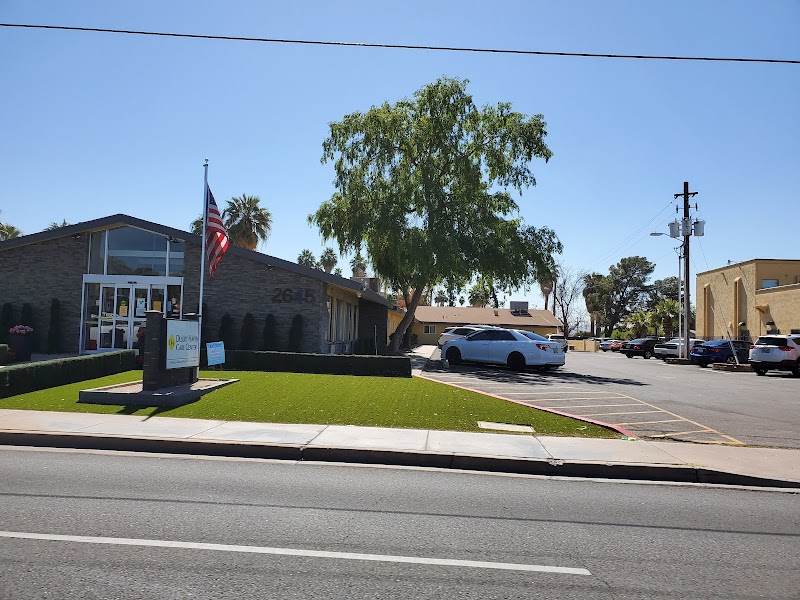
How is Desert Haven Staffed?

CMS rates DESERT HAVEN CARE CENTER's staffing level at 4 out of 5 stars, which is above average compared to other nursing homes. Staff turnover is 24%, compared to the Arizona average of 46%. This relatively stable workforce can support continuity of care.

What Have Inspectors Found at Desert Haven?

State health inspectors documented 25 deficiencies at DESERT HAVEN CARE CENTER during 2021 to 2024. These included: 1 that caused actual resident harm, 23 with potential for harm, and 1 minor or isolated issues. Deficiencies causing actual harm indicate documented cases where residents experienced negative health consequences.
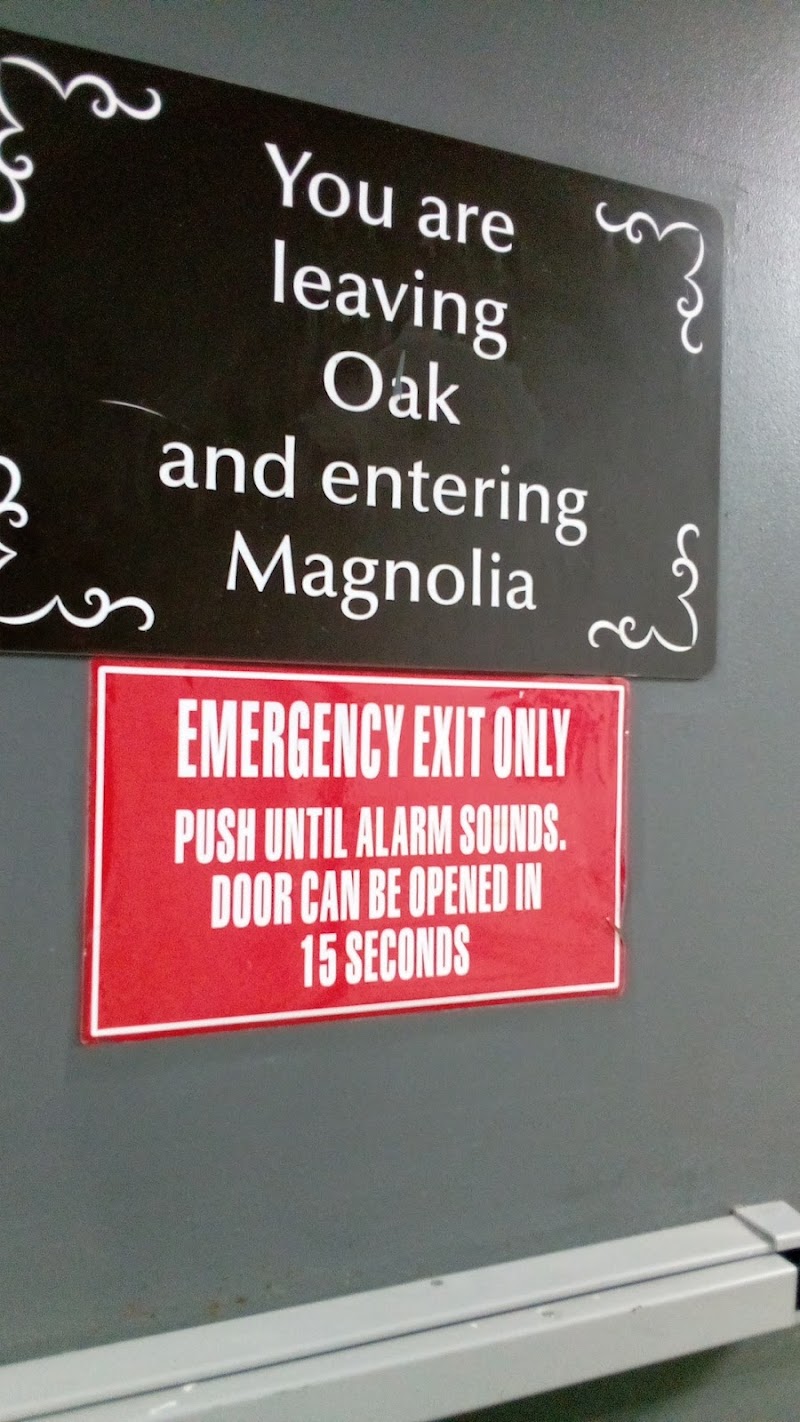
Who Owns and Operates Desert Haven?

DESERT HAVEN CARE CENTER is owned by a for-profit company. For-profit facilities operate as businesses with obligations to shareholders or private owners. The facility operates independently rather than as part of a larger chain. With 115 certified beds and approximately 78 residents (about 68% occupancy), it is a mid-sized facility located in PHOENIX, Arizona.

How Does Desert Haven Compare to Other Arizona Nursing Homes?

Compared to the 100 nursing homes in Arizona, DESERT HAVEN CARE CENTER's overall rating (3 stars) is below the state average of 3.3, staff turnover (24%) is significantly lower than the state average of 46%, and health inspection rating (2 stars) is below the national benchmark.

What Should Families Ask When Visiting Desert Haven?

Based on this facility's data, families visiting should ask: "Can I visit during a mealtime to observe dining assistance and food quality?" "How do you handle medical emergencies, and what is your hospital transfer rate?" "Can I speak with family members of current residents about their experience?"

Is Desert Haven Safe?

Based on CMS inspection data, DESERT HAVEN CARE CENTER has a clean safety record: no substantiated abuse findings (meaning no confirmed cases of resident harm), no Immediate Jeopardy citations (the most serious violation level indicating risk of serious injury or death), and is not on the Special Focus Facility watch list (a federal program monitoring the lowest-performing 1% of nursing homes). The facility has a 3-star overall rating and ranks #100 of 100 nursing homes in Arizona. While no facility is perfect, families should still ask about staff-to-resident ratios and recent inspection results during their visit.

Do Nurses at Desert Haven Stick Around?

Staff at DESERT HAVEN CARE CENTER tend to stick around. With a turnover rate of 24%, the facility is 21 percentage points below the Arizona average of 46%. Low turnover is a positive sign. It means caregivers have time to learn each resident's needs, medications, and personal preferences. Consistent staff also notice subtle changes in a resident's condition more quickly.

Was Desert Haven Ever Fined?

DESERT HAVEN CARE CENTER has been fined $8,018 across 1 penalty action. This is below the Arizona average of $33,159. While any fine indicates a compliance issue, fines under $50,000 are relatively common and typically reflect isolated problems that were subsequently corrected. Families should ask what specific issues led to these fines and confirm they've been resolved.

Is Desert Haven on Any Federal Watch List?

DESERT HAVEN CARE CENTER is not on any federal watch list. The most significant is the Special Focus Facility (SFF) program, which identifies the bottom 1% of nursing homes nationally based on persistent, serious quality problems. Not being on this list means the facility has avoided the pattern of deficiencies that triggers enhanced federal oversight. This is a positive indicator, though families should still review the facility's inspection history directly.