DESERT PEAK CARE CENTER
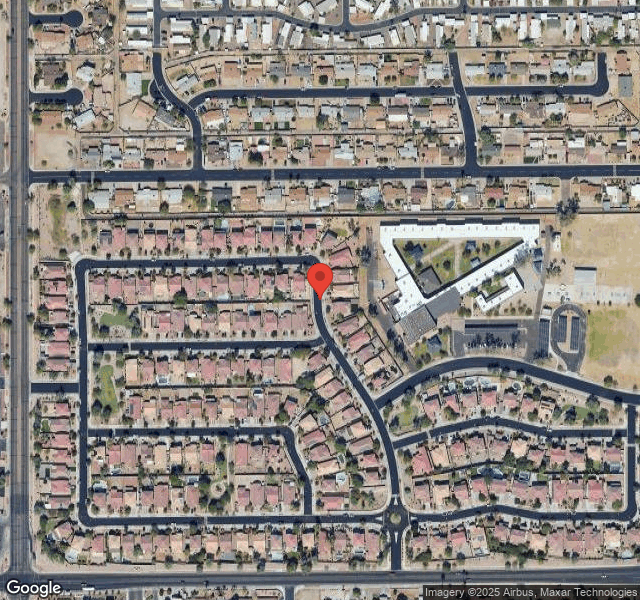
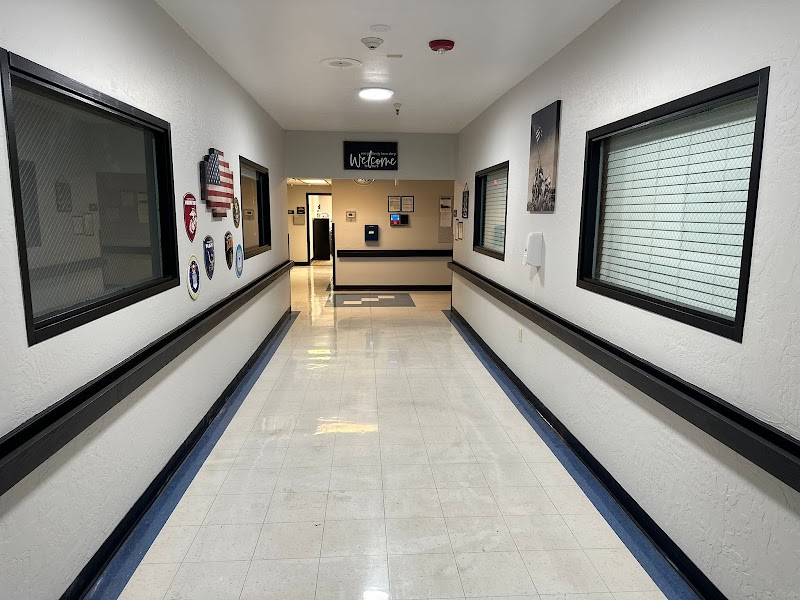
8825 SOUTH 7TH STREET, PHOENIX, AZ 85042 (602) 243-6121
For profit - Corporation 194 Beds Independent Data: November 2025
Trust Grade
0/100
#128 of 139 in AZ
Last Inspection: January 2025

Within standard 12-15 month inspection cycle. Federal law requires annual inspections.

Overview

Desert Peak Care Center has received a Trust Grade of F, indicating significant concerns about the facility's care quality. Ranking #128 out of 139 in Arizona places it in the bottom half of nursing homes, and it's #74 out of 76 in Maricopa County, meaning there are very few local options that fare better. The facility's trend is worsening, with reported issues increasing from 3 in 2024 to 13 in 2025. While staffing is relatively strong with a rating of 4 out of 5 stars, the turnover rate is 50%, which is average but still raises concerns about consistency in care. However, the facility has incurred fines totaling $152,077, which is alarming and indicates ongoing compliance problems. Recent inspections revealed serious incidents, including one resident who suffered a major injury during a hoyer lift transfer and another who was hospitalized and had a leg amputated due to inadequate care. Additionally, a resident experienced a fall from a lack of adequate supervision, posing further risks to safety. Overall, while there are some strengths in staffing, the numerous serious deficiencies and poor rankings highlight significant weaknesses that families should consider carefully.

Trust Score
F
0/100
In Arizona
#128/139
Bottom 8%
Safety Record
High Risk
Review needed
Inspections
Getting Worse
3 → 13 violations
Staff Stability
⚠ Watch
50% turnover. Above average. Higher turnover means staff may not know residents' routines.
Penalties
○ Average
$152,077 in fines. Higher than 54% of Arizona facilities. Some compliance issues.
Skilled Nurses
⚠ Watch
Each resident gets only 23 minutes of Registered Nurse (RN) attention daily — below average for Arizona. Fewer RN minutes means fewer trained eyes watching for problems.
Violations
⚠ Watch
38 deficiencies on record. Higher than average. Multiple issues found across inspections.
★☆☆☆☆
1.0
Overall Rating
★★★★☆
4.0
Staff Levels
★★★☆☆
3.0
Care Quality
★☆☆☆☆
1.0
Inspection Score
Stable
2024: 3 issues
2025: 13 issues

The Good

  • 4-Star Staffing Rating · Above-average nurse staffing levels
  • Full Sprinkler Coverage · Fire safety systems throughout facility
  • No fines on record

Facility shows strength in staffing levels, fire safety.

The Bad

1-Star Overall Rating

Below Arizona average (3.3)

Significant quality concerns identified by CMS

Staff Turnover: 50%

Near Arizona avg (46%)

Higher turnover may affect care consistency

Federal Fines: $152,077

Well above median ($33,413)

Significant penalties indicating serious issues

The Ugly 38 deficiencies on record

5 actual harm
Jun 2025 1 deficiency
CONCERN (D) 📢 Someone Reported This

A family member, employee, or ombudsman was alarmed enough to file a formal complaint

Potential for Harm - no one hurt, but risky conditions existed

Free from Abuse/Neglect (Tag F0600)

Could have caused harm · This affected 1 resident

**NOTE- TERMS IN BRACKETS HAVE BEEN EDITED TO PROTECT CONFIDENTIALITY** Based on interviews, review of records, and review of facility policy and procedure, the facility failed to ensure a resident (#...

Read full inspector narrative →
**NOTE- TERMS IN BRACKETS HAVE BEEN EDITED TO PROTECT CONFIDENTIALITY** Based on interviews, review of records, and review of facility policy and procedure, the facility failed to ensure a resident (#5) was not abused by another resident (#10). The deficient practice could lead to psychosocial or physical harm of a resident. -Regarding Resident #5 (alleged victim):Resident #5 was admitted to the facility November 30, 2023, with diagnoses that included schizoaffective disorder, bipolar type, post-traumatic stress disorder, unspecified, schizoaffective disorder, unspecified, unspecified dementia, unspecified severity, without behavioral disturbance, psychotic disturbance, mood disturbance, and anxiety, borderline personality disorder.Review of the quarterly minimum data set (MDS) assessment dated [DATE] revealed a Brief Interview for Mental Status (BIMS) score of 13 indicating cognition is intact. Further review revealed no indicators for mood or behaviors.Review of the Care Plan revealed a focus for behavior problem which includes cares in pairs. Interventions included praise any indication of the resident's progress/improvement in behavior.Review of the Behavioral Care Plan effective June 5, 2025 revealed current behavior for verbal aggression towards staff and peers. Interventions included redirection to a quiet area or preferred activity to de-escalate, space if needed, while ensuring the safety of others. A Nurses Note dated June 19, 2025, revealed writer notified by staff of alleged altercation with res. roommate. Res. stated roommate walked behind him and hit him with an open hand in the back of the head. Writer observed res. no open areas, redness, swelling noted to area of alleged hit. Writer notified administrator, DON, APS, DHS and phoenix police department (Police report number: 2025-901621). -Regarding Resident #10 (alleged perpetrator):Resident #10 was admitted to the facility June 19, 2025 and discharged [DATE], with diagnoses that included unspecified dementia, moderate, with other behavioral disturbance, anxiety disorder, unspecified.An admission MDS assessment dated [DATE], revealed the resident had a brief interview for mental status (BIMS) score of 3, indicating severe cognitive impairment.A baseline care plan dated June 19, 2025, revealed Resident #10 revealed no behavioral concerns.Review of behavior charting nurse assessment dated [DATE] revealed agitation/aggression (verbal/physical towards others - Hitting, Kicking, grabbing, throwing objects, etc.) displayed. Detailed observed behaviors documented as resident expressed his frustrations by hitting another resident. Outcome documented as resident Sent out to hospital for a psych evaluation.A Daily Skilled assessment dated [DATE], revealed Resident #15 was alert with confusion to place, time, and situation. The assessment indicated No behavior issues noted. No change of condition was noted today, and there was no evidence of additional notes or follow-up regarding the interaction with Resident #10.An interview was conducted on June 25, 2025, at 2:07 PM, with Resident #5, who stated I was sitting in my wheelchair in my room and he (my new roommate) came up behind me and hit me in the back of my head, he was calling me names. The nurse tried to stop him, but he hit her or pushed her too. I had a headache for about five days. He hit me with his fist, I asked for Tylenol afterwards and they moved him out of my room. Resident stated he no longer had any contact with the resident asked to file charges and spoke to the police following the incident. Resident reported feeling safe in the facility and would report any further incidents to his family and to his nurseAn interview was conducted with Registered Nurse (RN / Staff #15) on June 25, 2025, at 2:27 PM. Staff #15 stated that he observed certified nursing assistant (CNA/Staff #20) standing next to resident #10 who was standing behind resident #5 who was sitting in his wheelchair and asked resident #10 to go back to his side of the room and finish his meal. Staff #15 stated Staff #20 reported to him that resident #10 got up and hit resident #5 in the back of the head. RN / Staff #15 stated neuro checks, skin assessment and vital signs were completed with no noted redness to the back of the head and no injuries noted for resident #10. RN / Staff #15 stated he administered Tylenol for resident #5 following the incident, who had no complaints of pain, but did state when resident #10 hit him, it hurt. RN / Staff #15. RN / Staff #15 stated residents #5 and #10 were new roommates, therefore no prior incidents. Stating resident #10 came to the unit five hours prior, as a new admit. RN / Staff #15 stated some of the behaviors received in report were sexual, physical and verbal and staff monitored the behaviors by keeping an eye on the resident who was wandering the unit, so it made it difficult. RN / Staff #15 stated resident #10 became aggressive after an hour and was placed on 1:1 for trying to exit.An interview was conducted with (CNA/Staff #20) on June 25, 2025, at 2:27 PM who observed the alleged altercation. Staff #20 stated the incident happened at dinner time, in their room and they were roommates. Staff #20 stated she was doing one on one with resident #10 due to elopement concerns. Staff #20 state she had served resident #10 his meal when resident #5 started yelling for a CNA complaining that he did not get his fish for dinner. Staff #20 stated resident #5 was not listening and kept yelling for his fish after being told they would go get it for him. - Staff #20 stated resident #10 started cussing and told resident #5 if did not stop yelling he was going to beat his a** and if you don't like the food I cooked don't eat it. Staff #20 stated both residents #5 and #10 started yelling at each other when resident #10 became upset, pushed aside the bedside table and went to bed B where resident #5 was sitting in a wheelchair by his bed and told him if he did not stop and shut the F***up he would F*** him up. Staff #20 she could not get between them, stating resident #10 was too strong, I was afraid for my own safety because he was very strong when resident #10 hit resident #5 with an open hand hit him on the back of the head with a hard a hit that made a sound. Staff #20 stated resident #5 yelled ouch. Staff #20 stated she called for help as soon as resident #5 got up and pushed her and kept calling for help when RN / Staff #15 and Licensed Practical Nurse (LPN/Staff #40) came in to help. Staff #20 stated when the nurses came in resident #5 was very upset and said that he was in pain and was observed holding his head where he got hit. Staff #20 both residents were separated and Valleywise was called and resident #10 was taken from the facility. Staff #20 stated that resident #10 K kept saying he got what he deserved. Staff #20 stated she stayed with resident #10 until he was picked up with no further interaction with resident #5.An interview was conducted with (RN/Staff #25) on June 25, 2025, at 3:30 PM. Staff #25 stated took the admitting report and was provided with information regarding resident #10 behaviors that included aggression with triggers. Staff #25 stated at admission resident #10 was nice, but resident #5 started with him and that he did not want a roommate Staff #25 stated resident #5 was not nice to resident #10. Staff #25 stated resident #5 was an exit seeker and was placed on 1:1 because of it. An interview was conducted with the Director of Nursing (DON / Staff #50) on June 25, 2025, at 3:46 PM AM. The DON stated that resident #10 was admitted and discharged on June 19, 2025. The DON stated resident #10 was receiving 1:1 supervision due to wanting to exit the unit. The DON stated she was informed by staff that resident #10 thought his child needed taken care of when he pushed the CAN out of the way and slapped resident #5 in the back of the head. The DON stated the facility was unaware of the resident's prior behaviors. The DON stated it is her expectation and the facility process to separate residents for any alleged altercations, provided 1:1 if needed and to notify all parties. Review of the facility policy titled Abuse Policy, revised December 2016 revealed residents have the right to be free from abuse, neglect, misappropriation of resident property and exploitation. This includes but is not limited to freedom from corporal punishment, involuntary seclusion, verbal, mental, neglect, deprivation of goods or services, or physical abuse, and physical or chemical restraint not required to treat the resident's symptoms.Abuse is the willful infliction of injury, unreasonable confinement, intimidation, or punishment with resulting physical harm, pain or mental anguish.
Apr 2025 1 deficiency 1 Harm
SERIOUS (G) 📢 Someone Reported This

A family member, employee, or ombudsman was alarmed enough to file a formal complaint

Actual Harm - a resident was hurt due to facility failures

Accident Prevention (Tag F0689)

A resident was harmed · This affected 1 resident

**NOTE- TERMS IN BRACKETS HAVE BEEN EDITED TO PROTECT CONFIDENTIALITY** Based on observation, interviews, review of the clinical record, and review of facility policy and procedure, the facility faile...

Read full inspector narrative →
**NOTE- TERMS IN BRACKETS HAVE BEEN EDITED TO PROTECT CONFIDENTIALITY** Based on observation, interviews, review of the clinical record, and review of facility policy and procedure, the facility failed to ensure one resident (#6) was prevented from an accident during a hoyer transfer with major injury, and from sustaining an avoidable fall from a wheelchair with major injury. The deficient practice could lead to residents being physically harmed, with major injuries or death. Findings Include: -Regarding Resident #6's accident during a hoyer transfer: Resident #6 was initially admitted to the facility June 21, 2024, with diagnoses that included unspecified dementia with other behavioral disturbance, depression, type 2 diabetes mellitus, hypotension, chronic obstructive pulmonary disease, and chronic kidney disease. Review of a care plan dated July 6, 2024, revealed the resident has an activity of daily living (ADL) deficit and requires a hoyer lift for transfers. An additional care plan dated July 5, 2024, revealed Resident #6 is at risk for behaviors due to dementia, with interventions to anticipate and meet the resident's needs, caregivers to provide opportunity for positive interaction and attention, stop and talk to the resident as passing by, explain all procedures to the resident before starting and allow the resident time to adjust, and intervene as necessary to protect the rights and safety of others. There was no evidence of a care plan to specifically address behaviors demonstrated during hoyer transfers. A physician Encounter Note dated January 3, 2025, revealed the physician was called to see the resident for a fall from hoyer. The resident was reportedly moving around in the hoyer, when a loop came unhooked from the hoyer, causing the resident to slip out and land face down. The resident sustained a head strike with two lacerations on the forehead, and a contusion/abrasion to the right elbow and right knee. The resident has right knee pain and possible right distal femur deformity, with concerns for femur/knee fracture. EMS arrived. A Nurses Note dated January 3, 2025, revealed the resident had fallen while being transferred using a hoyer lift. The resident was laying on the floor on her back, and was bleeding from two lacerations to her head, and on her right knee. The provider was called and entered the facility shortly, and 911 was called and came for the resident at 11:02 AM. Before the fall, the resident was wiggling and yelling out to everyone that passed by her room to get her up and the resident was told she would be up by lunch time, but continued yelling. The resident was re-admitted to the facility from the hospital on January 7, 2025, with additional diagnoses of nondisplaced transverse fracture of right patella, and displaced articular fracture of head of right femur. A Nurses Note dated January 7, 2025, revealed the resident has an immobilizer brace to the right lower extremity, and to continue non-weightbearing. A physician Encounter Note dated January 8, 2025, revealed Resident #6 had a fall out of a hoyer lift on January 2, 2025, and sent out to the hospital for evaluation. Imaging found a right distal femur fracture and a right patellar fracture, to be treated conservatively with a leg immobilizer brace. On April 14, 2025, at 11:53 AM, a formal request was made to the facility for the incident report and risk management report for Resident #6 for the fall from hoyer incident in January 2025. The administrator signed a statement that incident reports are internal use only and would not be available to be reviewed. An observation was conducted of the hoyer lift on the resident's unit on April 14, 2025, at approximately 1:15 PM. The hoyer lift had hooks that pointed upward by approximately 3-4 inches so that the loop of a hoyer sling could not come off the hook unless it was unweighted and lifted off, or if the loop was not fully hooked or seated correctly on the hook. An interview was conducted with a Certified Nursing Assistant (CNA / Staff #36) on April 14, 2025, at 12:26 PM. Staff #36 stated that the facility requires two staff to operate a hoyer lift for safety during transfers. Staff #36 stated that she was not present at the time of Resident #6's fall from the hoyer, however Staff #36 stated she heard that there were two staff present and questioned, how did that happen?, however was never informed how the incident happened. Staff #36 stated that the resident returned from the hospital with a bruise on her head and a fracture from the fall. An interview was conducted with a Registered Nurse (RN / Staff #80) on April 14, 2025, at 12:49 PM. Staff #80 stated that in January 2025, Resident #6 had a fall from a hoyer lift transfer, and that she was not sure how it happened, whether the sling strap tore or that the hoyer strap loop came off the hook. Staff #80 stated that the resident moves in the hoyer sometimes. Staff #80 stated that the two CNAs who were assisting the resident during the hoyer lift incident were Staff #45 and Staff #62. An interview was conducted with the Director of Rehab and Occupational Therapy Assistant (DOR / Staff #16) on April 14, 2025, at 1:07 PM. The DOR stated that she was familiar with Resident #6 and that she was aware the resident had a fall from the hoyer lift in January 2025. The DOR stated it was discussed in an IDT meeting the following day that Resident #6 was being transferred in a hoyer lift and was displaying behaviors and somehow wiggled herself out of the hoyer sling. The DOR stated that she could see how if someone was flailing in a hoyer sling, then they could possibly work themselves out of the hoyer sling. The DOR also stated that Resident #6 has moderately to severely contracted knees, which significantly limits her movement, and the resident cannot stand or walk. A telephonic interview was conducted with a CNA (Staff #62) on April 14, 2025, at 1:38 PM. Staff #62 stated that she was assisting with the hoyer transfer at the time of the incident. Staff #62 stated that Staff #45 had the resident on the hoyer lift and that Resident #6 was shaking and jiggling the straps of the hoyer sling with her hands. Staff #62 stated that the resident was up in the lift, and Staff #62 then turned around to get the wheelchair and position it. Staff #62 stated by the time she turned around again, one of the sling loops came off the hoyer lift hooks and the resident fell to the ground and hit her leg on the ground, and her head was injured. She stated that the position of the other CNA, Staff #45, at the time of the fall, was standing behind the main upright beam of the hoyer lift, so that the beam was between Staff #45 and the resident in the sling. After the resident's fall, the staff got the nurse right away. A phone call was placed to a CNA (Staff #45), for an interview on April 14, 2025, at 1:39 PM, and a voicemail was left for a return call. The staff did not return the call. An interview was conducted with an Assistant Director of Nursing (ADON / Staff #71) on April 14, 2025, at 2:31 PM. Staff #71 stated that she was aware that Resident #6 had a fall from a hoyer lift in January 2025. Staff #71 stated that she heard of the incident the following morning in the clinical meeting. Staff #71 stated that she did not know what happened during the incident, or how the fall occurred. An additional interview was conducted with an Assistant Director of Nursing (ADON / Staff #29) on April 14, 2025, at 2:41 PM. Staff #29 stated that Resident #6's fall from the hoyer in January 2025, happened before she started her employment with the facility. Staff #29 stated that the resident tends to move around and reach for things during hoyer transfers. Staff #29 stated she was not aware of how Resident #6's fall from the hoyer occurred. A telephonic interview was conducted with Resident #6's responsible party and power of attorney (POA) on April 14, 2025, at 2:57 PM. The POA stated that the facility called him in January, 2025, to inform him of the resident's fall. He stated that he was told by facility staff that the resident fell while reaching and that the staff did not witness it. He stated as an outcome, the resident had lacerations on her forehead and a fracture. An interview was conducted with the Director of Maintenance (Staff #8) on April 14, 2025, at 3:12 PM. Staff #8 stated that if there is an issue with a hoyer lift, that staff will report it, and he will look at the hoyer. He stated that no staff reported an issue with the hoyer lift on Resident #6's unit. An interview was conducted with the Director of Nursing (DON / Staff #86) on April 14, 2025, at 3:37 PM. The DON stated that she has been employed by the facility since February 17, 2025, and prior to that date, the DON position was held by Staff #90, who was no longer employed by the facility. The DON stated that residents and/or staff could be injured if staff does not follow established procedure when using equipment. She stated that she was aware that Resident #6 had a fall from a hoyer lift in January that resulted in a fracture, however she stated that she did not know any further details, and that it was not discussed by the facility. The DON stated that she was not aware of any corrective action that took place. A call was placed on April 14, 2025, at 3:51 PM, to the former DON (Staff #90) for an interview. A voicemail was left for a return call. The staff member did not return the phone call. -Regarding Resident #6's fall from a wheelchair: A quarterly minimum data set (MDS) assessment dated [DATE], revealed Resident #6 had a brief interview for mental status (BIMS) score of 00, indicating the resident had severe cognitive impairment. Additionally, the assessment revealed the resident had a fall within the recent 2-6 months. A care plan dated July 6, 2024, revealed the resident is at risk for falls due to dementia, with interventions to be sure the residents call light is within reach, ensure appropriate footwear when mobilizing in wheelchair, anticipate and meet the resident's needs, and that the resident needs a safe environment on a secured dementia unit. An additional intervention to the fall risk care plan, initiated April 9, 2025, indicated to adjust Roho cushion to wheelchair to minimize falls. An additional care plan, dated July 2, 2024, revealed the resident is an elopement risk / wanderer due to dementia, with interventions to assess for fall risk, identify pattern of wandering, and to provide structured activities: toileting, walking inside and outside, and reorientation strategies. There was no evidence of a care plan specifying the quantity or times that the resident required supervision from staff. A Behavior Note dated March 2, 2025, revealed the resident was going into other resident's rooms and taking their belongings. A Psychotherapy Note dated March 3, 2025, revealed the resident tends to take items from around the unit and store them in her drawers. A Nurses Note dated April 8, 2025, revealed staff heard shouting coming from a room and observed Resident #6 lying on the floor in the fetal position in another resident's room. The extra wheelchair cushion provided had slid off of the wheelchair with the resident at the time of the fall. The resident sustained a skin tear and bruising to left hand, bruising to left elbow, and a bump to left forehead. Notifications were made to the POA and physician. A Radiology Report dated April 9, 2025, revealed an x-ray of the left ankle with findings: comminuted, displaced and angulated distal fractures of the tibia and fibula. A physician Encounter Note dated April 9, 2025, revealed the resident was being seen to follow up on a fall from wheelchair. The resident had acute tibia and fibula fractures with a recommendation to send out to the emergency department to evaluate and treat the fractures. A Therapy Screen Note dated April 9, 2025, revealed the screen was being completed status post fall. No changes noted at this time as the resident continues to require supervision for wheelchair mobility via manual wheelchair. Dycem (non-slip sheet material) is noted under the Roho cushion to reduce movement, as the Roho is needed to maintain skin integrity. Therapy not warranted at this time. A physician order dated April 9, 2025, indicated to send the resident out to the hospital for evaluation of acute pain and swelling post fall. On April 14, 2025, at 11:53 AM, a formal request was made to the facility for the incident report and risk management report for Resident #6 for the fall from wheelchair in April 2025. The facility administrator signed a statement that incident reports are internal use only and would not be available to be reviewed. An interview was conducted with a Certified Nursing Assistant (CNA / Staff #36) on April 14, 2025, at 12:26 PM. Staff #36 stated that staff supervise residents who require it, and that it is relayed in report between shifts which residents need supervision. Staff #36 stated that if they see a resident somewhere they should not be, then staff remove them from the location. Staff #36 stated that all the residents on Resident #6's unit require supervision because it is a dementia unit. Staff #36 stated that Resident #6 wanders around the unit and takes things from other residents' rooms. Additionally, Staff #36 stated she was aware that Resident #6 had fallen from her wheelchair on April 8, 2025, and that the resident was sent to the hospital. Staff #36 stated she did not know any further details. An interview was conducted with a Registered Nurse (RN / Staff #80) on April 14, 2025, at 12:49 PM. Staff #80 stated that Resident #6 normally wanders into other resident' rooms, she steals things, and starts giggling. Staff #80 stated that Resident #6 was alone in another resident's room, when Staff #80 heard a yell, and three staff members ran to the room. Staff #80 stated that the resident had a new wheelchair cushion from therapy, and recently just before this fall incident, the resident had a near fall from the cushion. Staff #80 stated that she observed the resident on the floor on her side and the cushion was on the floor with the resident, as if the resident had slid out. Further, Staff #80 stated that there was only one piece of dycem under the first wheelchair cushion, and that there were two wheelchair cushions present. Additionally, Staff #80 stated that there should have been a second piece of dycem between the first and second wheelchair cushions prevent it from sliding out. An interview was conducted with the Director of Rehab and Occupational Therapy Assistant (DOR / Staff #16) on April 14, 2025, at 1:07 PM. The DOR stated that she had issued Resident #6 a Roho cushion, and there was concern that the cushion was sliding, and then after the resident fell, staff removed the cushion. The DOR stated that she looked at the wheelchair the following morning after the fall, and there was only one wheelchair cushion at that time. The DOR stated that no staff had reported to her that there had been two wheelchair cushions in the wheelchair, and if there were, then it would be a safety concern. The DOR further stated that when there are two cushions in the wheelchair, it brings the resident up higher in the chair in relation to the armrests, and increases the likelihood for a fall. An interview was conducted with an Assistant Director of Nursing (ADON / Staff #71) on April 14, 2025, at 2:31 PM. Staff #71 stated that Resident #6 is very busy, in and out of other resident's rooms, getting into other residents' belongings. Staff #71 stated Resident #6 requires lots of supervision and redirection, as well as frequent checks. Additionally, Staff #71 stated that last week, the resident fell from her wheelchair, and that staff said that there was a cushion in her wheelchair that contributed to her fall, so the wheelchair cushion was removed from the chair. An interview was conducted with an Assistant Director of Nursing (ADON / Staff #29) on April 14, 2025, at 2:41 PM. Staff #29 stated that Resident #6 does wander into other residents' rooms and takes their belongings. In regard to the resident's fall on April 8, 2025, Staff #29 stated that the nurse was in another room when the resident fell in another resident's room. The ADON stated that the clinical team discussed the fall, and it was determined that the Roho cushion may have been the reason why the resident fell. Staff #29 stated that Roho cushions are much thicker and position the resident higher than other wheelchair cushions, and the Roho cushion had just been put in Resident #6's wheelchair recently. Staff #29 stated that once the clinical team reviewed the fall, it was decided to not have the resident use the Roho cushion, and it was removed. After the fall, the resident went to the hospital, and Staff #29 stated that the nurse called the hospital and received report that Resident #6 did have tibia and fibula fractures. Also, Staff #29 stated that there were no staff in-services done after the resident's fall. An interview was conducted with the Director of Nursing (DON / Staff #86) on April 14, 2025, at 3:37 PM. The DON stated that the facility protects residents from accidents by trying to keep them out of rooms as much as possible, and to check on residents as frequently as staff can. The DON also stated that staff supervise residents with known behaviors, and that it should be specified in the resident's care plan how much supervision that the resident requires. The DON stated that Resident #6 has dementia and wanders in her wheelchair. Regarding the resident's fall on April 8, 2025, the DON stated that the resident fell due to her cushion in her wheelchair and that the resident slid out. The DON stated that we added dycem so the resident would not slip. As an outcome, the DON stated that the resident went out to the hospital and was treated for tibia and fibula fractures. The DON stated that there were not any staff trainings or in-services after the fall incident. Review of the facility's manufacturer's instructions for the hoyer lift on Resident #6's unit, titled EZ Way Smart Lift, 500, 600, and 1,000 lb Capacities, Operator's Instructions, revised August 10, 2018, revealed that all washable EZ Way Slings are capable of bearing a 1,000 lb. weight load. EZ Way slings are made specifically for EZ Way Smart Lifts, for the safety of patients, only EZ Way slings should be used with EZ Way lifts. A pre-operation check should be completed before operating the unit. Ensure the sling is not ripped, frayed, or showing signs of wear. When attaching the sling to the lift, make a final check of all four loop attachment points to ensure each loop is sufficiently attached to the respective hook of the hanger bars. When lifting the patient, push the UP button, continue the upward motion until there is tension on the sling legs, making sure all the loops on the sling are securely hooked on the hanger bars. Review of the facility's policy titled Behavioral Assessment, Intervention and Monitoring, revised March 2019, revealed the IDT will evaluate behavioral symptoms in residents to determine the degree of severity, distress and potential safety risk to the resident, and develop a plan of care accordingly. Safety strategies will be implemented immediately if necessary to protect the resident and others from harm. Review of the facility policy titled Accidents and Incidents - Investigating and Reporting, revised July 2017, revealed all accidents and incidents involving residents shall be investigated and reported to the administrator. The Incident/Accident Report shall include, as applicable: the date and time the incident took place, the nature of injury, the circumstances surrounding the accident or incident, any corrective action taken, follow-up information, and other pertinent data as necessary. Review of the facility policy titled Fall Risk Assessment, revised March 2018, revealed the nursing staff, physician, and therapy staff will establish a resident-centered falls prevention plan based on relevant assessment information. The staff will evaluate functional, psychological, and environmental factors that may increase fall risk. The staff and physician will collaborate to identify and address modifiable risk factors, and interventions to try to minimize the consequences of risk factors that are not modifiable.
Apr 2025 1 deficiency
CONCERN (E) 📢 Someone Reported This

A family member, employee, or ombudsman was alarmed enough to file a formal complaint

Potential for Harm - no one hurt, but risky conditions existed

Free from Abuse/Neglect (Tag F0600)

Could have caused harm · This affected multiple residents

**NOTE- TERMS IN BRACKETS HAVE BEEN EDITED TO PROTECT CONFIDENTIALITY** Based on resident and staff interviews, clinical record reviews, and review of facility documentation, the facility failed to pr...

Read full inspector narrative →
**NOTE- TERMS IN BRACKETS HAVE BEEN EDITED TO PROTECT CONFIDENTIALITY** Based on resident and staff interviews, clinical record reviews, and review of facility documentation, the facility failed to protect the rights of four residents (#2, #4, #6, #8, and #10) to be free from physical abuse by another resident (#2 and #10). The deficient practice could result in residents subjected to continued abuse. Findings include: Regarding residents #2 and #4: -Resident #2 was admitted to the facility on [DATE] with diagnosis including major depressive disorder, recurrent severe without psychotic features, generalized anxiety disorder, Alzheimer's disease, unspecified, unspecified dementia, unspecified severity, with other behavioral disturbance. A behavioral treatment care plan dated January 30, 2025 revealed current behaviors for resistance to care, self-isolation and physical aggression. Past behaviors included Refusal of care, withdrawn, self-isolation, worry, restless, somatic delusions, and moody. Interventions included staff should approach resident #2 with a calm, reassuring demeanor to minimize physical aggression. Use a gentle tone, slow movements, and clear, simple communication to reduce confusion and agitation. Identify potential triggers, such as discomfort, frustration, or overstimulation, and adjust the environment accordingly. If aggression occurs, avoid confrontation, provide space, and allow her time to regulate A care plan revised on May 6, 2024 revealed a focus for behavior problems. Interventions included administering medications as ordered, intervening as necessary to protect the rights and safety of others, approach and speak to the resident in a calm manner, divert their attention, remove from situation and take to alternate location as needed. The quarterly MDS (minimum data set) assessment dated [DATE] revealed a BIMS (Brief Interview for Mental Status) score of 15, indicating resident had intact cognition. Further review of the MDS revealed the resident had no indicators for mood or behaviors. A behavior progress note dated March 22, 2025 revealed resident #2 upset with roommate, resident #4 for not closing the bathroom door. Resident #2 was yelling at resident #4 in Spanish to shut the bathroom door. Demanding and verbally aggressive with resident #4. Staff Would continue with frequent rounding. A behavior progress note dated March 25, 2025 revealed that a staff nurse witnessed resident #2 had altercation with roommate, resident #4 at 5:45am inside residents' room. A psych follow-up note dated March 25, 2025 revealed nurse practitioner presented for an urgent psychiatric follow-up with resident #2. She recently experienced a conflict with her roommate that escalated over prolonged use of the bathroom and resulted in a physical altercation. Following the incident, Resident #2 refused hospitalization and displayed verbal and physical aggression towards the staff. Consequently, she is now under 1:1 supervision. Despite her agitation, resident #2 refused her morning medications but was willing to take her afternoon dose, although her compliance remains intermittent. -Resident #4 was admitted to the facility September 23, 2029 with diagnosis including paranoid schizophrenia, post-traumatic stress disorder, unspecified, age-related osteoporosis without current pathological fracture. A behavioral treatment care plan dated October 20, 2024 revealed current behaviors for delusional beliefs, medication refusal, verbal aggression/inappropriate gestures, ADL care refusal and hoarding of cups. Known triggers are patients or staff entering her personal space. Past behaviors included hitting and biting staff, throwing items at staff, pulling the fire alarm, and throwing self on the floor. Interventions included redirecting inappropriate behaviors, attempt to focus on activity or reality-based subject, keep distanced from other residents when irritable or attempting to instigate and ask to calm down in her room. A care plan-initiated September 7, 2022 and revised on April 23, 2024 revealed a focus for behavior problems related to paranoid schizophrenia. Interventions include administer medications as ordered, monitor behavior episodes and attempt to determine underlying cause, intervene as necessary to protect the rights and safety of others, approach and speak in a calm manner, divert attention, remove from situation and take to alternate location as needed. The quarterly MDS assessment dated [DATE] revealed a BIMS score of 10 suggesting moderate cognitive impairment, further review of the MDS revealed the resident had no indicators for mood or behaviors. A behavior progress note dated March 25, 2025 revealed that a staff nurse witnessed resident #2 had altercation with roommate, resident #4 at 5:45am inside residents' room. A progress note dated March 28, 2025 revealed after altercation a head to toe assessment was completed, no abnormalities or injuries noted/reported. Resident refused vital [NAME], denied pain/discomfort, no needs at this time. Review of the facility investigation with discover date of March 25, 2025 included that resident #4 was interviewed. Per the documentation, resident #4 reported had taken longer than usual in the bathroom and resident #4 was tempted by the devil to strike me so she did and the nurse witnessed it. Continued review of the facility investigation included that the facility identified the incident as one resident hitting the other. The facility substantiated the resident to resident abuse. An interview was conducted April 1, 2025 with Licensed Practical Nurse (LPN/Staff #22) on April 1, 2025 at 3:05 pm. Staff #22 stated the incident between resident's #2 and #4 happened near the bathroom. Staff #22 stated resident #2 was upset, using hand gestures indicating the bathroom door-Staff #22 stated she opened up the bathroom door as resident #4 was coming out the bathroom in her wheelchair, Staff #22 stated resident #2 was standing near the door and as resident #4 came out, resident #2 started to aggressively hit resident #4 in the back of the head. Staff #22 stated resident #2 struck resident #4 about three times and as she tried to grab resident #2 hand she pulled and was very strong and hit resident #4 in the back of the head two more times. Staff #22 stated additional staff came to assist- two certified nursing assistants and a nurse- they helped get resident #2 away from resident #4 by placing resident #4 in the hallway. Staff #22 stated a skin check was done immediately on resident #4 revealing there were no noted injuries. Staff #22 stated the appropriate staff were notified of the altercation. An attempt to interview was conducted on April 1, 2025 at 3:24 pm with resident #4. Resident #4 was asleep and not easily roused. An attempt to interview was conducted on April 1, 2025 at 3:26 pm with resident #2. Resident #2 was not cooperative and not interviewable. Resident stated it's a sin to talk to you. An interview was conducted April 1, 2025 at 3:37pm with Certified Nursing Assistant (CNA/Staff #36). Staff #36 stated she was made aware of the altercation between residents #2 and #4. Staff #36 stated she was informed resident #2 had hit resident #4 on the head because she was taking too long in the bathroom. Staff #36 stated the residents were separated and resident #2 was placed on 1:1 and moved to a different room, with no further altercations. Regarding Resident #6 and #8: -Resident #6 was admitted to the facility January 7, 2025 with diagnosis including epilepsy, unspecified, not intractable, with status epilepticus, hemiplegia and hemiparesis following cerebral infarction affecting left non-dominant side, restless legs syndrome, unspecified mood [affective] disorder, other specified depressive episodes, other personality and behavioral disorders due to known physiological condition. The care plan date-initiated January 14, 2025 with a revision on January 29, 2025 revealed the resident was at risk for behaviors related to mood disorder, cognition. Interventions included administer medications as ordered and intervening as necessary to protect the rights and safety of others. The admission MDS assessment dated [DATE] revealed a BIMS score of 15 indicating the resident cognition was intact; and that, the resident had no indicators for mood or behaviors. A progress note dated March 20, 2025 for psych follow-up revealed that the staff reported that the patient is doing well, taking her medications as prescribed without any reported verbal or physical aggression. Resident #6 is eating and sleeping well. Behavioral documentation was reviewed and is found to be at baseline. Further review revealed documentation that there was an incident involving another resident; however, the patient was not the antagonist, and the issue has been resolved and does not continue to be a concern. Further review of the progress notes revealed an alert note dated March 20, 2025. The note text reported resident is on alert charting for changing shifts. Resident has adjusted well, no complaint of being in her new room. -Resident #8 was admitted to the facility June 30, 2022 with diagnosis including polyneuropathy, unspecified, bipolar disorder, unspecified, major depressive disorder, single episode, severe with psychotic features, mild cognitive impairment of uncertain or unknown etiology, nicotine dependence, cigarettes, uncomplicated. A behavioral treatment care plan dated March 25, 2025 revealed current behaviors for verbal were disruptive behaviors. aggression, cursing and threats. Known triggers were identified as experiencing symptoms of depression. Past behaviors were identified a disruptive sound. Interventions included when exhibiting signs of anxiety, agitation, or restlessness, approach with a calm and soothing demeanor. If resident should become aggressive, provide space and do not confront directly- allow time for de-escalation. The care plan date-initiated September 7, 2022 with a revision on April 3, 2024 revealed the resident has a behavior problem as exhibited by yelling out, using profanities, opens urine bag and drains onto the floor, impaired cognitive function and impaired thought processes related to Bipolar disorder. Interventions include administer medications as ordered. The quarterly MDS assessment dated [DATE] revealed a BIMS score of 06 indicating severe cognitive impairment; and that the resident had no indicators for mood or behaviors. A progress note dated March 21, 2025 revealed a physician encounter reporting resident having some change in behavior- mainly increased irritability and mild increased confusion. Review of the facility investigation with discover date of March 20, 2025 included that both resident #6and #8 were interviewed. Per the documentation, resident #6 reported that resident #8 was jealous of another resident, identified as resident # 12, Resident #6 reported all three residents were outside waiting for smoke break talking, when resident #8 became upset and slapped resident #6 across the left side of her face and then balled up his fists. Resident #8 reported not being able to remember hitting anyone during smoke break. Continued review of the facility investigation included that the facility identified this incident was a verbal argument between residents #6 and #8, but there was no indication of physical contact being made and that the facility was unable to substantiate abuse. An attempt to interview was conducted on April 1, 2025 at 3:03 pm with Registered Nurse (RN/Staff#46). A message was left for a return phone call. An interview was conducted on April 1, 2025 at 3:40 pm with resident #6. Resident #6 stated resident #8 slapped her on the left side of her face and doubled up his fists like he was going to hit me again when resident #12 stood up and stopped him. Resident #6 stated that her face was red for a while where her hit her. The resident stated he called her some names that she chooses not to repeat, but feels that he was jealous of resident #12. An interview was conducted on April 1, 2025 at 3:51 pm with resident #12. Resident #12 stated he was sitting on the patio next to resident #8 who was seated next to resident #6. Resident #12 stated resident #8 called resident #6 some names and four-letter words. Resident #12 stated resident #8 said f*** y** and that resident #6 replied with not in your wildest dreams when resident #8 reached over and slugged her in the face-with a partially closed hand, he hit her twice on her face. Resident #12 stated there was one staff one staff there present. Resident #12 stated resident #6 was very upset and shocked from him smacking her like that. An interview was conducted on April 1, 2025 at 4:03 pm with resident #8. Resident #8 stated I don't remember anything with resident #6. An interview was conducted on April 1, 2025 at 4:24 pm with (CNA/Staff #60) CAN stated she has worked for the facility for 19 years and is familiar with residents #6 and #8. Staff #60 stated resident #8 started having behaviors and was being very aggressive with staff and other residents. Staff #60 stated resident #8 was moved to another unit due to the behaviors. Staff #60 stated she did not observe the incident, but was given report that that resident #8 had on the smoking patio. Staff #60 stated this behavior was out of character for resident #8. Regarding Residents # 8 and #10: -Resident #8 was admitted to the facility June 30, 2022 with diagnosis including polyneuropathy, unspecified, bipolar disorder, unspecified, major depressive disorder, single episode, severe with psychotic features, mild cognitive impairment of uncertain or unknown etiology, nicotine dependence, cigarettes, uncomplicated. A behavioral treatment care plan dated March 25, 2025 revealed current behaviors for verbal were disruptive behaviors. aggression, cursing and threats. Known triggers were identified as experiencing symptoms of depression. Past behaviors were identified a disruptive sound. Interventions included when exhibiting signs of anxiety, agitation, or restlessness, approach with a calm and soothing demeanor. If resident should become aggressive, provide space and do not confront directly- allow time for de-escalation. The care plan date-initiated September 7, 2022 with a revision on April 3, 2024 revealed the resident has a behavior problem as exhibited by yelling out, using profanities, opens urine bag and drains onto the floor, impaired cognitive function and impaired thought processes related to Bipolar disorder. Interventions include administer medications as ordered. The quarterly MDS assessment dated [DATE] revealed a BIMS score of 06 indicating severe cognitive impairment; and that the resident had no indicators for mood or behaviors. A progress note dated March 25, 2025 revealed a psych follow-up. The note states the patient is being seen for follow up after being moved to Sunset after becoming physically aggressive. Patient previously underwent a GDR of antipsychotic which has seemingly failed. Will restart the patient on Seroquel 25mg. Remeron previously increased due to mood/irritability issues. Medication not effective in managing behaviors at current dose, will reduce to 15mg. Will also plan to stop Namenda during future encounters. Review of the room change notification indicates room change date on March 25, 2025. The interdisciplinary team determined the need for the room change was due to physical aggression. -Resident #10 was admitted to the facility February 11, 2025 with diagnosis including unspecified dementia, unspecified severity, without behavioral disturbance, psychotic disturbance, mood disturbance, and anxiety, unspecified dementia, unspecified severity, with other behavioral disturbance, major depressive disorder, recurrent, moderate, anxiety disorder, unspecified. A behavioral treatment care plan dated December 3, 2025 revealed current behaviors for verbal aggression (cursing, expressing anger at others), self-isolation, repetitive motions. Past behaviors for suicidal thoughts, throwing items, verbal aggression and poor boundaries. Known triggers are when staff assist with completing care needs. Interventions include; Assess for agitation/anxiety, check in with resident regularly throughout the day and historically, she has engaged with peers in conversation during smoke breaks. Review of the care plan-initiated February 20, 2025 revealed a focus for behavior problems, a smoker and has impaired cognitive function/dementia or impaired thought processes. Interventions include Administer medications as ordered. The quarterly MDS assessment dated [DATE] revealed a BIMS score of 15 indicating the resident cognition was intact; and that, the resident had no indicators for mood or behaviors. Review of the nurse assessment behavior charting dated March 26, 2025 reported no adverse behaviors noted at this time. Review of the progress notes revealed no documentation regarding the alleged altercation between residents #8 and #10. Review of the facility investigation with discover date of March 25, 2025 included that resident #10 was on the patio and when resident #8 came out on the patio and kicked resident #10 on her leg and hit her on her left arm. The conclusion states resident #8 kicked resident #10. An interview was conducted on April 1, 2025 at 4:00 pm with resident #10. Resident #10 stated she and resident were arguing over the placement of the ashtray. Resident #10 stated she had placed it in the middle where they could both reach it. Resident #10 stated resident #8 wanted it near him and when she tried to move it he folded the smoking apron and hit her over the head with it and kicked her on her right leg. An interview was conducted on April 1, 2025 at 4:03 pm with resident #8. Resident #8 stated I don't remember anything. An interview was conducted on April 1, 2025 at 4:10 p.m. with the LPN (staff #64) who stated she was walking by when she saw residents #8 and #10 on the smoking patio. Staff #64 stated the standing ashtray was in in the middle where resident #10 had moved it. Resident #8 went to move it back and when resident #10 tried to move it again, resident #8 kicked resident #10 in the leg and hit her with the smoking apron. Staff #64 stated resident #10 reported the same to her. Staff #64 stated they were separated and assessment of resident #10 was made with no noticeable injuries on the leg. Staff #64 stated the Director of Nursing (Staff #27) was called and the resident was moved from the unit. An interview was conducted on April 1, 2025 at 4:35 p.m. with Director of Nursing (DON/Staff #27). The DON stated it is the expectation that all residents are kept safe at all times. The DON stated staff are provided with education regarding abuse through monthly meetings and in-services so that they understand the process with reporting incidents. The DON stated she was informed by staff who witnessed the altercation between residents #2 and #4 that resident #2 had gone out to the hallway to get the nurse and when resident #4 came out of the bathroom resident #2 charged at resident #4 and hit her. The DON stated the residents were either moved to different units or different rooms for their safety. The DON stated it is her expectation that staff keep residents safe at all times and report anything concerning. An interview was conducted on April 1, 2025 at 4:47 p.m. with Administrator Abuse Coordinator (Staff #50). Staff #50 stated he became aware of the resident to resident altercations through his DON (Staff #27) Staff #50 stated all staff are aware from in-service and abuse trainings the process for reporting any concerns for abuse. Staff #50 stated the facility substantiated the report regarding residents #2 and #4 based on the interviews with staff and residents. Staff #50 stated the interventions made for the residents are they were separated and placed in different rooms, with increased monitoring and supervision. Staff #50 stated the facility substantiated the report regarding residents #4 and #6 based on their investigation and camera footage it could be seen that resident #8 did hit resident #6 on the head. Staff #50 stated the facility also substantiated the report regarding residents #8 and #10 as they were able to see from the camera footage that resident #8 did hit resident #10 on the head with a smoking apron and raise his leg and kick her. Review of the facility policy titled Abuse Policy (Revised December 2016) state Our residents have a right to be free from abuse, neglect, misappropriation of resident property and exploitation, this includes, but is not limited to freedom from corporal punishment, involuntary seclusion, verbal, mental, neglect, deprivation of goods or services, or physical abuse, and physical or chemical restraint not required to treat the resident's symptoms. Abuse is the willful infliction of injury, unreasonable confinement, intimidation, or punishment with resulting physical harm, pain or mental anguish.
Mar 2025 3 deficiencies
CONCERN (D) 📢 Someone Reported This

A family member, employee, or ombudsman was alarmed enough to file a formal complaint

Potential for Harm - no one hurt, but risky conditions existed

ADL Care (Tag F0677)

Could have caused harm · This affected 1 resident

**NOTE- TERMS IN BRACKETS HAVE BEEN EDITED TO PROTECT CONFIDENTIALITY** Based on review of clinical record review, staff interviews, facility policy and procedure, the facility failed to ensure incont...

Read full inspector narrative →
**NOTE- TERMS IN BRACKETS HAVE BEEN EDITED TO PROTECT CONFIDENTIALITY** Based on review of clinical record review, staff interviews, facility policy and procedure, the facility failed to ensure incontinence care was provided for one resident (#2). The deficient practice could result in residents not receiving necessary care and services to maintain skin integrity and personal hygiene. Findings include: Resident #2 was admitted on [DATE] diagnoses of borderline personality disorder, chronic systolic (congestive) heart failure, chronic pain syndrome, major depressive disorder, recurrent severe without psychotic features, type 2 diabetes mellitus with diabetic neuropathy, unspecified, morbid (severe) obesity due to excess calories, anxiety disorder, unspecified, opioid dependence. Review of the Care Plan date-initiated February 19, 2025 revealed the resident had a focus for bowel and bladder incontinence. Interventions included providing peri-care after each incontinent episode and reporting any skin changes to the provider. Further review of the care plan revealed the resident had a focus has an ADL self-care performance deficit related to morbid obesity, immobility and respiratory failure. Interventions included the need for a bariatric bed. A review of the admission Minimum Data Set (MDS) assessment dated [DATE] revealed a Brief Interview for Mental Status (BIMS) score of 15, indicating resident's cognition is intact. Further review of the MDS revealed resident has upper extremity impairment on one side, is dependent for toileting hygiene, substantial/maximal assistance for showers and bathing, dependent for upper an lower body dressing, partial to moderate assistance with personal hygiene. Review of the bladder and bowel assessment revealed resident is always incontinent of bowel and bladder. Review of the skin conditions assessment of the MDS revealed resident at risk for developing pressure ulcers/injuries. Review of the medication assessment section revealed resident prescribed opioid medication. Review of physicians order dated February 21, 2025 revealed a short turnaround time (STAT) order for an Electric bariatric bed 54x88 diagnosis (DX): Morbid Obesity. Height (HT)-66 WT-511.0 lbs.; resident may have bariatric mattress for pressure redistribution, every day and night shift, order date February 21, 2025. Review of the Progress Notes revealed a therapy screen text dated February 21, 2025 at 2:14 pm. Revealing the following note text New admission therapy screen completed on this date. Pt noted to be dep for functional transfers via Hoyer, Max/Dep for dressing and peri-care and setup for self-feeding tasks. No functional changes noted warranting therapy at this time; will continue to monitor pt's status for future changes. Review of the weight summary dated March 12, 2025 revealed a weight value of 492.5 pounds via mechanical lift. An interview was conducted on March 18, 2025 at 11:42 am with resident #2. Initial observation of the resident revealed a strong odor of urine. Resident #2 was in bed uncovered in a hospital gown, with head of bed raised approximately 20-30 degrees. Residents head was at the uppermost edge at the top of the bed. Both of the resident's feet were pushed against the footboard of the bed. The residents girth allowed approximately 2-3 inches on each side of the resident with limited room for repositioning. The resident's upper arms were approximately 4-6 inches from touching the mobility bars located on both sides of the bed. The elevation of the bed placed the resident in a V-type position on her back. Resident #2 stated she was supposed to have a bariatric bed upon admission and per the resident had contacted the facility prior to admission to ensure the facility had a bariatric bed for her. Resident #2 stated she does not have enough room on the sides of the bed, is uncomfortable and is stuck in one position. Resident #2 became tearful describing her story. Resident #2 stated the staff have hard time turning her because there is not room and is pushed against the rails. Resident #2 stated it scares me, I feel like I am going to fall out and the rails hurt me when I'm pushed against them. Resident #2 stated she is unhappy with the facility and provider and had asked to be moved to another facility. An interview was conducted on March 18, 2025 at 12:19 pm with Certified Nursing Assistant (CNA/Staff#9). Staff #9 stated she had been an employed with the facility since October 2024. Staff #9 stated she was familiar with resident #2 and was assigned for her care. Staff #9 stated resident #2 is incontinent and wears incontinence briefs, but will call when she wants to be changed. Staff #9 stated she had not checked resident #2 for incontinence since she had started her shift at 6:30am. Staff #9 stated I have been really busy doing room changes and showers and I didn't let the nurse know I hadn't changed her [resident #2]. Staff #2 stated resident #2 should have been checked every two hours but this morning has been really busy- I know I should have further stating I'll go check on her now. Staff #9 stated if she is delayed with care she will let the other CNA's know, because resident #2 is cares in pairs and let the nurse know. Staff #9 stated the unit is short staffed with three CNA's on the unit and that there should be four CNA's. Staff #9 stated she is assigned ten residents with most requiring cares in pairs. Staff #9 stated the staff have been requesting additional help. Staff #9 stated she is unable to get done what she needs to attend to for the resident because she has been too busy. Staff #9 stated she had not ben able to change resident #2 all day- not since her shift started I had showers and vitals and all the residents that I had to take care of today, we are always short lately and today has been really busy. An interview was conducted on March 18, 2025 at 12:40 pm with Registered Nurse/Assistant Director of Nursing (ADON/Staff #11). Staff #11 stated his expectations for checking on residents who are incontinent are that incontinent residents should be checked every two hours and if a resident had not had not been checked since the night prior it does not meet the two-hour timeframe for incontinence care. Staff #11 stated the risks of not providing incontinence care is skin breakdown and rash. An interview was conducted on March 18, 2025 at 12:51 pm with Registered Nurse/ Director of Nursing (DON/Staff #13). The DON stated her expectations in providing incontinence care for the residents is staff should round on them every two hours or if they need care in between they should provide it. Staff #13 stated not providing care since start of shift does not meet her expectation in providing incontinence care, stating the risks in not providing care are possible wounds, and infections. Review of the facility policy titled Activities of Daily Living (ADL), Supporting Revised March 2018 states Residents will be provided with care, treatment and services as appropriate to maintain or improve their ability to carry out activities of daily living (ADLs). Resident who are unable to carry out activities of daily living independently will receive the service necessary to maintain good nutrition, grooming and personal and oral hygiene.
CONCERN (D) 📢 Someone Reported This

A family member, employee, or ombudsman was alarmed enough to file a formal complaint

Potential for Harm - no one hurt, but risky conditions existed

Quality of Care (Tag F0684)

Could have caused harm · This affected 1 resident

**NOTE- TERMS IN BRACKETS HAVE BEEN EDITED TO PROTECT CONFIDENTIALITY** Based on resident and staff interviews, clinical record review, and facility policy, the facility failed to ensure services/trea...

Read full inspector narrative →
**NOTE- TERMS IN BRACKETS HAVE BEEN EDITED TO PROTECT CONFIDENTIALITY** Based on resident and staff interviews, clinical record review, and facility policy, the facility failed to ensure services/treatment and accommodation of needs are provided per plan of care and physician orders for one resident (#2) regarding the need for a bariatric bed and opioid medication. The deficient practice could result in residents not receiving the services as outlined in their care plan. Findings include: Resident #2 was admitted on [DATE] with diagnoses that included borderline personality disorder, chronic systolic (congestive) heart failure, chronic pain syndrome, major depressive disorder, recurrent severe without psychotic features, type 2 diabetes mellitus with diabetic neuropathy, unspecified, morbid (severe) obesity due to excess calories, anxiety disorder, unspecified, opioid dependence. Review of the Care Plan date-initiated February 19, 2025 revealed the resident had a focus for bowel and bladder incontinence. Interventions included providing peri-care after each incontinent episode and reporting any skin changes to the provider. Further review of the care plan revealed the resident had a focus has an ADL self-care performance deficit related to morbid obesity, immobility and respiratory failure. Interventions included the need for a bariatric bed. Review of the care plan revealed additional focus's for nutritional problem or potential nutritional problem, Obesity (494 lbs, BMI 68.9) and chronic pain requiring opioid medication. Interventions included to administer medications and analgesia as per orders, anticipate the resident's need for pain relief and respond immediately to any complaint of pain. Review of physicians order dated February 21, 2025 revealed a short turnaround time (STAT) order for an Electric bariatric bed 54x88 diagnosis (DX): Morbid Obesity. Height (HT)-66 WT-511.0 lbs.; resident may have bariatric mattress for pressure redistribution, every day and night shift, order date February 21, 2025; oxycodone HCl Oral Tablet 15 MG (Oxycodone HCl) Give 1 tablet by mouth every 6 hours as needed for pain order date February 21, 2025; Xtampza ER Oral Capsule Extended Release 12 Hour Abuse- Deterrent 27 MG (Oxycodone) Give 1 capsule by mouth two times a day for pain. A review of the admission Minimum Data Set (MDS) assessment dated [DATE] revealed a Brief Interview for Mental Status (BIMS) score of 15, indicating resident's cognition is intact. Further review of the MDS revealed resident has upper extremity impairment on one side, is dependent for toileting hygiene, substantial/maximal assistance for showers and bathing, dependent for upper an lower body dressing, partial to moderate assistance with personal hygiene. Review of the bladder and bowel assessment revealed resident is always incontinent of bowel and bladder. Review of the skin conditions assessment of the MDS revealed resident at risk for developing pressure ulcers/injuries. Review of the medication assessment section revealed resident was prescribed opioid medication. Regarding Bariatric Bed: Review of the Progress Notes revealed a therapy screen text dated February 21, 2025 at 2:14 pm. Revealing the following note text New admission therapy screen completed on this date. Pt noted to be dep for functional transfers via Hoyer, Max/Dep for dressing and peri-care and setup for self-feeding tasks. No functional changes noted warranting therapy at this time; will continue to monitor pt's status for future changes. Review of the Progress Notes revealed a nurse note text dated February 21, 2025 at 4:12 pm revealing the following text Specialty Bari bed 54x88 ordered through Preferred Home Care [PHONE NUMBER]. Stated it will take 5-7days for insurance approval. Due to Preferred only working with insurances, bed was unable to be delivered and billed to facility while waiting on insurance approval. Preferred requested to change order to STAT and that would decrease approval time by half. Orders faxed and confirmation received. Review of the Progress Notes dated March 5, 2025 at 12:30 pm revealed a nurses' note that stated Followed up with Preferred. Was informed BariBed was denied by insurance. CM (Case Manager) notified. Review of the weight summary dated March 12, 2025 revealed a weight value of 492.5 pounds via mechanical lift. Regarding Medication: Review of the Progress notes revealed a nurse note dated March 17, 2025 at 7:29 pm revealing the following text resident will be out of her Xtampza after her dose tonight. This nurse called the pharmacy for refill and Dr. [NAME] will need to send a new (prescription) RX. Resident needs for her AM dose 3/18/25 Review of the pain level summary dated March 18, 2025 at 10:47am for resident #2 revealed a documented numerical pain scale value of 8 out of a numerical scale of 1-10 with 10 being the worse. An interview was conducted on March 18, 2025 at 11:42 am with resident #2. Initial observation of the resident revealed a strong odor of urine. Resident #2 was in bed uncovered in a hospital gown, with head of bed raised approximately 20-30 degrees. Residents head was at the uppermost edge at the top of the bed. Both of the resident's feet were pushed against the footboard of the bed. The residents girth allowed approximately 2-3 inches on each side of the resident with limited room for repositioning. The resident's upper arms were approximately 4-6 inches from touching the mobility bars located on both sides of the bed. The elevation of the bed placed the resident in a V-type position on her back. Resident #2 stated she was supposed to have a bariatric bed upon admission and per the resident had contacted the facility prior to admission to ensure the facility had a bariatric bed for her. Resident #2 stated she does not have enough room on the sides of the bed, is uncomfortable and is stuck in one position. Resident #2 became tearful describing her story. Resident #2 stated the staff have hard time turning her because there is not room and is pushed against the rails. Resident #2 stated it scares me, I feel like I am going to fall out and the rails hurt me when I'm pushed against them. Resident #2 reported being in pain and not having her long acting medication Xtampza. Resident #2 stated she has to wait to get it because the facility did not order her medication. Resident again stated I am in a lot of pain and they don't believe me. Resident #2 stated she is unhappy with the facility and provider and had asked to be moved to another facility. An interview was conducted on March 18, 2025 at 11:55 am with Licensed Practical Nurse (LPN/Staff #6). Staff #6 stated resident #2 had refused her blood pressure, diuretic, and bowel care medication in the morning and had also refused her supplements. Staff #6 stated the resident had reported to her that she had looked up the meds and said they were for schizo. Staff #6 stated she reassure the resident that the medications were not antipsychotics. Staff #6 stated when a resident refuses medication she will try to encourage and if they continue to refuse, she will document and notify her primary care physician and the psych provider. Staff #6 stated the resident had complained of shoulder pain, but has an order for Lidocaine. Staff#6 stated the resident is prescribed 27 mg of Xtampza, a scheduled pain medication. Staff #6 stated the medication was not pre-ordered and was scheduled for a dose at 8am. Staff #6 stated the process for obtaining an order for narcotics is contacting the provider. Staff #6 state the medication is on a card and the last nurse that pulls the meds would have got the script and passed the information in report. Staff #6 stated she was informed in report that she would need to re-order and that the medication was last administered on March 17, 2025 at 9:50 pm. Staff #6 stated the order still had not been signed by the provider , but that she also has the option to obtain an E-Script. Staff#6 stated the on call provider stated she can get an e-script if the provider is not in the building by 3pm on March 18, 2025. Staff #6 stated resident #2 had administered an as needed dose of 15mg of oxycodone in place of the ordered 27 mg of Xtampza at 8:00 am. Staff #6 stated the provider had been in the building earlier that day, but had forgot to have the provider sign the order. Staff #6 stated if the provider did not return to the facility by 3pm the nurse practitioner would sign for the medication. Staff #6 stated she could have checked the PIXIS for the medication, but had not at that time. Staff #6 stated the risks of not administering a resident pain medication as ordered can cause increased pain, lead to behavioral issues and defiance. On March 18, 2025 at 12:25pm LPN/Staff #6 stated she checked the PIXIS for the ordered 27 mg of Xtampza. Staff #6 stated there was none available in the PIXIS. An interview was conducted on March 18, 2025 at 12:40 pm with Registered Nurse/Assistant Director of Nursing (ADON/Staff #11). Staff #11 stated resident #2 is a meds seeker, refuses care at times, has not got up to take her bed bath and will call 911 to be taken to the hospital. Staff #11 stated the process for medication that will not be available for the next scheduled dose, is the expectation is that normally when they get down to the last 3-5 days of medications and if it is a script medication, have the doctor sign and fax to the pharmacy and hope to get the same day. Staff #11 stated it is obvious the order for 27 mg of Xtampza for resident #2 got looked over, the nurse practitioner passed over and did not sign the medication order. Staff #11 stated the nurse should have checked the PIXIS when the resident requested the medication or realize that the medication was not available. Staff #11 stated the risks of not providing a resident their scheduled medications as ordered by the provider for pain is increased pain, detox, irritation and agitation with not getting the pain medications. Staff #11 stated resident #2 is prescribed a scheduled deterrent which can cause increased pain, agitation aggravation if not given as scheduled because she has been taking them for a while and needs the regular scheduled dose Staff # 11 conducted on observation of resident #2 while in bed, stating the bed was provided by central supply. Staff #11 stated resident #2 has insufficient room to reposition herself in the bed and the bed looks like it is too small for her, she is close to the rails and her feet are at the end of the bed. Staff #11 stated the risks with not being provided with the correct bariatric bed is skin breakdown with inability to move in the bed. An interview was conducted on March 18, 2025 at 12:51 pm with Registered Nurse/ Director of Nursing (DON/Staff #13). The DON stated the order for the bariatric bed for resident #2 was denied by the insurance and the supplier does not deal with facilities directly, only through insurance. The DON stated she does not feel the bed is sufficient for the resident to reposition herself, but that the facility has been trying to obtain a bigger bed for the resident. The DON stated risks of not being able to reposition in a smaller bed is decreased mobility, contractures, and risks for skin breakdown. DON/Staff #13 stated her expectations for ordering medications is that staff order the medications when on the last row of the medications on the card, check the PIXIS, call the physician to order, call the physician for the script and have the pharmacy send it out STAT. The DON stated the providers can do it electronically, they can do it anywhere- staff do not have to wait for a wet signature and this would include narcotics as the provider can e-script. The DON stated the nurse should have been sent the order electronically and not waited for the script to be signed and she should have been informed where they were at with the process. The DON stated the risks with not administering pain medication as ordered can cause pain, increased behaviors and not eating. DON/Staff #13 invited (Case Manager/ LPN/Staff #52) and (Central Supply/Staff #16) to the interview at 1:18pm. Staff #52 stated resident #2 was provided a standard size bariatric bed [Medical bed dimensions of smaller bariatric models are approximately 88 inches long and 42 inches wide] and the Preferred Medical Supply did not have the size that the resident requires. Staff #16 she has been a part of the process in locating the physician ordered size bariatric bed for resident #2. Staff #16 stated that the plan was to start calling different companies and see if they have it there. Staff #16 stated she had contacted Synapse Supply and they did not have what the facility was looking for. Staff #16 stated that Preferred Medical Supply had placed the facility on the wait list for the bed as they did not have one available. Staff #16 stated that she had verbally informed (administrator/staff #26) that the bariatric bed for resident #2 was not available. An interview was conducted on March 18, 2025 at 1:38 pm with (administrator/staff #26) and (Admissions/Administrator in Training #8) Staff #26 stated the facility will try to locate a bed for resident #2 and had reached out to Legend Medical on March 14, 2025. Staff #26 stated he has also reached out to other administrators in the valley to see if they had one on loan. Review of the facility policy titled :Care Plans, Comprehensive Person-Centered Revised March 2022 states A comprehensive, person-centered care plan that includes measurable objectives and timetables to meet the resident's physical, psychosocial and functional needs is developed and implemented for each resident. Review of the facility policy titled Accommodation of Needs Revised March 2021 states Our facility's environment and staff behaviors are directed toward assisting the resident in maintaining and/or achieving safe independent; functioning, dignity and well-being. Review of the facility policy titled Medication and Treatment Orders Revised July 2016 states Orders for medication and treatments will be consistent with principles of safe and effective order writing.
CONCERN (D) 📢 Someone Reported This

A family member, employee, or ombudsman was alarmed enough to file a formal complaint

Potential for Harm - no one hurt, but risky conditions existed

Deficiency F0697 (Tag F0697)

Could have caused harm · This affected 1 resident

**NOTE- TERMS IN BRACKETS HAVE BEEN EDITED TO PROTECT CONFIDENTIALITY** Based on clinical record review, staff interviews, and facility policy, the facility failed to ensure one resident (#2) was prov...

Read full inspector narrative →
**NOTE- TERMS IN BRACKETS HAVE BEEN EDITED TO PROTECT CONFIDENTIALITY** Based on clinical record review, staff interviews, and facility policy, the facility failed to ensure one resident (#2) was provided services consistent with professional standards of practice. The deficient practice could result in unmanaged pain for the resident. Findings include: Resident #2 was admitted on [DATE] diagnoses of borderline personality disorder, chronic systolic (congestive) heart failure, chronic pain syndrome, major depressive disorder, recurrent severe without psychotic features, type 2 diabetes mellitus with diabetic neuropathy, unspecified, morbid (severe) obesity due to excess calories, anxiety disorder, unspecified, opioid dependence. Review of the Care Plan date-initiated February 19, 2025 revealed the resident had a focus for chronic pain requiring opioid medication. Interventions included Administer medications and analgesia as per orders, anticipate the resident's need for pain relief and respond immediately to any complaint of pain. A review of the admission Minimum Data Set (MDS) assessment dated [DATE] revealed a Brief Interview for Mental Status (BIMS) score of 15, indicating resident's cognition is intact. Further review of the MDS revealed resident has upper extremity impairment on one side, is dependent for toileting hygiene, substantial/maximal assistance for showers and bathing, dependent for upper an lower body dressing, partial to moderate assistance with personal hygiene. Review of the bladder and bowel assessment revealed resident is always incontinent of bowel and bladder. Review of the skin conditions assessment of the MDS revealed resident at risk for developing pressure ulcers/injuries. Review of the medication assessment section revealed resident prescribed opioid medication. Review of physicians order dated February 21, 2025 revealed an order for oxycodone HCl Oral Tablet 15 MG (Oxycodone HCl) Give 1 tablet by mouth every 6 hours as needed for pain order date February 21, 2025; Xtampza ER Oral Capsule Extended Release 12 Hour Abuse- Deterrent 27 MG (Oxycodone) Give 1 capsule by mouth two times a day for pain. Review of Medication Administration Record (MAR) for March 2025 revealed last dose administered of Xtampza extended release (ER) oral capsule ER 12-hour abuse-deterrent 27 MG (Oxycodone) Give 1 capsule by mouth two times a day for pain -start date- 02/20/2025 2000 given Monday March 17, 2025 at 10:00 pm. Further review of the MAR revealed 27MG of Xtampza ER was not administered as ordered at 08:00 am. Review of the Progress Notes revealed a nurse note text dated March 17, 2025 at 7:29 pm revealing the following text res will be out of her Xtampza after her dose tonight. This nurse called the pharmacy for refill and Dr. [NAME] will need to send a new (prescription) RX. Res needs for her AM dose 3/18/25 Review of the pain level summary dated March 18, 2025 at 10:47am for resident #2 revealed a documented numerical pain scale value of 8 out of a numerical scale of 1-10 with 10 being the worse. An interview was conducted on March 18, 2025 at 11:42 am with resident #2. Resident #2 reported being in pain and not having her long acting medication Xtampza. Resident #2 stated she has to wait to get it because the facility did not order her medication. Resident again stated I am in a lot of pain and they don't believe me. Resident #2 stated she is unhappy with the facility and provider and had asked to be moved to another facility. An interview was conducted on March 18, 2025 at 11:42 am with Licensed Practical Nurse (LPN/Staff #6). Staff #6 stated resident #2 had refused her blood pressure, diuretic, and bowel care medication in the morning and had also refused her supplements. Staff #6 stated the resident had reported to her that she had looked up the meds and said they were for schizo. Staff #6 stated she reassure the resident that the medications were not antipsychotics. Staff #6 stated when a resident refuses medication she will try to encourage and if they continue to refuse, she will document and notify her primary care physician and the psych provider. Staff #6 stated the resident had complained of shoulder pain, but has an order for Lidocaine. Staff#6 stated the resident is prescribed 27 mg of Xtampza, a scheduled pain medication. Staff #6 stated the medication was not pre-ordered and was scheduled for a dose at 8am. Staff #6 stated the process for obtaining an order for narcotics is contacting the provider. Staff #6 state the medication is on a card and the last nurse that pulls the meds would have got the script and passed the information in report. Staff #6 stated she was informed in report that she would need to re-order and that the medication was last administered on March 17, 2025 at 9:50 pm. Staff #6 stated the order still had not been signed by the provider , but that she also has the option to obtain an E-Script. Staff#6 stated the on call provider stated she can get an e-script if the provider is not in the building by 3pm on March 18, 2025. Staff #6 stated resident #2 had administered an as needed dose of 15mg of oxycodone in place of the ordered 27 mg of Xtampza at 8:00 am. Staff #6 stated the provider had been in the building earlier that day, but had forgot to have the provider sign the order. Staff #6 stated if the provider did not return to the facility by 3pm the nurse practitioner would sign for the medication. Staff #6 stated she could have checked the PIXIS for the medication, but had not at that time. Staff #6 stated the risks of not administering a resident pain medication as ordered can cause increased pain, lead to behavioral issues and defiance. On March 18, 2025 at 12:25pm LPN/Staff #6 stated she checked the PIXIS for the ordered 27 mg of Xtampza. Staff #6 stated there was none available in the PIXIS. An interview was conducted on March 18, 2025 at 12:40 pm with Registered Nurse/Assistant Director of Nursing (ADON/Staff #11). Staff #11 stated resident #2 is a meds seeker, refuses care at times, has not got up to take her bed bath and will call 911 to be taken to the hospital. Staff #11 stated the process for medication that will not be available for the next scheduled dose, is the expectation is that normally when they get down to the last 3-5 days of medications and if it is a script medication, have the doctor sign and fax to the pharmacy and hope to get the same day. Staff #11 stated it is obvious the order for 27 mg of Xtampza for resident #2 got looked over, the nurse practitioner passed over and did not sign the medication order. Staff #11 stated the nurse should have checked the PIXIS when the resident requested the medication or realize that the medication was not available. Staff #11 stated the risks of not providing a resident their scheduled medications as ordered by the provider for pain is increased pain, detox, irritation and agitation with not getting the pain medications. Staff #11 stated resident #2 is prescribed a scheduled deterrent which can cause increased pain, agitation aggravation if not given as scheduled because she has been taking them for a while and needs the regular scheduled dose An interview was conducted on March 18, 2025 at 12:51 pm with Registered Nurse/ Director of Nursing (DON/Staff #13). DON/Staff #13 stated her expectations for ordering medications is that staff order the medications when on the last row of the medications on the card, check the PIXIS, call the physician to order, call the physician for the script and have the pharmacy send it out STAT. The DON stated the providers can do it electronically, they can do it anywhere- staff do not have to wait for a wet signature and this would include narcotics as the provider can e-script. The DON stated the nurse should have been sent the order electronically and not waited for the script to be signed and she should have been informed where they were at with the process. The DON stated the risks with not administering pain medication as ordered can cause pain, increased behaviors and not eating. Review of the facility policy titled Pain Assessment and Management Revised October 2022 States The purpose of this procedure are to help the staff identify pain in a resident, and develop interventions that are consistent with the resident's goals and needs and that address the underlying causes of pain. 1.The pain management program is based on a facility-wide commitment to appropriate assessment and treatment of pain, based on professional standards of practice, the comprehensive care plan, and the resident's choices related to pain management
Feb 2025 3 deficiencies
CONCERN (D) 📢 Someone Reported This

A family member, employee, or ombudsman was alarmed enough to file a formal complaint

Potential for Harm - no one hurt, but risky conditions existed

Free from Abuse/Neglect (Tag F0600)

Could have caused harm · This affected 1 resident

**NOTE- TERMS IN BRACKETS HAVE BEEN EDITED TO PROTECT CONFIDENTIALITY** Based on clinical record review, residents and staff interviews, facility documentation and policies and procedures, the facilit...

Read full inspector narrative →
**NOTE- TERMS IN BRACKETS HAVE BEEN EDITED TO PROTECT CONFIDENTIALITY** Based on clinical record review, residents and staff interviews, facility documentation and policies and procedures, the facility failed to ensure two residents (#1 and #3) were free from abuse. The deficient practice could result in continued abuse to residents. Findings included: Regarding Resident #1: -Resident #1 was admitted to the facility on [DATE] with diagnoses of Schizoaffective disorder, bipolar type, dementia and dysphagia. Review of resident's baseline care plan dated January 23, 2025 revealed skin is intact. Review of care plan dated January 25, 2025 revealed resident is at risk for behaviors related to Schizophrenia. The interventions included assist the resident to develop more appropriate methods of coping and interacting, encourage the resident to express feelings appropriately, explain all procedures to the resident before starting, allow the resident time to adjust to changes, and intervene as necessary to protect the rights and safety of others, approach/speak in a calm manner, divert attention, and remove from situation and take to alternate location as needed. Review of clinical record titled, Weekly Skin check Licensed nurse, dated January 26, 2025 at 10:33 revealed a skin observation finding that states no skin issues noted and skin is clean dry and intact (CDI). Review of clinical record dated January 26, 2025 at 22:24 revealed an alert progress note stating resident complaint about roommate yelling at her and getting upset that there was water left on the toilet. Resident states that roommate came over slapped her on the left side of the face and grabbed her hands making her right index finger bleed. The director of nursing (DON) and assistant director of nursing (ADON) were notified. A one on one staff at the room, and a 15-minutes checks started. Review of clinical record titled, Behavior Charting-DPCC Nurse Assessment, dated January 26, 2025 at 22:38 revealed behaviors displayed included yelling/screaming/cursing/abrasive tone, yelling at roommate. The intervention included redirection, verbally de-escalated, one on one, and visual checks/15-minute safety checks. Review of clinical record titled, Weekly Skin check Licensed nurse, dated January 26, 2025 at 23:05 revealed a skin observation finding that states cut to right index finger, no other skin issues noted. Review of clinical record dated January 27, 2025 at 00:12 revealed a nurse progress note stating certified nursing assistants (CNAs) called the nurse to the residents' room because they were yelling back and forth, and that resident was bleeding from the finger. The nurse entered the room and the residents continued yelling blaming each other. Resident claims to have been slapped in the face by roommate and that roommate grabbed her hands and cut her finger. Resident's finger was cleaned and a band aid applied. Skin check completed. The DON and ADON were notified. The residents were separated and a 15-minute checks started. Review of admission Minimum Data Set (MDS) assessment dated [DATE] at 10:22 am revealed a Brief Interview for Mental Status score of 15.0, indicating cognitively intact, without behaviors of acute onset mental status change, disorganized thinking, altered level of consciousness, and inattention. A review of clinical record titled, Brief Interview For Mental Status (3.0 BIMS) dated January 27, 2025 at 15:27 revealed a BIMS score of 6.0 indicating severe impairement. Review of clinical record titled, Weekly Skin check Licensed nurse, dated January 27, 2025 at 21:58 revealed a skin observation finding that states laceration to right index finger. In addition, review of admission MDS assessment revealed on January 31, 2025 at 9:19 am, the behavior assessment section revealed no hallucinations, no delusions, and no presence of behavioral symptoms exhibited. Regarding resident's functional abilities, resident has no upper and lower extremity impairment, uses a walker, requires mostly supervision or touching assistance, is independent with walking at least 10 feet to 50 feet, and regarding medications, use antipsychotic, antianxiety, and anticonvulsant medications. Review of care plan dated February 4, 2025 revealed resident is independent for meeting emotional, intellectual, physical, and social needs. The intervention included to introduce the resident to residents with similar background, interests and encourage/facilitate interaction. Regarding Resident #3: -Resident #3 has a recent admission to the facility on November 16, 2020 with a diagnosis that included paranoid schizophrenia, dementia, post -traumatic stress disorder (PTSD), anxiety disorder, and bipolar disorder. Review of quarterly MDS assessment dated [DATE] revealed a BIMS score of 14.0 indicating cognitively intact, without behaviors of acute onset mental status change, inattention, nor altered level of consciousness, has little interest or pleasure in doing things, has social isolation, no hallucinations, has delusions, and exhibits physical and verbal behavioral symptoms. Review of clinical record revealed a resident had a room change on January 26, 2025. Review of clinical record dated January 27, 2025 revealed a nurse progress note stating the CNAs called the nurse to the residents' room due to yelling back and forth, and a resident was bleeding from her finger. When the nurse arrived in the residents' room, the residents continued yelling and blaming each other. Resident states that she is mad because roommate left water on the toilet seat. Resident claims that roommate cut her own finger. The nurse performed a skin check and notified the DON and ADO. The residents were separated and a 15-minute checks was started for monitoring. Review of clinical record dated January 27, 2025 revealed a social service progress note stating that social service met with resident regarding incident. The resident stated she was in her room fixing her sheets when her roommate started yelling at her for no apparent reason. Resident stated she did not go over to her roommate while she was yelling at her. Resident stated her roommate scratched herself and that the roommate blamed the resident for scratching her nose. Writer asked resident if she felt safe at the facility. Resident stated she felt safe and she wanted to stay in her current room and her belongings were brought over to the new unit. Review of care plan revised on May 20, 2024 revealed resident has a behavior problems related to Paranoid Schizophrenia. The interventions included to administer medications as ordered, monitor/document for side effects and effectiveness, allow her to pace, and ensure needs are met. During the survey on February 11, 2025 at 1:08 pm, the administrator/Staff #20 stated that one of their locked unit had an emergency plumbing issue last week, Monday, so they moved residents from that unit to their open rooms throughout the facility and for the other remaining residents, they moved them in the dining room/activity room, day care room and medical record room. An interview was conducted on February 11, 2025 at 3:48 pm with CNA/staff #116. Staff stated that she works the evening shift and regarding resident #3, she stated that resident is new in their unit, only been there for a week. Resident is independent, she dresses herself, and comes out from her room for meals. Staff stated that her abuse training included reporting to the administrator of allegation of abuse within 2 hours. Regarding a resident to resident altercation, she separates residents, deescalate, and then she will speak to resident on why they did it. An interview was conducted on February 11, 2025 at 3:55 pm with resident #3 in her room. Resident #3 stated that everything is fine, she has been in the facility for several months, she was in the first floor and now to this part of the facility. Resident stated that she is being treated okay, and receiving medication shots. While speaking to the resident, she started crying and walked outside her room towards the nurses' station by a white board and sat down in a chair. An interview was conducted on February 11, 2025 at 4:02 pm with CNA/Staff #175. Staff #175 stated that regarding resident #3, he stated that resident was transfered in the unit for a week now, resident is very independent, but very particular about food she eats. Staff stated that he heard that resident #3 and her roommate had a little argument, and resident was moved since Monday from her previous unit due to a redoing pipes in the unit. An interview was conducted on February 11, 2025 at 4:06 pm with licensed practical nurse (LPN)/Staff #184 Staff #184 stated that resident #3 refuses a lot of care, resident has been on few places, resident can answer small recent details such as questions about snacks, and resident has delusions. Regarding resident to resident altercations, her training is to immediately separate them, interview them separately, notify the administrator and DON, their family, doctor, guardian or case manager and do a skin assessment. An interview was conducted on February 11, 2025 at 4:13 pm with ADON/Staff #234. The ADON stated that resident #1 calls her family, using the facility cordless phone, and resident has been involved with an altercation with resident #3. ADON stated that she was not the nurse on duty when it the incident happened, Staff #186 was the nurse on duty at that time. An interview was conducted on February 11, 2025 at 4:42 pm with CNA/Staff #148. Staff stated that he was working in that unit in January this year, but did not see everything that happened. He stated that he was on his way to answer the call light and saw resident #1 has a bleeding finger. Staff stated that resident #1 was sleeping and was hit by roommate resident #3. He separated them, they relocated resident #3, and made sure the resident that remained in the room felt secured. An interview was conducted on February 12, 2025 at 11:16 am with the interim DON/Clinical resource/Staff #32. The DON stated that regarding the resident #1 and resident #3 incident, resident #1 made allegations about resident #3 grabbing her hand, no one had seen it, they saw resident #1's left finger had skin tear left and looks like an abrasion to her finger. The DON stated that for any trype of incident, staff separates residents immediately, they notify the abuse coordinatior immediately, they start their investigation process, and because of their behavior resident population, the fisrt thing to do is separate and report. The DON added that regarding resident #1, resident #1 had not been in the facility that long, only been for few weeks. Regarding their new admitted residents, their social service and nurses assess them , they alert charting for new admits, and they do angel rounds twice a week. In addition, regarding resident #3, resident had past incident of not getting along with roommmates, has auditory and visual hallucinations. The DON stated that to prevent incidents, they have care and pairs, hall monitoring rounding were they check and laying eyes to their resident hourly, they have orders for monitoring behaviors, and they have increase activities assigned to each units. Review of facility's policies titled, Abuse Policy revised December 2016 and Resident Rights policy revised February 2021 revealed residends have the right to be free from abuse.
CONCERN (E) 📢 Someone Reported This

A family member, employee, or ombudsman was alarmed enough to file a formal complaint

Potential for Harm - no one hurt, but risky conditions existed

Deficiency F0920 (Tag F0920)

Could have caused harm · This affected multiple residents

**NOTE- TERMS IN BRACKETS HAVE BEEN EDITED TO PROTECT CONFIDENTIALITY** Based on observations, clinical record reviews, interviews and policy review, the facility failed to provide a designated room t...

Read full inspector narrative →
**NOTE- TERMS IN BRACKETS HAVE BEEN EDITED TO PROTECT CONFIDENTIALITY** Based on observations, clinical record reviews, interviews and policy review, the facility failed to provide a designated room to accommodate residents dining and activities while undergoing construction. The deficient practice could result in resident's individual needs and preferences not accommodated. Findings included: During a complaint survey on February 11, 2025 at 1:08 pm, the administrator/Staff #20 stated that one of their locked unit, had an emergency plumbing issue last week, Monday, so they moved residents from that unit to their open rooms throughout the facility and for the other remaining residents, they were moved in the dining room/activity room, day care room and medical record room. On February 11, 2025 at 1:18 pm the administrator ushered the surveyor to the dining room/activity room which is currently being use for ten resident beds and another room across the hallway from the dining room is the medical record room and day care room which is currently being use to place seven resident beds. An interview was conducted on February 11, 2025 at 1:40 pm with a lead certified nursing assistant (CNA)/Staff #102. Staff #102 stated that her responsibility is to oversee the CNAs. She also stated that the residents placed in the day care room are resident #9, resident #2, resident #10, and resident #6, and in the adjacent room separated by a dutch door are resident #11, resident #1 and resident #12. Present during the interview is assistant director of nursing (ADON)/Staff #234. The ADON stated that the residents were relocated since last Monday, February 3rd, due to a plumbing issue in their unit. During the interview, Staff #26 was present and stated that the setup of the beds included call bells at bedside for each resident and privacy curtains. In addition, during the interview, two CNAs arrived in the room, Staff #120 and staff #179, and then Staff #102 left the room once the two CNAs came in. Furthermore, the ADON stated that the room where they have four residents is called the day care room and the other room connected to the day care room is the medical records room for the other three residents. The medical record room has access to a restroom. An interview was conducted on February 11, 2025 at 2:32 pm with CNA/Staff #141. Staff #141 stated that the room were ten residents are in is used for dining and activity. But if there is no resident beds in the dining room, it is used for dining and for activities such karaoke. Staff stated that currently the residents' unit is being fixed and she does not know how long the residents had been staying in the dining room because this is not her usual unit, her unit is called the [NAME] lane. Staff stated that when a resident needs to be changed while is currently sleeping in the dining room, they use a privacy curtain, and she stated that there is only two residents that is incontinent and the rest of the residents are using the bathroom in the other room. Regarding staffing, she stated that she is the only CNA working at the dining room and there is a floater CNA in case they need assistant with anyone, and one nurse. The floater aid /CNA comes and peek in through the door to see if they need assistance but the floater aid/CNA does not stay. On February 11, 2025 at 3:27 pm , surveyor observed each resident has their own call bell at their bedside table, and a nurse with the medication cart between resident #4 and resident #5 beds. An interview was conducted on February 11, 2025 at 3:28 pm with resident #6. Resident #6 stated was moved in the room since Thursday because they were doing plumbing and tiling, and she was informed of the move couple days before. Resident stated that meal tray are placed at the bedside over the bed table. Resident wear briefs and takes bedbath. On February 11, 2025 at 3:32 pm, the ADON identified resident #1 who was talking on a cell phone on speaker, who is sitting in the middle of the day care room, speaking loud on the phone. Staff #233 stated that resident #1 likes to sit with them. An interview was conducted on February 11, 2025 at 4:17 pm with CNA/staff #3. Staff stated that work is being done in the locked unit so there is ten residents in the dining room. Staff #3 identified the residents as resident #8, resident #13, resident #14, resident #15, resident #7, resident #16, resident #17, resident #18, resident #5, and resident #4. Staff stated that each resident has a beside table and a call bell to ring. An interview was conducted on February 12, 2025 at 08:36 am with resident #4. Resident #4 is in the dining room sitting in his bed. Resident #4 stated that they are remodeling his room, he has been in the dining room for a week, they bring his food at the bedside table, the room has a bathroom located in the back of the dining room, they take him outside the dining room for shower, and he has a call bell at the bedside table. Review of clinical record revealed resident #4 has a Brief Interview for Mental Staus (BIMS) score of 15.0 indicating cognitively intact. An interview was conducted on February 12, 2025 at 08:40 am with resident #8. Resident is lying in bed in the dining room. Resident stated that he had been there for 5 years. Review of resident clinical record revealed a BIMS score of 15.0 indicating cognitively intact. An interview was conducted on February 12, 2025 at 08:41 am with resident #7. Resident is sitting in bed in the dining room. Resident stated that he has been in the dining area for 3 weeks due to plumbing issues. Resident stated that he eats on his bedside table, uses the bathroom located in the other room and they take him out of the dining room for showers. Resident has a call bell at bedside. Review of clinical record revealed a BIMS score of 14.0 indicating cognitively intact. An interview was conducted on February 12, 2025 at 8:46 am with speech therapist/Staff #259. She stated that she is here for resident #5. She stated that resident was in the unit but due to construction , resident was moved to the activityroom/dining room. Staff stated that she usually finds a quiet room in the resident's room to do by mouth trials, practice swallow strategies, aspiration precaution, , and for today she will be doing speech therapy at resident's bedside in the dining room. An interview was conducted on February 12, 2025 at 8:52 am with CNA/staff #148. Staff stated his unit is one of the locked unit which is under construction. He stated that he has been working for two days in the [NAME] dining room where the residents are placed. He stated that the [NAME] dining room is use to be the dining room for residents to eat. He stated that his unit has been closed for about a week. An interview was conducted on February 12, 2025 at 9:00 am with registered nurse (RN)/Staff #225. Staff #225 stated that they are doing work in the unit, tearing up plumbing, and the construction has been going on for one week and a half. She stated that she came to work on Wednesday, February 5, and the residents were already moved in the dining room. An interview was conducted on February 12, 2025 at 9:14 am with Maintenance director/Staff #41. Staff stated that his responsibility is to keep the building well maintained and make sure is within regulation. Staff stated that one of the unit's mainland plumbing failed and it has been an ongoing issue for a while. Then, on Monday , February 3, they finished prepping the two rooms, one room used to be a day care room and the medical record room, and the other room prepped was the [NAME] dining room. He stated that they cleared and cleaned the entire rooms, and made sure there is access to restroom. Staff stated that they moved twenty-six residents, some went to other units, and he does not know how many residents were moved in the [NAME] dining room, day care room and medical record room. Staff stated that they finished the plumbing on Friday, February 7, the concrete started on Saturday, February 8, and the flooring started on February 10, because the concrete needs to cure. At 9:24 am, Staff #41 and surveyor headed to the dining room. At 9:25 am, staff measured the square footage of the dining room. The measurement is 43 feet (ft) by 24.5 ft which equals to 1053.5 square feet. At 9:30 am, there are 4 residents in the day care room. Staff #41 measured the day care room square footage. The measurement is 24.5 ft by 17.5 ft which is 428.75 square feet. At 9:38 am, staff #41 is in the medical record room which has three residents. The medical record room measurement is 16.5 ft by 12.25 ft which equals to 200.95 plus a nook 5.5 ft by 6.0 ft which equals to 33 sq ft. The total square footage of the medical record room is 233.95 sq ft. At 9:47 am, staff remeasured dining room. The dining room measured 41.0 ft by 24.5 ft which equals to 1004.5 sq ft. An interview was conducted on February 12, 2025 at 10:43 am with CNA/Staff #120. Staff #120 stated that the residents in the day care room has been there since last Monday. Staff stated that all four residents eat in the room, the meal trays are placed at their bedside table, and they are offered activities if resident wants to go. During the interview, surveyor observed snacks such as yogurt, bananas, and jello, were on top of a table, and staff stated that the snacks were brought in at 10:00 am, and there is no refrigerator in the day care room. When asked about where they keep resident's clothes/belongings, staff #120 stated that residents' clothes were stored in the maintenance area and the residents important belongings such as lap tap, cellphone, and chargers are with them. At 10:50 am, staff #120 showed surveyor the maintenance area which is next room to the dining area and a door leading to the kitchen. The maintenance area was observed to have maintenance tools and housekeeping carts. At 10:54 am, Housekeeping/Staff #280 and housekeeping manager/Staff #24 identified the room as housekeeping and maintenance room for storage. Staff stated that the room has tools for maintenance, they keep the wet and dry pick up machine to clear all water/suck water if they do strip and wax floor, a machine for wet and dry for auto scrub for the floor, and two vacuums to vacuum the carpet. Staff #24 stated that they temporary put the residents clothes there in the maintenance area/storage. An interview was conducted on February 12, 2025 at 11:16 am with the interim director of nursing/clinical resource (RN/Staff #32). She stated that the unit is a plumbing nightmare, nothing would flush and go down, the back two rooms kept having flush problem. She stated that about 23 to 27 residents were moved on February 3. She stated that they started jack hammering by noon. The plumbing stuff is done tentatively today, February 12, and they will tile the floor, and then start moving resident back to the unit by tomorrow. Review of facility's policy titled, Shelter In Place and Procedure, no effective or revision date revealed Three potential types of sheltering in place have been identified: (2) Physical Plant related-This would typically be in response to an issue that has rendered a Zone uninhabitable. This situation might cause an evacuation from one zone to another. It also could be for a longer period of time. See Evacuation-Partial. Review of facility's policy titled, Facility Evacuation-Partial, no effective or revision date revealed it is everyone's responsibility to protect our residents, guests, and staff from injuries and fatalities in the event of a disaster. This procedure outlines steps that must be taken to safely evacuate residents to a safe area within the facility. Safe Area: Resident gathering areas: dining rooms, day rooms, activity rooms, therapy rooms. Review of facility's policy titled, Resident Rights, revised February 2021 revealed Federal and state laws guarantee certain basic rights to all residents of this facility. These rights include the resident's rights to : a. a dignified existence; b. be treated with respect, kindness, and dignity.
CONCERN (E) 📢 Someone Reported This

A family member, employee, or ombudsman was alarmed enough to file a formal complaint

Potential for Harm - no one hurt, but risky conditions existed

Safe Environment (Tag F0921)

Could have caused harm · This affected multiple residents

**NOTE- TERMS IN BRACKETS HAVE BEEN EDITED TO PROTECT CONFIDENTIALITY** Based on observations, record reviews, interviews and policy review, the facility failed to ensure safe and comfortable environm...

Read full inspector narrative →
**NOTE- TERMS IN BRACKETS HAVE BEEN EDITED TO PROTECT CONFIDENTIALITY** Based on observations, record reviews, interviews and policy review, the facility failed to ensure safe and comfortable environment for residents. The deficient practice could impact the residents' safe, sanitary, and homelike environment. Findings included: During a complaint survey on February 11, 2025 at 1:08 pm, the administrator/Staff #20 stated that one of their locked unit, had an emergency plumbing issue last week, Monday, so they moved residents from that unit to their open rooms throughout the facility and for the other remaining residents, they were moved in the dining room/activity room, day care room and medical record room. On February 11, 2025 at 1:18 pm the administrator ushered the surveyor to the dining room/activity room which is being use for ten beds for ten residents and another room across the hallway from the dining room is the medical record room and day care room which is being use to place seven beds for seven residents. An interview was conducted on February 11, 2025 at 1:40 pm with a lead certified nursing assistant (CNA)/Staff #102. Staff #102 stated that her responsibility is to oversee the CNAs. She also stated that the residents placed in the day care room are resident #9, resident #2, resident #10, and resident #6, and in the adjacent room separated by a dutch door are resident #11, resident #1 and resident #12. Present during the interview is assistant director of nursing (ADON)/Staff #234. The ADON stated that the residents were relocated since last Monday, February 3rd, due to a plumbing issue in their unit. During the interview, Staff #26 was present and stated that the setup of the beds included call bells at bedside for each resident and privacy curtains. In addition, during the interview, two CNAs arrived in the day care room, Staff #120 and staff #179, and then Staff #102 left the room once the two CNAs came in. Furthermore, the ADON stated that the room where they have four residents is called the day care room and the other room connected to the day care room is the medical records room for the other three residents. The medical record room has access to a restroom. An interview was conducted on February 11, 2025 at 2:32 pm with CNA/Staff #141. Staff #141 stated that the room were ten residents are placed is used for dining and activity before moving the residents in there. But if there is no resident beds in the dining room, it is used for dining and for activities such karaoke. Staff stated that currently the residents' unit is being fixed and she does not know how long the residents had been staying in the dining room because this is not her usual unit, her unit is called the [NAME] lane. Staff stated that when a resident needs to be changed while is currently sleeping in the dining room, they use a privacy curtain, and she stated that there is only two residents that is incontinent and the rest of the residents are using the bathroom in the other room. Regarding staffing, she stated that she is the only CNA working at the dining room and there is a floater CNA in case they need assistance with anyone, and one nurse. On February 11, 2025 at 3:27 pm , surveyor observed each resident has their own call bell at their bedside table, and a nurse with the medication cart between resident #4 and resident #5 beds. An interview was conducted on February 11, 2025 at 3:28 pm with resident #6. Resident #6 stated was moved in the room since Thursday because they were doing plumbing and tiling, and she was informed of the move couple days before moving. Resident stated that the meal tray are placed at the bedside over the bed table. Resident wear briefs and takes bedbath and do not need a restroom. On February 11, 2025 at 3:32 pm, the ADON identified resident #1 who was talking on a cell phone on speaker, sitting in the middle of the day care room, and speaking loud on the phone. Staff #233 stated that resident #1 likes to sit with them. An interview was conducted on February 11, 2025 at 4:17 pm with CNA/staff #3. Staff stated that work is being done in the locked unit so there is ten residents in the dining room. Staff #3 identified the residents as resident #8, resident #13, resident #14, resident #15, resident #7, resident #16, resident #17, resident #18, resident #5, and resident #4. Staff stated that each resident has a bedside table and a call bell to ring. An interview was conducted on February 12, 2025 at 08:36 am with resident #4. Resident #4 is in the dining room sitting in his bed. Resident #4 stated that they are remodeling his room, he has been in the dining room for a week, they bring his food at the bedside table, the room has a bathroom located in the back of the dining room, they take him outside the dining room for shower, and he has a call bell at the bedside table. Review of clinical record revealed resident #4 has a Brief Interview for Mental Staus (BIMS) score of 15.0 indicating cognitively intact. An interview was conducted on February 12, 2025 at 08:40 am with resident #8. Resident is lying in bed in the dining room. Resident stated that he had been there for 5 years. Review of resident clinical record revealed a BIMS score of 15.0 indicating cognitively intact. An interview was conducted on February 12, 2025 at 08:41 am with resident #7. Resident is sitting in bed in the dining room. Resident stated that he has been in the dining area for 3 weeks due to plumbing issues. Resident stated that he eats on his bedside table, uses the bathroom located in the other room and they take him out of the dining room for showers. Resident has a call bell at bedside. Review of clinical record revealed a BIMS score of 14.0 indicating cognitively intact. An interview was conducted on February 12, 2025 at 8:46 am with speech therapist/Staff #259. She stated that she is here for resident #5. She stated that resident was in the unit but due to construction , resident was moved to the activityroom/dining room. Staff stated that she usually finds a quiet room in the resident's room to do by mouth trials, practice swallow strategies, aspiration precaution, , and for today she will be doing speech therapy at resident's bedside in the dining room. An interview was conducted on February 12, 2025 at 8:52 am with CNA/staff #148. Staff stated his unit isone of the locked unit which is under construction. He stated that he has been working for two days in the [NAME] dining room where the residents are placed. He stated that the [NAME] dining room is use to be the dining room for residents to eat. He stated that his unit has been closed for about a week. An interview was conducted on February 12, 2025 at 9:00 am with registered nurse (RN)/Staff #225. Staff #225 stated that they are doing work in the unit, tearing up plumbing, and the construction has been going on for one week and a half. She stated that she came to work on Wednesday, February 5, and the residents were already moved in the dining room. An interview was conducted on February 12, 2025 at 9:14 am with Maintenance director/Staff #41. Staff stated that his responsibility is to keep the building well maintained and make sure is within regulation. Staff stated that one of the unit's mainland plumbing failed and it has been an ongoing issue for a while. Then, on Monday , February 3, they finished prepping the two rooms, one room used to be a day care room and the medical record room, and the other room prepped was the [NAME] dining room. He stated that they cleared and cleaned the entire rooms, and made sure there is access to restroom. Staff stated that they moved twenty-six residents, some went to other units, and he does not know how many residents were moved in the [NAME] dining room, day care room and medical record room. Staff stated that they finished the plumbing on Friday, February 7, the concrete started on Saturday, February 8, and the flooring started on February 10, because the concrete needs to cure. At 9:24 am, Staff #41 and surveyor headed to the ding room. At 9:25 am, staff measured the square footage of the dining room. The measurement is 43 feet (ft) by 24.5 ft which equals to 1053.5 square feet. At 9:30 am, there are 4 residents in the day care room. Staff #41 measured the day care room square footage. The measurement is 24.5 ft by 17.5 ft which is 428.75 square feet. At 9:38 am, staff #41 is in the medical record room which has three residents. The medical record room measurement is 16.5 ft by 12.25 ft which equals to 200.95 plus a nook 5.5 ft by 6.0 ft which equals to 33 sq ft. The total square footage of the medical record room is 233.95 sq ft. At 9:47 am, staff remeasured dining room. The dining room measured 41.0 ft by 24.5 ft which equals to 1004.5 sq ft. An interview was conducted on February 12, 2025 at 10:43 am with CNA/Staff #120. Staff #120 stated that the residents in the day care room has been there since last Monday. Staff stated that all four residents eat in the room, the meal trays are placed at their bedside table, and they are offered activities if resident wants to go. During the interview, surveyor observed snacks such as yogurt, bananas, and jello, were on top of a table, and staff stated that the snacks were brought in at 10:00 am, and there is no refrigerator in the day care room. When asked about where they keep resident's clothes/belongings, staff #120 stated that residents' clothes were stored in the maintenance area and the residents important belongings such as lap tap, cellphone, and chargers are with them. At 10:50 am, staff #120 showed surveyor the maintenance area which is next room to the dining area and a door leading to the kitchen. The maintenance area was observed to have maintenance tools and housekeeping carts. At 10:54 am, Housekeeping/Staff #280 and housekeeping manager/Staff #24 identified the room as housekeeping and maintenance room for storage. Staff stated that the room has tools for maintenance, they keep the wet and dry pick up machine to clear all water/suck water if they do strip and wax floor, a machine for wet and dry for auto scrub for the floor, and two vacuums to vacuum the carpet. Staff #24 stated that they temporary put the residents clothes there in the maintenance area/storage. An interview was conducted on February 12, 2025 at 11:16 am with the interim director of nursing/clinical resource RN/Staff #32. She stated that the unit is a plumbing nightmare, nothing would flush and go down, the back two rooms kept having flush problem. She stated that about 23 to 27 residents were moved on February 3. She stated that they started jack hammering by noon. The plumbing stuff is done tentatively today, February 12, and they will tile the floor, and then start moving resident back to the unit by tomorrow. Review of facility's policy titled, Shelter In Place and Procedure, no effective or revision date revealed Three potential types of sheltering in place have been identified: (2) Physical Plant related-This would typically be in response to an issue that has rendered a Zone uninhabitable. This situation might cause an evacuation from one zone to another. It also could be for a longer period of time. See Evacuation-Partial. Review of facility's policy titled, Facility Evacuation-Partial, no effective or revision date revealed it is everyone's responsibility to protect our residents, guests, and staff from injuries and fatalities in the event of a disaster. This procedure outlines steps that must be taken to safely evacuate residents to a safe area within the facility. Safe Area: Resident gathering areas: dining rooms, day rooms, activity rooms, therapy rooms. Review of facility's policy titled, Resident Rights, revised February 2021 revealed Federal and state laws guarantee certain basic rights to all residents of this facility. These rights include the resident's rights to : a. a dignified existence; b. be treated with respect, kindness, and dignity.
Jan 2025 4 deficiencies
CONCERN (D)

Potential for Harm - no one hurt, but risky conditions existed

PASARR Coordination (Tag F0644)

Could have caused harm · This affected 1 resident

**NOTE- TERMS IN BRACKETS HAVE BEEN EDITED TO PROTECT CONFIDENTIALITY** Based on clinical record review and staff interviews, the facility failed to ensure one resident (#93) with a diagnosis of a ser...

Read full inspector narrative →
**NOTE- TERMS IN BRACKETS HAVE BEEN EDITED TO PROTECT CONFIDENTIALITY** Based on clinical record review and staff interviews, the facility failed to ensure one resident (#93) with a diagnosis of a serious mental illness was referred to the appropriate state-designated mental health or intellectual disability authority for review. The deficient practice could result in necessary specialized services not being provided for residents who need it. Findings include: Resident #96 was admitted to the facility on [DATE] with diagnoses of Vascular Dementia Depression, and Anxiety. Review of the Pre-admission Screening and Resident Review (PASARR) Level I Screening dated February 9, 2024 completed prior to admission, revealed the resident did not have primary diagnosis of dementia and no diagnoses of a serious mental illness and mental disorder. Further review of the Level I Screening revealed mental disorders include anxiety disorder and depression (mild or situational) which were not checked. The quarterly admission Minimum Data Set (MDS) assessment dated [DATE] included an active diagnosis of Non-Alzheimer's Dementia, Anxiety Disorder, and Depression (other than bipolar). A physician's order dated October 31, 2024, revealed an order for Ativan Oral Tablet 1 MG (Lorazepam) by mouth by mouth every 8 hours as needed Anxiety Disorder, Unspecified (F41.9) for 90 Days. A Psych Follow up progress note dated November 12, 2024 revealed that history present illness includes anxiety disorder and Vascular Dementia. A physician's order dated January 2, 2024, revealed an order for Olanzapine Oral Tablet 10 MG by mouth two times a day for aeb disorganized thinking related to Unspecified Psychosis not due to a Substance or known Physiological Condition. An interview was conducted on January 10, 2025 at 9:30AM with Social Worker Director (SS/staff #158), who stated that he uploads the resident's information for PASARR into AHCCCS portal online and submits all the relevant documents for state determine if they need PASARR level 2 is required for the resident. Staff #158 also stated that if PASARR level 2 is not done then resident will have risk of not getting the help they need as well as medications. Further interview was conducted on January 10, 2025 at 12:02PM with SS/staff#158 who stated that he did not complete the PASARR level 1 for resident #96 because he was not here that time, whoever did it, they did not mark Anxiety and Depression on the PASARR level 1 under the mental disorders, therefore it is not done correct. An interview was conducted on January 10, 2025 at 01:21PM with the Resource Nurse (staff #144), who stated that the anxiety diagnosis should have been verified then put on the PASARR level 1. She stated that there is no risk to resident #96 behaviors are caused by dementia. Although, she confirmed that Dementia was not the resident's primary diagnosis. An interview was conducted on January 10, 2025 at 02:20PM with the Director of Nursing (DON/staff #143) who stated that Dementia is not primary diagnosis for resident #96 and current PASARR is done incorrectly because mental Illness section (B) for mental disorder Anxiety Disorder and Depression (mild or situational) are not checked. She also stated this need to be corrected immediate and going do audit for all the resident's that reside in the facility. She further stated that risk to resident #96 behaviors are caused by dementia. The facility's policy titled, admission Criteria reveled that the facility conducts a Level 1 PASARR screen for all potential admission, regardless payer, source, to determine if the individual meet the criteria for mental disorder (MD), intellectual disabilities (ID), or related disorder (RD). if the level 1 screen indicates that the individual may meet the criteria for MD, ID, OR RD, he or she is referred to state PASARR representative for the level II (evaluations and determination) screening process. The social services director is responsible for making referrals to the appropriate state-designated authority.
CONCERN (D)

Potential for Harm - no one hurt, but risky conditions existed

Deficiency F0680 (Tag F0680)

Could have caused harm · This affected 1 resident

Based on personnel file review, staff interview, and the job description, the facility failed to ensure that the activities program was directed by a qualified professional. Findings include: A revie...

Read full inspector narrative →
Based on personnel file review, staff interview, and the job description, the facility failed to ensure that the activities program was directed by a qualified professional. Findings include: A review of the personnel file for the activities director (AD/Staff #1) revealed that she was hired on December 4, 2024 to be the full time AD. However, review of the personnel file did not reveal evidence that staff #1 possessed the qualifications to be the AD. Review of the facility's job description for the activities director position revealed that an activities director certification was required. Further review of the requirements revealed that experience in a social or recreation program within the last five (5) years or must be a qualified occupational therapist or occupational therapy assistant licensed by the state and is eligible for certification as a recreation specialist or as an activity professional. An interview was conducted on January 10, 2025 at 11:56 a.m. with the activities director (staff #1). Staff #1 stated she had been serving as the AD for a month and was still learning the role. The AD further verified that she does not have an activities director certification and was looking into starting a course soon. An interview was conducted on January 10, 2025 at 1:20 p.m. with the Administrator (staff #10). The administrator stated that his expectations would be that all employees have the proper certifications necessary to fulfill the role. Staff #10 confirmed that staff #1 did not have an activities director certification. When asked if he could present any paperwork regarding her offer letter, the administrator stated he does not have any other documentation regarding the terms of the AD being hired.
CONCERN (D)

Potential for Harm - no one hurt, but risky conditions existed

Quality of Care (Tag F0684)

Could have caused harm · This affected 1 resident

**NOTE- TERMS IN BRACKETS HAVE BEEN EDITED TO PROTECT CONFIDENTIALITY** Based on clinical record reviews, resident and staff interviews, and a review of policies and procedures, the facility failed to...

Read full inspector narrative →
**NOTE- TERMS IN BRACKETS HAVE BEEN EDITED TO PROTECT CONFIDENTIALITY** Based on clinical record reviews, resident and staff interviews, and a review of policies and procedures, the facility failed to ensure insulin treatment was provided in accordance with professional standards of practice for one of six sampled residents (#89), as ordered by the physician. This deficient practice could have resulted in uncontrolled blood sugar levels. Findings include: Resident #89 was admitted on [DATE], with diagnoses that included Dementia and Type 2 Diabetes Mellitus. An order summary dated December 12, 2024, indicated that insulin should be administered per sliding scale: if 0-200 = 0; 201-250 = 2; 251-300 = 4; 301-350 = 6; 351-400 = 8; 401-450 = 10; 451-999 = 12 (Notified MD), subcutaneously before meals and at bedtime for DM. The order summary revealed that the resident should be administered Insulin Lispro per sliding scale. A Medication Administration Record (MAR) dated December 18, 2024, revealed that the resident was not administered an 8 PM insulin dose for a blood sugar level of 280 and was coded with a code of 9, which referred to Other/See Progress Notes. Progress notes dated December 18, 2024, revealed no evidence of why the 8 PM insulin dose was not administered or whether the physician was notified. Further review of the MAR dated January 5, 2025, and weights/vitals documented on January 5, 2025, revealed no evidence that the resident was administered a 5 PM insulin dose, and blood sugar levels were not recorded on the MAR. Progress notes dated January 5, 2025, revealed no evidence of insulin administration at 5 PM or notification of the provider that the insulin had not been administered. An interview was conducted on January 9, 2025, at 2:13 PM with a Registered Nurse (RN/Staff #140), who stated that insulin administration was based on physician ' s orders and a sliding scale. The RN reviewed the clinical record and stated that resident #89 was supposed to receive insulin before meals and before bed. She further stated that all medication administrations must be documented in the MAR. The RN also stated that when insulin is not administered due to blood sugar levels, the reason must be recorded in the progress notes, and that any blank entries in the MAR require a corresponding explanation in the progress notes. During the review, the RN found instances for resident #89 where insulin was omitted without documented reasons in the progress notes, deeming this unacceptable. The RN stated that the risk of missing insulin administration can lead to serious complications like Diabetic Ketoacidosis (DKA) and hospitalization. An interview was conducted on January 9, 2025, at 3:28 PM with the Director of Nursing (DON/Staff #143), who emphasized the eight rules of safe medication administration and the importance of accurate documentation. The DON stated that nurses must check the blood sugar levels for all residents on a sliding scale, administer the correct dose, and document in the MAR. She further stated that a blank MAR entry is unacceptable, and missing insulin doses can lead to severe consequences, potentially death. The DON reviewed the MAR and progress notes for resident #89 and stated that there was no evidence that the insulin was administered per physician's order on a sliding scale, and there was no evidence in the progress notes that the physician had been notified. A facility policy titled Medication Orders revealed that medications must be administered in accordance with the orders.
CONCERN (D)

Potential for Harm - no one hurt, but risky conditions existed

Deficiency F0698 (Tag F0698)

Could have caused harm · This affected 1 resident

**NOTE- TERMS IN BRACKETS HAVE BEEN EDITED TO PROTECT CONFIDENTIALITY** Based on clinical record review, resident and staff interviews, and policy review, the facility failed to ensure one resident (#...

Read full inspector narrative →
**NOTE- TERMS IN BRACKETS HAVE BEEN EDITED TO PROTECT CONFIDENTIALITY** Based on clinical record review, resident and staff interviews, and policy review, the facility failed to ensure one resident (#117) was transported to and from dialysis in a timely manner. The deficient practice could result in the full dialysis treatment not being administered, which could result in a decline in the resident's health. Findings include: Resident #117 was admitted to the facility on [DATE] with diagnoses that included Acquired absence of the right and left legs below the knee, type 2 diabetes mellitus with diabetic neuropathy, and end stage renal disease. Review of the care plan revealed a focus initiated on November 8, 2023, indicating that Resident #117 needs dialysis, with interventions including to encourage the resident to go to scheduled dialysis appointments and that the resident may attend dialysis without an escort. Review of the Minimum Data Set (MDS) dated [DATE] revealed a Brief Interview for Mental Status (BIMS) score of 14, indicating intact cognition. The follow-up instruction sheets from the dialysis center were requested from the facility. Upon review of these sheets, there were multiple periods of time where there was no evidence of any sheets from the dialysis center. The follow-up instruction sheets indicate that the resident was dialyzed on November 6, 2024 and on November 11, 2024. There were no dialysis follow-up instruction sheets found for the dates between November 6, 2024 and November 11, 2024. As the resident's dialysis schedule indicates, the resident should have received dialysis on November 8, 2024. These sheets also indicate that the resident received dialysis on December 6, 2024 and again on December 13, 2024. With the resident's dialysis schedule, the resident should have received treatment on December 9, 2024 and December 11, 2024, but there were no dialysis follow-up instruction sheets found for the dates between December 6 , 2024 and December 13, 2024. Additionally, the resident received dialysis on December 27, 2024 and on January 3, 2025. There were no dialysis follow-up instruction sheets found for the dates between December 27, 2024 and January 3, 2025. The resident's dialysis schedule indicated that the resident should have received dialysis treatment on December 30, 2024 and January 1, 2025. Further review of the dialysis follow-up instruction sheets revealed two dates, November 22, 2024 and November 29, 2024, where the dialysis center notated that the resident did not complete treatment due to late arrival, leaving the resident with a remaining time of 30 minutes. The psychosocial progress note dated December 16, 2024 revealed that the social worker had reviewed most of the resident's reports and identified 1 missed dialysis treatment and 3 shortened dialysis treatments within the past 90 days. Review of the transportation audit sheets from October 2024 to January 2025 revealed that the resident had reocurring Monday, Wednesday, and Friday appointments for dialysis. The sheets also revealed the following dates where transportation was late or did not show up: - October 2, 2024 - November 1, 2024 - November 8, 2024 - November 24, 2024 - December 9, 2024 - December 22, 2024 - December 29, 2024 Review of the front desk appointment logs from October 2024 to December 2024 provided by the facility revealed the following dates and times that the resident had checked out at the front desk for an appointment to dialysis, which are after the resident's scheduled appointment times: - October 3, 2024 at 12:50PM with facility driver, following a VA (Veterans Affairs) appointment in the morning. - October 21, 2024 at 6:45AM with VA driver - October 25, 2024 at 6:53AM with facility driver - November 1, 2024 at 6:20AM with facility driver - November 4, 2024 at 10:15AM with facility driver - November 22, 2024 at 6:49AM with facility driver - November 27, 2024 at 10:44AM with facility driver - November 29, 2024 at 8:40AM with facility driver - December 4, 2024 at 8:00AM with facility driver - December 6, 2024 at 9:20AM with facility driver - December 20 2024 at 6:26AM with facility driver Interview was conducted on January 9, 2025 at 12:10PM with Resident #117, who explained that he has issues getting transportation to the dialysis centers. The resident stated that he receives dialysis on Monday, Wednesdays, and Fridays. He reported that the trasnportation is often late. He explained that he is supposed to be picked up by 6:15AM and be at the clinic by 6:45AM. The resident complained that sometimes the transportation does not show up until close to 8:00AM. The resident also added that when the trasnport shows up so late, the resident occasionally will tell them that there is no point in him going now, as he would only be able to get a little chair time and the dialysis clinic gets upset. Interview was conducted on January 10, 2025 at 9:15AM with a Licensed Practical Nurse Unit Manager (LPN/staff #125), who stated that medical records staff are responsible for arranging transport. She also identified the risks of transportation being late to be that the resident may not be able to sit for the full chair time and therefore may not receive full dialysis treatment. Interview was conducted on January 10, 2025 at 9:28AM with a Certified Nursing Assistant (CNA/Staff #32). The CNA stated that she had not worked with Resident #117 much, but knew that sometimes transportation for residents going to dialysis was late by about an hour. She stated that when this happens, she lets the nurse know so they can relay the message. Interview was conducted on January 10, 2025 at 11:13AM with an employee from the dialysis center (Staff #222), who stated that Resident #117's transportation is unreliable, and described it as hit or miss. Additionally, due to transportation issues, the resident's dialysis chair time was changed from 5AM to 6:45AM on November 1, 2024. The employee identified risks associated with this to be that the resident cannot receive the full treatment, which means there is a threat for not cleaning the blood, which could cause issues such as cardiac arrest. Interview was conducted on January 10, 2025 at 11:16AM with the Director of Medical Records (Staff #) who explained that Resident #117 has scheduled recurring outside transportation for dialysis, and they are scheduled for 5:30AM pickup, and that the resident needs to be at the dialysis center at 6:00AM. He stated that this transportation fails the facility all the time, and that they often cancel due to not having an available driver. The staff member further detailed that if the transportation does not show up, a staff member will call the dialysis center and notify them that the resident will be late. He explained that one of the staff members approved to drive arrives to the facility around 7:00AM, and that she will take the resident to the dialysis center at that time. This staff member stated that when the issues first began, the resident's dialysis sessions were being cut short due to him arriving late, but he stated that the dialysis center is now able to accomodate when the resident is late. Interview was conducted on January 10, 2025 at 1:52PM with the Director of Nursing (DON/Staff #143), who stated that the facility is having issues with the transportation not showing up, so the facility hired a driver on October 5, 2023 to address this. She stated that if the transport does not show up, the facility driver will take the resident to dialysis. She states that the driver works 8AM to 4PM, but comes in early since Resident #117 has to be at dialysis early. Review of the facility policy titled, Dialysis, Pre and Post Care, revealed that facility staff should confirm chair time and days, and set up transportation to and from dialysis.
Sept 2024 1 deficiency
CONCERN (D) 📢 Someone Reported This

A family member, employee, or ombudsman was alarmed enough to file a formal complaint

Potential for Harm - no one hurt, but risky conditions existed

Deficiency F0692 (Tag F0692)

Could have caused harm · This affected 1 resident

**NOTE- TERMS IN BRACKETS HAVE BEEN EDITED TO PROTECT CONFIDENTIALITY** Based on clinical record review, staff interviews, and review of policy and procedures, the facility failed to ensure that liqui...

Read full inspector narrative →
**NOTE- TERMS IN BRACKETS HAVE BEEN EDITED TO PROTECT CONFIDENTIALITY** Based on clinical record review, staff interviews, and review of policy and procedures, the facility failed to ensure that liquid diet order for one of two sampled residents (#23) was administered as ordered by the physician. The deficient practice could result in resident's assessed dietary needs not met. Findings include: Resident #23 was readmitted to the facility on [DATE] with diagnoses of dysarthria following other cerebrovascular disease, paralysis of bilateral vocal cords and larynx, dysphagia oropharyngeal phase, dysarthria and anarthria. A physician order dated November 21, 2023 included for regular pureed texture with honey/moderate thick consistency. A physician order dated November 23, 2023 revealed an order for the resident to be upright in chair for all meals, 1:1 assist with all oral intake, giving small bites; alternating bites/sips; and for resident to tolerate liquids via a teaspoon or managed sips by straw only to facilitate single sips and prevent silent aspiration. Review of a quarterly Minimum Data Set (MDS) assessment dated [DATE] revealed a Brief interview for Mental Status (BIMS) score of 11 indicating the resident had moderately impaired cognition. Further, the assessment revealed the resident required a mechanically altered diet. A care plan initiated on August 6, 2024 revealed the resident had a nutritional risk related to a swallowing difficulty as exhibited by mild-moderate oropharyngeal dysphagia with low-moderate risk of aspiration per a study conducted on November 24, 2023; and required for a texture modified diet. The goal was that the resident would be monitored for aspiration. Interventions included 1:1 assist with all meals by mouth; providing and serving diet as ordered; and monitoring, documenting, and reporting as needed signs and symptoms of dysphagia; for the registered dietician to evaluate and make diet change recommendations as needed; and, for speech therapy to evaluate and treatment as ordered. The chest x-ray result dated August 29, 2024 revealed aspiration of fluid as the cause of abnormal reaction of the patient, or of later complication, without mention of misadventure at the time of the procedure. Conclusion included that there no apparent acute cardiopulmonary process. Further review of the clinical record revealed physician orders dated August 30 and August 31, 2024 for antibiotic for pneumonia. The progress note dated September 3, 2024 included that the resident continued with antibiotics treatment for aspiration pneumonia. Further review of the clinical record revealed no evidence of any changes in the diet order for resident #23. A dining observation was conducted on September 12, 2024 at 11:39 a.m. The diet order slip for resident #23 read puree, honey thick liquids with divided plate. Resident #23 was positioned upright in a high back wheelchair and was being assisted with his lunch meal by a restorative nursing assistant (RNA/staff #40). The liquids that were served to resident #23 was prepared by a certified nursing assistant (CNA/staff #77) who stated that the resident should have a honey thick consistency for liquids. The RNA stated that the liquids were prepared for resident #23 had a honey-thick consistency. The resident was given 5 half teaspoons of mash potatoes with gravy and pureed meat with gravy, followed by six teaspoons of thickened grape juice. The resident then began to cough. The RNA then took the resident's drink to the area where the drinks were being prepared and began to add four teaspoons of thickener to the liquid; and stated that he was adding thickener to the resident's grape juice. He stated that when the resident starts to cough it was not safe to keep giving resident #23 honey thick liquid so they always make it into a pudding consistency. The RNA stated the resident had an order for a honey thick liquid consistency. The RNA then went back to the table where the resident was with the thickened liquid and checked the diet order slip for resident #23. An interview with the registered nurse (RN/staff #52) was conducted on September 12, 2024 at approximately 11:57 a.m. The RN stated that resident #23 was at risk for aspiration and was currently prescribed antibiotics for aspiration pneumonia. She further stated the resident had been advised that he should not eat, was aware of the risks associated with eating and had been referred for Hospice. She stated the resident had not decided at that time and had also declined a feeding tube. The RN further stated that altering a resident's diet increase the risk of choking and/or aspiration; and, resident's diet should not be altered without a physician order. An interview was conducted on September 12, 2024 at 12:04 p.m. with the Director of Nursing (DON/staff #68) who stated that resident #23 had a diet order for puree and honey moderate thick consistency liquids; and that, there were no orders for pudding thickened/consistency liquids. She stated that the only staff who were qualified to make those changes was the speech therapist (ST) who will conduct an evaluation; and, changing the resident's diet order without the recommendation/order by the physician/registered dietician and/or ST could result in resident risk for aspiration. Further, the DON stated that CNAs/RNAs should not alter the resident's diets in any way; and, if they had concerns with the resident's current diet they should inform her immediately. In an interview with the administrator (staff #94) conducted on September 12, 2024 at 1:10 pm, the administrator stated she spoke with the RNA (staff #40) who admitted to adding the thickener with the intent of serving to resident #23. She stated she had an immediate in-service with all staff regarding residents' diets, precautions and risks associated with altering without an order or an evaluation. The facility policy on Therapeutic Diets revealed that therapeutic diets are prescribed by the attending physician to support the residents treat and plan of care and in accordance with his or her goals and preferences. Overseeing nurse/physician can downgrade diet based on observation, tolerance and safety. Followed by a referral to speech therapist.
Aug 2024 1 deficiency
CONCERN (D) 📢 Someone Reported This

A family member, employee, or ombudsman was alarmed enough to file a formal complaint

Potential for Harm - no one hurt, but risky conditions existed

Free from Abuse/Neglect (Tag F0600)

Could have caused harm · This affected 1 resident

**NOTE- TERMS IN BRACKETS HAVE BEEN EDITED TO PROTECT CONFIDENTIALITY** Based on clinical record review, staff interviews, and facility policy and procedures, the facility failed to ensure two residen...

Read full inspector narrative →
**NOTE- TERMS IN BRACKETS HAVE BEEN EDITED TO PROTECT CONFIDENTIALITY** Based on clinical record review, staff interviews, and facility policy and procedures, the facility failed to ensure two residents (# 8, 12) out of five sampled remained free from abuse. The deficient practice may result in physical and/or psychosocial harm to residents as an outcome of abuse. Findings include: -Regarding Resident # 8 and Resident # 26 Resident # 8 was admitted into the facility on July 05, 2024 with diagnoses that included bipolar disorder, unspecified dementia with agitation, depression, and unspecified mood disorder. A review of the admission MDS (minimum data set) assessment dated [DATE] for Resident # 8 revealed a BIMS (brief interview of mental status) score of 3, which indicated the resident was severely cognitively impaired. Resident # 26 was admitted into the facility on June 14, 2021 with diagnoses that included schizophrenia, secondary parkinsonism, major depressive disorder, and auditory hallucinations. A review of the admission MDS assessment dated [DATE] for Resident # 26 revealed a BIMS score of 14, which indicated the resident was cognitively intact. Review of electronic medical records (EMR) progress note dated July 10, 2024 with time of 09:49 AM, revealed Resident # 8 was intrusive with roommates' (Resident # 26) belongings; and that, was educated 3 times regarding room boundaries. Resident # 8 then became argumentative and verbally aggressive to the staff. Review of EMR revealed no other progress notes were written on that day for Resident # 8. Review of documentation via reportable incident revealed that on July 10, 2024 at 09:20 PM, unnamed nurse witnessed Resident # 8 out of room, and stated that he had been hit by his roommate Resident # 26. Review of EMR progress note dated July 10, 2024 with time of 10:24 PM, revealed Resident # 26 had a room change to a new unit within the facility. At 10:40 PM, EMR revealed that Resident # 26 was interviewed at 10:40 PM by the local police department. However, review of EMR revealed no other progress notes were written that day for Resident # 26. An interview was conducted with the daughter of Resident # 8 on August 13, 2024 at 01:50 PM who stated that she had made efforts to communicate to the facility a possibility of behavior issues if Resident # 8 was placed with other residents upon admission. Moreover, the daughter confirmed that she had received a call and was notified that there was an altercation with another resident giving Resident # 8 a black eye. An interview was conducted with Resident # 26 on August 13, 2024 at 02:45 PM who stated that while laying in the bed, resident #26 was approached by Resident # 8; and that, he believed Resident # 8 wanted to throw him out of the bed. Resident # 26 stated this is why, I hit him in the face. Resident # 26 confirmed the name of Resident # 8 which he had swung and hit in the face. Resident # 26 stated that after the incident, an unnamed staff was, pissed at me and told the resident that it would have been best to scream. However, Resident # 26 stated screaming was not an option because, he was going to put hands on me. An interview was conducted with certified nursing assistant (CNA/Staff # 33) on August 13, 2024 at 02:57 PM, who stated she recalled the incident that had occurred between Residents (# 8 and # 26). Staff # 33 stated hearing a noise and Resident # 8 was bleeding above his right eye. Staff # 33 stated that she recalled being told by Resident # 8 that all he wanted was to see what Resident # 26 was doing and that's why he had approached his roommate. -Regarding Resident # 12 & Staff # 1 Resident # 12 was admitted into the facility on May 24, 2024 with diagnoses that included anoxic brain damage, major depressive disorder, anxiety disorder, and borderline personality disorder. A review of the admission MDS (minimum data set) assessment dated [DATE] for Resident # 12 revealed a BIMS (brief interview of mental status) score of 15, which indicated the resident was cognitively intact. A care-plan initiated on June 05, 2024 revealed that the resident has a psychosocial well-being problem related to behaviors. The goal was for resident to have no indications of psychosocial well-being by/through review date. Interventions included when conflict arises, remove residents to a calm safe environment and allow to vent/share feelings. Furthermore, resident had behavior problems and interventions included approach/speak in a calm manner, divert attention, remove from situation and take to alternate location as needed. A behavioral treatment plan initiated on July 08, 2024 revealed de-escalation techniques suggested a calm approach, redirect, offer a choice. Review of EMR progress note dated July 31, 2024 with time of 01:05 PM, revealed an investigation of verbal abuse had been initiated for Resident # 12. At 01:14 PM, EMR revealed that Resident # 12 had been observed crying while in the hallway, had been assessed by psychiatry nurse practitioner, and had accepted referral for counseling services at that time. An interview was conducted with social work assistant (SWA/Staff # 50) on August 13, 2024 at 10:24 AM, who confirmed that licensed practical nurse (LPN/Staff # 1) had uttered towards Resident # 12, stop lying you bitch. SWA believed it was an oppositional driven response by Staff # 1 because of a recent discussion held between Staff # 1 and the Assistant Director of Nursing (aDON) concerning Resident # 12. SWA stated that while accompanying Resident # 12, observed Staff # 1 return to the nurses' station for her belongings, and walked by Resident # 12 and started calling her names. SWA stated there had been previous instances of verbal and physical aggression, from Resident # 12 towards Staff # 50, which had on one occasion prompted brief discussion by interdisciplinary team (IDT), in the morning meetings, to believe that they should not to be in the same unit. SWA could not explain why separation of unit of staff/resident was not in the care plan or progress notes, and why they were in the same unit at the time of the incident. An interview was conducted with assistant Director of Nursing (aDON/Staff #10) on August 13, 2024 at 11:31 AM who confirmed was a part of the morning IDT meetings. Staff # 10 stated that the purpose of the meetings was to go over anything important from the day before and recalled that on one meeting Staff # 1 had mentioned feeling trapped at the nurse's station by Resident # 12. Staff # 10 stated the police had been involved at that time. Staff # 10 reviewed electronic medical records and stated that on July 31, 2024 after the recent verbal incident, Staff # 1 was removed to a different unit. Staff # 10 reviewed notes and stated could not recall if anything else was added to the care plan because there was so much going on -- although confirmed that Staff # 1 went home that day as she was mostly upset and had made comments on her way out; and that, it was a decision made by the team. A second interview was requested later by Staff # 10 at 12:07 PM who stated wanted to provide more details regarding changes made to the plan of care since admission of Resident # 12 which included cares in pairs and being placed on 1:1 as well as switching to different units whenever Resident became physically aggressive towards other residents. An interview was conducted with director of human resources (dHR/Staff # 62) on August 13, 2024 at 12:59 PM, who confirmed the accuracy of documentation of resolution regarding the incident between Staff # 1 and Resident # 12 which revealed actions taken by the facility were to send Staff # 1 home. Staff # 62 confirmed that he interviewed Staff # 1 and in frustration Staff # 1 stated that the resident was acting like a brat; and that, everyone has to bow down to the princess; and that, had questioned why Resident # 12 was moved. Staff # 62 recalled that Staff # 1 was observed hyperventilating, and visibly upset and shaking who the concurred with Director of Nursing (DON/Staff # 100) that Staff # 1 should take the rest of the day off. An interview was conducted with Director of Nursing (DON/Staff # 100) on August 13, 2024 at 04:04 PM who stated that abuse, including physical and verbal against any resident, did not meet the facility's expectations and would not allow any of it. Staff # 100 repeated not being able to understand the question when asked to describe the risks that may result from abuse towards residents. An interview was conducted with administrator (Adm/Staff # 120) on August 13, 2024 at 04:08 PM who stated that the risks of abuse towards residents are that it can affect overall wellbeing of a resident whether emotional or physical. Staff # 120 confirmed that Staff # 1 had been terminated due to the witnessed verbal abuse incident that had been corroborated by witnessed interviews and observation. Review of the facility's Policy titled, Abuse, Neglect, Exploitation, and Misappropriation Prevention Program (revised April 2021) revealed, residents have the right to be free from abuse; protect from abuse by anyone including facility staff, other residents; ensure adequate oversight/support to prevent burnout, stressful working situations; establish and maintain a culture of compassion and caring for all residents and particularly those with behavioral, cognitive or emotional problems. Review of the Employee Handbook revealed, definition of abuse is the willful infliction of injury, intimidation with resulting physical harm, pain or mental anguish. Willful, means the individual must have acted deliberately. -Verbal abuse: abusive and demeaning language including, name calling, threatening, sarcasm, retaliation, intimidation, teasing or taunting, yelling, scolding, swearing, ridicule. -Physical abuse: violence or rough treatment including, scratching, pushing, hitting, pinching, shaking.
Jul 2024 1 deficiency 1 Harm
SERIOUS (G) 📢 Someone Reported This

A family member, employee, or ombudsman was alarmed enough to file a formal complaint

Actual Harm - a resident was hurt due to facility failures

Quality of Care (Tag F0684)

A resident was harmed · This affected 1 resident

**NOTE- TERMS IN BRACKETS HAVE BEEN EDITED TO PROTECT CONFIDENTIALITY** Based on clinical record review, resident and staff interviews, and facility documentation and policy, the facility failed to en...

Read full inspector narrative →
**NOTE- TERMS IN BRACKETS HAVE BEEN EDITED TO PROTECT CONFIDENTIALITY** Based on clinical record review, resident and staff interviews, and facility documentation and policy, the facility failed to ensure care and treatment according to professional standards of practice was provided to one resident (#1). The deficient practice resulted in the hospitalization of the resident and amputation of his leg. Findings include: Resident #1 was admitted on [DATE] with diagnoses of borderline personality disorder, obsessive-compulsive disorder, epilepsy, and an anxiety disorder. Review of the clinical record revealed documentation that the resident was in a car accident, had metal pieces in his left foot; and that, in October and November of 2019, he was again noted to be limping and complaining of pain to right lower leg. The care plan initiated on 11/11/2022 revealed the resident had a goal related to his potential for impairment to skin integrity related to his potential for poor safety awareness. Interventions included following facility protocols for treatment of injury and identifying and documenting potential causative factors and eliminate and resolve where possible. The care plan dated 03/08/2023 included that the resident had diabetes mellitus and had the potential for pressure ulcer development. The goals were that the resident will not have complications related to diabetes and the resident will have intact skin, free of redness, blisters or discoloration. Interventions included to check all body for breaks in skin and treat promptly as ordered by the doctor; and, to follow facility policies/protocols for the prevention/treatment of skin breakdown. The follow-up encounter notes dated 04/04/2024 included that the resident had red/open areas to the right upper shoulder; and that, there was no edema noted on the extremities. The skin observation dated 04/09/2024 revealed a red area; however, the documentation did not identify the location of the red areas observed. The shower sheet dated 04/10/2024 included that the resident had swelling to his right leg. The clinical record revealed no documentation whether the swelling to the resident's right leg was reported to the nurse or the provider; and that, it was assessed and interventions were put in place to address this. The nursing weekly skin check dated 04/12/2024 revealed the resident had wound to the right bicep which was healing, scabbed and without drainage or swelling. However, there was no documentation of any redness or swelling to the resident's right leg. Per the documentation, the skin was expected color for ethnicity without lesions or rashes, was warm, dry with no edema, and had normal turgor with no tenting. The follow-up NP (nurse practitioner) note dated 04/16/2024 included the resident had red and open areas to the right upper shoulder; and, had no edema on the extremities. The nursing weekly skin check dated 04/18/2024 included the resident had a scab on the right shoulder and the rest of the skin was clean, dry and intact. It also included that the skin color was normal to ethnicity and skin turgor was good. The documentation did not include any redness or swelling to the resident's right leg. The wound progress note dated 04/18/2024 revealed there was no edema or tenderness to the right and left lower extremities. A progress note dated 04/25/2024 at 07:23am documented that a certified nursing assistant (CNA) alerted the nurse that the resident had redness to his right leg. The nurse completed an assessment and took the vitals: -Temperature of100.4 degrees Fahrenheit; -Pulse of 92 bpm (beats per minute); -Respiration-breaths per minutes; -Blood pressure-140/100; and, Oxygen saturation-90%. Per the documentation, these vital were reported to the NP who ordered a stat CBC (complete blood count), CMP (comprehensive metabolic panel), CRP (C-reactive proteins) labs and a chest -X-Ray. The NP progress note dated on 04/25/2024 revealed that a leakage to the right lower extremity sweat pants at groin/leg/thigh was noted; and that, the resident's leg appeared red and swollen from ankle to calf with some open/yellow slough dime-sized areas noted to distal shin on right lower extremity. Per the documentation, when the resident's pants were removed, a variety of items including snacks, straws, and toys fell out; and, these hoarded items were next to the skin which might be a component of the irritation. The documentation included that the NP requested the wound nurse consult promptly for evaluation and treatment and expressed concern for the sudden onset of symptoms. Physical exam included had 2+ edema on the extremities, red/open areas to the right lower extremity from the ankle to the knee, and swelling but no redness to the left lower extremity. Diagnoses included edema bilateral lower extremities and cellulitis on the right lower extremity. Plan was to start Doxycycline (antibiotic) for 7 days and Lasix (diuretic) twice daily for 3 days. Further, the documentation included that the stat labs (CBC, CMP and CRP) and ultrasound were pending: and, an oral antibiotic was to be started for seven days and Lasix (diuretic) for edema to be given twice a day for three days. The physician order dated 4/25/2024 included the following orders: -two STAT (immediate) orders for ultrasounds to his bilateral lower extremities to evaluate for deep vein thrombosis (DVT) related to redness on his leg and cellulitis; -Another STAT order for CBC, CMP and CRP labs; and, -Doxycycline 100 milligrams (mg) tablet by mouth twice a day until 05/02/2024. The Medication Administration Record (MAR) for April 2024 revealed documentation that Doxycycline was administered to the resident as ordered. The clinical record revealed that the orders for physician-ordered laboratory tests were completed on 4/25/2024 at 3:14 p.m. The following results from the STAT labs on 04/25/24 were flagged as high: -White blood cell count (WBC) was 22.9 thousand per cubic millimeter (Normal range was 4.0 to 11.0); -Absolute Neutrophil was 14.6 thousand per microliter (Normal range was 1.5 to 7.8); -Absolute Monocyte 4.3 thousand per microliter (Normal range was 0.2 to 1.0); -Absolute Immature Granulocytes 2.2 thousand per microliter (Normal range was 0.0 to 0.1); -CRP was 173.6 milligrams per liter (mg/L) (Normal range was less than or equal to 4.9 mg/L). The clinical record revealed no evidence that the provider was notified and had reviewed these lab results. The shower sheet dated 4/28/2024 included the resident had swelling and reddened right leg. A nursing progress note from 04/29/2024 revealed that the ultrasound was completed and results were pending. A wound note from 04/30/2024 included that the wound care team was consulted due to the worsening cellulitis of unknown origin in his right leg; and that, the resident was started on Doxycycline by attending NP with no improvement. Wound assessment included an unhealed full thickness cellulitis on the right lower leg measuring 34 cm (centimeters) length x 34 cm width x 0.2 cm depth; had moderate amount of yellow drainage noted; wound bed had 1-25% pink granulation, 51-75% epithelialization; and, periwound skin was warm, had edema and erythema and presented with signs and symptoms of infection. Active problems included cellulitis of the right lower limb. Plan included wound treatment. recommendation was for a wound culture and possible intravenous (IV) antibiotics for severe worsening cellulitis. The NP progress note dated 04/30/2024 revealed that the resident's right lower extremity appeared more swollen, red, and inflamed than previous exam. It also included that the ultrasound was negative and the stat labs were reviewed with concern for sepsis or osteomyelitis. Per the documentation, the NP discussed these concerns with the director of nursing (DON) and wound care provider and recommended sending the resident to the emergency room for prompt IV antibiotics and wound culture as a delay may compromise the patient. The nursing progress note dated 04/30/2024 included that the resident was sent out non-emergent per the wound provider and the NP. Per the documentation, the resident's dressings to the right leg were wet with exudate; there were large red areas and swelling on the right leg below the knee; and, toward the ankle there were blister like areas there was and open areas on the upper leg. The hospital history and physical dated 05/01/2024 included that the facility reported that the resident had been walking around the facility with no change in ADLs (activities of daily living) or mentation from baseline. Per the documentation, the facility noticed possible cellulitis of the right lower extremities initiated Doxycycline 100 mg BID since 04/26/2024; and that, the resident hoarding things and stuff things up his pan leg may have caused the infection. Physical examination included that the right lower extremity had erythema, edema and several areas of purulence extending from the ankle to the mid-upper thigh. Assessment included that the resident presented with a purulent right leg SSTI (skin and soft tissue infection); and, the facility began Doxycycline 100 mg twice daily on 04/26/2024 but the resident had worsening of infection and was transferred to the hospital. Per the documentation, the resident was afebrile, hypertensive, tachypneic (rapid and shallow breathing) and had a WBC of 21.2. Further, the documentation also included that CT scan showed that the resident had a tibial rod on the right lower leg. Active problems included severe purulent cellulitis and sepsis; and that, the right leg was marked to monitor extension of the infection. The hospital progress note dated 05/06/2024 included that the resident presented with chronic osteomyelitis in the setting of longstanding tibial nail that had spread the cellulitis proximally; and that, the resident's family would like to proceed with above the knee amputation. the infectious disease assessment included right lower extremity wounds/ulcerations with SSTI with extensive Pseudomonas. The nursing progress note dated 05/12/2024 included that the resident returned at the facility and that, the resident had an above the knee amputation to the right leg. Per the documentation, the area had multiple stitches with no signs and symptoms of infection noted. The skin evaluation dated 05/19/2024 revealed above the knee amputation to the right leg. The care plan was revised on 05/24/2024 to include a goal for wound care related to the above the knee amputation due to infection. The undated online reportable event record/report submitted by the facility included that a complaint was filed with the State Board of Nursing against the DON (Director of Nursing) alleging negligence on behalf of all the nurses; and that, a resident who was admitted to the behavior unit had severe infection on the right lower extremity that went unnoticed and untreated. It also included that when treatment was initiated, it was by oral antibiotics instead of IV (intravenous) antibiotics. The facility 5-day investigative report revealed an interview with the registered nurse (RN/staff #18) conducted by the facility on 6/24/2024. Per the documentation, The RN reported that he knew the resident had cellulitis and his leg got worse as far as redness, weeping, swelling, and hardness; and that, two providers were present and they originally wanted to treat the resident at the facility before ultimately sending Resident #1 out to the hospital. In an interview with a licensed practical nurse (LPN/staff #9) conducted by the facility included that the nurse recalled when the resident had an infection in his right leg, and that was when she was told the computers were down. She brought it to the DON's attention and was told there was an order for dressing and antibiotics. Continued review of the facility report revealed that based on their investigation, interviews and chart review, the facility cannot conclude that there was negligence on behalf of the nurses, management or practitioners. In an interview with a Licensed Practical Nurse (LPN/staff #45) conducted on 07/01/2024 at 2:42 p.m., the LPN stated that the turn-around time on stat labs can depend on the laboratory provider; and, it was usually sooner but can be up to 24 hours. During the interview, a review of the clinical record was conducted with the LPN who stated that it was not appropriate for labs completed and had results in on 04/25/2024 be reported/reviewed by the provider only on 04/30/2024 which was 5 days after. The LPN said that she would have been concerned and reported the lab result to the provider immediately because of the result on the WBC count of Resident #1. During an interview with a certified nursing assistant (CNA/Staff #23) conducted on 07/01/2024 at 2:49 p.m., the CNA stated that CNAs complete skin checks during showers; and, the CNAs were required to check the full body for redness, breakdown, or bruises. She stated she provided care for Resident #1; but, she does not recall noticing any redness on his leg from April 18- to April 25, 2024. Further, the CNA said that she was unsure if she gave resident #1 a shower during that time. An interview with the LPN (staff #9) was conducted on 07/01/2024 at 3:37 p.m. The LPN said that she knew resident #1 was on oral antibiotic and had an order for dressing, but the wound nurse comes weekly and does wound care. The LPN said that the stat laboratory orders were initially ordered during the shift; and they were taken and completed the same day it was ordered. The LPN said that the lab results were usually back within 24 hours; and that, if it was [NAME] who completed the test, the laboratory staff will call the facility to notify them of the results. The LPN said that if labs were ordered and pending, this was something that would need to be reported at shift change to the oncoming nurse. The LPN said that in her nursing experience, she would not expect a resident on antibiotics to be worsening, though antibiotics can take 7-10 days to be effective; and that, if it was worsening, she would call the doctor and let them know and then follow whatever orders received. Further, the LPN said that 5 days for a STAT lab result would be too long. During the interview, a review of the laboratory result on 04/25/2024 for resident #1 was conducted with the LPN who said that based on the lab results the doctor absolutely should have been called immediately; and that, waiting 5 days to report the results to the provider would be inappropriate, especially if those were the levels while patient was on an antibiotic. During an interview with the Internal Medicine NP (staff #15) conducted on 07/01/2024 at 3:58 p.m., the NP stated that the team first became aware of the concern with right lower leg of resident #1 on the date (04/25/2024) that she documented about it. The NP stated that staff had brought it to her due to the redness, but the resident denied he was in pain and there was no change in mentation. The NP said that her notes on 04/30/2024 was only when she found out about the lab results. She stated that this had been her concern in the past as there have been multiple instances of facility staff not telling her lab results; and, she had to go track down if the labs had come back and what the levels were. A review of the clinical record of resident #1 was conducted with the NP who stated that the length of time between when labs were ordered (04/25/2024) and when they were reviewed by a provider (04/30/2024) was egregiously long; and that, STAT means she wants to know the lab result immediately. Regarding resident #1, the NP stated that she sees the resident on Tuesdays and Thursdays; and that, on that particular Thursday (04/25/2024), resident #1 did not look good and on the following Tuesday (04/30/2024), the resident looked worse. The NP said that resident was not supposed to look worse if the resident was actively on an antibiotic, so the decision was made to send him out immediately. She stated she worked as fast as she could once she had the results and the resident was sent out emergent. The NP stated that with the resident's lab results and the visible physical worsening of his leg, an oral antibiotic would absolutely not suffice due to the speed at which he declined. Further, the NP said that the facility had no record of any hardware the resident had; but, the hospital found a rod in his right leg. The NP said that when she discussed this with the medical director, both she and the medical director agreed that had they known about the hardware, they would have sent him out the first day. She stated she was surprised to find out about the amputation; and, she was unsure if it would have changed the outcome if the resident had been sent earlier. In an interview with the acting DON (Staff #7) conducted on 07/01/2024 at 4:20 p.m., the acting DON stated that the expectation was that STAT lab results should be within 2-4 hours, though they can take longer depending on the day and time they were initially ordered. The acting DON also said that after getting results, nursing staff should have a conversation with the provider; and that, waiting 5 days for the provider to review labs would not be appropriate. The acting DON also said that the expectation was that the nursing staff will reach out to the provider for stat labs as soon as the results come in. During the interview, a review of the STAT lab results was conducted with the acting DON who stated that the facility received the STAT lab results on 04/25/2024 at 1:14 p.m.; and that, white blood cell count should have been reported to the provider immediately. The facility policy on Change in a Resident's Condition or Status last revised February 2021 revealed that the facility promptly notifies the resident, his or her attending physician, and the resident representative of changes in the resident's medical/mental condition and/or status. The nurse will notify the resident's attending physician or physician on call when there has been a significant change in the resident's physical/emotional/mental condition or of the need to alter the resident's medical treatment significantly. The policy also included that regardless of the resident's current medical or physical condition, a nurse or healthcare provider will inform the resident of any changes in his/her medical care or nursing treatments. In another policy entitled Wound Care, last revised October 2010 it stated that documentation standards require staff document in the chart any change in the resident's condition, all assessment data (i.e., wound bed color, size, drainage, etc.) obtained when inspecting the wound, and that they report any other information in accordance with facility policy and professional standards of practice.
Oct 2023 12 deficiencies
CONCERN (D)

Potential for Harm - no one hurt, but risky conditions existed

Resident Rights (Tag F0550)

Could have caused harm · This affected 1 resident

**NOTE- TERMS IN BRACKETS HAVE BEEN EDITED TO PROTECT CONFIDENTIALITY** Based on resident and staff interviews, the facility investigation report and documents, clinical record review, and policy revi...

Read full inspector narrative →
**NOTE- TERMS IN BRACKETS HAVE BEEN EDITED TO PROTECT CONFIDENTIALITY** Based on resident and staff interviews, the facility investigation report and documents, clinical record review, and policy review, the facility failed to ensure one resident (#123) was treated in a dignified manner. The deficient practice could negatively impact the psychosocial well-being of residents. The universe was 130 as all residents could be affected, the sample was one. Findings include: Resident (#123) was admitted to the facility on [DATE] with diagnoses that included Type I Diabetes Mellitus with Diabetic Neuropathy, Unspecified, Acquired absence of right leg below knee, Atherosclerosis of native arteries of extremities with intermittent claudication, bilateral legs, End-stage renal disease. During the initial part of the survey, an interview was conducted with resident (#123) on October 23, 2023 at 11:40 AM, who stated that CNA (certified nursing assistant) identified as (Staff #34) had come into his room, after he had turned on his call light. Resident (#123) stated the CNA turned off the call light and left without acknowledging him. The resident stated he turned his call light back on. Resident (#123) stated the same CNA, (Staff #34) came back into his room and proceeded to stare at him for a few minutes, without saying anything. Resident (#123) stated he asked the CNA why was she staring at him? Resident (#123) stated when he questioned her, the CNA started a high-pitched, cackling laugh sound directed at him. The resident stated she was near his bed, when she started staring and laughing at him. The resident stated he asked the CNA why was she laughing? The resident stated her reply was it's not against the law to laugh. Resident (#123) stated there was no reason for her laughter and felt disrespected, afraid and now felt that I have to keep one eye open when she works. Resident (#123) stated (LPN, Staff #355) was aware of the situation. Resident (#123) stated the CNA refuses to change him for hours and he will sometimes have to wait for the next shift to be changed. The resident stated the situation has stressed him out and has requested the Veterans Administration (VA) to locate another facility to reside in. Resident (#123) became tearful discussing the incident. On October 23, 2023 at 12:13 PM, the Administrator (staff #223) was notified of the resident's allegations and stated that she would begin the investigation process. Review of the comprehensive care plan dated August 9, 2023 and revision on August 10, 2023, revealed the following: ADL: requires extensive staff assistance with activities of daily living (ADL) with interventions that stated the resident is mostly dependent for all ADL with 1-2-person assistance due to self-care deficit related to right below the knee amputation. A Medicare 5-day MDS (minimum data set) assessment dated [DATE], revealed a Brief Interview of Mental Status (BIMS) score of 15, which indicated the resident had intact cognition. The assessment also revealed the resident required extensive assistance with bed mobility, personal hygiene, and required 1-2-person assistance with transfer, dressing, toilet use, and bathing. Review of nursing progress notes dated September 2023 through October 22, 2023, revealed no evidence that the resident or other staff had reported any concerns regarding the resident's care/treatment by the Certified Nursing Assistants (CNAs). Review of the facility investigation report dated October 26, 2023, revealed that October 23, 2023 resident (#123) stated to a surveyor that a CNA was not answering his call light in a timely manner and refused to give him iced water. The report included the facility DON (Director of Nursing/staff #80), social services (staff #341) and Administrator (staff #223) were notified, and social services visited the resident to discuss how the resident felt and obtain feedback. The report was currently ongoing and did not have a resolution documented on the grievance/complaint report. The investigation report included the following witness statements: Staff #341 (LPN) reported that CAN (staff #34) has a negative attitude, complaining about staff and residents, has never seen staff #34 argue with resident (#123) or refuse to assist him, finds staff #34 argumentative with staff and others at times and does not like to follow directions. Staff #297(LPN) reported that staff #34 does not answer call lights in a timely manner, is very negative, complaining and argumentative and refuses to follow nurses' directions at times. Staff #221 (RN) reported staff #34 is not professional, argumentative, and antagonistic with staff and others, does not follow directions from nursing leaders. Staff #136 (CNA) reported staff #34 is thorough and abrupt at times. Staff #342 (CNA) reported staff #34 can provide good care, is argumentative and negative, takes a while to answer call lights. The investigative report included staff #34's statement dated October 24, 2023 which included that she denied ever refusing to provide care for the resident or purposely not answering his call light. Hat she does not spend a lot of time with the resident and that resident (#123) will appear fine at the beginning of the shift then becomes rude, aggressive, and angry towards her so she has another CNA provide his care. She further stated she believed resident (#123) did not like her because she is African American. Review of facility grievance documentation, revealed a formal Grievance/Complaint Report dated August 17, 2023 filed by resident (#123) and received by RN (Staff #221) revealed that resident (#123) had filed a formal grievance. The report states as follows: Resident reports that he doesn't like the CNA (Staff #34) laughs and doesn't seem to care for her. Actions taken to resolve grievance/complaint dated 08/21/23: Educate Staff (#34) about customer service; Not to assign staff (#34) to room unless absolutely necessary. Resolution of Grievance/Complaint checked yes states the following: Gave staff (#34) education in customer service, resident rights and giving care on time. Staff (#34) will not take care of the resident. The form was completed on August 18, 2023 and signed by the administrator (staff #223) and Director of Nursing (staff #80). On October 26, 2023 at approximately 10 AM the Administrator (staff #223) delivered requested staff #34's employee records and stated, based on interviews with staff, residents and violation of workplace policies, CNA (#34) had been terminated October 26, 2023. An interview was conducted on October 26, 2023 at 02:24 PM with the Administrator (staff #223 and Staff (RN Consultant #443) who stated that she was involved with Human Resources and thought CNA (staff#34) could be educated, but she could not. She stated that she did interview the CNA, and that staff #34 denied the allegations made. The Administrator stated nursing staff are responsible of making the room assignments, but had not been informed of any room restrictions for Staff (CNA#34). She further stated the understanding would be to keep Staff (CNA #34) on [NAME] Lane, but she would not take care of the resident (#123) unless necessary. The Administrator reviewed the grievance/complaint formed dated August 17, 2023. The Administrator acknowledged it was her signature on the form stating CNA (#34) would not provide care for resident (#123). The Administrator stated she needed to pay closer attention when signing documents. An interview was conducted on October 27, 2023 at approximately 10:00 AM with resident #123's roommate (resident #69), who stated that an unidentified CNA had treated him roughly, did not want to give him cleaning supplies and had accused him of playing in his feces. Resident stated he could not recall the date or the staff's name, but was not afraid or felt threatened in any way. Resident stated if he had any concerns he would tell his son. An interview was conducted via telephone on October 27, 2023 at 8:10 AM with LPN (staff #355), who stated that she has worked for the facility for four months on night shift in [NAME] Lane and is familiar with staff #34 and resident #123. She stated she was informed by administration that staff #34 was not to be assigned to resident #123's room. She further stated she had not seen anything concerning with the CNA and resident. She stated she would switch sections if CNA #34 was assigned to the resident's room, but there were times she would be assigned due to short staffing or due to others who could not assigned to a certain area. Staff #355 stated if she were assigned to the resident's room she would be monitored by the nurse or another CNA. She stated when she was unable to re-assign staff #34 she would inform the DON (staff #80). She stated she was unaware of any recent concerns and she could not recall if the resident had reached out to her regarding staff #34. An interview was conducted on October 27, 2023 at 11:36 AM with a CNA (staff #342), who stated that she had been unaware of any concerns, until recently when the resident had voiced his concerns. She stated she wrote the grievance and gave it to the administrator. She stated resident #123 had informed her that CNA #34 took a long time to answer his call light and would cackle at him. She also stated the resident told her he had asked for ice water and CNA #34 had told him he did not need ice water. She stated she was surprised the resident had not told anyone, as he is very vocal. She stated she did reassure him that he could always tell her and she would address the situation. She stated as Lead CNA, she should have been notified of the restrictions for CNA #34 and would have ensured this information was relayed to the nursing staff and not allowed her to be assigned to the resident. Review of the facility policy titled, Resident Rights, states employees shall treat all residents with kindness, respect, and dignity.
CONCERN (D)

Potential for Harm - no one hurt, but risky conditions existed

Deficiency F0558 (Tag F0558)

Could have caused harm · This affected 1 resident

**NOTE- TERMS IN BRACKETS HAVE BEEN EDITED TO PROTECT CONFIDENTIALITY** Based on observations, and resident and staff interviews the facility failed to ensure a resident (#6) had the means to communic...

Read full inspector narrative →
**NOTE- TERMS IN BRACKETS HAVE BEEN EDITED TO PROTECT CONFIDENTIALITY** Based on observations, and resident and staff interviews the facility failed to ensure a resident (#6) had the means to communicate with staff, by failing to ensure the call device was accessible to the resident. The deficient practice can result in residents' needs not being met in a timely manner. The universe was 130 and the sample was one. The findings include: Resident #6 was readmitted to the facility on [DATE] with diagnoses that included coronary artery disease, hypertension, gastroesophageal reflux disease, anxiety disorder, and manic depression. The admission Minimum Data Set assessment dated [DATE] revealed a Brief Interview for Mental Status score of 12 which indicated the resident had moderate impaired cognition. During the initial observation of resident #6 conducted on October 23, 2023 at 10:07 AM, the call device was observed on the top of the light fixture, and out of resident's reach. During an interview with the resident #6 conducted on October 23, 2023 at 10:07 AM, he stated that the call device was placed on the light fixture when they painted his room two weeks ago. An additional observation was conducted on October 25, 2023 at 8:34 AM. Staff was observed entering the resident's room and then shutting the door. After the staff left, the call device was observed still on top of the light fixture. An interview was conducted with resident #6 on October 25, 2023 at 8:42 AM. The resident stated that he does not normally use it but that the device needs to be placed where he can reach it, in the event he needs to use it. Resident #6 stated that currently, if he needs assistance he gets on his wheelchair and goes to the nurse's station to get help. He said that the call device has been on top of the light fixture a few nights. Another observation was conducted on October 26, 2023 at 1:09 PM. The call device was observed still up on the light fixture which was located on the wall on the left-hand side of the room by the foot of the bed. During the observation, the resident asked another surveyor to hand him the call device so he can place it where he can reach it. An interview was conducted with a Certified Nursing Assistant Lead (CNA Lead/staff #342) on October 27, 2023 at 9:50 AM. Staff #342 stated that CNAs are supposed to place the call light where residents can reach them. She said at the beginning of the shift CNAs are to lay eyes on residents and ensure they can access the call light. Staff #342 noted that there should never be a time when the call light is out of the resident's reach. The call device is normally attached to the bed. If the CNA is changing the sheets on the bed, they need to make sure that the device is placed back within the resident's reach. When asked if she noticed that these past few days, resident #6's call device was not accessible, she stated she had not noticed. She said that resident #6's call device was normally placed on his bed or on the side of his pillow. Staff #342 stated that the call device should not have been placed on the light figure indefinitely and should have been placed where the resident could reach it. She stated that she last checked the call device this past weekend. She said that CNAs should check that call devices are within the residents reach. However, she also noted that resident #6 comes out of his room and into the hallway to ask for assistance. An interview with a registry Licensed Practical Nurse (LPN/staff #125) was conducted on October 27, 2023 at 10:02 AM. Staff #125 noted that nursing staff makes sure that call light is within the residents' reach. She noted that she normally assigned to various units but was familiar with resident #6. When she was informed that resident #6's call device was stored on to of the light fixture, she stated that it was not supposed to be placed on the light fixture. Staff #125 stated that CNAs are supposed to ensure call device are within the residents' reach. She also noted that nurses are supposed to check as well that call devices are within resident's needs. However, she stated that resident #6 comes out of his room and lets the nurse know what he needs. She also stated that resident #6 had not mentioned anything about his call light. During an interview with the Director of Nursing (DON/staff #80) conducted on October 27, 2023 at 11:15 AM, she noted that she expects her nursing staff to ensure that call devices are within residents' reach each time they go into the residents' room. If staff has to move the call device for any reason during care or services, they should make sure that it is placed back within the residents' reach afterwards. She stated that the call device should not be out of the residents' reach. However, she noted that when it comes to resident #6, he is very independent and is capable of letting the staff know of his care needs.
CONCERN (D)

Potential for Harm - no one hurt, but risky conditions existed

Deficiency F0578 (Tag F0578)

Could have caused harm · This affected 1 resident

**NOTE- TERMS IN BRACKETS HAVE BEEN EDITED TO PROTECT CONFIDENTIALITY** Based on clinical record review, staff interviews, and the facility policy and procedures, the facility failed to ensure one res...

Read full inspector narrative →
**NOTE- TERMS IN BRACKETS HAVE BEEN EDITED TO PROTECT CONFIDENTIALITY** Based on clinical record review, staff interviews, and the facility policy and procedures, the facility failed to ensure one resident (#10) had the correct advance directive in place. The deficient practice could result in residents not being allowed to make their own medical decisions. The universe is 130 and the sample is one. Findings include: Resident #10 was admitted to the facility on [DATE] with diagnoses that included atherosclerotic heart disease, chronic kidney disease, and unspecified protein-calorie malnutrition. Review of the clinical record revealed an advanced directive statement dated February 26, 2022 for a do not resuscitate (DNR) status. Review of the clinical record also revealed an advanced directive statement form that was not completed, signed or dated with documentation of refusal to sign. Review of the order summary revealed an order dated August 5, 2022 for full code status. The care plan dated May 12, 2023 revealed that the resident was a full code status. Interventions included to call for help immediately and begin basic life support sequence. The minimum data set (MDS) dated [DATE] revealed that the brief interview score of 10 indicating the resident has a moderate cognitive impairment. Review of the advanced directive statement dated October 25, 2023 revealed that the resident did not want cardiopulmonary resuscitation and was (DNR) status. An interview was conducted on October 25, 2023 at 12:38 PM, with the Social Services Director (staff #66), who stated that the facility is responsible for reviewing the advanced directive form with the resident/power of attorney (POA) and ensuring that it is completed, signed and dated. She reviewed the clinical record for the resident and located: -an advanced directive dated 2022 documenting the resident was DNR, signed by the POA. -an advance directive form that was not dated, signed or completed. -an order for full code status dated August 5, 2022. During the interview, staff #66 called the resident ' s POA, who stated that she and the resident had already discussed it and had agreed that he wanted to be DNR status. Staff # stated that there is risk of doing the wrong thing when the documentation is not correct and a very dangerous position to put the family in. During an interview conducted on October 25, 2023 at 1:18 PM, with a licensed practical nurse (LPN/staff #341), she reviewed the orange binder labeled Advanced Directives and DNR located at the nurse station and said that she could not find the advanced directive for the resident. Then, she reviewed the electronic clinical record and stated that the resident was full code status. An interview was conducted on October 26, 2023 at 2:22 PM, with the Director of Nursing (DON/staff #80), who do not have the staff list stated that the resident/POA should complete the Advanced Directive form and it should be placed in the clinical record. She reviewed the resident ' s clinical record showing that the resident had three advanced directive forms: February 26, 2022 was a DNR status, the second form was not completed, signed or dated, and the third form dated October 25, 2023 was a DNR status, and she agreed that the full code status was incorrect. The facility's policy, Advance Directives date September 2022 states that the resident has the right to formulate an advance directive, including the right to accept or refuse medical or surgical treatment. Advance directives are honored in accordance with state law and facility policy.
CONCERN (D)

Potential for Harm - no one hurt, but risky conditions existed

Safe Environment (Tag F0584)

Could have caused harm · This affected 1 resident

Based on observations, staff interviews, and policy reviews, the facility failed to ensure that maintenance and comfortable interior was provided for 1 resident (#106). The deficient practice could re...

Read full inspector narrative →
Based on observations, staff interviews, and policy reviews, the facility failed to ensure that maintenance and comfortable interior was provided for 1 resident (#106). The deficient practice could result in resident rooms not having a homelike environment. The universe was 130 the sample was one. Findings include: An interview was conducted with resident #106 on October 23, 2023 at 11:42 AM. Resident # 106 stated that the baseboards in his room is coming off and that there is a huge cut out hole in his room where cockroaches are coming out. An observation was conducted of resident #106's room on October 23, 2023 at 11:42 AM. An area approximately 2-feet in high and 1-foot wide was discovered on the wall by the foot of the A-side bed. An additional observation was conducted of resident #106's room on October 25, 2023 at 8:24 AM. It revealed that the hole on the wall was still present. However, no evidence of pest coming out of the hole was found. An interview with a Certified Nursing Assistant (CNA/staff #118) was conducted on October 25, 2023 at 8:24 AM. Staff # 118 stated that the hole has been there for a few days. She noted that the resident has not complained to her about the hole. However, she did verify that the resident is aware that there is a hole on the wall in the room. Staff #118 stated that the hole was caused by the bed hitting the wall when staff was moving the bed. Review of work order log with a date range of October 1, 2022 thru October 22, 2023 did not reveal any work order regarding identifying the hole in the wall for resident's room. During a surveyor walk around conducted on October 25, 2023 at approximately 9:50 AM, staff #118 notified the surveyor that the hole in resident #106's room has been fixed. An interview was conducted with the Maintenance Director (staff #221) on October 25, 2023 at 9:54 AM. Staff #221 stated that work orders are normally placed by the nurse in TELS system to inform maintenance of issues that need to be resolved. Depending on the issue it is rated between low and critically high and transmitted to the maintenance team for resolution. He said that the maintenance team checks TELS often to check work orders. Staff #221 stated that nurses and staff are pretty vocal about building issues. Maintenance double checks with the staff to ensure issues are taken care. Alternatively, staff also contacts maintenance via phone call or text message. He indicated that a hole in the wall or a patch job is normally pretty high priority. Staff #221 stated that maintenance checks TELS daily to see what needs to be addressed depending on emergent status. When asked if he was aware of the hole in resident #106's room, he stated he is not sure and that he might not know if it was not on TELS. Staff #221 stated that the facility is pretty big so they relay on staff to report issues. During the interview the room in question was visited with staff #221. Staff #221 noted that since the hole was pretty big, it should have been fixed the same day as long as the supply is available and if not, the supply should have been obtained to fix the hole immediately. An interview was conducted with Maintenance Assistant (staff #198) on October 25, 2023 at 10:06 AM. Staff #198 stated that a work order was placed on TELS yesterday for resident #106's room. He said that the wall was prepped yesterday and completed today. An interview with a Licensed Practical Nurse (LPN/staff #125) was conducted on October 27, 2023 at 10:02 AM. Staff #125 stated that the facility utilizes a TELS system for work orders. She said that work order requests are normally completed within 24 hours and that if it was an emergency, it is fixed immediately. Staff #125 said that holes in the wall are normally fixed within 24 hours from when it was reported. She noted that part of the nursing staff's job when they do their rounds is to check the resident's room to make sure it is safe for the resident and that it is in good order. An interview with the Director of Nursing (DON/staff #80) was conducted on October 27, 2023 at 11:15 AM. Staff #80 stated that her expectations with regards to work orders needs and turnaround time is that work order needs are inputted into TELS and that staff inform maintenance right away of any work order needs. She said that she expects the maintenance team to be on the message thread regarding work orders. She also noted that she expects maintenance to take care of work order needs within a reasonable amount of time. The facility policy titled Maintenance Service revised December 2009 stated that maintenance service shall be provided to all areas of the building, grounds, and equipment. The policy indicated that the maintenance department is responsible for maintaining the building, grounds, and equipment in a safe and operable manner at all times. Additionally, it said that maintenance personnel should maintain the building in good repair and free from hazards. Review of the facility policy titled Work Orders, Maintenance revised April 2010 stated that maintenance work orders shall be completed in order to establish a priority of maintenance service. Furthermore, it noted that in order to establish a priority of maintenance service, work orders must be filled out and forwarded to the Maintenance Director. The policy also noted that the department directors are responsible for filling out and forwarding work orders to the Maintenance Director.
CONCERN (D)

Potential for Harm - no one hurt, but risky conditions existed

Report Alleged Abuse (Tag F0609)

Could have caused harm · This affected 1 resident

**NOTE- TERMS IN BRACKETS HAVE BEEN EDITED TO PROTECT CONFIDENTIALITY** Based on clinical record reviews, facility documentation, staff interviews, and policy review, the facility failed to ensure tha...

Read full inspector narrative →
**NOTE- TERMS IN BRACKETS HAVE BEEN EDITED TO PROTECT CONFIDENTIALITY** Based on clinical record reviews, facility documentation, staff interviews, and policy review, the facility failed to ensure that allegations of misappropriation of resident property were reported to the State Agency and that the results of the investigations were submitted to the State Agency within the required time frame for one resident (#123). The universe was 130 the sample was one. Findings include: Resident (#123) was admitted to the facility on [DATE] with diagnoses that included Type I Diabetes Mellitus with Diabetic Neuropathy, Unspecified, Acquired absence of right leg below knee, Atherosclerosis of native arteries of extremities with intermittent claudication, bilateral legs, End-stage renal disease An admission MDS (Minimum Data Set) assessment dated [DATE] revealed the resident scored 15 on a BIMS (Brief Interview for Mental Status) assessment, which indicated the resident was cognitively intact. A progress note dated 09/30/2023 1:40 AM, revealed resident stated the last time he had seen his card was last night and it must have gone missing between last night and this morning. When he woke up for breakfast and his phone and wallet were no longer on the nightstand. The phone was found behind his roommate's TV and the credit cards were missing. When the resident called to report the missing cards and close the accounts the resident was informed a transaction was made in the amount of $321 dollars to an airline. A progress note dated 10/01/2023 17:19 states the police came out to complete incident report. Report # 23-1493202. American Airlines also states they will not hold him liable and will issue refund. A progress note dated 10/02/2023 1:28 PM, revealed social services interviewed the resident regarding his debit card being allegedly being used. The resident informed social services his phone/wallet (phone has a case on it where he can put his debit cards) on his night stand. The resident reported that sometimes he keeps it in his top drawer of his night stand but the previous night (Saturday 9/30) he believes it was on his nightstand. Resident reported to social services that he had not given consent for anyone to use his American Express card and had contacted the police. Social Services contacted the family who stated they did not have access to the resident's bank information. A progress note dated 10/02/2023 2:41 PM revealed social services attempted to speak with Frontier Airlines as well as American Airlines with resident (#123) but resident was asleep and would attempt the following day to see if the airlines will provide the name of who purchased the ticket. In an interview was conducted with the Executive Director (Staff #223) on October 25, 2023 at 09:20 AM, she stated that APS was notified regarding the incident, had investigated and provided a report number. Staff (#223) further stated that she was poorly advised and has since been educated on the process of reporting resident incidents. Staff (#223) stated she was the responsible party for notifying the state agency. Review of a facility policy titled Abuse, Neglect, Exploitation or Misappropriation-Reporting and Investigating states All reports of resident abuse (including injuries of unknown origin), neglect, exploitation, or theft/misappropriation of resident property are reported to local, state and federal agencies (as required by current regulations) and thoroughly investigated by facility management. Findings of all investigations are documented and reported.
CONCERN (D)

Potential for Harm - no one hurt, but risky conditions existed

Transfer Notice (Tag F0623)

Could have caused harm · This affected 1 resident

**NOTE- TERMS IN BRACKETS HAVE BEEN EDITED TO PROTECT CONFIDENTIALITY** Based on closed record review and staff interviews the facility failed to ensure that all transfer/discharge notifications were ...

Read full inspector narrative →
**NOTE- TERMS IN BRACKETS HAVE BEEN EDITED TO PROTECT CONFIDENTIALITY** Based on closed record review and staff interviews the facility failed to ensure that all transfer/discharge notifications were made for one resident (#13). The deficient practice could lead to notifications of resident transfer/ discharge not being made to all required parties. The universe was 130 the sample was 1. Findings include: Resident #13 was initially admitted to the facility on [DATE] and was re-admitted on [DATE] with diagnoses that includes schizophrenia, bipolar disorder, dementia, anxiety disorder, personality disorder, and pseudobulbar affect. A nurse practitioner order dated September 22, 2023 revealed an order to send the resident to the hospital immediately for hypoxia. Review of the resident's clinical record did not reveal that a transfer to hospital form (e-Interact) was completed for the incident on September 22, 2023. A progress note dated September 22, 2023 revealed that the resident was sent to the emergency room immediately and that the Director of Nursing and Administrator were notified of changes. An additional progress note dated September 23, 2023 indicated that the resident was admitted inpatient (to the hospital) for diagnosis of pna (pulmonary nodular amyloisosis) with possible aspiration. The progress note stated that all parties made aware. However, it did not indicate who all parties were. Continued review of the clinical record revealed no further documentation related to this incident found. There was no evidence found in the clinical record that the resident's representative/s or Ombudsman were notified of the resident's transfer to the hospital on September 22, 2023. The discharge minimum data set (MDS) dated [DATE] revealed that the resident's discharge was coded as an unplanned discharge, return anticipated. During a document request for Ombudsman notification on October 24, 2023 at 9:01 AM, the Administrator (staff #223) stated that they do not have an ombudsman notification log. She said that the ombudsman is normally in the building every 2 weeks and that is when they inform her of discharge/hospital transfers. She said she will try her best to put one together from emails. Review of the documents the facility put together as ombudsman notification equivalent revealed an Ombudsman visit log/sign in logs and a separate transfer/discharge log. The logs did not document that the transfer/discharge were discussed during the visits. An interview with Licensed Practical Nurse (LPN/staff #125) was conducted on October 27, 2023 at 10:02 AM. The LPN stated that if a resident is sent to the hospital the provider, family, POA (power of attorney), and public fiduciary are notified. She stated that as a nurse she does not provide the family or ombudsman anything in writing but does call. Staff #125 sated that an e-Interact is completed for all transfers to the hospital. If the transfer is an emergency/911 event then the e-Interact is completed following the event and documented on PCC (Point Click Care). When asked what all parties notified mean she stated that she does not know what it means and that it is not sufficient documentation. Staff #125 said that documentation regarding the transfer notification should be specific and indicate that the family, physician, POA, Director of Nursing, and administrator were notified. Review of the Social Services e-mail notification indicated that a notification was sent to resident #13's public fiduciary regarding her hospitalization but there was no evidence that a copy was sent to the Ombudsman. During an interview with the Director of Nursing (DON/staff 80) conducted on October 27, 2023 at 11:15 AM, the DON stated that if a resident goes out to the hospital emergent, then the notification is conducted after the fact. If not then notification for the family and ombudsman is supposed to happen as the incident is going on. She indicated that nurse is supposed to notify the ombudsman and if not then Social Services should notify or email the ombudsman. A policy regarding ombudsman notification was requested on October 25, 2023 at 12:20 PM but was not provided. Instead an admission Handbook for the State of Arizona was provided which indicated that during transfer/discharge, the facility will notify the appropriate state agency. Additionally, it noted that if the resident was transferred because of an emergency situation, the facility will provide the required notice a soon as reasonable.
CONCERN (D)

Potential for Harm - no one hurt, but risky conditions existed

Deficiency F0625 (Tag F0625)

Could have caused harm · This affected 1 resident

**NOTE- TERMS IN BRACKETS HAVE BEEN EDITED TO PROTECT CONFIDENTIALITY** Based on clinical record review, an interview, and policy, the facility failed to provide one resident (#13) and/or the resident...

Read full inspector narrative →
**NOTE- TERMS IN BRACKETS HAVE BEEN EDITED TO PROTECT CONFIDENTIALITY** Based on clinical record review, an interview, and policy, the facility failed to provide one resident (#13) and/or the resident's representative with bed-hold policy information before a transfer to the hospital. The deficient practice could result in residents being unaware of their bed-hold rights. The universe is 130 the sample is one. Findings include: Resident # 13 was initially admitted to the facility on [DATE] and was re-admitted on [DATE] with diagnoses that includes schizophrenia, bipolar disorder, dementia, anxiety disorder, personality disorder, and pseudobulbar affect. Review of the annual Minimum Data Set (MDS) assessment dated [DATE] indicated that the resident had a Brief Interview for Mental Status (BIMS) score of 4, which indicated severe cognitive impairment. Review of nursing note dated September 22, 2023 revealed that the resident left with Emergency Medical Services (EMS) and that the resident was sent to the hospital. A progress note dated September 23, 2023 indicated that the resident was admitted inpatient (to the hospital) for diagnosis of pna (pulmonary nodular amyloisosis) with possible aspiration. The progress note stated that all parties made aware. However, it did not indicate who all parties were. Continued review of the clinical record did not reveal documentation that the facility provided the resident and the resident representative written notice of the facility's bed-hold policy when the resident was transferred to the hospital on September 22, 2023. Review of the entry MDS assessment dated [DATE] indicated that the resident reentered the facility that day. An interview with the Director of Nursing (DON/staff #80) was conducted on October 27, 2023 at 11:15 AM. Staff #80 stated that she is not sure that notification of bed hold policy is part of the transfer process. She said that residents are notified of the policy during admission-it is part of the admission packet. Staff #80 said that to her knowledge bed hold is automatic since residents are in long term care. Review of the facility policy titled Bed-Holds and Returns revised March 2017 indicated that prior to transfers and therapeutic leaves, residents or resident representatives will be informed in writing of the bed-hold and return policy. Furthermore, the policy stated that prior to a transfer, written information will be given to residents and resident representatives that explains in detail the rights and limitations of the resident regarding bed holds; the reserve bed payment policy; the facility per diem rate required to hold a bed or to hold a bed beyond the state bed-hold period; and the details of the transfer.
CONCERN (D)

Potential for Harm - no one hurt, but risky conditions existed

Deficiency F0645 (Tag F0645)

Could have caused harm · This affected 1 resident

**NOTE- TERMS IN BRACKETS HAVE BEEN EDITED TO PROTECT CONFIDENTIALITY** Based on clinical record reviews, staff interviews and facility policy and procedures, the facility failed to ensure that a Prea...

Read full inspector narrative →
**NOTE- TERMS IN BRACKETS HAVE BEEN EDITED TO PROTECT CONFIDENTIALITY** Based on clinical record reviews, staff interviews and facility policy and procedures, the facility failed to ensure that a Preadmission Screening and Resident Review (PASRR) level I was completed accurately and a level II was sent to the state for determination for one resident (#13). The deficient practice could result in specialized services not being identified and provided to residents. The Universe was 22 the sample was 1. Findings include: Resident #13 was initially admitted to the facility on [DATE] and was re-admitted on [DATE] with diagnoses that includes schizophrenia, bipolar disorder, dementia, anxiety disorder, personality disorder, and pseudobulbar affect. Review of the resident's facesheet revealed the following new diagnoses and date of onset: dementia, with other behavioral disturbance dated January 3, 2023 and undifferentiated schizophrenia dated January 15, 2023. Review of the PASRR Level I Screening Tool dated March 5, 2023 revealed the form was not adequately filled out. Section B. Mental Illness pertaining to the question does the individual have any of the following mental disorders was left unanswered. The question does the individual have a substance related disorder was also left unanswered. The symptoms portion under the area interpersonal with the question has the individual exhibited interpersonal symptoms or behaviors was left unanswered. Additionally, the concentration/task related symptoms portion was left answered. Furthermore, Section D. Referral Determination was also left unanswered. Review of the annual Minimum Data Set (MDS) assessment dated [DATE], revealed a Brief Interview for Mental Status (BIMS) score of 4, indicating that the resident has severe cognitive impairment. Section I. Active Diagnoses indicated that the resident's diagnoses included Non-Alzheimer's Dementia, anxiety disorder, bipolar disorder, and schizophrenia. A care plan initiated on September 28, 2023 indicated that the resident has a behavior problem related to undifferentiated schizophrenia. Interventions indicated to assist the resident to develop more appropriate methods of coping and interacting, encourage to express feelings appropriately, and ensure needs are met in order to reduce agitation. A care plan initiated on September 28, 2023 revealed that the resident has impaired cognitive function/dementia or impaired thought process. Interventions include communicate with the resident/family/caregivers regarding resident's capabilities and needs. Further review of the clinical record did not reveal a PASRR Level I after the PASRR Level I dated March 5, 2023. An interview with the Social Services Director (staff #66) was conducted on October 26, 2023 at 11:32 AM. Staff #66 stated that the PASRR process entails reviewing existing PASRR for new admits to screen diagnoses, verify primary diagnoses, indicators of behavior to cause harm, and indicators that will prevent them from thriving. Staff #66 also noted that diagnoses such as schizophrenia and violent behaviors usually triggers level II. She stated that residents must have a level I PASRR. She said that she reviews level I from prior facility and if the form is complete then she takes it and uses it. If the resident have new updates then it prompts a new level I depending on the diagnoses or it can also be a level II. Staff #66 noted that they have a resource person that provides her guidance regarding PASRR so she can get better. She stated that it is a work in progress to get the facility's PASRR process solidified. She noted that there was an audit conducted by Corporate approx. 1 to 2 weeks ago. She stated that completed PASRR goes to medical records for then to upload into PCC (Point Click Care). When there is a level II she would send it to the state point of contact but she was informed that the individual is no longer there so there is an PASRR email it is sent to and that she can only send 2 a day. When asked about resident #13, she noted that looking at her PASRR it is not current. However, she does not need one since there is one on file from 2009. When asked if new diagnoses pertaining to mental illness or intellectual disability would have triggered a need for new PASRR, staff #66 then said that resident #13 should have a new level II PASRR. She admitted that resident #13 does not have a current level II. When asked to pull up resident #13's PASRR from March 2023, she said that looking at it, it was not complete. She said she was not properly trained at that time and that is why it was not completely filled out. An interview with the Director of Nursing (DON/staff #80) was conducted on October 27, 2023 at 11:15 AM. Staff #80 stated that her expectation is that PASRR are completed in a timely manner and according to policy. She noted that PASRR is a work in progress with her social services still learning. Review of the facility's policy titled Behavioral Assessment, Intervention and Monitoring revised March 2019 stated that all residents will receive a level I PASRR screen prior to admission. If the level I screen indicates that the individual may meet criteria for a mental disorder, intellectual disability or related condition then the resident will be referred to the state PASRR representative for the level II determination. Additionally, new onset or change in behavior that indicate newly evident or possible serious mental disorder, intellectual disability, or a related disorder will be referred for a level II evaluation. The facility policy titled admission Criteria revised March 2019 noted that all new admissions and readmissions are screened for mental disorder, intellectual disabilities or related disorders per the Medicaid Pre-admission Screening and Resident Review (PASRR). Additionally, it stated that the social worker is responsible for making referrals to the appropriate state-designated authority.
CONCERN (D)

Potential for Harm - no one hurt, but risky conditions existed

Quality of Care (Tag F0684)

Could have caused harm · This affected 1 resident

**NOTE- TERMS IN BRACKETS HAVE BEEN EDITED TO PROTECT CONFIDENTIALITY** 2. Based on observations, clinical record review and staff interviews the facility failed to ensure medications were administere...

Read full inspector narrative →
**NOTE- TERMS IN BRACKETS HAVE BEEN EDITED TO PROTECT CONFIDENTIALITY** 2. Based on observations, clinical record review and staff interviews the facility failed to ensure medications were administered by a physician for one resident. The census was 130. This deficient practice could result in adverse effects to the resident. Findings include: Resident #16 was admitted on [DATE] with diagnosis that included dementia and unspecified hearing loss. The resident was edentulous. The minimum data set (MDS) assessment dated [DATE] revealed a brief interview of mental status (BIMS) score of 04 that indicated the resident had severe cognitive impairment. The MDS revealed the resident had no hearing aid used and the ability to hear is with a moderate difficulty. The MDS revealed the resident had no broken or loosely fitting full or partial denture. The minimum data set (MDS) assessment dated [DATE] revealed a brief interview of mental status (BIMS) score of 08 that included the resident had moderate cognitive impairment. The MDS revealed the resident used hearing aids and had a high hearing impairment. The MDS revealed the resident no broke or loosely fitting full or partial denture. The baseline care plan dated September 5, 2022 revealed the resident was edentulous and coordinated arrangements for dental care are to be provided as ordered. The baseline care plan revealed monitoring, documentation, and reporting as needed of any signs and symptoms of oral dental problems needing attention. The baseline care plan revealed the facility did not address the resident's hearing difficulty or use of hearing appliances. A review of the resident's dental notes revealed: June 16, 2022 states House call, no teeth, dentures soaking in glass - wiped mouth with [ineligible] rinse, brushed, wiped dentures, put in mouth with Fixodent. September 26, 2022 states, rinsed and cleaned dentures, *needs upper dentures adjusted hurts. March 29, 2023 states, Can someone help [resident] look everywhere for her dentures? She cannot find dentures. April 20, 2023 states, Pt has [history] of dentures. She was not wearing them today. July 7, 2023 states, Pt says her dentures are lost A review of the resident's progress note revealed: November 14, 2022 at 6:50 PM, Social Services Note Text: DENTAL VISIT: The resident was seen onsite by [NAME] Dental on 11-14-22. The dental note was sent to Medical Records and a copy will be kept in the Social Services department. December 7, 2022 at 1:04 PM, Social Services Note Text: DENTAL VISIT: The resident was seen by the dental hygienist from [NAME] Dental. The assessment notes have been sent to Medical Records to be uploaded to the record and a copy maintained in the Social Services office. March 29, 2023 at 12:56 PM, Social Services Note Text: ONSITE DENTAL VISIT: The resident was seen by [NAME] Dental Services today, 03-29-2023. Dental Notes have been given to Medical Records to upload to the residents EMR through PCC. April 20, 2023 at 2:48 PM, Social Services Note Text: ONSITE DENTAL EXAM was completed with the resident on 04-20-23 by [NAME] Dental. Dental Notes were given to Medical Records to be uploaded to the resident's chart in PCC and a copy maintained in Social Services for up to one (1) year. July 7, 2023 at 9:52 AM, Social Services Note Text: The resident was seen by [NAME] Dental on July 7, 2023 by the dental hygienist. The hygienist will follow up regarding denture replacement for the resident once she gets back to the office. October 11, 2023 at 2:26 PM, Social Services Note Text: The resident was seen by [NAME] Dental on October 10, 2023 by the dental hygienist. Dental notes were forwarded to Medical Records and a copy maintained in Social Services for up to one (1) year. During an interview on conducted on October 25, 2023 at 3:45 PM with a Certified Nursing Assistant (CNA staff #342), she stated that the resident broke her lower dentures but didn't know when or how. The CNA presented a hand-held white plastic container that the resident's first name labeled on the lid. The CNA stated that the container contained the resident's upper denture. Inside the container, observed what appeared to be one denture for either the upper or lower mouth, the denture was immersed in a clear odorless liquid. The CNA also presented a hand-held gray container that she stated was the resident's hearing aids. Inside the container, observed what appeared to be a pair of hearing aids, one for a right ear and one for a left ear, they were neatly stored in the container's hearing appliance form. During an interview on conducted on October 25, 2023 at 3:45 PM with Social Services Director (staff #66), she stated she was familiar with the resident (resident #16) and her physical needs in hearing impairment and memory deficit. For her dental needs, she stated that she is aware of the resident's dental needs based on the resident's complaints. For dental record reviews, the Social Services Director stated that her assistant reviews the dental examination notes and she is her assistant's direct supervisor. In regards to reviewing the resident's dental notes, she stated that she'll have to look at the notes and ask my assistant. After reviewing the resident's treatment notes, she stated you are correct about the dental note statements documenting the resident's denture concerns. The Social Services Director stated, for the resident's July visit, I have a Social Services note in her electronic medical record that the [NAME] Hygienist needs to replace her dentures and I haven't followed up. The Social Services Director stated that after reviewing her July note, this note is the last reference and I have to follow-up with [NAME] dental about her dentures. I'll send them an email right now. When asked about the care plan for her hearing the Social Services Director stated, the care plan should address hearing appliances and it's not showing in her care plan, but I will correct her care plan as soon as possible. 1. Based on clinical record review, staff interviews and contract review, the facility failed to ensure one resident (#43) received treatment and care in accordance with professional standards of practice. The facility failed to ensure communication was provided to the family of the care and services provided by hospice. This failure has the potential for confusion between resident's family, the facility and the hospice provider. The universe is 130 the sample was 2. Findings: Resident (#43) was admitted to the facility on [DATE] with diagnosis that included, Unspecified Dementia, Unspecified severity; without behavioral disturbance, Psychotic Disturbance, Mood Disturbance and anxiety, Cerebrovascular disease; unspecified, Hemiplegia and Hemiparesis following cerebral infarction affecting left non-dominant side. Review of the quarterly MDS dated [DATE] Section O - Special Treatments, Procedures, and Programs revealed resident (#43) is receiving Hospice Care. Review of the physicians orders revealed resident admitted to Stillwater Hospice for CVA on January 26, 2022. A review of the Care Plan dated October 18, 2023 revealed the following, resident (#43) is at nutrition risk related to diagnosis of dementia, dysphagia, cerebrovascular disease, Type II diabetes, COPD, Hypertension, hyperlipidemia, underweight BMI and hospice. Review of the hospice agency binder for resident (#43) failed to indicate documentation that hospice had provided updated information regarding the care and services Resident (#43) was receiving from the hospice provider. On October 25. 2023 at 12:05 PM, an interview was conducted with Licensed Practical Nurse (LPN) (Staff # 341). Staff (341) stated she has worked for the facility for almost six years and has provided care for resident (#43) for three or four years. Staff (#341) stated the nurse assigned to the resident is responsible for monitoring hospice and the care they are providing for the resident. She stated the assigned nurse communicates directly with the hospice nurse or CNA regarding the residents needs. Staff (#341) stated that care provided to the resident is documented in the hospice blue binder for the resident. She stated services provided to the resident are showers and medications and the facility is alerted that they are visiting the resident. Staff (#341) stated Hospice is responsible in communicating with the family what care they are providing. She stated hospice had informed her that they would update the daughter anytime there was a change of condition and that the assigned nurse does not have any way to ensure that hospice is communicating with the family, other than a verbal communication that they would. Staff (#341) stated the family had complained to her approximately six months prior about not being informed that the resident had fallen. She stated she provided the family with the information, but failed to notify or document that the daughter (POA) had not been contacted. Staff (#341) stated the nurse assigned and hospice were both responsible, in notifying the family that the resident had fallen. Staff (341) could not recall the date the resident had fallen. Resident (#43) has had multiple falls while in the facility. On October 25. 2023 at 01:38 PM, an interview was conducted with Social Services Director (Staff #66) who stated social services is in attendance with Hospice for the first meeting with the family to know how services are coordinated, any communication with the family, how this is going to happen and how often. Staff (#66) stated that until a family member communicates they are not being informed or provided updates she has no way of knowing it is not occurring. Staff (#66) further stated it was a trust partnership that was verbally communicated between hospice and the facility, given that the contract between the facility and hospice provider is very bland and does not indicate when they are to communicate with the family. Staff (#66) review the hospice binder for resident #43) and stated she did not see a communication trail where hospice has spoken to the family; there were only 2 or 3 notes from the hospice team and the resident has been on hospice for almost 2 years. She stated she was concerned that she has to dissect the communication and agreement. Staff (#66) stated she was unaware that there was no documentation, further stating she had been in contact with Stillwater Hospice because this is a huge problem. Staff (#66) stated I have a family member who feels they are let down by two entities; hospice and the facility. It is clear that there has been no communication with the family regarding the residents care. Staff (#66) stated the risks associated in not providing the family with information regarding the resident can cause worry for the family in not knowing, contraindications if a family should bring something in for the resident that may interfere with their medications. Staff (#66) further stated it is about the continuity of care and when the facility and hospice are not communicating effectively, it can interfere in the resident's care. She further stated she believed the hospice social worker had contacted the family once or twice, but was unsure and believes there may have been some difficulty contacting the family. On October 26, 2023 at 12:01 PM an interview was conducted with Stillwater Hospice Registered Nurse (RN #444) who stated she has been providing care for resident (#43) for two months. She stated it is the responsibility of the herself, the hospice social worker and the social worker for the facility in providing the family with updates regarding the resident's care and services. She further stated she has attempted to reach out to the family once, since assigned to the resident. She also stated she checks in with the facility social worker every time she is in the facility. She stated she speaks to the nurse assigned to the resident and the CNA's. Additionally stated both she and the hospice social worker work, closely together and during their Interdisciplinary team meetings discuss the residents plan of care and that by having conversations with the facility social worker, is how they maintain a continuum of care. Staff #444 stated her responsibilities in providing care and services for resident (#43) are the seen by the RN one time per week and the CNA visits one time a week. Additionally she stated she completes the resident's vital signs, assesses the residents skin condition, cognitive decline, by mouth intake, last bowel movement, review medications for refills, check if the residents has pain, any change of condition or any check if any changes need to made. She stated If a there are any changes with the resident, this is reported to the facility nurse and social worker and to the family, to keep them in loop. She stated resident (#43) has been stable, with no decline or progression. Continent of bowel and bladder, is able to get to the bathroom. She added notification or updates to the family depends on the family member and in her experience, it is a collaborative approach between the facility social worker, the hospice RN and the hospice social worker. An interview was conducted with the Director of Nursing (Staff #80) on October 27, 2023 at 10:06 AM. She stated the facility collaborates the resident care with hospice by having meetings with the hospice staff, the hospice nurses and the hospice case manager will communicate with her directly. She stated if a resident is receiving hospice services, it is the hospice provider who is responsible in providing notifications to the family. She further stated it is her expectations that once the hospice nurse has provided a report to the facility and has also informed the facility they will reach out to the family, that she will also ask the floor nurse to update the family of any concerns or changes. She stated these notifications have not been documented as there have been issues with documentation from staff. She further stated these notifications to the family would come from the facility social services and hospice. Staff (#80) stated the risks of not providing the family with updates regarding the resident's care provided by hospice is if there were a significant change the family may not be informed of the resident's current condition. According to the facility's Stillwater Hospice Services contract effective October 12, 2022, Article III Responsibilities of Facility 3.7 Coordination of Care and Communication. states Facility (i) actively participate in the coordination of the Hospice Patients' care in accordance with current professional standards and practice, including participating in Hospice's ongoing interdisciplinary comprehensive assessments, developing and evaluating the Plan of Care, and contributing to patient and family counseling and education; and (ii) participate in meetings with Hospice under Section 4.6. A review of the facility policy titled Hospice Program states Hospice services are available to residents at the end of life. 13. Coordinated care plans for residents receiving hospice services will include the most recent hospice plan of care as well as the care and services provided by our facility (including the responsible provider and discipline assigned to specific tasks) in order to maintain the resident highest practicable physical, mental, and psychosocial well-being.
CONCERN (D)

Potential for Harm - no one hurt, but risky conditions existed

Pharmacy Services (Tag F0755)

Could have caused harm · This affected 1 resident

Based on observations, staff interview, and policy reviews, the facility failed to ensure pharmaceutical services were adequately provided for medication administration for four residents. The census ...

Read full inspector narrative →
Based on observations, staff interview, and policy reviews, the facility failed to ensure pharmaceutical services were adequately provided for medication administration for four residents. The census was 130. This deficient practice could result in adverse effects in the facilities residents. Findings include: During observation of medication pass with a Licensed Practical Nurse (LPN/staff #297) conducted on October 24, 2023 at 7:00 AM, the LPN administered medications to four residents (#82, #28, #58, #127). In each medication prep on the cart, the LPN verified the right resident from the resident's electronic medial record photograph, right medication, right dose, and right route per the order. In each bedside encounter, the LPN kindly greeted each resident and assisted each resident in sitting in a fowlers or semi-Fowlers position but the LPN did not verify each resident's identity by checking the identification band at bedside before giving the resident medications. A review of each resident's face sheet, BIMS score, and orders revealed: Resident #82: admission October 20, 2020 with the diagnosis of dementia, mood disorder, benign prostatic hyperplasia, human immunodeficiency (HIV) disease, and a brief interview of mental status (BIMS) score of 10 (moderate cognitive impairment). Resident #28: admission March 02, 2023 with the diagnosis of acquired absence of right and left leg above knee, peripheral vascular disease, type 2 diabetes, hemiplegia and hemiparesis following cerebral infarction affecting right dominate side, and a brief interview of mental status (BIMS) score of 15 (intact cognition). Resident #58: admission February 24, 2023 with the diagnosis of multiple sclerosis, schizoaffective disorder, bipolar type, anxiety disorder, actinic keratosis, dorsalgia, Parkinson's disease without dyskinesia, and a brief interview of mental status (BIMS) score of 05 (severe cognitive impairment). Resident #127: admission October 9, 2023 with the diagnosis of essential hypertension, benign prostatic hyperplasia, anemia, gout, and a brief interview of mental status (BIMS) score of 15 (intact cognition) An interview with the Director of Nursing (DON) on October 25, 2023 at 12:15 PM, the DON stated that the facility verifies the identity of the resident with the photograph on the electronic medical record and verbally at bedside. Review of the facility policy Administering Medication and revealed the paragraphs; The individual administering medications verifies the resident's identity before giving the resident his/her medications. Methods of identifying the resident include: (a) checking identification band; (b) checking photograph attached to medical record; and (c) if necessary, verifying resident identification with other facility personnel., The individual administering the medication checks the label THREE (3) times to verify the right resident, right medication, right dosage, right time, and right method (route) of administration before giving the medication.
CONCERN (D)

Potential for Harm - no one hurt, but risky conditions existed

Deficiency F0825 (Tag F0825)

Could have caused harm · This affected 1 resident

**NOTE- TERMS IN BRACKETS HAVE BEEN EDITED TO PROTECT CONFIDENTIALITY** Based on clinical record review, resident and staff interviews, and the facility policy and procedures, the facility failed to e...

Read full inspector narrative →
**NOTE- TERMS IN BRACKETS HAVE BEEN EDITED TO PROTECT CONFIDENTIALITY** Based on clinical record review, resident and staff interviews, and the facility policy and procedures, the facility failed to ensure one resident (#10) received required specialized services. The deficient practice could result in residents not being able to obtain the services needed to achieve medical/therapy goals. The Universe was 130, the sample is 1. Findings include: Resident #10 was admitted to the facility on [DATE] with diagnoses that included type 2 diabetes, chronic kidney disease, and acquired absence of left leg below the knee. The minimum data set (MDS) dated [DATE] revealed that the brief interview score of 10 indicating the resident has a moderate cognitive impairment. It also included that the resident used a wheelchair and received training on walking with prostheses for 3 days out of the 7-day look-back period. Review of the order summary report revealed: September 2, 2022, cleanse right stump daily with ¼ Dakin's soaked gauze apply thin layer of medihoney to medial and lateral open areas cover with roller gauze every day. September 27, 2022, patient to wear bilateral lower extremities (BLE) prostheses for 4-6 hours per day as tolerated. August 14, 2023, physical therapy (PT) evaluation and treat as indicated. August 14, 2023, PT evaluation completed, resident is now receiving PT services, 24 visits over 8 weeks. October 10, 2023. Resident needs eval/treat for prosthetic fit-needs socket replacement for bilateral Trans-Tibial (TT) limbs due to volume and weight gains discontinued. October 25, Resident needs eval/treat for prosthetic fit-needs socket replacement for bilateral Trans-Tibial limbs due to volume and weight gains discontinued. One year to 6 visits. Review of the notes dated September 18, 2023 from the certified/licensed prosthetist revealed that the patient was seen for follow-up on bilateral trans-tibial (TT) prostheses and reports excessive toe out on right lower extremity and pain when standing in both right and left prosthesis. The resident received new legs in October 2022, gained weight and limb volume increased drastically. The resident could not get into his legs and needs new sockets. The resident will need to be scheduled with the primary care physician at the facility to obtain an order for socket replacements for bilateral (TT) limbs due to volume and weight gain. Once an order and clinical notes are obtained from the primary care physician, the prosthetist can submit for insurance authorization. In the interim, temporary new castings were made for the resident, but are substantially too loose and the resident will need to be refitted with new castings for proper weight distribution and fit/function. Excessive pressure over bony prominence is consistent with poor socket fit and although a 5-ply sock was added to each side today, they are still too loose with poor pressure distribution. The physical therapy Discharge summary dated [DATE] revealed a goal, once standing , the patient will improve ability to safely ambulate at least 10 feet in a room, corridor, or similar space with adequate toe clearance, functional posture and functional dynamic balance using a four-wheel walker. Resident needs new prosthetics and is unable to tolerate standing and walking at this time. Will continue with RNA until new ones are fitted and ready. Review of a written statement from a Licensed Practical Nurse (LPN/staff #202), revealed that on October 9, 2023, the resident wanted to know the status of his legs. Staff #202 assisted the resident with calling the prosthetist and was told that the insurance authorization was still pending. Review of a physician note dated October 10, 2023 revealed the resident was seen face to face for order of prosthetics. The resident has gained weight since getting the original prosthetic for bilateral legs and limb volume increased. He is not able to use current prosthetics. A new order for socket replacements for bilateral TT limbs was placed. During an interview conducted on October 23, 2023 at 9:09 AM with resident #10, he stated that he is supposed to be working on walking in therapy and is not getting it regularly. He stated that he is given pain medication for the pain in the right knee due to the prosthetic rubbing, but doesn't always work and has told staff. Observed the resident in a wheelchair and that right prosthetic does not fit and moves from side to side. He stated that when it moves, the prosthesis rubs on the bone, knee area. An interview was conducted on October 25, 2023 at 10:23 AM with the Director of Therapy (staff #516), who stated that the resident was evaluated on August 9, 2023 for physical therapy (PT) and was recommended for treatment, 24 times over an 8-week period. She stated that the resident did not meet his goal, to stand and walk because his prosthetics didn' t fit due to weight gain. The resident has temporary new castings, but they are too big. She stated that she called the prosthetic company to follow up on the prosthetic evaluation that was completed on September 18, 2023, the week of the evaluation or the following week after the evaluation, and was told that the evaluation was already sent to the facility and the resident would need an order to be fitted for new prosthetics. She stated that there is not a designated person who is responsible for getting the order and she has nothing to do with the process, she just relayed that an order was needed to the facility team members. She reviewed the clinical record and stated there was an order for new prosthetics dated was October 10, 2023. An interview was conducted on October 25, 2023 at 11:19 a.m. with the unit clerk (staff #444), who stated that she was responsible for scheduling appointments for the residents. She stated that the Director of Nursing, Assistant Director of Nursing and Director of Therapy let her know when she needs to schedule an appointment for a resident, and she checks to see if there is an order for the resident and faxes it to the specialist. She stated that the resident saw the prosthetist on September 18, 2023 and needs the doctor to assess the resident for socket replacements with new liners and once the assessment is completed, the prosthetist will obtain the order. Then she reviewed the resident's clinical record and stated that the resident was seen by the doctor on October 10, 2023, but doesn't have an order for the resident's new prosthetics. She stated that the appointment has been delayed and should happened sooner and she was going to follow up with a nurse. An interview was conducted on October 25, 2023 at 11:55 a.m. with a Licensed Practical Nurse (LPN/staff #297), who stated that medical records posts appointments on the bulletin board and she reviews it weekly, and she was not aware of an appointment needing to be scheduled with the prosthetist. She stated that the nurse would be responsible for getting the order from the physician. She reviewed the progress note dated October 10, 2023 and stated that the resident needs socket replacements for prosthetics and states an order was placed. Then, she reviewed the orders and stated there was not an order for the replacement of prosthetics and would follow up on the matter. The facility's policy, Physician Medication Orders dated October 2021 states that verbal orders must be transcribed immediately in the resident's chart by the person receiving the order and must include the date and time of the order.
CONCERN (E)

Potential for Harm - no one hurt, but risky conditions existed

Infection Control (Tag F0880)

Could have caused harm · This affected multiple residents

Based on observations, staff interviews, and policy review, the facility failed to ensure staff followed infection control standards related to personal protective equipment (PPE). The deficit practic...

Read full inspector narrative →
Based on observations, staff interviews, and policy review, the facility failed to ensure staff followed infection control standards related to personal protective equipment (PPE). The deficit practice could result in transmission of infection. Universe was 130. Findings include: An observation was conducted on October 24, 2023 at 9:00 AM, of multiple resident rooms with enhanced barrier precautions. Observation revealed glove boxes and hand sanitizing stations were on walls in the hallway, but no PPE carts were outside of rooms. It was also observed that within these rooms were two washable PPE gowns hanging on hooks. However, some rooms had multiple gowns stacked on top of each other hanging from hooks. All gowns were touching each other in every room. Further observations showed that neither the hooks or the gowns were labeled. It was observed that a Licensed Practical Nurse (LPN staff# 297) told (CNA staff #342), to get a hazard bag and remove the gowns from the room. An Interview was conducted on October 25, 2023 at 8:29 AM, with Regional Resource Nurse/Infection Control Preventionist, Registered Nurse (RN staff #443). She stated that enhanced barrier precautions were the only precautions within the building at that time. If someone was contact, or airborne precautions, PPE carts would be out in front of the room. There is not a need for a PPE cart for enhanced barrier precautions. She states this guidance of reusing the washable gowns came from the Centers for Disease Control (CDC). The facility's process is to label the hooks A and B, and to label the gown for who is using it for the day. One gown is for the CNA and the other gown is for the nurse. The same gown is to be used throughout the day for the same resident. At the end of shift, the gown is discarded, and it goes to laundry and new gowns are hung in the rooms. RN (staff #443) also stated that (staff #90), from central supply, checks the enhanced barrier precaution rooms in the mornings. She ensures new gowns have been placed. She also stated there should only be one gown per hook. Gowns should never be touching each other because that would be cross contamination. An Interview was conducted on October 25, 2023 at 9:30 AM, with Director of Nursing, (DON staff #80). Enhanced barrier precaution signage is posted on the residents door. The expectation is no more than one staff member wearing the same gown. When a staff member begins there shift, if a gown is hanging, it should be considered dirty and replaced with a new gown. Gowns should be changed every shift, or immediately if they are soiled. She also stated if gowns are touching each other, it isn't an issue because the gowns are for the same resident. However, she also stated, that if the outside of a gown is touching the inside of another gown, that is an issue of cross contamination. She stated there should only be one gown per hook. If both residents in the room require gowns, they each have their own set. CNAs should remove the gowns from the room if a resident discharges or goes on a leave of absence to the hospital. An interview was conducted on October 24, 2023 at 10:20 AM, with Lead Certified Nursing Assistant, (CNA staff #342). She stated that the gowns are used by the CNA throughout the day when they provide care to the resident. At the end of the shift, the gowns are collected and sent to laundry, and new gowns are put in the resident's room. Since the gowns are washable, they may reuse them during the day for the same resident, unless they are visibly soiled. Gowns are hung on the side of the room depending on which resident they need them for. Recommendations from the CDC for, Consideration for Use of Enhanced Barrier Precautions in Skilled Nursing Facilities dated July 28, 2021 are as follows: Framework for Applying Enhanced Barrier Precautions in Skilled Nursing Facilities Implementation Approaches: General implementation considerations for EBP are available from the CDC.20 The application of EBP to routine care of residents with wounds or indwelling medical devices requires that staff participate in initial and on-going training on the facility's expectations about hand hygiene and gown and glove use, along with proof of competency regarding appropriate use and donning and doffing technique for PPE. Facilities should develop a method to identify residents with wounds or indwelling medical devices, and post clear signage outside of resident rooms indicating the type of PPE required and defining high risk resident care activities. Gowns and gloves should be available outside of each resident room, and alcohol-based hand rub should be available for every resident room (ideally both inside and outside of the room). A trash can (or laundry bin, if applicable) large enough to dispose of multiple gowns should be available for each room. Facilities with rooms containing multiple residents should provide staff with training and resources to ensure that they change their gown and gloves and perform hand hygiene in between care of residents in the same room. Neither extended use nor re-use of gowns and gloves is recommended for mitigating shortages in the context of EBP.
Aug 2023 2 deficiencies
CONCERN (D) 📢 Someone Reported This

A family member, employee, or ombudsman was alarmed enough to file a formal complaint

Potential for Harm - no one hurt, but risky conditions existed

Quality of Care (Tag F0684)

Could have caused harm · This affected 1 resident

**NOTE- TERMS IN BRACKETS HAVE BEEN EDITED TO PROTECT CONFIDENTIALITY** Based on clinical record review, staff interviews, facility documentation and policy review, and the State Agency (SA) complaint...

Read full inspector narrative →
**NOTE- TERMS IN BRACKETS HAVE BEEN EDITED TO PROTECT CONFIDENTIALITY** Based on clinical record review, staff interviews, facility documentation and policy review, and the State Agency (SA) complaint tracking system, the facility failed to ensure one resident (#1) was provided with treatment and care related to shearing in accordance with professional standards of practice. The deficient practice could result in non-healing of shearing and development of complications. Findings include: Resident #1 was re-admitted on [DATE] with diagnoses of chronic kidney disease stage 5, dependence of renal dialysis, schizoaffective disorder bipolar type, and chronic obstructive disease. Review of a care plan initiated on January 17, 2023, revealed the resident required extensive assistance of two with bathing, bed mobility, to turn/reposition and transfers related to chronic kidney disease, and schizoaffective disorder. It also included that the resident was frequently incontinent of bladder, occasionally incontinent with bowel and had potential for pressure ulcer development. Interventions included to administer medications as ordered, assist to shift weight in wheel chair every 15 minutes, follow facility policies/procedures for the prevention/treatment of skin breakdown, incontinence care when needed and to apply barrier cream as ordered. Review of a quarterly Minimum Data Set (MDS) assessment dated [DATE], revealed a Brief Interview for Mental Status (BIMS) score of 11, which indicated moderately impaired cognition. The assessment also revealed the resident required extensive two-person assist with for bed mobility, transfer, dressing, and personal hygiene; and that, the resident had no unhealed pressure ulcers, and had a pressure reducing device for the bed. The provider note dated July 17, 2023 included the resident would benefit from modifications to her current wheelchair to enhance her quality of life by assisting her to maintain midline functional position when seated; and that this would enable the resident to self-propel on her own and reduce the risk of skin breakdown. Assessments included morbid obesity and ESRD (end stage renal disease). The CNA (certified nurse assistant) shower/skin sheets dated July 27 and August 1, 2023 revealed no evidence of abnormal skin color or open areas. The Weekly Skin Check Licensed Nurse assessment dated [DATE] revealed no new findings, no unhealed pressure ulcer/injuries and skin was clean, dry and intact. Per the documentation, the resident was at risk of developing pressure ulcer/injuries and had no unhealed pressure ulcer/injuries. Review of a nursing communication note dated August 2, 2023 revealed the resident was complaining of pain on her butt while seated on chair. Per the documentation, the resident had previously been asked to be assisted to bed to relieve the pressure felt but declined. The resident's skin had been assessed by several nurses and the skin was intact, no open areas or redness noted. The bath/shower sheet dated August 3, 2023 revealed no skin breakdown or redness. The Weekly Skin Check Licensed Nurse assessment dated [DATE] revealed no new findings, no unhealed pressure ulcer/injuries and skin was clean, dry and intact. Per the documentation, the resident was at risk of developing pressure ulcer/injuries and had no unhealed pressure ulcer/injuries. However, review of CNA tasks documentation from July 27, 2023 through August 4, 2023 revealed documentation of observations of skin discoloration and redness on multiple shifts. Despite documentation that the resident had skin discoloration and redness, there was no evidence found in the clinical record that the affected area was assessed, and treatment was provided. A health status note dated August 5, 2023 included that the resident was sent to the hospital from dialysis for complains of chest pain. Review of emergency room provider note dated August 5, 2023 revealed an open area was identified on the resident's buttock. Another hospital note dated August 5, 2023 included that the areas in the sacral region were caked with protective powder and cream. The documentation included it appeared to have a small area that is open, no ulcer or sign of decubitus; and that, powder and cream limits the exam. It also included that there was some note of mild skin breakdown. Review of the SA complaint tracking system revealed that on August 5, 2023, the resident complained of having ulcerations for two weeks on her bottom that had not been treated by the facility. The nursing note dated August 6, 2023 included the facility received a report from the hospital that the resident was returning to the facility with no new orders. The nutrition/dietary note dated August 8, 2023 included that the nurse assessment dated [DATE] revealed skin assessment of within normal limits. Review of the clinical record revealed no physician orders for or treatment provided to the skin from August 5, 2023 through August 11, 2023. The CNA documentation from August 5 through 11, 2023 revealed documentation that there was no new skin condition observed. The bath/shower sheets from August 8 through 10, 2023 revealed no evidence of abnormal skin, color or any open areas. However, the skin/wound note dated August 11, 2023 revealed new open area noted on the upper right buttocks that measured 0.3 x 0.2 x 0.1; and that, cream was applied on bilateral buttocks. Review of the physician order dated August 11, 2023 revealed an order for a triad paste to sacral area daily and as needed. The Weekly Skin Check Licensed Nurse assessment dated [DATE] revealed no new findings, no unhealed pressure ulcer/injuries and the skin was clean, dry and intact. Further review of the clinical record revealed no evidence of CNA POC Tasks that included to apply barrier and provide peri care in the clinical record. A request for the POC Tasks of apply barrier and provide peri-care were requested, but the facility was not able to provide the documentation, stating that due to an electronic medical record (EMR) update in June 2023, the tasks had been dropped from the task list, and they were not aware until this week. However, a skin wound note dated August 11, 2023, revealed a new open area noted on the right buttock with measurements of 0.3 x 0.2 x 0.1 cm (centimeters), and cream applied on bilateral buttocks. An interview with a Licensed Practical Nurse (LPN/staff #106) was conducted on August 14, 2023 at 2:25 p.m. The LPN stated that skin evaluation/assessment by the licensed nurse was expected to be completed weekly, usually during showers, or on the skin check day. An interview was conducted on August 14, 2023 at 2:35 p.m. with a certified nursing assistant (CNA/staff #105) who stated that documentation of skin observation should be completed every day; and, if they observe a rash or discoloration on the skin they would notify the nurse and write a note in the electronic record. She further stated the nurse would assess the area, a barrier cream would be applied, and if it was a new area the nurse would notify the provider. The CNA stated that continence care was provided every 2 hours and as needed. Regarding resident #1, she stated that she noticed a rash between the resident's legs two weeks ago and that, it was treated with ointment and improved. The CNA stated the resident complained of pain in her bottom after returning from dialysis; and, she observed the area was red but did not observe any open areas. The CNA said she notified the nurse and then placed barrier cream to the area, and was instructed to turn/reposition the resident every 2 hours. Further, the CNA said that resident #1 was not able to relieve pressure on her own while in the wheelchair. In an interview conducted with another LPN (staff #106) on August 15, 2023 at 9:05 a.m., the LPN stated that the facility policy was to follow physician's orders as written, including wound treatments; and, skin assessments should be completed weekly by a licensed nurse. She also stated that when a CNA observes any red or discolored areas on a resident's skin, the CNAs would bring it to the nurse's attention, and the nurse would then assess the area and document the findings in the clinical record. Regarding resident #1, the LPN said that she would assess the sacral area again prior to the end of her shift. An interview was conducted on August 15, 2023 at 9:45 a.m. with another CNA (staff #103), she stated that skin assessment/observation task was to be completed every shift. The CNA also said the process for completing the electronic skin assessments included to notify the nurse when they observe any red or discolored areas and to document in the electronic record. In an interview with a registered nurse (RN/staff #110) conducted on August 15, 2023 at 10:27 a.m., the RN stated that when a CNA observes a red or discolored area on the resident's skin they would notify the nurse who would then assess and document the findings on a skin assessment or progress note. He also stated that if it was blanching redness he would reassess later to see if it had changed; if not, he would notify the DON (Director of Nursing), provider and document in progress notes. During an interview with the DON (staff #108) conducted on August 15, 2023 at 11:56 a.m., the DON stated that when a CNA tells a nurse that they have observed an open or discolored area on a resident's skin, the expectation was that the nurse would be notified and the nurse would do an assessment of the area and document any findings. Regarding resident #1, the DON stated that she observed that the resident had an open area of shearing on August 11, 2023; and that, the clinical record revealed no evidence of the care of the open area or assessments being provided from August 5, 2023 to August 11, 2023. The facility policy on Prevention of Pressure Injures revealed to identify any signs of developing pressure injuries (i.e., non-blanchable erythema). Inspect pressure points (sacrum, heels, buttocks, coccyx, elbows, ischium, trochanter, etc.). Moisturize dry skin daily, use a barrier product to protect skin from moisture. Evaluate, report and document potential changes in the skin. Review of a facility policy titled, Charting and Documentation revealed that all services provided to the resident or any changes in the resident's medical, physical condition shall be documented int he resident's medical record. Changes in the resident's condition and treatments or services performed is to be documented in the resident medical record. The facility policy titled, Pressure Injuries Overview, revealed a pressure injury will present as intact skin and may be painful. Pressure injuries occur as a result of intense and/or prolonged pressure or pressure in combination with shear. Shearing occurs when layers of skin rub against each other or when the skin remains stationary and the underlying tissue moves and stretches and angulates or tears the underlying capillaries and blood vessels causing tissue damage. Stage 1 pressure injury is non-blanchable erythema of intact skin with a localized area of non-blanchable erythema (redness), which may appear differently in darkly pigmented skin. Presence of blanchable erythema or changes in sensation, temperature, or firmness may precede visual changes.
CONCERN (D) 📢 Someone Reported This

A family member, employee, or ombudsman was alarmed enough to file a formal complaint

Potential for Harm - no one hurt, but risky conditions existed

Pressure Ulcer Prevention (Tag F0686)

Could have caused harm · This affected 1 resident

**NOTE- TERMS IN BRACKETS HAVE BEEN EDITED TO PROTECT CONFIDENTIALITY** Bases on clinical review, staff interviews, and policy and procedure, the facility failed to ensure consistent pressure ulcer tr...

Read full inspector narrative →
**NOTE- TERMS IN BRACKETS HAVE BEEN EDITED TO PROTECT CONFIDENTIALITY** Bases on clinical review, staff interviews, and policy and procedure, the facility failed to ensure consistent pressure ulcer treatments were provided to one of 3 sampled resident (#2) as ordered by the physician. The deficient practice could result in worsening of pressure ulcers and/or development of new pressure ulcers. Findings include: Resident #2 was admitted on [DATE] with diagnoses of dementia, osteomyelitis of sacral-coccygeal region, stage IV pressure ulcer of sacral region, type 1 diabetes mellitus and stage III pressure ulcer of right and left buttocks. The care plan initiated on September 15, 2022 included the resident had a stage IV pressure ulcer to sacrum. Interventions included low air loss mattress, monitor for progression and wound care treatments as ordered. The skin care plan revised on March 28, 2023 included the resident had potential for impaired skin integrity. Interventions included to monitor/document location, size and treatment of skin, report abnormalities, failure to heal, signs/symptoms of infection to physician. The Braden scale dated April 5, 2023 included a score of 13 indicating the resident had moderate risk for developing pressure ulcer/sore. A physician order dated April 12, 2023 included to cleanse sacral wound with vashe wound cleanser (WC), pack with collagen with silver under calcium alginate, secure with foam every day shift and to change every day during night shift. The skin/wound note dated June 1, 2023 included sacral wound present on admission. Assessment included a stage IV sacral pressure injury, a status of not healed, that measured 4.6 cm (centimeters) x 3.7 cm x 3.5 cm, bone exposed, undermining at 5:00 and ends at 7:00 with a maximum distance of 1.7 cm, moderate amount of serosanguineous drainage and wound bed with 76-100% pink granulation. Diagnoses included stage IV pressure ulcer of the sacral region, stage III pressure ulcer of the right buttocks, stage III pressure ulcer of left buttocks and stage III pressure ulcer of other site (with site not indicated). Plan was for daily collagen then cover with calcium alginate then dry protective dressing, offload wound, repositioning, and ROHO cushion to chair if available. Review of a quarterly Minimum Data Set (MDS) assessment dated [DATE], revealed a Brief Interview for Mental Status (BIMS) score of 03, which indicated severe cognitive impairment. The assessment included the resident required extensive assist with two persons for bed mobility, transfer, dressing, toilet use and personal hygiene. The MDS included that the resident was at risk for developing pressure ulcer/injuries. Active diagnoses included stage IV pressure ulcer to the sacral area, stage III pressure ulcer to the right and left buttocks. However, the assessment only coded for one stage IV pressure ulcer that was present on admission. The Braden scale dated June 23, 2023 included a score of 14 indicating the resident had moderate risk for developing pressure ulcer/sore. The weekly skin check dated July 5, 2023 revealed a stage IV pressure wound to the sacrum, with slight drainage noted and no odor. Per the documentation, the skin was warm, dry and within normal limits; and that, there were no new skin check findings since the last documented skin check. The documentation included that the resident had a pressure ulcer/injury to the coccyx. The weekly skin check dated July 11, 2023 revealed a stage IV pressure wound to the sacrum. Per the documentation, the skin was warm, dry and within normal limits; and that, there were no new skin check findings since the last documented skin check. The skin/wound note dated July 11, 2023 included that wound care was performed by the wound care provider and wound nurse; and, wound culture was ordered. The physician order dated July 11, 2023 revealed to cleanse sacral wound with wound cleanser, lightly soak gauze with vashe (Dakin's) ¼ strength, cover with foam dressing twice a day every day and night shift for wound care. The weekly skin check dated July 18, 2023 revealed a stage IV pressure wound to the sacrum. Per the documentation, the skin was warm, dry and intact; and that, there were no new skin check findings since the last documented skin check. The nutrition/dietary note dated July 18, 2023 included the RN (registered nurse) skin check dated July 11, 2023 included stage IV pressure wound to the sacrum. The weekly skin check dated July 25, 2023 revealed the resident had open area to the coccyx. Per the documentation, the skin was warm, dry and within normal limits; and that, there were no new skin check findings since the last documented skin check. The weekly skin check dated August 1, 2023 revealed a stage IV pressure wound to the sacrum with dressing clean, dry and intact. Per the documentation, there were no new skin issues noted. The weekly skin check dated August 5, 2023 revealed a stage IV pressure wound to the coccyx; and skin within normal limits, dry and had a good turgor. Per the documentation, there were no new skin issues noted. A physician order dated August 5, 2023 included to observe sacral wound for infection every shift. The weekly skin check dated August 8, 2023 revealed a stage IV pressure wound to the coccyx; and skin within normal limits, dry and had a good turgor. Per the documentation, there were no new skin issues noted. Review of the July and August 2023 Treatment Administration Record (TAR) revealed no evidence that the wound treatments had been completed on had been completed as ordered and the wound had been assessed for infection on multiple occasions, or, of resident refusal. There was also no evidence of provider notification as to the reason the treatments were not completed as ordered, or that the resident had refused the treatments in July 2023 or August 2023. Despite the inconsistencies in the documentation of the sacral and/or coccyx location of the pressure ulcer/injury, there was no evidence found that the location was clarified with the provider. In an interview conducted with another LPN (staff #106) on August 15, 2023 at 9:05 a.m., the LPN stated that the facility policy was to follow physician's orders as written, including wound treatments; and, skin assessments should be completed weekly by a licensed nurse. She also stated that when a CNA observes any red or discolored areas on a resident's skin, the CNAs would bring it to the nurse's attention, and the nurse would then assess the area and document the findings in the clinical record. She stated that she would assess the area again prior to the end of her shift. The LPN stated that nurses do daily wound treatments and document when the treatment was completed on the TAR: and that, the expectation was to complete treatments as ordered, and to document on the TAR, if completed or if the resident refused. The LPN stated that when a treatment is not completed as ordered, the nurse should notify the provider, and document in the clinical record. During the interview, a review of the clinical record of resident #2 was conducted with the LPN who stated that in July and August 2023 there were seven occasions with no evidence that the treatment was completed as ordered; and, there was no evidence that the resident refused and the provider was notified. The LPN stated that the risk of not administering wound treatments as ordered could result in the wound becoming infected, and/or cause more skin breakdown. She also stated that the risk of not completing observations for wound infection as ordered could result in risk for infection and not healing. An interview was conducted on August 15, 2023 at 9:45 a.m. with a certified nursing assistant (CNA/staff #103) who stated that she was familiar with resident #2 and she applied barrier cream to the resident's peri-area. The CNA also said that the resident's wounds had improved. During an interview with the Director of Nursing (DON/staff #108) conducted on August 15, 2023 at 11:56 a.m., the DON stated that the facility policy was to follow physician treatment orders as written; and, if a resident would refuse the treatment staff would re-approach later. The DON said that if the resident continued to refuse the treatment the physician should be notified, and this should be documented on the TAR and in progress notes. A review of the clinical record was conducted with the DON who stated that there was no evidence that the sacral treatments had been completed as ordered on multiple occasions and the wound had been assessed for infection according to orders. The DON stated the risk of not completing treatments as ordered could result in wound not healing; and, the risk of not observing for infection could result in infection. Review of the facility policy titled, Administering Medications, revealed that medications are administered in accordance with prescriber orders. Topical medications use in treatments are recorded on the resident's treatment record (TAR). The policy on Charting and Documentation, revealed that documentation of procedures and treatments will include the date/time the treatment was provided, whether the resident refused the treatment and notification of family, physician or other staff if indicated. Review of a facility policy titled, Pressure Injury Risk Assessment, revealed the purpose of the procedure is to provide guidelines for the structured assessment and identification of residents at risk of developing new pressure injuries or worsening of existing pressure injuries. Repeat the risk assessment if there is a significant change in condition, or as often as required based on the resident's condition. Conduct a comprehensive skin assessment with every risk assessment. Once inspect of skin is completed document the findings on a facility-approved skin assessment tool. If a new skin alteration is noted, initiate a (pressure or non-pressure) form related to the type of alteration in skin.
Apr 2023 2 deficiencies
CONCERN (D)

Potential for Harm - no one hurt, but risky conditions existed

Quality of Care (Tag F0684)

Could have caused harm · This affected 1 resident

**NOTE- TERMS IN BRACKETS HAVE BEEN EDITED TO PROTECT CONFIDENTIALITY** Based on observations, clinical record review and staff interviews the facility failed to ensure medications were administered a...

Read full inspector narrative →
**NOTE- TERMS IN BRACKETS HAVE BEEN EDITED TO PROTECT CONFIDENTIALITY** Based on observations, clinical record review and staff interviews the facility failed to ensure medications were administered as ordered by a physician for one resident. The census was 122. This deficient practice could result in adverse effects to the resident. Findings include: Resident #79 was admitted on [DATE] with diagnoses that included hypertension. The quarterly minimum data set (MDS) assessment dated [DATE] revealed a brief interview of mental status (BIMS) score of 9 that indicated the resident had moderately impaired cognition. The review of the clinical record revealed a physician order included an order for Lisinopril (antihypertensive) 10 mg (milligram) tablet give 1 tablet by mouth and to hold for systolic BP (blood pressure) of less than 105. During observation of medication pass with a licensed practical nurse (LPN/staff #24) conducted on April 26, 2023 at 7:52 a.m., the LPN administered Lisinopril 10 mg tablet to without taking the resident's BP prior to administration of the medication to resident #79. The LPN was observed to refer to a handwritten note of the resident's BP which was dated April 25, 2023 and labeled night shift. In an interview conducted immediately following the observation, the LPN stated that the night shift staff does the resident's BP at 5:00 a.m. and the morning shift does not obtain BP until 9:00 a.m. During an interview with the director of nursing (DON/Staff #3) conducted on April 26, 2023 at 8:57 a.m., the DON stated that the expectation for medication administration was that the nurses would read the order and follow the physician order as written.
CONCERN (D)

Potential for Harm - no one hurt, but risky conditions existed

Unnecessary Medications (Tag F0759)

Could have caused harm · This affected 1 resident

**NOTE- TERMS IN BRACKETS HAVE BEEN EDITED TO PROTECT CONFIDENTIALITY** Based on observations and staff interviews, the facility failed to ensure medication error rate was less than 5%. The failure to...

Read full inspector narrative →
**NOTE- TERMS IN BRACKETS HAVE BEEN EDITED TO PROTECT CONFIDENTIALITY** Based on observations and staff interviews, the facility failed to ensure medication error rate was less than 5%. The failure to prepare or administer 2 medications correctly of 26 medication observations resulted in a medication error was 7.69%. The deficient practice could result in additional medication errors. Findings include: -Resident #10 was admitted on April7, 2015 with diagnoses of hypertension, schizophrenia, drug-induced tremor and other chronic pain. The clinical record revealed a physician order for Lactulose (laxative) 10 mg (milligrams)/15 ml (milliliter) give 30 ml by mouth. During observation of medication pass with a licensed practical nurse (LPN/staff #24) conducted on April 26, 2023 at 7:52 a.m., the LPN prepared 15 ml of Lactulose and proceeded to administer the medication to resident #10. However, resident #10 refused the medication. A review of the physician order for Lactulose was conducted with the LPN who stated that there wasa potential medication error had he administered the Lactulose he prepared for administration for resident #10. An interview was conducted with the LPN (staff #24) immediately following the observation. The LPN stated that if a resident is given the wrong dose of medication, it could result in resident receiving an overdose or under dose of the medication. He also stated that this would be a reportable incident. -Resident #61 was admitted on [DATE] with diagnoses of seizure disorder and epilepsy. Review of the clinical record revealed a physician order for Keppra (anticonvulsant) solution 100 milligrams per milliliter (mg/ml) give 20 ml by G-tube (gastrostomy tube). In another medication pass observation was conducted with another LPN (staff #15) on April 26, 2023 at 8:24 a.m. The LPN prepared 10 ml of Keppra and proceeded to the resident's room. The LPN stated that she intended to administer the 10 ml of Keppra as prepared. A review of the clinical record was conducted with the LPN immediately at the time of the observation and the LPN stated that the correct dose of medication was 20 ml and not 10 ml as she prepared. An interview with the LPN (staff #15) was conducted on April 26, 2023 at 8:26 a.m. The LPN said that if the wrong dose of medication was administered the resident would be at risk for developing adverse effects. The LPN also stated that administering the wrong dose was a medication error. Regarding resident #61, the LPN stated that administering the wrong dose of seizure medication could result in resident #61 having a seizure. During an interview with the director of nursing (DON/Staff #3) conducted on April 26, 2023 at 8:57 a.m., the DON stated that the expectation for medication administration was that the nurses would read the order and follow the physician order as written.
Mar 2023 1 deficiency 1 Harm
SERIOUS (G) 📢 Someone Reported This

A family member, employee, or ombudsman was alarmed enough to file a formal complaint

Actual Harm - a resident was hurt due to facility failures

Accident Prevention (Tag F0689)

A resident was harmed · This affected 1 resident

**NOTE- TERMS IN BRACKETS HAVE BEEN EDITED TO PROTECT CONFIDENTIALITY** Based on clinical record reviews, staff interviews, facility documentation, policy and procedures, the facility failed to ensure...

Read full inspector narrative →
**NOTE- TERMS IN BRACKETS HAVE BEEN EDITED TO PROTECT CONFIDENTIALITY** Based on clinical record reviews, staff interviews, facility documentation, policy and procedures, the facility failed to ensure adequate supervision was provided for 1 of 3 sampled residents (#12) to prevent elopement; and, failed to ensure safety while providing care resulting to a fall for 1 of 3 sampled residents (#11). The deficient practice could result in avoidable accidents. Findings include: -Regarding Resident #11 Resident #11 was admitted on [DATE] with diagnoses of muscle weakness, history of falling, abnormal posture, anxiety disorder and mood disorder. A care plan initiated on April 10, 2017, revealed resident had self-care deficit. Interventions included limited to extensive assist with activity of daily living (ADL) and incontinent care as needed. A physician order dated April 20, 2020 included to admit resident to hospice for diagnosis of senile degeneration of the brain. Review of a quarterly Minimum Data Set (MDS) assessment dated [DATE]. 2020 revealed that the resident scored 99 on a Brief Interview of Mental Status (BIMS), which indicated that the interview could not be completed. The MDS included the resident had short-term and long-term memory problems, with rejection of care being exhibited on 1-3 days during the assessment dates, and required extensive assistance for toilet and personal hygiene, with one-person physical assist. The nursing note dated August 13, 2020 included resident was awake but was not responding to verbal stimuli like he used to, was not eating or drinking at this time. It also included that resident was responding to physical stimuli when repositioned or during hygiene care. A psychiatric evaluation note dated August 13, 2020 included that according to staff, the resident had an overall decline with little to no oral intake, had decrease responsiveness and was being followed by hospice for end of life care. Mental status exam included the resident was lethargic, disoriented, non-cooperative, confused and unfocused. The documentation also included the resident had a longstanding psychiatric history but was presenting with significant decline. Diagnosis was dementia with behavioral disturbance and undifferentiated schizophrenia. Plan was to discontinue psychotropic medications and to continue to monitor mood and behavior. The hospice physician order dated August 14, 2020 at 11:45 a.m. revealed that all routine and psychotropic medications were discontinued. This order also included orders for morphine (narcotic opioid) and Ativan (anti-anxiety). Review of nursing progress notes dated August 14, 2020 at 12:53 p.m. revealed the resident remained in bed with continued comfort cares due to expected death. Per the documentation, resident was sedated and occasionally responded to tactile stimuli. The documentation included that at approximately 10:00 a.m. a certified nursing assistant (CNA) was changing the resident who was lying on his left side while the CNA was providing care. It also included that the resident became agitated, rolled towards the wall; and when the resident rolled, the bed moved and the resident fell between the wall and the bed. Per the documentation, the resident sustained laceration to the left temporal area and a skin tear to the right elbow; and that, hospice, POA (power of attorney) and the provider were notified. The nursing progress note dated August 14, 2020 at 02:40 p.m., revealed that resident's comfort level was continued to be monitored; and that, respirations continued to be shallow and was decreasing rate steadily with no apnea. Per the documentation, at 2:27 p.m., resident was noted to be without respiration or apical pulse and with eyes fixed; and that, hospice and provider were notified. Review of a Facility Reportable Event Record/Report dated August 17, 2020 revealed that the resident was being changed by the CNA; and, the resident was lying on his side while the CNA was providing care, the resident became slightly agitated and rolled toward the wall. It also included that the bed moved from the wall when the resident rolled and the resident fell between the wall and the bed. Per the documentation, the resident sustained a temporal laceration measuring 3.8 x 3.8 cm and a J-shaped skin tear to the right elbow measuring 3.8 x 1.8 and was cleansed with saline, edges approximated and covered with tegaderm. Continued review of the facility report revealed that the wheels on the bed were unlocked at the time of the incident because the CNA was walking around the bed to provide care; and that, maintenance was contacted to ensure the bed was functioning properly. The facility report included a written statement from the involved CNA (staff #172) dated August 14, 2020. The documentation included that the CNA (staff #172) provided care at the time of the fall, wrote the resident started to resist during patient care and as the CNA continued patient care the resident rolled from a side position onto the floor. An interview was conducted on March 28, 2023 at 2:24 p.m. with a CNA (staff #97) who stated there would be no reason to move a resident's bed if there was one person providing incontinence care. She also stated that if the wheels of a bed were unlocked to move, the expectation was to re-lock the wheels once the bed had been moved and prior to starting incontinence care. The CNA said the expectation was that once the resident becomes agitated or becomes combative during continence care, staff was to stop care immediately, lower the bed, and ask a nurse to come in and talk to the resident. The CNA stated that if the resident does not agree to continue the care, then staff are to approach the resident later. Further, the CNA stated that if a resident becomes agitated or combative it was the resident's way of communicating to staff that they do not want to continue with the care. In an interview with a licensed practical nurse (LPN/staff #36) conducted on March 28, 2023 at 2:35 p.m., the LPN stated she would not move the bed away from the wall prior to providing incontinent care. She said that if she would move the bed away from the wall, she would re-lock the brakes prior to starting care to ensure the safety of the resident. The LPN further stated that it was the facility's expectation to step away if a resident becomes agitated/combative during incontinent care. An interview was conducted on March 28, 2023 at 3:23 p.m. with the Interim Director of Nursing (interim DON/staff #109) who stated that the expectation was for staff to relock the brakes on the bed after it was moved and prior to starting patient care. She further stated the only reason to move a bed from it being against a wall, would be if two staff were providing care. The interim DON stated that if a resident becomes agitated during care, staff should stop immediately, and call for assistance. During the interview, a review of the facility reportable event record/report was conducted with the interim DON who stated that per the CNA's interview, the care was not provided according to professional standards because the CNA did not stop the care when the resident resisted. The interim DON stated that the risk of continuing care when a resident was agitated and leaving the bed wheels unlocked during resident care could result in resident injury; and that, this did not meet the facility expectations. Review of a facility policy titled, Safety and Supervision of Residents, included that the facility strives to make the environment as free from accident hazards as possible. Resident safety and supervision and assistance to prevent accidents are facility-wide priorities. The individualized, resident-centered approach to safety addresses safety and accident hazards for individual residents. Environmental hazards include bed safety, safe lifting and movement of residents, and unsafe wandering. Review of a facility policy titled, Dignity, revealed that each resident shall be cared for in a manner that promotes and enhances his/her sense of well-being. Staff are expected to treat cognitively impaired residents with dignity and sensitivity. Residents are treated with dignity and respect at all times. When assisting with care, residents are supported in exercising their rights. -Regarding Resident #12 Resident #12 was admitted on [DATE] with diagnoses of hallucinations, encephalopathy, convulsions, cerebral aneurysm and mental disorder to known physiological condition. The elopement/wandering risk data set dated [DATE] revealed no history of elopement in the past 6 months and that the resident was able to transport self independently by ambulation. Per the assessment, the resident had predisposing diagnosis for elopement, had poor safety/environmental awareness and was at risk for elopement. Plan was to follow prevention of elopement protocols. The clinical record revealed no other elopement/wandering risk data set completed after March 6, 2019. Review of a quarterly Minimum Data Set (MDS) assessment dated [DATE] revealed a Brief Interview for Mental Status (BIMS) score of 06, which indicated severe cognitive impact. The MDS also included that the resident had no behaviors or wandering behaviors exhibited within the look back period. The quarterly MDS assessment dated [DATE] revealed the resident had short and long-term memory problems, had modified independence for daily decision making and was not coded for the presence of wandering during the look back period. A psychiatric evaluation note dated August 11, 2020 included that the resident had a recent increase in agitation and was verbally aggressive with nursing staff; and that, this was an unusual behavior for the resident. Diagnoses included vascular dementia with behavior disturbance and alcohol-induced persisting dementia. Per the documentation recent aggression and threatening behavior occurred just prior to his diagnosis of COVID and likely represents a psychiatric manifestation of the illness. Further, the documentation included that the resident does not need further psychiatric medication at this time. A social service note dated September 3, 2020 at 6:11 p.m. revealed that social service director (SSD) called the police at 5:30 p.m. due to the resident missing from his doctor's appointment. Despite documentation that the resident was at risk for elopement, there was no evidence found in the clinical record that a care plan was developed with interventions to address the risk for elopement until September 3, 2020. The care plan dated September 3, 2020 included the resident had been successful with elopement. Goal was that the resident will not elope and choose to remain at the facility. Interventions included resident will have an escort for all appointments and to have psychotherapy consult for coping mechanisms. A nursing note dated September 4, 2020 at 9:31 a.m. revealed that at approximately 4:30 p.m., the director of nursing (DON) was notified that the resident did not return from his appointment at the cardiologist. Per the note, the resident's ride did not show up at the scheduled pick-up time; and that, the unit clerk (at approximately 12:10 p.m.) that a second pick up was called and was scheduled to be at the clinic in an hour. Further, the note included that cardiology clinic staff reported seeing the resident getting into a vehicle but did not give specific time. The clinical record revealed that the family and provider was notified of the resident's elopement. A review of the nursing progress note dated September 5, 2020 included the resident arrived at 9:00 p.m. and was placed on precautionary isolation and 15-minute monitoring. Per the documentation the resident appeared to be weak, unsteady when he stood up, was not able to walk and sat back down on the bed. It also included that the resident was alert and oriented x 3, had sunburn on his shoulders and back, both legs from above the knee down to his feet. According to the documentation, the resident reported that he went to another city, to the casino and to a friend's house and was walking to the park when he fell. The note included that the resident said he could not stand up so he crawled to a tree and sat under it all day. Review of a hospital note dated September 5, 2020 revealed the resident was brought into the emergency room for intoxication after he was found outside of a liquor store with altered level of consciousness. The documentation revealed the resident reported he was living in a nursing home facility up to 2 days ago when he escaped. Physical examination included a first-degree sunburn on bilateral anterior lower legs. The report also included that the resident was alert and oriented x 1 and could only reveal his name. Diagnoses were abdominal pain, dehydration, diabetic ketoacidosis, electrolyte imbalance, and confusion. The toxicology reports revealed ethanol, plasma 196, which indicated depression of the central nervous system. A nursing note dated September 6, 2020 included that the resident took the bus, got in the light rail to another city where he went to his friend's house, went to buy vodka bottle. The documentation also included that the resident slept next to the liquor store the first night and his friend made him a bed in the back for him to sleep on the second night. Review of a Facility Reportable Event Record/Report dated September 8, 2020 revealed that resident #12 went to a cardiologist appointment on September 3, 2020, unescorted. The report revealed that the staff member scheduled to escort the resident did not come in and the Director of Nursing and the other members of the management team decided the resident could go unaccompanied. Later in the day at 3:55 p.m., facility management was made aware the resident had not returned to the facility. Staff were dispatched to the physician office and surrounding areas to search on Friday and Saturday in an effort to locate the resident. The report included that the police, family, and state agency were made aware and a silver alert was activated on Friday; and that, the police located the resident at 1:00 p.m. on Saturday (September 5, 2020) and was transferred to the hospital for evaluation. An interview was conducted on March 24, 2023 at 11:51 a.m. with a Social Services Director (SSD/staff #56) who stated that all residents are transported to appointments with an escort, including those that have high risk for elopement. She said that if there was no escort available, the appointment would be rescheduled; and that, the facility expectation was to send all residents to appointments with an escort. The Social Services Director further stated that she could think of any reason that a resident who was an elopement risk would be sent to an appointment alone; and that, this could result in the resident being lost and vulnerable for injury. In an interview with a CNA (staff #103) conducted on March 24, 2023 at 12:22 p.m., the CNA stated that the facility process was to have an escort for all resident scheduled for an appointment; and that, at the time of the incident in September 2020, none of their residents are sent out to an appointment unescorted. The CNA stated this had been that way since she started working in the facility for the past 14 years. Regarding resident #12, the CNA stated she was familiar with the resident and that the resident was an elopement risk. The CNA also said she was in the building on the day the resident went to the appointment; and that, the resident's escort was on the way; but, transportation got in early. The CNA said that they called and informed the DON who made the decision to go send resident #12 by himself. She stated that evaluations for elopement risk are completed on admission and quarterly. An interview was conducted on March 24, 2023 at 12:06 p.m. with an LPN (staff #93) who stated that the facility process was to send an escort with the resident to all appointments outside of the facility. She stated the admitting nurse would complete an elopement risk upon resident admission; and that, residents assessed to be at risk for elopement would have an escort to medical appointments. Regarding resident #12, the LPN stated she was familiar with the resident; and that, the resident went out to an appointment and went with a friend to a casino. The LPN stated resident #12 told her he went off drinking and to the casino. The LPN further stated that if resident #12 was assessed as an elopement risk prior to the appointment at the time of the incident, resident #12 he should have had an escort to the appointment. During an interview with the administrator (staff #45) conducted on March 24, 2023 at 1:55 p.m., the administrator stated resident #12 was found to be an elopement risk and the DON at that time decided to send the resident to the appointment without an escort. A review of the clinical record was conducted with the administrator during the interview. The administrator stated there was no evidence that the provider or other administration had been consulted prior to the DON making the decision to send the resident to the appointment unescorted. She stated that she found no effort in the medical record that the DON followed up on the resident to see that he made it to the appointment and there was no evidence that they asked transport to stay. She stated that this did not follow the facility policy enacted on 2015. She stated that resident #12 was transported out of the facility unsafely, and could result in a severe detriment to the resident. She stated that her expectation was that all residents have an escort when transported to appointments In an interview with the Director of Nursing (DON/staff #95) conducted on March 24, 2023 at 2:39 p.m., the DON stated that all residents receive wandering/elopement assessments on admission and quarterly. She stated that if the resident was assessed to be at risk for wandering/elopement, this should be on the care plan. The DON stated that every resident whether high risk or low risk for elopement at the facility has an escort to all appointments. She stated that sending a resident out to an appointment without an escort does not meet the facility process. She stated that she would expect the facility policy for elopement to be followed; and that the risk for not following protocol could result in resident eloping from the appointment and be lost, resulting in possible resident injury. During the interview, the DON reviewed the care plan for resident #12 and stated that the resident was not care planned for an elopement risk. Further, the DON stated there was no evidence of quarterly elopement risk assessment; and that, this did not meet the facility expectations. Review of the facility policy titled, Transportation Dental Services, revealed that a member of nursing staff or social services will accompany the resident to the office when resident's family is not available. Review of the facility policy titled, Diagnostic Services Transportation, revealed that a member of the nursing staff, or social services, will accompany the resident to the diagnostic center when the resident's family is not available. Review of the facility policy titled, Behavioral Unit Policy for Residents and Staff, revealed that residents may go off the unit only when directly supervised. Review of the facility policy titled, Resident Outside Appointment Process, revealed that the Unit Coordinator will arrange appointments for residents that will include requesting an escort from the resident's insurance company or internal staffing. Lead CNAs on each unit will be responsible for making sure the resident has an appropriate escort with them prior to departure. Review of the facility policy titled, Wandering and Elopements, revealed that the facility will identify residents who are at risk of unsafe wandering and strive to prevent harm. If identified as a risk for wandering, elopement, the resident's care plan will include strategies and interventions to maintain the resident's safety. Review of a facility policy titled, Safety and Supervision of Residents, included the facility strives to make the environment as free from accident hazards as possible. Resident safety and supervision and assistance to prevent accidents are facility-wide priorities. The individualized, resident-centered approach to safety addresses safety and accident hazards for individual residents. The care team shall target interventions to reduce individual risks related to hazards in the environment, including adequate supervision and assistive devices. Resident supervision is a core component of the systems approach to safety. The type and frequency of resident supervision is determined by the individual resident's assessed needs. Environmental hazards include bed safety, safe lifting and movement of residents, and unsafe wandering. Review of a facility policy titled, Elopement Protocol, revealed that the facility maintains a process to assess all residents for risk and elopement, implement prevention strategies of those identified as an elopement risk, institute measures for resident identification and conduct a missing resident procedure. All residents will be assessed on admission, quarterly and with changes of condition for risk factors that would place the resident at risk for elopement such as wandering or elopement. All residents who are identified at risk for elopement will have their picture taken and be placed in the elopement book and the care plan will be updated. If a resident is identified at risk for elopement an id bracelet containing the facility address and phone number will be placed on the resident.
Feb 2023 1 deficiency 1 Harm
SERIOUS (G) 📢 Someone Reported This

A family member, employee, or ombudsman was alarmed enough to file a formal complaint

Actual Harm - a resident was hurt due to facility failures

Free from Abuse/Neglect (Tag F0600)

A resident was harmed · This affected 1 resident

**NOTE- TERMS IN BRACKETS HAVE BEEN EDITED TO PROTECT CONFIDENTIALITY** Based on clinical review, staff and resident interviews, and the policy and procedures of the facility, the facility failed to e...

Read full inspector narrative →
**NOTE- TERMS IN BRACKETS HAVE BEEN EDITED TO PROTECT CONFIDENTIALITY** Based on clinical review, staff and resident interviews, and the policy and procedures of the facility, the facility failed to ensure two residents (#3 and #8) were not abused by another resident (#12). The deficient practice could result in other residents being abused. Findings include: -Resident #3 was admitted to the facility on [DATE] with diagnoses that included Alzheimer disease with early onset, anxiety, and a traumatic brain injury. The Minimum Data Set (MDS) dated [DATE] included a staff assessment mental status score of 3 indicating the resident had a severe cognitive impairment. Review of the care plan dated January 23, 2023 revealed the resident had the potential for skin tears. On January 22, 2023, the resident had left shoulder swelling and abrasion of the left trapezium. On January 29, 2023 the resident had a one-centimeter open area on the back of his head. Interventions included that if skin tear occurs, treat per facility protocol and notify MD, family. A progress note dated January 22, 2023 revealed that the writer heard a loud noise down the hall, went to check what it was and saw resident #3 on the floor in resident #12's room near the dresser. The certified nursing assistants (CNAs) helped assist resident #3 up from the floor and redirected the resident back to his room. The resident was in bed resting. No injuries noted and neuro checks were started. A progress note dated January 29, 2023 at 8:45 p.m. stated that resident #12 came out of his room into the hallway and pointed at his room. The writer entered the room and found resident #3 on his buttocks on the floor near the bathroom door. Resident #3 was trembling, but there were no signs of seizure noted. The residents (#12 and #21) were both seen sitting on their beds. Resident #21 appeared concerned, and resident #12 noted to be relatively relaxed with no signs of aggression or agitation. The writer and co-nurse assessed resident #3 for any injuries and none noted at the time of the report. Range Of Motion (ROM) intact, neuros within limits. Staff slowly assisted the resident to a standing position and encouraged resident #3 to sit in a chair for further examination. The resident refused to sit in the chair and proceeded to walk in the hallway. The resident was showing signs of agitation, and continued to walk with close supervision. PRN (as needed) Ativan 0.5 ml (milliliter) given for agitation/restlessness. All responsible parties notified. Neuros continuing. Staff continuing to monitor. Resident was wearing non-skid socks at time of the fall. Review of the Order Summary Report revealed an order dated January 29, 2023 to monitor abrasion to back of head for serious symptoms of infection until healed. A progress note dated January 29, 2023 at 9:15 p.m. revealed that 2-hour post fall, staff noted blood from the back of resident's head, approximately one centimeter in length. Notified the Director of Nursing (DON) with orders to monitor and assess daily. Review of the care plan dated February 15, 2023 revealed resident #3 is an elopement risk/wanderer related to the resident wanders aimlessly. Interventions included to distract the resident from wandering by offering pleasant diversions, structured activities, food, conversation, television, or a book, and to reside on a locked unit due to wandering and elopement risk. -Resident #8 was admitted to the facility on [DATE] with diagnoses that included unspecified dementia, anxiety disorder and heart failure. The Minimum Data Set (MDS) dated [DATE] included a brief interview for mental status (BIMS) score of 99, indicating the resident was not able to complete the interview. Review of the care plan dated February 9, 2023 revealed the resident is an elopement risk/wanderer related to the resident wanders aimlessly. Interventions included to distract the resident from wandering by offering pleasant diversions, structured activities, food, conversation, television, or a book, and to reside on a locked dementia unit. Progress note dated February 15, 2023 revealed that resident was ambulating and wandering in and out of other residents' rooms and when sitting in wheelchair, continues to get out of it. A progress note dated February 18, 2023 at 7:06 p.m. revealed that the writer was alerted by a CNA to resident #12's room. The writer entered the room and found resident #8 lying on the floor on his back. The resident's head was against the wall near the bathroom door. Upon inspection, a laceration was noted to the crown of his head: 4.5 x 0.5 x 0.1 centimeters. -Resident #12 was admitted to the facility on [DATE] with diagnoses that included undifferentiated schizophrenia, restlessness and agitation, and an anxiety disorder. The Minimum Data Set (MDS) dated [DATE] included a BIMS score of 99 indicating the resident was not able to complete the interview. A care plan dated February 18, 2023 revealed that the resident is/has the potential to be physically aggressive, related to dementia, history of harm to others, poor impulse control. On February 18, 2023 he kicked a resident in the stomach. Interventions included the resident triggers for physical aggression when his personal space is invaded, the belief that someone is approaching him to do harm. The resident's behaviors are deescalated by the intervention of staff, providing distractions like snacks and drinks, administer medications as needed, and to place a Velcro sign across the doorway to prevent others from wandering into the room. A progress note dated January 20, 2023 at 9:46 a.m. revealed that the night shift nurse reported that resident #12 was agitated and cussing at the new roommate last night. The resident was extremely territorial, not wanting anyone to come near him or in his room. The roommate is vulnerable and appears uneasy in the room. Reported behavior to administration. A progress note dated January 20, 2023 at 10:04 p.m. revealed that staff entered the room to pick up dishes and the resident started yelling, get the cup and get the fuck out of my room. The roommate was in resting in bed at the time and quickly got up and left the room. The behavior was reported to the administrator and staff was to continue to monitor the resident. A physician progress note dated January 29, 2023 revealed that the physician spoke with guardian who was able to provided that the resident had a history of significant physical aggression at prior placements against both other residents and staff members; had a history of elopement, at one facility he eloped out the window; and, used to live at another facility, from there he was placed at several group homes which he failed. According to the documentation, the guardian was unsure of the exact reason why the recent group home will not take him back; howver, belives that it was because he was cursing at other residents. He has a history of homelessness, history of Traumatic Brain Injury, alcohol dependence, cognitive impairment, and anxiety disorder. He has in the past refused medication which has led to decompensation and increase in physical aggression. A progress note dated January 30, 2023 at 9:29 a.m., revealed that the Psych provider was on the unit. This resident's roommate (resident #21) spoke with the provider, and made the statement that he witnessed resident #12 kick a man that came into their room. The provider sent out a message to leadership thread for further investigation. The psych provider met with resident #12 at this time. Per psych provider, resident #12 confirmed that he did kick a man after being threatened. Update was sent to leadership thread, continue awaiting instructions. A progress note dated January 30, 2022 at 9:42 a.m. revealed that the message received via thread from the DON. Social Services to follow up with residents regarding accusation. A progress note dated February 18, 2023 at 6:19 p.m. revealed that the resident continues 15-minute checks following an incident at approximately 3:05 p.m. when resident reported to staff that another resident was in his room and the other resident was found lying on the floor of the resident's room with a laceration to his head. Arizona Department of Health Services (DHS) notified via website at 4:53 p.m., DHS notified via website as well. Phoenix police (PPD) notified also, unable to give estimated time of arrival. One to one placed outside of resident's door for safety pending investigation. The staff will continue to monitor and await PPD arrival. A progress note dated February 18, 2023 at 7:28 p.m. revealed that at 3:00 p.m., resident #12 approached the nurse's desk asking to use the bathroom. He stated he could not use his own bathroom because there was a man in his room. The CNA entered the room to check and motioned for this writer. The writer entered the room and found resident #12 sitting cross legged on the bed and resident #8 lying on the floor. Resident #12 stated that the other resident came into his room and attacked him so he kicked him in the gut. 15-minute checks and one-to-one safety monitoring initiated. Facility documentation dated February 18, 2023 revealed a statement by a registered nurse (RN/staff #72), who stated that resident #12 stated that resident #8 attacked him and so resident #12 kicked resident #8 in the gut. Facility documentation dated February 20, 2023 revealed resident #12's statement in which he states that resident #8 wanted to fight and walked up to him while he was in bed, so he kicked him in the stomach. A physician's progress note dated February 23, 2023 at 2:37 p.m. revealed that upon exam, resident #12 is noted to be paranoid, states that another resident was trying to kill him and that he kicked him. An interview was conducted on February 23, 2023 at 2:15 p.m. with the Director of Nursing (DON/staff #1), who stated that resident #12 was transferred from the dementia unit to the behavioral unit today at 12:30 p.m. A second interview was conducted on February 23, 2023 at 3:00 p.m. with the (DON/staff #1), who stated the resident #12 originally had a roommate, resident #21, who stated on January 30, 2023 that he was afraid of resident #12 because he had seen him kick another resident, but he was not able to describe the other resident. When asked if it was possible that resident #21 was referring to resident #3, who was found on the floor in resident #12's room on January 29, 2023, she stated that it was possible. She also stated that there was supposed to be Velcro stop sign across resident #12's door to prevent other residents from entering, but it was often missing and easy to pull down. An interview was conducted on February 23, 2023 at 3:20 p.m. with a certified nursing assistant (CNA/staff #84), who stated that there is supposed to be one CNA, who monitors the hall, and is supposed to walk up and down the hall, but staff are too busy. She stated that resident #12 had prior altercations with other residents prior to resident #8 being found on the floor in resident #12's room. She stated that staff knew that resident #12 was not appropriate for the dementia unit. She stated that prior to resident #8 being found on the floor in resident #12's room, he had already stated that he had pushed resident #3. An interview was conducted February 23, 2023 at 3:31 with a licensed practical nurse (LPN/staff #156), who stated that there are residents who wander and there are residents who are aggressive on the dementia hall. She stated that they try to keep one CNA in the hallway to monitor, but they are busy and there is not a specific CNA assigned to monitor the hall. She stated that resident #12 needed supervision all the time. (CNA/staff #10) joined the interview and stated that resident #12 came to the nurse's station and asked to use the bathroom because there was another resident in his bathroom. She went with resident #12 to his room and found resident #3 on the floor. She asked resident #12 what happened and stated that he told her that resident #3 tried to attack him and he kicked him in the gut. An interview was conducted on February 24, 2023 at 9:12 a.m. with the Social Services Director (SS/staff #2), who stated that resident #12's room change occurred yesterday on February 23, 2023 and he was moved from the dementia unit to the behavior unit. She stated that resident #12 was moved because of the incidents that occurred with other residents (#3 and #8). She stated that resident #12 is territorial and doesn't understand that the other residents mean him no harm. She also stated that the residents on the dementia unit should be monitored and should not be wandering in to other residents' rooms. She stated that when resident #3 was found in resident #12's room on the floor, she tried to interview resident #12, but he told her to get the fuck out of his room, resident #3 is nonverbal, and she talked to staff, but did not document anything. She stated that resident #12's roommate, resident #21, requested a transfer to another room because he was afraid of resident #12. On January 31, 2023, resident #21 stated that he saw resident #12 kick another male resident, but he was not able to identify the resident. She stated that when resident #8 was found on the floor in resident #12's room, resident #12 told her that he kicked him in the stomach. She stated that resident #12 had a history of being aggressive at other facilities. On February 24, 2023 at 3:12 p.m. an interview was attempted with resident #12, who stated that he wanted to be left alone. An interview was conducted on February 24, 2023 at 3:18 p.m. with resident #21, who stated that he feels a lot better know that he is no longer a roommate with resident #12. He stated that resident #12 scared him a lot because he saw him kick resident #3. The facility's policy, Abuse and Neglect Policy, revised December 2016 states residents have the right to be free from abuse, neglect, misappropriation of resident property and exploitation. Abuse is the willful infliction of injury, unreasonable confinement, intimidation, or punishment resulting in physical harm, pain or mental anguish.
Jan 2023 4 deficiencies 1 Harm
SERIOUS (G) 📢 Someone Reported This

A family member, employee, or ombudsman was alarmed enough to file a formal complaint

Actual Harm - a resident was hurt due to facility failures

Free from Abuse/Neglect (Tag F0600)

A resident was harmed · This affected 1 resident

**NOTE- TERMS IN BRACKETS HAVE BEEN EDITED TO PROTECT CONFIDENTIALITY** Based on review of clinical records, staff interviews, facility investigations, and facility policy and procedures, the facility...

Read full inspector narrative →
**NOTE- TERMS IN BRACKETS HAVE BEEN EDITED TO PROTECT CONFIDENTIALITY** Based on review of clinical records, staff interviews, facility investigations, and facility policy and procedures, the facility failed to ensure one resident (#5) did not physically abuse another resident (#6). The deficient practice could result in other residents being abused. Findings include: -Resident #6 was admitted on [DATE] with diagnoses of schizoaffective disorder, bipolar disorder, adrenocortical insufficiency, conversion disorder with seizures or convulsions, violent behavior, and personal history of other mental and behavioral disorders. -Resident #5 was admitted on [DATE] with diagnoses that included Schizoaffective disorder, major depressive disorder, nicotine dependence, and essential hypertension; and was the identified alleged perpetrator. The interim care plan dated November 4, 2022 revealed the resident had no cognitive impairment and was taking antipsychotic/psychotropic medications. However, the interim care plan did identify behaviors and did not include interventions to direct staff on how to deal with aggressive behaviors of resident #5. The admission summary dated [DATE] included resident #5 was a smoker, was a little irritated that he did not have cigarettes. The physician order summary report revealed the resident was prescribed with the following antipsychotic medications: -Haloperidol 5 mg (milligrams) by mouth three times a day for psychosis (start date of November 4, 2022); and, -Latuda 40 mg two times a day for psychosis (start date of November 5, 2022) These medications were transcribed onto the MAR (medication administration record) for November 2022. However, the MAR revealed that on November 5, 2022, Haloperidol was not marked as administered on the night shift; and, Latuda was not marked as administered on the 8:00 a.m. and 2:00 p.m. shift. Both medications had a code of 9 that indicated to see progress notes. The administration note dated November 5, 2022 included that Latuda was pending delivery from pharmacy. Another administration note dated November 5, 2022 revealed Latuda was not available pending insurance approval; and that, the NP (nurse practitioner) was notified. Review of another administration note dated November 5, 2022 included that Haloperidol was not available; and that, delivery from pharmacy was pending. There was no evidence found in the clinical record that Haloperidol and Latuda was administered as ordered on November 5, 2022. A behavior report dated November 5, 2022 revealed that resident #5 attempted to reach and grab another resident; and that, staff had to get in-between the two residents. The documentation also included that resident #5 said he was trying to get the other resident's hat; and that, a staff asked the resident to keep his hands to his self. The report did include that the physician/provider was notified. A nursing note dated November 5, 2022 included that at approximately 7:25 a.m., the CNA (certified nurse assistant) reported that resident attempted to reach out to grab another resident while in the hall way. Per the documentation, the CNA got in between and resident #5 stated that he was trying to get the other resident's hat. It also included that the CNA attempted to redirect the resident who chose to wait for breakfast by the dining room door. The documentation did not indicate that the physician/provider was notified of the resident #5's behavior. A nursing note dated November 5, 2022 included that at approximately 2:00 p.m. resident #5 demanded to go outside during the smoke break was very agitated for not having cigarettes and was yelling/cursing at staff. Per the documentation, resident #5 stated fuck you I'm getting the hell out of here! You want me to jump the fence to get some 'cigs' I can do it if you want me to. Further, the note included the resident threw the ashtray bucket over the patio fence, went back inside the unit, punched the trash can, went to his bedroom and slammed his door shut. According to the documentation the provider and the psych NP were notified. A nursing note dated November 6, 2022 included that all medications were administered without difficulty and staff will continue to monitor. However, the MAR documentation on November 6, 2022 revealed the MAR coded 1 indicating absent from home without meds for Haloperidol on three shifts and for Latuda on two shifts. A care plan was initiated on November 6, 2022 for behavior problems related to aggressive behavior with a history of resident to resident incidents. The goal was that the resident would have fewer episodes of aggressive behavior. Interventions included to administer medications as ordered, monitor/document for side effects and effectiveness, intervene as necessary to protect the rights and safety of others, divert attention, remove from situation and take to an alternate location as needed, and to intervene before agitation escalates. A behavior report dated November 6, 2022 included that resident #5 told staff that the next time staff say huh to him, he was going to get aggressive with her. Another behavior note dated November 6, 2022 revealed the resident threatened to get physical with staff due to staff inability to understand him. The documentation did not include that the provider was notified. In another behavior note dated November 6, 2022 it included the resident was in the room throwing a trash can and a chair; and was yelling and screaming at staff. Per the note, the resident continued to yell out at staff, redirection was given but was not effective. The documentation did not include that the provider was notified of the resident's aggressive behavior. A nursing note dated November 6, 2022 included that on November 5, 2022 at approximately 5:30 pm, resident #5 was by nurses' station yelling and was demanding for cigarettes. The note included that resident #5 threw a spoon at the door; and, another resident (#8) yelled at resident #5 from the hall telling resident #5 to shut up and behave! The documentation included that resident #5 yelled back don't tell me to shut up!; and, ran towards resident #8 to try to strike at her. The note included that staff was able to get the female resident out of the way and resident #5 went to his bedroom, was laughing talking to self; and that, the staff continued to monitor resident #5 closely. Despite documentations that smoking triggered the resident's aggressive behaviors, smoking was not addressed in the care plan. A nursing note dated November 6, 2022 revealed that at approximately 6:10 a.m. resident #5 was sitting on a chair in the hallway yelling and cursing at staff; and was cursing another resident who was pacing in the hallway. The note also included that resident #5 yelled I will fuck all you pussies up! There's no fucking men down here. According to the documentation, staff attempted to deescalate resident #5; but was not effective. Despite the resident #5's escalating aggressive behavior towards staff and other residents, there was no evidence found in the clinical record that the provider was notified after each these episodes. Another nursing note dated November 6, 2022 included that resident #5 was in the hallway yelling/cursing at staff; and, at approximately 6:25 a.m. another resident (#6) yelled from his bed and told resident #5 .shut the fuck up. According to the documentation, resident #5 quickly went into resident #6's bedroom and got on top of him, punched the resident (#6) in the face multiple times. The note included that 911 was called immediately and extra staff was called to the unit to assist in de-escalation. It also included that resident #5 sat in wheelchair by unit exit door for a few minutes and then went to his bedroom willingly. According to the documentation, the administrator, DON (Director of Nursing), Psych NP (Nurse Practitioner), and medical provider were all notified; and, at 7:05 am resident #5 was escorted by police out of the facility. A review of another nurse progress note dated November 6, 2022 at 12:57 p.m. (approximately 6 hours after the incident) included that resident #6 had complained of chest pain and pain/blurriness to right eye, the physician was notified and an order was received to send resident #6 to the ER (emergency room) via non-emergency transport for a CT (Computed tomography Scan) and CXR (chest x-ray). A psychiatric evaluation dated November 6, 2022 revealed staff reported resident #5 became angry in the morning of November 6, 2022 and had entered the room and hit resident (#6) in the face. The evaluation included that the NP recommended against accepting the resident back to the facility given his high level of physical aggression despite multiple psychiatric medications. A facility investigation dated November 11, 2022 included that resident #5 had a behavior problem related to aggressive behavior with a history of resident to resident incidents. The investigation included that resident #6 was assessed, had abrasions to the bridge of nose, right cheek, left and right forehead; and was given medication for reported discomfort and pain. The investigation included that due to the diagnoses and behaviors of both residents (#5 and #6) in the high acuity unit, the quick escalation of behaviors can occur and was expected. It also included that both residents had a history of verbal and physical aggression towards staff and residents. Interventions in place to de-escalate did not help. The investigation also included an interview with a CNA (certified nursing assistant) who reported that the doors to the resident rooms should have been shut to protect them while resident #5 was agitated. Further review of the facility investigation revealed that due to the diagnosis and behaviors of residents in high acuity unit, quick escalation of behaviors can occur and was expected; and that, interventions in place to de-escalate did not help resident #5 as he became aggressive towards staff as well. The report included that the facility determined that interventions placed will protect resident #6 and other residents from incidents to occur; and, was unable to substantiate abuse or neglect. An interview was conducted on January 5, 2023 at 1:05 p.m. with a CNA (staff #16) who stated she tries to read the admission paperwork to identify behaviors and triggers of residents being admitted on the high acuity behavioral unit; and that, the triggers and behaviors are communicated to the staff so they know how to approach them. Staff #16 also stated that rounding on the unit is completed every 10-15 minutes. Regarding resident #5, the CNA stated she was present when resident #5 was admitted ; and that, resident #5 was unkempt and looked wild; however, resident #5 was happy to be home because he had been at the facility before. Staff #16 stated resident #5 had been very aggressive; and trigger points for resident #5 included not being able to smoke, being told no, and other residents yelling at him. Staff #16 stated that based on the reviewing of resident's behavior from admission to the morning of November 6, 2022, resident #5 had been escalating. Staff #16 stated there was one regular staff and two agency staff working the unit the morning of November 6, 2022; and, they did not see the triggers. During an interview with a psychiatry NP (staff #22) conducted on January 5, 2023 at 2:26 p.m. the NP stated she was part of the admission process for resident #5; and her acceptance of a resident is based on medication compliance and recent physical aggression. Staff #22 stated that when resident #5 was admitted not all of his notes were beautiful; but, there was room with his medications to make adjustment if needed. Staff #22 stated the resident sort of laughed and his behaviors were sandwiched around good nights so she felt the resident was doing well; and, she knew he had a history of being verbally aggressive. The NP stated that prior to the resident hitting resident #6 in the face she was notified on November 6, 2022 about the behaviors of resident #5. The NP also said that cigarettes were a trigger for the resident in the past; and that, missed doses of medications were not good for him. An interview was conducted with a registered nurse (RN/staff #28) on January 5, 2023 at 3:14 p.m. The RN stated that she was completing a medication administration in the hallway and noted the female resident yelling to herself. Staff #28 stated that she did not know what triggered resident #5 the evening of November 5, 2022 but she just saw him going after the female resident who was removed from the area and was monitored until resident #5 de-escalated. Regarding the incident on November 6, 2022, the RN said she was getting report when she noticed resident #5 yelling in the hallway and she tried to get resident #5 away from other resident's doorways but resident #5 would not budge. The RN stated that was when resident #6 yelled out from his room because resident #5 woke him up; and then resident #5 ran into the room and jumped onto resident #6. During an interview conducted with the Director of Nursing via phone (DON/staff #33), the Assistant Director of Nursing (ADON/staff #40), and the Administrator (staff #37) on January 6, 2023 at 11:35 a.m., the DON stated the expectation was when admitting a resident to the behavior unit, staff had to review the medical record; and that, the staff on the unit have the experience to handle aggressive behavior and use de-escalation. The DON stated the expectation was that staff would call for assistance or the police when a resident continues to have aggression towards the staff and other residents and when de-escalation techniques were not working. The DON also stated that when the staff get the resident to calm down and keep other residents safe, staff will call the provider and document the notification of the behaviors. The DON stated she did not recall seeing much aggression from resident #5 in the hospital records but she knew the staff were concerned about his physical aggression. She stated that after the first aggression towards residents on November 5, 2022 the provider should have been notified. The Administrator who was present during the interview stated there were text messages to the provider but nothing documented in the electronic record that included details of what was discussed. The DON stated she thinks the doors to other resident rooms should have been closed when resident #5 was yelling up and down the hallway. The DON stated that the staff did get an order for Haldol PRN (as needed) after the incident for running in the hallway but it was not documented in the chart. The DON stated that there were communications with the nurse practitioner and the staff were instructed to keep monitoring and de-escalating the situation; and that, there was a huge delay in medications. A facility policy titled Behavioral Assessment, Intervention, and Monitoring (revised March 2019) included that the facility will provide and residents will receive behavioral health services as needed to attain or maintain the highest practicable physical, mental and psychosocial well-being in accordance with the comprehensive assessment and plan of care. The nursing staff will identify, document, and inform the physician about specific details regarding changes in an individuals' mental status, behavior, and cognition, including onset, duration, intensity and frequency of behavioral symptoms. New onset or changes in behavior will be documented regardless of the degree of risk to the resident or others. Safety strategies will be implemented immediately if necessary to protect the resident and others from harm. Continued review of the policy included that interventions and approaches will be based on a detailed assessment of physical, psychological and behavioral symptoms and their underlying causes, as well as the potential situational and environmental reasons for the behavior. The care plan will include, at a minimum: -Description of the behavioral symptoms; -Targeted and individualized interventions for the behavioral and/or psychosocial symptoms; -The rationale for the interventions and approaches; -Specific and measurable goals for targeted behaviors; and, -How the staff will monitor for effectiveness of the interventions. A facility policy titled Abuse Policy (reviewed/revised September 2022) included that the residents have the right to be free from abuse and includes but not limited to freedom from verbal, mental or physical abuse. Abuse is the willful infliction of injury, intimidation, or punishment with resulting physical harm, pain or mental anguish. The administration will protect residents from abuse by anyone including other residents.
CONCERN (D) 📢 Someone Reported This

A family member, employee, or ombudsman was alarmed enough to file a formal complaint

Potential for Harm - no one hurt, but risky conditions existed

Comprehensive Care Plan (Tag F0656)

Could have caused harm · This affected 1 resident

**NOTE- TERMS IN BRACKETS HAVE BEEN EDITED TO PROTECT CONFIDENTIALITY** Based on clinical record reviews, staff interviews, and policy and procedures, the facility failed to ensure that comprehensive ...

Read full inspector narrative →
**NOTE- TERMS IN BRACKETS HAVE BEEN EDITED TO PROTECT CONFIDENTIALITY** Based on clinical record reviews, staff interviews, and policy and procedures, the facility failed to ensure that comprehensive care plans were developed for one resident (#1) regarding wandering behaviors. The deficient practice could result in residents needs based on the comprehensive assessment not being met. Findings include: Resident #1 was admitted on [DATE] with diagnoses of Alzheimer's disease, lymphedema, and disorders of bone density and structure. A quarterly Minimum Data Set (MDS) assessment dated [DATE] included a Brief Interview for Mental Status (BIMS) score of 0 indicating the resident had severe cognitive impairment. According to the assessment, the resident had wandering behaviors that occurred 4 to 6 days prior to the assessment; and that, the resident required supervision for bed mobility, transfers, walking in room and corridor, locomotion on and off unit, dressing, eating, and toilet use. A nursing note dated November 25, 2022 included the resident was alert with confusion, was pacing hallways with short periods of rest room, was showing signs of anxiety, intrusive with neighbors and exit seeking. A nursing note dated November 26, 2022 revealed the resident slept part of the night and woke up ambulating thru the hallway. The documentation included that the resident was alert with confusion with no behavior noted this shift and monitoring will continue. A nursing note dated December 10, 2022 included the resident was alert to self, pacing up and down the hall constantly; and that, an antianxiety medication was given which helped for a little while. The note included that the resident started trying to push on doors and redirection was not easy but she was doing better. A nursing note dated December 16, 2022 included that the resident was alert with baseline confusion and paces on unit with supervision. Despite documentation that the resident had wandering and exit-seeking behaviors, the clinical record revealed no evidence that a care plan was developed with interventions to address the resident's wandering or exit seeking behaviors. During a phone interview with the Director of Nursing (DON/staff #33) conducted on January 6, 2023 at 11:35 a.m., the DON stated that when a resident has exit seeking or wandering behaviors, staff are expected to develop a care plan with the appropriate interventions. The DON stated that interventions for wandering residents include keeping the secured doors closed on the unit, providing supervision, and alarms on the doors that talk to resident to encourage them to turn around. A facility policy titled Wandering and Elopements (revised March 2019) included the facility will identify residents who are at risk of unsafe wandering and strive to prevent harm while maintaining the least restrictive environment for residents. If identified as at risk for wandering, elopement, or other safety issues, the resident's care plan will include strategies and interventions to maintain the resident's safety.
CONCERN (D) 📢 Someone Reported This

A family member, employee, or ombudsman was alarmed enough to file a formal complaint

Potential for Harm - no one hurt, but risky conditions existed

Deficiency F0657 (Tag F0657)

Could have caused harm · This affected 1 resident

**NOTE- TERMS IN BRACKETS HAVE BEEN EDITED TO PROTECT CONFIDENTIALITY** Based on clinical record review, staff interviews, and review of policies and procedures, the facility failed to ensure the comp...

Read full inspector narrative →
**NOTE- TERMS IN BRACKETS HAVE BEEN EDITED TO PROTECT CONFIDENTIALITY** Based on clinical record review, staff interviews, and review of policies and procedures, the facility failed to ensure the comprehensive care plan was revised to include new fall interventions for one resident (#7). The deficient practice could result in the care plan not reflecting the interventions required to meet the resident needs. Findings include: Resident #7 was admitted on [DATE] with diagnoses of metabolic encephalopathy, sepsis, acute respiratory failure with hypoxia, and Parkinson's disease. A care plan initiated on October 28, 2022 included resident was at risk from falls related to injuries, confusion, Parkinson's, and Alzheimer's. The goal was that the resident would be free of falls. Interventions included to anticipate needs and follow facility fall protocol. A nursing note dated October 28, 2022 revealed that at 9:55 p.m. staff went to assess the back side of resident who had an unwitnessed fall. The nursing note dated October 28, 2022 included the resident had an unsteady gait, had attempted to walk without assistance and had to be redirected consistently to prevent falls. An alert note dated October 28, 2022 included the resident had a witnessed fall. According to the documentation, the resident attempted to ambulate without staff assistance and fell on his buttocks. An administration note dated October 29, 2022 revealed the resident was trying to get up from bed and wheel chair on his own and was redirected and repositioned several times. The incident note dated October 31, 2022 included the resident was found on the floor sitting on his buttock next to the bed. Per the documentation, the resident had bruising on the right hip; and that, the resident reported that his hip was hurting and pain medication was given. Further, the note included that the physician ordered to send the resident to nearest emergency room. Review of the clinical record revealed the fall care plan was revised on October 31 and November 8, 2022 to include new interventions of a floor mat at the bedside, bed in a low position and providing non-skid socks or shoes on at all times. However, the care plan did not include interventions to address the resident's behavior of attempting to get out of his wheelchair or standing up without assistance. During an interview with the Director of Nursing via phone (DON/staff #33) conducted on January 6, 2023 at 11:35 a.m., the DON stated when a resident has a fall/s the staff will review and revise the care plan with appropriate interventions to prevent further falls. The DON stated that interventions for falls include the fall protocols, bed locked in a low position, and non-slip socks. Further, the DON said resident #7 would attempt to walk on his own and stand up from his wheelchair; and that, prior to November 11, 2022 all interventions were in place so they were not reevaluated. The facility policy on Falls and Fall Risk, Managing revised on March 2018 included that based on previous evaluations and current data, the staff will identify interventions related to the resident's specific risks and causes to try to prevent the resident from falling and to try to minimize complications from falling. The staff, with the input of the attending physician, will implement a resident-centered fall prevention plan to reduce the specific risk factor(s) of falls for each resident at risk or with a history of falls. If a systematic evaluation of a resident's fall risk identifies several possible interventions, the staff may choose to prioritize interventions (i.e., to try one or a few at a time, rather than many at once). If falling recurs despite initial interventions, staff will implement additional or different interventions, or indicate why the current approach remains relevant.
CONCERN (E) 📢 Someone Reported This

A family member, employee, or ombudsman was alarmed enough to file a formal complaint

Potential for Harm - no one hurt, but risky conditions existed

Accident Prevention (Tag F0689)

Could have caused harm · This affected multiple residents

**NOTE- TERMS IN BRACKETS HAVE BEEN EDITED TO PROTECT CONFIDENTIALITY** Based on review of clinical records, staff interviews, and policy and procedures, the facility failed to ensure adequate supervi...

Read full inspector narrative →
**NOTE- TERMS IN BRACKETS HAVE BEEN EDITED TO PROTECT CONFIDENTIALITY** Based on review of clinical records, staff interviews, and policy and procedures, the facility failed to ensure adequate supervision and assistance was provided for two residents (#1 and #7). The deficient practice could result in avoidable accidents for residents. Findings include: -Resident #1 was admitted on [DATE] with diagnoses that included Alzheimer's disease, lymphedema, and disorders of bone density and structure. A quarterly Minimum Data Set (MDS) assessment dated [DATE] included a Brief Interview for Mental Status (BIMS) score of 0 indicating the resident had severe cognitive impairment. According to the assessment, the resident had wandering behaviors that occurred 4 to 6 days prior to the assessment; and that, the resident required supervision for bed mobility, transfers, walking in room and corridor, locomotion on and off unit, dressing, eating, and toilet use. A nursing note dated November 25, 2022 included the resident was alert with confusion, was pacing hallways with short periods of rest room, was showing signs of anxiety, intrusive with neighbors and exit seeking. A nursing note dated November 26, 2022 revealed the resident slept part of the night and woke up ambulating thru the hallway. The documentation included that the resident was alert with confusion with no behavior noted this shift and monitoring will continue. A nursing note dated December 10, 2022 included the resident was alert to self, pacing up and down the hall constantly; and that, an antianxiety medication was given which helped for a little while. The note included that the resident started trying to push on doors and redirection was not easy but she was doing better. A nursing note dated December 16, 2022 included that the resident was alert with baseline confusion and paces on unit with supervision. Despite documentation that the resident had wandering and exit-seeking behaviors, the clinical record revealed no evidence that interventions were put in place to address the resident's wandering or exit seeking behaviors. An interview was conducted on January 5, 2023 at 1:57 p.m. with a CNA (staff #11) who stated that resident #1 would pace a little more in the evening setting off alarms with her exit seeking behavior; and that, the resident was easily distracted. During an interview conducted with a registered nurse (RN/staff #47) on January 5, 2023 at 3:44 p.m., staff #47 stated that resident #1 had wandering/exit seeking behavior and often pack up belongings to leave. A facility policy titled Wandering and Elopements (revised March 2019) included the facility will identify residents who are at risk of unsafe wandering and strive to prevent harm while maintaining the least restrictive environment for residents. If identified as at risk for wandering, elopement, or other safety issues, the resident's care plan will include strategies and interventions to maintain the resident's safety. -Resident #7 was admitted on [DATE] with diagnoses that included metabolic encephalopathy, sepsis, acute respiratory failure with hypoxia, dysphagia, gastrostomy status, and Parkinson ' s disease. A care plan dated October 28, 2022 revealed the resident was at risk from falls related to injuries, confusion, Parkinson's, and Alzheimer's. The goal was that the resident would be free of falls. Interventions included to anticipate needs and follow facility fall protocol. A nursing note dated October 28, 2022 included the resident arrived October 27, 2022 at 9:08 pm via gurney; and, the resident was alert and oriented to self and had a new peg tube in place with binder covering site. Per the documentation, the resident only allowed assessment in front half of body. At 9:55 p.m., staff went to assess the back side of resident who had an unwitnessed fall and there were no injuries noted and neurological checks were started. A nursing note dated October 28, 2022 revealed the resident continued to be monitored status post fall with no injuries and neuros (neurological checks) were in place; and that, the resident refused to have his blood pressure taken all shift after multiple attempts. The note included the resident had peg tube in place with stitches attached; and that, the peg tube was patent with no signs or symptoms of infection to site. The note included resident had existing skin tear to left arm, scabs to lateral left arm, redness to mid back, sacral area, bruising to left arm/hand and to the right hand and discoloration to lower extremities bilaterally. The note included that the resident had been confused, was pulling on feeding tube multiple times, attempted to walk without assistance, was not steady and was redirected consistently to prevent falls. An Alert note dated October 28, 2022 included the resident had a witnessed fall when the resident attempted to ambulate without assistance from staff and fell on his buttocks. The note included that the resident was able to perform PROM (passive range of motion) without discomfort and the nursing staff assisted resident up into recliner chair. An Administration note dated October 29, 2022 included the resident was trying to get from bed and wheel chair on his own and was redirected and repositioned several times. The note also included that staff would continue to monitor the resident. An incident note dated October 31, 2022 included the resident was found on the floor in bedroom next to bed and was sitting on his buttock next to bed. Per the documentation, the resident Had bruising on the right hip, reported that his hip was hurting and pain medication was given. Further, the note included that the provider ordered to send the resident to nearest emergency room. The fall care plan was revised on October 31, 2022 to included interventions for a floor mat at the bedside and the bed in a low position. A post fall investigation dated October 31, 2022 revealed the resident was found on the floor on his buttocks, was not able to tell what happened before the fall and had bruising to the right hip. Per the investigation, the resident was last observed 10 minutes prior to the fall, used a cane or walker and was barefoot at the time of the fall. The hospital admission note dated November 1, 2022 included the resident presented to the emergency department after falling out of bed and had a right lower extremity pain. The documentation also included that x-rays revealed a right intratrochanteric fracture (hip fracture). The clinical record revealed that resident #7 was readmitted at the facility on November 4, 2022. An admission summary dated [DATE] included that resident's gait was not assessed, communication was not clear/not able to answer questions posed clearly, had only allowed staff to do skin evaluation; but, refused a head to toe evaluation. Per the documentation, the resident had a surgical wound to the right hip with a dry dressing that was clean and intact. A nursing note dated November 10, 2022 revealed that at 6:18 pm a CNA reported that the resident was found on the floor on his left side with feet facing the door. Per the documentation, the wheelchair was positioned next to bed and the resident was pleasantly confused and stated I need to go over there. Further, the note included the resident was able to move all limbs; but the resident was unable to provide numerical pain value. The documentation also included there was no visual indications of pain or discomfort at the time and the resident was assisted from floor onto his wheelchair. The clinical record revealed no evidence that fall interventions were reviewed/revised and new interventions were put in place after the fall on November 10, 2022. A nursing note dated November 18, 2022 included the resident was sitting in his wheelchair at the nurses' station, was frequently scooting self forward in his wheelchair and was encouraged multiple times to sit back for safety and not to attempt self-transfers. It also included the resident leaned forward and fell to the ground before the nurse could reach him. Per the documentation, the resident hit his head on the floor face down with his forehead receiving impact and resulted in two quarter sized hematomas with a very scant abrasion to lower hematoma. Despite documentation of recurrent falls, the clinical record revealed no evidence that interventions were reviewed/revised to include new fall interventions implemented after October 31, 2022. An interview was conducted on January 5, 2023 at 1:57 pm with a CNA (staff #11) who stated the resident was always a fall risk and the staff needed to keep eyes on him at all times. Further, the CNA said that the resident was always trying to crawl out of bed and he didn't like wearing socks. During a phone interview with the Director of Nursing (DON/staff #33) conducted on January 6, 2023 at 11:35 a.m., the DON stated the expectation was for staff to do a head to toe assessment when a resident is found on the floor to ensure there are no injuries. The DON stated with the neurological checks the staff would assess if the resident could move with commands, if they had equal grips with their hands, and if they had equal leg strength. The DON also said residents with dementia are assessed for pain post fall by asking questions for a verbal response and also looking for facial expressions or grimacing. Regarding resident #7, the DON stated that the facility had fall interventions in place; but, the facility did not reevaluate these interventions after the falls on October 31, 2022. A facility policy titled Falls and Fall Risk, managing (revised March 2018) included that based on previous evaluations and current data, the staff will identify interventions related to the resident's specific risks and causes to try to prevent the resident from falling and to try to minimize complications from falling. The staff, with the input of the attending physician, will implement a resident-centered fall prevention plan to reduce the specific risk factor(s) of falls for each resident at risk or with a history of falls. If a systematic evaluation of a resident's fall risk identifies several possible interventions, the staff may choose to prioritize interventions (i.e., to try one or a few at a time, rather than many at once). If falling recurs despite initial interventions, staff will implement additional or different interventions, or indicate why the current approach remains relevant. If underlying causes cannot be readily identified or corrected, staff will try various interventions, based on assessment of the nature or category of falling, until falling is reduced or stopped, or until the reason for the continuation of the falling is identified as unavoidable. Position-change alarms will not be used as the primary or sole intervention to prevent falls, but rather will be used to assist the staff in identifying patterns and routines of the resident. The use of alarms will be monitored for efficacy and staff will respond to alarms in a timely manner. The staff will monitor and document each resident's response to interventions intended to reduce falling or the risks of falling. If interventions have been successful in preventing falling, staff will continue the interventions or reconsider whether these measures are still needed if a problem that required the intervention (e.g., dizziness or weakness) has resolved. If the resident continues to fall, staff will re-evaluate the situation and whether it is appropriate to continue or change current interventions. As needed, the attending physician will help the staff reconsider possible causes that may not previously have been identified.
Understanding Severity Codes (click to expand)
Life-Threatening (Immediate Jeopardy)
J - Isolated K - Pattern L - Widespread
Actual Harm
G - Isolated H - Pattern I - Widespread
Potential for Harm
D - Isolated E - Pattern F - Widespread
No Harm (Minor)
A - Isolated B - Pattern C - Widespread

Questions to Ask on Your Visit

  • "What safeguards are in place to prevent abuse and neglect?"
  • "Can I speak with families of current residents?"
  • "What's your RN coverage like on weekends and overnight?"

Our Honest Assessment

Strengths
  • • Licensed and certified facility. Meets minimum state requirements.
Concerns
  • • Multiple safety concerns identified: Federal abuse finding, 5 harm violation(s), $152,077 in fines, Payment denial on record. Review inspection reports carefully.
  • • 38 deficiencies on record, including 5 serious (caused harm) violations. Ask about corrective actions taken.
  • • $152,077 in fines. Extremely high, among the most fined facilities in Arizona. Major compliance failures.
  • • Grade F (0/100). Below average facility with significant concerns.
Bottom line: This facility has a substantiated abuse finding. Extreme caution advised. Explore alternatives.

About This Facility

What is Desert Peak's CMS Rating?

CMS assigns DESERT PEAK CARE CENTER an overall rating of 1 out of 5 stars, which is considered much below average nationally. Within Arizona, this rating places the facility higher than 0% of the state's 100 nursing homes. A rating at this level reflects concerns identified through health inspections, staffing assessments, or quality measures that families should carefully consider.

How is Desert Peak Staffed?

CMS rates DESERT PEAK CARE CENTER's staffing level at 4 out of 5 stars, which is above average compared to other nursing homes. Staff turnover is 50%, compared to the Arizona average of 46%. RN turnover specifically is 65%, which is notably high. RNs provide skilled clinical oversight, so turnover in this role can affect medical care quality.

What Have Inspectors Found at Desert Peak?

State health inspectors documented 38 deficiencies at DESERT PEAK CARE CENTER during 2023 to 2025. These included: 5 that caused actual resident harm and 33 with potential for harm. Deficiencies causing actual harm indicate documented cases where residents experienced negative health consequences.
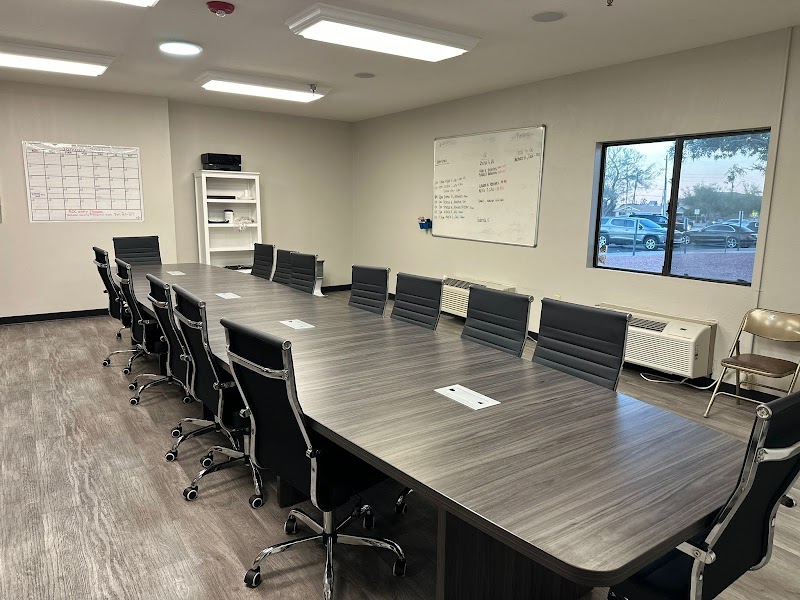
Who Owns and Operates Desert Peak?

DESERT PEAK CARE CENTER is owned by a for-profit company. For-profit facilities operate as businesses with obligations to shareholders or private owners. The facility operates independently rather than as part of a larger chain. With 194 certified beds and approximately 143 residents (about 74% occupancy), it is a mid-sized facility located in PHOENIX, Arizona.

How Does Desert Peak Compare to Other Arizona Nursing Homes?

Compared to the 100 nursing homes in Arizona, DESERT PEAK CARE CENTER's overall rating (1 stars) is below the state average of 3.3, staff turnover (50%) is near the state average of 46%, and health inspection rating (1 stars) is much below the national benchmark.

What Should Families Ask When Visiting Desert Peak?

Based on this facility's data, families visiting should ask: "What safeguards and monitoring systems are in place to protect residents from abuse or neglect?" "Can I visit during a mealtime to observe dining assistance and food quality?" "How do you handle medical emergencies, and what is your hospital transfer rate?" "Can I speak with family members of current residents about their experience?" These questions are particularly relevant given the substantiated abuse finding on record.

Is Desert Peak Safe?

Based on CMS inspection data, DESERT PEAK CARE CENTER has documented safety concerns. The facility has 1 substantiated abuse finding (meaning confirmed case of resident harm by staff or other residents). The facility has a 1-star overall rating and ranks #100 of 100 nursing homes in Arizona. Families considering this facility should ask detailed questions about what corrective actions have been taken since these incidents.

Do Nurses at Desert Peak Stick Around?

DESERT PEAK CARE CENTER has a staff turnover rate of 50%, which is about average for Arizona nursing homes (state average: 46%). Moderate turnover is common in nursing homes, but families should still ask about staff tenure and how the facility maintains care continuity when employees leave.

Was Desert Peak Ever Fined?

DESERT PEAK CARE CENTER has been fined $152,077 across 3 penalty actions. This is 4.4x the Arizona average of $34,600. Fines at this level are uncommon and typically indicate a pattern of serious deficiencies, repeated violations, or failure to correct problems promptly. CMS reserves penalties of this magnitude for facilities that pose significant, documented risk to resident health or safety. Families should request specific documentation of what issues led to these fines and what systemic changes have been implemented.

Is Desert Peak on Any Federal Watch List?

DESERT PEAK CARE CENTER is not on any federal watch list. The most significant is the Special Focus Facility (SFF) program, which identifies the bottom 1% of nursing homes nationally based on persistent, serious quality problems. Not being on this list means the facility has avoided the pattern of deficiencies that triggers enhanced federal oversight. This is a positive indicator, though families should still review the facility's inspection history directly.