DIAMONDBACK HEALTHCARE CENTER
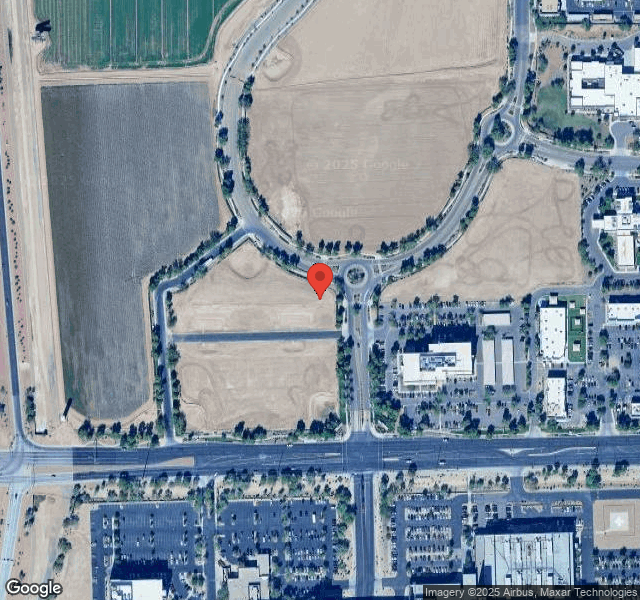
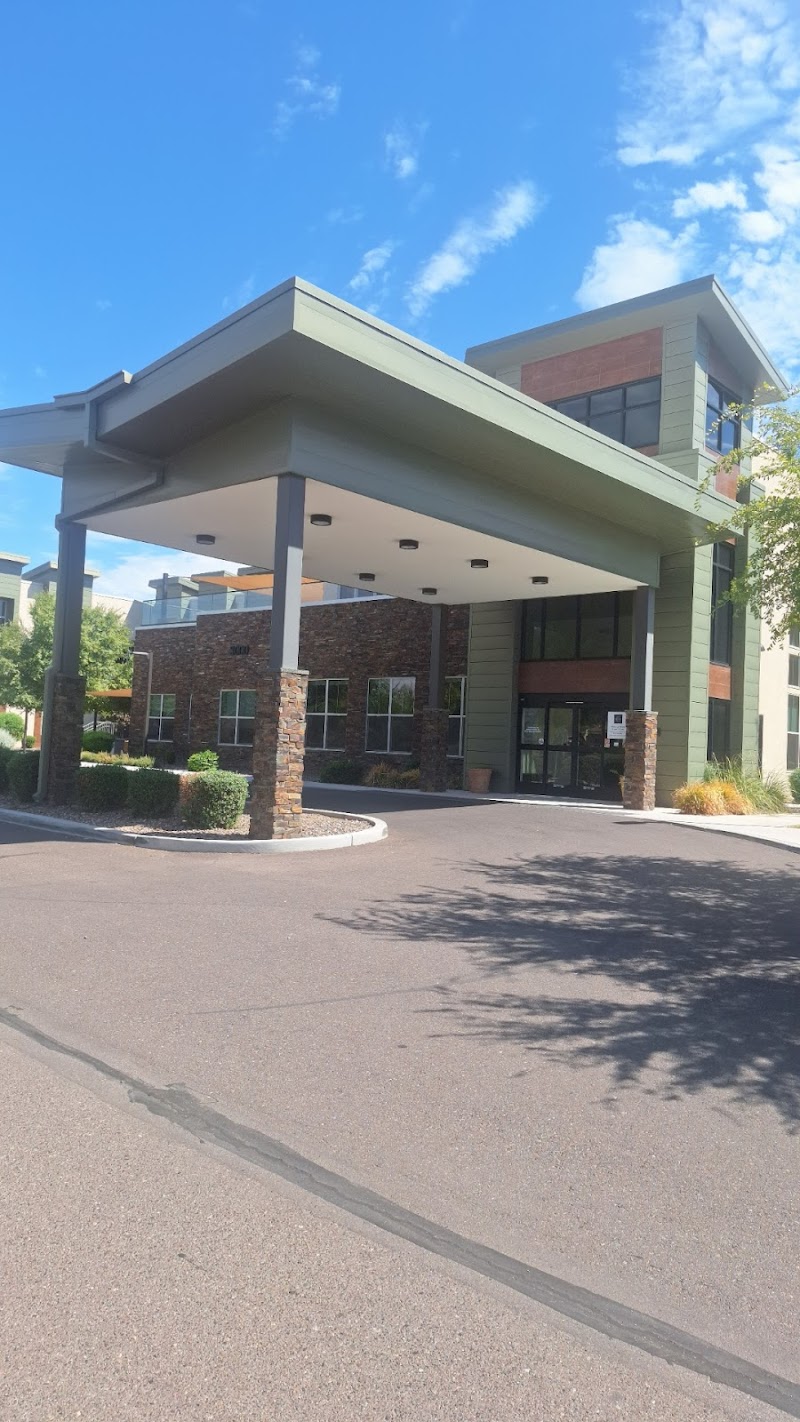
3000 N 91ST AVENUE, PHOENIX, AZ 85037 (623) 303-2882
For profit - Corporation 94 Beds Independent Data: November 2025
Trust Grade
78/100
#47 of 139 in AZ
Last Inspection: October 2024

Within standard 12-15 month inspection cycle. Federal law requires annual inspections.

Overview

Diamondback Healthcare Center in Phoenix, Arizona, has a Trust Grade of B, which indicates it is a good choice for families considering care options. It ranks #47 out of 139 facilities in Arizona, placing it in the top half, and #36 of 76 in Maricopa County, meaning only a few local options are better. The facility's performance trend is stable, with the same number of issues reported in both 2024 and 2025, indicating no worsening conditions. Staffing is a concern, with a rating of 2 out of 5 stars and a turnover rate of 52%, which is average for the state. Additionally, the facility has accumulated fines of $5,073, which is higher than 79% of Arizona facilities, suggesting some compliance issues. However, there are specific incidents that raise concerns. For instance, the facility did not ensure that staff members had the necessary skills to care for residents with ventilators or tracheostomies, which is critical for their safety. Furthermore, there was a failure to report an injury of unknown origin for a resident, which could lead to inadequate treatment or care. On a positive note, the overall and health inspection ratings are both at 4 out of 5 stars, indicating a generally good standard of care. While there are strengths in the quality measures, families should weigh these against the highlighted weaknesses when considering this facility for their loved ones.

Trust Score
B
78/100
In Arizona
#47/139
Top 33%
Safety Record
Low Risk
No red flags
Inspections
Holding Steady
2 → 2 violations
Staff Stability
⚠ Watch
52% turnover. Above average. Higher turnover means staff may not know residents' routines.
Penalties
⚠ Watch
$5,073 in fines. Higher than 99% of Arizona facilities. Major compliance failures.
Skilled Nurses
○ Average
Each resident gets 36 minutes of Registered Nurse (RN) attention daily — about average for Arizona. RNs are the most trained staff who monitor for health changes.
Violations
✓ Good
Only 5 deficiencies on record. Cleaner than most facilities. Minor issues only.
★★★★☆
4.0
Overall Rating
★★☆☆☆
2.0
Staff Levels
★★★★☆
4.0
Care Quality
★★★★☆
4.0
Inspection Score
Stable
2024: 2 issues
2025: 2 issues

The Good

  • 4-Star Quality Measures · Strong clinical quality outcomes
  • Full Sprinkler Coverage · Fire safety systems throughout facility
  • No fines on record

Facility shows strength in quality measures, fire safety.

The Bad

Staff Turnover: 52%

Near Arizona avg (46%)

Higher turnover may affect care consistency

Federal Fines: $5,073

Below median ($33,413)

Minor penalties assessed

The Ugly 5 deficiencies on record

Jan 2025 2 deficiencies
CONCERN (D) 📢 Someone Reported This

A family member, employee, or ombudsman was alarmed enough to file a formal complaint

Potential for Harm - no one hurt, but risky conditions existed

Abuse Prevention Policies (Tag F0607)

Could have caused harm · This affected 1 resident

**NOTE- TERMS IN BRACKETS HAVE BEEN EDITED TO PROTECT CONFIDENTIALITY** Based on documentation, observations, staff interviews and the facility policy and procedures, the facility failed to report an ...

Read full inspector narrative →
**NOTE- TERMS IN BRACKETS HAVE BEEN EDITED TO PROTECT CONFIDENTIALITY** Based on documentation, observations, staff interviews and the facility policy and procedures, the facility failed to report an injury of unknown origin and complete a 5-day written investigation in accordance to their Abuse Policy's required timeframe for one resident (#2). The sample size was three. The deficient practice may result in residents being abused or receiving the appropriate treatment and care untimely. Findings include: Resident #2 was admitted on [DATE] with diagnoses of anoxic brain damage, respiratory failure, pleural effusion, epilepsy, gangrene and necrosis of lung. A review of the Minimum Data Set (MDS) dated [DATE] revealed a Brief Interview of Mental Status (BIMS) score of 99 which meant the resident did not have the BIMS assessment completed. The MDS assessment revealed that the resident was always incontinent of bladder and bowel. A review of the care plan revealed that the resident had a communication problem: rarely/never understood and rarely/never understands related to severe cognitive loss due to anoxic brain damage history, with an intervention to anticipate and meet needs, discuss with resident/family concerns or feelings regarding communication difficulty, ensure/provide a safe environment: call light in reach, adequate low glare light, bed in lowest position and wheels locked, avoid isolation. Resident #2 has potential impairment to skin integrity related to Activities of Daily Living (ADL) deficiencies, always incontinent of bowel and bladder, respiratory failure, epilepsy, anoxic brain damage, cognitive loss. The goal included that the resident will maintain or develop clean and intact skin by the review date. Interventions included to use a draw sheet or lifting device to move resident and use caution during transfers and bed mobility to prevent striking arms, legs and hands against any sharp or hard surface. A review of a skin assessment dated [DATE] revealed Resident #2 had no skin issues documented on the form. A review of the progress notes revealed that on November 18, 2024 the resident's spouse informed the nurse that there was a bruise on the resident's left dorsal foot below the 2nd toe. The spouse requested an X-ray. The nurse notified the hospice nurse and an order was received. Another progress note revealed that on November 19, 2024 the X-ray results were received from the hospice nurse that the resident's left foot had a fracture. The hospice nurse came to evaluate the resident and notify the spouse of the fracture. The spouse requested to send resident #2 to the emergency room to be evaluated and treated. Resident #2 was transported to the hospital. A review of a nursing skin assessment dated [DATE] revealed Resident #2 had bruising to the left foot near toes with known fracture. An interview was conducted with Certified Nursing Assistant (CNA/ staff #4) on January 7, 2025 at 11:00 a.m. who revealed that they did not care for resident #2 when the bruise was discovered. Staff #4 stated that any unusual marks are reported to the nurse. An observation was made on January 7, 2025 at 11:03 a.m. of resident #2's feet. Staff #8 (Wound Nurse) lifted the sheet and blanket off of Resident #2's feet while the resident was lying in bed. The resident was positioned slightly onto their right side. No padded side rails noted. The resident's left foot did not have any discoloration indicating a bruise. The toes did not appear straight or flat. They were bent at the joints. The left foot was resting on pillow that was between the right and left foot. An interview was conducted with Licensed Practical Nurse (LPN/ staff #5) on January 7, 2025 at 11:12 a.m. Staff #5 stated that when any unusual marks are reported, they go observe the mark, notify the Director of Nursing (DON), Assistant Director of Nursing (ADON), the doctor, family members, perform any orders received from the doctor, document in the chart, progress notes and the skin assessment tool. Staff #5 stated that the staff remembered the mark on resident #2. Staff #5 said that when the staff went to look at the area, the spouse was at the bedside and pointed it out. Staff #5 then called the doctor, notified hospice of what was observed. Then the staff stated the spouse requested an X-ray. Staff #5 stated an order for X-ray was then received but the spouse wanted the resident to be send out to the hospital instead of having the X-ray come out to the facility. Staff #5 stated the hospice nurse came and placed a soft boot on the toe to protect it in the meantime. Staff #5 stated the bruise was not on the toe but below, nickel sized, color was purplish blue in color. Staff #5 stated the resident winced in pain when the area was touched. Staff #5 stated the resident does not move on own and needs to be turned and repositioned every 2 hours. An interview was conducted with DON (staff #3) and Administrator (staff #6) on January 7, 2025 at 11:24 a.m. Staff #3 stated that when a resident has a bruise, area is assessed to see what is going on, an X-rays order is received and the nurse assesses and takes the next step. When asked what is your process for injuries of unknown origin is, Staff #3 stated an investigation is done and if needed to report it will be reported as well. When asked regarding what could happen if injuries are not reported and Staff #3 stated a wide variety can happen, absolutely nothing could heal, things could get worse, an open wound could get infected, depends on the type of injury. Staff #3 stated the facility did not report the incident as they did not think it was a reportable incident, understanding the patient's condition and Director of Operations (staff #9) said there was no open mark. Then staff #3 stated that in hindsight 5050 the incident should have been reported. Staff stated the family would massage the resident's feet and there were family dynamics. It was stated that the Hospice Nurse Practioner said that there was no suspected abuse. The staff stated as a provider this is very common, the way the fracture shows on Xrays and believed it was self-inflicted. An interview was conducted with staff #6 on January 7, 2025 at 12:48 p.m. who stated that no 5 day reports or list of reportables were available. Staff #6 stated that their first day was January 1 and gave it 24 hours when it was noticed that the shared files were gone (regarding the list of reportables and 5 day reports); and that, the shared files were wiped from the system. The policy Abuse Prevention, Identification, Investigation, and Reporting Policy was reviewed. The policy states: It is the policy of this facility to provide protections for the health, welfare, and rights of each resident by developing and implementing written policies and procedures that prohibit and prevent abuse, neglect, exploitation, and misappropriation of resident property. Regulatory Definitions: Neglect means failure of the facility, its employees, or service providers to provide goods and services to a resident that are necessary to avoid physical harm, pain, mental anguish, or emotional distress. Section VII. Reporting/Response, Reporting of all alleged violations to the Administrator, state agency, adult protective services and to all other required agencies (e.g., law enforcement when applicable) within specified timeframes: a. Immediately, but not later than 2 hours after the allegation is made, if the events that cause the allegation involve abuse or result in serious bodily injury, or b. Not later than 24 hours if the events that cause the allegation do not involve abuse and do not result in serious bodily injury.
CONCERN (D) 📢 Someone Reported This

A family member, employee, or ombudsman was alarmed enough to file a formal complaint

Potential for Harm - no one hurt, but risky conditions existed

Report Alleged Abuse (Tag F0609)

Could have caused harm · This affected 1 resident

**NOTE- TERMS IN BRACKETS HAVE BEEN EDITED TO PROTECT CONFIDENTIALITY** Based on documentation, observations, staff interviews and the facility policy and procedures, the facility failed to report an ...

Read full inspector narrative →
**NOTE- TERMS IN BRACKETS HAVE BEEN EDITED TO PROTECT CONFIDENTIALITY** Based on documentation, observations, staff interviews and the facility policy and procedures, the facility failed to report an injury of unknown origin within required timeframe for one resident (#2). The sample size was three. The deficient practice may result in residents being abused or receiving the appropriate treatment and care untimely. Findings include: Resident #2 was admitted on [DATE] with diagnoses of anoxic brain damage, respiratory failure, pleural effusion, epilepsy, gangrene and necrosis of lung. A review of the Minimum Data Set (MDS) dated [DATE] revealed a Brief Interview of Mental Status (BIMS) score of 99 which meant the resident did not have the BIMS assessment completed. The MDS assessment revealed that the resident was always incontinent of bladder and bowel. A review of the care plan revealed that the resident had a communication problem: rarely/never understood and rarely/never understands related to severe cognitive loss due to anoxic brain damage history, with an intervention to anticipate and meet needs, discuss with resident/family concerns or feelings regarding communication difficulty, ensure/provide a safe environment: call light in reach, adequate low glare light, bed in lowest position and wheels locked, avoid isolation. Resident #2 has potential impairment to skin integrity related to Activities of Daily Living (ADL) deficiencies, always incontinent of bowel and bladder, respiratory failure, epilepsy, anoxic brain damage, cognitive loss. The goal included that the resident will maintain or develop clean and intact skin by the review date. Interventions included to use a draw sheet or lifting device to move resident and use caution during transfers and bed mobility to prevent striking arms, legs and hands against any sharp or hard surface. A review of a skin assessment dated [DATE] revealed Resident #2 had no skin issues documented on the form. A review of the progress notes revealed that on November 18, 2024 the resident's spouse informed the nurse that there was a bruise on the resident's left dorsal foot below the 2nd toe. The spouse requested an X-ray. The nurse notified the hospice nurse and an order was received. Another progress note revealed that on November 19, 2024 the X-ray results were received from the hospice nurse that the resident's left foot had a fracture. The hospice nurse came to evaluate the resident and notify the spouse of the fracture. The spouse requested to send resident #2 to the emergency room to be evaluated and treated. Resident #2 was transported to the hospital. A review of a nursing skin assessment dated [DATE] revealed Resident #2 had bruising to the left foot near toes with known fracture. An interview was conducted with Certified Nursing Assistant (CNA/ staff #4) on January 7, 2025 at 11:00 a.m. who revealed that they did not care for resident #2 when the bruise was discovered. Staff #4 stated that any unusual marks are reported to the nurse. An observation was made on January 7, 2025 at 11:03 a.m. of resident #2's feet. Staff #8 (Wound Nurse) lifted the sheet and blanket off of Resident #2's feet while the resident was lying in bed. The resident was positioned slightly onto their right side. No padded side rails noted. The resident's left foot did not have any discoloration indicating a bruise. The toes did not appear straight or flat. They were bent at the joints. The left foot was resting on pillow that was between the right and left foot. An interview was conducted with Licensed Practical Nurse (LPN/ staff #5) on January 7, 2025 at 11:12 a.m. Staff #5 stated that when any unusual marks are reported, they go observe the mark, notify the Director of Nursing (DON), Assistant Director of Nursing (ADON), the doctor, family members, perform any orders received from the doctor, document in the chart, progress notes and the skin assessment tool. Staff #5 stated that the staff remembered the mark on resident #2. Staff #5 said that when the staff went to look at the area, the spouse was at the bedside and pointed it out. Staff #5 then called the doctor, notified hospice of what was observed. Then the staff stated the spouse requested an X-ray. Staff #5 stated an order for X-ray was then received but the spouse wanted the resident to be send out to the hospital instead of having the X-ray come out to the facility. Staff #5 stated the hospice nurse came and placed a soft boot on the toe to protect it in the meantime. Staff #5 stated the bruise was not on the toe but below, nickel sized, color was purplish blue in color. Staff #5 stated the resident winced in pain when the area was touched. Staff #5 stated the resident does not move on own and needs to be turned and repositioned every 2 hours. An interview was conducted with DON (staff #3) and Administrator (staff #6) on January 7, 2025 at 11:24 a.m. Staff #3 stated that when a resident has a bruise, area is assessed to see what is going on, an X-rays order is received and the nurse assesses and takes the next step. When asked what is your process for injuries of unknown origin is, Staff #3 stated an investigation is done and if needed to report it will be reported as well. When asked regarding what could happen if injuries are not reported and Staff #3 stated a wide variety can happen, absolutely nothing could heal, things could get worse, an open wound could get infected, depends on the type of injury. Staff #3 stated the facility did not report the incident as they did not think it was a reportable incident, understanding the patient's condition and Director of Operations (staff #9) said there was no open mark. Then staff #3 stated that in hindsight 5050 the incident should have been reported. Staff stated the family would massage the resident's feet and there were family dynamics. It was stated that the Hospice Nurse Practioner said that there was no suspected abuse. The staff stated as a provider this is very common, the way the fracture shows on Xrays and believed it was self-inflicted. An interview was conducted with staff #6 on January 7, 2025 at 12:48 p.m. who stated that no 5 day reports or list of reportables were available. Staff #6 stated that their first day was January 1 and gave it 24 hours when it was noticed that the shared files were gone (regarding the list of reportables and 5 day reports); and that, the shared files were wiped from the system. The policy Abuse Prevention, Identification, Investigation, and Reporting Policy was reviewed. The policy states: It is the policy of this facility to provide protections for the health, welfare, and rights of each resident by developing and implementing written policies and procedures that prohibit and prevent abuse, neglect, exploitation, and misappropriation of resident property. Regulatory Definitions: Neglect means failure of the facility, its employees, or service providers to provide goods and services to a resident that are necessary to avoid physical harm, pain, mental anguish, or emotional distress. Section VII. Reporting/Response, Reporting of all alleged violations to the Administrator, state agency, adult protective services and to all other required agencies (e.g., law enforcement when applicable) within specified timeframes: a. Immediately, but not later than 2 hours after the allegation is made, if the events that cause the allegation involve abuse or result in serious bodily injury, or b. Not later than 24 hours if the events that cause the allegation do not involve abuse and do not result in serious bodily injury.
Oct 2024 1 deficiency
CONCERN (D)

Potential for Harm - no one hurt, but risky conditions existed

Deficiency F0658 (Tag F0658)

Could have caused harm · This affected 1 resident

**NOTE- TERMS IN BRACKETS HAVE BEEN EDITED TO PROTECT CONFIDENTIALITY** Based on observation, interview, review of facility documentation, and review of facility policy, the facility failed to ensure ...

Read full inspector narrative →
**NOTE- TERMS IN BRACKETS HAVE BEEN EDITED TO PROTECT CONFIDENTIALITY** Based on observation, interview, review of facility documentation, and review of facility policy, the facility failed to ensure that care and services were provided according to professional standards for one of one sampled resident (#42). The deficient practice could result in care not being provided to accepted standards of practice, leading to harm to a resident. -Findings include: Resident #42 was admitted to the facility on [DATE] with diagnoses that included traumatic hemorrhage of cerebrum, Alzheimer's disease, dysphagia, and protein-calorie malnutrition. The admission minimum data set (MDS) assessment dated [DATE] revealed that the resident's brief interview for mental status (BIMS) score was 03, which indicated resident was severely cognitively impaired. Moreover, revealed the resident required substantial assistance for bed mobility and was totally dependent on staff for transfers from bed to chair. The assessment also indicated the resident had one unstageable unhealed pressure wound. An admission Evaluation dated September 30, 2024, revealed moisture associated skin damage (MASD) to the resident's sacrum. Additionally a section indicated, Wound team to complete skin assessment. Review of medical records revealed no evidence of measurements. A physician order dated October 01, 2024, for wound care to coccyx pressure injury, to cleanse with cleansing wipes, pat dry, apply triad, leave open to air, every day shift and as needed with peri care. A Skin Check dated October 01, 2024 revealed that the assessment was marked, Skin warm & dry, skin color WNL (within normal limits), turgor normal. The resident was not assessed/ no information for risk of developing pressure ulcers/injuries. Further, the resident was not assessed/ no information for the presence of one or more unhealed pressure ulcers. An Initial Weekly Wound Evaluation dated October 01, 2024, revealed resident #42 had an unstageable pressure wound on the coccyx extending to buttocks, present upon admission. The wound was measured as follows: 7 cm by 5.5 cm, and unable to determine depth of wound. The wound was described as maroon discoloration with normal skin surrounding. A care plan revised October 01, 2024 revealed that Resident #42 was at risk for impaired skin integrity, with a goal that the resident will maintain clean and intact skin, and interventions to Identify / document potential causative factors and eliminate / resolve where possible and to Keep skin clean and dry. A review of the certified nursing assistant (CNA) task log for October 2024 revealed that the resident had Loose / Diarrhea bowel movement on the following dates and times: 10/03/2024: 14:30 10/04/2024: 4:49 17:29 22:38 10/05/2024: 17:29 10/06/2024: 15:05 19:59 10/07/2024: 17:29 10/08/2024: 17:29 21:18 21:19 10/09/2024: 17:09 23:18 23:18 10/10/2024: 5:28 9:43 21:00 10/11/2024: 17:29 10/12/2024: 17:29 20:25 10/13/2024: 2:58 14:40 10/14/2024: 20:05 10/15/2024: 5:16 12:49 10/16/2024: 8:53 10/17/2024: 13:42 22:55 10/18/2024: 12:30 10/19/2024: 17:00 10/20/2024: 12:16 10/21/2024: 10:55 10/22/2024: 14:58 10/23/2024: 5:19 9:07 10/24/2024: 5:19 10/25/2024: 17:13 A Skin Check dated October 08, 2024 revealed that the assessment was marked Skin warm & dry, skin color WNL (within normal limits), turgor normal. The resident was marked as having no external devices (cast, prosthetic, brace). No evidence of any other markings was on the form. A Weekly Wound Evaluation dated October 10, 2024, revealed that the coccyx wound present on admission had increased in size to 8 cm x 7.5 cm, and that the maroon discoloration had begun to denude (open) with red/pink tissue present in open areas. The note revealed that the size of wound increased due to patient having repeated loose stools. Further, the note indicated that the, tube feeding orders were changed and patient is on Imodium for loose stools. A physician order dated October 10, 2024, indicated for Imodium 2 mg oral tablet, to give one tablet via NG (nasogastric) tube, every 6 hours as needed for loose stools. A review of the Weekly Wound and Nutrition Interdisciplinary Team (IDT) meeting minutes for the week dated October 10, 202 through October 16, 2024 revealed that Resident #42's unstageable coccyx wound, described as a pressure injury, had increased in size. The increase in wound size was, due to patient having repeated loose stools. A Nurse Practitioner Visit note dated October 11, 2024 revealed the nurse reported Resident #42 was having diarrhea, and, will offer PRN (as needed medication). Review of the Medication Administration Record (MAR) for October 2024 revealed that the resident was administered Imodium one time, on October 21, 2024 at 9:56 AM. However, from the time the Imodium was ordered, until the first time it was given, the resident had daily episodes of loose stool, totaling 16 episodes. A Skin Check dated October 13, 2024 revealed that the assessment was marked Skin warm & dry, skin color WNL (within normal limits), turgor normal. The resident was marked as having no external devices (cast, prosthetic, brace). The note indicated under the section Skin Issues excoriation to coccyx and buttocks, resident only had one episode of loose stool on 10/12 and none for today. However, the CNA task log revealed 2 episodes of loose stools on October 12, 2024. An additional Nurse Practitioner Visit note dated October 14, 2024, revealed that no additional diarrhea was reported for Resident #42, despite the CNA task log indicating that the resident had 6 episodes of loose stool / diarrhea from October 11 to October 14, 2024. A Skin Check dated October 15, 2024 revealed that the assessment was marked Skin warm & dry, skin color WNL (within normal limits), turgor normal. The resident was marked as having no external devices (cast, prosthetic, brace). No evidence of any other markings was on the form. A Weekly Wound Evaluation dated October 19, 2024, revealed the coccyx wound had no evidence of measurements recorded on the evaluation. The note indicated that the, maroon discoloration is fading and the, open denuded areas are improving and the, wound edges are intact. Also, the wound bed had red granulation tissue present. The note further indicated that, loose stools due to tube feed have began to decrease in amount. A review of the Weekly Wound and Nutrition Interdisciplinary Team (IDT) meeting minutes for the week dated October 16, 202 through October 22, 2024 revealed that the unstageable coccyx wound, described as a pressure injury, had increased in size. The wound size was noted as 2 cm x 1.5 cm x .1 cm. The wound was described as 50% granulation tissue and 50% slough. An additional order dated October 20, 2024, indicated for wound care to coccyx pressure injury, to cleanse with wound cleaner, pat dry, apply medihoney followed by calcium alginate, and cover with dry dressing, every day shift and as needed if soiled or dislodged. A Skin Check dated October 22, 2024 revealed that the assessment was marked Skin warm & dry, skin color WNL (within normal limits), turgor normal. The resident was marked as having no external devices (cast, prosthetic, brace). No evidence of any other markings was on the form. A Surgical Note dated October 24, 2024, by the wound physician, revealed that the provider was asked to see this patient for my opinion on how to manage the wound found on the left buttock. The note indicated that the cause of the wound was, moisture associated skin damage. Further, the note indicated that the resident underwent a debridement of the wound with a surgical excision of devitalized tissue. The size of the wound pre-operatively was 3.0 cm x 5.0 cm and unable to determine depth of the wound, and the post-operative size of the wound was 3.0 cm x 5.0 cm x 0.1 cm. A physician order dated October 25, 2024, indicated for wound care to moisture associated skin damage (MASD) on the left buttock, to cleanse with wound cleaner, pat dry, apply medihoney followed by calcium alginate, and cover with dry dressing, every day shift and as needed if soiled or dislodged. An observation was conducted on October 28, 2024 at 10:47 AM of the resident sitting up in a wheelchair in her room, and her daughter seated beside her. The resident was unable to communicate. A wound care observation was conducted on October 30, 2024 at 11:21 AM, of the resident receiving a treatment consisting of medihoney alginate and a foam dry dressing for the left buttock, provided by a wound nurse / licensed practical nurse (Staff #63). The wound was located on the resident's left buttock, to the left of the bony prominence of the coccyx. The skin over the coccyx appeared healed. The open area of the left buttock wound had a dry, non-serosanguinous wound bed, and irregular borders. An interview was conducted on October 28, 2024 at 10:47 AM, with the resident's daughter. The daughter stated that while at the facility, her mother, ended up with a bedsore that she didn't have before. She stated that her mother had a lot of diarrhea that caused the wound. On October 29 2024 at 10:12 AM, an interview was conducted with a CNA (Staff #74) who stated that the resident has a pressure wound on her bottom, and that it usually has a dressing on it. She stated that the resident is dependent on staff for all care. An interview was conducted on October 29, 2024 at 10:15 AM, with a CNA (Staff #292). The CNA stated that she normally works on the unit with Resident #42, that she first started working with the resident about two weeks ago, and that the resident had loose stools every time, and needed to be changed approximately every two hours. She stated that the resident had a small wound on her bottom, that they put barrier cream and a dressing on it. She also stated that the dressings would get soiled, the CNA staff would remove the dressings when changing the resident, and let the nurse know so that the nurse could replace the dressing in between the times that the CNA staff changed the resident. An interview was conducted on October 29, 2021 at 10:21 AM, with a wound nurse / licensed practical nurse (LPN / Staff #73) who stated that when Resident #42 first admitted to the facility, that the resident had an unstageable wound that was dark around the coccyx. The unstageable wound then resolved, and moisture associated skin damage (MASD), showed up on her left buttock. She stated that there were no open areas of the wound when the resident first admitted , and that the MASD open area on the left buttock was first noticed on October 19, 2024. She stated that the resident was first referred to the wound physician for evaluation on October 24, 2024. An additional interview with another wound nurse / LPN (Staff #63) was conducted on October 30, 2024 at 11:21 AM. The LPN said he was familiar with the resident as he had been taking care of the wound since the first week. He stated that at the time of the resident's admission, there were no open wound areas on the resident's bottom, that there was just maroon discoloration. The LPN stated that the resident was having loose stools multiple times an hour where the new areas of wound had opened on the left buttock. When asked to clarify what exactly caused the open areas of the wound, the LPN stated that, if the stool was better managed, so it wasn't loose and watery, then she would not have the denuded areas. He stated that when the loose stools were noted, that the resident was started on Imodium to address the loose stools. When the MAR for October 2024 was reviewed together with the LPN, the LPN stated that the Imodium for loose stool had only been given once, on October 21, 2024. On October 230, 2024 at 1:30 PM, an interview was conducted with the registered dietician (RD / Staff #260) who stated that she was part of the weekly IDT review for Resident #43. The RD stated that she was, looped into her care almost immediately after admission; and that, the resident has, had loose stools ever since she's been here. She further stated that, anytime anyone is on tube feed, everyone always looks at tube feeding as the cause of loose stools, but half the time it is, half the time it isn't. The RD stated that, it's hard to say whether the type of tube feed was contributing to the resident's loose stools; and that, she had switched the type of tube feed on October 07, 2024, however the resident continued to have loose stool. The RD stated that during the weekly IDT meeting on the week of October 10 - 16th, 2024, that she remembered it was brought up in the meeting that the wound was deteriorating and a causative factor was the resident's repeated loose stool. The RD stated that an attempt had been made to switch the resident's diet to puree food to replace the tube feed on October 14, 2024, however the tube feed had to be restarted three days later due to concerns of poor intake by the resident. An interview was conducted on October 31, 2024 at 9:41 AM with an LPN (Staff #152). The LPN stated that she normally works on Resident #42's hallway and provides care for her. The LPN stated that if a resident had loose stool for some time that they would administer medication as ordered, and if no medication was ordered, that she would call the physician and get some. She stated that if the resident had a PRN (a needed) medication ordered for loose stool, that she would then give it. The LPN stated that she could not think of any non-pharmacological options to address loose stool. The LPN stated she was familiar with Resident #42 and had only given her Imodium once to address loose stool on October 21, 2024 when the resident's daughter had asked for it. She stated that she had never witnessed Resident #42 having loose stool before, and that neither the CNA staff nor the resident's family had made her aware of any loose stool prior to October 21, 2024. She also stated that the wound nurses had not communicated with her that Resident #42 was having loose stool. On October 31, 2024 at 9:48 AM, an interview was conducted with the resident's other daughter. The daughter stated that her mother could not control her bowel and that she needed to be changed approximately every 1-2 hours, because she was having loose stool and diarrhea. She stated that her mother had been having ongoing diarrhea that did not stop until within the last week. The daughter stated that she had left for vacation on October 18, 2024, and up to that point, her mother had back to back diarrhea the whole time, and that she started to be more vocal about the diarrhea to facility staff. An interview was conducted on October 31, 2024 at 10:17 AM, with the Director of Nursing, (DON / Staff #10). The DON stated that the facility's process if a resident has ongoing loose stool or diarrhea is to address it, we talk with the patient, talk with the staff, we look into non-pharmacological interventions, then whatever the doctor's orders are. He further stated that we would not let it continue, we address it. The DON further clarified that non-pharmacological options for loose stool could be adjusting the type of tube feed, patient education, and holding medications that might cause diarrhea. If all the options are exercised and the resident is still having diarrhea, then we address it with the doctor. The DON stated that if a resident is experiencing loose stool or diarrhea, that the nurse would assess to see if it truly was diarrhea. He stated it would not meet his expectation if a nurse did not go to the resident to assess the loose stool daily. He stated the nurse should investigate and assess and resolve the issue. The DON confirmed that in the case of Resident #42's ongoing diarrhea, the CNAs were documenting continued loose stools and the Imodium was not administered that could have helped resolve the loose stool issue. The DON stated that the importance of effective communication between the CNAs and nurses is huge, and if everybody is not on same page, then medication may be missed or there might be a possibility of all people on the care team not being able to resolve something in a timely manner. Review of the facility's policy titled, Change in Resident Condition, revised July 04, 2024, revealed that a licensed nurse will accurately document, in the Daily Nurses Notes, information relevant to changes in the resident's medical condition. Documentation is to include assessment of the resident's medical status, subsequent monitoring of interventions and their effectiveness, and communication to all involved parties. Review of the facility's policy titled, Incontinence Care, revised July 04, 2024, revealed that Nursing Assistants will check the resident at least very two hours and assist with toileting as needed. The unit nurse and charge nurse will monitor and oversee incontinence care. The facility's policy titled, Abuse Prevention, Identification, Investigation, and Reporting, revised July 04, 2024, revealed that staff will ensure that basic medical, functional, and psychosocial needs are being met and that potentially preventable or treatable conditions affecting function and quality of life are addressed appropriately.
Aug 2024 1 deficiency
CONCERN (E) 📢 Someone Reported This

A family member, employee, or ombudsman was alarmed enough to file a formal complaint

Potential for Harm - no one hurt, but risky conditions existed

Respiratory Care (Tag F0695)

Could have caused harm · This affected multiple residents

Based on personnel record reviews, facility documentation, staff interviews and policy review, the facility failed to ensure staffs had competencies or skills needed to provide care for 8 residents on...

Read full inspector narrative →
Based on personnel record reviews, facility documentation, staff interviews and policy review, the facility failed to ensure staffs had competencies or skills needed to provide care for 8 residents on ventilator and tracheostomy. The facility census was 75. The deficient practice could result in patients with ventilator and tracheostomy (Vent/ Trach) not receiving care that they need. Findings include: Review of the Vent/Trach Census revealed eight (8) residents identified with a tracheotomy, ventilator or both a tracheotomy and ventilator. Review of the facility staff schedule dated August 11, 2024 revealed the following staff scheduled for the 6:00pm to 6:00 am shift for the facility: - For A Wing (Ventilator/ Tracheostomy unit) : LPN (Licensed Practical Nurse)/Staff #201 LPN/Staff #38 LPN/Staff #157 (requested off) - For C Wing: LPN/Staff #116 LPN/Staff #34 - 2nd Floor Nurse: LPN/Staff #67 The staff schedule did not reveal that a Respiratory Therapist (RT) was scheduled for 6pm to 6am schedule. One RT staff (#68) was only scheduled for 6:00a.m-6:30p.m. Review of the personnel record for LPN/staff #38, revealed a hire date of March 22, 2023. Further review of the personnel record revealed no documented experience providing care for ventilator and tracheotomy patients. The SA complaint tracking system included that a report was submitted on August 12, 2024 that the staffing did not staff respiratory therapist and instead utilized an LPN who did not care for the patients properly. The report stated that when the daytime RT arrived, she was in shock at the state of the trach and vent patients. The report further stated that none of the patients with trach and vents received the required trach care, vent checks, or suctioning as the staffing refused to staff respiratory therapists in a airway wing (unit) causing risk to every patients on trachs and/or vents. Further review of the facility schedule provided on site on August 14, 2024 by Director of Operations (DO/ Staff#119) revealed a Registered Nurse (RN/Staff#106) was scheduled Mondays, Tuesdays, Fridays and Saturdays 6:00p.m to 4: 00a.m for the week of August 12 thru August 18, 2024. Further review of the staff schedule for the week of August 12 thru August 18 2024 revealed no RT scheduled after 6:30 p.m. for August 17 and August 18, 2024. Additional review of the schedule revealed one RN/Staff #134 scheduled Saturday, August 17, 2024 for the 6:00a.m.-6:30p.m. shift on the vent/trach unit A. This review revealed no RN and/ or RT scheduled after 4: 00 a.m on Sunday, August 18, 2024. The facility will be solely staffed with LPN's and CNA's for this time frame. An interview was conducted on August 14, 2024 at 12:27 p.m. with Respiratory Therapist (RT/Staff #48) who stated when they returned to work following the weekend of August 10-11, 2024 they stated it was a real shit show. Staff #48 stated residents who were on vents had not been placed back on their vents and there were cuff issues. Staff #48 stated they were willing to stay and assist, but were told to leave because they were over their hours. Staff #48 stated they had concerns, because there had been a call off and the facility was trying to find a respiratory therapist or an RN at the last minute, but no one showed and that left LPN/Staff #201 in charge of vent/trach unit. Staff #48 stated they were very concerned knowing that LPN#201 was the only one who was able to suction and provide trach care only. Staff #48 stated there were a lot a resident's to care for, especially for someone with limited education and experience with trach and vent residents. They stated that there was potential for a serious emergency situation. An interview was conducted on August 14, 2024 at 12:42 p.m. with an LPN/Staff #118. Staff #118 stated they are able to provide trach care as needed. They stated they were provided trach care training and has been a nurse for 18 years. Staff #118 stated they were provided the trach training by the prior Respiratory Manager when they first signed on and also received annual skills training. An interview was conducted on August 15, 2024 at approximately 10a.m with a RT (Staff # 68). Staff # 68 stated he is responsible for taking care of complicated vent and trach patients and management of their respiratory needs. Staff #68 stated the facility has three full time day shift respiratory therapists, one full time for night shift and one PRN (as needed). Staff # 68 stated LPN's are with their scope of practice when providing basic care, such as suctioning, but that airway clearance is generally a shared responsibility with training. He further stated that he did not believe any LPN should provide any vent/trach care, especially with decannulations or accidental dislodgements. Staff #68 stated he finds the risks working with vent and trach residents stressful and he is trained to manage that airway. He stated an LPN and even an RN are not specifically trained to manage an airway and would consider it a high risk to not have an RT or an RN for any shift, with only an LPN on a high-risk unit. An interview was conducted with the Director of Nursing (DON/staff #70) on August 15, 2024 at approximately 11a.m., He stated respiratory therapists are scheduled 12-hour shifts- Sunday thru Saturdays - 7 days per week. He stated there can be fluctuations with this and would depend if there was a call off. He stated he would then replace with a PRN therapist or with registry staff. If no one available he would need to rely on the facility's qualified LPN or RN personnel. Staff # 70 stated the LPN's responsibilities on the vent/trach unit are to pass medications, care for peg tubes, help monitor some of the vent/trach machines, some suctioning as needed and assist the RT. Staff #70 stated the nursing staff did receive a training check off from the prior RT manager and from training from prior experience. Staff #70 stated the LPN's are not able to assess a trach or vent resident, but are able to assist the RT and in an emergency situation LPN's would have to do what they need to do to get that taken care of, by bagging and sending the resident to the emergency room. He stated it is not within the LPN's scope of practice to assess vent settings or independently implement nursing actions based on their observations, but are able to respond to alarms if there is an RN or RT in the facility to assist. Staff # 70 stated he was aware there were no Respiratory therapists or an RN were staffed on the date in question, but they are doing there best and trying to make changes and that there is a bigger picture with what the facility is trying to accomplish. An interview was conducted on August 15, 2024 at 12:42 p.m. with an LPN/Staff #81 at 9:23 a.m. Staff #81 stated she does not feel comfortable with ventilation settings, alarms, or emergent situation with vent residents. She stated it is not in her scope of practice. Staff # 81 stated she paired up with the respiratory therapist and will change dressings and suction the trach residents only as needed. An email was received from Director of Operations (DO/ Staff #119) on August 22, 2024, 10:29 AM who emailed the stating that the night shift supervisor on the dates in question was RN/Staff#106, who was overseeing the Licensed Practical Nurse acting as an RT. The email stated that the Staff#106 has an active RN license in the state of Arizona. Email had an attachment with identical staff schedule, similar to the one provided on site August 14, 2024 by DON/Staff #70 with the addition of RN/Staff #106. Review of the Arizona State Board of Nursing opinion: ventilator care by LPN's approved date: 5/93 revised date: 3/03, 03/07, 1/11, 1/15, 3/18. originating committee: Scope of Practice Committee states the following; - It is NOT within the scope of practice of a licensed practical nurse (LPN) to independently implement nursing actions based on conclusions of assessments drawn from his/her observations. e.g. perform ventilator adjustments. - It is within the LPN scope of practice to provide care to a ventilator dependent patient under the supervision and delegation of a registered nurse (RN), as specified in R4-19-101 - LPNs may assist with ventilator care in all settings by providing basic care, making observations, and by recording and reporting such observations. III.RATIONALE - An LPN may manage aspects of routine ventilator care in a ventilator-dependent patient. Acts which involve patient diagnosis or prescription of nursing interventions to implement a strategy of care, such as changing ventilator settings in response to laboratory results or change in patient condition, are NOT within the LPN scope of practice. Review of the facility policy title Tracheostomy Care states the facility will ensure that resident's who need respiratory care, including tracheostomy care and tracheal suctioning, is provided such care consistent with professional standards of practice, the comprehensive person-centered care plan and resident goals and preferences. 5. The facility will ensure staff responsible for providing tracheostomy care including suctioning are trained and competent according to professional standards of practice. Review of the facility policy titled Mechanical Ventilation with use of Oxygen Concentrator states the purpose is to establish a standardized procedure for using ventilators with oxygen concentrators in order to ensure patient safety, optimal respiratory support, and effective emergency response. Responsibilities included: -Respiratory Therapists: Responsible for setting up and monitoring the ventilator and concentrator, adjusting as necessary, and ensuring emergency readiness. -Nurses- Assist with patient assessment, monitoring, and documentation, and ensure effective communication within the care team. -Leadership- Ensure staff are trained on the protocol and policy, provide necessary resources, and oversee compliance with the policy
Apr 2023 1 deficiency
CONCERN (D)

Potential for Harm - no one hurt, but risky conditions existed

Deficiency F0761 (Tag F0761)

Could have caused harm · This affected 1 resident

Based on observation, staff interviews, and review of policy and procedure, the facility failed to ensure that controlled medications were secured in a separately locked, permanently affixed compartme...

Read full inspector narrative →
Based on observation, staff interviews, and review of policy and procedure, the facility failed to ensure that controlled medications were secured in a separately locked, permanently affixed compartment. This deficient practice could result in controlled medication accessible to unauthorized personnel. Findings include: On April 4, 2023 at 9:25 a.m., an observation of the medication storage room A was conducted with a licensed practical nurse (LPN/staff #70). A refrigerator was inside the medication room was not locked and had no locking mechanism visible. Inside the refrigerator was a locked box/container which the LPN said was a container for storage of controlled medications. Also, inside the refrigerator was a box of medication that contained a bottle of unopened lorazepam (antianxiety) oral concentrate belonging to a resident. The bottle of lorazepam was not inside the locked box/container found in the refrigerator. On April 4, 2023 at 10:00 a.m., the survey team was provided with access cards that allowed access to the use of the elevators. This access card was also allowed access to the medication storage rooms. In an interview with a certified nursing assistant (CNA/staff #10) conducted on April 5, 2023 at 10:22 a.m., the CNA stated that the nurses and housekeeping are the only staff with access to the medication rooms; and that, the CNAs do not have access to the medication room. Further, the CNA stated that nobody but the nurses should be in the medication rooms because drugs are stored there. An interview with another LPN (staff #88) was conducted on April 5, 2023 at 10:45 a.m. The LPN stated that only authorized staff have access to the medication room; and, authorized staff include only the director of nursing (DON) and the nurses. The LPN stated that the refrigerator in the medication storage rooms are for storing medications requiring refrigeration; and that, controlled substances are kept in the lock box contained inside the refrigerator. Further, the LPN said that medications not properly secured could result in diversion, or, that someone could get their hands on the wrong things like controlled medications. During an interview with the DSON (staff #16) conducted on April 5, 2023 at 1:00 p.m., the DON stated that there are no codes available to access the medication storage rooms; and that, the RNs (registered nurses), LPNs and RTs (respiratory therapists) were the only ones with access to the medication storage rooms. The DON stated that only the nurses have access to the keys required to open the lockbox; and that, the vendor cards do not allow access to the medication storage rooms. The DON further stated that a pharmacy representative even had to be escorted into that room when they are present in the facility. Further, the DON said that his expectation was that controlled medications in the refrigerator are stored in the lockbox found inside the refrigerator in the medication room. A review of facility policy on Controlled Medication, revised on March 3, 2022 revealed that all controlled medication will be stored under a double lock system. This document included that each medication cart has a locked box area for all narcotics.
Understanding Severity Codes (click to expand)
Life-Threatening (Immediate Jeopardy)
J - Isolated K - Pattern L - Widespread
Actual Harm
G - Isolated H - Pattern I - Widespread
Potential for Harm
D - Isolated E - Pattern F - Widespread
No Harm (Minor)
A - Isolated B - Pattern C - Widespread

Questions to Ask on Your Visit

  • "Can I speak with families of current residents?"
  • "What's your RN coverage like on weekends and overnight?"

Our Honest Assessment

Strengths
  • • No major safety red flags. No abuse findings, life-threatening violations, or SFF status.
  • • Only 5 deficiencies on record. Cleaner than most facilities. Minor issues only.
Concerns
  • • No major red flags. Standard due diligence and a personal visit recommended.
Bottom line: Generally positive indicators. Standard due diligence and a personal visit recommended.

About This Facility

What is Diamondback Healthcare Center's CMS Rating?

CMS assigns DIAMONDBACK HEALTHCARE CENTER an overall rating of 4 out of 5 stars, which is considered above average nationally. Within Arizona, this rating places the facility higher than 99% of the state's 100 nursing homes. This rating reflects solid performance across the metrics CMS uses to evaluate nursing home quality.
How is Diamondback Healthcare Center Staffed?

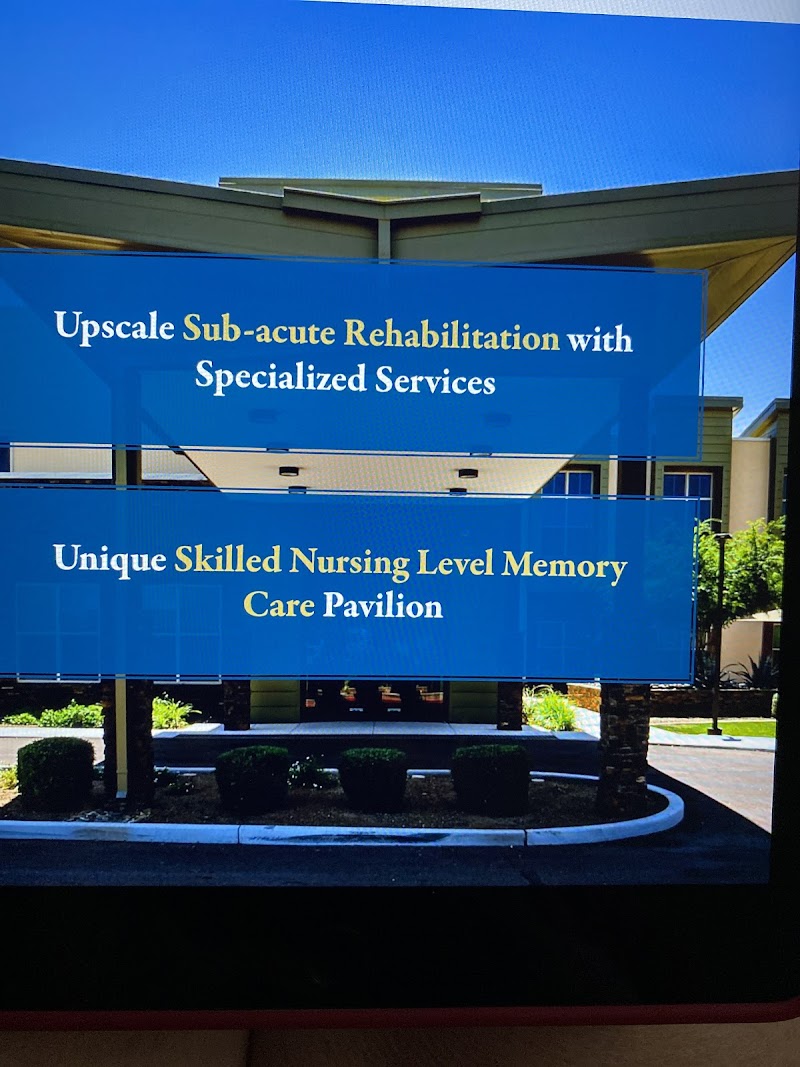
CMS rates DIAMONDBACK HEALTHCARE CENTER's staffing level at 2 out of 5 stars, which is below average compared to other nursing homes. Staff turnover is 52%, compared to the Arizona average of 46%. RN turnover specifically is 80%, which is notably high. RNs provide skilled clinical oversight, so turnover in this role can affect medical care quality.

What Have Inspectors Found at Diamondback Healthcare Center?

State health inspectors documented 5 deficiencies at DIAMONDBACK HEALTHCARE CENTER during 2023 to 2025. These included: 5 with potential for harm.
Who Owns and Operates Diamondback Healthcare Center?

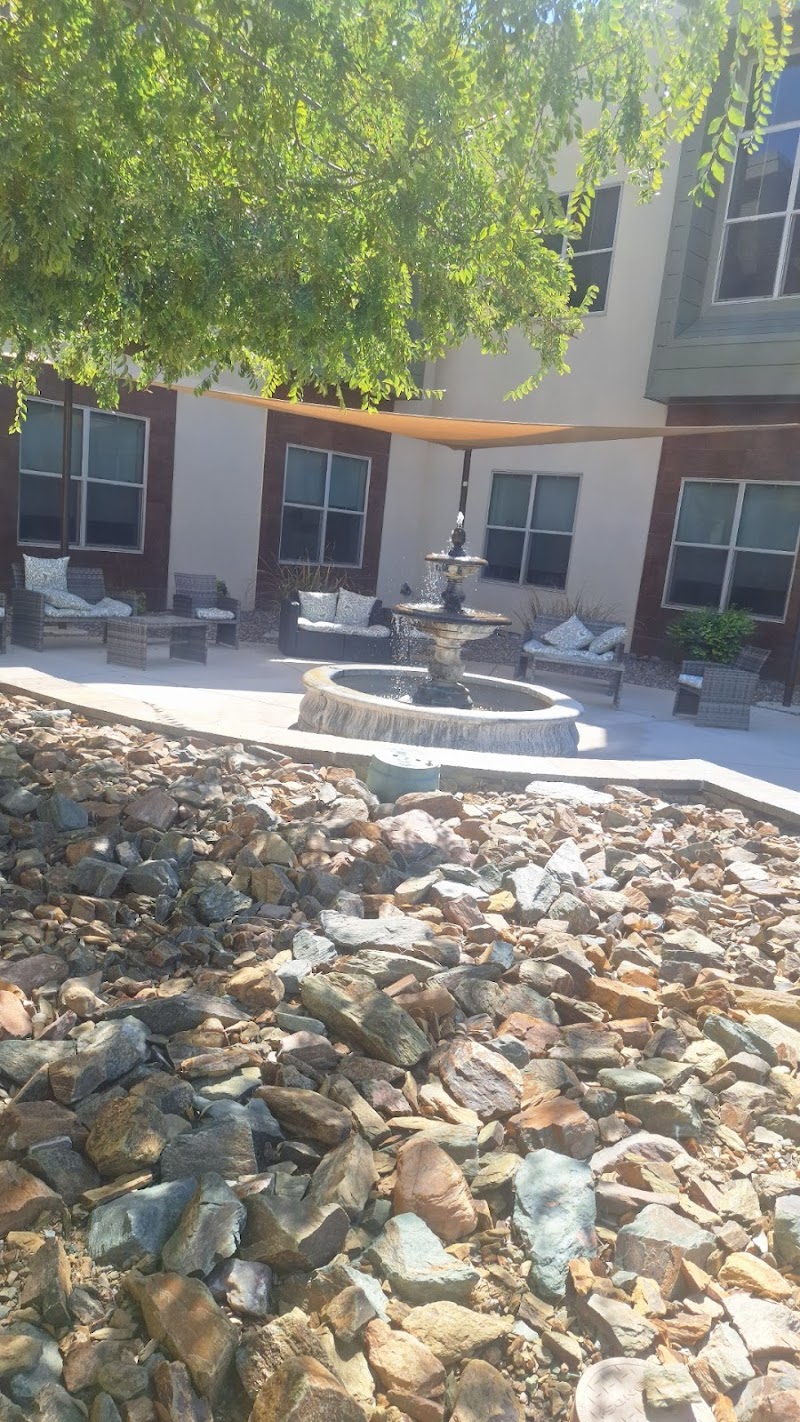
DIAMONDBACK HEALTHCARE CENTER is owned by a for-profit company. For-profit facilities operate as businesses with obligations to shareholders or private owners. The facility operates independently rather than as part of a larger chain. With 94 certified beds and approximately 92 residents (about 98% occupancy), it is a smaller facility located in PHOENIX, Arizona.
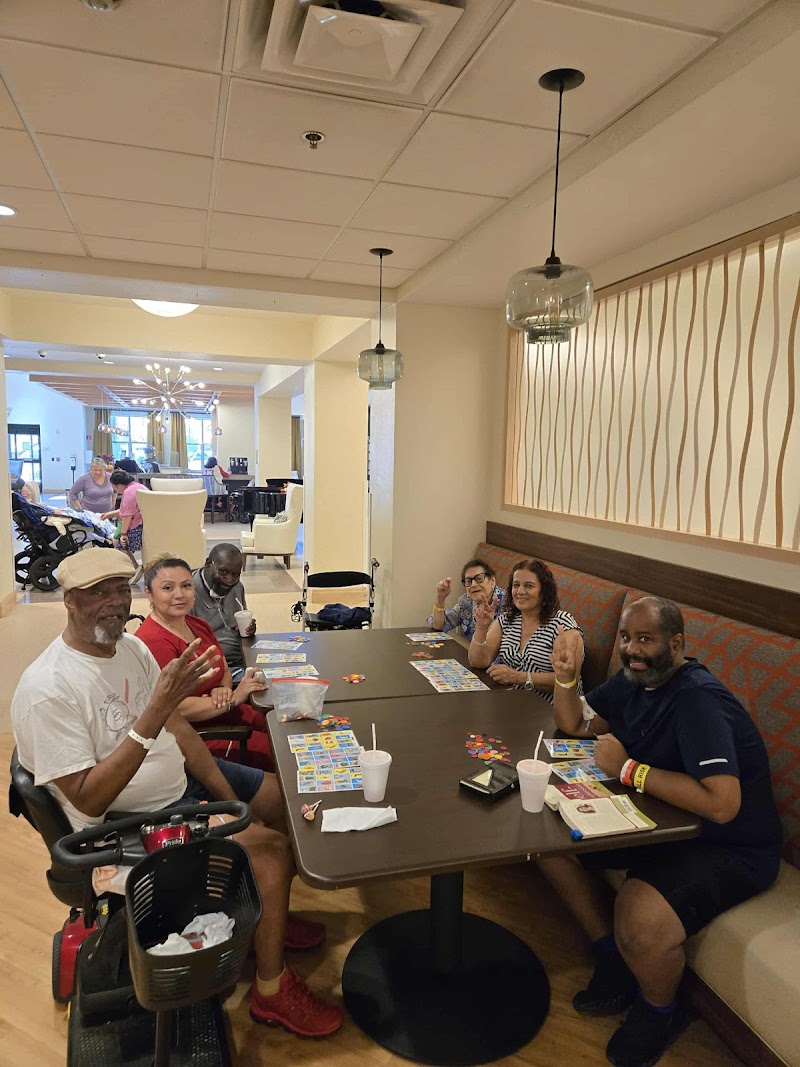
How Does Diamondback Healthcare Center Compare to Other Arizona Nursing Homes?

Compared to the 100 nursing homes in Arizona, DIAMONDBACK HEALTHCARE CENTER's overall rating (4 stars) is above the state average of 3.3, staff turnover (52%) is near the state average of 46%, and health inspection rating (4 stars) is above the national benchmark.

What Should Families Ask When Visiting Diamondback Healthcare Center?

Based on this facility's data, families visiting should ask: "Can you walk me through typical staffing levels on day, evening, and night shifts?" "Can I visit during a mealtime to observe dining assistance and food quality?" "How do you handle medical emergencies, and what is your hospital transfer rate?" "Can I speak with family members of current residents about their experience?" These questions are particularly relevant given the below-average staffing rating.

Is Diamondback Healthcare Center Safe?

Based on CMS inspection data, DIAMONDBACK HEALTHCARE CENTER has a clean safety record: no substantiated abuse findings (meaning no confirmed cases of resident harm), no Immediate Jeopardy citations (the most serious violation level indicating risk of serious injury or death), and is not on the Special Focus Facility watch list (a federal program monitoring the lowest-performing 1% of nursing homes). The facility has a 4-star overall rating and ranks #1 of 100 nursing homes in Arizona. While no facility is perfect, families should still ask about staff-to-resident ratios and recent inspection results during their visit.

Do Nurses at Diamondback Healthcare Center Stick Around?

DIAMONDBACK HEALTHCARE CENTER has a staff turnover rate of 52%, which is 6 percentage points above the Arizona average of 46%. Moderate turnover is common in nursing homes, but families should still ask about staff tenure and how the facility maintains care continuity when employees leave.

Was Diamondback Healthcare Center Ever Fined?

DIAMONDBACK HEALTHCARE CENTER has been fined $5,073 across 2 penalty actions. This is below the Arizona average of $33,130. While any fine indicates a compliance issue, fines under $50,000 are relatively common and typically reflect isolated problems that were subsequently corrected. Families should ask what specific issues led to these fines and confirm they've been resolved.

Is Diamondback Healthcare Center on Any Federal Watch List?

DIAMONDBACK HEALTHCARE CENTER is not on any federal watch list. The most significant is the Special Focus Facility (SFF) program, which identifies the bottom 1% of nursing homes nationally based on persistent, serious quality problems. Not being on this list means the facility has avoided the pattern of deficiencies that triggers enhanced federal oversight. This is a positive indicator, though families should still review the facility's inspection history directly.