MARYLAND GARDENS POST ACUTE
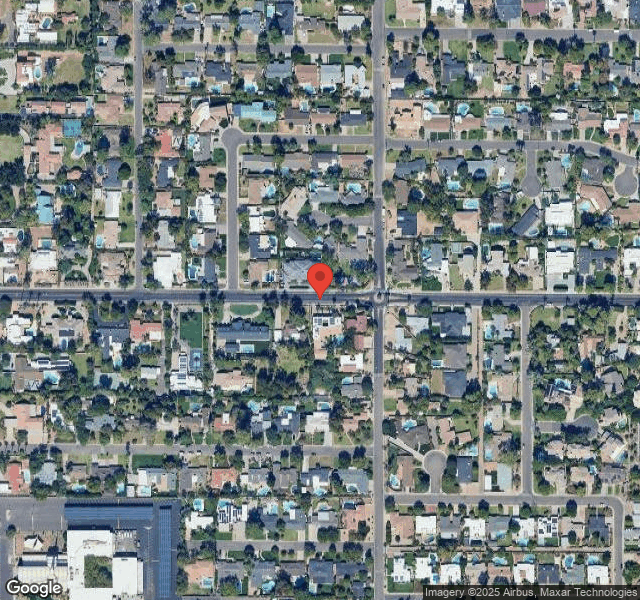
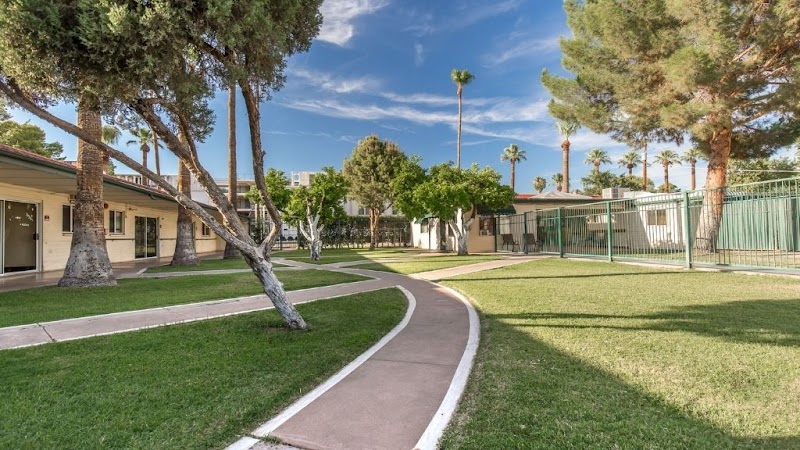
31 WEST MARYLAND AVENUE, PHOENIX, AZ 85013 (602) 265-7484
For profit - Limited Liability company 58 Beds PACS GROUP Data: November 2025
Trust Grade
45/100
#86 of 139 in AZ
Last Inspection: July 2024

Within standard 12-15 month inspection cycle. Federal law requires annual inspections.

Overview

Maryland Gardens Post Acute has a Trust Grade of D, which means it is below average and raises some concerns for potential residents and their families. It ranks #86 out of 139 facilities in Arizona, placing it in the bottom half of nursing homes in the state, and #56 out of 76 in Maricopa County, indicating limited local options that are better. The facility is showing signs of improvement, with the number of issues decreasing from 12 in 2024 to 6 in 2025. Staffing is rated at 4 out of 5 stars, which is good, but the turnover rate of 54% is average, meaning staff may not stick around as long as desired. Notably, there have been no fines, which is a positive aspect, but the RN coverage is concerning as it is less than 80% of other facilities in Arizona, potentially affecting care quality. Specific incidents of concern include a lack of accessible bathrooms for residents, failure to provide a comfortable living environment, and non-functioning call lights, which could hinder communication with staff. Overall, while there are strengths in staffing and absence of fines, the facility needs to address several critical issues to enhance the living experience for residents.

Trust Score
D
45/100
In Arizona
#86/139
Bottom 39%
Safety Record
High Risk
Review needed
Inspections
Getting Better
12 → 6 violations
Staff Stability
⚠ Watch
54% turnover. Above average. Higher turnover means staff may not know residents' routines.
Penalties
✓ Good
No fines on record. Clean compliance history, better than most Arizona facilities.
Skilled Nurses
⚠ Watch
Each resident gets only 28 minutes of Registered Nurse (RN) attention daily — below average for Arizona. Fewer RN minutes means fewer trained eyes watching for problems.
Violations
⚠ Watch
25 deficiencies on record. Higher than average. Multiple issues found across inspections.
★★★☆☆
3.0
Overall Rating
★★★★☆
4.0
Staff Levels
★★★★★
5.0
Care Quality
★★☆☆☆
2.0
Inspection Score
Stable
2024: 12 issues
2025: 6 issues

The Good

  • 4-Star Staffing Rating · Above-average nurse staffing levels
  • 5-Star Quality Measures · Strong clinical quality outcomes
  • Full Sprinkler Coverage · Fire safety systems throughout facility
  • No fines on record

Facility shows strength in staffing levels, quality measures, fire safety.

The Bad

3-Star Overall Rating

Near Arizona average (3.3)

Meets federal standards, typical of most facilities

Staff Turnover: 54%

Near Arizona avg (46%)

Higher turnover may affect care consistency

Chain: PACS GROUP

Part of a multi-facility chain

Ask about local staffing decisions and management

The Ugly 25 deficiencies on record

Jan 2025 2 deficiencies
CONCERN (D) 📢 Someone Reported This

A family member, employee, or ombudsman was alarmed enough to file a formal complaint

Potential for Harm - no one hurt, but risky conditions existed

Free from Abuse/Neglect (Tag F0600)

Could have caused harm · This affected 1 resident

**NOTE- TERMS IN BRACKETS HAVE BEEN EDITED TO PROTECT CONFIDENTIALITY** Based on clinical record reviews, facility documentation, resident and staff interviews, and policy review, the facility failed ...

Read full inspector narrative →
**NOTE- TERMS IN BRACKETS HAVE BEEN EDITED TO PROTECT CONFIDENTIALITY** Based on clinical record reviews, facility documentation, resident and staff interviews, and policy review, the facility failed to ensure that one resident (#1) was free from abuse. The deficient practice could result in further incidents of resident to resident abuse. Findings include: -Regarding resident #1: Resident was admitted to the facility on [DATE] with diagnosis that included intracerebral hemorrhage, unspecified, flaccid hemiplegia affecting left dominant side, major depressive disorder, single episode, unspecified, anxiety disorder, unspecified, unspecified mood [affective] disorder. A review of the quarterly MDS (minimum data set) dated December 23, 2024 revealed a BIMS (brief interview of mental status) score of 14, indicating resident's cognition is intact. Further review of the MDS revealed no indicators for mood or behaviors. A review of the resident's care plan, initiated on December 23, 2024 revealed a focus for impaired cognitive function/impaired thought processes related to impaired decision making, neurological symptoms. Interventions included to administer medications as ordered. Further review of the care plan revealed a focus for psychosocial behaviors related to physically and verbally sexual inappropriateness. Interventions included intervening as necessary to protect the rights and safety of others and to monitor behaviors episodes and attempt to determine underlying cause. A review of the progress notes revealed an alert charting entry dated January 19, 2025 that at approximately 04:30am Certified Nursing Assistant (CNA) called nurse to room to find patient with hematoma to left above eye about golf size. According to resident, roommate had beam rummaging through his closet and taking his clothes. When approached about leaving his clothing alone resident was allegedly hit with a water pitcher by the roommate who allegedly threw it at him. Nurses assisted with wound dressing to bleeding hematoma at the time. The progress note stated notifications to administration, Director of Nursing (DON), case worker, and family all completed. The note stated police were also called and resident was sent to emergency room. Review of the progress notes revealed an entry dated January 19, 2025 that stated resident #1 returned from the hospital with no new orders. The resident was observed to have knots around the left side of forehead that had two steri-strips. The progress note stated the report from emergency room nurse from the hospital stated the CT scan was negative. -Regarding resident #2: Resident #2 was admitted on [DATE] with diagnosis that included other acute osteomyelitis, left ankle and foot, major depressive disorder, recurrent, unspecified, dementia in other diseases classified elsewhere, unspecified severity, without behavioral disturbance, psychotic disturbance, mood disturbance, and anxiety. A review of the Medicare 5-day MDS dated [DATE] revealed a BIMS (brief interview of mental status) score of 7 indicating severe cognitive impairment. Further review of the MDS revealed a severity score of 7 for mood and delusional behaviors. A review of the resident's care plan, date-initiated on January 15, 2025 revealed a focus for psychosocial behaviors; related to psych diagnosis; monitoring for agitation and sad mood. Interventions included to intervene as necessary to protect the rights and safety of others and approach/speak in a calm manner, divert attention and remove from the situation and take to an alternate location as needed. Review of the progress notes revealed an alert note entry dated January 19, 2025 that resident was allegedly involved in an altercation with his roommate. The progress note stated resident #2 threw a water pitcher at his roommate. Review of the progress notes revealed a health status note dated January 21, 2025 that resident is on change of condition for resident to resident altercation. The progress noted stated no increased agitation noted or reported. It further stated no physical or verbal aggression or roommate conflict. A request was made for the facility self-report or any documentation from the investigation on January 23, 2025 at 11:50 a.m. Staff #320 replied in writing on January 23, 2025 at 12:35 p.m. Our investigation is still in progress, report currently not available. An interview was conducted on January 23, 2025 at 2:03p.m. with resident #1. During the interview it was observed that resident #1 had a hematoma with a small cut in the center on the left side of the resident forehead. Also noted a laceration approximately one inch in length on the left top of the resident's head and purple and blue bruising to the left corner of the resident's eye. During the interview with Resident #1, resident #1 stated the incident occurred between 2:00a.m and 5:00a.m. Resident #1 stated resident #2 was removing clothing from resident #1's closet. Resident #1 stated he got out of bed and went to the bathroom and when he returned resident #2 had put resident #1's pants on and was also attempting to put on one his shirts. Resident #1 stated he tried to grab his shirt and this is when resident #2 grabbed a plastic water pitcher filled with water and clonked me on the head 2-4 times. Resident #1 stated he yelled for his roommate, resident #4 to call for the nurse. Resident #1 stated a nurse came in and asked what was going on. Resident #1 stated he told the nurse resident #2 was taking his clothing from his closet and she turned around and left. Resident #1 could not recall the name of the nurse or provide any identifiers. Resident #1 stated CNA #5 entered the room because the call light was still on and saw the bleeding from his forehead and went for a nurse who treated the wound and sent the resident to the hospital for a CT scan. Resident #1 stated nursing staff were aware of prior incidents of resident #2 taking his clothing. An attempt to interview resident #2 was conducted on January 23, 2025 at 2: 03 p.m. resident was observed on sitting on the patio talking to himself and grasping at the air. Due to the resident's cognition the interview was unable to be completed. An interview was conducted on January 23, 2025 at 2: 15p.m with resident #4. Resident #4 stated resident #2 would often take his food and water from his bedside table. Resident #4 stated he observed the altercation between resident #1 and #2. Resident #4 stated he observed resident #2 swing the cup that holds the water, raising it above his head swinging at resident #1 head. Resident #4 stated Resident #2 hit resident #1 in the head and then swung again hitting him on the head again. Resident #4 stated resident #1 called for him stating help me. Resident #4 stated he was too slow to help as he was in bed before he was able to get to him. Resident #4 stated as he was walking toward resident #1 he observed resident #2 jab resident #1 with his walker. Resident #4 stated I saw a hole on resident #1 head and blood streaming down his head and neck. Resident #4 stated he turned on the call light and two nursing staff came in. Resident #4 stated he informed the nursing staff what had happened. Resident #4 stated his bed is located directly in front of resident #1. Resident #4 stated every night it was something with resident #2 and resident #2 was always in resident #1 closet going through his clothing and trying to wear them. Attempt to contact CNA/Staff #5 was conducted on January 23, 2025 at 2:12 p.m. Message left for a return phone call. An interview was conducted on January 23, 2025 at 2:21 p.m. with CNA/Staff #9. Staff # 9 stated she has worked with both resident #1 and #2. Staff #9 stated resident #2 had a recent room change due to an incident with resident #1. Staff #9 stated she had heard that resident #2 had went up to resident #1 and hit him with a cup. Staff #9 stated she has not observed any aggressive behaviors from resident #2, but that he can be non-compliant with care. Staff #9 stated when there is an incident involving residents that the expectation is that the residents are placed on 1:1 supervision with an immediate room change. Staff #9 stated she has received abuse training and has been trained that staff are to separate the residents involved, report immediately, monitor the situation and take the victim away and out of the situation. An interview was conducted on January 23, 2025 at 2: 03p.m with Licensed Practical Nurse LPN/Staff #7. Staff #7 stated if staff are made aware of an altercation between residents they are to immediately separate, look for injuries, follow the reporting process, notifying the administrator. Staff #7 stated she was informed through report that resident #1 had injuries from an altercation with resident #2 Staff #7 stated there were no reported injuries with resident #2. Staff #7 stated resident #1 is on behavior monitoring for medications and has not received any reports for non-compliance with care. Staff #7 stated there have been no prior incidents with residents #1 or #2. An interview was conducted on January 23, 2025 at 2:55 p.m. with Director of Nursing DON/Staff #30. The DON stated she received a call from Assistant Director of Nursing/ADON/Staff #42 the morning of January 20 at 4:42am informing her that there was an alleged resident to resident altercation and that resident # 2 had thrown a water pitcher at resident #1. Staff #30 stated when she interviewed resident #1 he had informed her that resident #2 was in his closet and when he had told him to get out of his closet that resident #2 had thrown the water pitcher at him. Staff #30 stated the process for reporting alleged abuse is to contact the abuse coordinator, the DON, ADON, other state agencies, family and provider. Staff #30 stated resident both residents were assessed for potential injuries with a skin check and that resident #1 was sent to the hospital due to a hematoma on his head it was bleeding at the time. Staff #30 stated a CT was conducted at the hospital revealing no findings or new orders. A review was conducted of Point Click Care (PCC) , the facility data base for residents by staff #30 revealing no skin assessment completed at the time of injury or following. Further review by Staff #30 revealed no documentation of the laceration on the top L side of resident #1 head. Staff #30 stated she was unaware of the laceration. Staff #30 stated it is her expectation that a skin evaluation and change of condition be completed. Staff #30 stated the risks of not completing the skin assessment can lead to reports of injuries of unknown origin, leading to a delay in treatment and care of the resident. Staff #30 further stated the progress notes of the resident to resident incident is not detailed or thorough and the risks associated with this is missing key information in how to treat or care for the resident when you don't provide accurate documentation. Staff # 30 stated the facility did not have a final hospital report, but would request one. Further review of PCC by staff #30 revealed no documentation for the 1:1 provided for resident #2 or the room change. An interview was conducted on January 23, 2025 at 3:59 p.m. with CNA /Staff #5. Sattf #5 stated she was working the night shift on January 20, 2025 when she noticed the call light on in residents #1, #4 and #2 room. Staff #5 stated when she entered the room she noticed water and shaving cream on the floor. Staff # 5 stated resident #1 was in the bathroom and when he came out she noticed his head and forehead were bleeding. Staff #5 stated resident #2 was sitting on his bed dressed head to toe in resident #1's clothing. Staff #5 stated she immediately went to get the nurse. Staff #5 resident #1 was found to have a knot to the left side of his forehead near his eye and a cut on left top of his head. Staff #5 stated resident #1 informed her and the registry nurse that resident #2 had hit him on top of the head with the water pitcher. Staff #5 stated the nurse addressed resident #1's injuries and that she helped change resident #2 clothing which was wet with water and shaving cream. Staff #5 stated she took resident #2 to the dining room, providing him 1:1 supervision until the day shift arrived. Staff #5 stated resident #1 was sent to the hospital. Staff #5 stated resident #1 had previously informed her that resident #2 would go into other residents' closets and wander around, but no prior incidents of abuse. Staff #5 stated she did not report the information. An interview was conducted on January 23, 2025 at 4:39 p.m. with Abuse Coordinator/ Administrator /Staff # 20. Staff #20 stated he was notified of the alleged abuse at approximately 4:30 am on January 20, 2025. It was reported that resident #2 was confused and had gone through resident #1's things and when asked to stop, resident #2 tossed the cup or mug at him. Staff #20 stated the residents were immediately separated and contacted the provider. The provider asked that resident #1 be sent to the hospital to be evaluated. Staff had reported resident #1 had a cut above his eye. Staff #20 stated resident #2 was separated from all residents and monitored by staff. Staff #20 stated resident #2 was moved to anther room once resident #1 was sent to the hospital. Staff #20 stated interviews were conducted with the other roommates who were available. Staff #20 stated the investigation is ongoing, but does not feel that there was malicious intent. Staff #20 stated resident #2 was moved to another room the same morning. The request for hospital records were provided on January 23, 2025 at 4:42 p.m. The admission physical assessment revealed resident #1 had 2 small hematomas on the frontal aspect and parietal aspect with overlying small lacerations that were closed with steri-strips. Further review of the hospital report revealed resident #1 informed hospital staff that he wanted to press charges and that security was notified to have a police report made. A review of the facility policy titled Abuse Prevention Program revised August 2006 states our residents have the right to be free from abuse, neglect, misappropriation of resident property, corporal punishment and involuntary seclusion.
CONCERN (D) 📢 Someone Reported This

A family member, employee, or ombudsman was alarmed enough to file a formal complaint

Potential for Harm - no one hurt, but risky conditions existed

Quality of Care (Tag F0684)

Could have caused harm · This affected 1 resident

**NOTE- TERMS IN BRACKETS HAVE BEEN EDITED TO PROTECT CONFIDENTIALITY** Based on observation, staff interviews, clinical record review and facility documentation and policy review, the facility failed...

Read full inspector narrative →
**NOTE- TERMS IN BRACKETS HAVE BEEN EDITED TO PROTECT CONFIDENTIALITY** Based on observation, staff interviews, clinical record review and facility documentation and policy review, the facility failed to ensure accurate documentation for one resident's injuries (#1 ). This deficient practice could result in residents not receiving the necessary treatment to address their medical issues/problems. Findings include: -Regarding resident #1: Resident was admitted to the facility on [DATE] with diagnosis that included intracerebral hemorrhage, unspecified, flaccid hemiplegia affecting left dominant side, major depressive disorder, single episode, unspecified, anxiety disorder, unspecified, unspecified mood [affective] disorder. A review of the quarterly MDS (minimum data set) dated December 23, 2024 revealed a BIMS (brief interview of mental status) score of 14, indicating resident's cognition is intact. Further review of the MDS revealed no indicators for mood or behaviors. A review of the resident's care plan, initiated on December 23, 2024 revealed a focus for impaired cognitive function/impaired thought processes related to impaired decision making, neurological symptoms. Interventions included to administer medications as ordered. Further review of the care plan revealed a focus for psychosocial behaviors related to physically and verbally sexual inappropriateness. Interventions included intervening as necessary to protect the rights and safety of others and to monitor behaviors episodes and attempt to determine underlying cause. A review of the progress notes revealed an alert charting entry dated January 19, 2025 that at approximately 04:30am Certified Nursing Assistant (CNA) called nurse to room to find patient with hematoma to left above eye about golf size. According to resident, roommate had beam rummaging through his closet and taking his clothes. When approached about leaving his clothing alone resident was allegedly hit with a water pitcher by the roommate who allegedly threw it at him. Nurses assisted with wound dressing to bleeding hematoma at the time. The progress note stated notifications to administration, Director of Nursing (DON), case worker, and family all completed. The note stated police were also called and resident was sent to emergency room. Review of the progress notes revealed an entry dated January 19, 2025 that stated resident #1 returned from the hospital with no new orders. The resident was observed to have knots around the left side of forehead that had two steri-strips. The progress note stated the report from emergency room nurse from the hospital stated the CT scan was negative. -Regarding resident #2: Resident #2 was admitted on [DATE] with diagnosis that included other acute osteomyelitis, left ankle and foot, major depressive disorder, recurrent, unspecified, dementia in other diseases classified elsewhere, unspecified severity, without behavioral disturbance, psychotic disturbance, mood disturbance, and anxiety. A review of the Medicare 5-day MDS dated [DATE] revealed a BIMS (brief interview of mental status) score of 7 indicating severe cognitive impairment. Further review of the MDS revealed a severity score of 7 for mood and delusional behaviors. A review of the resident's care plan, date-initiated on January 15, 2025 revealed a focus for psychosocial behaviors; related to psych diagnosis; monitoring for agitation and sad mood. Interventions included to intervene as necessary to protect the rights and safety of others and approach/speak in a calm manner, divert attention and remove from the situation and take to an alternate location as needed. Review of the progress notes revealed an alert note entry dated January 19, 2025 that resident was allegedly involved in an altercation with his roommate. The progress note stated resident #2 threw a water pitcher at his roommate. Review of the progress notes revealed a health status note dated January 21, 2025 that resident is on change of condition for resident to resident altercation. The progress noted stated no increased agitation noted or reported. It further stated no physical or verbal aggression or roommate conflict. A request was made for the facility self-report or any documentation from the investigation on January 23, 2025 at 11:50 a.m. Staff #320 replied in writing on January 23, 2025 at 12:35 p.m. Our investigation is still in progress, report currently not available. An interview was conducted on January 23, 2025 at 2:03p.m. with resident #1. During the interview it was observed that resident #1 had a hematoma with a small cut in the center on the left side of the resident forehead. Also noted a laceration approximately one inch in length on the left top of the resident's head and purple and blue bruising to the left corner of the resident's eye. During the interview with Resident #1, resident #1 stated the incident occurred between 2:00a.m and 5:00a.m. Resident #1 stated resident #2 was removing clothing from resident #1's closet. Resident #1 stated he got out of bed and went to the bathroom and when he returned resident #2 had put resident #1's pants on and was also attempting to put on one his shirts. Resident #1 stated he tried to grab his shirt and this is when resident #2 grabbed a plastic water pitcher filled with water and clonked me on the head 2-4 times. Resident #1 stated he yelled for his roommate, resident #4 to call for the nurse. Resident #1 stated a nurse came in and asked what was going on. Resident #1 stated he told the nurse resident #2 was taking his clothing from his closet and she turned around and left. Resident #1 could not recall the name of the nurse or provide any identifiers. Resident #1 stated CNA #5 entered the room because the call light was still on and saw the bleeding from his forehead and went for a nurse who treated the wound and sent the resident to the hospital for a CT scan. Resident #1 stated nursing staff were aware of prior incidents of resident #2 taking his clothing. An attempt to interview resident #2 was conducted on January 23, 2025 at 2: 03 p.m. resident was observed on sitting on the patio talking to himself and grasping at the air. Due to the resident's cognition the interview was unable to be completed. An interview was conducted on January 23, 2025 at 2: 15p.m with resident #4. Resident #4 stated resident #2 would often take his food and water from his bedside table. Resident #4 stated he observed the altercation between resident #1 and #2. Resident #4 stated he observed resident #2 swing the cup that holds the water, raising it above his head swinging at resident #1 head. Resident #4 stated Resident #2 hit resident #1 in the head and then swung again hitting him on the head again. Resident #4 stated resident #1 called for him stating help me. Resident #4 stated he was too slow to help as he was in bed before he was able to get to him. Resident #4 stated as he was walking toward resident #1 he observed resident #2 jab resident #1 with his walker. Resident #4 stated I saw a hole on resident #1 head and blood streaming down his head and neck. Resident #4 stated he turned on the call light and two nursing staff came in. Resident #4 stated he informed the nursing staff what had happened. Resident #4 stated his bed is located directly in front of resident #1. Resident #4 stated every night it was something with resident #2 and resident #2 was always in resident #1 closet going through his clothing and trying to wear them. Attempt to contact CNA/Staff #5 was conducted on January 23, 2025 at 2:12 p.m. Message left for a return phone call. An interview was conducted on January 23, 2025 at 2:21 p.m. with CNA/Staff #9. Staff # 9 stated she has worked with both resident #1 and #2. Staff #9 stated resident #2 had a recent room change due to an incident with resident #1. Staff #9 stated she had heard that resident #2 had went up to resident #1 and hit him with a cup. Staff #9 stated she has not observed any aggressive behaviors from resident #2, but said that he can be non-compliant with care. Staff #9 stated when there is an incident involving residents that the expectation is that the residents are placed on 1:1 supervision with an immediate room change. Staff #9 stated she has received abuse training and has been trained that staff are to separate the residents involved, report immediately, monitor the situation and take the victim away and out of the situation. An interview was conducted on January 23, 2025 at 2: 03p.m with Licensed Practical Nurse LPN/Staff #7. Staff #7 stated if staff are made aware of an altercation between residents they are to immediately separate, look for injuries, follow the reporting process, notifying the administrator. Staff #7 stated she was informed through report that resident #1 had injuries from an altercation with resident #2. Staff #7 stated there were no reported injuries with resident #2. Staff #7 stated resident #1 is on behavior monitoring for medications and has not received any reports for non-compliance with care. Staff #7 stated there have been no prior incidents with residents #1 or #2. An interview was conducted on January 23, 2025 at 2:55 p.m. with Director of Nursing DON/Staff #30. The DON stated she received a call from Assistant Director of Nursing/ADON/Staff #42 the morning of January 20 at 4:42am informing her that there was an alleged resident to resident altercation and that resident # 2 had thrown a water pitcher at resident #1. Staff #30 stated when she interviewed resident #1 he had informed her that resident #2 was in his closet and when he had told him to get out of his closet that resident #2 had thrown the water pitcher at him. Staff #30 stated the process for reporting alleged abuse is to contact the abuse coordinator, the DON, ADON, other state agencies, family and provider. Staff #30 stated both residents were assessed for potential injuries with a skin check and that resident #1 was sent to the hospital due to a hematoma on his head it was bleeding at the time. Staff #30 stated a CT was conducted at the hospital revealing no findings or new orders. A review was conducted of Point Click Care (PCC) , the facility data base for residents by staff #30 revealing no skin assessment completed at the time of injury or following. Further review by Staff #30 revealed no documentation of the laceration on the top L side of resident #1's head. Staff #30 stated she was unaware of the laceration. Staff #30 stated it is her expectation that a skin evaluation and change of condition be completed. Staff #30 stated the risks of not completing the skin assessment can lead to reports of injuries of unknown origin, leading to a delay in treatment and care of the resident. Staff #30 further stated the progress notes of the resident to resident incident is not detailed or thorough and the risks associated with this is missing key information in how to treat or care for the resident when you don't provide accurate documentation. Staff # 30 stated the facility did not have a final hospital report, but would request one. Further review of PCC by staff 30 revealed no documentation for the 1:1 provided for resident #2 or the room change. An interview was conducted on January 23, 2025 at 3:59 p.m. with CNA /Staff #5. Sattf #5 stated she was working the night shift on January 20, 2025 when she noticed the call light on in residents #1, #4 and #2 room. Staff #5 stated when she entered the room she noticed water and shaving cream on the floor. Staff # 5 stated resident #1 was in the bathroom and when he came out she noticed his head and forehead were bleeding. Staff #5 stated resident #2 was sitting on his bed dressed head to toe in resident #1's clothing. Staff #5 stated she immediately went to get the nurse. Staff #5 resident #1 was found to have a knot to the left side of his forehead near his eye and a cut on left top of his head. Staff #5 stated resident #1 informed her and the registry nurse that resident #2 had hit him on top of the head with the water pitcher. Staff #5 stated the nurse addressed resident #1's injuries and that she helped change resident #2 clothing which was wet with water and shaving cream. Staff #5 stated she took resident #2 to the dining room, providing him 1:1 supervision until the day shift arrived. Staff #5 stated resident #1 was sent to the hospital. Staff #5 stated resident #1 had previously informed her that resident #2 would go into other residents' closets and wander around, but no prior incidents of abuse. Staff #5 stated she did not report the information. An interview was conducted on January 23, 2025 at 4:39 p.m. with Abuse Coordinator/ Administrator /Staff # 20. Staff #20 stated he was notified of the alleged abuse at approximately 4:30 am on January 20, 2025. It was reported that resident #2 was confused and had gone through resident #1's things and when asked to stop, resident #2 tossed the cup or mug at him. Staff #20 stated the residents were immediately separated and contacted the provider. The provider asked that resident #1 be sent to the hospital to be evaluated. Staff had reported resident #1 had a cut above his eye. Staff #20 stated resident #2 was separated from all residents and monitored by staff. Staff #20 stated resident #2 was moved to anther room once resident #1 was sent to the hospital. Staff #20 stated interviews were conducted with the other roommates who were available. Staff #20 stated the investigation is ongoing, but does not feel that there was malicious intent. Staff #20 stated resident #2 was moved to another room the same morning. The request for hospital records were provided on January 23, 2025 at 4:42 p.m. The admission physical assessment revealed resident #1 had 2 small hematomas on the frontal aspect and parietal aspect with overlying small lacerations that were closed with steri-strips. Further review of the hospital report revealed resident #1 informed hospital staff that he wanted to press charges and that security was notified to have a police report made. A review of the facility policy titled Charting and Documentation states all services provided to the resident, progress toward the care plan goals, or nay changes in the residents medical, physical, functional or psychosocial condition, shall be documented in the residents medical record. The medical record should facillitate communication between the interdisciplinary team regarding the resident's condition and response to care.
Jan 2025 4 deficiencies
CONCERN (D) 📢 Someone Reported This

A family member, employee, or ombudsman was alarmed enough to file a formal complaint

Potential for Harm - no one hurt, but risky conditions existed

Free from Abuse/Neglect (Tag F0600)

Could have caused harm · This affected 1 resident

**NOTE- TERMS IN BRACKETS HAVE BEEN EDITED TO PROTECT CONFIDENTIALITY** Based on clinical record review, interviews, observations, facility documentation, and policies, the facility failed to ensure t...

Read full inspector narrative →
**NOTE- TERMS IN BRACKETS HAVE BEEN EDITED TO PROTECT CONFIDENTIALITY** Based on clinical record review, interviews, observations, facility documentation, and policies, the facility failed to ensure that a resident was not abused by another resident for 2 of 3 sampled residents (#1 and #3). The deficient practice could result in continued psychosocial and/or physical harm to resident. Findings Include: -Regarding Resident #1: Resident #1 was admitted to the facility on [DATE], with diagnoses that included hemiplegia and hemiparesis affecting the right side, aphasia, major depressive disorder, cerebral infarction, and chronic kidney disease. A care plan dated February 12, 2024, revealed that the resident has a communication problem due to expressive aphasia with an intervention in place that Resident #1 is able to communicate by answering yes/no questions, hand gestures, and utilizing a communication book. Additionally, an intervention was to validate Resident #1's message by repeating aloud. An additional care plan revised April 04, 2024, revealed that Resident #1 has a behavioral problem and can demonstrate physical aggression toward others, with resident-to-resident incidents listed on June 6 and June 18, 2023. Interventions included intervene as necessary to protect the rights and safety of others, and to document behavior and possible causes. There was no evidence of an update to the care plan for an incident occurring January 4, 2025. A review of the quarterly Minimum Data Set (MDS), dated [DATE], revealed Resident #1 had a Brief Interview for Mental Status (BIMS) score of 10, indicating moderate cognitive impairment. A physician order dated January 4, 2025, revealed a change in condition for: redness/ mild edema to left eye orbital, and that the provider was notified. A review of the resident's clinical record revealed no evidence of any progress notes on January 4, 2025, that described an incident involving Resident #1. There was no evidence of a physician order for one to one staff monitoring for Resident #1. A review of the facility's Incident Report Log revealed no evidence of any incident report for Resident #1 on January 4, 2025. A facility Reportable Incident Self-Report submitted to the state health department on January 4, 2025 at 10:06 AM, revealed that at approximately 9:00 a.m., on January 04, 2025, a nurse (Staff #14) notified the Administrator (Staff #55) and the Assistant Director of Nursing (ADON / Staff #31) that Resident #1 had slight redness to his eye. The report revealed that the resident is difficult to understand due to aphasia, however said something like '[NAME]' and was hitting/making hitting actions to his left eye. Further, the report revealed that we cannot tell if the redness in his left eye is from being struck by another resident or from Resident #1 hitting himself. The report revealed that an additional staff member has been placed to provide consistent observation between Resident #1 and his two roommates. The SBAR Communication Form dated January 04, 2025, revealed that a change in condition for Resident #1 happened on January 04, 2025, and that under the patient evaluation section titled Behavioral Evaluation the box was checked for Not clinically applicable to the change in condition being reported. Further, under the section Neurological Evaluation, the box was checked for not clinically applicable to the change in condition being reported. Additionally, under the section titled Skin Evaluation, a box was checked for Abrasion, with an additional description provided: noted redness/ mild swelling to the left eye orbital; no pain - will monitor unless otherwise instructed by MD. The note contained no evidence or description as to how the redness and mild swelling to the resident's left eye occurred. -Regarding Resident #3: Resident #3 was admitted to the facility on [DATE], with diagnoses that included malignant neoplasm of brain, brief psychotic disorder, and acute kidney failure. A Health Status note dated January 4, 2025, at 2:56 PM, revealed that Resident #3 is on a change in condition for his new admission to the facility. Patient is alert and oriented x 4. Patient is able to make needs known verbally. There was no evidence in the note that the resident was on one to one staff monitoring. There was no evidence of progress notes dated January 4, 2025, documenting a resident to resident incident involving Resident #3. A Physician Progress Note dated January 4, 2025, signed by the Medical Director (Staff #18), revealed that Resident #3 has already been in physical confrontation apparently, and that Behavioral health will be consulted for his aggressive behavior and psychosis. A Health Status Note dated January 5, 2025, revealed that Resident #3 was on a change of condition for a resident to resident altercation. The note stated resident was agitated and noncompliant with medication and vital signs. The note stated the reesident has a one to one staff for monitoring and has no physical or verbal aggression toward peers / staff this shift thus far. A Health Status Note dated January 6, 2025, revealed that Resident #3 was transported out to the hospital to be assessed for altered mental status, aggression, and combativeness with staff and residents, and undressing. A physician order dated January 6, 2025, indicated to send the resident out to the hospital due to altered mental status, possible infection, highly aggressive behaviors, and combativeness. There was no evidence of a physician order for one to one staff monitoring. The resident's baseline care plan, signed January 8, 2025, revealed an initial goal for coping skills and adjustments to situations and new environments, with an intervention to refer to psychiatrist/Psychologist as indicated. There was no evidence of a care plan update to address the resident's aggressive or combative behaviors. A formal request was made to the facility on January 8, 2025, for any written statements from staff members or witnesses and any investigation interviews regarding the incident involving Resident #1 that occurred on January 4, 2025. The facility administrator signed a statement that the facility had none to date. However, despite this signed statement of having no written statements or interviews on January 8, the facility submitted a 5-day investigation report to the state health department on January 10, 2025. The investigation report revealed the following documented interviews: -January 4, 2025: A phone interview between the Administrator and Resident #1 -January 4, 2025: An additional phone interview between the Administrator and Resident #1, where Resident #1 performed a hitting motion toward his eye and stating [NAME]. -January 5, 2025: An interview between Resident #1 and staff where Resident #1 identified by pointing that Resident #3 was the individual that [NAME] on him. -January 6, 2025: An additional interview between the Administrator and Resident #1. Additional undated interviews included in the 5-day investigation report revealed: -The ADON (Staff #31) and Human Resources staff interviewed a Certified Nursing Assistant (CNA/ Staff #90), who was the assigned CNA during the shift of the alleged incident. Staff #90 stated that she did not witness the incident between the residents but overheard yelling and went to investigate. Resident #1 was outside of his room heading back to his room, and was stating repeated expletives, while making hitting motions toward his eye and stating [NAME], [NAME], [NAME]. Staff #90 asked if Resident #1 was hit and he shook his head, yes. She followed Resident #1 to his room and noticed that Resident #3 was sitting on Resident #1's bed. Staff #90 called on the radio for assistance from the nurse, and the nurse came. As both staff were getting Resident #3 back to his room, Resident #1 was pointing at Resident #3 and stating expletives and [NAME], [NAME]. The staff took statements from each resident after separating them to each of their rooms. Resident #1 stated he was struck by Resident #3. Resident #3 stated that Resident #1 kicked him in the balls 4 times. -The ADON and Human Resources staff interviewed a licensed practical nurse (LPN/ Staff #2) the assigned nurse to Resident #1 and Resident #3 on the night shift of the alleged incident, January 3 - 4, 2025.The interview revealed that the LPN stated that both residents are claiming the other struck them (that Resident #1 was struck in the eye by Resident #3, and that Resident #3 was kicked multiple times by Resident #1). -The Administrator interviewed an LPN (Staff #14), who stated she did not witness the event but that she saw Resident #1 had slight redness to his eye. Resident #1 kept telling her [NAME] and pointing or making a hitting motion to his eye. Additionally, the facility 5-day investigation report revealed that the redness on Resident #1's eye appears to be self-inflicted (from rubbing or touching it) rather from blunt force trauma (being struck by something). An Employee Coaching Form signed January 6, 2025, for the LPN (Staff #2) revealed that the nurse was being terminated. The nurse failed to complete admission requirements for a new resident and failed to report potential resident to resident altercation within the timeframe specified. An interview was conducted on January 8, 2025, at 10:11 AM, with a CNA (Staff #12), who stated that she was familiar with Resident #1, and that he is territorial with his belongings in his room and that he had an altercation with the new resident in his room. She stated that the night shift CNA (Staff #90) told her about the incident. Staff #12 stated that she had heard that the other resident hit Resident #1 in the eye. She stated that Resident #1 would not hit himself in the face. An interview was conducted on January 8, 2025, at 10:15 AM, with the CNA (Staff #90) who was assigned to the residents at the time of the incident. She stated she was in a nearby room providing care to another resident with the door open. She stated that she was not sure of the time, but that it was around 5:00 AM on January 4, 2025, that she heard Resident #1 coming out of his room yelling I hate you along with the expletive motherf*****. Staff #90 stated that she went to see what was wrong, and that Resident #1 was slouched over in his wheelchair in the doorway of his room facing his bed. She stated that she observed Resident #3 in Resident #1's room, sitting on his bed, and wearing Resident #1's jacket and pants. She stated that she called on the radio for the nurse to come assist. She stated that Resident #1 was unresponsive at first, then appeared to regain consciousness. She stated that then the nurse arrived and that Resident #3 was redirected to his room. She stated that Resident #1 was gesturing to indicate that Resident #3 had hit him. She stated that Resident #3 admitted multiple times to hitting Resident #1 and that he further stated that he only hit him because he hit me in the balls. Staff #90 further stated that after the incident that shift, that Resident #1 was very agitated and angry afterward, that he kept bringing up the situation. After the incident, Staff #90 stated that the nurse had told her to make sure that the two residents don't talk to each other, but that Staff #90 then stated back to the nurse that she had to do her round assignments, and that the nurse left it at that. Staff #90 stated that she asked the nurses at the nurse's station what she should do, and that she was advised to make a written statement of the incident and to leave it in the cubby at the nurse's station. Staff #90 stated that a room change was not done, but that staff started a one-to-one monitoring of the residents the following morning shift. A telephonic interview was conducted with an LPN (Staff #14) on January 8, 2025 at 10:40 AM. Staff #14 stated that she arrived for her shift at approximately 6:00 AM on January 4, 2025, after the alleged incident involving Residents #1 and #3 had occurred. She stated that she was informed by the night nurse that there was an allegation that Resident #1 was hit by another resident. She stated that a little later in her shift, she noticed that Resident #1 had redness and swelling to his left eye. She stated that she followed up with the Director of Nursing and the Administrator to make sure that it was reported. She stated that she also notified the Medical Director. The LPN stated that the facility placed a one to one monitor on the residents as soon as we could on my shift. A telephonic interview was conducted on January 8, 2025, at 12:50 PM, with the facility's Medical Director and on-call physician (Staff #18). The Medical Director stated that he recalled being notified of the resident-to-resident physical altercation on January 4, 2025, and that it involved a potential head injury on Resident #1. A telephonic interview was conducted on January 8, 2025, at approximately 2:21 PM, with an LPN (Staff #28), who was the residents' assigned night shift nurse the following night after the incident. Staff #28 stated that I was told there was a resident-to-resident altercation and that Resident #1 was on a change of condition status. She additionally stated that he had bruising on the area of his eye, and that she noticed it the day after it happened. An observation was conducted on January 8, 2025, at 2:33 PM, of Resident #1 in his wheelchair in his room. Resident #1 consented to having the surveyor and a nurse observe his face. On the inside aspect of Resident #1's left eye, on the skin between his eye and his nose, was purple colored bruising. His right eye had no discoloration present. An interview was conducted with Resident #1 at this time. When asked if the resident recalled getting into an incident with another resident, Resident #1 clearly stated yes, then some unintelligible words, and then [NAME], [NAME], [NAME], and motioned toward his face with his fist without making actual contact. When asked who did that?, Resident #1 pointed toward the room of where Resident #3 had resided. An interview was conducted with an LPN (Staff #40) on January 8, 2025, at 2:44 PM, who came to Resident #1's room together for an observation of the resident's face. Regarding the marking on the inside of Resident #1's left eye, Staff #40 stated that she saw discoloration and that she further described the color as diminished purple. Staff #40 stated that she was not sure what the discoloration was from because she was off of work for a few days, but that she knew he had a resident-to-resident altercation. She further stated that she believed the other resident involved in that incident was Resident #3. An interview was conducted on January 8, 2025, at 3:08 PM, with the ADON (Staff #31), who stated that if there is an allegation of abuse, that the facility staff is to respond by separating the two residents, and to report the allegation to the mandatory reporting agencies within a 2-hour window. The facility staff is to protect the residents either through increased supervision, or room changes, or through one to one staff monitoring. A skin assessment is done on the residents, and an incident report should be completed, along with a progress note describing the incident. She stated that if staff did not complete an incident report or document the incident in a progress note, that it would not meet her expectations. When reviewing the medical record of Resident #1 together, the ADON stated that she did not see any notes describing the resident to resident incident. She stated that in regard to the incident, that she did the interview with the nurse (Staff #2), and that there was an allegation of a resident-to-resident incident, but that she was not sure that it happened. She stated that the nurse did not report it to her within the mandatory 2-hour timeframe. She then stated that Staff #2 was terminated for failing to let the facility know of the alleged abuse timely. An interview was conducted on January 8, 2025, at 3:40 PM, with the Director of Nursing (DON/ Staff #63). The DON stated that the facility's process if there is an alleged abuse incident is for staff to notify the clinical managers, to notify the physician, notify the patient's guardian or power of attorney, to complete a risk management (incident report), to place any new orders from the physician, and to place the resident on a change of condition for 72 hour monitoring. The DON stated that the facility then investigates the incident by talking to residents and staff to see what happened, and that a progress note is completed, and a report made to the required reporting agencies. The facility protects the residents after an alleged abuse incident by placing the residents on one to one staff monitoring or providing a room change or by frequent monitoring. The DON further stated that her expectation is for staff to provide documentation in the clinical record of what they observed, to provide statements, to document any injuries, and what action was taken. The DON stated that regarding incident between Resident #1 and #3 on the night between January 3 and 4, 2025, that the Administrator had called her about a potential resident-to-resident allegation of abuse. She stated that we don't know if it truly happened, and that the night nurse did not report the incident within the 2 hours. The clinical record of Resident #1 was reviewed together at that time with the DON. The DON stated that she did not see any progress note about the incident, and that it would not meet her expectation for documentation of an alleged incident. She additionally confirmed that a risk management (incident report) had not been completed. She stated that the night nurse was terminated for not reporting the incident timely. The DON stated that at approximately 10:27 AM after the incident was when she called the staffing coordinator to ensure that one-to-one monitoring was in place for the protection of Resident #1 and Resident #3. A telephonic interview was conducted with the LPN (Staff #2) on January 9, 2024 at 8:04 AM. The LPN stated that she was a new nurse to that facility, and that she confirmed that she was the residents' assigned nurse on the night shift between January 3 and 4, 2024. She stated that she admitted Resident #3 into the facility that evening of January 3, 2024 at approximately 6:30 PM. She stated Resident #3 was confused and was looking for the bathroom. She stated that Resident #1 is hard to understand and that you really have to listen to what he is saying to understand him. She stated that Resident #1 kept coming out of his room saying that Resident #3 was coming into his room. She stated that she kept redirecting Resident #3 back to his own room, and Resident #1 continued to bang on the nurses' room door saying that Resident #3 was still coming to his room. She stated that at approximately 3:30 -3:40 AM, Resident #1 came out of his room pointing at his face and was saying he had been hit. She stated that when the CNA and herself got to Resident #1's room, they observed Resident #3 in the room. She stated that since she is a new nurse at the facility, that she asked the other nurse at the nurses' station what she should do in this situation since a resident is stating that he was hit in the face. She stated that the other nurse instructed her to call the ADON (Staff #31). The interview continued and Staff #2 stated she placed a call to the ADON sometime between 3:35 and 3:45 AM. She stated the ADON did not answer, so a voicemail was left. Approximately sometime between 5:00 and 5:45 AM, she placed another call to the ADON, in which the ADON answered. Staff #2 stated that she told the ADON what had happened with the incident, and that the ADON responded and said that Resident #1 reacts to things like this. Staff #2 stated that the ADON then called someone else and Staff #2 was then speaking to a male's voice on the phone, whom she believed was the facility's Administrator. She stated that this person said that they didn't think this was an altercation. Staff #2 stated that she told the person on the phone that all night I was taking Resident #3 out of Resident #1's room. Further, Staff #2 stated that the ADON had told her not to document the incident in the medical record. Staff #2 told the ADON that she had written paper notes on the incident, and that the ADON had told her to hold on and wait for her guidance on what to write in the charts. Staff #2 stated that I didn't even leave that morning until 8:00 because I had a lady fall. She further stated that she felt overwhelmed that shift. The interview continued and Staff #2 stated that after Resident #1 had told her that he was hit in the face, that she believed he was afraid to lie back down in his bed to sleep because of Resident #3 who kept coming into his room. She stated that she sat with Resident #1 for a while in his room to help him calm down, and that every 30 minutes to an hour that she and the CNAs were checking on him. Staff #2 stated, in regard to her termination, that the ADON had fired her because the CNA's were saying that she was rude to them, and that she did not finish the admission for that night. She stated that the ADON had brought up that she did not report the allegation of abuse within the mandated timeframe, but that Staff #2 had told the ADON that she had first called her around 3:45 AM and that the incident had just happened about 5 minutes before that. Review of the facility's policy titled Abuse, Neglect, Exploitation and Misappropriation Prevention Program, revised April 2021, revealed that Residents have the right to be free from abuse. The policy revealed that the facility will ensure adequate staffing and oversight to prevent burnout, stressful working situations, and high turnover rates. The facility will identify and investigate all possible incidents of abuse, and within timeframes required by federal requirements. Additionally, the facility will protect residents from any further harm during investigations.
CONCERN (D) 📢 Someone Reported This

A family member, employee, or ombudsman was alarmed enough to file a formal complaint

Potential for Harm - no one hurt, but risky conditions existed

Abuse Prevention Policies (Tag F0607)

Could have caused harm · This affected 1 resident

**NOTE- TERMS IN BRACKETS HAVE BEEN EDITED TO PROTECT CONFIDENTIALITY** Based on clinical record review, interviews, observations, facility documentation, and policies, the facility failed to implemen...

Read full inspector narrative →
**NOTE- TERMS IN BRACKETS HAVE BEEN EDITED TO PROTECT CONFIDENTIALITY** Based on clinical record review, interviews, observations, facility documentation, and policies, the facility failed to implement written policies and procedures that prohibit and prevent abuse for 2 of 3 sampled residents (#1 and #3). The deficient practice could lead to a failure of the facility to fully investigate and report allegations of abuse within required timeframes, and could lead to harm to a resident. Findings Include: -Regarding Resident #1: Resident #1 was admitted to the facility on [DATE], with diagnoses that included hemiplegia and hemiparesis affecting the right side, aphasia, major depressive disorder, cerebral infarction, and chronic kidney disease. A physician order dated January 4, 2025, revealed a change in condition for: redness/ mild edema to left eye orbital, and that the provider was notified. A review of the resident's clinical record revealed no evidence of any progress notes on January 4, 2025, that described an incident involving Resident #1. There was no evidence of a physician order for one to one staff monitoring for Resident #1. A review of the facility's Incident Report Log revealed no evidence of any incident report for Resident #1 on January 4, 2025. A facility Reportable Incident Self-Report submitted to the state health department on January 4, 2025 at 10:06 AM, revealed that at approximately 9:00 a.m., on January 04, 2025, a nurse (Staff #14) notified the Administrator (Staff #55) and the Assistant Director of Nursing (ADON / Staff #31) that Resident #1 had slight redness to his eye. The report revealed that the resident is difficult to understand due to aphasia, however said something like '[NAME]' and was hitting/making hitting actions to his left eye. Further, the report revealed that we cannot tell if the redness in his left eye is from being struck by another resident or from Resident #1 hitting himself. The report revealed that an additional staff member has been placed to provide consistent observation between Resident #1 and his two roommates. There was no evidence of an update to the care plan for an incident occurring January 4, 2025. -Regarding Resident #3: Resident #3 was admitted to the facility on [DATE], with diagnoses that included malignant neoplasm of brain, brief psychotic disorder, and acute kidney failure. A Health Status note dated January 4, 2025, at 2:56 PM, revealed that Resident #3 is on a change in condition for his new admission to the facility. Patient is alert and oriented x 4. Patient is able to make needs known verbally. There was no evidence in the note that the resident was on one to one staff monitoring. There was no evidence of progress notes dated January 4, 2025, documenting a resident to resident incident involving Resident #3. A Physician Progress Note dated January 4, 2025, signed by the Medical Director (Staff #18), revealed that Resident #3 has already been in physical confrontation apparently, and that Behavioral health will be consulted for his aggressive behavior and psychosis. A Health Status Note dated January 5, 2025, revealed that Resident #3 was on a change of condition for a resident to resident altercation. Resident was agitated and noncompliant with medication and vital signs. Resident has a one to one staff for monitoring. Resident has no physical or verbal aggression toward peers / staff this shift thus far. There was no evidence of a physician order for one to one staff monitoring. There was no evidence of a care plan update to address the resident's aggressive or combative behaviors. A formal request was made to the facility on January 8, 2025, for any written statements from staff members or witnesses and any investigation interviews regarding the incident involving Resident #1 that occurred on January 4, 2025. The facility administrator signed a statement that the facility had none to date. However, despite this signed statement of having no written statements or interviews on January 8, the facility submitted a 5-day investigation report to the state health department on January 10, 2025. The investigation report revealed the following documented interviews: -January 4, 2025: A phone interview between the Administrator and Resident #1 -January 4, 2025: An additional phone interview between the Administrator and Resident #1, where Resident #1 performed a hitting motion toward his eye and stating [NAME]. -January 5, 2025: An interview between Resident #1 and staff where Resident #1 identified by pointing that Resident #3 was the individual that [NAME] on him. -January 6, 2025: An additional interview between the Administrator and Resident #1. Additional undated interviews included in the 5-day investigation report revealed: -The ADON (Staff #31) and Human Resources staff interviewed a Certified Nursing Assistant (CNA/ Staff #90), who was the assigned CNA during the shift of the alleged incident. Staff #90 stated that she did not witness the incident between the residents but overheard yelling and went to investigate. Resident #1 was outside of his room heading back to his room, and was stating repeated expletives, while making hitting motions toward his eye and stating [NAME], [NAME], [NAME]. Staff #90 asked if Resident #1 was hit and he shook his head, yes. She followed Resident #1 to his room and noticed that Resident #3 was sitting on Resident #1's bed. Staff #90 called on the radio for assistance from the nurse, and the nurse came. As both staff were getting Resident #3 back to his room, Resident #1 was pointing at Resident #3 and stating expletives and [NAME], [NAME]. The staff took statements from each resident after separating them to each of their rooms. Resident #1 stated he was struck by Resident #3. Resident #3 stated that Resident #1 kicked him in the balls 4 times. -The ADON and Human Resources staff interviewed a licensed practical nurse (LPN/ Staff #2) the assigned nurse to Resident #1 and Resident #3 on the night shift of the alleged incident, January 3 - 4, 2025.The interview revealed that the LPN stated that both residents are claiming the other struck them (that Resident #1 was struck in the eye by Resident #3, and that Resident #3 was kicked multiple times by Resident #1). -The Administrator interviewed an LPN (Staff #14), who stated she did not witness the event but that she saw Resident #1 had slight redness to his eye. Resident #1 kept telling her [NAME] and pointing or making a hitting motion to his eye. Additionally, the facility 5-day investigation report revealed that the redness on Resident #1's eye appears to be self-inflicted (from rubbing or touching it) rather from blunt force trauma (being struck by something). An Employee Coaching Form signed January 6, 2025, for the LPN (Staff #2) revealed that the nurse was being terminated. The nurse failed to complete admission requirements for a new resident and failed to report potential resident to resident altercation within the timeframe specified. An interview was conducted on January 8, 2025, at 10:11 AM, with a CNA (Staff #12), who stated that she was familiar with Resident #1, and that he is territorial with his belongings in his room and that he had an altercation with the new resident in his room. She stated that the night shift CNA (Staff #90) told her about the incident. Staff #12 stated that she had heard that the other resident hit Resident #1 in the eye. She stated that Resident #1 would not hit himself in the face. An interview was conducted on January 8, 2025, at 10:15 AM, with the CNA (Staff #90) who was assigned to the residents at the time of the incident. She stated she was in a nearby room providing care to another resident with the door open. She stated that she was not sure of the time, but that it was around 5:00 AM on January 4, 2025, that she heard Resident #1 coming out of his room yelling I hate you along with the expletive motherf*****. Staff #90 stated that she went to see what was wrong, and that Resident #1 was slouched over in his wheelchair in the doorway of his room facing his bed. She stated that she observed Resident #3 in Resident #1's room, sitting on his bed, and wearing Resident #1's jacket and pants. She stated that she called on the radio for the nurse to come assist. She stated that Resident #1 was unresponsive at first, then appeared to regain consciousness. She stated that then the nurse arrived and that Resident #3 was redirected to his room. She stated that Resident #1 was gesturing to indicate that Resident #3 had hit him. She stated that Resident #3 admitted multiple times to hitting Resident #1 and that he further stated that he only hit him because he hit me in the balls. Staff #90 further stated that after the incident that shift, that Resident #1 was very agitated and angry afterward, that he kept bringing up the situation. After the incident, Staff #90 stated that the nurse had told her to make sure that the two residents don't talk to each other, but that Staff #90 then stated back to the nurse that she had to do her round assignments, and that the nurse left it at that. Staff #90 stated that she asked the nurses at the nurse's station what she should do, and that she was advised to make a written statement of the incident and to leave it in the cubby at the nurse's station. Staff #90 stated that a room change was not done, but that staff started a one-to-one monitoring of the residents the following morning shift. A telephonic interview was conducted with an LPN (Staff #14) on January 8, 2025 at 10:40 AM. Staff #14 stated that she arrived for her shift at approximately 6:00 AM on January 4, 2025, after the alleged incident involving Residents #1 and #3 had occurred. She stated that she was informed by the night nurse that there was an allegation that Resident #1 was hit by another resident. She stated that a little later in her shift, she noticed that Resident #1 had redness and swelling to his left eye. She stated that she followed up with the Director of Nursing and the Administrator to make sure that it was reported. She stated that she also notified the Medical Director. The LPN stated that the facility placed a one to one monitor on the residents as soon as we could on my shift. A telephonic interview was conducted on January 8, 2025, at 12:50 PM, with the facility's Medical Director and on-call physician (Staff #18). The Medical Director stated that he recalled being notified of the resident-to-resident physical altercation on January 4, 2025, and that it involved a potential head injury on Resident #1. A telephonic interview was conducted on January 8, 2025, at approximately 2:21 PM, with an LPN (Staff #28), who was the residents' assigned night shift nurse the following night after the incident. Staff #28 stated that I was told there was a resident-to-resident altercation and that Resident #1 was on a change of condition status. She additionally stated that he had bruising on the area of his eye, and that she noticed it the day after it happened. An observation was conducted on January 8, 2025, at 2:33 PM, of Resident #1 in his wheelchair in his room. Resident #1 consented to having the surveyor and a nurse observe his face. On the inside aspect of Resident #1's left eye, on the skin between his eye and his nose, was purple colored bruising. His right eye had no discoloration present. An interview was conducted with Resident #1 at this time. When asked if the resident recalled getting into an incident with another resident, Resident #1 clearly stated yes, then some unintelligible words, and then [NAME], [NAME], [NAME], and motioned toward his face with his fist without making actual contact. When asked who did that?, Resident #1 pointed toward the room of where Resident #3 had resided. An interview was conducted with an LPN (Staff #40) on January 8, 2025, at 2:44 PM, who came to Resident #1's room together for an observation of the resident's face. Regarding the marking on the inside of Resident #1's left eye, Staff #40 stated that she saw discoloration and that she further described the color as diminished purple. Staff #40 stated that she was not sure what the discoloration was from because she was off of work for a few days, but that she knew he had a resident-to-resident altercation. She further stated that she believed the other resident involved in that incident was Resident #3. An interview was conducted on January 8, 2025, at 3:08 PM, with the ADON (Staff #31), who stated that if there is an allegation of abuse, that the facility staff is to respond by separating the two residents, and to report the allegation to the mandatory reporting agencies within a 2-hour window. The facility staff is to protect the residents either through increased supervision, or room changes, or through one to one staff monitoring. A skin assessment is done on the residents, and an incident report should be completed, along with a progress note describing the incident. She stated that if staff did not complete an incident report or document the incident in a progress note, that it would not meet her expectations. When reviewing the medical record of Resident #1 together, the ADON stated that she did not see any notes describing the resident to resident incident. She stated that in regard to the incident, that she did the interview with the nurse (Staff #2), and that there was an allegation of a resident-to-resident incident, but that she was not sure that it happened. She stated that the nurse did not report it to her within the mandatory 2-hour timeframe. She then stated that Staff #2 was terminated for failing to let the facility know of the alleged abuse timely. An interview was conducted on January 8, 2025, at 3:40 PM, with the Director of Nursing (DON/ Staff #63). The DON stated that the facility's process if there is an alleged abuse incident is for staff to notify the clinical managers, to notify the physician, notify the patient's guardian or power of attorney, to complete a risk management (incident report), to place any new orders from the physician, and to place the resident on a change of condition for 72-hour monitoring. The DON stated that the facility then investigates the incident by talking to residents and staff to see what happened, and that a progress note is completed, and a report made to the required reporting agencies. The facility protects the residents after an alleged abuse incident by placing the residents on one to one staff monitoring or providing a room change or by frequent monitoring. The DON further stated that her expectation is for staff to provide documentation in the clinical record of what they observed, to provide statements, to document any injuries, and what action was taken. The DON stated that regarding incident between Resident #1 and #3 on the night between January 3 and 4, 2025, that the Administrator had called her about a potential resident-to-resident allegation of abuse. She stated that we don't know if it truly happened, and that the night nurse did not report the incident within the 2 hours. The clinical record of Resident #1 was reviewed together at that time with the DON. The DON stated that she did not see any progress note about the incident, and that it would not meet her expectation for documentation of an alleged incident. She additionally confirmed that a risk management (incident report) had not been completed. She stated that the night nurse was terminated for not reporting the incident timely. The DON stated that at approximately 10:27 AM after the incident was when she called the staffing coordinator to ensure that one-to-one monitoring was in place for the protection of Resident #1 and Resident #3. A telephonic interview was conducted with the LPN (Staff #2) on January 9, 2024 at 8:04 AM. The LPN stated that she was a new nurse to that facility, and that she confirmed that she was the residents' assigned nurse on the night shift between January 3 and 4, 2024. She stated that she admitted Resident #3 into the facility that evening of January 3, 2024 at approximately 6:30 PM. She stated Resident #3 was confused and was looking for the bathroom. She stated that Resident #1 is hard to understand and that you really have to listen to what he is saying to understand him. She stated that Resident #1 kept coming out of his room saying that Resident #3 was coming into his room. She stated that she kept redirecting Resident #3 back to his own room, and Resident #1 continued to bang on the nurses' room door saying that Resident #3 was still coming to his room. She stated that at approximately 3:30 -3:40 AM, Resident #1 came out of his room pointing at his face and was saying he had been hit. She stated that when the CNA and herself got to Resident #1's room, they observed Resident #3 in the room. She stated that since she is a new nurse at the facility, that she asked the other nurse at the nurses' station what she should do in this situation since a resident is stating that he was hit in the face. She stated that the other nurse instructed her to call the ADON (Staff #31). The interview continued and Staff #2 stated she placed a call to the ADON sometime between 3:35 and 3:45 AM. She stated the ADON did not answer, so a voicemail was left. Approximately sometime between 5:00 and 5:45 AM, she placed another call to the ADON, in which the ADON answered. Staff #2 stated that she told the ADON what had happened with the incident, and that the ADON responded and said that Resident #1 reacts to things like this. Staff #2 stated that the ADON then called someone else and Staff #2 was then speaking to a male's voice on the phone, whom she believed was the facility's Administrator. She stated that this person said that they didn't think this was an altercation. Staff #2 stated that she told the person on the phone that all night I was taking Resident #3 out of Resident #1's room. Further, Staff #2 stated that the ADON had told her not to document the incident in the medical record. Staff #2 told the ADON that she had written paper notes on the incident, and that the ADON had told her to hold on and wait for her guidance on what to write in the charts. Staff #2 stated that I didn't even leave that morning until 8:00 because I had a lady fall. She further stated that she felt overwhelmed that shift. The interview continued and Staff #2 stated that after Resident #1 had told her that he was hit in the face, that she believed he was afraid to lie back down in his bed to sleep because of Resident #3 who kept coming into his room. She stated that she sat with Resident #1 for a while in his room to help him calm down, and that every 30 minutes to an hour that she and the CNAs were checking on him. Staff #2 stated, in regard to her termination, that the ADON had fired her because the CNA's were saying that she was rude to them, and that she did not finish the admission for that night. She stated that the ADON had brought up that she did not report the allegation of abuse within the mandated timeframe, but that Staff #2 had told the ADON that she had first called her around 3:45 AM and that the incident had just happened about 5 minutes before that. Review of the facility's policy titled Abuse, Neglect, Exploitation and Misappropriation Prevention Program, revised April 2021, revealed that Residents have the right to be free from abuse. The policy revealed that the facility will ensure adequate staffing and oversight to prevent burnout, stressful working situations, and high turnover rates. The facility will identify and investigate all possible incidents of abuse, and within timeframes required by federal requirements. Additionally, the facility will protect residents from any further harm during investigations. Review of the facility's policy titled Abuse, Neglect, Exploitation or Misappropriation - Reporting and Investigating, revised April 2021, revealed that if resident abuse or injury of unknown source is suspected, the suspicion must be reported immediately to the administrator and to other officials according to state law. Immediately is defined as two hours in any allegation involving abuse. Upon receiving any allegation of abuse, the administrator is responsible for determining what actions are needed for the protection of residents. All allegations are thoroughly investigated. The individual conducting the investigation as a minimum: reviews the documentation and evidence, observes the alleged victim, interviews the person reporting the incident and any witnesses, and the residents, and documents the investigation completely and thoroughly. The administrator or designee provide the appropriate agencies of the findings of the investigation within five working days of the occurrence of the incident. Review of the facility's policy titled Accidents and Incidents - Investigating and Reporting, revised July 2017, revealed that all incidents involving residents will be investigated and reported to the Administrator. The Nurse Supervisor/Charge Nurse and/or department supervisor will promptly initiate and document investigation of the incident, and complete a Risk Management/ Report of Incident.
CONCERN (D) 📢 Someone Reported This

A family member, employee, or ombudsman was alarmed enough to file a formal complaint

Potential for Harm - no one hurt, but risky conditions existed

Report Alleged Abuse (Tag F0609)

Could have caused harm · This affected 1 resident

**NOTE- TERMS IN BRACKETS HAVE BEEN EDITED TO PROTECT CONFIDENTIALITY** Based on clinical record review, interviews, observations, facility documentation, and policies, the facility failed to ensure t...

Read full inspector narrative →
**NOTE- TERMS IN BRACKETS HAVE BEEN EDITED TO PROTECT CONFIDENTIALITY** Based on clinical record review, interviews, observations, facility documentation, and policies, the facility failed to ensure that an allegation of abuse was reported to mandatory reporting agencies within the required timeframe for 2 of 3 sampled residents (#1 and #3). The deficient practice could result in abuse allegation not being reported. Findings Include: -Regarding Resident #1: Resident #1 was admitted to the facility on [DATE], with diagnoses that included hemiplegia and hemiparesis affecting the right side, aphasia, major depressive disorder, cerebral infarction, and chronic kidney disease. A review of the quarterly Minimum Data Set (MDS), dated [DATE], revealed Resident #1 had a Brief Interview for Mental Status (BIMS) score of 10, indicating moderate cognitive impairment. A facility Reportable Incident Self-Report submitted to the state health department on January 4, 2025 at 10:06 AM, revealed that at approximately 9:00 a.m., on January 04, 2025, a nurse (Staff #14) notified the Administrator (Staff #55) and the Assistant Director of Nursing (ADON / Staff #31) that Resident #1 had slight redness to his eye. The report revealed that the resident is difficult to understand due to aphasia, however said something like 'pow' and was hitting/making hitting actions to his left eye. Further, the report revealed that we cannot tell if the redness in his left eye is from being struck by another resident or from Resident #1 hitting himself. -Regarding Resident #3: Resident #3 was admitted to the facility on [DATE], with diagnoses that included malignant neoplasm of brain, brief psychotic disorder, and acute kidney failure. A Health Status Note dated January 5, 2025, revealed that Resident #3 was on a change of condition for a resident to resident altercation. Resident was agitated and noncompliant with medication and vital signs. Resident has a one to one staff for monitoring. Resident has no physical or verbal aggression toward peers / staff this shift thus far. An Employee Coaching Form signed January 6, 2025, for a licensed practical nurse (LPN / Staff #2) revealed that the nurse was being terminated. The nurse failed to complete admission requirements for a new resident and failed to report potential resident to resident altercation within the timeframe specified. An interview was conducted on January 8, 2025, at 10:15 AM, with a certified nursing assistant (CNA / Staff #90) who was assigned to the residents at the time of the incident. She stated she was in a nearby room providing care to another resident with the door open. She stated that she was not sure of the time, but that it was around 5:00 AM on January 4, 2025, that she heard Resident #1 coming out of his room yelling I hate you along with the expletive motherf*****. Staff #90 stated that she went to see what was wrong, and that Resident #1 was slouched over in his wheelchair in the doorway of his room facing his bed. She stated that she observed Resident #3 in Resident #1's room, sitting on his bed, and wearing Resident #1's jacket and pants. She stated that she called on the radio for the nurse to come assist. She stated that Resident #1 was unresponsive at first, then appeared to regain consciousness. She stated that then the nurse arrived and that Resident #3 was redirected to his room. She stated that Resident #1 was gesturing to indicate that Resident #3 had hit him. She stated that Resident #3 admitted multiple times to hitting Resident #1 and that he further stated that he only hit him because he hit me in the balls. An interview was conducted on January 8, 2025, at 3:08 PM, with the ADON (Staff #31), who stated that if there is an allegation of abuse, that the facility staff is to respond by separating the two residents, and to report the allegation to the mandatory reporting agencies within a 2-hour window. She stated that in regard to the incident, that she did the interview with the nurse (Staff #2), and that there was an allegation of a resident-to-resident incident, but that she was not sure that it happened. She stated that the nurse did not report it to her within the mandatory 2-hour timeframe. She then stated that Staff #2 was terminated for failing to let the facility know of the alleged abuse timely. An interview was conducted on January 8, 2025, at 3:40 PM, with the Director of Nursing (DON/ Staff #63). The DON stated that the facility's process if there is an alleged abuse incident is for staff to notify the clinical managers, to notify the physician, notify the patient's guardian or power of attorney, to complete a risk management (incident report), to place any new orders from the physician, and a report is made to the required reporting agencies. The DON stated that regarding incident between Resident #1 and #3 on the night between January 3 and 4, 2025, that the Administrator had called her about a potential resident-to-resident allegation of abuse. She stated that we don't know if it truly happened, and that the night nurse did not report the incident within the 2 hours. A telephonic interview was conducted with the LPN (Staff #2) on January 9, 2024 at 8:04 AM. The LPN stated that she was a new nurse to that facility, and that she confirmed that she was the residents' assigned nurse on the night shift between January 3 and 4, 2024. She stated that she admitted Resident #3 into the facility that evening of January 3, 2024 at approximately 6:30 PM She stated that at approximately 3:30 -3:40 AM, Resident #1 came out of his room pointing at his face and was saying he had been hit. She stated that another nurse instructed her to call the ADON (Staff #31). Staff #2 stated she placed a call to the ADON sometime between 3:35 and 3:45 AM. She stated the ADON did not answer, so a voicemail was left. Approximately sometime between 5:00 and 5:45 AM, she placed another call to the ADON, in which the ADON answered. Staff #2 stated that she told the ADON what had happened with the incident. Staff #2 stated that I didn't even leave that morning until 8:00 because I had a lady fall. She further stated that she felt overwhelmed that shift. She stated that the ADON had brought up that she did not report the allegation of abuse within the mandated timeframe, but that Staff #2 had told the ADON that she had first called her around 3:45 AM and that the incident had just happened about 5 minutes before that. Review of the facility's policy titled Abuse, Neglect, Exploitation or Misappropriation - Reporting and Investigating, revised April 2021, revealed that all reports of resident abuse are reported to local, state, and federal agencies (as required by current regulations). The administrator or the individual making the allegation reports to the state licensing agency immediately, which is defined as within 2 hours for allegations involving abuse.
CONCERN (D) 📢 Someone Reported This

A family member, employee, or ombudsman was alarmed enough to file a formal complaint

Potential for Harm - no one hurt, but risky conditions existed

Investigate Abuse (Tag F0610)

Could have caused harm · This affected 1 resident

**NOTE- TERMS IN BRACKETS HAVE BEEN EDITED TO PROTECT CONFIDENTIALITY** Based on clinical record review, interviews, observations, facility documentation, and policies, the facility failed to ensure t...

Read full inspector narrative →
**NOTE- TERMS IN BRACKETS HAVE BEEN EDITED TO PROTECT CONFIDENTIALITY** Based on clinical record review, interviews, observations, facility documentation, and policies, the facility failed to ensure that residents were protected from further abuse during an ongoing investigation of an allegation of abuse for 2 of 3 sampled residents (#1 and #3). The deficient practice could result in continued psychosocial and/or physical harm to a resident. Findings Include: -Regarding Resident #1: Resident #1 was admitted to the facility on [DATE], with diagnoses that included hemiplegia and hemiparesis affecting the right side, aphasia, major depressive disorder, cerebral infarction, and chronic kidney disease. A review of the resident's clinical record revealed no evidence of any progress notes on January 4, 2025, that described an incident involving Resident #1. There was no evidence of a physician order for one to one staff monitoring for Resident #1. A facility Reportable Incident Self-Report submitted to the state health department on January 4, 2025 at 10:06 AM, revealed that at approximately 9:00 a.m., on January 04, 2025, a nurse (Staff #14) notified the Administrator (Staff #55) and the Assistant Director of Nursing (ADON / Staff #31) that Resident #1 had slight redness to his eye. The report revealed that the resident is difficult to understand due to aphasia, however said something like 'pow' and was hitting/making hitting actions to his left eye. Further, the report revealed that we cannot tell if the redness in his left eye is from being struck by another resident or from Resident #1 hitting himself. The report revealed that an additional staff member has been placed to provide consistent observation between Resident #1 and his two roommates. A care plan, revised April 04, 2024, revealed that Resident #1 has a behavioral problem and can demonstrate physical aggression toward others, with resident-to-resident incidents listed on June 6 and June 18, 2023. Interventions included intervene as necessary to protect the rights and safety of others, and to document behavior and possible causes. There was no evidence of an update to the care plan for an incident occurring January 4, 2025. -Regarding Resident #3: Resident #3 was admitted to the facility on [DATE], with diagnoses that included malignant neoplasm of brain, brief psychotic disorder, and acute kidney failure. A Health Status note dated January 4, 2025, at 2:56 PM, revealed that Resident #3 is on a change in condition for his new admission to the facility. Patient is alert and oriented x 4. Patient is able to make needs known verbally. There was no evidence in the note that the resident was on one to one staff monitoring. There was no evidence of progress notes dated January 4, 2025, documenting a resident to resident incident involving Resident #3. A Physician Progress Note dated January 4, 2025, signed by the Medical Director (Staff #18), revealed that Resident #3 has already been in physical confrontation apparently, and that Behavioral health will be consulted for his aggressive behavior and psychosis. There was no evidence of a physician order for one to one staff monitoring. The resident's baseline care plan, signed January 8, 2025, revealed an initial goal for coping skills and adjustments to situations and new environments, with an intervention to refer to psychiatrist/Psychologist as indicated. There was no evidence of a care plan update to address the resident's aggressive or combative behaviors. An interview was conducted on January 8, 2025, at 10:15 AM, with the certified nursing assistant (CNA / Staff #90) who was assigned to the residents at the time of the incident. She stated she was in a nearby room providing care to another resident with the door open. She stated that she was not sure of the time, but that it was around 5:00 AM on January 4, 2025, that she heard Resident #1 coming out of his room yelling I hate you along with the expletive motherf*****. Staff #90 stated that she went to see what was wrong, and that Resident #1 was slouched over in his wheelchair in the doorway of his room facing his bed. She stated that she observed Resident #3 in Resident #1's room, sitting on his bed, and wearing Resident #1's jacket and pants. She stated that she called on the radio for the nurse to come assist. She stated that Resident #1 was unresponsive at first, then appeared to regain consciousness. She stated that then the nurse arrived and that Resident #3 was redirected to his room. She stated that Resident #1 was gesturing to indicate that Resident #3 had hit him. She stated that Resident #3 admitted multiple times to hitting Resident #1 and that he further stated that he only hit him because he hit me in the balls. Staff #90 further stated that after the incident that shift, that Resident #1 was very agitated and angry afterward, that he kept bringing up the situation. After the incident, Staff #90 stated that the nurse had told her to make sure that the two residents don't talk to each other, but that Staff #90 then stated back to the nurse that she had to do her round assignments, and that the nurse left it at that. Staff #90 stated that she asked the nurses at the nurse's station what she should do, and that she was advised to make a written statement of the incident and to leave it in the cubby at the nurse's station. Staff #90 stated that a room change was not done, but that staff started a one-to-one monitoring of the residents the following morning shift. A telephonic interview was conducted with a licensed practical nurse (LPN / Staff #14) on January 8, 2025 at 10:40 AM. Staff #14 stated that she arrived for her shift at approximately 6:00 AM on January 4, 2025, after the alleged incident involving Residents #1 and #3 had occurred. She stated that she was informed by the night nurse that there was an allegation that Resident #1 was hit by another resident. The LPN stated that the facility placed a one to one staff monitor on the residents as soon as we could on my shift. An interview was conducted on January 8, 2025, at 3:08 PM, with the ADON (Staff #31), who stated that if there is an allegation of abuse, that the facility staff is to respond by separating the two residents, and the facility staff is to protect the residents either through increased supervision, or room changes, or through one to one staff monitoring. An interview was conducted on January 8, 2025, at 3:40 PM, with the Director of Nursing (DON/ Staff #63). The DON stated that the facility's process if there is an alleged abuse incident is that the facility protects the residents after an alleged abuse incident by placing the residents on one to one staff monitoring or providing a room change or by frequent monitoring. The clinical record of Resident #1 was reviewed together at that time with the DON. She additionally confirmed that a risk management (incident report) had not been completed. She stated that the night nurse was terminated for not reporting the incident timely. The DON stated that on January 4, 2025, at approximately 10:27 AM, after the incident was when she called the staffing coordinator to ensure that one-to-one monitoring was in place for the protection of Resident #1 and Resident #3. A telephonic interview was conducted with the LPN (Staff #2) on January 9, 2024 at 8:04 AM. The LPN stated that she was a new nurse to that facility, and that she confirmed that she was the residents' assigned nurse on the night shift between January 3 and 4, 2024. She stated Resident #3 was confused and was looking for the bathroom. She stated that Resident #1 is hard to understand and that you really have to listen to what he is saying to understand him. She stated that Resident #1 kept coming out of his room saying that Resident #3 was coming into his room. She stated that she kept redirecting Resident #3 back to his own room, and Resident #1 continued to bang on the nurses' room door saying that Resident #3 was still coming to his room. She stated that at approximately 3:30 -3:40 AM, Resident #1 came out of his room pointing at his face and was saying he had been hit. She stated that when the CNA and herself got to Resident #1's room, they observed Resident #3 in the room. The interview continued and Staff #2 stated that after Resident #1 had told her that he was hit in the face, that she believed he was afraid to lie back down in his bed to sleep because of Resident #3 who kept coming into his room. She stated that she sat with Resident #1 for a while in his room to help him calm down, and that every 30 minutes to an hour that she and the CNAs were checking on him, but that the two residents were still sharing a room area. Review of the facility's policy titled Abuse, Neglect, Exploitation and Misappropriation Prevention Program, revised April 2021, revealed that the facility will protect residents from any further harm during investigations.
Dec 2024 4 deficiencies
CONCERN (E) 📢 Someone Reported This

A family member, employee, or ombudsman was alarmed enough to file a formal complaint

Potential for Harm - no one hurt, but risky conditions existed

Deficiency F0558 (Tag F0558)

Could have caused harm · This affected multiple residents

**NOTE- TERMS IN BRACKETS HAVE BEEN EDITED TO PROTECT CONFIDENTIALITY** Based on observations, clinical record reviews, interviews and policy review, the facility failed to ensure an accessible bathro...

Read full inspector narrative →
**NOTE- TERMS IN BRACKETS HAVE BEEN EDITED TO PROTECT CONFIDENTIALITY** Based on observations, clinical record reviews, interviews and policy review, the facility failed to ensure an accessible bathroom was readily available for resident use for two residents (#34 and #46); and, failed to ensure that the bathroom of two residents (#23 and #28) were not used by other residents. The deficient practice could result in residents not receiving necessary assistance to help maintain their independence. The Census was 55. Findings include: -Resident #34 was admitted on [DATE] with diagnoses of hypertension, cerebrovascular accident, depression and bipolar disorder. The quarterly Minimum Data Set (MDS) assessment dated [DATE] revealed a Brief Interview Mental Status (BIMS) score of 9, which indicated the resident had moderate cognitive impairment. The MDS revealed that the resident may need extra help with specific activities, had experienced social isolation on rare occasions and was receiving an antidepressant. -Resident #46 was admitted on [DATE] with diagnoses of major depressive disorder, unspecified hearing loss, and personal history of traumatic brain injury. The quarterly MDS assessment dated [DATE] revealed a BIMS score of 11, which indicated the resident had moderate cognitive impairment. -Resident #28 was admitted on [DATE] with diagnoses of chronic systolic (congestive) heart failure, type 2 diabetes mellitus, and mild stage 2 chronic kidney disease. The quarterly MDS assessment dated [DATE] revealed a BIMS score of 15, which indicated the resident had moderate cognitive impairment. The bedroom of resident #28 was located on the south side next to the dining room; and, this is one of the resident bathrooms that residents #34 and #46 use. -Resident #23 was admitted on [DATE] with diagnoses of schizoaffective disorder, bipolar type, post-traumatic stress disorder, and difficulty walking. The quarterly MDS assessment dated [DATE] revealed a BIMS score of 10, which indicated the resident had moderate cognitive impairment. The resident's bedroom was located on the north side next to the dining room; and, this is one of the resident bathrooms that residents #34 and #46 use. An observation was conducted on December 4, 2024 at 11:21 a.m. and revealed there were two residents were in the dining room. The tables and chairs were not placed in the main dining room area for the residents to eat at. The tables were in front of the kitchen food serving area, with the dining room chairs stacked up together. Uncovered white clothing racks were placed around the dining room walls. There were no bathrooms for residents to use inside the dining room area; and, no public restroom located immediately outside of the dining room. An attempt to interview resident #46 was conducted on December 4, 2024 immediately following the observation but the resident refused. An interview was conducted on December 4, 2024 at 11:32 a.m. with resident #34 who stated that he had been living in the dining room for about one month; and that, there were five to six other residents (male) who had been staying in the dining room with him. Resident #34 further stated that he had to use another resident's bathroom when he needed to. An interview was conducted on December 4, 2024 at 12:43 p.m. with a Staffing Coordinator (staff #48) who stated that there were no bathrooms available for resident use in the dining room. An interview with Director of Nursing (DON/staff #57) was conducted on December 4, 2024 at 1:13 p.m. The DON stated that residents using the dining room as their bedroom need to use another resident's bathroom since their own room had been sealed off for remodeling. The DON said that there were two male resident rooms located on either side of the dining room; and that, the residents in these rooms had agreed to let residents #34 and #28 use their bathrooms. A random interview was conducted on December 4, 2024 at 2:35 p.m. with resident #28 who stated that his room was remodeled maybe a month ago; and that, the residents who were currently staying in the dining room were using his bathroom. An interview was conducted on December 04, 2024 at 2:38 p.m. with resident #23 who stated that he resident was pleased with the update of his room; and that, his room now was more homey. He said that his new bathroom was being used by other residents who were not as clean as him. Further, resident #23 stated that nobody likes to find feces on the toilet seat and he had to wipe feces off of the toilet seat. The facility's policy on Activities of Daily Living (ADLs) revealed that residents will be provided with care, treatment and services as appropriate to maintain or improve their ability to carry out ADLs.
CONCERN (E) 📢 Someone Reported This

A family member, employee, or ombudsman was alarmed enough to file a formal complaint

Potential for Harm - no one hurt, but risky conditions existed

Safe Environment (Tag F0584)

Could have caused harm · This affected multiple residents

**NOTE- TERMS IN BRACKETS HAVE BEEN EDITED TO PROTECT CONFIDENTIALITY** Based on observations, clinical record reviews, interviews and policy review, the facility failed to ensure a safe, comfortable ...

Read full inspector narrative →
**NOTE- TERMS IN BRACKETS HAVE BEEN EDITED TO PROTECT CONFIDENTIALITY** Based on observations, clinical record reviews, interviews and policy review, the facility failed to ensure a safe, comfortable and homelike environment was provided to two residents (#34 and #46). The deficient practice could result in residents' preferences were not honored and residents being prevented from having individualized area. The census was 55. Findings include: -Resident #34 was admitted on [DATE] with diagnoses of hypertension, cerebrovascular accident, depression and bipolar disorder. The quarterly Minimum Data Set (MDS) assessment dated [DATE] revealed a Brief Interview Mental Status (BIMS) score of 9, which indicated the resident had moderate cognitive impairment. The MDS revealed that the resident may need extra help with specific activities, had experienced social isolation on rare occasions and was receiving an antidepressant. A psychiatric note dated November 26, 2024 included the resident was alert and oriented x 4. -Resident #46 was admitted on [DATE] with diagnoses of major depressive disorder, unspecified hearing loss, and personal history of traumatic brain injury. The quarterly MDS assessment dated [DATE] revealed a BIMS score of 11, which indicated the resident had moderate cognitive impairment. An observation on December 4, 2024 at 11:21 a.m. the facility had one dining room for the 55 residents that were residing in the skilled and long term care units. The tables and chairs were not placed in the main dining room area for the residents to eat at; and, the tables were in front of the kitchen food serving area, with the dining room chairs stacked up together. There were two hospital-type beds in the dining room that were used by two residents (#34 and #46). The beds had black screens which were approximately 2 feet on the left and right sides of the bed and approximately a foot from the end of the bed. An uncovered white clothing racks were placed around the dining room walls. There were no bathrooms/restrooms readily available for resident use inside of the dining area. There was also no call light system in the dining room. Regarding resident #34's area in the dining, there were black privacy screens with rolling wheels on the left and the right side of the bed. The head of the bed was against the window; and, there was a black screen over the window. The black privacy screen at the foot of the bed was open and resident #34 was laying in the bed. At this point of the observation, resident #34 asked for privacy and the staff present in the room then pulled the black privacy screen closed. Regarding resident #46, the resident, his belongings, hospital-type bed, recliner and bedside table was in the alcove of the dining room which was approximately 8 feet deep and 5 feet wide. Resident #46 was sitting in a recliner next to his bed. An attempt to interview resident #46 was conducted on December 4, 2024 immediately following the observation but the resident refused. An interview was conducted on December 4, 2024 at 11:32 a.m. with resident #34 who stated that he had been living in the dining room for about one month; and that, there were five to six other residents (male) who had been staying in the dining room with him. Resident #34 further stated that he had to use another resident's bathroom when he needed to; and that, there were no call light to use in the dining room. The resident stated that he had to wait for someone to walk by or he would snap his fingers to get the attention of the staff. An interview with the cook (staff #53) was conducted on December 4, 2024 at 12:28 p.m. The cook stated the facility was doing renovations of resident rooms; and, the residents affected (#34 and #46) were using the dining room as their bedrooms. The cook said that the other residents not affected by the renovation were either eating outside in the patio or in their rooms. The kitchen Manager (staff #31) joined the interview and stated that there were no residents eating in the dining room; and that, residents #34 and #46 had been using the dining room as their bedroom for about one month now. A random interview was conducted on December 4, 2024 at 12:33 p.m. with a female resident (#35) who stated that she had been eating her meal outside in the patio at the picnic tables while the cafeteria was getting fixed. She stated that there were about six residents at a time staying in the dining room because there were 2 rooms being renovated at a time. She said that each of these rooms had 3 residents. An interview was conducted on December 4, 2024 at 12:43 p.m. with a staffing coordinator (staff #48) who stated that there were no call lights or bathrooms in the dining room. In an interview conducted with Director of Nursing (DON/staff #57) on December 4, 2024 at 1:13 p.m., the DON stated that residents using the dining room as their bedroom need to use another resident's bathroom since their own room had been sealed off for remodeling/renovation. The DON said that there were two male resident rooms located on either side of the dining room; and that, the residents in these rooms had agreed to let residents #34 and #28 use their bathrooms. An interview was conducted on December 4, 2024 at 2:38 PM with resident #23 who stated that he resident was pleased with the update of his room; and that, his room now was [NAME]. Resident #23 stated that his new bathroom was being used by other residents. Review of the facility policy on Resident Rights included that employees shall treat all residents with kindness, respect and dignity. Federal and state laws guarantee certain basic rights to all residents of the facility. These rights include the resident's right to a dignified existence, be treated with respect, kindness and dignity, and privacy and confidentiality. The facility's policy on Activities of Daily Living (ADLs) revealed that residents will be provided with care, treatment and services as appropriate to maintain or improve their ability to carry out ADLs.
CONCERN (E) 📢 Someone Reported This

A family member, employee, or ombudsman was alarmed enough to file a formal complaint

Potential for Harm - no one hurt, but risky conditions existed

Deficiency F0919 (Tag F0919)

Could have caused harm · This affected multiple residents

**NOTE- TERMS IN BRACKETS HAVE BEEN EDITED TO PROTECT CONFIDENTIALITY** Based on observations, clinical record reviews, interviews and policy review, the facility failed to ensure an accessible, worki...

Read full inspector narrative →
**NOTE- TERMS IN BRACKETS HAVE BEEN EDITED TO PROTECT CONFIDENTIALITY** Based on observations, clinical record reviews, interviews and policy review, the facility failed to ensure an accessible, working call light was available for use for two residents (#34 and #46). The deficient practice could result in residents not having the means to communicate with staff. The census was 55. Findings include: -Resident #34 was admitted on [DATE] with diagnoses of hypertension, cerebrovascular accident, depression and bipolar disorder. The quarterly Minimum Data Set (MDS) assessment dated [DATE] revealed a Brief Interview Mental Status (BIMS) score of 9, which indicated the resident had moderate cognitive impairment. The MDS revealed that the resident may need extra help with specific activities, had experienced social isolation on rare occasions and was receiving an antidepressant. A psychiatric note dated November 26, 2024 included the resident was alert and oriented x 4. -Resident #46 was admitted on [DATE] with diagnoses of major depressive disorder, unspecified hearing loss, and personal history of traumatic brain injury. The quarterly MDS assessment dated [DATE] revealed a BIMS score of 11, which indicated the resident had moderate cognitive impairment. An observation on December 4, 2024 at 11:21 a.m. the facility had one dining room for the 55 residents that were residing in the skilled and long term care units. The tables and chairs were not placed in the main dining room area for the residents to eat at; and, the tables were in front of the kitchen food serving area, with the dining room chairs stacked up together. There were two hospital-type beds in the dining room that were used by two residents (#34 and #46). The beds had black screens which were approximately 2 feet on the left and right sides of the bed and approximately a foot from the end of the bed. An uncovered white clothing racks were placed around the dining room walls. There was also no call light system in the dining room. An attempt to interview resident #46 was conducted on December 4, 2024 immediately following the observation but the resident refused. An interview was conducted on December 4, 2024 at 11:32 a.m. with resident #34 who stated that he had been living in the dining room for about one month; and that, there were no call light to use in the dining room. The resident stated that he had to wait for someone to walk by or he would snap his fingers to get the attention of the staff. In another interview with resident #34 conducted on December 4, 2024 at 12:47 p.m., the resident stated that he had to wait for someone to walk by to get a hold of the nurse and had to snap fingers, since there were no call lights in the dining room to use for help. Further, resident #34 said that it would take a few minutes to an hour to get assistance from staff. An interview was conducted on December 4, 2024 at 12:40 p.m. with the Maintenance Director (staff #34) who said that there was no call light or call bells located in the dining room. In an interview with the staffing coordinator (staff #48) conducted on December 4, 2024 at 12:43 p.m., the staffing coordinator said that she did not remember when the housing in the dining room started; but, she had scheduled a certified nurse assistant (CNA) in the area for the past couple of weeks. An interview with a CNA (staff #6) was conducted on December 4, 2024 at 12:53 p.m. The CNA stated that residents had been housed in the dining room for one month; and that, there could have been up to eight residents residing at a time in the dining room. The CNA stated that there were no call lights available for the residents to use in the dining room; but, a CNA would be stationed in the dining room, stay in the dining room for one hour and then swap out with another CNA. An interview was conducted with the Director of Nursing (DON/staff #57) on December 04, 2024 at 1:13 p.m. The DON said that the renovations had been going on for one month and it takes from one week to three weeks if plumbing needs to be replaced. The DON stated that all of the resident's belongings goes in with them to the dining room, so the residents have all of the items they need. The DON said that staffing was increased so a CNA can be in the dining room with the resident at all times. Further, the DON stated that in the area where the CNAs were stationed, the CNAs should be able to see the residents; and that, the CNAs should be up interacting with the residents. The DON further stated that the CNAs had radios to notify the nurse and activate other staff should they need assistance or there was an emergency. Review of the facility policy on Resident Rights included that employees shall treat all residents with kindness, respect and dignity. Federal and state laws guarantee certain basic rights to all residents of the facility. These rights include the resident's right to a dignified existence, be treated with respect, kindness and dignity, and privacy and confidentiality. The facility's policy on Activities of Daily Living (ADLs) revealed that residents will be provided with care, treatment and services as appropriate to maintain or improve their ability to carry out ADLs.
CONCERN (E) 📢 Someone Reported This

A family member, employee, or ombudsman was alarmed enough to file a formal complaint

Potential for Harm - no one hurt, but risky conditions existed

Deficiency F0920 (Tag F0920)

Could have caused harm · This affected multiple residents

Based on observations, clinical record reviews, interviews and policy review, the facility failed to provide a designated room to accomodate resident dining while undergoing renovations. The deficient...

Read full inspector narrative →
Based on observations, clinical record reviews, interviews and policy review, the facility failed to provide a designated room to accomodate resident dining while undergoing renovations. The deficient practice could result in residents individual needs and preferences not accommodated. The census was 55. Findings include: An observation on December 4, 2024 at 11:21 a.m. the facility had one dining room for the 55 residents that were residing in the skilled and long term care units. The tables and chairs were not placed in the main dining room area for the residents to eat at; and, the tables were in front of the kitchen food serving area, with the dining room chairs stacked up together. There were two hospital-type beds in the dining room and there were black screens approximately 2 feet on the left and right sides of the bed and approximately a foot from the end of the bed. An uncovered white clothing racks were placed around the dining room walls. The dining room was used as a bedroom by two residents An interview was conducted on December 4, 2024 at 11:32 a.m. with one of the residents residing in the dining room. The resident stated that he had been living in the dining room for about one month; and that, there were five to six other residents (male) who had been staying in the dining room with him. An interview with the cook (staff #53) was conducted on December 4, 2024 at 12:28 p.m. The cook stated the facility was doing renovations of resident rooms; and, the residents affected (#34 and #46) were using the dining room as their bedrooms. The cook said that the other residents not affected by the renovation were either eating outside in the patio or in their rooms. The kitchen Manager (staff #31) joined the interview and stated that there were no residents eating in the dining room; and that, two residents had been using the dining room as their bedroom for about one month now. An interview was conducted on December 4, 2024 at 12:33 p.m. with a female resident who stated that she had been eating her meal outside in the patio at the picnic tables while the cafeteria was getting fixed. She stated that there were about six residents at a time staying in the dining room because there were 2 rooms being renovated at a time. He/she said that each of these room had 3 residents. Another interview was conducted on December 4, 2024 at 12:35 p.m. with another resident who stated that all meals were eaten outside of the dining room; and that, nobody can eat inside the dining room right now. In an interview conducted with another resident on December 4, 2024 at 12:37 p.m., the resident pointed to an area where a picnic table was and stated that it was the area where the birds don't S**t on it and that was where he eat their meals. The resident further stated that residents at the facility do not eat inside the dining room. An interview was conducted on December 4, 2024 at 12:53 p.m. with a Certified Nursing Assistant (CNA/staff #6) who stated that the residents usually eat outside in the patio or go in their rooms. The CNA said that some residents can eat in the dining room, but resident do not do this all the time when there are residents staying in the dining room. An interview was conducted with the Director of Nursing (DON/staff #57) on December 4, 2024 at 1:13 p.m. The DON said that the renovations had been going on for one month and it takes from one week to three weeks if plumbing needs to be replaced. The DON stated that when residents attempt to enter the dining room, they were redirected since there were residents residing inside the dining room. The DON said that for the most part, the residents do not go into the dining room if the residents were looking for activities. The Resident's Right policy reveals that the resident's have the right to a dignified existence, be treated with respect, kindness and dignity. The facility's policy on Activities of Daily Living (ADLs) revealed that residents will be provided with care, treatment and services as appropriate to maintain or improve their ability to carry out ADLs.
Aug 2024 1 deficiency
CONCERN (D) 📢 Someone Reported This

A family member, employee, or ombudsman was alarmed enough to file a formal complaint

Potential for Harm - no one hurt, but risky conditions existed

Free from Abuse/Neglect (Tag F0600)

Could have caused harm · This affected 1 resident

**NOTE- TERMS IN BRACKETS HAVE BEEN EDITED TO PROTECT CONFIDENTIALITY** Based on clinical record review, staff interviews, facility documentation and policies and procedures, the facility failed to en...

Read full inspector narrative →
**NOTE- TERMS IN BRACKETS HAVE BEEN EDITED TO PROTECT CONFIDENTIALITY** Based on clinical record review, staff interviews, facility documentation and policies and procedures, the facility failed to ensure one resident (#4) was not abused by another resident (#5). The deficient practice could result in residents being abused. Findings include: -Regarding Resident #4: Resident #4 admitted to the facility on [DATE] with diagnosis that included Post Traumatic Stress Disorder, alcohol abuse, depression and pain. The Minimum Data Set (MDS) assessment from May 30, 2024 revealed that the resident's Brief Interview for Mental Status (BIMS) score was 09 which indicated moderate cognitive impairment. The assessment also revealed that the resident had verbal behaviors directed towards others 1 to 3 days during 7 day look back period Care plan initiated on June 15, 2024, Resident #4 was care planned for legal blindness and extreme hard of hearing. A progress note from July 16, 2024 documented a change in condition due to Resident #4 and Resident #5 becoming verbally aggressive with each other. Resident #4 alleged he had been hit in the face by Resident #5. Resident #5 stated he did hit Resident #4 because resident hit him first. A month later on August 13, 2024, another change of condition note was entered regarding a resident to resident altercation with Resident #4 and Resident #5 again. The note stated Resident found on ground, laying on right side in fetal position following an altercation with another resident. There were no changes to the resident #4's care plan post incident on July 16 and/or August 13, 2024 -Regarding Resident #5: Resident #5 admitted to the facility on [DATE] with diagnosis that included schizophrenia, bipolar disorder, anxiety disorder, delirium due to physiological condition, altered mental status, disorientation and cognitive communication deficit. The MDS assessment dated [DATE] revealed resident #5's BIMS score was 13, which indicated he was cognitively intact. The assessment revealed resident #5 had physical behaviors directed towards others 1 to 3 days in a 7 day look back period. The Care plan initiated on February 19, 2024 revealed resident #5 was care planned for being physically abusive with interventions that included identifying triggers. In a progress note dated August 13, 2024 included a nursing observation that stated Resident was seen sitting in wheelchair outside of room with door open yelling with a cane in his hand which appeared as though he was trying to hit another resident who was on the ground in front of his room door. A follow up note the same day documented that the alleged perpetrator was moved to a different room for safety concerns. Review of resident #5 record revealed no interventions for the incident on 07/16/24 and/or 08/13/2024 on his care plan. In an interview with licensed practical nurse (LPN/ Staff #23) on August 27, 2024 at 2:05 pm, she stated that she had witnessed the August altercation between Residents #4 and #5. She stated she heard yelling, saw resident #4 on the ground and resident #5 was holding his cane. She stated she checked resident #4 for injuries, asked what happened to which he stated he had gotten lost (resident is blind) and was using his white cane when Resident #5 opened the door onto him and pushed him down. Staff #23 said resident #4 stated resident #5 beat him up. Staff #23 stated that while she did not see resident #5 physically hit Resident #4, when she asked him if he had, resident #5 said yes, it was intentional, and that he was trying to harm resident #4. She stated they also had a history of altercations and staff in general know not to keep the two of them together. Resident's #4 and #5 were not available for interview. In an interview with the Director of Nursing (DON/ Staff #12) on August 27, 2024 at 2:29 pm, she stated that in instances of resident to resident altercations, her expectations are that if there is physical contact, then the facility will report to Department of Health, Adult protective services, and guardians if applicable. The DON stated that the staff will conduct a skin check and send the resident out for injuries they may have sustained. The DON further stated a follow up would be to get new orders and update the care plan. In a policy titled Resident to Resident Altercations last revised December 2016, it states If two residents are involved in an altercation, staff will: Review the events with the Nursing Supervisor and Director of Nursing, and possible measures to try to prevent additional incidents; Make any necessary changes in the care plan approaches to any or all of the involved individuals; Document in the resident's clinical record all interventions and their effectiveness; Consult psychiatric services as needed for assistance in assessing the resident, identifying causes, and developing a care plan for intervention and management as necessary or as may be recommended by the Attending Physician or Interdisciplinary Care Planning Team.
Jul 2024 7 deficiencies
CONCERN (D)

Potential for Harm - no one hurt, but risky conditions existed

Deficiency F0552 (Tag F0552)

Could have caused harm · This affected 1 resident

**NOTE- TERMS IN BRACKETS HAVE BEEN EDITED TO PROTECT CONFIDENTIALITY** Based on clinical record review, staff interviews, policy review, and facility document review, the facility failed to ensure on...

Read full inspector narrative →
**NOTE- TERMS IN BRACKETS HAVE BEEN EDITED TO PROTECT CONFIDENTIALITY** Based on clinical record review, staff interviews, policy review, and facility document review, the facility failed to ensure one resident (#46) had the right to refuse use of psychotropic medication was honored. The deficient practice could result in the resident not able to make decisions regarding their choice of treatment. Findings include: Resident #46 was admitted to the facility on [DATE] with diagnoses that included schizophrenia, bipolar disorder, and peripheral vascular disease. The admission Minimum Data Set (MDS) assessments dated February 7, 2024 revealed a Brief Interview for Mental Status (BIMS) score was 12 indicating the resident had moderate cognitive impairment. The MDS assessment also revealed the resident had hallucination and no delusions, physical behavioral symptoms not exhibited, and verbal behavioral symptoms occurred. Review of care plan initiated in January 31, 2024 revealed the resident had a behavior problem related to diagnoses of schizophrenia, bipolar disorder, anxiety disorder, disorientation, cognitive communication deficit. It also included that the resident had monitoring for delusions, hallucinations, refusal of cares/treatment, restlessness, verbal aggression, false accusations at times, and touching and kissing the hands of other female residents. Interventions included to administer medications as ordered, monitor/document for side effects and effectiveness, anticipate and meet resident's needs, encourage and educate the resident to keep his hands to himself for safety purposes, intervene as necessary to protect the rights and safety of others, approach/speak in a calm manner, divert attention, and remove from situation and take to alternate location as needed. The care plan revised on February 27, 2024 included the resident had impaired cognitive function/dementia or impaired thought processes related to BIMS score at time of assessment, behaviors exhibited and resistive to cares. Interventions included to administer meds as ordered, keep resident's routine consistent, and try to provide consistent care givers as much as possible in order to decrease confusion. The physician order with a start date of April 10, 2024 included for Haldol (antipsychotic) topical gel 5 milligram (mg)/milliliter (ml) apply 1 ml topically to back of wrist three times a day for schizophrenia. This order was transcribed onto the MAR (medication administration record) for April 2024 and had a discontinued date of April 11, 2024. A health status note dated April 11, 2024 revealed that the resident continued to refuse scheduled medications, including the Haldol gels, but was compliant with scheduled accuchecks. per the documentation, the resident reported that he did not want to take his medications because the medications did not work. The documentation also included that Haldol gel had not been delivered from pharmacy; and, a consent had not been given as of yet. The behavior note dated April 12, 2024 revealed that the Haldol gel arrived at facility but the resident refused to sign consent to administer medication to him; and that, the resident was his own responsible party. However, despite documentation that the resident refused to give consent on use of Haldol, the psychoactive medication consent dated April 11, 2024 included a verbal consent for use of Haldol for verbal aggression that was signed and dated by two different staff. Review of the health status note dated April 12, 2024 included that the resident continued to be on alert charting for continued refusal of all scheduled medications; and, had not signed consent for the administration of Haldol gel so medication was not given. Per the documentation the risks and benefits related to the refusal of medications were reviewed with the resident. The IDT (interdisciplinary team) note dated April 22, 2024 included that Haldol gel was on hold related to the medication required prior authorization; and that, the prior authorization had been submitted and the medication will be administered upon arrival and availability. The IDT psychotherapeutic review note dated April 29, 2024 revealed diagnoses of schizophrenia, bipolar disorder and anxiety disorder. Per the documentation, the resident was monitored for delusions, hallucinations, refusal of cares and treatment, restlessness and verbal aggression. Interventions included redirection, 1:1 and redirecting the resident to his room with little effectiveness. The documentation also included that there was no psychotropic medication related to refusal of most medications to include psych medications. The health status note dated May 5, 2024 included that the resident refused medications; and that, the resident reported that he did not want and need them. The behavior notes dated May 7, 2024 revealed that the resident was alert and oriented and was able to make some of his needs/wants known. Per the documentation, the resident refused his medications and was not compliant with medications The physician assistant (PA) dated May 23, 2024 revealed that resident had been refusing all psych medications since arriving at the facility; and, was frequently verbally aggressive and used profanity frequently at staff. Plan was to continue Haldol topical gel three times daily. It also included that benefits of the current treatment plan outweigh the risks, and the lowest possible dose of all psychotropic medications was pursued. Despite documentation that the Haldol was discontinued on April 11, 2024 in the MAR for April 2024, the order continued to be transcribed onto the MAR for May 2024 with a start date of April 11, 2024. Review of the MAR for May 2024 revealed that the resident was administered with Haldol on multiple dates and shifts. However, there was no evidence found that the resident gave consent to the use of Haldol. The PA progress note dated July 3, 2024 revealed the resident continued to intermittently refuse medications; and that, this was a repetitive pattern since arrival to this facility. Per the documentation, the resident continued with intermittent episodes of verbal aggression and using profanity with staff. It also included that the resident continued to deny any suicidal ideations, homicidal ideations, thoughts of self-harm, or death wishes; and, staff reported that the resident had a verbal disagreement with another resident. The plan was to continue Haldol topical gel 5 mg TID (three times daily) for schizophrenia AEB (as evidenced by) disorganized behavior; and, for psychotropic medications administered when nonpharmacologic interventions are ineffective. An interview was conducted on July 11, 2024 at 12:24 p.m. with a licensed practical nurse (LPN)/staff #34 who stated that her routine starts with doing medication counts, getting report which included any change of condition, stat laboratory; and, starting her morning medication pass, charting, and skin assessments. The LPN stated that there should be a psychotropic medication consent for any psychotropic medication such as Ativan, Zoloft, and Haldol; and, once the resident consented to the medication, then the medication will be administered as ordered. She stated that for residents who were not cognitively intact, the consent for the use of psychotropic medication will be signed by the resident's guardian or representative. Regarding resident #46, the LPN stated that the clinical record revealed an order for Haldol topical gel for schizophrenia; and that, there was no signed consent for Haldol found. The LPN further stated that she would notify the director of nursing (DON) and the provider and would get a consent signed. In an interview with the DON (staff #81) conducted on July 11, 2024 at 12:41 p.m., the DON stated that when staff receives an order for a psychotropic medication, staff would get the consent to administer from the resident/responsible party, send the order to pharmacy; and, once the medication was delivered, staff would administer the medication. She also stated that the order for the psychotropic medication had to have an actual diagnosis for its use. The DON also said that all psychotropic medications, such as Haldol needed consent; and that, staff cannot administer the medication without a consent signed. Further, the DON stated that if a resident cannot consent, the staff would get the consent from the resident's power of attorney (POA) or guardian. During the interview, a clinical record review was conducted with the DON who stated that there was an order for Haldol topical gel for resident #46; and the consent for its use was not uploaded in the electronic record. The DON stated that the Assistant Director of Nursing (ADON/staff # 70) recently conducted an audit for consents and the ADON would give the consent to medical records staff to upload in the electronic record. An interview with the ADON (staff #70) was conducted on July 11, 2024 at 1:09 p.m. The ADON provided a verbal consent for the use of Haldol dated April 11, 2024 and signed by two different staff signatures. Review of facility policy on Psychoactive/Psychotropic Medication Use revealed the facility nurse, on behalf of the prescribing clinician, will obtain informed consent from the resident (or, as appropriate, the resident representative) for use of a Psychotropic medication. It also revealed that a licensed nurse must verify informed consent has been obtained from the resident or the resident's representative prior to administering psychotropic medication and if verbal consent is provided, two nurses may sign the consent to confirm.
CONCERN (D) 📢 Someone Reported This

A family member, employee, or ombudsman was alarmed enough to file a formal complaint

Potential for Harm - no one hurt, but risky conditions existed

Free from Abuse/Neglect (Tag F0600)

Could have caused harm · This affected 1 resident

**NOTE- TERMS IN BRACKETS HAVE BEEN EDITED TO PROTECT CONFIDENTIALITY** Regarding resident #18 and resident #205 -Resident #205 was admitted at the facility on April 15, 2022 with diagnoses of bipolar...

Read full inspector narrative →
**NOTE- TERMS IN BRACKETS HAVE BEEN EDITED TO PROTECT CONFIDENTIALITY** Regarding resident #18 and resident #205 -Resident #205 was admitted at the facility on April 15, 2022 with diagnoses of bipolar disorder, major depressive disorder, and unspecified dementia. The MDS admission assessment dated [DATE] revealed resident had a BIMS score of 8 indicating the resident had moderate cognitive impairment. The assessment also included that the resident was receiving antipsychotic and antidepressant medication. The care plan initiated dated April 20, 2022 revealed the resident was dependent on staff for activities, cognitive stimulation, social interaction related to immobility. Interventions included for alll staff to converse with resident while providing care. assist with arranging community activities. arrange transportation and assure that the activities were compatible with physical and mental capabilities, known interests and preferences and needs and abilities. The care plan dated April 23, 2022 included that the resident had impaired cognitive function/dementia or impaired thought processes related to dementia; had potential for a behavioral problem related to psych diagnoses; was monitored for refusing meals, self-isolation and verbal aggression. Interventions included to administer medications as ordered, anticipate and meet needs keep routine consistent and provide a homelike environment. Review of the eINTERACT note dated July 29, 2022 revealed that resident was hit by another resident causing injury to the right elbow. 7 The skin/wound note dated July 29, 2022 included the resident had skin tear; and that, the small area was closed with no drainage. The behavior note dated July 30, 2022 included resident was monitored for signs of acute distress and discomfort; and, was s/p (status post) altercation with peer. Per the documentation, the resident denied being fearful no signs of aggressive behavior. -Resident #18 was admitted on [DATE] with diagnoses of schizophrenia, vascular dementia, and type 2 diabetes mellitus. The annual Minimum Data Set (MDS) assessment dated [DATE] revealed a Brief Interview for Mental Status (BIMS) score of 10 indicating the resident had moderate cognitive impairment. The MDS also included that the resident had hallucination, verbal behavior symptoms towards, rejection of care, and was receiving antipsychotic and antidepressant medications. The care plan dated July 29, 2022 included that the resident had a potential to demonstrate physical behaviors related to poor impulse control. Interventions included to keep hands to himself, analyze of key times, places, circumstances, triggers, and what de-escalates behavior and document, assess and address for contributing sensory deficits, assess and anticipate resident's needs; intervene before agitation escalates; guide resident away from source of distress; engage calmly in conversation and if response was aggressive for staff to walk calmly away, and approach the resident later. The care plan with revision date of August 3, 2022 revealed resident had a behavior problem related to schizophrenia, major depressive disorder, bipolar disorder and can exhibit physical/verbal aggression towards peers; monitoring for auditory hallucinations, self isolation, verbal aggression at staff. Interventions included to educate resident getting along with peers, charting as appropriate, keep hands to himself, administer medications as ordered, anticipate and meet needs, if reasonable, discuss his behavior and explain/reinforce why behavior is inappropriate and/or unacceptable to the resident, and intervene as necessary to protect the rights and safety of others. The eINTERACT note dated July 29, 2022 included resident had a change in condition related to behavior symptoms; and that, the resident had an altercation with another resident causing a minor injury. The health status note dated July 29, 2022 included that the resident was in the court yard this morning with peers when another resident (#205) came too close to the resident who then hit the other resident (#205) on the arm causing injury. The health status note dated July 30, 2022 revealed the resident had an episode of aggression towards others manifested by resident striking another resident (#205). Review of facility's policy titled, Abuse, Neglect, Exploitation and Misappropriation Prevention Program revised date April 2021 revealed residents have the right to be free from abuse, neglect, misappropriation of resident property and exploitation. Based on clinical record review, interviews, facility documentation and policy review, the facility failed to protect the rights of two residents (#11 and #205) to be free from abuse by another resident (#160 and #18). The deficient practice could result in resident not protected from continued abuse. Findings include: -Resident #11 was admitted to the facility on [DATE] with diagnoses of paranoid schizophrenia and anxiety disorder. Review of the care plan revision on February 27, 2024 included that the resident had behavior problem related to psych diagnoses, had behaviors, was monitored for agitation, paranoia, verbal aggression and can be resistive to care and had exhibited false accusations. Interventions included to administer medication as ordered, to intervene as necessary to protect the rights and safety of others, divert attention and remove from situation and take to alternate location as needed. A change of condition note dated April 17, 2024 included that the CNA (certified nurse assistant) reported that the resident #11 reported being hit by another resident (#160). Per the documentation, resident #11 reported that the other resident (#160) walked up to him while he was sitting on the bench outside socializing and struck his left cheek with a closed fist. It also included that there was redness to the resident's left cheek. The eINTERACT SBAR note dated April 17, 2024 included that resident #11 was hit on his left cheek by another resident; and that, the incident was unprovoked. -Resident #160 was admitted on [DATE] with diagnoses of schizophrenia, depression and antisocial personality disorder. The social service note dated April 16, 2024 included that resident #160 became verbally aggressive, was cursing and belligerent with staff. The medical practitioner narrative note dated April 16, 2024 revealed the resident was alert and oriented. Assessments included schizophrenia, depression, antisocial personality disorder and Parkinson's disease. Review of the care plan dated April 17, 2024 revealed the resident had a behavior problem related to psych diagnoses of schizophrenia, depression and antisocial personality disorder. The care also included that the resident had been the aggressor toward staff and peers and would exhibit physical and verbal aggression, agitation and refusal of medications. Interventions included to administer medication as ordered, to intervene as necessary to protect the rights and safety of others, divert attention, remove from situation and take to alternate location as needed and to monitor behavior episodes and attempt to determine underlying cause. Another care plan dated April 17, 2024 included that the resident demonstrated physical behaviors and was the physical aggressor towards another peer. Interventions included cognitive assessment, psychiatric/psychogeriatric consult as indicated and evaluate for side effects of medications. The eINTERACT note dated April 17, 2024 included that the change in condition reported were behavioral symptoms of physical aggression, agitation and psychosis. The mood/behavior note dated April 17, 2024 included that resident #160 had an altercation with another peer in the courtyard at approximately 9:15 a.m. The documentation included that the resident reported that the altercation was personal; and, the resident was not cooperating with the nurse for questions being asked. A social service note dated April 17, 2024 included that when asked about what happened during the incident, the resident reported that It's just personal; and, the resident could not elaborate on why it was personal. The health status note dated April 18, 2024 included the resident had been very aggressive this shift and was verbally and attempted to physically attack staff. Per the documentation, the resident refused all medications, accuchecks and wound care; and, was yelling and cursing at other residents and staff. Further, the documentation included that the IV pole was placed at the nurse station because the resident attempted to swing it at staff; and that, redirection was ineffective. A behavior note dated April 18, 2024 revealed that resident was sitting out on the patio yelling profanity and racial slurs at peers and staff. Per the documentation, the resident was administered with medication with positive effect. The physician assistant (PA) note dated April 18, 2024 included that resident #160 had a history of violent assaults and was previously deemed to be incompetent to stand trial. The PA note dated April 25,2024 revealed that resident #160 continued to have explosive and verbal aggression; and, had refused his medications multiple times. An initial MDS Assessment was completed on April 19, 2024 and revealed the resident had a BIMS score of 14, which indicated he was cognitively intact. The MDS also identified behaviors of inattentiveness and disorganized thinking. The behavior note dated April 24, 2024 included that resident was in the dining room and was yelling and cursing at staff and peers. per the documentation, the resident was swinging fist in the air and threatening to beat up staff and peers; and that, the resident was escorted out of the dining room. Review of the facility investigative report dated April 23, 2024 included that on April 17, 2024 at approximately 9:10 a.m., resident #11 was sitting on the bench out in the grassy part of the courtyard speaking to another resident. Both resident #11 and the other resident were having a conversation by themselves when resident #160 walked up to resident #11 and quickly, out of the blue, hit him (referring to resident #11) on the left side of his face and, resident #160 immediately walked away without saying anything. The investigative report included an interview conducted by the facility with resident #160 who reported that the incident was personal, did not want to talk about it and would not divulge any details. The documentation included that resident #160 claimed barely touching resident #11. Continued review of the facility investigative report included an interview conducted by the facility with the other resident (who was present at the time of the incident) who confirmed the story of resident #11 being hit by resident #160; and that, it happened in a split second with no time to react. Further, the report concluded that the allegation could not be verified because resident #160 had a BIMS score of 14 and reported that he barely touched resident #11 and would not speak of any incident; and that, resident #11 had a BIMS of 11 and the other resident who witnessed that incident had a BIMS score of 7. The documentation also included that the other resident was unable to recall the situation in subsequent interviews. The facilities Abuse, Neglect, Exploitation and Misappropriation Prevention Program Policy, dated April 2021 states Residents have the right to be free from abuse, neglect, misappropriation of resident property and exploitation. Also, to protect residents from abuse from facility staff, other residents, consultants, volunteers, staff from other agencies, family members, legal representatives, friends, visitors and/or any other individual.
CONCERN (D) 📢 Someone Reported This

A family member, employee, or ombudsman was alarmed enough to file a formal complaint

Potential for Harm - no one hurt, but risky conditions existed

Report Alleged Abuse (Tag F0609)

Could have caused harm · This affected 1 resident

**NOTE- TERMS IN BRACKETS HAVE BEEN EDITED TO PROTECT CONFIDENTIALITY** Based on resident and staff interviews, clinical record review, and facility policy, the facility failed to ensure an allegation...

Read full inspector narrative →
**NOTE- TERMS IN BRACKETS HAVE BEEN EDITED TO PROTECT CONFIDENTIALITY** Based on resident and staff interviews, clinical record review, and facility policy, the facility failed to ensure an allegation of abuse for one resident (#41) was reported to the State Agency (SA) within the required timeframe. The deficient practice could result in residents not protected from further abuse. Findings include: Resident # 41 was admitted to the facility on [DATE] with diagnoses of hemiplegia and hemiparesis following cerebral infarction, type II diabetes, depression and psychotic disorder with delusions due to known physiological condition. The admission Minimum Data Set (MDS) assessment dated on June 17, 2024 a Brief Interview for Mental Status (BIMS) revealed a score of 14 which indicated the resident was cognitively intact. The care plan dated June 26, 2024 revealed the resident had a behavior problem related to psych diagnoses, was monitored for restlessness, verbalizing anxiety , false accusations, was resistive to cares,refusal of cares, verbally aggressive, had exhibited being impatient, was impulsive, self-isolation, unsafe transfers, and demanding behavior. Interventions included medications as ordered, and cares in pairs. The eINTERACT note dated July 3, 2024 revealed the resident had a fall; and that, the resident attempted to self-transfer and slipped. Review of the clinical record revealed no documentation that the any other incident from July 4 through 9, 2024. The undated written statement signed by resident #41 revealed that the resident needed to go to the bathroom but the leg rest was in the way; and that, the alleged CNA (staff #12) was trying to help and went to get his attention. Per the statement, to help get his attention the alleged CNA (staff #12) tapped the resident on his bad shoulder and it hurt. In an interview with resident #41 conducted on July 9, 2024 at 9:55 p.m. the resident reported that while he was in the bathroom on the toilet around 8:30 a.m. on July 9, 2024, a certified nursing assistant (CNA/ staff #12) slapped his shoulder and demanded him to listen. An interview was conducted with the administrator on July 9, 2024 at 11:18 a.m., the administrator stated that he would do a soft file which was essentially a grievance and he will not report the incident to the SA because the resident stated in is own words that he was fine. He stated that for allegations of abuse, he would investigate it first and then reports it because he has 2 hours to report the incident. He stated that he will have the resident sign off on their statement that they feel safe. He also said that the resident population at the facility included residents with a lot of behaviors and often would make false accusation/allegations. He said that if the interview confirmed the reported allegation, then the facility would report it to the SA. Regarding the alleged incident, the administrator stated he had done his investigation and a different staff was assigned to the resident. The administrator stated that the alleged CNA (staff #12) never went in the resident's room or interacted with resident #41. He stated he interviewed the alleged CNA who reported that the alleged CNA only notified another CNA (staff #8) at around 7:45 a.m. that the resident might need help in the bathroom. The administrator also said that he spoke with the other CNA (staff #8) who told him that she went in the resident room with a maintenance staff because the resident must be cared for with two staff present. The administrator also said that he also interviewed resident #41 at 11:00 a.m.; and that, the resident acknowledged that the alleged CNA (staff #12) was not assigned to him. In an interview with the alleged CNA (staff #12) conducted on July 11, 2024 at 12:31 p.m., the alleged CNA (staff #12) stated that he was not aware that the resident felt abused; and the administrator made him aware of the allegation after the fact. He stated that he had just come in for his shift that morning and was helping in the dining room when he told another CNA tto get resident #41 in the bathroom. Further, the alleged CNA (staff #12) stated that after the allegation was made, he was never suspended nor informed that he would be. In a facility policy entitled Abuse, Neglect, Exploitation and Misappropriation-Reporting and Investigating, last revised in April 2021 it states All reports of resident abuse (including injuries of unknown origin), neglect, exploitation, or theft/misappropriation of resident property are reported to local, state and federal agencies (as required by current regulations) and thoroughly investigated by facility management. Findings of all investigations are documented and reported .The administrator or the individual making the allegation immediately reports his or her suspicion to the following persons or agencies: a. The state licensing/certification agency responsible for surveying/licensing the facility .Immediately is defined as: within two hours of an allegation involving abuse or result in serious bodily injury.
CONCERN (D) 📢 Someone Reported This

A family member, employee, or ombudsman was alarmed enough to file a formal complaint

Potential for Harm - no one hurt, but risky conditions existed

Investigate Abuse (Tag F0610)

Could have caused harm · This affected 1 resident

**NOTE- TERMS IN BRACKETS HAVE BEEN EDITED TO PROTECT CONFIDENTIALITY** Based on resident and staff interviews, clinical record review, and facility policy, the facility failed to ensure an allegation...

Read full inspector narrative →
**NOTE- TERMS IN BRACKETS HAVE BEEN EDITED TO PROTECT CONFIDENTIALITY** Based on resident and staff interviews, clinical record review, and facility policy, the facility failed to ensure an allegation of abuse for one resident (#41) was thoroughly investigated. The deficient practice could result in appropriate corrective action not taken to prevent further abuse. Findings include: Resident # 41 was admitted to the facility on [DATE] with diagnoses of hemiplegia and hemiparesis following cerebral infarction, type II diabetes, depression and psychotic disorder with delusions due to known physiological condition. The admission Minimum Data Set (MDS) assessment dated on June 17, 2024 a Brief Interview for Mental Status (BIMS) revealed a score of 14 which indicated the resident was cognitively intact. Review of the clinical record revealed no documentation that the any other incident from July 4 through 9, 2024. The undated written statement signed by resident #41 revealed that the resident needed to go to the bathroom but the leg rest was in the way; and that, the alleged CNA (staff #12) was trying to help and went to get his attention. Per the statement, to help get his attention the alleged CNA (staff #12) tapped the resident on his bad shoulder and it hurt. There was no evidence found that the alleged CNA (staff #12) was suspended during the facility's investigation. There was no evidence that the facility conducted a thorough investigation to include observations, interviews with other residents, staff or witnesses to the incident, reporting of the incident to appropriate agencies, conclusion of the investigation and the corrective actions taken, In an interview with resident #41 conducted on July 9, 2024 at 9:55 p.m. the resident reported that while he was in the bathroom on the toilet around 8:30 a.m. on July 9, 2024, a certified nursing assistant (CNA/ staff #12) slapped his shoulder and demanded him to listen. An interview was conducted with the administrator on July 9, 2024 at 11:18 a.m., the administrator stated that for allegations of abuse, he would investigate it first and then reports it because he has 2 hours to report the incident. He stated that he will have the resident sign off on their statement that they feel safe. He also said that the resident population at the facility included residents with a lot of behaviors and often would make false accusation/allegations. He said that if the interview confirmed the reported allegation, then the facility would report it to the SA. Regarding the alleged incident, the administrator stated he had done his investigation and a different staff was assigned to the resident. The administrator stated that the alleged CNA (staff #12) never went in the resident's room or interacted with resident #41. He stated he interviewed the alleged CNA who reported that the alleged CNA only notified another CNA (staff #8) at around 7:45 a.m. that the resident might need help in the bathroom. The administrator also said that he spoke with the other CNA (staff #8) who told him that she went in the resident room with a maintenance staff because the resident must be cared for with two staff present. The administrator also said that he also interviewed resident #41 at 11:00 a.m.; and that, the resident acknowledged that the alleged CNA (staff #12) was not assigned to him. In an interview with the alleged CNA (staff #12) conducted on July 11, 2024 at 12:31 p.m., the alleged CNA (staff #12) stated that he was not aware that the resident felt abused; and the administrator made him aware of the allegation after the fact. He stated that he had just come in for his shift that morning and was helping in the dining room when he told another CNA tto get resident #41 in the bathroom. Further, the alleged CNA (staff #12) stated that after the allegation was made, he was never suspended nor informed that he would be. In a facility policy entitled Abuse, Neglect, Exploitation and Misappropriation-Reporting and Investigating, last revised in April 2021 stated that the individual conducting the investigation as a minimum: -Reviews the documentation and evidence; -Reviews the resident's medical record to determine the resident's physical and cognitive status at the time of the incident and since the incident; -Observes the alleged victim, including his or her interactions with staff and other residents; -Interviews the person(s) reporting the incident; -Interviews any witnesses to the incident; -Interviews the resident (as medically appropriate) or the resident's representative; -Interviews the resident's attending physician, as needed, to determine the resident's condition; -Interviews staff members (on all shifts as needed) who have had contact with the resident during the period of the alleged incident; -Interviews the resident's roommate, family members, and visitors, as necessary; -Interviews other residents to whom the accused employee provides care or services; -Reviews all events leading up to the alleged incident; and -Documents the investigation completely and thoroughly Continued review of the policy included that any employee who has been accused of resident abuse is placed on leave with no resident contact until the investigation is complete; and, if the investigation reveals that the allegation(s) of abuse are unfounded, the employee(s) may be reinstated to his/her/their former position with back pay.
CONCERN (D) 📢 Someone Reported This

A family member, employee, or ombudsman was alarmed enough to file a formal complaint

Potential for Harm - no one hurt, but risky conditions existed

Deficiency F0658 (Tag F0658)

Could have caused harm · This affected 1 resident

**NOTE- TERMS IN BRACKETS HAVE BEEN EDITED TO PROTECT CONFIDENTIALITY** Based on resident and staff interviews, clinical record review, and facility policy, the facility failed to ensure medication wa...

Read full inspector narrative →
**NOTE- TERMS IN BRACKETS HAVE BEEN EDITED TO PROTECT CONFIDENTIALITY** Based on resident and staff interviews, clinical record review, and facility policy, the facility failed to ensure medication was administered as ordered by the physician for one resident (#13). The deficient practice could result in resident not receiving the necessary treatment for their condition. Findings include: -Resident #13 was admitted on [DATE] with diagnoses of schizoaffective disorder, schizophrenia, generalized anxiety disorder, and depression. The hospital record of the resident's medication list dated 05/23/2024 revealed Abilify (antipsychotic) 400 mg (milligram) was administered on 05/18/2024. A physician order dated 05/30/2024 included for Aripiprazole (generic name for Abilify) intramuscular prefilled syringe 400 mg injection every 28 days to treat her schizophrenia as evidenced by paranoia. This order was transcribed onto the MAR (medication administration record) for May 2024. Despite documentation that the last Aripiprazole injection that the resident received was on 05/18/2024, the documentation in the MAR revealed that Aripiprazole was administered to the resident on 05/30/2024 which was approximately 8-9 days early than the ordered timing of the injection. The eINTERACT note dated 05/30/2024 included that resident was given her monthly 28 day injection 20 days in advance due to transcription error. The health status note dated 06/01/2024 included that the resident was on change of condition status for a medication error. The physician progress note dated 06/01/2024 revealed that the resident had a diagnosis of schizoaffective disorder, bipolar type; and that, the resident got 2 doses of her IM (intramuscular) Aripiprazole. Per the documentation, there was no immediate adverse effect with the extra dose injection; and that, Aripiprazole overdose can include combination of symptoms such as severe sedation, unstable arrhythmia, unstable blood pressure, respiratory depression, EPS (extra pyramidal symptoms) seizures normal lactic syndrome and GI (gastrointestinal) symptoms. The documentation also included that the resident did not need to be in the emergency room. The change of condition note dated 06/03/2024 included that the resident was on s/p (status post) change of condition for a medication error. The care plan dated 06/11/2024 revealed the resident had a behavior problem related to her schizophrenia and anxiety; and was monitored for auditory hallucinations, impulsiveness, paranoia, psychotic agitation, restlessness and verbalized anxiety. Interventions included administering medications as ordered and monitor and document effectiveness. The order for Aripiprazole injection continued to be transcribed onto the June 2024 MAR. Review of the MAR for June 2024 revealed that code 9 which meant to see nursing note was documented on 06/30/2024 for Aripiprazole. The eMAR (electronic MAR) note dated 06/30/2024 revealed that Aripiprazole was unavailable. There was no evidence that Aripiprazole was administered as ordered on 06/30/2024; and that, the physician was notified. In an interview with a Licensed Practical Nurse (LPN/staff #34) conducted on 07/11/2024 at 11:45 a.m., the LPN stated that she stated that a change of conditioning monitoring for side effects was initiated and done for resident #13 because the resident received 2 doses of Abilify injection within 12 days. The LPN said that the resident initially refused the medication so she notified the provider; and that, the psychiatric provider came in and talked with Resident #13 about being noncompliant with medication and the consequences due to court ordered treatment. The LPN said the resident consented and she then administered the medication as ordered on the MAR. She stated that she had not personally given the resident an injection since 05/30/2024. During the interview, a review of the clinical record was conducted with the LPN who stated that if the resident continued with the IM injection as ordered, it would be every 28 days and after the 05/30/2024 dose, the next dose will be due on 06/30/2024. The LPN also stated that the MAR showed the Aripiprazole IM injection was still an active order; however, the nurse on 06/20/2024 did not give the medication to the resident; and that, the medication was not available for administration on 06/20/2024. She stated in a situation like this she would call the pharmacy to see when it could be delivered; and, she would this with the oncoming nurse, Director of Nursing (DON), and the provider so that it was not missed. Further, the LPN stated that she would also document in the progress note if the problem was not resolved on her shift and she would follow up the next day. An interview was conducted on 07/11/2024 with the DON who stated that the MDS nurse (staff #70) took the orders to put into the electronic record system for resident #13. The DON said that the hospital did not specify the last given date for the resident's IM injection so the team was doing research to find out; and that, the provider ordered to hold the injection until he got back. The DON said that while they were doing the research on the date of the last injection, the LPN (staff #34) administered the Aripiprazole IM injection to the resident. Regarding the resident not receiving her IM injection for 8 days past its due date, the DON stated that the registry night nurse said it was unavailable, but the registry night nurse did not call the pharmacist. Further, the DON stated that she spoke with the pharmacy and the provider; and, the medication should be delivered in the morning and if it arrives today the provider told staff that staff can give the IM Aripiprazole to the resident today.
CONCERN (D) 📢 Someone Reported This

A family member, employee, or ombudsman was alarmed enough to file a formal complaint

Potential for Harm - no one hurt, but risky conditions existed

Accident Prevention (Tag F0689)

Could have caused harm · This affected 1 resident

**NOTE- TERMS IN BRACKETS HAVE BEEN EDITED TO PROTECT CONFIDENTIALITY** Based on clinical record review, staff interviews and facility policy review, the facility failed to ensure staff implemented fa...

Read full inspector narrative →
**NOTE- TERMS IN BRACKETS HAVE BEEN EDITED TO PROTECT CONFIDENTIALITY** Based on clinical record review, staff interviews and facility policy review, the facility failed to ensure staff implemented fall interventions for one resident (#29). The deficient practice could resulted in resident having a fall incident. Findings include: Resident #29 admitted to the facility on [DATE] with diagnoses that included dementia, neuralgia and neuritis, schizophrenia, and anxiety. The fall care plan dated 11/09/2020 revealed that the resident was at risk for falls related to gait/balance problems, incontinence and psychoactive drug use. It also included that the resident will sit herself on the floor and place herself on the floor from her bed and wheelchair. Interventions included call light within reach, ER (emergency room) evaluation and treatment, anticipate and meet resident's needs and bed bolster mattress to help define parameters in bed. The ADL (activities of daily living) care plan dated 11/09/2020 included that the resident had ADL self-care deficit related to dementia and impaired balance. Interventions included extensive assistance with 1-2 person assist with bed mobility, dressing and personal hygiene; and use of mechanical assistance with transfers. The Quarterly MDS assessment dated [DATE] included a BIMS score of 10 indicating the resident had moderate cognitive impairment. The MDS included that there were no falls since admission or the prior assessment. The health status note dated 06/29/2024 revealed that at approximately 5:00 a.m., the certified nurse assistant (CNA) informed the nurse that resident #29 had fallen while being transferred in a Hoyer lift. Per the documentation, the resident was on the floor next to bed and Hoyer lift, with the Hoyer sling still on the resident. It also included that the CNA reported that the Hoyer had tipped over while she was transferring the resident from her bed to her wheelchair; and, the fall from the Hoyer was 4-5 feet high and the resident landed on her right shoulder. The documentation included that the resident reported hitting her head and the Hoyer lift hit her chest; and that, the resident complained of pain to her chest and shoulder but there was no bruising, hematoma, or loss of consciousness was noted. Further, the documentation included that the provider was notified and the resident was sent to the emergency department. Another health status note dated 06/29/2024 included that the resident was sent out to the emergency department at approximately 7:00 a.m. The transfer form notes dated 06/29/2024 included that fall was the reason for the resident's transfer to the hospital. A health status note dated 06/29/2024 revealed that the resident returned to the facility and the computed tomography (CT) scans of spine, pelvis, abdomen, and brain were negative. The CNA that completed the Hoyer lift with Resident #29 on 06/29/2024 was not available for interview. In an interview with the ADON (Assistant Director of Nursing) conducted on 07/11/2024, the ADON stated that the CNA operated the Hoyer lift by herself that resulted in the resident falling; and that, the CNA had been terminated due to this incident. An interview with a registered nurse (RN/staff #69) was conducted on 07/11/2024 at 12:27 p.m. The RN stated that she was not the nurse assigned to resident #29; but she recalled that resident #29 fell. The RN stated that the CNA came to her that night and told her that the resident fell while the CNA was transferring her; and that, the CNA was completing the transfer alone. Further, the RN stated that there must always be two people present when operating a Hoyer lift. During an interview with the Director of Nursing (DON/staff #81) conducted on 07/11/2024 at 3:45 p.m., the DON stated that resident #29 was not injured from the fall, but was sent to the hospital for evaluation because it was not known how high the resident had fallen from. The DON stated that the expectation was for staff to always use two people when operating the Hoyer lift. The facility policy on Lifting Machine, using a Mechanical, with revision date of July 2017 included a purpose to establish the general principles of safe lifting using a mechanical lifting device. General guidelines revealed that at least two nursing assistants are needed to safely move a resident with a mechanical lift.
CONCERN (D)

Potential for Harm - no one hurt, but risky conditions existed

Infection Control (Tag F0880)

Could have caused harm · This affected 1 resident

Based on observation and staff interviews, the facility failed to ensure staff performed hand hygiene during medication pass. The deficient practice could result in residents developing complications ...

Read full inspector narrative →
Based on observation and staff interviews, the facility failed to ensure staff performed hand hygiene during medication pass. The deficient practice could result in residents developing complications and illnesses. Findings include: A medication pass observation with a registry nurse (staff #300) was conducted on July 10, 2024 from 7:59 a.m. through 8:42 a.m. In multiple occasions during this observation, the registry nurse touched the medication cart with bare hands and prepare the medications without performing hand hygiene. The registry nurse then proceeded to administer the prepared medications to the residents without performing hand hygiene after each resident. In an interview conducted with the registry nurse (staff #300) conducted on July 10, 2024 at 8:42 a.m., the registry nurse stated that she did not sanitize her hands after giving medication to each resident out in the patio. She then pointed and indicated that the hand sanitizer was on top of her medication cart. An interview with the director of nursing (DON/staff #81) was conducted at 4:03 p.m. on July 11, 2024. The DON stated that during medication administration, staff would look at the medication administration record (MAR), identify the resident using identifiers and administer the medications as ordered. The DON stated that staff should perform hand hygiene before and after medication administration; any time the hands can potentially be contaminated, staff have to do hand hygiene. She stated that not doing hand hygiene can spread infection; and that, her expectation was for staff to use a hand sanitizer or soap and water for hand hygiene after each resident care/contact.
Mar 2023 3 deficiencies
CONCERN (D)

Potential for Harm - no one hurt, but risky conditions existed

Deficiency F0658 (Tag F0658)

Could have caused harm · This affected 1 resident

**NOTE- TERMS IN BRACKETS HAVE BEEN EDITED TO PROTECT CONFIDENTIALITY** Based on clinical record review, staff interview, and policy review, the facility failed to ensure medication was administered a...

Read full inspector narrative →
**NOTE- TERMS IN BRACKETS HAVE BEEN EDITED TO PROTECT CONFIDENTIALITY** Based on clinical record review, staff interview, and policy review, the facility failed to ensure medication was administered as ordered for resident #31. The sample size was 5. The deficient practice can lead to medications not given as ordered. The findings include: Resident #31 was admitted to the facility on [DATE] with diagnoses that included chronic systolic (congestive) heart failure, type 2 diabetes mellitus with diabetic neuropathy and depression. The quarterly MDS [minimum data set] dated December 13, 2022 revealed the resident scored 15 on the Brief Interview for Mental Status, indicating intact cognition. In addition, the resident reported having frequent pain with an intensity numerical rating of 7 out of 10 on a pain scale. Review of physician orders dated October 18, 2022 included oxycodone-acetaminophen (opioid and non-opioid analgesic) 5-325 milligrams (mg); give 1 tablet by mouth every 12 hours as needed for pain 6-10. A care plan dated on October 18, 2022 revealed a black box warning for the use of oxycodone-acetaminophen related to pain. Interventions included to ensure accuracy when prescribing, dispensing, and administering [medication]. A physician's order dated November 11, 2022 included acetaminophen; give 650 mg by mouth every 6 hours as needed for pain 1-5. Not to exceed 3000 mg/day. The November 2022 Medication Administration Record (MAR) revealed the resident received oxycodone-acetaminophen on 3 occasions when the pain level was less than the ordered parameters: -November 4, 2022 for a pain level of 0. -November 5, 2022 for a pain level of 5. -November 22, 2022 for a pain level of 5. The December 2022 Medication Administration Record (MAR) revealed the resident received oxycodone-acetaminophen on 5 occasions when the pain level was less than the ordered parameters: -December 16, 2022 for a pain level of 5. -December 25, 2022 for a pain level of 0. -December 26, 2022 for a pain level of 5. -December 27, 2022 for a pain level of 5. -December 29, 2022 for a pain level of 5. The January 2023 Medication Administration Record (MAR) revealed the resident received oxycodone-acetaminophen on 2 occasions when the pain level was less than the ordered parameters: -January 1, 2023 for pain level of 4. -January 2, 2023 for a pain level of 4. The MAR revealed that Percocet was being administered outside of the physician prescribed parameters of pain level 6-10. An interview was conducted on March 9, 2023 at 01:11 p.m. with Licensed Practical Nurse (LPN/ staff #28) who stated that part of the medication administration process for administering pain medication is to assess pain by verbal or non verbal cues using a pain scale of 1 to 10 with 1 being the least and 10 being worst. The LPN (staff #28) stated that an order for pain medication may have a parameter set by the physician. She stated that if, for example, a Percocet has a parameter to give it as needed for pain level 6-10, then it would not be administered for a pain level 5 because it is not within the parameter. The LPN (staff #28) stated that there is a risk associated with narcotics medication use such as addiction, over sedation or intoxication. Staff #28 verified resident #31's physician orders for Percocet started in October 2022 with a parameter of pain level 6-10. She also verified the MAR for November 4, 2022 and Percocet was given for a pain of 0, which she stated was unacceptable. She verified November 22, 2022 Percocet was given for a pain level of 5 and she stated according to the pain scale order, it should not have been given. She added, pain scales are there for a reason. An interview was conducted on March 9, 2023 at 01:11 p.m. with the Director of Nursing (DON, staff #10) who stated that her expectations are that nurses pull up the MAR, give the right medication on schedule, follow parameters and follow the physician orders. The DON (staff #10) stated that if, for example, a Percocet has a parameter 6-10 pain level, then the expectation is to make sure it is for pain levels 6-10. She added, the risk of giving it outside of the parameter is that staff do not need to give that medication. The DON (staff #10) confirmed the finding and that it is her frustration with having registry nurses. She added, even after speaking with registry they still continue to give outside of parameter. The DON (staff #10) verified resident #31's physician orders for Percocet started in October 2022 with a parameter of pain level 6-10. She verified the MAR for November 2022 and stated that on November 4th and November 5th Percocet was given for pain level 0 and 5 which do not meet her expectations. Review of the facility's policy titled, Opioid Administration Policy revised of November 2019 included any Personnel permitted by licensing to administer controlled substances may administer or provide assistance in self administration of opioids per prescriber orders. Personnel administering opioids should refer to orders and use clinical judgement in assessing need for opioid immunization. If opioid administration is determined to be inappropriate at a given time. prescriber should be notified and pertinent information should be recorded in the medical record. Review of the facility's policy titled, Medication Administration Policy included medications are administered as prescribed in accordance with manufacturer's specifications, good nursing principles and practices. Medication are administered in accordance with written orders of the prescriber.
CONCERN (D)

Potential for Harm - no one hurt, but risky conditions existed

Deficiency F0727 (Tag F0727)

Could have caused harm · This affected 1 resident

Based on staff interviews and review of the facility documentation and policy, the facility failed to use the services of a Registered Nurse (RN) for at least eight consecutive hours a day, seven days...

Read full inspector narrative →
Based on staff interviews and review of the facility documentation and policy, the facility failed to use the services of a Registered Nurse (RN) for at least eight consecutive hours a day, seven days a week. The deficient practice could result in not enough staff to meet the resident's needs. The findings include: A review of the Daily Staffing sheets for December 2022 revealed no evidence of Registered Nurse coverage for these days: -December 3. 2022 -December 4, 2022 -December 10, 2022 -December 11, 2022 -December 17. 2022 -December 18 2022 -December 24, 2022 -December 25, 2022 -December 31, 2022 A review of the Daily Staffing sheets for January 2023 revealed no evidence of Registered Nurse coverage for these days: -January 1 2023 -January 7, 2023 -January 8, 2023 -January 14, 2023 -January 15 2023 -January 21,2023 -January 25, 2023 -January 28, 2023 -January 29, 2023, A review of the Daily Staffing sheets for February 2023 revealed no evidence of Registered Nurse coverage for these days: -February 4, 2023 -February 5, 2023 -February 11, 202, -February 12, 2023 -February 18, 2023 -February 19, 2023 -February 25, 2023, -February 26, 2023 The Facility Assessment revealed the general staffing plan for nursing staff providing direct care was to provide: Day Shift Director of Nursing RN = 8 hours=1 Floor nurse -Registered Nurse/ Licensed Practical Nurse=12 Hours=2 Afternoon/ Night Shift Floor Nurse- Registered Nurse/ Licensed Practical Nurse=12 hours=2 An interview conducted with Director of Nursing (DON / staff #10) on March 9, 2023 at 3:15pm regarding required Registered Nurse Staffing revealed she was not aware that a Registered Nurse needed to be onsite eight hours a day, seven days a week. DON /staff # 10 stated one is always available via the phone and did not see any drawback to not having one on site. An interview conducted with Administrator (Administrator/ Staff # 38) on March 9, 2023 at 3:30pm. revealed that the Administrator/ Staff # 38, asked to speak with the surveyor and that in review of the requirements regarding having an Registered Nurse for eight consecutive hours seven days a week the way he understands is that an Registered Nurse has to be available and that this can be via the telephone and that it does not specifically state that the Registered Nurse has to be on site. An interview conducted with the Director of Nursing (DON/ staff #10) on March 10, 2023 at 10:37 am reveled the DON could not recall the last time that the facility had a Registered Nurse on site for the weekends and stated it's hard to say, it has been at least a few months. DON/ staff # 10 stated that ever since COVID they have had difficulty. Review of the facility's policy titled Nurse Staffing Policy and Procedure with a revised date of July 1, 2019 included, except when waived, the facility will use the services of a Registered Nurse for at least eight consecutive hours a day, seven days a week.
CONCERN (E)

Potential for Harm - no one hurt, but risky conditions existed

Food Safety (Tag F0812)

Could have caused harm · This affected multiple residents

Based on observations, staff interviews, and policy, the facility failed to ensure multiple food items were stored in accordance with professional standards. The deficient practice could result in pla...

Read full inspector narrative →
Based on observations, staff interviews, and policy, the facility failed to ensure multiple food items were stored in accordance with professional standards. The deficient practice could result in placing residents at risk for foodborne illnesses's. Findings include: During a walk through in the kitchen conducted on March 6, 2023 at 8:34 a.m. with the Dietary Director (staff #32), the following items were observed in the large refrigerator, freezer, and dry storage: -Sandwich dated 2/27/23 -Mushrooms in box with no open or use by dates -No open or use by date for grape jelly in one-gallon clear container -No open or use by date box of tomato's -Food boxes on the floor of the freezer -Hamburger buns no dates or use by -Oatmeal snack cakes with no open or use date -Bowls with cereal with no open or use by dates. -No open or use by dates on one-gallon containers of ranch dressing or Italian dressing. During a walk through in the kitchen conducted on March 6, 2023 at 8:24 a.m. with the Dietary Director (staff #32), he stated that there should be an open date and use by date when any food items are opened. He stated with the recent changes in ownership there has been a lot of miscommunication between staff. He stated that all staff are responsible for checking the dates on food items once a week. He stated the importance of using preparation dates and use-by dates is so staff are aware of any expired foods. He stated the food boxes should have not been on the floor, but had been moved by staff over the weekend when the facility received a large ice delivery. He stated there is usually plenty of room for the food boxes, but the large ice bags are taking up space. He stated the facility is not able to use the ice machine due to Legionnaires. During an observation made on March 7, 2023 at 10:22 am, milk cartons, yogurts and shakes observed in a crate partially under ice and cold water. When some of the cartons were touched they did not feel to be at the appropriate temperature. Food Director (staff #32) checked the temperature of four random milk, yogurt and shake cartons. (milk carton #1 temp 46.4 degress), (milk carton #2 49.6 degrees), (milk carton #3 42.9 degrees), (strawberry shake 41degrees), (yogurt, 42.8 degrees). He stated the current temperatures of the milk products could make a patient sick if they were to drink them. He stated the ideal temperatures for milk products are below 40 degrees and should have immediately been placed in the refrigerator to prevent spoilage. He stated he would review cooling temperatures with his staff and would ensure milk removed from the refrigerator would be kept cool properly and placed back in the refrigerator when done. The milk, yogurt and shake were immediately discarded. An interview was conducted on March 7, 2023 at 2:12 p.m. with the Administrator (staff #38), who stated that he supervises the Dietary Supervisor (staff #32), who is responsible for the entire kitchen. stated that he was aware of the issues with the ice and had helped find a solution with storage. He agreed that the food boxes should not have been on the floor and milk products should have been refrigerated after the morning meal. He stated the milk products could have made someone very ill. The facility policy, Food Storage and Marking dated 2018 states that sufficient storage facilities are provided to keep foods safe, wholesome, and appetizing. Food is stored in an area that is clean, dry and free from contaminants. Food is stored, prepared, and transported at appropriate temperatures and by methods designed to prevent contamination or cross contamination. (Follow regulatory authority procedure for date marking). -Plastic containers with tight fitting covers must be used for storing cereals, cereal products, flour, sugar, dried vegetables and broken lots of bulk foods. All containers must be legible and accurately labeled, if product is easily identifiable. An open date is recommended. -Food including produce, frozen items, refrigerated items are checked for wholesomeness prior to use. Items not fit for consumption are discarded. - TCS foods must be maintained at or below 41 degrees F unless otherwise specified by law. Periodically take temperatures of refrigerated foods to assure temperatures are maintained at or below 41 degrees. -TCS foods should be covered, labeled and dated if stored and not for immediate use. All foods will be checked to assure that foods (including leftovers) will be consumed by their use by dates or frozen (where applicable), or discarded at the end of the day. Use by dates for TCS foods are 7 days or less of prep date. - All frozen foods will be stored off the floor.
Feb 2022 4 deficiencies
CONCERN (D)

Potential for Harm - no one hurt, but risky conditions existed

Deficiency F0645 (Tag F0645)

Could have caused harm · This affected 1 resident

**NOTE- TERMS IN BRACKETS HAVE BEEN EDITED TO PROTECT CONFIDENTIALITY** Based on clinical record review, staff interviews, and policy and procedure, the facility failed to ensure a Level II PASRR (Pre...

Read full inspector narrative →
**NOTE- TERMS IN BRACKETS HAVE BEEN EDITED TO PROTECT CONFIDENTIALITY** Based on clinical record review, staff interviews, and policy and procedure, the facility failed to ensure a Level II PASRR (Preadmission Screening and Resident Review) evaluation and determination was completed for one resident (#18). The sample size was 2. The deficient practice could result in specialized services not being provided and needs not being met for residents with mental disorders. Findings include: Resident #18 was admitted on [DATE] with diagnoses of bipolar disorder and schizoaffective disorder. The PASRR Level I Screening Tool dated December 2, 2021 revealed the section on exemption, the 30-day convalescent care or respite admission for up to 30 days was not marked; and that, the resident did not have a primary diagnosis of dementia. Per the documentation, the resident had SMI (serious mental illness), schizoaffective disorder, hallucinations or delusions and psychosis. Continued review of the tool revealed that section D - Referral Determination for Level II was not marked as completed. The NP (nurse practitioner) history and physical note dated December 2, 2021 included the resident had a known psychiatric history of schizoaffective disorder and presented with acute psychosis. Assessment included schizoaffective disorder. The psychoactive medication consent dated December 2, 2021 included for use of paliperidone (antipsychotic) and divalproex (mood stabilizer) indicated for schizoaffective disorder. A late entry structured progress note dated December 4, 2021 included diagnoses of schizoaffective disorder and bipolar disorder. The initial psychiatric complete evaluation dated December 6, 2021 revealed diagnoses of schizoaffective disorder and bipolar disorder. The black box warning care plan dated December 6, 2021 included use of paliperidone and divalproex for schizoaffective disorder. The nutritional care plan dated December 10, 2021 included the resident was at nutrition risk secondary to schizoaffective disorder. The admission MDS (Minimum Data Set) assessment dated [DATE] revealed a BIMS (Brief Interview for Mental Status) score of 11 indicating the resident had moderate cognitive impairment. Active diagnoses included bipolar and schizoaffective disorders. Despite documentation that the resident had schizoaffective and bipolar disorder, the MDS assessment coded that the resident was not considered to have serious mental illness. A health status note dated December 16, 2021 revealed the resident was sent to the hospital after a fall incident. Review of the clinical record revealed the resident was readmitted back at the facility on December 21, 2021. The psychoactive medication consent dated December 21, 2021 revealed use of paliperidone (antipsychotic) and divalproex (mood stabilizer) indicated for schizoaffective disorder. The psychiatric note dated December 23, 2021 revealed diagnoses of schizoaffective disorder and bipolar disorder. The nurse monthly summaries dated January 2 and February 2, 2022 included the resident had schizophrenia and manic depression (bipolar disease). The behavioral care plan dated February 19, 2022 revealed a mental health diagnosis of unspecified schizoaffective disorder. Target behaviors included auditory hallucinations disruptive to self and others. Continued review of the clinical record from January 3, 2022 through February 23, 2022 revealed documentation that the resident had schizoaffective and bipolar disorders. It also revealed paliperidone and divalproex were administered as ordered for schizoaffective disorder; and the resident was monitored for target behaviors and side effects related to its use. The documentation in the clinical record revealed the resident remained at the facility since the readmission on [DATE]. However, there was no evidence found in the clinical record the resident was referred for a Level II PASRR evaluation and determination. In an interview conducted on February 24, 2022 at 9:19 a.m., the licensed practical nurse (LPN/staff #67) stated they are responsible for completing/conducting the assessment related to the PASRR. However, staff #67 said the social worker is responsible for completing and ensuring the resident has a PASRR. During an interview conducted with the social service director (staff #21) on February 24, 2022 at 10:06 a.m., staff #21 stated that upon resident admission to the facility, she is responsible for ensuring the resident has the PASRR level I screening and submitting them for level II evaluation. She stated that if the resident is admitted from the hospital, the level I screening is completed by the hospital but she will still review the document and ensure that it is complete. Staff #21 stated that level I screening will be submitted to the State with the required packet and she will receive an email from the State whether or not the resident requires Level II services. She stated a copy of the email is uploaded in the electronic record. Regarding resident #18, staff #21 stated she does not have any audits of a level I for resident #18 in her file. During the interview, a review of the clinical record was conducted with staff #21 who stated the reason why resident #18 did not have a Level II PASRR was that the PASRR Level I screening was completed by the hospital where the resident was discharged from, prior to facility admission. A review of the Level I PASRR completed by the hospital was conducted with staff #21 who said the exemptions part of the document related to 30-day convalescence and respite care and section D (referral determination) related to whether or not a referral to level 2 was recommended were not marked. She also said per the level I screening, the resident had no primary diagnosis of Alzheimer/dementia; and, the resident had SMI. However, staff #21 stated that based on the level I screening completed by the hospital, she cannot tell whether the resident was referred for level II and/or need level II services because of the lack of level 2 evaluation. She stated resident #18 remains in the facility after the readmission. She further stated that another level I screening should have been completed and a referral for level II evaluation should have been submitted. In an interview with the Director of Nursing (DON/staff #51) conducted on February 25, 2022 at 9:35 a.m., the DON stated the social services director (staff #21) is responsible for ensuring the PASRR Level I screening is completed and a PASRR Level II is submitted for evaluation and determination. The DON also said she could not think of any reason why a PASRR screening is not or cannot be completed for a resident. Regarding resident #18, the DON said the resident was hospitalized after admission to the facility and was readmitted back to the facility after a short hospital stay. She said because of this, she does not think that another Level I screening should be completed. However, the DON said she does not know whether the resident was referred for a Level II evaluation or not. The facility policy on Preadmission Screening and Resident Review (PASRR) with an effective date of July 2016 revealed that it is their policy to complete and submit a PASRR screening online for new admissions to prevent individuals with mental illness (MI), developmental disability (DD), intellectual disability (ID) or other related conditions from being inappropriately placed in nursing homes for long term care. A PASRR will be completed and submitted online for new admissions within 24-hours. Further, the policy included that the facility will update the existing PASRR on file for resident stay exceeding the 30-day exempted hospital discharge.
CONCERN (D)

Potential for Harm - no one hurt, but risky conditions existed

Pharmacy Services (Tag F0755)

Could have caused harm · This affected 1 resident

**NOTE- TERMS IN BRACKETS HAVE BEEN EDITED TO PROTECT CONFIDENTIALITY** Based on clinical record review, facility documentation, interviews, and policy reviews, the facility failed to ensure a schedul...

Read full inspector narrative →
**NOTE- TERMS IN BRACKETS HAVE BEEN EDITED TO PROTECT CONFIDENTIALITY** Based on clinical record review, facility documentation, interviews, and policy reviews, the facility failed to ensure a scheduled medication was obtained and available for one of five sampled residents (#21). The deficient practice could result in medications not being available for residents. Findings include: Resident #21 was admitted to the facility on [DATE] with diagnoses that included major depressive disorder, mood (affective) disorder, hypertension, rheumatoid arthritis, anxiety disorder, abnormalities of gait and mobility, muscle weakness, anemia, insomnia. A Physician order dated September 7, 2021 included for Methotrexate Sodium (antimetabolites)15 milligrams (mg) tablet by mouth one time a day every Saturday related to rheumatoid arthritis. Review of the Medication Administration Record (MAR) for January 2022 revealed Methotrexate Sodium tablet was not administered on January 8, 2022 and January 22, 2022. The MAR was marked as '9', a code that meant Other/See Nurse Notes. The corresponding nurse note for January 8, 2022 stated Unavailable waiting for pharmacy to deliver. The corresponding nurse note for January 22, 2022 stated Waiting on pharmacy to deliver. Further review of the progress note did not reveal whether the medication was received or given. Review of the pharmacy's electronic shipping manifest made available by the facility revealed the facility received 24 tablets of Methotrexate 2.5 mg tablets on November 23, 2021 and then again on January 29, 2022. An interview was conducted with a Registered Nurse (RN/staff #81) on February 23, 2022 at 1:07 pm. She stated that when a medication is not available, the process is to reorder the medication so that the pharmacy can process the order and send the medication immediately. Staff #81 stated she will mark the medication as not given when the medication is not available and enter a nurse note stating Medication on reorder, waiting on pharmacy. She further stated that she will let the oncoming shift nurse know that the medication was not given as the medication was not available. The RN stated that she does not normally call the physician and will administer the medication after it arrives from the pharmacy. She stated that usually the medication is delivered the same day or the next day depending on when it was reordered. An interview was conducted with a Licensed Practical Nurse (LPN/staff #67) on February 23, 2022 at 1:53 pm. She stated that when a medication is not available, the process is to reorder the medication, notify the physician to obtain a hold order for the medication and administer the medication as directed by the physician. She stated if there are any problems receiving the medication from the pharmacy then the pharmacy is called. Staff #67 further stated that the medication is delivered within 4 hours from the pharmacy if the order is placed close to the pharmacy delivery schedule. She stated when a medication is ordered STAT (immediately), then the medication is delivered in 2 hours. The LPN stated that when a resident has an order for a medication to be administered weekly, the pharmacy usually sends a month's supply of the medication unless the pharmacy is low in stock. She stated the pharmacy does not usually send one dose of a scheduled medication. Staff #67 reviewed resident #21's record and agreed that the resident did not receive the weekly Methotrexate on January 8 and 22, 2022. The LPN stated that the nurse might be from the registry and may not have known what to do. An interview was conducted with the pharmacy technician (staff #87) on February 24, 2022 at 12:47 pm. She stated that medications should be ordered by the nurses every month and that the pharmacy does not refill the skilled side residents' medications automatically. She stated that she sent all the shipping manifest the pharmacy had for resident's #21 Methotrexate. She stated that there was no record that a Methotrexate refill was requested in December 2021 and early January 2022. Staff #87 stated the last order was received on January 29, 2022 at 12:37 PM. Staff #86 stated staff #86 had called in to request the refill and the medication was refilled the same day. An interview was conducted with the LPN (staff #86) on February 25, 2022 at 8:54 am. She stated when medication is not available, the process is to call the pharmacy, document not given, notify the physician and document the notification. She stated routine medications are reordered when the nurses see the medications are running low or the medications are half way through. The LPN stated she did not remember resident #21 ran out of Methotrexate in January and did not think she had to reorder the medication. An interview was conducted with the Director of Nursing (DON/staff #86) on February 25, 2022 at 9:18 am. She stated the facility switched to a new Pharmacy in April 2021 and the facility has been having problems with receiving ordered medications. The DON stated her expectation is that when a medication is not available, the nurses will call the pharmacy, order the medication and continue to follow up with the pharmacy until the medication is available. She stated the nurses have to reorder the resident's routine medications, that the pharmacy does not send the medications automatically. She stated the medication card has an 'order after' date stating when the medication can be reordered. She stated Methotrexate was delivered for resident #21 in January 2022 and there should have been plenty of the medication available. The DON stated the nurse who documented the medication was not available was a registry nurse and she did not know why the nurse documented that when the medication was available. The facility's policy titled Provider Pharmacy Requirements dated September 2018 stated that regular and reliable pharmaceutical service is available to provide residents with prescription and non-prescription medications, services, and related equipment and supplies. The policy further stated that the provider pharmacy will dispense all other maintenance medication orders for the residents in thirty-day supplies. The facility's policy titled Medication Shortages dated September 2010 stated the facility nurse must make every effort to ensure that a medication ordered for the resident is available to meet their needs. The facility's policy titled Ordering and Receiving Non-Controlled Medications dated January 2020 stated medications and related products are received from the provider pharmacy on a timely basis and the nursing care center will maintain accurate records of medication order and receipt. The policy stated reorder routine medications by the reorder date on the label to assure an adequate supply is on hand.
CONCERN (D)

Potential for Harm - no one hurt, but risky conditions existed

Food Safety (Tag F0812)

Could have caused harm · This affected 1 resident

Based on observation, staff interviews, and policy and procedures, the facility failed to ensure food items in the kitchen refrigerator were sealed and/or dated. The deficient practice could result in...

Read full inspector narrative →
Based on observation, staff interviews, and policy and procedures, the facility failed to ensure food items in the kitchen refrigerator were sealed and/or dated. The deficient practice could result in a potential for food borne illness. Findings include: An initial observation of the kitchen refrigerator was conducted with the Dietary Manager (staff #52) on 02/22/22 at 10:26 AM. Several apple pies were observed uncovered and undated on a tray. One of the pies was missing a piece. An interview was conducted with staff #52 on 02/24/22 at 11:17 AM. Staff #52 stated that some of the pies were eaten on 02/21/22 and it appeared the evening and weekend staff did not cover or date the pies. He added that he did not notice it during the morning inspection. He stated that it is his expectation that all foods be labeled and stored properly. Staff #52 stated this was a mistake and the pies were disposed of, and that they had become susceptible to contamination. He stated that he will have an in-service on food storage. An interview was conducted with the kitchen supervisor (Contractor #1) Nutrition Alliance, on 02/24/22 at 11:19 AM. The kitchen supervisor stated that it is her expectation that food stored in the refrigerator be covered/sealed and dated. An interview was conducted with the Director of Nursing (DON/staff #51) on 02/24/22 at 12:49 PM. Staff #51 stated that the pies should not have been left uncovered and that this is a potential contamination problem. The DON stated it is her expectation that all food be marked and covered to prevent contamination and spoilage. A review of the facility policy titled Labeling and Dating Food stated that products that cannot be stored in their original container, must be transferred to a plastic reusable container, covered and sealed with a tight-fitting lid. The policy also stated that all food will be dated, labeled for storage to prevent contamination and to ensure the quality of the food.
CONCERN (E)

Potential for Harm - no one hurt, but risky conditions existed

Deficiency F0658 (Tag F0658)

Could have caused harm · This affected multiple residents

**NOTE- TERMS IN BRACKETS HAVE BEEN EDITED TO PROTECT CONFIDENTIALITY** Based on the clinical record review, staff interviews, and policy reviews, the facility failed to ensure a medication was admini...

Read full inspector narrative →
**NOTE- TERMS IN BRACKETS HAVE BEEN EDITED TO PROTECT CONFIDENTIALITY** Based on the clinical record review, staff interviews, and policy reviews, the facility failed to ensure a medication was administered as ordered for one of five sampled residents (#21) and that a physical therapy evaluation was conducted as ordered for one of three sampled residents (#21). The deficient practice could result in residents not receiving medications as ordered by the physician and could result in residents not receiving therapy. Findings include: Resident #21 was admitted to the facility on [DATE] with diagnoses that included major depressive disorder, mood (affective) disorder, hypertension, rheumatoid arthritis, anxiety disorder, abnormalities of gait and mobility, muscle weakness, anemia, and insomnia. The quarterly Minimum Data Set (MDS) assessment dated [DATE] revealed a Brief Interview for Mental Status (BIMS) score of 11 which indicated the resident had moderate impaired cognition. Regarding Methotrexate: Review of the care plan initiated on June 25, 2021 revealed the resident has chronic pain related to Rheumatoid Arthritis. The goal was that the resident would not have an interruption in normal activities due to pain. Interventions included administering analgesia as per orders. A Physician order dated September 7, 2021 included for Methotrexate Sodium (antimetabolites) 15 milligrams (mg) tablet by mouth one time a day every Saturday related to rheumatoid arthritis. Review of the Medication Administration Record (MAR) for January 2022 revealed Methotrexate Sodium tablet was not administered on January 8, 2022 and January 22, 2022. The MAR was marked as '9', a code that meant Other/See Nurse Notes. The corresponding nurse note for January 8, 2022 stated Unavailable waiting for pharmacy to deliver. The corresponding nurse note for January 22, 2022 stated Waiting on pharmacy to deliver. Further review of the progress note did not reveal whether the medication was received or given. An interview was conducted with a Registered Nurse (RN/staff #81) on February 23, 2022 at 1:07 pm. She stated that when a medication is not available, the process is to reorder the medication so that the pharmacy could process the order and send the medication immediately. The RN further stated that she will let the oncoming shift nurse know that the medication was not given as the medication was not available. She stated she does not normally call the physician and will administer the medication after it arrives from the pharmacy. The RN stated that usually the medication is delivered the same day or next day depending on when it was reordered. An interview was conducted with a Licensed Practical Nurse (LPN/staff #67) on February 23, 2022 at 1:53 pm. She stated that if a scheduled weekly medication is unavailable, the process is to notify the physician and obtain a hold order, notify the Director of Nursing (DON), and enter a one-time order to administer the medication once the medication arrives from the pharmacy. The LPN stated that she would document it in a progress note and notify the oncoming shift to let the nurse know that the medication was not given as it was unavailable and to give the medication once it was delivered. She stated the resident should be receiving their weekly medications as ordered. After reviewing resident #21's clinical record, staff #67 agreed that the resident did not receive the weekly Methotrexate on January 8 and 22, 2022. The LPN stated that the nurse might be from the registry and might not know what to do. An interview was conducted with the Director of Nursing (DON/staff #86) on February 25, 2022 at 9:18 am. The DON stated that when medication is not available, her expectation is that the nurse would call the pharmacy, order the medication and continue to follow up with the pharmacy until the medication is available. She stated resident #21 received the medication Methotrexate in January 2022 and should have had plenty of medication available. She stated the nurse who documented the medication was not available was a registry nurse. The DON stated that she did not know why the nurse documented the medication not available when the medication was available. The facility policy titled Medication Shortages dated September 2010 stated that the nursing staff shall, if the medication shortage will impact the patient's immediate need of the ordered product, notify the attending physician of the situation, explain the circumstances, expected availability and optional therapy/therapies that are available. The policy further stated the nursing staff shall obtain a new order, cancel/discontinue the order for the non-available medication and notify the pharmacy of the replacement order. The facility policy titled Medication orders: Non-controlled Medication orders dated December 2012 stated that the prescriber shall be contacted by nursing for direction when delivery of a medication will be delayed or the medication is not available. The facility policy titled Medication Administration dated January 2021 stated that medications are administered as prescribed in accordance with manufacturers' specifications, good nursing principles and practices. The policy further stated that medications are administered in accordance with written orders of the prescriber. Regarding the Physical Therapy (PT) evaluation: Review of the care plan initiated on June 25, 2021 revealed the resident has an ADL (Activity of Daily Living) self-care performance deficit related to limited mobility, musculoskeletal impairment of Rheumatoid Arthritis, and pain. The goal was that the resident will maintain the current level of function in ADLs and improve in some. Interventions included PT/OT (Occupational Therapy) evaluation and treatment as per MD (Medical Director) orders. A Physician order dated October 4, 2021 included for PT evaluation and treatment one time only for falls and Rheumatoid Arthritis. The order was entered as a one-time order for 30 days and ended on November 3, 2021. Review of the clinical record revealed Rehabilitation services: Payer verification/ Authorization to treat form dated October 4, 2021 stated that no prior authorization was required for the one PT evaluation. A copy of an email provided by the facility revealed the authorization form was emailed to therapy by the facility's social service assistant (staff #33) on October 4, 2021. The email stated to see the attached physical therapy authorization for resident #21. Further review of the clinical record did not reveal the resident was evaluated by PT as ordered by the physician on October 4, 2021. An interview was conducted with the staffing coordinator (staff #76) on February 23, 2022 at 1:31 pm. She stated the facility does not have in-house therapy and that outside therapy would come to the facility when a resident has an order for PT/OT. An interview was conducted with the administrator (staff #77) on February 25, 2022 at 11:18 am. She stated that the resident was authorized for therapy evaluation on October 4, 2021 but that it was never done. Staff #77 stated the email was sent to therapy but the evaluation was not done. She stated she thinks therapy might have missed it. Staff #77 also stated she spoke to the therapist and that therapy is going to conduct the PT evaluation. An interview was conducted with the DON (staff #86) on February 25, 2022 at 11:30 am. She stated once there is an order for therapy, the process is to let therapy know via email. The DON stated staff #33 usually obtains authorization from the resident's insurance and it is communicated to therapy. She stated they usually do not have a problem with a therapy evaluation not being done. The facility charting guidelines revised in November 2012 stated when new orders are implemented the chart needs to reflect the resident notification and response to the intervention. Special charting requirements included rehab/restorative programs and special tests and procedures and unusual occurrences.
Understanding Severity Codes (click to expand)
Life-Threatening (Immediate Jeopardy)
J - Isolated K - Pattern L - Widespread
Actual Harm
G - Isolated H - Pattern I - Widespread
Potential for Harm
D - Isolated E - Pattern F - Widespread
No Harm (Minor)
A - Isolated B - Pattern C - Widespread

Questions to Ask on Your Visit

  • "What safeguards are in place to prevent abuse and neglect?"
  • "Can I speak with families of current residents?"
  • "What's your RN coverage like on weekends and overnight?"

Our Honest Assessment

Strengths
  • • No fines on record. Clean compliance history, better than most Arizona facilities.
Concerns
  • • Multiple safety concerns identified: Federal abuse finding. Review inspection reports carefully.
  • • 25 deficiencies on record. Higher than average. Multiple issues found across inspections.
  • • Grade D (45/100). Below average facility with significant concerns.
Bottom line: This facility has a substantiated abuse finding. Extreme caution advised. Explore alternatives.

About This Facility

What is Maryland Gardens Post Acute's CMS Rating?

CMS assigns MARYLAND GARDENS POST ACUTE an overall rating of 3 out of 5 stars, which is considered average nationally. Within Arizona, this rating places the facility higher than 0% of the state's 100 nursing homes. This mid-range rating indicates the facility meets federal standards but may have areas for improvement.
How is Maryland Gardens Post Acute Staffed?

CMS rates MARYLAND GARDENS POST ACUTE's staffing level at 4 out of 5 stars, which is above average compared to other nursing homes. Staff turnover is 54%, compared to the Arizona average of 46%.

What Have Inspectors Found at Maryland Gardens Post Acute?

State health inspectors documented 25 deficiencies at MARYLAND GARDENS POST ACUTE during 2022 to 2025. These included: 25 with potential for harm.
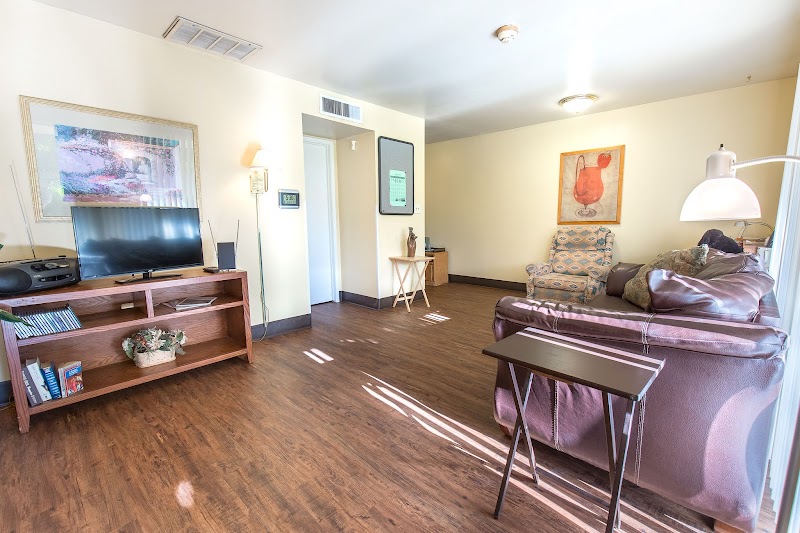
Who Owns and Operates Maryland Gardens Post Acute?

MARYLAND GARDENS POST ACUTE is owned by a for-profit company. For-profit facilities operate as businesses with obligations to shareholders or private owners. The facility is operated by PACS GROUP, a chain that manages multiple nursing homes. With 58 certified beds and approximately 54 residents (about 93% occupancy), it is a smaller facility located in PHOENIX, Arizona.
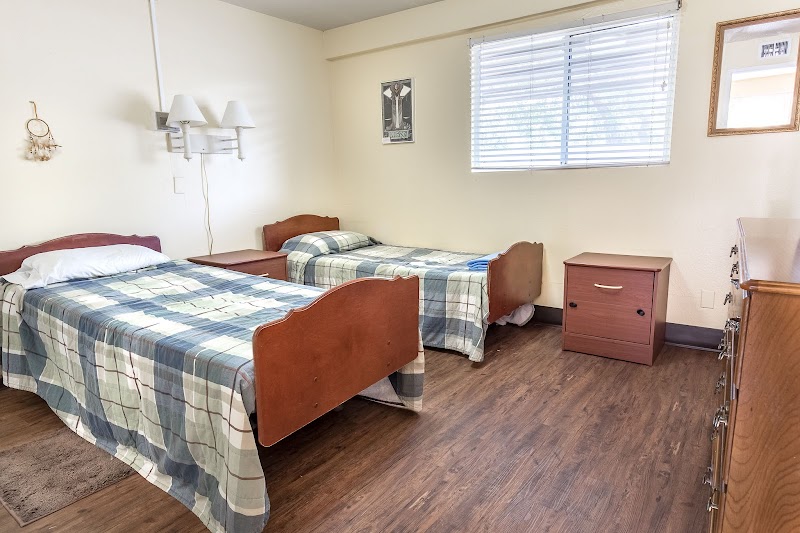
How Does Maryland Gardens Post Acute Compare to Other Arizona Nursing Homes?

Compared to the 100 nursing homes in Arizona, MARYLAND GARDENS POST ACUTE's overall rating (3 stars) is below the state average of 3.3, staff turnover (54%) is near the state average of 46%, and health inspection rating (2 stars) is below the national benchmark.

What Should Families Ask When Visiting Maryland Gardens Post Acute?

Based on this facility's data, families visiting should ask: "What safeguards and monitoring systems are in place to protect residents from abuse or neglect?" "Can I visit during a mealtime to observe dining assistance and food quality?" "How do you handle medical emergencies, and what is your hospital transfer rate?" "Can I speak with family members of current residents about their experience?" These questions are particularly relevant given the substantiated abuse finding on record.

Is Maryland Gardens Post Acute Safe?

Based on CMS inspection data, MARYLAND GARDENS POST ACUTE has documented safety concerns. The facility has 1 substantiated abuse finding (meaning confirmed case of resident harm by staff or other residents). The facility has a 3-star overall rating and ranks #100 of 100 nursing homes in Arizona. Families considering this facility should ask detailed questions about what corrective actions have been taken since these incidents.

Do Nurses at Maryland Gardens Post Acute Stick Around?

MARYLAND GARDENS POST ACUTE has a staff turnover rate of 54%, which is 8 percentage points above the Arizona average of 46%. Moderate turnover is common in nursing homes, but families should still ask about staff tenure and how the facility maintains care continuity when employees leave.

Was Maryland Gardens Post Acute Ever Fined?

MARYLAND GARDENS POST ACUTE has no federal fines on record. CMS issues fines when nursing homes fail to meet care standards or don't correct problems found during inspections. The absence of fines suggests the facility has either maintained compliance or corrected any issues before penalties were assessed. This is a positive indicator, though families should still review recent inspection reports for the full picture.

Is Maryland Gardens Post Acute on Any Federal Watch List?

MARYLAND GARDENS POST ACUTE is not on any federal watch list. The most significant is the Special Focus Facility (SFF) program, which identifies the bottom 1% of nursing homes nationally based on persistent, serious quality problems. Not being on this list means the facility has avoided the pattern of deficiencies that triggers enhanced federal oversight. This is a positive indicator, though families should still review the facility's inspection history directly.