NORTH MOUNTAIN MEDICAL AND REHABILITATION CENTER
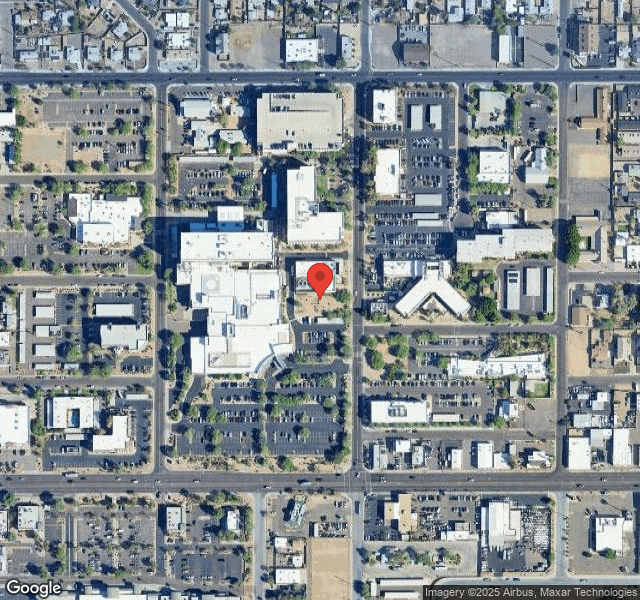
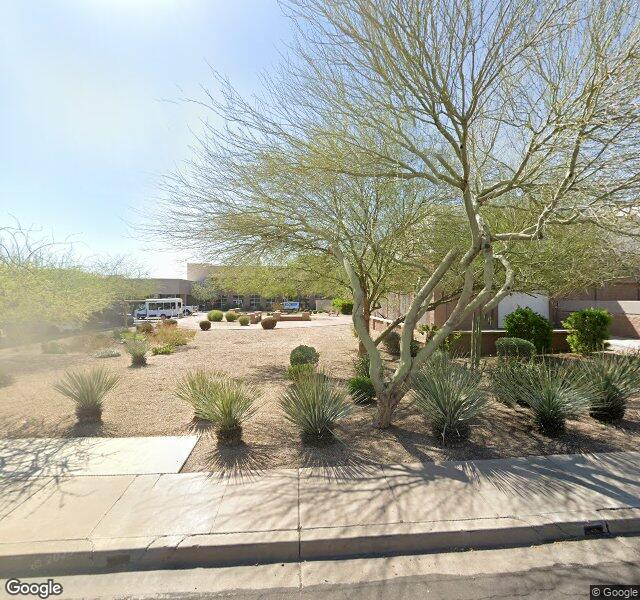
9155 NORTH THIRD STREET, PHOENIX, AZ 85020 (602) 944-1666
For profit - Corporation 155 Beds THE ENSIGN GROUP Data: November 2025
Trust Grade
90/100
#18 of 139 in AZ
Last Inspection: September 2023

Over 2 years since last inspection. Current conditions may differ from available data.

Overview

North Mountain Medical and Rehabilitation Center has received an excellent Trust Grade of A, which indicates high quality and is highly recommended for families seeking care. It ranks #18 out of 139 facilities in Arizona, placing it in the top half of the state, and #14 out of 76 in Maricopa County, meaning there are only 13 local options considered better. The facility's performance trend is stable, with one issue reported in both 2023 and 2024. However, staffing is a concern, receiving a 2 out of 5 rating, with a turnover rate of 45%, which is slightly below the state average. There were no fines reported, and the RN coverage is average, providing an adequate safety net for residents. Specific incidents include a failure to ensure sufficient nursing staff to meet the needs of multiple residents, leading to delays in care. Additionally, there was a reported concern regarding a resident being at risk for physical abuse, indicating potential safety issues. Lastly, the facility did not follow proper procedures for safely transferring a resident using a mechanical lift, which could have resulted in injury. While the overall quality and cleanliness ratings are excellent, it’s crucial for families to consider these staffing and safety weaknesses when making their decision.

Trust Score
A
90/100
In Arizona
#18/139
Top 12%
Safety Record
Low Risk
No red flags
Inspections
Holding Steady
1 → 1 violations
Staff Stability
⚠ Watch
45% turnover. Above average. Higher turnover means staff may not know residents' routines.
Penalties
✓ Good
No fines on record. Clean compliance history, better than most Arizona facilities.
Skilled Nurses
✓ Good
Each resident gets 67 minutes of Registered Nurse (RN) attention daily — more than 97% of Arizona nursing homes. RNs are the most trained staff who catch health problems before they become serious.
Violations
✓ Good
Only 4 deficiencies on record. Cleaner than most facilities. Minor issues only.
★★★★★
5.0
Overall Rating
★★☆☆☆
2.0
Staff Levels
★★★★★
5.0
Care Quality
★★★★★
5.0
Inspection Score
Stable
2023: 1 issues
2024: 1 issues

The Good

  • 5-Star Quality Measures · Strong clinical quality outcomes
  • Full Sprinkler Coverage · Fire safety systems throughout facility
  • No fines on record

Facility shows strength in quality measures, fire safety.

The Bad

Staff Turnover: 45%

Near Arizona avg (46%)

Higher turnover may affect care consistency

Chain: THE ENSIGN GROUP

Part of a multi-facility chain

Ask about local staffing decisions and management

The Ugly 4 deficiencies on record

Dec 2024 1 deficiency
CONCERN (D) 📢 Someone Reported This

A family member, employee, or ombudsman was alarmed enough to file a formal complaint

Potential for Harm - no one hurt, but risky conditions existed

Free from Abuse/Neglect (Tag F0600)

Could have caused harm · This affected 1 resident

**NOTE- TERMS IN BRACKETS HAVE BEEN EDITED TO PROTECT CONFIDENTIALITY** Based on clinical record reviews, facility documentation, resident and staff interviews, and policy review, the facility failed ...

Read full inspector narrative →
**NOTE- TERMS IN BRACKETS HAVE BEEN EDITED TO PROTECT CONFIDENTIALITY** Based on clinical record reviews, facility documentation, resident and staff interviews, and policy review, the facility failed to ensure that one resident (#2) was free from physical abuse. The deficient practice could result in further incidents of staff to resident abuse. Findings include: Resident #2 was admitted on [DATE] with diagnosis including acute and chronic respiratory failure with hypoxia critical illness myopathy, other toxic encephalopathy, and dysphagia. A review of the Minimum Data Set (MDS) dated [DATE] revealed Brief Interview for Mental Status (BIMS) score of 14, indicating intact cognition. Further review of the MDS revealed no indicators for mood or behaviors and dependent for upper and lower mobility. A review of the care plan revealed a focus area indicating that the resident has a potential risk for alteration in thought process/cognitive loss related to multiple complex medical conditions and has ineffective coping skills as exhibited by episodes of agitation, and verbally aggressive and abusive towards staff. Interventions included encouraging communication with family and caregivers' residents' capabilities and needs. Further review of the Care Plan revealed resident expressed alleged staff to resident incident on November 19, 2024. Intervention included a psych consult follow up as ordered on November 20, 2024. A review of the progress notes revealed a psych follow-up entry dated November 20, 2024. On a mental capacity note, patient was AAOX4 during my interview today and able to name some of his medical problems as well as medications that he is currently taking. Patient demonstrated good concentration and short-term memory recall with an improvement in his MMSE score compared to the previous one done approximately 3 months ago. I believe patient now has the mental capacity to make his own medical decisions. A review of the PRN Skin Evaluation dated November 20, 2024 states no new skin alteration noted. no redness, swelling or open areas noted to right lower extremity. An interview was conducted on December 2, 2024 at 9:55 A.M. with resident #2. The resident stated that when his dinner arrived the hamburger patty was crisp, almost burnt, so he sent it back with the CNA/Staff 15. He stated a girl from dietary came into my room with the original tray and asked me what was wrong with the meal? I told her it was too hard, almost burnt and hard for me to eat and asked for a softer patty. He stated this is when the girl from dietary got upset and started yelling and said you're going to eat this, I told her I was not and that I didn't like her attitude with me. Resident #2 stated the girl from dietary was standing at the end of his bed and this is when she grabbed his left ankle and twisted it. Resident #2 stated I told her to stop and grabbed my water bottle and threw it at her, she told me how dare you and threw two water bottles at me and tipped over my urinal. I was soaked with urine and water. Resident #2 stated he reported her immediately and they took him for a shower. Resident #2 stated they told him they sent her home and not seen her since. A telephonic interview was conducted on December 2, 2024 at 1:32 p.m. with a Certified Nursing Assistant (CNA/staff #7). Staff #7 stated that she had resigned from the facility two weeks prior for another position, but was previously employed as a caregiver/sitter and also worked in dietary on tray line and as a dishwasher. She stated she recalled the incident and had never met the resident prior to the alleged incident. Staff #7 stated that she was in the kitchen when Staff #15 CNA entered the kitchen with a complaint about resident #2 dinner meal, stating the resident had complained that the hamburger patty was burnt. She stated the cook told CNA #15 they did not have any ready, that they were frozen and would take sometime to prepare another. Staff #7 stated she was not working in dietary at the time not was she assigned to the resident. Staff #7 stated she was not asked by CNA #15 nor dietary to inform the resident regarding his meal, that she was on break. Staff #7 stated she went to resident #2 room and introduced herself as working in the kitchen. She stated she informed the resident that since he thought that the hamburger was burnt it would take about an hour and if he would like something else. Staff #7 stated resident #2 told her to get the fuck out of my room. She stated when he cursed at me I realized I dealing with the wrong spirit. Staff #7 stated the resident asked he a second time to leave his room. Staff #7 stated I didn't leave his room when he told me to leave-I tried to reason with him, I thought I could make him understand that his burger really wasn't burnt and he could eat it or it would take an hour for another one, but it got worse. Staff # 7 stated resident #2 attempted to kick her while she was standing at the end of his bed so I grabbed his leg. Staff #7 then stated I didn't actually grab his leg, I swung my hand to move his leg to avoid him from kicking me. It was a reflex for me. Staff #7 stated she may Have lightly touched it when asked if she had made contact with resident #7's leg at any time. Staff #7 stated resident #2 pitched his water at me -that was my time to leave the room. A telephonic interview was conducted on December 2, 2024 at 2:50 p.m. with a certified nursing assistant (CNA/staff #15). Staff #15 stated she was assigned to the resident. Staff #15 stated the resident had concerns that his burger was burnt, so she took the tray back to the kitchen and was told me it would take some time because they would need to make it from scratch and to come back to for the burger. Staff #15 stated they were preparing dinner trays at the time. Staff #15 stated she returned to the kitchen approximately 20-30 minutes for the resident's meal and took the tray to the resident's room. Staff #7 stated there was no conversation between her and staff #7 about going to the resident's room and explaining why his try was going to be late. Staff # 7 stated If anyone was to go back and talk to the patient it would have been me. An interview was conducted on December 2, 2024 at 3:18 p.m. with the director of nursing (DON/Staff #24). The DON stated that the expectation when a resident asks staff to leave their room when requested as the resident would get upset and are free from abuse. Staff #118 further stated CNA #7 walked into a situation she did not know how to handle and should have walked away. A follow-up interview was conducted on December 2, 2024 at 3:50 p.m. with a Clinical resource/Registered Nurse (RN/Staff #50) and a Licensed Practical Nurse (LPN/Staff #10). Staff #50 stated she was at the interview with CNA #7 and had stated multiple times that she blocked the resident from kicking her. A review of the facility policy titled Reporting Alleged Violations of Abuse, Neglect, Exploitation or Mistreatment revised October of 2023 revealed It is the policy of this Facility that each resident has the right to be free from abuse, neglect, misappropriation of resident property, exploitation and mistreatment. This includes but is not limited to freedom from corporal punishment, involuntary seclusion and any physical or chemical restraint not required to treat the resident's medical symptoms. Residents must not be subjected to abuse by anyone, including, but not limited to, Facility staff, other residents, consultants or volunteers, staff of other agencies serving the resident, resident representatives, families, friends, or other individuals.
Feb 2023 1 deficiency
CONCERN (D) 📢 Someone Reported This

A family member, employee, or ombudsman was alarmed enough to file a formal complaint

Potential for Harm - no one hurt, but risky conditions existed

Accident Prevention (Tag F0689)

Could have caused harm · This affected 1 resident

**NOTE- TERMS IN BRACKETS HAVE BEEN EDITED TO PROTECT CONFIDENTIALITY** Based on clinical record reviews, staff interviews, facility documentation, policies and procedures, the facility failed to ensu...

Read full inspector narrative →
**NOTE- TERMS IN BRACKETS HAVE BEEN EDITED TO PROTECT CONFIDENTIALITY** Based on clinical record reviews, staff interviews, facility documentation, policies and procedures, the facility failed to ensure a safe transfer using a mechanical lift for one resident (#55). The deficient practice could result in resident sustaining an injury. Findings include: Resident # 55 was admitted on [DATE] with diagnoses of acute respiratory failure with hypoxia, cerebral infarction, dependence on ventilator, and hemiplegia. The admission Minimum Data Set (MDS) assessment dated [DATE] revealed the resident required extensive assistance of two persons with bed mobility, transfers and toileting. The MDS also included the resident had impairment to both upper and lower extremities. Review of a care plan included the resident required assistance with Activities of Daily Living (ADLs) related to activity intolerance muscle weakness, limited mobility and fluctuate in ADL self-performance with interventions to include a Hoyer lift for transfers. The Hoyer Sling Inspection log revealed that the Hoyer slings was inspected by staff January 31, 2023. A change of condition note dated February 4, 2023 included that at approximately 2:30 p.m., the nurse entered that room and found the resident on the floor mat on her back. per the documentation, the CNAs (certified nurse assistants) in the room reported that the resident was being transferred from her bed to the shower bed by 2 CNAs and the RT (respiratory therapist). According to the documentation, the resident slide and fell on the floor mat at bedside; and that, the resident was assessed with no injuries but was sent to the hospital for further evaluation. A physician order on February 4. 2023 revealed that the resident was sent to Emergency Department for CT of head status post fall. A RT progress notes which was marked as an incorrect and duplicate entries were struck out in the clinical record on February 4 and 6, 2023. The documentation revealed that the RT was called into the room to assist with ventilator while resident was being transferred from to the shower bed. Per the documentation, the resident was a few inches from the bed and fell from the sling head first and onto the floor. The documentation also included that when the RT looked up, the front left loop was off of the Hoyer with the rest of the loops still attached to the Hoyer. Per the documentation, the resident was left in the same position until the fire department arrived; and that, the lead RT and lead RN (registered nurse) with two CNAs (certified nursing assistant) were in the room with the resident. It also included that the NP (Nurse Practitioner) was also notified. The IDT note dated February 6, 2023 included that according to the two CNAs and one RT who were inside the resident's room, the resident was being transferred from her bed to the shower bed when resident slid out of the Hoyer sling and onto the floor mat. It also included that priori to putting the resident on the sling the CNAs and the RT inspected it and ensured the size was appropriate for the patient and there were no concerns noted. Per the documentation, the CNAs and RT doubled check to ensure that all sling loops were connected when they lifted the resident above the bed; and that, the resident was balanced appropriately. The staff proceeded to move the resident away from the bed when they noted that the resident started to slide. The note included that all three staff members attempted to assist the resident when the resident slid out onto the floormat. Per the documentation the resident was assessed with no injuries; and was send out to the emergency room for CT scan of the head. The facility documentation included that on February 6, 2023, the Hoyer lifts at Station 1 East and [NAME] units were tested; and both Hoyer were working properly and passed the test. In an interview with two certified nursing assistants (CNA/ staff #15 and #20) conducted on February 15, 2023 at 3:30 p.m., both CNAs stated that it is always takes two and sometime three persons to use a Hoyer transfer. They both said that they received education on Hoyer transfers and felt comfortable using a Hoyer lift. An interview conducted on February 15, 2023 with a licensed practical nurse (LPN/staff #25) who stated she was the unit manager on the unit when the accident with resident #55 happened. The LPN stated that resident #55 slid from the Hoyer sling and onto the floor mat at bedside. She stated that the resident was assessed and 911 was called; and that, the resident was sent out to the Emergency Room. The LPN stated that there should always be two or three staff to assist with transfer using a Hoyer if residents are on a ventilator. She further stated that it should be done by one person. A review of the facility's policy titled Transfer of a Resident, Mechanical Lift revealed to check all the lift's attachments before attempting to lift the resident and always reevaluate the resident's position, the location of slings and the security of the attachments before moving away from the bed or chair. A review of the facility's policy titled Incidents and Accidents included that it is their policy to implement and maintain measures to avoid hazards and accidents.
Nov 2022 1 deficiency
CONCERN (D) 📢 Someone Reported This

A family member, employee, or ombudsman was alarmed enough to file a formal complaint

Potential for Harm - no one hurt, but risky conditions existed

Deficiency F0919 (Tag F0919)

Could have caused harm · This affected 1 resident

**NOTE- TERMS IN BRACKETS HAVE BEEN EDITED TO PROTECT CONFIDENTIALITY** Based on review of the clinical record, observations, resident and staff interviews, and review of policy and procedure, the fac...

Read full inspector narrative →
**NOTE- TERMS IN BRACKETS HAVE BEEN EDITED TO PROTECT CONFIDENTIALITY** Based on review of the clinical record, observations, resident and staff interviews, and review of policy and procedure, the facility failed to ensure one resident (#2) had a call light within reach. The deficient practice could result in residents being unable to call for assistance. Findings include: Resident #2 was admitted on [DATE] with diagnoses that included acute respiratory failure, dysphagia, multiple sclerosis, and quadriplegia. A care plan initiated on May 9, 2019 for tracheostomy included a goal that the resident would have no complications related to the artificial airway. The interventions included the call light would be within reach and to keep call light or alternate call system within reach. A care plan initiated on May 9, 2019 for alteration in musculoskeletal status related to deficits in range of motion (ROM) included a goal that the resident would remain free from pain or discomfort. The interventions for this goal included to anticipate and meet needs and to be sure call light is within reach and respond promptly to all requests for assistance. A care plan initiated on May 9, 2019 for assistance with activities of daily living (ADL) due to ADL self-care performance deficit related to muscle weakness and musculoskeletal impairment included the resident is at risk for developing complications and further decline and included a goal that the resident's dignity would be maintained. The interventions for this goal included to keep the call light within reach, encourage to use to call assistance, and that the resident uses tent call light. It also included the resident may have difficulty with use of call light and requires frequent visual checks. During an observation conducted on November 21, 2022 at 1:45 pm of resident #2 in his room, the resident was lying in bed on his right side facing the window. The resident's TV was off and the device used to allow the resident to call for assistance with his head was behind him approximately 18 inches away. During an interview conducted with the resident at the time of the observation, resident #2 stated that he had wanted his TV on all day but hasn't had it on. Resident #2 stated he likes to watch his movies all day long. An interview was conducted on November 21, 2022 at 1:50 pm with a Registered Nurse (RN/staff #11). Staff #11 stated that when resident #2 wants his TV on or a movie played he calls for help. Staff #11 stated that they will do that for him if he asks. Another observation was conducted on November 22, 2022 at 9:32 am of resident #2 in his room. The resident's TV had a movie start up screen displayed and was playing the same song repeatedly. The TV required someone push the play button to start the movie. The resident was again laying on his right side facing the window. The gray tent shaped call light was behind the resident's head again an estimated 18 inches away. When the surveyor asked the resident to use the light, resident #2 was unable to reach it with his head. During an interview conducted on November 22, 2022 at 11:21 am with a Certified Nursing Assistant (CNA/staff #41), staff #41 stated that when residents are repositioned she makes sure that the call light is within reach. Staff #41 stated that resident #2 requires a push call light because he cannot use his hands or arms to call for help, he uses his head. Staff #41 stated resident #2 needs to be checked on a lot because he gets left out as he is quiet and does not push the call light often. Staff #41 stated that she places the call light and has the resident test it to see if it works before leaving the room. An interview was conducted on November 22, 2022 at 12:43 pm with another CNA (staff #22). Staff #22 stated that resident #2 has a call light that he can tap with his head. Staff #22 stated she checks on him every two hours and always makes sure before she leaves that he can reach it with his head. Staff #22 stated that resident #2 likes to watch movies all day long. During an interview conducted on November 23, 2022 at 10:48 am with a Licensed Practical Nursing (LPN/staff #19), staff #19 stated that residents that cannot use their hands are given a push button or tent call light that is pinned to the pillow so they can use their head. Staff #19 stated that the resident has the right to call for help when they need it. An interview was conducted on November 23, 2022 at 12:46 pm with the Director of Nursing (DON/staff #7). The DON stated the expectation is that the staff ensure the care plan is implemented by monitoring. The DON stated that any special needs are on the report sheet and told to the CNAs. The DON stated once something goes into the plan of care for ADLS, the nursing staff monitor the CNAs to make sure the plan of care is being followed, including the use of special communication devices. The DON stated that residents that cannot use their hands or arms can use a tent call light by laying their head on it. The DON stated that resident #2 should have his call light tent close to his head, usually on a pillow. A facility policy titled Dignity and Respect included that it is the policy of the facility that all residents be treated with kindness, dignity and respect. Schedules of daily activities allow maximum flexibility for residents to exercise choices regarding entertainment are elicited and respected by the facility. A facility policy titled ADL, Services to carry out included that it is the policy of the facility that residents are given the appropriate treatment and services to attain or maintain the highest practicable physical, mental, and psychosocial well-being of each resident in accordance with a written plan of care.
Jul 2022 1 deficiency
CONCERN (E)

Potential for Harm - no one hurt, but risky conditions existed

Deficiency F0725 (Tag F0725)

Could have caused harm · This affected multiple residents

**NOTE- TERMS IN BRACKETS HAVE BEEN EDITED TO PROTECT CONFIDENTIALITY** Based on the clinical record reviews, resident and staff interviews, facility documents, and policy and procedure, the facility ...

Read full inspector narrative →
**NOTE- TERMS IN BRACKETS HAVE BEEN EDITED TO PROTECT CONFIDENTIALITY** Based on the clinical record reviews, resident and staff interviews, facility documents, and policy and procedure, the facility failed to ensure that there was sufficient nursing staff to meet the needs of multiple residents (#s 102, 30, 91, 135, 38, and 109). The deficient practice resulted in residents needs not being met and/or not being met timely. Findings include: -Resident #102 was re-admitted on [DATE] with diagnoses that included respiratory failure, dependence on respiratory ventilator, and morbid obesity. Review of a quarterly Minimum Data Set (MDS) assessment dated [DATE] revealed the resident's cognitive skills for daily decision making was severely impaired. The MDS assessment stated the resident was totally dependent with bed mobility, toilet use, and personal hygiene and required two-persons assistance. Record review of the Certified Nursing Assistant (CNA) Point of Care (POC) documentation dated June 15, 2022 - July 14, 2022 stated the resident was total dependence with bed mobility with two-person assistance. An interview was conducted with the resident's family on July 11, 2022 at 10:32 a.m. The family member stated that on Saturday there was lack of staff, 6-7 staff called off. The family member stated there was 1 CNA, no CNA on East or [NAME] side. She stated she was supposed to meet with the ADON (Assistant Director of Nursing), and that she also called the Administrator to set up a time to discuss the facility staffing. The family member stated a charge nurse told her that she notified the ADON the message about the meeting requested by the family, and that the ADON will talk to her on Sunday, but the ADON never came. The family member stated resident #102 was to be turned every 2 hours but the resident was not turned for 5 hours on Saturday. She stated a charge nurse came in twice to assist with turning after she asked the staff to turn the resident. The family stated resident #102 had a pressure ulcer for two years that finally healed. -Resident #30 was re-admitted on [DATE] with diagnoses that included respiratory failure and encounter for attention to tracheostomy. The quarterly MDS assessment dated [DATE], revealed a BIMS score of 15 indicating the resident was cognitively intact. The MDS revealed the resident was total dependence with toilet use, and extensive assistance with personal hygiene. The MDS assessment bowel and bladder included colostomy and indwelling catheter. An interview was conducted with the resident on July 11, 2022 at 1:42 p.m. The resident stated she had to wait for staff to answer the call light for 5 hours three weeks ago. She stated at 12:00 p.m., she needed a colostomy bag changed. She stated the colostomy bag had opened up and it was a mess, but the colostomy bag was not changed until the next shift. Resident #30 stated she usually has to wait longer for colostomy bag change or care between shift change. -Resident #91 was re-admitted on [DATE] with diagnoses that included morbid obesity, respiratory failure, and dependence on respiratory ventilator. The quarterly MDS assessment dated [DATE] revealed a BIMS score of 15 indicating the resident was cognitively intact. The MDS assessment stated the resident was total dependence with two-person support with toilet use, and extensive assistance with two-person support with personal hygiene Review of the CNA POC response history dated June 15, 2022 - July 14, 2022 revealed the resident was incontinent of bowel function, and frequently total dependence with personal hygiene. During an interview conducted with the resident on July 11, 2022 at 11:26 a.m., the resident stated that he has not been getting his brief changed on time. The resident stated he had to sit in his bowel movement for 2 hours, he fell asleep, and woke up still with bowel movement in his brief from 11:00 p.m. until 6:00 a.m. He stated within the last weeks his soiled brief was not getting changed timely and it happened 3-4 more times the past week. An interview was conducted with a Licensed Practical Nurse (LPN/staff #137) on July 13, 2022 at 3:13 p.m. Staff #137 stated at around 10:15 p.m. this past Saturday night (July 9, 2022), while giving the resident's medications, resident #91 told her he needed a brief change. She stated the CNA returned and told her the resident was sleeping. Staff #137 stated about an hour later, resident #91 family called and told her the resident needed to be changed. The LPN said she asked the CNA for a second time to change the resident and they did. -Resident #135 was re-admitted on [DATE] with diagnoses that included acute and chronic respiratory failure, tracheostomy, dependence on respiratory ventilator, and quadriplegia cervical 5-7 complete. A quarterly MDS assessment dated [DATE] revealed a BIMS score of 15 indicating the resident had intact cognition. The MDS assessment stated that the resident was total dependence with bed mobility, transfer, dressing, toilet use and personal hygiene. The MDS included the resident had an indwelling catheter, and was always incontinent of bowel function. During an interview conducted with the resident on July 11, 2022 at 12:36 p.m., the resident stated that there was not enough staff. The resident stated she had to wait for a while for her call light to be answered, about a couple of hours and it does not matter what shift. -Resident #38 was admitted on [DATE] with diagnoses that included acute respiratory failure with hypoxia, tracheostomy, muscle weakness, and dependence on respiratory ventilator. Review of the resident's quarterly MDS assessment dated [DATE] revealed the resident's cognitive skills for daily decision making was moderately impaired. The MDS assessment included the resident was total dependence with two persons assistance with bed mobility, toilet use, and personal hygiene. Review of the CNA POC record history dated June 15, 2022 - July 14, 2022 revealed the resident was total dependence with personal hygiene and toilet use. During an interview conducted with the resident's family member on July 11, 2022 at 10:38 a.m., the family member stated the facility is short staffed especially on the weekend. The family stated the call light does not get answered for ½ to 2 hours. The family member stated the staff shut the light off but the resident was not getting changed. The family member stated the staffing on the weekend is usually short, especially on night shift. -Resident #109 was admitted on [DATE] with diagnoses that included morbid obesity muscle weakness, and chronic respiratory failure. An admission MDS assessment dated [DATE] included a BIMS score of 15 indicating the resident had intact cognition. The MDS stated the resident was total dependence with bed mobility with two-person support, toilet use, and personal hygiene. Review of the CNA POC response history dated June 15, 2022 - July 14, 2022 revealed resident was incontinent of bowel function, total dependence with toilet use, and personal hygiene. An interview was conducted with the resident on July 11, 2022 at 12:02 p.m. The resident stated that staff told him to have a bowel movement in the bed and that they will change him. The resident stated he spoke to the CNA at 5:15 pm, and staff did not clean him up until 11:20 pm. Review of the Facility Assessment stated the facility hires and schedules staff for average census of 153, including staff to cover vacation, and sick time. The census has been fairly consistent at 153, and the high and lows are brief periods. The Assessment included the staffing plan for nursing services as follow: RNs (Registered Nurses)/LPNs station 1 (7 a.m.-7 p.m.) 5; RNs/LPNs station 1 (7 p.m.-7 a.m.) 4, a total of 9 licensed nurses. RNs/LPNs station 2 (7 a.m.-7 p.m.) 5; RNs/LPNs station 2 (7 p.m.-7 a.m.) 4, a total of 9 licensed nurses. RNs/LPNs station 3 (7 a.m.-7 p.m.) 4; RNs/LPNs station 3 (7 p.m.-7 a.m.) 3, a total of 9 licensed nurses. CNAs 6 a.m. - 2 p.m. 23; CNAs 2 p.m. - 10 p.m. 21; CNAs 10 p.m. - 6 a.m. 12, total CNAs 56. Review of the Daily Nurse Staffing Information documentation revealed the following: June 17, 2022: 39 CNAs were scheduled for 24 hours. The census was 140. June 19, 2022: 29 CNAs were scheduled for 24 hours. The census was 139 July 3, 2022: 27 CNAs were scheduled for 24 hours. The census was 139 July 9, 2022: 32 CNAs were scheduled for 24 hours. The census was 139 July 10, 2022: 35 CNAs were scheduled for 24 hours. The census was 140. An interview with the staffing coordinator (staff #259) was conducted on July 14, 2022 at 9:36 a.m. Staff #259 stated staffing station 1, 2, and 3 depends on the census of the floor. She stated that on June 17, 2022 she was short 9 CNAs because two called off and she was already short 7 CNAs. Staff #259 stated she reviews the daily staffing with the DON (Director of Nursing) and administrator. She stated the facility offers on line application with hiring bonus, and offered bonuses or gift cards for extra shifts. Staff #259 stated the potential outcome if the facility is short staff could include residents might not be changed on time, provided showers, or turned. An interview with the DON (staff #87) was conducted on July 14, 2022 at 2:31 p.m., who stated the staffing in the facility is based on census and acuity. The DON stated there is no staffing ratio and that her expectation for CNAs are 4-5 on the day shift, 3-4 for the evening shift, and 3-4 on the night shift. The DON stated she has open positions and hiring needs ever since COVID happened. She stated that she has not reviewed the facility assessment recently. The DON stated that she meets with the staffing coordinator and she gets notified of the facility daily staffing needs. She stated if she has the staff, the resident will be changed timely, repositioned, and they will receive assistance with meals. The DON stated a reasonable time if a resident pressed the call light and her expectation is within 10-15 minutes or as soon as possible. The DON stated if a resident is totally dependent with Activity of Daily Living (ADLs) and the resident had a bowel movement, her expectation is to change that resident immediately or within reasonable time. The DON stated 4-5 hours was not a reasonable time to wait when a resident had an incontinent episodes of bowel movement. On July 14, 2022, the administrator (staff #306) entered the conference room and stated related to staffing challenges, the facility is offering retention rewards and bonuses to encourage staff to stay. He also stated the managers goes on the floor and help as much as needed. Review of the facility policy and procedure, Sufficient Staff, stated the policy of the facility is to have sufficient nursing staffing with the appropriate competencies and skill sets to provide nursing and related services to promote resident safety and attain or maintain the highest practicable mental, psychosocial well-being of each resident as determined by the resident assessment and individual plans of care; and considering the number, acuity and diagnosis of the facility's resident population in accordance with the facility assessment.
Understanding Severity Codes (click to expand)
Life-Threatening (Immediate Jeopardy)
J - Isolated K - Pattern L - Widespread
Actual Harm
G - Isolated H - Pattern I - Widespread
Potential for Harm
D - Isolated E - Pattern F - Widespread
No Harm (Minor)
A - Isolated B - Pattern C - Widespread

Questions to Ask on Your Visit

  • "Can I speak with families of current residents?"
  • "What's your RN coverage like on weekends and overnight?"

Our Honest Assessment

Strengths
  • • Grade A (90/100). Above average facility, better than most options in Arizona.
  • • No major safety red flags. No abuse findings, life-threatening violations, or SFF status.
  • • No fines on record. Clean compliance history, better than most Arizona facilities.
  • • Only 4 deficiencies on record. Cleaner than most facilities. Minor issues only.
Concerns
  • • No significant concerns identified. This facility shows no red flags across CMS ratings, staff turnover, or federal penalties.
Bottom line: Generally positive indicators. Standard due diligence and a personal visit recommended.

About This Facility

What is North Mountain Medical And Rehabilitation Center's CMS Rating?

CMS assigns NORTH MOUNTAIN MEDICAL AND REHABILITATION CENTER an overall rating of 5 out of 5 stars, which is considered much above average nationally. Within Arizona, this rating places the facility higher than 99% of the state's 100 nursing homes. This rating reflects solid performance across the metrics CMS uses to evaluate nursing home quality.

How is North Mountain Medical And Rehabilitation Center Staffed?

CMS rates NORTH MOUNTAIN MEDICAL AND REHABILITATION CENTER's staffing level at 2 out of 5 stars, which is below average compared to other nursing homes. Staff turnover is 45%, compared to the Arizona average of 46%. This relatively stable workforce can support continuity of care. RN turnover specifically is 62%, which is notably high. RNs provide skilled clinical oversight, so turnover in this role can affect medical care quality.

What Have Inspectors Found at North Mountain Medical And Rehabilitation Center?

State health inspectors documented 4 deficiencies at NORTH MOUNTAIN MEDICAL AND REHABILITATION CENTER during 2022 to 2024. These included: 4 with potential for harm.

Who Owns and Operates North Mountain Medical And Rehabilitation Center?

NORTH MOUNTAIN MEDICAL AND REHABILITATION CENTER is owned by a for-profit company. For-profit facilities operate as businesses with obligations to shareholders or private owners. The facility is operated by THE ENSIGN GROUP, a chain that manages multiple nursing homes. With 155 certified beds and approximately 156 residents (about 101% occupancy), it is a mid-sized facility located in PHOENIX, Arizona.

How Does North Mountain Medical And Rehabilitation Center Compare to Other Arizona Nursing Homes?

Compared to the 100 nursing homes in Arizona, NORTH MOUNTAIN MEDICAL AND REHABILITATION CENTER's overall rating (5 stars) is above the state average of 3.3, staff turnover (45%) is near the state average of 46%, and health inspection rating (5 stars) is much above the national benchmark.

What Should Families Ask When Visiting North Mountain Medical And Rehabilitation Center?

Based on this facility's data, families visiting should ask: "Can you walk me through typical staffing levels on day, evening, and night shifts?" "Can I visit during a mealtime to observe dining assistance and food quality?" "How do you handle medical emergencies, and what is your hospital transfer rate?" "Can I speak with family members of current residents about their experience?" These questions are particularly relevant given the below-average staffing rating.

Is North Mountain Medical And Rehabilitation Center Safe?

Based on CMS inspection data, NORTH MOUNTAIN MEDICAL AND REHABILITATION CENTER has a clean safety record: no substantiated abuse findings (meaning no confirmed cases of resident harm), no Immediate Jeopardy citations (the most serious violation level indicating risk of serious injury or death), and is not on the Special Focus Facility watch list (a federal program monitoring the lowest-performing 1% of nursing homes). The facility has a 5-star overall rating and ranks #1 of 100 nursing homes in Arizona. While no facility is perfect, families should still ask about staff-to-resident ratios and recent inspection results during their visit.

Do Nurses at North Mountain Medical And Rehabilitation Center Stick Around?

NORTH MOUNTAIN MEDICAL AND REHABILITATION CENTER has a staff turnover rate of 45%, which is about average for Arizona nursing homes (state average: 46%). Moderate turnover is common in nursing homes, but families should still ask about staff tenure and how the facility maintains care continuity when employees leave.

Was North Mountain Medical And Rehabilitation Center Ever Fined?

NORTH MOUNTAIN MEDICAL AND REHABILITATION CENTER has no federal fines on record. CMS issues fines when nursing homes fail to meet care standards or don't correct problems found during inspections. The absence of fines suggests the facility has either maintained compliance or corrected any issues before penalties were assessed. This is a positive indicator, though families should still review recent inspection reports for the full picture.

Is North Mountain Medical And Rehabilitation Center on Any Federal Watch List?

NORTH MOUNTAIN MEDICAL AND REHABILITATION CENTER is not on any federal watch list. The most significant is the Special Focus Facility (SFF) program, which identifies the bottom 1% of nursing homes nationally based on persistent, serious quality problems. Not being on this list means the facility has avoided the pattern of deficiencies that triggers enhanced federal oversight. This is a positive indicator, though families should still review the facility's inspection history directly.