PHOENIX MOUNTAIN POST ACUTE
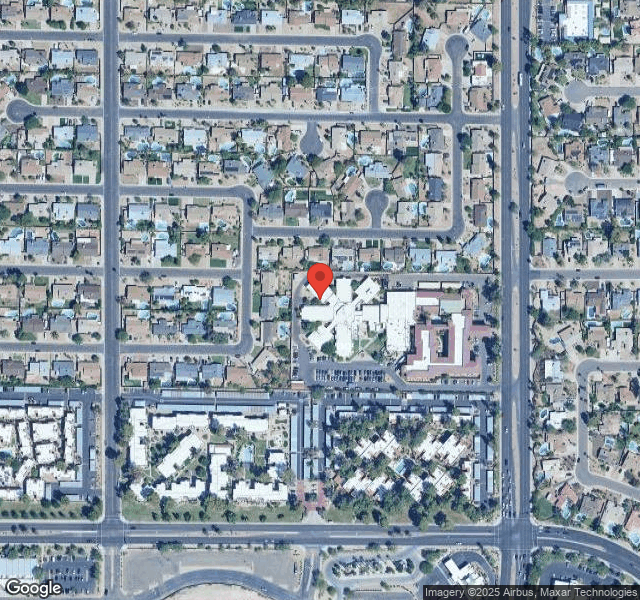

13232 NORTH TATUM BLVD, PHOENIX, AZ 85032 (602) 996-5200
For profit - Corporation 130 Beds THE ENSIGN GROUP Data: November 2025
Trust Grade
33/100
#116 of 139 in AZ
Last Inspection: July 2023

Over 2 years since last inspection. Current conditions may differ from available data.

Overview

Phoenix Mountain Post Acute has received a Trust Grade of F, indicating significant concerns about the facility's quality and care standards. Ranking #116 out of 139 nursing homes in Arizona places it in the bottom half of facilities, and #68 out of 76 in Maricopa County suggests that only a few local options may be better. Unfortunately, the facility's situation is worsening, with issues increasing from 1 in 2024 to 6 in 2025. Staffing is rated average with a 3/5 star score, and the turnover rate is about 55%, which is close to the state average of 48%. However, there are concerning findings, such as a serious incident involving a resident's right to be free from sexual abuse and another case where a resident was hospitalized due to inadequate hydration. Overall, while the facility shows some strengths in quality measures, the significant weaknesses and serious incidents raise red flags for families considering this nursing home.

Trust Score
F
33/100
In Arizona
#116/139
Bottom 17%
Safety Record
Moderate
Needs review
Inspections
Getting Worse
1 → 6 violations
Staff Stability
⚠ Watch
55% turnover. Above average. Higher turnover means staff may not know residents' routines.
Penalties
✓ Good
$8,018 in fines. Lower than most Arizona facilities. Relatively clean record.
Skilled Nurses
○ Average
Each resident gets 34 minutes of Registered Nurse (RN) attention daily — about average for Arizona. RNs are the most trained staff who monitor for health changes.
Violations
⚠ Watch
30 deficiencies on record. Higher than average. Multiple issues found across inspections.
★★☆☆☆
2.0
Overall Rating
★★★☆☆
3.0
Staff Levels
★★★★★
5.0
Care Quality
★☆☆☆☆
1.0
Inspection Score
Stable
2024: 1 issues
2025: 6 issues

The Good

  • 5-Star Quality Measures · Strong clinical quality outcomes
  • Full Sprinkler Coverage · Fire safety systems throughout facility
  • No fines on record

Facility shows strength in quality measures, fire safety.

The Bad

2-Star Overall Rating

Below Arizona average (3.3)

Below average - review inspection findings carefully

Staff Turnover: 55%

Near Arizona avg (46%)

Frequent staff changes - ask about care continuity

Federal Fines: $8,018

Below median ($33,413)

Minor penalties assessed

Chain: THE ENSIGN GROUP

Part of a multi-facility chain

Ask about local staffing decisions and management

Staff turnover is elevated (55%)

7 points above Arizona average of 48%

The Ugly 30 deficiencies on record

2 actual harm
Jul 2025 4 deficiencies
CONCERN (D) 📢 Someone Reported This

A family member, employee, or ombudsman was alarmed enough to file a formal complaint

Potential for Harm - no one hurt, but risky conditions existed

Deficiency F0557 (Tag F0557)

Could have caused harm · This affected 1 resident

**NOTE- TERMS IN BRACKETS HAVE BEEN EDITED TO PROTECT CONFIDENTIALITY** Based on clinical record review, observations, interviews, facility documentation and policy, the facility failed to ensure that...

Read full inspector narrative →
**NOTE- TERMS IN BRACKETS HAVE BEEN EDITED TO PROTECT CONFIDENTIALITY** Based on clinical record review, observations, interviews, facility documentation and policy, the facility failed to ensure that one resident (#435) with an intellectual disability was properly groomed, and provided proper hygiene. The sample size was three residents. The deficient practice could result in the resident being ostracized and ridiculed at the facility, adversely impacting self esteem. Findings include:Resident # 435 was admitted to the facility on [DATE], with diagnoses that included unspecified intellectual disabilities, adjustment disorder with mixed anxiety and depressed mood, pyoderma gangrenosum (a rare, inflammatory skin disease where painful pustules or nodules become ulcers), and psoriasis vulgaris (a chronic inflammatory skin condition characterized by red raised patches, covered with silvery white scales).The Activities of Daily Living (ADL) care plan dated October 1, 2021, revealed that the resident required assistance with self-care and mobility. The care plan goal included the resident being clean and well-groomed. Resistance to Care was care-planned and initiated on January 31, 2024, with a goal of being open to feedback and coping mechanisms A progress note dated April 7, 2025, revealed the resident became upset with her about a shower, and for not allowing the resident to keep a urine-soaked blanket. The quarterly Minimum Data Set (MDS) dated [DATE], revealed a Brief Interview Mental Status (BIMS) score of 15, indicating the resident is cognitively intact. The assessment also revealed the resident has had no adverse behavioral symptoms or rejection of care over the lookback period. The Interim Self-Care assessment revealed the resident was capable of performing activities of independent living independently (requiring no assistance from a helper). An investigation of an anonymous complaint submitted to the Bureau of Long-term Care on June 17, 2025, revealed the complainant's disapproval of the resident being allowed to walk around the facility and dining area with her briefs always soaked. A request for the past three months of the resident's shower sheets was made on July 11, 2025. Repetitive refusals of bad baths/ showers were revealed throughout April 2025 to July 2025. Shower sheets or other documentation supporting the resident having a bath from June 28, 2025 to July 11, 2025, were not provided to the compliance officer before exit. The clinical record does not support the IDT's attempt to re-evaluate the resident's ability to maintain proper bowel and bladder management on a quarterly basis. On July 11, 2025, at approximately 1:25 p.m., the compliance officer, along with the Assistant Director of Nursing (ADON/Staff #43) observed the resident walking down the hallway in a disheveled, ungroomed, and malodorous state. The resident stopped to engage in small talk with the ADON. Upon closer evaluation, a substantial amount of skin flaking was present on clothes and in hair. The resident's clothing had staining, and the resident's walker had a brown dried substance near the hand-grip area. Upon leaving the facility on July 11, 2025, at 3:40 p.m., the compliance officer, along with the Clinical Resource Staff (Staff # 40), observed the resident standing in the facility lobby. The resident state was unchanged from the previous observation.An interview was conducted with Resident # 412 on July 11, 2025, at approximately 1:13 p.m., who voiced familiarity with the resident and stated they let her Resident # 435 walk around all day smelling like piss and sh--, and do nothing about it. It's disgusting! The resident continued that the staff should think about how they would feel if someone allowed their loved one to be walking around like that!. An interview was conducted on July 11, 2025, at approximately 1:25 p.m., with the ADON (Staff # 43), who revealed that the resident is oftentimes resistant to care. The ADON further explained that they work hard to meet the resident's demand, and respect her rights as to when and how she wants things done. The ADON explained that the resident is very independent and refuses to let others assist. After seeing the brown dried matter on the walker, the ADON stated she would instruct staff to assist the resident in getting cleaned up immediately.During an exit conference conducted on July 11, 2024, at approximately 3:30 p.m. with the Director of Nursing (DON/Staff # 01), the DON revealed that the facility is aware that the resident has a long history of being resistant to care, and will continue to find ways to accommodate to help the resident meet care needs. The facility's Dignity and Respect policy, revised September 2024, revealed that residents will be appropriately dressed in clean clothes arranged comfortably on their persons and be well-groomed. The facility's ADL (Activities of Daily Living), Services to carry out policy, reviewed August 2024, dictate that qualified staff will provide necessary services to ensure residents maintain good nutrition, grooming, toileting, and personal oral hygiene. The facility's Bowel and Bladder Management policy, revised July 2013, directs the Interdisciplinary Team (IDT) to re-evaluate on at least a quarterly basis, upon a change of condition, and at other times as appropriate or indicated by the circumstances.
CONCERN (D) 📢 Someone Reported This

A family member, employee, or ombudsman was alarmed enough to file a formal complaint

Potential for Harm - no one hurt, but risky conditions existed

Pressure Ulcer Prevention (Tag F0686)

Could have caused harm · This affected 1 resident

**NOTE- TERMS IN BRACKETS HAVE BEEN EDITED TO PROTECT CONFIDENTIALITY** Based on observations, clinical record review, interviews, and facility documentation and policy, the facility failed to ensure ...

Read full inspector narrative →
**NOTE- TERMS IN BRACKETS HAVE BEEN EDITED TO PROTECT CONFIDENTIALITY** Based on observations, clinical record review, interviews, and facility documentation and policy, the facility failed to ensure that one resident (# 382) received necessary treatment and services, consistent with professional standards of practice, to promote healing, prevent infection and prevent new skin impairments. The sample size was three residents. The deficient practice could result in the development, or worsening of skin impairments.Resident # 382 was admitted to the facility on [DATE], with diagnoses that included paraplegia, neurogenic bowel and bladder (damaged nerves adversely affect bowel and bladder control), Type 2 Diabetes Mellitus, anxiety, and neoplasm of bone/soft tissue/ and skin. The resident's Activity of Daily Living (ADL) Self-care Performance Deficit care plan, initiated on October 19, 2019, goal for the resident to be clean and well-groomed through the review date. The resident's Pressure/Skin care plan, initiated on November 3, 2019, revealed the resident was to receive a low-air-loss mattress, mobility bars, and pressure-relieving/reducing device on the chair. A progress note dated January 3, 2022, revealed that an offloading mattress was included in the wound care orders.An order for a low-air-loss mattress was initiated on February 10, 2022. The Medication Administration Record (MAR)/Treatment Administration Record (TAR) did not support offloading mattress documentation from January 3, 2022, until February 9, 2022. The resident's shower sheets were reviewed for February 2022 through May 2022 and revealed the following:- No bathing activity occurred between February 2-7, 2022.- No bathing activity occurred between February 9-15, 2022. - No bathing activity occurred between February 17-21, 2022. - No bathing activity occurred between February 23-27, 2022.- Excluding the refusal on March 8, 2022, no bathing activity occurred between March 4, 2022 - March 14, 2022. - There is no clinical documentation supporting bathing activity that occurred during the month of April 2022.- No bathing activity occurred between May 4, 2022-May 8, 2022- No bathing activity occurred between May 10-17, 2022. A vascular clinic note dated April 19, 2022, revealed a positive prognosis for resident wound healing. The provider notes supported that the right and left lower extremity wounds had the capacity to heal. The resident's quarterly Minimum Data Set (MDS) assessment, dated April 23, 2022, revealed that the resident had a Brief Interview for Mental Status (BIMS) score of 15, indicating the resident was cognitively intact. The assessment indicated the resident required physical help with bathing. The assessment further indicated the resident had Moisture Associated Skin Damage (MASD) and required a pressure-reducing device for bed. The progress note dated May 16, 2022, revealed the following status of the resident's wounds:Wound #7 Left, Lateral Thigh is an Abrasion and has received a status of Not Healed.Wound #8 Buttock bilateral buttocks is a MASD and has received a status of Not HealedWound #9 Right, Plantar Foot is a Diabetic Ulcer and has received a status of Not Healed. Wound #12 Right, Posterior Heel is an Arterial Ulcer and has received a status of Not Healed. A shower sheet dated March 8, 2022, revealed the resident refused bathing. The clinical record does not reflect any other episodes when the resident requested showers less than twice a week. An interview was conducted with Licensed Practical Nurse (LPN/ Staff #2) on May 28, 2025, at 1:22 p.m. The LPN revealed that residents with severe incontinence are checked on hourly. The LPN further elaborated the importance of knowing your resident and their clinical diagnosis to anticipate needs. In addition, the LPN revealed that showers are scheduled twice a week, and if a resident requests more than that, the staff will provide the opportunity. In regard to skin assessments, those are documented in the electronic medical record weekly under the skin assessments tab. An interview was conducted with Resident #204, who voiced aggravation, stated, I don't appreciate having to sit and wait in my own piss for over an hour, the CNAs (Certified Nurse Assistant) never want to work! They will come into your room and turn off your call light, and tell you they will be right back, but they never do! It can be an hour or two when you put your light back on to remind someone to come change you. I am afraid of getting sores! Luckily, I move better than most here, otherwise I would have had one by now! An interview was conducted with the Wound Care Nurse (WCN/Staff # 92) on May 29, 2025, at approximately 9:20 a.m. The WCN revealed Incontinence Associated Dermatitis (IAD/ a form of MASD) is when the skin has prolonged contact with an incontinent episode. The WCN explained one of the best ways to minimize MSRD is by keeping the resident clean and dry and maintaining good hygiene practices. An interview was conducted with the Wound Care Physician (WCP/Staff#40) on May 30, 2025, at 8:40 a.m. The physician revealed that not keeping a resident clean and dry can lead to MASD. The physician continued is one of the best ways to keep a resident is supporting good hygiene practices, and making sure soiled and wet briefs do not allow prolonged contact time with skin. The facility's Activities of Daily Living policy, reviewed date August 2021, revealed bathing will be offered twice weekly (unless residents request more or less). In addition, the policy instructs staff to document ADL care in the medical record accordingly. The facility's Wound Management policy, reviewed date July 2021, revealed that a resident who enters the facility without pressure ulcers does not develop pressure ulcers unless the individual's clinical condition or other factors demonstrate that a developed pressure ulcer was unavoidable. In addition, if the resident is incontinent, make sure that the skin remains clean and dry with regular peri care and toileting when appropriate.
CONCERN (D) 📢 Someone Reported This

A family member, employee, or ombudsman was alarmed enough to file a formal complaint

Potential for Harm - no one hurt, but risky conditions existed

Deficiency F0849 (Tag F0849)

Could have caused harm · This affected 1 resident

**NOTE- TERMS IN BRACKETS HAVE BEEN EDITED TO PROTECT CONFIDENTIALITY** Based on observations, clinical record review, interviews, and facility documentation and policy, the facility failed to ensure ...

Read full inspector narrative →
**NOTE- TERMS IN BRACKETS HAVE BEEN EDITED TO PROTECT CONFIDENTIALITY** Based on observations, clinical record review, interviews, and facility documentation and policy, the facility failed to ensure hospice services was contacted for a significant change in condition for resident #83. The deficient practice could result appropriate hospice services not being provided to the resident. Findings include:Regarding Resident #83:Resident # 83 was admitted to the facility on [DATE], with diagnoses that included hepatic encephalopathy (the loss of brain function when a damaged liver doesn't remove toxins from the blood), dementia, and anxiety. The resident was admitted to hospice on March 31, 2025, with a terminal diagnosis of atherosclerotic heart disease of native coronary artery without angina pectoris. An observation on May 29, 2025, at 10:27 a.m. revealed the resident quietly lying in bed with his brief visible. In addition, a bowl of spilled cereal and milk, another bowl, and a cup were on the bed by the wall in the resident's bed. Crumbs were also present on the resident's gown. An observation was conducted on May 29, 2025, at 11:06 a.m. with the Assistant Director of Nursing (ADON/Staff #43) of the resident in the bed, brief still showing, food on clothing, bowl of spilled cereal and milk, and an additional bowl. A panel discussion was conducted on May 29, 2025, at 1:45 p.m. with the Director of Nursing (DON/ Staff # 01) and the Assistant Director of Nursing. The panel revealed if a resident has been determined to be dependent for eating, the facility's expectation during meals is that the resident is being assisted by staff. Some interventions that would be included in a care plan for a resident who requires total dependence on meals would include one on one assistance with meals, or some just says assistance, the intervention will depend upon the need. In regard to the resident being left in the state, found. With breakfast ending around 8:30 a.m. and the resident in the current state at 11:06 a.m., what dignity issues can arise? In the matter of dignity and safety, those are addressed throughout his care plan, so it is about the combative behavior with staff, then they will step away, and go back for it later. The facility expectation revealed if the resident was in a calmer they would finish the meal. expectation. The facility's expectation was to go back when the resident was calmer, try to finish the meal, and clean up the resident. The panel voiced being unable to locate documentation in the clinical record supporting the combative episode at breakfast. An interview was conducted with CNA staff # 99 on May 29, 2025, at 4:04 p.m., revealing that the resident was combative that morning and made a mess with the breakfast and dishes on the bed. We are encouraged to walk away and let the resident calm down before reattempting. The CNA revealed her supervising nurse was informed, and that housekeeping was contacted to clean up the mess. An interview was conducted with the resident's hospice Registered Nurse (RN) on May 30, 2025, at 10:59 a.m. The RN revealed that hospice was not contacted regarding the resident having a combative episode. The RN further explained that whenever there is a change, especially as the one described, the facility was supposed to let hospice know. The RN voiced great concern about this matter and will follow up immediately with the facility. The RN revealed that informing the hospice when a change of condition occurs is imperative to be able to collaborate with their team to help the resident. An order for a regular diet, mechanical soft was initiated on May 27, 2025.The Activities of Daily Living (ADL) Self Care Performance Deficit care plan-initiated April 30, 2025, encouraged the resident to participate to the fullest extent possible with each interaction. The admission Minimum Data Set (MDS) dated [DATE], revealed that the resident had a Brief Interview for Mental Status (BIMS) score of 00, indicating the resident was severely cognitively impaired. The Self-Care functional abilities score for eating is listed as Dependent.Documentation supporting the MDS change to eating alone or with minimal assistance was requested on May 30, 2025, at 13:00. The facility failed to fulfill the request. A request to view video surveillance of the resident's hall between 8:15 a.m. to 10:45 a.m. on May 29, 2025, was requested on 5/30/25 at 9:50 a.m. The facility was unable to fill the request.A request for documentation supporting the CNA's account of the combative episode was requested, however the facility was unable to fill the request. The facility's contractual agreement with the Hospice provider reveals the Hospice and facility intends to implement a collaborative relationship in compliance with all relevant state and federal laws which will facilitate access to Hospice care services. In addition, item 4.8 of the agreement revealed that the facility is to immediately notify Hospice if a significant change in a Hospice patient's physical, mental, social, or emotional status occurs. The facility's Change of condition reporting policy, reviewed 09/2024, revealed that all changes in resident condition will be communicated to the physician and resident representative and documented.The facility's End of Care; Hospice policy, reviewed 09/2024, revealed collaborating with Hospice will include processes for orienting staff to facility policies and procedures.
CONCERN (E) 📢 Someone Reported This

A family member, employee, or ombudsman was alarmed enough to file a formal complaint

Potential for Harm - no one hurt, but risky conditions existed

Room Equipment (Tag F0908)

Could have caused harm · This affected multiple residents

Based on interviews, facility documentation and policy, the facility failed to ensure patient care equipment was maintained according to manufactures recommendations and kept in safe operating conditi...

Read full inspector narrative →
Based on interviews, facility documentation and policy, the facility failed to ensure patient care equipment was maintained according to manufactures recommendations and kept in safe operating condition. The deficient practice could result in a resident not receiving basic life support with an Automated External Defibrillator (AED). Findings Include: An observation was conducted with the Executive Director (Staff # 07) on May 28, 2025 at 12:00 p.m. of the facility's Core Crash Cart. The defibrillator is stored in the bottom drawer of the Core Crash Cart with a blinking green light. The crash cart daily checkoff list is located on top of the cart. According to an invoice dated December 20, 2021, the facility acquired the AED machine. According to the user manual, version DAC-A580-EN-DL, the Operator's Checklist should be used as a basis for routine maintenance. The manual includes specific maintenance tasks that are recommended to be performed on a regular basis to ensure machine readiness. The 2024 Facility Assessment revealed ways of ensuring an adequate supply of equipment revealed the facility can also rent specialized or additional equipment on any given day through a variety of local vendors. The Phoenix Mountain Nursing Center Emergency Cart Checklist from April 2024 through June 2024 failed to support the presence of an AED on the list, and that daily checks on the machine were being performed. Facility documentation provided by the Assistant Director of Nursing (Staff # 43), undated, revealed the AED showed signs of malfunction on May 11, 2025, and that a confirmation email was received on May 15, 2024 instructing the facility to remove the AED from use until a new battery was available. An email dated May 28, 2025 at 12:42 p.m. addressed to the ADON, revealed the replacement of the battery pack and instructions was originally sent on May 15, 2024 at 1:48 p.m. The facility documentation failed to support the daily equipment check of the AED machine. The facility documentation also failed to support the use of the manufacturers recommended way to document the functioning of the defibrillator. Review of a complaint filed with the Arizona Department of Health on May 13, 2024 revealed Emergency Medical Services (EMS) arrived to assist a resident in cardiac arrest. The rescue team reported concern that the facility's AED was not in operational order. An interview conducted on May 28, 2025 at 1:22 p.m. with the customer service representative for the manufacturer revealed the date of contact for the malfunctioning AED was on May 15, 2025, and after troubleshooting a replacement battery was decided as part of the solution. An interview was conducted with a representative from the local Emergency Medical Services department on May 29, 2025 at approximately 3:02 p.m. The representative revealed appreciation for the investigation into this matter, and felt inoperable lifesaving equipment at a healthcare facility is definitely of concern. A panel discussion was conducted on May 30, 2025 at 12:28 p.m., with the Director of Nursing (Staff #01) and the ED. Both parties revealed that in August of 2024, the AED was added to the crash cart log checklist. They also explained that in February 2025, service for the AED was added to the monthly maintenance checklist. Both parties revealed that an AED is not a requirement in the nursing home, however the panel acknowledged the facility is responsible for maintaining patient care equipment in working order. The panel also agreed that the AED was intended for resident emergency use. A second interview was conducted on May 30 at 1:22 p.m. with the manufacturer's customer service representative. The representative re- verified that the manufacturer was not contacted until May 15, 2024 at 10:00 a.m. The representative explained that during customer calls, a ticket is immediately opened and timestamped in their system. The facility's Cardiopulmonary Resuscitation policy, revised December 2023, revealed Basic Life Support includes early cardiopulmonary resuscitation, and rapid defibrillation with an automated external defibrillator, if available. A crash cart policy was requested on May 28, 2025, but notice was given on May 28 2025 at 13:48 that there was not a corresponding policy. However, the procedure is for the night staff nurses check daily.
Jun 2025 2 deficiencies
CONCERN (D) 📢 Someone Reported This

A family member, employee, or ombudsman was alarmed enough to file a formal complaint

Potential for Harm - no one hurt, but risky conditions existed

Deficiency F0726 (Tag F0726)

Could have caused harm · This affected 1 resident

**NOTE- TERMS IN BRACKETS HAVE BEEN EDITED TO PROTECT CONFIDENTIALITY** Based on review of the facility assessment, facility documentation, staff interviews, personnel files, and facility policy, the ...

Read full inspector narrative →
**NOTE- TERMS IN BRACKETS HAVE BEEN EDITED TO PROTECT CONFIDENTIALITY** Based on review of the facility assessment, facility documentation, staff interviews, personnel files, and facility policy, the facility failed to ensure that one staff member (#65) had the competencies and skill sets necessary to provide nursing and related services to safely meet one resident's (#166) transfer needs. The deficient practice regarding resident transfer equipment could increase the risk for accident-related injuries. Findings include: Resident #166 was admitted to the facility on [DATE] with the diagnosis type 2 diabetes and muscle weakness. A care plan focus of self-care performance deficit with the initiation dated of August 29, 2019 revealed that Resident #166 requires a Hoyer lift for transfers. A quarterly MDS (Minimum Data Set) assessment dated [DATE] revealed that Resident #166 had been dependent on helper assistance for chair to bed transfers, toilet transfers, and shower/tub transfers. Indicating that the resident relied on staff assistance to transfer in and out of their bed, and, into their wheelchair. A review of the facility's 2025 facility assessment revealed provided services include mobility and fall prevention with practices such as transfers. The assessment noted that in addition to required certification and licensure, all staff are oriented at the time of hire and receive all required training on an ongoing basis to meet the residents' needs, as identified, including the necessary competencies and skill sets. The assessment also revealed that the facility has identified competencies and trainings regarding transfers can include gait belts and mechanical lifting techniques. The assessment included factors that may affect the care provided by the facility, including staff competencies. On June 13, 2025 at 8:50AM, there was an observation of a CNA (certified nursing assistants/Staff #65) utilizing a Hoyer lift with Resident #166. There were no other staff members assisting Staff #65 with the usage of the Hoyer lift to transfer the resident. An interview was conducted with Staff #65 on June 13, 2025 at 10:48AM, where Staff #65 stated that the facility had provided training on Hoyer lift usage and the expectations regarding the utilization of mechanical lifts for transfers. Staff #65 stated that the usage of medical equipment is discussed during in-service trainings, and, as well as monthly meetings for CNAs. Staff #65 stated that the facility's expectation is to have two staff members present when utilizing a Hoyer lift. Staff #65 had also stated that they did not have a second staff present when utilizing the Hoyer lift with Resident #166 during the observation mentioned above. An interview was conducted with a CNA (Staff #17) on June 13, 2025 at 11:03AM, where Staff #17 stated that the usage of a Hoyer lift requires two staff to be utilized properly and to the facility's expectations. Staff #17 also advised that they facility had a recent training regarding how to utilize a Hoyer lift and that the requirement of two staff had been reiterated during that medical equipment training. An interview was conducted on June 13, 2025 at 11:20AM with an LPN (Licensed Practical Nurse/Staff #94), where Staff #94 stated that a Hoyer lift should not be used by any staff in the facility unless there are two staff present to utilize the mechanical lift. Staff #94 also stated that there should not be a problem to obtain a second staff member to complete a transfer with a Hoyer lift as CNA's are encouraged to ask staff such as a nurse or a therapy staff member. An interview was conducted with the DON (Director of Nursing/Staff #81) on June 13, 2025 at 1:08PM, where Staff #81 stated that the facility's expectations regarding the usage of a Hoyer lift requires two people to be able to utilize the equipment appropriately to meet the needs of a resident. Staff #81 also stated that the requirement of two staff members is important for the safety of the resident and as well as the staff members who utilize the equipment. Review of the facility policy, Resident Safety - Mechanical Lift, revealed that the policy is to help ensure the safety of the employees and the residents. The policy also revealed that the policy applies to all healthcare personnel involved in patient care and transfers within the facility. The policy also revealed that there should always be a minimum of two healthcare personnel during patient transfers with a mechanical lift, to ensure there is one person operating the equipment and one who assists the person operating the equipment.
CONCERN (D) 📢 Someone Reported This

A family member, employee, or ombudsman was alarmed enough to file a formal complaint

Potential for Harm - no one hurt, but risky conditions existed

Medical Records (Tag F0842)

Could have caused harm · This affected 1 resident

**NOTE- TERMS IN BRACKETS HAVE BEEN EDITED TO PROTECT CONFIDENTIALITY** Based on review of the clinical record, staff interviews, and review of policies and procedures, the facility failed to ensure c...

Read full inspector narrative →
**NOTE- TERMS IN BRACKETS HAVE BEEN EDITED TO PROTECT CONFIDENTIALITY** Based on review of the clinical record, staff interviews, and review of policies and procedures, the facility failed to ensure clinical record documentation was accurately documented for one resident (#111) regarding medication administration. The deficient practice has the potential for clinical records to inaccurately and incompletely reflect the administration of medications to all residents. Findings include: Resident #111 was admitted to the facility on [DATE] with the diagnosis of Schizophrenia. An order dated November 28, 2023 revealed that a complete blood count with differential is to be completed every Monday for Clozapine monitoring, and, to fax the results to the pharmacy for review. An order dated December 6, 2023 an order of Clozapine 25 MG oral tablet one time a day for Schizophrenia. This ordered had been discontinued on February 20, 2024. A Minimum Data Set (MDS) assessment dated [DATE], revealed the resident had a Brief Interview for Mental Status score of 14, which indicated the resident was cognitively intact. A medication administration record for February 2024 revealed that the resident had been administered Clozapine 25 MG on February 9, 2024; February 14, 2024; and February 18, 2024. Indicating that from February 1, 2024 to February 20, 2024, Resident #111 did not receive Clozapine 25 MG on the days not listed above. An interview was conducted on June 11, 2025 at 11:19AM an LPN (Licensed Practical Nurse/Staff #12, where staff #12 stated what the facility's expectations are regarding the medication process. Staff #12 stated that if a medication is not available for a resident in their designated medication cart, that they will refer to the facility's additional medication storages to locate additional supply. Staff #12 also stated that if the medication is not present, they are to reach out to the provider and the pharmacy as soon as possible to determine the status of the order. Staff #12 also stated that a detailed description of what was done, who was contacted, and any directives given by either the provider or the pharmacy, and to notate that description into the progress notes of the resident's electronic health records. Although Staff #12 did not provide care to Resident #111, Staff #12 also stated that the completion of this process, in regards to Clozapine, is to prevent the risk of increased symptoms of anxiety, restlessness, confusion and behaviors. Staff #12 also stated that although medications can take time to get to the facility, there can be times where the medication may not be available for a few days and having accurate documentation of what was done to obtain a status is important. Another interview was conducted on June 11, 2025 at 12:01PM with an LPN (Staff #11), where Staff #11 stated that if a medication is not available that there is an emergency box where medications can be located. Staff #11 also stated that the pharmacy and as well as the provider would be contacted to determine where the medication is and the status of the order. Staff #11 also stated that they are to seek guidance from the provider as well to determine what to do for the resident. Staff #11 also stated that a progress note in the resident's electronic health record would be completed with the information of any updates and that the medication was not administered due to not being available. Staff #11 also stated that there may be times where family notification will need to be done and that is expected to be documented in the progress note as well. Staff #11 had been familiar to the behaviors Resident #11 exhibited, however did not provide direct care with the resident and did not directly administer medication to the resident. Staff #11 also stated that the completion of accurate administration and documentation of medications, in regards to Clozapine, can prevent to risk of signs and symptoms worsening. There was an attempted interview with the contracted Psychiatric Provider (Staff #158) who had been the provider at the time of the review of Resident #11 on June 12, 2025 at 11:12AM, who had been the Psychiatric Provider at the time of the review. However, it was unsuccessful. An interview had been conducted on June 12, 2025 at 1:04PM with the current contracted Psychiatric Provider (Staff #159) where Staff #159 stated that if a medication is unavailable for a resident, the facility can reach out to her to determine the status of the order. Staff #159 also stated that a delay in available medications would require adjustments and changes and with her role. Staff #159 stated that they were familiar to the care of Resident #111's psychiatric interventions. Staff #159 advised that when they had transitioned into their role, had been around the time where Resident #111 had been experiencing medication delays for Clozapine 25 MG. Staff #159 also stated that Resident #111 grew non-compliant with care and refused to completed lab work that had been required for the pharmacy to dispense the medications. Staff #159 also stated that although they do not see the documentation left by staff following conversations of unavailable medications or updates with medication status', that the expectation is to ensure there is documentation of any interaction pertaining to the unavailable medications and any recommendations that may be provided. An interview had been conducted on June 12, 2025 at 2:35PM with the DON (Director of Nursing/Staff #81) where correspondences to attempt to obtain updates on the status of the medications had been initiated. Staff #81 provided documentation that a new order of Clozapine 25 MG had been sent on February 20, 2024 with a new request for lab work. Staff #81 also stated that the administration of Clozapine 25 MG resumed on February 21, 2024. Staff #81 also reviewed medication administration record and the progress notes for February 1, 2024 to February 20, 2024, and stated that the only explanation for February 9, 14, and 18 of 2024 was that they were incorrect charting of the administration of the medication, as the medication had not been available at all. Staff #81 also stated that there can be times where medication is completely unavailable and if s situation were to arise, the expectation is that documentation is completed. Staff #81 stated that accurate documentation is crucial as the risk can include incorrect statements and documentation that do not accurately depict the resident's care. A facility policy titled, 'Documentation and Charting', revealed that the purpose of the policy is to provide a complete account of the resident's care and treatment, and, a source of guidance for providers when prescribing appropriate medications and treatments.
Jun 2024 1 deficiency 1 Harm
SERIOUS (G) 📢 Someone Reported This

A family member, employee, or ombudsman was alarmed enough to file a formal complaint

Actual Harm - a resident was hurt due to facility failures

Free from Abuse/Neglect (Tag F0600)

A resident was harmed · This affected 1 resident

**NOTE- TERMS IN BRACKETS HAVE BEEN EDITED TO PROTECT CONFIDENTIALITY** Based on resident, resident representative, and staff interviews and facility documentation, the facility failed to protect the ...

Read full inspector narrative →
**NOTE- TERMS IN BRACKETS HAVE BEEN EDITED TO PROTECT CONFIDENTIALITY** Based on resident, resident representative, and staff interviews and facility documentation, the facility failed to protect the resident's (#11) right to be free from sexual abuse by a staff. The deficient practice could result in residents' increase risk of further harm and abuse. Findings include: Resident #11 admitted to the facility on [DATE] and discharged on 02/22/2024 with diagnoses that included Wernicke's encephalopathy, anxiety, post-traumatic stress disorder, migraines, major depressive disorder, and suicidal behavior. The care plan initiated on 09/25/2023 indicated she preferred a female caregiver relation to her risk of re-traumatization related to a history of intimate partner violence. On 02/01/2024, a goal was initiated for potential for a psychosocial well-being problem related to an inappropriate relationship with a non-caregiving associate as evidenced by Anxiety, depression, and suicidal ideation. Interventions included consultations with pastoral care, social services, and psychiatric services as well as monitoring and documenting residents' feelings related to posttraumatic stress disorder (PTSD) and the termination of the same inappropriate relationship. The admission Minimum Data Set (MDS) assessment on 10/01/2023, she scored a 13 on her Brief Interview for Mental Status (BIMS) which indicated she was cognitively intact. She did not exhibit any behaviors in the look back period. The physician order dated 11/28/2023 revealed an order for trazodone (anti-depressant) 50 mg (milligrams) for inability to fall and stay asleep related to depression. Resident #1 had orders for the following psychotropic medications: Escitalopram 10 milligrams (mg) for depression dated 10/27/2023 and increased to 20mg on 11/29/2023, trazadone 50mg for inability to fall and stay asleep related to depression dated 11/28/2023 increased to 100mg on 01/22/2024 and increased to 150mg on 02/09/2024, Lorazepam 0.5mg for anxiety dated 10/03/2023. The Quarterly MDS from 12/13/2023, her BIMS was 15 which indicated no cognitive impairment. The physician order dated 1/22/2024 revealed the order for trazodone was increased from 50 mg to 100 mg for depression. The psychiatric note dated 02/01/2024 revealed resident #11 was assessed for trauma regarding a potentially inappropriate relationship between the resident and non-caregiving staff member. Per the documentation, the resident had also reported this to leadership that day; and that, resident #11 told the provider that all the interactions with the staff member (#20) were entirely voluntary and consensual. The plan was for resident #11 to continue her psychiatric medications as currently prescribed and he would follow up with her in 1-2 weeks. A progress note dated 02/01/2024 by the Interdisciplinary Team (IDT) documented the discussion of concerns regarding an inappropriate relationship between the resident and a non-caregiving staff member. The skin assessment completed on 02/01/2024 documented light bruising to left upper inner thigh, but indicated the resident reported that she got it from her brief. The clinical record revealed that on 02/01/2024 the provider ordered a pregnancy test and labs for sexually transmitted diseases (STD) which included herpes (virus), hepatitis (virus), HIV (human immunodeficiency virus), and chlamydia (bacteria). The clinical record also revealed an order for change of condition related to psychosocial well-being dated 02/01/2024 with the instructions to monitor for increased anxiety/depression and potential for suicidal ideation. The facility self-report with a date of discovery of 02/01/2024 revealed that on 02/01/2024, the resident reported a relationship between her and a male staff member (staff #20) to the administrator and DON (Director of nursing). Per the report the resident reported that the relationship was consensual; and that, it had involved oral sex on two occasions. It also included that the resident denied engaging in intercourse with staff #20. The report included a summary of the two interviews conducted with resident #11 by the DON. The summary included that the resident reported exchanged phone numbers with staff #20 and they would often text message back and forth; the relationship progressed into kissing and touching a few weeks after the text messages started; the resident and staff #20 had oral sex (both her for him and him for her) on two separate occasions (once in the shower and once in the resident's room) both times during the overnight shift. The summary also included that staff #20 shared that he was having financial hardships and the resident offered him help; but the resident confirmed that she never actually gave him money. The summary included that the resident reported she was not forced to engage in this conduct and there were no threats or promises were made by staff #20 to her. Continued review of the facility self-report included a summary of a phone interview conducted with staff #20 by the DON and the administrator on 02/01/2024. Per the documentation, staff #20 admitted that he exchanged telephone numbers with the resident; and that, he and the resident talked via text message. The documentation included that staff #20 denied any physical contact including but not limited to oral sex; and denied speaking with the resident regarding any financial hardships. Further review of the facility self-report included that the facility concluded there were no patterns or instances of any other unprofessional or inappropriate relationships; and there were no staff interviewed had witnessed or were aware of any improper conduct or relationship as between staff and resident. It also included that while the facility determined that the relationship between the resident and the staff member was inappropriate and unprofessional, it did not constitute abuse as that term is defined in the State's Adult Protective Services statute. The labs results completed on 02/02/2024 revealed negative for STD. The psychiatric consultation note dated 02/08/2024 revealed Resident #11 told the provider her mood was even heavier and her anxiety had increased since her last visit; and, her sleep had been interrupted, causing her to wake several times per night and making her want to sleep more during the day. It also included that the provider increased her trazodone to address the insomnia as well as the increased depression symptoms. The psychiatric consultation note dated 02/15/2024 included that Resident #11 reported that she continued to experience feelings of sadness and was having thoughts that she would be better off gone. Another psychiatric consultation note dated 02/22/2024 revealed the resident reported that she was transferring to a different facility soon, was optimistic about the move; and that, she had a decrease in all behavioral symptoms. Review of the personnel file for staff #20 revealed that a job description dated 8/31/2023 and that staff #20 was a certified nurse assistant (CNA). Further, the telephone number on record matched the telephone number that was on resident #11's phone and text messages. It also included that staff #20 signed a job description for laundry staff on 01/05/2024. A review of punch details for October 2023 to February 2024 revealed that Staff #20 worked as a nursing assistant from 10/01/2023 through 12/25/2023; and, from 01/01/2024 through 01/31/2024, staff #20 worked as a housekeeping aide. The report submitted by the resident's family to the State Agency complaint portal on 5/13/2024 revealed that resident #11 still had times where she breaks down crying and had told the family member multiple times about the incidents of sexual abuse by an unlicensed caregiver. The report identified the staff involved by name (staff #20); and that, the resident had now frightening nightmares on what took place and had been disgusted with herself. Further, the report included that there had been attempts made by the director of nursing, her manager, and multiple staff to cover up the incident. The report also included that resident #11 battled depression, suicide, and anxiety and had become cautious about anyone who touches her; and that, staff #20 was given the choice to quit or be terminated from the facility. An interview with Resident #11 was conducted on 6/11/2024 at 10:55 a.m. The resident stated that the facility was going to do everything they can to cover up and make it seem like they [referring to the facility] did right by me. Throughout the interview, Resident #11, was not sure of the exact dates each event occurred and was only able to give general timeframes. She proceeded to say that her relationship with Staff #20 started around the end of October 2023 and that staff #20 was her assigned nursing assistant. She stated that Staff #20 first began to touch her during showers and brief changes; and, she began to notice that the touch changed and that he would caress her leg and she dismissed it as her imagination. She stated it escalated to rubbing her thighs to touching and rubbing her vagina; and, it was not something she and staff #20 had discussed, and she felt too vulnerable to stop him. The resident stated that Staff #20 further escalated to rubbing her breasts, kissing her, and oral sex; and, would tell her that he loved her, cared about her and that was why he was doing this. Resident #11 said that Staff #20 had stopped working with her and was transferred to laundry because staff #20 did not pass his CNA (certified nursing assistant) test. However, resident #11 said that staff #20 would still come to her room, but would be quick because he no longer had a valid reason to be in there. She stated that she spoke with another CNA (Staff #34) who told her they would report the situation. During an interview with resident #11 conducted on 6/11/2024 at 10:55 a.m. the resident provided copy of screenshots from the resident's cellphone that showed conversation between staff #20 and resident #11. The message sent by staff #20 included that daddy [referring to staff #20] love you and wants to be deeply inside of you to which the resident responded Can you hold me tight as you nut inside me daddy. Staff #20 responded, Yes baby I [referring to staff #20] sure will really tight. Further review the screenshots revealed that had incoming call from staff #20. The resident said that the Director of Nursing (DON/Staff #6), the Executive Director (ED/ Staff #47), and Clinical Resource (staff #52) spoke to her about the incident; and that, she showed all three of them the screenshots of the texts between her and Staff #20 she had on her phone. She stated that she was worried about what would happen if she reported the incident because everyone else goes home at the end of the day and she has to stay in the facility with the staff whom she accused. The resident said that after the report on 2/1/2024, Staff #20 told Resident #11 that he had been given a choice to quit or be fired; and that, Staff #20 messaged her that he was not sure how he was going to pay his rent. She asked her sister for a few hundred dollars, but her sister became suspicious and declined to give her the money. When she told Staff #20 that she could not get him the funds, he became very upset and a light came on for her that it had not been a real relationship, and he had manipulated her for sex. An interview was conducted on 06/11/2024 at 1:27 p.m. with a CNA (staff #34) who stated that she provided care for Resident #11 starting around December. The CNA stated that she cannot recall the exact date, but sometime after the new year, she was caring for Resident #11 in her room when the resident reported that Staff #20 sent the resident a message and the resident pulled up and showed the CNA the Facebook messages of staff #20 to the resident. The CNA stated that the messages did not say anything sexual but she definitely saw the Facebook profile and the back and forth messages between the resident and staff #20. The CNA stated that in one of the messages, staff #20 had said good morning, Beautiful and the messages were all in that vein. The CNA said that she reported it immediately and did not question the resident further; and that, she could not find the DON at the time, so she reported it to the staffing coordinator (Staff #73). Further, the CNA stated that she and the staffing coordinator then located the DON together and she reported the incident to the DON. The CNA stated that it was the facility's policy for staff to never text, direct message, or friend a resident on social media; and that, it was unprofessional and could lead to HIPPA (Health Insurance Portability and Accountability Act) violations. In an interview with a CNA (staff #82) who was a former staff conducted on 06/11/2024 at 2:55 p.m., the former CNA stated that he worked at the facility until end of December 2023; and, he recalled a moment where he and Staff #20 were in the room providing care to resident #11 together. The former CNA stated that Staff #20 boasted that Resident #11 knows he (referring to Staff #20) was the resident's favorite. The former CNA also stated that it was a little bit off thing to say; and, it was his personal opinion and also a facility policy that staff cannot exchange phone numbers with residents. An interview was conducted on 06/11/2024 at 3:28 p.m. with another CNA (Staff #59) who stated she used to work at the facility through December 2023. She stated that when Staff #20 worked as an aide at the facility, staff #20 would randomly come over on the bariatric hall (where Resident #11 resided) and would be in Resident #11's room for a really long time even though he was not scheduled to be on the unit. The CNA said that staff #20 would offer to help out on the bariatric hall a lot; and, every time Resident #11 needed a shower, Staff #20 would offer to be the one to do it. She stated that Staff #20 would flirt with Resident #11 and make dirty jokes with her all the time. She stated that she noted behavioral changes in Resident #11 and that, the resident would no longer engage in those kinds of jokes and banter with any staff. She stated that Staff #20 created a difficult work environment related to dating and flirting with female staff members. In an interview with the Staffing Coordinator (Staff #73) conducted on 06/11/2024 at 4:41 p.m. the staffing coordinator stated she had worked at the facility for approximately 2 years; and initially denied recalling Staff #20 or Resident #11. She stated she had no knowledge of the incident before surveyor had indicated which incident was being investigated. She stated that she did not recall any incident regarding resident #11 having messages on her phone from the staff member (#20); and that, she did recall a CNA reporting seeing messages from staff #20 on Resident #11's phone. The staffing coordinator stated that staff and residents needed boundaries. During the interview, the staffing coordinator retracted her statement and stated that the CNA pulled her to the side and reported that the CNA saw a message from staff member (#20) to the resident. The staffing coordinator said that she does not recall if the alleged staff (#20) was still employed at the facility; and, does not recall who the CNA who reported the incident to her and that the CNA came to her only because the CNA could not find the DON. She stated that she found the DON for the CNA and she left before any conversation took place. Further, the staffing coordinator said that she never saw any messages from staff #20 to resident #11; and she does not recall when this interaction took place, but said it was a long time ago and may have been at the end of last year, or maybe just after the new year began. The staffing coordinator stated she was unsure of any policy regarding staff engaging with residents over phone or social media. She stated that staff were not supposed to engage with residents in that way; and, it was a HIPPA violation to have residents phone numbers and contact information taken out of the facility. During an interview with the DON conducted on 06/11/2024 at 4:50 p.m., the DON stated that Resident #11 reported having a relationship with a staff member to the ED, who then brought the DON into the conversation. The DON said that Resident #11 met with the DON, ED, and Clinical Resource (Staff #52) in the DON's office and reported that on 02/01/2024, the resident and Staff #20 had a sexual relationship. The DON said that the resident could not say definitively when the relationship began but said that it was around October 2023; and that, the resident and staff #20 texted back and forth. The DON denied that Resident #11 had showed her any text messages and said she was not aware that any text messages existed. The DON stated she interviewed Staff #20 who denied ever giving Resident #11 his number and was appalled that the resident had alleged a sexual relationship. A review of the facility self-report for the incident was conducted with the DON who stated that Staff #20 actually had admitted to exchanging phone numbers with the resident but denied having sexual contact; and that, he never talked to the resident about needing money. The DON stated that Staff #20 crossed the line by exchanging phone numbers with the resident, but there was never anything inappropriate in the texts. She said that there was no specific policy about exchanging numbers with residents, staff boundaries and professional standards; but facility's legal department said it was not okay. The DON said that the legal department taught staff that this behavior was unprofessional and was discouraged; and that, a resident was not able to have a consensual relationship with a staff member. The DON further stated that if there was a previous relationship between a staff and resident prior to admission or hire, that would need to be disclosed to the management immediately; and, the resident and the staff could not continue while both were at the facility. Further, the DON stated that the risk would be an unequal power dynamic; and, she would never want a resident to not receive care or feel they are getting less. The DON said that this was not a message that she would ever want to be sent to anyone in the facility. In an interview conducted with the ED on 06/11/2024 at 5:06 p.m. the ED stated that Resident #11 reported consensual sexual relationship with staff #20 on 02/01/2024; and, the resident alleged that she and staff #20 had oral sex on two occasions. The ED denied ever seeing any text messages or screenshots of conversations between Staff #20 and Resident #11. He said that did not talk to Staff #20 but he was there when the DON interviewed staff #20 as part of the facility's investigation. The ED said that Staff #20 denied texting with the resident and that none of the allegations were true. The ED said staff #20 never came back to the facility and quit over phone during the investigative interview. During the interview, a review of the facility self-report investigation was conducted with the ED who retracted his earlier statement and said that Staff #20 had in fact admitted to exchanging numbers with resident #11. Further the ED stated that a relationship between staff and a resident can never be consensual; and, all staff was educated on boundaries through in-services. In an interview with clinical resource staff on 6/11/2024 at 5:53 p.m. he stated that the resident reported having a relationship with staff; but the clinical resources denied seeing the messages of screenshots of messages between the resident and staff #20, but he denies ever seeing and messages or screenshots. The clinical resource staff stated that the facility reported Staff #20 to State Board of Nursing. Review of the facility's employee handbook revealed while employees were encouraged to develop friendship with residents, it is important that the relationship remain professional at all times. Employees are not allowed to purchase items or borrow money from or become involved in any personal or business relationships with residents. The handbook included to see the supervisor or the Executive Director immediately if a resident asks the employee you to engage in behavior that the staff think may cross a professional boundary. Situations of actual or potential conflict of interest are to be avoided by all employees. Personal or romantic involvement with the resident which impairs an employee's ability to exercise good judgement creates and actual or potential conflict of interest and may be cause for discipline up to and including termination. Under no circumstances may the employee solicit a gift, loan, gratuity or any item of value from anyone conducting business with us nor should the employee show or imply favoritism toward a resident who provides for such a gift. Facility policy titled Resident Rights: Reporting Alleged Violations of Abuse, Neglect, Exploitation, or mistreatment last reviewed 09/2020 stated that it was their policy that each resident has the right to be free from abuse, neglect, misappropriation of resident property, exploitation, and mistreatment. Residents must not be subjected to abuse by anyone, including, but not limited to, Facility Staff, other residents, consultants or volunteers, staff of other agencies serving the resident, resident representatives, families, friends, or other individuals. The policy goes on to define exploitation as taking advantage of a resident for personal gain through the use of manipulation, intimidation, threats, or coercion.
Jul 2023 14 deficiencies
CONCERN (D)

Potential for Harm - no one hurt, but risky conditions existed

Resident Rights (Tag F0550)

Could have caused harm · This affected 1 resident

**NOTE- TERMS IN BRACKETS HAVE BEEN EDITED TO PROTECT CONFIDENTIALITY** Based on observation, clinical record review, interviews and policy review, the facility failed to ensure an alternate food choi...

Read full inspector narrative →
**NOTE- TERMS IN BRACKETS HAVE BEEN EDITED TO PROTECT CONFIDENTIALITY** Based on observation, clinical record review, interviews and policy review, the facility failed to ensure an alternate food choice during meals was provided to one out of two residents reviewed (#12). The deficient practice could result in not honoring the choices that are significant to the resident. Findings include: Resident #12 was admitted on [DATE], with diagnoses of dementia with other behavioral disturbance, generalized muscle weakness and need for assistance with personal care. The nutritional problem/increased nutrition needs care plan initiated on March 30, 2023 related to underweight status and history of poor meal intakes had a goal to maintain adequate nutritional status as evidenced by maintaining weight, with no signs or symptoms of malnutrition. Interventions included to honor the resident's right to make personal dietary choices. The admission Minimum Data Set (MDS) assessment April 6, 2023 included a Brief Interview for Mental Status score of 3 which indicated resident had severely impaired cognition. The assessment included that the resident required extensive 1-person physical assistance for eating. Review of a significant change MDS dated [DATE] revealed the resident had weight loss of 5% or more in the last month. On June 28, 2023 at 12:54 p.m. an observation of lunch service was conducted in the dining room of the secured unit. Resident #12 was hitting her fork on the food tray and complained to a staff that the food was awful. The staff told the resident that she would let the nurse know, walked away from the resident and began assisting other residents. Further observation of the lunch service revealed the staff offered a spoonful of the same food to resident #12 who continued to refused and say no. The staff stopped, waited for a few minutes and again began to feed the resident the same food from her tray. Per observation, the staff did not notify the nurse that the resident did not want the food that was served and/or did not offer the resident any alternate food choice. An interview was conducted on July 3, 2023 at 3:35 p.m. with a certified nursing assistant (CNA/staff #70) who stated that she will offer an alternate food choice when residents complain about their meal. She also stated that the risk of not offering alternate food choices could result in the resident not eating her meal and not receiving proper nutrition. In an interview with a hospitality aide (staff #133) conducted on July 3, 2023 at 3:42 p.m. she stated that when a resident complains that the food was awful, staff should offer an alternative. During an interview conducted on July 3, 2023 at approximately 4:00 p.m. with the Director of Nursing (DON /staff #181) she stated that if a resident complains about the food a substitute will be offered. The DON also stated that they follow the care plan when resident say food was awful. An Interview was conducted on July 5, 2023 at 8:30 am with Licensed Practical Nurse (LPN/staff # 22). She stated that when residents complain about food, they offer an alternative. She stated that risk of not offering an alternate food choice could result in the resident becoming tired and sick. She also stated that the policy requires offering alternative food and reporting to the nurse when a resident refuses food. She further stated this is documented in the clinical record. An Interview was conducted on July 5, 2023 at 8:40 am with a CNA (staff # 6), who stated that when a resident complains about the food, they would offer an alternative choice. She further stated that she will apologize to the resident and notify to the nurse. She also stated that this is documented in the clinical record. The facility's policy titled Resident Rights, reviewed 5/2022, included that the resident has the right to be treated with consideration, respect, and with dignity and individuality.
CONCERN (D)

Potential for Harm - no one hurt, but risky conditions existed

Deficiency F0658 (Tag F0658)

Could have caused harm · This affected 1 resident

**NOTE- TERMS IN BRACKETS HAVE BEEN EDITED TO PROTECT CONFIDENTIALITY** Based on clinical review, staff interviews, and facility policy and procedures, the facility failed to monitor and administer on...

Read full inspector narrative →
**NOTE- TERMS IN BRACKETS HAVE BEEN EDITED TO PROTECT CONFIDENTIALITY** Based on clinical review, staff interviews, and facility policy and procedures, the facility failed to monitor and administer one resident's (#97) medications as prescribed in accordance with professional standards of practice. The sample size was 5. The deficient practice could result in residents' medical conditions not being effectively managed. Findings include: Resident #97 was admitted on [DATE] with diagnoses the included anemia, chronic systolic heart failure, and acute kidney failure. The minimum data set (MDS) dated [DATE] included a brief interview for mental status score of 15, indicating the resident was cognitively intact. Review of the physician's order summary included: -June 3, 2023: trazodone HCl (antidepressant) 50 milligrams (mg). Give 50 mg by mouth at bedtime for depression as evidenced by (AEB) sleeplessness. -June 3, 2023: heparin sodium solution, (anticoagulant) 5000 units/milliliter (ml). Inject 5000 units intramuscularly every 8 hours for deep vein thrombosis prophylaxis for 30 days. -June 3, 2023: duloxetine HCl (antidepressant) 30 mg. Give one time a day for depression AEB tearfulness. -June 3, 2023: monitor episodes of depression AEB tearful episodes every shift for duloxetine use. Review of the care plan dated June 4, 2023 revealed antidepressant medication use related to depression as evidenced by tearful episodes and sleeplessness. Interventions included to give antidepressant medications ordered by physician. Monitor/document side effects and effectiveness. The care plan dated June 4, 2023 for anticoagulant therapy, heparin, related to atrial fibrillation included interventions to monitor/document/report to MD signs and symptoms of anticoagulant complications, including: blood tinged or frank blood in urine, black tarry stools, dark or bright red blood in stools, sudden severe headaches, nausea, vomiting, diarrhea, muscle joint pain, lethargy, bruising , blurred vision, SOB, Loss of appetite, sudden changes in mental status, significant or sudden changes in vital signs every shift. Further review of physician's orders included the following: -June 5, 2023: monitoring of anti-depressant target behavior, AEB sleeplessness every shift for trazodone use. -June 5, 2023: monitoring of antidepressant target behavior, AEB tearfulness episodes every shift for duloxetine use. -June 5, 2023: monitor for side effects of anti-depressant, including sedation, drowsiness, headache, decreased appetite. Notify provider if present, every shift for duloxetine and trazodone use. -June 6, 2023: monitor/document/report to MD signs and symptoms of anticoagulant complications including: blood tinged or frank blood in urine, black tarry stools, dark or bright red blood in stools, sudden severe headaches, lethargy, bruising, blurred vision, shortness of breath, loss of appetite, sudden changes in mental status, significant or sudden changes in vital signs every shift. However, review of the June 13 and 24, 2023 medication administration record (MAR) revealed the following omissions from the MAR: -No nursing documentation on June 13 and 24 at 2:00 p.m. to indicate whether or not heparin had been administered as ordered. -No nursing documentation on June 24 to indicate monitoring for antidepressant target behavior as evidenced by sleeplessness for trazodone use was completed. -No nursing documentation on June 24 to indicate monitoring for antidepressant target behavior as evidenced by tearful episodes for duloxetine use was completed. -No nursing documentation on June 24 to indicate monitoring side effects monitoring for anti-depressants trazodone and duloxetine was completed. -No nursing documentation on June 24 to indicate whether or not anti-coagulant monitoring had been completed for day shift. An interview was conducted on June 30, 2023 at 2:43 p.m. with a licensed practical nurse (LPN/staff #111). He stated that an order was needed to administer medications and that once a medication is administered, he monitors for the side effects and the effectiveness of the medication. He stated he documents that a medication has been administered and monitored on the MAR and that if there was no documentation, it would be reported as a medication error. During the interview, staff #111 reviewed the resident #97's MAR and stated that the risks for not monitoring target behaviors and side effects for antidepressants would include not being able to determine if the medication was effective or if the resident was having symptoms of side effects. He stated that no record of heparin administrations should be considered medication errors and reported to the physician and supervisor and documented in the progress notes. He stated that not monitoring ASE related to anticoagulant use was not acceptable. An interview was conducted June 30, 2023 at 3:23 p.m. with the Director of Nursing (DON/staff #181), She stated that if there is no documentation in the MAR, it would appear that the medication was not given. She stated that nursing should report the medication error to the supervisor and the physician for instructions, and that it should be documented in the progress notes. She also stated that side effects should be monitored. She reviewed the resident's June 2023 MAR and acknowledged that there were medication errors. She stated that they are working on medication errors in QAPI. The facility's policy titled, Physician Orders, dated August 2022 stated that it is the policy of this facility that drugs shall be administered only upon the written order of a person duly licensed and authorized to prescribe such drugs. It is the policy of this facility to accurately implement orders in addition to medication orders (treatment, procedures) only upon the written order of a person duly licensed and authorized to do so in accordance with the resident's plan of care.
CONCERN (D)

Potential for Harm - no one hurt, but risky conditions existed

Accident Prevention (Tag F0689)

Could have caused harm · This affected 1 resident

**NOTE- TERMS IN BRACKETS HAVE BEEN EDITED TO PROTECT CONFIDENTIALITY** Based on observation, staff and resident interviews, and the facility policy and procedures, the facility failed to ensure hazar...

Read full inspector narrative →
**NOTE- TERMS IN BRACKETS HAVE BEEN EDITED TO PROTECT CONFIDENTIALITY** Based on observation, staff and resident interviews, and the facility policy and procedures, the facility failed to ensure hazardous chemicals were stored safely for one resident (#64). The census was 104. The deficient practice could result in residents being harmed by unsecured chemicals. Findings include: Resident #64 was admitted to the facility on [DATE] with diagnoses that included anxiety, morbid obesity, and diabetes. The census records revealed that the resident was transferred to room [ROOM NUMBER] on December 21, 2022. The Minimum Data Set (MDS) dated [DATE] included a brief interview for mental status score of 15, indicating the resident was cognitively intact. During an interview conducted on June 28, 2023 at 11:33 a.m. with resident #64, she stated that large cockroaches were coming up from the drain in the bathroom and that she had seen them a couple of days ago. A bottle of Clorox with bleach was observed sitting on the toilet tank in the bathroom and she stated that staff leave it there to spray the cockroaches. An interview was conducted on June 28, 2023 at 11:34 a.m. with a certified nursing assistant (CNA/staff #77), who stated that Clorox with bleach could not be left in the bathroom because a resident could get hold of it and spray it on someone or hurt themselves. She removed the Clorox. An interview was conducted on July 3, 2023 at 8:22 a.m. with the Director of Nursing (DON/staff #181), who stated that any cleaning product should be locked up on the housekeeping cart. The purpose was so residents that may be confused don't ingest or drink the product. The facility's policy, Food Storage, dated 2021 stated that chemicals must be clearly labeled, kept in original containers when possible and kept in a locked area and stored away from food.
CONCERN (D)

Potential for Harm - no one hurt, but risky conditions existed

Staffing Information (Tag F0732)

Could have caused harm · This affected 1 resident

Based on facility documentation, staff interviews and policy review, the facility failed to ensure that current nurse staffing information was accurate for actual hours worked and actual staffing tota...

Read full inspector narrative →
Based on facility documentation, staff interviews and policy review, the facility failed to ensure that current nurse staffing information was accurate for actual hours worked and actual staffing totals worked by licensed and unlicensed direct care nursing staff for 6 out of 7 days reviewed. The census was 104. The deficient practice could result in residents and visitors not being informed of accurate and current staffing information. Findings include: A review of 7 randomly chosen days of staff postings compared with the actual hours worked by staff on those days and actual total number of staff on those days revealed that six of the staff postings matched the actual number of staff, and the actual number of hours worked. -June 5, 2023 - Staff posting indicated 3 Certified Nursing Assistants (CNAs) worked on the night shift (10:30 PM to 6:30 AM) for a total of 21.53 hours. However, review of the punch detail reviewed that a total of 5 nurses worked for a total of 31.03 hours. -June 6, 2023 - staff posting indicated 4 CNAs worked on the night shift for a total of 27.09 hours. Review of the hours worked revealed the actual hours worked as 28.78. June 9, 2023 - staff posting indicated 4 CNAs worked on the night shift for a total of 27.7 hours. Review of the hours worked revealed 30.60 hours worked for CNAs. June 11, 1012 - staff posting indicated 4.5 CNAs worked 23.6 hours on the night shift. Review of the hours worked revealed that 3 CNA's worked 19.7 hours. An interview was conducted on July 5, 2023 at 9:34 AM with the Staffing Coordinator, Certified Nursing Assistant (CNA/staff #51), who stated that staffing levels are determined by PPD (per patient day), acuity, and the census. She also stated that she forgot to sign in as working on some of the night shifts that show short staffing. She stated it was not indicated on the Staff Posting worksheet, or on the punch detail. She stated that when she works as a CNA in the facility, she would punch in as a CNA. She reviewed the Staff postings for June 5, 6, 9 and 11 and stated that they were inaccurate on the night shift. She further stated that this did not meet the facility policy for staffing and that the expectation is that the Staff Posting is accurate. Review of the facility policy titled, Posting Staffing Numbers, revised 5/2022, included the facility must post the number of staff working who are directly responsible for resident care. The facility must include hours worked to Registered Nurses, Licensed Practical/Vocational Nurses, and Nursing Assistants for each shift.
CONCERN (D)

Potential for Harm - no one hurt, but risky conditions existed

Deficiency F0757 (Tag F0757)

Could have caused harm · This affected 1 resident

**NOTE- TERMS IN BRACKETS HAVE BEEN EDITED TO PROTECT CONFIDENTIALITY** Based on clinical record review, staff interviews, and facility policy and procedures, the facility failed to ensure one (#97) r...

Read full inspector narrative →
**NOTE- TERMS IN BRACKETS HAVE BEEN EDITED TO PROTECT CONFIDENTIALITY** Based on clinical record review, staff interviews, and facility policy and procedures, the facility failed to ensure one (#97) resident did not receive pain medication outside of the physician's ordered parameters. The sample size was 5. The deficient practice could result in residents receiving unnecessary medications. Findings include: Resident #97 was admitted on [DATE] with diagnoses that included anemia, chronic systolic heart failure and acute kidney failure. Review of a physician's order dated June 3, 2023, included hydromorphone HCl (opioid analgesic) 2 milligrams (mg). Give 2 mg by mouth every 4 hours as needed for pain 4-10/10. Review of the pain management care plan initiated June 5, 2023 related to opioids and potential for adverse outcomes from opioid use had a goal to be free from adverse reactions. Interventions included to administer opioid as prescribed. The minimum data set (MDS) assessment dated [DATE] included a brief interview for mental status score of 15, indicating the resident was cognitively intact. Review of the medication administration record (MAR) dated June 2023 revealed that hydromorphone HCl was administered on June 5 for a pain level 1, and June 8, 9, 14 and 15 for pain levels of 3. An interview was conducted on June 30, 2023 at 2:43 p.m. with a licensed practical nurse (LPN/staff #111), who stated that an order is needed to administer medications. The order should include the type of medication, the time the medication is to be administered, the amount, and the reason for the medication. He stated that once the medication is administered, it should be documented in the MAR. Staff #111 reviewed the MAR dated June 2023 and stated that the hydromorphone was given outside of parameters on June 5, 8, 9, 14 and 15. Staff #111 stated that there was a risk of addiction and sleepiness when administering unnecessary opioids. During an interview conducted on June 30, 2023 at 3:27 p.m. with the Director of Nursing (DON/staff #181), she reviewed the MAR dated June 2023 and stated that the hydromorphone was given for pain levels of 1 and 3. She stated that she considered these to be medication errors. The facility's policy, Medication Administration, dated October 2021, stated that it is the policy of this facility to accurately prepare, administer and document oral medications.
CONCERN (D)

Potential for Harm - no one hurt, but risky conditions existed

Garbage Disposal (Tag F0814)

Could have caused harm · This affected 1 resident

Based on observation, staff interviews, and policy and procedures, the facility failed to ensure that refuse was disposed of appropriately. The deficient practice could result in an unsanitary conditi...

Read full inspector narrative →
Based on observation, staff interviews, and policy and procedures, the facility failed to ensure that refuse was disposed of appropriately. The deficient practice could result in an unsanitary condition and the harborage of pests and insects. Findings include: During a brief kitchen inspection conducted on June 28, 2023 at 8:29 a.m. with Dietary Supervisor (staff #126), 4 surgical gloves that were inside out, 2 fruit cups, 1 medication cup, 1 hairnet, 1 M&M bag, 1 straw, 2 cigarette butts, and other papers were observed on the ground around the large garbage compactor. Staff #126 stated that maintenance is supposed to clean the area around the large garbage compactor daily and there is a risk of possible contamination if the surgical gloves were used. During an interview conducted on July 3, 2023 at 11:35 a.m. with the Administrator (staff #180), he stated that it is difficult to keep the area clean around the large garbage compactor because the facility shares the compactor with the company next door. He also acknowledged that it was the responsibility of maintenance to keep the area clean. The facility's policy, Garbage and Rubbish Disposal, included that it is the policy of this facility that garbage and rubbish shall be disposed of in accordance with current state laws regulating such matters. All garbage and rubbish shall be disposed of daily.
CONCERN (D)

Potential for Harm - no one hurt, but risky conditions existed

Infection Control (Tag F0880)

Could have caused harm · This affected 1 resident

**NOTE- TERMS IN BRACKETS HAVE BEEN EDITED TO PROTECT CONFIDENTIALITY** Based on observation, staff interviews, facility documentation and policy and procedures, the facility failed to maintain infect...

Read full inspector narrative →
**NOTE- TERMS IN BRACKETS HAVE BEEN EDITED TO PROTECT CONFIDENTIALITY** Based on observation, staff interviews, facility documentation and policy and procedures, the facility failed to maintain infection prevention and control during catheter care for one resident (#23). The sample size was 2. The deficient practice could result in transmission of infection, or exposing the resident to other organisms. Findings include: Resident #23 was admitted on [DATE] with diagnoses that included Fournier gangrene, Escherichia coli and neuromuscular dysfunction of bladder. Review of a quarterly Minimum Data Set (MDS) assessment dated [DATE], revealed a Brief Interview for Mental Status (BIMS) score of 15, which indicated intact cognition. The MDS confirmed the presence of an indwelling catheter. Review of an indwelling catheter care plan initiated on January 16, 2023 related to neurogenic bladder had interventions that include to provide catheter care every shift and as needed, and to monitor/record/report to medical doctor for signs or symptoms of UTI. Review of physician orders included: -Indwelling catheter care, every shift; beginning January 13, 2023. -Change catheter drainage bag as needed if soiled or leaking; beginning January 13, 2023. -Ciprofloxacin tablet (antibiotic) 500 milligram (mg) tablet. Give by mouth every 12 hours for UTI for 7 days; beginning January 17, 2023 through January 24, 2023. -May change catheter as needed (PRN) for malfunction or dislodgement dated April 26, 2023. -Indwelling catheter care every shift, dated April 26, 2023 through May 18, 2023. -Indwelling catheter #16 FR/10 ml to closed drainage system for neurogenic bladder dated April 27, 2023. -Cephalexin tablet (antibiotic) 500 mg by mouth every 12 hours for UTI, cystitis for 7 days; beginning May 30, 2023 through June 6, 2023. -Ciprofloxacin tablet 500 mg tablet by mouth two times a day for UTI for 10 days; beginning May 31, 2023 through June 10, 2023. -Change catheter drainage bag and urinary cylinder as needed dated June 18, 2023 A catheter care observation was conducted on June 30, 2023 at 1:08 PM with a Certified Nursing Assistant (CNA/staff #24), a facility Assistant Director of Nursing (ADON/staff #124) was in attendance. The ADON was standing adjacent (approximately 5 feet) back and from the head of the bed, with a bedside table placed between her and the bed. The CNA washed his hands in the sink, dried his hands and then donned gloves. He placed a barrier pad (chucks) on the bedside table, stating that it had been sanitized with bleach earlier. The resident's bed was observed to be in the lowest position, the CNA knelt next to the bed and proceeded to pull back the resident's blanket and sheet. He then pulled up the resident's gown and unclamped the catheter, removed a cleansing wipe from the container on the bedside table and proceeded to dab the urethra with the wipe horizontally in one area. The CNA was not observed to wipe away from the urethra in downward motions or to wash around the entire urethra. The CNA held the tubing with one hand, and with the other, proceeded to surround the catheter tubing with the same wipe, holding the wipe with the index finger and thumb, wiped down the tubing in one motion. The CNA was then observed to re-clamp the tubing, pull down the resident's gown, and recover the resident with the sheet and blanket. It was not observed that he removed the gloves after removing the blanket and sheet, prior to starting the catheter care. Further observation revealed that the same gloves were not removed after the catheter care prior to replacing the gown, blanket and sheet. An interview was conducted on June 30, 2023 at 01:18 PM with CNA (staff #24) directly after the catheter care observation, the ADON (staff #124) was present. The CNA stated that catheter care is completed once every shift, and as needed. He also stated that the facility policy is to remove gloves after removing the blanket/sheet from the resident and donning new gloves prior to starting the catheter care. He also stated that he should have removed the gloves after completing catheter care, and prior to replacing the gown and blanket back over the resident. He further stated that the blanket/sheets would be considered dirty, and that bacteria could have been introduced onto the catheter/urethra from the gloves after removing the sheets. He also stated that the way he held the wipe around the catheter tubing, it cleaned all sides at the same time. During an interview conducted on June 30, 2023 at 02:01 PM the Director of Nursing (DON/staff #181) she stated that her expectation for catheter care is that staff follow the policy, make the resident comfortable, set up equipment, introduce self to the resident, complete hand hygiene prior to catheter care, and apply gloves. She also stated that the expectation is that the CNA would have changed the gloves after removing the blanket, prior to starting catheter care. She further stated that she would expect the urethra would be cleaned on all sides. The DON stated that they have annual skills fair that included infection control hand washing and catheter care, and the competency check list is completed on orientation and annually. Further interview conducted with the DON (staff #181) on July 3, 2023 at 8:31 AM, the DON stated that she reviewed the catheter care policy, step-by-step instructions, watched the video of the training and policy, and steps all match up and agrees with the training instructions provided. When if touching a dirty area with a gloved hand and then performing catheter care would meet professional standards of practice, she stated that she is following the directions/policy of the facility and this is the way they are teaching their staff. The [NAME] also stated the CNA followed their policy when he removed the blanket and linen then started catheter care without changing gloves. She stated that she had no comment when asked if there would be a problem with introducing bacteria following that process. She stated that she would not comment if the policy and the training video was correct with infection control. During an interview conducted on July 3, 2023 at 1:15 PM with a Licensed Practical Nurse (LPN/staff #111), who stated that he was trained in school as well as facility in-services on the catheter care process. He stated that the steps for catheter care included the following: -Sanitize hands before entering room and put on gloves. -Makes sure the resident is in bed in a comfortable position, and ensures that they are undressed from the waist down so he does not tug on the catheter. -Removes gloves and sanitize hands again. -Donns a new set of gloves and ensure that he has a clean working area. -Utilizes soap and water to gently clean in a downward motion to ensure that the whole circumference of the urethra has been wiped clean to include the edges of the urethra, using gauze or wash cloth, etc. -Empties the catheter drainage bag and records the output. -Assists the resident back into a comfortable position, making sure that the catheter bag is below the level of the bladder so that there is no back flow. -Ensures that there is a privacy bag [over the drainage bag] and that it does not touch the floor. Review of the facility policy titled, Catheter Care, revealed that each resident with an indwelling catheter will receive catheter care daily and PRN for soiling, to promote hygiene, comfort and decrease risk of infection. Use washcloth/disposable wipes, clean the catheter insertion in a downward motion. Use each gauze (or disposable wipes) for on cleansing motion. Clean the length of the Foley catheter 4 inches (from resident toward the bag). Repeat the procedure using wipes to rinse as needed.
CONCERN (E)

Potential for Harm - no one hurt, but risky conditions existed

Safe Environment (Tag F0584)

Could have caused harm · This affected multiple residents

**NOTE- TERMS IN BRACKETS HAVE BEEN EDITED TO PROTECT CONFIDENTIALITY** Based on observations, resident and staff interviews, and facility policy and procedures, the facility failed to ensure that wal...

Read full inspector narrative →
**NOTE- TERMS IN BRACKETS HAVE BEEN EDITED TO PROTECT CONFIDENTIALITY** Based on observations, resident and staff interviews, and facility policy and procedures, the facility failed to ensure that walls were painted in 4 (#64, #154, #40, and #63) residents' rooms and blinds were not broken in two residents' (#64 and #154) rooms. The census was 104. The deficient practice may result in the facility not maintaining a safe/clean, comfortable and homelike environment. Findings include: -Resident #64 was admitted to the facility on [DATE] with diagnoses that included anxiety, morbid obesity, and diabetes. The census record revealed that the resident was transferred to room [ROOM NUMBER] on December 21, 2022. The Minimum Data Set (MDS) dated [DATE] included a brief interview for mental status score of 15 indicating the resident was cognitively intact. Review of the work orders revealed that the wall behind the bed had torn areas and that the work was completed on May 22, 2023. During an interview conducted on June 28, 2023 at 11:33 a.m. with resident #64, there were 9 places on the wall near the headboard of the bed and the light where plaster and/or paint was missing: under the light, behind the bed, to the right of the bed, and above the electric outlet. One of the blinds on window was broken and piece was missing. Resident #64 stated that maintenance said they would paint the wall approximately two weeks ago. She stated that the wall was damaged and the blind was broken when she came into the room. -Resident #154 was admitted to the facility on [DATE] with diagnoses that included morbid obesity, and chest pains, and cervicalgia. The census record revealed that the resident was transferred to room [ROOM NUMBER] on June 27, 2023. The MDS dated [DATE] included a staff assessment for mental status indicating the resident was able to independently make reasonable decisions consistently. Review of the work orders revealed that the wall behind the bed needed painting, and that repair of scratches and large plaster spots was completed on June 26, 2023. During an interview conducted on June 28, 2023 at approximately 11:50 a.m. with resident #154, he stated that that the damage to the wall, missing paint, and the broken blinds on the window were there when he was admitted to the room. -Resident #40 was admitted to the facility on [DATE] with diagnoses that included chronic obstructive pulmonary disease, paroxysmal atrial fibrillation, and hypothyroidism. The census record revealed that the resident was admitted to room [ROOM NUMBER] on July 1, 2021. Documentation of work orders did not reveal an order to repair the wall. The MDS dated [DATE] included a brief interview for mental status score of 15 indicating the resident was cognitively intact. During an interview conducted on June 28, 2023 at 11:01 a.m., the wall by the bed was observed to be severely damaged. -Resident #63 was admitted to the facility on [DATE] with diagnoses that included unspecified dementia, chronic kidney disease, and an anxiety disorder. The MDS dated [DATE] included a brief interview for mental status score of 3 indicating the resident has a severe cognitive impairment. The census record revealed that the resident was admitted to room [ROOM NUMBER] on June 9, 2023. Documentation of the work orders did not reveal an order to repair the wall. During an interview conducted on June 28, 2023 at 11:13 a.m. with resident #63, a 4 x 4-inch area of the wall was observed to be missing dry wall and paint. An interview was conducted on June 30, 2023 at 8:26 a.m. with the maintenance supervisor (staff #170), who stated that he inspects the rooms when there are discharges and that the staff in admissions inspect the rooms prior to new admissions. He stated that if any repairs are needed, the staff from admissions would email him a list of repairs. He stated that housekeepers and Certified Nursing Assistants are supposed to report broken things as well. He stated that he has orders for fix paint and walls on the 600 hall, no orders for room [ROOM NUMBER], and they are currently painting the 200 hall. He stated that he inspects the rooms weekly, but the inspection doesn't include the walls and blinds. However, he would document repairs needed if he noticed the walls or blinds needed repair. During a second interview conducted on June 30, 2023 at 9:00 a.m. with staff #170, he stated that he was aware that the blinds were broken and the wall needing to be painted in #605. He stated he patched the wall in #607 and was waiting for it to dry before he could paint and he just became aware that the blinds were broken. He stated he observed the wall was damaged in #201 and acknowledged that plaster and paint was missing from the wall, and he was aware of the wall being damaged in #401. He stated that as far as he knows, he did not receive orders for repairs. During an interview conducted on June 30, 2023 at 11:59 a.m. with the Administrator (staff #180), he observed that the blinds were fixed and the wall was patched in room [ROOM NUMBER]. He stated that it was his expectation that maintenance has paint on hand. He stated that housekeeping should inspect rooms to ensure everything is in working order and had no damage. He observed that the blinds were still broken and the wall was damaged in room [ROOM NUMBER]. The resident was present in room [ROOM NUMBER] and stated that damage was present when he was admitted to the room. Staff #180 acknowledged that there was damage to the walls in rooms #201 and #401. Staff #180 contacted staff #170 via phone and staff #170 stated that he had paint for the walls and went to the store to have new blinds cut to fit the windows in room [ROOM NUMBER]. Staff #180 agreed that the paint was on hand to paint the walls and staff #170 was able to find the blinds. The facility's policy, Physical Environment, Facility Maintenance, dated May 2021, stated that it was the policy of the facility to establish procedures for routine and non-routine care of the facility/building to ensure that the facility remains in good working order for resident and staff safety.
CONCERN (E)

Potential for Harm - no one hurt, but risky conditions existed

Transfer Notice (Tag F0623)

Could have caused harm · This affected multiple residents

**NOTE- TERMS IN BRACKETS HAVE BEEN EDITED TO PROTECT CONFIDENTIALITY** Based on documentation, staff interviews, and facility policy and procedures, the facility failed to notify two residents in wri...

Read full inspector narrative →
**NOTE- TERMS IN BRACKETS HAVE BEEN EDITED TO PROTECT CONFIDENTIALITY** Based on documentation, staff interviews, and facility policy and procedures, the facility failed to notify two residents in writing (#10 and #24) of the reason for transfers. The sample size was 27. The deficient practice may result in residents and/or their representatives not being notified of the rationale for resident transfers. Findings include: -Resident #10 was admitted to the facility on [DATE] with diagnoses that included chronic obstructive pulmonary disease, acute gastric ulcer with perforation, unspecified asthma. The minimum data set (MDS) dated [DATE] included a brief interview for mental status (BIMS) score of 15 indicating the resident was cognitively intact. Review of the progress notes dated May 31, 2023 at 7:20 a.m. included that a DuoNeb treatment was administered, and was ineffective. According to the note, the resident's oxygen saturation decreased to 71% after nebulizer treatment and [the resident] continued to present with respiratory distress. Findings were reported to the nurse practitioner and an order was received to send the resident to the emergency department for further evaluation. Review of the Nursing Home to Hospital Transfer form dated May 31, 2023 revealed that the resident was transferred to the hospital for respiratory arrest. The Notice of Proposed Transfer/Discharge form dated May 31, 2023 revealed that the resident/representative was notified on May 31, 2023 regarding reason for transfer, which was respiratory distress with possible pulmonary embolism (PE). However, the form was not signed or dated by the resident/representative and did not demonstrate that the form had been mailed to the resident/representative. Further review of the progress notes did not reveal that the resident/representative was notified in writing regarding the reason for transfer to the hospital. -Resident #24 was admitted to the facility on [DATE] with diagnoses that included acute and chronic respiratory failure with hypoxia, chronic obstructive pulmonary disease, and morbid obesity. The MDS assessment dated [DATE] included a BIMS score of 11, indicating the resident had a moderate cognitive impairment. A progress note dated May 17, 2023 at 3:30 a.m. revealed that the nurse contacted the nurse practitioner (NP) to give an update regarding the resident's worsening condition. The NP stated to send the resident to the hospital. A progress note dated May 17, 2023 at 4:50 a.m. included that the resident was sent out to the hospital for further evaluation. The note indicated that the medical power of attorney and the Director of Nursing were to be notified. Review of the Nursing Home to Hospital Transfer form dated May 17, 2023 revealed that the resident was transferred to the hospital for respiratory arrest. The Notice of Proposed Transfer /Discharge form dated May 17, 2023 revealed that the resident/representative was notified on May 17, 2023, regarding reason for transfer, which was respiratory distress. However, the form was not signed or dated by the resident/representative and indicated that the form was not mailed to the resident/representative. Review of the progress notes did not reveal that the resident/representative was notified in writing regarding the reason for transfer to the hospital. An interview was conducted on July 5, 2023 at 11:41 a.m. with a case manager (staff #71) with the Social Services Manager (SS/staff #40) present. Staff #71 stated the nurse who discharged the resident to the hospital would complete all the paperwork and documentation in the medical record and notify the Ombudsman. She stated she did not know who was responsible to notify the resident in writing regarding the reason for transfer to the hospital. An interview was conducted on July 5, 2023 at 1:46 a.m. with Medical Records Supervisor (staff #146), who stated that she notified the Ombudsman of transfers once a month, but that she does not notify the resident or family in writing regarding the reason for the transfer. She stated that the nurse completed the notice of transfer, which goes into an envelope and is handed to the emergency medical transport as a packet. During the interview, she contacted admissions office and was told that they do not notify the resident/representative in writing regarding the reason for transfer to the hospital. An interview was conducted on July 5, 2023 at 11:55 a.m. with a licensed practical nurse (LPN/staff #2), who stated that she has worked at the facility for 2 years. She stated that the nurse completes the discharge paperwork, contacts the physician, but that the nurse doesn't give the resident/representative the reason for transfer in writing. An interview was conducted on July 5, 2023 at 12:04 p.m. with the Director of Nursing (DON/staff #181), who stated that resident #10 was transferred to the hospital on May 31, 2023 and Notice of Proposed Transfer /Discharge form was put into a packet and given to the EMT and not given to the resident. The Resident Rights policy, reviewed May 2022, included that the resident is to be fully informed in a language he or she understands of his or her medical condition and health status. The resident is to receive appropriate advance notice (usually thirty days written notice) or any involuntary transfer or discharge from the Nursing Center as required by law including the transfer or discharge is necessary for the resident's welfare because his or her needs cannot be met in the Nursing Center.
CONCERN (E)

Potential for Harm - no one hurt, but risky conditions existed

Deficiency F0625 (Tag F0625)

Could have caused harm · This affected multiple residents

**NOTE- TERMS IN BRACKETS HAVE BEEN EDITED TO PROTECT CONFIDENTIALITY** Based on documentation, staff interviews, and facility policy and procedures, the facility failed to provide two residents (#10 ...

Read full inspector narrative →
**NOTE- TERMS IN BRACKETS HAVE BEEN EDITED TO PROTECT CONFIDENTIALITY** Based on documentation, staff interviews, and facility policy and procedures, the facility failed to provide two residents (#10 and #2) with the bed-hold policy prior to being transferred to the hospital. The sample size was 27. The deficient practice may result in residents and/or their representatives not being informed of the bed-hold policy. Findings include: -Resident #10 was admitted to the facility on [DATE] with diagnoses that included chronic obstructive pulmonary disease, acute gastric ulcer with perforation, unspecified asthma. The minimum data set (MDS) dated [DATE] included a brief interview for mental status (BIMS) score of 15, indicating the resident was cognitively intact. Review of the progress notes dated May 31, 2023 at 7:20 a.m. included that a DuoNeb treatment was administered, and was ineffective. According to the note, the resident's oxygen saturation decreased to 71% after nebulizer treatment and [the resident] continued to present with respiratory distress. Findings were reported to the nurse practitioner and an order was received to send the resident to the emergency department for further evaluation. Review of the Nursing Home to Hospital Transfer form dated May 31, 2023 revealed that the resident was transferred to the hospital for respiratory arrest. The Notice of Proposed Transfer /Discharge form dated May 31, 2023 revealed that the resident/representative was notified on May 31, 2023, regarding reason for transfer, which was respiratory distress with possible pulmonary embolism (PE). However, review of progress notes did not reveal that a bed-hold notification had been provided to the resident and/or representative prior to transfer to the hospital. In addition, review of the resident's clinical record did not reveal a bed-hold policy. -Resident #24 was admitted to the facility on [DATE] with diagnoses that included acute and chronic respiratory failure with hypoxia, chronic obstructive pulmonary disease, and morbid obesity. The MDS assessment dated [DATE] included a BIMS score of 11, indicating the resident had a moderate cognitive impairment. A progress note dated May 17, 2023 at 3:30 a.m. revealed that the nurse contacted the nurse practitioner (NP) to give an update regarding the resident's worsening condition. The NP stated to send the resident to the hospital. A progress note dated May 17, 2023 at 4:50 a.m. revealed that the resident was sent out to the hospital for further evaluation. The medical power of attorney and the Director of Nursing were to be notified. Review of the Nursing Home to Hospital Transfer form dated May 17, 2023 revealed that the resident was transferred to the hospital for respiratory arrest. The Notice of Proposed Transfer /Discharge form dated May 17, 2023 revealed that the resident/representative was notified on May 17, 2023, regarding reason for transfer, which was respiratory distress. However, review of the progress notes did not reveal that a bed-hold notification had been provided to the resident and/or representative prior to transfer to the hospital. Additional review of the clinical record did not reveal a bed-hold policy. An interview was conducted on July 5, 2023 at 12:04 p.m. with the Director of Nursing (DON/staff #181), who stated that the resident signs the bed-hold policy when admitted to the facility and staff go over the bed-hold policy when the resident is transferred to the hospital with the resident/responsible party, but we wouldn't have a progress note. She stated that she was not able to find a bed hold policy for resident #10 or #24. The facility's policy titled, Admission/Discharge/Transfer, Bed Hold, dated July 2022, stated that it was the policy of this facility to inform the resident, or the resident's representative, in writing, of the right to exercise the bed hold provision, upon admission and before transfer to a general acute care hospital or before the resident goes on therapeutic leave.
CONCERN (E)

Potential for Harm - no one hurt, but risky conditions existed

Incontinence Care (Tag F0690)

Could have caused harm · This affected multiple residents

**NOTE- TERMS IN BRACKETS HAVE BEEN EDITED TO PROTECT CONFIDENTIALITY** Based on observations, staff interviews, clinical record review and policy, the facility failed to ensure two residents (#23, #7...

Read full inspector narrative →
**NOTE- TERMS IN BRACKETS HAVE BEEN EDITED TO PROTECT CONFIDENTIALITY** Based on observations, staff interviews, clinical record review and policy, the facility failed to ensure two residents (#23, #79) received catheter care and services in accordance with professional standards of practice. The sample size was 2. The deficient practice may increase the risk for urinary tract infections (UTI). Findings include: -Resident #23 was admitted on [DATE] with diagnoses that included Escherichia coli, hydronephrosis and neuromuscular dysfunction of bladder. Review of Nurse Practitioner (NP) and Internal Medicine (IM) Progress notes January 2023 through June 2023 revealed that a Foley catheter was placed by urology and would remain in place to promote perineal wound healing. A quarterly Minimum Data Set (MDS) assessment dated [DATE], revealed a Brief Interview for Mental Status (BIMS) score of 15, which indicated intact cognition. The assessment also included the presence of an indwelling catheter. An indwelling catheter care plan initiated on January 16, 2023 related to neurogenic bladder had a goal to remain free from catheter-related trauma. Interventions included to provide catheter care every shift and as needed, and to monitor/record/report to medical doctor for signs or symptoms of UTI. Review of the physician's orders included: -Indwelling catheter care, every shift; beginning January 13, 2023. -Change catheter drainage bag as needed if soiled or leaking; beginning January 13, 2023. -Ciprofloxacin tablet (antibiotic) 500 milligram (mg) tablet. Give by mouth every 12 hours for UTI for 7 days; beginning January 17, 2023 through January 24, 2023. -May change catheter as needed (PRN) for malfunction or dislodgement dated April 26, 2023. -Indwelling catheter care every shift, dated April 26, 2023 through May 18, 2023. -Indwelling catheter #16 FR/10 ml to closed drainage system for neurogenic bladder dated April 27, 2023. -Cephalexin tablet (antibiotic) 500 mg by mouth every 12 hours for UTI, cystitis for 7 days; beginning May 30, 2023 through June 6, 2023. -Ciprofloxacin tablet 500 mg tablet by mouth two times a day for UTI for 10 days; beginning May 31, 2023 through June 10, 2023. -Change catheter drainage bag and urinary cylinder as needed dated June 18, 2023 The February 2023 Treatment Administration Record (TAR) included catheter care was provided in accordance with the physician's orders. The TAR dated March 2023 revealed catheter care was provided as ordered. Further review of the April 2023 TAR included evidence that catheter care was not provided as ordered on 3 shifts during the month. Review of the May 2023 TAR revealed that catheter care was not provided as ordered on 1 shift during the month. Review of the Medication Administration Record revealed: -May 2023: change of condition monitoring for UTI every shift- completed as ordered on May 31, 2023. -June 2023: change of condition for UTI completed every shift on June 1, 2023 and June 2, 2023. Review of the June 2023 TAR revealed evidence that catheter care was not provided as ordered on 1 shift during the month. A catheter care observation was conducted on June 30, 2023 at 1:08 PM with a certified nursing assistant (CNA/staff #24), a facility Assistant Director of Nursing (ADON/staff #124) was in attendance. The ADON was standing adjacent (approximately 5 feet) back and from the head of the bed, with a bedside table placed between her and the bed. The CNA washed his hands in the sink, dried his hands and then donned gloves. He placed a barrier pad (chucks) on the bedside table, stating that it had been sanitized with bleach earlier. The resident's bed was observed to be in the lowest position, the CNA knelt next to the bed and proceeded to pull back the resident's blanket and sheet. He then pulled up the resident's gown and unclamped the catheter, removed a cleansing wipe from the container on the bedside table and proceeded to dab the urethra with the wipe horizontally in one area. The CNA was not observed to wipe away from the urethra in downward motions or to wash around the entire urethra. The CNA held the tubing with one hand, and with the other, proceeded to surround the catheter tubing with the same wipe, holding the wipe with the index finger and thumb, wiped down the tubing in one motion. The CNA was then observed to re-clamp the tubing, pull down the resident's gown, and recover the resident with the sheet and blanket. It was not observed that he removed the gloves after removing the blanket and sheet, prior to starting the catheter care. Further observation revealed that the same gloves were not removed after the catheter care prior to replacing the gown, blanket and sheet. An interview was conducted on June 30, 2023 at 01:18 PM with CNA (staff #24) directly after the catheter care observation, the Assistant Director of Nursing (ADON/staff #124) was present. The CNA stated that catheter care is completed once every shift, and as needed. He also stated that the facility policy is to remove gloves after removing the blanket/sheet from the resident and donning new gloves prior to starting the catheter care. He also stated that he should have removed the gloves after completing catheter care, and prior to replacing the gown and blanket back over the resident. He further stated that the blanket/sheets would be considered dirty, and that bacteria could have been introduced onto the catheter/urethra from the gloves after removing the sheets. He also stated that the way he held the wipe around the catheter tubing, it cleaned all sides at the same time. During an interview conducted on June 30, 2023 at 02:01 PM the Director of Nursing (DON/staff #181) she stated that her expectation for catheter care is that staff follow the policy, make the resident comfortable, set up equipment, introduce self to the resident, complete hand hygiene prior to catheter care, and apply gloves. She also stated that the expectation is that the CNA would have changed the gloves after removing the blanket, prior to starting catheter care. She further stated that she would expect the urethra would be cleaned on all sides. The DON stated that they have annual skills fair that included infection control hand washing and catheter care, and the competency check list is completed on orientation and annually. -Resident #79 was re-admitted on [DATE] with diagnoses that included quadriplegia, neuromuscular dysfunction of bladder, depression anxiety and need for assist with personal care. Review of physician's orders revealed the following: -Indwelling catheter care every shift, dated May 16, 2022. -Cephalexin oral capsule 500 mg capsule by mouth every 8 hours every 5 days for urinary tract infection, dated March 16, 2023 -Cephalexin oral capsule 500mg, give 1 capsule by mouth every 8 hours for urinary tract infection dated March 18, 2023. -Change of condition for catheter change every shift for 3 days dated March 22, 2023. -Indwelling catheter #16 FR/10 ML to closed drainage system r/t neurogenic bladder as evidenced by urinary retention, dated May 18, 2022. -Nitrofurantoin macrocrystal oral capsule (antibiotic) 100mg, give 1 capsule by mouth two times a day for UTI with Escherichia coli for 7 days, dated 5/25/2023. -May change catheter as needed for malfunction or dislodgement PRN, dated July 3,2023. Review of progress notes revealed: -March 15, 2023 2:14 PM: resident found profusely sweating and shaking, abdominal pain. NP notified, resident transferred to the emergency room (ER). -March 16, 2023 6:39 PM: resident returned form ER with diagnosis of UTI and obstructed Foley with sediment likely caused the UTI. -May 26, 2023 10:20 AM: UTI with Escherichia coli Review of the April 2023 TAR revealed that catheter care every shift was conducted on every shift for the month except 1. Review of an indwelling catheter care planned area of focus initiated on May 16, 2022, which indicated the presence of an indwelling catheter, and to provide catheter care every shift and as needed. Review of the May 2023 TAR revealed that catheter was provided as ordered every shift except for 3 shifts. Review of the annual Minimum Data Set (MDS) assessment dated [DATE] revealed a BIMS score of 14, which indicated intact cognition. The assessment also revealed the presence of a urinary catheter. Review of June 2023 TAR revealed that catheter was provided every shift as ordered. A Catheter Care observation was conducted on July 3, 2023 at 1:27 PM with a CNA (staff #102), with Licensed Nursing Assistant (LNA/staff #31) in attendance. The CNA washed his hands in the sink, donned gloves, opened the bedside table and looked inside then asked the LNA to get a wipe package. The CNA raised the bed, opened the brief, removed his gloves, re-gloved, removed multiple wipes from the package and cleaned around the resident's scrotum. He then used another wipe and wiped around the meatus, wiping upwards from the catheter insertion site, up towards the meatus. He stated that there was some blood, and that he would notify the nurse. The CNA removed another 2 wipes from the package, wiped down the catheter tubing (while holding the tubing with his other hand) using the 2 wipes, discarded the wipes in a trash can. He then removed his gloves, donned another pair of gloves, turned the resident on his left side, cleaned the resident, and replaced the brief, then repositioned the resident. During an interview conducted with the DON (staff #181) on July 3, 2023 at 8:31 AM, the DON stated that she reviewed the catheter care policy, step-by-step instructions, watched the video of the training and policy, and steps all match up and agrees with the training instructions provided. When if touching a dirty area with a gloved hand and then performing catheter care would meet professional standards of practice, she stated that she is following the directions/policy of the facility and this is the way they are teaching their staff. The DON also stated the CNA followed their policy when he removed the blanket and linen then started catheter care without changing gloves. She stated that she had no comment when asked if there would be a problem with introducing bacteria following that process. She stated that she would not comment if the policy and the training video was correct with infection control. An Interview was conducted on July 3, 2023 at 1:05 PM with a CNA (staff #80), who stated that catheter that catheter care was provided every shift and PRN. She also stated the process included informing the resident of the treatment to be performed, donning gloves, getting supplies, removing the blanket or sheet, pulling up the gown, undoing the brief, pulling back the foreskin and cleaning around the area using a wipe, in a circular motion, then cleaning around the scrotum. She also stated that the wipe or washcloth would be folded back to use a new area every time. She further stated that she would wipe in a downward motion from the meatus a couple of times, then wipe down the catheter tubing, folding the wipe and repeating. She stated that she would replace the blanket/sheet, reposition the resident and discard the gloves, and sanitize her hands. The CNA stated that she has received catheter training throughout the year, by video, and at a skills fair. During an interview conducted on July 3, 2023 at 1:15 PM with a Licensed Practical Nurse (LPN/staff #111), who stated that he was trained in school as well as facility in-services on the catheter care process. He stated that the steps for catheter care included the following: -Sanitize hands before entering room and put on gloves. -Makes sure the resident is in bed in a comfortable position, and ensures that they are undressed from the waist down so he does not tug on the catheter. -Removes gloves and sanitize hands again. -Donns a new set of gloves and ensure that he has a clean working area. -Utilizes soap and water to gently clean in a downward motion to ensure that the whole circumference of the urethra has been wiped clean to include the edges of the urethra, using gauze or wash cloth, etc. -Empties the catheter drainage bag and records the output. -Assists the resident back into a comfortable position, making sure that the catheter bag is below the level of the bladder so that there is no back flow. -Ensures that there is a privacy bag [over the drainage bag] and that it does not touch the floor. Review of Catheter Care training skills check list revealed the following steps for catheter care: -Perform hand hygiene. -Explain the procedure. -Provide privacy. -Puts on gloves. -Lifts resident's gown to expose catheter area. -Using washcloth with soap and water carefully wash around the catheter where it exits the urethra. -Hold catheter where it exits the urethra with one hand. -While hold the catheter tubing with fingers were it exits the urethra, clean 2-3 inches down the catheter tube. -Clean with stroke(s) only away from the urethra. -Use a clean portion of a washcloth for any strokes. -Replace top cover over resident. -Empty drainage bag. -Record output on recording form. -Remove gloves and dispose of in trash can. -Wash hands. Review of the facility policy titled, Catheter Care, revised 5/2023, included that each resident with an indwelling catheter will receive catheter care daily and PRN for soiling, to promote hygiene, comfort and decrease risk of infection. Use washcloth/disposable wipes, clean the catheter insertion in a downward motion. Use each gauze (or disposable wipes) for on cleansing motion. Clean the length of the Foley catheter 4 inches (from resident toward the bag). Repeat the procedure using wipes to rinse as needed.
CONCERN (E)

Potential for Harm - no one hurt, but risky conditions existed

Deficiency F0725 (Tag F0725)

Could have caused harm · This affected multiple residents

**NOTE- TERMS IN BRACKETS HAVE BEEN EDITED TO PROTECT CONFIDENTIALITY** Based on clinical record review, resident and staff interviews, facility records, and the facility assessment, the facility fail...

Read full inspector narrative →
**NOTE- TERMS IN BRACKETS HAVE BEEN EDITED TO PROTECT CONFIDENTIALITY** Based on clinical record review, resident and staff interviews, facility records, and the facility assessment, the facility failed to ensure that there was sufficient nursing staff to meet the needs of residents 6 residents (#8, #72, #49, #52, #94, and #64). The census was 104. The deficient practice could result in resident's care needs not being met. Findings include: During the initial phase of the survey 6 out of 27 residents identified concerns of not having enough staff. The resident interviews were as follows: -Resident #8 was admitted on [DATE] with diagnoses that included type 2 diabetes mellitus with diabetic neuropathy, major depressive disorder, and need for assistance with personal care. Review of the quarterly Minimum Data Set (MDS) assessment dated [DATE], revealed a Brief Interview for Mental Status (BIMS) score of 15, which indicated intact cognition. The MDS revealed that the resident was extensive assist with bed mobility, dressing, toilet use and personal hygiene. During an interview conducted with the resident on July 3, 2023 at 1:00 PM, he stated that he has voiced concerns about staffing issues especially at night. He further stated that they are so short staffed that it takes about 1 hour to have his call light answered. He stated that he told the nurse on duty and she told him that they are doing what they can. -Resident #72 was admitted on [DATE] with diagnoses that included Parkinson's disease, dementia, type 2 diabetes mellitus, need for assistance with personal care, muscle weakness and dysphagia. Review of the quarterly MDS assessment dated [DATE], revealed a BIMS score of 15, which indicated intact cognition. The MDS revealed that the resident required extensive physical assistance with bed mobility, transfer, dressing, toilet use and personal hygiene. During an interview conducted with the resident on June 28, 2023 at 11:16 AM, the resident stated that there was not enough staff to properly take care of him, and when he pushed the call light it took a long time for someone to come and check on him. -Resident #49 was admitted on [DATE] with diagnoses that included chronic kidney disease, stage 3, muscle weakness and need for assistance with personal care. Review of the quarterly MDS assessment dated [DATE], revealed a BIMS score of 15, which indicated intact cognition. The MDS revealed that the resident required extensive physical assistance with bed mobility, and limited assistance with transfer, dressing, eating and personal hygiene. During an observation conducted with the resident on June 28, 2023, the resident was observed to be calling for help and stating to a nurse that he was sick of waiting for staff to came and change him. The nurse apologized and provided care. -Resident #52 was admitted on [DATE] with diagnoses that included type 2 diabetes mellitus, difficulty in walking and weakness. Review of the quarterly MDS assessment dated [DATE], revealed the resident scored 15 on the BIMS assessment, which indicated intact cognition. The MDS revealed that the resident required extensive physical assistance with bed mobility, transfer, dressing, eating and personal hygiene. During an interview conducted on June 28, 2023 at 11:20 AM, the resident stated that when she utilizes the call light it can take a long time for staff to respond since she is at the end of the hallway. -Resident #94 was admitted on [DATE] with diagnoses that included dysphagia, morbid obesity, and need for assistance with personal care. Review of the admission MDS assessment dated [DATE], revealed a BIMS score of 15, which indicated intact cognition. The MDS revealed that the resident required extensive physical assistance with bed mobility, transfer, dressing, eating, toilet use, and personal hygiene. On June 28, 2023 at 11:08 AM resident #94 stated that her call light had been on for approximately 15 minutes. Resident #94 also stated that she has had to wait for up to an hour, stating that the way the rooms were configured the CNAs could not see that her call light was on. She stated that she needed someone to change her brief. The resident also stated that sometimes there is only one CNA working on the hall. Observation of the call light revealed that it was operational and on. Further observation conducted on June 28, 2023 at 11:14 AM, revealed that staff came to answer the call light after 21 minutes, and then left the room to get a sheet. -Resident #64 was admitted on [DATE] with diagnoses that included malignant neoplasm of central nervous system, morbid obesity and cognitive communication deficit. Review of the quarterly MDS assessment dated [DATE], revealed a BIMS score of 15, which indicated intact cognition. The MDS revealed that the resident required extensive physical assistance with bed mobility, dressing, toilet use, and personal hygiene. On June 28, 2023 at 11:24 AM an interview was conducted with the resident, who stated that she has waited up to 3 hours for the call light to be answered and have a brief change. When also she stated that, staff #122 (CNA) told her that she has 16 other residents to take care of. The resident further stated that around 10:00 AM there was a problem, they need two CNAs at all times and were always understaffed and only have one CNA. Review of the facility assessment revealed the average daily census is 116, and that the facility averaged 70 admissions and discharges per month. The staffing assessment plan included that staff work 8 hour shifts and included the following: - (1) Restorative CNA (Certified Nursing Assistant), FT days - (5) RN/LPNs (Registered Nurse/Licensed Practical Nurse) scheduled to be in the facility 6:30 AM - 3:00 PM and 2:30 PM to 11:00 PM - (3) RN/LPNs scheduled to be in the facility 10:30 PM to 7:00 AM - (11-12) CNAs scheduled to be in the facility 6:30 AM - 3:00 PM and 2:30 PM to 11:00 PM - (5-6) CNAs scheduled to be in the facility 10:30 PM to 6:30 AM However, per the review of the Daily Staff Posting, staff sign in sheets and the punch details, the following dates were identified as having less than the required number of CNAs to care for the residents on the night shift: -June 5, 2023 (census 108) - 2 CNAs at approximately 8 hours, 2 CNAs at approximately 6 hours and 1 CNA at 2 hours. This was equal to 3.75 CNAs. -June 6, 2023 (census 112) - 2 CNA's worked approximately 8 hours, and 2 worked a partial shift (approx. 6 hours) for a total of 28.78 hours. This was equal to 3.5 CNA's. -June 7, 2023 (census 112) - 4 CNAs worked approximately 8 hours for a total of 31.16 hours. -June 9, 2023 (census 113) - 2 CNAs worked approximately 8 hours, 1 CNA worked 7.5 hours, and 1 CNA worked 6.64 hours for a total of 30.60 hours. This was equal to 3.75 CNA's. -June 10, 2023 (census 114) - 2 CNAs worked approximately 8 hours, and 1 CNA worked 7.5 hours for a total of 25.18 hours. -June 11, 2023 (census 113) - 1 CNA worked 8.5 hours, 1 CNA worked 7.75 hours and 1 CNA worked 4 hours. This is equal to 2.5 CNA's. Review of the Facility Quality Assessment and Performance Improvement (QAPI) Plan for Staffing challenges started January 2023, and reviewed at QAPI February, March, April, May and June, included a problem regarding staffing challenges. The goal was to ensure sufficient staffing according to the facility daily census need. The plan revealed the elimination of registry as of January 28, 2023, hiring hospitality aides and putting through the facility CNA program and resident interviews. An interview was conducted on July 5, 2023 at 9:34 AM with the Staffing Coordinator, Certified Nursing Assistant (CNA/staff #51), who stated that staffing levels were determined by PPD (per patient day), acuity, and the census. She stated that 110 or more residents would be staffed with 6 CNAs on the night shift. She also stated that for a lower census (109- below) would be staffed with 5 CNAs on the night shift. She further stated that she re-assesses the staffing schedule daily, and adjusts the schedule daily taking into consideration any staff that may call off. Staff #51 stated that she would make sure that there was enough staff to ensure residents received the care they require. She also stated that she would expect there to be 6 CNAs in the facility on the night shift for the whole facility. She stated that she would go in and assist if needed. She stated that when she does this she punches in as a CNA on her time card. She reviewed the Staff Daily Posting and staff sign in sheets for June 5, 2023 through June 11, 2023 and stated that they had less than the required number of CNAs on the evening shifts on all of the days except for June 8, 2023. She also stated that hospitality aides were in the facility on those dates but they did not count as direct care staff, and were not allowed to complete patient care. Staff #51 stated that the risk of not following the facility assessment for the number of staff working could result in the risk of patient care not being completed. An interview was conducted with the Director of Nursing (DON, staff #181) and the Administrator (staff #180), who stated that the facility assessment staffing plan included 5-6 CNAs on the night shift based upon the census. She stated that the Daily Staff Posting was completed by the Staffing Coordinator and the Administrator. She also stated that they have had problems with staffing and were working on this as a quality assurance item. She further stated that as part of this process they stopped registry and had started a CNA program in January or February 2023. She also stated that they knew they were staffing challenged on the night shifts. An interview was conducted on July 3, 2023 at 10:14 AM with an LPN (staff #135) who stated that there was one CNA scheduled on her unit on the night shift. She stated that she has heard complaints from residents that it took longer to answer the call light, and some residents have said that it took them so long because they must be short-staffed. She further stated that there has been no agency staff that she is aware of for the past 4 months. An interview was conducted with a CNA (staff #28) on June 3, 2023 at 10:07 AM, who stated that the facility staffs by the number of residents. He also stated that there is one CNA for every hall at night, and that they have 6 halls. A follow-up interview was conducted with the Administrator (staff #180) on June 5, 2023 at 11:21 AM who stated that he had reviewed the staff daily postings, sign in sheets and punch detail for June 5, 2023 through June 11, 2023 and that on the days there were 3-4 CNAs on the schedule, they also had hospitality aides in the facility. He also stated that the hospitality aides were not yet certified and trained, and were not able to cover for the CNAs, but were there to assist. An interview was conducted on July 5, 2023 at 2:07 PM with the Director of Nursing (DON/staff #181) and the Administrator (staff #180). The DON stated that they have possibly had a nursing shortage related to no longer using registry that started before January and was gradual. She also stated that they do a daily staffing meeting to discuss shortage, challenge, staff on call, and who will help. She stated that the Staffing Coordinator and managers do not have a time sheet, so there is no way to show that staff were there. She also stated that Hospitality aides were present to help assist on the nights that had been identified as short staffed. Review of the facility policy titled, Staffing, reviewed 10/2021, revealed that it was the policy of the facility to provide services by sufficient number on a 24-hour basis to provide nursing care to all residents in accordance with resident care plans to meet each resident's needs for nursing care in a manner and in an environment which promotes each resident's physical, mental and psychosocial well-being. Review of the Hospitality Aide Job Description, revealed that the primary purpose is to work alongside the nursing department to provide non-nursing/non-direct care for the residents.
CONCERN (E)

Potential for Harm - no one hurt, but risky conditions existed

Laboratory Services (Tag F0770)

Could have caused harm · This affected multiple residents

Based on observations, facility documentation, staff interviews, policy review, and the glucose control solution instructions, the facility failed to ensure that 2 bottles of glucometer control soluti...

Read full inspector narrative →
Based on observations, facility documentation, staff interviews, policy review, and the glucose control solution instructions, the facility failed to ensure that 2 bottles of glucometer control solutions were dated when opened on 2 out of 3 medication carts observed. The sample size was 27. The deficient practice could result in inaccurate blood glucose test results. Findings include: An observation was conducted on June 28, 2023 at 11:00 a.m. of 1 of three medication carts near the central nurse's station with a Licensed Practical Nurse (LPN/staff #182). An opened glucose control testing solution was identified as not have an opened date on it. An observation was conducted on June 28, 2023 at 12:15 p.m. of 2 of 3 medication carts near the central nurse's station with Registered Nurse (RN/staff #151). One opened glucose control testing solution was noted without an opened date on it. An interview was conducted on June 28, 2023 at 12:15 p.m. with the RN (staff #151). The nurse examined the bottle of glucose control testing solution and stated that the bottle of did not have an opened date on it. She could not state the purpose or reason why opened bottles needed to be marked with the date the bottle of glucose control testing solution was opened. An interview was conducted on June 28, 2023 at 12:54 p.m. with the Director of Nursing (DON/staff #181). She stated that glucose control testing solution was not marked with the open date because the facility uses the order date from the medical supply order transaction date to base the manufacturer's recommendation of discarding unused portions of the glucose control solution after 90 days after opening or after expiration date. The DON explained that per the manufacturer's instructions, the glucose control solution must be used within 90 days of the bottle being opened or before the expiration date. Review of the manufacturer's glucose control solutions instructions revealed that newly opened bottles of control solutions must be marked on the space provided on the control solutions label with the date that it was opened. For storage and handling, discard any unused control solution 90 days after first opening or after expiration date.
CONCERN (E)

Potential for Harm - no one hurt, but risky conditions existed

Food Safety (Tag F0812)

Could have caused harm · This affected multiple residents

Based on observations, interviews, and record review, the facility failed to ensure that dishes and utensils were cleaned under sanitary conditions and that spoiled and/or unpalatable refrigerated and...

Read full inspector narrative →
Based on observations, interviews, and record review, the facility failed to ensure that dishes and utensils were cleaned under sanitary conditions and that spoiled and/or unpalatable refrigerated and frozen foods were available to be served to residents. The census was 104. The deficient practice could result in residents becoming ill. Findings include: -Regarding dish/utensil sanitation: On June 28, 2023 at 8:29 a.m., a brief kitchen inspection was conducted with the Dietary Supervisor (staff #126). The dishwasher was observed to be running and staff #126 stated that it was a low-pressure dishwasher which runs at 120 degrees Fahrenheit. During this time, she conducted a litmus test to determine the sanitation level and stated that the test had to achieve 50 parts per million (pmm). She utilized a litmus strip and the test result was 10 pmm, which she stated was low. She stated there was a risk of residents becoming ill if the dishes and utensils were not sanitized properly. She stated that her dishwashers were responsible for testing the sanitation level on a daily basis, but did not require the results to be documented. On June 28, 2023 at 9:45 a.m. a second load of dishes and utensils was observed to be washing. The cook (staff #138) stated that he tested the sanitary level of the dishwasher on a regular basis. Staff #138 was observed using the wrong litmus test strip to test the sanitary level. The Dietary Supervisor (staff #126) had to go and look for the correct litmus test strips and then she tested the sanitary level, which tested at 200 pmm, which she stated was okay. The facility's policy, Dietary Services, Dish Cleaning, dated June 2022 stated that it was the policy of the facility to ensure dishes for use in preparing, storing, serving, and consuming food are cleaned appropriately. Sanitary dishwashing procedures and techniques as recommended by the food service industry will be followed. Review of the Product Technical Fact Sheet - Product Description: Chlorine Test Papers 0-200 ppm stated that the 0-200 ppm chlorine test paper is used for testing sanitization and disinfecting levels of total available chlorine in water. The chlorine test papers can be used in facilities where food preparation areas, equipment, and general disinfection are strictly controlled. The 145 chlorine paper test strips are primarily used for monitoring restaurant and kitchen sanitizing solutions where the target ppm level is between 100-150 ppm. Regarding spoiled and/or unpalatable foods: -During the brief kitchen inspection conducted on June 28, 2023 at 8:29 a.m. with the Dietary Supervisor (staff #126) the following were identified: -6 chef salads were observed in the smaller refrigerator that were prepared by the kitchen on June 26, 2023 with no use-by date and wrapped in clear plastic wrap. One salad had lettuce that appeared dark and moist in color. Staff #126 stated that she would not serve this salad to a resident because it did not appear fresh and could possibly make a resident ill. -1 container of chopped lettuce in the smaller refrigerator dated June 22, 2023 had a use-by date of July 5, 2023. The lettuce was noted to have dark brown spots, appeared dry and wilted in some areas. Staff #126 stated that she would not serve the chopped lettuce to the residents. -8 heads of Romaine lettuce in a large brown cardboard box appeared to be wilted, brown and dark in some areas, and moist. The box was dated June 21, 2023 and there was no use-by date. -1 large unsealed bag of frozen scrambled eggs in a brown cardboard box. Staff #126 stated that the bag originally contained 120 and left unsealed could possibly affect the flavor and cause frost bite. -15 frozen sausages were observed in an unsealed bag. Staff #126 acknowledged that the bag was open. -25 frozen beef patties were observed in an unsealed plastic bag in a large brown cardboard box. The facility's policy and procedure manual, Food Storage, dated 2021 states that sufficient storage facilities will be provided to keep foods safe, wholesome, and appetizing. Food will be stored in an area that is clean, dry, and free from contaminants. Food will be stored, at appropriate temperatures and by methods designed to prevent contamination or cross contamination. All refrigerated foods should be covered, labeled, and dated and routinely monitored to assure that foods (including leftovers) will be consumed by their safe use by dates, or frozen (where applicable), or discarded. All frozen foods should be covered, labeled, and dated. All foods will be checked to assure that foods will be consumed by their safe use by dates or discarded.
May 2022 3 deficiencies
CONCERN (D)

Potential for Harm - no one hurt, but risky conditions existed

Accident Prevention (Tag F0689)

Could have caused harm · This affected 1 resident

**NOTE- TERMS IN BRACKETS HAVE BEEN EDITED TO PROTECT CONFIDENTIALITY** Based on review of facility and clinical records, staff interviews, observation, and review of policy and procedure, the facilit...

Read full inspector narrative →
**NOTE- TERMS IN BRACKETS HAVE BEEN EDITED TO PROTECT CONFIDENTIALITY** Based on review of facility and clinical records, staff interviews, observation, and review of policy and procedure, the facility failed to provide a care planned and ordered assistive device to one resident (#53) related to a history of falls. The sample size was four residents. The deficient practice could result in increased resident injuries. Findings include: Resident #53 admitted to the facility on [DATE] with diagnoses that included Alzheimer's disease, muscle weakness, repeated falls, osteoporosis, and unsteadiness on feet. A care plan focus initiated April 18, 2019 noted the resident was at risk for falls with risk factors including decreased mobility, gait/balance problems, impaired cognition with poor safety awareness, psychotropic medications, history of falls, fall August 28, 2020, June 29, 2021, September 11, 2021, April 10 and 11, 2022, and April 30, 2022. The goal was the resident would not sustain major injury and the interventions included low bed with mats on both sides (added April 11, 2022). Review of a nurse progress note dated April 11, 2022 revealed the revealed the resident called out for help, the Certified Nursing Assistant (CNA) went into the room, the resident was sitting on the floor and had no recollection of the incident. Resident #53 was assisted back into wheelchair by two staff members. Review of a fall risk evaluation dated April 11, 2022 included the resident was disoriented times 2, had a history of 1-2 falls in past 3 months, required use of an assistive device (i.e. cane, walker, wheelchair), and had a risk score of 11/high risk. A physician's order dated April 11, 2022 included for low bed with mats on both sides. Review of an Interdisciplinary Team (IDT) note dated April 12, 2022 revealed staff was interviewed and per the charge nurse, the resident was placed in bed for a nap after lunch. The CNA heard a loud thud from the resident's room and when staff got to the room the CNA observed the resident on the floor between her bed and the counter sink. The note included the resident will have a low bed with mat, when resident in in bed. Review of an electronic Medication Administration Record (MAR) note dated April 12, 2022 revealed resident complaint of pain left shoulder and assessed area noted discoloration and range of motion weaker that the right. Medical Doctor notified and new order received for x' ray to left shoulder. Review of a radiology report dated April 12, 2022, two views of the left shoulder, revealed an acute minimally displaced fracture of the distal left clavicle. A physician's order dated April 25, 2022 included for low bed with mat on right side. Review of a Quarterly Minimum Data Set (MDS) assessment dated [DATE] revealed the resident was unable to complete the Brief Interview for Mental Status (MDS) assessment. The staff assessment for mental status revealed the resident had short- and long-term memory problems and severely impaired decision making. The assessment included fluctuating inattention and disorganized thinking. The functional status included the resident received extensive assist with bed mobility, transfers, walking, locomotion, and toileting. Her balance during transitions and walking were not steady, and she was only able to stabilize with staff assistance. She had not had any falls since the prior MDS assessment. Review of a nurse progress note dated April 30, 2022 revealed the resident was lying on the floor in her room and unable to explain the situation due to forgetfulness. Before the incident she was lying down on her bed which was in the lower position and there were bed mats around the bed. Review of a fall risk evaluation dated April 30, 2022 included the resident was disoriented times 2, had a history of 3 or more falls in past 3 months, required use of an assistive device (i.e. cane, walker, wheelchair), and had a risk score of 13/high risk. A physician's order dated May 1, 2022 included for low bed with mat on right side. Review of the May 2022 Treatment Administration Record (TAR) revealed staff documented that the resident had a low bed with the mat on right side every shift. Review of the CNA task documentation for the 6:30 a.m. to 2:30 p.m. shift, dated May 10, 2022, revealed the resident received extensive assist for bed mobility and locomotion on the unit, total assist for transfer, and did not walk. Review of the CNA task documentation for the 6:30 a.m. to 2:30 p.m. shift, dated May 11, 2022, revealed the resident received total assist for bed mobility, was independent for locomotion on the unit, limited assist for transfer, and supervision for walking. An observation was conducted on May 10, 2022 at 12:37 p.m. in the resident's room. The left side of the bed was against the wall, the bed was in the low position, the resident was covered by bed linens, had her eyes closed, and the call light was in reach. There was a pair of shoes and a wheelchair by the bed with the wheelchair break engaged. There was no fall mat observed by or near bed. Staff was noted in the adjoining dining room. An observation was conducted on May 11, 2022 at 1:11 p.m. in the resident's room. The bed was in the low position, the resident was covered by bed linens, had her eyes closed, and the call light was in reach. There was no fall mat observed by or near bed. A fall mat was observed folded and leaning against the foot of the bed. Staff was noted in the adjoining dining room. An interview was conducted on May 12, 2022 at 8:41 a.m. with a CNA (staff #22) who worked on the secured/dementia unit where resident #53 resided. She stated that resident #53 had fallen in the past. She stated that the resident would walk by herself and that staff tried to have her sit in the wheelchair and would follow her when she was wheeling the wheelchair on the unit. She stated staff would also walk the resident and take her outside sometimes to decrease her agitation as the resident was more likely to get up unsafely when agitated. She stated when resident #53 was in bed staff would place the floor mat by the bed and lower the bed. She stated that resident should have a floor mat in place whenever she was in bed as a measure to decrease the risk of injury. Related to the observations of the resident in bed without the fall mat in place, she stated that the staff may have made a mistake and not placed the fall mat by the bed when the resident went to bed. She stated that sometimes resident #53 would put herself to bed and when the staff saw she was in bed they would lower her bed and place the mat on the floor. She stated that staff did rounds on the residents and that the residents on her unit received higher supervision because they were dementia residents. An interview was conducted on May 12, 2022 at 8:50 a.m. with a Licensed Practical Nurse (LPN/staff #133) working the secured/dementia unit on which resident #53 resided. He stated that anyone with dementia/advanced dementia was at high risk for falling. He stated the facility used different fall interventions like low beds and floor mats to decrease the residents' risks for injuries He stated they also use a lot of re-directing and activities on the unit. He stated if a resident had a fall/multiple falls, the facility would try to figure out contributing factors (i.e., do a pharmacy review, IDT meetings with the medical director to discuss falls). He stated if the care plan and physician's order stated the resident was to have a fall mat in place, the mat should be in place. He stated if the intervention was not in place the resident would be at a higher risk for fall/injury. On review of the physician's order for resident #53 he stated that the resident should had a mat in place when she was in bed. An interview was conducted on May 12, 2022 at 9:04 a.m. with the Director of Nursing (DON/staff #139). She stated that residents were reviewed for fall risk on admission, with a change of condition, or for anything that would make the resident high risk. She stated that residents were reviewed by the IDT, nursing, floor CNAs, and social services and that risk factors were reviewed and determinations made for what interventions should be put in place for the resident. She stated that interventions would be reviewed and revised as appropriate. She stated that an intervention that was ordered/care planned should be done by staff. Related to the observations of the resident in bed without the fall mat in place she stated that the resident would at times put herself to bed. She stated if staff had put her to bed and not placed the floor mat then they did not follow her expectations. Review of the facility policy for falls management system dated May 2021 revealed: This facility is committed to promoting resident autonomy by providing an environment that remains as free of accident hazards as possible. Each resident is assisted in attaining or maintaining their highest practicable level of functioning though providing the resident adequate supervision, assistive devices and functional programs as appropriate to prevent accidents. It is the policy of this facility to provide each resident with appropriate assessment and interventions to prevent falls and to minimize complications if a fall occurs. Procedures included: Resident with a Fall Risk Evaluation score of 10 or above are considered high risk and will have an individualized care plan developed that includes measurable objectives and timeframes; The care plan interventions will be developed to prevent falls and will consider the particular elements of the assessment that put the resident at risk; When a resident sustains a fall, a physical assessment will be completed by a licensed nurse, with results documented in the nursing progress notes; Review of the fall incident will include investigation to determine probable causal factors considering environmental factors, resident medical condition, resident behavioral manifestations, and medical or assistive devices that may be implicated in the fall; The investigation will be reviewed by the Interdisciplinary Team (IDT), results of the investigation will be documented in the resident's clinical record; Resident's existing care plan will be updated, The care plan interventions will address those elements determined by investigation as probable causal factors that contributed to the fall.
CONCERN (D)

Potential for Harm - no one hurt, but risky conditions existed

Respiratory Care (Tag F0695)

Could have caused harm · This affected 1 resident

**NOTE- TERMS IN BRACKETS HAVE BEEN EDITED TO PROTECT CONFIDENTIALITY** Based on observations, resident and staff interviews, facility documentation, and facility policy and procedure, the facility fa...

Read full inspector narrative →
**NOTE- TERMS IN BRACKETS HAVE BEEN EDITED TO PROTECT CONFIDENTIALITY** Based on observations, resident and staff interviews, facility documentation, and facility policy and procedure, the facility failed to ensure that the oxygen tubing was changed for one of one sampled residents (#37). The deficient practice could result in respiratory complications. Findings include: Resident #37 was admitted at the facility on March 3, 2022 with diagnosis that include, acute respiratory failure with hypoxia, obstructive sleep apnea (adult), heart failure, unspecified, muscle weakness (generalized). Findings include: A review of a care plan initiated March 7, 2022 included the following: The resident has Oxygen Therapy r/t (related to) Ineffective gas exchange. Goals of the care plan include the resident will have no signs/symptoms of poor oxygen absorption through the review date, give medications as ordered by physician, monitor/document side effects and effectiveness, monitor for signs and symptoms of respiratory distress and report symptoms to the doctor as needed, and that the resident's oxygen settings should be per physician's orders. A review of the admission Minimum Data Set (MDS) dated [DATE], revealed resident #37 scored a 15 on the Brief Interview for Mental Status (BIMS), indicating the resident was cognitively intact. The MDS also included that resident #37 had oxygen prior to admission to facility as well as while a resident in the facility. A review of the physician orders included an order dated April 15, 2022 for oxygen at 2 liters per minute via mask as needed may titrate to 5 liters per minute to keep oxygen saturations above 90% as needed for hypoxia/obstructive sleep apnea. Review of the nursing notes did not reveal the resident's oxygen tubing or mask had been changed since his admission to the facility. A review of the oxygen saturation monitoring for resident #37 revealed the following: the resident started on oxygen March 7, 2022, and the resident uses both cannula and mask. Oxygen saturations for resident #37 were recorded as following: 5/11/2022 01:19, 97.0 % Oxygen via Mask, 5/10/2022 08:53 90.0% Oxygen via Mask, 5/10/2022 03:44 94.0 % Oxygen via Mask, 5/7/2022 08:15 94.0% Oxygen via Nasal Cannula, 5/6/2022 03:10 92.0 % Oxygen via Nasal Cannula, 5/5/2022 09:19 90.0 % Oxygen via Mask, 5/5/2022 03:35 96.0 % Oxygen via Mask, 5/4/2022 01:56 94.0 % Oxygen via Mask, 5/2/2022 02:54 94.0 % Oxygen via Mask, 5/1/2022 05:03 94.0% Oxygen via Nasal Cannula, 4/30/2022 06:58 90.0 % Oxygen via Mask, 4/30/2022 02:32 94.0 % Oxygen via Nasal Cannula. In an interview conducted on May 9, 2022 at 9:59am, resident #37 reported that he has asked for mask to be changed and staff have not changed it. Resident #37 was observed to have spots and debris inside his mask, no date on the tubing from the concentrator to the mask, and the humidifier bottle to be empty. In an interview conducted on May 10, 2022 at 2:15pm with resident #37, his oxygen tubing/mask was still not changed. Resident #37 reported that he has had the same mask for a month. Resident #37's oxygen mask was observed to still be soiled with debris. In an interview on May 12, 2022 at 8:40am with resident #37, he reported that he still has not received a new oxygen mask or tubing. Resident #37's oxygen mask was observed to be soiled with debris, the tubing not dated, and the humidifier bottle was approximately ¼ full of liquid. An interview was conducted with a Certified Nursing Assistant (CNA/staff #130), on May 12, 2022 at 09:06 AM. Staff #130 reported that staff check the humidifier bottle on oxygen concentrators to make sure it is full and if it is not, they ask the nurse to change it out. Staff #130 reported the CNAs check the oxygen concentrator each shift and that oxygen tubing/mask are changed out on night shift weekly. Staff #130 reported that the date the tubing was changed should be written on the bag that is on the concentrator. Staff #130 reported if residents ask a CNA to change the mask they will tell the nurse and the nurse will change it out. Staff #130 reported resident #37 hasn't asked staff #130 for new tubing for oxygen. An interview was conducted with a Registered Nurse (RN/staff #114) on May 12, 2022 at 09:36 AM. Staff #114 reported that checks are at night to ensure full water bottle and oxygen tubing is clean. Staff #114 reported oxygen is checked to ensure it is working properly at medication change. Staff #114 reported oxygen supplies can be changed as needed. Staff #114 reported that if supplies have condensation in them, or appear dirty, the oxygen tubing is changed it and it is dated. Staff #114 reported the tubing change is documented in the resident record. Staff #114 reported that staff check for fit of mask and that there is no condensation in the mask. Staff #114 reported that she didn't know if resident #37 has complained to anyone about his oxygen mask. An interview was conducted with the Director of Nursing (DON/staff #139) on May 12, 2022 at 10:20 AM. Staff #139 reported oxygen supplies are changed as needed. She stated nursing staff should be assessing oxygen supplies when they are in the resident's room to determine if anything needed to be changed. Staff #139 reported the facility's policy does not include dating oxygen tubing when it is changed. Staff #139 stated she is familiar with resident #37 and that resident #37 self directs his care. She stated the resident will choose not to have multiple areas of plan of care to be done. Staff #139 agreed that there was no documentation in the resident's record to indicate he refuses care. Staff#139 reported if resident #37 requests new oxygen supplies, nursing staff would do it. Staff #139 stated she wasn't aware of the resident requesting to have his oxygen tubing or mask changed. Review on 5/11/22 at 11:39am of the facility's policy Oxygen Administration (Mask, Cannula, Catheter) on updated 12/2019 revealed: Oxygen tubing is to be replaced as needed. Oxygen masks nasal prongs are to be replaced as needed.
CONCERN (E)

Potential for Harm - no one hurt, but risky conditions existed

Deficiency F0698 (Tag F0698)

Could have caused harm · This affected multiple residents

**NOTE- TERMS IN BRACKETS HAVE BEEN EDITED TO PROTECT CONFIDENTIALITY** Based on clinical record review, staff interviews, and policy and procedures, the facility failed to ensure dialysis services we...

Read full inspector narrative →
**NOTE- TERMS IN BRACKETS HAVE BEEN EDITED TO PROTECT CONFIDENTIALITY** Based on clinical record review, staff interviews, and policy and procedures, the facility failed to ensure dialysis services were consistent with professional standards of practice for one of one sampled residents (#44). The deficient practice could result in dialysis related complications not being readily identified and treated timely. Findings include: Resident #44 admitted to the facility on [DATE] with diagnoses that included end stage renal disease (ESRD), dependence on renal dialysis, chronic kidney disease, and acute kidney failure. Review of the physician's orders dated February 10, 2022 revealed: The resident had dialysis on Tuesday, Thursday, and Saturday at the dialysis center with pick up at 1:30 p.m.; May use weight obtained at dialysis center; Discontinue dialysis center post dialysis instructions-follow facility protocol; and Check vital signs (respirations, temperature, pulse, and blood pressure) pre and post dialysis on dialysis days, two times a day every Tuesday, Thursday, and Saturday. Physician's orders dated February 11, 2022 included to monitor the permacath to the left upper chest every day shift to ensure the site was intact daily, dialysis center to maintain catheter. Review of the resident's care plan revealed a focus dated February 11, 2022 that the resident required routine hemodialysis related to ESRD with a goal that the resident would have no signs or symptoms of complications from dialysis. The interventions included to: Check and change dressing daily at left upper chest- access site permacath as needed (PRN) for soilage; Monitor labs and report to doctor as needed; Monitor/document for peripheral edema; Monitor/document/report to Medical Doctor (MD) PRN any signs or symptoms of infection to access site (redness, swelling, warmth or drainage); Monitor/document/report to MD PRN for signs or symptoms of renal insufficiency, changes in level of consciousness, changes in skin turgor, oral mucosa, changes in heart and lung sounds; Obtain vital signs and weight per protocol. Report significant changes in pulse, respirations and blood pressure (BP) immediately; and resident das dialysis on Monday, Wednesday, and Friday at the dialysis center with a pick-up time of 9:30 a.m. Review of the February 2022 Medication Administration Record (MAR) revealed documentation that the resident had dialysis treatments as ordered; documentation that the permacath to the left upper chest was monitored daily on day shift; and vital signs were documented pre and post dialysis. However, review of the clinical record did not reveal documentation that the dialysis access site was assessed both pre and post dialysis treatments and did not reveal communication/documentation from the dialysis center for dialysis treatments received in February 2022. Review of the clinical records revealed a report dated March 2, 2022 (faxed March 2, 2022) and March 9, 2022 (faxed April 9, 2022) from the dialysis center regarding the resident's lab values which included dietary recommendations. However, no further dialysis center treatment documentation was noted in the clinical record for March treatments. Review of the physician's order dated March 3, 2022 revealed: -The resident had dialysis on Monday, Wednesday, and Friday at the dialysis center with pick up at 9:30 a.m. Review of a Significant Change in Status Minimum Data Set (MDS) assessment dated [DATE] revealed the resident had a Brief Interview for Mental Status (BIMS) score of 9, which indicated moderately impaired cognition. The assessment included diagnoses of renal insufficiency, renal failure, or ESRD; and dependence on renal dialysis and that the resident received dialysis. Review of the March 2022 MAR revealed documentation that the resident had dialysis on Monday, Wednesday, and Friday with a pick up time of 9:30 a.m. ordered March 3, 2022 and the permacath continued to be monitored daily on daily shift. However, the associated documentation on the MAR continued to be scheduled for 1:30 p.m. Tuesday, Thursday and Saturday through April 5, 2022, which were non dialysis days; the vital signs, pre and post dialysis, continued to be scheduled for Tuesday, Thursday and Saturday at 1:00 p.m. and 8:00 p.m. through April 5, 2022, which were incorrect days and incorrect times; and there was no documentation that the permacath was being monitored both before and after dialysis treatments. Therefore, the record does not clearly document which days the resident received dialysis treatments, nor does it include documentation that the resident was consistently assessed pre and post dialysis treatments. Review of the physician's order dated April 5, 2022 revealed: -The resident had dialysis on Monday, Wednesday, and Friday at the dialysis center with pick up at 9:30 a.m. -Check vital signs (respirations, temperature, pulse, and blood pressure) pre and post dialysis on dialysis days two times a day every Monday, Wednesday, and Friday. Review of the clinical records did not reveal April treatment documentation from the dialysis center until April 21, 2022, which was dated and faxed on April 28, 2022. The documentation included treatment information for April 21, 22, and 27, 2022. Review of a nursing progress note dated April 28, 2022 revealed: Staff called the dialysis center to ask for daily dialysis reports. Dialysis staff informed the caller that she was unaware that the facility needed more than a monthly summary and stated she would start daily reporting to the facility April 29, 2022 and will start sending back reports from his start date in February 2022. Review of the April 2022 MAR revealed: Although the resident was scheduled to be picked up at 9:30 a.m. the associated documentation for the dialysis treatments continued to be scheduled for 1:30 p.m.; the permacath was monitored one time a day on day shift; and there was no documentation of pre dialysis vital signs on 9 days. Therefore, there was no documentation that the permacath was being monitored both before and after dialysis treatments; the record does not clearly document which days the resident received dialysis treatments, the pre dialysis vital signs were scheduled over three hours after the resident left for dialysis, and the documentation does not include that the resident was consistently assessed pre and post dialysis treatments. Additionally, the clinical record did not reveal ongoing communication from the dialysis center on each treatment day. Review of clinical record revealed documentation from the dialysis center that was dated and faxed May 4, 2022 and included dialysis treatment information for the dates of April 29, 2022, May 2 and 4, 2022. The record did not include ongoing communication from the dialysis center on each treatment day. Review of the MAR for May 2022 revealed: Although the resident was scheduled to be picked up at 9:30 a.m. the associated documentation for the dialysis treatments continued to be scheduled for 1:30 p.m.; the permacath was monitored one time a day on day shift; and there was no documentation of pre dialysis vital signs on any dialysis day. Therefore, there was no documentation that the permacath was being monitored both before and after dialysis treatments; the record does not clearly document which days the resident received dialysis treatments, the pre dialysis vital signs were scheduled over three hours after the resident left for dialysis, and the documentation does not include that the resident was consistently assessed pre and post dialysis treatments. An interview was conducted on May 11, 2022 at 2:00 p.m. with the Director of Nursing (DON/staff #129). She stated that pre and post dialysis assessments would be found on the MAR/Treatment Administration Record (TAR). She stated that she would look to see if assessment were documented elsewhere, and if no further documentation was provided, there was no further documentation completed. An interview was conducted on May 12, 2022 at 10:30 a.m. with a Registered Nurse (RN/staff #114). She stated that she had three residents on her hall that received dialysis treatments. She stated that she was made aware of the pick up time, would have the resident ready to go, and the resident would take a packet of medical information and a snack/sack meal with them to their treatment. She stated she would get vital signs before the resident leaves for dialysis, but that there was no formal pre-dialysis assessment completed. She stated if the resident had a fistula she would assess the site and would do vital signs on return from dialysis. She stated the assessment of the access site, if the resident had a fistula, would be documented on the MAR and the vital signs would be documented on the MAR and in the vital signs section of the record. She stated the resident had a port access in his chest and that there should be documentation of assessment of the site before and after dialysis. She stated that the dialysis center was supposed to send documentation back with the resident that would include pre and post dialysis weights and amount of fluid removed. She stated that would be the communication to the facility from the dialysis center and that there should be documentation for each dialysis day. An interview was conducted on May 12, 2022 at 12:03 p.m. with the DON (staff #129). She stated residents receiving dialysis would have a dialysis order and batch orders customized to the resident. She stated if the resident had an access device that required monitoring for bruit/thrill or an intrajugular access site the orders would include how to care for the access site and would be on the care plan for monitoring and care needs. She stated that the facility would get run sheets from the dialysis center after each session. She stated that, at times, the facility would have to request the documentation from the dialysis center. She stated the facility does no standard pre and post dialysis assessment on an assessment form. She stated there are orders in the chart for what needs to be monitored and the documentation would be on the administration form. She stated that vitals, at minimum, should be assessed before and after dialysis. She stated that nothing had to be documented before and after treatments related to the dialysis site. She stated that resident #44 had a permacath and that nurses would just want to make sure that the dressing was intact. She stated that the access site check was done on day shift for this resident one time a day, and not done specifically before and after dialysis. An interview was conducted on May 12, 2022 at 1:01 p.m. with a Unit Secretary (staff #2). She stated the dialysis center documentation included three treatment dates per sheet. She stated the facility was previously getting a monthly report from the dialysis center until the facility requested daily dialysis reports. She stated the dialysis center was supposed to be sending the facility the documentation of treatments for March and April. She stated the dialysis center does not send any treatment documentation back with the resident. Review of the facility policy for Dialysis pre and post care dated May 2021 revealed: It is the policy of this facility to: Assist the resident in maintaining homeostasis pre and post-renal dialysis; assess and maintain patency of renal dialysis access; and assess resident daily for function related to renal dialysis. Pre dialysis care: Assess resident's blood pressure prior to being transported to the dialysis unit; hold any blood pressure medications and/or any other specified medications as ordered by physician; May hold medications scheduled for administration while at dialysis during dialysis days unless otherwise specified by provider; Any staff concerns about resident's condition that may influence the dialysis treatment should be addressed prior to leaving skilled facility as the resident may need to be assessed in the emergency room. Post Dialysis Care included: Dialysis access should be assessed upon return to the facility for patency, and any unusual redness or swelling; Any problems with a resident's access should be addressed immediately, report any fever, unusual fatigue or weakness, shortness of breath, unusual pain, sleeplessness, chest pain, somnolence or any deviation from the resident's norm; Notify RD (registered dietitian) of any dietary concerns. Documentation: Assess care given, and condition of renal dialysis access; Documentation of dialysis assessment if specific to the facility's documentation practices.
Jan 2020 6 deficiencies 1 Harm
SERIOUS (G)

Actual Harm - a resident was hurt due to facility failures

Deficiency F0692 (Tag F0692)

A resident was harmed · This affected 1 resident

**NOTE- TERMS IN BRACKETS HAVE BEEN EDITED TO PROTECT CONFIDENTIALITY** Based on clinical record review, staff interviews, hospital documentation and policies and procedures, the facility failed to en...

Read full inspector narrative →
**NOTE- TERMS IN BRACKETS HAVE BEEN EDITED TO PROTECT CONFIDENTIALITY** Based on clinical record review, staff interviews, hospital documentation and policies and procedures, the facility failed to ensure that one sampled resident (#24) maintained sufficient fluid intake to maintain proper hydration and health. The deficient practice resulted in a lack of interventions to address ongoing low fluid intakes and administering an as needed diuretic. The resident was subsequently hospitalized . Findings include: Resident #24 was admitted on [DATE] with diagnoses that included atrial fibrillation (A-Fib), Gastroesophageal reflux disease (GERD), urinary tract infection (UTI) and Alzheimer's Disease. The admission Minimum Data Set (MDS) assessment dated [DATE] included a Brief Interview for Mental Status (BIMS) score of 4, which indicated the resident had severe cognitive impairment. The MDS included the resident had the ability to express ideas, wants and understood verbal content, responding adequately to simple, direct communication. The resident ate and drank with encouragement or cueing and required set-up assistance. No issues with swallowing were identified in the assessment and the resident did not have any natural teeth. A care plan for cognition related to advanced dementia dated April 22, 2019 included a goal for the resident to have positive experiences in daily routines. Interventions were providing cues and supervision with activities of daily living needs. A care plan related to a potential for increased nutritional risk associated with dementia, Alzheimer's and fluid shifts due to diuretics was initiated on April 26, 2019. The goal was for the resident to maintain adequate nutritional status, as evidenced by consumption of more than or equal to 88 percent of meals. Interventions were to encourage the resident with fluid intake, monitor intake, recording every meal, assist with meals as needed and provide supplements as ordered. The quarterly MDS assessment dated [DATE] included a BIMS score of 3, which indicated severe cognitive impairment. Per the MDS, the resident required extensive assistance with activities of daily living. Review of the physicians orders for October 2019 revealed the following: -Regular diet, pureed texture, thin liquids consistency -Pro-Mod two times daily, give 30 milliliters (ml) by mouth. -Furosemide (Lasix/a diuretic) 20 milligrams by mouth every 24 hours as needed for peripheral edema. A nursing summary dated October 7, 2019 included the resident required assistance with eating including set-up, cueing and encouragement to eat. Per the note, the resident was eating 50% or less intake of meals and was only eating 1 meal on some days. Review of the Documentation Survey Report for Fluid Intake and the MAR from October 10 through October 18, 2019 revealed the resident received the following amounts of fluid per day: October 10: daily fluid intake total was 1480 ml October 11: daily fluid intake total was 1380 ml October 12: daily fluid intake total was 1410 ml October 13: daily fluid intake total was 1380 ml October 14: daily fluid intake total was 1560 ml October 15: daily fluid intake total was 1420 ml October 16: daily fluid intake total was 1580 ml October 17: daily fluid intake total was 1590 ml October 18: daily fluid intake total was 1540 ml According to a Nutrition Interdisciplinary Team update assessment dated and signed October 18, 2019, the resident required 2010 ml per day of fluids and consumed an average of 75% of her meals and was currently meeting per day caloric needs. Per the assessment, the resident was at risk for further weight loss related to her advanced age, dementia, dysphagia and having a wound. Further review of the Documentation Survey Report for Fluid Intake and the MAR revealed the resident received the following daily intake fluid amounts: October 19: daily fluid intake total was 1380 ml. October 20: am fluid intake amount was 890 ml; pm fluid intake amount was 150 ml and night fluid intake amount was 120 ml. The daily total fluid intake amount was 1160 ml. October 21: am fluid intake amount was 830 ml; pm fluid intake amount was 398 ml; and night fluid intake amount was 120 ml. The total daily fluid intake amount was 1408 ml. A nutrition quarterly evaluation dated October 21, 2019 included the resident had her own teeth, feeds herself with set-up, and was at risk for weight fluctuations. These fluctuations were related to fluid shifts, as evidenced by diuretic treatment. The evaluation included that the resident's current nutritional interventions were appropriate. The evaluation also included that the resident required a total of 2010 ml of fluids per day. A mini nutritional assessment was completed on October 21, 2019 and revealed the resident was at risk for malnutrition. Continued review of the Documentation Survey Report for Fluid Intake and the MAR revealed the resident received the following daily intake fluid amounts: October 22: am fluid intake amount was 990 ml; pm fluid intake amount was 430 ml and night fluid intake amount was 0. The total daily fluid intake amount was 1420 ml. October 23: am fluid intake amount was 1010 ml; pm fluid intake amount was 510 ml and night fluid intake amount was 240 ml. The total daily fluid intake amount was 1760 ml. October 24: am fluid intake amount was 1010 ml; pm fluid intake amount was 430 ml and night fluid intake amount was 120 ml. The total daily fluid intake amount was 1560 ml. October 25: am fluid intake amount was 442.5 ml; pm fluid intake amount was total intake 422.5 ml and the night fluid intake amount was 120 ml. The total daily fluid intake amount was 985 ml. October 26: am fluid intake amount was 30 ml; pm fluid intake amount was 390 ml and the night fluid intake amount was 120 ml. The total daily fluid intake amount was 540 ml. October 27: am fluid intake amount was 270 ml; pm fluid intake amount was 0 and the night fluid intake amount was 0 ml. The total daily fluid intake amount was 270 ml. A review of the October 2019 Medication Administration Record (MAR) revealed the resident was given the as needed diuretic every day starting from October 1 through October 27, the day the resident was transferred to the hospital. According to the Documentation Survey Report for Amount Eaten revealed the resident was provided 80 meals in October 2019. Forty-nine meals were documented as being 76-100% consumed, 25 meals were documented as being 51-75% consumed and 5 meals were documented as being 26-50% consumed. Despite documentation that the resident required a daily fluid intake amount of 2010 ml, there were no interventions to address the resident's low fluid intake for 2 1/2 weeks prior to being hospitalized (on October 27). A nursing note dated October 27, 2019 at 1:56 p.m. by a Licensed Practical Nurse (LPN/staff #147) included a change in the resident's condition. The resident was in the dining room prior to lunch, when a CNA found the resident unresponsive. The LPN called 911 and the resident was transported to the hospital. A history and physical from the hospital dated October 27, 2019 included the resident had lethargy and altered mental status. The resident's heart rate was 132 beats per minute and blood pressure was 81/46. The resident was found to have severe dehydration, pyuria (pus in the urine) and atrial fibrillation with rapid ventricular response in the ER. Under Assessment and Plan, the documentation included the resident had acute metabolic encephalopathy due to severe hypernatremia, acute non-traumatic kidney injury due to hypovolemia with dehydration, and hypotension on presentation due to hypovolemia and sepsis. The ER laboratory results revealed the following: -Sodium 161 milliequivalents per liter (mEq/L) (normal range 135 to 145 mEq/L) -Chloride 128 mEq/L (normal range 96 and 106 mEq/L) -BUN 81 milligrams per deciliter (mg/dL) (normal range 7 to 20 mg/dL) -Creatinine 1.80 mg/dL (normal range 0.5 to 1.1 mg/dL) -Osmolality 363 milliosmoles per kilogram (normal range 275 to 295 milliosmoles per kilogram) -Lactic Acid 2.2 milliosmoles per Liter (mmol/L) (normal range 0.5-1 mmol/L) A nursing note dated October 28, 2019 at 1:35 a.m. by a LPN (staff #149) included the resident was admitted to the Intensive Care Unit with a UTI, A-Fib, acute metabolic encephalopathy, and acute kidney injury due to severe dehydration. Per the clinical record, the resident was readmitted to the facility on [DATE] with diagnoses that included hypertensive chronic kidney disease, urinary tract infection, dementia, hyperosomolality and hypernatremia. A Nutrition/Hydration Risk Evaluation completed on November 4, 2019 by a LPN (staff #29) revealed the resident had a daily fluid intake of 50-1000 ml a day. The evaluation indicated that the resident was at high risk. An interview was conducted with a Registered Nurse (RN/staff #129) on January 17, 2020 at 10:38 a.m. She stated the resident always sat at the assistance table for meals and required cuing and extensive assistance for fluid intake. She stated the resident would not usually just pick up a drink on her bedside table, as she needed cuing. She stated that the nurses document fluids on the MAR or in a nursing note. An interview was conducted with a Certified Nursing Assistant (CNA/staff #23) on January 17, 2020 at 12:13 p.m. She stated that the resident has a pitcher of water on her bedside table, but needs cuing to drink. She stated that once you give her water and cue her, she will drink but needs to have a little bit of instruction. The CNA stated the resident doesn't usually reach for a glass of water on her own, but will drink everything you give her. An interview was conducted with the Director of Nursing (DON/staff #145) on January 17, 2020. The DON stated that it is her expectation that the staff follow facility policy in the care of a resident at risk for dehydration. She stated the dietary department assesses the resident's needs upon admission, quarterly, and as needed to identify any potential risks to the resident. She stated the CNA's monitor fluids ingested during meals and additional fluid intake in the task tab in the EMR. The DON said that the nurses chart meal supplements, like Pro-Mod, in the MAR but the volume would not be reflected in the intake under the Task tab. She stated that unless the resident is on strict intake and output, there is no way to accurately know the total fluid intake or output. An interview was conducted with a Registered Dietitian (staff #150) on January 17, 2020 at 3:30 p.m. She stated the resident is provided over 3000 milliliters in liquids per day. However, she said there is not an accurate method of tracking if the resident actually consumes what she is given. She stated that unless the resident is on a strict intake and output order there is no way to monitor if she actually ingests everything she is offered. A policy and procedure titled Nutrition included it is the policy of this facility to ensure that all residents maintain acceptable parameters of nutritional status unless the resident's clinical condition demonstrates that this is not possible. Evaluations of the residents include percentage of food eaten that may impact weight gain or loss. Once the resident has been evaluated for nutrition status, the registered dietitian, dietary technician and/or designee will determine if there is a significant change in the resident's condition. Nutritional assessment may include oral intake of food, fluids, and functional status including the need for cues and assistance. A policy and procedure titled Hydration revealed that this facility will provide each resident with sufficient fluid intake to maintain proper hydration and health. The purpose of this policy is to ensure that the resident receives a sufficient amount of fluids based on individual needs to prevent dehydration. The definition of sufficient fluid means the amount of fluid needed to prevent dehydration and maintain health. Risk factors for dehydration include functional impairments that make it difficult to drink fluids and dementia, in which the resident forgets to drink or forgets how to drink. A policy and procedure titled Food and Fluid Intake Documentation stated that it is the policy of this facility that a record of food and fluid intake shall be maintained for all residents receiving oral nourishment. The purpose of this is to record the oral intake for residents and utilized when accessing nutritional state. If a pattern of low food or fluid intake exists, the Charge Nurse will notify the resident's physician. The Charge Nurse will document this evaluation and steps taken in progress notes and will adjust the care plan appropriately.
CONCERN (D)

Potential for Harm - no one hurt, but risky conditions existed

Assessment Accuracy (Tag F0641)

Could have caused harm · This affected 1 resident

**NOTE- TERMS IN BRACKETS HAVE BEEN EDITED TO PROTECT CONFIDENTIALITY** Based on clinical record reviews, staff interviews, review of the Resident Assessment Instrument (RAI) manual and policies and p...

Read full inspector narrative →
**NOTE- TERMS IN BRACKETS HAVE BEEN EDITED TO PROTECT CONFIDENTIALITY** Based on clinical record reviews, staff interviews, review of the Resident Assessment Instrument (RAI) manual and policies and procedures, the facility failed to ensure the MDS (Minimum Data Set) assessments for three residents (#2, #71 and #267) were accurate. The deficient practice could result in not identifying care needs and treatment. Findings include: -Resident #71 was admitted on [DATE] with diagnoses of end stage renal disease and diabetes mellitus type II. A review of the admission Nursing assessment dated [DATE] revealed the resident had a Permacath (dialysis access catheter) in his left upper chest. A review of the physician's orders for 12/06/19 revealed the following: dialysis at a dialysis treatment center on Monday, Wednesday and Friday, permacath left chest, monitor access site for signs and symptoms (s/s) of infection daily; document any redness, swelling, pain, fever and oozing, monitor permacath to ensure site is intact daily and to check vital signs (respirations, pulse, blood pressure, weight, temperature) pre and post on dialysis days. A baseline care plan regarding dialysis revealed the following: encourage resident to go for scheduled dialysis treatments, monitor access site for s/s of infection daily; document any redness, swelling, pain, fever and oozing, monitor permacath to ensure site is intact daily and to check vital signs pre and post on dialysis days. However, review of the admission MDS assessment dated [DATE] revealed the MDS was coded that the resident was not receiving dialysis services. Review of documentation from the dialysis center revealed the resident received dialysis from 12/06/19 to 1/13/20. An interview was conducted with the MDS Coordinator (staff#26) on 1/15/20 at 12:40 PM. She stated that when she is completing Section O of the MDS, she looks for information in the clinical record including MAR/TAR records, physician notes and ancillary services notes. She reviewed Section O of this resident's MDS for dialysis and said that Section O was not coded for dialysis and it should have been. She said that she was going to submit a corrected MDS assessment. In an interview with the Director of Nursing (DON/staff#145) on 1/17/20 at 8:51 AM, she stated that she really is not involved in the MDS assessments since the MDS Coordinator (staff #26) is a Registered Nurse. She stated the MDS assessment was not coded for dialysis and it should have been. -Resident #267 was admitted to the facility on [DATE] and discharged on June 25, 2019, with diagnoses that included paraplegia, repeated falls, muscle weakness and dysphagia. A nurse's progress note dated May 8, 2019 included the resident was being transported via wheelchair into a transport vehicle and when being pushed up the ramp, the wheelchair tipped backward. The note included that the driver, still holding onto the resident's wheelchair, lost his balance and tried to protect the resident's head as they went down. The resident sustained a small knot to the back of his head and a small scrape to his right shoulder. Review of a provider note dated May 8, 2019 revealed the resident was seen for an acute visit, due to a fall hitting his head in the a.m. The note included that the resident had a small bump on the back of his head and a small abrasion on his right scapula. Review of the quarterly MDS assessment dated [DATE] revealed the resident had a Brief Interview for Mental Status (BIMS) score of 14, which indicated the resident was cognitively intact. The MDS also indicated that the resident had one fall with no injury since admission or reentry or prior assessment. However, the MDS did not reflect the fall with injury from the transport van that occurred on May 8, 2019. An interview was conducted with the MDS nurse (Registered Nurse (staff #26) on January 16, 2020 at 9:36 AM. The nurse reviewed the clinical records for resident #267 including the quarterly MDS assessment dated [DATE], the progress notes from May 8, 2019, and the RAI manual's definition of a fall. She stated that the MDS assessment was inaccurate as the resident had a fall with injury, which was not documented on the MDS assessment. She stated the MDS is expected to be accurate related to patient's care and that the MDS for resident #267 did not meet facility expectations for accuracy. An interview was conducted with the Director of Nursing (DON/staff #145 on January 16, 2019 at 10:46 AM. She stated that she expects the MDS assessment to be accurate. She stated that accuracy is important for reimbursement, the care of the patient, and to make sure the facility is doing everything that the patient needs. She stated the facility uses the RAI manual for guidance in completing the MDS assessment. She stated the MDS assessment was inaccurate and did not meet her expectations for resident #267, because the documentation did not include the fall with injuries. -Resident #2 was admitted to the facility on [DATE], with diagnoses that included encephalopathy, dysphagia, muscle weakness and chronic obstructive pulmonary disease. Review of the initial admission record dated September 30, 2019 revealed the resident had an indwelling urinary catheter in place for chronic urinary retention. A physician's order dated September 30, 2019 revealed for an indwelling urinary catheter size #16 French with a 10 milliliter (ml) balloon to a closed drainage system for a diagnosis of chronic urinary retention. Review of a physician's progress note dated October 1, 2019 revealed the resident had a chronic Foley catheter that was placed before surgery for neurogenic bladder and that the resident had no pain related to Foley catheter. According to a nurse's progress note dated October 5, 2019, the resident had a Foley 16 French with a 10 ml balloon, which was patent and intact with yellow urine draining into the bag. A physician's progress note dated October 7, 2019 included the resident was having no pain related to the Foley catheter. Review of the admission MDS assessment dated [DATE] revealed the resident had a BIMS score of 5, which indicated severe cognitive impairment. The MDS also indicated that the resident did not have an indwelling catheter. However, review of the clinical record revealed that the resident had the indwelling urinary catheter in place during the lookback period for this MDS assessment. An interview was conducted with the MDS nurse (staff #26) on January 16, 2020 at 9:20 AM. She stated that the MDS is expected to be accurate and it is important for the care of the resident. She stated if the MDS is inaccurate it could impact the care of the resident through the care plan. She stated the facility uses the RAI manual for direction/questions and a clinical support resource from the company. She stated that if a resident had a catheter, it should have been coded in the MDS assessment. She stated that she missed coding the catheter on resident #2 and therefore; the MDS was inaccurate and it did not meet facility expectations for MDS assessment accuracy. An interview was conducted with the Director of Nursing (DON/staff #145) on January 16, 2020 at 11:00 AM. She stated that the coding on the MDS assessment for resident #2 was inaccurate, as the indwelling catheter should have been marked. Review of the policy titled, Accuracy of Assessment (MDS 3.0) revealed It is the policy of this facility to ensure that the assessment accurately reflects the resident's status and that the RN Assessment Coordinator is responsible for certifying overall completion once all individual assessors have completed and signed their portion(s) of the MDS. The RAI Manual also included that it is required that the assessment accurately reflects the resident's status and that the importance of accurately completing and submitting the MDS assessment cannot be over emphasized.
CONCERN (D)

Potential for Harm - no one hurt, but risky conditions existed

Deficiency F0655 (Tag F0655)

Could have caused harm · This affected 1 resident

**NOTE- TERMS IN BRACKETS HAVE BEEN EDITED TO PROTECT CONFIDENTIALITY** Based on clinical record review, staff interview, and policy review, the facility failed to ensure the baseline care plan includ...

Read full inspector narrative →
**NOTE- TERMS IN BRACKETS HAVE BEEN EDITED TO PROTECT CONFIDENTIALITY** Based on clinical record review, staff interview, and policy review, the facility failed to ensure the baseline care plan included the minimum healthcare information necessary to properly care for one resident (#24) related to activities of daily living. The deficient practice could result in baseline care plans not having the necessary information to care for residents. Findings include: Resident #24 was readmitted to the facility on [DATE] with diagnoses that included hypertensive chronic kidney disease, urinary tract infection, dementia, and dysphagia, oropharyngeal phase. Review of the physician orders dated November 1, 2019 included for a regular diet with pureed texture, nectar thick consistency and for speech therapy to evaluation and treat as indicated and to admit to skilled services. The initial nursing assessment with an effective date of November 1, 2019 revealed the resident was incontinent of urine. Review of the initial care plan dated November 1, 2019 revealed the resident had decreased ability to perform self-care Activities of Daily Living (ADL) related to decreased mobility, strength, balance, coordination, impaired cognition, etc. The goal was that the resident would show improvement in ADLs and mobility and would require no more than extensive assistance of one person for ADLs and ambulation. Interventions that were checked with a check mark included encouraging the resident to participate to the fullest extent possible with each interaction. The interventions indicating the assistance the resident required for eating, toilet use, and transfer were not checked. Continued review of the initial care plan dated November 1, 2019 revealed the resident was at increased nutritional risk related to dysphagia and had swallowing difficulty related to conditions associated with dysphagia. No goal was checked. Interventions checked with a check mark included diet as ordered by the physician and providing supplements as ordered. Interventions indicating the assistance the resident required with meals were not checked. Review of the Functional Performance Evaluation dated November 2, 2019 revealed the resident was dependent for eating, oral hygiene, toileting hygiene, and mobility. The nursing Daily Skilled Note dated November 2, 2019 revealed the resident required extensive assistance of one person for bed mobility, transfer, eating, and toilet use. Review of the Functional Performance Evaluation dated November 3, 2019 revealed the resident required partial/moderate assistance for eating and substantial/maximal assistance for oral hygiene, and was dependent for toileting hygiene and mobility. The nursing Daily Skilled Note dated November 3, 2019 revealed the resident required extensive assistance of one person for bed mobility, limited assistance of one person for eating, was dependent for toilet use with one person assistance, and was dependent with transfer requiring set up help support only. Review of the Functional Performance Evaluation dated November 4, 2019 revealed the resident required substantial/maximal assistance for eating, oral hygiene, and mobility and was dependent for toileting hygiene. However, no evidence was revealed the initial care plan included instructions regarding the assistance the resident required for ADLs and mobility. An interview was conducted with the Director of Nursing (DON/staff #145) on January 17, 2020 at 12:13 p.m. She stated physician orders are reviewed when developing care plans. She stated care plans are updated as needed. The DON also stated she is responsible for verifying care plans. The facility's policy titled Care Planning reviewed September 2019 revealed the baseline care plan will be developed and implemented within 48 hours of admission. The policy also revealed the baseline care plan will include but is not limited to initial goals of the resident, dietary instructions and any services and/or treatments provided.
CONCERN (D)

Potential for Harm - no one hurt, but risky conditions existed

Pressure Ulcer Prevention (Tag F0686)

Could have caused harm · This affected 1 resident

**NOTE- TERMS IN BRACKETS HAVE BEEN EDITED TO PROTECT CONFIDENTIALITY** Based on clinical record review, observation, staff interviews and policy review, the facility failed to ensure one resident's (...

Read full inspector narrative →
**NOTE- TERMS IN BRACKETS HAVE BEEN EDITED TO PROTECT CONFIDENTIALITY** Based on clinical record review, observation, staff interviews and policy review, the facility failed to ensure one resident's (#92) pressure ulcer was thoroughly assessed timely. The deficient practice could result in pressure ulcers not being thoroughly assessed. Findings include: Resident #92 was admitted to the facility on [DATE] with diagnoses of dementia and type II diabetes. Review of the clinical record revealed a physician order dated December 13, 2019 to cleanse the sacrum pressure sore with normal saline, pat dry, apply medihoney, cover with dry dressing daily and as needed if soiled or dislodged. The Braden scale dated December 13, 2019 included a score of 13 indicating the resident was at moderate risk for pressure sore. The initial admission record dated December 13, 2019 included the resident was alert and oriented to time and was able to follow simple commands. Per the documentation, the resident had a pressure wound to the sacrum. However, the documentation did not include the stage, measurements, description of the wound bed/edges, surrounding skin, and presence/absence of exudate, tunneling or undermining. Another Braden scale dated December 14, 2019 included a score of 19 indicating the resident was at low risk for pressure sore. The weekly skin evaluation dated December 14, 2019 included the resident had an open area to the coccyx with treatment in place. Review of the care plan dated December 16, 2019 revealed the resident had actual impairment to skin integrity related to an unstageable wound on the sacrum. The goal was the resident would have no complications related to the sacral wound. Interventions included treatment to the wound on the sacrum as ordered and for the wound nurse to see the wound weekly. Despite documentation that the resident had a sacral wound, there was no evidence found in the clinical record that the resident's wound was thoroughly assessed from December 13, 2019 through December 16, 2019. Review of the medication administration record and the treatment administration record revealed the treatment was provided to the sacrum wound as ordered. The Weekly Skin/Pressure Ulcer note dated December 17, 2019 revealed the resident had an unstageable pressure ulcer to the sacrum with 76-100% slough, measured 1.7 centimeters (cm) x 1.5 cm, scant amount serous exudate, no odor, with attached wound edges and normal surrounding tissue. Per the documentation, this wound was present on admission with an unknown onset date. A wound treatment observation was conducted on January 16, 2020 at 9:07 a.m. with the wound nurse/registered nurse (RN/staff #132) and a certified nurse assistant (CNA/staff #35). Staff #132 stated the resident was admitted with a pressure injury which has healed. She stated the treatment continued to be provided to the area for prevention. The wound treatment observation revealed no open areas and the right center sacral area was observed to be dark pink new skin. An interview was conducted with a licensed practical nurse (LPN/staff #39) on January 16, 2019 at 12:42 p.m. Staff #39 stated that when a resident is admitted with a wound or open area, she assesses the wound right away which would include describing and documenting what she observed such as slough, measurements, and identifying if the wound is a pressure ulcer. The LPN stated she cannot stage a pressure ulcer. She stated that if there are no treatment orders, she will call the physician for orders and follow the wound protocol while waiting for orders. The LPN also stated she will notify the wound nurse who will conduct an assessment of the wound and stage the wound if it is a pressure ulcer the day after the resident's admission. In an interview conducted with a unit manager (LPN/staff #93) on January 17, 2019 at 12:18 p.m., he stated the wound nurse does not work on weekends. He said when a resident is admitted ; the nurse will conduct a full body assessment and describe any wound the resident has, including the site/location and measurements. The manager stated the nurse cannot identify or stage the wound; that is done by the wound nurse or wound nurse practitioner (NP). He stated the wound nurse will assess the wound the day after admission. During an interview conducted with the wound nurse (RN/staff #132) on January 17, 2020 at 12:49 p.m., she stated that she works Monday through Friday and that if she is not in the building, the nurses have a standard treatment available for wounds. She stated she checks her dashboard daily for residents admitted with wounds and will schedule an assessment. She stated she will conduct and document her assessment in the clinical record and will ensure the treatment in place is appropriate. The RN stated her documentation will include the type, stage, measurement and wound descriptors. She said wounds are measured weekly by her and/or the wound NP. Regarding resident #92, staff #132 stated the resident was admitted with the wound, treatment was provided and the wound healed. She stated the first wound assessment was done by the admitting nurse on December 13, 2019. She stated the post admission skin assessment conducted on December 14, 2019 revealed an open area to the coccyx with a treatment in place but did not include a description of wound. The RN stated that per the clinical record, her first assessment of the wound was on December 17, 2019. She also stated she may have seen the wound prior to December 17 and did not document her observation because she saw the treatment in place was appropriate. During an interview with the Director of Nursing (DON/staff #145) conducted on January 17, 2020 at 1:42 p.m., the DON stated the assessments conducted by the nurses on December 13 and 14, 2019 were complete wound assessments and the nurses documented what they saw. The facility's policy on Wound Management revised August 2019 revealed the nurse responsible for assessing and evaluating the resident's condition on admission is expected to complete a comprehensive admission assessment/evaluation and identify any alterations in the skin integrity noted at that time. The policy also included that once a wound has been identified, assessed, and documented, nursing shall administer treatment to each affected areas as per the physician's order. The policy did not reveal what a pressure wound assessment should include.
CONCERN (D)

Potential for Harm - no one hurt, but risky conditions existed

Deficiency F0761 (Tag F0761)

Could have caused harm · This affected 1 resident

Based on observations, staff interviews, and policy review, the facility failed to ensure expired medications in one medication cart was not available for resident use and one medication cart was lock...

Read full inspector narrative →
Based on observations, staff interviews, and policy review, the facility failed to ensure expired medications in one medication cart was not available for resident use and one medication cart was locked when unattended. The deficient practice could result in expired medications being administered and misappropriation of resident medications. Findings include: -During an observation of the medication cart on the 100 hallway conducted with a Licensed Practical Nurse (staff #77) on 01/14/20 at 12:00 PM, three bottles of Nitroglycerin (Nitrates) 0.4 milligram tablets were observed expired. One bottle had an expiration date of October 2019 and two bottles had expiration dates of December 2019. In an interview conducted with the Director of Nursing (DON/staff #145) on 01/14/20 at 1:10 PM, the DON said she and another nurse review the medication carts every month and remove any expired medications. The DON stated that she most likely missed the three expired bottles of Nitroglycerin tablets because they were mixed in a bag with three non-expired bottles. The DON stated there had been no recent administrations of Nitroglycerin tablets and that no residents in the facility were prescribed Nitroglycerin tablets. Review of the facility's policy titled Medication Access and Storage, E-Kit Access revealed Outdated, contaminated, or deteriorated medications and those that are cracked, spoiled, or without secure closures are immediately removed from stock, disposed of according to procedures for medication destruction. -During an observation conducted on January 15, 2020 at 8:35 a.m., the medication cart on hall 300 was observed unattended and unlocked. A resident was observed next to the cart. At 8:42 a.m., the Licensed Practical Nurse (staff #151) returned to the unlocked cart. Following the observation, an interview was conducted with staff #151. She stated she left the medication cart to assist another resident with an oxygen tank. She stated the procedure is to lock the medication cart before leaving the cart. An interview was conducted on January 15, 2020 at 9:00 a.m. with the Director of Nursing (staff #145). She stated their policy for medication storage should be followed at all times. She stated the medication carts should be locked whenever a staff leaves the cart for any reason. The facility's policy and procedure titled Medication Access and Storage, E kit access revealed medication carts are to be locked or attended by persons with authorized access.
CONCERN (E)

Potential for Harm - no one hurt, but risky conditions existed

Quality of Care (Tag F0684)

Could have caused harm · This affected multiple residents

**NOTE- TERMS IN BRACKETS HAVE BEEN EDITED TO PROTECT CONFIDENTIALITY** Based on clinical record review, staff interviews, hospital documentation and policy review, the facility failed to provide care...

Read full inspector narrative →
**NOTE- TERMS IN BRACKETS HAVE BEEN EDITED TO PROTECT CONFIDENTIALITY** Based on clinical record review, staff interviews, hospital documentation and policy review, the facility failed to provide care and treatment to one resident (#24) who experienced a change of condition, by failing to ensure that vital signs were taken. The deficient practice could result in residents not being monitored for vital sign changes and a delay in implementing interventions. Findings include: Resident #24 was admitted on [DATE] with diagnoses that included atrial fibrillation (A-Fib), hypertension and Alzheimer's Disease. A quarterly Minimum Data Set (MDS) assessment dated [DATE] included a Brief Interview for Mental Status (BIMS) score of 3, which indicated severe cognitive impairment. Per the MDS, the resident required extensive assistance with activities of daily living. Review of the physicians orders for October 2019 revealed the following: Metoprolol Tartrate Tablet (given for hypertension) 50 milligrams, give 1 tablet by mouth two times a day, hold if systolic blood pressure is below 100 or heart rate is less than 60. Review of the Treatment Administration Record (TAR) for October 2019 revealed a set of vitals was charted on October 4 as follows: blood pressure 113/62; pulse 77 and respirations 18 A nursing monthly summary note dated October 7, 2019 included a set of vitals, however; the vital signs documented were from 3 days prior: blood pressure 113/62 (October 4, 2019); pulse 77 (October 4, 2019) and respirations 18 (October 4, 2019) A nursing note dated October 27, 2019 at 1:56 p.m. by a Licensed Practical Nurse (LPN/staff #147) included the resident had a change in condition. Per the note, the resident was in the dining room prior to lunch being served, when a CNA found the resident unresponsive. The LPN called 911 and the resident was transported to the hospital. This note did not include any vital signs that were taken when the resident was unresponsive. Review of the Transfer form to the hospital dated October 27, 2019 revealed documentation of a set of vital signs, however; next to each vital sign was a previous date as follows: -blood pressure 122/52 (October 9, 2019) -pulse 70 (October 9, 2019) -respirations 18 (October 9, 2019) There was no documentation on the Transfer form of any vital signs which were taken at the time of the resident's change of condition or upon transfer from the facility to the hospital. In addition, there was no documentation in the clinical record or on the MAR/TAR of any vital signs which were taken at the time of the resident's change of condition or up until the resident was transferred to the hospital. A history and physical from the hospital dated October 27, 2019 included the resident had lethargy and altered mental status. The resident's heart rate was 132 beats per minute and blood pressure was 81/46. The resident was found to have severe dehydration, pyuria (pus in the urine) and atrial fibrillation with rapid ventricular response in the ER. Under Assessment and Plan, the documentation included the resident had acute metabolic encephalopathy due to severe hypernatremia, acute non-traumatic kidney injury due to hypovolemia with dehydration, and hypotension on presentation due to hypovolemia and sepsis. A nursing note dated October 28, 2019 at 1:35 a.m. by a LPN (staff #149) included the resident was admitted to the Intensive Care Unit with a UTI, A-Fib, acute metabolic encephalopathy and acute kidney injury due to severe dehydration According to the clinical record, the resident was readmitted to the facility on [DATE], with diagnoses that included hypertensive chronic kidney disease, urinary tract infection, dementia, hyperosomolality and hypernatremia. An interview was conducted with the Director of Nursing (DON/staff #145) on January 17, 2020 at 12:13 p.m. She stated that when a resident has a change in condition, staff are to take a set of vitals signs, check the resident's blood sugar and place the resident on oxygen. She said when the paramedics arrive, they are to take over. She stated that information would be placed on the transfer form and added into the electronic medical record. The DON said that she had completed this documentation for this resident's transfer and does not know why she cannot locate the blood sugar result for the transfer on October 27 and that she cannot explain why there are no vital sign records for the resident after October 9. She stated that the last full set of vitals documented were on October 9. An interview was conducted with a Certified Nursing Assistant (staff #80) on January 17, 2020 at 2:34 p.m. She stated that when the resident became unresponsive, the nurse (registered nurse/staff #147) told her to get a set of vitals. She stated she does not remember what those numbers were but she gave them to staff #147. An interview was conducted with staff #147 on January 17, 2020 at 3:19 p.m. She stated the resident did not look good and that they got a set of vitals and called 911. She said the vitals did not look good and were off. She said the vitals would be in the electronic chart, or maybe in a note. She stated that because it was a 911 situation, someone may have forgotten to document something. She stated the norm would be to try and document somewhere, so the information could be presented to the paramedics. She stated that the paramedics got there very quickly and she does not recall if the resident was responsive or not when she left the facility. She further stated that she knows they got vital signs, but they say if it was not documented it was not done. Review of a policy and procedure titled Vital Signs revealed a statement that it is the policy of this facility that the resident's vital signs shall be recorded as the physician orders indicate, or as frequently as the resident's condition warrants. Vital signs shall be taken and recorded in accordance with the resident's condition and current treatment plan, and as prescribed by the attending physician.
Understanding Severity Codes (click to expand)
Life-Threatening (Immediate Jeopardy)
J - Isolated K - Pattern L - Widespread
Actual Harm
G - Isolated H - Pattern I - Widespread
Potential for Harm
D - Isolated E - Pattern F - Widespread
No Harm (Minor)
A - Isolated B - Pattern C - Widespread

Questions to Ask on Your Visit

  • "Why is there high staff turnover? How do you retain staff?"
  • "Can I speak with families of current residents?"
  • "What's your RN coverage like on weekends and overnight?"

Our Honest Assessment

Strengths
  • • Licensed and certified facility. Meets minimum state requirements.
Concerns
  • • 30 deficiencies on record, including 2 serious (caused harm) violations. Ask about corrective actions taken.
  • • Grade F (33/100). Below average facility with significant concerns.
  • • 55% turnover. Above average. Higher turnover means staff may not know residents' routines.
Bottom line: Trust Score of 33/100 indicates significant concerns. Thoroughly evaluate alternatives.

About This Facility

What is Phoenix Mountain Post Acute's CMS Rating?

CMS assigns PHOENIX MOUNTAIN POST ACUTE an overall rating of 2 out of 5 stars, which is considered below average nationally. Within Arizona, this rating places the facility higher than 0% of the state's 100 nursing homes. A rating at this level reflects concerns identified through health inspections, staffing assessments, or quality measures that families should carefully consider.
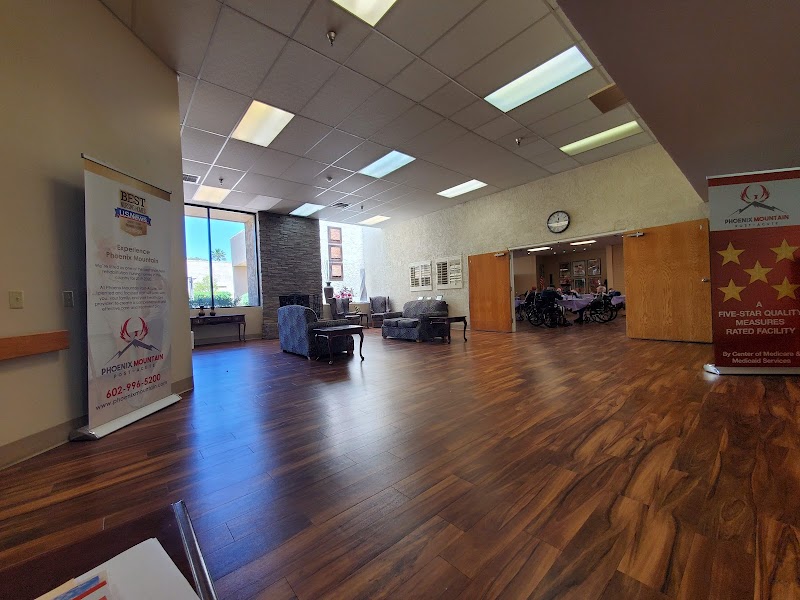
How is Phoenix Mountain Post Acute Staffed?

CMS rates PHOENIX MOUNTAIN POST ACUTE's staffing level at 3 out of 5 stars, which is average compared to other nursing homes. Staff turnover is 55%, which is 9 percentage points above the Arizona average of 46%. High turnover can affect care consistency as new staff learn residents' individual needs.

What Have Inspectors Found at Phoenix Mountain Post Acute?

State health inspectors documented 30 deficiencies at PHOENIX MOUNTAIN POST ACUTE during 2020 to 2025. These included: 2 that caused actual resident harm and 28 with potential for harm. Deficiencies causing actual harm indicate documented cases where residents experienced negative health consequences.
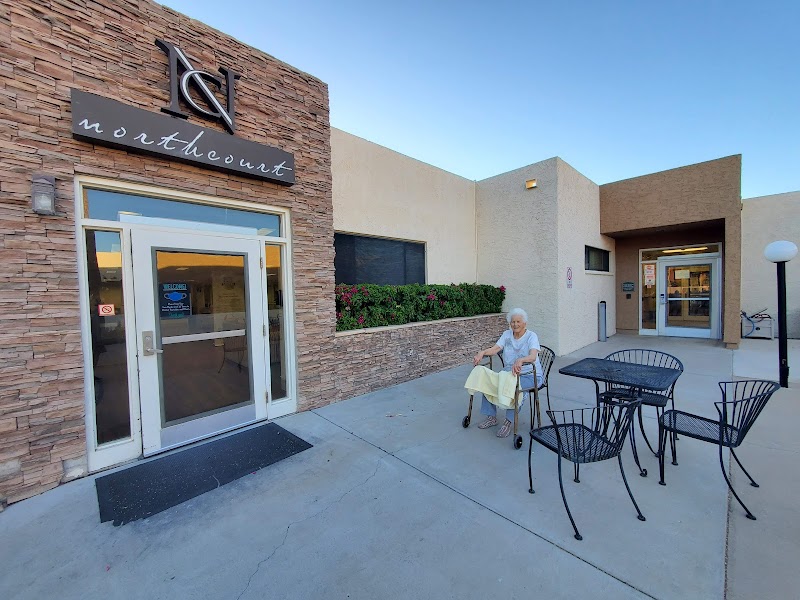
Who Owns and Operates Phoenix Mountain Post Acute?

PHOENIX MOUNTAIN POST ACUTE is owned by a for-profit company. For-profit facilities operate as businesses with obligations to shareholders or private owners. The facility is operated by THE ENSIGN GROUP, a chain that manages multiple nursing homes. With 130 certified beds and approximately 110 residents (about 85% occupancy), it is a mid-sized facility located in PHOENIX, Arizona.
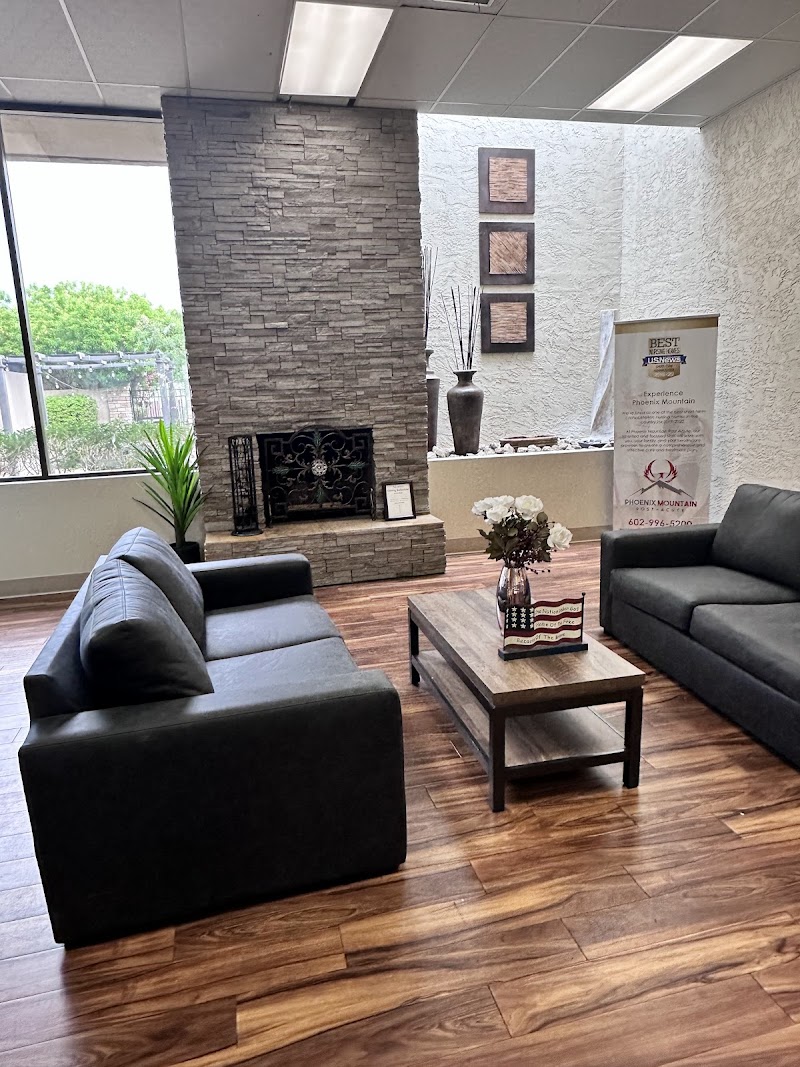
How Does Phoenix Mountain Post Acute Compare to Other Arizona Nursing Homes?

Compared to the 100 nursing homes in Arizona, PHOENIX MOUNTAIN POST ACUTE's overall rating (2 stars) is below the state average of 3.3, staff turnover (55%) is near the state average of 46%, and health inspection rating (1 stars) is much below the national benchmark.

What Should Families Ask When Visiting Phoenix Mountain Post Acute?

Based on this facility's data, families visiting should ask: "How do you ensure continuity of care given staff turnover, and what is your staff retention strategy?" "Can I visit during a mealtime to observe dining assistance and food quality?" "How do you handle medical emergencies, and what is your hospital transfer rate?" "Can I speak with family members of current residents about their experience?" These questions are particularly relevant given the facility's high staff turnover rate.

Is Phoenix Mountain Post Acute Safe?

Based on CMS inspection data, PHOENIX MOUNTAIN POST ACUTE has a clean safety record: no substantiated abuse findings (meaning no confirmed cases of resident harm), no Immediate Jeopardy citations (the most serious violation level indicating risk of serious injury or death), and is not on the Special Focus Facility watch list (a federal program monitoring the lowest-performing 1% of nursing homes). The facility has a 2-star overall rating and ranks #100 of 100 nursing homes in Arizona. While no facility is perfect, families should still ask about staff-to-resident ratios and recent inspection results during their visit.

Do Nurses at Phoenix Mountain Post Acute Stick Around?

Staff turnover at PHOENIX MOUNTAIN POST ACUTE is high. At 55%, the facility is 9 percentage points above the Arizona average of 46%. High turnover means new staff may not know residents' individual needs, medications, or preferences. It can also be disorienting for residents, especially those with dementia who rely on familiar faces. Families should ask: What is causing the turnover? What retention programs are in place? How do you ensure care continuity during staff transitions?

Was Phoenix Mountain Post Acute Ever Fined?

PHOENIX MOUNTAIN POST ACUTE has been fined $8,018 across 1 penalty action. This is below the Arizona average of $33,159. While any fine indicates a compliance issue, fines under $50,000 are relatively common and typically reflect isolated problems that were subsequently corrected. Families should ask what specific issues led to these fines and confirm they've been resolved.

Is Phoenix Mountain Post Acute on Any Federal Watch List?

PHOENIX MOUNTAIN POST ACUTE is not on any federal watch list. The most significant is the Special Focus Facility (SFF) program, which identifies the bottom 1% of nursing homes nationally based on persistent, serious quality problems. Not being on this list means the facility has avoided the pattern of deficiencies that triggers enhanced federal oversight. This is a positive indicator, though families should still review the facility's inspection history directly.