SUNCREST HEALTHCARE CENTER
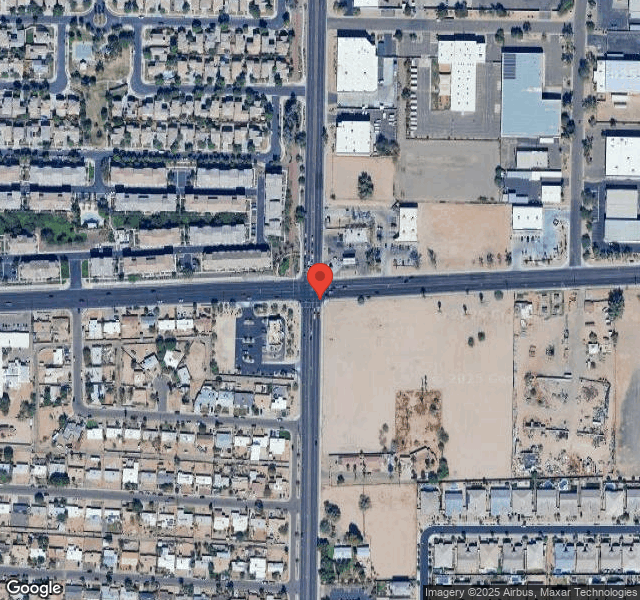
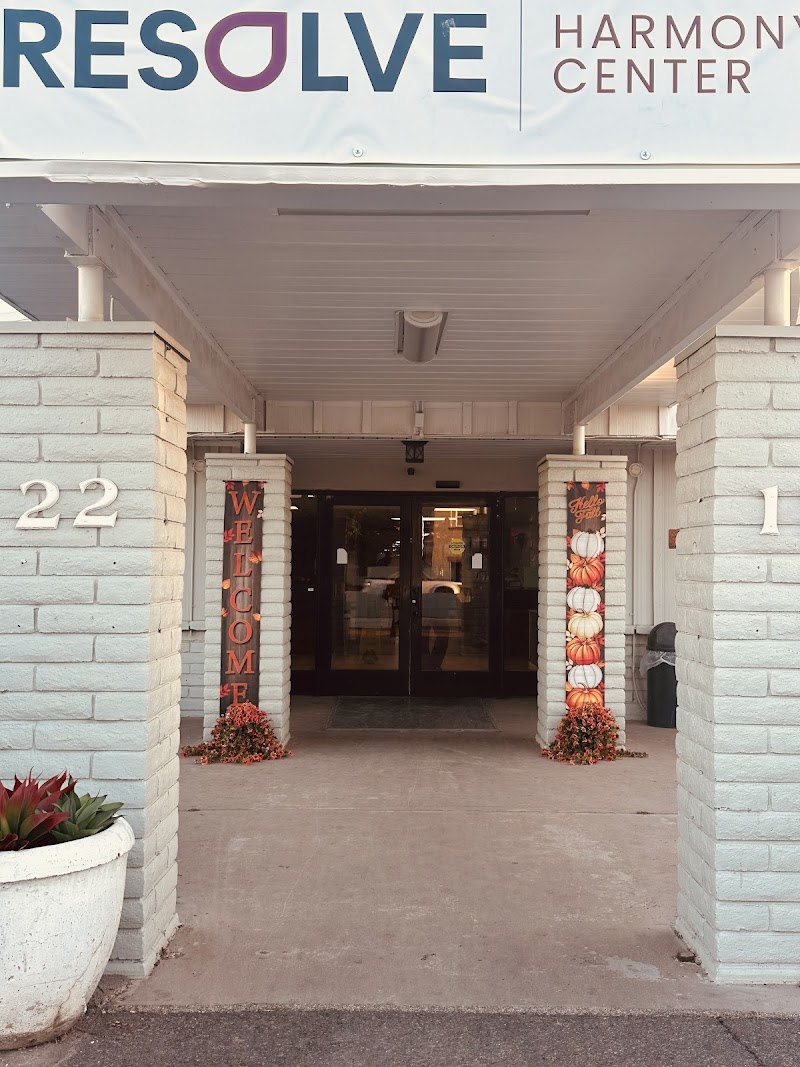
2211 EAST SOUTHERN AVENUE, PHOENIX, AZ 85040 (602) 305-7134
For profit - Corporation 115 Beds Independent Data: November 2025
Trust Grade
25/100
#136 of 139 in AZ
Last Inspection: December 2024

Within standard 12-15 month inspection cycle. Federal law requires annual inspections.

Overview

Suncrest Healthcare Center has received a Trust Grade of F, indicating significant concerns about the facility's quality and care. With a state rank of #136 out of 139 in Arizona and a county rank of #75 out of 76 in Maricopa County, it is in the bottom half of facilities, suggesting very limited local competition. Although the facility has shown improvement in its compliance issues, decreasing from 17 to 8 in the past year, there are still serious concerns, including incidents of resident-to-resident abuse that have not been adequately addressed. Staffing is a relative strength with a rating of 4 out of 5 stars and more RN coverage than 81% of facilities in the state, but staff turnover is average at 51%. While there have been no fines reported, the facility has significant issues with maintaining a clean environment, raising concerns about infection risk.

Trust Score
F
25/100
In Arizona
#136/139
Bottom 3%
Safety Record
High Risk
Review needed
Inspections
Getting Better
17 → 8 violations
Staff Stability
⚠ Watch
51% turnover. Above average. Higher turnover means staff may not know residents' routines.
Penalties
✓ Good
No fines on record. Clean compliance history, better than most Arizona facilities.
Skilled Nurses
○ Average
Each resident gets 38 minutes of Registered Nurse (RN) attention daily — about average for Arizona. RNs are the most trained staff who monitor for health changes.
Violations
⚠ Watch
46 deficiencies on record. Higher than average. Multiple issues found across inspections.
★☆☆☆☆
1.0
Overall Rating
★★★★☆
4.0
Staff Levels
★★★★☆
4.0
Care Quality
★☆☆☆☆
1.0
Inspection Score
Stable
2024: 17 issues
2025: 8 issues

The Good

  • 4-Star Staffing Rating · Above-average nurse staffing levels
  • 4-Star Quality Measures · Strong clinical quality outcomes
  • Full Sprinkler Coverage · Fire safety systems throughout facility
  • No fines on record

Facility shows strength in staffing levels, quality measures, fire safety.

The Bad

1-Star Overall Rating

Below Arizona average (3.3)

Significant quality concerns identified by CMS

Staff Turnover: 51%

Near Arizona avg (46%)

Higher turnover may affect care consistency

The Ugly 46 deficiencies on record

Jul 2025 4 deficiencies
CONCERN (D) 📢 Someone Reported This

A family member, employee, or ombudsman was alarmed enough to file a formal complaint

Potential for Harm - no one hurt, but risky conditions existed

Resident Rights (Tag F0550)

Could have caused harm · This affected 1 resident

**NOTE- TERMS IN BRACKETS HAVE BEEN EDITED TO PROTECT CONFIDENTIALITY** The facility failed to ensure that one resident (#1000) was treated with dignity and respect by another resident.Based on docume...

Read full inspector narrative →
**NOTE- TERMS IN BRACKETS HAVE BEEN EDITED TO PROTECT CONFIDENTIALITY** The facility failed to ensure that one resident (#1000) was treated with dignity and respect by another resident.Based on documentation, staff and resident interviews, the facility policy and procedures, the facility failed to ensure that one resident (#1000) was treated with dignity and respect by another resident (#1001). The deficient practice could result in psychosocial harm. Findings included:Resident #1000 was admitted to the facility on [DATE] and discharged on October 3, 2022. The diagnoses included post traumatic disorder (PTSD), major depressive disorder, bipolar disorder, and anxiety disorder.The Minimum Data Set, dated [DATE] included a brief interview for mental status score of 15 indicating the resident was cognitively intact. It also included that the resident ambulated with a wheelchair.The care plan dated September 6, 2022 revealed that the will feel safe through the next review date. The resident reported being sexually assaulted by another resident that he touched and massaged her shoulder while she was sleeping. Interventions included to encourage the resident to stay away from the alleged perpetrator, encourage resident to notify the staff about any concerns that she may have, notify the police department and Adult Protective Services. (APS).A progress note dated September 5, 2022 revealed the resident came to nurse crying and wanting to talk in private. The nurse pulled her away from everyone to see what was wrong. The resident stated that another resident in room [ROOM NUMBER]A touched her arm and was massaging her shoulders while she was sleeping. The resident stated, I was outside in the smoking area last night and something made me wake up and when I did, the resident in room [ROOM NUMBER]A was massaging my shoulders and then ran his hands down my arm. The resident stated that she was scared to report it when it happened but she really didn't want it to happen to someone else and she felt she was ready to say something. This nurse called the Phoenix non-emergent line and sent and officer out to take her statement. AZDHS was called and message was left for them to call back. Awaiting that at this time. The resident is safe in her room and resting at this moment.A social services progress note dated September 6, 2022 revealed that an APS report was filed. A Five Day Report was sent to the Department of Health Services (DHS) and the Ombudsman will be faxed once the report is completed. A social services note dated September 7, 2022 revealed that an investigator from APS came to speak with Resident on this day.A social services note dated September 30, 2022 revealed that the Social Services Director called the police detective and he stated that the case was closed as shoulder rubbing was not a crime. The police officer watched the video and determined that there was no sexual abuse or motivation. -Resident #1001 was admitted to the facility on [DATE] and discharged on May 22, 2023. Diagnoses included schizoaffective disorder depressive type, dysphagia following cerebral infarction, and human immunodeficiency virus (HIV).The care plan dated September 6, 2022 revealed that the resident was accused by two other residents of sexually assaulting them. The resident will have appropriate behavior towards peers through the next review date. Interventions included to monitor the resident diligently of resident activities and behaviors, has high risk to repeat offending and resident is not allowed to come out of his room to go to another resident's room except for smoking, resident was redirected to leave the room, and addressing any behavior issues and notify the supervisor as indicated.The MDS dated [DATE] included a brief interview for mental status score of 8 indicating the resident had a moderate cognitive impairment. It also include that there were no changes in behaviors. A social services note dated September 6, 2022 revealed that the Social Services Director (SSD) spoke with the resident regarding allegations from other residents at the facility. The resident was told that he cannot go into other resident's rooms and to stay away from residents in 128B and 126C. The resident denied doing anything but agreed verbally and nodded his head that he would stay away from these residents.A Director of Nursing note dated September 6, 2022 revealed that the facility checked the security cameras, and resident (#1001) went outside to the smoking area. At the smoking area, resident (#1000) could be seen outside in her wheelchair on her own. Resident (#1001) could be seen to approach, watch her for a while and later, at about 10:30 p.m., he started touching her from the shoulders and going down her back. This was done against her will which the resident reported to staff. The police were alerted and an investigation was started. Now, the resident is not allowed to come out of his room and go into other residents' rooms at this time. The resident can go outside to smoke though. The Police have been furnished with the video that showed the resident's encounter with resident (#1000). An interview was conducted on July 17, 2025 at 10:04 a.m. with the (DON/staff #71), who stated that there is a camera in the smoking area. She stated that he would have reviewed the video footage during the investigation and it should be noted in the 5-day investigation and would have been reviewed by the Business Office Manager. She stated that if resident (#1001) was massaging resident (#1000's) shoulders and back unsolicited, it could be a violation of the resident's rights. She stated that the residents are allowed to smoke at any time on the patio independently without supervision. The risk to the resident being touched when it was unwanted is emotional distress or the resident could be pinched or hurt in some way. An interview was conducted on July 17, 2025 at 10:32 a.m. with the Business Office Manager (BOM/staff #23) who stated that she has received training on resident rights and if a resident was massaging another resident's arms/back and it was unwanted, it was a violation of the resident's rights. She stated that she reviewed the video footage on the patio and resident (#1000) had her eyes closed and resident (#1001) was massaging resident (#1000). The facility policy, Nursing Home Rights states that residents of nursing homes have rights that are guaranteed by the federal Nursing Home Reform Law. The law requires nursing homes to promote and protect the rights of each resident and stresses individual dignity and self-determination.
CONCERN (D) 📢 Someone Reported This

A family member, employee, or ombudsman was alarmed enough to file a formal complaint

Potential for Harm - no one hurt, but risky conditions existed

Deficiency F0657 (Tag F0657)

Could have caused harm · This affected 1 resident

**NOTE- TERMS IN BRACKETS HAVE BEEN EDITED TO PROTECT CONFIDENTIALITY** The facility failed to update the fall care plan for one resident.Based on documentation, staff interviews, and the facility pol...

Read full inspector narrative →
**NOTE- TERMS IN BRACKETS HAVE BEEN EDITED TO PROTECT CONFIDENTIALITY** The facility failed to update the fall care plan for one resident.Based on documentation, staff interviews, and the facility policy and procedures, the facility failed to update the fall care plan for one resident (#4). The deficient practice could result in residents not receiving the care needed to prevent further accidents.The findings included:The resident was admitted to the facility on [DATE] with diagnoses that included abnormality of gait, generalized muscle weakness, dorsalgia, usnspecified fall, and wedge compresision fracture of third lumbar vetebra, The resident expired on [DATE]. The MDS dated [DATE] included a brief interview for mental status score of 8 indicating the resident had a moderate cognitive impairment. It also included that the resident had a fall in the last month and had a fracture related fall in the last six months. The fall care plan dated [DATE] stated that the resident was at risk for falls. Review of the plan revealed that all the interventions on the care plan were implemented on [DATE]. There was no documentation to show that the care plan was updated after the resident fell on [DATE]. Review of a nurse's progress note dated [DATE] revealed that resident stated that he slid from his chair and onto the floor next to his bed. The resident was able to lift self back onto chair. The resident stated, I didn't call because I didn't know I needed to. A full body assessment found one bruise on left buttock 6 cm in diameter. The resident also stated also, It is the darn cushion that caused me to slide off the chair. I did not hit my head. The hospice nurse was notified and will continue to monitor the resident. A nurse's note dated [DATE] at 5:50 p.m. revealed that the resident complained of severe back pain a few hours following a fall and wanted to go to emergency room (ER) for evaluation. The hospice nurse was notified, and the okay was given for resident to go the ER. The doctor was notified. The resident was sent by non-emergency transportation to the ER around 5.00 pm. A nurse note dated [DATE] at 7:05 p.m. revealed that CNA notified nurse of patient being on the floor. On entering the room, patient observed sitting on the floor by the window, The resident said he was up walking towards the door but slipped off and fell hard on the floor on his butt. He denied a head strike. A nursing assessment was done and no apparent juries were noted. The vital signs (VSS), range of motion (ROM) to both uppper and lower extremities (BUE/BLE) were within normal limits (wnl). The resident denied pain at the time. Hospice was notified and a nurse came out and assessed the resident. Review of the hospital Discharge summary dated [DATE] revealed that the resident needed to be treated or managed emergently for a lumbar fracture. A progress note dated [DATE] 5:46 a.m. revealed that resident came back from the hospital around 1:00 a.m. with a lumbar spine fracture. No new orders. Resident is stable and vital are (WNL). An interview was conducted on [DATE] at 10:39 a.m. with the Director of Nursing (DON/staff #58), who reveiwed the clinical record and stated that there was no documentation regarding what interventions would be implemented in the care plan after the fall on [DATE]. She reveiwed the care plan for falls and stated that the care plan was not updated after [DATE], and the plan could have included interventions such as moving the resident closer to the nurse station and non-skid socks. She stated that the resident had moved rooms multiple times and was not located near the nursing station. An interview was conducted on [DATE] at 1:10 p.m. with the Assistant Director of Nursing (ADON/staff #74), who stated that when a resident falls, the interdisciplinary team (IDT) has a meeting to discuss whether new interventions are needed and the interventions are given to the MDS Coordinator and the care plan is updated. She reviewed the care plan and acknowledged that the plan was not updated after each fall. She stated that new interventions are added to keep the resident safe. She also stated that she usually moves a resident who falls closer to the nurse's station if a room is available and non-skid socks are standard. The facility policy, Care Plans, Comprehensive Person-Centered states that the comprehensive, person-centered care plan is developed within seven days of the completion of the MDS assessment (Admission, annual or significant change of status), and no more than 21 days after admission.
CONCERN (D) 📢 Someone Reported This

A family member, employee, or ombudsman was alarmed enough to file a formal complaint

Potential for Harm - no one hurt, but risky conditions existed

Deficiency F0658 (Tag F0658)

Could have caused harm · This affected 1 resident

**NOTE- TERMS IN BRACKETS HAVE BEEN EDITED TO PROTECT CONFIDENTIALITY** The facility failed to ensure that one resident's (#484) received services to meet professional standardsBased on documentation,...

Read full inspector narrative →
**NOTE- TERMS IN BRACKETS HAVE BEEN EDITED TO PROTECT CONFIDENTIALITY** The facility failed to ensure that one resident's (#484) received services to meet professional standardsBased on documentation, staff interviews, and the facility policy and procedures, the facility failed to ensure that one resident (#4) received services that met professional standards. The deficient practice could result in residents not receiving the care needed in a timely manner. Findings included: Resident (#4) was admitted to the facility on [DATE] with diagnoses that included abnormality of gait, generalized muscle weakness, unspecified fall, and wedge compression fracture of third lumbar vertebra, The resident expired on [DATE]. The MDS dated [DATE] included a brief interview for mental status score of 8 indicating the resident had a moderate cognitive impairment. It also included that the resident had a fall in the last month and had a fracture related fall in the last six months. Review of a nurse's progress note dated [DATE] revealed that resident stated that he slid from his chair and onto the floor next to his bed. The resident was able to lift self back onto chair. The resident stated, I didn't call because I didn't know I needed to. Full body assessment found one bruise on L buttock 6 cm in diameter. The resident also stated also, It is the darn cushion that caused me to slide off the chair. I did not hit my head. The hospice nurse was notified and will continue to monitor the resident. A nurse's note dated [DATE] at 5:50 p.m. revealed that the resident complained of severe back pain a few hours following a fall and wanted to go to emergency room (ER) for evaluation. The hospice nurse was notified, and the okay was given for resident to go the ER. The doctor was notified. The resident was sent by non-emergency transportation to the ER around 5.00 pm. A nurse note dated [DATE] at 7:05 p.m. revealed that CNA notified nurse of patient being on the floor. On entering the room, patient observed sitting on the floor by the window, The resident said he was up walking towards the door but slipped off and fell hard on the floor on his butt. He denied a head strike. A nursing assessment was done and no apparent juries were noted. The vital signs (VSS), range of motion (ROM) to both upper and lower extremities (BUE/BLE) were within normal limits (WNL). The resident denied pain at the time. Hospice was notified and a nurse came out and assessed the resident. Review of the hospital Discharge summary dated [DATE] revealed that the resident needed to be treated or managed emergently for a lumbar fracture. A progress note dated [DATE] 5:46 a.m. revealed that resident came back from the hospital around 1:00 a.m. with a lumbar spine fracture. No new orders. Resident is stable and vital are (WNL). An interview was conducted on [DATE] at 10:39 a.m. with the Director of Nursing (DON/staff #71), who stated that when a resident falls, the resident is assessed for injuries. She reviewed the emergency transfer form and stated that the facility called for transportation at 2:16 pm and transportation arrived at 4:19 pm. Then she reviewed the emergency transportation report and stated that the resident was picked up from the facility on [DATE] at 6:43 pm. She stated that the nurse makes the decision as to whether a call is emergent or non-emergent and this looked like it was non-emergent because the transportation didn't arrive immediately. She stated that if the resident fell and was complaining of back pain, he should have been transferred to the hospital emergent status. An interview was conducted on [DATE] at 11:29 a.m. with the nurse who assessed the resident after he fell on the floor (staff #207). She stated that the ambulance was called non-emergent, but if the resident had bad back pain, she would consider it an emergency call because it would mean that something is broken and needed to be fixed. An interview was conducted on [DATE] at 1:10 p.m. with the Assistant Director of Nursing (ADON/staff #74), who stated that there is a risk of waiting a couple of hours a couple of hours to send a resident to hospital with serious back pain because the pain could worsen and if the resident had a previous fracture, it could worsen as well. She reviewed the clinical record and stated that the resident was sent non-emergent to the hospital. She also stated that the resident was experiencing severe back pain after a fall and would usually be sent out emergency status. The facility policy, Fall Accident and Incident Reports states that if the incident involves a fall, check for limited range of motion, bruises, pain, lacerations, swelling, and vital signs. Notify the attending physician. Follow (his or her) orders. Emergency personnel orders must be followed. Based on documentation, staff interviews, and the facility policy and procedures, the facility failed to ensure that two residents (#4, #484) received services that met professional standards. The deficient practice could result in residents not receiving the care needed in a timely manner, and could result in a plan of care that did not meet the resident’s needs and prevent falls. -Regarding Resident #484 Resident #484 was admitted to the facility [DATE] with diagnosis including Cardiomyopathy, unspecified, Cerebral infarction, unspecified, Hemiplegia and hemiparesis following cerebral infarction affecting right dominant side. Review of the care plan dated revealed a focus for fall risk with actual fall on [DATE] with bleeding from mid head and right wrist and a fall on [DATE] with skin laceration to the right arm. The approaches included Increased staff supervision with intensity based on resident need and sent to emergency room as ordered. Review of the quarterly Minimum Data Set (MDS) assessment dated [DATE], revealed a Brief Interview for Mental Status (BIMS) score of 15, indicating cognition intact and extensive assistance with one person for bed mobility and transfers. There were no indicators for mood or behaviors. Further review of the MDS revealed resident occasionally incontinent of urine, always incontinent of bowel AND resident was prescribed anticoagulants and a diuretic. Review of the admission Fall Risk assessment dated [DATE] revealed a total fall risk score of 15.00, identifying the resident as a high fall risk. Review of the fall event report dated [DATE] revealed resident sustained an unwitnessed fall, Th report states prior to the fall the resident was in his wheelchair exercising his arms. The report further states the resident sustained multiple lacerations to his right arm with no reported pain. The report states the resident fell while attempting to place himself to bed and di not wait for assistance from the certified nursing assistant. Further review of the post fall assessment revealed no updated fall risk score. Review of the residents fall risk assessments revealed no further fall risk assessments completed following the admission assessment and the post fall assessment completed [DATE]. Review of the physician orders dated [DATE] revealed an order for Eliquis (apixaban)tablet; 5 mg; amt: 1 tab; oral twice a day. Further review of the physician orders dated [DATE] revealed an order for fall risk assessments to be completed every 3 months. Review of the progress note dated [DATE] revealed “At lunch time this resident decided to put himself to bed and fell on the floor. He has several skin lacerations on his right arm. unable to assess them properly. because they were bleeding sprayed antiseptic on abdominal (abd) pad & wrapped them with cling. took several of personal to life him on the bed.” An interview was conducted on [DATE] at 12:55pm with certified nursing assistant (CNA/Staff #38) , who stated he has been employed with the facility for approximately four weeks. CNA #38 Stated he was assigned fourteen residents and of the fourteen residents he was assigned to could not identify or been informed if any of the residents were a fall risk or had preventative measures in place. The CNA stated he will “just assume everyone is a fall risk.” The CNA also stated the resident’s fall risk information should be in the documentation, but is not and has not received any information during report regarding a resident’s fall risk. The CNA further stated “when I ask the nurses they always say they don't know even if they have been here for a while.” CNA #38 further stated he was unaware of how the residents he is assigned to are supposed to be transferred and “I just use the Hoyer with most of them with another CNA or transfer them myself, they don’t have gait belts here so you have to look for one to transfer someone that’s why I will use the Hoyer. CNA #38 was unable to identify if resident #484 is a fall risk, stating “I don't know, no one has said anything to me otherwise, but like I said I assume everyone is a fall risk.” The CNA #38 stated that residents who are a fall risk should not have their beds in the high position. An observation was made of resident #484 bed position, noting the bed was raised in the high position. The CNA also stated the risks of having a resident bed in the high position and identified at risk for falls “can fall and hurt themselves or break something.” An interview was conducted on [DATE] at 1:01pm with Resident #484, who stated that he will push the call light if he needs assistance press the button and has had no recent falls, but did have a couple of falls in the past. Observation of resident’s bed in the highest position- The Resident stated “ my bed is always this high. An interview was conducted on [DATE] at 1:01pm Licensed Practical Nurse (LPN/Staff #5). LPN/Staff #5 stated she has worked for the facility for two-plus years and her duties include medication pass, check vital signs, occasional wound care and quarterly and weekly assessments. The LPN stated that skin assessments are conducted weekly, elopement and AIMS are conducted quarterly. The LPN also stated fall risk assessments are done quarterly and as needed if there is an event such as a resident fall. The LPN further stated direct care staff such as the certified nursing assistants are informed of a resident’s fall risk and/or any preventative measures for those residents are given report, but “most of the staff have worked for the facility for a long time and they basically know the residents.” Staff #5 stated that new staff are provided with a verbal report regarding a resident fall risk status, but “there is nothing written for them, mostly verbal, we don’t have anything on the doors or in the residents rooms and I think the CNA's have a sheet that explains the residents basic needs. I do think I saw this sheet a long time ago-months ago, but I haven't seen it for a long time or seen any of the CNA's use it.” An interview was conducted on [DATE] at 1:01pm with CNA (Staff #175), who stated that it was her fourth day working for the facility and was assigned ten residents for her shift. The CNA stated she was not made aware of her assigned residents if any of the residents were a fall risk or if any preventative measures were in place for fall prevention. The CNA stated “I always ask for my own safety, but it’s not something they just gave to me.” Further stating “I just go by what the CNA’s will tell me about a resident, but it’s something I had to ask for.” The CNA also stated that she had not been informed if the information provided to her by the other CNA’s is correct or if there is a change of condition for a resident. Staff #175 stated “we are supposed to be informed and we are not. They give us no information I just either ask or go by what the other CNA’s tell me because they have been here longer and if I see a blue mat in the resident's room, then it lets me know that they are at risk, but other than that I really don't know who is a fall risk or what they need to not fall. I make sure they have their call lights and get help with transfers if I can’t do it by myself.” An interview was conducted on [DATE] at 9:58am with Director of Nursing (DON/Staff#71), who stated that the process for residents who are assessed at risk for falls is to refer them to therapy, provide the resident with appropriate equipment, increased supervision, make sure they are in the right bed, have a safe distance to the bathroom and proper bed placement. DON/Staff#71 stated residents are residents assessed for falls on admission and every three months. The DON also stated preventive measures used for those residents identified at risk for falls are low beds, floor mats, call lights within reach. The DON stated that the residents fall risk and preventative measures are communicated to staff verbally through reports from the nurses and the facility has a CNA sheet that has all of the resident’s information and that the nurses are responsible in ensuring the CNA’s are provided with the information needed for the residents they care for. The DON stated that the nurses are responsible in providing the CNA’s with the CNA sheet including the resident’s information, and that the facility ensures staff have the correct information to ensure residents safety. The DON stated that is part of the new hire orientation process and that new staff are supposed to be provided with the residents needs with their assignment. The DON further stated “I talk to the CNAs and remind them during rounds. The DON reported the facility does not have a formal fall management program. “Actually, I don’t know if we have a formal fall management program or not and I should probably know that answer.” Review of the facility policy titled, Falls and Fall Risk Managing, revised [DATE] revealed that based on previous evaluations and current data, the staff will identify interventions related to the resident’s specific risks and causes to try to prevent the resident from falling and try to minimize complications from falling. Environmental risk factors that contribute to the risks of falls included incorrect bed height or width. Further review of the policy states the facility practice is to complete fall risk assessments on the resident upon admission to the facility and every three months thereafter.
CONCERN (E) 📢 Someone Reported This

A family member, employee, or ombudsman was alarmed enough to file a formal complaint

Potential for Harm - no one hurt, but risky conditions existed

Free from Abuse/Neglect (Tag F0600)

Could have caused harm · This affected multiple residents

**NOTE- TERMS IN BRACKETS HAVE BEEN EDITED TO PROTECT CONFIDENTIALITY** Based on clinical record review, facility documentation, and staff interviews, the facility failed to protect the rights of resi...

Read full inspector narrative →
**NOTE- TERMS IN BRACKETS HAVE BEEN EDITED TO PROTECT CONFIDENTIALITY** Based on clinical record review, facility documentation, and staff interviews, the facility failed to protect the rights of residents to be free from abuse by another resident (#777, #222, #444). The deficient practice could result in residents being harmed physically and emotionally. -Regarding Resident to Resident altercation between Resident #1001 and #777: -Resident #1001 was admitted to the facility on [DATE] and discharged on May 22, 2023. Diagnoses included schizoaffective disorder depressive type, dysphagia following cerebral infarction, and human immunodeficiency virus (HIV). The care plan dated April 10, 2023 revealed that the resident was involved in an altercation with another resident. He rammed his chair into the resident's feet. The resident will not be involved in another altercation with another resident through the next review date. Interventions included that the wheelchair was revoked as directed and to monitor the resident's behavior as indicated. The MDS dated [DATE] included a brief a mental status assessment indicating the resident had a moderate cognitive impairment. A progress note dated April 10, 2023 revealed that on April 9, 2023 nursing staff advised this writer that the resident was involved in an altercation with another resident. Loud voices were heard in the main lobby and the receptionist informed this nurse that her resident had been assaulted. Resident (#1001) was visibly upset and had gotten into it with another resident out on the patio. This writer and another nurse went out to the patio to determine what had occurred. The other nurse began to ask questions from the residents on the patio and all the residents stated the same facts, resident (#1001) rammed his chair into resident (#444's) feet several times and then took his good arm and back handed him in the face. Resident (# 444's) wound was immediately treated by his nurse. -Resident (#777) was admitted to the facility on [DATE] with diagnoses that included paraplegia, acute respiratory disorder, and nonpsychotic mental disorder. The MDS dated [DATE] included a brief interview for mental status score of 14 indicating the resident was cognitively intact. The care plan dated April 10, 2023 revealed the resident’s feet were rammed several times by another resident and he was backhanded in the face. Interventions included to administer medication as ordered. The progress note dated April 10, 2023 (late entry) revealed that on April 9, 2023 the resident was involved in an altercation with another resident. Loud voices were heard in the lobby and the receptionist informed this nurse that her resident had been assaulted. Resident (#1001) was visibly upset and had gotten into it with another resident out on the patio. This writer and another nurse went out to the patio to determine what had occurred. The other nurse began to ask questions from the residents on the patio and all the residents stated the same facts, resident (#1001) rammed his chair into resident (#777's) feet several times and then took his good arm and back handed him in the face. Resident (# 777's) wound was immediately treated by his nurse. The five-day investigation dated April 13, 2023 revealed that the video of the patio area was reviewed and both residents were using their wheelchairs as weapons. It was determined that resident (#777) instigated the altercation and he also obtained an injury to his toe. It also revealed that the intial altercation began inside of the building as a verbal altercation and continued when both residents went out to the patio. There were multiple residents on the patio who witnessed the altercation. An interview was conducted on July 17, 2025 at 9:35 a.m. with resident (#905), who stated residents can smoke on the patio any time without supervision. He remembered resident (#1001) got in a fight on the patio with resident (#777). He stated that both residents were throwing punches. An interview was conducted on July 17, 2025 at 10:04 a.m. with the (DON/staff #71), who stated that there is a camera in the smoking area. She stated that he would have reviewed the video footage during the investigation and it should be noted in the 5-day investigation and would have been reviewed by the Business Office Manager. She stated that the residents are allowed to smoke at any time on the patio independently without supervision. An interview was conducted on July 17, 2025 at 9:51 a.m. with a registered nurse (RN/staff #50) who stated that residents are allowed to smoke on the patio without supervision. She stated that if something goes wrong, a resident will usually come in and let the staff know something has happened. She stated that resident (#1001) was aggressive and got frustrated because he was not able to express himself. She stated that if resident (#1001) tried to hit someone with his wheelchair, it was abuse. The facility policy, Abuse and Neglect states that the resident has the right to be free from abuse, neglect, misappropriation of resident property, and exploitation as defined in this subpart. - In regards to the altercation between Resident #111 and Resident #222 Resident #111 Resident #111 was admitted [DATE] with diagnoses that included type 2 diabetes mellitus with other specified complications and pain, unspecified. An MDS (Minimum Data Set) assessment dated [DATE] revealed a BIMS (Brief Interview of Mental Status) score of 12, which indicates that the resident had intact cognition at the time of the incident. A progress note dated February 17, 2023 revealed that Resident #222 reported an altercation with him and Resident #111 where both residents were located in the designated smoking area when Resident #222 observed Resident #111 throwing rocks at cats that roam the facility grounds. Resident #222 had told Resident #111 to stop the action. In response, Resident #111 hit Resident #222 in the face. The progress note also revealed that security footage had been reviewed and revealed that Resident #222 did attempt to stop Resident #111 from the action and in response Resident #111 was observed pulling the arm of Resident #222 and punched Resident #111 in the face and ripped his shirt. Indicating that an altercation between Resident #111 and Resident #222 did occur on February 17, 2023. Resident #222 Resident #222 was admitted [DATE] with diagnoses that included unspecified abdominal pain, long term (current) use of anticoagulants, chronic pain syndrome, and bipolar disorder, unspecified. An MDS (Minimum Data Set) assessment January 15, 2023 revealed a BIMS (Brief Interview of Mental Status) score of 14, which indicates the resident had intact cognition at the time of the incident. A progress note dated February 17, 2023 revealed that Resident #222 reported that they were involved in an altercation with Resident #111. The progress note also revealed that Resident #222 had been observed with redness on their nose and the right side of their face, with a torn shirt. Resident #222 had also been observed with anxious behavior, evident by rocking back and forth in their wheelchair with shortness of breath. The progress note also revealed that Resident #222 had been administered pain medications following the incident. Another progress note dated February 17, 2023 revealed that an altercation between Resident #222 and Resident #111 occurred in the designated smoking area where Resident #222 observed Resident #111 throwing rocks at cats that roam the facility grounds. Resident #222 had told Resident #111 to stop the action. In response, Resident #111 hit Resident #222 in the face. The progress note also revealed that security footage had been reviewed and revealed that Resident #222 did attempt to stop Resident #111 from the action and in response Resident #111 was observed pulling the arm of Resident #222 and punched Resident #111 in the face and ripped his shirt. Indicating that an altercation between Resident #111 and Resident #222 did occur on February 17, 2023. An interview was conducted on July 15, 2025 at 9:46AM with a CNA (Certified Nursing Assistant/Staff #100) who stated that although they did not witness any altercations between Resident #111 and Resident #222, that a resident to resident altercation can be identified as abuse. Staff #100 also identified abuse as any action that make cause physical, emotional, financial, sexual, and psychological harm on a person. A telephone interview was conducted on July 15, 2025 at 12:04PM with a CNA (Staff #87) who stated that although they did not witness the altercations between Resident #11 and Resident #222, that resident to resident interactions are defined as abuse if the interaction involved hitting, verbal threats, and utilizing objects to cause harm, per facility’s expectations. An interview was conducted on July 15, 2025 at 2:55PM with a Social Services Director (Staff #33) who stated that although they did not witness the altercations between Resident #111 and Resident #222, that resident to resident interactions where a resident may throw an object to another resident, and as well as, a physical interaction in a common area, are identified as abuse within the facility’s definition and expectation regarding abuse allegations. An interview with Licensed Practical Nurse (LPN/Staff #57) was conducted on July 17, 2025 at 11:30AM, who identified resident to resident physical altercations in a common area, such as an outdoor patio as abuse; and, identified a resident to resident verbal and physical altercation where profanities are exchanged and coffee is thrown from a resident to another resident, as abuse. Staff #57 re-called the altercation between Residents #111 and Residents #222 where the two residents got into a dispute regarding the cats located in the smoking patio of the facility, that escalated into a physical interaction between Resident #111 and Resident #222. Staff #57 also stated that their role as a Wound Nurse limited their interactions with Resident #111 and Resident #222, however, stated that pain and redness on the face of Resident #222 had been monitored and offered a cold compress as needed. Indicating that Resident #222 experienced a physical outcome following the incident that occurred on February 17, 2023. An interview was conducted on July 17, 2025 at 10:38AM with a LPN (Staff #63) who identified resident to resident physical altercations in a common area, such as an outdoor patio as abuse; and, identified a resident to resident verbal and physical altercation where profanities are exchanged and coffee is thrown from a resident to another resident, as abuse. Staff #63 also stated that although they did not witness the altercations between Resident #111 and Resident #222, that Resident #111 exhibited behaviors of verbal and physical aggression with staff and other residents. Staff #63 also stated that Resident #222 exhibited attention seeking behaviors with staff and other residents. An interview was conducted on July 17, 2025 at 11:39AM with the DON (Director of Nursing/Staff# 71) who identified resident to resident physical altercations in a common area, such as an outdoor patio as abuse; and, identified a resident to resident verbal and physical altercation where profanities are exchanged and coffee is thrown from a resident to another resident, as abuse. Staff #71 also stated that the altercation between Resident #111 and Resident #222 on February 17, 2023 were identified as abuse per facility’s expectations. A facility policy, Abuse and Neglect states that the resident has the right to be free from abuse, neglect, misappropriation of resident property, and exploitation. The policy also defined abuse as the willful infliction of injury, unreasonable confinement, or punishment that can have the result of physical harm, pain or mental anguish or depravation. - In regards to the altercation between Resident #222 and Resident #444 Resident #222 Resident #222 was admitted [DATE] with diagnoses that included unspecified abdominal pain, long term (current) use of anticoagulants, chronic pain syndrome, and bipolar disorder, unspecified. An MDS (Minimum Data Set) assessment April 17, 2024 revealed a BIMS (Brief Interview of Mental Status) score of 12, which indicates the resident had moderate cognitive impairment at the time of the incident. A progress note dated June 23, 2024 revealed that Resident #222 had approached nursing staff and stated their involvement in an altercation with Resident #444 where a verbal disagreement between Resident #222 and Resident #444, that had led to Resident #444 throwing coffee on Resident #222, and then proceeded to throw coffee on Resident #444. Resident #222 had been observed with a spill on their shift that staff identified as coffee. Resident #222 had also stated to the nursing staff that he was hit in the face with the mug that Resident #444 had in his possession. This progress note indicates that an altercation took place on June 23, 2024. Resident #444 Resident #444 was admitted on [DATE] with the diagnosis that included encephalopathy, unspecified; epilepsy, unspecified, intractable with status epilepticus; bipolar disorder, in partial remission, most recent episode hypomanic. An MDS (Minimum Data Set) assessment May 17,2024 revealed a BIMS (Brief Interview of Mental Status) score of 15, which indicates the resident had intact cognition at the time of the incident. A progress note dated June 23, 2024 revealed that an altercation with Resident #444 where a verbal disagreement between Resident #222 and Resident #444, that had led to Resident #444 throwing coffee on Resident #222, and then proceeded to throw coffee on Resident #444. Resident #222 had also stated to the nursing staff that he was hit in the face with the mug that Resident #444 had in his possession. Resident #444 was noted to have no injuries following the incident. This progress note indicates that an altercation took place on June 23, 2024. An interview was conducted on July 15, 2025 at 9:46AM with a CNA (Certified Nursing Assistant/Staff #100) who stated that although they did not witness any altercations between Resident #222 and Resident #444, that a resident to resident altercation can be identified as abuse. Staff #100 also identified abuse as any action that make cause physical, emotional, financial, sexual, and psychological harm on a person. A telephone interview was conducted on July 15, 2025 at 12:04PM with a CNA (Staff #87) who stated that although they did not witness the altercations between Resident #222 and Resident #444, that resident to resident interactions are defined as abuse if the interaction involved hitting, verbal threats, and utilizing objects to cause harm, per facility’s expectations. An interview was conducted on July 15, 2025 at 2:55PM with a Social Services Director (Staff #33) who stated that although they did not witness the altercations between Resident #222 and Resident #444, that resident to resident interactions where a resident may throw an object to another resident, and as well as, a physical interaction in a common area, are identified as abuse within the facility’s definition and expectation regarding abuse allegations. An interview was conducted on July 15, 2025 at 3:12PM with Resident #444 who stated that he did feel safe in the facility, however, re-called an incident with Resident #222 has he stated that Resident #222 had antagonized and terrorized residents when upset. Resident #444 re-called the incident on June 23, 2024 where Resident #222 hit a dining table that Resident #444 had been sitting at and their own coffee cup spilled on themselves. Resident #444 also stated that the incident led to a verbal disagreement that escalated quickly. Resident #444 also stated that the facility had spoke to Resident #222 following the incident and then proceeded to remove themselves from any space that Resident #222 may be located in. An interview was conducted on July 17, 2025 at 10:38AM with a LPN (Staff #63) who identified resident to resident physical altercations in a common area, such as an outdoor patio as abuse; and, identified a resident to resident verbal and physical altercation where profanities are exchanged and coffee is thrown from a resident to another resident, as abuse. Staff #63 also stated that although they did not witness the altercations between Resident #222 and Resident #444, Resident #222 exhibited attention seeking behaviors with staff and other residents. Staff #63 also stated that Resident #444 exhibited attention seeking behaviors and stringent with verbal requests. An interview was conducted on July 17, 2025 at 11:39AM with the DON (Director of Nursing/Staff# 71) who identified resident to resident physical altercations in a common area, such as an outdoor patio as abuse; and, identified a resident to resident verbal and physical altercation where profanities are exchanged and coffee is thrown from a resident to another resident, as abuse. Staff #71 also stated that the altercation between Resident #222 and Resident #444 on June 23, 2024 were identified as abuse per facility’s expectations. A facility policy, Abuse and Neglect states that the resident has the right to be free from abuse, neglect, misappropriation of resident property, and exploitation. The policy also defined abuse as the willful infliction of injury, unreasonable confinement, or punishment that can have the result of physical harm, pain or mental anguish or depravation.
Jul 2025 2 deficiencies
CONCERN (D) 📢 Someone Reported This

A family member, employee, or ombudsman was alarmed enough to file a formal complaint

Potential for Harm - no one hurt, but risky conditions existed

Report Alleged Abuse (Tag F0609)

Could have caused harm · This affected 1 resident

**NOTE- TERMS IN BRACKETS HAVE BEEN EDITED TO PROTECT CONFIDENTIALITY** Based on clinical record review, staff interviews, facility documentation, and policy review, the facility failed to report alle...

Read full inspector narrative →
**NOTE- TERMS IN BRACKETS HAVE BEEN EDITED TO PROTECT CONFIDENTIALITY** Based on clinical record review, staff interviews, facility documentation, and policy review, the facility failed to report alleged violations involving abuse for two residents (#35 and #13 ). The deficient practice resulted in allegations of abuse not being reported, not investigated, and residents not being protected from further abuse.Regarding a resident-to-resident altercation that occurred on June 20, 2025 involving Resident # 35, Resident #13, and Resident #72. -Regarding Resident #35Resident # 35 was re-admitted to the facility on [DATE], with diagnoses of anxiety disorder, urinary tract infection, and heart failure. A quarterly MDS (Minimum Data Set) assessment, dated February 2, 2025, revealed a BIMS (Brief Interview for Mental Status) score of 12, indicating moderately impaired cognition.A progress note for Resident #35 dated June 21, 2025, revealed that on June 20, 2025, Resident #35 and Resident #13 were relocating kittens across the courtyard to prevent them from being injured, and Resident #72 became verbally and physically aggressive. A late entry progress note for Resident #35 dated June 22, 2025, stated there was an interaction with another resident. Further review of the progress notes revealed that the incident occurred on June 20, per a report from the day shift nurse. The progress note also revealed that this incident was reported to the police, and the police came to the facility on June 21, the day after the incident, despite the incident having occurred on despite the incident occurring on June 20, 2025. -Regarding Resident #13Resident #13 was admitted to the facility on [DATE], with diagnoses of major depressive disorder, hyperlipidemia, and hypothyroidism A quarterly MDS assessment dated [DATE], revealed that resident #13 had a BIMS score of 15, which indicated that the resident is cognitively intact. A progress note for Resident #13 dated June 21, 2025, indicated that Resident # 13 reported an incident that occurred the day before. The progress note indicated that resident #13 stated to staff that resident # 72 was in a wheelchair and was attempting to enter the gated area. Resident #13 stated that Resident #72 was informed she could not enter the restricted areas for cats, and Resident # 72 became verbally aggressive and began using profanity towards Resident #13. The progress note revealed that Resident #13 stated that Resident #72 attempted to hit him, he stepped back, and that's when Resident #72 attempted to grab Resident #13's G-tube. This progress note indicated that Resident #35 intervened to prevent Resident #72 from pulling Resident #13's G-tube. The progress note further indicated that Resident #13 stated that Resident #72 began using her fist and the gate to cause injury to Resident #35. The note relayed that a resident had notified nursing staff, and a CNA (Certified Nursing Assistant) arrived at the scene. -Regarding Resident #72:Resident #72 was admitted to the facility on [DATE], with diagnoses of paraplegia, edema, and urinary tract infection. An admission assessment MDS dated [DATE], revealed resident #72 had a BIMS score of 15, which indicated the resident is cognitively intact. A progress note for Resident #72 dated June 22, 2025, noted that when the officer came to re-address the previous incident that happened on June 20, the police were not able to interview Resident #72 due to aggressive behaviors. The progress note further noted that Residents #13 and Resident #35 were able to be interviewed. A late entry progress note for Resident #72 dated June 22, 2025, revealed that the resident was seen attacking another resident by hitting that resident through the gated fence and grabbing another resident's feeding tube. The Progress Note indicated the altercation was witnessed by (CNA/Staff #44). An interview was conducted on July 2, 2025, at 1:06 PMwith a Certified Nursing Assistant (CNA/Staff #777) stated that the abuse training she received covered what to do if they witness abuse and the reporting guidelines. She also stated that abuse would be reported to the nursing staff, the Director of Nursing(DON), and the Assistant Director of Nursing(ADON). She stated that during her abuse training, she learned about physical, financial, and sexual abuse. She stated that physical abuse is when a person gets touched in a manner that they do not approve of. She stated verbal abuse is anything degrading, threatening, or humiliating to a resident.An interview was conducted on July 2, 2025, at 3:13 PM with the Director of Nursing (DON/Staff #22), who stated that the incident between resident # 35 and resident # 72 occurred on Friday evening, and that she was not aware of this incident until Saturday when Staff # 33 called her on the phone. She further stated that the incident occurred in the smoking area around the corner, through the gate, where the cats were, and that resident # 35 was going to take the cats behind the gate. The DON stated that a CNA (Staff # 44) saw the incident and reported it to a nurse. The DON stated that when she came to the facility, an LPN (staff #33) had not called the police or the State Agency. The DON further stated that she instructed the LPN to call the police. The DON stated that when she came to the facility, she conducted the required notifications to the state agency regarding the incident and that on her way out of the facility, Resident #13 made her aware that he was involved in the incident regarding Residents #35 and #72. The DON stated that she amended the report to the State Agencies. The DON also stated that staff are supposed to report any physical abuse, and that they try to do everything within 2 hours, including reporting, and that she did not know what happened or why this incident was not reported timely. The DON also stated that it should have been reported on Friday to the state agency, and that this does not meet their facility expectations. A Policy titled Abuse and Neglect revision, or revised in March 2021, revealed that upon discovery of alleged /suspected abuse, the facility will notify health offices, including the Department of Health, within 2 hours.
CONCERN (E) 📢 Someone Reported This

A family member, employee, or ombudsman was alarmed enough to file a formal complaint

Potential for Harm - no one hurt, but risky conditions existed

Free from Abuse/Neglect (Tag F0600)

Could have caused harm · This affected multiple residents

**NOTE- TERMS IN BRACKETS HAVE BEEN EDITED TO PROTECT CONFIDENTIALITY** Based on clinical record review, staff and resident interviews, and facility policy, the facility failed to protect the rights o...

Read full inspector narrative →
**NOTE- TERMS IN BRACKETS HAVE BEEN EDITED TO PROTECT CONFIDENTIALITY** Based on clinical record review, staff and resident interviews, and facility policy, the facility failed to protect the rights of four out of the seven sample residents to be free from abuse by another resident. The deficient practice could result in other residents being abused.Findings Include: - Regarding a resident-to-resident altercation that occurred on June 20, 2025 involving Resident # 35, Resident #13, and Resident #72. -Regarding Resident #35Resident # 35 was re-admitted to the facility on [DATE], with diagnoses of anxiety disorder, urinary tract infection, and heart failure. A quarterly MDS (Minimum Data Set) assessment, dated February 2, 2025, revealed a BIMS (Brief Interview for Mental Status) score of 12, indicating moderately impaired cognition. -Regarding Resident #13Resident #13 was admitted to the facility on [DATE], with diagnoses of major depressive disorder, hyperlipidemia, and hypothyroidism A quarterly MDS assessment dated [DATE], revealed that resident #13 had a BIMS score of 15, which indicated that the resident is cognitively intact. -Regarding Resident #72Resident #72 was admitted to the facility on [DATE], with diagnoses of paraplegia, edema, and urinary tract infection. An admission assessment MDS dated [DATE], revealed resident #72 had a BIMS score of 15, which indicated the resident is cognitively intact. A progress note for Resident #35 dated June 21, 2025, revealed that on June 20, 2025, Resident #35 and Resident #13 were relocating kittens across the courtyard to prevent them from being injured, and Resident #72 became verbally and physically aggressive. A progress note for Resident #13 dated June 21, 2025 a, indicated that Resident # 13 reported an incident that had happened the day before. This progress note also noted that resident #13 stated to staff that resident # 72 was in a wheelchair and was attempting to enter the gated area. The progress note also indicated that Resident #13 stated that Resident #72 was informed she could not enter the restricted areas for cats, and that's when Resident # 72 became verbally aggressive and began using profanity towards Resident #13. The progress note revealed that Resident #13 stated that Resident #72 attempted to hit him, he stepped back, and that's when Resident #72 attempted to grab Resident #13's G-tube. This progress note indicated that Resident #35 intervened to prevent Resident #72 from pulling Resident #13's G-tube. In this progress note, Resident #13 also stated that Resident #72 began using her fist and the gate to cause injury to Resident #35. This progress note also revealed that there was a resident who was sent to get staff for assistance. The progress note revealed that the resident had notified nursing staff, and a CNA (Certified Nursing Assistant) arrived at the scene. A late entry progress note for Resident #35 dated June 22, 2025, stating there was an attraction with another resident. Further review of the progress notes revealed that the incident occurred on June 20, per a report from the day shift nurse. Progress further revealed that the resident had bruising on her right arm. The progress note also revealed that this incident was reported to the police, and the police came to the facility on June 21, the day after the incident. The progress note also noted that the Police indicated the situation was a behavioral issue. A progress note for Resident #72 dated June 22, 2025, noted that when the officer came to re-address the previous incident that happened on June 20, the police were not able to interview Resident #72 due to aggressive behaviors exhibited. The progress further noted that Residents #13 and Resident #35 were able to be interviewed. A late entry progress note for Resident #72 dated June 22, 2025, revealed that the resident had an altercation with another resident. The progress note further revealed that the resident was seen attacking another resident by hitting that resident through the gated fence and grabbing another resident's feeding tube, which was witnessed by (CNA/Staff #44). An interview was conducted via phone on July 02, 2025, at 1:21 PM with a Licensed Practical Nurse (LPN/Staff #33) who stated that the incident happened Friday night and she went into work Saturday morning. The LPN (Staff #33) stated that when she was performing resident #35's blood sugar testing, the resident mentioned to her that there had been an incident that had happened the previous night. She also stated that the resident mentioned to her that she was in pain. She further stated that she observed Resident #35's skin and had noticed in 4 different areas on her arm. She also stated that there were 3 indentations from the gate. Additionally, the LPN stated that resident #35 told her that resident #72 was holding a baby cat, all while resident #35 and resident #13 were wanting to move the cats to their designated area. Staff # 33 also stated that Resident #35 explained to her that the reason for moving the cats was that there is a resident who likes to kick the cats. (LPN/Staff #33) stated that Resident #35 told her Resident #13 was trying to enter the designated area for cats. She further stated that Resident #35 also told her that Resident #72 called her, and Resident # 13 was racist.Staff #33 stated that Resident #35 told her that Resident # 13 and she responded by saying ‘no.' (LPN/Staff #33) stated that resident # 35 told her that when resident #72 proceeded to block the gate, resident #13 tried to get through the gate to get help. Staff #33 stated that Resident #35 told her that Resident#13 was unable to get through the gate because they were in a wheelchair. LPN #33 stated that resident # 35 told her that when resident #13 was attempting to leave, Resident # 72 tried to punch him, but he dodged the punch. LPN #33 also stated that resident #72 tried to reach for resident # 13's feeding tube. LPN (Staff #33) stated that resident # 35 told her when this was happening, she went in front of resident #72 and told her ‘no'. Staff #33 stated that resident # 35 told her Resident #72 began to attack her by punching and smashing her arm into the gate. LPN(Staff # 33) further stated that she had notified the DON (Staff #22). LPN staff #33 also stated that she went to lock the gate to prevent further altercation. An interview was conducted on July 02, 2025, at 2:17 PM with a Certified Nursing Assistant (CNA/Staff #44) who stated that she was working in the center west side of the building at the time of the incident. She stated that she heard screaming and yelling. She also stated that she had told a nurse that she believed there was an altercation going on. She further stated that the nurse went back to what she was doing. (CNA/Staff #44) stated she went outside to where the yelling and screaming were coming from. Staff #44 stated that she saw residents near the smoking area door, and those residents were yelling at resident # 72 to get out of the way. CNA, staff# 44, said that when she approached the area of the incident, there was an argument about cats. She further stated that this argument was between Resident # 35, Resident #13, and Resident #72. CNA(Staff #44) stated that resident #72 wanted to go into the area and where Resident #35 and #13 were. She also stated that Resident #35 and Resident #13 were not allowing Resident # 72 to go into the area where they were residing. CNA, staff # 44, stated that resident # 72 was in an electric wheelchair guarding the gate. She also stated that Resident #72 was using her electric wheelchair to bump the gate into Resident # 35. She further stated that she heard Resident # 72 screaming at Resident #35 and Resident #13. Staff# 44 stated that Resident #72 pointed her finger at Resident #72, and #13, and told them that they were evil and possessed. CNA, staff #44, stated that other residents were saying that only Resident #35 and Resident #13 could go back to that area where those cats were. She further stated that these residents said that resident #72 could not go into the area where the cats were. CNA, staff # 44, said that she took Resident #35 and #13 back to their rooms. CNA, staff #44, also stated that she told resident number #72 that she could go to the smoking area or go back to her room.An interview was conducted on July 02, 2025, at 2:59 PM with the Director of Nursing (DON/Staff#22), who stated that abuse training is done every 6 months,she stated that the facility is doing it more frequently and or when an incident arises. Staff # 22 stated that there is in-service training regarding how to report abuse. (DON/Staff #22 ) stated that physical abuse is considered unwanted touch, hitting, and slapping. Staff # 22 said that verbal abuse, in the context of resident-to-resident altercation, would be yelling, inappropriate name calling and threatening. She also stated that abuse is reported to other state agencies and law enforcement. - Regarding a resident-to-resident altercation that involved Resident # 5, Resident #15. -Regarding Resident #5Resident # 5 was re-admitted to the facility on [DATE], with diagnoses of paraplegia, hypothyroidism, and anxiety disorder. A quarterly MDS (Minimum Data Set) assessment dated [DATE], revealed resident #5 had a BIMS (Brief Interview for Mental Status) score of 15, which indicated the resident was cognitively intact. -Regarding Resident #15 Resident #15 was admitted to the facility on [DATE], with diagnoses of hyperlipidemia, dysphagia, and viral pneumonia. A review of the facility self-report revealed that there was a verbal altercation, and resident #5 grabbed and pinched resident #15. The self-report also revealed that Resident #15 had shown a painful expression, and an LPN saw the incident and went to break the two residents up. Further review of the facility report revealed that resident #5 used derogatory terms towards resident #15, who then rammed into resident #5 several times with his wheelchair. A late entry progress note for Resident # 15, dated April 10, 2023, revealed a progress note for resident #15, which noted that loud voices were heard in the main lobby. It was noted that the receptionist informed a nurse that the resident had been assaulted. Further review of the progress notes revealed that the (CNA/Staff #44) began to question residents, and all the residents said that resident # 15 rammed his wheelchair into resident # 5. This progress notes also revealed that resident #5 sustained a wound, which was immediately treated by his nurse. Review of resident # 15's care plan, reviewed or revised on April 15, 2023, noted that the resident was involved in an altercation with other residents. Further review of this care plan revealed that resident # 15 rammed his chair into the resident's feet several times.An interview was conducted on July 02, 2025, at 1:59 PM with (LPN/staff # 33), who stated that abuse training is done every 3 to 6 months. She also stated that abuse training covers neglect, physical, emotional, and verbal abuse. (LPN/Staff #33) stated that when abuse occurs, residents are assessed, and they make sure that the resident is not injured. She further stated that they notify the state agencies, DON, and the Physician. - Regarding a resident-to-resident altercation that involved Resident # 7, Resident #17. -Regarding Resident #7Resident # 7 was re-admitted to the facility on [DATE], with diagnoses of pneumonia, anxiety disorder, and bipolar disorder. A quarterly MDS (Minimum Data Set) assessment dated [DATE], revealed Resident #7 had a BIMS (Brief Interview for Mental Status) score of 11, which indicated the resident was moderately impaired A progress note for Resident #7 dated March 02, 2023, at 15:01, revealed that the resident reported to a certified nurse assistant (CNA) that the day before, his roommate had hit his right arm with a grabber and had shown the cuts on his arm to staff. This progress note further revealed that police were called. A progress note for Resident # 7 dated March 02, 2023, at 19:01, an officer came to investigate the incident and assess the resident. This progress note further indicated the resident roommate was moved to a different room in another hall. -Regarding Resident #17Resident # 17 was admitted to the facility on [DATE], with diagnoses of urinary tract infection, anxiety disorder, and hypokalemia. A facility self-report dated March 6, 2025, revealed that resident # 17 initially denied that he had hit resident #7 and later admitted that he had hit resident # 7 six times. A further review of this facility self self-report revealed that resident # 7 was evaluated and noted to have some bruising and scratching on his hand. A Policy titled Abuse and Neglect revision or revised in October 2021, revealed that the resident has the right to be free from abuse.
May 2025 1 deficiency
CONCERN (D) 📢 Someone Reported This

A family member, employee, or ombudsman was alarmed enough to file a formal complaint

Potential for Harm - no one hurt, but risky conditions existed

Free from Abuse/Neglect (Tag F0600)

Could have caused harm · This affected 1 resident

**NOTE- TERMS IN BRACKETS HAVE BEEN EDITED TO PROTECT CONFIDENTIALITY** Based on clinical record review, staff interviews, and policy review, the facility failed to ensure one resident (#2) did not ab...

Read full inspector narrative →
**NOTE- TERMS IN BRACKETS HAVE BEEN EDITED TO PROTECT CONFIDENTIALITY** Based on clinical record review, staff interviews, and policy review, the facility failed to ensure one resident (#2) did not abuse another resident (#4). The deficient practice could result in residents being physically harmed. Findings Include: - Regarding Resident #2: Resident #2 was admitted on [DATE] with diagnoses that included dementia, chronic ischemic heart disease, chronic obstructive pulmonary disease and major depressive disorder. An admission Minimum Data Set (MDS) dated [DATE] revealed the resident had a Brief Interview for Mental Status score of 13, which indicated the resident is cognitively intact. A progress noted dated February 16, 2023 at 03:10 a.m. revealed that Resident #2 was involved in an altercation with Resident #4 outside on the patio. Resident #4 named Resident #2 as the resident that knocked her tooth out and that Resident #4 hit Resident #2 with a stick. The Police were immediately notified and APS notified. A care plan focus initiated on [DATE] revealed a focus on the resident having potential to behaviors/ altered coping, refuse care, exposing himself, and occasional outbursts of anger. - Regarding Resident #4 Resident#4 was originally admitted on [DATE] with diagnoses that include quadriplegia, C5-C7 incomplete paraplegia, sleep terrors, body dysmorphic disorder. A care plan focus initiated [DATE] revealed a focus on the resident having behavior problems that include choosing to restrict intake for weight loss, refuses wound care, interfering with other resident discharges breaking facility protocol, false accusations toward staff and peers stealing her belongings. A progress note dated February 16, 20223 02:51 a.m. revealed that Resident #2 knocked Resident #4's tooth out during the altercation and Resident #4 hit Resident #2 with a stick. A Minimum Data Set (MDS) dated [DATE] revealed a Brief Interview for Mental Status (BIMS) score of 15, which indicates the resident is cognitively intact. An interview was conducted on [DATE] at 11:13 a.m. with Resident #4 and revealed that she had been in an altercation before at this facility. Resident #4 revealed that it was with a guy that is no longer in the facility. There was a witness to the altercation, but died last year at another facility. There was a verbal argument and was punched in the mouth, then punched a second time and that was when her teeth were lost. Resident #4 had newly cemented in bridges. The police came and no charges were pressed. An interview was conducted on [DATE] at 11:55 a.m. with Administrator (Staff #6) and revealed that the Licensed Practical Nurse (LPN) staff #3 no longer lives in the country and moved back to [NAME]. Staff #6 did not remember the incident but stated that Resident #4 did loose a tooth because it is written here, and refused treatment. Review of a policy revised in [DATE] titled, Abuse and Neglect Policy revealed that there are different types of abuse including Physical Abuse. Physical abuse includes hitting, slapping, pinching and kicking. Review of a policy revised February 2021 titled Resident Rights reveals that Residents have the right to be free from abuse, neglect, misappropriation of property, and exploitation.
Jan 2025 1 deficiency
CONCERN (D) 📢 Someone Reported This

A family member, employee, or ombudsman was alarmed enough to file a formal complaint

Potential for Harm - no one hurt, but risky conditions existed

Free from Abuse/Neglect (Tag F0600)

Could have caused harm · This affected 1 resident

**NOTE- TERMS IN BRACKETS HAVE BEEN EDITED TO PROTECT CONFIDENTIALITY** Based on clinical record reviews, resident and staff interviews, facility documentation, policy, and procedures, the facility fa...

Read full inspector narrative →
**NOTE- TERMS IN BRACKETS HAVE BEEN EDITED TO PROTECT CONFIDENTIALITY** Based on clinical record reviews, resident and staff interviews, facility documentation, policy, and procedures, the facility failed to ensure that residents (154), (145),(125) and (D1) were free from resident-to-resident abuse. The findings include: Resident (154) was admitted to the facility on [DATE], with diagnosis that consisted of hemiplegia and hemiparesis following cerebral infarction affecting the non-dominant side, paraplegia unspecified, type 2 diabetes mellitus with hyperglycemia, morbid obesity, and adjustment disorder. The resident care plan consisted of the following: Resident involved an altercation with another resident. [NAME] states that she was hit a few times by resident and shirt ripped at neckline. was able to point to areas to the left forehead and to the base of the left eye. The left side of the frontal forehead was slightly raised and intact. There is no bruising present at this time. The area below the left eye appears to be puffy with skin intact. The same can be visualized to the top of the lip. All skin is intact with no open areas. The resident will not have altercations with other residents through the next review. Has behavior of false accusations towards staff, repeated complaints of missing items. Endorses conflicting information, and refuses care such as shower. will display appropriate interaction with peers/staff/visitors, and will remain safe over the next 90 days, anticipate and meet needs promptly, assess for contributing factors for behavior. A review of the resident's Brief Interview of Mental Status (BIMS) revealed the resident had a BIMS of 15 suggesting the resident is cognitively intact. A review of the resident's progress notes revealed the following: December 24, 2024, 1205 hours Nursing Note This writer placed a telephone call to the police regarding the resident to resident altercation that occurred on December 24, 2024, at approximately 1120 hours with this resident and her roommate . Awaiting officers to arrive to speak with the residents and obtain incident report number. December 24, 2024, 1323 hours Nursing Note The resident had an altercation with another resident in the same room. The resident has minor injuries treated by wound nurse. Vitals are well within normal limits. The resident was hit in the head. Neuro checks are within normal limits. The police were called to file a report. Medical Director notified. The other resident was moved to a different room. December 24, 2024, 1327 hours Wound care This nurse in to see resident due to altercation with another resident. Resident Alert and oriented X4 able to make needs known. Resident states that she was hit a few times by resident and shirt was ripped at neckline. Resident was able to point to the area to the left of the forehead and to the base of the left eye. The left side of the frontal forehead was slightly raised and intact. The is not bruising present at this time. The area below the left eye appears to be puffy with skin intact. The same can be visualized to the top of the lip. All skin is intact with no open areas. Educated resident of finding and treatment plan may apply cold compressor ice with 20 minutes on 20 minutes off every 2 hours until swelling subsides. Medical Director is aware of event. December 24, 2024, 2200 hours Nursing Note Police arrived to facility on complaint reference this resident and another getting into altercation. Police did interview resident. Resident (145) was admitted to the facility on [DATE], with diagnosis that consisted of: unspecified arterial fibrillation, cerebral infarction due to unspecified occlusion of stenosis of the left middle cerebral artery, unspecified dementia moderate with anxiety, depression. Accidental bite by another person initial contact. The resident care plan consisted of the following: The Resident had an altercation with another resident residing in the same room. Injury to left forearm is a bite mark sustained by human. Imprint of teeth marks present. The resident will not have altercations with another resident through the next review. The resident moved to another room. Fall risk. Resident with maintain current level of mobility with minimal risk of injury over the next 90 days. Anticipate and meet needs promptly. Antipsychotic drug therapy. Resident will have behaviors managed with minimal side effects over the next 90 days. Administer medications per doctors orders. A review of the resident's Brief Interview of Mental Status (BIMS) revealed the resident had a BIMS of 15 suggesting the resident is cognitively intact. A review of the resident's progress notes revealed the following: December 24, 2024, 1205 hours Nursing Note This writer placed a telephone call to the police department regarding the resident-to-resident altercation that occurred on December 24, 2024, at approximately 1120 hours with this resident and her roommate. Awaiting officers to arrive to speak with the residents and obtain an incident report. December 24, 2024 1239 hours Nursing Note Resident had an altercation with another resident residing in the same room. Resident has minor injuries treated by wound nurse. Vitals are within normal limits. The police were called to file a report. Medical Director notified and ordered to clean and monitor resident's injuries for signs and symptoms of infection. Resident's daughter was notified. Resident was moved to a different room. December 24, 2024, 1253 hours Wound Care Altered by DON (37) and Assistant Director of Nursing (ADON 30) resident in altercation with another resident with injury, Resident is alert and oriented X 4 able to needs known. Resident complains of pain relative to chronic pain and have been previously medicated. This nurse (LPN wound nurse 25) performed assessment and observed injury to left forearm. Injury is a bite mark sustained by a human. Measurement 5.5cm X 5.0cm. Imprint of teeth marks present. This is superficial open area noted. The open areas are reddened with scant amount of serosanguineous drainage the peri wound intact. Resident complained of pain to touch. The area was washed and Hibecleanse Solution and Bacroban applied covered with foam dressing. Educated resident of treatment plan. Medical Director has been alerted by SN text order Hibecleanse and Bactroban daily. A review of the facility incident report revealed the following: On December 24, 2024, at approximately 1130 hours resident (154) and resident (145) began yelling at each other which led to them hitting each other in the head and chest. Resident (154) stated that resident (145) became verbally aggressive towards her and started to call her vulgar names. Resident (154) stated that resident (145) began accusing her of spraying perfume in the room and that it was making her sick. Resident (154) stated that resident (145) began to hit her in the head and that she also tore the shirt she was wearing. Resident (154) is wheelchair-bound due to diagnosis that that includes hemiplegia and hemiparesis following a cerebral infarction. Resident (154) further stated that she bit resident (145) on the left arm to get her to stop hitting her. Resident (145) stated that resident (154) hit her several times and bit her on the arm. Both residents were separated and aid was rendered. Witness Statements Licensed Practical Nurse, LPN (14), stated residents were having a dispute about a smell in the room. Both residents were saying inappropriate things to each other. LPN (14) was able to separate them and calm the situation down. About 20 minutes later LPN (14) was notified that the residents had an altercation. Receptionist, staff (69) stated that staff (62) had walked passed her desk informing her that resident (154) and resident (145) were arguing. Staff (69) stated maybe 10 to 15 minutes later she heard resident (154) raising her voice. As (69) is about to go check on their room the two residents (145) and (154) come to her desk. Resident (145) put her arm on the table and that's when she noticed the bite mark on resident (145). The two residents began to argue again and staff (69) stood between them and asked resident (154) to go have a smoke. Housekeeping staff (62) stated he observed resident (145) sitting outside her room with her head in her knees and looking as if she was in pain. Staff (62) stated that he asked LPN, Staff (1) to check on resident (145) and briefly walked with her towards the resident and then walked away. Staff (62) stated that stated that he overheard LPN (1) confirming with resident (145) that she had a bad stomach ache. Staff (62) stated that as he was returning to his cart he happened to hear resident (154) arguing with her nurse about resident (145). Staff (62) further stated that residents (154 & 145) were yelling at each other quite angrily, though he was not sure what was said. Staff (62) stated that resident (154) was raising her voice at her nurse saying you need to listen to me! Certified Nursing Assistant (CNA), staff (3), stated that she entered the room to get her patient up, resident (154), and resident (145) asked if resident (154) could keep it down a bit. Resident (154) asked to hurry up and get out of there. CNA (3) stated that she got resident (154) ready and that resident (154) was yelling at resident (145) about her TV being on all day and that resident (145) got mad. CNA (3) stated that she then left the room. An interview was conducted with resident (154) on January 02, 2025, at approximately 1100 hours. Resident (154) stated that CNA (3) came into the room to help get her up. Resident (154) stated that resident (145) began yelling for them to keep it down. Resident (154) stated that once she got ready and she went to leave the room resident (145) was in the doorway and would not move. Resident (154) stated that she asked resident (145) to move and the two began to argue and resident (145) began hitting her in the head. Resident (154) stated that she then began defending herself by hitting back. Resident (154) stated that she could not get resident (145) to stop hitting her so she bit her on the left arm. Resident (154) stated that staff then arrived and separated them. An interview was conducted with resident (145) on January 02, 2025, at approximately 1110 hours. Resident (145) stated that resident (154) came at her with her wheelchair and that she, resident (145) hit resident (154) and then the two began hitting each other. Resident (145) stated that resident (154) hit her on the arm in the process. Resident (145) stated that staff separated them and that medical attention was given to her bite mark. Interview with the Director of Nursing DON, (37), conducted on January 02, 2025, at approximately 1300 hours. DON (37) advised that while she did not personally witness the incident she did see the video. The DON (37) stated that both residents were hitting each other. The DON (37) advised that there had not been any previous incidents between the two residents. Resident (145) was moved to another room. The expectation is that the residents will be free from abuse. Incident related to residents D1, and 125 Resident (D1) was admitted to the facility on [DATE], with diagnosis that consisted of: restlessness and agitation, unspecified dementia unspecified severity without behavioral disturbance psychotic disturbance mood disturbance and anxiety, unspecified dementia moderate with other behavioral disturbance, cortical age-related cataract left eye. Physician orders consisted of: doxycycline monohydrate tablet 100mg, keflex capsule 500mg, keppra tablet 500mg, Lasix tablet 20mg, risperidone tablet 25mg, and tramadol tablet 50mg. The resident care plan consisted of: A review of the resident's Brief Interview of Mental Status (BIMS) revealed the resident had a BIMS of 06 suggesting severe cognitive impairment. A review of the resident progress notes revealed the following: December 07, 2024, 1001 hours Nurse Practitioner Reason for visit: Follow-up visit to evaluate behavioral symptoms and response to newly initiated medication citalopram. Subjective: The patient presents for follow-up regarding ongoing agitation and dysregulation. Initial symptoms included combative behavior such as hitting staff and throwing objects. He was started on citalopram to address these behaviors. The patient's nurse reports no significant improvement in these behaviors since the last visit. December 09, 2024, 0722 hours Nursing Note This is a late entry, resident has been acting very angry at various individuals and his behavior at times has been violent towards staff. This resident hit me (LPN 12) and cursed me out when I told the night shift nurse about his behaviors, she confessed that he had kicked her too. I sent a text message to Nurse Practitioner and told her about his violent behavior and asked her to evaluate him so that he could be treated with medication for his anger and behavior. December 10, 2024, 1646 hours Nursing Note Resident continues with bad behavior. Came out of his room walking without his wheelchair or walker. I went to his room and followed him with his wheelchair and when he turned around and saw me, he tried again to hit me. Resident has been sitting in front of the nurse's station talking about how tough he is and how this place is no good. December 13, 2024, 0456 hours Nursing Note Resident noted on this writer shift displaying an aggressive/confused attitude and attempting to be combative with staff. Resident walking around without walker/wheelchair with limited stability. December 13, 2024, 1348 hours Nursing Note This writer place a telephone call to the resident's daughter. A message left for her to call this writer/facility (plans are to discuss residents onset of aggressive behavior as evidenced by yelling, trying to strike out at staff and being verbally abusive towards staff, staff advised that resident was observed trying to kick out glass door, awaiting a return phone call from daughter. December 13, 2024, 1352 hours Nursing Note This writer place telephone call to psych provider regarding residents behavior as evidenced by being aggressive towards staff, including trying to kick out glass door. New order received to obtain a urine for urinalysis and urine for culture and sensitivity. Start risperidone 0.25mg 1 po bid. Order noted and will be implemented. Edited By: ADON (30) on 12/13/2024 03:38 PM Reason: Incorrect data This writer place telephone call to psych provider regarding residents behavior as evidenced by being aggressive towards staff, including trying to kick out glass door. New order received to obtain a urine for urinalysis and urine for culture and sensitivity. Start risperidone 0.5mg 1 po bid. Order noted and will be implemented. December 13, 2024 1522 hours Nursing Note Residents' daughter returned the phone call. Residents' aggressive behavior was discussed with daughter including that resident had an altercation with another Resident. Resident was observed by peers hitting another resident. Daughter was advised that the NP had ordered medication to try for aggression (Risperidone 0.25mg a small dose twice a day) and to obtain a urine specimen for analysis to see if he may have urinary tract infection. Daughter states that she is remorseful that her father hit another Resident and is okay with Resident having medications that would help with stabilizing his behavior if needed. December 13, 2024, 1734 hours Nursing Note Nurse Practitioner was called and notified of this resident's altercation with another resident. No further orders at this time. December 13, 2024, 1827 hours Registered Nurse Note Patient continues to be combative, pt. throwing diner tray and makes attempt to enter other patient's room. Concern for UTI and pt. behavior not within baseline. Nurse Practitioner Psych, called and okay to send patient to hospital for evaluation. Patient refuses to get vitals and transportation called and estimated time of arrival 1 and 1/2 hr. Resident (125) was admitted to the facility on [DATE] with diagnosis that consisted of: acuter systolic heart failure, rash and other nonspecific skin eruption, depression unspecified, anxiety disorder due to unknown physiological condition, chronic obstructive pulmonary disease. Physician orders consisted of the following: acetaminophen tablet 325 mg, famotidine tablet 20mg, melatonin tablet 3mg, milk of magnesia 400mg5mL 30min. A review of the resident's Brief Interview of Mental Status (BIMS) revealed the resident had a BIMS of 12 suggesting moderate cognitive impairment. Resident progress notes revealed the following: December 13, 2024, 1531 hours Wound Care Alerted by SN res was struck in the back of head by another res. Res has small contusion to the back of the head measurement 0.3cm x 0.3cm raised area. Resident is alert and oriented x3 At the center of the contusion is a small pin sized open area. Hair was trimmed away to visualize. there was a scant amount of serous drainage. There is no bruising present. Res does c/o pain to touch. This nurse cleansed area with wound cleanser and TAO applied to wound bed and left open to air. Res is currently up in w/c with ability navigate appropriately. SN will continue to monitor for COC and to notify MD December 13, 2024, 1617 hours Registered Nurse Note Res was beat up by another res at the smoking area. A small pin size open area was noted to the back of the head. Vitals: Bp-129/79, P-91, RR-18, Temp-97.7, Pox-96%RA., NP was notified. December 16, 2024 0745 hours Wound Care This nurse in to see res for follow of contusion to the Right back of the head. Res is a/O x3able to make needs known. Res denies any pain. There is no sign of open area present. There is no bruising or evidence of bruising. Resident did not c/o pain when touched. %100 of epithelial tissue present. Discussed with res of healed area. Res stated that he is fi ne. no further treatment necessary TX order closed/resolved. A review of the facility incident report revealed the following: On December 13, 2024, at approximately 1600 hours it was reported to staff that an altercation occurred in the smoking area involving two residents. Resident (D1) was observed striking resident (125) several times in the head. Witness statement from the DON (37): This resident (D1) was in a fight with another resident (reported to me) This resident hit another resident (125) in the head- he had a cut to his head. Resident (D1) was very angry and aggressive. He was saying he was going to kill people. Witness statement from Social Services Director (38): I observed through video surveillance that resident (D1) struck fellow resident (12) in the head and face area. The incident occurred within the smoking area and was unprovoked. Immediate attention was given to both following occurrence. Medical assessment was properly administered to resident (125). Both parties were monitored for further psychosocial impact. Witness statement from Company President (29): I, (29) witnessed an incident involving residents (125) and (D1). During the incident, I observed (D1) striking (125) in the head and face area. This assault occurred without any provocation from (125). (D1) also stated to me (29) that if I touched his wheelchair he was going to strike me and kill me. Witness statement from resident (150): I, (150) witnessed the incident in the smoking area involving residents (125) and (D1). During the event, I observed (D1) striking (125) in the head and face area. This assault occurred without provocations from (125). Witness statement from RN (4): I observed patient (D1) striking another patient (125) multiple time to his head. Victim was hit with fist from (D1) 3 plus times. Noted bump/open laceration on victim's head after patient was hit multiple times. Patient continued aggressive behavior. Patient thru dinner tray to the floor in the evening as well. Attempted to console but patient (D1) remained aggressive thru shift. Witness statement from resident (107): I, (107), witnessed an incident involving residents (125) and (D1). During the incident I observed (D1) striking (125) in the head and face area. (D1) was not himself. Witness statement from resident (124): I, (124), witnessed an incident involving residents (125) and (D1) During the incident I observed (D1) striking (125) in the head and face area. An interview with DON (37) on January 02, 2025, at approximately 1300 hours revealed that resident (D1) was sent out to the hospital on December 13, 2024, per the psych nurse practitioner. An attempted interview of resident (125) was made on January 02, 2025, at approximately 1310 hours however, he sated he had no recollection of what had occurred. Review of facility policy, Abuse and Neglect (F600), with a revision date of March 2021 provided the following information: Purpose 483.12 Freedom of abuse, neglect, and exploitation. The resident has a right to be free from abuse, neglect, misappropriation of resident property, and exploitation as defined in this subpart. This includes but not limited to freedom from corporal punishment, involuntary seclusion, and any physical or chemical restraint not required to treat the residents medical symptoms. 483.12(a) The facility must 1. Not use verbal, mental, sexual, or physical abuse, corporal punishment, or involuntary seclusion.
Dec 2024 16 deficiencies
CONCERN (D)

Potential for Harm - no one hurt, but risky conditions existed

Resident Rights (Tag F0550)

Could have caused harm · This affected 1 resident

**NOTE- TERMS IN BRACKETS HAVE BEEN EDITED TO PROTECT CONFIDENTIALITY** Based on observations, resident and staff interviews, clinical record review and policy, the facility failed to ensure that dign...

Read full inspector narrative →
**NOTE- TERMS IN BRACKETS HAVE BEEN EDITED TO PROTECT CONFIDENTIALITY** Based on observations, resident and staff interviews, clinical record review and policy, the facility failed to ensure that dignity was maintained for one resident (#28). The deficient practice has the potential for additional residents to be treated with a lack of dignity and respect. Findings include: Resident #28 was admitted on [DATE] with a diagnosis that included noninfective gastroenteritis, major depressive disorder, anxiety disorder, and colitis. Review of a behavioral care plan initiated on May 24, 2021 revealed that resident #28 has a history of making false allegations towards staff. Interventions included to assess for contributing factors for behavior, medications as ordered, provide supervision as required. A care plan with a start date of June 6, 2023 identified that the resident has feelings of anxiety, fear, delusional or social isolation and uses a baby doll for emotional support. The target goal indicated that the resident will demonstrate decreased feelings of anxiety, agitation, and self-isolation. Interventions included to take medications as prescribed, and reach/maintain optimal level of functioning. Review of the quarterly Minimum Data Set (MDS) dated [DATE] revealed that the resident had a Brief Interview of Mental Status (BIMS) score of 12 indicating she was cognitively intact. Further review of the MDS indicated that the resident was negative for psychosis, behavioral symptoms, rejection of care, and wandering. Review of the resident's progress notes lacked any evidence of complaints made regarding staff. Review of the Resident Council Memorandum (Resident Council Meeting Minutes) identified that Resident #28 attended a meeting held on November 27, 2024 and was present at times that complaints were made regarding staff #21's quality of care and behavior towards residents. During an interview with the ombudsman (staff #70) conducted on December 10, 2024 at 11:51 AM, staff #70 stated that residents complained about Staff #21 being rude to them. The ombudsman also said that some of the Certified Nursing Assistants/CNAs (to include #21) were noted to have attitude and be disrespectful towards residents. An interview with resident #28 was conducted on December 11, 2024 at 2:06 p.m. The resident stated that the CNA (Staff #21) makes it seem that the resident is not worth her time. Additionally, resident #28 stated that staff #21 has an attitude whenever she provides care to residents. She also noted that staff #21 refuses to aid residents in general. Resident #28 stated that she has brought up these issues to resident council and that nothing gets done about it and instead staff #21's behavior towards residents gets worse whenever she gets talked to about the concerns. During an interview with staff #13 (CNA) on December 12, 2024 at 10:00 a.m., staff #13 revealed that it was known that many residents did not like Staff #21. Furthermore, the CNA stated that staff #21 has a bad attitude with residents in addition to treating them poorly. The CNA recounted that staff #21 told other staff members that she is not able to work with certain residents. However, staff #13 commented that staff #21 seems to not be able to work with every resident. The CNA stated that they had witnessed staff #21 tell residents to do things themselves and not assist when a resident is asking for help. During an interview conducted with the Director of Nursing (DON/Staff #4) on December 12,2024 at 12:55 p.m., the DON stated that the facility's process when dealing with a complaint about staffing is to investigate by talking to the resident and staff that are involved. Furthermore, the staffing coordinator attempts to not assign the resident to that staff member. The DON admitted that she became aware of the complaint about staff #21 last week. Staff #4 stated that she and the Social Services Director (staff #14) were going to speak with staff member #21 when she arrived for her shift. The DON said that resident #28 was a bit of a liar and was sheltered by her mother which led to her overreacting to certain situations. Staff #4 noted that regardless of that, resident #28 should still be treated with dignity. The DON indicated residents not being treated with dignity does not meet her expectations. Furthermore, staff #4 stated that she is working to make sure that staff understand how to treat residents. The DON stated that the impact of not treating residents with dignity is that the residents would not be cared for adequately or will no longer ask for help from staff. An interview with a CNA (staff #39) was conducted on December 13, 2024 at 11:32 a.m. Staff #39 stated that if a resident raised a concern regarding working with a particular staff member they would change the staff assignment and notify management. The CNA confirmed that staff receives training on dignity and respect once a month. Staff #39 also confirmed that residents have complained about CNA/Staff #21, stating that staff #21 is rude and that she has a bad temper. The CNA believes that the office protects staff #21. Staff #39 stated that they have reported these complaints to management, specifically the DON. However, it seems that the DON just protects staff #21. The CNA stated that they fully believed staff #21 would retaliate against residents who complained about her. Staff #39 concluded the interview stating that staff #21 should not be a CNA. During an interview with the Human Resource Manager (HR Manager/Staff #69) conducted on December 13, 2024 at 11:39 a.m., staff #69 stated that the facility's complaint process regarding staff member would be to alert the DON. The HR Manager said that the DON then works with staffing so that schedule changes are made. Staff #69 stated that she did not have any complaints filed against the CNA/staff #21. Review of the undated facility policy titled, Resident [NAME] of Rights, revealed that the purpose of the policy was to safeguard and promote dignity, choice and self-determination of residents in nursing homes. Further review revealed that residents have the right to voice grievances without reprisal and receive a prompt response from the facility. The facility policy titled Disciplinary Action stated that any employee who violates the facility's policies, procedures, and/or work rules maybe subject to disciplinary action to include termination. Furthermore, the policy indicated that prompt and courteous attention to the needs of residents is their common concern. The policy noted that anything less than professional behavior is not only inappropriate but is a hindrance to the well-being of all concerned. Review of the facility policy titled Conduct and Behavior revised May 2019 stated that all employees must accept certain responsibilities, adhered to acceptable business practices in matters of conduct and behavior, and exhibit a high degree of personal integrity at all times. The policy noted that example of conduct and behavior that is considered inappropriate and therefore prohibited by the policy included: failure to treat all residents with kindness, respect, and dignity, failure to perform assigned tasks, and any behavior deemed offensive or unsafe.
CONCERN (D)

Potential for Harm - no one hurt, but risky conditions existed

Deficiency F0645 (Tag F0645)

Could have caused harm · This affected 1 resident

**NOTE- TERMS IN BRACKETS HAVE BEEN EDITED TO PROTECT CONFIDENTIALITY** Regarding Resident #43: Resident #43 was initially admitted on [DATE] with diagnoses that included anxiety disorder due to known...

Read full inspector narrative →
**NOTE- TERMS IN BRACKETS HAVE BEEN EDITED TO PROTECT CONFIDENTIALITY** Regarding Resident #43: Resident #43 was initially admitted on [DATE] with diagnoses that included anxiety disorder due to known physiological conditions, schizophrenia, mood disorder and major depressive disorder. A care plan initiated on October 27, 2023 and revised November 11, 2024 revealed that the resident was at risk for self-harm related to feelings of helplessness, sadness, hopelessness, hearing voices, suicidal ideation, depression, and anxiety secondary to psychiatric disorder schizophrenia. Interventions included encouraging follow-up with the community, and to notify providers for any issues. The antipsychotic drug therapy care plan initiated on October 27, 2023 revised November 10, 2024 included interventions that included to administer medications as ordered and monitor/document side effects, and monitor/document behaviors. Review of the annual Minimum Data Set (MDS) assessment dated [DATE] revealed that the resident ' s active diagnosis included schizophrenia, anxiety disorder and major depressive disorder. Additionally the MDS indicated that the resident was taking antipsychotic and antidepressant medication. The assessment also noted that the resident received antipsychotics on a routine basis. Further review of the annual MDS dated [DATE] revealed a BIMS (Brief Interview for Mental Status) score of 11 indicated that the resident had moderate cognitive impairment. Review of a progress note dated January 30, 2024 at 11:58 a.m. stated that Resident #43 had been acting out and exhibiting behaviors of aggression to staff, counselors and officers. The note stated that the resident was taken to an Urgent Psychiatric Center via Phoenix police department. Review of the order summary revealed that resident #43 was prescribed Olanzapine 10 mg twice daily with a start date of February 2, 2024. Further review of the order summary included an order to monitor for side effects regarding the use of the antipsychotic drug Olazapine with a start date of February 25, 2024. Specifically, the order directed to monitor behaviors which included striking out and mood changes. A progress note dated February 2, 2024 at 13:18 p.m. stated that the resident #43 began yelling out and expressing that he felt anxious and stressed out and needed something for his nerves. Further review of the resident's clinical records revealed a progress note dated February 2, 2024 at 18:54 p.m., which documented that the resident walked around the facility freely, indicating there was no monitoring after returning to the facility. The facility failed to produce a PASRR level 2 screening or letter of denial regarding a Level 2 screening. An interview was conducted on December 12, 2024 at 10:31 a.m. with the Social Services Director (SSD/Staff #14). Staff #14 stated that the process for PASRR screening prior to admission to the facility would be to wait for the referral from the hospital, and get that completed within the 30 day time allotted. The SSD said that he is responsible for filing PASRR appropriately. Furthermore, he noted that he is responsible for the PASRR level 2 screening process. Staff #14 stated that he would expect a resident with a diagnosis that included schizophrenia and major depressive disorder to require a level 2 screening. The SSD admitted that he had sent out a level 2 screening but unsure if he received a response/determination. Staff #14 confirmed resident #43 's diagnoses included schizophrenia and major depressive disorder. He identified the risks included the resident having a meltdown or exhibiting behaviors which the physician or administrator deems irresponsible. The SSD stated that resident #43 has become very aggressive before and had outbursts that were stopped before he became combative. He then verified that when the resident was transferred out of the facility to an urgent psychiatric center, they had to ask for police assistance. Staff #14 confirmed that a level 2 PASRR screening had not been completed for resident #43. The SSD stated that he was unaware why the PASRR level 2 screening was not done but it was his responsibility and he failed to do it, he stated he dropped the ball on that. During an interview with the Director of Nursing (DON/Staff #4), conducted on December 12, 2024 at 12:26 p.m., staff #4 stated that the facility's process regarding PASARR is to receive a report from the reporting entity and the SSD does one once the resident arrives. The DON stated that there is a Psychiatric Nurse Practitioner (Psych NP) who is consulted as necessary. Staff #4 stated that the SSD is in charge of making referrals to the appropriate authority when concerns are identified. The DON admitted that PASRR screenings were outside of her scope and that all she is aware of is that the facility does not have a locked unit so they are unable to accommodate. Staff #4 also noted that she is unsure whether the facility was the most appropriate setting for resident #43. The DON stated that resident #43 has issues that stem from his behavioral health and the facility does its best at accommodating him and other residents safely. Staff #4 shared that resident #43 yelled at her earlier in the week and was extremely angry which resulted in the nursing staff calling the behavioral health case manager to aid. The DON stated she was not aware why resident #43 did not qualify for a PASRR level 2 screening and could not speak on the process. An interview was conducted on December 13, 2024 at 12:27 p.m., with the Administrator (Staff #32). Staff #32 stated that the Social Services Director is responsible for the completion of the Level I screenings. The Administrator also stated that the Social Services Director ensures that the screenings are accurate and confirms receipt of submission. According to staff #32 the concern for inaccurate PASRR completion can pose the risk for incorrect modalities and interventions. The administrator noted that inaccurate or incomplete PASRR could result in the resident not being placed in the proper environment to ensure their safety and the safety of others. Review of the undated facility policy titled, Pre-admission Screening and Resident Review (PASRR) Level I and Level II evaluations at Suncrest Healthcare Center stated every resident will undergo a PASRR review upon admission. The policy indicated that a new PASRR will be completed after 30 days at the facility. Additionally, PASRR will be reviewed quarterly. The policy also directed that re-evaluation will be done upon the diagnoses of new mental illness (MI) or intellectual disability (ID). Furthermore, residents identified with serious mental illness (MI) or intellectual disability (ID) will require a PASRR Level II evaluation request. This includes significant disruption to normal living due to MI within the last two years, requiring supportive services or resulting in intervention by housing or law enforcement officials. Based on clinical record review and staff interviews, the facility failed to ensure one Resident (#8) with a diagnosis of a serious mental illness was referred to the appropriate state-designated mental health or intellectual disability authority for review when appropriate and a Pre admission screening for individuals with a mental disorder and individuals with intellectual disabilities were completed accurately for one resident (#43). The deficient practice could result in necessary specialized services not being provided for residents who may require it. Findings include: - Regarding Resident #8: Resident #8 was re-admitted to the facility on [DATE] with the diagnosis that included unspecified psychosis not due to a substance or known physiological condition; bipolar disorder, unspecified; major depressive disorder, single episode, unspecified; generalized anxiety disorder; and, insomnia due to other mental disorder, A physician's order dated May 1, 2024, revealed the following orders; -Clonazepam 1 milligram by mouth one two times a day for generalized anxiety. -Zoloft 100 milligrams by mouth once a day for major depressive disorder. -Lurasidone 40 milligrams by mouth at bedtime for unspecified psychosis. -Trazodone 200 milligrams by mouth at bedtime for insomnia. A Minimum Data Set (MDS) assessment dated [DATE], revealed the resident had a Brief Interview for Mental Status score of 15, which indicated the resident was cognitively intact. Further review of Resident #8's chart revealed no evidence that a 30-day post-admission Pre-admission Screening and Resident Review (PASRR) Level I screening had been completed. An interview conducted on December 12, 2024 at 12:15PM with Social Services Director (Staff # 14) who stated that the facilities expectations and process states to conduct an additional Level I screening after 30 days from admission. Staff #14 had also stated that the additional screenings are to be completed by the facilities Nurse Practitioner as they are non-clinical, however, their responsibility is the ensure that they are accurately completed. In regards to Resident #8's PASRR Level I screening, Staff #14 stated that the PASRR was not completed to the facilities professional practices and that the risks can result with improper interventions and monitoring of behaviors. An interview conducted on December 13, 2024 at 12:27PM with the Administrator (Staff #32) who stated the Social Services Director is responsible for the completion of the Level I screenings and to ensure that they are passed the appropriate authorities. Staff #32 also stated that the Social Services Director is to ensure that the screenings are accurate and confirms receipt of submission, and that the concern for inaccurate completion can pose the risk for incorrect modalities and interventions, that the resident could not be in the proper environment to ensure their safety and the safety of others. In regards to Resident #8, Staff #32 stated that it is not within the facilities professional standards to not have a Level I screening completed at admission, and, as well as 30-days post admission, for any resident with mental illness or intellectual dissabilities diagnosis.
CONCERN (D)

Potential for Harm - no one hurt, but risky conditions existed

Deficiency F0658 (Tag F0658)

Could have caused harm · This affected 1 resident

**NOTE- TERMS IN BRACKETS HAVE BEEN EDITED TO PROTECT CONFIDENTIALITY** Based on observations, clinical record review, staff interviews, and policy review, the facility failed to ensure the physician ...

Read full inspector narrative →
**NOTE- TERMS IN BRACKETS HAVE BEEN EDITED TO PROTECT CONFIDENTIALITY** Based on observations, clinical record review, staff interviews, and policy review, the facility failed to ensure the physician was notified of a medication not administered according to professional standards for one of one sampled resident (#19). The deficient practice could result in a resident not receiving medication to meet their needs and the physician not being aware of the resident's status. -Findings Include: Resident #19 was admitted on [DATE], with diagnoses that included chronic obstructive pulmonary disease, schizophrenia, bipolar disorder, and drug induced subacute dyskinesia. A care plan dated April 16, 2024, indicated that Resident #19 has tardive dyskinesia (movement disorder), and will participate in self care activities at the highest level of independence. A physician order dated August 07, 2024, indicated for Austedo XR (deutetrabenazine) tablet extended release 24 hour, 6 mg, once a day. A quarterly Minimum Data Set (MDS) assessment dated [DATE], revealed that the resident had a Brief Interview for Mental Status (BIMS) score of 12, indicating intact cognition. Section GG of the MDS indicated that Resident #19 required moderate assistance to perform bed mobility and transfers from bed to chair. Review of the medication administration record (MAR) dated December 2024, revealed that Austedo XR 6 mg dose had not been administered between December 04-11, 2024. The nursing note entered on the MAR for each missing dose was Not Administered: Drug / Item unavailable. On December 09, the nursing note indicated an additional comment: waiting on pharmacy. A medication pass observation was conducted on December 11, 2024 at 7:02 AM, with a licensed practical nurse (LPN / Staff #40). The LPN stated that she was not administering Resident #19's Austedo XR that was ordered because it was not available and that she had called the pharmacy yesterday. Review of the resident's clinical record revealed no evidence prior to December 12, 2024, that the provider was notified that Austedo XR 6 mg medication was not available and not administered during the dates of December 04-11, 2024. A progress note dated December 12, 2024 revealed that the Assistant Director of Nursing (ADON / Staff #89) was informed by staff that the resident's Austedo medication was unavailable. The note indicated that the ADON called the pharmacy, who informed the ADON that the medication was not in stock and that it should be delivered today. The note further indicated that the provider was called. The note indicated that orders were received to place the medication on hold and to monitor the resident for any changes, and to update the provider with any changes. An order dated December 12, 2024, indicated to Monitor resident for EPS symptoms as evidence by dystonia, continuous spasms, muscle contractions, akathisia, restlessness, parkinsonism, rigidity, slow movement, tremor, tardive dyskinesia, irregular, and jerky movements. The order indicated to notify the provider for further direction if indicated. A telephonic interview was conducted on December 12, 2024, at 8:07 AM, with the facility's pharmacy consultant. The pharmacy consultant stated that the Austedo XR was a medication used to control the symptoms of the resident's movement disorder, and that the facility staff should have notified the attending physician if the medication was not available. The pharmacy consultant additionally stated that staff should be monitoring the resident for side effects of movement disorders since the medication had not been administered. An additional telephonic interview was conducted on December 12, 2024, at 8:43 AM, with a pharmacy technician from the facility's contracted pharmacy. The pharmacy technician stated that the pharmacy's policy is to request 72 hours-notice from facilities to fill a refill prescription. The pharmacy technician stated that the pharmacy records showed that the facility had requested a refill of Resident #19's Austedo XR on December 10, 2024, and that the delay in delivery was due to the medication being out of stock at the pharmacy. The technician stated that the medication should be delivered this date. An interview was conducted on December 13, 2024 at 9:17 AM, with the ADON (Staff #89). The ADON stated that the facility's process if a resident's medication is out of stock is to communicate to the pharmacy, to contact the physician to see if there is a medication substitute that can be given to a resident, to place the order on hold, and to monitor the resident for any adverse effects. When reviewing Resident #19's medical record together, the ADON stated that the medication was missed from December 04 through 11, 2024, and that on December 08, 2024, the nurse did not put a comment in the record about the missed dose. The ADON stated that the nurses are supposed to call the pharmacy and that there should have been an extra comment in there saying they contacted the pharmacy and contacted the physician. The ADON confirmed that in the clinical record, there was no evidence that the provider had been contacted about the unavailable Austedo XR medication. She stated that she had contacted the pharmacy and the provider yesterday and that the provider stated there was not a substitute to use. The ADON stated that a risk to residents if medications were not administered as ordered would be that there could be a decline in their condition. An interview was conducted on December 13, 2024, at 1:40 PM, with the Director of Nursing (DON / Staff #4). The DON stated that if a resident's medication was unavailable, then the nurses should notify the doctor to see if they want to hold or change the medication. She stated that her expectation would be that nurses should document the action that they notified the physician and the outcome. The DON stated that a risk to a resident that did not receive their medication as ordered would be that their condition could deteriorate. Review of the facility's policy titled Standards of Nursing Care, dated February 04, 2022 revealed that it is an expectation that nurses perform nursing activities as prepared through their training and education. In subsection titled Doctor's Orders, the policy revealed that it is a nurse's duty to follow doctor's orders. A doctor's order can only be changed when a nurse communicates a new need to the doctor. In this case, a doctor may give an order to hold the previous order or change it to something else. No change can be effected without an order to change. Review of the facility's policy titled Charting and Documentation Policy, undated, revealed that the following is to be documented in the resident's medical record: medications administered, treatments or services performed, changes in the resident's condition, events, incidents, and accidents involving the resident. Documentation in the medical record will be objective and accurate.
CONCERN (D)

Potential for Harm - no one hurt, but risky conditions existed

Dental Services (Tag F0791)

Could have caused harm · This affected 1 resident

**NOTE- TERMS IN BRACKETS HAVE BEEN EDITED TO PROTECT CONFIDENTIALITY** Based on clinical record review, staff interviews, review of facility policy and procedure, the facility failed to ensure dental...

Read full inspector narrative →
**NOTE- TERMS IN BRACKETS HAVE BEEN EDITED TO PROTECT CONFIDENTIALITY** Based on clinical record review, staff interviews, review of facility policy and procedure, the facility failed to ensure dental needs were met for one sampled resident (#46). The deficient practice could result in residents not receiving necessary services for oral and dental care. Findings include: Resident #46 was initially admitted to the facility on [DATE] and was re-admitted to the facility on [DATE] with diagnoses that included paraplegia, Atherosclerosis of aorta, adrenocortical insufficiency, pain, depression and adjustment disorder with mixed disturbance of emotions and conduct. Review of a nutrition care plan initiated on April 24, 2024 indicated that the resident is at risk for imbalanced nutrition. Interventions included to ensure dentures etc. are in place before meals and fit properly. A hospice care plan initiated on April 28, 2024 revealed that the resident was originally on hospice. However, the hospice care plan was resolved on November 8, 2024 when hospice was discontinued. Further review of the resident's care plan indicated that the resident's missing upper front teeth were not addressed as a potential issue. The quarterly Minimum Data Set (MDS) assessment dated [DATE] revealed a Brief Interview for Mental Status (BIMS) score of 14 indicating that the resident was cognitively intact. Further review of the quarterly MDS assessment dated [DATE] indicated that the resident did not have any swallowing or nutritional issues. Additionally, the Oral/Dental Status section indicated that the resident did not have any oral/dental issues. A late entry Care Conference progress note dated November 1, 2024 documented that the resident was seen for dental services on August 9, 2024. However, further review of the resident's clinical record did not reveal any documentation regarding dental services. Review of a nutrition assessment conducted on November 30, 2024 revealed that the resident was on a regular, mechanical soft diet. The assessment indicated that the resident required increased nutrients related to wound healing. The assessment did not mention anything about the resident's oral/dental status or needs that could impact his nutrition or ability to eat. However, during an initial screening observation of resident #46 conducted on December 10, 2024 at 9:06 a.m., it was revealed that the resident was missing his upper front teeth. During the initial screening interview with resident #46 conducted on December 10, 2024 at 9:06 a.m., the resident stated that he has difficulty chewing his food because he has multiple missing teeth. Resident #46 further noted that he needs dentures and has raised his concern to staff to include Social Services. However, nothing has been done to address his dental needs. Review of an email correspondence between the Social Services Director (staff #14) and the facility's contracted dental provider dated December 12, 2024 revealed that staff #14 requested to add resident #46 to the list of residents that needs to be seen on December 19, 2024. Furthermore, the facility was unable to provide any additional documentation pertaining to dental services that the resident has received since being admitted to the facility. An interview with the Social Services Director (staff #14) was conducted on December 12, 2024 at 8:17 a.m. During the interview staff #14 stated that he routinely interacts with residents and hears out their concerns and addresses them with the Director of Nursing and Administrator as appropriate. The Social Services Director noted that when he receives a concern, he talks to the appropriate department to get the issue resolved. Staff #14 stated that the interaction on the resident's chart which is in the progress note portion of their electronic clinical record. The Social Services Director stated that when it comes to dental services, the contracted provider comes to the facility once a month to provide exams and services. If the required dental services are not something that can be provided in-house by the contracted dental provider, the resident is sent out for a referral. Staff #14 noted that residents are seen at least once a year for a dental evaluation. New residents are added to the list to be seen in-house by contracted mobile providers for services such as dental. The Social Services noted that residents that have been at the facility for about a year should have been seen for dental services. Staff #14 said that resident #46 appears cognitively aware and can understand information conveyed. The Social Services Director stated that resident #46 should have been seen for dental services given that he has been in the facility for a while. Staff #14 said that he does not know off the top of his head if resident #46 has received dental services but would check. The Social Services Director noted that if a resident's concern is not addressed that it could discourage the resident and cause the resident to not eat. Furthermore, he noted that staff should provide the needs of the resident which includes addressing concerns. Staff #14 said that from a personal perspective, not getting concerns addressed would be frustrating and discouraging. The condition can get worse if not addressed. During an interview with a Certified Nursing Assistant (CNA/staff #39) conducted on December 12, 2024 at 8:42 a.m., staff #39 stated that they are familiar with resident #46. The CNA said that resident #46 is unable to chew his food and that he has missing teeth. Staff #39 noted that when resident #46 first came into the facility where the resident had dentures. However, the CNA stated that they do not know when the dentures were last seen/used by residents. Staff #39 said that on a weekend, about two weeks ago, resident #46 voiced concerns about his dental/oral issues. The resident voiced concerns with not being able to chew his food due to missing teeth. The CNA said that they relayed the concern to the nurse on shift. However, the CNA noted that they do not think the issue has been addressed. Staff #39 said that when a resident's issue/concern is not addressed that it could make the resident mad. Furthermore, the CNA stated that it could affect the resident and make them sad. Staff #39 commented that addressing a resident's concern is important since the resident would want the issue resolved. An interview with a Registered Nurse (RN/staff #51) was conducted on December 12, 2024 at 8:58 a.m. Staff #51 stated that resident concerns are normally brought up to the nurse by the CNA. The RN indicated that if a dental issue is brought up to them, they will relay the issue to social services so that the mobile dental clinic can be contacted and the issue addressed. If the mobile clinic cannot take care of the issue, the resident is referred to the appropriate provider to get scheduled and care provided. According to staff #51, resident #46 requires total care for his ADLs (activities of daily living) who sometimes refuses care. The RN noted that initially the resident came in on hospice but has since been removed from hospice and is a regular resident. Staff #51 stated that they have not heard about any dental/oral concerns regarding resident #46. The RN noted that issues have to be addressed. Otherwise, it can impact the resident. Staff #51 said that unresolved issues/concerns can affect the resident as a whole. For example, unresolved dental/oral concerns can impact the resident's nutrition and health. The RN said that resolving concerns is 100% important in order to meet the residents' needs. During an interview with the Director of Nursing (DON/staff #4) on December 12, 2024 at 2:09 p.m., she stated that her expectation for dental services for residents is that their dental vendor will provide routine care services. The DON noted that for long term care residents, there should be an evaluation done on a timely basis. Staff #4 noted that not providing the care/services the resident needs can have the impact of causing the resident to be frustrated. This is especially true if the services are not covered by the resident's insurance. The DON said that there are currently no alternatives for services that are not covered such as denture fabrication. Staff #4 stated that resident #46 always refused care. When asked if she is able to provide documentation regarding the resident's refusal of dental care/services, the DON noted that she does not know if they have documentation. A review of the facility policy titled Availability of Services, Dental revised August 2007 indicated that oral healthcare and dental services will be provided to each resident. Furthermore, the policy stated that dental services are available to all residents requiring both routine and emergency dental care. The policy indicated that Social Services will be responsible for making necessary dental appointments. The policy also noted that residents with lost or damaged dentures will be promptly referred to a dentist.
CONCERN (D)

Potential for Harm - no one hurt, but risky conditions existed

Food Safety (Tag F0812)

Could have caused harm · This affected 1 resident

Based on observations, staff interviews, and policy reviews, the facility failed to ensure food items were not expired and the vent across from tray line was clean. The deficient practice could increa...

Read full inspector narrative →
Based on observations, staff interviews, and policy reviews, the facility failed to ensure food items were not expired and the vent across from tray line was clean. The deficient practice could increase the risk of foodborne illness. Findings include: -Regarding sanitary kitchen and conditions: During the initial kitchen observation conducted on December 10, 2024 at 08:36 a.m., it was observed the vent across from tray line was coated with a layer of dust. The air vent grille was visibly layered with gray thick, fuzzy dust. The filter can be slightly seen and it was also layered with dust. A second observation was conducted on December 11, 2024 at 10:53 a.m. The kitchen vent across from tray line was still coated with a layer of dust. The air vent grille still had visible layers of gray, thick, fuzzy dust. During the third kitchen observation on December 12, 2024 at 12:07 p.m., the air vent across from the tray line was again noted to have a layer of gray, thick, fuzzy dust. An interview was conducted with the Dietary Manager (staff #68) on December 12, 2024 at approximately 12:17 p.m. The dietary manager stated that the ceiling vents were cleaned by maintenance approximately every 3 months. During a follow-up kitchen observation on December 12, 2024 at approximately 12:57 p.m., maintenance staff was observed changing the air filter and cleaning the air vent grille that was originally seen with gray, thick, fuzzy layer of dust. In an interview conducted on December 12, 2024 at 12:34 p.m., the [NAME] (staff #29), stated the vents are cleaned by maintenance. Staff #29 said that the last time they saw the vent cleaned was approximately 2 months ago. The cook stated the vent facing the tray line gets dirty fast and has observed particles of dust floating in kitchen. Staff #29 stated that this is the reason they try to keep food covered for food safety. [NAME] stated if dust gets on food, then it is thrown out. During an interview with the Director of Nursing (DON/staff #4) conducted on December 12, 2024 at 2:09 p.m., she stated that her expectation with regards to the kitchen is that the staff follow infection control practices. Staff #4 noted that leadership routinely monitors the kitchen to ensure that it is good. Review of the kitchen cleaning list/schedule dated December 8-14, 2024, indicated dishwasher staff are to clean ceiling vents (above ice machine). No other vents listed on cleaning list. The undated facility policy for Food Safety and Sanitation indicated that food should be protected from contamination (dust, flies, rodents, and other vermin). Review of the facility policy titled Cleaning and Disinfection of Environmental Surfaces revised August 2019 stated that environmental surfaces will be cleaned and disinfected. - Regarding expired items: During the initial kitchen observation conducted on December 10, 2024 at 08:36 a.m., it was observed that a clear plastic container filled with single use cups of syrup was labeled with a use by date of October 18, 2024. A second observation on December 11, 2024 at 10:53 a.m. revealed that the same clear plastic container filled with single use cups of syrup was still marked with a use by date of October 18, 2024. An interview was conducted with the Dietary Manager (staff #68) on December 12, 2024 at approximately 12:17 p.m. The dietary manager stated that she trains her kitchen staff to date all food, rotate food based on first in first out (FIFO). Staff #68 said that, when transferring items from its original container, it needs to be labeled with use by date. According to the Dietary Manager, the cooks conduct weekly inventory to check expiration dates which occurs Fridays through Sunday. Staff #68 stated that on Mondays, she verifies their work and determines if food items can be used or tossed. The clear plastic container filled with single use syrup cups was observed with the Dietary Manager on December 12, 2024 at 12:31 p.m. The container was still labeled with a use by date of October 18, 2024. During the follow-up interview with the Dietary Manager on December 12, 2024 at approximately 12:31 p.m., she stated that she forgot to have container date changed but that the syrup is new. In an interview with the [NAME] (staff #29) conducted on December 12, 2024 at 12:34 p.m., the [NAME] stated that food items labeled with a use by date is discarded once it is past that date. Staff #29 said that if food items past its use by date or expired items are not thrown out and given to a resident, that it could be bad for the residents' health. During an interview with the Director of Nursing (DON/staff #4) conducted on December 12, 2024 at 2:09 p.m., she stated that her expectation with regards to the kitchen is that the staff follow infection control practices and that they are vigilant with regards to expiration dates. The DON noted that the staff are pretty good about checking for expiration dates but understand that something was probably missed. The undated facility policy titled Food Storage and Datemarking indicated all containers or storage bags must be legible and accurately labeled and dated. Review of the facility policy titled Food Safety and Sanitation stated that when a food package is opened, the food item should be marked to indicate the open date. This date is used to determine when the food is discarded.
CONCERN (D)

Potential for Harm - no one hurt, but risky conditions existed

Deficiency F0919 (Tag F0919)

Could have caused harm · This affected 1 resident

**NOTE- TERMS IN BRACKETS HAVE BEEN EDITED TO PROTECT CONFIDENTIALITY** Based on observation, clinical record review, interviews, and review of facility policies, the facility failed to ensure three r...

Read full inspector narrative →
**NOTE- TERMS IN BRACKETS HAVE BEEN EDITED TO PROTECT CONFIDENTIALITY** Based on observation, clinical record review, interviews, and review of facility policies, the facility failed to ensure three residents (#35, # 39, and #216) was provided a means to communicate with the staff by having a call light accessibility. The deficient practice could result in residents not having the means to communicate with staff. Findings include: - Regarding Resident #35: Resident #35 was admitted to the facility December 14, 2022, with diagnoses that included Type 2 Diabetes, anticoagulant therapy, unspecified dementia, anxiety, and unsteadiness on feet. A care plan dated June 30, 2024 revealed the resident it at risk for falls, with four previous falls without injury at the facility. A quarterly Minimum Data Set (MDS) dated [DATE] revealed that the resident had a Brief Interview for Mental Status (BIMS) score of 7, which indicated severe cognitive impairment. December 10, 2024, resident observed lying in bed during initial pool screening at approximately 9:22 a.m. Resident's push button for call light was observed on the bedside night stand. Resident was unable to demonstrate ability to reach the button to the surveyor. The resident motioned the button was too far away. Certified Nurse Assistant (CNA/Staff # 48) arrived at 9:26 a.m. The C N A retrieved call light from bedside table and attached the call button close to the resident on the bed. - Regarding Resident # 39: Resident #39 was admitted on [DATE], with diagnoses that included schizophrenia, anxiety disorder, depression, repeated falls, heart failure, and is currently on antibiotic therapy. Resident's call light button was observed hanging close to the floor at the foot of the bed at approximately 9:24 a.m. on December 10, 2024. After assisting resident # 35, surveyor summoned Staff # 48 walk across the room to retrieve the call light from foot of bed and secure button close to resident # 39. - Regarding resident # 216: Resident # 216 was admitted to the facility December 4, 2024 with diagnoses that included Insulin Dependent Diabetes, chronic pain, and a leg fracture. An admission Minimum Data Set Assessment (MDS) dated [DATE] revealed a BIMS score of 15, suggesting the resident is cognitively intact. On December 11, 2024, at approximately 9:00 a.m., resident # 216 was observed with dual call light buttons, one was on the bed and the other was on the floor at the foot of bed unreachable to resident due to the walker and wheelchair dependency. After calling for assistance, the Maintenance Director (Staff # 5) arrived and pushed both buttons to test functionality. The call light at the foot of bed, on the floor was operational, however resident could not reach it. The call light attached to the bed was not operational when Staff # 5 tested the button. The Maintenance Director, replaced the call light, and tested the new button to ensure functionality. The resident voiced to the maintenance director her appreciation of the replacement, since the button was broken since admission. An interview was conducted with the CNA/ Staff #48 on December 10, 2024 at approximately 9:26 a.m. who voiced the importance of call lights for resident safety and support. The CNA also stressed the importance of making sure all staff make sure call lights are placed and secured next to the resident while they are in the room. Inaccessibility of call lights for roommates # 35 and #39 was reported to the Licensed Practical Nurse (LPN/Staff # 40). The LPN stated that placing and securing call lights close to the resident is of utmost importance for security and safety. The LPN intends to give a reminder to the direct care staff, and to double check placement every time she rounds and leaves the room as well. During an interview on December 13, 2024 at approximately 12:00 p.m with the Director of Nursing (DON/Staff #4), inaccessible call lights for residents #35, # 39, and # 216 was discussed. The DON stated that they have been working on the call light system periodically because it is an older building. She explained that if the light system ceases to temporarily work, staff are expected to round more often, at one point the residents received call bells. She included that staff would round frequently if the bathroom call lights were malfunctioning. The DON stressed the importance of all residents to have access to call lights. A policy titled Resident Call Lights, revealed bells to be provided to residents if call lights malfunction.
CONCERN (D)

Potential for Harm - no one hurt, but risky conditions existed

Deficiency F0940 (Tag F0940)

Could have caused harm · This affected 1 resident

Based on personnel file review, staff interviews, and facility policy review, the facility failed to maintain an effective training program for three of ten sampled staff (#62, #75, and #82). The defi...

Read full inspector narrative →
Based on personnel file review, staff interviews, and facility policy review, the facility failed to maintain an effective training program for three of ten sampled staff (#62, #75, and #82). The deficient practice could lead to a deficit in staff or volunteers' knowledge and/or skills which could affect resident care, leading to harm. Findings include: - Regarding the dietary staff (Staff #62): Review of personnel file for the dietary staff (Staff #62) revealed a hire date of January 03, 2023. Physical sign-in sheets provided by the facility revealed that Staff #62 did not complete required annual training for resident rights, dementia, abuse and neglect, and, infection control for the year of 2024. - Regarding the registered nurse (RN/Staff #75): The personnel file for the RN (Staff #75) revealed a hire date of August 01, 2016. Physical sign-in sheets provided by the facility revealed that Staff #75 did not complete required annual training for resident rights, dementia, abuse and neglect, and, infection control for the year of 2024 - Regarding the certified nursing assistant (CNA/Staff #82): The personnel file for the CNA (Staff #82) revealed a hire date of July 21, 2015. Physical sign-in sheets provided by the facility revealed that Staff #82 did not complete required annual training for resident rights and infection control for the year of 2024. On December 11, 2024 at 10:03AM, employee personnel records for 13 random employees were requested for review. The requested documents included proof of Tuberculosis screening, proof of cardiopulmonary resuscitation and first aid training completion, proof of a signed job description, proof of current license if applicable, proof of current fingerprint clearance cards, and, proof of 2023 and 2024 annual and in-service trainings for abuse/neglect, elder justice, resident rights, dementia, infection prevention, and disaster preparedness. An interview was conducted on December 13, 2024 at 8:59AM with a Business Office Manager (Staff #49), Staff #49 stated that their role in staff training only applied to New Employee Orientation. Staff #49 also stated that abuse, resident rights, infection control, and dementia training are required to be completed annually by all staff. In an interview conducted on December 13, 2024 at 9:06AM with Infection Control/Case Manager (Staff #94), Staff #94 stated that the facility did not have a tracking system that contains all of the completed trainings and that the facility will only keep paper sign in sheets from their scheduled in-services, and that obtaining the proof of trainings will require additional time to compile. During this interview Staff #94 advised that they did not receive the completed list of employees for record review and had only received 5 staff members, at this time, the list of employee personnel records was re-requested and condensed to 10 employee personnel records. In an interview conducted on December 13, 2024 at 11:16AM with the Director of Nursing (DON/Staff #4), Staff #4 stated that abuse, resident rights, dementia and infection control are training topics that are expected to be completed annually. Staff #4 also stated that they are currently in a transition period where they are trying to meet that expectation. Indicating that the facility was transitioning to a process that ensured that the trainings are being completed annually by each staff member, but had not started yet. Staff #4 also stated that the facilities process to training tracking was to have staff sign into the in-service sign-in sheet, review all that attended with the administrator, then to provide that sign-in sheet to the business office manager to be filed in the employee files. In another interview conducted on December 13, 2024 with Staff #94 at 11:58AM, Staff #94 stated that there is no calendar training for the year of 2024, and that they were utilizing a calendar from 2023 to 'pick' topics to discuss per month for the in-service trainings. Staff #94 also stated that the title of the in-service trainings should be taken at face value, indicating if a training states abuse and neglect, abuse and neglect was talked about, and if a training topic stated handwashing, then just handwashing was discussed. In another interview conducted on December 13, 2024 with Staff #4 at 12:56PM, Staff #4 stated that they assume that all staff members is completing the required annual training and did not know what exactly was discussed in each individual in-service training. Staff #4 also stated that for the full infection control training will include the completion of handwashing, enhance barrier precautions, and doffing and dawning. Indicating that these tree topics are to be completed annually by all staff. Review of the facility's assessment revealed that new hires are provided training through orientation and on the floor, and that competencies are reviewed through a monthly schedule or at least annually for the following topics; communication; resident rights and facility responsibilities; abuse, neglect, and exploitation; infection control; cultural competency, identifying changes in conditions; Health Insurance Portability and Accountability Act (HIPAA); activities of daily living (ADL's); customer service; safety awareness; elopement protocol; disaster planning and procedures; medication administration; resident measurements; resident assessments and examinations; care for persons with Alzheimer's or other dementia; and, any other specialized care.
CONCERN (D)

Potential for Harm - no one hurt, but risky conditions existed

Deficiency F0942 (Tag F0942)

Could have caused harm · This affected 1 resident

Based on personnel file review, staff interviews, and facility policy review, the facility failed to ensure three of ten sampled staff sampled staff (#62, #75, and #82) received ongoing education on r...

Read full inspector narrative →
Based on personnel file review, staff interviews, and facility policy review, the facility failed to ensure three of ten sampled staff sampled staff (#62, #75, and #82) received ongoing education on residents' rights. The deficient practice could lead to a deficit in staff or volunteers' knowledge and/or skills which could affect resident care, leading to harm. Findings include: - Regarding the dietary staff (Staff #62) Review of personnel file for the dietary staff (Staff #62) revealed a hire date of January 03, 2023. Physical sign-in sheets provided by the facility revealed that Staff #62 did not complete required annual training for resident rights, dementia, abuse and neglect, and, infection control for the year of 2024. - Regarding the registered nurse (RN/Staff #75) The personnel file for the RN (Staff #75) revealed a hire date of August 01, 2016. Physical sign-in sheets provided by the facility revealed that Staff #75 did not complete required annual training for resident rights, dementia, abuse and neglect, and, infection control for the year of 2024 - Regarding the certified nursing assistant (CNA/Staff #82) The personnel file for the CNA (Staff #82) revealed a hire date of July 21, 2015. Physical sign-in sheets provided by the facility revealed that Staff #82 did not complete required annual training for resident rights and infection control for the year of 2024. An interview was conducted on December 13, 2024 at 8:59AM with a Business Office Manager (Staff #49), and Staff #49 stated that their role in staff training only applied to New Employee Orientation. Staff #49 also stated that abuse, resident rights, infection control, and dementia training are required to be completed annually by all staff. In an interview conducted on December 13, 2024 at 11:16AM with the Director of Nursing (DON/Staff #4), Staff #4 stated that abuse, resident rights, dementia and infection control are training topics that are expected to be completed annually. Staff #4 also stated that they are currently in a transition period where they are trying to meet that expectation. Indicating that the facility is transitioning to a process that ensures that the trainings are being completed annually by each staff member, but had not started yet. Staff #4 also stated that the facilities process to training tracking is to have staff sign into the in-service sign-in sheet, review all that attended with the administrator, then to provide that sign-in sheet to the business office manager to be filed in the employee files. Review of the facility's assessment revealed that new hires are provided training through orientation and on the floor, and that competencies are reviewed through a monthly schedule or at least annually for the following topics; communication; resident rights and facility responsibilities; abuse, neglect, and exploitation; infection control; cultural competency, identifying changes in conditions; Health Insurance Portability and Accountability Act (HIPAA); activities of daily living (ADL's); customer service; safety awareness; elopement protocol; disaster planning and procedures; medication administration; resident measurements; resident assessments and examinations; care for persons with Alzheimer's or other dementia; and, any other specialized care.
CONCERN (D)

Potential for Harm - no one hurt, but risky conditions existed

Deficiency F0943 (Tag F0943)

Could have caused harm · This affected 1 resident

Based on personnel file review, staff interviews, and facility policy review, the facility failed to ensure two of ten sampled staff sampled staff (#62 and #75) received ongoing education on abuse, ne...

Read full inspector narrative →
Based on personnel file review, staff interviews, and facility policy review, the facility failed to ensure two of ten sampled staff sampled staff (#62 and #75) received ongoing education on abuse, neglect, exploitation, and providing care to those with Alzheimer's or other dementia. The deficient practice could lead to a deficit in staff or volunteers' knowledge and/or skills which could affect resident care, leading to harm. Findings include: - Regarding the dietary staff (Staff #62) Review of personnel file for the dietary staff (Staff #62) revealed a hire date of January 03, 2023. Physical sign-in sheets provided by the facility revealed that Staff #62 did not complete required annual training for resident rights, dementia, abuse and neglect, and, infection control for the year of 2024. - Regarding the registered nurse (RN/Staff #75) The personnel file for the RN (Staff #75) revealed a hire date of August 01, 2016. Physical sign-in sheets provided by the facility revealed that Staff #75 did not complete required annual training for resident rights, dementia, abuse and neglect, and, infection control for the year of 2024 An interview was conducted on December 13, 2024 at 8:59AM with a Business Office Manager (Staff #49), and Staff #49 stated that their role in staff training only applied to New Employee Orientation. Staff #49 also stated that abuse, resident rights, infection control, and dementia training are required to be completed annually by all staff. In an interview conducted on December 13, 2024 at 11:16AM with the Director of Nursing (DON/Staff #4), Staff #4 stated that abuse, resident rights, dementia and infection control are training topics that are expected to be completed annually. Staff #4 also stated that they are currently in a transition period where they are trying to meet that expectation. Indicating that the facility was transitioning to a process that ensured that the trainings are being completed annually by each staff member, but had not started yet. Staff #4 also stated that the facilities process to training tracking was to have staff sign into the in-service sign-in sheet, review all that attended with the administrator, then to provide that sign-in sheet to the business office manager to be filed in the employee files. Review of the facility's assessment revealed that new hires are provided training through orientation and on the floor, and that competencies are reviewed through a monthly schedule or at least annually for the following topics; communication; resident rights and facility responsibilities; abuse, neglect, and exploitation; infection control; cultural competency, identifying changes in conditions; Health Insurance Portability and Accountability Act (HIPAA); activities of daily living (ADL's); customer service; safety awareness; elopement protocol; disaster planning and procedures; medication administration; resident measurements; resident assessments and examinations; care for persons with Alzheimer's or other dementia; and, any other specialized care.
CONCERN (D)

Potential for Harm - no one hurt, but risky conditions existed

Deficiency F0945 (Tag F0945)

Could have caused harm · This affected 1 resident

Based on personnel file review, staff interviews, and facility policy review, the facility failed to ensure two of ten sampled staff sampled staff (#62, #75, and #82) received ongoing education infect...

Read full inspector narrative →
Based on personnel file review, staff interviews, and facility policy review, the facility failed to ensure two of ten sampled staff sampled staff (#62, #75, and #82) received ongoing education infection control. The deficient practice could lead to a deficit in staff or volunteers' knowledge and/or skills which could affect resident care, leading to harm. Findings include: - Regarding the dietary staff (Staff #62) Review of personnel file for the dietary staff (Staff #62) revealed a hire date of January 03, 2023. Physical sign-in sheets provided by the facility revealed that Staff #62 did not complete required annual training for resident rights, dementia, abuse and neglect, and, infection control for the year of 2024. - Regarding the registered nurse (RN/Staff #75) The personnel file for the RN (Staff #75) revealed a hire date of August 01, 2016. Physical sign-in sheets provided by the facility revealed that Staff #75 did not complete required annual training for resident rights, dementia, abuse and neglect, and, infection control for the year of 2024. - Regarding the certified nursing assistant (CNA/Staff #82) The personnel file for the CNA (Staff #82) revealed a hire date of July 21, 2015. Physical sign-in sheets provided by the facility revealed that Staff #82 did not complete required annual training for resident rights and infection control for the year of 2024. An interview was conducted on December 13, 2024 at 8:59AM with a Business Office Manager (Staff #49), and Staff #49 stated that their role in staff training only applied to New Employee Orientation. Staff #49 also stated that abuse, resident rights, infection control, and dementia training are required to be completed annually by all staff. In an interview conducted on December 13, 2024 at 11:16AM with the Director of Nursing (DON/Staff #4), Staff #4 stated that abuse, resident rights, dementia and infection control are training topics that are expected to be completed annually. Staff #4 also stated that they are currently in a transition period where they are trying to meet that expectation. Indicating that the facility was transitioning to a process that ensured that the trainings are being completed annually by each staff member, but had not started yet. Staff #4 also stated that the facilities process to training tracking was to have staff sign into the in-service sign-in sheet, review all that attended with the administrator, then to provide that sign-in sheet to the business office manager to be filed in the employee files. In another interview conducted on December 13, 2024 with Staff #94 at 11:58AM, Staff #94 stated that there is no calendar training for the year of 2024, and that they were utilizing a calendar from 2023 to 'pick' topics to discuss per month for the in-service trainings. Staff #94 also stated that the title of the in-service trainings should be taken at face value, indicating if a training states abuse and neglect, abuse and neglect was talked about, and if a training topic stated handwashing, then just handwashing was discussed. In another interview conducted on December 13, 2024 with Staff #4 at 12:56PM, Staff #4 stated that they assume that all staff members are completing the required annual training and did not know what exactly was discussed in each individual in-service training. Staff #4 also stated that for the full infection control training will include the completion of handwashing, enhance barrier precautions, and doffing and dawning. Indicating that these tree topics are to be completed annually by all staff. Review of the facility's assessment revealed that new hires are provided training through orientation and on the floor, and that competencies are reviewed through a monthly schedule or at least annually for the following topics; communication; resident rights and facility responsibilities; abuse, neglect, and exploitation; infection control; cultural competency, identifying changes in conditions; Health Insurance Portability and Accountability Act (HIPAA); activities of daily living (ADL's); customer service; safety awareness; elopement protocol; disaster planning and procedures; medication administration; resident measurements; resident assessments and examinations; care for persons with Alzheimer's or other dementia; and, any other specialized care.
CONCERN (E)

Potential for Harm - no one hurt, but risky conditions existed

Safe Environment (Tag F0584)

Could have caused harm · This affected multiple residents

**NOTE- TERMS IN BRACKETS HAVE BEEN EDITED TO PROTECT CONFIDENTIALITY** Based on observations, clinical record review, staff interviews, and policy review, the facility failed to maintain a safe, clea...

Read full inspector narrative →
**NOTE- TERMS IN BRACKETS HAVE BEEN EDITED TO PROTECT CONFIDENTIALITY** Based on observations, clinical record review, staff interviews, and policy review, the facility failed to maintain a safe, clean, and comfortable environment for 2 of 2 sampled residents (#35 and #39), and failed to maintain a clean and sanitary environment in 3 of 3 shower rooms. The deficient practice could result in spread of infection, pest infestation, and resident rooms not having a homelike environment. Findings Include: - Regarding the shower rooms: On December 13, 2024, at 12:49 PM, a walk-through was conducted in the facility's north shower room with a certified nursing assistant (CNA/ Staff #82), while all of the shower rooms were not in use by residents. In the shower stall area, on the caulk line between the shower wall and shower basin area underneath the water spout, a black and brown to orange appearing residue substance was noted. It was noted that an area where the shower wall separated from the shower basin underneath the shower head, where the caulk had separated, leaving unsealed access for water to enter the space behind the shower wall. Further a soiled towel was observed to be crumpled on the floor by the corner of the shower room. An interview was conducted with Staff #82 at that time while in the north shower room. When asked what was on the floor in the corner of the shower room, the CNA stated, That's a dirty towel. When asked what the black and brown to orange residue in the shower stall by the caulk line was, the CNA stated that looks like mildew stain and I see there's a crack there when observing the gap in the shower stall wall. The CNA further stated that usually housekeeping is in charge of cleaning the shower rooms. The walk-through continued with Staff #82 to the central shower room. It was observed that a soiled sock was on the floor of the shower room, and that a small brown semi-translucent piece of unidentifiable substance was in the middle of the floor of the shower room. An interview was conducted with Staff #82 at that time. When asked what the small brown item was in the middle of the shower room floor, Staff #82 stated That looks like either a piece of meat or a dead cockroach skin. When asked to identify the clothing item on the shower room floor, Staff #82 stated, That's a dirty sock. The walk-through continued to the third shower room, which was the south shower room. It was observed that that there were 2 wet washcloths in the middle of the shower basin area. An interview was again conducted at that time with Staff #82 in the south shower room. The CNA stated that the two wet washcloths were dirty and that they are supposed to be thrown in the yellow barrels, while pointing at a yellow barrel in the corner of the shower room. On December 13, 2024 at 01:06 PM, an additional walk-through was conducted with another CNA (Staff #13) in the north shower room. In the corner of the shower stall was a small used bandage. A follow-up interview was conducted at that time with the Staff #13 while in the north shower room. When asked to identify the bandage on the floor of the shower, the CNA stated, That's a Band-aid, and that she guessed it had been used. The CNA then picked up the bandage with a gloved hand and threw it away. The CNA then left the shower room and did not clean or sanitize the shower area where the bandage had been. - Regarding Residents #39 and #35: Resident #39 was admitted on [DATE], with diagnoses that included schizophrenia, anxiety disorder, depression, repeated falls, and heart failure. Resident #35 was admitted on [DATE], with diagnoses that included unspecified dementia, Type 2 diabetes mellitus, mood disorder, and anxiety disorder. On December 13, 2024, the following observations were conducted of the room shared by Residents #39 and #35: -8:38 AM: The floor was sticky, with the observer's shoes sticking to the floor when taking steps towards Resident #39's bed, which was closest to the bathroom. There was dark gray residue on the sticky areas on the floor near the bed, tracking from the bathroom to the opposite side of the room to Resident #35's bed. -8:54 AM: A nurse entered the room to administer an IV medication treatment to Resident #39, the floor had not yet been cleaned. -10:34 AM: The floor of the room was still dirty with gray residue, and had not yet been cleaned. -10:51 AM: The floor of the room had still not been cleaned. -10:53 AM: A walk-through was conducted with a housekeeper (Staff #78), and it was observed that the floor was still sticky with gray residue on the floor that had not been cleaned from earlier. A follow up interview was conducted at that time with Staff #78. He stated I can tell you what that probably is. Staff #78 stated that sometimes Resident #35 goes in the bathroom, she stands up before she finishes going to the bathroom, and tries to walk going from the bathroom to the bed. He stated that he believed it was urine on the floor. Staff #78 stated that the housekeepers clean the floors at least once a day, and if there is a request from staff to clean up spills, then they will clean the floors then. He stated that it was his expectation that staff would notify him if there was a spill to clean up. -11:31 AM: A housekeeping staff was mopping the residue off the floor in the room of Residents #39 and #35. An interview was conducted with the Environmental Manager (Staff #87) on December 13, 2024 at 10:35 AM. Staff #87 stated that the facility's process for maintaining clean floors was for housekeeping staff to sweep and mop the floors of the facility once daily, and if there are any spills, to clean the floors as needed. The housekeeper stated that she was informed by the facility's pest control technician that if there's food items or any kind of standing water, that pest infestations would be ongoing. She stated that she believed to keep up with the spills in the residents' rooms, the facility would need getting nurses and CNAs involved in cleaning up the spills quickly. Review of the facility's policy titled Cleaning and Disinfection of Environmental Surfaces, revised August 2019, revealed that environmental surfaces will be cleaned and disinfected according to current CDC recommendations for disinfection of healthcare facilities. A one-step process and an EPA-registered hospital disinfectant designed for housekeeping purposes will be used where uncertainty exists about the nature of the soil on the surfaces (blood or body fluid contamination). Housekeeping surfaces, floors and tabletops, will be cleaned on a regular basis, when spills occur, and when these surfaces are visibly soiled. Review of the facility's policy titled Laundry and Bedding, Soiled, revised September 2022, revealed that soiled laundry shall be handled, transported, and processed according to best practices for infection prevention and control. All laundry is handled as potentially contaminated using standard precautions (gloves and gowns when sorting). Contaminated laundry is bagged or contained at the point of collection (where it was used).
CONCERN (E)

Potential for Harm - no one hurt, but risky conditions existed

Staffing Information (Tag F0732)

Could have caused harm · This affected multiple residents

Based on observation, staff interviews, and policy documentation the facility failed to ensure that the daily nurse staffing information posted were accurate for actual hours worked by licensed and un...

Read full inspector narrative →
Based on observation, staff interviews, and policy documentation the facility failed to ensure that the daily nurse staffing information posted were accurate for actual hours worked by licensed and unlicensed direct care nursing staff. The deficient practice could result in residents and visitors not being informed of accurate and current staffing information. Findings include: A review of seven randomly chosen days of staff postings compared with the staff assignment sheets revealed that none of the staff postings matched the actual number of staffs that worked. Daily Staffing report vs punch detail August 29, 2024 - September 4, 2024. Review of the Daily Staffing reports revealed evidence that they were inaccurate: The daily staffing report dated August 29, 2024 revealed that the actual hours worked by licensed direct care staff and certified nursing assistants were '0' for the day shift, the evening shift, and, for the night shift. The daily staffing report dated August 30, 2024 revealed that the actual hours worked by licensed direct care staff and certified nursing assistants were '0' for the day shift, the evening shift, and, for the night shift. The daily staffing report dated August 31, 2024 revealed that the actual hours worked by licensed direct care staff and certified nursing assistants were '0' for the day shift, the evening shift, and, for the night shift. The daily staffing report dated September 1, 2024 revealed that the actual hours worked by licensed direct care staff and certified nursing assistants were '0' for the day shift, the evening shift, and, for the night shift. The daily staffing report dated September 2, 2024 revealed that the actual hours worked by licensed direct care staff and certified nursing assistants were '0' for the day shift, the evening shift, and, for the night shift. The daily staffing report dated September 3, 2024 revealed that the actual hours worked by licensed direct care staff and certified nursing assistants were '0' for the day shift, the evening shift, and, for the night shift. The daily staffing report dated September 4, 2024 revealed that the actual hours worked by licensed direct care staff and certified nursing assistants were '0' for the day shift, the evening shift, and, for the night shift. Further review of the facility documentation revealed no evidence that these daily staffing reports from August 30, 2024 through September 4, 2024, were revised to reflect the accurate information. During an interview on December 13, 2024 at 8:31 a.m.with the Director of Nursing (DON/Staff #4), Staff #4 stated that under their supervision, the staffing coordinator completes the daily staff postings and is expected to complete the actual hours worked by the direct care staff. Staff #4 also stated that the accuracy of the daily staff postings is to ensure that the public and visitors are aware of who is working for that day. Requested staff postings were discussed with Staff #4, where Staff #4 stated that the staff postings from August 29, 2024 through September 4, 2024 did not meet the facilities' expectations and that updating the actual hours on a daily staff posting had never happened and could not provide further explanation to the completion of updating the actual hours. An interview on December 13, 2024 at 8:45am, was completed with the staffing coordinator (Staff #7), where Staff #7 stated that their responsibility is to complete the staffing schedules and daily staff postings, and that the completion of actual hours is not their job. Requested staff postings were discussed with Staff #7, where Staff #4 stated that the staff postings from August 29, 2024 through September 4, 2024 did not meet the facilities' expectations and that updating the actual hours on a daily staff posting will be discussed with their direct supervisor, staff #4.
CONCERN (E)

Potential for Harm - no one hurt, but risky conditions existed

Medical Records (Tag F0842)

Could have caused harm · This affected multiple residents

Deficiency Text Not Available

Read full inspector narrative →
Deficiency Text Not Available
CONCERN (E)

Potential for Harm - no one hurt, but risky conditions existed

Infection Control (Tag F0880)

Could have caused harm · This affected multiple residents

**NOTE- TERMS IN BRACKETS HAVE BEEN EDITED TO PROTECT CONFIDENTIALITY** -Regarding Resident #39: Resident #39 was admitted on [DATE], with diagnoses that included schizophrenia, anxiety disorder, depr...

Read full inspector narrative →
**NOTE- TERMS IN BRACKETS HAVE BEEN EDITED TO PROTECT CONFIDENTIALITY** -Regarding Resident #39: Resident #39 was admitted on [DATE], with diagnoses that included schizophrenia, anxiety disorder, depression, repeated falls, and heart failure. A physician order dated December 05, 2024, indicated for Linezoid-0.9% sodium chloride parenteral solution; 600 mg/300 mL, to be given intravenously twice a day. There was no evidence of an order for Enhanced Barrier Precautions (EBP), or any other type of transmission-based precautions for Resident #39. A care plan revised December 04, 2024, for IV central line indicated that the resident will exhibit no signs of IV complications during period of intravenous requirements and post removal. There was no evidence of a care plan focus for EBP, or any other transmission-based precautions. A formal request was made to the facility to provide evidence of annual training on the topic of infection control for a licensed practical nurse (LPN / Staff #40). The facility provided an In-Service Sign-In Sheet, dated May 08, 2024, on the subjects of Handwashing / Donning and Doffing. It was observed that the date on the in-service sheet was handwritten, and appeared with unclearly transcribed lines. Further, the In-Service Sign-In sheet contained the signature of a registered nurse (RN/Staff #16), who was no longer an employee of the facility on the alleged date of the in-service. Review of an undated communication sheet titled CNA Registry Care Sheet for ADLs, revealed multiple residents who had Enhanced Barrier Precautions next to their names, however there was no evidence that Resident #39 was on the sheet. A medication pass observation was conducted on December 11, 2024 at 7:45 AM, with the LPN (Staff #40). There was no signage for any EBP on the doorway or wall outside of Resident #39's room, and there were no gowns in or near the resident's room. The LPN completed hand hygiene and donned gloves, but did not don a gown prior to disinfecting the resident's central line, flushing the line, and administering the dose of IV medication. An interview was conducted at this time with the LPN (Staff #40), who stated that no residents in the room were on EBP or transmission-based precautions. An additional observation was conducted on December 13, 2024, at 8:54 AM. Again, there was no signage for any EBP on the doorway or wall outside of Resident #39's room, and there were no gowns in or near the resident's room. An LPN (Staff #45) was observed wearing gloves, but no gown, while flushing Resident #39's central IV line and administering the IV medication. A follow-up interview was conducted at that time with Staff #45, who stated that she received in-service training from the facility, and that she believed she had received training on EBP. The LPN described that EBP is for any resident with devices and Foley catheters, and any resident on airborne and contact precautions. The LPN stated that gloves should be worn by staff while working with residents receiving IV medications. The LPN stated that there were no precautions in place for any of the residents in the room. An interview was conducted on December 13, 2024, at 9:03 AM with the Assistant Director of Nursing (ADON / Staff #89). The ADON stated that staff should be performing handwashing, and don gloves and a gown when providing care to residents who are on EBP. She further stated that staff would know which patients are on EBP because there would be an isolation cart with supplies near the resident's room, there would be a sign on the wall next to the room, and it should be on the communication sheet. When asked if the communication sheet were to be lost or misplaced, the ADON stated that EBP should also be indicated in the resident's care plan. At that time, the communication sheet and Resident #39's care plan and orders were reviewed together with the ADON, who stated that there was no evidence of EBP on the care plan or orders for Resident #39, and that the resident was not included on the communication sheet. The ADON stated that the potential risk of staff not following EBP could result in the spread of infection. On December 13, 2024, at 10:19 AM, an interview was conducted with the Director of Nursing (DON / Staff #4). The original In-Service Sign-In sheet for the topic of Handwashing / Donning and Doffing was reviewed together with the DON. It was observed that there was white-out on the original copy of the document where the date of 5/8/24 had been written over the white-out. The DON stated that she did not know why white out had been used on the date of the In-Service Sign-In sheet. A follow-up interview was conducted with the DON on December 13, 2024, at 1:45 PM. The DON stated that her expectation was for staff to follow any transmission-based precaution or EBP. She further stated that her understanding was that EBP should be used during resident care for those with a Foley catheter, feeding tube, central IVs, and with residents who have a history of specific infections. Additionally, she stated that adhering to EBP means that staff should be performing hand hygiene, and donning both gloves and a gown during resident care. Review of the facility's undated policy titled Enhanced Barrier Precautions revealed that EBP refer to an infection control intervention that employs targeted gown and glove use during high contact resident care activities. Effective implementation of EBP requires staff training on the proper use of personal protective equipment (PPE) and the availability of PPE and and hygiene supplies at the point of care. EBP are recommended for residents with a wound or indwelling medical device, even if the resident is not known to be infected or colonized. The policy revealed EBP may be indicated for residents with wounds or indwelling medical devices, regardless of MDRO colonization status. Based on a review of the facility's infection control program documentation, staff interviews and policy review, the facility failed to execute activities which promote adherence to evidence-based infection control practices regarding Enhanced Barrier Precaution (EBP) and failed to ensure enhanced barrier precaution orders were implemented for one resident (#39). The facility census was 59. Failure of the facility to execute components of an Infection Prevention and Control Program can result in transmission of infections. Findings include: Review of the Facility Assessment with revision date August, 2024 revealed the facility was to develop and implement an infection program that included effective systems for preventing, identifying, reporting, investigating, and controlling infections and communicable diseases for all residents, staff, volunteers, visitors, and other individuals providing services under a contractual arrangement, that follow accepted national standards. Review of the Resident Census and Conditions of Residents report received on December 10, 2024 revealed the following: -9 residents with indwelling or external catheter -4 residents with facility acquired pressure ulcers (Stage 1 excluded) - 3 residents with pressure ulcers on admission (Stage 1 excluded) -2 residents undergoing Intravenous therapy or IV nutrition -1 resident receiving ostomy care Review of the Enhanced Barrier Precaution (EBP) Residents listing received December 11, 2024, revealed the following: -2 residents with a feeding tube -1 resident with a history of an ESBL (Extended Spectrum Beta-Lactamase) infection -8 residents with skin impairments For those residents on EBP, there was no evidence of EBP orders in the resident's clinical records. For those residents on EBP, there was no evidence of EBP care planning in the resident's clinical records. There was no evidence of an evidence-based surveillance criterion in the resident's clinical records with historically and current infections. An interview with the Infection Preventionist in training (Staff # 94) on December 12, 2024 at 11:22 a.m. revealed the facility did not currently have a log of residents on Enhanced Barrier Precautions (EBP) with rationale and could only conjure a handwritten version at the moment. A joint interview was conducted on December 12, 2024 at 11:51 a.m. with the IP in training (Staff # 94) and the Director of Nursing (DON/Staff # 4). Staff # 94 stated that EBP orders are initiated based on the resident's diagnosis. In regards to the EBP listing received, Staff # 94 intends to review the guidelines, to better understand who all should be on EBP. Jointly Staff # 94 and Staff # 4 will initiate and care plan resident EBP orders. Both were unable to produce any documentation of an example of where it was ordered or care planned for any resident on EBP. Both stated they were unable to produce any records that utilized evidence-based surveillance criterion. Both stated that communication regarding resident's on EBP needs improvement. The Infection Preventionist stated their IPCP program is in need of an overhaul, but the goal for the program is to surpass facility expectations by next review. In an interview with the Infection Preventionist/ Director of Nursing on December 13, 2024 at 12:00 p.m., stated the facility's Infection Control Plan includes early detection for infections, but it is verbally handled with the staff and physician, not particularly transcribed into the clinical health record or facility documentation on a consistent basis . She further explained that the facility has not instituted an evidence-based surveillance criterion at this present moment, but will but will implement McGreer's Criteria beginning January 2025.
CONCERN (E)

Potential for Harm - no one hurt, but risky conditions existed

Antibiotic Stewardship (Tag F0881)

Could have caused harm · This affected multiple residents

Based on observations, facility documentation, staff interviews, and Center for Disease Control (CDC) guidelines, the facility failed to execute an antibiotic stewardship program. The facility census ...

Read full inspector narrative →
Based on observations, facility documentation, staff interviews, and Center for Disease Control (CDC) guidelines, the facility failed to execute an antibiotic stewardship program. The facility census was 59 residents. The deficient practice could result in improper antibiotic use and adverse outcomes to residents. Findings include: The Facility Infection Prevention and Control Program was approved by the governing body to improve antibiotic use February of 2024. The facility was unable to provide any documentation/evidence of the following components of their Antibiotic Stewardship Program: - Nursing home antibiograms for antibiotic selection. - Use of the Situation Background Assessment and Recommendation (SBAR) protocol for residents. - Antibiotic Use Tracking Sheets completed in entirety. - Reports of Negative Outcomes or events related to antibiotic use. Review of the Personal Improvement Plan (PIP) for Quality Assurance and Performance Improvement (QAPI) QAPI dated February 10, 2024 revealed no evidence of any antibiotic trend/usage discussion. Education was provided regarding intravenous antibiotics. The team also addressed a cluster that occurred of the previous month. Review of the February, 2024 Monthly Complete Infection Report revealed 10 residents on antibiotic therapy with all cases determined to be facility acquired. The report further revealed 6 of the 10 had a facility acquired Urinary Tract Infection (UTI). In addition, 2 of the 10 suffered from sepsis. The pathogen was identified as Unspecified for 8 of the 10 residents. Prophylactic treatment was provided for 2 of the 10 residents. Review of the PIP for QAPI dated April 10, 2024 listed Antibiotic Stewardship on the agenda. Review of the Designation letter for May, 2024 officially designated CM as the facility Infection Control Nurse. Review of the Zoom Meeting notes, dated May 13, 2024, revealed the Infection Preventionist reviews case-by-case infections and antibiotics with the provider as appropriate since there was not a set and scheduled antibiotic stewardship meeting. Review of the PIP for QAPI dated June 12, 2024 revealed no discussion of antibiotic therapy. Review of the August, 2024 Monthly Complete Infection Report revealed 5 residents on antibiotic therapy. The name of antibiotic and duration of therapy are revealed for 4 of 5 residents. The pathogen was identified for 2 of the 5 residents. Review of the PIP for QAPI dated August 14, 2024 revealed no evidence of antibiotic stewardship on the agenda. Review of the September 2024 Monthly Complete Infection Report, revealed 4 residents on antibiotic therapy. The name of antibiotic and duration of therapy was revealed for 2 of the 4 residents. The pathogen was identified for 0 of the 4 residents. Review of the October 2024 Monthly Complete Infection Report, revealed 4 residents on antibiotic therapy. The name of antibiotic and duration of therapy was revealed for 0 of the 4 residents. The pathogen was identified for 0 of the 4 residents. Review of the PIP for QAPI dated October 8, 2024 revealed no evidence of antibiotic stewardship on the agenda. Review of the November 2024 Monthly Complete Infection Report, revealed 6 residents on antibiotic therapy. The name of antibiotic and duration of therapy was revealed for 0 of the 6 residents. The pathogen was identified for 1 of the 6 residents. Review of the December 1 - December 12, 2024 Monthly Complete Infection Report revealed 4 residents on antibiotic therapy. The name of antibiotic and duration of therapy was revealed for 0 of the 4 residents. The pathogen was identified for 0 of the 4 residents. On December 12, 2024 at 11:22 a.m., an interview began with the In- training Infection Preventionist (IP/Staff # 94). She stated that she assumed the role about 6 months ago, and is still supervised by the Acting Infection Preventionist/ Director of Nursing (Staff # 4). She does not recall presenting or being included at a meeting for antibiotic stewardship. She requested Staff # 4 to join and take lead on the remainder of this interview. On December 12, 2024 at 11:46 a.m., an interview was conducted with the Consultant Pharmacist (Staff # 60). Staff # 60 identified responsibilities of the consultant pharmacist which included: to provide feedback and education to prescribing providers, and participate in QAPI. He further explained, since antibiotic courses are of such short duration, the facility's supplying pharmacy is instrumental in addressing antibiotic usage. On December 12, 2024 at 11:51 a.m., a joint interview was conducted with the In-training IP and the DON. They both admit the program is still in a transitional period, and are working hard to execute a strong Infection Prevention and Control Program (IPCP). The DON revealed they had the need and desire to adhere more closely to the facility's IPCP as they once did in the past. She further stated that they were in joint agreement in assuring infection control training is being conducted for all staff annually and on an as needed basis. Both IP's also intend to ensure employee infection control audits are also to restart. The DON states a QAPI meeting was planned earlier this week, but it was postponed due to the arrival of the state survey team. During the next QAPI meeting, she intends to relay the findings of the infection control survey, and plans to improve the IPCP. The IP's were also in agreement that when it comes to antibiotic orders, they transcribe the physician's orders that is based on the type of pathogen. The DON stated that infections are discussed individually during QAPI meetings. Staff #94 revealed one goal is to begin utilizing the SBAR protocol for long-term care infections. She sees the value of the SBAR tool for the IPCP, the residents, and the prescribing provider. On December 13, 2024 at 12:00 p.m., an interview was conducted with the IP/Staff #4. In reference to the Monthly Complete Infection Report dated February 2024, the DON stated that facility had treated those residents when the pathogen is unknown, and also treat symptomatic residents prophylactically. The DON elaborated that although that practice is not encouraged, they know to follow the prescriber's order. She further stated that the staff will alert the providers if there are any concerns. The next topic of interview regarded accuracy and completeness of the monthly infection logs. The DON stated that the surveillance logs had to be completely and accurately filled out in order to be discussed in QAPI. She stressed that an incomplete or inaccurate surveillance log would definitely be an issue. She further elaborated that accurate and complete data is necessary to have an effective infection control and antibiotic stewardship program. If the wrong data is given, problems can arise and the program will be ineffective. During review of the infection surveillance logs, the DON acknowledged the numerous entries of Pathogen-Unspecified. The DON stated that when the lab reports arrive, the surveillance log should have been updated to reflect what the organism was. She also revealed that a more detailed log would be beneficial and productive during QAPI meetings. She explained that selecting the most effective antibiotic when the pathogen is defined as Unspecified would be difficult to determine. The DON stated that going forward, she will also double check and ensure a detailed, accurate, and completed infection report. On December 13, 2024 at approximately 12:17 p.m., an interview was conducted telephonically with the Medical Director (Staff # 64). He stated that antibiotic stewardship is important in the nursing home as it is an effort to improve effective use of antibiotic use. The medical director shared that prescribers have been cited in past for not treating a resident in time with antibiotics which is why antibiotic therapy is decided on a case by case basis. The medical director stated the resident's primary care provider is responsible for antibiotic orders, but it the responsibility of the medical director to intervene as necessary. Review of facility policy titled Urinary Tract Infection Policy and Procedure revealed to use urine cultures to guide antibiotic selection and avoid unnecessary antibiotic use. Review of facility policy titled Antibiotic Stewardship, revised February 2024, revealed antibiotics are to be use only when truly needed, and to use the right antibiotic for each infection. The Core Elements for Antibiotic Stewardship for Suncrest Healthcare include: meetings of the antimicrobial stewardship team, use of antibiotic use tracking sheet, and use of nursing home antibiograms to assist prescribing clinicians in antibiotic selection. Review of CDC Summary of Core Elements for Antibiotic Stewardship in Nursing Homes, dated May 18, 2024 revealed nursing homes are to include monitoring both antibiotic use practices and outcomes related to antibiotics in order to guide practice changes and track the impact of new interventions. When conducted over time, monitoring process measures can assess whether antibiotic prescribing policies are being followed by staff and clinicians. Nursing homes are also to provide antibiotic stewardship education to clinicians, nursing staff, residents and families. Effective educational programs address both nursing staff and clinical providers on the goal of an antibiotic stewardship intervention.
CONCERN (E)

Potential for Harm - no one hurt, but risky conditions existed

Deficiency F0925 (Tag F0925)

Could have caused harm · This affected multiple residents

**NOTE- TERMS IN BRACKETS HAVE BEEN EDITED TO PROTECT CONFIDENTIALITY** Based on observations, staff interviews, review of facility records and policies and procedures, the facility failed to maintain...

Read full inspector narrative →
**NOTE- TERMS IN BRACKETS HAVE BEEN EDITED TO PROTECT CONFIDENTIALITY** Based on observations, staff interviews, review of facility records and policies and procedures, the facility failed to maintain an effective pest control program to ensure the facility was free of pests. The deficient practice could result in ongoing pest problems and residents not having a homelike environment. -Findings include: A facility walkthrough was conducted on December 10, 2023, with the following observations: -8:30 AM: From the doorway of room [ROOM NUMBER], it was observed that the resident was not currently in the room, a meal tray was on the bedside table with the lid on, and a fly was present flying around the room. The fly landed on the lid of the meal tray. -8:35 AM: In room [ROOM NUMBER], a fly was observed to be flying around the resident laying in the bed nearest to the window. -8:40 AM: In room [ROOM NUMBER], a fly was flying around the resident's room. It was also observed that several plastic containers of mostly-eaten food were stacked on the windowsill in the resident's room. The lids of the plastic containers were transparent; however, the type of food was unable to be identified. An interview was conducted with the resident at that time. The resident stated that the food containers contained her food from few days ago. She stated she forgot it was there, otherwise she would have asked staff to clean it up. -9:07 AM: A return visit to room [ROOM NUMBER] revealed the resident had returned to his room. A fly was flying around the resident's face, and the resident swatted at the fly with his hand. At that time, the resident stated, This damn fly. It was observed that the resident had fly traps on his windowsill, and a box that was labeled as fly window traps was on his nightstand. An interview was conducted with the resident at that time. The resident stated that Sometimes there's flies in the room. I have those fly traps on the windowsill. -9:12 AM: In room [ROOM NUMBER], several flies were noted to be flying around the room. Two flies were flying around the resident's meal tray and water pitcher, and two additional flies were flying around the resident and the window. An interview was conducted with the resident at that time who stated that in the facility, there are roaches, and when you bring it up to anyone, the staff say there are nastier places. -11:18 AM a fly was observed flying around the hallway of the south unit, in the 140's rooms hallway. Additional observations were conducted on December 11, 2024: -8:59 AM: In room [ROOM NUMBER], a live cockroach was observed crawling on the floor of the room. The resident in bed B was present in the room at that time and stated I flicked it off the bed in regard to the cockroach. A housekeeping staff and a maintenance staff (Staff #56 and #5) were also present in the room and confirmed the observation of the live cockroach. -10:03 AM: In room [ROOM NUMBER], the resident was not present, and it was observed from the doorway that a fly was flying around the room. A bunch of grapes was on the resident's bedside table, uncovered. -10:53 AM: In the facility's kitchen, a fly was observed flying across the kitchen. On December 12, 2024 at 10:19 AM, an observation was conducted of a resident council meeting. It was observed that multiple members stated concerns regarding pests, and that roaches had been observed in drawers, closets, showers, and a chair in a resident's room. A resident member stated that the flies follow residents inside after they return from smoking outdoors. Another resident stated that the pest control company does not go room to room, but relies on the activities director to inform them where to spray. A resident stated that the pest control company has roach spray, but not fly spray. Additional observations were conducted on December 13, 2024: 12:17 PM: In room [ROOM NUMBER], a bunch of bananas was on the resident's nightstand, uncovered, the resident was not present in the room. 12:19 PM: In room [ROOM NUMBER], the resident closest to the window was observed to be laying in bed. A fly was flying around the resident's head, and the resident was swatting at the fly with his hand. Service Summary Reports from the facility's contracted pest control company reviewed for the most recent 3 months revealed the following comments: -October 02, 2024: 3rd quickturn roach treatment done on room [ROOM NUMBER] 3 roaches caught on glueboards. -October 03, 2024: Treated exterior and interior of building. 1 roach caught on glueboards in boiler room. -October 04, 2024: 4th quickturn roach service done on room [ROOM NUMBER], 2 roaches caught on glueboards. -October 10, 2024: Treated exterior and interior of building. 1 roach caught in kitchen closet. -October 17, 2024: 2 roaches caught on glueboards behind freezer, 1 roach caught on glueboard in closet. No alive roaches seen. -October 31, 2024: 1 roach caught on glueboard behind fridge. -November 07, 2024: Treated kitchen, 2 roaches caught on glueboard in closet. -November 14, 2024: Treated room [ROOM NUMBER] for roaches, 2 roaches spotted. -November 21, 2024: Treated room [ROOM NUMBER]. 1 roach caught on glueboards behind fridge. -November 27, 2024: Treated room [ROOM NUMBER]. -December 12, 2024: Treated interior, common areas, common bathrooms with residual spray. Treated entire kitchen. There was no evidence of an individual room treatment of room [ROOM NUMBER] on this service date. A formal request was made to the facility on December 11, 2024 at 10:45 AM, for the facility's pest control pest logs for the timeframe of March 2023 through current. Upon review of the facility's Pest Log Book entries, it was revealed that entries for October, November, and December, 2024 were: -October 17, 2024: ongoing roaches, room [ROOM NUMBER]. -November 5, 2024: roaches, rooms 120, 122, 134, 136, 131, 144, and employee lounge, and room [ROOM NUMBER], 127, and housekeeping storage. -December 2024: No evidence of any entries. An interview was conducted on December 10, 2024, at 11:51 AM, with the facility's Ombudsman. The Ombudsman stated that within the past several months, she had observed a cockroach crawling up a curtain in a resident's room. She stated that the concern of cockroaches had been brought up during resident council meetings multiple times. Additionally, she stated that flies have been observed in residents' rooms. She stated that when she has brought these concerns up to facility staff, that they say the pests are not an issue, and that it is the residents' fault for having food left out. An interview was conducted on December 10, 2024, at 12:38 PM, with the resident in room [ROOM NUMBER], who stated roaches are out of hand here. Bugs are my main problem here. An additional interview was conducted on December 10, 2024, at approximately 1:00 PM, with the resident in room [ROOM NUMBER], who stated they have a big problem with roaches, and that her family brought her a fly swatter several days ago because she had bugs on her bed. An interview was conducted on December 11, 2024, at 8:45 AM, with the resident in room [ROOM NUMBER], who stated that housekeeping is not good at keeping the facility clean, and that it brings bugs. An interview was conducted on December 11, 2024, at approximately 10:00 AM, with the resident in room [ROOM NUMBER], who stated that the facility is dirty, and they have roaches all over the place. On December 11, 2024, at 11:41 AM, an interview was conducted with a facility cook (Staff #29) who stated that she keeps food covered in the kitchen, as sometimes there are flies in the kitchen. On December 11, 2024, at 12:00 PM, an interview was conducted with the resident in room [ROOM NUMBER], who stated that he had seen a cockroach in his room yesterday evening, that it was crawling overtop of the sink on the wall. He stated that he has observed flies in the facility, and that he just bought a fly swatter because the flies are irritating. He stated he has told social services staff about the pest issue, but that the staff joked that there are worse places. An interview was conducted on December 12, 2024 at 12:46 PM, with the facility's contracted pest control technician. The technician stated that he comes every Thursday, and that his interventions include applying spray to the building exterior and to interior communal spaces. He stated that he does not spray resident rooms unless there is a problem that is identified. He stated that the facility has a Pest Log Book that the facility staff writes in if there is a pest problem identified. He stated that he mainly treats for cockroaches, and that one time, there was a mouse. Regarding the severity of the cockroach infestation, he stated that usually it is a mild infestation, but that from time to time, it gets worse, particularly if a resident is dirtier or has extra boxes or things brought from outside the facility stored in their room. He stated that his recommendations for the facility have been about keeping it clean. He stated that you go to the (resident's) room, and there's crumbs all over, that's the issue I push, is that keeping it clean is half the battle. The interview continued and the technician stated that the cockroach problem has been ongoing, and that to actually resolve the issue, we would have to clear everybody out of a section and spray inside the walls. He stated that it could be accomplished in a 4-day process and that hallways could be sectioned off to complete this, and that it is an expensive option. Further, he stated that an additional barrier to actually resolving the cockroach issue is facility staff staying on top of writing identified problems in the Pest Log Book. He stated that sometimes he comes in and nothing is written in the log book, so he just treats the common areas. The technician confirmed that he does not treat the facility for any flying insects, only ground insects. An interview was conducted on December 13, 2024, at 10:35 AM, with the Activities Director / Environmental Manager (Staff #87) who stated that she had been employed by the facility for 19 years. She stated that cockroaches have been an ongoing issue since she had first started working at the facility. She stated that facility staff educates residents on storing food items in Tupperware and plastic bags. She stated that she had noticed a live roach recently in room [ROOM NUMBER], and that she had put it in the Pest Log Book. She stated that she has brought up the issue of cockroaches to the administrator in the past. The interview continued and Staff #87 stated that in her conversations with the pest control technician, that he has informed her that if there are food items left out or any kind of standing water, that the roach infestation will be ongoing. She stated that in order to end the cockroach infestation, the facility would need to limit the amount of food in the residents' rooms, and that she believed it would be best for residents to eat in the dining room, that way, if they make a mess, we can clean it up easily. She also stated that residents are forgetful and that it would require staff reminding residents to keep food in storage containers. An interview was conducted on December 13, 2024 at 11:45 AM, with the facility Administrator (Staff #32). The Administrator stated that the facility's process for managing pests was to have weekly pest control service and that the facility maintains a Pest Log Book for items to be addressed by the technician. He stated that the facility does its best to get meal trays out of residents' rooms and to get the trash thrown out, and that it's got to be a joint venture between residents and staff. He stated that cockroaches have been an ongoing issue in the facility, and that we do have flies sometimes, but they're intermittent. He stated in the summertime, we advise the residents to keep their windows closed, and he believed that not all the windows have screens, but he would have to look to know for sure. He stated that the facility has not done any pest control interventions for flies. The interview continued and the Administrator stated that in regard to resolving the cockroach issue, that if we can decrease their food source, then they'll eat each other, which will fix the problem. The administrator further clarified that food sources that he was referring to was the chips, the candy, the leftover pizza, the leftover hamburgers from the residents. The administrator stated that a piece of pizza or hamburger left out in a residents' room was absolutely not safe to eat. He stated that the facility policy for storing food brought in from outside sources states that residents can bring in food, and that staff is responsible for the food being disposed of or stored properly. Review of the facility's policy titled Use or Storage of Food Brought in by Family or Visitors, revised August 2019, revealed that the food brought in by family or other visitors must be handled in a way to ensure the safety of the residents. All food items that are already prepared must be labeled with content and dated. The facility may refrigerate label and dated prepared foods. The prepared food must be consumed by the resident within 3 days. All food items brought in that are manufactured and do not require refrigeration may be kept in the resident room inside a lock tight container. It is the responsibility of the resident or resident representative to maintain the container and items in the container. All items not maintained are subject to be thrown away if not removed by the resident and/or representative. If any part of this policy is not followed, the facility reserves the right to protect others by not allowing food items to be brought into the facility for a resident. The facility's policy titled Pest Control, revised May, 2008, revealed the facility shall maintain an effective pest control program to ensure the building is kept free of insects and rodents. Windows are screened at all times. Garbage and trash are not permitted to accumulate and are removed from the facility daily.
Aug 2024 1 deficiency
CONCERN (D) 📢 Someone Reported This

A family member, employee, or ombudsman was alarmed enough to file a formal complaint

Potential for Harm - no one hurt, but risky conditions existed

Free from Abuse/Neglect (Tag F0600)

Could have caused harm · This affected 1 resident

**NOTE- TERMS IN BRACKETS HAVE BEEN EDITED TO PROTECT CONFIDENTIALITY** Based on documentation, staff interviews, and the facility policy and procedures, the facility failed to ensure that one residen...

Read full inspector narrative →
**NOTE- TERMS IN BRACKETS HAVE BEEN EDITED TO PROTECT CONFIDENTIALITY** Based on documentation, staff interviews, and the facility policy and procedures, the facility failed to ensure that one resident (#3) was not neglected. The deficient practice could result in residents not receiving the care and services needed to improve and maintain health. Findings include: Resident #3 was admitted to the facility April 9, 2024 and readmitted on [DATE] with diagnoses that included acute respiratory disease, pneumonia due to corona virus disease, wheezing, and spinal stenosis. The minimum data set (MDS) dated [DATE] included a brief interview for mental status score of 15 indicating the resident was cognitively intact. Review of the order summary revealed an order dated May 17, 2024 for oxygen-apply O2 at 2 liters per nasal cannula as needed for O2 saturation below 90%. As needed: PRN 1, PRN 2, PRN 3. Review of the order summary revealed an order May 17, 2024 for Amlodipine tablet 5 mg oral for hypertension once a day 7:00 a.m. to 10:00 a.m. Review of the care plan did not reveal a plan for oxygen therapy. Review of the vitals section in the clinical record did not reveal oxygen saturation rates on August 4, 2024. A progress note dated August 4, 2024 at 12:30 p.m. revealed that the resident was complaining of chest pain, feeling short of breath, numbness on the right side, and severe anxiety. Blood sugar (BS)was 124, blood pressure (BP) 174/87, pulse 110, respiration 20, temperature 98.1, and oxygen was 87%. A small volume nebulizer (SVN) treatment was administered along with scheduled medications. Vital signs were retaken at 8:30 a.m.: BS 139, BP 171/89, pulse 115, respiration 20, temperature 98, and oxygen saturation 88%. The resident's significant other requested that the resident be seen at the emergency room. The nurse practitioner, and the Director of Nursing were notified and emergency medical services were called. The resident was transported at 11:30 a.m. Transfer form and bed hold form were completed. Report was given to the hospital nurse. Review of the hospital summary date August 4, 2024 revealed that the reason for the visit was shortness of breath and constipation. A progress note dated August 5, 2024 revealed that the resident returned from the hospital emergency room at 7:30 p.m. on August 4, 2024 with no new medication orders. The resident was alert and oriented, and able to make her needs known. The resident is on continuous oxygen (O2) at 3 liters per minute via nasal cannula and tolerated well. The nurse practitioner and other responsible parties were notified. The resident is resting comfortably in bed with O2 in place and the call-light within reach. Vital signs this morning: BP 114/62, pulse 80, respiration 18. temperature 97.6, BS 152, and O2 saturation 96% on 3 L. The medication administration record (MAR) dated August 2024 revealed that oxygen-apply O2 at 2 liters per nasal cannula as needed for O2 saturation less than 90% does not reveal that oxygen was administered. The treatment administration record (TAR) dated August 2024 oxygen-apply O2 at 2 liters per nasal cannula as needed for O2 saturation less than 90% does not reveal that oxygen was administered. An interview was conducted on August 21, at approximately 1:45 p.m. with the Director of Nursing (DON/staff #1), who stated that the licensed practical nurse (LPN/staff #7) no longer works for the facility. She stated that staff #7 stopped coming to work and she was not able to contact her. An interview was conducted on August 21, 2024 at 1:55 p.m. with a certified nursing assistant/aide (CNA/staff #33), who stated that he takes the vitals of all the residents assigned to him every day at the beginning of his shift, which includes BP, temperature, O2, and respiratory rate. Then, he writes down the results and gives it to the nurse, and the nurse documents the results. He stated that if the O2 level is at 81-82%, it is a concern and he would tell the nurse right away. An interview was conducted on August 21, 2024 at 2:22 p.m. with the (DON/staff #1), who stated that the nurses are required to take the vitals for the residents. Then the registered nurse/nurse supervisor (RN/staff #26) joined the interview and stated that when a resident is on certain medications, such as a hypertensive, the O2 levels should be taken daily. Staff #26 stated that the resident was being administered a hypertensive and the resident had an order for O2 PRN, so the O2 level should have been taken daily. During the interview, staff #26 provided documention of the O2 levels from April 10, 2024 through August 21, 2024, which were reviewed, and acknowledged that there was no documentation of O2 levels on multiple days. The (DON/staff #1) stated that if the resident had an order for oxygen-apply O2 at 2 liters per nasal cannula as needed for O2 saturation less than 90%, the O2 level should have been checked daily. Staff #1 also stated that the risks associated with not checking the O2 level daily include the O2 level being low and the resident becoming anxious. An interview was conducted on August 22, 2024 at 8:30 a.m. with (LPN/staff #7), who stated that the resident was complaining of chest pain, she took the O2 level and it was not within normal limits because it was low. She stated that she was not able to find a concentrator, but did sit the resident up. She stated that they have a lot of people oxygen and she was not able to locate a concentrator that was not being used. She stated that she attempted to contact the physician by text and did not receive a response. Then she called the DON, who instructed her to send the resident to the emergency room. She stated that she did not tell the DON that she could not find a concentrator to administer oxygen to the resident. She stated that the resident didn't want to go to the hospital, but her spouse was present and able to talk the resident into going. An interview conducted on August 22, 2024 at 8:49 a.m. with (DON/staff #1), who stated that she had read in the emergency room report that there wasn't a concentrator available. She stated that generally O2 is provided when the level is below 90%. She stated that there is a closet full of concentrators and she doesn't know or if (LPN/staff #7) provided oxygen to the resident and staff #7 should have documented in the progress note that she provided oxygen to the resident if it was done. An interview was conducted on August 22, 2024 at 9:02 a.m. with resident #3 and the floor technician (staff #79). Resident #3 stated that staff #79 was her boyfriend and wanted him to stay for the interview. Staff #79 stated that he was present on August 4, 2024 and the (LPN/staff #7) told him that the resident's O2 level was low and he did not remember staff #7 giving the resident O2. When he and the resident agreed that the resident would go to the hospital, staff #7 called 911. Staff #79 thinks it took about 15 to 20 minutes for transport to arrive. Resident #3 stated that she did not receive O2 until she got to the hospital and she told (LPN/staff #7) that she was having a hard time breathing. Resident #3 stated that staff are not taking her O2 level daily, but will ask her if she needs oxygen. Staff #79 and resident #3 both agreed that there was concentrator in the room on August 4, 2024. The facility policy, Respiratory Care and Oxygen Administration revised February 2018 states that the purpose of respiratory care and oxygen administration is to support respiratory function by providing respiratory care and supplemental oxygen to residents. Respiratory related care is based on doctor's orders. For emergency situations, all residents must have the care that is available and if the interventions do not work, residents must be transferred to the hospital immediately and inform the doctor.
Feb 2023 9 deficiencies
CONCERN (D) 📢 Someone Reported This

A family member, employee, or ombudsman was alarmed enough to file a formal complaint

Potential for Harm - no one hurt, but risky conditions existed

Safe Environment (Tag F0584)

Could have caused harm · This affected 1 resident

**NOTE- TERMS IN BRACKETS HAVE BEEN EDITED TO PROTECT CONFIDENTIALITY** Based on observations, clinical record review, resident and staff interviews, and policy review, the facility failed to provide ...

Read full inspector narrative →
**NOTE- TERMS IN BRACKETS HAVE BEEN EDITED TO PROTECT CONFIDENTIALITY** Based on observations, clinical record review, resident and staff interviews, and policy review, the facility failed to provide one resident (#40) a clean and homelike environment by not storing boxes for activities in the room. Findings include: Resident #40 was admitted on [DATE] with diagnoses of heart failure, cerebral palsy, nicotine dependence, diabetes mellitus, exocrine pancreatic insufficiency, and anxiety disorder. Review of a quarterly Minimum Data Set (MDS) assessment dated [DATE] revealed a Brief Interview for Mental Status (BIMS) score of 15, which indicated resident had intact cognition. Further, the assessment included resident had no behaviors exhibited. An observation of the resident's (#40) room was conducted on February 13, 2023 at 2:18 p.m. and revealed there were multiple boxes of food stacked on the floor and against the wall. There were also a table next to the wall with boxes stacked on top and underneath. An interview was conducted with Resident #40 on February 13 2023 at 2:18 p.m., who stated that the boxes of food are for activities; and that, the facility activity staff auction the food off every week. The resident further stated that the activity office did not have room to store the items, so she helps the activities staff by storing them in her room. In another observation of the resident's (#40) room conducted on February 15, 2023 at 12:32 p.m. revealed there were multiple boxes of food on the floor and stacked against the wall. An interview was conducted with resident #40 immediately following the observation. Resident #40 stated that facility staff had talked about placing a pallet under the boxes, or moving them on several occasions. She also stated that housekeeping informed her that the floor underneath the boxes had not been cleaned. The resident further stated that in approximately a month ago she had asked the director if the boxes could be placed on a table in her room, but the administrator had said no. An interview was conducted on February 15, 2023 at 1:32 p.m. with a licensed practical nurse (staff #20), who stated the resident was alert and oriented and was the president of the resident council; and, every so often the council conduct events and have auctions. She stated that boxes have been in the resident's room for a few weeks (4 weeks). The LPN stated that the facility process for cleaning resident rooms would include moving all the boxes to clean the floor underneath; and that, she has seen housekeeping staff move some of the boxes and clean the floor underneath. She stated she had seen dead bugs in the facility, and someone comes into the facility to spray weekly. The LPN further stated that resident #40 had her room set up the way she wants it; and that, the resident had never mentioned anything about the boxes. An interview was conducted with the manager of activities/housekeeping (staff #45) on February 15, 2023 at 1:50 pm. Staff #45 stated that she was familiar with resident #40; and that, the resident had a partner/boyfriend that sponsors activities. She stated that the resident's boyfriend had ordered items little by little; and, stored and stacked them on the floor next to the wall of resident #40's room. She stated the facility policy for cleaning resident rooms included that boxes were to be off the floor. Staff #45 stated that the resident asked the maintenance staff to place a pallet under the boxes; and that, the boxes had been in the resident's room for a couple of months with no pallet underneath. Staff #45 further stated that they should have done something earlier to get the boxes up off the floor; and that, the risk of storing boxes on the floor could result falls, infection control and pest issues. She stated that staff are educated to pick things up off the floor but with as many boxes as there were, she was not sure that it was happening. Further, staff #45 stated that she had been aware of this for several months, and had not addressed it. In an interview conducted with a housekeeper (staff #16) on February 15, 2023 at 1:56 pm, the housekeeper stated that when he cleans a resident room, he would move items that are on the floor. Regarding resident #40, the housekeeper said that he had seen roaches by the boxes in the resident's room by the boxes; and he had reported this issue per the facility policy. The housekeeper further stated that he cleans the resident's room three times a week; and that, he moved some of the boxes that were on the floor when he cleaned the room, but not all of them. During an interview with the Acting Director of Nursing (ADON/staff #33) conducted on January 24, 2023 at approximately 9:00 a.m., the ADON stated she was aware of resident #40's room; and that, there were boxes stored on the floor in the room. She stated the facility policy was to keep items up off the floor to be able to clean the floor; and that, storing boxes on the floor could result in falls, and/or pest issue, if there is food in the boxes. The ADON further stated that storing boxes in resident's rooms on the floor would not be following their facility protocol. The facility policy on Homelike Environment, revealed that residents are provided a safe, clean, comfortable, homelike environment. The facility staff and management maximize to the extent possible, a clean, sanitary and orderly environment. Review of a facility policy titled, Floors, revealed that floors shall be maintained in a clean, safe and sanitary manner. All floors shall be mopped/cleaned daily in accordance with our established procedures. The facility policy on Storage of Food Brought in by Family or Visitors, revealed that it is the right of the residents of the facility to have food brought in by family or other visitors, however, the food must be handled in a way to ensure the safety of the resident. All food items brought in that are manufactured and do not require refrigeration, may be kept in the resident room inside a lock tight container, that is provided by the resident. All items not maintained are subjected to being thrown away if not removed by the resident and/or resident representative. If any part of this policy is not followed, the facility reserves the right to protect others by not allowing food items to be brought into the facility for a resident.
CONCERN (D) 📢 Someone Reported This

A family member, employee, or ombudsman was alarmed enough to file a formal complaint

Potential for Harm - no one hurt, but risky conditions existed

Free from Abuse/Neglect (Tag F0600)

Could have caused harm · This affected 1 resident

**NOTE- TERMS IN BRACKETS HAVE BEEN EDITED TO PROTECT CONFIDENTIALITY** Based on clinical record review, staff interviews, facility document and policy and procedure review, the facility failed to ens...

Read full inspector narrative →
**NOTE- TERMS IN BRACKETS HAVE BEEN EDITED TO PROTECT CONFIDENTIALITY** Based on clinical record review, staff interviews, facility document and policy and procedure review, the facility failed to ensure that one resident (#23) was not sexually abused by another resident (resident #30). The deficient practice could result in residents being inappropriately touched. Findings include: -Regarding Resident #23 (alleged victim) Resident #23 was admitted to the facility on [DATE] with diagnoses that included paraplegia, quadripledia, hematuria, sleep terrors, cervicalgia, schizoaffective disorder, bipolar disorder, and major depressive disorder. The quarterly Minimum Data Set assessment dated [DATE] revealed the resident's Brief Interview for Mental Status (BIMS) score was 15, indicating the resident was cognitively intact. Furthermore, it revealed that the resident utilized a wheelchair to assist in her mobility. A care plan revision dated July 22, 2022 indicated that the resident had episodes of suggestive sexual behaviors and comments towards male staff. It noted that when they do not reciprocate, the resident would make up false accusations. The intervention included diversional activities as required, provide supervision as indicated, and redirect as indicated. A progress note dated September 5, 2022 recorded as a late entry on September 6, 2022 indicated the resident called police to report sexual assault by resident #30. Additional progress notes dated the same day revealed the following: - Resident reported to a Licensed Practical Nurse (LPN/staff #54) that she was sexually assaulted by resident #30. Resident called the police and they arrived to the facility at approximately 0421 hours. The proper reporting/protocol was done by nursing staff and they will continue to monitor. - Reported to Arizona Department of Health Services per protocol. - Police officers were in the facility until 1045 a.m. Evidence and statements collected per protocol. Resident is safe in her room and waiting final word as to what will happen to her assaulter. A care plan revised on September 6, 2022 indicated that resident #23 reported sexual assault. Interventions included encourage resident to stay away from him. Review of the facility reportable event form dated September 7, 2022 revealed that an incident occurred on September 4, 2022 at 10:15 p.m. when a male resident (resident #30) entered the room of resident #23 and touched her inappropriately. Resident #23 indicated that she thought she felt something around her vagina and when she looked up, resident #30 had his fingers in his mouth. Resident #23 noted that this behavior was something she had observed with resident #30 in their previous consensual sexual interactions. The resident then reported the incident to the nurse in the unit. Further review of the facility reportable event revealed a statement/interview sheet. The statement/interview sheet indicated that resident #23 was laying down in her bed asleep and was woken up when she felt something touching her. When she looked up she saw resident #30 with his fingers in his mouth. Resident #23 screamed twice. After her second scream, a Licensed Practical Nurse (LPN/staff #54) came into her room. The facility attempted to interview the perpetrator/resident #30 but was unable to do so due to communication barrier. However, resident #30 denied that he inappropriately touched resident #23. Staff #54 stated during the interview that she did not see anything. However, as she was passing by resident #23's room, she heard her yelling at someone to get out of her room. Staff #54 stated that she saw resident #30 coming out of resident #23's room as she was going in to see what was going on. A progress note dated September 9, 2022 revealed that another resident saw resident #23 going into resident #30's room. Residents were told to keep away from each other. Resident was approached with concerns and stated absolutely not and that she was aware that she needed to stay away from him. The progress note stated that the Social Services Director and Case Manager reminded the residents that they are to keep away and resident stated that it would not be a problem. A progress note dated September 14, 2022 indicated that the resident approached the Social Services Director and asked for the dates and incident number for the incident that occurred on September 4. The resident was provided the information. A progress note dated September 29, 2022 indicated that the facility called the detective at the Phoenix Police Department (PPD). PPD stated that the case is still open and pending lab results. An interview with the Director of Social Services (staff #58) was conducted on February 15, 2023 at 9:20 a.m. She noted that the facility did not receive any police investigation documents. She was not sure if the police investigation was still open. She stated that last that she heard was when she contacted them back at the end of September. During that time the case was still open and pending lab results. An interview was conducted with a Licensed Practical Nurse (LPN/staff #27) on February 17, 2023 at 9:12 a.m. Staff #27 stated that if a resident is a registered sex offender then it would be reflected on that resident's care plan but was unsure. She stated that residents that are sex offenders are covered in orientation for new hires. She said that interventions for sex offenders are based on degree of offense, example is if the resident targeted men, then the resident would be monitored. Additionally, room placement will be based on the resident's mobility. An interview with the Assistant Director of Nursing (ADON/staff #33)/Acting Director of Nursing was conducted on February 17, 2023 at 9:21 a.m. Staff #33 noted that they do accept residents with a criminal background for admission into the facility. These residents normally have probation officers. These residents know their guidelines and follow their guidelines. Due to this the facility makes sure that children are supervised when they visit. The facility conducts informal education with staff. Staff are reminded that if they see something inappropriate to bring it to the attention of the administrative staff and to follow up if there is an incident per regulations. Staff #33 noted that before they accept a resident with a criminal background such as that of a sexual offender, they look at documentation to determine if they are a match for the facility and formulate a plan of care for them based on their needs. If they are anything egregious, then they do not accept the individual for admission. If someone is identified as a sex offender, then it is noted on the care plan. Deviant behavior is monitored and they make sure that staff informally pay more attention to these residents if they have a history of an offense. She also noted that they had just incorporated sex offense into care plans within the last six months since there were no previous incidents in the facility. The Director of Activities and Environmental Services (staff #45) was interviewed on February 17, 2023 at 9:22 a.m. Staff #45 stated that she in charge of setting up new resident's rooms. admission team will let staff know if a new resident is a registered sex offender. She also stated that sometimes sex offenders are roomed with another sex offender. When asked for interventions for residents that are sex offender, she was unable to provide any. An interview was conducted with a Certified Nursing Assistant (CNA/staff #24) on February 17, 2023 at 9: 28 a.m. Staff #24 stated that nursing staff will make the rest of the staff aware if a resident is a sex offender. She noted that an intervention to keep resident safe would be to place the resident who is a sex offender in a room by themselves to minimize risk to others and involve social services if need. She noted that if she has any concerns with a resident that is a known sex offender that she would notify her supervisor if she observes anything out of the ordinary. - Regarding Resident #30 (alleged perpetrator) Resident #30 was admitted to the facility on [DATE] with diagnoses that included human immunodeficiency virus (HIV), cerebral infarction, dysphagia, and muscle weakness. A care plan initiated January 15, 2019 indicated that the resident has impaired decision making, impaired communication, and unclear speech. Interventions included allow ample time to absorb and respond to information. Further review of the care plan did not address the resident's sex offender status and ways to keep himself and others safe pertaining to this issue. Review of the annual Minimum Data Set (MDS) assessment dated [DATE] revealed that a Brief Interview for Mental Status (BIMS) was not assessed. Furthermore, the assessment indicated that the resident's cognitive skills for daily decision making is moderately impaired, which means decisions are poor and required cues/supervision. It also noted that resident exhibited verbal behavioral symptoms directed towards others that significantly disrupted care or the living environment. A care plan pertaining to the resident being accused by two other residents of sexual assault was initiated on September 16, 2022 with interventions which indicated to alert the police, discuss the case with the IDT (interdisciplinary team), inform representative/public fiduciary, resident is not allowed to come out of his room to go to another resident's room except to smoke. A progress note dated September 6, 2022 indicated revealed that the Social Services Director (staff #58) spoke with resident #30 regarding allegations from other residents at the facility. The resident was told he cannot go into other resident's rooms and to stay away from the residents that alleged abuse against him. Resident denied doing anything but agreed verbally and nodded his head that he would stay away from these residents. A subsequent progress note dated September 6, 2022 indicated that the facility tried to contact the resident's guardian to discuss allegations and figure out a course of action. Another progress note dated September 6, 2022 revealed that the resident was accused by two other residents of sexually assaulting them. These episodes were reported separately on September 4, 2022. A resident reported that resident #30 went to her room while she was asleep and touched her inappropriately. Upon checking the security cameras, resident #30 was seen going into room [ROOM NUMBER] and the occupant was heard screaming. When the nurse went into the room, the resident reported that resident #30 assaulted her. Resident #30 was redirected to leave the room. Resident #30 then left and went outside to the smoking area. At the smoking area, he encountered another resident. That resident later reported that resident #30 started touching her from the shoulders and going down her back which was done against her will. The police were alerted and two incident reports were filed. Resident #30 is not allowed to come out of his room and going to other residents' rooms at this time. Resident can only go outside to smoke. The Police were furnished with videos that shows resident's encounters s with one resident and the other event as he entered/exited the room. Resident may be removed from the facility for the safety of others following his actions. His actions are being discussed by the IDT. His Representative/Public Fiduciary has been informed of his actions. A progress note dated September 7, 2022 indicated that the Social Services Director (staff #58) spoke with the resident's guardian regarding allegations and concerns with the safety of other residents. The guardian suggested looking into facilities in the [NAME] area. The guardian stated that she will reach out to probation to see if they can help with either placement or coming to speak with the resident. An additional progress noted dated September 7, 2022 noted that following the allegations against resident #30, a selected group of female residents were interviewed. The residents noted that although they have seen the resident, they are not friends with him. One of the victims who was interviewed noted that the resident #30 has not attempted going back to her room and that she will not allow him back into her room again. The IDT resolved to find a different place for resident #30 to transfer to. Numerous progress notes dated September 8, 2022 revealed that the facility contacted Immanuel Campus of Care to determine if the facility would accept resident #30. After review of the resident's packet, Immanuel Campus of Care informed the facility that they would not be able to accept resident #30 due to his status as a sexual offender. Numerous progress notes dated September 9, 2022 revealed that the facility also contacted Life Care Center of North Glendale, Lifestream at [NAME] Health Center, Peoria Post Acute, [NAME] of Surprise, Surprise Health and Rehab, Horizon Post Acute, Providence Place, Sunview Health and Rehab, Sun [NAME] Choice, [NAME] Vita, Lake Pleasant Post Acute, and [NAME] Vista. Facilities either did not have beds available or would not accept resident due to his sex offender status. Staff #58 spoke with APS (Adult Protective Services) about placement options and received a suggestion to place resident #30 in a group home with all male residents or at the AZ State Hospital. Guardian was notified and asked for list of group homes she is considering for resident #30 with the AZ State Hospital as a final option if there is no one else able to take him. Further review of progress notes from entries dated September 12, 2022 through September 14, 2022 revealed that the facility contacted numerous other long term care facilities but the facilities refused to accept the resident due to his sex offender status. A progress note dated September 29, 2022 indicated that the facility contacted the detective with Phoenix Police Department (PPD) and was informed that the case regarding resident #23 is still pending lab result, while the case involving the other resident was closed. A progress note dated November 11, 2022 revealed that resident #30 was seen in resident #23's room. Staff #58 addressed the concern regarding the two residents being together due to previous allegations. Both residents stated that it was all in the past. However, resident #30 being in the room is against his current care plan with goal target date of March 19, 2023 (initiated September 19, 2022) pertaining to accusations of sexual assault in which the intervention indicated that resident is not allowed to come out of his room to go to another resident's room except for smoking. Additionally, further review of the care plan did not reveal additional interventions to address the resident not following his care plan and how to deter further incidents between him and other residents from occurring. A search on the Sheriff's Office Offender Watch website was conducted on February 15, 2023. It revealed that resident #30 was a level 3 sexual offender. Level 3 sex offenders are deemed to have the highest risk of reoffending and is the most serious tier in the Arizona sex offender registry. An interview with the Director of Social Services (staff #58) was conducted on February 16, 2023 at 10:11 a.m. Staff #58 stated that if a resident is a known sex offender, the facility will review what the offenses are and look into where that individual is currently. The facility is able to accept the individual as a resident if they are not a danger to the current residents. She noted that she is not familiar with resident #30's case when he came in but that he was from the state hospital. Staff #58 noted that resident #30 is a complicated case because of his on-and-off relationship with resident #23. Recently, he was in her room. Resident #30 is told he cannot be in her room. However, resident #23 states that its her room, her choice and he can be there. In his case, trying to keep them separated and monitoring him. There should not be anyone in each other's room after 8 p.m. She stated that they do their best to enforce the no one after 8 p.m. She stated that they do not formally notify residents that there are sex offenders in the facility. There are several that are registered sex offenders in the facility. There are no restrictions that are in place for them since there is no issue. A lot of them had the offense a decade ago. There are no standard interventions for sex offender but it is case by case. In the case of resident #30, they tried to place him in another facility but were unable due to his sex offender status. She noted that every now and then she still attempts but that resident #30 is in the facility indefinitely. She also stated that they have started care planning for sex offenders. This started after the concerns with resident #30 which was back in September 2022. This care plan is in general because of the sex offenders. Whenever there is a new person so then staff is alerted and part of abuse training is consent and sexual assault. An interview with the ADON (staff #33) was conducted on February 17, 2023 at 9:21 a.m. Staff #33 stated that resident #30 had a probation officer but then he graduated from the program so there was no more surveillance. She noted that he never gave any indication that he would reoffend. After the incident, he was not allowed to be in the same space as the alleged victims unless it was a group setting. She stated that this is difficult because other residents engages and invites him in their space. She admitted that resident #30 is currently in contact with resident #23 but they can only do so much. The facility policy titled Abuse and Neglect reviewed March 2021 indicated that the non-involved nurse, supervisor, DON, and/or administrator will take immediate steps to safeguard the resident from possible or continued harm. The facility's Orientation and Training Inservice Policy revised February 2021 indicated that the facility must train employees on practices to prohibit abuse, how to identify abuse, neglect, and misappropriation of resident property; and the facility's policies on how to report both internally and externally. The facility policy titled Care Plans, Comprehensive Person-Centered revised March 2022 indicated that the comprehensive, person-centered care plan describes the services that are to be furnished to attain or maintain the resident's highest practicable physical, mental, and psychosocial well-being. Additionally, it stated that comprehensive, person-centered care plan reflects currently recognized standards of practice for problem areas and conditions.
CONCERN (D) 📢 Someone Reported This

A family member, employee, or ombudsman was alarmed enough to file a formal complaint

Potential for Harm - no one hurt, but risky conditions existed

Abuse Prevention Policies (Tag F0607)

Could have caused harm · This affected 1 resident

**NOTE- TERMS IN BRACKETS HAVE BEEN EDITED TO PROTECT CONFIDENTIALITY** Based on staff interviews, review of facility documentation, State Agency Database, policy and procedures, the facility failed t...

Read full inspector narrative →
**NOTE- TERMS IN BRACKETS HAVE BEEN EDITED TO PROTECT CONFIDENTIALITY** Based on staff interviews, review of facility documentation, State Agency Database, policy and procedures, the facility failed to implement their policy on reporting and investigation of an allegation of misappropriation of property for one resident (#14). The deficient practice could result in misappropriation of property to continue and not prevented. Findings include: Resident #14 was admitted on [DATE] with diagnoses that included Schizoaffective disorder, bipolar type, major depressive disorder, anxiety disorder due to known physiological condition, pseudobulbar affect, bipolar disorder, Hypothyroidism and Hyperlipidemia. A Minimum Data Set assessment dated [DATE] included a Brief Interview for Mental Status (BIMS) score of 14 indicating the resident was cognitively intact. A nursing note dated September 5, 2022 at 1:41 am included that the Resident reported to this writer that someone went into his room, made up his bed and stole his money from his pillow case. The note included that the amount of money that the resident said was taken was $30 dollars; and that, the police were notified. Review of the State Agency Database revealed a 5-day report submitted on September 7, 2022. The report included an interviews with resident #14, the resident's roommate, and a Licensed Practical Nurse (LPN). Review of the 5-day report submitted on September 7, 2022 did not include interviews from a Certified Nursing Assistants (CNA) or additional nurses. During an interview conducted on February 16, 2023 at 10:11 am with the Director of Nursing (DON/staff #33), the DON stated that an investigation to an allegation of missing money would include reporting to all state agencies. The DON stated that all witnesses and staff on the hallway during the time of the allegation would be interviewed. The DON stated those interviews should be included and submitted with the investigation to the State Agency. A facility policy titled Abuse and Neglect Policy (revised 3/2021) included that residents must not be subjected to abuse or other crimes by anyone including staff. The policy included that documentation of investigations will include interviews of perpetrator, victim, witnesses, and staff.
CONCERN (D) 📢 Someone Reported This

A family member, employee, or ombudsman was alarmed enough to file a formal complaint

Potential for Harm - no one hurt, but risky conditions existed

Investigate Abuse (Tag F0610)

Could have caused harm · This affected 1 resident

**NOTE- TERMS IN BRACKETS HAVE BEEN EDITED TO PROTECT CONFIDENTIALITY** Based on review of the clinical record, facility documentation, review of the State Agency database, staff interviews and review...

Read full inspector narrative →
**NOTE- TERMS IN BRACKETS HAVE BEEN EDITED TO PROTECT CONFIDENTIALITY** Based on review of the clinical record, facility documentation, review of the State Agency database, staff interviews and review of policy and procedure, the facility failed to ensure one allegation of misappropriation of property for one resident (#14) was thoroughly investigated. The deficient practice could result in allegations of abuse not being investigated and abuse occurring in the facility. Findings include: Resident #14 was admitted on [DATE] with diagnoses that included Schizoaffective disorder, bipolar type, major depressive disorder, anxiety disorder due to known physiological condition, pseudobulbar affect, bipolar disorder, Hypothyroidism and Hyperlipidemia. A Minimum Data Set assessment dated [DATE] included a Brief Interview for Mental Status (BIMS) score of 14 indicating the resident was cognitively intact. A Nursing note dated September 5, 2022 at 1:41 am included that the Resident reported to this writer that someone went into his room, made up his bed and stole his money from his pillow case. The note included that the amount of money that the resident said was taken is $30 dollars. The note included that the police were called. Review of the State Agency Database revealed a 5-day report submitted on September 7, 2022. The report included an interviews with resident #14, the resident's roommate, and a Licenced Practical Nurse (LPN). Review of the 5-day report submitted on September 7, 2022 did not include interviews from a Certified Nursing Assistants (CNA) or additional nurses. During an interview conducted on February 16, 2023 at 10:11 am with the Director of Nursing (DON/staff #33), the DON stated that an investigation to an allegation of missing money would include reporting to all state agencies. The DON stated that all witnesses and staff on the hallway during the time of the allegation would be interviewed. The DON stated those interviews should be included and submitted with the investigation to the State Agency. A facility policy titled Abuse and Neglect Policy (revised 3/2021) included that residents must not be subjected ot abuse or other crimes by anyone including staff. The policy included that documentation of investigations will include interviews of perpetrator, victim, witnessess, and staff.
CONCERN (D)

Potential for Harm - no one hurt, but risky conditions existed

Staffing Information (Tag F0732)

Could have caused harm · This affected 1 resident

Based on observation, staff interviews, and policy review the facility failed to ensure that the daily nurse staffing information posted were accurate for actual hours worked by licensed and unlicense...

Read full inspector narrative →
Based on observation, staff interviews, and policy review the facility failed to ensure that the daily nurse staffing information posted were accurate for actual hours worked by licensed and unlicensed direct care nursing staff. The deficient practice could result in residents and visitors not being informed of accurate and current staffing information. Findings include: A review of four randomly chosen days of staff postings compared with the staff assignment sheets revealed that none of the staff postings matched the actual number of staffs that worked. Daily Staffing report vs punch detail 1/7/2023 - 1/10/2023. Review of the Daily Staffing reports revealed evidence that they were inaccurate: The daily staffing report dated January 7, 2023 revealed there were had three licensed practical nurses (LPNs) working 36 hours on the day shift; and, one RN coverage was noted. However, review of the punch detail for January 7, 2023 revealed that only 2 LPNs worked the day shift; and, there was no punch detail found for an RN who worked the shift. The daily staffing report dated January 8, 2023 there were had three licensed practical nurses (LPNs) working 36 hours on the day shift; and there were no LPN working on the evening shift. However, the punch detail for January 8, 2023 revealed there were only two LPNs who worked on the day shift; and there were four LPNs who worked on the evening shift. A review of the daily staffing report dated January 9, 2023 revealed there were one RN working for 8 hours on the day shift and the evening shift; and there were one LPN who worked the entire evening shift. However, the punch detail for January 9, 2023 included that there were two RNs who worked a total of 10.5 hours for the day shift; one RN who worked for 6 hours in the evening shift; and one LPN who worked only for 4 hours in the evening shift. Review of the daily staffing report dated January 10, 2023 included there were two RN who worked 20 hours in the day shift; one RN who worked for 8 hours on the evening shift; and, one RN who worked for 12 hours in the night shift. The report also included that there were no LPNs who worked the evening shift; and there was one LPN who worked for 12 hours. However, the punch detail for January 10, 2023 revealed that there was one RN who worked the day shift for total of 7 hours; one RN who worked for approximately 13 hours on the evening shift; and one RN who worked for 8 hours on the night shift. The punch detail also revealed that there was one LPN who worked a total of 7.5 hours on the evening shift; and one LPN who worked 4.5 hours on the night shift. Further review of the facility documentation revealed no evidence that these daily staffing reports from January 7 through 10, 2023 were revised to reflect the accurate information. Review of the facility policy titled, Nurse Staffing, revision date of October 2022, revealed that the facility is to schedule and maintain adequate nursing personnel to provide safe and adequate care for residents. Policy further states that schedules will be formulated at least 2 weeks prior to current date and that standard staffing levels are based on the current census and consist of the following: 3 nurses for am shift and 2 nurses for pm shift. 1 pm shift nurse supervisor for 8 hours, CNA staffing as follows (unless special circumstances): 6 days, 4-5 evenings, 3-4 nights. Staffing will be adjusted based on acuity to meet needs. The facility failed to ensure staffing information was accurate and current.
CONCERN (D) 📢 Someone Reported This

A family member, employee, or ombudsman was alarmed enough to file a formal complaint

Potential for Harm - no one hurt, but risky conditions existed

Medication Errors (Tag F0758)

Could have caused harm · This affected 1 resident

**NOTE- TERMS IN BRACKETS HAVE BEEN EDITED TO PROTECT CONFIDENTIALITY** Based on clinical record reviews, staff interviews and review of the facility policy, the facility failed to ensure there was ad...

Read full inspector narrative →
**NOTE- TERMS IN BRACKETS HAVE BEEN EDITED TO PROTECT CONFIDENTIALITY** Based on clinical record reviews, staff interviews and review of the facility policy, the facility failed to ensure there was adequate indication for the use of antipsychotic medication for one resident (#23). The deficient practice could result in resident receiving unnecessary psychotropic medication. Findings include: Resident # 23 was admitted on [DATE] with diagnoses of sleep terrors, body dysmorphic disorder, bipolar disorder, schizoaffective disorder, and major depressive disorder. A behavior care plan initiated on January 24, 2022 included a goal that the resident would have fewer episodes. Interventions included to assess for contributing factors for behavior, encourage increased activity participation per preference, administer medication(s) as ordered, observe for effectiveness/side effects of psychotropic drug therapy and review medications as indicated. A provider order dated November 1, 2022 included for Abilify (antipsychotic) give one 30 mg (milligram) tablet orally twice a day for schizoaffective disorder. Review of the medication regimen review (MRR) dated December 31, 2022 included a recommendation that the resident may benefit from an attempted dose decrease of Abilify to 20 mg (milligrams) because the resident did not have any documented behaviors in the last quarter. The MRR also included that the provider disagreed with the recommendation but did not provide any additional information. The date on the provider's signature was January 20, 2023. Another MRR dated December 31, 2022 included a recommendation that the resident may benefit from an attempted dose decrease of Abilify to 20 mg because the resident did not have any documented behaviors in the last quarter. The MRR did not include a provider response. However, there was a handwritten note that read prescription changes, Abilify to 20 mg on February 3, 2023 . During an interview conducted with a Business Office Manager (staff #40) on February 16, 2023 at 9:40 a.m., staff #40 stated that after the Director of Nursing (DON/staff #33) gets the pharmacy recommendations she has the doctor sign off on them. Staff #40 stated the DON then goes into the system and adds or changes orders based on the recommendations. Staff #40 stated the DON puts the recommendations in her medical records box for uploading in to the electronic record. An interview was conducted on February 16, 2023 at 10:11 a.m. with the DON (staff #33) who stated that the MRRs go to the her or the case manager. The DON stated she was the liaison person between the pharmacy and the provider; and that, she distributes pharmacy recommendation to the correct providers. The DON stated there was a transition in November of 2022 to a new consultant group which now requires her to download them in the computer. During and interview with the pharmacist (staff #65) conducted on February 17, 2023 at 9:12 a.m., the pharmacist stated that she reviews the MRR once a month and will go over all the residents at the facility. The pharmacist stated that when a recommendation is noted she would then inform the Director of Nursing (DON/staff #33) or she will bring up the concern in the Quality Assurance Performance Improvement (QAPI) meetings. The pharmacist also stated that depending on the severity of the issue, she will address the issue in QAPI meetings to the DON, assistant DON or physician (staff #66); or, the pharmacist would make the same recommendations again the next month. The pharmacist stated that if it was an urgent issue she would inform the physician and/or notify the ADON/DON immediately. The pharmacist stated that on her last QAPI meeting that the ADON of facility stated she will be going over the recommendations and address it with the physician. A facility policy titled Medication Regimen Reviews (revised April 2007) included that the consultant pharmacist shall review the medication regimen of each resident at least monthly. The primary purpose of this review is to help the facility maintain each resident's highest practicable level of function. Another facility policy titled Medication Regimen Review Policy (revised February 2017) included that in order to promote positive outcomes and minimize adverse consequences associated with medication, a licensed pharmacist will review each resident's medication regimen at least monthly in accordance with CMS guidelines. Recommendations are provided to the Director of Nursing. These recommendations should be presented to the prescriber and the medical director. Responses to recommendations should be obtained in a timely manner.
CONCERN (E) 📢 Someone Reported This

A family member, employee, or ombudsman was alarmed enough to file a formal complaint

Potential for Harm - no one hurt, but risky conditions existed

Comprehensive Care Plan (Tag F0656)

Could have caused harm · This affected multiple residents

**NOTE- TERMS IN BRACKETS HAVE BEEN EDITED TO PROTECT CONFIDENTIALITY** Based on clinical record reviews, staff interviews, and policy and procedures, the facility failed to ensure that comprehensive ...

Read full inspector narrative →
**NOTE- TERMS IN BRACKETS HAVE BEEN EDITED TO PROTECT CONFIDENTIALITY** Based on clinical record reviews, staff interviews, and policy and procedures, the facility failed to ensure that comprehensive care plans were developed for two residents (#166 and #30). The deficient practice could result in residents needs based on the comprehensive assessment not being met. Findings include: -Resident #166 was admitted on [DATE] with diagnoses of infection following a procedure, multiple fractures of pelvis without disruption of pelvic ring and moderate protein-calorie malnutrition. A nursing note dated June 1, 2022 included the resident was observed in the bathroom smoking a substance that smelled like an illicit drug. The note also included that the resident was alert but, appeared altered and giddy in appearance and had extinguished the smoking material Per the documentation, the resident was assessed and new orders were written to hold pain medications and pass privileges; and that, the staff would continue to monitor the resident. A nursing note dated June 1, 2022 included that staff spoke with the resident regarding smoking possibly illicit substances in the facility; and that, the resident denied the above states and that he stated he was burning straws. The nursing note dated June 3, 2022 revealed that the resident was being evicted due to using illicit drugs in facility and violating facilities safe environment policy. Another nursing note dated June 5, 2022 included that the resident appeared to be using illicit drugs on the shift and the resident denied the allegation when asked. A social services note dated June 9, 2022 revealed that another resident at the facility reported that he saw resident #166 and a third resident outside on June 8, 2022 at about 2:00 a.m. smoking; and that, it smelled like methamphetamine. A nursing note dated June 13, 2022 included that another resident and two staff members reported that resident #166 was in the bathroom, and it smelled like something was burning. Per the documentation, that it smelled like rubber and the smell was so strong that the other resident had to leave the room. A nursing note dated July 5, 2022 included that the resident was discharging to another facility at 10:30 am on July 5, 2022, when the driver got to the facility to pick up resident, the resident took longer than usual to get out of the room. Per the documentation, as staff were headed to resident #166's room to tell him his ride was there, another resident came out of his room and reported that resident #166 was on the floor. The note included that the resident was on the floor with his face on the floor while some of his body was on the wheelchair's foot rests; and that, there was blood on the floor under resident's face with what looked like a scrape over his right eye area. It also included that a container with several tablets that were blue in color with pieces of aluminum foil were found on the toilet tank. Despite documentation that resident was taking illicit drugs while at the facility, there was no evidence found in the clinical record that a care plan was developed with interventions in place. During an interview conducted with a licensed practical nurse (LPN/staff #61) on February 16, 2023 at 9:13 a.m., the LPN staff #61 stated that resident #166 had been burning plastic in his room and it always smelled like something was being burnt. Staff #61 stated that in the past the staff had found drugs outside the resident's window and when the resident was confronted he would become aggressive. Staff #61 stated one of the reasons he resigned from the facility was because it was unsafe to provide prescribed narcotics to resident #166 while knowing the resident was taking illicit drugs. An interview was conducted on February 16, 2023 at 9:55 am with the social services director (staff #58) who stated the facility was working on moving resident #166 to another level of care because of his drug use. During an interview with the Director of Nursing (DON/staff #33) conducted on February 16, 2023 at 10:11 a.m., the DON stated that resident #166 had a history of methamphetamine abuse and he was educated that it would not be allowed in the facility. The DON stated that the expectation was that the resident would be monitored and if monitoring or a care plan was not documented it was not done.
CONCERN (E) 📢 Someone Reported This

A family member, employee, or ombudsman was alarmed enough to file a formal complaint

Potential for Harm - no one hurt, but risky conditions existed

Accident Prevention (Tag F0689)

Could have caused harm · This affected multiple residents

**NOTE- TERMS IN BRACKETS HAVE BEEN EDITED TO PROTECT CONFIDENTIALITY** -Regarding Resident #49 Resident #49 was admitted on [DATE] with diagnoses that included dementia, pain, restlessness and agitat...

Read full inspector narrative →
**NOTE- TERMS IN BRACKETS HAVE BEEN EDITED TO PROTECT CONFIDENTIALITY** -Regarding Resident #49 Resident #49 was admitted on [DATE] with diagnoses that included dementia, pain, restlessness and agitation. Review of the clinical record revealed that resident #49 was involved in a witnessed physical altercation with resident #28 on September 8, 2022. Resident #49 was witnessed punching Resident #28 on the right side of her face. Review of the medical record revealed no evidence that the resident was monitored for behaviors prior to the incident. Review of care plans revealed no behavioral care plan prior to the date of the resident to resident altercation that occurred on September 8, 2022. Further review of Care Plans initiated on September 8, 2022 the day of the incident, revealed that the resident has behaviors, to assess for contributing factors of behavior. Review of the clinical record revealed a progress note dated August 26, 2020, that the resident had periods of confusion and anger. A Social Service note dated April 20, 2022, revealed that the resident had a history of abusive behavior, and the daughter asked the resident be re-directed when he is having an outburst. A Psychiatric consult was completed on June 9, 2022, noting that staff report occasional agitation, mood swings and outbursts which interfere with his care, even after re-direction. The assessment included a diagnoses of dementia with behavioral disturbance, an addition of a medication (Nuedexta), and to monitor for any changes in behaviors and mood, with a follow-up on two weeks. Further review of the clinical record revealed no evidence of a psychiatric follow-up in two weeks, or any evidence of behavior monitoring by nursing staff. A nursing progress note dated August 29, 2022 revealed that Resident #49 yelled at a nurse, then attempted to hit a receptionist with his walker. A nursing note dated September 8, 2022, revealed that the resident was witnessed punching Resident #28 in the face, without provocation. The next psychiatric progress note of the same date, September 8, 2022, revealed a diagnosis of violent behavior, pseudobulbar affect, to monitor for any changes in behaviors and mood, follow-up in two weeks. Review of a Nurse Practitioner progress note dated October 11, 2022, which revealed that staff report no concerns or behavioral changes, and will monitor for any changes. An interview with the acting Director of Nursing (DON/staff #33), who stated that the resident's behaviors increased prior to the incident with Resident #28, and the resident had not been evaluated by the psychiatric provider, and had not been monitored by staff. The DON stated that the incident on September 28, 2022 may have been avoided if the resident had been monitored consistently and evaluated by the provider. Review of the facility policy titled, Abuse and Neglect, revealed that the resident has the right to be free from abuse, and neglect. Review of the facility policy titled, Intervention and Monitoring Behavioral Assessment, revealed that behavioral symptoms will be identified using facility-approved behavioral screening tools and the comprehensive assessment. The nursing staff will identify, document and inform the physician about specific details regarding changes in an individual's mental status, behavior, and cognition. The interdisciplinary team will evaluate behavioral symptoms in residents to determine the degree of severity, distress and potential safety risk to the resident. Safety strategies will be implemented immediately if necessary to protect the resident and others from harm. If the resident is being treated of altered behavior or mood the IDT will seek and document any improvements or worsening in the individual's behavior, mood, and function. New or emergent symptoms will be documented and reported. Review of the facility policy titled, Charting and Documentation, revealed All services provided to thee resident, or any changes in the resident's medical physical, functional or psychosocial condition, shall be documented in the resident's medical record. The following information is to be documented in the resident medial record: objective observations, changes in the resident's condition, events, incidents or accidents involving the resident. A review of the facility policy titled, Comprehensive Person-Centered Care Plans, revealed that a comprehensive, person-centered care plan is developed and implemented for each resident that includes the resident's physical, psychosocial and functional needs. Assessments of resident's are ongoing and care plans are revised as information about the residents and the resident's conditions change. A review of the facility policy titled, Resident Rights, included that the resident has a right to be treated with respect and dignity, and the right to retain and use personal possessions unless to do so would infringe upon the rights of health and safety of other residents. The facility may ask whether a resident possesses illegal substance and may confiscate items in plain view. A review of the facility policy, titled Behavior Health Services, revealed that each resident must receive, and the facility must provide the necessary behavioral health care and services to attain or maintain the highest practicable physical, mental and psychosocial well-being. Behavioral health encompasses a resident's whole emotional and mental well-being which includes the prevention and treatment of mental and substance use disorders. Substance use disorders and mental health disorders should be addressed in the Facility Assessment. The facility will provide resources to residents as needed. Based on clinical record review, staff interviews, facility policy and hospital record review, the facility failed to ensure adequate supervision was provided for one resident (#166) related to illicit drug use. The deficient practice could result in a decline in the resident's health condition or death. Findings include: -Resident #166 was admitted on [DATE] with diagnoses of infection following a procedure, multiple fractures of pelvis, other muscle spasms and pain in unspecified hip. A physician order dated May 18, 2022 included for oxycodone (narcotic opioid) 5 mg (milligram) for pain level of 7-10 four times a day as needed. The physician order dated May 18, 2022 included to give Narcan (narcotic antagonist) nasal spray, 4 mg per actuation for signs and symptoms of a possible opioid overdose. A nursing note dated June 1, 2022 included the resident was observed in the bathroom smoking a substance that smelled like an illicit drug. The note also included that the resident was alert but, appeared altered and giddy in appearance and had extinguished the smoking material Per the documentation, the resident was assessed and new orders were written to hold pain medications and pass privileges; and that, the staff would continue to monitor the resident. A nursing note dated June 1, 2022 included that staff spoke with the resident regarding smoking possibly illicit substances in the facility; and that, the resident denied the above states and that he stated he was burning straws. Per the documentation, the resident was educated on the safety of not mixing illicit drugs with prescription medications; and that, the resident verbalized understanding and stated that he will comply with his pain medication and pass privileges being held. It also included that the staff would continue to monitor for any changes and notify the physician for further direction if indicated. The nursing note dated June 3, 2022 included the resident was being evicted due to using illicit drugs in facility and violating facilities safe environment policy. A nursing note dated June 5, 2022 included that the resident appeared to be using illicit drugs on the shift and the resident denied the allegation when asked. A social services note dated June 9, 2022 revealed that another resident at the facility reported that he saw resident #166 and a third resident outside on June 8, 2022 at about 2:00 a.m. smoking; and that, it smelled like methamphetamine. Per the documentation, resident #166 was instructed on the facility policy and illicit drugs; and, was informed he would be evicted if he continued drug use. It also included that the resident stated it would not be a problem. A nursing note dated June 13, 2022 included that another resident and two staff members reported that resident #166 was in the bathroom, and it smelled like something was burning. Per the documentation, that it smelled like rubber and the smell was so strong that the other resident had to leave the room. It also included that resident #166 had been advised on several occasions not to light anything nor to use illicit substances inside the facility for safety reasons and that it was a violation of the facility's safe environment policy. According to the documentation, resident #166 denied burning anything in his room or illicit drug use. Despite documentation that resident #166 had used illicit drugs in the facility, the clinical record revealed no evidence that increased supervision was provided to resident #166. Review of the Medication Administration Record (MAR) for June 2022 revealed oxycodone was documented as administered 9 times from June 27 through June 29, 2022. The MAR for July 2022 revealed that oxycodone was documented as administered on July 1 and July 3, 2022. A nursing note dated July 5, 2022 included that the resident was discharging to another facility at 10:30 am on July 5, 2022, when the driver got to the facility to pick up resident, the resident took longer than usual to get out of the room. Per the documentation, as staff headed to resident #166's room to tell him his ride was there when another resident came out of the room and reported that resident #166 was on the floor. The note included that the resident was on the floor with his face on the floor while some of his body was on the wheelchair's foot rests; and that, there was blood on the floor under resident's face with what looked like a scrape over his right eye area. It also included that a container with several tablets that were blue in color with pieces of aluminum foil were found on the toilet tank. According to the documentation, the resident's breathing was somehow compromised as he was breathing hard with labor and his lips turning blue and his limbs flaccid. It also included that paramedics arrived at the facility at approximately 11:00 and took over the resident, administered IM (intramuscularly) Narcan while they continued to work on the resident. Per the documentation, that resident woke up within 5 minutes of the first dose and said he was taking a nap. The note included that tablets and the aluminum foil recovered from resident were handed over to the paramedics; and that, the resident said they did not belong to him and never took anything. According to the documentation, the paramedics left the facility at approximately 11:15 am because they were not going to take resident to the ER (emergency room) because reesident woke up with the IM Narcan. Review of the MAR for July 2022 revealed no documentation of Narcan administered by the facility on July 5, 2022 from 10:30 am to 11:00 am for signs and symptoms of a possible overdose. During an interview conducted on February 16, 2023 at 9:13 am with a Licensed Practical Nurse (LPN/staff #61), staff #61 stated that resident #166 had been burning plastic in his room and it always smelled like something was being burnt. Staff #61 stated that in the past the staff had found drugs out side the resident's window and when the resident was confronted he would become aggressive. Staff #61 stated that one of the reasons he resigned from the facility was because it was unsafe to provide prescribed narcotics to resident #166 while knowing the resident was taking illicit drugs. An interview was conducted on February 16, 2023 at 9:55 am with the Social Services Director (staff #58). Staff #58 stated that the facility was working on moving resident #166 to another level of care because of his drug use. Staff #58 stated that they had set up transfer to the facility but that the morning of the transfer the resident was found unresponsive in his room. Staff #166 stated she believed that the drugs were coming from an outside source and not from another resident. Staff #166 stated they were keeping an eye on him. During an interview conducted on February 16, 2023 at 10:11 am with the Director of Nursing (DON/staff #33), the DON stated that resident #166 had a history of methamphetamine abuse and he was educated that it would not be allowed in the facility. The DON stated the facility does not allow resident's to use illicit drugs and that she never saw him do anything. The DON stated that the staff would say they could smell it. The DON stated that the expectation is that the resident would be monitored and if the facility identifies someone suspected of illicit drug use and if they are on opioids they would have drug screens every three months. The DON stated that if they tested positive they would be tapered off narcotics and referred to a pain clinic. The DON stated that if monitoring or a care plan was not documented it was not done. A facility policy titled Accidents and Incidents - Investigating and Reporting (revised July 2017) included that all accidents or incidents involving residents occurring on the premises shall be investigated and reported to the administrator. Accidents will be reviewed by the safety committee for trends related to accident or safety hazards in the facility and to analyze any individual resident vulnerabilities.
CONCERN (E)

Potential for Harm - no one hurt, but risky conditions existed

Deficiency F0727 (Tag F0727)

Could have caused harm · This affected multiple residents

Based on a review of the facility documentation, staff interviews and policy review, the facility failed to use the services of a registered nurse (RN) for at least 8 consecutive hours a day, seven da...

Read full inspector narrative →
Based on a review of the facility documentation, staff interviews and policy review, the facility failed to use the services of a registered nurse (RN) for at least 8 consecutive hours a day, seven days a week; and, failed to designate a registered nurse to serve as the director of nursing (DON) on a full-time basis. The deficient practice could result in not meeting the critical needs of the residents. Findings include: -Regarding RN coverage: A review of the Facility Assessment Tool dated 12/2022 revealed that the general staffing plan for nursing staff providing direct care was to provide an RN coverage in the 6:00 a.m. to 6:00 p.m. and the 6:00 p.m. to 6:00 a.m. shift. The daily staffing record for January 7, 2023 revealed that an RN (staff #65) worked on this day. However, there was no evidence found that staff #65 worked on January 7, 2023. There was also no evidence found that an RN worked for at least 8 consecutive hours on January 7, 2023. An interview was conducted with the acting DON on February 16, 2023 at 2:34 p.m. The acting DON stated that the expectation was to have one RN on shift for 8 hours daily. -Regarding DON coverage: On February 16, 2023 at 2:34 p.m., the acting DON (staff #33) stated she was a licensed practical nurse (LPN) and had been filling in the DON position since January 24, 2021. She stated she was aware that the acting DON was supposed to be an RN and not an LPN. She stated that she knows the acting DON of the facility should be an RN; and that, an LPN can fill the position temporarily. However, she stated that an RN should fill the position. She stated that since she was the ADON for the facility, she was asked to temporarily fill in the position; and that, a DON had been hired and was supposed to start on February 20, 2023. A review of the facility job description for the Director of Nursing included that the DON must possess a current, unencumbered, active license to practice as a registered nurse. The facility policy titled Nurse Staffing with a revision date of October 2022 revealed that standard staffing levels are based on current census, three nurses for am shift and two nurses for pm shift and one nurse supervisor for the pm shift.
Feb 2022 12 deficiencies
CONCERN (D)

Potential for Harm - no one hurt, but risky conditions existed

Investigate Abuse (Tag F0610)

Could have caused harm · This affected 1 resident

**NOTE- TERMS IN BRACKETS HAVE BEEN EDITED TO PROTECT CONFIDENTIALITY** Based on clinical record review, facility documentation, staff interviews, and policy review, the facility failed to initiate an...

Read full inspector narrative →
**NOTE- TERMS IN BRACKETS HAVE BEEN EDITED TO PROTECT CONFIDENTIALITY** Based on clinical record review, facility documentation, staff interviews, and policy review, the facility failed to initiate and complete a thorough investigation for allegations of abuse involving three resident (#12), and failed to prevent further potential abuse. The deficient practice could result in allegations of abuse not being identified. Findings include: -Resident #12 was admitted to the facility on [DATE] with diagnoses that included Cerebral Palsy, Cystic fibrosis, and heart failure. The annual MDS assessment dated [DATE] included a BIMS score of 15 indicating the resident was cognitively intact. Review of a facility's Reportable Event Record/Report with an incident date of September 16, 2021 revealed that resident #12 reported that a CNA (staff #201) touched her breast while hugging. The allegation was reported to the State Agency on September 21, 2021. The report also revealed that the resident told the police nothing happened. Resident interviews were not included in the report and there was no Investigation Report for review. An interview was conducted on February 2, 2022 at 10:00 a.m. with resident #12, who said she never told staff that the incident did not happen. She said it did happen. On February 3, 2022 at 9:16 a.m., an interview was conducted with the Assistant Director of Nursing (ADON/staff #31), who stated that if there is an allegation of abuse, she would interview residents in the area, and others if the resident stated that they had knowledge or were witnesses. She said that the interviews would be documented because they are a part of the investigation. The ADON agreed that the purpose of conducting resident interviews is to see if other residents heard or witnessed anything, and to see if anything had happened to them. She said she would look at who the staff had worked with/provided care for to assess if they had concerns, and that this is also a part of the interview process. The ADON stated the interviews are dated and time stamped and the investigation is not complete until all interviews are done. She stated that if a resident makes an allegation of abuse and rescinds the allegation, the facility must still report the allegation to the State Agency, but she was not sure if the facility was required to complete a written investigation, but thought the answer is yes. On February 3, 2022 at 9:36 a.m., an interview was conducted with the Business Office Manager (staff #20). She stated that she had already provided all the documentation and she could not find any resident interviews regarding the above allegations of abuse. An interview was conducted with the Administrator (staff #37) on February 3, 2022 at 9:39 a.m. He said the investigative process in an allegation of abuse includes interviews from the surrounding residents to see if anything has occurred, and if those residents have any concerns about the behavior/care regarding the particular staff. He stated he would look at the residents that received care from the staff. The Administrator stated that the resident interviews are all documented, dated, and included in the investigation process. He stated the purpose of interviewing residents is to see if they heard anything, saw anything, and if anything had been done to them. The Administrator stated that he does not consider an investigation to be thorough and complete if there are no resident interviews because it is a part of the investigative process. Staff #37 stated that even if the resident rescinded the allegation, he would still do an investigation because he would want to find out what changed the resident's mind. Staff #37 stated the written report has to be sent to the State Agency within 5 working days. He stated that staff #201 no longer worked for the facility and was discharged for hitting a resident. The facility's policy, Abuse and Neglect, revised July 2019 stated all alleged violations of abuse will be reported to the Administrator, DON (Director of Nursing), or immediate supervisor. The Administrator will document and have written evidence of investigations. The staff member accused of the alleged violation will be separated from the resident and if determined appropriate will be placed on suspension until completion of the investigation. All incidents need to be reported to their immediate supervisor and investigation procedures initiated upon suspected abuse. The Administrator, DON, and Social Services will conduct and coordinate the investigation. -Identify all potential witnesses. -Conduct interviews to include: resident (if possible), charge nurse, other residents, staff on duty surrounding the incident (may be before, during, or after). Request each person interviewed write, sign and date their statement. All interviews should be conducted with a witness present. Notes including questions and responses will be taken and signed by facility representative.
CONCERN (D)

Potential for Harm - no one hurt, but risky conditions existed

Deficiency F0625 (Tag F0625)

Could have caused harm · This affected 1 resident

**NOTE- TERMS IN BRACKETS HAVE BEEN EDITED TO PROTECT CONFIDENTIALITY** Based on clinical record review, staff interviews, and policy review, the facility failed to ensure one of two sampled residents...

Read full inspector narrative →
**NOTE- TERMS IN BRACKETS HAVE BEEN EDITED TO PROTECT CONFIDENTIALITY** Based on clinical record review, staff interviews, and policy review, the facility failed to ensure one of two sampled residents (#39) and/or the resident's representative was provided written information regarding the facility's bed hold policy before transfer to the hospital. The deficient practice could result in residents not being informed of the facility's bed hold policy. Findings include: Resident #39 was admitted on [DATE], with diagnoses that included myocardial infarction, alcohol abuse in remission, long-term use of anticoagulants, history of chronic viral hepatitis, type 2 diabetes mellitus with diabetic chronic kidney disease, acquired absence of right foot, bilateral feet, history of chronic pain, bipolar disorder, retention of urine, peripheral vascular disease, restlessness and agitation, unspecified abnormalities of gait and mobility, sepsis, urinary tract infection, chronic kidney disease, stage 4. Review of nursing progress notes dated December 14, 2020, revealed the resident had been experiencing nausea and vomiting since after 3:00 PM, and anti-nausea medication was not effective. The provider was notified and orders were received to send the resident to the emergency room for evaluation and treatment. The resident was transferred to the hospital at approximately 6:00 PM. Review of the nursing progress note dated December 24, 2020 revealed the resident arrived to the facility from the hospital via stretcher. However, review of the clinical record including the progress notes dated December 14, 2020, revealed that the resident or the resident's representative had not been informed of the facility's bed hold policy. A copy of the discharge summary for December 14, 2020 was requested, but staff said the summary was not available. During an interview conducted with a Registered Nurse (RN/staff #57) on February 1, 2022 at 12:42 PM, the RN stated that when a resident is transferred to the hospital, the physician should be contacted, the family or resident representative would be notified, and a transfer form would be completed that includes the bed hold notification form, and this would be documented in the progress notes. She also stated that the resident would sign the transfer form with the bed hold policy/notification, and receive a copy. An interview was conducted on February 1, 2022 at 01:07 PM with the Business Office Manager (staff #20), who stated that nurses are responsible for completing the transfer paperwork when a resident is transferred to the hospital. She also stated that the transfer forms should be completed for all residents when they are transferred. An interview was conducted on February 1, 2022 at 01:11 PM, with the Assistant Director of Nursing (ADON/staff #31), who stated that the facility's process for discharge to a hospital includes a physician's order, a call to the resident's representative, and completion of the transfer form, which includes the bed-hold policy/notification. She reviewed the paper chart and the electronic medical record and stated that there was not discharge summary or bed-hold form completed for the discharge on [DATE]. She further stated that this did not follow the facility policy and the risk is that the resident or resident representative would not be informed of a bed-hold. A review of the facility policy titled, Policy and Procedure for Bed Hold Policy and Return, revealed that the nursing facility is required to provide written information to the resident or representative specific to the bed hold policy prior to a resident being transferred to the hospital.
CONCERN (D)

Potential for Harm - no one hurt, but risky conditions existed

Deficiency F0645 (Tag F0645)

Could have caused harm · This affected 1 resident

**NOTE- TERMS IN BRACKETS HAVE BEEN EDITED TO PROTECT CONFIDENTIALITY** Based on clinical record review, staff interviews, and policy and procedure, the facility failed to ensure that a Pre-admission ...

Read full inspector narrative →
**NOTE- TERMS IN BRACKETS HAVE BEEN EDITED TO PROTECT CONFIDENTIALITY** Based on clinical record review, staff interviews, and policy and procedure, the facility failed to ensure that a Pre-admission Screening and Resident Review (PASARR) Level I was completed for one sampled resident (#23), after the stay in the facility was over 30 days. The deficient practice could result in specialized services needed no being identified and provided to residents. Findings include: Resident #23 was admitted to the facility on [DATE] with the following diagnoses: Schizophrenia, unspecified (primary); Unspecified Dementia without behavioral disturbance and Major depressive disorder, recurrent, unspecified. Review of the clinical record revealed a Pre-admission Screening and Resident Review (PASARR) Level I dated August 29, 2019, which revealed the resident's admission met the criteria for a 30-day Convalescent Care. The PASARR also revealed a statement that if the resident's stay exceeds 30 days, the facility must update the Level 1 PASARR. A review of the clinical record revealed the resident continued to reside in the facility. However, there was no evidence that the Level I PASRR had been updated/completed, despite the resident continuing to reside in the facility. Review of the care plan with a start date of March 8, 2021 revealed the resident has a PASRR Level I dated August 29, 2019 and does not require a Level II referral due to diagnosis of dementia. The goal was that the SSD (social services director) would continue to monitor for any changes. The intervention included the SSD will monitor and send PASRR level II request as needed. A quarterly Minimum Data Set assessment dated [DATE] revealed a Brief Interview for Mental Status score of 8 which indicated the resident had moderate impaired cognition. The assessment also included diagnoses of dementia and depression, but did not include Schizophrenia. During an interview conducted on February 2, 2022 at 12:50 PM with a Licensed Practical Nurse (Assistant Director of Nursing/staff #31), she stated that she did not understand the 30-day convalesced stay issue. Review of the facility's PASRR Policy revealed it is their policy that every PASRR will be reviewed upon admission and a new PASRR will be completed after 30 days at the facility. PASRRs will be reviewed quarterly and PASRR II requests will be made if there are any new diagnoses that call for re-evaluation or if there are any changes in status. Additionally, it stated that residents who have a serious mental illness or intellectual disability will have a PASRR Level II evaluation request.
CONCERN (D)

Potential for Harm - no one hurt, but risky conditions existed

Quality of Care (Tag F0684)

Could have caused harm · This affected 1 resident

**NOTE- TERMS IN BRACKETS HAVE BEEN EDITED TO PROTECT CONFIDENTIALITY** Based on clinical record review, staff interviews, and policy review, the facility failed to ensure treatments were updated for ...

Read full inspector narrative →
**NOTE- TERMS IN BRACKETS HAVE BEEN EDITED TO PROTECT CONFIDENTIALITY** Based on clinical record review, staff interviews, and policy review, the facility failed to ensure treatments were updated for one of three sampled residents (#15) regarding non-pressure skin conditions. The deficient practice could result in residents not receiving correct treatments. Findings include: Resident #15 was readmitted to the facility on [DATE] with diagnoses that included sacral spina bifida without hydrocephalus, acquired absence of left leg below knee, major depressive disorder and bipolar disorder. Review of the physician's order dated September 24, 2021 included the following wound treatment orders: -Right Flank #6: Cleanse wound with NS (Normal Saline), pat dry, apply Aquacel AG to wound bed cover with ABD pad. Change dressing once daily and prn (as needed) if soiled or dislodged, -Right Axilla #8: Cleanse area with Hibecleanse pat dry apply Clindamycin solution 1% to wound bed cover with gauze dressing, apply once daily, -Left Axilla #12: Cleanse area with Hibecleanse pat dry apply Ketoconazole % to wound bed cover with Aquacel AG gauze dressing, apply once daily, -Left Breast: Cleanse area with NS, apply Aquacel AG to wound bed and a dry dressing change dressing once BID (twice a day) and prn if soiled or dislodged, -Back #24 - Cleanse area with Hibecleanse pat dry apply thin layer of Ketoconazole 2% cover with Aquacel AG to wound bed cover with dry dressing change once daily and prn if soiled or dislodged. -Gluteal Cleft #25: Cleanse area with Hibecleanse pat dry apply Aquacel AG cover with dry dressing change dressing once daily and prn if soiled or dislodged. The annual Minimum Data Set (MDS) assessment dated [DATE] included the Brief Interview for Mental Status (BIMS) score was 15 indicating the resident was cognitively intact. The MDS assessment also revealed that the resident had pressure ulcer, surgical wound(s) and Moisture Associated Skin Damage (MASD). The comprehensive care plan dated December 18, 2021 revealed that the resident had impaired skin integrity/Pressure ulcer - stage 3 to right and left gluteal folds, reopened surgical area to right flank area (right abdomen) and MASD in multiple areas. Interventions included to provide pressure ulcer wound care per MD (Medical Doctor) orders. Review of a wound physician consult progress note dated January 19, 2022 revealed that the resident was last seen by the wound team on November 11, 2021 and the resident had been refusing treatments, provider assessments, facility wound changes and general care most of the time. The progress notes further stated that the resident was agreeable to once a week with provider for evaluations. The wound physician progress notes further revealed the plan for wound care and revealed dressings/recommendation as follows: -Wound #6 Right Flank (surgical wound)- apply betadine laced ABDs to wounds and folds-tuck in and secure with small piece of hypafix tape to secure into areas, change daily and as needed. -Wound #8 Right Axilla (Cellulitis)- apply betadine laced ABDs to wounds and folds-tuck in and secure with small piece of hypafix tape to secure into areas, change daily and as needed. -Wound #12 Left Axilla (Cellulitis) - apply betadine laced ABDs to wounds and folds-tuck in and secure with small piece of hypafix tape to secure into areas, change daily and as needed. -Wound #19 left lateral breast fold - apply betadine laced ABDs to wounds and folds-tuck in and secure with small piece of hypafix tape to secure into areas, change daily and as needed. -Wound #24 back (MASD) - apply betadine laced ABDs to wounds and folds-tuck in and secure with small piece of hypafix tape to secure into areas, change daily and as needed. -Wound #25 gluteal cleft (MASD) - apply betadine laced ABDs to wounds and folds-tuck in and secure with small piece of hypafix tape to secure into areas, change daily and as needed. The progress notes stated that the resident was agreeable to the above plan of care and it was discussed with the nursing staff. The notes further stated nursing and facility admin were notified of the discussion. However, review of the Treatment Administration Record (TAR) for January 2022 did not reflect the change to the treatments. Further review of the clinical record did not reveal the reason why the wound care treatments were not updated. An interview was conducted with a Registered Nurse (RN/staff #108) on February 1, 2022 at 8:20 am. She stated the resident's wound care treatment is done daily by the facility's wound care nurse (staff #80). She stated when staff #80 is working on the unit then the nurse assigned to the resident does the wound treatment. An interview was conducted with the wound nurse (staff #80) on February 1, 2022 at 1:41 pm. She stated that the wound nurse practitioner (NP) working under the wound physician comes in every Monday and Wednesday and assess the residents wound. She stated the wound NP or the wound physician provide recommendations on treatment and give orders for wound treatment. She stated that she rounds with the wound team and update the orders in the resident record when there is change of treatment orders by the wound NP or the physician. She reviewed resident #15 clinical record and stated she was not aware the plan of care for resident #15 wound treatments were updated in resident's last wound consult. She stated that she was off the past few weeks and January 31, 2021 was her first day back to work. Therefore, she stated the wound treatment orders were not changed. Staff #80 stated the wound treatment orders should have been changed as ordered from the wound consult. An interview was conducted with a RN (staff #13) on February 2, 2022 at 3:33 pm. She stated that the wound care nurse does the wound treatments Monday through Friday and the nurses on the floor does the treatments on the weekends. She stated when the wound nurse is off then the floor nurse does the wound treatment. The RN stated that when the wound care physician or NP is at the facility then the case manager or the ADON (Assistant Director of Nursing) updates any treatment orders ordered by the wound physician in absence of the wound nurse. An interview was conducted with the case manager (staff #57) on February 3, 2022 at 9:31 am. She stated that when the wound nurse is not in the facility then the nurse caring for the resident does the wound care. She stated when the wound nurse was off, the wound specialists were not at the facility. Staff #57 stated that when the wound specialists are in the facility and recommend new wound treatment for a resident, then the nurses on the floor updates the order in the resident's record in absence of the wound nurse. An interview was conducted with the ADON (staff #31) on February 3, 2022 at 12:08 pm. She stated that the wound specialists are at the facility three times a week. She stated the wound specialist generally do not come in when the wound nurse is off. The ADON stated if the wound nurse was off then it was likely that the wound NP did not send the orders over. She stated if the wound specialist ordered a different wound treatment plan then the treatment order should be updated. The ADON stated that if the wound treatment order is not updated then the wound may deteriorate and it can be detrimental to the resident. The facility policy and procedures for wound care revised December 2020 revealed general duties of the wound nurse which included to consult with the wound care physician and change or write orders as directed.
CONCERN (D)

Potential for Harm - no one hurt, but risky conditions existed

Pressure Ulcer Prevention (Tag F0686)

Could have caused harm · This affected 1 resident

**NOTE- TERMS IN BRACKETS HAVE BEEN EDITED TO PROTECT CONFIDENTIALITY** Based on clinical record review, staff interviews, and policy review, the facility failed to ensure treatment for one sampled re...

Read full inspector narrative →
**NOTE- TERMS IN BRACKETS HAVE BEEN EDITED TO PROTECT CONFIDENTIALITY** Based on clinical record review, staff interviews, and policy review, the facility failed to ensure treatment for one sampled resident (#15) with a pressure ulcer was updated. The deficient practice could result in residents not receiving the correct treatment and worsening of pressure ulcers. Findings include: Resident #15 was readmitted to the facility on [DATE] with diagnoses that included sacral spina bifida without hydrocephalus, acquired absence of left leg below knee, major depressive disorder and bipolar disorder. Review of the physician's order dated September 24, 2021 included for right gluteal fold: cleanse area with normal saline, apply Aquacel to wound bed, cover with foam dressing; change dressing once daily and PRN (as needed) if soiled or dislodged. The annual Minimum Data Set (MDS) assessment dated [DATE] included a Brief Interview for Mental Status (BIMS) score of 15 indicating the resident was cognitively intact. The MDS assessment also revealed that the resident had one stage 3 pressure ulcer and treatment was in place. The comprehensive care plan dated December 18, 2021 revealed that the resident had impaired skin integrity/Pressure ulcer - stage 3 to right and left gluteal folds, reopened surgical area to right flank area (right abdomen) and MASD (Moisture Associated Skin Damage) multiple areas. Interventions included to provide pressure ulcer wound care per MD (Medical Doctor) orders. Review of a wound physician consult progress note dated January 19, 2022 revealed that the resident was last seen by the wound team on November 11, 2021. The note stated the resident had been refusing treatments, provider assessments, facility wound changes and general care most of the time. The note further stated that the resident was agreeable to once a week with the provider for evaluations. The wound consult notes revealed assessment of the right gluteal fold pressure ulcer and stated the pressure ulcer was not healed. The note further revealed the dressings/recommendation for pressure ulcer as follows: -Wound #22 right gluteal fold - apply betadine laced ABDs to wound and folds-tuck in and secure with small piece of hypafix tape to secure into areas, change daily and as needed. The progress notes stated that the resident was agreeable to the plan of care and it was discussed with the nursing staff. The notes further stated nursing and the facility admin were notified of the discussion. However, review of the Treatment Administration Record for January 2022 did not reflect the updated treatment. Further review of clinical record did not reveal a reason why the wound care treatment was not updated. An interview was conducted with a Registered Nurse (RN/staff #108) on February 1, 2022 at 8:20 am, who stated the resident's pressure ulcer treatment is done daily by the facility's wound care nurse (staff #80). She stated that when staff #80 is working on the unit then the nurse assigned to the resident does the wound treatment. An interview was conducted with the wound nurse (staff #80) on February 1, 2022 at 1:41 pm. She stated resident #15 was admitted with the pressure ulcer to right gluteal fold. She stated the resident had stage 3 pressure ulcer to the right gluteal fold and the dressing is changed daily. She stated the dressing was changed twice a day but due to resident noncompliance, the dressing is changed once a day. Staff #80 stated that the wound nurse practitioner (NP) working under the wound physician comes in every Monday and Wednesday and assess the resident's wound. She stated the wound NP or the wound physician provide recommendations on treatment and give orders for wound treatment. Staff #80 stated she rounds with the wound team and update the orders in the resident record when there is a change of treatment orders by the wound NP or the physician. She reviewed resident #15 clinical record and stated she was not aware the plan of care for resident #15 wound treatments were updated at the resident's last wound consult. She stated that she was off the past few weeks and January 31, 2021 was her first day back to work. Therefore, she stated the wound treatment order was not changed. Staff #80 stated the wound treatment orders should have been changed as ordered from the wound consult. An interview was conducted with a RN (staff #13) on February 2, 2022 at 3:33 pm. She stated that the wound care nurse does the wound treatments Monday through Friday and the nurses on the floor does the treatments on the weekends. She stated that when the wound nurse is off then the floor nurse does the wound treatment. The RN stated that when the wound care physician or NP is at the facility then the case manager or the ADON (Assistant Director of Nursing) updates any treatment orders ordered by the wound physician in absence of the wound nurse. An interview was conducted with the case manager (staff #57) on February 3, 2022 at 9:31 am. She stated that when the wound nurse is not in the facility then the nurse caring for the resident does the wound care. She stated when the wound nurse was off, the wound specialists were not at the facility. Staff #57 stated when the wound specialists are at the facility and recommend a new wound treatment for a resident then the nurses on the floor updates the order in the resident's record in absence of the wound nurse. An interview was conducted with the ADON (staff #31) on February 3, 2022 at 12:08 pm. She stated that the wound specialists are at the facility three times a week. She stated the wound specialist generally do not come in when the wound nurse is off. She stated that if the wound nurse was off then it was likely that the wound NP did not send the orders over. The ADON stated that if the wound specialist ordered different a wound treatment plan then the treatment order should be updated. The ADON stated that if the wound treatment order is not updated then the wound may deteriorate and it can be detrimental to the resident. The facility policy and procedures for wound care revised December 2020 revealed general duties of the wound nurse which included to consult with the wound care physician and change or write orders as directed.
CONCERN (D)

Potential for Harm - no one hurt, but risky conditions existed

Deficiency F0688 (Tag F0688)

Could have caused harm · This affected 1 resident

**NOTE- TERMS IN BRACKETS HAVE BEEN EDITED TO PROTECT CONFIDENTIALITY** Based on clinical record review, staff interviews, and review of policies, the facility failed to ensure that one resident (#19)...

Read full inspector narrative →
**NOTE- TERMS IN BRACKETS HAVE BEEN EDITED TO PROTECT CONFIDENTIALITY** Based on clinical record review, staff interviews, and review of policies, the facility failed to ensure that one resident (#19) with bilateral hand contractures received consistent appropriate treatment and services to maintain or improve range of motion. The sample size was 3. The deficient practice could result in a reduction in range of motion (ROM). Findings include: Resident #19 was admitted to the facility on [DATE] and readmitted on [DATE] with diagnoses that included quadriplegia, muscle spasm, and type 2 Diabetes. Review of the Comprehensive Care Plan dated February 11, 2021 revealed the resident was an incomplete quadriplegia but did not address the resident's hand contractures. A review of the quarterly Minimum Data Set assessment dated [DATE] revealed a Brief Interview for Mental Status score of 15 indicating the resident was cognitively intact. The assessment also revealed the resident had functional limitation in range of motion of the upper bilateral extremities (shoulder, elbow, wrist, hand) and the bilateral lower extremities (hip, knee, ankle, foot). The assessment included the resident required extensive assistance of one person for bed mobility, dressing, and personal hygiene. Continued review of the clinical record did not reveal evidence that passive or active ROM was provided to the resident's hands since being admitted back to the facility on December 6, 2021. During an interview conducted with resident #19 on February 02, 2022 at 09:49 a.m., the resident stated that the right hand was becoming more contracted. In an interview conducted with a Certified Nursing Assistant (CNA/staff #90) on February 1, 2022 at 10:04 a.m., the CNA stated residents with contractures receive hygiene care but the CNAs do not provide ROM care. Review of the facility's policy Joint Mobility Assessments and Treatments stated the purpose is to assure that residents who have limited joint mobility receive care to prevent further decrease in movement. Assessment of joint mobility problems such as contractures will be done and documented within two weeks of admission and at least yearly. Residents with diagnoses of a condition or treatment which predisposes the resident to limited joint mobility (paralysis) will receive range of motion exercises twice daily, unless contraindicated. Range of joint motion will be reassessed quarterly. Staff will be educated by the therapist so that the work they do will benefit the resident rather than harm them. The facility's policy Restorative Nursing Services revealed restorative nursing care consists of nursing interventions that may or may not be accompanied by formalized rehabilitative services (e.g., physical, occupations or speech therapies). Residents may be started on a restorative nursing program upon admission, during the course of stay or when discharged from rehabilitative care. Restorative goals and objectives are individualized and resident-centered, and are outlined in the resident's plan of care. The policy included the resident or representative will be included in determining goals and plan of care. Review of the facility's Policy and Procedure for Resident use of Splints, range of motion, and bed mobility revealed the purpose is to help prevent residents from acquiring contractures, pressure skin areas, and decrease in mobility. The policy included passive and active ROM is to be performed to avoid contractures and muscle degeneration.
CONCERN (D)

Potential for Harm - no one hurt, but risky conditions existed

Incontinence Care (Tag F0690)

Could have caused harm · This affected 1 resident

**NOTE- TERMS IN BRACKETS HAVE BEEN EDITED TO PROTECT CONFIDENTIALITY** Based on observations, clinical record review, staff interviews, and policy review, the facility failed to ensure physician's or...

Read full inspector narrative →
**NOTE- TERMS IN BRACKETS HAVE BEEN EDITED TO PROTECT CONFIDENTIALITY** Based on observations, clinical record review, staff interviews, and policy review, the facility failed to ensure physician's orders were followed regarding urinary catheter size for one sample resident (#20). The deficient practice could result in residents not having the correct size catheter as ordered by the physician. Findings include: Resident #20 was admitted on [DATE] with diagnoses that included restlessness and agitation, encounter for palliative care, urinary tract infection, anxiety disorder, pain, cerebral infarction and depression. The admission Minimum Data Set (MDS) assessment dated [DATE] included the Brief Interview for Mental Status (BIMS) score was 99 indicating the resident was unable to complete the BIMS assessment interview. A physician's order dated December 4, 2021 included for a Foley catheter 16 French (Fr), bulb 10 cc (cubic centimeter) for prevention of skin breakdown and to change monthly with bag and PRN (as needed) for blockage once a day on the second (2) of the month. Review of the Medication Administration Record (MAR) for January 2022 revealed documentation that the Foley catheter was changed on January 2, 2022. During an observation of perineal care conducted on February 1, 2022 at 1:55 pm with two Certified Nursing Assistant (CNA/staff #55 and staff #90), the resident was observed to have a size 16 Fr 30 cc urinary catheter in place. An interview was conducted with a Registered Nurse (RN/staff #13) on February 2, 2022 at 3:33 pm. She stated that the Foley catheter is changed once a month by the night shift nurse and as needed. She stated the facility has enough supply of catheters. She stated that the nurse changing the Foley catheter should be the one looking at the correct size catheter before changing it. The RN stated that if there is no correct size catheter available, then the process is to report it to the physician, receive a new order to use a different size available catheter, place the order for the new size and document it in the progress notes. She stated that nurses cannot place different size Foley catheter when the ordered size is unavailable without a physician order as the nurse work based on the physician's order. The RN then reviewed resident #20's clinical record and stated the resident should have a 16 Fr 10 cc Foley catheter. She then stated that she remembered the nurse said she used 16 Fr 30 cc Foley catheter but only placed 10 cc normal saline instead of 30 cc as the correct size catheter was unavailable. The RN stated that if the nurse did what she said then she stated the nurse should have let the physician know and there should be documentation in progress notes. An observation of resident's #20 Foley catheter was conducted following the interview with staff #13 on February 2, 2022 at 3:56 pm. The RN observed the urinary catheter in place and stated the urinary catheter was a size 16 Fr with a 30 cc bulb. In an interview conducted with the Assistant Director of Nursing (ADON/staff #31) on February 3, 2022 at 12:08 pm, the ADON stated staff should use the correct size urinary catheter when changing a resident's urinary catheter. She stated if the facility does not have the correct size catheter then she expects the nurses to call the physician, receive an order to use a different size catheter and document the physician response in a progress note. The ADON stated the nurses should only use a different size urinary catheter when the resident has an order for that size catheter. Review of the facility's Catheter Policy and Care stated that only the physician can change the size with a reasoning provided by the nurse.
CONCERN (D)

Potential for Harm - no one hurt, but risky conditions existed

Medication Errors (Tag F0758)

Could have caused harm · This affected 1 resident

**NOTE- TERMS IN BRACKETS HAVE BEEN EDITED TO PROTECT CONFIDENTIALITY** Based on clinical record review, staff interviews, and policy review, the facility failed to ensure that one of five sampled res...

Read full inspector narrative →
**NOTE- TERMS IN BRACKETS HAVE BEEN EDITED TO PROTECT CONFIDENTIALITY** Based on clinical record review, staff interviews, and policy review, the facility failed to ensure that one of five sampled residents (#20) was free from an unnecessary medication, by failing to ensure the order for an as-needed (PRN) psychotropic medication included the duration for the prn order. The deficient practice could result in residents receiving medications that may not be necessary. Findings include: Resident #20 was readmitted on [DATE] with diagnoses that included restlessness and agitation, encounter for palliative care, anxiety disorder, pain, cerebral infarction and depression. The admission Minimum Data Set (MDS) assessment dated [DATE] included the Brief Interview for Mental Status (BIMS) score was 99 indicating the resident was unable to complete the BIMS assessment interview. The MDS assessment also included the resident was receiving antianxiety medications. Review of the physician's orders revealed an order dated November 29, 2021 for Lorazepam (Ativan/anxiolytic) tablet 0.5 milligram (mg) by mouth every 8 hours PRN. The order included additional instructions stating the resident is on Hospice care and no dose reductions needed at this time. However, the order did not include a stop date or duration for the PRN Lorazepam use. The comprehensive care plan dated December 18, 2021 revealed the resident is the on anti-anxiety medication Lorazepam. Interventions included to administer medication per physician order. Review of the Medication Administration Record (MAR) for December 2021 revealed resident #20 received PRN lorazepam daily except on December 2, 3, 9, 16, 17, 23, 25 and 30, 2021. The MAR for January 2022 included the resident was administered PRN lorazepam daily except for on January 6, 7, 14, 15, 16, 19, 20, 22 and 23, 2022. The MAR for February 2022 revealed that resident received PRN Lorazepam on February 2 and 3, 2022. Further review of the clinical record did not reveal any documentation from the provider regarding the rationale for the ongoing use and/or the duration for the PRN Lorazepam. An interview was conducted with a Registered Nurse (RN/staff #13) on February 2, 2022 at 3:33 pm. The RN stated that PRN psychotropic medications are ordered for 14 days unless the physician orders it for a different duration. She stated if the resident still required the PRN medication after 14 days, the nurses would report to the physician and receive a new order. She reviewed resident #20 order for PRN Lorazepam and stated the order did not have a stop date or duration. The RN further stated that she was not sure why the order did not have duration or end date. An interview was conducted with the case manager/Infection Preventionist/RN (staff #57) on February 3, 2022 at 9:31 am. She stated that generally she does not place a stop date on PRN psychotropic medication if the medication order did not come with a stop date. She stated that she relies on the physician, and places a stop date if the physician ordered one. An interview was conducted with the Assistant Director of Nursing (ADON/staff #31) on February 3, 2022 at 12:08 pm. The ADON stated PRN psychotropic medications will have a stop date after 14 days unless the physician documents and justify why the resident needed to be on it longer. She stated the documentation will generally be in the progress notes justifying the continuation of a PRN psychotropic medication. She stated sometimes the physician will place a parameter or duration on the PRN psychotropic medication. The ADON stated that she was the one auditing the orders to make sure the orders are entered right. She stated she is trying to make sure the nurses are aware that the PRN psychotropic medication needs a stop date. After reviewing resident #20 order for PRN Lorazepam, the ADON stated that she expected a stop date on the PRN Lorazepam and the order did not have one. The facility's policy titled Pharmacy Policy revised on March 2021 stated that all PRN psychotropic medications must be written in accordance to the Department of Health guidelines. The policy further stated that all PRN psychotropic medication orders expire within 14 days and if there is any change to the rule, a physician document is required to continue that medication past 14 days.
CONCERN (D)

Potential for Harm - no one hurt, but risky conditions existed

Unnecessary Medications (Tag F0759)

Could have caused harm · This affected 1 resident

**NOTE- TERMS IN BRACKETS HAVE BEEN EDITED TO PROTECT CONFIDENTIALITY** Based on observation, clinical record review, staff interviews, and review of policy and procedures, the facility failed to ensu...

Read full inspector narrative →
**NOTE- TERMS IN BRACKETS HAVE BEEN EDITED TO PROTECT CONFIDENTIALITY** Based on observation, clinical record review, staff interviews, and review of policy and procedures, the facility failed to ensure the medication error rate was 5% or less by failing to administer medications as ordered to two residents (#19 and #2). The medication error rate was 20%. The deficient practice could result in further medication errors. Findings include: -Resident #19 was readmitted to the facility on [DATE], with diagnoses that included quadriplegia, type 2 diabetes mellitus, metabolic encephalopathy, bipolar disorder, anxiety disorder, protein-calorie malnutrition, and depressive episodes. Review of a physician's order dated December 6, 2021 included for baclofen (muscle relaxant) 10 milligrams (mg); give three times a day at 6:00 AM, 2:00 PM, and 10:00 PM. Review of a physician's order dated January 31, 2022 included for gabapentin (anticonvulsant) 100 mg; give three times a day at 6:00 AM, 2:00 PM, and 10:00 PM. During a medication administration observation conducted on February 1, 2022 at 8:27 AM, a Registered Nurse (RN/staff #105) was observed to administer baclofen 10 mg and Gabapentin 100 mg to resident #19. Review of the Medication Administration Record (MAR) for February 2022 revealed that baclofen 10 mg and gabapentin 100 mg had been administered at 8:27 AM on February 1, 2022. -Resident #2 was admitted to the facility on [DATE], with diagnoses that included quadriplegia, spinal stenosis, and muscle weakness. Review of the clinical record revealed a physician's order dated February 10, 2021 for Flexeril (cyclobenzaprine/muscle relaxant) 10 mg; give three times a day at 6:00 AM, 2:00 PM, and 10:00 PM. A physician's order dated March 3, 2021 included for gabapentin 800 mg; give every 6 hours at 12:00 AM, 6:00 AM, 12:00 PM, and 6:00 PM. Additional review of the clinical record revealed a physician's order dated August 21, 2021 for baclofen 5 mg; give three times a day at 6:00 AM, 2:00 PM, and 10:00 PM. During a medication administration observation conducted on February 1, 2022, an RN (staff #105), was observed to administer baclofen 5 mg, Flexeril (cyclobenzaprine) 10 mg, and gabapentin 800 mg to resident #2 at 8:51 AM. Review of the MAR dated February 2022 revealed that baclofen 5 mg, Flexeril (cyclobenzaprine) 10 mg and gabapentin 800 mg had been administered to the resident on February 1, 2022 at 8:51 AM. An interview was conducted on February 1, 2022 at 11:04 AM with the RN (staff #108), who stated that the facility process for medication administration requires that medications be administered no earlier than 1 hour before ordered, and no more than 1 hour after ordered. She stated that if a medication is administered more than an hour before or after the scheduled time, it would be outside of parameters. The RN also stated that some medications are more time sensitive, and that baclofen, Flexeril (cyclobenzaprine), and gabapentin are more important. She further stated that if these medications are administered late, then the next dose will need to be administered late to ensure the appropriate time between doses. At 11:30 AM on February 1, 2022, staff #105 reviewed the physician's orders and the MAR for February 2022 for resident #19. The RN stated that the physician's order for baclofen 10 mg was written to administer at 6:00 AM, and according to the MAR it was administered late at 8:27 AM, outside of parameters. She also stated that the physician's order for gabapentin 100 mg was to administer at 6:00 AM, and according to the MAR it was administered late at 8:27 AM. The RN then reviewed resident #2's clinical record and stated the physician's order for baclofen 5 mg, Flexeril (cyclobenzaprine) 10 mg, and gabapentin 800 mg, states to administer the three medications at 6:00 AM. She reviewed the MAR and stated that the baclofen, Flexeril (cyclobenzaprine) and gabapentin had been administered late at 8:51 AM on February 1, 2022. The RN further stated that after review of the clinical record for both residents (#19 and #2), the reviewed medications were not administered within the time parameters. She also stated that there is a reason as to why the physician scheduled the medications to be administered at that time, and the risk in not doing so could be a possibility of an overdose. An interview was conducted with the Assistant Director of Nursing (ADON/staff #31) on February 3, 2022 at 11:16 AM. She stated that the window for medication administration is 1 hour before or 1 hour after the ordered time of administration. She stated that if a medication is administered outside of these parameters it does not meet facility expectations. The ADON reviewed the physician's orders and MAR for resident #19, and stated that baclofen and gabapentin were ordered to be administered at 6:00 AM, but were documented on the MAR as being administered at 8:27 am on February 1, 2022. She stated that both medications were administered late, and did not follow physician's orders or the facility policy. She further reviewed the clinical record for resident #2, and stated that baclofen 5 mg, Flexeril (cyclobenzaprine) 10 mg, and gabapentin 800 mg were all ordered by the physician to be administered at 6:00 AM, but the documentation on the MAR dated February 1, 2022, shows that they were not administered until 8:51 AM. The ADON further stated that this did not meet the physician's orders, or the facility policy. The ADON also stated that the risk of late medication administration could be that they are given too close together for the next medication pass. The facility's policy titled, Administering Medications, revealed that medications must be administered in accordance with the orders, including any required time frame. Medications must be administered within one hour of their prescribed time, unless otherwise specified.
CONCERN (E)

Potential for Harm - no one hurt, but risky conditions existed

Deficiency F0741 (Tag F0741)

Could have caused harm · This affected multiple residents

Based on personnel file reviews, the Facility Assessment, staff interviews, and policy review, the facility failed to ensure that 6 out of 6 sampled nursing staff (staff #51, #13, #69, #1, #90, and #5...

Read full inspector narrative →
Based on personnel file reviews, the Facility Assessment, staff interviews, and policy review, the facility failed to ensure that 6 out of 6 sampled nursing staff (staff #51, #13, #69, #1, #90, and #53) had the competencies to provide dementia care to residents. The deficient practice could result in inadequate care for the 16 residents in the facility who had diagnoses of Alzheimer's and/or dementia. The census was 53. Findings include: Review of the Facility Assessment reviewed December 2021 revealed that common diagnoses or conditions the facility could care for included non-Alzheimer's dementia and Alzheimer's disease. Types of care that the facility's resident population required and that the facility provided included mental health and behavior, person-centered/directed care: psycho/social/spiritual support, activities of daily living, and mobility and fall/fall with injury prevention. The acuity at the facility ranged from independent to complete care. Direct care staff included Registered Nurses (RNs), Licensed Practical Nurses (LPNs), and Certified Nursing Assistants (CNAs). The assessment included staff training and competencies needed by type of staff would be reviewed through a monthly schedule and at least annually. The list of staff training and competencies included caring for persons with Alzheimer's or other dementia and that the nurse aides required in-service training would include dementia management training. Review of the following nursing staff personnel files were conducted with a Human Resources member (staff #20) on 2/2/22 at 12:15 PM. -A review of the personnel file for a RN (staff #51) revealed a hire date of 8/1/2016. The RN's personnel file contained no evidence of training for dementia care. -A review of the personnel file for a RN (staff #13) revealed a hire date of 3/1/2015. The RN's personnel file contained no evidence of training of dementia care. -Review of the personnel file for an LPN (staff #69) revealed a hire date of hire of 5/7/2018. The LPN's personnel file contained no evidence of training of dementia care. -Review of the personnel file for an LPN (staff #1) revealed a hire date of 6/22/2019. The LPN's personnel file contained no evidence of training of dementia care. -A review of the personnel file for a CNA (staff #90) revealed a hire date of 11/25/2020. The CNA's personnel file contained no evidence of dementia management training. -A review of the personnel file for a CNA (staff #53) revealed a hire date of 6/10/2019. The CNA's personnel file contained no evidence of dementia management training. An interview was conducted with the Administrator (staff #37) on 2/3/2022 at 11:12 AM, who stated they do not have a policy on dementia training. An interview was conducted with a RN (staff #13) on 2/3/2022 at 11:58 AM regarding dementia training. The RN stated that she has not had any training on dementia care. During an interview conducted with the Assistant Director of Nursing (staff #31) regarding dementia training, she stated that it is not part of the training the staff receives. She also stated that they do not have a behavioral unit, therefore they do not go into depth on dementia training. Review of the facility's Competency of Nursing Staff policy revised May 2019 stated licensed nurses and nursing assistants employed (or contracted) by the facility will participate in a facility-specific, competency-based development and training program; and demonstrate specific competencies and skills sets deemed necessary to care for the needs of residents as identified through resident assessments and described in the plans of care. Facility and resident-specific competency evaluations will be conducted upon hire, annually and as deemed necessary based on the facility assessment. Competency in skills and techniques necessary to care for residents' needs includes but is not limited to competencies in areas such as dementia management, and preventing abuse, neglect and exploitation of resident property. The facility's Dementia and Alzheimer's Care Guidelines and Policy rev 4/2021 policy revealed the program manager is responsible for ensuring staff who will be providing care for the client with dementia has completed trainings on Responding to challenging behaviors - Dementia and Understanding the condition - Dementia. The policy also revealed the completion of the training will be recorded on the Staff Training Register.
CONCERN (E)

Potential for Harm - no one hurt, but risky conditions existed

Deficiency F0757 (Tag F0757)

Could have caused harm · This affected multiple residents

**NOTE- TERMS IN BRACKETS HAVE BEEN EDITED TO PROTECT CONFIDENTIALITY** Based on clinical record review, staff interviews, and facility policy, the facility failed to ensure that one resident (#5) rec...

Read full inspector narrative →
**NOTE- TERMS IN BRACKETS HAVE BEEN EDITED TO PROTECT CONFIDENTIALITY** Based on clinical record review, staff interviews, and facility policy, the facility failed to ensure that one resident (#5) received medications per physician's orders. The sample size was 5. The deficient practice could result in residents not receiving necessary medications. Findings include: Resident #5 was admitted to the facility on [DATE] with diagnoses that included type 2 diabetes mellitus, influenza, hypertension, cardiac pacemaker, chronic diastolic (congestive) heart failure and depressive episodes. A review of the resident's Diabetes Mellitus care plan dated February 11, 2019, revealed the resident was insulin dependent, and to administer medications as ordered. Review of the resident's care plan related to Congestive Heart Failure dated June 26, 2019, revealed the resident had congestive heart failure. Interventions included to administer the resident's blood pressure medications as ordered. Review of the resident's Atrial Fibrillation care plan dated June 26, 2019, revealed the resident had Atrial Fibrillation, and included interventions to medicate per MD (medical doctor) orders. A physician's order dated August 4, 2020, was for Coreg (carvedilol) tablet 6.25 milligrams (mg); amount to administer 0.5 mg. Hold if Systolic Blood Pressure (SBP) <110, Heart Rate (HR) <60. A physician's order dated September 15, 2020, was for Humalog U-100 Insulin (Insulin Lispro) solution 100 unit/milliliter (ml) amount per sliding scale, subcutaneous, before meals 7:30 AM, 11:30 AM, 4:30 PM. If Blood Sugar is less than 60, call MD. If Blood Sugar is 200 to 250, give 5 Units. If Blood Sugar is 251 to 300, give 8 Units. If Blood Sugar is 301 to 350, give 10 Units. If Blood Sugar is 351 to 400, give 12 Units If Blood Sugar is greater than 400, give 12 Units. If Blood Sugar is greater than 400, call MD. A physician's order dated October 19, 2021 was for Amiodarone tablet 200 mg 1 tablet AM, Check Blood Pressure and pulse before giving. Hold medication for SBP <110 for HR <60. Review of the Medication Administration Records (MARs) for November 2021, December 2021 and January 2022, revealed that the Coreg was administered when the resident's systolic blood pressure was less than 110 or the heart rate was less than 60 on several occasions. This occurred once in November 2021, but occurred multiple times in December 2021 and January 2022. Further review of the MARs for November 2021, December 2021 and January 2022 revealed that Humalog was administered for blood sugar greater than 400, with no documentation in the nursing progress notes that the physician had been notified, on several occasions. This occurred multiple times in November 2021, and once in December 2021 and January 2022. Review of the MARs also revealed that Amiodarone was administered when the heart rate was less than 60 and the systolic blood pressure was less than 110, on several occasions. This occurred twice in November 2021 and once in December 2021. An interview was conducted with an RN (Registered Nurse/staff #108) on February 3, 2022 at 9:43 AM, who stated that the facility expectation is to follow physician's orders as written including any parameters, and orders to notify the physician. She further stated that any calls made to the physician should be documented in the clinical record. The RN reviewed the physician's orders for the Amiodarone and stated that if the SBP is less than 110 or the HR is less than 60, the medication should not be administered. She then reviewed the physician's order for Coreg and stated that if the SBP was less than 110 or HR less than 60 the medication should not be administered. The RN reviewed the MARs for November 2021, December 2021 and January 2022 and stated that Amiodarone and Coreg had been not been administered following the parameters on the physician's orders. She further reviewed the Humalog physician's order and stated that the physician should be notified if the blood sugar was greater than 400 and the call should be documented in the clinical record. The RN stated the physician should have been notified when the blood glucose was above 400. She then reviewed the nursing progress notes and stated there was no documentation that the physician had been notified regarding the resident's blood sugar over 400, several times in November 2021, and once in December 2021 and January 2022. An interview was conducted on February 3, 2022 at 11:26 AM with the Assistant Director of Nursing (ADON/staff #31), who stated that the facility policy is to follow physician's orders with parameters as written. She further stated that medications for irregular heartbeat, insulin and heart failure should be administered following the orders and the parameters. The ADON stated that the physician should be notified when the blood sugar or vitals are outside of parameters, and the physician notification should be documented in the nursing progress notes. The ADON reviewed the MARs dated November 2021, December 2021 and January 2022 and stated that the Coreg and Amiodarone had been administered when the SBP or HR were outside of parameters. She further stated that the resident's blood glucose had been documented above 400 several times in November 2021, once in December 2021 and January 2022. She also stated that there was no documentation in the progress notes that the physician had been notified of the blood sugars above 400. The ADON stated the risk of medications not being administered following physician orders, and the physician not being informed, could result in a detriment to the resident, and the physician may have additional orders. A facility's policy titled, Administering Medications, revealed that medications shall be administered in a safe and timely manner, and as prescribed. Medications must be administered in accordance with the orders, including any required time frame.
CONCERN (E)

Potential for Harm - no one hurt, but risky conditions existed

Deficiency F0943 (Tag F0943)

Could have caused harm · This affected multiple residents

Based on personnel file reviews, staff interviews, the Facility Assessment, and policy review, the facility failed to provide evidence that 10 of 10 sampled staff (#s 51, 13, 69, 1, 90, 53, 67, 97, 3,...

Read full inspector narrative →
Based on personnel file reviews, staff interviews, the Facility Assessment, and policy review, the facility failed to provide evidence that 10 of 10 sampled staff (#s 51, 13, 69, 1, 90, 53, 67, 97, 3, 100) were provided training on dementia management. The deficient practice could result in staff not being knowledgeable of how to care for and respond to residents with dementia. Findings included: Review of the following 10 personnel files was conducted with a Human Resources member (staff #20) on 2/2/22 at 12:15 PM. -A review of the personnel file for a RN (staff #51) revealed a hire date of 8/1/2016. The RN's personnel file contained no evidence of training on dementia management. -A review of the personnel file for a RN (staff #13) revealed a hire date of 3/1/2015. The RN's personnel file contained no evidence of training on dementia management. -Review of the personnel file for an LPN (staff #69) revealed a hire date of hire of 5/7/2018. The LPN's personnel file contained no evidence of training on dementia management. -Review of the personnel file for an LPN (staff #1) revealed a hire date of 6/22/2019. The LPN's personnel file contained no evidence of training of dementia management. -A review of the personnel file for a CNA (staff #90) revealed a hire date of 11/25/2020. The CNA's personnel file contained no evidence of dementia management training. -A review of the personnel file for a CNA (staff #53) revealed a hire date of 6/10/2019. The CNA's personnel file contained no evidence of dementia management training. -Review of the personnel file for a Dietary Aide (staff #67) revealed a hire date of 4/6/2018. The Dietary Aide personnel file contained no evidence of dementia management training. -Review of the personnel file for a Housekeeping member (staff #97) revealed a hire date of 10/19/2021. The personnel file for staff #97 contained no evidence of dementia management training. -Review of the personnel file for the Maintenance Director (staff #3) revealed a hire date of 3/1/2015. The personnel file for staff #3 contained no evidence of dementia management training. -A review of the personnel file for Social Services (staff #100) revealed a hire date of 1/3/2022. The personnel file for staff #100 contained no evidence of dementia management training. An interview was conducted with the Administrator (staff #37) on 2/3/2022 at 11:12 AM and he stated they do not have a policy on dementia training. An interview was conducted with Registered Nurse (staff #13) on 2/3/2022 at 11:58 AM regarding dementia training. The RN stated she has not had any training on dementia care. An interview was conducted with the Assistant Director of Nursing (ADON/staff #31) regarding dementia training. The ADON stated that it is not part of the training the staff receives. She also stated they do not have a behavioral unit; therefore, they do not go into depth on dementia training. Review of the Facility Assessment reviewed December 2021 revealed a list of staff training and competencies needed by type of staff. The list included abuse, neglect, and exploitation training that at a minimum educates staff on care/management for persons with dementia and resident abuse prevention. The Assessment also revealed new hires are provided with the training upon hire through orientation in classroom and on the floor. The Assessment also included these competencies are reviewed through a monthly schedule and at least annually. The facility's policy on required orientation and training/in-service (Rev 2/2021) revealed that staff must be trained on practices to prohibit abuse; how to identify abuse, neglect, and misappropriation of resident property but did not include dementia care/management. The policy included all training activities must be recorded and kept with the facility education coordinator, and provided if asked for by Health Care enforcement entities during certification surveys.
Understanding Severity Codes (click to expand)
Life-Threatening (Immediate Jeopardy)
J - Isolated K - Pattern L - Widespread
Actual Harm
G - Isolated H - Pattern I - Widespread
Potential for Harm
D - Isolated E - Pattern F - Widespread
No Harm (Minor)
A - Isolated B - Pattern C - Widespread

Questions to Ask on Your Visit

  • "What safeguards are in place to prevent abuse and neglect?"
  • "Can I speak with families of current residents?"
  • "What's your RN coverage like on weekends and overnight?"

Our Honest Assessment

Strengths
  • • No fines on record. Clean compliance history, better than most Arizona facilities.
Concerns
  • • Multiple safety concerns identified: Federal abuse finding. Review inspection reports carefully.
  • • 46 deficiencies on record. Higher than average. Multiple issues found across inspections.
  • • Grade F (25/100). Below average facility with significant concerns.
Bottom line: This facility has a substantiated abuse finding. Extreme caution advised. Explore alternatives.

About This Facility

What is Suncrest Healthcare Center's CMS Rating?

CMS assigns SUNCREST HEALTHCARE CENTER an overall rating of 1 out of 5 stars, which is considered much below average nationally. Within Arizona, this rating places the facility higher than 0% of the state's 100 nursing homes. A rating at this level reflects concerns identified through health inspections, staffing assessments, or quality measures that families should carefully consider.

How is Suncrest Healthcare Center Staffed?

CMS rates SUNCREST HEALTHCARE CENTER's staffing level at 4 out of 5 stars, which is above average compared to other nursing homes. Staff turnover is 51%, compared to the Arizona average of 46%.

What Have Inspectors Found at Suncrest Healthcare Center?

State health inspectors documented 46 deficiencies at SUNCREST HEALTHCARE CENTER during 2022 to 2025. These included: 46 with potential for harm.

Who Owns and Operates Suncrest Healthcare Center?

SUNCREST HEALTHCARE CENTER is owned by a for-profit company. For-profit facilities operate as businesses with obligations to shareholders or private owners. The facility operates independently rather than as part of a larger chain. With 115 certified beds and approximately 54 residents (about 47% occupancy), it is a mid-sized facility located in PHOENIX, Arizona.

How Does Suncrest Healthcare Center Compare to Other Arizona Nursing Homes?

Compared to the 100 nursing homes in Arizona, SUNCREST HEALTHCARE CENTER's overall rating (1 stars) is below the state average of 3.3, staff turnover (51%) is near the state average of 46%, and health inspection rating (1 stars) is much below the national benchmark.

What Should Families Ask When Visiting Suncrest Healthcare Center?

Based on this facility's data, families visiting should ask: "What safeguards and monitoring systems are in place to protect residents from abuse or neglect?" "Can I visit during a mealtime to observe dining assistance and food quality?" "How do you handle medical emergencies, and what is your hospital transfer rate?" "Can I speak with family members of current residents about their experience?" These questions are particularly relevant given the substantiated abuse finding on record.

Is Suncrest Healthcare Center Safe?

Based on CMS inspection data, SUNCREST HEALTHCARE CENTER has documented safety concerns. The facility has 1 substantiated abuse finding (meaning confirmed case of resident harm by staff or other residents). The facility has a 1-star overall rating and ranks #100 of 100 nursing homes in Arizona. Families considering this facility should ask detailed questions about what corrective actions have been taken since these incidents.

Do Nurses at Suncrest Healthcare Center Stick Around?

SUNCREST HEALTHCARE CENTER has a staff turnover rate of 51%, which is about average for Arizona nursing homes (state average: 46%). Moderate turnover is common in nursing homes, but families should still ask about staff tenure and how the facility maintains care continuity when employees leave.

Was Suncrest Healthcare Center Ever Fined?

SUNCREST HEALTHCARE CENTER has no federal fines on record. CMS issues fines when nursing homes fail to meet care standards or don't correct problems found during inspections. The absence of fines suggests the facility has either maintained compliance or corrected any issues before penalties were assessed. This is a positive indicator, though families should still review recent inspection reports for the full picture.

Is Suncrest Healthcare Center on Any Federal Watch List?

SUNCREST HEALTHCARE CENTER is not on any federal watch list. The most significant is the Special Focus Facility (SFF) program, which identifies the bottom 1% of nursing homes nationally based on persistent, serious quality problems. Not being on this list means the facility has avoided the pattern of deficiencies that triggers enhanced federal oversight. This is a positive indicator, though families should still review the facility's inspection history directly.