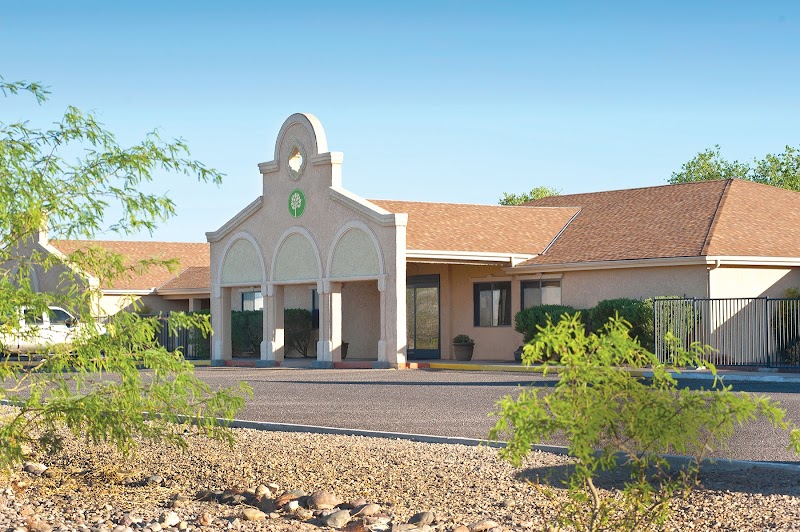
HAVEN OF SAFFORD

1933 PEPPERTREE DRIVE, SAFFORD, AZ 85546 (928) 428-4910
For profit - Limited Liability company 106 Beds HAVEN HEALTH Data: November 2025
Trust Grade
45/100
#78 of 139 in AZ
Last Inspection: November 2024

Within standard 12-15 month inspection cycle. Federal law requires annual inspections.

Overview

Haven of Safford has a Trust Grade of D, indicating below-average performance with some significant concerns. Ranked #78 out of 139 facilities in Arizona, they are in the bottom half of the state but are the only option in Graham County. Unfortunately, the facility is worsening, with issues increasing from 2 in 2023 to 9 in 2024. Staffing is relatively stable, receiving a 3-star rating with a turnover rate of 42%, which is better than the state average. Although there are no fines on record, which is a positive sign, specific incidents raised alarm, such as a resident not receiving necessary dialysis treatment and another resident lacking adequate supervision, creating risks for avoidable accidents. Overall, while there are strengths in staffing stability and RN coverage, families should be mindful of the increasing concerns and specific incidents noted in inspections.

Trust Score
D
45/100
In Arizona
#78/139
Bottom 44%
Safety Record
High Risk
Review needed
Inspections
Getting Worse
2 → 9 violations
Staff Stability
○ Average
42% turnover. Near Arizona's 48% average. Typical for the industry.
Penalties
✓ Good
No fines on record. Clean compliance history, better than most Arizona facilities.
Skilled Nurses
✓ Good
Each resident gets 70 minutes of Registered Nurse (RN) attention daily — more than 97% of Arizona nursing homes. RNs are the most trained staff who catch health problems before they become serious.
Violations
⚠ Watch
24 deficiencies on record. Higher than average. Multiple issues found across inspections.
★★★☆☆
3.0
Overall Rating
★★★☆☆
3.0
Staff Levels
★★★★★
5.0
Care Quality
★★☆☆☆
2.0
Inspection Score
Stable
2023: 2 issues
2024: 9 issues

The Good

  • 5-Star Quality Measures · Strong clinical quality outcomes
  • Full Sprinkler Coverage · Fire safety systems throughout facility
  • No fines on record
  • Staff turnover below average (42%)

    6 points below Arizona average of 48%

Facility shows strength in quality measures, fire safety.

The Bad

3-Star Overall Rating

Near Arizona average (3.3)

Meets federal standards, typical of most facilities

Staff Turnover: 42%

Near Arizona avg (46%)

Typical for the industry

Chain: HAVEN HEALTH

Part of a multi-facility chain

Ask about local staffing decisions and management

The Ugly 24 deficiencies on record

Nov 2024 7 deficiencies
CONCERN (D)

Potential for Harm - no one hurt, but risky conditions existed

Deficiency F0583 (Tag F0583)

Could have caused harm · This affected 1 resident

**NOTE- TERMS IN BRACKETS HAVE BEEN EDITED TO PROTECT CONFIDENTIALITY** Based on clinical record review, staff and family interviews, and facility documents and policy, the facility failed to ensure a...

Read full inspector narrative →
**NOTE- TERMS IN BRACKETS HAVE BEEN EDITED TO PROTECT CONFIDENTIALITY** Based on clinical record review, staff and family interviews, and facility documents and policy, the facility failed to ensure a resident's privacy was maintained during medication administration for one resident (resident # 23). This deficient practice could result in further violations of resident privacy. Findings include: Resident #23 was initially admitted on [DATE] and re-admitted on [DATE] with diagnosis including Non-St Elevation (Nstemi) Myocardial Infarction, Chronic Obstructive Pulmonary Disease, Muscle Weakness, Atherosclerotic Heart Disease, and Gastrointestinal Hemorrhage. A review of the quarterly Minimum Data Set (MDS) assessment dated [DATE] revealed a Brief Interview of Mental Status (BIMS) score of 12, indicating mild cognitive impairement. An interview was conducted on November 6, 2024 at 8:30 a.m. with a Registered Nurse and Unit Manager, (RN/Staff #26), where Staff #26 explained their expectations with respecting a resident's absolute privacy, that during patient care, doors should be closed, curtains should be drawn, that staff is expected to ask residents for their preferences, ensure resident's know their right to say no. Staff #26 also stated that staff has a learning management system that provides courses on Health Insurance Portability and Accountability Act (HIPAA) and resident rights. Staff #26 stated that the facility's expectations and professional standards apply to all staff when providing patient care. Staff #26 also stated that the expectation during medication administration is to ensure that any resident information is not viewable when staff is away from the medication cart, that the medication cart is locked when unattendance, that they introduce themselves to the resident and ensure the resident confirms their information, and that the resident is not being forced to take medications that they do not want to. However, during the interview with Staff #26 as stated above, an observation was made where Staff #26 provided a visual completion on how a nurse during medication administration is able to lock and unlock a resident's chart on their mobile devices. On November 6, 2024 at 10:12 a.m, a med cart located on the Long-Term Care (LTC) unit was observed unattended, and on the top of the medication cart, a device displayed Resident #23's name, date of birth , photo and the medications. A face bubble packet was also observed next to this device. An interview was conducted on November 6, 2024 at 10:12 a.m. with a Licensed Practical Nurse (LPN/Staff #88), where Staff #88 stated that the bubble packet does not have any medications in them and that they were left onto of the medication cart to remind her to re-order the medication. Staff #88 also stated that leaving the medication cart unattended with resident information being displayed and out in the open is not the facility's expectation and professional standards. Staff #88 acknowledged that she did leave Resident #23's information out in the open. An interview was conducted on November 6, 2024 at 2:43 p.m. with Director of Nursing (DON/Staff # 48), where Staff #48 stated that the facility's expectation is that staff honor the dignity and privacy of the residents, to ensure that they are closing the doors and closing curtains, and that residents have the right to take their medications in the hall if they wish to. Staff #84 also stated that during medication administration, staff is expected to knock upon entrance, introduce themselves and then close the curtain or close the door. Staff #84 also stated that staff is expected to lock the screen prior to administering any medication or covering any paper documents that may be viewable, as the risk for not ensuring resident confidentially is not within professional standards and that a visitor or an inappropriate party can view resident information. A review of an admission packet, on page 13, there is a section titled, Protected Health Information, revealed that the facility will not releaser any medical information to other parties without a properly signed Medical Release of Information from the resident or the responsible party. A policy titled Resident Rights, Dignity, revealed that the residents have their right to privacy and confidentiality to their medical records.
CONCERN (D)

Potential for Harm - no one hurt, but risky conditions existed

Free from Abuse/Neglect (Tag F0600)

Could have caused harm · This affected 1 resident

**NOTE- TERMS IN BRACKETS HAVE BEEN EDITED TO PROTECT CONFIDENTIALITY** Based on clinical record reviews, staff and resident interviews, facility documentation and policy and procedures, the facility ...

Read full inspector narrative →
**NOTE- TERMS IN BRACKETS HAVE BEEN EDITED TO PROTECT CONFIDENTIALITY** Based on clinical record reviews, staff and resident interviews, facility documentation and policy and procedures, the facility failed to ensure that one resident (#128) was free from abuse from another resident (#66). This deficient practice could result in further instances of abuse. Findings include: -Resident #128 was admitted at the facility on December 4, 2023 with diagnoses that included dementia, chronic obstructive pulmonary disease, and depression. Review of the quarterly Minimum Data Set (MDS) assessment dated on June 11, 2024 revealed the resident had a BIMS score of 4, which indicated severe cognitive impairment. Review of care plan initially dated on February 26, 2024 and revised on August 1, 2024 revealed that resident #128 use antidepressant medication. The interventions included to monitor/document/report to provider as needed ongoing signs and symptoms of depression which included fear of being alone with others, attention seeking, concern with body functions, anxiety, and constant reassurance. -Resident #66 (alleged perpetrator) was admitted at the facility on March 28, 2024 with diagnoses that included unspecified dementia, type 2 diabetes mellitus, and depression. Review of the admission Minimum Data Set (MDS) assessment dated [DATE] revealed the resident had a Brief Interview for Mental Status (BIMS) score of 6.0, which indicated severe cognitive impairment. The MDS also included that the resident mood includes feeling down, depressed, or hopeless, rarely feel lonely or isolated, and has verbal behavioral symptoms directed towards others. For every day activities, no impairment on the upper and lower extremities, uses a walker and wheelchair. Review of care plan initially dated on April 10, 2024 and revised on July 8, 2024 revealed that resident #66 has a verbal behavior problem, inappropriate sexual behaviors towards staff and residents, and exhibits personal sexual needs in his room. The interventions included anticipate and meet resident's needs, encourage as much participation/interaction as possible during care activities, identify behavior triggers, and refer to psychiatric provider for consultation as ordered. A a progress note for resident #128 dated on July 7, 2024 revealed resident #128 was yelling Quit touching me! get your hands off of me!, and further revealed the writer quickly turned around and saw resident #66 reaching for resident #128 and he also was looking like he was going to expose himself to her. The note continued that resident #128 thanked the writer several times for stepping in and ordered resident #66 to get away from resident #128. The note concluded that resident #66 is constantly going after our women here and scaring them A behavior progress note for resident #66 dated on July 7, 2024 revealed a resident identified as resident #128 yelling quit touching me get your hands off of me. A staff saw resident #66 reaching for resident #128 and resident #66 was looking like he was going to expose himself to resident #128. Furthermore, the progress note revealed that resident #66 is constantly going after our women here and scaring them. Furthermore, the progress note stated spends too much of my time keeping him from sexually harassing them by touching and groping their breasts against their wills. I just saw him going down the hall with his penis hanging out and then realized that he had it hanging out and touching his penis with one hand and trying to grope a Resident with his other hand. A health status note dated July 7, 2024 revealed the administrator was notified of resident #66's behavior. A behavior progress note dated July 8, 2024 revealed resident #66 was immediately removed from resident #128's location and administrative staff were aware of behaviors. A health status note progress note dated July 9, 2024 revealed a room changed for resident #66. A psych follow-up progress note dated on July 10, 2024 revealed provider was aware of resident #66 on change on condition monitoring for having a recent room change and resident #66 continuous to go into female rooms to try to touch them. A behavior progress note dated August 26, 2024 revealed resident #66 has been touching other females' residents on their private areas. The resident has been told multiple times to stop, but he would say I won't stop. The resident has been reported and the CNA's keeping a watch on him. Will continue to monitor. A behavior progress note dated August 28, 2024 revealed resident #66 grabbed another Resident's bottom and tried lifting her shirt. The female Resident swatted this Resident's hand away and said, No!. An interview was conducted on November 7, 2024 at 07:22 a.m. with licensed practical nurse (LPN)/Staff #88. Staff #88 stated that she recalls resident #66 who is very angry, sexually heightened, no impulse control. Resident #66 would grab resident's breasts, and that they moved him to the locked unit about 6 months ago. He scared the female residents. Staff #88 stated that she can recall two female residents that resident #66 targeted specifically in the locked unit. Staff #88 do not wish to share their names. Staff #88 stated that she had witnessed resident #66 touching female residents inappropriately and they have separated the residents and kept resident #66 away from the female resident. Staff #88 stated that she had notified her unit manager, the director of nursing (DON), and their executive director. An interview was conducted on November 7, 2024 at 07:43 a.m. with a certified nursing assistant (CNA/Staff #222). Staff #222 stated that she is familiar with the locked unit for residents with dementia. They observe residents and when residents argue they intervene by calming them down, separate them, and notify the nurse. As far as her training, she took acknowledgment test every month for dementia care and also, she went through abuse training. An interview was conducted on November 7, 2024 at 08:07 a.m. with a CNA (CNA/Staff #43). Staff #43 stated that his role includes scheduling CNAs and nurses. The CNAs schedule is based on their staff preference and skills and their shifts is 12-hour shift from 6 to 6. They also have a medication tech. An interview was conducted on November 7, 2024 at 08:16 a.m. with a Certified Medical Assistant (CMA/staff #61) Staff #61 identified resident #66 to this surveyor. Staff #61 stated that with resident #66, the resident does not keep still, wheels self in the hallway and in the dining room in the locked unit. Staff #61 stated that they do their best for caring their residents with dementia and when their residents become combative and in the dining room, they try to remove them in the dining room and take them to their room to their calm place. They distract them by for instance offering water. Furthermore, Staff #61 stated that resident #66 wheels himself back and forth, crashing into people and stuff, resident will run his wheelchair into them not intentionally, resident is very inappropriate to other female resident and all healthcare staff. For instance, such as with another resident, resident #66 went up to her and touch her breast and it happened about 1 -2 months ago. Resident#66 still does that. Also, when resident #66 was in the long-term care side, resident #66 went up and touch other resident's breast and verbally said inappropriate things to them and asking sexual favors. The residents over at the long-term side will tell the staff members because they are with it to say something. Staff #61 added that there was one instance that happened in the summer. Staff #61 stated that with Resident #66 when he first came in the facility was going to people's room and wandering. Resident #66 touched other female butt while walking with her walker, it happened like about 1-2 months ago, He also say things to few ladies, like the famous one is you can touch me like anywhere you want, and bribing them by holding a napkin to bribe and to see their breast. Staff #61 stated that she has reported the incident to Staff #55, staff #88 and the director of nursing (DON), they are aware. Staff #61 stated that their schedule sometime include one CNA in the unit and it is hard to constantly watch resident #66 and their nurse is out there in the opposite of their unit, pass the double doors. An interview was conducted on November 7, 2024 at 10:50 a.m. with a Registered Nurse (RN/Staff #55). Staff #55 stated that resident #66 has implosive behavior touching other people and grabbing other people and the last time this behavior happened was in the summer. Staff #55 stated that the process for reporting incident is to let his supervisor and executive director know. An interview was conducted on November 7, 2024 at 01:58 p.m. with the Director of Nursing (DON/Staff #103). The DON stated that she oversees residents' care and staffing to make sure it staffed properly. They make sure they are providing care and following policies and regulation. Regarding abuse it can be physical, financial, misappropriation of funds and neglect, and include sexual abuse. The process for any suspected abuse is to report to their abuse officer immediately, report to state immediately, if resident to resident make sure resident is safe and then report immediately. The DON stated that regarding resident #66, resident was admitted for skilled for fracture was in skilled unit then went to long-term in April and moved to another unit, resident has dementia then resident was moved in the locked unit in July because of exit seeking, has occasional behavior issue and they try to redirect as much as possible. Resident behavior issues exhibited such as displayed sexual behaviors to staff, mostly to the CNAs by grabbing their butt and breast. The DON recalled an incident who they did self -report where he grabbed a resident's breast. DON stated she does not know any other incident about inappropriate behavior towards other residents. DON stated that music therapy helped resident #66 like playing country music in his room, and more activities. The DON stated that for staff reporting abuse, their training is upon hire and as needed. She added that any abnormal behavior of resident, any change should be reported to the DON. The surveyor informed the DON of resident #66's behavior in his July's progress notes. DON is looking in Point Click Care (PCC) for resident #66 progress notes. DON stated that she is not aware of the July event. DON stated that she definitely needs to look into regarding the July incident with resident #128 and she would get with the administrator to review any documentation on this. DON stated intervention regarding resident #66 included a referral in show low and he was not accepted, resident has been seen by telepsych since May 2024. DON stated that he was started on Paroxetine in August. An interview was conducted on November 8, 2024 at 8:07 a.m. with CMA/Staff #74. Staff #74 stated that in the locked unit, they have 15-16 residents, and for staffing they have one CNA and one CMA and their nurse is in the skilled unit, or they have two CNAs and a nurse in the skilled unit, and today there is one CMA and one CNA. Staff #74 stated that regarding resident care plan, they check each resident's [NAME], it can be found in PCC in point of care (POC). In regards to training and in-services, they have in-services every month and have educational videos. The in-services every month tell them how to distract resident to switch their attention to an activity or how to deal with their behaviors. They use distraction when they are upset to get their mind or attention on something else. Regarding resident #66, Staff #74 stated that resident #66 needs help with activities of daily living (ADLs), activities, and rolls around, sometimes he does not have good behavior, he is not physical but can be nasty with the women with staff and residents, nasty as in he will just say can I see your boobs provocatively, intervention use is he will usually move him or tell him not to say those things, he has not seen any inappropriate touching by resident #66. Staff #74 stated that his role is make sure everyone is safe first then remove the person from situation and grab his radio and call for help. He will call the DON and the administrator to report incident such as physical and emotional abuse. An interview was conducted on November 8, 2024 at 10:12 a.m. with resident relation/Staff #113. Staff #113 stated that her role is she advocate for resident, help with non-clinical grievances such as with insurance, medical equipment, discharge planning. As a discharge planner she figures out their prior living, if need assistance, if live alone, and then come up with a goal and during their stay to make sure goal is still feasible if not have an alternate plan, referrals for home health and transfer to different facilities if needed. Regarding resident #66, she help locate his family out of state, she has sent referrals out of state in September 2024, and waiting to hear from them, and she made referral to a facility in July. Resident #66 has behaviors and she sent referrals to another facility in May 2024 and was denied. The denial reason was resident did not meet requirement. For the other facility referral , no bed was available. She stated that the behaviors such as sexual behaviors are inappropriate comment mostly to staff and to one resident incident which was reported to the state and that was grabbing resident's chest. She stated that the behavior seems to get better since he was moved to the locked unit which seems to help. Staff #113 recalled an incident that Resident #66 made a comment in September towards a female resident, the comment was show me your panties and he was talked to regarding that comment that was not appropriate, staff #113 saw this incident documented in the progress note by the DON. An interview was conducted on November 8, 2024 at 10:39 a.m. with the Administrator (Admin/Staff #106). Present during the interview are VP clinical Resource/Staff #225 and the DON. The administrator stated that regarding their abuse process, to report to the administrator as their abuse prevention coordinator and if not available to the DON. He stated that there are signs posted up in the building regarding abuse reporting. The administrator stated that they investigate the concern and determine if reportable or not, and a reportable abuse is physical abuse, sexual abuse, and neglect. The administrator stated that regarding sexual abuse, it is improper touching, not consenting to someone else or even uncomfortable situation like sexual advances. The administrator was prompted to review the progress note of resident #66/resident #128 in July 7, 2024. The administrator reading the progress notes, and stated that he agrees it's an abuse, 100 percent to be reported, and it was not reported to state agency and he was not aware of this. A review of facility's policy titled, Resident rights/Dignity: abuse, Neglect, Exploitation and Misappropriation Prevention program, in effect January 1, 2024 revealed residents have the right to be free from abuse, (2) develop and implement policies and protocols to prevent and identify (a.) abuse and mistreatment of residents; (8) identify and investigate all possible incidents of abuse of resident; (9) investigate and report any allegations within timeframes required by federal requirements.
CONCERN (D)

Potential for Harm - no one hurt, but risky conditions existed

Abuse Prevention Policies (Tag F0607)

Could have caused harm · This affected 1 resident

**NOTE- TERMS IN BRACKETS HAVE BEEN EDITED TO PROTECT CONFIDENTIALITY** Based on clinical record reviews, staff and resident interviews, facility documentation and policy and procedures, the facility ...

Read full inspector narrative →
**NOTE- TERMS IN BRACKETS HAVE BEEN EDITED TO PROTECT CONFIDENTIALITY** Based on clinical record reviews, staff and resident interviews, facility documentation and policy and procedures, the facility failed to follow their abuse policy for one resident. (#128) The deficient practice can result in further incidents of abuse. Findings include: -Resident #128 was admitted at the facility on December 4, 2023 with diagnoses that included dementia, chronic obstructive pulmonary disease, and depression. Review of the quarterly Minimum Data Set (MDS) assessment dated on June 11, 2024 revealed the resident had a BIMS score of 4.0, which indicated severe cognitive impairment. Review of care plan initially dated on February 26, 2024 and revised on August 1, 2024 revealed that resident #128 use antidepressant medication. The interventions included to monitor/document/report to provider as needed ongoing signs and symptoms of depression which included fear of being alone with others, attention seeking, concern with body functions, anxiety, and constant reassurance. -Resident #66 (alleged perpetrator) was admitted at the facility on March 28, 2024 with diagnoses that included unspecified dementia, type 2 diabetes mellitus, and depression. Review of the admission Minimum Data Set (MDS) assessment dated [DATE] revealed the resident had a Brief Interview for Mental Status (BIMS) score of 6, which indicated severe cognitive impairment. The MDS also included that the resident mood includes feeling down, depressed, or hopeless, rarely feel lonely or isolated, and has verbal behavioral symptoms directed towards others. For every day activities, no impairment on the upper and lower extremities, uses a walker and wheelchair. Review of care plan initially dated on April 10, 2024 and revised on July 8, 2024 revealed that resident #66 has a verbal behavior problem, inappropriate sexual behaviors towards staff and residents, and exhibits personal sexual needs in his room. The interventions included anticipate and meet resident's needs, encourage as much participation/interaction as possible during care activities, identify behavior triggers, and refer to psychiatric provider for consultation as ordered. A behavior progress note dated on July 7, 2024 revealed a resident identified as resident #128 yelling quit touching me get your hands off of me. A staff saw resident #66 reaching for resident #128 and resident #66 was looking like he was going to expose himself to resident #128. Furthermore, the progress note revealed that resident #66 is constantly going after our women here and scaring them. Furthermore, the progress note stated spends too much of my time keeping him from sexually harassing them by touching and groping their breasts against their wills. I just saw him going down the hall with his penis hanging out and then realized that he had it hanging out and touching his penis with one hand and trying to grope a Resident with his other hand. A health status note dated July 7, 2024 revealed the administrator was notified of resident #66's behavior. A behavior progress note dated July 8, 2024 revealed resident #66 was immediately removed from resident #128's location and administrative staff aware of behaviors. A health status progress note dated July 9, 2024 revealed a room changed for resident #66. A psych follow-up progress note dated on July 10, 2024 revealed provider aware of resident #66 on change on condition monitoring for having a recent room change and resident #66 continuous to go into female rooms to try to touch them. A behavior progress note dated August 26, 2024 revealed resident #66 has been touching other females' residents on their private areas. The resident has been told multiple times to stop, but he would say I won't stop. The resident has been reported and the CNA's keeping a watch on him. Will continue to monitor. A behavior progress note dated August 28, 2024 revealed resident #66 grabbed another Resident's bottom and tried lifting her shirt. The female Resident swatted this Resident's hand away and said, No!. An interview was conducted on November 7, 2024 at 07:22 a.m. with licensed practical nurse (LPN/Staff #88). Staff #88 stated that she recalls resident #66 who is very angry, sexually heightened, no impulse control. Resident #66 would grab resident's breasts, they moved him to the locked unit about 6 months ago. He scared the female residents. Staff #88 stated that she can recall two female residents that resident #66 targeted specifically in the locked unit. Staff #88 do not wish to share their names. Staff #88 stated that she had witnessed resident #66 touched female residents inappropriately and they have separated the residents and kept resident #66 away from the female resident. Staff #88 stated that she had notified her unit manager, the director of nursing, and their executive director. An interview was conducted on November 7, 2024 at 07:43 a.m. with a certified nursing assistant (CNA/Staff #222). Staff #222 stated that she is familiar with the locked unit for residents with dementia. They observe residents and when residents argue they intervene by calming them down, separate them, and notify the nurse. As far as her training, she took acknowledgment test every month for dementia care and also, she went through abuse training. An interview was conducted on November 7, 2024 at 08:07 a.m. with a CNA (CNA/Staff #43). Staff #43 stated that his role includes scheduling CNAs and nurses. The CNAs schedule is based on their staff preference and skills and their shifts is 12-hour shift from 6 to 6. They also have a medication tech. An interview was conducted on November 7, 2024 at 08:16 a.m. with a certified medical assistant (CMA/staff #61). Staff #61 identified resident #66 to this surveyor. Staff #61 stated that with resident #66, the resident does not keep still, wheels self in the hallway and in the dining room in the locked unit. Staff #61 stated that they do their best for caring their residents with dementia and when their residents become combative and in the dining room, they try to remove them in the dining room and take them to their room to their calm place. They distract them by for instance offering water. Furthermore, Staff #61 stated that resident #66 wheels himself back and forth, crashing into people and stuff, resident will run his wheelchair into them not intentionally, resident is very inappropriate to other female resident and all healthcare staff. For instance, such as with another resident, resident #66 went up to her and touch her breast and it happened about 1 -2 months ago. Resident#66 still does that. Also, when resident #66 was in the long-term care side, resident #66 went up and touch other resident's breast and verbally said inappropriate things to them and asking sexual favors. The residents over at the long-term side will tell the staff members because they are with it to say something. Staff #61 added that there was one instance that happened in the summer. Staff #61 stated that with Resident #66 when he first came in the facility was going to people's room and wandering. Resident #66 touched other female butt while walking with her walker, it happened like about 1-2 months ago, He also say things to few ladies, like the famous one is you can touch me like anywhere you want, and bribing them by holding a napkin to bribe and to see their breast. Staff #61 stated that she has reported the incident to registered nurse (RN)Staff #55, LPN/Staff #88 and the director of nursing (DON), they are aware. Staff #61 stated that their schedule sometime include one CNA in the unit and it is hard to constantly watch resident #66 and their nurse is out there in the opposite of their unit, pass the double doors. An interview was conducted on November 7, 2024 at 10:50 a.m. with a RN/Staff #55. Staff #55 stated that resident #66 has implosive behavior touching other people and grabbing other people and the last time this behavior happened was in the summer. Staff #55 stated that the process for reporting incident is to let his supervisor and executive director know. An interview was conducted on November 7, 2024 at 01:58 p.m. with the Director of Nursing, (DON/Staff #103). The DON stated that she oversees residents' care and staffing to make sure it staffed properly. They make sure they are providing care and following policies and regulation. Regarding abuse it can be physical, financial, misappropriation of funds and neglect, and include sexual abuse. The process for any suspected abuse is to report to their abuse officer immediately, report to state immediately, if resident to resident make sure resident is safe and then report immediately. The DON stated that regarding resident #66, resident was admitted for skilled for fracture was in skilled unit then went to long-term in April and moved to another unit, resident has dementia then resident was moved in the locked unit in July because of exit seeking, has occasional behavior issue and they try to redirect as much as possible. Resident behavior issues exhibited such as displayed sexual behaviors to staff, mostly to the CNAs by grabbing their butt and breast. The DON recalled an incident who they did self -report where he grabbed a resident's breast. DON stated she does not know any other incident about inappropriate behavior towards other residents. DON stated that music therapy helped resident #66 like playing country music in his room, and more activities. The DON stated that for staff reporting abuse, their training is upon hire and as needed. She added that any abnormal behavior of resident, any change should be reported to the DON. The surveyor informed the DON of resident #66's behavior in his July's progress notes. DON is looking in Point Click Care (PCC) for resident #66 progress notes. DON stated that she is not aware of the July event. DON stated that she definitely needs to look into regarding the July incident with resident #128 and she would get with the administrator to review any documentation on this. DON stated intervention regarding resident #66 included a referral in show low and he was not accepted, resident has been seen by telepsych since May 2024. DON stated that he was started on Paroxetine in August. An interview was conducted on November 8, 2024 at 8:07 a.m. with a CMA. (CMA/Staff #74). Staff #74 stated that in the locked unit, they have 15-16 residents, and for staffing they have one CNA and one CMA and their nurse is in the skilled unit, or they have two CNAs and a nurse in the skilled unit, and today there is one CMA and one CNA. Staff #74 stated that regarding resident care plan, they check each resident's [NAME], it can be found in PCC in point of care (POC). In regards to training and in-services, they have in-services every month and have educational videos. The in-services every month tell them how to distract resident to switch their attention to an activity or how to deal with their behaviors. They use distraction when they are upset to get their mind or attention on something else. Regarding resident #66, Staff #74 stated that resident #66 needs help with activities of daily living (ADLs), activities, and rolls around, sometimes he does not have good behavior, he is not physical but can be nasty with the women with staff and residents, nasty as in he will just say can I see your boobs provocatively, intervention use is he will usually move him or tell him not to say those things, he has not seen any inappropriate touching by resident #66. Staff #74 stated that his role is make sure everyone is safe first then remove the person from situation and grab his radio and call for help. He will call the DON and the administrator to report incident such as physical and emotional abuse. An interview was conducted on November 8, 2024 at 10:12 a.m. with a resident representative (rep/Staff #113). Staff #113 stated that her role is she advocate for resident, help with non-clinical grievances such as with insurance, medical equipment, discharge planning. As a discharge planner she figures out their prior living, if need assistance, if live alone, and then come up with a goal and during their stay to make sure goal is still feasible if not have an alternate plan, referrals for home health and transfer to different facilities if needed. Regarding resident #66, she help locate his family out of state, she has sent referrals out of state in September 2024, and waiting to hear from them, and she made referral to a facility in July. Resident #66 has behaviors and she sent referrals to another facility in May 2024 and was denied. The denial reason was resident did not meet requirement. For the other facility referral , no bed was available. She stated that the behaviors such as sexual behaviors are inappropriate comment mostly to staff and to one resident incident which was reported to the state and that was grabbing resident's chest. She stated that the behavior seems to get better since he was moved to the locked unit which seems to help. Staff #113 recalled an incident that Resident #66 made a comment in September towards a female resident, the comment was show me your panties and he was talked to regarding that comment that was not appropriate, staff #113 saw this incident documented in the progress note by the DON. An interview was conducted on November 8, 2024 at 10:39 a.m. with the Administrator (admin/Staff #106). Present during the interview was a clinical Resource (Admin/Staff #225) and the DON. The administrator stated that regarding their abuse process, to report to the administrator as their abuse prevention coordinator and if not available to the DON. He stated that there are signs posted up in the building regarding abuse reporting. The administrator stated that they investigate the concern and determine if reportable or not, and a reportable abuse is physical abuse, sexual abuse, and neglect. The administrator stated that regarding sexual abuse, it is improper touching, not consenting to someone else or even uncomfortable situation like sexual advances. The administrator was prompted to review the progress note of resident #66/resident #128 in July 7, 2024. The administrator reading the progress notes, and stated that he agrees it's an abuse, 100 percent to be reported, and it was not reported to state agency and he was not aware of this. A review of facility's policy titled, Resident rights/Dignity: abuse, Neglect, Exploitation and Misappropriation Prevention program, in effect January 1, 2024 revealed residents have the right to be free from abuse, (2) develop and implement policies and protocols to prevent and identify (a.) abuse and mistreatment of residents; (8) identify and investigate all possible incidents of abuse of resident; (9) investigate and report any allegations within timeframes required by federal requirements.
CONCERN (D)

Potential for Harm - no one hurt, but risky conditions existed

Report Alleged Abuse (Tag F0609)

Could have caused harm · This affected 1 resident

**NOTE- TERMS IN BRACKETS HAVE BEEN EDITED TO PROTECT CONFIDENTIALITY** Based on clinical record reviews, staff and resident interviews, facility documentation and policy and procedures, the facility ...

Read full inspector narrative →
**NOTE- TERMS IN BRACKETS HAVE BEEN EDITED TO PROTECT CONFIDENTIALITY** Based on clinical record reviews, staff and resident interviews, facility documentation and policy and procedures, the facility failed to ensure an incident of abuse was reported to the state agency. This deficient practice can result in further incidents of abuse not being reported in accordance with professional standards. Findings include: -Resident #128 was admitted at the facility on December 4, 2023 with diagnoses that included dementia, chronic obstructive pulmonary disease, and depression. Review of the quarterly Minimum Data Set (MDS) assessment dated on June 11, 2024 revealed the resident had a BIMS score of 4.0, which indicated severe cognitive impairment. Review of care plan initially dated on February 26, 2024 and revised on August 1, 2024 revealed that resident #128 use antidepressant medication. The interventions included to monitor/document/report to provider as needed ongoing signs and symptoms of depression which included fear of being alone with others, attention seeking, concern with body functions, anxiety, and constant reassurance. -Resident #66 (alleged perpetrator) was admitted at the facility on March 28, 2024 with diagnoses that included unspecified dementia, type 2 diabetes mellitus, and depression. Review of the admission Minimum Data Set (MDS) assessment dated [DATE] revealed the resident had a Brief Interview for Mental Status (BIMS) score of 6, which indicated severe cognitive impairment. The MDS also included that the resident mood includes feeling down, depressed, or hopeless, rarely feel lonely or isolated, and has verbal behavioral symptoms directed towards others. For every day activities, no impairment on the upper and lower extremities, uses a walker and wheelchair. Review of care plan initially dated on April 10, 2024 and revised on July 8, 2024 revealed that resident #66 has a verbal behavior problem, inappropriate sexual behaviors towards staff and residents, and exhibits personal sexual needs in his room. The interventions included anticipate and meet resident's needs, encourage as much participation/interaction as possible during care activities, identify behavior triggers, and refer to psychiatric provider for consultation as ordered. A behavior progress note dated on July 7, 2024 revealed a resident identified as resident #128 yelling quit touching me get your hands off of me. A staff saw resident #66 reaching for resident #128 and resident #66 was looking like he was going to expose himself to resident #128. Furthermore, the progress note revealed that resident #66 is constantly going after our women here and scaring them. Furthermore, the progress note stated spends too much of my time keeping him from sexually harassing them by touching and groping their breasts against their wills. I just saw him going down the hall with his penis hanging out and then realized that he had it hanging out and touching his penis with one hand and trying to grope a Resident with his other hand. A health status note dated July 7, 2024 revealed the administrator was notified of resident #66's behavior. A behavior progress note dated July 8, 2024 revealed resident #66 was immediately removed from resident #128's location and administrative staff aware of behaviors. A health status progress note dated July 9, 2024 revealed a room changed for resident #66. A psych follow-up progress note dated on July 10, 2024 revealed provider aware of resident #66 on change on condition monitoring for having a recent room change and resident #66 continuous to go into female rooms to try to touch them. A behavior progress note dated August 26, 2024 revealed resident #66 has been touching other females' residents on their private areas. The resident has been told multiple times to stop, but he would say I won't stop. The resident has been reported and the CNA's keeping a watch on him. Will continue to monitor. A behavior progress note dated August 28, 2024 revealed resident #66 grabbed another Resident's bottom and tried lifting her shirt. The female Resident swatted this Resident's hand away and said, No!. An interview was conducted on November 7, 2024 at 07:22 a.m. with licensed practical nurse (LPN/Staff #88). Staff #88 stated that she recalls resident #66 who is very angry, sexually heightened, no impulse control. Resident #66 would grab resident's breasts, they moved him to the locked unit about 6 months ago. He scared the female residents. Staff #88 stated that she can recall two female residents that resident #66 targeted specifically in the locked unit. Staff #88 do not wish to share their names. Staff #88 stated that she had witnessed resident #66 touched female residents inappropriately and they have separated the residents and kept resident #66 away from the female resident. Staff #88 stated that she had notified her unit manager, the director of nursing, and their executive director. An interview was conducted on November 7, 2024 at 07:43 a.m. with a certified nursing assistant (CNA/Staff #222). Staff #222 stated that she is familiar with the locked unit for residents with dementia. They observe residents and when residents argue they intervene by calming them down, separate them, and notify the nurse. As far as her training, she took acknowledgment test every month for dementia care and also, she went through abuse training. An interview was conducted on November 7, 2024 at 08:07 a.m. with a CNA (CNA/Staff #43). Staff #43 stated that his role includes scheduling CNAs and nurses. The CNAs schedule is based on their staff preference and skills and their shifts is 12-hour shift from 6 to 6. They also have a medication tech. An interview was conducted on November 7, 2024 at 08:16 a.m. with a certified medical assistant (CMA/staff #61). Staff #61 identified resident #66 to this surveyor. Staff #61 stated that with resident #66, the resident does not keep still, wheels self in the hallway and in the dining room in the locked unit. Staff #61 stated that they do their best for caring their residents with dementia and when their residents become combative and in the dining room, they try to remove them in the dining room and take them to their room to their calm place. They distract them by for instance offering water. Furthermore, Staff #61 stated that resident #66 wheels himself back and forth, crashing into people and stuff, resident will run his wheelchair into them not intentionally, resident is very inappropriate to other female resident and all healthcare staff. For instance, such as with another resident, resident #66 went up to her and touch her breast and it happened about 1 -2 months ago. Resident#66 still does that. Also, when resident #66 was in the long-term care side, resident #66 went up and touch other resident's breast and verbally said inappropriate things to them and asking sexual favors. The residents over at the long-term side will tell the staff members because they are with it to say something. Staff #61 added that there was one instance that happened in the summer. Staff #61 stated that with Resident #66 when he first came in the facility was going to people's room and wandering. Resident #66 touched other female butt while walking with her walker, it happened like about 1-2 months ago, He also say things to few ladies, like the famous one is you can touch me like anywhere you want, and bribing them by holding a napkin to bribe and to see their breast. Staff #61 stated that she has reported the incident to registered nurse (RN)Staff #55, LPN/Staff #88 and the director of nursing (DON), they are aware. Staff #61 stated that their schedule sometime include one CNA in the unit and it is hard to constantly watch resident #66 and their nurse is out there in the opposite of their unit, pass the double doors. An interview was conducted on November 7, 2024 at 10:50 a.m. with a RN/Staff #55. Staff #55 stated that resident #66 has implosive behavior touching other people and grabbing other people and the last time this behavior happened was in the summer. Staff #55 stated that the process for reporting incident is to let his supervisor and executive director know. An interview was conducted on November 7, 2024 at 01:58 p.m. with the Director of Nursing, (DON/Staff #103). The DON stated that she oversees residents' care and staffing to make sure it staffed properly. They make sure they are providing care and following policies and regulation. Regarding abuse it can be physical, financial, misappropriation of funds and neglect, and include sexual abuse. The process for any suspected abuse is to report to their abuse officer immediately, report to state immediately, if resident to resident make sure resident is safe and then report immediately. The DON stated that regarding resident #66, resident was admitted for skilled for fracture was in skilled unit then went to long-term in April and moved to another unit, resident has dementia then resident was moved in the locked unit in July because of exit seeking, has occasional behavior issue and they try to redirect as much as possible. Resident behavior issues exhibited such as displayed sexual behaviors to staff, mostly to the CNAs by grabbing their butt and breast. The DON recalled an incident who they did self -report where he grabbed a resident's breast. DON stated she does not know any other incident about inappropriate behavior towards other residents. DON stated that music therapy helped resident #66 like playing country music in his room, and more activities. The DON stated that for staff reporting abuse, their training is upon hire and as needed. She added that any abnormal behavior of resident, any change should be reported to the DON. The surveyor informed the DON of resident #66's behavior in his July's progress notes. DON is looking in Point Click Care (PCC) for resident #66 progress notes. DON stated that she is not aware of the July event. DON stated that she definitely needs to look into regarding the July incident with resident #128 and she would get with the administrator to review any documentation on this. DON stated intervention regarding resident #66 included a referral in show low and he was not accepted, resident has been seen by telepsych since May 2024. DON stated that he was started on Paroxetine in August. An interview was conducted on November 8, 2024 at 8:07 a.m. with a CMA. (CMA/Staff #74). Staff #74 stated that in the locked unit, they have 15-16 residents, and for staffing they have one CNA and one CMA and their nurse is in the skilled unit, or they have two CNAs and a nurse in the skilled unit, and today there is one CMA and one CNA. Staff #74 stated that regarding resident care plan, they check each resident's [NAME], it can be found in PCC in point of care (POC). In regards to training and in-services, they have in-services every month and have educational videos. The in-services every month tell them how to distract resident to switch their attention to an activity or how to deal with their behaviors. They use distraction when they are upset to get their mind or attention on something else. Regarding resident #66, Staff #74 stated that resident #66 needs help with activities of daily living (ADLs), activities, and rolls around, sometimes he does not have good behavior, he is not physical but can be nasty with the women with staff and residents, nasty as in he will just say can I see your boobs provocatively, intervention use is he will usually move him or tell him not to say those things, he has not seen any inappropriate touching by resident #66. Staff #74 stated that his role is make sure everyone is safe first then remove the person from situation and grab his radio and call for help. He will call the DON and the administrator to report incident such as physical and emotional abuse. An interview was conducted on November 8, 2024 at 10:12 a.m. with a resident representative (rep/Staff #113). Staff #113 stated that her role is she advocate for resident, help with non-clinical grievances such as with insurance, medical equipment, discharge planning. As a discharge planner she figures out their prior living, if need assistance, if live alone, and then come up with a goal and during their stay to make sure goal is still feasible if not have an alternate plan, referrals for home health and transfer to different facilities if needed. Regarding resident #66, she help locate his family out of state, she has sent referrals out of state in September 2024, and waiting to hear from them, and she made referral to a facility in July. Resident #66 has behaviors and she sent referrals to another facility in May 2024 and was denied. The denial reason was resident did not meet requirement. For the other facility referral , no bed was available. She stated that the behaviors such as sexual behaviors are inappropriate comment mostly to staff and to one resident incident which was reported to the state and that was grabbing resident's chest. She stated that the behavior seems to get better since he was moved to the locked unit which seems to help. Staff #113 recalled an incident that Resident #66 made a comment in September towards a female resident, the comment was show me your panties and he was talked to regarding that comment that was not appropriate, staff #113 saw this incident documented in the progress note by the DON. An interview was conducted on November 8, 2024 at 10:39 a.m. with the Administrator (admin/Staff #106). Present during the interview was a clinical Resource (Admin/Staff #225) and the DON. The administrator stated that regarding their abuse process, to report to the administrator as their abuse prevention coordinator and if not available to the DON. He stated that there are signs posted up in the building regarding abuse reporting. The administrator stated that they investigate the concern and determine if reportable or not, and a reportable abuse is physical abuse, sexual abuse, and neglect. The administrator stated that regarding sexual abuse, it is improper touching, not consenting to someone else or even uncomfortable situation like sexual advances. The administrator was prompted to review the progress note of resident #66/resident #128 in July 7, 2024. The administrator reading the progress notes, and stated that he agrees it's an abuse, 100 percent to be reported, and it was not reported to state agency and he was not aware of this. A review of facility's policy titled, Resident rights/Dignity: abuse, Neglect, Exploitation and Misappropriation Prevention program, in effect January 1, 2024 revealed residents have the right to be free from abuse, (2) develop and implement policies and protocols to prevent and identify (a.) abuse and mistreatment of residents; (8) identify and investigate all possible incidents of abuse of resident; (9) investigate and report any allegations within timeframes required by federal requirements.
CONCERN (D)

Potential for Harm - no one hurt, but risky conditions existed

Investigate Abuse (Tag F0610)

Could have caused harm · This affected 1 resident

**NOTE- TERMS IN BRACKETS HAVE BEEN EDITED TO PROTECT CONFIDENTIALITY** Based on clinical record reviews, staff and resident interviews, facility documentation and policy and procedures, the facility ...

Read full inspector narrative →
**NOTE- TERMS IN BRACKETS HAVE BEEN EDITED TO PROTECT CONFIDENTIALITY** Based on clinical record reviews, staff and resident interviews, facility documentation and policy and procedures, the facility failed to investigate an allegation of abuse. This deficient practice could result in further incidents of resident abuse. Findings include: -Resident #128 was admitted at the facility on December 4, 2023 with diagnoses that included dementia, chronic obstructive pulmonary disease, and depression. Review of the quarterly Minimum Data Set (MDS) assessment dated on June 11, 2024 revealed the resident had a BIMS score of 4.0, which indicated severe cognitive impairment. Review of care plan initially dated on February 26, 2024 and revised on August 1, 2024 revealed that resident #128 use antidepressant medication. The interventions included to monitor/document/report to provider as needed ongoing signs and symptoms of depression which included fear of being alone with others, attention seeking, concern with body functions, anxiety, and constant reassurance. -Resident #66 (alleged perpetrator) was admitted at the facility on March 28, 2024 with diagnoses that included unspecified dementia, type 2 diabetes mellitus, and depression. Review of the admission Minimum Data Set (MDS) assessment dated [DATE] revealed the resident had a Brief Interview for Mental Status (BIMS) score of 6, which indicated severe cognitive impairment. The MDS also included that the resident mood includes feeling down, depressed, or hopeless, rarely feel lonely or isolated, and has verbal behavioral symptoms directed towards others. For every day activities, no impairment on the upper and lower extremities, uses a walker and wheelchair. Review of care plan initially dated on April 10, 2024 and revised on July 8, 2024 revealed that resident #66 has a verbal behavior problem, inappropriate sexual behaviors towards staff and residents, and exhibits personal sexual needs in his room. The interventions included anticipate and meet resident's needs, encourage as much participation/interaction as possible during care activities, identify behavior triggers, and refer to psychiatric provider for consultation as ordered. A behavior progress note dated on July 7, 2024 revealed a resident identified as resident #128 yelling quit touching me get your hands off of me. A staff saw resident #66 reaching for resident #128 and resident #66 was looking like he was going to expose himself to resident #128. Furthermore, the progress note revealed that resident #66 is constantly going after our women here and scaring them. Furthermore, the progress note stated spends too much of my time keeping him from sexually harassing them by touching and groping their breasts against their wills. I just saw him going down the hall with his penis hanging out and then realized that he had it hanging out and touching his penis with one hand and trying to grope a Resident with his other hand. A health status note dated July 7, 2024 revealed the administrator was notified of resident #66's behavior. A behavior progress note dated July 8, 2024 revealed resident #66 was immediately removed from resident #128's location and administrative staff aware of behaviors. A health status progress note dated July 9, 2024 revealed a room changed for resident #66. A psych follow-up progress note dated on July 10, 2024 revealed provider aware of resident #66 on change on condition monitoring for having a recent room change and resident #66 continuous to go into female rooms to try to touch them. A behavior progress note dated August 26, 2024 revealed resident #66 has been touching other females' residents on their private areas. The resident has been told multiple times to stop, but he would say I won't stop. The resident has been reported and the CNA's keeping a watch on him. Will continue to monitor. A behavior progress note dated August 28, 2024 revealed resident #66 grabbed another Resident's bottom and tried lifting her shirt. The female Resident swatted this Resident's hand away and said, No!. An interview was conducted on November 7, 2024 at 07:22 a.m. with licensed practical nurse (LPN/Staff #88). Staff #88 stated that she recalls resident #66 who is very angry, sexually heightened, no impulse control. Resident #66 would grab resident's breasts, they moved him to the locked unit about 6 months ago. He scared the female residents. Staff #88 stated that she can recall two female residents that resident #66 targeted specifically in the locked unit. Staff #88 do not wish to share their names. Staff #88 stated that she had witnessed resident #66 touched female residents inappropriately and they have separated the residents and kept resident #66 away from the female resident. Staff #88 stated that she had notified her unit manager, the director of nursing, and their executive director. An interview was conducted on November 7, 2024 at 07:43 a.m. with a certified nursing assistant (CNA/Staff #222). Staff #222 stated that she is familiar with the locked unit for residents with dementia. They observe residents and when residents argue they intervene by calming them down, separate them, and notify the nurse. As far as her training, she took acknowledgment test every month for dementia care and also, she went through abuse training. An interview was conducted on November 7, 2024 at 08:07 a.m. with a CNA (CNA/Staff #43). Staff #43 stated that his role includes scheduling CNAs and nurses. The CNAs schedule is based on their staff preference and skills and their shifts is 12-hour shift from 6 to 6. They also have a medication tech. An interview was conducted on November 7, 2024 at 08:16 a.m. with a certified medical assistant (CMA/staff #61). Staff #61 identified resident #66 to this surveyor. Staff #61 stated that with resident #66, the resident does not keep still, wheels self in the hallway and in the dining room in the locked unit. Staff #61 stated that they do their best for caring their residents with dementia and when their residents become combative and in the dining room, they try to remove them in the dining room and take them to their room to their calm place. They distract them by for instance offering water. Furthermore, Staff #61 stated that resident #66 wheels himself back and forth, crashing into people and stuff, resident will run his wheelchair into them not intentionally, resident is very inappropriate to other female resident and all healthcare staff. For instance, such as with another resident, resident #66 went up to her and touch her breast and it happened about 1 -2 months ago. Resident#66 still does that. Also, when resident #66 was in the long-term care side, resident #66 went up and touch other resident's breast and verbally said inappropriate things to them and asking sexual favors. The residents over at the long-term side will tell the staff members because they are with it to say something. Staff #61 added that there was one instance that happened in the summer. Staff #61 stated that with Resident #66 when he first came in the facility was going to people's room and wandering. Resident #66 touched other female butt while walking with her walker, it happened like about 1-2 months ago, He also say things to few ladies, like the famous one is you can touch me like anywhere you want, and bribing them by holding a napkin to bribe and to see their breast. Staff #61 stated that she has reported the incident to registered nurse (RN)Staff #55, LPN/Staff #88 and the director of nursing (DON), they are aware. Staff #61 stated that their schedule sometime include one CNA in the unit and it is hard to constantly watch resident #66 and their nurse is out there in the opposite of their unit, pass the double doors. An interview was conducted on November 7, 2024 at 10:50 a.m. with a RN/Staff #55. Staff #55 stated that resident #66 has implosive behavior touching other people and grabbing other people and the last time this behavior happened was in the summer. Staff #55 stated that the process for reporting incident is to let his supervisor and executive director know. An interview was conducted on November 7, 2024 at 01:58 p.m. with the Director of Nursing, (DON/Staff #103). The DON stated that she oversees residents' care and staffing to make sure it staffed properly. They make sure they are providing care and following policies and regulation. Regarding abuse it can be physical, financial, misappropriation of funds and neglect, and include sexual abuse. The process for any suspected abuse is to report to their abuse officer immediately, report to state immediately, if resident to resident make sure resident is safe and then report immediately. The DON stated that regarding resident #66, resident was admitted for skilled for fracture was in skilled unit then went to long-term in April and moved to another unit, resident has dementia then resident was moved in the locked unit in July because of exit seeking, has occasional behavior issue and they try to redirect as much as possible. Resident behavior issues exhibited such as displayed sexual behaviors to staff, mostly to the CNAs by grabbing their butt and breast. The DON recalled an incident who they did self -report where he grabbed a resident's breast. DON stated she does not know any other incident about inappropriate behavior towards other residents. DON stated that music therapy helped resident #66 like playing country music in his room, and more activities. The DON stated that for staff reporting abuse, their training is upon hire and as needed. She added that any abnormal behavior of resident, any change should be reported to the DON. The surveyor informed the DON of resident #66's behavior in his July's progress notes. DON is looking in Point Click Care (PCC) for resident #66 progress notes. DON stated that she is not aware of the July event. DON stated that she definitely needs to look into regarding the July incident with resident #128 and she would get with the administrator to review any documentation on this. DON stated intervention regarding resident #66 included a referral in show low and he was not accepted, resident has been seen by telepsych since May 2024. DON stated that he was started on Paroxetine in August. An interview was conducted on November 8, 2024 at 8:07 a.m. with a CMA. (CMA/Staff #74). Staff #74 stated that in the locked unit, they have 15-16 residents, and for staffing they have one CNA and one CMA and their nurse is in the skilled unit, or they have two CNAs and a nurse in the skilled unit, and today there is one CMA and one CNA. Staff #74 stated that regarding resident care plan, they check each resident's [NAME], it can be found in PCC in point of care (POC). In regards to training and in-services, they have in-services every month and have educational videos. The in-services every month tell them how to distract resident to switch their attention to an activity or how to deal with their behaviors. They use distraction when they are upset to get their mind or attention on something else. Regarding resident #66, Staff #74 stated that resident #66 needs help with activities of daily living (ADLs), activities, and rolls around, sometimes he does not have good behavior, he is not physical but can be nasty with the women with staff and residents, nasty as in he will just say can I see your boobs provocatively, intervention use is he will usually move him or tell him not to say those things, he has not seen any inappropriate touching by resident #66. Staff #74 stated that his role is make sure everyone is safe first then remove the person from situation and grab his radio and call for help. He will call the DON and the administrator to report incident such as physical and emotional abuse. An interview was conducted on November 8, 2024 at 10:12 a.m. with a resident representative (rep/Staff #113). Staff #113 stated that her role is she advocate for resident, help with non-clinical grievances such as with insurance, medical equipment, discharge planning. As a discharge planner she figures out their prior living, if need assistance, if live alone, and then come up with a goal and during their stay to make sure goal is still feasible if not have an alternate plan, referrals for home health and transfer to different facilities if needed. Regarding resident #66, she help locate his family out of state, she has sent referrals out of state in September 2024, and waiting to hear from them, and she made referral to a facility in July. Resident #66 has behaviors and she sent referrals to another facility in May 2024 and was denied. The denial reason was resident did not meet requirement. For the other facility referral , no bed was available. She stated that the behaviors such as sexual behaviors are inappropriate comment mostly to staff and to one resident incident which was reported to the state and that was grabbing resident's chest. She stated that the behavior seems to get better since he was moved to the locked unit which seems to help. Staff #113 recalled an incident that Resident #66 made a comment in September towards a female resident, the comment was show me your panties and he was talked to regarding that comment that was not appropriate, staff #113 saw this incident documented in the progress note by the DON. An interview was conducted on November 8, 2024 at 10:39 a.m. with the Administrator (admin/Staff #106). Present during the interview was a clinical Resource (Admin/Staff #225) and the DON. The administrator stated that regarding their abuse process, to report to the administrator as their abuse prevention coordinator and if not available to the DON. He stated that there are signs posted up in the building regarding abuse reporting. The administrator stated that they investigate the concern and determine if reportable or not, and a reportable abuse is physical abuse, sexual abuse, and neglect. The administrator stated that regarding sexual abuse, it is improper touching, not consenting to someone else or even uncomfortable situation like sexual advances. The administrator was prompted to review the progress note of resident #66/resident #128 in July 7, 2024. The administrator reading the progress notes, and stated that he agrees it's an abuse, 100 percent to be reported, and it was not reported to state agency and he was not aware of this. A review of facility's policy titled, Resident rights/Dignity: abuse, Neglect, Exploitation and Misappropriation Prevention program, in effect January 1, 2024 revealed residents have the right to be free from abuse, (2) develop and implement policies and protocols to prevent and identify (a.) abuse and mistreatment of residents; (8) identify and investigate all possible incidents of abuse of resident; (9) investigate and report any allegations within timeframes required by federal requirements.
CONCERN (D)

Potential for Harm - no one hurt, but risky conditions existed

Deficiency F0757 (Tag F0757)

Could have caused harm · This affected 1 resident

**NOTE- TERMS IN BRACKETS HAVE BEEN EDITED TO PROTECT CONFIDENTIALITY** Based on clinical record review, interviews, and review of facility policies and procedures, the facility failed to ensure neces...

Read full inspector narrative →
**NOTE- TERMS IN BRACKETS HAVE BEEN EDITED TO PROTECT CONFIDENTIALITY** Based on clinical record review, interviews, and review of facility policies and procedures, the facility failed to ensure necessary blood pressure medications were administered according to provider instruction for one resident. (#14) This deficient practice could result in side effects leading to negative resident outcomes. Findings Include: -Resident #14 was admitted to the facility on [DATE], with diagnoses that include hypotension, edema, bipolar disorder, and rheumatoid arthritis. The admission Minimum Data Set (MDS) dated [DATE] revealed a Brief Interview for Mental Status (BIMS) score of 12, which indicated resident was cognitively intact. A physician order dated August 7, 2024 revealed Midodrine 5mg (milligrams) to be given three times a day for hypotension (low blood pressure) unless the systolic blood pressure is greater than 130. Review of the Medication Administration Record (MAR) for October 2024 through November 2024 revealed multiple dates ([DATE], 5, 19, 25, 26, 28, [DATE], and 7) where Midodrine was administered with a systolic blood pressure greater than 130. An interview was conducted with a Pharmacist (Staff #125) on November 7, 2024 at 1:50 p.m. The pharmacist stated that the physician's orders should be followed unless otherwise ordered. Staff #125 further elaborated that sometimes there may be reasons why medications may be given out of parameters but it would still need to be justified and cleared with the physician. An interview was conducted with a Unit Manager (admin/Staff #26) and the Director of Nursing (DON/Staff #103) November 7, 2024 at 3:00 p.m. They both accessed the clinical record with this surveyor and reviewed the clinical documentation for Resident #14's Midodrine administrations. Both were able to identify episodes when midodrine was given outside of parameters and stated that the medication should have only been given within parameters, unless cleared by the provider. Both also agreed that this medication can cause the blood pressure to continue to rise which can also be problematic if it becomes too high. An interview with Licensed Practical Nurse (LPN/Staff #79) was conducted on November 8, 2024 at 10:57 a.m. The LPN stated that she will always check the blood pressure before giving the medication because it is part of the facility standards to follow physician orders. She further stated if she was to get the same blood pressure result three different times throughout the day she would reassess the resident and do interventions such as changing arms or changing the blood pressure cuff. She also stated the importance of giving midodrine within parameters because otherwise the resident can suffer consequences of hypertension. A policy titled Resident Examination and Assessment advises that the physician should be notified of any abnormal vital signs, and that vital signs for each resident should be obtained in accordance with the standard of care required, and based on the individual resident's condition. A policy titled Medication Administration advises that if the dosage is believed to be inappropriate or excessive, the administering person will contact the prescriber or the facility medical director to discuss the concerns. Based on clinical record review, staff interviews, and facility policy, the facility failed to ensure that necessary pain medications were given according to provider instruction for one resident (resident's #18) This deficient practice could result in ineffective medication management resulting in negative outcomes. findings include: -Resident #18 was admitted on [DATE], with diagnoses that included surgical aftercare, surgery on the circulatory system, end stage renal disease, and sepsis. A physician's order dated October 3, 2024, revealed an order for Tramadol 50mg (milligrams) by mouth every 12 hours as needed for a pain scale of 6-10. An admission Minimum Data Set (MDS) assessment dated [DATE], revealed the resident had a BIMS (Brief Interview for Mental Status) score of 15, which indicated the resident had no cognitive impairment. A care plan intervention with the initiated date of October 16, 2024, revealed that Resident #18 is at risk for pain and utilizes opioid medications per physician orders. Review of the Medication Administration Record (MAR) dated November 2024, revealed on November 3, 2024, Resident #18 was administered one tablet of Tramadol 50mg for a pain level of '4' at 3:50 a.m, and for a pain level of '4' at 7:06 p.m. An interview was conducted September 13, 2024 at 10:30 a.m. with a Registered Nurse (RN/Staff #55) to review Resident #18's physician orders and MAR. Staff #55 stated that the order of the Tramadol 50mg was given out of parameters on November 3, at 3:50 a.m. and 7:06 p.m. Staff #55 also stated that administering medications out of order parameters is not in professional standards as Resident #55 could have been offered an alternative medication or non-medicated intervention for the pain level of 4, rather than the Tramadol 50mg. An interview was conducted on November 6, 2024 at 2:43 p.m. with Director of Nursing (DON/Staff #48), where Staff #48 stated that the facility's expectation is medications are to be administered per physician orders, and that providing medication that is not within order parameters is not professional standards and does not properly treat the resident. The policy Administering Medications revealed that the administration of medications must be administered in accordance with the resident's order.
CONCERN (D)

Potential for Harm - no one hurt, but risky conditions existed

Deficiency F0919 (Tag F0919)

Could have caused harm · This affected 1 resident

**NOTE- TERMS IN BRACKETS HAVE BEEN EDITED TO PROTECT CONFIDENTIALITY** Based on observations, clinical record reviews, interviews, and facility documents and policy, the facility failed to ensure one...

Read full inspector narrative →
**NOTE- TERMS IN BRACKETS HAVE BEEN EDITED TO PROTECT CONFIDENTIALITY** Based on observations, clinical record reviews, interviews, and facility documents and policy, the facility failed to ensure one resident (#54), had call light accessibility. The deficient practice could result in residents not having the means to communicate with staff leading to negative outcomes. Findings include: -Resident #54 was admitted to the facility on [DATE], with diagnoses that included left sided paralysis, stroke, Type-2 Diabetes, repeated falls, and depression. The quarterly Minimum Data Set (MDS) dated [DATE] included a Brief Interview for Mental Status (BIMS) score of 10, which indicated the resident had moderate cognitive impairment. The MDS also revealed that the resident experienced social isolation on rare occasion and is prescribed an antidepressant for mood support. A falls care plan initiated November 25, 2022 revealed resident #54 was at risk for falls related to deconditioning, with a noted intervention to assure the bed is against the wall, and the call light is within reach to ensure prompt response to all requests for assistance as needed. On November 6, 2024 at 12:10 p.m. the resident was observed in room sitting alone by bedside in a wheelchair. Upon closer inspection of resident, eyes appeared wet with tears, and resident was visibly shaking. The call light plug was securely inserted into the call light face plate. The call light cord extended straight down the wall, and was sandwiched between the mattress and the wall. The hand control for the call light system was not visible. On November 7, 2024 at 11:38 a.m. this surveyor returned to the resident's room and observed the call light system cord similar to the day prior, which extended down and was sandwiched between the wall and mattress. The call light hand control was not visible. This surveyor left the room with the resident who stated they were on the way to socialize in the hallway. This surveyor returned with a Unit Manager (admin/Staff #26) at 11:42 a.m. This surveyor observed staff #26 go to the head of the bed and follow the call light cord. staff #26 was able to use the cord and pull the call light from between the side of the wall and mattress. The Unit Manager then proceeded to affix the call light to the resident bedside to ensure control was reachable upon the resident return to room. An interview conducted on November 5, 2024 at 3:40 p.m. during initial pool screening with Resident #54. Resident #54 stated she does not have a call light, and needs one because she has already fallen out of bed three times already. She stated she wants the staff to keep her door open so when she falls, she can scream for help when in trouble. An interview conducted on November 7, 2024 at 11:38 a.m., with Resident #54 revealed she still never got a call light button. When surveyor pointed to the call light face plate and cord on the wall, the resident stated I can't get way over there to get that!. an interview was conducted with a unit manager (admin/staff #26) at approximately 11:42 a.m on November 7, 2024. Staff #26 stated that all residents are supposed to have easy access to their call lights. She further clarified that the position of Resident #54's call light was not easily accessible, especially with the resident's functional limitations. Staff #26 stated they will remind staff the importance of making sure call lights are easily accessible to all residents. An interview was conducted on November 7, 2024 at 3:00 p.m. with the unit manager (admin/staff #26) and the Director of nursing (DON/staff #103). During the interview the unit manager and the DON stated that it was important that call lights were within reach of the residents for routine and urgent matters. The policy titled Falls and Fall Risk, Managing, indicated the use of alarms will be monitored for efficacy and staff will respond to alarms in a timely manner.
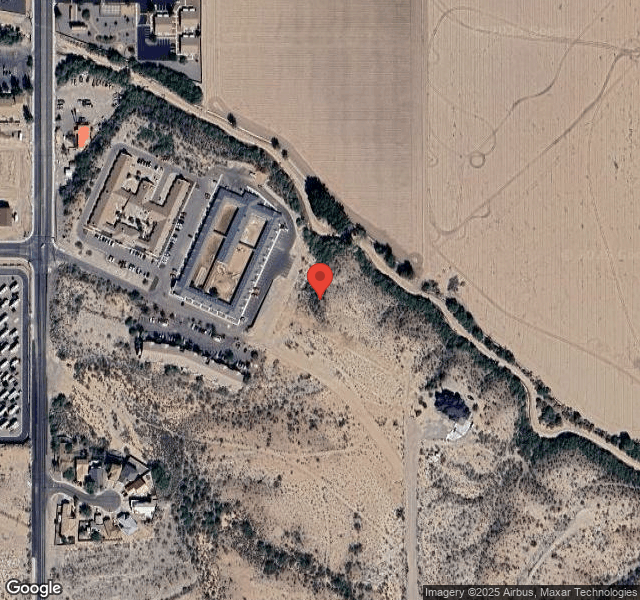
Oct 2024 1 deficiency
CONCERN (D) 📢 Someone Reported This

A family member, employee, or ombudsman was alarmed enough to file a formal complaint

Potential for Harm - no one hurt, but risky conditions existed

Free from Abuse/Neglect (Tag F0600)

Could have caused harm · This affected 1 resident

**NOTE- TERMS IN BRACKETS HAVE BEEN EDITED TO PROTECT CONFIDENTIALITY** Based on clinical record reviews, facility documentation, resident and staff interviews, and policy review, the facility failed ...

Read full inspector narrative →
**NOTE- TERMS IN BRACKETS HAVE BEEN EDITED TO PROTECT CONFIDENTIALITY** Based on clinical record reviews, facility documentation, resident and staff interviews, and policy review, the facility failed to ensure that two residents (#15) and (#50) were free from physical abuse resulting in injury by other residents (resident #50, and resident #75). The deficient practice could result in further incidents of resident to resident abuse. Findings include: Regarding resident #15 and resident #50 -Resident #15 was admitted to the facility on [DATE] with diagnoses that include Hemiplegia, sepsis, urinary tract infections, dysphagia, and hypertension. Review of the Quarterly Minimum Data Set (MDS) assessment September 8, 2024 revealed a Brief Interview for Mental Status (BIMS) score of 10 which indicated the resident had moderate cognitive impairment. A behavioral care plan revised December 6, 2023 revealed the resident was at risk of impaired cognitive function related to dementia with a noted intervention of keeping the resident's routine consistent and try to provide consistent care givers as much as possible in order to decrease confusion. -Resident #50 was admitted to the facility on [DATE] with diagnoses that include Bipolar disorder, dysphagia, hypertension, depression, and post traumatic stress disorder. Review of the admission Minimum Data Set (MDS) assessment dated [DATE], revealed a Brief Interview for Mental Status (BIMS) score of 10 which indicated the resident had moderate cognitive impairment. A behavioral care-plan initiated August 31, 2021 revealed the resident has the potential to demonstrate abusive behaviors related to dementia, mental illness, and poor impulse control, with noted interventions for staff to intervene before agitation escalates, and guide away from source of distress. A review of the clinical record progress notes for resident #15 dated October 5, 2024 at 3:53 a.m. revealed the resident was being monitored for a recent one on one incident with another resident, and that the resident #15 was hit in the head with a hairbrush. However, no progress notes detailing the incident in question were noted in resident #15's clinical record. An interview was conducted with resident #15 on October 21, 2024 at 12:55 p.m. The resident stated that resident #50 hit her on her face and pointed to her head. The resident stated there was a little bit of blood after, and that she didn't know what to do. The resident further stated resident #50 had a big bulky brush, an old one, and that was the brush that was used. An interview was conducted with a Certified Nursing Assistant (CNA/staff #5) on October 21, 2024 at 1:01 p.m. The CNA reported that resident #50 has lots of behaviors, and is not really a people person. The CNA stated that resident #50 can be mean to other residents at times and is very bossy. The CNA also stated resident #50 has been physical in the past. The CNA also confirmed the incident happened. An interview with a Registered Nurse (RN/staff #22) was conducted on October 21, 2024 at 1:16 p.m. The RN stated that resident #50 is needy, and doesn't realize she's not the only resident here. The RN stated that when she asked resident #50 why she hit resident #15 with the hair brush, resident #50 didn't want to talk about it. The RN stated resident #50 often gets mad with staff, has verbal outbursts and other behaviors. Regarding resident #50 and resident #75 -Resident #75 was admitted to the facility on [DATE], with diagnoses that include Dementia, heart disease, diabetes mellitus type II, epilepsy, and hypotension. Review of the Quarterly Minimum Data Set (MDS) assessment dated [DATE]th, 2024 revealed a Brief Interview for Mental Status (BIMS) score of 07 which indicated the resident had significant cognitive impairment. A behavior care-plan initiated April 10, 2024 revealed the resident has a behavior problem related to inappropriate sexual behaviors towards staff and residents, with noted interventions of identifying behavior triggers, and anticipate and meet the resident's needs. Review of information received from the SA complaint tracking system revealed that on May 20, 2024, the facility reported that resident #75 was seen grabbing resident #50's breasts, and that the incident was witnessed by staff. An interview was conducted with resident #50 on October 21, 2024 at 12:42 p.m. The resident stated that in the incident on May 20, 2024 that she was wandering down the hallway when resident #75 touched her. The resident stated she thinks resident #75 did it on purpose. The resident stated it had never happened before and that she did feel abused. An interview was conducted with a Certified Nursing Assistant (CNA/staff #5) on October 21, 2024 at 1:01 p.m. The CNA reported that they have witnessed abuse before, however not recently. The CNA stated that resident #75 has inappropriate behaviors, and that he's touchy feely with other residents. The CNA also stated that he has dementia, and may understand or not. The CNA also stated that he refuses and is resistant to care a lot. An interview with a Certified Nursing Assistant (CNA/staff #45) was conducted on October 21, 2024 at 12:50 p.m. The CNA stated that resident #90 is very spontaneous, and a few times was aggressive like if he wanted to leave, he would get mad. He further stated resident #60 got an abrasion on their face from resident #90, and that resident #90 gave resident #30 a big black eye. The CNA further stated that they try to redirect him if he's getting angry and if it causes yelling try to do a 1:1 for him. An interview with a Registered Nurse (RN/staff #22) was conducted on October 21, 2024 at 1:16 p.m. The RN stated they were aware of incidents involving resident #75. The RN stated that they were made aware of resident #75 inappropriately touching other residents; but had never witnessed it. The RN stated that they feel this wouldn't be an issue if they were not understaffed. An interview with the Director of Nursing (DON/staff #1) was conducted on August 20, 2024 at 1:53 p.m. The DON stated that resident #50 has been aggressive towards staff a few times. The DON confirmed the incident occurred and stated that after the incident with resident #15 they took her hair brush away, and that when she took it away resident #50 swung at her. The DON also stated that resident #75 has been here about a year and displays sexual behaviors, mostly towards staff. The DON stated the incident was witnessed by a CNA. However the DON stated that the incident occurred; that interventions are in place to prevent it from happening again, and that it was kind of an outlier incident. The DON concluded that the administrator is the abuse coordinator, and that her expectation is that staff report and act on abuse immediately. A review of facility policy titled ''Abuse Policy revealed that they strive to prevent the abuse of all residents. They recognize residents with the diagnosis of dementia and other mental illnesses whose behaviors are not always predictable. Further they recognize that due to the proximity of the residents to one another and an individual's freedom of choice, that situations may arise where it is not possible to completely prevent all incidents of abuse.
Aug 2024 1 deficiency
CONCERN (D) 📢 Someone Reported This

A family member, employee, or ombudsman was alarmed enough to file a formal complaint

Potential for Harm - no one hurt, but risky conditions existed

Free from Abuse/Neglect (Tag F0600)

Could have caused harm · This affected 1 resident

**NOTE- TERMS IN BRACKETS HAVE BEEN EDITED TO PROTECT CONFIDENTIALITY** Based on clinical record reviews, facility documentation, resident and staff interviews, and policy review, the facility failed ...

Read full inspector narrative →
**NOTE- TERMS IN BRACKETS HAVE BEEN EDITED TO PROTECT CONFIDENTIALITY** Based on clinical record reviews, facility documentation, resident and staff interviews, and policy review, the facility failed to ensure that two residents (#30) and (#60) were free from physical abuse resulting in injury by other residents (resident #90). The deficient practice could result in further incidents of resident to resident abuse. Findings include: Regarding resident #90 and resident #30 -Resident #30 was admitted to the facility on [DATE], with diagnoses that include Gout, Alcohol dependence, chronic obstructive pulmonary disorder, and hypertension. A behavioral care plan revised December 6, 2023 revealed the resident was at risk of impaired cognitive function replaced to dementia with a noted intervention of keep resident's routine consistent to provide consistent caregivers in order to reduce confusion. Review of the Quarterly Minimum Data Set (MDS) assessment dated [DATE] revealed a Brief Interview for Mental Status (BIMS) score of 03 which indicated the resident had significant cognitive impairment. -Resident #90 was admitted to the facility on [DATE], with diagnoses that include Dementia, pneumonia, sepsis, alcohol abuse, transient ischemic attack, and hypertension. A behavioral care plan dated April 8, 2024 revealed the resident was at risk of wandering, sleeping in other resident's rooms, and physical behaviors towards staff and other residents. The goal was the resident will demonstrate effective coping, with noted interventions of allowing the resident to make decisions about his care, give clear explanations to the resident of all care activities, and administer medications as ordered. However, there was no noted interventions to address the wandering behavior, or the physically aggressive behaviors towards staff and residents. Review of the admission Minimum Data Set (MDS) assessment dated [DATE], revealed a Brief Interview for Mental Status (BIMS) score of 09 which indicated the resident had moderate cognitive impairment. A review of the clinical record progress notes for resident #90 dated July 30, 2024 at 11:49 a.m. revealed the resident getting into residents and staffs face several times and yelling, and clenching his fists regarding his keys, when trying to redirect and distract became undoable. A second progress note dated August 4, 2024 at 8:05 a.m. revealed that resident #90 was wandering the halls, with multiple attempts to redirect the resident to dining room or resident's room due to angry outbursts. A third progress note dated August 4, 2024 at 12:40 p.m. revealed that the resident #90 had multiple angry outbursts this shift over many different events. Resident needing to be constantly redirected away from other residents as resident gets mad and upset very easily. An incident progress note dated August 7, 2024 at 9:17 a.m. revealed resident #90 had multiple angry outbursts this AM shift. Resident #30 had accidently bumped resident #90's knee with a wheelchair. Resident #90 verbally warned resident that if you don't move or if you do that again you will get hit while having his fist in the air. Resident #30 was moved away from resident #90 by staff. However, the note continues that at approximately 9:08 a.m., resident #90 was yelling and screaming and was found in the dining room and had hit resident #30 in the face for hitting me in the knee with the wheelchair. A review of the clinical record progress notes for resident #30 dated August 6, 2024 at 7:03 a.m. revealed patient was hit in the right eye by another resident. Bruising to the right eye, applied ice and gave ibuprofen PRN for the pain and swelling, will continue to monitor eye Regarding resident #90 and resident #60 -Resident #60 was admitted to the facility on [DATE], with diagnoses that include dementia, diabetes mellitus type 2, urinary tract infections, depression, insomnia, and hypertension. A behavior care-plan initiated November 3, 2022 revealed the resident has a cognitive impairment problem related dementia, with noted interventions of keeping the resident's routine consistent as much as possible in order to decrease confusion. Review of the Quarterly Minimum Data Set (MDS) assessment dated [DATE] revealed a Brief Interview for Mental Status (BIMS) score of 03 which indicated the resident had significant cognitive impairment. An interview was conducted with a Registered Nurse (RN/staff #25) on August 20, 2024 at 12:32 p.m. The RN stated that when the resident was moved to the long-term care side of the facility, he started becoming more confused and having behaviors, before being moved to the behavior unit. The RN noted as time has gone on, resident #90 became increasingly agitated, would make sexual advances, and go into other people's rooms. The RN further stated that resident #90 did physically hit a couple of people, including resident #30. The RN noted that because of staffing challenges, the resident was on 1:1 at certain times, but not all the time. An interview with a Certified Nursing Assistant (CNA/staff #45) was conducted on August 20, 2024 at 12:50 p.m. The CNA stated that resident #90 is very spontaneous, and a few times was aggressive like if he wanted to leave, he would get mad. He further stated resident #60 got an abrasion on their face from resident #90, and that resident #90 gave resident #30 a big black eye. The CNA further stated that they try to redirect him if he's getting angry and if it causes yelling try to do a 1:1 for him. An interview with the Director of Nursing (DON/staff #5) was conducted on August 20, 2024 at 1:53 p.m. The DON stated that resident #90 initially was confused but redirectable, but started wandering and exit seeking and was moved to the behavior unit. The DON stated that a few weeks ago resident #90's behaviors started to rapidly escalate. The DON further stated that they had tried many redirection methods around his behaviors that often happen at meal times, such as double portions that was working well. The DON concluded that it was just the two incidents where he got physical, one with resident #30 and one with resident #60, and that the resident #90 was ultimately discharged to another skilled nursing facility in Tucson, because he was no longer appropriate. A review of facility policy titled ''Abuse Policy revealed that they strive to prevent the abuse of all residents. They recognize residents with the diagnosis of dementia and other mental illnesses whose behaviors are not always predictable. Further they recognize that due to the proximity of the residents to one another and an individual's freedom of choice, that situations may arise where it is not possible to completely prevent all incidents of abuse.
Feb 2023 2 deficiencies
CONCERN (D)

Potential for Harm - no one hurt, but risky conditions existed

Pharmacy Services (Tag F0755)

Could have caused harm · This affected 1 resident

**NOTE- TERMS IN BRACKETS HAVE BEEN EDITED TO PROTECT CONFIDENTIALITY** Based on clinical record reviews, facility documentation, interviews, and facility policies, the facility failed to ensure that ...

Read full inspector narrative →
**NOTE- TERMS IN BRACKETS HAVE BEEN EDITED TO PROTECT CONFIDENTIALITY** Based on clinical record reviews, facility documentation, interviews, and facility policies, the facility failed to ensure that medications were administered as ordered by the physician for one resident (#175). The deficient practice could result in medications not being available to meet the resident needs. Findings include: Resident #175 was admitted on [DATE] diagnosis of essential hypertension, other chest pain, atherosclerotic heart disease of native coronary artery without angina pectoris, and presence of aortocoronary bypass graft. The resident's comprehensive care plan included an intervention to administer medication as ordered. The health status note dated January 16, 2023 included the resident was alert and oriented x 4. A physician order dated January 16, 2023 included for ranolazine (anti-anginal drug) ER (extended release) 500 mg (milligrams) give one tablet by mouth two times a day for atherosclerotic heart disease of native coronary artery without angina pectoris. An eMAR (electronic medication administration record) note dated January 17, 2023 revealed medication not here yet and was on order The EMAR notes dated January 21 and 22, 2023 revealed Ranolazine ER was not on hand. A physician order dated January 23, 2023 again revealed the same order for Ranolazine ER. Review of the clinical record revealed documentation that Ranolazine was not available for following dates: January 17, 18, 19, 20, 21, 23, 24, 25, 28, 29, 30, 31 and February 1, 2023. An eMAR note dated January 23, 2023 included that the family was supplying medications, they have not supplied them and, the staff reminded the family when they were in the building. Another eMAR note dated January 27, 2023 revealed Ranolazine was not on hand. The eMAR note dated January 28, 2023 included awaiting pharmacy delivery. However, it did not indicate which medication it was for. Another eMAR note dated January 29, 2023 revealed that Ranolazine was not on hand; and, was waiting on pharmacy. Despite documentation of the physician order for Ranolazine, the MAR (Medication Administration Record) for January and February 2023 revealed that Ranolazine ER, was coded as unavailable, and that, was documented as not administered from January 16, 2023 through February 1, 2023. There was no evidence found in the clinical record the physician was notified that the medication was not administered as ordered. An alert note dated January 30, 2023 revealed that the resident had not received Ranolazine; and that the staff contacted pharmacy. Per the documentation, pharmacy notified staff that it was the family who supplies the medication for the resident. It also included the nurse contacted the family who informed the nurse that they will bring the medication over ASAP. An observation conducted on January 31, 2023 at 9:38 a.m. revealed the medication, Ranolazine 500mg was on the bedside table wrapped in a plastic bag inside the room of resident #175. A subsequent observation on February 2, 2023 at 9:00 a.m. revealed that the medication was no longer on the bedside table. An interview was conducted on January 31, 2023 at 10:00 a.m. with the resident #175 and family who stated that neither of them speak English well; and requested for their family to be interviewed instead. A phone interview was conducted with the family immediately following the resident's request. The family stated that they were asked to bring in the medication (Ranolazine) as she had been told by nursing staff that the facility pharmacy was out of the medication. The family stated the resident had been out of the medication for about 8 days and this was why the family had provided the medication. An interview was conducted on February 1, 2023 with the registered nurse (RN/staff #19) who stated that when medications are not available, staff would use PYXIS (drug dispensing machine) for back-up medications first and then would notify the pharmacy to see about a subsequent delivery the same day. She stated the pharmacy delivers twice a day, at 3:00 p.m. and at 11:00 p.m.; and, if the medication cannot be obtained from either the PYXIS or the pharmacy that day, the physician would be notified. Staff #19 stated that the unavailability of the medication and steps taken to contact the pharmacy and physician are documented in the progress notes by the nursing staff. The RN stated that another potential option was to call the family if they have the medication at home and would be able to bring it to the facility. She stated that when medication is brought in by the family who notifies staff. She stated that the resident's name is placed on the medication, a pill count is conducted and the medication is securely stored in the medication cart. The RN stated the risk of not having the medication, Ranolazine available for resident #175, included a potential for blood pressure to spike and difficulty in getting the resident back to baseline. Further, the RN stated she was aware that resident #175 had been out of medication for a while; and that, the family had been asked to bring the medication in. In a later interview conducted with staff #19 on February 2, 2023 at 9:05 a.m., staff #19 stated the facility had received the medication from the family and it had been stored in the medication cart for resident #175. An interview was conducted with assistant Director of Nursing (ADON/staff #97) on February 2, 2023. The ADON stated that if the medication was not the first dose or an emergency dose, then staff should reach out to pharmacy and sometimes the pharmacy can send the request to another pharmacy to fill. The ADON stated that the next step would be to contact the physician at least a couple of hours before the dose was due; and that, staff should document all attempts made to obtain the medication and notification of the physician. During the interview, a review of the clinical record was conducted with the ADON who stated that there was documentation that the medication was not available. However, the ADON stated that there was no documentation in the clinical record that the physician was notified doctor that the medication was not available. The ADON also stated that if a medication is over a certain dollar amount and is not covered by the insurance then ultimately the cost could be absorbed by the facility. She also said that staff should be reaching back out to the physician to explore potential alternatives. Further, the ADON stated that risk factors, if the medication (Ranolazine) was not be administered, the resident could have adverse effects such as chest pain and could result in rehospitalization. Review of the facility policy on Provider Pharmacy Requirements revealed that the pharmacy agrees to assisting in determining the appropriate acquisition, receipt, accurately dispensing prescriptions based on orders as well as providing routine and timely pharmacy services per contractual agreement 24 hours a day/ 7 days a week.
CONCERN (E) 📢 Someone Reported This

A family member, employee, or ombudsman was alarmed enough to file a formal complaint

Potential for Harm - no one hurt, but risky conditions existed

Accident Prevention (Tag F0689)

Could have caused harm · This affected multiple residents

**NOTE- TERMS IN BRACKETS HAVE BEEN EDITED TO PROTECT CONFIDENTIALITY** Based on clinical record review and staff interviews and the State Agency (SA) database, the facility failed to ensure adequate ...

Read full inspector narrative →
**NOTE- TERMS IN BRACKETS HAVE BEEN EDITED TO PROTECT CONFIDENTIALITY** Based on clinical record review and staff interviews and the State Agency (SA) database, the facility failed to ensure adequate supervision and assistance was provided for one resident (#123). The deficient practice could result in avoidable accidents for residents. Findings include: Resident #123 was admitted on [DATE] with diagnoses of bipolar disorder, suicidal ideation and personal history of suicidal behavior. The care plan was initiated on April 15, 2022 to include the resident had a behavior problem related to suicidal ideation and history of attempts. Review of the clinical record revealed resident had suicidal attempts on May 20, 2022 and August 13, 2022. A quarterly Minimum Data Set (MDS) assessment dated [DATE] included a Brief Interview for Mental Status (BIMS) score of 15 indicating the resident had intact cognition. A review of record revealed that resident #123 transferred to hospital by EMS transport on October 7, 2022 due to suicidal attempt. The discharge MDS assessment dated [DATE] revealed the resident had an unplanned discharge to acute hospital with return not anticipated. Despite documentation of suicidal attempts on May and August 2022, the clinical record revealed no evidence that the behavior care plan was revised to include new interventions put in place to address the resident's behavior until October 12, 2022. On October 12, 2022 (approximately 5 days after discharge), the behavior care plan was revised to include the following interventions: identify behavior triggers, anticipate and meet resident needs and administer medications as ordered. The clinical record revealed no evidence that the resident was readmitted back to the facility after the transfer to hospital. Review of the SA agency database revealed that on October 11, 2022, the DON stated that on October 7, 2022 the resident became agitated and threw himself out of bed, then pulled a water pipe in the bathroom and tried to get the water to touch the electric outlet in the bathroom so he could electrocute himself. The facility investigation submitted on October 13, 2022 included that on October 7, 2022 at approximately 12:30 p.m., resident #123 was upset and threw a salsa bottle at a CNA who was leaving the resident room. The executive director (ED) was in the room first attempting to de-escalate the situation when the resident placed himself on the ground. Staff ensured the resident was safe then left the room to report the incident to the nurse and the provider. Per the documentation, approximately 5 minutes later, the ED entered the resident's room and saw the resident had broken the pipes under the sink and was spraying water at the electrical device and outlets in the bathroom. The resident was lying in the pool of water holding a wet rag attempting to stick in the electrical outlets. The investigation included that 911 was called and water to the resident's room was shut off. Further, the note included a clinical staff came to assist the resident and noted the resident attempting to wrap a cord around his neck. All belongings were removed from the resident room; and the residents was taken to the emergency room (ER) and the resident will not be returning to the facility and will be transferred to a behavioral psych facility for further placement. In an interview with the registered nurse (RN) conducted on February 2, 2023 at 10:53 a.m., the RN stated if a resident exhibits suicidal behavior, she will review the resident's clinical record, and call the family and the provider for orders. Regarding resident #123, the RN stated that the resident was likable, stable and staff always talk to the resident and call family. She stated that interventions included distraction and assign different staff. The RN stated that she does not believe the resident had successful coping strategies. The RN further stated that the problem with resident #123 was it was difficult to pull him out of what the resident has in his head to discuss what was troubling him. An interview was conducted on February 2, 2023 at 9:22 a.m., with the nurse practitioner (NP) who stated that resident #123 sees a telemedicine provider from May through July 2022 and only prescribed medications to resident #123. The NP stated there was no treatment plan or behavioral plan for resident #123; and that, she recommended for the resident to be transferred to another facility appropriate for the resident's psych issues; however, the facility did not follow up on this recommendation. The NP also stated resident #123 would not take medications and would become out of control. The NP also stated that she recommended an injectable medication; however, the resident was being followed by his primary provider who made the final decisions regarding the resident's treatment/medications. however, the NP stated that the primary provider did not follow through her recommendations.
Jan 2022 13 deficiencies
CONCERN (D)

Potential for Harm - no one hurt, but risky conditions existed

Deficiency F0578 (Tag F0578)

Could have caused harm · This affected 1 resident

**NOTE- TERMS IN BRACKETS HAVE BEEN EDITED TO PROTECT CONFIDENTIALITY** Based on clinical record review, staff interview, and facility policy and procedure, the facility failed to ensure that the adva...

Read full inspector narrative →
**NOTE- TERMS IN BRACKETS HAVE BEEN EDITED TO PROTECT CONFIDENTIALITY** Based on clinical record review, staff interview, and facility policy and procedure, the facility failed to ensure that the advance directives were consistent throughout one sampled resident's (#111) clinical record. The deficient practice could result in residents receiving services that are not in accordance with their wishes. Findings include: Resident #111 was admitted to the facility on [DATE] and readmitted on [DATE] with diagnoses that included surgical amputation aftercare and diabetes mellitus type 2 with foot ulcer. Review of the Exhibit 3 - Advance Directive form signed by the resident on [DATE] revealed the resident did not want CPR (cardiopulmonary resuscitation), and that the resident was a DNR (Do Not Resuscitate). The Advance Directive form included that if this option was selected, the resident must complete the Prehospital Medical Care Directive. A review of the Prehospital Medical Care Directive signed by the resident on [DATE] revealed that in the event of cardiac or respiratory arrest, the resident refused any resuscitation measures. However, review of the Face Sheet for the resident revealed the resident's advance directive was FULL CODE - CPR. A physician's order dated [DATE] revealed that the resident was full code status. Review of the care plan initiated on [DATE] revealed the resident was a full code status. The goal was that the resident's Advanced Directives are in effect and the resident wishes and directions will be carried out in accordance with the resident's advanced directives. Interventions included advance directive can be revoked or changed if the resident or the resident's representative changed their mind regarding the care the resident wish to receive. Continued review of the clinical record did not reveal evidence that the resident had changed the Advance Directive. An interview was conducted with the Director of Nursing (DON/staff #26) on [DATE] a 9:04 AM. She stated that when a resident is admitted to the facility, the resident's advance directive status is full code until a change is made by the resident or the resident's representative. The DON stated that when the resident changes the advance directive status, the facility requires the Exhibit 3 - Advance Directive form be completed. She stated that upon completion of the Exhibit 3 - Advance Directive form, the code status is updated in the electronic health record by medical records. The DON stated that all areas of the clinical record where the code status is displayed should be consistent. The DON further stated that advance directive inconsistencies in the clinical record is a concern because if they do not match, the staff may not correctly follow the resident's wishes. She also stated that in the case of resident #111, the advance directives have inconsistencies in the clinical record. The facility's policy Advance Directives (revised [DATE]) revealed advance directives will be respected in accordance with state law and facility policy. Prior to or upon admission of a resident to the facility, the Social Services Director or designee will provide written information to the resident concerning his/her right to make decisions concerning medical care and the right to formulate advance directives. Information about whether or not the resident has executed an advance directive shall be displayed prominently in the medical record. The policy included the plan of care for each resident will be consistent with his or her documented treatment preferences and/or advance directive. Changes or revocations of a directive must be submitted in writing to the Administrator. The policy also included the DON or designee will notify the attending physician of the advance directives so that appropriate orders can be documented in the resident's medical record and plan of care.
CONCERN (D)

Potential for Harm - no one hurt, but risky conditions existed

Deficiency F0645 (Tag F0645)

Could have caused harm · This affected 1 resident

**NOTE- TERMS IN BRACKETS HAVE BEEN EDITED TO PROTECT CONFIDENTIALITY** Based on clinical record review, staff interviews, and review of policy and procedure, the facility failed to ensure that a pre-...

Read full inspector narrative →
**NOTE- TERMS IN BRACKETS HAVE BEEN EDITED TO PROTECT CONFIDENTIALITY** Based on clinical record review, staff interviews, and review of policy and procedure, the facility failed to ensure that a pre-admission screening and resident review (PASRR) was completed for one sampled resident (#46), after the stay in the facility was over 30 days. The deficient practice could result in specialized services needed no being identified and provided to residents. Findings include: Resident #46 was admitted to the facility on [DATE] with diagnoses that included chronic respiratory failure with hypoxia, chronic pain, and bipolar disorder, unspecified. Review of the PASRR Level I Screening Document dated 03/08/21, revealed the resident's admission met the criteria for 30-day convalescent care and that the attending physician had certified prior to admission the resident required less than 30 calendar days of nursing facility services. The document also included the resident did not have a primary diagnosis of a serious mental illness (SMI) defined in the Diagnostic and Statistical Manual of Mental Disorders 4 (DSM IV) to include mood disorder and major depression. The document indicated that no referral for Level II services was necessary. Review of physician's orders dated 03/08/21 included risperidone (antipsychotic medication) 3 milligrams (mg) one time a day for mood/behavior related to bipolar disorder, unspecified. An admission + GG for PDPM assessment dated [DATE] included that a PASRR had been completed and was reflective of the resident's diagnosis. The assessment revealed the resident received antipsychotic medication (risperidone) related to bipolar disorder to treat (unspecified) behaviors. Interventions included to administer medications as ordered. An undated Level I PASRR, uploaded into the resident's record on 03/22/21, revealed the resident's admission met the criteria for 30-day convalescent care. The assessment did not have a response selected to indicate whether or not a Level II referral was necessary. Review of the clinical record revealed that on 03/29/21 the resident was discharged with return anticipated. The resident's re-entry was on 04/01/21. A delirium/acute confusional episodes care plan dated 04/15/21 related to a change in condition had a goal to be free from signs and symptoms of delirium. Interventions included to consult with family and the interdisciplinary team, and review chart to establish a baseline level of functioning. Further review of the clinical record revealed no evidence of another PASRR once the resident's stay extended past 30 days. Additional review of the clinical record revealed the resident subsequently discharged on 06/01/21 with return anticipated. The resident was readmitted to the facility on [DATE]. However, the clinical record did not reveal that a PASRR screening had been completed. A physician's order dated 06/07/21 included for lamotrigine (anti-epileptic/mood stabilizer) 200 mg; give 1 tablet two times a day related to bipolar disorder. On 11/30/21 the resident was discharged with return anticipated. The resident was readmitted to the facility on [DATE]. However, review of the clinical record did not reveal that the resident had received an updated PASRR screening. An interview was conducted on 01/27/22 at 9:24 a.m. with the Resident Relations Manager (staff #73). She stated that she is responsible for ensuring that PASRRs are completed. She stated that there is usually one located in the resident's hospital record when the resident arrives to the facility. Staff #73 stated that if the resident stays longer than 30 days another PASRR will be completed in-house. She reviewed the resident's clinical record and stated that one PASRR was uploaded on 03/09/21 and another one was uploaded on 03/22/21. She reviewed both of the PASRRs and stated that they both indicated they were for 30-day convalescent care. Staff #73 stated that there should have been a new one completed in April. She stated that the risks for not completing the PASRRs would affect insurance. She stated that she is still learning about PASRRs. On 01/27/22 at 10:25 a.m., an interview was conducted with the Director of Nursing (DON/staff #26). She stated that the PASRR should be completed upon admission. The DON stated if the resident is admitted for 30-day convalescent care, but stays longer, the PASRR should be updated/completed as necessary. She reviewed the resident's PASRRs and stated that they should have been completed again, and that did not meet her expectations. The facility's policy titled Pre-admission Screening and Resident Review (PASRR) included the facility will strive to verify that a Level I PASRR screening has been conducted, in order to identify serious mental illness (MI) and or intellectual disability (ID) prior to admission of individuals to the facility. PASRR Level I screenings are used to determine whether the individual has a diagnosis or other presenting evidence that suggest the potential for MI or ID. If the resident is positive for potential MI or ID, a Level II PASRR referral must be submitted. A Level II evaluation is not required under the following circumstances, including for individuals requiring admission to a nursing facility for a convalescent period, or respite care (not to exceed 30 consecutive days). If it is later determined that the admission will last longer than 30 consecutive days, a new Level I screening must be completed as soon as possible or within 40 calendar days of the admission date to the nursing facility.
CONCERN (D)

Potential for Harm - no one hurt, but risky conditions existed

Deficiency F0657 (Tag F0657)

Could have caused harm · This affected 1 resident

**NOTE- TERMS IN BRACKETS HAVE BEEN EDITED TO PROTECT CONFIDENTIALITY** Based on clinical record review, staff interviews, and review of policy and procedure, the facility failed to ensure one residen...

Read full inspector narrative →
**NOTE- TERMS IN BRACKETS HAVE BEEN EDITED TO PROTECT CONFIDENTIALITY** Based on clinical record review, staff interviews, and review of policy and procedure, the facility failed to ensure one resident's (#153) care plan was revised to reflect the resident's change in status. The sample size was 20. The deficient practice increases the risk for residents to be rehospitalization. Findings include: Resident #153 was admitted to the facility on [DATE] with diagnoses that included hemiplegia and hemiparesis following cerebral infarction affecting left non-dominant side, end stage renal disease, and chronic kidney disease, unspecified. Review of physician's orders dated 11/22/21 included for metoprolol tartrate (antihypertensive); Give 12.5 milligrams (mg) two times a day for hypertension. A renal failure care plan dated 11/23/21 related to kidney disease had a goal to resume normal daily activities of living. Interventions included to give medications as ordered by the physician. The Medication Administration Record (MAR) for November 2021 included that metoprolol tartrate was administered that morning on 11/27/21 in accordance with physician orders. Review of a fax from the dialysis center dated 11/27/21 at 3:38 p.m. revealed follow-up instructions for the healthcare institution which included areas of concern/need for increased observation related to blood pressure drops throughout the treatment, with resident symptomatic at times. The note included to please talk to the doctor for orders to hold blood pressure (BP) medications prior to treatment, and stated that BP medications will dialyze out and drop BP during treatment. A nursing progress note dated 11/27/21 at 3:49 p.m. revealed that the resident had returned from dialysis, alert and oriented per baseline. Fistula intact, no blood to dressing observed, +bruit and thrill. However, review of the clinical record did not reveal that the physician had been notified of the follow-up concerns and/or instructions from the dialysis center, or that the resident plan of care had been updated to reflect the resident's change in status. The MAR for November 2021 revealed that the resident received the morning dose of metoprolol tartrate on 11/30/21 per the physician order. A fax from the dialysis center dated 11/30/21 at 3:33 p.m. revealed follow-up instructions to the healthcare institution that included the areas of concern/need for increased observation related to low BP. However, review of the clinical record did not reveal that the physician had been notified or that the resident plan of care had been revised. Review of the December 2021 MAR revealed that metoprolol tartrate was administered prior to dialysis on 12/02/21 and 12/04/21. A health status progress note dated 12/04/21 at 1:59 p.m. revealed that the dialysis center had called at 1:49 p.m. and stated that the resident had an issue with blood pressure during dialysis treatment. The note stated that before the treatment, at 11:59 a.m. the resident's BP was 158/90 and quickly went down to 84/54 at 12:12 p.m. Within minutes, the resident's eyes were fluttering and then the BP went up to 176/45. The nephrologist was aware of the resident's BP situation and the resident was transferred to the E.R. (Emergency Room). Physician's orders dated 12/06/21 included midodrine HCl 5 mg; Give 1 tablet one time a day every Tuesday, Thursday, and Saturday for hypotension. Give 20 minutes before leaving for dialysis. However, the order for metoprolol tartrate remained unchanged. Per a communication with family/power of attorney (POA) progress note dated 12/06/21, the resident tested positive for Covid-19 that day. The note indicated that the dialysis center had stated the resident would have to travel to another city for dialysis treatments and that they would call back with dates and times so that the facility could set up transportation. On 12/07/21 at 6:09 p.m. a health status progress note included that the resident did not want to go to the scheduled dialysis appointment in another city at the isolation clinic. Review of the clinical record revealed the resident received dialysis treatments on 1/03/22, 1/08/22, 1/11/22, 1/13/22, and 1/15/22. The MAR for January 2022 included that the resident received metoprolol tartrate in accordance with physician's orders January 3 through 18, 2022. The MAR for January 2022 also included, the resident received the morning doses of midodrine HCl on 1/18/22. Review of a fax from the dialysis center dated 1/18/22 at 3:27 p.m. revealed follow-up instructions to the healthcare institution that included, in all capital letters, BLOOD PRESSURE - PLEASE DO NOT ADMINISTER MEDICATIONS THAT WILL DROP BP PRIOR TO DIALYSIS TREATMENT. Review of the January 2022 MAR revealed the resident received the morning doses of metoprolol tartrate and midodrine HCl on 1/22/22. A health status progress note dated 1/22/22 at 12:51 p.m. included that the resident left for dialysis at 11:45 a.m. The note stated that dialysis reported that they sent the resident to the E.R. due to low blood pressure. Continued review of the care plan did not reveal the care plan had been revised/updated to reflect the resident's change in status. An interview was conducted on 1/27/22 at 9:45 a.m. with a Registered Nurse (RN/staff #84). She said that communication between the facility and the dialysis center occurs either through a phone call or through the dialysis communication sheet. She said the nurse that receives the communication sheet is to follow up with the Director of Nursing (DON), and that the dialysis clinic should also call the staff nurse if there are any issues. The DON and assistant DON (ADON) are responsible to ensure the feedback is acted upon, ultimately. She stated that it would be appropriate to call the physician to update the order, and to notify the Minimum Data Set (MDS) Coordinator to update the care plan. On 1/27/22 at 10:25 a.m., an interview was conducted with the DON (staff #26). She stated that if there are any order changes/recommendations, dialysis will send a note on the communication forms and the note will be uploaded into the resident's chart. She stated that medical records receive the forms and upload them. She stated that the nurse on shift should communicate with the physician. She stated that she expects that conversations will be documented in the clinical record, and the orders updated to reflect that. The DON stated that it would not meet her expectations for communication not to be received/acted upon. She stated that it did not meet her expectations that the antihypertensive medication was not held, and that she would have anticipated that the resident's order would reflect the medication change. The DON stated that the resident's care plan should have been updated/revised to reflect the change in medication orders. The facility policy titled Care Plans - Comprehensive included that an individualized comprehensive care plan that includes measurable objectives and timetables to meet the resident's medical, nursing, mental, and psychological needs is developed for each resident. Assessments of residents are ongoing and care plans are revised as information about the resident and the resident's condition change.
CONCERN (D)

Potential for Harm - no one hurt, but risky conditions existed

ADL Care (Tag F0677)

Could have caused harm · This affected 1 resident

**NOTE- TERMS IN BRACKETS HAVE BEEN EDITED TO PROTECT CONFIDENTIALITY** Based on clinical record review, facility documentation, resident and staff interviews, and policy, the facility failed to ensur...

Read full inspector narrative →
**NOTE- TERMS IN BRACKETS HAVE BEEN EDITED TO PROTECT CONFIDENTIALITY** Based on clinical record review, facility documentation, resident and staff interviews, and policy, the facility failed to ensure one of two sampled residents (#122) received the necessary services to maintain good hygiene. The deficient practice could result in poor hygiene for residents. Findings include: Resident #122 was admitted to the facility on [DATE] with diagnoses that included neuropathy, generalized muscle weakness, and pain. Review of the Brief Interview for Mental Status (BIMS) dated January 22, 2022 revealed a score of 14 indicating the resident was cognitively intact. The care plan for activities of daily living self-care performance deficit dated January 21, 2022, included an intervention for bathing that stated the resident required assistance with bathing/showering per bath schedule preference and as necessary. Review of the shower schedule revealed that the resident was scheduled for a shower on Tuesday and Friday evenings. The task shower sheets revealed that the resident had not received or refused a shower from admission on [DATE] through January 26, 2022. Review of the resident's progress notes did not reveal any refusal of care. During an interview conducted with the resident on January 25, 2022 at 10:25 a.m., the resident stated that he keeps asking for a shower and was told by staff that they will check into it. The resident stated he has not received one yet. On January 26, 2022 at 2:02 p.m., an interview was conducted with a Licensed Nursing Assistant (LNA/staff #54). She stated that the residents are scheduled for showers twice a week. She said showers, baths, and bed baths are documented on the shower task sheets. Staff #54 stated that if a resident refused a shower, it would also be documented on the shower task sheet. She said that she is not aware of any residents on the hall resident #122 resides on refusing showers. The LNA reviewed the shower schedule and said the resident is scheduled for showers on Tuesday and Friday evenings. An interview was conducted on January 26, 2022 at 2:14 p.m. with a Registered Nurse (RN/staff #1), who stated that showers are scheduled for each resident two times a week. The RN stated that if a resident refuses a shower, the CNA (Certified Nursing Assistant) is supposed to report it to her. She reviewed the task sheets for showers/baths and stated there was no documentation that the resident received a bath, shower, or bed bath since being admitted . The RN also said there is a risk of a resident developing an infection if the resident is not bathing. An interview was conducted on January 26, 2022 at 2:39 p.m. with the Director of Nursing (DON/staff #26), who said that showers are documented on the shower task sheets and residents are scheduled for showers two times a week. The DON stated that she expects the CNAs to inform the nurse if a resident is refusing to shower, so the nurse can document the refusal in the progress notes. She reviewed the shower schedule and said resident #122 is scheduled for a shower on Tuesdays and Fridays. Then, she reviewed the shower task sheets and stated that it looked like the resident did not receive a shower, bath, or bed bath, and there was no documentation that the resident refused. She reviewed the progress notes and stated that there was no documentation that the resident refused bathing. During a second interview conducted with the DON on January 26, 22 at 2:52 p.m., the DON provide documentation the resident kept pushing back the shower that was offered yesterday, but stated that she does not have any prior documentation showing the resident refused. The facility's policy, Shower/Tub Bath, revised October 2010 stated the purposes of this procedure are to promote cleanliness, provide comfort to the resident, and to observe the condition of the resident's skin. The policy also stated documentation should include the date and time the shower/tub bath was performed, and if the resident refused the shower/tub bath, the reason(s) why and the intervention taken. The policy included to notify the supervisor if the resident refuses the shower/tub bath.
CONCERN (D)

Potential for Harm - no one hurt, but risky conditions existed

Incontinence Care (Tag F0690)

Could have caused harm · This affected 1 resident

**NOTE- TERMS IN BRACKETS HAVE BEEN EDITED TO PROTECT CONFIDENTIALITY** Based on clinical record review, staff interviews, and policy review, the facility failed to ensure one sampled resident (#1) re...

Read full inspector narrative →
**NOTE- TERMS IN BRACKETS HAVE BEEN EDITED TO PROTECT CONFIDENTIALITY** Based on clinical record review, staff interviews, and policy review, the facility failed to ensure one sampled resident (#1) received treatment and care in accordance with professional standards and the care plan related to bowel care. The deficient practice could result in constipation. Findings include: Resident #1 was admitted to the facility on [DATE] with diagnoses of dementia without behavioral disturbance, cerebral palsy, anxiety and psychotic disorder with delusions. An active physician order started on November 27, 2011 included to implement routine bowel care 3 step program if no BM in 3 days. The physician order also included the following orders: - Milk of Magnesia (MOM) suspension 400 milligrams (MG)/5 milliliter (ML) - 30 ml by mouth every 24 hours as needed for constipation - Bisacodyl Suppository 10 MG - 1 suppository rectally every 72 hours as needed for constipation - Enema (Sodium Phosphates) - 1 application rectally as needed if no results from MOM. The care plan initiated on April 3, 2012 and revised on June 16, 2020 revealed that the resident had constipation related to decreased mobility and diminished appetite. The goal was for the resident to have a normal bowel movement at least every 3 days. Interventions included to follow the facility bowel protocol for bowel management, to record bowel movement pattern each day describing amount, color and consistency, and to monitor/report to MD (Medical Director) PRN (as needed) signs and symptoms of complications related to constipation. The annual Minimum Data Set (MDS) assessment dated [DATE] included a Brief Interview for Mental Status (BIMS) score of 5 indicating the resident had severe cognitive impairment, the resident required extensive two-person assistance for toilet use, was always incontinent for bowel and did not have constipation. Review of the Certified Nursing Assistant (CNA) documentation revealed the resident did not have a bowel movement (BM) from January 21, 2022 through January 26, 2022. Review of the Medication Administration Record (MAR) and Treatment Administration Record (TAR) for January 21 through January 26, 2022 revealed no evidence the resident was administered any bowel medication or treatment. Review of resident's clinical record revealed no evidence that measures were taken to address the issue. An interview was conducted on January 26, 2022 at 2:35 pm with a Registered Nurse (RN/staff #47), who stated that the CNAs document resident's BM. She stated that the electronic record dashboard shows alert when a resident goes without a BM for 3 days or more. She stated that she looks at the electronic dashboard once a shift and can clear the alert once the resident has a BM. The RN stated that when a resident has not had a BM for 3 days, the bowel care process is started which included standing orders for constipation. She stated if the resident did not have a BM for 3 days, she will administer MOM, give bowel suppository if MOM did not work and give enema if the suppository did not work. Regarding resident #1, the RN stated resident #1 is incontinent and refuses all care. She stated she was not aware the resident has not had a BM for more than 3 days and stated she has not checked the alerts in the electronic dashboard. The RN stated she knew the resident did not eat and stated it was normal for the resident to go without a BM for more than 3 days. She stated if the resident's normal BM pattern is more than 3 days, then the resident's normal BM pattern is included in resident's care plan. She stated resident #1's bowel pattern should be in the resident's care plan. An interview was conducted with a CNA (staff #86) on January 26, 2022 at 3:14 pm. The CNA stated that resident #1 is incontinent of both bowel and bladder. She stated the staff has to assist resident #1 and put the resident on the toilet every day. She stated usually the staff will assist the resident for toileting in the afternoon. The CNA stated resident #1 is compliant with the routine and the resident's normal BM pattern is daily. She stated if the resident has not had a BM for 3 days, she will notify the nurse. She also stated that staff will receive an alert in the electronic record charting when a resident has not had a BM for 3 days. She stated the staff have to ask the resident if the resident needs to have a BM, and will check on the resident every 2 hours. An interview was conducted with a RN (staff #84) on January 27, 2022 at 9:03 am. She stated resident #1 is total dependent on staff for care and is incontinent of bowel and bladder. She stated now and then the resident will tell the staff if the resident needs to have a BM but mostly the staff have to toilet the resident regularly. She stated the resident has a BM 2 to 3 times a week. The RN stated that when a resident goes without BM for more than 3 days, there are standing orders that can be used for bowel care. She stated alerts come up in the electronic dashboard when a resident has not had a BM. The RN then looked at alerts in electronic record using the facility tablet and the electronic record alerts showed an alert stating resident #1 had no BM for 3+ days. The RN stated she was not aware the resident had not had a BM for more than 3 days. She stated she looks at the alerts a few times a shift. The RN stated it was not a long time to go without a BM but she stated that causes concerns. She then asked another CNA to help toilet the resident. An interview was conducted with the Director of Nursing (DON/staff #26) on January 27, 2022 at 9:44 am. The DON stated that she expects the nurses to look at the electronic record software's dashboard every shift which alerts the staff that a resident has not had a BM for 3 days or more. She stated she expects nurses to start standing orders for bowel protocol and follow the standing order. The DON stated that when a resident goes without a BM for many days then the resident can be in pain, can cause fecal impaction and will be risky for the resident. She stated if the staff have identified a resident's BM pattern then it will be included in the resident's care plan. She stated she expects the nurse to document in the progress notes or nurse communication book when a resident has not had a BM. The DON looked at resident's BM charting and stated that it was a long time without a BM and she expected the nurses to address that. The facility's Standing Orders policy regarding Constipation included the following: a. If no BM by 48 hours, give 30 ml of Milk of Magnesia with 8 ounce of H2O (Water). May use Phosphate enemas if no results PRN constipation. If impacted disimpact. b. Senna/Docusate Sodium 187/50 mg (Senokot-s) 1 tablet by mouth QHS (every evening) PRN c. If no BM within 3 days Bisacodyl Suppositories 10 mg every 3 days and or Lactulose 30 ml by mouth every day BID (twice a day).
CONCERN (D)

Potential for Harm - no one hurt, but risky conditions existed

Deficiency F0726 (Tag F0726)

Could have caused harm · This affected 1 resident

Based on personnel file review, staff interview, and facility policy, the facility failed to ensure that one of six sampled nursing staff (staff #14) was able to demonstrate competencies and skills ne...

Read full inspector narrative →
Based on personnel file review, staff interview, and facility policy, the facility failed to ensure that one of six sampled nursing staff (staff #14) was able to demonstrate competencies and skills necessary to provide care for residents. The deficient practice could result in delayed care and inadequate care for residents. The census was 57. Findings include: Review of the personnel record for a Licensed Practical Nurse (LPN/staff #14), revealed a hire date of October 18, 2019, for per diem employment. The personnel record contained no evidence of a comprehensive evaluation for nursing skills and competencies upon hire or annually. An interview with the administrator (staff #90) was conducted on January 27, 2022 at 10:20 a.m. He stated that the Director of Nursing and Human Resources are expected to keep staff personnel file records up to date. The administrator stated that there was no in-service or orientation paperwork for staff #14. He said that he was not sure why the LPN's file was incomplete. Staff #90 stated that the LPN worked on an as needed basis (PRN/per diem). The administrator stated that the facility should still have documented in-services and orientation paperwork in the LPN's file. Review of the facility policy titled Staff Development Program (2013) revealed that all personnel must participate in initial orientation, followed by regularly scheduled in service training classes. It further stated that attendance at staff development classes and other training opportunities should be entered on the individual staff members in service attendance record. Records shall be filed in the employees personnel file or shall be maintained by the department director.
CONCERN (D)

Potential for Harm - no one hurt, but risky conditions existed

Deficiency F0757 (Tag F0757)

Could have caused harm · This affected 1 resident

**NOTE- TERMS IN BRACKETS HAVE BEEN EDITED TO PROTECT CONFIDENTIALITY** -Resident #21 was admitted to the facility on [DATE] with diagnoses that included hypothyroidism, chronic pain, insomnia, anxiet...

Read full inspector narrative →
**NOTE- TERMS IN BRACKETS HAVE BEEN EDITED TO PROTECT CONFIDENTIALITY** -Resident #21 was admitted to the facility on [DATE] with diagnoses that included hypothyroidism, chronic pain, insomnia, anxiety disorder, major depressive disorder, bipolar disorder and post-traumatic stress disorder. The care plan revised on August 21, 2020 revealed that the resident has acute/chronic pain and takes an opioid analgesic for chronic physical disability. Interventions included to administer analgesia medication as per orders. A Physician's order dated July 31, 2021 included for Percocet tablet 5-325 milligram (mg) (Oxycodone-Acetaminophen) give 1 tablet by mouth every 4 hours as needed for pain scale 7-10. An annual Minimum Data Set assessment dated [DATE] revealed that the resident scored 13 on the Brief Interview of Mental Status which indicated the resident was cognitively intact. The assessment also revealed the resident was on pain medication as needed and experienced frequent pain. Review of the MAR for December 2021 revealed Percocet was administered for a pain level of 6 twice on December 1, 2021 and once on December 7, 9 and 18, 2021, a pain level of 5 on December 31, 2021, and a pain level of 4 on December 2, 2021. Review of the MAR for January 2022 revealed Percocet was administered for a pain level of 5 on January 3 and 14, 2022, a pain level of 6 on January 9 and 13, 2022 and a pain level of 4 on January 12, 2022. Review of progress notes including the eMar (electronic MAR) notes revealed no documentation regarding the reason why the pain medication Percocet was administered for pain levels below 7 on the above mentioned dates. An interview was conducted with a Registered Nurse (RN/staff #47) on January 26, 2022 at 2:19 pm. She stated the process of administering pain medication is to assess the resident's pain level first, and give pain medication according to the level of pain. She stated pain medication can be given outside parameters if the resident request it but it should be documented and the doctor should be made aware. The RN then stated the resident should not be given pain medication outside the parameter as it will be going against doctor's order. She stated resident #21 knows what she wants and requests for Percocet. The RN stated the resident is given Percocet but the doctor should be made aware and it should be documented in the progress notes. She stated that way the doctor might want to adjust the medication order. An interview was conducted with the Director of Nursing (DON/staff #26) on January 27, 2022 at 9:44 am. She stated her expectation is for nurses to follow the parameters and administer appropriate pain medications. She stated if the resident insists on receiving the pain medication outside the parameter then she expects the nurses to educate the resident on pain parameter, talk to the doctor and document in the progress notes. The DON stated pain medication should not be given outside parameters and should be administered as ordered. The facility's Medication Administration policy stated medications are administered in accordance with written orders of the prescriber. Based on clinical record review, staff interviews, and review of policy and procedure, the facility failed to ensure that 2 out of 5 sampled residents (#46 and #21) were free of unnecessary drugs, by failing to administer medications within the physician ordered parameters. The deficient practice could result in residents receiving medications that may not be necessary. Findings include: -Resident #46 was admitted to the facility on [DATE] with diagnoses that included chronic respiratory failure with hypoxia, unspecified atrial fibrillation, and hypertensive heart disease with heart failure. An altered cardiovascular status care plan dated 03/08/21 related to chronic heart failure and hypertension had a goal to be free from signs or symptoms of cardiac problems. Interventions included to assess for chest pain every shift. The quarterly Minimum Data Set assessment dated [DATE] included that the resident scored 7 on the Brief Interview for Mental Status, indicating severely impaired cognition. Review of physician orders dated 11/01/21 revealed for lisinopril (antihypertensive) 20 milligrams; Give one time a day related to hypertensive heart disease with heart failure. Hold if systolic blood pressure (SBP) is less than 110; and for metoprolol succinate extended release (ER) (antihypertensive) 50 mg; Give one time a day related to hypertensive heart disease with heart failure. Hold if SBP is less than 110. Per the November 2021 Medication Administration Record (MAR), lisinopril and metoprolol were administered on 5 occasions when the resident's SBP was less than 110: 11/04/21 - for a BP of 102/64 11/05/21 - for a BP of 102/64 11/06/21 - for a BP of 109/63 11/07/21 - for a BP of 109/55 11/12/21 - for a BP of 100/53 Review of the December 2021 MAR revealed lisinopril and metoprolol were administered on one occasion when the resident's SBP was less than 110: 12/29/21 - for a BP of 108/66 An interview was conducted on 1/27/22 at 9:45 a.m. with a Registered Nurse (RN/staff #84). She stated that if an antihypertensive medication was administered when the resident's blood pressure was below parameters, it would not meet her expectation. She reviewed the resident's MARs and stated that the administrations put the resident at risk for hypotensive events. On 1/27/22 at 10:25 a.m., an interview was conducted with the Director of Nursing (DON/staff #26). She stated that if a resident's blood pressure or pulse is below the order parameters nursing should hold the medication and notify the physician. She reviewed the resident's MARs and stated that it did not meet her expectations. The DON stated that the medications could drop the blood pressure and the resident could have adverse side effects.
CONCERN (D)

Potential for Harm - no one hurt, but risky conditions existed

Food Safety (Tag F0812)

Could have caused harm · This affected 1 resident

Based on observation, staff interview, and facility policy and procedure, the facility failed to ensure wilted and discolored stored food was not available for resident use. The deficient practice cou...

Read full inspector narrative →
Based on observation, staff interview, and facility policy and procedure, the facility failed to ensure wilted and discolored stored food was not available for resident use. The deficient practice could result in residents receiving wilted and discolored food, and being at risk for foodborne illness. Findings include: During an initial tour of the kitchen, an observation and interview was conducted with the Dietary Manager (staff #35) on January 24, 2022 at 11:25 a.m. The following was observed: -There was one large cardboard box containing 4 large celery stocks that appeared wilted. Staff #35 picked one up and pulled off a stock and stated that 3 out of the 4 stalks were soft and needed to be removed and should not be served to the residents. -There was one large clear plastic container of chopped lettuce with a red plastic lid. It was dated less than 7 days, but some of the lettuce was brown around the edges and the lettuce did not appear fresh, it was dry looking and had no shine. Staff #35 stated that the lettuce came precut from a bag and that he had just opened it. He pointed to a lettuce piece and noted that there was some brown color around the edges and said that piece of lettuce should be removed. A couple of other pieces of lettuce were observed to have some brown edges. He stated that the brown pieces should not be served to the residents. -There was one large cardboard box of sliced mushrooms covered with a cardboard lid that had holes in the lid. Staff #35 stated that the mushrooms sat in the cooler too long and appeared dry. The majority of the mushrooms were observed to have dark brown to black areas. He said that he guessed that the mushrooms should have been in a storage bag, dated, and the purpose of sealing the mushrooms is to keep them fresh longer. He removed the above products from the refrigerator and stated that it is the responsibility of all the kitchen staff to check the products in the refrigerator for freshness and remove as needed. The facility's policy, Food Storage and Date Marking, dated 2018 stated sufficient storage facilities are provided to keep foods safe, wholesome, and appetizing. Perishable foods such as meat, poultry, fish, dairy products, fruits, vegetables, and frozen products must be frozen or stored in the refrigerator or freezer immediately after receipt to assure nutritive value and quality. Refrigerated foods should be stored upon delivery and careful rotation procedures should be followed.
CONCERN (D)

Potential for Harm - no one hurt, but risky conditions existed

Infection Control (Tag F0880)

Could have caused harm · This affected 1 resident

**NOTE- TERMS IN BRACKETS HAVE BEEN EDITED TO PROTECT CONFIDENTIALITY** Based on observation, staff interviews, facility documentation and policy and procedures, the facility failed to ensure one staf...

Read full inspector narrative →
**NOTE- TERMS IN BRACKETS HAVE BEEN EDITED TO PROTECT CONFIDENTIALITY** Based on observation, staff interviews, facility documentation and policy and procedures, the facility failed to ensure one staff (#51) donned appropriate PPE before entering one resident's (#111) room who was on observation for COVID-19. The deficient practice could cause the spread of infection. Findings include: Resident #111 was admitted to the facility on [DATE] and readmitted on [DATE] with diagnoses that included heart failure, hypertension, and diabetes. During an observation conducted on January 24, 2022 at 2:48 p.m., a sign was observed on the door of resident #111's room that said hand hygiene; don gown, gloves, N95, and eye protection. Continued observation revealed a housekeeper (staff #51) was in the resident's room without a gown or eye protection and the resident was in bed. When staff #51 exited the room, she stated that she did not need to wear a gown or eye protection. Then, she saw the sign on the door and said that the sign was not on the door yesterday. Staff #51 started to leave and the surveyor had to intervene and stop the housekeeper from cleaning other rooms. A registered nurse (RN/staff #30) came down the hall and stated that the resident did not have COVID and the signage regarding PPE was probably on the door because the resident was a new admission. Staff #30 verified the resident was a new admission; did not know if the resident was vaccinated, and stated that the housekeeper should have followed the PPE directions on the door, which stated to don gown, gloves, N95, and eye protection. Staff #30 was not sure what the housekeeper should do, it was suggested that the RN contact the Director of Nursing (DON). During this time, the housekeeper had walked away from the resident's room and went down the hall to the nurse's station where she put her arms on the counter, and leaned up against the wall, while waiting for the DON. On January 24, 2022 at 2:57 p.m., the DON (staff #26) was observed asking staff #51 if she had touched anything and staff #51 stated that she had touched the cleaning cart and the counter at the nurse's station. Staff #26 told staff #51 that she would need to go with her out the back of the building and exit the facility immediately. On January 24, 2022 at 3:06 p.m., the DON (staff #26) was observed disinfecting the housekeeper's cleaning cart and the counter at the nurse's station. Review of facility documentation revealed that the resident was unvaccinated for COVID-19 when readmitted on [DATE]. It also revealed that staff #51 walked into the resident's room on January 24, 2022 prior to donning and doffing PPE. Staff #51 was given education on PPE requirements. Signage regarding PPE requirement was verified to be on the door and an isolation station was outside the resident's room. An interview was conducted on January 27, 2022 at 10:04 a.m. with the DON (staff #26). She confirmed that the resident was admitted on [DATE], was on observation for 14 days, and there was signage on the door instructing staff to don full PPE before entering the room. She also stated that the resident was tested within the first 72 hours of admission and then twice weekly and the resident is negative for the COVID-19 virus at this time. The DON stated the resident was not vaccinated and she does not know who the resident was exposed to prior to entering the facility, so she removed staff #51, as a precaution, so as not infect other residents. The facility's policy, Policies and Practices - Infection Control, revised July 2014 stated this facility's infection control policies and practices are intended to facilitate maintaining a safe, sanitary and comfortable environment and to help prevent and manage transmission of diseases and infections. The objectives of our infection control policies and practices include to establish guidelines for implementing isolation precautions, including standard and transmission based precautions. The facility policy, Infection Control DON and DOFF PPE, revised 2017 stated that types of transmission-based precautions include droplet: influenza: COVID-19: -spread with cough, sneeze, the drop to surface -droplets spread short distances up to ten feet -PPE: gown, gloves, respiratory and eye protection needed when close to the resident The Infection Control Policies and Procedures: Coronavirus (COVID-19) dated 2020 stated a resident who has not been vaccinated will still be required to complete the 14-day quarantine period.
CONCERN (E)

Potential for Harm - no one hurt, but risky conditions existed

Deficiency F0698 (Tag F0698)

Could have caused harm · This affected multiple residents

**NOTE- TERMS IN BRACKETS HAVE BEEN EDITED TO PROTECT CONFIDENTIALITY** Based on clinical record review, staff interviews, and review of policy and procedure, the facility failed to ensure there was a...

Read full inspector narrative →
**NOTE- TERMS IN BRACKETS HAVE BEEN EDITED TO PROTECT CONFIDENTIALITY** Based on clinical record review, staff interviews, and review of policy and procedure, the facility failed to ensure there was a physician order for dialysis treatment and act upon communication from the dialysis center timely for one sampled resident (#153). The deficient practice may result in complications and rehospitalizations related to dialysis. Findings include: Resident #153 was admitted to the facility on [DATE] with diagnoses that included hemiplegia and hemiparesis following cerebral infarction affecting left non-dominant side, end stage renal disease, and chronic kidney disease, unspecified. Review of physician orders dated 11/22/21 included for metoprolol tartrate (antihypertensive); Give 12.5 milligrams (mg) two times a day for hypertension, and midodrine HCl (alpha-adrenergic agonists) 5 mg; Give 1 tablet two times a day for hypotension. A health status progress note dated 11/23/21 at 2:50 p.m. revealed the resident arrived at the facility at approximately 2:05 p.m. with a catheter to the left chest for dialysis access. A renal failure care plan dated 11/23/21 related to kidney disease had a goal to resume normal daily activities of living. Interventions included to give medications as ordered by the physician. However, review of the physician orders did not include dialysis services, dialysis access care, a dialysis schedule, or an individualized dialysis prescription, including the number of treatments per week. Review of a fax from the dialysis center dated 11/27/21 at 3:38 p.m. included follow-up instructions for the healthcare institution which included areas of concern/need for increased observation related to blood pressure drops throughout the treatment, with resident symptomatic at times. The note included to please talk to the physician for orders to hold blood pressure (BP) medications prior to treatment, and stated that BP medications will dialyze out and drop BP during treatment. A nursing progress note dated 11/27/21 at 3:49 p.m. revealed that the resident had returned from dialysis alert and oriented per baseline. Fistula intact, no blood to dressing observed, +bruit and thrill. However, review of the clinical record did not indicate that the physician had been notified of the follow-up concerns and/or instructions from the dialysis center. Review of the November 2021 Medication Administration Record (MAR) revealed that the resident received the morning dose of metoprolol tartrate (antihypertensive) 12.5 milligrams on 11/30/21. A fax dated 11/30/21 at 3:33 p.m. containing follow-up instructions to the healthcare institution revealed the areas of concern/need for increased observation related to low BP. However, review of the clinical record did not indicate that the physician had been notified. The December 2021 MAR included that the morning dose of metoprolol 12.5 mg had been administered on 12/02/21. A fax dated 12/02/21 at 2:47 p.m. containing follow-up instructions to the healthcare institution included diet instructions for a renal diet, and fluid instructions for limited fluids. Areas of concern/need for increased observation related to resident complaints of back pain. Review of the December MAR revealed that the morning dose of metoprolol 12.5 mg was administered on 12/04/21. A health status progress note dated 12/04/21 at 1:59 p.m. revealed that the dialysis center had called at 1:49 p.m. and stated that the resident had an issue with blood pressure during dialysis treatment. The note stated that before the treatment, at 11:59 a.m. the resident's BP was 158/90 and quickly went down to 84/54 at 12:12 p.m. Within minutes, the resident's eyes were fluttering and then the BP went up to 176/45. The nephrologist was aware of the resident's BP situation and the resident was transferred to the E.R. (Emergency Room). A health status progress note dated 12/04/21 at 3:53 p.m. revealed hospital staff had called the facility and stated that the resident had been stabilized. The resident's BP was currently 169/52. Review of a physician order dated 12/06/21 included midodrine HCl 5 mg; Give 1 tablet one time a day every Tuesday, Thursday, and Saturday for hypotension. Give 20 minutes before leaving for dialysis. A communication with family/power of attorney (POA) progress note dated 12/06/21 revealed the resident tested positive for Covid that day. The note indicated that the dialysis center had stated the resident would have to travel to another city for dialysis treatments and that they would call back with dates and times so that the facility could set up transportation. A health status progress note dated 12/07/21 at 6:09 p.m. included that the resident did not want to go to the scheduled dialysis appointment in another city at the isolation clinic. A communication with family/POA progress note dated 12/20/21 at 3:34 p.m. included that the dialysis center would not take the resident until the resident had tested negative for Covid. A health status note dated 12/29/21 revealed the resident's PCR Covid swab test returned with a negative result. The note stated that dialysis was scheduled for 12/30/21 and would continue every Tuesday, Thursday, and Saturday. Review of the clinical record included the resident receiving dialysis services on 12/30/21. A physician order dated 1/01/22 revealed for dialysis services. However, the order did not include for dialysis access care, a dialysis schedule, or an individualized dialysis prescription, including the number of treatments per week. Review of the clinical record revealed the resident received dialysis treatments on 1/03/22, 1/08/22, 1/11/22, 1/13/22, and 1/15/22. Per the January 2022 MAR, the resident received the morning doses of metoprolol tartrate and midodrine HCl on 1/18/22. A fax dated 1/18/22 at 3:27 p.m. containing follow-up instructions to the healthcare institution included, in all capital letters, BLOOD PRESSURE - PLEASE DO NOT ADMINISTER MEDICATIONS THAT WILL DROP BP PRIOR TO DIALYSIS TREATMENT. Review of the January 2022 MAR revealed the resident received the morning doses of metoprolol tartrate and midodrine HCl on 1/22/22. A health status progress note dated 1/22/22 at 12:51 p.m. included that the resident left for dialysis at 11:45 a.m. The note stated that dialysis reported that they sent the resident to the local E.R. due to low blood pressure. A health status note dated 1/22/22 at 9:01 p.m. indicated that the resident returned from the E.R. An interview was conducted on 1/27/22 at 9:45 a.m. with a Registered Nurse (RN/staff #84). She said that communication between the facility and the dialysis center occurs either through a phone call or through the dialysis communication sheet. She stated that the nurse on duty is responsible to read the dialysis communication sheet because that information is necessary for pre and post dialysis assessment. The RN stated the nurse that receives the communication sheet is to follow up with the Director of Nursing (DON), and the dialysis clinic should also call the staff nurse if there are any issues. The RN stated the DON and assistant DON (ADON) are responsible to ensure the feedback is acted upon, ultimately. She stated that the dialysis nurse is responsible to notify the physician to hold the antihypertensive, and they should document their attempts to notify. She stated that the risks for continuing to administer the antihypertensive medication would include for the resident's blood pressure to bottom out, and hypotensive episodes. On 1/27/22 at 10:25 a.m., an interview was conducted with the DON (staff #26). She stated that if there are any order changes/recommendations, dialysis will send a note on the communication forms and the note will be uploaded into the resident's chart. She stated that medical records receive the forms and uploads them. She stated that the nurse on shift should communicate with the physician. The DON stated that she expects that conversations will be documented in the clinical record, and the orders updated to reflect that. She said that follow-up should be accomplished by medical records, and then be communicated to the DON and the Interdisciplinary Team. The DON stated that it would not meet her expectations for communication not to be received/acted upon. She stated that it did not meet her expectations that the antihypertensive was not held, and that she would have anticipated that the resident's order would reflect the medication change. The facility policy titled End-Stage Renal Disease, Care of a Resident With included that residents with end-stage renal disease (ESRD) will be cared for according to currently recognized standards of care. Staff caring for residents with ESRD, including residents receiving dialysis care outside the facility, shall be trained in the care and special needs of the residents. Education and training of staff includes signs and symptoms of a worsening condition and/or complications of ESRD, and timing and administration of medications, particularly those before and after dialysis. Agreements between the facility and the contracted ESRD facility include all aspects of how the resident's care will be managed, including how information will be exchanged between the facilities.
CONCERN (E)

Potential for Harm - no one hurt, but risky conditions existed

Pharmacy Services (Tag F0755)

Could have caused harm · This affected multiple residents

**NOTE- TERMS IN BRACKETS HAVE BEEN EDITED TO PROTECT CONFIDENTIALITY** -Resident #21 was admitted to the facility on [DATE] with diagnoses that included hypothyroidism, chronic pain, insomnia, anxiet...

Read full inspector narrative →
**NOTE- TERMS IN BRACKETS HAVE BEEN EDITED TO PROTECT CONFIDENTIALITY** -Resident #21 was admitted to the facility on [DATE] with diagnoses that included hypothyroidism, chronic pain, insomnia, anxiety disorder, major depressive disorder, bipolar disorder and post-traumatic stress disorder. The care plan initiated on [DATE] and revised on [DATE] revealed the resident has hypothyroidism. Interventions included to give thyroid replacement therapy as ordered, stress the importance of taking the medication every day and to educate the resident/family regarding signs and symptoms of sub therapeutic or toxic doses. A physician order dated [DATE] included for Levothyroxine sodium tablet 75 mcg (microgram) give 1 tablet by mouth one time a day related to hypothyroidism. Review of the [DATE] MAR revealed the resident did not receive Levothyroxine on [DATE], 20, 24, 25, 26 and 27 of 2022. The MAR was marked as '9', a code that meant Other/See Nurse Notes. The corresponding nurse notes for [DATE], 20, 25 and 26, 2022 stated On Order, for [DATE] stated Waiting for delivery and for [DATE] stated Awaiting pharmacy delivery. Further review of progress notes did not reveal evidence if the medication was given after it was available, the provider was notified or any direction from the provider. -Resident #3 was admitted to the facility on [DATE] with diagnoses that included Alzheimer's, dementia and delirium due to known physiological condition. The care plan revised on [DATE] revealed the resident was on anti-psychotic medications (Seroquel). Interventions included to administer medications as ordered. A physician order dated [DATE] and discontinued on [DATE] included for Quetiapine Fumarate (Seroquel) tablet 25 mg (milligram) give 1 tablet by mouth two times a day related to Delirium due to known physiological condition. Review of the [DATE] MAR revealed that the resident did not receive Seroquel twice a day [DATE] through [DATE]. The MAR was marked as '9', a code that meant Other/See Nurse Notes. The corresponding nurse notes for [DATE] through [DATE] stated not on hand. Further review of the progress notes did not reveal whether the medication was received or given. The notes also did not reveal that the physician was notified. An interview was conducted with a medication technician (staff #80) on [DATE] at 2:05 pm. She stated she only administered the resident's scheduled medications. She stated she will double check the medication cart for extra pack of medication after she has given the resident the last pill from the pack. Staff #80 stated that if there is no medication in stock for the resident then she will tear the top portion of the medication blister pack that includes the resident's name and medication and give it to the nurse at the end of her shift so the nurse can reorder the medication. She stated if a medication is not available, the process is to let the nurse know so that the nurse will check the pyxis and call pharmacy, chart 'not on hand, reordered' on the MAR and let the resident know. Staff #80 stated she did not remember that resident #3 ran out of the medication for that long. An interview was conducted with a Registered Nurse (RN/staff #47) on [DATE] at 2:19 pm. She stated when a medication is not available, the process is to document 'not available' on the MAR, reorder the medication, notify the doctor right away and follow the doctor's instructions. She stated 'on order or not available' is charted on the MAR and a note is entered in the progress notes. She stated the pharmacy is called if the medication is still unavailable after reorder and the doctor is notified if the pharmacy was unable to refill due to different reasons such as insurance issue. She stated sometimes medication finish early when the resident spit the medication out, medication is dropped on the floor, etc. and the pharmacy will not refill the medication as it will be too early to refill the medication. The RN stated that in that case, the doctor is made aware and the DON (Director of Nursing) is made aware. She stated she did not recall resident #3 being out of the medication. The RN stated it is important for the resident to receive their scheduled medications as the medications is ordered for a reason. She stated if the resident does not receive their scheduled medications on time then residents' symptoms might worsen, there will be side effects and behavior change. An interview was conducted with a RN (staff #84) on [DATE] at 9:03 am. She stated if a resident is running out of their medication then the process is to reorder the medication by clicking on the reorder button in the resident's electronic record. She stated if the medication order is a year old then the pharmacy will not refill the medication until a new order is placed in. She stated the physician order for the medication expire yearly for the pharmacy and the pharmacy need a new order after a year for the medication to be refilled. The RN stated when a medication is unavailable, she will check the pyxis and call the pharmacy. She stated the medication technician will make a list of medications that need to be reordered and will give it to her. She stated sometimes a medication is not refilled due to insurance issue. In that case, she stated the supervisor is notified, physician is notified, medication is marked not given in MAR and a progress note is entered in the electronic record. The RN stated she was not made aware by the previous shift that resident #21 was out of Levothyroxine and the resident did not receive the medication. The RN stated she was not aware resident #3 did not receive the psychotropic medication for that long. She stated that is concerning and the physician should have been made aware. An interview was conducted with the DON (staff# 26) on [DATE] at 9:30 am. She stated her expectation from nurses is to call the pharmacy and notify the doctor when a medication is unavailable. She stated both the medication technician and the nurse is able to reorder the medication. She stated the nurse should be calling the pharmacy, mark 'not on hand' on the MAR and document further in the MAR or progress notes on why the medication was unavailable and interventions done. The DON reviewed resident #3 and resident #21 MAR, MAR notes and agreed that the residents did not receive the scheduled medications on above mentioned dates as ordered. She stated the ADON (Assistant Director of Nursing) is responsible for monitoring residents MAR for any missed doses and it should be done every day. The DON stated medication should be given to residents as ordered. The DON stated if residents do not receive their scheduled medications it will affect the resident's hormones and will have negative effect on the residents. An interview was conducted with a Pharmacy technician (staff #90) on [DATE] at 10:51 am. He stated that the facility can reorder medications via fax or via electronic record. He stated that after the pharmacy receives the order request, the pharmacist will verify the order and it is shipped on the next delivery run. Staff #90 stated medications are delivered to the facility every day. He stated the pharmacy requires a new order for the medication to be refilled after a year as the order expire after a year. Staff #90 stated the facility is informed via fax that the medication order has expired and a new order is required to refill the medication. He stated for non-controlled medications, the pharmacy needs a new order every year. Regarding resident #3, staff #90 stated that the refill for Seroquel was ordered on [DATE] and 60 tablets of Seroquel was filled on [DATE]. He stated the resident had a month supply of medication. Regarding resident #21, staff #90 stated that on [DATE] a 14-day supply of Levothyroxine was filled. He stated the order for Levothyroxine was a year old and a new order was needed for the new refill. He stated the facility was made aware of the expired order via fax. An interview was conducted with the DON on [DATE] at 11:32 am. She stated that faxes sent from the pharmacy will go to email and is not on paper. She stated all nurses have access to the email. She stated she did not receive an email from the pharmacy regarding resident #21. She stated the pharmacy requires a new order every year for medication refill and the nurses are aware of it. The DON stated that she expects the nurses to contact the physician when a medication order is a year old and request a new order for the medication in order for the pharmacy to refill it. The facility policy titled Medication and Treatment Orders included that orders for medications and treatments will be consistent with principles of safe and effective order writing. Drugs and biologicals that are required to be refilled must be reordered from the issuing pharmacy not less than three (3) days prior to the last dosage being administered to ensure that refills are readily available. The facility's policy Ordering and Receiving Non-controlled Medications stated medications and related products are received from the provider pharmacy on a timely basis. The policy included the nursing care center maintains accurate records of medication and receipt. The policy also included to reorder routine medications by the re-order date on the label to assure an adequate supply is on hand. Licensed nurse or appropriate personnel as required by law promptly reports discrepancies and omissions to the issuing pharmacy and the charge nurse/supervisor. Based on clinical record reviews, staff interviews, and review of policy and procedure, the facility failed to ensure medication was obtained and provided to meet the needs of 3 out of 5 sampled residents (#9, #21, and #3). The deficient practice could result in residents not receiving medications that are necessary. Findings include: -Resident #9 readmitted to the facility on [DATE] with diagnoses that included Covid-19, dementia in other diseases classified elsewhere with behavioral disturbance, and delusional disorders. Review of the care plan dated [DATE] revealed the resident used antipsychotic medications. The goal was that the resident would be/remain free of drug-related complications. Interventions included to administer medications as ordered. A physician order dated [DATE] included for quetiapine fumarate (antipsychotic) 25 milligrams (mg); Give ½ tablet at bedtime related to dementia in other diseases classified elsewhere with behavioral disturbance. Review of the [DATE] Medication Administration Record (MAR) revealed the documentation 9 from [DATE] to [DATE] for quetiapine fumarate. Further review of the MAR revealed a chart code key which indicated 9 meant Other/See Nurses Notes. The [DATE]-25, 2021 electronic MAR (eMAR) progress notes revealed the following notes associated with the 9 codes: [DATE] - medication on order [DATE] - on order [DATE] - on order [DATE] - on order The 5-day Minimum Data Set (MDS) assessment dated [DATE] revealed the resident received antipsychotic medication for 3 out of the 7 days in the lookback period. The [DATE] MAR revealed the code 9 on [DATE] and [DATE] for quetiapine fumarate. Review of the eMAR progress notes revealed: [DATE] - not available [DATE] - on order Review of the [DATE] MAR revealed the code 9 on [DATE], [DATE], [DATE], and [DATE] for quetiapine fumarate. The eMAR progress notes included: [DATE] - unavailable [DATE] - waiting for delivery [DATE] - on order [DATE] - on order The MAR for [DATE] revealed the code 9 for quetiapine fumarate from [DATE] to [DATE]. The eMAR progress notes for [DATE] to [DATE] revealed: 01/18 - on order 01/19 - on order 01/20 - awaiting pharmacy order 01/21 - awaiting hospice pharmacy 01/22 - on order 01/23 - on order 01/24 - on order Review of the clinical record revealed the resident admitted to hospice care on [DATE]. On [DATE] at 11:31 a.m., an interview was conducted with the Director of Nursing (DON/staff #26). She stated that when an existing resident becomes enrolled in hospice, the resident's medication list will be provided to the hospice service. The DON stated the resident will continue to use their medications that are already in-house. She said that when those medications are running low, the facility will let hospice know, and the medications will be refilled, usually by the next day. The DON stated that hospice provides a phone number, and nursing is aware that they can call whenever the resident's medications are running out. An interview was conducted on [DATE] at 01:18 p.m. with a Registered Nurse (RN/staff #84). She stated that sometimes the pharmacy only sends 10 or 14 doses of medication at a time and then it must be reordered. Staff #84 demonstrated where the resident's medication was kept in the medication cart. However, quetiapine fumarate was not found for the resident. Staff #84 stated she did not know where it was. She stated that the medication had been reordered on [DATE], but according to the resident's medication summary report, it had not yet been delivered. Staff #84 stated that she thought the 2 doses of quetiapine fumarate that had been administered since then had been taken out of either the PYXIS or the emergency medication box. At approximately 1:25 p.m. on [DATE], a phone interview was conducted with a pharmacist-technician (staff #91) regarding the resident's medication. He stated that when the medication was reordered on [DATE] it was too soon to refill the prescription. He stated that the order was due to refill on [DATE]. He stated that if the medication is ordered too early, it will not be refilled. He stated that if the facility requests a refill prior to the refill date the request will be left in a file that no one really looks at again. He reviewed the resident's orders and stated that the medication would be sent out that day. On [DATE] at 2:21 p.m., an interview was conducted with the DON (staff #26). She reviewed the resident's MAR and stated that the resident had missed multiple doses, but that was all she knew right then. She stated she was honestly not sure what happened. She stated that the resident had refills available, but she was not sure whether or not the medication just did not get ordered soon enough or what. The DON stated that risks of starting and stopping antipsychotic medication may include behavioral disturbances and not getting the full benefit of the medication.
CONCERN (E)

Potential for Harm - no one hurt, but risky conditions existed

Drug Regimen Review (Tag F0756)

Could have caused harm · This affected multiple residents

**NOTE- TERMS IN BRACKETS HAVE BEEN EDITED TO PROTECT CONFIDENTIALITY** Based on clinical record review, staff interviews, and review of policy and procedure, the facility failed to ensure that recomm...

Read full inspector narrative →
**NOTE- TERMS IN BRACKETS HAVE BEEN EDITED TO PROTECT CONFIDENTIALITY** Based on clinical record review, staff interviews, and review of policy and procedure, the facility failed to ensure that recommendations from the pharmacist were acted upon timely by the physician for one of five sampled residents (#46). The deficient practice could result in residents receiving unnecessary medications. Findings include: Resident #46 was admitted to the facility on [DATE] with diagnoses that included chronic respiratory failure with hypoxia, unspecified atrial fibrillation, and hypertensive heart disease with heart failure. An altered cardiovascular status care plan dated 03/08/21 related to chronic heart failure and hypertension had a goal to be free from signs or symptoms of cardiac problems. Interventions included to assess for chest pain every shift. A physician order dated 03/08/21 included for metoprolol succinate (antihypertensive) ER (extended release) 50 milligrams (mg); give one tablet by mouth one time a day for hypertension. Review of physician orders dated 06/15/21 revealed for lisinopril (antihypertensive) 20 mg; give one time a day related to hypertensive heart disease with heart failure, and nifedipine (antihypertensive) ER 90 mg; give one time a day related to hypertensive heart disease with heart failure. A pharmacy recommendation dated 07/22/21 included that upon review of the medication administration records (MARs), it appeared that the orders for lisinopril and metoprolol succinate had been held due to low blood pressure (the MAR has a notation of LBP). Should hold if parameters be added to these orders for the systolic blood pressure? An additional recommendation included to please verify that the provider has been informed of the resident's missed medication administrations. Further review of the document included for 2 boxes drawn to the right side of each of the recommendations. A check mark had been placed into each box. However, review of the physician's orders did not reveal revisions to the orders had been made. Another pharmacy recommendation dated 08/26/21 stated that upon review of the medication administration records, it appeared that the orders for lisinopril and metoprolol succinate had been held due to low blood pressure (the MAR had a notation of LBP). However, these orders did not include instructions to hold for specific blood pressure parameters. Should hold if parameters be added to these orders for the systolic blood pressure? Per review of the document, a box with a check mark had been drawn to the right of the recommendation. Another box had been drawn under the recommendation and a check mark was placed into the box. A hand-written comment next to this box below the pharmacist's recommendation included, v/o (verbal order) to d/c (discontinue) nifedipine SBP (systolic blood pressure) less than 110, given by doctor (staff #90). However, further review of the clinical record did not reveal that revision to the orders for lisinopril or metoprolol succinate had been made. A physician order dated 09/10/21 revealed for metoprolol succinate (antihypertensive) ER 50 mg; give 1 tablet one time a day related to hypertensive heart disease with heart failure. Another order for the same date included nifedipine ER 90 mg; give 1 tablet one time a day for hypertension related to hypertensive heart disease with heart failure. However, further review did not indicate that hold if parameters had been placed upon the medications. A pharmacy recommendation dated 10/26/21 included that upon review of the medication administration records, it appeared that the orders for lisinopril, nifedipine, and metoprolol succinate had been held due to low blood pressure (the MAR had notations for LBP). However, these orders do not include instructions to hold for specific blood pressure parameters. Should hold if parameters be added to these orders for the systolic blood pressure? A hand drawn box with a check mark placed in it was noted on the right side of the recommendation. Review of the physician orders dated 11/01/21 revealed that the orders for lisinopril and metoprolol succinate ER had been revised to include hold if SBP is less than 110. Further review included that nifedipine ER had been discontinued. An interview was conducted on 1/27/22 at 9:45 a.m. with a Registered Nurse (RN/staff #84). She stated that the Director of Nursing (DON) is responsible for communicating pharmacy recommendations to the provider. On 1/27/22 at 10:25 a.m., an interview was conducted with the DON (staff #26). She stated that she reviews pharmacy recommendations. She said her process includes contacting the appropriate provider to review, approve, or deny the recommendation. She said that she will put orders in/change orders, and update the care plan. She stated that if the provider signs the document themselves, it would be scanned into the resident's medical record. The DON said that if the provider disagreed with the recommendation, she would expect there to be a note indicating the decision and the rationale behind it. The DON stated that she pulls the recommendations and gives them to the providers in person or via secure message. She stated that if she does not receive a response back, she will continue to ask. The DON stated that she wrote the check boxes on the documents and they mean that there is something she needs to follow up on. The DON said that if there is no response from the provider month after month, she will document that in the resident's record. She stated that she was not sure what the protocol was for further follow up, but that she could look it up. She stated that she did not know what the policy stated. The facility policy titled Medication Regimen Review included that the consultant pharmacist will conduct Medication Regimen Reviews (MRRs) if required under a pharmacy consultant agreement and will make recommendations based on the information available in the resident's record. The facility should encourage the physician/prescriber or other responsible parties receiving the MRR and the DON to act upon the recommendations contained in the MRR. For those issues that require physician/prescriber intervention, the facility should encourage the physician/prescriber to either accept and act upon the recommendations contained within the MRR, or reject all or some of the recommendations contained in the MRR and provide an explanation as to why the recommendation was rejected. The attending physician should document in the resident's health record that the identified irregularity has been reviewed and what, if any, action has been taken to address it. If the attending physician has decided to make no change in the medication, the attending physician should document the rationale in the resident's health record. The facility should alert the medical director when MRRs are not addressed by the attending physician in a timely manner.
CONCERN (E)

Potential for Harm - no one hurt, but risky conditions existed

Medical Records (Tag F0842)

Could have caused harm · This affected multiple residents

**NOTE- TERMS IN BRACKETS HAVE BEEN EDITED TO PROTECT CONFIDENTIALITY** Based on clinical record review, staff interviews, and facility policies and procedures, the facility failed to ensure one resid...

Read full inspector narrative →
**NOTE- TERMS IN BRACKETS HAVE BEEN EDITED TO PROTECT CONFIDENTIALITY** Based on clinical record review, staff interviews, and facility policies and procedures, the facility failed to ensure one resident's (#15) clinical record was accurate and complete regarding hospice care. The sample size was 20. The deficient practice could result in clinical records not reflecting hospice care provided to residents. Findings include: Resident #15 was admitted on [DATE] with diagnoses that included dementia, bed confinement, hypertensive heart disease without heart failure, and chronic pain. A physician order dated November 13, 2020 included to admit to the services of hospice. Review of the care plan initiated on November 13, 2020 revealed the resident had a terminal prognosis related to hospice care. The goal was that the resident's comfort would be maintained. The interventions included working cooperatively with the hospice team to ensure the resident's spiritual, emotional, intellectual, physical and social needs were met. A nursing Health Status Note dated May 18, 2021 revealed the resident refused a shower. The note included the hospice aide assists with resident. A dietary progress note dated November 15, 2021 stated the resident remained on hospice care. The annual Minimum Data Set assessment dated [DATE] revealed the resident scored 4 on the brief interview for mental status (BIMS) which indicated the resident had severe cognitive impairment. The assessment also revealed the resident did not receive hospice care within the last 14 days. Review of a nursing Health Status Note dated December 18, 2021 revealed the hospice nurse came by to check on the resident. A review of nursing Health Status Notes dated December 25, 2021 revealed the resident's oxygen saturation was 84% on room and that hospice was called for the POC (plan of care). The notes also revealed a hospice nurse came in to see the resident. Further review of the resident's clinical record revealed no complete and consistent evidence of the care that hospice was providing to the resident. A nursing Health Status Note dated January 26, 2022 revealed a call was made to a hospice nurse to ask for documentation and that the hospice nurse stated that she had no idea where to look for this information and would have her supervisor return the call. An interview was conducted with the Director of Nursing (DON/staff #26) on January 26, 2022 at 2:36 PM. She stated that she had no knowledge where the resident's hospice notes were located. The DON stated that she would check with medical records to see if they had the paperwork from the hospice agency and their staff. An additional interview with the DON (staff #26) was conducted on January 27, 2022 at 8:57 AM. She stated that there were no notes from this hospice at all for this resident, and that the resident had been on hospice since admission in 2020. The DON said that the nurse from Hospice visited once or twice per week and gave verbal report to the floor nurse at that time. She said that the floor nurse should have been documenting the Hospice report in a progress note. She further stated that the Hospice certified nursing assistant (CNA) visited twice weekly to provide showers to the resident. She said all orders are created by the facility physician and medical records ensure that the orders are entered. The DON stated that she did not consider the lack of hospice notes to be a problem because she and the DON from hospice communicated regularly. She said that she did feel that facility nurses should be documenting conversations (verbal hand offs) they have with hospice regarding this resident. The DON stated that review of the progress notes did not clearly reveal that the resident was on hospice and what services the resident received. She stated that it is a concern. An interview was conducted on January 27, 2022 at 9:34 AM with a registered nurse (RN/staff #84). Staff #84 stated that the resident had not gotten out of bed in over a year. She stated that the hospice nurse came at least once a week and she believed that the hospice CNA came twice a week for showers. The RN stated that she does not know when they come since there are no notes and she does not receive a verbal report. She said that hospice handles all medications and all orders are from hospice as well. Staff #84 stated that she believed hospice was sending the resident's notes to the facility but she was not sure where the notes were in the facility as she has not seen them at all. Staff #84 further stated that all visits should be documented in the resident's health record but she does not think that has ever been done with this resident. The RN said that she talked to the hospice agency every two weeks to order medication for this resident but that was her only communication with them. She said that there should have been notes in the progress notes made after verbal report was given to the nurse on shift. The RN further stated that the lack of communication was a concern because communication at the most basic level is not being done in this case. The facility's police titled Charting and Documentation stated all services provided to the resident, or any changes in the resident's medical or mental condition, shall be documented in the resident's medical record. All observations, medications administered, services performed, etc., must be documented in the resident's clinical records. Documentation of procedures and treatments shall include care-specific details and shall include the date and time the procedure/treatment was provided, the name and title of the individual(s) who provided the care, any unusual findings, how the resident tolerated the procedure/treatment, whether the resident refused the procedure/treatment, and the signature and title of the individual documenting. Review of the facility's policy Hospice Program (revised January 2014) revealed that when a resident participates in hospice, a coordinated plan of care between the facility, hospice agency and resident/ family will be developed and shall include directives for managing pain and other uncomfortable symptoms.
Understanding Severity Codes (click to expand)
Life-Threatening (Immediate Jeopardy)
J - Isolated K - Pattern L - Widespread
Actual Harm
G - Isolated H - Pattern I - Widespread
Potential for Harm
D - Isolated E - Pattern F - Widespread
No Harm (Minor)
A - Isolated B - Pattern C - Widespread

Questions to Ask on Your Visit

  • "What safeguards are in place to prevent abuse and neglect?"
  • "Can I speak with families of current residents?"
  • "What's your RN coverage like on weekends and overnight?"

Our Honest Assessment

Strengths
  • • No fines on record. Clean compliance history, better than most Arizona facilities.
  • • 42% turnover. Below Arizona's 48% average. Good staff retention means consistent care.
Concerns
  • • Multiple safety concerns identified: Federal abuse finding. Review inspection reports carefully.
  • • 24 deficiencies on record. Higher than average. Multiple issues found across inspections.
  • • Grade D (45/100). Below average facility with significant concerns.
Bottom line: This facility has a substantiated abuse finding. Extreme caution advised. Explore alternatives.

About This Facility

What is Haven Of Safford's CMS Rating?

CMS assigns HAVEN OF SAFFORD an overall rating of 3 out of 5 stars, which is considered average nationally. Within Arizona, this rating places the facility higher than 0% of the state's 100 nursing homes. This mid-range rating indicates the facility meets federal standards but may have areas for improvement.

How is Haven Of Safford Staffed?

CMS rates HAVEN OF SAFFORD's staffing level at 3 out of 5 stars, which is average compared to other nursing homes. Staff turnover is 42%, compared to the Arizona average of 46%. This relatively stable workforce can support continuity of care.

What Have Inspectors Found at Haven Of Safford?

State health inspectors documented 24 deficiencies at HAVEN OF SAFFORD during 2022 to 2024. These included: 24 with potential for harm.

Who Owns and Operates Haven Of Safford?

HAVEN OF SAFFORD is owned by a for-profit company. For-profit facilities operate as businesses with obligations to shareholders or private owners. The facility is operated by HAVEN HEALTH, a chain that manages multiple nursing homes. With 106 certified beds and approximately 73 residents (about 69% occupancy), it is a mid-sized facility located in SAFFORD, Arizona.

How Does Haven Of Safford Compare to Other Arizona Nursing Homes?

Compared to the 100 nursing homes in Arizona, HAVEN OF SAFFORD's overall rating (3 stars) is below the state average of 3.3, staff turnover (42%) is near the state average of 46%, and health inspection rating (2 stars) is below the national benchmark.

What Should Families Ask When Visiting Haven Of Safford?

Based on this facility's data, families visiting should ask: "What safeguards and monitoring systems are in place to protect residents from abuse or neglect?" "Can I visit during a mealtime to observe dining assistance and food quality?" "How do you handle medical emergencies, and what is your hospital transfer rate?" "Can I speak with family members of current residents about their experience?" These questions are particularly relevant given the substantiated abuse finding on record.

Is Haven Of Safford Safe?

Based on CMS inspection data, HAVEN OF SAFFORD has documented safety concerns. The facility has 1 substantiated abuse finding (meaning confirmed case of resident harm by staff or other residents). The facility has a 3-star overall rating and ranks #100 of 100 nursing homes in Arizona. Families considering this facility should ask detailed questions about what corrective actions have been taken since these incidents.

Do Nurses at Haven Of Safford Stick Around?

HAVEN OF SAFFORD has a staff turnover rate of 42%, which is about average for Arizona nursing homes (state average: 46%). Moderate turnover is common in nursing homes, but families should still ask about staff tenure and how the facility maintains care continuity when employees leave.

Was Haven Of Safford Ever Fined?

HAVEN OF SAFFORD has no federal fines on record. CMS issues fines when nursing homes fail to meet care standards or don't correct problems found during inspections. The absence of fines suggests the facility has either maintained compliance or corrected any issues before penalties were assessed. This is a positive indicator, though families should still review recent inspection reports for the full picture.

Is Haven Of Safford on Any Federal Watch List?

HAVEN OF SAFFORD is not on any federal watch list. The most significant is the Special Focus Facility (SFF) program, which identifies the bottom 1% of nursing homes nationally based on persistent, serious quality problems. Not being on this list means the facility has avoided the pattern of deficiencies that triggers enhanced federal oversight. This is a positive indicator, though families should still review the facility's inspection history directly.