ADVANCE HEALTH CARE OF SCOTTSDALE
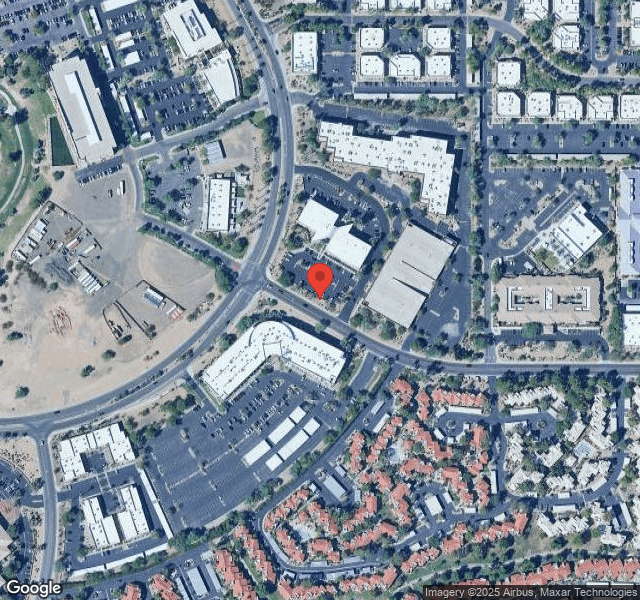
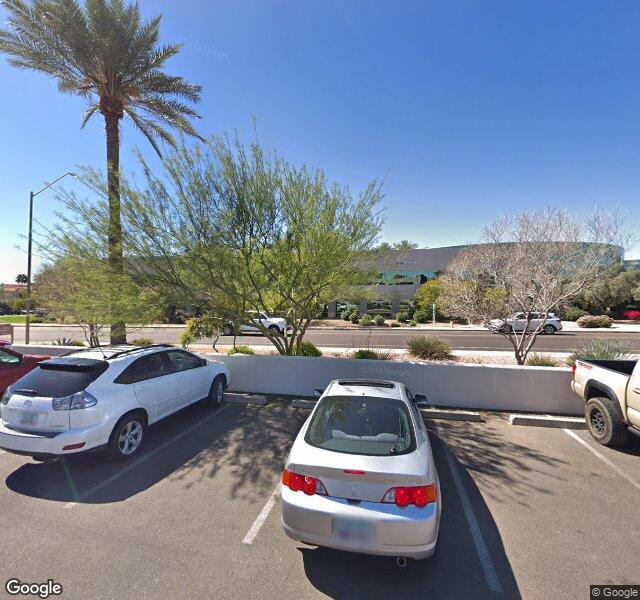
9846 NORTH 95TH STREET, SCOTTSDALE, AZ 85258 (480) 214-4200
For profit - Corporation 38 Beds ADVANCED HEALTH CARE Data: November 2025
Trust Grade
90/100
#2 of 139 in AZ
Last Inspection: March 2025

Within standard 12-15 month inspection cycle. Federal law requires annual inspections.

Overview

Advance Health Care of Scottsdale has received a Trust Grade of A, indicating an excellent reputation and high level of care, which is reassuring for families considering this facility. It ranks #2 out of 139 nursing homes in Arizona and #2 out of 76 in Maricopa County, placing it in the top tier for both state and local options. However, there is a concerning trend as the number of reported issues has increased from 3 in 2023 to 4 in 2025, indicating a decline in care quality. Staffing is a relative strength, with a 4/5 star rating and RN coverage that exceeds 85% of facilities in Arizona, although the turnover rate is average at 52%. Notably, there have been no fines reported, which is a positive sign, but recent inspections revealed that the facility failed to ensure a clean and safe environment for some residents, which could lead to potential harm.

Trust Score
A
90/100
In Arizona
#2/139
Top 1%
Safety Record
Low Risk
No red flags
Inspections
Getting Worse
3 → 4 violations
Staff Stability
⚠ Watch
52% turnover. Above average. Higher turnover means staff may not know residents' routines.
Penalties
✓ Good
No fines on record. Clean compliance history, better than most Arizona facilities.
Skilled Nurses
✓ Good
Each resident gets 74 minutes of Registered Nurse (RN) attention daily — more than 97% of Arizona nursing homes. RNs are the most trained staff who catch health problems before they become serious.
Violations
○ Average
9 deficiencies on record. Average for a facility this size. Mostly minor or procedural issues.
★★★★★
5.0
Overall Rating
★★★★☆
4.0
Staff Levels
★★★★★
5.0
Care Quality
★★★★☆
4.0
Inspection Score
Stable
2023: 3 issues
2025: 4 issues

The Good

  • 4-Star Staffing Rating · Above-average nurse staffing levels
  • 5-Star Quality Measures · Strong clinical quality outcomes
  • Full Sprinkler Coverage · Fire safety systems throughout facility
  • No fines on record

Facility shows strength in staffing levels, quality measures, fire safety.

The Bad

Staff Turnover: 52%

Near Arizona avg (46%)

Higher turnover may affect care consistency

Chain: ADVANCED HEALTH CARE

Part of a multi-facility chain

Ask about local staffing decisions and management

The Ugly 9 deficiencies on record

Sept 2025 3 deficiencies
CONCERN (D) 📢 Someone Reported This

A family member, employee, or ombudsman was alarmed enough to file a formal complaint

Potential for Harm - no one hurt, but risky conditions existed

Abuse Prevention Policies (Tag F0607)

Could have caused harm · This affected 1 resident

**NOTE- TERMS IN BRACKETS HAVE BEEN EDITED TO PROTECT CONFIDENTIALITY** Based on clinical record review, resident and staff interviews, facility documentation and policy review and the State Agency co...

Read full inspector narrative →
**NOTE- TERMS IN BRACKETS HAVE BEEN EDITED TO PROTECT CONFIDENTIALITY** Based on clinical record review, resident and staff interviews, facility documentation and policy review and the State Agency complaint tracking system, the facility failed to correctly develop and implement their abuse policy following an allegation of sexual abuse for one resident (#11). The deficient practice could result in abuse and neglect to residents.Findings include: Resident #11 was admitted on [DATE] with diagnoses that included traumatic subdural hemorrhage, acute kidney failure, atherosclerotic heart disease, hyperlipidemia, paroxysmal atrial fibrillation, hypothyroidism, iron deficiency anemia, atrial septal defect, hormone replacement therapy, combined rheumatic disorders of mitral, aortic, and tricuspid valves. A Medicare 5-Day Minimum Data Set (MDS) dated [DATE] revealed a Brief Interview for Mental Status (BIMS) score of 11, which indicated moderate cognitive impairment. The MDS also revealed the resident had not exhibited any behaviors. A late-entry progress note dated September 2, 2025 at 6 p.m. was written on September 5, 2025 at 8:04 a.m. and revealed that the Director of Nursing (DON/Staff#45) spoke with the resident and daughter at bedside concerning care plan and care concerns. The note further revealed that the resident could not answer orientation questions and appeared confused, but the DON would continue to monitor the resident for safety. A grievance filed on September 2, 2025 revealed a grievance regarding a care issue - male Certified Nursing Assistant (CNA) for Resident #11. The grievance further revealed that the issue took place on September 1, 2025 and parties were informed of findings on September 3, 2025 with a resolution to not have male CNA's for personal care. The grievance log also revealed two additional separate care concerns regarding CNA - Female Preference in July of 2025. A care plan focus initiated on September 3, 2025 revealed that the resident had personally experienced and been traumatized by sexual assault with interventions to only have female care givers for all personal cares and to consult trauma informed care portion of the admission observation to identify trauma and stress related issues for the resident. There was no evidence in the clinical record of an allegation of sexual abuse. Review of the State Agency complaint tracking system revealed that the facility submitted a self-report for Resident #11's allegation of staff-to-resident sexual abuse on September 4, 2025 at 12:29 p.m The self-report revealed an allegation of sexual abuse with no evidence that law enforcement or Adult Protective Services (APS) had been contacted or reported to. A call was made by the State Agency (SA) to non-emergency law enforcement on September 17, 2025 at 10:09 a.m. to report the allegation of sexual abuse. Law enforcement notified the SA that they would be contacting APS regarding the sexual abuse allegation. An interview was conducted on September 17, 2025 at 11:12 a.m. with a CNA, Staff#21, who stated that the timeframe for reporting an allegation of abuse was 24 hours, but ideally, as soon as possible. The CNA stated that it was important to report sexual abuse right away to the administrator or DON to get the information going to figure out what happened to the resident and to keep residents safe. An interview was conducted on September 17, 2025 at 11:21 a.m. with a Registered Nurse (RN/Staff#56), who stated that the timeframe for reporting was immediately as the allegation was brought to her, but within one to two hours to the DON or administrator. The RN defined sexual abuse as unwanted physical contact or emotional perturbation, and any sexual abuse allegation would absolutely need to be reported. The RN stated that it was important to report allegations of sexual abuse to manage resident safety and ensure residents are not in harmful situations. An interview was conducted on September 17, 2025 at 11:32 a.m. with an RN, Staff #60, who stated that the timeframe for reporting abuse was immediately or within an hour if there was bodily harm, but within 24 hours if there was no bodily harm. The RN stated that she reported an allegation of sexual abuse a couple weeks ago, and that the allegation was reported to her by the daughter of Resident #11 who told her that a staff member had inappropriately touched her mother. The RN stated that she reported the allegation immediately to the DON and Administrator, and they took the investigation from there. The RN stated that it would be important to report an allegation of abuse to protect the resident, investigate, find who was behind the abuse, call the police, and do right by the patient. The RN further stated that the risk of not reporting allegations of abuse would be continued abuse to that resident and other residents. An interview was conducted on September 17, 2025 at approximately 11:45 a.m. with the DON, Staff #45, who stated that the timeframe for reporting physical abuse with injury was two hours, and any other type of abuse was 24 hours. The DON stated that her expectation of staff was to report abuse immediately to their supervisor and, ultimately, to the Administrator (Admin/Staff #78). The DON stated that it would be important for staff to report within the timeframe to ensure resident safety and begin the investigation. The DON stated that sexual abuse was anything physical or verbal having to do with sex or anything derogatory toward someones sexual preferences, and that they would need to report an allegation of sexual abuse. The DON stated that the risk of not completely and accurately reporting an allegation of sexual abuse would be repeated and continued abuse if it was a substantiated allegation. The DON stated that she recalled the allegation that Resident #11 made, and that they reported the incident to the Arizona Department of Health Services (AZDHS) because it was an allegation of sexual abuse, and there are systems in place for a reason. The DON stated that no other outside entities or agencies were notified of the allegation. An interview was conducted on September 17, 2025 at 12:03 p.m. with the Administrator, Staff #78, who stated that the timeframe for reporting was twenty-four hours, but that abuse was two hours if there was an injury. The administrator stated that her expectation of staff was that they would report an allegation of abuse to their supervisor as soon as they know about it, and it is important for staff to report it because it is not for staff to decide if something was substantiated. The administrator stated that she would define sexual abuse as any time a person felt personally violated, which was not specfic to a man or a woman, but if they are uncomfortable or uneasy with any care provided. The administrator further stated that she would need to report an allegation of sexual abuse to AZDHS, the Police, the Ombudsman, Family, and Regional staff, and that it was important to do so because it is a crime, and her duty was to maintain compliance with state, federal, and local laws. The administrator also stated that the risk of not completely and accurately reporting an allegation of sexual abuse would be that someone ese could get hurt if they failed to protect the resident or other residents, violation of the law, and penalties or fines. The administrator stated that she recalled an incident with Resident #11 regarding an allegation of sexual abuse, and that the allegation was vague and she could only identify that the person involved was a male. The administrator also stated that she reported the allegation to AZDHS because it was an allegation of sexual abuse, and that they reported it to the ombudsman and the facility's corporate body, however they did not report to any other entity or agency. The administrator stated that she did not report to law enforcement because she felt that, as time went on, the daughter was recanting her allegations and was not wanting to report, and they ultimately decided not to. The administrator further stated that she did not contact Adult Protective Services (APS) because she conferred with the ombudsman who told her not to because it appeared everything was in order. The administrator stated that she did not know if the allegation was substantiated or unsubstantiated, and that the resident was making accusations with all people and all sexes, and the allegation appeared to be vague and widespread, as if it did not occur. The administrator also stated that reporting to APS and the police was optional. Review of a policy titled, Abuse Policy and Procedure, was updated on November 8, 2024 and revealed that sexual abuse was defined as, but not limited to, sexual harassment, sexual coercion, or sexual assault. The policy also revealed that all alleged or suspected violations involving abuse would be promptly reported to the Administrator and/or Director of Nursing. The policy revealed that the Administrator or Director of Nursing would then ensure the safety of the patient, begin the investigation, and if necessary, report information to the police, Department ofHealth and Welfare, family, MD, and/or any other appropriate agency. The policy further revealed that the facility would report to law enforcement immediately when there was reasonable cause to believe that abuse or sexual assault resulted in death or serious physical injury jeopardizing the life, health, or safety of the patient. The policy also revealed that any investigation and follow through would abide by facility policies and State and Federal laws and regulations. The policy revealed that the covered individual (the term covered individual means each individual who is an owner, operator, employee, manager, agent, or contractor of a long-term care facility) would report to the State Agency and one or more law enforcement entities for the political subdivision in which the facility is located any reasonable suspicion of a crime against any individual who is a resident/patient of, or is receiving care from the facility. Review of the State Operations Manual (SOM), S483.12(c)(1), the facility must ensure that all alleged violations involving abuse are reported immediately, but not later than 2 hours after the allegation is made, if the events that cause the allegation involve abuse or result in serious bodily injury, or not later than 24 hours if the events that cause the allegations do not involve abuse and do not result in serious bodily injury, to the administrator of the facility and to other officials (including to the State Survey Agency and adult protective services where state law provides for jurisdiction in long-term care facilities) in accordance with State law through established procedures. Sexual abuse, is defined at S483.5 as non-consensual sexual contact of any type with a resident. Review of the Arizona Revised Statute (A.R.S.) 46-454 (A-D) revealed that a health professional, long-term care provider, or other person who has responsibility for the care of a vulnerable adult and who has a reasonable basis to believe that abuse, neglect or exploitation of the vulnerable adult has occurred shall immediately report or cause reports to be made of such reasonable basis to a peace officer or to the adult protective services central intake unit.
CONCERN (D) 📢 Someone Reported This

A family member, employee, or ombudsman was alarmed enough to file a formal complaint

Potential for Harm - no one hurt, but risky conditions existed

Report Alleged Abuse (Tag F0609)

Could have caused harm · This affected 1 resident

**NOTE- TERMS IN BRACKETS HAVE BEEN EDITED TO PROTECT CONFIDENTIALITY** Based on clinical record review, resident and staff interviews, and facility documentation and policy review, the facility faile...

Read full inspector narrative →
**NOTE- TERMS IN BRACKETS HAVE BEEN EDITED TO PROTECT CONFIDENTIALITY** Based on clinical record review, resident and staff interviews, and facility documentation and policy review, the facility failed to ensure that an allegation of sexual abuse for one resident (#11) was reported to the State Agency (SA), law enforcement, and Adult Protective Services (APS) within the required timeframe. The deficient practice could result in residents not being protected from abuse.Findings include: Resident #11 was admitted on [DATE] with diagnoses that included traumatic subdural hemorrhage, acute kidney failure, atherosclerotic heart disease, hyperlipidemia, paroxysmal atrial fibrillation, hypothyroidism, iron deficiency anemia, atrial septal defect, hormone replacement therapy, combined rheumatic disorders of mitral, aortic, and tricuspid valves. A progress note dated August 26, 2025 at 1:27 p.m. revealed the residents mental status was alert and cooperative. A Medicare 5-Day Minimum Data Set (MDS) dated [DATE] revealed a Brief Interview for Mental Status (BIMS) score of 11, which indicated moderate cognitive impairment. The MDS also revealed the resident had not exhibited any behaviors. A progress note dated August 30, 2025 at 4:48 p.m. revealed the residents mental status was alert and cooperative. A progress note dated September 1, 2025 at 10:59 p.m. revealed the residents mental status was alert and cooperative. A physician progress note dated September 2, 2025 at 10:02 a.m. revealed that the resident's mental status was drowsy and her cognition indicated she was able to follow simple commands with increased processing time to answer questions. A late-entry progress note dated September 2, 2025 at 6 p.m. was written on September 5, 2025 at 8:04 a.m. and revealed that the Director of Nursing (DON/Staff#45) spoke with the resident and daughter at bedside concerning care plan and care concerns. The note further revealed that the resident could not answer orientation questions and appeared confused, but the DON would continue to monitor the resident for safety. A grievance filed on September 2, 2025 revealed a grievance regarding a care issue - male Certified Nursing Assistant (CNA) for Resident #11. The grievance further revealed that the issue took place on September 1, 2025 and parties were informed of findings on September 3, 2025 with a resolution to not have male CNA's for personal care. The grievance log also revealed two additional separate care concerns for other residents regarding CNA - Female Preference in July of 2025. A progress note dated September 3, 2025 at 4:09 p.m. revealed that the resident was alert but nonverbal and not responding to questions while avoiding eye contact. A care plan focus initiated on September 3, 2025 revealed that the resident had personally experienced and been traumatized by sexual assault with interventions to only have female care givers for all personal cares and to consult trauma informed care portion of the admission observation to identify trauma and stress related issues for the resident. An order was initiated on September 3, 2025 for sertraline tablets; 50 mg amounting to 100 mg once a day for depression as evidenced by social isolation. Review of the State Agency complaint tracking system revealed that the facility submitted a self-report for Resident #11's allegation of staff-to-resident sexual abuse on September 4, 2025 at 12:29 p.m The self-report revealed an allegation of sexual abuse with no evidence that law enforcement or APS had been contacted or reported to. A progress note dated September 4, 2025 at 3:50 p.m. revealed the residents mental status was restless, agitated, and uncooperative. A late-entry progress note dated September 5, 2025 at 12 p.m. was written on September 7, 2025 at 6:58 p.m. and revealed that the patient was confused and paranoid during care and attempted to hit female staff while performing peri care. An order was initiated on September 7, 2025 for lorazepam - schedule IV tablet; 0.5 mg as needed for anxiety as evidenced by restlessness. There was no evidence in the clinical record of an allegation of sexual abuse. A call was made by the State Agency (SA) to non-emergency law enforcement on September 17, 2025 at 10:09 a.m. to report the allegation of sexual abuse. An interview was conducted on September 17, 2025 at 11:12 a.m. with a CNA, Staff#21, who stated that the timeframe for reporting an allegation of abuse was 24 hours, but ideally, as soon as possible. The CNA stated that it was important to report sexual abuse right away to the administrator or DON to get the information going to figure out what happened to the resident and to keep residents safe. An interview was conducted on September 17, 2025 at 11:21 a.m. with a Registered Nurse (RN/Staff#56), who stated that the timeframe for reporting was immediately as the allegation was brought to her, but within one to two hours to the DON or administrator. The RN defined sexual abuse as unwanted physical contact or emotional perturbation, and any sexual abuse allegation would absolutely need to be reported. The RN stated that it was important to report allegations of sexual abuse to manage resident safety and ensure residents are not in harmful situations. An interview was conducted on September 17, 2025 at 11:32 a.m. with an RN, Staff #60, who stated that the timeframe for reporting abuse was immediately or within an hour if there was bodily harm, but within 24 hours if there was no bodily harm. The RN stated that she reported an allegation of sexual abuse a couple weeks ago, and that the allegation was reported to her by the daughter of Resident #11 who told her that a staff member had inappropriately touched her mother. The RN stated that she reported the allegation immediately to the DON and Administrator, and they took the investigation from there. The RN stated that it would be important to report an allegation of abuse to protect the resident, investigate, find who was behind the abuse, call the police, and do right by the patient. The RN further stated that the risk of not reporting allegations of abuse would be continued abuse to that resident and other residents. An interview was conducted on September 17, 2025 at approximately 11:45 a.m. with the DON, Staff #45, who stated that the timeframe for reporting physical abuse with injury was two hours, and any other type of abuse was 24 hours. The DON stated that her expectation of staff was to report abuse immediately to their supervisor and, ultimately, to the Administrator (Admin/Staff #78). The DON stated that it would be important for staff to report within the timeframe to ensure resident safety and begin the investigation. The DON stated that sexual abuse was anything physical or verbal having to do with sex or anything derogatory toward someones sexual preferences, and that they would need to report an allegation of sexual abuse. The DON stated that the risk of not completely and accurately reporting an allegation of sexual abuse would be repeated and continued abuse if it was a substantiated allegation. The DON stated that she recalled the allegation that Resident #11 made, and that they reported the incident to the Arizona Department of Health Services (AZDHS) because it was an allegation of sexual abuse, and there are systems in place for a reason. The DON stated that no other outside entities or agencies were notified of the allegation. An interview was conducted on September 17, 2025 at 12:03 p.m. with the Administrator, Staff #78, who stated that the timeframe for reporting was twenty-four hours, but that abuse was two hours if there was an injury. The administrator stated that her expectation of staff was that they would report an allegation of abuse to their supervisor as soon as they know about it, and it is important for staff to report it because it is not for staff to decide if something was substantiated. The administrator stated that she would define sexual abuse as any time a person felt personally violated, which was not specfic to a man or a woman, but if they are uncomfortable or uneasy with any care provided. The administrator further stated that she would need to report an allegation of sexual abuse to AZDHS, the Police, the Ombudsman, Family, and Regional staff, and that it was important to do so because it is a crime, and her duty was to maintain compliance with state, federal, and local laws. The administrator also stated that the risk of not completely and accurately reporting an allegation of sexual abuse would be that someone ese could get hurt if they failed to protect the resident or other residents, violation of the law, and penalties or fines. The administrator stated that she recalled an incident with Resident #11 regarding an allegation of sexual abuse, and that the allegation was vague and she could only identify that the person involved was a male. The administrator also stated that she reported the allegation to AZDHS because it was an allegation of sexual abuse, and that they reported it to the ombudsman and the facility's corporate body, however they did not report to any other entity or agency. The administrator stated that she did not report to law enforcement because she felt that, as time went on, the daughter was recanting her allegations and was not wanting to report, and they ultimately decided not to. The administrator further stated that she did not contact Adult Protective Services (APS) because she conferred with the ombudsman who told her not to because it appeared everything was in order. The administrator stated that she did not know if the allegation was substantiated or unsubstantiated, and that the resident was making accusations with all people and all sexes, and the allegation appeared to be vague and widespread, as if it did not occur. The administrator also stated that reporting to APS and the police was optional. Review of a policy titled, Abuse Policy and Procedure, was updated on November 8, 2024 and revealed that sexual abuse was defined as, but not limited to, sexual harassment, sexual coercion, or sexual assault. The policy also revealed that all alleged or suspected violations involving abuse would be promptly reported to the Administrator and/or Director of Nursing. The policy revealed that the Administrator or Director of Nursing would then ensure the safety of the patient, begin the investigation, and if necessary, report information to the police, Department ofHealth and Welfare, family, MD, and/or any other appropriate agency. The policy further revealed that the facility would report to law enforcement immediately when there was reasonable cause to believe that abuse or sexual assault resulted in death or serious physical injury jeopardizing the life, health, or safety of the patient. The policy also revealed that any investigation and follow through would abide by facility policies and State and Federal laws and regulations. The policy revealed that the covered individual (the term covered individual means each individual who is an owner, operator, employee, manager, agent, or contractor of a long-term care facility) would report to the State Agency and one or more law enforcement entities for the political subdivision in which the facility is located any reasonable suspicion of a crime against any individual who is a resident/patient of, or is receiving care from the facility. Review of the State Operations Manual (SOM), S483.12(c)(1), the facility must ensure that all alleged violations involving abuse are reported immediately, but not later than 2 hours after the allegation is made, if the events that cause the allegation involve abuse or result in serious bodily injury, or not later than 24 hours if the events that cause the allegations do not involve abuse and do not result in serious bodily injury, to the administrator of the facility and to other officials (including to the State Survey Agency and adult protective services where state law provides for jurisdiction in long-term care facilities) in accordance with State law through established procedures. Sexual abuse, is defined at S483.5 as non-consensual sexual contact of any type with a resident. Review of the Arizona Revised Statute (A.R.S.) 46-454 (A-D) revealed that a health professional, long-term care provider, or other person who has responsibility for the care of a vulnerable adult and who has a reasonable basis to believe that abuse, neglect or exploitation of the vulnerable adult has occurred shall immediately report or cause reports to be made of such reasonable basis to a peace officer or to the adult protective services central intake unit.
CONCERN (D) 📢 Someone Reported This

A family member, employee, or ombudsman was alarmed enough to file a formal complaint

Potential for Harm - no one hurt, but risky conditions existed

Medical Records (Tag F0842)

Could have caused harm · This affected 1 resident

**NOTE- TERMS IN BRACKETS HAVE BEEN EDITED TO PROTECT CONFIDENTIALITY** Based on clinical record review, staff interviews, and policy review, the facility failed to ensure that an allegation involving...

Read full inspector narrative →
**NOTE- TERMS IN BRACKETS HAVE BEEN EDITED TO PROTECT CONFIDENTIALITY** Based on clinical record review, staff interviews, and policy review, the facility failed to ensure that an allegation involving sexual abuse was documented completely and accurately in the clinical record for one resident (#11). The deficient practice could result in incomplete or inaccurate documentation in resident medical records and violation of resident rights to be free from abuse.Findings include: Resident #11 was admitted on [DATE] with diagnoses that included traumatic subdural hemorrhage, acute kidney failure, atherosclerotic heart disease, hyperlipidemia, paroxysmal atrial fibrillation, hypothyroidism, iron deficiency anemia, atrial septal defect, hormone replacement therapy, combined rheumatic disorders of mitral, aortic, and tricuspid valves. A Medicare 5-Day Minimum Data Set (MDS) dated [DATE] revealed a Brief Interview for Mental Status (BIMS) score of 11, which indicated moderate cognitive impairment. The MDS also revealed the resident had not exhibited any behaviors. A late-entry progress note dated September 2, 2025 at 6 p.m. was written on September 5, 2025 at 8:04 a.m. and revealed that the Director of Nursing (DON/Staff#45) spoke with the resident and daughter at bedside concerning care plan and care concerns. The note further revealed that the resident could not answer orientation questions and appeared confused, but the DON would continue to monitor the resident for safety. A grievance filed on September 2, 2025 revealed a grievance regarding a care issue - male Certified Nursing Assistant (CNA) for Resident #11. The grievance further revealed that the issue took place on September 1, 2025 and parties were informed of findings on September 3, 2025 with a resolution to not have male CNA's for personal care. The grievance log also revealed two additional separate care concerns regarding CNA - Female Preference in July of 2025. A care plan focus initiated on September 3, 2025 revealed that the resident had personally experienced and been traumatized by sexual assault with interventions to only have female care givers for all personal cares and to consult trauma informed care portion of the admission observation to identify trauma and stress related issues for the resident. There was no evidence in the clinical record of an allegation of sexual abuse. An interview was conducted on September 17, 2025 at 11:21 a.m. with a Registered Nurse (RN/Staff#56), who stated that she would be required to document an allegation of abuse in the clinical record as per the facility policy. The RN further stated that she would use a progress note to document how she protected the patient, that she checked their vitals and potential injuries, the nature of the allegation, and whether or not the resident felt safe. The RN stated that the potential risk if an allegation of abuse wasn't documented in the clinical record could be that staff would be unaware that an incident occurred, something could get missed in the investigation, and they might fail to follow the correct protocols for the safety of the patient. An interview was conducted on September 17, 2025 at 11:32 a.m. with an RN, Staff #60, who stated that she would be required to document an allegation of abuse in the clinical record in the progress notes as per the facility policy. The RN further stated that the progress note would detail what the allegation was, what they did about it, how they ensured the patient was safe, who was notified, and the basic important details. The RN stated that the potential risk if an allegation of abuse wasn't documented in the clinical record could be that staff wouldn't be able to be aware of the situation to protect and care for the patient appropriately, and they would know to look for certain behavior changes or risks. The RN stated that the allegation of sexual abuse from Resident #11 was reported to her and that she did not complete any documentation of the incident in the clinical record and she was just doing what they told her to do. An interview was conducted on September 17, 2025 at approximately 11:45 a.m. with the DON, Staff #45, who stated that it was her expectation of nursing staff to document allegations of abuse, including sexual abuse, in the clinical record so they can have a trail of what they did around the situation and to establish what occurred so they can prevent future situations. The DON further stated that nursing staff needed to document allegations of abuse in the clinical record under progress notes for the safety of the patient, and the note would need to include the direct quote from the patient and a summary of what the patient reported. The DON also stated that if an allegation of abuse was not documented in the clinical record there would be potential risk that they would not be able to monitor the situation closely enough. The DON stated that there was no documentation in the clinical record of Resident #11 regarding the allegation of sexual abuse. Review of a policy titled, Charting Requirements, was updated in June of 2024 and revealed that any incident would be charted on and addressed in the medical record every shift for 72 hours after onset and then daily until resolved. Review of a policy titled, Change in Patient Condition, was updated in July of 2023 and revealed that the nurse supervisor or charge nurse would record in the patient's medical record any information relative to changes in the patient's medical or mental condition or status. The policy also revealed that a change in patient condition would include an accident or incident involving the patient, an injury of unknown origin, or a significant change in the patient's physical/emotional/mental condition. Review of the Code of Federal Regulations (CFR), S483.70(h)(1), revealed that in accordance with accepted professional standards and practices, the facility must maintain medical records on each resident that are complete, accurately documented, readily accessible, and systematically organized.
Mar 2025 1 deficiency
CONCERN (E)

Potential for Harm - no one hurt, but risky conditions existed

Accident Prevention (Tag F0689)

Could have caused harm · This affected multiple residents

**NOTE- TERMS IN BRACKETS HAVE BEEN EDITED TO PROTECT CONFIDENTIALITY** -Regarding Resident #89 Resident #89 was admitted to the facility on [DATE] with diagnoses that included hypertensive chronic k...

Read full inspector narrative →
**NOTE- TERMS IN BRACKETS HAVE BEEN EDITED TO PROTECT CONFIDENTIALITY** -Regarding Resident #89 Resident #89 was admitted to the facility on [DATE] with diagnoses that included hypertensive chronic kidney diseases, type 2 diabetes mellitus, urinary tract infection, atherosclerotic heart disease, anxiety and depression. Orders were initiated on February 26, 2025 for the following medications: -Paricalcitol capsule 1 mcg, oral, once a day for supplement -Trospium tablet 20 mg, oral, twice a day for bladder spasms -Xarelto (rivaroxaban) tablet 10 mg, oral, once a day for recurrent deep vein thrombosis Orders were initiated on March 24, 2025 for the following medications: -Biotin tablet 1 mg, oral, once a day for supplement -Buspirone tablet 5 mg, oral, once a day for anxiety -Calcium Citrate tablets 315 mg-5 mcg, , oral, once a day for vitamin D3 supplement -Cyanocobalamin tablet 1,000 mcg, oral, once a day for vitamin B-12 supplement -Famotidine tablet 10 mg, oral, twice a day for GERD -Fluoxetine capsule 40 mg, oral, once a day for depression -Loperamide capsule 2 mg, oral, every 4 hours-prn (as needed) for chron ' s -Pantoprazole tablet 40 mg, oral, once a day for chron ' s The March 2025 MAR reflected that the above medications were administered as ordered on March 25, 2025 during the 7 a.m. medication pass performed by LPN (Staff #56). Further review of physician orders revealed a new orders dated March 25, 2025 for administration of the following medications: -Cleanse abd (abdomen) wound with wound cleanser, apply Aquacel AG to the wound bed, secure with gauge and tape , once a day, prn (as needed) with an active date of March 25, 2025. The orders had been placed into the clinical record after the LPN, Staff #56, was notified of wound cleanser by the surveyors on March 25, 2025 at 8:30 a.m. There was no evidence in the clinical record that Medication Self-Administration Assessment has been conducted. There was no evidence in the progress note that Medication Self-Administration Assessment has been conducted. During an initial observation of Resident #89's room on March 25, 2025 at 8:30 a.m.,a medication cup containing multiple pills, a wound cleanser and a tube of gel were observed lying on the resident's bed side table. The medications included: -Restore dermal wound cleanser of 236 ml -Antimicrobial Hydrogel of 59 ml -A small cup with 10-11 pills An interview was conducted on March 25, 2025 at 8:30 a.m. with Resident #89 who stated that she was sleeping in the morning when the nurse brought her medications. She further stated that the nurses usually would leave her medication at his bedside so he could take them with breakfast. A follow-up interview was conducted on March 25, 2025 at 8:30 a.m. with a LPN (Staff #56) regarding Resident #89, who stated that she observed two medications that included dermal wound cleanser 236 ml (milliliter) and antimicrobial hydrogel 59 ml on the resident ' s bed side table. The RN then reviewed the resident ' s clinical record and stated that she did not see a physician order for dermal wound cleanser and antimicrobial hydrogel. The RN was then observed to remove the medications from the resident's room and place them in the medication cart. The RN then stated that leaving medications on bedside tables while a resident is sleeping is against the law. She also stated that the standard practice during medication administration includes waiting by the resident ' s side to ensure the medication was ingested. -Regarding Resident#14 Resident #14 was admitted to the facility on [DATE] with diagnoses that included fracture of unspecified part of neck of right femur, hypertensive heart and chronic kidney diseases, and absence of left breast and nipple. An admission MDS assessment dated [DATE] revealed a BIMS score of 13, which indicated intact cognition. Orders were initiated on February 18, 2025 for the following medications: -Aspirin tablet 81 mg, oral, once a day for heart health -Calcium Carbonate (vitamin D3) capsule 600mg -12.5 mcg, oral, once a day for supplement -Cholecalciferol (vitamin D3) capsule 50 mcg, oral, once a day for supplement -Fish oil capsule 300-500 mg, oral, once a day for supplement Orders were initiated on February 21, 2025 for the following medication: -Labetalol tablet 400 mg, oral, twice a day for blood pressure Orders were initiated on February 26, 2025 for the following medications: -Amlodipine tablet 5 mg, oral, once a day for blood pressure Orders were initiated on March 25, 2025 for the following medications: -Furosemide tablet 20 mg, oral, STAT immediately for fluid overload -Potassium chloride tablet 10 mEq(milliequivalent), oral, STAT immediately for supplement The March 2025 Medication Administration Record (MAR) reflected that the above medications were administered as ordered on March 25, 2025 during the 7 a.m. medication administration pass performed by LPN (Staff #56). There was no evidence in the clinical record that Medication Self-Administration Assessment has been conducted. During an initial observation of Resident#14's room on March 25, 2025 at 9:10 a.m., a medication cup containing multiple pills and a tube of Voltaren arthritis pain relieving cream were observed lying on the resident's bed side table. The medications included: -Voltaren arthritis pain relieving cream of 50 g (gram) -A small white cup with 8 pills An interview was conducted on March 25, 2025 at 9:10 a.m. with Resident #14 who stated that she had been taking voltaren medication once a day after coming to the facility. Review of a policy titled, Administration of Medication, revealed that nursing staff needed to stay with the patient until all medication had been ingested, and make sure that the patient had adequate fluids to ensure they had swallowed the medication. The policy also revealed that nursing staff needed to document medication refusal if they did not take the medication, and that medications needed to be offered 3 times before discarding them. Review of a policy titled, Self Medication Administration, revealed that residents would need to complete the Self-Medication Administration Assessment to self-adminster medications. The policy also revealed that medications to be self-administered needed to be stored in a safe and secure place which was not accessible by other patients. The policy revealed that if safe storage was not possible in the patient ' s room, the medication would need to be stored in the medication cart or medication room. The policy also revealed that staff should have identified and removed any medications found at the bedside that were not authorized for bedside storage. Based on clinical record review, resident and staff interviews, and policy review, the facility failed to ensure that medications were not left at the bedside of 5 out of 11 sampled residents. The deficient practice could result in the overmedication or undermedication of residents. -Regarding Resident #31 Resident #31 was admitted to the facility on [DATE] with diagnoses that included hemiplegia, other specified intracranial injury without loss of consciousness, malignant neoplasm of the brain, hypotension, cognitive communication deficit, seizures, and chronic kidney disease. Orders were initiated on March 6, 2025 for the following medications: -Alpha lipoic acid 600 mg, oral, twice a day -Amiloride 5 mg, oral, once a day for edema -Amlodipine 10 mg, oral, once a day for hypertension -Bumetinide 2 mg, oral, twice a day for edema -Dexamethasone 1 mg, oral, twice a day for inflammation related to glioblastoma -Doxazosin 8 mg, oral, once a day for hypertension -Lovenox 120 mg/0.8 milliliters (mL), subcutaneous, every 12 hours for deep vein thrombosis of the lower extremities -Minoxidil 2.5 mg, oral, once a day for hypertension -Pantoprazole 40 mg, oral, once a day for gastroesophageal reflux disease (GERD) An admission Minimum Data Set (MDS) assessment dated [DATE] revealed a Brief Interview of Mental Status (BIMS) score of 11, which indicated moderately impaired cognition. The March 2025 Medication Administration Record (MAR) reflected that the above medications were administered as ordered on March 25, 2025 during the 7 a.m. medication administration pass by a Licensed Practical Nurse (LPN/ Staff #56). There was no evidence in the clinical record that a Medication Self-Administration Assessment had been performed. There was no evidence in the progress notes of an Interdisciplinary Team (IDT) meeting related to medication self-administration. During an initial observation of Resident #31's room on March 25, 2025 at 8:11 a.m., medications were observed lying on the resident's bed side table. The white medication cup contained approximately 9 medications unable to be identified by the LPN. An interview was conducted on March 25, 2025 at 8:11 a.m. with Resident #31 who stated that the nurses usually leave his medications on his bedside table to take during his breakfast. An interview was conducted on March 25, 2025 at 8:13 a.m. with the LPN, Staff#56, who stated that Resident #31 requested to have his medications with breakfast, she left the medication cup on his bedside table, and stated I allowed it to happen. -Regarding Resident #188 Resident #188 was admitted to the facility on [DATE] with diagnoses that included multiple sclerosis, severe sepsis with septic shock, urinary tract infection, polyneuropathy, essential (primary) hypertension, and arthrodesis status. Orders were initiated on March 21, 2025 for the following medications: -Aspirin 81 milligram (mg), oral, once a day for heart health -Baclofen 20 mg, oral, four times a day for muscle spasms -Losartan 25 mg, oral, once a day for hypertension -Modafinil 100 mg, oral, once a day for excessive sleepiness -Pregabalin 75 mg, oral, three times a day for pain The March 2025 MAR reflected that the above medications were administered as ordered on March 25, 2025 during the 7 a.m. medication administration pass performed by a LPN (staff #56). An admission MDS dated [DATE] revealed no evidence that a Brief Interview for Mental Status (BIMS) assessment had been conducted. There was no evidence in the clinical record that a Medication Self-Administration Assessment had been performed. There was no evidence in the progress notes of an Interdisciplinary Team (IDT) meeting related to medication self-administration. During initial observation of Resident #188's room on March 25, 2025 at 8:17 a.m., medications were observed lying on the resident's bed side table. The white medication cup contained approximately 5 medications unable to be identified by the LPN. During the observation and interview with the LPN, she woke Resident #188 up to have her take the medications that were left at the bedside. -Regarding Resident #21 Resident #21 was admitted to the facility on [DATE] with diagnoses that included hypertensive chronic kidney disease, diverticulosis of the large intestine, anemia, and insomnia. Orders were initiated on March 11, 2025 for the following medications: -Acidophilus (lactobacillus acidophilus) 1 tablet for gastrointestinal health, oral, twice a day -Aspirin 21 mg, oral, once a day for heart health -Calcium citrate 200 mg, oral, once a day -Vitamin B 1 tablet, oral, once a day -Vitamin C 500 mg, oral, twice a day -Vitamin E 400 units, oral, once a day -Fluticasone Propionate inhaler 110 microgram (mcg), inhalation, twice a day for asthma -Metaprolol Succinate 25 mg tablet, oral, once a day for hypertension -Omega-3 acidethyl [NAME] 1 gram, oral, twice a day for hyperlipedemia -Omeprazole 20 mg, oral, twice a day for GERD Orders were initiated on March 13, 2025 for the following medications: -Miralax 17 gram, oral, once a day for constipation -Acetaminophen-codeine 300-15 mg, oral, every six hours for pain An order was initiated on March 16, 2025 for Acetaminophen 500 mg, oral, three times a day for pain An admission Minimum Data Set (MDS) dated [DATE] revealed a BIMS score of 15, which indicated no evidence of cognitive impairment. The March 2025 Medication Administration Record (MAR) reflected that the above medications were administered as ordered on March 25, 2025 during the 7 a.m. medication administration pass performed by LPN (Staff #56). There was no evidence in the clinical record that a Medication Self-Administration Assessment had been conducted. There was no evidence in the progress notes of an Interdisciplinary Team (IDT) meeting related to medication self-administration. An interview was conducted on March 25, 2025 at 8:35 with Resident #21 and his wife who stated that Staff #56 left his medications with his wife that morning because he was sleeping, and that the wife would have him ingest the pills when he woke up. An interview was conducted on March 25, 2025 at 8:13 a.m. with an LPN (Staff#56) who stated that there were a lot of risks involved in leaving medications unattended at the bedside, including the risk for falls, the medications could become lost, staff would not know what medications were ingested, someone else could take them without staff knowing and the medication could fall on the floor. The LPN stated that she knew her residents well, that they were alert and oriented. The LPN was not able to identify the pills in the medication cups of any of the residents without looking at the medication orders. The LPN stated that so far that morning she had delivered medications to 8 residents, and she left medications at the bedside of 6 of those residents without staying to watch the residents ingest the pills. The LPN stated that none of the 6 residents had orders for medication self-administration, and had not been assessed for medication administration safety. The LPN further stated that it was the facility policy to ensure residents take their medications while staff are present, and it did not meet the policy to leave medications unattended at the bedside. An interview was conducted on March 26, 2025 at 7:21 a.m. with a Registered Nurse (RN/Staff#11) who stated that staff use the 6 rights during medication administration which included: right pill, right documentation, right patient, right medication, right dosage, and right time. The RN stated that part of the medication administration process included ensuring that the resident ingested the medication, and never leave medications unattended with the resident, due to a potential outcome such as the resident not ingesting the medication, the resident choking, or somebody else might take it. The RN stated that it was best practice to watch residents take their medications. An interview was conducted on March 26, 2025 at 12:34 p.m. with a Certified Nursing Assistant (CNA/Staff#46) who stated that she has frequently heard residents ask to delay their medications until breakfast, and that she has observed some nurses leaving medications unattended at the resident ' s bedside, if the residents are cognitively aware. An interview was conducted on March 26, 2025 at 12:57 p.m. with a RN (Staff#22) who stated that if a resident was not ready to take their medication she would get rid of the pills in a sharps container by the side of the medication cart instead of leaving them at the resident ' s bedside. An interview was conducted on March 26, 2025 at 1:22 p.m. with the Director of Nursing (DON/Staff#78) who stated that it was her expectation that staff watch the residents take their medications and that they should not leave medications unattended at the residents ' bedside. The DON stated that according to the policy a medication self-administration assessment should be completed before leaving medication unattended at the residents ' bedside. She further stated that a physician ' s order for medication self-administration would also be required, and the medications would need to be kept behind a secure lock. The DON further stated that the risks of leaving medications unattended at the bedside could result in residents not taking the medications, the medication may not be taken timely, a different resident could go into the room at take the medication, or there could be adverse effects such as blood pressure changes from a missed blood pressure medication or blood sugar changes from a missed blood sugar medication.
Dec 2023 3 deficiencies
CONCERN (D)

Potential for Harm - no one hurt, but risky conditions existed

Deficiency F0658 (Tag F0658)

Could have caused harm · This affected 1 resident

**NOTE- TERMS IN BRACKETS HAVE BEEN EDITED TO PROTECT CONFIDENTIALITY** Based on closed clinical record review, staff interviews, and facility policy review, the facility failed to ensure medications ...

Read full inspector narrative →
**NOTE- TERMS IN BRACKETS HAVE BEEN EDITED TO PROTECT CONFIDENTIALITY** Based on closed clinical record review, staff interviews, and facility policy review, the facility failed to ensure medications were administer as ordered by the physician for one resident (#195). The deficient practice could result in adverse effects to the residents. Findings include: Resident #195 was admitted on [DATE] with a diagnosis of Wedge compression fracture of T11-T12 vertebra, Chronic atrial fibrillation, Depression, Long term (current) use of anticoagulants, and Chest pain. A review of the current active physician orders revealed the following orders for: Duloxetine capsule, 20mg; oral for Depression (order date of [DATE] Twice A Day 07:00 -09:00, 19:00 -21:00); Eliquis (apixaban) tablet, 5mg; oral for Anticoagulant (order date of [DATE] Twice A Day 07:00 - 09:00, 19:00 -21:00); Escitalopram oxalate tablet, 10mg; oral for Depression (order date of [DATE] Once A Day 07:00 - 09:00); Pantoprazole tablet, 40mg; oral for GERD (order date of [DATE] At Bedtime, 19:00 -21:00). These orders were transcribed onto the MAR (Medication Administration Record) and the TAR (Treatment Administration Record) for [DATE]. Review of the MAR and TAR for [DATE] revealed that Duloxetine capsule, Eliquis (apixaban) tablet, Escitalopram oxalate tablet, and Pantoprazole tablet were administered late from half an hour to an hour on [DATE] and 10 ,2023. Further review of the clinical record revealed no documentation of reason why these medications were not administered as ordered. An interview was conducted with resident (#195) on [DATE] at 9:49 AM. The resident stated that her medications were delayed by an hour to two hours at night and when she notified to Licensed Practical Nurse (LPN, staff #75), staff #75 stated that she got lots of patient and it takes her longer. An interview was conducted with resident (#195) again on [DATE] at 9:25 AM. The resident stated that LPN (staff #75), missed pills of Eliquis (apixaban) tablet and when she notified staff #75 then it was remedied. A phone interview was conducted with LPN (staff #75) on [DATE] at 9:46 AM. The staff (#75) stated about late medication administration that she is new to facility and tries to do things quickly but wants to be safe and sometime resident has emergency. She further stated about risk associated with late medication administration that it is unavoidable and she is not aware of whether any medications are of high risk. An interview was conducted with Director of Nursing (DON, staff #62) on [DATE] at 10:19 AM. The staff (#62) stated about late medication administration that it is appropriate to give medication late, depend on situation. She further stated about risk associated with late medication that you need to be specific and not general. When pulled the resident (#195) clinical record of MAR and TAR and asked DON about whether it is acceptable to administer medication late and risks associated with it then DON stated that nurse prioritize medication and prioritize patients. Review of the facility policies and procedure regarding Administration of Medication revealed 6 medication administration rights: right patient, right drug, right dose, right dosage form, right route and right time.
CONCERN (E)

Potential for Harm - no one hurt, but risky conditions existed

Deficiency F0552 (Tag F0552)

Could have caused harm · This affected multiple residents

**NOTE- TERMS IN BRACKETS HAVE BEEN EDITED TO PROTECT CONFIDENTIALITY** Findings include: Resident #4 was admitted on [DATE] with diagnoses of acute respiratory failure with hypoxia, rheumatoid arthri...

Read full inspector narrative →
**NOTE- TERMS IN BRACKETS HAVE BEEN EDITED TO PROTECT CONFIDENTIALITY** Findings include: Resident #4 was admitted on [DATE] with diagnoses of acute respiratory failure with hypoxia, rheumatoid arthritis, and polyneuropathy. The admission Minimum Data Set (MDS) dated [DATE] revealed a Brief Interview for Mental Status (BIMS) score of 11, which indicated the resident has moderate cognitive impairment. The assessment also included the resident is taking opioid medication. Review of the clinical records for the month of November and December 2023 revealed the following physician's orders: OPIOID medication use-Observe patient closely for: Tolerance (meaning more medication may be needed to achieve the same level of pain relief). Physical dependence which causes symptoms of withdrawal when opioid medication is stopped, or a dose is held or missed. Increased sensitivity to pain. Constipation, Nausea, Vomiting, Dry mouth, Sleepiness, Dizziness, Confusion, Depression, Itching, Sweating. Special instructions: Document +/- results. Explain + results in NN every shift, date of order November 29, 2023; Tramadol- Schedule IV tablet 50 mg orally every 12 hours as needed for diagnosis of Pain 4-6/10 * Pain Scale 0-10/10. This medication had a start date of November 29, 2023 and discontinued date of December 9, 2023; Gabapentin capsule; 300mg; oral Special Instructions: DX. Neuropathy every 8 hours. Start date November 29, 2023 and discontinued date of December 13, 2023; Cyclobenzaprine tablet; 5mg; amount to administer: 5 mg; oral three times a day - PRN for muscle spasms as needed. Start date December 3, 2023 and discontinued date December 4, 2023; Cyclobenzaprine tablet; 5mg; amount to administer: 5 mg; oral three times a day for muscle spasms. Start date December 3, 2023 and discontinued date December 3, 2023; Cyclobenzaprine tablet; 5mg; amount to administer: 5 mg; oral every 8 hours - PRN Dx. Muscle spasms. Start date December 4, 2023 and discontinued date December 10, 2023; Trazadone tablet; 50 mg; amount: 50 mg; oral Special Instructions: DX: Insomnia AEB inability to fall/stay asleep at bedtime; oxycodone - Schedule II tablet; 5mg; amount: 5mg; oral Special Instructions: DX. Pain 4-10/10 * Pain Scale 0-10/10 every 6 hours -PRN ordered on December 9, 2023; Tramadol- Schedule IV tablet 50 mg orally once a day for diagnosis of chronic pain on December 9, 2023; Tramadol- Schedule IV tablet 50 mg orally every 12 hours as needed for diagnosis of Pain 4-6/10 * Pain Scale 0-10/10. This medication had a start date of December 9, 2023 and discontinued date of December 11, 2023; Gabapentin capsule; 300mg; oral Special Instructions: DX. Neuropathy twice a day. Start date December 13, 2023; During clinical record review, record revealed on November 30, 2023, a care plan for alteration in comfort; Patient has acute pain related to neuropathy generalized pain s/d to deconditioning was initiated. The goal was patient will express relief or reduction in pain within 30-40 minutes of administration of medication throughout stay. Patient will demonstrate decrease in discomfort within 30-40 minutes of administration of medication throughout stay. Patient will state satisfaction with pain management regimen throughout stay. The interventions included to administer medication per MD order; assess for signs and/or symptoms of pain with each encounter; offer treatment and/or Rx per MD order; educate patient on pain control measures and managing acute pain; encourage patient to express concerns or fears regarding pain management; if current regimen is ineffective in managing pain, notify MD; observe for relief within 30-40 minutes of administration of medication; and offer alternative pain relief methods, i.e., heat/cold applications, deep breathing, diversion, repositioning, etc. Review of Medication Administration Record (MAR) for the month of December 2023 revealed the resident was administered the following opioid medications: Tramadol- Schedule IV tablet 50 mg orally every 12 hours as needed for diagnosis of Pain 4-6/10 * Pain Scale 0-10/10 on December 1, 2, 6, and 8. Tramadol- Schedule IV tablet 50 mg orally once a day for diagnosis of chronic pain on December 10 and 11. Oxycodone - Schedule II tablet; 5 mg orally for Diagnosis of Pain 7-10/10 *Pain Scale 0-10/10 every 6 hours - PRN on December 3, 4, 5, 7, and 8; Oxycodone - Schedule II tablet; 5mg; amount: 5mg; oral Special Instructions: DX. Pain 4-10/10 * Pain Scale 0-10/10 every 6 hours -PRN on December 9, 12, 13 and 14. A review of the physician progress notes visit dates for December 2023 revealed on: December 9, 2023, states she is having pain from RA all over body pain. She has Pain Mgt at home who has prescribed oxy and tramadol. She would like to trial tramadol 50 mg every morning as she is aching after PT, continue oxy for BTP. December 10, 2023 indicates pain has improved with scheduled am dose of tramadol. December 11 patient states she is too drowsy on tramadol so will dc it and continue (home dose) oxy 5 mg q6hr prn for pain. December 12 adjusting meds secondary to drowsiness. A review of the nursing progress notes dated December 12, 2023 at 11:55 AM revealed Resident continues to experience Fatigue. This writer did communicate information to doctor and he saw her on December 12, 2023. New order received for a BMP and Magnesium Level in am. Resident informed she will be having labs drawn in am to monitor the chronic Fatigue. Further review of the clinical records revealed no evidence was found in the clinical record that the resident and/or representative was informed of the risk and benefits of this medication. An interview was conducted with a Registered Nurse (RN/staff # 23) on December 14, 2023 at 11:00 AM. Staff #23 stated that she assesses residents for pain, let them know to tell the certified nursing assistant (CNA) if they have pain, or give pain med before therapy, or during dressing changes. She further stated that still need consent for pain medications when resident is coming with for instance oxy medication. Staff #23 was unable to see or locate a pain consent from the electronic medical record of this resident. She stated that she will check with the charge nurse, Staff #24. An interview was conducted with clinical nurse manager (RN staff #24) on December 14, 2023 at 11:07 AM. Staff #24 stated, we do not do consent for pain for controlled medication. It is not part of our protocol. We do have a block box warning that nurses sign off for. The black box is in the orders and in the MAR. For pain medication controlled substances, controlled medications we track. No pain medication consent from residents. On December 14, 2023 at 11:12 AM, a follow up interview with Resident #4 was conducted. Resident #4 stated they did a test and has nothing to do with the medication. Resident #4 sitting in her wheelchair and stated going to have lunch. On December 14, 2023, at 1:23 PM, the Director of Nursing (DON/Staff #62) stated she does not have a resident consent policy for opioids. She stated that this is the first time she has heard of it and not aware of the consent. Staff #62 was made aware of Arizona Department of Health Services and Arizona Administrative Code R9-10-120. Findings include: Resident #32 was first admitted into the facility on October 30, 2023 with diagnoses that included fracture of right femur, dementia, and constipation. The admission Minimum Data Set (MDS) assessment at the time of admission revealed a Brief Interview for Mental Status (BIMS) score of 12 which indicated the resident was moderately cognitively impaired. Care plan-initiated November 7, 2023 revealed, the patient has advance directives on record with the goal that patient's wishes and directions will be carried out in accordance with their advance directives on an ongoing basis throughout the next 90 days. An interview with Licensed Practical Nurse (staff #32) conducted on December 14, 2023 at 10:59 AM revealed that staff #32 monitors whether medications are effective through observation of behaviors. In regards to pain medications, if you remove the pain it helps resident #32 relax. Staff #32 confirmed that the following opioid order was part of active medications: Tramadol tablet- amount to administer: 25 milligrams; oral; special instructions: diagnosis pain 6-10 on a pain scale 0-10; every 6 hours prn (as needed). An interview with the Director of Nursing (DON/Staff #62) was conducted on December 14, 2023 at 10:25 AM who stated opioid consents are not present in the medical records and having consents for opioid medications was new to her. The policy and procedure document titled, Resident Rights -version A0717 (updated 28 September 2022) was reviewed and revealed, that the resident has the right to be informed of, and participate in, his/her treatment, including: the right to be informed in advance, by the physician or other practitioner or professional, of the risks and benefits of proposed care, of treatment and treatment alternatives or treatment options and to choose the alternative or option he or she prefers. Findings include: Resident #195 was admitted on [DATE] with a diagnosis of Wedge compression fracture of T11-T12 vertebra, Chronic atrial fibrillation, Depression, Long term (current) use of anticoagulants, and Chest pain. A review of the current active physician orders revealed the following orders for: Oxycodone - Schedule II tablet, 5 mg; oral: Pain of 6-10 on a pain scale of 0-10, Every 6 Hours - PRN (order date of December 02, 2023) These orders were transcribed onto the MAR (Medication Administration Record) and the TAR (Treatment Administration Record) for December 2023. Review of the MAR and TAR for December 2023 revealed that Oxycodone - Schedule II tablet, 5 mg was given on December 3, 4 and 5, 2023 after monitoring the pain level. The admission Minimum Data Set (MDS) assessment at the time of admission revealed a Brief Interview for Mental Status (BIMS) score of 15 which indicated the resident was alert and oriented. An interview with the Director of Nursing (DON/Staff #62) was conducted on December 14, 2023 at 10:25 AM who stated opioid consents are not present in the medical records and having consents for opioid medications was new to her. The policy and procedure document titled, Resident Rights -version A0717 (updated 28 September 2022) was reviewed and revealed, that the resident has the right to be informed of, and participate in, his/her treatment, including: the right to be informed in advance, by the physician or other practitioner or professional, of the risks and benefits of proposed care, of treatment and treatment alternatives or treatment options and to choose the alternative or option he or she prefers. Based on closed clinical record review, staff interviews, and facility policy review, the facility failed to inform residents #32, #195, #4, and #146, in advance, of the risks and benefits of proposed care for opioid medications via informed consent. The deficient practice can result in the resident and/or the resident representative not being aware of the benefits and the potential adverse side effects of taking opioid medications. Findings include: Resident #146 was admitted on [DATE] with diagnosis including a wedge compression fracture of T11-T12 vertebra, urinary tract infection, morbid obseity, anemia, lymphedema, atrial fibrillation, anxiiety disorder, depression, and muscle spasms. A review of the physician orders revealed that the resident was prescribed 5mg of oxycodone every 4 hours as needed for pain, ranging from a scale of 6 to 10. Pain scale and side effects monitoring were observed to be present in the medical record; however, there was no evidence of a signed consent for opioid medications in the record. An interview was conducted on December 14, 2023 at 10:25 AM with the Director of Nursing (DON) staff #62, who stated that she was unaware that opioid consents were required and therefor the facility did not have them in the medical record. An interview was conducted on December 14, 2023 at 11:07 AM with the clinical nurse manager (RN staff #24). Staff #24 stated, we do not do consent for pain for controlled medication. It is not part of our protocol. We do have a block box warning that nurses sign off for. The black box is in the orders and in the MAR for pain medication controlled substances that are tracked. She stated that no pain medication consents are obtained from residents. The policy and procedure document titled, Resident Rights -version A0717 (updated 28 September 2022) was reviewed and revealed, that the resident has the right to be informed of, and participate in, his/her treatment, including: the right to be informed in advance, by the physician or other practitioner or professional, of the risks and benefits of proposed care, of treatment and treatment alternatives or treatment options and to choose the alternative or option he or she prefers.
CONCERN (E)

Potential for Harm - no one hurt, but risky conditions existed

Safe Environment (Tag F0584)

Could have caused harm · This affected multiple residents

**NOTE- TERMS IN BRACKETS HAVE BEEN EDITED TO PROTECT CONFIDENTIALITY** Based on observations, review of records, maintenance log, policy review, as well as staff and resident interviews, the facility...

Read full inspector narrative →
**NOTE- TERMS IN BRACKETS HAVE BEEN EDITED TO PROTECT CONFIDENTIALITY** Based on observations, review of records, maintenance log, policy review, as well as staff and resident interviews, the facility failed to provide a safe, clean, comfortable, home like environment for 3 out of 35 residents sampled and ensure that all areas in the facility are in good repair. The deficient practice could result in accidents and or impact resident health. Findings include: Resident #32 was admitted on [DATE] with diagnosis including a closed fracture with routine healing, osteoarthritis of the hip, spinal stenosis, unspecified dementia, peripheral vascular disease, type 2 diabetes, age related osteoporosis, fall and hairy cell leukemia in remission. A review of the 5-day MDS (minimum data set) dated November 3, 2023 revealed a BIMS (brief interview of mental status) score of 12, suggesting moderate cognitive impairment. An observation was conducted on December 12, 2023 at 10:42 AM. The resident was observed to be walking to the bathroom and reminded by the caregiver to use his wheelchair and to be careful. The hot water temperature was measured in the bathroom and revealed no significant findings; however, the hot water temperature in the resident's kitchenette area revealed a temperature of 124.3 degrees Fahrenheit. The caregiver stated that the resident has dementia but that there is a private caregiver with the resident 24 hours a day, 7 days a week. _____________ Resident #25 was admitted on [DATE] with diagnosis including joint replacement, generalized arthritis, acute kidney failure, protein-calorie malnutrition, atrial fibrillation, and long-term use of anticoagulants. A review of the 5-day MDS (minimum data set) dated November 30, 2023 revealed a BIMS (brief interview of mental status) score of 15, suggesting the resident is cognitively intact. An observation was conducted on December 12, 2023 at 10:50 AM. The hot water temperature in the resident's kitchenette area measured 125.2 degrees Fahrenheit. _____________ Resident #344 was admitted on [DATE] with diagnosis including encephalopathy, urinary tract infection, sepsis, acute kidney failure, unspecified dementia, hypertensive heart disease, atherosclerotic heart disease and muscle weakness. A record review revealed no current completed MDS (minimum data set) was available. An observation was conducted on December 12, 2023 at 10:34 AM. The hot water temperature in the resident's kitchenette sink measured 122 degrees Fahrenheit. _____________ An observation was conducted on December 12, 2023 at 10:34 AM. This room (rm 202) was designated as a vacant room at the time and measured 121 degrees Fahrenheit for the in the kitchenette sink. ____________ An interview was conducted with the administrator, staff #115 and the DON (director of nursing) staff #62 on December 12, 2023 at 12:12 PM, informing them of the kitchenette hot water observations in the resident rooms. The administrator stated that she was surprised as they have a mixer and stated that the hot water temperatures are checked daily. She stated that she would immediately call the maintenance person to address the issues and would then report back. A follow-up interview was conducted with the administrator, staff #115 on December 12, 2023 at 12:45 PM. The administrator stated that the maintenance manager did identify water temperatures in the resident rooms above 120 degrees Fahrenheit on the wing identified by the survey team. She stated that the maintenance director is adjusting the mixer and will recheck every single room temperature and will provide the temperature log. An additional interview was conducted with the DON (director of nursing), staff #62 on December 12, 2023 at 2:02 PM, who stated that she was reporting back that the maintenance manager had drained all of the hot water tanks and has let the hot water temperatures reset. An interview was conducted on December 12, 2023 at 2:53 PM, with the maintenance director, staff #114. Staff #114 stated that on December 8, 2023 the facility had a plumber come out to make some repairs which may have impacted the mixer. He stated that he would provide copies of the corresponding work order and receipts. A review of the plumbing receipt from Umbrella Plumbing revealed that an after-hours annual maintenance request of the commercial water heaters had taken place on Friday, December 8, 2023, which involved turning off the hot water supply and draining both tanks to eliminate the calcium build-up inside. It was noted that these were cleaned and debris was removed, and subsequently the water tanks were refilled and hot water temperatures were stated to have been adjusted to the requested range of 100 to 120 degrees Fahrenheit. A review of the facility submitted temperature recheck on December 12, 2023 post adjustments revealed that all temperatures on the 200 unit were in compliance ranging from 112 to 117 degrees Fahrenheit for the resident kitchenette sinks. This was confirmed by the survey team. A follow-up interview was conducted with the maintenance director, staff #114 on December 13, 2023 at 7:34 AM. The maintenance director stated that he checks the water temperatures for both the bathrooms and kitchenette areas in each resident room weekly. He stated that in the past occasionally things may break down but that there have been no recent occurrences impacting water temperature. He further stated that when he was advised yesterday that the temperatures were outside of parameters, he only checked one room [ROOM NUMBER], which he stated measured 124 degrees Fahrenheit. He stated that when the plumbers came in last week and turned everything off after hours, when they turned the system back on there may have been some temperature fluctuations. He stated that these fluctuations could last 2-3 hours. He stated that to mitigate potential issues going forward, a different bypass would be utilized. The new bypass would not allow the water temperatures to exceed 120 degrees Fahrenheit. He stated that the new bypass would be installed today. Staff #114 stated that if temperatures exceed 120 degrees Fahrenheit, it does not meet his expectations and the risk to the residents could include burns. An interview was conducted on December 13, 2023 at 9:14 A.M. with the administrator, staff #115. Staff #115 stated that the maintenance director checks the temperatures every week and that they meet 'sporadically' to review the logs, but least quarterly and as needed. She stated that her expectation is that that temperatures are checked weekly and that the hot water is maintained between 100 and 120 degrees Fahrenheit. She stated if the temperatures exceeds 120 degrees Fahrenheit, it would not meet her expectations. She stated that the risk to the resident would be that they could burn their hands. A final interview was conducted with the maintenance director, staff #114 on December 13, 2023 at 9:53 AM. Staff #114 provided the actual T-valve taken from the unit for review and stated that the observed build-up in the valve could have caused narrowing of the pipes and improper mixing of water temperatures. He further stated that the facility had done everything they can to ensure the proper operation of the pipes and mixer. A review of the water temperature policy dated July 25, 2023 revealed that hot water temperature in resident areas will be between 110-120 degrees Fahrenheit; however, per observation, several kitchenette sinks in the resident rooms exceeded the hot water temperature of 120 degrees Fahrenheit during the survey.
Oct 2022 2 deficiencies
CONCERN (D)

Potential for Harm - no one hurt, but risky conditions existed

Respiratory Care (Tag F0695)

Could have caused harm · This affected 1 resident

**NOTE- TERMS IN BRACKETS HAVE BEEN EDITED TO PROTECT CONFIDENTIALITY** Based on observations, clinical record review, and staff interviews, the facility failed to ensure professional standards of qua...

Read full inspector narrative →
**NOTE- TERMS IN BRACKETS HAVE BEEN EDITED TO PROTECT CONFIDENTIALITY** Based on observations, clinical record review, and staff interviews, the facility failed to ensure professional standards of quality were met regarding respiratory care treatment for one sampled resident (#2). The deficient practice could result in the resident not receiving respiratory care treatment as ordered by the physician. Findings include: Resident #2 was admitted to the facility on [DATE] with diagnoses that included chronic obstructive pulmonary disease with acute exacerbation, laceration without foreign body of other part of the head, and syncope and collapse. The physician order dated August 23, 2022 included an order for oxygen per nasal cannula to maintain oxygen saturation greater than 90% and to change oxygen tubing and humidifier bottle each week on Saturday p.m. shift; once a day on Saturday 2:00 p.m. to 10:00 p.m. with special instructions: initial and date both long and short tubing and humidifier bottle when replaced. The physician order was transcribed onto the treatment administration record (TAR) and revealed that the humidifier and tubing were changed on Saturday, October 1, 2022. During the initial observation of resident #2 conducted on October 3, 2022 at 8:31 a.m., the date observed written on the oxygen humidifier bottle was 9/24/22 with no initial on the humidifier bottle or on the tubing. During an observation of resident #2 conducted on October 3, 2022 at 2:22 p.m., the written date on the oxygen humidifier bottle was observed to be 9/24/22 with no initial and date on the tubing, and the humidifier had no initials. In an interview conducted with a registered nurse (RN/staff #17) on October 3, 2022 at 2:26 p.m. he stated that the oxygen humidifier and tubing are changed on the weekends by a nurse per physician order. He stated that if it is not changed, he would change it on the spot and document the change in the resident's chart. The RN then observed the humidifier and tubing and stated the humidifier was changed on September 24, 2022 and that it was supposed to be changed this weekend. He stated he will change it. The RN reviewed the TAR and stated that it was documented that it was changed on October 1, 2022. In an interview conducted with the director of nursing (DON/staff #30) on October 3, 2022 at 2:36 p.m., she stated that the humidifier and tubing are changed per physician order and are changed on a weekly basis. She added, the date is resident specific. After reviewing the physician order for resident #2, the DON stated the humidifier and tubing are to be changed on Saturdays. After reviewing the TAR, she stated the humidifier was changed on October 1, 2022. When asked if that met her expectations, she stated I'll have to check on policy. In a phone interview conducted with a licensed practical nurse (LPN/staff #33) on October 4, 2022 at 1:24 p.m., she stated that the process for changing the humidifier and tubing is to check when it was changed last, then go into the TAR and make sure the date is scheduled to be changed. In addition, she stated, she would grab the supplies from the supply room and label the humidifier and tubing with a piece of tape with the date and her initial. She added, she would also talk to the resident about the new tubing and would replace it on the resident. After it is completed, she said she would chart it on the treatment section. When inquired about the last time she can recall changing it, she became apologetic and stated that she may have forgotten to put the humidifier and the tubing on the wall after getting the supplies on Saturday. She said that she hopes she changed it because it was due to be changed once a week. Furthermore, she stated she recalled reviewing the medications with the resident but that she must have grabbed the supplies and forgot to put them on the wall.
CONCERN (D)

Potential for Harm - no one hurt, but risky conditions existed

Medical Records (Tag F0842)

Could have caused harm · This affected 1 resident

**NOTE- TERMS IN BRACKETS HAVE BEEN EDITED TO PROTECT CONFIDENTIALITY** Based on observations, clinical record review, and staff interviews, the facility failed to ensure professional standards of qua...

Read full inspector narrative →
**NOTE- TERMS IN BRACKETS HAVE BEEN EDITED TO PROTECT CONFIDENTIALITY** Based on observations, clinical record review, and staff interviews, the facility failed to ensure professional standards of quality were met regarding accurate documentation for one resident (#2). The sample size was 12. The deficient practice could result in documentation not being accurate for residents. Findings include: Resident #2 was admitted to the facility on [DATE] with diagnoses that included chronic obstructive pulmonary disease with acute exacerbation, laceration without foreign body of other part of the head, and syncope and collapse. The physician order dated August 23, 2022 included an order for oxygen per nasal cannula to maintain oxygen saturation greater than 90% and to change oxygen tubing and humidifier bottle each week on Saturday p.m. shift; once a day on Saturday 2:00 p.m. to 10:00 p.m. with special instructions: initial and date both long and short tubing and humidifier bottle when replaced. The physician order was transcribed onto the treatment administration record (TAR) and revealed that the humidifier and tubing were changed on Saturday, October 1, 2022. However, during the initial observation of resident #2 conducted on October 3, 2022 at 8:31 a.m., the date observed written on the oxygen humidifier bottle was 9/24/22 with no initial on the humidifier bottle or on the tubing. During an observation conducted of resident #2 on October 3, 2022 at 2:22 p.m., it was observed the written date on the oxygen humidifier bottle was 9/24/22 with no initials. The tubing was observed to be without a date and initials. In an interview conducted with a registered nurse (RN/staff #17) on October 3, 2022 at 2:26 p.m. he stated the oxygen humidifier and tubing are changed on the weekends by a nurse per physician order. The RN then observed the humidifier and tubing stated the humidifier was changed on September 24, 2022 and it was supposed to be changed this weekend. He reviewed the TAR and he stated that it was documented the humidifier was changed on October 1, 2022. He added the staff must have charted that it was done but it was not done. In an interview conducted with the director of nursing (DON/staff #30) on October 3, 2022 at 2:36 p.m., she stated the humidifier and tubing are changed per physician order and are changed on a weekly basis. After reviewing the physician order for resident #2, the DON stated the humidifier and tubing are to be changed on Saturdays. After reviewing the TAR, she stated the humidifier was changed on October 1, 2022. When asked about the nurse documenting a task that was not performed and whether it met her expectations, she responded, I'll have to check on policy. In a phone interview conducted with a licensed practical nurse (LPN/staff #33) on October 4, 2022 at 1:24 p.m., the LPN stated the process for changing the humidifier and tubing is to check when it was changed last, then go into the TAR and make sure the date is scheduled to be changed. In addition, she stated, she would grab the supplies from the supply room and label the humidifier and tubing with a piece of tape with the date and her initial. She added that after it is completed, she would chart it on the treatment section. When inquired about the last time she can recall changing it, she became apologetic and stated that she may have forgotten to put the humidifier and the tubing on the wall after getting the supplies on Saturday. She said that she hopes she changed it because it was due to be changed once a week. Furthermore, the LPN stated she must have grabbed the supplies and forgot to put them on the wall. When asked if she can recall charting that she completed the task, she said she does and that she may have forgotten to put the humidifier on the wall. She stated it is not an acceptable practice to document that a task was completed when it was not performed.
Understanding Severity Codes (click to expand)
Life-Threatening (Immediate Jeopardy)
J - Isolated K - Pattern L - Widespread
Actual Harm
G - Isolated H - Pattern I - Widespread
Potential for Harm
D - Isolated E - Pattern F - Widespread
No Harm (Minor)
A - Isolated B - Pattern C - Widespread

Questions to Ask on Your Visit

  • "Can I speak with families of current residents?"
  • "What's your RN coverage like on weekends and overnight?"

Our Honest Assessment

Strengths
  • • Grade A (90/100). Above average facility, better than most options in Arizona.
  • • No major safety red flags. No abuse findings, life-threatening violations, or SFF status.
  • • No fines on record. Clean compliance history, better than most Arizona facilities.
Concerns
  • • No significant concerns identified. This facility shows no red flags across CMS ratings, staff turnover, or federal penalties.
Bottom line: Generally positive indicators. Standard due diligence and a personal visit recommended.

About This Facility

What is Advance Health Care Of Scottsdale's CMS Rating?

CMS assigns ADVANCE HEALTH CARE OF SCOTTSDALE an overall rating of 5 out of 5 stars, which is considered much above average nationally. Within Arizona, this rating places the facility higher than 99% of the state's 100 nursing homes. This rating reflects solid performance across the metrics CMS uses to evaluate nursing home quality.

How is Advance Health Care Of Scottsdale Staffed?

CMS rates ADVANCE HEALTH CARE OF SCOTTSDALE's staffing level at 4 out of 5 stars, which is above average compared to other nursing homes. Staff turnover is 52%, compared to the Arizona average of 46%.

What Have Inspectors Found at Advance Health Care Of Scottsdale?

State health inspectors documented 9 deficiencies at ADVANCE HEALTH CARE OF SCOTTSDALE during 2022 to 2025. These included: 9 with potential for harm.

Who Owns and Operates Advance Health Care Of Scottsdale?

ADVANCE HEALTH CARE OF SCOTTSDALE is owned by a for-profit company. For-profit facilities operate as businesses with obligations to shareholders or private owners. The facility is operated by ADVANCED HEALTH CARE, a chain that manages multiple nursing homes. With 38 certified beds and approximately 37 residents (about 97% occupancy), it is a smaller facility located in SCOTTSDALE, Arizona.

How Does Advance Health Care Of Scottsdale Compare to Other Arizona Nursing Homes?

Compared to the 100 nursing homes in Arizona, ADVANCE HEALTH CARE OF SCOTTSDALE's overall rating (5 stars) is above the state average of 3.3, staff turnover (52%) is near the state average of 46%, and health inspection rating (4 stars) is above the national benchmark.

What Should Families Ask When Visiting Advance Health Care Of Scottsdale?

Based on this facility's data, families visiting should ask: "Can I visit during a mealtime to observe dining assistance and food quality?" "How do you handle medical emergencies, and what is your hospital transfer rate?" "Can I speak with family members of current residents about their experience?"

Is Advance Health Care Of Scottsdale Safe?

Based on CMS inspection data, ADVANCE HEALTH CARE OF SCOTTSDALE has a clean safety record: no substantiated abuse findings (meaning no confirmed cases of resident harm), no Immediate Jeopardy citations (the most serious violation level indicating risk of serious injury or death), and is not on the Special Focus Facility watch list (a federal program monitoring the lowest-performing 1% of nursing homes). The facility has a 5-star overall rating and ranks #1 of 100 nursing homes in Arizona. While no facility is perfect, families should still ask about staff-to-resident ratios and recent inspection results during their visit.

Do Nurses at Advance Health Care Of Scottsdale Stick Around?

ADVANCE HEALTH CARE OF SCOTTSDALE has a staff turnover rate of 52%, which is 6 percentage points above the Arizona average of 46%. Moderate turnover is common in nursing homes, but families should still ask about staff tenure and how the facility maintains care continuity when employees leave.

Was Advance Health Care Of Scottsdale Ever Fined?

ADVANCE HEALTH CARE OF SCOTTSDALE has no federal fines on record. CMS issues fines when nursing homes fail to meet care standards or don't correct problems found during inspections. The absence of fines suggests the facility has either maintained compliance or corrected any issues before penalties were assessed. This is a positive indicator, though families should still review recent inspection reports for the full picture.

Is Advance Health Care Of Scottsdale on Any Federal Watch List?

ADVANCE HEALTH CARE OF SCOTTSDALE is not on any federal watch list. The most significant is the Special Focus Facility (SFF) program, which identifies the bottom 1% of nursing homes nationally based on persistent, serious quality problems. Not being on this list means the facility has avoided the pattern of deficiencies that triggers enhanced federal oversight. This is a positive indicator, though families should still review the facility's inspection history directly.