HERITAGE COURT POST ACUTE OF SCOTTSDALE
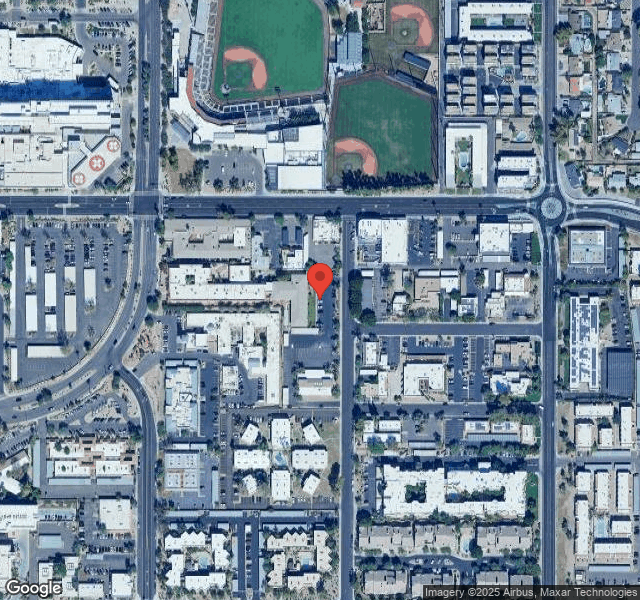

3339 NORTH DRINKWATER BOULEVARD, SCOTTSDALE, AZ 85251 (480) 949-5400
For profit - Corporation 108 Beds THE ENSIGN GROUP Data: November 2025
Trust Grade
70/100
#51 of 139 in AZ
Last Inspection: April 2025

Within standard 12-15 month inspection cycle. Federal law requires annual inspections.

Overview

Heritage Court Post Acute of Scottsdale has a Trust Grade of B, indicating it is a good choice, falling in the 70-79 range. It ranks #51 out of 139 facilities in Arizona, placing it in the top half, and #38 out of 76 in Maricopa County, meaning only a few local options are rated higher. However, the facility is trending worse, with issues increasing from 1 in 2024 to 8 in 2025. Staffing is rated average with a turnover of 42%, which is better than the state average, but the RN coverage is also average, meaning there could be gaps in care. Notably, there have been concerning incidents reported, such as a resident not being informed about the risks and benefits of their psychotropic medications, which could leave them unaware of potential side effects. Additionally, there was a failure to report an allegation of abuse from a resident, which raises serious concerns about safety and oversight. Lastly, a staff member left medicated cream at a resident's bedside, creating a risk for accidents, indicating that while there are some strengths, there are also significant weaknesses that families should consider.

Trust Score
B
70/100
In Arizona
#51/139
Top 36%
Safety Record
Low Risk
No red flags
Inspections
Getting Worse
1 → 8 violations
Staff Stability
○ Average
42% turnover. Near Arizona's 48% average. Typical for the industry.
Penalties
✓ Good
No fines on record. Clean compliance history, better than most Arizona facilities.
Skilled Nurses
⚠ Watch
Each resident gets only 26 minutes of Registered Nurse (RN) attention daily — below average for Arizona. Fewer RN minutes means fewer trained eyes watching for problems.
Violations
⚠ Watch
21 deficiencies on record. Higher than average. Multiple issues found across inspections.
★★★★☆
4.0
Overall Rating
★★★☆☆
3.0
Staff Levels
★★★★★
5.0
Care Quality
★★★☆☆
3.0
Inspection Score
Stable
2024: 1 issues
2025: 8 issues

The Good

  • 5-Star Quality Measures · Strong clinical quality outcomes
  • Full Sprinkler Coverage · Fire safety systems throughout facility
  • No fines on record
  • Staff turnover below average (42%)

    6 points below Arizona average of 48%

Facility shows strength in quality measures, fire safety.

The Bad

Staff Turnover: 42%

Near Arizona avg (46%)

Typical for the industry

Chain: THE ENSIGN GROUP

Part of a multi-facility chain

Ask about local staffing decisions and management

The Ugly 21 deficiencies on record

Sept 2025 1 deficiency
CONCERN (D) 📢 Someone Reported This

A family member, employee, or ombudsman was alarmed enough to file a formal complaint

Potential for Harm - no one hurt, but risky conditions existed

Report Alleged Abuse (Tag F0609)

Could have caused harm · This affected 1 resident

**NOTE- TERMS IN BRACKETS HAVE BEEN EDITED TO PROTECT CONFIDENTIALITY** Based on clinical record review, staff interviews, facility documentation, and policy review, the facility failed to report alle...

Read full inspector narrative →
**NOTE- TERMS IN BRACKETS HAVE BEEN EDITED TO PROTECT CONFIDENTIALITY** Based on clinical record review, staff interviews, facility documentation, and policy review, the facility failed to report allegations of abuse for one resident (#1). The deficient practice could result in allegations of abuse not being reported, not investigated, and residents not being protected from further abuse.Resident #1 was admitted on [DATE] with diagnosis included fracture of left femur, difficulty in walking, anxiety disorder, depression, anemia, and cerebral infarction.The Admissions Minimum Data Set (MDS) assessment dated [DATE] revealed a Brief Interview for Mental Status (BIMS) score of 15 indicating that resident is cognitively intact.Nursing note dated August 15, 2025 at 09:30AM revealed the patient informed, thinks she was gang raped by night staff. However, the incident was not reported to state agency.A physician's progress Nursing note dated August 15, 2025 at 06:57PM revealed that the resident was having delusions patient informed, thinks she was gang raped by night staff. However, the incident was not reported to state agency.On September 09, 2025 at 8:10AM, a request was made at entrance to provide a document from the facility including list of all self-reports and investigation in the last 90 days. However, the DON was unable to produce documents because there were no self-reports in the last 90 days. On September 09, 2025 at 9:20AM, a second request was made for any abuse allegation in last 3 month. Director of Nursing signed on September 09, 2025 at 9:39AM she stated that there are no self-reports in last 3 months.Later on, September 09, 2025 at 2:50PM the DON provided internal investigation for resident #1. However, there was no evidence they reported to state agency.An interview was conducted on September 09, 2025 at 11:25AM with the Certified Nursing Assistant (CNA/staff#95), who stated that that abuse can be multiple things such as mental, physical, verbal and emotional. She stated the facility process for abuse is to notify supervisor and there is number in the break room where they can report the abuse. Staff #95 also stated that abuse should reported immediately to the supervisor.An interview was conducted on September 09, 2025 at 11:38AM with the Certified Nursing Assistant (CNA/staff#27), who stated abuse is defined as hitting, sexual, verbal, and financial. She stated that the facility process for abuse is to make resident safe, reported to ADON or DON. Staff#27 stated that resident #1 told her that she had been tried to rape but she fought them off on August 15, 2025 when she did morning vitals for her. Staff #27 stated that she reported to ED right away. She also stated Administrator got the ADON talked to her about resident #1 allegations. The CAN confirmed that any abuse allegation should be reported right away. An interview was conducted on September 09, 2025 at 12:50PM with the Registered Nurse (RN/staff #84), who defined abuse as any harm such as injury to resident which can caused by anyone such as staff or family members. He stated that the facility process for abuse to notify admin or DON immediately. He also stated he has not heard or witness any abuse within the last month.An interview was conducted on September 09, 2025 at 12:58PM with a Licensed Practical Nurse (LPN/Staff #69), who defined abuse as something that is wrong, out of character, empathic and sympathetic for the patient. He stated there are multiple types abuse such as mental, physical, seclusion, verbal, neglect, financial, and sexual. Further he stated that the facility process for abuse is not to leave the resident alone to ensure their safety, stop the abuse immediately if witnessed, let the management know immediately. He stated that he has not heard or witness any within the last month.An interview was conducted on September 09, 2025 at 1:07PM with Assistance Director of Nursing (ADON/Staff #56), who stated that she was aware of resident #1's allegation and notified Administrator. She stated that she conducted investigation on resident #1, however did not document anything down. She further stated that it depends on the situation if the Department of Health Services (DHS) needs to know about abuse allegation and if there is sexual abuse the police are notified. Then she stated resident #1 abuse allegation should be reported to DHS for either good or bad outcome. Staff #56 stated that risk of not reporting abuse to DHS would be the facility getting tagged, facility being closed down, abuse goes on with resident #1 and she can get hurt. An interview was conducted on September 09, 2025 at 2:31PM with Director of Nursing (ADON/Staff #19), who stated that as part of the abuse coordination, her role when they receive abuse allegation she is to investigate, report to the state, police, aps, ombudsman, provider, and family. She stated we would report the abuse allegation within two hours. Then she stated that she was aware of the potential sexual allegation that was from August 15, 2025. She stated that based on their internal investigation, resident #1 did not said anything about sexual assault or allegation so they did not report to DHS. Further she stated that it truly depends on the when they are supposed notify the DHS, if she had said it to the staff member three men raped her and made allegation of sexual abuse, then she would have reported to the DHS. She stated the risk of not reporting sexual abuse allegation would be resident wellbeing and safety. Reviewed the policy titled Reporting Alleged Violations of Abuse, Neglect, Exploitation or Mistreatment Revised date September 2024 revealed that under procedure guide that In response to allegations of abuse, neglect, exploitation, or mistreatment, the Facility will: Ensure that all alleged violations involving abuse, neglect, exploitation or mistreatment, including injuries of unknown source and misappropriation of resident property, are reported immediately but: Not later than two (2) hours after the allegation is made if the events that cause the allegation involves abuse or results in serious bodily injury . Not later than twenty-four (24) hours if the events that cause the allegation does not involve abuse and does not result in serious bodily injury. Ensure that all alleged violations involving abuse, neglect, exploitation or mistreatment, including injuries of unknown source and misappropriation of resident property, are reported to: The Administrator of the Facility, The State Survey Agency, Adult Protective Services (as appropriate).
Apr 2025 4 deficiencies
CONCERN (D)

Potential for Harm - no one hurt, but risky conditions existed

Accident Prevention (Tag F0689)

Could have caused harm · This affected 1 resident

**NOTE- TERMS IN BRACKETS HAVE BEEN EDITED TO PROTECT CONFIDENTIALITY** Based on clinical record review, facility documentation, staff interviews and policy review, the facility failed to ensure that ...

Read full inspector narrative →
**NOTE- TERMS IN BRACKETS HAVE BEEN EDITED TO PROTECT CONFIDENTIALITY** Based on clinical record review, facility documentation, staff interviews and policy review, the facility failed to ensure that one of one sampled resident's (#427) environment was free of accident hazards regarding medicated cream left at the bedside. This deficient practice could result in an adverse event for the resident. Findings include: Resident #427 was admitted to the facility on [DATE] with diagnoses that included urinary tract infection, acute pyelonephritis, type 2 diabetes mellitus, hypertension, acquired absence of right leg below knee and acute kidney failure. A care plan initiated on April 10, 2025 revealed that the resident was at risk for impaired cognitive function/dementia or impaired thought processes. Interventions included to administer medications as ordered. Review of a care plan revised on April 11, 2025 revealed that the resident had a fungal rash on his bilateral (both sides) buttocks. Interventions included to administer treatments as ordered and monitor for effectiveness. An initial observation of resident #427 was conducted on April 15, 2025 at 10:00 AM. The resident was observed lying in his bed. During the observation, four medicine cups containing a pink cream, were observed on a nightstand next to the resident's bed. A subsequent observation was conducted on April 15, 2025 at 10:20 AM. The four medicine cups containing the pink cream remained on the resident's nightstand. Review of the order summary revealed an order dated April 11, 2025. The order prescribed anti-fungal cream for a fungal rash, to be administered on the resident's bilateral buttocks every shift. An interview with a Registered Nurse (RN/staff #105) was conducted on April 15, 2025 at 10:22 AM. The RN stated that the cups contained a medicated cream and should not be at the bedside. Staff #105 was observed to go into resident #427's room, remove the cups from the table, and threw them in the trash can. An additional interview was conducted with an RN (staff #7) on April 15, 2025 at 10:25 AM. The RN stated that medicated creams should never be left at the bedside. During an interview with a Licensed Practical Nurse (LPN/staff #44) conducted on April 17, 2025 at 11:00 AM, the LPN stated that the cream was an anti-fungal cream which contained 2% miconazole nitrate. An interview with the Director of Nursing (DON/staff #22) was conducted on April 16, 20215 at 12:20 PM. The DON stated medications should not be left at the bedside. She stated that the facility did not have a self-medication administration evaluation and that none of the residents should be self-administering their medications. The DON noted that the anti-fungal cream should not have been at the bedside. The DON indicated that the risk of having medications at the bedside could include inappropriate resident use, overuse of medications, and/or improper use of medications. A policy request for medication administered at the bedside was requested on April 17, 2025. The facility stated that they did not have a specific policy for medications administered at the bedside and to refer to the Medication Administration policy. A policy titled, Medication Administration, stated the nurse preparing the medication administers it and must remain with the resident until all of the medication is used.
CONCERN (D)

Potential for Harm - no one hurt, but risky conditions existed

Incontinence Care (Tag F0690)

Could have caused harm · This affected 1 resident

**NOTE- TERMS IN BRACKETS HAVE BEEN EDITED TO PROTECT CONFIDENTIALITY** Based on record review, facility documentation, staff and resident interviews and policy review, the facility failed to ensure t...

Read full inspector narrative →
**NOTE- TERMS IN BRACKETS HAVE BEEN EDITED TO PROTECT CONFIDENTIALITY** Based on record review, facility documentation, staff and resident interviews and policy review, the facility failed to ensure two of three sampled residents (#426 and #427) with an indwelling catheter received a physician order for the catheter and catheter care. This deficient practice could lead to residents not receiving proper catheter care and the development of an infection. Findings include: Regarding Resident #426: -Resident #426 was admitted to the facility on [DATE], with diagnoses that included multiple fractures of ribs, left side, malignant neoplasm of left breast, anemia and chronic obstructive pulmonary disease. Review of an admission Brief Interview for Mental Status (BIMS) assessment, dated April 12, 2025, revealed a BIMS score of 15, indicating that the resident was cognitively intact. During initial observations on April 15, 2025 at 10:00 AM, resident #426 was observed to have an indwelling catheter in place. A Hospital Visit Summary, dated April 10, 2025, indicated that the resident had a Foley catheter in place upon discharge from the hospital. A care plan, revised April 10, 2025, revealed that the resident had an indwelling catheter. Interventions indicated to provide catheter care every shift as needed, monitor/document, and report to physician signs and symptoms of UTI (urinary tract infection), urine frequency/output and change in behavior. Review of the Order Summary Report retrieved April 15, 2025, revealed no orders for an indwelling catheter or for indwelling catheter care. The April 2025 Treatment Administration Record (TAR) indicated no evidence of scheduled or completed catheter care. A provider order was written on April 16, 2025, to remove the indwelling catheter. An interview with resident #426 was conducted on April 15, 2025 at 9:58 AM. Resident #426 stated that she had the catheter in the hospital and was admitted to the facility with the catheter in place. An interview with a Registered Nurse (RN/staff #182) was conducted on April 16, 2025 at 10:00 AM. The RN stated that resident #426's catheter was ordered to be removed for a voiding trial. Resident #426's record was reviewed with the RN (staff #182) on April 16, 2025 at approximately 10:00 AM. The RN verified that there were no orders regarding the resident's indwelling catheter prior to the order to remove the catheter on April 16, 2025. Resident #426's clinical record was reviewed with the Director of Nursing (DON/staff #22) on April 16, 2025 at approximately 12:25 PM. The DON confirmed that there were no orders for catheter care from the time of the resident's admission to the facility on April 10, 2025 through April 16, 2025. Further, the DON (staff #22) stated that the risk of not having orders for the catheter and for catheter care is that the resident could develop an infection. Regarding Resident #427: -Resident #427 admitted to the facility on [DATE] with diagnoses that included urinary tract infection, acute pyelonephritis, type 2 diabetes mellitus, hypertension, acquired absence of right leg below knee and acute kidney failure. A care plan pertaining to resident #427's risk for infection related to indwelling catheter was revised on April 15, 2025. Interventions included to monitor for signs and symptoms of acute infection and to notify the physician. A care plan revised April 16, 2025, revealed that the resident had an indwelling catheter related to BPH (benign prostatic hyperplasia) with obstructive uropathy. Interventions included to change the catheter bag and tubing as ordered, and to provide catheter care every shift as needed. Review of an Order Summary Report retrieved April 15, 2025, revealed no orders for and indwelling catheter or for indwelling catheter care. Additionally, review of the April 2025 TAR revealed no evidence of catheter care. However, review of the Order Summary Report retrieved April 17, 2025 revealed physician's orders dated April 16, 2025, for the catheter care to be performed every shift. An interview with RN (staff #182) was conducted on April 16, 2025 at 10:00 AM. The RN stated that the medical record did not contain provider orders for resident #427 to have catheter care performed prior to April 16, 2025. The resident's clinical record was reviewed with the DON (staff #22) on April 16, 2025 at approximately 12:25 PM. Staff #22 confirmed that there were no orders for catheter care form the time of the resident's admission to the facility on April 10, 2025 through April 16, 2025. During an interview with the DON (staff #22) conducted on April 16, 2025 at 12:25, she stated that if a resident had an indwelling catheter, orders for catheter care should be prescribed. The DON stated that the risk of not having orders for the catheter or for catheter care is that the resident could develop an infection. A policy titled, Catheter Care Indwelling, stated it is the facility's policy that each resident with an indwelling catheter will receive catheter care daily and as needed for soiling. A policy titled, Physician Orders, stated that the facility is to accurately implement orders from providers and that treatments or related procedure orders are to be transcribed into the eTAR (electronic treatment administration record).
CONCERN (D)

Potential for Harm - no one hurt, but risky conditions existed

Respiratory Care (Tag F0695)

Could have caused harm · This affected 1 resident

**NOTE- TERMS IN BRACKETS HAVE BEEN EDITED TO PROTECT CONFIDENTIALITY** Based on record review, facility documentation, staff and resident interviews and policy review, the facility failed to ensure t...

Read full inspector narrative →
**NOTE- TERMS IN BRACKETS HAVE BEEN EDITED TO PROTECT CONFIDENTIALITY** Based on record review, facility documentation, staff and resident interviews and policy review, the facility failed to ensure that two of two sampled residents (#426 and #427) received appropriate respiratory care per physician orders. This deficient practice could lead to respiratory issues. Findings include: Regarding Resident #426: -Resident #426 was admitted to the facility on [DATE], with diagnoses that included multiple fractures of ribs, left side, malignant neoplasm of left breast, anemia and chronic obstructive pulmonary disease. Review of an admission assessment for Brief Interview for Mental Status (BIMS), dated April 12, 2025, revealed the resident had a BIMS score of 15, indicating the resident was cognitively intact. A care plan that was initiated April 10, 2025, revealed that the resident has COPD (Chronic Obstructive Pulmonary Disease). Interventions included to give oxygen therapy as ordered by the provider. A provider order dated April 10, 2025, prescribed oxygen at 2 LPM (liters per minute) via nc (nasal cannula) continuous. May titrate to 5 LPM to keep O2 (oxygen) sats (saturation) above 90%. The April 2025 Medication Administration Record (MAR) indicated nursing staff were to document every shift that the resident was receiving oxygen continuously and record how many liters of oxygen the resident was receiving, as well as the oxygen saturation level. Review of the Weights and Vitals log, for April 10, 2025 through April 17, 2025 revealed that the resident's oxygen saturations were between 91% and 99%. However, the values for April 11, 14, 15, 16 and 17, 2025 indicated the resident was on room air during the readings. A care plan initiated on April 15, 2025 indicated that the resident had oxygen therapy related to ineffective gas exchange. Interventions included to administer oxygen per physician's orders. However, during an observation conducted on April 15, 2025 at 11:05 AM, resident #426, was observed without a nasal cannula in place and was not administered oxygen as ordered. An additional observation was conducted on April 16, 2025 at 9:56 AM. Resident #426 was observed with the nasal cannula on. The oxygen concentrator indicated she was receiving 5 LPM of oxygen. An interview was conducted on April 16, 2025 at 10:05 AM, with a Registered Nurse (RN/staff #182). The RN stated that resident #426 had an order for continuous oxygen at 2 LPM that could be increased to 5 LPM if oxygen saturations were less than 90%. The RN stated that the resident's oxygen saturations were 92% that morning and she would expect the resident to be receiving 2 LPM of oxygen. An observation of Resident #426's oxygen concentrator was conducted with the RN (staff #182) on April 16, 2025 at 10:17 AM. The RN stated the concentrator was set to 5 LPM. She assessed the resident's oxygen saturation which was 93%. The RN stated she did not know why the concentrator was set to 5 LPM and she adjusted it to 2 LPM. During an interview with the Director of Nursing (DON/staff #22), conducted on April 16, 2025 at 12:25 PM, she stated that the resident's oxygen order meant that the resident should always be on at least 2 LPM of oxygen. The DON said that if the resident's oxygen saturation was less than 90%, the nurse could increase the liters per minute until the oxygen saturations reached 90%. The DON further stated that if the resident's oxygen saturations were 92%, the resident should be on 2 LPM of oxygen. The DON stated that if the resident was on 5 LPM of oxygen, it might have been because her oxygen saturations dropped at some point during the night and would need to be reassessed. The DON further stated that the risk of resident #426 not receiving oxygen per provider order could be shortness of breath and/or hypoxia (low levels of oxygen in the blood). A follow-up observation was conducted on April 17, 2025 at 8:33 AM. Resident #426 was observed without a nasal cannula in place and was not administered oxygen as ordered. Regarding Resident #427: - Resident #427 admitted to the facility on [DATE] with diagnoses that included urinary tract infection, acute pyelonephritis, type 2 diabetes mellitus, hypertension, acquired absence of right leg below knee and acute kidney failure. A provider order dated April 10, 2025 prescribed oxygen at 2 LPM via nc continuously. The order indicated the oxygen may be titrated to 5 LPM to keep O2 sats above 90%. The April 2025 Medication Administration Record (MAR) indicated nursing staff were to document every shift that the resident was receiving oxygen continuously and record how many liters of oxygen the resident was receiving, as well as the oxygen saturation level. A care plan initiated on April 15, 2025 revealed that the resident was on oxygen therapy for ineffective gas exchange. Interventions included to administer oxygen per physician's orders. However, an observation conducted on April 15, 2025 at 11:31 AM revealed resident #427 did not have a nasal cannula in place and was not administered oxygen. A follow-up observation was conducted on April 16, 2025 at 9:54 AM. Resident #427, was observed without a nasal cannula in place and was not administered oxygen as ordered. An interview with resident #427 was conducted on April 16, 2025 at 9:54 AM. The resident stated he usually only used his oxygen at night due to sleep apnea. During an interview with RN (staff #182) conducted on April 16, 2025 at 10:15 AM, she stated that resident #427 had orders for continuous oxygen at 2 LPM. The RN stated that the resident's oxygen could be increased to 5 LPM if oxygen saturations were less than 90%. Staff #182 confirmed that the resident was not receiving oxygen at the time of the interview. An interview with the DON (staff #22) was conducted on April 16, 2025 at 12:20 PM. She stated that resident #427 should have his oxygen on at all times, per provider's order. The DON further stated that despite the resident's oxygen saturations being above 90%, he should still have his oxygen at all times. The DON indicated that the risk of not following provider orders for oxygen for resident #427 could be shortness of breath and/or hypoxia. A policy titled, Oxygen Administration, stated oxygen therapy is administered by a licensed nurse as ordered by the physician. Furthermore, the policy noted that the purpose of oxygen therapy was to provide sufficient oxygen to the blood stream and tissues. A policy titled, Physician Orders, stated the facility is to accurately implement orders from providers and that medications/treatments are to be transcribed into the MAR/TAR. It further stated that biological orders much be recorded in the resident's medical record under orders. The policy indicated that the facility would accurately implement orders upon the orders of a person licensed and authorized to do so in accordance with the resident's plan of care.
CONCERN (E)

Potential for Harm - no one hurt, but risky conditions existed

Deficiency F0552 (Tag F0552)

Could have caused harm · This affected multiple residents

**NOTE- TERMS IN BRACKETS HAVE BEEN EDITED TO PROTECT CONFIDENTIALITY** Based on clinical record review, staff interviews, and review of facility policy, the facility failed to ensure that one residen...

Read full inspector narrative →
**NOTE- TERMS IN BRACKETS HAVE BEEN EDITED TO PROTECT CONFIDENTIALITY** Based on clinical record review, staff interviews, and review of facility policy, the facility failed to ensure that one resident (#59) and/or their representative were informed of the risks and benefits of psychotropic medications prior to the administration of the medications. The sample size was 5. The deficient practice could result in residents and/or resident representatives not being aware of the benefits and the potential adverse side effects of psychoactive medications. Findings include: Resident #59 was admitted on [DATE] with diagnoses that include type II diabetes, depression, anxiety, left leg amputation above the knee, thrombosis and embolism of thoracic aorta, insomnia, and chronic pain. Review of the order summary report revealed the following prescriptions for antidepressant medications: - Duloxetine HCI capsule delayed release particles 60 MG (milligrams), prescribed January 24,2025. The order directed to administer 1 capsule by mouth one time a day for depression. - Trazodone HCI tablet 50 MG, prescribed January 24,2025. The order indicated to administer 1 tablet by mouth at bedtime for depression. - Sertraline HCI tablet 50 MG, prescribed January 29.2025. The order indicated to administer 1 tablet by mouth daily for depression. A consent for treatment with psychotropic medications dated 1/24/2025 revealed a signed consent for the use of antidepressant medications duloxetine and trazodone. Review of resident #59 clinical record did not reveal a consent form for the use of Sertraline HCI tablet 50 MG. Furthermore, there was no evidence that the resident and/or the resident's representative had been informed of the risks and benefits of the antidepressant medication, Sertraline. A care plan revised on March 21,2025 revealed that the resident is on psychotropic medications related to depression. Interventions included to educate resident, family/caregivers about the risks, benefits, and the side effects of medication drugs being given. Review of the March and April 2025 MARs (Medication Administration Record), revealed that medications were administered as ordered and monitored as required. The clinical record revealed the resident was discharged from the facility on April 11,2025. An interview with a Licensed Practical Nurse (LPN/staff #3) was conducted on April 16, 2025 at 3:10 p.m. The LPN stated that psychotropic medications are ordered by a provider. According to staff #3 residents who are prescribed psychotropic medications are briefed/ educated by the LPN/RN (registered nurse) regarding the medication's benefits and any possible side effects. Staff #3 stated any consents are filed in the resident's chart as part of the admission packet and are sometimes in a drawer at the nurses' station. The LPN stated that behaviors are documented every shift in the progress note section and/or the MAR/TAR (Medication Administration Record/Treatment Administration Record) in the resident chart. Staff #3 stated that the provider should be notified with any adverse effects from psychotropic medication. Resident #59's clinical record was reviewed with staff #3 (LPN) on April 16, 2025 at approximately 3:10 p.m. Staff #3 verified that there were no consents for the psychotropic antidepressant, Sertraline. An interview was conducted with the Director of Nursing (DON/staff #22) on April 16, 2025 at 3:35 p.m. The DON stated that the facility process for psychotropic medication is that a provider prescribes that medication and a consent is reviewed with the resident/representative and signed prior to the administration. Staff #22 stated that the risk could be, giving wrong medication. Additionally, the resident may not be aware of the side effects. The DON stated that the facility policy is to obtain a consent for the resident prior to administering psychotropic medications. Resident #59's clinical record was reviewed with the DON on April 16,2025 at approximately 3:35 p.m. The DON confirmed that the resident received Sertraline the entire month of February 2025, the entire month of March 2025, and April 1-11 2025. Additionally, staff #22 verified that there were no progress notes that documented that the consent for Sertraline had been obtained. The facility policy titled, Psychoactive Medication, revised May 2024 indicated the facility staff must inform the resident and/or representative regarding the use of the psychoactive medication. The policy also stated that a consent mush be obtained from wither the resident or the representative if resident is unable to give consent.
Feb 2025 3 deficiencies
CONCERN (D) 📢 Someone Reported This

A family member, employee, or ombudsman was alarmed enough to file a formal complaint

Potential for Harm - no one hurt, but risky conditions existed

Resident Rights (Tag F0550)

Could have caused harm · This affected 1 resident

**NOTE- TERMS IN BRACKETS HAVE BEEN EDITED TO PROTECT CONFIDENTIALITY** Based on documentation, staff interviews, and the facility policy and procedures, the facility failed to ensure that residents w...

Read full inspector narrative →
**NOTE- TERMS IN BRACKETS HAVE BEEN EDITED TO PROTECT CONFIDENTIALITY** Based on documentation, staff interviews, and the facility policy and procedures, the facility failed to ensure that residents were treated with dignity and respect. The deficient practice could result in residents being psychosocially effected. Findings include: Resident #22 was admitted to the facility on [DATE] with diagnoses that included Fracture of unspecified part of neck of left femur subsequent encounter for closed fracture with routine healing and Hypertension. The brief interview for mental status dated February 5, 2025 included a score of 14 indicating the resident was cognitively intact. The care plan dated February 4, 2025 revealed that the resident has acute/chronic pain related to a ground level fall (GLF) with hip fracture, hypothyroidism, hypertension (HTN), and hypotension. Interventions include to administer analgesia medication as per orders. The order summary included: -February 5, 2025, left hip surgical dressing to stay in place until surgical follow up. -February 5, 2025, Lidocaine External Patch 4% (Lidocaine) apply to affected area one time per day for pain and remove per schedule. -February 6, 2025, patient to transfer to another LTC facility. Review of the medication administration record dated February 2025 revealed that Lidocaine External Patch 4% (Lidocaine) apply to affected area one time per day for pain and remove per schedule was applied by (LPN/staff #1) on February 5, 2025 at 8:00 p.m. A progress note dated February 6, 2025 revealed that the Social Services Manager (#7) followed up with the resident in regard to a reported grievance that occurred overnight. Staff #7 went over the steps of correction the facility was taking, and the resident was both agreeable and at ease with and felt much better. A progress note dated February 6, 2025 revealed that the resident requested a transfer to another facility. An interview was conducted on February 25, 2025 at 10:16 a.m. with resident #22, who stated that (LPN/staff #1) wanted to apply the Lidocaine patch, but she had not asked for a patch and it was supposed to be applied as per the order. She stated that (LPN/staff #1) was applying the patch in the upper area and she put her left hand on her lower back, where the glut starts, to show (LPN/staff #1) where the patch is supposed to go. She stated that she didn't remember if there hands touched, but the LPN grabbed her hand, bent her arm back, and twisted it and she told the LPN that she was hurting her. She stated that she told (LPN/staff #1) that she wanted to speak to someone in charge and the LPN told her that she was in charge and there was no one else here. She stated that the LPN got close to her face and said, you don't know how to act like an adult and I am going to teach you how to be an adult. She stated that her roommate didn't say anything and was afraid of (LPN/staff #1) because staff #1 was already mad at her roommate for doing something. She stated that sometime later, it may have been morning, a certified nursing assistant was helping her roommate, and the roommate was telling the CNA what happened. The CNA told them that there have been all kinds of staff and resident complaints about (LPN/staff #1). Then a charge nurse came to talk to her. An interview was conducted on February 25, 2025 at 11:20 a.m. with (LPN/staff #1), who stated that her shift was 6:00 p.m. to 6:00 a.m. and applied the Lidocaine patch as prescribed before 10:00 p.m. She was applying the patch to the left hip. Her voice became elevated and she stated that this was a complete waste of time. The resident asked if she could stand up because it is easier to put the patch on the left buttocks, back area, and partially the left hip. She stated that there was a dressing on the front part of the left leg that was flipped up and she tried to put it back down when the resident grabbed her right wrist and she told the resident not to grab her, she was just trying to help her. The resident let go and said that she wasn't supposed to touch it. Then she put the pain patch on. The resident asked to speak with a charge nurse and she told her that she would have to wait until morning. She stated the resident didn't like the way that she was speaking to her and she stated that her voice is normally high and she spoke to the resident the way she was speaking during the interview, which was agitated and impatient. An interview was conducted on February 25, 2025 at 12:11 p.m. with the Director of Nursing (DON/staff #10), who stated that there is not usually a supervisor available at night, so a resident would have to wait to talk to a supervisor the next morning. She stated that (LPN/staff #1) and resident #22 both claimed that they were grabbed by each other on February 5, 2025. She received a call from a Certified Nursing Assistant (CNA/staff #2) on February 6, 2025 at 5:55 a.m. stating that resident #22 reported that (LPN/staff #1) grabbed her arm and twisted it. She stated that (LPN/staff #1) was still in the facility when she arrived at approximately 6:15 a.m. Staff #10 stated that if the resident told (LPN/staff #1) that she wanted to speak to someone in charge, staff #1 should have contacted the DON or the nurse manager because allegations are to be reported right away. She stated that she interviewed (LPN/staff #1) and was told that she was applying the resident's pain patch and the resident grabbed her wrist. Staff #10 reviewed the MAR dated February 2025 and stated that (LPN/staff #1) did apply the pain patch to the resident at the incorrect time. Then, staff #10 stated that (LPN/staff #1) told her that the bandage covering the surgical wound on the resident's hip was coming off and she was trying to secure the bandage when the resident grabbed her wrist because she didn't want (LPN/staff #1) to touch the bandage. Staff #10 stated that she did not ask staff #1 if she had explained to the resident that she was trying to secure the bandage prior to touching the bandage, but protocol would dictate that the nurse explain what she if going to do, so as not to invade the resident's personal space. Staff #10 stated that (LPN/staff #1) stated that she told the resident not to touch her, she was just trying to help her and the resident told (LPN/staff #1) not to touch the surgical bandage because it was not supposed to come off. (LPN/staff #1) told staff #10 that the resident and her roommate were pushing their call-lights a lot. Staff #10 stated that if there was an allegation of hands being put on each other and/or voices being raised, she should have been called and there are a lot risks if (LPN/staff #1) didn't allow the resident to speak to a charge nurse. Staff #10 stated that the roommate was not interviewed because she had already discharged from the facility. An interview was conducted on February 25, 2025 at 1:52 p.m. with a certified nursing assistant (CNA/staff #2), who stated that resident #22's roommate (resident #33) said that she didn't want (LPN/staff #1) in her room because they were afraid of her. Resident #33 told her that (LPN/staff #1) screamed in her face because she kept putting the call-light on, she needed to go to the bathroom and had wet the bed from urine and water. Staff #2 stated that residents have complained about (LPN/staff #1) and she has reported her to another nurse. She stated that one time, she heard a male resident asking for pain medication and (LPN/staff #1) told him that she would give it to him when she was ready and if he wasn't a drug addict, he wouldn't have a problem. She said to (LPN/staff #1), isn't the medication scheduled? and staff #1 didn't answer her. (CNA/staff #1) stated that she reported the incident to (LPN/staff #24), who told her that she didn't want to get involved. An interview was conducted on February 25, 2025 at 2:14 p.m. with the Social Services Manager (staff/#7), who stated that she was instructed by the (DON/staff #10) to follow up on the incident involving resident #22. She stated that resident #22 made a complaint on February 6, 2025 about (LPN/staff #1) speaking to her with an elevated voice, in an aggressive manner, and was short with her. The resident reported that (LPN/staff #1) twisted her arm when she tried to show her where to apply the pain patch and it hurt, and when she told staff #1 that she wanted to speak with a charge nurse, staff #1 told her that there wasn't a charge nurse. Staff #7 stated that she didn't observe any injuries. Staff #7 also spoke to resident #22's roommate, resident #33, who stated that (LPN/staff #1) was rude, didn't speak in a nice tone, when she asked for toilet paper and that she was not nice to resident #22. Resident #33 heard the altercation between resident #22 and (LPN/staff #1), but did not see anything because the curtain was shut. Staff #7 stated that she did not ask resident #33 what she heard during the altercation and did not document the interview with either resident. An interview was conducted on February 25, 2025 at 4:22 p.m. with (LPN/staff #24), who stated that it is important to treat the residents with dignity and respect, this is their home. She stated that staff should speak in a respectful manner, which includes tone and if she receives a report that staff is being rude or inappropriate, she would pull staff away from the resident and report the incident to the Administrator. She stated that she has heard other staff say that (LPN/staff #1) is mean to the residents: yells at them, doesn't give pain meds, and doesn't answer call-lights. She did remember a (CNA/staff #2) telling her that a male resident asked for pain medication and that (LPN/staff #1) told him to wait until she was ready and she did not report it to anyone. She stated that she thinks that (LPN/staff #1) went on break and staff were looking for her and she would have given the pain medication before she went on break. She stated that she just tries to keep to herself. The facility was unable to provide the resident rights policy, but provided the rights that the residents have to abide by while in the facility.
CONCERN (D) 📢 Someone Reported This

A family member, employee, or ombudsman was alarmed enough to file a formal complaint

Potential for Harm - no one hurt, but risky conditions existed

Investigate Abuse (Tag F0610)

Could have caused harm · This affected 1 resident

**NOTE- TERMS IN BRACKETS HAVE BEEN EDITED TO PROTECT CONFIDENTIALITY** Based on documentation, staff interviews, and the facility policy and procedures, the facility failed to ensure that a thorough ...

Read full inspector narrative →
**NOTE- TERMS IN BRACKETS HAVE BEEN EDITED TO PROTECT CONFIDENTIALITY** Based on documentation, staff interviews, and the facility policy and procedures, the facility failed to ensure that a thorough investigation was completed for one resident (#22) alleging abuse. The deficient practice could result in residents being physically and psychosocial harmed. Findings include: Resident #22 was admitted to the facility on [DATE] with diagnoses that included Fracture of unspecified part of neck of left femur subsequent encounter for closed fracture with routine healing and Hypertension. The brief interview for mental status dated February 5, 2025 included a score of 14 indicating the resident was cognitively intact. The care plan dated February 4, 2025 revealed that the resident has acute/chronic pain related to a ground level fall (GLF) with hip fracture, hypothyroidism, hypertension (HTN), and hypotension. Interventions include to administer analgesia medication as per orders. The order summary included: -February 5, 2025, left hip surgical dressing to stay in place until surgical follow up. -February 5, 2025, Lidocaine External Patch 4% (Lidocaine) apply to affected area one time per day for pain and remove per schedule. -February 6, 2025, patient to transfer to another LTC facility. Review of the medication administration record dated February 2025 revealed that Lidocaine External Patch 4% (Lidocaine) apply to affected area one time per day for pain and remove per schedule was applied by (LPN/staff #1) on February 5, 2025 at 8:00 p.m. A progress note dated February 6, 2025 revealed that the Social Services Manager (#7) followed up with the resident in regard to a reported grievance that occurred overnight. Staff #7 went over the steps of correction the facility was taking, and the resident was both agreeable and at ease with and felt much better. A progress note dated February 6, 2025 revealed that the resident requested a transfer to another facility. Review of the facilities 5-day investigation revealed that an interview could not be conducted with resident #22's roommate, resident #33, due to discharging on February 6, 2025. It also revealed that five residents were interviewed, but none of the residents' rooms were near resident #22's room. Review of the resident census and the facility map revealed that there residents staying in the rooms near resident #22's room. An interview was conducted on February 25, 2025 at 10:16 a.m. with resident #22, who stated that (LPN/staff #1) wanted to apply the Lidocaine patch, but she had not asked for a patch and it was supposed to be applied as per the order. She stated that (LPN/staff #1) was applying the patch in the upper area and she put her left hand on her lower back, where the glute starts, to show (LPN/staff #1) where the patch is supposed to go. She stated that she didn't remember if there hands touched, but the LPN grabbed her hand, bent her arm back, and twisted it and she told the LPN that she was hurting her. She stated that she told (LPN/staff #1) that she wanted to speak to someone in charge and the LPN told her that she was in charge and there was no one else here. She stated that the LPN got close to her face and said, you don't know how to act like an adult and I am going to teach you how to be an adult. She stated that her roommate didn't say anything and was afraid of (LPN/staff #1) because staff #1 was already mad at her roommate for doing something. She stated that sometime later, it may have been morning, a certified nursing assistant was helping her roommate, and the roommate was telling the CNA what happened. The CNA told them that there have been all kinds of staff and resident complaints about (LPN/staff #1). Then a charge nurse came to talk to her. An interview was conducted on February 25, 2025 at 12:11 p.m. with the Director of Nursing (DON/staff #10), who stated that there is not usually a supervisor available at night, so a resident would have to wait to talk to a supervisor the next morning. She stated that (LPN/staff #1) and resident #22 both claimed that they were grabbed by each other on February 5, 2025. She received a call from a Certified Nursing Assistant (CNA/staff #2) on February 6, 2025 at 5:55 a.m. stating that resident #22 reported that (LPN/staff #1) grabbed her arm and twisted it. She stated that (LPN/staff #1) was still in the facility when she arrived at approximately 6:15 a.m. Staff #10 stated that if the resident told (LPN/staff #1) that she wanted to speak to someone in charge, staff #1 should have contacted the DON or the nurse manager because allegations are to be reported right away. Staff #10 stated that the roommate was not interviewed because she had already discharged from the facility. An interview was conducted on February 25, 2025 at 1:52 p.m. with a certified nursing assistant (CNA/staff #2), who stated that resident #22's roommate, (resident #33), said that she didn't want (LPN/staff #1) in her room because they were afraid of her. Resident #33 told her that (LPN/staff #1) screamed in her face because she kept putting the call-light on, she needed to go to the bathroom and had wet the bed from urine and water. Staff #2 stated that residents have complained about (LPN/staff #1) and she has reported her to another nurse. She stated that one time, she heard a male resident asking for pain medication and (LPN/staff #1) told him that she would give it to him when she was ready and if he wasn't a drug addict, he wouldn't have a problem. She said to (LPN/staff #1), isn't the medication scheduled? and staff #1 didn't answer her. (CNA/staff #1) stated that she reported the incident to (LPN/staff #24), who told her that she didn't want to get involved. An interview was conducted on February 25, 2025 at 2:14 p.m. with the Social Services Manager (staff/#7), who stated that she was instructed by the (DON/staff #10) to follow up on the incident involving resident #22. She stated that resident #22 made a complaint on February 6, 2025 about (LPN/staff #1) speaking to her with an elevated voice, in an aggressive manner, and was short with her. The resident reported that (LPN/staff #1) twisted her arm when she tried to show her where to apply the pain patch and it hurt, and when she told staff #1 that she wanted to speak with a charge nurse, staff #1 told her that there wasn't a charge nurse. Staff #7 stated that she didn't observe any injuries. Staff #7 also spoke to resident #22's roommate, resident #33, who stated that (LPN/staff #1) was rude, didn't speak in a nice tone, when she asked for toilet paper and that she was not nice to resident #22. Resident #33 heard the altercation between resident #22 and (LPN/staff #1), but did not see anything because the curtain was shut. Staff #7 stated that she did not ask resident #33 what she heard during the altercation and did not document the interview with either resident. An interview was conducted on February 25, 2025 at 4:22 p.m. with (LPN/staff #24), who stated that it is important to treat the residents with dignity and respect, this is their home. She stated that staff should speak in a respectful manner, which includes tone and if she receives a report that staff is being rude or inappropriate, she would pull staff away from the resident and report the incident to the Administrator. She stated that she has heard other staff say that (LPN/staff #1) is mean to the residents: yells at them, doesn't give pain medications, and doesn't answer call-lights. She did remember a (CNA/staff #2) telling her that a male resident asked for pain medication and that (LPN/staff #1) told him to wait until she was ready and she did not report it to anyone. She stated that she thinks that (LPN/staff #1) went on break and staff were looking for her and she would have given the pain medication before she went on break. She stated that she just tries to keep to herself. The facility policy, Freedom from Abuse, Neglect, and Exploitation states that all identified events are reported to the Administrator immediately. An investigation will include the following: an interview with the person(s) reporting the incident; an interview with the residents; interviews with any witnesses to the incident, including the alleged perpetrator, as appropriate; an interview with all staff members (on all shifts) who may have information regarding the alleged incident; interviews with other residents to whom the accused employee provides care or services or who may have information regarding the alleged incident.
CONCERN (D) 📢 Someone Reported This

A family member, employee, or ombudsman was alarmed enough to file a formal complaint

Potential for Harm - no one hurt, but risky conditions existed

Deficiency F0658 (Tag F0658)

Could have caused harm · This affected 1 resident

**NOTE- TERMS IN BRACKETS HAVE BEEN EDITED TO PROTECT CONFIDENTIALITY** Based on documentation, staff interviews, and the facility policy and procedures, the facility failed to ensure that one residen...

Read full inspector narrative →
**NOTE- TERMS IN BRACKETS HAVE BEEN EDITED TO PROTECT CONFIDENTIALITY** Based on documentation, staff interviews, and the facility policy and procedures, the facility failed to ensure that one resident (#44) was administered medication as prescribed. The deficient practice could result in adverse effects of medications administered. Findings include: Resident #44 was admitted to the facility on [DATE] with diagnoses the included vascular dementia, unspecified severity, without behavioral disturbance, psychotic disturbance, mood disturbance, and anxiety. The minimum data set (MDS) dated [DATE] included a brief interview for mental status score of 2 indicating the resident was severely impaired. It also included that the resident did not exhibit any physical or verbal behaviors during the look-back period. A care plan dated January 18, 2025 revealed that the resident was at risk for impaired cognitive function/dementia or impaired thought processes related to new environment. Interventions included to administer medications as ordered. The order summary included: -January 18, 2025, Seroquel oral tablet 50 mg (Quetiapine Fumate) give one tablet by mouth one time a day for major depressive disorder (MDD) as evidenced by severe mood swings. -January 18, 2025, (AD) monitor behavior every shift for depression episodes as evidenced by verbalized sadness every shift for depression. Verbalized sadness refer to NPI. -January 18, 2025, (AD)-monitor for sided effects of anti-depressants: common side effects sedation, drowsiness, headache, decreased appetite. Less common side effects: dry mouth, blurred vision, urinary retention. Rare side effects: extra pyramidal side effects. Notify provider if present every shift. -January 20, 2025, (AP) monitor behavior every shift for psychotic episodes as evidenced by target behavior: severe mood swings every shift. -January 20, 2025, (AP)- monitor for side effects of antipsychotics - common side effects: drowsiness, dry mouth, blurred vision, constipation, translent nausea, weight gain, increase salna, sweating. Less common side effects: edema, postural hypotension, urinary retention, stiff or tight muscles, shakiness, serious blood disorders. Rare side effects: extra pyramidal, [NAME] dyskinesia, jaundice, allergic reaction, increased photosensitivity, allergic dermatitis. Notify provider if present every shift. -January 21, 2025, per provider discontinue Seroquel oral tablet 50 mg (Quetiapine Fumate) give one tablet by mouth one time a day for major depressive disorder (MDD) as evidenced by severe mood swings. -January 23, 2025, change of condition for: (D/C Seroquel) provider notified, resident/responsible party aware and agreeable to point of care, responsible party notified. Every shift for 3 days post follow-up for discontinued Seroquel. A care plan initiated January 19, 2025 and resolved January 23, 2025 revealed the use of psychotropic medications use related to major depressive disorder (MDD) as evidenced by severe mood swings. Interventions included to monitor medications as ordered. Monitor/document for side effects and effectiveness and to monitor/record occurrence of for target behavior symptoms severe mood swings and document. Review of the medication administration record dated January 2025 revealed that Seroquel oral tablet 50 mg (Quetiapine Fumate) give one tablet by mouth one time a day for major depressive disorder (MDD) as evidenced by severe mood swings was administered on the 19, 20, and 21, 2025. An interview was conducted on February 26 2025 at 11:55 a.m. with the Director of Nursing (DON/staff #10), who stated that the facility received a discharge summary from the hospital when the resident was admitted , which included medication orders. She stated that the orders didn't include Seroquel, which is an Antipsychotic prescribed for schizophrenia and bipolar disorder. She reviewed the clinical record and stated that the resident did not have a diagnoses for schizophrenia or bipolar disorder and had a diagnosis for dementia and was administered Seroquel on January 19, 20, and 21, 2025. She stated that the Assistant Director of Nursing (ADON/staff #43) reconciled the medications and entered an order for Seroquel by mistake. Staff #43 created the order for the physician's verification. She stated that the psych provider saw the resident on January 21, 2025 and mentioned to the resident's caregiver that the resident was taking Seroquel. The caregiver told the psych provider that the resident is not supposed to be on Seroquel and the family reported the concern to her and the Seroquel was discontinued on January 21, 2025. She stated that this was a medication error and the physician was notified; the physician ordered for the resident to be monitored for side effects for 72 hours. The personal caregiver and the family had reported that the resident appeared over-sedated and it was not the resident's normal baseline. She stated that one of the risks of Seroquel is over-sedation and an altered mental status and the resident did experience over-sedation, which is documented in the progress notes dated January 21, 2025. An interview was conducted on January 21, 2025 at 12:22 p.m. with the Assistant Director of Nursing (ADON/staff #43), who stated that the hospital summary included the orders. The nurse reviews the orders and then looks for a diagnosis to go with each order. Then the nurse contacts the physician to relay the orders and the physician reviews the orders to make everything is correct. She stated once there is an orders, she puts the orders in the electronic record and the nurses start administering the medications. She acknowledged that she requested an order for Seroquel instead of Sertraline and stated that there is a risk to administering antipsychotics when not needed because it increases changes in the brain, increases the neurological activity, and a resident may not be able to sleep. The facility policy, Physician Orders states that admission orders are reviewed with the physician upon admission based on the discharge instructions from the discharging facility and are transcribed accordingly.
Dec 2024 1 deficiency
CONCERN (D) 📢 Someone Reported This

A family member, employee, or ombudsman was alarmed enough to file a formal complaint

Potential for Harm - no one hurt, but risky conditions existed

Accident Prevention (Tag F0689)

Could have caused harm · This affected 1 resident

**NOTE- TERMS IN BRACKETS HAVE BEEN EDITED TO PROTECT CONFIDENTIALITY** Based on clinical record review, staff interviews, and review of facility policies and procedures, the facility failed to ensure...

Read full inspector narrative →
**NOTE- TERMS IN BRACKETS HAVE BEEN EDITED TO PROTECT CONFIDENTIALITY** Based on clinical record review, staff interviews, and review of facility policies and procedures, the facility failed to ensure adequate supervision was provided to one resident (#1) to prevent elopement. The deficient practice could result in injury or harm to the resident. Findings included: Resident #1 was admitted to the facility on [DATE] with diagnosis of encephalopathy, dementia, and alzheimer's Disease. A review of record titled LN-Elopement/Wandering Evaluation-V2 dated December 11, 2024 revealed a score of 10.0 indicating resident is high risk. A review of care plan initiated on December 11, 2024 revealed resident at risk for impaired cognitive function/dementia or impaired thought processes related to new environment. The interventions with a revision date of December 30, 2024 included to administer medication as ordered, identify self at each interaction, face when speaking and make eye contact, reduce any distractions- turn off TV, radio, close door etc., use simple, directive sentences, provide with necessary cues- stop and return if agitated, and keep routine consistent and try to provide consistent care givers as much as possible in order to decrease confusion A review of care plan initiated on December 12, 2024 revealed Elopement risk/wanderer related to dementia. The goal included that safety will be maintained through the review date. The interventions with a revised date of December 16, 2024 included 1:1 supervision, document wandering behavior and attempted diversional interventions, identify pattern of wandering: Is wandering purposeful, aimless, or escapist? Is resident looking for something? Does it indicate the need for more exercise? Intervene as appropriate and provide structured activities: toileting, walking inside and outside, provide structured activities: toileting, walking inside and outside, reorientation strategies including signs, pictures and memory boxes. A review of record titled POC Response History Task: Behavior Symptoms dated December 15, 2024 at 15:12 revealed a check mark for wandering. Review of record dated December 15, 2024 revealed At approximately 1915 it was noted that patient was no longer in her room. Staff conducted a room to room search and searched area around the building. Police were notified at approximately 1930 and a search was initiated. Police found the patient on the corner of [NAME] and [NAME] street and returned her to facility. A head to toe assessment was performed and no injuries were noted. Staff notified the provider and family member, care plan updated and one on one supervision was initiated. Review of MDS (Minimum Data Set) assessment dated [DATE] revealed a Brief Interview for Mental Status (BIMS) score of 3.0 indicating severely impaired cognition, resident has inattention and disorganized thinking behavior continuously present, does not fluctuate, has wandering behavior occured 1 to 3 days, and has an active diagnosis of Anemia, Hypertension, Alzheimer's Disease, and Non-Alzheimer's Dementia. Review of facility document, Sign In Sheet, for December 16, 2024 revealed a sitter/Staff #14 was assigned as sitter. An interview was conducted on December 31, 2024 at 2:27 pm with certified nursing assitant (CNA)/staff #9. Staff #9 stated that they work in the skilled unit part of the facility which is from rooms 401 through 416. An interview was conducted on December 31, 2024 at 2:31 pm with a licensed practical nurse (LPN)/staff #8. Staff #8 stated that she takes care of residents in their skilled unit who requires occupational and physical therapy services, who are on intravenous antibiotics, and who needs wound care. Their resident to nurse ratio is 20 to 23 residents per nurse and they have three CNAs today. Staff #8 stated that most of her residents in the skilled unit require assistance with ambulation, are aware and oriented. An interview was conducted on December 31, 2024 at 3:02 pm with hospitality aid/Staff #14. Staff #14 stated that she was assigned as a sitter for a resident on December 16 and does not remember the resident's name. Staff #14 stated that they watch the resident so resident does not leave. Staff #14 stated that while she was the resident's sitter, the resident had conversation with her regarding wanting to go back to their apartment and going somewhere. An interview was conducted on December 31, 2024 at 3:17 pm with a LPN/Staff #10. Staff #10 stated that she does not remember any resident who wandered outside their facility or disappeared, but stated that they had a resident with a sitter and the sitter who was assigned was from their human resource (HR)/Staff #16. Staff #10 stated that they use a sitter sometimes when resident had a fall, when a resident is abusive to others or a resident who wanders. Staff #10 stated that when a resident wanders, they have a code to use for missing resident which they announced to all their staff using their walky talky device to help search for the missing resident, and if the resident is not found by staff, they call 911 and their director of nursing (DON). An interview was conducted on December 31, 2024 at 3:29 pm with HR staff/Staff #16. Staff #16 stated that she was a sitter/one on one for a resident who eloped from the facility on December 15 and the resident returned on the same day accompanied by their activities director/Staff #19. Staff #16 stated that the resident needed constant surveillance/one on one. Staff #16 stated that she was not aware on how the elopement happened. A phone interview was conducted on December 31, 2024 with LPN/Staff #13. Staff #13 stated that she was working on December 15, 2024 which was a Sunday. Staff #13 stated that she was the nurse for resident #1. Staff #13 stated that she was in the middle of passing medication and resident #1 was wandering around. Staff #13 stated that she saw resident by the exit area around sevenish and then one CNA informed her that their resident is missing. They searched for resident #1. Staff #13 stated that a resident stated that they saw a lady who went out of the front door. Staff #13 stated that they notified resident's family, then a staff member found resident in the street, they called the police, and then resident was returned back in the facility. Furthermore, Staff #13 stated that a staff nurse let the resident out when resident push the button to unlock the door to open. Staff #13 stated that resident may have been gone for a whole hour. Furthermore, staff #13 stated that after the elopement incident, they no longer use the tablet to open and close the door. Staff #13 explained that before the elopement incident, they were using a camera with a ring tablet to see who is it such as a delivery or an ambulance. And now, staff #13 stated that they will physically open the door for each person who enters the facility after 6:00 pm. An interview was conducted on December 31, 2024 at 4:13 pm with the DON/Staff #11. The DON stated that for a resident with dementia, if they do not wander, they treat them as normal resident, but with resident at higher risk and active, they put more eyes on them. The DON stated that resident #1 did not trigger elopement so they did not place them on a one on one until after the elopement occurred. The DON stated that they were made aware of the elopement incident with resident #1 when she received a call from the nurse, their staff looked around their surroundings to search for the resident, and one of their nurse stayed in the facility and called the police. The DON stated that the police found the resident, and their activity director went out to verify that the person with the police is their resident and then they brought resident #1 back to their facility. The DON stated that resident left their building when one of their nurses thought the resident was a family member because the resident was dressed in normal clothes. The staff did not know that the person they opened the door for was one of their residents until the staff was told by the CNA looking for the resident that she might have let a resident out. The DON stated that the incident was brought up during their QA (quality assurance) meeting. The DON stated they did not have any elopement incident in the past except this incident and that there is no camera or video to view regarding the elopement incident. Review of facility's policy titled Elopement last revised on May 2024 revealed that it is the policy of this facility to ensure that the facility provides a safe and secure atmosphere for all residents in the facility. To ensure that residents at risk for elopement are properly monitored (1) Residents identified to be high risk for elopment will have an appropriate plan of care developed to address the risk.
Nov 2023 7 deficiencies
CONCERN (D)

Potential for Harm - no one hurt, but risky conditions existed

Deficiency F0558 (Tag F0558)

Could have caused harm · This affected 1 resident

Deficiency Text Not Available

Read full inspector narrative →
Deficiency Text Not Available
CONCERN (D) 📢 Someone Reported This

A family member, employee, or ombudsman was alarmed enough to file a formal complaint

Potential for Harm - no one hurt, but risky conditions existed

Free from Abuse/Neglect (Tag F0600)

Could have caused harm · This affected 1 resident

**NOTE- TERMS IN BRACKETS HAVE BEEN EDITED TO PROTECT CONFIDENTIALITY** Based on clinical record review, staff interviews and review of policy and procedure, the facility failed to ensure one was resi...

Read full inspector narrative →
**NOTE- TERMS IN BRACKETS HAVE BEEN EDITED TO PROTECT CONFIDENTIALITY** Based on clinical record review, staff interviews and review of policy and procedure, the facility failed to ensure one was resident (31) was not physically abused by another resident (#154). Findings include: Resident #31 was admitted on [DATE] with diagnoses that included disorder of the autonomic nervous system, unspecified, anxiety disorder, unspecified, dysphagia, unspecified, gastrostomy status, hypersomality and hypernatremia, acquired absence of right great toe, peripheral vascular disease, unspecified, paroxysmal atrial fibrillation, primary open-angle glaucoma, bilateral, indeterminate stage. In a Minimum Data Set (MDS) quarterly assessment completed on October 31, 2023 Resident #31 scored a 99 on a Brief Interview for Mental Status, indicating the resident was unable to complete the interview to determine the individual's attention, orientation and ability to register and recall new information. Resident did not display any behaviors such as aggression or wandering. Review of the physician's orders revealed the following, aa) monitor behavior every shift for anti-anxiety episodes as exhibited by target behavior: panic attacks, (aa)- monitor for side effects of anti-anxiety / anxiolytics: common s/e: sedation, drowsiness, ataxia, dizziness, nausea, confusion, nasal congestion. less common s/e: vomiting, skin rash, falls, agitation. rare s/e: hypotension, blurred vision, ataxia, mood swings. notify provider if present, bilateral mobility bars may aid in turning and repositioning patient, psych to eval and treat, weekly skin check (complete skin assessment/evaluation-prn/weekly uda), Keppra solution 100 mg/ml (levetiracetam), apixaban oral tablet 5 mg (apixaban) give 1 tablet via peg-tube two times a day for atrial fibrillation dissolve in 60 ml of water, give 5 ml enterally two times a day for seizures, hydroxyzine hcl oral tablet 25 mg (hydroxyzine hcl) give 25 mg enterally two times a day for anxiety as exhibited by panic attacks, melatonin oral tablet 5 mg (melatonin) give 1 tablet by mouth at bedtime for supplement. Review of the facility's investigation report dated October 21, 2022 10/21/2022, revealed that on October 21, 2022 a CNA was in the dining room and heard another resident state you can't do that, please stop. The CNA witnessed resident #170 hitting resident #31 shoulder. The CNA immediately separated the two residents and made sure they were safe. The CNA immediately reported the incident to the administrator. Further review of the investigation report revealed notifications were made to the appropriate persons and agencies, investigation was initiated and a plan of action was implemented to ensure the residents remained safe. Review of the care plan date initiated: December 8, 2022 and revision on August 312023 revealed the following: Focus: At risk for a communication problem related to subarachnoid hemorrhage; Intervention: Anticipate and meet needs. Assist with word finding as needed/appropriate. Ensure/provide a safe environment: Call light in reach, Adequate low glare light, Bed in lowest position and wheels locked, Avoid isolation. Monitor effectiveness of communication strategies and assistive devices; Monitor/document for physical/ nonverbal indicators of discomfort or distress, and follow-up as needed. Use effective strategies touch, facial expression, eye contact, gestures, tone of voice, non-threatening posture, short direct phrases, speak slowly, speak in a calm, distinct manner, time to communicate, quiet setting for communicating with resident. Use touch, facial expression, tone and body language to enhance communication. Validate message by repeating aloud. Date initiated: December 8, and revision on August 31, 2023; Focus: Potential for a psychosocial well-being problem related to resident to resident altercation. Intervention: Consult with: Pastoral care, Social services, Psych services. Observe for side effects and adverse reaction to anti-anxiety medication: Drowsiness, lack of energy, Clumsiness, slow reflexes, Slurred speech, Confusion and disorientation, Depression, Dizziness, lightheadedness, Impaired thinking and judgment, Memory loss, forgetfulness, nausea, stomach upset, blurred or double vision. unexpected side effects: mania, hostility and rage, aggressive or impulsive behavior, hallucinations. Provide opportunities for family to participate in care. When conflict arises, remove residents to a calm safe environment and allow to vent/share feelings. Intervention: Consult with Pastoral care, Social services, Psych services, Revision on 07/18/2023. Observe for side effects and adverse reaction to anti-anxiety medication, drowsiness, lack of energy, clumsiness, slow reflexes, slurred speech, confusion and disorientation, depression, dizziness, lightheadedness, impaired thinking and judgement, memory loss, forgetfulness, nausea, stomach upset, blurred or double vision. Unexpected side effects; mania, hostility or rage, aggressive or impulsive behavior, hallucinations. Provide opportunities for family to participate in care. When conflict arises, remove residents to a calm safe environment and allow to share/vent feelings. Review of the Grievance Facility Binder dated January 2022 through December 2022 revealed no formal grievances filed for resident (#31). Review of the resident council minutes revealed no concerns with resident-to-resident abuse or concerns with residents (#31) or (#170). Review of the shower sheets for resident #31 dated October 22, 2022 through October 30, 2022 revealed no skin issues, red marks, or bruising noted from resident to resident abuse. Review of the weekly skin assessments dated October 24, 2022 and October 31, 2022 revealed no new skin issues noted or reported for those weeks. On November 15, 2023 at 9:50 AM, an attempt was made to contact alleged victim representative. On November 16, 2023 at 8:21 AM, an attempt was made to contact alleged victim representative. Neither calls were successful. Resident #31 was not interviewable due to cognitive status. Alleged perpetrator, resident #170 was discharged from the facility September 5, 2023 with no further incidents with resident #31. 2. Resident #170 was admitted to the facility May 11, 2022 and discharged [DATE] with the following diagnosis, schizophrenia, unspecified, altered mental status, unspecified, personal history of traumatic brain injury, other seizures, bipolar disorder, unspecified, hypothyroidism, unspecified, essential (primary) hypertension, dysphagia, oropharyngeal phase, drug induced subacute dyskinesia, unspecified mental disorder due to known physiological condition, anxiety disorder due to known physiological condition. Review of the quarterly Minimum Data Set (MDS) assessment dated [DATE] revealed a Brief Interview for Mental Status (BIMS) score of 00. Review of Section E revealed resident had not exhibited any behaviors verbally or physically directed towards others, Review of Section G revealed resident required extensive assistance with bed mobility, transfers, and eating. Section G further revealed resident was total dependence for personal hygiene, toilet use, dressing and locomotion on and off the unit. Review of Section I revealed resident has an active diagnosis for anxiety disorder, Bipolar disorder, Schizophrenia, altered mental status, unspecified, personal history of traumatic brain injury, unspecified, mental disorder due to known physiological condition, drug induced subacute dyskinesia. Review of the Physicians Orders revealed the following, Lithium level and Depakote level in the morning for psych med management, bipolar for 1 Day, Benztropine Mesylate Tablet 0.5 MG Give 1 tablet by mouth one time a day for Parkinson's, Divalproex Sodium Tablet Delayed Release 500 MG Give 2 tablet by mouth at bedtime for Seizures, Divalproex Sodium Tablet Delayed Release 250 MG Give 1 tablet by mouth one time a day for Seizures, Lithium Carbonate ER Tablet Extended Release 450 MG Give 1 tablet by mouth at bedtime for Bipolar as evidenced by severe mood swings, Paliperidone Palmitate ER Suspension Prefilled Syringe 156 MG/ML Inject 156 mg intramuscularly one time only for Schizophrenia as evidenced by swatting at staff until 10/25/2022 09:00, ms)- mood stabilizers- monitor side effects of mood stabilizers: common s/e: nausea, diarrhea, abd cramping, sedation, headache, thirst, dry mouth, constipation, tremors. less common s/e: cardiac arrhythmia, weight gain, urinary frequency, confusion. rare s/e: rash, photosensitivity. notify provider if present. Review of the Care Plan dated May 11, 2022 revealed the following: Focus, Psychotropic medications use. Antipsychotic medication; Bipolar as evidenced by severe mood swings; Schizophrenia as evidenced by paranoia; Date Initiated: 05/12/2022, Revision on: 05/12/2022. Intervention: Administer medications as ordered. Monitor/document for side effects and effectiveness. Revision on: 09/15/2023, Cancelled Date: 09/15/2023; NG 09/15/2023, canceled: antipsychotic-monitor for side effects of antipsychotics, common s/e: drowsiness, dry mouth, blurred vision, constipation, transient nausea, weight gain, increased saliva, sweating, less common side effects: edema, postural hypotension, urinary retention, stiff or tight muscles, shakiness, serious, blood disorders. rare side effects: extra pyramidal, tardive dyskinesia. Focus: Canceled: Potential to demonstrate verbally abusive behaviors related to Mental /Emotional illness, Poor impulse control, verbally abuse to other patients, verbally abuse to staff members, physically abuse to other patients. Date Initiated: 10/10/2022, Revision on: 09/15/2023, Canceled Date: 09/15/2023. Intervention: Analyze key times, places, circumstances, triggers, and what de-escalates behavior and document. Revision on: 09/15/2023 Canceled Date: 09/15/2023. Canceled: Assess resident's coping skills and support system. Revision on: 09/15/2023 Canceled Date: 09/15/2023. Assess resident's understanding of the situation. Allow time for the resident to express self and feelings towards the situation. Revision on: 09/15/2023, Canceled Date: 09/15/2023. Canceled: Document observed behavior and attempted interventions. Revision on: 09/15/2023, Canceled Date: 09/15/2023. Evaluate for side effects of medications, Revision on: 09/15/2023, Canceled Date: 09/15/2023. Psychiatric/Psychoneurotic consult as indicated. Revision on: 09/15/2023, Canceled Date: 09/15/2023. Review of the facility five-day investigative report with incident date of October 21, 2022 revealed the facility implemented a Plan of Action as follows: 1. Resident #170 to follow-up with psych. 2. Residents #170 and #31 not to be seated at the same table. Unable to interview alleged perpetrator, resident #170 was discharged from the facility on September 5, 2023. Review of the Discharge Summary and Post Discharge Plan of Care effective date of September 5, 2023 revealed resident #170 was discharged to an assisted living facility, resident health had improved and no longer required the services of the facility. On November 17, 2023 interview and exit for complaints were exited with DON (staff #36), ADON, (staff #78) and Clinical Resource, (staff # 200). Staff #36 does not dispute the incident happening and feels the facility responded appropriately and believes it was an isolated incident, stating the facility ensured the residents were monitored and ensured their safety at all times. ensuring the residents remained safe from harm. Investigation Summary: Original complaint details an incident of resident to resident abuse. The incident in question is not disputed by the facility, however this incident appears isolated. Review of available data shows no other instances of altercations between these two residents. The facility staff were witness to the event and it was described as happening in an instant, with immediate staff intervention. Both residents were placed on monitoring which appears to have been followed, and the alleged perpetrator no longer has contact with the victim, as he was discharged from the facility on September 5, 2023. Review of the facility policy titled Abuse: Prevention of Prohibition Against states it is the policy of the facility that each resident has the right o be free from abuse, neglect, misappropriation of resident property, and expropriation. Facility staff are prohibited from taking, keeping, using or distributing photographs or video recordings of facility residents in any manner that would demean or humiliate a resident, regardless of whether the resident provided consent and regardless of the resident's cognitive status. This includes using any type of equipment (e.g., cameras, smart phones, or other electronic device) to take, keep, or distribute inappropriate photographs or recordings on social media. The facility ill provide oversight and monitoring to ensure that it's staff, who are agents of the facility, deliver care and services in a way that promotes and respects the rights of residents to be free from abuse, neglect, misappropriation of resident property, and exploitation. This facility applies to all facility staff including, but not limited to employees, consultants, contractors, volunteers, students and other caregivers who provide care and services to residents on behalf of the facility.
CONCERN (D)

Potential for Harm - no one hurt, but risky conditions existed

Deficiency F0645 (Tag F0645)

Could have caused harm · This affected 1 resident

**NOTE- TERMS IN BRACKETS HAVE BEEN EDITED TO PROTECT CONFIDENTIALITY** Regarding resident #6 Findings include: Resident #6 was first admitted into the facility on June 26, 2018. Prior to admission, a...

Read full inspector narrative →
**NOTE- TERMS IN BRACKETS HAVE BEEN EDITED TO PROTECT CONFIDENTIALITY** Regarding resident #6 Findings include: Resident #6 was first admitted into the facility on June 26, 2018. Prior to admission, a PASRR Level II evaluation was completed on June 7, 2018 which revealed diagnoses of Post-Traumatic Stress Disorder (PTSD) and Borderline Personality Disorder. Care plan-initiated June 27, 2018 revealed, PASSR Level II upon admission appropriate for SNF with supportive services and will be able to verbalize/communicate required assistance post-discharge and the services required to meet needs before discharge. The admission Minimum Data Set (MDS) assessment at the time of admission revealed a Brief Interview for Mental Status (BIMS) score of 13 which indicated the resident was cognitively intact. Medical record review revealed that a new PASRR Level I was completed on September 13, 2022. Mental illness (Section B) of this new PASRR Level I revealed a diagnosis of Schizophrenia that was absent on the PASRR Level II evaluation from 2018. Referral determination (Section D) revealed that a referral for Level II determination for dual intellectual disability/mental illness was appropriate, however medical records revealed no referral for PASRR Level II evaluation and determination was done. Moreover, medical record review reveals a new PASRR Level I was started on January 16, 2023. The reasoning section for PASRR Level I was unfilled and the referral determination (Section D) was similarly unfilled upon review of document. However, per client uploaded files, under category section - admission, documentation reveals resident #6 had been admitted into the emergency room with date of service of January 12, 2023 at 5:20 PM. The Emergency Department (ED) provider notes under section titled, assessment and plan, reveal resident was brought for worsening paranoia and hallucinations. ED provider notes under section titled, plan, reveal mental status appeared markedly different than in 2018 -- upon consultation by psychiatrist who was familiar with resident #6. Review of MDS section c1310 e-signed on January 24, 2023 in leu of discharge, reveals resident #6 showed evidence of an acute change in mental status, as well as presenting with the following behaviors: inattention, disorganized thinking, and altered level of consciousness that come and go with changes in severity. During an interview with Social Services Director (staff #71) conducted on November 17, 2023 at 1:29 PM efforts were made to provide documentation regarding PASRR Level II referral, from September 13, 2022, which she was unable to do. Staff #71 stated that they would not get the appropriate services without a PASRR Level II evaluation and determination. Staff #71 reiterated that a new psychiatric diagnosis should be written at the time of diagnosis, and a resident should subsequently be referred for a PASRR Level II. Staff #71 also confirmed that the PASRR Level I from January 16, 2023 was incomplete. Staff #71 stated section D on PASRR Level I should always be completed. Staff #71 stated if a PASRR Level I is not completed residents cannot be assessed right because we do not know their appropriate levels. Staff #71 stated that a PASRR Level I was needed for re-admission from the hospital in the case of resident #6 otherwise would not be getting the appropriate services. An interview with the Director of Nursing (DON/Staff #36) was conducted on November 17, 2023 at 2:55 PM who stated a PASRR Level I should be completed if diagnosis of mental illness/intellectual disability arises as needed and annually. Regarding new admissions, staff #36 stated PASRR is obtained, if incorrect fixed after 30 days, and sent-in if needed for review. Staff #36 stated that the facility is not doing a good job of doing PASSAR, and are doing additional training on PASRR level II. The policy and procedure document titled, Resident Assessment - PASRR (revised May/2023) was reviewed and revealed, that the facility will ensure each resident is properly screened using the PASRR specified by the State. The facility will refer to the State's AHCCCS Pre-admission Screening and Resident Review (PASRR) policy. Based on clinical record review, staff interviews, and policy review the facility failed to ensure that a Preadmission Screening and Resident Review (PASRR) Level II was referred to the State designated authority for evaluation and determination and a PASRR Level I was completed for two residents (#170) and (#6). The universe is 54 and the sample size is 2. The deficient practice could result in specialized services not being identified and provided to residents. Findings include: Resident #170 was admitted to the facility on [DATE] and discharged [DATE] with diagnoses including schizophrenia, unspecified, altered mental status, unspecified, personal history of traumatic brain injury, other seizures, bipolar disorder, dysphagia, drug induced subacute dyskinesia, unspecified mental disorder due to known physiological condition, anxiety disorder due to known physiological condition. A Level I PASRR screening completed on June 11, 2022 included the attending physician had certified, prior to admission, that the resident would require less than 30 calendar days of nursing facility services and that the nursing facility must update the Level I at such a time it appeared the resident's stay would exceed 30 days. However, review of the clinical record did not indicate an updated PASRR had been completed. Further review of the PASRR Mental Illness (Section B), revealed the residents admitting primary diagnosis for schizophrenia; was checked no for not having the Serious Mental Illness. Review of the admission Minimum Data Set (MDS) quarterly assessment dated [DATE] revealed a Brief Interview for Mental Status (BIMS) score of 99, which indicated the resident interview was unsuccessful. Review of Section E revealed resident had not exhibited any behaviors verbally or physically directed towards others, Review of Section G revealed resident required extensive assistance with bed mobility, transfers, and eating. Section G further revealed resident was total dependence for personal hygiene, toilet use, dressing and locomotion on and off the unit. Review of Section I revealed resident has an active diagnosis for anxiety disorder, Bipolar disorder, Schizophrenia, altered mental status, unspecified, personal history of traumatic brain injury, unspecified mental disorder due to known physiological condition, drug induced subacute dyskinesia. On November 16, 2023 at 10:48 AM, an interview was conducted with the Social Services Supervisor (staff #71), she stated that the PASSR was completed prior to her hire with the facility. She stated the facility has noted some concerns with incomplete PASRR's and had completed an audit. Staff #71 reviewed the PASRR for resident #170 dated June 11, 2022, stating the PASRR had been filled out incorrectly and should have included the diagnosis for schizophrenia and submitted to the state agency for a Level II. Staff #71 stated current protocol is she will obtain a PASRR from the transferring facility and if the resident is admitted longer than 30 days then she will update the PASRR and submit to the state agency for further evaluation if needed. An interview was conducted on November 11, 2023 at 11:43 AM with the Director of Nursing (staff #36) and Clinical Resource (staff #200), who stated her expectations are that PASRR's are completed upon admission, 30-days, and annually. Staff #36 reviewed resident (#170) PASRR dated June 11, 2022 the PASRR was not completed correctly and the risks associated with this are if a resident has multiple diagnosis, mental disorders could mean the resident may not receive the appropriate care and services. She further stated the facility was aware there were concerns with PASRR's and had completed an audit by the Quality Improvement Team.
CONCERN (D)

Potential for Harm - no one hurt, but risky conditions existed

ADL Care (Tag F0677)

Could have caused harm · This affected 1 resident

**NOTE- TERMS IN BRACKETS HAVE BEEN EDITED TO PROTECT CONFIDENTIALITY** Based on observations, clinical record review, interviews, and policy review, the facility failed to ensure one resident (#40) r...

Read full inspector narrative →
**NOTE- TERMS IN BRACKETS HAVE BEEN EDITED TO PROTECT CONFIDENTIALITY** Based on observations, clinical record review, interviews, and policy review, the facility failed to ensure one resident (#40) received the necessary services to maintain good grooming hygiene. This deficient practice could result in grooming needs not being met. A resident interview was conducted with resident (#40) on 11/14/23 at 10:24 AM. Resident (#40) stated he has not had a haircut since in the facility. Resident (#40) stated he dislikes the length of his hair and has requested a haircut multiple times throughout the year. Resident (#40) stated he informed the nursing staff of his request for a haircut, but was told that the facility does not offer those services. Resident (#40) stated there were a few CNA's who would cut the residents hair for them, but they are no longer work for the facility. Resident (#40) stated he has never received a haircut from a CNA, but was told thid was whom he may able to get a haircut from. Resident (#40) was admitted to the facility on [DATE] with diagnosis that includes, type 2 diabetes mellitus with diabetic neuropathy, unspecified, long term (current) use of insulin, acquired absence of left leg below knee, muscle weakness (generalized), depression, unspecified, partial traumatic amputation of right foot, level unspecified, subsequent encounter, depression, unspecified. A review of the September 21, 2023 quarterly minimum data set (MDS) was conducted. Section C revealed that the resident was cognitively intact with a Brief Interview for Mental Status (BIMS) of 15. An interview was conducted with CNA (staff #48) 11/17/23 at 10:35 AM. CNA (staff #48) stated she has worked for the facility for almost a year. CNA (staff #48) stated her job responsibilities include assisting residents with their showers, nail clipping, skin assessments for any skin changes. CNA (staff #48) stated cutting residents' hair is part of their responsibilities as CNA's, but that she afraid to cut residents hair. She stated we have a CNA who provides haircuts for residents. She stated she is afraid to cut residents hair. Stated there is no barber or beauty shop on site. Stated she is unaware what services are provided for residents who are unable to go out or who have family that are able to assist getting them haircut services. An interview was conducted with Social Services Supervisor, (Staff #71) on November 17, 2023 at 10:42 AM. Staff #71 stated her department does not handle those services that they are responsibility of the activity department. (Staff #71) stated she had not received any requests from any residents requesting a haircut. (Staff #71) stated she is unaware of any services the facility provided for residents who are unable to get a haircut. An interview was conducted with Activities Director, (Staff #41) on November 17, 2023 at 11:09 AM. (Staff #41) stated she has been employed with the facility for 6 years. (Staff #41) stated not having a barber or hairstylist in house has been an issue, especially since Covid. She stated she has been trying to have volunteers come in to cut the residents hair for over a year, but has been unable to locate any. Staff #41 stated she realizes it is a problem and many residents do not have the funds or family to take them out for haircuts. She further stated she is unable to cut any of the resident's hair because a license to cut hair is required. An interview was conducted with Director of Nursing (DON, Staff #36) on November 17, 2023 at 02:55 PM. (DON,Staff #36) stated if a resident would like a haircut, they let a staff member know then social services will get someone in, have the resident taken to an appointment or have their family take them. She stated some residents have asked for assistance with cutting their own hair from CNA's who are willing will assist them. (DON,Staff #36) stated if a resident does not have the funds or family for a haircut the facility will cover the cost after social services checks if the resident has a trust, family or funds for the cost. Social services will inform the administrator who has the funds in a discretionary account. She further stated she was unsure if the resident would need to apply for these funds, as there has not been any recent resident requests. (DON,Staff #36) stated the facility have had beauty schools come into the facility to provide these services, but it has been over a year since they have. She stated the facility offers Angel Rounds to the residents and stated resident (#40) has never mentioned the need for a haircut during Angel Rounds. (DON, Staff #36) stated she was unable to provide any documentation of a resident who had been provided services through the facility's discretionary fund account for grooming services. A review of the facility policy titled Quality of Care ADL. Services to carry out states it is the policy of the facility that residents are given the appropriate treatment and services to attain or maintain the highest practicable physical, mental, and psycho-social well-being of each resident in accordance with a written plan of care.
CONCERN (D)

Potential for Harm - no one hurt, but risky conditions existed

Accident Prevention (Tag F0689)

Could have caused harm · This affected 1 resident

Deficiency Text Not Available

Read full inspector narrative →
Deficiency Text Not Available
CONCERN (D)

Potential for Harm - no one hurt, but risky conditions existed

Unnecessary Medications (Tag F0759)

Could have caused harm · This affected 1 resident

Deficiency Text Not Available

Read full inspector narrative →
Deficiency Text Not Available
CONCERN (D)

Potential for Harm - no one hurt, but risky conditions existed

Infection Control (Tag F0880)

Could have caused harm · This affected 1 resident

**NOTE- TERMS IN BRACKETS HAVE BEEN EDITED TO PROTECT CONFIDENTIALITY** Based on observations, staff interviews, and review of policies and procedures, the facility failed to ensure that infection con...

Read full inspector narrative →
**NOTE- TERMS IN BRACKETS HAVE BEEN EDITED TO PROTECT CONFIDENTIALITY** Based on observations, staff interviews, and review of policies and procedures, the facility failed to ensure that infection control standards were maintained during medication pass. This deficient practice could result in the spread of infection to residents. Resident #4 was admitted to the facility on [DATE] with diagnoses that included paraplegia, scoliosis, neurogenic bladder, anxiety, anemia and depression. An observation during medication pass was conducted on November 15, 2023 at 8:43 a.m. with an RN (Registered Nurse) (RN/staff #8). The RN was observed administering medications to resident #4. However, no hand hygiene was observed and the RN was observed removing gloves from his pocket and using them during the medication pass. In an interview with the RN (RN/staff #8) conducted on November 16, 2023 at 10:18 a.m. The RN stated that as a nurse, you are not supposed to keep gloves in your pocket. The RN further stated that the reason is because of infection control, and that your pocket may not be clean. The RN also stated that you should be doing hand hygiene every time you come in contact with a resident. An interview was conducted on November 17, 2023 at 11:18 a.m. with the Director of Nursing (DON/staff #36). The DON stated that her expectation is for the staff to follow infection control guidelines including proper hand hygiene and wearing gloves. A review of the facility policy titled 'Infection prevention and control program' revised September of 2022 revealed that the goal is to recognize infection control practices while providing care. It further revealed that hand hygiene procedures will be followed by staff involved in direct resident contact.
Sept 2022 5 deficiencies
CONCERN (D)

Potential for Harm - no one hurt, but risky conditions existed

Assessment Accuracy (Tag F0641)

Could have caused harm · This affected 1 resident

**NOTE- TERMS IN BRACKETS HAVE BEEN EDITED TO PROTECT CONFIDENTIALITY** Based on review of the clinical record, staff interviews, and review of facility policies and procedures, the facility failed to...

Read full inspector narrative →
**NOTE- TERMS IN BRACKETS HAVE BEEN EDITED TO PROTECT CONFIDENTIALITY** Based on review of the clinical record, staff interviews, and review of facility policies and procedures, the facility failed to ensure that one section (L) of a Minimum Data Set (MDS) assessment for one resident (#28) accurately reflected his oral/dental status. The sample was 19 residents. The deficient practice could result in residents not receiving care and services for oral/dental conditions. Findings include: Resident #28 was initially admitted to the facility on [DATE] with diagnoses that included malignant neoplasm of the bronchus/lung, cirrhosis of liver, anemia and disorder of bilirubin metabolism. A care plan initiated on February 21, 2022, did not include goals and interventions for the resident's dental condition. Review of the order summary report revealed that a physician order dated February 21, 2022 for dental evaluation as needed. The current and active order summary report revealed a physician order dated August 4, 2022 for dental evaluation as needed. An admission Evaluation dated February 21, 2021 noted that resident #28 did not have carious or broken natural teeth. However, the Nutrition admission Evaluation dated February 21, 2021 indicated that the resident had missing upper and lower teeth. The admission Minimum Data Set (MDS) dated [DATE], indicated that the resident did not have any oral/dental condition/issue. In contrast, the [NAME] Dental Services encounter dated March 15, 2022, noted that the resident would like dentures. Additionally, the form indicated that the resident needed a full mouth extraction with full upper and full lower dentures. The significant change in status MDS assessment dated [DATE] revealed a Brief Interview for Mental Status (BIMS) score of 15, indicating that the resident was cognitively intact. It also indicated that the resident did not have any dental problems/conditions. During an observation conducted on September 19, 2022 at 8:03 a.m. the resident was noticed to have jagged/broken teeth with occlusal surface which appeared to be black in color. During an interview conducted on September 22, 2022 at 1:31 p.m. with a Registered Nurse (RN)/MDS coordinator (staff #82), she stated that the MDS gathers information from CNA charting and therapy. Staff #82 said that she reviewed orders, progress notes and additional documents from hospital and assessments to [NAME] it is current. She said that for dental, the information annotated on the MDS will also come from the care plan, the resident's initial admission record, and from the patient if they are alert and oriented. She stated that information from the miscellaneous tab of the resident's electronic record can also be used to populate the dental portion of the MDS. Review of resident #28's electronic clinical record, specifically the MDS and the [NAME] Dental Services form was conducted with staff #82 on September 22, 2022 at approximately 1:16 p.m. She noted that information from the [NAME] Dental Services form dated March 15, 2022 should have been reflected on the MDS. She stated that she was unsure of how that information should have been relayed to her. She also stated that that she was not clear on who was responsible for the dental portion of the MDS. During an interview conducted on September 22, 2022 at 3:04 pm with the Director of Nursing (DON/staff #92), the DON stated that the MDS coordinator is responsible for all sections of the MDS with the exception of section C, D, S and Q which is for Social Worker, Section F which is for the Activities Director, and Section K which is for Dietitian. She stated that she expects Social Services or the appropriate person to follow up on recommendations in order for the resident to get the care needed. Staff # 92 stated that when there is no documentation, there is no proof that care happened or was followed up and it creates a breakdown of communication. She said it is important for all staff to document assessments appropriately/accurately. A facility policy titled Resident Assessment reviewed January 2022, indicated that a RN must conduct or coordinate each assessment with the appropriate participation of health professionals. Furthermore, on assessment or correction request, the RN Assessment Coordinator is responsible for certifying overall completion once all individual assessors have completed and signed their portion of the MDS. Each individual who completed a portion of the assessment must sign and certify the accuracy of that portion of the assessment.
CONCERN (D)

Potential for Harm - no one hurt, but risky conditions existed

Deficiency F0658 (Tag F0658)

Could have caused harm · This affected 1 resident

**NOTE- TERMS IN BRACKETS HAVE BEEN EDITED TO PROTECT CONFIDENTIALITY** Based on clinical record review, staff interviews, and facility policy, the facility failed to monitor one resident's (#4) weigh...

Read full inspector narrative →
**NOTE- TERMS IN BRACKETS HAVE BEEN EDITED TO PROTECT CONFIDENTIALITY** Based on clinical record review, staff interviews, and facility policy, the facility failed to monitor one resident's (#4) weight per physician's orders. The sample size was 5. The deficient practice could result in resident not receiving the needed services for change of condition. Findings include: Resident #4 was initially admitted to the facility on [DATE] and readmitted on [DATE] with diagnoses of urinary tract infection, sepsis, acute kidney failure, anemia, and metabolic encelopathy. Review of active and current orders revealed a physician order dated June 6, 2022 which indicated weekly weights as ordered. Review of the weight summary log revealed the following: - June 2022: June 6 - 11: 203.2 lbs (taken June 7) June 12 - 18: 204.8 lbs (taken June 13) June 19 - 25: missing info/weight not taken June 26 - July 2: missing info/weight not taken - July 2022: July 3 - 9: 206.9 lbs (July 5) July 10 - 5: missing info/weight not taken July 17 - 23: missing info/weight not taken July 24 - 30: missing info/weight not taken - August 2022: July 31 - August 6: 205.2 lbs (August 4) August 7 - 13: missing info/weight not taken August 21 - 27: missing info/weight not taken August 28 - September 3: mission info/weight not taken - September 2022: September 4 - 10: missing info/weight not taken September 11 - 17: missing info/weight not taken September 18 - 24: 176.5 lbs (taken September 13); 178.2 lbs (taken September 15) Further review of the weight summary log revealed that on August 4, 2022, the resident weighed 205.2 pounds. On September 15, 2022, the resident weighed 178.2 pounds which is a -13.16% loss. A care plan focused on the resident's nutritional problem or potential nutritional problem revised on September 9, 2022 indicated interventions that included weekly weights for four weeks then monthly if stable. Review of the quarterly Minimum Data Set (MDS) assessment dated [DATE] revealed a Brief Interview for Mental Status (BIMS) score of 11 indicating that the resident had moderate cognitive impairment. An interview was conducted on September 19, 2022 at 8:18 a.m. with the resident (#4). Resident #4 stated that his weight loss was both planned and unplanned by him. Planned in the sense that he wanted to lose weight to be healthier but not to the extent it has. He also stated that since the facility only provides three meals a day, it allowed him to lose weight when he is not eating more than those meals. During an interview with a Certified Nursing Assistant/Restorative Nursing Assistant (CNA/RNA/staff #35), she stated that the RNA's and another aide were responsible for taking residents weight. They worked together with the nutritionist to see what needs to be done. Staff #35 also stated that weights were documented on Point Click Care. RNA is responsible for notifying the nurse for weight fluctuation. When this occurs then the resident is weighed weekly or daily depending on the guide. The MDS Coordinator/registered nurse (RN/staff # 82) was interviewed on September 22, 2022 at 1:31 p.m. Staff #82 stated that CNAs takes and logs residents' weight. If there is an order, it populates on the Medication Administration Report (MAR). She noted that LTC residents are usually weighed monthly on the 1st day of the month. LTC residents with orders for weekly are tracked and should be documented on CNA tasks in the resident's electronic clinical record. Resident #4's electronic clinical record was reviewed with staff #82 at the time of the interview. Staff #82 noted that based on the physician's orders, the weight log was not being completed as prescribed by the physician. An interview was conducted on September 22, 2022 at 3:04 p.m. with the Director of Nursing (DON/staff #92) who stated that her expectation is that the CNA or nurse weigh the resident per physician's orders and document appropriately. Staff #92 stated that the RNA is in charge of getting weight as ordered. She also noted that the information should be logged into Point Click Care (PCC). A policy titled Weight revised September 2017, indicated that the facility aims to obtain an accurate weight as part of the resident's assessment. The Physician Orders policy reviewed August 2022, stated that the facility accurately implement orders in addition to medication orders (treatment, procedures ) only upon the written order of a licensed and authorized individual.
CONCERN (D)

Potential for Harm - no one hurt, but risky conditions existed

Pharmacy Services (Tag F0755)

Could have caused harm · This affected 1 resident

**NOTE- TERMS IN BRACKETS HAVE BEEN EDITED TO PROTECT CONFIDENTIALITY** Based on clinical record review, staff interviews, and review of policy and procedures, the facility failed to ensure routine me...

Read full inspector narrative →
**NOTE- TERMS IN BRACKETS HAVE BEEN EDITED TO PROTECT CONFIDENTIALITY** Based on clinical record review, staff interviews, and review of policy and procedures, the facility failed to ensure routine medication was consistently available for one resident (#28). The sample size was 6. The deficient practice could result in necessary medications not available and not administered to residents as ordered by the physician. Findings include: Resident #28 was initially admitted to the facility on [DATE] and re-admitted on [DATE] with diagnosis that included malignant neoplasm of unspecified part of unspecified bronchus or lung, psychoactive substance abuse and major depressive disorder, single episode, severe with psychotic features. A physician's order dated August 4, 2022 included for Aripiprazole Tablet (Antipsychotic Medication) 5mg (Milligram), give 1 tablet by mouth one time a day for bipolar disorder as evidenced by severe mood swings. Review of significant change MDS (Minimum Data Set) assessment dated [DATE] revealed the resident scored 15 on BIMS (Brief Interview of Mental Status) which indicated resident cognition was intact. The MDS also revealed that resident received antipsychotic medications 3 out of 7 days and antidepressant 7 out of 7 days during 7 days look back period. Review of the comprehensive care plan revised on August 31, 2022 revealed psychotropic medications use that included antipsychotic medication for psychosis as evidenced by severe mood swings. Intervention included to administer medications as ordered. Review of MAR (Medication Administration Record) for August 2022 revealed that resident did not receive Aripiprazole tablet from August 5 through August 9, 2022. The MAR was coded no '7' which referred to 'Other/ see nurse note'. The corresponding e-MAR (electronic MAR) notes stated the following: -On next pharmacy run. MD (Medical Director) aware on August 5, 2022 -Medication unavailable. On next pharmacy run. on August 6, 2022 -not available pharmacy pending on August 7 and 8, 2022 -medication not available on August 9, 2022 Review of the nursing progress notes for August 6 through August 9, 2022 did not reveal that the MD was notified and did not reveal that the medication was administered to the resident on those days. An interview was conducted with a Licensed Practical Nurse (LPN / staff #59) on September 22, 2022 at 1:51 pm. She stated that when a medication is unavailable, the process is to re-order the medication, call the pharmacy, put the medication on hold, notify the doctor and pass it on in the report with next shift. She stated everything should be documented in the nursing progress notes. She looked at the resident #28's August 2022 MAR and stated Aripiprazole is an important medication. She stated the medication should have been administered or the doctor should have been informed. She stated the medication is for Bipolar disorder and if the resident missed doses of the medication, level of the medication in the resident's system will be out of normal which could result in the resident having worsening symptoms. An interview was conducted with the Director of Nursing (DON/ staff #92) on September 22, 2022 at 2:17 pm. She stated her expectation from the staff when a medication is unavailable is to contact the nurse manager or charge nurse, look to see if medication was available in e-kit (emergency kit), notify the provider and receive order to hold the medication or receive order to administer different medication. She stated her expectation is for the nurses to document in the progress note. She stated sometimes certain medication take longer to arrive from pharmacy if pharmacy needs prior approval. She stated in that case, the doctor should be notified and the medication order should be on hold. She stated Aripiprazole medication should be given everyday as ordered as not taking the medication could cause side effects in resident. The facility policy titled Medication Administration revised May 2022 included that the facility policy is, medication shall be administered as prescribed by the attending physician. The policy stated if a medication is unavailable, the nurse should document accordingly. The policy also stated that if a medication is withheld, refused, or given other than at the scheduled time, the documentation will be reflected in the clinical record. The facility policy titled Care and Treatment reviewed on July 2022 included that the facility policy is to provide pharmaceutical services (including procedures that assure the accurate acquiring, receiving, dispensing, and administering of all drugs and biological) to meet the needs of each resident.
CONCERN (D)

Potential for Harm - no one hurt, but risky conditions existed

Deficiency F0761 (Tag F0761)

Could have caused harm · This affected 1 resident

**NOTE- TERMS IN BRACKETS HAVE BEEN EDITED TO PROTECT CONFIDENTIALITY** Based on the observation, clinical record review, staff interviews and policy review, the facility failed to ensure that out of ...

Read full inspector narrative →
**NOTE- TERMS IN BRACKETS HAVE BEEN EDITED TO PROTECT CONFIDENTIALITY** Based on the observation, clinical record review, staff interviews and policy review, the facility failed to ensure that out of date medication was discarded for one resident (#26). The deficient practice could result in ineffective treatment of diabetes. Findings include: Resident #26 was re-admitted to the facility on [DATE] with diagnosis that included obesity, long-term use of insulin and type 2 diabetes mellitus (DM) without complications. A physician's order dated [DATE] included for Admelog Solution 100 unit/ml (Milliliter) (Insulin Lispro) inject as per sliding scale: if 0-60 = 0 units. Notify MD (Medical Director) if BS (Blood Sugar) below 60; 61-150= 0 units; 151-200 = 2 units; 201-250 = 4 units; 251-300 = 6 units; 301-350 = 8 units; 351-400 = 10 units; 401+ = 12 units, notify MD if BS greater than 401, subcutaneously before meals for DM. Review of MAR (Medication Administration Record) for [DATE] through [DATE] revealed that resident received insulin lispro as ordered. During an observation conducted of the Station 3 cart on [DATE] at 7:41 AM with the Licensed Practical Nurse (LPN/ Staff #43), two boxes of resident's #26 medication- Admelog solution was observed in the cart. One was labeled with open date of [DATE] which observed to have insulin left in the vial and another one was labeled with open date of [DATE]. During the medication administration observation with staff #43 on [DATE] at 7:41 AM, Staff #43 first observed drawing 4 units of Admelog solution via syringe from the Insulin vial with open date of [DATE] but corrected after looking at the open date and discarded the insulin she drew. The staff then observed drawing 4 units of Admelog solution via syringe from the vial with open date of [DATE]. Following the observation, an interview was conducted with the staff #43. She stated that the date on the vial of the Admelog solution (Insulin Lispro) was open date of the medication and stated the insulin vial expired after 30 days of opening the vial. She stated the vial with open date of [DATE] was expired and would discard the expired insulin vial so the nurses used the new one. During another interview with staff #43 on [DATE] at 8:15 AM, she stated that when a new insulin vial is opened, nurses have to put open date and expire date on the insulin vial. She stated the out of date insulin vial should be discarded and not used to avoid adverse reaction. During an interview with staff #43 on [DATE] at 1:57 PM, she stated that she discarded the expired insulin vial with open date [DATE] for resident #26. She stated if the insulin vial was opened on [DATE], the insulin expired on [DATE]. She stated she could not tell if the expired insulin was used for resident #26 from the date it expired dated [DATE] and new insulin vial was opened on [DATE] as she was not working those weeks. An interview was conducted with a Registered Nurse (RN/ staff #10) on [DATE] at 2:03 PM. She stated that when an insulin vial is opened, the vial should be labeled with open date. She stated the insulin vial will expire after 30 days after it is opened. She stated the expired insulin should not be used and should be discarded. An interview was conducted with the Director of Nursing (DON/ staff#92) on [DATE] at 2:19 PM. She stated her expectation is for the staff to label the Insulin vial with open date before its use and discard the insulin after 28 days. She stated the insulin should not be used after 28 days of opening as the solution will no longer be viable for use after 28 days. She stated after the resident #26's insulin lispro with open date [DATE] expired after 28 days, she did not know if the staff used the expired vial. She stated there might have been another vial that the nurses used and forgot to dispose the expired vial. Review of the Admelog solution vials' package insert included instructions on storing of the medication. It revealed that after Admelog vials have been opened (in-use), the vial that is being used should be thrown away after 28 days, even if it still has insulin left in it.
CONCERN (D)

Potential for Harm - no one hurt, but risky conditions existed

Deficiency F0790 (Tag F0790)

Could have caused harm · This affected 1 resident

**NOTE- TERMS IN BRACKETS HAVE BEEN EDITED TO PROTECT CONFIDENTIALITY** Based on review of the clinical record, staff interviews, and review of facility policies and procedures, the facility failed to...

Read full inspector narrative →
**NOTE- TERMS IN BRACKETS HAVE BEEN EDITED TO PROTECT CONFIDENTIALITY** Based on review of the clinical record, staff interviews, and review of facility policies and procedures, the facility failed to ensure that dental needs were met for one of one sampled residents (#28) . The deficient practice could result in residents not receiving care and services for oral/dental conditions. Findings include: Resident #28 was initially admitted to the facility on [DATE] with diagnoses that included malignant neoplasm of the bronchus/lung, cirrhosis of liver, anemia and disorder of bilirubin metabolism. A care plan initiated on February 21, 2022 did not include goals and interventions for the resident's dental condition. Review of the order summary report revealed that a physician order dated February 21, 2022 for dental evaluation as needed. The current and active order summary report revealed a physician order dated August 4, 2022 for dental evaluation as needed. An admission Evaluation dated February 21, 2021 noted that resident #28 did not have carious or broken natural teeth. However, the Nutrition admission Evaluation dated February 21, 2021 indicated that the resident had missing upper and lower teeth. The admission Minimum Data Set (MDS) dated [DATE], indicated that the resident did not have any oral/dental condition/issue. In contrast, the [NAME] Dental Services encounter dated March 15, 2022, noted that the resident would like dentures. Additionally, the form indicated that the resident needed a full mouth extraction with full upper and full lower dentures. The significant change in status MDS assessment dated [DATE] revealed a Brief Interview for Mental Status (BIMS) score of 15, indicating that the resident was cognitively intact. It also indicated that the resident did not have any dental problems/conditions. During an observation conducted on September 19, 2022 at 8:03 a.m. the resident was noticed to have jagged/broken teeth with occlusal surface which appeared to be black in color. During an interview conducted on September 22, 2022 at 11:11 am with a Certified Nursing Assistant (CNA/staff #35), staff #35 stated that resident #28 complained about his teeth hurting. However, he also told her that he had already informed a nurse regarding the problem so she did not follow up. An interview with the Social Worker (staff #72) was conducted on September 22, 2022 at 12:39 p.m. She said that once a week she talked to long term care (LTC) residents and asked if they were in pain or have concerns they need to get scheduled appointments for. She noted that when it came to this resident, she is unsure of why his condition was not followed up. She indicated that there was no progress note to detail what occurred following the dental visit. During an interview conducted on September 22, 2022 at 1:31 p.m. with a Registered Nurse (RN)/MDS coordinator (staff #82), she stated that the MDS gathers information from CNA charting and therapy. Staff #82 said that she reviewed orders, progress notes and additional documents from hospital and assessments to [NAME] it is current. She said that for dental, the information annotated on the MDS will also come from the care plan, the resident's initial admission record, and from the patient if they are alert and oriented. She stated that information from the miscellaneous tab of the resident's electronic record can also be used to populate the dental portion of the MDS. During an interview conducted on September 22, 2022 at 3:04 pm with the Director of Nursing (DON/staff #92), the DON stated that the MDS coordinator is responsible for all sections of the MDS with the exception of section C, D, S and Q which is for Social Worker, Section F which is for the Activities Director, and Section K which is for Dietitian. She stated that she expects Social Services or the appropriate person to follow up on recommendations in order for the resident to get the care needed. Staff # 92 stated that when there is no documentation, there is no proof that care happened or was followed up and it creates a breakdown of communication. She said it is important for all staff to document assessments appropriately/accurately so that a resident's care and needs is recorded. A facility policy titled Dental Services reviewed November 28, 2017, indicated that it is the facility's policy that residents who require dental services on a routine or emergency basis have access to such services without barrier. Their guidelines for compliance noted that they will provide or obtain from an outside source, routine and emergency dental service for each resident. Assist resident as necessary or requested to make appointments for dental services or arrange for transportation to and from dental services location.
Understanding Severity Codes (click to expand)
Life-Threatening (Immediate Jeopardy)
J - Isolated K - Pattern L - Widespread
Actual Harm
G - Isolated H - Pattern I - Widespread
Potential for Harm
D - Isolated E - Pattern F - Widespread
No Harm (Minor)
A - Isolated B - Pattern C - Widespread

Questions to Ask on Your Visit

  • "Can I speak with families of current residents?"
  • "What's your RN coverage like on weekends and overnight?"

Our Honest Assessment

Strengths
  • • No major safety red flags. No abuse findings, life-threatening violations, or SFF status.
  • • No fines on record. Clean compliance history, better than most Arizona facilities.
  • • 42% turnover. Below Arizona's 48% average. Good staff retention means consistent care.
Concerns
  • • 21 deficiencies on record. Higher than average. Multiple issues found across inspections.
Bottom line: Mixed indicators with Trust Score of 70/100. Visit in person and ask pointed questions.

About This Facility

What is Heritage Court Post Acute Of Scottsdale's CMS Rating?

CMS assigns HERITAGE COURT POST ACUTE OF SCOTTSDALE an overall rating of 4 out of 5 stars, which is considered above average nationally. Within Arizona, this rating places the facility higher than 99% of the state's 100 nursing homes. This rating reflects solid performance across the metrics CMS uses to evaluate nursing home quality.
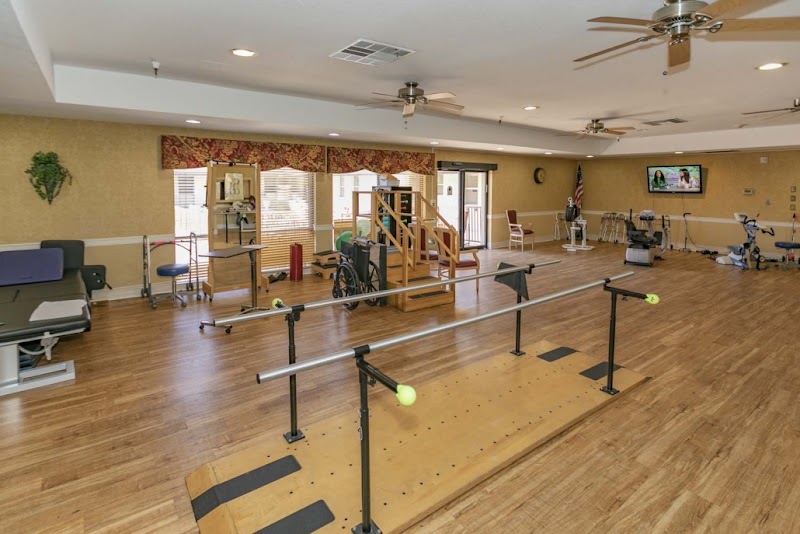
How is Heritage Court Post Acute Of Scottsdale Staffed?

CMS rates HERITAGE COURT POST ACUTE OF SCOTTSDALE's staffing level at 3 out of 5 stars, which is average compared to other nursing homes. Staff turnover is 42%, compared to the Arizona average of 46%. This relatively stable workforce can support continuity of care.

What Have Inspectors Found at Heritage Court Post Acute Of Scottsdale?

State health inspectors documented 21 deficiencies at HERITAGE COURT POST ACUTE OF SCOTTSDALE during 2022 to 2025. These included: 21 with potential for harm.
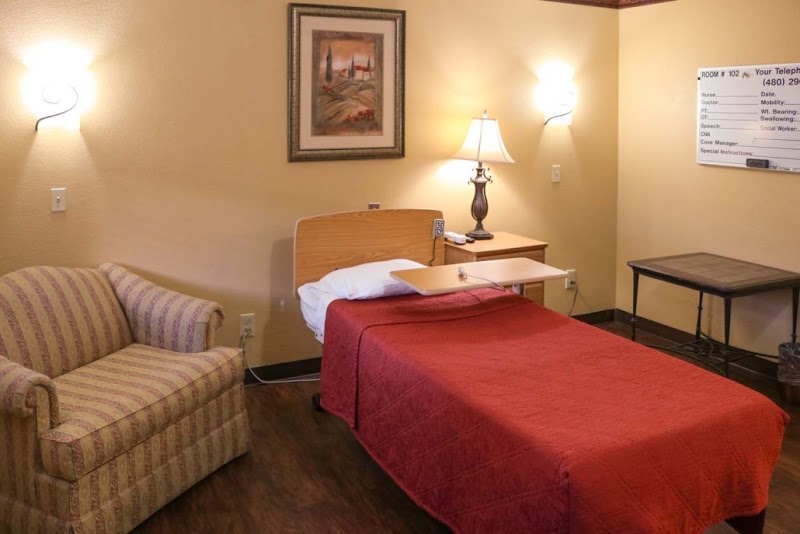
Who Owns and Operates Heritage Court Post Acute Of Scottsdale?

HERITAGE COURT POST ACUTE OF SCOTTSDALE is owned by a for-profit company. For-profit facilities operate as businesses with obligations to shareholders or private owners. The facility is operated by THE ENSIGN GROUP, a chain that manages multiple nursing homes. With 108 certified beds and approximately 76 residents (about 70% occupancy), it is a mid-sized facility located in SCOTTSDALE, Arizona.
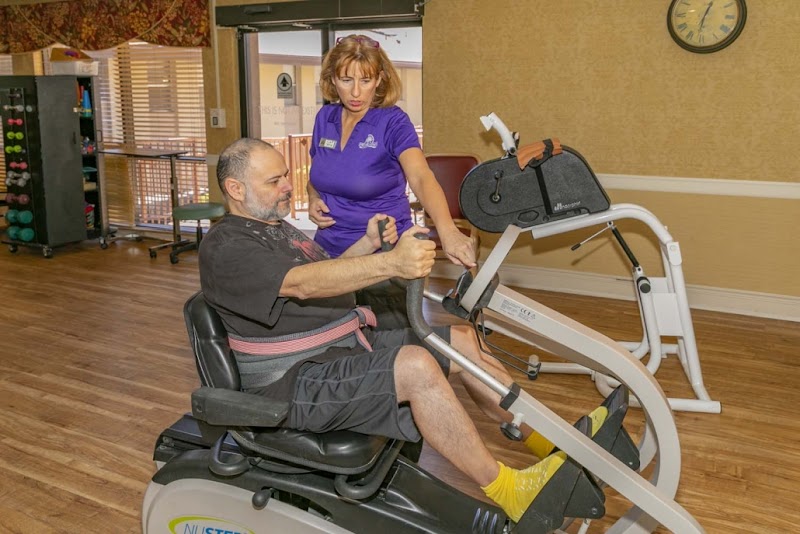
How Does Heritage Court Post Acute Of Scottsdale Compare to Other Arizona Nursing Homes?

Compared to the 100 nursing homes in Arizona, HERITAGE COURT POST ACUTE OF SCOTTSDALE's overall rating (4 stars) is above the state average of 3.3, staff turnover (42%) is near the state average of 46%, and health inspection rating (3 stars) is at the national benchmark.

What Should Families Ask When Visiting Heritage Court Post Acute Of Scottsdale?

Based on this facility's data, families visiting should ask: "Can I visit during a mealtime to observe dining assistance and food quality?" "How do you handle medical emergencies, and what is your hospital transfer rate?" "Can I speak with family members of current residents about their experience?"

Is Heritage Court Post Acute Of Scottsdale Safe?

Based on CMS inspection data, HERITAGE COURT POST ACUTE OF SCOTTSDALE has a clean safety record: no substantiated abuse findings (meaning no confirmed cases of resident harm), no Immediate Jeopardy citations (the most serious violation level indicating risk of serious injury or death), and is not on the Special Focus Facility watch list (a federal program monitoring the lowest-performing 1% of nursing homes). The facility has a 4-star overall rating and ranks #1 of 100 nursing homes in Arizona. While no facility is perfect, families should still ask about staff-to-resident ratios and recent inspection results during their visit.

Do Nurses at Heritage Court Post Acute Of Scottsdale Stick Around?

HERITAGE COURT POST ACUTE OF SCOTTSDALE has a staff turnover rate of 42%, which is about average for Arizona nursing homes (state average: 46%). Moderate turnover is common in nursing homes, but families should still ask about staff tenure and how the facility maintains care continuity when employees leave.

Was Heritage Court Post Acute Of Scottsdale Ever Fined?

HERITAGE COURT POST ACUTE OF SCOTTSDALE has no federal fines on record. CMS issues fines when nursing homes fail to meet care standards or don't correct problems found during inspections. The absence of fines suggests the facility has either maintained compliance or corrected any issues before penalties were assessed. This is a positive indicator, though families should still review recent inspection reports for the full picture.

Is Heritage Court Post Acute Of Scottsdale on Any Federal Watch List?

HERITAGE COURT POST ACUTE OF SCOTTSDALE is not on any federal watch list. The most significant is the Special Focus Facility (SFF) program, which identifies the bottom 1% of nursing homes nationally based on persistent, serious quality problems. Not being on this list means the facility has avoided the pattern of deficiencies that triggers enhanced federal oversight. This is a positive indicator, though families should still review the facility's inspection history directly.