LIFE CARE CENTER OF SCOTTSDALE
9494 EAST BECKER LANE, SCOTTSDALE, AZ 85260 (480) 860-6396
For profit - Corporation 132 Beds LIFE CARE CENTERS OF AMERICA Data: November 2025
Trust Grade
63/100
#55 of 139 in AZ
Last Inspection: September 2024

Within standard 12-15 month inspection cycle. Federal law requires annual inspections.

Overview

Life Care Center of Scottsdale has a Trust Grade of C+, which indicates it is decent and slightly above average among nursing homes. It ranks #55 out of 139 facilities in Arizona, placing it in the top half, and #42 out of 76 in Maricopa County, meaning only a few local options are better. The facility is improving, as it reduced its issues from six in 2024 to just one in 2025. Staffing is average with a rating of 3 out of 5 stars and a turnover rate of 52%, which is close to the state average of 48%, suggesting that staff stability could be better. The facility has received $6,414 in fines, which is concerning as it is higher than 77% of Arizona facilities, indicating some compliance issues. On the positive side, it has higher quality measures rated at 5 out of 5 stars, and the RN coverage is average, meaning residents receive adequate nursing care. However, there have been specific incidents that raise concerns. For example, the facility failed to prevent pressure ulcers for one resident and did not consistently assess and treat wounds for three residents, which could lead to serious health risks. Additionally, there were inconsistencies in medical records regarding code status for two residents, potentially affecting the care they receive. Overall, while there are strengths in quality measures and RN coverage, families should be aware of the issues related to wound care and documentation.

Trust Score
C+
63/100
In Arizona
#55/139
Top 39%
Safety Record
Moderate
Needs review
Inspections
Getting Better
6 → 1 violations
Staff Stability
⚠ Watch
52% turnover. Above average. Higher turnover means staff may not know residents' routines.
Penalties
✓ Good
$6,414 in fines. Lower than most Arizona facilities. Relatively clean record.
Skilled Nurses
✓ Good
Each resident gets 46 minutes of Registered Nurse (RN) attention daily — more than average for Arizona. RNs are trained to catch health problems early.
Violations
⚠ Watch
25 deficiencies on record. Higher than average. Multiple issues found across inspections.
★★★★☆
4.0
Overall Rating
★★★☆☆
3.0
Staff Levels
★★★★★
5.0
Care Quality
★★★☆☆
3.0
Inspection Score
Stable
2024: 6 issues
2025: 1 issues

The Good

  • 5-Star Quality Measures · Strong clinical quality outcomes
  • Full Sprinkler Coverage · Fire safety systems throughout facility
  • No fines on record

Facility shows strength in quality measures, fire safety.

The Bad

Staff Turnover: 52%

Near Arizona avg (46%)

Higher turnover may affect care consistency

Federal Fines: $6,414

Below median ($33,413)

Minor penalties assessed

Chain: LIFE CARE CENTERS OF AMERICA

Part of a multi-facility chain

Ask about local staffing decisions and management

The Ugly 25 deficiencies on record

1 actual harm
May 2025 1 deficiency
CONCERN (D) 📢 Someone Reported This

A family member, employee, or ombudsman was alarmed enough to file a formal complaint

Potential for Harm - no one hurt, but risky conditions existed

Medical Records (Tag F0842)

Could have caused harm · This affected 1 resident

**NOTE- TERMS IN BRACKETS HAVE BEEN EDITED TO PROTECT CONFIDENTIALITY** Based on clinical record review, resident representative and staff interviews, and policy review, the facility failed to ensure ...

Read full inspector narrative →
**NOTE- TERMS IN BRACKETS HAVE BEEN EDITED TO PROTECT CONFIDENTIALITY** Based on clinical record review, resident representative and staff interviews, and policy review, the facility failed to ensure that an incident involving staff to resident abuse was documented completely in the clinical record for 1 of 3 sampled residents (#14). The deficient practice could result in incomplete documentation in resident medical records and continued abuse. Findings include: Resident #14 was admitted to the facility on [DATE] with diagnoses that included entercolitis due to clostridium difficile, fracture of the left ulna, fracture of nasal bones, fracture of the left radius, anxiety, female genital prolapse, major depressive disorder, vaginal enterocele, and dysphagia. An admission Minimum Data Set (MDS) dated [DATE] revealed a Brief Interview for Mental Status (BIMS) score of 10, which indicated moderate cognitive impairment. Review of the facility investigation dated April 30, 2025 revealed that at 3:45 p.m. on April 30, 2025, an Occupational Therapist (OT/Staff#127) reported to the Director of Nursing (DON/Staff#30) that a male Certified Nursing Assistant (CNA/Staff#72) frightened Resident #14 on the previous night and removed her brief while threatening not to change her if she did not stop yelling. The investigation revealed that the resident was upset and reported to the facility that she called her son on the night April 29, 2025 following the incident. The investigation further revealed that the facility suspended the CNA pending the investigation, and the social worker interviewed the resident who further stated that the CNA told her he was sick of her, he said who do you think you are?, and the resident alleged that he left her naked in a dark room. The investigation revealed that the facility called the family and they came to the facility to speak with the social worker and the resident further stated that the CNA told her I hate you, you are so stupid, and I am not going to take care of you anymore. The investigation revealed that the Abuse Coordinator and Executive Director (ED/Staff#110) interviewed the CNA who told her that the resident began yelling on April 29, 2025 around 9:00 p.m. and expressed frustration about the door being closed, the resident called the CNA a name, she said she would report him, and the CNA educated the resident on using her call light for future needs. The investigation revealed that the CNA documented multiple care interactions throughout the shift including deescalation efforts. An allegation of staff to resident abuse that occurred on April 30, 2025 was investigated by the facility on April 30, 2025. However, review of the resident ' s clinical record dated April 10, 2025 to May 14, 2025 revealed no evidence or documentation of the incident occurring. An interview was conducted on May 14, 2025 at 10:40 a.m. with Resident #14 ' s family member who stated that they talked to the resident on April 29, 2025 around 9:30 p.m. and again on April 30, 2025 at 12:45 a.m. regarding her being left in the dark and asking the family to call the facility. The resident ' s family stated that they made several calls to the facility on April 29, 2025 and the final calls were from 8:47 p.m. until 8:52 p.m An interview was conducted on May 14, 2025 at 11:16 a.m. with a CNA, Staff #72, who stated that on the night of April 29, 2025 between 8-10 p.m. he went into Resident #14 ' s room to answer her call light and she requested to have a brief change. The CNA further stated that the resident said something mean to him and he told her he did not feel like he deserved it. The CNA stated that the resident told him to just do your job already, he tried to explain to her that he treated residents with respect, he wanted respect from her, and the resident stated she was going to report him. The CNA stated that he told the resident you ' re angry and yelling, I am going to be right back, he covered her up, and told her that she could report him if she needed to. The CNA stated that he did not raise his voice, yell at the resident, close the door, or remove her brief during the 1-minute interaction. The CNA stated that he left the room and notified the unit nurse, who he could not remember the name of, and explained he would return in five minutes to help the resident. An interview was conducted on May 14, 2025 at 11:42 a.m. with a Registered Nurse (RN/Staff#56) who stated that allegations of abuse needed to be documented in the clinical record under progress notes and risk management as per the facility policy. The RN stated that progress notes needed to include what happened, a statement from the patient, who the perpetrator was if applicable, the nature of the abuse, and the status of the patient. The RN further stated that a resident being yelled at by a staff member, or a threat to not change a resident ' s brief because of their behavior would without a doubt be considered abuse, and should be documented. An interview was conducted on May 14, 2025 at 12:50 p.m. with an RN, Staff #40, who stated that allegations of abuse would need to be documented in the progress notes. The RN stated that the progress notes would include the details of the allegation, including any updates or changes as per the facility policy. The RN stated that the risk of allegations not being documented in the clinical record could be that the facility would fail to address the issue, which would be a big problem in protecting the resident. An interview was conducted on May 14, 2025 at 1:43 p.m. with the DON, Staff#30, who stated that an allegation of abuse would be documented by the nurse in a progress note under an incident note as per the facility policy. The DON stated that the risk of not documenting an allegation of abuse in the clinical record would be that the staff who failed to document would be fired because they did not document a liability for a patient's life and for the facility. An interview was conducted on May 14, 2025 at 1:54 p.m. with the ED, Staff #110, who stated that if the allegation could have a psychosocial impact she would expect staff to do a progress note including the allegation or concerns, and who the staff reported to. The ED stated that the risk of not documenting an allegation of abuse in the clinical record would be that they might not report it, or they could forget to report it. Review of a policy titled, Nursing Documentation, was revised on September 5, 2024 and revealed that the facility would ensure that nursing documentation was consistent with professional standards of practice. The policy also revealed that the medical record should reflect the resident's progress toward achieving their person-centered plan of care objectives and goals. The policy revealed that staff must document a resident ' s medical and non-medical status when any positive or negative condition change occurred, and the resident record must reflect the resident ' s condition and care and services provided across all disciplines to ensure information was available to facilitate communication among the interdisciplinary team. The policy further revealed that the medical record must contain an accurate representation of the actual experience of the resident and include enough information to provide a picture of the residents progress, including their response to treatment and services and changes in their condition, plan of care goals, objectives, and interventions. Review of a policy titled, Abuse - Conducting an Investigation, was issued on October 4, 2022 and revealed that the facility must thoroughly collect evidence to allow the Administrator to determine what actions were necessary to protect residents, and the investigation was expected to include, but was not limited to, record review for pertinent information regarding the alleged violations such as progress notes from nursing, social services, physicians, therapists, or consultants.
Sept 2024 4 deficiencies 1 Harm
SERIOUS (G) 📢 Someone Reported This

A family member, employee, or ombudsman was alarmed enough to file a formal complaint

Actual Harm - a resident was hurt due to facility failures

Pressure Ulcer Prevention (Tag F0686)

A resident was harmed · This affected 1 resident

**NOTE- TERMS IN BRACKETS HAVE BEEN EDITED TO PROTECT CONFIDENTIALITY** Based on closed record review, staff interviews, and review of facility policy, the facility failed to ensure care and services ...

Read full inspector narrative →
**NOTE- TERMS IN BRACKETS HAVE BEEN EDITED TO PROTECT CONFIDENTIALITY** Based on closed record review, staff interviews, and review of facility policy, the facility failed to ensure care and services were provided to prevent pressure ulcers from developing and worsening for one (#144) of one resident. The deficient practice could result in a decline in a resident's overall health. Findings include: Resident #144 was admitted to the facility on [DATE] with diagnoses including major depressive disorder, paraplegia, and multiple sclerosis. Review of the care plan revealed a focus dated April 18, 2023 that the resident was at risk for breaks in skin integrity. The goal of this area was to maintain intact skin with no skin breaks, and interventions including weekly skin checks. Review of the Admission/readmission Collection Tool completed on April 18, 2023 revealed that on admission, the resident had an open wound to the left heel and blanchable redness to the coccyx. These were the only skin impairments documented in this tool. Review of physician orders revealed an order dated April 18, 2023 that instructed daily wound care for the resident's left heel wound. There is no mention of wound care for any other wounds, indicating the left heel was the only open wound at this time. Further review of physician orders revealed an order dated April 19, 2023 that instructed to complete a weekly skin assessment every Tuesday night. Review of the Minimum Data Set (MDS) dated [DATE] revealed a Brief Interview for Mental Status (BIMS) score of 14, indicating intact cognition. The MDS also revealed that the resident needed maximal assistance to roll and to move from sitting to lying, indicating the resident was largely reliant on staff for repositioning. Further review of the MDS revealed the resident had one unstageable pressure injury present at admission, and he was at risk at developing pressure ulcers. Treatments in place included pressure reducing device for bed, pressure ulcer care, and application of dressings to feet. Further review of the care plan revealed a focus dated April 24, 2023 that indicated the resident had an impairment to skin integrity on the left heel due to pressure. One of the interventions for this focus included weekly treatment documentation, which included measurement of each area of skin breakdown and any other notable changes. There was no mention in the care plan of any other wounds or pressure ulcers. Review of the task Turn and Reposition revealed opportunities to chart turning or repositioning a resident every two hours. Review of this task revealed lapses in documentation of turning/repositioning. For example, on April 24, 2023, there was no evidence of the resident being turned or repositioned past 4:00PM, no evidence of turning or repositioning on April 25, 2023, and no evidence of turning or repositioning until 6:00 AM on April 26, 2023. This documentation reflects that the resident was not turned or repositioned from approximately 4:00PM on April 24, 2023 until approximately 6:00AM on April 26,2024. Further review of physician orders revealed an order dated April 29, 2023 that instructed wound care twice a day for a right heel blister. Further review of physician orders revealed an order dated May 1, 2023 to apply barrier cream to the resident's buttocks/coccyx for prevention of skin breakdown every shift and as needed. Additionally, an order was added on May 2, 2023 to apply Triad paste twice a day and as needed to the sacrum. On May 8, 2023, orders were added for daily wound care to the sacrum, including cleansing with normal saline and applying a wound-dressing paste. Review of the Wound Observation Tools dated May 8, 2023 revealed first observations of acquired unstageable pressure ulcers on the sacrum and right heel, in addition to the left heel unstageable pressure ulcer on the left heel. The sacral wound at this time was 8 centimeters in length and 10 centimeters in width. The right heel wound at this time was 1.5 centimeters in length and 3 centimeters in width. Further review of the task Turn and Reposition revealed no evidence of the resident being turned from 6:00AM on May 8, 2023 until 6:00M on May 9, 2023. Additionally, review of tasks revealed no evidence of bed mobility, locomotion, dressing, or transferring on May 8, 2023. Review of the MDS dated [DATE] revealed that the resident had three unstageable pressure ulcers with slough and/or eschar, with only one of these present upon admission to the facility. Review of the discharge summary created May 16, 2023 revealed that the skin condition section was documented as skin intact. Review of the nursing progress note dated May 16, 2023 revealed an entry that was stated to be a correction in documentation. This note revealed that the patient had a pressure ulcer on the sacrum that was 10 centimeters by 4 centimeters, and stage 1 pressure ulcers on both heels at time of discharge. An interview was conducted on September 10, 2024 at 8:20AM with the resident's son, who stated that at the time of admission, the resident only had a red hotspot on his bottom and the area was not open. He states that on discharge from the facility, the discharge paperwork stated skin intact. The son at this time saw the wounds on his father, and demanded the discharging nurse to assess and change the documentation. The son goes on to state that the facility knew about the extent of the wounds, as the wounds were dressed at the facility. Once discharged to the receiving facility, the son states that the nurse director took photos of the wounds, noting four wounds on the resident's bottom and one on each heel. The son states that the nurse director described the wounds as clearly stageable, with one wound being stage 4. When asked if he felt the facility worked to prevent his father's wounds, the son stated that the facility turned his father but not very often. He describes that his mother would have to often ask the staff to turn the resident, as it was not being done enough. An interview was conducted with the Director of Nursing (DON/Staff #51) on September 10, 2024 at 12:52PM who stated that the expectation of her staff on admission is to complete a head-to-toe skin assessment, documenting any impairments and measurements. From there, weekly skin assessments should be completed, and the wound nurse will come behind nurses for wound assessments Monday through Friday. The DON elaborates that weekly skin checks should be completed for every resident, and skin integrity should be documented, including any new skin issues and pre-existing wounds. The DON goes on to explain that if redness is found on a resident's bottom, it should be reported to the nurse, and then to the doctor and family. The nurse should ensure treatment is ordered. An interview was conducted with a Registered Nurse (RN/Staff #59) on September 12, 2024 at 8:20AM who stated that nurses conduct a full skin assessment on admission and are assessed periodically thereafter. She stated that if new skin breakdown is noticed, it should be reported to the physician and family. A change of condition assessment should be completed at this time, and interventions should be put in place, including new treatments ordered by the doctor. Review of the facility policy titled Skin Integrity & Pressure Ulcer/Injury Prevention and Management indicates that any changes in a resident's skin or any open areas should be reported to the nurse, who will complete further inspection and provide treatment as needed.
CONCERN (D) 📢 Someone Reported This

A family member, employee, or ombudsman was alarmed enough to file a formal complaint

Potential for Harm - no one hurt, but risky conditions existed

Deficiency F0553 (Tag F0553)

Could have caused harm · This affected 1 resident

**NOTE- TERMS IN BRACKETS HAVE BEEN EDITED TO PROTECT CONFIDENTIALITY** Based on clinical record reviews, staff interviews, and review of policy, the facility failed to ensure one of one sampled resid...

Read full inspector narrative →
**NOTE- TERMS IN BRACKETS HAVE BEEN EDITED TO PROTECT CONFIDENTIALITY** Based on clinical record reviews, staff interviews, and review of policy, the facility failed to ensure one of one sampled resident's (#148) and/or the representative were provided opportunities for participation in the care and treatment planning process. The deficient practice could result in residents not being provided the opportunity to participate in the care planning process. Findings include: Resident #148 was admitted on [DATE] with diagnoses that included subdural hemorrhage, cognitive communication deficit, and atrial fibrillation. Review of a Health Care Power of Attorney, dated March 15, 2006, included the resident's signature and indicated that her son was designated as her agent for all matters relating to her healthcare. Review of the admission information dated March 23, 2023, revealed that Resident #148 was her own responsible party, and her emergency contact was her son. Review of the clinical record revealed no evidence that the baseline care plan was reviewed with the resident or representative within 48 hours of admission. Further review of the clinical record revealed no evidence of a baseline care plan signature sheet indicating that the baseline care plan had been reviewed with the resident/representative by nursing within 48 hours of admission. A care plan initiated on March 24, 2023, revealed a focus on rehospitalization, with interventions that included discuss with resident/family history of hospitalization. A focus regarding discharge plan revealed a goal to develop and follow full discharge plan with comprehensive with interventions that the resident wishes to return home. Review of a nursing Alert note dated March 25, 2023, revealed that the Resident's daughter-in law called requesting information regarding the resident's plan of care, medication list and health in general, and requested a call from a case manager as soon as possible (ASAP). The note further revealed that Resident #148 gave verbal consent agreeing for her son and daughter-in-law to receive information regarding her care/treatment. Further review of clinical record revealed no evidence that a case manager returned the call to the resident's family per their request. A Health Status Note dated March 25, 2023 at 13:17, revealed that the resident's son called and was upset that no one reached out to him regarding his mother's care plan. The nurse called the resident's son back and left a message that included setting up a care conference with the interdisciplinary team (IDT). Review of the clinical record revealed an IDT late entry note dated March 26, 2023, indicating a team of qualified clinicians met to determine the patient's usual performance during the look-back period. Further review of the clinical record revealed no evidence that the resident or her representative had been included in the IDT meeting, or attended the meeting, per their request. Review of a 5-day Medicare Minimum Data Set (MDS) assessment dated [DATE], revealed no evidence of a Brief Interview for Mental Status (BIMS) assessment. A Cognitive Skills for Daily Decision Making assessment indicated that Resident #148, was independent with decisions regarding daily life, with decisions consistent/reasonable. An interview was conducted on September 10, 2024, with a Licensed Practical Nurse, Case Manager (LPN/staff #52), who stated that the initial discharge planning is conducted by case management with the patient and his/her family, and would be documented in the clinical record on the initial discharge planning form. She also stated that the baseline care plan should be signed by the resident or family when it is reviewed with them by nursing. She further stated that if the resident cannot sign the form, the baseline care plan would be reviewed over the phone with the resident's representative. The LPN stated that the signed baseline care plan signature page should be uploaded into the clinical record. She reviewed the clinical record and stated that there was no evidence of a signed baseline care plan signature page in the clinical record. The LPN stated that IDT care plan meetings include the Director of Nursing (DON), Executive Director (ED), social services, rehabilitation and case management. The LPN also stated that this meeting would also include the resident's family/emergency contact, even if the resident is their own responsible party (unless the patient states otherwise). She stated that the IDT meeting would be documented in a progress note, along with the attendees, along with the care plan signature page with all attendee's signatures, including the resident and/or representative. The LPN reviewed Resident #148's clinical record and stated there was no evidence that the resident's care plan had been reviewed with the resident or her representative, or of a care plan signature page for the March 26, 2023 IDT care plan meeting. The LPN stated the risk of not keeping representatives up dated on patient care/treatment. An interview was conducted on September 10, 2024 at 09:37 AM with the Social Services Director (staff #27), who stated that the baseline care plan is signed by nursing, certified nursing assistants (CNA), physical therapy, case management, social services, dietary, and resident/or resident representative on a signature page, that is kept in the clinical record. An interview was conducted on September 10, 2024 at 09:54 AM, with the Health Information Management (HIM) Director (HIM/staff #63), who stated that she receives the signed/completed baseline care plan signature page and keeps the original in her records, but it is also uploaded into the clinical record. She reviewed the clinical record and stated that there was no evidence of a baseline care plan signature page indicating that it had been reviewed with the resident and/or representative. She also stated that she does not receive the signature page when a IDT Care Conference is conducted, but it should be documented in the clinical record. She further reviewed the clinical record and stated there was no evidence of a signature page from the March 26, 2023 IDT Care Plan meeting with staff and resident/resident signatures indicating attendance. She further stated that there was no evidence of case management progress notes or social service notes or admission Care Conference notes that the family had been contacted regarding their concerns. She also stated that the risk of not keeping representatives/family updated on resident's care/treatment could result in a determent to the resident's health. Further interview was conducted on September 10, 2024 at 12:35 PM, with the HIM Director (staff #63), who stated that she reviewed her records and stated that there was no evidence that the baseline care plan was reviewed with the resident and/or representative, and there were no signatures on the signature page from the staff or resident/representative. She also stated that the signature page of the baseline care plan is the facility's baseline care plan summary. She further stated that there was no evidence that the resident's representative had been contacted regarding their concerns. An interview was conducted on September 11, 2024 at 10:37 AM with the DON (staff #51), who stated that the baseline care plan should be signed by the resident/representative after it is reviewed with them by social services. She stated that she expected that the resident/representative would sign the signature page on the baseline care plan. She reviewed her records and stated that she did not have the baseline care plan, and that it should be in medical records. She reviewed the clinical record stated that there was no evidence in the clinical record that the resident or her representative were part of the March 26, 2023, IDT care plan meeting and that this did not meet her expectations, stating that it needs to be documented. She stated the risk could result in the family member not being aware of the plan of care for the Resident. Review of the facility policy titled, Baseline Care Plan, revealed that the facility must provide the resident and their representative with a summary of the baseline care plan. Have all care plan attendees sign the last page of the baseline care plan form, provide the resident and/or representative with copies of the baseline care plan. Review of a facility policy titled, Comprehensive Care Plans and Revisions, revealed that each resident and resident representative is involved in developing the care plan and making decisions about his or her care. Review of a facility policy titled, Resident Rights, revealed the resident has the right to be informed of, and participate in, his or her treatment, and to participate in the development and implementation of his or her person-centered plan of care. The resident has the right to participate in the planning process, including the right to identify individuals or roles to be included in the planning process. Review of a facility policy titled, Family Involvement and Alternative Means of Communication, revealed family involvement in the resident's life is promoted and maintains the resident's support network. The policy also revealed that the facility should encourage the family to be involved in planning and implementation of the resident's care. The Social Services Director, as a member of the facility interdisciplinary team, designs, supports, and advocates facility systems that promote family involvement by providing information to the family to keep them informed of the resident's status (ie:, progress, changes, etc.).
CONCERN (D) 📢 Someone Reported This

A family member, employee, or ombudsman was alarmed enough to file a formal complaint

Potential for Harm - no one hurt, but risky conditions existed

Accident Prevention (Tag F0689)

Could have caused harm · This affected 1 resident

**NOTE- TERMS IN BRACKETS HAVE BEEN EDITED TO PROTECT CONFIDENTIALITY** Based on documentation, staff and resident interviews, and policy and procedures the facility failed to ensure that one of one s...

Read full inspector narrative →
**NOTE- TERMS IN BRACKETS HAVE BEEN EDITED TO PROTECT CONFIDENTIALITY** Based on documentation, staff and resident interviews, and policy and procedures the facility failed to ensure that one of one sampled residents (#145) received adequate supervision to prevent accidents. The deficient practice could result in resident injuries. Resident #145 was admitted on [DATE] with diagnoses that included fracture of left humerus, subluxation of left shoulder, heart failure, type 2 diabetes, atrial fibrillation, and long term use of insulin. Resident #147's comprehensive care plan initiated on April 25, 2024 and revised on August 09, 2024, included the following: -Resident requires ADL assistance with interventions including to assist with mobility. -Activity of Daily Living (ADL) self-care performance deficit related to limited mobility and pain, with interventions to encourage resident to use bell to call for assistance. -At risk for falls, deconditioning, gait/balance problems, vision/hearing problems with interventions that included to anticipate the resident's needs, educate family/resident about safety reminders and what to do if a fall occurs. -On anticoagulant therapy with interventions that included to monitor for side effects and effectiveness, observe and report PRN adverse reactions including bruising. -Break in skin integrity with interventions that included weekly skin checks. -Has skin tears/potential for skin tear incident of unknown origin initiated on May 17, 2024, revised August 09, 2024 with interventions that included to use caution during transfers/bed mobility to prevent striking arms, legs, and hands against any sharp or hard surface. Review of a 5-day Medicare Minimum Data Set (MDS) assessment dated [DATE] revealed a Brief Interview of Mental Status (BIMS) score of 14 which indicated intact cognition. The assessment included the resident required substantial/maximal assistance sit to stand, supervision or touching assistance, and toilet transfer supervision/touching assistance. Review of an x-ray report dated May 14, 2024 of the left humerus revealed no evidence of acute fracture or dislocation. Review of a skilled progress note dated May 27, 2024 revealed that the resident was alert, oriented and able to make her needs known. The note also included that the resident required assistance for mobility and activities of daily living (ADL) care. Review of an Event Note dated May 30, 2024 revealed that the resident had a lump with bruising on her right lower back above the hip, and that the resident had complained of right thigh pain. Review of a Health Status Note dated May 30, 2024, revealed that a cold compress was applied with good relief, bruising was purple in color. A late entry communication note dated May 30, 2024 by a Registered Nurse (RN), revealed communication with provider, related to Resident with swelling/bruising to right lower back. The note included that the resident did not know how this occurred. The LPN also included that the bruising was across the lower back and the swelling was on the lower right side, and an x-ray was ordered. The facility investigation for Injury of Unknown Cause report dated May 30, 2024, was completed by a Registered Nurse (RN) Supervisor (RN/staff #33) and that Resident #145 was observed with swelling and bruising on her right lower back, above the hip. The report included the resident's statements that she did not fall or bump into anything, and that she did not know how she ended up with this. The report included that the resident was ambulatory with assistance, and was oriented to person, situation, place and time. The report also included that there were no predisposing environmental factors. The investigation report also included the following statements: -A Social Services Director (staff #27) wrote that he contacted Adult Protective Services (APS) and the Scottsdale Police Department. He also wrote that after contacting the police department and officer came to the facility and interviewed the resident. Staff #27 also wrote that the officer stated that she had no concerns and drove away. -A RN Supervisor (staff #33) wrote that Resident #145 was educated on the safety of using the call bell when she needs to use the toilet, and that the resident repeatedly takes herself to the toilet without using the call bell for assistance. The RN wrote that the resident would use the call bell after she had taken herself to the toilet to have her briefs pulled up. She further included that the bruise was on the patient's back at the same level as the bar in the bathroom. -A statement was provided by staff (unknown signature) who wrote that he/she did not know about a bruise on the resident. -A statement was provided by staff (unknown signature) who wrote that he/she saw a bruise on the resident's hip when he/she was helping the resident out of the restroom, and informed the Director of Nursing (DON). The statement included that the resident was not complaining of pain. Review of the staff schedule dated May 29, 2024 revealed: -CNA (Staff #53) was assigned to provide care to Resident #145 on 6 AM-6 PM shift. -CNA (staff #5) was assigned to provide care to Resident #145 on the 6PM-6AM shift. Review of the staffing schedule dated May 30, 2024 revealed: -CNA (staff #30) was assigned to provide care to Resident #145 on the 6 AM-6PM shift. -CNA (staff #5) was assigned to provide care to Resident #145 on the 6PM-6AM shift. Review of provider orders revealed the following orders: -Cold compress to lower right back above hip for swelling, dated May 30, 2024. - STAT x-ray of sacrum/coccyx related to fall with small hematoma lower back, dated May 31, 2024. -CT scan to the right flank area nodule with pain dated June 7, 2024. Review of a radiology interpretation dated May 31, 2023 for nontraumatic hematoma of soft tissue, revealed lumbar spine 2-3 views: osteoporosis without fracture, and disc space narrowing at all lumbar levels. Sacrum-Coccyx min 2 - views: revealed posterior soft tissues that suggest sacral decubitus ulcers. Further review of the radiology report revealed no x-rays were taken of the lower right back and hip associated with the hematoma. Review of skin assessments dated May 2, 2024 through June 9, 2024, revealed no evidence regarding new bruising or hematoma that was observed on May 30, 2024. Review of a progress note completed by the Medical Director dated May 31, 2024, included that the resident had sustained bruising on the sacral area with a small hematoma on her lower back. He wrote that the resident denied any falls and tenderness. The Medical Director wrote that they will get a lumbosacral and coccygeal area x-ray. Further review of Medical Director progress notes: - Dated June 3, 2024, revealed the hematoma was stable. - Dated June 4, 2024, revealed the hematoma and bruising had improved, no pain on palpation, and that it felt more like soft tissue. - Dated June 6, 2024, revealed the small lump on the resident's back is slightly decreased in size, bruises resolving. Review of the clinical record revealed CT scan results dated June 26, 2024 related to contusion of lower back/pelvis. The report impression revealed likely hematoma with surrounding edema. An interview was conducted on September 11, 2024 at 09:03 AM with a Certified Nursing Assistant (CNA/staff #24), who stated that he was familiar with Resident #145's care, and that she was cares in pairs. The CNA also stated that he remembered hearing that she had a hematoma on her side, but he was not scheduled to work at that time. The CNA stated that Resident #145 would walk herself to bathroom, but would need assistance with pulling up her briefs, and she would get into a wheelchair without assistance. The CNA stated that he did see the bruise/discoloration on the resident's right side, and the resident stated that she could not remember how it happened. The CNA stated that the Scottsdale police were at the facility and received a report regarding Resident #145's injury. The CNA also stated that he was not interviewed regarding the incident, but the resident was not assigned to him that day. An interview was conducted on September 11, 2024 at 09:21 AM with a CNA (CNA/staff #30) who stated that he was not aware that the Resident had been injured. The CNA further stated that when a resident tells him that they have an injury, or he observed an injury, he would report it to the nurse. An interview was conducted on September 11, 2024 at 10:37 AM with the Director of Nursing (DON/staff #51), who stated that weekly skin evaluations are completed weekly and address any issues that are observed at that time, notify family and the MD for orders. The DON also stated that if an area has already been addressed on a previous skin evaluation, it did not need to be documented on the following skin assessments. The DON further she stated that that if an issue was found during the week after the skin assessment, it should be documented on the following skin assessment. She stated that she did find a copy of the investigation, and that they did complete staff interviews. She stated that she reviewed the clinical record and that there was no documentation on the 6/2/2024 regarding the hematoma. In interview was conducted on September 11, 2024 at 11:42 AM with a Certified Occupational Therapist Assistant (COTA/staff #66), who stated that she vaguely remembered Resident #145. The COTA reviewed the therapy records dated May 20, 2024 through May 30, 2024 and stated that the resident required stand-by assist, and that therapy would let nursing know the resident's functional level. The COTA stated that the resident should not have been ambulating in her room unattended. The definition of avoidable accident means that an accident occurred because the facility failed to implement interventions, including adequate supervision consistent with a resident's needs, goals, care plan and current professional standards of practice. An interview was conducted on September 11, 2024 at 12:12 PM with a Nurse Aide (staff #5), who stated that Resident #154, ambulated herself to the restroom, and required constant room checks because she would get out of bed unassisted. The CNA stated that she advised Resident #154 to call for assistance using the call light, but she did not, so they had to constantly go in room. The CNA stated on May 29, 2024, she found the resident had taken herself to the restroom and was sitting on the toilet. The CNA stated at that time the resident stated that she sat down too fast and her back hit the toilet. The CNA stated that the resident stated that she was fine, good and the patient declined assistance from the CNA. The CNA stated that she waited outside the restroom for the patient, and that she did not assess the patient for an injury. The CAN further stated that she did not inform the nurse that the resident reported hitting her back on the toilet, but she may have mentioned that they needed to keep an eye on the resident. The CNA further stated that she was not interviewed on May 30, 2024 regarding the resident's bruising by administration. Further interview was conducted with CNA (staff #30) on September 11, 2024 at 12:17 PM, who stated that he now remembered the patient. He stated that Resident #145 ambulated by herself and that she would get up and go into the bathroom by herself, then request help to put on her briefs. The CNA further stated that the resident was able to go into the bathroom by herself, and most of the time the resident required assistance once she was in the bathroom. The CNA then stated that Resident #145 was able to ambulate and would not call for assistance to go into the bathroom. The CNA also stated that physical therapy would notify him regarding the patients that can walk on their own, or require assistance. The CNA also stated that when he received report he was told that Resident #145 could go to the bathroom, so he did not educate her on calling for assistance when she wanted to go to the bathroom. The CNA stated that he did not document that he educated the patient not to go to the bathroom on her own. The CNA further stated that he told the resident that if she needs to call for help to use the call light. The CNA stated that the resident knew how to use her call light, and that she should have been educated by staff. The CNA further stated that if the care plan stated the resident required assistance while ambulating then that should be provided. He further stated that as far as he knows the care plan was not being followed when the resident ambulated into the restroom without assistance. The CNA also stated that he did not notice any bruising when he cared for Resident #145 on May 30, 2024, and that the resident did not say anything regarding an injury. An interview was conducted on September 11, 2024 at 12:33 PM with a CNA (Staff #53), who stated that the she could not remember Resident #145. She stated that if the care plan interventions include to assist with mobility, then she would assist the resident into the bathroom with a gait belt and a walker. She also stated that she would educate the resident to use the call light if she observed the resident walking to the bathroom unassisted, and notify nursing. An interview was conducted on September 11, 2024 at 12:45 PM with a Registered Nurse (RN/staff #45), who stated that Resident #145 would use her call light, but would sometimes not use it to go to the bathroom. The RN also stated that the resident required stand by assist. The RN further stated that no CNA had informed her that the resident hit her back on the toilet when she worked on May 29, 2024 and May 30, 2024. The RN further stated that when a patient tells a CNA that they hurt themselves, the CNA would notify the nurse, the nurse would notify the MD, and the resident's family. The CNA also stated that even if the patient told the CNA that he/she was ok she would expect that the nurse would be notified. Further interview was conducted with the DON (staff #51), on September 11, 2024 at 1:41 PM, who stated that she would expect staff to follow care planned interventions. The DON also stated that therapy documents on a white board the residents that require stand by assistance, and communicate this during grand rounds and from nurse to CNA. The DON further stated that If they are not sure how a patient transfers, the nurse would complete an transfer assessment upon admission. The DON further stated that there is also CNA to CNA reports that communicate the residents needs/requirements. The DON stated that when a resident informs staff of an injury she would expect the staff member to report to the nurse, and the nurse would report to DON, MD, family if appropriate. She also stated that then the nurse would start the risk assessment/incident report, that patient re-education would be conducted and would be documented in the incident report, and progress note. The DON stated that before an incident occurred she would expect that if staff were aware that a patient was ambulating without out assist, she would expect that it would be documented in progress notes. A facility policy titled, Resident Rights, revealed that the resident has a right to a safe, clean, comfortable and homelike environment, including but not limited to receiving treatment and supports for daily living safely. A facility policy titled, Incident/Reportable Event Management, revealed that the facility must ensure that the resident receives adequate supervision and assistance devices to prevent accidents.
CONCERN (D)

Potential for Harm - no one hurt, but risky conditions existed

Food Safety (Tag F0812)

Could have caused harm · This affected 1 resident

Based on observation, staff interviews, and facility policy, the facility failed to ensure that refrigerated food was not expired. The deficient practice could result in potential affect to all reside...

Read full inspector narrative →
Based on observation, staff interviews, and facility policy, the facility failed to ensure that refrigerated food was not expired. The deficient practice could result in potential affect to all residents in facility. During the initial tour of the kitchen on September 09, 2024 at 8:39AM, conducted with the Dietary Manager (Staff #9), during an observation of the refrigerator, one container of Horseradish was labeled with a received date of 11/8/2023 and opened on 11/10/23. Further observed revealed that the best used by date from the manufacture was April 06, 2024. The Dietary Manager stated that they can use the Horseradish condiment after the used by the date for up to a year. The Dietary Manager immediately throw the horseradish condiment into a trashcan. An interview was conducted on September 11, 2024 at 09:12 AM with the Dietary Manager (Staff #9) and Consultant Dietitian (Staff #185). The Consultant Dietitian stated that the facility process for the expired food is that it should be discarded and thrown away. She further stated that the food can be used after the best if used by/before. The Consultant Dietitian also stated that the horseradish could be used after the used by date depending on quality and flavor. She further stated that she has not taste tested the flavor or the quality of the horseradish condiment. The Dietary Manager further stated that she does not know when the horseradish condiment was last used. An interview was conducted on September 11, 2024 at 11:33 AM with the Administrator (Staff #102) . who stated that the facility process for expired food is to throw way after the expiration date. She also stated that she expects the Dietary Manager to follow the policy item on how long they should keep the food after the used by date. She further stated that she does not see horseradish condiment on the list and it should not have been used. She Stated that Horseradish condiment should been thrown away. Review of the facility policy titled, Food Storage, revealed that Best if Used By/before-gives the recommended shelf life for best flavor or quality. The food can be used safely past this date. It has also revealed that Date of pack or Manufacture Date refers to when the food was packed or processed for sale, these are not use by date, however horseradish was not one of the items listed.
Jun 2024 2 deficiencies
CONCERN (D) 📢 Someone Reported This

A family member, employee, or ombudsman was alarmed enough to file a formal complaint

Potential for Harm - no one hurt, but risky conditions existed

Pressure Ulcer Prevention (Tag F0686)

Could have caused harm · This affected 1 resident

**NOTE- TERMS IN BRACKETS HAVE BEEN EDITED TO PROTECT CONFIDENTIALITY** Based on clinical records, facility documents, staff interviews, and facility policy, the facility failed to ensure residents pr...

Read full inspector narrative →
**NOTE- TERMS IN BRACKETS HAVE BEEN EDITED TO PROTECT CONFIDENTIALITY** Based on clinical records, facility documents, staff interviews, and facility policy, the facility failed to ensure residents pressure wounds were assessed and treated per professional standards for 1 residents. (#19). This deficient practice can result in significant increases in morbidity and mortality related to wounds. Findings include: -Resident #19 was admitted on [DATE] with diagnoses of nondisplaced fracture of base of neck of right femur. Review of hospital records dated 5/29/2024 did not include pressure ulcers. An admission MDS dated [DATE] included this resident does not have memory issues and was independent for making decisions for daily life. This MDS was not completed in sections on M Skin Conditions or GG Functional Abilities and Goals. A care plan dated 5/29/2024 did not include pressure ulcers or risk of developing pressure ulcers. An Admission/readmission Collection Tool included that the resident had a right heel intact clear blister. This note included that the resident was to be seen by the wound team. A progress note dated 5/29/3024 5/29/2024 included that Patient has large intact blister on right heel that daughter is aware of. Heels floated while in bed and she is to be seen by wound team. A progress note dated 5/30/24 included wound team here to see and eval R heel blister with new orders for Tx, medicated as prescribed However, review of the clinical record did not find an assessment or a physician's order for the treatment of the resident's wounds from admission until 6/4/2024. No notes were found regarding a blister/pressure ulcer on the left heel from 5/29/2024 until 6/4/2024. This would indicate that the blister on the left heel was facility acquired. A physician's order dated 6/4/2024 for Saline Wound Wash Solution (Sodium Chloride) Apply to bilateral heel topically as needed for cleansing, then apply foam dressing and to apply protective dressing. This order included to change day shift every 3 days and for soiled or damaged dressing. An observation was conducted on 6/4/2024 at 9:27 A.M. with a RN (staff #7) who greeted resident #19, explained the procedure, then removed wrapped gauze, and a bordered dressing from both heels. This nurse stated that orders should be in the Treatment Administration Record (TAR). This nurse measured a blister on the left heel at 4cm x 2.5cm and stated that it was a closed blister. This nurse then measured the right heel blister as 9cm x 4.5cm with small serosanguinous drainage. This resident's family was in the room during the measurement and stated that the resident's heel was not looked at since admission, however said that they had booties on one night. This nurse looked for the booties found in room and placed on residents' feet. An interview was conducted with a Registered Nurse (RN/staff #7) on 6/3/2024 at 3:11 P.M. who said the nurse admitting the resident is supposed to assess the wounds which would include measuring them. An interview was conducted on 6/4/2024 at 11:46 A.M with a RN (staff #59) who said that who said that the wound team comes Tuesdays and Thursdays and the floor nurses do measurements when they are not here. She said that the first skin check is done by the floor nurses. This nurse said that we definitely note where the wound is at, try to get some measurements, and try to note that in the skin tab and write it in a summary in the end. If it's something that the wound team should see we put it in their book, also we look in their chart and go over the history and physical. An interview was conducted on 6/4/2024 at 11:46 A.M. with a RN (staff #59). This nurse reviewed the clinical record for resident #19 and said that she was unable to find any measurements, or any assessments. An interview was conducted on 6/4/2024 at 1:40 P.M with the Director of Nursing (DON/staff #8) who said that she has not had a wound nurse in a few years. She said that pressure ulcer assessments are to be done promptly and a blister is a stage 2 pressure ulcer. She said that the wound assessment tool triggers from the description of the wound and from there they put a treatment in place until a specialist comes in to assess and recommend treatment. She said that her expectation is that the admission staff describe the wound and we have the wound team come in and assess and apply a treatment. She said that the wound team comes Tuesdays and Thursdays. This DON said that wound patients are reviewed during the NAR meeting to see if they are getting better or worse and that it would require measurements to assess if a wound was getting better or worse. She said that resident #19's first wound assessment was 6/4/2024 that included a description and measurements. She said that her expectations are that the staff do the wound tool to assess the resident, provide a description and get weekly assessments of skin integrity and that the staff should contact the physician to get an order for treatment. A policy titled Area of Focus: Wound Assessment & Wound Report revised 11/30/2023 included Wound Management is a daily event not a weekly plan and occurs 7 days a week and that new admissions and new wounds need timely assessment/documentation and treatmentsnimplemented preferably at time of admission or within 24 hours, this may require havingmadditional nurses trained in HCA's CWC Certified Wound Champion Curriculum. A policy titled Documentation & Assessment of Wounds reviewed 03/31/2023 revealed that based on the comprehensive assessment of a resident, the facility must ensure that 1. A resident receives care consistent with professional standards of practice to prevent pressure ulcers and does not develop pressure ulcers unless the individual's clinical condition demonstrates that they were unavoidable; and 2. A resident with pressure ulcers receives necessary treatment and services consistent with professional standards of practice to promote healing, prevent infection and prevent new ulcers from developing. A policy titled Physician Orders revised 2/26/2024 revealed a physician, physician assistant or nurse practitioner must provide orders for the resident's immediate care and ongoing care of the resident. The facility is obligated to follow and carry out the orders of the prescriber in accordance with all applicable state and federal guidelines.
CONCERN (E) 📢 Someone Reported This

A family member, employee, or ombudsman was alarmed enough to file a formal complaint

Potential for Harm - no one hurt, but risky conditions existed

Quality of Care (Tag F0684)

Could have caused harm · This affected multiple residents

**NOTE- TERMS IN BRACKETS HAVE BEEN EDITED TO PROTECT CONFIDENTIALITY** Based on clinical records, facility documents, staff interviews, and facility policy, the facility failed to ensure residents wo...

Read full inspector narrative →
**NOTE- TERMS IN BRACKETS HAVE BEEN EDITED TO PROTECT CONFIDENTIALITY** Based on clinical records, facility documents, staff interviews, and facility policy, the facility failed to ensure residents wounds were assessed and treated per professional standards for 3 residents. (#11, 4, 19). This deficient practice can result in significant increases in morbidity and mortality related to wounds. Findings include: Regarding Resident #11: -Resident #11 was admitted to the facility on [DATE] with diagnoses of osteomyelitis of the vertebra, sacral and sacrococcygeal region, paraplegia and encounter for surgical aftercare. A care plan initiated 7/2/2023 included that the resident has a break in skin integrity with interventions to provide treatment as ordered and a pressure reducing mattress. An admission Minimum Data Set (MDS) dated [DATE] included this resident is cognitively intact, has 1 stage 4 pressure ulcer and a surgical wound. A CAA(Care Area Assessment) Worksheet included (Resident #11) has a (history of pressure injury) which has now been treated surgically with flap closure. She is at risk for skin break down (related to) decreased mobility and incontinence. Staff will educate on causative factors for skin breakdown and how to prevent it. Staff will assist within continent care as needed. Staff will perform routine skin assessments to ensure skin integrity. Staff will encourage (patient) to change position at least every two hours to help reduce risk for breakdown (information obtained from hospital notes, clinical note, MARs (Medication Administration Records) /TARs (Treatment Administration Records), and therapy notes added to record in look back period 6/30/2023-7/4/2023). A hospital record dated 6/30/2023 included that the The patient may be discharged to (Skilled Nursing Facility) on a low air loss bed. Once transferred the patient is to remain in a lateral (side) or prone position. Follow up in wound clinic in 1 week for repeat exam and suture removal. An admission collection tool dated 6/30/2023 included that the resident had sutures to the back of left and right leg and notes that the resident has a surgical incision but did not contain measurements. Review of the physician's orders did not find an order for a low air loss bed. Review of the clinical record did not find that a low air loss bed had been implemented. A physician's order dated 7/1/2023 included Cleanse wound with normal saline. Apply Xeroform to wound and wrap with Kerlix every day shift for Wound Care which included that wound care was performed 5 times of 9 opportunities. A physician's order dated 7/1/2023 included to complete weekly skin and Braden assessment UDAs every night shift every Saturday, which included that a skin assessment was performed 1 of 2 assessments. A weekly skin integrity data collection dated 7/7/2023 included that this resident has a surgical incision, however no notes were made regarding the condition of the surgical incision. Review of the clinical record did not find that an assessment was completed of the surgical repair of the stage 4 ulcer with measurements during the resident's stay. An interview was conducted on 6/3/2024 at 3:11 P.M. with an RN (staff #7) who said that if there is nothing in the box on a Treatment Administration Record (TAR) it means it wasn't completed. This nurse said that the nurse that admits the resident is supposed to do measurements and descriptions of the wounds. An interview was conducted on 6/4/2024 at 11:46 A.M with a RN (staff #59) who said that who said that the wound team comes Tuesdays and Thursdays and the floor nurses do it when they are not here. She said that the first skin check is done by the floor nurses. This nurse said that we definitely note where the wound is at, try to get some measurements, and try to note that in the skin tab and write it in a summary in the end. If it's something that the wound team should see we put it in their book, also we look in their chart and go over the history and physical. She said that for a non-pressure wound, she measures it and write down if it has staples or sutures, and get orders to keep dressing on or to change the dressing, the appearance of the surrounding tissue, and the drainage. This nurse reviewed the clinical record and said she did not see an order for a low air loss mattress and that the facility always has an order for a low air loss mattress if one is used. She said that she did not see measurements for the surgical wound. Regarding Resident #4 -Resident #4 was admitted on [DATE] with diagnoses of encounter for surgical aftercare following surgery on the circulatory system. A 5 day MDS dated [DATE] included this resident is cognitively intact, has a surgical wound and requires partial/moderate assistance to roll left to right. A review of hospital records included this resident has 3 surgical wounds on the left shoulder, left medial elbow and left axilla, 2 which require dressings and the left axilla which is to be left open to air. A wound observation tool with an effective date of 5/2/2024 included that a left arm surgical wound was well approximated, had no drainage and measured 1.7 x .5 x 0. However, no assessments of this wound were made from 4/25/24 until this assessment on 5/2/2024. No notes were found of the other surgical wounds. An interview was conducted on 6/4/2024 at 11:46 A.M with a RN (staff #59) who said that she reviewed the clinical record for resident #4 and said the wound observation tool on 5/2/2024 was the first record that the wound was measured. Regarding Resident #19: -Resident #19 was admitted on [DATE] with diagnoses of nondisplaced fracture of base of neck of right femur. An admission MDS dated [DATE] included this resident does not have memory issues and was independent for making decisions for daily life. This MDS was not completed in sections on M Skin Conditions or GG Functional Abilities and Goals A care plan dated 5/29/2024 included that this resident had a right hip fracture related to a fall and included that the resident would be observed for infection at the surgical site. Review of the clinical record did not find a wound assessment of the surgical site. An interview was conducted with a Registered Nurse (RN/staff #7) on 6/3/2024 at 3:11 P.M. who said that a blank spot on the Medication Administration Record (MAR) or Treatment Administration Record (TAR) meant that that was not completed. This nurse said that the nurse admitting the resident is supposed to assess the wounds which would include measuring them. An interview was conducted on 6/4/2024 at 11:46 A.M. with a RN (staff #59). This nurse reviewed the clinical record for resident #19 and said that she was unable to find measurements for the surgical site. An observation was conducted on 6/4/2024 at 9:27 A.M. with a RN (staff #7) who measured a surgical incision on the right hip which was 9 cm in length, fully epithelialized with clear tape over the incision which appeared to be the type applied during surgery. An interview was conducted during the observation with staff #7 who said that wound orders should be in the TAR. An interview was conducted on 6/4/2024 at 1:40 P.M with the Director of Nursing (DON/staff #8) who said that she has not had a wound nurse in a few years. She said that the wound assessment tool triggers from the description of the wound and from there they put a treatment in place until a specialist comes in to assess and recommend treatment. She said that initially the staff were not assessing surgical wounds and that they have started recently. She said that her expectation is that the admission staff describe the wound and we have the wound team come in and assess and apply a treatment. She said that the wound team comes Tuesdays and Thursdays. This DON said that wound patients are reviewed during the NAR meeting to see if they are getting better or worse and that it would require measurements to assess if a wound was getting better or worse. She said that she was not able to find any other wound measurements for these residents. Regarding resident #11, She said that if a patient comes with orders, those orders have to be performed and that she did not see an order for or when a low air loss mattress was implemented. She said that the wound care was probably performed but that the nurse probably forgot to document and that resident #19's first wound assessment was 6/4/2024 that included a description and measurements. A policy titled Area of Focus: Wound Assessment & Wound Report revised 11/30/2023 included Wound Management is a daily event not a weekly plan and occurs 7 days a week and that new admissions and new wounds need timely assessment/documentation and treatments implemented preferably at time of admission or within 24 hours, this may require having additional nurses trained in HCA's CWC Certified Wound Champion Curriculum. A policy titled Documentation & Assessment of Wounds reviewed 03/31/2023 revealed that based on the comprehensive assessment of a resident, the facility must ensure that 1. A resident receives care consistent with professional standards of practice to prevent pressure ulcers and does not develop pressure ulcers unless the individual's clinical condition demonstrates that they were unavoidable; and 2. A resident with pressure ulcers receives necessary treatment and services consistent with professional standards of practice to promote healing, prevent infection and prevent new ulcers from developing. A policy titled Physician Orders revised 2/26/2024 revealed a physician, physician assistant or nurse practitioner must provide orders for the resident's immediate care and ongoing care of the resident. The facility is obligated to follow and carry out the orders of the prescriber in accordance with all applicable state and federal guidelines.
Jan 2023 7 deficiencies
CONCERN (D)

Potential for Harm - no one hurt, but risky conditions existed

Transfer Notice (Tag F0623)

Could have caused harm · This affected 1 resident

**NOTE- TERMS IN BRACKETS HAVE BEEN EDITED TO PROTECT CONFIDENTIALITY** Based on closed record review, staff interviews, and review of facility policy and procedure, the facility failed to ensure that...

Read full inspector narrative →
**NOTE- TERMS IN BRACKETS HAVE BEEN EDITED TO PROTECT CONFIDENTIALITY** Based on closed record review, staff interviews, and review of facility policy and procedure, the facility failed to ensure that all transfer/discharge notifications were made for one resident (#53). The deficient practice could lead to notifications of resident transfer/ discharge not being made to all required parties. Findings include: Resident # 53 was admitted [DATE] with diagnoses of unspecified nephritic syndrome with diffuse membranous glomerulonephritis, acute kidney failure, unspecified atrial fibrillation and dependence on renal dialysis. A physician order dated [DATE] revealed an order to send the resident to the acute care hospital. The transfer to hospital form (interact) dated [DATE] included the resident was sent to an acute care hospital on [DATE] for respiratory arrest. A progress note dated [DATE] revealed the resident was sent to an acute care hospital and the MD (medical doctor) was notified. Continued review of the clinical record revealed no further documentation related to this incident found. There was no evidence found in the clinical record that the resident's representative/s or Ombudsman were notified of the resident's transfer to the hospital on [DATE]. The discharge minimum data set (MDS) dated [DATE] revealed that the resident's discharge was coded as a death in the facility. The MDS further revealed that the resident was deceased . An interview with licensed practical nurse (LPN/staff #19) was conducted on [DATE] at 8:46 a.m. The LPN stated that if a resident is sent to the hospital the provider, the front desk, Director of Nursing (DON) and Assistant Director of Nursing (ADON) are notified. She stated that an interact form is filled out; and the notes and notifications are documented in the progress notes. Further, the LPN stated that documentation in the progress note was very detailed. In an interview with the MDS nurse conducted on [DATE] at 9:06 a.m., she stated that a discharge MDS is completed if a resident goes to the hospital. She also said that if the resident expires at the hospital and does not return to the facility, a death in the facility MDS is completed for that resident. During an interview with the director of nursing (DON/staff 98) conducted on [DATE] at 9:06 a.m., the DON stated that if a resident goes out to the hospital emergent, the provider is contacted and an order is placed in the chart. All notifications are to be included in the progress notes. Regarding resident #53, the DON stated that the only notification documented in the clinical record was to the provider. In a later interview on [DATE] at 12:59 p.m., the DON stated that a review of the clinical record for resident #53 revealed no documentation of notifications of family or the Ombudsman of the resident's discharge. She further stated the facility does not notify the Ombudsman of resident transfers of discharges. Review of the facility policy Notice of Transfers and Discharges dated [DATE] revealed that a copy of the notice of transfer/ discharge will be sent to a representative of the office of the State Long-Term Care Ombudsman. In the case of an emergency transfer a copy of transfer notice is sent to the Ombudsman as soon as practicable. The policy further stated that an emergency transfer to an acute care facility the resident and resident representative should receive the notice of transfer as soon as practicable before the transfer.
CONCERN (D)

Potential for Harm - no one hurt, but risky conditions existed

Accident Prevention (Tag F0689)

Could have caused harm · This affected 1 resident

**NOTE- TERMS IN BRACKETS HAVE BEEN EDITED TO PROTECT CONFIDENTIALITY** Based on resident and staff interviews, review of the clinical record, facility documentation and policy, the facility failed to...

Read full inspector narrative →
**NOTE- TERMS IN BRACKETS HAVE BEEN EDITED TO PROTECT CONFIDENTIALITY** Based on resident and staff interviews, review of the clinical record, facility documentation and policy, the facility failed to meet professional standards of practice by failing ensure a wound treatment solution was not left at bedside and available for use for one resident (#35). The deficient practice resulted in the resident improperly and inappropriately taking the medication. Findings include: Resident #35 was admitted on [DATE] with diagnoses of osteomyelitis of vertebra, sacral and sacrococcygeal region, muscle weakness, need for assistance with personal care and difficulty in walking. The care management note dated December 16, 2022 included the resident had a sacral wound. A skilled note dated December 18, 2022 included the resident had osteomyelitis of the vertebra, sacral and sacrococcygeal region. The minimum data set (MDS) assessment signed December 27, 2022 revealed the brief interview of mental status (BIMS) was not completed. A physician order dated January 4, 2023 included for Dakin's ¼ strength-soaked gauze twice daily every shift The care plan revealed the resident had a break in skin integrity and had a stage IV pressure ulcer to his sacrococcygeal region. The plan was to minimize the risk for symptoms of infection, educate resident and/or family regarding skin problem and treatment. Interventions included to provide treatment as ordered and weekly skin checks. The event note dated January 6, 2023 included that the resident returned from dialysis and was thirsty. According to the documentation, the resident grabbed a cup containing Dakins solution that was left over his table; and that, the physician was notified and the resident was sent to the hospital. An interview was conducted with a registered nurse (RN/staff #78) on January 19, 2023 at 09:58 a.m. The RN stated that if a wound care item such as Dakins solution was taken into the room, it would be left in the room for the next time wound care is performed. The RN said that if the wound care supplies are to be discarded, they are discarded in the garbage bin located on the wound care cart. Regarding resident #35, the RN stated that the resident receives wound care treatment daily. The RN said that wound care nurse is only in the building twice a week for wound care tasks; but, the floor nurses are expected to perform wound care if a wound care nurse was not present. The RN further stated that documentation could be found on the TAR; and that, staff keeps a bin full of wound care supplies in resident's room on a table out of the resident's reach. The RN further stated that Dakins solution was kept in a bottle with a lid on it and is clearly labeled as Dakin's solution. On January 19, 2023 an interview was conducted with the director of nursing (DON/staff #98) who stated that leftover wound supplies, creams, solutions, etc. should be removed from the room after wound care treatment was performed as they are considered medications, unless the resident has a physician order that supplies may be kept at bedside. Regarding the incident on January 6, 2023, the DON said that it was not acceptable to have Dakins solution at bedside in an unlabeled container. An interview was conducted with LPN (staff #48) who stated that they were not sure if wound care supplies were kept in resident's room but recalled that the resident had a box in his room with his personal wound vac supplies. The LPN stated that on January 6, 2023, they witnessed multiple cups used for water consumption on the resident's bedside table; and the Dakins solution was present in one of the cups. The LPN the cup with Dakins was within the resident's reach and access to consume. The LPN stated he thought the cup with Dakins solution was left behind by previous shift. The facility's policy, Workplace Hazard Assessment Policy reviewed December 08,2022 states that the facility must ensure the resident environment remains as free of accident hazards as possible. The facility policy on Self-Administration of Medication included that the facility will determine through an interdisciplinary assessment if the resident is able to either safely administer medications that are requested from a central location (e.g., medication cart or medication room) or the resident is able to safely store the medication in a sere area in their room and safely administer the medication as prescribed.
CONCERN (D)

Potential for Harm - no one hurt, but risky conditions existed

Deficiency F0691 (Tag F0691)

Could have caused harm · This affected 1 resident

**NOTE- TERMS IN BRACKETS HAVE BEEN EDITED TO PROTECT CONFIDENTIALITY** Based on clinical record review, resident and staff interviews, and policies and procedures, the facility failed to ensure one r...

Read full inspector narrative →
**NOTE- TERMS IN BRACKETS HAVE BEEN EDITED TO PROTECT CONFIDENTIALITY** Based on clinical record review, resident and staff interviews, and policies and procedures, the facility failed to ensure one resident (#354) received ostomy care in accordance with professional standards of practice. The deficient practice could result in untimely waste removal and complications such as skin breakdown. Findings include: Resident #354 was admitted to the facility on [DATE] with diagnoses of urinary tract infection, surgical aftercare following surgery on the digestive system and need for assistance with personal care. The admission MDS (Minimum Data Set) assessment dated [DATE] included the resident required extensive assistance with bed mobility, transfers and toilet use. The assessment also included that ostomy was coded. The physician order summary included an order dated January 18, 2023 to cleanse the abdomen with NS (normal saline), lightly pack openings with 1/4 Dakins soaked iodoform packing and cover with dry dressing daily every day shift for wound care. However, there was no order for ostomy care. Review of the care plan revealed that there was no intervention found related to ostomy care. Review of the TAR (treatment administration record from December 1 2022 through January 17, 2023 revealed that ostomy care was not transcribed onto the TAR; and that, ostomy care was provided to the resident during this period. There was also no evidence found in the clinical record that the resident was assessed and was determined to be capable of doing his own ostomy care. There was no physician order found for ostomy care from November 29, 2022 through January 17, 2023. On January 18, 2023, an ostomy treatment order was written. During an interview conducted with resident #354 on January 18, 2023 at 9:01 a.m., the resident stated that he was not receiving any assistance with or maintenance of his ostomy care since his admission at the facility. An interview was conducted on January 19, 2023 at 08:48 a.m. with a certified nursing assistant (CNA/Staff #87) who stated that resident #354 was admitted with the ostomy; and that, he had provided care of the ostomy for a couple of weeks. Staff #87 stated he no longer provides ostomy care for resident #354 as the resident now takes care his ostomy. The CNA stated that bowel and bladder care was documented in the electronic record. A review of the CNA documentation was conducted with staff #87 who stated that there was no documentation of bowel or ostomy care found prior to January 18, 2023. In an interview conducted on January 18, 2023 at 08:59 a.m., the licensed practical nurse (LPN/Staff #48) stated he was the nurse providing care for resident #354; and that, he had not received any report from the night shift staff that the resident had a colostomy. During the interview, a review of the clinical record was conducted with the LPN who stated there were no orders for colostomy care prior to January 18, 2023 for resident #354. He stated that if the resident required ostomy care, this would need to be on the treatment plan of the resident. Further, the LPN stated that because there was no order for ostomy care for resident #354 since admission, the resident did not receive the required care; and, this could lead to possible irritation at the site or other complications. An interview was conducted on January 19, 2023 at 10:51 a.m. with Director of Nursing, (DON/staff #98) who stated that there should be an order for ostomy care and this order is communicated with staff for patient care. The DON stated that she does not why the assessment of resident #354 was not completed correctly upon the resident's admission at the facility. During the interview, a review of the clinical record was conducted with the DON who stated there were no previous orders for ostomy care nor was there any documentation for care for resident #354 found; and that, this does not meet the facility policy. She also stated that there was conflicting documentation as to whether the resident has an ileostomy or colostomy. She further stated that the risk of not completing ostomy care could result in no assessment of the stoma and possible unidentified infection. Review of the facility policy titled, Colostomy and Ileostomy Care, revealed that it was their policy that a physician's order will be obtained for ostomy care to include specific physician preference regarding appliance, skin barrier and skin care.
CONCERN (D)

Potential for Harm - no one hurt, but risky conditions existed

Deficiency F0698 (Tag F0698)

Could have caused harm · This affected 1 resident

**NOTE- TERMS IN BRACKETS HAVE BEEN EDITED TO PROTECT CONFIDENTIALITY** Based on clinical record review, resident and staff interviews, and policy review, the facility failed to ensure that ongoing as...

Read full inspector narrative →
**NOTE- TERMS IN BRACKETS HAVE BEEN EDITED TO PROTECT CONFIDENTIALITY** Based on clinical record review, resident and staff interviews, and policy review, the facility failed to ensure that ongoing assessment and monitoring for complications pre and post-dialysis treatments was provided for one resident (#35). This deficient practice could result in complications with the fistula/shunt not identified and managed. Findings include: Resident #35 was admitted to the facility on [DATE] with diagnoses of end stage renal disease ESRD and dependence on renal dialysis. A physician order dated December 14, 2022 revealed to send resident to dialysis on Monday, Wednesday and Friday; medication orders had appropriate times of at least 2 hours prior to or after return from dialysis; and, pre-and post-dialysis vitals and weight every shift every Tuesday, Thursday and Saturday. The care plan dated December 14, 2022 revealed resident had chronic renal failure related to kidney disease (ESRD). The goal was that the resident will have no signs or symptoms or complications related to fluid deficit. Interventions included to provide resident/family/caregiver teaching regarding importance of compliance with treatment plan, fluid restrictions, dietary restrictions, energy conservation, medications and possible side effects and dialysis treatment. A health status note dated December 15, 2022 revealed the resident returned from dialysis. The skilled note dated December 15, 2022 included the resident remained on dialysis for ESRD 3x per week. A skilled note dated December 27, 2022 revealed resident remained on dialysis for ESRD 3x per week. Review of the admission MDS (Minimum Data Set) assessment dated [DATE] revealed dialysis was coded. The nutrition/dietary note dated December 28, 2022 included the resident was receiving HD (hemodialysis) treatment related to ESRD. A physician order dated December 30, 2022 revealed resident received dialysis and to not take BP (blood pressure) on the right arm with fistula/shunt. Further review of the clinical record revealed no evidence that the dialysis vascular access site for presence or absence of bruits/thrills and for signs and symptoms of complications such as bleeding since admission of the resident at the facility. An interview was conducted on January 17, 2023 at 10:10 a.m. with resident #354 who stated that the staff at the facility does not assess his hemodialysis site; and that, the nurse at the dialysis center was the only person that assesses it. In an interview with a licensed practical nurse (LPN/staff #11) conducted on January 18, 2023 at 12:53 p.m., the LPN stated that pre- and post-dialysis assessments and vital signs are no longer charted on paper; and that, all pre-post dialysis charting is completed in the electronic record. The LPN stated that nurses receive a prompt from the TAR to perform the task of post-dialysis vital signs. The LPN stated that when assessing the dialysis site, she will look at the dressing for bleeding of fistulas and permcaths and will listen to presence or absence of the bruits and thrills. During an interview conducted with the director of nursing (DON/staff #98) on January 19, 2023 at 10:31 a.m., the DON stated that it was an expectation that staff assess and document their assessment for residents on dialysis. The DON also said that it was also an expectation to have a physician order in the clinical record for assessing the bruits and thrills the dialysis vascular site and obtain vital signs. Further, the DON said that nurses are expected to document their assessment findings such as the fistula condition, signs of bleeding and vital signs in the resident's clinical record. The DON stated that assessments are documented in paper and electronically; however, paper documentation should be followed up on and scanned in the electronic clinical record. Review of facility policy on Dialysis with revision date of August 18, 2022 included that the facility assures that each resident receives care and services for the provision of hemodialysis and/or peritoneal dialysis consistent with professional standards of practice including ongoing assessment of resident's condition and monitoring for complications before and after dialysis treatments received at a certified dialysis facility. The vascular access site shall be checked daily with physician notification for any known or suspected problem. General guidelines included to assess vascular access site for signs of clotting or bleeding each shift; monitor for complaints of pain or discomfort at vascular access site; and to document in the clinical record. Further, the policy included to monitor vascular access site on routine basis and to notify the physician if any unusual problems noted such as tenderness and bleeding.
CONCERN (E)

Potential for Harm - no one hurt, but risky conditions existed

Deficiency F0578 (Tag F0578)

Could have caused harm · This affected multiple residents

**NOTE- TERMS IN BRACKETS HAVE BEEN EDITED TO PROTECT CONFIDENTIALITY** Based on resident and staff interviews, review of the clinical record, facility documentation and policy, the facility failed to...

Read full inspector narrative →
**NOTE- TERMS IN BRACKETS HAVE BEEN EDITED TO PROTECT CONFIDENTIALITY** Based on resident and staff interviews, review of the clinical record, facility documentation and policy, the facility failed to ensure that code status was consistent in the medical record for two residents (#21 and #306). The deficient practice could result in resident not receiving care consistent with their signed advance directive. Findings include: -Resident #21 was admitted on [DATE] with diagnoses of unspecified fracture of right patella, subsequent encounter for closed fracture with routine healing, COVID-19, chronic obstructive pulmonary disease with (acute) exacerbation, type 2 diabetes with diabetic neuropathy and anemia. The physician order dated [DATE] revealed a code status of do not resuscitate (DNR). The baseline care plan dated [DATE] revealed the resident had an advanced directive of DNR-do not resuscitate and had a signed DNR. Interventions included for advanced directives will be honored. Continued review of the electronic clinical record revealed documentation that the resident had a DNR code status. However, the code status signed by resident #21 on [DATE] revealed the resident wanted cardiopulmonary resuscitation (CPR), intravenous administration of fluids, nutrition via feeding tube, hospital transfer, pain medication and antibiotic therapy. The 5-day minimum data set (MDS) assessment dated [DATE] revealed the resident had a Brief Interview for Mental Status (BIMS) score of 15, indicating the resident was cognitively intact. There was no evidence found in the clinical record that the resident's code status was corrected to reflect the resident's wishes for a full code from [DATE] through 17, 2023. There was also no evidence found in the clinical record that the resident changed his code status. A physician order dated [DATE] revealed a code status of full code. -Resident #306 was admitted on [DATE] with diagnoses of COVID-19, infection and inflammatory reaction due to indwelling urinary catheter, muscle weakness (generalized), need for assistance with personal care and chronic diastolic (congestive) heart failure. Review of the code status form signed by resident on [DATE] included that the resident requested to receive CPR, nutrition, hydration, pain medication, hospital transfers and antibiotic therapy. However, the physician order dated [DATE] included the resident had a code status of DNR. The baseline care plan dated [DATE] revealed the resident had advanced directives DNR-do not resuscitate. Interventions included that the resident's advanced directives will be honored. The 5-day MDS assessment dated [DATE] revealed the resident had a BIMS score of 15, indicating the resident was cognitively intact. There was no evidence found in the clinical record that the resident's code status was corrected to reflect the resident's wishes for a full code from [DATE] through 17, 2023. There was also no evidence found in the clinical record that the resident changed his code status. A physician order dated [DATE] included for a code status of full code. An advanced directive form dated [DATE] revealed the resident's code status was modified from DNR to full code. An interview was conducted with licensed practical nurse (LPN/staff #11) on [DATE] at 12:03 pm. The LPN stated that in an emergency situation they could obtain the code status from the electronic medical record or an advanced directive form signed by the resident in the hard chart. The LPN stated that if there was an inconsistency between the electronic medical record she would follow the hard chart copy because that was signed by the resident. The LPN also stated that they could call the resident's family for verification; and that, the admitting nurse was responsible for obtaining the code status as part of the admission packet. During an interview with the director of nursing (DON/staff #98) conducted on [DATE] at 12:08 p.m., the DON stated that if it was an emergency situation they would look in the hard chart for the signed copy or the care plan in the electronic medical record. The DON said that if the hard chart was inconsistent with the electronic medical record, the DON would follow the treatment requested on signed form in the hard chart. The DON also stated they could also confirm the resident's wishes directly with the resident or family during the emergency if resident is able to answer questions. The DON stated it was a team approach to obtaining code status; and that, the floor nurse could obtain it, the admission nurse, assistant director of nursing (ADON) or DON could obtain it. According to the DON the facility strives to get the code status in the computer within twenty-four hours of admission. The facility's policy advance directives and care plan reviewed [DATE] states residents have the right to self-determination regarding their medical care. Residents may revise an advance directive either orally or in writing. With an oral reversal, charting is due immediately, the physician is notified immediately, an immediate notation is made in the care plan and an immediate entry is made in the medical record. With written reversals, the physician is notified and the plan is permanently adjusted. The physician must give an order for any changes in advance directives. Upon review of the electronic medical record and care plan, no data exists that resident #306 reversed their code status to DNR.
CONCERN (E)

Potential for Harm - no one hurt, but risky conditions existed

Respiratory Care (Tag F0695)

Could have caused harm · This affected multiple residents

**NOTE- TERMS IN BRACKETS HAVE BEEN EDITED TO PROTECT CONFIDENTIALITY** -Resident #35 was admitted to the facility on [DATE] with diagnoses of acute and chronic respiratory failure with hypoxia, heart...

Read full inspector narrative →
**NOTE- TERMS IN BRACKETS HAVE BEEN EDITED TO PROTECT CONFIDENTIALITY** -Resident #35 was admitted to the facility on [DATE] with diagnoses of acute and chronic respiratory failure with hypoxia, heart failure, morbid (severe) obesity due to excess calories and obstructive sleep apnea. A review of admission/readmission dated December 14, 2022 revealed the resident was receiving 2 liters of oxygen via nasal cannula. The physician order dated December 14, 2022 included for oxygen with CPAP (continuous positive airway pressure)/BIPAP (bilevel positive airway pressure), pressure setting of 14 at 3LPM of oxygen while sleeping at night and during naps every shift. The care management note dated December 16, 2022 revealed the resident was admitted on continuous oxygen at 2 LPM (liters per minute) via NC (nasal cannula) and used CPAP at night. Review of the 5-day MDS (minimum data set) assessment dated [DATE] coded the resident received oxygen while a resident and while not a resident at the facility. Review of the admission/readmission note dated December 19, 2022 included resident was admitted with respiratory failure and had an oxygen saturation of 92 on 2 liters of oxygen via NC. An administration note dated December 21, 2022 revealed the resident was on oxygen with CPAP/BIPAP at 3 LPM while sleeping at night and during naps every shift for respiratory failure. The alert note dated January 7, 2023 included resident was awake with no respiratory distress and had oxygen via NC. Review of the TAR (treatment administration record) for December 2022 and January 2023 revealed the order for oxygen with CPAP/BIPAP pressure setting of 14, on 3 LPM oxygen while sleeping at night and during naps every shift for respiratory failure was transcribed. The TAR also included that it was marked as administered on the day shift. Despite documentation that the resident was on oxygen during the day, the clinical record revealed no physician for its use during the day. An observation was conducted on January 17, 2023 at 10:12 a.m. Resident #35 was awake in his room and had oxygen on via NC which was connected to an oxygen concentrator. In an interview conducted on January 19, 2023 at 10:03 a.m., the LPN (staff #48) stated resident #35 was on oxygen and oxygen saturation was monitored every shift and as needed. The LPN stated there should be a physician order for oxygen to be administered. An interview with LPN (staff #11) conducted on January 19, 2023 11:40 a.m., staff #11 stated you need a physician order for residents on oxygen; and that, the order can vary between residents and will indicated whether the oxygen is administered on continuous or on as needed basis. She stated that if the resident uses it continuously, the physician order will specify the number of liters per minute. A review of the clinical record was conducted with staff #11 during the interview. The LPN stated that there was no order for oxygen therapy in the day shift found in the clinical record for resident #35. During an interview with the director of nursing (DON/staff #98) conducted on January 19, 2023 at 10:32 a.m., the DON stated a physician order for oxygen use is required prior to its administration as oxygen is a medication. However, the DON stated that in a medical emergency oxygen can be administered without a physician order based on nursing practices. The facility policy on Oxygen Administration/Safety/Maintenance reviewed on October 2022 revealed that it is their policy oxygen will be administered in accordance with physician orders and current standards of practice. Based on observations, clinical record review, staff interviews, and policy review, the facility failed to ensure two sampled residents (#40 and #35) had a physician order for oxygen use prior to its administration. The deficient practice could result in oxygen not administered appropriately and as recommended by the physician. Findings include: -Resident #40 was admitted on [DATE] with diagnoses of COVID-19, pneumonia due to Coronavirus disease 2019 and asthma with acute exacerbation. A review of the care plan dated December 22, 2022 revealed the resident had COVID-19 infection. Intervention included medication as ordered. However, the care plan did not include the use of oxygen with interventions. A review of admission/readmission note dated December 22, 2022 included the resident was admitted with pneumonia and ESRD (end stage renal disease). Per the documentation, the oxygen saturation was 95 on 3 liters NC (nasal cannula). Review of the order note dated December 22, 2022 revealed the resident desaturated to mid-70% while on 4L (liters) of oxygen during activity with therapy. The BIMS (brief interview for mental status) note dated December 27, 2022 revealed a score of 9 indicating resident had moderate cognitive impairment. The provider progress notes dated December 22 and 29, 2022 and January 5, 2023 included a plan for oxygen support as needed. Review of skilled note dated January 3 and 5, 2023 revealed the resident continued on oxygen via NC. Despite documentation that resident was using oxygen via NC, the clinical record revealed no evidence for a physician order for the use of oxygen. During an observation conducted on January 17, 2023 at 9:52 a.m., the resident was receiving oxygen at 2 LPM (liters per minute) via nasal cannula via an oxygen concentrator. In another observation conducted on January 18, 2023 at 1:25 p.m. the resident was on oxygen at 2 LPM via NC; and, the oxygen tubing was dated January 18, 2023. An interview was conducted with a licensed practical nurse (LPN/staff #11) on January 18, 2023 at 1:57 p.m., the LPN stated that resident #40's oxygen saturation was 95% on 2 liters of oxygen via NC. She stated the amount of oxygen a resident can have is determined in the physician's order; and that, the oxygen order could be PRN (as needed) or continuous. The LPN stated a physician order for oxygen was needed for a resident using oxygen as oxygen was considered as medication and treatment. During the interview, a review of the clinical record was conducted with the LPN who stated that there was no physician order for the use of oxygen and there should have been an order for oxygen because the resident was admitted with oxygen. An interview with the Director of Nursing (DON/staff #98) was conducted on January 19, 2023 at 8:50 a.m. The DON stated there should be a physician order for oxygen use if the resident is using oxygen; and that, her expectation was for the nurses to follow the order. She further stated that oxygen is a prescribed medication therefore there should be a physician order for its use/administration.
CONCERN (E)

Potential for Harm - no one hurt, but risky conditions existed

Deficiency F0888 (Tag F0888)

Could have caused harm · This affected multiple residents

Based on staff interviews, facility documentation and policy and the Centers for Medicare and Medicaid Services (CMS) interim final rule requirements, the facility failed to ensure twelve staff member...

Read full inspector narrative →
Based on staff interviews, facility documentation and policy and the Centers for Medicare and Medicaid Services (CMS) interim final rule requirements, the facility failed to ensure twelve staff members (#91, #89, #75, #96, #70, #86, #78, #61, #63, #24, #31 and #29) were vaccinated for COVID-19. The facility census was 57 residents. The deficient practice could result in the spread of COVID-19 in the facility. Findings include: Review of facility documentation revealed a staff list with COVID-19 vaccination information. On this list, 11 staff members did not have documentation indicating that they were fully vaccinated for COVID-19 or had vaccination exemptions or had an approved temporary delay of vaccination. According to the documentation, one staff (#29) was partially vaccinated and did not have documentation staff had vaccination exemptions or an approved temporary delay of vaccination. An interview was conducted with the Infection Preventionist (staff #27) on January 19, 2023 at 11:54 am. She stated all staffs hired are required to have primary COVID-19 vaccination completed before they start working or should have exemption filled out. She stated that once the exemption form is filled out, it is sent to corporate for review and the corporate will notify if the exemption was approved or denied. Staff #27 stated that after the exemption is approved or the staff are fully vaccinated, the facility is able to get the staff on schedule. Further, she stated that verification for vaccination status are done during the hiring process. In an interview with the Director of Nursing (DON/staff #98) conducted on January 19, 2023 at 1:58 p.m., the DON stated that all staff are required to be fully vaccinated or should have been granted exemption prior to working. Further, the DON stated she was not able to get vaccination status or exemption/delay information for the staff (#91, #89, #75, #96, #70, #86, #78, #61, #63, #24, #31 and #29) who were identified as not vaccinated. Review of the facility's COVID-19 vaccination program policy for associates, revised January 5, 2023, revealed that the facility will ensure that associates have received the appropriate number of doses of the primary vaccine series unless exempted as required by law, or delayed as recommended by CDC (Centers of Disease Control and Prevention). The policy stated that the facility must develop and implement policies and procedures to ensure that all staff are fully vaccinated for CODID-19. The policy included that staff are considered fully vaccinated for COVID-19 if has been 2 weeks or more since they completed a primary vaccination series for COVID-19 which includes the administrator of a single-dose vaccine, and the administrator of all required doses of a multi-dose vaccine. Regardless of clinical responsibility or resident contact, the policies and procedures must apply to facility employees, licensed practitioners, students, trainees, and volunteers, and individuals who provide care, treatment, or other services for the facility and/or its residents, under contract or by other arrangement. The policy also included that the facility will ensure that newly hired associates will have received at least a single-dose vaccine, or the first dose of a multi-dose COVID-19 vaccine series, or have been granted a qualifying exemption, or has been identified as having a delay as recommended by the CDC. Review of CMS (Centers for Medicare and Medicaid Services) interim final rule requirements regarding health care staff vaccination for COVID-19, revised dated April 5, 2022, revealed that all facility staff are to have received the appropriate number of doses by the timeframes specified unless exempted as required by law. The rule indicates that facility staff vaccination rates under 100% constitute non-compliance under the rule.
Jan 2022 11 deficiencies
CONCERN (D)

Potential for Harm - no one hurt, but risky conditions existed

Deficiency F0554 (Tag F0554)

Could have caused harm · This affected 1 resident

**NOTE- TERMS IN BRACKETS HAVE BEEN EDITED TO PROTECT CONFIDENTIALITY** Based on observation, clinical record review, resident and staff interviews, and policy review, the facility failed to ensure th...

Read full inspector narrative →
**NOTE- TERMS IN BRACKETS HAVE BEEN EDITED TO PROTECT CONFIDENTIALITY** Based on observation, clinical record review, resident and staff interviews, and policy review, the facility failed to ensure that one resident (#248) was assessed to determine clinical appropriateness to self-administer medications. The deficient practice could result in medications not being taken as ordered. The census was 45. Findings include: Resident #248 was admitted to the facility on [DATE] with diagnoses that included cellulitis, hypertensive heart disease with heart failure, and muscle weakness. Review of the baseline care plan dated January 9, 2022 revealed that the resident had ADL (activities of daily living) self-performance deficit and should be encouraged to use the call bell for assistance. Review of a nursing progress note dated January 12, 2022 revealed the nurse had spoken with the resident's family member about possible discharge. The note included the resident had displayed cognitive deficits with poor safety awareness and needed assistance and supervision to ensure safety. An observation was conducted on January 11, 2022 at 9:50 a.m. of the resident in her room. A small cup containing three pills, 1 green and white capsule, 1 oval white tablet and 1 tan/peach round tablet, was observed sitting on the bedside tray table. When asked, the resident stated that she did not know what the pills were for and that she could not reach the cup. The resident stated that she did not remember when the pills were put on the table. The resident also stated that she thought the pills were something she was supposed to take but was not sure. She stated I didn't even know they were there. However, review of the clinical record revealed no evidence of an order to self-administer medications and/or that an assessment for self-administration of medications were completed. An interview was conducted with the Registered Nurse (RN/staff #51) assigned to that room on January 11, 2022 at 10:04 a.m. Upon reentry to resident #248's room, the small cup was empty and the resident was in the restroom. The RN stated that the process for medication administration includes checking the orders, preparing the medication, and administering the medications to the resident. The RN stated that she explains what the medications are and that she would stand at the resident's bedside until the resident had taken the medications. The RN stated this is her process for all residents regardless of cognitive status. She said that she thinks this resident is alert and oriented but that the resident does become confused a little later in the day, possibly the Sundowners effect. The RN stated the resident was in the process of taking the medications when she left the room this morning. She said that she should have waited for the resident to take all the medications before exiting the room. She stated that leaving the medications on a table was not normal procedure. The RN stated that this was dangerous because no one knows if or when the medications were taken and there is the possibility that someone else could come in the room and take the medications. Staff #51 stated that there is no formal assessment for residents to self-medicate but she does need to make sure they can swallow without an issue. An interview with the director of nursing (DON/staff #46) was conducted on January 13, 2022 at 10:05 AM. The DON stated that a resident may self-administer medication if the resident is alert and oriented and there was a physician order. Additionally, the DON stated an assessment, Medication Self-Administration Review, would be conducted and documented in the electronic health record. The DON stated that there is currently no resident in the building that has been assessed to self-administer medications. The DON stated that the expectation when a nurse is administering medications is for the nurse to wait for the resident to take the medications before leaving the room. The DON stated that self-administration of medications without authorization is a danger because the medication could be time sensitive and the nurse cannot be assured the medications had been taken. She said that this practice was definitely a risk for the residents. The facility policy General Dose Preparation and Medication Administration (revised January 1, 2013) revealed that during medication administration, facility staff should take all measures required by facility policy and applicable law. During medication administration observe the resident's consumption of the medication(s). Facility staff should not leave medications unattended. The facility policy Self-Administration of Medications (2020) revealed the facility will ensure that each resident who requests medication administration be assessed by the interdisciplinary Team (IDT) to determine if the resident is safe to self-administer medications.
CONCERN (D)

Potential for Harm - no one hurt, but risky conditions existed

Deficiency F0578 (Tag F0578)

Could have caused harm · This affected 1 resident

**NOTE- TERMS IN BRACKETS HAVE BEEN EDITED TO PROTECT CONFIDENTIALITY** Based on clinical record review, staff interviews, and facility policy, the facility failed to ensure advance directive was accu...

Read full inspector narrative →
**NOTE- TERMS IN BRACKETS HAVE BEEN EDITED TO PROTECT CONFIDENTIALITY** Based on clinical record review, staff interviews, and facility policy, the facility failed to ensure advance directive was accurate for one sampled resident (#37). The census was 45. The deficient practice could result in resident wishes not being followed. Findings include: Resident #37 admitted to the facility on [DATE] with diagnoses that included psychosis, dementia, muscle weakness, and dysphagia. Review of the physician's orders revealed an order dated [DATE] for a Full Code (provision of all resuscitation procedures). However, review of the resident's physical chart revealed an Advance Directive Statement dated [DATE], received verbally from the Power of Attorney (POA), that stated: Reflective of my values and wishes, I hereby direct my care giver in the following areas involving my care, which included, I do not want cardiopulmonary resuscitation measures to be undertaken on my behalf. With a noted that the POA was called for consent, stated Do Not Intubate (DNI). The Prehospital Medical Care Directive form dated [DATE] received verbally from the POA and signed by the Director of Nursing (DON/staff #46) stated: In the event of cardiac or respiratory arrest, I refuse any resuscitation measures including cardiac compression, endotracheal intubation and other advanced airway management, artificial ventilation, defibrillation, administration of advanced cardiac life support drugs and related emergency medical procedures. However, the printed [DATE] Medication Administration Record (MAR) listed the resident's Advanced Directive as a Full Code. Review of the Care Plan revealed a focus initiated on [DATE] that stated the Resident had Advance Directives for Cardiopulmonary Resuscitation (CPR)-Full Code with a goal that the resident's Advanced Directives would be honored. The interventions stated that the resident had decided to remain a Full Code. An interview was conducted on [DATE] at 9:35 a.m. with a Registered Nurse (RN/staff #51). She stated the admitting nurse would go over the Advance Directive form with the resident if the resident was cognitively intact, or with the POA if applicable. She stated that, if the resident/POA chose Do Not Resuscitate (DNR), the orange DNR form and the Advanced directive form would be signed by the physician and staff would make sure the code status chosen matched what was in the resident's electronic record. The RN stated that if the code status in the electronic record did not match the resident choice, there is a risk that staff would not follow the resident's wished regarding receiving/or not receiving CPR which could result in the resident's death. The RN reviewed the electronic record and the physical Advance Directive forms for resident #37 and stated that the electronic record did not match the resident's wishes. She stated that facility Advance Directive procedure was not followed for this resident. An interview was conducted on [DATE] at 10:30 a.m. with the DON (staff #46). She stated all residents are considered a Full Code until confirmed DNR. The DON stated that when confirmed DNR, the electronic record and order should be updated to match. She stated the procedure for obtaining Advance Directives on a resident began at admission when the Advanced Directive form would be completed with the resident. She stated that if the resident was cognitively unable to make the decision regarding Advance Directives, the staff would notify the POA to make the decision. She stated the advanced directive form would go into the resident's chart and an order would be obtained for a Full Code or a DNR based on the advance directive decision made. The DON stated the resident's code status would be updated on the care plan. She stated the physician's order and the care plan should match the status chosen by the resident/POA. On review of the Advanced Directive form and the electronic record for resident #37, the DON acknowledged that the order and care plan documented the resident was a Full Code and the advanced directive form indicated that the resident was a DNR. The DON stated that this did not meet facility protocol or her expectations. Review of a facility policy for Advanced Directives and Advance Care Planning revised [DATE] revealed the ability of a person to control decisions about medical care and daily routines has been identified as one of the key elements of quality of care at the end of life. The process of advance care planning is ongoing and affords the resident, family, and others on the resident's interdisciplinary health team an opportunity to reassess the resident's goals and wishes as the resident's medical condition changes. Advance care planning is an integral aspect of the facility's comprehensive care planning process and assures re-evaluation of the resident's desires on a routine basis and when there is a significant change in the resident's condition. The process can help the resident, family and interdisciplinary team prepare for the time when a resident becomes unable to make decisions or is actively dying. Residents have the right to self-determination regarding their medical care. This includes the right of an individual to direct his or her own medical treatment, including the right to execute or refuse to execute an advanced directive. The facility must comply with the requirements including to inform and provide written information to all adult residents concerning the right to accept or refuse medical or surgical treatment and, at the resident's option, formulate an advanced directive. Residents may revise an advance directive either orally or in writing. With written reversal, the physician is notified, and the plan is permanently adjusted. The physician must give an order for any changes in the advanced directive. All residents receive full resuscitative measures unless a DNR is written in the resident's medical record and is identified in the resident's advance directive. While the physician's order in pending, the documented verbal wishes of the resident or resident's representative regarding DNR status will be honored, unless state specific guidelines differ. The DNR order is incorporated into the resident's care plan and is periodically reviewed, at least quarterly, including supportive care and comfort measures.
CONCERN (D)

Potential for Harm - no one hurt, but risky conditions existed

Deficiency F0655 (Tag F0655)

Could have caused harm · This affected 1 resident

**NOTE- TERMS IN BRACKETS HAVE BEEN EDITED TO PROTECT CONFIDENTIALITY** Based on clinical record review, resident and staff interviews, and facility policy, the facility failed to ensure development o...

Read full inspector narrative →
**NOTE- TERMS IN BRACKETS HAVE BEEN EDITED TO PROTECT CONFIDENTIALITY** Based on clinical record review, resident and staff interviews, and facility policy, the facility failed to ensure development of the baseline care plan included oxygen use for two residents (#144 and #150). The sample size was 13. The deficient practice could result in staff being unaware of resident needs. Findings include: -Resident #144 admitted to the facility on [DATE] with diagnoses that included Chronic Obstructive Pulmonary Disease (COPD), atrial fibrillation, and hypertension. Review of the baseline care plan dated January 3, 2022 did not include oxygen use. Review of the clinical record Weights and Vitals Summary for Oxygen saturations included documentation that the resident was receiving oxygen via nasal cannula on January 4, 6, 8, 11, and 12, 2022. An interview was conducted with the resident on January 11, 2022 at 11:04 a.m. The resident stated that she had been receiving oxygen since being admitted to the facility. An interview was conducted on January 13, 2022 at 10:00 a.m. with a Licensed Practical Nurse (LPN/#52). She stated that the need for oxygen use should be on the baseline care plan. -Resident #150 was admitted to the facility on [DATE] with diagnoses that included bronchiectasis, emphysema, heart failure, and dependence on supplemental oxygen. Review of the physician's orders revealed an order dated December 30, 2021 for oxygen at 1 liters/minute continuously per nasal cannula. Review of the Medication Administration Record (MAR) for January 2022 revealed that the oxygen was being delivered as ordered. Review of the baseline care plan did not include the use of oxygen. An interview was conducted on January 13, 2022 at 10:12 a.m. with an RN (staff #1). She stated that the need for oxygen use should be on the baseline care plan. An interview was conducted on January 13, 2022 at 10:45 a.m. with the Director of Nursing (DON/staff #46). She stated that the baseline care plan should include oxygen use. On review of the baseline care plan for resident #144 and #150, the DON stated that the baseline care plans did not include oxygen use and that staff did not follow her expectations or facility protocol. Review of the facility policy for Baseline Care Plan dated May 19, 2021 revealed a baseline care plan is to be developed within 48 hours of admission to direct the care team while a comprehensive care plan is developed that incorporates the resident's goals, preferences, and services that are to be furnished to attain or maintain the resident's highest practicable physical, mental, and psychosocial well-being. A baseline care plan will be developed for every resident within 48 hours of admission to provide an initial set of instructions needed to provide effective and person-centered care of the resident that meet professional standards of care. The baseline care plan must include the minimum healthcare information necessary to properly care for a resident including, but not limited to initial goals based on admission orders and physician's orders. The policy included that the summary of the baseline care plan included any services and treatments to be administered by the facility and that the baseline care plan was to be updated as needed to reflect the resident's current needs until the comprehensive care plan is developed.
CONCERN (D)

Potential for Harm - no one hurt, but risky conditions existed

Comprehensive Care Plan (Tag F0656)

Could have caused harm · This affected 1 resident

**NOTE- TERMS IN BRACKETS HAVE BEEN EDITED TO PROTECT CONFIDENTIALITY** Based on clinical record reviews, staff interviews, and policy and procedures review, the facility failed to ensure a care plan ...

Read full inspector narrative →
**NOTE- TERMS IN BRACKETS HAVE BEEN EDITED TO PROTECT CONFIDENTIALITY** Based on clinical record reviews, staff interviews, and policy and procedures review, the facility failed to ensure a care plan for an antidepressant medication was developed for one resident (#200) and a care plan was accurate regarding advance directive for one resident (#37). The sample size was 13. The deficient practice could result in care issues not being addressed in residents' care plans. Finding include: -Resident #200 was admitted on [DATE] with diagnoses that included atrial fibrillation, supraventricular tachycardia and major depressive disorder. Review of the physician orders dated [DATE] included for Sertraline HCL (antidepressant) 50 milligrams (mg) by mouth one time a day for depression as evidenced by verbalization of sadness and to monitor every shift for Antidepressant Medication: Sertraline side effects and if present write a progress note. Review of the admission Minimum Data Set (MDS) assessment dated [DATE] revealed a Brief Interview for Metal Status (BIMS) score of 11, which indicated the resident had moderate cognitive impairment. A review of the Medication Administration Record (MAR) for [DATE] revealed the resident was administer Sertraline as ordered from [DATE] - 11, 2022. However, review of the care plan revealed there was no entry for antidepressant medication use. An interview was conducted with a Licensed Practical Nurse (LPN/staff #52) on [DATE] at 01:44 PM. The LPN stated that there was no care plan for antidepressants for the resident, however there should be. She added that it appears to be an oversight. An interview was conducted with the Director of Nursing (DON/staff #46) on [DATE] at 03:10 PM. The DON stated that a resident on antidepressants should have a care plan in place for monitoring and proper nursing care. She added that she has no excuse as to why there was no care plan present. -Resident #37 admitted to the facility on [DATE] with diagnoses that included psychosis, dementia, muscle weakness, and dysphagia. Review of the physician's orders revealed an order dated [DATE] for a Full Code (provision of all resuscitation procedures). Review of the resident's physical chart revealed an Advance Directive Statement dated [DATE] that the resident did not want cardiopulmonary resuscitation measures. The Prehospital Medical Care Directive form dated [DATE] received verbally from the POA (Power of Attorney) and signed by the DON (staff #46) stated that in the event of cardiac or respiratory arrest, the resident refused any resuscitation measures including cardiac compression, endotracheal intubation and other advanced airway management, artificial ventilation, defibrillation, administration of advanced cardiac life support drugs and related emergency medical procedures. A review of the admission Minimum Data Set assessment dated [DATE] revealed the resident had severely impaired cognition skills for daily decision making. Review of the Advance Directives for Cardiopulmonary Resuscitation (CPR)-Full Code Care Plan revealed initiated on [DATE] had a goal that the resident's Advanced Directives would be honored. The interventions stated that the resident had decided to remain a Full Code. However, review of the clinical record did not reveal any change to the resident's advanced directive decision. An interview was conducted on [DATE] at 10:30 a.m. with the DON (staff #46). She stated the advanced directive form would go into the resident's chart and the resident's code status would be updated on the care plan. She stated the care plan should match the status chosen by the resident/POA. On review of the Advanced Directive form and the electronic record for resident #37, the DON acknowledged the care plan stated the resident was a Full Code and the advanced directive form indicated the resident was a DNR (Do Not Resuscitate). The DON stated that this did not meet facility protocol or her expectations. Review of a facility policy for Advanced Directives and Advance Care Planning revised [DATE] included the process of advance care planning is ongoing and affords the resident, family, and others on the resident's interdisciplinary health team an opportunity to reassess the resident's goals and wishes as the resident's medical condition changes. Advance care planning is an integral aspect of the facility's comprehensive care planning process and assures re-evaluation of the resident's desires on a routine basis and when there is a significant change in the resident's condition. The process can help the resident, family and interdisciplinary team prepare for the time when a resident becomes unable to make decisions or is actively dying. With written reversal, the physician is notified, and the plan is permanently adjusted. The physician must give an order for any changes in the advanced directive. The DNR order is incorporated into the resident's care plan and is periodically reviewed. Review of the facility policy titled Resident Assessment Instrument and Care Plan (revised [DATE]) stated an individualized person-centered care plan is developed that includes the resident's voice, the resident's goals while residing in the facility and for discharge that assist the resident to attain and/or maintain their highest practicable level of well-being. The care plan includes measure objectives, timeframes to meet the resident's cultural, nursing, mental, and psychosocial needs including services being provided to meet those needs.
CONCERN (D)

Potential for Harm - no one hurt, but risky conditions existed

ADL Care (Tag F0677)

Could have caused harm · This affected 1 resident

**NOTE- TERMS IN BRACKETS HAVE BEEN EDITED TO PROTECT CONFIDENTIALITY** Based on clinical record review, facility documentation, family and staff interviews, and policy and procedures, the facility fa...

Read full inspector narrative →
**NOTE- TERMS IN BRACKETS HAVE BEEN EDITED TO PROTECT CONFIDENTIALITY** Based on clinical record review, facility documentation, family and staff interviews, and policy and procedures, the facility failed to ensure 1 of 2 sampled residents (#96) received an adequate number of showers. The deficient practice could result in hygiene needs not being met. Findings include: Resident #96 was admitted to the facility on [DATE] with diagnoses that included osteoporosis with current pathological fracture, generalized muscle weakness, and hemiplegia and hemiparesis affecting left non-dominant side. A care plan initiated on January 2, 2022 stated the resident required activities of daily living (ADLs) assistance and therapy services to maintain or attain highest level of function. The goal was that the resident wishes to attain prior level of function. Interventions included to assist with mobility and ADLs as needed. Review of the care plan initiated on January 2, 2022 revealed the resident had an ADL self-care performance deficit related to limited liability. The goal was that the resident would improve current level of function in ADLS. Interventions included to encourage the resident to discuss feelings about self-care deficit, encourage the resident to participate to the fullest extent possible with each interaction, encourage the resident to use the bell to call for assistance, and observe and report as needed any changes, any potential for improvement, reasons for self-care deficit, expected course, declines in function. The admission Minimum Data Set (MDS) assessment dated [DATE] included a Brief Interview for Mental status (BIMS) score of 11, indicating the resident had a moderate cognitive impairment. The assessment also included that bathing did not occur during the look-back period and the resident did not reject care. Review of the shower task sheets revealed that the resident received a shower on January 9, 2022 and required physical help in part of the bathing process. The sheets included bathing did not occur on January 12 or 13, 2022, and that the resident was not available for a shower on January 13, 2022. No evidence was revealed that the resident had received a shower prior to January 9, 2022. Review of the weekly shower schedule revealed resident #96 was scheduled for showers on Tuesday and Saturday evenings. An interview was conducted on January 11, 2022 at 12:03 p.m. with the resident's family member, who reported that the resident was not being provided showers twice a week. The family member said the resident called on Tuesday to say they were trying to give the resident a shower at 9:00 p.m. The family member stated staff was contacted and told the resident was in the bed for the night and that the staff stated well it is Tuesday, shower day. The family member said she went to the facility on Wednesday to find someone to give the resident a shower. A second interview was conducted with the resident's family member on January 12, 2022 at 1:49 p.m. The family member said the resident did not receive a shower yesterday, Tuesday. The family member stated the family member spoke to a certified nursing assistant (CNA/staff #64) today, who stated that she did not know why the resident did not receive a shower yesterday, but it was probably because they were short staffed. The family member stated staff #64 said she could not give the resident a shower today because her schedule was full, but that the concern was reported to the Assistant Director of Nursing (ADON/staff #47). The family also stated that staff #47 told the family member that the best solution is to change the shower days to Thursday and Monday because they are short staffed on the weekends and most likely the resident will not receive showers. The daughter stated that the last time the resident received a shower was on Sunday morning, January 9, 2022, because the family member fought for the resident to get a shower. On January 14, 2022 at 12:24 p.m., an interview was conducted with the CNA (staff #64), who said that the only documentation regarding bathing is documented in the tasks section, and there is not a shower form. She said if a resident refused a shower, it would be documented in the tasks section. On January 14, 2022 at 12:29 p.m., a second interview was conducted with the CNA (staff #64), who stated that the hall is usually short staffed and if residents are not receiving showers, it would be due to short staffing. Staff #64 stated residents are scheduled for showers 2 times a week and the resident did not receive a shower last Tuesday because the CNA did not do it. She said the resident and family member asked her to do it on Wednesday, and she explained that she did not have time. Staff #64 stated that it was her understanding that the showers were then changed to Monday and Thursday. She said that she worked yesterday (Thursday) until 12:00 pm. The CNA stated that she went to offer the resident a shower, but the resident was at therapy. She stated that she documented the resident was not available in the tasks section and spoke to the male CNA coming on shift to let him know the resident needed a shower. She said that at first, the resident and the family member did not want a male to shower the resident, but after talking to them, they agreed. Staff #64 stated it was her understanding that he would assist with showering and that she does not know what happened after that. On January 14, 2022 at 12:48 p.m., an interview was conducted with the Director of Nursing (DON/staff #46), who said the facility schedules showers for each resident 2 times a week and showers are documented in the tasks section. The DON stated it is her expectation that if a shower did not occur, the staff would document the shower was refused or that an alternate was given. Staff #46 reviewed the shower data for the resident and said it is not acceptable that the resident received only one shower in the last two weeks. She said there was no other documentation to show showers were given. The DON also reviewed the admission MDS assessment and stated that based on information in section G, the resident did not receive a shower for the first 5 days. She agreed that the shower only happened one time since being admitted . The facility's policy, Activities of Daily Living (ADLs), reviewed April 22, 2019 stated the purpose is to ensure facilities identify and provide needed care and services that are resident centered, in accordance with the resident's preferences, goals for care and professional standards of practice that will meet each resident's physical, mental, and psychosocial needs.
CONCERN (D)

Potential for Harm - no one hurt, but risky conditions existed

Deficiency F0679 (Tag F0679)

Could have caused harm · This affected 1 resident

**NOTE- TERMS IN BRACKETS HAVE BEEN EDITED TO PROTECT CONFIDENTIALITY** Based on clinical record review, observations, staff and resident interviews, the Resident Assessment Instrument (RAI) manual, a...

Read full inspector narrative →
**NOTE- TERMS IN BRACKETS HAVE BEEN EDITED TO PROTECT CONFIDENTIALITY** Based on clinical record review, observations, staff and resident interviews, the Resident Assessment Instrument (RAI) manual, and facility policy, the facility failed to ensure an ongoing program of activities was provided to one sampled resident (#41) that met the interests and supported the well-being of the resident. The facility census was 45. The deficient practice could result in a lack of opportunities for the resident to have a meaningful life. Findings include: Resident #41 admitted to the facility on [DATE] with diagnoses that included dysphagia, acute anemia, ulcerative colitis, and muscle weakness. Review of the physician's orders dated December 21, 2021 included the resident may go out with responsible party; and may participate in social activities not in conflict with treatment plan. Review of the Admission/readmission Collection Tool dated December 22, 2021 revealed the resident had cognitive impairment, was alert and confused, and was not able to make self-understood. The assessment included the resident received extensive assistance with bed mobility and transfers. Review of a care plan dated December 25, 2021 revealed a focus that the resident had interest in scheduled activity involvement with barrier of physical limitations, resident prefers to pursue independent leisure interest during leisure times. The goal was that the resident would attend/participate in activities of choice. The interventions included to encourage ongoing family involvement; invite the resident's family to attend special events, activities, meals; provide activities that are compatible with physical and mental capabilities; compatible with known interests and preferences; adapted as needed; compatible with individual needs and abilities, and age appropriate. Review of the clinical record did not reveal that an activity assessment was completed for this resident. Review of the Activity Participation progress notes revealed: -December 25, 2021 the resident did not participate in Ice Cream Social; -December 26, 2021 the resident actively participated in Ice Cream Social and ate in room. Review of the admission Minimum Data Set (MDS) assessment dated [DATE] revealed the resident had a Brief Interview for Mental Status (BIMS) score of 5, which indicated the resident had severe cognitive impairment. The assessment included an interview for Daily Activity Preferences should be conducted. A score of 9 was entered for each question which indicated no response or non-responsive and in the area to indicate primary respondent the assessment was coded as interview could not be completed. The Staff Assessment of Daily and Activity Preferences was coded as a - which indicated the staff assessment was not assessed. Review of the Activity Participation progress notes for January 8 and 9, 2022 revealed the resident did not participate in the Ice Cream Social. An observation and interview were conducted with the resident in the resident's room on January 11, 2022 at 9:07 a.m. The resident was sitting in a wheelchair, not engaged in any activity pursuits, no activity materials were observed to be present, and the television set was not on. The resident stated that he does not do activities in the facility. He stated that he had a television in the room but that he does not like sports. He stated that he liked classical music but that staff did not help him put on music. An observation was conducted on January 12, 2022 at 9:14 a.m. The resident was asleep in the room and the television was on. An observation was conducted on January 13, 2022 at 11:47 a.m. The resident was eating lunch in his room. The television was on with a sporting event airing, the resident was not observed to be watching the television at the time of the observation. On January 13, 2022 at 3:30 p.m., the Medical Records Director (staff #97) stated that there were no activities assessment/services documentation found for this resident. An interview was conducted on January 14, 2022 at 9:57 a.m. with a Licensed Practical Nurse (LPN/staff #7). She stated that she had not seen resident #41 participating in any activities on the days that she had worked with him and that there was not usually an activity aide on the weekends. The LPN stated the resident was very nice and would chat with her, and was sometimes up in the wheelchair watching television. An interview was conducted on January 14, 2022 at 10:15 a.m. with the Activities Director (staff #40). She stated conducting the MDS activities assessment/interview with the resident included preferences on things like music, reading, and things the resident liked to do at home. She stated that if staff was unable to complete the activity MDS interview with the resident, they would see if a family visits and complete the interview with them, and if unable to complete the interview with the resident/family the staff interview should be completed. Staff #40 stated that the documentation of a resident's activities assessment would be in the MDS and in the activity and spiritual assessments in the electronic record. She stated she would pass out an activity calendar to each resident and invite them to come, and provided services would be documented in the electronic progress notes. She stated that resident #41 would participate in the ice cream social. The Activity Director reviewed the record for resident #41 and stated the MDS was not done accurately for the activities section as it did not assess the resident's activity needs/preferences; and that the activity assessment and spiritual assessments were not done for this resident. Staff #40 stated there was no documentation that this resident was assessed by the facility for activity needs/preferences and the protocol related to activities assessment was not followed for this resident. She stated the activities assessment was important because the facility wanted the resident's stay to be as comfortable and enjoyable as it could be and staff wanted to try to make sure the residents get everything they needed. She stated that the facility did not really know what resident #41 likes/needs. An interview was conducted on January 14, 2022 at 10:30 a.m. with the Director of Nursing (DON/staff #46). She stated that she expected each resident would be assessed for activity needs/preferences. She reviewed the MDS for resident #41 and stated that staff did not assess the resident for preferences for customary routine and activities as an interview with resident/family was not completed and the staff interview was not assessed. She reviewed the electronic record for resident #41 and stated that the activity and spiritual assessments were not completed. The DON stated that staff did not follow expectations/protocol related to assessment of activities and there was a risk that it would alter the resident's psychosocial well-being at the facility. The DON stated that residents need socialization with staff, especially when family is not available, and need to be introduced to activities. Review of the Therapeutic Activities Program policy dated November 2, 2021 included the activities director is responsible for directing the development, implementation, supervision and ongoing evaluation of the activities program. This includes the completion and/or directing/delegating the completion of the activities component of the comprehensive assessment. The facility should implement an ongoing resident centered activities program that incorporates the resident's interests, hobbies and cultural preferences which is integral to maintaining and/or improving a resident's physical, mental, and psychosocial well-being and independence. Review of the RAI manual, dated October 2019, for Section F: Preferences for Customary Routine and Activities revealed the intent of items in this section is to obtain information regarding the resident's preferences for his or her daily routine and activities. This is best accomplished when the information is obtained directly from the resident or through family or significant other, or staff interviews if the resident cannot report preferences. Activities allow resident to establish meaning in their lives. A lack of meaningful and enjoyable activities can result in boredom, depression, and behavioral symptoms.
CONCERN (D)

Potential for Harm - no one hurt, but risky conditions existed

Quality of Care (Tag F0684)

Could have caused harm · This affected 1 resident

**NOTE- TERMS IN BRACKETS HAVE BEEN EDITED TO PROTECT CONFIDENTIALITY** Based on clinical record review, observations, resident and staff interviews, and review of policy, the facility failed to ensur...

Read full inspector narrative →
**NOTE- TERMS IN BRACKETS HAVE BEEN EDITED TO PROTECT CONFIDENTIALITY** Based on clinical record review, observations, resident and staff interviews, and review of policy, the facility failed to ensure skin assessments were consistently completed for one sampled resident (#41). The facility census was 45. The deficient practice could result in delayed identification and treatment of resident skin conditions. Findings include: Resident #41 admitted to the facility on [DATE] with diagnoses that included dysphagia, acute anemia, ulcerative colitis, and muscle weakness. Review of a care plan dated December 21, 2021 revealed a focus for a risk for break in skin integrity. A goal was to maintain intact skin with no skin breaks. The interventions included weekly skin checks. Review of an Admission/readmission progress note dated December 21, 2021 revealed the resident skin was pale, warm, and dry with scattered bruising to the bilateral upper extremities and blanchable redness to the buttocks. Review of the Admission/readmission Collection Tool dated December 22, 2021 revealed the resident received extensive assistance with bed mobility, transfers, and toileting; and the resident's skin was not intact, with a description of blanchable redness to the buttocks. Review of the care plan did not reveal an update to include the noted redness. Review of the admission Minimum Data Set (MDS) assessment dated [DATE] revealed the resident had a Brief Interview for Mental Status (BIMS) score of 5, which indicated the resident had severe cognitive impairment. The assessment included that the resident required extensive assistance with bed mobility, transfers, and toileting, was totally incontinent of bowel, and was at risk of developing pressure ulcers/injuries. Review of a Weekly Skin Integrity Data Collection dated December 28, 2021 revealed the resident's skin was not intact with descriptions of blanchable redness and buttock redness. Review of the physician's orders dated January 3, 2022 revealed an order to apply zinc oxide cream on both buttocks every shift for prevention. Review of the Treatment Administration Record (TAR) for January 2022 revealed the cream was administered as ordered. Review of the resident's clinical records did not reveal any weekly skin assessments or any documentation of skin changes, breakdown, or buttocks area pain between December 29, 2021 to January 13, 2022. A resident observation and interview were conducted on January 11, 2022 at 9:25 a.m. in the resident's room. The resident was sitting in the chair and was showing signs/symptoms of discomfort in both facial expression and with frequent shifting of position. A cushion was observed in the wheelchair. The resident complained of pain in his backside, burning at the anus, and stated that he was uncomfortable sitting in the wheelchair and would like to lay down in bed. The resident activated the call light which was answered by a therapist. The therapist (unidentified) stated that she would like to take the resident to therapy and have the resident do some standing to offload the pressure from his bottom to see if that would help. She also stated that she would report the resident's complaint of pain to his nurse. An observation was conducted on January 12, 2022 at 10:00 a.m. of the resident sitting in his wheelchair at the nursing station. The resident stated that the pain was much better. An observation was conducted on January 13, 2022 at 11:48 a.m. in the resident's room. He stated that his backside was hurting pretty good earlier, but was better now. An interview was conducted on January 13, 2022 at 11:51 a.m. with a Licensed Practical Nurse (LPN/staff #52). She stated that resident #41 did not usually complain of pain. She stated that she would try a non-medication approach (i.e., repositioning) before administering medication for pain. The LPN stated that this resident has cream applied to his bottom and that she would call the surveyor the next time that care was given to the resident's backside to allow for an observation. An observation was conducted on January 13, 2022 at 1:23 p.m. The resident was observed in bed. The LPN (staff #52) and a Certified Nursing Assistant (CNA/staff #61) were providing care for incontinent stool. The resident was observed to have redness/skin loss from the lower portion of the sacrum to/and including the resident's perineum. The LPN stated that the resident had shearing of the skin which was moisture associated skin damage from incontinence of stool. She stated that all of the areas were blanching so she did not see evidence of a pressure ulcer. The LPN stated the resident was checked for incontinence routinely because the resident did not always tell staff when he had a bowel movement. She stated that she first observed the redness to the resident's bottom on the day she requested the cream for treatment. The LPN stated that she did not receive the report of the resident's complaint of pain to his bottom from the therapist on January 11, 2022. An interview was conducted on January 14, 2022 at 9:45 a.m. with an LPN (staff #7). She stated that when staff round on the residents they would reposition the resident if the resident was bedbound. She stated that the CNA would always look at the resident's bottom when the resident was changed and would report any concerns to her. The LPN stated that a weekly skin assessment/full body check was required to be done by nursing on every resident and was documented in the resident's record. She stated that if there was a change she would document the change in the progress notes, notify the doctor, and enter the treatment order onto the TAR. The LPN stated the weekly skin assessment was important to catch any alteration in skin integrity as soon as possible and to get interventions and treatments in place. She stated that she had not seen resident #41's skin, but that she thought the CNA applied some cream when she changed him. She reviewed the resident's record and noted the last skin assessment was completed on December 28, 2021 and included skin redness to the buttocks. She stated that someone did not put in the required order for weekly skin assessments for resident #41 which resulted in no formal assessment of the resident's skin for two weeks/seven-day periods. The LPN stated there was a risk of increased skin breakdown. She also noted that the observed skin breakdown had not been included in the resident's clinical record from January 13, 2022. An interview was conducted on January 14, 2022 at 10:01 a.m. with the Director of Nursing (DON/staff #46). She stated that a head to toe skin assessment was supposed to be done on every resident at admission and on a weekly basis (every 7 days) thereafter. She stated the assessment would show as an order on the Administration Record that the nurse would initial to indicate that the assessment was completed. She stated staff documented the assessment in the electronic record under the assessment tab/skin assessment. The DON stated that this assessment was important to allow the facility to identify and intervene as soon as possible for any skin changes. She stated that if there was a change in the resident's skin condition the staff would notify the doctor and obtain orders to treat. The DON reviewed the clinical record for resident #41 and noted a skin assessment was completed on December 21, 2021 on admission and December 28, 2021. The DON stated there were no further skin assessments documented for the stay and that skin assessments were not done as required for resident #41. The DON stated it could impact the resident's overall health if alterations in skin integrity were not promptly identified. Review of a facility policy for Basic Skin Management revealed the skin care program is directed by the facility's interdisciplinary team. All residents have a head-to-toe skin inspection upon admission/readmission, then completed weekly, and as needed by nursing. It is documented in the electronic charting system: Nursing: Weekly Skin. It is the responsibility of the CNAs and therapy department to notify nursing if a change of the resident's skin is identified. If any new skin alteration/wound is identified, it is the responsibility of the nurse to perform and document an assessment/observation, obtain treatment orders, and notify the medical doctor and responsible party. Wound assessments/observations are required at a minimum of weekly, and when there is a change. Nursing administration should monitor the wound care program daily to review timely completion of assessments.
CONCERN (D)

Potential for Harm - no one hurt, but risky conditions existed

Accident Prevention (Tag F0689)

Could have caused harm · This affected 1 resident

**NOTE- TERMS IN BRACKETS HAVE BEEN EDITED TO PROTECT CONFIDENTIALITY** Based on clinical record review, staff interviews, and policy and procedures, the facility failed to consistently implement fall...

Read full inspector narrative →
**NOTE- TERMS IN BRACKETS HAVE BEEN EDITED TO PROTECT CONFIDENTIALITY** Based on clinical record review, staff interviews, and policy and procedures, the facility failed to consistently implement fall interventions for one sampled resident's (#37). The deficient practice could result in residents being injured. Findings include: Resident #37 was admitted to the facility on [DATE] with diagnoses that included dementia with behavioral disturbance, muscle weakness, Parkinson's disease, and anxiety. Review of the Fall Risk Evaluation signed by a Licensed Practical Nurse (LPN) on December 23, 2021 revealed the resident had 3 or more falls in the last 90 days and the resident's cognitive status had changed in the last 90 days. A nursing event note dated December 23, 2021 at 6:09 a.m. included the nurse entered the resident's room at 10:00 p.m. and found the resident on the floor mat next to the bed and was barefoot. Review of the care plan initiated on December 24, 2021 stated the resident has had an actual fall with no injury, minor poor balance. The goal was that the resident would resume usual activities without further incident. Interventions included floor mats to the right side of bed, low bed, and offer non-skid socks. The admission MDS assessment dated [DATE] included a staff assessment for mental status that the resident was severely impaired of cognitive skills for daily decision making. The assessment also included the resident required extensive assistance of two persons for bed mobility, transfer, walking in room, dressing, and toilet use and had not had a fall within the 6 months prior to admission or since admission. A nursing behavior note dated December 28, 2021 at 5:48 p.m. included the resident was repeatedly trying to get out of the bed and walk on his own. The note included the resident was a high fall risk with recent fall. On January 11, 2022 at approximately 10:11 a.m., the staffing coordinator (staff #41) was observed entering the resident's room with some linens. During this time, a floor mat was observed laying in the middle of the floor approximately 3 feet away from the resident's bed. The resident was observed in bed sleeping. Staff #41 exited the resident's room and closed the door. The mat was still in the middle of the floor. On January 11, 2022 at 10:18 a.m., the floor mat was still in the middle of the room approximately 3 feet from the bed. During this time the resident's private caregiver arrived. The care giver stated the floor mat is supposed to be up next to the bed. An interview was conducted on January 11, 2022 at 10:31 a.m. with staff #41. She observed that the mat was in the middle of the floor and stated that it was supposed to be up next to the resident's bed to prevent the resident from getting hurt if the resident falls. She stated the resident is at risk of being injured and that if the resident he gets up, the resident would fall on the floor instead of the mat. She was observed moving the mat next to the right side of the bed. A pair blue non-skid socks with white paw prints on the bottom of the socks were observed hanging on the end of the resident's bed. On January 11, 2022 at 11:04 a.m., an interview is conducted with an occupational therapy assistant (#81), who stated that if the resident requires assistance to put the non-skid socks, cannot remember or do not use the call-light, they prefer that the non-skid socks be kept on while the resident is in bed. On January 11, 2022 at 11:07 a.m., staff #41 stated that the socks hanging on the end of the bed are the resident's non-skid socks. She pulled up the blanket and stated that the resident did not have socks on. She stated that the resident should wear non-skid socks when he gets up and if he gets up on his own, he should be wearing them in bed. An interview was conducted on January 12, 2022 at 10:28 a.m. with the Director of Nursing (DON/staff #46). She stated that mats and non-skid socks are some of the interventions implemented for a resident that has a history of getting up. She said non-skid socks should be offered to the resident while the resident is in bed. The DON stated she would document in the care plan or progress note if the resident refused to wear the socks. Staff #46 stated mats are used for the resident that tends to fall on one side, roll out of bed, has confusion, and tries to get up without assistance. The DON stated that the mat should be placed along side of the bed, right next to the bed. The DON stated that the non-skid socks should have been on this resident when while in bed because the resident gets out of bed. The facility's policy, Fall Management, reviewed August 2, 2021 stated the purpose is to promote patient safety and reduce patient falls by proactively identifying, care planning and monitoring of patients' fall indicators. Implement interventions consistent with the resident's needs, goals, care plan, and current professional standards of practice in order to eliminate or reduce the risk of an accident.
CONCERN (D)

Potential for Harm - no one hurt, but risky conditions existed

Deficiency F0692 (Tag F0692)

Could have caused harm · This affected 1 resident

**NOTE- TERMS IN BRACKETS HAVE BEEN EDITED TO PROTECT CONFIDENTIALITY** Based on clinical record review, observation, staff interviews, and facility policies, the facility failed to ensure a dietary r...

Read full inspector narrative →
**NOTE- TERMS IN BRACKETS HAVE BEEN EDITED TO PROTECT CONFIDENTIALITY** Based on clinical record review, observation, staff interviews, and facility policies, the facility failed to ensure a dietary recommendation was implemented for one of two sampled residents (#35). The deficient practice could result in unwanted weight loss for residents. Findings include: Resident #35 was admitted to the facility on [DATE] with diagnoses that included right femur fracture, major depressive disorder, psychosis, and dementia. Review of the physician's orders revealed an order dated December 17, 2021 for a regular diet with diet condiments, regular texture and thin consistency. A review of the Weights and Vitals Summary revealed the resident's weight was 139.2 pounds (lbs./Hoyer lift) on December 18, 2021 and 139 lbs. (sitting) on December 22, 2021. Review of the admission Minimum Data Set (MDS) assessment dated [DATE] revealed the resident had severely impaired cognitive skills for decision making. The assessment included the resident required limited assistance with eating, had no swallowing disorder, and no/or unknown weight loss of 5% or more in the last month/10% or more in the last 6 months. The Weights and Vitals Summary included the resident's weight was 139.1 lbs. (sitting) on December 25, 2021 and 127 lbs. (wheelchair) on December 27, 2021. Continued review of the resident's weights revealed a weight change of -8.8% from December 18, 2021 (139.2 lbs.) to December 27, 2021 (127 lbs.). Review of the Registered Dietician's review progress note dated December 30, 2021 revealed the resident had a severe weight change in two days of -8.7%. The note included current intakes were inadequate to meet the resident's estimated nutrient needs. Review of the Assessment/Nutritional Data Collection Tool sections completed by the Registered Dietician on December 30, 2021 revealed the most recent weight to be the weight obtained on December 18, 2021 of 139.2 and the assessment included that the resident's intake did not meet estimated needs. Interventions included supplements and encouragement and monitoring for weight, intakes, skin, labs, and acceptance of interventions. The assessment summary included recommendations for Special Nutrition Program (SNP) fortified foods three times a day with meals, providing an additional 732 calories/21 grams of protein per day; and to add 4 ounces of No Sugar Added Med Pass two times a day for 400 calories and 20 grams protein. The nutritional status care plan as evidenced by right femur fracture, dementia, mixed hyperlipidemia, altered labs, therapeutic diet, and leaving over 25% at most meals revised on December 30, 2021 (initiated on December 20, 2021) revealed the goal was that the resident would maintain adequate nutritional status as evidenced by no significant weight changes. Interventions included supplements as ordered. The care plan did not include the resident had lost a significant amount of weight. Review of the resident's weights revealed a weight change of -15.7% from December 18, 2021 (139.2 lbs.) to January 2, 2022 (117.4 lbs./sitting). Review of the physician's orders for January 3, 2022 revealed an order to re-weigh the resident STAT and; a dietary supplement order for Med Pass-No added sugar 4 ounces (oz) two times a day for weight loss. However, continued review of the physician orders did not reveal an order for the recommended SNP fortified foods. Review of the resident's weights revealed a weight change of -11.7% from December 18, 2021 (139.2 lbs.) to January 4, 2022 (122.9 lbs./wheelchair). Review of the resident's weights revealed a weight change of -13.1% from December 18, 2021 (139.2 lbs.) to January 9, 2022 (121 lbs./wheelchair). Review of the meal percentages for this resident from December 18, 2021 to January 13, 2022 revealed the resident's intakes varied considerably, with 25% to 50% being documented the most and 51% to 75% being the next most documented. An observation in the resident's room was conducted on January 13, 2022 at 11:42 a.m. The lunch tray was observed on the overbed table in front of the resident. The tray contained a salad, a piece of pizza, and fries (appeared to be sweet potato fries), a piece of pie and water. There were no observed SNP/fortified food items provided on, or with, the lunch meal. An interview was conducted on January 13, 2022 at 10:42 a.m. with the Registered Dietician (RD/staff #102). She stated that the dietary technician does most screenings/initial assessments of the residents. She stated that she (the RD) signs off on the technician's work and looks at high risk residents. She stated a facility weight report is reviewed weekly to look for triggered significant weight changes over a 1, 3, and 6-month period. The RD stated that any dietary recommendations would be given to the nurse and then the Dietary Director should be given the recommendation. The RD stated that if the recommendation(s) were not implemented it could contribute to further weight loss, especially if the resident's intakes were variable. She stated that resident #35 had variable intakes. An interview was conducted on January 13, 2022 at 10:55 a.m. with the Director of Nursing (DON/staff #46). She reviewed the physician's orders for resident #35 and stated that she did not see an order for the recommended fortified foods for the resident. She stated that nursing would send a recommendation form to dietary when dietary recommendations were made. The DON stated she expected dietary recommendations to be followed, or that there should be documentation for why the recommendations were not followed. An interview was conducted with the Director of Food Services (staff #32) on January 13, 2022 at 10:58 a.m. She stated that dietary receives recommendations from the nursing department through the dietary printer. She stated that she was unable to find a recommendation for resident #35 and stated that the resident had not been provided the recommended SNP foods. Review of a facility policy for Nutritional Intake dated December 6, 2021 revealed the purpose is to ensure documentation of nutritional consumption and to identify any resident at risk for compromised nutritional status. Nursing staff is responsible for documentation of nutritional intake on each individual resident. Notify the nurse if there are any concerns related to the resident's nutritional intake. Review of a facility policy for Hydration and Nutrition dated July 14, 2021 included adequate nutrition and hydration are essential for overall functioning. Each resident receives a sufficient amount of food and fluids to maintain acceptable parameters or nutritional and hydration status. Consultation with dietary is performed on admission and as needed. The physician is notified of any concerns. The facility's policy for Weight Management Guidelines dated April 30, 2021 revealed residents with significant weight variance should be identified and appropriate intervention implemented. A Medical Nutrition Review or other designated form should be completed within 72 hours of identification in the event of a significant loss in weight in one month, three months, or six months. In the Nutritional Risk Review process, identify why weight loss occurred and intervene accordingly.
CONCERN (D)

Potential for Harm - no one hurt, but risky conditions existed

Respiratory Care (Tag F0695)

Could have caused harm · This affected 1 resident

**NOTE- TERMS IN BRACKETS HAVE BEEN EDITED TO PROTECT CONFIDENTIALITY** Based on clinical record review, observations, resident and staff interviews, and review of facility policy, the facility failed...

Read full inspector narrative →
**NOTE- TERMS IN BRACKETS HAVE BEEN EDITED TO PROTECT CONFIDENTIALITY** Based on clinical record review, observations, resident and staff interviews, and review of facility policy, the facility failed to ensure two sampled residents (#144 and #150) were provided oxygen per physician order. The deficient practice could result in adverse effects from inappropriate oxygen use. Findings include: -Resident #144 admitted to the facility on [DATE] with diagnoses that included Chronic Obstructive Pulmonary Disease (COPD), atrial fibrillation, and hypertension. During observations conducted of the resident on January 11, 2022 at 11:04 a.m. and January 12, 2022 at 9:13 a.m., the resident was observed receiving oxygen via nasal cannula at 2 liters per minute. The resident stated that she had been receiving oxygen since admission to the facility. Review of the Weights and Vitals Summary included documentation that the resident was receiving oxygen via nasal cannula on January 4, 6, 8, 11, and 12, 2022. However, review of the physician orders did not reveal an order for the resident to be administered oxygen. Review of the current care plans did not include oxygen use. An interview was conducted on January 13, 2022 at 10:00 a.m. with a Licensed Practical Nurse (LPN/staff #52). She stated that a physician's order was required for a resident to receive oxygen therapy. She stated that resident #144 has been receiving oxygen therapy pretty much continuously and that the resident was receiving oxygen last week. The LPN reviewed the resident's orders and noted that an oxygen order had been added on January 12, 2022 for 2 liters of oxygen via nasal cannula. The LPN stated that if the resident was receiving oxygen without an order, facility protocol was not being followed. The LPN stated that without an order the nurse would not know how much oxygen the resident should be receiving and how the oxygen is to be administered. -Resident #150 was admitted to the facility on [DATE] with diagnoses that included bronchiectasis, emphysema, heart failure, and dependence on supplemental oxygen. On January 11, 2022 at 11:51 a.m., the resident was observed receiving oxygen via nasal cannula at 2 to 2.5 liters per minute. During a medication administration observation conducted with a Registered Nurse (RN/staff #1) on January 12, 2022 at 8:35 a.m., the resident was observed receiving oxygen via nasal cannula at 2.5 liters per minute. However, review of the physician's orders revealed an order dated December 30, 2021 for oxygen at 1 liter per minute continuously per nasal cannula. Review of the Weight and Vitals Summary included the resident was on room air on December 30 and 31, 2021; and January 2, 3 (8:00 p.m.), 4 (6:49 a.m.), 5, 6 (10:50 p.m.), and 8, 2022. However, the physician's order was for continuous oxygen. Review of the care plan for oxygen therapy initiated on January 2, 2022 included a goal that the resident would have no signs or symptoms of poor oxygen absorption. The interventions included to give medications as ordered by the physician and for continuous humidified oxygen at 2 liters via nasal prongs/mask. However, the physician order was for 1 liter per minute. An interview was conducted on January 13, 2022 at 10:12 a.m. with the Registered Nurse (RN/(staff #1). She stated that staff are expected to follow the physician orders as written. The RN reviewed the oxygen order and stated the resident was supposed to be receiving one liter per minute of oxygen. She stated the physician order was not being followed and that the nurse was expected to follow the physician order. An interview was conducted on January 13, 2022 at 10:45 a.m. with the Director of Nursing (DON/staff #46), who stated an order is required to administer oxygen to a resident. The DON stated the nurse would not know how much oxygen to administer without a physician order. She stated that resident #144 should not have been receiving oxygen without an order. The DON stated her expectation is that if one liter per minute of oxygen was ordered for resident #150 that the resident should not be receiving 2.5 liters. She stated she expects staff to follow the physician's orders as written. Review of a facility policy for Physician Orders revised September 21, 2021 revealed a physician, physician's assistant, or nurse practitioner must provide orders for the resident's immediate care and ongoing care of the resident. The facility is obligated to follow and carry out the orders of the prescriber in accordance with all state and federal guidelines. Medications, diets, therapy, and any treatment may not be administered to the resident without a written order from the attending physician. Review of the facility policy for Oxygen Administration revised November 19, 2021 included to verify the practitioner's order for oxygen therapy because oxygen is considered a medication or therapy and requires a prescription.
CONCERN (D)

Potential for Harm - no one hurt, but risky conditions existed

Medication Errors (Tag F0758)

Could have caused harm · This affected 1 resident

**NOTE- TERMS IN BRACKETS HAVE BEEN EDITED TO PROTECT CONFIDENTIALITY** -Resident #35 was admitted to the facility on [DATE] with diagnoses that included dementia without behavioral disturbance, psych...

Read full inspector narrative →
**NOTE- TERMS IN BRACKETS HAVE BEEN EDITED TO PROTECT CONFIDENTIALITY** -Resident #35 was admitted to the facility on [DATE] with diagnoses that included dementia without behavioral disturbance, psychosis, and major depression. Review of the order summary report revealed an order dated December 20, 2021 for Seroquel (antipsychotic) 25 mg tablet by mouth every 8 hours as needed (prn) for psychosis as evidenced by hallucinations. The order did not include a stop end date. The admission MDS assessment dated [DATE] revealed the resident was severely impaired of cognitive skills for daily decision making. The assessment included antipsychotic medications were received on a routine basis only. Review of the Medication Administration Record dated January 2022 revealed Seroquel 25 mg was administered prn on January 6, 7, and 8, 2022. On January 13, 2022 at 1:06 p.m., an interview was conducted with a Registered Nurse (RN/staff #51). She stated that some medications are prescribed prn, which means the medication is given as needed. She said occasionally antipsychotics, like Seroquel, are prescribed on an as needed basis. During the interview, she reviewed the resident's orders and said the resident was prescribed Seroquel on December 20, 2021 for every 8 hours prn with no end date. The RN stated that she thought an antipsychotic could only be prescribed on a PRN basis for 14 days. Then, she reviewed the resident's MAR for January 2022 and stated that the medication was administered on January 6, 7, and 8, 2022, but the order should have ended in 14 days, which would have been January 3, 2022. An interview was conducted on January 13, 2022 at 1:19 p.m. with the DON (staff #46). She stated Seroquel is an antipsychotic and can only be given PRN for 14 days and then would be discontinued. The DON said the resident's order for Seroquel was too long and there should have been a stop date. Review of the facility's policy, Psychotropic Medication Use, revised November 28, 2016 stated prn orders for anti-psychotic drugs should be limited to 14 days and should not be renewed unless the attending physician or prescribing practitioner evaluates the resident for the appropriateness of that medication. The facility should not extend prn antipsychotic orders beyond 14 days. Based on clinical record reviews, staff interviews, and review of policy and procedure, the facility failed to ensure one resident (#200) receiving an antidepressant medication was monitored for target behaviors, and failed to ensure an as needed (prn) antipsychotic medication was limited to 14 days for one resident (#35). The sample size was 5. The deficient practice could result in residents receiving psychotropic medications that may not be necessary. Findings include: -Resident #200 was admitted to the facility on [DATE] with diagnoses that included atrial fibrillation, supraventricular tachycardia and major depressive disorder. Review of the clinical record revealed physician orders dated 12/30/21 for Sertraline HCL (antidepressant) 50 milligrams (mg) one tablet by mouth one time a day for depression as evidenced by verbalization of sadness and to monitor every shift for side effects, if side effects are present (+) and write a progress note and (-) if side effects are not present. Review of the admission Minimum Data Set (MDS) assessment dated [DATE] revealed a Brief Interview for Metal Status (BIMS) score of 11, which indicated the resident had moderate cognitive impairment. The assessment included the resident received an antidepressant medication for 6 days of the 7 days lookback period. Review of the Medication Administration Record (MAR) for January 2022 revealed the resident was administer Sertraline HCL 50 mg every morning from 1/1/22 through discharge on [DATE]. Further review of the MAR revealed no evidence of behavior monitoring for the use of the antidepressant. An interview was conducted with a Licensed Practical Nurse (LPN/staff #52) on 01/13/22 at 01:44 PM, who stated that a resident receiving an antidepressant should have behavior monitoring. The LPN stated that she does not specifically remember if she monitored the resident for verbalization of sadness or other signs of depression and that she did not document it. The LPN also stated that this is a problem. An interview was conducted with the Director of Nursing (DON/staff #46) on 01/13/22 at 03:10 PM. The DON stated that a resident on antidepressants should have behaviors monitored. She stated monitoring for behaviors is a tool used to determine the continued use of the medication. The DON stated that this was an oversight. Review of the facility policy and procedure titled, Psychotropic Medication Use (revised 11/28/2016) stated a psychotropic drug is any medication that affects brain activities associated with mental process and behaviors. The policy also stated all medications used to treat behaviors should be monitored for efficacy, risks, benefits, and harm or adverse consequences.
Understanding Severity Codes (click to expand)
Life-Threatening (Immediate Jeopardy)
J - Isolated K - Pattern L - Widespread
Actual Harm
G - Isolated H - Pattern I - Widespread
Potential for Harm
D - Isolated E - Pattern F - Widespread
No Harm (Minor)
A - Isolated B - Pattern C - Widespread

Questions to Ask on Your Visit

  • "Can I speak with families of current residents?"
  • "What's your RN coverage like on weekends and overnight?"

Our Honest Assessment

Strengths
  • • Licensed and certified facility. Meets minimum state requirements.
Concerns
  • • 25 deficiencies on record, including 1 serious (caused harm) violation. Ask about corrective actions taken.
Bottom line: Mixed indicators with Trust Score of 63/100. Visit in person and ask pointed questions.

About This Facility

What is Life Of Scottsdale's CMS Rating?

CMS assigns LIFE CARE CENTER OF SCOTTSDALE an overall rating of 4 out of 5 stars, which is considered above average nationally. Within Arizona, this rating places the facility higher than 99% of the state's 100 nursing homes. This rating reflects solid performance across the metrics CMS uses to evaluate nursing home quality.

How is Life Of Scottsdale Staffed?

CMS rates LIFE CARE CENTER OF SCOTTSDALE's staffing level at 3 out of 5 stars, which is average compared to other nursing homes. Staff turnover is 52%, compared to the Arizona average of 46%. RN turnover specifically is 78%, which is notably high. RNs provide skilled clinical oversight, so turnover in this role can affect medical care quality.

What Have Inspectors Found at Life Of Scottsdale?

State health inspectors documented 25 deficiencies at LIFE CARE CENTER OF SCOTTSDALE during 2022 to 2025. These included: 1 that caused actual resident harm and 24 with potential for harm. Deficiencies causing actual harm indicate documented cases where residents experienced negative health consequences.

Who Owns and Operates Life Of Scottsdale?

LIFE CARE CENTER OF SCOTTSDALE is owned by a for-profit company. For-profit facilities operate as businesses with obligations to shareholders or private owners. The facility is operated by LIFE CARE CENTERS OF AMERICA, a chain that manages multiple nursing homes. With 132 certified beds and approximately 43 residents (about 33% occupancy), it is a mid-sized facility located in SCOTTSDALE, Arizona.
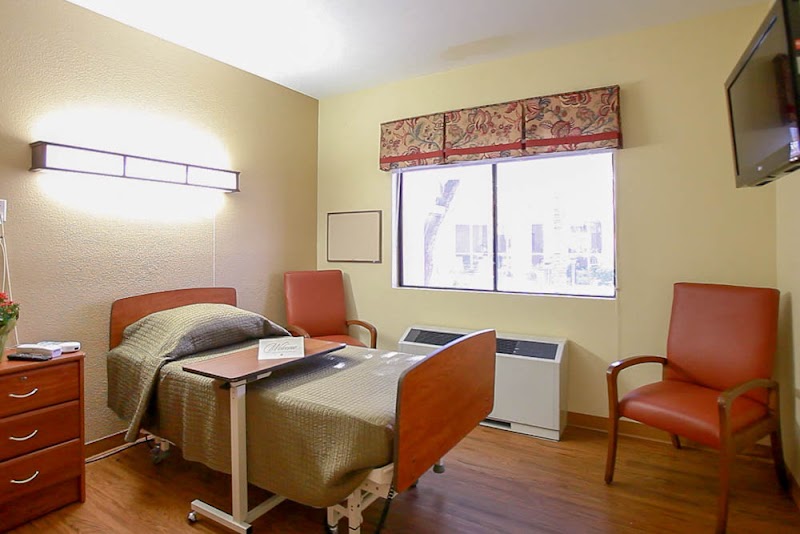
How Does Life Of Scottsdale Compare to Other Arizona Nursing Homes?

Compared to the 100 nursing homes in Arizona, LIFE CARE CENTER OF SCOTTSDALE's overall rating (4 stars) is above the state average of 3.3, staff turnover (52%) is near the state average of 46%, and health inspection rating (3 stars) is at the national benchmark.

What Should Families Ask When Visiting Life Of Scottsdale?

Based on this facility's data, families visiting should ask: "Can I visit during a mealtime to observe dining assistance and food quality?" "How do you handle medical emergencies, and what is your hospital transfer rate?" "Can I speak with family members of current residents about their experience?"

Is Life Of Scottsdale Safe?

Based on CMS inspection data, LIFE CARE CENTER OF SCOTTSDALE has a clean safety record: no substantiated abuse findings (meaning no confirmed cases of resident harm), no Immediate Jeopardy citations (the most serious violation level indicating risk of serious injury or death), and is not on the Special Focus Facility watch list (a federal program monitoring the lowest-performing 1% of nursing homes). The facility has a 4-star overall rating and ranks #1 of 100 nursing homes in Arizona. While no facility is perfect, families should still ask about staff-to-resident ratios and recent inspection results during their visit.

Do Nurses at Life Of Scottsdale Stick Around?

LIFE CARE CENTER OF SCOTTSDALE has a staff turnover rate of 52%, which is 5 percentage points above the Arizona average of 46%. Moderate turnover is common in nursing homes, but families should still ask about staff tenure and how the facility maintains care continuity when employees leave.

Was Life Of Scottsdale Ever Fined?

LIFE CARE CENTER OF SCOTTSDALE has been fined $6,414 across 1 penalty action. This is below the Arizona average of $33,143. While any fine indicates a compliance issue, fines under $50,000 are relatively common and typically reflect isolated problems that were subsequently corrected. Families should ask what specific issues led to these fines and confirm they've been resolved.

Is Life Of Scottsdale on Any Federal Watch List?

LIFE CARE CENTER OF SCOTTSDALE is not on any federal watch list. The most significant is the Special Focus Facility (SFF) program, which identifies the bottom 1% of nursing homes nationally based on persistent, serious quality problems. Not being on this list means the facility has avoided the pattern of deficiencies that triggers enhanced federal oversight. This is a positive indicator, though families should still review the facility's inspection history directly.