OSBORN HEALTH AND REHABILITATION


3333 NORTH CIVIC CENTER PLAZA, SCOTTSDALE, AZ 85251 (480) 994-1333
For profit - Corporation 130 Beds THE ENSIGN GROUP Data: November 2025
Trust Grade
80/100
#20 of 139 in AZ
Last Inspection: October 2024

Within standard 12-15 month inspection cycle. Federal law requires annual inspections.

Overview

Osborn Health and Rehabilitation has a Trust Grade of B+, which means it is above average and generally recommended. It ranks #20 out of 139 nursing homes in Arizona, placing it in the top half of facilities in the state, and #16 out of 76 in Maricopa County, indicating there are only 15 local options that are better. The facility is improving, with reported issues decreasing from three in 2024 to one in 2025. Staffing is average with a 3/5 star rating and a turnover rate of 58%, which is close to the state average of 48%. There have been no fines, which is a positive sign, and the nursing home has average RN coverage, ensuring that residents receive adequate medical attention. However, there are some concerns. Recent inspections highlighted 15 issues, with 14 classified as potential harm, including a failure to provide appropriate assistance with daily living activities for some residents. For example, one resident who required one-on-one assistance during meals did not receive it as specified in their care plan. Additionally, there were instances where medication administration protocols were not followed, raising questions about the overall adherence to professional standards. While there are strengths at Osborn Health and Rehabilitation, families should weigh these concerns carefully.

Trust Score
B+
80/100
In Arizona
#20/139
Top 14%
Safety Record
Low Risk
No red flags
Inspections
Getting Better
3 → 1 violations
Staff Stability
⚠ Watch
58% turnover. Above average. Higher turnover means staff may not know residents' routines.
Penalties
✓ Good
No fines on record. Clean compliance history, better than most Arizona facilities.
Skilled Nurses
○ Average
Each resident gets 37 minutes of Registered Nurse (RN) attention daily — about average for Arizona. RNs are the most trained staff who monitor for health changes.
Violations
⚠ Watch
15 deficiencies on record. Higher than average. Multiple issues found across inspections.
★★★★★
5.0
Overall Rating
★★★☆☆
3.0
Staff Levels
★★★★★
5.0
Care Quality
★★★★☆
4.0
Inspection Score
Stable
2024: 3 issues
2025: 1 issues

The Good

  • 5-Star Quality Measures · Strong clinical quality outcomes
  • Full Sprinkler Coverage · Fire safety systems throughout facility
  • No fines on record

Facility shows strength in quality measures, fire safety.

The Bad

Staff Turnover: 58%

11pts above Arizona avg (46%)

Frequent staff changes - ask about care continuity

Chain: THE ENSIGN GROUP

Part of a multi-facility chain

Ask about local staffing decisions and management

Staff turnover is elevated (58%)

10 points above Arizona average of 48%

The Ugly 15 deficiencies on record

Jul 2025 1 deficiency
CONCERN (D) 📢 Someone Reported This

A family member, employee, or ombudsman was alarmed enough to file a formal complaint

Potential for Harm - no one hurt, but risky conditions existed

Pharmacy Services (Tag F0755)

Could have caused harm · This affected 1 resident

**NOTE- TERMS IN BRACKETS HAVE BEEN EDITED TO PROTECT CONFIDENTIALITY** The facility failed to ensure that drug records are in order and that an account of all controlled drugs are maintained for 1 ou...

Read full inspector narrative →
**NOTE- TERMS IN BRACKETS HAVE BEEN EDITED TO PROTECT CONFIDENTIALITY** The facility failed to ensure that drug records are in order and that an account of all controlled drugs are maintained for 1 out of 22 residents (Resident # 50).Based on clinical record review, interviews, and facility policy, the facility failed to ensure drug records were in order and that an account of all controlled drugs was maintained for 1 out of 22 sampled residents (# 50). The deficient practice could result in the potential for the resident not to be properly medicated. Findings include: Resident # 50 was admitted on [DATE], with diagnoses that included aftercare for joint replacement surgery, left hip joint replacement, and Alzheimer's disease with dementia.Review of the Resident's care plan revealed that Resident # 50 is currently prescribed an opioid for pain, effective June 27, 2023, with an intervention task that included administering opioid medication as prescribed. Review of the Resident's orders revealed an order dated June 27, 2023, to administer 1 tablet of Hydrocodone-Acetaminophen oral tablet 5-325 milligrams (MG) by mouth every 6 hours as needed (PRN) for pain levels 4-10. The start date for the order was June 27, 2023, and there is no end date indicated for the order. Review of June 2023 Medical Administration Record (MAR) indicated administration of one tablet of Hydrocodone-Acetaminophen on June 28, 2025, at 8:22 a.m. for a pain level of 7, and another tablet was administered at 5:23 p.m. for a pain level of 7. There were no other administrations of the Hydrocodone-Acetaminophen in the June 2023 MAR. Review of the Controlled Drug Receipt/Record/Disposition Form revealed that 2 tablets of Hydrocodone-Acetaminophen 5-325 MG were pulled from the cart on June 28, 2023. On June 29, 2023, 1 tablet of Hydrocodone-Acetaminophen 5-325 MG was pulled from the cart at 11:24 a.m., even though there was no record of administration of this tablet in the June 2023 MAR. There was no indication that any of the tablets that were pulled were wasted. Review of the Facility Investigation Report with no date, revealed an interview of Licensed Practical Nurse (LPN/Staff #452) who reported that on June 29, 2023, at approximately 11:20 a.m. she administered 1 tablet of Hydrocodone-Acetaminophen 5-325MG upon the request of the family. An interview was conducted on July 10, 2025, at 1:04 pm with Licensed Practical Nurse (LPN/Staff # 65), who stated that if a narcotic needed to be administered, once the medication is pulled from the cart, she would document the date, time, and the amount of the narcotic on the narcotic count sheets. Once it is recorded, we then administer the narcotic to the resident, and then we document the administration into the MAR. If the resident refuses or the narcotic gets dropped, we then waste the medication and document on the narcotic sheet that the medication was wasted. An interview with the Director of Nursing (DON/Staff # 402) was conducted on July 10, 2025, at 2:13 p.m. The DON acknowledged that LPN # 452 did not document the administration of the Hydrocodone-Acetaminophen 3-325 MG tablet in the MAR on June 29, 2023. The DON revealed that her expectation is that once a narcotic is pulled from the cart that Resident's #50 narcotic is documented in the narcotic count sheets, and if the narcotic is administered, then it is documented in the MAR. The DON revealed that if not appropriately documented, the staff are unable to know what was administered to the residents and what was not. Review of the facility policy titled Medication Administration, reviewed August of 2024 revealed that it is the policy of the facility to accurately prepare, administer and document oral medications. The policy also revealed that all medications are documented once administered.
Oct 2024 3 deficiencies
CONCERN (D)

Potential for Harm - no one hurt, but risky conditions existed

Deficiency F0761 (Tag F0761)

Could have caused harm · This affected 1 resident

Based on observation, staff interviews, review of the manufacturer instructions and policy review, the facility failed to ensure that one medication in a medication cart was labeled, with an open date...

Read full inspector narrative →
Based on observation, staff interviews, review of the manufacturer instructions and policy review, the facility failed to ensure that one medication in a medication cart was labeled, with an open date. The deficient practice could result in further medication lacking an open date for proper usage. Findings include: An observation of the medication administration was conducted with a Registered Nurse (RN/Staff #147) on October 9, 2024 at 4:23PM. Staff #147 was observed administering a Tuberculin PPD Step 2, which was not marked with an open date. An interview was conducted on October 9, 2024 at 4:30PM with staff #147, who stated that the Tuberculin PDD should have been dated when it was opened, and that this particular medication will have an expiration date of 28 days from opening. A review of the Center of Disease Control guidelines pertaining to 'Mantoux tuberculin skin test,' revealed the expectations to review vial labels to make sure that the vial contains the tuberculin that you wish to choose, and that the label should indicate the expiration date. Revealing that if a vial has been open more than 30 days, or the if the expiration date has passed, then the vial should be thrown away and a new vial should be used. With the expectation that the new vial is expected to reflect the open date and as well as the initials of the individual who opened the vial.
CONCERN (E) 📢 Someone Reported This

A family member, employee, or ombudsman was alarmed enough to file a formal complaint

Potential for Harm - no one hurt, but risky conditions existed

Free from Abuse/Neglect (Tag F0600)

Could have caused harm · This affected multiple residents

**NOTE- TERMS IN BRACKETS HAVE BEEN EDITED TO PROTECT CONFIDENTIALITY** -Regarding Resident #369: The resident was admitted on [DATE] with diagnoses including Alzheimer ' s disease and Non-Alzheimer '...

Read full inspector narrative →
**NOTE- TERMS IN BRACKETS HAVE BEEN EDITED TO PROTECT CONFIDENTIALITY** -Regarding Resident #369: The resident was admitted on [DATE] with diagnoses including Alzheimer ' s disease and Non-Alzheimer ' s Dementia. Review of nursing notes revealed no evidence of concerns regarding interactions between the resident and her daughter from March 29, 2024 to April 8, 2024. Review of the annual Minimum Data Set (MDS) assessment dated [DATE] revealed a Brief Interview for Mental Status (BIMS) assessment score of 5, which indicated severe cognitive impairment. Review of the comprehensive care plan initiated on April 1,2024 identified a focus of alteration in neurological status due to the disease process of dementia. The care planned interventions included discussing with the resident/family about any concerns, fears, or issues; as well as, having therapy to evaluate and treat as ordered. Further review of the comprehensive care plan initiated on April 2, 2024, identified a focus due to displayed behavioral issues. Resident #369 would yell out, not directed at others, rather for her daughter. The care planned interventions included receiving medications as ordered, and monitoring the behaviors and episodes. Review of the clinical record revealed no evidence of nursing notes regarding the alleged abuse on April 8, 2024. Review of the clinical record revealed no evidence of orders regarding 1:1 visitation after the alleged abuse that occurred on April 8, 2024. A nursing note dated April 8, 2024 at 3:57 PM, revealed that the physician was notified of increased agitation with care and the resident complained of sensitivity in lower extremities. There were no new orders at the time, and the facility continued to monitor. Further review revealed no evidence of physician notification regarding the incident. Review of a facility abuse investigation dated April 8, 2024, regarding a report of abuse between Resident #369 and her daughter. The report revealed two interviews with nursing staff, and 2 interviews with the victim and perpetrator. The conclusion of the investigation was that the allegation of abuse was unsubstantiated. The findings did identify that the incident, physical interaction, did occur; which led to supervised visits throughout the course of the investigation. An interdisciplinary team (IDT) progress note dated April 10, 2024 at 3:40 PM, revealed there were no resident concerns with 1:1 visits, and that supervised visits would be continued. Another IDT note dated April 12, 2024 at 2:50 PM, revealed that the supervised visits were discontinued as the patient was safe in the facility. The physician was made aware and there were no noted psychosocial effects, the daughter was made aware and social services would be following up. A comprehensive care plan initiated April 12, 2024, was developed for the resident ' s behaviors revealed in a change of condition (COC) note that the daughter was on supervised visits. An interview was conducted on October 9, 2024 at 11:42 AM with a Physical Therapy Assistant (PTA/Staff #284 ). The PTA (Staff#284) was familiar with the resident and was able to recall the incident that occurred with the victim and her daughter. The PTA stated that he walked into the resident ' s room to bring the resident to physical therapy; the resident was in her room and her daughter was in a chair off to the side of the room. The PTA let the resident know who he was and that he wanted to take her to therapy to which Resident #369 stated she was in too much pain and did not want to go; the perpetrator interjected and stated that the resident needed to get up. The PTA stated he could sense there was agitation in the interaction. The PTA (Staff #284) stated that the resident ' s daughter threatened Resident #369 saying if you don ' t get up I ' m going to rip your head off while simultaneously grabbing her ankle and squeezing it as if the daughter knew this would hurt the victim. The PTA then physically demonstrated the grasp around the ankle; showing how the palm was at the top of his ankle with the four fingers towards one side and thumb towards the other side. The PTA stated that he believes this was intentional and that the Resident ' s daughter did it on purpose and that it felt like abuse to him and he needed to let a nurse know. The PTA stated it was his first time working with Resident #369 and he was not sure if this was normal but due to how the resident and her daughter were screaming at one another and using foul language he verbally reported it to the nurse, who went to the administrator and filled out an incident report. An interview was conducted on October 9, 2024 at 1:02 PM with the Director of Nursing (DON/Staff #66) and Administrator (Staff #181). The DON (Staff #66) stated that she was made aware of the situation and immediately removed the Resident ' s daughter from Resident #369 ' s room. The DON stated she then notified the physician, Scottsdale police department, and adult protective services (APS). The DON stated that a skin integrity assessment was conducted and there was no evidence of physical injury. An interview was conducted on October 9, 2024 at 2:38 PM with the Resident ' s daughter. She stated that the resident passed away in September. She then stated that she would never hurt her mom and cared for her, she simply wanted her to participate in physical therapy and get better. She went on to say that the facility did have supervised visits for 6 days and there was a staff member present at all times, and the conclusion of the investigation visitation went back to normal and the resident was discharged home not long after. Review of facility policy titled, Abuse: Prevention of and Prohibition Against, revealed that the facility is to ensure the health and safety of each resident with regard to visitors, such as family members or resident representatives, friends, or other individuals subject to the resident ' s right to deny or withdraw consent at any time and to reasonable clinical and safety restrictions. Based on clinical record reviews, facility documentation, staff interviews, and policy review, the facility failed to ensure that two residents (resident #272 & #273) were free from resident to resident verbal abuse, and that one resident (resident #369) are not physically abused by visitors. The deficient practice could result in further resident to resident verbal abuse, and visitor to resident abuse. In regards to resident #272, findings include: Resident #272 was initially admitted on [DATE] with diagnosis of Hypertension, Diabetes Mellitus, Cerebrovascular Accident (CVA), Transient Ischemic Attack (TIA), or Stroke, Hemiplegia or Hemiparesis, Schizophrenia. Resident #272 was discharged on December 30, 2023. A review of a quarterly Medicare Minimum Data Set (MDS) assessment dated [DATE], revealed a Brief Interview for Mental Status (BIMS) score of 15 out of 15, which indicated intact cognition. A review of a progress note created on June 27, 2024 @ 2PM revealed Resident #272's involvement in the incident, indicating that the incident occurred. A review of the intake information for AZ00198684 revealed that the Facility Reported Incident (FRI) was submitted on June 27, 2024 at 3:36PM. This review revealed that Resident # 272 and Resident #273 exchanged verbal profanities to each other, indicating resident #272's involvement in the incident. A review of a progress note titled 'Change of Condition' created on June 28, 2023 at 1:04PM revealed that Resident #272 underwent daily monitoring for the next 30 days, following the verbal altercation, indicating that the incident occurred. An interview was conducted on October 9, 2024 at 1:21PM with the Director of Nursing (DON/Staff # 66), who stated the expectations and their understanding of the facilities abuse policy. Staff #66 identified abuse as, any form of physical, emotional, verbal, sexual, misappropriation, seclusion and neglect. Staff #66 then stated that the process of reporting and investigating allegations is to report to the Department of Health Services within 2 hours of notification, then they have 5 days to provide the investigation results back to the Department of Health Services, Staff #66 also reported that additional parties of notification include Adult Protective Services, law enforcement, the provider, and any families/Power of Attorney's. Staff #66 stated that the impact of abuse on the residents could include, the overall psychosocial wellbeing of the resident. Staff #66 then stated that in regards to the incident that took place on July 27, 2023 between Resident #272 and Resident #273, that she could not re-call the incident and would need to review the full investigation notes provided by their predecessor. Staff #66 reported their conclusion of the full investigation notes, and stated that their immediate response was to separate the two residents, to put into effect 'Change of Condition' monitoring, and, to complete medication assessments and psychiatric evaluations for both Resident # 272 and Resident #273. Staff #66 reported that Resident # 272 and Resident #259 refused a room change, which would be another step in the separation of all involved parties. A review of a policy titled, Abuse: Prevention of and Prohibition Against revealed the guidelines that the facility utilized in regards to interventions to prevent abuse, neglect, exploitation and misappropriation. The policy provided definitions on what the facility defined as 'Abuse'. The policy stated that abuse includes verbal abuse, sexual abuse, physical abuse, and mental abuse including abuse facilitated or enabled through the use of technology. In regards to resident #273, findings include: Resident #273 was admitted on [DATE] with the diagnoses of Coronary Artery Disease (CAD), Heart Failure, Hypertension, Renal Insufficiency, Renal Failure, or End-Stage Renal Disease (ESRD), Anxiety Disorder, Resident #273 was discharged on January 29, 2024. Review of a quarterly Medicare Minimum Data Set (MDS) assessment dated [DATE], revealed a Brief Interview for Mental Status (BIMS) score of 15 out of 15, which indicated intact cognition. A review of a progress note created on June 27, 2024 @ 2PM revealed Resident #272's involvement in the incident, indicating that the incident occurred. A review of the intake information for AZ00198684 revealed that the Facility Reported Incident (FRI) was submitted on June 27, 2024 at 3:36PM. This review revealed that Resident # 272 and Resident #273 exchanged verbal profanities to each other, indicating resident #273's involvement in the incident. A review of a progress note titled 'Change of Condition' created on June 28, 2023 at 1:18PM revealed that Resident #273 underwent daily monitoring for the next 30 days, following the verbal altercation, indicating that the incident occurred. An interview was conducted on October 9, 2024 at 1:21PM with the Director of Nursing (DON/Staff # 66), who stated the expectations and their understanding of the facilities abuse policy. Staff #66 identified abuse as, any form of physical, emotional, verbal, sexual, misappropriation, seclusion and neglect. Staff #66 then stated that the process of reporting and investigating allegations is to report to the Department of Health Services within 2 hours of notification, then they have 5 days to provide the investigation results back to the Department of Health Services, Staff #66 also reported that additional parties of notification include Adult Protective Services, law enforcement, the provider, and any families/Power of Attorney's. Staff #66 stated that the impact of abuse on the residents could include, the overall psychosocial wellbeing of the resident. Staff #66 then stated that in regards to the incident that took place on July 27, 2023 between Resident #272 and Resident #273, that she could not re-call the incident and would need to review the full investigation notes provided by their predecessor. Staff #66 reported their conclusion of the full investigation notes, and stated that their immediate response was to separate the two residents, to put into effect 'Change of Condition' monitoring, and, to complete medication assessments and psychiatric evaluations for both Resident # 272 and Resident #273. Staff #66 reported that Resident # 272 and Resident #259 refused a room change, which would be another step in the separation of all involved parties. A review of a policy titled, Abuse: Prevention of and Prohibition Against revealed the guidelines that the facility utilized in regards to interventions to prevent abuse, neglect, exploitation and misappropriation. The policy provided definitions on what the facility defined as 'Abuse'. The policy stated that abuse includes verbal abuse, sexual abuse, physical abuse, and mental abuse including abuse facilitated or enabled through the use of technology.
CONCERN (E)

Potential for Harm - no one hurt, but risky conditions existed

Deficiency F0676 (Tag F0676)

Could have caused harm · This affected multiple residents

Based on observations, interviews, facility documentation, and review of facility policy, the facility failed to ensure appropriate treatment and services for activities of daily living were provided,...

Read full inspector narrative →
Based on observations, interviews, facility documentation, and review of facility policy, the facility failed to ensure appropriate treatment and services for activities of daily living were provided, according to residents' preferences and to meet residents' needs, for Residents #320 and #322. The deficient practice could lead to a resident's needs not being met, or a decline in a resident's physical function or psychosocial status. -Regarding Resident #320: Resident #320 was admitted into the facility on October 01, 2024, with diagnoses that included pigmentary retinal dystrophy, sepsis, urinary tract infection, pneumonia, and adult failure to thrive. Review of Resident #320's care plan dated October 01, 2024 revealed that the resident had a focus for an activities of daily living (ADL) self-care performance deficit, with an intervention in place for 1:1 assistance with meals: Resident is blind. A review of the resident's physician's orders revealed an order in place dated October 01, 2024, for 1:1 Assistance with meals; Resident is blind. Review of the Speech Therapy Evaluation and Plan of Treatment dated October 02, 2024 revealed that the resident is legally blind and that the resident requires supervision/ assistance 50-75% of the time at meal time due to swallowing safety. A review of the Brief Interview for Mental Status (BIMS) assessment that was completed on October 02, 2024, revealed Resident #320 had a score of 14, indicating intact cognition. Upon review of the progress notes, a Social Services Summary note dated October 04, 2024, revealed that Resident #320 eats meals with 1:1 staff assist in her room. A Weekly Clinical Interdisciplinary Team (IDT) Review note dated October 08, 2024, revealed nursing to provide assist with meals. A follow-up review of the resident's care plan revealed that the care plan had been adjusted. Under the focus of ADLs, the resident still had the intervention in place for 1:1 assistance with meals: Resident is blind. However, under the focus of 4.2% significant weight loss x 5 days, the resident had a new intervention dated October 09, 2024, that Patient & family would like to encourage resident to eat independently prior to assist. Review of the resident's clinical record revealed there was no evidence of documentation in the progress notes prior to October 10, 2024, regarding updates to Resident #320's status of 1:1 assistance during mealtimes. A Therapy progress note dated October 10, 2024, revealed that Patient status changed from 1:1 assist to set up for meal times. Patient is able to independently manage meals after set up. Husband prefers to feed wife when he is present mainly at lunch time as this is his daily routine in the home. Patient manages her daily routine with verbal cues. An observation was conducted on October 08, 2024 at 7:56 AM, of Resident #320 in her room. There was no signage outside the room or inside the room indicating that the resident was blind. An interview was conducted at this same time with the resident, who stated that I don't have central vision, I'm not able to read and I can't see anything on my plate. I have to touch my food to see what it is. An additional observation was conducted the same morning at 8:12 AM, in the resident's hallway just outside of her doorway. The meal cart was on the hall, and staff passed out meal trays. A staff member delivered a meal tray to Resident #320, who was lying in bed in her room. The staff provided no assistance other than placing the tray on the bedside table, and the staff left the room. At 8:24 AM, the resident was still lying in bed, and the meal tray was still observed to be untouched on the bedside table beside the resident. At 8:36 AM, Resident #320 was observed lying in bed with her meal tray in front of her attempting to eat her food, with no staff assisting her. The resident was using her fingers to eat the scrambled eggs and bacon, and her silverware lay untouched on the tray beside her plate. An interview was conducted with the resident at that time. The resident was asked if anyone had helped her set up her meal tray and help her eat, to which the resident replied that she did it herself. The observation continued, and at 8:53 AM, a staff member entered the resident's room and asked if she was done with breakfast. Resident #320 stated No, I am not, and the staff member then left the room. It was observed that the resident still had plastic wrap covering the juice cup on her tray. Additionally, multiple pieces of scrambled egg were on the front of the resident's clothing as she lay in bed. A follow-up interview was conducted with the resident at 9:05 AM. The resident stated that she was not able to see anything on her meal tray and that I have to feel my way around. When asked if she knew she had a bowl of oatmeal in the corner of her tray, the resident stated No. An observation was conducted on October 08, 2024 at 11:45 AM on the resident's hallway. The meal cart was on the hall for lunch, and a staff member dropped off the tray to Resident #320 in her room. The resident's husband was present in the room, and no staff stayed to assist the resident during the mealtime. Staff did not provide orientation or identification of items on the meal tray. An observation was conducted on October 09, 2024 at 7:22 AM. Resident #320 had been moved to another room on a different hallway. From the hallway just outside the resident's room, the resident was observed to be in lying in bed, and a certified nursing assistant (CNA/ Staff #280) delivered the meal tray to the resident. The CNA set up the breakfast tray on the bedside table and cut up the pancakes for the resident. As the CNA was leaving the room, the resident asked if her food was in front of her, to which the staff responded yes and that she didn't want the food too close to the resident. The CNA then left the room. The cover was still on the oatmeal bowl, and the drinks still had plastic wrap on the tops of the cups. The observation continued from just outside the resident's doorway, and at 7:25 AM, the resident took a bite of bacon and stated What is this crap? Nobody was in the room when she said this. The resident continued to feel around her plate with her fingers. The resident stated that she needed her chin wiped. Again, nobody was in the room when she said this. The resident then touched the small covered bowl on her tray and asked out loud, Is this oatmeal over here? and then Can somebody put sugar in my oatmeal? Again, nobody was in the room when the resident said this. Finally, the resident stated Can somebody help me eat my oatmeal? An Assistant Director of Nursing (ADON/ Staff #205) then entered the room at 7:34 AM, and closed the door. In a follow-up interview conducted on October 09, 2024 at 7:45 AM, the ADON (Staff #205) stated that she was in the room assisting the resident with one to one assistance for the meal. When asked specifically what she was assisting with, the ADON stated that she was cutting food and giving verbal cues due to vision loss. The ADON stated that she is aware of which residents require this type of assistance because it is in the resident's chart, in the orders, on the special instructions banner in the medical record, and in the care plan. The ADON was notified that a CNA was observed to enter Resident #320's room, cut up the food, and then leave. The ADON stated that this was inappropriate. An interview was conducted with the CNA (Staff #280) on October 09, 2024 at 8:15 AM. The CNA stated that staff receives information on individualized care needs through verbal report and that the nurses put it in the computer. The CNA stated that it is the facility's expectation for staff to follow care plans and physician's orders. The CNA further stated that for a resident who requires one to one assistance for meals, that it requires the CNAs to go sit with the resident, to offer assistance, and to use wipes and sanitizers to clean the resident's hands before and after the meal. When asked if she was aware of Resident #320's orders for one to one assistance for meals, the CNA stated, I was aware. Additionally, the CNA stated that she had called on the radio for a staff member to come help Resident #320 after she had put the tray in the resident's room. An interview was conducted on October 09, 2024, at 12:15 PM, with Resident #320's husband who was present with the resident in her room. He stated, I came in today, she was eating lunch by herself. I'm assuming that they're (facility staff) too busy to sit down with the resident to assist. He also stated, I have never noticed staff helping with meals. I've noticed her eating by herself, sometimes she asks me what's on her plate. I always told her what's on the plate and where it is. Resident #320's husband further stated, I never had any conversation with any staff giving instructions on how to serve her meals. When they bring it in, they just bring it in and drop it and leave. I usually have to tell her what she's got. I think they got more patients than they can handle. At that time, Resident #320 joined the interview and stated I need help identifying what's on the plate. On October 10, 2024 at 9:33 AM, an interview was conducted with the Director of Nursing (DON/ Staff #66). The DON stated that it was her expectation for staff to follow care plans and to follow physician orders. Further, the DON stated that if a staff member was concerned that a care plan or an order may be inappropriate for a resident, or if it may need to be adjusted, that it would be communicated to the provider and discussed with the resident, with family as needed, and with the interdisciplinary team. The DON stated that she was not aware of any staff coming to her with recommendations or concerns about Resident #320's care plan. The DON stated that sometimes the resident's husband comes in and provides assistance during meals for the resident, and that the facility encourages the resident to do as much as she can. In a follow-up interview at 10:09 AM, the DON (Staff #66) brought a copy of an updated care plan dated October 09, 2024. The DON stated that the ADON (Staff #205) and Resident #320 had a conversation during breakfast on October 09, 2024 where the resident stated that she wants encouragement to eat independently prior to assistance being provided, and that the order and care plan were changed to reflect that. On October 10, 2024 at 10:29 AM, an interview was conducted with Resident #320. The resident stated that she did not recall ever telling staff that she wanted her assistance level with meals changed yesterday. The resident stated that she did ask to have a private room, and that she got a private room. She further stated that she did not recall discussing with staff that she no longer needed assistance with meals. She stated, I do think I need someone helping me with meals. I like having someone help me with that, that way I know what I am eating. On October 10, 2024 at 10:32 AM, an additional interview was conducted with Resident #320, this time an ADON (Staff #356) was also present in the resident's room. The resident stated I like to have someone here to tell me what is on the tray, that helps. The resident further specified that she did not feel she needed someone to sit with her the whole meal, however, she did request help to set up the tray and to identify and orient her to items on her meal tray. Review of the facility's policy titled ADL, Services to Carry Out, revised July 2015, revealed that if a resident is unable to carry out the activities of daily living, the necessary services to maintain good nutrition, grooming, and personal oral hygiene will be provided by qualified staff. Further, residents will be involved in decision making and given choices related to ADL activities as much as possible. -Regarding Resident #322: Resident #322 was admitted into the facility on October 02, 2024, with diagnoses that included chronic respiratory failure, chronic pulmonary edema, morbid obesity, and depression. Review of Resident #322's care plan dated October 02, 2024, revealed that the resident had a focus for an activities of daily living (ADL) self-care performance deficit, with a goal in place for the resident to maintain current level of function in bed mobility and transfers. A review of the resident's physician's orders revealed an order dated October 02, 2024, which prescribed activity as tolerated for Resident #322. A review of the resident's Physical Therapy Evaluation and Plan of Treatment dated October 03, 2024, revealed that Resident #322 had no contraindications to treatment. It was documented by a Physical Therapist (PT/ Staff #475) that the resident's prior living situation was other long-term care facility, and that she used a manual wheelchair, and her prior level of function was totally dependent on staff for transferring from the bed to a wheelchair. The PT evaluation also revealed that the resident's current level of function was dependent on staff for transfers. A review of the Brief Interview for Mental Status (BIMS) assessment that was completed on October 04, 2024, revealed Resident #322 had a score of 13, indicating intact cognition. Upon review of the progress notes, it was revealed in a Social Service Summary dated October 07, 2024, that Resident #322 plans to remain in the facility for long term care, that she is alert and able to make her needs known, and that she requires maximum assistance for bed mobility and dependent on staff for transfers. In an observation conducted October 07, 2024 at 10:37 AM, Resident #322 was observed to be lying in her bed in her room. In an interview conducted at the same time, Resident #322 stated that she had been here since last Wednesday, and that she had been waiting to get up into a wheelchair since then. Resident #322 stated that she asked the certified nursing assistants (CNAs) to get out of bed last Thursday morning, and other days as well. She stated that the CNAs said that they could not get her up because physical therapy hadn't signed off on it yet. The resident stated that she has already been seen by therapy. Resident #322 appeared very frustrated and stated I'm used to spending 6-9 hours a day in a wheelchair and I'm growing roots in this bed. In an observation conducted October 07, 2024 at 11:55 AM, Resident #322 was observed to be lying in her bed in her room. Another observation was conducted October 08, 2024 at 7:42 AM. Resident #322 was again observed to be lying in her bed in her room. A follow-up interview was conducted with the resident at this time. Resident #322 stated that no staff helped her to get out of bed again yesterday. She stated that a short, male therapist visited her in the room and stated that they will try to get her out of bed tomorrow. Resident #322 repeated that she has been asking to get out of bed for several days and that nursing staff keeps telling her that it has not been approved. In an observation conducted October 08, 2024 at 1:54 PM, Resident #322 was observed to be still lying in her bed in her room. Another follow-up interview was conducted with the resident at this time. Resident #322 stated that she has been asking the CNAs on the floor to get up out of bed today. When clarifying who exactly she had asked to get up, the resident went on to state the first name of a CNA (Staff #280) who was working on the hallway that date, and used descriptors that portrayed that CNA. Resident #322 continued to state I asked her to check with the PT department to get up in the wheelchair today. A therapist in the PT department visited and he said 'I got you a chair' and put a wheelchair outside the room. Sounds like he was expecting CNA staff to get me up, but nobody's got me up. Resident #322 continued to state that when the CNAs came in, they said they didn't have a hoyer sling, because they weren't sure they were supposed to get her up. Resident #322 stated that she felt that nobody in this facility talks to each other. Resident #322 stated that before she came to this facility, she was getting up in the wheelchair every day and sitting up for multiple hours. She stated she liked to be sitting up in a wheelchair in her room normally. Upon exiting the resident's room after the interview, it was noted that two wheelchairs were folded and placed against the hallway rail, right outside the resident's door. In an observation conducted on October 09, 2024 at 7:57 AM, Resident #322 was observed to be lying in her bed in her room. In a follow-up interview at that time, Resident #322 stated that the staff did not help her get out of bed again yesterday. In an observation conducted October 09, 2024 at 9:45 AM, Resident #322 was observed to be lying in her bed in her room. In an interview conducted at this time with Resident #322, the resident stated she's ready to attempt getting out of bed and will ask the staff via the call light in a few minutes. In an observation conducted October 09, 2024 at 9:57 AM, from the hallway, it was observed that Resident #322's call light was put on. The observation continued and at 10:02 AM, a Hospitality Aid (HA/ Staff #170) answered the call light. Resident #322 was observed and overheard to state that she wanted to get up in the wheelchair. In an observation conducted October 09, 2024 at 10:40 AM, Resident #322 was still lying in bed. In a follow-up observation conducted October 09, 2024 at 1:40 PM, Resident #322 was, again, still lying in bed. In an observation conducted October 09, 2024 at 1:59 PM, Resident #322 was observed to be still in bed. In a follow up interview at the same time, Resident #322 stated When I asked to get up out of bed, the hospitality aid stated I'll let the CNA know. The resident also stated, I've just about given up. I've been here since last Wednesday night and I have been in this bed ever since. A final observation was conducted on October 10, 2024 at 8:57 AM. Resident #322 was being assisted by staff with a hoyer lift to transfer her to a wheelchair. The PT (Staff #475) was assisting with the transfer. An interview was conducted on October 09, 2024, at 11:53 AM, with the Director of Nursing (DON/ Staff #66). The DON stated that information regarding a newly admitted resident's mobility is gained from report taken from where the resident is coming from. The DON further stated that we promote the highest level of function while providing care. In an interview conducted October 09, 2024 at 1:19 PM, a Registered Nurse (RN/ Staff #160) stated that if a resident is admitted to the facility, staff would know the resident's mobility status and how that resident would safely transfer because there is an exchange of report between the two facilities. The RN also stated that the facility's admissions team also provides that information to floor staff. Additionally, the RN stated that in this facility, CNAs, nurses, and some management are all trained to help a resident transfer from bed to a wheelchair. If a resident were to request to get up into a wheelchair, the RN stated that she would first check to see what kind of assistance was required and if multiple people were needed for safety. Then she would assist the resident in getting out of bed. Lastly, the RN stated that the importance of residents getting out of bed was to prevent skin breakdown, and to promote mental health and circulation in the body. An interview as conducted on October 09, 2024 at 1:09 PM with an Occupational Therapist (OT/ Staff #246) who stated that she was not a full-time employee of the facility, but was from another sister facility and was helping this facility for approximately the 6th time. The OT stated that CNAs, nursing, and therapy are all trained to safely assist a resident out of bed into a wheelchair. An additional interview was conducted on October 08, 2024 at 1:25 PM, with the Director of Rehab (DOR/ Staff #138). The DOR stated that if a resident admits to the facility from the hospital or from another long-term care setting, that the admissions team uploads documents into the electronic health record regarding the resident's mobility status. The DOR also stated that every CNA, nurse, and therapist in this facility is trained to assist a resident with transferring into a wheelchair. In addition, the DOR stated that if staff was not sure how to safely transfer a resident, that they could ask a nurse or a therapist for clarification. Finally, the DOR stated that unless there is a doctor's restriction, there should never be a situation where a resident asks to get up out of bed into a wheelchair and does not get up. An interview was conducted with the Hospitality Aid (HA/ Staff #170) on October 09, 2024 at 2:02 PM. At this time, the HA was notified that he had been observed responding to Resident #322's call light earlier that date in the morning, and that he was overheard to say that he would let the CNA know of the resident's request to get out of bed. The HA then stated Yes, I'm pretty sure I called over the radio to have a CNA come to the room, and then further stated that he had not followed up with anyone to see if a CNA actually came to the room to assist the resident with her specific request. The HA then asked if the resident was still in bed, and was then notified that the resident had not been assisted to get in the wheelchair. The HA stated that his next course of action would be to go to the floor to see who is still here, if the CNA can't get her up due to it being close to shift change, then he would let the next shift know of the resident's request to get up. On October 10, 2024 at 9:02 AM, an interview was conducted with the PT (Staff #475), who confirmed that he had done the initial PT Evaluation for Resident #322. The PT stated that the resident had said she really wanted to work on transfers, and that there was no medical hold that would keep her from performing those tasks. The PT stated that the resident had expressed her desire to get out of bed that day, and during his session, he had been focused on helping her to get to the edge of the bed. The PT further stated that all CNAs are capable of assisting that resident to transfer to a wheelchair, and that Resident #322 would require a hoyer lift to transfer to the wheelchair. The PT stated that the impact on a resident of not getting out of bed could be that it affects the resident's emotional state, that it can cause depression, and isolation of residents who are bound to their rooms. The PT stated that it would not meet his expectations if a resident requested to get out of bed and was not assisted by staff to do so, and that it should be accomplished within an hour or a reasonable timeframe. A follow-up interview was conducted with the DON (Staff #66) on October 10, 2024 at 9:55 AM, where the DON was notified of Resident #322 not being assisted with transferring out of bed into a wheelchair when she had requested to do so yesterday morning. The DON stated that she was notified of the resident's concern yesterday afternoon, and the facility filed a grievance with the resident about not getting up to the wheelchair. The DON further stated that last night, staff helped the resident get up in the wheelchair, that the resident went to a pumpkin activity, and could only tolerate 15 minutes in the wheelchair. The DON stated that She changes her mind a lot. An interview was conducted with Social Services Director (SSD/ Staff #91) on October 10, 2024 at 10:23 AM. The SSD stated that she was notified of the resident's concern about not getting up in the wheelchair at approximately 2:30 PM yesterday afternoon (October 09, 2024). The SSD stated that she filed a grievance with the resident, and after that, the resident was assisted up into a wheelchair and then went to a pumpkin painting activity. The SSD stated that the resident was satisfied. Review of the facility's policy titled ADL, Services to Carry Out, revised July 2015, revealed that it is the policy of this facility that residents are given the appropriate treatment and services to attain or maintain the highest practicable well-being of each resident. In addition, residents will be involved in decision making and given choices related to ADL activities as much as possible. Further, the policy revealed that ADL care, including transfers, will be provided according to the resident's assessed needs and level of support, and documented in the medical record accordingly.
Sept 2023 3 deficiencies
CONCERN (D)

Potential for Harm - no one hurt, but risky conditions existed

Transfer Notice (Tag F0623)

Could have caused harm · This affected 1 resident

**NOTE- TERMS IN BRACKETS HAVE BEEN EDITED TO PROTECT CONFIDENTIALITY** Based on staff interview, review of records and policy, and observation of current practice, the facility failed to ensure the O...

Read full inspector narrative →
**NOTE- TERMS IN BRACKETS HAVE BEEN EDITED TO PROTECT CONFIDENTIALITY** Based on staff interview, review of records and policy, and observation of current practice, the facility failed to ensure the Ombudsman was notified of a discharge for one resident (#98). Findings included: Resident #98 was admitted to the facility on [DATE] for chest pain, hypertension, atrial fibrillation, and coronary artery disease. Review of the discharge MDS (Minimum Data Set) assessment dated [DATE] revealed resident was discharged to an acute hospital. Review of a progress note dated August 25, 2023 revealed that resident #98 was assessed and off his baseline with unstable vitals signs. Per note, the physician was contacted and ordered to have resident sent to the emergency room. The note also stated that recreational drug paraphernalia were found in the resident's room. A physician progress note dated August 25, 2023 stated that assistant director of nursing reported that resident #98 was altered and was sent to the Emergency Room. Another progress note dated August 25, 2023 revealed resident was sent to the emergency department for acute evaluation and treat if indicated. Review of records revealed no notice that the Ombudsman was notified of the transfer. On August 27, 2023 at 3:17 PM, a request was made to the director of nursing (DON) of any documentation that the Ombudsman was given notice of resident #98's transfer to the hospital. At approximately 3:30 PM the director of nursing stated the Ombudsman was never notified of the transfer of resident #98. An interview was conducted on August 27, 2023 at 3:53 PM with the DON who stated it was her expectation that the Ombudsman was to be notified of discharges and transfers; however, she did not now the rational of the notice. The DON stated they have not been notifying the Ombudsman of discharges and transfers because they do not have social services on staff. The DON stated she did not know how long it has been since the Ombdusman was notified because the DON was also new at the facility.
CONCERN (E)

Potential for Harm - no one hurt, but risky conditions existed

Deficiency F0658 (Tag F0658)

Could have caused harm · This affected multiple residents

**NOTE- TERMS IN BRACKETS HAVE BEEN EDITED TO PROTECT CONFIDENTIALITY** Based on staff interviews, review of policy, and observation of current practice, the facility failed to ensure professional sta...

Read full inspector narrative →
**NOTE- TERMS IN BRACKETS HAVE BEEN EDITED TO PROTECT CONFIDENTIALITY** Based on staff interviews, review of policy, and observation of current practice, the facility failed to ensure professional standards were met for 6 residents (#56, #49, #72, #23, #40, and #62) during medication administration. Findings Included: Resident #56 was admitted to the facility on [DATE] with diagnoses that included sequelae of cerebral infarction, personal history of traumatic brain injury, and essential hypertension. Review of the MDS (Minimum Data Set) assessment dated [DATE] revealed resident had a BIMS (Brief Interview of Mental Status) score of 14, indicating cognitively intact. An observation of the medication administration was conducted on September 27, 2023 at 7:27 AM with licensed practical nurse (LPN/staff #119). During the observation staff #119 dispensed the medication for resident #56. Prior to entering the room resident knocked on the door and entered. It was observed that the name on the wall outside of the room had the same first initial as resident #56; however, the last name was different. While in the room the resident adjusted himself to a sitting position. Staff #119 then put the medication cup on a table directly in front of the resident and explained what the medication were being given. When the staff motioned to hand the medication cup over to the resident, staff was immediately prompted to go outside of the room with the medication for clarification. While the picture on the Medication Administration Record (MAR) matched the resident, staff was asked to verify who the medication was intended for. Staff #119 responded with the resident's first name in its entirety and stated the last name that was on the wall, which was different from the MAR. Staff #119 then entered the room and proceeded to administer the medication without first verifying the resident's name. When we returned back to the medication cart near the nurses' station, staff #119 was asked how she knew who the resident was that she gave the medication to. Staff #119 stated that the resident knew his name. Before the nurse dispensed the next medication, another surveyor verified resident #56's name and stated he did not go by any other name. Staff #119 validated that the name on the door was incorrect and that it needed to be fixed. -Resident #49 was admitted to the facility on [DATE] with diagnoses that included dilated cardiomyopathy, chronic obstructive pulmonary disease, and morbid (severe) obesity due to excess calories. Review of the MDS assessment dated [DATE] revealed resident had a BIMS score of 15 indicating cognitively intact. An observation of the medication administration was conducted on September 27, 2023 at approximately 7:40 AM with LPN #119. The staff (LPN #119) dispensed medications for resident #49 who did not have a picture on the MAR. The LPN then knocked on the resident's door and greeted the resident. The staff proceeded to administer the medication without first verifying resident #49's name. -Resident #72 was admitted to the facility on [DATE] with diagnoses that included essential hypertension, personal history of other venous thrombosis and embolism, and morbid (severe) obesity due to excess calories. Review of the MDS assessment dated [DATE] revealed resident had a BIMS score of 15 indicating cognitively intact. An observation of the medication administration was conducted on September 27, 2023 at approximately 7:48 AM with LPN #119. The staff (LPN #119) dispensed medications for resident #72. The LPN knocked on the resident's door and greeted the resident. Staff #119 administered the medication without first verifying resident #72's name. -Resident #23 was admitted to the facility on [DATE] with diagnoses that included hypothyroidism, unspecified intellectual disabilities, and morbid (severe) obesity due to excess calories. Review of the quarterly MDS assessment dated [DATE] revealed resident had a BIMS score of 11 indicating cognitively moderately impaired. During the observation of the medication administration on September 27, 2023, the LPN #119 knocked on the door and greeted the resident. The resident appeared to have just woken up, not verbally responsive to the staff. The LPN (staff #119) stated the resident's name and said, I have your meds [medication]. The staff then administered the medication without first verifying the resident by asking her to state her name. -Resident #40 was initially admitted to the facility on [DATE] and readmitted on [DATE] with diagnoses that included hemiplegia and hemiparesis following cerebral infarction affecting unspecified side, essential (primary) hypertension, and morbid (severe) obesity due to excess calories. Review of the quarterly MDS assessment dated [DATE] revealed resident had a BIMS score of 15 indicating cognitively intact. During the medication administration on September 27, 2023, the LPN #119 was observed dispensing the medication for resident #40 near the nurse's station, walking down the hallway with the medications to administer the medication int he resident's room without first verifying the resident. An interview was conducted with on September 27, 2023 at approximately 8:00 AM with LPN #119 who stated that the process of medication administration included 3 checks: check medications with the medication administration record and check the patient's name. Before stating the next check she explained, I know their names because I have been here for a long time. When asked how did she know that she was giving the medications to the right person, she stated she has been working here a long time and she know their first name. When asked about the first resident's name (resident #56), she stated that the name she mentioned was incorrect and the process was to change the name outside the room. When asked how long has the resident been here? She said she did not know and had to verify the records. Staff #119 then stated that resident #56 has been here since September 30, 2020. Review of staff records revealed LPN #119 was hired on August 21, 2023. An interview was conducted on September 27, 2023 at 8:18 AM with director of nursing (DON/staff #22). The DON walked over to resident #56 room and observed staff members removing resident #56's name on the door. One of the staff members stated the name was incorrect because the labels were recently changed. The staff then showed the incorrect name label to the DON. According to the DON, the process of medication administration included 7 rights of medication. While reading the policy, she stated the rights included, right resident, right time, right medication, right dose, right route, right documentation, and right diagnoses. When asked how to verify right resident, the DON stated that the resident had a picture and that the resident, if alert, oriented, and appropriate to respond, would be asked to state his/her name. The DON explained that if residents refused to have their picture taken then they would have a wristband with their name. The DON was asked to provide a scenario on how staff are expected to verify the right resident using resident #56 as an example. The DON stated she would knock and say, Hi, Mr. (stated #56's name) and then ask the resident to repeat his name and then give the medication. The DON stated that it was important to verify the resident's name and by not verifying, the rights of medication administration were not being following. She also stated that not verifying the resident had the potential risk of giving the wrong medication to the wrong resident. The DON stated that with resident #56, since he had a picture, and he was able to verbalize his name, the incorrect name on the door was irrelevant. When asked about residents who were unable to verbalize their names what was the process then, she stated that the resident had to have two identifiers: a picture or a wristband with their name. The DON was asked whether not verifying the resident's name prior to administering medication met her expectations, the DON stated that with the number of surveyors observing the medication pass, the staff was nervous. The DON stated that staff #119 had been on that cart for a month and knew the residents but out of nervousness she read the incorrect name on the door and carried on. The DON stated that her expectation was to use two identifiers: a picture or a wristband and ask the resident for their name. Further, if the resident did not have a picture, he/she should have a wristband. The DON verified that resident #49 did not have a picture and explained that he should have a wrist band. The DON went to resident #49 and identified that he did not have a wrist band. Resident #49 stated that he had a wristband while he was in the hospital but not while at the facility. The DON asked resident if his picture was taken on admission, the resident said it was. DON stated if a resident cannot verbalize his/her name then staff are expected to use the picture and wristband and names on the door should not be used as an identifier. The DON added that staff are still expected to ask the resident for their name to verify patient identity. Review of the facility's policy titled, Medication Administration reviewed on May 2023 revealed seven rights of medication administration in order to ensure safety and accuracy of administration which included right resident - resident is identified prior to medication administration.
CONCERN (E)

Potential for Harm - no one hurt, but risky conditions existed

Deficiency F0757 (Tag F0757)

Could have caused harm · This affected multiple residents

**NOTE- TERMS IN BRACKETS HAVE BEEN EDITED TO PROTECT CONFIDENTIALITY** Based on clinical review, staff interviews, and facility policy and procedures, the facility failed to administer pain medicatio...

Read full inspector narrative →
**NOTE- TERMS IN BRACKETS HAVE BEEN EDITED TO PROTECT CONFIDENTIALITY** Based on clinical review, staff interviews, and facility policy and procedures, the facility failed to administer pain medication within the pain scale parameters for one resident (#8). The deficient practice could result in residents being overmedicated. Findings include: Resident #8 was admitted to the facility on [DATE] with diagnoses that included migraine, dysphagia following unspecified cerebrovascular disease, and type II diabetes. The care plan dated March 30, 2023 revealed that the resident is currently prescribed and opioid for acute/chronic pain; potential for adverse outcomes from opioid use. The interventions included to administer opioid as prescribed. The Minimum Data Set (MDS) dated [DATE] included a brief interview with mental status score of 13 indicating the resident was cognitively intact. Review of the order summary report revealed an order dated July 17, 2023 for Oxycodone HCl oral tablet 5 mg give 5 mg by mouth every 4 hours as needed for pain 7-10. Review of the medication administration record (MAR) dated September 2023 revealed that Oxycodone HCl oral tablet 5 mg give 5 mg by mouth every 4 hours as needed for pain 7-10 was administered: -September 1, 2023 at a pain level of 5. -September 2, 2023 at a pain level of 5 three times. -September 3, 2023 at a pain level of 6. -September 6, 2023 at a pain level of 5 and 6. -September 11, 2023 at a pain level of 6. -September 12, 2023 at a pain level of 6. -September 15, 2023 at a pain level of 6. -September16, 2023 at a pain level of 6. -September 18, 2023 at a pain level of 6. An interview was conducted on September 28, 2023 at 12:06 p.m. with a registered nurse (RN/staff #142), who stated that if a pain medication is prescribed as needed, there should be a pain scale. He also stated that there is a risk of a resident building up a tolerance and having withdrawal symptoms if pain medication was given outside of the pain scale parameters. Staff #142 reviewed the resident's order for Oxycodone and stated the order was for a pain scale of 7 to10. Then, he reviewed the MAR dated September 2023 and stated that the Oxycodone on the MAR for September 2023 and stated that the Oxycodone was given several times at a pain scale of 5, which is a med error and he would report to his supervisor, so training can be done. An interview was conducted on September 28, 2023 at 2:19 p.m. with the Director of Nursing (DON/staff #22), who stated that pain medications that are prescribed on an as needed basis must also include a pain scale. She stated that if the pain medication is administered outside of the pain scale parameters, there is a risk of overmedicating the resident and the physician should be notified. The facility's policy, Medication Administration, Administration of Drugs dated May 2023 states that it is the policy of this facility that medications shall be administered as prescribed by the attending physician.
Apr 2023 4 deficiencies
CONCERN (D) 📢 Someone Reported This

A family member, employee, or ombudsman was alarmed enough to file a formal complaint

Potential for Harm - no one hurt, but risky conditions existed

Free from Abuse/Neglect (Tag F0600)

Could have caused harm · This affected 1 resident

**NOTE- TERMS IN BRACKETS HAVE BEEN EDITED TO PROTECT CONFIDENTIALITY** Based on review of clinical records, resident and staff interviews and review of policies and procedures, the facility failed to...

Read full inspector narrative →
**NOTE- TERMS IN BRACKETS HAVE BEEN EDITED TO PROTECT CONFIDENTIALITY** Based on review of clinical records, resident and staff interviews and review of policies and procedures, the facility failed to ensure one resident (#1) was free from verbal abuse of another. The deficient practice could result in further abuse of residents. Findings include: -Resident #2 was readmitted on [DATE] with diagnoses of end stage renal disease, acquired absence of right leg below the knee, type 2 diabetes, and retention of urine. An MDS quarterly assessment dated [DATE] for resident #2 included a BIMS score of 15 indicating the resident was cognitively intact. The assessment included that the resident had no moods or behaviors. -Resident #1 was readmitted on [DATE] with diagnoses that included morbid (severe) obesity, chronic systolic (congestive) heart failure, depression, post-traumatic stress disorder, chronic pain syndrome, opioid dependence and anxiety disorder. An ADL (Activities of Daily Living) care plan dated October 21, 2022 revealed resident had self-care performance deficit related to neuropathy, hypertension, and muscle spasms. Goal was to improve the level of function. Interventions included resident required extensive assistance with two staff for reposition and turning resident in bed. The care plan dated November 13, 2022 included the resident had a mood problem related to disease process and PTSD (post-traumatic stress disorder). The goal was that the resident would have improved mood and would have no signs or symptoms of depression, anxiety or sadness. Interventions included to administer medications as ordered, provide behavioral health consults, and to encourage the resident to express their feelings. A provider order dated January 24, 2023 included to monitor every shift for depression as evidenced by self-isolation. A Minimum Data Set (MDS) Quarterly assessment dated [DATE] included a Brief Interview for Mental Status (BIMS) score of 15 indicating the resident was cognitively intact. The assessment included that both lower extremities had no impairment. A provider order dated February 15, 2023 for resident #1 included a change of condition for emotional distress related to depression. A nursing note dated March 13, 2023 at 2:04 pm entered by a Licensed Practical Nurse (LPN/staff #29) included that resident #1 had been having verbal altercations with roommate (resident #2) all day; and that, resident #1 had threatened the roommate physically. The note included that resident #1 was upset and reported that her roommate called her vulgar/racial words and talks bad about her all the time. The note included the roommate denied any of the allegations and then followed up with cursing resident #1 back and forth. A social service note dated March 14, 2023 at 11:00 am included resident #1 discussed her concerns and to make a room change as soon as possible. The note included that because both residents (#1 and #2) were non-ambulatory there was a low risk for any physical altercation to occur. A notice of room change dated March 16, 2023 revealed resident #1 was notified of receiving a new roommate. A provider order dated March 28, 2023 included a change of condition for emotional distress, isolation and aggression. A care plan dated March 28, 2023 revealed the resident had potential to demonstrate physical behaviors related to anger and room/environment preferences. Goal included that the resident would demonstrate effective coping skills. Interventions included placing the resident in a private room, analyze key triggers and circumstances, psychological evaluation and treatment, and for the resident to remain in a private room. During an interview conducted with resident #1 on April 4, 2023 at 2:28 p.m., resident #1 stated that staff told her that she could not be with anyone anymore because of the incident with resident #2. Resident #1 stated that resident #2 called her a nigger; and that, staff would not believe her because resident #2 barely talks. During the interview, resident #1 became emotional, tearful, and found it difficult to say the words resident #2 used against her. An interview was conducted on April 6, 2023 between approximately 11:00 a.m. and 2:00 p.m., with a certified nursing assistant (CNA/staff #17) who stated that resident #2 had a history of using racial slurs prior to being placed in the room with resident #1. Staff #17 stated that resident #2 was heard saying nigger (referring to resident #1) that's not good enough and had yelled nigger to resident #1. Staff #17 stated that resident #2 also had said that the black people were stinking up the hallway. Staff #17 stated that she could not care for resident #1 when the resident was assigned to her because of the racial words being said in the room by resident #2. Staff #17 stated the verbal abuse of resident #2 had been reported in the past to the leadership team but nothing was done about it. Staff #17 stated that because of previous complaints being ignored, the CNA did not report the verbal racial abuse and just chose to avoid the room instead. During an interview conducted with the Director of Nursing (DON/staff #44) on April 6, 2023 at 1:42 p.m., the DON stated that abuse and neglect training was given to staff upon hire and annually. The DON stated that the expectation was that staff would report allegations of verbal, sexual, physical abuse and exploitation right away; and that, the facility would file a report with the appropriate agencies and complete a thorough investigation. The DON stated that the verbal disagreement was investigated and the facility found it not to be a case of abuse. A facility policy titled Abuse: Prevention of and Prohibition Against, revised on October 2022, included that it is their policy that each resident has the right to be free from abuse. Residents also have the right to be free from verbal, sexual, physical, and mental abuse, corporal punishment, and involuntary seclusion. Verbal abuse includes the use of oral language that willfully includes disparaging and derogatory terms to residents within their hearing distance regardless of their age, ability to comprehend, or disability. The facility will identify, correct, and intervene in situation s in which abuse is more likely to occur. Identifying, assessing, care planning, and monitoring of residents with needs and behaviors which might lead to conflict such as verbally aggressive behavior such as insulting to race or ethnic group. All identified events are reported to the administrator immediately. All allegation s of abuse will be promptly and thoroughly investigated by the administrator or his/her designee. All allegation s of abuse will be reported outside the facility and to the appropriate State or federal agencies in the applicable timeframes.
CONCERN (D) 📢 Someone Reported This

A family member, employee, or ombudsman was alarmed enough to file a formal complaint

Potential for Harm - no one hurt, but risky conditions existed

Abuse Prevention Policies (Tag F0607)

Could have caused harm · This affected 1 resident

**NOTE- TERMS IN BRACKETS HAVE BEEN EDITED TO PROTECT CONFIDENTIALITY** Based on review of clinical records, resident and staff interviews, review of the State Agency (SA) Database, and review of faci...

Read full inspector narrative →
**NOTE- TERMS IN BRACKETS HAVE BEEN EDITED TO PROTECT CONFIDENTIALITY** Based on review of clinical records, resident and staff interviews, review of the State Agency (SA) Database, and review of facility policy and procedures, the facility failed to implement their policy on abuse reporting and investigation for an allegation of abuse for one resident (#1). The deficient practice could result in allegation of abuse not reported and investigated. Findings included: -Resident #1 was admitted on [DATE] with diagnoses that included morbid (severe) obesity due to excess calories, chronic systolic (congestive) heart failure, depression, post-traumatic stress disorder, chronic pain syndrome, opioid dependence and anxiety disorder. -Resident #2 was readmitted on [DATE] with diagnoses that included end stage renal disease, acquired absence of right leg below the knee, type 2 diabetes, and retention of urine. A nursing note dated March 13, 2023 at 2:04 pm entered by a Licensed Practical Nurse (LPN/staff #29) included that resident #1 had been having verbal altercations with roommate (resident #2) all day; and that, resident #1 had threatened the roommate physically. The note included that resident #1 was upset and reported that her roommate called her vulgar/racial words and talks bad about her all the time. The note included the roommate denied any of the allegations and then followed up with cursing resident #1 back and forth. A social service note dated March 14, 2023 at 11:00 am included resident #1 discussed her concerns and to make a room change as soon as possible. The note included that because both residents (#1 and #2) were non-ambulatory there was a low risk for any physical altercation to occur. Review of the clinical record and facility documentation revealed no evidence that the allegation of abuse was reported to the SA as required. The SA complaint database revealed no evidence that the allegation of abuse was reported on March 13, 2023. There was also no evidence found that the allegation of abuse was thoroughly investigated. During an interview conducted with resident #1 on April 4, 2023 at 2:28 p.m., resident #1 stated that staff told her that she could not be with anyone anymore because of the incident with resident #2. Resident #1 stated that resident #2 called her a nigger; and that, staff would not believe her because resident #2 barely talks. During the interview, resident #1 became emotional, tearful, and found it difficult to say the words resident #2 used against her. An interview was conducted on April 6, 2023 between approximately 11:00 a.m. and 2:00 p.m., with a certified nursing assistant (CNA/staff #17) who stated that resident #2 had a history of using racial slurs prior to being placed in the room with resident #1. Staff #17 stated that resident #2 was heard saying nigger (referring to resident #1) that's not good enough and had yelled nigger to resident #1. Staff #17 stated that resident #2 also had said that the black people were stinking up the hallway. Staff #17 stated that she witnessed the verbal abuse of resident #2 to resident #1 on March 13, 2023; but, did not report the incident because management had been made aware of past incidents in the past and did nothing about it. Staff #17 stated that because of previous complaints being ignored, the CNA did not report the verbal racial abuse and just chose to avoid the room instead. During an interview conducted with the Director of Nursing (DON/staff #44) on April 6, 2023 at 1:42 p.m., the DON stated the expectation was that staff would report allegations of verbal, sexual, physical abuse and exploitation right away; and that, the facility would file a report with the appropriate agencies and complete a thorough investigation. The DON stated that the verbal disagreement was investigated and the facility found it not to be a case of abuse. A facility policy titled Abuse: Prevention of and Prohibition Against, revised on October 2022, included that it is their policy that each resident has the right to be free from abuse. Residents also have the right to be free from verbal, sexual, physical, and mental abuse, corporal punishment, and involuntary seclusion. Verbal abuse includes the use of oral language that willfully includes disparaging and derogatory terms to residents within their hearing distance regardless of their age, ability to comprehend, or disability. The facility will identify, correct, and intervene in situation s in which abuse is more likely to occur. Identifying, assessing, care planning, and monitoring of residents with needs and behaviors which might lead to conflict such as verbally aggressive behavior such as insulting to race or ethnic group. All identified events are reported to the administrator immediately. All allegation s of abuse will be promptly and thoroughly investigated by the administrator or his/her designee. All allegations of abuse will be reported outside the facility and to the appropriate State or federal agencies in the applicable timeframes. Continued review of the policy included that all identified events of abuse are reported to the administrator immediately. All allegations of abuse, neglect, misappropriation of resident property and exploitation will be promptly and thoroughly investigated by the administrator of his/her designee. The investigation will include the following: -Interview with the person reporting the incident; -Interview with the resident(s); -Interviews with any witnesses to the incident, including the alleged perpetrator, as appropriate; a review of the resident's medical record; -An interview with staff members (on all shifts) who may have information regarding the alleged incident; -Interviews with other residents to whom the accused employee provides care or services or who may have information regarding the alleged incident; -An interview with staff members (on all shifts) having contact with the accused employee; and, -A review of all circumstances surrounding the incident. Further, the policy included that the investigation, and the results of the investigation will be documented.
CONCERN (D) 📢 Someone Reported This

A family member, employee, or ombudsman was alarmed enough to file a formal complaint

Potential for Harm - no one hurt, but risky conditions existed

Report Alleged Abuse (Tag F0609)

Could have caused harm · This affected 1 resident

**NOTE- TERMS IN BRACKETS HAVE BEEN EDITED TO PROTECT CONFIDENTIALITY** Based on review of clinical records, resident and staff interviews, review of the State Agency (SA) Database, and review of faci...

Read full inspector narrative →
**NOTE- TERMS IN BRACKETS HAVE BEEN EDITED TO PROTECT CONFIDENTIALITY** Based on review of clinical records, resident and staff interviews, review of the State Agency (SA) Database, and review of facility policy and procedures, the facility failed to ensure an allegation of abuse for one resident (#1) was reported to the State Agency. The deficient practice could result in allegation of abuse not reported and investigated. Findings included: -Resident #1 was admitted on [DATE] with diagnoses that included morbid (severe) obesity due to excess calories, chronic systolic (congestive) heart failure, depression, post-traumatic stress disorder, chronic pain syndrome, opioid dependence and anxiety disorder. -Resident #2 was readmitted on [DATE] with diagnoses that included end stage renal disease, acquired absence of right leg below the knee, type 2 diabetes, and retention of urine. A nursing note dated March 13, 2023 at 2:04 pm entered by a Licensed Practical Nurse (LPN/staff #29) included that resident #1 had been having verbal altercations with roommate (resident #2) all day; and that, resident #1 had threatened the roommate physically. The note included that resident #1 was upset and reported that her roommate called her vulgar/racial words and talks bad about her all the time. The note included the roommate denied any of the allegations and then followed up with cursing resident #1 back and forth. A social service note dated March 14, 2023 at 11:00 am included resident #1 discussed her concerns and to make a room change as soon as possible. The note included that because both residents (#1 and #2) were non-ambulatory there was a low risk for any physical altercation to occur. Review of the clinical record and facility documentation revealed no evidence that the allegation of abuse was reported to the SA as required. The SA complaint database revealed no evidence that the allegation of abuse was reported on March 13, 2023. During an interview conducted with resident #1 on April 4, 2023 at 2:28 p.m., resident #1 stated that staff told her that she could not be with anyone anymore because of the incident with resident #2. Resident #1 stated that resident #2 called her a nigger; and that, staff would not believe her because resident #2 barely talks. During the interview, resident #1 became emotional, tearful, and found it difficult to say the words resident #2 used against her. An interview was conducted on April 6, 2023 between approximately 11:00 a.m. and 2:00 p.m., with a certified nursing assistant (CNA/staff #17) who stated that resident #2 had a history of using racial slurs prior to being placed in the room with resident #1. Staff #17 stated that resident #2 was heard saying nigger (referring to resident #1) that's not good enough and had yelled nigger to resident #1. Staff #17 stated that resident #2 also had said that the black people were stinking up the hallway. Staff #17 stated that she witnessed the verbal abuse of resident #2 to resident #1 on March 13, 2023; but, did not report the incident because management had been made aware of past incidents in the past and did nothing about it. Staff #17 stated that because of previous complaints being ignored, the CNA did not report the verbal racial abuse and just chose to avoid the room instead. During an interview conducted with the Director of Nursing (DON/staff #44) on April 6, 2023 at 1:42 p.m., the DON stated the expectation was that staff would report allegations of verbal, sexual, physical abuse and exploitation right away; and that, the facility would file a report with the appropriate agencies and complete a thorough investigation. The DON stated that the verbal disagreement was investigated and the facility found it not to be a case of abuse. A facility policy titled Abuse: Prevention of and Prohibition Against, revised in October 2022, included that each resident has the right to be free from abuse. Residents also have the right to be free from verbal, sexual, physical, and mental abuse, corporal punishment, and involuntary seclusion. All identified events are reported to the administrator immediately. All allegations of abuse will be promptly and thoroughly investigated by the administrator or his/her designee. All allegation s of abuse will be reported outside the facility and to the appropriate State or federal agencies in the applicable timeframes. The facility policy on Reporting Alleged Violations of Abuse, Neglect, Exploitation or Mistreatment, revised in October 2022 revealed that in response to allegations of abuse, the facility will report no later than 2 hours after the allegation is made if the events that cause the allegation involves abuse or results in serious bodily injury. The results of all investigations are reported within five working days of the incident to the State Agency.
CONCERN (D) 📢 Someone Reported This

A family member, employee, or ombudsman was alarmed enough to file a formal complaint

Potential for Harm - no one hurt, but risky conditions existed

Investigate Abuse (Tag F0610)

Could have caused harm · This affected 1 resident

**NOTE- TERMS IN BRACKETS HAVE BEEN EDITED TO PROTECT CONFIDENTIALITY** Based on review of clinical records, resident and staff interviews, review of the State Agency (SA) Database, and review of faci...

Read full inspector narrative →
**NOTE- TERMS IN BRACKETS HAVE BEEN EDITED TO PROTECT CONFIDENTIALITY** Based on review of clinical records, resident and staff interviews, review of the State Agency (SA) Database, and review of facility policy and procedures, the facility failed to ensure an allegation of abuse for one resident (#1) was thoroughly investigated. The deficient practice could result in allegation of abuse not investigated and resident not protected from further abuse. Findings included: -Resident #1 was admitted on [DATE] with diagnoses that included morbid (severe) obesity due to excess calories, chronic systolic (congestive) heart failure, depression, post-traumatic stress disorder, chronic pain syndrome, opioid dependence and anxiety disorder. -Resident #2 was readmitted on [DATE] with diagnoses that included end stage renal disease, acquired absence of right leg below the knee, type 2 diabetes, and retention of urine. A nursing note dated March 13, 2023 at 2:04 pm entered by a Licensed Practical Nurse (LPN/staff #29) included that resident #1 had been having verbal altercations with roommate (resident #2) all day; and that, resident #1 had threatened the roommate physically. The note included that resident #1 was upset and reported that her roommate called her vulgar/racial words and talks bad about her all the time. The note included the roommate denied any of the allegations and then followed up with cursing resident #1 back and forth. A social service note dated March 14, 2023 at 11:00 am included resident #1 discussed her concerns and to make a room change as soon as possible. The note included that because both residents (#1 and #2) were non-ambulatory there was a low risk for any physical altercation to occur. There was no evidence found in the clinical record and facility documentation that the allegation of abuse was thoroughly investigated. During an interview conducted with resident #1 on April 4, 2023 at 2:28 p.m., resident #1 stated that staff told her that she could not be with anyone anymore because of the incident with resident #2. Resident #1 stated that resident #2 called her a nigger; and that, staff would not believe her because resident #2 barely talks. During the interview, resident #1 became emotional, tearful, and found it difficult to say the words resident #2 used against her. An interview was conducted on April 6, 2023 between approximately 11:00 a.m. and 2:00 p.m., with a certified nursing assistant (CNA/staff #17) who stated that resident #2 had a history of using racial slurs prior to being placed in the room with resident #1. Staff #17 stated that resident #2 was heard saying nigger (referring to resident #1) that's not good enough and had yelled nigger to resident #1. Staff #17 stated that resident #2 also had said that the black people were stinking up the hallway. Staff #17 stated that she witnessed the verbal abuse of resident #2 to resident #1 on March 13, 2023; but, did not report the incident because management had been made aware of past incidents in the past and did nothing about it. Staff #17 stated that because of previous complaints being ignored, the CNA did not report the verbal racial abuse and just chose to avoid the room instead. During an interview conducted with the Director of Nursing (DON/staff #44) on April 6, 2023 at 1:42 p.m., the DON stated the expectation was that staff would report allegations of verbal, sexual, physical abuse and exploitation right away; and that, the facility would file a report with the appropriate agencies and complete a thorough investigation. The DON stated that the verbal disagreement was investigated and the facility found it not to be a case of abuse. A facility policy titled Abuse: Prevention of and Prohibition Against, revised in October 2022, included that all identified events of abuse are reported to the administrator immediately. All allegations of abuse, neglect, misappropriation of resident property and exploitation will be promptly and thoroughly investigated by the administrator of his/her designee. The investigation will include the following: -Interview with the person reporting the incident; -Interview with the resident(s); -Interviews with any witnesses to the incident, including the alleged perpetrator, as appropriate; a review of the resident's medical record; -An interview with staff members (on all shifts) who may have information regarding the alleged incident; -Interviews with other residents to whom the accused employee provides care or services or who may have information regarding the alleged incident; -An interview with staff members (on all shifts) having contact with the accused employee; and, -A review of all circumstances surrounding the incident. Further, the policy included that the investigation, and the results of the investigation will be documented.
Aug 2022 4 deficiencies
CONCERN (D)

Potential for Harm - no one hurt, but risky conditions existed

Comprehensive Care Plan (Tag F0656)

Could have caused harm · This affected 1 resident

**NOTE- TERMS IN BRACKETS HAVE BEEN EDITED TO PROTECT CONFIDENTIALITY** Based on observation, clinical record review, staff interviews, and facility policy and procedures, the facility failed to ensur...

Read full inspector narrative →
**NOTE- TERMS IN BRACKETS HAVE BEEN EDITED TO PROTECT CONFIDENTIALITY** Based on observation, clinical record review, staff interviews, and facility policy and procedures, the facility failed to ensure that a care plan was implemented for one sampled resident (#51) regarding fall risk interventions. The deficient practice could result in a plan of care that did not meet the resident's needs. Findings include: Resident #51 was initially admitted to the facility on [DATE] and readmitted on [DATE], with diagnoses that included hemiplegia and hemiparesis following cerebral infarction affecting dominant side, dysphagia, and aphasia. Review of the care plan initiated on September 23, 2021 with a focus on the resident's risk for falls included the following interventions: -Bed against the wall with a stronger side closest to the wall, per family's request. -Increase monitoring, move to a room across from the nurse's station. -Full size mattress on floor to increase living space. A nursing note dated June 2, 2022 revealed the resident suffered a fall. The note stated that the resident fell out of bed at 3:00 p.m. and that it was unclear if the resident hit his head. The resident did not have any visible injuries. The resident fell asleep then woke up with uncontrollable movement to the left lower extremity. The physician and family were notified. The note also stated 911 was called and the resident left at 6:05 p.m. A change of condition note dated June 2, 2022 stated the primary care physician and family member/representative were notified regarding the resident's change in condition following a fall incident. A Fall Committee Interdisciplinary Team (IDT) note dated June 6, 2022 revealed the IDT committee met to discuss the fall which occurred on June 2, 2022. The note stated staff were interviewed regarding the fall. The resident was not interviewed due to being non-verbal. The resident had delayed uncontrollable pain regarding the unwitnessed fall. Upon assessment the physician was notified. The staff was ordered to send the resident out for an evaluation at an acute facility. The resident was admitted to the hospital regarding the unwitnessed fall and for a urinary tract infection (UTI). The care plan was reviewed and updated with the following intervention-floor mats will be placed at the bedside upon admission to the facility. Review of a quarterly Minimum Data Set (MDS) assessment dated [DATE] revealed a Brief Interview for Mental Status (BIMS) of score of 6, which indicated the resident had severe cognitive impairment. Review of the Fall Risk assessment dated [DATE], revealed a score of 13 indicating the resident was high risk. A physician order dated July 17, 2022 ordered for the resident to be placed on High Fall Risk Alert and for the resident to be monitored and provided interventions per the care plan every shift. During an observation conducted on August 10, 2022 at 2:06 a.m., the resident was observed lying in bed with a blue mat observed on the left side. No mattress was observed on the floor. During an interview with a certified nursing assistant (CNA/staff #15) conducted on August 11, 2022 at 11:30 a.m., she stated that interventions in place for the resident regarding fall included limited control for bed setting. She said the resident is only able to control the recline position for the head and legs. She stated the staff were the only one that controlled the ability to set the height of the bed. She said that there is also a mat on the left side of the resident's bed. Staff #15 stated this is because the resident's impairment is on the right side so the resident could only roll on the other side. An interview was conducted with another CNA (staff #65) on August 11, 2022 at 11:59 a.m., who stated that based on her observation and to her knowledge, the resident has always had the blue mat next to the bed but no mattress was ever on the floor. In an interview with a licensed practical nurse (LPN/staff #78) conducted on August 11, 2022 at 12:19 p.m., she stated that there has never been a mattress next to the resident's bed since she started in October 2021. She said that the resident's care plan is supposed to coincide with orders. An interview was conducted with the MDS Coordinator (LPN/staff #87) on August 11, 2022 at 12:40 p.m. Staff #87 stated that if it is indicated on the care plan then it needs to be followed. She stated that nurses have access to the care plan and should be informed during report of the resident's care plan. She said there should be an order coinciding with the items on the care plan. Staff #87 stated that she does not review the care plans but that the care plans are reviewed during the every 3 month care plan meeting with the resident. An interview was conducted on August 11, 2022 at 1:36 p.m., with the Director of Nursing (DON/#40), who stated care plans should be updated with orders and quarterly during the MDS coordinator review. Staff #40 stated the MDS coordinator is new in that position and just realized that items should not just be added but also deleted if it no longer applies. She said that if the items are in the care plan then they should be implemented. Review of the facility policy titled Comprehensive Person-Centered Care Planning reviewed August 2021, stated the facility develops a comprehensive person-centered care plan for residents that includes measurable objectives and timeframes to meet resident's needs that are identified in the comprehensive assessment. The comprehensive plan of care will be reviewed and/or revised by the IDT after each assessment as indicated.
CONCERN (D)

Potential for Harm - no one hurt, but risky conditions existed

Unnecessary Medications (Tag F0759)

Could have caused harm · This affected 1 resident

**NOTE- TERMS IN BRACKETS HAVE BEEN EDITED TO PROTECT CONFIDENTIALITY** Based on observation, clinical record review, staff interviews, and review of policy and procedure, the facility failed to ensur...

Read full inspector narrative →
**NOTE- TERMS IN BRACKETS HAVE BEEN EDITED TO PROTECT CONFIDENTIALITY** Based on observation, clinical record review, staff interviews, and review of policy and procedure, the facility failed to ensure the medication error rate was less than 5% by failing to ensure extended release medications were not crushed for one resident (#27). The medication error rate was 9.09%. The deficient practice could result in further medication errors. Findings Include: Resident #27 was readmitted to the facility on [DATE] with diagnoses that included schizophrenia, neuromuscular dysfunction of bladder, overactive bladder, benign prostatic hyperplasia without lower urinary tract symptoms, anxiety and major depressive disorder. During a medication administration observation conducted on August 10, 2022 at 7:59 AM, a Registered Nurse (RN/staff #85) was observed to crush two tablets of Potassium chloride ER, one tablet of Venlafaxine HCL ER and one tablet of Oxybutynin chloride ER. The nurse was then observed to mix the crushed medications with pudding and administer the medications to resident #27. Review of the clinical record revealed physician orders dated May 27, 2021 that all crushable medications may be crushed, and an order for Oxybutynin Chloride ER (Extended Release) 24-hour 10 mg (milligrams) one tablet by mouth one time a day for bladder spasms. A physician's order dated April 4, 2022 included Venlafaxine HCL ER 24-hour 225 mg by mouth one time a day for depression as evidenced by social isolation. A physician's order dated June 26, 2022 included Potassium Chloride ER 20 mEq (milliequivalents) two tablets by mouth two times a day for supplement. An interview was conducted with staff #85 on August 10, 2022 at 8:12 AM. She stated that any medication that is enteric coated or extended release should not be crushed. She stated if the resident requests the medication to be crushed then she will encourage the resident to take it whole with pudding if the pill is small. The RN stated if the ER pill is bigger, then she will ask the physician if it is ok to crush the pill or ask for an order for a smaller pill or a pill that can be crushed. She reviewed the resident's order and agreed that the three medications that she administered to resident #27 were ER medications. During a second interview with the RN (staff #85) on August 10, 2022 at 11:58 AM, she stated extended release medication cannot be crushed as they are extended release. She stated if the extended release is crushed then it starts to release right away and can cause irritation to the gastric lining. She stated the physician was contacted and ordered a dissolvable potassium for the resident. The RN stated the resident stated he will take all other pills whole from now on. An interview was conducted with the Director of Nursing (DON/staff #40) on August 10, 2022 at 2:36 PM. She stated her expectation is for the nurses to not crush the extended release medications. She stated the extended release medication is not extended release and will be immediately released if it is crushed. She stated if the resident requests the extended release medication be crushed then the expectation is for the nurse to contact the physician and get the order changed. She stated resident #27 stated he will take all his medications whole except the potassium. The DON stated the physician was contacted and agreed to change the potassium to a smaller pill so that the resident is able to take it whole. Review of the facility policy titled Medication Administration- Oral revealed it is the policy of the facility to accurately prepare, administer and document oral medications.
CONCERN (D)

Potential for Harm - no one hurt, but risky conditions existed

Food Safety (Tag F0812)

Could have caused harm · This affected 1 resident

Based on observations, staff interviews and policies and procedures, the facility failed to ensure food stored in 1 of 2 nourishment refrigerators were dated and labeled. The deficient practice could ...

Read full inspector narrative →
Based on observations, staff interviews and policies and procedures, the facility failed to ensure food stored in 1 of 2 nourishment refrigerators were dated and labeled. The deficient practice could result in food not being dated and labeled. Findings include: An observation was conducted on 08/11/22 at 12:10 PM with the kitchen manager (staff #75). A frozen pizza, a small container of salad, and a 1/2 empty bag of cherries were observed in the snack refrigerator not dated or marked. An interview was conducted with staff #75 on 08/11/22 at 12:31 PM. The kitchen manager stated that it is his expectation that the snack refrigerators are checked daily and unmarked or undated food be thrown out. He stated that it is the housekeepers' job to ensure this is being done. An interview was conducted with the Housekeeping Supervisor (staff #25) on 08/11/22 at 12:47 PM. The supervisor stated that either she or another housekeeper should check the snack refrigerators every morning. She said she is responsible for the checks being done. She stated she believed the frozen pizza belonged to a resident and the cherries were brought in by a registry Certified Nursing Assistant. Staff #25 said that it is her expectation that all food be dated and marked and that they should have caught it this morning. An interview was conducted with the Director of Nursing (DON/staff #40) on 08/11/22 at 12:59 PM. The DON stated that it is her expectation that the residents' snack refrigerators be checked every morning for undated and unmarked food items. She stated undated or unmarked food should be discarded for safety reasons. The facility policy titled Person Food from Outside Sources (Revised May 2020) stated that if resident food is to be stored in the snack refrigerators, food will be labeled with the resident's name and dated. Unmarked or undated food items will be thrown out.
MINOR (B)

Minor Issue - procedural, no safety impact

Staffing Information (Tag F0732)

Minor procedural issue · This affected multiple residents

Based on facility documents and staff interviews, the facility failed to ensure the Daily Staff Postings for nursing staff was accurate for the number of staff and hours worked. The deficient practice...

Read full inspector narrative →
Based on facility documents and staff interviews, the facility failed to ensure the Daily Staff Postings for nursing staff was accurate for the number of staff and hours worked. The deficient practice could result in residents and visitors not being informed of accurate and current staffing information. Findings include: A review of 3 random days of staff postings, July 19 & 24, 2022 and August 1, 2022, compared with the daily assignment schedule for those days revealed that the staffing numbers did not match. An interview with the director of nursing (DON/staff #40) and staffing coordinator (staff #127) was conducted on August 9, 2022 at 11:07 a.m., to assist in deciphering the staffing information. Upon looking at the daily staff posting and daily assignment, both the staff #40 and staff #127 could not decipher the information. They both stated they were new and were not sure how to explain or how the numbers were calculated. They asked to have the rest of the day to research where the data was based from. A follow-up interview was conducted on August 10, 2022 at 1:07 p.m. with the DON (staff #40) and staffing coordinator (staff #127). They stated the postings contained inaccurate data and that the data was from the information that the system tracked based on the total number of personnel and positions they were filling instead of the personnel working for that shift/date. They stated for example, a charge nurse that is also assigned as the med-pass was counted twice and so was the hours worked. It was stated the staffing coordinator had been in the position since March 2022 and was inputting the data for the daily staff posting based on what the system calculated. They stated they realized the error and have corrected the way they input/calculate the data going forward.
Understanding Severity Codes (click to expand)
Life-Threatening (Immediate Jeopardy)
J - Isolated K - Pattern L - Widespread
Actual Harm
G - Isolated H - Pattern I - Widespread
Potential for Harm
D - Isolated E - Pattern F - Widespread
No Harm (Minor)
A - Isolated B - Pattern C - Widespread

Questions to Ask on Your Visit

  • "Why is there high staff turnover? How do you retain staff?"
  • "Can I speak with families of current residents?"
  • "What's your RN coverage like on weekends and overnight?"

Our Honest Assessment

Strengths
  • • Grade B+ (80/100). Above average facility, better than most options in Arizona.
  • • No major safety red flags. No abuse findings, life-threatening violations, or SFF status.
  • • No fines on record. Clean compliance history, better than most Arizona facilities.
Concerns
  • • 15 deficiencies on record. Higher than average. Multiple issues found across inspections.
  • • 58% turnover. Above average. Higher turnover means staff may not know residents' routines.
Bottom line: Generally positive indicators. Standard due diligence and a personal visit recommended.

About This Facility

What is Osborn's CMS Rating?

CMS assigns OSBORN HEALTH AND REHABILITATION an overall rating of 5 out of 5 stars, which is considered much above average nationally. Within Arizona, this rating places the facility higher than 99% of the state's 100 nursing homes. This rating reflects solid performance across the metrics CMS uses to evaluate nursing home quality.
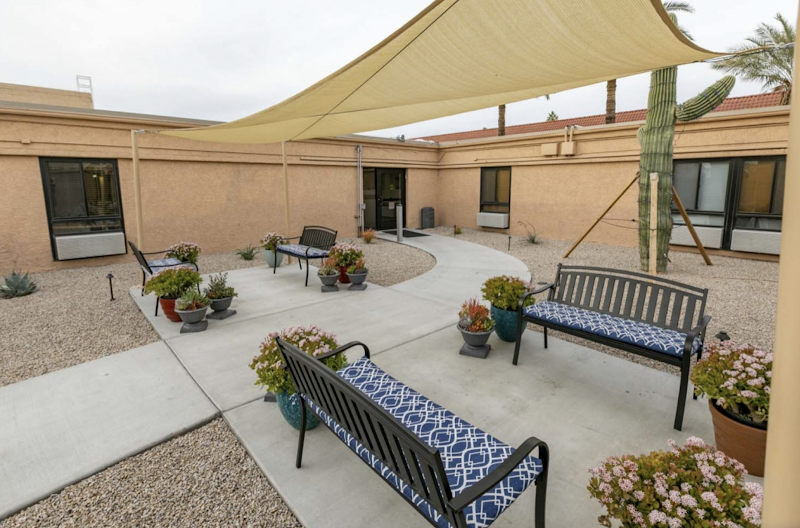
How is Osborn Staffed?

CMS rates OSBORN HEALTH AND REHABILITATION's staffing level at 3 out of 5 stars, which is average compared to other nursing homes. Staff turnover is 58%, which is 11 percentage points above the Arizona average of 46%. High turnover can affect care consistency as new staff learn residents' individual needs.

What Have Inspectors Found at Osborn?

State health inspectors documented 15 deficiencies at OSBORN HEALTH AND REHABILITATION during 2022 to 2025. These included: 14 with potential for harm and 1 minor or isolated issues.
Who Owns and Operates Osborn?

OSBORN HEALTH AND REHABILITATION is owned by a for-profit company. For-profit facilities operate as businesses with obligations to shareholders or private owners. The facility is operated by THE ENSIGN GROUP, a chain that manages multiple nursing homes. With 130 certified beds and approximately 109 residents (about 84% occupancy), it is a mid-sized facility located in SCOTTSDALE, Arizona.
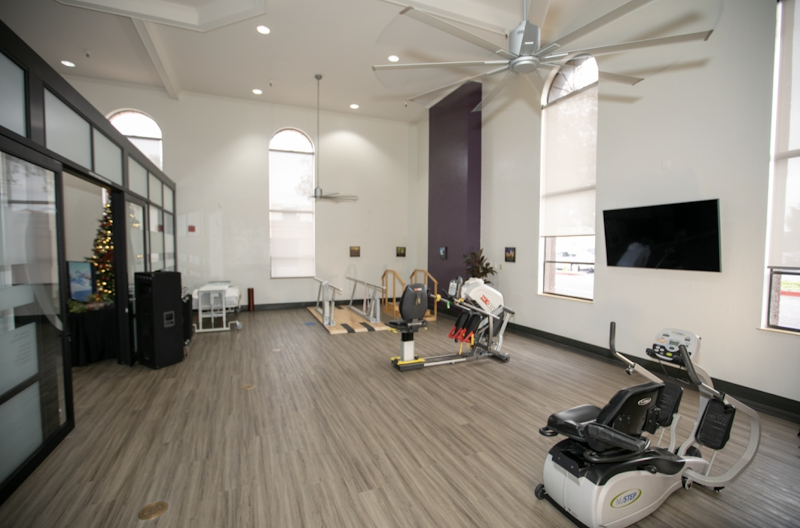
How Does Osborn Compare to Other Arizona Nursing Homes?

Compared to the 100 nursing homes in Arizona, OSBORN HEALTH AND REHABILITATION's overall rating (5 stars) is above the state average of 3.3, staff turnover (58%) is significantly higher than the state average of 46%, and health inspection rating (4 stars) is above the national benchmark.

What Should Families Ask When Visiting Osborn?

Based on this facility's data, families visiting should ask: "How do you ensure continuity of care given staff turnover, and what is your staff retention strategy?" "Can I visit during a mealtime to observe dining assistance and food quality?" "How do you handle medical emergencies, and what is your hospital transfer rate?" "Can I speak with family members of current residents about their experience?" These questions are particularly relevant given the facility's high staff turnover rate.

Is Osborn Safe?

Based on CMS inspection data, OSBORN HEALTH AND REHABILITATION has a clean safety record: no substantiated abuse findings (meaning no confirmed cases of resident harm), no Immediate Jeopardy citations (the most serious violation level indicating risk of serious injury or death), and is not on the Special Focus Facility watch list (a federal program monitoring the lowest-performing 1% of nursing homes). The facility has a 5-star overall rating and ranks #1 of 100 nursing homes in Arizona. While no facility is perfect, families should still ask about staff-to-resident ratios and recent inspection results during their visit.

Do Nurses at Osborn Stick Around?

Staff turnover at OSBORN HEALTH AND REHABILITATION is high. At 58%, the facility is 11 percentage points above the Arizona average of 46%. High turnover means new staff may not know residents' individual needs, medications, or preferences. It can also be disorienting for residents, especially those with dementia who rely on familiar faces. Families should ask: What is causing the turnover? What retention programs are in place? How do you ensure care continuity during staff transitions?

Was Osborn Ever Fined?

OSBORN HEALTH AND REHABILITATION has no federal fines on record. CMS issues fines when nursing homes fail to meet care standards or don't correct problems found during inspections. The absence of fines suggests the facility has either maintained compliance or corrected any issues before penalties were assessed. This is a positive indicator, though families should still review recent inspection reports for the full picture.

Is Osborn on Any Federal Watch List?

OSBORN HEALTH AND REHABILITATION is not on any federal watch list. The most significant is the Special Focus Facility (SFF) program, which identifies the bottom 1% of nursing homes nationally based on persistent, serious quality problems. Not being on this list means the facility has avoided the pattern of deficiencies that triggers enhanced federal oversight. This is a positive indicator, though families should still review the facility's inspection history directly.