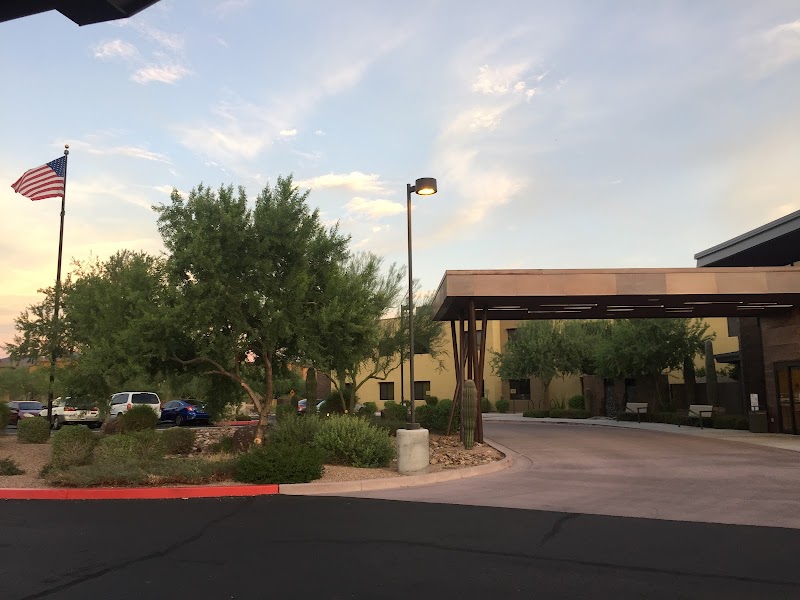
SANTE OF NORTH SCOTTSDALE

17490 NORTH 93RD STREET, SCOTTSDALE, AZ 85255 (480) 588-5386
For profit - Limited Liability company 72 Beds SANTE Data: November 2025
Trust Grade
60/100
#92 of 139 in AZ
Last Inspection: September 2024

Within standard 12-15 month inspection cycle. Federal law requires annual inspections.

Overview

Sante of North Scottsdale has a Trust Grade of C+, which means it's slightly above average but not outstanding. It ranks #92 out of 139 facilities in Arizona, placing it in the bottom half of state options, and #59 out of 76 in Maricopa County, indicating only a few local facilities are better. The facility is improving, having reduced its reported issues from 11 in 2024 to just 1 in 2025. Staffing is a concern, with a turnover rate of 67%, significantly higher than the Arizona average of 48%, though they have not incurred any fines, which is a positive sign. Specific incidents include medication not being administered as ordered for two residents, which could impact their treatment, and pain evaluations not being conducted as required for another resident, raising concerns about proper care. Overall, while Sante of North Scottsdale has some strengths in its quality measures and absence of fines, families should be aware of staffing issues and recent care shortcomings.

Trust Score
C+
60/100
In Arizona
#92/139
Bottom 34%
Safety Record
Low Risk
No red flags
Inspections
Getting Better
11 → 1 violations
Staff Stability
⚠ Watch
67% turnover. Above average. Higher turnover means staff may not know residents' routines.
Penalties
✓ Good
No fines on record. Clean compliance history, better than most Arizona facilities.
Skilled Nurses
✓ Good
Each resident gets 42 minutes of Registered Nurse (RN) attention daily — more than average for Arizona. RNs are trained to catch health problems early.
Violations
⚠ Watch
18 deficiencies on record. Higher than average. Multiple issues found across inspections.
★★★☆☆
3.0
Overall Rating
★★★☆☆
3.0
Staff Levels
★★★★★
5.0
Care Quality
★★☆☆☆
2.0
Inspection Score
Stable
2024: 11 issues
2025: 1 issues

The Good

  • 5-Star Quality Measures · Strong clinical quality outcomes
  • Full Sprinkler Coverage · Fire safety systems throughout facility
  • No fines on record

Facility shows strength in quality measures, fire safety.

The Bad

3-Star Overall Rating

Near Arizona average (3.3)

Meets federal standards, typical of most facilities

Staff Turnover: 67%

20pts above Arizona avg (46%)

Frequent staff changes - ask about care continuity

Chain: SANTE

Part of a multi-facility chain

Ask about local staffing decisions and management

Staff turnover is elevated (67%)

19 points above Arizona average of 48%

The Ugly 18 deficiencies on record

Apr 2025 1 deficiency
CONCERN (D) 📢 Someone Reported This

A family member, employee, or ombudsman was alarmed enough to file a formal complaint

Potential for Harm - no one hurt, but risky conditions existed

Accident Prevention (Tag F0689)

Could have caused harm · This affected 1 resident

**NOTE- TERMS IN BRACKETS HAVE BEEN EDITED TO PROTECT CONFIDENTIALITY** Based on clinical record review, facility documentation, and staff interviews, the facility failed to ensure that adequate super...

Read full inspector narrative →
**NOTE- TERMS IN BRACKETS HAVE BEEN EDITED TO PROTECT CONFIDENTIALITY** Based on clinical record review, facility documentation, and staff interviews, the facility failed to ensure that adequate supervision and interventions were provided to one resident (#2) to prevent elopement from the facility. The deficient practice resulted in one resident leaving the building without notice, and could result in other residents going missing and/or getting injured. Findings include: Resident #2 was admitted to the facility on [DATE] with diagnoses including nontraumatic acute subdural hemorrhage, type two diabetes mellitus, and vascular dementia. Review of Resident #2's care plan revealed a focus, initiated on April 1, 2025, that the resident was at risk for wandering behavior and at risk for elopement. Interventions in place on April 1, 2025 included the following: to clearly identify the resident's room and bathroom, to follow facility protocols for patients with wandering tendencies, to keep the patient's photo at nursing stations and the front entrance, to identify triggers and patterns for wandering or eloping, to move the resident to the second floor, for staff to be aware of patient's whereabouts, to provide care in a calm and reassuring manner, to provide clear and simple instructions, and to reorient to surroundings. Review of the Nurse Practitioner (NP) note dated April 2, 2025 revealed that the resident was observed ambulating in the hallway. The resident displayed disorganized thinking and speech, and he displayed a fixation on contacting his brother. The resident was provided orientation to his environment and situation. Review of an additional NP note dated April 3, 2025 revealed that the resident was alert and oriented to self only. The NP revealed that the resident had been confused and was seen ambulating in the hallway without clothing. Review of the Minimum Data Set (MDS) dated [DATE] revealed a Brief Interview for Mental Status (BIMS) score of 10, indicating moderate cognitive impairment. Review of the nurse's note dated April 5, 2025 revealed that Resident #2 was not found in his room, and a code pink was initiated on April 5, 2025 at 09:20AM. At this time, the NP and facility management were notified, and a search for the resident was started. Upon searching the perimeter of the building, staff were notified by a pedestrian that a possible resident was in the soccer field near the facility. Staff went to the soccer field, and observed Resident #2 sitting in a golf cart with an Emergency Medical Technician (EMT) at 09:55AM. A skin assessment and vital signs were completed, and no signs of injury or distress were noted. The resident was then assisted back to the facility at 10:15AM, and appropriate parties were contacted. Upon return, frequent checks were initiated and the resident's care plan was updated to reflect elopement risk. Additionally, pictures were placed of the resident at all nurses' stations and the front desk. Review of the facility investigative report for Resident #2's elopement on April 5, 2025 revealed that staff working during the event had provided statements. These statements revealed that the resident had last been seen by staff between 08:30AM to 09:00AM. Interview was conducted on April 8, 2025 at 12:00PM with a Certified Nursing Assistant (CNA/Staff #16), who stated that if a resident is known to have wandering tendencies, he makes sure to check on that resident often to see their needs. He further explained that if he sees these residents wandering in the halls, he would ask where they are going or if they needed help. The CNA explained the process for a missing resident would be to go to the front desk and attempt to find the resident. If the resident is not found, then a code pink is initiated. When this happens, he explained that all staff are alerted. Staff search all the rooms, halls, therapy areas, and outside areas. Interview was conducted on April 8, 2025 at 11:51AM with a Registered Nurse (RN/Staff #7), who stated that residents with wandering tendencies are typically distracted to prevent elopement. She gave examples of distractions used to be television, games, and activities with staff. The RN reported that she was unaware of any residents who had recently eloped, but described that if a resident was not able to be located, she would alert the charge nurse and Director of Nursing, and all staff would look for the resident. Interview was conducted on April 8, 2025 at 1:56PM with a Licensed Practical Nurse (LPN/Staff #42), who confirmed that she was the nurse assigned to Resident #2 on the date that he had eloped from the facility. The LPN stated that Resident #2 had approached her on April 5, 2025 between 06:30 and 07:00AM, stating that he had plans and had people to see. The LPN told the resident that he did not have plans to go to Physical Therapy that day, and the resident walked down the hall at that time. The LPN explained that the resident continued to linger in the hallway. The LPN stated that she went into Resident #2's room around 09:20AM to administer medications and could not locate the resident in his room or in the halls. She reported that upon discovering the resident was not accounted for, she notified her supervisor. When asked when the last time anyone saw the resident was, the LPN reported that she had seen the resident near the nurses' station around 09:15AM. The LPN further explained that no one else, including the front desk staff, had seen the resident exit the building, but that he was found in the soccer field near the facility. Upon return, the resident's family decided to take the resident home, as he was set to discharge the next day. The LPN described the resident as a fast walker and that he would often wander into the doorways of other residents. She reported that Resident #2 had a history of eloping, as he had previously eloped from the prior facility he resided at. The LPN reported that this history partially contributed to him being moved from a downstairs room to an upstairs room at this facility. Interview was attempted with the staff who had worked the front desk on the date of Resident #2's elopement, but the staff member was unable to be reached for interview. Interview was conducted on April 8, 2025 at 2:46PM with the Director of Nursing (DON/Staff #34), who stated that the facility is not set up for patients with wandering tendencies, so staff attempt to assess if the facility is a safe environment for them prior to admission. The DON explained that if the person is cleared to admit to the facility but has dementia or is prone to wandering behaviors, then interventions are put into place for that resident. These interventions included placing them close to the nurses' station, updating the care plan to include elopement risk, and posting the resident's picture at nurses' stations and the front desk. When asked what factors would categorize a resident as an elopement risk, the DON gave the examples of having an elopement history and having confused mentation or wandering habits. The DON also stated that residents are allowed to come and go from the building but are asked to sign in and out when doing so. She also stated that residents have the right to leave AMA. When asked if residents who are not cognitively intact can leave the building unattended, the DON stated that the facility does not send staff to accompany residents out of the building, so family would be contacted to see if the family could come in or bring whatever the resident desired. The DON identified the risks associated with not knowing where a resident is to be safety and liability concerns. When asked about Resident #2's elopement, the DON confirmed that the resident had been seen on April 5, 2025 at about 06:30AM for shift-change and vital signs. She stated that Resident #2 continued to pace up and down the hallway and talk to staff around 08:30AM. The DON then described the steps taken once the nurse realized he was missing, including searching and finding the resident at the soccer field with an off-duty EMT. When asked if the front desk staff had seen Resident #2 leave, the DON replied that the front-desk staff was interviewed and did not see the resident go. He had assumed that the resident had left when the staff stepped away to go to the printer. The DON stated that the resident was not noted as an elopement risk prior to the elopement occurring, as the resident had not shown behaviors during his stay that would make him be an elopement risk. She elaborated that the resident had been noted to be pacing up and down the hallways, and this was why the resident's room was moved from the first floor to the second floor and his photos were placed at the front desk and nurses' stations. The DON stated that the resident did not appear to be exit-seeking or pushing on any doors. Review of the facility policy titled, Behavioral Assessment, Intervention and Monitoring, dated December 2016, revealed that the interdisciplinary team evaluates behavioral symptoms in residents to determine the degree of severity, distress, and potential safety risk to the resident, and develops a plan of care accordingly. Additionally, this policy specified that the DON or designee will evaluate whether the staffing needs have changed based on the acuity of residents and their plan of care.
Dec 2024 2 deficiencies
CONCERN (D) 📢 Someone Reported This

A family member, employee, or ombudsman was alarmed enough to file a formal complaint

Potential for Harm - no one hurt, but risky conditions existed

Free from Abuse/Neglect (Tag F0600)

Could have caused harm · This affected 1 resident

**NOTE- TERMS IN BRACKETS HAVE BEEN EDITED TO PROTECT CONFIDENTIALITY** Based on documentation, staff and resident interviews, and the facility policy and procedures, the facility failed to ensure tha...

Read full inspector narrative →
**NOTE- TERMS IN BRACKETS HAVE BEEN EDITED TO PROTECT CONFIDENTIALITY** Based on documentation, staff and resident interviews, and the facility policy and procedures, the facility failed to ensure that resident (#22) was given a safe place to store valuable personal belongings and personal/medical information for safe keeping in her room to prevent personal property from being misappropriated. The deficient practice could result in residents' property being misappropriated. Findings include: Resident #22 was admitted to the facility on [DATE] with diagnoses that included periprosthetic fracture around internal prosthetic left hip joint, fall on the same level, Parkinson's Disease, and dementia. The inventory of personal effects dated November 23, 2024 revealed: one black purse, one brown wallet, one credit card, two forms of identification (ID), #53.00, and a medical card. The form was signed by a certified nursing assistant (CNA/staff #15). The minimum data set (MDS) dated [DATE] included a brief interview for mental status score of 15 indicating the resident was cognitively intact. The care plan dated December 24, 2024 revealed the resident has a impaired cognitive function/dementia or impaired thought process. Interventions included for staff to use approaches that maximize involvement in daily decision making and activity (specify: limit choices, use cueing, task segmentation, written lists, instructions). Review of the Comment and Concern Form dated November 25, 2024 at 9:30 a.m. revealed that the resident reported that her wallet was missing. The Property Response and Investigation Form dated November 25, 2024 at 9:45 a.m. revealed that after completing a thorough search of the resident's room with the resident, the wallet was not located. Review of the nurse practitioner (NP) note dated November 25, 2024 revealed that the resident was was referred for an evaluation of mental status. The resident is a [AGE] year old female, appears stated age, alert and oriented times three, with good eye contact. The resident reported a possible visual hallucination (VH) of seeing someone stealing her ID and cards from her wallet. The resident reports being unsure if this was a VH or if someone actually stole from her. The resident states seeing this the other night. Documentation of a letter dated November 29, 2024 by the Administrator in Training (AIT/staff #3) revealed that the facility was not able to locate the resident's wallet with $53.00 and the resident's identification. The resident's room and personal belongings were searched with the resident present and the wallet was not located. An interview was conducted on December 4, 2024 at 10:27 a.m. with the Senior [NAME] President of Clinical Operations and Compliance, who is currently the Acting Administrator (staff #1). She stated that the staff who completes the admission process with the resident also, completes the inventory of personal effects form and talks about the lock box, where valuables can be stored, in the resident's room with the resident. If the resident wants to use the lock box, the resident can request a key. On December 4, 2024 at 11:30 a.m., resident (#22) was interviewed. She stated that when she was admitted to the facility, she had her purse with a wallet. She stated that she put her purse with her wallet in the top side table drawer next to the bed and the wallet was gone from her purse the next morning. She stated that there was $150.00, a credit card, insurance card, and her Social Security card in the wallet. It was observed that the resident still had a black purse and it was empty. She stated that she was more upset about her identity being stolen than the money. She stated that she thinks she remembers a women going through her belongings and completing an inventory list, but the woman never told her about a safe or a key to lock to the bedside table drawer. There was no key observed in the lock of the bedside table drawer and she stated that there was never a key to the drawer. She stated that the facility gave her daughter $50.00 for the money that was missing. She stated that she thinks that she saw a man by her room door during the night, but she may have been dreaming. An interview was conducted on December 4, 2024 at 11:54 a.m. with (CNA/staff #7), who stated that the admission Checklist form is reviewed and completed when a resident is being admitted to the facility. It was observed that the checklist included to unpack the resident's possessions and place appropriately in the room, and if valuables are noted, inform the nurse. Staff #7 also stated that the CNA usually completes the inventory of personal effects form with the resident and typically identifies the belongings in the purse and the wallet. She stated that ID cards, debit cards, and social security cards should be documented on the inventory form. Staff #7 stated that sometimes she offers a key to the bedside table drawer to secure valuable belongings and if a family member is present she tells the resident that the family may want to take valuable belongings home. Then she stated that she does advise the resident to lock up personal information, money, and credit cards in the bedside table drawer and if the resident refuses to lock up valuables, she probably should document the refusal, but usually just tells the nurse. She stated that the resident can: lock valuables in the bedside table drawer, store in the locked medication cart, or keep in the facility safe. An interview was conducted on December 4, 2024 at 12:08 p.m. with a licensed practical nurse (LPN/staff #10), who stated that when a resident has valuable personal property, he asks the resident if he or she wants to keep the items, lock in the medication cart, or give the items to family to take home. He stated that if the resident is not oriented, he contacts the family about the valuables. He stated that the above should be documented in a progress note. On December 4, 2024 at 1:43 p.m. it was observed that five out of ten rooms did not have keys in the bedside table drawers. The (CNA/staff #68) stated that the keys are usually in the locks of the bedside table drawer and she did not know where the keys had gone. The (CNA/staff #7) joined the interview and stated that if the key is missing from the bedside table drawer, staff has to report it to the Guest Services Director, so she can have maintenance replace the key; she stated that the keys are not always in the rooms. An interview was conducted on December 4, 2024 at 2:10 p.m. with the Guest Services Director (staff #79), who stated that when staff report a key is missing from the bedside table drawer, she contacts maintenance to make a new one. She does not know what staff do on Sunday and Monday because she doesn't work on those days, but residents can store valuable belongings in the facility safe or in the medication cart until a family member can pick it up. An interview was conducted on December 4, 2024 at 2:24 p.m. with the Maintenance Director (staff #104), who stated that if resident's don't ask for a key for the bed side table, they don't give them one and keys go missing all the time. During a second interview conducted on December 4, 2024 at 2:36 p.m. with the Senior [NAME] President of Clinical Operations and Compliance, who is currently the Acting Administrator (staff #1). She stated that the inventory of personal effects form dated November 23, 2024 was signed by (CNA/staff #15), who worked from 6:00 p.m. to 6:30 a.m. on November 23, 2024. During the interview, staff #1 stated that the licensed practical nurse (LPN/staff #39) worked on November 23, 2024 and completed the resident's skin assessment at 4:02 p.m., but there was no documentation regarding the resident's personal belongings in staff #39's progress notes. She also stated that the registered nurse (RN/staff #57) worked the noc shift on November 23, 2024 and there was no mention of the resident's personal belongings in her progress notes. An interview was conducted on December 4, 2024 at 3:50 p.m. with the (CNA/staff #15), who stated that she completed the inventory of personal effects form with the resident, which included going through the resident's purse and wallet with the resident and documenting the items on the inventory form. She stated that she tells the nurse when money, credit cards, and personal information needs to be locked up, but if the resident doesn't want the items locked up, she doesn't tell the nurse because that is the resident's right to keep his or her valuable belongings. She stated that she never looked to see if there was a key in the bedside table drawer, but there usually is a key, and never asked the resident if she wanted a key to lock up her personal belongings. She stated that after she put everything back into the wallet, she put the resident's wallet into the purse and left the room. She then stated that she told the charge nurse that the resident had a purse and wallet, but doesn't remember if she told her that the resident had money, credit cards, or medical information. An interview was conducted on December 5, 2024 at 9:04 a.m. with a licensed practical nurse (LPN/staff #24), who stated that she has worked as the charge nurse on November 23, 2024 during the noc shift. She stated that it is her expectation that the CNA goes over the resident's personal belongings with the resident in the resident's room, completes the inventory form, and both are supposed to sign and date the form. She stated that the CNA is supposed to inform the resident that valuables can be locked up in the medication cart, contact the family to pick up the valuables, or lock the valuables in the bedside table drawer. She was not sure if the key to the bedside table drawer is always in the lock or left in the room, and staff should ask the nurse if a key is not present. She stated that the CNA should report to her if the resident wants to keep her valuable personal belongings, so she can go over the options for safe storage with the resident. Staff #24 stated that she knows the resident and the CNA did not tell her that the resident wanted to keep valuable personal belongings. She reiterated that the conversation between her and (CNA/staff #15) never took place. She stated that the resident was not admitted during her shift and she was not aware that (CNA/staff #15) completed the inventory of personal effects form with the resident during her shift. She also stated that if the resident's belongings are gone, she considers this misappropriation. An interview was conducted on December 5, 2024 at 9:45 a.m. with the Administrator in Training (AIT/staff #3), who stated that resident #22 told him that her wallet was in her purse on the table. Staff #3 found the resident's purse hanging on the bedside table, but did not locate the wallet. He stated that he searched the room, including the trash, and had the laundry room searched, but did not locate the wallet. Then he called the police because it could have been theft to report a missing wallet, but he did not believe the wallet was stolen. He stated that the CNA is supposed to complete the inventory of personal effects form with the resident in the resident's room and if there are things of value that the resident wants to keep, the CNA should offer the resident a key to the bed side drawer, so the valuables can be locked up, or have the family come to pick the items up. He stated that if there is no key, the CNA should notify maintenance to get a key and maintenance is available on weekends. The CNA should also report that the resident has valubles in the room to the nurse and the nurse should document this information, follow up with the resident, and should encourage the resident to lock up the valuables in the room. He stated that if the CNA never checked for a key or offered a key to lock valuables in the bed side drawer, it created a risk for misappropriation. The facility policy, Admitting the Resident: Role of the Nursing Assistant states to give the original copy of the Inventory of Personnel Effects Record to the nurse supervisor. Encourage the resident to not keep any valuables with them. Valuables can be given to their family member or individual of choice. If they prefer to keep the valuables in their possession, offer the locked drawer in the resident's room and obtain the key from the housekeeper supervisor. The facility policy, Abuse Prevention Program states that the facility will develop and implement policies and procedures to aid the facility in preventing abuse, neglect, or mistreatment of the residents.
CONCERN (D) 📢 Someone Reported This

A family member, employee, or ombudsman was alarmed enough to file a formal complaint

Potential for Harm - no one hurt, but risky conditions existed

Investigate Abuse (Tag F0610)

Could have caused harm · This affected 1 resident

**NOTE- TERMS IN BRACKETS HAVE BEEN EDITED TO PROTECT CONFIDENTIALITY** Based on documentation, staff and resident interviews, and the facility policy and procedures, the facility failed to complete a...

Read full inspector narrative →
**NOTE- TERMS IN BRACKETS HAVE BEEN EDITED TO PROTECT CONFIDENTIALITY** Based on documentation, staff and resident interviews, and the facility policy and procedures, the facility failed to complete a thorough investigation regarding an allegation of misappropriation for one resident (#22). The deficient practice could result in the misappropriation of the residents' property. Finding include: Resident #22 was admitted to the facility on [DATE] with diagnoses that included periprosthetic fracture around internal prosthetic left hip joint, fall on the same level, Parkinson's Disease, and dementia. The inventory of personal effects dated November 23, 2024 revealed: one black purse, one brown wallet, one credit card, two forms of identification (ID), #53.00, and a medical card. The form was signed by a certified nursing assistant (CNA/staff #15). Review of the schedule dated November 24, 2025, revealed the following staff worked the noc shift from 6:00 p.m. to 6:30 a.m.: -licensed practical nurse (LPN/staff #82) -certified nursing assistant (CNA/staff #15) was assigned to rooms #200 to #205 and #219 to #225 -(CNA/staff #90) was assigned to rooms #206 to #218 Review of the time card from November 24, 2024 through November 30, 2024 for (LPN/staff #82) revealed that staff worked: -November 24, 2024 from 7:26 p.m. to 6:31 a.m. -November 25, 2024 from 6:08 p.m. to 6:32 a.m. -November 26, 2024 from 6:24 p.m. to 7:44 a.m. -November 29, 2024 from 6:08 p.m. to 6:46 a.m. Review of the time card from November 23, 2024 through November 30, 2024 for (CNA/staff #15) revealed that staff worked: -November 23, 2024 from 6:13 p.m. to 6:36 a.m. -November 24, 2024 from 6:08 p.m. to 6:35 a.m. Review of the time card from November 23, 2024 through November 30, 2024 for (CNA/staff #90) revealed that staff worked: -November 23, 2024 from 5:55 p.m. to 6:14 a.m. -November 24, 2024 from 5:54 p.m. to 6:26 a.m. -November 26, 2024 from 6:13 p.m. to 6:05 a.m. -November 28, 2024 from 5:59 p.m. to 6:00 a.m. Review of the schedule dated November 25, 2025, revealed the following staff worked the day shift from 6:00 a.m. to 6:30 p.m.: -LPN/staff #10) -(LPN/staff #94) -(LPN/staff #117) -(CNA/staff #99) was assigned to the 200 hall -CNA/staff #118) was assigned to the 200 hall -(CNA/staff #205) was assigned to the 200 hall Review of the Comment and Concern Form dated November 25, 2024 at 9:30 a.m. revealed that resident #22 reported that her wallet was missing. The Property Response and Investigation Form dated November 25, 2024 at 9:45 a.m. revealed that after completing a thorough search of the resident's room, #204, with the resident, the wallet was not located. Review of the 5-day investigation revealed that Administrator in Training (AIT/staff #3) was notified on November 25, 2024 at 9:30 a.m. that resident #22 was unable to locate her wallet with $53.00 and her identification (ID) the previous day. Immediately after receiving the notification, he went to the resident's room and searched the room, including her personal belongings with the resident present. He was unable to locate the wallet and started his investigation. CNAs and nurses involved in care and was unable to determine a staff member as the perpetrator due to a lack of evidence. The investigation included interviews with a licensed practical nurse (LPN/staff #10), (LPN/staff #94), and (LPN/staff #117). The investigation did not reveal any CNA interviews or any staff interviews from the noc shift on November 24, 2024 even though the resident reported not seeing the wallet since the day prior. During a second interview conducted on December 4, 2024 at 2:36 p.m. with the Senior [NAME] President of Clinical Operations and Compliance, who is currently the Acting Administrator (staff #1). She stated that the inventory of personal effects form dated November 23, 2024 was signed by (CNA/staff #15), who worked from 6:00 p.m. to 6:30 a.m. on November 23, 2024. She also stated that the registered nurse (RN/staff #57) worked the noc shift on November 23, 2024. Note that the 5-day investigation did not reveal staff interviews for (CNA/staff #15) or (RN/staff #57). An interview was conducted on December 5, 2024 at 9:45 a.m. with the Administrator in Training (AIT/staff #3), who stated that he was in charge of the investigation. He stated that resident #22 told him that her wallet was in her purse on the table. Staff #3 found the resident's purse hanging on the bedside table, but the wallet was not there. He stated that he searched the room, including the trash, and had the laundry room searched, but did not locate the wallet with the contents. Then he called the police because it could have been theft, to report the missing wallet, but he did not believe that it was theft. He stated that he interviewed residents and staff that worked on the prior shift. During the interview, the staff schedule dated November 24, 2024 was reviewed and staff #3 stated that (LPN/staff #82), (CNA/staff #15), and (CNA/staff #90) were assigned to the resident's hall on November 24, 2025 from 6:00 p.m. to 6:30 a.m. (Note that review of the 5-day investigation did not reveal interviews for LPN/staff #82), (CNA/staff #15), and (CNA/staff #90).) Then staff #3 stated that during the investigation, he was only looking at all the staff that worked on the noc shift on November 23, 2024 even though the wallet with the contents was not reported missing until November 25, 2024. Staff #3 confirmed that (CNA/staff #15) worked the noc shift on November 23, 2024 and November 24, 2024 and staff #15 had been the CNA who completed the inventory sheet in the room with the resident on November 23, 2024. He stated that it took him five days to complete the investigation and (LPN/staff #82), (CNA/staff #15), and (CNA/staff #90) weren't suspended during the investigation. He stated that he contacted the Administrator for sister facility and asked if the above staff should be suspended pending the investigation and was told that it was not necessary. Then staff #3 stated that he was not in charge of the investigation and the Director of Nursing was in charge and the DON told him that that the above staff didn't need to be suspended pending the investigation. He stated that he didn't think the staff should be suspended pending the investigation because the resident stated that the wallet could have fallen in the trash or on the floor, but did not document the interview with the resident. Then staff #3 stated that number 3 on the 5-day investigation was the resident's statement, which stated that, The Administrator-in-Training (AIT) met with the resident to discuss the incident, the room was searched with the resident and nothing was found. The inventory sheet was referencced and the wallet was mentioned. Note that an interview for (CNA/staff #90) and (CNA/staff #15) was not included in the 5-day investigation. (RN/staff #57) was from an agency and the facility was not able to contact her for an interview. The facility policy, Abuse Prevention Program states that the facility will investigate and report any allegations of abuse within the timeframes as required by federal requirements and protect residents during abuse investigations.
Oct 2024 1 deficiency
CONCERN (D) 📢 Someone Reported This

A family member, employee, or ombudsman was alarmed enough to file a formal complaint

Potential for Harm - no one hurt, but risky conditions existed

Quality of Care (Tag F0684)

Could have caused harm · This affected 1 resident

**NOTE- TERMS IN BRACKETS HAVE BEEN EDITED TO PROTECT CONFIDENTIALITY** Based on clinical record review, staff interviews, and facility policy, the facility failed to ensure one resident (#2) received...

Read full inspector narrative →
**NOTE- TERMS IN BRACKETS HAVE BEEN EDITED TO PROTECT CONFIDENTIALITY** Based on clinical record review, staff interviews, and facility policy, the facility failed to ensure one resident (#2) received treatment and care in accordance with professional standards of practice regarding anticoagulant therapy. The deficient practice could lead to risk of bleeding in residents on anticoagulant therapy. Findings include: Resident #2 was admitted to the facility on [DATE] with the diagnosis that included acute cystitis without hematuria, thrombocytopenia, left bundle branch block, personal history of transient ischemic attack (TIA) and cerebral infraction without residual deficits. Review of clinical record dated August 20, 2024 at 09:53 revealed a nurse practitioner progress note Cardiology was consulted given his anticoagulation needs for mechanical aortic valve status post aortic valve replacement. They advised to continue to monitor INR until therapeutic range 2.5-3.5. Review of Resident's Minimum Data Set (MDS) dated [DATE] revealed a Brief Interview for Mental Status (BIMS) score of 13.0 which revealed resident was cognitively intact. The MDS included that the resident has a history of anemia, hypertension, hemiplegia, trans ischemic attack (TIA). Review of physician order included following orders: - Warfarin Sodium oral tablet (anti-coagulant) give 6 mg (milligram) by mouth one time a day every Tuesday and Thursday for A-fib. with order date of August 19, 2024, hold date from September 2 to 3, 2024, hold date from September 5 to 6, 2024, hold date from September 6 to 7, 2024 and hold date from September 10 to 10, 2024 and hold date from September 10 to 25, 2024. - Warfarin Sodium oral tablet give 5 mg by mouth one time a day every Monday, Wednesday, Friday, Saturday, Sunday for A-fib with order date of August 19, 2024, hold date from September 2 to 3, 2024, hold date from September 5 to 6, 2024, hold date from September 6 to 7, 2024 and hold date from September 10 to 10, 2024 and hold date from September 10 to 25, 2024. - INR (International Normalized Ratio that measures how long it takes for blood to clot) daily on Monday and Thursday for A-fib with start date of August 29, 2024 and d/c (discontinue) date of September 6, 2024. - INR daily one time a day for A-fib with start date of September 7, 2024 Review of clinical record revealed that the resident's INR was at 8.0 on September 5, 2024 and September 7, 2024. Review of clinical record dated September 6, 2024 at 16:29 revealed a physician's progress note that stated that the resident's INR was elevated on September 6, 2024. It further included for September 5, 2024 to hold coumadin x 3 days and stated to not dose vitamin K. However, the review of September MAR (Medication Administration Record) revealed that warfarin sodium 5 mg was administered at 1700 on September 7, 2024. The INR result on September 7 was 8.0 which is above the therapeutic range of 2.5-3.5. In addition, the physician progress note dated September 6, 2024 stated to hold coumadin for 3 days. The MAR revealed that warfarin sodium 5 mg was administered at 1700 on September 8. Review of clinical record revealed that the resident's INR result on September 8 was 10.0 which is above the therapeutic range of 2.5-3.5. The September MAR revealed that the Warfarin was on hold and not administered on September 9 through 11, 2024. The INR result was 10.0 on September 9, 2024, 1.2 on September 10, 2024 and 10.0 on September 11, 2024. Review of clinical record dated September 11, 2024 at 10:05 revealed a nurse practitioner note that stated the resident was unresponsive, leaning towards the right side, looking right, and drooling. B/P (blood pressure) and HR (heart rate) was elevated, O2 sats (oxygen saturation) 99%. The note stated MD (Medical Director) was called and 911 called, patient was sent to the hospital for workup. Review of clinical record dated September 11, 2024 at 16:53 revealed resident #2 was not feeling well, started to vomit, had an altered mental status and right-side deficit, 911 was called and then transported out. An interview was conducted on October 24, 2024 at 12:29 pm with a licensed practical nurse (LPN)/Staff #30. Staff # 30 stated that for patient on warfarin, they monitor INR because of the risk of bleeding. When INR levels are above 2 or abnormal, they have to taper the medication up and down. The INR are scheduled and some are done daily, they check the INR level at 5:00 am, and the INR are check with their machine that looks like a blood sugar check machine, and the night shift does the INR check and they order any laboratory works for those unable to get the INR. She stated that she will call the doctor if their INR level is abnormal. If the INR is drawn by the laboratory staff, the charge nurses will notify the doctor or the floor nurse. If night nurse drew the INR blood, it is given through report to the morning nurse and they notify the doctor. Once they get notified if above range, she follows the doctor's order. In addition, she stated that they are monitoring patients on blood thinners by watching for bruising, throwing up, and observing the color of their emesis and poop if there are any signs of bleeding. An interview was conducted with the director of nursing (DON)/Staff #20 on October 24, 2024 at 1:19 pm. The DON stated that the process for laboratory blood drawing is they receive orders from the physician and then go through outside company to draw the ordered labs. The laboratory tech comes in the morning and collect the lab and in an hour the results populate in the patient's chart, and then they report abnormal labs to the physician such as CBC (complete blood count), BMP (basic metabolic panel). She stated that for Point of Care testing such as accuchecks, PCR (viral testing), c-diff and MRSA, and INRs. She stated for INRs that are ordered daily, it is out sourced to outside lab, the results are logged in patient's chart under Results Tab in PCC (Point Care Click). She stated that they do not draw their own INR, there is no Point of Care testing for INRs. An interview was conducted with the administrator/Staff #25 on October 24, 2024 at 3:31 pm. Staff #25 stated that the process for patient on blood thinners is they are monitored for signs and symptoms of bleeding. Staff #25 stated that they do PT(pro time)/INR and their PT/INR depends on doctor's order, depends on type of anticoagulant. She stated that the PT/INR are drawn per finger stick and laboratory draw. Staff #25 stated they have a point of care testing for INR like a fingerstick. She stated that there is no quality control for INR checks according to manufacture it is built in the system. The administrator stated that if INR is questionable, especially if the staff know the patient well, they will ask the doctor for a laboratory draw. The administrator stated that they cannot administer coumadin until they get the INR result. The administrator stated that in the MAR, a check mark means it is done, given or completed medication administered. In addition, the administrator stated that the process when patient is on coumadin, they monitor signs and symptoms of bleeding, labs as ordered by the physician for therapeutic levels, they report laboratory result to physician so to make changes with dosing. Review of facility policy titled, Medication and Treatment Orders, revised July 2016 revealed (14) orders for anti-coagulants will be prescribed only with appropriate clinical and laboratory monitoring. (a) The attending physician must periodically record in the progress notes the results of the laboratory monitoring and review for potential complications.
Sept 2024 8 deficiencies
CONCERN (D)

Potential for Harm - no one hurt, but risky conditions existed

Deficiency F0552 (Tag F0552)

Could have caused harm · This affected 1 resident

**NOTE- TERMS IN BRACKETS HAVE BEEN EDITED TO PROTECT CONFIDENTIALITY** Based on clinical record review, staff interviews, and policy review, the facility failed to ensure one Resident # 42 was inform...

Read full inspector narrative →
**NOTE- TERMS IN BRACKETS HAVE BEEN EDITED TO PROTECT CONFIDENTIALITY** Based on clinical record review, staff interviews, and policy review, the facility failed to ensure one Resident # 42 was informed of the risks and benefits related to use of psychotropic medication for one resident (#42). The deficient practice could result in residents not having the choice to refuse proposed treatment plans as well as to be informed of potential adverse side effects of receiving psychotropic medications. Findings include: Resident #42 was admitted on [DATE] with diagnoses that included urinary tract infection (UTI), severe sepsis without septic shock, and acute respiratory failure with hypoxia. A physician order dated September 2, 2024 included for Mirtazapine (antidepressant) 15 mg (milligram), to give 1 tablet by mouth at bedtime for depression as evidenced by verbalization of sadness. A review of the MDS (minimum data set) assessment dated [DATE] revealed a BIMS (brief interview of mental status) score of 10 indicating the resident had moderate cognitive impairment. A nurse practitioner note dated September 5, 2025 revealed that the resident had Mirtazapine 15 mg as current psychiatric medication; and that, the resident was unaware of the current medication. Review of medication administration records (MAR) for September 2024 revealed that Mirtazapine was documented as administered from September 2 through September 11, 2024. Despite documentation that resident was receiving Mirtazapine, there was no evidence found in the clinical record that the resident was informed of the risk and benefits for the use of Mirtazapine. An interview was conducted on September 12, 2024 at 8:58 a.m. with the MDS Coordinator (Staff #28) who stated that resident #42 was started on an anti-depressant on September 2, 2024. The MDS coordinator stated that she was unable to find that the risks and benefits related to Mirtazapine was explained to the resident. An interview with Director of Nursing (DON/staff #66) was conducted on September 12, 2024 at 9:09 a.m. The DON stated that the clinical record revealed no documentation that explained the risks and benefits for the use of Mirtazapine was found in the clinical record for resident #42. The DON stated that Mirtazapine was ordered for resident #42 on September 2, 2024 and did not have an end date. The Director of Health Information (DHI/staff #163) joined the interview and stated that there was no consent form that explained the risks and benefits for the use of Mirtazapine found in the clinical record. In another interview conducted with the DON on September 12, 2024 at 9:27 a.m., the DON stated that the purpose of a consent was make the residents aware of the treatment and side effects of the psychotropic medication. The DON stated that there was no documentation that the risks and benefits for the use of Mirtazapine were explained prior to its administration for Resident #42. Further, the DON stated that this did not meet the facility's expectations. An interview with resident #42 was conducted on September 12, 2024 at 9:50 a.m. The resident stated that he make his own choices and he was not aware that he was taking Mirtazapine or any anti-depression medications. Review of the facility's policy on Resident Rights, revised on December 2016, revealed that federal and state laws guarantee certain basic rights to all residents of this facility; these rights include the resident's right to: be informed of, and participate in, his or her care planning and treatment.
CONCERN (D)

Potential for Harm - no one hurt, but risky conditions existed

Deficiency F0576 (Tag F0576)

Could have caused harm · This affected 1 resident

**NOTE- TERMS IN BRACKETS HAVE BEEN EDITED TO PROTECT CONFIDENTIALITY** Based on observations, clinical record review, interviews, and facility policy review, the facility failed to ensure that commun...

Read full inspector narrative →
**NOTE- TERMS IN BRACKETS HAVE BEEN EDITED TO PROTECT CONFIDENTIALITY** Based on observations, clinical record review, interviews, and facility policy review, the facility failed to ensure that communication deficit was addressed with interventions to accommodate needs and abilities for one resident (#327) . The sample size was one of one. The deficient practice could result in a care plan that did not meet the resident's needs. Findings Include: Resident #327 was admitted on [DATE] with diagnoses of cerebral infarction, hemiplegia and hemiparesis affecting the right side, and encephalopathy. The hospital speech therapy note dated August 27, 2024 revealed that the resident had impaired cognition, dysphagia (swallowing disorder), and dysarthria (speech disorder); and that, the resident had moderate dysarthria impacting overall intelligibility at conversational level. Strategies included were for the resident to slow rate of speech and over-articulate sound to improve intelligibility. The hospital discharge instructions dated September 3, 2024 revealed that discharge diagnoses of stroke, right hemiplegia, dysarthria, and dysphagia. The admission evaluation summary dated September 3, 2024 included the resident was admitted for acute encephalopathy, CVA (cardiovascular accident), dysphagia and weakness. Per the documentation, the resident was able to complete simple commands, best verbal response was oriented and appropriate, and, was capable of voicing like/dislikes and preferences for meal choices. It also included that ability to hear was adequate (with hearing aid or hearing appliances if normally used) and there was no hearing aid or other hearing appliance used while determining hearing abilities. Further, the documentation included that the resident was understood when expressing ideas and wants, using verbal and non-verbal expression, understands verbal content and speech pattern was clear. The inventory sheet dated September 3, 2024 revealed no evidence of glasses, hearing aids, or dentures listed as the resident's belongings on admission. A physician order dated September 3, 2024 included for speech therapy evaluation, screening, and treatment A speech therapy evaluation completed by speech therapist (ST/staff #113) and signed on September 4, 2023 revealed the resident had moderate dysarthria, dysphagia, cognitive impairment, visual deficits on the right side, was very hard of hearing and required increased volume. The evaluation included that the resident's ability to express ideas and wants was documented as sometimes understood. Per the documentation, the resident's speech intelligibility at the short phrase level was 50%; and, identified a short-term goal for resident to demonstrate 75% speech intelligibility at the short phrase level to better communicate her wants, needs, pain and medical situation. Approaches may include treatment of speech, language, voice, communication, and/or auditory processing. The baseline care plan initiated September 4, 2024 revealed the resident had a self-care deficit as evidenced by the need for assistance with ADLs (activities of daily living) related to age, limited mobility, CVA, right hemiplegia, dysphagia and cognitive impairment. Interventions included 1-2 staff participation with ADLs. The admission MDS (minimum data set) assessment dated [DATE] revealed a BIMS (brief interview of mental status) score of 7 indicating the resident had severe cognitive impairment. The assessment coded the resident had adequate hearing, no difficulty in normal conversation, social interaction, listening to TV; and, had no hearing aid. It also included that the resident had clear speech, defined as distinct intelligible words; the ability to express ideas and wants was coded as understood; and, the ability to understand others was coded as understands - clear comprehension. Despite coding this information, the resident was coded as rarely/never understood and family/significant other not available in another section of the MDS. Review of the updated care plan revealed initiated on September 11, 2024 revealed the resident was at risk for miscommunication due to dysarthria, cognitive deficits, and hard of hearing. Goals included that the resident will be able to make basic needs known on a daily basis and have improved communication with others, understanding others, engaging in every day decision making. Interventions included to allow the resident time to express thoughts and feelings, use communication techniques which enhance interaction, allow adequate time to respond, repeat as necessary, do not rush, request feedback, clarification from the resident, to ensure understanding, face when speaking and make eye contact, turn off TV/radio as needed to reduce environmental noise, ask yes/no questions if appropriate, use simple, brief, consistent words/cues, use effective strategies such as touch, facial expression, eye contact, gestures, tone of voice, non-threatening posture, short direct phrases, speak slowly, speak in a calm, distinct manner, time to communicate, 1:1 quiet setting for communicating with resident, encourage resident to continue stating thoughts even if resident is having difficulty, and focus on a word or phrase that makes sense, or respond to the feeling resident is trying to express. An observation and attempted interview with resident #327 conducted on September 9, 2024 at 10:05 a.m. revealed the resident laying in the bed in her room, had no teeth, verbalizing phrases with very slurred speech and was very difficult to understand. There was no evidence of any communication devices, such as whiteboard with pen found in the room. During the attempts to communicate, the resident repeatedly motioned with her hand toward her ear indicating what appeared to be an attempt to communicate to come closer and speak louder. An interview with a certified nurse assistant (CNA/staff #24) conducted on September 11, 2024, at 7:48 a.m., the CNA stated that he had just worked with the resident was weak on one side, had slurred speech, and was difficult to understand. He stated that he was not sure if the resident had normal hearing. The CNA stated that he had to ask the resident leading yes' or no questions to understand what the resident was saying. Further, the CNA stated that if the resident were to say a full sentence that he would not be able to understand her. The CNA said that he was not sure whether any of the nurses or therapists had put in place any communication recommendations for the resident; but, using a whiteboard would help with individuals like the resident. In an interview conducted with the ST (staff #113) on September 11, 2024, at 7:52 a.m., the ST stated that resident #327 had an extremely bad hearing problem, a visual field cut, and the biggest issue was her speech intelligibility. The ST stated that she was working on the resident's communication with various interventions; and, she was using the whiteboard which was in the resident's room at bedside. The ST stated that she had let had let nursing know to use the whiteboard, to let the resident see their face and speak slowly. The ST stated that she was not involved in creating or revising the care plan of a resident; but she writes/revises orders and communicates verbally with the nursing staff. Furthermore, the ST stated that the risk for a resident who was unable to effectively communicate with staff was that the resident cannot express how they are feeling or may not be able to follow instructions, which could lead to a missed injury or contribute to falls. An interview with the Director of Rehab (Staff #145) was conducted on September 11, 2024 at 8:22 AM. The director of rehab stated that her expectation was that the information on communication issues were communicated by a therapist to a nurse to be added to the resident's care plan; and that, items that should be on the care plan include communication issues with hearing or speech, and identify if someone uses a whiteboard. In an interview with the MDS coordinator/Staff #28) conducted on September 11, 2024, at 8:35 a.m., the MDS coordinator stated that while conducting her portions of the MDS assessment, she recalled that resident #327 had clear speech and coded her as such on the MDS assessment. However, later in the interview, the MDS coordinator stated that the resident's communication took a lot of time and that the resident was in and out of clear speech. The MDS coordinator also said that for a resident who have a diagnosis of dysarthria there should be care plan related to communication. The MDS coordinator stated that there would be no risk of harm to a resident who could not effectively communicate their needs to staff, because the residents get checked on. An interview with the Director of Nursing (DON/staff #66) was conducted on September 11, 2024, at 9:00 AM. The DON stated that resident #327, the DON stated that she did not see anything about the resident's hard of hearing and communication problem in the resident's care plan. The DON further stated that there could be risk for harm if a resident was not able to communicate effectively. An interview with the administrator (staff #143) was conducted on September 11, 2024. The Administrator stated that staff does not have a problem communicating with Resident #327. In another observation conducted on September 12, 2024 at 9:20 a.m., the resident in the bed in her room, attempting to communicate with very slurred speech, and was pointing to her mouth and to the juice cup on the bedside table while attempting to communicate. There were no communication devices such as a whiteboard with pen to use to assist in communicating with the resident. A CNA (staff #24) joined in the observation; and, the CNA had difficulty understanding what the resident was saying; and, had to repeat questions and increase the volume of his voice. Multiple attempts to communicate revealed that the resident was repeating a phrase; and, the only part of her speech that was understandable was the word medication. The CNA then stated that the resident was saying that they gave her medication in her cup. The CNA then exited the resident's room. Staff #24 then left the room with no further conversation; and, shortly thereafter, the ST (staff #113) entered the room and closed the door. Another observation was conducted on September 12, 2024 at 10:04 a.m. revealed the ST (staff #113) leaving the resident's room, and the resident had a whiteboard in her hand. A follow-up observation was conducted on September 13, 2024 at 8:57 AM. During the observation a CNA (staff#62) attempted to speak with resident #327 while the resident was in bed in her room. The CNA asked the resident multiple times whether the resident was ready to eat because the resident did not respond to the question. The CNA then raised the volume of her voice volume then the resident was able to hear and responded yes. In an interview on September 12, 2024, at 9:32 a.m., a nurse practitioner (NP/Staff#18) stated that she was familiar with resident #327 and, it was difficult to understand the resident because the resident had no teeth and had a stroke. The NP further stated that the resident was better with yes/no questions, but not full sentences. An interview with another CNA (staff #62) was conducted on September 13, 2024 at 8:57 a.m. The CNA stated that the resident was hard of hearing; and, the resident was able to hear when staff would raise their voice louder. Review of the facility's policy titled Care of Visually Impaired Resident revised February 2018 revealed that when interacting with the visually impaired resident, staff will: -Use the resident's name when speaking to him/her so he/she will know you are speaking to him/her. -Assist with ADLs as needed or requested. -Let the resident know when you leave the room. -Use large lettering on any distributed written information. -Attempt to keep the environment consistent by leaving objects in their designated locations. Review of the facility's policy titled Care of Hearing Impaired Resident revised February 2018 revealed that when interacting with the hearing impaired or deaf resident, staff will: -Evaluate the resident's preferred method of communication (signing, lip reading, tablet, etc.) with staff and other residents. -Determine the resident's awareness of and adaptation to hearing loss. -Regularly engage the resident in conversation using whatever communication method he or she prefers. -Directly face the resident when speaking so he/she can follow facial expressions and lip read, if possible. -Provide pencil and paper or tablet to communicate in writing, if the resident is able.
CONCERN (D)

Potential for Harm - no one hurt, but risky conditions existed

Deficiency F0655 (Tag F0655)

Could have caused harm · This affected 1 resident

**NOTE- TERMS IN BRACKETS HAVE BEEN EDITED TO PROTECT CONFIDENTIALITY** Based on observations, clinical record review, interviews, and facility policy review, the facility failed to ensure that one re...

Read full inspector narrative →
**NOTE- TERMS IN BRACKETS HAVE BEEN EDITED TO PROTECT CONFIDENTIALITY** Based on observations, clinical record review, interviews, and facility policy review, the facility failed to ensure that one resident's (#327) communication deficit was addressed in the baseline care plan. The sample size was one of one. The deficient practice could result in a care plan that did not meet the resident's needs. Findings Include: Resident #327 was admitted on [DATE] with diagnoses of cerebral infarction, hemiplegia and hemiparesis affecting the right side, and encephalopathy. The hospital speech therapy note dated August 27, 2024 revealed that the resident had impaired cognition, dysphagia (swallowing disorder), and dysarthria (speech disorder); and that, the resident had moderate dysarthria impacting overall intelligibility at conversational level. Strategies included were for the resident to slow rate of speech and over-articulate sound to improve intelligibility. The hospital discharge instructions dated September 3, 2024 revealed that discharge diagnoses of stroke, right hemiplegia, dysarthria, and dysphagia. The admission evaluation summary dated September 3, 2024 included the resident was admitted for acute encephalopathy, CVA (cardiovascular accident), dysphagia and weakness. Per the documentation, the resident was able to complete simple commands, best verbal response was oriented and appropriate, and, was capable of voicing like/dislikes and preferences for meal choices. It also included that ability to hear was adequate (with hearing aid or hearing appliances if normally used) and there was no hearing aid or other hearing appliance used while determining hearing abilities. Further, the documentation included that the resident was understood when expressing ideas and wants, using verbal and non-verbal expression, understands verbal content and speech pattern was clear. The inventory sheet dated September 3, 2024 revealed no evidence of glasses, hearing aids, or dentures listed as the resident's belongings on admission. A physician order dated September 3, 2024 included for speech therapy evaluation, screening, and treatment A speech therapy evaluation completed by speech therapist (ST/staff #113) and signed on September 4, 2023 revealed the resident had moderate dysarthria, dysphagia, cognitive impairment, visual deficits on the right side, was very hard of hearing and required increased volume. The evaluation included that the resident's ability to express ideas and wants was documented as sometimes understood. Per the documentation, the resident's speech intelligibility at the short phrase level was 50%; and, identified a short-term goal for resident to demonstrate 75% speech intelligibility at the short phrase level to better communicate her wants, needs, pain and medical situation. Approaches may include treatment of speech, language, voice, communication, and/or auditory processing. The baseline care plan initiated September 4, 2024 revealed the resident had a self-care deficit as evidenced by the need for assistance with ADLs (activities of daily living) related to age, limited mobility, CVA, right hemiplegia, dysphagia and cognitive impairment. Interventions included 1-2 staff participation with ADLs. The admission MDS (minimum data set) assessment dated [DATE] revealed a BIMS (brief interview of mental status) score of 7 indicating the resident had severe cognitive impairment. The assessment coded the resident had adequate hearing, no difficulty in normal conversation, social interaction, listening to TV; and, had no hearing aid. It also included that the resident had clear speech, defined as distinct intelligible words; the ability to express ideas and wants was coded as understood; and, the ability to understand others was coded as understands - clear comprehension. Despite coding this information, the resident was coded as rarely/never understood and family/significant other not available in another section of the MDS. Despite documentation that the resident had communication difficulties, there was no evidence found that a baseline care plan was developed with goals and interventions implemented to address this until September 11, 2024. Review of the updated care plan revealed initiated on September 11, 2024 revealed the resident was at risk for miscommunication due to dysarthria, cognitive deficits, and hard of hearing. Goals included that the resident will be able to make basic needs known on a daily basis and have improved communication with others, understanding others, engaging in every day decision making. Interventions included to allow the resident time to express thoughts and feelings, use communication techniques which enhance interaction, allow adequate time to respond, repeat as necessary, do not rush, request feedback, clarification from the resident, to ensure understanding, face when speaking and make eye contact, turn off TV/radio as needed to reduce environmental noise, ask yes/no questions if appropriate, use simple, brief, consistent words/cues, use effective strategies such as touch, facial expression, eye contact, gestures, tone of voice, non-threatening posture, short direct phrases, speak slowly, speak in a calm, distinct manner, time to communicate, 1:1 quiet setting for communicating with resident, encourage resident to continue stating thoughts even if resident is having difficulty, and focus on a word or phrase that makes sense, or respond to the feeling resident is trying to express. An observation and attempted interview with resident #327 conducted on September 9, 2024 at 10:05 a.m. revealed the resident laying in the bed in her room, had no teeth, verbalizing phrases with very slurred speech and was very difficult to understand. There was no evidence of any communication devices, such as whiteboard with pen found in the room. During the attempts to communicate, the resident repeatedly motioned with her hand toward her ear indicating what appeared to be an attempt to communicate to come closer and speak louder. An interview was conducted on September 11, 2024, at 7:21 AM, with a certified nursing assistant (CNA/staff #24) who stated that he was assigned to the resident #327's room; and, that, that this was his first shift working with the resident. He also stated that he was not familiar with the resident care; and, he could find out details on how to care for the resident in the care plan. During a follow-up interview with the CNA (staff #24) conducted on September 11, 2024, at 7:48 a.m., the CNA stated that he had just worked with the resident was weak on one side, had slurred speech, and was difficult to understand. He stated that he was not sure if the resident had normal hearing. The CNA stated that he had to ask the resident leading yes' or no questions to understand what the resident was saying. Further, the CNA stated that if the resident were to say a full sentence that he would not be able to understand her. The CNA said that he was not sure whether any of the nurses or therapists had put in place any communication recommendations for the resident; but, using a whiteboard would help with individuals like the resident. In an interview conducted with the ST (staff #113) on September 11, 2024, at 7:52 a.m., the ST stated that resident #327 had an extremely bad hearing problem, a visual field cut, and the biggest issue was her speech intelligibility. The ST stated that she was working on the resident's communication with various interventions; and, she was using the whiteboard which was in the resident's room at bedside. The ST stated that she had let had let nursing know to use the whiteboard, to let the resident see their face and speak slowly. The ST stated that she was not involved in creating or revising the care plan of a resident; but she writes/revises orders and communicates verbally with the nursing staff. Furthermore, the ST stated that the risk for a resident who was unable to effectively communicate with staff was that the resident cannot express how they are feeling or may not be able to follow instructions, which could lead to a missed injury or contribute to falls. An interview with the Director of Rehab (Staff #145) was conducted on September 11, 2024 at 8:22 AM. The director of rehab stated that therapy staff should notify nursing for creating/revision of care plans for any therapy recommendations. Additionally, the director of rehab said that the therapists would notify her and she would then relay that information to nursing. Staff #145 stated that neither she nor the therapists were involved with directly adjusting the care plan; and that, the nursing team was responsible for creating/revising the care plan. Staff #145 stated that it was her expectation that the information on communication issues were communicated by a therapist to a nurse to be added to the resident's care plan; and that, items that should be on the care plan include communication issues with hearing or speech, and identify if someone uses a whiteboard. In an interview with the MDS coordinator/Staff #28) conducted on September 11, 2024, at 8:35 a.m., the MDS coordinator stated that while conducting her portions of the MDS assessment, she recalled that resident #327 had clear speech and coded her as such on the MDS assessment. However, later in the interview, the MDS coordinator stated that the resident's communication took a lot of time and that the resident was in and out of clear speech. The MDS coordinator also said that for a resident who have a diagnosis of dysarthria there should be care plan related to communication. The MDS coordinator stated that there would be no risk of harm to a resident who could not effectively communicate their needs to staff, because the residents get checked on. An interview with the Director of Nursing (DON/staff #66) was conducted on September 11, 2024, at 9:00 AM. The DON stated that the resident's baseline care plan was based on the needs of each resident; and, should include things like nutrition, elimination, and medical diagnoses. The DON stated that the baseline care plan should also include if the resident speaks another language or has a communication problem. Regarding resident #327, the DON stated that she did not see anything about the resident's hard of hearing and communication problem. The DON further stated that there could be risk for harm if a resident was not able to communicate effectively. An interview with the administrator (staff #143) was conducted on September 11, 2024. The Administrator stated that staff does not have a problem communicating with Resident #327. Review of the facility's policy titled Care Plans-Baseline revised March, 2022 revealed that a baseline care plan to meet the resident's immediate and safety needs is developed for each resident within forty-eight hours of admission. The baseline care plan includes instructions needed to provide effective, person-centered care of the resident that meet professional standards of quality care and must include the minimum healthcare information necessary to properly care for the resident including, but not limited to the following: -Initial goals based on admission orders and discussion with the resident/representative; -Physician orders; and, -Therapy services. Furthermore, the policy stated that the baseline care plan is updated as needed to meet the resident's needs until the comprehensive care plan is developed.
CONCERN (D)

Potential for Harm - no one hurt, but risky conditions existed

Deficiency F0761 (Tag F0761)

Could have caused harm · This affected 1 resident

Based on observation, staff interview, and policy review, the facility failed to ensure treatment cart was not left unlocked and unsupervised; and, failed to ensure there were no expired medications r...

Read full inspector narrative →
Based on observation, staff interview, and policy review, the facility failed to ensure treatment cart was not left unlocked and unsupervised; and, failed to ensure there were no expired medications readily available for resident use in the treatment cart. The deficient practice could result in the potential for unauthorized non-medical trained individuals to have access to treatment medications with risk of misusage and related risk of allergic reactions. Findings include: An observation of the treatment cart on the second floor was conducted on September 13, 2024 at 8:19 a.m. The nurse entered a resident room and left the treatment cart unlocked and unsupervised. An interview with a licensed practical nurse (LPN/staff #120) was conducted on September 13, 2024 8:35 a.m. The LPN stated that medication carts were to be locked at all times when unsupervised; and, after the treatment has been done/completed, the treatment cart was to be locked. An observation of the treatment cart that was left unlocked was conducted with the LPN who stated that she does not know the risk of treatment cart being unlocked; and that, there was no medications in the treatment cart. During the interview, the second drawer on treatment cart was slid open and revealed the following medications: hydrocortisone (corticosteroid), silvasorb gel silver (topical anti-infective)antimicrobial wound gel, diclofenac sodium (topical analgesic) 1% gel, triamcinolone (corticosteroid), clobetasol (corticosteroid) emollient, lidocaine (topical anesthesia) 5%. The LPN then proceeded to lock the treatment cart. An observation of the treatment cart on the first floor was conducted with another LPN (staff #138) on September 13, 2024 at 8:48 a.m. and revealed the following treatment medications that were expired: -Collagenase Santyl (topical debriding agent) with expiration date of July 2024; -Silvasorb gel silver antimicrobial wound gel with expiration date of February 2024; and, -Binax COVID test kit. An interview with the LPN (staff #138) was conducted immediately following the observation. The LPN stated that an unlocked treatment cart has the risk of treatment medications getting into the resident's hands; and that, she would not want a resident to get into the medications. The LPN removed the expired treatment medication from the treatment cart and stated that all expired medications are taken to the office of the Director of Nursing (DON). In an interview with the DON conducted on September 13, 2024 at 10:25 a.m., the DON stated that an unlocked and unsupervised medication or treatment cart left had a risk of residents having access to medications that they do not need. The facility policy on Administering Medications revealed that during administration of medications, the cart will be kept closed and locked when out of sight of the medication-nurse or aide. The cart must be clearly visible to the personnel administering medications, and all outward sides must be inaccessible to residents or others passing by. The policy revealed the procedure that the expiration/beyond use date on the medication label must be checked prior to administering and when opening a multi-dose container, the date opened shall be recorded on the container. Review of facility's policy on Storage of Medications, included that the facility shall not use discontinued, outdated, or deteriorated drugs or biologicals, and that compartments (including, but not limited to, drawers, cabinets, rooms, refrigerators, carts, and boxes) containing drugs and biologicals shall be locked when not in use, and trays or carts used to transport such items shall not be left unattended if open or otherwise potentially available to others.
CONCERN (E) 📢 Someone Reported This

A family member, employee, or ombudsman was alarmed enough to file a formal complaint

Potential for Harm - no one hurt, but risky conditions existed

Quality of Care (Tag F0684)

Could have caused harm · This affected multiple residents

**NOTE- TERMS IN BRACKETS HAVE BEEN EDITED TO PROTECT CONFIDENTIALITY** Based on clinical record review, interviews, and policy review, the facility failed to ensure medications were administered as o...

Read full inspector narrative →
**NOTE- TERMS IN BRACKETS HAVE BEEN EDITED TO PROTECT CONFIDENTIALITY** Based on clinical record review, interviews, and policy review, the facility failed to ensure medications were administered as ordered for two of 17 sampled residents (#272 and #277). The deficient practice could result in resident not receiving the required treatment they need. The facility census was 69. Findings include: -Resident #272 was admitted on [DATE] with diagnoses of Covid-19, [NAME]-[NAME] Virus (EBV), Cytomegalovirus (CMV), myelodysplastic syndrome, bone marrow transplant status, and metabolic encephalopathy. A physician order dated 11/16/23 included for Maribavir (antiviral) 200 mg (milligram) give two tablets of twice a day for history of EBV/CMV viremia. Review of the electronic Medication Record (eMAR) note dated 11/17/23 included that Maribavir was not given because staff were waiting for the Maribavir to be brought in from resident's home. The Nurse Practitioner progress note dated 11/18/23 revealed the resident was on Maribavir due to history of EBV and CMV. An eMAR note dated 11/18/23 nurse note revealed that the prescribed Maribavir 200 mg tablet was not given because the medication was pending pharmacy delivery. Review of the Minimum Data Set (MDS) assessment dated [DATE] revealed a Brief Interview for Mental Status (BIMS) score of 14 indicating the resident had intact cognition. The eMAR note dated 11/27/23 revealed clinical staff were awaiting receiving Maribavir Oral Tablet 200 mg from the pharmacy as reason for dose was not given. There was no evidence found in the clinical record that the physician was notified that the resident was not administered Maribavir as ordered on 11/17, 11/18 and 11/27/2023. An interview with the resident's family was conducted on 9/9/2024 at 4:36 p.m. The family stated that on 12/5/2023, the spouse requested the nurse on duty to return the transplant research drugs that were bought from home. The family stated that she saw a fully sealed unopened bottle of Maribavir with a note she wrote still attached to it on the nurse medication cart. The family further stated that the medication was given back to them over a week ago, still sealed and unopened; and that, the resident never received Maribavir. In an interview conducted with administrator on 9/12/2024 at 2:37 p.m., the administrator stated that there was no documentation found in the clinical record why Maribavir was not administered as ordered to resident #272 on 11/17, 11/18 and 11/27/2023. An interview conducted was conducted on 9/13/2024 at 11:45 a.m. with the Director of Nursing (DON) who stated that there was no documentation found in the clinical record why Maribavir was not administered as ordered to resident #272 on 11/17, 11/18 and 11/27/2023. -Resident #277 was admitted on [DATE] with diagnoses of paroxysmal atrial fibrillation, presence of cardiac pacemaker, Type 2 diabetes, bradycardia, and long-term use of anticoagulants. The MAR for April 2024 revealed that Afrin Original Nasal Spray (nasal decongestant) was not documented as administered on 4/22, 4/23/, 4/24 and 4/25/2024 The eMAR note dated 4/22/2024 included that Afrin Original Nasal Solution was not found in the cart. Review of Order Audit Report dated 4/23/2024 revealed Afrin 12 Hour Nasal Solution 0.05% status was On Order status. The eMAR note dated 4/23/2024 revealed the medication was not available due to awaiting pharmacy delivery. Despite documentation that the Afrin was not administered as ordered, there was no evidence the provider was notified until 4/24/2024. The eMAR note dated 4/24/2024 included that Afrin 12 Hour Nasal Solution 0.05% was not available; and that, the provider was aware and the medication will be put on hold. A physician order dated 4/24/2024 revealed a hold order for Afrin. A note dated 4/24/24 included that the medication was not available and but awaiting pharmacy delivery. An eMAR note dated 4/25/24 revealed that the medication was not on hand, and it was on order. A physician progress note dated 4/25/24 included that on 4/23/24 Eliquis (a blood thinner) was on hold for 3 days; and, to give 1 large spray in each nostril of Afrin three times a day. Per the documentation, Eliquis continued to be on hold for one more day because facility was still awaiting Afrin delivery. An interview with the resident's representative (RR) was conducted on 9/12/24 at 12:50 p.m. The RR voiced concerns about the resident's nosebleeds over the past five days due to the nasal cannula become blocked with blood. The RR stated that the facility never gave the spray to the resident because the facility does not keep it on hand; and that, nobody relayed this to the provider. In an interview with Licensed Practical Nurse (LPN/staff #161) on 9/12/2024, The LPN stated that possible complication of missing doses of a blood thinner can increase the risk of blood clots in a patient. The LPN stated that staff monitor for patient on blood thinners constantly, looking for signs that include excessive bleeding and bruising, blood in urine and stool; and that, signs of a blood clot can include shortness of breath, and changes in mental status. The LPN said that any abnormal finding is immediately reported to the nurse in charge and provider. The LPN also said that when obtaining hold orders for medications, the provider was contacted with the nurse's or resident's concern; and that, the provider will make the decision on whether or not to grant the hold order. An interview conducted with administrator (staff #143) on 9/12/24 at approximately 2:50 p.m., the administrator provided documentation to support the hold order for Afrin on 4/24/2024. However, the administrator stated there was no documentation found in the clinical record that Afrin was placed on hold and the provider was notified on 4/22 and 4/23/2024 when it was documented in the clinical record as not administered. In an interview with the DON (staff #65) conducted on 9/13/2024 at 11:45 a.m., the DON stated that there was no documentation found in the clinical record that Afrin was placed on hold and the provider was notified on 4/22 and 4/23/2024 when it was documented in the clinical record as not administered. The DON further stated that nursing staff were to communicate with the provider and properly document all hold orders for any medications. The facility policy on Administering Medications included that medications shall be administered in a safe and timely manner and as prescribed. It also included that medications must be administered in accordance with the orders, including any required timeframe. The facility policy on Medication Shortages/Unavailable Medications included that the facility should obtain alternate Prescriber orders, as necessary. It also included that if the facility nurse is unable to obtain a response from the prescriber in a timely manner, the facility nurse should notify the nursing supervisor and medical director for alternate orders/directions.
CONCERN (E)

Potential for Harm - no one hurt, but risky conditions existed

Deficiency F0757 (Tag F0757)

Could have caused harm · This affected multiple residents

**NOTE- TERMS IN BRACKETS HAVE BEEN EDITED TO PROTECT CONFIDENTIALITY** -Resident #38 was admitted on [DATE] with the diagnoses of anterior soft tissue impingement, pain aggravated by activities of da...

Read full inspector narrative →
**NOTE- TERMS IN BRACKETS HAVE BEEN EDITED TO PROTECT CONFIDENTIALITY** -Resident #38 was admitted on [DATE] with the diagnoses of anterior soft tissue impingement, pain aggravated by activities of daily living, muscle stiffness and weakness, and other abnormalities of gait and mobility. The physician order dated August 22, 2024 included pain evaluation every shift. The care plan initiated on August 23, 2024 included a goal for the resident's pain and discomfort to not interrupt their daily routine. The admission MDS assessment dated [DATE] revealed a BIMS score of 14 indicating that the resident had intact cognition. The physician order dated August 28, 2024 revealed oxycodone (narcotic opioid) 5 mg two tablets by mouth every 4 hours as needed for pain 6-10. A review of the pain and palliative care progress note dated August 28, 2024 revealed the goal for treatment was to titrate medications to lowest effective dosing required for pain control; and that, a realistic pain goal of 3-4 out of 10 was identified. The order for oxycodone was transcribed onto the MAR for August and September 2024. Review of the MAR for August and September 2024 revealed that oxycodone was administered outside of the physician ordered parameters on the following dates: -August 30 for pain level of 4; -September 2 at 12:13 p.m. for pain level of 4; -September 2 at 5:01 p.m. for pain level of 4; -September 4 at 11:22 a.m. for pain level of 4; -September 4 at 3:27 p.m. for pain level of 4; -September 5 at 8:54 a.m. for pain level of 5; -September 5 at 2:17 p.m. for pain level of 2; -September 9 at 11:22 a.m., for pain level of 0; -September 10 at 4:49 a.m., for pain level of 5; -September 11 at 7:49 a.m. for pain level of 2; and, -September 12 at 2:13 p.m. for pain level of 5. The clinical record revealed no evidence why the resident received the medication outside of the physician ordered pain parameters; and that, the provider was notified. In an interview with certified nurse assistant (CNA/staff #4) conducted on September 9, 2024 at 2:04 p.m., the CNA stated that when a resident complains of pain, the CNAs would do their best to make the resident comfortable, and immediately report to the nurse. The CNA stated that signs/symptoms that a resident was overmedicated included nausea, dizziness, weakness, and increased sleepiness. The CNA said that when staff work with the resident's enough, staff better know what was normal for that resident. The CNA also said that the CNAs do not have control on wait times related to medication administration. In an interview conducted with resident #38 on September 10, 2024 at 2:54 p.m., the resident stated she had issues with severe itching and pain; and that, the physician told her that the cause of itch was due to the prescribed Oxycodone. The resident stated that her current pain level was at a 5 on a scale of 0-10.; however, the pain last night was between 7-8 and was worse because of the itching. Further, the resident stated that her pain medications were not being administered on time. The resident stated her pain medication was supposed to be given every 4 hours, but sometimes they come one to four hours later after requested. Further, the resident stated that staff become irritated when pain medication was requested. In an interview with a licensed practical nurse (LPN/staff #28) conducted on September 11, 2024 at 7:50 a.m., the LPN stated that before pain medications are administered to the resident; the resident's pain levels, level of consciousness, and general condition were evaluated. The LPN said that staff need to follow the parameters set for drug administration; otherwise, it can cause injury to the resident. In an interview with the administrator conducted on September 12, 2024 at approximately 2:30 p.m., the administrator stated that based on the clinical record, pain medication for resident #38 was administered outside of the physician ordered-parameters; and this did not meet facility expectations and policy. The revised December 2012 policy entitled Administering Medications revealed that the administration of medications must be administered in accordance with the resident's order, including any required time frame. In addition, the policy further advises that if the doses are inappropriate or excessive the nurse should contact the resident's provider or medical director to discuss the concerns. The revised October 2010 policy entitled Administering Pain Medications stated that residents are not at risk for addiction to narcotic analgesics if used as prescribed for moderate to severe pain. The policy further provides guidelines for assessing the resident's level of pain prior to administering analgesic pain medication. Based on clinical record review, staff interviews, and facility policy, the facility failed to ensure that opioid medication orders for two residents (Resident #4 and #38) were administered following the physician ordered parameters. The deficient practice could result in inaccurate administration of opioid medication, with the potential of over medicating resident's with opioid medication. Findings include: -Resident #4 was admitted on [DATE] with diagnoses of fibromyalgia and generalized anxiety disorder. A review care plan dated August 9, 2024 revealed the resident had fibromyalgia, arthritis and chronic back pain. Intervention included to administer medications and treatment as ordered. The physician progress note dated August 15, 2024 included assessments of bilateral hip osteoarthritis, left hip pain, lumbar and thoracic spondylosis and degenerative disc disease, and fibromyalgia. Recommendations included that the resident had Norco (narcotic opioid) 1 tablet every 4 hours as needed for pain; and would recommend scheduling Tylenol (analgesic) 650 mg (milligrams) three times daily to help reduce basal level of pain to help reduce the amount of Norco needed. The physician order dated September 9, 2024 revealed an order for hydrocodone-acetaminophen (narcotic/opioid medication) 5/325 mg one tablet by mouth every eight hours for a pain level of 6 - 10. This order was transcribed onto the MAR (medication administration record) for September 2024. Review of the MAR for September 2024, revealed the resident hydrocodone-acetaminophen on September 3 for a pain level of '0'; and, on September 8 for a pain level of 5. The clinical record revealed no documentation of a reason why the medication was administered outside of the ordered parameter; and that, the physician was notified. An interview with a licensed practical nurse (LPN/staff #138) conducted on September 13, 2024 at 10:30 a.m. The LPN stated that the clinical record revealed that hydrocodone-acetaminophen medication was administered outside of the physician ordered pain parameters on September 3 and 8, 2024. During an interview with a Director of Nursing (DON) conducted on September 13, 2024 at 10:54 a.m., the DON stated that hydrocodone-acetaminophen was administered outside of the ordered parameters on September 3 and 8, 2024.
CONCERN (E)

Potential for Harm - no one hurt, but risky conditions existed

Medication Errors (Tag F0758)

Could have caused harm · This affected multiple residents

**NOTE- TERMS IN BRACKETS HAVE BEEN EDITED TO PROTECT CONFIDENTIALITY** -Resident #1 was admitted on [DATE], with diagnoses that included anxiety disorder, and major depressive disorder. A review of t...

Read full inspector narrative →
**NOTE- TERMS IN BRACKETS HAVE BEEN EDITED TO PROTECT CONFIDENTIALITY** -Resident #1 was admitted on [DATE], with diagnoses that included anxiety disorder, and major depressive disorder. A review of the admission MDS (minimum data set) assessment dated [DATE] revealed a Brief Interview for Mental Status (BIMS) score of 15, indicating the resident was cognitively intact. The MDS also was coded that the resident felt down, depressed, or hopeless several days over the past two weeks. Review of the physician order dated August 28, 2024 included to monitor for presence or absence of behavioral expressions as evidenced by anxiety as evidenced by restlessness at the time of evaluation for Lorazepam (antianxiety) use, every day and night shift. A physician order dated August 30, 2024 included for Ativan (brand name for Lorazepam) give 0.5 mg (milligram) tablet every 8 hours as needed for anxiety as evidenced by restlessness. Discontinue date of September 5, 2024. A physician order dated September 5, 2024 revealed an order for Ativan give 0.5 mg tablet every 12 hours as needed for anxiety as evidenced by restlessness. This order had a discontinued date of September 10, 2024. The care plan initiated on September 5, 2024 (approximately 7 days after admission) revealed the resident used a psychotropic medication related to anxiety as evidenced by restlessness. The goal was that the resident will show decreased episodes of signs/symptoms of anxiety. Interventions included to administer medications as ordered, to monitor/document for side effects and effectiveness, and to offer non-pharmaceutical intervention prior to PRN (as needed) medication administration. The daily skilled nursing notes from September 1 through September 09, 2024 revealed the resident was oriented to person, place, time and situation; and, had no changes in cognitive function, no behavioral symptoms, no sign of distress and no evidence of signs or symptoms of restlessness or anxiety. Further review of the clinical record revealed no evidence found of any documentation of behaviors of anxiety and restlessness from September 1 through 9, 2024. The order for Ativan was transcribed onto the medication administration record (MAR) for September 2024. A review of the MAR and treatment administration record (TAR) for September 2024 revealed that the presence of behavioral expression of anxiety as evidenced by restlessness was documented as not present for all shifts from September 1 through 9, 2024. Despite the lack of documentation, the MAR revealed that PRN Ativan was documented as administered on September 3, 4, 5, 6 and 7, 2024. In an interview with a registered nurse (RN/ staff #101) conducted on September 13, 2024 at 10:36 a.m., the RN stated that when giving PRN psychotropic medication, the nurses would monitor for and document the presence or absence of target behavior such as anxiety or restlessness. The RN said that the electronic medical record system triggers the necessary documentation on the MAR/TAR, that automatically pops up when the nurses go to administer the drug; and, a nurse could also document in the nursing progress notes to describe a resident's behaviors. During the interview, a review of the clinical record was conducted with the RN who stated that the target behavior as not observed for the dates in September when Ativan was administered. An interview was conducted on September 13, 2024 at 11:09 a.m. with the Director of Nursing (DON/staff #66) who stated that unnecessary medications should not be given; and that, there should be monitoring in place before and after administering a psychotropic medication to ensure that the medication was necessary and effective. A review of the clinical record was conducted by the DON who stated that behavior monitoring for anxiety and restlessness, that behavior was marked as not present in the MAR/TAR for resident #1 from September 1 through 9, 2024. The DON stated that administering Ativan when no behaviors of anxiety or restlessness were documented does not meet the facility's expectation. -Resident #23 was admitted on [DATE], with diagnoses that included Parkinson's Disease without dyskinesia without mention of fluctuations, and dementia. A review of the admission MDS assessment dated [DATE] revealed a BIMS score of 0 indicating the resident had severe cognitive impairment. The MDS also included that the resident no hallucinations, no delusions, and no other behavioral symptoms; was dependent for toileting, dressing, and bed mobility. The care plan dated August 23, 2024 revealed the resident used antipsychotic medications. Interventions included to administer medications as ordered, monitor/document side effects and effectiveness, monitor/record occurrence of target behaviors symptoms and document per facility protocol, and offer non-pharmacological intervention prior to PRN (as needed) medication administration. The physician order revealed an order dated August 28, 2024 revealed for Ativan to give 0.5 mg every 6 hours as needed for anxiety as evidenced by restlessness for 14 days. This order had a discontinue date of August 30, 2024. The psychotropic medication informed consent form signed August 28, 2024 revealed the resident was prescribed with an antianxiety medication, Ativan. The form included possible side effects and special concerns related to the use of Ativan. However, it did not include the target behavior for the use of Ativan and any non-pharmacological interventions recommended. A physician order dated August 30, 2024 included for Ativan to give one 1 mg tablet every 6 hours as needed for anxiety as evidenced by restlessness. This order had a discontinued date of September 9, 2024. The daily skilled note dated August 31, 2024 revealed that there were no changes in cognitive function, no behavioral symptoms and no concerns were noted during this shift. The order for Ativan was transcribed onto the MAR for August 2024 and revealed that Ativan was administered to the resident on August 30 and 31, 2024. However, there was no evidence found in the clinical record that the resident had exhibited the target behavior of restlessness on August 31, 2024. A nurse practitioner (NP) progress note dated September 1, 2024 included that on August 31, 2024, the resident was resting in bed and there were no further issues with agitation per nursing. It also included that on September 1, 2024, the resident was resting in bed and had no acute events overnight and no concerns per nursing. A daily skilled note dated September 1, 3 and 4, 2024 revealed no behavioral symptoms observed this shift; and that, the resident patient did better today and had less agitation. The NP progress note dated September 4, 2024 revealed that the resident was lying in bed asleep, difficult to arouse with verbal stimuli. Per the documentation, nursing reported no recent behavioral issues or concerns, has been calmer and more cooperative, and no reports of any further attempts to pull out his suprapubic catheter. Review of the care plan dated September 5, 2024 included that the resident used psychotropic medications related to anxiety disorder as evidenced by restlessness. Interventions included to give psychotropic medications as ordered and to monitor/document side effects and effectiveness. The NP progress note dated September 5, 2024 revealed the resident was seen sitting up in wheelchair at bedside, easily aroused by verbal stimuli, but was lethargic. Per the documentation, the resident had been calm and cooperative since his one previous episode of aggressive behavior. The daily skilled note on September 5, 2023 revealed no behavioral symptoms observed, no neuromuscular concerns reported or observed this shift. The physical therapy treatment encounter note dated September 5, 2024 revealed that the resident was lethargic throughout session and required cues to keep eyes open during the session. The daily skilled note on September 7, 2024 revealed no behavioral symptoms were observed this shift. The daily skilled note dated September 9, 2024 included the resident had no behavior or symptoms of restlessness. The physician order dated September 9, 2024 included the following: -Ativan give 1 mg tablet every 6 hours as needed for anxiety as evidenced by restlessness until September 13, 2024; and, -Monitor for presence of behavioral expressions as evidenced by restlessness at the time of evaluation for Ativan use, every day and night shift. These orders were transcribed onto the MAR for September 2024. The psychotropic medication monitoring for September 2024 revealed that the presence or absence of behavioral expressions as evidenced by hallucinations and/or restlessness at the time of evaluation was documented as N indicating no behaviors noted from September 1 through 9, 2024. Despite documentation that resident did not have documented behavioral symptoms, review of the MAR for September 2024 revealed that Ativan was administered to the resident from September 1 through 9, 2024. There was no evidence found that non-pharmacological interventions for behaviors were provided or offered to the resident. An observation was conducted on September 09, 2024 at 11:05 a.m. The resident was lying in bed with no sheets or blankets on, had difficulty keeping his eyes open and was unable to answer questions for interview. In an interview conducted on September 10, 2024 at 11:31 a.m. a licensed practicing nurse (LPN/staff #74) stated that resident #23 had been compliant with care, had not demonstrated any behaviors, and was not given any Ativan this morning. The LPN stated that there was no documentation of any behaviors last night; and, the resident got a dose of Ativan last night. The LPN stated that she was not aware and was not familiar with any non-pharmacological interventions for behaviors in the resident's care plan. An interview with another LPN (staff #120) was conducted on September 11, 2024 at 12:15 p.m. The LPN stated that she was familiar with resident #23 since last week. The LPN said she had never had behaviors; but that, she had given the resident Ativan. In an interview with the charge nurse (staff #14) conducted on September 11, 2024 at 1:30 p.m., the charge nurse stated that a resident who started showing new behaviors would be referred to the psychiatric nurse practitioner. The charge nurse said that the new behaviors would be in the care plan, orders would be updated with the provider's recommendations and nursing report sheets would be updated. Further, the charge nurse stated that on the nursing report sheets. Staff #14 stated that they worked with Activities for non-pharmacological management; and this, should be passed on in report. An interview was conducted on September 11, 2024 at 1:38 p.m. with Life Enrichment Director (Activities/staff #4) who stated that if a resident was noted to have behaviors, she would try to come up with activities and interventions that help to manage a resident's behaviors. Regarding resident #23, the life enrichment director stated that she was just doing general activities with the resident; and that, she was not doing any specific interventions for any behavior for resident #23. An interview with a nurse practitioner (NP/Staff #18) was conducted on September 12, 2024 at 9:36 a.m. The NP stated that behaviors for resident #23 included pulling out his suprapubic catheter, climbing out of bed, and hitting at staff. The NP stated that after the resident pulled out his catheter the second time, they got psych involved and the psych provider got some Ativan for the resident. In an interview on September 12, 2024 at 9:42 a.m., the psychiatric nurse practitioner (NP/staff #40) stated that she had known resident #23 to have behaviors such as pulling out his suprapubic catheter, trying to get out of bed on his own, was a high fall risk, was impulsive; and, staff reported resident became aggressive. Staff #40 stated that she increased the resident's dosage for his antipsychotic medications and added the PRN Ativan as an intervention. Staff #40 said that if staff notices the resident was restless and other interventions were not working, then the PRN Ativan would be indicated. Further, staff #40 said that her expectation was that staff would not administer PRN Ativan if the resident was not displaying any behaviors because that would not be the intention of what that medication was for; and that, the risks of this over time could be increased sedation and lethargy, and, as the medication wore off there could be increased confusion. During an interview with the Director of Nursing (DON) conducted on September 12, 2024 at 1:57 p.m., the DON stated that if a resident started to demonstrate adverse behaviors, staff would notify the provider, obtain orders, and revise the care plan based on the needs of the individual. Regarding resident #23, the DON stated that the resident had tremors that were jolting him out of bed; and that, it would appear that he was striking out, but it was not a behavior, and the resident had no other behaviors. The DON further stated that for a PRN psychotropic medication, monitoring of resident behavior was needed before the dose is given to ensure the PRN medication was truly needed; and, staff would follow and proceed with what interventions were in the care plan. Further, the DON stated that based on the clinical records, there was no non-pharmacological interventions that were documented as offered to resident #23 prior to the administration of PRN medications. The DON said that if a nurse noticed no symptoms or behaviors but still gave PRN Ativan, it would not meet the facility's expectation, and the risk of this would be a resident experiencing potential side effects from the drug. A review of the facility's policy titled Behavioral Assessment, Intervention, and Monitoring, revised December 2016, revealed that if antipsychotic medications are used to treat behavioral symptoms, the IDT will monitor their indication. Additionally, the IDT will monitor for side effects of psychoactive medications; for example, lethargy and abnormal involuntary movements. Non-pharmacologic approaches will be utilized to the extent possible to avoid or reduce the use of antipsychotic medications to manage behavioral symptoms. The care plan will include, as a minimum: A description of the behavioral symptoms, including: (1) Frequency; (2) Intensity; (3) Duration; (4) Outcomes; (5) Location; (6) Environment; and (7) Precipitating factors or situations A review of the facility's policy titled Psychotropic Medication Use, revised November, 2016 revealed that psychotropic medications may be used to address behaviors only if non-drug approaches and interventions were attempted prior to their use. The facility staff should monitor the resident's behavioral triggers, episodes, and symptoms. Facility staff should document the number and/or intensity of the symptoms, and the resident's response to staff interventions. The facility should not use psychotropic medications to address behaviors without first determining if there is a medical, physical, functional, psychological, social, or environmental cause of the resident's behaviors. Based on clinical record review, staff interviews, and policy review, the facility failed to ensure target behaviors, side effects and effectiveness related to psychotropic medications were monitored for three residents (#42, #1 and #23). The sample size was 6. The deficient practice could result in complications. Findings include: -Resident # 42 was admitted on [DATE] with diagnoses of urinary tract infection (UTI), severe sepsis without septic shock, and acute respiratory failure with hypoxia. A physician order dated September 2, 2024 included for Mirtazapine (antidepressant) 15 mg (milligram), to give 1 tablet by mouth at bedtime for depression as evidenced by verbalization of sadness. A review of the MDS (minimum data set) assessment dated [DATE] revealed a BIMS (brief interview of mental status) score of 10 indicating the resident had moderate cognitive impairment. A nurse practitioner note dated September 5, 2025 revealed that the resident had Mirtazapine 15 mg as current psychiatric medication; and that, the resident was unaware of the current medication. Assessment included anxiety disorder. The care plan dated September 6, 2024 included the resident used an antidepressant medication Mirtazapine related to depression as evidenced by verbalization of sadness. Interventions included to administer antidepressant medications ordered by the physician and monitor/document side effects and effectiveness. Review of medication administration records (MAR) for September 2024 revealed that Mirtazapine was documented as administered from September 2 through September 8, 2024. Despite documentation that medication was administered, there was no evidence that the resident was monitored for side effects and effectiveness of the antidepressant from September 2 through September 8, 2024. A physician order dated September 9, 2024 included an order to observe resident closely for significant side effects related to atypical antidepressant use and report to the physician. An interview was conducted on September 12, 2024 at 8:58 a.m. with the MDS coordinator (staff #28) who stated that the resident was started on an anti-depressant on September 2, 2024; and that, she was unable to find a diagnosis of depression for resident #42. An interview with Director of Nursing (Staff # 66) was conducted on September 12, 2024 at 9:09 a.m. The DON stated that there were no diagnoses of depression for resident #42; and that, the scheduled psychotropic medication, Mirtazapine was ordered on September 2, 2024 for resident #42 and did not have an end date. The DON stated that based on the clinical record, there was no evidence that monitoring behavior and side effects was conducted/completed until September 9, 2024. The DON stated there was a risk of not knowing any side effects related to this medication because it was not monitored. Further, the DON stated that this did not meet the facility's expectations.
CONCERN (E)

Potential for Harm - no one hurt, but risky conditions existed

Infection Control (Tag F0880)

Could have caused harm · This affected multiple residents

**NOTE- TERMS IN BRACKETS HAVE BEEN EDITED TO PROTECT CONFIDENTIALITY** Based on observation, record review, interviews, and facility policy review, the facility failed to follow infection control sta...

Read full inspector narrative →
**NOTE- TERMS IN BRACKETS HAVE BEEN EDITED TO PROTECT CONFIDENTIALITY** Based on observation, record review, interviews, and facility policy review, the facility failed to follow infection control standards on enhanced barrier precautions (EBP) for 3 of 3 sampled residents (#23, #26, and #24). The deficient practice could lead to spread of infections. Findings include: -Resident #23 was admitted on [DATE], with diagnoses of urinary tract infection, neuromuscular dysfunction of bladder, retention of urine, Parkinson's Disease without dyskinesia without mention of fluctuations, and dementia. The care plan initiated August 19, 2024 revealed that the resident required enhanced barrier precautions (EBP) due to suprapubic catheter. Interventions included to ensure EBP were followed during high-contact interaction or procedures per facility i.e. dressing, bathing, transferring, providing hygiene, changing linens, changing briefs, toileting, device care: urinary catheter. A review of the admission MDS assessment dated [DATE] revealed a BIMS score of 0 indicating the resident had severe cognitive impairment. The MDS also included that the resident was dependent for toileting, dressing, and bed mobility; and had an indwelling catheter and a urinary tract infection within the last 30 days. A physician order dated August 29, 2024 revealed and order for catheter care every shift. Review of the physician order dated September 9, 2024 included to maintain enhanced barrier precautions per facility policies and procedures for catheter. An observation of the room of resident #23 was conducted on September 9, 2024 at 11:04 a.m. and revealed no signs posted on the door or doorway that the resident was on EBP. The resident was in bed with a catheter bag hanging at the side of the bed. Another observation was conducted on September 9, 2024 at 3:05 p.m. A new sign for EBP was now posted on the doorway of resident's (#23) room. However, there was no storage bin or any receptacle for personal protective equipment (PPE) such as gowns located or found. At the time of the observation, there was a staff inside the resident's room and was working with the resident. The staff member had gloves on, but was not wearing a gown. The staff member assisted the resident to sit on the edge of the bed and then moved the resident's catheter bag from the far side of the bed to the same side of the bed in which the resident was sitting. At 3:14 p.m., a certified nursing assistant (CNA/staff#141) entered the room and proceeded to put gloves on; however, the CNA did not wear a gown. The two staff members in the room had close physical contact with the resident and assisted resident #23 with a bed-to-wheelchair transfer. An interview was conducted on September 09, 2024 at 11:05 a.m. with the resident's family who stated that staff provided regular and timely catheter care to resident #23. She stated that staff wear gloves but, never put on a gown while providing catheter care to resident #23. In an interview with the certified nursing assistant (CNA/staff #141) conducted on September 9, 2024 at 3:19 p.m., the CNA stated that this was her first day at this facility; and that, the facility had not done any training with her regarding transmission-based precautions. The CNA said that if a resident was on precaution, the PPE was located outside of the room; and, there was no PPE located inside the resident's room. Regarding resident #23, the CNA stated that the resident was not on any precautions; and, she did not know what EBP meant and have never seen EBP. The CNA further stated that if infection control precautions were not maintained, the risk to residents would be the spread of infection. -Resident #26 was admitted on [DATE], with diagnoses of metabolic encephalopathy, acute respiratory failure, and Alzheimer's dementia. A physician order dated August 27, 2024 included for catheter care every shift. The physician order dated August 28, 2024 included to ensure EBP were followed during high contact resident interaction or procedures per facility i.e., dressing, bathing/showering, transferring, providing hygiene, changing linens, changing briefs, toileting, device care or use due to the presence of the resident's Foley catheter. The care plan initiated August 28, 2024 revealed that the resident required EBP due to Foley catheter. Interventions included to ensure EBP were followed during high-contact resident interaction or procedures per facility i.e. dressing, bathing, transferring, providing hygiene, changing linens, changing briefs, toileting, device care: urinary catheter. The admission MDS assessment dated [DATE] revealed that resident had a BIMS score of 0 indicating the resident had severe cognitive impairment. The MDS also included that the resident was dependent for rolling in bed, required partial assistance for toileting and dressing, and, had an indwelling catheter. An observation of the room of resident #26 was conducted on September 9, 2024 at approximately 12:45 p.m. There were no signs posted that the resident was on EBP. A licensed practical nurse (LPN/staff #95) and another staff member entered the room to assist the resident who was visibly soiled and required a brief and linen change. Both staffs were wearing gloves when they changed the resident's bed linens. However, neither staff were wearing gown. In an interview with the licensed practical nurse (LPN/Staff #95) conducted on September 9, 2024, at 12:52 p.m., the LPN initially stated that resident #26 was not on any precautions. The LPN then retracted her statement and said that the resident had a Foley catheter so the resident should be on EBP. The LPN also stated that there was no sign on the door or the resident's (#23) room; and, there were no PPE such as gowns present inside or outside of the room. Further, the LPN said that there should be. An interview was conducted on September 11, 2024 at 12:39 PM with the Director of Nursing (DON) who was also the designated Infection Preventionist (IP). The DON/IP stated that if a resident was on EBP, the PPE was kept in the room and there should be a signage that goes on the door of the resident's room. -Resident #24 was admitted on [DATE] with diagnoses of fracture of right tibia, heart failure, and severe protein-calorie malnutrition. The admission MDS assessment dated [DATE] revealed a BIMS score of 15 indicating the resident had intact cognition. The MDS also included that the resident required supervision or touching assistance for bed mobility, bed-to-chair transfers, toilet transfers, and walking 10 feet. The physician order dated August 28, 2024 revealed an order for wound care treatment to sacrum pressure injury. A physician order dated September 7, 2024 included for peripheral IV (intravenous) for IV therapy. The physician order dated September 9, 2024 included to maintain EBP per facility policy for peripheral IV therapy. Review of the care plan initiated September 9, 2024 revealed that the resident required EBP due to the presence of a wound. Interventions included to ensure EBP were followed during high-contact patient interaction or procedures per facility i.e. dressing, bathing, transferring, providing hygiene, changing linens, changing briefs, toileting, device care: central line, or wound care of any skin opening requiring a dressing. An observation of the room of resident #24 was conducted on September 12, 2024 at 12:44 p.m. There were no signs posted on or near the door that the resident was on EBP. There was also no storage bins or PPE such as gowns located on the door or outside the resident's room. Another observation conducted on September 13, 2024 at 9:00 a.m. revealed that there was still no EBP signs posted; and, no bins for PPE was present outside the room. A contract phlebotomist entered the resident's room and put on gloves. The phlebotomist did not put on a gown. The phlebotomist then proceeded to draw the resident's blood. An interview with the wound nurse (staff #111) was conducted on September 13, 2024 at 9:20 a.m. The wound nurse stated that PPE should be available for direct care staff and a sign regarding precautions should be posted on the door frame. Further, the wound nurse stated that PPE and supplies for dressing changes were stored in the mobile wound care cart. In an interview with the DON conducted on September 13, 2024 at approximately 11:35 a.m., the DON stated that EBP was part of the care plan; and that, it was expected that EBP were followed per facility protocol. In a later interview with the DON conducted on September 13, 2024 at approximately 12:45 p.m., the DON stated that resident rooms that were on precautions such as EBP were supposed to be identified properly with signs. The facility's policy on Enhanced Barrier Precautions revised in August 2022 revealed that EBP are utilized to prevent the spread of multi-drug resistant organisms (MDROs) to residents. EBPs employ targeted gown and glove use during high contact resident care activities. Gloves and gown are applied prior to performing high contact resident care activities which include dressing, bathing/showering, transferring, providing hygiene, changing linens, changing briefs or assisting with toileting, device care or use (urinary catheter, feeding tube, etc.), and wound care (any skin opening requiring a dressing). Further, staff are trained prior to caring for residents on EBPs. The policy also included that signs are posted on the door or wall outside the resident room indicating the type of precautions and PPE required. PPE is to be available outside of the resident rooms. -Resident #24 was admitted on [DATE] with diagnoses of closed right tibia fracture with routine healing, anemia, opioid dependence, pressure induced deep tissue damage of sacral region, and pressure injury of the right upper back. The hospital discharge report dated August 16, 2024 revealed the resident had pressure induced deep tissue damage of sacral region, and a pressure injury of the right upper back. The skin integrity care plan dated August 16, 2024 included that the resident had the potential or was at risk for skin impairment related to advanced age,Braden score and impaired mobility. Interventions included to administer treatment to wound/skin impairment per physician orders. The skin evaluation summary dated August 16, 2024 revealed the resident's skin was warm and dry, had good skin turgor; and, resident had splint, brace and immobilizer present. The skin evaluations dated August 28, September 4, and 11, 2024 revealed the resident /24, 09/04/24, and 9/11/24 reveal size, staging, and percentage improvement of resident's #24 skin impairments. Measurable goals for these skin impairments descriptions are not identified in the care plan. Review of clinical physician order dated 9/9/24 instructs direct care staff to provide wound care to the sacrum and right upper back by cleansing wound with wound cleanser, pat dry, apply Medihoney, and to cover with a dry dressing during the night shift on Monday's, Wednesday's, and Friday's. These ordered interventions are not included in the skin impairment care plan. Regarding facility staff failed to implement care plan EBP intervention; Review of the order summary and resident care plan for Enhanced Barrier Precautions (EBP) were initiated on 9/9/24. The facility was to ensure EBP are followed per facility protocol. During a facility observation of resident #24 room, spanning from August 9, 2024 at 8:40 am - August 13, 2024 at 9:45 am; no Enhanced Barrier Precautions (EBP) signage was present on door or wall. In addition, no personal protection equipment station was in close proximity to resident #24 room. During an observation on 9/13/24 at 9:09 a.m. observed resident laying very still in bed, wearing dark sunshades while a third-party phlebotomist performed venipuncture of resident's left arm. Phlebotomist is wearing gloves and a surgical mask during procedure. During an interview with third party phlebotomist conducted 9/13/24 at 9:13 a.m. phlebotomist stated unawareness of resident being on contact precautions because there was no sign on door, or a PPE cart close by. Interview with WCN/Staff #111 on 9/13/24 at 9:20 am, WCN acknowledged PPE was to be available for direct care staff and a sign stating as such posted on door frame. WCN stated personal complete compliance with PPE as the wound care provider for the facility. WCN stated that personal PPE and supplies for dressing changes are stored in the mobile wound care cart. In an interview with Director of Nursing/Staff # 66 conducted on 9/13/24 at approximately 11:35 am, DON identified EBP was part of the care plan, thus facility protocol for EBP was expected to be followed. According to facility policy entitled Enhanced Barrier Precautions, Signs are posted in the door or wall outside the resident room indicating the type of precautions and PPE required. PPE is available outside of the resident rooms.
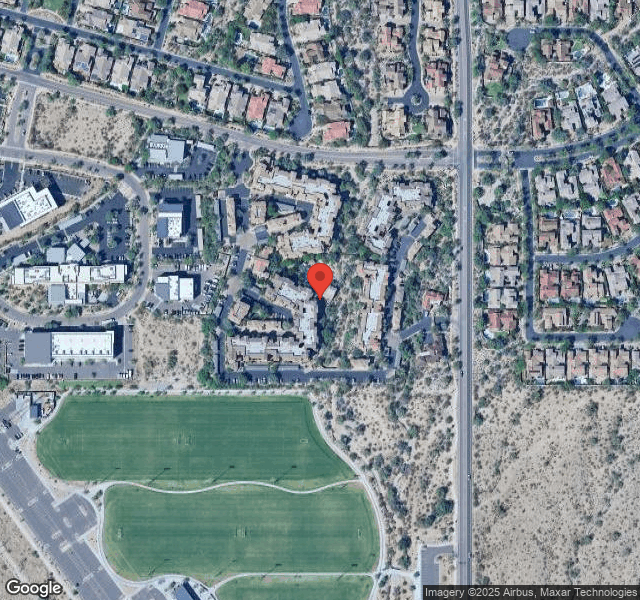
Aug 2023 1 deficiency
CONCERN (D)

Potential for Harm - no one hurt, but risky conditions existed

Respiratory Care (Tag F0695)

Could have caused harm · This affected 1 resident

**NOTE- TERMS IN BRACKETS HAVE BEEN EDITED TO PROTECT CONFIDENTIALITY** Based on clinical record review, resident and staff interviews, and facility documentation and policy review, the facility faile...

Read full inspector narrative →
**NOTE- TERMS IN BRACKETS HAVE BEEN EDITED TO PROTECT CONFIDENTIALITY** Based on clinical record review, resident and staff interviews, and facility documentation and policy review, the facility failed to ensure oxygen therapy was safely monitored for one resident (#3). The deficient practice could result in high carbon dioxide content in the resident's blood that can lead to respiratory acidosis or death. Findings include: Resident #3 was admitted on [DATE] with diagnoses of Chronic Respiratory Failure, unspecified whether with Hypoxia or Hypercapnia; Chronic Obstructive Pulmonary Disease with (Acute) Exacerbation; Cr(E)St Syndrome; Pleural Effusion, not elsewhere classified; Heart Failure, unspecified. Review of the admission Minimum Data Sheet (MDS) assessment dated [DATE] revealed a BIMS (Brief Interview for Mental Status) score of 15 indicating that the resident was cognitively intact. The assessment also included the resident had shortness of breath, required extensive one-person assistance for mobility, dressing, and personal hygiene, transfers for toilet use. Further review of the MDS assessment indicates that resident was on oxygen, physical therapy, but not on respiratory therapy. Review of the resident's care plan initiated on August 3, 2023 included the diagnosis of heart failure, chronic lung disease, hypertension with the interventions of; administering oxygen per physician's order, conduct cardiopulmonary assessments at least daily and as ordered by MD, head of bed to be elevated (semi-Fowlers to fowlers) or out of bed upright in chair during episodes of difficulty breathing (dyspnea), oxygen therapy regards to Chronic Respiratory Failure (CFR), Chronic Obstructive Pulmonary Disease (COPD), oxygen settings: O2 as ordered continuously A physician orders include the following: - August 3, 2023: Titrate O2 to keep sats greater than 90%, as needed - August 3, 2023: O2 sat, as needed for sob, tachypnea, cyanosis, labored respirations or ALOC - August 4, 2023: Check O2 saturations every shift, every day and night shift - August 4, 2023: Administer oxygen @ 4/LPM via nasal cannula continuous, every day and night shift related to Chronic Obstructive Pulmonary Disease With (Acute) Exacerbation (J44.1) Review of the August 2023 Treatment Administration Record (TAR) revealed that Oxygen at 4 Liters per minute was not administered on August 21, 2023 night shift, and O2 saturations were not assessed for August 21, 2023 night shift and for August 22, 2023 day shift. An observation on August 21, 2023 at 1:05 PM revealed the oxygen concentrator had no water in humidifier bottle and the resident stated that it's been dry since Saturday (August 19, 2023). An observation on August 22, 2023 at 12:57 PM revealed the oxygen concentrator had not water in the humidifier bottle and it had the hand-written date of 8/14 on the side of the bottle. The oxygen flow rate was at 5.0 liters per minute (LPM). The resident stated that she has had no headaches, no sinus pain, but she was short of breath and she self-administers Vaseline cream in her nostrils to keep from going dry. An interview with a licensed practical nurse (LPN/staff #98) was conducted on August 22, 2023 at 1:00 P.M. The LPN stated that resident #3 is on oxygen therapy per doctor's orders. The stated that the resident is on 4 LPM of oxygen via nasal cannula. At 1:08 PM the LPN reassessed resident #3's oxygen flow rate and found stated that the flow rate was at 5 LPM, the humidifier bottle was empty and date 8/14. The LPM reduced the flow rate to 4 LPM and changed the empty humidifier bottle to a new and full bottle. The LPN stated that using the oxygen concentrator with an empty humidifier bottle would not be in the best interest of the resident and the resident could dry out. The LPN further stated that the resident has COPD (Chronic Obstructive Pulmonary Disorder) and she can't be at 5 LPM because it's too much oxygen for the lungs to handle. The LPN stated that the date of 8/14 on the bottle is the date it was last swapped for a new one. An interview with the Director of Nursing (DON/staff #42) was conducted on August 22, 2023 at 3:30 P.M. The DON stated that oxygen concentrator therapy needs water and anything more than 2 LPM's will dry up nasal passages. The DON said that resident #3 uses oxygen therapy. The DON stated single humidifier bottles are changes when empty or when they are low and the staff checks the bottle whenever we go into the room. The DON said when the bottle is changed, we mark the bottle with the month and day it was last changed, and I don't think we document when the humidifier is changed. The DON stated that at 2:40 PM (August 22, 2023) the resident's oxygen flow rate was clarified by the medical provider (MD/staff #150) to changed to 3-5 LPM of oxygen via nasal cannula. Review of facility policy on Oxygen Administration revealed: - Paragraph 13 - Check the mask, tank, humidifying jar, etc., to be sure they are in good working order and are securely fastened. Be sure there is water in the humidifying jar and that the water level is high enough that the water bubbles as oxygen flows through; - Paragraph 14-Periodically, re-check water level in humidifying jar; After completing the oxygen setup or adjustment, the following information should be recorded in the resident's medical record: the date and time that the procedure was performed, the rate of oxygen flow, route, and rationale.
Jul 2022 5 deficiencies
CONCERN (D)

Potential for Harm - no one hurt, but risky conditions existed

Deficiency F0655 (Tag F0655)

Could have caused harm · This affected 1 resident

**NOTE- TERMS IN BRACKETS HAVE BEEN EDITED TO PROTECT CONFIDENTIALITY** Based on clinical record review, staff interviews, and policy reviews, the facility failed to ensure that a baseline care plan r...

Read full inspector narrative →
**NOTE- TERMS IN BRACKETS HAVE BEEN EDITED TO PROTECT CONFIDENTIALITY** Based on clinical record review, staff interviews, and policy reviews, the facility failed to ensure that a baseline care plan regarding pain management was developed for one resident (#311). The sample size was 5. The deficient practice could result in baseline care plans not addressing residents' pain. Findings include: Resident #311 was admitted on [DATE] with diagnoses that included fracture left femur, cirrhosis of liver, chronic pain syndrome, fibromyalgia, anxiety disorder, colitis, opioid use, and muscle weakness. Review of the admission Evaluation Summary dated July 4, 2022 revealed the resident was admitted to the facility on [DATE] at 4:48 PM for left hip fracture. Review of Medication Administration Record (MAR) dated July 4, 2022 included: -pain evaluation every shift - Oxycodone (narcotic analgesic) HCL 5 mg (milligrams) tablet by mouth, every four hours by mouth as needed for 4-10/10 pain on the pain scale -Tylenol tablet 325 mg, give 2 tablets by mouth every 4 hours as needed for pain 1-3/10. Continued review of the MAR for July 2022 revealed the resident was administered Oxycodone 5 mg on July 5, 2022 twice for a pain level of 9, once for a pain level of 8, and once for a pain level of 7; and three times on July 6, 2022 for pain levels of 7. Review of the medical record including the resident's baseline care plans revealed no evidence that a baseline care plan had been developed within 48 hours to address the resident's pain control needs related to chronic pain syndrome, and fracture of the left femur. An interview was conducted on July 8, 2022 at 10:46 AM with a Licensed Practical Nurse (LPN/staff #206), who stated that he was not sure what the facility process was for developing care plans. He further stated that given his experience and training as a nurse, there would be a care plan developed for a resident who was prescribed pain medication. He stated that the importance would be to make sure that side effects were monitored. He also stated that he would add pain management to the care plan at this time. An interview was conducted on July 8, 2022 at 10:57 AM with an LPN (staff #28), who stated that the facility process for admission care planning includes the charge nurse developing the care plan related to the admission orders, and a floor nurse would complete the admission. She also stated that the expectation would be that pain management would be included in the care plan for any resident admitted with orders for pain medication, including narcotics. She reviewed the resident's medical record and stated that she did not see any care plan for pain management. She further stated that according to the facility policy every resident should have a care plan for pain management. The LPN stated that the risk may be that the resident's pain would not be monitored. An interview was conducted on July 8, 2022 at 11:11 AM with the Director of Nursing (DON/staff #12), who stated that according to the policy they have 48 hours to complete the baseline care plan. The DON stated that the expectation is to include pain management on the care plan. She reviewed the care plan and stated that pain management was added to the care plan today, July 8, 2022. Review of the facility policy titled, Baseline Care Plans, revealed a baseline plan of care is developed for each resident within forty-eight hours of admission. The care plan includes instructions needed to provide person-centered care of the resident that meets professional standards of quality care. The baseline care plan is updated as needed to meet the resident's needs until the comprehensive care plan is developed. The resident or representative is provided a written summary of the baseline care plan that includes a summary of the resident's medications, any services and treatments to be administered by the facility acting on behalf of the facility. Review of the facility policy titled, Administering Pain Medications, revealed the resident's care plan should be reviewed to assess for any special needs of the resident. Pain Management is defined as the process of alleviating the resident's pain to a level that is acceptable to the resident. Review of the facility policy titled, Pain - Clinical Protocol, revealed that the physician and staff will identify individuals who have pain or who are at risk for having pain. With input from the resident, staff will establish goals of pain treatment.
CONCERN (D)

Potential for Harm - no one hurt, but risky conditions existed

Deficiency F0692 (Tag F0692)

Could have caused harm · This affected 1 resident

**NOTE- TERMS IN BRACKETS HAVE BEEN EDITED TO PROTECT CONFIDENTIALITY** Based on staff interviews, clinical record review, and review of policy, the facility failed to ensure one resident's (#161) wei...

Read full inspector narrative →
**NOTE- TERMS IN BRACKETS HAVE BEEN EDITED TO PROTECT CONFIDENTIALITY** Based on staff interviews, clinical record review, and review of policy, the facility failed to ensure one resident's (#161) weight was obtained and adequately monitored. The sample size was 4 residents. The deficient practice could result in delayed identification of residents with weight loss. Findings include: Resident #161 was admitted on [DATE] with diagnoses that included a left femur fracture, diabetes, and muscle weakness. The care plan initiated on 02/28/22 revealed the resident has potential nutritional risk. An intervention included obtaining weekly weights. Review of the physician orders dated 02/27/22 stated a regular diet and to weigh the resident weekly. Review of the clinical record revealed the resident weight was 190.0 pounds (lbs.) on 02/27/2022 -190.0 pounds (lbs.). A review of the High-Risk Nutritional assessment dated [DATE] revealed the resident's weight was 190 lbs., and height was 62 inches. The assessment included the resident was on a regular diet and intake of meals was 69%, and that the resident had a recent moderate decrease in appetite and intake. The assessment also revealed the resident was receiving diuretic treatment and that weight fluctuations were anticipated related to fluid shifts. The note stated no nutrition interventions were recommended at that time. Review of the admission Minimum Data Set (MDS) assessment dated [DATE] revealed a Brief Interview for Mental Status (BIMS) score of 15, indicating the resident was cognitively intact. The MDS assessment also included the resident required setup help only with eating and did not indicate the resident was on a physician-prescribed weight-loss regimen. The assessment also included the resident's weight was 190 lbs., and height was 62 inches. Continued review of the clinical record revealed that on 03/20/2022 the resident's weight was 172.4 lbs. indicating a 9.26% weight loss since 02/27/2022. No other weights were recorded. A review of the WINS weekly progress note dated March 22, 2022 revealed the reason for the note was weekly weight loss. The note included a 9.2% weight loss and that the resident's diet intake was around 66%. The note also revealed weight fluctuations can be expected due to fluid shifts related to diuretic treatment, and that the resident's intake appeared to be meeting the resident's needs at this time. Review of the discharge MDS assessment dated [DATE], revealed the resident was discharged to the community. An interview was conducted with a Certified Nursing Assistant (CNA/staff #115) on 07/06/22 at 9:18 AM. The CNA stated that resident weights are done every Sunday morning. The CNA stated data is entered into the Point Click Care computer system and also given to the nurses. Staff #115 stated she knows no other place to enter weights. She also stated that she would not know why a resident would not have weights done weekly if ordered. An interview was conducted with a Registered Nurse (RN/staff #204) on 07/06/22 at 1:45 PM. The RN stated that the CNAs obtain the residents weights and they often leave the list with the nurses after they enter the data into the computer. The RN stated that she did not know why the weights were not done. An interview was conducted with the Director of Nursing (DON/staff #12) on 07/06/22 at 2:05 PM. The DON stated that she does not know why the resident's weights are not in the computer. She added that she cannot say if the resident was weighed. She stated that it is her expectation that weights be taken as ordered and documented. The DON stated that the dietitian could not provide treatment if she does not have the weights. An interview was conducted with the Dietitian (staff#103) 07/06/22 at 3:32 PM. The Dietitian stated that weights are taken by the CNAs and entered into the computer and that from there, she reviews the weights to determine if action is needed. She stated that she forgot to check resident #161 for weight changes. She stated that it is an oversight on her part. She also stated that she informs the MDS Coordinator when there is a significant weight change, notifies the DON and calls the Medical Director with suggestions for dietary changes. Review of the facility policy Weight Assessment and Intervention revised March 2022, stated that residents' weights are to be monitored for undesirable or unintended weight loss. A resident's weight is to be obtained on admission and at established intervals. The policy stated the dietitian will review the resident's weight loss for significant weight change.
CONCERN (D)

Potential for Harm - no one hurt, but risky conditions existed

Deficiency F0697 (Tag F0697)

Could have caused harm · This affected 1 resident

**NOTE- TERMS IN BRACKETS HAVE BEEN EDITED TO PROTECT CONFIDENTIALITY** Based on clinical record review, resident and staff interviews, and policy review, the facility failed to ensure one resident (#...

Read full inspector narrative →
**NOTE- TERMS IN BRACKETS HAVE BEEN EDITED TO PROTECT CONFIDENTIALITY** Based on clinical record review, resident and staff interviews, and policy review, the facility failed to ensure one resident (#311) received pain management services consistent with professional standards of practice. The sample size was 5. The deficient practice could result in unmanaged pain for residents. Findings include: Resident #311 was admitted on [DATE] with diagnoses that included fracture of the left femur, cirrhosis of the liver, chronic pain syndrome, fibromyalgia, anxiety disorder, colitis, opioid use, and muscle weakness. During an interview conducted with the resident on July 5, 2022 at 11:44 AM, the resident stated that she was admitted to the facility on [DATE] at 5:00 PM and did not receive pain medication until 3:00 AM the next morning. Review of the admission Evaluation Summary dated July 4, 2022, revealed potential risk of pain management was identified. Review of the Opioid Risk Evaluation dated 7/4/22, revealed a score of 2 indicating a low risk for opioid abuse. Review of the pain evaluation documentation on the July 2022 MAR revealed the following: -July 4, 2022 Night shift 12 hour - pain documented as level 7. Review of a Daily Skilled Nursing Note dated July 4, 2022 at 8:21 PM, revealed the resident reported a pain level as severe (7-10 on a 0-10 pain scale) and/or there were indications of severe pain observed. The note also stated pain interventions provided this shift - PRN Oxycodone, repositioning as tolerated. Review of the July 2022 Medication Administration Record (MAR) revealed Oxycodone (narcotic) 5 milligrams (mg) 1 tab every 4 hours as needed for 4-10/10 pain on pain scale with the start date of July 4, 2022. Further review of the MAR revealed no documentation that Oxycodone was administered on July 4, 2022 for a pain level of 7. Further review of the MAR dated July 2022, revealed the resident had been administered Tylenol 325 mg at 11:38 PM on July 4, 2022. The Daily Skilled Nursing Note Summary dated 7/5/2022 at 11:03 AM revealed the resident was alert and oriented to person, place, time, and situation. Review of physician's progress note dated 7/5/2022, revealed the resident was not happy with the current pain management ordered. Review of the Brief Interview for Mental Status note dated July 5, 2022 at 3:36 PM revealed that upon the completion of the Brief Interview for Mental Status (BIMS), the score was determined to be 15 and the resident is considered to be at cognitively intact cognitive function. An interview was conducted on July 8, 2022 at 8:58 AM with a nurse (staff #207), who stated that if the resident requires narcotic pain medication, but it has not yet been delivered by the pharmacy, a request form would be faxed to the pharmacy and the nurse would receive an authorization number from the pharmacy. She stated that the nurse would then remove the medication from the medication dispensing system and document administration on a blank narcotic sheet. She stated that the pharmacy authorization form would go in the narcotic book or in the paper chart. The nurse reviewed the narcotic book and the resident's paper chart and stated that she did not see a pharmacy request form for Oxycodone completed on July 4, 2022 or documentation that the medication had been administered. She further stated that this did not meet the facility policy. An interview was conducted on July 8, 2022 at 9:47 AM with the Director of Nursing (DON/staff #12), who stated that when a resident is admitted to the facility without any medications, nursing may order pain medication from the pharmacy, including Oxycodone, by completing a request form and faxing it to the pharmacy. She also stated that the nurse would be expected to document administration of the medication on the MAR. She reviewed the progress note dated July 4, 2022 and stated the nurse documented that Oxycodone had been administered but not the dosage, time or route. She reviewed the MAR and stated that there was no documentation that oxycodone had been administered on July 4, 2022. The DON stated that the expectation is that all medications administered will be documented on the MAR. She then called the pharmacy at 10:01 AM, and stated that there was no documentation at the pharmacy, that Oxycodone had been removed from the automated medication dispensing system, but that it had been requested. Further interview was conducted on July 8, 2022 at 11:11 AM with the DON, who stated that the progress note was opened on July 4, 2022, but not signed off until July 5, 2022. She stated that she was not sure why the nurse would not have administered the Oxycodone earlier, and that this did not meet the facility policy. She also checked the narcotic notebook and the resident paper chart and stated that she did not see a request form completed/faxed to the pharmacy for administration of Oxycodone on July 4, 2022. The DON reviewed the MAR and stated that Tylenol 325 mg was documented as administered at 11:38 PM for a pain level of 3, but when a recheck was done the pain level had increased to a level 5. She also stated that the Oxycodone was documented as administered July 5, 2022 at 6:05 AM on the MAR. She stated that this did not meet the facility policy regarding pain management. Review of the facility policy titled, Administering Medications, revealed that medication shall be administered in a safe and timely manner, and as prescribed. Medications must be administered in accordance with the orders, including any required time frame. The individual administering the medication will record in the resident's medical record, the date/time administered, the dosage, route, and the results achieved. Review of the facility policy titled, Administering Pain Medication, revealed the pain management program is based on a facility-wide commitment to resident comfort. Pain management is defined as the process of alleviating the resident's pain to a level that is acceptable to the resident and is based on his or her clinical condition and established treatment goals. The policy stated to conduct a pain assessment and administer pain medications as ordered. Document in the resident's medical record the results of the pain assessment, medication, dose, route and results of the medication (adverse or desired). Review of the facility policy titled, Pharmacy services and procedures, emergency medication, revealed that facility staff must complete the authorization log for controlled substances including date, time the mediation was removed, item name/strength/dose, authorization code, staff name. A copy must be retained.
CONCERN (D)

Potential for Harm - no one hurt, but risky conditions existed

Deficiency F0760 (Tag F0760)

Could have caused harm · This affected 1 resident

**NOTE- TERMS IN BRACKETS HAVE BEEN EDITED TO PROTECT CONFIDENTIALITY** Based on clinical record review, facility documentation, staff interviews, and policy review, the facility failed to ensure that...

Read full inspector narrative →
**NOTE- TERMS IN BRACKETS HAVE BEEN EDITED TO PROTECT CONFIDENTIALITY** Based on clinical record review, facility documentation, staff interviews, and policy review, the facility failed to ensure that services met professional standards of practice regarding medication administration resulting in a significant medication error for one sampled resident (#50). The deficient practice resulted in the resident receiving another resident's medication. Findings include: Resident #50 was admitted to the facility on [DATE] with a diagnosis of nondisplaced subtrochanteric fracture of the right femur. An admission Minimum Data Set assessment dated [DATE] revealed a Brief Interview for Mental Status score of 3 which indicated the resident had severe cognitive impairment. Review of the clinical record revealed a nursing incident note dated July 2, 2022 at 9:30 AM that the wrong medications were administered to resident #50. The note stated vital signs were taken, blood pressure (bp) was 93/65, heart rate (HR) was 62 and respirations were 16. A neuro assessment was done. The physician, Director of Nursing (DON), and family (who were in the resident's room) were notified. The Nurse Practitioner (NP) assessed the resident. 1000 milliliters of 0.9% Normal Saline at 100 ml/hour was administered IV (intravenous) as ordered by the physician. The resident was also put on every 30-minute vital signs check. Review of facility documentation revealed the resident was administered Carvedilol (treats hypertension and heart failure) 6.25 milligrams (mg), Fe (Iron) 325 mg, Folic Acid (vitamin) 1 mg, Lisinopril (treats hypertension and heart failure) 10 mg, Multivitamin one tablet, Protonix (antacid) 40 mg, and Vimpat (anticonvulsant) 100 mg which were medications for another resident on June 2, 2022. The documentation included the physician, Director of Nursing (DON), and the charge nurse were notified. The resident's vital signs were monitored every 30 minutes/every 15 minutes, IV fluids were given, bolus given, Midodrine (medication to treat hypotension) given, and the resident was monitored. BPs during the treatment were 76/39, 81/38, 81/44, and 74/42. After administration of IV fluids running and Midodrine, the resident's BP was 75/40 and then 69/39. The resident was sent to the hospital per physician order. Continued review of the facility documentation revealed predisposing situation factors were misread order and other. Other information included was family distraction, family mentioned wanting to fight a nurse prior to room entry. A nursing note dated July 5, 2022 of the facility documentation revealed the Assistant Director of Nursing (ADON/staff #12) interviewed the registry nurse (staff #205) and that staff #205 stated that she was distracted by family members who approached her in the hallway with questions. The nurse stated the medications administered to the resident were ordered for another resident in a different room. Facility actions included licensed nursing staff receiving in-service training on medication administration and ensuring resident identification and 6 rights are checked prior to medication administration. Review of the Minimum Data Set entry tracking record revealed the resident was readmitted to the facility on [DATE]. An interview was conducted on July 6, 2022 at 2:17 PM with an LPN (staff #117), who stated if a resident was administered the wrong medication, the facility process is to notify the physician and obtain orders, and then notify the family. The LPN stated the resident's vital signs would be obtained and the resident would be monitored. An interview conducted on July 6, 2022 at 2:45 PM with agency Registered Nurse (RN/staff #204). The RN stated that a wrong medication was administered to a resident, the physician and any orders obtained would be implemented, and family would be notified. The RN stated an assessment would be conducted, the resident would be monitored, an incident report would be completed, and the incident would be documented in the medical record. An interview conducted on July, 7, 2022 at 2:51 PM with the ADON (staff #12) and Executive Director (ED/staff #30). They stated the expectation is that the nurses would follow the 6 rights of medication administration when administering medication. It was stated that if a medication error occurred, the nurse should immediately assess the resident, call the physician, call the family, and monitor the resident to ensure the resident is stable. They stated they would then meet with the individual that made the error and find out what happened and why. The facility policy Administration of Medication stated medications shall be administered in a safe and timely manner, and as prescribed. Medications must be administered in accordance with the orders. The policy stated the individual administering medications must verify the resident's identity before giving the resident his/her medications. Methods of identifying the resident include checking the identification band, checking the photograph attached to the medical record, and if necessary verifying the resident's identification with other facility personnel. The policy also stated the individual administering the medication must check the label three times to verify the right resident, right medication, right dosage, right time, and right route before giving the medication.
CONCERN (E)

Potential for Harm - no one hurt, but risky conditions existed

Infection Control (Tag F0880)

Could have caused harm · This affected multiple residents

-An observation was conducted on July 5, 2022 at 9:08 AM. A CNA (staff #203) was observed walking into a resident's room after donning a gown, N95 face mask, and face shield. Hand hygiene was not obse...

Read full inspector narrative →
-An observation was conducted on July 5, 2022 at 9:08 AM. A CNA (staff #203) was observed walking into a resident's room after donning a gown, N95 face mask, and face shield. Hand hygiene was not observed prior to the CNA entering the room and staff #203 was observed donning gloves after entering the room. Yellow signage was posted on the wall outside of the room indicating isolation precautions requiring gloves, mask, gown, strict isolation required to enter the room. Staff #203 was observed exiting the room with a mask on holding a water cup in his hands without gloves donned. The CNA walked across the hall and filled the cup with ice from the ice dispenser and water from the sink, and walked back across the hall and sat the cup on top of the isolation cart outside of the resident's room. Staff #203 was then observed to walk to another resident's room, enter the doorway of the restroom, return to the doorway of the room, don gloves and shut the door to the room. No hand hygiene was observed prior to staff #202 donning gloves. At 9:14 AM, staff #203 was observed to go back to the first resident's room, don a gown, mask, face shield, and gloves, and enter the resident's room with the water cup that was sitting on the PPE cart outside of the room and then exit the room. The staff was not observed to sanitize the top of the isolation cart. An interview was conducted on July 5, 2022 at 9:16 AM with staff #203. He stated he is a registry employee and has worked a couple shifts per week for the last two months at the facility. He stated that the resident is on isolation precautions because the sign outside of the door is yellow but did not know why the resident was on isolation precautions. He stated a gown, mask, face shield and gloves are required to enter the room and hand hygiene should be completed prior to entering and exiting the room. An interview was conducted on July 5, 2022 at 9:19 AM with a Registered Nurse (RN/staff #204). She stated she is a contract employee and has worked at the facility for 6 months approximately 3 days a week. She stated the yellow signage is for contact isolation precautions for Vancomycin-resistant Enterococci (VRE), Methicillin-resistant Staphylococcus aureus (MRSA), Escherichia coli (E. coli) and blood MRSA, blue signs are droplet precautions for residents that are unvaccinated for COVID-19, red signs are droplet precautions for COVID-19 positive residents and brown signs are for residents with Clostridioides difficile (C. diff). An interview was conducted on July 8, 2022 at 8:25 AM with the DON (staff #12). She stated the signage outside resident rooms are color coded. She stated the yellow signs mean contact precautions and can be for urine or blood infections. She stated she would expect staff to have a gown, mask and gloves on to enter the room. She further stated strict isolation means all treatment and care is done in the room. The DON stated if a resident on strict contact isolation precautions needed ice and water, she would expect the staff to bring a new cup into the room and not bring the used cup out of the room. The DON also stated staff would perform hand hygiene prior to and after donning and doffing PPE. The facility policy, Cleaning and Disinfecting Non-Critical Resident-Care Items, revised June 2011, stated single resident-use items are cleaned/disinfected between uses by a single resident. Personal care items will be made available and dedicated for each resident. These items will be kept clean, otherwise a replacement will be provided as needed. The facility policy, Handwashing/Hand Hygiene, revised August 2015, stated the facility considers hand hygiene the primary means to prevent the spread of infection. Perform hand hygiene before and after direct contact with residents, after contact with a resident's intact skin, after removing gloves, and before and after entering isolation precaution settings. The policy stated hand hygiene is the final step after removing and disposing of personal protective equipment. Based on observations, staff interviews, and facility policy and procedures, the facility failed to ensure that three staff (#118, #200, and #203) maintained infection control standards prior to entering and exiting a resident's room on isolation precautions. The deficient practice could result in the spread of COVID-19 infection. Findings include: -On July 5, 2022 at 8:36 a.m., a PPE (Personal Protective Equipment) cart was observed outside of a resident's room. The PPE cart did not contain any gowns, N95 masks, surgical masks, or eye protection. There was a sign on the wall to the left of the door that said, attention, please see the nurse before entering: gloves, mask and gown required. There was also a sign with donning instructions which included donning a gown prior to entering the room, and another sign with doffing instructions that stated to remove eye protection and place it in the receptacle. A receptacle was not observed in the area. On July 5, 2022 at 8:39 a.m., a Certified Nursing Assistant (CNA/staff #118) was observed walking around the resident's room and was not wearing a gown. Staff #118 was then heard asking the resident if it was okay to assist the resident with eating. Staff #118 was then observed sitting near the resident wearing gloves, N95 and a face shield without a gown and assisting the resident with eating. During an interview conducted on July 5, 2022 at 8:48 a.m. with a Licensed Practical Nurse (LPN/staff #200), she observed staff #118 assisting the resident with eating and stated that staff #118 should be wearing a gown. Then, she told staff #118 that he must don a gown when he is in an isolation room. She was observed looking in the PPE cart and then telling other staff to go and get some gowns. During an interview conducted with the LPN (staff #200) on July 5, 2022 at 8:53 a.m., staff #200 stated the gown is to protect the clothing from possible COVID-19. At 8:54 a.m. on July 5, 2022, the LPN (staff #200) was observed entering the same resident's room wearing a gown, N95 mask, and a face shield, while she administered medications. When she exited the room, she did not remove or sanitize her shield before entering the room directly across the hall, which was not an isolation room. When she exited the non-isolation room, she stated that she was wearing the same face shield that she was wearing when she entered the isolation room and had not sanitized it. On July 5, 2022 at 9:25 a.m., an interview was conducted with the CNA (staff #118), who stated that he knew he had to wear a the N95 mask, and face shield, but no one told him that he had to wear a gown when entering a resident's room on isolation. Then, he stated that he had looked in the PPE cart by the resident's room, but did not find a gown, so he entered the room without one. He stated that he saw and understood the signage posted on the wall by the resident's room regarding donning and doffing PPE and he should have worn a gown. The CNA said he is supposed to wear a gown because there is a risk of spreading whatever they are trying to isolate. An interview was conducted on July 7, 2022 at 9:03 a.m. with the Director of Nursing (DON/staff #12), who stated that staff are required to wear a gown when entering an isolation room, and there is supposed to be a receptacle to place the face shields when exiting the room. The DON stated staff are supposed to follow the PPE requirements. The facility's policy, Coronavirus Disease (COVID-19)-Using Personal Protective Equipment, revised September 2021 stated when caring for a resident with suspected or confirmed SARS-CoV-2 infection, the following infection prevention and control practices are followed: a. Personnel who enter the room of a resident with suspected or confirmed SARS-CoV-2 infection adhere to standard precautions and use a NIOSH-approved N95 or equivalent or higher-level respirator, gown, gloves, and eye protection. The facility signage observed posted outside the isolation rooms included how to safely remove personal protective equipment (PPE). Outside of goggles or face shields are contaminated! If your hands get contaminated during a goggle or face shield removal, immediately wash your hands or use an alcohol-based hand sanitizer. Remove goggles or face shield from the back by lifting headband or ear pieces. If the item is reusable, place it in a designated receptacle for reprocessing. Otherwise, discard in a waste container.
Understanding Severity Codes (click to expand)
Life-Threatening (Immediate Jeopardy)
J - Isolated K - Pattern L - Widespread
Actual Harm
G - Isolated H - Pattern I - Widespread
Potential for Harm
D - Isolated E - Pattern F - Widespread
No Harm (Minor)
A - Isolated B - Pattern C - Widespread

Questions to Ask on Your Visit

  • "Why is there high staff turnover? How do you retain staff?"
  • "Can I speak with families of current residents?"
  • "What's your RN coverage like on weekends and overnight?"

Our Honest Assessment

Strengths
  • • No major safety red flags. No abuse findings, life-threatening violations, or SFF status.
  • • No fines on record. Clean compliance history, better than most Arizona facilities.
Concerns
  • • 18 deficiencies on record. Higher than average. Multiple issues found across inspections.
  • • 67% turnover. Above average. Higher turnover means staff may not know residents' routines.
Bottom line: Mixed indicators with Trust Score of 60/100. Visit in person and ask pointed questions.

About This Facility

What is Sante Of North Scottsdale's CMS Rating?

CMS assigns SANTE OF NORTH SCOTTSDALE an overall rating of 3 out of 5 stars, which is considered average nationally. Within Arizona, this rating places the facility higher than 0% of the state's 100 nursing homes. This mid-range rating indicates the facility meets federal standards but may have areas for improvement.

How is Sante Of North Scottsdale Staffed?

CMS rates SANTE OF NORTH SCOTTSDALE's staffing level at 3 out of 5 stars, which is average compared to other nursing homes. Staff turnover is 67%, which is 20 percentage points above the Arizona average of 46%. High turnover can affect care consistency as new staff learn residents' individual needs. RN turnover specifically is 75%, which is notably high. RNs provide skilled clinical oversight, so turnover in this role can affect medical care quality.

What Have Inspectors Found at Sante Of North Scottsdale?

State health inspectors documented 18 deficiencies at SANTE OF NORTH SCOTTSDALE during 2022 to 2025. These included: 18 with potential for harm.

Who Owns and Operates Sante Of North Scottsdale?

SANTE OF NORTH SCOTTSDALE is owned by a for-profit company. For-profit facilities operate as businesses with obligations to shareholders or private owners. The facility is operated by SANTE, a chain that manages multiple nursing homes. With 72 certified beds and approximately 64 residents (about 89% occupancy), it is a smaller facility located in SCOTTSDALE, Arizona.

How Does Sante Of North Scottsdale Compare to Other Arizona Nursing Homes?

Compared to the 100 nursing homes in Arizona, SANTE OF NORTH SCOTTSDALE's overall rating (3 stars) is below the state average of 3.3, staff turnover (67%) is significantly higher than the state average of 46%, and health inspection rating (2 stars) is below the national benchmark.

What Should Families Ask When Visiting Sante Of North Scottsdale?

Based on this facility's data, families visiting should ask: "How do you ensure continuity of care given staff turnover, and what is your staff retention strategy?" "Can I visit during a mealtime to observe dining assistance and food quality?" "How do you handle medical emergencies, and what is your hospital transfer rate?" "Can I speak with family members of current residents about their experience?" These questions are particularly relevant given the facility's high staff turnover rate.

Is Sante Of North Scottsdale Safe?

Based on CMS inspection data, SANTE OF NORTH SCOTTSDALE has a clean safety record: no substantiated abuse findings (meaning no confirmed cases of resident harm), no Immediate Jeopardy citations (the most serious violation level indicating risk of serious injury or death), and is not on the Special Focus Facility watch list (a federal program monitoring the lowest-performing 1% of nursing homes). The facility has a 3-star overall rating and ranks #100 of 100 nursing homes in Arizona. While no facility is perfect, families should still ask about staff-to-resident ratios and recent inspection results during their visit.

Do Nurses at Sante Of North Scottsdale Stick Around?

Staff turnover at SANTE OF NORTH SCOTTSDALE is high. At 67%, the facility is 20 percentage points above the Arizona average of 46%. Registered Nurse turnover is particularly concerning at 75%. RNs handle complex medical decisions and coordinate care — frequent RN changes can directly impact care quality. High turnover means new staff may not know residents' individual needs, medications, or preferences. It can also be disorienting for residents, especially those with dementia who rely on familiar faces. Families should ask: What is causing the turnover? What retention programs are in place? How do you ensure care continuity during staff transitions?

Was Sante Of North Scottsdale Ever Fined?

SANTE OF NORTH SCOTTSDALE has no federal fines on record. CMS issues fines when nursing homes fail to meet care standards or don't correct problems found during inspections. The absence of fines suggests the facility has either maintained compliance or corrected any issues before penalties were assessed. This is a positive indicator, though families should still review recent inspection reports for the full picture.

Is Sante Of North Scottsdale on Any Federal Watch List?

SANTE OF NORTH SCOTTSDALE is not on any federal watch list. The most significant is the Special Focus Facility (SFF) program, which identifies the bottom 1% of nursing homes nationally based on persistent, serious quality problems. Not being on this list means the facility has avoided the pattern of deficiencies that triggers enhanced federal oversight. This is a positive indicator, though families should still review the facility's inspection history directly.