SHEA POST ACUTE REHABILITATION CENTER
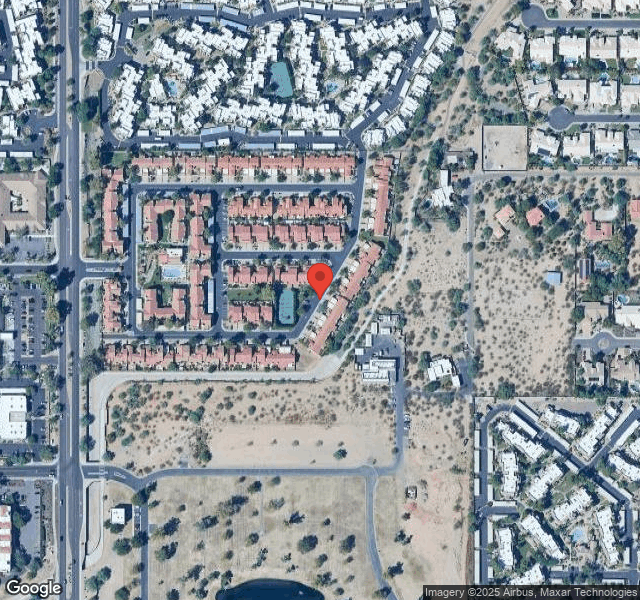
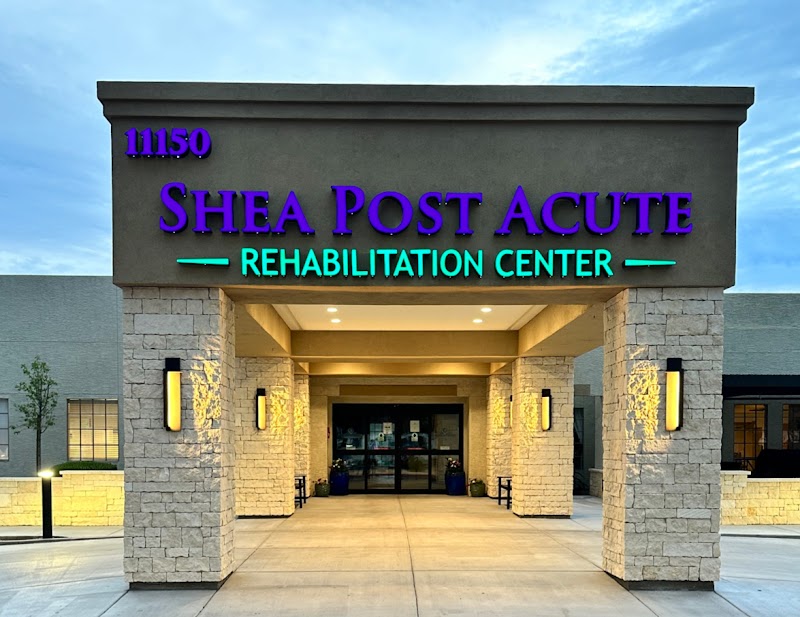
11150 NORTH 92ND STREET, SCOTTSDALE, AZ 85260 (480) 860-1766
For profit - Corporation 120 Beds THE ENSIGN GROUP Data: November 2025
Trust Grade
90/100
#27 of 139 in AZ
Last Inspection: December 2024

Within standard 12-15 month inspection cycle. Federal law requires annual inspections.

Overview

Shea Post Acute Rehabilitation Center in Scottsdale, Arizona, has received an excellent Trust Grade of A, indicating it is highly recommended and offers a quality environment for residents. It ranks #27 out of 139 facilities in Arizona, placing it in the top half, and #22 out of 76 in Maricopa County, which means only one local option is better. The facility is improving, with a reduction in issues from 7 in 2023 to just 1 in 2024. Staffing is average with a 3/5 star rating and a turnover rate of 43%, which is below the state average, suggesting stability among staff members. While there have been no fines reported, there have been concerns noted, such as failures to ensure medications were administered correctly and not left at a resident's bedside, which could pose risks to the residents' health. Overall, Shea Post offers strengths in its trustworthiness and quality measures but has areas for improvement in medication management.

Trust Score
A
90/100
In Arizona
#27/139
Top 19%
Safety Record
Low Risk
No red flags
Inspections
Getting Better
7 → 1 violations
Staff Stability
○ Average
43% turnover. Near Arizona's 48% average. Typical for the industry.
Penalties
✓ Good
No fines on record. Clean compliance history, better than most Arizona facilities.
Skilled Nurses
○ Average
Each resident gets 37 minutes of Registered Nurse (RN) attention daily — about average for Arizona. RNs are the most trained staff who monitor for health changes.
Violations
⚠ Watch
12 deficiencies on record. Higher than average. Multiple issues found across inspections.
★★★★★
5.0
Overall Rating
★★★☆☆
3.0
Staff Levels
★★★★★
5.0
Care Quality
★★★★☆
4.0
Inspection Score
Stable
2023: 7 issues
2024: 1 issues

The Good

  • 5-Star Quality Measures · Strong clinical quality outcomes
  • Full Sprinkler Coverage · Fire safety systems throughout facility
  • No fines on record
  • Staff turnover below average (43%)

    5 points below Arizona average of 48%

Facility shows strength in quality measures, fire safety.

The Bad

Staff Turnover: 43%

Near Arizona avg (46%)

Typical for the industry

Chain: THE ENSIGN GROUP

Part of a multi-facility chain

Ask about local staffing decisions and management

The Ugly 12 deficiencies on record

Dec 2024 1 deficiency
CONCERN (D) 📢 Someone Reported This

A family member, employee, or ombudsman was alarmed enough to file a formal complaint

Potential for Harm - no one hurt, but risky conditions existed

Free from Abuse/Neglect (Tag F0600)

Could have caused harm · This affected 1 resident

**NOTE- TERMS IN BRACKETS HAVE BEEN EDITED TO PROTECT CONFIDENTIALITY** Based on clinical record review, facility documentation, policy review and interviews, the facility failed to ensure two residen...

Read full inspector narrative →
**NOTE- TERMS IN BRACKETS HAVE BEEN EDITED TO PROTECT CONFIDENTIALITY** Based on clinical record review, facility documentation, policy review and interviews, the facility failed to ensure two residents (#71 and #51) were free from abuse from other residents ( #263 AND #261). The deficient practice could result in residents suffering from psychosocial harm. Findings include: Regarding Resident #51 and #261: - Regarding Resident #51: Resident #51 was admitted to the facility on [DATE] with a diagnosis of schizophrenia, anxiety disorder, cognitive functions, traumatic brain injury and bipolar disorder. A review of the residents current MDS (Minimum Data Set) dated August 29, 2024, revealed a BIMS (Brief Interview of Mental Status) score of 00, which indicates severe cognitive impairment. - Regarding Resident #261: Resident #261 was admitted to the facility on [DATE] with a diagnosis of atrial fibrillation and major depressive disorder. A review of the residents current MDS, dated [DATE], revealed a BIMS score of 14, which indicates no cognitive impairment. A facility reported incident was reported to the state agency claiming a staff member had witnessed an inappropriate interaction between two residents. The report stated that resident #261's hand was on the left thigh, under the shorts of resident #51. An interview was conducted on December 11, 2024 at 11:22 AM with staff member #42. She stated that on Thursday, February 29, 2024 at approximately 12:00 PM she was walking down the hall looking around, walking past the day room where she saw resident #261 with his hand on resident #51's left thigh but it was under resident #51's shorts. She stated she stopped and was shocked at what she saw, and as soon as resident #261 realized staff #42 saw it, he immediately removed his hand from under resident #51's shorts. She stated she separated them and went to the DON (Director of Nursing) and the ED (Executive Director) and told them what she saw. Review of a physician's progress note dated February 29, 2024 at 12:55 PM stated Staff reported that the patient was found resting his hand on another resident's thigh recently. When asked about this, the patient states that he placed his hand on his thigh but did not touch any other areas of the patient's body. Staff made the DON aware who reported this incident. Both the DON and I had a lengthy conversation with the patient regarding inappropriate behaviors to include touching someone on their thigh without consent and the patient understands and states that he will not do this again. The patient appears apologetic for his actions. An interview was conducted on December 12, 2024 at 8:54 AM with Social Services Director (staff #163). She stated that resident #261 said he was only trying to comfort resident #51 because he was tremoring. She stated even though his hand was under his shorts, he claimed he was only trying to comfort him. When she asked why resident #261 was discharged to another facility on March 7, 2024, staff #163 stated that it was a direct result of the incident. Regarding Resident #71 and Resident # 263: - Regarding Resident #71: Resident #71 was admitted to the facility on [DATE] with a diagnosis of rheumatoid arthritis, major depressive disorder, mood disorder, anxiety disorder and cognitive communication disorder. A progress note dated March 13, 2024 stated that resident #71 was involved in an altercation with a male resident on 3/12/2024. The note stated resident #71 accused the male resident of purposely bumping into the back of her right knee with his manual wheelchair after exchanging words. The note further included that resident #71 expressed concern regarding the male residents' actions and has been placed on 72 hour change of condition monitoring. The note stated on March 13, 2024 resident #71 was showing no signs of distress or anxiety and verbalized satisfaction with the outcome following the investigation into the altercation. A review of the most recent MDS dated [DATE] revealed a BIMS score of 11, which indicates moderate cognitive impairment. - Regarding Resident #263: Resident # 263 was admitted to the facility on [DATE] with a diagnosis of aftercare following a surgical amputation, cerebral infarction and aphasia. A review of the most recent MDS dated [DATE] revealed a BIMS score of 14, which indicates no cognitive impairment. Review of documentation for resident #263 revealed he was verbally abusive toward staff, especially female staff. A progress note dated March 6, 2024 for resident #263 stated that When CNA (Certified Nursing Assistant) came back resident was rude and told her she took to long and didn't want her to help. The note included that another CNA tried to assist resident and resident had stated that women didn't know anything and told her to leave. The note stated the CNA stayed outside door of shower room to monitor for safety and when a male CNA came to assist, resident stated, get them bitches out of here. The note stated the male CNA took over assisting resident. Review of progress note dated March 13, 2024 stated that resident was involved in altercation with female resident where the resident #71 accused resident #263 of purposely bumping her in the back of her right knee with his manual wheelchair after exchanging words. The note stated resident #71 expressed concern regarding resident #263's actions. With resident #263's consent, the note stated the facility sought alternate placement for him to support his psychosocial wellbeing as well as to support the psychosocial wellbeing of other residents. Review of the facility's five-day investigation of this incident, the report states It is acknowledged that there may have been an altercation or disagreement between two cognitively capable adults without eyewitnesses. Consequently, educational initiatives will be implemented for both staff and residents to promote appropriate behavior and mutual respect between residents within the facility. The facility's policy, Freedom From Abuse, Neglect, Exploitation, dated April 2019 with the latest revision on September 2024, statesIt is the policy of this Facility that each resident has the right to be free from abuse, neglect, misappropriation of resident property, and exploitation. Residents also have the right to be free from verbal, sexual, physical, and mental abuse, corporal punishment, and involuntary seclusion. Abuse is willful infliction of injury, unreasonable confinement, intimidation, or punishment with resulting physical harm, pain, or mental anguish. Willful, as used in this definition of abuse, means the individual must have acted deliberately, not that the individual must have intended to inflict injury or harm.
Jun 2023 6 deficiencies
CONCERN (D)

Potential for Harm - no one hurt, but risky conditions existed

Deficiency F0655 (Tag F0655)

Could have caused harm · This affected 1 resident

**NOTE- TERMS IN BRACKETS HAVE BEEN EDITED TO PROTECT CONFIDENTIALITY** Based on observations, clinical record review, family and staff interviews, and facility policy and procedure, the facility fail...

Read full inspector narrative →
**NOTE- TERMS IN BRACKETS HAVE BEEN EDITED TO PROTECT CONFIDENTIALITY** Based on observations, clinical record review, family and staff interviews, and facility policy and procedure, the facility failed to develop a baseline care plan was developed and implemented related to communication and activity needs for one resident that one resident (#64). The facility census was 94, and the sample size was 19 residents. The deficient practice could result in resident care needs not being met. Findings include: Resident #64 was admitted on [DATE] with diagnoses of fracture of first lumbar, dysphagia, and dementia. The initial admission record dated May 17, 2023 included resident was alert and oriented to place and person, was able to follow simple commands, was able to make self-understood and was able to understand others. Per the documentation, preferred language spoken was Chinese. The activity admission evaluation dated May 17, 2023 revealed the resident does not speak English and the family had to translate majority of questions. Per the documentation, resident will be provided with an easy board to translate something she may need or want. The eMAR (electronic medication administration record) note dated May 18, 2023 included the resident was Chinese-speaking. The initial care plan dated May 18, 2023 revealed no focus, goal, or interventions that addressed the resident's primary language of Chinese or risk for communication problems related to language barrier, or activity preferences. Review of a social services note dated May 24, 2023 revealed the resident had verbalized the need of an interpreter to communicate with a doctor or healthcare staff; and that, the primary language was Mandarin. According to the documentation the case manager met and discussed with the resident plan and length of stay; however, the note did not indicate whether or not a translator was used. The 5-day Minimum Data Set (MDS) assessment dated [DATE] revealed the resident needed an interpreter to communicate with a doctor or health care staff with preferred language of Chinese. The Brief Interview for Mental Status (BIMS) revealed a score of 00 which indicated severe cognitive impact. The assessment included the resident required extensive assistance with all ADLs (activity of daily living). The baseline care plan and physician acknowledgement form dated May 26, 2023 included the resident received a copy of the baseline care plan and physician orders; however, the form was not signed by the resident or the family; and that, there was no evidence the baseline care plan was reviewed and discussed with the family or resident. The form revealed a hand-written note that read left at bedside, resident aware written on the resident/representative signature line. The note did not indicate whether or not a translator was use during this encounter. Further Review of the clinical record did not reveal evidence that the baseline care plan was reviewed and discussed with the resident/family. The care plan with a focus of risk for communication problems related to language barrier was not initiated until June 1, 2023. The goal was that the resident will be able to make basic needs known on a daily basis. Interventions included to provide translator as necessary to communicate with the resident; and that resident had limited English proficiency (LEP) and competent language assistance will be provided through the use of auxiliary aids, bilingual/multilingual qualified staff and qualified interpreter services. During an observation conducted on May 30, 2023 at 11:09 a.m., resident #64 was lying in bed and was not able to respond to questions asked. The resident's roommate stated that staff had difficulty communicating with resident #64; and that, staff would point at things on the bedside table. A translation phone number was posted on the wall above the resident's bed; however, there was no communication cards available for resident use found in the resident's room. An interview was conducted with the resident's family on May 30, 2023 at approximately 12:00 p.m. the family stated that resident #64 does not speak English and her communication was not good either due to dementia. An interview was conducted on June 1, 2023 at 12:01 p.m. with a Licensed Practical Nurse (LPN/staff #11) who stated that nurses will document use of an interpreter in the progress notes, and this was also included social services and case management. She stated that the facility could also use family members, and communication cards to assist with resident communication; and that, communication cards would be within easy reach on the resident's night stand. She stated that there should also be a care plan implemented for any resident with a language barrier and this should have been initiated upon admission. During the interview, a review of the clinical record was conducted with the LPN who stated that resident #64 was identified to have language barrier; and that, there was no care plan regarding language barriers/communication prior to its initiation on June 1, 2023. The LPN said that the care plan with interventions to address the resident's communication barriers should have been initiated prior to June 1, 2023. An interview was conducted on June 01, 2023 at 01:05 p.m. with the Director of Nursing (DON/staff #41) who stated that the expectation was that a resident with a language barrier would be identified in the care plan on admission; and that, the baseline care plan should be reviewed with the resident or family, and signed, within the first 5 days. During the interview a review of the clinical record was conducted with the DON who stated that the initial nursing assessment dated [DATE] included that the resident's preferred language is Chinese, but the resident was not able to read related to dementia. The DON stated that the resident would not have been aware to show her family the baseline care plan form that was left at bedside on May 26, 2023. The DON also stated that she would expect that there would be a care plan focus that included the preferred language is Chinese. An observation of the resident's room was conducted with the DON during the interview. The DON stated that she did not see any evidence of an easy board or communication cards and these cards were not readily available; and that, this did not meet her expectations for baseline care plan completion. Review of the facility policy titled, Baseline care plan, revealed that the interdisciplinary team (IDT) shall develop and implement a baseline care plan for each resident, within 48 hours of admission, that includes minimum healthcare information necessary to properly care for each resident and instructions needed to provide effective and person-centered care that meet professional standards of quality care. The facility team will provide a written summary of the baseline care plan to the resident or resident representative. Review of the facility policy titled, Comprehensive Person-Centered Care Planning, which revealed the IDT shall develop and implement a baseline care plan for each resident, within 48 hours of admission, that includes minimum healthcare information necessary to properly care for each resident and instructions needed to provide effective and person-centered care that meet professional standards of quality care.
CONCERN (D)

Potential for Harm - no one hurt, but risky conditions existed

Deficiency F0676 (Tag F0676)

Could have caused harm · This affected 1 resident

**NOTE- TERMS IN BRACKETS HAVE BEEN EDITED TO PROTECT CONFIDENTIALITY** Based on observations, clinical record review, family and staff interviews, and facility policy and procedure, the facility fail...

Read full inspector narrative →
**NOTE- TERMS IN BRACKETS HAVE BEEN EDITED TO PROTECT CONFIDENTIALITY** Based on observations, clinical record review, family and staff interviews, and facility policy and procedure, the facility failed to provide care and services related to communication for one resident (#64) assessed with communication/language barriers. The census was 94, and the sample was 19. The deficient practice could result in residents not maintaining their communication abilities. Findings include: Resident #64 was admitted on [DATE] with diagnoses of fracture of first lumbar, dysphagia, and dementia. The initial admission record dated May 17, 2023 included resident was alert and oriented to place and person, was able to follow simple commands, was able to make self-understood and was able to understand others. Per the documentation, preferred language spoken was Chinese. The activity admission evaluation dated May 17, 2023 revealed the resident does not speak English and the family had to translate majority of questions. Per the documentation, resident will be provided with an easy board to translate something she may need or want. The initial care plan dated May 18, 2023 revealed no focus, goal, or interventions that addressed the resident's primary language of Chinese or risk for communication problems related to language barrier, or activity preferences. The PA (physician assistant) note dated May 19, 2023 included resident does not speak English but seemed to comprehenad somewhat of what was being said. Review of a social services note dated May 24, 2023 revealed the resident had verbalized the need of an interpreter to communicate with a doctor or healthcare staff; and that, the primary language was Mandarin. The 5-day Minimum Data Set (MDS) assessment dated [DATE] revealed the resident needed an interpreter to communicate with a doctor or health care staff with preferred language of Chinese. The Brief Interview for Mental Status (BIMS) revealed a score of 00 which indicated severe cognitive impact. The assessment included the resident required extensive assistance with all ADLs (activity of daily living). During an observation conducted on May 30, 2023 at 11:09 a.m., resident #64 was lying in bed and was not able to respond to questions asked. The resident's roommate stated that staff had difficulty communicating with resident #64; and that, staff would point at things on the bedside table. A translation phone number was posted on the wall above the resident's bed; however, there were no communication cards available for resident use found in the resident's room. An interview was conducted with the resident's family on May 30, 2023 at approximately 12:00 p.m. the family stated that resident #64 does not speak English and her communication was not good either due to dementia. The family stated she had brought this communication issue to the attention of staff who provided cue cards; however, she had not seen these cards with the resident lately. She also stated that when staff use the translation phone line the translation was not 100% correct; the resident cannot understand staff; and that, the translator phone line was not convenient for staff to use. The family further stated that the resident may not be able to do activities due to the communication barriers. An observation was conducted on June 01, 2023 at 11:44 a.m., resident #64 was observed in her room lying in bed, with no television or music playing, newspapers written in Mandarin were observed lying on the resident's dresser. An interview was conducted on June 1, 2023 at 12:01 p.m. with a Licensed Practical Nurse (LPN/staff #11) who stated that nurses will document use of an interpreter in the progress notes; and that, social services and case management document this too. The LPN stated that the staff could also use family members, and communication cards to assist with resident communication; and that, these communication cards would be within easy reach on the resident's night stand. During the interview, a review of the clinical record was conducted with the LPN who stated that a resident with a language barrier that should be care planned with interventions upon admission. The LPN said that resident #64 was identified as having a language barrier; however, the care plan with interventions regarding language barriers/communication was only initiated on June 1, 2023. In another observation of resident #64 conducted with a certified nursing assistant (CNA/staff #88) on June 1, 2023 at 12:14 p.m., the CNA stated there were no communication cards or easy board for translation in the resident's room. He stated the resident had difficulty with communication; and, he does not use the translation line because he asks easier questions. The CNA further stated that he would expect that there would be communication cards in the resident's room. An interview was conducted with the Director of Rehab (staff #58) and Speech Therapist (ST/staff #108) on June 1, 2023 at 12:23 p.m. Both staffs stated that when a resident is identified with a language barrier is identified, therapy would receive an order for an assessment; and that, therapy would conduct training for use of a communication board, and communication cards. A review of the clinical record was conducted during the interview. The ST stated that therapy did not receive an order for communication evaluation for resident #64; and that, she would expect that therapy would have been consulted for a communication evaluation for resident #64. In an interview conducted with the Director of Activities (staff #28) on June 1, 2023 at 12:45 p.m., the activities director stated that they use a translation board and music portal to engage residents that do not speak English or have communication deficits. She stated that that the music portal does not currently work so they were not able to use that for an activity for residents. During the interview, a review of the clinical record was conducted with the activities director who stated that resident #64 was assessed as not English speaking. She stated that the activity department would provide the resident with an easy board to translate something the resident may need. An interview was conducted on June 01, 2023 at 01:05 p.m. with the Director of Nursing (DON/staff #41) who stated that the expectation was that a resident with a language barrier would be identified in the care plan on admission; and that, the baseline care plan should be reviewed with the resident or family, and signed, within the first 5 days. During the interview a review of the clinical record was conducted with the DON who stated that the initial nursing assessment dated [DATE] included that the resident's preferred language is Chinese, but the resident was not able to read related to dementia. The DON stated that the resident would not have been aware to show her family the baseline care plan form that was left at bedside on May 26, 2023. The DON also stated that she would expect that there would be a care plan focus that included the preferred language is Chinese. An observation of the resident's room was conducted with the DON during the interview. The DON stated that she did not see any evidence of an easy board or communication cards and these cards were not readily available; and that, this did not meet her expectations for baseline care plan completion. In another interview with ST (staff #108) conducted on June 1, 2023 at 2:34 p.m., the ST stated that she remembered using communication cards with the resident on Tuesday, May 30, 2023; however, there were no communication cards in the resident's room for staff to use. The facility policy on Activities revealed that some activities can be adapted to accommodate the resident's functioning due to physical or cognitive limitations that included translation tools, audio/video in the resident's language. Review of the facility policy titled, Communication: Language Access Policy, and stated that the facility will provide individuals with limited English Proficiency (LEP) and disabilities meaningful and equal access to health programs and activities in accordance with all applicable laws. The facility will use only qualified interpreters for language assistance services, not require family to serve as interpreters for an individual with LEP or disability, except in the event of an emergency, document language needs and services provided in the individual's care plan.
CONCERN (D)

Potential for Harm - no one hurt, but risky conditions existed

Deficiency F0679 (Tag F0679)

Could have caused harm · This affected 1 resident

**NOTE- TERMS IN BRACKETS HAVE BEEN EDITED TO PROTECT CONFIDENTIALITY** Based on observations, clinical record review, staff interviews, and policy and procedure, the facility failed to provide a cons...

Read full inspector narrative →
**NOTE- TERMS IN BRACKETS HAVE BEEN EDITED TO PROTECT CONFIDENTIALITY** Based on observations, clinical record review, staff interviews, and policy and procedure, the facility failed to provide a consistent program of activities that met the interests and supported the well-being for one resident (#64). The census was 94, and the sample was 19. The deficient practice could impact the psychosocial and physical well-being of residents. Findings include: Resident #64 was admitted on [DATE] with diagnoses of fracture of first lumbar, dysphagia, and dementia. The initial admission record dated May 17, 2023 included resident was alert and oriented to place and person, was able to follow simple commands, was able to make self understood and was able to understand others. Per the documentation, preferred language spoken was Chinese. The activity admission evaluation dated May 17, 2023 revealed the resident does not speak English and the family had to translate majority of questions. Per the documentation, resident will be provided with an easy board to translate something she may need or want. The documentation included the resident had the following current activity interests: watching televsision, talking and conversing. The initial care plan dated May 18, 2023 revealed no focus, goal, or interventions that addressed the resident's primary language of Chinese or risk for communication problems related to language barrier, or activity preferences. Review of a social services note dated May 17, 2023, revealed resident has verbalized the need of an interpreter to communicate with a doctor or healthcare staff yes, Mandarin. The note revealed no evidence that a translator was used. Review of the admission Minimum Data Set (MDS) assessment dated [DATE] revealed the Brief Interview for Mental Status (BIMS) score of 0 which indicated severe cognitive impairment. Per the assessment the resident required extensive assistance with all ADL's (activity of daily living); and the following daily preferences were marked as very important to the resident: family or a close friend involved in discussion about care and doing favorite activities. The following activity preferences were marked as somewhat important for the resident: choosing bedtime, listening to music, keeping up with the news, doing things with groups of people, going outside to get fresh air when the weather is good and paticipating in religious services or practices. The clinical record revealed no documentation of any activities provided for resident #64. An initial observation of resident #64 was conducted on May 30, 2023 at 11:09 a.m., resident lying in bed, was not able to respond to interview questions. The resident's roommate stated that staff have difficulty communicating with resident #64, they point at things on the bedside table. The television was off, and no radio or other self-directed activities were observed in the resident's room. An interview was conducted with the resident's daughter on May 30, 2023 at approximately 12:00 p.m., who stated that her mother does not speak English, and her communication is not good due to dementia. She also stated that she has brought this to the attention of staff, and did bring in cue cards, but she has not seen them lately. She also stated that when staff do use the translation phone line the translation is not 100% correct, and her mother cannot understand. The resident's daughter stated that the translator phone line is not convenient for staff to use. She further stated that her mother may not be able to do activities due to the communication barriers. An observation was conducted on June 01, 2023 at 11:44 a.m., resident #64 was observed in her room lying in bed, with no television (TV) or music playing, newspapers written in Mandarin were observed lying on the resident's dresser. Another observation was conducted on June 01, 2023 at 11:53 a.m., the resident was lying in bed, a lunch tray was on the bed tray in front of resident, who was not eating. There was no TV or music playing in the resident's room at this time. In an interview conducted with the Director of Activities (staff #28) on June 1, 2023 at 12:45 p.m., the activities director stated that they use a translation board and music portal to engage residents that do not speak English or have communication deficits. She stated that that the music portal does not currently work so they were not able to use that for an activity for residents. During the interview, a review of the clinical record was conducted with the activities director who stated that resident #64 was assessed as not English speaking. She stated activity staff complete an activity sheet for all residents which were kept in a notebook in the activity office, and then updated into the clinical record at the end of every month. The activities director stated that she had 1:1 visit with resident #64 daily. However, review of the May 2023 activity sheet conducted with the staff #28 revealed there was no documentation of 1:1 activity May 27 through 31, 2023 (8 out of 14 days). She stated that she did see the resident but had not documented on the activity sheet yet. Staff #28 also said that per facility policy, she should have completed documentation of activity provided on the day it occurred or the day after; however, she did not do this. She stated that when she goes in the resident's room she turns on the TV, if the resident chooses; however, for resident #64, the TV was just for background noise and was not necessarily in Mandarin. She stated that she saw resident #64 today and turned the TV on for the resident; but, it may had been turned off. Staff #28 stated that an activity care plan should be completed within the first 3-5 days after admission; however, the clinical record for resident #64 revealed that there was no care plan for activities at this time. She stated that the expectation was that the activity portion of the care plan should have been completed by May 24, 2023; however, it was not. The activity director stated the risk of not completing the care plan could result in staff not knowing what the resident wanted for activities. An interview was conducted on June 01, 2023 at 01:05 p.m. with the Director of Nursing (DON/staff #41), who stated that she would expect that there was an activity focus in the care plan, and that all activities provided to residents be documented in the clinical record. She also reviewed the activity admission evaluation and stated that the assessment revealed that the resident doesn't speak English, and that they would provide the resident with an easy board to translate something she may need or want. The DON then entered the resident's room, and stated that she did not see any evidence of an easy board or communication cards, and that they were not readily available, per the activity evaluation. She stated that this did not meet her expectations for providing functional communication devices/services to residents with communication barriers. Review of the facility policy titled, Activities, revealed that some activities can be adapted to accommodate the resident's functioning due to physical or cognitive limitations that included translation tools, audio/video in the resident's language. Review of the facility policy titled, Communication: Language Access Policy, and stated that the facility will provide individuals with limited English Proficiency (LEP) and disabilities meaningful and equal access to health programs and activities in accordance with all applicable laws. The facility will use only qualified interpreters for language assistance services, not require family to serve as interpreters for an individual with LEP or disability, except in the event of an emergency, document language needs and services provided in the individual's care plan.
CONCERN (D)

Potential for Harm - no one hurt, but risky conditions existed

Unnecessary Medications (Tag F0759)

Could have caused harm · This affected 1 resident

**NOTE- TERMS IN BRACKETS HAVE BEEN EDITED TO PROTECT CONFIDENTIALITY** Based on observations, review of the clinical record, staff interviews and policy review, the facility failed to ensure the medi...

Read full inspector narrative →
**NOTE- TERMS IN BRACKETS HAVE BEEN EDITED TO PROTECT CONFIDENTIALITY** Based on observations, review of the clinical record, staff interviews and policy review, the facility failed to ensure the medication error rate was not 5% or greater, by failing to administer medications as ordered to three residents (#88, #194, #83). The medication error rate was 8.11%. The deficient practice could result in further medication errors. Findings include: -Resident #88 Resident #88 was admitted on [DATE] with diagnoses of left patella fracture, right clavicle fracture, anxiety disorder, gastro-esophageal reflux disease, and adjustment disorder with anxiety and depressed mood. A physician order dated May 11, 2023 included for calcium Carbonate-Vitamin D (supplement) tablet 500-200 mg/unit (milligram-unit) Give 1 tablet by mouth one time a day for supplement. During the medication administration observation conducted with a registered nurse (RN/staff #73) on May 31, 2023 at 8:24 a.m., the RN removed a bottle of vitamins from the resident's side table drawer, removed one tablet and placed it in a clear medication cup, then administered the medication to resident #88. Further review of clinical record revealed no evidence of an order for medication self-administration and for medications to be left at the bedside. The clinical record also revealed no evidence of a self-administration assessment for resident #88. An interview was conducted on June 1, 2023 at 8:37 a.m. with a licensed practical nurse (LPN/staff #11) who stated that the expectation was to administer medications following physician orders; and that, medication for self-administration required a physician order and an assessment. The LPN stated residents were not allowed to keep medications at the bedside or in a bedside table; and that, any home medications would be placed in the medication cart. Further, the LPN said that keeping a medication at bedside would not be following the facility policy. A review of the clinical record was conducted with the LPN during the interview. The LPN stated that there was an order for oyster shell vitamin D-3 500/200; however, there was no physician order that medications may be left at bedside nor was there a medication self-administration assessment found in the clinical record. In an interview with resident #88 conducted on June 1, 2023 at 9:08 a.m., the resident stated she received the vitamins when she was at an orthopedic appointment. She stated that she informed a nurse at the facility who asked her if she wanted to keep the medication in her bedside drawer. An interview was conducted on June 1, 2023 at 9:24 a.m. with the Director of Nursing (DON/staff #41) who stated that it was not the facility policy to keep medications at the bedside in a drawer. She stated the risk of leaving medications at the bedside could result in someone else taking the medication. She also stated that the facility policy was to complete an assessment prior to leaving a medication at the bedside; and, this would require a physician order. The DON stated that when a medication is kept at bedside, the drawer needed to be locked; and that, an assessment would be completed on a medication self-assessment form in the clinical record. During the interview, a review of the clinical record was conducted with the DON who stated there is no physician order for medications to be left at bedside, or for medication self-assessment for resident #88. The DON also stated the nurses should have completed the medication self-assessment and received a physician order as soon as they were aware that resident #88 had a medication in the bedside drawer. -Resident #194 was admitted on [DATE] with diagnoses of right arm humerus fracture, muscle weakness, hemiplegia and hemiparesis, and protein-calorie malnutrition. A physician order dated May 24, 2023 included for Lidocaine patch 4% (topical analgesic) to apply to right arm topically one time a day for right arm pain management on 12 hours; off 12 hours and remove per scheduled. The order for Lidocaine patch was transcribed onto the MAR (medication administration record) and was transcribed to be applied at 9:00 a.m. and removed at 8:59 p.m. An observation of a registered nurse (RN/staff #73) and a charge nurse was conducted on May 31, 2023 at 8:03 a.m. The RN entered the resident's (#194) room, removed a lidocaine patch from the resident's right shoulder and applied new lidocaine patch onto the right shoulder. After the RN administered the new lidocaine patch to the resident, an interview was conducted with a registered nurse (RN/staff #73) on May 31, 2023 at 8:07 a.m. The RN stated the lidocaine patch was ordered to be placed on for 12 hours, and removed for 12 hours. Further, the RN stated that she removed the lidocaine night patch and replaced it with the new patch without 12 hours between applications. In an interview with a charge nurse (staff #74) conducted on May 31, 2023 at 8:15 a.m., staff #74 reviewed the physician order for the lidocaine patch and stated that the order was to remove the lidocaine patch after 12 hours; and that, the lidocaine patch should be removed by the night nurse and not in the morning. During the interview, a review of the clinical record was conducted with staff #74 who stated that the documentation in the MAR (medication administration record) revealed that the lidocaine patch was marked as removed by the night nurse on May 30, 2023; however, the patch had not been removed as it was still in place this morning. Staff #74 stated that this did not follow the physician orders and that the facility; and that, they should have looked at the physician order prior to administration of the patch. She stated that the facility policy was to follow physician orders as written; and that, she and the RN (staff #73) did not notice the order was followed until it was brought to their attention after the observation. Staff #74 stated that the new patch that was just placed on the resident's right shoulder should be removed because leaving it on without 12 hours between applications could result in skin breakdown. She also stated that the night nurse should not have documented that the patch was removed if she did not remove it; and that, this was an incorrect documentation, and did not follow the facility process. Further, staff #74 stated that she would notify the NP and would ask for an updated order. -Resident #83 Resident #83 was admitted on [DATE] with diagnoses of muscle weakness, right calcaneus fracture, hyperlipidemia and protein-calorie malnutrition. The order summary report included the following medications: -Miralax (laxative) give 17 gm (gram) by mouth one time a day for bowel care (order date: May 5, 2023); and, -Simethicone (gastrointestinal agent) 80 mg (milligram) give 1 chewable tablet by mouth four times a day for gas (order date: May 2, 2023). During an observation conducted on May 31, 2023 at 7:53 a.m., the nurse placed a clear medicine cup with Miralax and simethicone tablets on resident #83's bedside table, and proceeded to exit the room. The Nurse did not stay to observe the resident taking the medications. In an interview conducted with the DON (staff #41) on June 1, 2023 at 9:33 a.m., the DON stated that it is their policy for the nurse to stay with the resident until all medications are administered. The DON stated that the risk could result in the resident not taking the medications as ordered and the staff not knowing whether medications were taken or not. Review of the facility policy titled, Administration of Medication, revealed that medications should be administered as prescribed by the attending physician. Medications must be administered in accordance with the written orders of the attending physician including following parameter orders. If a medication is withheld, refused, or given other than at the scheduled time, the documentation will be reflected in the clinical record. Review of the policy titled, Medication Administration Oral, revealed the person administering medication must remain with the resident until all medication has been swallowed. Review of the policy titled, Self-Administration of Medications, revealed that if a resident desire to participate in self-administration, the interdisciplinary team will assess and periodically re-evaluate the resident based on change in the resident's status. If the resident is a candidate for self-administration of medications, this will be indicated in the chart. Storage and location of drug administration (e.g., resident's room) will comply with state and federal requirements for medication storage. Review of the policy titled, Medication Access and Storage, revealed it is the policy to store all drugs in locked compartments under proper temperature controls. The medication supply is accessible only to licensed nursing personnel, or staff members lawfully authorized to administer medications. Medications intended for internal use are stored in a medication cart or other designated area. Should a resident's medications be kept at bedside, it shall be placed in a locked container. No medications shall be kept at bedside without an assessment or physician's order.
CONCERN (D)

Potential for Harm - no one hurt, but risky conditions existed

Medical Records (Tag F0842)

Could have caused harm · This affected 1 resident

**NOTE- TERMS IN BRACKETS HAVE BEEN EDITED TO PROTECT CONFIDENTIALITY** Based on clinical record review and staff interviews, the facility failed to ensure the clinical record related to advance direc...

Read full inspector narrative →
**NOTE- TERMS IN BRACKETS HAVE BEEN EDITED TO PROTECT CONFIDENTIALITY** Based on clinical record review and staff interviews, the facility failed to ensure the clinical record related to advance directives accurately reflect the wishes for one resident (#53). The deficient practice could result in resident wishes not respected and followed. Findings include: Resident #53 was admitted on [DATE], with diagnoses of acute respiratory failure with hypercapnia, cognitive communication deficit, acute and chronic respiratory failure with hypoxia, Parkinson's disease, hypoxemia, depression, and paranoid schizophrenia. The advanced directive form signed by resident #53 and dated [DATE] revealed the resident was a full code. An advance directive statement form dated [DATE] revealed that the resident wished to be a DNR; and that, in the event of cardiac or respiratory arrest, the resident does not want any resuscitation measures including but not limited to CPR (cardiopulmonary resuscitation), endotracheal intubation and other advanced airway management, artificial ventilation, defibrillation and related emergency procedures. Despite documentation of a change of code status for resident #53, the clinical record revealed no evidence that the code status was changed. Review of the physician order summary report revealed an order for CPR and full code. Per the documentation, this order was active and had an order date of [DATE]. An interview was conducted on [DATE] at 1:28 p.m. with a hospitality aide (staff #135) who stated she does know anything about hard copy of a resident's advanced directive; or, how to check the resident's code status. She stated that she was not sure what to do in an event a resident is found unresponsive or in cardiac arrest. In an interview with registered nurse (RN/staff #65) conducted on [DATE] at 1:35 p.m., the RN stated that she would check the resident's code status in the electronic records. The RN stated there might a book of code status for all the residents; but she had not use it in a long time and was not sure if they still use this book. The RN proceeded to ask the DON who informed the RN that there was a book of code status for all the residents at the facility. During an interview conducted with Director of Nursing (DON/Staff #41) on [DATE], the DON stated that the expectation was for the nurses to be aware of the advance directive binder. The DON stated she does not expect everyone to know about the binder for the code status for all their residents; however, the nurses should be aware of it. Regarding resident #53, the DON stated that resident #53 was a full code; but the advance directives dated [DATE] was signed by the resident's legal guardian with the resident signature next to it. The DON said that the physician signed the form and the form had a check mark next to DNR. The DON stated that resident #53 was a full code; and that the form that marked the DNR was not accurate. Review of the facility policy revised in [DATE] included that the facility will notify the attending physician of advance directives so that, if necessary, appropriate orders can be documented in the residents' medical records and plan of care. The facility policy on Documentation and Charting included that it is their policy to provide a complete account of the resident's care, treatment, response to the care, signs, symptoms, etc. as well as the progress of the resident's care; and to provide a legal record that protects the resident, physician, nurse and the facility.
CONCERN (E)

Potential for Harm - no one hurt, but risky conditions existed

Deficiency F0658 (Tag F0658)

Could have caused harm · This affected multiple residents

**NOTE- TERMS IN BRACKETS HAVE BEEN EDITED TO PROTECT CONFIDENTIALITY** Based on review of records, staff interviews and review of policies and procedures, the facility failed to ensure that medicatio...

Read full inspector narrative →
**NOTE- TERMS IN BRACKETS HAVE BEEN EDITED TO PROTECT CONFIDENTIALITY** Based on review of records, staff interviews and review of policies and procedures, the facility failed to ensure that medications were administered per physician ordered parameters for one resident (#194); and failed to ensure medications were not left at the bedside for one resident (#83). The facility census was 94, and the sample was 19 residents. The deficient practice has the potential for residents not receiving medications as ordered by the physician. Findings include: -Resident #194 was admitted on [DATE] with diagnoses of right arm humerus fracture, muscle weakness, hemiplegia and hemiparesis, and protein-calorie malnutrition. The care plan dated May 24, 2023 included the resident was prescribed with an opioid for acute on chronic pain. Interventions included to administer opioid as prescribed. The pain care plan dated May 24, 2023 revealed the resident had acute/chronic pain related to arthritis and right humerus fracture s/p (status post) GLF (ground level fall). Interventions included pain assessment every shift, administer analgesia medication as per ordered and follow pain scale to medicated as ordered. The NP (nurse practitioner) progress note dated May 24, 2023 revealed the resident was alert and oriented x 4. Assessment included right humeral fracture. Interventions included to manage acute pain. A physician order dated May 24, 2023 included for Lidocaine patch 4% (topical analgesic) to apply to right arm topically one time a day for right arm pain management on 12 hours; off 12 hours and remove per scheduled. The order for Lidocaine patch was transcribed onto the MAR (medication administration record) and was transcribed to be applied at 9:00 a.m. and removed at 8:59 p.m. An observation of a registered nurse (RN/staff #73) and a charge nurse was conducted on May 31, 2023 at 8:03 a.m. The RN entered the resident's (#194) room, removed a lidocaine patch from the resident's right shoulder and applied new lidocaine patch onto the right shoulder. After the RN administered the new lidocaine patch to the resident, an interview was conducted with a registered nurse (RN/staff #73) on May 31, 2023 at 8:07 a.m. The RN stated the lidocaine patch was ordered to be placed on for 12 hours, and removed for 12 hours. Further, the RN stated that she removed the lidocaine night patch and replaced it with the new patch without 12 hours between applications. In an interview with a charge nurse (staff #74) conducted on May 31, 2023 at 8:15 a.m., staff #74 reviewed the physician order for the lidocaine patch and stated that the order was to remove the lidocaine patch after 12 hours; and that, the lidocaine patch should be removed by the night nurse and not in the morning. During the interview, a review of the clinical record was conducted with staff #74 who stated that the documentation in the MAR (medication administration record) revealed that the lidocaine patch was marked as removed by the night nurse on May 30, 2023; however, the patch had not been removed as it was still in place this morning. Staff #74 stated that this did not follow the physician orders and that the facility; and that, they should have looked at the physician order prior to administration of the patch. She stated that the facility policy was to follow physician orders as written; and that, she and the RN (staff #73) did not notice the order was followed until it was brought to their attention after the observation. Staff #74 stated that the new patch that was just placed on the resident's right shoulder should be removed because leaving it on without 12 hours between applications could result in skin breakdown. She also stated that the night nurse should not have documented that the patch was removed if she did not remove it; and that, this was an incorrect documentation, and did not follow the facility process. Further, staff #74 stated that she would notify the NP and would ask for an updated order. -Resident #83 was admitted on [DATE] with diagnoses of muscle weakness, right calcaneus fracture, hyperlipidemia and protein-calorie malnutrition. The order summary report included the following medications: -Miralax (laxative) give 17 gm (gram) by mouth one time a day for bowel care (order date: May 5, 2023); and, -Simethicone (gastrointestinal agent) 80 mg (milligram) give 1 chewable tablet by mouth four times a day for gas (order date: May 2, 2023). During an observation conducted on May 31, 2023 at 7:53 a.m., the nurse placed a clear medicine cup with Miralax and simethicone tablets on resident #83's bedside table, and proceeded to exit the room. The Nurse did not stay to observe the resident taking the medications. In an interview conducted with the DON (staff #41) on June 1, 2023 at 9:33 a.m., the DON stated that it is their policy for the nurse to stay with the resident until all medications are administered. The DON stated that the risk could result in the resident not taking the medications as ordered and the staff not knowing whether medications were taken or not., Review of the facility policy on Administration of Medication revealed that medications should be administered as prescribed by the attending physician. Medications must be administered in accordance with the written orders of the attending physician including following parameter orders. If a medication is withheld, refused, or given other than at the scheduled time, the documentation will be reflected in the clinical record. The person administering medication must remain with the resident until all medication has been swallowed.
Mar 2023 1 deficiency
CONCERN (D) 📢 Someone Reported This

A family member, employee, or ombudsman was alarmed enough to file a formal complaint

Potential for Harm - no one hurt, but risky conditions existed

ADL Care (Tag F0677)

Could have caused harm · This affected 1 resident

**NOTE- TERMS IN BRACKETS HAVE BEEN EDITED TO PROTECT CONFIDENTIALITY** Based on observations, clinical record reviews, facility documentation, staff interviews and policies and procedures, the facili...

Read full inspector narrative →
**NOTE- TERMS IN BRACKETS HAVE BEEN EDITED TO PROTECT CONFIDENTIALITY** Based on observations, clinical record reviews, facility documentation, staff interviews and policies and procedures, the facility failed to ensure that two residents (#30, #40) received the necessary services to maintain good grooming and personal hygiene. The deficient practice could result in residents not being groomed or showered. Findings include: - Resident #30 was admitted on [DATE] with diagnoses that included Atherosclerotic heart disease of coronary artery, chronic obstructive pulmonary disease with exacerbation, and chronic respiratory failure with hypoxia. Review of shower schedule revealed the resident was scheduled for showers every Tuesday and Friday morning. A care plan initiated on August 11, 2021 documented the resident had a self-care deficit and would be encouraged to shower. Review of January 2023 shower sheets and Certified Nursing Assistant (CNA) Point of Care (POC) Task documentation revealed evidence that only two showers were provided during January 2022. There was no evidence that the resident had declined any showers that month. A quarterly Minimum Data Set (MDS) assessment dated [DATE] included a Brief Interview for Mental Status (BIMS) score of 15, which indicated intact cognition, and was dependent on staff for personal hygiene. The MDS also included that bathing had not occurred during the 7 day look back period from January 23, 2023 through January 29, 2023. Review of skilled nursing notes from January 1, 2023 through March 20, 2023 revealed no documentation that the resident was offered, refused, or was provided any showers or bed baths. Review of February 2023 shower sheets and CNA POC Task documentation revealed no evidence that a shower was provided, or had been refused on: - Friday, February 10, 2023 -Friday, February 17, 2023 -Tuesday February 21, 2023 Review of March 2023 shower sheets and CNA POC Task documentation revealed no evidence that a shower was provided or had been refused on March 3, 2023, Friday. An interview was conducted on March 20, 2023 at 4:48 PM with the Director of Nursing (DON/Staff #4), who reviewed the clinical record for resident #30 and that she did not see any evidence in the clinical record or on shower sheets that showers/baths had been offered/provided/refused on seven occasions in January 2023, three occasions in February 2023 and one in March 2023. She stated that this did not meet the facility policy for providing/offering showers twice a week. - Resident #40 was admitted on [DATE] with diagnoses that included multiple sclerosis, atrial fibrillation, and long-term use of anticoagulants. Review of shower schedule revealed the resident was scheduled for showers every Thursday and Sunday mornings. A quarterly Minimum Data Set (MDS) assessment dated [DATE] included a Brief Interview for Mental Status (BIMS) score of 12, which indicated moderate cognitive impairment, dependent on staff bathing. A care plan initiated on August 11, 2022 documented the resident had a self-care deficit and required encouragement. Review of skilled nursing notes from January 1, 2023 through March 20, 2023 revealed no documentation that the resident was offered, refused, or was provided any showers or bed baths. Review of January 2023 shower sheets and CNA POC Task documentation revealed no evidence that showers were provided or had been refused on the following dates: -Sunday, January 8, 2023 -Sunday, January 15, 2023 -Sunday January 22, 2023 Further review of January 2023 shower sheets and CNA POC Task documentation revealed evidence that showers were offered and refused on the following dates: -January 19, 2023 -January 29, 2023 Review of February 2023 shower sheets and CNA POC Task documentation revealed no evidence that showers were provided or had been refused on the following dates: -Sunday, February 5, 2023 Review of March 2023 shower sheets and CNA POC Task documentation revealed no evidence that showers were provided or had been refused on the following dates: -Sunday, March 12, 2023 An interview was conducted on March 20, 2023 at 2:59 PM with a Licensed Practical Nurse (LPN/staff #3), who stated that the facility process is to offer showers twice a week. She further stated that CNA's provide the showers as scheduled, unless a resident would request additional showers. She also stated that CNA's document if a shower/bath/bed bath was provided in the clinical record. The LPN stated that they would document if a shower/bath/bed-bath was offered and refused by the resident. An interview was conducted on March 20, 2023 at 3:48 PM with a CNA (staff #6), who stated that showers/baths are provided twice a week for all residents, unless they request more. He also stated that when a shower/bath is offered, provided or refused it is documented in the clinical record, and on a shower form. An interview was conducted on March 20, 2023 at 4:48 Pm with the Director of Nursing (DON/Staff #4), who stated that residents should receive showers twice a week or more per request according to the facility policy. She also stated that showers/baths are documented on shower sheets, and that she is working with CNA's to document in the clinical record. She further stated that shower sheets or the clinical record should contain documentation regarding showers/baths being provided or refused. She reviewed the clinical record and stated that Resident #40 was not provided a shower, on 5 occasions between January 1, 2023 and March 20, 2023. The DON stated that this did not meet the facility policy. She stated that not providing/offering showers/bed-baths/baths to residents regularly could result in infection or skin issues not being identified. Review of the facility policy titled, Showers/bed baths, revealed that showers and bed baths will be provided to residents in accordance with resident's shower schedule provided. Showers and bed baths will be documented in the medical record/POC.
Apr 2022 4 deficiencies
CONCERN (D)

Potential for Harm - no one hurt, but risky conditions existed

Resident Rights (Tag F0550)

Could have caused harm · This affected 1 resident

**NOTE- TERMS IN BRACKETS HAVE BEEN EDITED TO PROTECT CONFIDENTIALITY** Based on observations, resident and staff interviews, clinical record review, and policy review, the facility failed to ensure t...

Read full inspector narrative →
**NOTE- TERMS IN BRACKETS HAVE BEEN EDITED TO PROTECT CONFIDENTIALITY** Based on observations, resident and staff interviews, clinical record review, and policy review, the facility failed to ensure that dignity was maintained for one resident (#6). The sample size was 20. The deficient practice could result in residents not being treated with dignity. Findings include: Resident #6 was admitted on [DATE] with diagnoses that included depressive disorder, type 2 diabetes mellitus, and age-related physical disability. The comprehensive care plan dated March 18, 2022, revealed the resident has activity of daily living (ADL) deficit related to recent hospitalization. The care plan interventions included promoting dignity and privacy. Review of the quarterly Minimum Data Set (MDS) assessment dated [DATE] revealed a BIMS (Brief Interview for Mental Status) score of 14 which indicated the resident is cognitively intact. The MDS assessment stated the resident needed extensive assistance with bed mobility, dressing and personal hygiene. During an observation conducted on April 11, 2022 at 10:28 a.m., the resident's room door was observed wide open, the resident's bed was near the door. The privacy curtain was partially pulled between the resident and the resident's roommate. The resident was lying in bed without a shirt on, on the right side facing the window. The resident was only wearing an incontinent brief, covered with a thin white sheet, with the brief exposed from the back. Several staff were in and out of the resident's room, looked at the resident but no one pulled the sheet to cover the resident, or pull the privacy curtain around the resident. An interview was conducted with the resident immediately following the observation. The resident stated he did not have any clothes since he was admitted in July last year because the clothes were left in the facility where he came from. He stated the social worker was notified and told him she would follow up, but the clothes never came. He stated he followed up with the social worker several more times, he was always told it was coming; he just gave up on it. He stated he would wear a shirt if he had shirts, but he would not wear a hospital gown because it makes his skin itch, and chokes him around the neck. The resident stated there are shirts in his closet but those shirts are not his, they are too small and do not fit him because he wears bigger shirts. Following the interview, an observation of the resident's closet was conducted which revealed approximately seven shirts hanging in the closet with sizes from medium to large. Review of an undated form titled, Inventory of Personal Effects, revealed the resident was admitted with only a wallet, a phone, and a charger. Further review of the clinical record revealed no evidence that the resident refused to wear regular clothes daily. A second observation was conducted on April 12, 2022 at 7:53 a.m. The resident was lying in bed with no shirt on, drinking a hot beverage in a coffee mug. The resident was only wearing an incontinent brief covered with a thin white sheet. The resident stated he only wears a brief in bed since he was admitted to the facility. He stated he did not have a shirt on because he did not have any shirts and nobody is doing anything about it. The resident stated the staff would only offer him a hospital gown, so he has given up on following up with the staff about having a regular shirt. An interview was conducted on April 12, 2022 at 2:39 p.m. with a social worker (staff #62), who stated she checked the clothes in the resident's closet and found that those clothes belong to his roommate. She stated the roommate's closet did not have a bar to hang clothes, so someone used resident's #6 closet instead. The social worker also stated she found donated clothes that will fit the resident, offered it to resident #6, and he agreed to wear them. The social worker provided a copy of the inventory list and stated the resident was admitted with only a wallet, a phone, and a charger. She stated the clothes and the motorized wheelchair was left in another facility. The social worker stated she placed a call to the other facility and that she would continue to follow up. An observation was conducted on April 13, 2022 at 9:53 a.m. The resident was lying in bed facing the window, watching a show on his cell phone. The resident was observed wearing a maroon and white striped shirt. The resident was smiling, very social, and in good spirits. The resident stated he was so happy to have a shirt on, it made him feel better. He stated he did not like to wear hospital gowns because they made him itch and made him feel like he was in the hospital. The resident stated he will wear a different shirt every day now that he has shirts that fits him. An interview was conducted on April 13, 2022 at 10:09 p.m. with a Licensed Practical Nurse (LPN/staff #53), who stated she did not know the resident did not have any clothes because he was moved from another station. She stated she saw the resident this morning and he looked happy, had a smirk on his face, he looked better. An interview was conducted on April 14, 2022 at 10:53 a.m. with a Certified Nursing Assistant (CNA/staff #30). The CNA stated the process when a resident is admitted without personal clothing, is to access the donated clothes located in the therapy room. She stated if a resident refused to wear a hospital gown, she would notify the charge nurse so they can get the clothing items that fit the resident. An interview was conducted on April 14, 2022 at 11:41 a.m. with the Director of Nursing (DON/staff #54), who stated it is her expectation that those residents who were admitted without personal clothing, obtain clothes from the donated items located in the therapy room. The DON also stated it is her expectation that residents wear street clothes during the day if they wished. A facility policy titled, Resident Rights, stated it is the policy of the facility that all resident rights be followed per state and federal guidelines as well as other regulatory agencies. The resident rights policy included the resident has the right to be treated with dignity and individuality, and to keep and use personal clothing.
CONCERN (D)

Potential for Harm - no one hurt, but risky conditions existed

Deficiency F0554 (Tag F0554)

Could have caused harm · This affected 1 resident

**NOTE- TERMS IN BRACKETS HAVE BEEN EDITED TO PROTECT CONFIDENTIALITY** Based on observation, clinical record review, resident and staff interviews, and policy reviews, the facility failed to ensure o...

Read full inspector narrative →
**NOTE- TERMS IN BRACKETS HAVE BEEN EDITED TO PROTECT CONFIDENTIALITY** Based on observation, clinical record review, resident and staff interviews, and policy reviews, the facility failed to ensure one resident (#83) was assessed for self-administration of a medication. The sample size was 20. The deficient practice could result in residents unsafely administering medications. Findings include: Resident #83 was admitted to the facility on [DATE] with diagnoses that included displaced bimalleolar fracture of right lower leg, type 2 diabetes mellitus without complications, muscle weakness and major depressive disorder. The initial admission record dated March 23, 2022 revealed the self-administration of drugs was marked 'No' which indicated the resident did not desire to self-administer drugs. The skin evaluation note dated March 24, 2022 stated that resident #83 had a mid-upper back red, raised rash, provider was made aware and Triamcinolone cream was applied per physician order. A physician order dated March 24, 2022 included Triamcinolone Acetonide Cream 0.1%, apply to the back topically two times a day for dermatitis for one day. The physician note dated March 24, 2022 stated that the resident had a rash on the back of 1-day duration which was itchy. The note further included a diagnosis of dermatitis, back, likely moisture associated. Review of admission Minimum Data Set assessment dated [DATE] revealed the BIMS score was 15 which indicated the resident was cognitively intact. The MDS assessment also revealed that the resident had no impairment to the upper extremities. An observation was conducted on April 11, 2022 at 11:00 am of resident #83. The resident was observed lying in bed wearing a green printed hospital gown. Resident #83 stated her back was itching and was observed applying Hydrocortisone cream 1% on her right lateral lower back with her right hand. She stated she can apply the cream but needed staff assistance to apply the cream all over her back. The resident stated her entire back was itching and the staff had applied the cream on her back before. The Hydrocortisone Cream 1% observed to have an expiration date of October 2024. A second observation was conducted of the resident on April 12, 2022 at 2:48 pm. The Hydrocortisone cream 1% was observed in the pink emesis basin on top of the tray table. Following the observation an interview was conducted with the resident. She stated that one of the nurses gave her the Hydrocortisone cream. The resident stated the nurses help apply the cream as she is not able to reach all of her back. She stated she last applied the cream the day before. The resident stated she did not remember the name of the nurse who gave her that medication. She stated no one has asked to take it and that the medication is not a prescription medication. An interview was conducted on April 13, 2022 at 11:56 am with the resident. She stated that her back was still itching and she finished the Hydrocortisone cream 1% tube. The resident stated she will ask the staff to get her another tube of Hydrocortisone cream. Further review of the resident's clinical record did not reveal the resident was assessed to self-administer medications. An interview was conducted with a Registered Nurse (RN/staff #59) on April 13, 2022 at 11:41 am. She stated resident #83 had not complained of any itching or rash to her and she did not know if the resident had Hydrocortisone cream. She stated she did not know the resident had been using Hydrocortisone cream. The RN stated the resident should be assessed for self-administration of medication before the resident is allowed to self-administer medication. She stated the resident should be assessed for self-administration of medication to make sure the resident is cognitively intact and physically able to administer their own medication properly. An interview was conducted with the Director of Nursing (DON/staff #54) on April 13, 2022 at 11:51 am. She stated residents are able to self-administer their own medications but there should be an assessment prior to use of the medication. She stated the residents should be assessed for self-administration to determine if the resident is able to safely self-administer their medication. The DON stated resident #83 self-administering medication without an order, did not meet expectation. The facility's policy titled Self-Administration of Medications revised May 2021 stated the facility policy is to respect the wishes of alert, competent residents to self-administer prescribed as allowable under state regulations. The policy stated if a resident desires to participate in self-administration, the interdisciplinary team will assess and periodically re-evaluate the resident based on change in the resident's status. The policy further stated that if the resident is a candidate for self-administration of medications, this will be indicated in the chart and the resident will be instructed regarding proper administration of medication by the nurse. The facility policy titled Administration of Drugs reviewed August 2021 stated that only licensed medical and nursing personnel or other lawfully authorized staff members may prepare, administer, and record the administration of medications.
CONCERN (E)

Potential for Harm - no one hurt, but risky conditions existed

Deficiency F0658 (Tag F0658)

Could have caused harm · This affected multiple residents

**NOTE- TERMS IN BRACKETS HAVE BEEN EDITED TO PROTECT CONFIDENTIALITY** -Resident #35 was admitted to the facility on [DATE] with diagnoses that included type 1 diabetes mellitus (DM) with other diabe...

Read full inspector narrative →
**NOTE- TERMS IN BRACKETS HAVE BEEN EDITED TO PROTECT CONFIDENTIALITY** -Resident #35 was admitted to the facility on [DATE] with diagnoses that included type 1 diabetes mellitus (DM) with other diabetic neurological complication, type 1 diabetes mellitus with hyperglycemia, chronic respiratory failure with hypoxia, major depressive disorder and morbid (severe) obesity. Review of the physician's order dated November 19, 2021 included Humalog solution 100 unit/ml (milliliter) (Insulin Lispro), inject as per sliding scale: If 0-60 = 0 units Asymptomatic or Symptomatic BS (Blood Sugar) 60 and below, see PRN (as needed) orders; 61-150 = 0 units; 151-200 = 0 units; 201-250 = 2 units; 251-300 = 4 units; 301-350 = 6 units; 351-400 = 8 units; 401+ = 10 units Recheck, if still elevated in 60 minutes call MD (Medical Doctor), subcutaneously before meals and at bedtime for DM. Review of the comprehensive care plan dated February 14, 2022 included that the resident had diabetes mellitus. The goal was that the resident will be free from any signs and symptoms of hyperglycemia. Interventions included diabetes medication as ordered by the physician and to monitor/document for side effects and effectiveness. Review of the quarterly MDS assessment dated [DATE] revealed a BIMS score of 13 which indicated the resident is cognitively intact. The MDS assessment also revealed that the resident received insulin. Review of the MAR from January 2022 through April 2022 revealed the resident's blood sugar was over 401, three times in January 2022, one time in February 2022, three times in March 2022, and two times in April 2022. Continued review of the clinical record did not reveal evidence that the resident's blood sugar was rechecked after an hour and that the physician was notified when the resident's blood sugar was over 401. An interview was conducted with an LPN (staff #101) on April 13, 2022 at 3:25 pm. She stated that the process of administering insulin is to check the resident's blood sugar and administer insulin per the sliding scale. The LPN stated if the insulin order has a sliding scale and the resident's BS is 401 or higher, then the process is to administer insulin as ordered, inform the physician, recheck the blood sugar in an hour and let the physician know if the BS is still elevated. She stated if the recheck BS is less than the previous reading but still above 400 then she will still notify the physician. She stated the staff should document this in the progress notes or in the e-MAR (electronic MAR) notes. She stated it is important to follow the physician's ordered parameters and notify the physician in order to maintain the resident's BS and to make sure the resident's BS did not stay elevated. The LPN stated resident #35's BS had been stable for her shift but that she had received a report from the morning shift that the resident's BS had been high. The LPN stated as the resident's BS ran high in the morning, the staff needed to notify the physician so that the physician could keep record of it to know the reason why the resident's BS were high. An interview was conducted with the DON (staff #54) on April 13, 2022 at 3:38 pm. She stated her expectation from the staff is to monitor for signs and symptoms of hyper or hypoglycemia in residents who are diabetic and follow the physician's order for insulin. The DON stated her expectation from the staff is to document physician notification of a resident's high blood sugar and any interventions done in the e-MAR notes or progress notes. The DON stated it is important to notify the physician of high blood sugar levels so that the physician can add orders or update the insulin dose to maintain the resident's blood sugar. The facility policy titled Blood Glucose Monitoring reviewed May 2021 stated the facility policy is to check and monitor finger stick blood glucose levels as ordered by the physician. The facility policy titled Administration of Drugs reviewed August 2021 stated medications must be administered in accordance with the written orders of the attending physician, physician notification will be documented in the clinical record. Review of the facility policy titled, Physician Orders, revealed to accurately implement orders only upon the written order of a licensed and authorized person. -Resident #83 was admitted to the facility on [DATE] with diagnoses that included displaced bimalleolar fracture of right lower leg, type 2 diabetes mellitus without complications, muscle weakness and major depressive disorder. A review of the care plan initiated on March 23, 2022 revealed the resident had an activities of daily living self-care performance deficit related to generalized weakness and an unsteady gait. Interventions stated to monitor/document/report to the physician as needed any changes, any potential for improvement, reasons for self-care deficit, expected course, and declines in function. Review of the clinical record revealed a physician order dated March 24, 2022 for Triamcinolone Acetonide cream 0.1%, apply to back topically two times a day for dermatitis for one day. The order ended March 25, 2022. Review of the admission MDS assessment dated [DATE] revealed the BIMS score was 15 which indicated the resident was cognitively intact. The assessment also included the resident had applications of ointments/medications other than to feet. During an observation conducted on April 11, 2022 at 11:00 am, resident #83 was observed applying Hydrocortisone cream 1% to her back. The resident stated that her back was itching and that she can apply the cream but needed staff assistance to apply the cream all over her back. A second observation was conducted of the resident on April 12, 2022 at 2:48 pm. The Hydrocortisone cream 1% was observed in the pink emesis basin on top of the tray table. The resident stated that one of the nurses gave her the Hydrocortisone cream and the nurses helped apply the cream as she is not able to reach all of her back. The resident stated she last applied the cream the day before. She stated she did not remember the name of the nurse who gave her that medication. The resident stated no one has asked to take the medications and that the medication is not a prescription medication. However, review of the clinical record did not reveal an order for Hydrocortisone cream 1% or an order that the resident could self-administer the medication. An interview was conducted with an RN (staff #59) on April 13, 2022 at 11:41 am. She stated when a resident complains of a rash or itching, the process is to assess the resident, contact the physician and obtain an order for medication. The RN stated even if the facility has in house/over the counter (OTC) medication like Hydrocortisone cream that can be used for rash/itching, the staff should still contact the physician and obtain an order for the medication. The RN stated the facility does not have a standing order for Hydrocortisone cream so the staff should contact the physician and obtain an order for its use. She stated it is important to contact the physician for the order as the resident might be allergic to the cream or the medication might mess with other medications. She stated resident #83 had not complained of any itching or rash to her and she did not know if the resident had an order for hydrocortisone cream. She reviewed resident #83's chart and stated the resident did not have an order for the medication. She stated if the resident is using the medication, there should be an order for that medication. An interview was conducted with the DON (staff #54) on April 13, 2022 at 11:51 am. She stated that the facility had OTC Hydrocortisone cream as in-house supply and depending on the percentage of the medication, the cream gets delivered from the pharmacy. The DON stated if a resident is using the hydrocortisone cream, an order is required for its use. She stated the residents sometimes order OTC medication from an online website or they bring medications from home and the staff has to educate the residents that the medication has to have an order before they can use the medication. She stated resident #83 self-administering medication without an order did not meet expectations. The facility's policy titled Self-Administration of Medications revised May 2021 stated that if the resident is a candidate for self-administration of medications, this will be indicated in the chart. The facility's policy titled Administration of Drugs reviewed August 2021 stated that medications must be administered in accordance with the written orders of the attending physician. Based on clinical record reviews, resident and staff interviews, and policy reviews, the facility failed to ensure care and services provided met professional standards for 4 residents, by failing to ensure one resident (#4) had an order for a pressure relief ankle foot orthosis (PRAFO), the physician was notified as ordered when two residents (#52 and #35) blood sugar levels were over 400, and one resident (#83) had an order for a medication and an order to self-administer the mediation. The sample size was 20. The deficient practice could negatively impact residents' care. Findings include: -Resident #4 was admitted on [DATE] with diagnoses that included type 2 diabetes mellitus, left foot drop, pain in the left hip and major depressive disorder. Review of a quarterly Minimum Data Set (MDS) assessment dated [DATE], revealed a Brief Interview for Mental Status (BIMS) score of 15, indicating the resident was cognitively intact. The MDS assessment indicated the resident had a diagnosis of left foot drop. An observation was conducted on April 11, 2022 at 10:49 AM, the resident was lying in bed, with a PRAFO boot lying on the floor next to the bed. The resident stated that the PRAFO is used for the left foot drop, and needs to be on when he is in bed, and that it is supposed to be used daily. He further stated that the PRAFO is applied only when he asks. However, review of the clinical record from December 9, 2021 through April 11, 2022 did not reveal an order for a PRAFO boot. An interview was conducted on April 12, 2022 at 10:29 AM with a Certified Nursing Assistant (CNA/staff #90), who stated that she had applied the PRAFO boot to the resident's left leg once, when the resident requested. She further stated that she did not know if there was a physician's order for placement of the boot. An interview was conducted on April 12, 2022 at 10:39 AM with a Registered Nurse (RN/staff #59), who stated that the resident does not have a boot that she is aware of and that they would need a physician's order to apply a boot. The RN entered the resident room and stated that she did see a PRAFO boot on the floor next to the resident's bed. She asked the resident about the boot and he stated that he uses the boot occasionally. He further stated to the RN that he has pain in his foot now, so she applied the PRAFO boot to his left foot/leg at that time. The RN reviewed the medical record and stated that there was no physician's order regarding application of the PRAFO boot, she further stated that there was nothing on the MAR (Medication Administration Record) or TAR (Treatment Administration Record) regarding application/use of the boot. She further stated that there was not a previously discontinued order for a PRAFO boot in the physician's orders. The RN stated that she would expect that if the resident had a PRAFO boot in his room, there should be a physician's order for application of the boot. She also stated that the CNAs would not know to apply the boot, if there was no physician's order. The RN stated the PRAFO boot should not have been applied without an order, and the risk could result in incorrect placement, or restrictions to mobility. The RN further stated that applying the boot without a physician's order could do more harm than good. The nurse stated that she will notify the physician regarding placement of the PRAFO boot today. Further interview was conducted with the resident at that time. He stated that his foot needs to be kept in one position. The resident also stated that he has had the boot for about 3 years, and that he experiences pain in his left foot related to neuropathy. Review of therapy progress notes dated April 12, 2022 at 11:32 AM, revealed the resident is requesting a PRAFO boot for comfort and that the resident had been screened for the use of a PRAFO boot. Review of the physician's orders revealed an order dated April 12, 2022 for the resident to wear the LLE (left lower extremity) PRAFO boot for comfort at the resident request and to the resident tolerance. A review of the care plan regarding Activities of Daily Living self-care performance deficit revealed updated interventions on April 12, 2022 that included: May wear LLE PRAFO for increased comfort at his request and to his tolerance. An additional interview was conducted with the resident on April 12, 2022 at 12:14 PM, who stated that the PRAFO boot was placed on his left leg two days ago by an LPN (Licensed Practical Nurse/staff #105). The resident further stated that he has been asking staff to apply the PRAFO boot three times a week for approximately 2 months. An interview was conducted with an LPN (staff #105) on April 13, 2022 at 10:15 AM, who stated the resident is independent, and uses the PRAFO boot for his comfort and tolerance. She also stated that the resident will ask staff for assistance to apply the boot. The LPN stated that she has assisted with application of the PRAFO a few times a week. The nurse reviewed the medical record and stated that the order for the application of the PRAFO boot was started on April 12, 2022. After further review of the medical record, the LPN stated that she did not see any previous orders for application of the boot. She also stated that since there was not an order, she should not have applied the boot. The LPN stated that they would need a physician's order to apply the PRAFO boot, and the risk of applying without a physician's order could result in skin breakdown or injury. She further stated that this did not follow the facility policy. An interview was conducted on April 13, 2022 at 11:06 AM with the Director of Nursing (DON/staff #54), who stated that according to the facility policy a physician's order would be needed for placement of a PRAFO boot. She stated that if it was the resident's preference to use the boot, they would need therapy to evaluate, and a physician's order. The DON stated it would be hard to say what the risk would be of placing a PRAFO boot without a physician's order. She reviewed the medical record and stated that therapy placed an order on April 12, 2022 for application of the PRAFO boot. She further stated that if staff were applying the boot prior to this order, they would have needed a physician's order. The DON reviewed the medical record and stated that there were no orders for application of the PRAFO boot prior to the order dated April 12, 2022. An interview was conducted on April 14, 2022 at 8:01 AM with the facility Administrator (staff #7), who stated they do not have a policy relating specifically to positioning, mobility and range of motion, and that the closest they have is the restorative care policy. Review of the facility policy titled, Restorative Care, revealed that any therapeutic interventions, including restorative interventions, splints, hand rolls, etc., will be provided under physician orders. -Resident #52 was admitted on [DATE] with diagnoses that included Parkinson's disease, cirrhosis of liver, Type 2 Diabetes Mellitus, chronic viral hepatitis C, Bipolar Disorder, Dementia with Lewy bodies. Review of the Care Plan initiated on November 24, 2019 revealed a focus area related to Diabetes Mellitus with a goal to not have complications related to diabetes. The interventions stated diabetes medication as ordered by the physician and monitor/document for side effects and effectiveness. Review of a quarterly MDS assessment dated [DATE] included a BIMS score of 10, indicating the resident had moderate cognitive impairment. A physician's order dated April 4, 2020 revealed for Novolog Solution (Insulin Aspart), Inject as per sliding scale: blood sugar level 201-250 = 2 units; 251-300 = 4 units; 301-350 = 6 units; 351-400 = 8 units; [PHONE NUMBER] = 10 units and notify MD, subcutaneously before meals and at bedtime for DM. Review of the Medication Administration Record (MAR) revealed that the resident's blood sugar levels were documented over 401 as follows: February 2022: 7 times March 2022: 7 times April 2022: 4 times Review of the medical record revealed no evidence that the physician had been notified. An interview was conducted on April 11, 2022 at 10:23 AM with the resident who stated that his blood sugar is hard to control, and that he has talked to the nurse because he gets dizzy. An interview was conducted on April 12, 2022 at 10:39 AM with a RN (staff #59), who stated that the resident is challenging, and refuses oral medications. She further stated that he will allow blood sugar testing and insulin. She also stated that his blood sugar levels can be erratic due to his diet restrictions due to religious reasons. An interview was conducted with an LPN (staff #105) on April 13, 2022 at 10:15 AM, who stated that nursing should notify the physician when a blood sugar level is over 401, per the physician orders, and document the call in the medical record. She further stated that the MAR documentation flows into the progress notes. She also stated it is the facility policy to notify the MD for a blood sugar level over 400, and to recheck the blood sugar. She reviewed the physician's order regarding Novolog Solution (Insulin Aspart), and stated the physician should be notified for a blood sugar level over 401. The LPN further stated that the facility policy is to follow physician orders as written. She stated the physician should be notified for a blood sugar over 400 even if the recheck blood sugar level is lower. The LPN also stated that they would document the physician notification in the medical record that the physician is aware. She reviewed the medical record and progress notes including the MAR: - February 2022 - the LPN stated that there were seven times during the month that the resident's blood sugars were over 401. -March 2022 - the LPN stated that there were seven times that the blood sugar levels were documented as being over 401 for the month, with no documentation that the physician had been notified. -April 2022 - the LPN stated that the resident had documented blood sugars over 401, four times this month, and there was no documentation that the physician had been notified. She stated that she remembered that she did call the physician, but she did not document the call. She further stated that this did not follow the physician's orders or meet the facility policy. An interview was conducted on April 13, 2022 at 11:06 AM with the DON (staff #54), who stated that the resident likes to pick and choose what he likes to do. She also stated that the facility policy is to follow physician orders as written including parameters, and to notify the physician per orders. She further stated that the physician should be notified by phone, and the call should be documented in the medical record. The DON also stated that they had completed recent audits and found that nursing had not been documenting physician notification calls, per orders. She stated that they have had a nurse in-service regarding physician notification. The DON further stated that it is facility policy to notify the physician as ordered, and then to document the call. She reviewed the medical record including progress notes and the MAR: - February 2022 - the DON stated that there were seven times during the month that the documentation of the resident's blood sugars was over 401, and there was no documentation that the physician had been notified. -March 2022 - the DON stated that the resident had documented blood sugar levels seven times this month that were over 401, and there was no documentation that the physician had been notified. -April 2022 - the DON stated that the resident had blood sugar levels documented over 401 four times this month, with no documentation of physician notification in the medical record. The DON stated after review of the MARs, Physician Orders and progress notes, that she would expect the physician would be notified for blood sugars above 401 per the physician orders, and that the call would be documented. She further stated that the facility policy is to follow physician's orders as ordered, including those with parameters. She stated the risk of the physician not being notified could result in the physician not being aware if the resident was hypoglycemic or hyperglycemic.
CONCERN (E)

Potential for Harm - no one hurt, but risky conditions existed

Deficiency F0886 (Tag F0886)

Could have caused harm · This affected multiple residents

Based on staff interviews, review of facility documentation, policy and procedure, and the Centers for Medicare and Medicaid Services (CMS) Interim Final Rule related to Long-Term Care (LTC) Facility ...

Read full inspector narrative →
Based on staff interviews, review of facility documentation, policy and procedure, and the Centers for Medicare and Medicaid Services (CMS) Interim Final Rule related to Long-Term Care (LTC) Facility Testing Requirements and COVID-19 Health Care Staff Vaccination, the facility failed to ensure three unvaccinated contract staff were tested based on parameters set for COVID-19 testing frequency. The deficient practice can result in COVID positive staff not being identified and the spread of infection to residents and staff. Findings include: Review of facility documentation revealed the facility had approximately 37 contract staff on board. A review of the facility's documentation of staff vaccination status revealed the following contract staff were unvaccinated and had an exemption: -Hospice certified nursing assistant (CNA/staff #112); -Hospice registered nurse/case manager (RNCM/staff #111); and, -X-ray technologist (staff #113). Regarding the X-ray technologist (staff #113) The exemption request signed by staff #113 and dated December 2, 2021 included that staff #113 agreed to weekly testing either PCR (polymerase chain reaction) or antigen test to mitigate the transmission and spread of COVID-19. Review of the punch detail record for the staff #113 for January 2022 through March 2022 revealed that staff #113 punched in on the following dates: -January 17, 20 and 31; -February 2; and, -March 9. The facility tracking calendar for January 2022 revealed the facility had an outbreak on January 4, 2022 with a high transmission rate. Review of the Complete COVID line audit from January 2022 revealed the facility was on outbreak mode testing of all staff. Review of the facility tracking calendar for February 2022 revealed high transmission rate, with the last staff testing positive on February 8 and the last resident testing positive on February 16. The Complete COVID line audit for February 2022 revealed the facility was on outbreak mode testing of all staff. There was no evidence that staff #113 was tested. Further, there was no evidence that staff #113 was tested for COVID from January through March 2022. Regarding the Hospice certified nursing assistant (CNA/staff #112) Review of the punch detail record revealed that staff #112 punched in on January 17 at 1:15 p.m. The facility tracking calendar for January 2022 revealed the facility had an outbreak on January 4, 2022 with a high transmission rate. Review of the Complete COVID line audit from January 2022 revealed the facility was on outbreak mode testing of all staff. There was no evidence that staff #112 was tested. The exemption request signed by staff #112 and dated February 24, 2022 included that staff #112 agreed to weekly testing either PCR (polymerase chain reaction) or antigen test to mitigate the transmission and spread of COVID-19. Regarding the Hospice registered nurse/case manager (RNCM/staff #111) The exemption request signed by staff #111 and dated February 24, 2022 included that staff #111 agreed to weekly testing either PCR (polymerase chain reaction) or antigen test to mitigate the transmission and spread of COVID-19. Review of the punch detail record for March and April 2022 revealed that staff #111 punched in on the following dates: -March 9 and 30; and, -April 6 and 13. The Complete COVID line audit for March 2022 revealed staff testing frequency of once a week. There was no evidence that staff #111 was tested. The Complete COVID line audit for April 4 and 7, 2022 revealed staff testing frequency of twice a week. There was no evidence that staff #111 was tested. The facility's Complete COVID line audits from January through April 7, 2022 did not include testing of their contract staff. Further review of facility documentation revealed no evidence their contract staff were tested for COVID-19 based on parameters set for testing frequency from January through April 7, 2022. In an interview conducted on April 11, 2022 at 9:50 a.m., the Infection Control Preventionist (IP/staff #106) stated that the facility had an outbreak in January 2022. She stated during the outbreak, she focused on testing all staff for COVID but has not tested their contract staff including an unvaccinated contract provider who has an exemption. Staff #106 further stated that the unvaccinated contract provider had come into the facility to see residents during their outbreak in January 2022. In another interview with staff #106 conducted on April 13, 2022 at 2:11 p.m., she stated contract staff included providers, hospice staff and X-ray/diagnostic staff. She said that unvaccinated contract staff have not been tested twice weekly as they should. The IP stated that it did not dawn on her that they are considered the facility's staff; and that they should be tested as well. Staff #106 further stated that staff are considered up-to-date with vaccination if they had the required number of doses of the vaccine plus the booster. She said that staff including contract staff not up-to-date with their vaccination are tested twice a week regardless of whether they work as direct care or not. In a later interview with staff #106 conducted on April 14, 2022 at 12:08 p.m., she stated that there was no COVID-19 testing conducted for contract staff since the outbreak in January 2022. The facility's policy on COVID-19 Vaccine for Staff included that the facility has established a process to comply with the Federal mandate that all staff are vaccinated against COVID-19 unless they have a medical or religious exemption, to help reduce the risks residents and staff have of contracting and spreading COVID-19. Staff requesting a medical or religious exemption that complies with the above requirements may receive a reasonable accommodation of exemption from the facility's vaccination requirement where such accommodation does not pose an undue hardship to the facility. Precautions intended to mitigate the transmission and spread of COVID-19 will be implemented for staff who are not fully vaccinated for COVID-19. Exempt staff members will be required to take such precautions as a condition of continued employment. The CMS QSO-20-38-NH revised on March 10, 2022 stated that facilities are required to test residents and staff based on parameters and a frequency set forth by the Department of Human and Health Services. Facility staff includes employees, consultants, contractors, volunteers and caregivers who provide care and services to residents on behalf of the facility, and students in the facility's nurse aide training programs or from affiliated academic institutions. The facility is required to obtain documentation that the required testing was completed during the timeframe that corresponds to the facility's testing frequency. Routine testing of staff who are not up-to-date should be based on the extent of the virus in the community. The facility should test all staff who are not up-to-date at the frequency prescribed in the Routine Testing table based on the level of community transmission reported in the past week. The CMS QSO 22-09-ALL revised on April 5, 2022 revealed the regulation requires facilities to ensure staff who are not yet fully vaccinated, or who have pending or been granted an exemption, or who have a temporary delay as recommended by the CDC (Centers for Disease Control and Prevention), adhere to additional precautions that are intended to mitigate the spread of COVID-19. There are a variety of actions or job modifications a facility can implement to potentially reduce the risk of COVID-19 transmission including but are not limited to: -Reassignment to non-patient care areas, duties that can be performed remotely, or duties which limit exposure to those most at risk; -Follow additional CDC recommended precautions, such as adhering to universal source control and physical distancing measures; -Requiring at least weekly testing for exempted staff and staff who have not completed their primary vaccination series; and, -Requiring staff who have not completed their primary vaccination series to use a NIOSH-approved N95 or equivalent or higher-level respirator for source control regardless of whether they are providing direct care to or otherwise interacting with patients. Further, the QSO memo revealed that staff who have been granted an exemption to COVID-19 vaccination requirements should adhere to national infection prevention and control standards for unvaccinated health care personnel.
Understanding Severity Codes (click to expand)
Life-Threatening (Immediate Jeopardy)
J - Isolated K - Pattern L - Widespread
Actual Harm
G - Isolated H - Pattern I - Widespread
Potential for Harm
D - Isolated E - Pattern F - Widespread
No Harm (Minor)
A - Isolated B - Pattern C - Widespread

Questions to Ask on Your Visit

  • "Can I speak with families of current residents?"
  • "What's your RN coverage like on weekends and overnight?"

Our Honest Assessment

Strengths
  • • Grade A (90/100). Above average facility, better than most options in Arizona.
  • • No major safety red flags. No abuse findings, life-threatening violations, or SFF status.
  • • No fines on record. Clean compliance history, better than most Arizona facilities.
  • • 43% turnover. Below Arizona's 48% average. Good staff retention means consistent care.
Concerns
  • • 12 deficiencies on record. Higher than average. Multiple issues found across inspections.
Bottom line: Generally positive indicators. Standard due diligence and a personal visit recommended.

About This Facility

What is Shea Post Acute Rehabilitation Center's CMS Rating?

CMS assigns SHEA POST ACUTE REHABILITATION CENTER an overall rating of 5 out of 5 stars, which is considered much above average nationally. Within Arizona, this rating places the facility higher than 99% of the state's 100 nursing homes. This rating reflects solid performance across the metrics CMS uses to evaluate nursing home quality.
How is Shea Post Acute Rehabilitation Center Staffed?

CMS rates SHEA POST ACUTE REHABILITATION CENTER's staffing level at 3 out of 5 stars, which is average compared to other nursing homes. Staff turnover is 43%, compared to the Arizona average of 46%. This relatively stable workforce can support continuity of care.

What Have Inspectors Found at Shea Post Acute Rehabilitation Center?

State health inspectors documented 12 deficiencies at SHEA POST ACUTE REHABILITATION CENTER during 2022 to 2024. These included: 12 with potential for harm.
Who Owns and Operates Shea Post Acute Rehabilitation Center?

SHEA POST ACUTE REHABILITATION CENTER is owned by a for-profit company. For-profit facilities operate as businesses with obligations to shareholders or private owners. The facility is operated by THE ENSIGN GROUP, a chain that manages multiple nursing homes. With 120 certified beds and approximately 112 residents (about 93% occupancy), it is a mid-sized facility located in SCOTTSDALE, Arizona.
How Does Shea Post Acute Rehabilitation Center Compare to Other Arizona Nursing Homes?

Compared to the 100 nursing homes in Arizona, SHEA POST ACUTE REHABILITATION CENTER's overall rating (5 stars) is above the state average of 3.3, staff turnover (43%) is near the state average of 46%, and health inspection rating (4 stars) is above the national benchmark.

What Should Families Ask When Visiting Shea Post Acute Rehabilitation Center?

Based on this facility's data, families visiting should ask: "Can I visit during a mealtime to observe dining assistance and food quality?" "How do you handle medical emergencies, and what is your hospital transfer rate?" "Can I speak with family members of current residents about their experience?"

Is Shea Post Acute Rehabilitation Center Safe?

Based on CMS inspection data, SHEA POST ACUTE REHABILITATION CENTER has a clean safety record: no substantiated abuse findings (meaning no confirmed cases of resident harm), no Immediate Jeopardy citations (the most serious violation level indicating risk of serious injury or death), and is not on the Special Focus Facility watch list (a federal program monitoring the lowest-performing 1% of nursing homes). The facility has a 5-star overall rating and ranks #1 of 100 nursing homes in Arizona. While no facility is perfect, families should still ask about staff-to-resident ratios and recent inspection results during their visit.

Do Nurses at Shea Post Acute Rehabilitation Center Stick Around?

SHEA POST ACUTE REHABILITATION CENTER has a staff turnover rate of 43%, which is about average for Arizona nursing homes (state average: 46%). Moderate turnover is common in nursing homes, but families should still ask about staff tenure and how the facility maintains care continuity when employees leave.

Was Shea Post Acute Rehabilitation Center Ever Fined?

SHEA POST ACUTE REHABILITATION CENTER has no federal fines on record. CMS issues fines when nursing homes fail to meet care standards or don't correct problems found during inspections. The absence of fines suggests the facility has either maintained compliance or corrected any issues before penalties were assessed. This is a positive indicator, though families should still review recent inspection reports for the full picture.

Is Shea Post Acute Rehabilitation Center on Any Federal Watch List?

SHEA POST ACUTE REHABILITATION CENTER is not on any federal watch list. The most significant is the Special Focus Facility (SFF) program, which identifies the bottom 1% of nursing homes nationally based on persistent, serious quality problems. Not being on this list means the facility has avoided the pattern of deficiencies that triggers enhanced federal oversight. This is a positive indicator, though families should still review the facility's inspection history directly.