
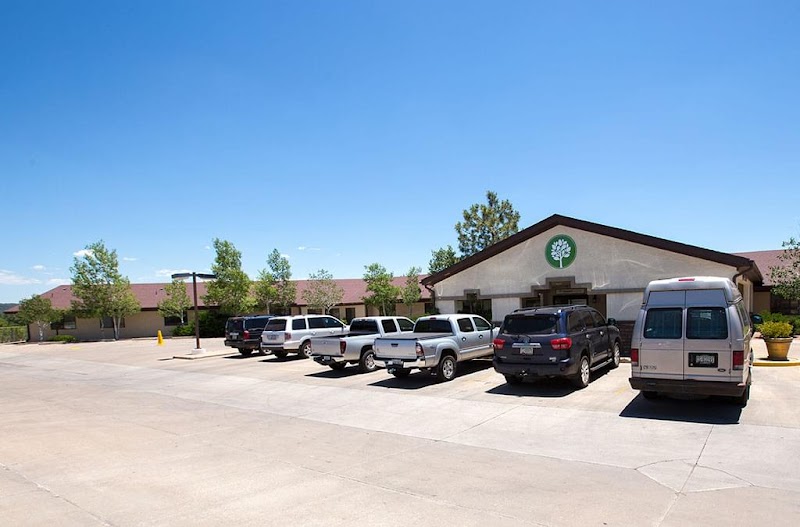
HAVEN OF SHOW LOW

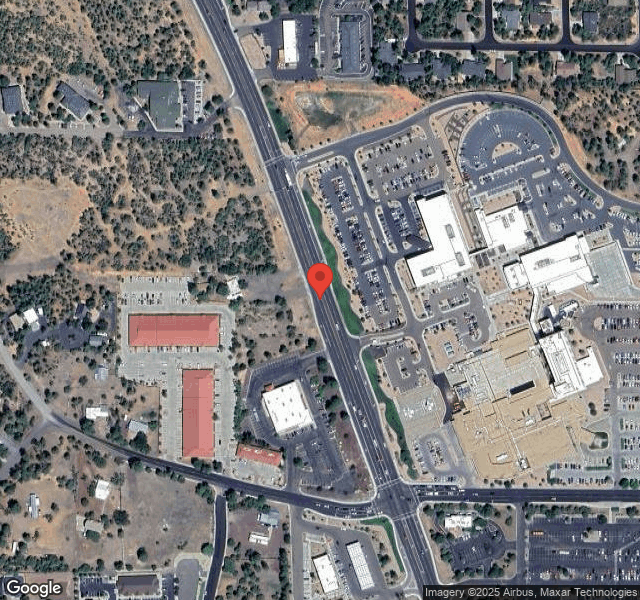
2401 EAST HUNT STREET, SHOW LOW, AZ 85901 (928) 537-5333
For profit - Limited Liability company 58 Beds HAVEN HEALTH Data: November 2025
Trust Grade
20/100
#132 of 139 in AZ
Last Inspection: August 2024

Within standard 12-15 month inspection cycle. Federal law requires annual inspections.

Overview

Haven of Show Low has received a Trust Grade of F, indicating significant concerns about the facility's care and operations. It ranks #132 out of 139 nursing homes in Arizona, placing it in the bottom half of facilities in the state and #2 out of 3 in Navajo County, meaning only one local option is better. While the facility is reportedly improving, with issues dropping from 18 in 2024 to 2 in 2025, it still has a concerning staffing turnover rate of 60%, well above the state average of 48%. The facility also faces substantial fines totaling $46,852, which is higher than 97% of Arizona facilities, suggesting ongoing compliance problems. Specific incidents include failure to provide adequate wound care, resulting in a resident's wound becoming necrotic, and not following physician orders for another resident, potentially hindering their recovery.

Trust Score
F
20/100
In Arizona
#132/139
Bottom 6%
Safety Record
Moderate
Needs review
Inspections
Getting Better
18 → 2 violations
Staff Stability
⚠ Watch
60% turnover. Above average. Higher turnover means staff may not know residents' routines.
Penalties
✓ Good
$46,852 in fines. Lower than most Arizona facilities. Relatively clean record.
Skilled Nurses
○ Average
Each resident gets 32 minutes of Registered Nurse (RN) attention daily — about average for Arizona. RNs are the most trained staff who monitor for health changes.
Violations
⚠ Watch
32 deficiencies on record. Higher than average. Multiple issues found across inspections.
★☆☆☆☆
1.0
Overall Rating
★☆☆☆☆
1.0
Staff Levels
★★★★☆
4.0
Care Quality
★☆☆☆☆
1.0
Inspection Score
Stable
2024: 18 issues
2025: 2 issues

The Good

  • 4-Star Quality Measures · Strong clinical quality outcomes
  • Full Sprinkler Coverage · Fire safety systems throughout facility
  • No fines on record

Facility shows strength in quality measures, fire safety.

The Bad

1-Star Overall Rating

Below Arizona average (3.3)

Significant quality concerns identified by CMS

Staff Turnover: 60%

14pts above Arizona avg (46%)

Frequent staff changes - ask about care continuity

Federal Fines: $46,852

Above median ($33,413)

Moderate penalties - review what triggered them

Chain: HAVEN HEALTH

Part of a multi-facility chain

Ask about local staffing decisions and management

Staff turnover is elevated (60%)

12 points above Arizona average of 48%

The Ugly 32 deficiencies on record

2 actual harm
Apr 2025 2 deficiencies 1 Harm
SERIOUS (G) 📢 Someone Reported This

A family member, employee, or ombudsman was alarmed enough to file a formal complaint

Actual Harm - a resident was hurt due to facility failures

Pressure Ulcer Prevention (Tag F0686)

A resident was harmed · This affected 1 resident

**NOTE- TERMS IN BRACKETS HAVE BEEN EDITED TO PROTECT CONFIDENTIALITY** Based on observation, interviews, review of the clinical record, and review of facility policy and procedure, the facility faile...

Read full inspector narrative →
**NOTE- TERMS IN BRACKETS HAVE BEEN EDITED TO PROTECT CONFIDENTIALITY** Based on observation, interviews, review of the clinical record, and review of facility policy and procedure, the facility failed to ensure one resident (#18) was provided care and services, according to professional standards and physician orders, to prevent a new pressure ulcer and prevent worsening of existing pressure ulcers. The deficient practice could lead to physical harm of residents developing new or worsening wounds. -Findings Include: Resident #18 was initially admitted to the facility September 25, 2019, with diagnoses that included hyperlipidemia, chronic kidney disease, diastolic heart failure, neuromuscular dysfunction of bladder, ulcer of anus and rectum, and localized edema. A quarterly minimum data set (MDS) assessment dated [DATE], revealed the Resident #18 had a Brief Interview for Mental Status (BIMS) score of 15, indicating the resident had intact cognition. Section GG revealed the resident was dependent on staff for bed mobility of sit to lying, and required substantial/maximum assistance with rolling in bed. Additionally, the resident had a diagnosis of paraplegia. A care plan dated May 24, 2021, revealed the resident was at risk for skin impairment, and had pressure ulcers on bilateral gluteal folds and sacrum, and a rectal fistula. Interventions included to assess/record/monitor wound healing weekly and as necessary. Measure length, width, and depth where possible, assess and document status of wound perimeter, wound bed, and healing progress. Report improvements and declines to the physician. If the resident refuses treatment, confer with the resident, interdisciplinary team (IDT), and family to determine the cause and try alternative methods to gain compliance. Document alternative methods. There was no evidence of a care plan update for a facility-acquired pressure ulcer on the resident's scrotum. A physician order dated August 28, 2024, and discontinued September 4, 2024, indicated to cleanse left ischium with Dakins, pat dry, apply calcium alginate, cover with ABD pad, and secure with tape, change daily and as needed, and notify provider of any concerns, two times a day every Mon, Wed, Fri, and Sun. A duplicate order indicated for two times a day every Tue, Thu, and Sat, and was also discontinued September 4, 2024. There was no evidence of wound care orders or treatment for the left ischium wound from September 4, 2024 until November 1, 2024. A physician order dated August 28, 2024, and discontinued November 1, 2024, indicated for wound care: cleanse sacral ulcer with WCS, pat dry, sprinkle collagen powder to wound bed, apply Maxorb Ag, cover with ABD pad and secure with tape, two times a day every Mon, Wed, Fri, and Sun. An additional duplicate order dated August 29, 2024, indicated for two times a day every Tue, Thu, and Sat. A physician order dated August 28, 2024, and discontinued November 1, 2024, indicated for wound care: cleanse right ischium with Dakins, apply Maxorb Ag and ABD pad, change two times a day every Mon, Wed, Fri, and Sun. A duplicate order indicated for two times a day every Tue, Thu, and Sat. A physician order dated October 25, 2024, indicated to clean wound with normal saline, pat dry, pack wound with 1/4 inch put ABD wrap with kerlix every night shift for wound care. There was no evidence of which wound the treatment was indicated for. A Pressure Ulcer Documentation assessment dated [DATE], revealed the resident had three pressure ulcers: -Right gluteal fold pressure ulcer, present on admission, Stage 4, measured as 3.2 x 0.8 x 1.2 cm, no tunneling -Left gluteal fold pressure ulcer, present on admission, Stage 4, measured as 2.2 x 2.3 x 0.7 cm, no tunneling -Sacral pressure ulcer, present on admission, Stage 4, measured as 2.0 x 2.3 x 0.6 cm, no tunneling Wound Care Visit Discharge Instructions dated September 3, 2024, revealed the resident had wounds on the right and left ischium, sacrum, and peri-anus. Discharge instructions included: -Right and Left Ischium: cleanse wound with wound cleaner, change ABD pad dressing 3 times per day and as needed -Midline Sacrum: cleanse wound with wound cleaner, change ABD pad and Maxorb Ag dressing 3 times per day and as needed -Peri-anus: cleanse wound with wound cleaner, change ABD pad dressing 3 times per day and as needed A Weekly Skin Check and Wound assessment dated [DATE], revealed the resident had right and left gluteal fold pressure ulcers, and a sacral pressure ulcer. There was no evidence of measurements or further details of the wounds. A Pressure Ulcer Documentation assessment dated [DATE], revealed the resident had four pressure ulcers: -Right gluteal fold pressure ulcer, present on admission, Stage 4, measured as 1.9 x 0.7 x 0.4 cm -Left gluteal fold pressure ulcer, present on admission, Stage 4, measured as 2.5 x 0.5 x 1.5 cm, tunneling noted with a depth of 1.6 cm -Coccyx pressure ulcer, present on admission, Stage 4, measured as 2.6 x 3.1 x 2.1 cm, tunneling from 12:00 to 3:00 noted with a depth of 2.1 cm -Scrotum, present on admission, Stage 4, measured as 2.7 x 1.6 x 0.5 cm A Pressure Ulcer Documentation assessment dated [DATE], revealed the resident had four pressure ulcers: -Right gluteal fold pressure ulcer, present on admission, Stage 4, measured as 2.5 x 3.1 x 1.4 cm -Left gluteal fold pressure ulcer, present on admission, Stage 4, measured as 2.5 x 0.5 x 1.5 cm -Coccyx pressure ulcer, present on admission, Stage 4, measured as 2.3 x 3.0 x 2.1 cm -Scrotum, facility-acquired with an onset date of September 23, 2024, Stage 4, measured as 2.7 x 1.6 x 0.5 cm There was no evidence of documentaion on the presence of tunneling on any of the wounds. The clinical record was reviewed and there was no evidence of notification to the physician of the new facility-acquired scrotum wound, or any treatment orders. Additionally, there was no evidence of any weekly wound assessments, including measurements or descriptions of the pressure wounds, between September 26 - October 14, 2024. A Pressure Ulcer Documentation assessment dated [DATE], revealed the following: -Coccyx pressure ulcer, present on admission, Stage 4, measured as 2.3 x 3.0 x 0.5 cm -Right gluteal fold pressure ulcer, with the measurement left blank and no descriptors -Pressure Ulcer #3: no evidence of location or any measurement or descriptors A Weekly Skin Check and Wound assessment dated [DATE], revealed the resident had right and left gluteal fold pressure ulcers, a coccyx pressure ulcer, and a medial testicular pressure ulcer. There was no evidence of measurements or further details of the pressure ulcers. Review of the MAR for September 2024 revealed there was no right ischium and sacral wound care treatment completed either shift on September 11, 13, and 15, and the clinical record revealed there was no evidence of the resident refusing the missed wound care treatments. A Medication Administration Note dated September 23, 2024, revealed the resident did not want to lay down to have wounds measured at the time. There was no evidence that alternatives were coordinated with the resident. The MAR for October 2024 and the clinical record were reviewed, and the resident missed sacral and/or right ischium wound care treatments for the following reasons, with no evidence of coordination of alternatives per the care plan: -October 9: refused -October 10; resident was up in chair, and at dialysis -October 12: at dialysis -October 14: had visitors -October 15: refused, and at dialysis -October 19: up in chair for dinner -October 22: at dialysis -October 23: refused -October 27: refused -October 28: refused -October 29: up in wheelchair A Discharge Summary note dated November 5, 2024, revealed the resident was transferred to the hospital via ambulance for difficulty breathing. A physician progress note from the hospital admission dated November 12, 2024, revealed the resident was treated for sepsis present on admission secondary to sacral wound, pneumonia, and urinary tract infection. Additionally, sacral decubitus wound with a wound culture positive for Proteus mirabilis. The resident was treated with antibiotics. An interview was conducted with a Registered Nurse, (RN / Stff #50) on April 16, 2025, at 1:09 pm, who stated if a treatment is ordered every shift, then it should be completed at some time during the shift, for day shift and night shift. Staff #50 stated that she was familiar with Resident #6, and that he had pressure wounds on the buttocks and sacral area. Staff #50 reviewed the clinical record and stated that the resident had orders for weekly skin and wound assessments. Staff #50 also reviewed the gap in weekly assessments from September 26 - October 14, 2024, and stated that the impact on a resident of missing the weekly assssments could be worsening wounds, missing new wounds or onset of infection. On April 16, 2025, at 1:35 PM, an interview was conducted with an RN / unit manager (Staff #96), who stated if a treatment is ordered every shift and as needed, then the treatment should be done anytime during that shift as well as any additional times that are needed. Staff #96 stated that if a treatment was not completed as ordered, then the resident's condition could worsen. Additionally, Staff #96 stated that if a resident was ordered weekly skin checks, then the nurse should complete the assessment and document in the weekly skin assessment. Also, if a resident was not assessed weeekly as ordered, then the wound could worsen or become infected and lead to delayed care. Staff #96 stated she was familiar with Resident #6 and that he had wounds on the hips and coccyx. The clinical record was reviewed and Staff #96 stated that there's a week missing in there for the weekly skin assessments between September and October 2024. Additionally, the missing sacral wound care treatments from September 2024 were reviewed in the record, and Staff #96 stated that there was no documentation that the treatments were done on September 11, 13, and 15. An interview was conducted with the Director of Nursing (DON / Staff #48) on April 16, 2025, at 2:52 PM. The DON stated that if a treatment is ordered every shift then it should be completed during that shift. If a resident was at a dialysis appointment, or was in a wheelchair and did not wanted to be treated at that particular time, then the nurse should communicate with the resident to find an alternate time to provide the treatment, or if it was at the end of the shift to communicate to the next shift that the treatment was not done so that the next nurse could address it. The DON stated that she was aware that Resident #6 had pressure ulcers to the coccyx and right and left buttocks, and that she was notified that the resident had bleeding from the scrotum but when assessed, did not see a pressure ulcer on the scrotum. The clinical record was reviewed and the DON stated that she could not see any evidence of notifiction to the provider for the documented new onset of the scrotal pressure ulcer. The missing weekly wound assessments for September-October 2024 and the missing wound care treatments were reviewed together and the DON stated this would not meet her expectation and that the facility had already been taking steps to correct the issue. An interview was conducted with the [NAME] President of Clinical Operations (Staff #4) on April 16, 2025, at 3:17 PM. Staff #4 stated that for residents with pressure ulcers, at least once a week, the wound size and descriptors should be documented. Staff #4 stated that the oucome for Resident #6 was that although the resident had a guarded condition and several comorbidities, that there were some missed wound treatments and a newly acquired pressure ulcer. Staff #4 stated that within the past several months, it was identified by the facility that there were issues in the wound care of Resident #6 and that corrective steps were taken such as partnering with a new wound provider. Review of the facility policy titled Assessments/Care Planning: Care Plans, Comprehensive Person-Centered, dated January 1, 2024, revealed a comprehensive, person-centered care plan that includes measurable objectives and timetables to meet the resident's physical, psychosocial and functional needs is developed and implemented for each resident. Review of the facility policy titled Assessments/Care Planning: Change in a Resident's Condition or Status, dated Janaury 1, 2024, revealed the facility promptly notifies the resident, his or her attending physician, and the resident representative of changes in the resident's medical/mental condition and/or status. The nurse will notify the resident's attending physician or physician on call when there has been a significant change in the resident's physical condition, need to alter the resident's medical treatment significantly, refusal of treatment two (2) or more consecutive times, and/or specific instruction to notify the physician of changes in the resident's condition. Review of the facility policy titled Assessments/Care Planning: Resident Examination and Assessment, dated January 1, 2024, revealed the purpose of this policy is to examine and assess the resident for any abnormalities in health status, which provides a basis for the care plan. The assessment process shall be systematic, comprehensive and multidisciplinary based on the individual resident's needs, acuity and priorities in accordance with physician orders. Orders are to be completed in accordance with physician orders determined at a resident's time of admission or throughout the resident stay. A change in order for assessment is based upon the resident's acuity at the time of the order. Notify the supervisor if the resident refuses the examination. Notify the physician of any abnormalities, including but not limited to wounds or rashes on the resident's skin.
CONCERN (D) 📢 Someone Reported This

A family member, employee, or ombudsman was alarmed enough to file a formal complaint

Potential for Harm - no one hurt, but risky conditions existed

Accident Prevention (Tag F0689)

Could have caused harm · This affected 1 resident

**NOTE- TERMS IN BRACKETS HAVE BEEN EDITED TO PROTECT CONFIDENTIALITY** Based on observation, interviews, review of the clinical record, and review of facility policy and procedure, the facility faile...

Read full inspector narrative →
**NOTE- TERMS IN BRACKETS HAVE BEEN EDITED TO PROTECT CONFIDENTIALITY** Based on observation, interviews, review of the clinical record, and review of facility policy and procedure, the facility failed to ensure one resident (#6) was prevented from an accident of bleach ingestion. The deficient practice could lead to physical harm of residents, including serious illness and death. -Findings Include: Resident #6 was initially admitted to the facility May 1, 2021, with diagnoses that included Parkinson's disease, anxiety disorder, hypertension, obesity, and abscess of liver. An admission minimum data set (MDS) assessment dated [DATE], revealed the Resident #6 had a Brief Interview for Mental Status (BIMS) score that was dashed, indicating the assessment was not completed with the resident. There was no evidence of a care plan to address impaired cognition until July 12, 2023. A care plan was initiated this date for an alteration in neurological status due to metabolic encephalopathy/disease process, with interventions to cue and redirect as needed and give medications as ordered. A Daily Skilled Evaluation dated April 16, 2023, revealed Resident #6 wanders halls and occasionally attempts to go out the front door, and the resident is monitored while up in wheelchair. Daily Skilled Evaluations revealed the following: -March 10, 2023: the resident is oriented x 3. -March 11, 2023: the resident is oriented x 2. -March 15, 2023: the resident is oriented x 2. -March 17, 2023: All cares provided in resident's room due to COVID-19 isolation status, and the resident is oriented x 2. -March 18, 2023: the resident is oriented x 2. A Medication Administration Note dated May 18, 2023, revealed the resident is up all during the night and going into other resident's rooms. When trying to redirect him, the resident is grabbing the side rails and door frames, and is trying to go outside and setting off the alarm. The resident is trying to hit staff when being redirected. A provider Encounter Note dated May 20, 2023, revealed the resident is seen on May 21, 2023, for bleach ingestion. The resident is noted to have ingested bleach, and had put water in a container that had some bleach wipes in it and then drank that. Nursing staff had the resident drink about 750 cc of water. The resident appears asymptomatic. Nursing staff to push as much free water as possible, and continue to monitor. A facility Reportable Event Report dated May 22, 2023, revealed the administrator (Staff #26) was contacted by the nurse on duty for an incident on May 21, 2023, of potential bleach ingestion by Resident #6. During the investigation, the resident's BIMS score was re-assessed at 5, indicating severe cognitive impairment. Per the resident's roommate, the resident had filled a bleach wipe container with water, potentially ingesting the water after filling it. The resident was interviewed and gestured to a different water cup indicating he had mistaken the bleach container for his water cup, which was also located in the resident's room. Upon review of the incident, it was determined that the cleaning wipes were present in the resident's room. The staff were instructed to round on all other resident rooms to ensure other wipes containers were not accessible to residents. On April 16, 2024, a formal request was made to the facility for the facility's policy on chemical storage. The administrator signed a statement at 12:40 PM that the facility does not have a policy for chemical storage, that the facility follows the policy titled Resident Safety: Safety and Supervision of Residents. An observation was conducted on April 16, 2025, at 8:09 AM. In room [ROOM NUMBER], where a resident was laying in bed, a cleaning wipe container was observed on the shelf that was within reach from wheelchair level. An interview was conducted at this time with a Certified Nursing Assistant (CNA / Staff #31), who retrieved the cleaning wipe container from the room. The label of the container was read together. The CNA stated that the label had a warning that the product was harmful to humans. The CNA stated that cleaning wipe containers are supposed to be taken back to the nurse's station because they could be a hazard to residents. An interview was conducted on April 16, 2024, at 1:09 PM, with a Registered Nurse (RN / Staff #50) who stated that nurses assess the cognitive status of residents by asking orientation questions and documenting how many questions the resident got correct, and that would be documented as oriented x 1, x 2, or x 3. Staff #50 stated that the facility protects residents from hazardous chemicals by ensuring medications are not left at bedside and that chemicals should be stored in utility closets or janitor closets. The nurse stated that she did not believe it safe to leave hazardous chemical substances within access of a confused resident. An interview was conducted on April 16, 2025, at 2:52 PM, with the Director of Nursing (DON / Staff #48), who stated that the facility assesses resident's cognitive status by conducting the BIMS assessment to get a baseline, and that nurses assess the resident's orientation status. The DON stated that the facility keeps residents safe from hazardous chemical exposure by locking medications and that chemicals should be kept away from residents' rooms. The DON also stated that if a resident were to have access to harmful chemicals, then the resident could obtain it and have risk to the resident, and that it would not meet her expectation. Review of the facility policy titled Resident Safety: Safety and Supervision of Residents, dated January 1, 2024, revealed the facility strives to make the environment as free from accident hazards as possible. Resident safety and supervision and assistance to prevent accidents are facility-wide priorities. Safety risks and environmental hazards are identified on an ongoing basis through a combination of employee training, employee monitoring, and reporting processes; QAPI reviews of safety and incident/ accident data; and a facility-wide commitment to safety at all levels of the organization. Employees shall be trained on potential accident hazards and demonstrate competency on how to identify and report accident hazards, and try to prevent avoidable accidents. Our individualized, resident-centered approach to safety addresses safety and accident hazards for individual residents. The interdisciplinary care team shall analyze information obtained from assessments and observations to identify any specific accident hazards or risks for individual residents. The facility-oriented and resident-oriented approaches to safety are used together to implement a systems approach to safety, which considers the hazards identified in the environment and individual resident risk factors, and then adjusts interventions accordingly. Resident supervision is a core component of the systems approach to safety. The type and frequency of resident supervision is determined by the individual resident's assessed needs and identified hazards in the environment. The type and frequency of resident supervision may vary among residents and over time for the same resident. For example, resident supervision may need to be increased when there are temporary hazards in the environment (such as construction) or if there is a change in the resident's condition.
Sept 2024 1 deficiency
CONCERN (E) 📢 Someone Reported This

A family member, employee, or ombudsman was alarmed enough to file a formal complaint

Potential for Harm - no one hurt, but risky conditions existed

Deficiency F0658 (Tag F0658)

Could have caused harm · This affected multiple residents

**NOTE- TERMS IN BRACKETS HAVE BEEN EDITED TO PROTECT CONFIDENTIALITY** Based on documentation, staff interviews, and the facility policy and procedures, the facility failed to ensure one resident (#5...

Read full inspector narrative →
**NOTE- TERMS IN BRACKETS HAVE BEEN EDITED TO PROTECT CONFIDENTIALITY** Based on documentation, staff interviews, and the facility policy and procedures, the facility failed to ensure one resident (#56) received medical care treatments ordered by the physician. The deficient practice could result in residents not improving. Findings include: Resident #56 was admitted to the facility on [DATE] with diagnoses that included enterocolitis due to Clostridium Difficile (Cdiff), urinary tract infection (UTI), neuromuscular dysfunction of the bladder, and Parkinson's Disease. The minimum data set (MDS) dated [DATE] included a brief interview for mental status score of 11 indicated the resident was moderately cognitively impaired. It also included that the resident did not reject care during the look-back period. The care plan dated August 29, 2024 revealed that the resident had infections, Clostridium difficile and urinary tract infection. Interventions included contact/droplet precautions, and educating the resident and staff regarding preventative measures to contain infections. Use as much disposal equipment and dedicated equipment as possible. Non-disposable resident care equipment to be appropriately cleaned and disinfected per facility protocol. The care plan dated August 30, 2024 revealed that the resident had enhanced barrier precautions related to a central line/PICC, indwelling catheter. Interventions included to don and doff gown and gloves and to perform hand hygiene as per facility protocol. A care plan dated August 30, 2024 revealed that the resident is at risk for skin impairment due to decreased mobility and included the interventions to administer treatments as ordered and monitor for effectiveness. An oxygen therapy care plan dated August 30, 2024 revealed oxygen therapy related to ineffective gas exchange included an intervention to provide oxygen per physician order and to monitor for signs and symptoms of respiratory distress and report to the medical doctor. Review of the Order Summary revealed: -August 29, 2024, Vancomycin HCI oral capsule 125 mg give one capsule by mouth every 6 hours related to enterocolitis due to Clostridium Difficile for eight days. -August 29, 2024, Amoxicillin oral capsule 500 mg give one capsule by mouth every 8 hours related to UTI. Discontinued on September 10, 2024. -August 29, 2024, Foley catheter size 16 french, 10 cc balloon. Different size may be inserted if size ordered cannot be reinserted. Change Foley catheter as needed for leaking, soiling, blockage or as ordered by provider. Discontinued September 2, 2024. -August 29, 2024, Nystatin External Powder 100000 unit/gram (topical). Apply to affected areas topically every shift for skin care. Discontinued September 21, 2024. -August 29, 2024, Catheter care with soap and water or wipes every shift for other. Discontinued on September 21, 2024. -August 29, 2024, oxygen at 0-5 liters per minute as needed to keep saturation above 89% every shift for oxygen therapy. Discontinued September 21, 2024. -September 2, 2024, Change suprapubic catheter every month. Discontinued September 21, 2024. Review of the Treatment Administration Record (TAR) dated September 2024 revealed: -August 29, 2024, Catheter care with soap and water or wipes every shift for other. Discontinued on September 21, 2024. Treatment was not provided on September 2, 5, 6, 7, 8, 9, 11, and 12, 2024. -August 29, 2024, Nystatin External Powder 100000 unit/gram (topical). Apply to affected areas topically every shift for skin care. Discontinued September 21, 2024. Treatment was not provided on 2, 5, 6, 7, 8, 9, 11, and 12, 2024. -August 29, 2024, oxygen at 0-5 liters per minute as needed to keep saturation above 89% every shift for oxygen therapy. Discontinued September 21, 2024. Oxygen saturation was not checked on September 2, 6, 7, 8, 9, 11, 2024. An interview was conducted on September 27, 2024 at approximately 11:45 a.m. with a licensed practical nurse (LPN/staff #57), who stated that she had received training on medication and treatment administration. She stated that a physician's order is needed for treatments and when a treatment is done, it should be documented in the Treatment Administration Record (TAR). Staff #57 stated if there is no documentation the treatment was not done, and she would contact the Director of Nursing (DON) and the physician, and document the physician's instructions. She stated that she thinks it is the responsibility of the Director of Nursing to review the TAR to ensure that treatments were provided as ordered. She stated that missed documentation indicated that the resident's catheter was not cleaned and there is a risk of getting a skin infection and a UTI. She stated that she was not sure where the Nystatin powder was supposed to be administered and would need to contact the staff who did the order with the physician to verify, but thought that it was most likely applied to the lower abdominal and inner thigh area. She stated that there is a risk of spreading and can lead to cellulitis if the powder is not applied as ordered. An interview was conducted on September 27, 2024 at 12:14 p.m. with the (DON/staff #2), who stated that staff had received training on administering medications and treatments and a physician's order is required for both. She stated that an order to administer a medication or treatment requires the medication, dosage, frequency, and route and once done -- should be documented on the MAR/TAR. She stated that she is responsible for reviewing the MAR/TAR to ensure medication and treatments are administered. During the interview, she reviewed the MAR/TAR dated September 2024 and stated that the catheter was not cleaned multiple times, which created a risk of infection like a UTI. She also stated that the nurse is responsible for completing skin assessments before applying the Nystatin, but it is usually applied to the abdominal folds and under the breast area. She stated that the Nystatin was not applied multiple times and would expect the staff to document on a progress note if the area was worsening. She stated that the affected area spreading doesn't indicate the problem is worsening, however stated that if the treatment was not documented it was not done. The facility policy, Medications: Administering Medications states that medications are administered in a safe and timely manner, and as prescribed. The individual administering the medication initials the resident's MAR on the appropriate line after giving each medication and before administering the next ones, or documents in the electronic medical administration record. Topical medications used in treatments are recorded on the resident's treatment record (TAR).
Aug 2024 1 deficiency 1 Harm
SERIOUS (G) 📢 Someone Reported This

A family member, employee, or ombudsman was alarmed enough to file a formal complaint

Actual Harm - a resident was hurt due to facility failures

Quality of Care (Tag F0684)

A resident was harmed · This affected 1 resident

**NOTE- TERMS IN BRACKETS HAVE BEEN EDITED TO PROTECT CONFIDENTIALITY** Based on clinical record review and staff interviews, the facility failed to ensure care and services related to wound was provi...

Read full inspector narrative →
**NOTE- TERMS IN BRACKETS HAVE BEEN EDITED TO PROTECT CONFIDENTIALITY** Based on clinical record review and staff interviews, the facility failed to ensure care and services related to wound was provided one resident (#57). The deficient practice resulted in the wound becoming necrotic and resident's transfer to the hospitalization. Findings include: Resident #57 was admitted to the facility on [DATE] with a diagnoses of Atrial Fibrillation, acute kidney failure, type II diabetes mellitus, systemic inflammatory response syndrome and bilateral lower extremity amputations. The admission note dated June 21, 2024 included the resident was admitted from a short-term general hospital, was confused as to situation and place and had bilateral lower extremity amputations. Per the documentation, the resident had pain of 10/10 from foley catheter; and, interventions to alleviate pain was to secure cathether and good peri/catheter care. An encounter note dated June 23, 2024 included a history of present illness that at the hospital, the resident's urinalysis was negative but a Foley catheter was placed for unknown reasons. Assessment included benign prostatic hyperplasia (BPH) with lower urinary tract symptoms. Per the documentation, the resident was noted to have a Foley catheter; and that, the provider will order bladder training and then removal of Foley catheter. The daily skilled evaluation dated June 23, 2024 revealed that the resident was oriented x 3 and had catheter use. The progress note dated June 24, 2024 at 4:59 p.m. included that the resident had a Foley catheter in place and was complaining of discomfort to his penis. Per the documentation, the nurse removed the Foley catheter and the Nurse Practitioner (NP) was notified. Further, the documentation included that resident will be monitored for spontaneous urination. The physician order dated June 24, 2024 included may replace Foley if not urinating every shift for 3 days. The daily skilled evaluation dated June 24, 2024 7:59 p.m. revealed the resident had catheter. However, there was documentation of the reason for the continued use and reinsertion of the Foley catheter. An encounter note dated June 25, 2024 included the resident did not have suprapubic tenderness; and that, the resident had Foley catheter. An admission Minimum Data Set (MDS) assessment dated [DATE] revealed the resident had a Brief Interview for Mental Status (BIMS) score of 99 indicating the resident was unable to complete the interview. The assessment included that the resident had short-term and long-term memory problem and had severely impaired cognitive skills for daily decision making. Further, the MDS coded that the resident had an indwelling catheter. The CAA (Care Area Assessment) summary revealed that indwelling catheter was triggered for care planning. However, the clinical record revealed no evidence that a care plan related to the use of a Foley catheter and implemented interventions. The weekly skin check note dated June 28, 2024 included that the penis had slough noted at the meatus. Per the documentation, the resident was uncircumcised; and, the foreskin needed to be pulled back to note area of inflammation from previous catheter insertion. It also included that treatment was applied. The shower sheets dated June 28, 2024 revealed no documentation of any issues identified on the resident's penis The care plan dated July 2, 2024 included the resident had bladder incontinence related to dementia, history of CVA (cerebrovascular accident) and impaired mobility. Goal was that the resident's risk for septicemia will be minimized/prevented via prompt recognition and treatment of symptoms of UTI (urinary tract infection). Interventions included to use disposable briefs and to check and change as needed. The physician order dated July 3, 2024 included for Santyl ointment (topical wound treatment) 250 unit/gram, apply to penis meatus topically at bedtime for wound care for small amount of slough area of the meatus. The weekly skin check notes dated July 4, and 12, 2024 included that the penis had slough noted at the meatus. Per the documentation, the resident was uncircumcised; and, the foreskin needed to be pulled back to note area of inflammation from previous catheter insertion. It also included that treatment was applied. The shower sheet dated July 8, 2024 revealed no documentation of any issues identified on the resident's penis. The clinical record revealed no evidence that Foley catheter care was administered or provided to the resident. It also did not include a reason why Foley catheter care was not provided; and that, the physician was notified. The encounter note dated July 11, 2024 revealed the resident was seen for penile abscess; and that, there was significant amount of smegma noted. Per the documentation, it inflamed but did not appear to be infected. It also included that the resident had Foley catheter; and, smegma was noted on the tip of the penis. Further, the documentaton included that the resident will be referred to the wound clinic as he might need debridement. The shower sheet dated July 11, 2024 revealed no documentation of any issues identified on the resident's penis. The encounter note dated July 16, 2024 revealed that the skin was warm and dry; and smegma was noted on the tip of the penis. The encounter note dated July 18, 2024 included that Foley catheter was noted. Despite documentation that the provider recommended referral to wound clinic, the clinical record revealed no evidence that the resident was referred to the wound clinic from July 11 through July 21, 2024. The progress note dated July 22, 2024 revealed that the resident had an appointment set at the wound clinic for July 31, 2024. The weekly skin check notes dated July 19 and 28, 2024 included that the penis had slough noted at the meatus. The documentation did not include whether or not treatment was administered. The shower sheet dated July 29, 2024 revealed no documentation of any issues identified on the resident's penis. The Santyl order was transcribed onto the medication administration record (MAR) for July 2024 and was documented as administered. The discharge and transfer assessment dated [DATE] included that the resident was transfered to the hospital. Per the documentation, the resident went to the wound clinic for his appointment for his penile wound; and , the wound clinic sent the resident to the ER (emergency room) straight from the clinic. The report of consultation note dated July 31, 2024 revealed that the resident had a penile ulcer at the tip of the penis; and that, there was need to retract the foreskin. Per the documentation, wound clinic performed wound culture and biopsy of the penile lesion. Further, the documentation included that the resident was sent to the ER for STAT urology consultation and possible I&D (incision & drainage) A phone interview with the wound clinic registered nurse (RN/staff #8) conducted on August 19, 2024 at 2:03 p.m., the RN stated that resident #57 was sent to the wound clinic for consultation of the penile wound. The RN said that on examination, the resident had quite a bit of necrosis at the tip of his penis which was usually seen in residents who were actively dying. The RN said that the wound clinic sent the resident out to the ER; and, if we are sending a resident out, then it was pretty bad. She stated that in the case of resident #57, the wound clinic biopsied the wound beneath the necrotic tissue at the tip of the penis. The RN said that the resident should have been seen and evaluated much sooner; and that, the facility could have done a culture and sensitivity test on resident #57. Further, the RN stated that the wound care provider documented that resident #57 may need removal of the penis and it was bad; but, she was not sure that happened. An interview was conducted on August 19, 2024 at 2:00 p.m. with the director of nursing (DON/staff #26) who stated that the facility did not have a wound care nurse for the past year. The DON said that a head to toe skin assessment was completed and reviewed by staff when a resident is admitted at the facility. The DON said the resident was then placed on weekly skin assessment schedule for issues. Regarding resident #57, the DON said that there was a definite problem here. The DON said that staff cannot have the same exact note every time staff were looking at a wound; and, she would have followed up with the resident after it was identified by staff. Further, the DON stated that it was problem that the provider recommended for the resident to see the wound clinic on July 11; but this was not even made until July 22, 2024. In a later interview with the DON conducted on August 19, 2024 at 3:05 p.m., the DON said that based on the clinical record, staff did everything they could. She also stated that review of the clinical record revealed the resident had slough in his penis and this was the same as necrosis. An interview on August 19, 2024 at 4:20 p.m. with a certified nursing assistant (CNA/staff #35) who stated he noticed that resident #57 had a penile issue; and he notified the administrator and charge nurse each time. He said that they told him that they knew about the issue and things were being done to correct it. He stated that the penile issue continued to look worse; and, when staff were cleaning the penis staff had to pull back the foreskin which did not come back easily. Further, he stated that some of the female nurses/staff were not comfortable pulling foreskin back and cleaning it like they should.
Aug 2024 10 deficiencies
CONCERN (D)

Potential for Harm - no one hurt, but risky conditions existed

Deficiency F0554 (Tag F0554)

Could have caused harm · This affected 1 resident

**NOTE- TERMS IN BRACKETS HAVE BEEN EDITED TO PROTECT CONFIDENTIALITY** Based on observations, clinical record review, resident and staff interviews, and review of facility policy, the facility failed...

Read full inspector narrative →
**NOTE- TERMS IN BRACKETS HAVE BEEN EDITED TO PROTECT CONFIDENTIALITY** Based on observations, clinical record review, resident and staff interviews, and review of facility policy, the facility failed to ensure one resident (#145) was assessed to be safe for medication self-administration. The deficient practice could result in resident not taking or able to take the medication needed for treatment. The census was 48. Findings include: Resident #145 was admitted on [DATE] with diagnoses of clostridium difficile, enterocolitis, end stage renal disease (ESRD), ankylosing spondylitis, and atherosclerotic heart disease. The admission Minimum Data Set (MDS) assessment dated [DATE] revealed a Brief Interview for Mental Status (BIMS) score of 8 indicating the resident had moderate cognitive impairment. A physician order dated August 6, 2024 for Sevelamer Carbonate (phosphate binder) 800 mg milligram) three times a day for ESRD with meals. There was no evidence found in the clinical record that self-administration was determined as clinically appropriate for resident #145. There was no evidence that the resident was assessed for self-administration. A medication observation was conducted on August 5, 2024 at 11:19 a.m. There was a white pill in a medicine cup on the bedside table of a resident #145 that was left unattended. The resident stated the pill was his phosphorus binder that was taken prior to lunch; and that, he self-administers this medication on a daily basis. An interview was conducted with resident #145 on August 5, 2024 at 11:42 a.m. The resident stated the name of the pill that was in the cup was hard to pronounce so he calls it his dialysis meal pill. Resident #145 said that the nurse usually keeps his dialysis meal pill on his bedside table, so he can remember to take it. He said that the registered nurse (RN/Staff #2) was the one who left white pill next to his breakfast tray this morning. Further, the resident stated that he self-administers his medication three times a day, all the time because all the nurses allow it; and, he would just reach over and takes the pill when it's time. During an interview with a Registered Nurse (RN/Staff #2) conducted on August 5, 2024 at 11:47 a.m., the RN stated that when administering medications, nurses follow the 7 rights: right person, right medication, right dose, right time, right route, right reason, and right documentation. The RN also stated that when giving resident medications, the policy was to wait at bedside until all medications were taken by the resident; and that, no medications were to be left at bedside due to the risks such as leaving the medication for someone else to take. Further, the RN said that there was no reason for medication to be left at bedside and it was against facility policy to leave medications unattended. The RN said that if a medication was found at the bedside, it was to be removed and reported to the Director of Nursing (DON). An interview with a licensed practical nurse (LPN/Staff #13) was conducted on August 6, 2024 at 8:07 a.m. The LPN stated that when giving medication, it was a policy to stay by the bedside until all medications were administered; and, if any medication was found by the bedside, it was to be collected and turned in to the DON. During an interview with the Director of Nursing (DON/staff #105) conducted on August 6, 2024, the DON stated that there was absolutely no reason for any medication to be placed at the bedside-unless they have an order to do otherwise. The DON said that there were too many risks involved, such as someone else taking the medication, and that practice was against facility policy. Further, the DON stated there was no self-administration determination found in the clinical record for Resident #145. A facility policy on Self-Administration with an effective date of January 1, 2024 included that residents have the right to self-administer medications if the interdisciplinary team (IDT) determined that it is clinically appropriate and safe for the resident to do so. If it is deemed safe and appropriate for the resident to self-administer medications, this is documented in the medical record, and the care plan. Any medications found at the bedside that are not authorized for self-administration are turned over to the nurse in charge for return to the responsible party or proper disposal.
CONCERN (D)

Potential for Harm - no one hurt, but risky conditions existed

Deficiency F0559 (Tag F0559)

Could have caused harm · This affected 1 resident

**NOTE- TERMS IN BRACKETS HAVE BEEN EDITED TO PROTECT CONFIDENTIALITY** Based on clinical record review, resident and staff interviews and review of facility policies and procedures, the facility fail...

Read full inspector narrative →
**NOTE- TERMS IN BRACKETS HAVE BEEN EDITED TO PROTECT CONFIDENTIALITY** Based on clinical record review, resident and staff interviews and review of facility policies and procedures, the facility failed to ensure two residents (#24 and #37) received notification prior to the room change. The deficient practice could result in resident's preferences not honored. Census was 48. Findings include: -Resident #24 was readmitted to the facility on [DATE] with diagnoses of alcoholic hepatic failure, unspecified dementia with other behavioral disturbance, epilepsy, anxiety disorder and abnormalities of gait and mobility. The census list revealed that the resident had a room change on June 22, 2023 and December 4, 2023. The clinical record revealed no evidence that the resident was notified of a room change on June 22, 2023. The Room and/or Roommate Change Notice dated December 4, 2023 revealed that the notice was to inform the resident in advance of a room change and the reason for the room change was due to other residents' welfare effective December 4, 2023. However, the documentation did not include any further explanation of this reason. The notice signed by a staff member and dated December 4, 2023. However, the documentation did not include any resident signature. The clinical record revealed no evidence that the resident was given advance notice regarding the room change on December 4, 2023. The Room And/or Roommate Change Notice dated February 9, 2024 revealed that the notice was to inform the resident in advance of a room change with effective date of February 9, 2024. However, the section on the reason for the discharge was left blank. It also included that the notice was provided to the resident. It also included that the notice was signed by a staff; but, was not signed by the resident or the resident's representative. The clinical record revealed no evidence that the resident was given advance notice regarding the room change on February 9, 2024. Review of the quarterly Minimum Data Set (MDS) assessment dated [DATE] revealed a Brief Interview for Mental Status (BIMS) score of 15 indicating the resident had intact cognition. The census list revealed that the resident had room change on August 1, 2024. However, the clinical record revealed no evidence that a written notice regarding the roommate or room change was provided to the resident prior to August 1, 2024. An interview was conducted on August 8, 2024 at 7:55 a.m. with resident #24 who stated that she did not recall signing a room change/roommate change form or being informed of a room or roommate change. -Resident #37 was admitted on [DATE] with diagnoses of transient cerebral ischemic attack, right sided hemiplegia and hemiparesis following cerebral infarction and muscle weakness. The admission Minimum Data Set assessment dated [DATE] revealed a BIMS score of 15 indicating the resident was cognitively intact. Review of the census list revealed the resident had a room change and became on August 1, 2024 and became the roommate of resident #24. However, the clinical record revealed no evidence that the resident was given an advance notice regarding the room change on August 1, 2024. In an interview with resident #37 conducted on August 8, 2024 at 7:45 a.m. resident #37 stated that she refused the room change was refused, did not like the change and admitted to throwing a fit regarding the change. The resident further stated that she was very upset and unhappy that day of the room change, and was still upset about the room change. Further, resident #37 stated that she did not receive or sign any written notice regarding the room change. Resident #37 stated the staff came to see her when she was still in her previous room, informed her of the move and then was to new room soon after on the same day. During an interview with the administrator (staff #49) and the director of nursing (DON/staff #105) conducted on August 8, 2024 at approximately 11:45 a.m., both the administrator and DON stated that room assignments were influenced by factors such as resident preference and/or behavioral issues. The DON stated that residents were to be given written and advance notice about room or roommate changes. The DON stated that residents #37 and 24 did not a written Room and/or Roommate notice for the room or roommate change on August 1, 2024. Further, the DON stated that the room And/or Roommate Change Notice dated February 9, 2024 for resident #24 documentation was incomplete. The facility policy on Resident Rights-Room Change/ Roommate Assignment with an effective date of January 1, 2024 included that prior to changing a room or roommate assignment, residents are given advance written notice of such change. Advance written notice of a roommate change includes why the change is being made.
CONCERN (D)

Potential for Harm - no one hurt, but risky conditions existed

Deficiency F0645 (Tag F0645)

Could have caused harm · This affected 1 resident

**NOTE- TERMS IN BRACKETS HAVE BEEN EDITED TO PROTECT CONFIDENTIALITY** Based on clinical record review, staff interviews, and policy review, the facility failed to ensure the Pre-admission Screening ...

Read full inspector narrative →
**NOTE- TERMS IN BRACKETS HAVE BEEN EDITED TO PROTECT CONFIDENTIALITY** Based on clinical record review, staff interviews, and policy review, the facility failed to ensure the Pre-admission Screening and Resident Review (PASRR) assessments Level I screening was completed as required for one sampled resident (#4). The deficient practice could result in resident not receiving specialized services needed. Findings include: Resident (#4) was admitted on [DATE] with diagnoses of major depressive disorder, unspecified mood (affective) disorder, bipolar disorder, post-traumatic stress disorder, and anxiety disorder. A review of the Level 1 PASRR screening dated November 8, 2022 revealed that the resident's admission met the criteria for 30-day convalescent care. The care plan dated November 9, 2022 included that the resident used antidepressant and anxiety medications related to depression and anxiety disorder. Intervention included to give antidepressant and anti-anxiety medications as ordered by the physician. The clinical record revealed that the resident remained at the facility for longer than 30-days from admission. Review of the care plan dated July 20, 2023 revealed resident used anti-psychotic medications related to bipolar disorder; and that, medications were administered to treat behaviors of hallucinations and agitation. Intervention included to administer medications as ordered. The clinical record revealed resident had the new diagnoses on the following dates: -Post-traumatic disorder on July 19, 2023; -Bipolar disorder current episode depressed severe with psychotic features on July 19, 2023; -Mood (affective) disorder on October 19, 2023; and, -Major Depressive disorder on March 21, 2024. The physician progress note dated June 2, 2024 included that the resident's mood had been stable and resident continued to receive psychiatric treatment. Assessment included recurrent major depression. The encounter follow-up note dated June 13, 2024 revealed the resident was alert and oriented x 3 and had a calm mood. Diagnosis included recurrent major depressive disorder, in partial remission. Plan was to continue oral antidepressant daily. The quarterly Minimum Data Set (MDS) assessment dated [DATE] included a brief interview for mental status (BIMS) score of 15 indicating the resident had intact cognition. The encounter follow-up note dated July 23, 2024 included tat the resident was alert and oriented x3 and had a calm mood. Diagnosis included anxiety. Despite documentation of new mental disorder/illness diagnoses and documentation that resident remained longer than 30-days, there was no evidence found that a PASSR Level I screening was completed for the resident after November 8, 2022. An interview and review of the clinical record was conducted on August 6, 2024 at 11:39 a.m. with a social worker (staff #12) who stated that the last PASRR Level I screening completed for resident #4 was on November 8, 2022. In an interview conducted with the Director of Nursing (DON/staff #105) on August 6, 2024 at 12:07 p.m., the DON stated that the last PASSR evaluation complete for resident (#4) was on November 8, 2022. The DON (staff #105) also stated that there should have been another one completed because resident (#4) passed the 30-day stay; and that, the resident not having another PASSR screening after 30-day stay did not meet the facility expectations. In another interview with the DON (staff #105) conducted on August 8, 2024 at 10:47 a.m., the DON stated that specialized services could have been recommended for resident (#4); and without the PASRR being completed, the resident could not have received appropriate services for her diagnoses. Review of the facility policy on Pre-admission Screening and Resident Review (PASRR), revealed the facility would verify that a Level 1 PASSR screening had been conducted; and that, if the resident was positive for potential mental illness or intellectual disability, a Level II PASSR referral must be submitted. It was the responsibility of the facility to make referrals for a Level II PASSR, or ensure the referral was made by the case manager. The policy also included that a request for Level II evaluation is not required for individuals requiring admission to the nursing facility for a convalescent period (not to exceed 30 consecutive days). If it is later determined that the admission will last longer than 30 consecutive days, a new PASRR Level I Screening must be completed as soon as possible or within 40 calendar days of the admission date to the nursing facility.
CONCERN (D)

Potential for Harm - no one hurt, but risky conditions existed

Deficiency F0657 (Tag F0657)

Could have caused harm · This affected 1 resident

**NOTE- TERMS IN BRACKETS HAVE BEEN EDITED TO PROTECT CONFIDENTIALITY** Based on clinical record review, interviews, and policy review, the facility failed to ensure one resident (#41) and/or represen...

Read full inspector narrative →
**NOTE- TERMS IN BRACKETS HAVE BEEN EDITED TO PROTECT CONFIDENTIALITY** Based on clinical record review, interviews, and policy review, the facility failed to ensure one resident (#41) and/or representative participated and involved in the development of the care plan and in making decisions of his care. The deficient practice could result in residents needs not being met. Census was 48. Findings include: Resident #41 was admitted on [DATE] with diagnoses of chronic kidney disease stage 3, adult failure to thrive, tremor, chronic pain, depression and abnormalities of gait and mobility. The admission Minimum Data Set (MDS) assessment dated [DATE] revealed a Brief Interview of Mental Status (BIMS) score of 6 which indicated the resident had severe cognitive impairment. The baseline care plan signed by resident #41 and dated July 15, 2024 revealed the resident and/or representative consented to receive care. The goal was for that resident/representative will participate in planning my care and treatment according to the resident's goals and preferences. Interventions included for resident/representative will be informed of the type of care to be provided and risks and benefis of proposed treatments; and, thre resident/representative will participate in IDT (interdisciplinary team) care conference meetings. The care conference note dated July 2024 included that resident comprehensive care conference was conducted on July 23, 2024; and, was attended by resident relations, activities and dietary staff. The IDT (interdisciplinary team) care plan conference note dated August 7, 2024 revealed the IDT met with resident and his representative to discuss care plan and provide estimated length of stay. The resident/representative were listed as attendees. Per the documentation, the resident and representative were informed of the managed care plan, processes on concurrent review and NOMNC (Notice of Medicare Non-Coverage) issuance. However, this was struck out on August 7, 2024 at 5:02 pm because of incomplete documentation. Another IDT Care Plan Conference note dated August 7, 2024 at 5:03 p.m., revealed that on July 23, 2024, IDT met with the resident and his representative to discuss care plan and provide an estimated length of stay; and that, the resident/representative were informed of the managed care plan and processes on concurrent review. Per the documentation, the resident/representative were attendees to this care plan conference. Despite documentation that resident/resident representative (RR) attended the care paln conferences, during the interview with resident #41 and RR was conducted on August 5, 2024 at approximately 1:00 p.m., the resident and RR reported concerns about being at facility for over three weeks, and no provider or staff member has met with them about care planning. The RR stated that she was frustrated because she made several attempts to contact the resident relations manager (staff #12) over the past three weeks; and, had left numerous messages for staff #12. However, the representative said that staff #12 was unavailable and the RR did not receive any response at all. In another interview with the resident and RR conducted on August 6, 2024 at 12:30 p.m., both the resident and RR reported displeasure about not knowing what's going on. The resident stated that the he signed something regarding an IDT care conference held on July 15, 2024; but, he was not aware that he was supposed to be present his care conference. The resident stated that he never attended a group meeting with staff to discuss his care, and did not know that such a group even existed. He said that did not recall meeting in a conference room, or having a group of people by his bedside discussing his care; and that, he was dissatisfied dissatisfaction with the attending primary care provider who knew nothing about him and made decisions about his care; and, never spoke with him about his care. The resident further stated that the attending primary care provider came in his room, introduced himself, and then left the room and mentioned nothing about course of action. The RR denied attending the care conferences for the resident in July 2024. An interview was conducted on August 7, 2024 at 12:00 p.m. with the RR who was waiting in hallway to talk to the resident relations manager (staff #)12 about care resident #41 was supposed to receive. The RR stated that she did not have an appointment; and that, although she was frustrated, she was willing to keep showing up, and wait as long as needed to meet with someone about the resident's care. An interview with Director of Nursing (DON/staff #105) was conducted on August 7, 2024 at approximately 12:35 p.m. The DON stated that the resident/representative were invited to care conferences which were typically held in conference room of facility. The DON stated that care conferences can also be held at bedside; and that, the meeting was dependent on resident preference. Further, the DON said that meetings were held for resident eligibility and updates; and, residents were encouraged to join. In an interview with the resident relations manager (staff #12) conducted on August 7, 2024 12:40 p.m., staff #12 said that she had beenin the position since October of 2023; and that, her responsibilities included addressing grievances, holding care conferences, clinical and concurrent reviews, and order equipment. She stated that care conferences were conducted by the bedside within 72 hours of admission; and that, documentation of this meeting was no longer necessary because the resident's needs were being addressed. Staff #12 said that care conference meetings were usually attended by her, the resident, DON, dietary director and activities director. Regarding resident #41, she stated that the notation in the care conference note dated August 7, 2024 was an error and she will correct the entry in the system. Staff #12 said that the correct date for the care conference was July 23, 2024; and that, this meeting was held in the office with the activities director (staff #29). Further, staff #12 stated that the RR was in attendance via the telephone; and, notice of non-coverage, and private pay policy were discussed during this meeting. During an interview with the DON conducted on August 8, 2024 at approximately 2:00 p.m., the DON stated that care conferences were to be documented in the clinical record; so, the resident relations manager (staff #12) was misinformed. Reviewof the facility policy on Care Plans-Comprehensive with revision date of [DATE], revealed that the care plan should reflect the resident's expressed wishes regarding care and treatment goals. In the event a resident refuse to participate in the development of care plan, refusals are to be documented appropriately in clinical record.
CONCERN (D)

Potential for Harm - no one hurt, but risky conditions existed

Accident Prevention (Tag F0689)

Could have caused harm · This affected 1 resident

**NOTE- TERMS IN BRACKETS HAVE BEEN EDITED TO PROTECT CONFIDENTIALITY** Based on observations, clinical records review, staff interviews, and review of facility documentation, policies and procedures,...

Read full inspector narrative →
**NOTE- TERMS IN BRACKETS HAVE BEEN EDITED TO PROTECT CONFIDENTIALITY** Based on observations, clinical records review, staff interviews, and review of facility documentation, policies and procedures, the facility failed to ensure adequate supervision when smoking was provided for one resident (#25). The deficient practice could result in resident having potential for accidents related to smoking. Findings include: -Resident #25 was admitted on [DATE] with diagnoses of cerebral infarction, monoplegia of upper limb following other nontraumatic intracranial hemorrhage affecting left dominant side, aphasia, adjustment disorder with mixed anxiety, and depressed mood. The care plan dated revised on January 11, 2024 revealed the resident wished to smoke, was designated as having impaired safety awareness, and needed supervision. The goal was that the resident will smoke safely at designated areas at scheduled times. Interventions included that the resident may utilize device to promote safe smoking practices, demonstrate safe technique for putting out matches or lighter and disposing of ash, will ask for smoking materials, and was oriented to smoking procedures and areas. The smoking evaluation dated April 9, 2024 included that the resident had cognitive loss, dexterity problem and needed supervision. Per the documentation, the resident can light his own cigarette and needed the facility to store his lighter and cigarette The care plan revised on April 9, 2024 revealed the resident had a behavioral problem related to refusing medications and may try to smoke and hide cigarettes in her room. Interventions included to anticipate and meet her needs and intervene as necessary to protect the rights and safety of others. Review of the quarterly Minimum Data Set (MDS) assessment dated [DATE] revealed resident had short-term and long-term memory problems, had a moderately impaired cognitive skill for daily decision making, and required cues/supervision. During an observation conducted on August 5, 2024 at 11:37 a.m., resident (#25) was in her room sitting in a wheelchair and had her lighter. The resident stated that she keeps her own cigarettes and lighter in her room; and that, she does not wear a smoking apron and does not require or have supervision when she was out smoking During a smoking observation on August 6, 2024 at 3:53 p.m. resident #25 was at the designated smoking location with other 2 female residents; and, resident #25 was not wearing a smoking apron. There was no staff member present at the designated smoking area with the residents. An interview with the three residents including resident #25 was conducted during the observation. All three residents stated that they were assessed for smoking by staff; and, they were permitted to keep their personal smoking paraphernalia such as cigarettes and lighters in their rooms. Further, the three residents including resident #25 stated that they were not required to wear smoking and were not required to be supervised when smoking. An interview was conducted on August 7, 2024 at 3:54 p.m. with Certified Nursing Assistant (CNA/staff #56) who stated that residents who were independent can smoke and can keep their cigarettes in their room; but, not their lighters. The CNA stated that the lighters were to be kept at the front desk and the resident had to ask for their lighter when going out to smoke. The CNA stated that the facility no longer had a posted smoking schedule. She stated that she receives resident care information from the nurse; and that, all of the residents in her assigned section were independent smokers. Regarding resident #25, she stated that resident #25 was in her assigned care section; and, that facility management was aware that resident #25 had cigarettes and lighters in her room. The CNA further stated that the resident was not willing to give her lighter and cigarettes to staff. An observation was conducted on August 7, 2024 at 4:04 p.m. resident #25 came out of her room with cigarettes and a lighter on her lap and self-propelled herself in her wheelchair passing the staff at the front desk and a nurse at the nursing cart. The resident then proceeded into the dining room and self-exited alone through the dining room door leading into the courtyard to the facility's designated smoking area. The resident retrieved a cigarette from her lap, placed and lit the cigarette in her mouth. At 4:19 p.m., resident #25 lit up another. There was no staff present in the designated smoking area with resident #25 until 4:28 p.m. when a staff member came to designated smoking area and assisted resident #25 back inside the facility. In an interview with nurse (staff #13) conducted on August 7, 2024 at 4:22 p.m., the nurse stated there was a smoking assessment completed upon resident's admission; but, she does not know if there was a follow-up assessment. She stated that residents were not supposed to have lighters with them; and that, the lighters were normally kept at the front desk. The nurse said that the residents were required to ask the receptionist for their lighter. She said that there was a smoking schedule posted in the past; but now, the residents can go out any time to the designated smoking area since they were all independent. A review of the clinical record was conducted by the nurse during the interview and the nurse stated that the smoking assessment for resident #25 was completed by MDS Coordinator (staff #51) on April 9, 2024. The nurse said that the assessment included that resident #25 was a smoker, needed supervision when smoking, and had to ask staff for smoking materials. The nurse said that the facility had to store the resident's lighter and cigarettes. Further, the nurse said that she had not seen resident #25 with a lighter; and that, she was not aware of the resident's care plan or smoker assessment. The nurse further stated without supervision resident (#25) could be a risk for catching on fire or burning herself. An interview was conducted on August 8, 2024 at 7:40 a.m. with the MDS Coordinator (staff #51) who stated that the floor nurse completes the smoking risk assessment upon admission of the resident; but, if the floor nurse does not complete this assessment, she completes the smoking risk assessment and she would then initiate a smoking care plan. She states she updates the smoking assessment and smoking care plans quarterly and if there was a significant change in condition. The MDS coordinator stated the residents who were not independent were not permitted to have unsupervised smoking, the residents must be in view of staff while smoking, and the resident's smoking paraphernalia such as their lighters were kept at the front desk. The MDS coordinator stated that independent residents were allowed to keep their lighters in their rooms. A review of the clinical record was conducted by the MDS coordinator during the interview and she stated that the resident's most recent smoking assessment indicated that resident #25 required supervision with smoking and the resident's lighter was stored either at the nurse station or at the front desk. The MDS coordinator said that the resident's most recent smoking risk assessment was correct. The MDS coordinator stated that she updates a list of resident smokers who were to be supervised to be kept at the front desk. Regarding resident #25, the MDS coordinator stated that resident #25 should be supervised while smoking for safety issues due to the risk of resident dropping cigarette in lap or improperly disposing of hot cigarette butts. During an interview with acting Director of Nursing (staff #105) conducted on August 8, 2024 8:15 a.m., the acting DON stated that upon admission, a new resident is asked whether they are a smoker or not. The acting DON said that the nurse or the MDS coordinator then completes the assessment and, care plan findings; and, would reassess the resident quarterly, or sooner if a significant change was identified. The acting DON also said that all the residents at the facility who smoke facility smokers had been identified as independent. The acting DON also said that if they had a resident that required supervision, the facility have set smoking schedule, the smoking activity of the residents were to be supervised by staff rotation in the designated resident smoking area of the patio, and, the resident's lighters would be kept at the front desk. The acting DON stated that there were no residents at the facility who required supervised smoking, so the residents were permitted to keep their own smoking supplies in their rooms. Further, the acting DON stated that management was responsible for the implementation of the smoking policy; and that, the expectation was for staff to follow the facility smoking policy and procedures. During the interview, a review of the clinical record was conducted with the acting DON who stated that the most recent smoking assessment for resident #25 was on April 9, 2024; and that resident (#25) needed supervision with smoking activities and was not to have cigarettes or a lighter kept in her room. The acting DON stated that the smoker care plan for this resident (#25) was not followed/implemented by staff. A revision of smoking evaluation was completed by the acting DON and dated August 8, 2024. The evaluation included that resident #25 no longer needed supervision when smoking and the resident does need the facility to store lighter and cigarettes. The care plan was revised on August 8, 2024 to include that the resident wished to smoke, was designated as a safe smoker, and was independent. Review of the facility policy on Resident Safety: Smoking Policy revealed that resident's ability to smoke safely is re-evaluated quarterly. Any resident with smoking privileges requiring monitoring shall have the direct supervision of a staff member, family member, visitor or volunteer worker at all times while smoking. Residents without independent smoking privileges may not have or keep any smoking items, including cigarettes, tobacco, etc., except under direct supervision.
CONCERN (D)

Potential for Harm - no one hurt, but risky conditions existed

Deficiency F0694 (Tag F0694)

Could have caused harm · This affected 1 resident

**NOTE- TERMS IN BRACKETS HAVE BEEN EDITED TO PROTECT CONFIDENTIALITY** Based on record review, resident and staff interviews, and review of policies and procedure, the facility failed to ensure PICC ...

Read full inspector narrative →
**NOTE- TERMS IN BRACKETS HAVE BEEN EDITED TO PROTECT CONFIDENTIALITY** Based on record review, resident and staff interviews, and review of policies and procedure, the facility failed to ensure PICC (peripherally inserted central catheter) line dressing change was administered as ordered by the physician for one resident (#496). The deficient practice could result in complications such as infection. The census was 48. Findings include: Resident #496 was admitted to the facility on [DATE] with diagnoses of left knee staphylococcal arthritis, immunodeficiency, systemic lupus erythematosus, and muscle weakness. The admission Minimum Data Set (MDS) assessment dated [DATE] revealed a Brief Interview for Mental Status (BIMS) score of 15 indicating the resident was cognitively intact. It also included that the resident was coded as having medically complex conditions and had full code-Cardiopulmonary Resuscitation (CPR) status. A physician order dated [DATE] included for Ceftriaxone Sodium (antibiotic) injection solution reconstituted 1 GM (Gram), use 1 gram IV (intravenously) every 24 hours for MRSA [methicillin-resistant Staphylococcus aureus (bacteria)] related to left knee staphylococcal arthritis until [DATE]. The active physician order summary revealed the following medications with order start date of [DATE]: -Change peripherally inserted central catheter (PICC) line dressing every 7 days and as needed using sterile technique. (order start date: [DATE]); -Change PICC line tubing every 24 hours for intermittent flow every day shift; -Flush PICC line with 10 ml (milliliters) of NS (normal saline) every shift and as needed and pre/post medication; -Monitor PICC line insertion site every shift for signs and symptoms of infection, redness, warmth, swelling and drainage every shift; and, -Discontinue IV/PICC line after completion of IV antibiotics and provider approval dated [DATE]. A physician order dated [DATE] included enhanced barrier precautions due to the IV and PICC line. The orders for the PICC line and IV Ceftriaxone were transcribed onto the Treatment Administration Record (TAR) for July and [DATE]. Review of the TAR from [DATE] through [DATE] revealed that PICC line dressing/tubing changes, flushing and monitoring were administered as ordered by the physician. Further review of the TAR revealed that PICC line dressing change was documented as administered on [DATE] and [DATE]. However, during an observation of a PICC line dressing change conducted on [DATE] at 7:10 a.m., the PICC line dressing was not initialed and did not have a date and time it was last changed. The PICC line was on the right upper arm of resident #496; and, both clamps above injection caps were unclamped. The white perforated adhesive surrounding the transparent film had a significant amount of grayish areas. An interview with resident #496 was conducted immediately following the observation. The resident stated that the PICC line was placed on him because he had a left knee staph (bacteria) infection. The resident stated that he tries not to get the dressing dirty because it was hardly changed; and that, the dressing was last changed at the facility close to time of his admission. Resident#496 said that he does not know how often the PICC line dressing should be changed; but, the dressing was not changed this week. He stated that the dressing became dirtier each day, but he figured that it was okay since the nurses always used it. In an interview with a licensed practical nurse (LPN/staff #13) conducted on [DATE] at 7:35 a.m., the LPN stated that the facility policy was to change PICC line dressing at least once a week or if soiled; and, the site was to be checked every shift for signs and symptoms of infection. The LPN said that checking of the PICC line site was to ensure dressing was intact, clean, and dry. Regarding resident #496, the LPN stated that PICC line is necessary for resident antibiotic therapy due to knee infection. During the interview, a review of the clinical record was conducted by the LPN who stated that the documentation in the TAR showed that dressing observations were checked off each shift which meant no issues were observed. An observation the resident's PICC line dressing was conducted with the LPN who stated the resident's PICC line dressing was dirty and needed to be replaced. The LPN also stated that she could not to see or locate date/initials/time on when the dressing was last changed per their policy. During an interview with the director of nursing (DON/staff #105) conducted on [DATE] at 7:50 a.m., the DON stated that PICC line care included the use of aseptic technique, frequency of PICC line care, and what staff were to monitor each shift which includes looking for redness, swelling, drainage, and overall integrity of dressing. The DON stated that staff were to replace the PICC line dressing if it appears loose or soiled per policy. A review of the clinical record was conducted by the DON during the interview. The DON stated that there was a physician order for dressing changes and monitoring; and, documentation in the MAR and TAR for resident #496 showed completion of site checks each shift. An observation the resident's PICC line dressing was conducted with the DON who assessed the resident's dressing and stated that the dressing was soiled and needed changing immediately. The DON also stated that she was unable to locate date, time, and initials on when the dressing was last changed; and, this practice was not according to their policy. The facility policy on Intravenous Therapy: Central Venous Catheter Care and Dressing Changes with an effective date [DATE], included that to perform site care and dressing change at established intervals or immediately if the integrity of the dressing is compromised (e.g., damp, loosened, or visibly soiled). Inspection of the skin and dressing included drainage as a complication sign. Sterile dressing procedure stated dressing should be labeled with initials, date and time.
CONCERN (D)

Potential for Harm - no one hurt, but risky conditions existed

Deficiency F0757 (Tag F0757)

Could have caused harm · This affected 1 resident

**NOTE- TERMS IN BRACKETS HAVE BEEN EDITED TO PROTECT CONFIDENTIALITY** Based on clinical record review, staff interviews, and facility policy and procedure, the facility failed to ensure blood pressu...

Read full inspector narrative →
**NOTE- TERMS IN BRACKETS HAVE BEEN EDITED TO PROTECT CONFIDENTIALITY** Based on clinical record review, staff interviews, and facility policy and procedure, the facility failed to ensure blood pressure medications were administered following physician ordered parameters for one sampled resident (#4). The deficient practice could result in elevated blood pressure and possible stroke for the resident. Findings include: Resident (#4) was admitted on [DATE] with diagnoses of hypotension, major depressive disorder, bipolar disorder, and post-traumatic stress disorder. Review of the care plan dated March 22, 2024 included the resident had hypertension related to lifestyle. Interventions included to obtain blood pressure readings as ordered, to take blood pressure readings under the same conditions each time. For example, resident was sitting, use right arm. A physician order dated March 29, revealed an order for Midodrine hydrochloride (anti-orthostatic hypotensive) tablet 5 mg (milligrams), give one tablet by mouth every 8 hours for low blood pressure, hold for SBP (systolic blood pressure) greater than 130. This order was transcribed onto the Medication Administration Record (MAR) for June 2024 and July 2024. Review of the MAR for June 2024 and July 2024 revealed that Midodrine was administered outside of ordered physician parameters on the following dates: -June 6, 2024 with a systolic blood pressure of 131; -June 7, 2024 with a systolic blood pressure of 131; -June 30, 2024 with a systolic blood pressure of 139; and, -July 3, 2024 with a systolic blood pressure of 138. The quarterly Minimum Data Set (MDS) assessment dated [DATE] included a brief interview for mental status (BIMS) score of 15 indicating the resident had intact cognition. Review of the clinical record revealed no documentation of the reason why Midodrine was administered outside of physician ordered SBP parameters; and that, the physician was notified. An interview was conducted on August 7, 2024 at 9:50 a.m. with a Licensed Practical Nurse (LPN/Staff #13) who stated medication administration included staff reviewing the physician order; and, if there were parameters for blood pressure (BP), the resident's BP would be assessed prior to medication administration. She stated that if the resident's BP was within the physician ordered parameters the medication would be administered to the resident. She also stated that if the BP was outside of the physician ordered parameters, the medication would not be administered. During the interview, a review of the clinical record was conducted with the LPN who stated that Midodrine was administered to the resident outside the physician ordered parameters on June 6, June 7, and June 30, 2024. The LPN further stated that this did not follow the physician orders and could result in elevated blood pressure and possibly stroke. An interview with the Director of Nursing (DON/Staff #105) was conducted on August 8, 2024 at 10:47 a.m. The DON stated that her expectation was for the nurse to follow the physician order when administering medications; and that, a medication would not be administered outside of physician ordered parameters. She further stated if the medication was administered outside the physician ordered parameters, the expectation was that the provider would be notified. During the interview, a review of the clinical record was conducted by the DON who stated that the MAR for June and July 2024 showed that Midodrine had been administered outside of physician ordered parameters on June 6, June 7, June 30, and July 03, 2024. Further, the DON (staff #105) also stated that this did not meet the facility expectations and the resident could be at risk for elevated blood pressure, discomfort, and headache. The facility policy on Medications: Administering Oral Medications included to verify that there is a physician's medication order, and perform any pre-administration assessments prior to administering medications.
CONCERN (D)

Potential for Harm - no one hurt, but risky conditions existed

Dental Services (Tag F0791)

Could have caused harm · This affected 1 resident

**NOTE- TERMS IN BRACKETS HAVE BEEN EDITED TO PROTECT CONFIDENTIALITY** Based on clinical record reviews, interviews, and policy review the facility failed to ensure recommended follow up dental appoi...

Read full inspector narrative →
**NOTE- TERMS IN BRACKETS HAVE BEEN EDITED TO PROTECT CONFIDENTIALITY** Based on clinical record reviews, interviews, and policy review the facility failed to ensure recommended follow up dental appointments were scheduled for 1 of 14 sampled residents (#8). The deficient practice could result in delayed dental services and risk of infection for resident. Findings include: Resident (#8) was admitted to the facility on [DATE] with diagnoses of type 2 diabetes mellitus without complications, personal history of traumatic brain injury, and unspecified dementia. The care plan dated November 14, 2022 included that the resident had oral/dental health problems. Intervention included to coordinate arrangements for dental care, transportation, as needed/as ordered. The late entry monthly nursing summary dated August 5, 2023 included that the resident was oriented x 3. Oral/dental assessment included resident had broken natural teeth and likely had cavity. Review of the dental consultation report dated August 16, 2023 revealed that teeth #3, #4, and #5 were untreatable due to decay and were extracted. The consultation report also recommended that the resident should return for additional extractions. The alert charting note dated August 16, 2023 included that the resident went to a dental appointment and had 3 teeth extracted. Per the documentation, the recommendation was for the resident to return for more extractions. On the lower left corner of the report was a handwritten initial of a registered nurse that it was noted and dated August 16, 2023. Despite documentation of the dental consult recommendation, there was no evidence found that scheduled follow up appointments for resident (#8) was made after August 16, 2023. The encounter note dated May 25, 2024 included that the resident was alert and oriented x 0 The physician progress note dated June 2, 2024 included the resident had poor dentition noted. The monthly nursing summary dated June 28, 2024 revealed the resident was oriented x 2. oral/dental assessment included that the resident had likely cavity and had no difficulty with chewing or swallowing. An interview was conducted on August 6, 2024 at 11:25 a.m. with a registered nurse (RN/staff #48) who stated that if the progress note showed there was a need for a follow up dental appointment, the expectation was for staff to verify if the follow up was completed. During the interview, a review of the clinical record was conducted with the RN (Staff #48) who stated that the recommendation for a follow up dental appointment on August 16, 2023 was passed along to the night shift nurse; however, there was no evidence found in the clinical record that the follow-up dental appointment was done or completed. The RN further stated that there was no evidence that a dental appointment had been scheduled after August 16, 2023. A telephone interview was conducted on August 7, 2024 at 8:22 a.m. with the transportation manager (Staff #115) who stated that the process of scheduling follow-up appointments for skilled nursing residents included receiving the appointment card from the transportation drivers; and, she would then put the next appointment into a scheduling system. In another interview with the transportation manager conducted on August 7, 2024 at 10:31 a.m., the transportation manager stated that there were no follow up dental appointments scheduled for resident (#8) after August 16, 2023. Further, the transportation manager said that this did not meet facility expectations and that the resident would be at risk for infection. During an interview with the Director of Nursing (DON/staff #105) conducted on August 8, 2024 at 10:47 a.m., the DON stated that the process for scheduling follow up appointments included for the appointment card given to the transportation manager (staff #115) who would then schedule the appointment. The DON (staff #105) also stated that the transportation manager (staff #115) also reviews physician orders for any appointments and would schedule them. A review of the clinical record was conducted by the DON who stated that the electronic health record revealed no documentation of any follow up appointments scheduled for resident (#8) after August 16, 2023. Further, the DON (staff #105) stated that this did not meet facility standards and the resident would be at risk for discomfort, dental caries, and infection. Review of the facility's policy on Dental Services revealed that the facility would provide routine and emergency dental services through contracts or referrals to a local, community, or resident's personal dentist. The facility also had a contract with a dentist that comes to the facility on a monthly basis. The policy also indicated that nursing services are responsible for notifying social services of a resident's need for dental services. Social services personnel would be responsible for assisting the resident/family in making dental appointments and transportation arrangements as necessary.
CONCERN (E)

Potential for Harm - no one hurt, but risky conditions existed

Deficiency F0761 (Tag F0761)

Could have caused harm · This affected multiple residents

Based on observation, staff interview, and policy review, the facility failed to ensure that medications were dated when opened; and, failed to ensure expired medications were discarded and not readil...

Read full inspector narrative →
Based on observation, staff interview, and policy review, the facility failed to ensure that medications were dated when opened; and, failed to ensure expired medications were discarded and not readily available for resident use. The deficient practice could result in medication errors, reduced drug effectiveness and adverse reactions. The facility census was 48. Findings include: A medication observation was conducted on August 5, 2024 at 11:19 a.m. There was a white pill in a medicine cup on the bedside table of a resident #145 that was left unattended. The resident stated the pill was his phosphorus binder that was taken prior to lunch; and that, he self-administers this medication on a daily basis. An observation of medication cart #1 was conducted with registered nurse (RN/staff #48) on August 6, 2024 at 7:05 a.m. There were opened bottles of Vitamin C and Vitamin B12 with no open dates. There was also an opened aspirin bottle with no open date and had expiration date of July 2024. The RN stated that she was not familiar with the facility's policy on non-dated opened medication bottles. She said that the correct procedure was to date bottle upon opening; and that, the nurses were responsible for checking for expired medication on medication carts. During an interview with licensed practical nurse (LPN/staff #13) conducted on August 6, 2024 at 8:02 a.m., the LPN stated that once a medication bottle is opened, the bottle had to be labeled with the open date. The LPN said that she was not sure as to how long opened medication bottle was kept after opening; and that, the nurses were responsible for checking for expired medication on medication carts. During an observation conducted on August 6, 2024 7:00 a.m. through 8:30 a.m., a bag of intravenous (IV) Ceftriaxone (antibiotic) 1gram (gr) /100 milliliters (ml) was found on top of medication cart #2. The licensed practical nurse (LPN/staff #13) left the medication cart unattended from 7:37 a.m. through 7:45 a.m. with the bag of IV Ceftriaxone on top of the medication cart. On August 6, 2024 at 8:11 a.m. an interview was conducted with LPN/staff #13 who stated that an unattended IV medication on top of the medication cart was allowed as long as the resident's name was not visible. The LPN admitted to leaving the IV medication unattended, with the patient name visible on several occasions. The LPN also stated that leaving oral medications unattended on top of the medication cart it would not meet the facility policy and the risk for doing so could include another resident taking the medication. An observation of medication cart #2 conducted with licensed practical nurse (LPN/staff #13) on August 6, 2024 at 8:35 a.m. The medication cart #2 contained the following opened medication bottles with no open date: -Magnesium Oxide 400 milligram(mg); -Geri-Kit 8.6 mg; -Gentle-Lax 5 mg; -Calcium Citrate 250 mg; -Acid Reducer 20 mg; and, -Omeprazole 20 mg; The medication cart also contained the following opened and expired bottles: -Cetirizine 10 mg with expiration date of ________________; and, -Iron tablets 65 mg with expiration date of June 23, 2024. An observation of medication storage room was conducted on August 6, 2024 approximately 3:10 p. m. There were 3 bottles of expired Nutricia Pro-Stat, Wild Cherry Punch with expiration date of March 22, 2024. An opened bottle of 8-Hour Arthritis Pain Relief had no open date. During an interview with the Director of Nursing (DON/Staff #105) conducted on August 6, 2024 at 4:30 p.m., the DON stated that new multi dose bottles should be dated on the bottle immediately upon opening, and the expiration date checked. The said that she was not sure about the 28-day time limit in policy; but, the facility follows the manufacturer guidelines for expiration dates. The DON stated that medication was bought in from the pharmacy and locked inside medication cart until time for it to be administered; and that, it was against the policy to leave IV medication unattended on top of a medication cart, regardless of whether identification label was visible or not. Further, the DON stated that it was acceptable to leave medication unattended, whether on top of cart, or by resident bedside; and that, expired medications should be removed and discarded immediately. The facility policy on Medication Labeling and Storage revealed that medications and biologicals are stored in the packaging, containers, or other dispensing systems in which they are received. Only the issuing pharmacy is authorized to transfer medications between containers. The facility policy on Discarding Medications, effective January 1, 2024 stated that medication that cannot be returned to the dispensing pharmacy are disposed of in accordance with federal, state, and local regulations governing management of non-hazardous pharmaceuticals, hazardous waste, and controlled substance.
CONCERN (E)

Potential for Harm - no one hurt, but risky conditions existed

Food Safety (Tag F0812)

Could have caused harm · This affected multiple residents

Based on observations, staff interview, and review of policy and procedures, the facility failed to discard food/liquid items by their use-by-dates, failed to ensure that food items were appropriately...

Read full inspector narrative →
Based on observations, staff interview, and review of policy and procedures, the facility failed to discard food/liquid items by their use-by-dates, failed to ensure that food items were appropriately refrigerated, and failed to ensure appropriate hand hygiene during food preparation and during the serving line. The census was 48, sample was 12. Findings include: An observation of the unit norishment refrigerator/freezer was conducted on August 6, 2024 at 9:33 a.m. revealed an unlabeled container that contained a purple colored liquid substance had an expiration date of August 05, 2024. Another observation was conducted on August 06, 2024 at 11:32 a.m. The cook (staff #5) placed a gloved hand into a salad bag removing the salad mix from the bag, then placing it on the plate. With the same gloved hand, the cook then reached out into his shirt pocket, removed a marker and dated the salad bag, opened the refrigerator door, placed the resealed salad bag into refrigerator, then removed a bag of boiled eggs and a bag of tomatoes from the refrigerator. The cook then proceeded to slice the boiled eggs and tomatoes on a cutting board without changing his gloves and placed the sliced boiled eggs and tomatoes on salad plate and then handed the completed salad plate to dietary aide (staff #47). At this point, the cook removed his gloves and donned new gloves without washing his hands. The cook opened the refrigerator with the new donned gloved hands, removed the cottage cheese from the refrigerator, grabbed a plate and placed the plate on the same cutting board used to slice eggs and tomatoes. The cook then opened the cottage cheese container, scooped cottage cheese onto the plate, closed lid of the cottage cheese, and returned the cottage cheese container to the refrigerator wearing the same pair of gloves. An interview was August 06, 2024 at 1:16 p.m.p.m. with the kitchen manager (staff #6) and dietary manager (staff #100). The kitchen manager stated that the unlabeled container of purple liquid was grape cool-aid and it had an expiration date of August 5, 2024. Further, the kitchen manager stated that the container should have been removed. Both the kitchen manager (staff #6) and dietary manager (staff #100) stated that the risk of the using food/liquid items after expiration date could make residents sick. During the breakfast observation conducted on August 07, 2024 at 7:12 a.m., the serving line cook (#57) removed her gloves, did not wash hands and proceeded to adjusting clean stacks of hot plates and the stacks of hot plate covers without her bare hands. She then donned gloves on without washing her hands and adjusted sink faucet spout and then sliced bananas on cutting board using the same gloved hands. Without changing her gloves, she then scooped the food from the hot tray, placed the food onto the individual hot plates, removed the sliced bananas from the cutting board one hand-full at a time and placed the sliced bananas directly onto each individual plate during serving. An interview with the kitchen manager (staff #6) and dietary manager (staff #100) was conducted August 07, 2024 at 10:21 a.m. The kitchen manager stated that the expectation was for staff to use gloves for hand protection and to keep food safe; and that, staff were to wash their hands between gloves changes. The kitchen manager also said that staff wear gloves at all times when touching the food; and, before staff enters the refrigerator, they were expected to remove their gloves, and then donn new set of gloves before touching food. The dietary manager (staff #100) stated that gloves should always be used when staff was touching ready to serve food. Both staff stated that staff not washing hands, not performing hand hygiene and changing gloves in between food handling were not acceptable and did not meet the facility expectations. The kitchen manager stated that the risk of improper hand hygiene could result in resident's becoming sick from cross contamination. Review of the facility policy on dietary Services: Refrigerators and Freezers revealed that the facility will ensure safe refrigerator maintenance, temperatures, and will observe food expiration guidelines. All food shall be appropriately dated to ensure proper rotation by expiration dates. Use-by-dates will be completed with expiration dates on all prepared food in refrigerators. Supervisor will be responsible for ensuring food items in pantry, refrigerators are not expired or past perish dates. The facility policy on Food Storage and Date Marking included that food is stored, prepared, and transported at appropriate temperatures and by methods designed to prevent contamination or cross contamination. Date marking to indicate the date or day by which a ready-to-eat, potentially hazardous food should be consumed or discarded will be visible on the Time and Temperature Control for Safety (TCS) that is not for immediate use. All foods will be checked to assure that foods will be consumed by their use by dates, or frozen, or discarded, at the end of the day. The facility policy on General Food Preparation and Handling, revealed that TCS foods that stand four or more hours at room temperature must be discarded. Staff will handle utensils, cups, glasses, and dishes in such a way as to avoid touching surfaces that food or drink will come in contact with. Tongs or other serving utensils will be used to serve breads or other items to avoid bare hand contact with food.
Jun 2024 5 deficiencies
CONCERN (D) 📢 Someone Reported This

A family member, employee, or ombudsman was alarmed enough to file a formal complaint

Potential for Harm - no one hurt, but risky conditions existed

Free from Abuse/Neglect (Tag F0600)

Could have caused harm · This affected 1 resident

**NOTE- TERMS IN BRACKETS HAVE BEEN EDITED TO PROTECT CONFIDENTIALITY** Based on documentation, staff interviews, and the facility policy and procedures, the facility failed to ensure that a resident ...

Read full inspector narrative →
**NOTE- TERMS IN BRACKETS HAVE BEEN EDITED TO PROTECT CONFIDENTIALITY** Based on documentation, staff interviews, and the facility policy and procedures, the facility failed to ensure that a resident (#14) to resident (#33) altercation did not occur. The deficient practice could result in residents being emotionally and physically harmed. Findings include: Resident #14 was admitted to the facility on [DATE] with a diagnoses of unspecified dementia with other behavioral disturbance, Alzheimer's disease, and hallucinations. The behavior care plan dated September 26, 2023 revealed the resident has behavior problems related to impaired cognitive function and Alzheimer's disease. The resident has a history of hallucinations, wandering, and verbal aggression. Interventions included to intervene as necessary to protect the rights and safety of others, and if issues arise, remove from the situation and take the resident to an alternate location as needed. The minimum data set (MDS) dated [DATE] included a brief interview for mental status (BIMS) score of 3 indicating the resident had a severe cognitive impairment. A weekly skin check dated January 4, 2024 revealed that the resident had no new or ongoing skin impairments. Review of the progress notes did not reveal documentation of the resident to resident abuse that occurred on January 5, 2024. A weekly skin check dated January 5, 2024 revealed that the resident had a skin tear approximately 0.5 cm on his right hand. A physician's note dated February 10, 2024 revealed that the resident has had some aggressive behaviors towards another resident recently. No physical altercations. The facility is aware and have moved them farther apart from each other. -Resident #33 was admitted on [DATE] with diagnoses that included Alzheimer's disease, unspecified dementia with other behavioral disturbance, and hallucinations. The incontinence care plan dated February 21, 2022 included the interventions to check the resident every two to three hours and assist with toileting as needed, ensure the resident has an unobstructed path to the bathroom. A communication care plan dated February 21, 2022 revealed that resident #33 speaks mostly [NAME] and is extremely hard of hearing. He has difficulty understanding others due to decreased cognition related to Alzheimer's disease. Interventions did not include using an interpreter for the resident's first language, [NAME]. A wandering risk evaluation dated March 28, 2023 revealed that the resident is a high risk for wandering, does not understand what is being said due to language or cognition, and had a recent change of roommates. The behavior care plan dated November 18, 2023 revealed that the resident's behavior problem is related to cognitive impairment and communication barriers. At times the resident may become impatient and frustrated. Interventions included to anticipate and meet the resident's needs, if issues arise, remove from the situation, and intervene as necessary to protect the rights and safety of others The MDS(minimum data set)dated November 30, 2023 included a staff assessment for mental status score of 3 indicating the resident had a severe cognitive impairment. Review of the progress notes did not reveal any documentation pertaining to the resident to resident altercation on January 5, 2024. Review of the room and/or roommate change notice dated January 6, 2024 was not completed; the reason for room transfer was not documented and the staff who completed the form, the Resident Relations Manager (staff #15), was not available for interview. The resource staff (staff #315) did not know the reason for the incomplete form and did not know how the form should be completed. Reasons noted on the form included: resident/family/responsible party request, medical reason, safety, other resident's welfare, bed availability/admission, and other reason. A nurse practitioner (NP) note dated January 10, 2024 revealed that the resident is verbal and can communicate with staff. Memory, complex attention, concentration and language all appear predominately intact. Patient is generally alert and oriented. Patient displays impaired thought production and problem solving. There are apparent severe deficits in one or more areas concerning memory, complex attention, concentration, word finding difficulties and orientation. Review of the 5-day investigation dated January 11, 2024 revealed that on January 5, at approximately 12:05 a.m. resident #14 was using the restroom when resident #33 also wanted to use the facilities, and attempted to move resident #14. This interaction resulted in resident #14 sustaining a skin tear approximately 0.5 cm in size on his right hand. Resident #14 told registered nurse (RN/staff #82) that he was using the shared bathroom when resident #33 entered and started pushing him out, leading to an altercation where resident #33 allegedly poked resident #14 with something sharp. (RN/staff #82) separated the residents and washed the skin tear on resident #14's hand, followed by the application of Betadine and a band-aide to the injury. (RN/staff 82) assured resident #14 that he would not have to share a bathroom with resident #33 again. Staff searched for a sharp instrument/weapon and did not find anything. However, there was no documentation to indicate that staff looked at resident #33's fingernails to determine if they were long, pointy, or jagged. The residents were not interviewed until January 8, 2024 and could not recall any details of the situation that occurred on January 5, 2024. Resident #33 was moved to the other side of the facility. Other residents were interviewed, and the feedback, coupled with the lack of evidence for any wider safety issues, indicated that the incident was isolated. An interview was conducted on June 25, 2024 at 2:15 p.m. with the Administrator (staff #1), and resource personnel (staff #115). Staff #1 stated that resident #14 told a registered nurse (RN/staff #82) that resident #33 pushed him and poked him with something. He stated that resident #14 had a skin tear on the hand. He stated that he believes that resident #33 is able to answer simple yes or no questions, but the resident's first language is [NAME] and resident #33 was not interviewed at the time of the incident because (RN/staff #82) doesn't speak [NAME]. He stated that resident #14 and #33 share a room and he was not sure if the (RN/staff #82) found resident #33 in the bathroom or in the bedroom, but believes resident #33 was found near his bed. He also stated that an interpreter was not provided when interviewing resident #33. The facility's policy, Abuse dated 2022 states that the facilities strive to prevent the abuse of all their residents. The facility recognizes that we care for residents with the diagnosis of dementia and other mental illnesses whose behaviors are not always predictable. The facility further recognizes that due to the proximity of our residents to one another and an individual's freedom of choice, that situations may arise where it is not possible to completely prevent all incidents of abuse.
CONCERN (D) 📢 Someone Reported This

A family member, employee, or ombudsman was alarmed enough to file a formal complaint

Potential for Harm - no one hurt, but risky conditions existed

Report Alleged Abuse (Tag F0609)

Could have caused harm · This affected 1 resident

**NOTE- TERMS IN BRACKETS HAVE BEEN EDITED TO PROTECT CONFIDENTIALITY** Based on documentation, staff and resident interviews, and the facility policy and procedures, the facility failed to report an ...

Read full inspector narrative →
**NOTE- TERMS IN BRACKETS HAVE BEEN EDITED TO PROTECT CONFIDENTIALITY** Based on documentation, staff and resident interviews, and the facility policy and procedures, the facility failed to report an allegation of abuse and complete a 5-day written investigation regarding one resident (#62) in the required timeframe. The deficient practice could result in residents being abused. Findings include: Resident #62 was admitted to the facility on [DATE] with diagnoses that included urinary tract infection (UTI), obesity, chronic kidney disease, and muscle weakness. A progress note dated March 24, 2024 revealed that a certified nursing assistant (CNA) went into the resident's room this morning around 6:30 a.m. and asked the resident if she wanted drinks for breakfast and the resident said that she was tired of the people here overpowering her and hitting her. The CNA reported it to the nurse. The MDS(minimum data set) dated March 28, 2024 include a brief interview for mental status (BIMS)score of 15 indicating the resident was cognitively intact. Review of a five-day investigation dated April 5, 2024 revealed that during the investigation, the Administrator (staff #1) was reviewing progress notes and discovered an entry by (CNA/staff #16) dated March 24, 2024 at 4:43 p.m. that stated the CNA went into the resident's room around 6:30 a.m. and asked the resident is she wanted drinks for breakfast and the resident said she was tired of people overpowering her and hitting her. It also stated that the CNA reported it to the nurse. An interview was conducted on June 24, 2024 at 12:57 p.m. with (CNA/staff #16), who stated that she was provided training on abuse, and if a resident says that something happened, she is supposed to report it to the Administrator within two hours. She stated that if the alleged perpetrator is a staff, the staff is sent home until the investigation is finished to keep the residents' safe. She stated that resident #62 told her that staff was hitting her and she reported it to a licensed practical nurse (LPN/staff #51), who instructed her to put it in a progress note. She stated that she asked (LPN/staff #51) if they needed to call anyone and the nurse said no. Then, a couple of days later, she was called into the Administrator's office and he asked her about the resident's allegation, and she was written up a week later for not reporting it. An interview was conducted on June 24, 2024 at 3:32 p.m. with registered nurse (RN/staff #200), who stated that she received training on abuse and if a resident reports an allegation of abuse, she has two hours to report the allegation to the Administrator. She stated that if the allegation involves a staff member, the staff must leave the building while the investigation is being done. She stated that there is a risk of the abuse continuing if it is not reported. An interview was conducted on June 24, 2024 at approximately 4:45 p.m. with the Administrator (staff #1), who stated that if a resident makes an allegation, staff should contact him and the Director of Nursing (DON) immediately to report it. He stated that he has up to two hours to report an allegation of abuse to the state agency. He stated that while he was investigating another allegation, he was reviewing the progress notes for resident #62 and came across a progress note dated March 24, 2024 written by (CNA/staff #16) stating that the resident had said staff were hitting her. He interviewed the the licensed practical nurse (LPN/staff #51) and she told him that (CNA/staff #16) never reported the allegation to her. He stated that (CNA/staff #16) was ultimately responsible for reporting the allegation to him and he only became aware of the allegation of abuse on April 1, 2024. He was aware that the timeline for reporting the allegation of abuse and 5-day investigation were not met. The facility's policy, Abuse dated 2022 states that if abuse is witnessed or suspected, reporting and investigation will take place in this manner: -Executive Director (ED) will be notified. -ED and witness who is reporting will notify the state survey agency. -ED will begin investigation Immediately and complete within 5 working days using the Abuse Investigation Pack minimum of three residents will be interviewed in order to determine if there is a trend. Interviews may also include the alleged perpetrator, witnesses and staff members as applicable. -Suspected abuse will be reported in accordance with timeframes and standards required by CMS.
CONCERN (D) 📢 Someone Reported This

A family member, employee, or ombudsman was alarmed enough to file a formal complaint

Potential for Harm - no one hurt, but risky conditions existed

Investigate Abuse (Tag F0610)

Could have caused harm · This affected 1 resident

**NOTE- TERMS IN BRACKETS HAVE BEEN EDITED TO PROTECT CONFIDENTIALITY** Based on documentation, staff interviews, and the facility policy and procedures, the facility failed to complete a thorough inv...

Read full inspector narrative →
**NOTE- TERMS IN BRACKETS HAVE BEEN EDITED TO PROTECT CONFIDENTIALITY** Based on documentation, staff interviews, and the facility policy and procedures, the facility failed to complete a thorough investigation regarding abuse for one resident (#62), submit the five-day investigation within the required timeframe, and prevent further potential abuse during the investigation. The deficient practice could result in residents being abused. Findings include: Resident #62 was admitted to the facility on [DATE] with diagnoses that included urinary tract infection (UTI), obesity, chronic kidney disease, and muscle weakness. A progress note dated March 24, 2024 revealed that a certified nursing assistant (CNA) went into the resident's room this morning around 6:30 a.m. and asked the resident if she wanted drinks for breakfast and the resident said that she was tired of the people here overpowering her and hitting her. The CNA reported it to the nurse. The minimum data set (MDS) dated [DATE] include a brief interview for mental status score of 15 indicating the resident was cognitively intact. Review of a five-day investigation dated April 5, 2024 revealed that during an investigation regarding a skin tear, the Administrator (staff #1) was reviewing progress notes and discovered an entry by certified nursing assistant (CNA/staff #16) dated March 24, 2024 at 4:43 p.m. that stated she went into the resident's room around 6:30 a.m. and asked the resident is she wanted drinks for breakfast and the resident said she was tired of people overpowering her and hitting her. The investigation included interviews: -dated April 1, 2024 with resident #62 and she reported that licensed practical nurse (LPN/staff #51) squeezed her leg, but did not provide context for the encounter. -dated April 1, 2024 with therapy (PT/staff #25), who was only asked about the incident when he was pushing the resident in a wheelchair through the doorway and the resident hit her arm resulting in a skin tear. -dated April 2, 2024 with (CNA/staff #16), who stated that she reported the allegation of abuse to (LPN/staff #51). -dated April 4, 2024 with (LPN/staff #51), who stated that (CNA/staff #16) never reported the allegation of abuse to her and denied squeezing the resident's leg. Review of (LPN/staff #51's) time card revealed that she worked on Monday, April 1, 2024 for 12.52 hours and Tuesday, April 2, 2024 for 12.43 hours. An interview was conducted on June 24, 2024 at 12:57 p.m. with (CNA/staff #16), who stated that she was provided training on abuse, and if a resident says that something happened, she is supposed to report it to the Administrator within two hours. She stated that if the alleged perpetrator is a staff, the staff is sent home until the investigation is finished to keep the residents' safe. She stated that resident #62 told her that staff was hitting her and she reported it to a licensed practical nurse (LPN/staff #51), who instructed her to put it in a progress note. She stated that she asked (LPN/staff #51) if they needed to call anyone and the nurse said no. Then, a couple of days later, she was called into the Administrator's office and he asked her about the resident's allegation, and she was written up a week later for not reporting it. During an interview conducted on June 24, 2024 at 1:19 p.m. with a physical therapist (PT/staff #25), he stated that on March 29, 2024, the resident told him that she has problems with (LPN/staff #51), but he did not ask the residents what type of problems, and did not report it to a supervisor. He stated that he remembered that it was March 29, 2024 because it was the same day that he was pushing the resident through the doorway to her room and she hit her arm, which resulted in a skin tear. An interview was conducted on June 24, 2024 at 2:40 p.m. with the Administrator (staff #1), who stated that he only completed one five-day investigation dated April 5, 2024, which included the allegation of abuse that was documented in the progress note dated March 24, 2024 by (CNA/staff #16), the allegation of an accident resulting in a skin tear, and improper continence care. During an interview conducted on June 24, 2024 at approximately 4:45 p.m. with the Administrator (staff #1), he stated that when a resident makes an allegation of abuse, he has up to two hours to report it to the state agency, so staff are to report allegations to him immediately. He stated that the five-day investigation should be submitted to the state agency within five days of the alleged allegation being reported to staff and since (CNA/staff #16) did not inform him of the allegation of abuse, it was not reported to the state agency on time and the five-day written investigation was not submitted on time. He stated that he became aware of the allegation of abuse on April 1, 2024 when he was reviewing progress notes. He also stated that he was not aware of the resident telling (PT/staff #25) that she was having problems with (LPN/staff #51). An interview conducted on June 25, 2024 at 7:18 a.m. with (LPN/staff #51), who stated that resident #62 is always making up allegations and has made prior allegations about her, such as she threw a blanket over the resident's head, she took narcotics from under the resident's pillow, and she squeezed the resident's leg. She stated that she is no longer providing care for the resident. The facility policy, Abuse dated 2022 states that if abuse is witnessed or suspected, reporting and investigation will take place. The Executive Director and witness who is reporting will notify the state survey agency. The Executive Director will begin investigation immediately and complete within 5 working days using the Abuse Investigation Packet. A minimum of three residents will be interviewed In order to determine if there is a trend. Interviews may also include the alleged perpetrator, witnesses and staff members as applicable. Suspected abuse will be reported in accordance with timeframes and standards required by CMS. If the alleged perpetrator is an employee, they will be Immediately suspended pending the results of the investigation.
CONCERN (D) 📢 Someone Reported This

A family member, employee, or ombudsman was alarmed enough to file a formal complaint

Potential for Harm - no one hurt, but risky conditions existed

Deficiency F0658 (Tag F0658)

Could have caused harm · This affected 1 resident

**NOTE- TERMS IN BRACKETS HAVE BEEN EDITED TO PROTECT CONFIDENTIALITY** Based on record review, staff interviews, and the facility policy and procedures, the facility failed to administer medication a...

Read full inspector narrative →
**NOTE- TERMS IN BRACKETS HAVE BEEN EDITED TO PROTECT CONFIDENTIALITY** Based on record review, staff interviews, and the facility policy and procedures, the facility failed to administer medication as prescribed for one resident's (#62) urinary tract infection (UTI). The deficient practice could result in the infection not being resolved and the infection could worsen. Findings include: Resident #62 was admitted to the facility on [DATE] with diagnoses that included UTI, obesity, chronic kidney disease, and muscle weakness. The order summary included and order dated March 23, 2024 for Cefpodoxime Proxetil (antibiotic) 100 milligrams (mg) oral tablet give one tablet by mouth two times a day for infection for seven days. The care plan dated March 23, 2024 for antibiotic therapy related to a UTI included the interventions to administer medication as ordered and observe for possible side effects every shift. A progress note dated March 27, 2024 at 7:02 a.m. revealed that Cefpodoxime Proxetil 100 mg oral tablet give one tablet by mouth two times a day for infection for seven days was not available and was on order. The MDS assessment dated [DATE] included a brief interview for mental status (BIMS) score of 15 indicating the resident was cognitively intact. A progress note dated March 28, 2024 at 9:04 a.m. revealed that Cefpodoxime Proxetil 100 mg oral was not available. A progress note dated March 29, 2024 at 1:21 a.m. revealed that Cefpodoxime Proxetil 100 mg oral tablet was not available and that facility was still waiting for the medication from the pharmacy. A progress note dated March 29, 2024 at 7:54 a.m. revealed that Cefpodoxime Proxetil 100 mg oral tablet was still on order. A progress note dated March 30, 2024 at 1:23 a.m. revealed that Cefpodoxime Proxetil 100 mg was still on order. A progress note dated March 30, 2024 at 10:52 a.m. revealed that at 9:30 a.m. the resident was sent out to the hospital as patient was complaining of acute abdominal pain noting it must have been from the beans the resident ate yesterday. Review of the Medication Administration Record (MAR) for March 2024 revealed that Cefpodoxime Proxetil 100 mg was not administered from March 27, 2024 through March 29, 2024 due to the medication not being available. An interview was conducted on June 24, 2024 at 3:32 p.m. with a registered nurse (RN/staff #200), who stated that if the resident was prescribed an antibiotic for a UTI and the medication was not given, the resident could get a septic super-infection. The RN stated that if the pharmacy has not delivered the antibiotic, she would check if facility has the antibiotic available in the Pyxis machine, and if they do not have it, she would call the physician to see if they can give the resident another antibiotic, or call another pharmacy to see if they have the antibiotic and will go and pick it up. The RN reviewed the MAR for March 2024 and stated that the antibiotic was not administered to the resident as prescribed. She stated that it was not okay to go without the medication for three days. An interview was conducted on June 24, 2024 at 3:48 p.m. with the Director of Nursing (DON/staff #2) who stated that if a medication was not available, staff should check the Pyxis machine, call the provider and see if another medication can be administered, contact the pharmacy to determine the reason for the delay, or see if the medication is available at another pharmacy. The DON stated that if the resident does not receive the medication, the UTI could get worse and the resident could become super confused and, as with any infection, could become septic. An interview was conducted on June 24, 2024 at approximately 4:45 p.m. with the Administrator (staff #1), who stated that if a medication was not delivered, staff should notify the DON and she can have an emergency order sent to another pharmacy. Review of the the facility policy, Conformity with Laws and Professional Standards dated April 2007 revealed that the facility operated and provided services in compliance with current federal, state, and local laws, regulations, codes and professional standards of practice that apply to our facility and types of services provided.
CONCERN (E) 📢 Someone Reported This

A family member, employee, or ombudsman was alarmed enough to file a formal complaint

Potential for Harm - no one hurt, but risky conditions existed

Accident Prevention (Tag F0689)

Could have caused harm · This affected multiple residents

**NOTE- TERMS IN BRACKETS HAVE BEEN EDITED TO PROTECT CONFIDENTIALITY** Based on documentation, staff interviews, and the facility policy and procedures, the facility failed to ensure two residents (#...

Read full inspector narrative →
**NOTE- TERMS IN BRACKETS HAVE BEEN EDITED TO PROTECT CONFIDENTIALITY** Based on documentation, staff interviews, and the facility policy and procedures, the facility failed to ensure two residents (#1 and #7) were provided the level of supervision needed to prevent elopement and prevent one resident (#62) from an accident with injury. The deficient practice could result in residents being physically and emotionally injured. Findings include: Regarding Resident #1: Resident #1 was admitted to the facility on [DATE] with diagnoses that included unspecified dementia, visual hallucinations, restlessness and agitation, and wandering in diseases classified elsewhere. A physician's note dated January 23, 2024 revealed that the resident's prognosis was poor. The patient continued to be quite confused and malaised and the physician did not think that the resident should ever be outside of 24/7 supervised care. It was also noted that the physician believed that a long-term care facility was best for him and that the resident may need to be considered for a locked behavioral unit. A progress note dated January 24, 2024 at 10:57 a.m. revealed that the resident left out of the back door and walked towards the hospital and that he was a flight risk. A progress note dated January 24, 2024 at 12:56 p.m. revealed that the resident made a second attempt to elope and the staff had to go outside after him. A care plan dated January 24, 2024 revealed that the resident had a behavior problem related to wandering/exit seeking and that the resident has dementia. Interventions included wearing a Wanderguard on the wrist at all times. A physician's progress note dated January 25, 2024 revealed that the resident continued to be a wander risk and will probably need to be considered for the locked cognitive impairment unit at the other nursing facility. The minimum data set (MDS) dated [DATE] included a brief interview for mental status (BIMS) score of 3 indicating the resident had a severe cognitive impairment. A progress note dated February 2, 2024 revealed that resident made four attempts to leave the building today. A progress note dated February 5, 2024 at 3:14 p.m. revealed that the resident set the Wanderguard off at 1:45 p.m. and a certified nursing assistant (CNA) redirected the resident to the locked outdoor smoking area. It noted that the receptionist went to pick up the resident and let staff know the resident was not there. Further, the noted revealed that a registered nurse (RN/staff #200) asked the receptionist to drive around the area and look for the resident, while staff continued to search the facility property. Also, the note stated that the RN called the receptionist at 2:14 p.m. to see if the receptionist had located the resident and she had found the resident by some townhouses behind Home Depot. The noted stated that the resident was returned to the facility and assessed for injuries. A progress note dated February 6, 2024 revealed that the resident and the resident's daughter were made aware that the resident would be transferred to another facility due to being an elopement risk. The resident and family were agreeable to the plan of care as it was in the best interest for safety purposes. The five-day written investigation completed by the Administrator (staff #1) dated February 9, 2024 revealed interventions following the elopement included the installation of an alarm on the therapy door to prevent similar incidents from occurring in the future. An interview was conducted on June 25, 2024 at 10:08 a.m. with an RN (saff #200), who stated that residents were assessed for being a wandering risk when they are admitted to the facility. The RN stated that when residents were a high risk, the physician was notified, so they can get an order for a Wanderguard. The RN stated that the resident wore the Wanderguard on their wrist and there were sensors on the doors of the building, so an alarm would go off and the door locked when the resident got near the door. The RN stated that resident #1 eloped through the door in the therapy room because the door did not have a sensor on it and he was found at The Home Depot. The RN said that when a resident elopes, there was a risk of the resident being injured, such as getting hit by a car, or getting lost. -Regarding Resident #7: Resident #7 was admitted to the facility on [DATE] with diagnoses that included encephalopathy, alcohol dependence with withdrawal, and dysphagia, oral phase. A progress note dated October 28, 2020 revealed that the resident was observed by housekeeping opening a window and exiting the facility. It noted that the housekeeper alerted the staff, who then exited through the side door to approach the resident and the resident ran across the street towards the hospital and threw rocks at the staff following him. The note reveavled that resident #7 was observed by hospital security and taken down to determine safety concerns and then the resident was taken to the emergency room. A physician's note dated October 30, 2020 revealed it was a late entry and that the resident continued to have difficulties with wandering and behaviors. It noted that staff caught the resident trying to climb out a window the other day and the resident continued to wander into other residents' rooms. A care plan dated October 30, 2020 revealed that the resident had the potential for elopement from the facility related to dementia. Interventions included to have a Wanderguard in place for safety, verify the resident's presence on the nursing unit or facility every hour, and when the resident verbalized leaving to distract resident with activities. A progress note dated October 31, 2020 at 5:40 a.m. revealed that the resident left against medical advise through a room window and that the resident had kicked out the screen. A progress note dated October 31, 2020 at 6:22 a.m. revealed that the resident was not in his room at bed check at 5:00 a.m. It noted that the resident was on Clostridioides difficile (C-Diff) isolation. It further noted that the staff were alerted and the facility was searched and found that the blinds in the window were lifted and the widow was closed, but the outside screen was off of the window. It also noted that the DON, Administrator and the police were called. A progress note dated October 31, 2020 at 12:28 p.m. revealed that the LPN talked to an officer and gave the officer the information to contact the family. A progress note dated November 1, 2020 at 11:17 a.m. revealed that a registered nurse (RN) contacted the resident's sister to inquire whether she had seen or heard from the resident and that the sister stated that she had not heard from the resident. A progress note dated November 2, 2020 at 8:15 a.m. revealed that (RN) spoke with the resident's sister to ask whether she had heard from or seen the resident. It stated that the sister stated that the police department picked the resident up in Pinetop and took him to the hospital. Review of the progress notes did not reveal that IDT meetings occurred to determine if new interventions needed to be put into place after each elopement occurred. The five-day written investigation dated November 11, 2020 revealed that at approximately 5:30 a.m. staff was making rounds and noticed that the resident was not in his room and that it was strange because the resident was on C-Diff isolation. The information revaled that the screen on the window was observed lying on the ground, but the window was closed. It was also noted that the resident was last seen in his room on October 31, 2020 at approximately 5:00 a.m. Further, the stated revealed that the resident was finally located by the police on October 31, 2020 at approximately 7:00 p.m. at a nearby establishment and was taken to a local hospital where he was admitted . An interview was conducted on June 25, 2024 at 11:48 a.m. with the Director or Nursing (DON/staff #2), who stated that the facility does admit residents who are a wandering risk and the residents' get a Wanderguard bracelet that sets off an alarm when the residents go by the door. The DON stated that she did not think they have the alarms on the windows. She stated that the door would be closed if a resident is on isolation for C-Diff and should be checked every hour if the resident was a wandering risk. The DON stated that fifteen minute checks were not feasible because staff had to provide care to other residents, and if a resident had gone out the window, the resident should be in a room closer to the nurse's station. The DON thought there should be an IDT meeting to discuss the event and see if more interventions needed to go into place. She stated that there were a risk of the resident being injured or lost. The facility policy, Behavior/Mood/Cognition: Wandering and Elopements dated January 1, 2024 revealed that the facility will identify residents who were at risk of unsafe wandering and strive to prevent harm while maintaining the least restrictive environment for residents. The policy further stated that if identified as at risk for wandering, elopement, or other safety issues, the resident's care plan would include strategies and interventions to maintain the resident's safety. Regarding Resident #62 -Resident #62 was admitted to the facility on [DATE] with diagnoses that included urinary tract infection (UTI), obesity, chronic kidney disease, and muscle weakness. The MDS dated [DATE] include a brief interview for mental status score of 15 indicating the resident was cognitively intact. Review of a progress note dated March 29, 2024 revealed that the resident was being transferred to her room in her wheelchair by a physical therapist (PT/staff #25) and her right arm made contact with the doorframe causing a skin tear to the upper right forearm. The arm was cleaned and dressed. The order summary revealed an order dated March 29, 2024 for skin tear to the right forearm, clean the wound, wash and apply dressing until healed. An interview was conducted on June 24, 2024 at 1:19 p.m. with a physical therapist (PT/staff #25), who stated that he did receive training on the use of wheelchairs from the facility. He stated that they are supposed to push a resident forward through the doorway and to make sure the elbows are in and not outside of the armrest. The PT said that the risk was that the resident could be injured and cause a skin tear. He acknowledged that he did push the resident through the bedroom doorway and she did hit her arm resulting in a skin tear. An interview was conducted on June 24, 2024 at 3:32 p.m. with (RN/staff #200), who stated that she did receive training on equipment including wheelchairs, and when staff push a resident through the door, staff should make sure that the resident's arms and legs are not poking out, so there is enough room to clear the doorframe. Otherwise, she said, there was a risk that the resident could get hurt, such as a skin tear. An interview was conducted on June 24, 2024 at 3:48 p.m. with the (DON/staff #2), who stated that staff are trained to use wheelchairs safely. She stated that staff should make sure the wheelchair can clear the doorframe, and that the residents legs are are not dragging on the floor and arms are not hanging over the sides of the wheelchair. She stated that if staff don't check these things, there is a risk of the resident being injured. An interview was conducted on June 25, 2024 at 7:18 a.m. with licensed practical nurse (LPN/staff #51), who stated that a skin tear occurred when the resident was being pushed through her bedroom doorway. She said she did not witness the incident, but she cleaned the skin tear. The LPN stated that the resident told her that the therapist did it when he pushed her through the door. The facility policy, Resident Safety: Safety and Supervision of Residents dated January 1, 2024 revealed that the facility strives to make the environment as free from accident hazards as possible. Resident safety and supervision and assistance to prevent accidents are facility-wide priorities. The facility-oriented and resident-oriented approaches to safety are used together to implement a systems approach to safety, which considers the hazards identified in the environment and individual resident risk factors, and then adjusts interventions accordingly.
Feb 2024 1 deficiency
CONCERN (D) 📢 Someone Reported This

A family member, employee, or ombudsman was alarmed enough to file a formal complaint

Potential for Harm - no one hurt, but risky conditions existed

Deficiency F0658 (Tag F0658)

Could have caused harm · This affected 1 resident

**NOTE- TERMS IN BRACKETS HAVE BEEN EDITED TO PROTECT CONFIDENTIALITY** Based on staff interviews and observations, the facility failed to ensure that services provided meet professional standards. Du...

Read full inspector narrative →
**NOTE- TERMS IN BRACKETS HAVE BEEN EDITED TO PROTECT CONFIDENTIALITY** Based on staff interviews and observations, the facility failed to ensure that services provided meet professional standards. During the time of an inoperable call light system the facility staff falsely documented that a visual check was conducted for 5 residents. Findings include: While on a complaint survey, a family member disclosed that the call light system does not work. Observations and interviews of staff and residents confirmed that the call light system was not working properly. On 2/1/24 at 4:14 PM, the call light for room [ROOM NUMBER] bed B was pressed and did not work. An interview was conducted with resident #28 on 2/1/24 at 4:16 PM. Resident #28 confirmed that the call light system has been down for almost 2 weeks and that the residents are provided with bells. An interview with a CNA (Certified Nursing Assistant), Staff #401 was conducted on 2/1/2024 at 4:30 PM. Staff #401 confirmed that the call lights have not worked for about two weeks. Staff #401 stated that the residents were provided with hand held bells. Staff #401 was not aware of when the call light system will be fixed. An interview was conducted with the Administrator, Staff #422 on 2/1/2024 at 4:45 PM. Staff #422 stated that on the night of the 1/15/2024 the facility recognized that the call light system was not working in a few rooms and more rooms had become affected by the outage. Staff #422 stated that the facility then immediately implemented the bell system and 15-minute Fire Watch resident checks. Staff #422 further stated that the call light system is to be repaired on 2/2/2024. An interview was conducted with a Registered Nurse (RN), Staff #498 on 2/2/2024 at 9:36 AM. Staff #498 stated that the Fire Watch 15-minute checks consisted of staff seeing if resident's need anything and confirmed that with each 15-minute check, staff are to put eyes on every resident. Staff #498 was not aware of staff making complaints about the hand-held bell system in use but did state that it is frustrating in general. Staff #498 stated that the fire watch forms are at the nurse's station and not carried while conducting the 15-minute checks and that it is a team effort. Staff #498 stated that a potential negative outcome from the current call light system would be Not knowing who needs help if we are busy in a room and not aware of what room the resident is ringing the bell from. A failure to check on someone else. An interview was conducted with the [NAME] President (VP) of Clinical Operations, Staff #409 on 2/2/2024 at 11:54 AM. Staff #409 confirmed that the 15-minute Fire Watch checks should include staff having a visual on each resident. An observation of the 15-minute Fire Watch checks on the Back Hall was conducted on 2/2/2024 from 9:06 AM to 9:24 AM. During that time staff did not enter resident rooms 218, 219 and 225. room [ROOM NUMBER] consisted of two residents, room [ROOM NUMBER] had one resident and room [ROOM NUMBER] hand two residents. The observation revealed that the residents did not have eyes on them for the 9:15 AM Fire Watch check. A review of the 15-minute Fire Watch check list revealed inaccurate documentation. Staff #498 had initials for the 9:15 AM check indicating that eyes on all resident's took place on the back hall. A second observation was conducted on 2/2/2024 at 10:45 AM, the Fire Watch check list revealed initials indicating that all the residents had eyes on them by staff #498 however observation during that time did not reveal that staff #498 entered all of the rooms on the Back Hall. A review of the facilities Emergency Procedures for Specific Events, Section E from September 2017 revealed that if nursing call system is inoperable, provide tap or hand bells to residents and increase monitoring of residents.
Aug 2023 8 deficiencies
CONCERN (D)

Potential for Harm - no one hurt, but risky conditions existed

Deficiency F0655 (Tag F0655)

Could have caused harm · This affected 1 resident

**NOTE- TERMS IN BRACKETS HAVE BEEN EDITED TO PROTECT CONFIDENTIALITY** Based on clinical record review, staff interviews, and review of policy and procedure, the facility failed to develop a complete...

Read full inspector narrative →
**NOTE- TERMS IN BRACKETS HAVE BEEN EDITED TO PROTECT CONFIDENTIALITY** Based on clinical record review, staff interviews, and review of policy and procedure, the facility failed to develop a complete baseline care plan that included interventions needed to provide effective and person-centered care regarding nephrostomy care and treatment for one resident (#43). The facility census was 49, and the sample was 13 residents. The deficient practice could result in resident care needs not being met. Findings include: Resident #43 was admitted on [DATE] with diagnoses of metabolic encephalopathy, urinary tract infection, chronic kidney disease, stage 3, dysphagia, hemiplegia left side, depression, need for assistance with personal care, attention for other artificial openings of urinary tract, dementia, Review of physician order dated July 27, 2023 included for the following: -Foley Catheter Size: 20fr/30cc Balloon. Different size may be inserted if size ordered cannot be reinserted; -Change foley catheter as needed for leaking, soiling, blockage or as ordered by provider; -Nephrostomy care with soap & water or wipes every shift; -Change nephrostomy drainage bag as needed for poor drainage, leaking, soilage, blocking or as ordered by provider; -Change foley drainage bag as needed for poor drainage, leaking, soilage, blocking or as ordered by provider; and, -Catheter care with soap & water or wipes every shift. Review of the baseline care plan revealed no evidence a focus regarding indwelling catheter and nephrostomy care and treatment. An interview was conducted on August 9, 2023 at 11:49 a.m. with a certified nurse assistant (CNA/staff #12) who stated that CNAs were responsible for draining nephrostomy bags; and that, nephrostomy care was performed by nursing. An interview was conducted on August 9, 2023 at 12:10 p.m. with the Director of Nursing (DON/staff #36) who stated the expectations was that urostomy care/treatment would be on the care plan. During the interview a review of the clinical record was conducted with the DON who stated there was no evidence that a care plan with of a focus of urostomy care/treatment was developed with interventions implemented. A review of the facility policy on Care of Nephrostomy Tube revealed it is their policy to review the resident's care plan to assess for any special needs of the resident. The policy also revealed to verify that there is a physician's order for the procedure.
CONCERN (D)

Potential for Harm - no one hurt, but risky conditions existed

Deficiency F0658 (Tag F0658)

Could have caused harm · This affected 1 resident

**NOTE- TERMS IN BRACKETS HAVE BEEN EDITED TO PROTECT CONFIDENTIALITY** Based on clinical record review, interviews, and facility policy, the facility failed to ensure treatment for a skin tear provid...

Read full inspector narrative →
**NOTE- TERMS IN BRACKETS HAVE BEEN EDITED TO PROTECT CONFIDENTIALITY** Based on clinical record review, interviews, and facility policy, the facility failed to ensure treatment for a skin tear provided was ordered by the physician for one resident (#148); and failed to ensure medications for administration were not left in the room unattended for one resident #1). The census was 49, and the sample was 13 residents. The deficient practice could result in the potential for the resident not receiving the appropriate treatment. Findings include: Resident #148 was admitted on [DATE] with diagnoses of fracture of the left femur, type 2 diabetes mellitus, depression. Anxiety disorder, cognitive communication deficit and need for assistance with personal care. During a medication observation conducted with a Registered Nurse (RN/staff #24) on August 8, 2023 at 7:31 a.m., the nurse noted resident (#148) had a skin tear to his arm. The RN then donned gloves on, proceeded with cleansing the area with 4x4 gauze, applied bacitracin and covered with kerlix gauze. Nurse washed hands in sink, sanitized hands. exited room. However, review of the clinical record revealed no evidence the physician or family had been notified of the skin tear; and, no evidence of a physician order for treatment of the skin tear. An interview was conducted on August 10, 2023 at 9:00 a.m., with a Licensed Practical Nurse (LPN/staff #15) who stated that skin treatments would need a physician's order; and that, the provider should be notified when a skin tear was observed. In an interview with the Director of Nursing (DON/staff #36) conducted on August 9, 2023 at 12:10 p.m. the DON stated that when a skin tear is noted the physician should be notified, a physician order should be obtained, and an incident report should be completed. During the interview, a review of the the clinical record was conducted with the DON who stated there was no evidence that an incident report for the resident's skin tear was completed, the physician was notified, and that, a physician order for the skin tear treatment was received. The DON further stated that this did not meet the facility process; and, the risk could result in the wound getting infected or worse, and the that the physician and family would be upset, and would not be informed of resident status. Review of a facility policy titled, Care of Skin Tears, Abrasions and Minor Breaks, revealed that a physician's order needs to be obtained, and to document physician notification in the medical record. -Regarding Medications Left in the Resident's Room Resident #1 was admitted on [DATE] with diagnoses of severe protein-calorie malnutrition, pressure ulcer of sacrum, right heel, left heel, osteomyelitis of vertebra, quadriplegia, myocardial infarction, bradycardia, major depressive disorder, pain During a medication observation conducted with a Licensed Practical Nurse (LPN/staff #24) in the 200 hall on August 8, 2023 at 7:05 a.m., the LPN prepared and placed the following medications for resident #1 in a medication cup: -Eliquis (anticoagulant) 2.5 mg (milligram); -Nitrofurantoin (antibiotic) 100 mg capsule; -Potassium chloride (supplement) extended release 20 meq (milliequivalent); and, -Vanilla nutritional shake. The LPN proceeded to enter the resident's room with and placed the medication cup and the nutritional shake on the resident's bed side table, then exited the room. The LPN did not stay to observe the resident consume the medications. Review of the clinical record revealed no evidence that resident #1 was assessed to self-administer medications; and, there was no physician order for resident #1 to self-administer medications. An interview was conducted on August 9, 2023 at 12:10 p.m., with the Director of Nursing (DON/staff #36) who stated that an assessment was completed to determine if a resident was safe to self-administer medications. She stated that she did not know if a physician order was needed for medication self-administration, but it would need to be in the care plan. She further stated that if there was no self-administration assessment for a resident, it would not be safe for a nurse to leave medications unattended at the bedside. During the interview, a review of the clinical record was conducted with the DON who stated that there was no evidence found of an assessment and care plan with interventions for medication self-administration for resident #1. The DON stated the risk of leaving a medication unattended could result in the medication getting lost, dropped and staff not being sure that the medication was consumed by the resident. Review of a facility policy titled, Administering Medications, revealed that medications must be administered in accordance with the orders. The individual administering the medication must initial the resident's MAR (Medication Administration Record) after giving each medication and before administering the next ones. As required the individual administering the medication will record in the medical record will include the date and time the medication was administered. Residents may self-administer their own medications only if the Attending Physician, in conjunction with the Interdisciplinary Care Planning Team, has determined that they have the decision-making capacity to do so safely. Review of a facility policy titled, Self-Administration of Medications, revealed that residents have the right to self-administer medications if the interdisciplinary team has determined that it is clinically appropriate and safe for the resident to do so. Staff shall identify and give to the Charge Nurse any medications found at the bedside that are not authorized for self-administration.
CONCERN (D)

Potential for Harm - no one hurt, but risky conditions existed

ADL Care (Tag F0677)

Could have caused harm · This affected 1 resident

**NOTE- TERMS IN BRACKETS HAVE BEEN EDITED TO PROTECT CONFIDENTIALITY** Based on observations, clinical record reviews, facility documentation, resident and staff interview and policy and procedures, ...

Read full inspector narrative →
**NOTE- TERMS IN BRACKETS HAVE BEEN EDITED TO PROTECT CONFIDENTIALITY** Based on observations, clinical record reviews, facility documentation, resident and staff interview and policy and procedures, the facility failed to ensure that one resident (#31) received the necessary services to maintain good grooming and personal hygiene. The deficient practice could result in resident's not receiving showers. Findings included: Resident #31 was admitted on [DATE] with diagnoses of heart failure, type 2 diabetes mellitus, chronic respiratory failure with hypoxia, dementia, end stage renal disease, dependence on renal dialysis, obesity, and need for assistance with personal care. The care plan dated January 25, 2023 included the resident had a risk for an activity of daily living (ADL) self-care performance deficit related to metabolic encephalopathy, dementia and weakness. The quarterly Minimum Data Set (MDS) assessment dated [DATE] included a Brief Interview for Mental Status (BIMS) score of 11 which indicated the resident had moderate impaired cognition. The assessment also included the resident required supervision with bathing. Review of the facility shower schedule revealed that resident #31 was scheduled for showers on Wednesday and Saturday nights. The shower sheet dated July 2, 2023 that showers was documented as provided. Review of the certified nursing assistant (CNA) documentation of bathing task for July 2023 revealed no evidence that showers/bed baths were provided as ordered from July 11 through 16. The shower sheet dated July 17, 2023 that showers was documented as provided. However, review of the clinical record revealed no evidence that showers was provided to resident #31 from July 18 through August 8, 2023. Continued review of the clinical record revealed no evidence of reason why showers/bed baths were not provided; and, resident refusal. An observation was conducted on August 7, 2023 at 12:19 p.m. revealed the resident #31 had disheveled hair. The resident stated that he was supposed to receive showers every three days but he does not receive them that often. Resident #31 also stated that his toes burn and he had a rash in his crotch from not getting the showers that he needed. An interview was conducted on August 9, 2023 at 11:49 a.m. with a certified nurse assistant (CNA/staff #12) who stated that showers are offered twice a week or as needed; and that, staff documents in the shower tasks in the clinical record if the shower was completed or resident refused. She also stated that CNAs also document on a shower form and have the resident sign the form if a shower was refused. Regarding resident #31, the CNA stated that the resident was scheduled to receive showers on Wednesday and Saturday nights. During the interview, a review of the CNA documentation for bathing task for resident #31 was conducted with staff #12 who stated that for July 2023, there was no evidence that the showers were provided twice a week as scheduled. In an interview with the Director of Nursing (DON/staff #36) conducted on August 9, 2023 at 12:10 p.m., the DON stated that the facility policy was to offer showers twice a week, and to document when showers were provided or refused. During the interview, a review of the clinical record was conducted with the DON who stated that there was no evidence that resident #31 received showers twice a week. She also stated that the risk of not providing consistent showers could result in skin breakdown, or infection. The facility policy on Supporting Activities of Daily Living (ADLs) revealed that residents will be provided with care, treatment and services as appropriate to maintain or improve their ability to carry out activities of daily living. Residents who are unable to carry out activities of daily living independently will receive the services necessary to maintain good nutrition, grooming and personal and oral hygiene. Review of the facility policy on Bathing and Showers included a purpose to promote cleanliness, provide comfort to the resident. Upon admit a shower schedule will be decided upon with the resident. The date, time of shower/bath were performed, if refused and how tolerated will be recorded in the resident's record.
CONCERN (D)

Potential for Harm - no one hurt, but risky conditions existed

Pressure Ulcer Prevention (Tag F0686)

Could have caused harm · This affected 1 resident

**NOTE- TERMS IN BRACKETS HAVE BEEN EDITED TO PROTECT CONFIDENTIALITY** Based on observation, clinical record review, staff interviews and review of policy and procedures, the facility failed to ensur...

Read full inspector narrative →
**NOTE- TERMS IN BRACKETS HAVE BEEN EDITED TO PROTECT CONFIDENTIALITY** Based on observation, clinical record review, staff interviews and review of policy and procedures, the facility failed to ensure consistent treatments were provided to one resident (#18) with pressure ulcers. The deficient practice could result in development and worsening of pressure ulcers. Findings include: Resident #18 was re-admitted on [DATE] with diagnoses that included sepsis, UTI, colostomy, pressure ulcer of sacral region, Type 2 diabetes, Pressure ulcer stage 4 buttock, paraplegia, end stage renal disease, hemiplegia, and depression. Review of a care plan dated May 24, 2021 revealed the resident had impairment to skin integrity and had pressure ulcers to bilateral gluteal folds, sacrum and rectal fistula. Interventions included to monitor/document location, size and treatment of skin injury, turn/reposition frequently, follow protocols for treatment of injury, turn/reposition frequently, and to administer medications and treatments as ordered. The quarterly Minimum Data Set (MDS) assessment dated [DATE] revealed two stage 4 pressure ulcers present, with one being present upon admission; and that, the resident was on pressure reducing device for bed. The physician order dated February 20, 2023 revealed an order to cleanse the anal ulcer with Dakin's, place abdominal pad to anus and secure with brief; and to place new abdominal pad with each brief change, notify provider of any concerns every shift. Review of the annual MDS assessment dated [DATE] revealed presence of three stage 4 pressure ulcers with 1 documented as present upon admission. A physician order dated June 1, 2023 included for negative pressure wound therapy/wound vac to left ischial wound. The order included for black foam continuously at 125mm/hg (millimeters of mercury) pressure; and, to use alternate dressing as needed when NPWT was not applied every day shift Monday, Wednesday and Friday. A physician order dated July 16, 2023 included to cleanse right ischium and sacrum with Dakin's, fill with calcium alginate, apply barrier cream to peri-wound and cover with an abdominal pad; to change daily and as needed, and to notify provider of any concerns every day shift. The treatment orders for the left and right ischium and anal ulcer was transcribed onto the Treatment Administration Record (TAR) for July 2023. Review of the TAR for July 2023 revealed that treatment for wounds was not documented as completed on July 3, 14, 16, 21 and 27, 2023. The clinical record revealed no evidence that treatment was provided as ordered on dates not marked on the TAR. There was also no evidence of any reason why treatment was not provided and that the physician was notified. An interview was conducted on August 10, 2023 at 9:00 AM with a licensed practical nurse (LPN/staff #15) who stated the facility policy was to complete wound treatments as ordered by the physician, and to document on the TAR when provided or refused. She also stated that if the treatment was not completed as ordered, or the resident refused the provider should be notified and should be documented in the progress notes. During the interview, a review of the clinical record was conducted with the LPN who stated that there was no evidence that treatments were completed as ordered on multiple occasions for all open areas that included the left ischium, sacrum/bilateral ischium, right ischium/sacrum and anus wounds for resident #18. The LPN also stated there was no evidence in the clinical record that the provider had been notified or that the resident had refused the treatments. The LPN stated that this did not meet the facility policy; and the risk of not completing wound treatments as ordered could result in infection or the wound worsening. In an interview was conducted on August 9, 2023 at 12:10 p.m. with the Director of Nursing (DON/ Staff #36) who stated the facility policy was to follow physician orders as written, including wound treatments. She also stated that the expectation was she would expect the treatments to be documented in the TAR when provided or if refused. Further, the DON stated that the expectation was that the provider would be notified if a treatment was not completed as ordered, and this would be documented in the clinical record. Review of the facility policy on Administering Medications revealed that medications must be administered in accordance with the orders. If a drug is withheld, refused, the individual administering the medication shall initial and circled the MAR space. The individual administering the medication will record in the resident's medical record the date/time administered. Topical medications used in treatments must be recorded on the resident's treatment record (TAR). The facility policy on Clinical Protocol Pressure Ulcers/Skin Breakdown, revealed that the physician will order pertinent wound treatments. The nurse shall describe/document current treatments. Review of the facility policy titled, Medication and Treatment Orders, revealed that drug and biological orders must be record on the physician's order sheet.
CONCERN (D)

Potential for Harm - no one hurt, but risky conditions existed

Incontinence Care (Tag F0690)

Could have caused harm · This affected 1 resident

**NOTE- TERMS IN BRACKETS HAVE BEEN EDITED TO PROTECT CONFIDENTIALITY** Based on observations, clinical record review, staff interviews, and facility policy, the facility failed to ensure indwelling c...

Read full inspector narrative →
**NOTE- TERMS IN BRACKETS HAVE BEEN EDITED TO PROTECT CONFIDENTIALITY** Based on observations, clinical record review, staff interviews, and facility policy, the facility failed to ensure indwelling catheter care/treatment were administered as ordered by the physician for one resident (#43). The census was 49, and the sample was 13 residents. The deficient practice could result in development of complications related to indwelling catheter. Findings include: Resident #43 was admitted on [DATE] with diagnoses of urinary tract infection, stage 3 chronic kidney disease, hemiplegia, depression, need for assistance with personal care, attention for other artificial openings of urinary tract and dementia, The activity of daily living (ADL) care plan revealed an intervention to provide indwelling catheter care every shift. The physician order dated July 27, 2023 included the following: -Foley Catheter Size: 20fr/30cc Balloon. Different size may be inserted if size ordered cannot be reinserted. Change foley catheter as needed for leaking, soiling, blockage or as ordered by provider. as needed; -Change foley drainage bag as needed for poor drainage, leaking, soilage, blocking or as ordered by provider as needed; and, -Catheter care with soap & water or wipes every shift. Review of the July and August 2023 Treatment Administration Record (TAR) revealed no evidence that foley catheter care was documented as completed per physician orders on the second shift July 30 and on the day shift August 2 and 3, 2023. The clinical record revealed no evidence that foley catheter care was provided on dates not marked as administered in the TAR. There was also no documentation why foley catheter care was not provided; and that, the physician was notified. During an observation conducted on August 7, 2023 at 12:14 p.m. the resident's foley catheter bag was lying on the floor. In observations was conducted on August 9, 2023 at 8:58 a.m. and August 9, 2023 at 9:27 a.m., the resident's foley catheter bag was lying on the floor with the privacy bag opened at one end. An interview was conducted on August 9, 2023 at 9:27 a.m. with the Director of Nursing (DON/staff #36) who stated that the foley catheter bag was in a privacy bag, so it was ok that it was on the floor. An interview with a certified nursing assistant (CNA/staff #12) was conducted on August 9, 2023 at 11:49 a.m. The CNA stated that CNAs were responsible for completing catheter care once a shift and as needed (PRN). In another interview with the DON (staff #36) on August 9, 2023 at 12:10 p.m., the DON stated that the CNAs complete the catheter care. She stated that the expectation was that physician orders were followed as written, including catheter care; and that, catheter care should be documented on the TAR, if it was administered or refused. During the interview, a review of the clinical record was conducted with the DON who stated that there were multiple days in July and August, 2023 that there was no evidence that catheter care had been completed as ordered. The DON stated that the risk of not completing catheter care as ordered could result in infection. An interview with the [NAME] President of Clinical Operations (staff #55) was conducted on August 10, 2023 at 9:38 a.m. Staff #55 stated that the facility policy was to follow physician orders as written, including treatments; and that, if a treatment was not completed as ordered, the physician should be notified, and it should be documented in the clinical record. Review of a facility policy on Urinary Catheter Care revealed that it was their policy to ensure that the catheter tubing and drainage bag are kept off the floor. The date and time that catheter care was given or refused should be recorded in the resident's medical record. The facility policy on Medication and Treatment Orders revealed that orders for treatments will be consistent with principles of safe and effective order writing. Drug and biological orders must be recorded on the physician's order sheet in the resident's chart.
CONCERN (D)

Potential for Harm - no one hurt, but risky conditions existed

Deficiency F0691 (Tag F0691)

Could have caused harm · This affected 1 resident

**NOTE- TERMS IN BRACKETS HAVE BEEN EDITED TO PROTECT CONFIDENTIALITY** Based on observations, clinical record review, staff interviews, and facility policy, the facility failed to ensure nephrostomy ...

Read full inspector narrative →
**NOTE- TERMS IN BRACKETS HAVE BEEN EDITED TO PROTECT CONFIDENTIALITY** Based on observations, clinical record review, staff interviews, and facility policy, the facility failed to ensure nephrostomy care was administered as ordered by the physician for one resident (#43). The census was 49, and the sample was 13 residents. The deficient practice could result in development of complications. Findings include: Resident #43 was admitted on [DATE] with diagnoses of urinary tract infection, stage 3 chronic kidney disease, hemiplegia, depression, need for assistance with personal care, attention for other artificial openings of urinary tract and dementia, The activity of daily living (ADL) care plan revealed an intervention to provide indwelling catheter care every shift. The physician order dated July 27, 2023 included the following orders: -Nephrostomy care with soap & water or wipes every shift; and, -Change nephrostomy drainage bag as needed for poor drainage, leaking, soilage, blocking or as ordered by provider as needed. Review of the July and August 2023 Treatment Administration Record (TAR) revealed no evidence that nephrostomy care was documented as completed per physician orders on the second shift July 30 and on the day shift August 2 and 3, 2023. The clinical record revealed no evidence that foley catheter care was provided on dates not marked as administered in the TAR. There was also no documentation why foley catheter care was not provided; and that, the physician was notified. During an observation conducted on August 7, 2023 at 12:14 p.m. the resident's nephrostomy drainage bag was observed lying on the floor, under the resident's bed, with no privacy bag. In observations conducted on August 9, 2023 at 8:58 a.m. and August 9, 2023 at 9:27 a.m., the resident's nephrostomy bag was lying on the floor in a plastic bag with one end open and had no privacy bag. An interview was conducted on August 9, 2023 at 9:27 a.m. with the Director of Nursing (DON/staff #36) who stated that the nephrostomy bag should not be lying on the floor and should be covered with a privacy bag. During the interview, an observation of the resident's nephrostomy bag was conducted with the DON who stated that the resident's nephrostomy bag was on the floor and it should not be lying on the floor. She stated the risk could result in resident privacy and risk of infection. In another interview with the DON (staff #36) on August 9, 2023 at 12:10 p.m., the DON stated that the CNAs complete the catheter care. She stated that the expectation was that physician orders were followed as written, including catheter care; and that, catheter care should be documented on the TAR, if it was administered or refused. During the interview, a review of the clinical record was conducted with the DON who stated that there were multiple days in July and August, 2023 that there was no evidence that nephrostomy care had been completed as ordered. The DON stated that the risk of not completing nephrostomy care as ordered could result in infection. In an interview with a Licensed Practical Nurse (LPN/staff #15) conducted on August 10, 2023 at 9:00 a.m., the LPN stated that all treatments should be completed as ordered by the physician. She also stated that if the treatment was not completed as ordered, the provider should be notified, and it should be documented in progress notes. An interview with the [NAME] President of Clinical Operations (staff #55) was conducted on August 10, 2023 at 9:38 a.m. Staff #55 stated that the facility policy was to follow physician orders as written, including treatments; and that, if a treatment was not completed as ordered, the physician should be notified, and it should be documented in the clinical record. Review of the facility policy on Medication and Treatment Orders revealed that orders for treatments will be consistent with principles of safe and effective order writing. Drug and biological orders must be recorded on the physician's order sheet in the resident's chart.
CONCERN (E)

Potential for Harm - no one hurt, but risky conditions existed

Deficiency F0698 (Tag F0698)

Could have caused harm · This affected multiple residents

**NOTE- TERMS IN BRACKETS HAVE BEEN EDITED TO PROTECT CONFIDENTIALITY** Based on clinical record review, interviews, and facility policy, the facility failed to ensure dialysis care and treatment was ...

Read full inspector narrative →
**NOTE- TERMS IN BRACKETS HAVE BEEN EDITED TO PROTECT CONFIDENTIALITY** Based on clinical record review, interviews, and facility policy, the facility failed to ensure dialysis care and treatment was administered was ordered for one resident (#31). The census was 49, and the sample was 13 residents. The deficient practice could result in the potential for complications and the resident not receiving appropriate care and treatment. Findings include: Resident #31 was admitted on [DATE] with diagnoses of end stage renal disease and dependence on renal dialysis. The quarterly Minimum Data Set (MDS) assessment included a Brief Interview for Mental Status (BIMS) score of 11 which indicated resident had moderately impaired cognition. The assessment also revealed the resident was receiving dialysis. The care plan initiated on January 25, 2023 revealed the resident needed hemodialysis related to chronic kidney disease, had fluid overload or potential for fluid overload and was at risk for nutritional problems related to fluid overload and dialysis. Interventions included to encourage to follow fluid restrictions, monitor and document oral intake; to monitor/document/report to medical doctor signs/symptoms of fluid overload, intake and output, monitor/document/report to medical doctor as needed for signs/symptoms of renal insufficiency. The physician order dated June 5, 2023 revealed orders for dialysis pre/post assessment two times a day and dialysis days of every Tuesday, Thursday and Saturday. Review of the clinical record revealed documentation that the resident refused to attend dialysis on July 5, 8, 11, 12, 13, 18, 21 and 31, 2023. -Regarding fistula care treatment A physician order dated January 24, 2023 included orders for the following: -Dialysis access site observation- to observe left arm site for signs/symptoms of infection every shift for dialysis; and, -To observe atrial venous fistula (AVF) site for bruit/thrill present every shift. These orders were transcribed onto the Treatment Administration Records (TAR) June through August 2023. Review of the TAR for June, July and August 2023 revealed no evidence that observation of the dialysis site and the AVF site was documented as completed as ordered on multiple shifts on different dates. The clinical record revealed no evidence why these observations were not completed as ordered and that the physician was notified. -Regarding fluid restrictions A physician order dated February 22, 2023 included for 1000 ml (millimeter) fluid restriction per day, every shift. These orders were transcribed onto the Medication Administration Records (MAR) June through August 2023. However, the MAR from June through August 2023 revealed documentation of fluid intake of over 1000ml/day on multiple dates during the month: -June-for six days -July- for 17 days. -August- for 11 days. The clinical record revealed no documentation as to why fluid restrictions were not followed as ordered; and that, the physician was notified. An interview was conducted on August 10, 2023 oat 8:16 a.m. with a certified nursing assistant (staff #23) who stated that the CNAs measure the fluid intake at breakfast, lunch and dinner for all residents who were on fluid restrictions. The CNA stated that the CNAs then informs the nurse of the intake and the nurse would document this in the clinical record. An interview with a licensed practical nurse (LPN/staff #15) was conducted on August 10, 2023 at 9:00 a.m. The LPN stated that the nurse ensures that residents receive only the amount of fluid ordered by the physician. She also stated that it was a facility policy to follow physician orders as written. She said that the CNAs informs the nurses of the resident's fluid intakes and the nurses will document the amount in the clinical record. The LPN stated that when a resident's fluid intake was more than what the physician ordered, the nurse should inform dialysis and the physician. The LPN also said that it was their policy to observe/assess the dialysis access site every shift and document in the clinical record; and that, if the resident refused, it should also be documented. She further stated that nurses should also assess the fistula for thrill/bruit every shift and document if completed or refused in the clinical record. During the interview, a review of the clinical record was conducted with the LPN who stated that there was no evidence in the clinical record that the physician had been notified regarding the intake of over 1000ml/day in June, July and August 2023 for resident #31. The LPN also said that there was no evidence in the clinical record that the physician orders regarding assessment of the fistula site and for thrill/bruit every shift were followed on multiple occasions in June, July and August 2023. The LPN stated that the risk of not following fluid restrictions as ordered could result in fluid overload; and, the risk of not assessing the fistula site, and for thrill/bruit could result in a blood clot not being observed or bleeding. An interview was conducted on August 10, 2023 at 9:38 a.m. with the [NAME] President of clinical Operations (staff #55) who stated that the facility expectation was to follow physician's orders as written. She also stated that if the order was not completed as written the physician should be notified, and it should be documented in the clinical record. During the interview, a review of the clinical record was conducted with staff #55 who stated that the clinical record revealed that the resident had an intake of fluids over 1000 ml/day on multiple occasions in June, July and August 2023; however, staff #55 stated that there was no evidence that the physician or dialysis center had been notified. Staff #55 also stated that the clinical record revealed no evidence of assessment of the fistula site or for thrill/bruit completed on multiple occasions in June, July and August 2023. Further, staff #55 said that the risk of a resident receiving more than 1000 ml of fluid/day could result in fluid overload; and, the risk of not assessing the fistula site, or observing for thrill/bruit could result in the fistula or shunt failing, causing delay. The facility policy on Administering Medications, revealed that medications must be administered in accordance with the orders. Review of the facility policy on Encouraging and Restricting Fluids, revealed to follow specific instructions concerning fluid restrictions, and to be accurate when recording fluid intake. Document the amount in milliliters of fluids consumed by the resident during the shift, if the resident refused the treatment, the reasons why and the intervention taken. Notify the supervisor if the resident refuses the procedure. The facility policy titled, Care of a Resident with End-Stage Renal Disease, revealed that residents with end-stage renal disease (ESRD) will be cared for according to currently recognized standards of care.
CONCERN (E)

Potential for Harm - no one hurt, but risky conditions existed

Infection Control (Tag F0880)

Could have caused harm · This affected multiple residents

Based on observations, staff interviews, facility documentation and policy and procedures, the facility failed to maintain infection prevention and control during medication administration and failed ...

Read full inspector narrative →
Based on observations, staff interviews, facility documentation and policy and procedures, the facility failed to maintain infection prevention and control during medication administration and failed to sanitize medical equipment for two residents (#4, #147). The census was 49, the sample was 13 residents. The deficient practice could result in transmission of infection, or exposing residents to other organisms. Findings include: -Regarding Medication Administration An observation of medication administration preparation at the 100 hall was conducted with a Registered Nurse (RN/staff #25) on August 8, 2023 at 7:50 a.m. During the medication preparation, the RN removed a Doxazosin Mesylate (antihypertensive/anti urinary retention) 2 mg (milligram) tablet from a blister pack. The medication fell from the blister pack and landed on the top of the medication cart. The RN then donned glove on and picked the medication up from the top of the medication cart and placed it into the medication cup with the other medication. The RN then entered the resident's room and administered the medications to the resident. An interview with the RN (staff #25) was conducted on August 8, 2023 at 8:22 a.m. The RN stated that the top of the medication cart was considered to be a dirty area, as it was not sanitized all day. She also stated that if a medication falls on top of the medication cart it should be discarded because it fell onto a potentially dirty surface. Regarding the incident, the RN stated that she did not follow the facility process when she administered the medication to the resident after it fell on top of the medication cart. She also stated that the risk could result in transmission of infection/bacteria to the resident taking the medication. In an interview with the Director of Nursing (DON/staff #36) conducted on August 9, 2023 at 12:10 p.m., the DON stated that when a medication was dropped on top of the medication cart, the medication should be disposed of; and that, administering a medication that had fallen on top of the medication cart could result in the risk of infection to the resident. -Regarding Blood Pressure Cuff Sanitation An observation of medication administration of the 200 hall was conducted on August 8, 2023 at 7:05 a.m. with a Registered Nurse (RN/staff #24). During the observation, the RN entered the room of a resident (#4) and placed a blood pressure cuff on the resident's arm. After the blood pressure was obtained the RN then removed the cuff and exited the room and placed the cuff on top of the medication cart. The nurse did not the blood pressure cuff prior to placing it on the resident (#4) or after resident use; and, the nurse continued to prepare medications for administration. The RN (staff #24) then took the same unsanitized blood pressure cuff off the medication cart and entered another resident (#147) room. The RN then placed the blood pressure cuff on the resident's arm and took the resident's blood pressure. The RN then removed the blood pressure cuff, exited the room and placed the cuff on top of the medication cart without sanitizing it. An interview was conducted on August 8, 2023 at 8:22 a.m. with another RN (staff #25) who stated that the facility provided staff with their own blood pressure cuffs; and that, the expectation was to clean blood pressure cuffs after each resident use with a bleach wipe. She stated that after using the blood pressure cuff she would sanitize it immediately with a bleach wipe, and leave it to dry on top of the medication cart. She stated that the risk of not sanitizing the cuff after each resident use could result in transmission of infection. The RN stated that the top of the medication cart was considered to be a dirty area, as it was not sanitized all day. She also stated that the risk of not sanitizing blood pressure cuffs could result in transmission of infection/bacteria to residents. An interview with a certified nursing assistant (CNA/staff #23) was conducted on August 10, 2023 at 8:16 a.m. The CNA stated that the facility policy was to sanitize blood pressure cuffs between each resident; and that, the risk of not sanitizing blood pressure cuffs could result in transmission of infection/bacteria to residents. During an interview with the Director of Nursing (DON/staff #36) conducted on August 9, 2023 at 12:10 p.m., the DON stated that blood pressure cuffs should be sanitized between each resident use. She stated that if the cuff was not sanitized between use with each resident it could result in cross contamination, spreading disease. A review of a facility policy titled, Administering Medications, revealed that staff shall follow established facility infection control procedures for the administration of medications. The facility policy on Cleaning and Disinfection of Resident-Care Items and Equipment revealed that resident care equipment will be cleaned and disinfected according to current CDC (Center for Disease Control and Prevention) recommendations. Non-critical resident care items that include blood pressure cuffs are cleaned and disinfected or sterilized between residents. Durable medical equipment (DME) must be cleaned and disinfected before reuse by another resident. A review of a facility policy on Infection Control Program, revealed that it is their policy to maintain an active infection control program to provide a safe, sanitary and comfortable environment to help prevent the development and transmission of disease and infection.
Jun 2022 4 deficiencies
CONCERN (D)

Potential for Harm - no one hurt, but risky conditions existed

Deficiency F0804 (Tag F0804)

Could have caused harm · This affected 1 resident

Based on observations, staff interviews, facility recipes, and policy review, the facility failed to ensure the nutritive value of puree food. The deficient practice could result in residents receivin...

Read full inspector narrative →
Based on observations, staff interviews, facility recipes, and policy review, the facility failed to ensure the nutritive value of puree food. The deficient practice could result in residents receiving food with altered nutritive value. Findings include: During an observation conducted on 06/08/22 at 10:50 AM in the kitchen, the cook (staff #41) was observed preparing puree food for two residents. Staff #41 placed several tongs of spaghetti into a blender, added hot water and thickener, and blended the mixture. The spaghetti mixture was tasted and was noted to be gritty, so staff #41 added more water to the puree mixture and blended it further. This time the puree had a fairly smooth texture. Staff #41 then poured the pureed spaghetti into a steam table pan. Staff #41 was observed struggling to get some of the puree food out of the blender, so the cook added more water to the puree food to aid with pouring. After finishing with the puree spaghetti, staff #41 went on to make puree vegetables. Staff #41 poured steam vegetables and thickener into a large measuring cup filled with a fair quantity of beef base. The mixture was stirred and then blended in the blender. The mixture tasted overwhelmingly of beef base and was salty. A regional dietary director (staff #63) stated that the mixture could be saved by adding more vegetables to the mix. More steamed vegetables were prepared and added to the puree mixture. The puree mixture was tasted and the Registered Dietician (staff #64) stated that although the puree was still salty and had a strong flavor of beef base, the flavor of vegetables could be noted. The mixture was added to the steam table pan for serving to the residents. A review of the lunch recipes for 6/08/2022 revealed the meal was puree spaghetti, puree meatballs and marinara, and puree vegetables. Puree spaghetti for two servings, was to be made with 1 cup spaghetti and 3 tablespoon + 5/8 teaspoon water or low sodium vegetable broth. Dry milk was listed in the recipe as well but a quantity was not listed. The dry milk powder was to keep the noodles from becoming gummy. Puree cooked vegetables was to be made with 1 cup of vegetables, 1 tablespoon + 5/8 teaspoon of thickener, 1 tablespoon + 1 teaspoon water or low sodium vegetable broth or for puree corn ½ cup, puree green beans ½ cup, or puree peas/carrots ½ cup. An interview was conducted on 06/08/22 at 2:28 PM with the dietary manager (staff #21), who stated that when making puree food, it is best practice to not water everything down with water. Staff #21 stated instead using apple juice, gravy, or roast beef drippings prevents the dilution of the flavor. Staff #21 stated the recipes are listed in the cookbooks, and it is his expectation that cooks follow the cookbook or ask for help if they are stuck. He stated stock for the next day's meals are pulled the night before and checked the morning of to ensure that all is ready for preparation of meals. He stated if staff do not know the recipe, the staff should have a cookbook in front of them which they can open up and check for the recipe. He stated the cook is supposed to test the puree food or another staff member should taste the puree food to ensure good flavor and consistency. Staff #21 stated using exact portions is also important to ensure nutritive value. Staff #21 indicated that staff #41 seemed nervous and most likely panicked. An interview was conducted with the Regional Dietary Director (staff #63) on 06/08/22 at 3:55 PM. Staff #63 stated that during the preparation of meals there are small deviations and large deviations that can change the nutritive value or flavor of the end product. He stated small deviations include more or less of an ingredient, such as more or less cheese. He stated large deviations include replacing an ingredient such as using chicken instead of beef or vice versa. Staff #63 stated puree vegetables that taste more like beef than vegetables are not the intended result. Staff #63 stated that staff #41 looked nervous. An interview was conducted on 06/08/22 at 4:23 PM with the Registered Dietician (staff #64). Staff #64 stated that the meal can be altered if it is watered down and the main ingredients are replaced with water. She stated it is important to follow the recipe. Staff #64 stated that she tasted the pureed vegetables and she could still taste the beef broth. She stated that she could taste another flavor overpowering the vegetables but she could still taste the vegetables and the flavoring. Staff #64 remarked that staff #41 seemed nervous. A facility policy titled, Standardized recipes, revealed that standardized recipes for each set of cycle menus will be maintained in the facility. The director of food and nutrition services or designee will be responsible for adjusting and recording the recipes for the needed yield. Cooks and chefs are expected to use and follow the recipes provided. In addition to the recipes provided with the menus, a collection of additional recipes should be available in the kitchen. These should also be adjusted to the needed yield. Cooks and chefs should discuss problems or concerns about recipes with the director of food and nutrition services so that issues can be resolved.
CONCERN (E)

Potential for Harm - no one hurt, but risky conditions existed

Transfer Notice (Tag F0623)

Could have caused harm · This affected multiple residents

**NOTE- TERMS IN BRACKETS HAVE BEEN EDITED TO PROTECT CONFIDENTIALITY** Based on clinical record review, staff interviews, and policy review, the facility failed to provide one resident (#12) and the ...

Read full inspector narrative →
**NOTE- TERMS IN BRACKETS HAVE BEEN EDITED TO PROTECT CONFIDENTIALITY** Based on clinical record review, staff interviews, and policy review, the facility failed to provide one resident (#12) and the resident's representative a written notice of transfer/discharge for multiple transfers to the hospital. The deficient practice could result in residents and representatives not being provided a written notice of transfers or being informed of their discharge transfer rights, and advocacy information. Findings include: Resident #12 was originally admitted to the facility on [DATE]. The resident had diagnoses that included sepsis, chronic diastolic congestive heart failure (CHF), cardiomegaly, and chronic respiratory failure with hypoxia. Review of a change of condition progress noted dated February 3, 2022 at 7:11 PM revealed resident #12 was unresponsive and was sent out to hospital. The note also revealed the resident's family member was notified that the resident was transferred to the hospital for further evaluation. However, further review of the clinical record revealed no evidence that the resident and their representative was provided a written notice of the transfer. Review of the Minimum Data Set (MDS) entry tracking record revealed the resident was readmitted to the facility on [DATE]. A change of condition progress note dated February 13, 2022 at 2:57 PM revealed resident #12 was not acting right. The resident was lying supine in bed with labored breathing and minimal response, and the resident was diaphoretic and cool to touch. Emergency services were called and the resident was transferred to the Emergency Department (ED). The resident's family member was notified of the transfer. However, continued review of the clinical record revealed no evidence that the resident and the resident's representative was provided a written notice of the transfer. Review of the MDS entry tracking record revealed the resident was readmitted to the facility on [DATE]. A progress note dated March 20, 2022 at 6:30 PM stated that resident #12 was found on the floor, next to the bed and was face down. Emergency Medical Services (EMS) were called for lift assistance and the resident was transported to the hospital ER for an evaluation. Review of the clinical record revealed no evidence that the resident and their representative was provided a written notice of the transfer. Review of the MDS entry tracking record revealed the resident was readmitted to the facility on [DATE]. A change of condition progress note dated April 14, 2022 at 2:36 PM stated that resident #12 was very slow to respond and only responded with moans and groans. Further, the note stated that the resident was sent out to hospital via EMS and that the family was notified of the transfer. However, there was no evidence that the resident or the representative was provided a written notice of the transfer. Review of the MDS entry tracking record revealed the resident was readmitted to the facility on [DATE]. An interview was conducted with a Licensed Practical Nurse (LPN/staff#19) on June 8, 2022 at 1:32 PM. The nurse stated that when a resident has a change of condition, she conducts an assessment to determine if the resident needs to be evaluated at the hospital. Further, she stated that if it is determined the resident needs to go to the hospital, she would call EMS and obtain a packet to send with the resident. The LPN stated that if the resident is able to converse then she would explain the concern to the resident and why it is important for the resident to be evaluated at the hospital. The nurse stated that residents are notified of the bed hold policy when they are admitted to the facility however, she is not sure if a notice of transfer or discharge is completed or provided to the resident or their representatives. The nurse explained that she has not ever been educated on how to obtain the required form or how to complete one. An interview was conducted on June 9, 2022 at 12:28 PM with the Director of Nursing (DON/staff #32) and the [NAME] President of Clinical Operations (staff #62). The DON stated that she expected the nurses to assess the residents if they are having a change in condition. Further she explained that if the nurse was concerned that the resident needed to be sent to the hospital then the facility would initiate a transfer by calling emergency services or would send them non-emergent if the resident needed an evaluation that was not an emergency. The DON stated that the nurse should notify the family and call the hospital to give a report, and should also notify the provider. Further, the DON stated that the nurse should complete a progress note and an E-interact transfer form and/or Discharge Assessment. The DON reviewed the part of the E-interact form and stated that the transfer form is sent with each resident and includes information on the bed hold policy. Staff #62 stated that they had reviewed the current form being utilized in the facility and determined that the current practice in the facility does not meet the requirements for the contents of the form. Further, they stated that they could not provide any further evidence that would support the required information. The facility policy titled Transfer or Discharge Notice stated that before the facility transfers or discharges a resident, the facility shall notify the resident and the resident's representative(s) of the transfer or discharge and the reasons for the move in writing and in a language and manner they understand. A copy of the notice shall be sent to the LTC Ombudsman. The resident and/or representative will be provided with the following information: The reason for the transfer or discharge; The effective date of the transfer or discharge; The location to which the resident is being transferred or discharged ; The resident's appeal rights, information on how to obtain an appeal form and assistance in completing the form and submitting the appeal hearing request; The name, address, and telephone number of the state agency that has been designated to handle appeals of transfers and discharge notices; The name, address, and telephone number of the state long-term care ombudsman; and The name, address, and telephone number of each individual or agency responsible for the protection and advocacy of mentally ill or developmental disabled individuals (as applies).
CONCERN (E)

Potential for Harm - no one hurt, but risky conditions existed

Deficiency F0692 (Tag F0692)

Could have caused harm · This affected multiple residents

**NOTE- TERMS IN BRACKETS HAVE BEEN EDITED TO PROTECT CONFIDENTIALITY** Based on clinical record review, staff interviews, and review of policy and procedures, the facility failed to ensure that one r...

Read full inspector narrative →
**NOTE- TERMS IN BRACKETS HAVE BEEN EDITED TO PROTECT CONFIDENTIALITY** Based on clinical record review, staff interviews, and review of policy and procedures, the facility failed to ensure that one resident (#44) was consistently provided meals to maintain adequate nutrition. The sample size was 2. The deficient practice could result in nutritional needs of residents not being met. Findings include: Resident #44 was readmitted to the facility on [DATE] with diagnoses that included left femur fracture, respiratory failure, type 2 diabetes mellitus, and atrial fibrillation. Review of a five-day Minimum Data Set (MDS) assessment dated [DATE] revealed a score of 99 on the Brief interview for Mental Status (BIMS) which indicated the resident was unable to complete the interview. Further, the assessment revealed that the resident required a mechanically altered diet and supervision from one person while eating. A physician's order dated March 12, 2022 stated regular pureed texture with thin liquids for low carbohydrate preference related to type 2 diabetes mellitus. Review of a progress note dated March 12, 2022 at 8:10 PM stated that the resident's family had assisted with feeding the resident dinner. A care plan initiated on March 14, 2022 revealed the resident had a nutritional problem or potential nutritional problem with chewing difficulty related to a mechanically altered diet order due to edentulous, and had a potential for weight fluctuations related to variable oral intakes. The goal was that the resident would comply with the recommended diet and would consume greater than 75% of meals and 100% of supplements. Interventions included assisting with meals as needed; providing and serving diet as ordered, fluids and supplements; and monitoring, documenting, and reporting to the medical doctor as needed signs and symptoms of dysphagia. Review of the task charting for eating revealed resident #44 had no meals provided for breakfast or lunch on March 13, 2022. Additionally, there was no evidence the resident was provided breakfast, lunch, or dinner on March 14, 2022. Further, there was no evidence that the resident had eaten lunch and dinner on March 17, 2022, or breakfast, lunch, or dinner on March 21, 2022. Review of the task documentation revealed that on March 13, 2022 there was no evidence the resident was offered a bedtime snack and on March 14, 2022 and March 17, 2022, the Certified Nursing Assistant (CNA) staff had documented Not Applicable. There was no evidence bedtime snacks were being offered to resident #44 on March 21, 2022 or March 22, 2022. An interview was conducted on June 8, 2022 at 11:10 AM with the Director of Nursing (DON/staff #32). The DON stated that if a resident receives a meal then there should be documentation in the resident's record about how much the resident ate and there should be documentation for every meal provided by the facility. Further, she stated that the CNAs are responsible for recording the meal percentages in the resident's record. The DON stated that documenting the amount of food the resident is eating during meals is important because the resident may have wounds, or other diagnoses that could affect the resident's nutritional status by the resident not eating or eating too much. The DON stated that even if family members bring meals to the resident there should be some type of documentation in the resident's record. The DON explained that the amount of food the resident consumed is documented on the meal tickets, however once the staff gather the ticket and document the amount then the tickets are thrown away. Staff #32 stated that there should be task charting to show that the resident was offered the meal or snack, and did or did not eat it. Additionally, the DON reviewed the task charting record for resident #44 and stated that the missing documentation does not meet her expectation. An interview was conducted on June 8, 2022 at 1:32 PM with a Licensed Practical Nurse (LPN/staff#19). The LPN explained that at every meal the CNA staff document meal intakes in the residents record and that it is desperately important because if the resident does not eat a lot then that could affect their health and healing. The nurse also stated that if there were blanks in the resident records for task charting that she would think that someone did not do their job because there should be documentation for certainty that yes, the resident ate and how much they ate or did not eat. The LPN stated that if a resident was not eating then the CNA should notify the nurse. The nurse stated regardless of all of that, there should be documentation somewhere in the resident's record that explained what occurred. An interview was conducted with a CNA (staff#10) on June 9, 2022 at 9:22 AM. The CNA stated that when a resident is provided a meal at the facility then there is a meal ticket on the resident's tray. Staff #10 explained that when the CNA picks up the tray after the residents have eaten their meal, then the CNA will look at how much the resident consumed and then document it on the meal ticket. Further, the CNA stated that all of the meal tickets are collected and then one CNA will document in each residents' task charting record. The CNA stated that if the task charting was blank then he would assume either the resident was not provided a meal or a staff member did not document the meal percentage in the residents' record. The CNA stated that if the resident did not eat then the CNAs are required to notify the nurses and document that the resident ate 0% so that the resident's record is accurate. The CNA stated that there is never a time that it would be appropriate to document Not Applicable when it comes to eating because it is applicable regardless if the resident did not eat. The CNA also stated that if a family brings in food to the resident then the CNA staff have been educated to document a replacement was offered and to tell the nurse. The CNA stated they document the meal percentages because that way the nursing staff can review the record and help the resident to maintain good health. A follow-up interview was conducted on June 9, 2022 at 12:30 PM with the DON (staff #32). The DON stated that she had reviewed the record for resident #44 and that the facility had no further evidence to provide that the resident had been provided meals on the dates in question. The facility policy titled Intakes, Measuring and Recording revised 2010 was provided by the [NAME] President of Clinical Operations (staff #62), who stated that this policy was what the facility utilized for both fluid and meal intakes. The policy stated the purpose is to accurately determine the amount of liquid a resident consumes in a 24-hour period. Record the fluid intake as soon as possible after the resident has consumed the fluids. At the end of your shift, total the amounts of all liquids the resident consumed. Record all fluid intake on the intake and output record in cubic centimeters. Post an intake and output record form in the resident's room. The type of liquid consumed (i.e., tea, milk, coffee, soup, etc.) should be recorded in the resident's medical record per facility guidelines. The documentation should include if the resident refused the treatment, the reason(s) why and the intervention taken and the signature and title of the person recording the data. Notify the supervisor if the resident refuses the procedure.
CONCERN (E)

Potential for Harm - no one hurt, but risky conditions existed

Food Safety (Tag F0812)

Could have caused harm · This affected multiple residents

Based on observations, staff interviews, Material Safety Data, and policy reviews, the facility failed to ensure that the dishwashing process and handwashing was in accordance with professional standa...

Read full inspector narrative →
Based on observations, staff interviews, Material Safety Data, and policy reviews, the facility failed to ensure that the dishwashing process and handwashing was in accordance with professional standards for food service safety. The deficient practice could negatively impact residents. Findings include: An observation was conducted on 06/08/22 at 1:40 PM in the kitchen dishwashing area. A dietary aide/cook (staff #4) was observed placing dirty dishes onto the dish racks to be placed into the dishwashing machine to be washed. Staff #4 removed a paper meal ticket that was on a tray and placed the ticket onto the clean dish drying rack. Staff #4 began to spray excess food off the dishes with the high-pressure pre-rinse faucet. Staff #4 then went over to the chemical sink basin and was observed to wash his hands with an unidentified, pinkish-orange-colored substance from the kitchen dishwashing sink. Staff #4 stated that his hands were now clean and he could touch clean dishes. Staff #4 went over to the clean side of the dishwashing area and pulled the clean dish rack out of the dishwasher and began to stack dishes onto the drying rack to dry. Staff #4 proceeded to wash more dishes on the dirty side. The dietary manager (staff #21) came to assist with taking clean dishes out of the dishwasher and stacking them onto the drying rack. While washing dishes on the dirty side, staff #4's hand was observed to start bleeding. Staff #4 sprayed his bleeding hand with the high-pressure pre-rinse faucet. Bloody water was observed to splashed onto the dirty dishes beneath staff #4's hands. Staff #4 then left the dishwashing area to wash his hands at the handwashing sink on the other side of the kitchen. Meanwhile, staff #21 started moving the dirty dishes through the dishwasher. Staff #4 returned with a bandage on his hand and he put on gloves. From then on, staff #4 stacked clean dishes on the dish drying rack and staff #21 worked on the dirty side of the dish washing area. After staff #4 left the area. Staff #21 was observed pulling the clean dish rack out of the dishwasher without performing hand hygiene. No contact was made with the dishes. As the dishes were now done, staff #21 left the area. The clean dish area was observed to have small bits of yellow spaghetti pieces and meat sauce on the clean side. There was also a hair tie like object placed over one of the dish racks legs towards the top, and a loose salt shaker with salt inside on the top rack. An observation was conducted of the dishwashing sink on 06/09/22 at 10:41 AM. The knobs on the dishwashing sink dial were floor cleaner (floor), orange multi surface cleaner (dishes), glass cleaner, and multi quat sanitizer (dishes). An interview was conducted on 06/08/22 at 2:03 PM with staff #21. Staff #21 stated that the only sink that is for handwashing is the handwashing sink next to his office. He stated none of the other sinks are equipped or intended to be used for handwashing. Staff #21 stated that if that sink is not functioning, handwashing can be performed at a restroom sink, however, they have not had that problem to date. Staff #21 stated if staff do not wash their hands at the appropriate sink their hands should be considered contaminated. He stated the chemicals and sanitizer in the dishwashing sink are not intended for cleaning human skin. He stated that during dishwashing, there should be one person on the clean side pulling out clean dishes and one person on the dirty side pushing through dirty dishes. Staff #21 stated that if there is food or contamination on the clean side, the whole bench needs to be cleaned. He stated if hands or surfaces are not appropriately cleaned an infection could be spread, so it is important to ensure cleanliness. He stated nothing is to go onto the dish drying rack other than drying dishes. He stated if there is a meal ticket that has a resident name written on, it should be placed on a clipboard, not on the rack. Staff #21 stated a salt shaker on a dish drying rack most likely came from the assisted living side, as it is not used here, and it should not be on the dish drying rack. Staff #21 also stated the hair tie object most likely came from therapy and should not be on the dish drying rack either. An interview was conducted on 06/09/22 at 10:41 AM with staff member #4 who stated that the three taps that could be used for cleaning at the dishwashing sink were floor cleaner (floor), orange multi surface cleaner (dishes), and multi quat sanitizer (dishes). When asked which one he used on his hands the prior day, staff #4 stated he did not wash his hands at the dishwashing sink and has never washed his hands there. A review of the chemical Material Safety Data set for High Performance Ultra Concentrated Neutral Floor Cleaner, revealed that the chemical is to be used as a floor cleaner. When the chemical is at use dilution, hands should be washed thoroughly after handling. In case of eye or skin contact, the body surfaces should be rinsed with plenty of water. In case of mechanical malfunction, or if in contact with unknown dilution of product, wear full Personal Protective Equipment (PPE). A review of the chemical Material Safety Data set for Multi-Quat Sanitizer, revealed that the chemical is to be used as a sanitizer. When the chemical is at use concentration dilution levels, hands should be washed thoroughly after handling. In case of eye or skin contact, the body surfaces should be rinsed with plenty of water. A review of the chemical Material Safety Data set for Orange Force, revealed that the chemical is to be used as an all-purpose cleaner. When the chemical is at use concentration dilution levels, hands should be washed thoroughly after handling. In case of eye or skin contact, the body surfaces should be rinsed with plenty of water. A facility policy titled Handwashing/Hand Hygiene, revealed that all personnel shall be trained and regularly in-serviced on the importance of hand hygiene in preventing the transmission of healthcare-associated infections. Hand hygiene products and supplies (sinks, soap, towels, alcohol-based hand rub, etc.) shall be readily accessible and convenient for staff use to encourage compliance with hand hygiene policies A facility policy titled, Cleaning dishes/dish machine, revealed that the person loading dirty dishes will not handle the clean dishes unless they change into a clean apron and wash hands thoroughly before moving from dirty to clean dishes. A facility policy titled, Hand Washing, revealed that hands should be washed after handling soiled equipment or utensils, during food preparation, as often as necessary to remove soil or contamination and to prevent cross contamination when changing tasks, and after engaging in other activities that contaminate the hands. To wash hands, scrub well with soap and additional water as needed.
Understanding Severity Codes (click to expand)
Life-Threatening (Immediate Jeopardy)
J - Isolated K - Pattern L - Widespread
Actual Harm
G - Isolated H - Pattern I - Widespread
Potential for Harm
D - Isolated E - Pattern F - Widespread
No Harm (Minor)
A - Isolated B - Pattern C - Widespread

Questions to Ask on Your Visit

  • "Why is there high staff turnover? How do you retain staff?"
  • "Can I speak with families of current residents?"
  • "What's your RN coverage like on weekends and overnight?"

Our Honest Assessment

Strengths
  • • Licensed and certified facility. Meets minimum state requirements.
Concerns
  • • 32 deficiencies on record, including 2 serious (caused harm) violations. Ask about corrective actions taken.
  • • $46,852 in fines. Higher than 94% of Arizona facilities, suggesting repeated compliance issues.
  • • Grade F (20/100). Below average facility with significant concerns.
  • • 60% turnover. Above average. Higher turnover means staff may not know residents' routines.
Bottom line: Trust Score of 20/100 indicates significant concerns. Thoroughly evaluate alternatives.

About This Facility

What is Haven Of Show Low's CMS Rating?

CMS assigns HAVEN OF SHOW LOW an overall rating of 1 out of 5 stars, which is considered much below average nationally. Within Arizona, this rating places the facility higher than 0% of the state's 100 nursing homes. A rating at this level reflects concerns identified through health inspections, staffing assessments, or quality measures that families should carefully consider.

How is Haven Of Show Low Staffed?

CMS rates HAVEN OF SHOW LOW's staffing level at 1 out of 5 stars, which is much below average compared to other nursing homes. Staff turnover is 60%, which is 14 percentage points above the Arizona average of 46%. High turnover can affect care consistency as new staff learn residents' individual needs. RN turnover specifically is 67%, which is notably high. RNs provide skilled clinical oversight, so turnover in this role can affect medical care quality.

What Have Inspectors Found at Haven Of Show Low?

State health inspectors documented 32 deficiencies at HAVEN OF SHOW LOW during 2022 to 2025. These included: 2 that caused actual resident harm and 30 with potential for harm. Deficiencies causing actual harm indicate documented cases where residents experienced negative health consequences.

Who Owns and Operates Haven Of Show Low?

HAVEN OF SHOW LOW is owned by a for-profit company. For-profit facilities operate as businesses with obligations to shareholders or private owners. The facility is operated by HAVEN HEALTH, a chain that manages multiple nursing homes. With 58 certified beds and approximately 43 residents (about 74% occupancy), it is a smaller facility located in SHOW LOW, Arizona.

How Does Haven Of Show Low Compare to Other Arizona Nursing Homes?

Compared to the 100 nursing homes in Arizona, HAVEN OF SHOW LOW's overall rating (1 stars) is below the state average of 3.3, staff turnover (60%) is significantly higher than the state average of 46%, and health inspection rating (1 stars) is much below the national benchmark.

What Should Families Ask When Visiting Haven Of Show Low?

Based on this facility's data, families visiting should ask: "How do you ensure continuity of care given staff turnover, and what is your staff retention strategy?" "Can you walk me through typical staffing levels on day, evening, and night shifts?" "Can I visit during a mealtime to observe dining assistance and food quality?" "How do you handle medical emergencies, and what is your hospital transfer rate?" These questions are particularly relevant given the facility's high staff turnover rate and the below-average staffing rating.

Is Haven Of Show Low Safe?

Based on CMS inspection data, HAVEN OF SHOW LOW has a clean safety record: no substantiated abuse findings (meaning no confirmed cases of resident harm), no Immediate Jeopardy citations (the most serious violation level indicating risk of serious injury or death), and is not on the Special Focus Facility watch list (a federal program monitoring the lowest-performing 1% of nursing homes). The facility has a 1-star overall rating and ranks #100 of 100 nursing homes in Arizona. While no facility is perfect, families should still ask about staff-to-resident ratios and recent inspection results during their visit.

Do Nurses at Haven Of Show Low Stick Around?

Staff turnover at HAVEN OF SHOW LOW is high. At 60%, the facility is 14 percentage points above the Arizona average of 46%. Registered Nurse turnover is particularly concerning at 67%. RNs handle complex medical decisions and coordinate care — frequent RN changes can directly impact care quality. High turnover means new staff may not know residents' individual needs, medications, or preferences. It can also be disorienting for residents, especially those with dementia who rely on familiar faces. Families should ask: What is causing the turnover? What retention programs are in place? How do you ensure care continuity during staff transitions?

Was Haven Of Show Low Ever Fined?

HAVEN OF SHOW LOW has been fined $46,852 across 2 penalty actions. The Arizona average is $33,547. While any fine indicates a compliance issue, fines under $50,000 are relatively common and typically reflect isolated problems that were subsequently corrected. Families should ask what specific issues led to these fines and confirm they've been resolved.

Is Haven Of Show Low on Any Federal Watch List?

HAVEN OF SHOW LOW is not on any federal watch list. The most significant is the Special Focus Facility (SFF) program, which identifies the bottom 1% of nursing homes nationally based on persistent, serious quality problems. Not being on this list means the facility has avoided the pattern of deficiencies that triggers enhanced federal oversight. This is a positive indicator, though families should still review the facility's inspection history directly.