LIFE CARE CENTER OF SIERRA VISTA
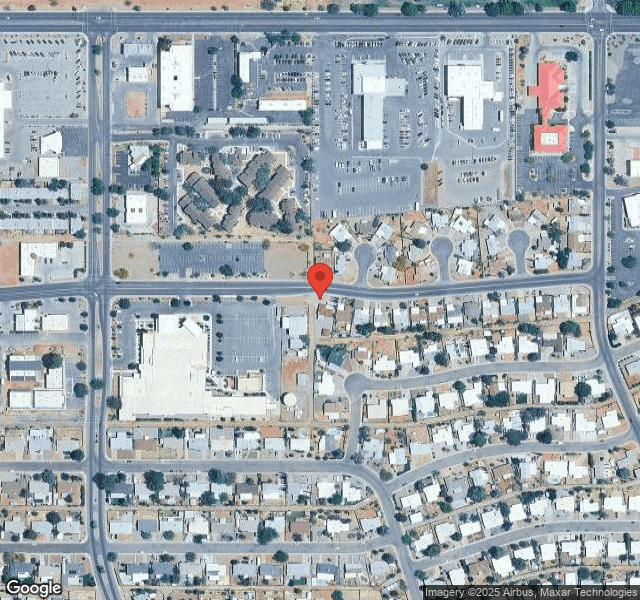
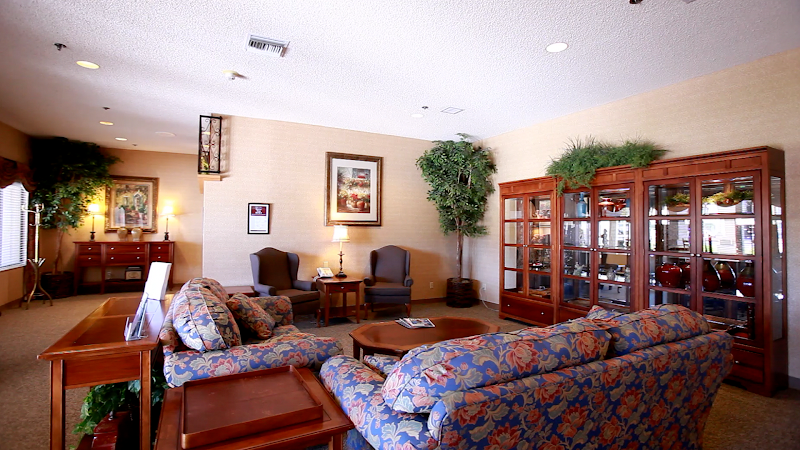
2305 EAST WILCOX DRIVE, SIERRA VISTA, AZ 85635 (520) 458-1050
For profit - Limited Liability company 152 Beds LIFE CARE CENTERS OF AMERICA Data: November 2025
Trust Grade
40/100
#85 of 139 in AZ
Last Inspection: December 2023

Within standard 12-15 month inspection cycle. Federal law requires annual inspections.

Overview

Life Care Center of Sierra Vista has a Trust Grade of D, which means it is below average, indicating there are several concerns about the facility. It ranks #85 out of 139 nursing homes in Arizona, placing it in the bottom half of facilities statewide, and is the lowest-ranked option out of four in Cochise County. The facility's overall performance trend is stable, as it has reported five issues in both 2024 and 2025. Staffing appears to be average, with a 3/5 star rating and a turnover rate of 55%, which is not significantly better than the state average of 48%. However, it has accumulated concerning fines totaling $55,881, which is higher than 95% of Arizona facilities, suggesting ongoing compliance problems. Specific incidents raised by inspectors include a failure to protect a resident from sexual abuse by a visitor, which is a serious concern. Additionally, there was an instance where a resident received a narcotic medication without a physician's order, potentially exposing them to unnecessary risks. Another serious finding involved the misappropriation of medications for three residents, indicating a lack of oversight in medication management. While the facility has some strengths, such as average RN coverage, these serious deficiencies highlight significant weaknesses that families should consider when researching this nursing home.

Trust Score
D
40/100
In Arizona
#85/139
Bottom 39%
Safety Record
High Risk
Review needed
Inspections
Holding Steady
5 → 5 violations
Staff Stability
⚠ Watch
55% turnover. Above average. Higher turnover means staff may not know residents' routines.
Penalties
✓ Good
$55,881 in fines. Lower than most Arizona facilities. Relatively clean record.
Skilled Nurses
○ Average
Each resident gets 36 minutes of Registered Nurse (RN) attention daily — about average for Arizona. RNs are the most trained staff who monitor for health changes.
Violations
⚠ Watch
25 deficiencies on record. Higher than average. Multiple issues found across inspections.
★★★☆☆
3.0
Overall Rating
★★★☆☆
3.0
Staff Levels
★★★☆☆
3.0
Care Quality
★★★☆☆
3.0
Inspection Score
Stable
2024: 5 issues
2025: 5 issues

The Good

  • Full Sprinkler Coverage · Fire safety systems throughout facility
  • No fines on record

Facility shows strength in fire safety.

The Bad

3-Star Overall Rating

Near Arizona average (3.3)

Meets federal standards, typical of most facilities

Staff Turnover: 55%

Near Arizona avg (46%)

Higher turnover may affect care consistency

Federal Fines: $55,881

Above median ($33,413)

Moderate penalties - review what triggered them

Chain: LIFE CARE CENTERS OF AMERICA

Part of a multi-facility chain

Ask about local staffing decisions and management

The Ugly 25 deficiencies on record

2 actual harm
Apr 2025 3 deficiencies
CONCERN (D) 📢 Someone Reported This

A family member, employee, or ombudsman was alarmed enough to file a formal complaint

Potential for Harm - no one hurt, but risky conditions existed

Quality of Care (Tag F0684)

Could have caused harm · This affected 1 resident

**NOTE- TERMS IN BRACKETS HAVE BEEN EDITED TO PROTECT CONFIDENTIALITY** Based on clinical record review, interviews, and review of facility policies, the facility failed to ensure that medications wer...

Read full inspector narrative →
**NOTE- TERMS IN BRACKETS HAVE BEEN EDITED TO PROTECT CONFIDENTIALITY** Based on clinical record review, interviews, and review of facility policies, the facility failed to ensure that medications were available as ordered for one resident (#100). The deficient practice could result in not receiving medications that are physician ordered and necessary. Findings include: Resident #100 was admitted to the facility on [DATE] with diagnoses that include Sepsis, weakness, chronic obstructive pulmonary disorder, asthma, anemia, endocarditis, hypothyroidism, hyperlipidemia, and hypertension. A review of the 5-day MDS (Minimum Data Set) dated January 7, 2025 noted the resident had a BIMS of 15, indicating no cognitive impairment. The care plan dated January 7, 2025 revealed the resident has a stage 1 pressure injury, with interventions including administer medications as ordered. The care plan dated January 7, 2025 also revealed the resident is at-risk for rehospitalization, with a noted intervention of staff to provide timely communication to physician's regarding any change in resident's condition. Review of the physician's orders dated January 3, 2025 showed an order for Ceftriaxone injection solution 2GM (grams) with instructions to give 2 grams intravenously in the evening for infection for a duration of 12 days. Review of the physician's orders also showed an order for Heparin lock flush solution 10 units/ml (milliliters) for PICC line flush with instructions to use 5 ml intravenously [NAME] 12 hours, indicating the line was patent and ready for use. However, a review of the MAR (Medication administration record) revealed that for the resident's stay, from October 3, 2025 to October 9, 2025 the resident received only 1 administration of Ceftriaxone on October 8th, 2025. Further record review revealed no evidence that the physician or pharmacy were notified that the medication was not available. A review of progress notes dated January 4, 2025 at 7:54 p.m. revealed that the Ceftriaxone 2 gm was unavailable. A progress note dated January 5, 2025 at 9:47 p.m. revealed that the Ceftriaxone 2 gm was unavailable. A further review of progress notes revealed no additional notes on the status of the remaining administrations, including on January 7th 2025 where the documentation for the administration is blank, indicating that the medication was not given to the resident. Review of facility provided Omnicell items table list report dated March 14, 2025 included medications present in the facility for use. The list included 6 vials of Ceftriaxone 1 GM vial. However, while the list shows the medications were in the facility, they were not used in accordance with professional standards. A discharge progress note dated January 9, 2025 at 12:24 p.m. revealed the patient was noted to have a red non-raised rash to trunk and back, that the resident's skin color was grey and the patient complained of being cold and shivering. The note continued that the resident had a pulse of high pulse of 123, a low blood pressure of 88/55, and that they had contacted the on-call provider who gave instructions to send the resident to the hospital to be evaluated and treated. The note concluded that the emergency room staff had been given report to the resident's status indicating that the transfer was emergent. An interview conducted with a Licensed Practical Nurse (LPN/staff #30) on April 16, 2025 at 12:06 P.m., the LPN stated that new orders for IV antibiotics do not automatically go to the pharmacy and require the nurse to fax a set of orders to the pharmacy for them to be properly delivered. The nurse stated that for resident #100 that likely wasn't done and that's why the drugs were not available. An interview conducted with a Registered Nurse (RN/staff #40) on April 16, 2025 at 1:15 p.m., the RN stated that IV medications are ordered from the pharmacy when the nurses receive them, and have to be faxed over after they are received to be delivered correctly. The nurse further stated that the pharmacy will not deliver the drugs without faxing them unlike other medications. An interview was conducted on April 16, 2025 at 1:50 p.m. with the Director of nursing (DON/staff #50). During this interview the DON accessed the clinical record for resident #100. The DON confirmed the order for Ceftriaxone 2gm to administered once daily per the provider instructions, and stated the resident had only been given one dose for her entire stay in the facility. The DON stated that for IV medications the orders are put in the system, printed, and then faxed to the pharmacy who will then fill and send it. The DON stated that the resident was here for sepsis, and combined with the low BP and high pulse stated sounds like sepsis to me. The DON concluded that the medication not being given per provider instruction did not meet her expectations, and that resident #100 was transferred to the local hospital. A review of facility policy titled 'Administration of medications reviewed September 16, 2024 revealed The facility will ensure medications are administered safely and appropriately per physician's order to address residents' diagnoses and signs and symptoms.
CONCERN (D) 📢 Someone Reported This

A family member, employee, or ombudsman was alarmed enough to file a formal complaint

Potential for Harm - no one hurt, but risky conditions existed

Accident Prevention (Tag F0689)

Could have caused harm · This affected 1 resident

**NOTE- TERMS IN BRACKETS HAVE BEEN EDITED TO PROTECT CONFIDENTIALITY** Based on clinical record reviews, staff interviews, facility documentation, and facility policy, the facility failed to ensure o...

Read full inspector narrative →
**NOTE- TERMS IN BRACKETS HAVE BEEN EDITED TO PROTECT CONFIDENTIALITY** Based on clinical record reviews, staff interviews, facility documentation, and facility policy, the facility failed to ensure one resident was free from preventable accidents including elopement. This deficient practice could result in preventable injuries as a result of elopement. Findings include: -Resident #200 was admitted to the facility on [DATE] with diagnoses that included abdominal aortic aneurism, diabetes mellitus type 2, dementia, and hypertension. A 5-day Minimum Data Set (MDS) assessment dated [DATE] indicated that the resident had a Brief Interview for Mental Status (BIMS) score of 03, indicating severe cognitive impairment. A care plan dated March 25, 2025 revealed resident #200 was at risk for elopement, with noted interventions of adding the resident to the elopement book for additional supervision, and encouraging the resident to participate in activities to divert from exit seeking behavior. An elopement assessment risk evaluation dated March 25, 2025 revealed staff had assessed the resident and found him to be an elopement risk and required additional supervision to divert from exit seeking behavior. A progress note dated March 27, 2025 at 1:33 p.m. revealed monitoring for exit seeking behavior, and noted 2 incidents of exit seeking behavior was observed. A progress note date March 28, 2025 at 10:49 a.m. revealed the patient had an elopement when he made his way from his room [ROOM NUMBER], ambulated to the front lobby and out the front door. Nobody attempted to stop the resident until the patient was outside and on the sidewalk. Multiple staff members made contact with the patient and helped to direct the patient back towards the front door of the facility. A CNA was next on scene to help escort resident #200 back inside the facility and to his room. The note concluded that resident #200 had been exit seeking all morning and is very impulsive. A progress note dated March 28, 2025 at 11:15 a.m. revealed that resident #200 had been observed wheeling around the facility and was last observed wheeling towards the main hallway in long term care. The note continues at 10:56 a.m. resident #200 had a repeated elopement out of the main hall west door. No alarms sounded from that door as it was unlocked on the inside. The gate facing north towards another business was also unlocked and ajar. The writer observed an empty wheelchair sitting halfway in the rocks outside. The writer continued that they made a quick visual sweep of any possible sightings before coming back inside the facility to alert staff that the resident had eloped again. Alerted the DON first at approximately 11:00 a.m. and code called overhead for elopement protocol. Multiple staff on foot checked immediate surroundings, facility sweep underway, and surrounding businesses checked by staff. The note concluded with a description of the resident's clothes and that the resident was ambulatory. An interview was conducted with a Licensed Practical Nurse (LPN staff/#30) on April 16, 2024 at 12:06 p.m. Staff #30 stated that resident #200 was identified as a flight risk from day 1. Staff #30 stated that he alerted the management the first day that resident #200 was too much of a wanderer and needed to get him out of the facility because he would get out. Staff #30 continued that his wandering behavior got worse as time went on, to include wandering into other peoples rooms, and that resident #200 required constant redirection. Staff #30 stated that after the second elopement he was placed on a 1:1 and given snacks and other things to help redirect him. Staff #30 stated that the first time resident #200 got out the front we heard on the intercom, rehab we need someone to the front two times, assuming it was a delivery because it wasn't called as an elopement. Staff #30 continued that while doing the medication pass, a CNA came and informed staff #30 that resident #200 had gotten out the front door. Staff #30 also stated that, all the managers were in a meeting and they had no idea, stating a manager even said later, That's what that page was for? indicating that it was not called an elopement on the overhead page. Staff #30 continued that the second incident resident #200 was in his wheelchair in the hallway, headed to therapy, got pulled aside for something else and when he returned to his cart was unable to find resident #200. Staff #30 stated that when they went out the back door, that the door was unlocked and the alarm was disabled, and the gate leading off the property outside that door was also ajar. Staff #30 stated they then called a code yellow and a sweep and search was initiated by several staff members. Staff #30 continued that resident #200 was found in a local grocery store by one of the CNA's, that they made multiple calls to surrounding businesses and the police. Staff #30 stated that while resident #200 was mobile, he had a 6.3cm triple A and the first question they had for the CNA was if the resident was alive, which he was. Staff #30 concluded that they were lucky and thankful it didn't rupture and after he returned to the facility they initiated a 1:1 for resident #200 until he left the facility, among other interventions. An interview was conducted with a Certified Nursing Assistant (CNA/staff #50) on April 16, at 1:34 p.m. The CNA stated that when resident #200 was reported missing, several of the staff went out and went around the grocery store parking lot looking for him. The CNA further stated that she got into her car and drove around looking for him in the area. They stated that when resident #200 got out he went out the back door and that one of the nurses found it unlocked. The CNA continued that when they were about to return to the facility, they decided to make a second sweep through the grocery store and that's when they located resident #200 inside. The CNA stated that resident #200 was found tired and wobbly, so they stated that one of the staff was left with him while she got a wheelchair and wheeled him back. The CNA concluded that when she got to the door resident #200 got out of the door was disarmed, green, and unlocked so that no alarm would go off. An interview was conducted with the Director of Nursing (DON staff/#50). The DON stated the day of the incident with resident #200 a nurse came to her office and stated resident #200 had gotten out. She stated that they both bolted up and headed out to find him. She stated that they had a strong suspicion because of the back gate being open, and the wheelchair being near the back door, and that it was a good clue the empty wheelchair that he got out that door. She further stated we made all our notifications to the police and others, and stated local PD was sending someone to help look for resident #200. The DON concluded that he was found nearby and was returned to the facility and placed on a 1:1 as they don't have a locked behavior unit, and that a performance improvement plan (PIP) was put in place to check doors and gates regularly as both were unlocked when the resident eloped. A review of facility policy titled 'Missing residents / Actual Elopement' revealed the facility must develop and implement preparedness policies and procedures based on the emergency plan, and that the policies and procedures must be reviewed and updated at least annually. It further revealed that elopement occurs when a resident leaves the premises or a safe area without authorization (ie,. An order for discharge) and or any necessary supervision. A situation where in which a resident with decision-making capacity leaves the facility intentionally generally not be considered an elopement, UNLESS the facility is unaware of the resident's departure and/or whereabouts.
CONCERN (D) 📢 Someone Reported This

A family member, employee, or ombudsman was alarmed enough to file a formal complaint

Potential for Harm - no one hurt, but risky conditions existed

Pharmacy Services (Tag F0755)

Could have caused harm · This affected 1 resident

**NOTE- TERMS IN BRACKETS HAVE BEEN EDITED TO PROTECT CONFIDENTIALITY** Based on clinical record review, interviews, and review of facility policies, the facility failed to ensure that medications wer...

Read full inspector narrative →
**NOTE- TERMS IN BRACKETS HAVE BEEN EDITED TO PROTECT CONFIDENTIALITY** Based on clinical record review, interviews, and review of facility policies, the facility failed to ensure that medications were available as ordered for one resident (#100). The deficient practice could result in not receiving medications that are physician ordered and necessary. Findings include: Resident #100 was admitted to the facility on [DATE] with diagnoses that include Sepsis, weakness, chronic obstructive pulmonary disorder, asthma, anemia, endocarditis, hypothyroidism, hyperlipidemia, and hypertension. A review of the 5-day MDS (Minimum Data Set) dated January 7, 2025 noted the resident had a BIMS of 15, indicating no cognitive impairment. The care plan dated January 7, 2025 revealed the resident has a stage 1 pressure injury, with interventions including administer medications as ordered. Review of the physician's orders dated January 3, 2025 showed an order for Ceftriaxone injection solution 2GM (grams) with instructions to give 2 grams intravenously in the evening for infection for a duration of 12 days. However, a review of the MAR (Medication administration record) revealed that for the resident's stay, from October 3, 2025 to October 9, 2025 the resident received only 1 administration of Ceftriaxone on October 8th, 2025. A review of progress notes dated January 4, 2025 at 7:54 p.m. revealed that the Ceftriaxone 2 gm was unavailable. A progress note dated January 5, 2025 at 9:47 p.m. revealed that the Ceftriaxone 2 gm was unavailable. A further review of progress notes revealed no additional notes on the status of the remaining administrations, including on January 7, 2025 where the documentation for the administration is blank, indicating that the medication was not given to the resident. Review of facility provided Omnicell items table list report dated March 14, 2025 included medications present in the facility for use. The list included 6 vials of Ceftriaxone 1 GM vial. However, while the list shows the medications were in the facility, they were not used in accordance with professional standards. An interview conducted with a Licensed Practical Nurse (LPN/staff #30) on April 16, 2025 at 12:06 P.m., the LPN stated that new orders for IV antibiotics do not automatically go to the pharmacy and require the nurse to fax a set of orders to the pharmacy for them to be properly delivered. The nurse stated that for resident #100 that likely wasn't done and that's why the drugs were not available. An interview conducted with a Registered Nurse (RN/staff #40) on April 16, 2025 at 1:15 p.m., the RN stated that IV medications are ordered from the pharmacy when the nurses receive them, and have to be faxed over after they are received to be delivered correctly. The nurse further stated that the pharmacy will not deliver the drugs without faxing them unlike other medications. An interview was conducted on October 20, 2023 at 11:29 a.m. with the Director of nursing (DON/staff #50). During this interview the DON accessed the clinical record for resident #100. The DON confirmed the order for Ceftriaxone 2gm to administered once daily per the provider instructions, and stated the resident had only been given one dose for her entire stay in the facility. The DON stated that for IV medications the orders are put in the system, printed, and then faxed to the pharmacy who will then fill and send it. The DON concluded that the medication was actually in their Omnicell, and that it did not meet her expectations that the medication was not provided. A review of facility policy titled 'Administration of medications' reviewed September 16, 2024 revealed that the facility will ensure medications are administered safely and appropriately per physician order to address residents' diagnoses and signs and symptoms.
Mar 2025 2 deficiencies
CONCERN (D) 📢 Someone Reported This

A family member, employee, or ombudsman was alarmed enough to file a formal complaint

Potential for Harm - no one hurt, but risky conditions existed

Notification of Changes (Tag F0580)

Could have caused harm · This affected 1 resident

**NOTE- TERMS IN BRACKETS HAVE BEEN EDITED TO PROTECT CONFIDENTIALITY** Based on clinical record review, interview, and a complaint submitted via the State Agency's (SA) online complaint portal, the f...

Read full inspector narrative →
**NOTE- TERMS IN BRACKETS HAVE BEEN EDITED TO PROTECT CONFIDENTIALITY** Based on clinical record review, interview, and a complaint submitted via the State Agency's (SA) online complaint portal, the facility failed to ensure that resident #1's Power of Attorney (POA) was notified of the resident's hospitalization. The deficient practice prevented the POA from being informed of the resident's care and change in condition. Findings include: Resident #1 was admitted on [DATE] with diagnoses that included Dementia, malnutrition, and age-related cataract. Review of the quarterly Minimum Data Set (MDS) revealed a Brief Interview for Mental Status (BIMS) assessment was completed on February 16, 2024. The BIMS assessment revealed resident #1 scored a 06 which indicated the resident was severely cognitively impaired. The MDS also indicated resident #1 had no behavioral symptoms or falls since the prior quarterly assessment. A complaint was received, on February 14, 2025, via the SA complaint portal which indicated the resident was taken to the hospital due to a fall. The complaint indicated the POA was not notified of the hospitalization by the facility and did not find out about resident #1's fall until the hospital had contacted them. A review of resident #1's medical records did not reveal any documentation that the Power of Attorney or family member was notified of the resident's transport to the hospital. A review of progress notes revealed an entry dated March 18, 2024 at 5:30 AM which indicated the resident had woken up in the middle of the night due to complaining of shortness of breath but did not have a fever, cough, or sore throat. The note also indicated the physician ordered Zithromax (Z-pack) to be administered. The next progress note was entered on April 24, 2024 at 4:52 PM which indicated the resident was readmitted to the facility from the hospital and the resident had a right hip fracture. An interview was conducted on March 3, 2025 at 9:09 AM with Certified Nursing Assistant (CNA/Staff #13). Staff #13 explained that when a resident has a change in their condition they would notify the nurse on duty and the nurse would chart it in the resident's EHR. Staff added that CNAs only charted vitals and Activities of Daily Living (ADLs). When asked if a fall resulting in a resident being hospitalized would be considered a change in condition, staff #13 agreed that it was. When asked who would be notified of a resident's change in condition, staff #13 indicated that the nurse would let the resident's family and the doctor know. An interview was conducted on March 3, 2025 at 9:32 AM with Licensed Practical Nurse (LPN/Staff #57). Staff #57 explained that if a resident has a change in their condition, she would document it in a nurse's note in the progress note section (of the EHR) and she would notify the Director of Nursing (DON), the family if they had a Power of Attorney and the Doctor. Staff #57 also explained that if a resident had a fall which resulted in an injury, it would be considered a change in the resident's condition. Staff #57 added that she would document the notifications in a progress note in the resident's chart. Staff #57 indicated she was familiar with resident #1 and shared that she was working when resident #1 had a fall. She had heard the resident call out and saw that the resident was in the doorway of her room. She continued to explain that she assessed resident #1 and the resident was complaining of pain in the leg. Staff #57 also indicated that the doctor had told her to send the resident to the hospital for x-rays. When reviewing the resident's EHR with staff #57, staff #57 was not able to locate a progress note for the fall. Staff #57 was not able to explain why a progress note was not done, however she recalled that she notified the DON and the Doctor but didn't think resident #1 had any family members so no family notification was made. An interview was conducted on March 3, 2025 at 9:55 AM with LPN/Staff #26. Staff #26 explained that if a resident had a change in their condition which resulted in them needing to go to the hospital then she would document it in the resident's progress notes. She also indicated that she would inform the doctor, the resident's emergency contact, and the DON. Once the notifications were done, it would be documented in a progress note. Staff #26 shared that the risk of not notifying the emergency contact of the resident's change in condition and transfer would be the family not knowing what is going on with the resident. An interview was conducted with the DON/Staff #56 was conducted on March 3, 2025 at 10:13 AM. Staff #56 indicated that when a resident has a change in their condition, the nurses are to document the change in a progress note in the EHR. If there was a fall that was not their baseline and resulted in injuries, that would be a change in their condition. When staff #56 was asked to locate documentation in resident #1's EHR related to a change in her condition in April of 2024, staff was not able to locate anything related to a fall. When asked if the chart should tell her why resident #1 went to the hospital she stated, I would assume so. When staff #56 was referred to an attachment in the EHR that contained the hospital's discharge notes, staff #56 shared that the report indicated the resident had a witnessed fall and the resident had surgery on the hip per the surgical report. Staff #56 also shared that she looked up past incident reports and did not see anything related to resident #1's fall. Staff #56 was not able to determine if resident #1's family/POA was notified of the resident's hospitalization. She also shared that the risk of not notifying them would be a break in the change of communication or the family/POA might decide to visit the resident in the facility only to find out the resident was at the hospital instead and it might be hard on them. Review of the facility's policy titled, Changes in Resident's Condition or Status, revised on September 5, 2024 indicated the facility will notify the resident representative of changes in the resident's condition or status. This also included when there is an accident involving the resident which results in injury, and when there is a decision to transfer . the resident from the facility .
CONCERN (D) 📢 Someone Reported This

A family member, employee, or ombudsman was alarmed enough to file a formal complaint

Potential for Harm - no one hurt, but risky conditions existed

Medical Records (Tag F0842)

Could have caused harm · This affected 1 resident

**NOTE- TERMS IN BRACKETS HAVE BEEN EDITED TO PROTECT CONFIDENTIALITY** Based on clinical record review, interview, and a complaint submitted via the State Agency's (SA) online complaint portal, the f...

Read full inspector narrative →
**NOTE- TERMS IN BRACKETS HAVE BEEN EDITED TO PROTECT CONFIDENTIALITY** Based on clinical record review, interview, and a complaint submitted via the State Agency's (SA) online complaint portal, the facility failed to ensure that resident #1's electronic health record (EHR) contained accurate information about the resident's condition including changes in their condition. The deficient practice could prevent the resident from obtaining accurate services based on their medical condition. Findings include: Resident #1 was admitted on [DATE] with diagnoses that included Dementia, malnutrition, and age-related cataract. Review of the quarterly Minimum Data Set (MDS) revealed a Brief Interview for Mental Status (BIMS) assessment was completed on February 16, 2024. The BIMS assessment revealed resident #1 scored a 06 which indicated the resident was severely cognitively impaired. The MDS also indicated resident #1 had no behavioral symptoms or falls since the prior quarterly assessment. A complaint was received, on February 14, 2025, via the SA complaint portal which indicated the resident was taken to the hospital due to a fall. A review of resident #1's medical records did not reveal any documentation of a fall that took place in April 2024 which required the resident's transport to the hospital. A review of progress notes revealed an entry dated March 18, 2024 at 5:30 AM which indicated the resident had woken up in the middle of the night due to complaining of shortness of breath but did not have a fever, cough, or sore throat. The note also indicated the physician ordered Zithromax (Z-pack) to be administered. The next progress note was entered on April 24, 2024 at 4:52 PM which indicated the resident was readmitted to the facility from the hospital and the resident had a right hip fracture. An interview was conducted on March 3, 2025 at 9:09 AM with Certified Nursing Assistant (CNA/Staff #13). Staff #13 explained that when a resident has a change in their condition they would notify the nurse on duty and the nurse would chart it in the resident's EHR. Staff added that CNAs only charted vitals and Activities of Daily Living (ADLs). When asked if a fall resulting in a resident being hospitalized would be considered a change in condition, staff #13 agreed that it was. An interview was conducted on March 3, 2025 at 9:19 AM with CNA/Staff #20. Staff #20 shared that she was working the day that resident #1 had a fall. Staff #20 indicated that the fall had taken place in the doorway of resident #1's room and that it was not witnessed by staff. She also indicated that the physician was in the building at the time of the fall and he ordered the resident to be sent to the hospital. Staff #20 recalled that it had taken four or five staff members to assist the resident with getting off the floor. Staff also did not recall the exact date that the fall took place. When asked if a fall would be considered a change in the resident's condition and if it needed to be documented, staff #20 indicated that it would be a change in the resident's condition and the nurses would document it in the resident's chart. An interview was conducted on March 3, 2025 at 9:32 AM with Licensed Practical Nurse (LPN/Staff #57). Staff #57 explained that if a resident has a change in their condition, she would document it in a nurse's note in the progress note section (of the EHR) and she would notify the Director of Nursing (DON), the family if they had a Power of Attorney and the Doctor. Staff #57 also explained that if a resident had a fall which resulted in an injury, it would be considered a change in the resident's condition. Staff #57 added that she would document the notifications in a progress note in the resident's chart. Staff #57 indicated she was familiar with resident #1 and shared that she was working when resident #1 had a fall. She had heard the resident call out and saw that the resident was in the doorway of her room. She continued to explain that she assessed resident #1 and the resident was complaining of pain in the leg. Staff #57 also indicated that the doctor had told her to send the resident to the hospital for x-rays. When reviewing the resident's EHR with staff #57, staff #57 was not able to locate a progress note for the fall. Staff #57 was not able to explain why a progress note was not done. She indicated that she thought that she had completed the progress note. An interview was conducted with the DON/Staff #56 was conducted on March 3, 2025 at 10:13 AM. Staff #56 indicated that when a resident has a change in their condition, the nurses are to document the change in a progress note in the EHR. If there was a fall that was not their baseline and resulted in injuries, that would be a change in their condition. When staff #56 was asked to locate documentation in resident #1's EHR related to a change in her condition in April of 2024, staff was not able to locate anything related to a fall. When asked if the chart should tell her why resident #1 went to the hospital she stated, I would assume so. When staff #56 was referred to an attachment in the EHR that contained the hospital's discharge notes, staff #56 shared that the report indicated the resident had a witnessed fall and the resident had surgery on the hip per the surgical report. Staff #56 also shared that she looked up past incident reports and did not see anything related to resident #1's fall. Staff #56 shared that her expectation was for incidents to be documented in a timely and accurate fashion according to company policies and standards. Failure to do so would put them at risk of having an inaccurate representation of someone's care. Review of the facility's policy titled, Nursing Documentation, last revised on September 5, 2024 indicated that nursing documentation is to be consistent with professional standards of practice. The policy further stated that staff must document a resident's medical and non-medical status when any positive or negative condition change occurs . It also stated the medical record must contain an accurate representation of the actual experience of the resident.
Oct 2024 3 deficiencies 1 Harm
SERIOUS (G) 📢 Someone Reported This

A family member, employee, or ombudsman was alarmed enough to file a formal complaint

Actual Harm - a resident was hurt due to facility failures

Free from Abuse/Neglect (Tag F0600)

A resident was harmed · This affected 1 resident

**NOTE- TERMS IN BRACKETS HAVE BEEN EDITED TO PROTECT CONFIDENTIALITY** Based on clinical record review, staff interviews, facility documentation and policy review, the facility failed to protect the ...

Read full inspector narrative →
**NOTE- TERMS IN BRACKETS HAVE BEEN EDITED TO PROTECT CONFIDENTIALITY** Based on clinical record review, staff interviews, facility documentation and policy review, the facility failed to protect the rights of one resident (#2) from sexual abuse by a visitor. The deficient practice resulted in the resident being sexually abused. Findings include: Resident #2 was admitted on [DATE] with diagnoses of cognitive communication deficit, Parkinson's disease, and anxiety disorder. The care plan with revision date of September 9, 2024 revealed the resident had actual and potential psychosocial well-being problem related to cognitive impairment, family discord and past history of physical and sexual abuse. Interventions included supervised visits with a family member and during visits, resident #2 and the family member had to be either in a public area or must be able to be viewed by staff while in her room. A communication note dated September 23, 2024 included that the resident's family member/POA (power of attorney) asked to get a report of a sexual abuse allegations from September 9; and that, the family member wanted to know what was in the report as he felt that he was being accused of something. Per the documentation, the family member reported that the resident's allegations were done to get attention; and that, the resident was molested when she was 7 and when she was married was abused by her husband. The documentation also included that the family member reported that the day the resident made allegations that she had been raped (September 9) was the day that the family member was not feeling well and only made a short visit. It also included that the short visit did not leave time for a rape and it does for inappropriate touching. The documentation also included that the family member was notified that eyesight visitations will be continued until the facility was told otherwise. The late entry mood note dated September 25, 2024 revealed the resident was more emotional and was crying out more lately. The quarterly Minimum Data Set (MDS) assessment dated [DATE] included a Brief Interview for Mental Status (BIMS) score of 03 which indicated the resident had severe cognitive impairment. The alert note dated October 1, 2024 included that at approximately 3:30 p.m., the resident reported that she was suicidal as she was crying in the hallway. The facility visitor sign in-sign out sheet for October 14, 2024 revealed that the family member/POA visited and was at the facility from 11:00 a.m. through 12:13 p.m. The clinical record revealed no evidence found that the family/POA was supervised during his visit with resident #2 on October 14, 2024 from 11:00 a.m. through 12:13 p.m. The clinical record also revealed no evidence that the care plan for supervised visits were discontinued for the family member/POA. The alert note dated October 14, 2024 revealed that at approximately 2:00 p.m., two certified nursing assistants (CNAs) reported that resident #2 had abnormal vaginal bleeding that was found during showers; and that both CNAs reported that it was a lot of bleeding. Per the documentation, when the nurse approached the resident in the hall, the resident reported that she did not do anything wrong. It also included that the resident was assessed and external examination showed no bleeding, swelling or bruising and there was no blood in the resident's brief. Further, the documentation included that directions were given to send the resident to the hospital for examination. The alert note dated October 14, 2024 included that at approximately 2:15 p.m., a CNA who was upset reported to the social service director that the CNA was helping other CNAs with showers and was giving resident #2 showers. Per the documentation, the CNA reported that when the CNA was washing the resident's vagina, there was a lot of blood on the wash cloth; and that she grabbed a new wash cloth, washed the area again and there was still significant amount of blood. The documentation included that when the CNA asked the resident if she was ok, the resident yelled out that the family member/POA did not do anything to her. Further, the documentation included that the resident was assessed, EMS (emergency medical services) was called and resident was transferred to the hospital. Another alert note dated October 14, 2024 revealed that at approximately 2:25 p.m., the nurse was informed by a CNA who provided showers to resident #2 that that CNA witnessed a significant amount of vaginal bleeding; and that, the CNA used two rags which were both bloody. The documentation included that when the resident became aware of this, the resident reported that the family member/POA did not do it. The documentation included that a noninvasive assessment was conducted and the resident's brief was examined and there was no apparent blood or visible physical trauma observed. Per the documentation, instruction was given to proceed with hospital transfer and notification of the family member/POA. The transfer to hospital summary note dated October 14, 2024 revealed that at approximately 2:30 p.m., a CNA observed the resident was having vaginal bleeding; and that, the resident was post-menopausal. Per the documentation, both the nurse and the CNA reported that bleeding was initially frank-red with beginning of perineal care whilst in a shower after visit concluded. The documentation also included that when asked about the bleeding, the resident immediately responded that the family member (POA) did not do it. The note included that the resident was sent to the ER (emergency room) with explicit instructions to perform vaginal inspection via speculum. A health status note dated October 14, 2024 included the resident left the facility for evaluation at the hospital ER. The communication note dated October 14, 2024 included that at approximately 2:45 p.m., the family/POA was notified that the resident was transferred to the hospital for evaluation related to abnormal groin bleeding. Per the documentation, the family/POA responded by asking whether the bleeding was in the resident's private area and then ended the call. The sexual assault medical examination report dated October 14, 2024 revealed that the resident was frail, suffered from Parkinson's disease and had a difficult time communicating. Per the documentation, resident reported that the family member/POA had assaulted her earlier in the day but was not certain of the time. It also included that the resident reported that she and the family member/POA went to the mall and the family member/POA assaulted her in the care. The documentation included that the resident reported that the family member/POA took her shorts off, held her legs, placed his finger into her vagina, put his penis into her vagina and put his mouth and hands on both her breasts. It also included that the resident reported that she was slapped on the left side of the face-neck with the hand; and that, the family member/POA had assaulted her when she was a child. Physical examination included injuries noted in the lower extremities, external genital area and the labia minora. Description of the injuries included 0.5 cm (centimeter) x 1.5 cm red bleeding 1 o'clock to 3 o'clock at the edge of the vaginal orifice and 1 cm linear scratch 12 o'clock approximately 2 cm anterior to the vaginal orifice. Examiner's diagnosis included sexual assault by history and examination. The hospital report dated October 14, 2024 revealed that the resident was seen at 5:00 p.m. for evaluation for sexual assault. Per the documentation, facility reported that there were prior reports of sexual assault that were unsubstantiated. It also included that the resident reported lower abdominal pain, denied vaginal bleeding/discharge; and that, she was allegedly sexually assaulted by a patient from the facility yesterday. The documentation also included that the resident reported there were 3 discrete episodes of sexual assault that included touching and penile penetration. Continued review of the hospital report revealed that the police department informed the hospital that the resident told the police that she had been sexually assaulted 3 times while at the facility. The event note dated October 15, 2024 revealed that the nurse received a report from the hospital ED that the assessment and bruises were consistent with abuse; and that, the resident would need to have additional photos done. The event note dated October 15, 2024 included the resident arrived back to the facility, was agitated, crying and moaning. Per the documentation, the resident stated Why did he do this to me?, Was I bad? How could he hurt me, why did he do this to me? It also included that the resident kept crying and moaning, was given medications, and attention was diverted to watching a movie with the nurse until the resident fell asleep. A communication note dated October 15, 2024 included that the family/POA was informed that he would not be allowed into the building pending investigation. The administration note dated October 15, 2024 revealed that resident was restless and upset. The email correspondence from the facility's executive director (ED/staff #13) addressed to the provider and dated October 15, 2024 included that the resident was sent to the ER for vaginal bleeding; and that, clinical inspection was done at the ER and findings were consistent with sexual abuse. The administration note dated October 16, 2024 revealed that resident was agitated and was crying. The administration note dated October 17, 2024 included that the resident was crying and was asking the question What did I do wrong? over and over. An interview was conducted on October 17, 2024 at 2:04 PM with CNA (staff #20) who was working the day of October 14, 2024. The CNA stated that she assisted another CNA (staff #10) in getting resident #2 in the shower and then proceeded to the nurses' station. The CNA said that staff #10 came out of the shower and told her that she was washing the resident's vagina and that resident had blood in the area. The CNA said that staff #10 showed her the rag she used and asked her if it was normal for resident #2 to have that much blood. The CNA said that she asked staff #10 if resident #2 had hemorrhoids and staff #10 replied with a no. She stated that she then went with staff #10 back into the showers and had used the flashlight on her phone to check resident #2. The CNA said that she did not see any scratches or hemorrhoids and at that point, she gave resident #2 a towel to dry off and asked the resident if she had gotten hurt. The CNA said that looked at her and replied that family member/POA did not do anything to her vagina. The CNA said that she then reported the incident to the ED (staff #13) and registered nurse (RN/staff #6). Further, the CNA said that earlier in the day of the incident, during lunch, resident #2 appeared to be uncomfortable. An interview was conducted on October 17, 2024 at 3:01 p.m. with another CNA (staff #22) who stated that she was familiar with resident #2 but was not working with her on October 14, 2024. Staff #22 stated that the family member/POA would visit resident #2 often; however, she does not know where these visits take place or if there were any safety precautions in place during these visits. In an interview with a licensed practical nurse (LPN/staff #14) conducted on October 18, 2024 at 9:08 a.m., the LPN stated he was working on October 14, 2024 and was familiar with resident #2. He said that resident #2 had one visitor on October 14, 2024 and it was the family member/POA; however, he said that he was not sure where the visit took place. The LPN stated that at one point, the family member/POA was at the nurses' station for approximately 15 minutes because resident #2 was being changed in her room; but, he lost sight of the family member/POA after that. He stated that during his shift the CNA (staff #10) reported that resident #2 had blood on her washcloth during a shower. The LPN said that he had reported the incident to the Assistant Director of Nursing (ADON/staff #4) and RN (staff #6). An interview was conducted with the CNA (staff #10) on October 18, 2024 at 9:18 a.m. The CNA said that she was scheduled to be on the rehab unit on October 14, 2024 but the long term care unit needed help so she was assisting residents with showers. The CNA said that resident #2 was her first shower of the day since she was up and around; and that, resident #2 does not do her own washing so staff was doing it for her. The CNA said that she was washing the resident's privates with soap and a washcloth when she noticed a good amount of blood and she was not sure where it was coming from. She reported that she was able to get another CNA (staff #20) to assist her in locating the source of the bleeding and both she and staff #20 saw the blood coming out of the resident's vagina. The CNA said that she and staff #200 reported the incident to the RN (staff #6) and the ED (#13). Regarding resident #2, the CNA said that the resident's agitation usually gets worse after her visits with the family member/POA. During an interview with the Director of Nursing (DON/staff #18) conducted on October 17, 2024 at 3:58 p.m., the DON said that she was somewhat familiar with resident #2 as she had just recently started working at the facility on October 2, 2024; and she was not working on October 14, 2024 which was the day of the incident. The DON said that the visits between resident #2 and the family member/POA were to take place within the staff's line of sight; and that, she only became aware of this on October 14, 2024 when the incident took place. The DON said that the visits of the family member/POA with resident #2 were put on hold pending the outcome of the abuse investigation; and that, if a staff sees the family member/POA on the premises, the staff were to inform her, the ADON or the ED immediately so they could intervene. Further, the DON said that allowing family member/POA to continue to have unsupervised visitation with resident #2 would have the risk of abuse to continue. In an interview conducted with the ED (staff #13) conducted on October 17, 2024 at 4:12 p.m., the ED stated that visits between resident #2 and the family member/POA were to take place either on the front porch, the front lobby, or the sitting area by the ice cream parlor. The ED said that she was working on October 14, 2024 and was approached by the RN (staff #6) and two CNAs (staffs #10 and #20). She said that she was told that the resident was being provided with showers by the CNA and there was blood on the washcloth when the CNA did the peri care. The ED stated that the two CNAs reported that they got on their knees with a flashlight, saw that there were no cuts but the bleeding appeared to be coming from the resident's vagina. The ED said that she instructed the RN (staff #6) and another nurse to do an exam to determine the cause of the bleeding. The ED further stated that the risk to the resident if someone, who was accused of sexually assaulting them continued to have unsupervised visits depended on whether the allegation was substantiated or unsubstantiated. The facility's policy on Abuse - Protection of Resident was last reviewed on July 18, 2023 revealed that the facility will ensure that all residents are protected from physical and psychosocial harm during and after the investigation. The policy also revealed that to ensure the protection of residents during an investigation included removal of access by the alleged perpetrator to the alleged victim and assurance that ongoing safety and protection is provided for the alleged victim and, as appropriate, other residents. The facility policy on Visitor Management reviewed on June 17, 2024 included that all associates are responsible for ensuring the safety and well-being of residents, associates and visitors. Reasonable clinical and safety restrictions include a facility's policies, procedures or practices that protect the health and security of all residents and staff; and, these may include, but are not limited to denying access or providing limited and supervised access to an individual if that individual is suspected of abusing, exploiting, coercing a resident until an investigation into the allegation has been completed or has found to be abusing, exploiting or coercing a resident.
CONCERN (D) 📢 Someone Reported This

A family member, employee, or ombudsman was alarmed enough to file a formal complaint

Potential for Harm - no one hurt, but risky conditions existed

Abuse Prevention Policies (Tag F0607)

Could have caused harm · This affected 1 resident

**NOTE- TERMS IN BRACKETS HAVE BEEN EDITED TO PROTECT CONFIDENTIALITY** Based on clinical record review, staff interviews, facility documentation and policy review, the facility failed to ensure abuse...

Read full inspector narrative →
**NOTE- TERMS IN BRACKETS HAVE BEEN EDITED TO PROTECT CONFIDENTIALITY** Based on clinical record review, staff interviews, facility documentation and policy review, the facility failed to ensure abuse policies and procedures were implemented to protect the rights of one resident (#2) from sexual abuse by a visitor. The deficient practice could result in appropriate action not taken and further abuse of the resident. Findings include: Resident #2 was admitted on [DATE] with diagnoses of cognitive communication deficit, Parkinson's disease, and anxiety disorder. The care plan with revision date of September 9, 2024 revealed the resident had actual and potential psychosocial well-being problem related to cognitive impairment, family discord and past history of physical and sexual abuse. Interventions included supervised visits with a family member and during visits, resident #2 and the family member had to be either in a public area or must be able to be viewed by staff while in her room. A communication note dated September 23, 2024 included that the resident's family member/POA (power of attorney) asked to get a report of a sexual abuse allegations from September 9; and that, the family member wanted to know what was in the report as he felt that he was being accused of something. Per the documentation, the family member reported that the resident's allegations were done to get attention; and that, the resident was molested when she was 7 and when she was married was abused by her husband. The documentation also included that the family member reported that the day the resident made allegations that she had been raped (September 9) was the day that the family member was not feeling well and only made a short visit. It also included that the short visit did not leave time for a rape and it does for inappropriate touching. The documentation also included that the family member was notified that eyesight visitations will be continued until the facility was told otherwise. The facility visitor sign-in/sign-out sheet for October 14, 2024 revealed that the family member/POA visited and was at the facility from 11:00 a.m. through 12:13 p.m. The clinical record revealed no evidence found that the family/POA was supervised during his visit with resident #2 on October 14, 2024 from 11:00 a.m. through 12:13 p.m. The clinical record also revealed no evidence that the care plan for supervised visits were discontinued for the family member/POA. There was no evidence found in the clinical record and facility documentation of a reason why the family member/POA was not supervised on October 14, 2024 from 11:00 a.m. through 12:13 p.m. The clinical record review revealed that on October 14, 2024, two certified nursing assistants (CNAs) reported that resident #2 had abnormal vaginal bleeding that was found during showers; and that both CNAs reported that it was a lot of bleeding. Per the documentation, when the nurse approached the resident in the hall, the resident reported that she did not do anything wrong. It also included that the resident was assessed and external examination showed no bleeding, swelling or bruising and there was no blood in the resident's brief. Further, the documentation included that directions were given to send the resident to the hospital for examination. The transfer to hospital summary note dated October 14, 2024 revealed that when asked about the bleeding, the resident immediately responded that the family member (POA) did not do it. The note included that the resident was sent to the ER (emergency room) with explicit instructions to perform vaginal inspection via speculum. The sexual assault medical examination report dated October 14, 2024 revealed that the resident reported that the family member/POA had assaulted her earlier in the day but was not certain of the time; and that, she and the family member/POA went to the mall and the family member/POA assaulted her in the car. Physical examination included injuries noted in the lower extremities, external genital area and the labia minora. Examiner's diagnosis included sexual assault by history and examination. The event note dated October 15, 2024 revealed that the nurse received a report from the hospital ED that the assessment and bruises were consistent with abuse. The email correspondence from the facility's executive director (ED/staff #13) addressed to the provider and dated October 15, 2024 included that the resident was sent to the ER for vaginal bleeding; and that, clinical inspection was done at the ER and findings were consistent with sexual abuse. An interview was conducted on October 17, 2024 at 3:01 p.m. with another CNA (staff #22) who stated that she was familiar with resident #2 but was not working with her on October 14, 2024. Staff #22 stated that the family member/POA would visit resident #2 often; however, she does not know where these visits take place or if there were any safety precautions in place during these visits. In an interview with a licensed practical nurse (LPN/staff #14) conducted on October 18, 2024 at 9:08 a.m., the LPN stated he was working on October 14, 2024 and was familiar with resident #2. He said that resident #2 had one visitor on October 14, 2024 and it was the family member/POA; however, he said that he was not sure where the visit took place. The LPN stated that at one point, the family member/POA was at the nurses' station for approximately 15 minutes because resident #2 was being changed in her room; but, he lost sight of the family member/POA after that. During an interview with the Director of Nursing (DON/staff #18) conducted on October 17, 2024 at 3:58 p.m., the DON said that the visits between resident #2 and the family member/POA were to take place within the staff's line of sight; and that, she only became aware of this on October 14, 2024 when the incident took place. The DON said that the visits of the family member/POA with resident #2 were put on hold pending the outcome of the abuse investigation; and that, if a staff sees the family member/POA on the premises, the staff were to inform her, the ADON or the ED immediately so they could intervene. Further, the DON said that allowing family member/POA to continue to have unsupervised visitation with resident #2 would have the risk of abuse to continue. In an interview conducted with the ED (staff #13) conducted on October 17, 2024 at 4:12 p.m., the ED stated that visits between resident #2 and the family member/POA were to take place either on the front porch, the front lobby, or the sitting area by the ice cream parlor. The ED said that she was working on October 14, 2024 and was approached by the RN (staff #6) and two CNAs (staffs #10 and #20). She said that she was told that the resident was being provided with showers by the CNA and there was blood on the washcloth when the CNA did the peri care. The ED stated that the two CNAs reported that they got on their knees with a flashlight, saw that there were no cuts but the bleeding appeared to be coming from the resident's vagina. The ED said that she instructed the RN (staff #6) and another nurse to do an exam to determine the cause of the bleeding. The ED further stated that the risk to the resident if someone, who was accused of sexually assaulting them continued to have unsupervised visits depended on whether the allegation was substantiated or unsubstantiated. The facility's policy on Abuse - Protection of Resident was last reviewed on July 18, 2023 revealed that the facility will ensure that all residents are protected from physical and psychosocial harm during and after the investigation. The policy also revealed that to ensure the protection of residents during an investigation included removal of access by the alleged perpetrator to the alleged victim and assurance that ongoing safety and protection is provided for the alleged victim and, as appropriate, other residents. The facility policy on Visitor Management reviewed on June 17, 2024 included that all associates are responsible for ensuring the safety and well-being of residents, associates and visitors. Reasonable clinical and safety restrictions include a facility's policies, procedures or practices that protect the health and security of all residents and staff; and, these may include, but are not limited to denying access or providing limited and supervised access to an individual if that individual is suspected of abusing, exploiting, coercing a resident until an investigation into the allegation has been completed or has found to be abusing, exploiting or coercing a resident.
CONCERN (D) 📢 Someone Reported This

A family member, employee, or ombudsman was alarmed enough to file a formal complaint

Potential for Harm - no one hurt, but risky conditions existed

Deficiency F0658 (Tag F0658)

Could have caused harm · This affected 1 resident

**NOTE- TERMS IN BRACKETS HAVE BEEN EDITED TO PROTECT CONFIDENTIALITY** Based on clinical record review, interviews, facility documentation and policy review, the facility failed to ensure medications...

Read full inspector narrative →
**NOTE- TERMS IN BRACKETS HAVE BEEN EDITED TO PROTECT CONFIDENTIALITY** Based on clinical record review, interviews, facility documentation and policy review, the facility failed to ensure medications were administered as ordered for one resident (#1). The deficient practice could result in resident not receiving treatment for their assessed needs. Findings include: Resident #1 was admitted on [DATE] with diagnoses of encephalopathy, muscle weakness, and a cognitive communication deficit. A review of the admission minimum Data Set (MDS) assessment, dated October 8, 2024, revealed the resident was not able to complete a Brief Interview for Mental Status (BIMS); and that, staff assessment revealed the resident had a severely impaired cognitive skills for daily decision making. The hospital discharge instructions dated October 8, 2024 included an order for Droxidopa (anti-Parkinson agent) 300 mg (milligrams) capsules every 8 hours for 30 days. Problem lists included brain disorder, chronic stroke and coagulopathy. The physician order dated October 4, 2024 included for Droxia (antimetabolite and used to treat certain cancer) oral capsule 300 mg three times a day for hypotension for 30 days. The physician order summary report revealed an order dated October 4, 2024 for Droxia (antimetabolite) oral capsule 300 mg three times a day for hypotension for 30 days. The start date of the order was October 5, 2024 and the end date were November 4, 2024. Continued review of the order summary report revealed that the reason for the discontinuation of the Droxia on October 7, 2024 was documented as entered in error. The order for Droxia was transcribed onto the October 2024 MAR (medication administration record) and had a discontinue date of October 7, 2024. Review of the October 2024 MAR documentation revealed that Droxia was administered to resident #1 six times between October 5, 2024 and October 7, 2024. There was no evidence found that the physician was notified of the error for Droxia. The clinical record revealed no evidence that Droxipoda was administered to resident #1 as ordered by the hospital. There was also no documentation found of why it was not administered; and that, the physician was notified. An interview with Licensed Practical Nurse (LPN/staff #8) was conducted on October 17, 2024 at 5:16 p.m. The LPN said that the process for entering medication orders involved obtaining the discharge order from the hospital via a computer order system then entering it into the electronic record. The LPN said that a second nurse will double check and reconcile the orders to ensure its accuracy; and, orders can also be entered into the electronic record at any time by any nurse. During the interview, a review of the clinical record was conducted with the LPN who stated that the hospital discharge order did not match orders entered in clinical record. An interview was conducted with the Director of Nursing (DON/staff #18) on October 17, 2024 at 4:25 p.m. The DON said that incoming residents come with discharge orders which goes through the facility's admissions department. The DON said that orders are then given to a nurse who transcribes them orders into the EHR (electronic health record). The DON stated that after the orders were transcribed, a second nurse then verifies the orders as the first nurse reads the discharge orders. A review of the clinical record was conducted with the DON who stated that the hospital order for Droxidopa did not match the order for Droxia in the EHR; and that, resident #1 was administered with Droxia 6 times before the medication was stopped. The DON further stated that this was an order transcription error and this did not meet her expectations. The facility's policy on Administration of Medications was last reviewed on August 24, 2023. The policy defines a medication error as the observed or identified preparation or administration of medications or biologicals which is not in accordance with: 1- The prescriber's order .
May 2024 2 deficiencies 1 Harm
SERIOUS (G) 📢 Someone Reported This

A family member, employee, or ombudsman was alarmed enough to file a formal complaint

Actual Harm - a resident was hurt due to facility failures

Deficiency F0658 (Tag F0658)

A resident was harmed · This affected 1 resident

**NOTE- TERMS IN BRACKETS HAVE BEEN EDITED TO PROTECT CONFIDENTIALITY** Based on clinical record review, staff interviews, review of facility documentation, facility policy, and the State Agency (SA) ...

Read full inspector narrative →
**NOTE- TERMS IN BRACKETS HAVE BEEN EDITED TO PROTECT CONFIDENTIALITY** Based on clinical record review, staff interviews, review of facility documentation, facility policy, and the State Agency (SA) complaint tracking system, the facility failed to ensure there was a physician order for a narcotic medication that was administered to one resident (#2). The deficient practice could result in residents receiving unnecessary medication. Findings include: Resident #2 was admitted on [DATE] with diagnoses of paroxysmal atrial fibrillation and Alzheimer's disease. A care plan dated [DATE] included that this resident was at risk for falls related to cognitive impairment and hypotension. A physician's order dated [DATE] included acetaminophen (analgesic) Tablet 325 milligrams, give 2 tablet by mouth every 4 hours as needed for temperature above 101 degrees, not to exceed 3 gram/24 hours. An admission Minimum Data Set (MDS) dated [DATE] revealed a Brief Interview of Mental Status (BIMS) score of 9 indicating moderate cognitive impairment. A review of the clinical record revealed no evidence of any physician order for morphine (opioid) for resident #2. Review of the MAR revealed no transcribed order for morphine for resident #2. A progress note dated [DATE] included the nurse writing the note was called into resident #2's room to assess the resident with night shift (NOC) nurse and that when a Certified Nursing Assistants (CNA) were changing resident #2, he took one last breath and then did not seem to be breathing. This note included that upon assessment of the resident, vitals were absent, no apical pulse auscultated, no pulses or respirations noted at time 6:45 P.M. Review of the intake information submitted by the facility to the SA complaint tracking system on [DATE] revealed that an allegation was made that the former Director of Nursing (DON) was informed by a Registered Nurse (RN/staff #59) that resident #2 was not doing well and seemed to be in pain on [DATE]. The information also included that staff #59 allegedly asked the former DON if they could get an order for comfort medications and the former DON responded, No, I have some morphine here and you can give him this. Per the documentation, the former DON then was said to pull a bottle of Morphine out of her locked cabinet, where she keeps discontinued Narcotics to be destroyed. The information also revealed that staff #59 stated that former DON drew up the morphine and handed it to the RN, and instructed the RN to go give the medication to resident #2. Further, the information revealed that the former DON admitted to giving the morphine orally to resident #2 at around 4:00 P.M. and at 6:45 P.M. the resident #2 was found deceased . The information noted that in review of medical records there were no physician order for morphine. The facility's 5-day investigative report submitted to the SA on [DATE] revealed a written statement by the former DON dated that she gave the RN (staff #59) the 0.25 of morphine from a bottle that had not yet been destroyed and that the former DON did not instruct the RN to check if there were orders in. The report also revealed that former DON wrote that she should not have given the medication to the the RN and that it was a mistake. Continued review of the facility's investigative report revealed a witness statement dated [DATE] written by staff #11 that sometime in April she was in the former DON's office when staff #59 (RN) walked in with concerns about a resident needing pain pills but did not feel comfortable with giving him the pill due to possible chocking since he was not doing well. The statement noted that the former DON pulled out a box of morphine and said she had that to give to the resident. Per the statement, the RN (staff #59) was very hesitant and looked at both the former DON and staff #11 and told staff #11 she better not say anything to anyone or else. Further, the statement revealed that the RN (staff #59) asked what does she tell the resident's family member since she was right next to him, the former DON stated to tell the family that it was liquid tylenol. Per the statement, the RN (staff #59) was very scared, walked out, and came back with a syringe that she washed. The statement noted that the former DON instructed the RN (staff #59) to throw it away because she had more. Per the statement, the former DON told the RN (staff #59) that she drew up, I think .5 something close to that. The facility investigation also included an email written by an RN (staff #59) dated [DATE] that stated she went to the former DON with her concern of patient condition and the former DON gave her 0.25 ml (milliliter) of morphine and left the room. The documentation included that the RN (staff #59) wrote that this was a mistake and not a common practice. Further review of the facility's investigative report revealed a letter by the Medical Director of the facility dated [DATE] that stated the physician (staff #3) was informed that resident #2 was given morphine on [DATE] and did not recall giving an order for the patient. The facility investigation report concluded the facility substantiated the allegation of misappropriation of a controlled substance and administering medication without a physician's order. Despite the lack of order for morphine; and documentation that the morphine was administered to the resident, there was no evidence that an order was requested from the physician. A phone interview with the the Registered Nurse (RN/staff #59) who administered the Morphine was attempted on [DATE] at 12:21 P.M. but was unsuccessful. The RN did not answer or returned the call. An interview was conducted on [DATE] at 2:43 P.M. with the physician (staff #3) who stated that resident #2 was a cardiac and memory patient; and, had diagnoses of atrial fibrillation and hypotension. The physician further stated that he did not prescribe morphine; and that, his records did not reflect that this resident was on hospice. In an interview conducted with the former DON (staff #36) on [DATE] at 2:48 P.M., the former DON stated that resident #2 received morphine on [DATE]; but, the resident had no physician orders for morphine. She said that she believed this resident was on hospice already because she had been speaking to the family about it. The former DON also stated that the RN (staff #59) came to her office that day and requested for comfort medications for resident #2. The former DON said that she then took a bottle that was not yet destroyed, had not been used and gave this to the RN (staff #59) to administer 0.25 ml dose to resident #2. Further, the former DON stated that the RN (staff #59) administered the morphine to resident #2. An interview was conducted on [DATE] at 3:24 P.M. with a former certified nursing assistant (CNA/staff #11) who stated that she did not remember the resident's name but on that day of the incident, a nurse walked in the former DON's office; and that, the nurse informed the former DON that a resident needed pain medications but that the resident will choke if she gave him the pain medication. The former CNA also said that the nurse told the former DON that there was no liquid Tylenol available. The former CNA said that the former DON pulled out a morphine box and told the nurse to just give the resident some of this and tell the resident's daughter that the nurse gave the resident liquid Tylenol. The former CNA said that the nurse just stood there so the former DON said that she would be drawing up the dose so if anything happens it will fall on the former DON. The former CNA said that the nurse looked at her and the DON told the nurse and the former CNA not to say anything. The former CNA stated that the dose that was prepared by the former DON was more than 0.25 milliliters (ml) of morphine and the nurse left and administered it to the resident. Further, the former CNA said that the nurse washed the syringe, brought it back and gave it to the former DON who told the nurse to dispose of it; and that, the former DON told the former CNA that resident #2 was going home the next day on hospice care. The former CNA further stated that when she found that resident #2 passed the DON told her again that she (referring to former CNA) better not say anything. An interview was conducted on [DATE] at 5:00 P.M. with a Licensed Practical Nurse (LPN/staff #10) who said that when administering medications, the LPN would check the right patient, the full name, the date of birth , and double check the physician's order and the medication provided by the pharmacy. She said that she cannot give a resident a medication that the resident did not have order for; and, when another nurse gave her a medication to administer because she did not perform the necessary checks. The LPN said that the physician have to be notified when a nurse give a medication that a resident does not have an order for. Further, the LPN said that the narcotic medication, morphine was not kept in stock at the facility; and that, morphine is ordered for each individual resident. During an interview was conducted with the Regional Director of Clinical Services (RDCS/staff #23) on [DATE] at 5:33 P.M., the RDCS said that the nurse (staff #59) went to the former DON's office and reported to the former DON (staff #36) that resident #2 was in pain; and that, the resident was going on hospice but was not yet in hospice at that time. The RDCS said that former DON (staff #36) then drew the morphine from the bottle and gave it to the nurse (staff #59) who then gave it to resident #2. The RDCS said that the former DON (staff #36) admitted to being wrong and should have called the doctor for orders prior to giving the morphine the nurse who administered it to the resident. The RDCS said that she did not know whose morphine bottle/medication the former DON used; but, the nurse (staff #59) who was present at the time of the incident reported that the morphine bottle was taken by the former DON from the file cabinet where the facility kept medications that needed to be disposed of. Further, the RDCS said that a search was made of the file cabinet and an open bottle of Morphine liquid was found; and that, the facility's 5-day investigation substantiated that resident #2 received morphine that was not prescribed to him. A policy titled Physician/Prescriber Authorization and Communication of Orders to Pharmacy revised [DATE] included the facility should not administer medications or biologicals except upon the order of a Physician/Prescriber lawfully authorized to prescribe for and treat human illnesses.
CONCERN (E) 📢 Someone Reported This

A family member, employee, or ombudsman was alarmed enough to file a formal complaint

Potential for Harm - no one hurt, but risky conditions existed

Deficiency F0602 (Tag F0602)

Could have caused harm · This affected multiple residents

**NOTE- TERMS IN BRACKETS HAVE BEEN EDITED TO PROTECT CONFIDENTIALITY** Based on record review, staff interviews, facility records and facility policy, the facility failed to ensure medications were n...

Read full inspector narrative →
**NOTE- TERMS IN BRACKETS HAVE BEEN EDITED TO PROTECT CONFIDENTIALITY** Based on record review, staff interviews, facility records and facility policy, the facility failed to ensure medications were not misappropriated for 3 residents (#5, #31, #64). This deficient practice resulted in the administration of unprescribed medications. Findings include: Regarding Resident #5 Review of the Medication Administration Record (MAR) revealed that Alprazolam (Xanax) oral tablet 0.5 milligrams (mg) was ordered for resident #5 for anxiety on the following dates 2/11/2024, 2/16/2024, and 2/22/2024. The documentation also included that the medication was discontinued on the following dates, 2/16/2024, 2/22/2024 and 2/27/2024. Review of the Controlled Substance Inventory Form dated 3/19/2024 revealed that resident #5 was listed twice with the same prescription number for Alprazolam 0.5 mg tablets. The document revealed a dispense quantity of 60 with a quantity of 10 destroyed. Further review of the document revealed another dispense quantity of 60 and a quantity of 30 destroyed. The document was signed by 2 staff members on 3/19/2024 and the line for method of destruction was left blank. The facility provided a photo of the medication cards for Alprazolam 0.5 mg for resident #5 that were found in a file cabinet in the former DON's office. The photo was of two medication cards of 0.5 milligrams of Alprazolam--one card contained 10 tablets and the other medication card contained 27 tablets; however, these medications were signed off as destroyed on 3/19/2024. Regarding Resident #31 Review of the MAR revealed that Alprazolam (Xanax) oral tablet 0.5 mg was ordered for resident #31 for anxiety on 2/8/2024 and discontinued on 2/23/2024. Review of the Controlled Substance Inventory Form dated 3/19/2024 revealed that resident #31 was listed with a prescription for Alprazolam 0.5 mg tablets. The document revealed a dispense quantity of 30 with a quantity of 6 destroyed. The document was signed by 2 staff members on 3/19/2024 and the line for method of destruction was left blank. The facility provided a photo of the medication card of the Alprazolam 0.5 mg for resident #31 that were found in a file cabinet in the former DON's office. The photo was of the medication card containing 6 tablets; however, these tablets were signed off as destroyed on 3/19/2024. An interview was conducted on 5/31/2024 at 1:00 P.M. with the Regional Director of Clinical Services (RDCS/staff #23). The RDCS stated that the Controlled Substances Inventory Form provided listed medications that had been destroyed. Further, the RDCS stated that the pictures provided showed the medication cards that were found in a file cabinet in the former DON's office during the facility's investigation of an allegation of misappropriation of controlled substance. The RDCS stated that the medication cards found in the former DON's office matched the list of medications that were allegedly destroyed. Regarding Resident #64 A review of an order summary report revealed an order dated 5/9/2022 for morphine sulfate (opioid) solution 20 mg/milliliter (ml), to give 5 mg by mouth every 4 hours as needed for pain. Review of a progress note dated 5/10/2022 revealed that resident #64 was pronounced dead at 4:28 A.M. The facility provided a photo of an opened box of morphine sulfate with resident #64's name that was found in a file cabinet in the former DON's office during the facility's investigation of an alleged misappropriation of controlled substances. Regarding Resident #2 -Resident #2 was admitted on [DATE] with diagnoses of paroxysmal atrial fibrillation and Alzheimer's disease. A care plan dated 3/15/2024 included that this resident was at risk for falls related to cognitive impairment and hypotension. An admission Minimum Data Set (MDS) dated [DATE] revealed a Brief Interview of Mental Status (BIMS) score of 9 indicating moderate cognitive impairment. A physician's order dated 3/15/2024 included acetaminophen (analgesic) tablet 325 mg, give 2 tablet by mouth every 4 hours as needed for temp above 101 degrees, not to exceed 3 gram/24 hours. A review of physician's orders did not include an order for morphine (opioid). However, this resident was administered morphine on 4/17/2024. In an interview conducted with the former DON (staff #36) on 5/31/2024 at 2:48 P.M., the former DON stated that resident #2 received morphine on 4/17/2024; but, the resident had no physician orders for morphine. She said that she believed this resident was on hospice already because she had been speaking to the family about it. The former DON also stated that the RN (staff #59) came to her office that day and requested for comfort medications for resident #2. The former DON said that she then took a bottle that was not yet destroyed, had not been used and gave this to the RN (staff #59) to administer 0.25 ml dose to resident #2. Further, the former DON stated that the RN (staff #59) administered the morphine to resident #2. The former DON (staff #36) also stated that drug destruction was performed by herself and another nurse and that they will get together and we will scan the card, count, then pop into liquid, or sharps and then pour the destruction liquid in, then print the destruction receipt and both of them will sign it. The former DON added that she thinks that she had ran out of medication destroyer and therefore signed and did not destroy medications she had signed for. She said that she had given staff medication from her own personal prescriptions. However, the former DON said that she pulled morphine from the medications that were unused but not yet destroyed and provided it to staff #59 to provide to resident #2. She said that she believed that resident #2 had an order but that he did not. An interview was conducted on 5/31/2024 at 3:24 P.M. with a former DON's assistant/Certified Nursing Assistant (CNA/staff #11) who said that the former DON (staff #36) gave medication to people who complained about back pain and would say they need happy pills and that happy pills were the Percocet. Former staff #11 said that she had seen the former DON give muscle relaxers, Percocet and Xanax. Further, former staff #11 stated that nurses gave discharged residents' medication to the DON and that she would just put them in the filing cabinet on top drawer. The former staff #11 said that the DON had a pill bottle in her purse that she would refill from the top drawer. Regarding resident #64's morphine, in the interview with former certified nursing assistant (CNA/staff #11) on 5/31/2024 at 3:24 P.M. she stated that she did not remember the resident's name but on that day of the incident, a nurse walked in the DON's office; and that, the nurse informed the former DON that a resident needed pain medications. Former staff #11 added that the RN (staff #59) said the resident will choke if she gave him the pain medication. The former CNA also said that the RN told the former DON that there was no liquid Tylenol available. The former CNA said that the former DON pulled out a morphine box and told the nurse to just give the resident some of this and tell the resident's daughter that the nurse gave the resident liquid Tylenol. The former CNA said that the nurse just stood there so the former DON said that she would be drawing up the dose so if anything happens it will fall on the former DON. The former CNA said that the nurse looked at her and the DON told the nurse and the former CNA not to say anything. The former CNA stated that the dose that was prepared by the former DON was more than 0.25 milliters of morphine and the nurse left and administered it to the resident. Further, the former CNA said that the nurse washed the syringe, brought it back and gave it to the former DON who told the nurse to dispose of it; and that, the former DON told the former CNA that resident #2 was going home the next day on hospice care. The former CNA further stated that when she found that resident #2 passed the DON told her again that she (referring to former CNA) better not say anything. An interview was conducted on 5/31/2024 at 4:08 P.M. with the Director of Rehabilitation (staff #34) who said that I walked in the former DON (staff #36)'s office and said I have a headache and then went to the toilet and when I came back, she gave me something that she told me was a Percocet. This staff stated that she did not take it. An interview was conducted on 5/31/2024 at 4:26 P.M. with the Business Office Manager (staff #94) who said that former DON (staff #36) has given her Zofran, Tylenol, Hydrocodone, and ibuprofen. Staff #94 said that she did not have a current prescription for those medications and had heard that the former DON was providing medications to others but had not witnessed it. An interview was conducted on 5/31/2024 at 5:00 P.M. with a Licensed Practical Nurse (LPN/staff #10) who said that misappropriation is not doing the right thing with a resident's personal property, like not using it for right purpose. The LPN (staff #10) said that taking a resident's medication, money, or things was stealing. The LPN (staff #10) also said that morphine was not kept in stock and that it was ordered for each individual patient. An interview was conducted on 5/31/2024 at 5:12 P.M. with the Acting DON (staff #41) who said staff were not allowed to take medication from one resident and give it to another resident. The Acting DON said that when medication are destroyed, it requires two Registered Nurses (RNs) who both count, fill out the labels, and sign, then paperwork is sent to the pharmacy. She added that both RNs see it, sign it and then destroy the medication. The Acting DON said that she would not sign on a medication if she did not have enough destroyer and that the number of medications should match the medications on the narcotic sheet. The Acting DON said that if the medications are signed out as destroyed and are not, it would not meet her expectations. The Acting DON said that it is not okay to take medications that should be destroyed and give them to staff. An interview was conducted on 5/31/2024 at 5:33 P.M. with the Regional Director of Clinical Services (RDCS/staff #23) who stated that her supervisor contacted her on the 21st and notified her that there were many allegations against the former DON (staff #36). The RDCS said the next day, she began the investigation with the Director of Division Services. The RDCS said that they came down and suspended the parties involved and that they performed a full narcotics audit, and looked in the file cabinet. The RDCS said that they found the drug destruction logs, and saw 3 cards without countdown sheets that belonged to resident #5 and #31, a bottle of morphine for resident #64 from 2022, and bottle without a label with different medications that looked like Percocet and Vicodin but that they did not look up the numbers on the pills to verify them. The RDCS said that there was also a substance that the former DON (staff #36) said that was cocaine but they thought was heroin, and that staff #36 said that it had been in there a year. The RDCS said that their 5-day investigation they substantiate the allegation of misappropriation of a controlled substance. The facility provided photos of two prescription bottles found in the former DON's file cabinet during the facility's investigation. The photo revealed that the prescription bottles were labeled with the former DON's name. Further review of the photo revealed one bottle was labeled Alprazolam 0.25 mg tablets and the other bottle was oxycodone-acetaminophen 5-325 mg and both prescription bottle contained tablets with one bottle containing different shaped tablets. A policy titled Abuse - Prevention included that it is the policy of this facility to prevent and prohibit all types of abuse, neglect, misappropriation of resident property, and exploitation.
Dec 2023 1 deficiency
CONCERN (E) 📢 Someone Reported This

A family member, employee, or ombudsman was alarmed enough to file a formal complaint

Potential for Harm - no one hurt, but risky conditions existed

ADL Care (Tag F0677)

Could have caused harm · This affected multiple residents

**NOTE- TERMS IN BRACKETS HAVE BEEN EDITED TO PROTECT CONFIDENTIALITY** Based on clinical record review, observations, staff interviews, and review of policy, the facility failed to provide necessary ...

Read full inspector narrative →
**NOTE- TERMS IN BRACKETS HAVE BEEN EDITED TO PROTECT CONFIDENTIALITY** Based on clinical record review, observations, staff interviews, and review of policy, the facility failed to provide necessary services to maintain good grooming and personal hygiene for one resident (#63). Findings include: Resident #63 admitted to the facility on [DATE] with diagnoses that included fracture of superior rim of left pubis, dementia, and urinary tract infection. Physician orders included restorative nursing three times a week as tolerated, Sertraline 50mg twice a day for depression which presents as a decreased interest in activities of daily living, an anticoagulant Rivaroxaban 15mg once a day, and Oxycodone 5mg as needed for pain. Review of December's MAR (Medication Administration Record) and TAR (Treatment Administration Record) revealed no concerns with the administering of these medications. Review of the Brief Interview for Mental Status (BIMS) conducted on 12/12/2023 revealed a score of 14 which indicated the resident had no cognitive impairment. During an interview with the resident on 12/18/23 at 02:43 PM, she stated she had had one shower since admission, and that was this morning (12/28/23). Review of the care plan initiated on 12/06/23 identified the need for Activity of Daily Living (ADL) Assistance and Therapy Services. The goal was that the resident would attain prior level of function. Interventions included assist with mobility and ADLs as needed and to participate in an Restorative Nursing Assistance (RNA) program. In A Nursing assessment for functional abilities on 12/9/23 the resident was assessed as being substantial/maximal assistance. A Review of Plan of Care (POC) tasks completed by Certified Nursing Assistants (CNA) in the electronic health record showed: week of 12/6-12/09: received one shower 12/8; week of 12/10-12/16: received no showers; week of 12/17-12/20 received one shower so far 12/19, with next scheduled for 12/22 During an interview on 12/20/2023 at 2:35 PM with CNA, Staff #77, she stated there is not a shower schedule for the unit, and each resident has their own schedule. Most showers are done in the morning shift, and residents get typically 2-3 showers a week. If a resident wanted more frequent showers, then they could get one when next there is an available slot or free staff. This is documented in POC tasks in the electronic health record. If the record shows the activity does not occur, it could be family came and gave them shower. According to Staff #77, Resident #63 has never refused care or showers, but also has not asked for showers more often. When asked why Resident #63 only has one shower from admission on [DATE] to survey start date she stated she was unsure. Resident might not have wanted it, and if so, refusals are documented on refusal forms and given to Staff #29. Per an interview with Staff #29 on 12/21/23 at 09:12 AM, there are not any documented refusals for Resident #63. During a follow up interview with Resident #63 on 12/21/23 at 10:34 AM she stated no caregiver or family provided her with any showers in the facility. She stated she could not recall telling staff prior to 12/18 that she wanted more showers. In an interview with the Director of Nursing, Staff #32, on 12/21/23 at 11:26 AM she stated her expectation for how often staff gives a residents a shower or bath is two times a week minimum, according to facility policy. If a resident wants to bathe more often her expectation is for staff to accommodate that. When asked about the resident going the week of 12/10-12/16 without receiving a shower, she stated that did not meet her expectations. Facility policy entitled Activities of Daily Living last reviewed August 23, 2023 states residents will receive assistance as needed to complete activities of daily living. Any change in the ability to perform ADLs will be documented and reported to the licensed nurse. The bathing policy is from Lipincott Procedure, last revised May 22, 2023 states bathing frequency- tub baths or showers will be scheduled based on resident preferences. -resident #119 was admitted on [DATE] through 10/5/23 with diagnoses of cognitive communication deficit, and generalized muscle weakness. A care plan dated 9/20/23 included ADL assistance and therapy services to maintain or attain highest level of function and included interventions of assisting with mobility and ADL's as needed. Review of the task documentation survey report for September, 2023 included that the resident was to receive bathing on Tuesdays and Friday evening shift. However, this report included that the resident was not provided showers on 3 of 4 opportunities. An interview was conducted on 12/21/23 at 1:50 PM with a Certified Nursing Assistant (CNA/staff #10) who said that when she first gets here in the morning the computer will show a list of showers, and they will say what shift they are for. She said that CNA's only document in the computer. She said that they are occasionally shorthanded but that they are usually pretty good about getting showers done and if they cannot get it done that day they get it done the next day. An interview was conducted on 12/21/23 02:00 PM with a CNA (staff #73) who said that she knows what showers she has to do by checking on the computer program. She said that they only document on paper if the resident's refuse. She said that she would know that if a resident misses a shower because they tell her or because she checked in the computer and saw that the showers did not occur. An interview conducted with on 12/21/23 at 2:35 p.m. with the Director of Nursing (DON/staff #32) who said that he expectations were that patients receive 2 showers a week and that the showers were documented in their computer charting. She said that she reviewed this resident's shower records and that it did not meet her expectations.
Sept 2022 6 deficiencies
CONCERN (D)

Potential for Harm - no one hurt, but risky conditions existed

Deficiency F0558 (Tag F0558)

Could have caused harm · This affected 1 resident

**NOTE- TERMS IN BRACKETS HAVE BEEN EDITED TO PROTECT CONFIDENTIALITY** Based on resident and staff interviews, observations, review of the clinical record, and policy and procedure, the facility fail...

Read full inspector narrative →
**NOTE- TERMS IN BRACKETS HAVE BEEN EDITED TO PROTECT CONFIDENTIALITY** Based on resident and staff interviews, observations, review of the clinical record, and policy and procedure, the facility failed to ensure one resident (#24) was provided an appropriately sized wheelchair and bed to accommodate the resident's needs. The deficient practice may result in lack of accommodation for residents' needs. Findings include: Resident #24 was admitted to the facility on [DATE] and readmitted on [DATE] with diagnoses that included hemiplegia, affecting left non-dominant side, morbid obesity due to excess calories, and a stage 2 pressure ulcer of the right buttock. An activity care plan dated 06/22/22 related to 1:1's and self-directed activities had a goal to maintain involvement in cognitive stimulation and social activities. Interventions included assisting/escorting the resident to activity functions. The 5-day Minimum Data Set assessment dated [DATE] revealed the resident scored 15 on the brief interview for mental status, indicating intact cognition. The resident required extensive 1-2-person physical assistance for most activities of daily living, and used a manual wheelchair. On 09/19/22 at 10:43 a.m., an observation of resident #24 was conducted. The resident was observed to be lying in bed in a modified Fowler's position. The resident's head was observed to be approximately an inch taller than the head of the bed. Both of the resident's feet and ankles were notably dangling over the foot of the bed. The footboard of the bed had been removed. An interview was conducted on 09/19/22 at 10:45 a.m. with resident #24. He stated that he would like to get out of bed to participate in activities, but his wheelchair was too small for him. The resident stated that staff had measured him, and told him that a wheelchair had been ordered, but that no one had reported back to him. The resident began to cry. The resident stated that he just did not know what was going on. The resident stated that he was 6' 4 and that he could not sit in his wheelchair because it hurt him. He stated that he noticed that his bed was not long enough for him as well. On 09/20/22 at 12:10 p.m., an interview was conducted with the Director of Rehabilitation (staff #28). She stated that prior to admission of a bariatric/very tall resident, the admissions department will typically have a bed in the room before the resident is admitted . She stated that they will rent a wheelchair if they do not have one in the building, but that some chairs may be raised to accommodate height. She stated that the resident would be evaluated for accommodation of need within 48 hours after admission. She stated that it would not meet her expectations for a resident to not have a bed or a wheelchair to accommodate their needs. She observed resident #24 in his bed and stated that the bed was not appropriate for someone of his height. She stated that a bariatric bed had been delivered for the resident, but that he was obviously not in it at the moment. She stated that she thought that the resident's family had a bariatric bed delivered to the facility, but that it had been broken upon arrival. She stated that the resident's family was not responsible to ensure that the resident had equipment appropriate for his needs. She stated that she was not aware that the resident's bed was too small for him, that no one had told her. She stated that the wheelchair in the bathroom was only used once, to transport the resident to an appointment. She stated the resident does not get out of bed. Staff #28 was informed that the resident had reported that he would like to get out of bed, but that his wheelchair was too small. Staff #28 stated that she would ensure that the resident had the appropriate equipment in his room that day. She stated that no one had told her. An interview was conducted on 09/20/22 at 12:36 p.m. with the Director of Nursing (DON/staff #37). She stated that if the information is known prior to admission, the equipment will be placed into the resident's room. She stated that if they do not know the resident's size requirements until after arrival, the equipment will be obtained and provided. She stated that the resident's equipment would be switched out as soon as possible. She stated that therapy staff, Certified Nursing Assistants, and nurses were all responsible to let her know when the resident needs a new bed. The DON stated that when they see that the resident's wheelchair does not fit, they will get the resident a new chair. She stated that bigger chairs were available - or they would go buy one if they needed to. The DON stated that the appropriate time frame for obtaining equipment would be a few days for a bed and wheelchair. The DON stated that if the resident readmitted at the beginning of August, it would not meet her expectations that the resident still did not have the appropriately sized bed. The facility policy titled Bariatric Bed Use, revised May 20, 2022, revealed a bariatric bed provides more comfort for a patient with obesity than the standard-size hospital bed. A bed also preserves the self-esteem of a patient with obesity by fitting the patient's larger body size easily and providing special side rails that help the patient with turning and repositioning. A bariatric bed provides sufficient space that allows the caregiver to perform such routine care as boosting, turning, and transferring the patient in and out of bed with greater ease and less risk of injury. Obtain a bariatric bed from central supply or contact the manufacturer's representative to have a bariatric bed delivered.
CONCERN (D)

Potential for Harm - no one hurt, but risky conditions existed

Deficiency F0645 (Tag F0645)

Could have caused harm · This affected 1 resident

**NOTE- TERMS IN BRACKETS HAVE BEEN EDITED TO PROTECT CONFIDENTIALITY** Based on clinical record review, staff interviews, and review of policy, the facility failed to ensure one sampled resident (#28...

Read full inspector narrative →
**NOTE- TERMS IN BRACKETS HAVE BEEN EDITED TO PROTECT CONFIDENTIALITY** Based on clinical record review, staff interviews, and review of policy, the facility failed to ensure one sampled resident (#28) received a Level II Pre-admission Screening and Resident Review (PASRR) after remaining in the facility for longer than 40 days. The deficient practice increases the risk for residents being inappropriately placed into nursing facilities and/or not receiving the services they need. Findings include: Resident #28 was admitted to the facility on [DATE] with diagnoses that included atrioventricular block, second degree, paranoid schizophrenia, and major depressive disorder, single episode. Review of the Level I PASRR dated 05/21/20 revealed the physician had certified that the resident required 30 days or less of nursing facility services. A PASRR care plan dated 05/22/20 related to [psychiatric] conditions had a goal for no changes to the resident's PASRR status. Interventions included repeating a PASRR as indicated. However, the resident's clinical record did not reflect that a PASRR Level II screening had been completed after the resident remained in the facility for longer than 40 days. Physician orders included the following medications: -aripiprazole (antipsychotic) 10 milligrams (mg); give 1 tablet at bedtime for sleeplessness related to paranoid schizophrenia. Ordered 12/23/20 -Doxepin HCl (tricyclic antidepressant) 3 mg: give 1 tablet at bedtime for sleeplessness related to paranoid schizophrenia. Ordered 12/23/20. Review of the April 2022 - August 2022 Medication Administration Records revealed psychotropic medications were administered in accordance with the physician's orders. The annual Minimum Data Set assessment dated [DATE] revealed the resident scored 14 on the brief interview for mental status, indicating intact cognition. According to the assessment, the resident exhibited no behaviors, including hallucinations or delusions. The resident required extensive assistance for most activities of daily living, and the resident received antipsychotics and antidepressant medications for 7 out of 7 days in the lookback period. However, no further PASRR information was identified in the resident's clinical record. On 09/21/22 at 11:05 a.m., an interview was conducted with the Social Services Director (staff #57). She stated that admissions receive a copy of the resident's PASRR and upload it into the chart. She stated that she will also get a copy. She stated that for residents that remain longer than the 30-day convalescent stay, she and/or the interdisciplinary team will review and re-evaluate the resident to see if they need a referral for a Level II screening. Staff #57 stated that if the resident is appropriate for Level II PASRR, they will fill out a new evaluation/screening tool and submit it. She stated that she was not sure whether or not there was a timeframe she was supposed to adhere to. Staff #57 pulled up the resident's record for review and stated that she would submit for a Level II screening. She stated that she had just spoken to someone that morning about this resident having psychiatric diagnoses. An interview was conducted on 09/21/22 at 2:00 p.m. with the Director of Nursing (DON/staff #37). She stated that her expectation would be that the resident is evaluated to see if they need PASRR Level II services within the appropriate time frame. The facility policy titled Pre-admission Screening and Resident Review (PASRR), reviewed 08/07/21, revealed PASRR is a Federal requirement to help ensure that individuals who have a mental disorder or intellectual disabilities are not inappropriately placed in nursing homes for long-term care. PASRR requires that 1) all applicants to a Medicaid-certified nursing facility be evaluated for a serious mental disorder and/or intellectual disability; 2) be offered the most appropriate setting for their needs; and receive the services they need in those settings. Facilities should look to their State PASRR program requirements for specific procedures.
CONCERN (D)

Potential for Harm - no one hurt, but risky conditions existed

Deficiency F0676 (Tag F0676)

Could have caused harm · This affected 1 resident

**NOTE- TERMS IN BRACKETS HAVE BEEN EDITED TO PROTECT CONFIDENTIALITY** Based on clinical record review, staff interviews, and policy review, the facility failed to provide consistent restorative nurs...

Read full inspector narrative →
**NOTE- TERMS IN BRACKETS HAVE BEEN EDITED TO PROTECT CONFIDENTIALITY** Based on clinical record review, staff interviews, and policy review, the facility failed to provide consistent restorative nursing services according to the physician order for one resident (#218). The sample size was 4. The deficient practice could decrease residents' ability to carry out the activities of daily living. Findings include: Resident #218 was admitted on [DATE] with diagnoses that included urinary tract infection, abnormalities of gait and mobility, and muscle weakness. A physician's order dated September 11, 2022 included physical therapy (PT) services 5 times a week for 8 weeks. The order stated the POC (plan of care) included TE (training and exercises) to both lower extremities, transfer training, progressive gait training with FWW (front wheel walker), and RNA (Restorative Nursing Assistant) program. A separate order for the RNA for upper extremities, and lower extremities AROM (Active Range of Motion) was written on the same date. A baseline care plan initiated on September 12, 2022 for ADL (Activity of Daily Living) had interventions that included therapy services as ordered. However, review of the clinical records revealed no evidence that the facility consistently provided RNA services. An admission MDS (Minimum Data Set) assessment dated [DATE] included a BIMS (Brief Interview for Mental Status) score of 05, which indicated the resident had severe cognitive impairment. An interview was conducted on September 19, 2022 at 9:57 a.m. with resident #218's family member who stated the resident was not receiving enough rehabilitation services in the facility. An interview was conducted on September 21, 2022 at 9:42 a.m. with a physical therapist (PT/staff #27) who stated she provided services to resident #218, and that resident #218 has improved with the parallel bar and use of FWW (front wheel walker). Staff #27 stated the physical therapy treatment was provided simultaneously with a restorative nursing assistant program to improve the resident's functional mobility faster. An interview was conducted on September 21, 2022 with two restorative nursing assistants (RNA/staff #11 and staff #29). Staff #11 stated the RNA process begins with a referral from the therapy department, then a licensed nurse writes the physician order based on the PT recommendations. Staff #11 stated the expectation is that RNA treatments are provided in conjunction with PT treatment to facilitate faster improvement of resident's strength and mobility. Staff #29 accessed the RNA treatment book and stated resident #218 received only two treatments since it was ordered on September 11, 2022. Both RNAs stated they had only seen resident #218 two times because their caseloads were too heavy, and that when staff #11 went on vacation, staff #29 was unable to provide all the RNA treatments ordered by the physician. Staff #29 stated the long term and the skilled services caseload was pretty high, and the RNAs did not have time to see everyone. Both RNAs stated, in this situation, the long-term residents are prioritized, and the skilled patients are only seen if there is time left during their scheduled shift. An interview was conducted on September 22, 2022 at 9:12 a.m. with the director nursing services (DON/staff #37). Staff #37 stated her expectation related to RNA services is that they are to be provided with PT and OT (occupational therapy) simultaneously to help residents progress faster. A facility policy, Nursing Rehabilitation/Restorative Nursing, stated a patient may be started on a restorative nursing program when he or she is admitted with restorative needs, or when restorative needs arise during the course of stay or in conjunction with formalized rehabilitation therapy. The trained CNA will document provided techniques per the restorative care plan in the medical record.
CONCERN (D)

Potential for Harm - no one hurt, but risky conditions existed

ADL Care (Tag F0677)

Could have caused harm · This affected 1 resident

**NOTE- TERMS IN BRACKETS HAVE BEEN EDITED TO PROTECT CONFIDENTIALITY** Based on resident and staff interviews, clinical record review, and review of policy, the facility failed to ensure that one res...

Read full inspector narrative →
**NOTE- TERMS IN BRACKETS HAVE BEEN EDITED TO PROTECT CONFIDENTIALITY** Based on resident and staff interviews, clinical record review, and review of policy, the facility failed to ensure that one resident (#28) who was unable to carry out activities of daily living (ADLs) was provided services to maintain good hygiene. The sample size was 6. The deficient practice could result in residents with unmet hygiene needs. Findings include: Resident #28 was admitted to the facility on [DATE] with diagnoses that included atrioventricular block, second degree, paranoid schizophrenia, and major depressive disorder, single episode. An ADL deficits care plan revised 05/18/22 related to impaired mobility, potential communication deficits, and psychiatric-related diagnoses had a goal to be receptive to assistance needed to complete ADLs. Interventions included assisting with bathing/showers at level required (up to total). Review of the Point of Care Certified Nursing Assistant (POC CNA) documentation from August 2022 to September 2022 revealed the resident had received 5 bathing opportunities (including showers, bed baths, and/or sponge baths) within the previous 30 days. On 09/19/22 at 10:38 a.m., an interview was conducted with resident #28. He stated that he did not receive his showers last week because he was told there was not enough staff on duty. An interview was conducted on 09/21/22 at 9:20 a.m. with a CNA (staff #48). She stated that when a resident receives a shower, the CNAs will document it in the POC notes. She reviewed the bathing/shower documentation for resident #28 and stated that the resident had received 3 showers, 1 sponge bath, and 1 bed-bath during the past 30 days. She stated that according to the documentation, the resident had not refused. The CNA stated that the resident receives showers on the evening shift, so she could not state why the resident had not received showers twice per week. On 09/21/22 at 9:26 a.m., an interview was conducted with a Licensed Practical Nurse (LPN/staff #54). He stated that, unfortunately, nurses did not have access to the POC documentation and that they had to rely on the CNAs to come to them and let them know whether or not residents had received their showers. He stated that nurses complete the skin check without knowing if the resident will get a shower or not. The LPN stated that if the CNAs do not tell him, he would not know. An interview was conducted on 09/21/22 at 1:56 p.m. with the Director of Nursing (DON/staff #37). She stated that she expects residents to receive showers/bathing twice weekly, unless they refuse. The DON stated that if a resident refuses, the CNAs will complete a shower refusal sheet, or it can be documented as a refusal in the POC notes. The facility policy titled Activities of Daily Living (ADLs) reviewed 08/22/22, included the resident will receive assistance as needed to complete ADLs. Quality of care is a fundamental principle that applies to all treatment and care provided to facility residents. Based on the comprehensive assessment of a resident, the facility must ensure that residents receive treatment and care in accordance with professional standards of practice, the comprehensive person-centered care plan, and the resident's choices, including but not limited to the following: the facility must provide care and services for the following activities of daily living including bathing, dressing, grooming, and oral care.
CONCERN (D)

Potential for Harm - no one hurt, but risky conditions existed

Quality of Care (Tag F0684)

Could have caused harm · This affected 1 resident

**NOTE- TERMS IN BRACKETS HAVE BEEN EDITED TO PROTECT CONFIDENTIALITY** Based on clinical record review, staff interview, and review of policy and procedures, the facility failed to ensure one sampled...

Read full inspector narrative →
**NOTE- TERMS IN BRACKETS HAVE BEEN EDITED TO PROTECT CONFIDENTIALITY** Based on clinical record review, staff interview, and review of policy and procedures, the facility failed to ensure one sampled resident (#46) received treatment and care, consistent with professional standards of practice. The deficient practice increases the risk for rehospitalizations. Findings include: Resident #46 was admitted to the facility on [DATE] with diagnoses that included chronic obstructive pulmonary disease, unspecified systolic (congestive) heart failure (CHF), and hypo-osmolality and hyponatremia. The 5-day Minimum Data Set (MDS) assessment dated [DATE] revealed the resident scored 10 on the Brief Interview for Mental Status (BIMS) assessment, indicating moderately impaired cognition. The resident required supervision and set up for most Activities of Daily Living (ADLs). Review of the physician orders dated 09/10/22 included Furosemide (diuretic) 40 milligrams (MG); give 1 tablet one time a day for CHF management and spironolactone (potassium sparing diuretic) 25 mg; give 0.5 tablet one time a day for CHF management. A CHF care plan dated 09/12/22 related to weight fluctuations related to diuretic medications had a goal for the resident to verbalize less difficulty breathing. Interventions included giving cardiac medications as ordered. A physician order dated 09/12/22 included oxygen at 1-4 liters per minute continuously via nasal cannula, as needed, and to monitor for edema every shift for CHF. A physician order dated 09/13/22 included weights every day shift; report 3-pound weight gain in one day or 5-pound weight gain in one week to a medical doctor. Review of the weights record indicated the resident weighed 176.3 pounds on 09/15/22. Per the Medication Administration Record (MAR) for September 2022, the resident refused Furosemide and spironolactone on 09/15/22. The resident's edema was assessed to be 1+. However, review of the progress notes did not include documentation that the provider had been notified. The weights record dated 09/16/22 revealed the resident weighed 178.5 pounds. Review of the MAR for September revealed that on 09/16/22 the resident refused to take Furosemide and spironolactone. Edema was assessed to be 1+. However, review of the progress notes did not indicate the provider had been notified of the refusals. The resident's recorded weight on 09/17/22 was 180.9 pounds. Per the MAR for September 2022, the resident's edema was assessed to be 2+ on 09/17/22 on the night shift. However, there was no indication that the provider had been notified. The weights record revealed the resident weighed 182.5 pounds on 09/18/22 indicating a 6.2-pound weight gain in 3 days. However, review of the clinical record did not include provider notification. According to the MAR dated September 2022, the resident had 2+ edema on both day and night shifts on 09/18/22. Per review of the weights dated 09/19/22 the resident gained an additional 5 pounds, for a total weight of 187.5 pounds. Review of the clinical record revealed that on 09/19/22 at 9:31 a.m. the resident's breathing was audible from the hallway. The resident stated that he was short of breath and that he was supposed to be on oxygen. He stated that he had no oxygen and that he wanted someone to call his doctor. The nurse was notified. A nursing progress note dated 09/19/22 at 10:46 a.m. included that the nurse had notified the provider that the resident was feeling short of breath that morning after exertion. New orders were received for as needed small volume nebulizer (SVN) treatment and Albuterol inhaler (bronchodilator) as needed as well. Inhaler administered, per resident positive results felt. A nursing progress note dated 09/19/22 at 3:21 p.m. indicated that the resident continued to complain of shortness of breath even after interventions. Orders were received by the floor nurse to send the resident to the emergency room. The resident was transported to the hospital by EMTs at 2:50 p.m. On 09/22/22 at 8:59 a.m., an interview was conducted with a Registered Nurse (RN/staff #34). She stated that if a resident who was diagnosed with CHF refused their diuretics, she would offer education to the resident and then update the provider. She stated that she would document the conversation with the provider in a health status note/progress note. She stated that she would monitor the resident for cough, edema, fatigue, changes in vital signs, lung sounds, color, pulse oxygen, and weight. She stated that if a resident had a weight gain of 3 pounds in one day, or a minor change in weight with other symptoms she would notify the provider. She stated that if the resident refused their diuretics she would update the provider the same day, and that she would not wait. The RN stated that to wait 2-3 days before notifying the provider would not meet professional standards. The RN stated that the risks of not informing the provider included heart failure and risk for rehospitalization. The RN stated that if the nurse were to act upon it immediately, the risks would be significantly minimized. An interview was conducted on 09/22/22 at 9:08 a.m. with the Director of Nursing (DON/staff #37). She stated that the process when residents refuse medications included contacting the provider, educating the resident on the importance of taking their medications, and possibly contacting the resident's family/representative. The DON stated that the conversations should be documented in a progress note. The DON stated that nursing should monitor the weight of the resident, and that if the provider order stated that they be notified of a 3- or 5-pound weight gain, that was what she expected. The DON stated that the provider should have been notified when the resident refused his medication. Review of the facility policy Changes in Resident's Condition or Status revealed the facility will notify the resident's primary care provider of changes in the resident's condition or status. Any change from baseline in a resident's status must be identified and addressed. The policy also revealed documentation associated with identifying and communicating change in a resident's status includes communication with other health care providers, a practitioner's orders.
CONCERN (D)

Potential for Harm - no one hurt, but risky conditions existed

Accident Prevention (Tag F0689)

Could have caused harm · This affected 1 resident

**NOTE- TERMS IN BRACKETS HAVE BEEN EDITED TO PROTECT CONFIDENTIALITY** Based on clinical record review, staff interviews, and facility policy and procedures, the facility failed to review, assess and...

Read full inspector narrative →
**NOTE- TERMS IN BRACKETS HAVE BEEN EDITED TO PROTECT CONFIDENTIALITY** Based on clinical record review, staff interviews, and facility policy and procedures, the facility failed to review, assess and implement interventions after falls occurred for two residents (#266 and #116). The sample size was 4. The deficient practice could result in an increased number of falls and injuries. Findings include: -Resident #266 was admitted to the facility on [DATE] with diagnoses that included unspecified sequelae of cerebral infarction, abnormalities of gait and mobility, and cognitive communication deficit. The admission Minimum Data Set (MDS) assessment dated [DATE] included a brief interview for mental status (BIMS) score of 11 indicating the resident had a moderate cognitive impairment. The assessment also included that the resident required a two-person extensive assist with transfers. A progress note dated February 15, 2022 revealed that the nurse walked into the resident's room after constantly yelling out in Spanish, miss come here miss. The resident was found on the floor with his feet straight out in front of him. The care plan initiated on February 16, 2022 included the resident was at risk for falls with a goal to not sustain serious injury requiring hospitalization. Interventions included assisting with activities of daily living as needed, call-light within reach, completing a fall risk assessment, and orienting the resident to the room. A progress note dated February 17, 2022 revealed the resident was hear yelling out, miss come and after hearing rummaging noises coming from the resident's room from the nurse's station, the nurse and aide entered the resident's room and found the resident on the floor on his bottom with his bed in the highest position. When asked what had happened, the resident stated that the staff did not come here. A minor abrasion was noted to the resident's left knee. A progress note dated February 18, 2022 revealed the resident was observed falling from the wheelchair to the floor. It was observed that the resident had two older clotted and scabbed skin tears on the left forearm and a large bruise on the same area along with bruising to the left inner knee. A progress note dated February 21, 2022 revealed the resident left against medical advice (AMA) at 9:30 a.m. that morning with family. Review of a weekly interdisciplinary team (IDT)/fall meeting note dated April 18, 2022 at 12:09 p.m. revealed the Director of Nursing and the Director of Rehabilitation were in attendance. The resident was being seen for an unwitnessed fall on February 14, 2022 when the resident was found on the floor on his bottom with his legs stretched out in front of him. The resident had stated that he was pulling on his Foley and fell out of bed. On February 16, the resident had an unwitnessed fall and was found on the floor and the bed was in a high position. Staff attempted to ask the resident what happened and why his bed was so high, but the resident was not able to explain. On February 18, 2022, the resident was seen falling from his wheelchair to the floor and stated that he was trying to walk. On February 19, 2022, the resident had an unwitnessed fall and was found on the floor and a skin tear to the left elbow was noted. The patient left AMA on February 21, 2022. -Resident #116 was admitted to the facility on [DATE] with diagnoses that included aftercare following joint replacement surgery, history of falling, and unspecified dementia. The admission MDS assessment dated [DATE] included a BIMS score of 3 indicating the resident had severe cognitive impairment. The assessment also revealed the resident required extensive assistance of two-person for transfers. Review of the care plan dated February 21, 2021 revealed the resident was at risk for falls, admission falls risk score was 28, dementia, orientation to person only, a non-injury fall since admission. Interventions stated to assist with activities of daily living as needed, call-light within reach, and orient the resident to the room. A progress note dated November 19, 2021 revealed the nurse heard a loud noise and the resident yelled, oh no, help me. The resident was found on the right side of the bed laying on her right side. The resident complained of right arm pain. The resident was assessed and no injuries were noted. The resident showed signs of confusion and was reeducated to the importance of the call-light and was reoriented to her surroundings. A progress note dated November 20, 2021 stated the physician responded to the notification of the fall. No new orders were given. The resident will continue to be monitored. Pedal pulse was present bilaterally. Slight swelling was noted around the dressing line of the right hip. The resident did not show signs of facial grimacing or signs of discomfort at this time. A progress note dated November 24, 2021 revealed that staff heard yelling from the room next door and entered the room to find the resident on the floor in front of the sink laying on her back with legs straight and body tilted to the right. A skin tear was noted on the right elbow. An IDT weekly meeting note dated January 25, 2022 at 12:27 p.m. revealed the meeting was in regards to a fall and the DON and DOR were in attendance. The resident was being seen for an unwitnessed fall on November 19, 2021. The resident was found on the floor next to the bed and no other issues were noted from the fall. The resident remained on skilled services while in the building; has since left, back at home on hospice services. Note that the resident left the facility with family on December 3, 2021. An interview was conducted on September 21, 2022 at 12:23 p.m. with the Director of Nursing (DON/staff #37), who stated that when a fall occurs, there should be an IDT meeting to discuss the current interventions in place and what new interventions can be implemented. She stated the new interventions would be updated in the care plan. She stated that the IDT team members are the DON, Assistant Director of Nursing (ADON), Administrator, and the Director of Rehabilitation. The DON stated the meeting should be documented in the progress notes. She stated there is a risk of recurring falls and injury if the IDT meeting does not occur after a fall occurs, and they are working on having IDT meetings every Tuesday, so any fall that occurs should be reviewed the following Tuesday. She acknowledged that the IDT meeting process was not followed. During an interview conducted on September 22, 2022 at 9:30 a.m. with the (DON/staff #37), she reviewed the clinical record and stated resident #116 fell on November 19, 2021 and November 24, 2021. Then she referred to the progress note dated January 25, 2022 and stated the meeting was to review the above falls and acknowledged that the meeting occurred after the resident had left the faciity on January 3, 2021. The facility policy, Fall Management, revised April 7, 2022 stated upon completion of the other interdisciplinary team's admission and readmission assessments, the interdisciplinary team will review any additional fall risk indicators and revise the resident's care plan as indicated. The interdisciplinary team will review and revise the care plan, if indicated, upon completion of each comprehensive, significant change and quarterly MDS assessment, upon a fall event and as needed thereafter.
Apr 2021 8 deficiencies
CONCERN (D)

Potential for Harm - no one hurt, but risky conditions existed

Deficiency F0578 (Tag F0578)

Could have caused harm · This affected 1 resident

**NOTE- TERMS IN BRACKETS HAVE BEEN EDITED TO PROTECT CONFIDENTIALITY** Based on clinical record review, staff interviews, and review of policy and procedure, the facility failed to ensure one of 19 s...

Read full inspector narrative →
**NOTE- TERMS IN BRACKETS HAVE BEEN EDITED TO PROTECT CONFIDENTIALITY** Based on clinical record review, staff interviews, and review of policy and procedure, the facility failed to ensure one of 19 sampled residents (#55) was informed and provided information regarding advance directives at the time of admission. The facility census was 64. The deficient practice could result in residents not receiving advance directive information timely. Findings include: Resident #55 was admitted to the facility on [DATE] with diagnoses that included displaced intertrochanteric fracture of left femur, subsequent encounter for routine healing, type 2 diabetes mellitus without complications, and long-term use of insulin. A physician's order dated April 2, 2021 revealed the resident was a Full Code status. The 5-day Minimum Data Set assessment dated [DATE] revealed the resident scored a 15 on the Brief Interview for Mental Status, indicating the resident had intact cognition. However, further review of the clinical record did not reveal the resident was informed and provided written information regarding the right to formulate an advance directive and/or that an advance directive was done. An interview was conducted on April 22, 2021 at 1:51 p.m. with a Licensed Practical Nurse (LPN/staff #21). The LPN stated the advance directive is part of the admission packet, and that the admitting nurse is responsible for ensuring the advance directive is completed. Staff #21 stated that if it falls through the cracks, the next shift should follow up to complete any documentation that needs to be completed. On April 22, 2021 at 2:17 p.m., an interview was conducted with the Director of Nursing (DON/staff #19). She stated advance directive begins at admission. The DON stated the receiving nurse would normally go into the resident's room with the admission paper work, and that the advance directive form is a part of it. The DON said that the follow up person would probably know to finish the paperwork because any documentation left incomplete would be flagged on the chart. Staff #19 stated that if the resident chose a do not resuscitate status, or did not want life-sustaining measures, it would go against their wishes to be resuscitated and visa-versa. The DON stated that it did not meet her expectation for the resident not to have an advance directive in place. The facility's policy titled Advanced Directives and Advance Care Planning, revised on October 14, 2020, stated the ability of a person to control decisions about medical care and daily routines has been identified as one of the key elements of quality care at the end of life. The policy also stated all residents or their responsible parties receive materials concerning their rights under applicable laws to make decisions regarding their medical care, including the right to accept or refuse medical care, the right to accept or refuse medical/surgical treatment, organ donation requests, and the formation of advance directives upon admission. Residents who are competent at the time of admission and who have not previously executed an advance directive are given the opportunity to do so with the assistance of an interdisciplinary team.
CONCERN (D)

Potential for Harm - no one hurt, but risky conditions existed

Assessment Accuracy (Tag F0641)

Could have caused harm · This affected 1 resident

**NOTE- TERMS IN BRACKETS HAVE BEEN EDITED TO PROTECT CONFIDENTIALITY** Based on clinical record review, resident and staff interviews, the Resident Assessment Instrument (RAI) manual, and policy revi...

Read full inspector narrative →
**NOTE- TERMS IN BRACKETS HAVE BEEN EDITED TO PROTECT CONFIDENTIALITY** Based on clinical record review, resident and staff interviews, the Resident Assessment Instrument (RAI) manual, and policy review, the facility failed to ensure a Minimum Data Set (MDS) assessment was accurate for one resident (#30) regarding hearing. The deficient practice could affect continuity of care. The census was 64. Findings include: Resident #30 was admitted to the facility on [DATE] and readmitted on [DATE] with diagnoses that included cognitive communication disorder, age-related cataract, delusional and anxiety disorders. The communication care plan dated May 31, 2020 stated the resident was at risk for communication deficits related to cognitive/communication deficits, memory deficits, hard of hearing when not in a quiet setting, and required a left hearing aid. Goals included to have appropriate assistance with hearing aid care/maintenance by staff as requested. Interventions included to assist with left hearing aid care/maintenance only as requested and enable the resident to maintain control of hearing aid care/possession. The Admission/readmission Tool dated June 9, 2020, revealed the resident had a left hearing aid. Review of an admission Minimum Data Set, dated [DATE], revealed the resident had minimal difficulty hearing and usually understood others when using the hearing aid. Review of an admission Minimum Data Set, dated [DATE], revealed the resident had minimal difficulty hearing and usually understood other when not using a hearing aid. During an interview conducted with the resident on April 20, 2021 at 2:39 p.m., the resident stated that she wore a hearing aid and took a box with a hearing aid out of the drawer. An interview was conducted on April 22, 2021 at 12:55 p.m. with the MDS Coordinator (staff #22), who stated that hearing aid assessments are due annually and once she has completed the assessment, she inputs the assessment details into the MDS assessment. She said she knew the resident and knew the resident wore hearing aids. After reviewing the quarterly MDS dated [DATE], staff #22 stated that she cannot force the resident to wear her hearing aids during the assessment. Staff #22 said that if the resident does not wear her hearing aids, she has to mark no hearing aids on the MDS assessment even though the resident is supposed to wear them. On April 22, 2021 at 2:55 p.m., an interview was conducted with the Director of Nursing (DON/staff #19). She stated that if the question on the MDS is asking whether the resident wears hearing aids, the answer should be yes. She left the interview to follow-up with the corporate office and when she returned, she stated that the MDS person at the corporate office stated the answer on the quarterly MDS assessment dated [DATE] that is coded the resident does not have a hearing aid is an error. Review of the RAI manual revealed steps for the hearing assessment that included ensuring the resident is using his or her normal hearing appliance if they have one. Interview the resident and ask about hearing function in different situations (e.g. hearing staff members, talking to visitors, using telephone, watching TV, attending activities). Observe the resident during your verbal interactions and when he or she interacts with others throughout the day. The facility's Resident Assessment Instrument and Care Plan policy dated June 8, 2020 stated the Resident Assessment Instrument is required under the Social Security Act as amended by OBRA of 1987. It was designed to assist facility staff in gathering definitive information regarding the patient's life history, needs, strengths, preferences, and goals. By observing and interviewing the patient, family, and staff from all disciplines are required to develop an individualized person-centered care plan that provides a path towards the resident achieving or maintaining their highest practicable level of well-being.
CONCERN (D)

Potential for Harm - no one hurt, but risky conditions existed

Deficiency F0655 (Tag F0655)

Could have caused harm · This affected 1 resident

**NOTE- TERMS IN BRACKETS HAVE BEEN EDITED TO PROTECT CONFIDENTIALITY** -Resident #258 was admitted to the facility on [DATE] with diagnoses of Type 2 Diabetes Mellitus, Morbid Obesity, and Hypertensi...

Read full inspector narrative →
**NOTE- TERMS IN BRACKETS HAVE BEEN EDITED TO PROTECT CONFIDENTIALITY** -Resident #258 was admitted to the facility on [DATE] with diagnoses of Type 2 Diabetes Mellitus, Morbid Obesity, and Hypertension. A review of physician orders dated April 14, 2021 included: - oxygen 2-4 liters/minute continuously via NC (nasal cannula). Document every shift for history of chronic obstructive pulmonary disease (COPD). - oxygen saturation rate every shift. - change oxygen tubing every night shift Wednesday and Sunday. - yankauer suctioning PRN (as needed) per patient request, cleared by medical doctor (MD) for use of PRN suctioning for assist with superficial mucous elimination (unit at bedside), every 1 hour as needed. Review of the Respiratory Symptoms Screening Tool dated April 15, 2021 revealed the resident oxygen saturation was 92% on oxygen via nasal cannula. A review of the Medication Administration Record for April 2021 revealed the resident was continuously receiving oxygen at 2-4 liters via nasal cannula. Review of the Treatment Administration Record for April 2021 revealed the oxygen tubing was being changed on the night shift on Wednesday and Sunday. However, continued review of the clinical record did not reveal a baseline care plan had been developed for oxygen therapy and suctioning. An observation was conducted of the resident on April 20, 2021 at 1:30 p.m. The resident was observed in bed with oxygen on at 2 liters per nasal cannula. A suctioning machine attached to a yankauer suction catheter was observed on the resident's bedside table. During this observation, the resident stated she is on oxygen all the time and that she also performs her own suctioning to remove excessive mucous that she coughs up. An interview was conducted on April 22, 2021 at 1:08 p.m. with a LPN (staff #21), who stated the baseline care plan is initiated by the admitting nurse. Staff #21 stated the care areas addressed in the baseline care plan are triggered by admission papers received from transferring facility and the admission assessment. An interview was conducted on April 22, 2021 at 1:45 p.m. with the MDS (Minimum Data Set) coordinator (staff #22), who stated the baseline care plan is a collaborative effort by the interdisciplinary team (IDT). Staff #22 stated there is a 48-hour period from admission to complete the baseline care plan. Staff #22 stated the baseline care plan is initiated by the admitting nurse or the MDS coordinator and then the other members of the IDT team contribute to the baseline care plan. Staff #22 reviewed the baseline care plan for resident #258. Staff #22 acknowledged oxygen administration and suctioning were not on the baseline care plan. Staff #22 acknowledged the base line care plan should have included oxygen administration and suctioning. In an interview conducted on April 22, 2021 at 3:25 p.m. with the DON (staff #19), the DON stated the baseline care plan is initiated by the admitting nurse, MDS nurse or the DON. Staff #19 stated the baseline care plan is a group effort. Staff #19 stated care areas on the baseline care plan are identified through admitting documents received from the transferring facility, physician orders and the resident assessment. Staff #19 stated oxygen administration and suctioning are care areas that should be included in both the baseline and comprehensive care plans. Staff #19 acknowledged oxygen administration and suctioning had not been included in resident #258 baseline care plan and should have been. The facility's policy Baseline Care Plan dated July 13, 2020 stated the baseline care plan is developed within 48 hours of a resident's admission. The baseline care plan is developed to direct the care team while a comprehensive care plan is being developed. The baseline care plan is developed to provide an initial set of instructions needed to provide effective and person-centered care of the resident that meet professional standards of care. Information in the baseline care plan includes but is not limited to physician orders, diet orders, therapy services, social services and PASARR, if applicable. Based on review of the clinical record, observation, resident and staff interviews, and policy and procedures, the facility failed to ensure that a baseline care plan was developed for one resident (#44) regarding the use of hearing aids and for one resident (#258) regarding the use of oxygen and suctioning. The facility census was 64. The deficient practice could result in the lack of care and services being provided to residents. Findings include: -Resident #44 was admitted to the facility on [DATE] with diagnoses that included fracture of unspecified part of neck of right femur, subsequent encounter for closed fracture with routine healing, history of falling, and cognitive communication deficit. Review of the Inventory of Personal Effects dated March 16, 2021 included for right and left hearing aids. The admission Minimum Data Set assessment dated [DATE] revealed the resident had been assessed to have adequate hearing, and that he wore hearing aids. A review of a nursing event note dated April 1, 2021 revealed the resident stated he was reaching for his hearing aids when he fell onto the floor. However, review of the resident's baseline care plan did not include for hearing aids. During an interview conducted with a Licensed Practical Nurse (LPN/staff #21) on April 22, 2021 at 11:52 a.m., the LPN stated hearing aids should be care planned. Staff #21 stated that the admitting nurse is responsible for the baseline care plan. The LPN reviewed the resident's clinical record and stated there was nothing in the care plan regarding the resident's hearing aids. An interview was conducted on April 22, 2021 at 2:17 p.m. with the Director of Nursing (DON/staff #19). The DON stated that her expectation is for hearing aids to be care planned. The DON also stated that the hearing aid care plans do not specify that the batteries need to be replaced or that an audiology appointment should be made. The facility's policy titled Vision and Hearing Assistive Devices, issued June 8, 2020, stated it is the policy of the facility to ensure residents receive proper treatment and assistive devices to maintain vision and hearing abilities. The procedure will include assessing the resident's use of assistive devices to maintain vision and/or hearing upon admission and with applicable change in condition, and will include documented use of assistive devices in the electronic health record and on care plan/care directive.
CONCERN (D)

Potential for Harm - no one hurt, but risky conditions existed

Comprehensive Care Plan (Tag F0656)

Could have caused harm · This affected 1 resident

**NOTE- TERMS IN BRACKETS HAVE BEEN EDITED TO PROTECT CONFIDENTIALITY** Based on clinical record review, staff interviews, and policy and procedures, the facility failed to ensure a care plan was deve...

Read full inspector narrative →
**NOTE- TERMS IN BRACKETS HAVE BEEN EDITED TO PROTECT CONFIDENTIALITY** Based on clinical record review, staff interviews, and policy and procedures, the facility failed to ensure a care plan was developed for oxygen therapy for one resident (#17). The deficient practice could result in residents use of oxygen not being reflected in the care plan. Findings include: Resident #17 was admitted on [DATE] and re-admitted to the facility on [DATE], with diagnosis that included unspecified dementia without behavioral disturbance, personal history of Covid-19, muscle weakness, dysphagia, repeated falls, tachycardia and hypertension. A review of the significant change in status Minimum Data Set (MDS) assessment dated [DATE] revealed a Brief Interview for Mental Status score of 11, which indicated the resident cognition was moderately impaired. The MDS assessment also included the resident had shortness of breath or trouble breathing with exertion. Review of the care plan initiated on November 25, 2020 revealed the resident was at risk for respiratory infection related to COVID-19. The goal was for the resident to experience no complications requiring hospitalization. Interventions included oxygen as ordered which had a resolved date of February 20, 2020. During observations conducted on April 20, 21, and 22, 2021, the resident was observed receiving continuous oxygen at 2 liters via nasal cannula from an oxygen concentrator. Further review of the clinical record did not reveal a care plan for the use of oxygen. An interview was conducted with a Licensed Practical Nurse (LPN/staff #12) on April 22, 2021 at 8:04 A.M. The LPN stated resident #17 is on oxygen via nasal cannula at 2-4 liters. The LPN stated nurses know how to update a care plan but do not update them because a lot of the time the system automatically updates the care plan when there are new orders, therapy, etc. An interview was conducted on April 22, 2021 at 12:34 P.M. with the Director of Nursing (DON/staff#19). The DON stated there should be a care plan for oxygen. Staff #19 stated the nurses and the MDS coordinator can develop the care plan. The DON stated it is important to have a care plan for oxygen so that everyone know what care the resident needs. The facility's policy titled Resident Assessment Instrument and Care Plan issued on June 8, 2020 stated the Resident Assessment Instrument is not all inclusive therefore other sources of information are to be included when developing an individualized person-centered care plan. The care plan includes measurable objectives, timeframes to meet the resident's cultural, nursing, mental, and psychosocial needs including services being provided to meet those needs.
CONCERN (D)

Potential for Harm - no one hurt, but risky conditions existed

ADL Care (Tag F0677)

Could have caused harm · This affected 1 resident

**NOTE- TERMS IN BRACKETS HAVE BEEN EDITED TO PROTECT CONFIDENTIALITY** -Resident #12 was admitted to the facility on [DATE] and readmitted on [DATE] with diagnoses of encounter for surgical aftercare...

Read full inspector narrative →
**NOTE- TERMS IN BRACKETS HAVE BEEN EDITED TO PROTECT CONFIDENTIALITY** -Resident #12 was admitted to the facility on [DATE] and readmitted on [DATE] with diagnoses of encounter for surgical aftercare following surgery on the digestive system, muscle wasting and atrophy, and sepsis. The admission Minimum Data Set assessment dated [DATE] revealed a Brief Interview for Mental Status score of 14, indicating the resident had no cognition impairment. The assessment also revealed the resident required extensive assistance for bed mobility, dressing, personal hygiene, and toilet use and that bathing did not occur during the 7-day lookback period. Review of the care plan initiated on February 10, 2021 revealed resident #12 had an ADL (activities of daily living) performance deficit related to debility post hospitalization for sepsis and limited physical mobility related to weakness post hospitalization. Interventions included to provide supportive care and assistance with mobility as needed and praise all efforts at self-care. A review of the Documentation Survey Report for January 2021 through March 2021 revealed the resident was scheduled for bathing on Wednesdays and Saturdays on the evening shift. On February 24, 2021 the resident was documented as not available. On January 30, February 3, 10, and 20, and March 13 and 17, 2021 the documentation was not applicable. During the initial part of the survey, an interview was conducted with the resident on April 20, 2021 at 1:40 PM. The resident stated that she does not receive a bath twice a week and her hair has not been washed. In an interview conducted with the resident on April 22, 2021 at 9:47 AM, the resident stated that she is supposed to get showers twice a week but she does not receive showers twice a week. The resident stated staff do not come and ask her if she wants a shower, they just do not come. The resident stated that she receives a shower once every 2 to 3 weeks. The resident also said that she does not refuse showers often. An interview was conducted on April 22, 2021 at 4:00 PM with a CNA (staff #93), who said that all residents are showered twice a week. The CNA said the CNAs document showers in the residents' Electronic Medical Record and the options available are the resident refused, the type of bathing, or not applicable which means that the reason for the shower is not there. The CNA stated resident #12 was available to take showers. An interview was conducted on April 22, 2021 at 4:06 PM with a CNA (staff #67), who said that NA meant the staff did not get to the shower or that the resident was not in the building. Staff #67 stated that she has worked on the hall that resident #12 resides on and that hall has a lot of residents who require assistance with showers, therefore it may be that the staff did not get to the shower. An interview was conducted on April 22, 2021 at 4:15 PM with a CNA (staff #3) who worked on the resident's hall. The CNA said NA on the shower documentation means the resident is not applicable for a shower. Staff #3 stated that some days she does not have a lot of help and that the staff does not give showers. Staff #3 said if a resident did not receive a shower, it is passed on during report. The CNA stated the showers can be given on any day. The CNA stated that if the resident had been given a shower on those days it was not documented. An interview was conducted on April 23, 2021 at 8:45 AM with the DON (staff #19), who said that her expectations for showers is that they are done, unless the patient refuses and then an attempt is made to clean the resident up. Staff #19 stated the staff document the showers in the Electronic Medical Record and refusals on Shower Refusal sheets. The DON said that the resident refuses frequently but that that the facility could do better. The facility's Activities of Daily Living (ADLs) policy reviewed May 5, 2020 stated the purpose is to ensure facilities identify and provide needed care and services that are resident centered, in accordance with the resident's preference, goals for care and professional standards of practice that will meet each resident's physical, mental, and psychological needs. A resident who is unable to carry out activities of daily living will receive the necessary services to maintain good nutrition, grooming, and personal and oral hygiene. Ensure fingernails are clean and trimmed to avoid injury and infection. Based on observations, clinical record reviews, facility documentation, resident and staff interviews, and policies and procedures, the facility failed to ensure two residents (#5 and #12) received the necessary services to maintain good grooming and personal hygiene. The deficient practice could result in residents not receiving activities of daily living (ADL) care. The census was 64. Findings include: -Resident #5 was admitted to the facility on [DATE] with diagnoses that included Rheumatoid Arthritis and hypertension. Review of the admission Minimum Data Set assessment dated [DATE] revealed a Brief Interview Mental Status score of 15, indicating the resident was cognitively intact. The assessment also included the resident required extensive assistance with personal hygiene and that bathing did not occur. Review of the care plan initiated March 20, 2021 revealed the resident was at risk for activities of daily living (ADL) deficits related to impaired mobility, non-weight bearing bilateral lower extremity, potential communication deficits, visual deficits, and refusals of care as evidenced by showers. The goal was for the resident to be receptive to assistance needed to complete ADLs. Interventions for bathing/showering included to approach the resident in a calm positive manner; if the resident is resistant to care, let the resident rest and return later to attempt again; offer alternatives to showering (bed bath or bathing in sink); document refusals, and notify the responsible party and provider as indicated; and to provide assistance at the level required. Review of the Documentation Survey Report for April 2021, revealed the resident was bathed on April 16 and 20, 2021. During an interview conducted with the resident on April 20, 2021 at 2:12 p.m., the resident's fingernails were observed to be approximately a quarter of an inch past the finger with dark black substance underneath the nail. The resident stated that he does not receive nail care and that he would like to have nail care. An interview was conducted on April 22, 2021 at 10:27 a.m. with a Certified Nursing Assistant (CNA/staff #71), who stated that when she starts her shift in the morning, she checks to see which residents needs a shower. The CNA stated nail care is a part of the bathing process and that she uses a wooden stick to clean under the nails. During the interview, she reviewed the shower sheet for the resident and said the resident is scheduled on Tuesdays and Fridays. The CNA stated that sometimes the resident refuses to shower because his knees hurt, but is willing do a bed bath. She said the resident received a bed bath on April 20, 2021. The CNA then conducted an observation of the resident's nails and stated the resident's nails were too long and were dirty underneath. The resident stated that he would like his nails cleaned and trimmed. The CNA said that she would clean and trim the resident's nails immediately. An interview was conducted on April 22, 2021 at 9:14 a.m. with the Director of Nursing (DON/staff #19), who stated that the resident's nails may not have been cleaned because he has a history of refusing showers. She agreed that he should have had his nails trimmed and cleaned when he received his shower on April 20, 2021.
CONCERN (D)

Potential for Harm - no one hurt, but risky conditions existed

Deficiency F0685 (Tag F0685)

Could have caused harm · This affected 1 resident

**NOTE- TERMS IN BRACKETS HAVE BEEN EDITED TO PROTECT CONFIDENTIALITY** Based on observation, resident and staff interviews, review of the clinical record, and policy and procedure, the facility faile...

Read full inspector narrative →
**NOTE- TERMS IN BRACKETS HAVE BEEN EDITED TO PROTECT CONFIDENTIALITY** Based on observation, resident and staff interviews, review of the clinical record, and policy and procedure, the facility failed to ensure one resident (#44) hearing aids were consistently maintained. The facility census was 64. The deficient practice could affect residents hearing ability. Findings include: Resident #44 was admitted to the facility on [DATE] with diagnoses that included fracture of unspecified part of neck of right femur, subsequent encounter for closed fracture with routine healing, history of falling, and cognitive communication deficit. Review of the Inventory of Personal Effects dated [DATE] included for right and left hearing aids. The admission Minimum Data Set (MDS) assessment dated [DATE] revealed the resident had been assessed to have adequate hearing with hearing aids in place. The assessment included a score of 11 on the Brief Interview for Mental Status, indicating the resident had moderate cognitive impairment. The MDS assessment also included the resident required extensive assistance of two persons for most activities of daily living. During an interview conducted with the resident on [DATE] at 11:30 a.m., the resident repeatedly stated that he could not hear. The resident was observed to take out the left hearing aid and adjusted the volume. The hearing aid then began making audible squeaking noises. After the resident readjusted the volume for a second time, he stated again that he could not hear. Questions were then provided to the resident in writing and the resident was able to give answers. An observation of the resident was conducted on [DATE] at approximately 2:10 p.m. When asked how he was doing, the resident responded, What? I cannot hear you. On [DATE] at 7:50 a.m., an observation was conducted of the resident. A Licensed Practical Nurse (LPN/staff #12) entered the resident's room and identified that the resident was unable to hear what was spoken. The LPN asked the resident to remove the hearing aids so he could change the batteries. A follow-up interview was conducted on [DATE] at 9:12 a.m. with resident #44. The resident stated the nurse had taken his hearing aids to change the batteries and had not brought them back yet. On [DATE] at 11:52 a.m., an interview was conducted with an LPN (staff #21), who stated the Certified Nursing Assistants (CNAs) make sure the residents are wearing their hearing aids during the day and that the residents take the hearing aids out at night. The LPN stated that if a resident's hearing aid was not working, she would ask the resident to take out the hearing aid to see if the hearing aid needed a new battery. The LPN stated that if the hearing aid still was not working, she would check the hearing aid to see if there was a build-up of ear wax that needed to be cleaned out. Staff #21 stated that if the hearing aid still did not work, she would either call the resident's family or the transportation director (staff #9) to take the hearing aid to be fixed. In an interview conducted on [DATE] at 12:01 p.m. with the transportation director (staff #9), staff #9 stated that he frequently changes hearing aid batteries and/or cleans the residents' hearing aids. He said that when the CNAs come in to get the resident up in the morning, they will check to ensure the hearing aids are working. Staff #9 stated that sometimes the hearing aids may need to be taken into the hearing center, and that he has been assigned to take them in. An interview was conducted on [DATE] at 2:17 p.m. with the Director of Nursing (DON/staff #19). She stated that the CNAs and nurses will help ensure that residents have their hearing aids. Staff #19 stated that if the hearing aids are not working, the CNAs are expected to tell the nurses. The DON stated that if staff are having to raise their voices to speak to a resident, she would expect nursing to clean the resident's ears, check the hearing aid batteries, and get to the bottom of the situation. The DON said that if a resident complains of the hearing aids not working, they may call the resident's family and take the hearing aid to the audiologist. On [DATE] at 2:20 p.m., an interview was conducted with the Executive Director (staff #105). He stated that the facility does not have a policy on hearing assessments, but if a resident had hearing aids, social services and the DON would determine if the resident needed to be assessed by the audiologist. The facility's policy titled Hearing Aid Care reviewed [DATE], stated the purpose was to provide guidance to nursing staff for the care of hearing aids. The policy stated that preparation of the equipment included to inspect all equipment and supplies. If a product is expired, or defective, remove it from resident use, label it as expired or defective, and report the expiration or defect as directed by your facility. The policy included processes for removing and cleaning the hearing aid, testing the hearing aid, and replacing the battery. The facility policy titled Vision and Hearing Assistive Devices, issued [DATE], stated the facility will assist the resident in gaining access to vision and hearing services by making appointments and by arranging transportation. It is the policy of the facility to ensure residents receive proper treatment and assistive devices to maintain vision and hearing abilities. Assistive devices to maintain hearing include, but are not limited to, hearing aids, and amplifiers. Assess the resident's use of assistive devices to maintain hearing upon admission and with applicable change in condition. The policy also included to document the use of assistive devices in the electronic health record and on the care plan/care directive.
CONCERN (D)

Potential for Harm - no one hurt, but risky conditions existed

Respiratory Care (Tag F0695)

Could have caused harm · This affected 1 resident

**NOTE- TERMS IN BRACKETS HAVE BEEN EDITED TO PROTECT CONFIDENTIALITY** Based on observations, clinical record review, staff interviews, and policy reviews, the facility failed to ensure one resident ...

Read full inspector narrative →
**NOTE- TERMS IN BRACKETS HAVE BEEN EDITED TO PROTECT CONFIDENTIALITY** Based on observations, clinical record review, staff interviews, and policy reviews, the facility failed to ensure one resident (#17) had an order for oxygen use. The deficient practice could result in residents receiving oxygen without a physician order. Findings include: Resident #17 was admitted on [DATE] and re-admitted to the facility on [DATE], with diagnosis that included unspecified dementia without behavioral disturbance, personal history of COVID-19, muscle weakness, dysphagia, repeated falls, tachycardia and hypertension. A review of the significant change in status Minimum Data Set (MDS) assessment dated [DATE] revealed a Brief Interview of Mental Status score of 11, indicating the resident had moderately impaired cognition. Review of a nursing progress note dated April 8, 2021 revealed the resident the resident's oxygen saturation on 1.5 liters of oxygen per nasal cannula was 93%. Review of the Weights and Vitals Summary for April 2021 revealed documentation multiple times that the resident was receiving oxygen via nasal cannula. During observations conducted on April 20, 2021 at 12:31 P.M., April 21, 2021 at 2:09 PM, and April 22, 2021 at 8:02 AM, the resident was observed receiving 2 liters of oxygen via nasal cannula. However, further review of the clinical record did not reveal an order for oxygen use. An interview was conducted with a Licensed Practical Nurse (LPN/staff #12) on April 22, 2021 at 8:04 A.M. The LPN stated that he has care for the resident and that the resident receives oxygen at 2-4 liters via nasal cannula. The LPN stated staff knows how much oxygen a resident is to be on from the physician's orders. After reviewing the physician's orders for resident #17, the LPN stated he was unable to find an order to administer oxygen. He further stated there should be a physician's order for oxygen administration. An interview was conducted on April 22, 2021 at 12:34 P.M. with the Director of Nursing (DON/staff#19). The DON stated that her expectation is for a resident on oxygen to have order for oxygen. The DON agreed there should be an order for oxygen for resident #17. The DON further stated that an order for oxygen is important because oxygen is a medication which requires a physician order before administration. The facility's Oxygen Administration/Safety/Storage/Maintenance policy revised March 27, 2020 revealed the purpose is to assure that oxygen is administered and stored safely within the healthcare centers or in an outside storage area. The policy did not include oxygen use required a physician order. The facility's Physician Orders policy reviewed on March 18, 2021 revealed a physician, physician assistant or nurse practitioner must provide orders for the resident's immediate care. The policy further reveled that medications, diets, therapy, and other treatment may not be administered to the resident without a written order from the attending physician.
CONCERN (E)

Potential for Harm - no one hurt, but risky conditions existed

Laboratory Services (Tag F0770)

Could have caused harm · This affected multiple residents

Based on observations, staff interviews, and review of policy, the facility failed to ensure that the glucometer quality control testing was performed daily. The deficient practice could result in res...

Read full inspector narrative →
Based on observations, staff interviews, and review of policy, the facility failed to ensure that the glucometer quality control testing was performed daily. The deficient practice could result in residents having diabetic complications due to wrong glucometer readings. Findings include: -A medication cart observation was conducted of cart 1 on unit [NAME] on April 22, 2021 at 9:27 AM with a Licensed Practical Nurse (LPN/staff #21). Review of the glucometer test log for January 2021, February 2021, March 2021, and April 2021 revealed multiple days that glucometer control testing was not performed. Following the observation, an interview was conducted with the LPN (staff #21), who stated the night shift nurse is responsible to test the glucometer daily. She agreed that the glucometer should be tested daily for accuracy. -A medication cart observation was conducted of cart 3 on unit [NAME] on April 22, 2021 at 9:52 AM with an LPN (staff #12). Review of the glucometer test log for January 2021, February 2021, March 2021, and April 2021 revealed multiple days that glucometer control testing was not performed. Following the observation, an interview was conducted with staff #12. The LPN stated the night shift is responsible for testing the glucometer and that the glucometers should be tested daily. An interview was conducted with the Director of Nursing (DON/staff #19) on April 22, 2021 at 12:34 PM. The DON stated her expectation is for the nurses to perform glucometer control testing daily. She stated the glucometer test logs were not being audited, so no one checked to make sure the control testing was done. Staff #19 stated glucometer control testing is important to ensure the glucometer is giving accurate results. The facility's policy titled Blood Glucose Quality Control Check issued on July 30, 2020 stated that the facility should check the meter and test strips using the Level 1 and Level 2 control solutions (Level 1 and 2) in accordance with the manufacturer recommendations. The facility will perform 2 level quality control checks daily. The policy also stated to document the results of the control test for both level 1 and level 2 controls on the Quality Control Record.
Understanding Severity Codes (click to expand)
Life-Threatening (Immediate Jeopardy)
J - Isolated K - Pattern L - Widespread
Actual Harm
G - Isolated H - Pattern I - Widespread
Potential for Harm
D - Isolated E - Pattern F - Widespread
No Harm (Minor)
A - Isolated B - Pattern C - Widespread

Questions to Ask on Your Visit

  • "Can I speak with families of current residents?"
  • "What's your RN coverage like on weekends and overnight?"

Our Honest Assessment

Strengths
  • • Licensed and certified facility. Meets minimum state requirements.
Concerns
  • • Multiple safety concerns identified: 2 harm violation(s), $55,881 in fines. Review inspection reports carefully.
  • • 25 deficiencies on record, including 2 serious (caused harm) violations. Ask about corrective actions taken.
  • • $55,881 in fines. Extremely high, among the most fined facilities in Arizona. Major compliance failures.
  • • Grade D (40/100). Below average facility with significant concerns.
Bottom line: Trust Score of 40/100 indicates significant concerns. Thoroughly evaluate alternatives.

About This Facility

What is Life Of Sierra Vista's CMS Rating?

CMS assigns LIFE CARE CENTER OF SIERRA VISTA an overall rating of 3 out of 5 stars, which is considered average nationally. Within Arizona, this rating places the facility higher than 0% of the state's 100 nursing homes. This mid-range rating indicates the facility meets federal standards but may have areas for improvement.
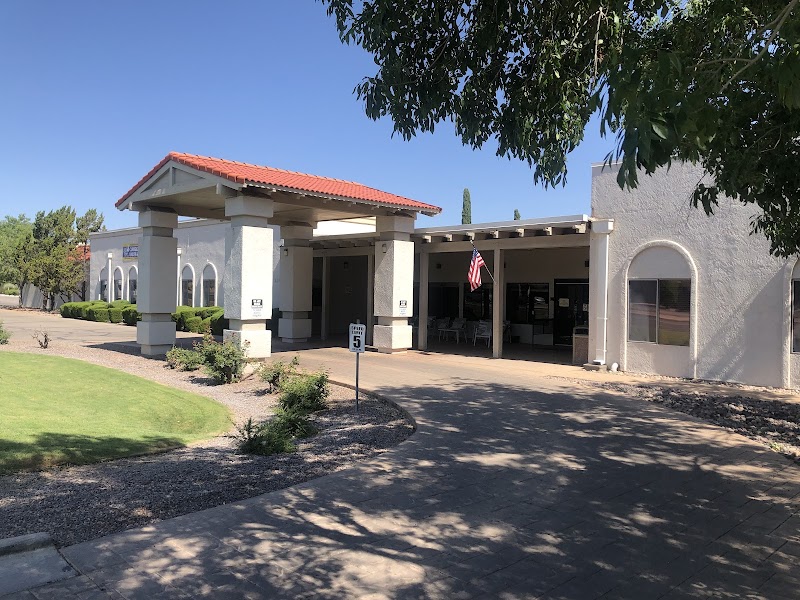
How is Life Of Sierra Vista Staffed?

CMS rates LIFE CARE CENTER OF SIERRA VISTA's staffing level at 3 out of 5 stars, which is average compared to other nursing homes. Staff turnover is 55%, compared to the Arizona average of 46%. RN turnover specifically is 67%, which is notably high. RNs provide skilled clinical oversight, so turnover in this role can affect medical care quality.

What Have Inspectors Found at Life Of Sierra Vista?

State health inspectors documented 25 deficiencies at LIFE CARE CENTER OF SIERRA VISTA during 2021 to 2025. These included: 2 that caused actual resident harm and 23 with potential for harm. Deficiencies causing actual harm indicate documented cases where residents experienced negative health consequences.
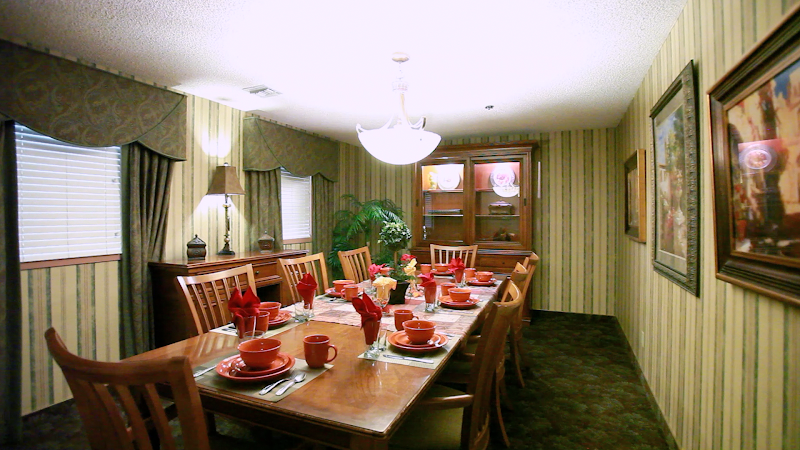
Who Owns and Operates Life Of Sierra Vista?

LIFE CARE CENTER OF SIERRA VISTA is owned by a for-profit company. For-profit facilities operate as businesses with obligations to shareholders or private owners. The facility is operated by LIFE CARE CENTERS OF AMERICA, a chain that manages multiple nursing homes. With 152 certified beds and approximately 62 residents (about 41% occupancy), it is a mid-sized facility located in SIERRA VISTA, Arizona.
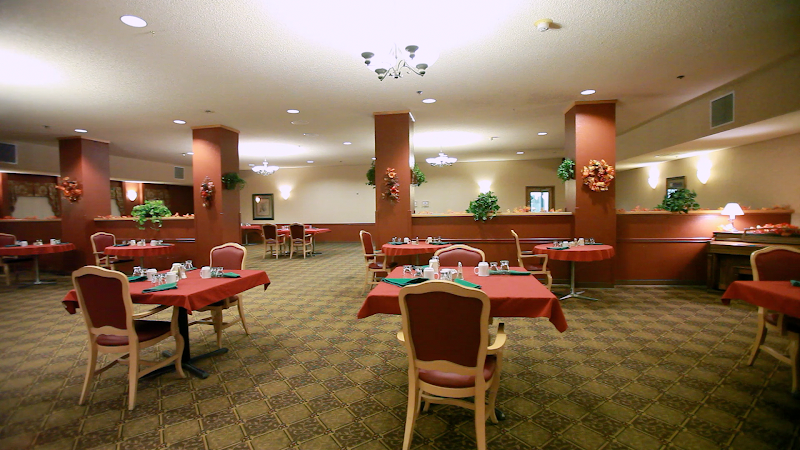
How Does Life Of Sierra Vista Compare to Other Arizona Nursing Homes?

Compared to the 100 nursing homes in Arizona, LIFE CARE CENTER OF SIERRA VISTA's overall rating (3 stars) is below the state average of 3.3, staff turnover (55%) is near the state average of 46%, and health inspection rating (3 stars) is at the national benchmark.

What Should Families Ask When Visiting Life Of Sierra Vista?

Based on this facility's data, families visiting should ask: "Can I visit during a mealtime to observe dining assistance and food quality?" "How do you handle medical emergencies, and what is your hospital transfer rate?" "Can I speak with family members of current residents about their experience?"

Is Life Of Sierra Vista Safe?

Based on CMS inspection data, LIFE CARE CENTER OF SIERRA VISTA has a clean safety record: no substantiated abuse findings (meaning no confirmed cases of resident harm), no Immediate Jeopardy citations (the most serious violation level indicating risk of serious injury or death), and is not on the Special Focus Facility watch list (a federal program monitoring the lowest-performing 1% of nursing homes). The facility has a 3-star overall rating and ranks #100 of 100 nursing homes in Arizona. While no facility is perfect, families should still ask about staff-to-resident ratios and recent inspection results during their visit.

Do Nurses at Life Of Sierra Vista Stick Around?

LIFE CARE CENTER OF SIERRA VISTA has a staff turnover rate of 55%, which is 9 percentage points above the Arizona average of 46%. Moderate turnover is common in nursing homes, but families should still ask about staff tenure and how the facility maintains care continuity when employees leave.

Was Life Of Sierra Vista Ever Fined?

LIFE CARE CENTER OF SIERRA VISTA has been fined $55,881 across 2 penalty actions. This is above the Arizona average of $33,638. Fines in this range indicate compliance issues significant enough for CMS to impose meaningful financial consequences. Common causes include delayed correction of deficiencies, repeat violations, or care failures affecting resident safety. Families should ask facility leadership what changes have been made since these penalties.

Is Life Of Sierra Vista on Any Federal Watch List?

LIFE CARE CENTER OF SIERRA VISTA is not on any federal watch list. The most significant is the Special Focus Facility (SFF) program, which identifies the bottom 1% of nursing homes nationally based on persistent, serious quality problems. Not being on this list means the facility has avoided the pattern of deficiencies that triggers enhanced federal oversight. This is a positive indicator, though families should still review the facility's inspection history directly.