SUN HEALTH GRANDVIEW CARE CENTER
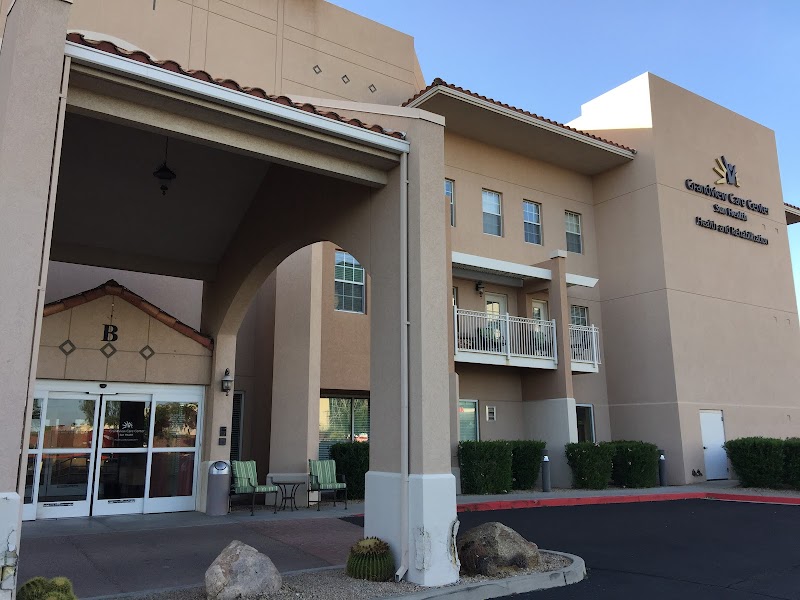
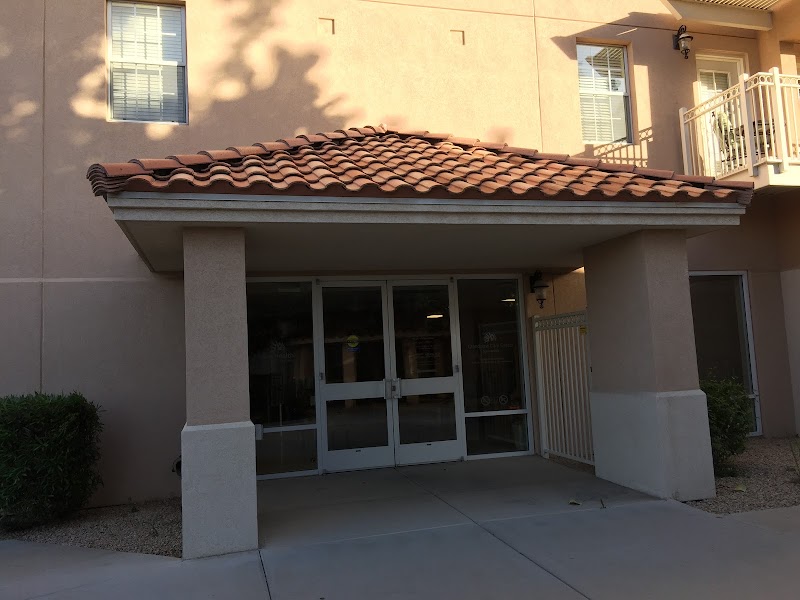
14505 WEST GRANITE VALLEY DRIVE, SUN CITY WEST, AZ 85375 (623) 975-8100
Non profit - Church related 72 Beds Independent Data: November 2025
Trust Grade
90/100
#30 of 139 in AZ
Last Inspection: August 2024

Within standard 12-15 month inspection cycle. Federal law requires annual inspections.

Overview

Sun Health Grandview Care Center has received an excellent Trust Grade of A, indicating a high level of care and reliability. They rank #30 out of 139 nursing facilities in Arizona, placing them in the top half, and #23 of 76 in Maricopa County, meaning there are only 22 local options that perform better. The facility is showing improvement, with the number of reported issues decreasing from 5 in 2023 to 4 in 2024. Staffing is a strong point, with a 4 out of 5-star rating and a turnover rate of 39%, which is better than the state average of 48%. However, there are concerns regarding RN coverage, which is below average, and recent inspections revealed issues such as improper food storage temperatures and expired food items in the kitchen, which could pose health risks.

Trust Score
A
90/100
In Arizona
#30/139
Top 21%
Safety Record
Low Risk
No red flags
Inspections
Getting Better
5 → 4 violations
Staff Stability
○ Average
39% turnover. Near Arizona's 48% average. Typical for the industry.
Penalties
✓ Good
No fines on record. Clean compliance history, better than most Arizona facilities.
Skilled Nurses
○ Average
Each resident gets 41 minutes of Registered Nurse (RN) attention daily — about average for Arizona. RNs are the most trained staff who monitor for health changes.
Violations
⚠ Watch
11 deficiencies on record. Higher than average. Multiple issues found across inspections.
★★★★★
5.0
Overall Rating
★★★★☆
4.0
Staff Levels
★★★★★
5.0
Care Quality
★★★★☆
4.0
Inspection Score
Stable
2023: 5 issues
2024: 4 issues

The Good

  • 4-Star Staffing Rating · Above-average nurse staffing levels
  • 5-Star Quality Measures · Strong clinical quality outcomes
  • Full Sprinkler Coverage · Fire safety systems throughout facility
  • No fines on record
  • Staff turnover below average (39%)

    9 points below Arizona average of 48%

Facility shows strength in staffing levels, quality measures, fire safety.

The Bad

Staff Turnover: 39%

Near Arizona avg (46%)

Typical for the industry

The Ugly 11 deficiencies on record

Aug 2024 3 deficiencies
CONCERN (D)

Potential for Harm - no one hurt, but risky conditions existed

Assessment Accuracy (Tag F0641)

Could have caused harm · This affected 1 resident

Based on clinical record reviews, staff interviews, the Resident Assessment Instrument (RAI) manual, and facility policies, the facility failed to develop and complete a Discharge Minimum Data Set (MD...

Read full inspector narrative →
Based on clinical record reviews, staff interviews, the Resident Assessment Instrument (RAI) manual, and facility policies, the facility failed to develop and complete a Discharge Minimum Data Set (MDS) assessment within the required timeframe for Resident # 11. The deficient practice could result in delayed identification of potential risks and care needs of the residents. Findings include: Resident # 11 was admitted into the facility on February 24, 2024 at 09:05 PM with diagnoses that included atherosclerotic heart disease of native coronary artery with unspecified angina pectoris, acute respiratory failure with hypoxia, and unspecified chronic kidney disease. Review of the MDS assessment history, revealed an Admissions MDS Assessment was completed and accepted March 01, 2024. Resident # 11 was discharged on March 09, 2024 at 11:00 AM; however, medical records revealed no discharge MDS was completed at this time. An interview was conducted on July 30, 2024 at 08:55 AM with MDS Coordinator (Staff #970) who stated the MDS Coordinator role was to complete admission entry records including long-term care admission, quarterly, annual, and discharge assessments. Staff #970 (MDS Coordinator ) stated admission and discharge MDS assessments are due on the 14th day from day of event. Staff #970 (MDS Coordinator) confirmed through electronic medical review that discharge MDS assessment was not created nor completed for Resident # 11. Staff #970 (MDS Coordinator) stated she was confused that no discharge MDS assessment was completed because MDS Coordinators receive reports of all discharges. Staff #970 (MDS Coordinator) stated the discharge MDS assessment for Resident # 11 would be completed, however would be considered late. Staff #970 (MDS Coordinator) stated the risks were that section GG 'functional abilities and goals', would be unavailable for review, there would be no quality measures in place, and that, it's like the discharge never happened. An interview was conducted on July 30, 2024 at 12:31 PM with Director of Nursing (Staff #385/DON) who stated that after learning about Resident # 11 not having a discharge MDS assessment completed -- initiated an audit. Staff #385 (DON) stated risks were that whenever MDS assessment are incomplete, federal and state government would not be updated of quality measures. Staff #385 (DON) stated not having completed an discharge MDS assessment did not meet facility's expectations. Review of the facility's Policy titled, Resident Assessment - Resident Assessment Instrument, (revised July 2024) revealed, facility makes a comprehensive assessment of each resident's needs, strengths, goals, life history and preferences using the resident assessment instrument (RAI) specified by Centers for Medicare & Medicaid Services (CMS). The current version of the RAI (MDS 3.0) will be utilized when conducting a comprehensive assessment of each resident in accordance with the instruction found in the RAI Manual. The assessment will include at least the following: identification and demographic information; customary routine; cognitive patterns; communication; vision; mood and behavior patterns; psychological well-being; physical functioning and structural problems; continence; disease diagnosis and health conditions; dental and nutritional status; skin conditions; activity pursuit; medications; special treatments and procedures; discharge planning. Facility will maintain all resident assessments completed within the previous 15 months in the resident's active record and use the results of the assessment to develop, review and revise the resident's comprehensive care plan.
CONCERN (D)

Potential for Harm - no one hurt, but risky conditions existed

Incontinence Care (Tag F0690)

Could have caused harm · This affected 1 resident

**NOTE- TERMS IN BRACKETS HAVE BEEN EDITED TO PROTECT CONFIDENTIALITY** Based on clinical record review, staff interviews and facility policy review, the facility failed to ensure that a physician ord...

Read full inspector narrative →
**NOTE- TERMS IN BRACKETS HAVE BEEN EDITED TO PROTECT CONFIDENTIALITY** Based on clinical record review, staff interviews and facility policy review, the facility failed to ensure that a physician order for the use of a foley catheter was in place for one resident (#20). The sample size was 15. The deficient practice could result in inappropriate use of a catheter. Findings include: Resident #20 was admitted on [DATE] with diagnosis including sepsis, UTI (urinary tract infection), klebsiella pneumoniae, hypertension and hypothyroidism. A review of the admission MDS (minimum data set) dated July 24, 2024 revelaed that resident #20 had a BIMS (brief interview of mental score) of 14, suggesting that the resident was cognitively intact. A review of the physician orders in the electronic health records revealed no evidence of a physician order for a catheter or catheter care. A review of the TAR (treatment administration record) since admission of the resident, revealed no evidence of an order for catheter care or that catheter care was being tracked or that input or output were being tracked for the resident. A review of the care plan revealed of focus are of urinary track infections and sepsis that were being tracked and noted interventions included encouraging fluid intake, providing antibiotic therapy as ordered as well as antipyretics, analgesics and antispasmodics as ordered. The interventions further noted to track for signs and symptoms of worsening sespis and UTI, lab work as ordered, reporting of results to the physician as well as teaching of good hygiene practices; however the care plan made no mention that the resident had a catheter in place or was receiving catheter care. A review of the clinical admission progress notes dated July 18, 2024 revealed, under the genitourinary subsection, a notation that a catheter was in place due to urinary retention, size 18 french. A further progress note notation dated July 19, 2024 also documented that the resident had an indwelling catheter. A progress note entry on July 20, 2024 revealed that the resident had a catheter in place; however, on this entry the catheter size is noted as 16 french. An interview was conducted on July 31, 2024 at 9:41 A.M. with staff #620 (LPN-licensed practical nurse). Staff #620 stated that daily Foley catheter care involves washing and cleaning the peri area and checking to make sure that the catheter is draining and reinserting as required. Staff #620 stated that catheter care always includes measuring the resident's fluid intake and output. Staff #620 stated that orders would be needed for catheter care. Staff #620 reviewed the resident record and stated that there was no evidence of an order for catheter care. Staff #620 stated that the expectation is for the orders to be in place and that the risk could include infection as no direction is given to staff regarding the catheter care. An interview was conducted on July31, 2024 at 9:58 A.M. with staff #385 (DON-director of nursing). Staff #385 stated that her expectation is that catheter care should be done every week. Staff #385 stated that for catheter care there should be a standard order in place or it should be on the cardex. Staff #385 reviewed the residents' record and stated that she did not see an order in place for the catheter and associated care. She stated that she would be contacting the physician to ensure the procedural orders are in place. Staff #85 stated that risk could include infection and lack of communication with staff. A review of the facility policy entitled catheter care revised March, 2024 revealed that residents with indwelling catgheters are to receive appropriate catheter care when indwelling catheters are in place.
CONCERN (E)

Potential for Harm - no one hurt, but risky conditions existed

Food Safety (Tag F0812)

Could have caused harm · This affected multiple residents

Based on observation, staff interviews, and policy review, the facility failed to ensure food was stored in accordance with appropriate temperature guidelines for facility refrigerators and the kitche...

Read full inspector narrative →
Based on observation, staff interviews, and policy review, the facility failed to ensure food was stored in accordance with appropriate temperature guidelines for facility refrigerators and the kitchen freezer. The universe was 57. The deficient practice could increase the risk for foodborne illness. Findings include: An observation was conducted on July 29, 2024 at approximately 7:40 A.M on the third floor of the facility. The refrigerator temperature log identified with the location of Canyon revealed that on July 22, 2024, the refrigerator had a temperature of 44 degrees Fahrenheit at 8:00 A.M. Per the temperature log, there was not documented evidence that any corrective action had taken place or that the manager had reviewed the temperature log for that day. A further review of refrigerator temperature logs, revealed that for the Red Rock location on July 7, 2024 and July 20, 2024 the refrigerator was outside of designated parameters. The temperature noted for July 7, 2024 at 4:28 P.M. was noted to be 45 degrees Fahrenheit and the temperature noted on July 20, 2024 at 4:31 was noted to be 50 degrees Fahrenheit. Both instances documented that the door was open; however, there was no evidence that the temperature had been rechecked or that any corrective action had taken place. It was noted that both instances were reviewed by the manager. A review of the temperature log for the Kitchen location for July 24, 2024 at 6:00 A.M. revealed a temperature of 42 degrees Fahrenheit. The log further revealed no evidence of corrective action or that the manager had reviewed the log. A review of the freezer temperature logs for July, 2024 revealed that on July 13, 2024, July 23, 2024 and July 26, 2024 at 6:00 P.M. the temperature was noted to be 2 degrees Fahrenheit. The log showed no evidence of corrective action or that it was reviewed. An interview was conducted with staff #201 (Nutrition Mgr) on July 29, 2024 at approximately 7:40 A.M. Staff #201 stated that she did recall the occurrance on July 22, 2024 of 44 degrees Fahrenheit on the Canyon location refrigerator. She stated that maintenance had looked at the refrigerator and repaired it. She stated that she thought the food items, in the refrigerator at the time, were temperature checked, but that the facility did not maintain a log of food temperature checks if a refrigerator or freezer are outside of temperature zones for food safety guidelines. She stated that her expectation is that all temperature are re-checked and documented and that food temperatures are taken. She stated that if the food is outside of the safety zone, over 41 degrees for the refrigerator and over 0 degrees for the freezer, that it should be discarded. An interview was conducted on July 31, 2024 at 1:49 P.M. with staff #205 (Maintenance Technician). Staff #205 stated that he could not find any July 2024 work orders for the refrigerators or freezer prior to July 29, 2024. He stated that the first time he had heard of a concern regarding the refrigerator temperatures was on July 29, 2024. Staff #205 stated that he tries to ensure that the refrigerators are kept below 38 degrees Fahrenheit. He stated that he was not aware what happened to the food items in the refrigerators or freezer when they were outside of the safety zone, since he was only notified of the issue on Monday, July 29, 2024. An interview was conducted on July 31, 2024 at 8:37 A.M with staff #208 (Facilities Director). Staff #208 stated that they try to keep the refrigerators set to 38 degrees Fahrenheit. He stated tha he was aware of a refrigerator that outside of food safety parameters. He stated that they cleaned the condensor and that the fan was running without issue. He stated that he was not aware if temperatures were initially re-checked or what had happened to the food in the unit. Staff #208 stated he was not made aware of any issues until Monday, July, 29, 2024. An interview was conducted on July 31, 2024 at approximately 8:45 A.M. with staff #201(Nutrition/kitchen Mgr). Staff #201 stated that maintenance had been notified but sometimes she or staff would just verbally alert maintenance when they are in the area and not always put in a formal work order. She stated that on Monday, July 29, 2024 maintenance had conducted a deep clean of the vent area and vacuumed out the coils, but stated that she had no evidence of prior documentation addressing the refrigerator and freezer temperature concerns. She stated that refrigerators outside of the kitchen are temperature checked by the dining room staff, who should put in a work order, document the action they took on the log and notify her, but stated that this had not occured for the dates in question. She stated that her expectation is that refrigerator temperatures are maintained under 41 degrees and freezer temperatures are maintained at 0 degrees Fahrenheit or below. Upon review of the logs, she stated that there was no evidence that the temperatures had been rechecked when temperatures were outside of parameters, nor was there evidence of the action that staff took regarding the food items in the refrigerators or freezer, or that any notifications had taken place. Staff #201 stated that if any food items tested within a refrigerator or freezer were outside of the safety zone and potentially served to residents, the process would be that the administrator and director of nursing would be notified. She stated she was uncertain what food items may have been outside of safety guidelines, or whether they were served to residents. She stated that post observation on the 3rd floor on July 29, 2024 at 7:40 A.M., she did notify the administrator and DON. She stated that no adverse outcomes had been reported for the dates in question. Staff #201 stated that the risk is when temperatures are taken and are outside of parameters, it needs to be documented what transpired, otherwise no one knows what follow-up actually happened. She stated that going forward everything will be documented to ensure proper communication. An interview was conducted on July 31, 2024 at 2:13 P.M. with staff #935 (administrator). Staff #935 stated that the expectation is that refrigerators and freezers are at the correct temperatures at all times. Furthermore, that staff notify their supervisor when temperatures are out of range, which she stated did not happen. Staff #935 stated that food needs to be re-checked when the refrigerator or freezers are out of range. She stated that the risk could include formation of bacteria on the food. A review of the cold temperature storage policy revised January, 2024 revealed that frozen storage temperatures are to be maintained at 0 degrees Fahrenheit or below and refrigerated storage is to be maintained at 41 degrees of below. The policy further notes that prompt corrective actions are to be taken to preserve the wholesomeness and quality of foods exposed to improper storage temperatures and that any deviant readings on the log are to be circled and temperatures should be rechecked in an hour and documented.
May 2024 1 deficiency
CONCERN (D) 📢 Someone Reported This

A family member, employee, or ombudsman was alarmed enough to file a formal complaint

Potential for Harm - no one hurt, but risky conditions existed

Accident Prevention (Tag F0689)

Could have caused harm · This affected 1 resident

**NOTE- TERMS IN BRACKETS HAVE BEEN EDITED TO PROTECT CONFIDENTIALITY** Based on observations, clinical record review, interviews and policies and procedures, the facility failed to ensure one residen...

Read full inspector narrative →
**NOTE- TERMS IN BRACKETS HAVE BEEN EDITED TO PROTECT CONFIDENTIALITY** Based on observations, clinical record review, interviews and policies and procedures, the facility failed to ensure one resident was appropriately supervised to prevent a fall with major injury. The deficient practice can contribute to residents being injured during a fall. Resident #19 was admitted to the facility December 7, 2023 and discharged to the hospital December 17, 2023. Resident #19 was re-admitted to the facility December 21, 2023 with diagnoses to include displaced intertrochanteric fracture of right femur, subsequent encounter for closed fracture with routine healing, transient cerebral ischemic attack, unspecified, weakness. The MDS (minimum data set) dated December 13, 2023 indicate a brief interview for mental status was conducted revealing a BIMS score of 15suggesting resident is cognitively intact. The resident was assessed to be partial to moderate assist with upper dressing, substantial to maximal assist with lower dressing and partial to moderate assist with sit to stand and with toilet transfers. The MDS also revealed the resident is frequently incontinent of bowel and bladder. A review of the care plan initiated on December 7, 2023 revealed that resident #19 was noted to be at risk for falls related to weakness, dehydration, use of antidepressant medication and anemia. The care plan further noted that resident #19 is to be provided assistance from nursing staff as needed to complete activities of daily living toileting, and hygiene needs. A review of the progress note, entered by staff #76 LPN (licensed practical nurse) revealed an entry for December 17, 2023 noting that staff had responded to noise from the bathroom of resident #19 and found the resident lying on the floor. The entry further noted that staff helped the resident to use the toilet , reminded to pull the string/light when done, per resident he stood up without calling the staff to pull his pants, night staff interrupted us while giving report to the oncoming night staff that the resident fell, found resident in bathroom floor with the right legs rotated, right thumb finger had a cut and bleeding, resident is responsive when found , V/S was checked BP 154/65, HR 74, RR 21, T 97.5, Oxygen stat 98 %, sent to ED for possible hip fracture, MD notified, family was notified by night staff and DON , night staff to follow up. Further review of the nursing progress notes dated December 17, 2023 revealed an entry stating while receiving report day shift aide walks up and reports resident is on the floor. Grabbed /V/S equipment, neuro chart and went to assess. Sitting up with legs bent below him in shower stall. Gait belt and 3 assist to w/c as there was no room to extend completely out. Obvious Fx R hip unable to flex extend or move leg-rotated. This writer supported legs up while other two moved w/c into room. Rt hand dorsal aspect purplish and edematous blood on shower floor. V/S taken This writer called 911, daughter and son. Resident remains alert and verbal has bilateral hearing aids in place. Day nurse had notified Dr. Lakshmipathy and DON. Aide remained with resident in room until paramedics arrived -this writer gave report to paramedics from door to elevator. Printed med list and face sheet handed to them. Left the building at 1845. Spoke with family, DIL came in and removed all belongings, pad, w/c, walker charger for HA's, she has charger for phone, clothing. ASH, [NAME] [PHONE NUMBER]. A review of the Fall Risk Assessment completed on December 8, 2023 revealed resident #19 assessment score of 9, indicating resident is a low risk and should have call light within reach for help. Low bed, referral for therapy. Resident scored a 15-post fall risk assessment and upon re-admission. An interview was conducted with resident #19 on May 24, 2025 at 1:16pm. The resident stated he was in his wheelchair when one of the CNA's helped him into the bathroom. The resident stated the CAN told him to ring when he was done and left the bathroom. Resident #19 stated the CAN did not help him to pull down his pants. Resident #19 stated he pulled himself up at the grab bar and let go of the grab bar to pull his pants down and fell forward. Resident #19 stated he hit the back of his head and broke his hip when he fell. Resident #19 stated he ended up in a position where the call light was too far to reach, so he grabbed his cushion from his wheelchair and tried hitting the pull-down rope. He stated he was on the floor for approximately 10 minutes when was finally able to reach the call light and several people came. He stated he had falls previously and that the that and they were aware further stating the facility had asked him when he first arrived and had the dates documented of his previous falls. An interview was conducted on May 24, 2024 at 1:41 P.M. with staff # 47 LPN (licensed practical nurse) who stated the resident fell during the evening shift and had been taken to the hospital due to his fall. Staff #47 stated the resident was initially admitted with a fall risk score of 9 which is considered a low risk, which would include making sure the residents call light is in reach, assistance to the bathroom. She further stated assistance to the bathroom would include ensuring the resident was assisted with their clothing onto the toilet and that the call light was within reach. Staff #47 stated a 10 or more on the fall risk assessment is considered a high risk. A telephonic interview was conducted on May 24, 2024 at 5:29 P.M. with staff #126 CAN (certified nursing assistant). Staff #126 stated she had taken the resident to the bathroom, locked the wheelchair and left to attend to another resident. She stated she had understood he was able to be left alone in the bathroom, until he was done. She stated she told him to call if he needed help when he was done. She stated she heard the resident yelling for help and went into the bathroom to find him on the floor. She stated his clothing was still on and may have fallen when trying to pull his clothing up or down. She stated he had gone to the bathroom on his own previously and did not think there was a problem with him going on his own and had not been told he was a fall risk. An interview was conducted on May 24, 2024 at 2:29pm with staff #130 (Director of Nursing, DON) She stated that residents deemed as a low or high fall risk are have interventions customized for each resident. Stating high risk protocols would ensure the resident and staff are educated, resident is given safety reminders, low bed, floor mats and increase of supervision. Low risk protocol would involve assessing the resident's impulsivity, assist to the toilet, making sure they are seated and making sure they know where and how to use the call light. Staff #130 stated when the facility five-day report was completed the resident had not been interviewed due to his hospitalization and that the registry CNA story appeared consistent. Staff #130 further stated she was unaware of the resident's recollection of his fall until interviewed by Adult Protective Services (APS) post operatively. Review of facility policy titled Fall Policy (revised 3/2024) states each resident will be assessed for the risks of falling and will receive care and services in order to minimize the likelihood of falls.
Oct 2023 1 deficiency
CONCERN (D) 📢 Someone Reported This

A family member, employee, or ombudsman was alarmed enough to file a formal complaint

Potential for Harm - no one hurt, but risky conditions existed

Deficiency F0657 (Tag F0657)

Could have caused harm · This affected 1 resident

**NOTE- TERMS IN BRACKETS HAVE BEEN EDITED TO PROTECT CONFIDENTIALITY** Based on clinical review, staff interviews, and the facility policy and procedures, the facility failed to update the fall care ...

Read full inspector narrative →
**NOTE- TERMS IN BRACKETS HAVE BEEN EDITED TO PROTECT CONFIDENTIALITY** Based on clinical review, staff interviews, and the facility policy and procedures, the facility failed to update the fall care plan for one resident (#13). The deficient practice could result in more falls. Findings include: Resident #13 was admitted to the facility on [DATE] with diagnoses that included age related osteoporosis, dementia, cellulitis of left lower limb, and muscle weakness. The minimum data set (MDS) dated [DATE] included a brief interview for mental status score of 14 indicating the resident was cognitively intact. It also included that the resident needed a two-person extensive assist with bed mobility, transfers, and toileting and a one-person extensive assist with locomotion on the unit. Review of the fall risk assessment dated [DATE] revealed that the resident's last fall was on July 1, 2023 and was a high risk for falls. The care plan dated July 7, 2023 revealed the resident was at risk for falls related to recent and history of falls, left hip pain, her left leg is shorter than the right leg, hypertension, Parkinson's', dementia, urinary incontinence, use of anxiety medication as needed, osteoporosis, recent infection, and pain. Review of the interventions revealed that there were no new interventions added to the care plan after July 7, 2023. Review of a progress note dated July 10, 2023 revealed that the resident was found kneeling on the side of the bed by the outgoing nurse around 6:10 AM, assessment was done by two nurses, no complaint of pain, and the resident said that she was trying to get to the recliner and feels that her knees are weak and just kneeled on the floor. Bed was in the low position, the resident was holding onto the rails and claimed that she did not hit her head. No visible injuries noted. Review of a progress note dated July 12, 2023 revealed that the resident was found on the floor calling out for help and the call-light was not engaged. A certified nursing assistant (CNA) found the resident on the floor lying on her right side. Resident stated repeatedly that she did not fall or hit her head. However, the incident was not witnessed. A physical head to toe assessment was done and visible injuries were identified. The resident decided that she wanted to go to the emergency room (ER) to be evaluated for pain to the lower hip. 911 was called and the resident was transferred to the ER. Review of the physician's note dated July 16, 2023 states the resident fell and was found kneeling on the floor. No major injuries noted. Review of the fall risk assessment dated [DATE] revealed that the resident's last fall was on July 12, 2023, the resident was a high risk for falls, and the fall prevention protocol was initiated or updated. Review of a progress note dated August 1, 2023 revealed the resident was found on the floor in the bedroom. The resident complained of pain to right side. The physician was notified and the resident was sent to the ER for increased pain. An interview was conducted on October 18, 2023 at 10:47 AM with the MDS Coordinator (staff #100), who stated that fall risks may be care planned when the resident has a high risk of falling and a history of falls. She stated that if a resident falls, the care plan should be updated and the interdisciplinary team (IDT) team decides what interventions should be included on the plan. Staff #100 reviewed the resident's clinical record and stated that the care plan was initiated on July 7, 2023 and there were no new interventions added after that date. She stated that the resident had fallen on: July 10, 12, 23, 2023 and on August 1, 2023. An interview was conducted on October 18, 2023 at 12:36 PM with the Director of Nursing (DON/staff #150), who stated that a care plan for falls is developed when a resident is at risk for falling. She stated that when a resident falls, the facility reviews the incident, completes the incident report, and updates the care plan interventions if it is appropriate. She stated that the facility staff prevent falls by acting and, but the intervention may not be care planned. She stated that there may have been a floor mat in the resident's room, but it was not care planned. The facility's, Fall Policy dated May 2022 stated that each resident's risk factors and environmental hazards will be evaluated when developing the resident's comprehensive plan of care. Interventions well be monitored for effectiveness. When any resident experiences a fall, staff will review the resident's care plan and update as indicated.
Sept 2023 1 deficiency
CONCERN (D) 📢 Someone Reported This

A family member, employee, or ombudsman was alarmed enough to file a formal complaint

Potential for Harm - no one hurt, but risky conditions existed

Deficiency F0658 (Tag F0658)

Could have caused harm · This affected 1 resident

**NOTE- TERMS IN BRACKETS HAVE BEEN EDITED TO PROTECT CONFIDENTIALITY** Based on closed clinical record review, interviews, and policies, the facility failed to ensure skin assessment was conducted as...

Read full inspector narrative →
**NOTE- TERMS IN BRACKETS HAVE BEEN EDITED TO PROTECT CONFIDENTIALITY** Based on closed clinical record review, interviews, and policies, the facility failed to ensure skin assessment was conducted as ordered by the physician for one resident (#1). The deficient practice could result in skin issues not identified and treated as appropriate. Findings include: Resident #1 was admitted on [DATE] with diagnoses of unilateral primary osteoarthritis, cognitive communication deficit, and type 2 diabetes. An undated care plan included that the resident was at risk for skin breakdown and poor skin integrity related to limited mobility. The goal was for the resident to maintain skin integrity and resident's problematic areas will improve or be healed. Interventions included to monitor for and report all red areas. A physician orders dated October 14, 2022 included the following: -Braden Scale Risk Assessment every one week for four weeks; -Braden Scale Risk Assessment quarterly and as needed; and, -Weekly skin assessment. Review of the admission Minimum Data Set (MDS) assessment dated [DATE] revealed a Brief Interview for Mental Status (BIMS) score of 14, indicating the resident was cognitively intact. The assessment included the resident was at risk of developing pressure ulcer/injuries, had a pressure ulcer/injury and a scar over a bony prominence and had one or more unhealed ulcer injuries that was stage 1. Despite the order, review of the clinical record revealed no evidence that Braden Scale Risk Assessments and weekly assessments were completed as ordered. The Weekly Skin assessment dated [DATE] included that the resident had a bruise and redness. However, the documentation did not include the location of these skin findings. Further review of the clinical record revealed that there was no other weekly skin assessment completed for the resident. The Treatment Administration Records (TARs) for October and November 2022 revealed that the Braden Scale Risk Assessments were not documented as completed as ordered. An interview with an MDS nurse (staff #5) was conducted on September 19, 2023 at 2:11 p.m. The MDS nurse stated that skin checks were completed daily and weekly and were documented in the daily nursing and weekly skin assessment forms. The MDS nurse also stated that the certified nursing assistants (CNAs) conducts skin check during showers, documents on shower sheets. Staff #5 said that wound treatment are documented on the Treatment Administration Record (TAR); and, if the resident has a wound then a skin assessment is conducted and staff will complete a weekly wound report. The MDS nurse also said that weekly in reference to treatment, depended on the admission date for the week range. Regarding resident #1, the MDS nurse said that part of basic intervention was a Braden assessment when admitted and then weekly; and that, resident #1 was not seen until day 14 with her risk factors identified and care planned. The MDS nurse also stated that if the order for skin assessment was placed on October 14, then it should have been done and documented either on October 14 or 15. Further, the MDS nurse stated that treatment should have been done, skin assessed and documented. In an interview with a CNA (staff #10) was conducted on September 22, 2023 at 1:02 p.m., the CNA said that residents were repositioned every 2 hours; but, depending on the workload, she tries to go in every 30 minutes to an hour to check that residents were okay. The CNA said that she also checks in on her residents prior to going on breaks. The CNA stated that she places a pillow underneath the heels if the resident does not have a floating boot for residents who were susceptible to skin breakdowns/pressure injury/ulcer; and, she ensures that linens were not wet and the resident was not soiled. She said that as a CNA, her portion of the skin assessment is done during shower; and that, residents were provided showers 3 times a week. The CNA said that during showers she checks the body for any skin changes, documents them and notify the nurse. An interview was conducted on September 22, 2023 at 12:36 p.m. with a registered nurse (RN/staff #15) who stated that upon admission of the resident, a full body assessment is conducted; and if the resident has a wound, it is documented in the clinical record, the provider will be notified and treatments are ordered. The RN stated that dressing is changed if soiled, wound round is done every Wednesday and weekly skin assessment is completed for all residents. The RN said that there should be no reason why the weekly skin assessment was not done. He also said that the CNAs do skin checks during showers to see any skin changes, document the change on the shower sheet and inform the nurse. The RN also said that the residents gets a shower every other day; and, if the resident refuses then the nurse will talk to the resident and the refusal will be documented. A review of the clinical record was conducted with the RN during the interview. The RN stated that based on the order, the first Braden Risk Assessment should have been done on admission and then a week after the order date going forward; and, the weekly skin assessment should have been done on admission and weekly thereafter. The RN further stated that if these assessments were only done once then the physician order was not followed. During an interview with the Director of Nursing (DON/staff #20) conducted on September 22, 2023 at 1:31 p.m. the DON stated that upon resident admission, an initial physical assessment is completed by the nurses followed by the nurse manager then weekly thereafter. Regarding resident #1, the DON stated that resident #1 was diabetic; and that, the resident's mobility should have been a factor in her not getting a deep tissue injury. The DON said that for diabetic residents' wounds had been known to show up within 4-6 hours of injury. She stated resident #1 returned to the facility on October 14 and there should have been an initial nursing assessment. However, there was none found in the clinical record for resident #1. The facility policy on Resident Assessment and Documentation reviewed/revised January 2018 included that each resident will have a full assessment upon admission. A full assessment consists of completion of the standard nursing assessment form/tool, a skin breakdown assessment such as the Braden scale, a pain assessment and a fall risk assessment. Additionally, the policy noted that all assessments will be maintained in the medical record per the medical record guidelines. The facility policy titled, Skin Assessments revised October 2019 revealed that a full body, or head to toe, skin assessment will be conducted by a licensed or registered nurse upon admission/re-admission and weekly thereafter. The assessment may also be performed after a change of condition or after any newly identified pressure injury.
Jul 2023 1 deficiency
CONCERN (D) 📢 Someone Reported This

A family member, employee, or ombudsman was alarmed enough to file a formal complaint

Potential for Harm - no one hurt, but risky conditions existed

Respiratory Care (Tag F0695)

Could have caused harm · This affected 1 resident

**NOTE- TERMS IN BRACKETS HAVE BEEN EDITED TO PROTECT CONFIDENTIALITY** Based on clinical record review, staff interviews, and facility policy review, the facility failed to oxygen was administered ac...

Read full inspector narrative →
**NOTE- TERMS IN BRACKETS HAVE BEEN EDITED TO PROTECT CONFIDENTIALITY** Based on clinical record review, staff interviews, and facility policy review, the facility failed to oxygen was administered according to professional standards of practice for one resident #1. The sample size was 3. The deficient practice could result in resident not receiving needed treatment and care. Findings include: Resident #1 was admitted on [DATE] with diagnoses of multiple rib fractures, traumatic hemopneumothorax, traumatic subcutaneous emphysema, flail chest, atrial fibrillation, and congestive heart failure. The Nursing admission assessment dated on July 4, 2023 revealed the respirations were not labored, lung sounds were clear bilaterally and had diminished in the left upper and lower lobes. The documentation did not include whether or not the resident was receiving oxygen therapy. The admission physician orders did not include orders for oxygen. Review of the baseline care plan revealed focus of care and intervention developed and implemented related to the administration of oxygen. The vital sign report dated July 5, 2023 at 6:58 a.m. revealed resident had oxygen saturation of 90% oxygen on room air. The nurse practitioner (NP) note dated July 5, 2023 revealed the resident's breathing was unlabored and regular and there was no cyanosis noted. Review of the occupational therapy (OT) daily note dated July 5, 2023 revealed the resident had an oxygen saturation (O2 sat) of 80% on room air and a heart rate 63. According to the documentation, the nurse was notified that the resident's oxygen level was desaturating. The vital sign report on July 5, 2023 at 4:30 p.m. oxygen saturation of 94% with oxygen at 2-3 liters per minute (lpm) via the nasal cannula (NC). Review of the daily nursing assessment dated [DATE] revealed that oxygen (O2) was added via by nasal cannula due to shortness of breath (SOB) and oxygen saturation at 80's on pulse oximeter. Per the documentation, oxygen saturation was 94% at 2 liters of oxygen via nasal cannula. There was no evidence found in the clinical record that the physician was notified of the resident's change in condition, low oxygen levels and initiation of oxygen therapy. During an interview with the Director of Nursing (DON/staff #49) conducted on July 25, 2023 at 10:30 a.m., the DON stated she was not aware that resident #1's oxygen had desaturated while in therapy; and that, she had not read the therapy notes. The DON said that if a resident's O2 saturation dropped into the 80's and the resident did not have an order for oxygen, she would expect the nurse to start oxygen to bring saturation up to 90% and notify the physician for orders. In an interview with registered nurse (RN/staff #17) conducted on July 25, 2023 at 1:31 p.m., the RN stated he had admitted resident #1 on July 4, 2023; and, he thought the resident was always receiving oxygen. He stated that each time he had checked oxygen saturation for resident #1, it was always in the 90's; and that, no one had notified him that the resident's oxygen saturation went down to 80%. The RN said that if the therapist had, he would have jumped on that. The RN said he would sit the resident up, administer a breathing treatment if ordered, call the physician and report his findings and the resident's response and ask for changes in oxygen orders. An interview was conducted with the OT (staff #50) on July 25, 2023 at 2:15 p.m. The OT stated she completed the therapy evaluation with resident #1 on July 5, 2023; and that, during the evaluation, the resident was attempting to reposition himself and his oxygen level dropped to 80%. The OT said that she tried to sit the resident up and have him breathe slower and deeper but the resident could not tolerate it probably because of the rib fractures. The OT further stated that she then notified the nurse who brought oxygen and sat the resident up. During an interview with a licensed practical nurse (LPN/staff #51) conducted on July 25, 2023 at 2:30 p.m., the LPN stated she was the nurse for resident #1 on the nights of July 4, and 5, 2023; and that, the resident was receiving oxygen his entire stay at the facility. The LPN said that the resident had multiple rib fractures and received routine breathing treatments; and that, the certified nursing assistants (CNAs) took the resident #1's vital signs and oxygen levels which were fine on both nights. In an interview with a CNA (staff #37) conducted on July 25, 2023, the CNA stated she had not been assigned to the care of resident #1; but, she helped him get positioned on the bed several times. The CNA stated that she believed resident #1 was always receiving oxygen; and that, she remembered staff getting an oxygen concentrator when resident #1 was admitted . Review of the facility policy on Oxygen Administration included for staff to notify the physician if a resident is unable to maintain oxygen saturations as specified, as ordered.
Apr 2023 2 deficiencies
CONCERN (D)

Potential for Harm - no one hurt, but risky conditions existed

Deficiency F0676 (Tag F0676)

Could have caused harm · This affected 1 resident

**NOTE- TERMS IN BRACKETS HAVE BEEN EDITED TO PROTECT CONFIDENTIALITY** Based on clinical record review, resident and staff interviews, facility documentation and policy reviews, the facility failed t...

Read full inspector narrative →
**NOTE- TERMS IN BRACKETS HAVE BEEN EDITED TO PROTECT CONFIDENTIALITY** Based on clinical record review, resident and staff interviews, facility documentation and policy reviews, the facility failed to ensure restorative nursing assistance (RNA) program was provided to one resident (#23) as ordered by the physician. The deficient practice could result the resident unable to improve their ability to carry out the activities of daily living (ADL). Findings include: Resident #23 was admitted on [DATE] with diagnoses of polymyalgia rheumatica, and anxiety disorder. A physician order dated November 20, 2020 included for continuous RNA program 3x weekly to increase strength and mobility. The quarterly Minimum Data Set (MDS) assessment dated [DATE] revealed a Brief Interview of Mental Status (BIMS) score of 10 indicating the resident had moderate cognitive impairment. Per the assessment, the resident required extensive assistance with one staff for transfer, dressing, bathing and toileting. The undated and current ADL care plan included the resident required assistance with ADLs and care related to impaired functional mobility due to muscle spasm and history of CVA (cardiovascular accident) with left nondominant hemiparesis. It also included that the resident was on RNA program and used a Sara lift for transfers as indicated. Interventions included RNA as ordered and tolerated by the resident. A physician progress note dated January 20, 2023 revealed the resident was alert and oriented, was on RNA at times and needed PT (physical therapy)/OT (occupational therapy) due to worsening weakness. The restorative referral note signed March 7, 2023 revealed the resident continued with outpatient therapy and required 1-person assist for ADLs. Goal was to maintain current functional status with ADLs and mobility. Program recommendation included ambulation with hemi-walker, stand pivot transfers, left upper extremities (LUE) passive range of motion (PROM), right upper extremities (RUE) exercises with 2 lbs. (pounds) hand weight and bilateral lower extremities exercises and ROM. Frequency was for 3-5X per week for 6 weeks. Review of the RNA documentation from January 20 through April 20, 2023 revealed that RNA program was not provided 3x weekly as ordered. The clinical record revealed no evidence of the reason why RNA was not provided 3x weekly as ordered; and that, the physician was notified. Further review of the clinical record revealed no evidence that the resident refused RNA program. In an interview with resident #23 conducted on April 18, 2023 at 12:30 p.m., the resident stated that she had not been receiving RNA service as ordered. The resident stated that the assigned RNA staff told her the facility was understaff and her RNA service was put on hold because of this. An interview conducted on April 20, 2023 at 1:07 p.m. with the restorative nurse assistant (RNA/staff #53) who stated that the expectation was to do RNA program with the residents as needed and as ordered by the physician. However, staff #53 stated that sometimes due to staffing shortages RNA services were not provided to residents as they are instructed by management to assist as a certified nursing assistants (CNAs). Staff #53 said that because of staffing issues, RNA services will often be put on hold. Staff #53 also stated that there are only two RNA staff at the facility and they both work Monday through Friday from 8:00 a.m. to 4:00 p.m. and rotating weekends. Further, staff #53 stated that if one of the RNA staff was not on the schedule then the expectation was for a CNA to assist with RNA service for that day. During an interview with the Director of Nursing (DON/staff #36) conducted on April 20, 2023 at 1:27 p.m., the DON stated that her expectation was for the RNA to complete the RNA service for the resident as ordered by the physician. The DON said that if the RNAs are short staffed then the expectation was for the CNAs to assist with RNA service that day. In an interview with staffing coordinator (staff #32) conducted on April 20, 2023, staff #32 stated that RNAs were scheduled Monday through Friday, 8:00 a.m. - 5:00 p.m. and rotating weekends. Staff #32 stated that if one or both RNA call out sick for that day then the expectation was for the CNA to fill in as an RNA. Review of the facility policy on Restorative Nursing Programs revised on March 2016, stated residents will be provided with maintenance and restorative services designed to maintain or improve the resident's abilities to the highest practicable level. The policy also stated that RNA is to assist the residents in adjustment to their disabilities and use of any assistive device and help residents with range of motion exercises, perform passive range of motion for resident who are unable to participate. The policy also included that all residents will receive maintenance restorative nursing service as needed by a certified nursing assistant. A resident's ability will be identified during the comprehensive assessment with the support from the interdisciplinary team with the support and guidance from the physician.
CONCERN (E)

Potential for Harm - no one hurt, but risky conditions existed

Food Safety (Tag F0812)

Could have caused harm · This affected multiple residents

Based on observations, staff interview, and policy review, the facility failed to maintain a clean and sanitary kitchen, failed to maintain refrigerator temperature, failed to ensure food items were l...

Read full inspector narrative →
Based on observations, staff interview, and policy review, the facility failed to maintain a clean and sanitary kitchen, failed to maintain refrigerator temperature, failed to ensure food items were labeled, and failed to ensure expired food items were not available for use. The deficient practice could result in a potential for food borne illness. Findings include: During an initial walk through of the kitchen conducted with kitchen manager (staff #42), on 04/18/23 at 10:30 am, there was a tub of sour cream with expiration date of 4/9/23, a jug of lemon juice with expiration date of 4/13/23, a red onion wrapped in saran wrap with expiration date of 3/29/23, and a package of sliced swiss cheese with expiration date of 4/11/23. Continued observation revealed that testing of the sanitizing solution in the two (Sani) buckets that were in use was conducted and revealed that neither buckets changed the color of the test strip. The kitchen staff who was present during the observation stated that they had filled the buckets up at the sink. The kitchen manager (staff #42) then used the same spigot to fill another bucket; however, it failed the test. Staff #42 submerged the testing strip 3 times, before it started to faintly change colors around the edges. She stated that she had put in a work order and provided the printout that showed the sanitizer dispenser tested on ly at 100ppm on 4/18/23. In another observation conducted on 4/18/23 the resident refrigerator behind the nurse station showed the temperature log had only been completed on April 1 and 3, 2023; and, there was an open can of chicken without a lid. The canned chicken did not have an open date or which resident it belonged to. During an interview with a registered nurse (RN/staff #76) on 04/18/23 at 12:45 p.m., the RN stated the items in refrigerator at the nurse station were for residents only and the canned chicken found in the refrigerator was for a resident/s. The kitchen manager who was also present during the interview stated that the refrigerators on the units were not part of the kitchen duties and she believed it was for housekeeping staff to follow up. An interview with a licensed practical nurse (LPN/Staff #4) was conducted on 4/20/23 at 10:22 a.m., the LPN stated that there had been some confusion about who was responsible for resident refrigerator located at the nurse station; however, the LPN said that it was the responsibility of the nursing staff. She stated staff would complete the temperature logs on each shift. Staff #4 stated if a resident has personal food items the nursing staff who received it must label and date it before placing in the refrigerator. In an interview conducted with staff #42 on 4/20/23 at 10:30 a.m. staff #42 stated that the expectation for sanitization in the kitchen was to keep a high standard of cleanliness. Staff #42 said that the Sani buckets that were observed in the kitchen were not in compliance; and that, the sanitization standards were to keep people from getting sick and avoid cross contamination. An interview was conducted with the Director of Nursing (DON/ Staff #36) on 4/20/23 immediately following the interview with staff #42. The DON stated that she previously thought dining was in charge of the unit refrigerator; however, after some clarification it was determined that housekeeping cleans the refrigerator and the night shift nurses completes the temperature logs. Review of the Sanitizer Solution from Dispenser revealed that the corrective action for the dispenser being out of order, as evidenced by the sanitizer solution concentration not being in 200-400ppm range, is to post a sign Out of Order and do not use it until it is repaired. Sanitizer will be mixed manually until dispenser is repaired. The facility policy on food storage for cold foods revealed that all time/temperature control foods, frozen and refrigerated, will be appropriately stored in accordance with guidelines of the FDA Food Code. The policy also included all foods will be in covered containers or wrapped, labeled and dated, and arranged in a manner to prevent cross contamination.
May 2022 2 deficiencies
CONCERN (D)

Potential for Harm - no one hurt, but risky conditions existed

Deficiency F0561 (Tag F0561)

Could have caused harm · This affected 1 resident

**NOTE- TERMS IN BRACKETS HAVE BEEN EDITED TO PROTECT CONFIDENTIALITY** Based on clinical record review, resident and staff interviews, and policy and procedure, the facility failed to ensure the oppo...

Read full inspector narrative →
**NOTE- TERMS IN BRACKETS HAVE BEEN EDITED TO PROTECT CONFIDENTIALITY** Based on clinical record review, resident and staff interviews, and policy and procedure, the facility failed to ensure the opportunity to choose and accommodate the preferred use of undergarment was provided to one of two sampled residents (#386). The deficient practice could result in the residents not able to exercise autonomy on things important to them. Findings include: Resident #386 was admitted to the facility on [DATE] with diagnoses of multiple fractures of the pelvis, muscle weakness and difficulty in walking. The admission nursing note dated May 9, 2022 included the resident was admitted for therapy for increased strength and mobility. The documentation also included the resident was alert and oriented x 3 (to person, place, and time) and was able to make needs known. The daily nursing assessment dated [DATE] included the resident was alert and oriented x 4 (to person, place, time, and situation) and had a soft, nontender abdomen with bowel sounds present in four quadrants. The Genitourinary assessment revealed the resident was continent. The occupational therapy plan of care dated May 9, 2022 revealed the resident had a BIMS (Brief Interview for Mental Status) score of 13 indicating the resident was cognitively intact. Per the assessment, the resident required maximum assistance with toileting. The undated active care plan included the resident required assistance with ADLs (activities of daily living) and care related to weakness and s/p (status post) pelvic fracture. The goal was that the resident will continue to participate in ADLs to maintain cleanliness and hygiene needs. Interventions included giving the resident choices in care and providing set-up and cueing as needed. The daily nursing assessments from May 10 through May 17, 2022 revealed the resident was continent with bowel and bladder. The ADL verification worksheet from May 9 through May 19, 2022 revealed that the resident was incontinent of bladder from May 9 through May 12. The documentation also revealed the resident was continent of bladder from May 12 through May 19. Further review of the worksheet revealed that the resident was continent of bowel from May 9 through 19, 2022. In an interview conducted with the resident on May 16, 2022 at 1:41 p.m., resident #386 stated she was told she had to wear incontinent briefs/pull ups because that was the only kind the facility has. The resident stated she did not want to wear incontinent brief/pull up. The resident stated that she can use regular underwear with a pad on it. The resident stated she would have to pay for the pad and she can only use what the facility provides. In another interview conducted with the resident on May 18, 2022 at 11:30 a.m., resident #386 stated she was continent, knows and can tell when she wants to go to the bathroom to use the toilet. The resident stated the pull up she was wearing was a French cut and she never wore a French cut undergarment in her life and she will not wear one now. Further, the resident stated that she was not given an option or choice to wear regular underwear and she did not like wearing incontinent briefs/pull ups. An interview was conducted with a certified nurse assistant (CNA/staff #67) on May 18, 2022 at 1:52 p.m. The CNA stated that if a resident was continent, does not want to wear an incontinent briefs/pull ups and wants to wear regular underwear, then the resident has the right to wear regular underwear if the resident chooses to. The CNA stated that resident #386 is alert and oriented and can verbalize or express needs and wants. She also said that the resident was continent with bowel and bladder and wears a pull up which are provided by the facility. Further, the CNA stated that she was not aware of any issues regarding the resident's use of incontinent briefs or pull ups. During an interview with a registered nurse (RN/staff #72) conducted on May 18, 2022 at 2:07 p.m., the RN stated that incontinent briefs or pull ups are used for residents who are incontinent with bowel or bladder, has limited mobility, and cannot tell staff their needs and wants. He said that if a resident is alert and oriented, can tell staff when they have to go to the bathroom, is continent, ambulatory or has some limitation in mobility, the resident does not need an incontinent brief or pull ups. He said if the resident is continent and has limitations in mobility, the resident is encouraged to call for help and the staff could offer the use of a bedpan or urinal or the staff will assist the resident to the bathroom if the resident chooses to do so. The RN said that the only time an alert, oriented and continent resident may use an incontinent brief or pull is at night when there is a possibility of an accident or if the resident chooses to wear one. The RN further stated that staff should not let or force the resident to wear an incontinent brief or pull up or tell the resident that this is all the facility has. He said that residents have rights and forcing them or letting them wear something that the resident does not want to wear is a violation of their rights. An interview was conducted on May 19, 2022 at 1:31 p.m. with the interim Director of Nursing (DON/staff #77) with the MDS (minimum data set) coordinator (staff #31) present. The DON stated that a resident who is alert, oriented, continent do not necessarily have to wear incontinent briefs or pull ups if the resident chooses not to. She stated that the facility's goal on admission when it comes to resident ADLs is for the resident to be more independent and to get rid of the use of incontinent briefs/pull ups if not needed. The facility's policy on Residents Rights included that the resident has the right to a dignified existence, self-determination, and communication with and access to persons and services inside and outside the facility. The resident has the right to exercise his or her rights as a resident of the facility. The resident has a right to be treated with respect and dignity including the right to retain and use personal possessions including clothing. Further, the policy included that the resident has the right to and the facility must promote and facilitate resident self-determination through support of resident choice including but not limited to the resident has the right to make choices about aspects of his or her life in the facility that are significant to the resident.
CONCERN (D)

Potential for Harm - no one hurt, but risky conditions existed

Respiratory Care (Tag F0695)

Could have caused harm · This affected 1 resident

**NOTE- TERMS IN BRACKETS HAVE BEEN EDITED TO PROTECT CONFIDENTIALITY** Based on clinical record review, staff interviews, and policy reviews, the facility failed to ensure one of two sampled resident...

Read full inspector narrative →
**NOTE- TERMS IN BRACKETS HAVE BEEN EDITED TO PROTECT CONFIDENTIALITY** Based on clinical record review, staff interviews, and policy reviews, the facility failed to ensure one of two sampled residents (#387) was administered oxygen as ordered by the physician. The deficient practice could result in residents not receiving oxygen as ordered. Findings include: Resident #387 was admitted to the facility on [DATE] with diagnoses that included acute respiratory failure, acute bronchiolitis, and obstructive sleep apnea. A physician treatment order dated May 2, 2022 revealed an order for oxygen at 2 liters per minute as needed. An undated nutritional care plan revealed the resident was at risk for altered hydration status with hypoxia and pneumonia. Interventions included medications as ordered. The nursing admission clinical notes dated May 2, 2022 indicated that the resident was alert and oriented. The note also included the resident was receiving 2 liters per minute of supplemental oxygen. The Physician admission Clinical Notes dated May 5, 2022 revealed the resident was placed on oxygen but did not indicate dosage or frequency. Review of the Flow Sheet dated May 12, 2022 revealed the resident's oxygen saturation was at 93% with oxygen via nasal cannula <2 liters. The admission Minimum Data Set (MDS) assessment dated [DATE] revealed the resident was receiving oxygen treatment prior to and while at the facility. Review of the Flow sheet signed on May 16, 2022, revealed the resident's oxygen saturation was at 97% with oxygen via nasal cannula at 2-3 liters. The order for oxygen at 2 liters per minute per nasal cannula as needed (PRN) was transcribed onto the Treatment Administration Record (TAR) for May 2022. Per the TAR, PRN oxygen was administered only once on May 17, 2022 which was also the discontinued date. Another physician order dated May 17, 2022 included oxygen at 2 liters per minute per nasal cannula two times daily for shortness of breath. A nursing clinical note dated May 19, 2022 revealed the resident reported that she had been on oxygen at 0.5 liter per minute via nasal cannula all day and had been doing well but was unsure whether the oxygen was working. Additionally, the note revealed the nurse verified that there was no order to wean resident #387 from oxygen and that without an order the nurse had to put the oxygen at 2 liters via nasal cannula. An interview conducted with resident #387 on May 16, 2022 at 9:39 a.m. The resident stated that she had been using oxygen since she had the viral infection. The resident and family member said that the oxygen is supposed to be 1 liter per minute. During the interview, the resident was observed sitting in the wheelchair receiving oxygen connected to a concentrator via nasal cannula at 1.5 liters per minute (LPM). Another observation was conducted on May 17, 2022 at 9:45 a.m., the resident was observed in the wheelchair receiving oxygen via nasal cannula at 1 LPM. Another observation was conducted on May 18, 2022 at 1:49 p.m., the resident was observed in bed receiving oxygen via nasal cannula at 1 LPM. In an interview conducted with a registered nurse (RN/staff #72) on May 18, 2022 at 2:08 p.m., staff #72 said that an order for oxygen comes from the physician. He stated oxygen is administered per the physician's orders. He also stated that resident #387 was supposed to be weaned from oxygen. The RN said the oxygen flow for the resident was 0.5 liters and that the resident was tolerating it. In another interview with staff #72 conducted on May 19, 2022 at 1:01 p.m., he said there should be an order for oxygen which is considered a treatment. He said there should also be an order for weaning a resident from oxygen use. Regarding resident #387, the RN said the resident wanted to be weaned off oxygen and that the resident and family spoke with the physician regarding weaning the resident from oxygen. Staff #72 stated the physician forgot to inform the nurse about it and forgot to write an order for it. He also said he did not write any order yesterday regarding the weaning of oxygen because he thought there was already an order written in the electronic record. Hence, he stated he administered 0.5 LPM of oxygen to the resident yesterday but did not find an order to wean the resident off of oxygen. As a result, he stated he administered 2 LPM of oxygen to the resident today. Staff #72 said he notified the physician of the lack of order to wean the resident but the physician had not responded yet. An interview was conducted on May 19, 2022 at 1:31 p.m. with the Interim Director of Nursing (DON/staff #77) and an LPN (staff #31). The DON stated oxygen flow has to be followed as directed by the physician's order. She stated there has to be an order in place indicating changes for oxygen therapy if a resident has to be weaned off oxygen. During the interview, a review of resident #387's clinical record was conducted with staff #77 who stated that there was no order found to wean the resident from oxygen. Further, the DON stated that the current order was for 2 LPM of oxygen. Review of the facility Oxygen Administration policy revealed the purpose is to administer oxygen to the resident when the blood is carrying insufficient oxygen to the tissues. Check the physician order for liter flow and method of administration. A facility policy regarding the Administration of Medication revealed that medications must be administered in accordance with the attending physician's orders.
Understanding Severity Codes (click to expand)
Life-Threatening (Immediate Jeopardy)
J - Isolated K - Pattern L - Widespread
Actual Harm
G - Isolated H - Pattern I - Widespread
Potential for Harm
D - Isolated E - Pattern F - Widespread
No Harm (Minor)
A - Isolated B - Pattern C - Widespread

Questions to Ask on Your Visit

  • "Can I speak with families of current residents?"
  • "What's your RN coverage like on weekends and overnight?"

Our Honest Assessment

Strengths
  • • Grade A (90/100). Above average facility, better than most options in Arizona.
  • • No major safety red flags. No abuse findings, life-threatening violations, or SFF status.
  • • No fines on record. Clean compliance history, better than most Arizona facilities.
  • • 39% turnover. Below Arizona's 48% average. Good staff retention means consistent care.
Concerns
  • • 11 deficiencies on record. Higher than average. Multiple issues found across inspections.
Bottom line: Generally positive indicators. Standard due diligence and a personal visit recommended.

About This Facility

What is Sun Health Grandview's CMS Rating?

CMS assigns SUN HEALTH GRANDVIEW CARE CENTER an overall rating of 5 out of 5 stars, which is considered much above average nationally. Within Arizona, this rating places the facility higher than 99% of the state's 100 nursing homes. This rating reflects solid performance across the metrics CMS uses to evaluate nursing home quality.

How is Sun Health Grandview Staffed?

CMS rates SUN HEALTH GRANDVIEW CARE CENTER's staffing level at 4 out of 5 stars, which is above average compared to other nursing homes. Staff turnover is 39%, compared to the Arizona average of 46%. This relatively stable workforce can support continuity of care.

What Have Inspectors Found at Sun Health Grandview?

State health inspectors documented 11 deficiencies at SUN HEALTH GRANDVIEW CARE CENTER during 2022 to 2024. These included: 11 with potential for harm.

Who Owns and Operates Sun Health Grandview?

SUN HEALTH GRANDVIEW CARE CENTER is owned by a non-profit organization. Non-profit facilities reinvest revenue into operations rather than distributing to shareholders. The facility operates independently rather than as part of a larger chain. With 72 certified beds and approximately 62 residents (about 86% occupancy), it is a smaller facility located in SUN CITY WEST, Arizona.

How Does Sun Health Grandview Compare to Other Arizona Nursing Homes?

Compared to the 100 nursing homes in Arizona, SUN HEALTH GRANDVIEW CARE CENTER's overall rating (5 stars) is above the state average of 3.3, staff turnover (39%) is near the state average of 46%, and health inspection rating (4 stars) is above the national benchmark.

What Should Families Ask When Visiting Sun Health Grandview?

Based on this facility's data, families visiting should ask: "Can I visit during a mealtime to observe dining assistance and food quality?" "How do you handle medical emergencies, and what is your hospital transfer rate?" "Can I speak with family members of current residents about their experience?"

Is Sun Health Grandview Safe?

Based on CMS inspection data, SUN HEALTH GRANDVIEW CARE CENTER has a clean safety record: no substantiated abuse findings (meaning no confirmed cases of resident harm), no Immediate Jeopardy citations (the most serious violation level indicating risk of serious injury or death), and is not on the Special Focus Facility watch list (a federal program monitoring the lowest-performing 1% of nursing homes). The facility has a 5-star overall rating and ranks #1 of 100 nursing homes in Arizona. While no facility is perfect, families should still ask about staff-to-resident ratios and recent inspection results during their visit.

Do Nurses at Sun Health Grandview Stick Around?

SUN HEALTH GRANDVIEW CARE CENTER has a staff turnover rate of 39%, which is about average for Arizona nursing homes (state average: 46%). Moderate turnover is common in nursing homes, but families should still ask about staff tenure and how the facility maintains care continuity when employees leave.

Was Sun Health Grandview Ever Fined?

SUN HEALTH GRANDVIEW CARE CENTER has no federal fines on record. CMS issues fines when nursing homes fail to meet care standards or don't correct problems found during inspections. The absence of fines suggests the facility has either maintained compliance or corrected any issues before penalties were assessed. This is a positive indicator, though families should still review recent inspection reports for the full picture.

Is Sun Health Grandview on Any Federal Watch List?

SUN HEALTH GRANDVIEW CARE CENTER is not on any federal watch list. The most significant is the Special Focus Facility (SFF) program, which identifies the bottom 1% of nursing homes nationally based on persistent, serious quality problems. Not being on this list means the facility has avoided the pattern of deficiencies that triggers enhanced federal oversight. This is a positive indicator, though families should still review the facility's inspection history directly.