BOSWELL TRANSITIONAL CARE OF CASCADIA
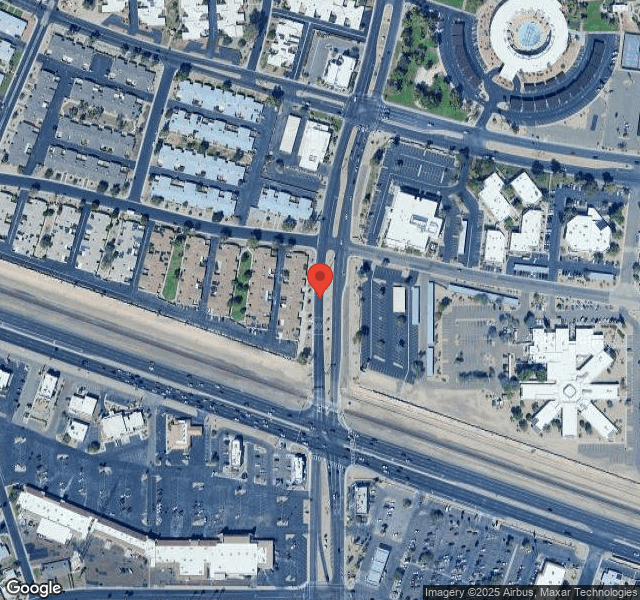
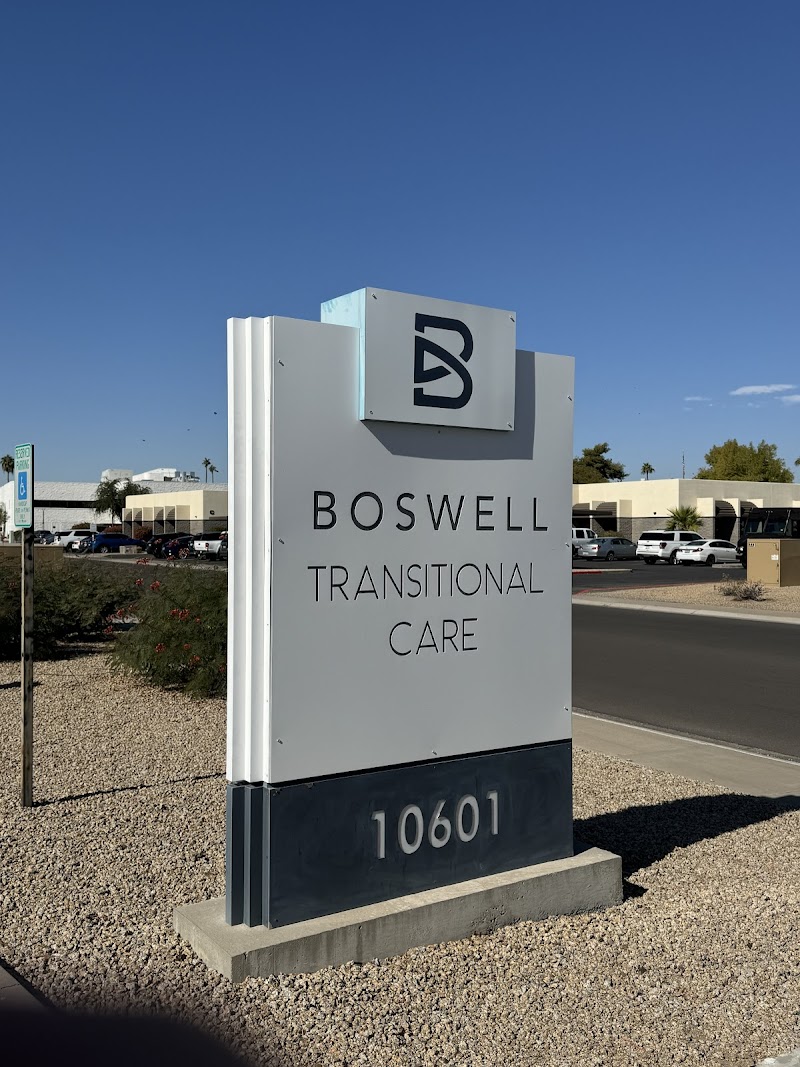
10601 WEST SANTA FE DRIVE, SUN CITY, AZ 85351 (623) 832-7000
For profit - Limited Liability company 115 Beds CASCADIA HEALTHCARE Data: November 2025
Trust Grade
80/100
#43 of 139 in AZ
Last Inspection: May 2025

Inspected within the last 6 months. Data reflects current conditions.

Overview

Boswell Transitional Care of Cascadia has received a Trust Grade of B+, which indicates it is above average and recommended for families looking for care. It ranks #43 out of 139 nursing homes in Arizona, placing it in the top half of facilities in the state, and #33 out of 76 in Maricopa County, meaning there are only a few local options rated higher. The facility's performance has been stable, with no significant changes in issues reported over the past two years. Staffing is rated average with a turnover rate of 54%, slightly above the state average, suggesting that while some staff may leave, a fair number remain to provide continuity of care. There have been no fines reported, which is a positive sign, and the facility offers average RN coverage. However, recent inspections revealed concerns such as a lack of proper medication administration protocols for a resident and issues with food storage and preparation that could pose health risks. Overall, while there are positive aspects, families should be aware of these weaknesses when considering this facility for their loved ones.

Trust Score
B+
80/100
In Arizona
#43/139
Top 30%
Safety Record
Low Risk
No red flags
Inspections
Holding Steady
2 → 2 violations
Staff Stability
⚠ Watch
54% turnover. Above average. Higher turnover means staff may not know residents' routines.
Penalties
✓ Good
No fines on record. Clean compliance history, better than most Arizona facilities.
Skilled Nurses
○ Average
Each resident gets 41 minutes of Registered Nurse (RN) attention daily — about average for Arizona. RNs are the most trained staff who monitor for health changes.
Violations
○ Average
10 deficiencies on record. Average for a facility this size. Mostly minor or procedural issues.
★★★★☆
4.0
Overall Rating
★★★☆☆
3.0
Staff Levels
★★★★☆
4.0
Care Quality
★★★★☆
4.0
Inspection Score
Stable
2023: 2 issues
2025: 2 issues

The Good

  • 4-Star Quality Measures · Strong clinical quality outcomes
  • Full Sprinkler Coverage · Fire safety systems throughout facility
  • No fines on record

Facility shows strength in quality measures, fire safety.

The Bad

Staff Turnover: 54%

Near Arizona avg (46%)

Higher turnover may affect care consistency

Chain: CASCADIA HEALTHCARE

Part of a multi-facility chain

Ask about local staffing decisions and management

The Ugly 10 deficiencies on record

May 2025 2 deficiencies
CONCERN (D)

Potential for Harm - no one hurt, but risky conditions existed

Deficiency F0804 (Tag F0804)

Could have caused harm · This affected 1 resident

Based on observations, staff interviews, facility recipes, and policy review, the facility failed to ensure the nutritive value of puree food. The deficient practice could result in residents receivin...

Read full inspector narrative →
Based on observations, staff interviews, facility recipes, and policy review, the facility failed to ensure the nutritive value of puree food. The deficient practice could result in residents receiving food with altered nutritive value. Findings include: During an observation conducted on May 8 2025 at 10:57 AM in the kitchen, the cook (staff #75) was observed preparing puree food for one resident (#314). Staff (#75) placed one portion size of turkey into the blender, adding 20 ounces of apple juice with one ounce of thickener and proceeded to blend. Staff (#75) removed the pureed content from the blender, placing into a container. Stated it was ready to be heated and served. Staff #75 stated he is able to determine when a pureed mixture is at the right consistency, based on his years of experience and by visual observation. A taste test was conducted of the pureed turkey by the surveyor, staff #75, Culinary Manager (Staff #17) and Registered Dietitian (Staff #258, the flavor of the turkey puree tasted of apple juice, sweet and no longer tasted of turkey this was confirmed by all. Culinary Manager (Staff #17) stated the use of apple juice is used for all pureed meals to decrease the salt content in the resident's food. Resident #258 had an order for regular, puree consistency. Culinary Manager (Staff #17) further stated once the gravy is added to the pureed turkey, it would then taste like turkey. Culinary Manager (Staff #17) stated she was unaware that an observation should be made of the entire pureed meal; and stated, that's the first time that has ever been done. Staff (#75) proceeded to place the stuffing into the blender without washing the container from the turkey. Staff (#258) intervened the process and washed the container. Staff (#75) added one #12 scoop of stuffing to the container and an unmeasured amount of apple juice, blended and removed to be heated and served. The result was a gritty, sweet texture. Staff #75 asked, do you want me to blend it again? and was informed to follow his process. Staff removed the pureed stuffing placing on a plate to be heated and served. The third item for puree was green beans. Staff #75 placed a #12 scoop of green beans, two ounces of apple juice and 2 ounces of thickener. Staff #75 proceeded to blend the mixture, stopping twice to added unmeasured apple juice and unmeasured amounts of thickener to the blender. When adding the unmeasured amount of thickener, Staff #75 would dip the cup into the container of thickener, each time placing the cup back on the table surface. A request was made to taste the green bean mixture, again tasted by staff #75 and staff #258. The texture was a smooth, thick consistency, and the flavor of apple juice. An interview was conducted on May 9, 2025 11:10 AM with Registered Dietitian Staff (Staff # 258). Staff #258 stated the cook (staff #75) did not follow the recipe for the meal puree and did note that the turkey did have a sweet taste. Staff # 258 stated maybe once gravy was poured over the turkey, it would make it taste better. An interview was conducted on May 9, 2025 11:48 AM with the Culinary Manager (Staff #17), who stated. Staff # 75 stated he had become frustrated and nervous with being observed and with the surprise of having to puree all portions of the meal. Staff #258 reviewed the recipes for the meal, resident #258 and cross contamination of the thickener. Staff #258 stated, while the turkey was slightly sweet, the added gravy would have made it taste more like turkey. Stated would not add apple juice to a regular meal for a resident; and that, placing the cup into the thickener container with his hands did not cause any cross contamination because, the surface of the table had been cleaned before the meal prep. Review of the facility policy titled Therapeutic Diets and Meal Plans states the facility provided therapeutic diet/meal plans as nutrition intervention when resident's medication/nutrition diagnosis has identified the need for modification in the resident's meal plan. 5. Diet orders are written to match the terminology in the approved diet manual and therapeutic menu.
CONCERN (E)

Potential for Harm - no one hurt, but risky conditions existed

Deficiency F0761 (Tag F0761)

Could have caused harm · This affected multiple residents

**NOTE- TERMS IN BRACKETS HAVE BEEN EDITED TO PROTECT CONFIDENTIALITY** -Regarding Resident #82: Resident #82 was admitted on [DATE], diagnosis included chronic systolic congestive heart failure, pleu...

Read full inspector narrative →
**NOTE- TERMS IN BRACKETS HAVE BEEN EDITED TO PROTECT CONFIDENTIALITY** -Regarding Resident #82: Resident #82 was admitted on [DATE], diagnosis included chronic systolic congestive heart failure, pleural effusion, Hypo-osmolality, Hyponatremia, hypertension, and hyperlipidemia. The Admissions Minimum Data Set (MDS) assessment dated [DATE] revealed a Brief Interview for Mental Status (BIMS) score of 15 indicating that resident is cognitively intact. Resident #82 ' s care plan did not address that resident is able to self-administer medication. Review of the physician ' s orders revealed no orders to self-administer medications. Further review of the Physicians orders revealed no orders for Estradiol 0.01% vaginal cream 42.5gm or Betamethasone Dipropionate Ointment, USP 0.05%. A health status note dated May 6, 2025 at 12:26PM revealed that the resident's family was noted to bring ointments from home prescribed by her gynecologist. The nurse educated residents and residents' families about not bringing in home medications without notifying the facility staff. Education was provided for risks of medication at bedside without the nurse or physicians awareness. Residents and Residents' family verbalized understanding back to this Nurse and will not bring medication into this facility without permission. Provider notified. Resident stated she does not need the ointments at this time as it was for vaginal itching and she has no symptoms at this time An observation was conducted on May 6, 2025 at 12:12PM in Resident #82 room and revealed that there was unopened Estradiol Vaginal Cream (vaginal estrogen) on the table which had Walgreen sticker on it with resident #82 names on it. Also observed was Betamethasone Dipropionate (Corticosteroid) unopened laying on the table in a red box and immediately calling the nurse on the floor. An interview was conducted on May 6, 2025 at 12:20PM with Licensed Practical Nurse (LPN/staff #43), who identified the medications Estradiol 0.01% Vaginal Cream 42.5gm and Betamethasone Dipropionate Ointment, USP 0.05%. He stated that these ointments are not allowed to be on bedside and was not aware of these the resident #82 had them. Staff #43 also stated that no over the counter medication should be left on the bedside. He mentioned that there are risks of having these medications left on bedside such as drug interactions and over medication. -Regarding resident #47: Resident #47 was admitted on [DATE], diagnosis included metabolic encephalopathy, Pneumonia, epilepsy, anemia, major depressive disorder, and anxiety disorder. A significant change in admissions Minimum Data Set (MDS) assessment dated [DATE] revealed a Brief Interview for Mental Status (BIMS) score of 09 indicating cognitively impaired. Resident #47 ' s care plan did not address that resident is able to self-administer medication. Review of the physician ' s orders revealed no orders to self-administer medications. Further review of the Physicians orders revealed no orders for CryoDose Topical Anesthetic Spray or Zinc Oxide Ointment Skin Protectant 2 ounces. A health status note dated May 6, 2025 at 12:52 PM revealed that the resident wife at bedside brought over the counter zinc oxide cream and an aerosol topical antiseptic. The writer asked the resident's wife if the medication was specifically for her or the residents. The wife said, Give it to me, it ' s mine. The resident's wife snatched it out of the writer's hand. Zinc oxide cream was immediately discarded. The resident's wife was educated of the risks and benefits, and per facility protocol outside medication was not permitted. Patient with rash to buttocks and is currently being addressed by nursing. MD notified, no new orders. An observation was conducted on May 6, 2025 at 12:38 PM in Resident #47 room, revealed a resident eating his meal by himself in the room and observed a small bottle with the secured cap on named CryoDose (topical anesthetic spray) on the residents table as well as a tube laying on the table named Zinc oxide cream (skin protectant).A nurse on the hallway was immediately called. An interview was conducted on May 5, 2025 at 12:41 PM with Certified Nurse Assistance (CNA/staff #222), who identified the medications as CryoDose Anesthetic Topical Spray and Zinc Oxide Cream skin protectant. She stated they are not supposed to be on the table and there are risks posed to it such as the resident accidentally grabbing it thinking it is something else, getting sick, or hurt. Observed the wife entering the room. An interview was conducted on May 5, 2025 at 12:43 PM with the Licensed Practical Nurse (LPN/staff #61), who also identified the medication as CryoDose Anesthetic Topical Spray and Zinc Oxide Cream skin protectant. Staff #61 stated that these are not supposed to be on the table. He stated there are risks to having these medications left at bedside such as infection control and wrong medication taken by the resident. LPN was trying to take medication from the CNA, the resident ' s wife aggressively took the CryoDose Anesthetic Topical Spray from his hand and stated that it is her medication. An interview was conducted on May 09, 2025 at 12:43 PM with the Chief Nursing Officer (CNO/staff#220), who stated that the process for outside medication is to write them on inventory list upon admission and follow the policy. She stated that staff need to call the physician, send the medication home, and check with the pharmacy. CNO also stated that if they see medication left on the bedside where the family is educated, they call the physician if the physician will allow them to authorize the resident self administrator . She stated that if they see any topicals they follow their policy. She stated if medication is left at bedside she hopes not have a negative outcome. A further interview was conducted on May 09, 2025 at 01:35PM with the Chief Nursing Officer (CNO/staff#220), who stated that the facility process for self-administrating medication is to assess the resident if they are eligible to take medication on their own, to plan that, and the physician will have to write an order to self-administer medication. Reviewed the policy Self-Administration of Medications Release date 11/28/2017 revealed that the resident may self-administer drugs if the interdisciplinary team has determined that this practice is safe. Review of the policy Medication Management, revision date October 15, 2022 revealed that if medications are found at the bedside the staff will remove the medication immediately and the physician is notified immediately. Based on observations, staff interviews and policy review, the facility failed to ensure that medications were not left at the bedside for three residents (#193, #47, #82). The facility census was 78 and the sample was 3 residents. The deficient practice could result in harm to the residents, and/or visitors who have access to medications. Findings include: Resident #193 was admitted on [DATE], with the diagnoses of concussion with loss of consciousness, fall, pain in right hip, type 2 diabetes mellitus, transient ischemic attack, cerebral infarction, unspecified difficulty in walking, dysphagia, oropharyngeal phase. The minimum data set (MDS) was in progress for Resident #193, however the brief interview for mental status (BIMS) was conducted with a score of 15 which indicated the resident was cognitively intact. Resident #193's care plan did not address resident as able to self-administer medications. An observation took place on May 6, 2025 at 09:15 a.m. in Resident #193's room and revealed a small white round object on the resident's personal cell phone. An interview was conducted on May 6, 2025 at 09:16 a.m. with Resident #193 and revealed that the small white round object was a pill. Resident #193 believed it was Tylenol. The pills were left in a medicine cup and they leave them all the time. They do it all the time. An interview was conducted on May 6, 2025 at 09:19 a.m. with certified nursing assistant (CNA) Staff #99 and revealed that it is a pill and should not be there. Staff #99 then left the room to notify the nurse. An observation was conducted on May 6, 2025 at 09:20 a.m. in Resident #193's room with licensed and revealed Licensed Practical Nurse (LPN) Staff #212 asking why Resident #193 did not take her Tylenol. Resident #193 responded by stating she could not swallow the pill. An interview was conducted on May 6, 2025 at 09:21 a.m. with Staff #212 and revealed that the small round white object was a pill, Tylenol. If the pill was not taken, then it would not have been effective. Another patient could take the pill and it could contraindicate other medications and they should not take what is not prescribed to them. An interview was conducted on May 9, 2025 at 12:43 p.m. with Chief Nursing Officer (CNO) Staff #220 and revealed that the medication cup is handed to the resident and nurse stands there and watches the residents take their medications. When asked if there was any time that they leave the medications in the cup and leave the room, the response was, I would hope not. If medications are left at the bedside, hoping that a negative outcome would not happen if a resident used it. If a medication was found, a med cup would be brought in to collect the medication and the physician would be notified.
Mar 2023 2 deficiencies
CONCERN (D) 📢 Someone Reported This

A family member, employee, or ombudsman was alarmed enough to file a formal complaint

Potential for Harm - no one hurt, but risky conditions existed

Deficiency F0602 (Tag F0602)

Could have caused harm · This affected 1 resident

**NOTE- TERMS IN BRACKETS HAVE BEEN EDITED TO PROTECT CONFIDENTIALITY** Based on clinical record review, staff interviews, review of facility documentation, policy and procedure, the State complaint d...

Read full inspector narrative →
**NOTE- TERMS IN BRACKETS HAVE BEEN EDITED TO PROTECT CONFIDENTIALITY** Based on clinical record review, staff interviews, review of facility documentation, policy and procedure, the State complaint database, the facility failed to ensure personal property for one resident (#198) was not misappropriated. Findings include: Resident #198 was admitted on [DATE] with diagnoses of type II diabetes mellitus with diabetic chronic kidney disease and spinal stenosis. The MDS (Minimum Data Set) assessment dated [DATE] revealed a BIMS (Brief Interview for Mental Status) score of 15 indicating the resident had intact cognition. The care plan dated December 24, 2022 revealed that the resident had impaired mobility with risk for falls related to acute pain, instability and impaired mobility. The goal was that the resident will be free of falls. Interventions included to place personal items and assistive devices within reach and reinforce safety awareness. The patient valuables/assistive devices checklist form dated December 24, 2022 and signed by resident #198 and a staff revealed the following personal belongings documented: -One jacket; -One cell phone with charger; -One electric toothbrush; -Two pants; -Two shirts; and, -Eyeglasses with no case. A review of an evaluation summary note dated December 24, 2022 revealed that call light and personal items were within reach. The skilled charting note dated December 24, 2022 revealed the resident was alert and oriented x 4 and had her personal items within reach. A health status note dated January 1, 2023 revealed that the resident was alert and oriented x 4, was able to make needs known and had her personal belongings within normal reach. A health status note dated January 2, 2023 included that the resident was alert and oriented, pleasant, able to make needs known, and had all personal belongings close to her. A late entry progress note dated January 3, 2023 revealed the resident had a doctor's appointment earlier in the afternoon; and that, the resident was sent to ER from doctor's office. The clinical record revealed no evidence or documentation regarding whether the resident's personal belongings were stored at the facility for safekeeping while the resident was in the hospital. Review of the State Agency (SA) complaint database revealed that on January 10, 2023 revealed that the resident was admitted at the facility on December 24, 2025 and had lost her back brace the first night she was at the facility. It also included that she had personal belongings contained in 3 bags that was brought to the facility by her family. Further, it included that in these bags were multiple personal items such as Christmas ornaments, clothing, blanket, cosmetic bags toothbrush, hair brush and a phone charger. When the resident was taken to a doctor's appointment on January 3, 2023, the resident was immediately taken to the hospital ER. Per the information, the resident's family called the facility to have her personal belongings sent to the hospital; and that, a case manager from the facility informed the family that the items were found on January 9, 2023. However, when the family came to pick the personal items up, the family was told by the facility that the personal items of the resident had never been found. An interview with an LPN (Licensed Practical Nurse/staff #140) was conducted on March 21, 2023 at 1:11 p.m. The LPN stated that the CNAs (certified nursing assistant) logs the resident belongings on an inventory sheet and the nursing staff will assist as needed. The LPN stated if a resident wants the facility to keep money or high value items, it is logged and kept in the narcotic box of the nurse's medication cart and delivered to social services or DON (director of nursing) or ADON (assistant director of nursing). The LPN stated that if a resident complains of missing items the nurse/CNA will check the resident room, laundry (if clothing) and check with family. If the missing item is not found she will let the social worker and DON/ADON know. Further, the LPN said that it is the expectation that the CNA to notify the nurse if items are reported missing. In an interview conducted with a CNA (staff #102) conducted on March 21, 2023 at 1:16 p.m., the CNA stated that resident belongings are inventoried at admission by CNAs and the nurses will assist as needed. The CNA stated that items of high value or money is inventoried and given to the nurse or put in the storage room on hall one which has a room with resident belongings. The CNA stated that nurses and the CNAs have access to this room but was not sure whether any other staff have access to the room. Staff #102 stated that this room doubles as the lost belongings room. Staff #102 stated that if a resident says they were missing an item, the CNA should verify items lost by comparing them to the inventory sheet. If the item was listed on the inventory sheet and was not able to be located, the CNA will notify the nurse. An interview was conducted with an RN (Registered Nurse/staff #23) on March 21, 2021 at 1:26 p.m. Staff #23 stated that inventory of a resident's belongings was a CNA task and nursing staff can assist as needed. Staff #23 stated that high value items and money are encouraged to be sent home with family; but, if kept at the facility the resident can keep on his/her person or have staff keep belongings in storage/safe. Staff #23 stated that if a resident has missing items then the SA as well as other reporting agencies, police, APS (Adult Protective Services), ombudsman, etc. are notified. An interview was conducted with another LPN (staff #108) who stated the nursing staff complete the inventory sheets for new residents; and that, family/residents are advised that if any personal belongings are brought in after the initial admit they should let nursing staff know to update the resident inventory log. Staff #108 stated that residents are offered use of the safe that was on the 200-nursing station if they have valuables. Staff #108 stated that if an item was missing, staff will help look for the items and if not found a grievance sheet is completed and logged into the facility grievance binder. Staff #108 stated that if the facility was notified of missing property the expectation was that the staff would initiate a grievance form placed on the grievance binder which was kept in the office of CEO (Chief Executive Officer/staff #96). During an interview with the CEO (staff #96) conducted on March 22, 2023 at 9:50 a.m., staff #9603/22/23 @ 9:50AM to review the grievance binder. Staff #96 stated that the grievance binder revealed no grievance initiated for resident #198. The CEO further stated that the facility was not aware of the personal belongings missing. Staff #96 stated he was aware of the missing back brace and he placed an order online on January 2, 2023 to replace them. The CEO said the resident discharge from the facility on January 3, 2023 and the ordered braced arrived at the facility on January 2, 2023. However, the CEO was not aware if the facility notified the family of the replacement/new back brace. Staff #96 also said that he was not aware of the current location of the back brace. Staff #96 stated he spoke with the resident's family on March 21, 2023 to discuss the missing items. The facility's policy on abuse revealed that the facility respects the resident right to be free from abuse, neglect, misappropriation of resident property, and exploitation. The facility policy on personal property included that residents are permitted to retain and use personal possessions and appropriate clothing, as space permits. The resident's personal belongings and clothing shall be inventoried and documented upon admission and as such items are replenished. The facility will promptly investigate any complaints of misappropriation or mistreatment of resident property.
CONCERN (D)

Potential for Harm - no one hurt, but risky conditions existed

Deficiency F0645 (Tag F0645)

Could have caused harm · This affected 1 resident

**NOTE- TERMS IN BRACKETS HAVE BEEN EDITED TO PROTECT CONFIDENTIALITY** Based on clinical record review, staff interviews, and policy review, the facility failed to ensure a Pre-admission Screening an...

Read full inspector narrative →
**NOTE- TERMS IN BRACKETS HAVE BEEN EDITED TO PROTECT CONFIDENTIALITY** Based on clinical record review, staff interviews, and policy review, the facility failed to ensure a Pre-admission Screening and Resident Review (PASARR) Level 1 was completed for two (2) sampled residents (#22 and #13). The deficient practice could result in residents not receiving appropriate treatment or services. Findings include: -Resident #13 was admitted on [DATE] with diagnoses of heart failure, chronic obstructive pulmonary disease (COPD), anemia, bipolar disorder, and anxiety disorder. Review of admission Minimum Data Set (MDS) assessment dated [DATE] revealed a Brief Interview for Mental Status (BIMS) score of 13, which indicated the resident was cognitively intact. However, review of the clinical record revealed no evidence that a Level 1 PASARR screening was completed for resident #13. -Resident (#22) was admitted on [DATE] with diagnoses of anemia, depression, and urinary tract infection. Review of admission Minimum Data Set (MDS) assessment dated [DATE] revealed a Brief Interview for Mental Status (BIMS) score of 11, which indicated the resident was moderately impaired. The clinical record revealed no evidence that a Level 1 PASARR screening was completed for resident #22. On March 22, 2023 at 12:38 p.m., an interview was conducted with social services (staff #114) who stated that the Level I PASARR should be completed in the hospital before the resident is admitted to the facility; and, the admission department will ensure that the Level I PASARR was uploaded into the resident chart. Staff #114 said that he does not screen the resident for Level I or Level II PASARR and the nursing department was responsible for completing a Level I or Level II PASARR if one is not completed for admission. During the interview, staff #114 reviewed the clinical record of residents #13 and #22. He stated that the Level I PASARR on file uploaded on March 08, 2023 looks completed to him. However, when asked if every question on the Level I PASARR was completed, he stated it is not completed and also stated that the Level I PASARR for resident #13 and #22 were incomplete. An interview was conducted on March 22, 2023 at 12:46 p.m., with the Director of Nursing (DON/staff #23), who stated that social service department will ensure the Level 1 PASARR was completed prior to admission; and that social service was primarily responsible for completing the Level I PASARR. She further stated that if a resident had a mental disorder or intellectual disability diagnosis, it would be identified on the Level I PASARR by the admission nurse or any nurse admitting residents into the facility for that day. The DON also stated social service would then complete a Level II PASARR for further evaluation if a mental disorder or intellectual disability is diagnosed. Review of the facility policy titled, Pre-admission Screening and Resident Review (PASRR), revealed that the facility will strive to verify that a Level 1 PASRR Screening has been conducted, in order to identify Serious Mental Illness (MI) and/or an Intellectual Disability (ID) prior to initial admission of individuals to the facility. PASRR Level 1 Screenings are used to determine whether the individual has a diagnosis or other presenting evidence that suggests the potential for MI or ID. If the resident is positive for a potential MI or ID, a Level 11 Screening referral must be submitted.
Mar 2022 6 deficiencies
CONCERN (D)

Potential for Harm - no one hurt, but risky conditions existed

Deficiency F0578 (Tag F0578)

Could have caused harm · This affected 1 resident

**NOTE- TERMS IN BRACKETS HAVE BEEN EDITED TO PROTECT CONFIDENTIALITY** Based on clinical record review, staff interviews, and policy review, the facility failed to ensure an advanced directive was ac...

Read full inspector narrative →
**NOTE- TERMS IN BRACKETS HAVE BEEN EDITED TO PROTECT CONFIDENTIALITY** Based on clinical record review, staff interviews, and policy review, the facility failed to ensure an advanced directive was accurately documented for one sampled resident (#482). The deficient practice could result in residents receiving services which are not in accordance with their wishes. Findings include: Resident #482 was admitted to the facility on [DATE] with diagnoses that included carotid artery disease, obstructive sleep apnea, mixed hyperlipidemia, hypothyroidism and hypertension. Review of the Advance Directive form in resident #482's clinical record revealed that the resident signed for full code. The form was signed by the resident and the facility representative on February 27, 2022. However, a physician's order dated February 27, 2022 stated Code Status: Do Not Resuscitate and Do Not Intubate. Further review of the clinical record did not reveal the resident had changed the advance directive from Full Code to DNR (Do Not resuscitate)/DNI (Do Not Intubate). The admissions Minimum Data Set (MDS) assessment dated [DATE] revealed a BIMS (Brief Interview of Mental Status) score of 15, which indicated the resident's cognition was intact. The transitional planning ongoing assessment dated [DATE] stated that the resident #482's code status is DNR. An interview was conducted with a Registered Nurse (RN/staff #111) on March 16, 2022 at 10:25 am. She stated an advance directive is signed on admission. She stated a bright green form is used for full code and a brownish colored form is used for DNR. She stated the unit secretary then will receive the filled-out form and will check for any conflicting code status. The RN stated she will look at the resident's clinical record for the resident's code status. The RN stated she can also look at the resident's [NAME] to find out the resident's code status. The RN then looked at resident #482's [NAME] and stated resident #482 code status is DNR. The resident's [NAME] was observed with the staff and the code status was marked DNR. She stated that the [NAME] is filled out after the resident's admission and is a snapshot of the resident. She stated the same [NAME] then is passed on each shift and updated as necessary. The RN stated the code status reflected in the clinical record and the code status signed by the resident should match. She stated it is important for the records to match as the staff need to know what to do in the case of an emergency. She stated if the resident's wish is not followed then the staff will be liable. Staff #111 then looked at resident #482's clinical record and stated the resident is DNR/DNI. She then looked at the scanned document in the record that resident #482 signed for full code on 2/27/22. The RN stated the records were conflicting and she will check with the resident first. Staff #111 was observed asking resident #482 about what the resident wishes were on March 16, 2022 at 10:32 am. The resident was observed stating that the resident wanted a family member to decide. An interview was conducted with a RN (staff #105) on March 16, 2022 at 10:49 am. She stated advance directive is filled out on admission. She stated residents mostly are full code at the hospital as most of the residents get admitted to the hospital in an emergent situation. The RN stated the residents are not truly explained about code status at the hospital. Therefore, she stated that after the residents are admitted at the facility, the staff properly explain to the residents about code status and a new advance directive form is filled out. The RN stated residents are made aware that they can change their code status at any time. An interview was conducted with the Director of Nursing (DON/staff #58) on March 16, 2022 at 2:27 pm. She stated that an advance directive is filled out on admission and is offered to every resident on admission. She stated she conducts chart audits on new admissions. The DON stated the advance directive in the resident's clinical record and what the resident signed for should match. The DON stated it is important for code status to match as it is the resident's wish. During an interview with the Assistant Director of Nursing (ADON/staff #23) on March 16, 2022 at 3:32 pm, she stated that she was the one who entered the code status order for resident #482. She stated that the resident was a DNR/DNI at the hospital but then had signed for full code after admission to the facility. The ADON stated she failed to look at the filled-out form and entered DNR/DNI. The facility policy titled Arizona Advance Health Care Directives revised on October 21, 2020 stated that communication about the advance health care decisions is facilitated between patients and health care providers and the patient's wishes are followed as stated in their health care directives or by their legally authorized representative. The policy further stated that if there are conflicts among the provisions of apparently valid health care directives, the most recent directives are deemed to represent the patient's wishes.
CONCERN (D)

Potential for Harm - no one hurt, but risky conditions existed

Transfer Notice (Tag F0623)

Could have caused harm · This affected 1 resident

**NOTE- TERMS IN BRACKETS HAVE BEEN EDITED TO PROTECT CONFIDENTIALITY** Based on clinical record review and staff interviews, the facility failed to ensure a copy of the written notice of discharge fo...

Read full inspector narrative →
**NOTE- TERMS IN BRACKETS HAVE BEEN EDITED TO PROTECT CONFIDENTIALITY** Based on clinical record review and staff interviews, the facility failed to ensure a copy of the written notice of discharge for one resident (#32) was sent to the Office of the State Long Term Care Ombudsman. The sample size was 2. The deficient practice could result in the ombudsman not being notified of transfers and discharges. Findings include: Resident #32 was admitted on [DATE] with diagnoses that included respiratory failure and atrial fibrillation. A baseline care plan dated January 26, 2022 revealed that the resident's goal was to discharge to home. Review of the NOMNC (notice of Medicare non-coverage) revealed the coverage for skilled nursing services would end on February 3, 2022 and that the resident signed the NOMNC on February 1, 2022. A case manager note dated February 1, 2022 revealed that the case manager reviewed the NOMNC with the discharge date of February 4, 2022. It further revealed that the resident's tentative discharge plan was to return home with family. The Discharge summary dated [DATE] revealed that the resident was discharged to home with home health. However, further review of the clinical record revealed no evidence the ombudsman was notified of the discharge. On March 16, 2022 at 11:30 AM, an interview was conducted with a Licensed Practical Nurse (LPN/staff #44). She stated that contacting the ombudsman is not part of the nursing process for transfers and discharges. The LPN stated notification is made to the family and documented in a nursing note in the resident's clinical record. An interview with the ADON (assistant Director of Nursing/staff #23) was conducted on March 16, 2022 at 11:46 AM. The ADON stated that the Ombudsman is not notified unless the transfer is something that would be notified to the State such as a fall with a major injury or an unexpected death. An interview was conducted on March 16, 2022 at 12:35 PM with a transitional care associate (staff #38), who stated a NOMNC was issued and reviewed with the resident. Staff #38 stated nursing notifies the resident, family and provider. She further stated that the ombudsman is not notified of the transfer/discharge. She said that to the best of her knowledge, the ombudsman is not notified unless a referral to APS (adult protective services) is required. Transitional care associate (staff #53) entered the office at approximately 12:45 on March 16, 2022 and he stated that the facility does not notify the ombudsman unless there is a concern with APS or safe discharge for a resident. Another interview with the ADON (staff #23) was conducted on March 16, 2022 at 1:58 PM. She stated that the facility does not have a specific policy for notifications required when residents are discharged or transferred. She stated that they use the hospital policy as their own. Staff #23 stated that there was no further policy or procedures regarding notifications for residents leaving the facility. An interview was conducted on March 16, 2022 at 2:39 PM with the Director of Nursing (DON/staff #58), who stated that a transfer requires nursing to notify the resident, the family and the provider. She stated that the ombudsman is not told at any time about a transfer/discharge. The DON stated that is not the practice of the facility to notify the ombudsman of transfers and discharges. She stated that the facility does go by the policy of the hospital. The DON stated that she does not recall ever advising the ombudsman of any transfers or discharges. She stated that this is a short term stay facility so they expect them to transfer out very soon. The DON stated that she was not aware that notification to the ombudsman was required regarding facility-initiated transfer and discharges. The facility did not have a policy regarding transfer and discharge per the ADON and DON.
CONCERN (D)

Potential for Harm - no one hurt, but risky conditions existed

MDS Data Transmission (Tag F0640)

Could have caused harm · This affected 1 resident

**NOTE- TERMS IN BRACKETS HAVE BEEN EDITED TO PROTECT CONFIDENTIALITY** Based on clinical record review, staff interviews, and the Resident Assessment Instrument (RAI) manual, the facility failed to e...

Read full inspector narrative →
**NOTE- TERMS IN BRACKETS HAVE BEEN EDITED TO PROTECT CONFIDENTIALITY** Based on clinical record review, staff interviews, and the Resident Assessment Instrument (RAI) manual, the facility failed to ensure the Minimum Data Set (MDS) assessment for one sampled resident (#1) was transmitted to the Centers for Medicare and Medicaid Services (CMS) system within 14 days of completion. The deficient practice could result in resident specific MDS data for payment and quality measure purposes not being submitted as required. Findings include: Resident #1 was admitted on [DATE] with diagnoses of right humeral fracture and status post fall. The admission MDS assessment dated [DATE] included the resident was admitted on [DATE] from an acute hospital. Review of the case management narrative note dated October 29, 2021 revealed the resident was presented with the notice for last covered day of October 31, 2021; and, discharge was set for November 1, 2021. The transition planning ongoing assessment dated [DATE] revealed the resident was discharged home with family on November 1, 2021. The discharge MDS assessment dated [DATE] revealed the resident was coded for discharge to community with return not anticipated on November 01, 2021. Review of facility documentation revealed that the admission and discharge assessments were accepted in the CMS Quality Improvement and Evaluation System (QIES). However, the Certification and Survey Provider Enhanced Reports (CASPER) revealed that resident #1 had a missing OBRA (Omnibus Budget Reconciliation Act) assessment; and that the assessment on record was dated October 18, 2021. An interview was conducted on March 15, 2022 at 2:20 p.m., the MDS Coordinator (staff #15) stated that she has 13 days to complete an assessment and another 13 days to transmit to CMS the completed assessment. Staff #15 said she submits completed assessments on a weekly basis and she receives validation report(s) from CMS whether or not the assessment was accepted or rejected. She stated that if the assessment was rejected, she will re-open the assessment, correct the mistake and re-submit the corrected assessment. In another interview with the MDS coordinator (staff #15) conducted on March 16, 2022 at 8:20 a.m., she stated the discharge MDS assessment for resident #1 was completed and was supposedly transmitted. However, when she ran the CMS CASPER Report, the report showed resident #1 had a missing OBRA assessment. Staff #15 stated she reached out to their IT (information technology) department who told her there was a glitch in their electronic record system. She also said their IT could not explain why the discharge assessment showed in EHR (electronic health record) as in accepted status; but, there was no Final Validation Report found. The MDS coordinator said that the discharge MDS assessment dated [DATE] was only submitted and accepted on March 15, 2022. Review of the CMS Submission Report Final Validation Report revealed that the discharge MDS with a target date of November 1, 2021 was submitted and accepted only on March 15, 2022. The RAI manual stated that the MDS discharge assessment must be transmitted (submitted and accepted into the QIES ASAP (Assessment Submission and Processing) system electronically no later than 14 calendar days after the MDS completion date.
CONCERN (D)

Potential for Harm - no one hurt, but risky conditions existed

Assessment Accuracy (Tag F0641)

Could have caused harm · This affected 1 resident

**NOTE- TERMS IN BRACKETS HAVE BEEN EDITED TO PROTECT CONFIDENTIALITY** Based on clinical record review, staff interviews, and the Resident Assessment Instrument (RAI) manual, the facility failed to e...

Read full inspector narrative →
**NOTE- TERMS IN BRACKETS HAVE BEEN EDITED TO PROTECT CONFIDENTIALITY** Based on clinical record review, staff interviews, and the Resident Assessment Instrument (RAI) manual, the facility failed to ensure a discharge Minimum Data Set (MDS) assessment was accurate for one resident (#32). The sample size was 16. The deficient practice could result in incorrect discharge tracking information and data that is not accurate for quality monitoring. Findings include: Resident #32 was admitted on [DATE] with diagnoses that included respiratory failure and atrial fibrillation. A baseline care plan dated January 26, 2022 revealed that the resident's goal was to discharge to home. A case manager note dated February 1, 2022 revealed that the resident's tentative discharge plan was to return home with family. The Discharge summary dated [DATE] revealed that the resident was discharged to home with home health. However, review of the discharge MDS assessment dated [DATE], revealed that the resident was discharged to an acute care hospital. An interview was conducted with the Director of Nursing (DON/staff #58) and the assistant Director of Nursing (ADON/staff #23) on March 17, 2022 at 8:24 AM. The DON stated that the resident was not discharged to the acute hospital as indicated on the discharge MDS assessment, that the coding was an error. The DON stated the resident went home and not to a hospital. An interview was conducted on March 17, 2022 at 8:30 AM with the MDS coordinator (staff #15). She stated that the discharge MDS assessment was coded incorrectly for this resident, that the resident was discharged to the community and not the acute care hospital. She stated that the error will be corrected. Staff #15 stated that there was no policy for MDS inaccuracies. She stated the RAI manual is the reference that they use for MDS coding. Review of the RAI manual stated to review the medical record including the discharge plan and discharge orders for documentation of the discharge location. Code 01 community, if the discharge location is to a private home or apartment.
CONCERN (D)

Potential for Harm - no one hurt, but risky conditions existed

Respiratory Care (Tag F0695)

Could have caused harm · This affected 1 resident

**NOTE- TERMS IN BRACKETS HAVE BEEN EDITED TO PROTECT CONFIDENTIALITY** Based on observations, clinical record review, staff interviews, and policy review, the facility failed to ensure there was a ph...

Read full inspector narrative →
**NOTE- TERMS IN BRACKETS HAVE BEEN EDITED TO PROTECT CONFIDENTIALITY** Based on observations, clinical record review, staff interviews, and policy review, the facility failed to ensure there was a physician order for oxygen use for one sampled resident (#337). The deficient practice could result in residents receiving oxygen without a physician order. Findings include: Resident #337 was admitted on [DATE], with a diagnosis of Cerebral Vascular Accident (CVA). An observation was conducted of the resident on 03/14/22 at 2:21 PM. The resident was observed in the resident's room receiving oxygen from an oxygen concentrator via nasal cannula at 1.5 liters per minute. On 03/15/22 at 12:21 PM, the resident was observed receiving oxygen via nasal cannula at 1.5 liters per minute in the resident's room. During an observation conducted of the resident in the resident's room on 03/16/22 at 9:37 AM, the resident was observed receiving oxygen via nasal cannula at 1.5 liters per minute. Review of the Flowsheet sheet for oxygen therapy revealed the resident was on room air 3/5/2022 to 3/11/2022. Continued review of the Flowsheet revealed the resident was receiving oxygen via nasal cannula on 3/12/22, 3/13/22, 3/14/22 and 3/15/22. Review of a progress note dated 3/14/2022 stated the oxygen flow rate was 1.5 liters per minute. However, review of the physician's orders for March 2022 revealed no order for oxygen. An interview was conducted with a Licensed Practical Nurse (LPN/staff #44) on 3/16/2022 at 11:38 AM. The LPN stated that regarding a resident receiving oxygen, she would confirm that there is an oxygen order in the system and that the resident needed to be on oxygen. The LPN stated oxygen use requires an order. When reviewing the orders for this resident it was confirmed by the LPN that this resident did not have an order for oxygen and the resident was receiving oxygen. An interview conducted with the Director of Nursing (DON/ staff #58) on 03/16/22 at 11:50 AM. She stated that any resident on oxygen would need an order. When reviewing the clinical record for this resident, the DON confirmed there was no order for oxygen. Review of the facility's oxygen policy, revised on 7/31/2019, revealed that oxygen is a medication and requires that all medication safety measures are observed, including verification of order, administration by a licensed healthcare professional and reconciliation with home use of oxygen. All adult patients receiving oxygen therapy will have a provider order in place for oxygen therapy.
CONCERN (E)

Potential for Harm - no one hurt, but risky conditions existed

Food Safety (Tag F0812)

Could have caused harm · This affected multiple residents

Based on observations, staff interviews, and review of the Food and Drug Administration's (FDA) 2017 Food Code, the facility failed to ensure foods were appropriately stored in the refrigerator and fr...

Read full inspector narrative →
Based on observations, staff interviews, and review of the Food and Drug Administration's (FDA) 2017 Food Code, the facility failed to ensure foods were appropriately stored in the refrigerator and freezer, that expired food goods were disposed of, and that serving of meals was conducted in accordance with professional standards for food service safety. The deficient practice could result in foodborne illness. Findings include: Regarding food storage in refrigerator and freezer: An observation was conducted with the food service manager (staff #25) on 03/14/22 at 8:31 AM during the initial kitchen visit. Upon entering the first walk-in refrigerator, an unlabeled, undated, Ziplock bag of sliced white swiss cheese was noted to be in there. The food service manager stated that the senior cook (staff #104) was just working with it and had forgotten to label the cheese before replacing it into the refrigerator. Next to the swiss cheese was an unlabeled, undated, opened pack of natural yellow cheese. In the refrigerator was a large tub of whipped butter margarine that was not dated. Staff #25 stated that as it was a manufacturer's tub of margarine, a date is not required, but preferred for this item. Continuing through the refrigerator into the freezer, several bags of frozen food were found to be open and the food inside exposed and uncovered. This included a bag of breakfast sausage, bag of beef patty, bag of fish filets, bag of peas and corn, and bag of frozen pizza crusts. Regarding expired food goods: An observation was conducted on 03/14/22 at 8:40 AM during the initial kitchen visit. Upon entering the second walk-in refrigerator, fourteen (14) Kozyshack Orange Gels were found to have expired since 03/05/22. Heading to the normal temperature storage goods, seven (7) Thick and Clear Ice teas were noted to be expired since 03/04/22, two (2) 1 Liter bottles of Glucerna Carb ready were noted to be expired since 02/01/2022. Regarding serving of meals: An observation was conducted on 03/16/22 at 11:25 AM during meal tray line serving. A nutrition technician (staff #66) was in charge of plating hot food onto plates of dinnerware. At 11:57 AM, staff #66 was running out of mechanical chicken to serve for mechanical soft diet patients, so she dug into the steam table pan with the scoop to remove the remaining chunks of chicken. However, this process led to excess chicken dripping to be on the plate. So, staff #66 grabbed the mechanical chicken with her gloved hand to bunch it together and pour off the excess dripping back into the steam table pan. Staff #66 continued to the serve tray line without changing her gloves, picking up multiple scoops, spoodles, tongs, and ladles to serve food. At 12:00 AM, staff #66 had to prepare a half portion serving of chicken, so she divided the chicken with her tongs, picked up the chicken with her gloved hand, and placed the chicken on the plate. At 12:00 PM, staff #66 used her gloved hands to open a burger bun and burger patty and combine them to make a burger. She then used the tongs to pick up a serving of potato wedges and rearranged the wedges on the plate with her gloved hand. While serving another plate of food, her gloved hand was used to rearrange the broccoli on the plate. At 12:03 PM, staff #66 picked up three (3) chicken fingers from the steam table pan using her gloved hands to place them onto a plate. Following this a question came up about a resident's meal from the Senior [NAME] (staff #67). Staff #66 ended up touching the meal ticket document with her gloved hand during the discussion of the resident's special ticket. At this point, staff #66 ran out of plates to serve, so she opened the plate warmer and removed a plate to use. At 12:06 PM, staff #66 rearranged chicken on a plate of food. Staff #66 needed more plates, so she removed four (4) more from the warmer with her gloved hands. She continued to serve and ended up grabbing more potato wedges with her gloved hands. At 12:08 PM, staff # 66 requested more mechanical chicken for a plate. She removed three slices of chicken from the steam table pan and placed it on a plate. A senior cook (staff #104) took the chicken to the preparation table and diced it into mechanical chicken. The mechanical chicken was plated to be served and the leftover chicken that was not used was grabbed by staff #104's gloved hand and replaced into the steam table pan. Staff #104 was then seen to change his glove after touching the chicken. At 12:10 PM, staff #66 touched another set of plates from the plate warmer with her gloved hands. She then also rearranged asparagus and chicken on a plate with her gloved hands, and then touched another plate from the plate warmer with her gloved hands. An interview was conducted on 03/16/22 at 2:55 PM with the Corporate Regulatory Quality Consultant (staff #109). Staff #109 stated she spoke to staff #25 about what food specific policies the skilled nursing facility (SNF) follows, and staff #25 responded that the SNF follows the 2017 US Public Health Service Food Code. Staff #109 stated she would continue to look for policies related to food and kitchen safety, but did not believe there were any others. Staff #109 then provided a link to the 2017 Food Code located on the FDA (Food and Drug Administration) website. An interview was conducted on 03/17/222 at 9:09 AM with the food service manager (staff #25). Staff #25 stated that open food should be dated and labeled and there should not be open boxes of frozen food in the freezer. He stated this should be a default process when preparing meals daily. He stated food in storage should be rotated and expired products should be discarded when discovered. Staff #25 stated the process for staff is to ensure that when they go into the storage area and they see something expired, they should pull it from the shelf. He stated storage areas for food including the refrigerator and freezer are routinely cleaned to ensure food does not spoil and mold. Staff #25 stated that he was confident that expired food would be caught prior to making it to the resident as the food products are checked in the process of being taken to the tray line, when they are being plated for tray line, and again checked during final check of food plate for tray line. For tray line serving, he stated he's expectation is that staff should use utensils to plate food and should wash hands prior to gloving up for tray line. Staff #25 stated that if staff have to touch food with their gloves, they are expected to replace their gloves before touching other foods. He said in these three instances, the kitchen service did not meet his expectations. The FDA 2017 US Public Health Service Food Code, revealed that -food shall be protected from cross contamination by storing the food in packages, covered containers, or wrappings. -processed reduced oxygen foods that exceed the use-by date or manufacturer's pull date cannot be sold in any form and must be disposed of in a proper manner. -refrigerated, ready-to-eat time/temperature control for safety food prepared and packaged by a food processing plant shall be clearly marked, at the time the original container is opened in a food establishment and if the food is held for more than 24 hours, to indicate the date or day by which the food shall be consumed on the premises, sold, or discarded, based on the temperature and time combinations. -single-use gloves shall be used for only one task such as working with ready-to-eat food or with raw animal food, used for no other purpose, and discarded when damaged or soiled, or when interruptions occur in the operation.
Understanding Severity Codes (click to expand)
Life-Threatening (Immediate Jeopardy)
J - Isolated K - Pattern L - Widespread
Actual Harm
G - Isolated H - Pattern I - Widespread
Potential for Harm
D - Isolated E - Pattern F - Widespread
No Harm (Minor)
A - Isolated B - Pattern C - Widespread

Questions to Ask on Your Visit

  • "Can I speak with families of current residents?"
  • "What's your RN coverage like on weekends and overnight?"

Our Honest Assessment

Strengths
  • • Grade B+ (80/100). Above average facility, better than most options in Arizona.
  • • No major safety red flags. No abuse findings, life-threatening violations, or SFF status.
  • • No fines on record. Clean compliance history, better than most Arizona facilities.
Concerns
  • • No significant concerns identified. This facility shows no red flags across CMS ratings, staff turnover, or federal penalties.
Bottom line: Generally positive indicators. Standard due diligence and a personal visit recommended.

About This Facility

What is Boswell Transitional Care Of Cascadia's CMS Rating?

CMS assigns BOSWELL TRANSITIONAL CARE OF CASCADIA an overall rating of 4 out of 5 stars, which is considered above average nationally. Within Arizona, this rating places the facility higher than 99% of the state's 100 nursing homes. This rating reflects solid performance across the metrics CMS uses to evaluate nursing home quality.
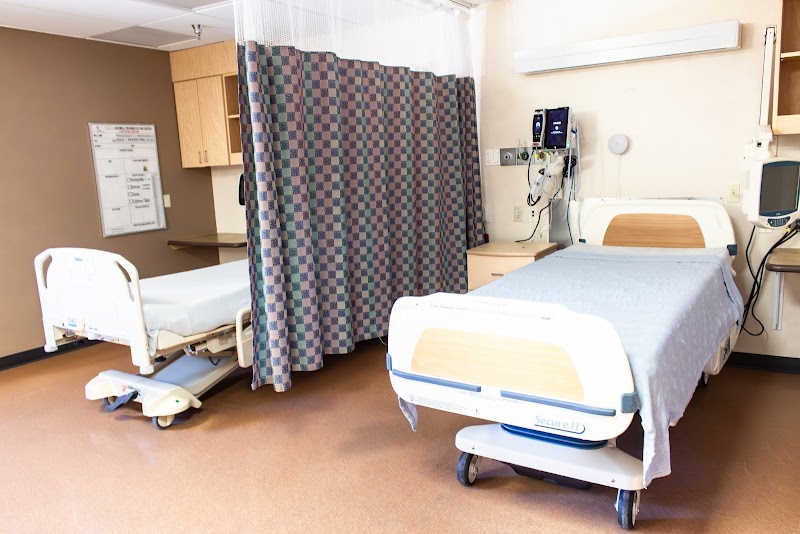
How is Boswell Transitional Care Of Cascadia Staffed?

CMS rates BOSWELL TRANSITIONAL CARE OF CASCADIA's staffing level at 3 out of 5 stars, which is average compared to other nursing homes. Staff turnover is 54%, compared to the Arizona average of 46%.

What Have Inspectors Found at Boswell Transitional Care Of Cascadia?

State health inspectors documented 10 deficiencies at BOSWELL TRANSITIONAL CARE OF CASCADIA during 2022 to 2025. These included: 10 with potential for harm.

Who Owns and Operates Boswell Transitional Care Of Cascadia?

BOSWELL TRANSITIONAL CARE OF CASCADIA is owned by a for-profit company. For-profit facilities operate as businesses with obligations to shareholders or private owners. The facility is operated by CASCADIA HEALTHCARE, a chain that manages multiple nursing homes. With 115 certified beds and approximately 76 residents (about 66% occupancy), it is a mid-sized facility located in SUN CITY, Arizona.
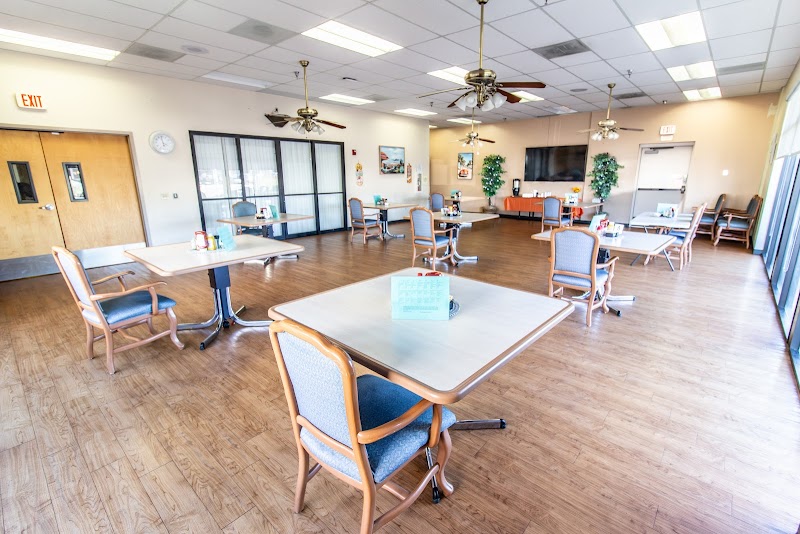
How Does Boswell Transitional Care Of Cascadia Compare to Other Arizona Nursing Homes?

Compared to the 100 nursing homes in Arizona, BOSWELL TRANSITIONAL CARE OF CASCADIA's overall rating (4 stars) is above the state average of 3.3, staff turnover (54%) is near the state average of 46%, and health inspection rating (4 stars) is above the national benchmark.

What Should Families Ask When Visiting Boswell Transitional Care Of Cascadia?

Based on this facility's data, families visiting should ask: "Can I visit during a mealtime to observe dining assistance and food quality?" "How do you handle medical emergencies, and what is your hospital transfer rate?" "Can I speak with family members of current residents about their experience?"

Is Boswell Transitional Care Of Cascadia Safe?

Based on CMS inspection data, BOSWELL TRANSITIONAL CARE OF CASCADIA has a clean safety record: no substantiated abuse findings (meaning no confirmed cases of resident harm), no Immediate Jeopardy citations (the most serious violation level indicating risk of serious injury or death), and is not on the Special Focus Facility watch list (a federal program monitoring the lowest-performing 1% of nursing homes). The facility has a 4-star overall rating and ranks #1 of 100 nursing homes in Arizona. While no facility is perfect, families should still ask about staff-to-resident ratios and recent inspection results during their visit.

Do Nurses at Boswell Transitional Care Of Cascadia Stick Around?

BOSWELL TRANSITIONAL CARE OF CASCADIA has a staff turnover rate of 54%, which is 8 percentage points above the Arizona average of 46%. Moderate turnover is common in nursing homes, but families should still ask about staff tenure and how the facility maintains care continuity when employees leave.

Was Boswell Transitional Care Of Cascadia Ever Fined?

BOSWELL TRANSITIONAL CARE OF CASCADIA has no federal fines on record. CMS issues fines when nursing homes fail to meet care standards or don't correct problems found during inspections. The absence of fines suggests the facility has either maintained compliance or corrected any issues before penalties were assessed. This is a positive indicator, though families should still review recent inspection reports for the full picture.

Is Boswell Transitional Care Of Cascadia on Any Federal Watch List?

BOSWELL TRANSITIONAL CARE OF CASCADIA is not on any federal watch list. The most significant is the Special Focus Facility (SFF) program, which identifies the bottom 1% of nursing homes nationally based on persistent, serious quality problems. Not being on this list means the facility has avoided the pattern of deficiencies that triggers enhanced federal oversight. This is a positive indicator, though families should still review the facility's inspection history directly.