SURPRISE HEALTH AND REHABILITATION CENTER
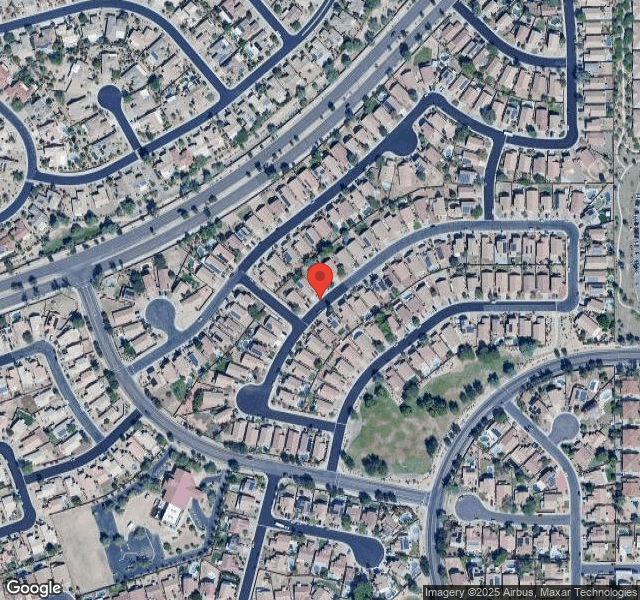

14660 WEST PARKWOOD DRIVE, SURPRISE, AZ 85374 (623) 546-5030
For profit - Corporation 100 Beds THE ENSIGN GROUP Data: November 2025
Trust Grade
90/100
#32 of 139 in AZ
Last Inspection: April 2024

Within standard 12-15 month inspection cycle. Federal law requires annual inspections.

Overview

Surprise Health and Rehabilitation Center has received an excellent Trust Grade of A, indicating they are highly recommended among nursing facilities. They rank #32 out of 139 in Arizona, placing them in the top half of state facilities, and #25 out of 76 in Maricopa County, meaning only 24 local options are better. However, the facility's trend is worsening as they have gone from one issue in 2024 to two issues in 2025. Staffing is a concern, rated at 2 out of 5 stars with a turnover rate of 52%, which is average but suggests potential instability in care. Notably, there were incidents where medications were improperly handled for residents, which could lead to missed doses, and a resident suffered a fall resulting in skin tears, indicating areas needing improvement despite the overall high ratings in quality measures and health inspection.

Trust Score
A
90/100
In Arizona
#32/139
Top 23%
Safety Record
Low Risk
No red flags
Inspections
Getting Worse
1 → 2 violations
Staff Stability
⚠ Watch
52% turnover. Above average. Higher turnover means staff may not know residents' routines.
Penalties
✓ Good
No fines on record. Clean compliance history, better than most Arizona facilities.
Skilled Nurses
✓ Good
Each resident gets 58 minutes of Registered Nurse (RN) attention daily — more than average for Arizona. RNs are trained to catch health problems early.
Violations
⚠ Watch
11 deficiencies on record. Higher than average. Multiple issues found across inspections.
★★★★★
5.0
Overall Rating
★★☆☆☆
2.0
Staff Levels
★★★★★
5.0
Care Quality
★★★★★
5.0
Inspection Score
Stable
2024: 1 issues
2025: 2 issues

The Good

  • 5-Star Quality Measures · Strong clinical quality outcomes
  • Full Sprinkler Coverage · Fire safety systems throughout facility
  • No fines on record

Facility shows strength in quality measures, fire safety.

The Bad

Staff Turnover: 52%

Near Arizona avg (46%)

Higher turnover may affect care consistency

Chain: THE ENSIGN GROUP

Part of a multi-facility chain

Ask about local staffing decisions and management

The Ugly 11 deficiencies on record

Mar 2025 1 deficiency
CONCERN (D) 📢 Someone Reported This

A family member, employee, or ombudsman was alarmed enough to file a formal complaint

Potential for Harm - no one hurt, but risky conditions existed

Deficiency F0698 (Tag F0698)

Could have caused harm · This affected 1 resident

**NOTE- TERMS IN BRACKETS HAVE BEEN EDITED TO PROTECT CONFIDENTIALITY** Based on clinical record review, facility documentation, interviews, and review of facility policies and procedures, the facilit...

Read full inspector narrative →
**NOTE- TERMS IN BRACKETS HAVE BEEN EDITED TO PROTECT CONFIDENTIALITY** Based on clinical record review, facility documentation, interviews, and review of facility policies and procedures, the facility failed to ensure one resident (#5) received weight monitoring for dialysis treatment per physician orders. The deficient practice could lead to a lack of adequate monitoring during dialysis treatment. Findings Include: Resident #5 was admitted into the facility on January 29, 2025, with diagnoses that included respiratory failure, diffuse large B-cell lymphoma in remission, end stage renal disease, and dependence on renal dialysis. An admission Minimum Data Set (MDS) assessment dated [DATE], revealed that the resident's Brief Interview for Mental Status (BIMS) assessment was not conducted due to the resident being rarely or never understood. A care plan dated January 30, 2025, revealed Resident #5 required hemodialysis due to renal failure. Interventions included for the resident to receive bedside dialysis, and for staff to obtain vital signs and weight. A physician order dated January 30, 2025, indicated to weigh the resident before each scheduled bedside dialysis treatment. Physician orders dated January 29 and February 3, 2025, indicated the resident was on bedside hemodialysis every Monday, Wednesday, and Friday, or as otherwise directed by renal. An additional physician order dated February 13, 2025, indicated to weigh the resident before each scheduled dialysis. Review of the Medication and Treatment Administration Record (MAR / TAR) for January 2025 revealed the resident received a dialysis treatment on January 31, 2025. The record indicated that the resident's weight was not recorded that date. The Weight Summary log also revealed that no weight was recorded on that date. Review of the Medication and Treatment Administration Record for February 2025 revealed the resident had received dialysis treatments on February 3, 5, and 14. The record indicated that the resident's weight was not recorded on any of those dialysis treatment dates. Additionally, the Weight Summary log also revealed no weights were recorded on the treatment dates. An interview was conducted on March 11, 2025, at 11:33 AM, with a certified nursing assistant (CNA / Staff #3) who stated that there are two restorative nursing aides in the facility who help obtain residents' weights, however nurses and CNAs can obtain residents' weights as well. The CNA stated that the floor nurse would alert the CNAs if a resident needed to be weighed. An interview was conducted on March 11, 2025, at 11:41 PM, with a licensed nursing assistant (LNA / Staff #12) who stated that for residents receiving bedside dialysis treatments, that the facility's process for obtaining the residents' weights would be for the nurse to notify the CNAs when the weights were needed, and the CNAs would obtain the weights. An interview was conducted with the Director of Nursing (DON / Staff #28) on March 1, 2025, at 12:32 PM. The DON stated that her expectation would be for staff to follow physician orders. She stated that the importance of monitoring residents on dialysis is to assess for a change of condition so that the interdisciplinary team could address it. The DON stated that weight fluctuations are common with residents receiving dialysis treatments, and that staff would notify the provider if a weight fluctuation was noted. The DON stated that if weights were not adequately monitored, then this could impact a provider being aware of the resident's status. The DON stated that the facility's process for monitoring weights of residents on dialysis was that there are physician orders that trigger a notification to the nurse, and that the nurse would communicate to the CNAs, who are responsible for obtaining the resident's weight. The clinical record was reviewed with the DON who confirmed that the weight monitoring for Resident #5 was not on the MAR for January or February; and that, this is where it should have been recorded. The DON confirmed that the weight monitoring was not recorded anywhere else in the clinical record, and that this would not meet her expectation. Review of the facility policy titled Vital Signs, Weight and Height, revised May, 2007, revealed that the weight of the resident will be recorded at the time of admission and monthly, unless otherwise indicated by the physician. If the resident is unable to be weighed the reason shall be recorded, and other provisions shall be taken to monitor the resident's size. Review of the facility policy titled Physician Orders, reviewed August 2024, revealed it is the policy of this facility to accurately implement orders (treatment, procedures) only upon the order of a person duly licensed and authorized to do so in accordance with the resident's plan of care.
Mar 2025 1 deficiency
CONCERN (D) 📢 Someone Reported This

A family member, employee, or ombudsman was alarmed enough to file a formal complaint

Potential for Harm - no one hurt, but risky conditions existed

Deficiency F0836 (Tag F0836)

Could have caused harm · This affected 1 resident

**NOTE- TERMS IN BRACKETS HAVE BEEN EDITED TO PROTECT CONFIDENTIALITY** Based on clinical record review, observations, staff interviews, and policies and procedures, the facility failed to ensure that...

Read full inspector narrative →
**NOTE- TERMS IN BRACKETS HAVE BEEN EDITED TO PROTECT CONFIDENTIALITY** Based on clinical record review, observations, staff interviews, and policies and procedures, the facility failed to ensure that a request for a modification of a health care institution was approved by the state agency prior to establishing a dialysis center and provided dialysis treatment(s) from November 22, 2024 through March 06, 2025. Currently 3 residents are having bedside hemodialysis inside the facility. The deficiency may result in non compliance with federal, state, and local laws and professional standards. Findings include: During the complaint survey conducted on March 6, 2025 through March 6, 2025, an initial request for documentation was made which included copies of dialysis contracts, the facility's modified license for in-house dialysis services, license for contracted dialysis provider, and a list of residents receiving in-house dialysis services from the contracted dialysis provider. A review of the list of residents receiving in-house hemodialysis services with the actively contracted dialysis provider included the following residents: Resident #1 was originally admitted to the facility on [DATE] and then currently readmitted on [DATE] with diagnoses of end stage renal disease and dependence on renal dialysis. Hemodialysis is scheduled for every Monday, Wednesday and Friday. The resident has had 5 sessions of bedside hemodialysis in the facility. Resident #2 was originally admitted to the facility on [DATE] and then currently readmitted on [DATE] with diagnoses of end stage renal disease and dependence on renal dialysis. Resident is scheduled for bedside hemodialysis every week or as otherwise directed by renal. The resident has had 15 sessions of bedside hemodialysis in the facility. Resident #3 was admitted to the facility on [DATE] with the diagnoses of end stage renal disease and dependence on renal dialysis. Resident is scheduled for bedside hemodialysis every Monday, Wednesday, Friday or as otherwise directed by Renal. The resident has had 18 sessions of bedside hemodialysis in the facility. A review of the facility assessment updated November 2024, revealed the facility has an average census of 98, with a current census of 96. No details regarding the amount of residents with end stage renal disease or how many are receiving bedside hemodialysis. An interview was conducted with Certified Nursing Assistant (CNA) staff #3 on March 6, 2025 at 2:39 pm and revealed that there are residents in the hall she is caring for today that are on hemodialysis. An interview was conducted with Licensed Practical Nurse (LPN) staff #5 on March 6, 2025 at 2:40 pm revealed that he was aware of bedside dialysis starting over a month ago in the rooms. An interview was conducted with Executive Director (ED) staff #6 on March 6, 2025 at 3:49 pm revealed that the facility was unable to obtain a copy of the license to provide dialysis and is immediately terminating the contract with the company providing dialysis and immediately transferring the patients to a facility that does. Review of the Arizona Administration Code § R9-10-417, titled, Dialysis Services. If dialysis services are authorized to be provided on a nursing care institution's premises, an administrator shall ensure that the dialysis services are provided in compliance with the requirements in R9-10-1018.
Jun 2024 1 deficiency
CONCERN (D) 📢 Someone Reported This

A family member, employee, or ombudsman was alarmed enough to file a formal complaint

Potential for Harm - no one hurt, but risky conditions existed

Quality of Care (Tag F0684)

Could have caused harm · This affected 1 resident

**NOTE- TERMS IN BRACKETS HAVE BEEN EDITED TO PROTECT CONFIDENTIALITY** Based on review of clinical records and policy, observations, and staff interviews the facility failed to ensure care and servic...

Read full inspector narrative →
**NOTE- TERMS IN BRACKETS HAVE BEEN EDITED TO PROTECT CONFIDENTIALITY** Based on review of clinical records and policy, observations, and staff interviews the facility failed to ensure care and services related to a cervical collar was provided for one resident (#8). The deficient practice could result in resident needs not being met to attain and maintain the resident's highest practicable well-being. Findings include: Resident # 8 was admitted on [DATE] with diagnoses of unspecified displaced fracture of second cervical vertebra, subsequent encounter for fracture with routine healing, encephalopathy, acute kidney failure, and essential (primary) hypertension. Review of the Admission's Minimum Data Set (MDS) assessment dated [DATE], revealed a Brief Interview for Mental Status (BIMS) score of 5 which indicated the resident had severe cognitive impairment. The hospital physician note dated June 12, 2024 included that the resident had the C-collar in place. Assessment included C2 cervical fracture. Per the documentation, the C-collar at all times except during showers and meals; and to follow-up in 8 weeks and reassess with new CT (computed tomography) scan of the cervical spine. The hospital discharge instruction dated June 12, 2024 included a discharge diagnosis of C2 cervical fracture. The documentation also included that the resident had repeat CT scan of the cervical spine without contrast. The admission note dated June 13, 2024 included that the resident arrived at the facility and was alert and oriented x1. The documentation did not include whether the resident had the C-collar on or not. The NP (nurse practitioner) progress note dated June 14, 2024 revealed that the resident was alert and oriented x 3, was frail and underweight. Assessment included C2 cervical fracture. Plan included for therapy evaluation and treatment and C-collar at all times x 8 except during showers and meals. The physician progress notes dated June 15 and 18, 2024 included a chief complaint of C2 cervical fracture; and that, the resident was to continue with C-collar at all times x 8 weeks except during showers and meals. Per the documentation, the C-collar was to be placed back on as the resident did not have it on when he came back from shower. However, clinical record revealed no care plan with goals and interventions in place to address the resident's primary diagnosis of displaced fracture of second cervical vertebra and use of the cervical collar. The care plan had a picture on the right lower corner of the page that showed a picture that the resident was wearing a collar on his neck. Despite documentation that the resident had cervical collar, there was no evidence of a physician order for the use cervical collar (C-collar) found in the clinical record; and that, the resident refused to wear the C-collar. The clinical record also revealed no evidence of a reason why the C-collar was not on; and that, the physician was notified. The Occupational Therapy (OT) note dated June 19, 2024 revealed that the resident was not able to maintain cervical and aspiration precautions while wearing cervical collar; and that, cervical collar was ill fitting and the resident's chin was tucking into collar when worn. The Physical Therapy (PT) services dated June 19, 2024 revealed that the resident's cervical brace had a poor fit; and that, cervical brace was not safe for wearing. The nursing note dated June 19, 2024 included that the resident was placed in the dayroom by therapy in eyesight of the nurse station dur to resident at risk of fall. Per the documentation, the staff last checked the resident at approximately 11:20 a.m. and was removed from the dayroom by his family at 12:00 p.m. via a wheelchair. The documentation also included that the resident's family called for assistance at 12:05 p.m. and the resident was found unresponsive and without a pulse. The recorded video footage from June 19, 2024 revealed that the resident was being wheeled in by a family member from the common room near the nursing station to his room and was not wearing the cervical collar. In an interview with Licensed Practical Nurse (LPN/staff #70) conducted on June 25, 2024 at 3:50 p.m., the LPN stated that in the morning of June 19, 2024, the resident appeared fine, had received medications in the room at about 8:00 a.m. and went to therapy after that. The LPN stated that after the therapy, the resident was brought and was left him in the common room sitting near the table. An interview was conducted on June 26, 2024 at 8:51 a.m. with an Occupational Therapist (OT/staff #33) who stated that he provided occupational therapy services to the resident twice i.e., the initial assessment and on the day of the resident's passing. The OT said that last OT session with the resident was on June 19, 2024, and after this session, the resident was left sitting in his wheelchair in the common room in front of nurses' station, and without his cervical collar. The OT said that he recalled the cervical collar was too big so resident's head rolled and ended up getting his chin tucked. The OT stated that the purpose of the cervical collar was to keep the resident's neck in alignment; however, there were no explicit orders regarding the use of the resident's cervical collar. Further, the OT said that other therapists had similarly noticed chin tucking. During the interview, the OT showed a screen shot of the recorded video footage from June 19, 2024 at 12:07 p.m. that showed that resident #8 was in his wheelchair being pushed by a female individual. The resident was wearing dark colored clothes, had a bonnet on but was not wearing a cervical collar. An interview was conducted on June 26, 2024 at 09:19 AM with Physical Therapist Assistant (PTA/staff # 42), who stated that she conducted the OT session for resident #8 with the OT on June 19, 2024. The PTA stated that the resident was not wearing his cervical collar when she arrived into the room to provide services; and that, the resident's cervical collar was on the resident's dresser. The PTA stated that the resident's cervical collar was poor fitting, too big, and if the resident moved his chin at all, his chin would tuck in. Further, the PTA said that she did not take any action on this issue because she assumed that staff knew the cervical collar was big for resident #8; and that, the purpose of the cervical collar was for the resident's comfort. In an interview with Physical Therapist (PT/Staff # 53) conducted on June 26, 2024 at 9:39 a.m., the PT stated that she provided physical therapy services to resident #8; and that, the cervical collar that the resident had was too big. The PT stated that she attempted and would attempt to put the cervical collar on resident #8, but the resident would often complain of discomfort; and, was likely the reason why the resident was refusing to wear the cervical collar. The PT said that in one instance when she arrived in the resident's room, the resident did not have the cervical collar which was observed laying on the resident's nightstand. During the interview, the PT showed a screen shot of the recorded video footage from June 19, 2024 at 12:07 p.m. that showed that resident #8 was in his wheelchair being pushed by a female individual. The resident was wearing dark colored clothes, had a bonnet on but was not wearing a cervical collar. An interview with Certified Nursing Assistant (CNA/staff #22) was conducted on June 26, 2024 at 11:14 a.m. The CNA stated that on June 19, 2024, the therapy staff had left the resident in front of the nurse's station; and that, the resident was not wearing the cervical collar. During an interview conducted with Director of Nursing (DON/staff #4) on June 27, 2024 at 8:22 a.m., the DON stated that regardless whether the cervical collar was needed, recommended, or used as needed, it should have been worn by resident #8. An interview was conducted on June 27, 2024 at 9:54 a.m. with Licensed Practical Nurse (LPN/staff #16) who stated that her role as an admission nurse was to assist with the admissions process of new residents that included obtaining orders, checking for devices like braces and looking for anything that residents were supposed to be wearing and to be added onto the resident's care plan. The LPN also said that medical records were reviewed and anything that was needed by residents will be brought up; and, the role of an admitting nurse was to input medications, care plan and goals, and interventions. In an interview with Medical Doctor (MD/staff #50) conducted on June 27, 2024. The MD stated that she would expect that a physician order and a care plan was in place for a resident who was admitted with a neck brace from a discharging facility. Review of the facility's policy titled, Specialized Rehabilitative Services (reviewed April 2024) revealed, it is the policy of this facility to provide rehabilitative services to residents as determined by their comprehensive plan or care to assist them to attain, maintain or restore their highest practicable level of physical, mental, functional and psycho-social well-being; specialized rehabilitative services include the following: physical therapy and occupational therapy. The facility's policy titled, Physician Orders reviewed in August 2023 included that admission orders are reviewed with the physician upon admission based on the discharge instruction from the discharging facility and are transcribed accordingly. The facility policy on Comprehensive Person-Centered Care Planning with a review date of February 2024 revealed that it is their policy that the interdisciplinary team (IDT) shall develop a comprehensive person-centered care plan for each resident that includes measurable objectives and timeframes to meet a resident's medical nursing, mental and psychosocial needs that are identified in the comprehensive assessment; within 48 hours of the resident's admission, the facility will develop and implement a baseline care plan that includes instruction needed to provide effective and person-centered care.
Dec 2022 2 deficiencies
CONCERN (D)

Potential for Harm - no one hurt, but risky conditions existed

Medical Records (Tag F0842)

Could have caused harm · This affected 1 resident

**NOTE- TERMS IN BRACKETS HAVE BEEN EDITED TO PROTECT CONFIDENTIALITY** Based on clinical record review, staff interviews, and policy review, the facility failed to ensure the clinical record was accu...

Read full inspector narrative →
**NOTE- TERMS IN BRACKETS HAVE BEEN EDITED TO PROTECT CONFIDENTIALITY** Based on clinical record review, staff interviews, and policy review, the facility failed to ensure the clinical record was accurate related to advance directives for one resident (#352). The deficient practice can lead to the advance directives being inconsistent with the resident's wishes. Findings include: Resident #352 was admitted on [DATE] with diagnoses of heart failure, shortness of breath, and atrial fibrillation. An advance directive signed by the resident and dated [DATE] revealed that the advance directive was reflective of the resident's values and wishes; and, it directed caregivers that if resident's heart or breathing stops, the resident had a code of do not resuscitation (DNR). It also included that the resident did not want any resuscitation measures, including but not limited to: CPR, endotracheal intubation and other advanced airway management, artificial ventilation, defibrillation, and related emergency procedures. However, a physician order dated [DATE] revealed an order for a cardiopulmonary resuscitation (CPR)/full code. Despite the discrepancy, there was no evidence found in the clinical record that the advance directives were clarified, verified and changed to reflect resident's wishes. There was no evidence found the clinical record was updated to reflect resident's advance directive wishes until [DATE]. A physician order dated [DATE] revealed an order for a DNR. An interview was conducted on [DATE] at 12:27 p.m. with a licensed practical nurse (LPN, #98) who stated that in the event of a cardiac/respiratory arrest she would call rapid response, grab the crash cart, get the oxygen and the automated external defibrillator (AED). The LPN also stated that she will perform CPR if necessary; and that, she would check the report sheet, the electronic record and/or computer, or the code book. During the interview, a review of the code book was conducted with thee LPN who stated that resident #352's advance directive was in the book; and that, the resident had a code status of a DNR. The LPN also stated the code status of the resident will also be found in the medication administration record (MAR) and/or the electronic record. Further, the LPN stated there was a risk that staff will take the wrong step if the MAR or the electronic record was different from the advance directive signed by the resident and ordered by the physician. She stated that resuscitation to bring a resident back should not be performed on a a resident with a DNR status. In an interview with a certified nursing assistant (CNA/ staff #85) conducted on [DATE] at 12:39 p.m., the CNA stated that in the event of a cardiac/respiratory arrest she would notify the nurse and perform CPR if she needs to. The CNA stated the information for a resident's code status is located in a code book or in the main screen of the resident's profile in their charting system. The CNA said that the code book was easily accessible; however, if it is not available, she would check the electronic record. She further stated that if the code book and electronic record does not match, she would ask the unit manager. However, the CNA said that if a resident is in an active arrest she does not know what to do if the records do not match. An interview was conducted on [DATE] at 12:43 p.m. with another LPN (staff #6) who stated that in the event of a cardiac arrest she would call a code and the rapid response team will come and assist. She stated that one person will get the crash cart and one will grab the code book to verify the resident's code status. Staff #6 stated it was important to have an accurate record of the resident's code status because staff would not perform CPR on someone who has refused it. Staff #6 further stated that records are verified for accuracy daily; and that, someone was always verifying the information in the code book. An interview was conducted on [DATE] at 1:01 p.m. with the unit manager (staff #93) who stated that in the event of cardiac/pulmonary arrest, one staff will call a code blue, another staff will notify the respiratory therapist, one staff will grab the AED, one staff will call 911 and someone will start CPR. Staff #93 stated when residents are admitted , their code status are determined and placed in the code book. However, she stated that if the code status is not in the code book, she would then look in the electronic record. The unit manager said that the medical records staff checks the accuracy of the resident's code status; but, she does not know how often. Staff #93 also said that it was important to maintain accurate records to ensure residents get the appropriate care they want and need. The unit manager stated that she does not maintain the advance directives but medical records do. In an interview with medical records director (staff #43) conducted on [DATE] at 1:09 p.m., she stated medical records staff maintain the code status books; and that, every resident at the facility has a code status and an advance directive. She said that every Monday, Wednesday, and Friday, medical records staff conducts an audit to ensure all residents have a code status in the code book that matches the electronic record. Staff #43 sstated it was important to maintain accurate record to ensure facility meets the expectations of the resident, family and the facility. She also said that accurate record will ensure that code status of the resident was followed and updated accordingly when there are changes. Staff #43 said that the code status in the electronic record must match the resident's advance directive; and that, when there are changes made on the unit, the code book is updated by either the unit manager or the MDS (Minimum Data Set) nurse. During an interview with the director of nursing (DON/staff #138) conducted on [DATE] at 1:32 p.m., the DON stated that in the event of a cardiac or respiratory arrest staff are expected to check the resident's code status found in a code book located in every nurse station. She stated that resident's code status is also found in the electronic record; and that, resident records are maintained by medical records and the unit manager. The DON said that the CNA's were not able to see the resident's code status in the electronic record. She also said that the code status information in the code book should match with the electronic record. The DON said that since everything happens so quickly and changes occur often at the facility, the staff should look at the code book first. She stated the advance directive was usually completed on admission; and as soon as it is filled out, the expectation was that a physician order was put in place. During the interview, a review of the clinical record was conducted with the DON who stated that an advance directive was completed for resident #352 on admission; and that, the physician order did not reflect the resident's wishes until [DATE] which was approximately 12 days after the advance directive was completed. Review of the facility's policy titled, Content of Medical Record revision date of [DATE] revealed that it is their policy that a separate medical record shall be maintained for each resident admitted to the facility and the resident's name will be placed on all medical record forms. All physician, nursing staff and other health care professionals involved in the resident's care will be responsible for making prompt, appropriate entries in the record. Procedures include: pertinent identification data to meet the facility's needs and accurately identify the resident is recorded on admission and updated periodically. Appropriate consents forms, authorizations and acknowledgements are signed by the resident or legal representative and entered in the medical record, these include acknowledgement of receipt of advance directive information.
CONCERN (E)

Potential for Harm - no one hurt, but risky conditions existed

Deficiency F0554 (Tag F0554)

Could have caused harm · This affected multiple residents

**NOTE- TERMS IN BRACKETS HAVE BEEN EDITED TO PROTECT CONFIDENTIALITY** Based on observations, resident interviews, clinical record review, staff interviews, and policy review, the facility failed to ...

Read full inspector narrative →
**NOTE- TERMS IN BRACKETS HAVE BEEN EDITED TO PROTECT CONFIDENTIALITY** Based on observations, resident interviews, clinical record review, staff interviews, and policy review, the facility failed to ensure staff did not leave medications with two residents (#351 and #354) who were not assessed and determined to be clinically appropriate for self-administration of medication. The deficient practice could result in medication not being taken as ordered by the physician. The findings include: -Resident #351 was admitted on [DATE] with diagnoses of periprosthetic fracture around internal prosthetic left hip joint, overactive bladder, and unspecified dementia. A nursing note dated December 9, 2022 revealed the resident was alert and oriented x 2 and had a history of Alzheimer's disease. The daily skilled note dated December 10, 2022 included the resident was alert and oriented x 2-3, and was forgetful and confused at times. A change of condition note dated December 10, 2022 included the resident was alert and oriented x 2, forgetful; and that, family needed to sign consents. An encounter note dated December 12, 2022 included that resident had a history of Alzheimer's disease, was alert and had mild confusion. Diagnosis included Dementia. The care plan dated December 12, 2022 revealed the resident was at risk for impaired cognitive function/dementia or impaired thought process and had alteration in neurological status related to dementia. Intervention included to administer medications as ordered and to give step by step instructions one at a time as needed to support cognitive function. The care plan did not include whether resident was appropriate for self-administration of medication. A nursing note dated December 12, 2022 included the resident was alert and oriented x 1-2, was anxious, verbally aggressive, requested pain medications and was redirected several times. The admission MDS (Minimum Data Set) assessment dated [DATE] revealed the resident had an active diagnosis of non-Alzheimer's dementia. The daily skilled note dated December 17, 2022 revealed the resident was alert and oriented x 1. The physician order dated December 19, 2022 included an order for sodium chloride solution 0.9% to use 50 milliliters (mL) per hour intravenously (IV) every shift for one day. A nursing note dated December 19, 2022 revealed resident was alert, able to verbalize needs and needed IVF (intravenous fluid). According to the documentation, resident yelled at the staff and declined the IV. An encounter note dated December 20, 2022 included that resident was found to be hypotensive and an IV was ordered. However, per the note, the resident refused the IV. There was no evidence found in the clinical record that resident #351 was assessed and determined appropriate for self-administration of medications During an observation was conducted on December 19, 2022 at 10:08 a.m. resident #351 was in her room and had normal saline infusing through an IV. There were two tablets in a medication cup, one unopened 6 mL heparin flush syringe, and one saline flush syringe attached to an IV extension j-loop found on the window sill within the resident's reach. An interview was conducted with resident #351 immediately following the observation. Resident #351 stated the tablets in the medication cup were Tums (antacids). There were no staff present in the resident's room. A licensed practical nurse (LPN, #98) came in the room and stated she did not know why the the heparin flush was in the resident's room; and that, the night shift staff might have left it there. The LPN was then observed removing the items from the room. -Resident #354 was admitted on [DATE] with diagnoses of cirrhosis of the liver, alcohol abuse, and hypertension. The admission note dated December 9, 2022 included the resident was alert and oriented x 2-3. The daily skilled note dated December 9, 2022 revealed the resident was alert and oriented x 3. The care plan dated December 9, 2022 included resident was at risk for impaired cognitive function/dementia or impaired thought process related to alcohol. Interventions included to administer medications as ordered; engage in simple, structured activities that avoid overly demanding tasks; and give step by step instructions one at a time as needed to support cognitive function. The care plan did not include whether resident was appropriate for self-administration of medication. The admission MDS assessment dated [DATE] revealed a BIMS (Brief Interview for Mental Status) score of 13 indicating resident had intact cognition. Active diagnoses included cirrhosis of the liver and alcohol abuse. An NP note dated December 14, 2022 included resident had a chief complaint of alcohol abuse, was awake, alert and oriented. Assessment was alcohol abuse and the resident consumed 3 vodkas daily. Review of the order summary report active as of December 21, 2022 revealed the resident had the the following medications: -Allopurinol (anti-gout); -Metoprolol Succinate (beta blocker); -Multivitamin- Minerals (supplement); -Omeprazole (proton-pump inhibitors); -Thiamine Hydrochloric (supplement); -Ipratropium- Albuterol Solution (bronchodilator); -Lactobacillus capsule (probiotic); and, -Sodium chloride (supplement). There was no evidence found in the clinical record that resident #354 was assessed and determined appropriate for self-administration of medications. An observation was conducted on December 19, 2022 at 9:58 a.m. Resident #354 was in her room and was in the middle of a breathing treatment. There was a medication cup that contained 7 pills on the bedside table that was in front of her. An interview was conducted immediately following the observation and resident #54 stated that the medications were left on the table by a staff so she can take it after her breathing treatment. There were no staff present inside the resident's room. Resident #354 stated she was going to take the medications. The LPN (staff #98) who was at the nurse's station immediately walked towards the resident's room when told of the medications left with resident #354. The LPN stated she left them in the room and planned to return to the room once the breathing treatment was done. She stated that she leaves the medications with a resident if the resident was having a breathing treatment; however, she said that resident #354 could not take the medications by herself. The LPN said that she had instructed resident #354 to call her once breathing treatment was done so she can administer it with the resident. The LPN then entered the resident's room and instructed the resident to take the medications. An interview was conducted on December 20, 2022 at 1:54 p.m. with another LPN (staff #6) who stated that nurses must watch residents swallow their medications to ensure residents are not hiding the medications in their cheek; and/or they do not drop the medications because most elderly drop their pills. Staff #6 said that residents are not allowed to have their medications in the room with them. Staff #6 also stated medications can not be left unattended with residents; and that, she would take the medications out of the room with her and instruct the resident to call her back when they are ready to take it. Staff #6 also stated that medications are not left with the residents to take on their own because the resident might forget to take it or they might waste it or save to take it at a later time. Regarding the heparin flush, staff #6 stated that it was the facility's policy to use the heparin flush on an IV to keep the line patent. However, she stated that the heparin flush can not be left at bedside because a resident can do something about it or administer it to themselves and bleed. In an interview conducted with the director of nursing (DON/staff #138) on December 21, 2022 at 1:32 p.m., the DON stated that the process of administering medications include watching the resident take their medications. The DON stated that residents can self-administer medications only if they were assessed for it; and that, currently there are no residents in the facility that were assessed to self-administer medications. She also said that medications cannot be left with a resident unattended without a staff present for any period of time. Regarding resident #354, the DON stated that her expectation was for a nurse to let the resident know that the nurse could not leave the medications during her breathing treatment. Further, the DON stated that the nurse needs to watch the entire process of the resident taking the medication. The DON also stated that if medications are left in the room for the resident to take on their own time then there is a risk that residents would take the medications incorrectly. Review of the facility's policy titled, Medication Administration with a revision date of May 2021 revealed that only licensed medical and nursing personnel or other lawfully authorized staff members may prepare, administer, and record the administration of medications. Medications may not be set up in advance. Review of the facility's policy titled, Self-Administration of Medication with a revision date of May 2021 stated, If a resident desire to participate in self-administration, the interdisciplinary team will assess and periodically re-evaluate the resident based on change in the resident's status. If the resident is a candidate for self-administration of medications, this will be indicated in the chart.
Nov 2021 6 deficiencies
CONCERN (D)

Potential for Harm - no one hurt, but risky conditions existed

Deficiency F0578 (Tag F0578)

Could have caused harm · This affected 1 resident

**NOTE- TERMS IN BRACKETS HAVE BEEN EDITED TO PROTECT CONFIDENTIALITY** Based on clinical record review, staff interviews, and policy review, the facility failed to ensure advanced directives were acc...

Read full inspector narrative →
**NOTE- TERMS IN BRACKETS HAVE BEEN EDITED TO PROTECT CONFIDENTIALITY** Based on clinical record review, staff interviews, and policy review, the facility failed to ensure advanced directives were accurately documented for one of two sampled residents (#384). The census was 93. The deficient practice could result in residents receiving services which are not in accordance with their wishes. Findings include: Resident #384 was admitted to the facility on [DATE] with diagnoses that included fracture of shaft of humerus, left arm, hypotension, congestive heart failure, acute respiratory failure with hypoxia and muscle weakness. Review of the clinical record revealed an Advance Directive Statement form that the resident resuscitation status was DNR (Do Not Resuscitate), indicating the resident did not want cardiopulmonary resuscitation (CPR). The form also revealed verbal - pt was written in the space designated for the resident signature with the date [DATE] and that the form was signed by the facility representative on [DATE]. Continued review of the clinical record revealed a Prehospital Medical Care Directive (DO NOT RESUSCITATE) form that revealed verbal by pt was written in the space designated for the patient signature with the date [DATE]. The form also revealed the signature of a Licensed Healthcare Provider with the date [DATE]. The space designated for the signature and date of the signature of witness to the resident directive was blank. However, a physician's order dated [DATE] stated CPR/Full Code. The physician assistant progress note dated [DATE] stated that the resident chooses to be a DNR/DNI (Do Not Intubate). The note further stated that the resident does not want any heroic measures at resuscitation in the event of cardiac arrest. This included CPR, chemical resuscitation, intubation, or ventilator support. Further review of the clinical record did not reveal the resident had changed the advance directive from DNR to full code. An interview was conducted with a Registered Nurse (RN/staff #173) on [DATE] at 10:17 AM, who stated advance directive is signed on admission and then is scanned into PCC (Point Click Care/electronic record). She stated each nursing station has a code book that contains advance directive for each resident on the unit. The RN stated PCC shows the resident's code status and the PCC should match with what the resident signed on the advance directive form. The RN stated when a resident wants to update their advance directive, the nurses go over the advance directive with the resident and updates any changes in PCC. An interview was conducted with a Licensed Practical Nurse (LPN/staff #174) on [DATE] at 12:57 PM. The LPN stated the advance directive is signed on admission. She stated the provider is contacted and the advance directive is updated when there are any changes. Staff #174 stated the signed advance directive form will be in the code book at the nursing station and the order will be in Point Click Care (PCC). She stated she will look at the code book first. The LPN further stated the code status in PCC and the advance directive paperwork signed should match. She stated all residents code status are entered as full code on admission until their advance directives paper is filled out. She stated the admission nurse or floor nurse can go over advance directive with the resident and should update it in PCC. The LPN stated advance directive form signed should match with the order in PCC so that there is no confusion. An interview was conducted with the Director of Nursing (DON/staff #16) on [DATE] at 1:34 PM. She stated her expectation is for the staff to obtain advance directive upon admission, place it in the code book and update the resident's record once completed. The DON stated nurses should be ultimately looking at the advance directive book but the form signed should eventually match with what is in the resident clinical record in PCC. The facility policy titled Advance Directive Documentation revised on [DATE] stated that the admission coordinator, or social service director shall provide the resident or responsible agent information regarding the right to formulate an advance directive, inquire whether he/she has completed an advance directive and document in the resident health record.
CONCERN (D)

Potential for Harm - no one hurt, but risky conditions existed

Respiratory Care (Tag F0695)

Could have caused harm · This affected 1 resident

**NOTE- TERMS IN BRACKETS HAVE BEEN EDITED TO PROTECT CONFIDENTIALITY** Based on observations, clinical record review, staff interviews, and policy review, the facility failed to ensure one of four sa...

Read full inspector narrative →
**NOTE- TERMS IN BRACKETS HAVE BEEN EDITED TO PROTECT CONFIDENTIALITY** Based on observations, clinical record review, staff interviews, and policy review, the facility failed to ensure one of four sampled residents (#384) had an order for oxygen use. The deficient practice could result in residents receiving oxygen without a physician order. Findings include: Resident #384 was admitted to the facility on [DATE] with diagnosis that included fracture of shaft of humerus, left arm, hypotension, congestive heart failure (CHF), acute respiratory failure with hypoxia and muscle weakness. Review of the Initial admission Record dated October 29, 2021 revealed the resident was receiving oxygen via nasal cannula at 2 liters per minute. The baseline Care Plan dated October 30, 2021 included that the resident had oxygen therapy related to heart failure, pleural effusions, and chronic bronchitis. The interventions included to give medications as ordered, monitor for signs/symptoms of respiratory distress, and oxygen settings per order. A review of the Weights and Vitals Summary revealed documentation that the resident's oxygen saturation was checked multiple times with the resident receiving oxygen via nasal cannula since admission. The summary included that on November 1, 2021 at 8:28 PM the resident oxygen saturation was 95% while on oxygen via nasal cannula. During an observation conducted of the resident on November 2, 2021 at 8:36 AM, the resident was observed receiving oxygen via nasal cannula at 3 liters per minute. Another observation was conducted of the resident on November 3, 2021 at 12:54 PM. The resident was observed receiving oxygen via nasal cannula at 3 liters. However, review of the clinical record did not reveal an order for the use of oxygen via nasal cannula. An interview was conducted with a Registered Nurse (RN/staff #173) on November 3, 2021 at 10:17 AM. She stated that an order for oxygen in the resident's clinical record will let the nurse know how much oxygen a resident is on. She stated oxygen is a medication therefore an order is needed to administer the oxygen. An interview was conducted with a Licensed Practical Nurse (LPN/staff #174) on November 3, 2021 at 12:57 PM. She stated the oxygen order in the resident's clinical record will let the nurse know how much oxygen a resident is on. She stated the clinical record has to have an order for oxygen because it is a medication. She stated she believed the resident is on 2 liters of oxygen and looked in the resident's chart for the oxygen order but was not able to find an order. The LPN stated the resident is on oxygen as the resident has CHF and that she does not know why there is not an order for oxygen. She stated the admission nurse, nurse manager or the nurse who did the admission usually places the order. She stated there should be an order for oxygen. An interview was conducted with the Director of Nursing (DON/staff #16) on November 3, 2021 at 1:34 PM. The DON stated her expectation from nurses is to evaluate residents for any respiratory distress, check vitals two times a shift and look at PCC to make sure the resident is receiving oxygen as ordered. The DON stated an order is needed for oxygen if a resident needs oxygen administration. The facility's policy titled Oxygen Administration reviewed July 2019 revealed oxygen therapy is administered by the licensed nurse as ordered by the physician or as a nursing measure and an emergency measure until the order can be obtained. The policy included the resident's clinical record will include that oxygen is to be administered, when and how often oxygen is to be administered, the type of oxygen device to use, and charting and documentation related to oxygen use.
CONCERN (D)

Potential for Harm - no one hurt, but risky conditions existed

Pharmacy Services (Tag F0755)

Could have caused harm · This affected 1 resident

**NOTE- TERMS IN BRACKETS HAVE BEEN EDITED TO PROTECT CONFIDENTIALITY** Based on clinical record review, staff interviews, and policy reviews, the facility failed to ensure scheduled medications were ...

Read full inspector narrative →
**NOTE- TERMS IN BRACKETS HAVE BEEN EDITED TO PROTECT CONFIDENTIALITY** Based on clinical record review, staff interviews, and policy reviews, the facility failed to ensure scheduled medications were obtained and available for one of five sampled residents (#13). The census was 93. The deficient practice could result in medications not being available for residents. Findings include: Resident #13 was admitted to the facility on [DATE] with diagnosis that included schizoaffective disorder, bipolar disorder, history of suicidal behavior, anxiety, fluid overload, pulmonary embolism, respiratory failure, pleural effusion, hypertension, tachycardia and muscle weakness. The care plan initiated on August 8, 2021 revealed the resident was on psychotropic medication use related to bipolar/schizoaffective disorder as evidenced by delusions, auditory hallucinations. Interventions included to administer medications as ordered. The admission Minimum Data Set (MDS) assessment dated [DATE] included that resident received antipsychotic and antianxiety medications during the 7 days lookback period. -Regarding Haloperidol: A physician order dated September 10, 2021 included for Haloperidol Decanoate (antipsychotic) solution inject 100 milligrams (mg) intramuscularly one time a day every 14 days for schizoaffective as evidenced by delusions. Review of the October 2021 Medication Administration Record (MAR) revealed the resident did not receive the Haloperidol injection on October 22, 2021. The MAR was marked as '2', a code that meant Hold/See Nurses Note. The corresponding nurse note for October 22, 2021 stated Awaiting arrival from Pharmacy. Provider Notified. Further review of progress notes did not reveal evidence if the medication was given after it was available, or any direction from the provider. -Regarding Invega: A physician order dated September 22, 2021 included for Invega Sustenna (antipsychotic) suspension prefilled syringe 234 MG/1. 5ML (milliliter) inject 234 mg intramuscularly one time a day every 23 days for schizoaffective as evidenced by auditory hallucinations. Review of the September 2021 MAR revealed that the resident did not receive Invega injection on September 22, 2021. The MAR was marked as '2', Hold/See Nurses Note. The next dose was administered on October 15, 2021 as ordered. The corresponding nurse note for September 22, 2021 stated re-ordered. Further review of the progress note did not reveal whether the medication was received or given. An interview was conducted with a Registered Nurse (RN/staff #173) on November 3, 2021 at 10:17 AM. The RN stated when a medication is not available, the process is to check the pyxis, call the provider, call the pharmacy, place the unavailable medication order on hold, enter any changes in the resident while waiting for the medication arrival, and administer the medication after it arrives per provider order. Staff #173 stated she will mark the medication as not given when the medication is not available and enter a nurse note stating Pending delivery, provider aware. She stated the pharmacy usually delivers on the same day, same shift but if the medication is not delivered in the same shift then it is communicated to the oncoming shift. The RN stated normally medication refill is requested by faxing the medication label sticker and normally the medication is received the next day. A second interview was conducted with the RN (staff #173) on November 3, 2021 at 12:35 PM. She reviewed resident #13 chart and verified that the medications (Haloperidol and Invega) were not given as they were not available. She stated when the medication is unavailable and the provider order is to give the medication as soon as one becomes available, normally the information is passed on to the next shift if the medication did not arrive on the same shift. The RN stated that if the nurse failed to notify the oncoming shift to administer the medication once it is available, the oncoming shift nurse will not know and will fail to administer the medication. Staff #173 stated they do what they can so that medications are available for the residents. She stated if a medication is not available, the provider is notified and they receive direction from the provider whether to hold the medication or skip that day and give the next day. The RN stated as per the provider direction, the nurses will change the order in PCC (Point Click Care). An interview was conducted with a Licensed Practical Nurse (LPN/staff #174) on November 3, 2021 at 12:57 PM. She stated when a medication is not available then the process is to check the emergency kit, if not available in emergency kit, call the pharmacy, contact the provider and let the provider know unless the medication will be available quickly. The LPN stated that if the provider states to give the medication once available, and the medication do not arrive on same shift then the information is passed on to the next shift. The LPN stated if the nurse failed to inform the next shift then the next shift will not know and the resident will not receive the medication. An interview was conducted with the Director of Nursing (DON/staff #16) on November 3, 2021 at 1:34 PM. The DON stated when a medication is not available, her expectation is for the staff to call the provider, call the pharmacy, get a hold order for the medication, let her know and work on getting the medication as soon as possible from the pharmacy. She stated then depending on the provider order, her expectation is for the staff to follow the provider direction. She stated most of the time the provider will order to administer the medication once available or skip the dose and give the medication the next schedule, if the medication is ordered daily. The DON further stated her expectation is for the nurses to document the reason either in a progress note or E-mar note. She stated it is hard to tell why the medications were reordered and not given. Staff #16 stated she will have to talk to the nurse. She stated the medications should be available to the resident and it did not meet her expectation. The facility policy titled Pharmaceutical Services revised on May 2021 stated that the policy of the facility is to provide pharmaceutical services (including procedures that assure the accurate acquiring, receiving, dispensing, and administering of all drugs and biological) to meet the needs of each resident. The facility policy titled Administration of Drugs revised on May 2021 stated if a medication is unavailable and is not administered at the scheduled time, the documentation will be reflected in the clinical record. The policy further included that physician notification and other information regarding unavailable medication will be documented accordingly.
CONCERN (D)

Potential for Harm - no one hurt, but risky conditions existed

Infection Control (Tag F0880)

Could have caused harm · This affected 1 resident

**NOTE- TERMS IN BRACKETS HAVE BEEN EDITED TO PROTECT CONFIDENTIALITY** Based on observation, clinical record review, staff interviews, and review of policy and procedure, the facility failed to ensur...

Read full inspector narrative →
**NOTE- TERMS IN BRACKETS HAVE BEEN EDITED TO PROTECT CONFIDENTIALITY** Based on observation, clinical record review, staff interviews, and review of policy and procedure, the facility failed to ensure proper infection control protocols were being followed for one resident (#37). The census was 93. The deficient practice could result in the spread of infection. Findings include: Resident #37 was admitted to the facility on [DATE] with diagnoses that included Alzheimer's Disease, dementia, and personal history of COVID-19. Review of the admission Minimum Data Set (MDS) assessment dated [DATE] revealed a Brief Interview for Mental Status (BIMS) score of zero indicating severe cognitive impairment. The assessment included that the resident required extensive assistance of 2 staff with transfers and required the assistance of one staff for locomotion on unit. The results of a lab test completed 10/26/2021 revealed the resident was positive for Clostridium difficile (C. diff) toxin B gene. Review of a nursing note dated 10/26/2021 stated the results for stool sample received, Nurse Practitioner notified, new order for oral Vancomycin. Physician orders dated 10/27/2021 revealed the following: -Vancomycin 25 MG/ML (milligrams/milliliter) give 5 ml by mouth every 6 hours for C. diff until 11/9/2021. -Change of Condition for Vancomycin for C. diff every shift until 11/9/2021. -Observed patient continued on isolation d/t (due to) diagnosis of po vancomycin for c- diff every shift. Review of the care plan initiated on 10/27/2021 revealed that the resident was on antibiotic therapy related to C. diff, and on isolation for C. diff. Interventions included to administer medication as ordered, and contact isolation for C. diff. The Medication Administration Record (MAR) for October 2021 revealed the resident was administered the vancomycin as ordered. Review of the clinical record for bowel movements from 10/27/2021 through 10/30/2021 revealed that the resident had loose stools at least once a day. A review of the clinical record revealed the resident was at the hospital 10/30/21 through 10/31/2021. Continued review of the clinical record for the resident's bowel movements revealed that the resident had loose stools on 11/1/2021 and 11/3/2021. An observation was conducted on 11/1/2021 at 12:15 pm. The resident was observed sitting alone in the wheelchair next to the nursing station with a mask on. The resident remained in this area until a staff member took the resident back to her room at 12:30 pm. In an interview conducted with a Certified Nursing Assistant (CNA/staff #73) at 8:50 am on 11/4/2021, she stated that the residents in the unit are on isolation precautions because of COVID-19. The CNA stated that staff are required to put on isolation gowns, gloves, and masks before entering their rooms. Staff #73 stated that the residents on the unit are not able to leave their rooms unless they have an appointment. She stated that resident #37 is not able to leave her room due to the resident being on isolation precautions. An interview was conducted with a Licensed Practical Nurse (LPN/staff #113) on 11/4/2021 at 9:20 am. She stated the residents on isolation precautions are not allowed in the hallway. The LPN stated the only reason the resident would be able to come out of their room is if there was a fire. When asked about resident #37, she stated that the resident has C. diff and was being currently treated with antibiotics. The LPN also stated the resident still has the infection because that morning the resident had a loose bowel movement that had a foul odor to it. The LPN stated resident #37 is not allowed to leave her room. During an interview conducted with the Director of Nursing (DON/staff #16) on 11/4/2021 at 11:17 am, the DON stated residents who are on isolation precautions should not be coming out of their room unless it is for an important appointment. Another interview was conducted with the DON (staff #16) on 11/4/2021 at 12:44 pm. She stated that she did not know resident #37 had gone out of her room. She said that she asked staff about this and was told that the resident was taken out of the room because she was having anxiety/behaviors at that time. The DON stated staff told her the resident was taken out of her room to help her calm down. An interview conducted with the Infection Control Preventionist (ICP/#63) on 11/4/2021 at 1:16 pm, who stated that if a resident is being treated for C. diff, and is still having loose stool, the resident cannot leave the room. She stated that if the resident did not have loose stools for 24 hours, then C. diff precautions can be lifted. The ICP stated the resident was still having loose stools and instead of taking the resident out of her room, nursing could have requested the activity staff to go into the resident's room to redirect the resident. Review of the facility's infection control policy regarding contact precautions for C. diff, reviewed 10/2015, revealed contact precautions will be used for specified patients known or suspected of being infected with C. diff. This microorganism may be transmitted to residents by the contaminated hands or clothing of healthcare workers or by contact with contaminated inanimate or environmental surfaces. The policy included that residents must remain in their room if active signs and symptoms are present. Therapies and activities will be performed in the resident's room. The policy included to limit the movement and transport of the resident from the room to essential purposes only. If the resident is transported, ensure precautions are maintained to minimize the risk of transmission of microorganisms to other patients and contamination of environment surfaces or equipment. The policy also included that when transport is necessary, use appropriate barriers on the patient (e.g. gown, gloves).
CONCERN (E)

Potential for Harm - no one hurt, but risky conditions existed

Assessment Accuracy (Tag F0641)

Could have caused harm · This affected multiple residents

**NOTE- TERMS IN BRACKETS HAVE BEEN EDITED TO PROTECT CONFIDENTIALITY** -Resident #12 was admitted to the facility on [DATE] with diagnoses that included diffuse traumatic brain injury, traumatic subd...

Read full inspector narrative →
**NOTE- TERMS IN BRACKETS HAVE BEEN EDITED TO PROTECT CONFIDENTIALITY** -Resident #12 was admitted to the facility on [DATE] with diagnoses that included diffuse traumatic brain injury, traumatic subdural hematoma, hemiplegia affecting right dominant side, and muscle weakness. Review of a nurse progress note dated August 17, 2021 revealed the Certified Nursing Assistant (CNA) found the resident on the floor and the nurse observed the patient lying face down on the floor next to the bed. The note included the resident was assisted back to bed and had re-opened skin tears to the left arm and left hand. Review of a Nurse Practitioner (NP) progress note dated August 17, 2021 revealed the resident was seen and examined at bedside and that the resident reportedly suffered a fall sometime last night. The note included that the resident had a bruise to the nose. However, review of the admission Minimum Data Set (MDS) assessment dated [DATE] revealed the resident had a fall since admission with no injury. An interview was conducted on November 4, 2021 at 11:15 a.m. with a Registered Nurse/MDS coordinator (RN/staff #171). She stated that the MDS assessment was expected to be accurate and completed per the RAI manual guidelines for the lookback window. She stated that accuracy was important to give an accurate picture of the care of the resident and to assist in the development of the resident's care plan/plan of care. Staff #171 stated that the MDS assessment asked if the patient had a fall, if answer yes, the fall(s) would be documented as: no injury, minor injury, and/or major injury. She reviewed the August 17, 2021 progress notes and the August 19, 2021 MDS assessment for resident #12 and stated that the MDS assessment should have been coded as a fall with minor injury related to the fall resulting in re-opened skin tears and a bruise. Staff #171 stated that the MDS assessment had been coded as a fall with no injury and was incorrectly coded. An interview was conducted on November 4, 2021 at 11:33 a.m. with the Director of Nursing (DON/staff #16). She stated that she expected the MDS assessment to be complete and completed accurately per the RAI guidelines. The DON stated that it was important for the MDS assessment to be accurate as it gathers all of the information about the resident to formulate the care plan. The DON stated that the identified inaccurate MDS assessment did not meet her expectations. Review of the facility policy for Accuracy of Assessment (MDS 3.0) dated August 2018 revealed: It is the policy of this facility to ensure that the assessment accurately reflects the resident's status. Purpose: To assure that each resident receives an accurate assessment by staff that are qualified to assess relevant care areas and knowledgeable about the resident's status, needs, strengths, and areas of decline. Procedures included: -A registered nurse must conduct or coordinate each assessment with the appropriate participation of health professionals. -The physical, mental, and psychosocial condition of the resident determines the appropriate level of involvement of physicians, nurses, rehabilitation therapists, activities professionals, medial social workers, dietitians, and other professionals in assessing the resident and in correcting resident assessments. -Involvement of other disciplines is dependent upon resident status and needs. -Each individual who completes a portion of the assessment must sign and certify the accuracy of that portion of the assessment. Review of the RAI manual dated October 2019, included to review the nursing home incident reports and medical record for falls and level of injury. Determine the number of falls that occurred since admission/entry or reentry or prior assessment and code the level of fall related injury for each at No injury, Injury (except major), and/or Major Injury. The coding instructions included: -No injury: no evidence of any injury is noted on physical assessment by the nurse or primary care clinician; no complaints of pain or injury by the resident; no change in the resident behavior noted after the fall. -Injury (except major): skin tears, abrasions, lacerations, superficial bruises, hematomas and sprains; or any fall-related injury that causes the resident to complain of pain. -Major injury: bone fractures, joint dislocations, closed head injuries with altered consciousness, subdural hematoma. Based on clinical record reviews, staff interviews, facility policy and the RAI (Resident Assessment Instrument) manual, the facility failed to ensure the MDS (Minimum Data Set) assessments for 3 residents (#12, #79 and #81) were accurate. The sample size was 21. The deficient practice could result in the assessment not reflecting the resident's status. Findings include: -Resident #81 was admitted to the facility on [DATE] with diagnoses of malignant neoplasm of the pancreas, type II diabetes and major depressive disorder. Review of the case manager progress note dated September 30, 2021 revealed that the resident was scheduled to be discharged to home on October 6, 2021. A physician order dated October 6, 2021 revealed an order to discharge to home with home health services. A nursing note dated October 6, 2021 included the resident was discharged and was following up with home health services. The nursing discharge summary note dated October 6, 2021 included the resident was being discharged to home. It also included that the resident health had improved sufficiently and the resident no longer needed the services of the facility. Despite documentation that the resident discharged to home, the discharge MDS assessment dated [DATE] was coded that the resident was discharged to an acute hospital. -Resident #79 was admitted to the facility on [DATE] with diagnoses of COPD (chronic obstructive pulmonary disease), hypertensive kidney disease and stage 3 CKD (chronic kidney disease). The NP (nurse practitioner) progress note dated September 27, 2021 included the family wanted the resident to get a CT (computed tomography) scan of the abdomen and an evaluation of the wound when the resident presented to the ED (emergency department). The physician order dated September 27, 2021 included an order to send the resident to the hospital emergency room (ER) for a CT-scan for peg tube placement, and a bone scan related to wound infection. The nursing progress note dated September 27, 2021 included that the resident left for the hospital and that a report was provided to the hospital ER. However, the discharge MDS assessment dated [DATE] was coded that the resident was discharged to the community. An interview with the MDS assistant (staff #25) and MDS Coordinator (staff #171) was conducted on November 4, 2021 at 11:54 a.m. Both staffs stated that the discharge assessment is coded based on the information found in the resident's clinical record. Staff #25 stated that when a resident is discharged to the hospital and later discharged to home from the hospital, the facility will code that the resident was discharged to the hospital. Staff #171 stated that they code the discharge status of the MDS assessment based on where the facility discharged the resident to. The clinical records of resident #79 and #81 were reviewed with staffs #25 and #171 during the interview. Both staffs stated that based on the clinical record, resident #79 was discharged to the hospital. Staff #171 stated that the discharge MDS assessment was coded that resident was discharged to the community. Staff #171 stated that according to the clinical record, resident #81 was discharged to home but the discharge MDS assessment was coded that the resident was discharge to the hospital. Staff #171 further stated that these assessments were inaccurate and she will create a modification for these assessments. Staff #171 also stated that they use the RAI manual as their policy and guidance in coding for the MDS assessment The RAI manual included an instruction to review the medical record including the discharge plan and discharge orders for documentation of discharge location; and, to select the 2-digit code that corresponds to the resident's discharge status: -Code 01, community (private home/apt., board/care, assisted living, group home): if discharge location is a private home, apartment, board and care, assisted living facility, or group home; and, -Code 03, acute hospital: if discharge location is an institution that is engaged in providing, by or under the supervision of physicians for inpatients, diagnostic services, therapeutic services for medical diagnosis, and the treatment and care of injured, disabled, or sick persons.
CONCERN (E)

Potential for Harm - no one hurt, but risky conditions existed

Deficiency F0658 (Tag F0658)

Could have caused harm · This affected multiple residents

**NOTE- TERMS IN BRACKETS HAVE BEEN EDITED TO PROTECT CONFIDENTIALITY** Based on clinical record reviews, observation, staff interviews, and policy review, the facility failed to ensure medications we...

Read full inspector narrative →
**NOTE- TERMS IN BRACKETS HAVE BEEN EDITED TO PROTECT CONFIDENTIALITY** Based on clinical record reviews, observation, staff interviews, and policy review, the facility failed to ensure medications were administered as ordered for two of five sampled residents (#13 and #31). The deficient practice could result in residents not receiving medications as ordered by the physician. Findings include: -Resident #13 was admitted to the facility on [DATE] with diagnoses that included schizoaffective disorder, bipolar disorder, history of suicidal behavior, anxiety, fluid overload, pulmonary embolism, respiratory failure, pleural effusion, hypertension, tachycardia and muscle weakness. Review of the care plan initiated on August 8, 2021 revealed the resident had anti-anxiety medication use related to anxiety disorder as evidenced by restlessness. Interventions included to give anti-anxiety medications ordered by physician. The admission Minimum Data Set (MDS) assessment dated [DATE] included that resident received antianxiety medications during the 7 days look-back period. Review of physician orders revealed an order dated October 6, 2021 for Metoprolol 50 milligrams (mg) by mouth every 8 hours for hypertension, an order dated October 7, 2021 for Hydroxyzine 25 mg by mouth every 8 hours for anxiety, and an order dated October 19, 2021 for Prednisone (steroid) 40 mg by mouth once a day for bronchitis for 5 days. Review of the Medication Administration Record (MAR) for October 2021 revealed Hydroxyzine and Metoprolol was not administered on October 13 at 6:00 AM. No reason was documented why the medications were not administered. A review of the progress notes and eMAR notes did not reveal evidence why the medications were not given. Continued review of the MAR for October 2021 revealed Prednisone was not administered on October 16, 2021 and 2 was marked as the reason the medication was not given which meant Hold/See Nurses Note. However, review of the clinical record did not reveal a corresponding note as to why the medication was on hold that day. In an interview conducted with a Registered Nurse (RN/staff #173) on November 3, 2021 at 12:35 PM, the RN stated that if a medication is not administered the reason why the medication was not given should be documented in a nursing progress note or an e-MAR). The RN stated that when a medication is not given, the MAR screen will be highlighted in red. Staff #173 then accessed the screen for October 13, 2021 which revealed the screen for Metoprolol and Hydroxyzine was red. Staff #173 stated medications highlighted in red meant that the medications were not given. The RN stated if a medication was not given, the physician should be notified. She stated the notification and the reason why the medication was not given should be documented in a progress note. An interview was conducted with the Director of Nursing (DON/staff #16) on November 3, 2021 at 1:34 PM, who stated her expectation is for nurses to administer medications as ordered. She stated if a medication is held or not given, the provider should be notified. Staff #16 stated it was weird that nothing was written in the progress note for the medications that were not administered. The DON stated that she expected the nurses to notify the provider and document the reasoning why the medications were held or not given. She stated the MAR is audited, that medical records will print the MAR the next morning so the MAR can be reviewed by the nurse managers. -Resident #31 was admitted to the facility on [DATE] with diagnoses that included respiratory failure, acute respiratory distress syndrome, asthma, dysphagia, pneumonia, protein-calorie malnutrition and muscle weakness. The baseline care plan dated October 1, 2021 included that the resident required tube feeding related to dysphagia. The admission MDS assessment dated [DATE] revealed a BIMS (Brief Interview for Mental Status) score was 6 which indicated the resident's cognition was severely impaired. The MDS assessment also revealed the resident had a feeding tube. A review of the therapy notes for November 1, 2021 stated the swallow evaluation was conducted by speech therapy and that the resident's swallow was within normal limits. The note further stated that the resident tolerated oral trials of regular textures and thin liquids without overt signs and symptoms of aspiration. During a medication administration observation conducted with a Licensed Practical Nurse (LPN/staff #176) on November 4, 2021 at 8:08 AM, the LPN was observed to administer the resident's medications by mouth except for Heparin after the resident asked staff #176 to administer the supplement Arginaid via PEG (percutaneous endoscopic gastrostomy) tube and the rest of the medications by mouth. The medications staff #176 was observed to administered orally on November 4, 2021 at 8:08 AM were Famotidine (antacid) 20 milligrams (mg), Topiramate (anticonvulsant) 100 mg, Senna (laxative) 8.6 mg, Escitalopram Oxalate (antidepressant) 20 mg, Quetiapine Fumarate (antipsychotic) 25 mg, and Med Pass (supplement) 4 ounces. The LPN was observed to administer heparin (anticoagulant) subcutaneously and Arginaid (supplement) via PEG-tube. However, review of the physician orders revealed Famotidine 20 mg, Topiramate 100 mg, Senna 8.6 mg, Escitalopram Oxalate 20 mg, and Quetiapine Fumarate 25 mg were to be administered via PEG. An interview was conducted with the LPN (staff #176) on November 4, 2021 at 1:03 PM. The LPN stated that it was her first-time taking care of resident #31 and the previous shift nurse gave report that resident #31 took medications whole by mouth. She stated that when administering a medication, the nurse has to make sure the medication to be administer is the right one, right dose, right route, within parameter and for the right resident. The LPN stated that she was aware the resident had a PEG tube and that she administered only the supplement via the PEG tube per the resident request. She stated resident #31 was alert and oriented and able to make needs known. The LPN stated when administering medications, nurses have to follow the physician order and cannot administer medication via a different route than what the order states. She stated if the resident asks to be administered medications differently than what is ordered, the provider needs to be notified and the order should be changed after the provider agrees. An interview was conducted with another LPN (staff #126) on November 4, 2021 at 1:24 PM. She stated when administering medication, the process is to review the MAR, then the bubble card with the medication, to make sure the medication belongs to the right resident. The LPN stated the nurses have to follow the physician orders and need to ensure the time, route and dosage is according to orders. She stated if a resident refuse to take the medication via the ordered route then the physician needs to be notified. The LPN stated if the medication is ordered to be administered via PEG tube then the medication has to be given via PEG tube until the physician gives an order to administer the medication orally. She stated it is important to follow the physician order as the nurses are not physicians and do not want to make the resident sicker than they are. An interview was conducted with the DON (staff #16) on November 4, 2021 at 1:37 PM. She stated her expectation is for the nurses to follow the rights of medication administration during medication administration which includes the right medication, right dose, right resident, right frequency, right time, right route, etc. She stated if a resident is requesting medications to be administered orally instead of via PEG tube, her expectation is for the nurses to call the physician to get the order changed. The DON stated the staff should be following the physician order as the medication is ordered that way for a reason. The DON stated it did not meet her expectation when the staff administered medication orally without notifying the physician. The facility policy titled Administration of Drugs revised on May 2021 stated that the facility policy is to administer medications as prescribed by the attending physician. The policy included that medications must be administered in accordance with the written orders of the attending physician and all current drugs and dosage schedules must be recorded on the resident's eMAR. The policy further stated if a medication is withheld, refused, or given other than at the scheduled time, the documentation will be reflected in the clinical record. The policy also stated that the seven rights of medication administration are the right resident, right time, right medication, right dose, right route, right documentation and right diagnosis to ensure safety and accuracy of administration.
Understanding Severity Codes (click to expand)
Life-Threatening (Immediate Jeopardy)
J - Isolated K - Pattern L - Widespread
Actual Harm
G - Isolated H - Pattern I - Widespread
Potential for Harm
D - Isolated E - Pattern F - Widespread
No Harm (Minor)
A - Isolated B - Pattern C - Widespread

Questions to Ask on Your Visit

  • "Can I speak with families of current residents?"
  • "What's your RN coverage like on weekends and overnight?"

Our Honest Assessment

Strengths
  • • Grade A (90/100). Above average facility, better than most options in Arizona.
  • • No major safety red flags. No abuse findings, life-threatening violations, or SFF status.
  • • No fines on record. Clean compliance history, better than most Arizona facilities.
Concerns
  • • 11 deficiencies on record. Higher than average. Multiple issues found across inspections.
Bottom line: Generally positive indicators. Standard due diligence and a personal visit recommended.

About This Facility

What is Surprise Center's CMS Rating?

CMS assigns SURPRISE HEALTH AND REHABILITATION CENTER an overall rating of 5 out of 5 stars, which is considered much above average nationally. Within Arizona, this rating places the facility higher than 99% of the state's 100 nursing homes. This rating reflects solid performance across the metrics CMS uses to evaluate nursing home quality.
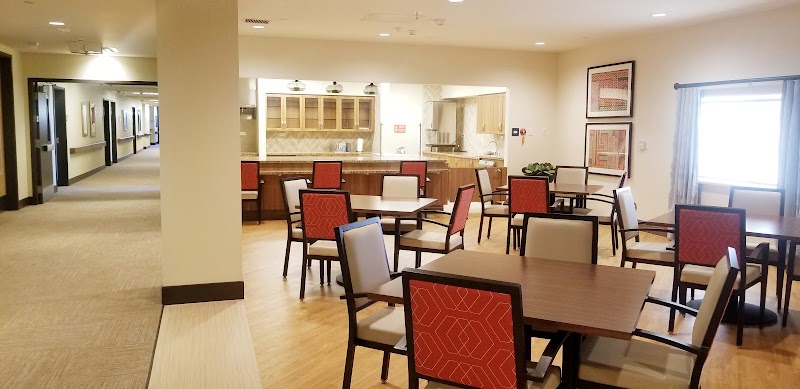
How is Surprise Center Staffed?

CMS rates SURPRISE HEALTH AND REHABILITATION CENTER's staffing level at 2 out of 5 stars, which is below average compared to other nursing homes. Staff turnover is 52%, compared to the Arizona average of 46%.

What Have Inspectors Found at Surprise Center?

State health inspectors documented 11 deficiencies at SURPRISE HEALTH AND REHABILITATION CENTER during 2021 to 2025. These included: 11 with potential for harm.

Who Owns and Operates Surprise Center?

SURPRISE HEALTH AND REHABILITATION CENTER is owned by a for-profit company. For-profit facilities operate as businesses with obligations to shareholders or private owners. The facility is operated by THE ENSIGN GROUP, a chain that manages multiple nursing homes. With 100 certified beds and approximately 99 residents (about 99% occupancy), it is a mid-sized facility located in SURPRISE, Arizona.

How Does Surprise Center Compare to Other Arizona Nursing Homes?

Compared to the 100 nursing homes in Arizona, SURPRISE HEALTH AND REHABILITATION CENTER's overall rating (5 stars) is above the state average of 3.3, staff turnover (52%) is near the state average of 46%, and health inspection rating (5 stars) is much above the national benchmark.

What Should Families Ask When Visiting Surprise Center?

Based on this facility's data, families visiting should ask: "Can you walk me through typical staffing levels on day, evening, and night shifts?" "Can I visit during a mealtime to observe dining assistance and food quality?" "How do you handle medical emergencies, and what is your hospital transfer rate?" "Can I speak with family members of current residents about their experience?" These questions are particularly relevant given the below-average staffing rating.

Is Surprise Center Safe?

Based on CMS inspection data, SURPRISE HEALTH AND REHABILITATION CENTER has a clean safety record: no substantiated abuse findings (meaning no confirmed cases of resident harm), no Immediate Jeopardy citations (the most serious violation level indicating risk of serious injury or death), and is not on the Special Focus Facility watch list (a federal program monitoring the lowest-performing 1% of nursing homes). The facility has a 5-star overall rating and ranks #1 of 100 nursing homes in Arizona. While no facility is perfect, families should still ask about staff-to-resident ratios and recent inspection results during their visit.

Do Nurses at Surprise Center Stick Around?

SURPRISE HEALTH AND REHABILITATION CENTER has a staff turnover rate of 52%, which is 6 percentage points above the Arizona average of 46%. Moderate turnover is common in nursing homes, but families should still ask about staff tenure and how the facility maintains care continuity when employees leave.

Was Surprise Center Ever Fined?

SURPRISE HEALTH AND REHABILITATION CENTER has no federal fines on record. CMS issues fines when nursing homes fail to meet care standards or don't correct problems found during inspections. The absence of fines suggests the facility has either maintained compliance or corrected any issues before penalties were assessed. This is a positive indicator, though families should still review recent inspection reports for the full picture.

Is Surprise Center on Any Federal Watch List?

SURPRISE HEALTH AND REHABILITATION CENTER is not on any federal watch list. The most significant is the Special Focus Facility (SFF) program, which identifies the bottom 1% of nursing homes nationally based on persistent, serious quality problems. Not being on this list means the facility has avoided the pattern of deficiencies that triggers enhanced federal oversight. This is a positive indicator, though families should still review the facility's inspection history directly.