FRIENDSHIP VILLAGE OF TEMPE
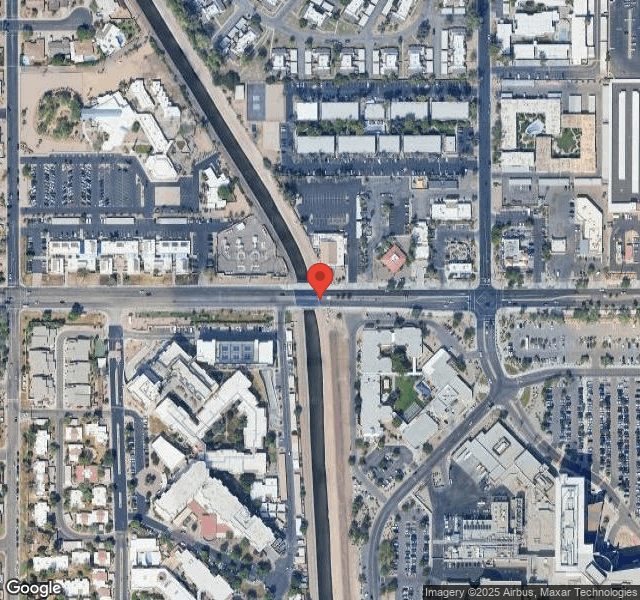

2525 EAST SOUTHERN AVENUE, TEMPE, AZ 85282 (480) 831-3184
Non profit - Corporation 128 Beds Independent Data: November 2025
Trust Grade
50/100
#104 of 139 in AZ
Last Inspection: January 2025

Within standard 12-15 month inspection cycle. Federal law requires annual inspections.

Overview

Friendship Village of Tempe has a Trust Grade of C, indicating that it is average compared to other facilities-neither great nor terrible. It ranks #104 out of 139 nursing homes in Arizona, placing it in the bottom half of the state, and #65 out of 76 in Maricopa County, meaning there are few better local options. Unfortunately, the facility's trend is worsening; issues increased significantly from 3 in 2023 to 19 in 2025. On a positive note, staffing is a strong point here, with a 5/5 star rating and a turnover rate of 45%, which is below the state average. However, there have been concerning incidents, such as failing to provide necessary daily living assistance to a resident, not administering pain medication as prescribed, and storing food unsafely in the kitchen, which could lead to health risks. Overall, while there are strengths in staff stability and care coverage, there are notable weaknesses in compliance and care practices that families should consider.

Trust Score
C
50/100
In Arizona
#104/139
Bottom 26%
Safety Record
Low Risk
No red flags
Inspections
Getting Worse
3 → 19 violations
Staff Stability
○ Average
45% turnover. Near Arizona's 48% average. Typical for the industry.
Penalties
✓ Good
No fines on record. Clean compliance history, better than most Arizona facilities.
Skilled Nurses
✓ Good
Each resident gets 129 minutes of Registered Nurse (RN) attention daily — more than 97% of Arizona nursing homes. RNs are the most trained staff who catch health problems before they become serious.
Violations
⚠ Watch
26 deficiencies on record. Higher than average. Multiple issues found across inspections.
★★☆☆☆
2.0
Overall Rating
★★★★★
5.0
Staff Levels
★★★★★
5.0
Care Quality
★☆☆☆☆
1.0
Inspection Score
Stable
2023: 3 issues
2025: 19 issues

The Good

  • 5-Star Staffing Rating · Excellent nurse staffing levels
  • 5-Star Quality Measures · Strong clinical quality outcomes
  • Full Sprinkler Coverage · Fire safety systems throughout facility
  • No fines on record
  • Staff turnover below average (45%)

    3 points below Arizona average of 48%

Facility shows strength in staffing levels, quality measures, fire safety.

The Bad

2-Star Overall Rating

Below Arizona average (3.3)

Below average - review inspection findings carefully

Staff Turnover: 45%

Near Arizona avg (46%)

Typical for the industry

The Ugly 26 deficiencies on record

Apr 2025 2 deficiencies
CONCERN (D) 📢 Someone Reported This

A family member, employee, or ombudsman was alarmed enough to file a formal complaint

Potential for Harm - no one hurt, but risky conditions existed

Report Alleged Abuse (Tag F0609)

Could have caused harm · This affected 1 resident

**NOTE- TERMS IN BRACKETS HAVE BEEN EDITED TO PROTECT CONFIDENTIALITY** Based on clinical record review, resident and staff interviews, and policy review, the facility failed to ensure that an inciden...

Read full inspector narrative →
**NOTE- TERMS IN BRACKETS HAVE BEEN EDITED TO PROTECT CONFIDENTIALITY** Based on clinical record review, resident and staff interviews, and policy review, the facility failed to ensure that an incident involving abuse between a staff member and one resident (#30) was reported in a timely manner. The deficient practice could result in continued staff to resident abuse. Findings include: Resident #30 was admitted to the facility on [DATE] with diagnoses that included anxiety, depression, hypertension, head contusion, delirium, and epilepsy. A 5-Day Medicare Minimum Data Set (MDS) assessment initiated on February 18, 2025, revealed a Brief Interview for Mental Status (BIMS) score of 03, which indicated severe cognitive impairment. A progress note dated March 6, 2025 at 8:38 a.m. revealed that Resident #30 spoke to her daughter who reported to the Registered Nurse (RN/Staff#4) that the resident was pulled out of bed and splashed with water by a staff member in the morning. Review of the facility investigation report for staff-to-resident abuse dated March 6, 2025 revealed that the incident occurred on March 5, 2025 at approximately 10 a.m. The investigation revealed that the facility reported the incident to Adult Protective Services (APS) on March 6, 2025 at 9:58 a.m., the Police Department on March 6, 2025 at 11:40 a.m., and the Arizona Department of Health Services (AZDHS) on March 6, 2025 at 4:53 p.m The investigation also revealed that Resident #30 ' s daughter sent a text message to a Social Worker (SW/Staff#7) at the facility on March 5, 2025 at 4:56 p.m. reporting that she attempted to call the nursing supervisor because her mother was pulled up out of bed and was requesting a more gentle approach to care. The investigation revealed that the SW went to Staff #4, the RN, and asked if she knew anything about the report and the RN reported the resident was talking about the incident with her and the activity aide 30 minutes prior. A telephonic interview was conducted on April 1, 2025 at 10:57 a.m. with Resident #30 ' s daughter who stated that the resident called her on March 5, 2025 to tell her she was yanked out of bed that morning, and the daughter called the nurse supervisor right away to report it. The daughter stated that the facility called her on March 6, 2025 to investigate and explain the incident, despite the incident occurring on March 5, 2025. A telephonic interview was conducted on April 1, 2025 at 11:23 a.m. with a Certified Nursing Assistant (CNA/Staff#17), who stated that, for all types of abuse, staff were required to report immediately per facility policy, and within 2 hours to the nurse, Director of Nursing (DON), and next shift staff if an allegation of abuse was made or suspected. The CNA stated that she answered Resident #30 ' s call light with another CNA (Staff #50) and they prevented the resident from falling out of the bed by helping her move up. The CNA stated that the resident told her you were just rough with me, and their response was to transfer her slower. The CNA stated that she reported the incident immediately to the RN (Staff #4) and that it was for sure within 2 hours of the event. A telephonic interview was attempted with a LNA (Licensed Nursing Assistant/staff #50) who was involved in the incident on March 5, 2025, however there was no response to the call. A telephonic interview was attempted on April 1, 2025 at 11:43 a.m with the RN (staff #71) who was involved in the March 5, 2025 incident, however there was no response to the call. A telephonic interview was attempted on April 1, 2025 at 11:44 a.m with a RN(Staff #4) who was involved in the incident, however there was no response An interview was conducted on April 1, 2025 at 1:50 p.m. with the Director of Nursing (DON/Staff#46) who stated that staff are to report allegations of abuse immediately, however, the facility has 2 hours to report to state agencies for serious bodily injury, and 24 hours for abuse without serious bodily injury. The DON stated that the SW(Staff #7) overheard the resident saying she was yanked out of her bed, and the social worker reported the incident to management later in the afternoon. An interview was conducted on April 1, 2025 at 2:21 p.m. with the Administrator (Admin/Staff#11), who stated that it was her expectation for staff to report abuse immediately, and the facility had 2 hours to report abuse with injury and 24 hours to report abuse with no injury. The administrator stated that the event occurred on March 5, 2025 in the morning, and the facility became aware of the allegation on March 5, 2025 at 5:00 p.m. The administrator also stated that the police were notified on March 6, 2025 at 11:40 a.m., and APS was notified on March 6, 2025 at 10 a.m. The administrator further stated that the allegation was reported to AZDHS on March 6, 2025 at 4:54 p.m., and it was reported 24 hours after the incident occurred. Review of a policy titled, Abuse Prevention Program, revealed that employees were required to report any incident, allegation, or suspicion of potential abuse if they had observed, heard about, or suspected it immediately to the administrator or person in charge of the community. The policy also revealed that any allegation of abuse would be reported to the administrator, AZDHS, and the resident ' s representative as soon as possible within 24 hours. The policy revealed that the timeframe for reporting allegations of abuse was immediately but no later than 2 hours for abuse with serious bodily injury, and all others no later than 24 hours after forming the suspicion. Review of §483.12(c)(1) in the State Operations Manual, Appendix PP, revealed that the facility should ensure that all alleged violations involving abuse, neglect, exploitation or mistreatment, including injuries of unknown source and misappropriation of resident property, are reported immediately, but not later than 2 hours after the allegation is made, if the events that cause the allegation involve abuse or result in serious bodily injury, or not later than 24 hours if the events that cause the allegation do not involve abuse and do not result in serious bodily injury, to the administrator of the facility and to other officials (including to the State Survey Agency and adult protective services where state law provides for jurisdiction in long-term care facilities) in accordance with State law through established procedures.
CONCERN (D) 📢 Someone Reported This

A family member, employee, or ombudsman was alarmed enough to file a formal complaint

Potential for Harm - no one hurt, but risky conditions existed

Medical Records (Tag F0842)

Could have caused harm · This affected 1 resident

**NOTE- TERMS IN BRACKETS HAVE BEEN EDITED TO PROTECT CONFIDENTIALITY** Based on clinical record review, staff interviews, observations, and facility documentation, staff interviews and policy review,...

Read full inspector narrative →
**NOTE- TERMS IN BRACKETS HAVE BEEN EDITED TO PROTECT CONFIDENTIALITY** Based on clinical record review, staff interviews, observations, and facility documentation, staff interviews and policy review, the facility failed to ensure professional standards of quality were met regarding accurate documentation for one of three sampled residents (#24). The deficient practice could result in residents' clinical record not being accurate and complete. Findings include : Resident #24 was admitted to the facility on [DATE] with diagnoses that included atrial fibrillation, hypertension, pacemaker, and anemia. A quarterly Minimum Data Sheet (MDS) assessment dated [DATE], revealed a Brief Interview for Mental Status (BIMS) score of 15 which indicated intact cognition. The clinical record dated February 14, 2025 through February 16, 2025, revealed no evidence of the resident ' s allegation of abuse that occurred on February 14, 2025, despite the facility investigation regarding abuse on February 14, 2025. A facility allegation record, dated February 14, 2025 revealed that Resident #24 reported to a RN(staff #112) that on February 14, 2025, a Certified Nurse Assistant (CNA/staff #55) was rude, loud and told Resident #24 that she had a big butt while providing personal care. An interview was conducted on April 1, 2025 at 2:32 p.m. with the Director of Nursing (DON/staff #46), who stated that the facility investigated the complaint as verbal abuse, therefore due to protecting residents' confidentiality the allegation was not recorded in the clinical record. She stated that the facility never records such allegations in the clinical records because all staff have access to it, therefore the facility investigates it separately in confidentiality. An interview was conducted on April 1, 2025 at 1:38 pm with a Registered Nurse (RN/staff #100), who stated it is important to document allegations like verbal abuse in the clinical record for resident safety and care. A policy titled, Abuse Prevention Program, revealed that resident and resident representative concerns will be recorded, reviewed and addressed. All incidents will be documented, whether or not abuse occurred, was alleged or suspected.
Mar 2025 2 deficiencies
CONCERN (D) 📢 Someone Reported This

A family member, employee, or ombudsman was alarmed enough to file a formal complaint

Potential for Harm - no one hurt, but risky conditions existed

Abuse Prevention Policies (Tag F0607)

Could have caused harm · This affected 1 resident

**NOTE- TERMS IN BRACKETS HAVE BEEN EDITED TO PROTECT CONFIDENTIALITY** Based on clinical record review, resident and staff interviews, and policy review, the facility failed to ensure that the abuse ...

Read full inspector narrative →
**NOTE- TERMS IN BRACKETS HAVE BEEN EDITED TO PROTECT CONFIDENTIALITY** Based on clinical record review, resident and staff interviews, and policy review, the facility failed to ensure that the abuse policy was followed regarding an incident of abuse between a staff member and one resident (#63). The deficient practice could result in continued staff to resident abuse. Findings include: Resident #63 was admitted to the facility on [DATE] with diagnoses that included sepsis, anemia, long term use of anticoagulants, depression, insomnia, and type 2 diabetes. A progress note dated March 7, 2025 at 1:29 p.m. revealed that Resident #63 reported to overnight staff that another staff member threw a TV remote at him, and that the staff member cussed him out and raised her voice when she came into the room. A Minimum Data Set (MDS) assessment initiated on March 9, 2025 revealed that Resident #63 had a Brief Interview for Mental Status (BIMS) score of 15, which indicated intact cognition. Review of the facility investigation dated March 7, 2025 at 1:55 p.m. revealed that the incident occurred on March 7, 2025 at 5:30 a.m The investigation also revealed that an interview was conducted with an LPN who stated that Resident #63 complained to her about the CNA grabbing his hand and scratching it, but she did not get the chance to tell a supervisor because she was so busy. An interview was conducted on March 20, 2025 at 11:31 a.m. with a Licensed Practical Nurse (LPN/Staff#117) who stated that Resident #63 reported to her in the early morning during medication administration that a CNA had held his hand too tight during a brief change. The LPN stated that she intended to report it but failed to, and that, as per the facility policy, she should have reported the allegation to a supervisor that day. The LPN stated that she had received abuse training in February of 2025. An interview was conducted on March 20, 2025 at 12:00 p.m. with Resident #63 who stated that an incident occurred with a staff member (CNA/staff #150) who he thought threw a remote at him but he concluded that she did not intentionally throw anything or hurt him. An interview was conducted on March 20, 2025 at 1:24 p.m. with a Registered Nurse (RN/Staff#157) who stated that no matter what the allegation was or if you felt like it did not occur, the policy would be to report allegations of abuse immediately to the managers and the Director of Nursing, and that it would be important because they would need to fully investigate the allegation and ensure that the resident was removed from harm. An interview was conducted on March 20, 2025 at 1:30 p.m. with a Certified Nursing Assistant (CNA/Staff#111) who stated that the facility policy for reporting abuse was 2 hours, and it would need to be reported to the supervisors. An interview was conducted on March 20, 2025 at 1:37 p.m. with a CNA (Staff #60) who stated allegations of abuse would need to be reported immediately to the supervisor per the facility policy to provide safety to the resident and everyone else. The CNA stated that the risk of not following the policy could be that the resident would not be helped and abuse could continue. An interview was conducted on March 20, 2025 at 1:48 p.m. with the Health Services Administrator (Administrator/Staff #26) and Associate Administrator (Staff #120) who stated that they expected staff to report allegations of abuse to management immediately so that the facility could report to all appropriate agencies within 2 hours of becoming aware. The administrator stated that they suspended and fired the LPN for not following the facility ' s abuse policy. The administrator stated that the facility staff were responsible for following the abuse policy and that the risk of not following the abuse policy could result in further abuse, unknown abuse, or fear of reporting. An interview was conducted on March 20, 2025 at 2:05 p.m. with the Director of Nursing (DON/Staff #51), who stated that the facility became aware of the abuse allegation at around 12:30 p.m. on March 7, 2025. The DON stated that the LPN told her that she did not have time to report the allegation to management. The DON stated that the allegation would have been reported by the resident to the LPN between 4-6 a.m. and they did not begin the investigation or reporting process until 12:30 p.m. the following day. The DON stated that the risk of not following the abuse policy would be that residents would suffer harm or injury. Review of a policy titled, Abuse Prevention Program, revealed that employees were required to report any incident, allegation, or suspicion of potential abuse if they had observed, heard about, or suspected it immediately to the administrator or person in charge of the community. The policy also revealed that physical abuse with injury should have been reported within 2 hours of forming the suspicion.
CONCERN (D) 📢 Someone Reported This

A family member, employee, or ombudsman was alarmed enough to file a formal complaint

Potential for Harm - no one hurt, but risky conditions existed

Report Alleged Abuse (Tag F0609)

Could have caused harm · This affected 1 resident

**NOTE- TERMS IN BRACKETS HAVE BEEN EDITED TO PROTECT CONFIDENTIALITY** Based on clinical record review, resident and staff interviews, and policy review, the facility failed to ensure that an inciden...

Read full inspector narrative →
**NOTE- TERMS IN BRACKETS HAVE BEEN EDITED TO PROTECT CONFIDENTIALITY** Based on clinical record review, resident and staff interviews, and policy review, the facility failed to ensure that an incident involving abuse between a staff member and one resident (#63) was reported in a timely manner. The deficient practice could result in continued staff to resident abuse. Findings include: Resident #63 was admitted to the facility on [DATE] with diagnoses that included sepsis, anemia, long term use of anticoagulants, depression, insomnia, and type 2 diabetes. A progress note dated March 7, 2025 at 1:29 p.m. revealed that Resident #63 reported to overnight staff (Licensed Practical Nurse/LPN) (Staff #117) that another staff member (Certified Nursing Assistant/CNA) (Staff#150) threw a TV remote at him. A 5-Day Medicare Minimum Data Set (MDS) assessment initiated on March 9, 2025, revealed a Brief Interview for Mental Status (BIMS) score of 15, which indicated intact cognition. Review of the facility investigation dated March 7, 2025 at 1:55 p.m. revealed that the incident occurred on March 7, 2025 at 5:30 a.m. The investigation also revealed that an interview was conducted with an LPN (Staff #117) who stated that Resident #63 complained to her about a CNA (Staff #50) grabbing his hand and scratching it, but she did not get the chance to tell a supervisor because she was so busy. The facility investigation revealed the incident was reported on March 7, 2025 at approximately 12:30 p.m An interview was conducted on March 20, 2025 at 11:31 a.m. with a Licensed Practical Nurse (LPN/Staff#117) who stated allegations of abuse should be reported to her supervisor immediately. The LPN stated that Resident #63 reported to her in the early morning during medication administration, that a CNA (Staff #150) had held his hand too tight during a brief change. The LPN also stated that she could not find her supervisor to report the allegation of abuse during her shift change, and that she went home without reporting the allegation. The LPN stated that she intended to report it but failed to, and that she should have reported the allegation to a supervisor that day. The LPN stated that she had received abuse training in February of 2025, and that she knew she needed to report it immediately. An interview was conducted on March 20, 2025 at 12:00 p.m. with Resident #63 who stated that an incident occurred with a staff member (CNA/staff #150) who he thought threw a remote at him but he concluded that she did not intentionally throw anything or hurt him. An interview was conducted on March 20, 2025 at 1:24 p.m. with a Registered Nurse (RN/Staff#157) who stated that no matter what the allegation was or if you felt like it did not occur, the policy would be to report allegations of abuse immediately to the manager and the Director of Nursing. An interview was conducted on March 20, 2025 at 1:30 p.m. with a Certified Nursing Assistant (CNA/Staff#111) who stated the timeframe for reporting abuse was 2 hours, and it would need to be reported to the supervisors. An interview was conducted on March 20, 2025 at 1:37 p.m. with a CNA (Staff #60) who stated allegations of abuse would need to be reported immediately to the supervisor as per the facility policy to provide safety to the resident and everyone else. An interview was conducted on March 20, 2025 at 1:48 p.m. with the Health Services Administrator (Administrator/Staff #26) and Associate Administrator (Staff #120), who stated that they expected staff to report allegations of abuse to management immediately so that the facility could report to all appropriate agencies within 2 hours of becoming aware. The administrator stated that failure to report would result in residents continuing to be abused or it was possible for other residents to be abused. The administrator stated that staff were responsible for reporting allegations of abuse immediately and that the risk of staff failing to do so could result in further abuse, unknown abuse, or fear of reporting. An interview was conducted on March 20, 2025 at 2:05 p.m. with the Director of Nursing (DON/Staff #51), who stated that the facility became aware of the allegation at around 12:30 p.m. on March 7, 2025 when the resident reported to an admissions assistant that a caregiver yelled at him and threw a remote at him. The DON stated that while investigating the allegation, she interviewed the staff working the nightshift and the LPN (staff #117) stated that nothing happened, but later changed her story and stated oh yeah, he said that the CNA hurt his hand. The DON stated that the LPN stated that she did not have time to report the allegation to management. The DON stated that the LPN ' s failure to report was not within her expectations, and that the facility had done education the week before the incident occurred in which all staff took a competency quiz to indicate they knew the abuse policies. The DON stated that the allegation would have been reported by the resident to the LPN between 4-6 a.m. and they did not begin the investigation or reporting process until 12:30 p.m. the following day. Review of a policy titled, Abuse Prevention Program, revealed that employees were required to report any incident, allegation, or suspicion of potential abuse if they had observed, heard about, or suspected it immediately to the administrator or person in charge of the community. The policy also revealed that physical abuse with injury should have been reported within 2 hours of forming the suspicion.
Mar 2025 4 deficiencies
CONCERN (D) 📢 Someone Reported This

A family member, employee, or ombudsman was alarmed enough to file a formal complaint

Potential for Harm - no one hurt, but risky conditions existed

Free from Abuse/Neglect (Tag F0600)

Could have caused harm · This affected 1 resident

**NOTE- TERMS IN BRACKETS HAVE BEEN EDITED TO PROTECT CONFIDENTIALITY** Based on observation, clinical record review, facility documentation, and staff interviews, the facility failed to ensure that o...

Read full inspector narrative →
**NOTE- TERMS IN BRACKETS HAVE BEEN EDITED TO PROTECT CONFIDENTIALITY** Based on observation, clinical record review, facility documentation, and staff interviews, the facility failed to ensure that one resident (#39) was not physically or sexually abused by another resident (#55). Findings include: Resident #39 was admitted to the facility on [DATE] with diagnoses that included cellulitis of the left upper limb, dementia without behavioral disturbance, and generalized muscle weakness. Review of the Minimum Data Set (MDS) dated [DATE] revealed a Brief Interview for Mental Status (BIMS) score of 11, indicating moderate cognitive impairment. Review of the resident's care plan revealed a focus, initiated on February 16, 2025, that indicated that the resident had memory deficits related to her diagnosis of dementia. Review of Resident #39's progress notes revealed no evidence that any potential abuse situations had occurred on the night of March 2, 2025. There was evidence that a skin assessment was completed, noting bruising on multiple parts of the resident's body, which was documented as present on admission. Additionally, the nursing noted on March 2, 2025 at 11:00PM revealed that Resident #39 was noted to be bleeding from the right elbow, which was then cleaned and dressed appropriately. Resident #55 was admitted to the facility on [DATE] with diagnoses that included dementia without behavioral disturbance, insomnia, and hyperlipidemia. Review of the Quarterly Minimum Data Set (MDS) dated [DATE] revealed a Brief Interview for Mental Status (BIMS) score of 6, indicating severe cognitive impairment. Review of Resident #55's progress notes revealed no evidence that any potential abuse situations had occurred on the night of March 2, 2025. There was a note dated March 3, 2025 at 07:04AM, which revealed that Resident #55 had been moved to a room on the third floor, though no rationale was given as to why the change had occurred. An additional note on March 3, 2025 at 1:14PM revealed that the resident was discharged to memory care, though the note on March 5, 2025 at 15:37 revealed that the resident returned to his room on the third floor from memory care on this date. Review of the facility investigation revealed hand-written statements, written on March 2, 2025, from staff members who witnessed the event. In these statements, three Certified Nursing Assistants (Staff #22, Staff #16, and Staff #18) confirmed witnessing Resident #55 inappropriately touch Resident #39, including squeezing her arms and grabbing her breasts. The statements from the CNAs revealed that Resident #55 continued these behaviors despite staff re-direction and Resident #39 telling him to stop. Interview was conducted on March 6, 2025 at 11:49AM with a Certified Nursing Assistant (CNA/ Staff #17), who stated that he would consider inappropriate touching to be abuse, and that if he saw this occur, he would separate the residents immediately and report it to his supervisors. The CNA also explained that he felt there was enough staffing to monitor and care for residents, except when staff call out of work. He stated that management does not help to work the floor when the staffing is short. Interview was conducted on March 6, 2025 at 12:05PM with a Registered Nurse (RN/Staff #25), who stated that she would consider inappropriate touching, such as touching of the breast area, to be potential abuse. She stated that if she witnessed any signs of abuse, she would report this to her supervisor and would document what she saw in the nursing progress notes. Interview was conducted on March 6, 2025 at 1:03PM with a Certified Nursing Assistant (CNA/Staff #22) who confirmed that she was present and clearly witnessed the interaction between Resident #39 and Resident #55 on the night of March 2, 2025. She stated that the two residents were attempting to elope from the facility by entering the elevator. She described that Resident #39 was sitting in her wheelchair, and Resident #55 was standing behind her, holding onto her wheelchair. The CNA described that Resident #39 was being combative, using racial slurs toward the nurse supervisor. She described that as Resident #39 got more agitated, the staff had stepped back to give her space. The CNA explained that Resident #55 appeared to be attempting to comfort Resident #39. She further stated that Resident #55 began to utilize more and more touch with Resident #39. She described that Resident #55 was stroking up and down Resident #39's arms and was touching her hair from behind her. She also stated that Resident #55 had grabbed Resident #39's breasts, describing the interaction as a full grab to both sides of her chest. She stated that Resident #55 had been rubbing up and down on her chest, and had grabbed both breasts in the process. Upon seeing this, the CNA stated that she attempted to intervene, but the residents were difficult to separate. The CNA stated that Resident #55 got more agitated as staff attempted to intervene and that he squeezed Resident #39's arm. She explained that he had grabbed Resident #39's bicep area and squeezed. The CNA stated that this appeared to cause Resident #39 pain, explaining that Resident #39 had an injured wrist, which was wrapped, and Resident #55 had squeezed the injured arm. The CNA explained that at one point, Resident #39 had pointed at Resident #55 and had told him to stop touching her, but Resident #55 did not let go. The CNA stated that the residents were finally separated with the help of Resident #55's spouse. When asked if she felt this was a potential abuse situation, the CNA stated yes and no. She elaborated that Resident #55 appeared to be enjoying himself in the moment, but she also knew that he was not a completely alert and oriented resident. Additionally, the CNA explained that she felt that the facility did not provide adequate training on how to manage their residents with behaviors. She stated that she was trained to separate the residents, but was later told by her supervisors that the residents should have been left alone. The CNA expressed frustration at not having the training of knowing how to manage residents in situations like these. Interview was conducted with Resident #55 on March 6, 2025 at 2:00PM. The resident's speech was difficult to follow, as the responses given were disorganized. However, the resident denied recalling any interactions with a female resident by the elevator recently. An interview was conducted on March 6, 2025 at 2:37PM with the Director of Nursing (DON). The DON stated that facility offers annual abuse training, which includes training on the types of abuse, reporting, and prevention. The DON confirmed that inappropriate touching would be a sign of potential abuse. She explained that any concerns for abuse should be reported to facility management immediately. She also stated that nursing documentation would consist of whatever the nurses are instructed to complete by their supervisors, which she states most likely would be paper statements for the facility investigation. She stated she would not expect documentation in the clinical record unless injury occurred. The DON explained that on March 2, 2025 at 8:32PM, she was notified by the night shift nurse manager by phone call of an incident between Resident #39 and Resident #55. She stated that she was informed that during the incident, Resident #55 had touched Resident #39's breasts. The nurse manager had contacted the family for both residents. The DON stated that the next day, she had reviewed the camera footage from the event. She described that she had seen in the footage that Resident #55 was petting Resident #39's hand because she was upset. The DON stated that Resident #55 was petting up and down Resident #39's arms, and stated that he may have been touching the sides of her breasts in the process. She also stated that when Resident #55 went to hug Resident #39, his hands were on her breast area. She stated that the whole event lasted approximately 25 minutes. The DON explained that the two residents seemed to like each other. She elaborated that Resident #55's spouse had previously expressed that she did not want the two residents together, so staff were trying to keep them apart. The DON stated that Resident #55 had since been moved to a new room on a different floor until he discharges to memory care. She stated that he was sent to memory care for a short time on March 3, 2025, but had returned to the facility. She stated she could not speak to what happened, but stated that the memory care section could not meet his needs there. The DON explained that the plan was to have Resident #55 be in his new room on the new floor with family or a sitter present. A review of the camera footage was conducted with the DON on March 6, 2025 at 3:33PM. The DON explained that the footage was for March 2, 2025 at 7:59PM. The footage revealed one female resident sitting in her wheelchair near the elevator, with another male resident pushing the wheelchair from behind. The female resident appeared irate. The camera footage also revealed that the female resident had her left arm/wrist area wrapped in what appeared to be a gauze wrap. The DON identified these residents as Resident #39 and Resident #55. The footage also showed three staff members standing around the two residents, and another staff member could be seen at the nursing station, talking on the phone. The DON identified all of the staff members, which included three Nursing Assistants, including Staff #22, Staff #16, and Staff #18, around the residents and the nurse manager, who was at the desk. All three of the Nursing Assistants had clear view of the residents. However, one of the Nursing Assistants was standing in front of the residents so that the camera did not capture most of the interaction between the two residents. In parts of the footage, it could be seen that Resident #55 was rubbing his hands down the arms and on the head of Resident #39. The DON stated that in what she could see in the footage, it appeared that Resident #55 was attempting to comfort Resident #39 by stroking her arms and patting her head. She stated that she believed that the resident may have unconsciously put his hands on her chest or sides of her chest in the process. Due to an obscured view, the camera footage could not confirm much about the physical contact made by the residents. Review of the facility policy titled, Abuse Prevention Program, revealed that it is the facility's policy to provide each resident with an environment that is free from verbal, sexual, physical, and mental abuse. The policy defines sexual abuse as non-consensual contact of any kind with a resident. Physical abuse is defined in this policy as hitting, slapping, pinching, kicking, etc. The policy indicated that residents who allegedly mistreat another resident will be removed from contact with other residents during the course of the investigation. The policy revealed that all incidents will be documented, whether or not abuse occurred, was alleged or suspected. This policy indicated that all suspected crimes, including physical or sexual abuse, will be reported to the Administrator immediately and to the State Department of Health as soon as possible within 24 hours. The policy indicated that allegations involving serious bodily injury should be reported within 2 hours, while all others should be reported not later than 24 hours after forming the suspicion.
CONCERN (D) 📢 Someone Reported This

A family member, employee, or ombudsman was alarmed enough to file a formal complaint

Potential for Harm - no one hurt, but risky conditions existed

Abuse Prevention Policies (Tag F0607)

Could have caused harm · This affected 1 resident

**NOTE- TERMS IN BRACKETS HAVE BEEN EDITED TO PROTECT CONFIDENTIALITY** Based on clinical record review, staff interviews, facility documentation and policy review, the facility failed to develop and ...

Read full inspector narrative →
**NOTE- TERMS IN BRACKETS HAVE BEEN EDITED TO PROTECT CONFIDENTIALITY** Based on clinical record review, staff interviews, facility documentation and policy review, the facility failed to develop and implement policies and procedures for documenting and reporting alleged violations involving abuse, in accordance with federal and state laws and regulations. The deficient practice resulted in an alleged violation concerning abuse not being documented in the residents' (#39 and #55) clinical records, and the allegation not being reported within the mandatory two-hour timeframe to Adult Protective Services (APS) and the State Agency. This deficient practice could result in further allegations not being documented or reported in a timely manner, which could impact residents' quality of life and care. Findings include: Resident #39 was admitted to the facility on [DATE] with diagnoses that included cellulitis of the left upper limb, dementia without behavioral disturbance, and generalized muscle weakness. Review of Resident #39's progress notes revealed no evidence that any potential abuse situations had occurred on the night of March 2, 2025. Resident #55 was admitted to the facility on [DATE] with diagnoses that included dementia without behavioral disturbance, insomnia, and hyperlipidemia. Review of Resident #55's progress notes revealed no evidence that any potential abuse situations had occurred on the night of March 2, 2025. There was a note dated March 3, 2025 at 07:04AM, which revealed that Resident #55 had been moved to a room on the third floor, though no rationale was given in the clinical record as to why the change had occurred. Review of the facility's investigative report dated March 4, 2025 revealed the following: - In an interaction on March 2, 2025 at approximately 8:30PM, two residents (#39 and #55) were observed together, attempting to exit the unit via an elevator. While staff attempted to intervene, Resident #55 was observed by multiple staff to touch Resident #39 on the head, arms, and breasts. - The facility conducted an investigation and collected statements from the staff involved, who confirmed the allegations. - The event was reported to the Arizona Department of Health Services on March 3, 2025 at 4:33PM, and to APS on March 3, 2025 at 4:54PM. There was no evidence found that the abuse situation was reported to the State Agency or APS within the required two-hour timeframe. Interview was conducted on March 6, 2025 at 12:05PM with a Registered Nurse (RN/Staff #25), who stated that she would consider inappropriate touching, such as touching of the breast area, to be potential abuse. She stated that if she witnessed any signs of abuse, she would report this to her supervisor and would document what she saw in the nursing progress notes. Interview was conducted on March 6, 2025 at 12:13PM with a nurse manager (Staff #28), who stated that all abuse allegations or concerns should be reported to the Director of Nursing (DON) or Administrator. She also stated that the facility has two hours to report allegations of abuse. She also stated that she would expect details about what was witnessed to be documented, most likely in incident notes in the Electronic Health Record (EHR). An interview was conducted on March 6, 2025 at 2:37PM with the Director of Nursing (DON). The DON stated that her understanding of reporting requirements for potential abuse was that if the allegation resulted in any type of injury, the facility had 2 hours to report the incident. She stated that all other allegations could be reported within 24 hours. She also stated that nursing documentation regarding an abuse allegation would consist of whatever the nurses are instructed to complete by their supervisors, which she states most likely would be paper statements for the facility investigation. She stated she would not expect documentation in the clinical record unless injury occurred. Review of the facility policy titled, Abuse Prevention Program, revealed that it is the facility's policy to provide each resident with an environment that is free from verbal, sexual, physical, and mental abuse. The policy defines sexual abuse as non-consensual contact of any kind with a resident. Physical abuse is defined in this policy as hitting, slapping, pinching, kicking, etc. The policy revealed that all incidents will be documented, whether or not abuse occurred, was alleged or suspected. This policy indicated that all suspected crimes, including physical or sexual abuse, will be reported to the Administrator immediately and to the State Department of Health as soon as possible within 24 hours. The policy indicated that allegations involving serious bodily injury should be reported within 2 hours, while all others should be reported not later than 24 hours after forming the suspicion. Review of the Code of Federal Regulations (CFR), 42 CFR § 483.12 (2016), indicated that in response to allegations of abuse, neglect, exploitation, or mistreatment, the facility must: ensure that all alleged violations involving abuse, neglect, exploitation or mistreatment, including injuries of unknown source and misappropriation of resident property, are reported immediately, but not later than 2 hours after the allegation is made, if the events that cause the allegation involve abuse or result in serious bodily injury, or not later than 24 hours if the events that cause the allegation do not involve abuse and do not result in serious bodily injury, to the administrator of the facility and to other officials (including to the State Survey Agency and adult protective services where state law provides for jurisdiction in long-term care facilities) in accordance with State law through established procedures.
CONCERN (D) 📢 Someone Reported This

A family member, employee, or ombudsman was alarmed enough to file a formal complaint

Potential for Harm - no one hurt, but risky conditions existed

Report Alleged Abuse (Tag F0609)

Could have caused harm · This affected 1 resident

Based on clinical record reviews, facility documentation, and staff interviews, the facility failed to ensure that an alleged violation involving abuse (involving Resident #39 and Resident #55) was re...

Read full inspector narrative →
Based on clinical record reviews, facility documentation, and staff interviews, the facility failed to ensure that an alleged violation involving abuse (involving Resident #39 and Resident #55) was reported to the State Agency and Adult Protective Services (APS) within the required timeframe of two hours. Findings include: Review of the facility's reportable event record/report revealed that on March 2, 2025, a female resident (#39) had asked a male resident (#55) to push her wheelchair into the elevator to go to the second floor. When staff attempted to intervene, Resident #39 became very upset, and Resident #55 attempted to console her. In the process, Resident #55 touched Resident #39's arms, head, and sides of her breasts. The dates and times listed in the reportable event record were inconsistent, with one section listing the time of this event as March 2, 2025 at 1:30PM. Another section listed the event as occurring on March 2, 2025 at 08:30PM. Another section listed that it occurred on 3/3/3035 with no specified time. Review of the complete investigation revealed that the event most likely occurred on March 2, 2025 at approximately 8:30PM, as staff statements supplied supported this time and date. This event was reported to the Arizona Department of Health Services on March 3, 2025 at 4:33PM, and to APS on March 3, 2025 at 4:54PM. Review of the facility investigation revealed hand-written statements, written on March 2, 2025, from staff members who witnessed the event. In these statements, three Certified Nursing Assistants (Staff #22, Staff #16, and Staff #18) confirmed witnessing Resident #55 inappropriately touch Resident #39, including squeezing her arms and grabbing her breasts. The statements from the CNAs revealed that Resident #55 continued these behaviors despite staff re-direction and Resident #39 telling him to stop. The facility investigation also included an email statement, dated March 2, 2025 at 10:03PM, from the nurse manager who was on shift and witnessed the event. In this statement, the nurse manager described that he had called the Director of Nursing while the staff attempted to separate Resident #39 and Resident #55. Interview was conducted on March 6, 2025 at 12:13PM with a nurse manager (Staff #28), who stated that all abuse allegations or concerns should be reported to the Director of Nursing (DON) or Administrator. She also stated that the facility has two hours to report allegations of abuse. An interview was conducted on March 6, 2025 at 2:37PM with the Director of Nursing (DON). The DON stated that facility offers annual abuse training, which includes training on the types of abuse, reporting, and prevention. The DON confirmed that inappropriate touching would be a sign of potential abuse. She explained that any concerns for abuse should be reported to facility management immediately. The DON stated that her understanding of reporting requirements for potential abuse was that if the allegation resulted in any type of injury, the facility had 2 hours to report the incident. She stated that all other allegations could be reported within 24 hours. The DON explained that on March 2, 2025 at 8:32PM, she was notified by the night shift nurse manager by phone call of an incident between Resident #39 and Resident #55. She stated that she was informed that during the incident, Resident #55 had touched Resident #39's breasts. When discussing reporting timeframes, the DON stated that she believed that only allegations regarding injury had to be reported within 2 hours, and that she had been doing it this way for a long time. Review of the facility policy titled, Abuse Prevention Program, revealed that it is the facility's policy to provide each resident with an environment that is free from verbal, sexual, physical, and mental abuse. This policy indicated that all suspected crimes, including physical or sexual abuse, will be reported to the Administrator immediately and to the State Department of Health as soon as possible within 24 hours. The policy indicated that allegations involving serious bodily injury should be reported within 2 hours, while all others should be reported not later than 24 hours after forming the suspicion. Review of the Code of Federal Regulations (CFR), 42 CFR § 483.12 (2016), indicated that in response to allegations of abuse, neglect, exploitation, or mistreatment, the facility must: ensure that all alleged violations involving abuse, neglect, exploitation or mistreatment, including injuries of unknown source and misappropriation of resident property, are reported immediately, but not later than 2 hours after the allegation is made, if the events that cause the allegation involve abuse or result in serious bodily injury, or not later than 24 hours if the events that cause the allegation do not involve abuse and do not result in serious bodily injury, to the administrator of the facility and to other officials (including to the State Survey Agency and adult protective services where state law provides for jurisdiction in long-term care facilities) in accordance with State law through established procedures.
CONCERN (D) 📢 Someone Reported This

A family member, employee, or ombudsman was alarmed enough to file a formal complaint

Potential for Harm - no one hurt, but risky conditions existed

Accident Prevention (Tag F0689)

Could have caused harm · This affected 1 resident

**NOTE- TERMS IN BRACKETS HAVE BEEN EDITED TO PROTECT CONFIDENTIALITY** Based on observation, clinical record review, facility documentation, and staff interviews, the facility failed to ensure that a...

Read full inspector narrative →
**NOTE- TERMS IN BRACKETS HAVE BEEN EDITED TO PROTECT CONFIDENTIALITY** Based on observation, clinical record review, facility documentation, and staff interviews, the facility failed to ensure that adequate supervision was provided to one resident (#14) to prevent elopement from the facility. The deficient practice resulted in one resident leaving the building without notice, and could result in other residents going missing and/or getting injured. Findings include: Resident #14 was admitted to the facility on [DATE] with diagnoses that included Alzheimer's disease, unspecified hearing loss, and influenza. Review of the admission / Medicare 5-day Minimum Data Set (MDS), dated [DATE], revealed that the resident had a Brief Interview for Mental Status (BIMS) score of 9, indicating moderate cognitive impairment. Review of the elopement evaluation completed on February 11, 2025 revealed that the resident scored a 6, indicating the resident was at risk for elopement. Review of the resident's careplan revealed a focus, initiated on February 11, 2025, that indicated that the resident was an elopement risk, with interventions in place including to keep an identification bracelet on the resident at all times, using distractions to prevent wandering, and having staff or family to accompany the resident outside of the neighborhood. The goal in place was that the resident would not leave the neighborhood unattended. Review of the facility five-day investigative report regarding Resident #14's elopement revealed a statement from a security guard (Staff #24). The statement revealed that at 11:28AM on February 14, 2025, security noticed Resident #14 at the gate near the independent living area, across the street from the facility. The security noted that the resident seemed unaware of her surroundings. The security assisted the resident back to the second floor of the facility and into the care of the nurses. The staff member could not be reached for further interview. Further review of the facility five-day investigative report revealed a brief statement from the nurse supervisor (Staff #28), stating that the resident had made it out of the building and was found and returned unharmed. There was no evidence of statements from any additional staff working that day or statements from the resident or her representative. There was also no evidence in the report that camera footage had been reviewed or if any information had been obtained from the camera footage. A review of the progress notes revealed a general note dated February 14, 2025 at 12:11PM, which indicated that Resident #14 had made it out of the building and was found across the street. The note revealed that security had brought her back to the facility, and the resident's family was notified. There was no evidence that staff had noticed the resident to be missing or that action had been taken to locate the missing resident. Further review of the progress notes revealed another general note dated February 14, 2025 at 2:50PM, which revealed that Resident #14's family was asked to provide a caregiver to keep the resident safe. The note detailed that the family member was upset, stating that it is the facility's responsibility to watch the resident and keep her safe. An additional general note was added on February 14, 2025 at 3:39PM, which revealed that the resident would have a sitter from 8:00AM to 8:00PM for safety until she discharged to memory care services. Interview was conducted on March 6, 2025 at 12:29PM with Resident #14, who seemed to have poor recollection of her elopement on February 14, 2025. The resident repeatedly spoke of wishing to go to where she had lived before, stating that she had tried to go to where she had lived before coming to the facility. Interview was conducted on March 6, 2025 at 11:49AM with a Certified Nursing Assistant (CNA/Staff #17), who stated he did not recall receiving training on elopement from the facility, but he was familiar with what it was. The CNA explained that he felt there was enough staffing to monitor and care for residents, except when staff call out of work. He stated that management does not help to work the floor when the staffing is short. Additionally, the CNA stated that residents are allowed to leave the unit or building, but only with staff accompanying them. He explained that if a resident could not be found, staff would walkie-talkie to the other staff and begin searching for the resident. The CNA stated he was not aware of any recent elopement incidents in the facility. Interview was conducted on March 6, 2025 at 12:05PM with a Registered Nurse (RN/Staff #25), who stated that residents are allowed to leave the unit or building, but she would expect either staff or family to accompany them if they have dementia or confusion. The RN also stated that residents who are assessed to be an elopement risk have their careplans updated to reflect this, their photograph is placed at the nurses' stations and front desk, and staff know to re-direct them as needed. The RN stated that if a resident cannot be found, staff would look for the resident. If not found, the staff would call security and notify the supervisor and Director of Nursing (DON). The nurse explained that she was not working the day that Resident #14 had eloped from the facility, but had heard that she had left. She could not provide any details about the event. The RN identified that the risk of a resident leaving the building without notifying anyone to be that the resident could be run over by a vehicle. Interview was conducted on March 6, 2025 at 12:13PM with a nurse manager (Staff #28), who explained that she was working on the date that Resident #14 had eloped from the facility. She explained that on February 14, 2025, Resident #14 made it across the street, where security had found her and brought her back to the facility. The nurse manager stated that she was brought back to the facility on February 14, 2025 at 12:11PM. The nurse manager was unable to give the last time that the resident was seen, but stated that no one had noticed that the resident was gone. Interview was conducted on March 6, 2025 at 1:21PM with the Health Services Manager (Staff #33), who confirmed that she manages the front reception desk staff. She explained that residents are not required to check in and out at the reception desk when leaving or entering the facility, as the nursing staff does this. She explained that the front desk staff are made aware of the elopement risk residents by being provided a folder with pictures of the elopement risk residents, and the front desk staff are expected to watch out for those residents. She stated that the front desk has staff present everyday from 7:00AM to 7:00PM, and the doors automatically lock after hours, requiring security to open the doors for access. The manager reviewed the notes from the staff working on February 14, 2025, and stated that security had brought the resident back into the facility at 11:42AM. The front desk staff had not noticed that the resident had left the building. The manager also stated that the staff can not leave the front desk unattended. She confirmed that there were only two entrances to the building, the front entrance and an employee entrance, which requires a key card to access. Interview was conducted on March 6, 2025 at 2:37PM with the Director of Nursing (DON/ Staff #51), who stated that if a resident can not be found, staff will search the building for them and if they are not found, security is called. She stated that camera footage is also pulled to see if the resident went out of the door. Staff are expected to call the DON and the Administrator. If the resident is still not found, the police are called. The DON stated that on the day that Resident #14 eloped from the facility, the CNA had seen her 5 minutes prior to the resident going missing. When asked if there was documentation that this interaction had occurred, the DON stated that she had not obtained a statement from the CNA when conducting her investigation. The DON also stated that she was unsure if the resident had left the floor by taking the stairs or the elevator. When asked about camera footage, the DON explained that the camera system does not store footage from that far back, so the footage cannot be reviewed. The DON stated she was first informed of the situation when the nurse manager on shift called her, stating that Resident #14 was found at the gates and had crossed the street on her own, and was brought back by security. The nurse manager informed the DON that no one had seen her go, and that the resident's family would be notified. When asked if the resident had shown any wandering behaviors prior to the elopement, the DON confirmed that a few days prior, the resident had touched the door to the stairwell, which was located close to her room. She explained that this is when the resident's care plan and elopement assessments were updated. Review of the facility policy titled, Elopement/ Missing Resident, revealed that it is facility policy to attempt to prevent any elopement occurrence with any resident. The policy indicated that if a resident is identified to have elopement risk, a plan of care should be developed and strategies implement to keep the resident safe. The policy also detailed that once the resident is returned to the facility, the incident should be documented in a clinical note, which should include details such as when the resident was last seen, staff actions taken, when and where the resident was found, and condition of the resident and their clothing upon return.
Jan 2025 11 deficiencies
CONCERN (D)

Potential for Harm - no one hurt, but risky conditions existed

Resident Rights (Tag F0550)

Could have caused harm · This affected 1 resident

**NOTE- TERMS IN BRACKETS HAVE BEEN EDITED TO PROTECT CONFIDENTIALITY** Based on observation, clinical record review and facility policy, the facility failed to ensure that staff respect and value the...

Read full inspector narrative →
**NOTE- TERMS IN BRACKETS HAVE BEEN EDITED TO PROTECT CONFIDENTIALITY** Based on observation, clinical record review and facility policy, the facility failed to ensure that staff respect and value the resident's private space by knocking and requesting permission before entering the room for one resident (#17). This deficient practice could result in resident rights not respected and honored. Findings include: Resident #17 was admitted on [DATE] with diagnoses of encephalopathy, acute respiratory failure with hypoxia, and type 2 diabetes mellitus. A care plan dated December 16, 2024 included daily preferences with interventions that it was important to the resident to be able to use the phone in private. An observation was conducted on January 14, 2024 at 10:32 a.m. The resident's call light was not turned on. While conducting an interview with resident #17, a Certified Nursing Assistant (CNA/staff #145) entered the resident's room and stated that the call light was on. The CNA did not knock or announce her presence prior to entering the resident's room. The CNA then spoke to resident #17 and exited the room after. A few minutes later, the CNA (staff #145) reentered the resident's room again with another CNA (staff #15) without knocking or announcing their presence before they entered the resident's room. In both times, resident #17 was not asked whether the CNAs were okay to enter the room. An interview was conducted on January 14, 2024 at 10:36 a.m. with the CNA (staff #145) who said that when a call light is on, she would go into room, ask what the resident needed and take the resident's vitals. She stated that she would normally knock on the resident's door because she needed to. However, she said that if the call light was on that she would just enter the resident's room without knocking at the door prior to entry. An interview with another CNA (staff #35) was conducted on January 17, 2025 at 8:53 a.m. The CNA (staff #35) stated that prior to entering the resident's room, the CNA was to knock on door, and greet resident by name. The CNA (staff #35) also said that staff do not want to scare the residents and it is respectful for staff to introduce themselves and address the residents. In an interview with a Registered Nurse (RN/staff #180) conducted on January 17, 2024 at 9:22 a.m., the RN said her practice was to knock before she goes in the resident's room, introduce herself and tell the resident why she was in their room. An interview was conducted on January 17, 2025 at 2:43 P.M. with a Registered Nurse Unit Manager (RN/ staff# 223) who said that expectation is that the staff knock and announce themselves to make sure they are going into the right room An interview was conducted on January 17, 2025 at 3:37 P.M. with the Director of Nursing (DON/#241) who said that her expectations would be that the staff announce themselves in some way and ask to come in. This DON said that if the call light was pushed it would be reasonable for the staff to come right in. An interview was conducted on January 17, 2025 at 2:00 P.M. with the Administrator (staff#115) who said that they do not have a policy or procedure for staff knocking or announcing themselves before entering a residents' room.
CONCERN (D)

Potential for Harm - no one hurt, but risky conditions existed

Report Alleged Abuse (Tag F0609)

Could have caused harm · This affected 1 resident

**NOTE- TERMS IN BRACKETS HAVE BEEN EDITED TO PROTECT CONFIDENTIALITY** Based on clinical record review, resident and staff interviews review of facility documentation and policy, the facility failed ...

Read full inspector narrative →
**NOTE- TERMS IN BRACKETS HAVE BEEN EDITED TO PROTECT CONFIDENTIALITY** Based on clinical record review, resident and staff interviews review of facility documentation and policy, the facility failed to ensure an alleged violation for one resident (#31) was reported to the State Agency (SA), Adult Protective Services (APS) and law enforcement. The deficient practice could result in compromised protection of the residents and appropriate action not taken. Findings include: Resident #31 was admitted on [DATE] with a diagnoses of multiple fractures of the pelvis without disruption of pelvic ring, age related osteoporosis with current pathological fracture, anxiety disorder and cognitive communication disorder. Review of the Minimum Data Set (MDS) assessment revealed the resident had a Brief Interview for Mental Status (BIMS) score of 15/15 indicating the resident had intact cognition. The care plan on functional abilities dated December 12, 2024 revealed the resident required maximum assistance of 2 for transfers to and from bed, toilet, chair with assistive device of walker & wheelchair. Review of a progress note dated January 1, 2025 included that the certified nurse assistant (CNA) reported that the resident had a tear in the right leg while transferring she was transferring the resident. Per the documentation, the resident reported that the CNA bumped her leg against the door. The care plan on the use of anti-anxiety medication dated January 9, 2025 revealed the client had a target behavior of restlessness. Intervention included to provide a quiet atmosphere with one-on-one support during periods of increased anxiety and allow the resident to talk about event and causes, if known. An interview with Resident #31 was conduced on January 15, 2025 at 8:56 a.m. The resident stated that a few weeks prior a CNA (staff #151) grabbed her to put her in the chair; and the CNA told her to get in the chair and pushed her down that my leg started to bleed. The resident further stated that she told the main nurse and that CNA was no longer assigned to her. Further, the resident stated that the incident made her angry and scared. There was no evidence found in the clinical record and facility documentation that this incident was reported to the SA, APS and law enforcement. A phone interview with the CNA (staff #151) who was involved in this allegation was attempted on January 16, 2025 at 12:28 p.m. but was unsuccessful. An interview with the Administrator (staff #115) and the Director of Nursing, (DON/staff #241) was conducted on January 16, 2025 at 1:22 p.m. The administrator stated that she was aware of the incident and she spoke with the resident and her family about it. She stated the resident had been at the facility for 27 years and was very much loved at the facility. The administrator also said that when she was informed of the incident, she went and spoke with the resident; and she was told by the resident that a staff member was rough and aggressive with the resident during care. However, the administrator said that the resident could not tell her which staff member it was; and that, the resident told her that the resident did not want to get anyone in trouble. Further, the administrator said that the resident also reported that her leg was bleeding; however, the resident had a scab on the leg and it had fallen off. The administrator said that Resident #31 had a history of being fearful at night; and that, the administrator think it was just because the resident was alone at night; and that, during the day the resident always had her friends or family at the facility. The administrator also said that there had been other instances when the resident reported that no one came to check on her, but when the administrator reviewed the camera footage of that night, staff had been in the resident's room a total of 8 times in a four hour window. Regarding the incident, the administrator stated that initially, they thought that the incident was a miscommunication, because the staff from that night had a heavy accent. Further, both the the administrator and the DON (staff #241) said that the resident made it sound like it was more of a customer service issues. In a later interview with the administrator (staff #115) conducted on January 16, 2025 at 2:20 p.m., the administrator stated that she did not consider the terms aggressive or rough an allegation of abuse because the resident was fearful at night, was a poor historian and did not insinuate that the incident was abuse. The administrator said that the resident did say the staff it was rough and aggressive. Further, the administrator said that she did not ask the resident if it was abuse because it seemed more like a customer service issue. The administrator also said that rough handling or an injury of unknown origin should be reported to the State Agency only if it was unknown. She said that the staff reported that the resident's leg was bleeding due to the leg being bumped into a wheelchair; but, she does know the actual reason for the injury to the resident's leg. The administrator said that the CNA was removed from resident #31's care because the resident did not like what happened to her. The facility's policy on Abuse Prevention revised on January 2023 included a purpose to protect residents from willful infliction of injury, unreasonable confinement, intimidation, or punishment with resulting physical harm, pain, mental anguish, verbal abuse or emotional distress. This presumes that instances of abuse of all residents irrespective of any mental or physical condstion, cause physical harm, pain, mental anguish, verbal abuse, or emotional distress. Any allegations of abuse will be reported to the administrator immediately and to the State Agency and the resident's representative as soon as possible within 24 hours. If a reasonable suspicion of a crime has occurred, the resident's representative and the State Agency and local law enforcement shall be informed according to the following timeframes: Serious Bodily Injury - immediately but not later than 2 hours after forming the suspicion. All Others - not later than 24 hours after forming the suspicion. Any incident or allegation involving abuse, neglect, or misappropriation will result in an abuse investigation.
CONCERN (D)

Potential for Harm - no one hurt, but risky conditions existed

Investigate Abuse (Tag F0610)

Could have caused harm · This affected 1 resident

**NOTE- TERMS IN BRACKETS HAVE BEEN EDITED TO PROTECT CONFIDENTIALITY** Based on clinical record review, resident and staff interviews review of facility documentation and policy, the facility failed ...

Read full inspector narrative →
**NOTE- TERMS IN BRACKETS HAVE BEEN EDITED TO PROTECT CONFIDENTIALITY** Based on clinical record review, resident and staff interviews review of facility documentation and policy, the facility failed to ensure an alleged violation for one resident (#31) was thoroughly investigated. The deficient practice could result in compromised protection of the residents and appropriate action not taken. Findings include: Resident #31 was admitted on [DATE] with diagnoses of multiple fractures of the pelvis without disruption of pelvic ring, age related osteoporosis with current pathological fracture, anxiety disorder and cognitive communication disorder. Review of the Minimum Data Set (MDS) assessment revealed the resident had a Brief Interview for Mental Status (BIMS) score of 15/15 indicating the resident had intact cognition. The care plan on functional abilities dated December 12, 2024 revealed the resident required maximum assistance of 2 for transfers to and from bed, toilet, chair with assistive device of walker & wheelchair. Review of a progress note dated January 1, 2025 included that the certified nurse assistant (CNA) reported that the resident had a tear in the right leg while transferring she was transferring the resident. Per the documentation, the resident reported that the CNA bumped her leg against the door. The care plan on the use of anti-anxiety medication dated January 9, 2025 revealed the client had a target behavior of restlessness. Intervention included to provide a quiet atmosphere with one-on-one support during periods of increased anxiety and allow the resident to talk about event and causes, if known. An interview with Resident #31 was conducted on January 15, 2025 at 8:56 a.m. The resident stated that a few weeks prior a CNA (staff #151) grabbed her to put her in the chair; and the CNA told her to get in the chair and pushed her down that my leg started to bleed. The resident further stated that she told the main nurse and that CNA was no longer assigned to her. Further, the resident stated that the incident made her angry and scared. There was no evidence found in the clinical record and facility documentation that this incident was thoroughly investigated. A phone interview with the CNA (staff #151) who was involved in this allegation was attempted on January 16, 2025 at 12:28 p.m. but was unsuccessful. An interview with the Administrator (staff #115) and the Director of Nursing, (DON/staff #241) was conducted on January 16, 2025 at 1:22 p.m. The administrator stated that she was aware of the incident and she spoke with the resident and her family about it. She stated the resident had been at the facility for 27 years and was very much loved at the facility. The administrator also said that when she was informed of the incident, she went and spoke with the resident; and she was told by the resident that a staff member was rough and aggressive with the resident during care. However, the administrator said that the resident could not tell her which staff member it was; and that, the resident told her that the resident did not want to get anyone in trouble. Further, the administrator said that the resident also reported that her leg was bleeding; however, the resident had a scab on the leg and it had fallen off. The administrator said that Resident #31 had a history of being fearful at night; and that, the administrator think it was just because the resident was alone at night; and that, during the day the resident always had her friends or family at the facility. The administrator also said that there had been other instances when the resident reported that no one came to check on her, but when the administrator reviewed the camera footage of that night, staff had been in the resident's room a total of 8 times in a four hour window. Regarding the incident, the administrator stated that initially, they thought that the incident was a miscommunication, because the staff from that night had a heavy accent. Further, both the administrator and the DON (staff #241) said that the resident made it sound like it was more of a customer service issue. In a later interview with the administrator (staff #115) conducted on January 16, 2025 at 2:20 p.m., the administrator stated that she did not consider the terms aggressive or rough an allegation of abuse because the resident was fearful at night, was a poor historian and did not insinuate that the incident was abuse. The administrator said that the resident did say the staff it was rough and aggressive. Further, the administrator said that she did not ask the resident if it was abuse because it seemed more like a customer service issue. The administrator also said that rough handling or an injury of unknown origin should be reported to the State Agency only if it was unknown. She said that the staff reported that the resident's leg was bleeding due to the leg being bumped into a wheelchair; but, she does know the actual reason for the injury to the resident's leg. The administrator said that the CNA was removed from resident #31's care because the resident did not like what happened to her. Further, the administrator stated that she really felt like it was a situation of customer service and not an allegation of abuse; and, she should have done a thorough investigation and asked the resident if the resident felt safe after the incident. The facility's policy on Abuse Prevention revised on January 2023 included all incidents will be documented, whether or not abuse occurred, was alleged or suspected. Any incident or allegation involving abuse, neglect, or misappropriation will result in abuse investigation. The appointed investigator will follow the abuse investigation procedures identified in this policy. The investigator will report the conclusions of the investigation in writing to the administrator or designee within 5 working days of the reported incident. The final investigation report shall contain the following: -The original allegation (note day, time, location, the specific allegation, by whom, witnesses to the occurrence, circumstances surrounding the occurrence, and any noted injuries; -Facts determined during the process of the investigation, review of medical record, and interview of witnesses; -Conclusion of the investigation base on known facts; -A summary of all interviews conducted. The administrator or designee is then responsible for forwarding the final written report of the results of the investigation and of any corrective action taken to the State Agency within 5 working days of the reported incident.
CONCERN (D)

Potential for Harm - no one hurt, but risky conditions existed

Transfer Notice (Tag F0623)

Could have caused harm · This affected 1 resident

**NOTE- TERMS IN BRACKETS HAVE BEEN EDITED TO PROTECT CONFIDENTIALITY** Based on interview, record review, and facility policy review, the facility failed to ensure that a written notification of tran...

Read full inspector narrative →
**NOTE- TERMS IN BRACKETS HAVE BEEN EDITED TO PROTECT CONFIDENTIALITY** Based on interview, record review, and facility policy review, the facility failed to ensure that a written notification of transfer and the reason/s of the transfer was provided to the resident representative for one resident (#33); and failed to ensure a copy of that notice of transfer for one resident (#33) was sent to the long term care Ombudsman. The deficient practice could result in residents not having the added protection from being inappropriately transferred or discharged . Findings include: Resident #33 was admitted on [DATE] with diagnoses that included type 2 diabetes, epilepsy, dysphagia, and dementia. The discharge care plan dated December 17, 2024 revealed the resident expressed a wish to be discharged to home. Interventions included to determine discharge date , location, and needs with the health care team and physician. A Minimum Data Set (MDS) assessment dated [DATE] revealed the resident had severely impaired daily decision making skills. A nursing progress note dated January 13, 2025 revealed that the resident was presenting with elevated blood pressure, increased respirations, tachycardia, was afebrile, clammy to touch, face flushed and oxygen saturation of 82% which decreased to 70%. Per the documentation, the provider and family were notified and an order was received to send the resident out to the hospital; and that, 911 was called and resident was taken out to the hospital. A physician order dated January 13, 2025 included to send the resident out to the hospital for respiratory distress. The SNF (skilled nursing facility)/NF (nursing facility) hospital transfer form dated January 13, 2025 revealed that the resident was sent to the hospital because of respiratory distress. A review of the email correspondence from the facility's admissions manager addressed to the resident's family/representative sent on January 13, 2025 at 10:34 a.m. revealed that the facility offered a bed hold when a resident goes on leave of absence or was hospitalized ; and that, if a response from the representative was not provided to the facility within 24 hours of the written notice, it will be presumed that the Bed Hold Policy was declined. Per the documentation, at the time of the resident's transfer, the resident and/or resident representative will be provided a written notice that specified their bed hold policy. The documentation did not include the reason for the resident's transfer. There was no evidence found in the clinical record that a written notification of the resident's transfer and the reasons for the transfer was sent to the Ombudsman and the resident representative. An interview was conducted on January 17, 2025 at 11:56 a.m. with a Registered Nurse (RN/staff #180) who stated that the resident was given pain medication because the resident asked for it and was then was taken back to her room because the resident was crying. The RN said that when the vitals were taken and checked, the resident's vitals were declining, 911 was called and the resident was taken to the hospital for respiratory distress. In an interview with the social services (staff #122) conducted on January 17, 2025 at 1:18 p.m., staff #122 stated that social services do not notify the ombudsman when residents go to the hospital; and that, the administrator was responsible for notifying the ombudsman. During an interview with the administrator (staff #115) conducted on January 17, 2025 at 1:50 p.m., the administrator stated that a notification regarding residents discharged and/or transferred will be sent to the Ombudsman on the first week of each month. Regarding resident #33, the administrator said that the resident representative was notified over the phone of the transfer to the hospital; and that, the resident representative sent the facility an email notifying that the resident was not able to return to the facility. An interview was conducted on January 17, 2025 at 3:15 p.m. with Director of Nursing (DON/staff #214) with the administrator (staff #115) present. The DON stated that for 911 calls, the facility would not notify the Ombudsman of transfer. The facility policy on Discharge and Transfer Notification revealed that in an emergency, which means that the family or responsible party are given written notice within 24 hours of transfer or a copy is sent with other papers accompanying the resident to the hospital.
CONCERN (D) 📢 Someone Reported This

A family member, employee, or ombudsman was alarmed enough to file a formal complaint

Potential for Harm - no one hurt, but risky conditions existed

Quality of Care (Tag F0684)

Could have caused harm · This affected 1 resident

**NOTE- TERMS IN BRACKETS HAVE BEEN EDITED TO PROTECT CONFIDENTIALITY** Based on clinical record review, staff interviews and facility policy, the facility failed to ensure that a medication was provi...

Read full inspector narrative →
**NOTE- TERMS IN BRACKETS HAVE BEEN EDITED TO PROTECT CONFIDENTIALITY** Based on clinical record review, staff interviews and facility policy, the facility failed to ensure that a medication was provided as ordered; and, failed to ensure that the physician was notified for a missed dose of antibiotic therapy for one resident (#104). The deficient practice could result in resident not receiving the treatment needed to meet his needs. Findings include: Resident #104 was admitted on [DATE] with diagnoses of encephalopathy, pneumonia, and urinary tract infection. An admission Minimum Data Set (MDS) assessment dated [DATE] revealed a brief interview for mental status (BIMS) score of 13 indicating the resident had intact cognition. It also included that active diagnosis of urinary tract infection (UTI) in the last 30 days. The care area assessment (CAA) worksheet signed and dated May 12, 2024 included that the resident had a diagnosis of dementia and had difficulty with making her needs known. Medications included gentamycin (antibiotic) and tobramycin (antibiotic). A care plan dated May 15, 2024 revealed that the resident had UTI and Fosfomycin (antibiotic). Intervention included to administer antibiotic therapy per physician's orders. A nursing progress note dated May 15, 2024 included that a urinalysis results were received and was positive for UTI. Per the documentation, new orders for Fosfomycin was received from the nurse practitioner (NP). A physician order dated May 15, 2024 included for Fosfomycin Tromethamine oral packet 3 grams, give 1 packet by mouth in the morning every 2 days related to UTI for 3 administrations and to give 1 packet every 2 days for 3 doses. This order had a start date of May 16, 2024. The medication administration record for May 2024 revealed that Fosfomycin was not marked as administered on May 16; and, was marked as administered on May 19 and May 20. The documentation in the MAR included that the resident only received 2 of 3 administrations/doses ordered by the physician. An eMAR administration note dated May 16, 2024 included that the facility was waiting for pharmacy to bring in Fosfomycin. The encounter note dated May 20, 2024 revealed that the resident was on Fosfomycin 1 packet every 2 days for 3 doses for UTI. The plan for the 3 doses of Fosfomycin was active from May 16 through May 22, 2024. However, the clinical record revealed no evidence that the resident received the 3rd dose of Fosfomycin; and that, the physician had been informed of the missed dose of antibiotic. An interview was conducted on January 17, 2025 at 1:12 p.m. with a registered nurse (RN/staff 76) who stated that if a resident was on a scheduled antibiotic therapy and it has not been delivered from pharmacy yet, the RN would get it from their emergency kit if they have it. The RN also said that any time a resident was going to miss or missed a dose of antibiotic she would notify the physician; and that, she would document that notification and any attempts to obtain the medication in the medication administration progress note, or in a standard progress note. In an interview with the RN Nurse Manager (staff #223) conducted on January 17, 2025 at 1:21 p.m., the RN nurse manager stated that if an antibiotic was ordered for a resident and was not available for administration, staff would check the facility's emergency kit. The RN nurse manager said that if the medication such as an antibiotic was not available from the emergency kit, she would notify the provider then let the pharmacy know to deliver the medications STAT. Regarding resident #104, the RN nurse manager stated that Fosfomycin was not available in their emergency kit; and that, Fosfomycin was not given on May 16 when it was ordered to start but, it was given on the next dose. An interview was conducted on January 17, 2025 at 3:37 p.m. with the Director of Nursing (DON/staff #241) who stated that if a resident missed a dose of an antibiotic, staff should absolutely notify the physician; and, follow the physician's order. During an interview with the administrator conducted on January 17, 2025 at 2:00 p.m., the administrator said that the facility did not have a policy on notification of the physician. The facility policy on Medication/Treatment Administration Schedule included a purpose to ensure medications and treatments are provided timely. Review of the facility policy on Medication Administration included that it is their policy to ensure that medications are administered to residents by qualified personnel in compliance with Federal and State laws and standards of professional practice.
CONCERN (D)

Potential for Harm - no one hurt, but risky conditions existed

Pharmacy Services (Tag F0755)

Could have caused harm · This affected 1 resident

**NOTE- TERMS IN BRACKETS HAVE BEEN EDITED TO PROTECT CONFIDENTIALITY** Based on observation, clinical record review, staff interviews, and facility policy review, the facility failed to ensure schedu...

Read full inspector narrative →
**NOTE- TERMS IN BRACKETS HAVE BEEN EDITED TO PROTECT CONFIDENTIALITY** Based on observation, clinical record review, staff interviews, and facility policy review, the facility failed to ensure scheduled medications were obtained and administered accurately for one resident (#24) of four sampled residents. The deficient practice could result in medications not being available for residents and medications not administered according to physician's orders. Findings include: Resident #24 was admitted on [DATE] with diagnoses of hypertension, encounter for surgical after care following surgery on the digestive system, and vitamin deficiency. Review of nursing progress note dated December 30, 2024 revealed right lower abdomen with glue open to air, and left lower abdomen stitches with wound dressing in place. The care plan dated December 30, 2024 revealed the resident had a hypertension problem, had skin integrity potential/skin breakdown related to recent surgery and had pain and potential alterations in level of comfort recent surgery and sciatica problem. The goal is resident will be free of complications related to hypertension, will maintain blood pressure and pulse within acceptable limits per physician's order and will receive relief from discomfort within 30-45 minutes after interventions. The intervention included to medicate per physician's order. The care plan initiated on December 31, 2024 revealed resident had dehiscence abdominal incision related to obstruction surgical wound. Interventions included to assess for pain with wound care and provide pain medication as ordered. The admission Minimum Data Set (MDS) assessment dated [DATE] revealed a Brief Interview for Mental Status (BIMS) score of 15.0, indicating cognitively intact, and resident receives scheduled and as needed pain medication. The care plan was revised on January 8, 2025 to include an intervention to use an abdominal binder to be in place for wound care. The skin & wound evaluation dated January 14, 2025 revealed that the resident had a surgical wound with staples in the left lower side of the abdomen with surrounding tissue intact, no swelling or edema and wound dressing appearance is intact; and that, this wound was present on admission. -Regarding the lidocaine patch: The physician order dated December 31, 2024 included for lidocaine external patch 4% (local anesthetic) apply to abdomen topically in the morning related to pain and remove per schedule. This order was transcribed onto the MAR (medication administration record) for January 2025 and revealed a schedule to put on the patch at 8:00 a.m. and to remove the patch on 8:00 p.m. It also included that the MAR documented that the lidocaine patch was applied to the abdomen on January 15, 2025 at 8:00 a.m. and was removed on January 15, 2025 at 8:00 p.m. However, during a medication administration observation was conducted on January 16, 2025 at 8:12 a.m. with registered nurse (RN/Staff #222). During the observation, the RN removed a white patch from the resident's left lower back side. The RN also stated that staff did not take the patch off last night and then threw the patch in the bedside trash can. The RN proceeded to clean the resident's left lower buttocks skin area and applied a new patch. The RN said that the patch was not applied on the resident's abdomen as ordered because to the resident's surgery. The physician order for the lidocaine patch was changed on January 17, 2025 to include the application of the patch to the back topically in the morning and remove per schedule. -Regarding medications not administered during medication administration observation: Review of the physician order summary report from December 30, 2024 through January 31, 2025 revealed the resident was also prescribed with the following medications: -Amlodipine Besylate (anti-hypertensive) oral tablet 5 mg, give two tablets by mouth in the morning related to essential (primary) hypertension. Hold for systolic blood pressure less than 110; -Bifidobacterium (probiotic) oral capsule give one capsule by mouth in the morning related to acquired absence of other specified parts of the digestive tract; -Multivitamin-Minerals (supplement) oral tablet give one tablet by mouth in the morning related to vitamin deficiency; and -Caltrate 600+D3 (supplement) oral tablet give one tablet by mouth in the morning related to vitamin deficiency. These medications were transcribed onto the MAR (medication administration record); and, review of the MAR revealed that these medications were not marked as administered from January 15 through 17, 2025. The eMAR (electronic MAR) administration notes dated January 15, 2025 revealed that Caltrate 600+D3 and Bifidobacterium were on order from pharmacy. During the medication observation conducted with registered nurse (RN/Staff #222) on January 16, 2025 at 8:12 a.m. revealed that the RN did not administer the amlodipine, multivitamin-minerals and Caltrate 600+D3 to resident #24. The eMAR administration notes dated January 16, 2025 revealed that amlodipine, multivitamin-minerals and Caltrate 600+D3 were on order from pharmacy. The eMAR administration notes dated January 17, 2025 included that the amlodipine, multivitamin-minerals and Caltrate 600+D3 were not available; and that, the prescription was refilled. An interview was conducted on January 16, 2025 at 12:19 p.m. with the RN (staff #222) who stated that the lidocaine patch for resident #24 had an order to be on for twelve hours on during the day and off for twelve hours at night time; and that, the nurse comes around to take it off. Regarding resident #24, the RN stated that this morning the resident still had the lidocaine patch on; and that, the order was to apply the patch to the resident's abdomen. However, the RN said that it does not make sense because the resident had a dressing on, had a binder on, and had a wound on the abdomen. She stated that this was the reason the lidocaine patch was applied to the resident's lower back side and not the abdomen. Further, she stated that there was no way to place lidocaine patch on the resident's abdomen due to having three incision and an open wound. The RN said that she would call the doctor to discontinue the order and get a new order for a new site (back) for the patch. Further, the RN stated that the lidocaine patch being left on and she was not sure what would happen if it was longer than ordered. An interview was conducted on January 17, 2025 at 9:57 a.m. with another RN (staff #180) who stated that the process on obtaining medication for residents included calling the pharmacy directly or ordering the resident's medications from the computer, or faxing the ordered medications to the pharmacy. The RN said that if medication was ordered today, the pharmacy has a run time and can deliver the same day. Regarding disposing of medications, the RN said that she disposes the medications in a trash can by her medication cart; and that, she does not dispose medications such as patches in the resident's room for safety. She said that the resident's trash can was open and had no lid on. An interview was conducted on January 17, 2025 at 2:00 p.m. with the DON (staff #241) who stated that her staff enters orders in the resident's electronic medical record and then the medications are delivered from the pharmacy. Regarding the process of reordering medications, the DON said that there was an area in the electronic record where her staff can click to reorder the resident's medication; and that, staff reorder the residents' medications few days before running out, and are delivered by the pharmacy on the same day. The DON also stated that the staff can call the medication order in and order it as soon as possible; and, when the nurse receives the delivery from the pharmacy, the nurse signs the receipt and then placed the medication in the medication cart. Regarding resident #24, the DON said that amlodipine, probiotic, multivitamin and Caltrate were not administered to the resident on January 16, 2024. Regarding the lidocaine patch, the DON stated that her staff administered the medication as ordered, the night nurse documented that it was removed but the day nurse was one who actually removed and disposed of the patch. Further, the DON stated that the expectation was for staff to follow the physician order. During an interview with another RN (staff #221) conducted on January 17, 2025 at 5:42 p.m., the RN stated that staff would want to have a 5-day supply of medication all the time. Regarding resident #24, the RN stated that the resident had quite a few medications that were not available this morning such as amlodipine, famotidine, multivitamin, Caltrate. The RN said that she does not know the reason why; and, the medications were not available because the previous nurse requested the medications too early and pharmacy did not refill the request. She stated that pharmacy will only refill when the medication had been ordered. She stated that she can get the medication from the facility's e-Kit, or she will give the medication when it was available from pharmacy. The RN said that if the medication was not available, the eMAR would show that the medication was still due or has a note why it was not given; and that, these medications for resident #24 were not given because the medications were not available to give. Furthermore, The RN said that it was not a concern if resident #24 did not get her amlodipine today; and that, she notified the provider today and was told by the provider that it was okay not to give the medication. The RN said that she called the pharmacy today around 11:00 a.m. and received a confirmation for the medication to be delivered today; and, if the pharmacy could not deliver the ordered medications, the facility staff were notified via fax. A review of the clinical record was conducted with the RN who stated that all of the medications such as amlodipine, Bifidobacterium, multivitamin and Caltrate were missing and was reordered on January 10, 2025; and that, no one has confirmed that these medications had arrived. A review of facility's policy on Pharmacy Consultant Expectations, with revision date of October 2017 revealed a purpose to provide pharmaceutical services in an accurate and safe manner with the collaboration between the pharmacy consultant, facility leadership, facility staff, practitioners and medical director to meet the individualized needs of the residents. Pharmaceutical Services refers to: The process including documentation, as applicable of receiving and interpreting prescriber's orders; acquiring, receiving, storing, controlling, reconciling, compounding, dispensing, packaging, labeling, distributing, administering, monitoring responses to, using and /or disposing of all medications, biologicals, chemicals. The pharmacy consultant will strive to assure that medications/biologicals are requested, received, and administered in a timely manner as ordered by the authorized prescriber. The facility policy on Medication Administration, revised on June 2014 revealed a purpose to ensure the safe, appropriate, and accurate administration and handling of medications. The procedure included rotating transdermal patch sites, read label and compare with EMR (electronic medical record) during preparation. If discrepancies exist, to verify with physician's orders. The policy also included to implement the Five Rights of medication administration: A. Right patient; B. Right medication; C. Right dose; D. Right route; and, E. Right time and frequency.
CONCERN (D)

Potential for Harm - no one hurt, but risky conditions existed

Medical Records (Tag F0842)

Could have caused harm · This affected 1 resident

**NOTE- TERMS IN BRACKETS HAVE BEEN EDITED TO PROTECT CONFIDENTIALITY** Based on observation, clinical record review, staff interviews, and facility policy review, the facility failed to ensure the cl...

Read full inspector narrative →
**NOTE- TERMS IN BRACKETS HAVE BEEN EDITED TO PROTECT CONFIDENTIALITY** Based on observation, clinical record review, staff interviews, and facility policy review, the facility failed to ensure the clinical record was accurate for one resident (#24) The deficient practice could result in resident receiving inappropriate care and treatment. Findings include: Resident #24 was admitted on [DATE] with diagnoses of hypertension, encounter for surgical after care following surgery on the digestive system, and vitamin deficiency. Review of nursing progress note dated December 30, 2024 revealed right lower abdomen with glue open to air, and left lower abdomen stitches with wound dressing in place. The care plan dated December 30, 2024 revealed the resident had a hypertension problem, had skin integrity potential/skin breakdown related to recent surgery and had pain and potential alterations in level of comfort recent surgery and sciatica problem. The goal is resident will be free of complications related to hypertension, will maintain blood pressure and pulse within acceptable limits per physician's order and will receive relief from discomfort within 30-45 minutes after interventions. The intervention included to medicate per physician's order. The admission Minimum Data Set (MDS) assessment dated [DATE] revealed a Brief Interview for Mental Status (BIMS) score of 15.0, indicating cognitively intact, and resident receives scheduled and as needed pain medication. The physician order dated December 31, 2024 included for lidocaine external patch 4% (local anesthetic) apply to abdomen topically in the morning related to pain and remove per schedule. This order was transcribed onto the MAR (medication administration record) for January 2025 and revealed a schedule to put on the patch at 8:00 a.m. and to remove the patch on 8:00 p.m. It also included that the MAR documented that the lidocaine patch was applied to the abdomen on January 15, 2025 at 8:00 a.m. and was removed on January 15, 2025 at 8:00 p.m. However, during a medication administration observation was conducted on January 16, 2025 at 8:12 a.m. with registered nurse (RN/Staff #222). During the observation, the RN removed a white patch from the resident's left lower back side. The RN also stated that staff did not take the patch off last night and then threw the patch in the bedside trash can. The RN proceeded to clean the resident's left lower buttocks skin area and applied a new patch. The RN said that the patch was not applied on the resident's abdomen as ordered because to the resident's surgery. The physician order for the lidocaine patch was changed on January 17, 2025 to include the application of the patch to the back topically in the morning and remove per schedule. An interview was conducted on January 16, 2025 at 12:19 p.m. with the RN (staff #222) who stated that the lidocaine patch for resident #24 had an order to be on for twelve hours on during the day and off for twelve hours at night time; and that, the nurse comes around to take it off. Regarding resident #24, the RN stated that this morning the resident still had the lidocaine patch on; and that, the order was to apply the patch to the resident's abdomen. However, the RN said that it does not make sense because the resident had a dressing on, had a binder on, and had a wound on the abdomen. She stated that this was the reason the lidocaine patch was applied to the resident's lower back side and not the abdomen. Further, she stated that there was no way to place lidocaine patch on the resident's abdomen due to having three incision and an open wound. The RN said that she would call the doctor to discontinue the order and get a new order for a new site (back) for the patch. Further, the RN stated that the lidocaine patch being left on and she was not sure what would happen if it was longer than ordered. An interview was conducted on January 17, 2025 at 2:00 p.m. with the DON (staff #241) who stated that her staff administered the medication (patch) as ordered, the night nurse documented that it was removed but the day nurse was one who actually removed and disposed of the patch. Further, the DON stated that the expectation was for staff to follow the physician order. The facility policy on Medication Administration, revised on June 2014 revealed a purpose to ensure the safe, appropriate, and accurate administration and handling of medications. The procedure included rotating transdermal patch sites, read label and compare with EMR (electronic medical record) during preparation. If discrepancies exist, to verify with physician's orders. The policy also included to implement the Five Rights of medication administration: A. Right patient; B. Right medication; C. Right dose; D. Right route; and, E. Right time and frequency.
CONCERN (E)

Potential for Harm - no one hurt, but risky conditions existed

ADL Care (Tag F0677)

Could have caused harm · This affected multiple residents

**NOTE- TERMS IN BRACKETS HAVE BEEN EDITED TO PROTECT CONFIDENTIALITY** Based on clinical record review, interviews and facility documentation and policy review, the facility failed to ensure that Act...

Read full inspector narrative →
**NOTE- TERMS IN BRACKETS HAVE BEEN EDITED TO PROTECT CONFIDENTIALITY** Based on clinical record review, interviews and facility documentation and policy review, the facility failed to ensure that Activity of Daily Living (ADL) care was provided for 1 resident (#2). This deficiency could result in psychosocial harm, and skin breakdown. Findings include: Resident #2 was admitted on [DATE] with diagnoses of fracture of the sacrum and other disorders of bone density and structure. A care plan dated June 13, 2024 included that resident had a current functional performance of extensive assistance with one-person assist with most activities of daily living (ADLs) such as personal hygiene and transfers. The care plan also included that the resident's vision and hearing were impaired. Interventions included announce self when entering room, explain procedures and anticipate and meet needs promptly. The care plan on daily preferences with revision date of June 16, 2024 included that it was important to the resident to choose between a tub bath, shower, bed bad, or sponge bath. A quarterly Minimum Data Set (MDS) assessment dated [DATE] included that this resident was severely cognitively impaired and required partial to moderate assistance with showering/bathing himself. The 2 west bathing schedule updated January 16, 2025 included that the resident's room had a shower schedule of twice a week on night shift. The task documentation for November 2024 through January 2025 revealed the resident received showers on the following dates: -November 5, 11, 12, 29; -December 3, 10, 17, 24 and 31; and, -January 7 and 17. Continued review of the documentation revealed that the resident was not receiving showers twice weekly as scheduled. Further review of the clinical record from November 1, 2024 through January 17, 2025 revealed no documentation that the resident refused showers. An interview was conducted on January 17, 2025 at 2:43 p.m. with a certified nursing assistant (CNA/staff #35) who said that showers provided to residents would be recorded on a shower sheet. The CNA further stated that he has not heard of resident #17 refusing bath/showers. An interview was conducted on January 17, 2025 at 2:43 p.m. with a Registered Nurse Unit Manager (RN/staff #223) who reviewed the clinical record of resident #17 and said that she found that the showers were not charted appropriately because the software was put to trigger charting for day shift. She stated that the room of resident #17 was assigned for night shift to provide the showers as written on the shower assignment paper sheet. The RN also stated that bathing/showers should be offered at least on scheduled days; and, the residents should be offered a bath, shower, or bed bath. Further, she stated that if a resident refuse showers, it should be documented in the clinical record. In an interview was with the Director of Nursing (DON/staff# 241) conducted on January 17, 2025 at 3:37 p.m., the DON stated that it was her expectation that residents were setup on a shower schedule of twice a week; and that, if the resident prefers more showers then staff should provide them. The facility policy on Activities of Daily Living Documentation included that the ADLs, which include but are not limited to eating bathing, toileting, transferring, bed mobility, walking, locomotion, and hygiene will be documented by nursing and activity staff performing the task Each ADL must be documented on at least once every shift.
CONCERN (E)

Potential for Harm - no one hurt, but risky conditions existed

Deficiency F0757 (Tag F0757)

Could have caused harm · This affected multiple residents

**NOTE- TERMS IN BRACKETS HAVE BEEN EDITED TO PROTECT CONFIDENTIALITY** Based on clinical record review, staff interviews, and facility policy, the facility failed to ensure that one resident (#154) w...

Read full inspector narrative →
**NOTE- TERMS IN BRACKETS HAVE BEEN EDITED TO PROTECT CONFIDENTIALITY** Based on clinical record review, staff interviews, and facility policy, the facility failed to ensure that one resident (#154) was free from unnecessary medications by failing to ensure pain medications were administered as ordered by the physician and following the ordered parameters. The deficient practice could result in the resident receiving unnecessary medication and being overmedicated. Findings include: Resident #154 was admitted on [DATE], with diagnoses of lymphedema, pain, osteonecrosis due to drugs, pelvis and muscle weakness. The clinical admission note dated January 2, 2025 revealed that the resident was alert and oriented x 3, had vocal complaints of generalized chronic pain; and that, the resident reported that her pain was always above a 10. A pain care plan dated January 2, 2025, revealed a goal that the resident will receive relief from discomfort within 20-45 minutes after interventions. The interventions included to medicate per physician's order, evaluate for pain using pain scale of 1-10, evaluate/document level of pain relief attained on pain flow sheet, offer non-pharmacological interventions and report signs/symptoms of distress or pain unrelieved by ordered treatment/medications to the physician. A physician's order dated January 3, 2025 revealed an order for acetaminophen (analgesic) tablet 325 milligrams (mg), give 2 tablets by mouth every 4 hours as needed for pain scale between 1-10. The order also directed not to exceed 3 grams (gm)/24 hour. An admission Minimum Data Set (MDS) assessment dated [DATE], revealed the resident had a BIMS (Brief Interview for Mental Status) score of 15, which indicated the resident had no cognitive impairment. The assessment also revealed that the resident had frequent pain or hurting at any time almost constantly, pain scale of 10 in the last 5 days of the assessment. The MAR (medication administration record) for January 2025 revealed that acetaminophen was administered to the resident outside the pain parameters established by the physician for the following days: -January 4 - had 6 doses equivalent to approximately 3.9 gm (0.9 gm above the 3 gram/24 hour limit); -January 5 - had 5 doses equivalent to approximately 3.2 gm (0.2 gm above the 3 gram/24 hour limit); -January 6 - had 5 doses equivalent to approximately 3.2 gm (0.2 gm above the 3 gram/24 hour limit); and, -January 11- had 5 doses equivalent to approximately 3.2 gm (0.2 gm above the 3 gram/24 hour limit). An interview was conducted on January 14, 2025 at 9:01 a.m. with resident #154 who stated that she had four active fractures and that both legs were swollen due to lymphedema. She also said that she was supposed to get pain medication around 6:30 a.m.; but that, the medication administration was delayed by an hour and half almost every day. The resident further stated that staff informed her that it was her fault because she was sleeping. During an interview with a Registered Nurse (RN/staff #10) conducted on January 17, 2025, at 2:03 p.m., the RN stated that pain medications were given to residents after a pain assessment was done; and that, during the pain assessment a resident identifies how much pain they were having using a pain scale to determine if they were eligible to take the specific pain medication. The RN also said that she would also look at the medication order which would specify what dose of pain medication to give to the resident. A review of the clinical record was conducted with the RN who stated that the MAR for January 2025 revealed that acetaminophen was not administered within the physician ordered parameters. The RN said that if the pain medication such as acetaminophen was not administered following the ordered parameters, it can affect the resident's liver because the dose exceeded the limit for acetaminophen. An interview with the Director of Nursing (DON/staff #241) was conducted on January 17, 2025, at 2:46 p.m. The DON stated that her expectation was for staff to follow the physician ordered parameters when administering pain medications; and that; administering acetaminophen outside of the parameters may cause adverse effects to the resident. A review of the facility policy on Administering Medications, with revision date of June 2014 revealed that medications are to be administered according to orders.
CONCERN (E)

Potential for Harm - no one hurt, but risky conditions existed

Food Safety (Tag F0812)

Could have caused harm · This affected multiple residents

Based on observations, staff interviews, and facility policy review, the facility failed to ensure that food was stored under sanitary conditions. The deficient practice could result in foodborne illn...

Read full inspector narrative →
Based on observations, staff interviews, and facility policy review, the facility failed to ensure that food was stored under sanitary conditions. The deficient practice could result in foodborne illnesses. Findings include: On January 14, 2025 at 8:22 a.m., an initial tour of kitchen was conducted with kitchen manager (staff #80). There was a ladder/speed rack that had 4 uncovered trays of uncooked breaded cod fish with opened date of January 13, 2025 in the walk-in refrigerator. There was a label/sticker for a discard date of January 15, 2025 placed on the side of the ladder/speed rack. There was also one tray of uncovered cooked beef pot pie on flat metal trays on the rack above the rack where that uncooked breaded cod fish was. The individual food items (fish and beef pot pie) on the rack were not covered; and, was the entire ladder/speed rack containing these trays were also not covered. An interview was conducted on January 14, 2025 at 8:22 a.m. with kitchen manager (staff #80) who stated that the uncooked breaded cod fish on the trays were not covered; and that, the cooked beef pot pie was for tonight's dinner. The kitchen manager stated that the kitchen staff did not want to cover the cooked beef pot pie till it has completely cooled down. In another observation conducted on January 14, 2025 at 8:48 a.m., an uncovered and unlabeled plastic food storage container that contained a brown powdery substance at the bottom of the food prep table. The kitchen manager (staff #80) placed his hands inside the container and mixed it around repeatedly without using a scoop or without donning gloves. The kitchen manager then placed the plastic food storage container back on the table next to the washing stink. An interview was conducted with the kitchen manger (staff #80) on January 14, 2025 at approximately 8:48 a.m. The kitchen manager stated that the brown powdery substance contained in the uncovered and unlabeled plastic food storage container was a barbecue spice seasoning. In a later interview with the kitchen manager (staff #80) conducted on January 14, 2025 at 1:51 p.m., the kitchen manager said that if there was a bag that covers the entire ladder/speed rack, there was no need for individual covers for the trays on the rack. The kitchen manager also said that if there was no bag covering the entire ladder/speed rack, then the individual food tray will be covered individually. In another interview with the kitchen manager (staff #80) conducted on January 16,2025 at 1:28 p.m., the kitchen manager said that it was not ok for staff to use their bare hands digging into the dry seasoning because staff does not know when the dry seasoning will go into ready to cook meals. The kitchen manager also said that when staff put their hands in the seasoning container without gloves on, that item should be thrown out; and, this practice would not follow the facility expectations. Further, the kitchen manager stated that ladder/speed rack in the walk-in refrigerator had to be covered and dated; and that, food that were not covered would not be served to residents. During an interview with Register Dietitian (RD/staff #7) conducted on January 16, 2025 at 1:57 p.m., the RD stated that staff cannot dig into dry seasoning without gloves on; and that, staff digging into the dry seasoning with their bare hands was a risk because other kitchen staff would not be aware of it. The RD also stated that the reason for food covering was to prevent cross contamination and things dropping onto the meal. Further, the RD stated that not having food cover would lead to microorganism growing at full speed, food borne illness, or chemicals to get on to the meat. An interview was conducted on January 17, 2025 at 9:58 a.m. with dietary staff who stated that it was never okay to leave food uncovered regardless of where it is located; and that, uncovered food was unsanitary. Further, the dietary staff stated that it was never allowed to not wear gloves when digging into the dry seasoning; and that, if that happens, then the seasoning should be thrown away. The facility policy on Food and Supply Storage Procedure included that foods stored on the Ladder/Speed rack must be fully covered to prevent contamination and tray to be covered individually or a bag that covers the entire cart. The facility on Food Handling Guidelines included that when the food is placed in the cooling equipment (walk-in, blast chiller, etc.) loosely cover or uncovered if protected from over contamination. Review of the facility policy on Food and Supply Storage included that all food, non-food items and supplies used in food preparation shall be stored in such a manner as to prevent contamination to maintain the safety and wholesomeness of the food for human consumption. A Policy Review for Food Handling Guidelines (HACCP) (Cont.) states that if food is contaminated it will not be served. A Policy Review for Food and Supply storage should be covered, dated, and labeled for unused portions and open packages.
CONCERN (E)

Potential for Harm - no one hurt, but risky conditions existed

Infection Control (Tag F0880)

Could have caused harm · This affected multiple residents

**NOTE- TERMS IN BRACKETS HAVE BEEN EDITED TO PROTECT CONFIDENTIALITY** Based on observations, clinical record review, resident and staff interviews, and review of facility policy, the facility failed...

Read full inspector narrative →
**NOTE- TERMS IN BRACKETS HAVE BEEN EDITED TO PROTECT CONFIDENTIALITY** Based on observations, clinical record review, resident and staff interviews, and review of facility policy, the facility failed to ensure proper infection control were followed and maintained regarding placement of the catheter bag for one resident (#12) and, oxygen tubing for one resident (#155). The deficient practice could result in development and transmission of infections. Findings include: Resident #12 was re-admitted to the facility on [DATE] with diagnoses that included urinary tract infection, hypertensive chronic kidney disease with stage 1 through stage 4 chronic kidney disease and urinary incontinence. Review of the admission Minimum Data Set (MDS) assessment dated [DATE] revealed a Brief Interview for Mental Status (BIMS) score of 14, indicating the resident had an intact cognition. The assessment also included that the resident had an indwelling catheter and urinary incontinence. The Foley catheter care plan initiated on January 9, 2025 included interventions to maintain closed drainage system with drainage bag lower than bladder at all times and to keep drainage bag off floor and covered for dignity. The skin evaluation dated January 9, 2025 revealed the resident had a catheter due to a diagnosis of neurogenic bladder. An observation was conducted on January 14, 2025 at 9:52 a.m. Resident #12 was sitting on a recliner with his uncovered indwelling catheter bag placed on a towel on the floor and clipped on the side of the trash bin beside the resident's chair. There was trash found inside the trash bin where the uncovered indwelling catheter bag was clipped on. During a second observation conducted on January 14, 2025 at 2:40 p.m., resident #12 was sitting on a recliner and watching TV with her uncovered indwelling catheter bag placed inside the trash bin beside the resident's chair. There was trash found inside the trash bin. In another observation conducted with a registered nurse (staff #237) on January 15, 2025 at 1:28 p.m. Resident #12 was sitting on a recliner with her uncovered indwelling catheter bag on the floor and attached on the side of trash bin with the help of white clip. Trash was also found inside the trash bin. The RN (staff #237) stated that the resident's catheter bag was touching the floor and was also attached to trash bin, which was not an appropriate place to put catheter bag. She then stated that risk would be the resident getting in urine infection from floor and trash because it may not be clean or disinfected. An interview was conducted with Certified Nursing Assistant (CNA/staff #135) dated January 15, 2025 at 2:20 p.m. The CNA said that indwelling catheter bag may be hanging on the side of mattress or on the wheelchair; and that, it should be off the floor so that it does not get dirty. The CNA further stated that it was not appropriate to hang the indwelling catheter bag with or inside the trash bin because the trash and the floor have all kinds of germs. An interview was conducted with the two infection preventionists (staff #114 and staff #232) on January 16, 2025 at 12:02 p.m. Both infection preventionists stated that the indwelling catheter bag touching the floor was not an expectation and the risk included residents getting an infection. In an interview conducted with the Director of Nursing (DON/staff # 241) on January 16, 2025 at 2:17 p.m., the DON stated that indwelling catheter bag should stay lower than bladder and should not touch the floor. She also stated that the indwelling catheter bag on floor or inside the trash bin was also not acceptable; and that, the risk would be resident getting an infection. Regarding the catheter bag of resident #12, the DON stated that maybe resident #12 had placed the catheter bag in the trash bin or the floor while the resident was getting up; and that, she does not believe that staff did it. During an interview with resident #12 conducted on January 17, 2025 at 8:55 a.m., resident #12 stated that she never touches her indwelling catheter bag; and that, the CNA generally empties her catheter bag. A review of the facility policy on Indwelling Foley Catheter revised on September 2023 included a purpose to ensure the safe, sterile placement, maintenance and removal of the Foley catheter. It also provides guidelines for catheter care and drainage collection system. The policy also included a procedure to position the bag hanger on the bed rail near the foot of the bed using the clip to secure the drainage tube to the sheet and do not let the bag rest on the floor. -Resident #155 was admitted on [DATE] with diagnoses of acute respiratory failure with hypoxia and chronic obstructive pulmonary disease. The clinical admission note dated January 13, 2025 included that the resident had oxygen via nasal cannula. A physician order dated January 13, 2025 included to administer oxygen to keep saturation >90% via nasal cannula or mask Review of a care plan initiated on January 13, 2025 revealed the resident was on oxygen therapy. The nursing progress note dated January 14, 2025 included that the resident had shortness of breath when lying flat and continued on oxygen while up. Another nursing progress note dated January 14, 2025 revealed the resident on oxygen at 1 liter per nasal cannula. An observation was conducted on January 14, 2025 at 12:56 p.m. Resident #155 was sitting on a chair next to her bed wearing a hospital gown and her nasal cannula was on the floor next to the trash bin. A second observation with the registered nurse (RN/staff #237) was conducted on January 15, 2025 at 1:00 p.m. Resident #155 was lying on the bed with one end of oxygen tubing was connected to the concentrator and other end of the oxygen tube was on resident's nose. The mid part of oxygen tube was placed on top of the trash bin near the resident's bed. The trash bin was found to have few blue pieces of trash inside it. The RN stated that the resident's oxygen tubing should not be hanging on the top of trash bin because resident was breathing it and the resident can get infection. An interview was conducted with certified nursing assistant (CNA/staff #138) dated January 17, 2025 at 8:24 a.m. and she stated that it was not appropriate to drape the oxygen tubing over top of trash can because it may cause infection. An interview was conducted with two infection preventionists (staff #114 and #232) on January 16, 2025 at 12:02 p.m. Both infection preventionists stated that the oxygen cannula position over the trash bin was not appropriate and acceptable; and that, this can cause infection. An interview with director of nursing (DON/staff #241) conducted on January 16, 2025 at 2:17 p.m. The DON stated that she was not sure whether oxygen tubing touching the trash bin was a problem or not, as this was a close system. The facility policy on Infection Prevention and Control Surveillance with revision date of June 2023 included that the quality care specialist (QCS)/Infection Preventionists analyzes data, prepares and presents reports to the Quarterly Quality Assessment and Assurance Committee (QAA). Reports include but may not be limited to observations of employees including the identification of ineffective practices (e.g. hand hygiene, appropriate use of PPE (personal protective equipment when indicated and compliance with infection prevention and control surveillance policies and procedures.
Oct 2023 3 deficiencies
CONCERN (E)

Potential for Harm - no one hurt, but risky conditions existed

Staffing Information (Tag F0732)

Could have caused harm · This affected multiple residents

Based on documentation, staff interviews, and facility procedures, the facility failed to ensure that the information posted on the daily staff posting was complete and correct. Findings include: Re...

Read full inspector narrative →
Based on documentation, staff interviews, and facility procedures, the facility failed to ensure that the information posted on the daily staff posting was complete and correct. Findings include: Review of the daily staff posting dated July 4, 2023 did not reveal the number of registered nurses or licensed practical nurses scheduled to work on the day shift, 6:00 a.m. to 6:30 p.m., or the night shift, 6:00 p.m. to 6:30 a.m. Review of the daily staff posting dated August 6, 2023 did not reveal the number of registered nurses or licensed practical nurses scheduled to work on the day shift, 6:00 a.m. to 6:30 p.m., or the night shift, 6:00 p.m. to 6:30 a.m. The total number of hours worked for one certified nursing assistant (CNA) documented was 24 hours for the night shift, 6:00 p.m. to 6:30 a.m. Review of the daily staff posting dated September 16, 2023 did not reveal the number of registered nurses scheduled to work on the day shift, 6:00 a.m. to 6:30 p.m., or the night shift, 6:00 p.m. to 6:30 a.m. During an interview conducted on October 5, 2023 at 8:36 a.m. with Staff Development Coordinator (staff #102), she reviewed the daily staff postings dated July 4, 2023, August 6, 2023, and September 16, 2023 along with the time cards for all the staff scheduled to work. She stated that the daily staff posting dated August 6, 2023 showed one CNA worked a total of 24 hours was incorrect and should have been 12 hours. She stated that the daily staff posting is supposed be updated and corrections made as changes occur. An interview was conducted on October 5, 2023 at 11:04 a.m. with the Staff Development Coordinator (staff #102), Administrative Assistant (staff #62) and the Administrator (staff #90). Staff #90 stated that the night shift supervisor completes the daily staff posting and everything that is required on the posting is on it. Staff #90 and staff #102 agreed that the total number of each category of staff should be documented on the posting. Staff #102 also stated that the total number of hours worked by each staff should be documented on the posting and staff #90 stated that it is her expectation that any changes regarding the information on the posting are penned in by the supervisor as changes occur. Staff #90 stated there is a regulation that the staffing information is posted and the facility doesn't have a policy regarding the posting.
CONCERN (E)

Potential for Harm - no one hurt, but risky conditions existed

Deficiency F0757 (Tag F0757)

Could have caused harm · This affected multiple residents

Based on review of clinical records and policy, and staff interviews the facility failed to ensure an order for pain medication was followed as prescribed for Resident #32 by failing to administer med...

Read full inspector narrative →
Based on review of clinical records and policy, and staff interviews the facility failed to ensure an order for pain medication was followed as prescribed for Resident #32 by failing to administer medication within the physician ordered parameters. The deficient practice of administering unnecessary medication may result in undesirable medication-induced harm. Resident #32 was admitted into the facility on August 8, 2023 with diagnoses that included fracture of upper end of left humerus, pain, Alzheimer's, dementia, anxiety, and constipation. Review of the physician orders revealed the following: Morphine Sulfate Oral Solution 20 milligram (mg) / 5 milliliters (ml) (Morphine Sulfate) to give 0.125 milliliters sublingually every 4 hours as needed for pain 4-10 with start date of August 21, 2023. Review of Medication Administration Records (MAR) revealed that this medication was administered outside of physician ordered parameters (pain 4-10) on: Thursday August 24, 2023 pain level of 3. Monday September 18, 2023 pain level of 2. Tuesday September 19, 2023 pain level of 3. Friday September 29, 2023 pain level of 0. An interview was conducted on October 10, 2023 at 12:03 PM with LPN (Licensed Practical Nurse) Staff #244. Staff #244 was asked about the process of administering medication and explained that medication is given to residents as per written orders. Staff #244 confirmed that written pain levels on MAR were pain assessments prior to the administration of morphine to Resident #32. Staff #244 verified the MAR and confirmed that the medication was given outside of the parameters of 4-10 pain scale on those selected dates. Staff #244 stated it was inappropriate and giving the medication for the documented pain level was over medicating Resident #32. An interview was conducted on October 10, 2023 at 12:29 P.M. with the Director of Nursing (DON/Staff #190). During this meeting, RN Case Manager (Staff # 111) joined in the interview at 12:55 PM. The DON stated, I expect nurses are trained and oriented on administration, educated one-time a year and refresh training, regarding doctors' orders, I expect nurses to follow medication order as written. Staff #190 stated, pain scale should be followed when asked about pain medication administration. Staff #190 reviewed the electronic medical records, including MAR, and agreed that the pain levels 2, 3, 0, were below the required parameters for morphine. Staff #190 invited Staff #111 to join the meeting and requested full review of medical record including the MAR and progress notes for Resident #32. Staff #111 confirmed that morphine was given at a 2-pain level on September 18th, 3-pain level on September 19th, and 0-pain level on September 29th. Staff #111 stated that the risks for giving morphine outside of the parameters were sedation and fatigue. The document Policy & Procedure # CLIN 165 titled, Medication Administration (revised August 23, 2022) was reviewed and revealed, Medications will be administered within written parameters, I.e.: pain levels.
CONCERN (E)

Potential for Harm - no one hurt, but risky conditions existed

Deficiency F0943 (Tag F0943)

Could have caused harm · This affected multiple residents

Deficiency Text Not Available

Read full inspector narrative →
Deficiency Text Not Available
Aug 2022 4 deficiencies
CONCERN (D)

Potential for Harm - no one hurt, but risky conditions existed

Deficiency F0625 (Tag F0625)

Could have caused harm · This affected 1 resident

**NOTE- TERMS IN BRACKETS HAVE BEEN EDITED TO PROTECT CONFIDENTIALITY** The facility failed to ensure one resident (#3) and/or their representative was provided written information regarding the facil...

Read full inspector narrative →
**NOTE- TERMS IN BRACKETS HAVE BEEN EDITED TO PROTECT CONFIDENTIALITY** The facility failed to ensure one resident (#3) and/or their representative was provided written information regarding the facility's bed hold policy before transfer to the hospital. The deficient practice could result in the residents not being informed of the facility's bed hold policy when transferred or discharged . Findings include: Resident #3 was initially admitted to the facility on [DATE] with diagnoses that included anxiety, depression, dizziness/giddiness, insomnia, and pain. An admission Minimum Data Set (MDS) assessment dated [DATE] revealed a Brief Interview for Mental Status (BIMS) score of 14, which indicated intact cognition. The assessment also indicated the resident experienced pain frequently. Review of a nursing note dated April 11, 2022 revealed that resident was transferred to the emergency room due to complaints of pain. However, review of the clinical record revealed no evidence the resident and/or the resident's representative was informed in writing of the bed hold policy. Review of the medical record revealed no signed bed hold policy completed at the time of admission on [DATE]. During an interview conducted on August 4, 2022 at 08:59 AM with a Registered Nurse, Manager (RN Manager/staff #54), she stated the process for transferring a resident to the hospital includes: a call to the MD (medical doctor) for orders, an email to leadership, a secretary prints the transfer paperwork, and a call to the hospital for report. She also stated that a transfer form is completed in the EMR (electronic medical record). She further stated the bed hold is discussed with the resident and/or family, but that it has never been is documented in the EMR. She reviewed the medical record and stated that the resident was transferred to the hospital on April 11, 2022, and that there was no documentation regarding notification of bed hold. The RN also stated that there was no signature obtained from the resident on the transfer paperwork. An interview was conducted on August 4, 2022 with a Licensed Practical Nurse (LPN/staff #58) at 08:10 AM, who stated that they do not have the resident sign any bed hold paperwork when transferring to the hospital. An interview was conducted on August 4, 2022 at 10:43 AM with the Director of Nursing (DON/Staff #172), who states that a Medicare resident is not informed in writing of the bed hold policy at the time of transfer to the hospital, as the bed is automatically held for 3 days. An interview was conducted on August 4, 2022 at 11:39 AM with the Admissions Director (staff #173), who stated that they do not offer/review the bed hold policy to Medicare residents on transfer to hospital, as they hold the bed for 3 days. She also stated that if the resident is out for over 3 days, they don't hold the bed. She further stated that they are not giving the resident/family the option to pay if they would like to hold the bed longer than 3 days. An interview was conducted on August 4, 2022 on August 4, 2022 at 11:51 AM with the Administrator (staff #240), who stated that Medicare residents are not informed of the bed hold policy in writing when they are transferred to the hospital. Review of the Facility admission Agreement revealed that a copy of the current bed hold policy shall be provided to the resident and family member or representative before transfer. Further review of the agreement did not reveal any mention regarding residents on Medicare at the time of admission. Review of the facility policy titled, Bed hold, revealed that the purpose is to inform the resident and/or resident representative of bed hold availability if the resident has to go into the hospital. It also stated that a bed hold is not offered to residents on Medicare A. Upon admission to the health care center at Friendship Village the resident/representative will be provided the opportunity to elect a bed hold status for any future transfer. Upon admission the resident and/or representative is informed of the facility's bed hold policy.
CONCERN (D)

Potential for Harm - no one hurt, but risky conditions existed

Deficiency F0655 (Tag F0655)

Could have caused harm · This affected 1 resident

**NOTE- TERMS IN BRACKETS HAVE BEEN EDITED TO PROTECT CONFIDENTIALITY** Based on clinical record reviews, staff interviews and policy review, the facility failed to ensure one of thirteen sampled resi...

Read full inspector narrative →
**NOTE- TERMS IN BRACKETS HAVE BEEN EDITED TO PROTECT CONFIDENTIALITY** Based on clinical record reviews, staff interviews and policy review, the facility failed to ensure one of thirteen sampled residents (#90) and/or their representatives were provided a copy of the baseline care plan summary. The deficient practice could result in residents not receiving appropriate care. Findings include: The resident was admitted to the facility on [DATE] with diagnoses that included depression, pain, and mood disorder. Review of the care plan initiated on June 13, 2022 revealed goals including daily preferences with interventions that it is important for the resident to have family involved in discussions about care. It further included goals regarding discharge with interventions to discuss needs and goals to be met prior to community discharge. Review of collaborative care review notes dated June 17, 2022, revealed no documentation that the resident or her representative had been provided a copy of the care plan summary. Review of the Minimum Data (MDS) Set assessment dated [DATE], revealed a Brief Interview for Mental Status (BIMS) score of 08, which indicated cognitive impairment. Continued review of the clinical record revealed that there was no documentation that a written summary of the resident's baseline care plans had been provided to the resident's legal representative. During an interview conducted on August 4, 2022 at 09:25 AM with a registered nurse, manager (staff #54), the nurse stated that the resident's care plan was initiated on June 13, 2022, and a care plan meeting was conducted on June 17, 2022. The nurse also stated that there is no documentation in the medial record that the baseline care plan summary was provided to the resident or her representative. An interview was conducted with a Licensed Practical Nurse (LPN/Staff #58) on August 4, 2022 at 9:35 AM, who stated that they are to complete the baseline care plan within 48 hours, and they will sometimes review it with the resident, but they do not give them a copy. An interview was conducted on August 4, 2022 at 02:27 PM with a RN, Manager (staff #54), who stated that they do not give residents a copy of the care plan summary unless they ask. She reviewed the medical record for resident #90 and stated that there is no documentation that the resident or their representative were provided a copy of their care plan summary. An interview was conducted on August 4, 2022 at 02:41 PM with the Director of Nursing (DON/staff #172), who stated that the facility policy is to initiate the care plan on admission, and it is reviewed with the resident and/or family within seven days. She stated that the care plan summary is offered, and social services would make the copy. She further stated that this would be documented in social service notes. She reviewed the medical records for the resident and stated that she did not see any documentation that the family/resident had been given a copy of the care plan summary. She also stated that it is the facility process to give the resident and/or family a copy of the care plan summary. An interview was conducted on August 8, 2022 at 03:04 PM with the Director of Social Services (staff #176) who stated that they do not offer to give a copy of the care plan summary to the resident or representative, unless they ask for one. She stated that it is not documented in the medical record, but she would have an email that it was sent. She reviewed her emails and stated that she has no documentation that the resident or their representative were provided a copy of the care plan summary. Further interview was conducted with the DON on August 4, 2022 at 3:25 PM. She stated that the nurse manager reviewing the care plan with the resident/representative is supposed to give the resident or family a copy of the care plan summary. She further stated that they were educated on this. A request for a copy of the facilities policy related to Baseline Care Plan was requested on August 4, 2022, the administrator (staff #240) stated that there is no individual policy for a baseline care plan. Review of the facility policy titled, Comprehensive Care Plans, revealed that the resident's comprehensive care plan is developed within seven days of the completion of the MDS assessment. The resident has the right to refuse to participate in the development of his/her care plan. When such refusals are made, appropriate documentation will be entered into the clinical records. Review of the facility admission Agreement revealed that the facility will perform a baseline care plan and/or comprehensive care plan in accordance with applicable Federal and State laws and regulations.
CONCERN (E)

Potential for Harm - no one hurt, but risky conditions existed

Deficiency F0658 (Tag F0658)

Could have caused harm · This affected multiple residents

**NOTE- TERMS IN BRACKETS HAVE BEEN EDITED TO PROTECT CONFIDENTIALITY** -Regarding resident #38 Resident #38 was admitted to the facility on [DATE] with diagnoses that pulmonary hypertension, acute re...

Read full inspector narrative →
**NOTE- TERMS IN BRACKETS HAVE BEEN EDITED TO PROTECT CONFIDENTIALITY** -Regarding resident #38 Resident #38 was admitted to the facility on [DATE] with diagnoses that pulmonary hypertension, acute respiratory failure with hypoxia, and chronic pulmonary edema. A care plan initiated on July 19, 2022 pertaining to hypertension indicated interventions that included: medicate per physician's orders; monitor vital signs as ordered. An admission Minimum Data Set (MDS) assessment dated [DATE] revealed a Brief Interview for Mental Status (BIMS) score of 14, which indicated intact cognition. Review of the current and active medications for the July 2022 admission Clinical Physician Orders revealed the following medication: -Metoprolol Tartrate Tablet 100mg, give 1 tablet by mouth two times a day related to ESSENTIAL (PRIMARY) HYPERTENSION Hold for SBP (systolic blood pressure) <110 and BP (diastolic) <60. Start date 7/18/2022. However, review of the July 2022 Medication Administration Record (MAR) revealed that Metoprolol had been held outside the ordered parameters of Hold for SBP <110 and BP <60 on the following dates: - July 19, 2022, P.M. dose, BP 131/58, Pulse 60 - July 22, 2022, A.M. dose, BP 144/58, Pulse 49 - July 25, 2022, A.M. dose, 167/62, Pulse 51 - July 31, 2022, P.M. dose, 105/66, Pulse 55 According to the corresponding Medication Administration Report notes, the medication was held because the vital sign was outside of the parameter. This is not in accordance with the ordered parameter of Hold for SBP <110 and BP <60. An interview was conducted with resident #38 on August 4, 2022 at 2:38 p.m., she stated that her blood pressure is not under control. She noted that she is concerned about it. She said she will know more tonight when it is next taken. An interview was conducted on August 4, 2022 at 3:18 p.m. with a registered nurse (RN/staff #244), who stated that if an order is unclear or have a potential typo, the nurse should clarify with the doctor and let the nurse manager know, then check if there was a change or if there is indeed a typo. The order was reviewed with staff #244 on August 4, 2022 at 3:18 p.m. Staff #244 said that looking at the order, it will need to be clarified because it seemed unclear. However, because it used the word AND, both have to occur for the medication to be administered. An interview conducted with the director of nursing (DON/staff #172) on August 4, 2022 at 3:39 p.m. She said that her expectation is that her staff will ensure that it is the right resident, right dose, follow infection control protocols and follow physician order prior to administering medication. She stated that she also expects staff to clarify orders that they are unclear about. The order was reviewed with staff #172 on August 4, 2022 at 3:39 p.m. She said she does not have a problem with the order. When the July 2022 MAR was reviewed along with her pertaining to the order and the discrepancy was noted, she stated that she understood why the order might be confusing. Review of the facility's policy titled Medication Administration revised June 2014 indicated to assess and document vital signs as ordered or indicated prior to the administration of medication. Based on clinical record review, interviews, and facility policy, the facility failed to ensure that three residents (#3, 90, 38) medications were administered per physician ordered parameters. The deficient practice could result in ineffective management of resident's blood pressure and pain. Findings include: -Regarding resident #3 Resident #3 was initially admitted to the facility on [DATE] with diagnoses that included anxiety, depression, dizziness/giddiness, insomnia, and pain. A care plan initiated on March 11, 2022 revealed a goal related to pain with interventions to medicate per physician's order. An admission Minimum Data Set (MDS) assessment dated [DATE] revealed a Brief Interview for Mental Status (BIMS) score of 14, which indicated intact cognition. The assessment also indicated the resident experienced pain frequently. Review of a nursing note dated April 11, 2022 am, revealed that resident was transferred to the emergency room due to complaints of pain. Review of the current and active medications for the March 2022 admission Clinical Physician Orders revealed the following medication: -Acetaminophen 325mg (milligram) tablet, give 2 tablets by mouth every 4 hours as needed for pain level 1-4. start date 3/11/2022. However, review of the April 2022 Medication Administration Record (MAR) revealed that Acetaminophen had been administered for pain levels outside the ordered pain parameters of 1-4 on the following dates: - April 6, 2022 pain level 5 -April 10, 2022 pain level 0 - April 11, 2022 pain level 9 The clinical record revealed no documentation of a reason why these medications were not administered as ordered and that the physician had been notified. An interview was conducted on August 3, 2022 at 02:28 PM with a Registered Nurse, Manager (RN/staff #54), who stated that the facility process is to follow physician orders and parameters as written. She reviewed the medical record and stated that was acetaminophen was ordered as needed for pain level 1-4. She reviewed the MAR for April 2022 and stated that acetaminophen had been administered for pain levels outside the ordered parameters three times during the month. She reviewed the medical record and stated that there were no progress notes on those dates as to why the medication was administered outside of parameters or that the physician had been notified. The RN further stated that this did not follow the facility policy, that the parameters on the physician orders was not followed. An interview was conducted on August 03, 2022 at 02:31 PM, with a RN (staff #113), who stated that she was aware of the resident and that she has a lot of pain. She reviewed the April 2022 MAR and stated acetaminophen had been administered outside of the ordered parameters on April 6, 10 and 11. She further stated that there was no documentation in the progress notes as to why the medication had been administered outside of the parameters, or that the physician had been notified. She stated that it should be documented in the progress notes, would usually notify the physician as well. She also stated that this did not follow the facility policy and the risk could be that the medication is not effective. -Regarding Resident #90 The resident was admitted to the facility on [DATE] with diagnoses that included depression, pain and mood disorder. Review of the care plan initiated on June 13, 2022 revealed goals that included the potential alterations in level of comfort related to pain, with interventions that included to medicate per physician's order. Review of the Minimum Data (MDS) Set assessment dated [DATE], revealed a Brief Interview for Mental Status (BIMS) score of 08, which indicated cognitive impairment. Review of the physician orders active in June 2022 included the following start and discontinue/stop dates: - Start date 6/13/22, Tramadol HCL tablet 50mg - give 50mg by mouth every 6 hours as needed for pain 4-10 (discontinue date 6/16/22) - Start date 6/16/22, Tramadol HCL tablet 50mg - give 50mg by mouth every 6 hours as needed for pain 4-10 (discontinue date 6/17/22)- - Start date 6/17/22 Tramadol HCL tablet 50mg - give 50mg by mouth every 6 hours as needed for pain 4-10 (discontinue date 6/24/22) - start date 6/24/22 Tramadol HCL tablet 50mg - give 50mg by mouth every 6 hours as needed for pain 4-10 (discontinue date 7/04/22) Further review of the physician's orders for July 2022 included the following start/stop/discontinue dates: - Start date 6/24/22 Tramadol HCL tablet 50mg - give 50mg by mouth every 6 hours as needed for pain 4-10 (discontinue date 7/04/22) - Start date 7/4/22 Tramadol HCL tablet 50mg - give 50mg by mouth every 8 hours as needed for pain 4-10 (current) However, review of the June and July 2022 Medication Administration Record (MAR) revealed that Tramadol had been administered with no documentation of the pain level at the time of administration, or the medication was administered outside of parameters on the following dates: -6/14/2022 - no documentation of pain level at 4:00pm -6/15/2022 - no documentation of pain level twice at 12:00pm -6/16/2022 - no documentation of pain level at 0:30 -6/17/2022 - no documentation of pain level at 1:30 AM -6/21/22 - pain level documented as 0 -6/29/22 - Pain level documented as 2 -7/4/2022 - Pain level documented as 3 Review of pain level documentation in the medical record revealed: -6/14/2022 pain level documented one time at 20:44 as level 0. -6/15/2022 pain level documented at 7:14 am level 0, -6/16/2022 - no pain level documented until 7:28 am with level 0. -6/17/2022 - no pain level documented until 8:34 AM with level 4. The clinical record revealed no documentation of a reason why these medications were not administered as ordered or that the physician had been notified. An interview was conducted on August 4, 2022 at 9:15am with RN, Manager (staff#54), who stated that the facility policy is to follow physician orders as written including any parameters. She also stated that if a medication is administered outside of parameters the nurse would notify the physician and document in the progress notes. She further stated that the facility process is to document the pain level at the time the pain medication is administered, including Tramadol. The RN reviewed the June 2022 MAR and stated that the medication had been administered without documentation of the pain level four times, and had been administered two times outside of the ordered parameters with no documentation of why, or that the physician had been notified. She reviewed the July 2022 MAR and stated that the documentation showed that Tramadol had been administered outside of parameters on July 4, 2022 with no documentation of why or physician notification. She stated that this did not meet the facility policy. The RN stated that the risk of not administering pain medication as ordered could that they would not know if the medication is effective. An interview was conducted on August 4, 2022 at 10:53 AM with the Director of Nursing (DON/staff #240), who stated that the facility process is to follow physician orders as written including parameters. She further stated that if a medication is administered outside of the ordered parameters, they would need to document why in the progress notes. She reviewed the medical record of resident #3 and stated that acetaminophen had been administered outside of parameters three times in April 2022, with no progress note or physician notification. The DON reviewed the medical records for resident #90 and stated that the pain level had not been documented when Tramadol was administered 4 times, and was administered for pain levels outside of parameters three times in June 2022. She also stated that Tramadol had been administered outside of parameters one time in July 2022. The DON further stated that there was no documentation of why the medications were administered, pain level or physician notification. She stated that this did not meet her expectations and that she was not sure what the risk would be. Review of the facility policy titled, Pain Management, revealed that pharmacological treatment of pain as ordered by the physician will be administered in dosage and time frame specified. Review of the facility policy titled, Opioid Prescribing and Treatment, revealed that nurses may also administer opioids consistent with the prescriber's order. Document the resident's pain before administration of the opioid in the resident's medical record.
CONCERN (E)

Potential for Harm - no one hurt, but risky conditions existed

Food Safety (Tag F0812)

Could have caused harm · This affected multiple residents

Based on observations, staff interview, and policy review, the facility failed to ensure food items were not moldy and failed to ensure stored dishware was clean. The deficient practice could increase...

Read full inspector narrative →
Based on observations, staff interview, and policy review, the facility failed to ensure food items were not moldy and failed to ensure stored dishware was clean. The deficient practice could increase the risk of foodborne illness. Findings include: Regarding moldy food: During the initial kitchen observation conducted on August 1, 2022 at 7:57 a.m., 2 cantaloupes which appeared to have mold on them were found stored in a box located in the dry storage room. Another observation of the kitchen was conducted on August 3, 2022 at 10:10 a.m. During this observation, two red onions which appeared to have mold on them were found stored in a box in the dry storage room. One of the red onions was also wet due to it being rotten. In an interview conducted with the kitchen manager (staff #241) on August 3, 2022 at 2:07 p.m., he stated that with produce they put it away as soon as they receive it. They take out the old inventory and put in the new inventory so that they are able to use it, first in, first out. Every day they go in to check inventory and if there are moldy items then they get rid of it and bring in the replacement the next day. Staff #241 said that dry items such as onions, bananas, cantaloupe, honey dew and watermelon normally go in the dry storage and all other produce goes in the walk-in fridge. The dry storage's thermostat is set at 70 degrees Fahrenheit. The thermostat is checked each time they do an inventory to ensure the setting is right. The kitchen's policy titled Food and Supply Storage revised January 2018, stated that all food, non-food items and supplies used in food preparation shall be stored in a manner as to prevent contamination to maintain the safety and wholesomeness of the food for human consumption. Regarding dishware: An observation of the dining room kitchen located on the second floor was conducted on August 3, 2022 at 11:10 a.m. During the observation a rusted knife and two blue cups that had a film of debris and appeared slightly wet were found stored in the ready to use area. An interview was conducted with the lead diet aide supervisor (staff #154) on August 3, 2022 at 11:43 a.m. Staff #154 said that dishware was manually inspected before use. If the dishware is not clean, it is taken downstairs to the main kitchen so that it can be washed. When asked about the utensil found during the observation, she noted that it was rusted and threw the knife in the trash. During an interview with the kitchen manager (staff #241) on August 3, 2022 at 2:07 p.m., he said that the person unloading the dishware is responsible for making sure it is good to go. If it is not, then it needs to go back in thru the dishwasher. Diet aides are also supposed to double check the items are clean prior to putting the items away. The facility did not have a policy pertaining to the washing and storage of dishware which outlines the process. The kitchen's 2018 policy and procedure manual titled Food Storage and Date Marking indicated that temperatures for refrigerators may be between 35 to 41 degrees Fahrenheit. Thermometers should be checked routinely. Check for proper functioning of the unit at the same time.
Understanding Severity Codes (click to expand)
Life-Threatening (Immediate Jeopardy)
J - Isolated K - Pattern L - Widespread
Actual Harm
G - Isolated H - Pattern I - Widespread
Potential for Harm
D - Isolated E - Pattern F - Widespread
No Harm (Minor)
A - Isolated B - Pattern C - Widespread

Questions to Ask on Your Visit

  • "Can I speak with families of current residents?"
  • "What's your RN coverage like on weekends and overnight?"

Our Honest Assessment

Strengths
  • • No major safety red flags. No abuse findings, life-threatening violations, or SFF status.
  • • No fines on record. Clean compliance history, better than most Arizona facilities.
  • • 45% turnover. Below Arizona's 48% average. Good staff retention means consistent care.
Concerns
  • • 26 deficiencies on record. Higher than average. Multiple issues found across inspections.
  • • Grade C (50/100). Below average facility with significant concerns.
Bottom line: Mixed indicators with Trust Score of 50/100. Visit in person and ask pointed questions.

About This Facility

What is Friendship Village Of Tempe's CMS Rating?

CMS assigns FRIENDSHIP VILLAGE OF TEMPE an overall rating of 2 out of 5 stars, which is considered below average nationally. Within Arizona, this rating places the facility higher than 0% of the state's 100 nursing homes. A rating at this level reflects concerns identified through health inspections, staffing assessments, or quality measures that families should carefully consider.
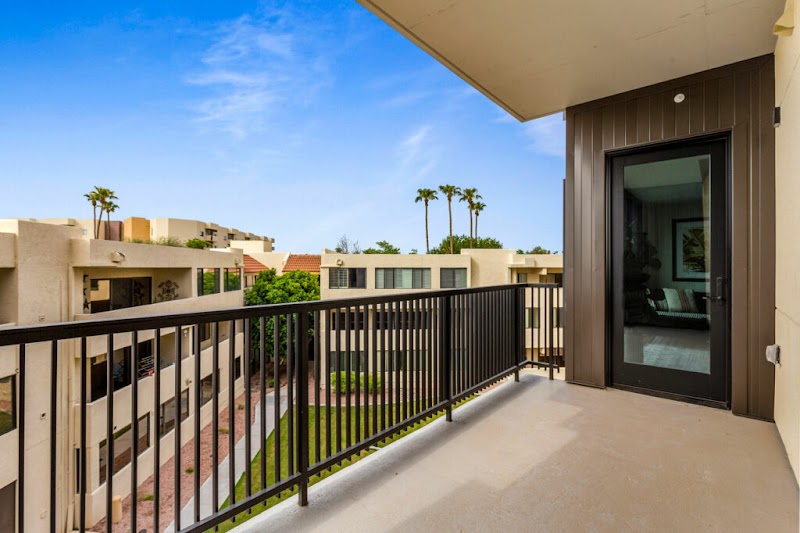
How is Friendship Village Of Tempe Staffed?

CMS rates FRIENDSHIP VILLAGE OF TEMPE's staffing level at 5 out of 5 stars, which is much above average compared to other nursing homes. Staff turnover is 45%, compared to the Arizona average of 46%. This relatively stable workforce can support continuity of care.

What Have Inspectors Found at Friendship Village Of Tempe?

State health inspectors documented 26 deficiencies at FRIENDSHIP VILLAGE OF TEMPE during 2022 to 2025. These included: 26 with potential for harm.

Who Owns and Operates Friendship Village Of Tempe?

FRIENDSHIP VILLAGE OF TEMPE is owned by a non-profit organization. Non-profit facilities reinvest revenue into operations rather than distributing to shareholders. The facility operates independently rather than as part of a larger chain. With 128 certified beds and approximately 59 residents (about 46% occupancy), it is a mid-sized facility located in TEMPE, Arizona.
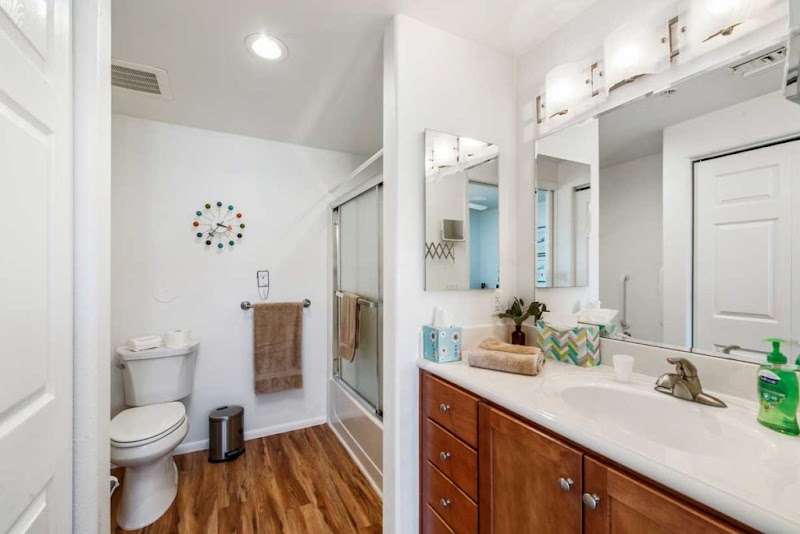
How Does Friendship Village Of Tempe Compare to Other Arizona Nursing Homes?

Compared to the 100 nursing homes in Arizona, FRIENDSHIP VILLAGE OF TEMPE's overall rating (2 stars) is below the state average of 3.3, staff turnover (45%) is near the state average of 46%, and health inspection rating (1 stars) is much below the national benchmark.

What Should Families Ask When Visiting Friendship Village Of Tempe?

Based on this facility's data, families visiting should ask: "Can I visit during a mealtime to observe dining assistance and food quality?" "How do you handle medical emergencies, and what is your hospital transfer rate?" "Can I speak with family members of current residents about their experience?"

Is Friendship Village Of Tempe Safe?

Based on CMS inspection data, FRIENDSHIP VILLAGE OF TEMPE has a clean safety record: no substantiated abuse findings (meaning no confirmed cases of resident harm), no Immediate Jeopardy citations (the most serious violation level indicating risk of serious injury or death), and is not on the Special Focus Facility watch list (a federal program monitoring the lowest-performing 1% of nursing homes). The facility has a 2-star overall rating and ranks #100 of 100 nursing homes in Arizona. While no facility is perfect, families should still ask about staff-to-resident ratios and recent inspection results during their visit.

Do Nurses at Friendship Village Of Tempe Stick Around?

FRIENDSHIP VILLAGE OF TEMPE has a staff turnover rate of 45%, which is about average for Arizona nursing homes (state average: 46%). Moderate turnover is common in nursing homes, but families should still ask about staff tenure and how the facility maintains care continuity when employees leave.

Was Friendship Village Of Tempe Ever Fined?

FRIENDSHIP VILLAGE OF TEMPE has no federal fines on record. CMS issues fines when nursing homes fail to meet care standards or don't correct problems found during inspections. The absence of fines suggests the facility has either maintained compliance or corrected any issues before penalties were assessed. This is a positive indicator, though families should still review recent inspection reports for the full picture.

Is Friendship Village Of Tempe on Any Federal Watch List?

FRIENDSHIP VILLAGE OF TEMPE is not on any federal watch list. The most significant is the Special Focus Facility (SFF) program, which identifies the bottom 1% of nursing homes nationally based on persistent, serious quality problems. Not being on this list means the facility has avoided the pattern of deficiencies that triggers enhanced federal oversight. This is a positive indicator, though families should still review the facility's inspection history directly.