
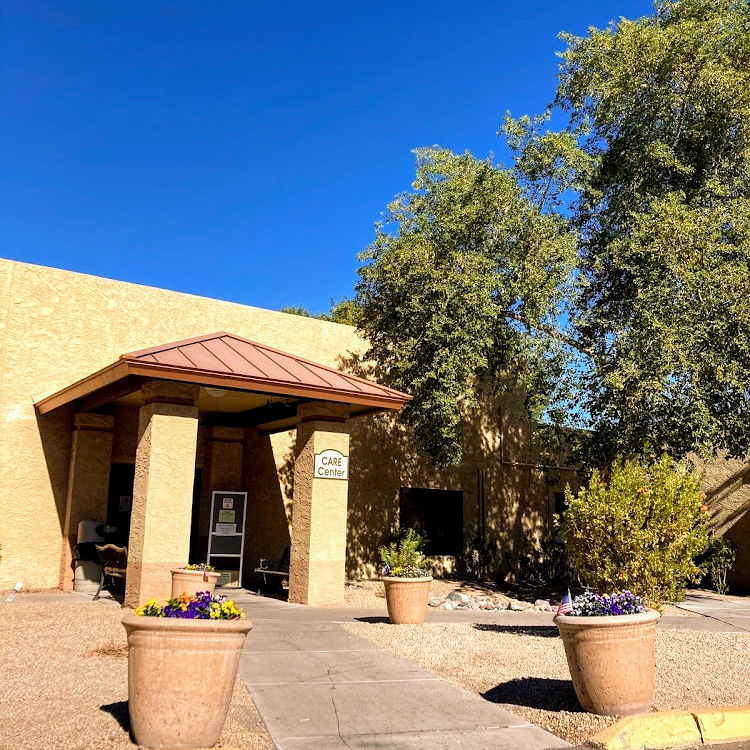
TEMPE POST ACUTE

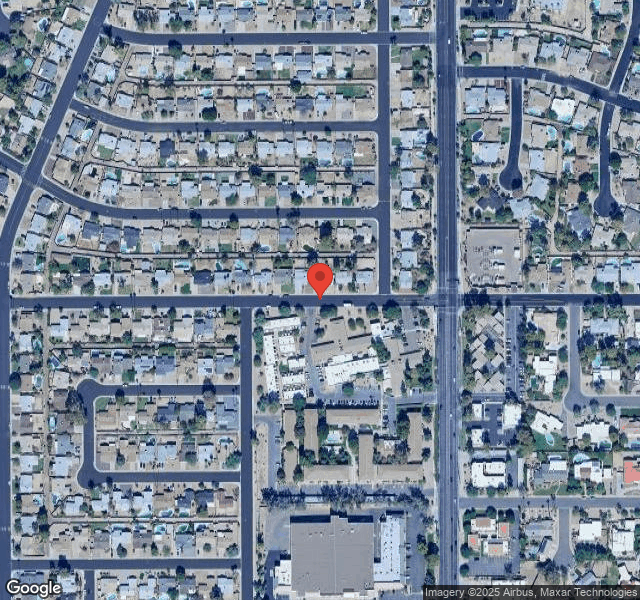
6100 SOUTH RURAL ROAD, TEMPE, AZ 85283 (480) 831-8660
For profit - Corporation 60 Beds THE ENSIGN GROUP Data: November 2025
Trust Grade
90/100
#33 of 139 in AZ
Last Inspection: November 2024

Within standard 12-15 month inspection cycle. Federal law requires annual inspections.

Overview

Tempe Post Acute has an excellent Trust Grade of A, indicating they are highly recommended and perform well compared to other facilities. They rank #33 out of 139 nursing homes in Arizona, placing them in the top half, and #26 out of 76 in Maricopa County, meaning only a few local options are better. The facility is improving, having reduced their issues from 2 in 2023 to 1 in 2024. Staffing is generally good with a 4/5 star rating, but the turnover rate is average at 48%, which is consistent with state levels. While there have been no fines reported, which is a positive sign, RN coverage is concerning as it is less than 85% of other Arizona facilities, potentially affecting care quality. Specific incidents include a failure to maintain a clean kitchen, which could pose a risk of foodborne illness, and a resident not receiving necessary dialysis services as prescribed, which highlights potential gaps in care. Overall, while there are notable strengths like their high trust grade and low fines, concerns about RN coverage and some care deficiencies warrant careful consideration.

Trust Score
A
90/100
In Arizona
#33/139
Top 23%
Safety Record
Low Risk
No red flags
Inspections
Getting Better
2 → 1 violations
Staff Stability
⚠ Watch
48% turnover. Above average. Higher turnover means staff may not know residents' routines.
Penalties
✓ Good
No fines on record. Clean compliance history, better than most Arizona facilities.
Skilled Nurses
⚠ Watch
Each resident gets only 29 minutes of Registered Nurse (RN) attention daily — below average for Arizona. Fewer RN minutes means fewer trained eyes watching for problems.
Violations
○ Average
9 deficiencies on record. Average for a facility this size. Mostly minor or procedural issues.
★★★★★
5.0
Overall Rating
★★★★☆
4.0
Staff Levels
★★★★★
5.0
Care Quality
★★★★☆
4.0
Inspection Score
Stable
2023: 2 issues
2024: 1 issues

The Good

  • 4-Star Staffing Rating · Above-average nurse staffing levels
  • 5-Star Quality Measures · Strong clinical quality outcomes
  • Full Sprinkler Coverage · Fire safety systems throughout facility
  • No fines on record

Facility shows strength in staffing levels, quality measures, fire safety.

The Bad

Staff Turnover: 48%

Near Arizona avg (46%)

Higher turnover may affect care consistency

Chain: THE ENSIGN GROUP

Part of a multi-facility chain

Ask about local staffing decisions and management

The Ugly 9 deficiencies on record

Nov 2024 1 deficiency
CONCERN (E)

Potential for Harm - no one hurt, but risky conditions existed

Deficiency F0658 (Tag F0658)

Could have caused harm · This affected multiple residents

**NOTE- TERMS IN BRACKETS HAVE BEEN EDITED TO PROTECT CONFIDENTIALITY** - Regarding resident #46: Resident #46 was admitted on [DATE] with diagnosis that included Type 2 Diabetes Mellitus with Diabeti...

Read full inspector narrative →
**NOTE- TERMS IN BRACKETS HAVE BEEN EDITED TO PROTECT CONFIDENTIALITY** - Regarding resident #46: Resident #46 was admitted on [DATE] with diagnosis that included Type 2 Diabetes Mellitus with Diabetic Neuropathy. Review of the physician's order dated October 29, 2024, revealed an order for, Insulin Lispro solution 100 unit/milliliter (ml), inject as per sliding scale: if 0 - 60 =0 units asymptomatic or symptomatic blood sugar (BS) 60 and below; see as needed orders; 61 - 150 = 0 Units;151 - 200 = 0 Units;201 - 250 = 2 Units;251 - 300 = 4 Units;301 - 350 = 6 Units;351 - 400 = 8 Units;401+ = 10 Units RECHECK, IF STILL ELEVATED IN 60 MINUTES CALL MD, subcutaneously before meals and at bedtime. The care plan for Diabetes Mellitus initiated on October 30, 2024 included an intervention of diabetes medication as ordered by doctor; monitor/document for side effects and effectiveness. The Minimum Data Set (MDS) assessment dated [DATE] included a brief interview for mental status (BIMS) score of 15 signifying the resident had no cognitive impairment. Review of the Medication Administration Record (MAR) dated November 2024 revealed that on November 04, 2024, resident's BS was 407 and 10 units of insulin was administered. A review of the clinical record revealed no evidence that the BS was rechecked or that the physician was notified for the above date regarding blood sugar. An interview was conducted on November 21, 2024 at 10:14 AM with the Director of Nursing (DON/staff #7) who reviewed the MAR/TAR for November 2024. The DON (staff #7) reviewed the November 04, 2024 and documented blood sugars in the resident's (#46) clinical record, and stated that the blood sugars should have been rechecked. She further reviewed the resident's clinical record, she stated that the blood sugar was first checked at 10:53 and then it was checked at 15:38 and she stated that it should been as physicians order. She further stated that not following physician orders did not meet facility expectations. The facility's policy, Physician Orders, revised in September of 2024 revealed to accurately implement orders in addition to medication orders, only upon the order of a person duly licensed and authorized to do so in accordance with the resident's plan of care. Based on clinical review, staff interviews, and facility policy, the facility failed to ensure that physician orders were followed according to professional standards regarding blood sugar monitoring for two out of five sampled residents (#215 and #46). The deficient practice could result in residents with high blood sugar. Findings Include: -Regarding resident #215: Resident #215 was admitted to the facility on [DATE] with diagnoses that included Type II Diabetes Mellitus without complications. The care plan for Diabetes Mellitus initiated on November 09, 2024 included an intervention of diabetes medication as ordered by doctor; monitor/document for side effects and effectiveness. The Minimum Data Set (MDS) assessment dated [DATE] included a brief interview for mental status (BIMS) score of 00 indicating severe cognitive impairment. Review of the physician's order dated November 8, 2024, revealed an order for, Insulin Lispro solution 100 unit/milliliter (ml), inject as per sliding scale: if 0 - 60 =0 units asymptomatic or symptomatic blood sugar (BS) 60 and below; see as needed orders; 61 - 150 = 0 units; 151 - 200 = 3 units; 201 - 250 = 6 units; 251 - 300 = 8 units; 301 - 350 = 12 units; 351 - 400 = 15 units; 401+ = 18 units recheck, if still elevated in 60 minutes call medical doctor (MD), subcutaneously before meals and at bedtime. Review of the Medication Administration Record (MAR) dated November 2024 revealed the following: -November 10, 2024, BS was 447 and 18 units of insulin was administered. -November 12, 2024, BS was 463 and 18 units of insulin was administered. -November 13, 2024, BS was 430 and 18 units of insulin was administered. -November 16, 2024, BS was 491 and 18 units of insulin was administered. -November 17, 2024, BS was 449 and 18 units of insulin was administered. -November 18, 2024, BS was 415 and 18 units of insulin was administered. -November 19, 2024, BS was 402 and 18 units of insulin was administered. -November 20, 2024, BS was 401 and 18 units of insulin was administered. A review of the clinical record revealed no evidence that the BS was rechecked or that the physician was notified for the above dates regarding blood sugar. An interview was conducted on November 21, 2024 at 8:40 AM with a Certified Nursing Assistant (CNA/staff #17) who stated that blood sugar checks are done whenever they are scheduled. She also stated that the blood sugar results are given to the nurses and the nurses document the results in the electronic record. She further stated that she would notify the nurse about blood sugar results in any situation but especially if the resident is below 90 or over 250. In an interview with a Licensed Practical Nurse (LPN/staff #82) on November 21, 2024 at 8:41 AM, who stated that the process for administering insulin included: checking the blood sugar, depending on the result the resident could have either a standard and/or sliding scale order to give insulin, wiping the resident area with an alcohol pad, and administering the medication. She also stated that she would follow the sliding scale as it was written in the order. The LPN (staff #82) reviewed the physician order of insulin lispro for resident (#215) and verified that if the blood sugar was above 401 it should be rechecked in 60 minutes and if it is still 400 to notify the physician. The LPN then reviewed the above dates and blood sugar results in the resident's clinical record and stated that the blood sugars should have been rechecked after the initial result but there was no evidence showing that it had been completed. She also stated that the physician should have been notified. The LPN (staff #82) stated that the risks to the resident of not rechecking the blood sugar or notifying the physician could result in the resident passing out. She further stated that not following the physician's order for insulin lispro did not meet facility expectations. An interview was conducted on November 21, 2024 at 8:57 AM with the Director of Nursing (DON/staff #7) who stated that the process for administering insulin would be based off of the physician's order and nursing assessment. She stated that the physician orders regarding insulin would be followed. The DON (staff #7) reviewed the above dates and documented blood sugars in the resident's (#215) clinical record, and stated that the blood sugars should have been rechecked. She further reviewed the resident's clinical record and stated that there was no evidence of the blood sugars being rechecked after the initial result according to physician's orders, or that the physician was notified. The DON stated that the risks to the resident of not rechecking the blood sugar or notifying the physician could include that the resident's blood sugar could stay elevated and that they would not be addressing his diabetes. She further stated that not following physician orders did not meet facility expectations.
Dec 2023 1 deficiency
CONCERN (E)

Potential for Harm - no one hurt, but risky conditions existed

Food Safety (Tag F0812)

Could have caused harm · This affected multiple residents

Based on observations, staff interview, and policy review, the facility failed to maintain a clean and sanitary kitchen. The deficient practice could result in a potential for food borne illness. The ...

Read full inspector narrative →
Based on observations, staff interview, and policy review, the facility failed to maintain a clean and sanitary kitchen. The deficient practice could result in a potential for food borne illness. The resident census is 51. Findings include: During an initial walk through of the kitchen conducted with the Kitchen Manager (staff #46). On December 12, 2023 at 8:07 AM conducted initial kitchen tour with Staff #46, the Food Service Director. Logs for freezer, fridge, dishwasher, cleaning bucket, food temps, cleaning schedule, and sanitizing concentration were reviewed and revealed the log titled Cleaning List for [NAME] Daily hanging on clipboard nailed to wall was not completed for the Monday AM shift prior to morning food service. Additionally reviewed the Cleaning List for Dishwasher log hanging on clipboard nailed to wall and which revealed the Monday AM the cleaning list for dishwasher log was not completed prior to morning food service. Observed five empty crushed boxes stored near food prep area, food debris under enclosed refrigerator shelf with black sticky substance on the floor approximately six inches in diameter. On December 13, 2023 12:25 AM Observed several empty crushed boxes stored near food prep area, and food debris under food prep table. On December 14. 2023 at 10:16 AM, observed a live roach on door in Kitchen Manager's office, the Kitchen Manager (staff #46) stated that it was a roach and smashed it on the door with a floor duster. At approximately 10:35 AM conducted a tour of the kitchen and observed the following; 1) food debris under two food prep tables and near baseboards with a toaster above one food prep table, 2) five empty cardboard boxes with two open empty containers of processed mashed potatoes. The Kitchen Manager stated that this was trash and explained that the trash will be emptied right away because of the risk of cross contamination, this trash pile was observed 6 inches away from a push cart of prepared desert cakes, 3) thawing processed ham under running water while sitting on top of a metal strainer three inches away from a sheet of uncovered tray of desert cake, with water observed splashing near uncovered tray of desert cake, 4) a white bath towel under a mobile refrigerator and the kitchen manager pulled the white bath towel from under the refrigerator and stated that the risk of the towel could harbor bacteria and stated somebody must've spilled something here, the white bath towel appeared crusted dry with a brown stain, 5) one dead roach under canned food shelf and the kitchen manager stated it looks like a dead bug, and one live roach crawling across the floor and the kitchen manager stepped on the insect, 6) standing water under dry food storage shelf with vinyl baseboard partially peeled from the wall and crusted lifted floor tile from what appeared to be a water leak from the wall, 7) baseboards behind the ice machine in the resident dining room had three dead roaches and debris build up next to a floor drain sink that had black debris particles build-up caught in filter trap, the surrounding tile around the drain sink were broken and had exposed sub-floor. Reviewed Maricopa County Food Inspection Report from October 2, 2023 and revealed a finding statement of: the floor drains under the hand wash sink in the cook line area under the prep table with excess soil residue/old food debris present. PIC stated that all areas would be cleaned. Reviewed the pest service log from Burns Pest Elimination and revealed an invoice for Commercial Healthcare Program (December 2023) with no description of services. Reviewed the pest service log from Atomic Pest Control, LLC and revealed services with locations (June 10, 2023 to September 21, 2023) with no service requests for the kitchen. Reviewed the work orders for the kitchen (October 1 - December 13, 2023) with no service request for pest elimination or water leaks.
May 2023 1 deficiency
CONCERN (D) 📢 Someone Reported This

A family member, employee, or ombudsman was alarmed enough to file a formal complaint

Potential for Harm - no one hurt, but risky conditions existed

Deficiency F0698 (Tag F0698)

Could have caused harm · This affected 1 resident

**NOTE- TERMS IN BRACKETS HAVE BEEN EDITED TO PROTECT CONFIDENTIALITY** Based on clinical record review, staff interviews and policy review, the facility failed to ensure one resident (#10) received d...

Read full inspector narrative →
**NOTE- TERMS IN BRACKETS HAVE BEEN EDITED TO PROTECT CONFIDENTIALITY** Based on clinical record review, staff interviews and policy review, the facility failed to ensure one resident (#10) received dialysis servicves as per physician's orders. The sample was 3. The deficient practice could result in residents not getting the required treatment to manage their condition. Findings include: Resident #10 was admitted to the facility on [DATE] with diagnoses that included end stage renal disease (ESRD), dependence on renal dialysis, and chronic metabolic acidosis. A Care Plan initiated April 5, 2023 and revised on April 17, 2023 revealed that the resident needed dialysis regarding renal failure and had a permacath to the right chest. Interventions noted included to encourage resident to go for the scheduled dialysis appointments and also included that the resident received dialysis on Monday/Wednesday/Friday. Regarding dialysis orders: The physician order dated April 5, 2023 included that the resident had dialysis on Monday/Wednesday/Friday. Review of an undated document titled Dialysis PT List - with schedules revealed a list of residents on dialysis which included resident #10. The document indicated that resident #10 is scheduled for dialysis on Monday, Wednesday, and Friday. However, dashboard section that was marked as special instructions on the resident's electronic record indicated that the resident received dialysis on Tuesday, Thursday, and Saturday. During an interview with the Dialysis Center Administrator (staff #1) conducted on May 1, 2023 at 1:26 p.m., he stated that the resident was scheduled for dialysis three times a week (Tuesday, Thursday, and Saturday). Staff # 1 stated the resident missed his dialysis appointment on April 6, 2023 and April 15, 2023 and no reason was provided. During an interview with a Licensed Practical Nurse (LPN/staff #48) conducted on May 2, 2023 at 3:02 p.m., she stated that the orders for dialysis should match the information on the dashboard under special instructions which stated where the dialysis takes place, the day/times for dialysis, and the pick-up times. Following the interview, resident #10's clinical record was reviewed with staff #48. The order for dialysis was compared to the special instructions on the dashboard. Staff #48 agreed that the information did not match. Staff #48 stated that if the information did not match then the resident would not be ready to go on their appointment, the resident would not get their vitals taken before and after the dialysis. Furthermore, the shunts/fistula would not be checked at the appropriate times. Staff #48 also noted that a staff member unfamiliar with the resident and the scheduled dialysis days would find the conflicting information between the orders and the dashboard confusing which can lead to the nurse erroneously doing monitoring on a different date. An interview with the Medical Records Supervisor/Transportation (staff #25) was conducted on May 2, 2023 at 3:55 p.m. Staff #25 stated that the Admissions Department set up the special instructions on the dashboard. Medical records confirm with the dialysis center that the information on the dashboard is accurate since this is what they use to schedule transportation. Staff #25 also stated that the special instructions on the dashboard should match the orders. However, she stated that if the information between the orders and dashboard conflicts, that they follow the information on the special instructions since that information is what is verified with the dialysis center. Staff #25 stated that transportation did not look at orders since once they verify the days/times with dialysis center, they place that information on the excel sheet for quick reference of who goes where and when. An interview was conducted on May 2, 2023 at 4:14 p.m. with the Director of Nursing (DON/staff #20). Staff #20 stated that dialysis information can be viewed under special instructions on the dashboard, communication board, and orders for site and dialysis. She stated that her expectation of her nurses when conflicting information between the dashboard and orders exist is for them to know which information is correct. The DON stated that the negative impact of the conflicting information is bad communication and confusion. Following the interview, the DON reviewed the resident's clinical record and agreed that the special instructions on the dashboard and the orders had conflicting information. Regarding missed dialysis: A rounding report from the dialysis center dated April 18, 2023 indicated under treatment history that the resident has had zero missed treatments in the last 30 and 60 days. However, the chart portion for the last 6 completed treatment did not contain information regarding pre/post blood pressure, dialytic weight loss, pre/post weight, average blood flow restriction, and actual treatment time for April 6 and April 15. Review of resident #10's April 2023 Treatment Sheet for dialysis revealed that the resident received treatment on the following days: April 8 (Saturday) April 11 (Tuesday) April 13 (Thursday) April 18 (Tuesday) April 20 (Thursday) During an interview with the Dialysis Center Administrator (staff #1) conducted on May 1, 2023 at 1:26 p.m., he stated that the resident was scheduled for dialysis three times a week (Tuesday, Thursday, and Saturday). Staff # 1 stated that the resident missed his dialysis appointment on April 6, 2023 and April 15, 2023 and no reason was provided. Staff #1 stated that resident did not receive dialysis on April 22, 2023 because the resident declined treatment due to having a bowel movement. Staff #1 also stated that the resident was 1.5 hours late to the dialysis appointment, never made it to the treatment area and just wanted to go back home. Staff #1 noted that in the event that a resident arrived at the dialysis center soiled, they have gowns that the resident can change into. He stated the dialysis center can help clean up the resident and position them for isolation so they can receive their treatment. Review of the resident's record revealed no documentation on the reason behind missed dialysis on April 6 and April 15, 2023. A progress note dated April 22, 2023 documented that the resident was taken to dialysis center in the morning. The note stated when the resident #10 arrived at the dialysis center, it was noted that she had a bowel movement during transport and the dialysis center refused to have the resident sit for dialysis treatment due to bowel movement. The note further included that the resident was instructed per dialysis staff to return to facility and the transport driver was unable to assist resident with brief change. The progress note indicated that the dialysis staff refused to assist resident and had resident return to facility. Review of the order summary revealed a physician order dated April 22, 2023 which indicated a change of condition for missed dialysis. It noted that provider, resident, and responsible party were notified/aware and agreeable to plan of care. A progress note dated April 23, 2023 indicated that the resident presents with moderate weakness. Resident was noted to be alert with confusion after missing dialysis the day prior. A progress note dated April 24, 2023 indicated that the resident missed dialysis on Saturday. It noted that a call was placed to the dialysis center to see if resident can do a make-up time. However, there were no spots open that day and resident was to resume regular schedule the next day. Review of the order summary revealed an order dated April 25, 2023 which directed for orders to be on hold due to the resident being sent to the emergency department as a result of a change of condition for missed dialysis, altered mental status, lethargy, not alert and oriented to person, place, or time. The order noted that the nurse practitioner was advised. During an interview with a Licensed Practical Nurse (LPN/staff #48) conducted on May 2, 2023 at 3:02 p.m., she stated that the facility has a terrible time with transport. She stated there are times when transport does not come and one of the staffs have to take the resident to the dialysis. She stated there has also been instances when the dialysis facility refused to provide a resident with treatment since the resident was soiled. She noted that in resident #10's case, she had to be sent out to the hospital on April 25, 2023 because she was sick due to missed dialysis on April 22, 2023. She stated transport did not pick her up on April 22, 2023 so they had to take her. She stated reason for missed dialysis appointments should be documented in the notes. Staff #48 stated that she believes that April 22, 2023 was not this resident's first missed appointment and said she might have missed another dialysis appointment due to transport. An interview with the Medical Records Supervisor/Transportation (staff #25) was conducted on May 2, 2023 at 3:55 p.m. Staff #25 stated that issues with transportation for dialysis happened often. She noted that the residents with a specific health plan are the ones that have transportation issues. She stated transport does not come in for them and stated that although they have assisted residents with filing grievances against their health plan concerning transportation, the facility does not track people or the company to see how often transportation issues have occurred. Staff #25 provided a memo dated the same day, which stated that the transportation/medical records does not keep a log of appointments and transportation for residents. Staff #25 also stated that the way they track if a resident was taken to an appointment is the nurse/CNA lets them know when a resident does not get picked up and then they call transport to see if the driver is on the way. She stated if the transportation is really late then they call the provider to see if the resident can still be seen or if the resident needs to be rescheduled. If the appointment is emergent then there is a bus available and one of the staffs takes the resident. An interview was conducted on May 2, 2023 at approximately 4:14 p.m. with the Director of Nursing (DON/staff #20). Staff #20 stated that missed dialysis appointments should be documented on the resident's chart if they were not provided dialysis. She also stated that her expectation is for her staff to reschedule the resident if the dialysis treatment was missed for whatever reason. When asked about resident #10's missed appointments on April 6 and April 15, she said she was not aware that the resident had missed appointments. The facility policy titled Dialysis (Renal), Pre and Post Care revised March 2009 and reviewed March 2023 indicated that documentation should assess care given, and condition of renal dialysis access. It also dictated that all assessments be documented in the clinical record as needed. The agreement between the long-term care facility and the dialysis center signed on August 20, 2020, revealed that the long-term care facility shall be responsible for arranging for suitable and timely transportation of ESRD residents to and from the ESRD dialysis unit, to include the selection of the mode of transportation, qualified personnel to accompany the ESRD residents, and transportation equipment. Review of the facility policy titled Physician Orders revised May 2021 and reviewed August 2022 stated that it is the policy of the facility to accurately implement orders in addition to medication orders, treatment procedures. It also stated that medication, treatment or related procedure orders are transcribed in the eMAR (electronic Medication Administration Record), eTAR (electronic Treatment Administration Record) accordingly. Review of the facility policy titled Documentation and Charting revised July 2022 stated that it is the facility's policy to provide an account of the resident's care, treatment, response to the care, signs, symptoms, etc., as well of the progress of the resident's care.
Nov 2022 6 deficiencies
CONCERN (D) 📢 Someone Reported This

A family member, employee, or ombudsman was alarmed enough to file a formal complaint

Potential for Harm - no one hurt, but risky conditions existed

Safe Environment (Tag F0584)

Could have caused harm · This affected 1 resident

**NOTE- TERMS IN BRACKETS HAVE BEEN EDITED TO PROTECT CONFIDENTIALITY** Based on facility documentation, clinical record review, family and staff interviews, and policy review, the facility failed to ...

Read full inspector narrative →
**NOTE- TERMS IN BRACKETS HAVE BEEN EDITED TO PROTECT CONFIDENTIALITY** Based on facility documentation, clinical record review, family and staff interviews, and policy review, the facility failed to provide housekeeping services necessary to maintain a clean and homelike environment for one resident (#200). The sample size was 13. The deficient practice could result in residents not being provided a safe and clean environment. Findings include: Resident #200 was admitted to the facility on [DATE] with diagnoses that included atrial fibrillation, weakness, hypertension, and morbid obesity. Review of an admission progress note dated October 5, 2022 revealed the resident and the resident's family member disapproved of the admission process and were waiting to be transferred to a facility closer to the resident's home. Review of a facility grievance dated October 5, 2022, revealed a statement by a family member of the resident that when they arrived at the room there were dirty linens and trash left in the room. The facility investigation notes dated October 6, 2022, revealed that the room had not been cleaned by housekeeping prior to the resident's admission to the room. The facility investigation included education of admission and housekeeping departments about the new admission process. The history and physical progress notes dated October 6, 2022, revealed evidence that the resident was not happy with the facility and requested transfer to another facility. Review of a discharge Minimum Data Set (MDS) assessment dated [DATE] revealed a Brief Interview for Mental Status (BIMS) score of 15, which indicated the resident had intact cognition. An interview was conducted via telephone on November 8, 2022 at 9:46 AM with the resident's family member, who stated that when they came into the resident's room there was dirty linen, a pitcher with water, a dirty cup, and mail with the name of another resident on the dresser, no call-light and that light bulbs were not working. She stated that she complained to staff, but the dirty items were not removed prior to the resident's discharge from the facility. The family member further stated that she filled out a grievance form in the evening, and was contacted by Social Services the next day. The resident's family member stated that the staff member apologized, but none of the areas that she had complained about were addressed. The family member also relayed that the Social Services staff member had stated that she would not leave her family member at the facility under those circumstances. An interview was conducted on November 9, 2022 at 10:49 AM with a housekeeper (staff #33), who stated that after a resident is discharged from the facility, housekeeping will deep clean the room. She stated that a deep clean included cleaning everything from top to bottom, bed mattress, bedframe, tables, cabinets, remotes, window sill, walls, chairs, dressers and drawers. She also stated that any belongings left are placed in a bag and given to her supervisor. Staff #33 also stated that there should not be any trash, dirty linen or any personal belongings left in the room after it is deep cleaned. The housekeeper further stated that she has received orientation on how to deep clean a room after a resident is discharged . An interview was conducted on November 9, 2022 at 11:00 AM with the Housekeeping Supervisor (staff #84) who stated that the facility process for deep cleaning a resident room after discharge included cleaning inside and outside of furniture, and removing any soiled linens or other items. She stated that any personal paperwork would be removed from the room and given to the case manager. She further stated that all trash would be collected and removed from the room. Staff #84 stated that they do not check to see if lights are working, but they clean the call lights and ensure that there is a call light in the room. The housekeeping supervisor stated that she was aware of a complaint that a resident room was not cleaned prior to admission. She also stated that there was miscommunication on who was going to clean the room. She further stated that the resident was admitted to a room that had not been cleaned on October 5, 2022. She also stated that this was brought up in a standup meeting the next morning, that the room had not been properly set up. An interview with the Director of Nursing (DON/staff #300) was conducted on November 9, 2022 at 3:42 PM. The DON stated that the family did place a grievance, and that the resident's room had not been cleaned due to miscommunication. Review of the facility policy titled, Housekeeping Services, revealed it is the facility policy to require effective sanitation. Thorough scrubbing will be used for all environmental surfaces that are being cleaned in resident care areas. In resident care areas cleaning of horizontal surfaces will be done daily and more frequently if spillage or visible soiling occurs. Trash will be removed from all areas to prevent spillage and odor.
CONCERN (D)

Potential for Harm - no one hurt, but risky conditions existed

Assessment Accuracy (Tag F0641)

Could have caused harm · This affected 1 resident

**NOTE- TERMS IN BRACKETS HAVE BEEN EDITED TO PROTECT CONFIDENTIALITY** Based on closed clinical record review, staff interview, and the RAI (Resident Assessment Instrument) manual, the facility faile...

Read full inspector narrative →
**NOTE- TERMS IN BRACKETS HAVE BEEN EDITED TO PROTECT CONFIDENTIALITY** Based on closed clinical record review, staff interview, and the RAI (Resident Assessment Instrument) manual, the facility failed to ensure the MDS (Minimum Data Set) assessment was accurate for one resident (#103). The sample size was 13. The deficient practice could result in an inaccurate assessment and resident not receiving the appropriate care and services needed. Findings include: Resident #103 was admitted on [DATE] with diagnoses of hypertensive emergency and Guillain-Barre Syndrome. The fall care plan dated April 17, 2021 revealed the resident was at risk for falls related to decreased mobility. Interventions included keeping the call light within reach and anticipating and meeting the resident's needs. The IDT-BIMS (interdisciplinary team- Brief Interview for Mental Status) note dated October 11, 2021 revealed a score of 15 indicating the resident was cognitively intact. The quarterly MDS assessment dated [DATE] revealed the resident did not have any falls since admission or prior assessment. The NP (nurse practitioner) note dated November 11, 2021 included the resident had plateaued with progress with therapy services, continued to attend outpatient therapy services 3 times a week and was recently evaluated for the restorative therapy program in the facility. The Fall risk evaluation dated November 26, 2021 included the resident had no history of falls in the past 3 months, and had a score of 7 indicating the resident had medium risk for falls. The fall care plan was revised to state the resident had a fall on November 26, 2021 and had pain. Interventions included the resident being sent out to the hospital for pain. The incident note dated November 26, 2021 included the resident was found on the floor in her room. Per the documentation, the resident reported that she had a nightmare, woke up attempting to run and fell out of bed. It also included that the resident complained of pain to the back of her head, hips and right shoulder and that the resident was sent to the hospital. The fall committee IDT note dated November 29, 2021 included the resident was having a bad dream, found herself on the floor and complained of pain in the shoulder and back. Despite documentation that the resident had a fall, the discharge MDS assessment dated [DATE] did not code the resident had a fall. An interview was conducted on November 11, 2022 at 11:26 a.m., with the MDS Coordinator (staff #42) who stated that when coding for falls in the MDS, she reviews the risk management report, progress notes and therapy notes for the look back period to see and determine the number of fall the resident had from the last ARD (assessment reference date) assessment. She stated that if there was a fall, she would then code appropriately whether or not the resident had injury according to the RAI manual. During the interview, a review of the clinical record was conducted with staff #42 who stated that based on the risk management report, resident #103 had a fall on November, 26, 2021. She stated that the fall should have been captured and coded on the December 28, 2021 discharge MDS assessment. However, staff #42 stated that the fall was not coded. The RAI manual revealed steps for assessment of fall that stated to review all available sources for any fall since the last assessment, no matter whether it occurred while out in the community, in an acute hospital, or in the nursing home, nursing home incidents reports, fall logs and the medical record (physician, nursing, therapy and nursing assistant notes). The RAI instructed to code 1- yes, if the resident had fallen since the last assessment.
CONCERN (D)

Potential for Harm - no one hurt, but risky conditions existed

Deficiency F0658 (Tag F0658)

Could have caused harm · This affected 1 resident

**NOTE- TERMS IN BRACKETS HAVE BEEN EDITED TO PROTECT CONFIDENTIALITY** -Resident #199 was admitted on [DATE] with diagnoses that included chronic obstructive pulmonary disease, sepsis, chronic respir...

Read full inspector narrative →
**NOTE- TERMS IN BRACKETS HAVE BEEN EDITED TO PROTECT CONFIDENTIALITY** -Resident #199 was admitted on [DATE] with diagnoses that included chronic obstructive pulmonary disease, sepsis, chronic respiratory failure, malignant neoplasm of bronchus or lung, secondary malignant neoplasm of brain, anxiety disorder, anemia, obesity, and heart failure. Review of the clinical record revealed an order for Carvedilol tablet 12.5 mg 1 tablet by mouth two times a day for hypertension hold for SBP (systolic blood pressure) <110 dated September 15, 2022. Review of the care plan initiated on September 15, 2022 revealed a focus of hypertension related to medications, with interventions to give medications as ordered, and to monitor for side effects. Review of the MAR dated September 2022 revealed evidence that Carvedilol 12.5 mg had been administered with a systolic blood pressure less than 110 on four occasions. Further review of the clinical record revealed no evidence that the physician had been notified regarding the administration of Carvedilol outside of ordered parameters. An interview was conducted on November 8, 2022 at 2:51 PM with a Licensed Practical Nurse (LPN/staff #30), who stated that the facility policy is to follow physician orders as written, including parameters. She reviewed the September 2022 MAR and stated that according to documentation, Carvedilol had been administered outside of ordered parameters on four occasions, and that it did not meet the facility policy. The LPN further stated that the risk could result in hypotensive issues. An interview had been conducted on November 9, 2022 at 3:21 PM with the DON (staff #300) who stated the facility policy is to follow physician orders as written, including parameters. The DON also stated that she would expect the provider to be notified and a nursing note, if a medication is administered outside of parameters. The DON reviewed the September 2022 MAR and stated that Carvedilol had been administered outside of physician ordered parameters on four occasions. The DON also stated that there was no evidence that the physician had been notified. She further stated that this did not meet her expectations and the risk could include the risk of hypotension. Review of the facility policy titled, Physician Orders, revealed that it is the policy of this facility to accurately implement orders only upon the written order. Based on clinical record review, staff interviews, and policy review, the facility failed to ensure medications were administered as ordered by the physician for two residents (#101 and #199). The sample size was 5. The deficient practice could result in residents not receiving prescribed treatment to meet their assessed needs. Findings include: Resident #101 was admitted on [DATE] with diagnoses of cellulitis of the left lower limb, decreased WBC (white blood cells) count, E. coli (Escherichia coli), Pseudomonas aeruginosa, pancytopenia and sepsis. The initial admission record dated October 24, 2021 included the reasons for the admission were wound care and IV antibiotics. The admission note dated October 24, 2021 included the resident was alert and oriented x 4, able to voice needs and had new IV (intravenous) antibiotics Vanco and cipro for left foot surgical wound. The History and Physical note dated October 24, 2021 included an assessment of the left foot gunshot wounds status post debridement, and now Enterococcus infection and antibiotics were changed to Cipro and Vancomycin for 21 days. The social service summary dated October 25, 2021 included the resident was readmitted at the facility after hospitalization for low WBC. The note also included that the resident's IV antibiotics continued to November 15, 2021. The care plan with no initiation date revealed the resident had infection of the foot surgical wound infection and was on IV antibiotics. Interventions included administering antibiotics as ordered by the physician. A physician order with a start date of October 25, 2021 revealed the following: -Ciprofloxacin (antibiotics) 400 milligrams IV every 8 hours for 21 days for left foot infection; and -Vancomycin (antibiotics) 1.25 grams IV three times a day for 21 days for left foot infection. These orders were transcribed onto the IV MAR (medication administration record) for November 2021 and revealed the boxes for the following dates not marked as administered: -Ciprofloxacin: November 3 (6:00 a.m. dose); November 7 (2:00 p.m. dose) and November 13 (10:00 p.m. dose); and -Vancomycin: November 3 (6:00 a.m. dose); November 5, 6, 7 and 12 (2:00 p.m. dose) and November 13 (10:00 p.m. dose) The eMAR (electronic MAR) notes dated November 3 and November 4, 2021 revealed the resident's Vancomycin trough was elevated. However, continued review of the clinical record revealed no documentation of a reason why Vancomycin was not administered on November 5, 6, 7, 12 and 13; why Ciprofloxacin was not administered on November 3, 7 and 13, 2021; and that the physician was notified. In an interview with the assistant director of nursing (ADON/staff #99) conducted on November 10, 2022 at 11:00 a.m., the ADON stated that when she received an order from the physician, she transcribes it in the electronic record and administer the medications as ordered by the physician once it becomes available from the pharmacy. She stated that she will then document in the electronic record whether or not the medication was administered or the resident refused. The ADON also stated that if the resident refused, she will also document the reason and will notify the physician. She stated that once the nurse documents that medications are given, the MAR will show a check mark, the nurse's initials and the time it was given. The ADON stated that there was also a code to use for resident refusal and that is code 1-drug refused; and that whether or not the medication was administered to the resident, the nurse is expected to document in the electronic record. During an interview with the DON (staff #300) conducted on November 10, 2022 at 11:40 a.m., she stated that physician orders for medications are transcribed onto the electronic record by the nurse who received it. The DON also said that all medications are administered as ordered by the physician and documented in the MAR including resident refusals. Regarding resident #101, she stated that one of the reasons Vancomycin may have not been administered was the Vancomycin trough. The DON did not give any reason why Ciprofloxacin was not administered to the resident as ordered, and that she will review the resident's records and will get back for an answer. However, she never did.
CONCERN (D) 📢 Someone Reported This

A family member, employee, or ombudsman was alarmed enough to file a formal complaint

Potential for Harm - no one hurt, but risky conditions existed

ADL Care (Tag F0677)

Could have caused harm · This affected 1 resident

**NOTE- TERMS IN BRACKETS HAVE BEEN EDITED TO PROTECT CONFIDENTIALITY** Based on closed clinical record review, staff interviews, and facility policy and procedures, the facility failed to ensure one ...

Read full inspector narrative →
**NOTE- TERMS IN BRACKETS HAVE BEEN EDITED TO PROTECT CONFIDENTIALITY** Based on closed clinical record review, staff interviews, and facility policy and procedures, the facility failed to ensure one resident (#104) was provided with showers. The sample size was 3. The deficient practice could result in residents not maintaining personal hygiene. Findings include: Resident #104 was admitted on [DATE] with diagnoses of malignant neoplasm of left bronchus/lung and severe protein calorie malnutrition. Resident #104's discharge date was December 7, 2022. The initial admission record dated November 7, 2021 revealed the resident was alert and oriented to time, place and person and was able to follow simple commands. The ADL (activities of daily living) care plan dated November 8, 2021 revealed the resident had an ADL self-care performance deficit related to weakness, pain, hemiplegia, cerebral aneurysm and spinal stenosis. Interventions stated the resident required assistance and for staff to give assistance with routine personal hygiene, washing hands, adjusting clothing, cleaning self, transferring on/off the toilet and using the toilet. The shower schedule sheet for the day and evening shift revealed that each resident room had a twice a week schedule for showers. The sheet also included an instruction that shower sheets need to be completed and signed by the nurse. The skin monitoring/skin observation-shower notes dated November 9, 12, 15, and 22 were signed by the CNA (Certified Nursing Assistant) and revealed the resident had dry skin. The boxes for shower, tub-bath, bed bath and refusal of shower/bath were not marked. The notes did not indicate whether or not showers, tub-bath or bed bath was provided and/or the resident refused. The skin monitoring/skin observation-shower note dated November 19, 2022 was signed by the CNA and a licensed nurse and revealed that a shower was provided to the resident. Review of the CNA documentation from November 7 through December 7, 2021 revealed that showers were marked as provided on November 19 and 22; and that the resident refused showers on November 8 and 24, 2021. The rest of the boxes were marked as NA (not applicable) and a code of 8 which indicated the activity did not occur. The clinical record revealed from November 7 through December 7, 2021, the resident received only 2 showers in approximately 29 days of stay at the facility. It also revealed no evidence the resident refused showers other than on November 8 and 24, 2021 as documented. An interview was conducted with a staffing coordinator (staff #37) on November 9, 2022 at 11:20 a.m. Staff #37 stated that since September 2022 the average census was approximately 50-53. She stated the staffing pattern for this census will be two nurses, four CNAs in the am and pm shift plus one RNA whose main task is to provide showers to residents scheduled that day. In an interview with the restorative nurse assistant (RNA/staff #26) conducted on November 9, 2022 at 11:34 a.m., she stated that she had been an RNA since January 2022. The RNA said that shower schedules are written and maintained in the shower binder located at the nurse station. She stated that the schedule is based on resident room number, and residents are scheduled to receive showers twice a week. She stated that if a resident refuses showers, she will ask again, inform the resident that it is their scheduled showers and they may not receive showers the next day, and will also offer a bed bath to the resident. The RNA stated that if the resident continued to refuse she would document it in the shower sheet and she would try to quote what the resident said as to the reason for refusal. She said that at the end of her shift, she will give the completed shower sheets to the wound nurse who will sign off on the sheet. She stated she mainly gives the completed sheet to the wound nurse just in case she had identified skin issues such as a rash, so the wound nurse would assess the identified skin issue and provide treatment if needed. She said if the wound nurse is not available any nurse can sign the shower sheet. The RNA also said that if the resident repeatedly refuses showers, she will report it to the nurse and case manager because it is important the residents receive their showers. She stated if she provides showers, bed bath, tub bath or the resident refused, she will mark the appropriate box on the shower sheet. She stated if she signed the sheet but the boxes for showers, bed bath, tub bath or resident refused are not marked, it just means that she forgot to mark it but that she provided the service, however, the nurse had to sign the sheet. During an interview with the assistant director of nursing (ADON/staff #99) conducted on November 10, 2022 at 11:00 a.m., she stated that after the RNA provides the showers, the shower sheet is submitted to her and if she is not available, the charge nurse can review and sign the shower sheet. She stated that she reviews what the RNA wrote in the shower sheet and if there are skin issues identified like a rash or open area. The ADON stated that when she signs the shower sheet, it means that she reviewed the sheet and the resident was assessed. When asked what it means when the nurse signature section was blank, she stated that a charge nurse can also sign the sheet. An interview was conducted with the director of nursing (DON/staff #300) on November 10, 2022 at 11:40 a.m. The DON stated that showers are provided by the RNAs and the shower schedules are in the binder at the nurse station. She stated when RNAs are not available, the CNAs can also provide the showers. The DON said that when showers are provided, the RNAs will document on the shower sheet including any skin findings that they have observed during the provision of showers. She also stated the RNA should also mark whether showers/tub bath or bed bath was provided or the resident refused. The DON further stated that the nurse signs the shower sheets and the ADON/wound nurse (staff #99) conducts weekly checks of the shower sheets as well. Regarding resident #104, the DON did not comment when asked about the reason why showers were not documented as administered. The facility policy on Services to Carry Out ADL revealed that it is their policy that residents are given the appropriate treatment and services to attain or maintain the highest practicable physical, mental and psychosocial well-being of each resident in accordance with a written plan of care. The policy also included that if a resident is unable to carry out activities of daily living, the necessary services to maintain good nutrition, grooming and personal oral hygiene will be provided by qualified staff. The policy further revealed that bathing will be offered at least twice weekly and as needed per resident request, and ADL care provided will be documented in the medical record accordingly.
CONCERN (D) 📢 Someone Reported This

A family member, employee, or ombudsman was alarmed enough to file a formal complaint

Potential for Harm - no one hurt, but risky conditions existed

Deficiency F0692 (Tag F0692)

Could have caused harm · This affected 1 resident

**NOTE- TERMS IN BRACKETS HAVE BEEN EDITED TO PROTECT CONFIDENTIALITY** Based on clinical record review, staff interviews, and review of policy and procedures, the facility failed to ensure that one r...

Read full inspector narrative →
**NOTE- TERMS IN BRACKETS HAVE BEEN EDITED TO PROTECT CONFIDENTIALITY** Based on clinical record review, staff interviews, and review of policy and procedures, the facility failed to ensure that one resident (#249) was consistently provided meals to maintain adequate nutrition. The sample size was 5. The deficient practice could result in nutritional needs of residents not being met. Findings include: Resident #249 was admitted to the facility on [DATE] with diagnoses that included atrial fibrillation, non-pressure ulcer of unspecified foot, and chronic obstructive pulmonary disease. Review of the Initial admission Record assessment dated [DATE] revealed that the resident was alert and oriented to time, place, person, and able to follow simple commands. A physician's order dated January 21, 2022 stated cardiac diet, regular texture, thin liquid consistency. A care plan initiated on January 22, 2022 revealed the resident had a potential nutritional problem of increased protein needs regarding the chronic wound of foot. The goal was that the resident would maintain adequate nutritional status by consuming 75% of meals. Interventions stated to provide, serve diet as ordered, and monitor intake and record meals. A physician order dated January 27, 2022 stated regular diet, regular texture, thin liquids consistency, no added salt. Review of the Mini Nutritional Assessment (MNA) signed on January 27, 2022 revealed a score of 8 which indicated that the resident was at risk for malnutrition. Review of a daily skilled note dated January 27, 2022 indicated that there were no nutritional deficits observed. Review of the January 2022 task charting log titled Amount Eaten revealed no information regarding food intake for resident #249 on the following dates and meal times: 23 - dinner 24 - lunch 30 - dinner Further review of the February 2022 Amount Eaten documentation log revealed no evidence that the resident was provided food on the following dates and meal times: 1 - breakfast and lunch 2 - breakfast and lunch 5 - dinner 6 - breakfast, lunch, and dinner 8 - breakfast and lunch During an interview with the Registered Dietitian (RD/staff #303) conducted on November 8, 2022 at 11:45 a.m., she stated that residents can receive double portions as well as seconds upon request. During an interview with the Case Manager Director/Social Services (staff #27) conducted on November 9, 2022 at approximately 2:16 p.m. Staff #27 stated that one of the most common grievances was food. She stated that it was also normally the easiest to resolve since it can be fixed the same day. An interview was conducted with the Dietary Supervisor (staff #102) on November 9, 2022 at 2:47 p.m. Staff #102 stated that Certified Nursing Assistants (CNAs) track and record the amount of food that each resident eats in the resident's electronic record. She then goes into the system to see what the CNA charted. Staff #102 stated that when she is in the kitchen and/or dining room she can potentially see how much the residents ate. She stated that each resident can select from the menu and that each resident has a tray card. She stated each tray prepared has a tray card that the dietary aids use to guide them on what a resident would be served. Staff #102 stated the CNA documents and let her know if a resident refused a meal. She stated if a resident refuses a couple of times then she would speak with the dietitian to see if something can be done to increase the resident's food intake. She stated the refusal is documented in the resident's electronic record. Staff #102 stated that if a resident has an appointment, they are given a sack meal that they can take with them. She stated if the sack meal is refused, then a meal will be made ready for when the resident returns from the appointment. Resident #249's Amount Eaten log was reviewed with staff #102. Staff #102 stated that she is not sure why there are blanks on the log but that she thinks it might mean that the resident did not receive or eat the food. Staff #102 stated that her expectation is that the CNA gives her the tray ticket if a resident does not eat. An interview was conducted with a Certified Nursing Assistant (CNA/staff #22) on November 9, 2022 at 3:29 p.m. Staff #22 stated that part of a CNA's duties regarding monitoring resident food intake is to chart amount eaten, queuing residents to eat and drink, and to ensure that a resident is eating. Staff #22 stated that if a resident does not eat much, they offer a snack. The CNA stated they are to document a resident's amount eaten in their electronic record. The CNA stated that if a resident refuses to eat, they encourage them to eat, document, and notify the nurse. Staff #22 stated that CNAs cannot force residents to eat but they can encourage and try again about 3 times then after that inform the nurse. Staff #22 stated they offer resident snacks like apple sauce. Resident #249's Amount Eaten log was reviewed with staff #22. Staff #22 stated that the log is not supposed to be blank and that it means nobody charted. Staff #22 stated that if it is not written then it never happened. She said that yes, it might mean that the resident did not get a meal. She stated that CNAs are trained to document. She also stated that once a year they go over documentation and that there is always someone you can ask if you do not know how to document. An interview was conducted on November 10, 2022 at 8:25 a.m. with the Director of Nursing (DON/staff #300). The DON stated that meal intake should be documented. Staff #300 stated that CNAs are trained on how to document via online training and by the Minimum Data Set (MDS) Coordinator. She stated the expectation is that meal intake is documented and that the log has no blanks. Furthermore, she stated that a blank means incomplete documentation. The DON stated refusal should also be documented in the resident's record and that it is reported to the nurse. She stated the nurse would then do an assessment and document on the progress note. The facility policy titled ADL, Services to carry out reviewed July 2022 stated that residents are given the appropriate treatment and services to attain or maintain the highest practicable physical, mental, and psychosocial well-being of each resident. The facility's Documentation and Charting policy as outlined in the Nursing Meeting agenda dated September 14, 2022, indicated that it is the facility's policy and procedure that a complete account of the resident's care, treatment, response to the care, signs, symptoms, etc., as well as the progress of the resident's care is documented and charted. The policy also stated that if it is not documented it did not get done.
CONCERN (D)

Potential for Harm - no one hurt, but risky conditions existed

Deficiency F0757 (Tag F0757)

Could have caused harm · This affected 1 resident

**NOTE- TERMS IN BRACKETS HAVE BEEN EDITED TO PROTECT CONFIDENTIALITY** Based on clinical record review, staff interviews, and policy review, the facility failed to ensure one resident (#156) was free...

Read full inspector narrative →
**NOTE- TERMS IN BRACKETS HAVE BEEN EDITED TO PROTECT CONFIDENTIALITY** Based on clinical record review, staff interviews, and policy review, the facility failed to ensure one resident (#156) was free from an unnecessary drug, by failing to ensure adequate behavior monitoring was done for medications that were psychotropics. The sample size was 5. The deficient practice could result in residents being at risk for behaviors not being monitored, and not monitoring medication effectiveness. Findings include: Resident #156 was admitted on [DATE] with diagnoses that included epilepsy, cirrhosis of liver, subdural hemorrhage, obesity, hemiplegia and hemiparesis related to cerebral infarction on the right dominant side and depression. Review of physician's orders revealed the following orders: -Dated November 2, 2022 for Quetiapine Fumarate 100 mg (milligram) 1 tablet by mouth at bedtime for agitation as evidenced by mood swings/restlessness. -Dated November 4, 2022 for Quetiapine Fumarate 100 mg 1 tablet by mouth at bedtime for psychosis related to encephalopathy as evidenced by mood swings. Review of the medication administration record (MAR) dated November 2022 revealed the medication was administered as ordered. However, further review of the clinical record revealed no evidence that the resident was monitored for behaviors or side effects related to psychotropic medications. An admission Minimum Data Set (MDS) assessment dated [DATE] revealed a Brief Interview for Mental Status (BIMS) of 15, which indicated the resident was cognitively intact. The MDS assessment also revealed mild depression. An interview was conducted on November 10, 2022 at 10:35 AM with a Licensed Practical Nurse (LPN/staff #71), who stated that every time a resident is placed on a psychotropic medication there is also an order to monitor behaviors and side effects. She further stated that it is the facility policy to obtain a physician's order to monitor psychotropic side effects and behaviors, and document them on the MAR. The LPN reviewed the clinical record and stated the resident has an order for a psychotropic medication, Seroquel/Quetiapine Fumarate, and that there should be monitoring of behaviors and side effects. She stated that the MAR does not have any evidence of behavior and side effect monitoring for the psychotropic. She stated that this does not meet the facility policy and could result in behaviors and side effects not being monitored/identified. An interview was conducted on November 10, 2022 at 10:48 AM with the Director of Nursing (DON/staff #300), who stated that the facility policy is to obtain a physician order for monitoring behaviors and side effects when a resident is prescribed psychotropics. She reviewed the medical record and stated that the resident has an order for Seroquel/Quetiapine Fumarate for psychosis related to mood swings. She further stated that there was no order for side effect and behavior monitoring, or evidence on the MAR of behavior/side effect monitoring. The DON stated that this does not meet the facility policy and the risk could result in unnecessary use of the medication. Review of the facility policy titled, Psychoactive Medication, revealed that it is the policy of the facility to maintain every resident's rights to be free from the use of psychoactive medication. Each resident requiring psychoactive medications will have ongoing assessments and care plan reviews. No psychoactive medication will be utilized without a specific physician's order, and will include the target behavior. Monitor and track progress towards the therapeutic goal and detect the emergence or presence of any clinically significant adverse consequences. Unanticipated decline or newly emerging or worsening symptoms are recognized and evaluated. Review of the facility policy titled, Documentation and Charting, revealed it is the facility policy to provide: -a complete account of the resident's care, response to the care, as well as the progress of the resident's care, signs/symptoms. -guidance to the physician in prescribing appropriate medications and treatments. -nursing service personnel with a record of the physical and mental status of the resident.
Understanding Severity Codes (click to expand)
Life-Threatening (Immediate Jeopardy)
J - Isolated K - Pattern L - Widespread
Actual Harm
G - Isolated H - Pattern I - Widespread
Potential for Harm
D - Isolated E - Pattern F - Widespread
No Harm (Minor)
A - Isolated B - Pattern C - Widespread

Questions to Ask on Your Visit

  • "Can I speak with families of current residents?"
  • "What's your RN coverage like on weekends and overnight?"

Our Honest Assessment

Strengths
  • • Grade A (90/100). Above average facility, better than most options in Arizona.
  • • No major safety red flags. No abuse findings, life-threatening violations, or SFF status.
  • • No fines on record. Clean compliance history, better than most Arizona facilities.
Concerns
  • • No significant concerns identified. This facility shows no red flags across CMS ratings, staff turnover, or federal penalties.
Bottom line: Generally positive indicators. Standard due diligence and a personal visit recommended.

About This Facility

What is Tempe Post Acute's CMS Rating?

CMS assigns TEMPE POST ACUTE an overall rating of 5 out of 5 stars, which is considered much above average nationally. Within Arizona, this rating places the facility higher than 99% of the state's 100 nursing homes. This rating reflects solid performance across the metrics CMS uses to evaluate nursing home quality.

How is Tempe Post Acute Staffed?

CMS rates TEMPE POST ACUTE's staffing level at 4 out of 5 stars, which is above average compared to other nursing homes. Staff turnover is 48%, compared to the Arizona average of 46%.

What Have Inspectors Found at Tempe Post Acute?

State health inspectors documented 9 deficiencies at TEMPE POST ACUTE during 2022 to 2024. These included: 9 with potential for harm.

Who Owns and Operates Tempe Post Acute?

TEMPE POST ACUTE is owned by a for-profit company. For-profit facilities operate as businesses with obligations to shareholders or private owners. The facility is operated by THE ENSIGN GROUP, a chain that manages multiple nursing homes. With 60 certified beds and approximately 70 residents (about 117% occupancy), it is a smaller facility located in TEMPE, Arizona.

How Does Tempe Post Acute Compare to Other Arizona Nursing Homes?

Compared to the 100 nursing homes in Arizona, TEMPE POST ACUTE's overall rating (5 stars) is above the state average of 3.3, staff turnover (48%) is near the state average of 46%, and health inspection rating (4 stars) is above the national benchmark.

What Should Families Ask When Visiting Tempe Post Acute?

Based on this facility's data, families visiting should ask: "Can I visit during a mealtime to observe dining assistance and food quality?" "How do you handle medical emergencies, and what is your hospital transfer rate?" "Can I speak with family members of current residents about their experience?"

Is Tempe Post Acute Safe?

Based on CMS inspection data, TEMPE POST ACUTE has a clean safety record: no substantiated abuse findings (meaning no confirmed cases of resident harm), no Immediate Jeopardy citations (the most serious violation level indicating risk of serious injury or death), and is not on the Special Focus Facility watch list (a federal program monitoring the lowest-performing 1% of nursing homes). The facility has a 5-star overall rating and ranks #1 of 100 nursing homes in Arizona. While no facility is perfect, families should still ask about staff-to-resident ratios and recent inspection results during their visit.

Do Nurses at Tempe Post Acute Stick Around?

TEMPE POST ACUTE has a staff turnover rate of 48%, which is about average for Arizona nursing homes (state average: 46%). Moderate turnover is common in nursing homes, but families should still ask about staff tenure and how the facility maintains care continuity when employees leave.

Was Tempe Post Acute Ever Fined?

TEMPE POST ACUTE has no federal fines on record. CMS issues fines when nursing homes fail to meet care standards or don't correct problems found during inspections. The absence of fines suggests the facility has either maintained compliance or corrected any issues before penalties were assessed. This is a positive indicator, though families should still review recent inspection reports for the full picture.

Is Tempe Post Acute on Any Federal Watch List?

TEMPE POST ACUTE is not on any federal watch list. The most significant is the Special Focus Facility (SFF) program, which identifies the bottom 1% of nursing homes nationally based on persistent, serious quality problems. Not being on this list means the facility has avoided the pattern of deficiencies that triggers enhanced federal oversight. This is a positive indicator, though families should still review the facility's inspection history directly.