LA CANADA CARE CENTER
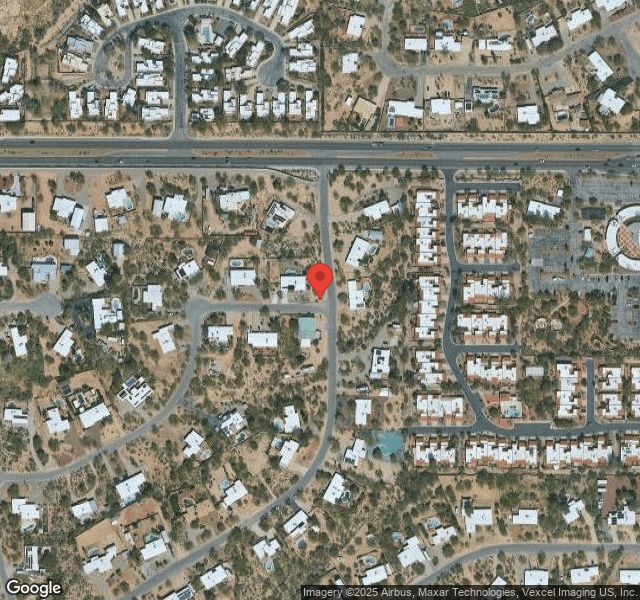

7970 NORTH LA CANADA DRIVE, TUCSON, AZ 85704 (520) 797-1191
For profit - Limited Liability company 128 Beds THE ENSIGN GROUP Data: November 2025
Trust Grade
80/100
#16 of 139 in AZ
Last Inspection: February 2024

Within standard 12-15 month inspection cycle. Federal law requires annual inspections.

Overview

La Canada Care Center in Tucson, Arizona, has a Trust Grade of B+, indicating it is above average and recommended for families considering care options. It ranks #16 out of 139 nursing homes in Arizona, placing it in the top half of facilities in the state, and #2 out of 24 in Pima County, meaning there is only one local option that is rated higher. However, the trend is concerning, as issues have increased from 1 in 2023 to 4 in 2024. Staffing has received a below-average rating of 2 out of 5 stars, with a turnover rate of 56%, which is average for the state but may indicate a lack of stability. There have been no fines reported, which is a positive sign, but the facility has less RN coverage than 84% of Arizona homes, raising concerns about resident care. Specific incidents noted by inspectors include a failure to consistently monitor refrigerator temperatures, which could lead to foodborne illnesses, and a situation where a resident did not receive pain medication as prescribed, increasing the risk for unnecessary medication use. While the facility has excellent ratings for quality measures and overall care, these identified issues highlight areas that need improvement. Families should weigh both the strengths and weaknesses before making a decision.

Trust Score
B+
80/100
In Arizona
#16/139
Top 11%
Safety Record
Low Risk
No red flags
Inspections
Getting Worse
1 → 4 violations
Staff Stability
⚠ Watch
56% turnover. Above average. Higher turnover means staff may not know residents' routines.
Penalties
✓ Good
No fines on record. Clean compliance history, better than most Arizona facilities.
Skilled Nurses
⚠ Watch
Each resident gets only 21 minutes of Registered Nurse (RN) attention daily — below average for Arizona. Fewer RN minutes means fewer trained eyes watching for problems.
Violations
⚠ Watch
20 deficiencies on record. Higher than average. Multiple issues found across inspections.
★★★★★
5.0
Overall Rating
★★☆☆☆
2.0
Staff Levels
★★★★★
5.0
Care Quality
★★★★☆
4.0
Inspection Score
Stable
2023: 1 issues
2024: 4 issues

The Good

  • 5-Star Quality Measures · Strong clinical quality outcomes
  • Full Sprinkler Coverage · Fire safety systems throughout facility
  • No fines on record

Facility shows strength in quality measures, fire safety.

The Bad

Staff Turnover: 56%

Near Arizona avg (46%)

Frequent staff changes - ask about care continuity

Chain: THE ENSIGN GROUP

Part of a multi-facility chain

Ask about local staffing decisions and management

Staff turnover is elevated (56%)

8 points above Arizona average of 48%

The Ugly 20 deficiencies on record

Feb 2024 4 deficiencies
CONCERN (D)

Potential for Harm - no one hurt, but risky conditions existed

Deficiency F0554 (Tag F0554)

Could have caused harm · This affected 1 resident

Deficiency Text Not Available

Read full inspector narrative →
Deficiency Text Not Available
CONCERN (D)

Potential for Harm - no one hurt, but risky conditions existed

Respiratory Care (Tag F0695)

Could have caused harm · This affected 1 resident

**NOTE- TERMS IN BRACKETS HAVE BEEN EDITED TO PROTECT CONFIDENTIALITY** Based on observation, clinical record review, staff interviews, facility documentation and policy review, the facility failed to...

Read full inspector narrative →
**NOTE- TERMS IN BRACKETS HAVE BEEN EDITED TO PROTECT CONFIDENTIALITY** Based on observation, clinical record review, staff interviews, facility documentation and policy review, the facility failed to ensure that oxygen was administered per physician orders for one resident (#12). The sample size was 20. Findings include: The resident was admitted on [DATE] with diagnosis including anxiety disorder, unspecified dementia, psychotic disturbance, mood disturbance , anxiety, depression, schizophrenia, acute respiratory failure with hypoxia, pleural effusion, other non specific findings of the lung field, pneumonia, chronic obstructive pulmonary disease and a wedge compression fracture. A review of the MDS (minimum data set) dated December 07, 2023 revealed that the resident had a BIMS (brief interview of mental status) score of 14, indicating that the resident was cognitively intact. The MDS further noted that the resident was on oxygen therapy. A review of the of the physician's orders dated January 2, 2024 for resident #12 revealed an order for 4 liters of oxygen per minute via nasal cannula. An update to the orders was made on January 30, 2024 at 2:00 PM noting oxygen via nasal cannula for chronic obstructive pulmonary disease and may citrate to keep oxygen saturation (SP02) levels at or above 90% A review of the resident's care plan initiated on December 29, 2019 revealed a focus that resident #12 has emphysema, and chronic obstructive pulmonary disease and the included intervention that oxygen therapy is to be given as ordered by the physician. Furthermore, the care plan revealed that the resident has oxygen therapy and that the oxygen settings were noted to be at 5 liters per minute continuously via nasal cannula; however, oxygen was observed to be above the ordered liters per minute and above the documented care plan rate for resident #12. An observation on January 30, 2024 at 9:52 AM revealed that resident #12 was observed to be on 6 liters of oxygen as observed on the oxygen concentrator setting. An observation on January 30, 2024 at 12:26 PM revealed that resident #12 was still on 6 liters of oxygen. An interview was conducted on January 30, 2024 at 12:26 P.M. with staff #70 LPN (Licensed Practical Nurse). Staff #70 stated that oxygen settings were as ordered by the physician. She further stated that oxygen settings are checked during rounding every 2 hours. She stated that oxygen setting for resident #12 should be at 4 liters per minute. She stated that the risk for settings outside of the parameters that the physician had established could impact the gas exchange and could impede the resident's breathing. An interview was conducted with staff #13, DON (Director of Nursing) on January 30, 2024 at 12:40 PM Staff #13 stated that some patients, depending on the physician's order, may have settings designated on a range to maintain oxygen at a certain level. She stated that the nurse assigned to the resident, is required to sign off on the oxygen order every shift. Staff #13 reviewed the medical record for resident #12 and stated that the orders for this resident are at 4 liters per minute. She stated that the expectation is to ensure that the oxygen orders established by the physician are followed. Staff #13 stated that the risk could be that the resident may not get enough oxygen and that the resident's oxygenation could be impeded. A review of the oxygen administration policy with a review date of May 2023 revealed that oxygen therapy is administered by a licensed nurse as ordered by the physician; however, the oxygen therapy settings observed on 2 separate occasions were not as ordered by the physician and noted to be 2 liters above the ordered setting. It was however observed that the facility did have the order changed on the same day the concern was brought to their attention.
CONCERN (D)

Potential for Harm - no one hurt, but risky conditions existed

Deficiency F0727 (Tag F0727)

Could have caused harm · This affected 1 resident

Deficiency Text Not Available

Read full inspector narrative →
Deficiency Text Not Available
CONCERN (D)

Potential for Harm - no one hurt, but risky conditions existed

Staffing Information (Tag F0732)

Could have caused harm · This affected 1 resident

Based on review of facility documentation and staff interview, the facility failed to ensure that nurse staffing information was posted on a daily basis that included the actual hours worked by licens...

Read full inspector narrative →
Based on review of facility documentation and staff interview, the facility failed to ensure that nurse staffing information was posted on a daily basis that included the actual hours worked by licensed and unlicensed nursing staff and the resident census. Findings include: An interview was conducted on 2/2/2024 at 12:36 PM with the Staffing Coordinator (staff #18) who said daily staff postings should be accurate. She said that that she gets the numbers from the daily staff tracking form so staff must have left early or late that day. She reviewed the posting for 12/30/2023 and said that it was not accurate. An interview was conducted on 2/2/2024 at 12:56 PM with the Director of Nursing (DON/staff#13) who said that daily staff postings should be accurate. She said that she'd have to assume that their numbers are accurate but she would have to double check. An interview was conducted on 2/2/2024 at 1:31 PM with the Administrator (staff #115) who said that he did not know if there was a policy regarding the accuracy of staff postings and that he would check with the Director of Nursing. A follow up interview conducted on 2/2/2024 at 1:56 PM with the DON included that the facility does not have a policy regarding the accuracy of staff postings.
Jan 2023 1 deficiency
CONCERN (D) 📢 Someone Reported This

A family member, employee, or ombudsman was alarmed enough to file a formal complaint

Potential for Harm - no one hurt, but risky conditions existed

Accident Prevention (Tag F0689)

Could have caused harm · This affected 1 resident

**NOTE- TERMS IN BRACKETS HAVE BEEN EDITED TO PROTECT CONFIDENTIALITY** Based on clinical record, staff interviews, facility records and facility policies, the facility failed to ensure that a residen...

Read full inspector narrative →
**NOTE- TERMS IN BRACKETS HAVE BEEN EDITED TO PROTECT CONFIDENTIALITY** Based on clinical record, staff interviews, facility records and facility policies, the facility failed to ensure that a resident was supervised to prevent urinating on another resident's room floor. This practice resulted in assault of a residents' dignity, infection control risks and disruptions of a resident's privacy. Findings include: Resident #4 was admitted to the facility on [DATE] with diagnoses of COVID-19, malignant neoplasm of colon and rectum and need for assistance with personal care. An admission Minimum Data Set (MDS) dated [DATE] included that this resident makes herself understood and understands others. This document included that a Brief Interview for Mental Status (BIMS) indicated that this resident was cognitively intact. This document also included that the resident required limited 2 person assistance for transfers and that the resident did not walk in the room or corridor during the lookback period. A review of the resident's clinical record did not find any record of a resident urinating on this residents' floor. -Resident #23 was admitted to the facility on [DATE] with diagnoses of COVID-19, pneumonia, dementia and Alzheimer's disease. A Discharge -return not anticipated MDS dated [DATE] included that this resident makes herself understood and understands others. This document included that a Brief Interview for Mental Status (BIMS) indicated that this resident was moderately cognitively impaired. This document also included that the resident had wandered 4 to 6 days of the 7 day lookback, but less than daily. An initial care plan did not include wandering. A comprehensive care plan included to monitor for effects of psychiatric drugs which included wandering. However, no care plan or intervention were put in place to stop wandering. A Tasks document included behavior monitoring. This document included that the resident had wandered on the 1st and 3rd of January 1, 2023. The clinical record did not include that this resident had urinated in another resident's room. A progress noted dated January 5, 2023 included that the resident was alert, confused per usual, up out of bed at times restless walking into hall looking for the bathroom. This nurse included that she assisted him into the bathroom. An interview was conducted on January 25, 2023 at 12:05 PM with a Nursing Assistant (staff #100) who said that one of the demented residents peed on resident #4's floor. She said that she had worked the next morning and that resident #4 had told her about it. She said that the she and other Nursing Assistants cleaned up the pee. She said that resident #23 was so hard to contain because he had dementia and would wander. She said that once she stopped him from urinating in a trash can in the hall. An interview was conducted on January 26, 2023 at 3:37 PM with a Licensed Practical Nurse (LPN/staff #19) who said that she was not there that night but that she was informed by resident #4 that a man came in urinated on floor and that she put on the call light. She said that she thought he urinated near the resident's doorway. She said resident #23 was the one that was wandering, that he had dementia, and that he was in that end of the hall. She said that it was difficult to keep residents with dementia in the room. She said that resident #23 was a wanderer and that he seemed to stay in that area. She said that this resident was in the second or third room and that she thought he was attracted to the door to look outside and it makes sense that he would go to the room right next to that. She said that resident #4 was in the room next to the door. An interview was conducted on January 26, 2023 at 2:46 PM with a nursing assistant (#103) who said that resident #23 was incontinent and that he was really confused. This nursing assistant said that resident #23 used to walk to the bathroom sometimes and he would have accidents or go over to the roommate and the roommate said, He's right here staring at me. This staff said that he used to drip when he was walking, sometimes he would pee with a brief on but that the resident would stand up and the brief would fall and sometimes the resident would move the brief. An interview was conducted on January 27, 2023 at 11:39 AM with a LPN (staff #99) who said that if a resident wanders, it has to be put in the care plan for the resident's safety. She said that a nurse can update the care plan but usually it is the MDS nurse. An interview was conducted on January 27, 2022 at 12:18 PM with the Director of Nursing (DON/staff #52) who said that it is not abuse to have a resident peeing on another resident's floor if the resident is cognitively impaired. She said that care planning is an interdisciplinary process because it not one person caring for the resident. She said that because the outside doors were key coded and that because a charting area was nearby the room that a direct care plan for wandering was not needed. A Facility Assessment included that this facility may accept residents with Alzheimer's Disease and Non-Alzheimer's dementia and other psychiatric/mood disorders except those residents who are deemed by the facility IDT to be a danger to self or others, or who have severe dementia and are continually exit Seeking. A policy titled Resident Safety revealed that it is the policy of this facility to create a safe environment for the resident. A policy titled Care Planning revealed that It is the policy of this facility that the interdisciplinary team (IDT) shall develop a comprehensive person-centered care plan for each resident that includes measurable objectives and time frames to meet a resident's medical, nursing, mental and psychosocial needs that are identified in the comprehensive assessment. The Care Plan will be revised as needed, and interventions will be implemented.
Oct 2022 6 deficiencies
CONCERN (D)

Potential for Harm - no one hurt, but risky conditions existed

Deficiency F0582 (Tag F0582)

Could have caused harm · This affected 1 resident

**NOTE- TERMS IN BRACKETS HAVE BEEN EDITED TO PROTECT CONFIDENTIALITY** Based on clinical record review, staff interviews, and facility documentation, the facility failed to ensure one resident (#397)...

Read full inspector narrative →
**NOTE- TERMS IN BRACKETS HAVE BEEN EDITED TO PROTECT CONFIDENTIALITY** Based on clinical record review, staff interviews, and facility documentation, the facility failed to ensure one resident (#397) signed and was issued a written Notice of Medicare Non-Coverage (NOMNC) when there was an ending of Medicare services. The sample size was 3. The deficient practice could result in residents not being informed of their potential liability for payment. Findings include: Resident #397 was admitted [DATE], with diagnoses that included unspecified fracture of left femur, muscle weakness, and difficulty walking. The resident was discharged [DATE]. The admission Minimum Data Set assessment dated [DATE], revealed a BIMS (Brief Interview for Mental Status) score of 15 indicating the resident was cognitively intact. Review of the resident's face sheet revealed the resident was the financially responsible party. A weekly skilled nursing note dated April 20, 2022 indicated the resident was discharge ready and that the NOMNC was to be issued. Discharge was set for April 27, 2022. Review of a weekly skilled review note dated April 27, 2022 revealed the resident's previous NOMNC was rescinded since the provider had not wanted the resident to discharge yet due to changes in range in motion. Review of the resident's clinical record and request for NOMNC documentation did not reveal any completed NOMNC forms. A nursing note dated April 30, 2022 stated the resident was discharged home, condition stable, voiced no issues or concerns. Personal belongings, medications and discharge instructions were given to the resident. Review of Skilled Nursing Facility Beneficiary Protection Notification review forms presented to the facility for completion on October 11, 2022 revealed that the facility did not complete a NOMNC for resident #397. The facility indicated the reason as a clerical error and stated that copies were not found. During an interview with the Social Service Director/Case Management (staff #5) conducted on October 13, 2022 at 10:04 a.m., she stated that she had only taken over the NOMNC process the previous week. Staff #5 stated that she issues NOMNC three days prior to a resident's scheduled discharge i.e. if the resident is discharging October 14, then that resident would have been issued the NOMNC on October 11. She stated that if the resident has Medicare, then the discharge is driven by therapy, determined by weekly skilled notes, and goes by estimated stay driven by therapy. She stated therapy then lets her know if the resident is discharge ready. She stated she would then print out the NOMNC and present it to the resident. She also stated the resident is informed about the appeal process, and if a resident decides to appeal, they cannot discharge the resident without a decision. Staff #5 stated the facility will provide the resident a financial responsibility form to inform them that they might have to pay out of pocket if the decision is not made before their last day of coverage. In regards to this resident, staff #5 stated that she is not sure what happened or if the resident was provided a NOMNC since she is new. She stated she also is not aware of what happens if the NOMNC is not provided. She could not find documentation regarding NOMNC completion for the resident. Staff #5 stated that since she took over the NOMNC process, she documents NOMNC in the resident's progress note. She also stated that she has a binder where she keeps a copy of the NOMNC as well as putting a copy on the drive so that Medical Records can upload into the resident's electronic record. In an interview with the Director of Nursing (DON/staff #20) conducted on October 13, 2022 at 1:12 p.m., she stated that if a resident is not provided a NOMNC, it is an incomplete record or documentation. The DON stated that since it is a time-sensitive action, it is not something that can be corrected. The DON stated case management/social services are the ones that receive information about NOMNC. Review of the facility's NOMNC process implemented on or about April 21, 2022, indicated that once it is determined that a NOMNC needs to be issued, the case manager (CM) determines if the resident can sign for themselves or if a Power of Attorney will need to sign the document. During the presentation of the NOMNC, the CM will explain what the notice entails, go over the last day of coverage, discharge date , and the appeal process. Once signed, a copy is given to the resident and another copy is sent to the Business Office and Medical Records for upload to the resident's record. The original is kept in the Medicare NOMNC binder located in the Social Services Office. The CM then documents this event on a progress note in the resident's record.
CONCERN (D)

Potential for Harm - no one hurt, but risky conditions existed

ADL Care (Tag F0677)

Could have caused harm · This affected 1 resident

**NOTE- TERMS IN BRACKETS HAVE BEEN EDITED TO PROTECT CONFIDENTIALITY** Based on observations, resident and staff interviews, clinical record review, review of facility documentation and policy and pr...

Read full inspector narrative →
**NOTE- TERMS IN BRACKETS HAVE BEEN EDITED TO PROTECT CONFIDENTIALITY** Based on observations, resident and staff interviews, clinical record review, review of facility documentation and policy and procedure, the facility failed to ensure that one resident (#191) who was unable to carry out activities of daily living (ADLs) received services to maintain good grooming. The sample size was 10. The deficient practice may result in residents with poor personal hygiene. Findings include: Resident #191 admitted to the facility on [DATE] with diagnoses that included COVID-19, alcohol abuse, and chronic obstructive pulmonary disease. An ADL self-care performance deficit care plan dated 09/28/22 related to decline with function and mobility had a goal to improve independence with ADL tasks and functional mobility. Interventions included required staff participation with bathing. The admission Minimum Data Set assessment dated [DATE] revealed the resident scored 9 on the Brief Interview for Mental Status, indicating moderately impaired cognition. The assessment also revealed the resident required extensive assistance for most ADLs, including bathing. On 10/11/22 at 9:38 a.m., an interview with resident #191 was conducted. The resident stated that she had not received any showers since she had been admitted . The resident stated that she usually shaves her whiskers off at home and that she would like them to be shaved off while she was in the facility. During the interview, the resident's hair was observed to appear very greasy and stuck to her head. Another observation of the resident was conducted on 10/12/22 at 12:45 p.m. The resident continued to appear unwashed and disheveled. The resident's eyes, face, and hair had visible white matter attached to it and her hair appeared to be greasy and uncombed. Review of the Certified Nursing Assistants (CNAs) Point of Care documentation dated 09/28/22 through 10/12/22 revealed that the resident had received a total of 3 bed baths. Additional review did not indicate that the resident had refused additional opportunities for bathing/showers. On 10/14/22 at 11:19 a.m., an interview was conducted with a Nursing Assistant (NA/staff #90). She stated that a lot of residents liked to have showers on their scheduled days. She stated that residents will be offered showers, but if they do not feel good, she will offer a bed bath. She stated that resident #191 was fairly new. She stated that yesterday was the resident's shower day, but that the resident wanted to do a bed bath instead. She stated that the CNAs are supposed to document whether or not the resident refused. She stated that she did not know why the resident had only received a couple of bed baths. An interview was conducted with a Licensed Practical Nurse (LPN/staff #65) on 10/14/22 at 11:45 AM. She stated that she should receive shower sheets when the CNA completes the shower. She stated that CNAs complete the Skin Assessment Shower Sheets in addition to completing the Point of Care documentation. The LPN stated if the resident refused, CNAs should mark refused if the resident refuses. The LPN stated that residents should be offered showers or bed baths twice weekly. On 10/14/22 at 11:53 a.m., an interview was conducted with the Director of Nursing (DON/staff #20). She stated the shower schedule assigns the residents two showers weekly. The DON stated that it was within the residents' rights to request a different time or day, according to their preference. She stated the residents will usually tell their CNA, the CNA would tell the nurse, and the nurse would notify administration to modify the schedule. She stated the caregivers will document on a flow sheet on their task assignments. The DON stated that CNAs also are expected to document on a shower sheet and to turn the sheets in to their nurse at the end of the shift. She stated that her expectation is that residents will be offered 2 bathing opportunities per week. The DON stated that outcomes of not receiving twice weekly showers or bed baths may include diminished skin integrity, dignity, and comfort. Review of the facility policy titled ADL, Services to Carry Out, reviewed 08/2022, included it is the policy of the facility that residents are given the appropriate treatment and services to attain or maintain the highest practicable physical, mental, and psychosocial well-being of each resident in accordance with the written plan of care. If a resident is unable to carry out activities of daily living, the necessary services to maintain good nutrition, grooming, and personal and oral hygiene will be provided by qualified staff. Bathing will be offered at least twice weekly, and as-needed per resident request. ADL care provided will be documented in the medical record accordingly.
CONCERN (D)

Potential for Harm - no one hurt, but risky conditions existed

Deficiency F0692 (Tag F0692)

Could have caused harm · This affected 1 resident

**NOTE- TERMS IN BRACKETS HAVE BEEN EDITED TO PROTECT CONFIDENTIALITY** Based on clinical record review, observation, staff interviews, and policy review, the facility failed to provide care and servi...

Read full inspector narrative →
**NOTE- TERMS IN BRACKETS HAVE BEEN EDITED TO PROTECT CONFIDENTIALITY** Based on clinical record review, observation, staff interviews, and policy review, the facility failed to provide care and services to maintain acceptable parameters of nutritional status for one resident (#24). The sample size was 4. The deficient practice could result in residents being at risk for potential nutritional decline. Findings include: Resident #24 was admitted to the facility on [DATE] with diagnoses that included unspecified protein-calorie malnutrition, respiratory failure, hemiplegia and hemiparesis following cerebral infarction, dysphagia and muscle weakness. A care plan initiated on April 14, 2022 included a problem for moderate malnutrition related to acute illness. The care plan goals stated resident #24 will maintain adequate nutritional status as evidenced by maintaining weight with no signs and symptoms of malnutrition. The intervention included the RD (registered dietician) evaluating and making diet changes recommendations as needed; supplement; and weekly weights for 4 weeks and then monthly if stable. Review of the weight summary dated April 14, 2022 at 9:29 p.m. stated the resident weighed 135 pounds. Review of physician's progress notes dated April 19, 2022 at 8:06 p.m. stated the resident was resting comfortably and stated he is still hungry after eating meals. Review of physician's progress notes dated April 24, 2022 at 3:27 p.m. stated the resident was resting comfortably and asking for second portions for the lunch meal. Review of physician's progress notes dated May 4, 2022 at 1:49 p.m. included the resident stating that he is hungry. Review of Speech Therapy notes dated May 4, 2022 stated recommended MBSS (modified barium swallow study) to further assess safest diet, appropriate for PO (by mouth) versus PEG (percutaneous endoscopic gastrostomy) due to continued coughing and difficulty with carryover of safe swallow instructions. The note stated the MBSS was discussed with nursing, and currently waiting scheduling of an appointment. Review of a LN-Nutrition Interdisciplinary Team Update form dated May 9, 2022 revealed SLP (speech language pathologist) reported the resident continues to struggle even with thickened liquids, awaiting barium swallow to determine next steps. Review of speech therapy notes dated June 3, 2022 stated pending scheduling for MBSS to analyze most appropriate diet and possible need for alternate nutrition plan, pending as of April 27, 2022. Continued review of the clinical record revealed no evidence of MBSS follow-up regarding the safest diet for the resident or evidence the resident was offered additional snacks or food items to meet resident #24's complaints. Review of the clinical record did not reveal another weight for the resident until July 20, 2022 at 1:53 p.m. Resident #24 weighed 111 pounds; a weight loss of 17% in 13 weeks. A quarterly MDS (minimum data set) assessment dated [DATE] revealed resident #24 BIMS (brief interview of mental status) score was 14, which indicated intact cognition. The MDS assessment stated the resident needed extensive assistance with eating, and had a weight loss of 5% or more in the last month or loss of 10% or more in the last 6 months, and was not on physician-prescribed weight loss regimen. The weight summary revealed that on October 9, 2022 at 10:26 p.m., the resident's weight was 112 pounds, a weight loss of 17% in about 6 months. A physician order dated October 10, 2022 revealed an order for a regular diet, pureed texture, nectar thick consistency fluids, and feeding assistance. A lunch observation was conducted on October 12, 2022 at 12:40 p.m. Resident #24 was in his room seated in the wheelchair, with a lunch tray placed on a bedside table in front of the resident. An SLP was observed assisting resident #24 1:1 with the meal. Resident #24 was observed reaching for the spoon when he wanted the next bites. The SLP (staff #39) stated the resident has a good appetite, but has poor safety awareness. The SLP stated resident #24 takes too much food at once and drinks regular water from the sink at times, that is why the resident has to have assistance with meals. A follow up interview was conducted on October 12, 2022 at 2:24 p.m. with SLP (staff #39), who stated she was familiar with resident #24. Staff #39 stated on October 10, 2022, she evaluated resident #24's BIMS and scored 15/15, which indicated the resident's cognition was intact. Staff #39 stated the resident has no carry through, he does not have recall overtime, very impulsive, and no safety awareness. Staff #39 stated resident #24 was food seeking, but has ataxic dyskinesia, which causes abnormal movement and impacts the resident ability to swallow, making the resident a very high aspiration risk. Staff #39 stated she requested an MBSS April 2022, and also recommended tube feeding during the last admission to the case manager. An interview was conducted on October 14, 2022 at 10:41 a.m. with resident #24. Resident #24 stated he has a good appetite and he can eat just about anything. The resident stated most of the time he is still hungry, and that he has not been offered any snacks or fluids in between meals. The resident stated he asked the staff for snacks or fluids, that sometimes the staff brings it and sometimes the staff would not come back. He stated he is constantly craving for more food. The resident stated he lost a lot of weight and it bothers him. The resident stated no staff in the facility has discussed alternative ways of keeping his weight including tube feeding and that he would not mind it if it will help him gain some weight back. An interview was conducted on October 14, 2022 with the director of nursing (DON/ staff #26), who stated a newly admitted resident is weighed upon admission, then weekly for 4 weeks, then monthly thereafter. Staff #26 stated she did not know why resident #24 was not weighed again until July 2022. The DON stated she does not recall anything about the MBSS, and that she has to access the record. Regarding resident #24 weight loss from April 14, 2022 through July 20, 2022 and no implementation of interventions to address the weight loss, the DON only stated ok. A facility policy, Nutrition, stated it is the policy of the facility to ensure that all residents maintain acceptable parameters of nutritional status, such as body weight and protein levels, unless the resident's clinical condition demonstrates that this is not possible. Each resident is to be weighed upon admission, weekly weights for four (4) weeks and monthly weight thereafter unless otherwise specified by the attending physician. The weight will be entered into the resident's clinical record. Once the resident has been evaluated for nutrition status, the Registered Dietitian, Dietary Technician and/or designee will determine if there is a significant change in the resident's condition. If so, additional nutritional interventions will be offered to those residents. Any resident weight that varies from the previous reporting period by 5% in 30 days, 7.5% in 90 days and 10% in 180 days will be evaluated by the Interdisciplinary Team to determine the cause of weight loss/gain, interventions required and need for further recommendations and/or referral.
CONCERN (E)

Potential for Harm - no one hurt, but risky conditions existed

Deficiency F0645 (Tag F0645)

Could have caused harm · This affected multiple residents

**NOTE- TERMS IN BRACKETS HAVE BEEN EDITED TO PROTECT CONFIDENTIALITY** -Resident #41 was admitted to the facility on [DATE] with diagnoses that included generalized idiopathic epilepsy and epileptic ...

Read full inspector narrative →
**NOTE- TERMS IN BRACKETS HAVE BEEN EDITED TO PROTECT CONFIDENTIALITY** -Resident #41 was admitted to the facility on [DATE] with diagnoses that included generalized idiopathic epilepsy and epileptic syndromes, not intractable with status epilepticus, dysphagia, and anxiety disorder. Review of the Level I PASRR dated 8/29/14 revealed the physician had certified the resident required 30 days or less of nursing facility services. Review of the Level 1 PASRR dated 8/1/18 revealed a referral for Level II was not necessary. Physician orders included the following medications: -Valium Solution 5mg/ml, inject 5 mg intramuscularly as needed for seizure activity may repeat one more after 10 minutes. Ordered 8/1/2018. -Lorazepam tablet 1 mg, give 1 tablet via G-Tube every 8 hours for anxiety as evidenced by restlessness. Ordered 8/3/2018 A PASRR care plan dated 4/6/2020 revealed focus: has a PASRR level 1 with no recommendations for a PASRR Level II referral. Goal: wishes to continue current activities and medication. Intervention: refer resident for a PASRR Level II if conditions change. Review of the clinical record revealed resident #41 has a diagnosis Schizoaffective Disorder on 5/10/21. However, the resident's clinical record did not reflect that a PASRR Level I was updated or PASRR Level II screening had been completed after resident #41 diagnosis with Schizoaffective Disorder. The annual Minimum Data Set assessment dated [DATE] revealed the resident was rarely or never understood. Review of the October 2022 Medication Administration Records revealed psychotropic medications were administered in accordance with the physician's orders. In an interview conducted on 10/14/22 at 7:59 AM with the social services director (staff #5), she stated she does not do anything with PASRR personally. Staff #5 stated she only sees the PASRR from the hospital that the admission department gives to her. Staff #5 stated she did not know how to rate the levels for PASRR. An interview was conducted with the DON (staff #20) on 10/14/22 at 9:53 AM. The DON stated she is unfamiliar with the process but every resident should have one. The DON stated if PASRR identifies additional services, it has to be requested. The DON stated resident #41 is pulled every year and PASRR was never discussed. Review of the facility's PASRR Policy revised 5/2022 revealed the following: It is the policy of the facility to ensure that each resident is properly screened using the PASRR specified by the state. Based on clinical record reviews, staff interviews, and review of policy, the facility failed to ensure that Preadmission Screening and Resident Reviews (PASRR) were completed as required for 3 residents (#57, #34, and #41). The sample size was 3. The deficient practice increases the risk for residents being inappropriately placed into nursing facilities and/or not receiving the services they need. Findings include: -Resident #57 was readmitted to the facility on [DATE] with diagnoses that included osteomyelitis, acquired absence of right leg below the knee, and bipolar disorder. Review of the Level 1 PASRR dated 03/06/21 indicated the resident did not have serious mental illness, including bipolar disorder. Review of the clinical record revealed the resident was discharged from the facility on 12/03/21 and subsequently readmitted on [DATE]. The Level I PASRR evaluation dated 12/06/21 revealed the physician had certified before admission to the facility that the resident required 30 days or less of nursing facility services. A behavior care plan dated 08/19/22 related to the potential to demonstrate physical behaviors had a goal to not harm self or others. Interventions stated to remove the resident from the situation and take the resident to an alternate location as needed. The annual Minimum Data Set (MDS) assessment dated [DATE] revealed the resident scored 15 on the Brief Interview for Mental Status (BIMS) assessment, indicating intact cognition. According to the assessment, the resident demonstrated behavioral symptoms, including: physical behaviors directed towards others, verbal behaviors directed towards others, and other behavioral symptoms not directed towards others (e.g., hitting or scratching self, pacing, or public sexual acts) for 1 to 3 days out of the 7-day lookback period. The assessment indicated that the resident's behaviors significantly interfered with the resident's participation in activities or social interactions, put others at significant risk for injury, and significantly disrupted care or the living environment. According to the assessment, the resident's current behavior status was worse compared to the prior assessment. However, review of the clinical record did not reveal the resident Level 1 PASRR had been updated or that a referral for Level II evaluation and/or services was done. -Resident #34 was admitted to the facility on [DATE] with diagnoses that included chronic obstructive pulmonary disease with acute exacerbation, difficulty walking, and the need for assistance with personal care. Review of the Level I PASRR screening completed 08/09/19 revealed the physician had certified before admission to the facility that the resident required 30 days or less of nursing facility services. According to the discharge Minimum Data Set (MDS) records, the resident was discharged on 08/18/19 with return not anticipated. The resident subsequently readmitted to the facility on [DATE]. However, there was no Level I PASRR associated with the readmission identified in the clinical record. Review of the resident's diagnoses dated 12/18/19 revealed updates including anxiety disorder and major depressive disorder, recurrent, unspecified. According to the discharge MDS assessment, the resident was discharged on 12/18/19 with return not anticipated. Per the clinical record, the resident subsequently readmitted on [DATE]. However, there was no correlating Level I PASRR identified in the clinical record. Per the resident's diagnoses information, the resident was diagnosed with schizoaffective disorder on 03/01/21. However, the resident's clinical record did not indicate that the resident had been referred to the state-designated authority for Level II PASRR evaluation and review. The quarterly MDS assessment dated [DATE] revealed the resident scored 12 on the BIMS, indicating moderate cognitive impairment. The resident reported feeling tired or having little energy for 2 to 6 out of the 7-day lookback period. According to the assessment, the active diagnoses included anxiety disorder, depression, and schizophrenia. On 10/14/22 at 10:06 a.m., an interview was conducted with the Director of Social Services (staff #5) and a Clinical Resource Nurse (staff #115). Staff #5 stated that she did not know when PASRR evaluations were completed. Staff #115 stated that PASRRs were completed before admission or upon admission. She stated that the hospital will typically complete the form. She stated that if the hospital did not complete the form, she thought that admissions would complete it. Staff #115 stated that the interdisciplinary team, case managers, and social services may also review for accuracy. She stated that accuracy and timeliness of assessments were her expectation. An interview was conducted on 10/14/22 at 10:16 a.m. with the Director of Nursing (DON/staff #20). She stated that ideally, a PASRR will be sent from the hospital when the resident admits. The DON stated if not they will be screened at the facility. She stated that because the Director of Social Services was being trained, admissions complete the screening at this time. She stated that if the resident stays in the facility longer than 30 days, she believed another PASRR needed to be done. She stated that her expectation is that the documentation will be accurate and timely.
CONCERN (E)

Potential for Harm - no one hurt, but risky conditions existed

Food Safety (Tag F0812)

Could have caused harm · This affected multiple residents

Based on review of facility logs and staff interview, the facility failed to provide evidence that temperatures for the reach-in refrigerator was consistently monitored. The deficient practice could r...

Read full inspector narrative →
Based on review of facility logs and staff interview, the facility failed to provide evidence that temperatures for the reach-in refrigerator was consistently monitored. The deficient practice could result in foodborne illness. Findings include: During the initial kitchen observation conducted on October 11, 2022 at 8:12 a.m. the October kitchen log for the freezer and refrigerators were reviewed. The Kitchen Manager (staff #1110) was present during the walk-through and review of the logs conducted on October 11, 2022 at approximately 8:12 a.m. During the review, it was noticed that the reach-in refrigerator did not have a temperature log. The refrigerator had a thermometer inside and it indicated that the temperature was 40 degrees Fahrenheit. The refrigerator had items inside such as individual serving containers of salad and cottage cheese. During an interview with the Kitchen Manager (staff #1110) conducted on October 11, 2022 at 8:21 a.m., he stated that they did not have a temperature log for the reach-in refrigerator. When asked if there were logs from previous months, he stated that they did not. He stated that it had completely slipped his mind since they have had kitchen inspections and none of the inspectors had looked at or asked for the reach-in refrigerator's temperature log. He stated that he would fix it immediately and ensure that a log is placed on the refrigerator so that the temperature could be monitored. A follow-up interview was conducted with staff #1110, on October 12, 2022 at 10:34 a.m. He stated that the reach-in refrigerator is used to store salads, cottage cheese, and salad dressing. He stated that he understands why the refrigerator's temperature had to be monitored. He stated that monitoring the refrigerator temperature helps ensure that the food items stored inside are safe to serve to the residents. During the final interview with the Kitchen Manager (staff #1110) on October 13, 2022 at 12:48 p.m., he stated that there was not a specific policy with regards to temperature monitoring.
MINOR (B)

Minor Issue - procedural, no safety impact

Staffing Information (Tag F0732)

Minor procedural issue · This affected multiple residents

Based on observations, staff interviews, facility documentation and policy review, the facility failed to ensure the posted daily nurse staffing information was accurate. The deficient practice result...

Read full inspector narrative →
Based on observations, staff interviews, facility documentation and policy review, the facility failed to ensure the posted daily nurse staffing information was accurate. The deficient practice resulted in information not being readily available to residents and visitors. Findings include: During an observation conducted on October 13, 2022 at 2:00 p.m., the nurse staffing information was observed posted on a bulletin board in the hallway. However, the posted staffing information did not include the actual hours worked by the staff. An interview was conducted with the staffing coordinator (staff #22) on October 14, 2022 at 11:12 a.m., who stated she does not know the hours worked until after the shift is over. Immediately following the interview, staffing information that was posted for the last 3 months was requested from staff #22. However, review of the staffing information postings dated August 1, 2022 through October 13, 2022 did not include the actual hours worked by staff. An interview was conducted with the Director of Nursing (staff #26) on October 14, 2022 at 1:39 p.m. Staff #26 stated the actual hours worked were done electronically and reported directly to CMS (Centers for Medicare & Medicaid Services). Staff #26 stated ever since the PBJ (Payroll Based Journal) started, the actual hours worked are sent directly to the CMS for the 5-star ratings. A facility policy regarding the posting of 24 hour licensed and unlicensed direct care staff included the following: It is the policy of this facility to post staffing numbers. The procedures stated to post the number of staff hours working who are directly responsible for resident care, and to comply with the Benefits Improvement and Protection Act of 2000, the facility must include hours worked by Registered Nurses, Licensed Practical/Vocational Nurses, and Nursing Assistants for each shift.
Oct 2021 9 deficiencies
CONCERN (D)

Potential for Harm - no one hurt, but risky conditions existed

Deficiency F0552 (Tag F0552)

Could have caused harm · This affected 1 resident

**NOTE- TERMS IN BRACKETS HAVE BEEN EDITED TO PROTECT CONFIDENTIALITY** -Resident #72 was admitted to the facility on [DATE], with diagnoses that included acute respiratory failure with hypoxia, asthm...

Read full inspector narrative →
**NOTE- TERMS IN BRACKETS HAVE BEEN EDITED TO PROTECT CONFIDENTIALITY** -Resident #72 was admitted to the facility on [DATE], with diagnoses that included acute respiratory failure with hypoxia, asthma, and major depressive disorder. Review of the admission MDS assessment dated [DATE] revealed the resident scored a 12 on the BIMS which indicated the resident had moderately impaired cognition. Review of the physician's orders revealed an order dated September 15, 2021 for Escitalopram (antidepressant) 5 mg by mouth once per day. Review of the MAR for September 2021 and October 2021 revealed the resident was administered the Escitalopram as ordered. Further review of the clinical record revealed no evidence that the resident had been informed of the risks and benefits of Escitalopram prior to receiving the medication. An interview was conducted on October 6, 2021 at 10:24 a.m. with a RN (staff #44). The RN stated that when a psychotropic medication is ordered for a resident, they explain and obtain a consent from the resident before administering the medication to the resident. During an interview conducted with the Director of Nursing (DON/staff #127) on October 7, 2021 at 9:20 a.m., she stated that it is the expectation that the risks and benefits of a psychotropic medication is explained to the resident prior to the administration of the medication. Later that day, the DON stated that she was unable to find a consent for the Escitalopram. The facility's policy for Psychoactive Medication revised May 2021, stated it is the policy of the facility to maintain every resident's right to be free from use of psychoactive medication. The use of psychoactive medication must first be explained to the resident, family member, or legal representative. Explain the potential negative outcomes of psychoactive medications. A consent is to be obtained either from the resident or responsible party if the resident unable to give. Based on clinical record reviews, staff interviews, and policy review, the facility failed to ensure two residents (#37 and #72) and/or their representative were informed of the risks and benefits of a psychotropic medication prior to the administration of the medication. The sample size was 5 residents. The deficient practice could result in residents and/or resident representatives not being aware of the benefits and the potential adverse side effects of psychoactive medications. Findings include: -Resident #37 was admitted to the facility on [DATE], with diagnoses that included Chronic Obstructive Pulmonary Disease, Major Depressive Disorder, and Anxiety Disorder. A physician's order dated March 30, 2021, revealed an order for Klonopin (anxiolytic) 0.5 milligrams (mg) tablet, give 2.5 tablet by mouth every 12 hours for anxiety as evidenced by restlessness. This order was discontinued on August 10, 2021. A physician's order dated August 10, 2021, revealed an order for Klonopin 0.5 mg tablet, give 3 tablet by mouth every 12 hours for anxiety as evidenced by restlessness to equal 1.5 milligrams. An annual Minimum Data Set (MDS) assessment dated [DATE], revealed the resident was administered an antianxiety medication all 7 days of the look back period. The assessment also included the resident had a Brief Interview for Mental Status (BIMS) score of 15, which indicated the resident was cognitively intact. Review of the MAR (Medication Administration Record) for July, August, September and October 2021, revealed the resident was administered Klonopin per the physician's orders. However, continued review of the clinical record revealed no evidence the resident had been informed of the risks and benefits for the use of Klonopin. An interview was conducted on October 6, 2021 at 10:24 p.m. with a Registered Nurse (RN/staff #44). She reviewed this resident's electronic medical record and stated that the consent for Klonopin was not in the clinical record. During an interview conducted on October 7, 2021 at 10:33 a.m. with the Director of Nursing (DON/staff #127), she said that for this resident, the staff obtained the consent for Klonopin yesterday. The DON stated that they have searched and were not able to locate a consent.
CONCERN (D)

Potential for Harm - no one hurt, but risky conditions existed

Deficiency F0558 (Tag F0558)

Could have caused harm · This affected 1 resident

**NOTE- TERMS IN BRACKETS HAVE BEEN EDITED TO PROTECT CONFIDENTIALITY** Based on observations, clinical record reviews, resident and staff interviews, and policy review, the facility failed to ensure ...

Read full inspector narrative →
**NOTE- TERMS IN BRACKETS HAVE BEEN EDITED TO PROTECT CONFIDENTIALITY** Based on observations, clinical record reviews, resident and staff interviews, and policy review, the facility failed to ensure two residents' (#15 and #30) call lights were accessible. The census was 75. The deficient practice could result in residents not being assisted timely with care. Findings include: -Resident #15 was admitted to the facility on [DATE] and readmitted on [DATE] with diagnoses that included multiple sclerosis (MS), muscle weakness, and paraplegia. A care plan was initiated on November 3, 2019 with a focus that stated the resident was at risk for falls related to MS, weakness, malaise, and functional paraplegia. The care plan included an intervention to be sure the call light is within reach and to encourage the resident to use it to call for assistance as needed. The quarterly Minimum Data Set (MDS) assessment dated [DATE] revealed a score of 15 on the Brief Interview for Mental Status (BIMS) which indicated the resident was cognitively intact. The assessment included the resident required extensive assistance of one person for bed mobility, transfer, dressing, toilet use, and personal hygiene. Continued review of the resident's care plan revealed a care plan focus initiated on July 16, 2021 that the resident has potential for pressure ulcer development related to impaired mobility. An intervention was to keep the call light within reach of the resident. A psychiatric nurse practitioner note dated September 6, 2021 stated the resident's self-care skills are impaired and the resident depends on others to perform them. The resident is dependent on others for domestic tasks. A physician's progress note dated September 29, 2021 included the resident remained wheelchair bound and required assistance with Activities of Daily Living (ADLs). Review of the nursing Daily Skilled Notes from September 1, 2021 through October 6, 2021 revealed the resident was alert and oriented to person, place, and time, and had no active symptoms or treatments effecting level of consciousness, cognition, sleep, mood, or behavior. The notes included the resident needed extensive assistance for transfers and toileting. An interview was conducted on October 6, 2021 at 8:57 am with resident #15 and a family member. The resident's family member stated they were concerned that the resident is not able to reach the call light at times, and might need assistance and not be able to call for help. They stated the resident has MS and is at risk for falling from the wheelchair or choking and needs to be able to call for help. Another interview was conducted with resident #15 on October 7, 2021 at 10:30 am. The resident was sitting in the wheelchair, and the call light was observed across the room, draped across the seat of a recliner. The resident was not able to reach the call light at that time. The resident stated it is a concern that the Certified Nursing Assistants (CNAs) do not place the call light where it can be accessible which can result in not getting help when needed. The resident also stated a worry of having an accident due to being unable to call for help to get assistance with toileting. The resident stated a grabber is sometimes used to reach the call light. The grabber was observed under the bed and also out of reach at this time. -Resident #30 was admitted to the facility on [DATE] with diagnoses that included chronic obstructive pulmonary disease (COPD), dysphasia, Alzheimer's disease, difficulty walking, and other weakness. A care plan was initiated on January 23, 2018 that stated the resident was at risk for falls related to generalized muscle weakness and included staff should be sure the call light is within reach and to encourage the resident to use it to call for assistance as needed. This care plan also included the resident should be educated on the importance of calling for assistance when needed. Another care plan was initiated on November 19, 2019 which included the resident has a potential for pressure ulcer development related to immobility, incontinence, and advanced age. Interventions included the call light should be within the resident's reach. Review of the quarterly MDS assessment dated [DATE] revealed a score of 3 on the BIMS indicating the resident had severe cognitive impairment. The assessment included the resident required extensive assistance for bed mobility, transfer, dressing, toilet use, and personal hygiene. A progress note written by a nurse practitioner on September 20, 2021 included the resident is alert, but cognition is impaired related to dementia. An observation of the resident was conducted on October 4, 2021 at 11:24 am. The resident was in bed and was verbally calling for help. The resident's call light was not observed to be near the resident at this time. At 11:39 am, 15 minutes after the resident began calling for help, a CNA entered the resident's room and asked the resident why the resident did not use the call light. The CNA looked in the resident's bed and was initially unable to find the call light. The CNA found the call light behind the resident's bed attached to a blanket. Another observation was conducted on October 5, 2021 at 1:00 pm. The resident was sitting in the bed with lunch on the table in front of the resident. The resident could be heard calling for help and stating that the resident was ready to get up. Further observation revealed the resident's call light was laying across the bedside table approximately 2 feet away. The call light cord was draped over the table so the call button was on the side furthest from the resident, completely out of reach. The resident was observed again on October 5, 2021 at 2:17 pm. The resident was asleep in the bed and the call light remained draped across the bedside table, out of the resident's reach. Another observation was conducted on October 7, 2021 at 9:03 am. The resident was awake in the bed, and the call light was again draped over the bedside table, approximately 2 feet away from the resident, and the call button was on the side furthest from the resident. At 10:35 am on October 7, 2021, the resident was observed to be sitting in the wheelchair in the resident's room. The call light remained draped over the bedside table and was out of the resident's reach. An interview was conducted on October 7, 2021 at 10:45 am with a CNA (staff #68). Staff #68 stated that when he checks on residents in their rooms, he always makes sure the resident can reach their call light before he leaves the room. He stated the residents might move around in their bed and the call light might move and be out of the residents' reach in those cases. He stated some of the residents need the call light clipped to them or their blankets so it does not fall when the resident is moving around. Staff #68 stated he was not aware of any call lights being out of reach of the residents at that time. An interview was conducted on October 7, 2021 at 11:06 am with a Licensed Practical Nurse (LPN/staff #64), who stated she was familiar with both resident #15 and resident #30. Staff #64 stated all residents should have their call lights within reach at all times. She stated resident #15 usually has the call light near, but the resident is not able to reach it if it falls. Staff #64 stated resident #30 should have the call light clipped to the resident. Staff #64 stated she was not aware that the residents' call lights had been out of the residents' reach on multiple occasions. An interview was conducted with the Director of Nursing (DON/staff #127) on October 7, 2021 at 11:27 am. The DON stated it was her expectation that all residents have their call light within reach and that the lights are answered by staff in a reasonable amount of time. The facility policy titled Call Light/Bell, revised in July 2019 included it is the policy of the facility to provide the resident a means of communicating with nursing staff. It also included staff should place the call device within the resident's reach before leaving the room.
CONCERN (D)

Potential for Harm - no one hurt, but risky conditions existed

Deficiency F0645 (Tag F0645)

Could have caused harm · This affected 1 resident

**NOTE- TERMS IN BRACKETS HAVE BEEN EDITED TO PROTECT CONFIDENTIALITY** Based on clinical record review, staff interviews, and policy and procedure, the facility failed to ensure a Level I Preadmissio...

Read full inspector narrative →
**NOTE- TERMS IN BRACKETS HAVE BEEN EDITED TO PROTECT CONFIDENTIALITY** Based on clinical record review, staff interviews, and policy and procedure, the facility failed to ensure a Level I Preadmission Screening and Resident Reviews (PASRR) was completed prior to or upon admission for one resident (#60). The sample size was 18. The deficient practice could result in residents not receiving the level of services they require. Findings include: Resident #60 was admitted to the facility on [DATE] and readmitted on [DATE] with diagnoses that included sepsis, unspecified organism, paraplegia, unspecified, and other psychoactive substance abuse, uncomplicated. The Initial admission Record dated 02/08/21 included that the resident received psychotropic medications, had behavior problems, and was anxious at times. The discharge Minimum Data Set (MDS) assessment dated [DATE] revealed the resident's memory was ok, the resident was independent with decisions regarding tasks of daily life, and decisions were consistent and reasonable. The assessment included the resident displayed no behaviors, and required limited assistance with most activities of daily living. However, review of the clinical record did not reveal that a PASRR evaluation/screening had been completed prior to or upon admission to the facility on [DATE]. A nursing progress note dated 2/11/2021 at 9:52 p.m. included the resident had a temperature of 104.3 degrees Fahrenheit (F). The provider was notified and ordered the resident be sent to the ED for further evaluation. Paramedics arrived and the resident left the facility at approximately 8:00 p.m. for transport. Further review of the clinical record revealed that on 02/17/21 a PASRR evaluation had been completed at the hospital. A nursing progress note dated 02/19/21 included the resident had been transported back to the facility by medical transport, and the provider had been notified of the admission. On 10/07/21 at 10:16 a.m., an interview was conducted with a Licensed Practical Nurse (LPN/staff #64). She stated that the MDS coordinator is responsible for completing the PASRR screening. She stated the floor nurses will admit the resident, but that they do not complete the PASRR. An interview was conducted on 10/07/21 at 10:28 a.m. with the Social Services Director (SSD/staff #23). He stated that a PASRR will be completed in the hospital, or he would complete it on special occasions. He stated medical records will review the residents' records and ensure there is one there. Staff #23 stated medical records will notify him if there is not one. Staff #23 stated medical records is responsible for ensuring that a PASRR is uploaded into the resident's record. Staff #23 stated that if there is not one available, that would be the special circumstance where he would complete one. He stated that preadmission is the standard for completion of a PASRR. The SSD reviewed the resident's record and identified an initial PASRR which was completed on 02/17/21. He stated that the resident's admission date was 02/08/21. The SSD stated that PASRRs are typically completed to ensure that the resident had been placed in the correct setting and that the level of care is suitable for the resident's needs. The SSD said that without one, you might not be aware of the resident's needs, and that it is always better to know beforehand. The SSD stated that he thought the 02/08/21 PASRR for resident #60 might have been missed. On 10/07/21 at 10:44 a.m., an interview was conducted with the Director of Nursing (DON/staff #61). She stated that her expectation was that the PASRR should be completed as close to the date of admission or upon arrival as possible, as best they can. The DON stated that if someone needed Level II services, it would be a concern as additional services would potentially be necessary for that individual. The facility policy titled PASRR stated it is the policy of the facility to ensure that each resident is properly screened using the PASRR specified by the State. The policy included that if the State mental health authority has determined, based upon physical and mental evaluation performed by a person or entity other than the State mental health authority prior to admission that because of the physical and mental condition of the individual, the individual requires the level of services provided by the facility and if the individual requires such level of services, whether the individual requires specialized services.
CONCERN (D)

Potential for Harm - no one hurt, but risky conditions existed

Pressure Ulcer Prevention (Tag F0686)

Could have caused harm · This affected 1 resident

**NOTE- TERMS IN BRACKETS HAVE BEEN EDITED TO PROTECT CONFIDENTIALITY** Based on clinical record review, staff interviews, and review of policy and procedure, the facility failed to ensure one of two ...

Read full inspector narrative →
**NOTE- TERMS IN BRACKETS HAVE BEEN EDITED TO PROTECT CONFIDENTIALITY** Based on clinical record review, staff interviews, and review of policy and procedure, the facility failed to ensure one of two sampled residents (#60) was provided consistent care and treatment regarding pressure ulcers. The deficient practice could result in pressure ulcers not being assessed and monitored, and wound complications. Findings include: Resident #60 was readmitted to the facility on [DATE] with diagnoses that included sepsis, paraplegia, and stage 2 pressure ulcer (PU) of the sacral region. A nursing admission note dated 02/19/21 revealed the resident was admitted back to the facility for physical therapy, occupation therapy, and intravenous antibiotic therapy. The Braden Scale dated 02/19/21 revealed the resident was at low risk for the development of pressure sores. A right and left gluteal fold PU care plan dated 02/19/21 had a goal for PUs to show signs of healing and to remain free from infection. Interventions included weekly head to toe skin at risk assessment. Review of the clinical record revealed weekly skin evaluations were conducted. Review of physician orders dated 02/22/21 included for a low air-loss (LAL) mattress. An actual impairment to skin integrity care plan dated 02/22/21 related to pressure wound to the sacrum, MASD/denuded areas on lower buttocks, and wound at the left gluteal fold had goals to be free from injury. Interventions included to follow facility protocols for treatment of injury, to utilize pressure-relieving/reducing Low Air-Loss (LAL) mattress, pillows, and ROHO cushion in wheelchair at all times. Review of the clinical record did not reveal a physician order for a ROHO cushion. A Braden Scale dated 02/24/21 included the resident continued at low risk for development of pressure sores. A physician order dated 03/08/21 revealed for zinc cream to buttocks twice daily and PRN after incontinence episodes, every day and evening shift. Review of the Skin Pressure Ulcer Weekly Reviews did not reveal a weekly review for 03/11/21. Review of the March 2021 TAR revealed zinc cream was applied to the resident's buttocks twice daily and PRN in accordance with physician orders, with the exception of 03/13/21 (p.m.) and 03/17/21 (p.m.) where there was no evidence to indicate whether or not the treatment had been provided. A physician order dated 04/13/21 revealed for a ROHO cushion in wheelchair at all times, every shift. Continued review of the Skin Pressure Ulcer Weekly Reviews revealed for weekly reviews except for 03/11/21, and 04/13/21 through 04/31/21. Further review of the clinical record revealed treatments were provided as ordered and interventions were implemented. An interview was conducted with a Licensed Practical Nurse on 10/06/21 at 9:13 a.m., who stated the floor nurses complete the weekly head-to-toe skin assessments. The LPN stated the wound nurse is responsible for assessing pressure ulcers and ensuring orders are in place for pressure reducing devices. An interview was conducted on 10/06/21 at 1:27 p.m. with the wound nurse (LPN/staff #57), who stated skin, pressure ulcer, and non-pressure wound assessments are completed weekly. Relative to resident #60, she stated that she provides wound care daily, hand writes the wound assessments, and input the assessments into the system. The wound nurse stated that everything that she has completed is in the system. On 10/07/21 at 10:44 a.m., an interview was conducted with the DON (staff #61). The DON stated that her expectation is that wound assessments will be completed weekly and with significant changes. Review of the facility policy titled Wound Management reviewed 05/2021 included that it is the policy of the facility that a resident having pressure ulcers receives necessary treatment and services to promote healing, prevent infection, and prevent new, avoidable sores from developing. Complete weekly head to toe skin assessment with follow up as applicable. Once a wound has been identified, assessed, and documented, nursing staff shall administer treatment to each affected area as per the physician's order. All wound or skin treatments should be documented in the resident's clinical record at the time they are administered.
CONCERN (D)

Potential for Harm - no one hurt, but risky conditions existed

Respiratory Care (Tag F0695)

Could have caused harm · This affected 1 resident

**NOTE- TERMS IN BRACKETS HAVE BEEN EDITED TO PROTECT CONFIDENTIALITY** Based on observations, clinical record review, resident and staff interviews, and review of policy, the facility failed to ensur...

Read full inspector narrative →
**NOTE- TERMS IN BRACKETS HAVE BEEN EDITED TO PROTECT CONFIDENTIALITY** Based on observations, clinical record review, resident and staff interviews, and review of policy, the facility failed to ensure one sample resident (#72) was administered oxygen in accordance with the physician order. The deficient practice could result in residents receiving oxygen not according to physician orders. Findings include: Resident #72 was admitted to the facility on [DATE], with diagnoses that included acute respiratory failure with hypoxia, chronic respiratory failure with hypercapnia, asthma and major depressive disorder. Review of the clinical record revealed physician orders dated September 7, 2021 and September 14, 2021 for oxygen at 3 liters per nasal cannula every shift for asthma. Review of the admission Minimum Data Set (MDS) assessment dated [DATE] revealed the resident scored a 12 on the Brief Interview for Mental Status (BIMS) which indicated the resident had moderately impaired cognition. The MDS assessment also included that the resident has shortness of breath, and received oxygen therapy. A review of the care plan initiated on September 17, 2021 revealed the resident has oxygen therapy related to asthma. The goal was that the resident will have no signs and symptoms of poor oxygen absorption. The interventions included oxygen settings as ordered. The MAR (Medication Administration Record) for October 2021 revealed the resident's oxygen saturation was 95% on the day shift on October 4, 2021. The Weights and Vitals Summary revealed that on October 4, 2021 at 9:55 a.m., the resident's oxygen saturation was 95% on oxygen via nasal cannula. During an observation conducted on October 4, 2021 at 10:33 a.m., the resident was observed resting in bed receiving oxygen at 4.5 liters per nasal cannula. The oxygen humidifier container for 500 cc (cubic centimeters) of water was observed to be completely empty. Review of the MAR dated October 2021 revealed that the resident's oxygen saturation was 95% on the day shift on October 5, 2021. On October 5, 2021 at 8:26 a.m., the resident was observed resting in bed receiving oxygen at 4.5 liters per nasal cannula. Again, the oxygen humidifier container was observed to be completely empty. However, review of the clinical record did not reveal a physician's order had been obtained to increase the oxygen to 4.5 liters. In an interview conducted with the resident on October 5, 2021 at 8:26 a.m., the resident stated the nurses are in charge of the oxygen and that she receives 3 liters of oxygen. The resident stated she does not touch the oxygen because the nurses do everything. An interview was conducted on October 6, 2021 at 12:59 p.m. with an LPN (Licensed Practical Nurse/staff #9). The LPN stated oxygen therapy is only administered by the licensed nurses according to the physician order, because oxygen is considered a medication. The nurse stated that she frequently checks on the resident with oxygen to ensure oxygen is being administered as ordered and the tank is not empty if the resident is attending activities. An interview was conducted on October 7, 2021 at 9:20 a.m. with the DON (Director of Nursing/staff #127). The DON stated that her expectation is that oxygen therapy be administered according to the physician order. She said the flow rate can vary according to the needs of the resident, but there must be an order which includes monitoring of saturation, tubing change every week, and humidifier change as needed. The DON stated the humidifier is only used if oxygen therapy is greater than 4 liters. The DON reviewed the physician order for oxygen but did not comment on why the oxygen was administered at 4.5 liters to the resident. The facility's policy for oxygen administration reviewed August 2021 stated it is the policy of the facility that oxygen therapy is administered by the licensed nurse as ordered by the physician.
CONCERN (D)

Potential for Harm - no one hurt, but risky conditions existed

Medication Errors (Tag F0758)

Could have caused harm · This affected 1 resident

**NOTE- TERMS IN BRACKETS HAVE BEEN EDITED TO PROTECT CONFIDENTIALITY** Based on clinical record review, resident and staff interviews, and policy review, the facility failed to ensure one resident (#...

Read full inspector narrative →
**NOTE- TERMS IN BRACKETS HAVE BEEN EDITED TO PROTECT CONFIDENTIALITY** Based on clinical record review, resident and staff interviews, and policy review, the facility failed to ensure one resident (#72) receiving an antidepressant medication was monitored for efficacy of the medication. The sample size was 5. The deficient practice could result in residents receiving psychotropic medications which are not necessary. Findings include: Resident #72 was admitted to the facility on [DATE], with diagnoses that included acute respiratory failure with hypoxia, and major depressive disorder. Review of the admission Minimum Data Set (MDS) assessment dated [DATE] revealed the resident scored a 12 on the Brief Interview for Mental Status (BIMS) which indicated the resident had moderate impaired cognition. Review of the physician's orders revealed an order dated September 15, 2021 for Escitalopram (antidepressant) 5 milligrams (mg) once per day by mouth. The order did not include the target behavior. A care plan initiated on September 16, 2021 included the use of an antidepressant medication related to depression. Interventions included to monitor/record occurrence of target behavior symptoms (specify) and document per facility protocol. Review of the Medication Administration Record (MAR) for September 16 and through October 7, 2021 revealed the resident was administered the Escitalopram as ordered. However, further review of the clinical record revealed no evidence that the target behavior was identified and monitored for. During an interview conducted with the resident on October 4, 2021 at 10:33 a.m., the resident stated that she is receiving a medication for depression but does not know for what reason. An interview was conducted with a Licensed Practical Nurse (LPN/staff #9) on October 6, 2021 at 12:02 p.m. The LPN stated if a resident is on a new psychotropic medication, there needs to be an order to document side effects and behavior. Staff #9 stated any resident being administered a psychotropic medication need behavior monitoring. An interview was conducted on October 6, 2021 at 12:27 p.m. with a Registered Nurse (RN/staff #44), who stated when a resident is started on a psychotropic medication, there should be a monitoring of side effects and behaviors. The RN stated that they have an alert sheet of the medication so nurses that know to monitor the resident for any behaviors and side effects. During an interview conducted with the Director of Nursing (DON/staff #127) on October 7, 2021 at 9:30 a.m., she stated target behavior and monitoring, and diagnosis should be a part of the physician orders and transcribed onto the MARs. The DON stated the staff document behavior monitoring by the number of times it has occurred every shift. Staff #127 stated that if the order does not include behavior monitoring, the nurse will have to obtain an order from the physician. Review of the facility policy Psychoactive Medications revised May 2021 revealed the facility maintains every resident's right to be free from the use of psychoactive medication. No psychoactive medications will be utilized without a specific physician order, or without a diagnosed specific condition, and will include the target behavior. The use of the medication will be care planned with the same diagnosis and target behavior for which the medication was ordered. Monitor and track progress towards the therapeutic goal(s). Each resident requiring psychoactive medications will have ongoing assessments and care plan reviews.
CONCERN (D)

Potential for Harm - no one hurt, but risky conditions existed

Deficiency F0761 (Tag F0761)

Could have caused harm · This affected 1 resident

Based on observations, staff interviews, and policy review, the facility failed to ensure narcotic medications and controlled substances were stored via a double-lock system. The resident census was 7...

Read full inspector narrative →
Based on observations, staff interviews, and policy review, the facility failed to ensure narcotic medications and controlled substances were stored via a double-lock system. The resident census was 75. The deficient practice could result in failure to prevent loss or diversion. Findings include: An observation was conducted on October 4, 2021 at approximately 12:30 of the Director of Nursing (DON/staff #127)'s office. No one was in the DON's office at this time and the door was open and the DON was not in sight. Additional observations were conducted on October 6, 2021 at 8:12 AM, 10:32 AM, and 11:15 AM and the same was observed. An interview was conducted on October 6, 2021 at 7:52 AM with a Licensed Practical Nurse (LPN/staff #9), who said that if they have a resident discharge they are supposed to take the narcotic sheet and the narcotic medication to the DON, who disposes of it. An interview was conducted on October 6, 2021 at 8:39 AM with the DON (staff #127), who said when resident is discharged , narcotics might go with the resident. The DON stated that if the narcotics are not given to the resident, the total count of narcotics would be confirmed with 2 nurses and would be kept under double lock in her office in a locked cabinet. The DON stated the narcotics are kept behind two locks. An observation was conducted during the interview with the DON (staff #127) revealed a cabinet in the DON's office that had one lock at the top of the cabinet. Inside was a drawer almost completely full of narcotic medication cards with sheets wrapped around them. A second lock was not on the cabinet and the office had been observed unsecured. On October 7, 2021 at 10:33 AM, another interview was conducted with the DON (staff #127) who stated narcotics medications are placed in a pharmaceutical waste container and kept in the cabinet until the incinerator comes to pick them up. The DON opened the lock on the cabinet that stored the narcotics and removed a container approximately a gallon in size with a manufacturers label of pharmaceutical waste container, that was approximately 1/3 to 1/2 full of pills. The DON said there was not a second lock on the narcotic cabinet when the door of her office was open and she was not there. She said there was not access to the narcotics because the cabinet is locked, however if the cabinet was not locked there could be adverse consequences for someone who gets their hands on them without a prescription. A facility policy titled Medication Access and Storage, E-Kit access revealed that It is the policy of this facility to store all drugs and biological in locked compartments under proper temperature controls. The medication supply is accessible only to licensed nursing personnel, pharmacy personnel, or staff members lawfully authorized to administer medications This policy included Schedule II-V medications are stored in a separate area under double lock.
CONCERN (E)

Potential for Harm - no one hurt, but risky conditions existed

Deficiency F0757 (Tag F0757)

Could have caused harm · This affected multiple residents

**NOTE- TERMS IN BRACKETS HAVE BEEN EDITED TO PROTECT CONFIDENTIALITY** Based on clinical record review, staff interviews, and review of policy and procedure, the facility failed to ensure pain medica...

Read full inspector narrative →
**NOTE- TERMS IN BRACKETS HAVE BEEN EDITED TO PROTECT CONFIDENTIALITY** Based on clinical record review, staff interviews, and review of policy and procedure, the facility failed to ensure pain medications were administered to one resident (#60) in accordance with the physician's ordered parameters. The sample size was 5. The deficient practice increases the risk for residents to receive unnecessary medications. Findings include: Resident #60 was readmitted to the facility on [DATE] with diagnoses that included sepsis, unspecified organism, paraplegia, unspecified, and pressure ulcer (PU) of sacral region, stage 2. An opioid care plan dated 02/22/21 related to oxycodone for pain management had a goal to remain free from pain or at a level of discomfort acceptable to the resident. Interventions included to administer opioid as prescribed. A physician order dated 02/26/21 included for oxycodone (opioid analgesic) 10 milligrams (mg); give 2 tablets every 4 hours as needed (PRN) for pain of 7-10 out of 10 on a pain scale. Review of the June 2021 Medication Administration Record (MAR) included the resident received oxycodone on 4 occasions when the pain level was below 7 out of 10; once on 06/06 for a pain level of 6, once on 06/12 for a pain level of 6, once on 06/18 for a pain level of 6, and once on 06/26 for a pain level of 6. The July 2021 MAR revealed the resident received oxycodone on more than 10 occasions when the pain level was below 7 out of 10. Review of the August 2021 MAR revealed the resident received oxycodone on 4 occasions when the pain level was below 7 out of 10; once on 08/03 for a pain level of 2, once on 08/06 for a pain level of 6, once on 08/07 for a pain level of 5, and once on 08/08 for a pain level of 5. An interview was conducted on 10/07/21 at 10:16 a.m. with a Licensed Practical Nurse (LPN/staff #64). She stated that prior to administering oxycodone to a resident for pain, she will ask the resident to identify what their pain level was and where their pain was located. The LPN stated that it would not be appropriate to administer any narcotic outside of the physician's ordered parameters. She stated that she would consider that a medication error. The LPN stated that if a nurse administered oxycodone outside the order parameters they must let the Director of Nursing (DON) know. On 10/07/21 at 10:44 a.m., an interview was conducted with the DON (staff #61). She stated that it did not meet her expectation for nursing to administer oxycodone outside of the physician's ordered parameters. The DON stated that nursing should have called the physician and asked to have the order changed. The facility's policy titled Medication Administration - Oral revised May 2021 included that it is the policy of the facility to accurately prepare, administer, and document oral medications. Verify residents' medication cards with medications orders. Any irregularities in pouring or administering must be reported to the physician. An essential point of medication administration included that if there is any question in regard to dosage, the person in doubt should not give the drug until she has obtained information which clarifies the drug dosage.
CONCERN (E)

Potential for Harm - no one hurt, but risky conditions existed

Infection Control (Tag F0880)

Could have caused harm · This affected multiple residents

**NOTE- TERMS IN BRACKETS HAVE BEEN EDITED TO PROTECT CONFIDENTIALITY** Based on observations, staff interviews, policy review, and the Centers for Disease Control and Prevention (CDC) guidelines, the...

Read full inspector narrative →
**NOTE- TERMS IN BRACKETS HAVE BEEN EDITED TO PROTECT CONFIDENTIALITY** Based on observations, staff interviews, policy review, and the Centers for Disease Control and Prevention (CDC) guidelines, the facility failed to ensure infection control standards were maintained regarding hand hygiene and Personal Protective Equipment (PPE). The deficient practice could result in the spread of infections. Findings include: -A lunch tray distribution observation on hall 300 was conducted on October 4, 2021 at 12:30 p.m. with one nursing staff (staff #68). During the meal tray distribution observation, the staff was observed to not wash their hands prior to distributing the meal trays and in between resident rooms. On October 4, 2021 at 12:36 p.m., the same nursing staff (staff #68) without washing hands, was observed to enter a resident's room and place the lunch tray on the resident's bedside table. The staff directed his attention to the urinal which contained about 450 cc (cubic centimeters) of urine. He donned a pair of gloves, picked up the urinal and went to the resident's bathroom. The staff returned with an empty urinal then hung the urinal on the resident's walker. Staff #68 doffed the gloves, and without performing hand hygiene, took the cover off the main dish on resident's tray. Then staff #68 stepped out of the room, poured a cup of coffee from a beverage cart, and re-entered the resident's room and served the coffee to the resident. Staff #68 then exited the room without performing hand hygiene and continued with the meal tray distribution. An interview was conducted with staff #68 on October 4, 2021 at 1:10 p.m. The staff said handwashing should be done after donning and doffing gowns and gloves, and before and after serving a resident's meal tray. He also said handwashing should be done after emptying a urinal and prior to touching or pouring a cup of coffee from the beverage cart. Staff #68 agreed he did not wash his hands after emptying the urinal said he did not always wash his hands or use the alcohol sanitizer in between resident's room. Staff #68 stated that he was in a hurry and was focused on serving the meal trays timely. In an interview conducted with a registered nurse (RN/staff #42) on October 7, 2021 at 9:08 a.m., the RN stated hand washing should be done before and after resident's care, after bathroom use, before and after passing meal trays, and before and after donning and doffing a pair of gloves when emptying a urinal. An interview was conducted with the Director of nurses (staff #127/ DON) on October 7, 2021 at 9:20 a.m. The DON stated handwashing should be done on a regular basis before and after resident's care, after donning and doffing a pair of gloves, and when serving meals. The DON stated her expectation is there has to be hand hygiene between each tray. The DON stated that if a urinal needed emptying, donning and doffing of gloves must be followed by handwashing. A facility policy Handwashing/Hand Hygiene included hand hygiene is the primary means to prevent transmission of possible infectious material. The policy further included that the facility refers to Centers for Disease Control and Prevention's (CDC) most current guidelines for hand washing. The CDC handwashing guidance included handwashing should be performed immediately before touching a patient, after touching a patient or the patient's immediate environment, after contact with blood, body fluids, or contaminated surfaces, and immediately after glove removal. -An observation was conducted of the 400 unit on October 5, 2021 at 10:24 AM. room [ROOM NUMBER] was observed to have an isolation cart outside the room and a table was observed towards the end of the hallway on the left wall close to room [ROOM NUMBER] with PPE such as gowns, gloves, surgical mask, etc. Rooms 409 to 414 and room [ROOM NUMBER] had droplet precaution signs outside the rooms. There were three signs posted. One stated Droplet Precaution, one stated Use of PPE, and one stated Donning/Doffing Instructions. The sign titled Use of PPE when caring for patients with confirmed or suspected COVID-19 stated that PPE must be donned correctly before entering the patient area (e.g., isolation room, unit if cohorting). The sign Donning/Doffing Instructions included to gather proper PPE to don, perform hand hygiene, put on isolation gown, N95, face shield/goggles and gloves before entering patient room. On October 5, 2021 at 10:40 AM, a housekeeper (staff #76) wearing gloves, a N95 mask with no surgical mask over it, and goggles was observed to enter a resident's room on the 400 unit who was on isolation precautions without donning a gown. Staff #76 was observed emptying the trash and sweeping the floor in the room. Staff #76 was also observed to adjust her shirt with her gloved hands while sweeping the floor. Droplet precaution signs were observed outside the resident's room. On October 5, 2021 at 10:55 AM, staff #76 was observed to enter another resident's room who was on isolation precautions without donning a gown and no surgical mask over her N95 mask. Droplet precaution signs were observed outside the resident's room. After she was finished cleaning that resident's room, staff #76 was observed to enter a resident's room not on isolation precautions with the same N95 mask and goggles. During an interview conducted with an Occupational Therapy Assistant (OTA/staff #4) on October 5, 2021 at 10:36 AM, she stated that anyone entering a resident room on droplet isolation precautions have to don a gown, gloves, surgical mask over the N95 mask, and goggles. An interview was conducted with staff #76 on October 5, 2021 at 11:27 AM. She stated that when she has to clean a resident room who is on isolation precautions, she dons a gown, gloves, mask and goggles. The housekeeper stated donning a gown before going into an isolation room is important as the gown keeps her from contaminating herself. She stated that she did not know that those two residents' rooms were on isolation precautions because there was no isolation cart outside those rooms. She stated she was told the rooms with an isolation cart outside the room, such as room [ROOM NUMBER], were the only rooms on isolation. Staff #76 stated that she had received education regarding the isolation rooms during the housekeeping staff meeting and had done online training on infection control. An interview was conducted with the Infection Preventionist/Assistant Director of Nursing (IP/ADON/staff #40) on October 6, 2021 at 10:37 AM. The IP stated resident rooms have signs posted on the door to let the staff know that the resident in that room is on isolation precautions and what PPE to don before going into the room. She stated a table is set up outside in the hallway with all necessary PPE. The IP stated that to enter a resident's room on isolation precautions, staff need to sanitize their hands, don a gown, gloves, a surgical mask over their N95, and goggles/face shield. The ADON stated all new employees are educated on infection control and PPE during new employee orientation. Regarding staff #76, she stated that staff #76 should have donned a gown. The IP stated all the new admit residents are tested on admission and all were negative. The ADON then stated that it is the facility policy to don proper PPE when entering resident rooms on isolation precautions. An interview was conducted with the Director of Nursing (DON/staff #127) on October 7, 2021 at 8:22 AM. The ADON stated that they follow the CDC guidance for PPE requirements for residents on isolation precautions and that she expects staff to follow those directions. Staff #127 stated staffs are educated on infection control through routine education, monthly meetings, hurdles and individual department meetings. Regarding staff #76, the DON stated unfortunately sometimes the staff need reeducation. The DON stated donning a gown is important before entering an isolation room as it protects the body from droplets or any potential unknowns. The CDC Interim Infection Prevention and Control Recommendations for Healthcare Personnel During the Coronavirus Disease 2019 (COVID-19) Pandemic updated September 10, 2021 included recommended infection prevention and control practices when caring for a patient with suspected or confirmed SARS-CoV-2 infection. HCP (Health Care Personnel) who enter the room of a patient with suspected or confirmed SARS-CoV-2 infection should adhere to standard precautions and use a NIOSH-approved N95 or equivalent or higher-level respirator, gown, gloves, and eye protection (i.e., goggles or a face shield that covers the front and sides of the face). The CDC Strategies for Optimizing the Supply of Eye Protection updated September 13, 2021 stated when using reusable face shields or goggles ensure appropriate cleaning and disinfection after each use. Reusable eye protection should be cleaned and disinfected after each patient encounter. The CDC Strategies for Optimizing the Supply of Facemasks included a situational update as of May 2021 that the supply and availability of facemasks have increased significantly over the last several months. Healthcare facilities should not be using crisis capacity strategies at this time and should promptly resume conventional practices. The section for conventional capacity strategies stated that in healthcare, facemasks used as PPE to protect their nose and mouth from exposure to splashes, sprays, splatter, and respiratory secretions (e.g., for patients on Droplet Precautions) should be removed and discarded after each patient encounter. The CDC Summary for Healthcare Facilities: Strategies for Optimizing the Supply of N95 Respirators during shortages included a situational update as of May 2021 that the supply and availability of NIOSH-approved respirators have increased significantly over the last several months. Healthcare facilities should not be using crisis capacity strategies at this time and should promptly resume conventional practices.
Understanding Severity Codes (click to expand)
Life-Threatening (Immediate Jeopardy)
J - Isolated K - Pattern L - Widespread
Actual Harm
G - Isolated H - Pattern I - Widespread
Potential for Harm
D - Isolated E - Pattern F - Widespread
No Harm (Minor)
A - Isolated B - Pattern C - Widespread

Questions to Ask on Your Visit

  • "Why is there high staff turnover? How do you retain staff?"
  • "Can I speak with families of current residents?"
  • "What's your RN coverage like on weekends and overnight?"

Our Honest Assessment

Strengths
  • • Grade B+ (80/100). Above average facility, better than most options in Arizona.
  • • No major safety red flags. No abuse findings, life-threatening violations, or SFF status.
  • • No fines on record. Clean compliance history, better than most Arizona facilities.
Concerns
  • • 20 deficiencies on record. Higher than average. Multiple issues found across inspections.
  • • 56% turnover. Above average. Higher turnover means staff may not know residents' routines.
Bottom line: Generally positive indicators. Standard due diligence and a personal visit recommended.

About This Facility

What is La Canada's CMS Rating?

CMS assigns LA CANADA CARE CENTER an overall rating of 5 out of 5 stars, which is considered much above average nationally. Within Arizona, this rating places the facility higher than 99% of the state's 100 nursing homes. This rating reflects solid performance across the metrics CMS uses to evaluate nursing home quality.

How is La Canada Staffed?

CMS rates LA CANADA CARE CENTER's staffing level at 2 out of 5 stars, which is below average compared to other nursing homes. Staff turnover is 56%, which is 10 percentage points above the Arizona average of 46%. High turnover can affect care consistency as new staff learn residents' individual needs.

What Have Inspectors Found at La Canada?

State health inspectors documented 20 deficiencies at LA CANADA CARE CENTER during 2021 to 2024. These included: 19 with potential for harm and 1 minor or isolated issues.

Who Owns and Operates La Canada?

LA CANADA CARE CENTER is owned by a for-profit company. For-profit facilities operate as businesses with obligations to shareholders or private owners. The facility is operated by THE ENSIGN GROUP, a chain that manages multiple nursing homes. With 128 certified beds and approximately 93 residents (about 73% occupancy), it is a mid-sized facility located in TUCSON, Arizona.

How Does La Canada Compare to Other Arizona Nursing Homes?

Compared to the 100 nursing homes in Arizona, LA CANADA CARE CENTER's overall rating (5 stars) is above the state average of 3.3, staff turnover (56%) is near the state average of 46%, and health inspection rating (4 stars) is above the national benchmark.

What Should Families Ask When Visiting La Canada?

Based on this facility's data, families visiting should ask: "How do you ensure continuity of care given staff turnover, and what is your staff retention strategy?" "Can you walk me through typical staffing levels on day, evening, and night shifts?" "Can I visit during a mealtime to observe dining assistance and food quality?" "How do you handle medical emergencies, and what is your hospital transfer rate?" These questions are particularly relevant given the facility's high staff turnover rate and the below-average staffing rating.

Is La Canada Safe?

Based on CMS inspection data, LA CANADA CARE CENTER has a clean safety record: no substantiated abuse findings (meaning no confirmed cases of resident harm), no Immediate Jeopardy citations (the most serious violation level indicating risk of serious injury or death), and is not on the Special Focus Facility watch list (a federal program monitoring the lowest-performing 1% of nursing homes). The facility has a 5-star overall rating and ranks #1 of 100 nursing homes in Arizona. While no facility is perfect, families should still ask about staff-to-resident ratios and recent inspection results during their visit.

Do Nurses at La Canada Stick Around?

Staff turnover at LA CANADA CARE CENTER is high. At 56%, the facility is 10 percentage points above the Arizona average of 46%. High turnover means new staff may not know residents' individual needs, medications, or preferences. It can also be disorienting for residents, especially those with dementia who rely on familiar faces. Families should ask: What is causing the turnover? What retention programs are in place? How do you ensure care continuity during staff transitions?

Was La Canada Ever Fined?

LA CANADA CARE CENTER has no federal fines on record. CMS issues fines when nursing homes fail to meet care standards or don't correct problems found during inspections. The absence of fines suggests the facility has either maintained compliance or corrected any issues before penalties were assessed. This is a positive indicator, though families should still review recent inspection reports for the full picture.

Is La Canada on Any Federal Watch List?

LA CANADA CARE CENTER is not on any federal watch list. The most significant is the Special Focus Facility (SFF) program, which identifies the bottom 1% of nursing homes nationally based on persistent, serious quality problems. Not being on this list means the facility has avoided the pattern of deficiencies that triggers enhanced federal oversight. This is a positive indicator, though families should still review the facility's inspection history directly.