WINSLOW CAMPUS OF CARE
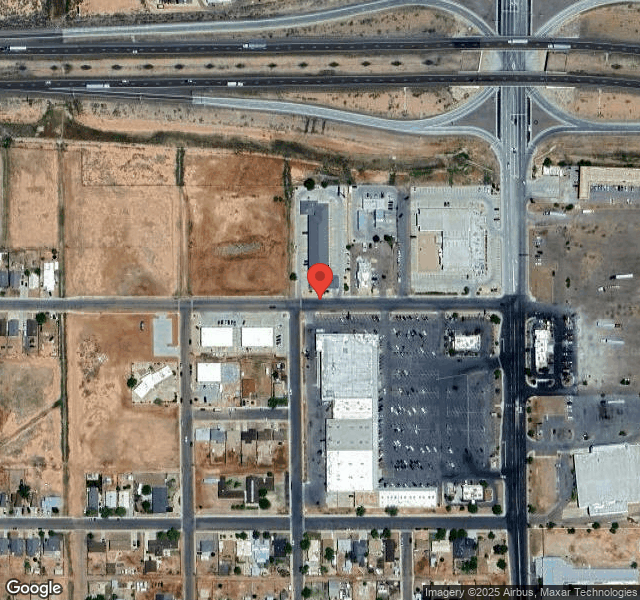

826 WEST DESMOND STREET, WINSLOW, AZ 86047 (928) 289-4678
For profit - Corporation 119 Beds Independent Data: November 2025 2 Immediate Jeopardy citations
Trust Grade
0/100
#139 of 139 in AZ
Last Inspection: January 2025

Within standard 12-15 month inspection cycle. Federal law requires annual inspections.

Overview

The Winslow Campus of Care has received a Trust Grade of F, indicating significant concerns and a poor quality of care. It ranks #139 out of 139 nursing homes in Arizona, placing it in the bottom tier of facilities in the state, and #3 out of 3 in Navajo County, meaning there are no better local options available. The situation is worsening, with the number of significant issues increasing from 9 in 2024 to 14 in 2025. Staffing is a major concern here, with a low rating of 1 out of 5 stars and an alarming 94% turnover rate, which is much higher than the state average of 48%. Additionally, the facility has incurred $117,139 in fines, which is higher than 98% of Arizona facilities, indicating ongoing compliance problems. While the facility has some average quality measures, it faces serious weaknesses, including critical incidents where CPR was not performed on a resident who needed it, and care plans for residents with severe cognitive impairments were not properly updated. Residents were also at risk due to a lack of adequate RN coverage, as the facility has less RN presence than 88% of similar facilities. Overall, families should be cautious and consider these significant issues when researching this nursing home for their loved ones.

Trust Score
F
0/100
In Arizona
#139/139
Bottom 1%
Safety Record
High Risk
Review needed
Inspections
Getting Worse
9 → 14 violations
Staff Stability
⚠ Watch
94% turnover. Very high, 46 points above average. Constant new faces learning your loved one's needs.
Penalties
○ Average
$117,139 in fines. Higher than 74% of Arizona facilities. Some compliance issues.
Skilled Nurses
⚠ Watch
Each resident gets only 20 minutes of Registered Nurse (RN) attention daily — below average for Arizona. Fewer RN minutes means fewer trained eyes watching for problems.
Violations
⚠ Watch
39 deficiencies on record. Higher than average. Multiple issues found across inspections.
★☆☆☆☆
1.0
Overall Rating
★☆☆☆☆
1.0
Staff Levels
★★★☆☆
3.0
Care Quality
★☆☆☆☆
1.0
Inspection Score
Stable
2024: 9 issues
2025: 14 issues

The Good

  • Full Sprinkler Coverage · Fire safety systems throughout facility
  • No fines on record

Facility shows strength in fire safety.

The Bad

1-Star Overall Rating

Below Arizona average (3.3)

Significant quality concerns identified by CMS

Staff Turnover: 94%

47pts above Arizona avg (46%)

Frequent staff changes - ask about care continuity

Federal Fines: $117,139

Well above median ($33,413)

Significant penalties indicating serious issues

Staff turnover is very high (94%)

46 points above Arizona average of 48%

The Ugly 39 deficiencies on record

2 life-threatening 1 actual harm
Apr 2025 1 deficiency
CONCERN (D) 📢 Someone Reported This

A family member, employee, or ombudsman was alarmed enough to file a formal complaint

Potential for Harm - no one hurt, but risky conditions existed

Free from Abuse/Neglect (Tag F0600)

Could have caused harm · This affected 1 resident

**NOTE- TERMS IN BRACKETS HAVE BEEN EDITED TO PROTECT CONFIDENTIALITY** Based on observation, interviews, review of records, and review of facility policy and procedure, the facility failed to ensure ...

Read full inspector narrative →
**NOTE- TERMS IN BRACKETS HAVE BEEN EDITED TO PROTECT CONFIDENTIALITY** Based on observation, interviews, review of records, and review of facility policy and procedure, the facility failed to ensure a resident (#6) was not abused by another resident (#3). The deficient practice could lead to physical and psychosocial harm to residents. Regarding Resident #6: Resident #6 was re-admitted to the facility on [DATE], with diagnoses that included senile degeneration of brain, paroxysmal atrial fibrillation, hypertension, chronic obstructive pulmonary disease, and type 2 diabetes mellitus. A quarterly minimum data set (MDS) assessment dated [DATE], revealed the resident had a brief interview for mental status (BIMS) score of 4, indicating severe cognitive impairment. A progress note dated April 18, 2025, revealed at 7:45 AM, the nurse was notified by certified nursing assistants (CNAs) that another resident hit Resident #6 in the right arm during breakfast. CNAs intervened and immediately separated the residents. Upon review of video recording, it was observed that the resident was trying to back up his wheelchair from the table. The other resident's wheelchair was bumped unintentionally, making the other resident offended, then hitting Resident #6 in the right arm. Resident #6 was assessed, with no injuries noted except for slight redness to his wrist. Notifications were made to the provider, the resident's family, and the administrator. Regarding Resident #3: Resident #3 was re-admitted to the facility April 7, 2025, with diagnoses that included expressive language disorder, type 2 diabetes mellitus, hypertension, sepsis, Parkinsonism, and hemiplegia and hemiparesis affecting the left side. A quarterly MDS assessment dated [DATE], revealed the resident had a BIMS assessment that was unable to be completed. A progress note dated April 18, 2025, revealed at approximately 7:40 AM, Resident #3 was at breakfast in the main dining room and was sitting at his table when another male resident whom was sitting at another table next to each other had attempted to move his wheelchair backwards, and bumped into Resident #3. Both residents began to move themselves backwards and when Resident #3 was able to see the other male resident, Resident #3 hit the other male resident in the right arm. Resident #3 had used his own right hand to do this. Both residents were separated. Notifications were made. A witness statement dated April 18, 2025, by a CNA (Staff #8) revealed that Staff #8 was assisting a resident when she turned around and saw Resident #3 swing once at Resident #6 's right arm. Staff #8 quickly got between the residents and separated them. Staff #8 stated that he was hit in the chest. A witness statement dated April 18, 2025, by another CNA (Staff #32) revealed that at approximately 7:35 AM, in the dining room, Staff #32 witnessed Resident #3 swing and contact Resident #6's arm and chest area. Staff #32 and another CNA quickly separated the residents. A Facility Reportable Event Record dated April 24, 2025, revealed at approximately 7:39 AM, Resident #6 was seen pushing his wheelchair back to get away from the dining table and then Resident #3's chair is backed into in the process. While Resident #6 moved his chair back, Resident #3 attempted to move away. The two residents came side to side in their wheelchairs, and Resident #3 looked at Resident #6 and used his right arm to contact with a closed fist Resident #6's right forearm. Upon review of the incident, it was noted that Resident #6 was not in his usual seating area at the dining table. Staff were made aware due to Resident #6 wanting to leave when he was done with meals, to leave him in his original seating area, which is on the opposite side of the table. Both residents were assessed and no injuries were noted. In conclusion, the facility found that Resident #3 contacted Resident #6 in the right forearm. An observation was conducted on April 28, 2025, at 3:04 PM, of the video footage of the incident. Resident #6 and Resident #3 were positioned back to back at tables next to each other, sitting in their wheelchairs. The wheelchairs were very close to each other. Resident #6 attempted to back up and appeared to get his wheelchair wheels stuck against Resident #3's wheelchair wheels. The residents turned in their wheelchairs so they were positioned side by side, and then looked at each other. Resident #3 then hit Resident #6 in the right forearm with his fist. CNAs approached the residents and separated them. An interview was conducted with a CNA (Staff #8) on April 28, 2025, at 12:54 PM. Staff #8 stated that she was sitting at the same horseshoe-shaped table, and the other CNA (Staff #32) was looking at the residents and called out suddenly. Staff #8 looked, and Resident #3 already had his right arm extended. Staff #8 stated the residents backed into each other, and that Staff #8 believed Resident #3 hit Resident #6 in the chest. Staff #8 stated that she jumped up and separated the residents. Additionally, Staff #8 stated she asked Resident #6 where did he hit you? and that the Resident #6 answered my chest. An interview was conducted with Resident #6 with a translator on April 28, 2025, at 12:59 AM. Resident #6 stated he remembered the incident and that the other resident hit him in the chest and the hand. An additional interview was conducted with Staff #32 on April 28, 2025, at approximately 1:10 PM. Staff #32 stated that she saw the incident and that Resident #3 hit Resident #6 in the chest and upper arm area approximately 2 to 3 times, and that it was somewhat forceful. Staff #32 stated the residents were separated. An interview was conducted with the Director of Nursing (DON / Staff #70) on April 28, 2025, at 2:58 PM. The DON stated that the facility does not tolerate any forms of abuse and that abuse is prevented by monitoring residents, assessing risk factors, and reporting any allegations of abuse. The DON stated that her understanding of the incident between Resident #6 and Resident #3 was that Resident #6 was not sitting in his usual spot in the dining room, and was positioned directly behind Resident #3. Resident #6 was attempting to back up in his wheelchair and bumped into Resident #3. Resident #3 turned to see who was backing into him and then struck out with his right hand and contacted Resident #6's right forearm. The DON stated that the residents were separated and have been monitored to ensure retaliation does not occur. Review of the facility's policy titled Abuse Prevention Policy and Procedure, revised April 2025, revealed that resident to resident physical altercations must be reported and include any willful action that results in physical injury, mental anguish, or pain. Examples include: hitting, slapping, punching choking, shoving. Abuse means the willful infliction of injury resulting in physical harm, pain, or mental anguish. Willful, as used in the definition means the individual must have acted deliberately, not that the individual must have intended to inflict injury or harm.
Mar 2025 2 deficiencies
CONCERN (D) 📢 Someone Reported This

A family member, employee, or ombudsman was alarmed enough to file a formal complaint

Potential for Harm - no one hurt, but risky conditions existed

Free from Abuse/Neglect (Tag F0600)

Could have caused harm · This affected 1 resident

**NOTE- TERMS IN BRACKETS HAVE BEEN EDITED TO PROTECT CONFIDENTIALITY** Based on clinical record reviews, facility documentation, observation, staff interviews and policy review, the facility failed t...

Read full inspector narrative →
**NOTE- TERMS IN BRACKETS HAVE BEEN EDITED TO PROTECT CONFIDENTIALITY** Based on clinical record reviews, facility documentation, observation, staff interviews and policy review, the facility failed to ensure that one resident (#41) was free from physical abuse by a resident (#37). The deficient practice could result in further incidents of resident to resident abuse and could lead to injury. Findings include: Resident #41 was admitted to the facility on [DATE] with diagnoses that included nontraumatic subarachnoid hemorrhage, dementia without behavioral disturbance, and stage five chronic kidney disease. Review of the Minimum Data Set (MDS) dated [DATE] revealed that Resident #41 had a short-term memory problem and had a moderate impairment to decision making skills. Resident #37 was admitted to the facility on [DATE] with diagnoses that included dementia without behavioral disturbance, restlessness and agitation, and major depressive disorder. Review of Resident #37's care plan revealed a problem, initiated on November 27, 2024, which indicated that Resident #37 may show behaviors that included throwing items at staff or other residents, verbal aggression towards caregivers, hallucinations, and delusions. The goal in place was to minimize behaviors and to reduce the risk of harming self or others. Interventions included to offer the resident a baby doll, to document behaviors, and to make sure basic needs are met. Review of the MDS dated [DATE] revealed a Brief Interview for Mental Status (BIMS) score of 7, indicating severe cognitive impairment. The nursing progress note dated March 9, 2025 at 3:56PM revealed that Resident #37 was experiencing false beliefs that Resident #41 was her ex-husband. The note indicated that Resident #37 was telling Resident #41 that he should not be here and he need to leave. The note indicated that these comments occurred repeatedly, and the two residents were separated. The nursing progress noted dated March 13, 2025 at 6:03PM revealed that shortly before dinner time, Resident #37 had gone into Resident #41's room and attempted to close the door behind her. When staff attempted to remove her from the room, Resident #37 became upset. The note indicated that Resident #37 believed Resident #41 was her abusive ex-husband. Staff were able to remove her from the room and calm her down. The nursing progress note dated March 14, 2025 at 5:48AM revealed that Resident #37 had stated that she wanted to hit Resident #41. Resident #37 stated that Resident #41 did not belong here, and that staff needed to get him out of her house. The note indicated that Resident #37 believed Resident #41 was her ex-husband and had changed his name. The staff redirected the resident and reassured her that she was safe. An additional note was added on March 14, 2025 at 1:40PM, indicating that Resident #37's Seroquel dosage was increased due to increased behaviors. A nursing note dated March 15, 2025 at 09:16PM revealed that at approximately 7:05PM, staff witnessed Resident #37 approaching Resident #41, and Resident #37 was stating that she had a restraining order on Resident #41. Resident #37 told Resident #41 that he should not be here. The two residents were separated. The nursing note indicated that staff checked the cameras and confirmed physical contact between the two residents. The note indicated that in the footage, Resident #37 could be seen approaching and kicking Resident #41's wheelchair and then placing him into a room. After Resident #41 exited the room, Resident #37 re-approached him and kicked his right leg. The note detailed that staff then intervened and separated both residents, and no injuries were noted to either resident. Review of the behavior charting note dated March 17, 2025 at 05:50AM revealed that Resident #37 was observed panicking upon seeing Resident #41 approaching. The note indicated that Resident #37 was triggered and anxious upon seeing Resident #37. Staff were able to assure Resident #37 that she was safe and that Resident #41 was staying on his side of the hall. A nursing note dated March 17, 2025 at 1:50PM revealed that Resident #37 and her family agreed to move Resident #37 to a room on a different hallway from Resident #41. An additional nursing note dated March 18, 2024 at 02:57AM revealed that Resident #37 appeared much calmer after moving to another unit, and the resident expressed that she was glad that she had moved. Interview was conducted on March 27, 2025 at 7:59AM with a Licensed Practical Nurse (LPN/Staff #26), who had witnessed a conflict between Resident #37 and Resident #41 that occurred on March 13, 2025. The LPN explained that Resident #37 had mistaken Resident #41 for her abusive ex-husband. The LPN explained that Resident #37 was crying and yelling at Resident #41 in the Navajo language. The resident then started going into his room. The LPN stated that the resident made it just past the doorway and attempted to close the door. The staff were able to grab under her arms and remove her from the room. The LPN stated that she was able to calm down Resident #37 by explaining that Resident #41 was not her ex-husband and that he would not hurt her. The LPN stated that she had heard of one or two prior incidents where Resident #37 mistook Resident #41 for her ex-husband and got upset, though staff did not immediately understand what had triggered Resident #37 to become so upset. Interview was conducted on March 27, 2025 at 08:19AM with a Licensed Nursing Assistant (LNA/Staff #47), who also confirmed witnessing a conflict between Resident #37 and Resident #41 on March 13, 2025. The LNA reported that she was sitting in the hallway when she witnessed Resident #37 entering Resident #41's room. The LNA explained that Resident #37 was yelling at Resident #41, and Resident #37 began throwing the personal protection equipment (PPE) outside of the room at staff who had attempted to intervene. Staff were able to remove Resident #37 by hooking under her arms and re-directing her out of the room and closing Resident #41's door. The LNA stated that staff were able to calm the resident by reassuring her that Resident #41 was not her ex-husband and by telling her that he would not hurt her. When asked if this incident had been reported, the LNA stated that she had brought the incident up in the staff meeting the next day, and she had also reported it to the Assistant Director of Nursing (ADON). The LNA also stated that nightshift staff was aware of this pattern of behavior from Resident #37, which was directed at Resident #41. She stated that night shift had reported at least two times over a period of approximately one to two months to dayshift staff about these behaviors. Interview was conducted on March 27, 2025 at 10:48AM with the Director of Nursing (DON/Staff #55), who confirmed that on March 15, 2025 at approximately 7:05PM, Resident #37 approached Resident #41 and kicked him in the right leg. The DON stated that the nursing staff on duty during the incident heard Resident #37 tell Resident #41 that she had a restraining on him and that he should not be here. Following the event, the nursing staff placed Resident #41 in his room and walked Resident #37 to the other end of the hall. The DON stated that both residents were assessed and no injuries were noted. Additionally, Resident #37 was moved to a separate hall from Resident #41, as recommended by the consulting psychiatric physician. The DON stated that during the incident, staff re-assured Resident #37 that Resident #41 was not her ex-husband. When asked if the two residents had any history of behaviors or aggression toward each other, the DON stated that the two residents did not know each other prior to coming to the facility and that they had not had any resident to resident altercations prior to this incident on March 15, 2025. The DON then reviewed the nursing progress notes and noted that on March 13, 2025, it was noted by a nurse that Resident #37 believed Resident #41 was her abusive ex-husband. When asked if this had been reported to her or other management, the DON stated that the nursing note did not indicate that the nurse had notified other staff. The DON further reviewed the nursing progress notes and stated that on March 9, 2025, a nursing note was entered that indicated that Resident #37 was witnessed telling Resident #41 that he should not be here and that he needed to leave. The DON again stated that the nursing note did not indicate that staff brought this up to management or other staff. A review of the camera footage for March 15, 2025 at 7:00PM was conducted with the DON on March 27, 2025 at 11:58AM. In this footage, both residents can be seen at 7:02PM on opposite ends of the hallway. The DON identified both residents as Resident #37 and Resident #41. She stated that at this time, Resident #37 was seen looking down the hallway at Resident #41. At 7:03PM, Resident #37 was seen getting up from her seat. She attempted to enter a resident's room before turning and approaching Resident #41's wheelchair. At this time, Resident #37 kicked her leg out, though it was unclear what she had kicked. The DON stated that it appeared that she had kicked the wall beside Resident #41. The DON described the footage, stating that it appeared that Resident #37 was looking at Resident #41, touching the locks on his wheelchair, and pointing for him to go down the hall. At 7:04PM, Resident #37 kicked the wheel of Resident #41's wheelchair, causing him to turn slightly. Resident #37 then went behind Resident #41's wheelchair and began to push him down the hallway and pushed him into a resident's room. The DON identified that the room did not belong to Resident #37. Resident #37 then wheeled himself out of the room at 7:05PM. The DON described that the footage then revealed that Resident #37 re-approached Resident #41, who had turned toward Resident #37. Resident #37 was seen talking to Resident #41 before kicking his right leg and pushing him back into a room. At 7:06PM, staff was seen approaching the two residents and separating them. The DON identified the staff who assisted and stated that this staff had assisted Resident #41 into his room while Resident #37 walked down to the other end of the hall. In March 2025, the facility began Dementia Capable Care training for all nursing staff and certified nursing assistants, using the Crisis Prevention Institute program. Additionally, a meeting was held with the psychiatrist, medical director, administrator, nursing leadership, and admission coordinator to review the behavioral units. The discussion focused on current interventions and identifying changes to reduce resident-to-resident altercations and improve overall care. On March 18, 2025, a nursing meeting was conducted to review the changes made to the behavioral units. This included updates to care plans and the implementation of safety devices to prevent falls. Following this, on March 20, 2025, all staff received in-service training on the updates to the behavioral units. The facility has also held weekly interdisciplinary meetings involving nursing management, social services, and therapy staff. These meetings focus on reviewing fall incidents, updating care plans, and assessing the effectiveness of current safety measures. As a result of these reviews, therapy evaluations were ordered for certain residents, environmental safety devices were inspected and repaired as needed, and additional safety equipment was provided to ensure resident safety. Review of the facility policy titled, Abuse Prevention Policy and Procedure, indicated that it is the policy of the facility to take appropriate steps to prevent the occurrence of abuse, neglect, and mistreatment. The policy indicated that physical abuse included hitting, slapping, punching, biting, pinching, and kicking. This policy also indicated that the interdisciplinary team would attempted to identify residents whose personal histories may render them at risk for abusing other residents and develop intervention strategies to prevent occurrences and monitor for changes that would trigger abusive behavior.
CONCERN (D) 📢 Someone Reported This

A family member, employee, or ombudsman was alarmed enough to file a formal complaint

Potential for Harm - no one hurt, but risky conditions existed

Comprehensive Care Plan (Tag F0656)

Could have caused harm · This affected 1 resident

**NOTE- TERMS IN BRACKETS HAVE BEEN EDITED TO PROTECT CONFIDENTIALITY** Based on clinical record reviews, staff interviews, and review of facility documentation and policy, the facility failed to eval...

Read full inspector narrative →
**NOTE- TERMS IN BRACKETS HAVE BEEN EDITED TO PROTECT CONFIDENTIALITY** Based on clinical record reviews, staff interviews, and review of facility documentation and policy, the facility failed to evaluate and implement effective care plan interventions related to falls for one resident (#11). The deficient practice resulted in the resident experiencing multiple falls in the facility, and could result in other residents failing to receive effective fall-prevention measures. Findings include: Resident #11 was admitted to the facility on [DATE] with diagnoses including dementia with behavioral disturbance, cardiomyopathy, and pulmonary fibrosis. Review of the Minimum Data Set (MDS) dated [DATE] revealed a Brief Interview for Mental Status (BIMS) score of 3, indicating severe cognitive impairment. Review of the resident care plan revealed a problem initiated on February 15, 2021, which indicated that the resident was at risk for falls related to advanced aging, dementia, and a history of falls. This problem also indicated that the resident refused to use the wheelchair and would get physically aggressive when this was suggested. Initial interventions initiated on February 15, 2021 included to provide an environment free of clutter, to leave a night light on, to keep the call light within reach at all times, and to give verbal reminders to not ambulate or transfer without assistance. Review of the resident observations charting in the Electronic Health Record (EHR) revealed six documented falls had occurred after the initial care plan entry, before a new care plan intervention was implemented. An additional review of the care plan problem related to falls revealed a new intervention was added on April 14, 2023 to include the addition of a Call, Don't Fall sign in the resident's room. Further review of resident observations charting revealed two additional unwitnessed falls occurred after the addition of the latest care plan intervention. A new care plan intervention was added on September 27, 2023 to include that staff change pull-ups regularly, per family request, so that the resident does not slip if urine gets onto the floor. The review of the resident observations charting revealed an unwitnessed fall occurred on October 24, 2023, and a new care plan intervention was therefore added on October 30, 2024 to indicate the usage of a bed alarm for the resident. Further review of resident observations charting revealed Resident #11 suffered three additional falls before a new care plan intervention was added on July 25, 2024, which instructed staff to encourage the resident to ask for assistance with toileting. Review of the observations charting and care plan revealed that the resident proceeded to have two more unwitnessed falls, on August 16, 2024 and December 23, 2024. New interventions were care planned for these falls appropriately, including the usage of a wheelchair pad alarm and for staff to ensure that alarms were on and working. The documented observations charting included that the resident experienced a witnessed fall on January 7, 2025 and an unwitnessed fall on February 4, 2025. No new interventions were added to the resident's care plan following these incidents. Further review of the charted observations revealed that the resident was found to have bruising to the right eyelid and complaints of pain to her right arm on March 15, 2025. At the time, staff were unsure of how the injury had occurred. The resident was sent to the hospital following this discovery, and returned the same day. The resident experienced an additional unwitnessed fall on March 16, 2025, and a new care plan intervention was added on this date to include that staff should ensure that the bed alarm is working properly every shift. Interview was conducted on March 27, 2025 at 07:59AM with a Licensed Practical Nurse (LNA/Staff #26), who stated that the facility had several interventions that could be utilized for fall prevention, such as safety belts, chair and bed alarms, padding around beds, wedges on beds, and floor mats. The LPN confirmed that she was familiar with Resident #11, and stated that the resident often wanted to do things her own way. The LPN stated she was aware of a few falls from Resident #11, which occurred due to the resident self-transferring. The LPN stated that she did not witness these falls but heard about them through report. She reported that interventions in place for this resident included reminding her to not self-transfer, safety belts, and alarms on her bed and wheelchair, which the resident would often remove. Interview was conducted on March 27, 2025 at 08:19AM with a Certified Nursing Assistant (CNA/Staff #47), who stated that fall risk residents would have care plan entries that identified them as a fall risk and any interventions in place for them. She identified some fall prevention techniques available at the facility to include safety belt alarms, bed alarms, chair alarms, bolsters on the beds, and floor mats. When asked what interventions are utilized for residents with frequent falls, the CNA identified multiple interventions that could be utilized. These interventions included having the resident begin physical therapy to keep them busy and occupied, walking with the resident, and the usage of dementia attendants that provide one-on-one activities for the resident. The CNA stated that the facility does not always have dementia attendants available for every hall, but they are added to the schedule as needed. The CNA also expressed that she felt that staffing was inconsistent to meet the needs of the residents. She stated that between CNAs and dementia attendants, she felt that some days had enough staff while others were lacking, especially on weekends. When asked about Resident #11, the CNA confirmed that she was familiar with the resident. The CNA stated that the resident often wanted to walk, and her steadiness varied day-to-day. The CNA revealed that she did not witness Resident #11's most recent fall, but had heard that the resident had fallen and hit the footboard to her bed. The CNA identified that Resident #11 had a bed and chair alarm in place, but stated that when staffing is lacking, it can be hard to respond to the alarms in a timely manner without leaving another resident in need unattended. Interview was conducted on March 27, 2025 at 10:48AM with the Director of Nursing (DON/Staff #55). When asked how staff are to know what interventions or care is needed for a resident, the DON stated that staff obtain the needed information through report. She stated that if the staff have never cared for the residents before, they are expected to communicate with their peers and manager, and to reference the residents' care plans. She also stated that staff can determine what interventions should be utilized for fall-prevention by viewing a resident's orders and care plan. The DON revealed that falls are also discussed in meetings with all department heads to discuss what is in place and what is needed, and care plans will be adjusted if needed. The DON identified interventions available to use for fall-prevention to include safety devices (such as wheelchair alarms, self-release seatbelt alarms, bed alarms), low beds, fall mats, and bolsters on beds. The DON also stated that care plans are reviewed at the time of any events, such as when a fall occurs, to see if adjustments are needed. She stated that the care plan should be updated or reviewed after a fall occurs. When asked if she would expect new interventions to be placed for a resident after a fall, the DON stated that it would be on a case-to-case situation. The DON elaborated that if it was the resident's first fall, the staff would attempt to figure out why the fall occurred. The DON explained that if the resident was self-transferring, the staff would consider interventions such as more frequent rest periods if the fall occurred while attempting to get out of bed. If the fall occurred as the resident attempted to go to the restroom, more frequent toileting would be utilized. If the resident was attempting to ambulate, then staff would encourage more ambulation. The DON also stated that if the resident's fall occurred because they slid out of the wheelchair, adaptive safety devices would be considered for the wheelchair itself. When asked about Resident #11, the DON identified fall-prevention interventions in place for this resident to include: bed in lowest position, ensuring alarms were on and functional, wheelchair and bed alarms, giving verbal reminders to call for help, keeping the call light within reach, a night light on in the room, keeping the environment free of clutter, and encouraging asking for help with toileting. When reviewing the falls that Resident #11 had experienced, the DON identified that some falls had new interventions added, while others did not. The DON stated that some of the falls did not require new interventions due to the circumstances of the fall. For example, the DON stated that for the fall that occurred in December 2024, the resident slid out of the wheelchair, as opposed to attempting to self-transfer, so the DON did not believe new interventions were needed at that time. When asked if a dementia attendant or sitter was considered for Resident #11, the DON replied that this was not appropriate, as a dementia attendant would be assigned for a whole unit, not necessarily for one specific person. The DON also stated that sitters were only used for residents with consistent, frequent impulsiveness throughout the day, and the DON did not feel that the resident fit the criteria. Review of the facility policy titled, Fall Prevention Policy, revealed that each resident will be assessed for falls at least quarterly, annually, and when a significant change of status occurs. The policy also stated that a plan of care will be developed for a resident found to be at risk for falls on the comprehensive care plan that provides appropriate interventions and will be revised as necessary. The policy revealed that falls should be reviewed daily in the morning meets and staff should ensure that immediate interventions were in place and that the care plan had been updated. The policy also stated that interventions should be immediate after every fall, and the care plan approaches should be reviewed and revised as appropriate.
Mar 2025 1 deficiency
CONCERN (D) 📢 Someone Reported This

A family member, employee, or ombudsman was alarmed enough to file a formal complaint

Potential for Harm - no one hurt, but risky conditions existed

Free from Abuse/Neglect (Tag F0600)

Could have caused harm · This affected 1 resident

**NOTE- TERMS IN BRACKETS HAVE BEEN EDITED TO PROTECT CONFIDENTIALITY** Based on clinical record review, facility documentation, observation, staff interviews, and policy review, the facility failed t...

Read full inspector narrative →
**NOTE- TERMS IN BRACKETS HAVE BEEN EDITED TO PROTECT CONFIDENTIALITY** Based on clinical record review, facility documentation, observation, staff interviews, and policy review, the facility failed to ensure that two residents (#25 and #20) were free from physical abuse. The deficient practice could result in further incidents of resident to resident abuse and lead to injury. Findings include: -Regarding Resident #25: -Resident #25 was re-admitted to the facility on [DATE], with diagnoses that included dementia with other behavioral disturbances, other pulmonary embolism, cardiomyopathy, and pulmonary fibrosis. Review of an annual minimum data set (MDS) assessment dated [DATE], revealed a Brief Interview for Mental Status (BIMS) assessment score of 3, indicating severe cognitive impairment. The MDS further indicated that the resident had noted physical behavioral symptoms directed toward others. A care plan dated February 15, 2021, revealed that Resident #25 may exhibit behaviors of physical aggression toward staff and other residents, with interventions to avoid placing the resident in area of other residents if agitated, to redirect the resident with activities she enjoys, and to document behaviors. A progress note dated February 28, 2025, revealed that at 5:44 PM, a dementia aide notified the nurse of a possible resident to resident altercation. The camera footage was reviewed and confirmed that physical contact was made. Resident #25 approached the other resident in the hallway and attempted to interact verbally. The other resident ignored Resident #25 at first, then became agitated and began swatting at Resident #25's left leg. Resident #25 then shoved Resident #20 on the right shoulder. Resident #20 again swatted at Resident #25's left leg, and Resident #25 shoved Resident #20 on the right shoulder a second time. A dementia unit aide intervened at that time. The residents were separated and assessed with no injuries noted. Appropriate notifications were made. -Regarding Resident #20: Resident #20 was re-admitted to the facility May 11, 2023, with diagnoses that included vascular dementia with other behavioral disturbance, unspecified mood disorder, cerebral infarction, and aphasia. A quarterly minimum data set (MDS) assessment dated [DATE], revealed a Brief Interview for Mental Status (BIMS) assessment was not conducted due to the resident being rarely or never understood. A care plan dated December 17, 2015, indicated that Resident #20 has exhibited behaviors of physical / verbal aggression of pushing others and yelling at other residents, with interventions to redirect the resident and remove from the area, to talk to her in brief statements and allow time to answer, and to distract her with activities including coffee, cards, and sewing, and to document her behaviors. An Event note dated February 28, 2025, revealed that at 5:44 PM, a dementia unit aide informed the nurse of a possible resident to resident altercation. The camera footage was reviewed and confirmed that physical contact was made between the two residents. A progress note dated March 1, 2025, revealed that Resident #20 was on alert charting for a resident to resident altercation. There was no bruising to the resident's right hand or shoulder, no complaints of pain, and no discomfort noted. The note revealed that camera footage was reviewed and confirmed that there was physical contact between two residents, Resident #20 and Resident #25. At first, Resident #20 ignored Resident #25, however Resident #25 continued to try to interact with Resident #20. Resident #20 became agitated and swatted at Resident #25's left leg. Resident #25 then in return shoved Resident #20 on the right shoulder. Resident #20 then swatted again at Resident #25's left leg, and Resident #2 shoved Resident #20 again on the right shoulder a second time. A dementia unit aide intervened at that time, the residents were separated and assessed with no injuries noted. Appropriate notifications were made. A Behavior Charting note dated March 1, 2025, revealed the resident was in an altercation with another resident and that the cause of the behavior was that Resident #20 is non-verbal and did not want to be bothered by the other resident. An observation was conducted on March 3, 2025, at 1:34 PM, of the video footage of the resident to resident altercation in the hallway of the 400 unit on February 28, 2025. Resident #20 was sitting in her wheelchair outside of the doorway of a room, facing the hallway. Resident #25 wheeled her wheelchair out of a room and approached Resident #20 from behind and on the right side of her. Resident #25 attempted to talk to Resident #20, who then appeared to become agitated. Resident #20 then turned toward Resident #25 and struck her multiple times in the left leg with her hand. An interview was conducted on March 3, 2025, at 1:34 PM, with a Registered Nurse and Behavioral Unit Manager (RN / Staff #6), who stated that she was informed by the dementia unit aide that the aide had heard yelling on the unit and got up and saw Resident #20's hand moving at Resident #25. The aide informed the RN that the residents had been separated, and the RN assessed both residents and there were no injuries. The RN stated that the aide had informed her immediately after the incident, and that within 5-10 minutes of the incident the camera footage was reviewed, and a report was made to the administrator and Director of Nursing (DON) right away. The RN stated that when reviewing the camera footage, that it was determined that physical contact occurred between the residents and that it was aggressive in nature. An interview was conducted with the DON (Staff #39) on March 3, 2025, at 1:51 PM. The DON stated that she had been informed of the resident to resident altercation, and that she had reviewed the camera footage and observed Resident #25 roll her wheelchair out of a room and try to talk to Resident #20. Resident #20 struck out at Resident #25's leg and that the DON believed there was physical contact. The DON stated that moving forward from this incident, that the facility was coordinating with the provider team to review the residents' medications, that additional staff were present on the unit to supervise, and that the residents are being kept in separate areas on the unit. The DON stated that abuse is prohibited in the facility. Additionally, the expectation for staff if abuse is alleged to occur is to report it immediately and within 2 hours, and to follow policies and procedures. The DON stated that the impact on residents if abuse occurs could be a negative impact on the physical or mental health of a resident. Review of the facility policy titled Abuse Prevention and Procedure, revised June 2024, revealed that it is the policy of the facility to take appropriate step to prevent the occurrence of abuse. Violations or alleged violations will be reported to the State agencies in accordance with State laws, and will be thoroughly investigated by the Administrator or designee. Abuse is defined as the willful infliction of injury with physical abuse further described to include, but not limited to, hitting, slapping, punching, biting, pinching, and kicking.
Feb 2025 1 deficiency
CONCERN (E) 📢 Someone Reported This

A family member, employee, or ombudsman was alarmed enough to file a formal complaint

Potential for Harm - no one hurt, but risky conditions existed

Free from Abuse/Neglect (Tag F0600)

Could have caused harm · This affected multiple residents

**NOTE- TERMS IN BRACKETS HAVE BEEN EDITED TO PROTECT CONFIDENTIALITY** Based on clinical record review, facility documentation, and staff interviews, the facility failed to ensure eight residents (#1...

Read full inspector narrative →
**NOTE- TERMS IN BRACKETS HAVE BEEN EDITED TO PROTECT CONFIDENTIALITY** Based on clinical record review, facility documentation, and staff interviews, the facility failed to ensure eight residents (#1, #2, #3, #4, #5, #6, #7 and #8) were provided adequate supervision to prevent resident abuse. The deficient practice could result in residents being at risk for abuse. Findings included: Regarding Resident #1 and Resident #2: -Resident #1 was admitted to the facility on [DATE] with diagnoses of chronic kidney disease, dysphasia, and anemia. Review of care plan dated March 7, 2023 revealed resident has decreased communication skills related to hard of hearing. The interventions included adjust voice and repeat as needed, communicate in the resident's language whenever possible, make sure all basic needs are met, and use quiet setting as needed. Review of care plan dated March 7, 2023 revealed resident has minimal visual impairment. The interventions included assist resident through doorways, and around corners and objects as needed. Review of resident's quarterly MDS assessment dated [DATE] revealed a Brief Interview for Mental Status (BIMS) score of 8.0, indicating moderately impaired. Review of clinical record dated February 4, 2025 revealed a progress note stating a Resident to Resident altercation occurred at approximately 1414 in activity room. Resident #2 was motioning back and forth with a closed fist towards alleged victim/resident #1 as if to provoke him when resident #1 entered the activity room via his wheelchair. As resident #1 passed resident #2, Resident #1 made a fist to resident #2 per resident #1. Resident #2 then struck resident #1 on the right wrist/hand according to resident #1. Resident #1 then hit resident #2 in the right arm. Per staff, resident #2 tried striking resident #1 again but staff was able to separate residents before that occurred. Resident #1 was evaluated for injuries and he denies pain or discomfort. No bruising or marks observed. The director of nursing (DON), resident #2's nurse, provider, case manager, and family were all notified. Resident was placed on alert charting. -Resident #2 was admitted to the facility on [DATE] with diagnoses of mood disorder due to known physiological condition, anxiety disorder, major depressive disorder, and recurrent moderate impulse disorder. Review of resident's admission MDS assessment dated [DATE] revealed a BIMS score of 99.0, indicating that there is no BIMS score. Review of care plan dated October 30, 2024 revealed resident shows cognitive impairment. He does have mumbled speech and unable to communicate with others. The interventions included to minimize background noise, speak in resident's usual language. Make every effort to have interpreter available if needed. Review of care plan dated November 20, 2024 revealed resident #2 may exhibit the behaviors of wandering into other rooms, eating meals off of other resident's plates. He may also do things to trigger unwanted responses from other residents. The interventions included resident will have 1one to one when available from 8a-8p, if staff sees resident having triggering behaviors towards another resident, remove resident from the situation to de-escalate, resident responds better to male redirections. If a male certified nursing assistant (CNA) is available, ask for assistance. Review of clinical record dated February 4, 2025 revealed a progress note stating nurse was notified by helping hand of altercation between two residents. Per camera review, at approximately 1414 pm, per staff, resident #2 was motioning back and forth with a closed fist towards victim as if to provoke him when the other resident entered the same room. As other resident was passing resident #2, the other resident made a fist towards resident #2 and per the other resident, resident #2 hit him in the hand/wrist. The other resident then hit resident #2 in the right arm. No words were exchanged. Per staff resident #2 tried hitting again but before this occurred, residents were separated. No injuries noted. Resident denies any pain or discomfort. Vital signs were stable. The provider, DON, case manager, family, law enforcement, and administrator were notified. Regarding Resident #3 and Resident #4: -Resident #3 was admitted to the facility on [DATE] with diagnoses of unspecified dementia. Review of care plan dated December 5, 2022 revealed that resident may exhibit the behaviors of agitation, verbalizing hallucinations, verbal aggression, and physical aggression toward other residents. The intervention included monitor for and document any verbal or attempted physical aggression toward other residents. Remove from situation immediately to a calm area. Review of care plan dated December 13, 2022 revealed that resident shows cognitive impairment related to aging and dementia. The interventions included minimize background noise, speak in resident's usual language, and make every effort to have interpreter available if needed. Review of care plan dated December 13, 2022 revealed that resident has visual impairment related to aging and glaucoma. The interventions included assist resident through doorways, around corners and objects as needed, and identify yourself and what you plan to do before providing care. Review of resident's quarterly MDS assessment dated [DATE] revealed a BIMS score of 4.0 indicating severely impaired. Review of clinical record dated February 9, 2025 revealed a progress note that states nurse, (licensed practical nurse (LPN)/Staff #20) was standing in a hall just outside dining room talking with staff. The dementia aid (staff #70) and resident exited the dining room into hallway and the aid stated that the other resident just punched resident #3 in the arm. Staff #20 and a registered nurse (RN) reviewed the camera footage. At 17:46 it is observed that the dementia aid who is on one on one with a resident attempt to escort resident from the dining room after dinner. The resident is seen resisting and reenters the room and walks over to a table where resident #3 is seen sitting alone and trying to fold her cloth bib. The other Resident approaches and attempts to take the cloth from resident #3. There is a brief tug and pull back and forth and the dementia aid is seen trying to intervene when the other resident with her right arm punches resident #3 in the left arm. Resident #3 looks up at her. The aid then removed the other resident from the dining room. -Resident #4 was admitted to the facility on [DATE] with diagnoses of unspecified dementia, wandering, and major depressive disorder. Review of care plan dated November 1, 2024 revealed resident may exhibit the behaviors of wandering, verbalizing hallucinations, making false accusations, packing belongs/bed linens, physical and verbal aggression towards staff and others behaviors related to dementia. The interventions initiated on December 2024 included monitor interactions with others and remove from situation if showing agitation, aggressiveness, one on one monitoring from 8a-8p and as needed, staff to be with her when wandering, or in dining area/activity room, provide conversation, snacks, fluids and redirection away from other residents as needed, and make sure all basic needs are met. Review of resident's MDS assessment dated [DATE] revealed a BIMS score of 8.0 indicating moderately impaired. Review of care plan dated November 20, 2024 revealed resident shows cognitive impairment, does prefer to speak in native language, and resident will need a translator. The interventions included minimize background noise, speak in resident's usual language and make every effort to have interpreter available if needed. Review of care plan dated November 20, 2024 revealed resident has decreased communication skills related to impaired cognition. The interventions included adjust voice and repeat as needed, communicate in the resident's language whenever possible, and make sure all basic needs are met. Review of clinical records dated February 9, 2025 revealed a progress note stating LPN/Staff #20 was standing in a hall just outside dining room talking with staff. The dementia aid/Staff #70 and resident #4 exit the dining room into hallway and aid states that resident #4 just punched another resident in the arm. This nurse/Staff #20 and a RN reviewed the camera footage. At 17:46 it is observed that the dementia aid who is on a one on one with resident #4 attempts to escort resident #4 from the dining room after dinner. Resident #4 is seen resisting and reenters the room and walks over to table where the other resident is seen sitting alone and trying to fold her cloth bib. Resident #4 approaches and attempts to take the cloth from resident. There is a brief tug and pull back and forth and the dementia aid is seen trying to intervene when resident #4 with her right arm punches resident #3 in the left arm. The aid then removes resident #4 from dining room. DON notified by phone and followed protocol for reporting altercation. Regarding Resident #5 and Resident #6: -Resident #5 was admitted to the facility on [DATE] with diagnoses of unspecified dementia, Alzheimer's disease, unspecified psychosis not due to a substance or known physiological condition, and major depressive disorder. Review of resident's quarterly MDS assessment dated [DATE] revealed a BIMS score of 99.0, indicating no score available. Review of clinical record dated February 12, 2025 revealed a progress note stating Resident was being wheeled to room by staff when staff attempted to maneuver around a female resident which was combative at this time and as they passed by, the female swung her arm and hit resident #5 in the arm. Staff intervened and removed the female resident from the area. Nurse assessed resident and no injury was observed and resident denies pain or discomfort. Vitals signs were obtained and protocol for resident to resident were followed. Review of care plan dated June 15, 2021 revealed resident has visual impairment related to macular degeneration. The interventions included assist resident through doorways, around corners and objects as needed, and identify yourself and what you plan to do before providing care. Review of care plan dated July 25, 2018 revealed resident shows cognitive impairment and has communication skills related to dementia and hard of hearing. The interventions included adjust voice and repeat as needed, be sure resident can hear you, communicate in the resident's language whenever possible, make sure all basic needs are met, and use quiet setting as needed. -Resident #6 was admitted to the facility on [DATE] with diagnoses of dementia, major depressive disorder, and Alzheimer's disease with early onset. Review of quarterly MDS assessment dated [DATE] revealed a BIMS score of 3.0 indicating severely impaired. Review of resident's care plan dated February 23, 2021 revealed resident shows cognitive impairment, has visual impairment, and has impairment hearing The interventions included be sure resident can hear you, minimize background noise, speak in resident's usual language, make every effort to have interpreter available if needed, assist resident through doorways, around corners and objects as needed eye exam as needed or appropriate, adjust voice and repeat as needed and identify yourself and what you plan to do before providing care. Review of clinical record dated February 11, 2025 revealed a behavioral charting progress note stating Staff was attempting to remove resident from dining room after lunch because resident was attempting to take food of other residents' plates after everyone was cleared from dining room. Resident was becoming combative with staff. This nurse intervened and distracted resident and was able to redirect her with an offer of a boost shake. Resident then complained she was cold and blanket provided. Resident then calmed down and was sitting in hall with no further behaviors observed at this time. Review of clinical record dated February 11, 2025 (Recorded as Late Entry on February 12, 2025) revealed a progress note stating Resident was removed from dining room and this agitated her. Staff wheeled resident down hall and resident then wheeled over yelling at a male resident. Another staff was wheeling a male resident to his room and attempted to go passed resident and she swung her arm and hit the male resident in his arm. Staff separated resident and removed her from others. Regarding Resident #7 and Resident #8: -Resident #7 was admitted on [DATE] with a diagnosis of epilepsy, transient cerebral ischemic attack, and traumatic brain injury (TBI). Review of care plan dated October 16, 2023 revealed resident may show cognitive impairment. Resident is alert, able to make needs known, and does display distraction and/or confusion at time. The intervention included to conduct interview in a private setting, and minimize background noise. Review of care plan dated February 5, 2024 revealed resident may exhibits the behaviors of verbally rude to staff and other residents, and short temper with other residents. The interventions included an approach dated December 31, 2024 which states when resident is ambulating, please watch so he doesn't grab onto other resident's wheelchairs. Review of resident's quarterly MDS dated [DATE] revealed a BIMS score of 8.0, indicating moderately impaired, resident has social isolation sometimes, and behavioral symptoms not exhibited. Review of clinical record dated February 19, 2025 revealed a progress notes that stated At 1545 RN/Staff #52 was notified by the assistant director of nursing (ADON) that resident and another resident had an altercation. Per statements and video recording, it was observed that other resident was trying to propel himself in his wheelchair and accidently bumped into resident #7 right calf. Resident #7 got offended and grabbed the other resident's shirt at his chest and his left upper sleeve. Residents were separated by staff. Resident's calf assessed, no injuries noted. No redness or bruising, resident denies any pain. Vital signs stable. The administrator, DON, provider were notified. -Resident #8 was admitted at the facility on October 11, 2024 with diagnoses of Type 2 diabetes mellitus, shortness of breath, and congestive heart failure. Review of care plan dated December 1, 2024 revealed resident may exhibits the behaviors of agitation, verbal aggression, physical aggression towards other residents related to miscommunication due to limited mobility, and decreased vision. The intervention included monitor for and document any verbal or attempted physical aggression toward other residents and remove from situation immediately to a more calm area. Review of quarterly MDS dated [DATE] revealed a BIMS score of 12.0 indicating moderately impaired. Review of clinical records dated February 19, 2025 revealed a progress note stating At 1545 RN/Staff #52 was notified by ADON that resident and another resident had an altercation. Per statements and video recording, it was observed that resident #8 was trying to propel himself in his wheelchair and accidently bumped into other resident right calf. The other resident got offended and grabbed Resident #8's shirt at his chest and his left upper sleeve. Residents were separated by staff. Resident's arm and chest assessed, no injuries noted. No redness or bruising, resident denies any pain. Vital signs stable. The administrator, DON, provider, and family were notified. An interview was conducted on February 19, 2025 at 2:16 pm with a certified medical assistant/Staff #40. Staff stated that she works in their long term care unit. She stated that she was not aware of any resident to resident altercation. She added that if there is a resident to resident altercation, she will report it immediately, separate the residents, have someone stay with the residents, and report it to DON. She stated that resident #1 was in the hospital and came back, and no issues with the resident. Staff identified resident #1 who is in dining room having bingo activity. An interview was conducted on February 19, 2025 at 2:22 pm with the Behavior unit director/Staff #12 in her office in the 400 unit. She stated that they had two incidents of resident to resident altercations which involved resident #3 and resident #4 and another incident which involved resident #5 and resident #6. Surveyor 49399 in staff #12's office to watch the video camera footage of the incidents. Staff stated that they can only look at the video camera for the last 14 days and anything pass that, they cannot see. At 2:25pm, looking at resident #3 and resident #4 incident on February 9, 2025 at 5:45pm. Staff stated that resident #4 is standing with the dementia unit attendant/Staff #70. Staff stated that the dementia unit attendant is trying to redirect resident #4 and resident #4 is resistive. The other resident, resident #3 is folding a crumb catcher, then resident #4 approaches resident #3 , Staff #70 was trying to intervene, as resident #4 is reaching for the crumb catcher, Staff #70 hand was in between them, to keep resident #4 from getting the crumb catcher, resident #3 is pulling back the crumb catcher, and Staff #70 was trying to let resident #4 to let go, resident #4 is pulling the crumb catcher, Staff #70 has both hands trying to let resident #4 to let go, Resident #4 right hand makes contact with resident #3's left arm. Staff #12 stated that resident #4 is on a one on one, and was placed on provider's visit list to be seen tomorrow. Staff #12 added that Staff #70 or one of the CNAs notified the nurse of what had happened. Staff #12 described the incident as a willful act, a resident to resident altercation, and whether the resident meant to harm the other resident or not. In addition, staff stated that there was no bruising, no pain, and neither one of the residents remembered it the next day. On February 19, 2025 at 2:41 pm, Staff #12 was viewing the video camera footage of resident #5 and resident #6. Staff stated that the incident happened in one of the hall, on February 11, 2025 at 6:10 pm, during the time they were bringing residents back from the dining room. Resident #6 was sitting in the wheelchair in the hallway, then resident #6 moved herself from sitting against the wall over by the nurses' cart parked to the left, resident #5 sitting in a wheelchair was being pushed by the CNA, trying to pass by resident #6 from her right side because resident #5's room is next to the nurses' cart. They were coming up to pass resident #6, and looks like resident #6 made contact with her right arm with resident #5's left arm, the CNA/staff #74 got resident #5 in his room, and resident #6 was taken further down the hallway so others can get by. Staff #12 stated that resident #6 made contact with her arm, making contact is a resident to resident altercation, and added that it does not matter how hard it is, it is a willful act. Staff #12 stated that the nurse was notified, and then the nurse notified the DON and the administrator, and completed a report. Staff #12 stated that the two incidents were the only ones that she can show through the video camera due to video timeframe of 14 days. On February 19, 2025 at 2:58 pm, an attempt to speak with resident #6 and resident is sleeping, not available for interview. An interview was conducted on February 19, 2025 at 2:59 pm with activities assistant/staff #32. Staff stated that she has no knowledge of any recent resident to resident altercation. She stated that for any resident to resident altercation, she will get the residents apart and notify the nurse. She stated that she receives her abuse training from their healthcare academy, and as needed training with her supervisor. An interview was conducted on February 19, 2025 at 3:05 pm with resident #5 who was in the activity room, and reading a magazine. Resident #5 stated that he is alright. On February 19, 2025 at 3:08 pm, observed resident #4 in the activity room sitting at the round table with three other residents, and helping hand/staff #25 stated that last week resident #6 was getting upset, and resident #6 hit resident #5 on his arm as they were wheeling them after dinner. Staff #25 stated that while they strolled by resident #6, resident #6 hit resident #5 by the arm. On February 19, 2025 at 3:14pm resident #3 was sitting in her wheelchair watching television by the hallway, holding a doll, and CNA/staff #30 stated that she is not aware of any resident to resident altercation. An interview was conducted on February 19, 2025 at 3:18 pm with LPN/staff #20. Staff stated that between resident #5 and resident #6 incident, resident #6 has tendency to get upset when told to leave the dining room, so the dietary aid can clean the dining room and mop the floor and the resident can go back to do activities there. Staff remembered the incident that happened the first week of February. She stated that one of the staff removed resident #6 from the dining room, and resident became combative by grabbing rails, and then the staff took resident #6 in the hallway. While resident #6 is in the hallway, resident #6 wheels over to another resident. And, when another aid was pushing resident #5's wheelchair to go around resident #6, resident #6 wacked resident #5 in the arm. Resident #6 was removed from the crowd. She took vital signs and assessment, and resident #5 denied being hurt, and there were no marks or bruise. Staff stated that she discussed the incident with the behavioral unit/staff #12. When asked where staff #20 was during the incident, she stated that she was at the nurses' station about 6:00 pm charting and they came and told her that an incident occurred so she watched the video camera footage by the nurses' station and after reviewing the camera footage she made her report. Since then, they no longer force resident #6 to leave the dining room to prevent resident from getting agitated. In addition, Staff #20 remembered the other incident in the other hall involving the incident with resident #1. She stated that the aid came out and stated that resident #1 was the aggressor and hit resident #2. Resident #2 hit resident #1 first, he was the initial aggressor, happened during activities, and staff were present at the time. Resident #1 was coming to the activities, resident #2 raised his fist and resident #1 raised his fist, and when they pass by each other resident #2 hit resident #1 first, and then resident #1 reacted. Staff stated that resident #2 has been on a one on one, and that means that a staff is dedicated to one resident, to interact with the resident and stay with the resident. Furthermore, staff stated that when she worked another hall, resident #4 also is on a one on one always with a dementia aid. Staff stated that when she is made aware of resident incident, she will separate the residents, remove the residents from the situation, redirect and calm them down, and assess both residents for any injuries. Staff stated that nobody had any injuries for those two incidents she described and after this type of incident, they do 3-day alert charting. Regarding abuse training, she stated that abuse includes physical, verbal, emotional, they cannot restraint residents, and abuse is anything that cause harm to residents. On February 19, 2025 at 3:38 pm an interview was conducted with CNA/staff #36. Resident #2 was not in his room. Staff stated that resident might be in activities located in the dining room. While in the dining room, staff identified resident #2 in the dining room doing bingo activity. On February 20, 2025 at 09:10am in resident #2's room who is in bed lying down. An interview was conducted with helping hand/staff #48 who was sitting in resident #2's room. Staff stated that her role is to keep an eye on the resident, when resident gets out of bed that she will call a CNA, she makes sure the resident do not wonder in other rooms and no physical contact with other residents. She stated that this is her third week working as a helping hand, she has been working for four months and sitting/one on one with resident #2 for three weeks. She stated that she heard some residents get mad about resident #2's outburst, and when that happens, they calm him down and redirect him. On February 20, 2025 at 9:19 am surveyor was looking for resident #1 in his room. The activity staff/Staff #50 identified resident #1 in activity participating in their corn hole game tossing bean bag. An interview was conducted on February 20, 2025 at 10:22 am with RN/Staff #52. Staff stated that regarding a recent resident to resident altercation, she stated that she reported yesterday an incident between resident #7 and resident #8 that happened on February 19, 2025 at 3:40 pm. She stated that she was in her office, she heard yelling, while the residents were playing bingo at the dining area. She stated that resident #8 was in his wheelchair trying to go around resident #7 and he accidentally bump resident #7's leg. Resident #7 took it as an offense and then resident grabbed resident's #8 by the shirt on the chest and on his right arm. By that time they were already separated by the activity staff/staff #50 and a young gentleman who also works in activities. Staff stated that for her abuse training, if she witnessed it, it is reported immediately to the DON, she gets vital signs, she will notify the administrator, law enforcement, and report it online to the department of health services (DHS). She stated that during the incident, resident #7 and #8 had no injury. She stated that abuse is physical, verbal, and emotional. She stated that the one she witnessed or just mentioned was a physical abuse because resident #7 grabbed and made contact with resident #8, and there is a camera in the dining room. In addition, Staff stated that she documented resident #2's progress note when she was working in that hall regarding the February 4, 2025 incident. She stated that no injuries found in resident #2 and resident #2 was on a one on one sitter at that time. An interview was conducted on February 20, 2025 at 10:38 am with helping hand/staff #80. Staff stated that her role as a helping hand is to check briefs, restock rooms with briefs, gloves, clean drawers, tables, spills in the room, and make beds on shower days. She added that she has been on a one on one sitter for resident #4 and resident #2. Staff stated that regarding the incident on February 4, 2025 with resident #1 and resident #2, the incident happened in the activities room around the afternoon after lunch. She stated that she had been with resident #2, and that resident #2 wanted to get up and when they got in the activity room they sat there at the round table. Resident #2 pulled away from her because she had to put the snack on top of the popcorn machine because resident #2 is on puree diet and is not to have crackers. Resident #2 got upset. Since her role is helping hand, she cannot transfer resident #2 back to bed. Then, resident #2 removed himself from the beside while she removed the snack and placed it were resident #2 could not reach it. She stated that resident #2 was facing towards the door and she thought that resident was just waving him in and both resident #1 and resident #2 were side by side and resident #1 made a gesture by extending his arm and making a fist and resident #2 took it as a threat and went and swung his right arm to resident #1. Resident #1 went and swung back at resident #2 and that is when she got up while sitting by the table, and separated the residents, and after that she ask one activity staff to get her the nurse. Regarding her abuse training, she stated that abuse is financial, mental, physical, and emotional. She stated that the incident is physical because they were trying to hurt each other with their hands. In addition, she stated that her abuse training is done in the computer and they have monthly trainings through videos and from their care academy. An interview was conducted on February 20, 2025 at 11:02 am with activity assistant/staff #50. Staff stated that yesterday in the dining room while playing bingo game, resident #7 went to the table where he calls the bingo numbers, while he left to go to a resident who had won a bingo game. When he turned around, he saw resident #7 standing up and resident #8 was on his wheelchair. When he turned around, he saw resident #8 trying to get around resident #7. He stated that he did not see the part where resident #8 bumped resident #7's leg. He was not aware of it until he looked at the camera footage with the DON. Resident #7 got really upset and grabbed resident #8's jacket, and that is when he got in between them and separated the residents. Staff stated that the incident would be probably a physical altercation between two resident because one resident grabbed one's jacket and if he has not step in the middle, resident would have hit the other resident. Staff stated that resident #7 was very upset, and very angry looking. Staff stated that he is not aware of any behavior in the pass between the two residents. He added that once they separated them, another activity staff was there and he stayed while he went to the DON office to report the incident. An interview was conducted on February 20, 2025 at 11:46 am interview with resident #8. Resident #8 stated that he was playing bingo, they were giving present away, he was hit on his left leg, pointing on his left leg, and staff #50 saw it and said don't do that. He stated that he did not do anything with resident #7 because he is an old. Resident stated that there is nothing wrong with his leg now, and it is not hurting. Resident stated that they split them up after it happened. On February 20, 2025 at 11:53 am resident #7 was observed walking with his walker from the hall towards the dining room. Resident did not want to stop and speak with the surveyor. An interview was conducted on February 20, 2025 at 11:59 am with the DON/Staff #10 and present during the interview is ADON/Staff #90. DON stated that regarding abuse, abuse is sexual, physical, verbal, financial, and is reported immediately to appropriate agencies and investigated. DON stated that regarding resident #1 and resident #2 incident, it took place in the activity room, resident #1 raised his arm with closed fist, resident #2 raised his right hand with closed fist and make contact with resident #1's right hand, and resident #1 responded with his closed fist and made contact with resident #2. DON stated that it is a resident to resident altercation, classified under their physical abuse policy. DON stated that regarding resident #3 and resident #4 incident, resident #4 was seen walking over to resident #3 at the dining room table. Resident #4 attempted to take the cloth from resident #3, they had a tug, the dementia aid attempted to intervene, resident #4 made contact with her left arm to resident #3. DON stated that it is a resident to resident altercation. They do their best to prevent it. It is a reportable incident classified under their physical abuse policy. DON stated that regarding resident #5 and resident #6 incident, resident #6 swung her arm and made contact with resident #5's arm. DON stated that it is classified under their physical abuse policy for a resident to resident altercation. DON stated that regarding resident #7 and resident #8 incident, resident #7 was standing at the dining area attempting to go around , resident #7 loses balance and pushes William's wheelchair. Resident #7 became upset and grabbed resident#8's jacket sleeve, there were 2 activity staff there, and they intervened and separated the residents. DON stated that it is under their physical abuse policy for a resident to resident altercation abuse policy. Regarding interventions, the DON stated that they have done in-services to staff in regards to resident to resident altercation, and they plan to add dementia intervention training from their health[TRUNCATED]
Jan 2025 8 deficiencies
CONCERN (D) 📢 Someone Reported This

A family member, employee, or ombudsman was alarmed enough to file a formal complaint

Potential for Harm - no one hurt, but risky conditions existed

Deficiency F0604 (Tag F0604)

Could have caused harm · This affected 1 resident

Based on observation, record review, interviews, and facility policy, the facility failed to ensure that monitoring and evaluation of physical restraints are completed for the continued use of physica...

Read full inspector narrative →
Based on observation, record review, interviews, and facility policy, the facility failed to ensure that monitoring and evaluation of physical restraints are completed for the continued use of physical restraints for one resident (Resident #36). The deficient practice could lead to increased isolation and/or other psychosocial harm. Findings include: Resident #36 was initially admitted into the facility on January 1, 2019, with the diagnosis of atrial fibrillation, depression, pain in right and left knee, unspecified dementia and anxiety. Review of the nursing progress note dated May 31, 2024 by licensed practical nurse (LPN, staff # 450), revealed that the resident had a fall and hit his head. However, no visible injuries were noted. Resident was very weak and unsteady on his feet. Resident granddaughter was notified and nurse implement an order for a bed/wheelchair alarm for safety. Review of an order dated May 31, 2024, revealed that resident has an order for bed alarm on while in bed. Review of an order dated May 31, 2024, revealed that resident has an order for a wheel chair alarm. Review of an order dated November 29, 2024, revealed the discharged from self-releasing seat belt alarm. Review of the nursing progress note dated December 19, 2024 by register nurse (RN, staff # 170), revealed that the resident was found sitting on the floor in his room by the CNA. No injuries noted on exam. Resident denies hitting head. Self-releasing seat belt alarm was in place and activated. Bed alarm on bed was activated. Review of the Medication Administration Record dated December, 2024, revealed that the resident was monitored for the wheel chair alarm the entire month. Review of the Medication Administration Record dated January, 2025, revealed that the resident was monitored for the wheel chair alarm the entire month. On January 29, 2024 at 10:28 a.m. an observation was done on Resident #36, where Resident #36 was observed sitting on his wheelchair and a seat belt was tied to his waist. An interview was conducted with certified medication assistant (staff #202) who stated that resident had multiple falls in the past and is unstable, so for his safety, he was put on a wheelchair belt alarm and it notifies us when he tries to get up. An interview was conducted on January 30, 2025 at 1:01 p.m. with certified nurse assistance (CNA, staff # 425). The CNA stated that there are days when resident #36 is not stable. The CNA stated that the resident #36 tries to get up himself without the use of call device and is at fall risk and incontinent. The CNA then stated that the resident #36 has been on a bed and wheelchair alarm for about a year. The alarm alerts staff when he attempts to transfer himself. She also stated that facility got a new alarm and it does not go off even if the resident unbuckled it because there is a little switch at the bottom of the alarm which resident does not know and staff can only turn it off and on. During the interview, it was also observed that a loud alarm sound was coming from the room of resident #36. The CNA then went to the room and found that the resident #36 was on the wheelchair, unbuckled the seat belt alarm. The CNA then buckled the seat belt again and turned off the alarm. She asked resident #36 if he needed anything. Resident #36 expressed that he wanted to use the bathroom and the CNA assisted the resident to the bathroom. An interview was conducted on January 30, 2025 at 2:27 p.m. with the certified medication assistance (CMA, staff # 226). The CMA stated that resident #36 is one-person assist and is incontinent. The resident has bed and seatbelt alarm since May 31, 2024, because he does not ask for help and he just get up and subsequently falls. The CMA stated that the alarm alerts staff when he tries to get up and can be heard from nurse station. The CMA further stated that the seat belt alarm is not a restraint because he can open and get up. CMA stated that she is not sure about any non-pharmacological interventions that were used prior to using this device. An interview was conducted on January 30, 2025 at 2:27 p.m. with licensed practical nurse (LPN, staff #426). The LPN stated that resident #36 has had a bed/wheelchair alarm since May 31, 2024, because he is impulsive and unsteady on his feet and doesn't ask for help. The LPN then stated that a self-releasing seatbelt alarm was discontinued by the assistant director of nursing (ADON, staff #216) on November 29, 2024 and she did not know the reason of discontinuation. She also stated that the seat belt alarm was on the resident today and she was not sure about any non-pharmacological interventions that were used prior to using this alarm. An interview was conducted on January 30, 2025 at 3:16 p.m. with the director of nursing (DON, staff #244) who stated that resident #36 is a one-person assist, impulsive and at a fall risk. She stated that resident #36 wasn't using call device as instructed to him so we put him on bed and chair alarm to prevent falls. She stated that the order started on May 31, 2024. The DON then stated that no fall assessment was done prior to putting the resident on an alarm. She, also stated that the risk for not properly assessing resident includes identifying if there is a need for the device. She then stated that alarm is part of our event order and when residents have fall then the charge nurse determines whether resident needs bed or chair alarm. The DON also stated that resident/representative consent for self-releasing seat belt alarm is not needed because it is not a restraint, as residents are able to release the seatbelt independently. However, the granddaughter was notified. The DON then stated that the resident should not be on a self-releasing seat belt alarm, as the order was discontinued on November 29, 2024 by the ADON staff #216. And the risk would be having an additional safety device on him that is not needed. Review of the Restraint Policy revealed that Resident will be provided an environment that is restraint-free, unless a restraint is necessary to treat a medical symptom, in which case the least restrictive measures will be used. It further revealed that If a resident is assessed as appropriate for a restraint, the physician will be contacted and an order obtained which states type of restraint, medical symptom, and when the restraint is to be used.
CONCERN (D) 📢 Someone Reported This

A family member, employee, or ombudsman was alarmed enough to file a formal complaint

Potential for Harm - no one hurt, but risky conditions existed

Transfer Notice (Tag F0623)

Could have caused harm · This affected 1 resident

**NOTE- TERMS IN BRACKETS HAVE BEEN EDITED TO PROTECT CONFIDENTIALITY** Based on clinical record review, staff interviews, and facility policy review, the facility failed to ensure a copy of the notic...

Read full inspector narrative →
**NOTE- TERMS IN BRACKETS HAVE BEEN EDITED TO PROTECT CONFIDENTIALITY** Based on clinical record review, staff interviews, and facility policy review, the facility failed to ensure a copy of the notice of one of one discharges for one resident (# 101 ) to a representative of the Office of the State Long-Term Care Ombudsman. The failure may result in residents not having the advocacy and support from the State Long-Term Ombudsman during the discharge process. Findings include: Resident # 101 was admitted on [DATE] with a diagnosis of dementia, hypertension, and dysphagia. The quarterly review Minimum Data Set assessment (MDS) on September 05, 2024 , revealed a Brief Interview of Mental Status (BIMS) score of 99 . Indicating that the resident assessment was not completed. A review of clinical records of progress notes dated November 09, 2024 revealed residents were sent out to the Emergency Department. An interview was conducted on January 30, 2025 at 11:30AM with Social Service ( staff #171) who stated that the ombudsman will be notified at the start of each month. Staff # 171 also stated that the resident family member and their physician will be notified by phone. An interview was conducted on January 30, 2025 at 11:50 AM with Licensed Practical Nurse (LPN/Staff #256) who stated that the resident did not appear to be responsive. (LPN/staff #256) stated that when the resident's arm and sternum was rubbed the resident did not respond. He stated that they checked the resident advance directive which was do not resuscitate (DNR) . He stated that the resident should be sent out to the hospital when vitals are out of range to get treatment. (LPN/Staff #256) stated that the resident was sent out to the emergency department for further evaluation. He stated that they have a packet that includes resident information, name, family that was contacted, and current vitals, code status along with medication list. (LPN/ staff #256) stated that this packet will be faxed to case management, a copy will go to the resident to the emergency department or Emergency medical services, and one given to the Director of Nursing. An interview was conducted on January 30, 2025 at 3:06 PM with Director of Nursing ( DON/ Staff #244) who stated the transfer for this resident was facility initiated and that the nurse practitioner was notified of the residence status change. She further stated that the resident was sent out of the hospital for further evaluation. A further interview was conducted on January 31, 2025 at 7:48 AM with (DON/ Staff # 244) who stated that social services has not been notified by the ombudsman for transfer and discharge of residents. She also stated that social services should be the ones who notify the ombudsman for residents' discharges and transfers. A review of the policy titled Transfer/Discharge/Facility Closure revealed that A copy of the notice must be sent to the Office of the State Long Term Care Ombudsman.
CONCERN (D) 📢 Someone Reported This

A family member, employee, or ombudsman was alarmed enough to file a formal complaint

Potential for Harm - no one hurt, but risky conditions existed

Deficiency F0657 (Tag F0657)

Could have caused harm · This affected 1 resident

**NOTE- TERMS IN BRACKETS HAVE BEEN EDITED TO PROTECT CONFIDENTIALITY** Based on observations, clinical record review, staff interviews and facility policy, the facility failed to ensure that resident...

Read full inspector narrative →
**NOTE- TERMS IN BRACKETS HAVE BEEN EDITED TO PROTECT CONFIDENTIALITY** Based on observations, clinical record review, staff interviews and facility policy, the facility failed to ensure that residents care plans were revised as needed for 3 residents (#72, #76, and #45). Findings include: - Resident #45 was admitted on [DATE] with diagnoses of dementia, muscle weakness, and adult failure to thrive. An annual Minimum Data Set (MDS) dated [DATE] included that this resident requires extensive assist for dressing. An annual MDS dated [DATE] includes that the resident was dependent for all cares. A care plan with a start date of September 14, 2020 includes that this resident requires assistance with self-cares related to dementia, adult failure to thrive and muscle weakness. However, there was no care plan regarding this resident's physical decline or a care plan related to therapy. -Resident #72 was admitted on [DATE] with diagnoses of traumatic brain injury, other frontotemporal neurocognitive disorder and mild cognitive impairment. A care plan dated February 5, 2024 included this resident may exhibits the behaviors of verbally rude to staff and other residents and short temper with other residents. Interventions include document behaviors and psychiatric consult. A progress note dated October 21, 2024 included that the CNA approached the nurse concerned that resident may have hit another resident in the dining room and that per camera review, resident became agitated towards female resident who was attempting to pass behind resident and wheelchairs had gotten caught up on each other. This note included that this resident and the female resident were attempting to both push and then this resident became upset and was observed pushing his wheelchair back, slightly turned around towards other resident, made fist and did backwards swinging motion. This note included that there was no physical contact and a CNA separated the residents. A Progress note dated November 20, 2024 included that on November 16, 2024 this resident was cursing and staff and kicked another resident's wheel chair. This note included that this staff redirected resident and that the resident's behavior was unchanged. A progress note December 27, 2204 included that the writer overheard a Certified Nursing Assistant (CNA) in the hallway saying (Resident #72) Stop!. This note included that Resident #72 was observed holding onto another male resident's wheelchair handles and aggressively shaking the wheelchair with attempts to push into the wall and that staff were trying to hold the male resident's wheelchair steady while telling [NAME] to let go. This note included that multiple staff responded to area and Resident #72 was cursing and yelling at all staff. However, no new care plan interventions were added for this incident. However, no care plans regarding this resident's behaviors were found prior to February 5, 2024. -Resident #76 was admitted on [DATE] with diagnoses of hemiplegia and hemiparesis following cerebral infarction, aphasia, and need for assistance with personal care. A care plan dated June 13, 2024 included that this resident may exhibit the behaviors of combative with staff during cares and that he also may display verbal and/or physical aggression towards other residents. No new revisions were found for this care plan from June 13, 2024 until January 26, 2025. A progress note dated January 19, 2025 included This nurse was notified by CNA of altercation between 2 residents. Per camera review, at approx. 3:30 pm, (resident #76) was preventing another male resident from entering the common TV room area. (resident #76) observed speaking to male resident along with hand gestures (pointing) and noted lifting of right leg towards male resident. Other resident reacted by kicking back towards (resident #76) and making contact with (resident #76) ' right foot. Staff did separate both residents. No injuries noted. Resident denies any pain or discomfort to right foot. However, no care plan revisions were found for this incident. A progress note dated January 26, 2025 included Witnessed on camera another resident wheeling self toward (resident #92), other resident swung arm out and made contact with (resident #92). All documentation completed, appropriate agencies notified. Residents interviewed. Continuing to monitor An observation and interview was conducted on January 31, 2025 at 8:31 AM with the Registered Nurse Behavioral Health Unit Manager (RN/staff #129) who said that the MDS coordinator does the care planning for the resident's behaviors and that the MDS nurse goes to the behavioral health meeting during the week. An observation and interview was conducted on January 31, 2025 at 9:04 AM with Social Services (staff #171) who said that while he attends the care plan meetings, the MDS nurse is the one that updates the care plans. This staff said that care plans are entered if something new occurs, but if a incident occurs that the staff will add to it or modify it if they need to. An interview was conducted on January 31, 2025 at 9:14 AM with the MDS nurse (staff #251) who said that she initiates all careplanning on admission and that they have careplan meetings around that same time and then every quarter after that. This staff said that nurses can and should update careplans as needed or that they will text her and then she will update the care plan. This nurse said that for incidents of behaviors, it can be the Behavior director, nurse on the hall or herself and that if she knows about she'II do it and that if she doesn't know about it, it might get missed until later. This nurse reviewed the care plans for resident #72 and said that she did not see interventions added to the care plan but that she could enter it now. This staff said that for resident #76, that a intervention was added but that it should have been added sooner. An interview was conducted on January 31, 2025 at 10:20 AM with the Director of Nursing (DON/staff #244) included that for resident #45 that the MDS nurse should have updated the care plan as it was a change in condition, for resident #92, there was not a new intervention put into place for the December 22, 2024 incident or the January 19th incident, and for resident #72, this DON said that there was not a care plan intervention put in place. This DON said that these behavioral care plans should have had a review and if needed an update. A policy titled Care Plan Development dated October 2017 revealed that the interdisciplinary team shall devleop a comprehensive, individualized plan of care for each resident that is reviewed and revised in accordance with State and Federal regulations and professional standards of nursing care and that the Care Plan guides the care and treatment provided to each resident. This document included the Care Plan is reviewed and updated as necessary, but not less than quarterly or when there is a change in the resident's condition An Activities of Daily Living Policy dated November 2024 included individualized care plans that identify strengths and weaknesses, shall be developed that reflect the resident's self-performance and the amount and type of support needed and that the MDS/Care Plan Coordinator, is responsible for keeping the ADL plan of care current.
CONCERN (D) 📢 Someone Reported This

A family member, employee, or ombudsman was alarmed enough to file a formal complaint

Potential for Harm - no one hurt, but risky conditions existed

Accident Prevention (Tag F0689)

Could have caused harm · This affected 1 resident

**NOTE- TERMS IN BRACKETS HAVE BEEN EDITED TO PROTECT CONFIDENTIALITY** Based on clinical record review, staff interviews, and review of facility policy and procedure, the facility failed to ensure th...

Read full inspector narrative →
**NOTE- TERMS IN BRACKETS HAVE BEEN EDITED TO PROTECT CONFIDENTIALITY** Based on clinical record review, staff interviews, and review of facility policy and procedure, the facility failed to ensure that one of one sampled residents (#304) was safe to self-adminster medication. The deficient practice could result in a medication overdose. Findings Include: Resident #304 was initially admitted on [DATE] with a diagnosis of dementia, type 2 diabetes, and dysphagia. Review of physician orders revealed active orders for the following medications: Bisacodyl 10mg Polyethylene glycol 3350 power solution Melatonin 3 mg tab Docusate sodium 100mg cap Quetiapine 25 mg tablet Acetaminophen 325 mg tab Diclofenac sodium 1 percent topical cream A in progress admission Assessment Minimum Data Set (MDS) assessment dated [DATE], revealed a Brief Interview for Mental Status (BIMS) score of 13, which indicated intact cognition. Review of the clinical records of progress notes dated January 29, 2025 revealed that a CNA (Certified Nurse Assistance) found a bag of medication in a plastic bag in the residents room when looking for residents clothing and that a Nurse accompanied CNA into the room of the residents and took the medication. This progress note further revealed that residents were told that medication can not remain in their room. An observation was conducted on January 29, 2025 approximately 9:40 AM where a surveyor heard one staff member tell a Nurse about medications being at resident bedside. Surveyor went into the room of resident # 36 along with Certified Nurse Assistant (CNA/ staff #225)and License Practical Nurse (LPN, Staff #79) . An interview was conducted on January 29, 2025 at 9:43 AM with License Practical Nurse ( LPN/Staff #79) in the resident #36 room . (LPN/Staff #79) stated that they would need to take out the medication out of the resident room. An interview was conducted on January 29, 2025 at 9:47 AM with License practical nurse (LPN/ staff #137) who stated that this resident is a new admin that came in on January 29, 2025 . The (LPN/ staff #137) stated that this resident has dementia, diabetes, constipation, chronic pain, and difficulty swallowing. The (LPN/staff #137) stated that the CNA ( Certified Nursing Assistance) discovered the medication in the resident room and brought it to her. The (LPN/Staff #137) stated that the medication will be put in the inventory and locked. The (LPN/Staff #137) stated the resident does not have medication self administration and this is a reason why the resident should not have medication in her room. The (LPN/Staff #137) stated that the risk would be that the resident would self administer. An interview was conducted on January 29, 2025 at 9:56 AM with Certified Nurse Assistance (CNA/Staff #225) who stated that she was planning to give the resident a shower and was looking for residents clothes and saw a plastic bag with medication under the resident's pillow. (CNA/Staff #225) stated that she just got the Nurse to give her the medication. (CNA/Staff # 225) stated that the risk for the resident would be the resident taking too much medication or giving it to others , and that the medication should have been locked up. An interview was conducted on January 29, 2025 at 2:45 PM with Director of Nursing (DON/Staff #244). The (DON/Staff #244) stated that when medication is in a resident room like over the counter or ointment the family will be instructed to not bring those medications in. She also stated that any medication that is found in the residents room must be brought to the nurse's attention that is assigned to that unit. She stated that at some point the Assistance Director of Nursing and Director of Nursing will be notified in regards to the medication found in the resident room. (DON/Staff #224) stated that no one in the building has medication self assessment in order to do so. A review of the policy title Medication Management revealed self-administration of medication resident choosing to self-administer their own medication may do so only after the completion of the Facility Medication Self-Administration assessment .
CONCERN (D) 📢 Someone Reported This

A family member, employee, or ombudsman was alarmed enough to file a formal complaint

Potential for Harm - no one hurt, but risky conditions existed

Deficiency F0825 (Tag F0825)

Could have caused harm · This affected 1 resident

**NOTE- TERMS IN BRACKETS HAVE BEEN EDITED TO PROTECT CONFIDENTIALITY** Based on observations, clinical record review, staff interviews and facility policy, the facility failed to ensure that resident...

Read full inspector narrative →
**NOTE- TERMS IN BRACKETS HAVE BEEN EDITED TO PROTECT CONFIDENTIALITY** Based on observations, clinical record review, staff interviews and facility policy, the facility failed to ensure that resident #45 received specialized services to meet therapeutic needs. Findings include: Resident #45 was admitted on [DATE] with diagnoses of dementia, muscle weakness, and adult failure to thrive. A care plan with a start date of September 14, 2020 includes that this resident requires assistance with self-cares related to dementia, adult failure to thrive and muscle weakness. However, there was no care plan regarding this resident's physical decline or a care plan related to therapy. An annual Minimum Data Set (MDS) dated [DATE] included that this resident requires extensive assist for dressing. However, an annual MDS dated [DATE] includes that the resident was dependent for all cares. Review of the clinical record did not include any other assessment of the resident's loss of ability or any therapeutic interventions for this loss. An interview was conducted on January 30, 2025 at 9:52 AM with a Certified Nursing Assistant (CNA/staff #226) who said that this resident used to help put her shirt on. This CNA included that this resident is now dependent on staff for cares, and that she's starting to get contractures in her left hand. This staff said that nursing communicates with therapy or that therapy communicates with her. An interview was conducted on January 30, 2025 at 3:07 PM with a Licensed Practical Nurse (LPN/staff #133) who said that if she sees a resident decline, that she will check vitals, and ask the physician to do labs, let provider know where the patient was at and go from there. I would ask therapy to see if they see a decline as well, ask them if limited in function before. This staff said that she thinks that therapy assesses some residents but that she thinks assessments are dependent on the residents' insurance. This staff said this resident is completely dependent for cares. An interview was conducted on January 30, 2025 at 9:40 AM with the Director of Therapy (staff #125) who said that residents generally get an order to assess when they come in on Medicare part A and when they are admitted with orders for therapy. This staff said that some long term care patients will have orders if family has request patients get screened, or patients who have fallen or declined, then therapy will see see if a physical or occupational therapy evaluation is needed. This staff said that if the nursing department reports a decline then they can request a patient evaluation through the patient's doctor. This staff said that this patient is long term care and that he did not do a baseline assessment of this resident's physical abilities or a screening and that he knows that this resident has not received one. This staff said that he does not believe that this resident has ever had an evaluation ordered and that he does not believe that she can functionally improve and that he does not believe that she has declined, however he states that he had not evaluated her to know for sure. A follow up interview with this staff (#125) on January 30, 2025 at 3:17 PM included that he does not know if nursing staff or the MDS nurse would trigger residents who have declines on their MDS's. An interview was conducted on January 31, 2025 at 10:20 AM with the Director of Nursing (DON/staff #244) included that her expectations for staff is that if they notice a change in condition to notify the provider on call with their concerns. This staff said that for resident #45's loss of ability that she believes that a change of condition policy was submitted. This staff that they are working on setting up a restorative department. She said that she is not aware of a change other than what was seen on the resident's MDS and that she would say from the MDS that there has been a change of condition and that her expectation would be that the provider would be notified and that accommodations be made. A policy titled Activites of Daily Living dated November 2024 revealed that the functional status of each resident's ability to perform his/her ADLs, including the identification of a resident's need for assistance, shall be determined through the MDS assessment process. This document included that the Charge Nurse is responsible for communicating each resident's individualized needs for the appropriate level of assistance with ADLs and monitoring assistance being provided to residents.
CONCERN (D) 📢 Someone Reported This

A family member, employee, or ombudsman was alarmed enough to file a formal complaint

Potential for Harm - no one hurt, but risky conditions existed

Deficiency F0883 (Tag F0883)

Could have caused harm · This affected 1 resident

**NOTE- TERMS IN BRACKETS HAVE BEEN EDITED TO PROTECT CONFIDENTIALITY** Based on interviews, record review, facility document review, and facility policy review, the facility failed to ensure that one...

Read full inspector narrative →
**NOTE- TERMS IN BRACKETS HAVE BEEN EDITED TO PROTECT CONFIDENTIALITY** Based on interviews, record review, facility document review, and facility policy review, the facility failed to ensure that one resident (#66) was offered pneumococcal vaccine. The deficient practice could pose the risk of the residents contracting pneumonia and its associated complications. Findings included: Resident #66 was initially admitted on [DATE] with diagnoses of acute respiratory failure with hypoxia, seizure, major depressive disorder, and pneumonia. Review of a document titled, Consent/Pneumonia Vaccine revealed a signed consent to receive the pneumonia vaccine on the initial admission date in August 08, 2022. The record revealed that resident #66 would like to receive an immunization of Pneumococcal Prevnar13 vaccine and there was no evidence that the resident received the vaccine. The admission quarterly minimal data set (MDS) dated [DATE] revealed a brief Interview for mental status (BIMS) score of 09 indicating moderate cognitive impairment. An interview was conducted on January 29, 2025 at 12:56 PM with the Assistant Director of Nursing (ADON) / Infection Preventionist (IP) (staff #239). ADON/IP stated that immunization depends on individual basis and if the resident chooses to get one then it is offered in-house, but at Winslow Indian Health. We help the resident with transportation. We also receive a copy if the resident refused or accepted the immunization from Winslow Indian Health. During the interview, the ADON verified the record for resident #66 and confirmed that the resident had consented to receiving the vaccination but did not receive the pneumonia vaccine since admission. The ADON also stated that risk of not getting a pneumonia vaccination would include the resident becoming more susceptible for respiratory infections and pneumonia. Review of the facility policy Flu and Pneumonia immunization revealed that upon admission, each resident shall be presented with a Flu and Pneumonia Vaccine Authorization consent. This consent shall remain in effect until the resident or the resident's responsible party revokes the consent.
CONCERN (E) 📢 Someone Reported This

A family member, employee, or ombudsman was alarmed enough to file a formal complaint

Potential for Harm - no one hurt, but risky conditions existed

Free from Abuse/Neglect (Tag F0600)

Could have caused harm · This affected multiple residents

**NOTE- TERMS IN BRACKETS HAVE BEEN EDITED TO PROTECT CONFIDENTIALITY** Based on observations, clinical record review, staff interviews and facility policy, the facility failed to ensure that 7 reside...

Read full inspector narrative →
**NOTE- TERMS IN BRACKETS HAVE BEEN EDITED TO PROTECT CONFIDENTIALITY** Based on observations, clinical record review, staff interviews and facility policy, the facility failed to ensure that 7 residents were not abused (72, 76, 92, 42, 67, 54, 32 and 19). The deficient practice could result in physical and emotional harm to residents. Findings include: Regarding the incidents between resident #72 and unknown victim -Resident #72 was admitted on [DATE] with diagnoses of traumatic brain injury, other frontotemporal neurocognitive disorder and mild cognitive impairment. A care plan dated February 5, 2024 included this resident may exhibits the behaviors of verbally rude to staff and other residents and short temper with other residents. Interventions include document behaviors and psychiatric consult. A progress note [DATE] included that the writer overheard a Certified Nursing Assistant (CNA) in the hallway saying (Resident #72) Stop!. This note included that Resident #72 was observed holding onto another male resident's wheelchair handles and aggressively shaking the wheelchair with attempts to push into the wall and that staff were trying to hold the male resident's wheelchair steady while telling [NAME] to let go. This note included that multiple staff responded to area and Resident #72 was cursing and yelling at all staff. An interview was conducted on [DATE] at 9:04 AM with Social Services (staff #171) who said that he was not there when this incident happened but that he was told about it. This staff said that he believed that it happened because the resident often believed that others were talking about him and would leave abruptly if he asked a question and was not given the answer he was looking for. Regarding the incidents between resident #76 and resident #92 -Resident #92 was admitted on [DATE] with diagnoses of moderate intellectual disabilities, Major depressive disorder, and metabolic encephalopathy. A care plan dated [DATE] included that this resident may exhibit the behaviors of wandering into other rooms, eating meals off of other resident's plates. He may also do things to trigger unwanted responses from other residents. An intervention dated [DATE] included that if staff sees resident having triggering behaviors towards another resident, remove resident from the situation to de-escalate. A progress note dated [DATE] included This nurse was notified by CNA of altercation between 2 residents. Per camera review, at approx. 3:30 pm, a male resident was preventing (resident #92) from entering the common TV room area. Male resident observed speaking to (resident #92) along with hand gestures(pointing) and noted lifting of right leg towards (resident #92). (resident #92) reacted by kicking back towards other resident and making contact with male resident's right foot. (Resident #92) then backed himself backwards away from male resident in wheelchair. Staff did separate both residents. No injuries noted. Resident denies any pain or discomfort . A progress note dated [DATE] included Witnessed on camera another resident wheeling self toward (resident #92), other resident swung arm out and made contact with (resident #92). All documentation completed, appropriate agencies notified. Residents interviewed. Continuing to monitor -Resident #76 was admitted on [DATE] with diagnoses of hemiplegia and hemiparesis following cerebral infarction, aphasia, and need for assistance with personal care. A care plan dated [DATE] included that this resident may exhibit the behaviors of combative with staff during cares and that he also may display verbal and/or physical aggression towards other residents. This care plan included an intervention dated [DATE] that if the resident appears agitated, to remove him from areas where he could harm others. A progress note dated [DATE] included This nurse was notified by CNA of altercation between 2 residents. Per camera review, at approx. 3:30 pm, (resident #76) was preventing another male resident from entering the common TV room area. (resident #76) observed speaking to male resident along with hand gestures (pointing) and noted lifting of right leg towards male resident. Other resident reacted by kicking back towards (resident #76) and making contact with (resident #76) ' right foot. Staff did separate both residents. No injuries noted. Resident denies any pain or discomfort to right foot. A progress note dated [DATE] included Resident was witnessed on camera wheeling self toward another resident and swung out arm and made contact with upper arm. All documentation completed, appropriate agencies notified. Residents interviewed. Continuing to monitor An observation and interview was conducted on [DATE] at 12:45 PM of a video of this altercation with Behavioral Director (staff #239). This staff pointed out resident 76 and 92 on the video and notes that resident 76's foot hangs over the chair and that he is kicking at resident #92 and pointing at him. Then this staff said that resident #92 brings his leg up and got resident #76's foot. This staff then said that from what could see resident #92 got his foot and #76 brings his foot up again and resident #92 is backing away and removes himself from the area. This staff said that right now we have someone sitting with #92, It looks like around the 26th they put a sitter in place. An observation and interview was conducted on [DATE] at 11:17 AM with the Registered Nurse Behavioral Health Unit Manager (RN/staff #129 ) who said that she watched the [DATE] interaction on the camera, and that she could see resident #76 approach resident #92 from behind, and hit him. This nurse said Resident #92 just looked and moved forward. The video was turned on and that staff said that the video was in the bird room, and that the resident in the plaid shirt was resident #92 and behind him is resident #76 and that resident #76 comes up and hits him on the back of the arm, then a CNA walks between them and takes resident #76 out of there. An interview was conducted on [DATE] at 10:20 AM with the Director of Nursing (DON/staff #244) regarding the incident between resident #76 and #92 included that her expectation was that residents should not be kicking each other and that a resident kicking or hitting another resident by definition is abuse. This DON said that it does not meet her expectation that abuse is happening in her facility. Regarding resident #72, this DON said that she is unaware who the resident in the wheelchair was and that pushing a wheelchair into a wall is abuse. This DON said that residents should be free of abuse. Regarding the Altercation Between Resident #19 and Resident #42 -Resident #19 [alleged victim] was admitted at the facility on [DATE] and reentered the facility on [DATE] with a diagnosis that include vascular dementia, Alzheimer's disease, and major depressive disorder. Review of care plan dated [DATE] revealed resident shows cognitive impairment related to neurocognitive disorder. Resident speaks in clear English, at times very demanding with staff. He can make needs and wants known. The intervention included be sure resident can hear you. Review of care plan dated [DATE] revealed resident has decreased communication skills related to neurocognitive disorder. Resident may not always understand completely what is said to him. Give resident time to comprehend. The interventions included adjust voice and repeat as needed and make sure all basic needs are met. Review of quarterly Minimum Data Set (MDS) assessment dated [DATE] revealed a Brief Interview for Mental Status (BIMS) score of 6.0 indicating severe cognitive impairment. Resident has not exhibited physical and verbal behavioral symptoms, wandering and rejection of care. Review of clinical records dated [DATE] revealed a nursing progress notes that stated licensed practical nurse (LPN)/staff #256 was in hallway charting when a sound of a slap was heard, looked over and resident #42 was standing over resident. He heard a certified nursing assistant (CNA) yell out for resident #42 to not do that and to move away from resident. Staff #256 was notified by CNA that resident #42 had struck resident #19 on the right arm. He talked to residents after incident why they hit each other and both exclaimed I don't know. Staff #256 notified Adult Protective Services (APS), Department of Health Services (DHS), director of nursing (DON), law enforcement, Administrator, family member, and the case manager. -Resident #42 [alleged perpetrator] was admitted at the facility on [DATE] with a diagnosis that included cerebrovascular accident (CVA), unspecified dementia, wandering, and Alzheimer's disease with early onset. Review of annual MDS dated [DATE] revealed a BIMS score of 3.0, indicating severe cognitive impairment. Physical and verbal behavioral symptoms were not exhibited. And, wandering behavior occurred. Review of clinical record dated [DATE] revealed a nursing progress notes by LPN/Staff #256. Staff #256 stated that he was in hallway charting when a sound of a slap was heard, looked over and resident #42 was standing over resident, heard CNA yell out for resident #42 to not do that and to move away from resident, staff #256 was notified by CNA that resident #42 had struck resident #19 on the right arm. He spoke to both residents after incident why they hit each other and both exclaimed I don't know. Staff #256 notified APS, DHS, DON, law enforcement, Administrator, family member, and the case manager. Review of care plan dated [DATE] revealed resident may exhibit the behaviors of verbalizing delusions, anger outbursts, rummaging through others belongings related to dementia. The interventions included trade her one of her belongings if she does take something of someone else's thinking it is hers, if she tries to help staff after meals (because she thinks it's her job) offer her towels to fold or yarn to roll. She does have a set of plastic dishes she can wash and sort. Staff can tell her she is on vacation and not needing to work. And, make sure all basic needs are met. Review of care plan dated [DATE] revealed resident shows cognitive impairment related to dementia and refusal to participate. Resident is alert and able to communicate in both English and Navajo. Resident is often confused, but can answer simple questions. The interventions included are to be sure resident can hear you, speak in resident's usual language, and make every effort to have interpreter available if needed. An attempt to interview CNA/staff #269 on [DATE] at 02:07 PM via phone was unsuccessful. An interview was conducted on [DATE] at 02:12 PM with CNA/Staff #300. She stated that she works day shift from 6 am to 6 pm. She stated that regarding resident #42, resident is supervision/touch assistance, the resident requires supervision when ambulating, resident can follow direction fairly well. Staff stated that usually when resident to resident incident happens, she will separate the residents and let her nurse know of the incident. Regarding her training, she stated that she receives an online class, her course last year had 30 modules such as behavioral, cardiopulmonary resuscitation (CPR) related, deescalating a situation and how to provide better care for her residents. Regarding resident #19, she stated that resident needs assist with transfer, brief change, changing clothes, and he can get up and stand but she has not seen him take steps. Resident is on his wheelchair and can only pivot transfer. Regarding resident's behavior, resident #19 has been involved in yelling help and it annoyed his roommate. Furthermore, staff stated that for any abuse such as physical, emotional, and verbal, she will report it to her chain of command, to her nurse, charge nurse or the DON or report it directly to state. She reports it because she is a mandatory reporter, and to prevent the abuse incident from happening again. An interview was conducted on [DATE] at 02:30 PM with LPN/staff #207. Staff #207 stated that she works day shift, she passes medications, she does wound care treatments, and applying lotion and bio freeze. She has not witnessed any abuse incident recently and has no knowledge regarding resident #19 and resident #42 altercation. She stated that if she witnessed or is made aware of any allegations of abuse, she will separate the residents, report it to her DON, and contact the case manager and family. The types of abuse she will report are physical, verbal, emotional, financial and anything that will harm the resident in any shape or form. She gets training through in-services every month, training on various things, such as on resident to resident altercation. An interview was conducted on [DATE] at 10:21 AM with LPN/Staff #256. Staff #256 stated that he works from 7am to 7pm shift, he gets reports from the nurse on how the patients were, any issues or concern during night shift, and he usually works on Thursdays, Fridays, and Saturdays. Staff stated that regarding resident to resident altercation that occurred between resident #19 and resident #42, he did not see what happened. Staff stated that resident #19 was sitting close by to him, resident #42 hit resident #19 like a slap on the arm, it happened last week on Thursday, he was working that shift. The incident occurred about 5:30 pm, in the a hall in the hallway right pass the double doors. After the incident, he stated that he took resident #42 and sat her with the dementia aid staff. The other resident, resident #19, stayed close to his room because his room is close to the double doors. Staff #256 stated that he asked both residents what had happened and both residents said they do not know. Staff made sure the residents were distant apart after the incident. Staff stated that he was doing his behavioral charting standing by his nurses' cart and that is when he heard the slap, the other staffs were down in the dining room because some residents were still eating, another staff, Staff #167 was bringing resident out of the dining room and she was the one that saw the incident when resident #42 hit him, and he heard staff #167 say No (resident #42's name) don't do that. Furthermore, staff stated that after the incident, the process is to do a report, notify staff to monitor residents and do their 72-hour monitoring. Regarding his training, he has continuing in-services on how to talk to resident and how to handle those types of incident, and reporting to APS. He stated that resident to resident altercation is consider a form of abuse and the incident is reported to the DON and administrator. An attempt to contact CNA/Staff #167 on [DATE] at 10:48 am was unsuccessful. An interview was conducted on [DATE] at 11:15 am with the DON/Staff #244, and present during the interview was nurse consultant/staff #305. DON stated that their abuse process is that it should be reported to the nurse assigned to the unit, the witnesses will report it, the nurse assigned to that unit is responsible in reviewing and investigating the claim made, and if found suspicious and is reportable then it must be report within 2 hours. The DON stated that their staff receive training through their healthcare academy as well as in person in-services and what they are told to do. Regarding training, for training purposes they define the types of abuse, who the abuse needs to be reported to, time sensitivity of reporting to the right department and the notification that need to be made. The DON stated that regarding resident #42, the CNA heard a slapping sound. The DON stated that they have camera surveillance throughout the building located in their television room, reception area, dining hall, their nurse station located in each hall, in the main nurse station, and in the cubby of nurses' station . The DON stated that the types of abuse can be emotional, financial, sexual, physical, and she described hitting, punching, slapping, biting as a form of abuse. Review of facility's policy titled, Abuse Prevention Policy and Procedure, revised date [DATE] revealed that it is the responsibility of all employees to immediately report any suspected or alleged violation of abuse, neglect, injury of unknown source and/or misappropriation of resident property to the administrator, director of nursing, charge nurse or department head. Such violations or alleged violations are also reported to the State agencies in accordance with existing State law. Each alleged violation will be investigated thoroughly. Regarding the altercation between Resident #54 and Resident #32 Resident #54 [alleged victim ] was admitted to the facility on [DATE] with diagnoses of dementia, cardiomyopathy, and gastro-esophageal reflex. Review of resident #54 care plan dated [DATE] revealed a goal of minimizing behaviors, and to reduce the risk of harming himself and/or others. A review of the quarterly assessment MDS, dated [DATE] reveals resident #54 had a BIMS score of 3 which indicated the resident was severely cognitive impaired. Review of clinical records dated [DATE] revealed a nursing progress revealed that a certified nursing assistant (CNA) informed nurse that resident #54 was hit in the chest by another resident. Resident # 32 [ alleged perpetrator ] was admitted to the facility [DATE] with a diagnosis of dementia, alzheimer's, and hypertension. A review of the quarterly assessment MDS, dated [DATE] reveals residents # 32 had a BIMs score of 99 which indicated assessment was not completed. Review of resident # #32 care plan dated [DATE] revealed a goal of minimizing behaviors and reducing the risk of harming themself and/or others. Review of clinical records dated [DATE] revealed a nursing progress notes revealed that a certified nursing assistance (CNA) informed nurse that resident #32 hit another resident on the chest. A review of a witness statement completed by Staff #179 revealed that at 6:38 PM resident # 54 wheeled her wheelchair toward resident # 32. The witness statement further revealed staff #179 witnessed resident #32 hit resident # 54 on the chest. A review of the camera view incident document dated [DATE] revealed that resident #32 pushed resident #54 left upper arm to move resident # 32 out of their way. This document further revealed that resident # 32 swung her arm toward resident # 54 hitting her with the back of hand on the upper left chest/arm area. A video camera review was conducted on [DATE] at 10:06AM with behavior unit director Staff 239 who stated resident # 54 is wearing a blue jacket and it has designs on it. Staff # 239 stated that resident # 54 leaded forward toward resident # 32 and resident # 32 moved resident # 54 out of her way. She further stated that resident # 32 used the back of her hand on resident #54 and resident # 32 held resident #54 arm from getting in her face. An interview was conducted on [DATE] at 11:15 am with the DON/Staff #244, and present during the interview was nurse consultant/staff #305. DON stated that their abuse process is that it should be reported to the nurse assigned to the unit, the witnesses will report it, the nurse assigned to that unit is responsible for reviewing and investigating the claim made, and if found suspicious and is reportable then it must be reported within 2 hours. The DON stated that their staff receive training through their healthcare academy as well as in person in-services and what they are told to do. Regarding training, for training purposes they define the types of abuse, who the abuse needs to be reported to, time sensitivity of reporting to the right department and the notification that need to be made. The DON stated that the types of abuse can be emotional, financial, sexual, physical, and she described hitting, punching, slapping, biting as a form of abuse. -Regarding to resident # 67 and resident #54 Resident #67 [ alleged victim ] was admitted to the facility on [DATE] with diagnoses of dementia, hypertension, and hypercholesterolemia. A review of the admission assessment Minimum Data Set (MDS), dated [DATE] , revealed resident #67 had a Brief Interview for Mental Status (BIMS) score of 99 which indicated the resident assessment was not completed. A review of resident's # 67 care plan dated [DATE] revealed that it was revised on [DATE] and included a a goal of minimizing behaviors and reducing the risk of harming themself and/or others. A review of a progress note dated [DATE] revealed that resident # 67 was in the hall at the CNA station in her wheelchair. This document further revealed that a staff had witness resident # 54 tell resident # 67 that she was in the way and resident # 57 reached over slapping resident # 67. Related to resident #54- Resident #54 [alleged perpetrator]was admitted to the facility on [DATE] with diagnoses of dementia, cardiomyopathy, and gastro-esophageal reflex. A review of the quarterly assessment MDS, dated [DATE] reveals resident #54 had a BIMS score of 3 which indicated the resident was severely cognitive impaired. A review of the progress note, dated [DATE] revealed that staff # XX witness resident #54 tell resident #67 that she was in her way and resident number #54 reached over slapping resident #67 on the thigh. Review of resident #54 care plan dated [DATE] revealed a goal of minimizing behaviors and to reduce the risk of harming himself and/or others. A review of the video footage was conducted on [DATE] at 10:31 AM with behavior unit director Staff # 239who stated that in the video footage of the incident resident # 67 is wearing a black or blue pants with a printed top. Staff #239 stated that resident # 54 starts to come and moves the trash can out of her way. Staff #239 stated that resident # 54 came close to resident # 67 and in the video resident # 54 turns in her wheelchair and it appears that both resident wheelchairs are scraping together. She also states that it looks like resident # 54 brushed her two fingers on the knee of resident #67. She further stated that this incident had happened right when residents were done eating. An interview was conducted on [DATE] at 11:15 am with the DON/Staff #244, and present during the interview was nurse consultant/staff #305. DON stated that their abuse process is that it should be reported to the nurse assigned to the unit, the witnesses will report it, the nurse assigned to that unit is responsible for reviewing and investigating the claim made, and if found suspicious and is reportable then it must be reported within 2 hours. The DON stated that their staff receive training through their healthcare academy as well as in person in-services and what they are told to do. Regarding training, for training purposes they define the types of abuse, who the abuse needs to be reported to, time sensitivity of reporting to the right department and the notification that need to be made. The DON stated that the types of abuse can be emotional, financial, sexual, physical, and she described hitting, punching, slapping, biting as a form of abuse. Review of facility's policy titled, Abuse Prevention Policy and Procedure, revised date [DATE] revealed that it is the responsibility of all employees to immediately report any suspected or alleged violation of abuse, neglect, injury of unknown source and/or misappropriation of resident property to the administrator, director of nursing, charge nurse or department head. Such violations or alleged violations are also reported to the State agencies in accordance with existing State law. Each alleged violation will be investigated thoroughly.
CONCERN (E) 📢 Someone Reported This

A family member, employee, or ombudsman was alarmed enough to file a formal complaint

Potential for Harm - no one hurt, but risky conditions existed

Food Safety (Tag F0812)

Could have caused harm · This affected multiple residents

Based on observations, staff interviews, facility process and procedures, the facility failed to ensure that dishes and utensils were cleaned using professional standards of practice for sanitary cond...

Read full inspector narrative →
Based on observations, staff interviews, facility process and procedures, the facility failed to ensure that dishes and utensils were cleaned using professional standards of practice for sanitary conditions. The deficient practice could result in residents becoming ill. Findings include: On January 28, 2025 at 12:17 PM, a brief kitchen inspection was conducted with the kitchen manager/Staff #201. Staff #201 stated that they use low temperature dishwashing machine. They have to run the dishwashing machine a few times so temperature will reach to par at 120 degrees Fahrenheit (F) because the pipes get cold. At 12:27 PM, staff #201 run the low dishwashing machine twice, then the dishwashing machine reached to 120 degrees F. In addition, Staff #201 stated that they use sanitizer/chlorine for the dishwashing machine. At this time, Staff #201 conducted a test strip to determine sanitation. Staff #201 stated that the strip is between 100 parts per million (ppm) and 200 ppm, and stated that it is about 150 ppm. On January 30, 2025 at 12:05 PM, surveyor received the requested documents for the Dish Machine Temperature log for the low temperature machine for the months of November through December 2024 and January 2025. The document titled, Food Nutrition: Dish Machine Temperature Log-Low Temperature Machine, revealed a two-column table, one column on the left side is for Proper Temperature Wash: 120 Degrees F and the other column on the right side is for Rinse: 50-100 PPM of Sanitizer. Review of the document, Food Nutrition: Dish Machine Temperature Log-Low Temperature Machine, logs from November 2024 through January 2025 revealed for breakfast, lunch and dinner wash column has daily logged temperatures of over 120 degrees F and the breakfast, lunch and dinner rinse column has daily logged over 100 ppm of sanitizer. Additional interview was conducted on January 30, 2025 at 1:11 PM with the kitchen manager/Staff #201. Staff #201 stated that they use a low temperature dishwashing machine, use a chlorine sanitizer, use a low temperature dish machine sanitizer designated for the dishwashing machine, which is a 3-bucket container, one container is for detergent, second container is for rinse and then the third container is for sanitizer, and each container is in the manufacturer labeled container. Staff #201 stated that these are all the chemicals they use for their low dishwashing machine. On January 30, 2025, surveyor received a copy of the manufacturer's instruction for low dishwashing machine titled, American Dish Service Installation Instructions, revision 3.0, June 7, 2013. At 2:10 PM, a call was placed and spoke with staff #400. Staff #400 stated that they manufacture the machine, and they do not have nothing to do with the chemicals for the machine. A review of the document, American Dish Service Installation Instructions, revision 3.0, June 7, 2013, revealed on page 9 states, Do not exceed 50 parts-per-million (PPM) free or available chlorine, using higher than 50 ppm will be dependent on local health requirements. Additional interview was conducted on January 30, 2025 at 2:34 PM with the kitchen manager/Staff #201. Staff #201 stated that for their dishwashing machine, they use Staff #360 services for their dishwashing machine so when it breaks down they call Staff #360. Their detergents are ordered through Staff #405, and for their rinse additive, they use low temperature dish machine sanitizer, and a liquid dish machine detergent. Their safety data sheet tells them how to utilize the detergent, for instance, when changing it from low or empty container, they replace it with a full new bucket. And when they run the machine, they do a wash cycle then have the temperature at 120 degrees F, the rinse and chlorine will go in at the same time and they document the temperature. Regarding where their ppm log is located, Staff #201 stated that their log sheet does not record the ppm test results, but they perform the test strip. He stated that they do not have a log for the ppm test result when their log sheet was reimplemented. They use to have an old one where it has the ppm test results documented, but when they had consulted Staff #420, a new form was developed and recommended for them to use. They do not log the ppm test result because it is not on the log sheet even though they do the test strip but has not documented it because the form does not give them the option to write it down. Staff #201 stated that the ppm for their low temperature dish machine should be 50 ppm. On January 30, 2025 at 2:44 PM, staff #201 turned on the low dishwashing machine to conduct another ppm test strip. At 2:45 PM staff #201 stated that the ppm test strip reading is between 50 and 100 and it is about 75 ppm. Staff stated that he does not have the ppm log. He stated that he will revamp the sheet to put the ppm test results. In addition, staff #201 added that when Staff #420 came in 2024, the old sheet they were using only has two times a day for temperature and ppm documentation results, even though they run the machine three times a day. So, that is why Staff #420 gave them the new sheet which is what they are currently using for documentation, and the sheet does not have the ppm test results documented. On January 30, 2025 at 3:00 PM an interview was conducted with the administrator/Staff #177. The administrator stated that he is familiar that they use a low temperature dish machine and that's about it. The administrator was informed of the ppm test strip level ranging from high of 150 ppm and 75 ppm during two observations and that there was no ppm test results documentation log. Review of facility's policy titled, Cleaning Dishes/Dish Mchine, 2018 revealed all flatware, serving dishes, and cookware will be cleaned, rinsed, and sanitized after each use. The dish machine will be checked prior to meals to assure proper functioning and appropriate temperatures for cleaning and sanitizing.
Jan 2025 1 deficiency
CONCERN (D) 📢 Someone Reported This

A family member, employee, or ombudsman was alarmed enough to file a formal complaint

Potential for Harm - no one hurt, but risky conditions existed

Free from Abuse/Neglect (Tag F0600)

Could have caused harm · This affected 1 resident

**NOTE- TERMS IN BRACKETS HAVE BEEN EDITED TO PROTECT CONFIDENTIALITY** Based on observations, record review, interviews, and review of facility documentation and policy, the facility failed to ensure...

Read full inspector narrative →
**NOTE- TERMS IN BRACKETS HAVE BEEN EDITED TO PROTECT CONFIDENTIALITY** Based on observations, record review, interviews, and review of facility documentation and policy, the facility failed to ensure two residents (#2, and #3) were not abused by one resident (#1). The deficient practice could lead to physical harm, mental anguish, and psychosocial harm to a resident. Findings include: Regarding Resident #2 and Resident #1: -Resident #2 was admitted on [DATE], with diagnoses that included dementia, type 2 diabetes mellitus, and hypertension. The quarterly Minimum Data Set (MDS) assessment dated [DATE], revealed that Resident #2 had a Brief Interview for Mental Status (BIMS) assessment score that was unable to be assessed due to the resident being rarely or never understood. Additionally, Section E revealed that Resident #2 had physical behavioral symptoms directed toward others occurring between 4 and 6 days, and verbal behavioral symptoms toward others occurring between 1 to 3 days. A Progress Note dated December 23, 2024, revealed that at 11:45 AM, the nurse was notified by a Certified Nursing Assistant (CNA) of physical contact between another female resident and Resident #2. Another female resident walked past Resident #2 and shoved her on her right shoulder. As staff were attempting to redirect the other resident, the other resident turned and walked back toward Resident #2 and pushed Resident #2 on the upper back. No bruising or other injuries were observed at that time during the assessment. -Resident #1 was re-admitted to the facility on [DATE] with diagnoses that included dementia, hypotension, and osteoporosis. The MDS assessment dated [DATE], revealed that Resident #1 had a Brief Interview for Mental Status (BIMS) assessment score of 08, indicating moderate cognitive impairment. A progress note dated December 23, 2024, revealed that the Resident #1 ambulated into the dining room, and as Resident #1 walked past another female resident, that Resident #1 shoved the other resident on her right shoulder. Staff then tried to redirect Resident #1 away from other residents. Resident #1 began walking toward a table and then pushed another resident on the upper back area. Resident #1 was then escorted down the hall by staff. A nurse assessed both residents and determined no injury. The resident was placed on 1 to 1 monitoring. The Director of Nursing (DON), administrator, provider, and family were notified of the incident. A witness statement form dated December 23, 2024, signed by a dementia aide (DA / Staff #16) revealed that the staff member witnessed Resident #1 hit Resident #2 on the right shoulder, and 3 minutes later, as the staff was attempting to redirect Resident #1, Resident #1 hit Resident #2 on the right side of her neck. A reportable event record, dated December 27, 2024, revealed that the facility's internal investigation regarding the event concluded that the event is being substantiated as abuse. An interview was conducted on January 6, 2025, at approximately 10:00 AM with Staff #16. Staff #16 stated that in regard to the incident, that he had witnessed it. He stated that he observed Resident #1 get up and walk toward Resident #2, and hit her on her right arm. He stated he tried to redirect Resident #1, and that the resident was yelling at him to get away. He stated that he had started to redirect her to take her down the hall and that Resident #1 walked back and hit Resident #2 again. He stated that it was approximately 5 minutes in between the hits. He stated that he believed the force of the hit could have left a bruise, and that the nurse assessed the residents right away to see if there were any injuries. Regarding Resident #3 and Resident #1: Resident #3 was admitted [DATE], with diagnoses that included dementia and urinary tract infection. The quarterly Minimum Data Set assessment dated [DATE], revealed that Resident #3 had a BIMS assessment score of 06, indicating severe cognitive impairment. A progress note dated December 27, 2024, revealed that Resident #3 was sitting at a CNA station with the activities assistant who informed the nurse that another resident hit Resident #3 in the arm. Both residents were assessed right away and separated. The note indicated that proper notifications were made. The clinical record for Resident #1 was reviewed, and revealed that a progress note dated December 27, 2024, indicated that Resident #1 hit another resident in the upper left arm. A nurse assessed the two residents for injury, and the residents were separated. When asked why Resident #1 hit the other resident, Resident #1 stated she's telling lies about me. A reportable event record submitted December 1, 2024, revealed that Resident #3 and Resident #1 were sitting in the hallway with the activities assistant when Resident #1 hit Resident #3. The record revealed that the facility's internal investigation substantiated the event as abuse, and that Resident #1 would be placed on 1 to 1 monitoring from 8:00 AM to 8:00 PM. A telephonic interview was conducted at 9:00 AM on January 6, 2024, with the activities assistant (Staff #36) who stated that he witnessed the resident to resident incident between Resident #1 and Resident #3. He stated that he was sitting next to Resident #3 and that Resident #1 was sitting on the other side of Resident #3. He stated that Resident #1 was sleeping and woke up suddenly, and said stop talking about me. Resident #1 then hit Resident #3 on the shoulder. He stated that it was an actual strike, not a tap. He stated that a nurse assessed the residents right away. An interview was conducted with the facility administrator (Staff #5) who stated he was aware of the resident to resident incidents regarding Resident #1 and #2 and Residents #1 and #3, as the facility had reported the incidents to all required entities. He stated that his expectation for staff is to report cases of alleged abuse immediately and within the required 2-hour timeframe. He stated that the facility's abuse policy is that they do not allow abuse to occur. He further stated that staff try to ensure that residents are protected by doing one to one monitoring when needed and by doing everything that they can to prevent abuse. Review of the facility policy titled Abuse Prevention Policy and Procedure, revised June 2024, revealed that it is the policy of the facility to take appropriate steps to prevent the occurrence of abuse. Abuse is defined as the willful infliction of injury, where the individual acted deliberately. Physical abuse includes, but is not limited to, hitting, slapping, punching, biting, pinching, and kicking. The interdisciplinary team will attempt to identify residents whose personal histories may render them at risk for abusing other residents and develop intervention strategies to prevent occurrences.
Dec 2024 1 deficiency
CONCERN (D) 📢 Someone Reported This

A family member, employee, or ombudsman was alarmed enough to file a formal complaint

Potential for Harm - no one hurt, but risky conditions existed

Free from Abuse/Neglect (Tag F0600)

Could have caused harm · This affected 1 resident

**NOTE- TERMS IN BRACKETS HAVE BEEN EDITED TO PROTECT CONFIDENTIALITY** Based on clinical record review, interviews, facility surveillance footage, the State Agency (SA) complaint tracking system, and...

Read full inspector narrative →
**NOTE- TERMS IN BRACKETS HAVE BEEN EDITED TO PROTECT CONFIDENTIALITY** Based on clinical record review, interviews, facility surveillance footage, the State Agency (SA) complaint tracking system, and policy review, the facility failed to ensure resident #3 was free from abuse from resident #4. The deficient practice could result in further resident abuse. Findings include: Related to resident #3- Resident #3 was admitted to the facility on [DATE] with diagnoses of dementia, anxiety and hypertension. A review of the quarterly Minimum Data Set (MDS), dated [DATE], revealed resident #3 had a Brief Interview for Mental Status (BIMS) score of 0 which indicated the resident was cognitively impaired. A review of a Progress Note, written by Registered Nurse (RN, staff #78) and dated December 1, 2024 at 10:35 AM, noted that at 9:00 AM a Certified Medical Assistant (CMA, staff # 19) notified the nurse (staff # 78) that resident #3 and another resident (#4) were kicking each other and then were immediately separated. The progress note also indicated that a video recording captured resident #3 approaching (resident #4) and hit him. The note also revealed that both residents were being physical with each other prior to being separated from staff members. A review of resident #3's care plan revealed that it was revised on December 1, 2024 and included a new goal of minimizing behaviors to address the issue of resident #3's agitation and physical aggression towards other residents. Interventions included ensuring the resident's basic needs were being met and to monitor and document verbal or attempted physical aggression towards other residents. Related to resident #4- Resident #4 was admitted to the facility on [DATE] with diagnoses of congestive heart failure, chronic pain, and type two diabetes. A review of the admission MDS, dated [DATE], reveals resident #4 had a BIMS score of 14 which indicated the resident was cognitively intact. A progress note, dated December 1, 2024 at 10:30 AM indicated that staff #19 notified staff #78 that two residents were kicking each other and were immediately separated. The note also noted that video surveillance showed the other resident (resident #3) approaching resident #4 and started hitting him in the left arm. The note indicated that the video revealed resident #4 attempting to push the other resident (resident #3) away and they go back and forth. The note also indicated that resident #4 was assessed for injuries and none was noted. Review of resident #4's care plan revealed that it was revised on December 1, 2024 and included a new goal of minimizing behaviors and to reduce the risk of harming himself and/or others. Interventions included documenting behaviors and ensuring that resident #4's basic needs were being met. An interview was attempted on December 2, 2024 and December 3, 2023 with resident #4 but was unsuccessful. Review of intake information submitted by the facility to the SA complaint tracking system on December 1, 2024 at 10:13 AM revealed that the facility had video available for evidence. An interview was conducted on December 2, 2024 with staff #19 at 1:57 PM. Staff #19 confirmed she was working on December 1, 2024. She indicated it was in the morning before breakfast and she had come out of the restroom and had observed both resident #3 and resident #4 trying to kick each other. Staff #19 explained she separated the residents and then went to get the Registered Nurse (staff #78). Staff #19 shared that resident #4 has had no issues regarding being physical with others in the past but resident #3 will get mad because he is not able to verbalize his needs. Staff #19 also indicated that she wasn't aware of resident #3 of physically attacking others in the past. An interview was conducted with Licensed Practical Nurse (LPN/Staff #60) on December 2, 2024 at 3:23 PM. Staff #60 confirmed that she was sitting at the nurses' station at the time of the altercation. However, she explained that from where she was sitting, she could not see the altercation take place and was not aware of it until staff #19 came out of the restroom. Both residents were in wheelchairs and staff #60 saw the incident that took place when she reviewed the video surveillance. An interview was conducted with the Director of Nursing (DON/staff #113) on December 3, 2024 at 2:17 PM. She explained that the incident took place over the weekend and she is out of the building on Mondays so she was just getting up to speed regarding the incident. Staff #113 indicated that she was told that both residents had a physical altercation next to the nurses' station. When asked if she had seen the video surveillance of the altercation, she indicated that she hadn't. Staff #113 reviewed the video surveillance recording and explained the video as follows: Staff #113 explained that she saw resident #3 start to roll toward resident #4 and then stops next to him. She then explained that she observed resident #3 hit resident #4 in the upper left arm first and then resident #4 struck back. Staff #113 also confirmed that she observed staff #19 come into the picture and saw her calling someone that staff #113 knew to be the manager on-call. Staff #113 also added that she observed staff #60 at the nurses' station during the altercation and both residents had a lot of interaction time before staff intervened. She also explained that the open common area off to the side of the nurses' station does not have a room monitor assigned during the weekends which is when the altercation took place. When asked if the staff's response to the physical assault met her expectations, staff #113 stated that she expected staff to be paying more attention to the residents off to the side of the nurses' station. Staff #113 explained that abuse can result in physical harm to the patient as well as affecting their mental status. Staff #113 also explained that the facility needs to ensure they are providing residents with a safe environment. Review of the facility's policy titled, Abuse Prevention Policy & Procedure defines physical abuse as hitting, slapping, pinching and kicking.
Oct 2024 2 deficiencies 1 IJ
CRITICAL (J) 📢 Someone Reported This

A family member, employee, or ombudsman was alarmed enough to file a formal complaint

Immediate Jeopardy (IJ) - the most serious Medicare violation

Deficiency F0678 (Tag F0678)

Someone could have died · This affected 1 resident

**NOTE- TERMS IN BRACKETS HAVE BEEN EDITED TO PROTECT CONFIDENTIALITY** Based on record reviews, staff interviews and reviews of facility policies and procedures, the facility failed to ensure that ba...

Read full inspector narrative →
**NOTE- TERMS IN BRACKETS HAVE BEEN EDITED TO PROTECT CONFIDENTIALITY** Based on record reviews, staff interviews and reviews of facility policies and procedures, the facility failed to ensure that basic life support, including CPR (cardio-pulmonary resuscitation) in accordance to the advance directives for one resident (#1). The deficient practice resulted in actual harm to the resident and has the potential to result in advance directives not being followed for additional residents. As a result, the condition of Immediate Jeopardy (IJ) and Substandard Quality of Care was identified. Findings include: On [DATE] at 4:25 p.m., a condition of IJ was identified. The administrator and the director of nursing (DON) were informed of the facility's failure to ensure that CPR was provided for resident #1. The nurse on duty on [DATE] stated that she resident #1 was a full code and was found the resident with no breath sounds and pulse on [DATE]; however, she did not initiate CPR or called EMS (emergency medical services). The clinical record review revealed that the resident #1 was a full code; and that, resident #1 expired on [DATE]. On [DATE] at 5:06 p.m., the administrator submitted a removal plan which was not acceptable because it failed to include interviews conducted, in-service training provided to staff, specific procedures and timelines involved in the removal plan. A revised removal plan was received on [DATE] at 4:20 p.m. and was accepted. The accepted removal plan included: -Resident rooms had new orange and black labels posted indicating code status; -The nurse who did not initiate CPR was terminated; and, the nurse who knew about the incident but did not follow protocol was placed on probation; -Residents code status was reviewed to ensure that code status match with the physician order and paper copy; -Personnel file review/audit to ensure all staff have current CPR certification; -Facility DNR book audit to ensure all residents had current DNR forms and directives; -Ongoing in-service training on protocol to follow on implementing code status of residents; and, -Ongoing in-service training on who was responsible for making changes in the resident's code status and protocols in place should the resident move to another room. Multiple observations were conducted on the facility implementing their removal plan which included resident rooms with new orange and black labels posted indicating code status. Multiple staff interviews were conducted to ensure all staff training had been completed according to their removal plan. On [DATE] at 8:53 a.m., the administrator was informed that the condition of IJ had been removed. -Resident #1 was admitted on [DATE] with diagnoses of adult failure to thrive, repeated falls, dysphagia, orthostatic hypotension, hyperglycemia, dementia, protein-calorie malnutrition and chronic pain. The baseline care plan dated [DATE] included that the resident had potential for compromised nutritional status, was at risk for fall and required assistance with self-care. The baseline care plan did not include resident's advance directives of code status. The admission MDS (minimum data set) assessment dated [DATE] revealed a BIMS (brief interview of mental status) score of 8 indicating the resident had moderate cognitive impairment. The specific treatment for healthcare form signed and dated [DATE] included that the resident had a full code status which means that CPR will be employed in the plan of treatment; and, resident will be transferred to the hospital for further evaluation and treatment. The nursing progress note dated [DATE] revealed that the resident attempted to participate in OT (occupational therapy) this afternoon and after 1 1/2 minutes, oxygen saturation dropped to 70% on 4 liters of oxygen via NC (nasal cannula). Per the documentation, the oxygen was increased to 5 liters and the head of bed was elevated to 45 degrees. The documentation also included that the resident was hypotensive and required midodrine (vasopressor) as prescribed. The social services note dated [DATE] included a BIMS score of 8 indicating the resident had moderate cognitive impairment. Per the documentation, the resident was alert, oriented with some confusion, was able to make needs known and received assistance with ADLs (activities of daily living). There was no evidence found in the clinical record and facility documentation that resident's code status was changed after it was executed on [DATE]. A nursing progress note dated [DATE] at 6:30 a.m. included the resident was assisted out of bed, morning care was done, had his oxygen on, was sliding out of the wheelchair; and that two persons assisted the resident a sitting position. Per the documentation, the certified nursing assistant (CNA) who assisted left the room due to a shift change; and the licensed practical nurse (LPN/staff #44) was working on taking the resident's BP (blood pressure). The documentation included that the LPN observed a change in skin color and she attempted a sternal rub but there was no response from the resident. It also included that the resident did not have a pulse and breath sounds; and that, the LPN called a CNA to assist the resident into bed. According to the documentation, the LPN notified the director of nursing (DON), nurse practitioner (NP), physician and resident's family. Further, the documentation included that the LPN also notified the mortuary. The documentation did not include whether or not CPR was initiated; and that, EMS (emergency medical services)/911 was called. The nursing note dated [DATE] at 9:47 a.m. included that the facility offered to refer the incident to a medical examiner but the family declined. There was no evidence found in the clinical record and facility documentation that CPR was initiated and/or EMS/911 was called. A physician order note dated [DATE] with no documented time included that the resident's death was determined by assessment and observation by two LPNs (staffs #44 and #74) for absence of vital signs, absence of heart rate and breath sounds. Per the documentation, the physician was notified via text and the resident's body may be released to the mortuary of choice. Further, the documentation included that the physician accepted the nurses' assessment. A review of the facility documentation revealed an interview conducted on [DATE] by the director of nursing (DON) with the LPN (staff #44) who was the nurse on duty at the time of the incident. Per the documentation, the LPN reported that she did not start CPR after transferring the resident with assistance to his bed and did not call EMS. The documentation also included that the LPN did not respond when asked what she would do if she did not know the resident's code status. A telephone interview with the LPN (staff #44) was attempted on [DATE] at 1:39 p.m. but was not successful. There was no answer and the LPN did not return the call. An interview was conducted on [DATE] at 1:55 p.m. with a certified nursing assistant (CNA/staff #3) who stated that if a resident was found non-responsive, she would first try a sternum rub and if there were no response she would start CPR. She stated that she would call for assistance and follow nursing staff direction. The CNA said that she would look on the resident's face sheet to determine the resident's code status. In an interview with another LPN (staff #23) conducted on [DATE] at 2:45 p.m., the LPN said that if she found a resident non-responsive, she would yell for help, ensure that the resident was not bleeding or unsafe, check the resident's vitals and start CPR, if the resident had not opted for a DNR. The LPN said that staff can check the face sheet in the electronic health record (EHR) or check the hard copy form in the CPR/DNR book located in the unit to determine a resident's code status. She further stated that if CPR had been initiated for any resident, it would be documented in the progress notes in the EHR. During the interview, a review of the clinical record was conducted with the LPN (staff #23) who stated that she did not see any evidence that CPR was started for resident #1. An interview was conducted on [DATE] at 3:00 p.m. with a registered nurse (RN/staff #111) who stated that there was a folder on each unit designating which residents are noted to have a DNR in place. She said that the information could also be found on the resident's face sheet in the EHR. The RN stated that the only time a staff would not conduct CPR was if the resident was breathing or had a DNR in place. A review of the clinical record was conducted with the RN who stated that resident #1 was full-code; and based on the clinical record, CPR should have been initiated and documented in the progress notes. She further stated that the risk for not conducting CPR for a resident known to be a full-code could be death. An interview was conducted on [DATE] at 3:11 p.m. with the DON who stated that the expectation was that staff would start CPR if a resident has no breath sounds and no pulse. The DON said that if a staff did not know the resident's code status, CPR should be started; and that, if CPR was initiated or provided, it would be documented in the progress notes. During the interview, a review of the clinical record was conducted with the DON who stated that there was no evidence that CPR was documented as initiated for resident #1 and/or EMS was called. Further, the DON said that the risk for not following the resident's code status and not contacting EMS if a resident had no breath sounds and/or no pulse could be death. An interview was conducted on [DATE] at 10:20 a.m. with an LPN (staff #74) who was also working on another unit at the time of the incident. The LPN stated that she was asked by another LPN (staff #44) to check on resident that staff #44 thought had passed. The LPN stated that it was reported to her that the resident had no apical pulse and no blood pressure. Further, the LPN stated that she was not aware that resident #1 was a full-code. A review of the facility policy entitled Advanced Healthcare Directives revealed that advance healthcare directives, executed in accordance with applicable state law, will be honored by the facility. The facility policy on Cardiopulmonary Resuscitation Certification and First Aid Training included that in accordance with a resident's advance directives, or in the absence of advance directives or a Do Not Resuscitate (DNR) order, prior to the arrival of emergency medical services (EMS), the facility shall provide basic life support including initiation of CPR, to a resident who experiences cardiac arrest.
CONCERN (D) 📢 Someone Reported This

A family member, employee, or ombudsman was alarmed enough to file a formal complaint

Potential for Harm - no one hurt, but risky conditions existed

Comprehensive Care Plan (Tag F0656)

Could have caused harm · This affected 1 resident

**NOTE- TERMS IN BRACKETS HAVE BEEN EDITED TO PROTECT CONFIDENTIALITY** Based on review of the clinical record, staff interviews, facility documentation, policy and procedure, the facility failed to e...

Read full inspector narrative →
**NOTE- TERMS IN BRACKETS HAVE BEEN EDITED TO PROTECT CONFIDENTIALITY** Based on review of the clinical record, staff interviews, facility documentation, policy and procedure, the facility failed to ensure the care plan was implemented related to the need for repositioning for one resident's (#2). The deficient practice could result in residents not receiving the services as outlined in their care plan. Findings include: Resident #2 was admitted on [DATE] with diagnoses of chronic pain, constipation, open wound-right lower leg, diabetes mellites and age related physical debility. A review of the MDS (minimum data set) assessment dated [DATE] revealed staff had been unable to complete the cognitive assessment of the MDS. The assessment also included that the resident required substantial to maximal assistance rolling left to right in the bed, was always incontinent of both bowel and bladder, was at risk for developing pressure ulcer and had both a stage 1 and a stage 2 pressure ulcer. The comprehensive care plan dated July 31, 2024 included the resident had a pressure injury and an injury related to a fall prior to admission; and, was at risk for future pressure ulcers due to limited mobility. Intervention included turning the resident every 2 hours when in bed with an effective start date of January 13, 2024. The CNA (Certified Nursing Assistant) plan of care tasks documentation revealed no evidence that repositioning was being tracked every 2 hours when the resident was in bed. Continued review of the clinical record revealed no physician order for turning and repositioning. There was no evidence found in the clinical record that the resident was repositioned every 2 hours as care planned. An interview was conducted on October 24, 2024 at 9:45 a.m. with a CNA (staff #28) who stated that nursing staff advise the CNAs on specific tasks for each resident; and that, these were also noted in the electronic health record. The CNA said that tasks, including repositioning, were implemented and tracked as outlined in the resident's care plan. An interview was conducted on October 24, 2024 at 10:15 a.m. with the DON (Director of Nursing) who stated that there was no POC (plan of care) task for repositioning every 2 hours for resident #2. The DON also said that repositioning every 2 hours for resident #2 was care planned, but it had been missed. Further, the DON said that the expectation was that staff would follow/implement and track interventions for resident's identified specific need on the care plan. The DON said that the risk of not repositioning every 2 hours as care planned could include skin breakdown. In an interview with a licensed practical nurse (LPN/staff #24) conducted on October 24, 2024 at 2:45 p.m., the LPN said that repositioning was a task that would be noted in the resident's care plan and would be tracked by the CNAs in the electronic health record. She stated that if tasks were not documented then staff would not know if it had been completed; and, the risk would be that the resident's needs would not be met. The facility policy on Charting and Documentation with a revision date of July 2017 revealed that all services provided to the resident shall be documented in the resident's medical record. The facility policy on Skin/ Wound Care Protocol revealed that residents noted to be bedfast/ chairfast are to have a change in position at least every two hours. Review of facility policy on Safety and Supervision of Residents revealed that monitoring and effectiveness of interventions shall include that interventions are implemented correctly and consistently.
Sept 2024 1 deficiency
CONCERN (E) 📢 Someone Reported This

A family member, employee, or ombudsman was alarmed enough to file a formal complaint

Potential for Harm - no one hurt, but risky conditions existed

Infection Control (Tag F0880)

Could have caused harm · This affected multiple residents

**NOTE- TERMS IN BRACKETS HAVE BEEN EDITED TO PROTECT CONFIDENTIALITY** Based on review of the facility's infection control program documentation, staff interviews, personnel files, and facility polic...

Read full inspector narrative →
**NOTE- TERMS IN BRACKETS HAVE BEEN EDITED TO PROTECT CONFIDENTIALITY** Based on review of the facility's infection control program documentation, staff interviews, personnel files, and facility policy and procedures, the facility failed to implement a COVID-19 screening and consistent testing program during a COVID-19 breakout. The deficient practice could result in residents becoming ill. Findings include: Resident #3 was admitted to the facility on [DATE] and readmitted on [DATE] with diagnoses that include COVID-19 acute respiratory disease, Pneumonia, end stage renal disease, and chronic pain. The minimum data set (MDS) dated [DATE] included a brief interview for mental status score of 12 indicating the resident was cognitively intact. The care plan dated June 14, 2024 revealed that the resident may require use of oxygen (O2) to keeps saturation up. Interventions included to check O2 saturation every shift. Hospital documentation revealed that the resident was transported to the emergency room (ER) on July 10, 2024 for shortness of breath. Diagnoses included: bilateral pleural effusion, COVID-19 with dependence on oxygen and and renal dialysis. Education included that COVID-19 is an infection that is caused by a new coronavirus. Sometimes there are no symptoms and other times, symptoms range from mild to severe. The virus that causes COVID-19 can spread person to person through droplets or aerosols from breathing, speaking, singing, coughing, or sneezing. The Human Release Form revealed that the date of death was July 14, 2024. It included that the most recent diagnosis in the resident's medical record was COVID-19 and end stage renal disease (ESRD). The death was unexpected or unexplained. Review of the Communicable Disease Report for Healthcare Providers revealed that on July 7, 2024, resident #52 tested positive for COVID-19. -Staff #9 was employed by the facility for maintenance effective February 6, 2024. Job duties included to check bedrails, and resident restrooms for any breaks, or running water and check all the toilets. Review of staff #9's time card revealed that he clocked in for work on July 8, 2024 at 8:02 a.m. and clocked out at 10:00 a.m. Review of the staff testing form dated July 8, 2024 at 11:45 a.m. revealed that staff #9 had no symptoms and tested positive for COVID-19. Review of a statement from the Environmental Director (staff #5) dated September 25, 2024 revealed that staff #9 was taking care of the grounds on July 8, 2024 sometime between 11:45 a.m. and noon, when staff #5 reported not feeling well. Staff #5 tested positive for COVID-19 and was sent home. -Staff #14 was employed by the facility on August 23, 20005 as a housekeeper. Review of staff #14's time card revealed that she clocked in for work on July 10, 2024 at 5:45 a.m. and clocked out at 8:35 a.m. Review of the staff testing form dated July 10, 2024 did not reveal the time the sample was collected. The form did not reveal if staff #14 had had symptoms, but did reveal that she was COVID-19 positive. Review of the July COVID-19 mapping revealed thirty-six resident COVID-19 positive cases from July 7, 2024 through July 26, 2024. Review of the Communicable Disease Report for Healthcare Providers revealed that on: -July 9, 2024, six COVID-19 positive cases were reported to the county. -July 10, 2024, five COVID-19 positive cases were reported to the county. -July 12, 2024, eight COVID-19 positive cases were reported to the county. -July 15, 2024, six COVID-19 positive cases were reported to the county. -July 17, 2024, twelve COVID-19 positive cases were reported to the county. -July 18, 2024, three COVID-19 positive cases were reported to the county. Review of the facility infection control documentation did not reveal any screening documentation for staff, visitors, or allied healthcare professionals during the COVID-19 outbreak in July 2024. Review of the facility documentation did not reveal COVID-19 testing results for all staff. An interview was conducted on September 25, 8:33 a.m. with the COVID-19 Safety Coordinator (staff #7), who stated that the facility Infection Control Preventionist (ICP) works nights and she is the second in charge regarding infection control. She stated that there was a COVID-19 outbreak in July 2024 and the ICP (RN/staff #106) during that time, no longer works at the facility. She stated that the first COVID-19 positive case was resident (#52); she stated that the resident did not leave the facility for appointments in July prior to testing positive. She stated that resident (#3) was also one of the residents who tested positive for COVID-19 and passed away during this time. She stated that maintenance personal (staff #9) tested positive, but he would only come into contact with other staff when working in the building. She stated that it is the facility process to test all staff and residents when someone has tested positive for COVID-19. An interview was conducted on September 25, 2024 at 9:39 a.m. with a maintenance employee (staff #34), who stated that he received training on COVID-19 and when he is not feeling well, he needs to don a mask, but can come to work. He stated that his duties as a maintenance employee require him to stock the building with toilet paper and garbage bags in the utility rooms on each hallway, vacuum the hallways, assist maintenance with repairs in the building as needed, and he does come into contact with staff and residents. He stated that he tested himself for COVID-19 on July 8, 2024 and was negative and was not tested again. An interview was conducted on September 25, 2024 at approximately 10:00 a.m. with the Social Services Supervisor (staff #39), who stated that staff were not required to screen for symptoms prior to entering the building during the COVID-19 outbreak in July 2024. She stated that staff were never required to check body temperature. During a second interview conducted on September 25, 2024 at 12:00 p.m. with the COVID-19 Safety Coordinator (LPN/staff #7), she stated that she doesn't have any screening documentation for staff or visitors when the COVID-19 breakout occurred in July 2024, and the facility should have screened everyone before they entered the building. She stated that staff wore masks and residents wore masks when they could get them to wear them. An interview was conducted on September 25, 2024 at 1:30 p.m. with the Director of Nursing (DON/staff #3), who stated that if a resident or staff tested positive for COVID-19, residents should isolate and staff should be sent home or wear a mask if asymptomatic. She stated that staff and visitors should be screened to protect the residents. The facility policy, COVID-19 Plan, Policy and Procedure dated June 1, 2024 states that testing will be performed in the following situations: -Any staff or resident experiencing symptoms, and at the request of a visitor experiencing symptoms. -Routine screening/testing during an outbreak, outbreak investigation or on the recommendation of the County Health Department. -Asymptomatic residents with close contact with someone with COVID-19, regardless of vaccination status, and staff with higher-risk exposures will be tested as recommended by the County Health Department.
Jul 2024 1 deficiency
CONCERN (D) 📢 Someone Reported This

A family member, employee, or ombudsman was alarmed enough to file a formal complaint

Potential for Harm - no one hurt, but risky conditions existed

Deficiency F0658 (Tag F0658)

Could have caused harm · This affected 1 resident

**NOTE- TERMS IN BRACKETS HAVE BEEN EDITED TO PROTECT CONFIDENTIALITY** Based on clinical record review, interviews, and review of facility documentation, the facility failed to ensure the physician w...

Read full inspector narrative →
**NOTE- TERMS IN BRACKETS HAVE BEEN EDITED TO PROTECT CONFIDENTIALITY** Based on clinical record review, interviews, and review of facility documentation, the facility failed to ensure the physician was notified of a change in condition for one resident (#1). The deficient practice could result in resident not receiving continuity and coordination of needed care. Findings include: Resident #1 was admitted on [DATE] with diagnoses that included Chronic Kidney Disease, stage 3, chronic pain, and hypertension. The nursing progress note dated May 23, 2024 included that the resident was alert and oriented x3 and was hard of hearing. The baseline care plan dated May 24, 2024 included that the resident required assistance with self-cares related to limited mobility due to aging. A review of the admission Minimum Data Set (MDS) assessment dated [DATE] revealed Brief Interview for Mental Status (BIMS) score of 13 indicating the resident was cognitively intact. The clinical record revealed a lab result that indicated the last covid-19 test that was administered was on July 11, 2024 and the result was negative. A nursing progress note dated July 12, 2024 included that a message was left to the family that there was COVID-19 in the building. The vitals log revealed that on July 18, 2024, the resident had an oxygen saturation (O2 sat) of 90% and respiration rate was at 19 per minute. The vitals check dated July 19, 2024 included that the O2 sat was at 99% and respiration rate was at 16 per minute. A progress note entry dated July 20, 2024 revealed that the resident's family picked up the resident and informed the licensed practical nurse (LPN/staff #4) that they would be taking the resident to Indian Health Services (IHS). The documentation did not include that the resident's primary care physician or the facility provider was notified that the resident will be taken to a community clinic by the family. Review of the clinical record revealed the resident was hospitalized on [DATE]. The Hospital History and Physical (H&P) dated July 20, 2024 included that the resident was found to have an acute covid-19 infection with dyspnea and metabolic acidosis; and that, it was unknown how long the resident had COVID. The clinical record revealed that the resident was discharged from the facility on July 22, 2024. A late entry progress note dated July 23, 2024 revealed that on July 18, 2024, the resident reported and complained to her family that she was having chest pains, difficulty breathing and the staff were not assisting her. It also included that the resident reported that she had a hard time sleeping last night because her chest was hurting and it was hard to breathe; and that, during the conversation, the resident was taking deep breaths and appeared to have a little trouble talking. The documentation also included that the resident's family notified the social services who followed up with the resident; and, the nurse checked in with the resident regarding the breathing and oxygen level. There was no evidence found in the clinical record that the physician was notified of the resident's change in condition. A social service progress note dated July 23, 2024 revealed that the resident's family confirmed that the resident was taken and was admitted at the hospital. Per the documentation, resident was not feeling well, was COVID positive and was not doing well. An amended progress note dated on August 1, 2024 included that the on-call physician was not notified as family stated that resident would be going with them on a therapeutic leave. In an interview conducted with the administrator (staff #9) on July 30, 2024 at 2:22 p.m., the administrator stated that the facility did not have documentation to show a provider was notified. An interview was conducted on July 30, 2024 at 2:30 p.m. with an LPN (staff #117) who stated that if family picked up a resident to take to the community clinic, staff would inform the Director of Nursing (DON) and the provider and document on the progress note in the resident's chart. An interview with the Assistant Director of Nursing/Behavioral Unit Manager (ADON/BUM/staff #82) was conducted on July 30, 2024 at 3:37 p.m. The ADON stated that when there was a change in condition in a resident, this should be documented in a progress note and should be communicated to the DON, physician, family member and case manager. Regarding resident #1, the ADON stated that when she reviewed the clinical record for resident #1, the progress notes entries did not indicate that anyone was notified that the resident was picked up by family and taken to the hospital; and that, the documentation should include that the health provider and DON were notified. The ADON stated that the documentation in the clinical record did not meet the facility's standards. Further, the ADON said that if the provider and DON were not notified of the resident leaving the facility to go to the hospital, the receiving provider would not be able to get documents needed and this would compromise the continuity of care. A review of the facility policy on Change in a Resident's Condition or Status with last revision date of February 2021 revealed that the nurse will notify the resident's attending physician or physician on call when there has been a(an): .need to transfer the resident to a hospital/treatment center. The policy on Charting and Documentation revealed that if there is a change in the resident's condition or an event that occurred with the resident, it is to be documented in the resident's medical record. The policy also included that documentation will also include information regarding notification of family, physician or other staff, if indicated.
Jun 2024 2 deficiencies
CONCERN (D) 📢 Someone Reported This

A family member, employee, or ombudsman was alarmed enough to file a formal complaint

Potential for Harm - no one hurt, but risky conditions existed

Free from Abuse/Neglect (Tag F0600)

Could have caused harm · This affected 1 resident

**NOTE- TERMS IN BRACKETS HAVE BEEN EDITED TO PROTECT CONFIDENTIALITY** Based on clinical record review, staff and resident interviews, facility documentation, policies and procedures, the facility fa...

Read full inspector narrative →
**NOTE- TERMS IN BRACKETS HAVE BEEN EDITED TO PROTECT CONFIDENTIALITY** Based on clinical record review, staff and resident interviews, facility documentation, policies and procedures, the facility failed to protect the rights of one resident (#525) to be free from abuse from visitors/family member. The deficient practice could result in further abuse of residents and appropriate action not taken. Findings include: Resident #525 (alleged victim) was admitted to the facility on [DATE] with diagnoses that included Alzheimer's disease, dementia with behavioral disturbance, agitation, and psychotic disturbance, and hypertension. A behavioral care plan dated June 11, 2024 indicated that the resident may exhibit behaviors of rejection of care, physical aggression towards staff and verbal aggression towards staff related to her dementia with agitation. Interventions included document behaviors, and make sure all basic needs are met. Further review of the care plan did not reveal any reference regarding the resident's risk for abuse from visitors/family members. The facility's visitor log for resident #525 revealed that family members #1 and #2 came to visit the resident on June 11 and 13, 2023. The clinical record revealed no documentation that there was an incident between the resident and her family members on June 11, 2023. Review of the admission Minimum Data Set (MDS) assessment dated [DATE] revealed a Brief Interview for Mental Status (BIMS) score of 5, indicating that the resident has severe cognitive impairment. The MDS also included that the resident exhibited physical and verbal behavioral symptoms directed towards others occurred 1-3 days during the assessment period. The final facility investigation report dated June 17, 2024 revealed that the incident took place on June 11, 2024 at approximately 2:30 p.m. According to the facility report, resident #525 was socializing with other residents when her three family members arrived at the facility for a visit. It included that her family proceeded to remove the resident from the activity and pushed the resident's wheelchair back to her room. The report included that the resident's family closed the door to the resident's room; and, a few minutes later, there was yelling and arguing that could be heard coming from the room. Per the documentation, the family was heard asking the resident where the resident's money was; and that, if the resident do not tell, the family would sell the resident's cows for money. The report also included that when a staff attempted to enter the room, the family would stop talking. Further, the documentation included that resident #525 was heard yelling back at her family in Navajo. It also included that the family asked the resident again for the resident's money and bank card; and, the resident replied that she did not know. The facility report further revealed that two of the three family members left unhappy and angry; and that, the one who remained continued to be heard yelling at the resident. The report included that when the staff checked on the resident #525, she was found sitting on the edge of the bed crying. The report revealed no documentation that staff intervened during the incident on June 11, 2024 or asked the family members to leave. Further review of the report revealed that on the next family visit on June 13, 2023, the family members #1 and #2 were informed that when visiting the resident, the door to the resident's room must remain open at all times; and that, if verbal altercation or raised voices were observed, the family members will be asked to leave. The investigative report revealed that the facility concluded that emotional and verbal abuse occurred. An interview was conducted with a Registered Nurse (RN/staff #15) on June 26, 2024 at 2:03 p.m. The RN stated that if a staff member observed or suspected abuse, it was their responsibility to get the situation under control and report it immediately to the DON (Director of Nursing), administrator, charge nurse; and, complete the online report to the State Agencies. The RN said that if a visitor/guest was suspected or found to be abusive towards the resident, staff would ensure that the resident was safe, ask the visitor/guest to stop the behavior, and have them leave the facility. Further, the RN stated that when an incident occurs involving a visitor/guest, it was not appropriate for a visit from that visitor/guest to continue. The RN stated that staff would not be comfortable allowing the guests to stay if they are abusive; and, following an incident, staff would write a progress note to document who was involved and circumstances pertaining to the incident, let the DON, administrator know what occurred, and let the receptionist know not to allow them back in as part of interventions to ensure that the incident does not occur again. The RN said that the if a resident was subjected to abusive behavior, the resident will feel hurt, can be traumatic and they will not be able to trust people in general. The RN said that it would take time to build the resident's trust again. Regarding resident #525, the RN said that she was familiar with resident #525; and that, she did not witness the incident but she heard that the resident was involved in a verbal altercation with family members. According to the RN, she was told that visitors were yelling at resident #525; and because of this, staff were told to make sure the resident's room door stayed open when the resident's family comes for a visit and to keep a visual on the visitors. The RN stated that to prevent further incidents, staff were told to keep doors open and keep eyes on the family. The RN said the resident's family returned for a visit after the incident; and, the family asked for an ink print pad so that they could use it to get the resident's thumbprint for a document. The RN stated that knowing that these family members were yelling at the resident during their previous visit, the RN referred the family to the DON who spoke with the family members #1 and #2. A telephone interview was conducted on June 26, 2024 at 2:32 p.m. with a Certified Nursing Assistant (CNA/staff #25) who stated that when staff observe or suspect abuse, she would report it to the nurse immediately and a summary of the incident is written. The CNA said that if a visitor/guest was suspected of or found to be abusive towards a resident, staff would check to see what happened and advocate for the resident, inform the perpetrator to stop, inform the charge nurse, and write up a report regarding the incident. The CNA also said that the alleged perpetrator (visitor) are then told to leave, and supervisor will intervene to determine what occurred. The CNA stated that residents subjected to abusive behavior becomes stunned, scared, need to be comforted, feel unsafe, and would need to be reassured. Regarding resident #525, the CNA stated that an incident occurred approximately 2-3 weeks prior; and that, resident #525 and family members engaged in a verbal altercation. The CNA said that on that day, resident #525 was in the common area socializing when three ladies (family members) approached the resident and took the resident to her room. The CNA stated that during that day, one of the family members asked her to take the resident to the restroom; and, after she was done, the door was open and she could hear them talking, asking about money, and the resident did not know what the family members were talking about. The CNA said that two of the of the family members left and one stayed; and, the resident's room door was closed and there was yelling inside the room. The CNA stated that the nurse came and opened the door; and that, the family member that stayed left the room and was mad. Further, the CNA stated that the resident's roommate (resident #530) informed the CNA that the lady was yelling at the resident and threatened to sell all the cattle because the resident cannot get money. The CNA also stated that the roommate was in the room with her privacy curtain up, had heard what transpired, and was concerned about resident #525. The CNA further stated that she does recall the family coming back after but also said that she does not normally work at that unit. The CNA said that she was not aware of what interventions were put in place to prevent further incidents; but, there was probably an alert for when resident had visitors/family. The CNA further stated that it was important to prevent instances of abuse from visitors/family members to protect the residents. An interview with resident #525 was attempted on June 26, 2024 at 2:57 p.m. with the help of a translator (staff #55). Initially, resident #525 agreed to be interviewed. However, once asked about the incident between her and her family members, the resident became upset and said that she did not say anything; and that, it was pointless talking to her since she cannot hear. Staff #55 said that it was cultural for resident #525 to refuse to answer questions about the incident because in the resident's culture, they do not want to get their family members in trouble so they do not talk about what happened. An interview with the resident's roommate (resident #530) was conducted on June 26, 2024 at 3:05 p.m. with the assistance of a translator (staff #55). The roommate stated that there were 4 people in their room (3 guests and the resident). One of the family members was mad because of the cattle and told resident #525 that the family members were going to take all her cattle. The roommate said that resident #525 did not say anything; and that, the family members were yelling saying that they want to get money and will sell the cattle. The roommate further stated that when she walked into the room the family members were already yelling/arguing about money and selling cattle to get money; and that, resident #525 looked mad after her family members left but did not say anything. During an interview with the Receptionist (staff #30) conducted on June 26, 2024 at 3:40 p.m., the receptionist stated that her responsibility as a staff member was to report observed or suspected abuse to the charge nurse or DON (Director of Nursing). The Receptionist stated that if a visitor/guest was suspected or found to be abusive towards the resident, an alert is placed on the computer and a resident alert sheet of information is printed that the specific visitors were not allowed to visit. The receptionist also said that this information was also provided to the indicated guest/visitor; and, a code is also put in place by the family. The receptionist said that if a visitor does not know the code, they cannot visit. The receptionist said that the residents becomes afraid when they are subjected to abuse; and that, it was important to prevent instance of abuse since it terrifies/scares the residents and it is the facility's job to make the resident feel safe. Further, the receptionist said that when resident feels scared it can negatively impact their health to include their mental health. In an interview with the Activities Assistant (AA/staff #50) on June 26, 2024 at 3:52 p.m., the AA stated that if see observed or suspected abuse, she reports it to charge nurse or DON (Director of Nursing), and writes a statement regarding the event. The AA said that when a visitor/guest was suspected or found to be abusive towards a resident, she would get the nurse who will then assess the resident; and the alleged perpetrator would be told to leave the building. Regarding resident #525, the AA said that approximately 2 weeks ago and incident happened between the resident had her family members; and that, this happened twice. The AA said that the second time, the visitors were yelling at resident #525 in Navajo language, asking for money and truck keys; and that, this was reported to the nurse and the DON, and the resident's guests left. The AA stated that resident #525 and her roommate (resident #530) were present during the incident. Further, the AA said that it was important to prevent instances of abuse so that residents were not harmed, traumatized, or taken advantage. The Activities Assistant stated that the DON was trying to get the alleged perpetrators off the visitors list; and that, she was not aware if the alleged perpetrators have visited since the most recent incident due to them only working on weekends. A telephone interview with the Director of Nursing (DON/staff #5) was conducted on June 27, 2024 at 7:53 a.m. The DON stated that she first found out about the incident involving resident #525 on the night of the incident via phone call; and that, the full information regarding the event was not relayed until she reported it to the state agency. The DON said that she was told there were raised voices; and, she informed her staff to inform the parties involved to lower their voice and tell them to leave if they do not comply. The DON said that the following day, one of the family members (perpetrator) came in and asked for an ink pad in order to get the resident's finger print for a document. The DON said that she told the family member that the family member could not do that because the resident did not have cognitive impairment. The DON said that during the incident the family members were allowed to finish the visit; however, when the family members did not let the resident's roommate back into the room, the family members were asked to leave. The DON said that the next time the resident's family member visited, she spoke with them; and, one of the family members told her that the resident was hard of hearing. The DON stated that she informed the family members that going forward, the resident's room door will remain open, and they cannot raise their voices or they will be asked to leave. The DON explained that the report to the state agency occurred between the 1st and 2nd visit; and that, the facility decided not to restrict access because nothing physical had happened. However, the DON stated that they informed that the visit was basically supervised; and that, to her knowledge no one has come back after the second visit. The DON added that police was not contacted but APS (Adult Protective Services) was and had come out to the facility. Further, the DON stated that her expectation was that if a guest/visitor was exhibiting abusive behavior towards a resident, staff will go to the room and check on resident, call the DON immediately, separate resident from guest/visitor, ask the guest/visitor to leave, and start the investigation. She said that this was important since resident cannot intervene for themselves so it was the facility's job to protect the residents. She further stated that the when guest/visitors being abusive towards residents, this upsets the residents and staff, exposes the residents to a dangerous situation, and in the long term the resident was not able to understand what was going on. The facility had implemented and revised assessments, identified triggers for abuse identification methods, abuse prevention/intervention and de-escalating trainings, weekly review meetings, policy revisions and staffing adjustments to establish rigorous protocols to effectively manage aspects related to abuse and neglect. The facility also continued to monitor reportable events and those improved policies, procedures, assessments and adjustments implemented in their monthly QA to further enhance protocol. The facility policy titled Abuse Prevention Policy and Procedure revised June 2024, indicated that it is their policy to take appropriate steps to prevent the occurrence of abuse. Furthermore, it stated that upon notification of a suspected violation, the facility will take immediate action to stop the alleged or suspected abuse of a resident, and put in place protective measures to assure resident safety. Additionally, the policy noted that if the suspected perpetrator is a family member, said family member will be asked not to visit during the investigation or be required to have supervised visits only pending outcome of the investigation.
CONCERN (D) 📢 Someone Reported This

A family member, employee, or ombudsman was alarmed enough to file a formal complaint

Potential for Harm - no one hurt, but risky conditions existed

Abuse Prevention Policies (Tag F0607)

Could have caused harm · This affected 1 resident

**NOTE- TERMS IN BRACKETS HAVE BEEN EDITED TO PROTECT CONFIDENTIALITY** Based on clinical record review, staff interviews, review of facility documentation, policy and procedures the facility failed t...

Read full inspector narrative →
**NOTE- TERMS IN BRACKETS HAVE BEEN EDITED TO PROTECT CONFIDENTIALITY** Based on clinical record review, staff interviews, review of facility documentation, policy and procedures the facility failed to implement their policy on abuse and resident protection for one resident (#525). The deficient practice could result in abuse continuing and not being prevented. Findings include: Resident #525 (alleged victim) was admitted to the facility on [DATE] with diagnoses that included Alzheimer's disease, dementia with behavioral disturbance, agitation, and psychotic disturbance, and hypertension. The facility's visitor log for resident #525 revealed that family members #1 and #2 came to visit the resident on June 11 and 13, 2023. The final facility investigation report dated June 17, 2024 revealed that the incident took place on June 11, 2024 at approximately 2:30 p.m. According to the facility report, resident #525 was socializing with other residents when her three family members arrived at the facility for a visit. It included that her family proceeded to remove the resident from the activity and pushed the resident's wheelchair back to her room. The report included that the resident's family closed the door to the resident's room; and, a few minutes later, there was yelling and arguing that could be heard coming from the room. Per the documentation, the family was heard asking the resident where the resident's money was; and that, if the resident do not tell, the family would sell the resident's cows for money. The report also included that when a staff attempted to enter the room, the family would stop talking. Further, the documentation included that resident #525 was heard yelling back at her family in Navajo. It also included that the family asked the resident again for the resident's money and bank card; and, the resident replied that she did not know. The facility report further revealed that two of the three family members left unhappy and angry; and that, the one who remained continued to be heard yelling at the resident. The report included that when the staff checked on the resident #525, she was found sitting on the edge of the bed crying. The report revealed no documentation that staff intervened during the incident on June 11, 2024 or asked the family members to leave. However, the investigative report did not indicate that staff intervened during the incident or asked the family members to leave on June 11, 2024. There was also no documentation found that interventions were put in place to prevent the verbal altercation between the resident and her family members from happening again. An interview was conducted with a Registered Nurse (RN/staff #15) on June 26, 2024 at 2:03 p.m. The RN stated that if a staff member observed or suspected abuse, it was their responsibility to get the situation under control and report it immediately to the DON (Director of Nursing), administrator, charge nurse; and, complete the online report to the State Agencies. The RN said that if a visitor/guest was suspected or found to be abusive towards the resident, staff would ensure that the resident was safe, ask the visitor/guest to stop the behavior, and have them leave the facility. Further, the RN stated that when an incident occurs involving a visitor/guest, it was not appropriate for a visit from that visitor/guest to continue. The RN stated that staff would not be comfortable allowing the guests to stay if they are abusive; and, following an incident, staff would write a progress note to document who was involved and circumstances pertaining to the incident, let the DON, administrator know what occurred, and let the receptionist know not to allow them back in as part of interventions to ensure that the incident does not occur again. Regarding resident #525, the RN said that she was familiar with resident #525; and that, she did not witness the incident but she heard that the resident was involved in a verbal altercation with family members. According to the RN, she was told that visitors were yelling at resident #525; and because of this, staff were told to make sure the resident's room door stayed open when the resident's family comes for a visit and to keep a visual on the visitors. The RN stated that to prevent further incidents, staff were told to keep doors open and keep eyes on the family. The RN said the resident's family returned for a visit after the incident; and, the family asked for an ink print pad so that they could use it to get the resident's thumbprint for a document. The RN stated that knowing that these family members were yelling at the resident during their previous visit, the RN referred the family to the DON who spoke with the family members #1 and #2. A telephone interview was conducted on June 26, 2024 at 2:32 p.m. with a Certified Nursing Assistant (CNA/staff #25) who stated that when staff observe or suspect abuse, she would report it to the nurse immediately and a summary of the incident is written. The CNA said that if a visitor/guest was suspected of or found to be abusive towards a resident, staff would check to see what happened and advocate for the resident, inform the perpetrator to stop, inform the charge nurse, and write up a report regarding the incident. The CNA also said that the alleged perpetrator (visitor) are then told to leave, and supervisor will intervene to determine what occurred. The CNA stated that residents subjected to abusive behavior becomes stunned, scared, need to be comforted, feel unsafe, and would need to be reassured. The CNA said that she was not aware of what interventions were put in place to prevent further incidents for resident 525; but, there was probably an alert for when resident had visitors/family. The CNA further stated that it was important to prevent instances of abuse from visitors/family members to protect the residents. During an interview with the Receptionist (staff #30) conducted on June 26, 2024 at 3:40 p.m., the receptionist stated that her responsibility as a staff member was to report observed or suspected abuse to the charge nurse or DON (Director of Nursing). The Receptionist stated that if a visitor/guest was suspected or found to be abusive towards the resident, an alert is placed on the computer and a resident alert sheet of information is printed that the specific visitors were not allowed to visit. The receptionist also said that this information was also provided to the indicated guest/visitor; and, a code is also put in place by the family. The receptionist said that if a visitor does not know the code, they cannot visit. The receptionist said that the residents becomes afraid when they are subjected to abuse; and that, it was important to prevent instance of abuse since it terrifies/scares the residents and it is the facility's job to make the resident feel safe. Further, the receptionist said that when resident feels scared it can negatively impact their health to include their mental health. The receptionist stated that she has not heard of incident involving resident #525 because she was not clinical. In an interview with the Activities Assistant (AA/staff #50) on June 26, 2024 at 3:52 p.m., the AA stated that if see observed or suspected abuse, she reports it to charge nurse or DON (Director of Nursing), and writes a statement regarding the event. The AA said that when a visitor/guest was suspected or found to be abusive towards a resident, she would get the nurse who will then assess the resident; and the alleged perpetrator would be told to leave the building. Regarding resident #525, the AA said that approximately 2 weeks ago and incident happened between the resident had her family members; and that, this happened twice. The AA said that the second time, the visitors were yelling at resident #525 in Navajo language, asking for money and truck keys; and that, this was reported to the nurse and the DON, and the resident's guests left. The AA stated that resident #525 and her roommate (resident #530) were present during the incident. Further, the AA said that it was important to prevent instances of abuse so that residents were not harmed, traumatized, or taken advantage. The Activities Assistant stated that the DON was trying to get the alleged perpetrators off the visitors list; and that, she was not aware if the alleged perpetrators have visited since the most recent incident due to them only working on weekends. A telephone interview with the Director of Nursing (DON/staff #5) was conducted on June 27, 2024 at 7:53 a.m. The DON stated that during the incident on June 11, 2023, the family members were allowed to finish the visit; however, when the family members did not let the resident's roommate back into the room, the family members were asked to leave. The DON said that the next time the resident's family member visited, she spoke with them; and, one of the family members told her that the resident was hard of hearing. The DON stated that she informed the family members that going forward, the resident's room door will remain open, and they cannot raise their voices or they will be asked to leave. The DON explained that the report to the state agency occurred between the 1st and 2nd visit; and that, the facility decided not to restrict access because nothing physical had happened. However, the DON stated that they informed that the visit was basically supervised; and that, to her knowledge no one has come back after the second visit. The DON added that police was not contacted but APS (Adult Protective Services) was and had come out to the facility. Further, the DON stated that her expectation was that if a guest/visitor was exhibiting abusive behavior towards a resident, staff will go to the room and check on resident, call the DON immediately, separate resident from guest/visitor, ask the guest/visitor to leave, and start the investigation. She said that this was important since resident cannot intervene for themselves so it was the facility's job to protect the residents. She further stated that the when guest/visitors being abusive towards residents, this upsets the residents and staff, exposes the residents to a dangerous situation, and in the long term the resident was not able to understand what was going on. During an interview with the Administrator (staff #10) conducted on June 27, 2024 at 9:48 p.m., the administrator stated there were no documentation regarding steps in place to prevent further incidents. However, the administrator stated that the DON had a discussion with the family; and that, the intervention was not a one-on-one supervised visit per say but that the staff will have to keep the resident's room doors open; and, the family members had to call prior to coming in for a visit so staff was aware. The facility had implemented and revised assessments, identified triggers for abuse identification methods, abuse prevention/intervention and de-escalating trainings, weekly review meetings, policy revisions and staffing adjustments to establish rigorous protocols to effectively manage aspects related to abuse and neglect. The facility also continued to monitor reportable events and those improved policies, procedures, assessments and adjustments implemented in their monthly QA to further enhance protocol. The facility policy titled Abuse Prevention Policy and Procedure revised June 2024, indicated that it is the policy of the facility to take appropriate steps to prevent the occurrence of abuse. Furthermore, it stated that upon notification of a suspected violation, the facility will take immediate action to stop the alleged or suspected abuse of a resident, and put in place protective measures to assure resident safety. Additionally, the policy noted that if the suspected perpetrator is a family member, said family member will be asked not to visit during the investigation or be required to have supervised visits only pending outcome of the investigation. The undated facility policy titled Charting and Documentation indicated that among the information that is documented in the resident's medical record includes events, incidents or accidents involving the resident. Review of the undated facility policy titled Visitation stated that some visitation maybe subject to reasonable restrictions that protect the safety, security and/or rights of the residents such as denying or providing limited supervised visits from persons who are known or suspected to be abusing, exploiting or coercive to the resident.
May 2024 2 deficiencies 1 Harm
SERIOUS (G) 📢 Someone Reported This

A family member, employee, or ombudsman was alarmed enough to file a formal complaint

Actual Harm - a resident was hurt due to facility failures

Free from Abuse/Neglect (Tag F0600)

A resident was harmed · This affected 1 resident

**NOTE- TERMS IN BRACKETS HAVE BEEN EDITED TO PROTECT CONFIDENTIALITY** Regarding residents #6 and #116 (September 21, 2022) -Resident #6 was admitted to the facility on [DATE], with diagnoses that in...

Read full inspector narrative →
**NOTE- TERMS IN BRACKETS HAVE BEEN EDITED TO PROTECT CONFIDENTIALITY** Regarding residents #6 and #116 (September 21, 2022) -Resident #6 was admitted to the facility on [DATE], with diagnoses that included dementia with agitation, Alzheimer's disease, major depressive disorder, repeated falls, and dysphagia-oral phase. A review of resident #6's care plan dated January 20, 2020, revealed that the resident exhibited behaviors that included verbal aggression toward staff and other residents, physical aggression toward staff, verbalizing hallucinations, and excessive crying related to dementia. A review of resident #6's Minimum Data Set (MDS) dated [DATE], revealed a BIMS score of 6 that indicated the resident had severe cognitive impairment. Resident #116 was admitted to the facility on [DATE], with diagnoses that included dementia with agitation, psychosis, eating disorder, wandering, benign neoplasm of meninges - frontal lobe brain tumor, convulsions, and insomnia. Review of resident #116's care plan dated April 28,2022, revealed that the resident exhibited behaviors that included physical aggression toward other residents and/or staff related to dementia. The care plan was updated on September 21, 2022 that included an intervention for staff to monitor the resident's whereabouts during shifts. A review of resident #116's MDS dated [DATE], revealed a BIMS score was unable to be obtained on due to the resident refused to answer questions. Documentation revealed the resident had displayed physical and verbal behaviors directed toward others. On September 22, 2022, the facility submitted a self-report to the SA (State Agency) regarding a resident-to-resident altercation on September 21, 2022 between residents #6 and #116 where resident #116 hit resident #6 twice on resident #6's upper back. A review of resident #6's progress note dated September 21, 2022 at 3:08 p.m., revealed Licensed Practical Nurse (LPN/staff #26) stated that staff #26 along with another CNA heard resident #6 cry out and saw another resident strike resident #6 on the back of her head twice, and immediately separated the residents and notified the Behavior Unit Manager (BUM). In a progress note late entry dated September 22, 2022 at 10:56 a.m., the Assistant Director of Nursing (ADON/staff #142) stated that the incident occurred on September 21, 2022 at 12:40 p.m. per video camera review, resident #6 was struck on the upper back two times by another female resident. Resident #6's family member and police were notified. In a progress note dated September 22, 2022 at 1:07 a.m., Registered Nurse (RN/staff #141) stated no injuries were noted. A review of resident #116's progress note dated September 21, 2022 at 2:25 p.m., revealed LPN/staff #126 stated that staff #126 and a CNA saw resident #116 walk up to another resident and struck that resident in the back of the head twice, the resident screamed and staff immediately separated the residents and notified the BUM. ADON/staff #142 conducted an interview with Certified Nursing Assistant (CNA/staff #162) on September 21, 2022 at 12:45 p.m., Staff #162 stated that she was in another room when she heard resident #6 call out and then saw resident #116 hit resident #6. During an interview with resident #116 conducted by ADON/staff #142 on September 21, 2022, resident #116 stated she hit me when asked why she hit resident #6. During an interview with resident #6 conducted by ADON/staff #142 on September 21, 2022, resident #6 stated I do not want any charges, they are old ladies. Review of the facility's investigative documentation dated September 23, 2022, stated resident #116 exited her room and went toward the exit door where resident #6 was sitting in her wheelchair looking out the door. Resident #116 hit resident #6 in the upper back two times. (October 18, 2022) On October 19, 2022, the facility submitted a self-report to the SA regarding a resident-to-resident altercation on October 18, 2022 between residents #6 and #116 where resident #116 hit resident #6 on the right shoulder. A review of resident #6's progress note dated October 18, 2022 at 3:00 p.m., revealed documentation that the nurse was notified that resident #6 was attempting to go through the doorway of the dining room in her wheelchair when another female resident was also attempting to go through the doorway in the opposite direction. The residents started to argue when the other resident hit resident #6 on the shoulder. Both residents were separated. The documentation stated that when resident #6 was asked what happened, resident #6 started talking about other things and had baseline confusion and forgetfulness. Resident #6 denied any pain or injury. A review of resident #116's progress note dated October 18, 2022 at 6:20 p.m., revealed documentation that resident #116 hit another resident on their shoulder when they both were trying to go through the dining room door at the same time in opposite directions. The residents began to argue and would not let the other go first. Resident #116 struck out. The residents were separated. Documentation stated no injury was noted. Documentation also revealed that resident #116 is confused and forgetful at baseline and was not able to say what had happened. The ADON/staff #142 conducted an interview with CNA/staff #74 on October 19, 2022. CNA/staff #74 stated the residents were arguing while both residents were attempting to go through the doorway Review of the facility's investigative documentation dated October 19, 2022, revealed documentation that stated resident #116 was in the dining room and resident #6 parked her wheelchair in the doorway. When resident #116 attempted to exit, the residents exchanged words while trying to go through the doorway. While resident #116 was exiting, she hit resident #6 on the right shoulder. Staff intervened and there was no injury to either resident. (November 8, 2022) On November 8, 2022, the facility submitted a self-report to the SA regarding a resident-to-resident altercation on November 8, 2022 where resident #116 slapped another resident. A review of resident #6's progress note dated November 8, 2022 at 8:55 a.m., revealed documentation that resident #6 was wheeling herself down the hallway when another resident attempted to pass her. Resident #6 gestured at the other resident as if to hit her. Then, the other resident hit resident #6 on the right forearm. Documentation stated that staff intervened and there were no injuries to either resident. A review of resident #116's progress note dated November 8, 2022 at 8:55 a.m., revealed documentation that resident #116 was going down the hallway when another female resident stopped. While resident #116 was trying to pass the other resident, resident #116 gestured that she wanted to hit resident #116. Then, resident #116 hit the other resident on the right arm and staff intervened. At 1:09 p.m., documentation revealed resident #116 was moved to another unit to prevent further contact. The ADON/staff #142 conducted an interview with CNA/staff #7 on November 9, 2022. CNA/staff #6 stated while she was assisting other residents she heard resident #6 say something in another language and saw resident #116 hit resident #6 on the arm. Review of the facility's investigative documentation dated November 9, 2022, revealed documentation that stated resident #6 was going down the hallway when resident #116 attempted to pass by resident #6. Resident #6 turned her wheelchair toward resident #116 and gestured as if she was going to hit/slapped resident #116. Then resident #116 hit resident #6 on the right forearm and staff intervened. Regarding residents #6 and #114 -Resident #114 was admitted to the facility on [DATE] with diagnoses that included dementia with other behavioral disturbance, insomnia, depressive episodes, restlessness and agitation, seizures, and personal history of other mental and behavioral disorders- alcohol abuse. A review of resident #114's MDS dated [DATE], revealed a BIMS score was unable to be obtained due to the resident refusing to answer questions. Documentation showed the resident demonstrated verbal behaviors toward others. A review of resident #114's care plan dated June 23, 2021, revealed the resident had exhibited behaviors of yelling out at night, crawling out of bed, striking out, wandering, and was verbally aggressive. Resident #6 was admitted to the facility on [DATE], with diagnoses that included dementia with agitation, Alzheimer's disease, major depressive disorder, repeated falls, and dysphagia-oral phase. A review of resident #6's care plan dated January 20, 2020, revealed that the resident exhibited behaviors that included verbal aggression toward staff and other residents, physical aggression toward staff, verbalizing hallucinations, and excessive crying related to dementia. A review of resident #6's MDS dated [DATE], revealed a BIMS score of 6 that indicated the resident had severe cognitive impairment. On October 1, 2022, the facility submitted a self-report to the SA regarding a resident-to-resident altercation for resident #6 struck resident #114 on the arm. Review of resident #6's progress note dated October 1, 2022 at 11:05 a.m., showed documentation that at 6:28 p.m. resident #6 was self-propelling her wheelchair down the hallway when he stopped and struck another resident on the arm repeatedly. Review of resident #114's progress note dated October 1, 2022 at 11:38 p.m., stated that at 6:28 p.m., another resident stopped their wheelchair in the hallway and struck resident #114 in the forearm repeatedly. Documentation on October 2, 2022 at 5:13 p.m., stated a faint bruise was noted to the left forearm of resident #114 and resident #114 denied pain. The ADON/staff #142 conducted an interview with resident #114 on October 6, 2022 and resident #114 did not remember the incident. The ADON/staff #142 conducted an interview with resident #6 on October 6, 2022 and resident #6 did not remember the incident and stated get out of here. The ADON/staff #142 conducted an interview with CNA/staff #22 on October 6, 2022. CNA/staff #22 stated she observed resident #6 hit resident #114. Review of the facility investigative documentation dated October 6, 2022, showed documentation that per review of video footage, resident #114 was sitting in the hallway in his wheelchair when resident #6 came down the hallway and hit resident #6 in the left arm, then resident #114 hit resident #6 on the right arm, and then resident #6 hit resident #114 several more times on the left arm. Then, staff intervened and separated residents. Regarding residents #6 and #101 -Resident #101 was admitted to the facility on [DATE], with diagnoses that included dementia with other behavioral disturbance, major depressive disorder, psychosis not due to a substance or known physiological condition, and hallucinations. A review of resident #101's care plan dated September 6, 2021, revealed that the resident exhibited behaviors of rejected cares and medications, yelled at staff, was physically combative with staff, removed safety devices, and placed self on the floor. A review of resident #101's MDS dated [DATE], revealed the resident had moderate cognitive impairment. The documentation stated the resident had demonstrated physical and verbal behaviors directed toward others. Resident #6 was admitted to the facility on [DATE], with diagnoses that included dementia with agitation, Alzheimer's disease, major depressive disorder, repeated falls, and dysphagia-oral phase. A review of resident #6's care plan dated January 20, 2020, revealed that the resident exhibited behaviors that included verbal aggression toward staff and other residents, physical aggression toward staff, verbalizing hallucinations, and excessive crying related to dementia. A review of resident #6's MDS dated [DATE], revealed a BIMS score of 6 that indicated the resident had severe cognitive impairment. On October 10, 2022, the facility submitted a self-report to the SA regarding a resident-to-resident altercation for resident #6 struck another resident on the arm with no injuries. Review of resident #101's progress note dated October 10, 2022 at 8:19 p.m., revealed documentation that resident #101 had placed their right hand on another resident's left shoulder. The other resident hit resident #101 on the left arm times two. The residents were separated and no injuries were noted. Review of resident #6's progress note dated October 10, 2022 at 8:13 p.m., revealed documentation that another resident had placed their hand on resident #6's left shoulder to talk to them. Resident #6, then, hit the other resident's left arm times two. The residents were separated and no injuries were noted. In a written statement by CNA/staff #163 dated October 10, 2022, CNA/staff #163 stated while in the room next to resident #116, resident #116 was heard yelling Get out repeatedly. CNA/staff #163 stated she couldn't do anything at that moment but came out of the room and got resident #6 out of resident #116's room. The resident was saying I need my stuff. This is mine! CNA/staff #163 stated resident #6 was wheeled out into the hallway and closed the door. Resident #101 came up to resident #6 to console her because resident #6 was yelling. Resident #101 touched resident #6's right shoulder with their left hand and resident #6 immediately hit resident #101's left forearm two times. Then, CNA/staff #163 got resident #6's arm before she could hit again and separated them. The ADON/staff #142 conducted an interview with resident #6 on October 13, 2022. Resident #6 stated she didn't hit anyone. The ADON/staff #142 conducted an interview with resident #101 on October 13, 2022. Resident #101 did not remember the incident. Review of the facility investigative documentation dated October 13, 2022, showed documentation that per review of video footage and witness statement, resident #6 was sitting in her wheelchair when resident #101 walked over to resident #6 and put her hand on resident #6's shoulder. Then, resident #6 hit resident #101's arm two times. Staff intervened and separated the residents. No injuries were noted for either resident. Regarding residents #41 and #114 -Resident #114 was admitted to the facility on [DATE] with diagnoses that included dementia with other behavioral disturbance, insomnia, depressive episodes, restlessness and agitation, seizures, and personal history of other mental and behavioral disorders- alcohol abuse. A review of resident #114's MDS dated [DATE], revealed a BIMS score was unable to be obtained due to the resident refusing to answer questions. Documentation showed the resident demonstrated verbal behaviors toward others. A review of resident #114's care plan dated June 23, 2021, revealed the resident had exhibited behaviors of yelling out at night, crawling out of bed, striking out, wandering, and was verbally aggressive. Resident #41 was admitted to the facility on [DATE], with diagnoses that included dementia with other behavioral disturbance, mood [affective] disorder, cerebral infarction, aphasia, facial weakness, anxiety, and alcohol dependence. A review of resident #41's MDS dated [DATE], revealed the resident had severe cognitive impairment. A review of resident #41's MDS dated [DATE], revealed the resident had behaviors of physical and verbal aggression including pushing and yelling at other residents and staff were to remove or redirect the resident from the area and provide activities throughout the day to keep the resident involved. On October 14, 2022, the facility submitted a self-report to the SA regarding one resident punching another resident several times. Review of resident #41's progress note dated October 14, 2022 at 12:25 p.m., revealed a CNA had reported to the nurse that resident #41 had punched another resident in the shoulder multiple times. The residents were separated and no injuries were noted to either resident. A review of resident #114's progress note dated October 14, 2022 at 12:55 p.m., revealed a CNA had reported to the nurse that resident #114 had been punched in the shoulder by another resident multiple times. The two residents were separated and no injuries were noted. Review of the facility's investigative documentation dated October 18, 2022, revealed that the ADON/staff #142 had attempted an interview with resident #41, however, resident #41 did not appear to remember the incident and had aphasia. The documentation also showed that the ADON/staff #142 conducted an interview with resident #114. When resident #114 was asked about the incident in his native language, resident #114 stated I don't remember, I just remember I caught a cold. The ADON/staff #142, also, conducted an interview with CNA/staff #100. Staff #100 stated resident #41 hit resident #114 on the arm times two. The residents were separated and resident #41 was moved to another dining hall. The facility's investigative documentation, also, stated that per the video camera, resident #41 was sitting at her table for lunch and resident #114 was sitting with his back toward resident #41. Resident #114 backed his wheelchair into resident #41. Resident #41, then, left the dining room and returned being pushed by a staff member to her normal dining place. Then, resident #41 hit resident #114 on his left upper arm. Staff immediately separated the residents. Regarding resident #116 and #99 (December 4, 2022) - Resident #116 was admitted to the facility on [DATE], with diagnoses that included dementia with agitation, psychosis, eating disorder, wandering, benign neoplasm of meninges - frontal lobe brain tumor, convulsions, and insomnia. Review of resident #116's care plan dated April 28,2022, revealed that the resident exhibited behaviors that included physical aggression toward other residents and/or staff related to dementia. The care plan was updated on September 21, 2022 that included an intervention for staff to monitor the resident's whereabouts during shifts. A review of resident #116's MDS dated [DATE], revealed a BIMS score was unable to be obtained on due to the resident refused to answer questions. Documentation revealed the resident had displayed physical and verbal behaviors directed toward others. Resident #99 was admitted to the facility on [DATE], with diagnoses that included dementia with agitation, hemiplegia and hemiparesis following cerebral infarction affecting left non-dominant side, dysphagia following cerebral infarction, and convulsions. The resident was discharged on August 23, 2023. A review of resident #99's MDS dated [DATE], revealed the resident had a BIMS of 6 that indicated she had severe cognitive impairment. A review of resident #99's care plan dated February 18, 2022, revealed the resident was combative with cares, yelled out, wandered, punched walls, threw items, and was physically aggressive with other residents. The facility submitted a self-report to the SA on December 4, 2022 regarding resident #116 hit resident #99 with a shoe. Review of the facility's investigative documentation dated December 7, 2022, revealed that the ADON/staff #142 had attempted to interview resident #99 but the resident did not respond. The documentation also showed that staff had attempted to interview resident #116 but the resident #116, also, did not respond. The documentation showed that ADON/staff #142 had conducted on interview with LPN/staff #165. Staff #165 stated resident #99 was sitting in the hallway and another resident approached her with a slipper and hit her on her right thigh. No bruising was noted. Then, resident #99 grabbed the other resident's arm to prevent the other resident from hitting resident #99 again. The facility's investigative documentation, also, stated that per review of video camera, resident #99 was sitting in her wheelchair in the hallway near the nurse's cart when resident #116 was walking down the hall with a slipper in her hand. Resident #116 stopped and hit resident #99 on the right thigh. Resident #99, then, grabbed resident #116's arm and shirt. Staff intervened and separated the residents. (March 14, 2023) On March 14, 2023, the facility submitted a self-report to the SA regarding resident-to-resident altercation between residents #116 and #99 hitting each other. A review of resident #99's progress note dated March 14, 2023 at 10:15 a.m., stated the nurse heard noises and found staff standing around two residents. Staff stated they believed there was a disagreement between the two residents. Per video camera review, resident #99 was going down the hallway in her wheelchair when resident #116 came up from behind and began pushing resident #99's wheelchair. Resident #99 hit resident #116 two times then resident #116 hit resident #99 several times. Staff intervened and no injuries were noted to either resident. Another progress note for resident #99 dated March 14, 2023 at 11:31 a.m., stated the nurse spoke with resident #99. The nurse instructed the resident to call for help for issues with another resident. The resident confirmed to the nurse that she was okay. The resident motioned her hand in a way of hitting and was informed by the nurse that it was not okay to hit others. The resident nodded her head and agreed to not hit others. Review of resident #116 progress note dated March 14, 2023 at 10:15 a.m., stated resident #116 was ambulating down the hallway and another resident was in her wheelchair going the same direction. Resident #116 then pushed the other resident in her wheelchair. The other resident looked back and hit resident #116 on her wrist and arm. Then resident #116 hit the other resident several times. Staff intervened and separated the residents. Another progress note for resident #116 dated March 14, 2023 at 11:23 a.m., stated the nurse had spoken to resident #116 about the altercation. Resident #116 stated I try to help them. Resident #116 also stated that she was ok, not hurt! The nurse informed resident #116 that it would be best to allow staff to help other residents and should alert the staff if someone needs help. Resident #116 then stated I can help them. The nurse reminded resident #116 if the instructions. Review of another progress note for resident #116 dated March 15, 2023 at 7:21 a.m., stated that resident #116 appeared to have a bruise consistent with the altercation on March 14, 2023, located by her right eye and is approximately the size of a quarter. Review of the facility's investigative documentation dated March 15, 2023, revealed that ADON/staff #142 had conducted an interview with RN/staff #166. Staff #166 stated she heard a loud noise and observed residents having a disagreement. Regarding residents #44 and #116 (February 14, 2023) - Resident #116 was admitted to the facility on [DATE], with diagnoses that included dementia with agitation, psychosis, eating disorder, wandering, benign neoplasm of meninges - frontal lobe brain tumor, convulsions, and insomnia. Review of resident #116's care plan dated April 28,2022, revealed that the resident exhibited behaviors that included physical aggression toward other residents and/or staff related to dementia. The care plan was updated on September 21, 2022 that included an intervention for staff to monitor the resident's whereabouts during shifts. A review of resident #116's MDS dated [DATE], revealed a BIMS score was unable to be obtained on due to the resident refused to answer questions. Documentation revealed the resident had displayed physical and verbal behaviors directed toward others. Resident #44 was admitted to the facility on [DATE], with diagnoses that included dementia with agitation, hearing loss, and Aphakia- bilateral. Review of resident #44's MDS revealed that the resident had moderate cognitive impairment. Review of resident #44's care plan dated August 19, 2020, revealed the resident had behaviors of wandering into other personal spaces, rejected care, combative with staff, making statement about going home, aggressive behaviors towards other residents, and becoming irritated if other residents are in her path. Staff were to remove other residents from her path if she showed agitation. On February 14, 2023, the facility submitted a self-report to the SA regarding residents #44 and #116 hitting each other. Review of resident #44's progress note dated February 14, 2023 at 12:12 p.m., revealed documentation that resident #44 was involved in a physical altercation with another resident. Both residents were sitting at the dining table when the other resident his resident #44 on the hand several times and then resident #44 hit the other resident on their hand. No injuries were noted to either resident. Review of resident #116's progress note dated February 14, 2023 at 12:12 p.m., revealed documentation that resident #116 was observed sitting in the dining room and had a disagreement with another resident. Per video camera review, resident #116 hit another resident on the back of their hand several times. The other resident then hit resident #116 on her hand. No injury to either resident was noted. Review of the facility's investigative documentation dated February 17, 2023, revealed documentation that the ADON/staff #142 conducted an interview with CNA/staff #12. Staff #12 stated she looked over and saw resident #116 slap resident #44 on the hand and then resident #44 slapped resident #116 on the hand and staff intervened. An interview was attempted with resident #44 and resident #44 just pointed at the other resident when asked about what happened. During an interview with resident #116, resident #116 stated I did not. The documentation also stated that per video camera review, resident #44 was sitting at a dining table during lunch and reached for something in the middle of the table when resident #116 slapped resident #44's hand several times and then resident #44 slapped resident #116's hand. The residents were then separated to be seated at different dining tables. (May 16, 2023) On May 16, 2023, the facility submitted a self-report to the SA regarding resident #116 slapped resident #44 on the right shoulder. Review of resident #116's progress note dated May 16, 2023 at 4:42 p.m., revealed documentation that resident #116 attempted to push another resident's wheelchair while occupied. The other resident wanted resident #116 to leave her alone. Resident #116 slapped the other resident on the shoulder. No injury was noted. Review of resident #44's progress note dated May 16, 2023 at 4:34 p.m., revealed documentation that resident #44 was sitting in her wheelchair in the hallway when resident #116 tried to push the wheelchair. Resident #44 told resident #116 to leave her alone. Resident #116 slapped resident #44 on the should. No injury was noted. Review of the facility's investigative documentation dated May 17, 2023, revealed documentation that per video camera review, resident #116 walked up behind resident #44's wheelchair and tried to push the wheelchair forward. Resident #44 pushed her wheelchair backward. Resident #116 then slapped resident #44 on the shoulder two times and then shoved her shoulder before staff could separate them. Then residents were then separated. No injury was noted to either resident. The documentation stated that both residents were interviewed and could not recall the incident when asked. Additional documentation revealed ADON/staff #14 interviewed LPN/staff #167 who stated I was standing at the med cart, heard a raised voice, looked over and saw resident #116 pushing the wheelchair. Resident #44 raised her voice and before I could get to them, resident #116 slapped resident #44 on the shoulder. Regarding residents #31 and #97 (June 4, 2023) Resident #31 was admitted to the facility on [DATE], with diagnoses that included dementia with other behavioral disturbance, senile degeneration of brain, adult failure to thrive, insomnia, hearing loss- bilateral, and Dysphagia. Review of resident #31's MDS dated [DATE] revealed a BIMS score of 4 which indicated the resident had severe cognitive impairment. Review of resident #31 care plan dated December 5, 2022, revealed the resident had behaviors of agitation, verbal hallucinations, verbal and physical aggression toward other residents. Further review of resident #31's care plan showed it was updated on June 4, 2023, that staff were to encourage the resident to rest between meals. Resident #97 was admitted to the facility on [DATE], with diagnoses that included Vascular dementia with other behavioral disturbance, major depressive disorder, suicidal ideations, homicidal ideations-THREATENED TO KILL WIFE, Cognitive communication deficit, visual hallucinations, alcohol abuse, encephalopathy-ALCOHOLIC, and hearing loss- left ear. The resident was discharged on September 4, 2023. Review of resident #97's MDS dated [DATE], revealed the resident refused to answer questions for BIMS and did not exhibit any behaviors. Review of resident #97's care plan dated May 19, 2021 revealed the resident had behaviors of aggression and combativeness, visual and auditory hallucinations, verbal delusions, wandering with an intervention that staff were to determine if hallucinations/delusions posed a danger to the resident or others and intervene as necessary. The care plan was updated on November 19, 2022 to include staff were to move the resident to a quiet room until the episode resolved and remove potentially harmful objects from the immediate environment and protect other residents in the immediate area. On June 4, 2023, the facility submitted a self-report to the state agency regarding resident #31 struck resident #97 in the chest. Review of resident #97's progress note dated June 4, 2023 at 3:00 p.m., revealed documentation that at approximately 10:00 a.m. resident #97 grabbed another resident's wheelchair that was sitting in the hallway. The other resident struck resident #97 in the left upper chest area with their right back hand. The nurse separated the residents. Resident #97 was assessed with no injury noted. Review of resident #31's progress note dated June 4, 2023 at 3:52 p.m., revealed documentation that at approximately 10:00 a.m. resident #31 was trying to push open the secured doors of the unit when another resident walked up from behind and grabbed resident #31's wheelchair. Resident #31 struck the other resident's left upper chest one time with the back of their hand. The residents were immediately separated. Resident #31 was assessed with no injury noted. Resident #31 stated I don't like that man. Review of the facility's investigative documentation dated June 5, 2023, revealed documentation that per video camera review resident #31 was propelling their wheelchair down the hallway and resident #97 approached from behind and grabbed resident #31's wheelchair. Resident #31 responded by striking resident #97 in the left side of chest with the back of their right hand. The residents were immediately separated and no injuries were noted. The documentation revealed that both residents were interviewed and did not remember the incident. During an interview with LPN/staff #145, staff #145 stated they observed resident #31 with her hand up but did not see physical contact. The documentation stated that physical contact was confirmed via video camera. (August 13, 2023) On August 13, 2023, the facility submitted a self-report to the SA regarding resident #31 struck resident #97 with a wet floor sign. Review of resident #31's progress note dated August 13, 20[TRUNCATED]
CONCERN (D) 📢 Someone Reported This

A family member, employee, or ombudsman was alarmed enough to file a formal complaint

Potential for Harm - no one hurt, but risky conditions existed

Respiratory Care (Tag F0695)

Could have caused harm · This affected 1 resident

**NOTE- TERMS IN BRACKETS HAVE BEEN EDITED TO PROTECT CONFIDENTIALITY** Based on clinical record review, staff interviews, and review of facility policies, the facility failed to ensure oxygen was adm...

Read full inspector narrative →
**NOTE- TERMS IN BRACKETS HAVE BEEN EDITED TO PROTECT CONFIDENTIALITY** Based on clinical record review, staff interviews, and review of facility policies, the facility failed to ensure oxygen was administered as ordered by the physician for one of 3 sampled residents (#13). The deficient practice could result in residents not receiving adequate oxygen to prevent hypoxia. Findings include: Resident #13 was admitted on [DATE] with diagnoses of spastic cerebral palsy, vascular dementia with behavioral disturbances, and hypoxemia (low blood oxygen levels). A physician's order dated October 22, 2022 included an order to titrate O2 (oxygen) 1-4 liters to keep O2 saturation level at greater than 90% twice daily and as needed for a diagnosis of hypoxemia. This order was transcribed onto the MAR (medication administration record) for May 2023 and revealed that the resident had O2 sat levels as follows on the following dates: -shift 1 on May 12 was 87%; -shift 1 on May 13 was 89%; -shift 1 on May 17 was 89%; -shift 1 on May 18 was 88%; and, -shift 1 on May 19 85%. The documentation in the MAR also included that oxygen was marked as 0 or a dash (-) on these dates. Review of the clinical record revealed no evidence that oxygen was administered to the resident as ordered by the physician on the dates that low O2 sat were documented in the MAR. Review of the included a transcribed order for O2 sats every 6 hours; and that, the resident's O2 sat on May 20, 2023 was 90% at 12:00 a.m. and was 92% at 6:00 a.m. The nursing progress note dated May 20, 2023 revealed that CNA (Certified Nursing Assistant) notified the nurse that the resident was having pain; and that, the resident was assessed by the LPN (Licensed Practical Nurse) to have chest pains and had O2 sat at 81%. Per the documentation, the LPN notified the NP (nurse practitioner) who ordered for the resident to be sent to the hospital for evaluation. The documentation did not reveal any documentation of the resident having O2 administered. The hospital history and physical note for visit date of May 20, 2023 included that the resident was found in the morning at the facility with O2 sat of 81% RA (room air), had low BP (blood pressure at 82/53 and was supposed to be on oxygen to supposed but was not. The patient discharge instruction dated May 22, 2023 included that resident had a hospital discharge diagnosis of CAP (community acquired pneumonia), hypotension and chronic respiratory failure. An interview was conducted on May 9, 2024 at 11:50 a.m. with the licensed practical nurse (LPN/staff #26) who stated that the LPN assessed and was providing care to resident #13 on May 20, 2023. The LPN stated that resident #13 had a concentrator in his room but was not on continuous O2; and, the resident would let staff know if he felt he needed to apply his O2. The LPN also said that the resident would need to have O2 applied if his O2 SATS went below 90%. A review of the clinical record was conducted with the LPN who said that the progress note dated May 20, 2023 documented that the resident had been assessed with O2 SATS at 81%; and that, there was no documentation that O2 was administered to the resident per the physician orders. Further, the LPN said that it was the responsibility of the resident's nurse to administer the O2 per the physician's orders. A review of the facility's policy regarding administration of medications revealed that medication was to be administered per physician's orders within the prescribed timeframes.
Nov 2023 2 deficiencies
CONCERN (D) 📢 Someone Reported This

A family member, employee, or ombudsman was alarmed enough to file a formal complaint

Potential for Harm - no one hurt, but risky conditions existed

Report Alleged Abuse (Tag F0609)

Could have caused harm · This affected 1 resident

**NOTE- TERMS IN BRACKETS HAVE BEEN EDITED TO PROTECT CONFIDENTIALITY** Based on closed record review, staff interviews, review of facility documentation, policy and procedures, the facility failed to...

Read full inspector narrative →
**NOTE- TERMS IN BRACKETS HAVE BEEN EDITED TO PROTECT CONFIDENTIALITY** Based on closed record review, staff interviews, review of facility documentation, policy and procedures, the facility failed to report allegations of abuse for two residents in a within the required timeframe (#5 and #15). The deficient practice could result in abuse allegations not being reported. Findings include: -Regarding Resident #5 Resident #5 (alleged victim) was admitted on [DATE] with diagnoses that included unspecified dementia, and vascular dementia without behavioral disturbance, psychotic disturbance, mood disturbance, and anxiety. Review of the quarterly Minimum Data Set (MDS) assessment dated [DATE] revealed a BIMS score of 4 indicating that the resident has severe cognitive impairment. The MDS also indicated that the resident have not exhibited psychosis or behavioral symptoms during the assessment period. However, the assessment noted that the resident wandered 4-6 days during the assessment period. A care plan initiated on December 11, 2022 revealed the resident had cognitive impairment and is often confused. Interventions included to be sure resident can hear and to speak in resident's usual language. Additionally, a care plan focused on the resident's decreased communication skills due to impaired cognition and confusion dated December 11, 2022 indicated interventions which included to make sure all basic needs are met and adjust voice and repeat as needed. Review of psychiatric follow-up note from September 2023 (actual date not legible) indicated that resident has poor judgement and poor insight. Additionally, the note revealed that the resident has vascular dementia and required constant supervision. Furthermore, a care plan dated October 20, 2023 indicated that the resident may put herself in situations that potentially could cause her harm from other. Interventions included to discourage resident from assisting with translating if other resident is agitated and for staff to make sure that they are between her and the other resident if she comes to try and translate for staff. A progress note dated October 20, 2023 documented that the case manager was called and notified regarding the resident to resident altercation. It also indicated that the family, administrator, DON (Director of Nursing) and provider on call were notified. Review of the Event Report completed on October 24, 2023 indicated that the resident was hit on the left forearm by another resident on October 18, 2023 at 8:15 PM. The report noted that incident occurred as she was attempting to translate to the resident that was agitated by staff redirection. The report also indicated that the resident sustained a red mark on her red forearm. Review of the final facility report submitted October 24, 2023 indicated that resident #10 was trying to go into another resident's bathroom. In the investigation interview, a Certified Nursing Assistant (CNA/staff # 500) stated that the resident was trying to go into another resident's bathroom. She informed her that it was not her bathroom. Resident #5 heard the conversation and came over to tell resident #10 in Navajo what staff #500 was saying. Resident #10 got upset and hit resident #5 in the left forearm. Staff #500 then stepped in between the two residents to prevent resident #10 from hitting resident #5 a second time. Additionally, in an investigation interview with a Licensed Practical Nurse (LPN/staff # 530) it indicated that resident #10 remained aggressive following the incident. Resident #10 tried to sit by resident #5 and when staff pulled the chair to separate them, resident #10 snatched the chair and moved it back closer to resident #5. Further review of the facility report indicated that the facility concluded that the incident was substantiated as abuse. Staff separated the residents and kept them separated for the rest of the shift. The report also indicated that the residents involved have been observed talking and laughing with other residents and when interviewed could not remember the incident. Review of the State Agency database for the month of October 2023 revealed that the facility report was not received until October 20, 2023 at 1:08 PM. However, the incident occurred on October 18, 2023 at 8:15 PM. Further review of the final facility report dated October 24, 2023 noted that staff #530 was provided training on proper procedure of reporting resident to resident. -Regarding Resident #15 Resident #15 was admitted on [DATE] with diagnoses of dementia with agitation, and Alzheimer's disease. Review of a care plan on initiated January 20, 2020 revealed that the resident had cognitive impairment. Interventions included to meet needs, and speak in resident's usual language. Further review of the care plan initiated on January 20, 2020 indicated that the resident has decreased communication skills with regards to advance age and dementia. Interventions included to communicate in the resident's language, make sure all basic needs are met, and use a quiet setting as needed. Review of the quarterly Minimum Data Set (MDS) assessment dated [DATE] revealed a BIMS score of 8 indicating that the resident has moderate cognitive impairment. The MDS also indicated that the resident exhibited physical behavioral symptoms directed towards others which occurred 4-6 days during the assessment period. Furthermore, the MDS noted that the resident exhibited verbal behavioral symptoms directed towards others 4-6 days during the assessment period. A progress note dated November 2, 2022 documented that the resident was in the dining room when another resident got up from the chair and slapped her on the arm and back. The note indicated that there was no injuries noted. Family, physician, case worker were notified and report was made to the proper authorities. Review of the Event Report completed on November 2, 2022 revealed a resident to resident altercation towards resident #15. The report documented that the resident was slapped by another resident. However, no injury was noted. The report indicated that prior to the incident, the resident was talking and singing. It also indicated that immediate measures taken were redirection and prevented further contact with the other resident. -Resident #20 was admitted on [DATE] with diagnoses that included dementia with agitation, and psychosis. A behavioral care plan initiated on April 28, 2022 indicated that resident exhibits physical aggression towards other residents and/or staff related to dementia. The goal noted was to minimize behaviors and reduce the risk of harming self and/or other secondary to socially inappropriate and/or disruptive behavior. Interventions included make sure all basic needs are met, monitor resident's whereabouts during shifts, discourage resident from pushing other resident's wheelchair, and 15-minute checks. The cognition care plan initiated on May 11, 2022 indicated that the resident has cognitive impairment related to dementia. Intervention indicated to minimize background noise. A communication care plan initiated on May 11, 2022 revealed that the resident has decreased communication skills related to impaired cognition. Interventions include to make sure all basic needs are met, and to use quiet setting as needed. The quarterly Minimum Data Set (MDS) assessment dated [DATE] revealed a Brief Interview for Mental Status (BIMS) score of 99, which indicated the resident was unable to complete the interview. The MDS assessment indicated that at the resident was negative for psychosis. However, she exhibited physical behavioral symptoms directed towards others which occurred 1-3 days during the assessment period. The MDS also revealed that the resident exhibited verbal behavioral symptoms directed towards others which occurred 4-6 days during the assessment period. It also indicated that the resident exhibited wandering behavior 1-3 days during the assessment period. A nursing note dated November 2, 2022 indicated that resident #20 was sitting in a chair and got agitated. Resident #20 then got up from her chair and slapped the other resident twice on the back and shoulder. No injuries or bruising occurred and residents were separated. Family, physician, and case worker were notified as well as appropriate agencies. Review of the Event Report completed on November 2, 2022 revealed a resident to resident altercation initiated by resident #20. The report documented that resident #20 slapped another resident. It noted that prior to the incident, resident #20 was sitting in a chair. The report also noted immediate measures taken as redirection and prevented further contact with the other resident. It noted that the non-pharmacological measures used were somewhat effective. It also indicated that pharmacological intervention taken was anti-psychotic (Seroquel) and that it was somewhat effective. The final facility investigation report submitted on November 4, 2022 revealed that per witness statements and video surveillance, resident #15 was wandering throughout the activity room, talking loudly, speaking Navajo when she passed by resident #20 who was sitting in a stationary chair. Resident #20 then got up and hit resident #15 on the left arm with her right hand then resident #15 closed the door to the activity room and resident #20 hit resident #15 again, this time on the back. Staff then intervened. No injury was noted to either resident. Corrective action taken was to monitor resident when in common areas. Review of the State Agency complaint system database revealed that the facility's self-report was not received until November 3, 2022 at 1:13 AM. This is despite the incident having occurred on November 2, 2022 at 3:00 PM. During an interview with the Director of Nursing (DON/Staff #525) conducted on November 30, 2023, she noted that she expects her staff to do notification to outside agencies within 2 hours of the alleged incident. Staff #525 also noted that it is the nurse of the alleged perpetrator/aggressor that is in charge of sending out the report. Review of the facility policy titled Abuse Prevention Policy & Procedure revised 11/2016 stated that facility will ensure that allegations of abuse will be reported immediately, but No Later Than 2 hours after the allegation.
CONCERN (E) 📢 Someone Reported This

A family member, employee, or ombudsman was alarmed enough to file a formal complaint

Potential for Harm - no one hurt, but risky conditions existed

Free from Abuse/Neglect (Tag F0600)

Could have caused harm · This affected multiple residents

**NOTE- TERMS IN BRACKETS HAVE BEEN EDITED TO PROTECT CONFIDENTIALITY** Based on clinical record review, staff interviews, facility documentation, policies and procedures, the facility failed to ensur...

Read full inspector narrative →
**NOTE- TERMS IN BRACKETS HAVE BEEN EDITED TO PROTECT CONFIDENTIALITY** Based on clinical record review, staff interviews, facility documentation, policies and procedures, the facility failed to ensure that nine residents (#5, #15, #35, #40, #50, #65, #20, #80, and #25) were free from abuse of another. The deficient practice could result in other residents being abused. Findings include: -Regarding Resident # 5 Resident #5 (alleged victim) was admitted on [DATE] with diagnoses that included unspecified dementia, and vascular dementia without behavioral disturbance, psychotic disturbance, mood disturbance, and anxiety. Review of the quarterly Minimum Data Set (MDS) assessment dated [DATE] revealed a BIMS score of 4 indicating that the resident has severe cognitive impairment. The MDS also indicated that the resident have not exhibited psychosis or behavioral symptoms during the assessment period. However, the assessment noted that the resident wandered 4-6 days during the assessment period. A care plan initiated on December 11, 2022 revealed the resident had cognitive impairment and is often confused. Interventions included to be sure resident can hear and to speak in resident's usual language. Additionally, a care plan focused on the resident's decreased communication skills due to impaired cognition and confusion dated December 11, 2022 indicated interventions which included to make sure all basic needs are met and adjust voice and repeat as needed. Review of psychiatric follow-up note from September 2023 (actual date not legible) indicated that resident has poor judgement and poor insight. Additionally, the note revealed that the resident has vascular dementia and required constant supervision. Furthermore, a care plan dated October 20, 2023 indicated that the resident may put herself in situations that potentially could cause her harm from other. Interventions included to discourage resident from assisting with translating if other resident is agitated and for staff to make sure that they are between her and the other resident if she comes to try and translate for staff. A progress note dated October 20, 2023 documented that the case manager was called and notified regarding the resident to resident altercation. It also indicated that the family, administrator, DON (Director of Nursing) and provider on call were notified. Review of the Event Report completed on October 24, 2023 indicated that the resident was hit on the left forearm by another resident on October 18, 2023 at 8:15 pm. The report noted that incident occurred as she was attempting to translate to the resident that was agitated by staff redirection. The report also indicated that the resident sustained a red mark on her red forearm. -Resident # 10 (alleged perpetrator) was admitted to the facility on [DATE] with diagnoses that included unspecified dementia without behavioral disturbance, psychotic disturbance, mood disturbance and anxiety, major depressive disorder and Alzheimer's disease. Review of the care plan initiated on February 15, 2021 indicated that the resident exhibits physical aggression towards staff and other resident if they are assisting with translation and she is angry regarding the dementia. Interventions included if another resident comes to assist with translation, place between this resident and the other resident. It also noted to redirect with activities. A care plan initiated February 23, 2021 indicated that the resident has cognitive impairment. Interventions indicated included to minimize background noise and to speak in resident's usual language. Review of the quarterly Minimum Data Set (MDS) assessment dated [DATE] revealed a BIMS score of 5 indicating that the resident has severe cognitive impairment. The MDS also indicated that that the resident exhibited delusions as indicator of psychosis. Additionally, it indicated that the resident displayed physical behavioral symptoms directed towards others which occurred 1-3 days during the assessment period. The resident also exhibited verbal behavior symptoms directed towards others which occurred 1-3 days during the assessment period. The MDS also documented that the resident wandered 1-3 days during the assessment period. A progress note dated October 19, 2023 documented that per reports for the night shift the resident had the following behavior during the night shift: striking and hitting another resident on hall while resident was sitting in her chair, wandering, going in and out of other residents' room. Interventions taken were 1:1, taken to restroom. It indicated the cause of the behavior was the resident wanted to use another residents' bathroom. Review of a progress note dated October 20, 2023 indicated that administrator, DON (Director of Nursing), provider on call, and family were notified regarding incident on October 18, 2023 and case manager was notified. The note also indicated that per reports from night shift on October 18, 2023 the resident exhibited behavior which included hitting staff and another resident. The cause of the behavior was noted as resident was trying to go into another room and staff stopped her. Resident began getting upset. Another resident who spoke Navajo tried to help. Resident reached out and hit staff and the other resident. Review of the Event Report completed on October 24, 2023 indicated that resident # 10 was the aggressor. The report documented that resident #10 hit another resident on left forearm when other resident attempted to translate. Resident #10 was already agitated by staff redirection. The report noted that resident #10 left a red mark on the left forearm of the other resident. Prior to the incident resident #10 wanted to use another resident's bathroom and was being redirected by staff and informed that it was not her bathroom. Review of the final facility report submitted October 24, 2023 indicated that resident #10 was trying to go into another resident's bathroom. In the investigation interview, a Certified Nursing Assistant (CNA/staff # 500) stated that the resident was trying to go into another resident's bathroom. She informed her that it was not her bathroom. Resident #5 heard the conversation and came over to tell resident #10 in Navajo what staff #500 was saying. Resident #10 got upset and hit resident #5 in the left forearm. Staff #500 then stepped in between the two residents to prevent resident #10 from hitting resident #5 a second time. Additionally, in an investigation interview with a Licensed Practical Nurse (LPN/staff # 530) it indicated that resident #10 remained aggressive following the incident. Resident #10 tried to sit by resident #5 and when staff pulled the chair to separate them, resident #10 snatched the chair and moved it back closer to resident #5. Further review of the facility report indicated that the facility concluded that the incident was substantiated as abuse. Staff separated the residents and kept them separated for the rest of the shift. The report also indicated that the residents involved have been observed talking and laughing with other residents and when interviewed could not remember the incident. - Regarding Resident #15 Resident #15 (alleged victim) was admitted on [DATE] with diagnoses of dementia with agitation, and Alzheimer's disease. Review of a care plan on initiated January 20, 2020 revealed that the resident had cognitive impairment. Interventions included to meet needs, and speak in resident's usual language. Further review of the care plan initiated on January 20, 2020 indicated that the resident has decreased communication skills with regards to advance age and dementia. Interventions included to communicate in the resident's language, make sure all basic needs are met, and use a quiet setting as needed. Review of the quarterly Minimum Data Set (MDS) assessment dated [DATE] revealed a BIMS score of 8 indicating that the resident has moderate cognitive impairment. The MDS also indicated that the resident exhibited physical behavioral symptoms directed towards others which occurred 4-6 days during the assessment period. Furthermore, the MDS noted that the resident exhibited verbal behavioral symptoms directed towards others 4-6 days during the assessment period. A progress note dated November 2, 2022 documented that the resident was in the dining room when another resident got up from the chair and slapped her on the arm and back. The note indicated that there was no injuries noted. Family, physician, case worker were notified and report was made to the proper authorities. Review of the Event Report completed on November 2, 2022 revealed a resident to resident altercation towards resident #15. The report documented that the resident was slapped by another resident. However, no injury was noted. The report indicated that prior to the incident, the resident was talking and singing. It also indicated that immediate measures taken were redirection and prevented further contact with the other resident. -Resident #20 (alleged perpetrator) was admitted on [DATE] with diagnoses that included dementia with agitation, and psychosis. A behavioral care plan initiated on April 28, 2022 indicated that resident exhibits physical aggression towards other residents and/or staff related to dementia. The goal noted was to minimize behaviors and reduce the risk of harming self and/or other secondary to socially inappropriate and/or disruptive behavior. Interventions included make sure all basic needs are met, monitor resident's whereabouts during shifts, discourage resident from pushing other resident's wheelchair, and 15-minute checks. The cognition care plan initiated on May 11, 2022 indicated that the resident has cognitive impairment related to dementia. Intervention indicated to minimize background noise. A communication care plan initiated on May 11, 2022 revealed that the resident has decreased communication skills related to impaired cognition. Interventions include to make sure all basic needs are met, and to use quiet setting as needed. The quarterly Minimum Data Set (MDS) assessment dated [DATE] revealed a Brief Interview for Mental Status (BIMS) score of 99, which indicated the resident was unable to complete the interview. The MDS assessment indicated that at the resident was negative for psychosis. However, she exhibited physical behavioral symptoms directed towards others which occurred 1-3 days during the assessment period. The MDS also revealed that the resident exhibited verbal behavioral symptoms directed towards others which occurred 4-6 days during the assessment period. It also indicated that the resident exhibited wandering behavior 1-3 days during the assessment period. A nursing note dated November 2, 2022 indicated that resident #20 was sitting in a chair and got agitated. Resident #20 then got up from her chair and slapped the other resident twice on the back and shoulder. No injuries or bruising occurred and residents were separated. Family, physician, and case worker were notified as well as appropriate agencies. Review of the Event Report completed on November 2, 2022 revealed a resident to resident altercation initiated by resident #20. The report documented that resident #20 slapped another resident. It noted that prior to the incident, resident #20 was sitting in a chair. The report also noted immediate measures taken as redirection and prevented further contact with the other resident. It noted that the non-pharmacological measures used were somewhat effective. It also indicated that pharmacological intervention taken was antipsychotic (Seroquel) and that it was somewhat effective. The final facility investigation report submitted on November 4, 2022 revealed that per witness statements and video surveillance, resident #15 was wandering throughout the activity room, talking loudly, speaking Navajo when she passed by resident #20 who was sitting in a stationary chair. Resident #20 then got up and hit resident #15 on the left arm with her right hand then resident #15 closed the door to the activity room and resident #20 hit resident #15 again, this time on the back. Staff then intervened. No injury was noted to either resident. Corrective action taken was to monitor resident when in common areas. - Regarding Resident # 35 Resident #35 (alleged victim) was admitted to the facility on [DATE] with diagnoses that included vascular dementia with behavioral disturbance, subarachnoid hemorrhage with loss of consciousness, major depressive disorder, and epilepsy. A behavior care plan initiated on April 21, 2021 indicated that the resident may exhibit behaviors of aggression towards staff and/or other residents. Interventions included to assess for unmet needs and meet them if displaying anger, frustration, aggression. A communication care plan initiated on April 9, 2021 revealed that the resident has decreased communication skills related to dementia. Interventions included to communicate in resident's language whenever possible, make sure all basic needs are met and use quiet setting as needed. Review of the quarterly Minimum Data Set (MDS) assessment dated [DATE] revealed a Brief Interview for Mental Status (BIMS) score of 99 indicating that the resident was unable to complete the interview. The MDS also indicated that the resident exhibited physical behavioral symptoms directed towards others 1-3 days during the assessment period. A nursing note dated November 24, 2022 documented that resident # 35 was in the hallway when another resident turned and propelled towards him. The other resident slapped resident #35's helmet off. Residents were separated. No injuries were noted. -Resident #30 (alleged perpetrator) was admitted to the facility on [DATE] with diagnoses that included dementia with other behavioral disturbance, major depressive disorder, anxiety disorder, cognitive communication deficit, and psychotic disorder with delusions. The cognition care plan initiated on January 20, 2020 indicated that the resident has cognitive impairment related to dementia. Interventions included to be sure resident can hear, minimize background noise, and speak in resident's usual language. A communication care plan initiated on January 20, 2020 revealed that the resident has decreased communication skills related to dementia, and advance aging. Interventions included to adjust voice and repeat as needed, communicate in the resident's language, and make sure all basic needs are met. A behavioral care plan initiated on April 15, 2021 indicated that the resident exhibited behavior of striking out at other resident, and blocking other residents' doorways. Goal was for resident not to cause harm to self or others. Interventions included staff to remove resident from other residents' doorway, make sure all basic needs are met, and try and prevent others from bumping, blocking him while in his wheelchair. The quarterly Minimum Data Set (MDS) assessment dated [DATE] revealed a Brief Interview for Mental Status (BIMS) score of 99, which indicated that the resident was unable to complete the interview. The MDS assessment indicated that at the resident was negative for psychosis. However, the MDS did note that the resident exhibited behavioral symptoms not directed towards others 1-3 days during the assessment period. A nursing note dated November 24, 2023 indicated that resident #30 was in the hallway and turned to go toward another resident and slapped the other resident's helmet off. This caused the other resident to be angry. No injuries were noted. The note also indicated that notifications were made. Review of the Event Report completed on November 24, 2023, revealed an initiated resident to resident altercation by resident #30. The report noted that the other resident was sitting calmly in his chair in the hallway. Resident #30 then turned around and rolled toward the other resident and slapped his helmet off his head. The residents were separated. According to the report, the resident was sitting in his chair in the hallway prior to the incident. Immediate measure taken were redirection and prevented further contact with the other resident. This was noted as somewhat effective. Pharmacological intervention was also administered and was somewhat effective. Review of the facility investigation report submitted on November 25, 2022 revealed that according to witness account and security camera footage, resident #35's helmet landed on the floor after resident #30 slapped resident #35. The investigation noted that according to witness account resident #35 was wearing a helmet but after yelling was heard the witness stood up to check and saw that resident #35's helmet was on the floor. The investigation noted that according to the witness, resident #35 was sitting close to resident 30 who stated that resident #30 hit him. The video footage indicated that resident #35 had his helmet on his head with the chin strap unfastened and was wheeling down the hallway. Resident #35 stopped on one side of the hallway. Resident #30 backed up and turned around and swung at resident #35 resulting in his helmet coming off and landing on the floor. The corrective action was noted to keep residents separated as much as possible. A psych encounter note dated December 5, 2022 indicated that the resident is a grumpy individual that can be both verbally and physically aggressive towards both peers and staff. The assessment indicated that resident #30's aggressiveness placed himself and peers in danger. - Regarding Resident # 40 Resident #40 (alleged victim) was admitted to the facility on [DATE] with diagnoses that included dementia with behavioral disturbance, restlessness and agitation, and bipolar disorder. A behavioral care plan initiated on July 31, 2022 revealed resident exhibited physical aggression towards other residents and/or staff related to dementia and bipolar disorder. Interventions included redirection, removing from situations when showing aggression, and to make sure basic needs are met. Review of a cognition care plan initiated on August 8, 2022 indicated that the resident has impaired cognition. Interventions included minimize background noise, and be sure resident can hear. Review of the quarterly Minimum Data Set (MDS) assessment dated [DATE] revealed a BIMS score of 14 indicating that the resident has intact cognition. The MDS also indicated that the resident have not exhibited psychosis. However, it did indicate that the resident displayed behavioral symptoms not directed towards others 1-3 days during the assessment period. A nursing note dated December 17, 2022 documented a resident to resident altercation. The note indicated that a Certified Nursing Assistant (CNA) reported an altercation between resident #40 and her roommate. According to the CNA, she responded to yelling heard in the room. When she entered the room, she observed resident #40 being struck by room mate on right hand several times. Both residents were separated. No injuries noted upon assessment. The note further indicated that resident #40 stated that it was painful only while she was being hit. No redness, bruising, or swelling observed to right hand. The note indicated that according to resident #40 she was trying to get through to the bathroom and the other resident was in the way. Resident #40 tried to move the other resident and the other resident started hitting her. Review of the Event Report completed on December 17, 2022 indicated that resident #40 was struck by another resident. The report noted that resident #40 was attempting to move wheelchair of female resident out of her path to get to the restroom. Female resident then stuck out resident #40 with closed fist several times, striking her on the right hand. No injury was observed. Prior to the incident resident #40 was calm, laying in bed, watching television. Immediate measures taken were redirection and prevented further contact with the other resident. -Resident #45 (alleged perpetrator) was admitted to the facility on [DATE] with diagnoses that included dementia with behavioral disturbance, hallucinations, and impulsiveness. A behavioral care plan initiated on July 19, 2022 indicated that the resident exhibited impulsiveness, and physical aggression towards other residents related to dementia. Interventions included to make sure resident is not blocking doorways, remove from situations if she is showing any agitation, and make sure all basic needs are met. A cognition care plan initiated on August 3, 2023 revealed that the resident has cognitive impairment due to dementia and hallucinations. Interventions included minimize background noise, speak in resident's usual language, and ensure resident can hear. A communication care plan initiated on August 3, 2023 indicated that the resident has decreased communication skills related to dementia and advanced aging. Interventions included to communicate in resident's language, use quiet setting, and make sure all basic needs are met. The quarterly Minimum Data Set (MDS) assessment dated [DATE] revealed a Brief Interview for Mental Status (BIMS) score of 99, which indicated that the resident was unable to complete the interview. The MDS assessment indicated that at the resident was negative for psychosis. However, it noted that the resident displayed physical behavioral symptoms directed towards others 1-3 days during the assessment period. Additionally, the MDS indicated that the resident exhibited wandering behavior 4-6 days during the assessment period. A nursing note dated December 17, 2022 indicated that resident # 45 stuck out and hit her roommate on the hands several times. According to the note, a CNA heard the residents yelling in the room. When the CNA entered the room, the CNA saw resident #45 striking her roommate. Both residents were separated. No injury was noted. Resident #45 was alert and oriented to self with confusion and unable to state what occurred. Review of the facility investigation report submitted December 20, 2022 revealed that per witness account, residents were heard yelling from the room, when the witness who was a CNA went to check, the CNA saw resident #40 had a hold of resident #45's wheelchair attempting to move it. Resident #45 then reached back and began striking resident #40 on the hand repeatedly. The investigation report also noted that according to resident #40, she was trying to get through to use the bathroom and resident #45 was in the way. Resident #40 tried to move resident #45's wheelchair and that was when resident #45 started hitting her. According to the investigation report the corrective action taken was residents were immediately separated. Resident #40 was moved to a different room down the other behavioral hallway. The investigation also concluded that this incident was a resident to resident altercation. - Regarding Resident # 50 Resident #50 (alleged victim) was admitted to the facility on [DATE] with diagnoses that included hemiplegia and hemiparesis following cerebral infarction affecting left non-dominant side, traumatic subdural hemorrhage with loss of consciousness of unspecified duration, and major depressive disorder. Review of the annual Minimum Data Set (MDS) assessment dated [DATE] revealed a BIMS score of 10 indicating that the resident has moderate cognitive impairment. The MDS also included the resident have not exhibited psychosis or behavioral symptoms during the assessment period. Review of a cognition care plan initiated on January 4, 2023 indicated that the resident may show cognitive impairment. Interventions included to minimize background noise, minimize glare by directing light sources away from resident's face, provide category cues, and speak in resident's usual language. A nursing note dated January 25, 2023 revealed that the resident #50 was involved in a resident to resident altercation. The note indicated that based on review of surveillance tape the altercation occurred at 3:40 pm. The note also documented that resident #50 was struck on the face by another resident following a brief verbal altercation about one blocking the other's way and neither one moving out of the way. Review of the Event Report completed on January 25, 2023 revealed a resident to resident altercation in which the resident was stuck in the face. Immediate measures taken was to prevent further contact with other resident and redirection. Review of the facility investigation report dated January 27, 2023 indicated that a resident to resident altercation occurred between resident #50 (alleged victim) and resident #90 (alleged perpetrator) on January 25, 2023. No injuries were noted. According to the investigation report resident #50 stated that resident #90 backed into him several times. Resident #50 told resident #90 to use the wheelchair properly. When resident #50 turned their wheelchairs got stuck and resident #90 struck resident #50 twice before staff were able to intervene. The report noted that staff members indicated that resident #90 moves backward with wheelchair instead of going forward despite being shown how to use his wheelchair. The report also indicated that based on interviews with other residents 2 of the 5 residents interviewed had previous problems with resident #90. The investigation concluded that based on surveillance camera footage the incident was a resident to resident altercation. -Resident #90 (alleged perpetrator) was initially admitted to the facility on [DATE] and re-admitted on [DATE] with diagnoses that included disorder of the brain, traumatic subdural hemorrhage without loss of consciousness, major depressive disorder, restlessness and agitation, and personal history of other mental and behavioral disorders. A behavioral care plan initiated on October 15, 2020 indicated that the resident may exhibit behaviors of inappropriately grabbing at staff, and aggressive behavior towards other residents. Interventions included to remove from any act of conflict to another area, document behavior, and make sure all basic needs are met. Review of the cognition care plan initiated on October 20, 2020 indicated that the resident has cognitive impairment related to subdural hemorrhage, brain lesion, and major depressive disorder. Interventions included to minimize background noise, minimize glare by directing light sources away from resident's face, provide category cues, and to speak in resident's usual language. A care plan pertaining to mood initiated on October 19, 2021 revealed that the resident has signs and symptoms of mood distress as evidenced by verbalizing feeling down or hopeless. Interventions included to assess if mood endangers the resident and/or others, obtain a psych consult/psychosocial therapy, report signs and symptoms of isolation, and support appropriate moods/behaviors. The quarterly Minimum Data Set (MDS) assessment dated [DATE] revealed a Brief Interview for Mental Status (BIMS) score of 11, which indicated the resident had moderate cognitive impairment. The MDS assessment indicated that at the resident was negative for psychosis. However, the MDS indicated that the resident displayed verbal behavioral symptoms directed towards others 1-3 days during the assessment period. A Social Services note dated January 25, 2023 revealed that a resident to resident altercation occurred involving resident #90. The note documented that resident #90 admitted that he had physical contact with the other resident due to the other resident saying something that upset him. The note indicated that resident #90 swung at the other resident and hit him. Furthermore, the note revealed that resident #90 had a previous altercation in which the police and Adult Protective Services spoke with him regarding the possibility of charges being brought against him. Resident #90 was notified that a room change would be initiated. Resident #90 was educated to report concerns to staff in order to resolve issues and reminded that physical contact was inappropriate. Further review of the resident #90's clinical record revealed a nursing note dated January 25, 2023. The note revealed that a resident to resident altercation occurred involving resident #90. The note documented that review of surveillance video indicated that the altercation occurred at 3:40 p.m. The note indicated that resident #90 struck another resident in the facial area after a brief verbal altercation in which one resident was blocking the other and neither party wanting to move out of the way. An interview with a certified nursing assistant (CNA/staff #515) was conducted on November 30, 2023 at 1:46 PM. Staff #515 noted that she had heard about the altercation between resident #50 and #90 but was not present during the incident. Staff #515 noted that resident #50 was rude and territorial. However, resident #90 is also very rude and territorial. Furthermore, she noted that resident #90 was rude to other residents so the residents did not like him. Staff #515 also indicated that resident #90 was not easily redirected. In an interview with a licensed practical nurse (LPN/staff #520) conducted on November 30, 2023 at 2:15 PM, staff #520 stated that she remembered residents #50 and #90 having issues with each other. She noted that they were roommates at the time. Staff #520 said that their altercation happened shortly before resident #90 left and resident #50 was moved to another room. - Regarding Resident # 65 Resident #65(alleged victim) was initially admitted to the facility on [DATE] and re-admitted on [DATE] with diagnoses which included dementia without behavioral disturbance, psychotic disturbance, mood disturbance, and anxiety, legal blindness, and osteoporosis. A communication care plan initiated on June 30, 2021 revealed that the resident has decreased communication skills related to dementia, hard of hearing, and aging. The goal was for the resident to be able to be understood and be able to communicate with others about needs. Interventions included adjust voice and repeat as needed, communicate in the resident's language whenever possible, and make sure all basic needs are met. A cognition care plan initiated on July 10, 2021 indicated that resident exhibited impaired cognition. The goal was for resident to be able to maneuver around the facility/unit safely. Interventions included to provide category cues and to speak in resident's usual language, and make every effort to have an interpreter available if needed. Review of a behavioral care plan initiated on June 12, 2022 revealed that resident may exhibit the behavior of wandering, aggression, and rejection of care related to dementia. The goal indicated was to minimize behaviors and reduce the risk of harming self and/or others secondary to socially inappropriate and/or disruptive behaviors. Interventions included to document behaviors and make sure all basic needs are met. Review of the quarterly Minimum Data Set (MDS) assessment dated [DATE] revealed a Brief Interview for Mental Status (BIMS) score of 99 indicating that the resident was unable to complete the interview. The MDS also included the resident had not exhibited psychosis during the assessment period. However, the MDS revealed that the resident exhibited verbal behavioral symptoms directed towards others during the assessment period. Additionally, the MDS indicated that the resident exhibited rejection of care which occurred 1-3 days during the assessment period. The MDS also revealed that the resident exhibited wandering which also occurred 1-3 days during the assessment period. A nursing note dated July 11, 2023 revealed that resident #65 was kicked by another resident and sustained an injury. According to the nursing note, upon assessment the resident was noted to have a lower left extremity (LLE) laceration approximately 6 x 4 inches. The note also indicated that resident #65 reported pain
Aug 2023 4 deficiencies 1 IJ (1 affecting multiple)
CRITICAL (K) 📢 Someone Reported This

A family member, employee, or ombudsman was alarmed enough to file a formal complaint

Immediate Jeopardy (IJ) - the most serious Medicare violation

Free from Abuse/Neglect (Tag F0600)

Someone could have died · This affected multiple residents

**NOTE- TERMS IN BRACKETS HAVE BEEN EDITED TO PROTECT CONFIDENTIALITY** Regarding residents #95 (alleged aggressor) and #106 -Resident #95 was admitted on [DATE] with diagnoses of delusional disorder,...

Read full inspector narrative →
**NOTE- TERMS IN BRACKETS HAVE BEEN EDITED TO PROTECT CONFIDENTIALITY** Regarding residents #95 (alleged aggressor) and #106 -Resident #95 was admitted on [DATE] with diagnoses of delusional disorder, major depressive disorder, trisomy 21 (Downs Syndrome), and altered mental status. The care plan dated May 13, 2021 revealed the resident exhibited behaviors of physical aggression towards staff and the inability to tolerate other residents coming into her room. Interventions included encouraging the resident to come and get a staff member or to use the call light if another resident was wandering into their room. The Minimum Data Set assessment (MDS) dated [DATE] included a Brief Interview for Mental Status (BIMS) score of 1 indicating resident had severe cognitive impairment. Further review of the resident's care plan revealed that no new interventions were implemented and that the care plan was not reviewed and updated on 8/6/23. -Resident #106 was admitted on [DATE] with diagnoses of unspecified dementia with agitation, unspecified psychosis and wandering. The baseline care plan dated April 28, 2022 included the resident may exhibit behaviors of rejection of cares, inappropriate bowel habits, physical agression towards other residents and may exhibit wandering behaviors. Goals included that resident will be able to wander within the common areas, be free of incident to self and others and minimize behaviors and reduce risk of harming self and/or others secondary to socially inappropriate and/or disruptive behavior. Interventions included 15 minute checks, discourage resident from pushing other resident's wheelchair, document behaviors, wanderguard on at all times, direct supervision when outside, evaluate when and where resident wanders and how this affects others and remove the resident from other resident's room or unsafe conditions. The MDS assessment dated [DATE] included a BIMS score of 3 indicating the resident had severe cognitive impairment. The facility investigative report dated August 6, 2023 revealed that resident #95 was yelling and an unnamed certified nursing assistant (CNA) found resident #106 inside the room of resident #95 and was attempting to push resident #95 in her wheelchair without permission. Per the documentation, the CNA redirected resident #106 out of the room and resident #95 told the CNA that resident #106 had hit her right shoulder. An interview conducted with an assistant Director of Nursing (ADON/staff #85) was conducted on August 23, 2023 at 3:20 p.m. The ADON stated that the CNA mentioned in the incident on August 6, 2023 was CNA (staff #66). During an interview with an activity assistant (staff #7) conducted on August 23, 2023 at 10:30 a.m., staff #7 stated that abuse means not helping or giving care, not giving the resident anything to eat or drink, yelling, hitting and being mean to the resident. Staff #7 stated that if she witnessed abuse, she ould go tell the nurse; and, if the nurse was the alleged staff, then she will do report the incident to the DON (Director of Nursing). She stated that she had seen resident-to-resident altercations i.e., she had seen resident pushed another resident. She stated she thinks the residents in the unit did not really know better; and that, she does not think that the alleged residents mean to hurt someone. In an interview with the CNA (staff #66) conducted on August 24, 2023 at 11:37 a.m. the CNA stated resident #95 was heard yelling at approximately 9:45 a.m. on August 6, 2023 and was found resident #95 sitting in her wheelchair in the doorway of her room facing the hallway. The CNA stated that resident #106 was standing behind resident #95 trying to push resident #95's wheelchair; and that, resident #95 reported that she did not want to go anywhere. The CNA stated that she redirected resident #106 back to her own room. The facility policy on Safety and Supervision of Residents included that the facility strives to make the environment as free from accident hazards as possible. Resident safety and supervision are facility-wide priorities.Resident supervision is a core component of the systems approach to safety. The type and frequency of resident supervision is determined by the individual resident's assessed needs and identified hazards in the environment. The individualized, resident-centered approach to safety addresses safety for individual residents. The care team shall target interventions to reduce individual risks related to hazards in the environment including adequate supervision. Amended Based on clinical record reviews, staff interviews, reviews of facility investigative documentation, policy and procedure, the facility failed to ensure residents (#106, #84, #90) were free from abuse by failing to protect the residents from further abuse from alleged perpetrators. The deficient practice put residents at increased risks for further abuse. As a result, the Condition of Immediate Jeopardy (IJ ) and Substandard Quality of Care (SQC) were identified. Findings include: On August 22, 2023 at 3:02 p.m., a condition of IJ was identified. The administrator and the Director of Nursing were informed of the facility's failure to ensure residents were free from abuse by failing to protect the residents from further abuse from the alleged pertpetrator. During the complaint investigation, there were multiple incidents of resident-to-resident abuse/altercations in the secured behavioral unit involving the same alleged perpetrator/s. There was no evidence found that the facility implemented appropriate interventions to protect the residents in the unit from the alleged perpetrator/s. Review of the clinical records of the residents involved with the incident revealed that alleged perpetrator/s had used front-wheel walkers, plastic floor signs, hands, fisits and feet to cause injury to other residents in the unit. The administrator presented a removal plan on August 22, 2023 at 7:03 p.m. The administrator was informed that the removal plan was not acceptable and failed to include the following: the assessment tool to use to identify resident at risk for aggressive/abusive behavior or abuse; identify the resident-specific acivities for the identified residents with aggressive behaviors; education provided to staff; interventions implemented to prevent furthe abuse of residents in the unit; and, include behavior monitoring and documentation. The second removal plan was received from the administrator on August 22, 2023 at 8:45 p.m. The administrator was informed that the removal plan was not acceptable and failed to include: timeline for the completion of risk assessment of all residents in the unit; and, effective date for additional staff, adequate staffing and monitoring. A revised removal plan was received on August 22, 2023 at 10:24 p.m. The administrator was informed that the removal plan was not acceptable and failed to include: staff responsible for behavioral charting; timeline for completion of risk assessments; and, timeline for revision of care plan with interventions implemented for residents identified with risks. On August 23, 2023 at 10:00 a.m., another removal plan was received and was accepted at 10:30 a.m. The removal plan included: -All residents on the Dementia with behavior units (halls 300 and 400) were assessed for potential for aggressive behaviors towards others and risk of harm from others; -New admissions will be assessed for potential for aggressive behaviors towards others and risk of harm from others on admission; -Residents with assistive device/s will be assessed for need and possible use as a weapon; -Residents' care plan will be revised with patient-centered interventions for aggressors to calm and deescalate potential behaviors; -Additional CNA (certified nurse assistant) for each day shift on the 300 and 400 halls; -All equipment such as wet floor signs, maintenance tools or housekeeping that could potentially be used to harm another resident were removed from the 300 and 400 halls; -All nursing staff working on the 300 and 400 halls on 8/22/2023 had been re-educated. Staff working on 8/23/2023 and successive shifts reeducated upon arrival for their shifts; -Ongoing behavior management training will e provided to nursing personnel via orientation, annual competencies and as needed; -Ongoing daily monitoring by the unit nurse and rounds by nursing manager to maintain and keep staff training on behavior management current; -The consultant psychiatrist will review medication regimens and need for behavior modification; and, -A QAPI (Quality Assurance Performance Improvement) had been initiated for resident-to-resident altercations to be monitored by the DON (Director of Nursing) or designee; and, reviewed in the monthly Quality Assessment and Assurance with recommendations. Multiple observations were conducted of the facility implementing their removal plan which included additional staff in the secured behaioral unit. Multiple staff interviews were conducted to ensure all staff training had been completed according to their removal plan. On 08/24/23 at 5:00 p.m., the Administrator was informed that the condition of IJ had been removed. Regarding resident #81 (alleged aggressor) and #106 -Resident #81 was admitted on [DATE] with diagnoses of dementia with agitation and hemiplegia and hemiparesis following cerebral infarction affecting left non-dominant side. The behavior care plan dated February 18, 2022 included that the residnt exhibited behaviors of combativeness with cares, yelling out, wandering, punching walls, throwing items, physical aggression with other residents and placing self on the floor from the wheelchair or bed. The goal was that the resident will not cause harm to self or others. Interventions included every 15 minute checks, medications as ordered, make sure all basic needs were met, documenting behaviors, discouraging from hitting others, calling staff for assistance if needed, and if wandering and looking for family, to convey to resident that they were ok. The care plan dated March 1, 2022 revealed the resident had cognitive impairment, visual impairment and decreased communication skills. Interventions included respect the rights not to participate, provide activities of preference or interest, interventions to promote increased participation, and commuicate in e resident's language whenever possible. -Resident #106 was admitted on [DATE] with diagnoses of unspecified dementia with agitation, unspecified psychosis and wandering. The baseline care plan dated April 28, 2022 included the resident may exhibit behaviors of rejection of cares, inappropriate bowel habits, physical agression towards other residents and may exhibit wandering behaviors. Goals included that resident will be able to wander within the common areas, be free of incident to self and others and minimize behaviors and reduce risk of harming self and/or others secondary to socially inappropriate and/or disruptive behavior. Interventions included 15 minute checks, discourage resident from pushing other resident's wheelchair, document behaviors, wanderguard on at all times, direct supervision when outside, evaluate when and where resident wanders and how this affects others. Incident #1: March 14, 2023 The assistant director of nursing (ADON) note dated March 14, 2023 included that according to the video review, resident #81 was going down the hallway in her wheelchair when another resident (#106) came up from behind and began pushing the resident's wheelchair as if to assist the resident. Per the documentation resident #81 hit resident #106 two times then resident #106 hit resident #81 several times and hits were exchanged between the two residents. It also included that staff intervened and no one was injured. The social services note dated March 14, 2023 included that resident #81 was informed to call for staff if she was having issues with any other residents. Per the documentation, the resident confirmed that she was ok, showed the staff her hand and motioned in a way of hitting. It also included that staff told the resident that it was not okay to hit others and it was not safe to anyone. The facility report dated March 14, 2023 included the type of allegation was physical abuse and video surveillance was reviewed. The report revealed that resident #106 started pushing the wheelchair of resident #81 who then hit resident #106. Per the report, resident #106 hit resident #81 back and several hits were exchanged between the two residents. Per the documentation, there were no injuries sustained and the two residents did not require medical treatments. On March 14, 2023, the care plan was revised to include an intervention to discourage resident from pushing other residents wheelchairs; however, no methods of interventions were identified. Incident #2: August 6, 2023 A nursing note dated August 6, 2023 included that a nurse was walking into the hall and witnessed resident #81 attempted to kick resident #106 while grabbing into the walker of resident #106. The documentation included that the review of the video revealed resident #81 was looking into the room of resident #106 who after coming into the hall was grabbed onto the walker by resident #81 who began striking resident #106 while pulling the walker away. The documentation included that resident #106 struck at the hand of resident #81; and, resident #106 grabbed the walker and tried to pull it away. According to the documentation, the nurse walked into the hall and witnessed both residents kicking at each other; and that, resident #81 kicked resident #106 in the elbow. The facility reportable event record dated August 9, 2023 included that resident #81 was see grabbing the walker of resident #106. Per the report, residents #81 and #106 were kicking each other. The report included a nurse interview conducted by the facility during their investigation. According to the report, the nurse had to come back into the hall to see resident #81 was kicking at and grabbing the walker of resident #106 who began kicking back at resident #81 but did not make contact. The report included that the two residents were separated and resident #81 would not let go of resident #106's walker and kept stating that it was hers and not resident #106's. The report also included that the surveillance tape was reviewed and revealed that resident #81 kicked resident #106 in the elbow; and that, resident #81 instigated the situation. Further, the nurse reported that resident #81 first grabbed the walker and began to swing at resident #106 who swatted the hand of resident #81 to get the walker back. The facility concluded that this was a resident to resident altercation; and that, resident #81 thought the walker was hers and tried to get it back resulting in physical contact. Regarding resident #81 (alleged aggressor) and #84 -Resident #84 was admitted on [DATE] with diagnoses of unspecified dementia with other behavioral disturbance and Alzheimer's disease. The behavior care plan dated August 17, 2018 included that the resident had history of exit seeking, refusal of wearing briefs for incontinence of urine, showers and other cares, striking out at staff and other residents, wandering into other resident rooms and helps herself to thier snacks, rummaging through their belongings and packing her belongings related to dementia and delusions. Incident #1: May 11, 2023 The nursing note dated May 11, 2023 included that a CNA witnessed resident #81 hit resident #84 with a wet washcloth on the right shoulder and right arm. Per the documentation, the two residents were separated and there were no injuries noted. The facility report dated May 11, 2023 included that on May 11, 2023 at 6:22 a.m., resdient #84 was sitting in her wheelchair when resident #81 hit the right shoulder and arm of resident #84 with a wet washcloth. The facility report included an undated written statement from staff who wrote that at or around 6:22 a.m. (date of the incident was not indicated), the staff was conducting vitals when she saw resident #81 hitting resident #84 on the right arm and shoulder with a washcloth. The case manager status notification dated May 11, 2023 included that both residents were separated and intervention included 72-hour charting/monitoring for resident #81, to monitor behaviors and to discourage resident #84 from hitting others. Review of the clinical record revealed 72-hour charting was documented on May 13 and 14, 2023. However, there was no charting documented on May 12, 2023. The facility reportable event record dated May 12, 2023 included type of incident as resident-to-resident altercation. Per the documentation, review of the facility camera showed resident #84 was sitting in the hallway outside of resident #81's room; and that, resident #81 wheeled herself up to and hit resident #84 on the arm with a white cloth. It also included both residents were interviewed and were separated from each other. Per the documentation, resident #81 reported that resident #84 was going through, taking her things and cutting up her shoes. It included that when interviewed, resident #84 started talking about other things. The report also included that when the facility reviewed the camera and resident #84 was not seen going into resident #81's room anytime prior to event; and visual inspection of resident #81's shoes revealed no cuts or tears. Incident #2: August 5, 2023 The clinical record of resident #81 revealed the following: -August 1, 2023 - resident was kicking at other residents door and was taunting other residents and telling them to come out; -August 5, 2023 - Staff reported that resident #81 was sitting at the end of the hallway and while staff was helping propel the other resident, resident #81 swung her right arm with closed fists and hit the other female resident on the left side of the face. The facility reportable event record/report dated August 8, 2023 included that a staff member was bring resident #84 back in the hallway from theoutside patio; and while the staff was wheeling resident #84 past resident #81's wheelchair, resident #81 struck out at resident #84. Per the documentation, the video surveillance camera was reviewed and revealed that a staff member moved resident #81 to the side of the hallway then went out to the back patio. Resident #81 then wheeled herself backward to the middle of the hallway. Per the documentation, another resident came in from the patio area and started passing resident #81 on her lft side but stopped. Staff member thaen was seen bringing in resident #84 from the patio and was moving past resident #81 on her right. Per the documentation, resident #81 struck out with a closed fist and made contact with resident #84 as staff and resident #84 was was moving past resident #81. The report included an interview conducted with an unnamed staff who reported that as the staff and other residents began to make their way inside from the patio, resident #81 blocked the entranced way. According to the documentation, resident #81 was asked to back up or move out of the way but the resident refused; and that, the staff tried to move resident #81 but the resident tried to grab the staff. The report also included that as the staff was bringing resident #84 back in, resient #81 swung and hit resident #84 in the face. The facility concluded that this was a resident to resident altercation that was neither provoked or seen. Regarding residents #81 (alleged aggressor) and #90 Resident #90 was admitted on [DATE] with diagnoses of dementia with behavioral disturbance and senile degeneration of brain. The baseline care plan dated December 5, 2022 included that resident may exhibit behaviors of agitation, verbalizing hallucinations, verbal aggression, continually placing self on floor from the wheelchair related to dementia. Interventions included making sure basic needs were met and document behaviors every shift. The facility investigation dated June 16, 2023 included that at 2:50 p.m. on June 15, 2023, a CNA heard resident #81 was yelling from her room and the CNA found resident #90 in the room. Per the documentation, the CNA moved resident #81 to get resident #90 out of the room; and that, resident #81 moved backwards and swung her arms backwards and hit resident #90 on the right upper arm/elbow. Despite documentation of aggressive behaviors of resident #81 to other residents, the clinical record of resident #81 revealed no evidence that new interventions were implemented to prevent resident #81 from hitting or striking at other residents. The behavioral care plan of resident #81 was not revised to include interventions implemented to address the resident's behavior, increase monitoring and supervision and how to prevent resident #81 from potentially abusing other residents since March 15, 2023. Regarding residents #106 (alleged aggressor) and #109 -Resident #109 was readmitted on [DATE] with diagnosis of unspecified dementia with agitation. The behavior care plan dated August 19, 2020 revealed the resident may exhibit wandering behaviors into other personal spaces, combativeness with staff, aggressive behaviors towards other residents related to demntia. Intervention included documenting behaviors and ensuring all basic needs were met. -Resident #106 was admitted on [DATE] with diagnoses of unspecified dementia with agitation, unspecified psychosis and wandering. The baseline care plan dated April 28, 2022 included the resident may exhibit behaviors of rejection of cares, inappropriate bowel habits, physical agression towards other residents and may exhibit wandering behaviors. Goals included that resident will be able to wander within the common areas, be free of incident to self and others and minimize behaviors and reduce risk of harming self and/or others secondary to socially inappropriate and/or disruptive behavior. Interventions included 15 minute checks, discourage resident from pushing other resident's wheelchair, document behaviors, wanderguard on at all times, direct supervision when outside, evaluate when and where resident wanders and how this affects others and remove the resident from other resident's room or unsafe conditions. The MDS assessment dated [DATE] included a BIMS score of 3 indicating the resident had severe cognitive impairment. The facility investigative report included that review of camera footage revealed resident #106 walked behind resident #109 who was in the wheelchair. The report included that the nurse who reported that she was standing at her medication cart when she heard a raised voice, looked over and saw resident #106 pushing the wheelchair of resident #109 who attempted to push back on her wheelchair. It also included that resident #106 was seen hitting resident #109 twice on the shoulder before the nurse could get to them. An interview was conducted with the administrator on August 22, 2023 at 10:10 a.m. The administrator stated that the 400 hallway where these incidents occurred was for higher acuity dementiat with behavior unit. The Administrator stated that there was an increase in resident-to-resident altercations in July 2023; and that, resident #106 had been discharge to another facility and resident #81 was in process of getting discharge. An interview was conducted on August 23, 2023 at 11:15 a.m. with a CNA (staff #76) who stated that abuse comes in many ways i.e., physical, mental, emotional; and that it could mean hitting, grabbing, pushing, name calling, teasing and if staff are not providing the good care. The CNA stated that he can see or hear abuse but mainly if the resident was acting out and if resident begin to act differently then something was going on. The CNA stated that if he witnessed abuse happening, he would remove the resident to safety, ensure that the resident was okay and notify the charge nurse. The CNA said that if the alleged perpetrator was the nurse, he would go to someone else to report it. The CNA stated that staff, provider, family, visitor or anyone can abuse a resident. The CNA stated that he had abuse in residents at the facility such as residents pushing others of the way or yell at one another if they were mad or angry or if someone was in their room. An interview with the activity assistant (staff #7) was conducted on August 24, 2023 at 11:41 a.m. Staff #7 stated that she remembered the incident between resident #81 and #106 on March 14, 2023. She stated that resident #81 does not like resident #106 and both residents should not be left together because of history. Staff #7 stated that she was never interviewed regarding the incidents between resident #81 and #106. In an interview with a CNA (staff #99) conducted on August 23, 2023 at 1:00 p.m., the CNA stated that abuse was failure to care for a resident in the way they should be treated; and, it could be verbal, pysical and spiritual. The CNA stated that if she sees abuse happening, she will report the incident to her charge nurse and if not available, she would report it to the assistant director of nursing (ADON). The CNA said that if she sees a resident going towards a resident that they had an encounter before, she would step in and try to re-direct or put the residents in their room and/or offer them snacks.
CONCERN (D) 📢 Someone Reported This

A family member, employee, or ombudsman was alarmed enough to file a formal complaint

Potential for Harm - no one hurt, but risky conditions existed

Deficiency F0583 (Tag F0583)

Could have caused harm · This affected 1 resident

**NOTE- TERMS IN BRACKETS HAVE BEEN EDITED TO PROTECT CONFIDENTIALITY** Based on clinical record review, and staff interviews, facility documentation and policy, the facility failed to protect the rig...

Read full inspector narrative →
**NOTE- TERMS IN BRACKETS HAVE BEEN EDITED TO PROTECT CONFIDENTIALITY** Based on clinical record review, and staff interviews, facility documentation and policy, the facility failed to protect the right to personal privacy of one resident (#95) by failing to prevent another resident (#106) to enter resident #95's room without permission. Sample size was 1 of 1. The defeicient practice could result in resident's privacy being violated. Findings include: -Resident #95 was admitted on [DATE] with diagnoses of delusional disorder, major depressive disorder, trisomy 21 (Downs Syndrome), and altered mental status. The care plan dated May 13, 2021 revealed the resident exhibited behaviors of physical aggression towards staff and the inability to tolerate other residents coming into her room. Interventions included encouraging the resident to come and get a staff member or to use the call light if another resident was wandering into their room. The Minimum Data Set assessment (MDS) dated [DATE] included a Brief Interview for Mental Status (BIMS) score of 1 indicating resident had severe cognitive impairment. Further review of the resident's care plan revealed that no new interventions were implemented and that the care plan was not reviewed and updated on 8/6/23. -Resident #106 was admitted on [DATE] with diagnoses of unspecified dementia with agitation, unspecified psychosis and wandering. The baseline care plan dated April 28, 2022 included the resident may exhibit behaviors of rejection of cares, inappropriate bowel habits, physical agression towards other residents and may exhibit wandering behaviors. Goals included that resident will be able to wander within the common areas, be free of incident to self and others and minimize behaviors and reduce risk of harming self and/or others secondary to socially inappropriate and/or disruptive behavior. Interventions included 15 minute checks, discourage resident from pushing other resident's wheelchair, document behaviors, wanderguard on at all times, direct supervision when outside, evaluate when and where resident wanders and how this affects others and remove the resident from other resident's room or unsafe conditions. The MDS assessment dated [DATE] included a BIMS score of 3 indicating the resident had severe cognitive impairment. The facility investigative report dated August 6, 2023 revealed that resident #95 was yelling and an unnamed certified nursing assistant (CNA) found resident #106 inside the room of resident #95 and was attempting to push resident #95 in her wheelchair without permission. Per the documentation, the CNA redirected resident #106 out of the room and resident #95 told the CNA that resident #106 had hit her right shoulder. An interview conducted with an assistant Director of Nursing (ADON/staff #85) was conducted on August 23, 2023 at 3:20 p.m. The ADON stated that the CNA mentioned in the incident on August 6, 2023 was CNA (staff #66). In an interview with the CNA (staff #66) conducted on August 24, 2023 at 11:37 a.m. the CNA stated resident #95 was heard yelling at approximately 9:45 a.m. on August 6, 2023 and was found resident #95 sitting in her wheelchair in the doorway of her room facing the hallway. The CNA stated that resident #106 was standing behind resident #95 trying to push resident #95's wheelchair; and that, resident #95 reported that she did not want to go anywhere. The CNA stated that she redirected resident #106 back to her own room.
CONCERN (D) 📢 Someone Reported This

A family member, employee, or ombudsman was alarmed enough to file a formal complaint

Potential for Harm - no one hurt, but risky conditions existed

Quality of Care (Tag F0684)

Could have caused harm · This affected 1 resident

**NOTE- TERMS IN BRACKETS HAVE BEEN EDITED TO PROTECT CONFIDENTIALITY** Based on clinical record review, staff interviews and the rules of the State Board of Nursing, the facility failed to ensure doc...

Read full inspector narrative →
**NOTE- TERMS IN BRACKETS HAVE BEEN EDITED TO PROTECT CONFIDENTIALITY** Based on clinical record review, staff interviews and the rules of the State Board of Nursing, the facility failed to ensure documentation of behaviors and 15-minute checks were implemented as ordered by the physician. The deficient practice could result in aggressive behaviors not identified, documented and monitored. Findings include: Resident #106 was admitted on [DATE] with diagnoses of dementia, psychosis, and wandering behaviors. A review of the clinical record revealed that resident #106 had been involved in two resident-to-resident altercation on the morning of August 6, 2023. A physician order dated August 7, 2023 included to document the behavior in the progress notes every shift for 72 hours. It also included orders to do every 15-minute checks continuously. However, review of the clinical record from August 7 through 9, 2023 revealed there were no evidence that the resident's behaviors were not documented in the progress notes on the following dates: -Day shift on August 7 and August 9; and, -Night shift on August 7, 8 and 9. Further review of the clinical record revealed that the continuous 15-minute checks were missing or incomplete on August 8, 9, 10, 13, 14 and 16, 2023. An interview with the Assistant Director of Nursing (ADON/staff #85) was conducted on August 24, 2023 at 11:04 a.m. The ADON stated the documentation of behaviors would be found in the progress notes every shift for 72 hours. The ADON stated that she could not give an explanation as to why behavior documentation was not done. Regarding 15-minute checks, the ADON stated that the forms for the 15-minute checks were given to the certified nursing assistants (CNAs) who would complete and submit the completed forms to medical records to be scanned and uploaded into the electronic medical record. Regarding resident #106, the ADON stated they were unable to locate the behavior documentation for the resident; and that, if there was no documentation in the progress notes then it was not done. The ADON further stated that every 15-minute sheets for resident #106 were blank and were not completed as ordered. The ADON also stated that the hall nurse signed off the orders in electronic medication administration record (eMAR) for each shift but did not verify completion of 15- minute check log as indicated by the missing nurse signature at the bottom of the log sheet. In another interview with the ADON conducted on August 24, 2023 at 3:10 p.m., the ADON stated that she was not able to locate the 15-minute check log sheet for resident #106. The ADON said that she was not aware of any policy regarding 15-minute checks; however, any nurse on the hall may implement 15-minute checks at any time as needed. Further, the ADON stated that the risk of not following orders could have been an adverse outcome to the resident. During an interview with the Administrator (staff #36) conducted on August 24, 2023 at 2:16 p.m., the administrator stated the facility does not have a policy regarding 15-minute checks; and that, any nurse on the hall could implement 15-minute checks as needed. The Rules of the State Board of Nursing stated that in participating in the nursing process and implementing client care across the lifespan, a nurse shall implement aspects of a client's care consistent with the scope of practice in a timely and accurate manner including following nurse and physician orders and seeking clarification of orders when needed.
CONCERN (E) 📢 Someone Reported This

A family member, employee, or ombudsman was alarmed enough to file a formal complaint

Potential for Harm - no one hurt, but risky conditions existed

Investigate Abuse (Tag F0610)

Could have caused harm · This affected multiple residents

**NOTE- TERMS IN BRACKETS HAVE BEEN EDITED TO PROTECT CONFIDENTIALITY** Based on clinical record review, staff interview, facility documentation, policy and procedure, the facility failed to ensure al...

Read full inspector narrative →
**NOTE- TERMS IN BRACKETS HAVE BEEN EDITED TO PROTECT CONFIDENTIALITY** Based on clinical record review, staff interview, facility documentation, policy and procedure, the facility failed to ensure allegations of abuse were thoroughly investigated. The deficient practice could result in allegations of abuse not verified and appropriate corrective action to protect resident not taken. Findings include: Regarding resident #81 (alleged aggressor) and #106 -Resident #81 was admitted on [DATE] with diagnoses of dementia with agitation and hemiplegia and hemiparesis following cerebral infarction affecting left non-dominant side. -Resident #106 was admitted on [DATE] with diagnoses of unspecified dementia with agitation, unspecified psychosis and wandering. Incident #1: March 14, 2023 The facility report dated March 14, 2023 included the type of allegation was physical abuse and video surveillance was reviewed. The report revealed that resident #106 started pushing the wheelchair of resident #81 who then hit resident #106. Per the report, resident #106 hit resident #81 back and several hits were exchanged between the two residents. Per the documentation, there were no injuries sustained and the two residents did not require medical treatments. Incident #2: August 6, 2023 The facility reportable event record dated August 9, 2023 included that the nurse had to come back into the hall to see resident #81 was kicking at and grabbing the walker of resident #106 who began kicking back at resident #81 but did not make contact. The report included that the two residents were separated; and, resident #81 would not let go of resident #106's walker. The report also included that the surveillance tape was reviewed and revealed that resident #81 kicked resident #106 in the elbow; and that, resident #81 instigated the situation. Further, the nurse reported that resident #81 first grabbed the walker and began to swing at resident #106 who swatted the hand of resident #81 to get the walker back. Regarding resident #81 (alleged aggressor) and #84 -Resident #81 was admitted on [DATE] with diagnoses of dementia with agitation and hemiplegia and hemiparesis following cerebral infarction affecting left non-dominant side. -Resident #84 was admitted on [DATE] with diagnoses of unspecified dementia with other behavioral disturbance and Alzheimer's disease. The facility report dated May 11, 2023 included that on May 11, 2023 at 6:22 a.m., resident #84 was sitting in her wheelchair when resident #81 hit the right shoulder and arm of resident #84 with a wet washcloth. The facility report included an undated written statement from staff who wrote that at/or around 6:22 a.m. (date of the incident was not indicated), the staff was conducting vitals when she saw resident #81 hitting resident #84 on the right arm and shoulder with a washcloth. The facility reportable event record dated May 12, 2023 included that review of the facility camera showed resident #84 was sitting in the hallway outside of resident #81's room; and that, resident #81 wheeled herself up to and hit resident #84 on the arm with a white cloth. It also included both residents were interviewed and were separated from each other. Per the documentation, resident #81 reported that resident #84 was going through, was taking her things and cutting up her shoes. It included that when interviewed, resident #84 started talking about other things. The report also included that when the facility reviewed the camera and resident #84 was not seen going into resident #81's room anytime prior to event; and visual inspection of resident #81's shoes revealed no cuts or tears. The facility reportable event record/report dated August 8, 2023 included that a staff member was bring resident #84 back in the hallway from the outside patio; and while the staff was wheeling resident #84 past resident #81's wheelchair, resident #81 struck out at resident #84. Per the documentation, the video surveillance camera was reviewed and revealed that a staff member moved resident #81 to the side of the hallway then went out to the back patio. Resident #81 then wheeled herself backward to the middle of the hallway. Per the documentation, another resident came in from the patio area and started passing resident #81 on her lft side but stopped. Staff member then was seen bringing in resident #84 from the patio and was moving past resident #81 on her right. Per the documentation, resident #81 struck out with a closed fist and made contact with resident #84 as staff and resident #84 was was moving past resident #81. The report included an interview conducted with an unnamed staff who reported that as the staff and other residents began to make their way inside from the patio, resident #81 blocked the entranced way. According to the documentation, resident #81 was asked to back up or move out of the way but the resident refused; and that, the staff tried to move resident #81 but the resident tried to grab the staff. The report also included that as the staff was bringing resident #84 back in, resient #81 swung and hit resident #84 in the face. Regarding residents #81 (alleged aggressor) and #90 -Resident #81 was admitted on [DATE] with diagnoses of dementia with agitation and hemiplegia and hemiparesis following cerebral infarction affecting left non-dominant side. -Resident #90 was admitted on [DATE] with diagnoses of dementia with behavioral disturbance and senile degeneration of brain. The facility investigation dated June 16, 2023 included that at 2:50 p.m. on June 15, 2023, a CNA heard resident #81 was yelling from her room and the CNA found resident #90 in the room. Per the documentation, the CNA moved resident #81 to get resident #90 out of the room; and that, resident #81 moved backwards and swung her arms backwards and hit resident #90 on the right upper arm/elbow. Review of all the facility reports on these incidents revealed no evidence that these incidents were thoroughly investigated. The facility reports did not include the identity of staff that were interviewed as a result, the content of the documented interview in the investigation cannot be verified. Further review of the facility reports revealed no evidence protection was provided to other residents from abuse of resident #81 who had a history of striking at or hitting other resident. Regarding residents #106 (alleged aggressor) and #109 -Resident #109 was readmitted on [DATE] with diagnosis of unspecified dementia with agitation. The behavior care plan dated August 19, 2020 revealed the resident may exhibit wandering behaviors into other personal spaces, combativeness with staff, aggressive behaviors towards other residents related to demntia. Intervention included documenting behaviors and ensuring all basic needs were met. -Resident #106 was admitted on [DATE] with diagnoses of unspecified dementia with agitation, unspecified psychosis and wandering. The baseline care plan dated April 28, 2022 included the resident may exhibit behaviors of rejection of cares, inappropriate bowel habits, physical agression towards other residents and may exhibit wandering behaviors. Goals included that resident will be able to wander within the common areas, be free of incident to self and others and minimize behaviors and reduce risk of harming self and/or others secondary to socially inappropriate and/or disruptive behavior. Interventions included 15 minute checks, discourage resident from pushing other resident's wheelchair, document behaviors, wanderguard on at all times, direct supervision when outside, evaluate when and where resident wanders and how this affects others and remove the resident from other resident's room or unsafe conditions. The MDS assessment dated [DATE] included a BIMS score of 3 indicating the resident had severe cognitive impairment. The facility investigative report included that review of camera footage revealed resident #106 walked behind resident #109 who was in the wheelchair. The report included that the nurse who reported that she was standing at her medication cart when she heard a raised voice, looked over and saw resident #106 pushing the wheelchair of resident #109 who attempted to push back on her wheelchair. It also included that resident #106 was seen hitting resident #109 twice on the shoulder before the nurse could get to them. Review of the facility investigations of all these incidents revealed no evidence that a thorough investigation was completed to include identification and interview of possible witness to the incident, staff interviews conducted, and effective measures in place to prevent further potential abuse. An interview with the administrator was conducted on August 23, 2023 at 1:45 p.m. The administrator stated that abuse investigation should include staff interviews regarding the incident and the names of staff interviewed. In an interview with the social services supervisor (SSS/staff #54) conducted on August 23, 2023 at 2:30 p.m., staff #54 stated that residents report grievances to her; and if there was an incident, she may participate in the investigation. She stated that she does not help in the investigation of resident-to-resident altercations. Staff #54 said that during an investigation, she would interview residents who were involved and other residents to see if anybody else has had the same type of situation. She also said that she would interview staff who were present at the time of the incident and try to identify witnesses so there may be other staff who know something. Further, staff #54 stated that when conducting an investigation, her goal was to conduct 5 staff interviews and 5 resident interviews. During an interview with the director of nursing (DON/staff #50) conducted on August 23, 2023 at 3:26 p.m., she stated that a thorough investigation would include talking to staff involved and this should be a documented interview; and, if the residents were interviewable, these residents would also be interviewed. In an interview conducted with the assistant director of nursing (ADON) conducted on August 24, 2024 at 11:30 a.m., the ADON stated that when an incident was reported to her, she would view the camera to see if she could see what happened; and that sometimes, she can't see what happened. The ADOnstated that most incidents usually take place when staff were getting resident's ready for meals because staff cannot see what the residents were doing. The facility policy titled, Accidents and Incidents - Investigating and Reporting revealed that all accidents or incidents involving residents, employees, visitors, vendors, etc., occuring on the facility premices shall be investigated and reported to the administrator.The following data, as applicable, shall be included on the REport Of Incident/Accident Form: a. The date and time the incident took place; b. The circumstances surrounding the incident; c. The name(s) of witnesses and their accounts of the incident; d. any corrective action; e. Follow-up information; f. Other pertinent data as necessary or required; and, g. The signature and title of the person completing the report.
Jun 2023 1 deficiency
CONCERN (D) 📢 Someone Reported This

A family member, employee, or ombudsman was alarmed enough to file a formal complaint

Potential for Harm - no one hurt, but risky conditions existed

Accident Prevention (Tag F0689)

Could have caused harm · This affected 1 resident

**NOTE- TERMS IN BRACKETS HAVE BEEN EDITED TO PROTECT CONFIDENTIALITY** Based on clinical record review, resident and staff interviews, review of facility video surveillance recording, facility docume...

Read full inspector narrative →
**NOTE- TERMS IN BRACKETS HAVE BEEN EDITED TO PROTECT CONFIDENTIALITY** Based on clinical record review, resident and staff interviews, review of facility video surveillance recording, facility documentation and policy, the facility failed to one resident (#4) was assessed and treated immediately following a fall. The deficient practice could lead to a delay in care and treatment of injuries. Findings include: Resident #4 was admitted on [DATE] with diagnoses of dementia, impulsiveness, history of falls, left hip replacement, and right femur fracture. The care plan dated May 9, 2023 revealed the resident was at risk for falls related to impulsiveness and dementia. Interventions included safety helmet on at all times, anti-roll back brakes and tip bars on wheelchair. An event report dated May 8, 2023 revealed the resident had an upper shoulder bruise and bruising to the ribcage area and torso; and, swelling to the right shoulder. Per the documentation, the physician was notified and orders were received to send the resident to the emergency department to rule out an acute process. The documentation included the resident was transferred at 6:00 am. A second event report dated May 10, 2023 revealed the unwitnessed fall incident occurred on May 2, 2023 in hallway and that the resident was not able to describe the incident. The documentation included that the facility camera recording was reviewed and statements were from staff indicated the resident had fallen on May 2 at 4:10 p.m. It also included that the resident was seen in the hallway sitting in her wheelchair and the resident grabbed the hand rail on the wall. The documentation included that the wheelchair started to roll then the resident lost her balance and fell to the ground hitting her right side including her shoulder, torso and face to the ground. Further, the documentation included that had large irregularly formed hemorrhagic areas of bruises that were swollen; and that the resident had moderate pain described as distressing and miserable. It also included that the resident had pain with movement when she was transferred to the gurney; and, had decreased ROM (range of motion) to the right upper extremity due to previous injury and had splint in place. Despite documentation of a fall, the clinical record revealed no documentation of any fall until May 8, 2023. There was no documentation of any assessment completed for the resident after the fall on May 2, 2023. During an interview on June 1, 2023, a review of the facility surveillance recording was reviewed with the administrator that identified and stated that resident #4 had an undocumented fall on May 2, 2023 at 4:10 pm. The recording revealed the resident was sitting in a wheelchair in the hall, used the hand rail to move the wheelchair and fell from the wheelchair. It also included that the resident had her safety helmet on and landed on her right side; and that, the nurse on duty (staff #3) reached for the resident and lifted the resident under both arms. The recording also revealed that the CNA (staff #21) moved the wheelchair toward the resident and the nurse on duty (staff #3) sat the resident in the wheelchair. The CNA (staff #21) then assisted resident out of camera view. In an interview with the certified nursing assistant (CNA/staff # 21) conducted on June 1, 2023 at approximately 3:00 p.m., the CNA stated she asked the nurse if she needed to check the resident and the nurse told her no because the nurse saw the fall. The CNA said that the nurse picked the resident up and put the resident in the chair. The CNA also said that she did not question the nurse because she was the nurse. The CNA stated the resident did not call out or cry out but did said ouch which was a normal behavior for resident #4. The CNA stated that the resident went to dinner after being placed in the chair by the nurse; however, the resident did not eat well. The CNA said that this was also not unusual for resident #4. The CNA stated that resident #4 went to bed and the CNA noticed bruising after a few days and told a charge nurse. During an interview with a charge nurse (staff #88) conducted on June 1, 2023 at approximately 3:30 p.m., the charge nurse stated that on May 8, 2023 the resident had swelling and bruising to her right shoulder; and that the resident was assessed and found these injuries that could not have been caused by her last fall on April 20, 2023. The LPN stated that had been no fall documented since April 20, 2023. The LPN stated that the CNA (staff #21) reported to her that resident #4 had a fall on May 2, 2023 and the nurse on duty then just picked the resident up and put the resident back in the chair. The LPN stated that she then reported the incident to the administrator. Further, the LPN stated that the expectation was that if a resident fall, the resident would be assessed and the fall incident would be documented in the clinical record. The facility policy on Fall Prevention Program and Policy dated April 1, 2023, included that identified if a fall occurs, the following measures are to be taken: the nurse on duty will evaluate the resident head to toe for injury. The nurse on duty will conduct the initial investigation of the incident. The nurse on duty will complete the incident report in the electronic health record and place the resident on alert charting for 72 hours.
Mar 2023 1 deficiency
CONCERN (D)

Potential for Harm - no one hurt, but risky conditions existed

ADL Care (Tag F0677)

Could have caused harm · This affected 1 resident

**NOTE- TERMS IN BRACKETS HAVE BEEN EDITED TO PROTECT CONFIDENTIALITY** Based on observation, interview, record review and policy and procedure, the facility failed to ensure that one resident (#41) w...

Read full inspector narrative →
**NOTE- TERMS IN BRACKETS HAVE BEEN EDITED TO PROTECT CONFIDENTIALITY** Based on observation, interview, record review and policy and procedure, the facility failed to ensure that one resident (#41) who was dependent on staff for activities of daily living (ADL) such as grooming and hygiene, received the necessary services to maintain good hygiene. The facility census was 108, and the sample was 22. The risk of not cleaning/trimming nails could result in harboring of bacteria that can contribute to the spread of infections. Findings include: Resident #41 was admitted on [DATE] with diagnoses that included end stage renal disease (ESRD) with dialysis, glaucoma, depression and age-related physical debility. Review of a care plan initiated on April 14, 2019 revealed resident had a risk for skin breakdown and had exhibited behaviors of refusing to shower. Interventions included keeping the nails short and the skin clean and dry; and, to document behaviors. A podiatry note dated August 17, 2022 revealed that a return appointment was required in two months. However, the progress notes from August 17, 2022 through March 13, 2023 revealed no evidence that a return podiatry appointment had been scheduled per the podiatrist's orders. The quarterly Minimum Data Set (MDS) assessment dated [DATE] revealed a Brief Interview for Mental Status (BIMS) score of 15 which indicated resident had an intact cognition. The assessment also revealed the resident required physical help limited to transfer only and had not rejected care, and Review of the certified nursing assistant (CNA) documentation from February 1 through March 16, 2023 revealed no evidence of resident had behaviors such as refusing care. It also included that the resident required limited assistance to extensive assistance for personal hygiene. Review of the CNA staff support documentation for personal hygiene from February 1 through March 15, 2023 revealed the resident required 1 person assist on 41 shifts in February, and 22 occasions in March. Further, personal hygiene did not occur on ten shifts from March 1, 2023 through March 15, 2023. During an observation conducted on March 13, 2023 at 2:25 p.m. both hands of resident #41 had long finger nails approximately ¼ inch past the nail pad, with a brown substance beneath the nails. Resident #41 stated that his toe nails are long and it was painful to put on shoes. He further stated that he used to go to podiatry appointments, but had not been to one for about a year, and no one in the facility will trim his nails. In another observation conducted on March 15, 2023 at 10:22 a.m., resident #41 stated that his toe nails were still painful when he's wearing shoes. The resident's finger nails continued to be approximately a ¼ inch from the nail pad and had a brown substance beneath the nails. An interview was conducted on March 15, 2023 at 11:50 AM with a licensed practical nurse (LPN/staff #63) who stated that showers are twice a week, and that nail trimming is provided on Sundays, if needed. She also stated that certified nursing assistant (CNAs) will report to the nurses the need for toe nails that require trimming; but some residents go to podiatry. The LPN stated that she would expect that resident's nails would be trimmed and kept clean on hands and feet. She further stated that if a resident complained of toe nails being long or painful, the CNA's would alert the nursing staff. In an interview with a CNA (staff #8) conducted on March 15 2023 at 12:34 p.m., staff #8 stated that usually the resident will ask for nails to be trimmed, but if she notices that the resident's nails are long she will cut them. Staff #8 further stated that toe nails are not trimmed by CNAs, but they will report it to the nurse. She also stated that if there was dirt under the fingernails, she would clean them. Regarding resident #41, the CNA said that she had noticed the resident had long toe nails during a shower she provided in December 2022; and that, she reported it to nursing at that time. An interview was conducted on March 15, 2023 at 12:45 p.m. with the Director of Medical Records (DMR/staff #68) who stated that any orders from podiatry would be followed by the facility, including scheduling a follow-up appointment. He stated that appointments are scheduled by the appointment clerk who sets up appointments, uploads consult/records into the clinical record, and gives the consult record to the provider to sign. He stated he reviews and makes sure the appointments are scheduled; or, he would look for a note as to why it did not occur. During the interview, a review of the clinical record was conducted with staff #68 who stated that the resident had missed the follow-up appointment for podiatry that should have occurred in October 2022. He also stated there was no evidence that an appointment had been scheduled. Further, staff #68 stated that this did not meet the facility expectations for appointment scheduling/follow-up. In an interview with the appointment clerk (staff #109) conducted on March 15, 2023 at 1:05 p.m., staff #109 reviewed the podiatry progress note in August 2022 and stated a follow-up should have been scheduled in two months. She stated the clinical record revealed that the follow-up podiatry appointment was missed; and that, the risk of not rescheduling follow-up podiatry appointments could result in the risk of overgrown nails, infection, or skin issues. She stated that if the resident had told a CNA that his feet hurt, the nurse would tell her and then she would get a physician order and schedule the appointment. However, staff #109 stated that this did not occur. During an interview with the resident #41 and Director of Nursing (DON/staff #33) conducted on March 15, 2023 at 1:30 p.m., resident #41 stated that he was still having pain in both feet; and that his big toenails hurt when he wears shoes. At this time, the DON assessed the resident's finger nails and stated that the length was adequate; but that, there was dirt underneath the nails of both hands, and they should have been cleaned. She stated that nail care is provided on Sunday and as needed. The DON also stated that she would have expected his nails to have been cleaned during the daily personal hygiene to remove any dirt or substances underneath the nails. The DON said that this did not occur and it did not meet her expectations regarding daily personal hygiene/care. She stated if the resident complained of toe pain, and she could not clip the toe nails, she would refer the resident to a podiatrist. The DON also stated that there was no evidence in the clinical record that the nurse had been notified in December 2022 of the resident's complaints of nail pain. The DON assessed the resident's toenails during the interview and stated that one toenail on the left foot, and 3 toenails on the right foot were long and required trimming. The DON stated that she would have an appointment scheduled with podiatry, as she could not trim the great toenails. A review of the clinical record was conducted with the DON during the interview. The DON stated the last podiatry appointment was on August 17, 2022, with an order for follow-up in two months. However, the DON stated that the follow-up appointment did not occur. She stated that all physician orders, including the podiatrist order, should have been followed as written. She stated that the risk of not keeping finger and toenails clean and trimmed could result in infection, ingrown nails, and possible skin breakdown. The facility policy titled, Care of Fingernails/Toenails, revealed a purpose to clean the nail bed, to keep nails trimmed, and to prevent infections. Nail care includes daily cleaning and regular trimming. Proper nail care can aid in the prevention of skin problems around the nail bed. Stop and report to the nurse supervisor if there is evidence of ingrown nails, infections, pain or if nails are too hard or too thick to cut with ease. The date and time that nail care was provided, or pain, should be recorded in the resident's medical record. Any complaints made by the resident with his hands/feet, or any complaints related to the procedure should be documented in the medical record. Review of the facility policy on Activities of Daily Living revealed that grooming means how a resident maintains personal hygiene, including washing/drying face, hands and perineum. Direct care staff should attempt to develop routines that meet the needs and customs of each resident while promoting his/her dignity, that includes keeping finger and toe nails clean and trimmed.
Mar 2022 8 deficiencies
CONCERN (D)

Potential for Harm - no one hurt, but risky conditions existed

Deficiency F0645 (Tag F0645)

Could have caused harm · This affected 1 resident

**NOTE- TERMS IN BRACKETS HAVE BEEN EDITED TO PROTECT CONFIDENTIALITY** -Regarding Resident #67: Resident #67 was admitted on [DATE] with diagnosis that included undifferentiated schizophrenia, dement...

Read full inspector narrative →
**NOTE- TERMS IN BRACKETS HAVE BEEN EDITED TO PROTECT CONFIDENTIALITY** -Regarding Resident #67: Resident #67 was admitted on [DATE] with diagnosis that included undifferentiated schizophrenia, dementia in other diseases classified elsewhere with behavioral disturbance and tremor. Review of the clinical record revealed a Pre-admission Screening and Resident Review (PASARR) Level I dated April 27, 2021, which revealed the resident's admission met the criteria for a 30-day Convalescent Care. The PASARR also revealed a statement that if the resident's stay exceeds 30 days, the facility must update the Level 1 PASARR. The PASARR further revealed documentation of no to the serious mental illness and mental disorders. A review of the clinical record revealed the resident continued to reside in the facility. However, there was no evidence that the Level I PASARR had been updated/completed, despite the resident continuing to reside in the facility. A quarterly Minimum Data Set (MDS) assessment dated [DATE] revealed a Brief Interview for Mental Status score of 9 which indicated the resident had moderately impaired cognition. The assessment also included diagnoses of non-Alzheimer's dementia, depression, and Schizophrenia. An interview was conducted with the social service supervisor (Staff #106) on March 3, 2022 at 1:23 pm. She stated that the PASARR level I is done prior to admission and required for all admissions. She stated most of the residents admitting to the facility are long-term residents, so usually those residents do not need another PASARR level I after admission. She stated if the resident gets admitted for 30-day convalescent care then the PASARR level I needs to be updated if the resident stays longer than 30 days. She stated the PASARR level I also needs to be updated if a resident has a new diagnosis or signs of mental disorder. She stated resident #67 was a long-term resident and should not need new PASARR level I. She then looked at resident #67 PASARR level I and stated that the PASARR level I for resident #67 was from another facility where the resident resided before his admission to the facility. She stated the PASARR level I was from the hospital when the resident admitted to another facility from the hospital. She stated there should have been new PASARR level I when the resident got admitted to this facility. She stated the previous facility sent old PASARR and the facility should have caught it. She stated it is social service and medical records who work together and review the PASARR. She stated resident #67 does not need referral for Level-II as the resident has secondary diagnosis of dementia. She stated the PASARR is important to be filled out correctly to insure residents are placed in the appropriate environment. An interview was conducted with the Director of Nursing (DON/Staff#13) on March 3, 2022 at 2:51 PM. She stated that the PASARR level I should be completed on admission. She stated the admission staff make sure the resident has PASARR level I done on admission. She stated if the resident does not have a PASARR level I then the social service helps fill one out. Review of the facility's policy titled 'admission Criteria' revised March 2019 revealed that all new admissions and readmissions are screened for mental disorders (MD), intellectual disabilities (ID) or related disorders (RD) per the Medicaid Pre-admission Screening and Resident Review (PASARR) process. The policy further stated that the facility conducts a Level I PASARR screen for all potential admissions, regardless of payer source, to determine if the individual meets the criteria for a MD, ID or RD. The policy stated that the state may choose not to apply the preadmission screening requirement if the attending physician has certified (prior to admission) that the individual will likely need less than 30 days of care at the facility. Based on clinical record review, staff interview, and policy review, the facility failed to complete a Pre-admission Screening and Resident Review (PASARR) Level 1 for two residents (#73 and #67), after the stay in the facility was over 30 days. The deficient practice could result in failure to refer a qualifying resident to Level 2 services. The facility census was 87 residents, and the sample was 19 residents. Findings include: -Regarding Resident #73: Resident #73 was admitted to the facility on [DATE] with diagnoses that included, anxiety disorder, psychotic disorder with delusion, hallucinations, and dementia with behavioral disturbance. Review of the clinical record revealed a PASARR Level 1 dated January 8, 2018, which revealed the resident's admission met the criteria for a 30-day Convalescent Care. The form revealed a statement that if the resident's stay exceeds 30 days, the facility must update the Level 1 PASARR. The PASARR further revealed documentation of no to the primary diagnosis of dementia, and yes to secondary diagnosis of dementia without primary diagnosis of serious mental illness. Review of the clinical record did not reveal a completed PASARR Level 1 when the resident stayed in the facility over thirty days. Review of the medical record revealed the resident had been readmitted to the facility on [DATE] with diagnoses that included dementia with behavioral disturbance, psychotic disorder with delusion, hallucinations, and anxiety disorder. Review of the clinical record did not reveal a completed PASARR Level 1 when the resident was readmitted on [DATE], with primary diagnosis of dementia with behavioral disturbance. Review of the quarterly Minimum Date Set (MDS) dated [DATE] revealed a Brief Interview for Mental Status score of 99 which indicated the resident was unable to complete the interview. The assessment further revealed that the resident's cognitive skills for daily decision making were severely impaired. The assessment also included diagnoses of Dementia, and Psychotic disorder. An interview was conducted on March 03, 2022 at 01:25 PM with the Supervisor of Social Services (staff # 106), who stated that when a PASARR is marked for a stay less than 30 days they would need to complete another PASARR, after the initial 30 day stay. She further stated that a PASARR is also required prior to admission, or if there is a new diagnosis. She also stated that she would be the person responsible for completing the PASARR. The Supervisor reviewed the PASARR dated January 8, 2018 and stated that the resident stayed longer than the 30 days, and the resident also had a new primary diagnosis of dementia after the initial admission, so a new PASARR should have been completed for both. Staff #106 also stated that she could not locate any other PASARR's in the medical record. She also stated that she will complete a new PASARR review at this time. Staff #106 further stated the risk of not updating a PASARR could result in the not identifying the least restrictive environment for a resident. An interview was conducted on March 4, 2022 at 7:58 AM with the Director of Nursing (DON/Staff #13), who stated that the PASARR should be completed on admission. She reviewed the medical record and stated that no other PASARR's had been completed since the initial admission. She further stated that the admitting DX was not on the PASARR, but the secondary is dementia. She further stated that the current primary diagnosis is now dementia, so the PASARR should have been re-evaluated at that time, and upon admission to the facility.
CONCERN (D)

Potential for Harm - no one hurt, but risky conditions existed

Deficiency F0658 (Tag F0658)

Could have caused harm · This affected 1 resident

**NOTE- TERMS IN BRACKETS HAVE BEEN EDITED TO PROTECT CONFIDENTIALITY** -Regarding Resident #33 Resident #33 was admitted to the facility on [DATE] with diagnoses that included dementia, major depress...

Read full inspector narrative →
**NOTE- TERMS IN BRACKETS HAVE BEEN EDITED TO PROTECT CONFIDENTIALITY** -Regarding Resident #33 Resident #33 was admitted to the facility on [DATE] with diagnoses that included dementia, major depressive disorder, functional quadriplegia, essential (primary) hypertension and type 2 diabetes mellitus. The quarterly Minimum Data Set (MDS) dated [DATE] revealed that the resident scored a 13 on the Brief Interview for Mental Status (BIMS) indicating that she was cognitively intact. The assessment included diagnosis of hypertension and diabetes mellitus. The MDS assessment also indicated that the resident received insulin every day during the 7-day look back period of the assessment. The comprehensive care plan dated January 19, 2022, revealed that the resident is at risk for impaired blood sugars related to diabetes mellitus, insulin use and nutritional intake. Goals included the resident will have no adverse side effects related to diabetes diagnosis. Interventions included to administer medications as ordered and document and report refusal of meals/liquids. -Regarding the Insulin administration: Review of the physician's orders revealed an order dated July 19 2021 for Humalog U-100 Insulin (Insulin Lispro) solution; 100 unit/ml (Milliliter); amt (amount): per Sliding Scale; If blood sugar is less than 60, call MD (Medical Doctor). If blood sugar is 61 to 150, give 0 units. If blood sugar is 151 to 200, give 2 units. If blood sugar is 201 to 250, give 3 units. If blood sugar is 251 to 300, give 5 units. If blood sugar is 301 to 350, give 7 units. If blood sugar is 351 to 400, give 9 units. If blood sugar is greater than 400, give 11 units. If blood sugar is greater than 400, call MD. Subcutaneous before meals; AM 07:00 AM - 09:00 AM, NOON 11:00 AM- 01:00 PM, PM 04:00 PM-06:00 PM for type 2 diabetes mellitus without complications. Review of Medication Administration Record (MAR) from January 2022 to March 2022 revealed that Humalog insulin was administered late more than 9 times during the noon administration and more than 9 times during the PM administration. Further review of the MAR revealed reasons/ comments that stated late administration: Administered late. Further review of progress notes did not reveal the reason why the insulin was administered late. An interview was conducted with a Certified Nursing Assistant (CNA/Staff #24) on March 2, 2022 at 2:03 pm. She stated that lunch is around 11:45 am to 12:30 pm and dinner is around 4:30 pm to 5:45 pm. An interview was conducted with a Licensed Practical Nurse (LPN/staff#5) on March 2, 2022 at 2:25 pm. He stated that when the nurse comes in the morning, the first priority is to administer fast acting insulin before breakfast. He stated the night shift nurse will have the resident's blood sugar reading for the day shift to administer insulin. He stated the staff used to administer fast acting insulin before meals but he stated the provider changed the order to after meals. He stated that the doctor changed the insulin administration to after meals as some residents do not eat their meals and the staff do not want the resident's blood sugar to go down. He stated that the physician order for the insulin will state if the insulin is to be administered after meals or before meals. He stated he follows the physician order when administering insulin before meals or after meals. He stated the morning medication administration is the heaviest but the afternoon medication administration is not bad. He also stated that there is not a lot of medication to be administered in the evening. He stated before meals insulin is administered around 11 am to 11:30 am, after meals insulin is administered around 12:30 pm to 1 pm and evening insulin is administered around 5:30 pm to 6 pm. He reviewed resident #33's MAR for Humalog administration and agreed that the insulin is ordered for before meals and the insulin was administered late multiple times. He stated he may have been late as he had to look after two hallways because there was a newly employed nurse on one unit. He stated when the nurses are running late to administer medications, they can ask the DON (Director of Nursing) or the ADON (Assistant DON) for assistance. He further stated that he will administer medication if it is a little bit late but he stated he will not administer the medication if the medication is too late to administer. He stated if a medication is not given or the medication is too late to be given, the physician should be notified and it should be documented in progress note or MAR. An interview was conducted with an LPN (staff #88) on March 3, 2022 at 2:51 pm. She stated that her expectation is for the nurses to administer insulin before meals. She stated if the medication is given late, her expectation is for the nurses to document the reason why the medication was administered late. She stated the insulin is held until after meals if the resident does not eat his/her meals. She stated in that case the physician needed to be made aware and the reason for late administration should be documented in administration note. She reviewed resident #33 MAR and stated she did not know that the insulins were administered late. -Regarding Blood pressure medication: Review of the physician's orders revealed an order dated October 10, 2021 for Metoprolol Tartrate 25 mg (Milligram) tablet oral twice a day; AM 07:00 AM - 11:00 AM, HS (bedtime) 07:00 PM - 11:00 PM for essential (primary) hypertension. The order included special instructions: Hold for SBP (Systolic Blood Pressure less than (<) 110 or HR (Heart rate) <60. Review of MAR from December 2021 to February 2022 revealed that Metoprolol was administered 15 times when the resident's SBP was less than 110 or HR less than 60. Further review of MAR reasons/comments did not reveal the reason why the medication was administered. Review of the resident's progress notes did not reveal why the medications was given when the SBP was less than 110 or HR less than 60. An interview was conducted with a Licensed Practical Nurse (LPN/staff#5) on March 2, 2022 at 2:25 pm. He stated that morning medications are given between 7 am and 11 am and he stated nurses have to check resident's blood pressure before giving any blood pressure medications. He stated the CNA takes residents' vital signs and nurses enter the vitals in the clinical record. He stated the nurses have to make sure resident's blood pressure (BP) is not too high or too low. He stated some blood pressure medication orders have parameters stating to not give the medication is systolic BP is less than 100 or heart rate less than 60. He stated nurses have to follow that parameter. He stated it is important to look at the parameter and stay within the parameter to make sure the nurses are not doing any harm to the resident. He stated if the BP medication is given when resident's BP is low then resident might bottom out. He stated he did not remember resident #33 receiving BP medication outside parameter. He stated nurses should follow doctor's orders. An interview was conducted with an LPN (staff #88) on March 3, 2022 at 11:44 am. She stated when administering blood pressure medication, the nurses have to look at resident's vitals first. She stated if the nurses have questions about the blood pressure reading then the nurses should double check by obtaining the resident's blood pressure manually. She stated the blood pressure medication should be given according to the parameter. She stated physician order for blood pressure medication with parameters should be followed as the physician place the parameter for specific reason. She stated if she has any questions regarding medication, she will talk to the DON or call the physician before administering the medication. An interview was conducted with the DON (Staff #13) on March 3, 2022 at 2:51 pm. She stated her expectation is for the CNA's to obtain vitals, nurses to look at vitals and administer medication depending on the ordered parameter. She stated the nurses should follow the physician order and nurses are not supposed to administer blood pressure medication outside the parameter. The facility policy titled Administering Medication [NAME] Campus of Care revised December 2012 stated that the medications shall be administered in a safe and timely manner, and as prescribed. The policy stated medications must be administered in accordance with the orders, including any required time frame. The policy further stated medications must be administered within one (1) hour of their prescribed time, unless otherwise specified (for example, before and after meal orders). The facility policy titled Physician Order Policy stated that all physician's orders will be followed and implemented as ordered, unless there is a change in resident and the order could cause further change, MD will be immediately notified of change, and that order was held and to get further instructions from MD. The policy further stated that documentation will be in place in the MAR or electronic health record that orders have been followed through to completion as written by physician or appropriate staff. Based on clinical record review, interviews, and facility policy, the facility failed to ensure professional standards of practice were implemented regarding physician notification, per order, for one resident (#79), and to ensure one resident (#33) received one medication within parameters, and one medication within the specified time frame. The deficient practice could result in the residents not receiving the prescribed medications and treatment to meet their needs. The facility census was 87 residents, and the sample was 19 residents. Findings include: -Regarding Resident #79 Resident #79 was admitted on [DATE] with diagnoses that included dementia with behavioral disturbance, Parkinson's disease, restlessness and agitation, violent behavior, aggression, cognitive communication deficit, major depressive disorder, and mood disorder. The admission Minimum Data Set (MDS) dated [DATE] included a Brief Interview of Mental Status (BIMS) score of 12 indicating moderate cognitive impairment. Review of the current and active Physician Orders revealed the following: -M.D. (Medical Doctor) to be notified of all missed medication administration due to refusal or not available from pharmacy, every shift, dated 11/5/21. - Carbidopa-levodopa tablet (Parkinson's medication) 25-100mg (milligram), 1 tablet oral, dated 11/5/21 -Wellbutrin XL (bupropion hcl) (antidepressant) tablet extended release 24-hour 150 mg 1 tablet by mouth dated 11/9/21. -Juven (arginine-glutamine-calcium hmb) (nutritional supplement) powder in packet; 7-7-1.5 gram; 1 packet; oral Twice A Day, dated 11/18/21. -Mirtazapine (antidepressant) tablet 15mg 1/2 tab = 7.5mg oral at bedtime, dated 1/10/22. -Seroquel (quetiapine) (antipsychotic) tablet 100mg Target behaviors: paranoia/hallucination twice a day by mouth, dated 2/18/22. Review of the Medication Administration Record (MAR) for December 2021 through March 2022 revealed documentation of multiple medications being refused by the resident and the MD was not notified. The MAR documentation revealed the following: December 2021: -Carbidopa-levodopa refused 3 times. -Wellbutrin refused 1 time. -Juven refused 5 times. -MD Notified of all missed medication administration due to refusal - no notification documented on the MAR for the month on shifts 1 or 2. January 2022: -Carbidopa-levodopa refused 14 times. -Wellbutrin refused 6 times. -Juven refused 16 times. -MD Notified of all missed medication administration due to refusal - no notification documented on the MAR for the month on shifts 1 or 2, except 1/8/21 shift 1. February 2022: -Carbidopa-levodopa refused 12 times. -Seroquel refused 1 time. -Wellbutrin refused 3 times. -Mirtazapine refused 3 times. -Juven refused 9 times. -MD Notified of all missed medication administration due to refusal - no notification documented on the MAR for the month on shifts 1 or 2, except on 2/13/22 shift 2. Further review of the medical record progress notes revealed no documentation that the physician had been notified when these medications were refused and not administered as ordered. An interview was conducted on March 3, 2022 at 12:05 PM with a Licensed Practical Nurse (LPN/staff #5), who stated that the facility policy is to follow physician orders as written, if there are any questions or concerns the physician would need to be contacted. The LPN reviewed the medical record and stated that there is a physician's order stating: MD (Medical Doctor) to be notified of all missed medication administration due to refusal or not available from pharmacy, every shift. He further stated that the facility process of notifying the MD would be to text, or call. He reviewed the MARs dated December 2021 through March 2022, and stated that there was no documentation on the MARs that the MD had been notified for refused medication administration on multiple occasions for Carbidopa/levodopa, Seroquel, Wellbutrin, Mirtazapine and Juven. The LPN further stated that the risk of not notifying the MD per the orders, would be that physician would not be aware, and would not be able to accurately evaluate the resident's status. The LPN also stated that there is a notebook that nurses will write concerns for the facility physicians to review when they are in the facility, and the medication refusals could be documented in that notebook. An interview was conducted on March 4, 2022 at 7:58 AM with the Director of Nursing (DON/staff #13) who stated that the facility process is to follow physician's orders as written. She further stated that it would be important to notify the physician when a medication is refused, especially for mediations like carbidopa/levodopa, Wellbutrin, Seroquel, and Juven; they are related to treatment of behaviors, seizures, nutrition, and wound healing. She reviewed the physician's orders and stated that there was a current order dated December 2021 through March 2022, to notify the MD of all missed medication administration due to refusal or not available from the pharmacy. The DON reviewed the MARs dated December 2021 through February 2022 and stated that these medications were not administered per MD orders multiple times, and that there was no documentation on the MAR that the physician had been notified of the refusals per the physician's orders. She also reviewed the progress notes dated December 2021 through February 2022 and stated that she did not see any documentation that the physician had been notified. The DON revealed that there is a notebook that nursing will write medication concerns for the physician to review when they visit the facility. The DON reviewed the notebooks for December 2021 through February 2022, and stated there was no documentation in the notebooks regarding missed medications for the resident dating December 2021 through February 2022. She further stated that this did not meet the facility policy, and that the physician may not be aware of what medications the resident is receiving.
CONCERN (D)

Potential for Harm - no one hurt, but risky conditions existed

Infection Control (Tag F0880)

Could have caused harm · This affected 1 resident

Based on observations, staff interviews, facility documentation and policy review, the facility failed to ensure a glucometer was properly cleaned after each resident use. The facility census was 87 r...

Read full inspector narrative →
Based on observations, staff interviews, facility documentation and policy review, the facility failed to ensure a glucometer was properly cleaned after each resident use. The facility census was 87 residents, the sample was 19 residents. The deficient practice could result in spread of disease. Findings include: Review of the Daily Quality Control Record Glucose Monitoring forms revealed a type written statement at the bottom of the form with instructions to disinfect the glucose monitor with an Antibacterial Wipe or a 1:10 bleach only disinfecting solution or wipe. During blood glucose testing observations beginning on March 2, 2022 at 11:06 AM, a Licensed Practical Nurse (LPN/staff #5) was observed to clean a glucometer with alcohol wipes after each resident test. At 11:11 AM, staff #5 prepared glucose testing supplies and administered a finger-stick glucose test to a resident. The nurse was observed to use an alcohol pad to moisten the glucometer following this use. At 11:17 AM, staff #5 then prepared glucose testing supplies and administered a finger-stick glucose test to another resident. The nurse was observed to use an alcohol pad to moisten the glucometer following this use. Further observation of glucose testing was conducted at 11:23 AM, when staff #5 prepared the glucose testing supplies and administered a finger-stick glucose test to a third resident. The LPN was observed to use an alcohol pad to moisten the glucometer following this use. An interview was conducted on March 2, 2022 at 07:09 AM with an LPN (staff #5), who stated that he cleanses the multi-use glucometer between each use with an alcohol wipe. Further interview was conducted with Staff #5 on March 2, 2022 at 11:06 AM, who stated that the process for glucose testing is to identify the resident, sanitize hands, and to clean the glucometer between each resident use with an alcohol wipe. An interview was conducted on March 2, 2022 at 11:54 AM with the Director of Nursing (DON/staff #13), who stated the facility process is to clean the glucometers before each resident use with an antibacterial wipe. She further stated that the use of an alcohol wipe to clean the glucometers does not meet facility policy. The DON also stated that the risk of not using an antibacterial wipe could result in cross contamination. An interview was conducted on March 2, 2022 at 01:47 PM with an LPN (staff #88), who stated that glucometers should be cleaned after each resident use using antibacterial wipes. A review of the facility policy titled, Glucometer Cleaning/Disinfection Policy, which revealed disinfect after each use the exterior surfaces following the manufacturer's directions using an antibacterial wipe or a 1:10 (one part bleach to 9 parts water) bleach-only disinfecting solution or wipe. Alcohol should never be used because it can damage the light emitting diodes (LED) readout, causing fogging of the plastic screens. Alcohol is also not an EPA-registered detergent/disinfectant.
CONCERN (E)

Potential for Harm - no one hurt, but risky conditions existed

Deficiency F0552 (Tag F0552)

Could have caused harm · This affected multiple residents

**NOTE- TERMS IN BRACKETS HAVE BEEN EDITED TO PROTECT CONFIDENTIALITY** Based on clinical record reviews, staff interviews, and facility policy, the facility failed to ensure that risks and benefits o...

Read full inspector narrative →
**NOTE- TERMS IN BRACKETS HAVE BEEN EDITED TO PROTECT CONFIDENTIALITY** Based on clinical record reviews, staff interviews, and facility policy, the facility failed to ensure that risks and benefits of psychotropic medication were explained to one resident (#33) and/or their representatives prior to receiving the medication. The sample size was 5 residents. The deficient practice could result in residents and/or their representatives not being informed of the risks and benefits of psychotropic medications. Findings include: Resident #33 was admitted to the facility on [DATE] with diagnoses that included dementia, major depressive disorder, functional quadriplegia, visual hallucinations and type 2 diabetes mellitus. Review of the physician's orders revealed an order dated September 24, 2021 for Mirtazapine (an antidepressant) 15 mg (milligram) one tablet oral at bedtime (HS) for major depressive disorder, recurrent, mild. The quarterly Minimum Data Set (MDS) dated [DATE] revealed that the resident scored a 13 on the Brief Interview for Mental Status (BIMS) indicating that she was cognitively intact. Also, the assessment indicated that the resident received antidepressant medication every day during the 7-day look-back period of the assessment. The comprehensive care plan dated January 19, 2022, revealed that the resident has a potential for adverse outcome related to use of antipsychotic/antidepressant medications. Interventions included to administer medications as ordered. The Medication Administration Record (MAR) for September 2021 through March 2022 revealed the medication Mirtazapine 15mg was given as ordered. Review of the clinical record revealed no evidence that the risks and benefits of the Mirtazapine were explained to the resident and/or the resident's representative. An interview was conducted with a Licensed Practical Nurse (LPN/ Staff#88) on March 2, 2022 at 2:25 pm. She stated that when a resident has new order for psychotropic medication a medication consent needs to be signed before medication administration. She stated to receive medication consent, the family or resident's POA (Power of Attorney) is contacted if the residents are not cognitively intact and inform them of the new order along with the name of medication, dosage, times, risks and benefits of that medication. She stated the psychotropic medication cannot be administered without resident's consent. An interview was conducted with the Director of Nursing (DON/staff #13) on March 3, 2022 at 2:51 pm. She stated that her expectation from the staff is for them to inform the residents and/or their representative of new psychotropic medication order and receive consent. She stated for any behavior altering drugs and opioids medications need resident's consent before the resident start on those medications. She stated the pharmacy will also let the facility know if the resident need consent for any medication. She stated Mirtazapine is a psychotropic medication and needs consent before administration of the medication. She stated resident #33 is using the medication Mirtazapine and need a consent for the medication. The facility's policy titled Consents, revised 4/19, includes informed consent is an educational process that must take place between the facility and the resident that includes the following: the nature of the decision or treatment, any reasonable alternatives, relative risks and benefits and, acceptance of the treatment by the resident. The policy also includes the informed consent must be documented in the medical record.
CONCERN (E)

Potential for Harm - no one hurt, but risky conditions existed

Respiratory Care (Tag F0695)

Could have caused harm · This affected multiple residents

**NOTE- TERMS IN BRACKETS HAVE BEEN EDITED TO PROTECT CONFIDENTIALITY** Based on documentation, staff interviews, and facility policy and procedures, the facility failed to provide the necessary oxyge...

Read full inspector narrative →
**NOTE- TERMS IN BRACKETS HAVE BEEN EDITED TO PROTECT CONFIDENTIALITY** Based on documentation, staff interviews, and facility policy and procedures, the facility failed to provide the necessary oxygen care and services in accordance with professional standards of practice for one resident (#34). The deficient practice could result in unnecessary treatment. Findings include: Resident #34 was admitted to the facility on [DATE] with diagnoses that included dementia with behavioral disturbance and cerebral infarction. The quarterly Minimum Data Set (MDS) dated [DATE] included a Brief Interview for Mental Status (BIMS) score of 6 indicating a severe cognitive impairment. It also revealed that the resident was not on oxygen therapy. The physician orders revealed an order dated November 12, 2020 to Titrate oxygen 0-5 LPM NC (liters per minute/nasal cannula) to oxygen saturation greater than 90% every shift that was discontinued on April 12, 2021. Review of the care plan dated December 7, 2020 and revised on January 12, 2022 revealed the resident had recovered from COVID-19 with a goal to not experience another COVID-19 illness. Interventions included to monitor for O2 (oxygen) saturation less than 90%. Review of the resident's oxygen saturation level revealed that the resident's oxygen level was below 90% eight times from December 9, 2021 through March 3, 2022, and as low as 86% on February 3 and 5, 2022 and oxygen was not administered. Review of the progress notes did not reveal that the physician was notified regarding the resident's oxygen saturation level when it was below 90%. During an interview conducted on March 3, 2022 at 10:54 a.m. with a licensed practical nurse (LPN/staff #109), she reviewed the physician orders for the resident and stated that the resident did not have an order for oxygen or a diagnosis that would require oxygen. An interview was conducted on March 3, 2022 at 11:10 a.m. with a certified nursing assistant (CNA/staff #85), who stated that she had taken the resident's vitals this morning, which included her oxygen level. She reviewed her documentation and stated the resident had a 90% oxygen saturation level and stated that would give the resident oxygen if her O2 saturation level was below 90%. During an interview on March 3, 2022 at 12:39 p.m. with the Director of Nursing (DON/staff #13), she reviewed the oxygen saturation levels for the resident and stated that when the parameters are below 90%, the CNA is to notify the nurse right away. The nurse would chart the oxygen level, and there should also be a note stating the physician was notified because the oxygen level is below normal range. She reviewed the resident's clinical documentation and stated that she couldn't find any documentation that stated the physician was contacted when the resident's oxygen level was below 90%. She said the physician would need to be contacted to get an order for oxygen. Then she reviewed the Medication Administration Record (MAR) and stated that oxygen was administered to the resident. She also said the if the oxygen level was at 86%, the staff would need to recheck the oxygen level to ensure saturation had gone up and was within parameters and the vitals sheet and progress notes do not have any documentation that the oxygen level was taken again. She said there is a risk of Hypoxia occurring when oxygen saturation is too low. At 1:01 p.m., the Assistant Director of Nursing (ADON/staff #30) joined the interview. She stated that the normal parameters for O2 is in the 90% range. She stated that if the resident has an O2 range of 89% to 100%, there would need to be a physician's order. The facility policy, Vital Signs and Procedures, revised November 2017 states vital signs parameters are set by the MD (medical doctor). Anything outside the parameters require MD notification and documentation. a. Temperature 98-100-degrees b. Pulse 59 - 81 c. Respirations 12 - 20 d. BP (blood pressure) - systolic 89-140, diastolic 69-90 e. 02 - 88% - 100%
CONCERN (E)

Potential for Harm - no one hurt, but risky conditions existed

Deficiency F0741 (Tag F0741)

Could have caused harm · This affected multiple residents

Based on personnel file review, staff interviews, and facility policy and procedures, the facility failed to provide 9 out of 10 staff (#89, #65, #61, #5, #84, #75, #107, #106, and #52) with training ...

Read full inspector narrative →
Based on personnel file review, staff interviews, and facility policy and procedures, the facility failed to provide 9 out of 10 staff (#89, #65, #61, #5, #84, #75, #107, #106, and #52) with training for dementia care, and 2 out of 10 staff (#65 and #107) with training on resident rights. The deficient practice could result residents not receiving the care they need. Findings include: -Review of staff #89's employee file did not reveal dementia training -Review of staff #65's employee file did not reveal training for dementia and resident rights. -Review of staff #61's employee file did not reveal dementia training. -Review of staff #5's employee file did not reveal training for dementia training. -Review of staff #84's employee file did not reveal training for dementia training. -Review of staff #75's employee file did not reveal training for dementia training. -Review of staff #107's employee file did not reveal dementia and resident rights training. -Review of staff #106's employee file did not reveal dementia training. -Review of staff #52's employee file did not reveal dementia training. The Facility Assessment revised December 15, 2021 states that common diagnoses in the facility's population include Alzheimer's and non-Alzheimer's dementia. Review of the Orientation Checklist did not reveal dementia training, but did include training on resident rights. During an interview conducted on March 1, 2022 at approximately 1:30 p.m. with the Payroll Clerk (staff #59), the files were reviewed for the above 9 staff. During the review, he stated that it is his and the Administrator's (staff #108) responsibility to ensure that training is provided annually to all the staff, which includes dementia training, and no one received dementia training in the last year. An interview was conducted on March 2, 2022 at 8:10 a.m. with the Director of Nursing (DON/staff #13). She stated that staff #59 and #108 are responsible for ensuring that staff education is completed. During the interview, she reviewed the Orientation Checklist for education and stated that the trainings on the list are also required on an annual basis. She said the facility has two secured units for residents with dementia and related behaviors, and there are also some residents with dementia in the regular population. She stated that the facility does not provide dementia training and acknowledged that dementia training was not on the Orientation Checklist. The Assistant Director of Nursing (ADON/staff #30) joined the interview 8:16 a.m. She said that she couldn't remember ever offering dementia training as a separate training, but it may be included in the crisis training (CPI). Staff #13 said CPI training only includes how to calm down residents with behaviors. On March 2, 2022 at 8:32 a.m., an interview was conducted with the Administrator (staff #108), who stated that staff #59 typically uses the Orientation Checklist for training and is responsible for monitoring staff training. He said staff are required to complete the training on the checklist annually. He said the facility does not have dementia training and he was not sure how to address the question regarding how to assure that staff know how to work with dementia patients regarding care and interventions. The facility policy, Employment Requirements Verification of Skills License/Certification Verification revised September 2019, states an employee shall possess the specific skills and knowledge necessary to provide residents residing in the facility with the type of care and services necessary to support and respect each resident's individuality, choices, strengths, and abilities. Each employee hired by the facility shall complete a new employee orientation and meet the requirements included in his/her job description. Before providing services, Certified Nursing Assistants (CNAs) must complete a CNA skills checklist that includes competencies in areas such as communication and personal skills, basic nursing skills, personal care skills, mental health and social service needs, basic restorative services, and resident rights. This is to be completed annually.
CONCERN (E)

Potential for Harm - no one hurt, but risky conditions existed

Laboratory Services (Tag F0770)

Could have caused harm · This affected multiple residents

Based on facility documentation, staff interviews and policy review, the facility failed to ensure that quality control solution testing was consistently completed for the facility glucometers. The de...

Read full inspector narrative →
Based on facility documentation, staff interviews and policy review, the facility failed to ensure that quality control solution testing was consistently completed for the facility glucometers. The deficient practice could result in not being aware of glucometers that are not functioning properly and therefore providing inaccurate glucose level results for residents with diabetes. The facility census was 87 residents, and the sample was 19 residents. Review of the facility Blood Glucose Monitoring, Daily Quality Control Records dated December 2021 through February 2022 revealed sections for staff to document the unit number, month/year, test date, solution lot number, solution expiration date, code strip number, result low or high, and the NOC (night) nurse signature. However, there were multiple days with no documentation or only partial documentation that the Daily Glucometer Control Test for Accuracy form was completed on the glucometers for all of the facility units. Review of the daily quality control record for unit 100 revealed multiple days that were blank, with no documentation to indicate that the glucometers had been tested for accuracy, as follows: -December 2021: 23 days with no documentation; 2 days with partial documentation (result and signature only). -January 2022: 27 days with no documentation; 4 days with partial documentation (result and/or signature only). -February 2022 - no daily quality control record for the month (28 days). Review of the daily quality control record for unit 200 revealed multiple days that were blank, with no documentation to indicate that the glucometers had been tested for accuracy, as follows: -December 2021: 25 days with no documentation; 3 days with partial documentation (result and/or signature only). -January 2022: no daily quality control record for the month (31 days) -February 2022 - 26 days with no documentation; 1 day with partial documentation (result and signature only). Review of the daily quality control record for unit 300 revealed multiple days that were blank, with no documentation to indicate that the glucometers had been tested for accuracy, as follows: -December 2021: 19 days with no documentation; 3 days with partial documentation (result and/or signature only). -January 2022: 23 days with no documentation; 8 days with partial documentation (result and signature only). -February 2022 - 23 days with no documentation; 5 days with partial documentation (result and signature only). Review of the daily quality control record for unit 400 revealed multiple days that were blank, with no documentation to indicate that the glucometers had been tested for accuracy, as follows: -December 2021: 19 days with no documentation; 12 days with partial documentation (result and/or signature only). -January 2022: 23 days with no documentation; 8 days with partial documentation (result and signature only). -February 2022 - 23 days with no documentation; 5 days with partial documentation (result and signature only). Further review of the Daily Quality Control Records revealed a policy in the notebook pocket stating that a control solution test will be performed on all blood glucose monitors when a new vial of strips is opened, and no less than every 24 hours. An observation of glucose testing was conducted on March 2, 2022 at 11:23 AM with a Licensed Practical Nurse (LPN/staff #5) who was prepping for glucose testing of a resident. Staff #5 took a new box of glucose vial strips from the cupboard, opened the container, placed the lancet in the glucometer and proceeded to complete the glucose test. The LPN did not complete quality control testing prior to using the new glucose test strips. An interview was conducted on March 2, 2022 at 07:09 AM with a Licensed Practical Nurse (LPN/staff #5), who stated that he is not aware of the policy for glucometer control, or documentation that controls are performed. Further interview was conducted at 11:06 AM with staff #5, who stated glucometer controls are completed in the morning by the night nurse, and documented in a book by the nursing station. An interview was conducted on March 2, 2022 at 11:54 AM with the Director of Nursing (DON/staff #13) who stated the glucometer controls are to be completed daily per the facility policy, and the entire form is expected to be complete. The DON reviewed the documentation on the glucometer daily control records for units, 100, 200, 300, and 400 dating December 2021 through February 2022. She stated that there are multiple days missing documentation on all the units, as well as partial documentation on multiple dates. She also stated that there is no February 2022 worksheet completed for the entire month on the 100 unit, and there is no January 2022 worksheet completed for the entire month on the 200 unit. The DON stated that this does not meet facility expectations, and there is a risk of inaccurate glucose readings. Review of the facility's policy titled, Blood Glucose Monitoring - Daily Quality Control Record, revealed that a control solution test will be performed on all blood glucose monitors when a new vial of strips is opened, and no less than every 24 hours. The Daily control solution tests will be the responsibility of the night nurse. The night nurse will document the control test on the blood glucose monitoring daily control record in the Narcotic sign-out book. The following will be documented on the daily control record: date of test, solution lot number, solution expiration date, code strip number, low/high result, signature of the nurse who is completing the test.
CONCERN (E)

Potential for Harm - no one hurt, but risky conditions existed

Deficiency F0943 (Tag F0943)

Could have caused harm · This affected multiple residents

Based on personnel file review, staff interviews, and facility policy and procedures, the facility failed to provide 3 (#107, #61, and #65) out of 10 staff abuse training. The deficient practice could...

Read full inspector narrative →
Based on personnel file review, staff interviews, and facility policy and procedures, the facility failed to provide 3 (#107, #61, and #65) out of 10 staff abuse training. The deficient practice could impact the facility's ability to protect residents from abuse. Findings include: Review of staff #107's employee file did not reveal documentation for abuse training. Review of staff #61's employee file did not reveal documentation for abuse training. Review of staff #65's employee file did not reveal documentation for abuse training. Review of the Orientation Checklist for training revealed that abuse training is included. During an interview conducted on March 1, 2022 at approximately 1:30 p.m. with the Payroll Clerk (staff #59), the files were reviewed for the above staff. During the review, he stated that it is his and the Administrator's (staff #108) responsibility to ensure that training is provided annually to all the staff. An interview was conducted on March 2, 2022 at 8:10 a.m. with the Director of Nursing (DON/staff #13). She stated that staff #59 and ##108 are responsible for ensuring that staff education is completed. During the interview, she reviewed the Orientation Checklist for education and stated that the training on the list are also required on an annual basis. On March 2, 2022 at 8:32 a.m., an interview was conducted with the Administrator (staff #108), who stated that staff #59 typically uses the Orientation Checklist of for training and is responsible for monitoring staff training. He said staff are required to complete all the training on the checklist annually. The facility's policy, Abuse Prevention Policy and Procedure, revised November 2016 states upon hire, each new employee is informed of his/her obligation to report alleged violations. Training includes appropriate interventions to deal with aggressive and/or catastrophic reactions of residents, definitions of alleged violations and caregiver stress. Training also includes examples of reportable incidents to assist staff in detection of such incidents. Each employee receives training no less frequently than annually on the requirements of the facility's policies and procedures regarding alleged violations and the requirements of State and Federal law.
Understanding Severity Codes (click to expand)
Life-Threatening (Immediate Jeopardy)
J - Isolated K - Pattern L - Widespread
Actual Harm
G - Isolated H - Pattern I - Widespread
Potential for Harm
D - Isolated E - Pattern F - Widespread
No Harm (Minor)
A - Isolated B - Pattern C - Widespread

Questions to Ask on Your Visit

  • "What changes have you made since the serious inspection findings?"
  • "What safeguards are in place to prevent abuse and neglect?"
  • "Why is there high staff turnover? How do you retain staff?"
  • "Can I speak with families of current residents?"
  • "What's your RN coverage like on weekends and overnight?"

Our Honest Assessment

Strengths
  • • Licensed and certified facility. Meets minimum state requirements.
Concerns
  • • Multiple safety concerns identified: Federal abuse finding, 2 life-threatening violation(s), Special Focus Facility, 1 harm violation(s), $117,139 in fines. Review inspection reports carefully.
  • • 39 deficiencies on record, including 2 critical (life-threatening) violations. These warrant careful review before choosing this facility.
  • • $117,139 in fines. Extremely high, among the most fined facilities in Arizona. Major compliance failures.
  • • Grade F (0/100). Below average facility with significant concerns.
Bottom line: This facility has a substantiated abuse finding. Extreme caution advised. Explore alternatives.

About This Facility

What is Winslow Campus Of Care's CMS Rating?

CMS assigns WINSLOW CAMPUS OF CARE an overall rating of 1 out of 5 stars, which is considered much below average nationally. Within Arizona, this rating places the facility higher than 0% of the state's 100 nursing homes. A rating at this level reflects concerns identified through health inspections, staffing assessments, or quality measures that families should carefully consider.

How is Winslow Campus Of Care Staffed?

CMS rates WINSLOW CAMPUS OF CARE's staffing level at 1 out of 5 stars, which is much below average compared to other nursing homes. Staff turnover is 94%, which is 47 percentage points above the Arizona average of 46%. High turnover can affect care consistency as new staff learn residents' individual needs. RN turnover specifically is 100%, which is notably high. RNs provide skilled clinical oversight, so turnover in this role can affect medical care quality.

What Have Inspectors Found at Winslow Campus Of Care?

State health inspectors documented 39 deficiencies at WINSLOW CAMPUS OF CARE during 2022 to 2025. These included: 2 Immediate Jeopardy (the most serious level, indicating potential for serious harm or death), 1 that caused actual resident harm, and 36 with potential for harm. Immediate Jeopardy findings are rare and represent the most serious regulatory concerns. They require immediate corrective action.

Who Owns and Operates Winslow Campus Of Care?

WINSLOW CAMPUS OF CARE is owned by a for-profit company. For-profit facilities operate as businesses with obligations to shareholders or private owners. The facility operates independently rather than as part of a larger chain. With 119 certified beds and approximately 97 residents (about 82% occupancy), it is a mid-sized facility located in WINSLOW, Arizona.

How Does Winslow Campus Of Care Compare to Other Arizona Nursing Homes?

Compared to the 100 nursing homes in Arizona, WINSLOW CAMPUS OF CARE's overall rating (1 stars) is below the state average of 3.3, staff turnover (94%) is significantly higher than the state average of 46%, and health inspection rating (1 stars) is much below the national benchmark.

What Should Families Ask When Visiting Winslow Campus Of Care?

Based on this facility's data, families visiting should ask: "What changes have been made since the serious inspection findings, and how are you preventing similar issues?" "What safeguards and monitoring systems are in place to protect residents from abuse or neglect?" "How do you ensure continuity of care given staff turnover, and what is your staff retention strategy?" "Can you walk me through typical staffing levels on day, evening, and night shifts?" These questions are particularly relevant given the facility's Immediate Jeopardy citations, the substantiated abuse finding on record, the facility's high staff turnover rate, and the below-average staffing rating.

Is Winslow Campus Of Care Safe?

Based on CMS inspection data, WINSLOW CAMPUS OF CARE has documented safety concerns. The facility has 1 substantiated abuse finding (meaning confirmed case of resident harm by staff or other residents). Inspectors have issued 2 Immediate Jeopardy citations (the most serious violation level indicating risk of serious injury or death). The facility is currently on the Special Focus Facility watch list (a federal program monitoring the lowest-performing 1% of nursing homes nationwide). The facility has a 1-star overall rating and ranks #100 of 100 nursing homes in Arizona. Families considering this facility should ask detailed questions about what corrective actions have been taken since these incidents.

Do Nurses at Winslow Campus Of Care Stick Around?

Staff turnover at WINSLOW CAMPUS OF CARE is high. At 94%, the facility is 47 percentage points above the Arizona average of 46%. Registered Nurse turnover is particularly concerning at 100%. RNs handle complex medical decisions and coordinate care — frequent RN changes can directly impact care quality. High turnover means new staff may not know residents' individual needs, medications, or preferences. It can also be disorienting for residents, especially those with dementia who rely on familiar faces. Families should ask: What is causing the turnover? What retention programs are in place? How do you ensure care continuity during staff transitions?

Was Winslow Campus Of Care Ever Fined?

WINSLOW CAMPUS OF CARE has been fined $117,139 across 5 penalty actions. This is 3.4x the Arizona average of $34,250. Fines at this level are uncommon and typically indicate a pattern of serious deficiencies, repeated violations, or failure to correct problems promptly. CMS reserves penalties of this magnitude for facilities that pose significant, documented risk to resident health or safety. Families should request specific documentation of what issues led to these fines and what systemic changes have been implemented.

Is Winslow Campus Of Care on Any Federal Watch List?

WINSLOW CAMPUS OF CARE is currently an SFF Candidate, meaning CMS has identified it as potentially qualifying for the Special Focus Facility watch list. SFF Candidates have a history of serious deficiencies but haven't yet reached the threshold for full SFF designation. The facility is being monitored more closely — if problems continue, it may be added to the official watch list. Families should ask what the facility is doing to address the issues that led to this status.