SUNVIEW RESPIRATORY AND REHABILITATION
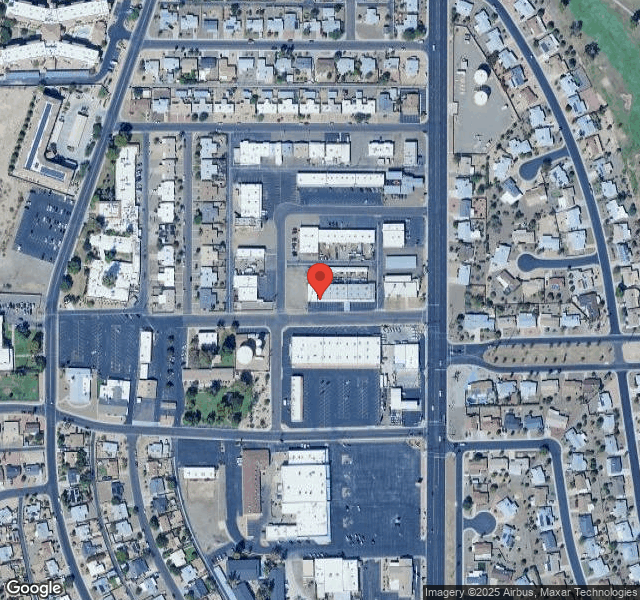
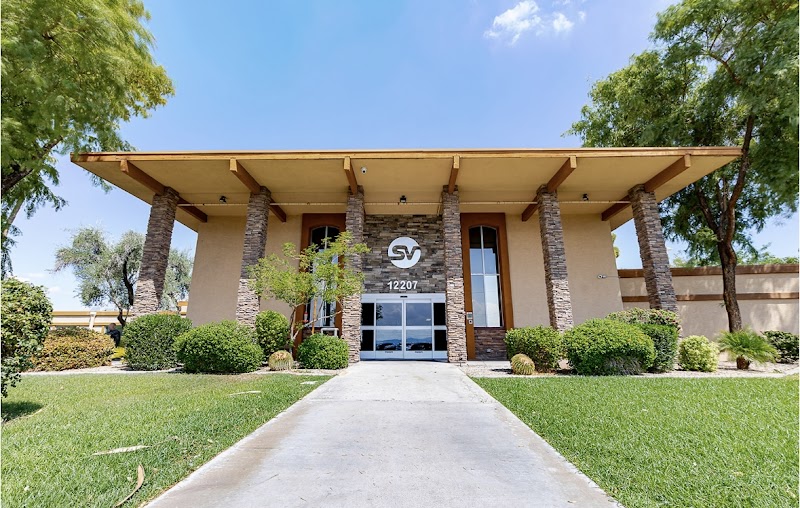
12207 NORTH 113TH AVENUE, YOUNGTOWN, AZ 85363 (623) 977-6532
For profit - Corporation 127 Beds THE ENSIGN GROUP Data: November 2025
Trust Grade
75/100
#61 of 139 in AZ
Last Inspection: September 2024

Within standard 12-15 month inspection cycle. Federal law requires annual inspections.

Overview

Sunview Respiratory and Rehabilitation in Youngtown, Arizona has a Trust Grade of B, indicating it is a good choice for families, as it is solidly above average. It ranks #61 out of 139 facilities in Arizona, placing it in the top half, while locally, it is #48 out of 76 in Maricopa County, meaning there are only a few better options nearby. The facility is improving over time, with issues decreasing from 6 in 2024 to just 1 in 2025. Staffing is rated average with a turnover rate of 34%, which is better than the state average of 48%, suggesting that staff are relatively stable and familiar with the residents. Notably, the facility has had no fines, which is a positive indicator of compliance. However, recent inspections revealed some concerns, such as failing to obtain proper state approval for their dialysis services and issues with medication administration, which could pose risks for residents if not addressed. Overall, while Sunview shows strengths in staffing and compliance, there are areas that require attention for resident safety and care.

Trust Score
B
75/100
In Arizona
#61/139
Top 43%
Safety Record
Low Risk
No red flags
Inspections
Getting Better
6 → 1 violations
Staff Stability
○ Average
34% turnover. Near Arizona's 48% average. Typical for the industry.
Penalties
✓ Good
No fines on record. Clean compliance history, better than most Arizona facilities.
Skilled Nurses
○ Average
Each resident gets 37 minutes of Registered Nurse (RN) attention daily — about average for Arizona. RNs are the most trained staff who monitor for health changes.
Violations
⚠ Watch
15 deficiencies on record. Higher than average. Multiple issues found across inspections.
★★★★☆
4.0
Overall Rating
★★★☆☆
3.0
Staff Levels
★★★★★
5.0
Care Quality
★★★☆☆
3.0
Inspection Score
Stable
2024: 6 issues
2025: 1 issues

The Good

  • 5-Star Quality Measures · Strong clinical quality outcomes
  • Full Sprinkler Coverage · Fire safety systems throughout facility
  • No fines on record
  • Staff turnover below average (34%)

    14 points below Arizona average of 48%

Facility shows strength in quality measures, fire safety.

The Bad

Staff Turnover: 34%

12pts below Arizona avg (46%)

Typical for the industry

Chain: THE ENSIGN GROUP

Part of a multi-facility chain

Ask about local staffing decisions and management

The Ugly 15 deficiencies on record

Mar 2025 1 deficiency
CONCERN (E) 📢 Someone Reported This

A family member, employee, or ombudsman was alarmed enough to file a formal complaint

Potential for Harm - no one hurt, but risky conditions existed

Deficiency F0836 (Tag F0836)

Could have caused harm · This affected multiple residents

**NOTE- TERMS IN BRACKETS HAVE BEEN EDITED TO PROTECT CONFIDENTIALITY** Based on clinical record review, observations, staff interviews, and policies and procedures, the facility failed to ensure that...

Read full inspector narrative →
**NOTE- TERMS IN BRACKETS HAVE BEEN EDITED TO PROTECT CONFIDENTIALITY** Based on clinical record review, observations, staff interviews, and policies and procedures, the facility failed to ensure that a request for a modification of a health care institution was approved by the state agency prior to establishing a dialysis center and provided dialysis treatment(s) from March 1, 2024 through March 07, 2025 to 9 residents (#17, 10, 13, 15, 8, 20, 4, 6, and 11) inside the facility. The deficiency may result in non compliance with federal, state, and local laws and professional standards. Findings include: During the complaint survey conducted March 7, 2025 through March 7, 2025, an initial request for documentation was made which included copies of dialysis contracts, the facility's modified license for in-house dialysis services, license for the contracted dialysis provider, and a list and schedule for all residents receiving in-house dialysis services from the contracted dialysis provider. On March 7, 2025 at 11:18 a.m. an interview was conducted with Administrator/Staff #8 who provided the dialysis contracts for the partner dialysis provider. Staff #8 stated that upon the remodeling the dialysis unit, the building plans were submitted to the state; and that, the facility's approval letter was received. Review of the document revealed an approval of architectural plans and specifications, however further review of the document revealed that a multipurpose room [ROOM NUMBER] had been used for inpatient dialysis services. Staff #8 stated the start date for the actively contracted in-house dialysis services started March 1, 2024. Staff #8 stated that a different dialysis company previously provided in-house dialysis services for the patients in their rooms- they went room to room - which started in 2010 - however the presently active dialysis provider started their in-house services March 2024. Staff #8 stated, I thought the plans were the approved plans to perform dialysis in the building. On March 7, 2025 at 11:58 a.m. a follow-up interview was conducted with Administrator/Staff #8. Staff #8 provided resident dialysis lists and stated that he had requested the dialysis' providers' license, but was still waiting for the documentation. Staff #8 stated that as far as modifying the license, he had assumed that the modification plans provided initially were the modification for the facility license to provide dialysis in the facility. Staff # 8 provided on letterhead statement that the facility is unable to acquire licensure from the contracted dialysis provider nor was the facility able to provide a copy of their modified license. A review of the list of residents receiving in-house dialysis services with the actively contracted dialysis provider included the following residents: Resident #17 was admitted to the facility December 07, 2024 with diagnosis including end stage renal disease, dependence on renal dialysis Onset date for renal dialysis December 12, 2024 . Dialysis days are scheduled Mondays, Wednesdays and Fridays. Resident #13 was admitted to the facility December 05, 2024 with diagnosis including end stage renal disease, dependence on renal dialysis Onset date for renal dialysis February 05, 2024 . Dialysis days are scheduled Tuesday, Thursdays and Saturdays. Resident #15 was admitted to the facility December 11, 2024 with diagnosis including acute renal failure, dependence on renal dialysis Onset date for renal dialysis December 11, 2024 Dialysis days are scheduled Tuesday, Thursdays and Saturdays. Resident #8 was admitted to the facility March 06, 2025 with diagnosis including end stage renal disease, type 2 diabetes mellitus with diabetic chronic kidney disease. Onset date January 29, 2025. Dialysis days are scheduled Tuesday, Thursdays and Saturdays. Resident #20 was admitted to the facility December 21, 2021 with diagnosis including end stage renal disease, dependence on renal dialysis. Onset date for renal dialysis January 15, 2024. Dialysis days are scheduled Mondays, Wednesdays and Fridays. Resident #4 was admitted to the facility June 07, 2024 with diagnosis including acute renal failure, dependence on renal dialysis Onset date for renal dialysis June 07, 2024. Dialysis days are scheduled Tuesday, Thursdays and Saturdays. Resident #6 was admitted to the facility November 12, 2024 with diagnosis including end stage renal disease, dependence on renal dialysis. Onset date for renal dialysis November 12, 2024. Dialysis days are scheduled Mondays, Wednesdays, Fridays and Saturdays. Resident #11 was admitted to the facility June 14, 2024 with diagnosis including end stage renal disease, dependence on renal dialysis Onset date for renal dialysis June 14, 2024 Dialysis days are scheduled Tuesday, Thursdays and Saturdays. A review of the facility assessment updated August 1, 2024 revealed there is an average of approximately 55 residents with a degree of end stage renal disease, with an average of 16 on hemodialysis. Further review of the facility assessment revealed an average daily census of 16 residents receiving dialysis services. An interview was conducted March 7, 2025 at 12:50pm with the dialysis nurse (RN/Staff # 42). Staff #42 stated the facility can accommodate four beds dialysis unit. Observation revealed six dialysis machines and two dialysis residents' bedside receiving dialysis treatment. Staff #42 stated the process for residents who receive dialysis in-house is that residents are brought in by the certified nursing assistants. Staff #42 stated the resident is assessed and the nurse will review the orders upon the resident's arrival. Staff #42 stated the run depends on the resident's blood work. The residents blood work is completed weekly and reviewed before dialysis runs which includes a post and pre-blood urea nitrogen (BUN) and tells them about the BUN number. The normal BUN ranges 14-17. Abnormal dialysis BUN ranges 40's-70's. Staff #42 stated the residents always receive their dialysis on time. If the resident has an appointment, the nurse work with them, but generally the resident has a schedule. The runs depend on the schedule and census. Review of the Arizona Administration Code § R9-10-426, titled, Physical Plant Standards revealed, an administrator shall ensure that: a nursing care institution complies with: the applicable physical plant health and safety codes and standards, incorporated by reference in R9-10-104.01, that were in effect on the date the nursing care institution submitted architectural plans and specifications to the Department for approval according to R9-10-104. Review of the Arizona Administration Code § R9-10-104, titled, Approval of Architectural Plans and Specifications revealed, for approval of architectural plans and specifications for the construction or modification of a health care institution that is required by this Chapter to comply with any of the physical plant codes and standards incorporated by reference in R9-10-104.01, an applicant shall submit to the Department an application packet including: An application in a Department-provided format provided by the Department that contains: - For modification of a licensed health care institution that requires approval of architectural plans and specifications: The health care institution's existing licensed capacity, licensed occupancy, respite capacity, or number of dialysis stations; and the requested licensed capacity, licensed occupancy, respite capacity, or number of dialysis stations for the health care institution; etc.
Sept 2024 6 deficiencies
CONCERN (D)

Potential for Harm - no one hurt, but risky conditions existed

Resident Rights (Tag F0550)

Could have caused harm · This affected 1 resident

**NOTE- TERMS IN BRACKETS HAVE BEEN EDITED TO PROTECT CONFIDENTIALITY** Based on clinical record review, observations, interviews, and policy review, the facility failed to ensure one resident (#72) w...

Read full inspector narrative →
**NOTE- TERMS IN BRACKETS HAVE BEEN EDITED TO PROTECT CONFIDENTIALITY** Based on clinical record review, observations, interviews, and policy review, the facility failed to ensure one resident (#72) was treated with dignity and respect. The deficient practice could result in resident's self-esteem and self-worth not maintained, honored and valued. Findings include: Resident #72 was admitted on [DATE] with diagnoses of muscle disuse atrophy, dysphagia, cognitive communication deficit, and need for assistance with personal care. The care plan initiated on January 13, 2023 included that the resident had a potential for nutritional problems, required adaptive equipment to assist with independent feeding and had self-care performance deficit. Intervention included to encourage participation to the fullest extent possible, promote dignity by ensuring privacy, and required staff assistance for ADLs (activities of daily living). The nutrition-quarterly evaluation dated September 9, 2024 included that the resident preferred dining location preference was his room; and that, the resident needed meal tray set-up, and limited assistance, but was otherwise able to self-feed. The MDS (minimum data set) assessment dated [DATE] revealed resident was assessed by staff as severely impaired on cognitive skills for daily decision making. The MDS included that the resident coughs or chokes during meals or when swallowing medications and required a mechanically altered diet. The physician progress note dated September 15, 2024 included that there was a regression in the resident's ability to swallow. Recommendation included proper positioning during meals, and feeding the resident when less lethargic from anxiety medications. An observation was conducted on September 15, 2024 at 8:35 a.m. The resident was lying supine in bed with pureed-like substance caked around resident's mouth and beard. The resident was wearing a red short sleeved shirt which was also saturated with pureed-like substance, his legs exposed and he had one sock on and the other off. The resident's bed was placed in lowest position with a visibly soiled blue fall mat on floor; and the side table with the meal tray was elevated and placed on the right side of the resident's bed. In an interview conducted with a licensed practical nurse (LPN/staff #6) conducted on September 15, 2024 at approximately 9:00 a.m., the LPN stated that breakfast trays were usually picked up around 9:30 a.m. An interview with a certified nursing assistant (CNA/staff #58) was conducted on September 15, 2024 at approximately 9:50 a.m. The CNA stated that staff conducts resident rounds every two hours, or more frequent if needed to check on resident needs. However, in another observation conducted on September 15, 2024 at 11:01 a.m. (approximately 2 1/2 hours after the initial observation), the resident was sleeping in bed with pureed-like substance caked still around resident's mouth and beard. The resident was still wearing the red short sleeved shirt which was saturated with pureed-like substance. According to facility policy entitled ADL, Services to carry out, if the resident is unable to carry out activities of daily living, the necessary services to maintain good nutrition, and grooming will be provided by qualified staff.
CONCERN (D) 📢 Someone Reported This

A family member, employee, or ombudsman was alarmed enough to file a formal complaint

Potential for Harm - no one hurt, but risky conditions existed

Respiratory Care (Tag F0695)

Could have caused harm · This affected 1 resident

**NOTE- TERMS IN BRACKETS HAVE BEEN EDITED TO PROTECT CONFIDENTIALITY** Based on observation, record review, interviews, and facility policy review, the facility failed to ensure there was physician o...

Read full inspector narrative →
**NOTE- TERMS IN BRACKETS HAVE BEEN EDITED TO PROTECT CONFIDENTIALITY** Based on observation, record review, interviews, and facility policy review, the facility failed to ensure there was physician order for the oxygen use for two sampled residents (#219 and #168). The deficient practice could result in unnecessary oxygen use for the resident. Findings include: -Resident #219 was readmitted on [DATE] with diagnoses of that included end stage renal disease (ESRD) with dependence on renal dialysis, respiratory failure and type 2 diabetes mellitus. The care plan dated January 28, 2023 included that the resident had altered respiratory status and difficulty breathing related to hypertension and ESRD. Intervention included to maintain a clear airway by encouraging resident to clear own secretions with effective coughing. A review of the oxygen summary from February 17 through March 15, 2023 revealed the resident was documented to be on oxygen via nasal cannula on February 20, March 3, 8, 9, 10, 13, 14 and 15, 2023. The daily skilled note dated March 13, 2023 included that resident had an oxygen saturation (O2 sat) of 98% and was on oxygen via nasal cannula. A late entry physician progress note dated March 13, 2023 revealed the resident had chronic hypoxic respiratory failure with hypoxia and OSA (obstructive sleep apnea) with CPAP (continuous positive airway pressure) during the night. Despite documentation that the resident was on oxygen via nasal cannula, there was no physician order for the use of oxygen found in the clinical record from February 17 through March 15, 2023. The physician order dated March 16, 2023 included for oxygen at 1-3 liters/minute via NC continuously and may titrate to maintain O2 sats greater than 90%. the start date for this order was March 17, 2023. An additional order was present dated March 17, 2024 for O2 at 1-3 liters per minute via nasal cannula to maintain O2 saturation greater than 90%. There was no evidence of any other oxygen orders to cover the timeframe from when Resident #219 re-entered the facility on February 17, 2023 until March 16, 2023. The care plan dated March 17, 2023 revealed the resident had oxygen therapy related to ineffective gas exchange. Interventions included oxygen settings as ordered, give medication as ordered by physician and monitor/document side effects and effectiveness. In an interview with the Assistant Director of Nursing (ADON/staff #91) conducted on September 17, 2024 at 8:42 a.m., the ADON stated that according to facility policy, oxygen therapy would require a physician order in place. A review of the clinical record was conducted with the ADON who stated that she could find no evidence of any physician order for oxygen use for resident #219 from February 17 through March 16, 2024. An interview was conducted on September 17, 2024 at 9:03 with the respiratory therapy director (RTD/staff #59) who stated that respiratory therapy was following and providing care to Resident #219 when he was initially admitted to the facility in December 2022. The RTD said that when the resident went to the hospital in February 2023, respiratory services were discontinued. The RTD said that when the resident was readmitted on [DATE], there was no referral or order for respiratory therapy for resident #219. During the interview, the RTD reviewed the clinical record and stated that there was no evidence of any oxygen orders and respiratory care plan in place for resident #219 from in February until March 16, 2023. In an interview with the Director of Nursing (DON/staff #115) conducted on September 18, 2024 at 10:52 a.m., the DON stated that it was the facility's policy that oxygen administration has a physician order; and that, the risk of administering oxygen without an order could be over delivery of oxygen for a resident. The DON said that this would not align with the facility's policy. -Resident #168 was admitted on [DATE] with diagnoses of urinary tract infection (UTI), pneumonia and type 2 diabetes mellitus The physician order dated February 10, 2023 revealed to document the following: -Temperature and oxygen saturations and monitor for symptoms: fever, cough, shortness of breath, chills, shaking/chills, headache congestion every shift; -Shortness of breath at rest every shift for 10 day; -Shortness of breath lying flat every shift for 10 days; and, -Shortness of breath with exertion every shift for 10 days. The resident's oxygen saturation record for February 9, 2024 was 92%. The resident's oxygen saturation record for February 10, 2023 were following: -At 5:26 p.m., oxygen saturation was 82% via nasal cannula; and, -At 6:16 p.m., oxygen saturation was 87% via nasal cannula. A medication administration note dated February 11, 2023 included that a new admission change of condition assessment was done; and that, the resident was receiving 4 liters of oxygen via nasal cannula. The resident's oxygen saturation record for February 11, 2023 were following: -At 12:12 a.m. - 87% via nasal cannula; -At 5:23 a.m. - 94% via nasal cannula; -At 5:46 p.m. - 93% via nasal cannula. A daily skilled note dated February 11, 2023 revealed the resident had an oxygen saturation of 94% with oxygen via nasal cannula. The resident's oxygen saturation record for February 12, 2023 were following: -At 8:43 a.m. - 93% via nasal cannula; and, -At 7:21 p.m. - 95% via nasal cannula. The daily skilled note dated February 12, 2023 included an oxygen saturation at 93%, with oxygen via nasal cannula. The Medication Administration Record (MAR) for February 2023 also revealed no evidence that the resident was administered oxygen from February 9, 2023 through February 12, 2023. Despite documentation that the resident was receiving oxygen via nasal cannula, there was no evidence of a physician order for oxygen use and administration for resident #168 from February 9 through February 12, 2023. The care plan was revised on February 13, 2023 reveal to include an additional focus of oxygen therapy related to ineffective gas exchange. Interventions included to give medications as ordered by physician, monitor/document side effects and effectiveness, monitor signs and symptoms of respiratory distress and report to provider as needed, and oxygen settings as ordered. The daily skilled note dated February 13, 2023 revealed the resident was alert and oriented and had oxygen saturation at 92%, with oxygen via nasal cannula. The resident's oxygen saturation record for February 13, 2023 were following: -At 6:35 a.m. - 92% via nasal cannula; -At 7:07 p.m. - 94% via nasal cannula. The speech therapy (ST) note dated February 13, 2023 revealed the resident was sitting upright in bed on 6L (liters) of oxygen via nasal cannula. A pulmonary consult note dated February 13, 2023 included the resident was discharged from the hospital on 5 liters oxygen via nasal cannula; and that, to wean oxygen to maintain SpO2 (oxygen saturation) >90%. However, the physician order dated February 13, 2023, included to administer oxygen at 2 liters/minute via nasal cannula continuously; may titrate to maintain oxygen saturations greater than 90%. Review of the clinical records dated February 11 through February 14, 2023 revealed no evidence that the provider was notified of the increase in oxygen from 2 liters to up to 6 liters. Continued review of the MAR revealed that an order for oxygen was transcribed onto the MAR with order date of February 13, 2023. And had a discontinued dated of February 15, 2023. It also included that oxygen was administered to the resident on February 13 and 14, 2023. The admission Minimum Data Set (MDS) dated [DATE], revealed a Staff Assessment for Mental Status indicating memory problems, moderate impairment and altered level of consciousness that comes and goes. The provider's history and physical dated February 14, 2023 included a chief complaint of recent influenza along with COVID-19 infection with acute hypoxic respiratory failure; and that, the resident was stabilized at an acute care hospital and was transferred to the facility on 2 liters of oxygen for ongoing rehabilitation. Per the documentation, the resident appeared acutely ill; and had acute respiratory failure with hypoxemia due to underlying pneumonia/influenza. It also included that the resident remained on oxygen. The vitals report for February 14, 2023 revealed the resident had 91% oxygen saturation at 8:05 a.m. and 12:51 p.m. A Daily Skilled Note dated February 14, 2023 revealed an oxygen saturation of 91% at 8:05 a.m.; and that the resident received oxygen via nasal cannula. Per the documentation, the resident was confused and family was at bedside and reported that the resident was not at his baseline a couple of days ago. Assessment included acute encephalopathy. It also included that the resident continued on 5 liters of oxygen via nasal cannula. A Case Manager progress note dated February 14, 2023 included that the resident was alert and oriented and was currently on 4 liters of oxygen. Per the documentation, cognitive symptoms were described as able to answer minimal questions, able to answer to name being called. An interview was conducted on September 17, 2024 at 12:24 p.m. with a Licensed Practical Nurse (LPN/staff #6), who stated that if a resident has a low oxygen saturation she would notify the provider for orders, and that this would be a change in condition. She stated she would assess the resident, check the vitals, talk to the resident, notify the provider, and document in the clinical record. The LPN stated that she would expect that the provider was notified of the resident's increased need for oxygen; and that, a new oxygen order was received from the provider for administration if oxygen was increased from 2 to 6 liters. A review of the clinical record was conducted with the LPN who stated that there was no evidence of a physician order to administer oxygen at 4-6 liters to resident #168. An interview with the with the Director of Nursing (DON/staff #115), was conducted on September 18, 2024 at 8:32 a.m. The DON stated that anything outside of the resident's baseline should be documented as a change in condition and that could include an increase in oxygen needs, or shortness of breath. She further stated her expectation was that the provider would be notified regarding the changes in a resident's condition, and, the change would be documented in the clinical record. The DON also stated that nurses may titrate oxygen up or down, but if there was continuous increase the nurse should notify the provider, especially if there was still shortness of breath, and document in the clinical record. She further stated that she would expect nursing to notify the provider using SBAR (situation, background, assessment, recommendation) regarding an increase in oxygen needs. Review of the facility's policy on Oxygen Administration, revised in July 2013, revealed that oxygen therapy is administered as ordered by the physician or as an emergency measure until the order can be obtained. It also included a purpose to provide sufficient oxygen to the blood stream and tissues. The policy included that oxygen therapy is administered as ordered by the provider or as a nursing measure until the order can be obtained. The clinical record will include charting and documentation related to oxygen use.
CONCERN (E)

Potential for Harm - no one hurt, but risky conditions existed

Deficiency F0554 (Tag F0554)

Could have caused harm · This affected multiple residents

**NOTE- TERMS IN BRACKETS HAVE BEEN EDITED TO PROTECT CONFIDENTIALITY** -Regarding Resident #71 Resident #71 was admitted on [DATE] that included a diagnosis of end stage renal disease. Review of the ...

Read full inspector narrative →
**NOTE- TERMS IN BRACKETS HAVE BEEN EDITED TO PROTECT CONFIDENTIALITY** -Regarding Resident #71 Resident #71 was admitted on [DATE] that included a diagnosis of end stage renal disease. Review of the Minimum Data Set (MDS) dated [DATE], revealed a Brief Interview for Mental Status (BIMS) Assessment score of 15 which indicated intact cognition. Review of the clinical record revealed the following medication orders: - Ativan Oral Tablet 1MG for anxiety -Carvedilol Oral Tablet 12.5 MG for blood pressure >140 -Zoloft Oral Tablet 50 MG for depression Review of the clinical revealed no evidence of medication self administration assessment. Further review revealed no evidence of physician orders regarding self-administering medications. Review of the care plan initiated, revealed no evidence of a focus regarding self administration of medications. During an observation conducted on September 16, 2024 at 9:45 AM, revealed a clear medication cup with 5 medications tablets on Resident #7 ' s bedside table. It was observed that Resident #71 removed a white pill from the cup and threw it into the garbage can located at the bedside. An interview was conducted on September 16, 2024 at 9:43 am with Resident #71, who stated that nurses leave his medications at the bedside and do not stay to watch him take them. He further stated that if he does not want to take a medication he throws it out in the trash can located at the bedside. Resident #71 confirmed this had been going on since his admission. An interview was conducted on September 16, 2024 at 9:55 AM with Staff #96, who stated that nursing staff need to observe residents take the medication. Staff #96 stated he did not stay and observe Resident #71 take him morning medications. Staff #96 stated that the facilities protocol is to document the refusal of a medication and let the provider know, and to throw away the medication in the sharps container located in the room. The RN (staff #96) then located the white pill in the garbage can next to Resident #71 ' s bed. Staff #96 then discarded the medication in the sharps container located in the residents room. The RN (staff #96) stated that the risk could result in medication hoarding and/or can be given to someone else. The RN (Staff #96) stated he was unaware the resident was disposing of his medications. An interview was conducted by surveyor #50553 on September 18, 2024 at 9:45 AM with the Director of Nursing (DON, staff #115), who stated that the facility allows medications at bedside if they have an order to do so. Staff #115 further stated that medications are not to be left at bedside and to be discarded if they were not administered. The risk could result in missed medications and improper dosage. Review of facility policy titled, Medication Administration: Administration of Drugs, revealed that medications must be administered in accordance with the written orders of the attending physician. As well as, if a medication is withheld, refused, or given other than at the scheduled time, the documentation will be reflected in the clinical record. Review of facility policy titled, Care and Treatment: Self Administration of Medications, revealed that if the resident is a candidate for self-administration of medications, a physician ' s order for self-administration of medications or for specific medications to be administered (example inhalers) will be obtained. Self-administration of medications will be care planned. Based on observation, clinical record review, staff and resident interview, and facility policy review, the facility failed to ensure medication were not left at bedside for two residents (#62 and #71) who were not assessed to be clinically appropriate to self-administer medications. The deficient practice could result in medication not administered correctly or medication not taken by the resident. Findings include: -Resident #62 was re-admitted on [DATE] with diagnoses of acute respiratory failure with hypoxia, pleural effusion, and pneumonia. The comprehensive care plan included that the resident was at risk for adverse reaction related to polypharmacy black box warning, was prescribed with an opioid, required anticoagulant therapy for atrial fibrillation, was on diuretic therapy. Intervention included to administer medication as ordered. Review of the quarterly minimum data set (MDS) dated [DATE] revealed a Brief Interview for Mental Status (BIMS) score of 12, indicating moderate cognitive impairment. The clinical record revealed no evidence found that the resident was assessed and determined to be clinically appropriate for self-administration of medications. In an observation conducted on September 15, 2024 at 8:50 a.m., there was a small plastic medication cup containing a large oblong capsule that was left on the resident's bedside table. The resident stated that the medication was a vitamin he preferred to take after his other medications, since it was large. At this time, a certified nursing assistant (CNA) and a registered nurse (RN/staff #20) entered the resident room; and both staffs saw the medication cup on the resident's bedside table. An interview with the RN (staff #20) was conducted on September 15, 2024 at 8:59 a.m. The RN stated that she administered the resident's morning medications. At this time, resident #62 became upset and stated that he had spat the medication out and planned to take it. In another interview with the RN (staff #20) conducted on September 17, 2024 at 10:25 a.m., the RN stated that she was not aware of any residents that were permitted to self-administer medication. She stated that the risks of leaving medications unattended with residents include the medications would not be administered correctly, and, the residents may not take the medications at all. During an interview with the Director of Nursing (DON/staff #115) conducted on September 18, 2024 at 8:45 a.m., the DON stated that medications were not to be left at the resident's bedside; and if found, should be discarded. She stated that only residents who have an order for self-administration of medications can have medicines left at bedside.
CONCERN (E) 📢 Someone Reported This

A family member, employee, or ombudsman was alarmed enough to file a formal complaint

Potential for Harm - no one hurt, but risky conditions existed

Quality of Care (Tag F0684)

Could have caused harm · This affected multiple residents

**NOTE- TERMS IN BRACKETS HAVE BEEN EDITED TO PROTECT CONFIDENTIALITY** -Resident #31 was re-admitted on [DATE], with diagnoses of acute respiratory failure, stroke, hemiplegia and hemiparesis affecti...

Read full inspector narrative →
**NOTE- TERMS IN BRACKETS HAVE BEEN EDITED TO PROTECT CONFIDENTIALITY** -Resident #31 was re-admitted on [DATE], with diagnoses of acute respiratory failure, stroke, hemiplegia and hemiparesis affecting the right side, and unspecified psychosis. A review of the Quarterly MDS (minimum data set) assessment dated [DATE] revealed a Brief Interview for Mental Status (BIMS) score of 99 indicating the resident was unable to complete the interview for cognitive screening. The assessment included that the resident was dependent for toileting, dressing, and rolling in bed.; and that, the resident had impairments in functional range of motion in both of her lower extremities. Review of the care plan initiated May 18, 2022 revealed the resident was at risk for falls. Intervention included for physical, occupational, and speech therapy services per physician orders. The Wheelchair and Seating Evaluation dated December 28, 2022 revealed that the resident spends all waking hours, 12-15 hours in the wheelchair. The goals of obtaining a custom tilt-in-space manual wheelchair were to be able to tolerate sitting in a chair all day, to facilitate pressure relief to reduce the risk of pressure ulcer formation, and to facilitate postural control. Additionally, it was documented that the Assistive Technology Professional (ATP) from the contracted wheelchair company along with the physical therapist (PT/ Staff #16) were present for the evaluation. Per the documentation, the resident required the use of a tilt-in-space mobility device to meet the needs of her medical condition and address her mobility impairments; and that, the resident was unable to maintain her sitting balance without support. The documentation also included that the recommended parts for the custom chair included manual elevating swing away leg rests with a foot box for proper lower extremity positioning and decrease risk of wounds. A physical therapy evaluation dated June 4, 2024 revealed that the resident had impaired range of motion in both of her ankle joints, had a 45 degree deficit in the right ankle and a 40 degree deficit in the left ankle. The therapy goals included for Resident #31 to improve her bilateral ankle dorsiflexion (ability to bend the ankle to move the foot upward/toward the body). The occupational therapy treatment encounter notes dated June 10 and June 25, 2024 revealed the resident presented to therapy in her custom chair without the foot rests in place. A therapy progress note dated September 15, 2024 revealed that the resident required maximum to total assistance for completion of activities of daily living (ADLs) and mobility, had a custom tilt-in-space wheelchair, and had a slight decline in the range of motion of both of her ankles. An observation was conducted on September 15, 2024 at 11:46 a.m. and revealed that the resident was sitting in a custom tilt-in-space wheelchair reclined approximately 30 degrees, with no leg rests on. The resident's legs were dangling from the chair unsupported. and her feet were pointed downward from the ankle joints. There was no evidence of the resident's leg rests were in the room. In another observation conducted on September 16, 2024 at 9:24 a.m. the resident was in the hallway next to the nurse's cart, sitting in a custom tilt-in-space wheelchair reclined approximately between 30 to 45 degrees, with no leg rests on, and her legs were dangling from the chair unsupported. The resident's feet continued to point downward from the ankle joints. The staff at the nurse's cart then pushed resident #31 down the hall and stated that they were going to activities. An observation conducted on September 16, 2024 11:15 a.m. The resident was positioned in the same wheelchair with no leg rests and the chair's tilt was positioned so that the resident was sitting almost fully upright. The resident's legs continued to dangle without support as they did not reach the floor. Both feet continued to point downward from the ankle joints. On September 17, 2024 at 9:37 a.m., the resident was in the same custom tilt-in-space wheelchair with no leg rests. The tilt was reclined to approximately 30 degrees. The resident's legs dangled in the air with the feet pointed downward from the ankles. In an interview conducted on September 17, 2024 at 9:37 a.m., a certified nursing assistant (CNA/Staff #55) stated that she was very familiar with Resident #31 and worked with her daily. The CNA stated that the resident's custom wheelchair leg rests had been missing for the past approximately 2 weeks; and that, she had told someone from therapy about it 2 weeks ago, but could not recall which therapist she had notified. An interview with the Director of Rehab (DOR/Staff #16) was conducted on September 17, 2024 at 9:57 a.m. The DOR stated that a resident should be properly positioned in a wheelchair with arms and legs supported and with adequate back support. The DOR said that most people do not like their feet dangling and therapy does not want the resident's feet positioned downward for positioning. The DOR stated that prior to this date, there was no staff who reported to him that the leg rest for the resident's (#31) wheelchair were missing. However, the DOR said that the leg rests were missing approximately a month ago and were then found. The DOR stated that the CNA (staff #55) reported that the leg rests of the resident's wheelchair were missing; and that, he was able to locate them and put them on the resident's wheelchair. An interview was conducted on September 17, 2024 at 1:01 p.m. with a physical therapist (PT/staff #2) who stated that when positioning a resident in a wheelchair, it was important to have proper support, including armrests, leg rests if needed, and a wheelchair cushion. However, the PT stated that types of equipment and recommendations were resident-specific. The PT stated that a benefit of utilizing leg rests for a resident for whom it was recommended would be comfort and to keep the legs in neutral positioning. The PT also said that the risks of not having leg rests would be the potential for legs to catch on something or a soft tissue injury during transportation if a resident's legs were hanging down. Regarding resident #31, the PT said that the resident had tightness in her ankles that could be from prolonged bedrest or a position in which the feet point downward from the ankle joints. She further stated that she had been aware of Resident #31 having missing leg rests for her wheelchair however could not specify when. In another interview with the DOR (staff #16) conducted on September 17, 2024 at 1:13 p.m., the DOR stated that the resident's leg rests had been missing on and off; and, at times, the resident refuse putting on her leg rests. A review of the therapy notes was conducted with the DOR who stated that he could find no evidence of documentation that resident #31 refused her leg rests. Further, the DOR stated that the care plan was revised to add that the resident can refuse her leg rests. The DOR also said that proper positioning was important for contracture management. Another interview with the DOR (staff #16) was conducted on September 18, 2024 at 9:10 a.m. The DOR stated that the purpose of getting a resident a custom wheelchair would include to decrease risk of wounds, increased participation in activities, contracture management, accommodate specific residents' positioning, and to allow residents to spend more time out of their room. The DOR stated that part of the process for getting a resident a custom wheelchair was that a physician provides a signature certifying that the custom wheelchair is medically necessary for the resident. In an interview on September 18, 2024 at 9:25 a.m., the social services director (SSD/staff #88) stated that she receives reports of missing items; but, she had not received any missing item report for Resident #31 for the past month. On September 18, 2024 at 10:33 a.m., an interview was conducted with the Director of Nursing (DON/staff #115) who stated that proper positioning and comfort are important parts of positioning a resident in a wheelchair. Further, the DON stated that there could be a risk of injury if a limb was dangling down unsupported. The DON also said that if a resident had a custom wheelchair and was not seated or positioned as recommended the risk would be improper positioning that could lead to contractures, falls, or pressure ulcers. Further, the DON stated that it was the staff's responsibility to ensure that equipment was not misplaced for a resident who is dependent for care; and, if an equipment was missing, staff should attempt to locate it as soon as possible and notify social services if it cannot be found. Review of the facility's policy titled Quality of Care: ADL, Services to Carry Out, revised July, 2015, revealed that residents are to be given the appropriate treatment and services to attain or maintain the highest practicable physical, mental, and psychosocial well-being of each resident. Mobility aids, such as wheelchairs, will be provided according to the resident's assessed needs. Review of the facility's policy titled Personal Property, Resident's, revised May, 2007, revealed that the facility is to provide space and safety for resident's personal property, and that the facility is to store all items in appropriate place. The facility will promptly investigate any complaints of misappropriation or mistreatment of resident property. Based on clinical record reviews, staff interviews, and policy review, the facility failed to ensure that care and services was provided to related to a change in condition for one resident (#168); and, failed to ensure failed to ensure the leg rests for tilt-in-space mobility device was put on for one resident (#31) as recommended. The deficient practice could result in the resident's medical needs not being met/treated appropriately and in a timely manner. Findings nclude: -Resident #168 was admitted on [DATE] from the hospital with diagnoses that included urinary tract infection, pneumonia, type 2 diabetes mellitus (DM), urinary tract infection, and pneumonia. Review of a care plan initiated on February 9, 2023, revealed the resident was at risk for impaired cognitive function/dementia or impaired thought processes related to new environment and recent hospitalization and had an ADL (activities of daily living) Self Care Performance Deficit related to limited mobility. Interventions included to monitor/document /report to MD as needed any changes in cognitive function, specifically changes in: level of consciousness, mental status, any potential for improvement, reasons for self-care deficit, expected course, declines in function. The physician order dated February 9, 2023 included for the following: -Insulin Glargine (antidiabetic agent) subcutaneous solution 100 unit/ml (milliliter) inject 70 units subcutaneously every 12 hours for DM; and, -Metformin (antihyperglycemic) 1000 mg (milligram) by mouth every 12 hours for DM. The physician order dated February 10, 2023, revealed the following orders: -To monitor/document report to the physician signs/symptoms of anticoagulant complications that included frank blood in urine, lethargy, shortness of breath, loss of appetite, sudden changes in mental status and significant or sudden changes in vital signs every shift; -Blood sugar checks before meals and at bedtime, notify provider for Blood sugar <70 or >200;. -Dextrose Solution 50%, use 50 ml intravenously as needed for blood glucose less than 70. Administer 50 ml push over 5 minutes, recheck blood glucose in 10 minutes, may repeat x1 if blood glucose remains less than 70; and, -Glucose 30 gm, give 1 dose by mouth as needed for blood glucose less than 70. Recheck blood glucose in 10 minutes, may repeat x 1 if blood glucose remains less than 70. Review of a care plan that was initiated on February 10, 2023 to include interventions to monitor/document/report to MD PRN (as needed) any signs/symptoms of malignant hypertension and anticoagulant complications such as headache, visual problems, confusion, disorientation, lethargy, difficulty breathing (dyspnea), lethargy, shortness of breath (SOB), sudden changes in mental status, significant or sudden changes in vital signs. The resident's oxygen saturation record for February 10, 2023 were following: -At 5:26 p.m., oxygen saturation was 82% via nasal cannula; and, -At 6:16 p.m., oxygen saturation was 87% via nasal cannula. A physician order dated February 10, 2023 included to discontinue foley catheter. A Social Service assessment dated [DATE], revealed that the resident was alert and oriented x 3, had appropriate responses, and there were no concerns at this time. Per the documentation, the resident will be monitored for changes as needed. The progress note dated February 11, 2023 revealed that the foley catheter had been removed and bladder scans were conducted every 6 hours. It also incuded that resident was having wet briefs and PVR's (post void residuals) were within normal range. Review of a vitals report dated February 12, 2023 revealed the resident had the following blood sugar levels: -42mg/dl at 10:24 a.m.; -50 mg/dl at 11:54 a.m.; -43 mg/dl at 4:52 p.m.; and, -57 mg/dl at 8:47 p.m. The clinical record revealed that the resident was receiving oxygen via nasal cannula despite no documentation that the resident had shortness of breath from February 9 through February 12, 2023. The physician order dated February 12, 2023 included for for Glucagon (glycogenolytic agent) 1 mg, inject for blood glucose less than 70 and recheck blood glucose in 10 minutes. Review of the February MAR, revealed that Glucagon had been administered on February 12, 2023 for a blood glucose of 43 mg/dl. The nursing progress note dated February 12, 2023 included that the resident's blood sugar recheck after glucagon shot was 155 mg/dl. The nursing progress note dated February 13, 2023 revealed that on February 12, 2023 at 8:35 p.m., Lantus (brand name for Insulin Glargine) was held due to blood glucose of 56 mg/dl. Per the documentation, at approximately 11:00 p.m. the blood glucose was up to 98 mg/dl. It also included that on February 13, 2023 at 5:00 a.m., the resident's blood glucose was 34 mg/dl and the resident had 2 rounds of glucagon along with nursing interventions; and that, the resident's blood glucose increased to 105 mg/dl. Per the documentation, the provider was notified, orders were received to hold Lantus until February 14, 2023 and to change Lantus to 35 units twice a day. The daily skilled note dated February 13, 2023, revealed the resident was alert and oriented and vital signs do not show any fluctuations from baseline that require interventions. Per the documentation, the resident had a BP of 91/60. The physical therapy note dated February 13, 2023, revealed that the resident was breathing heavily, and moaning in obvious distress with resident's family reporting that the resident's current status was far below the resident's baseline. Per the documentation, the registered nurse (RN) was aware and had informed spouse that the physician will provide assessment within the hour. The occupational therapy note dated February 13, 2023, revealed that the therapist attempted to see the resident, but the resident was too lethargic, very shaky, and with labored breathing. Per the documentation, the resident's family was present and reported that the resident was not being himself, had increased confusion and decreased focus. The documentation included that nursing was consulted and that nursing reported that the resident's blood sugar levels were low earlier. It also included that the provider was notified/consulted about the resident's condition. Review of a speech therapy (ST) note dated February 13, 2023, revealed that the resident was seen sitting upright in bed on 6L of oxygen O2, via nasal cannula, had decreased alertness and arousal. Per the documentation, the resident's family was present and reported concerns regarding the resident's change status. The documentation also included that nursing staff were notified. Review of a vitals report dated February 13, 2023, revealed the resident had the following blood sugar levels: -34 mg/dl at 5:36 a.m.; -40 mg/dl at 11:36 a.m.; and, -33 mg/dl at 7:58 p.m. The medication administration note dated February 13, 2023 at 11:36 a.m., revealed that the resident was alert and had a blood sugar level was 40 mg/dl. Per the documentation, glucagon was administered, the provider was aware and there were pending new orders. The physician order dated February 13, 2023 included the following: -Humalog subcutaneous solution (Insulin Lispro) inject per sliding scale; an, -Insulin Glargine Subcutaneous solution 100 unit/ml, inject 35 units subcutaneously every 12 hours for DM. A care plan initiated on February 13, 2023, revealed an additional focus of oxygen therapy related to ineffective gas exchange, with interventions that included to monitor signs and symptoms of respiratory distress and report to provider as needed, and oxygen settings as ordered. The clinical record revealed no evidence that the provider was notified or made aware of the change in the resident's condition such as lethargy, increased confusion or labored breathing. Another physician order dated February 13, 2023 revealed an order for a STAT CMP (comprehensive metabolic panel) and ammonia and chest x-ray related to congestion. The Xray results dated February 13, 2023 included patchy opacity in both lungs, likely secondary to pulmonary edema, atelectasis and/or pneumonia. There was no evidence that the provider was notified with the x-ray report results. Review of a vitals report dated February 14, 2023 at 1:22 AM, revealed the following blood sugar levels of 56 mg/dl. Review of a nursing progress note dated February 14, 2023 included a blood sugar level of 56 mg/dl was reported to the provider with orders to try to get the resident to eat, if not start dextrose 5%. Per the documentation, the resident consumed 360 ml of supplement and med pass drink and ice cream; and that, the provided was notified that blood glucose will be rechecked at approximately 2:00 a.m. The documentation also included that the provider instructed to recheck blood sugar between 4:00 a.m. and 5:00 a.m. However, there was no evidence found in the clinical record that the resident's blood sugar was rechecked on February 14, 2023 at 2:00 a.m., or between 4:00 a.m. and 5:00 a.m. as documented. Review of a provider's history and physical note dated February 14, 2023 included chief complaints of physical deconditioning, catheter associated UTI, and diabetes mellitus type 2. Per the documentation, since admission the resident had episodes of hypoglycemia, looked like he was not eating well, was having hematuria, and was not behaving well. The documentation also included that the resident appeared acutely ill, had physical deconditioning, confused metabolic encephalopathy etiology unclear, hematuria likely due to recent foley catheter discontinuation. A Daily Skilled Note dated February 14, 2023 revealed the resident was confused and family was at bedside and reported that the resident was not at his baseline a couple of days ago. Assessment included acute encephalopathy. It also included that the resident continued on 5 liters of oxygen via nasal cannula. The admission Minimum Data Set (MDS) dated [DATE], revealed a Staff Assessment for Mental Status indicating memory problems, moderate impairment and altered level of consciousness that comes and goes. Review of the State Agency complaint tracking system revealed that February 16, 2023, a complaint was filed by the resident's family who reported that the resident got sick the day after he was admitted at the facility; and that, the resident had a bad episode and confusion. Per the report, the family asked the facility to call 911 but was told that the paramedics cannot come into the facility and the facility's doctor would come; but, that the facility doctor did not come. An interview was conducted on September 16, 2024 at 09:45 AM with the resident's family who stated that on February 14, 2023 she observed that the resident was more confused, was groaning, and as the time progressed he became non-responsive, and that this occurred approximately 2 days after the catheter was removed due to blood clots. The family stated that there was no provider who came in to evaluate the resident and the catheter was not replaced. The family stated that the resident was unconscious in the hospital for almost 30 days, was still recovering; and that, the resident now has as short term memory loss. She further stated that the hospital told her that the resident became sick from toxins that got into his body related to the catheter being removed, and not replaced. In another interview with the resident family conducted on September 16, 2024 at 10:20 a.m., the family stated that when she went into see the resident in the morning of September 13, 2023, the resident was already sick; and that, an occupational therapist conducted a cognitive test on February 13, 2023. The family said that the resident did not know what state he was currently living in, and this was unusual for him. An interview was conducted on September 16, 2024 with the Assistant Director of Nursing (ADON/staff #91), who stated that when a resident representative would ask a nurse to send a resident out to the hospital, the provider would be notified and the resident would be sent to a higher level of care. She stated that it would not meet her expectations that a nurse would tell a family member, that the paramedics cannot come in and that the provider would come see them. She stated that paramedics were able to come into the facility during February 2023. She stated that the nurse should document per family request that they requested the resident to be sent to the hospital. Further, the ADON stated that the expectation was that the nurse would follow standing orders for glucose and notify the provider for further orders, and not impede a resident being sent out if the family requested. A telephone interview was conducted with a Licensed Practical Nurse (LPN/staff #149) on September 17, 2024, who stated that when physical therapy or a resident's representative informs nursing of a resident health concern the resident should be immediately assessed, the provider should be notified, and it should be documented in progress notes. The LPN also stated that a change of condition would include an increase in a resident's oxygen needs, uncontrolled blood glucose, and observations of the resident shaking; and, this should be documented in the progress notes. An interview with a ST (staff #118) was conducted on September 17, 2024 at 11:52 a.m. The ST stated on February 13, 2023, she spoke with the resident's family who was concerned about the resident's medical status. The ST stated that she notified the nurse approximately at 11:00 a.m. - 12:30 p.m. on February 13, 2023. The ST stated that the resident had a change in condition from her initial evaluation on February 10, 2024; and that, the resident was The ST also stated that the resident demonstrated decreased alertness and was not easily arousable. She stated that the facility's policy on change of condition related to cognition and not eating would include notifying the nursing staff. An interview was conducted on September 17, 2024 at 12:06 p.m. with an OTA (occupational therapy assistant/staff #68), who stated that he treated the resident on February 13, 2024; and that, the resident was too lethargic to treat that day. Further, the OTA stated that he reported the resident's status to nursing staff. An interview was conducted on September 17, 2024 at 12:24 p.m. with a Licensed Practical Nurse (LPN/staff #6), who stated that if therapy or resident family notifies her of a resident's change in condition or health concern she would immediately observe the resident, take vitals, talk to the resident and notify the provider. She also stated the nurse should be familiar with the resident and have caught the change earlier. She stated that if the provider had been notified earlier regarding a blood glucose concern or if the resident's representative or therapist reported concerns about a resident's change in health status, she would notify the provider and documented the concerns and provider notification in a progress or change of condition (COC) note. She further stated that for a change in cognition, or blood glucose concern would also be documented in a change of condition note. A review of the clinical record was conducted during the intervew with the LPN who stated that there was no evidence that the nurse contacted the provider regarding the reports made by the therapist/s or resident representative regarding the resident's change in cognition or health status such as lethargy or confusion or not easily arousable. The LPN stated that the clinical record only showed that the provider was notified only of the resident's blood sugar (BS) level. She further stated that for a COC note, they document what was done to address the concern, recheck the blood sugar levels, when the provider was notified, and the times that he was notified. The LPN stated that nursing should notify the provider after each BS check to see if the BS was improving. She also said that nursing should have started a new COC assessment/charting for the new changes in cognition and blood glucose control, and document the findings on the MAR. During the review of the clinical record, the LPN stated that there was a change in cognition monitoring/documentation for the resident's new admission; however, there was no evidence that change of condition assessments/vitals had been provided to the provider regarding the reports from the therapist and the resident's family related to the resident's lethargy, confusion and not easily arousable. The LPN stated that a STAT lab and stat X-ray were ordered and completed; but, there was no evidence in the clinical record that the provider was notified of the X-ray results. The LPN also stated that the risk in not notifying the provider of x-ray results could result in respiratory distress or death. The LPN also stated that an infection could cause a fluctuation in blood sugar levels, as well as some antibiotics; and, a low oxygen saturation and an increased oxygen need could also be a change in the resident's condition. The LPN stated that if the resident's family requested that a resident be sent to the hospital, the provider would be notified; and that, the resident's representative and resident have overall decision and there was no physician that would disagree. Regarding resident #168, during February 2023 there was no reason why EMS could not have entered the facility to transfer the resident to a higher level of care. An interview was conducted on September 18, 2024 at 8:32 a.m. with the Director of Nursing (DON/ staff #115), who stated that the expectation was for nurses to assess a a resident when therapy informs them of a resident health concern. She also stated that if the nurse feels that there was a decline in the resident's condition, the provider would be notified, and it would be documented in the clinical record. The DON also stated that when a resident's representative requests that the resident be transferred to another facility, they would follow what the family requested, contact the provider and document in the clinical record. The DON stated that anything outside of baseline should be documented as a change of condition and could include an increase in oxygen needs, shortness of breath, increased temperature, uncontrolled blood glucose. The DON also stated that nursing should inform the provider regarding the representative's and therapist's concerns about a resident's decline that included being shaky, and increased oxygen needs. The DON stated that she had previously reviewed Resident #168's clinical record and knew that there were 3 days with hypoglycemia. She further stated that it did not meet her expectations that nursing did not complete an assessment after therapy reported concerns about the resident #168's status. The DON stated that there was no evidence in the clinical record that that an assessment had been conducted; and that, the resident's change of condition had not been addressed as quickly as it should have been. The DON further stated that the resident's provider was no longer at the facility, and she did not feel like he acted or addressed things promptly. The DON also stated that the clinical record revealed that the provider saw resident #169 on February 14, 2023 at 6:37 a.m.; and that, a late entry note for this encounter was dictated by the provider on February 18, 2024. She further stated that the risk of not addressing a change in condition could result in sepsis leading to death. In another interview conducted with the DON on September 18, 2024 at 12:51 p.m., the DON stated that the clinical record revealed no evidence that the provider was notified of the chest X-ray results; and that, the results had been marked as reviewed by the provider. She stated that the physician progress note dated February 14, 2023 that was a late entry on February 18, 2024, may have been mis-dated and should have been dated February 13, 2024. A policy titled, Change of Condition Reporting, relayed that all changes in resident condition will be communicated to the physician and resident representative and documented. Any sudden or serious change in a resident's condition manifested by a marked change in physical or mental behavior will be communicated to the physician with a request for physician visit promptly and/or acute care evaluation. The licensed nurse will notify the physician. All nursing actions will be documented in the licensed progress notes as soon as possible after resident needs have been met. Routine medical change: unusual signs and symptoms will be communicated to the physician promptly. Routine changes are minor changes are minor changes in physical and mental behavior, abnormal laboratory and X-ray results that are not life threatening. The nurse is responsible for notification of physician prior to end of assigned shift when a significant change in resident's condition is noted. Document resident change of condition and response in nursing progress notes and update resident care plan as indicated. All attempts to reach the physician will be documented in the nursing progress notes, and will include time and response. The comprehensive care plan will be updated/revised accordingly.
CONCERN (E)

Potential for Harm - no one hurt, but risky conditions existed

Food Safety (Tag F0812)

Could have caused harm · This affected multiple residents

Based on observations, staff interviews, and facility documentation and policy review, the facility failed to ensure food items were dated when opened; failed to ensure food readily available for resi...

Read full inspector narrative →
Based on observations, staff interviews, and facility documentation and policy review, the facility failed to ensure food items were dated when opened; failed to ensure food readily available for resident use were not expired; and, failed to ensure that the ceiling air vents above the food tray line and the kitchen ice machine were clean. The deficient practices increase the potential for foodborne illness. Findings include: -Regarding food storage and expired food items: A kitchen observation was conducted on September 15, 2024 at 8:24 a.m. and revealed the following food items found in the refrigerator were beyond their use by date: -A bag of grated parmesan cheese with a use by date of September 13, 2024; -An opened bag of lettuce salad secured with a tie, with a use by date of September 13, 2024; and, -Two additional bags of lettuce salad with a use by date of September 13, 2024. An observation of the first unit refrigerator was conducted on September 15, 2024 at 8:48 a.m. There were 7 small cartons of milk with a use by date of September 13, 2024. The following food items were found in the refrigerator, opened but not dated or had no use by date: -An opened bottle of orange juice with a resident's name; -An opened turkey deli meat package with a resident's name marked; and, -A piece of pizza wrapped in paper towel with no resident room number. An observation of the second unit resident refrigerator was conducted on September 15, 2024 at 9:03 a.m. There was a bottle of salad dressing with a use by date of September 14, 2024. The following food items were found in the refrigerator, opened but not dated or had no use by date: -Cheesecake with a resident's room number marked; -Tortilla chips and salsa in a bag with a resident's room number; and, -A piece of cake stored in a Styrofoam bowl with another upside-down Styrofoam bowl on top to cover it, with a resident's room number marked. An observation of the third unit resident refrigerator was conducted on September 15, 2024 at 9:10 a.m. and revealed the following food items found in the refrigerator were beyond their use by date: -A Danish pastry with a use by date of September 10, 2024; and, -An opened container of orange juice with a date marked as September 09, 2024. An interview was conducted on September 15, 2024 at 8:54 a.m. with a certified nursing assistant (CNA/staff #33) who stated that for food brought in by resident's visitors, the CNAs/staff would check with the nurse to ensure the food brought in aligned with the resident's diet orders, ensure the food was in a sealed container, and was marked with the resident's room number. In an interview with a dietary aide (staff #78) conducted on September 15, 2024 at 8:55 a.m., the dietary aide (staff #78) stated that there was a 3-day limit for food brought in for residents from outside sources to be stored in the unit refrigerators, and that it must be disposed of after the three days. An interview was conducted on September 15, 2024 at 9:03 a.m. with the Dietary Manager (staff #144) who stated that food brought in by visitors would be kept for 3 days, and marked so that it can be disposed of on the correct date. The dietary manger stated that if the food was a condiment such as bottled salad dressing, it can be kept for 30 days or the manufacturer's use by date, whichever comes first. An interview was conducted with the Administrator (staff #101) on September 17 2024 at 1:34 p.m. The Administrator stated that it was his expectation that staff follow the facility's policies to ensure safe food storage. Review of the facilities policy on Food Storage, dated 2013, revealed that potentially hazardous foods and time/temperature control for safety (PHF/TCS) foods should be covered, labeled, and dated. All foods will be checked on to ensure that foods will be consumed or discarded by their use by dates. -Regarding the ceiling vents: An observation was conducted in the facility's kitchen on September 16, 2024 at 10:32 a.m. The ceiling vent located above and between the sink and the tray line was coated with a layer of dust and debris that extended from the vent onto the surrounding ceiling and onto the light fixture that was next to the vent. An interview was conducted with the Dietary Manager (staff #144) on September 16, 2024 at approximately 10:40 a.m. The dietary manager stated that the ceiling vents were to be cleaned monthly; and that, she thinks that the ceiling vent between the sink and the tray line previously observed got overlooked. In an interview conducted on September 16, 2024 at 11:35 a.m., the Maintenance Director (staff #171) stated that the vents in the kitchen were last cleaned in January 2024. The facility policy for Cleaning Vent Fans issued by the facility's electronic maintenance log revealed that the Maintenance Department is to inspect exhaust fans for proper operation and clean if necessary and monthly. The policy included to clean vents using vacuum and air compressor to remove all dust. -Regarding the ice machine: A kitchen observation was conducted with the dietary manager (staff #144) on September 16, 2024 at 10:32 a.m. On the side of the ice machine was a paper cleaning log for the ice machine which was labeled as monthly; and, there were weekly spaces on the log for employees to initial. Review of the log for the third week in July 2024 revealed that it was marked that a deep clean occurred from a contracted company. There were no markings present on the log for the last week in July 2024, and for any of the weeks in August or September 2024. Continued observation of the ice machine revealed that the inside of the ice machine had a gray plastic shroud that had a black-brown discoloration on the bottom edge. During the observation, a clean, white cloth was provided by the dietary manager and the edge of the plastic shroud in the ice machine was wiped to reveal a residue that appeared brown on the white cloth. An interview was conducted with the dietary manager (staff #144) on September 16, at 10:34 a.m. The Dietary Manager stated that the ice machine gets deep cleaned every three months by an outside contracted company; and, it was supposed to be wiped down weekly. Staff #144 stated weekly cleaning of the ice machine involved taking a clean cloth and wiping the inside of the ice machine with soapy water. In an interview conducted on September 16, 2024 at 11:35 a.m., the maintenance director (staff #171) stated that there was a deep cleaning for the ice machine from a contracted company that occurred in July 2024; and that, the maintenance department has not cleaned the ice machine since then. The facility's policy for the Ice Machine issued by the facility's electronic maintenance log revealed that the Maintenance Department is to wipe clean the ice machine monthly. Review of the facility's policy titled Cleaning Instructions: Ice Machine and Equipment revealed that the ice machine is to be cleaned on a regular bases to maintain a clean, sanitary condition. The steps include to remove the ice, wash the interior thoroughly with a detergent solution, to sanitize, and to allow to air dry.
CONCERN (E) 📢 Someone Reported This

A family member, employee, or ombudsman was alarmed enough to file a formal complaint

Potential for Harm - no one hurt, but risky conditions existed

Infection Control (Tag F0880)

Could have caused harm · This affected multiple residents

Based on observations, staff interviews, and facility policy review, the facility failed to ensure proper hand hygiene was conducted during medication administration. The deficient practice could resu...

Read full inspector narrative →
Based on observations, staff interviews, and facility policy review, the facility failed to ensure proper hand hygiene was conducted during medication administration. The deficient practice could result in contamination. Findings: During the Medication Administration observation with the Licensed Practice Nurse (LPN/staff #6) conducted on September 17, 2024 at 7:58 a.m., the LPN dropped a used plastic vial of normal saline on the floor. The LPN then picked the vial up off the floor with her bare hands, and placed the empty vial in the sharps container on the medication cart. The LPN proceeded to open medication cart drawers and started preparing medications to be administered without sanitizing her hands. In another observation was conducted the LPN (staff #6) on September 17, 2024 at 8:25 a.m., the LPN dropped a packet on the floor from her pocket. She picked up the packet off the floor with her bare hands and placed it back in her pocket. Without sanitizing her hands, she locked the medication cart, picked up the prepared medications and entered the resident's room with the prepared medications. An interview was conducted on September 17, 2024 at 8:40 a.m. with the LPN (staff #6) who stated that the hand hygiene included sanitizing hands after picking items up off the floor. She stated she did not sanitize her hands after picking both items up off the floor; and that, the risk could include contamination. An interview was conducted on September 18, 2024 at 10:14AM, with Director of Nursing (DON/staff #115) who stated that the hand hygiene included for a staff to use sanitizer or wash their hands after picking items off the floor with bare hands. She further stated that the risk of not perfroming hand hygiene could include contamination. Review of the facility policy titled, Hand Hygiene, revealed that hand washing/hand hygiene is generally considered the most important single procedure for preventing the transmission of infection.
Nov 2023 2 deficiencies
CONCERN (D) 📢 Someone Reported This

A family member, employee, or ombudsman was alarmed enough to file a formal complaint

Potential for Harm - no one hurt, but risky conditions existed

Transfer Notice (Tag F0623)

Could have caused harm · This affected 1 resident

**NOTE- TERMS IN BRACKETS HAVE BEEN EDITED TO PROTECT CONFIDENTIALITY** Based on clinical record review, staff interviews and facility policy review, the facility failed to ensure the resident represe...

Read full inspector narrative →
**NOTE- TERMS IN BRACKETS HAVE BEEN EDITED TO PROTECT CONFIDENTIALITY** Based on clinical record review, staff interviews and facility policy review, the facility failed to ensure the resident representative (RR) was notified in writing of a transfer to the hospital for one resident (#6). The deficient practice could result in the RR not being informed of changes in resident status. Findings included: Resident #6 was admitted on [DATE] with diagnoses of respiratory failure, diabetes mellitus, quadriplegia, and seizure disorder. The physician order revealed an order for a blood draw for a complete blood count (CBC) on October 23, 2023. Review of the laboratory report dated October 23, 2023 included the resident had a critically low hemoglobin of 5.7 grams per deciliter (g/dl). The nursing note dated October 23, 2023 revealed the doctor was contacted regarding the critical laboratory value and the nurse received the order to discharge the resident to the hospital. The physician order dated October 23, 2023 revealed an order to discharge the resident to the hospital. The Discharge Minimum Data Set assessment dated [DATE], the resident was discharged to an acute care hospital. Further review of the clinical record revealed no evidence that the resident representative was provided with a written notice of the resident's transfer/discharge to the hospital on October 23, 2023. During an interview with the assistant director of nursing (ADON/staff #94) conducted on November 9, 2023, the ADON was not able to provide notification to the resident representative of the transfer to the hospital for resident #6 on October 23, 2023. Review of the facility policy on Admission, Transfer, and discharge date d May, 2022 revealed that when a facility transfers or discharges a resident, the facility shall ensure that the transfer or discharge is documented in the resident's medical record and appropriate information is communicated to receiving health care institution or provider.
CONCERN (D) 📢 Someone Reported This

A family member, employee, or ombudsman was alarmed enough to file a formal complaint

Potential for Harm - no one hurt, but risky conditions existed

Deficiency F0625 (Tag F0625)

Could have caused harm · This affected 1 resident

**NOTE- TERMS IN BRACKETS HAVE BEEN EDITED TO PROTECT CONFIDENTIALITY** Based on documentation, staff interviews, and facility policy and procedures, the facility failed to ensure bed-hold policy or n...

Read full inspector narrative →
**NOTE- TERMS IN BRACKETS HAVE BEEN EDITED TO PROTECT CONFIDENTIALITY** Based on documentation, staff interviews, and facility policy and procedures, the facility failed to ensure bed-hold policy or notice was provided to resident or resident representative prior to or upon transfer to hospital for one resident (#6). The deficient practice may result in residents and/or their representatives not being able to return to the facility. informed of the bed-hold policy. Findings include: Resident #6 was admitted on [DATE] with diagnoses of respiratory failure, diabetes mellitus, quadriplegia, and seizure disorder. The physician order revealed an order for a blood draw for a complete blood count (CBC) on October 23, 2023. Review of the laboratory report dated October 23, 2023 included the resident had a critically low hemoglobin of 5.7 grams per deciliter (g/dl). The nursing note dated October 23, 2023 revealed the doctor was contacted regarding the critical laboratory value and the nurse received the order to discharge the resident to the hospital. The physician order dated October 23, 2023 revealed an order to discharge the resident to the hospital. The Discharge Minimum Data Set assessment dated [DATE], the resident was discharged to an acute care hospital. Further review of the clinical record revealed no evidence that the bed hold policy was provided to the resident or resident representative prior to or upon transfer to the hospital on October 23, 2023. During an interview with the assistant director of nursing (ADON/staff #94) conducted on November 9, 2023, the ADON was not able to provide Bed Hold Notification to the resident or resident representative prior to or upon resident transfer to the hospital on October 23, 2023. The facility's policy on Admission/Discharge/Transfer revealed that when a facility transfers or discharges a resident, the facility shall ensure that the transfer or discharge is documented in the resident's medical record and appropriate information is communicated to receiving health care institution or provider. The policy did not include notification regarding bed hold.
Aug 2023 1 deficiency
CONCERN (D)

Potential for Harm - no one hurt, but risky conditions existed

Assessment Accuracy (Tag F0641)

Could have caused harm · This affected 1 resident

**NOTE- TERMS IN BRACKETS HAVE BEEN EDITED TO PROTECT CONFIDENTIALITY** Based on clinical record review, staff interview, and the RAI (Resident Assessment Instrument) manual, the facility failed to en...

Read full inspector narrative →
**NOTE- TERMS IN BRACKETS HAVE BEEN EDITED TO PROTECT CONFIDENTIALITY** Based on clinical record review, staff interview, and the RAI (Resident Assessment Instrument) manual, the facility failed to ensure that an MDS (Minimum Data Set) assessments for two residents (#105 and #50) were accurate. The deficient practice has the potential to affect continuity of care. Findings include: -Resident #105 was readmitted on [DATE] with diagnoses of ESRD (end stage renal disease), type 2 diabetes mellitus with foot ulcer, and dependence on renal dialysis. Review of physician order dated [DATE] revealed an order for cardiopulmonary resuscitation/full code The progress note dated [DATE] at 10:33 p.m. included the resident had a blood pressure of 34/26 and was placed on Trendelenburg position; and that, the blood pressure was 57/32 after 30 minutes. The documentation also included that the provider was informed and the nurse received orders for hydration and midodrine and the resident was monitored every 10-15 minutes. A progress note dated [DATE] at 10:52 p.m. revealed 911 was called and the resident transported to the hospital at 11:08 p.m. There was no evidence that resident was in cardiac or respiratory arrest while at the facility prior to discharge to the hospital. Review of a notice of proposed transfer/discharge revealed resident was transferred to a hospital for hypotension on [DATE]. The clinical record revealed no evidence that the resident died at the facility on [DATE]. However, review of the MDS assessment dated [DATE] revealed resident was coded for death in the facility. An interview was conducted on [DATE] at 11:58 a.m. with an MDS resource nurse, (staff #110) who stated that a discharge MDS was completed based on nursing notes and assessments. During the interview, a review of the clinical record was conducted with staff #110 who stated that resident #105 was discharged to the hospital; and that, there were no documentation found to support resident's death in the facility. Staff #110 stated that if the resident died on route to the emergency room or died in the emergency room prior to being admitted to the hospital, it would be coded as death in the facility. However, staff #110 was unable to find in the electronic health record evidence to support that resident died on route to the hospital or while in the emergency department. In a follow-up interview conducted with staff #110 on [DATE] at approximately 1:00 p.m., staff #110 stated there were no documentation to support death in the facility and that she would not have coded death in the facility. Further, she stated that the resident may not have died on the 23rd of June; thus, it was inaccurately documented. An interview was conducted on [DATE] at 1:57 p.m. with the director of nursing (DON/staff #100) who stated that the expectation was that the MDS assessments were accurate; documentations from staff for various reasons such as Medicare reimbursement and repayments were timely; and, staff were to follow guidelines. The DON said she expected the MDS coordinator to find clinical records or inquire for documentation to accurately provide accurate assessment for discharges. Regarding resident #105, the DON stated that resident #105 left for the hospital around 11:00 p.m. on [DATE]; and, she does not know whether resident received a work-up or the resident was admitted to the hospital. The DON said that she knew resident #105 had passed either on the [DATE] or 25 because their marketers followed up with the hospital. Further, the DON stated the documentation in the MDS assessment dated [DATE] for resident #105 was inaccurate. On [DATE] the DON provided a discharge summary report from the hospital that included that an intensive care registered nurse updated a family member on the resident's status; and that, resident #105 was pronounced dead on [DATE] at 2:58 a.m. The RAI (Resident Assessment Instrument) manual refers to death in the facility when the resident dies in the facility or dies while on a leave of absence; and, leave of absence as therapeutic leave of at least one night; or hospital observation stay less than 24 hours and the hospital does not admit the resident. -Resident #50 was admitted to the facility on [DATE] with diagnoses of ESRD, dependence on renal dialysis, heart failure, and chronic obstructive pulmonary disease. The physician order dated February 9, 2023 revealed an order for palliative care. The quarterly MDS assessment dated [DATE] revealed resident had a BIMS (Brief Interview for Mental Status) score of 15 indicating resident was cognitively intact. The assessment included the resident had a condition or chronic disease that may result in a life expectancy of less than six months; and that, the resident was on hospice. Review of a quarterly MDS assessment dated [DATE] revealed resident had a BIMS score of 14 indicating resident was cognitively intact. The assessment included the resident had a condition or chronic disease that may result in a life expectancy of less than six months; and that, the resident was on hospice. The care plan dated [DATE] revealed resident had a terminal prognosis related to end-stage renal disease and was on palliative care. Interventions included consult with physician and social services to have hospice care for resident in the facility and work cooperatively with hospice team to ensure the resident's spiritual, emotional, intellectual, physical, and social needs were met. An interview was conducted on [DATE] at 11:34 a.m. with resident #50 who stated she was not on hospice and was never on hospice. An interview was conducted on [DATE] at 10:10 a.m. with an assistant to the social services coordinator (staff #5) who stated palliative care was comfort care and was not hospice because resident does not have a terminal illness, a life expectancy of within six months. Staff #5 stated that palliative care allow resident to receive dialysis; and that, residents who were on palliative were followed by hospice but the resident were not receiving full hospice care. In an interview with social service coordinator (staff #10) conducted on [DATE] at 10:15 a.m., staff #10 stated that resident #50 was on palliative care and not hospice. An interview was conducted on [DATE] at 10:20 a.m. with the MDS resource (staff #110) who stated residents who were on palliative care were not coded as hospice on MDS. Staff #110 stated resident #50 had a physician order dated February 9, 2023 for palliative care; and that, this would not trigger hospice on the MDS. Staff #110 also stated that the quarterly MDS assessments dated [DATE] and [DATE] revealed resident #50 was on hospice. Staff #110 stated that this was coded by an MDS staff who no longer worked at the facility. Staff #110 said that she had made corrections on these MDS assessments on [DATE]; however, there was no record of the modification done. An interview was conducted on [DATE] at 10:30 a.m. with the DON (staff #100) who stated she was unsure if hospice were coded in the MDS assessments for resident who has a physician order for palliative care. Regarding resident #50, the DON stated that the physician order dated February 9, 2023 was for palliative care; and, in the quarterly MDS assessments dated [DATE] and [DATE], resident #50 was coded for hospice. The DON stated that resident should not have been coded as being on hospice. Review of the facility's policy on Accuracy of Assessment (MDS 3.0) with a review date of [DATE] revealed that it is their policy to ensure that the assessment accurately reflect the resident's status. The RAI Manual included an instruction to review the medical record to determine whether the resident is receiving hospice services; and, to select the code that corresponds to the prognosis: -Code 0, no: if the medical record does not contain physician documentation that the resident is terminally ill and the resident is not receiving hospice services. -Code 1, yes: if the medical record includes physician documentation: 1) that the resident is terminally ill; or 2) the resident is receiving hospice services. The RAI Manual for the MDS assessments included, The importance of accurately completing and submitting the MDS cannot be overemphasized. The MDS is the bases for the development of an individualized care plan. In addition, Federal regulations require that the assessment accurately reflects the resident's status.
Mar 2023 2 deficiencies
CONCERN (D) 📢 Someone Reported This

A family member, employee, or ombudsman was alarmed enough to file a formal complaint

Potential for Harm - no one hurt, but risky conditions existed

Deficiency F0658 (Tag F0658)

Could have caused harm · This affected 1 resident

**NOTE- TERMS IN BRACKETS HAVE BEEN EDITED TO PROTECT CONFIDENTIALITY** Based on closed record review, staff interviews, and facility policy and procedures, the facility failed to ensure one resident ...

Read full inspector narrative →
**NOTE- TERMS IN BRACKETS HAVE BEEN EDITED TO PROTECT CONFIDENTIALITY** Based on closed record review, staff interviews, and facility policy and procedures, the facility failed to ensure one resident (#7) received wound assessments in accordance with professional standards of practice. The sample size was 3. The deficient practice could result in pain, infection and/or rehospitalization. Findings include: Resident #7 was readmitted on [DATE] with diagnoses that included cellulitis of right lower limb, sepsis, type 2 diabetes mellitus without complications and Methicillin resistant staphylococcus aureus infection. An anticoagulant therapy care plan initiated on October 29, 2022 related to DVT (deep vein thrombosis) prophylaxis and dialysis included a goal that the resident would remain free from discomfort or adverse reactions. Interventions included daily skin inspection and reporting abnormalities to the nurse. A potential for impaired skin care plan initiated on October 29, 2022 included goals that the resident's wounds would show signs of improvement without signs and symptoms of infection and that the skin would be free from redness, blisters, or discoloration. Interventions included to assess wound healing, monitor dressings and complete a weekly head to toe skin assessment. The care plan included that the resident frequently declined treatments. Further review revealed the resident had actual impairment to the following areas: -Sacrum -Left lateral thigh superior -Right flank -Left Hip -Right medial thigh -Left medial thigh -Right lower abdomen However, the care plan did not include documentation of wounds on the resident's toes. Review of eMAR (electronic Medication Administration) notes revealed the resident preferred to have wound care completed on the night shifts. Provider orders written December 22, 2022 included to: -Cleanse left great toe with NS (normal saline) or wound cleanser, and pat dry. Apply calcium alginate to top of toe, [apply] betadine (topical antimicrobial) to eschar [on] bottom [of] toe, cover with ABD (abdominal) pad, wrap with kerlix and secure with tape, daily and p.m. PRN (as needed). -Cleanse left great toe with NS or wound cleanser, pat dry. Apply calcium alginate to top of toe, [apply] betadine to eschar [on] bottom [of] toe, cover with ABD pad, wrap with kerlix and secure with tape daily and p.m., every day shift. Review of the clinical record revealed the following provider orders written on October 29, 2022: -Encourage the resident to float heels every shift. -Podiatry consult as needed. -Cleanse left great toe with NS or wound cleanser, pat dry. Paint with betadine and leave open to air daily, PRN. -Cleanse left great toe with NS or wound cleanser, pat dry. Paint with betadine and leave open to air daily, every day shift A provider order dated January 19, 2023 included for the resident to have a podiatrist consult. A provider order dated January 25, 2023 included for the resident to have a wound care consult. A podiatry note dated January 30, 2023 included that the resident had hair growth on right foot with decreased on the left foot. The noted included that the resident had decreased pedal (foot) pulses on the left, with edema (swelling in the tissue) and the nails were discolored, thickened and enlarged. The note included that the toenails had onychomycosis (fungal nail infection). The note included that wound care was treating the left foot. Review of a provider progress notes dated February 1 and 2, 2023 at 3:44 pm revealed no documentation of the resident's toes. An eMAR note dated February 2, 2023 at 5:53 pm included that the resident allowed the nurse to do wound treatments except to the right toe. A Weekly Skin Evaluation dated February 3, 2023 at 8:34 am included that the resident had wounds present and that the wound care team was following. However, further review revealed no documention of wounds on the resident's toes. A Daily Skilled note dated February 6, 2023 at 1:33 am included that the resident's integumentary was normal for ethnicity and there were no active symptoms affecting the integumentary system observed. A Skin Ulcer Non-Pressure weekly assessment dated [DATE] at 1:59 pm included an assessment of a right lower abdomen, right medial thigh, and left medial thigh wound. The assessment indicated that a podiatrist had been consulted for the resident. Review of the Skin Ulcer Non-Pressure weekly assessment dated [DATE] at 1:59 pm did not included any documentation of an assessment of the left great toe. A Weekly Skin Evaluation dated February 10, 2023 at 12:54 am included that the resident had no new skin issues noted and that wound care was refused at that time. Review of the Weekly Skin Evaluation dated February 10, 2023 at 12:54 am revealed no documentation of wounds on the resident's toes. A progress note dated February 10, 2023 at 2:15 pm included that the resident's integumentary was warm and dry. The note included that the resident had necrotic toes/wounds and wound care and podiatry were to follow. However, review of the clinical record revealed no evidence of orders, care plan, change in treatment, or notification to the wound care provider for the necrotic toes documented on February 10, 2023 at 2:15 pm. Another progress note dated February 13, 2023 at 10:20 am included that the resident's integumentary was warm and dry. The note included that the resident had necrotic toes/wounds and wound care and podiatry were to follow. Review of the clinical record revealed no orders, care plan, change in treatment, or notification to the wound care provider for the necrotic toes documented on February 13, 2023 at 10:20 am. A Skin Ulcer Non-Pressure weekly assessment dated [DATE] at 12:49 pm again included an assessment of a right lower abdomen, right medial thigh, and left medial thigh wound. The assessment included a podiatrist consulted for resident. Review of the Skin Ulcer Non-Pressure weekly assessment dated [DATE] at 12:49 pm did not included any documentation of an assessment of the left great toe. A Weekly Skin Evaluation dated February 17, 2023 at 12:39 am included that the resident had no new skin issues noted and that wound care was refused at that time. No documentation of wounds on the resident's toes was identified. A Daily Skilled note dated February 20, 2023 at 1:02 am included that the resident's integumentary was normal for ethnicity and there were no active symptoms affecting the integumentary system observed. A Skin Ulcer Non-Pressure weekly assessment dated [DATE] at 1:01 pm revealed an evaluation of the left great toe which included wound measurements of 4 cm (centimeters) in length and 4.5 cm in width with no depth, described as a partial thickness with a small amount serosanguineous drainage. The wound bed was noted with 26-50% eschar, 26-50% pink granulation [tissue] and was odorless. The assessment indicated that the injury was trauma from nail falling off and that the assessment was a follow-up. The documentation included that osteo (sic) had been consulted. However, the assessment did not include and evaluation of the wound edges or surrounding tissue. Daily Skilled notes dated February 21 and 23, 2023 included that the resident's integumentary was normal for ethnicity and there were no active symptoms affecting the integumentary system observed. A Physician Progress note dated February 23, 2023 at 8:34 pm included that the resident had pulses that were present and equal in 4 limbs and no peripheral erythema was noted. A Weekly Skin Evaluation dated February 24, 2023 at 9:44 pm included that the resident had multiple open areas to RLQ (right lower quadrant), left inner thigh, right inner thigh, left lateral thigh, right hip, and sacrum. The evaluation indicated that wound care followed the resident. Review of the Weekly Skin Evaluation dated February 24, 2023 at 9:44 pm revealed no documentation of wounds on the resident's toes. Daily Skilled notes dated February 25 and 26, 2023 am included that the resident's integumentary was normal for ethnicity and there were no active symptoms affecting the integumentary system observed. A Skin Ulcer Non-Pressure weekly assessment dated [DATE] at 12:28 pm revealed an evaluation for the left great toe. The assessment indicated that the wound measured 4 cm in length and 4.5 cm in width with no depth documented. The assessment indicated that the injury was trauma from nail falling off and that the assessment was a follow-up. The wound was identified as a partial thickness with a small amount serosanguineous drainage. The wound bed was described with 26-50% eschar, 26-50% pink granulation [tissue] and was odorless. The wound edges were defined and the surrounding tissue was normal for skin. The assessment included that osteo had been consulted. Further review of the TAR for February 1 through 27, 2023 revealed the resident received a weekly skin check on Fridays 4 out of 4 times. Review of the Treatment Administration Record (TAR) for February 1 through 27, 2023 revealed the resident received a cleaning of the left great toe 25 out of 27 times. A Physician Progress note dated February 27, 2023 at 4:52 pm included that the resident had pulses that were present and equal in 4 limbs and that no peripheral erythema was noted. A nursing note dated February 27, 2023 at 9:21 pm included that the writer was notified by the Director of Nursing (DON/staff #11) that the resident went to a podiatry appointment and was transfer from there to the hospital. An interview was conducted on March 14, 2023 at 1:15 pm with a Certified Nursing Assistant (CNA/staff #71). Staff #71 stated that the facility beds are equipped with adjusters for the width but he was not sure if there was an adjustment for the footboard. Staff #71 stated that he would use a pillow or something to create a barrier at the footboard to protect the feet. Staff #71 stated he monitors larger residents closely because the way the bed's footboards are, they can be too close and can make the toes bleed or the toe nails can get injured. Staff #71 stated that resident #7 had some wounds on his feet and they were discolored. Staff #71 stated that resident #7 would always slide down and the pain was so intense the resident needed regular repositioning. During an interview conducted on March 14, 2023 at 2:08 pm with a Nurse Practitioner (staff #110) stated that resident #7's toes became necrotic during the admission. Staff #110 stated that the wound care staff identified them and he ordered in-house podiatry to see the resident. Staff #110 stated that the in-house podiatry recommended for the resident to see outside podiatry, so an order was made and the resident was sent out. Staff #110 stated the wound team was tracking and monitoring the toes. An interview was conducted on March 14, 2023 at 4:32 pm with the Director of Nursing (DON/staff #11) and a Clinical Resource (staff #190). The DON stated that the expectation was that if a provider puts an order in for a consult it will be set up the next day. The DON stated that if the consult is related to a wound, the wound nurse will go straight to the medical record and communicate the information to the provider. The DON stated that sometimes consults take two to six weeks waiting for the health plans approval. The DON stated that if something was not documented then it was not done. A facility policy titled Care and Treatment - Wound Management - documentation (revised 5/2021) included that it is the policy to have a flow sheet to enable medical staff to evaluate the status of wounds. A wound is identified as an arterial ulcer, diabetic neuropathic ulcer, pressure ulcer, venous insufficiency ulcer, surgical wound and lacerations. A weekly skin assessment will be completed on all residents and documented in the resident's medical record. The policy included that each wound will be measured in centimeters weekly. Treatment orders by the physician will be used and if no improvement, the physician will be called for an evaluation. A facility policy titled Resident Assessment - Skin Assessment (revised 5/2007) included that it is the policy of this facility to assess all residents upon admission, when a comprehensive assessment is required and quarterly thereafter to identify risk of skin breakdown.
CONCERN (E) 📢 Someone Reported This

A family member, employee, or ombudsman was alarmed enough to file a formal complaint

Potential for Harm - no one hurt, but risky conditions existed

Quality of Care (Tag F0684)

Could have caused harm · This affected multiple residents

**NOTE- TERMS IN BRACKETS HAVE BEEN EDITED TO PROTECT CONFIDENTIALITY** Based on review of resident records, National Center for Biotechnology Information, facility documentation, State Agency Databas...

Read full inspector narrative →
**NOTE- TERMS IN BRACKETS HAVE BEEN EDITED TO PROTECT CONFIDENTIALITY** Based on review of resident records, National Center for Biotechnology Information, facility documentation, State Agency Database, staff interviews, and facility policy and procedures, the facility failed to ensure care and services was provided to 3 of 3 sampled residents (#18, #22 and #36) to prevent unexpected death. Findings include: -Resident #18 was readmitted on [DATE] with diagnoses that included pleural effusion in other conditions classified elsewhere, urinary tract infection and cognitive communication deficit. A care plan dated February 3, 2023 revealed the resident had hypotension. The goals were that the resident will maintain BP (blood pressure) within an acceptable range as determined by the Medical Doctor (MD) and will be free of signs and symptoms of hypotension. Interventions included medications as ordered and monitor side effects and effectiveness; and, to monitor labs, radiologic studies, cardiac testing results and other studies to determine causative factors of hypotension and report abnormal findings to the physician. A provider order dated February 3, 2023 revealed midodrine HCl (alpha-adrenergic agonist) 10 milligrams (mg) give one tablet with meals for hypotension for 10 days. A provider order dated February 4, 2023 included the resident was a full code and required CPR (cardiopulmonary resuscitation). The daily skilled note dated February 12, 2023 included the resident had a regular pulse at 99 beats per minute with a heart rate and rhythm at baseline; and that vital signs did not show any fluctuations from baseline that require interventions. Per the documentation the resident was alert and oriented x 3 with no active symptoms or treatments affectine level of consciousness, cognition, sleep, mood or behavior. A provider note dated February 13, 2023 included the resident was alert and oriented and had a regular cardiovascular pattern and rhythm with a normal rate. Assessment included acute hypoxic respiratory failure secondary to recurrent bilateral pleural effusions due to stage IV lung cancer and hypertensive heart disease with heart failure. Plan was to continue with current medication, and to monitor BP and weights. The psychiatric progress note dated February 13, 2023 revealed resident was alert and oriented to person, place and time. Review of the discharge planning note dated February 14, 2023 included that the discharge planner spoke with resident's family via the phone; and that, the NOMNC (Notice of Medicare Non-Coverage) form was issued with discharge date of February 17, 2023. The daily skilled note dated February 14, 2023 at 12:46 p.m. revealed the resident was alert and oriented x 3 with no active symptoms or treatments affectine level of consciousness, cognition, sleep, mood or behavior. It also included that vital signs did not show any fluctuations from baseline that require interventions. Further, the documentation included that resident continued on Plavix (generic name clopidogrel, anticoagulant) and Lasix (generic name furosemide, diuretic) and required cardiovascular system monitoring. The physician progress note dated February 14, 2023 included resident denied any chest pain, shortness of breath fever and chills. It also included that the resident had mild pleuritic chest pain when she coughs. Per the documentation, based on the IDT (interdisciplinary team) meeting, the resident likely discharging home later this week under the care of her family. A progress note dated February 14, 2023 at 4:50 p.m. included resident had a past medical history of hypertensive heart disease with heart failure, a cardiac ejection fraction of 45-50% with a grade 1 diastolic dysfunction and recent hospitalization for increased weakness and shortness of breath. The daily skilled note dated February 15, 2023 revealed the the resident was alert and oriented x 3 with no active symptoms or treatments affectine level of consciousness, cognition, sleep, mood or behavior. It also included that vital signs did not show any fluctuations from baseline that require interventions. Further, the documentation included there were no cardiovascular and respiratory changes observed. A physician order dated February 15, 2023 included for a STAT (immediate) chest x-ray for shortness of breath. A physician order dated February 16, 2023 included for a change of condition order for hyperkalemia 6.6 every shift for three days. (Normal range falls between 3.5 - 5.0 for adults/elderly). The physician order dated February 16, 2023 included for Levaquin (generic name levofloxacin, antibiotic); give one tablet by mouth every 48 hours for pneumonia for 7 days. Review of the daily skilled note dated February 16, 2023 at 1:16 p.m. included resident was alert and oriented x 3 with no active symptoms or treatments affectine level of consciousness, cognition, sleep, mood or behavior. It also included that vital signs did not show any fluctuations from baseline that require interventions. It also included that resident has current treatment that required cardiovascular system monitoring and had no respiratory changes observed. A provider progress note dated February 16, 2023 at 3:11 p.m. included that the resident was alert and oriented, not in acute distress, lungs clear to auscultation, respiration non-labored and had a normal rate and regular heart rhythm. The note included that at 8:05 a.m. on February 16, 2023 the resident had a potassium level of 6.6 and for the staff to continue to monitor blood pressure. The documentation also included that the resident's chest Xray had significant findings of marked degree of consolidating infiltrate in the right lower lobe; and the impression was marked right lower lobe pneumonia. Plan was to monitor BP, give kayexalate for hyperkalemia, recheck laboratory in the morning and resident may need gentle hydration and at bedtime. A change in condition (COC) note dated February 16, 2023 included that the resident was started on change of condition related to hyperkalemia and new orders was received for kayexalate (potassium binder). Another COC note dated February 16, 2023 included that new order for Levaquin related to pneumonia was received. Review of the Medication Administration Record (MAR) for February 16, 2023 revealed the resident received sodium polystyrene sulfonate oral suspension (potassium-removing agent), 15 GM/60 mL (Grams per milliters), by mouth for hyperkalemia at 6:32 pm. A physician order dated February 17, 2023 included for the following: -Antibiotic therapy related to pneumonia every shift for 3 days; and -IV (intravenous) fluids related to hypotension for 3 days. The MAR documentation for February 17, 2023 revealed that the resident received 1 liter of IV fluids; and that, an additional dose of sodium polystyrene sulfonate oral suspension, 15 GM/60 mL for hyperkalemia was administered at 11:04 a.m. Review of the clinical record for February 17, 2023 revealed the following vital signs: -At 6:34 am: BP 97/64 mmHg (millimeters of mercury); HR (heart rate) 76 beats per minute (bpm) -At 6:34 pm: BP 94/58 mmHg; HR 69 bpm -At 7:22 pm: BP 99/67 mmHg; HR 80 bpm A COC note dated February 17, 2023 included that new orders was received for IV fluids related to hypotention. A nursing note dated February 18, 2023 included that staff were monitoring the resident for hyperkalemia and that the last potassium level was 5.8. A physician order February 18, 2023 revaled an order for Dextrose-NaCl (sodium chloride) 5-0.45% 50 ml/hr (milliliter/hour) one time a day for lab value result for 1 day. An eMAR note dated February 18, 2023 at 5:20 p.m. included that the resident continued to receive fluids for hypotension and hydration; and that the most recent potassium level was 5.5. The weight and vital summary dated February 18, 2023 at 7: 17 p.m. revealed that the resident's BP was 94/55. The documentation also included a warning that read, diastolic low of 60 exceeded. The daily skilled note dated February 18, 2023 at 9:41 p.m. indicated that the resident's blood pressure was 94/55 at 7:17 pm. with a regular pulse rate of 91 beats per minute. A COC note dated February 18, 2023 at 10:09 p.m. revealed the resident continued to have IV fluids and was started on po (oral) antibiotic for pnuemonia. Per the documentation, BP was 94/55 and that BP will be rechecked. Further, the documentation included that there were no signs of distress and the HOB (head of bed was elevated to 35 degrees. However, review of the clinical record provided no evidence that the resindet's blood pressure was rechecked; and that, the provider was notified of the change in clinical status. A Change of Condition note dated February 19, 2023 at 6:02 a.m. included that the resident's potassium level was 5.4 and that the IV fluids were running as ordered. The weights and vitals summary dated February 19, 2023 at 6:04 a.m. revealed the following vital signs: pulse = 56 bpm (beats per minute) RR = 20 breaths/minute, Oxygen saturation 90% The nursing note dated February 19, 2023 at 9:25 a.m. by a Licensed Practical Nurse (LPN/staff #94) included that the nurse was at the bedside to administer medications and found the resident unresponsive with no pulse. The note included that code blue protocol was initiated and EMS (emergency medical services) was on site at 9:35 a.m. Further, the documentation included that despite all the efforts the resident expired at 10:00 a.m. and that provider and family were notified. An eMAR note dated February 19, 2023 included that the resident was transferred to the emergency department. A Documentation Survey Report for February 3 through February 19, 2023 revealed the last documentation of care had been provided to the resident was on February 18, 2023 at 10:33 p.m. Review of the National Library of Medicine's National Center for Biotechnology Information Stat Pearls dated February 19, 2023, hyperkalemia was defined as serum or plasma potassium levels in the blood of greater than 5.5 mEq/L (millEquivalent per Liter). The Stat Pearls included that symptoms usually develop at higher levels, greater that 6.5 mEq/L, and complications include cardiac arrest and weakness. An interview was conducted on [DATE] at 11:49 am with a certified nursing assistant (CNA/staff #17) who stated that vitals are documented in the electronic medical record. Staff #17 stated that the nurse will let her know if the blood pressure or heart rate is too high or low and if they want to recheck it. Staff #17 stated that residents are repositioned or looked in on every two hours or more if needed. During a telephone interview conducted on [DATE] at 1:31 pm with a Licensed Practical Nurse (LPN/staff #94), he stated that providers are notified if vital signs are outside of protocols. He stated that blood sugars should be performed 20-30 minutes before meals. Staff #94 stated that if he notifies a provider of a change of condition it was usually by a text message and if there are no new orders the provider will send back a thumbs up emoji. However, if there were orders, the provider will text them or call. Staff #94 stated that communication with the provider is documented in the electronic medical record; and that, if something is not documented that it was not done. Regarding resident #18, the LPN said that the resident had a lot of comorbidities such as cancer. Staff #94 stated he did not recall specifically what time he saw the resident prior to her being unresponsive but he believes it was 20-30 minutes before. Staff #94 stated the resident was resting last time he saw her. Further, he stated that he did not recall any notification of the resident having a heart rate of 56 the morning of February 19, 2023. An interview was conducted on [DATE] at 2:08 p.m. with a nurse practitioner (staff #110) who stated that he would expect staff to notify him immediately if a resident's vital signs were outside parameters. Staff #110 stated he would order a full set of current vitals, get a complete report of the residents current condition, and update the orders as needed. Staff #110 stated he can access the resident records electronically remotely if needed. Staff #110 stated that if it was not emergent the staff can send a text message but if it was an emergency the staff should call. During an interview conducted on [DATE] at 4:32 p.m. with the Director of Nursing (DON/staff #11) and a Clinical Resource (staff #190), the DON stated that she only reports suspicious deaths in the facility to the State Agency; and that, if the resident has comorbidities, or it could be age related and if hospice has been discussed, but not necessarily ordered, she does not report the death. The DON stated that vitals signs are obtained every shift and there are different standards of vital sign ranges for each resident. The DON stated that depending on the resident's condition, the provider may be aware of vitals outside of range. The DON stated that if the vital signs trigger on the electronic record, the clinical staff should review them and CNAs should notify the nurse right away if the vitals are elevated or too low. The DON stated the expectation was that the clinical staff would notify the provider and document the notification in the medical record. Further, the DON stated that if something was not documented it was not done. -Resident #22 was readmitted on [DATE] with diagnoses that included tracheostomy status, chronic respiratory failure, anoxic brain damage, essential hypertension, muscle spasm, major depressive disorder, anxiety disorder, chronic pain syndrome, gastro-esophageal reflux disease without esophagitis, morbid (severe) obesity due to excess calories, mild protein-calorie malnutrition, other schizophrenia, bipolar disorder, and peripheral vascular diseases. A provider order dated [DATE] included that the resident was a full code. A care plan initiated on [DATE] for prescribed opioids for pain included a goal that the resident would be free from adverse reactions and that the resident would be free from pain or would maintain a level of acceptable pain. The interventions for these goals included to administer opioids as prescribed, assess for risk of substance abuse, and to educate the resident on alternatives to prescribed opioids. A care plan initiated on [DATE] for ventilator dependence related to respiratory failure included a goal that the resident would not experience episodes of respiratory distress during the weaning process. The interventions for this goal included to maintain ventilator settings as ordered, respiratory therapy to follow, and monitoring. Another care plan initiated on [DATE] for tracheostomy related to impaired breathing mechanics included a goal that the resident would have no signs or symptoms of infection. The interventions for this goal included to provide care per facility protocol, monitor, and keep tracheostomy secure. Review of the clinical record revealed a new onset of an irregular heart rate of 93 bpm (beats per minute) on February 16, 2023 at 6:26 am. Review of the clinical record revealed no documenation of a provider notified of a new onset of an irregular heart rhythm on February 16, 2023. A Respiratory Flow Sheet dated February 16, 2023 included an assessment at 6:20 am. The assessment included that the resident's heart rate was 77. The assessment did not include if the rate was regular or irregular. The assessment included that the breath sounds were diminished. A Respiratory Flow Sheet dated February 16, 2023 included an assessment at 10:55 am. The assessment included that the resident's heart rate was 75. The assessment did not include if the rate was regular or irregular. The assessment again included that the breath sounds were diminished. A Nursing note dated February 16, 2023 at 2:45 pm included that the resident was resting comfortably in bed watching a tablet device. A Respiratory Flow Sheet dated February 16, 2023 included an assessment at 2:50 pm. The assessment included that the resident's heart rate was 76. The assessment did not include if the rate was regular or irregular. The assessment included that the breath sounds continued to be diminished. Review of the clinical record revealed a regular heart rate of 90 bpm on February 16, 2023 at 8:28 pm. A Transfer form dated February 17, 2023 at 1:30 am included that the resident had an unplanned transfer to the hospital for being unresponsive. The transfer form included a set of vital signs dated February 16, 2023 at 8:28 pm. The vitals included a blood pressure of 144/90, pulse of 90 and regular, respirations of 12, temperature of 98.6, and oxygen saturation of 94%. The vial signs included a blood glucose level of 97.0 mg/dL (milligrams per deciliter) dated [DATE] at 5:30 am. Review of the clinical record revealed no documented heart rate, respiratory rate or rhythm, or blood pressure after February 16, 2023 at 8:28 pm. Review of the Documentation Survey Report dated February 2023 revealed that resident received care at 12:06 am and 4:43 am. A Nursing note dated February 17, 2023 at 5:57 am included that the nurse entered the resident's room at 12:45 am and found the resident unresponsive. The note included that the resident was assessed and found to have no vital signs. The note included that at 12:53 am CPR (cardiopulmonary resuscitation) was started and a call was placed to 911. The note included that the staff did two (2) rounds of CPR with no shock advised and on the next round shock was advised and done. The note included that the staff continued to do compressions until the paramedics arrived at 1:07 am. The note included that the paramedics continued CPR and administered three (3) total dose of epi (epinephrine). The note included that the paramedics reported that the resident went from asystole (no heart beat or rhythm) to EPA (eicosapentaenoic acid) at 1:21 am. The note included that the resident had a pulse and was taken to the hospital at 1:24 am. Review of a medical dictionary revealed PEA (Pulseless electrical activity is characterized by unresponsiveness and impalpable pulse in the presence of sufficient electrical discharge. A Discharge note dated February 17, 2023 at 6:37 am included that the staff called the ER (emergency room) and was informed that the resident had passed. During an interview conducted on [DATE] at 11:49 am with a Certified Nursing Assistant (CNA/staff #17), staff #17 stated that when a resident is found unresponsive the will get a manual set of vital signs and enter them into the electronic record. Staff #17 stated that if they are not breathing a code blue or rapid response is called either by yelling out or on the radios. Staff #17 stated that resident checks are done all the time. Staff #17 stated that historically the resident was calm but after a change in medication the resident had been anxious at nights pulling at her tracheostomy tube and disconnecting the vent. An interview was conducted on [DATE] at 1:15 pm with another CNA (staff #71). Staff #71 stated that if a resident is unresponsive he would call a code blue and get the vital cart. Staff #71 stated the resident had a shower and wasn't really being herself. They stated she was not being herself. During an interview conducted on [DATE] at 3:05 pm with another CNA (staff #61), staff #61 stated that on February 17, 2023 they were grabbing supplies for their resident when they heard the page for a code blue in resident #22's room. Staff #61 stated that when they got there one nurse was performing CPR and two or three other staff members were just standing on the side watching. Staff #61 stated that one nurse did CPR through the entire code blue. Staff #61 stated that the staff did not perform a shock for awhile because they did not have any AED (automated external defibrillator) pads. Staff #61 stated they asked if they were going to get pads and after two or three minutes later the staff returned without an AED or pads. Staff #61 stated they even went to the emergency cart to find pads. Staff #61 stated that there was a lag in CPR and finding the pads to attach the AED. Staff #61 stated that the first shock was not given until the paramedics arrived. Review of code cart checks for February 2023 for the unit resident #22 was on revealed that from February 16, 2023 at 8:00 pm through February 22, 2023 at 8:00 pm the AED check was marked as no, N/A, or battery. An interview was conduced on [DATE] at 2:00 pm with a Respiratory Therapist (RT/staff #90). Staff #90 stated that when the code blue was called for resident #22 he entered the room and one of the nurses had started CPR. Staff #90 stated that the resident had been on the ventilator and was fine at last check. Staff #90 did not recall anything related to the AED but did state that the paramedics provided a shock and gave rescue breaths. Staff #90 stated they believed that the resident had a pulse when they left but was being given breaths by the paramedics. During an interview conducted on [DATE] at 3:39 pm with the Materials Manager (staff #41), staff #41 stated that the staff had notified them in February that there weren't any pads but staff #41 was able to get them. An interview was conducted on [DATE] at 4:32 pm with the Director of Nursing (DON/staff #11) and a Clinical Resource (staff #190). The DON stated that the expectation of staff is to complete an assessment of an unresponsive resident and call a code or rapid response if there is no pulse. The DON stated that the nurse in charge would delegate who calls 911 and most of the staff respond to the code. The DON stated that the expectation is that staff should swap out doing CPR after a round or couple per CPR Guidance. The DON stated that the expectation is that code carts are assessed every shift to ensure they are complete. The DON stated she was never made aware of any issues with not having AED supplies on the carts and that there are two other machines in the building accessible to staff. The DON stated that vital signs should be obtained during a code if there is time and documented in the electronic record. The DON stated if something is not documented it is not done. -Resident #36 was admitted to the facility on [DATE] with a diagnosis that included Hypertensive heart disease with heart failure. Heart failure, unspecified. Essential (primary) hypertension and cognitive communication deficit. Review of the resident's vital signs record was conducted on [DATE] and revealed the that on [DATE] @ 06:58 the resident had a pulse of 44 bpm (beats per minute), Irregular - new onset. Continued review of the resident record did not reveal that the facility notified the provider or that any nursing interventions were initiated. Vital signs documentation revealed the following vital signs: [DATE] @ 6:31pm: Pulse of 63 bpm Irregular - new onset [DATE] @ 6:29pm: Pulse of 39 bpm Irregular - new onset [DATE] @ 6:43am: Pulse of 42 bpm irregular - new onset The vital signs for the [DATE] daily skilled note reveal that the BP was not taken and that the BP noted is from actually from [DATE] @10:29pm. Further review of the resident medical record revealed that there are no documented vital signs until the event that lead to the resident being transferred to the ER. A review of a daily skilled progress note, dated [DATE], [DATE] and [DATE] all revealed Vital signs do not show any fluctuation from baseline that require interventions. A discharge note dated [DATE] revealed resident was unresponsive with no vital signs and was discharged to the hospital. Per the documentation, 911 was called, CPR was started and left via ambulance with a pulse. An interview conducted with a Certified Nursing Assistant (CNA/staff #17) on [DATE] at 12;40 p.m., the CNA stated that upon resident admission, the CNA would introduce themselves to the resident, take vitals, obtain supplies; and then, the nurses will give the CNA care directions. Vitals are done per shift. The first set is done in the morning and then as needed by order or need. The CNA stated that vitals taken will be documented in the clinical record. The CNA also said that the nurse was responsible for actions needed related to the VS results; and that, the CNA will let nursing staff know if a BP was high or low . The CNA said that the nursing staff will then dictate follow up. Further, the CNA said that if a resident is not responsive or not at baseline and the CNA was not able to obtain the VS, the CNA will let the nurse know. The CNA said that if the resident was unresponsive, the CNA will activate a code blue/rapid response communicated through the walkie talkie. An interview conducted with another CNA (staff #71) on [DATE] at 1:15 p.m., staff #71 said that if a resident has abnormal (out of range) vital signs, the CNA will document the vital signs and notify the nurse. Staff #71 stated that the machine will always alarm if the vitals are out of range; and, the CNA documentation software will prompt the CNA that the vital signs were out of range and the CNA will notify the nurse. An interview was conducted with the Director of Nursing (DON/staff #110 on [DATE]. The DON stated that the vitals machine does not alarm if the blood pressure or pulse are out of range and that the expectation was that the CNA will be able to recognize if any vital signs were out of range. A review of the facilities policy for vital signs, weight and height was conducted and revealed that Vital signs shall be taken and recorded in accordance with the resident's condition and current treatment plan, and as prescribed by the attending physician. This may vary with certain factors such as residents on cardiac medications may warrant daily pulses, those on blood pressure medications may warrant daily or weekly blood pressures, residents involved in a possible head injury incident may warrant neuro-checks.
Jun 2022 3 deficiencies
CONCERN (D)

Potential for Harm - no one hurt, but risky conditions existed

Quality of Care (Tag F0684)

Could have caused harm · This affected 1 resident

**NOTE- TERMS IN BRACKETS HAVE BEEN EDITED TO PROTECT CONFIDENTIALITY** Based on clinical record review, staff interviews, facility documentation and policies and procedures, the facility failed to en...

Read full inspector narrative →
**NOTE- TERMS IN BRACKETS HAVE BEEN EDITED TO PROTECT CONFIDENTIALITY** Based on clinical record review, staff interviews, facility documentation and policies and procedures, the facility failed to ensure one resident (#104) was assessed and monitored for a change of condition; and, failed to ensure the physician was notified regarding change of condition for one resident (#104). The deficient practice resulted in lack of care being provided to a resident with a change of condition. Findings Include: Resident #104 was admitted to the facility on [DATE] with diagnosis that included osteomyelitis, acute respiratory failure with hypoxia, dependence on renal dialysis, encephalopathy and end stage renal disease (ESRD). The admission MDS (Minimum Data Set) assessment dated [DATE] included a BIMS (Brief Interview of Mental Status) score of 4 which indicated resident had severe cognitive impairment. The assessment also revealed the resident received suctioning, tracheostomy care, IV (intravenous) medications and dialysis while a resident of the facility. A physician order dated February 15, 2022 included CPR (Cardiopulmonary Resuscitation)/ Full Code. The physician order dated February 16, 2022 included the following orders; -Bedside hemodialysis every Tuesday, Thursday and Saturday or as otherwise directed by renal every shift; -Hold all antihypertensive medications prior to dialysis on day of hemodialysis. Give PRN (as needed) medications as ordered after dialysis run; -Vital signs before and after hemodialysis every day shift every Tuesday, Thursday and Saturday; -Post-dialysis vital signs of Systolic Blood Pressure (SBP) >160, to check for PRN antihypertensive medications. If none ordered, notify provider; and, -Weigh resident before each scheduled bedside dialysis every day shift on Tuesday, Thursday and Saturday. A care plan initiated on February 16, 2022 included the resident needed hemodialysis related to ESRD; had right chest port and received bedside dialysis Tuesday, Thursday and Saturday. The goal included that the resident will have no signs and symptoms of complications from dialysis. Interventions to monitor, document and report to the physician as needed labs, any signs and symptoms of infection to access site, renal insufficiency, bleeding, hemorrhage, bacteremia and septic shock. The care plan initiated on [DATE] revealed that resident had CRE (carbapenem-resistant Enterobacteriaceae) in the sputum. The goal was that the infection will resolve with minimal complications as evidenced by vital signs WNL (within normal limits). Interventions included to monitor/document vital signs as ordered or per protocol and to notify the physician of significant abnormalities. A NP (nurse practitioner) progress note dated [DATE] included the resident had past medical history of paraplegia, neurogenic bladder and chronic hypoxic respiratory failure requiring tracheostomy. Vital signs included BP (blood pressure) of 136/88, HR (heart rate) of 114, RR (respiratory rate) of 18 and O2 sat (oxygen saturation) of 99%. Assessment included neurogenic bladder, paraplegia and chronic kidney disease III on acute kidney insufficiency. Plan included hemodialysis. The pulmonary progress note dated [DATE] included the resident was hemodialysis dependent secondary to Vancomycin (antibiotic) toxicity and contrast. Review of the clinical record revealed the resident had dialysis as ordered. Review of the weights and vitals summary from [DATE] through 31, 2022 revealed that during this period the lowest pulse rate reading was 51 and the highest was 122; lowest BP was 92/56 and highest BP was 153/77. The daily skilled note dated [DATE] included the resident was alert and oriented x1, responds appropriately with periodic confusion, and had no active symptoms or treatment affecting level of consciousness, cognition, sleep, mood or behavior. Vital signs included BP of 100/60, pulse rate of 114, RR of 18 and O2 sat of 97%. According to the documentation, the resident had nephrostomy and was on hemodialysis which the resident tolerated well. The vital signs record for [DATE] revealed the following: -At 6:57 a.m., BP was 100/66 and pulse of 114 bpm (beats per minute). A warning sign was noted for the pulse that high of 100 exceeded; and, -At 7:03 p.m., BP was 95/54 and pulse rate was 98 bpm. The documentation included a warning sign for the BP that the diastolic BP was low of 60 exceeded The respiratory flow sheet dated [DATE] included the time of assessment was 7:00 p.m. Per the documentation, the resident was asleep, easily awake and had a HR of 112. The note did not include BP readings. There was no evidence found in the clinical record the BP was rechecked and the physician was notified of the resident's BP and pulse reading. Review of the medication administration record (MAR) for [DATE] revealed pre- and post-dialysis vital signs were documented as follows: blood pressure 103/70; pulse 121; O2 sat of 90 % and respirations 18. The vital signs record for [DATE] revealed the following: -At 7:08 p.m., BP was 77/50 and pulse rate was 137 bpm. The documentation included a warning signs that the diastolic BP was low of 60 exceeded, systolic BP was low of 90 exceeded and, pulse high of 100 exceeded. Despite the warning signs, there was no evidence found the BP was rechecked and the physician was notified of the resident's BP and pulse reading. Review of nursing home to hospital transfer form dated [DATE] revealed the reason for transfer was abnormal pulse oximetry (low oxygen saturation). However, vital signs were documented as follows: blood pressure 77/70; heart rate 137; respirations 18; and, O2 Sat 97%. A respiratory flow sheet dated [DATE] revealed that at approximately 7:05 a.m., the RT (respiratory therapist) was called STAT (immediately without delay) to the resident's room. Per the documentation, the resident did not have a pulse, code blue was called and CPR was initiated. It also included the resident was hooked to an AED (automated external defibrillator); and that CPR and bagging were continued until EMS (emergency medical services)/fire department arrived. Per the documentation CPR continued with 2 minutes rotations .until the code was called via EMS at 7:22 a.m. A nursing note dated [DATE] included a CNA (certified nursing assistant) found the resident unresponsive approximately 6:55 a.m., CPR was initiated and 911 was called. The note further stated the EMS called time of death at 7:22 am. An interview was conducted with a nursing assistant (staff #124) on [DATE] at 8:57 a.m. He stated the CNAs obtain vital signs every morning, evening and as needed if the residents are not feeling well. Staff #124 stated the RT also assess the resident throughout their shift. He stated vital sign readings are documented in the electronic record; and, any abnormal readings will be reported to the nurse. Staff #124 stated the nurses will recheck the vital signs or ask the CNAs to recheck. He stated the risk for not reporting abnormal V/S to the nurses could be fatal and anything can go wrong with the resident. He stated that a blood pressure of 77/50 was low and will be reported to the nurses. He stated a pulse of 137 was not too bad; but, if he senses that something was not right with the resident, he will report this to the nurse. In an interview conducted with a licensed practical nurse (LPN/staff #13) on [DATE] at 9:07 a.m. the LPN stated vital signs are assessed every morning and evening shift. He stated there are several residents who are being monitored closely, so he will do the vital signs himself. He stated some resident have specific order for vital signs e.g. v/s every 8 hours; in this case, either he or the CNAs will take the vital signs. He stated vital sign readings are documented in the clinical record. He stated the CNAs will notify the nurses right away if there was abnormal v/s. He stated if the readings were slightly abnormal, he will recheck the vitals in 30 minutes and again in an hour. He stated he will document the incident in nursing progress notes. The LPN also said that a resident with a blood pressure of 77/50 and pulse of 137 has abnormal vital sign readings; i.e., the resident was hypotensive and tachycardic. He stated in this condition, the resident could be hypovolemic and might need to push fluids on the resident. Further, the LPN said that in this case, he will get the physician involved, maybe start an IV, administer PRN medication as ordered by the physician. He also stated that this was a change of condition and the resident will be placed on continuous vital signs monitoring; and, the nurse will be in and out of the room to monitor the resident every 15 minutes. The LPN stated that when there is change of condition, a change of condition note is initiated and everything should be documented in the progress notes in the clinical record. Further, the LPN stated that if an abnormal vital sign is not monitored or communicated to the physician, the resident could die. During an interview conducted with the Director of Nursing (DON) on [DATE] at 11:53 a.m., the DON stated her expectation was for the CNAs to notify the nurses when there is abnormal v/s. She also stated her expectation was for the nurses to use nursing judgement to determine if the vital signs were abnormal and not within resident's baseline. She stated if the v/s is abnormal, staff were to report the abnormal finding, follow facility protocol and closely monitor resident to make sure the residents are stable. The DON stated that a resident with a blood pressure of 77/50 and pulse of 137 has an abnormal reading if the resident had not been like that normally. She stated abnormal vital signs reading was a change of condition in the resident and the physician should be notified and appropriate protocol needs to be carried out. Review of a policy and procedure titled Change of Conditioning Reporting reviewed [DATE] revealed a sentence that it is the policy of this facility that all changes in resident condition will be communicated to the physician and documented. The policy further included that for routine medical change, unusual signs and symptoms will be communicated to the physician. The policy further stated to document resident change of condition and response in nursing progress notes and update resident care plan, as indicated.
CONCERN (D)

Potential for Harm - no one hurt, but risky conditions existed

Pharmacy Services (Tag F0755)

Could have caused harm · This affected 1 resident

**NOTE- TERMS IN BRACKETS HAVE BEEN EDITED TO PROTECT CONFIDENTIALITY** Based on clinical record review, observation, resident and staff interviews, and review of policy and procedures, the facility f...

Read full inspector narrative →
**NOTE- TERMS IN BRACKETS HAVE BEEN EDITED TO PROTECT CONFIDENTIALITY** Based on clinical record review, observation, resident and staff interviews, and review of policy and procedures, the facility failed to ensure routine medication was consistently available for one resident (#104). The sample size was 6. The deficient practice could result in necessary medications not available and not administered to residents as ordered by the physician. Findings include: Resident #104 was admitted to the facility on [DATE] with diagnoses that included osteomyelitis, acute respiratory failure with hypoxia, dependence on renal dialysis, encephalopathy and end stage renal disease (ESRD). An admission MDS (Minimum Data Set) assessment dated [DATE] included a BIMS (Brief Interview of Mental Status) score of 4, which indicated severe cognitive impairment. The MDS revealed that the resident received IV medications and Dialysis while a resident of the facility. A physician order dated February 15, 2022 included May hold medications until they have arrived from pharmacy. A care plan initiated on February 16, 2022 included the resident needed hemodialysis related to ESRD; had right chest port and received bedside dialysis Tuesday, Thursday and Saturday. The goal included that the resident will have no signs and symptoms of complications from dialysis. Interventions to monitor, document and report to the physician as needed labs, any signs and symptoms of infection to access site, renal insufficiency, bleeding, hemorrhage, bacteremia and septic shock. The nutritional care plan dated February 16, 2022 included the resident had nutrition problem or potential nutritional problems and had need for supplemental support to meet nutrient needs. Interventions included to administer medications and supplements as ordered. The physician's order dated March 5, 2022 included for Venofer Solution (Iron Sucrose) use 100 mg (milligrams) intravenously every day shift every Tuesday, Thursday, Saturday for Anemia to be given by HD (Hemodialysis) nurse on HD. Review of resident lab results from March 24, 2022 revealed resident had a low hemoglobin and hematocrit. An NP (nurse practitioner) progress notes dated March 24 and 25, 2022 included an assessment of anemia. Plan included iron medication. Review of the dialysis administration record (DAR) for March 2022 included the order for the Venofer solution was transcribed; and, the medication was not administered on March 24, 26 and 29, 2022. The documentation coded 7 on the DAR indicating Other/See Nurse Notes. The eMAR (medication administration record) notes dated March 24, 26 and 29, 2022 included that the medication was on order from pharmacy. Review of a laboratory result dated March 29, 2022 revealed resident had low hemoglobin, hematocrit and serum iron level. The DAR for April 2022 revealed Venofer was not administered and was coded 7 on April 2, 2022. The e-MAR note dated April 2, 2022 revealed medication not available, on order from pharmacy. Further review of the clinical record revealed no evidence the medication was administered to the residents on March 24, 26, 29 and April 2, 2022. There was also no evidence found the physician was notified the medication was not administered as ordered. An interview was conducted with a Licensed Practical Nurse (LPN/staff #13) on June 24, 2022 at 9:07 a.m. The LPN stated that if a scheduled medication is not available, the process was to check the facility pyxis system. He stated if the medication is not available in the pyxis then the order is placed on hold, medication is reordered STAT (immediately without delay) or as soon as possible, let the provider know and document in the progress notes. He said that staff will remove hold order once the medication is available and will administer the medication. The LPN stated pharmacy usually delivers the medication within 2 to 6 hours; and, the nurses use the electronic record to reorder resident's medication when the medication is getting low. He stated that there is a risk associated when a resident does not receive their scheduled medication. Regarding resident #104, the LPN stated he assumed the dialysis nurse administer the medication and documented it in the clinical record. He also said that if a medication is not available, the dialysis nurse will let the nurses know and there should have been a communication note to the physician that resident #104 did not receive scheduled iron medication. In an interview conducted with the pharmacist (staff #216) on June 24, 2022 at 10:20 a.m., the pharmacist stated that one week worth of supply containing 3 doses of 5ml (milliliter) each was first dispensed for resident #104 dispensed on March 4, 2022. She stated then a week supply was dispensed on March 14, March 25 and April 1, 2022; and that, the medication should have been available for March 24, 26, 29 and April 2, 2022. The pharmacist stated nurses have to request for refill and the pharmacy need to have reorder request for scheduled routine medication. She stated sometimes the medication Venofer could be held depending on the labs. Further, the pharmacists stated that theoretically the residents iron level might get low and potentially affect resident's hemoglobin and hematocrit if the medication Venofer was missed. During an interview with the Director of Nursing (DON/staff #104) conducted on June 24, 2022 at 11:53 a.m., the DON stated when a medication is not available, her expectation was for the staff to put the medication on hold, document in the e-MAR until the medication becomes available, notify the physician and document in the clinical record. The DON said the renal physician is at the facility Monday through Friday; and, the dialysis nurse has close communication with the provider. She stated if a medication is continuously missed then her expectation was for staff to communicate this with the provider and document in the clinical record. The facility policy titled, Administration of Drugs reviewed May 2021 stated that it is their policy that medications shall be administered as prescribed by the attending physician. Procedures included that if a medication is unavailable, the nurse should document accordingly. The policy further stated that if a medication is withheld, refused, or given other than at the scheduled time, the documentation will be reflected in the clinical record. The facility policy on Provider Pharmacy Requirements included that it is their policy that regular and reliable pharmaceutical service is available to provide residents with prescription and nonprescription medications, services, and related equipment and supplies.
CONCERN (E)

Potential for Harm - no one hurt, but risky conditions existed

Pressure Ulcer Prevention (Tag F0686)

Could have caused harm · This affected multiple residents

**NOTE- TERMS IN BRACKETS HAVE BEEN EDITED TO PROTECT CONFIDENTIALITY** Based on staff interviews, clinical record review, facility documentation and review of policy and procedure, the facility faile...

Read full inspector narrative →
**NOTE- TERMS IN BRACKETS HAVE BEEN EDITED TO PROTECT CONFIDENTIALITY** Based on staff interviews, clinical record review, facility documentation and review of policy and procedure, the facility failed to ensure one of three sampled residents (#27) received care and services consistent with professional standards of practice to promote healing of pressure ulcer. The facility census was 102. The deficient practice could result in pressure ulcers not being treated and getting worse. Findings include: Resident #27 readmitted on [DATE] with diagnoses that included sepsis, acute respiratory failure with hypoxia, pneumonia, urinary tract infection and pressure ulcer of the sacral region, unspecified stage. The nursing note dated December 29, 2021 included that the resident was readmitted at the facility, was able to make needs known in a limited capacity, had multiple wounds on the body and was on a wound vac. The Braden scale dated December 29, 2021 included a score of 12 indicating the resident was high risk for pressure ulcer. The physician order dated December 29, 2021 revealed the following orders: -Weekly Braden scales on Mondays for 4 weeks; -Weekly skin checks on Mondays and Tuesdays; -Float heels every shift; -Turn and reposition every shift; -Low air-loss mattress (LAL); and, -Wheelchair cushion every shift. The ADL (activities of daily living) care plan dated December 29, 2021 revealed the resident had ADL self-care performance deficit related to impaired mobility, weakness and incontinence. Interventions included skin inspection and observe for redness, open areas, scratches, cuts, bruises and report changes to the nurse. The pressure ulcer care plan dated December 29, 2021 revealed the resident had the potential for pressure ulcer development related to impaired mobility; and, had actual skin impairment related to pressure injuries to the sacrum, left hip, right ischium, left ischium, right medial lower leg, right medial foot, left ear, mid back, and right shoulder. The goal was that the resident will have intact skin, free of redness, blisters or discoloration. Interventions included medications and treatments as ordered; monitor/document for side effects and effectiveness; assess/record/monitor wound healing; measure length, width and depth where possible; assess and document status of wound perimeter, wound bed, and healing progress, and report improvements and declines to the medical doctor; and, notify nurse immediately of any new areas of skin breakdown: redness, blisters, bruises, discoloration noted during bath or daily care. The December 2021 Treatment Administration Record (TAR) revealed that medications and treatments were administered as ordered. A late entry nurse practitioner (NP) progress note dated December 30, 2021 revealed the resident had wounds present in the bilateral lower extremities (BLE) and had multiple decubitus ulcers. Plan included wound care and turning the resident. The wound physician note dated December 30, 2021 revealed the resident had new wounds to the left medial foot. Per the documentation, the wound was an unstageable pressure injury obscured full thickness skin and tissue loss, that measured 1.5 centimeters (cm) length x 3 cm width, with small amount of serous drainage, wound bed had 1-25% epithelialization, 26-50% slough and 1-25% pink granulation. Recommendations included medical grade honey and cover with dry protective dressing daily. The treatment administration record (TAR) for December 2021 revealed the recommendations regarding medical grade honey and dry protective dressing to the wound was not transcribed onto the TAR. The clinical record revealed no evidence this recommendation was implemented, the reason why it was not implemented and that the physician was notified. The admission Minimum Data Set (MDS) assessment dated [DATE] revealed the resident had altered level of consciousness that was continuously present and did not fluctuate. The assessment also included the resident was total dependence with two-person physical assistance for bed mobility, dressing, toilet use and personal hygiene. The assessment also coded the following pressure ulcers present on admission: two stage 2 pressure ulcers, three stage 4 pressure ulcers, and 2 unstageable pressure ulcers. Review of the wound physician note dated January 6, 2022 revealed unstageable pressure injury obscured full thickness skin and tissue loss to the left medial foot, 1.5 cm length x 3 cm width, with small amount of serous drainage, wound bed had 1-25% epithelialization, 26-50% slough and 1-25% pink granulation. Recommendations included medical grade honey and cover with dry protective dressing daily. The Skin/Wound Note dated January 6, 2021 revealed that the interdisciplinary team (IDT) met to discuss resident admitted with multiple pressure injuries. The note included pressure injuries to the right and left heel, sacral area, left hip, right medial foot, right lateral ankle, right and left ischium and right medial lower leg; and that, there were no new recommendations at that time. Further, the documentation did not include the unstageable pressure injury to the left medial foot. The wound physician note dated January 13, 2022 included unstageable pressure injury obscured full thickness skin and tissue loss to the left medial foot, 2 cm length x 1 cm width, with small amount of serous drainage, wound bed had 1-25% epithelialization, 26-50% slough and 1-25% pink granulation. Recommendations included medical grade honey and cover with dry protective dressing daily. Review of the skin/wound note dated January 13, 2022 did not include the unstageable pressure injury to the left medial foot. The wound physician notes dated January 20 and 27, 2022 continued to document an unstageable pressure injury obscured full thickness skin and tissue loss to the left medial foot; and recommendations of medical grade honey and cover with dry protective dressing daily. The skin/wound notes dated January 20 and 27, 2022 continued to not include the unstageable pressure injury to the left medial foot as one of the resident's identified pressure injuries. Review of the TAR for January 2022 revealed no treatment orders transcribed for the unstageable pressure injury to the left medial foot Despite the identification and documentation of the wound to the left medial foot, the clinical record revealed no evidence the resident received treatment since it was identified on December 30, 2022. A wound physician note dated February 3, 2022 revealed deep tissue pressure injury to the left medial foot with persistent, non-blanchable, deep red, maroon, or purple discoloration that measured 2.5 cm length x 3.5 cm width, with small amount of serous drainage and wound bed had 76-100% epithelialization. Recommendations included daily skin prep and foam. The wound physician notes dated February 10, 2022 continued to document deep tissue pressure injury to the left medial foot; recommendations of daily skin prep and foam. The skin/wound note dated February 4 and 11, 2022 did not document any wound to the left medial foot. The wound physician note dated February 24, 2022 revealed deep tissue pressure injury to the left medial foot with persistent, non-blanchable, deep red, maroon, or purple discoloration that measured 2.3 cm length x 2.5 cm width, with small amount of serous drainage and wound bed had 76-100% epithelialization. Recommendations included daily skin prep and foam However, the skin/wound note dated February 24, 2022 documented an unstageable pressure injury to the left medial foot that measured 1.5 cm x 1.0, with 100% eschar and had no drainage. Despite the inconsistencies in the documentation of the staging of the wound to the left medial foot, the clinical record revealed no evidence that this was clarified with the physician. Review of the February 2022 TAR revealed the treatment of daily skin prep and foam was not transcribed onto the TAR. There was no evidence found in the clinical record that treatment was administered; the reason why it was not administered; and that, the physician was notified from February 4 through 28, 2022. The wound physician note dated March 3, 2022 revealed deep tissue pressure injury to the left medial foot with persistent, non-blanchable, deep red, maroon, or purple discoloration that measured 1.5 cm length x 1.2 cm width x 0.1 cm, with small amount of serous drainage and wound bed had 76-100% epithelialization. Recommendations included daily xeroform dressing. The skin/wound note dated March 3, 2022 continued to document that the wound to the left medial foot was an unstageable pressure injury, with 100% eschar and no drainage. Succeeding wound physician notes dated March 10 and 17, 2022 continued to document deep tissue injury to the left medial foot; and recommendations of xeroform dressing. Succeeding skin/wound notes dated March 11 and 18, 2022 continued to document that the wound to the left medial foot was an unstageable pressure injury, with 100% eschar and no drainage. Despite the inconsistencies in the staging of the wound, the clinical record revealed no evidence that this was clarified with the physician February 24 through March 23, 2022. The wound physician note dated March 24, 2022 revealed an unstageable pressure injury to the left medial foot with obscured full-thickness skin and tissue loss, 5 cm x 4 cm width, with small amount of serous drainage, wound bed had 1-25% epithelialization and 51-75% slough. Recommendations included medical grade honey and cover with dry protective dressing daily. The skin/wound note dated March 25, 2022 included unstageable pressure injury to left medial foot, 100% epithelized with no drainage. The wound physician note dated March 31, 2022 revealed unstageable pressure injury to the left medial foot with obscured full-thickness skin and tissue loss, 4.8 cm x 3.8 cm width, with small amount of serous drainage, wound bed had 1-25% epithelialization and 51-75% slough. Recommendations included medical grade honey and cover with dry protective dressing daily. The TAR for March 2022 revealed a transcribed order for daily xeroform dressing to the wound to BLE. There was no specific transcribed order for the left medial foot. However, further review of the TAR revealed the recommendation of medical grade honey to the unstageable pressure injury to the left medial foot was not transcribed onto the TAR. There was no evidence found in the clinical record that medical grade honey treatment was administered; the reason why it was not administered; and that, the physician was notified from March 24 through 31, 2022. The skin/wound notes dated April 1 and 8, 2022 included unstageable pressure injury, with 25% epithelialization, 25% slough (which was different from what the wound physician noted) and with a small amount of serous drainage. Succeeding wound physician notes dated April 7 and 14, 2022 continued to document unstageable pressure injury to the left medial foot and recommendation of medical grade honey and cover with dry protective dressing daily. The skin/wound note dated April 8, 2022 revealed unstageable pressure injury to the left medial foot. However, from April 1 through 17, 2022 there was no evidence found in the clinical record that treatment of medical grade honey was administered; the reason why it was not administered; and that, the physician was notified. Review of a physician order dated April 18, 2022 included to cleanse the left foot wounds with normal saline or wound cleanser, pat dry, apply xeroform, wrap with kerlix, and secure with tape daily and as needed. The skin/wound note dated April 22, 2022 revealed unstageable pressure injury to left medial foot, 25% epithelialization, 50% slough, 25% granulation tissue with a small amount of serous drainage. However, the wound physician notes dated April 21 and 28, 2022 revealed a stage 3 pressure injury to the left medial foot, with wound bed 1-25% epithelialization and 51-75% pink granulation. Recommendation included xeroform dressing. Review of the TAR for April 2022 revealed medical grade honey to the unstageable pressure injury to the left medial foot was not transcribed onto the TAR; and that, there was no specific treatment to the left medial foot transcribed onto the TAR. Continued review of the TAR revealed the order for the xeroform to BLE was transcribed and was administered as ordered from April 1 through 17, 2022. The wound physician note dated April 21, 2022 revealed stage 3 pressure injury to the left medial foot, 4.5 cm x 2.4 cm x 0.1 cm, with a small amount of drainage, wound bed had 1-25% epithelialization and 51-75% granulation. Recommendation included daily xeroform dressing. The skin/wound note dated April 22, 2022 revealed unstageable pressure injury with 25% epithelialization, 50% slough and 25% granulation, with small amount of serous drainage. Further review of the TAR revealed the order for xeroform to the left foot wounds was transcribed and was administered as ordered from April 18 through 30, 2022. The wound physician note dated May 5, 2022 revealed stage 3 pressure injury to the left medial foot, 3.8 cm x 1.9 cm, with a small amount of drainage, wound bed had 1-25% epithelialization and 51-75% granulation. Recommendation included daily xeroform dressing, offloading, repositioning per facility protocol, ROHO (pressure relief cushion) to chair if available, offloading mattress and clinitron bed (air fluidized therapy bed). These recommendations were documented in the TAR for May 2022; however, the xeroform dressing do the left medial foot was documented as discontinued on May 4, 2022. There was no transcribed order for xeroform dressing for the left medial foot after May 4, 2022. Succeeding skin/wound notes and wound physician notes after May 5, 2022 revealed stage 3 pressure injury to the left medial foot. There was no evidence found in the clinical record of documentation that treatment was administered to the left medial foot from May 5 through 31, 2022. The wound physician note dated June 2, 2022 revealed stage 3 pressure injury to the left medial foot, 4 cm x 2 cm x 0.1 cm, with scant amount of serous drainage and wound bed had 76-100% granulation. Recommendations continued to include daily xeroform dressing. The skin/wound note dated June 3, 2022 included stage 3 pressure injury to left medial foot with 100% granulation tissues and scant amount of serous drainage. Succeeding skin/wound notes and wound physician notes after June 3, 2022 revealed stage pressure injury to the left medial foot. Review of the TAR for June 2022 revealed xeroform dressing was administered as ordered. An interview was conducted on June 23, 2022 at 9:02 a.m. with the wound nurse (staff #217) who stated the wound nurse for the facility was out of town, so she was providing wound care that day. She stated the wound should be assessed as soon as possible after it was identified and every 7 days thereafter; and that, it would not meet professional standards if assessments will be delayed by even a day. Staff #217 stated a complete wound assessment includes measurements, description of the wound bed, color/type/amount of exudate, wound edges, tunneling or undermining and the peri skin which was up to 4 cm surrounding the wound, presence of warmth, redness or odor, and whether or not the resident experienced pain during the treatment. She further stated that if the abovementioned items were not documented, it would not be a complete wound assessment. In an interview conducted with a wound treatment nurse (staff #58) conducted on June 24, 2022 at 8:34 a.m., she stated she becomes aware of newly identified wounds through review of the clinical documentation; and, when a new wound is identified, the wound nurse (staff #154) will also put new treatment orders in. She stated the risks for not including newly identified wounds in the treatment orders might include worsening of the wounds, infection, osteomyelitis, sepsis, pain, and hospitalization. Regarding resident #27, staff #58 stated that the resident had a pressure ulcer on the left great toe, at the area of the nail bed; and, there were no wounds on the resident's left medial foot. A review of the clinical record was conducted with staff #58 who stated she reviewed the dressings on the resident's left lower extremity completed that day. She said the only applied treatment dressing to the resident's left great toe. A phone interview was conducted on June 24, 2022 at 9:24 a.m. with the wound nurse (staff #154) who stated she had been the wound nurse in the facility for the past year and she takes care of wound assessments for approximately 40 residents. However, new admissions are her priority. She stated she completes weekly wound rounds with the provider on Thursdays; and, when a new pressure injury is identified, it will be assessed, staged, measured and treatment will be put into place. Staff #154 also said that she will notify the primary care provider, family, unit manager and case manager; will update the resident's care plan; and, initiate an as-needed skin assessment and a change of condition Braden scale. She stated when a change of condition is initiated, this will pop up in the orders for the floor nurse to follow. Staff #154 stated she will include wound measurements, description of the wound bed and peri wound/surrounding tissue, whether or not the wound has improved or declined, condition of the peri wound, the amount/color/odor of exudate, undermining or tunneling and odor. She stated she usually does not write anything if there was nothing wrong with the wound. She stated that if an observation was not documented, then it was not observed. However, she documents by exclusion because she would run out of space. Staff #154 also stated that if treatment orders were not transcribed onto the TAR, the risks could include a decline in the wound and/or development of an infection. Regarding resident #27, she stated that the resident had a lot of wounds to document; and that, she was trying her best but there was only so much she can do. During an interview with the Director of Nursing (DON/staff #104) conducted on June 24, 2022 at 10:33 a.m., the DON the facility has one wound care nurse whose responsibility was to conduct skin assessments on new admissions, to assess existing wounds and new wounds weekly, and to conduct wound rounds with the provider one day per week for approximately 4-6 hours. In addition, she stated the expectation was for the wound nurse to attend and provide notes regarding residents with wounds at weekly interdisciplinary team (IDT) meetings, provide as-needed treatments, update the care plans, report to the provider if there was a decline, and implement new interventions. She stated when a new wound is identified, the wound nurse will conduct an assessment, will put treatment in place, develop/update the care plan with interventions and document in the clinical record. The DON stated a complete pressure ulcer assessment include the date of onset, location of the wound, staging, measurements including depth, a description of the wound bed, any tunneling or undermining, drainage, odor, wound edges and peri wound, signs or symptoms of infection, whether or not the resident experienced pain, the treatment provided, and any additional interventions. She stated that if any of these elements were missing, the assessment was not complete and thorough. However, the DON stated that she would not expect all elements to be documented unless there were changes. For example, she stated if there was undermining, she would expect staff to document about it; but, if there was none, she would not expect any documentation on it. The DON further stated that in her experience, if something was not noted, it means it does not apply; and, if the area was blank, it means not applicable. The DON said if there are no assessments conducted and treatments in place, the risks would include declining/worsening of the wound. The facility policy titled Wound Management - documentation, reviewed 05/2021, included that it is the policy of the facility to have a flow sheet to enable medical staff to evaluate the status of wounds. The procedures revealed that a weekly skin assessment will be completed on all residents and documented in the resident ' s medical record. Each wound will be measured in centimeters weekly. Measurements, size and depth, drainage, odor, color and a short statement on progress (or lack of) will be documented on the wound flow sheet (Skin Pressure Ulcer Weekly). Treatments ordered by the physician will be used. If there is no improvement, the physician will be called for evaluation. Treatment orders must include: a specific treatment order for each area, and the frequency of treatment. Information regarding the presence of pressure ulcer(s) must be considered a significant change. An MDS and care plan will be completed. This must be done as soon as a pressure ulcer(s) is identified. Notify the Director of Nursing Services (DNS) when a pressure ulcer(s) is identified. The facility policy titled Wound Management, reviewed 05/2021, included that the purpose of the policy is that the resident does not develop pressure ulcers unless clinically unavoidable, and that the facility provides care and services to: promote the prevention of pressure ulcer development; promote the healing of pressure ulcers present (including prevention of infection to the extent possible); and to prevent the development of additional, avoidable pressure ulcers. Resident assessment and care planning include the expectation that a Braden scale evaluation will be completed following a change in the resident's condition. Once a wound has been identified, assessed, and documented nursing shall administer treatment to each affected area as per the physician ' s order. Review and/or re-evaluate existing treatment regimen in connection with the resident ' s clinical presentation, to include current interventions and care plan considerations, if any wound is non-healing or not showing signs of improvement after a given time or any time a wound is worsening.
Understanding Severity Codes (click to expand)
Life-Threatening (Immediate Jeopardy)
J - Isolated K - Pattern L - Widespread
Actual Harm
G - Isolated H - Pattern I - Widespread
Potential for Harm
D - Isolated E - Pattern F - Widespread
No Harm (Minor)
A - Isolated B - Pattern C - Widespread

Questions to Ask on Your Visit

  • "Can I speak with families of current residents?"
  • "What's your RN coverage like on weekends and overnight?"

Our Honest Assessment

Strengths
  • • No major safety red flags. No abuse findings, life-threatening violations, or SFF status.
  • • No fines on record. Clean compliance history, better than most Arizona facilities.
  • • 34% turnover. Below Arizona's 48% average. Good staff retention means consistent care.
Concerns
  • • 15 deficiencies on record. Higher than average. Multiple issues found across inspections.
Bottom line: Generally positive indicators. Standard due diligence and a personal visit recommended.

About This Facility

What is Sunview Respiratory And Rehabilitation's CMS Rating?

CMS assigns SUNVIEW RESPIRATORY AND REHABILITATION an overall rating of 4 out of 5 stars, which is considered above average nationally. Within Arizona, this rating places the facility higher than 99% of the state's 100 nursing homes. This rating reflects solid performance across the metrics CMS uses to evaluate nursing home quality.
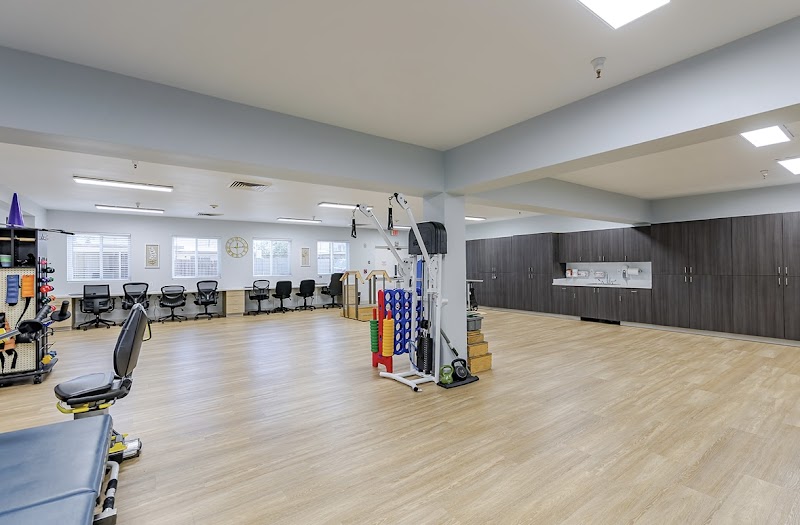
How is Sunview Respiratory And Rehabilitation Staffed?

CMS rates SUNVIEW RESPIRATORY AND REHABILITATION's staffing level at 3 out of 5 stars, which is average compared to other nursing homes. Staff turnover is 34%, compared to the Arizona average of 46%. This relatively stable workforce can support continuity of care.

What Have Inspectors Found at Sunview Respiratory And Rehabilitation?

State health inspectors documented 15 deficiencies at SUNVIEW RESPIRATORY AND REHABILITATION during 2022 to 2025. These included: 15 with potential for harm.
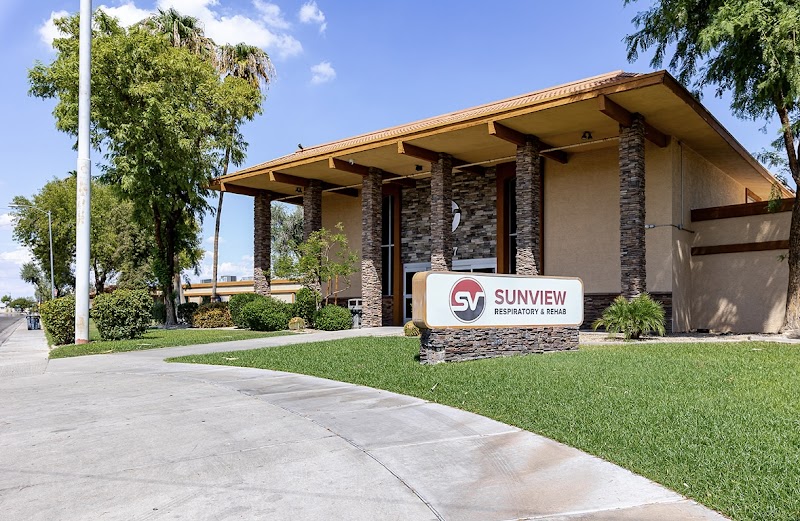
Who Owns and Operates Sunview Respiratory And Rehabilitation?

SUNVIEW RESPIRATORY AND REHABILITATION is owned by a for-profit company. For-profit facilities operate as businesses with obligations to shareholders or private owners. The facility is operated by THE ENSIGN GROUP, a chain that manages multiple nursing homes. With 127 certified beds and approximately 100 residents (about 79% occupancy), it is a mid-sized facility located in YOUNGTOWN, Arizona.

How Does Sunview Respiratory And Rehabilitation Compare to Other Arizona Nursing Homes?

Compared to the 100 nursing homes in Arizona, SUNVIEW RESPIRATORY AND REHABILITATION's overall rating (4 stars) is above the state average of 3.3, staff turnover (34%) is significantly lower than the state average of 46%, and health inspection rating (3 stars) is at the national benchmark.

What Should Families Ask When Visiting Sunview Respiratory And Rehabilitation?

Based on this facility's data, families visiting should ask: "Can I visit during a mealtime to observe dining assistance and food quality?" "How do you handle medical emergencies, and what is your hospital transfer rate?" "Can I speak with family members of current residents about their experience?"

Is Sunview Respiratory And Rehabilitation Safe?

Based on CMS inspection data, SUNVIEW RESPIRATORY AND REHABILITATION has a clean safety record: no substantiated abuse findings (meaning no confirmed cases of resident harm), no Immediate Jeopardy citations (the most serious violation level indicating risk of serious injury or death), and is not on the Special Focus Facility watch list (a federal program monitoring the lowest-performing 1% of nursing homes). The facility has a 4-star overall rating and ranks #1 of 100 nursing homes in Arizona. While no facility is perfect, families should still ask about staff-to-resident ratios and recent inspection results during their visit.

Do Nurses at Sunview Respiratory And Rehabilitation Stick Around?

SUNVIEW RESPIRATORY AND REHABILITATION has a staff turnover rate of 34%, which is about average for Arizona nursing homes (state average: 46%). Moderate turnover is common in nursing homes, but families should still ask about staff tenure and how the facility maintains care continuity when employees leave.

Was Sunview Respiratory And Rehabilitation Ever Fined?

SUNVIEW RESPIRATORY AND REHABILITATION has no federal fines on record. CMS issues fines when nursing homes fail to meet care standards or don't correct problems found during inspections. The absence of fines suggests the facility has either maintained compliance or corrected any issues before penalties were assessed. This is a positive indicator, though families should still review recent inspection reports for the full picture.

Is Sunview Respiratory And Rehabilitation on Any Federal Watch List?

SUNVIEW RESPIRATORY AND REHABILITATION is not on any federal watch list. The most significant is the Special Focus Facility (SFF) program, which identifies the bottom 1% of nursing homes nationally based on persistent, serious quality problems. Not being on this list means the facility has avoided the pattern of deficiencies that triggers enhanced federal oversight. This is a positive indicator, though families should still review the facility's inspection history directly.