WELBROOK YUMA OPCO LLC
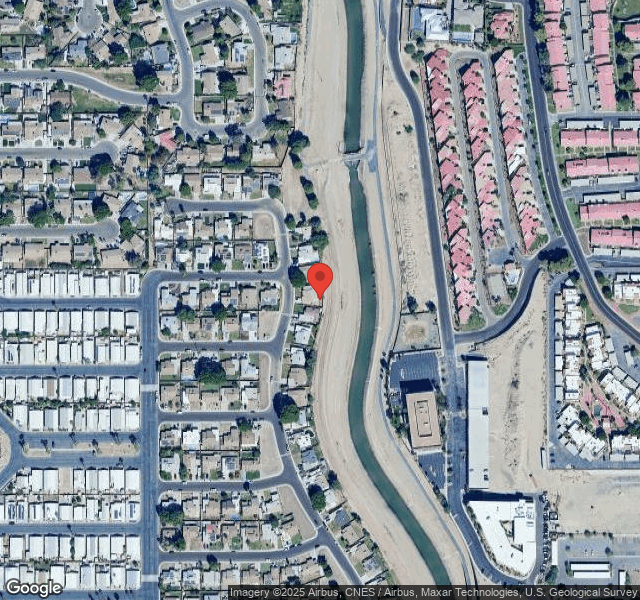
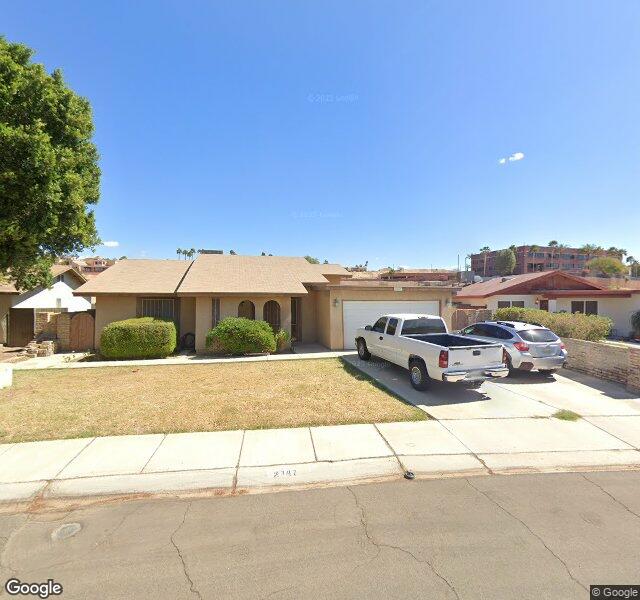
2271 SOUTH RIDGEVIEW DRIVE, YUMA, AZ 85364 (928) 256-4066
For profit - Limited Liability company 41 Beds Independent Data: November 2025
Trust Grade
85/100
#40 of 139 in AZ
Last Inspection: January 2025

Within standard 12-15 month inspection cycle. Federal law requires annual inspections.

Overview

Welbrook Yuma OPCO LLC has a Trust Grade of B+, indicating it is above average and recommended for families considering care options. It ranks #40 out of 139 nursing homes in Arizona, placing it in the top half of facilities statewide, and #1 out of 6 in Yuma County, meaning it is the best local choice available. The facility's trend is stable, with the same number of issues reported in both 2024 and 2025, which shows consistency in their operations. However, staffing is a concern, with a turnover rate of 58%, higher than the state average of 48%, though they do have good RN coverage that exceeds 94% of Arizona facilities, ensuring quality oversight. While there have been no fines, which is a positive sign, recent inspections found issues such as the presence of moldy food items in the kitchen and a failure to prevent pressure-related injuries in a resident, indicating areas that need improvement. Overall, the home has strengths in its high ratings and local ranking, but the issues identified highlight the need for attention to food safety and resident care practices.

Trust Score
B+
85/100
In Arizona
#40/139
Top 28%
Safety Record
Low Risk
No red flags
Inspections
Holding Steady
1 → 1 violations
Staff Stability
⚠ Watch
58% turnover. Above average. Higher turnover means staff may not know residents' routines.
Penalties
✓ Good
No fines on record. Clean compliance history, better than most Arizona facilities.
Skilled Nurses
✓ Good
Each resident gets 82 minutes of Registered Nurse (RN) attention daily — more than 97% of Arizona nursing homes. RNs are the most trained staff who catch health problems before they become serious.
Violations
○ Average
9 deficiencies on record. Average for a facility this size. Mostly minor or procedural issues.
★★★★★
5.0
Overall Rating
★★★★☆
4.0
Staff Levels
★★★★☆
4.0
Care Quality
★★★★★
5.0
Inspection Score
Stable
2024: 1 issues
2025: 1 issues

The Good

  • 4-Star Staffing Rating · Above-average nurse staffing levels
  • 4-Star Quality Measures · Strong clinical quality outcomes
  • Full Sprinkler Coverage · Fire safety systems throughout facility
  • No fines on record

Facility shows strength in staffing levels, quality measures, fire safety.

The Bad

Staff Turnover: 58%

12pts above Arizona avg (46%)

Frequent staff changes - ask about care continuity

Staff turnover is elevated (58%)

10 points above Arizona average of 48%

The Ugly 9 deficiencies on record

Jan 2025 1 deficiency
CONCERN (D) 📢 Someone Reported This

A family member, employee, or ombudsman was alarmed enough to file a formal complaint

Potential for Harm - no one hurt, but risky conditions existed

Free from Abuse/Neglect (Tag F0600)

Could have caused harm · This affected 1 resident

Deficiency Text Not Available

Read full inspector narrative →
Deficiency Text Not Available
Aug 2024 1 deficiency
CONCERN (D) 📢 Someone Reported This

A family member, employee, or ombudsman was alarmed enough to file a formal complaint

Potential for Harm - no one hurt, but risky conditions existed

Pressure Ulcer Prevention (Tag F0686)

Could have caused harm · This affected 1 resident

**NOTE- TERMS IN BRACKETS HAVE BEEN EDITED TO PROTECT CONFIDENTIALITY** Based on clinical record reviews, facility documentation, resident and staff interviews, and policy review, the facility failed ...

Read full inspector narrative →
**NOTE- TERMS IN BRACKETS HAVE BEEN EDITED TO PROTECT CONFIDENTIALITY** Based on clinical record reviews, facility documentation, resident and staff interviews, and policy review, the facility failed to ensure that one resident (#50) was free from preventable pressure related injuries. The deficient practice could lead to other resident's developing preventable injuries. Findings include: -Resident #50 was admitted to the facility on [DATE], with diagnoses that include osteoarthritis, weakness, depression, rheumatoid arthritis, and a left knee replacement. A care plan initiated on August 11, 2024 revealed the resident was at risk of altered skin integrity as evidenced by decreased mobility with a goal of the resident having no new alterations in skin integrity, with noted interventions of notifying the doctor for any changes. Review of the admission Minimum Data Set (MDS) assessment dated [DATE] revealed a Brief Interview for Mental Status (BIMS) score of 14 which indicated the resident had no cognitive impairment. A review of the clinical record progress notes for resident #50 dated August 7, 2024 at 10:32 a.m. revealed resident #50 is having pain to left lateral side of leg. Upon arrival resident had ted hose on pulled down to calf area, stated ted hose had rolled down to knee area and have caused discomfort, noted popped blister to area. Another skin care plan added August 7, 2024 revealed the resident has an open blister to left lateral leg, with a goal of being free from infection through the review date and noted interventions of monitor and document size and treatment, as well as report abnormalities, failure to heal, and signs and symptoms of infection. A second progress note dated August 12, 2024 at 2:07 p.m. revealed that resident #50 continues with open blister to left lateral leg, provider updated regarding scant slough noted to lateral leg. Received ok to place mepilex ag and foam and continue to monitor. A third progress note dated August 13, 2024 at 10:50 a.m. revealed that the resident #50 acquired a pressure sore that was noted to left knee. The note stated resident #50 was seen by her ortho doctor. The note stated to Continue to ED for I&D (Incision & Drainage) of stage 3 pressure sore. An interview was conducted with a Nurse Practitioner (NP/staff #15) on August 26, 2024 at 2:40 p.m. The NP stated that resident #50 was sent to the skilled nursing facility on August 1, 2024, and seen for a follow up outpatient on August 13, 2024. The NP stated that when resident #50 was seen for the follow up that she was re-admitted and taken into surgery same day because of how bad resident #50's pressure injury was on examination. The NP also stated the wound was also infected and required antibiotic treatment. The NP further concluded that the resident is presently following up with infectious disease and required a wound vac for proper healing. The NP concluded that when the injury was reported to their office, the skilled nursing staff reported it was just a blister. The NP stated it was clearly not a blister as it required multiple treatments and surgical intervention. An interview was conducted with a Licensed Practical Nurse (LPN/staff #35) on August 26, 2024 at 3:20 p.m. The LPN stated that the reported incident involved a physical therapy staff member reporting the resident was complaining about her knee. The LPN further stated that when she examined the resident it looked like a big fluid filled blister. However, the LPN also stated that they do not have a wound certification. An interview with a Nurse Practitioner (NP/staff #17) was conducted on August 26, 2024 at 3:55 p.m. The NP stated that they were upset by the situation because it's a big deal. The NP further stated that when they were contacted on August 7, 2024 about the injury, it was described as a blister getting a little red. However, the NP further stated when they examined the resident, was not an accurate assessment on the part of the nursing staff. The NP stated that it appeared to be an infection of concern. The NP concluded that it was the ted hose that was the issue, specifically that it was too tight of a ted hose that was used. An interview with the Certified nursing assistant (CNA/staff #22) was conducted on August 26, 2024 at 4:25 p.m. The CNA stated that resident #50 was there for a knee replacement, and that the resident was alert and oriented and able to make her needs known. The CNA stated that the resident did have ted hose and stated the CNA's applied the ted hose in the morning. An interview with the Director of Nursing (DON/staff #5) was conducted on August 26, 2024 at 5:30 p.m. The DON stated that the resident developed a blister while she was here and that it got worse. The DON further stated that her wound nurse notified her of the wound, and notified the provider for instructions. The DON concluded that her expectation is that nurses document accurately what happens to the residents, as well as letting the provider and the surgeon know of changes that occur, especially when it's a surgical incision. Review of information received from the SA complaint tracking system revealed that on August 13, 2024, at 4:08 p.m. a clinical provider reported the resident was re-admitted to the hospital for surgical debridement, wound closure and wound vac application for a stage 3 pressure ulcer on the resident's left leg, that the facility did not communicate with the surgeon that operated on the resident initially, and that this negligence let to patient harm as evidenced by this injury. A review of facility policy titled 'Pressure Ulcers / Injuries Overview' revised July 2017, revealed that avoidable means that the resident developed a pressure injury and that one of the following was not completed. - Evaluation of the resident's clinical condition and risk factors; - Definition or implementation of interventions that are consistent with resident needs, resident goals, and professional standards of practice; - Monitoring or evaluation of the impact of the interventions; - Revision of the interventions as appropriate. A review of facility policy titled 'abuse and neglect - clinical protocol' revised March 2018 revealed the nurse will report findings to the physician. As needed, the physician will assess the resident/patient to verify or clarify such findings, especially if the cause or source of the problem is unclear.
Jun 2023 2 deficiencies
CONCERN (D)

Potential for Harm - no one hurt, but risky conditions existed

Deficiency F0680 (Tag F0680)

Could have caused harm · This affected 1 resident

Based on personnel file review, staff interview, and facility documentation and policy review, the facility failed to ensure the activities program was directed by a qualified professional. The defici...

Read full inspector narrative →
Based on personnel file review, staff interview, and facility documentation and policy review, the facility failed to ensure the activities program was directed by a qualified professional. The deficient practice could result in the activities provided does not meet the assessed needs of the residents. Findings include: A review of the personnel file for the activities manager (AM/staff #21) revealed staff #21 was hired on June 8, 2021; and that, staff #21 had a current license as a CNA (certified nurse assistant. Per the record, staff #21 was in this position as of June 2021. The recreational services form for activities manager signed by the administrator and the staff #21 on June 2, 2021 indicated a primary purpose of the job position was to plan, organize, develop and direct overall operation of the recreation service department. Education qualifications included: certification from State Approved Program and a degree was preferred but not necessary. It also included that the activities manager must have as a minimum, two years' experience in social or recreational program within the last five years, one of which was full-time in-patient activities program in a health care setting. However, continued review of the personnel file revealed no documentation of these qualifications found for staff #21 as activities manager. An interview was conducted with staff #21 on June 22,2023 at 9:15 a.m., staff #21 stated she was hired as the Activities Director/Recreational Therapy Director in June 2021; and that, when she was hired, all she had was a CNA certification, food handlers, and cardiopulmonary resuscitation training. Staff #21 stated the facility required her to have activities certification; and that, she was working towards getting the activity certification. Staff #21 stated she worked as an activities assistant for a year at another facility; and, was recommended by the admissions nurse whom she worked with previously. Further, she stated that prior to being hired as the activities manager/director she had no other activity manager/director experience. The facility policy on Hiring revealed that the facility provides an equal employment opportunity to all persons qualified to perform the essential functions of the position that is to be filled. The following criteria will be considered in determining whether an applicant is qualified for a particular job position: a. Ability to perform the essential functions of the job (with or without reasonable accommodations); b. Skill, knowledge, training, efficiency, etc.; and, c. Certifications and licenses The policy included that the administrator will determine, which, if any, applicants are qualified for consideration for the position(s) in question.
CONCERN (D)

Potential for Harm - no one hurt, but risky conditions existed

Pharmacy Services (Tag F0755)

Could have caused harm · This affected 1 resident

Based on observation, staff interview, facility policy and procedure review, the facility failed to ensure that two medications were disposed of in accordance with professional standards of practice; ...

Read full inspector narrative →
Based on observation, staff interview, facility policy and procedure review, the facility failed to ensure that two medications were disposed of in accordance with professional standards of practice; and, failed to ensure all controlled drugs were accurately reconciled. The deficient practice could result in medications not being disposed properly; and, the risk of misappropriation of residents' medications. The sample was 25 medication administrations observed. Findings include: -Regarding Medication Disposal: During the medication pass observation with a licensed practical nurse (LPN/staff #39) conducted on June 20, 2023 at 7:33 a.m., the LPN attempted to administer Senna (laxative) to a resident who refused it. The LPN donned gloves, remove the Senna from the medication cup, and removed the glove with the Senna wrapped in it and throw both the used gloves and Senna tablet in the resident's trash can. In another medication administration observation with staff #39 conducted on June 20, 2023 at 8:05 a.m., the LPN dropped a gabapentin (anticonvulsant) 300 mg (milligram) capsule on to the top of the medication cart. She then picked up the dropped capsule up off the top of the medication cart and disposed of it in the trash can that was underneath the sharp's container on the medication cart. An interview was conducted on June 21, 2023 at 10:50 a.m. with the Director of Nursing (DON/staff #33) who stated that the facility policy was to discard any unused or wasted medications in the sharps container. She also stated the nurse (staff #39) discarding of the unused or wasted medication in the resident's trash can or the medication cart trash bin did not meet her expectation. The DON stated that both Senna and gabapentin should have been discarded in a sharps' container and not in the trash can. She stated the risk of placing discarded medications in a trash can could result in anyone being able to access and take the medication. Review of a facility policy on Discarding and Destroying Medications revealed that medications will be disposed of in accordance with Federal, State and local regulations. Non-controlled (non-hazardous) substances will be disposed of in accordance with state regulations and federal guidelines regarding disposition of non-hazardous medications. Non-controlled substances may be disposed of in a collection receptacle located at the facility. -Regarding Narcotic Reconciliation: During the observation of medication cart #1 conducted with another licensed practical nurse (LPN/staff #100) on June 20, 2023 at 10:23 a.m., the LPN stated that the nurses' signature on the narcotic sheets indicated that a complete narcotic count had been done. She stated that the facility policy for narcotic reconciliation included that 2 nursing staff (on-going/off-going) were to sign the form when they had completed the narcotic count at the start of each shift. A review of the narcotic count sheet was conducted with the LPN during the observation. The LPN stated that there were 3 shifts in which there was only one nurse who signed and indicated completing the narcotic count. The LPN further stated that this did not meet the facility's policy and expectation on narcotic count reconciliation. In subsequent observation of the medication cart 2 conducted with the LPN (staff #100), the LPN reviewed the narcotic count verification sheet dated June 16, 2023 and stated that there was one occasion in which 2 nurses did not sign the form as completing the narcotic count. Further, the LPN said that on June 20, 2023, there was only one nurse who signed the narcotic reconciliation count; and that, this did not meet the facility policy and expectation for narcotic count reconciliation. An interview was conducted on June 21, 2023 at 10:50 a.m. with the DON (staff #33) who stated that the narcotic reconciliation process should be completed at the end of each shift; and that, two nurses were required to complete the narcotic count reconciliation at the beginning/end of each shift. She also stated that the nurses were expected to sign the narcotic sheet and mark Y if count was correct or N if not. The DON stated that risk of not completing the narcotic count with 2 nurses could result in an error, a resident receiving medication that was not recorded, or someone else could have taken them. During the interview a review of the narcotic count sheets for both unit 1 and unit 2 was conducted with the DON who stated that the narcotic count sheet for unit 2 was not signed at 6:00 p.m. on June 20, 2023 when the nurse had completed her shift. She stated that there were 3 occasions that two nursing staff did not sign the narcotic count sheet for the medication cart 2; and, the narcotic count sheet for cart 1 have no signatures from two 2 nurses on June 17, 18 and 20, 2023. Further, the DON stated that this did not meet her expectations; and, the risk could result in not holding someone responsible for the narcotic count, and residents might not receive medications as ordered. Review of the facility policy on Controlled Substances revealed that the facility shall comply with all laws, regulations, and other requirements related to handling, storage and documentation of controlled substances. Nursing staff must count controlled medications at the end of each shift. The nurse coming on duty and the nurse going off duty must make the count together. They must document and report any discrepancies to the Director of Nursing services.
Jul 2022 5 deficiencies
CONCERN (D)

Potential for Harm - no one hurt, but risky conditions existed

Deficiency F0582 (Tag F0582)

Could have caused harm · This affected 1 resident

**NOTE- TERMS IN BRACKETS HAVE BEEN EDITED TO PROTECT CONFIDENTIALITY** Based on clinical record review, staff interviews, and policy review, the facility failed to provide evidence that the Skilled N...

Read full inspector narrative →
**NOTE- TERMS IN BRACKETS HAVE BEEN EDITED TO PROTECT CONFIDENTIALITY** Based on clinical record review, staff interviews, and policy review, the facility failed to provide evidence that the Skilled Nursing Advanced Beneficiary Notice (SNFABN) was issued to one resident (#76). The sample size was 4. The deficient practice could result in residents not being informed of their potential liability for payment. Findings include: Resident #76 was admitted on [DATE] with diagnoses that included esophageal cancer, protein calorie malnutrition, and type 2 diabetes mellitus. Review of the admission Record face sheet revealed the resident was their own responsible party. A Progress note dated April 13, 2021 stated that resident #76 and their representative was notified that the last covered date was for April 15, 2021. Additionally, the notes stated that per the resident and family, an appeal was filed via phone call at approximately 5:00 PM. Review of the Notice of Medicare Non-Coverage (NOMNC) signed by the resident on April 13, 2021 revealed the last day of coverage was on April 15, 2021. Further review of the notice was a hand-written note that stated resident #76 and their representative were notified of their appeal rights and were provided with information to appeal the resident's last covered date for April 15, 2021. Review of the resident's QIO (Quality Improvement Organization) appeal dated April 13, 2021 revealed the QIO reviewer agreed with the termination of skilled nursing services for resident #76. Further, the determination revealed that the beneficiary (resident #76) liability started on April 16, 2021. Review of a progress note dated April 14, 2021 at 5:12 PM stated that the writer spoke with the family and the resident and notified them that the resident will no longer be receiving therapy as of April 16, 2021. The note also stated that the determination from the QIO for the appeal submitted on April 13, 2021 was to terminate services. Additionally, the note stated that the resident was notified that the last therapy session will be on 4/15/2021 and that the resident was able to remain in the facility for nursing services and discharge planning. However, no evidence was revealed in the medical record that the SNFABN form informing the resident of care Medicare may not pay beginning on April 16, 2022 was issued to the resident. A Physician's order dated April 30, 2021 stated discharge home on April 30, 2021 with all medications and narcotics. The discharge Minimum Data Set assessment dated [DATE] revealed a score of 13 on the Brief Interview for Mental Status which indicated the resident had intact cognition. Review of the census for resident #76 revealed the resident was discharged on April 30, 2021. An interview was conducted on July 19, 2022 at 12:53 PM with the Social Services Director (SSD/staff #83). The SSD stated the process to discharge a resident is to meet weekly with the interdisciplinary team (IDT) and discuss the residents in the facility. Further, she explained that once the IDT team determines a discharge date appropriate for each resident she will meet with the resident and make sure the resident has the appropriate equipment at home and inform the resident about the plan. The SSD stated that she will then have the resident sign a NOMNC letter that formally notified the resident of their rights to appeal the discharge. Additionally, the SSD stated that she will review the NOMNC and help the resident with the appeal if they need assistance. The SSD stated that the facility will issue a NOMNC with a minimum of 2 days' notice, so that the resident has time to file an appeal if they choose to do so. She also stated that if the QIO denies the appeal, then the resident can do a second appeal. Additionally, she stated that they will communicate the risk for payment if the resident stays. The SSD stated that the facility is primarily a short stay rehab center and that she is a newer employee so she has never had to issue a SNFABN form. An interview with the Director of Nursing (DON/staff #1) was conducted on July 20, 2022 at 8:42 AM. The DON stated that resident #76 was admitted to the facility and had only 32 days of Medicare covered days. The DON stated that when a resident is ready to discharge after the IDT team has determined a discharge date , they communicate to the family and the resident the plan and notify them with a NOMNC that tells the resident and the family about appeal rights. Further, she stated that the SSD will set up any services or equipment the residents may need, then discharge the resident. The DON stated resident #76 was provided a NOMNC on the 4/13/2021 for a discharge off of therapy, but the resident stayed in the facility for skilled medical needs and utilized the Medicare days. She explained that the resident and the family were notified that they can stay in the facility with the option to pay privately; however, this was told to them verbally and a SNFABN form was not provided, the information was not provided in writing. The DON stated that the facility staff were not aware the resident had to be provided a SNFABN form. An interview was conducted on July 20, 2022 at 10:30 AM with the Executive Director (ED/staff #95). The ED stated the facility is new and that they were learning the systems for discharge. The ED stated that the resident appealed the discharge off of therapy services and the resident remained in the facility for skilled services for medical issues. The ED further explained that the QIO only denied the therapy services not the skilled nursing services. The ED stated that the initial NOMNC was issued to the resident in error and that since resident #76 had Medicare days that remained and had a skilled need, the NOMNC should not have been issued to the resident. The ED reviewed the QIO appeal for resident #76 that stated skilled nursing services would be terminated and the resident's financial liability began April 16, 2022. Review of the facility policy titled Notice of Covered and Non-Covered Services revealed residents are notified of the covered and non-covered items and services provided by the facility. Prior to or upon admission, and periodically throughout the resident's stay, a representative of the business office provides the resident with a notice of covered and non-covered items and services. Covered items and services are those that are included as part of a covered Medicare/Medicaid stay and for which residents may not be charged. Non-covered items and services are those that are not included as part of the Medicare/Medicaid covered stay or the facility per diem rate, but that the facility offers and for which the resident may be charged. The policy stated that if changes in coverage are made to items and services covered by Medicare or Medicaid, residents are notified in writing as soon as possible.
CONCERN (D)

Potential for Harm - no one hurt, but risky conditions existed

Deficiency F0625 (Tag F0625)

Could have caused harm · This affected 1 resident

**NOTE- TERMS IN BRACKETS HAVE BEEN EDITED TO PROTECT CONFIDENTIALITY** Based on clinical record review, staff interviews, and policy review, the facility failed to ensure one resident (#7) and/or the...

Read full inspector narrative →
**NOTE- TERMS IN BRACKETS HAVE BEEN EDITED TO PROTECT CONFIDENTIALITY** Based on clinical record review, staff interviews, and policy review, the facility failed to ensure one resident (#7) and/or the resident's representatives were provided written information regarding the facility's bed hold policy before transfer to the hospital or in 24 hours. The sample size was 2 residents. The deficient practice could result in residents not being informed of the facility's bed hold policy. Findings include: Resident #7 was admitted on [DATE] with diagnoses that included sensorineural hearing loss, vascular dementia, major depressive disorder, and chronic pain syndrome. Review of a health status progress noted dated July 14, 2022, revealed that the resident was transported to the emergency department. Review of a physician progress note dated July 14, 2022, revealed the resident's vital signs were unstable, and the resident was transferred to the emergency department for evaluation. However, review of the clinical record including the progress notes dated July 14, 2022, did not reveal the resident or the resident's representative had been informed in writing of the facility's bed hold policy. An interview was conducted on July 21, 2022 at 11:31 AM with a Licensed Practical Nurse (LPN/staff #38), who stated that she has never heard of a bed hold form, and that she has never completed a form for resident's discharged to the hospital. She stated that they would complete a discharge summary, and call the hospital to follow-up on the status of the resident. An interview was conducted on July 21, 2022 at 11:45 AM with the Social Services Director (staff #33), who stated that the facility is not currently issuing bed hold forms to the residents at the time of hospitalization, but that admissions will hold beds for three days. She also stated that there is no bed hold form that resident's sign when they are discharged to the hospital regarding notification of bed hold. An interview was conducted on July 21, 2022 at 12:38 PM with the Director of Nursing (DON/staff #1), who stated that the facility's expectation regarding transfer to the hospital includes a copy of the history and physical, medication list, code status, completion of the transfer form, and documentation in the progress notes. The DON also stated that the bed-hold form is not being completed for discharges to the hospital at this time. Review of the Notice of Bed Hold Policy, located in the facility Guest admission Agreement, revealed that upon request, the facility shall hold the guest's bed for medical leave. The guest will be notified if bed-hold charges will be assessed, and must consent in writing to the charge.
CONCERN (D)

Potential for Harm - no one hurt, but risky conditions existed

Deficiency F0658 (Tag F0658)

Could have caused harm · This affected 1 resident

**NOTE- TERMS IN BRACKETS HAVE BEEN EDITED TO PROTECT CONFIDENTIALITY** Based on clinical record review, staff interviews, and review of policies and procedures, the facility failed to ensure a medica...

Read full inspector narrative →
**NOTE- TERMS IN BRACKETS HAVE BEEN EDITED TO PROTECT CONFIDENTIALITY** Based on clinical record review, staff interviews, and review of policies and procedures, the facility failed to ensure a medication with parameters was administered according to professional standards of practice for one resident (#1). The sample size was 5 residents. The deficient practice could result in adverse effects to the resident. Findings include: Resident #1 was admitted to the facility on [DATE] with diagnoses that included cerebrovascular accident, congestive heart failures, aphasia, hemiplegia, edema, and depression. A physician's order dated June 18, 2022 revealed an order for Lasix tablet (a diuretic) 20 milligrams (mg), 1 tablet by mouth one time a day for edema, hold for blood pressure (B/P) under 110/60 millimeters of mercury (mmHg). Review of the June 2022 Medication Administration Record (MAR) from June 18, 2022 to June 30, 2022 revealed the resident was administered Lasix 20 mg 1 tablet by mouth at 8:00 AM, six times when the most recent B/P recorded prior to 8:00 AM in the Weights and Vitals Summary was under 110/60 mmHg. Review of the July 2022 MAR from July 1, 2022 to July 21, 2022 revealed the resident was administered Lasix 20 mg 1 tablet by mouth at 8:00 AM eleven times when the most recent B/P recorded prior to 8:00 AM in the Weights and Vitals Summary was under 110/60 mmHg. Review of the nursing notes revealed no documentation of why the medication was given with the B/P under 110/60 mmHg. An interview was conducted on July 21, 2022 at 11:42 AM with a Certified Nursing Assistant (CNA/staff #10). She stated vitals are done one time per shift and when the nurse requests them. The CNA stated vitals are recorded in Point Click Care (PCC) in the Weights and Vitals Summary and any vital signs that are too high or too low would be reported verbally to the nurse. She further stated PCC gives an option for re-entering any vitals if they need to retake vital signs including B/P, pulse, respirations, oxygen saturations. An interview was conducted on July 21, 2022 at 11:45 AM with a Licensed Practical Nurse (LPN/staff #45). She stated if a resident's B/P was low, she would assess the resident, view in PCC what the normal range for the resident is, see if they are on a medication that lowers the B/P or medications that are supposed to, notify the provider to see if the dose needs to be changed, assess to see if there is something going on that would be causing it, make a health status progress note, a communication to physician progress note, and notify the family if there was a change in the order. She stated B/P medications and some glucose medications require specific parameters prior to administering the medication. She stated the CNAs obtain vital signs first thing in the morning and if the B/P was done within an hour or so, she would use this B/P, otherwise she would retake the B/P and document it in PCC's weight/vitals section. She stated it is important to have parameters on B/P medications for resident safety, in order to protect them from adverse effects. She further stated the provider's order for resident #1 has parameters to hold the medication if the B/P is under 110/60. The LPN stated PCC has a button you can click if vital signs are outside of the parameters to initiate supplementary documentation. The LPN also stated the nurse is responsible to monitor the parameters prior to giving the medication and give the medication per the provider orders. An interview was conducted on July 21, 2022 at 12:53 PM with the Director of Nursing (DON/staff #1). She stated when a resident's B/P is too low she would expect the nurse to place the resident in a Trendelenburg position, notify the provider and review their baseline status and medications. She stated hypertensive medications would have parameters to follow prior to administration. The DON stated the nurse would either review the vital sign sheet the CNA uses or the Weights and Vitals section of PCC prior to administering the medication. She stated when a hypertensive medication order is put into PCC there are additional directions, using the supplementary documentation button, that will prompt you to input the B/P or pulse. The DON stated it is important to have parameters on medications so the resident would not have adverse effects to the medication. She further stated for resident #1, the order for Lasix 20 mg 1 tablet by mouth one time a day for edema, hold for blood pressure (B/P) under 110/60, does have parameters, but the order was not put into PCC to include documentation of the B/P using the supplementary documentation button when the order was initiated. She stated the Lasix was scheduled for 8:00 AM and is given between 07:00 AM and 09:00 AM usually. The DON also stated there were multiple days, during the month of July 2022, the Lasix medication was given when the B/P was under 110/60 mmHg. The facility's Documentation of Medication Administration Policy, revised April 2007, stated a nurse or certified medication aide shall document all medications administered on the MAR and must be documented immediately after it is given. It further stated documentation must include, at a minimum, the name and strength of the medication, dosage, method of administration, date and time of administration, reason why a medication was withheld, not administered, or refused if applicable, signature and title of the person administering the medication, and resident response to the medication if applicable. The facility's Medication Administration Policy, revised April 2019, stated medications are administered in accordance with prescriber orders, including any time frame. The policy stated if a dosage is believed to be inappropriate or excessive for the resident, or a medication has been identified as having potential for adverse consequences, the person preparing or administering the medication will notify the prescriber to discuss the concerns. It further stated allergies to medications and vital signs, if necessary, are to be checked/verified for each resident prior to administering medications.
CONCERN (D)

Potential for Harm - no one hurt, but risky conditions existed

Accident Prevention (Tag F0689)

Could have caused harm · This affected 1 resident

**NOTE- TERMS IN BRACKETS HAVE BEEN EDITED TO PROTECT CONFIDENTIALITY** Based on clinical record review, staff interviews, and policy and procedures, the facility failed to ensure one sampled resident...

Read full inspector narrative →
**NOTE- TERMS IN BRACKETS HAVE BEEN EDITED TO PROTECT CONFIDENTIALITY** Based on clinical record review, staff interviews, and policy and procedures, the facility failed to ensure one sampled resident (#126) was adequately supervised to prevent a fall. The deficient practice could result in falls and resident injuries. Findings include: Resident #126 was admitted to the facility on [DATE] with diagnoses that included hemiplegia and hemiparesis, muscle weakness, difficulty walking, and cognitive communication deficit. Review of the Fall Risk Evaluation assessments revealed: -October 28, 2021, a fall score of 10, indicating at risk for falls. -October 31, 2021, a fall score of 15, indicating at risk for falls. -November 11, 2021, a fall score of 7, indicating moderate fall risk. -November 15, 2021, a fall score of 14, indicating risk for falls. Review of the care plan included: -A care plan focus initiated on October 28, 2021 that stated the resident is at high risk for falls related to history of falling at home. Interventions included anticipating and meeting the resident's needs, prompt response to all requests for assistance, following the facility fall protocol, -A care plan focus initiated on October 28, 2021 that stated the resident had an ADL (activities of daily living) self-care performance deficit related to general weakness, with interventions for a Physical Therapy (PT) and Occupational Therapy (OT) evaluation and treatment as per orders. - A care plan focus initiated on November 1, 2021 that stated the resident is at risk for falls. Interventions stated sensor pressure sensitive alert mat to bed and chair, assist the resident with ambulation and transfers, self-transfers and slides out of the wheelchair seat, non-slip matting to wheelchair (initiated on November 11, 2021), use shower chair (initiated on November, 15, 2021). -A care plan focus initiated on November 1, 2021 that stated the resident is dependent on staff for meeting physical and intellectual needs related to physical limitations. Interventions stated the resident needs assistance with ADLs as required. -A care plan focus initiated on November 2, 2021 that stated safety, with interventions for safety measures including strategies to reduce falls as appropriate. - A care plan focus initiated on November 7, 2021 that stated a new onset of weakness. Interventions included determining the level of needed assistance based on the ADL evaluation, evaluating for cognitive changes. Review of an OT Plan of Care dated October 29, 2021, stated the resident's current level of function required substantial/maximal assistance for shower/bath, and toileting hygiene. Review of a Speech Therapy (ST) daily treatment note dated October 29, 2021, revealed a recommendation for a cognitive linguistic evaluation due to increased confusion. Review of a PT Plan of Care dated October 29, 2021 revealed the resident required fall risk precautions, and partial/moderate assistance for lift and hold support of trunk or limbs. Further review of a PT progress note dated November 4, 2021, revealed the resident required partial/moderate assistance for sit to stand. It further stated that the treatment diagnosis included difficulty in walking and unsteadiness of feet. The admission Minimum Data Set (MDS) assessment dated [DATE] revealed a Brief Interview of Mental Status (BIMS) score of 13, which indicated intact cognition. The assessment included that the resident required total assistance for bathing with one-person assistance. It also revealed that the resident's balance during transition was not steady, only able to stabilize with staff assistance. Review of an OT Daily Treatment Note dated November 15, 2021 revealed the resident was seen for skilled OT services and had agreed to a shower. It further stated the therapist (Certified Occupational Therapy Assistant (COTA/staff #51) was going to get the resident a new brief when the resident got up utilizing the grab bars, the resident lost his balance and fell. It further revealed that the resident required maximum assistance to don briefs/pants. Review of an Incident Note dated November 15, 2021, revealed the nurse was informed the resident had finished a shower with the therapist, when the resident was standing holding onto the grab bar the therapist had turned around to get a brief and the resident could not stand and lost his balance and fell onto his buttocks. It further stated that no visible injuries were noted, no new redness or bruises. It also stated that the resident's spouse would like a shower chair to be used in the shower so the resident will not stand up. A review of a PT progress note dated November 15, 2021, revealed treatment as provided to increase strength while managing soreness from earlier fall. It also stated that the resident's status had declined, and the resident reported feeling sore after a fall in the shower. A Fall Investigative Report dated November 15, 2021 revealed the fall was witnessed. It further revealed that a therapist was assisting the resident with a shower, the therapist turned around to get a brief and the resident lost his balance and fell sitting on buttocks. It also stated that predisposing factors included a wet floor, and weakness. Review of a Post Fall Evaluation report dated November 15, 2021 stated the resident was in the shower with a therapist assisting. The resident was standing holding onto a grab bar, the therapist turned around to get a brief and the resident lost his balance and fell onto buttocks. The report stated that a wet floor was a predisposing environmental factor, and weakness was a predisposing physiological factor. An interview was conducted on July 20, 2022 at 8:45 AM with a Licensed Practical Nurse (LPN/staff #96), who stated that she was familiar with resident #126 and that he had frequent falls, was heavy transfer and worked with therapy. She further stated that when a resident is at risk for falls staff must stay with them at all times during a shower, and make sure that all items needed are available, and not to turn your back to the resident. She reviewed the medical record and stated that the resident was a moderate fall risk, due to previous falls. She reviewed the progress notes dated November 15, 2021 and stated that the resident fell in the shower with a therapist in attendance, as the therapist had turned away from the resident to retrieve a brief. She also stated that the therapist should have collected all items needed and had them within reach for use after the shower. She stated that this did not follow the standard of care to leave a resident who was a high fall risk standing in the shower, and turn away from the resident to retrieve something. An interview was conducted on July 20, 2022 at 10:56 AM with a Certified Nursing Assistant (CNA/staff #77), who stated that in preparation of a shower they gather all linens, towels, and clothing, including briefs. She further stated that if a resident has a bed or chair alarm (fall risk) that she would not turn her back on a resident, but would always need to keep the resident in her sight. She also stated that if an item is needed, they are expected to call another CNA to retrieve the item. The CNA stated that OTs do assist with showers, and CNAs stand by if they need anything, and change the bed linens. An interview was conducted on July 20, 2022 at 11:25 am with a CNA (staff #41), who stated that the shower process includes gathering supplies that included briefs, prior to the shower. She also stated that there are briefs in a drawer in the bathroom on the opposite end of the shower bench. The CNA stated that she would have the clean clothes, and briefs gathered and placed next to the shower bench and within reach. She further stated that it is the facility process to always keep the resident in their vision during showers, and when dressing. She stated that she is familiar with the resident's care and that the resident requires two-person assistance with transfers to the shower chair. She stated that the resident fell in the shower with a therapist. She also stated that the resident should not be left unattended in the shower, because the resident did not know his own limitations. She also stated that the resident was a fall risk and had a wheelchair and bed alarm at the time of the fall. An interview was conducted on July 20, 2021 at 12:06 PM with the Director of Rehabilitation Services (staff #43), who reviewed the OT progress note dated October 29, 2021 which indicated the resident was at risk for falls and required contact guard assistance. She stated that the process during shower assistance included gathering all equipment, including clothing and briefs prior to the shower. She also stated that if a resident is a high fall risk, the expectation is that staff will not leave the resident. She stated that the resident was assessed as requiring intermittent cueing, and the standard of care included to watch the resident during a shower at all times. She further stated that due to the documentation regarding the resident's cognition, the COTA should have kept his eyes on the resident at all times, and used the call light if he required assistance. An interview was conducted on July 20, 2021 at 12:11 PM with a COTA (staff #51), who stated that OT assesses a resident's fall risk during the initial evaluation. He further stated that if a resident is a fall risk it would be documented in the therapy notes, and identified as a precaution on the therapy schedule. He stated that during assistance with showers that staff should be with the resident at all times, if the resident has been assessed as a fall risk. He stated the expectation is to make sure the resident is as safe as possible, and to assist with dressing in the shower area. He further stated that there is never a time that he would leave a resident standing in the shower unattended. He further stated that he keeps all dressing items needed on the sink for use after the shower. The COTA stated that he remembered that resident #126 was a fall risk, and fell during a shower in which he was assisting. He reviewed the medical record and stated that on November 15, 2021 he had completed the resident's shower. He stated that he told the resident to stay seated on the shower bench, that he needed to get a brief. He also stated the resident would do things that he was not asked to do. He further stated that the resident started to stand up, that he could not get to the resident in time, and the resident fell. He stated that the resident had previously not followed instructions, but not when he asked him to stay seated. The COTA stated that he felt like the resident was safe when he went to get the briefs out of a drawer at the end of the shower, opposite the shower bench, and knew that the resident was a fall risk at the time. An interview was conducted on July 20, 2022 at 2:14 PM with the Director of Nursing (DON/staff #1), who stated that the facility expectation regarding showers is safety, related to being stable, knowing whether the resident can stand or sit, and the strength of the person. The DON further stated, regarding a resident's identified as a fall risk, that the expectation during showers is for staff to remain at the resident's side. Another interview was conducted on July 21, 2022 at 8:44 AM with the DON (staff #1), who stated that she was familiar resident #126. She reviewed the medical record and stated that the resident was assessed as a risk for falls upon admission. She further stated that the resident had multiple falls, including a fall during a shower with a therapist in attendance. She reviewed the incident report dated November 15, 2021, and stated that there was no injury sustained. She also stated that the fall interventions in place prior to the fall included a chair and bed alarm, anticipate needs, and safety reminders. She further stated that a shower chair had been added to the care plan after the fall. The DON further stated that the expectation regarding staff assistance with showers includes staying within arm's reach of the resident at all times, especially if the resident is unstable/fall risk. She stated that if the resident would start to fall they would be able to assist the resident quickly. A review of the facility policy titled, Shower/Tub Bath, revealed the general guideline is that staff are to stay with the resident throughout the bath, never leave the resident unattended in the tub or shower. Use the emergency call light to signal for assistance if needed. Arrange supplies so they can be easily reached A review of the facility policy titled, Managing Falls and Fall Risk, revealed based on previous evaluations and current data, staff will try to prevent the resident from falling.
CONCERN (E)

Potential for Harm - no one hurt, but risky conditions existed

Food Safety (Tag F0812)

Could have caused harm · This affected multiple residents

Based on observations, staff interview, and policy review, the facility failed to ensure food items were not moldy/rotten and the nourishment refrigerator temperature log was maintained. The deficient...

Read full inspector narrative →
Based on observations, staff interview, and policy review, the facility failed to ensure food items were not moldy/rotten and the nourishment refrigerator temperature log was maintained. The deficient practice could increase the risk of foodborne illness. Findings include: Regarding moldy/rotten food During the initial kitchen observation conducted on July 18, 2022 at 10:37 a.m., a moldy jalapeno was found stored in a bin in the walk-in refrigerator. Another observation of the kitchen was conducted on July 20, 2022 at 10:55 a.m. During this observation, a rotten/moldy yellow onion and a container of overripe brown bananas which included one with its peel cracked open and others that had white moldy stems were found in the dry storage area. In an interview conducted with the director of culinary services (staff #34) on July 20, 2022 at 1:36 p.m., she stated that they store their food items according to their food storage policy. The kitchen's 2018 policy and procedure manual titled Food Storage and Date Marking revealed all stock must be rotated with each new order received. Rotating stock is essential to assure the freshness and highest quality of all foods. Old stock is always used first (first in- first out method). The policy stated all food including produce, frozen items, refrigerated items, and non-perishables are checked for wholesomeness prior to use. Items not fit for consumption are discarded. Regarding temperature log During the initial walk-through of the resident hallway and nurse's station conducted on July 18, 2022 at 11:03 a.m., the nourishment refrigerator located at the nurse's station was observed to have an incomplete temperature log. The log was missing documentation for the morning temperature from June 12-30, 2022; afternoon temperature from June 12-15, 21-23, and 28-29, 2022. For the month of July 2022, the log was missing the morning temperature check for July 16-18 and the afternoon temperature for July 8, 12-13. The nourishment refrigerator was stocked with 16 prune juices, 5 peaches, 6 yogurts, 9 flavored shakes, 2 sodas and 5 apple sauces. An interview was conducted with the kitchen manager (staff #34) on June 29, 2022 at 1:36 p.m. Staff #34 stated that the nourishment fridge at the nurse's station is theirs. She said that the log should be maintained by whoever is assigned to that area in the morning. The kitchen's 2018 policy and procedure manual titled Food Storage and Date Marking indicated that temperatures for refrigerators may be between 35 to 41 degrees Fahrenheit. Thermometers should be checked routinely. Check for proper functioning of the unit at the same time.
Understanding Severity Codes (click to expand)
Life-Threatening (Immediate Jeopardy)
J - Isolated K - Pattern L - Widespread
Actual Harm
G - Isolated H - Pattern I - Widespread
Potential for Harm
D - Isolated E - Pattern F - Widespread
No Harm (Minor)
A - Isolated B - Pattern C - Widespread

Questions to Ask on Your Visit

  • "Why is there high staff turnover? How do you retain staff?"
  • "Can I speak with families of current residents?"
  • "What's your RN coverage like on weekends and overnight?"

Our Honest Assessment

Strengths
  • • Grade B+ (85/100). Above average facility, better than most options in Arizona.
  • • No major safety red flags. No abuse findings, life-threatening violations, or SFF status.
  • • No fines on record. Clean compliance history, better than most Arizona facilities.
Concerns
  • • 58% turnover. Above average. Higher turnover means staff may not know residents' routines.
Bottom line: Generally positive indicators. Standard due diligence and a personal visit recommended.

About This Facility

What is Welbrook Yuma Opco Llc's CMS Rating?

CMS assigns WELBROOK YUMA OPCO LLC an overall rating of 5 out of 5 stars, which is considered much above average nationally. Within Arizona, this rating places the facility higher than 99% of the state's 100 nursing homes. This rating reflects solid performance across the metrics CMS uses to evaluate nursing home quality.

How is Welbrook Yuma Opco Llc Staffed?

CMS rates WELBROOK YUMA OPCO LLC's staffing level at 4 out of 5 stars, which is above average compared to other nursing homes. Staff turnover is 58%, which is 12 percentage points above the Arizona average of 46%. High turnover can affect care consistency as new staff learn residents' individual needs.

What Have Inspectors Found at Welbrook Yuma Opco Llc?

State health inspectors documented 9 deficiencies at WELBROOK YUMA OPCO LLC during 2022 to 2025. These included: 9 with potential for harm.

Who Owns and Operates Welbrook Yuma Opco Llc?

WELBROOK YUMA OPCO LLC is owned by a for-profit company. For-profit facilities operate as businesses with obligations to shareholders or private owners. The facility operates independently rather than as part of a larger chain. With 41 certified beds and approximately 38 residents (about 93% occupancy), it is a smaller facility located in YUMA, Arizona.

How Does Welbrook Yuma Opco Llc Compare to Other Arizona Nursing Homes?

Compared to the 100 nursing homes in Arizona, WELBROOK YUMA OPCO LLC's overall rating (5 stars) is above the state average of 3.3, staff turnover (58%) is significantly higher than the state average of 46%, and health inspection rating (5 stars) is much above the national benchmark.

What Should Families Ask When Visiting Welbrook Yuma Opco Llc?

Based on this facility's data, families visiting should ask: "How do you ensure continuity of care given staff turnover, and what is your staff retention strategy?" "Can I visit during a mealtime to observe dining assistance and food quality?" "How do you handle medical emergencies, and what is your hospital transfer rate?" "Can I speak with family members of current residents about their experience?" These questions are particularly relevant given the facility's high staff turnover rate.

Is Welbrook Yuma Opco Llc Safe?

Based on CMS inspection data, WELBROOK YUMA OPCO LLC has a clean safety record: no substantiated abuse findings (meaning no confirmed cases of resident harm), no Immediate Jeopardy citations (the most serious violation level indicating risk of serious injury or death), and is not on the Special Focus Facility watch list (a federal program monitoring the lowest-performing 1% of nursing homes). The facility has a 5-star overall rating and ranks #1 of 100 nursing homes in Arizona. While no facility is perfect, families should still ask about staff-to-resident ratios and recent inspection results during their visit.

Do Nurses at Welbrook Yuma Opco Llc Stick Around?

Staff turnover at WELBROOK YUMA OPCO LLC is high. At 58%, the facility is 12 percentage points above the Arizona average of 46%. High turnover means new staff may not know residents' individual needs, medications, or preferences. It can also be disorienting for residents, especially those with dementia who rely on familiar faces. Families should ask: What is causing the turnover? What retention programs are in place? How do you ensure care continuity during staff transitions?

Was Welbrook Yuma Opco Llc Ever Fined?

WELBROOK YUMA OPCO LLC has no federal fines on record. CMS issues fines when nursing homes fail to meet care standards or don't correct problems found during inspections. The absence of fines suggests the facility has either maintained compliance or corrected any issues before penalties were assessed. This is a positive indicator, though families should still review recent inspection reports for the full picture.

Is Welbrook Yuma Opco Llc on Any Federal Watch List?

WELBROOK YUMA OPCO LLC is not on any federal watch list. The most significant is the Special Focus Facility (SFF) program, which identifies the bottom 1% of nursing homes nationally based on persistent, serious quality problems. Not being on this list means the facility has avoided the pattern of deficiencies that triggers enhanced federal oversight. This is a positive indicator, though families should still review the facility's inspection history directly.