ALMA NURSING AND REHAB
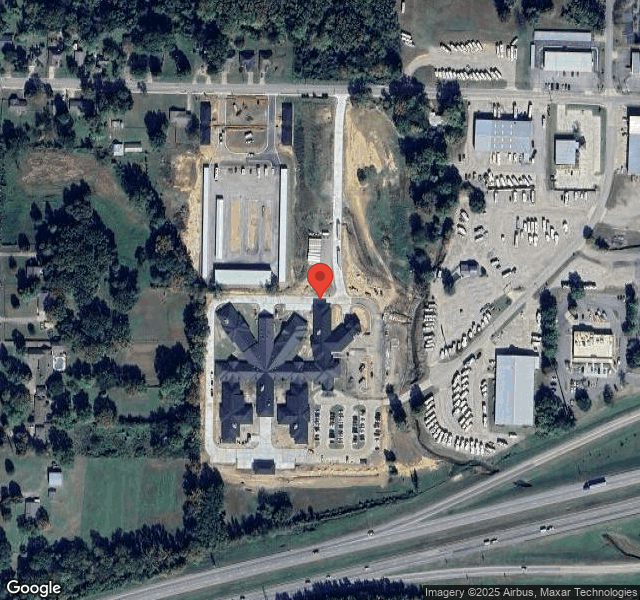

401 HEATHER LANE, ALMA, AR 72921 (479) 632-4343
For profit - Limited Liability company 74 Beds CENTRAL ARKANSAS NURSING CENTERS Data: November 2025
Trust Grade
75/100
#48 of 218 in AR
Last Inspection: August 2024

Within standard 12-15 month inspection cycle. Federal law requires annual inspections.

Overview

Alma Nursing and Rehab has a Trust Grade of B, indicating it is a good choice among nursing homes. With a state ranking of #48 out of 218 facilities, they are in the top half of options in Arkansas, and as the top-ranked facility in Crawford County, families have only one other local option that is better. The facility is showing an improving trend, having reduced issues from six in 2023 to just two in 2024. Staffing is average, with a 3 out of 5 rating and a turnover rate of 55%, which is close to the state average of 50%. While the facility has not incurred any fines, which is a positive sign, there have been concerns about food safety practices, including not maintaining proper food temperatures and failing to ensure residents received the correct portions, which raises potential health risks. Overall, Alma Nursing and Rehab has strengths in its ranking and no fines, but families should be aware of the food safety concerns that have been identified.

Trust Score
B
75/100
In Arkansas
#48/218
Top 22%
Safety Record
Low Risk
No red flags
Inspections
Getting Better
6 → 2 violations
Staff Stability
⚠ Watch
55% turnover. Above average. Higher turnover means staff may not know residents' routines.
Penalties
✓ Good
No fines on record. Clean compliance history, better than most Arkansas facilities.
Skilled Nurses
⚠ Watch
Each resident gets only 21 minutes of Registered Nurse (RN) attention daily — below average for Arkansas. Fewer RN minutes means fewer trained eyes watching for problems.
Violations
○ Average
10 deficiencies on record. Average for a facility this size. Mostly minor or procedural issues.
★★★★☆
4.0
Overall Rating
★★★☆☆
3.0
Staff Levels
★★★☆☆
3.0
Care Quality
★★★★☆
4.0
Inspection Score
Stable
2023: 6 issues
2024: 2 issues

The Good

  • Full Sprinkler Coverage · Fire safety systems throughout facility
  • No fines on record

Facility shows strength in fire safety.

The Bad

Staff Turnover: 55%

Near Arkansas avg (46%)

Frequent staff changes - ask about care continuity

Chain: CENTRAL ARKANSAS NURSING CENTERS

Part of a multi-facility chain

Ask about local staffing decisions and management

Staff turnover is elevated (55%)

7 points above Arkansas average of 48%

The Ugly 10 deficiencies on record

Aug 2024 2 deficiencies
CONCERN (E)

Potential for Harm - no one hurt, but risky conditions existed

Menu Adequacy (Tag F0803)

Could have caused harm · This affected multiple residents

Based on observation, record review, and interview, the facility failed to ensure meals were prepared and served according to the planned written menu to meet the nutritional needs of the residents fo...

Read full inspector narrative →
Based on observation, record review, and interview, the facility failed to ensure meals were prepared and served according to the planned written menu to meet the nutritional needs of the residents for 1 of 1 meal observed. This failed practice had the potential to affect residents 6 residents on pureed diets and 21 residents on fortified food who received pureed diets from 1 of 1 kitchen according to a list provided by the Dietary Manager. The findings are: 1. On 8/20/2024, a facility lunch menu indicated residents on pureed diets were to receive two #8 scoops of pureed chicken with bun, and residents on mechanical soft diets were to receive three ounces of chicken and two slices of bun. 2. On 8/20/2024 at 4:54 PM, the Dietary [NAME] (DC) used a #30 scoop equivalent to 1.25 ounces to serve a single portion of ground breaded fried chicken to the residents on mechanical soft diets, instead of 3 ounces as ordered. 3. On 8/20/2024 at 4:56 PM, DC used a # 8 scoop equivalent to 0.5 cup to serve a single portion of pureed breaded fried chicken breast to the residents on pureed diets, instead of two #8 scoops. 4. On 8/20/2024 at 5:41 PM, the DC was asked what scoop she used when serving mechanical soft meat to the residents on mechanical soft diets and residents on pureed diets, and how many servings she gave. The DC stated, I used #30, the black scoop, and I gave a single serving each, except if the tray card states otherwise and I used the gray scoop #8 and I gave a single serving each The DC was asked if she looked at the menu before serving supper meal. The DC stated, I did. I should have given two #8 scoops and used the right scoop for the ground meat.
CONCERN (E)

Potential for Harm - no one hurt, but risky conditions existed

Food Safety (Tag F0812)

Could have caused harm · This affected multiple residents

Based on observation, interview, and facility policy review, the facility failed to ensure dietary staff washed their hands before handling clean equipment to prevent potential food borne illness for ...

Read full inspector narrative →
Based on observation, interview, and facility policy review, the facility failed to ensure dietary staff washed their hands before handling clean equipment to prevent potential food borne illness for residents who received meal trays from 1 of 1 kitchen, the ice machine was maintained in clean and sanitary condition, and expired dressing products were promptly removed/discarded on or before the expiration or use by date to prevent the growth of bacteria. The failed practices had the potential to affect 74 residents who received meals from the kitchen (total census: 74), as indicated on a list provided by the Dietary Manager. The findings are. 1. On 8/20/2024 at 4:50 PM, the Dietary [NAME] picked up tray cards and placed them on the trays, contaminating her hands. Without washing her hands, she picked up clean plates from the plate warmer and placed them on the trays to be used in portioning food items to be served to the residents with her thumb inside of them. 2. On 8/20/2024 at 4:58 PM, the Dietary [NAME] opened the oven door, removed a baked potato, and placed it on the plate. The Dietary [NAME] then picked up tray cards and placed them on the trays, contaminating her hands. Without washing her hands, she took clean plates from the plate warmer and placed them on the trays to be used for portioning food items to be served to the residents for supper meal. 3. On 8/20/2024 at 5:46 PM, the areas above the ice machine panel where ice touched before dropping to the ice collector had a wet black residue collected on it. It was pointed out to the Dietary Manager and asked if the residue build up could be wiped off. She used tissue paper and wiped it off. The wet black residue easily transferred to the tissue. The Dietary Manager was asked who used the ice from the ice machine and how often they cleaned it. She stated, The maintenance man cleans it once a month. CNAs (certified nursing assistants) use it to fill beverages served to the residents at mealtimes and used it for the water pitchers in the resident's rooms. 4. On 8/21/2024 at 8:35 AM, the following expired dressings were in a basket inside the refrigerator on a shelf in the dining room on the 400 Hall. a. A packet of Italian dressing had expiration date of 7/30/2024. b. A packet of Italian dressing had expiration date of 5/1/2024. 5. A review of a facility policy titled, Food safety-infection control Handwashing undated, provided by the Administrator on 8/22/2024, indicated, We are responsible for ensuring we are not transmitting disease through direct contact. Diseases transmitted through food frequently originate from an infected food handler. Avoid touching the eating surfaces of plates. Engaging in any activities that may contaminate hands.
Jun 2023 6 deficiencies
CONCERN (D)

Potential for Harm - no one hurt, but risky conditions existed

Deficiency F0583 (Tag F0583)

Could have caused harm · This affected 1 resident

Based on observation, interview, and record review, the facility failed to pull the privacy curtain when providing care for one (Resident #17) of 20 (Residents #8, #11, #17, #19, #22, #25, #28, #29, #...

Read full inspector narrative →
Based on observation, interview, and record review, the facility failed to pull the privacy curtain when providing care for one (Resident #17) of 20 (Residents #8, #11, #17, #19, #22, #25, #28, #29, #30, #32, #34, #43, #55, #56, #59, #61, #65, #68, #74 and #290) sampled residents who required privacy. The findings are: 1. On 06/07/23 at 1:35 PM, Resident #17 was sitting up in a specialty chair in her room. Licensed Practical Nurse (LPN) #1 came into the room and exposed Resident #17's abdominal area and administered medications and a feeding via the percutaneous endoscopic gastrostomy (PEG) tube. Resident #17's roommate had a visitor of the opposite sex in the room visiting. 2. On 06/07/23 at 1:47 PM, the Surveyor asked LPN #1 if she always leaves the privacy curtain open during tube feedings. She replied, Oh my gosh, I didn't even think about it, I was so focused on giving the medications. Write me up for that. I won't do that again and I will be more careful next time. 3. On 06/07/23 at 2:57 PM, the Surveyor asked the Administrator for the facility's privacy policy. The Administrator answered, We really don't have a privacy policy. The Surveyor asked if it was an issue to expose a resident's body part without drawing the privacy curtain or closing the door during medication administration or tube feeding procedure. The Administrator answered, It would depend on the body and the resident. 4. On 06/07/23 at 3:01 PM, the Surveyor asked the Assistant Director of Nursing (ADON) if it would be an issue to expose body parts of a resident during a tube feeding procedure by not pulling the privacy curtain when the roommate had a visitor of the opposite sex. The ADON answered, Yes, it would be a privacy issue.
CONCERN (D)

Potential for Harm - no one hurt, but risky conditions existed

PASARR Coordination (Tag F0644)

Could have caused harm · This affected 1 resident

Based on interview, and record review, the facility failed to ensure a Level II Preadmission Screening and Resident Review (PASARR) screening was readily available in the electronic record for 1 (Resi...

Read full inspector narrative →
Based on interview, and record review, the facility failed to ensure a Level II Preadmission Screening and Resident Review (PASARR) screening was readily available in the electronic record for 1 (Resident #59) of 1 sampled resident. The findings are: 1. Resident #59 had a diagnosis of Schizophrenia. The Quarterly Minimum Data Set (MDS) with an Assessment Reference Date (ARD) of 05/11/23 documented Schizophrenia as an active diagnosis. a. A Physicians Order dated 03/02/21 documented a diagnosis of Schizophrenia. b. A Care Plan with an initiated date of 10/04/21 documented, Resident has a current diagnosis of Schizophrenia, Anxiety, Bi-Polar Disorder . The Care Plan did not address the recommendations from the PASARR screening. 4. On 06/08/23 at 3:00 PM, the Electronic Medical Record (EMR) did not contain Level II PASARR documentation. 5. On 06/08/23 at 3:15 PM, during a phone interview with a State Designated Professional Associates Representative to determine if there were recommendations for a level II PASARR screening for Resident #59. The Representative stated that the recommendations were a Mental Illness Evaluation/Diagnosis, Medication Management, Master Treatment Plan and Periodic Review Master Treatment Plan. 6. On 06/08/23 at 4:00 PM, the Surveyor asked LPN #3 if she had the recommendations for the PASARR II from the State Designated Professional Associates for Resident #59. LPN #3 replied, It's not in her chart, so right now I don't have it. The Surveyor asked who was responsible for ensuring that the PASSAR II documentation was in Resident #59's medical record. LPN #3 responded, Yes, I am responsible. The Surveyor asked if the PASARR II recommendations for Resident #59 should be in her medical record. LPN #3 answered, Yes. The Surveyor asked why it was important to have the PASARR II in the medical record. LPN #3 answered, We need to know how to treat the patient. It was the middle of Covid, and we were all working the floor and that's what happened.
CONCERN (E)

Potential for Harm - no one hurt, but risky conditions existed

ADL Care (Tag F0677)

Could have caused harm · This affected multiple residents

Based on observation, record review, and interview, the facility failed to ensure nail care and facial grooming was regularly provided or offered to maintain good hygiene for 1 (Resident #11) of 20 (R...

Read full inspector narrative →
Based on observation, record review, and interview, the facility failed to ensure nail care and facial grooming was regularly provided or offered to maintain good hygiene for 1 (Resident #11) of 20 (Residents #11, #17, #19, #22, #25, #28, #29, #30, #32, #34, #43, #55, #56, #59, #61, #65, #68, #74, #285 and #290) sampled residents who required assistance with nail care and facial grooming. This failed practice had the potential to affect 74 residents who required staff assistance for nail care as documented on a list provided by the Director of Nursing (DON) on 06/08/23 at 11:44 AM. The findings are: 1. Resident #11's Care Plan with an initiated date of 11/15/21 documented the staff to check nail length and trim and clean on bath days and as needed. 2. On 06/05/23 at 1:06 PM, Resident #11 was sitting up in a wheelchair at a table in the Dining Room eating with her fingers. Her fingernails were 1/4 inch in length past the fingertips with a brown substance underneath them. 3. On 06/06/23 at 10:09 AM, Resident #11 was lying in bed. Her fingernails were 1/4 inch in length past the fingertips with a brown substance underneath them. 4. On 06/07/23 at 8:54 AM, Resident #11 was sitting up in her room in a wheelchair. Her fingernails remained 1/4 inch in length past the fingertips and had a brown substance underneath them. She also had 4 or 5 long whiskers on her chin approximately ¼ inch or more in length. The Surveyor asked Resident #11 if she liked her nails. Resident #11 answered, No. 5. On 06/07/23 at 1:13 PM, Resident #11 was lying in bed awake. Her fingernails remained ¼ inch in length past the fingertips with brown substance underneath them and the whiskers on her chin remained approximately ¼ inch in length. The Surveyor asked Resident #11 if she was aware of the whiskers on her chin. Resident #11 answered, Oh I don't like those things. I like to pull them out. Some time when you aren't so busy, maybe you can pull them out. 6. On 06/08/23 at 8:50 AM, Resident #11 was lying in bed with her eyes closed. The Surveyor asked Certified Nursing Assistant (CNA) #2 to describe Resident #11's fingernails and chin hairs. CNA #2 answered, [Resident #11] got a little dirt under her nails and I see a little hair growing on [Resident #11's] chin. The Surveyor asked who was responsible for nailcare and facial grooming. CNA #2 answered, CNA's generally. The Surveyor asked how often nails were cleaned and trimmed and chin hairs were groomed or plucked. CNA #2 answered, We try to provide nail care as often as needed. The Surveyor asked if it looked like the resident needed nail care and to have her chin whiskers plucked. CNA #2 answered, Yes, it looks like she could use a bit of nail care and to have that plucked if she would allow it. 7. On 06/08/23 at 10:30 AM, the Surveyor asked the Assistant Director of Nursing (ADON) who was responsible for nail care and facial grooming of the residents. She answered, The Certified Nursing Assistants unless they are Diabetic. If they need Podiatry, we notify Podiatry. The Surveyor asked how often nail care and facial grooming should be done. She answered, Daily. The Surveyor asked why nail care and facial grooming is important. She answered, So they look nice and are clean, unless they don't want that. A lot of residents refuse. 8. On 06/08/23 at 11:44 AM, the DON informed the Surveyor that the facility didn't have an Activities of Daily Living (ADL) policy.
CONCERN (E)

Potential for Harm - no one hurt, but risky conditions existed

Respiratory Care (Tag F0695)

Could have caused harm · This affected multiple residents

Based on observation, interview, and record review, the facility failed to obtain a Physician's Order before administering supplemental oxygen to 1 (Resident #56) of 3 (Residents #19, #34 and #43) sam...

Read full inspector narrative →
Based on observation, interview, and record review, the facility failed to obtain a Physician's Order before administering supplemental oxygen to 1 (Resident #56) of 3 (Residents #19, #34 and #43) sampled residents who received oxygen therapy as documented on a list provided by the Director of Nursing (DON) on 06/08/23 at 11:45 AM. The findings are: Resident #56 had diagnoses of Interstitial Pulmonary Disease, Unspecified and Acute and Chronic Respiratory Failure with Hypoxia. The admission Minimum Data Set (MDS) with and Assessment Reference Date (ARD) of 05/26/23 documented the resident required oxygen therapy while not a resident and while a resident. a. The Care Plan with an initiated date of 05/19/23 did not address oxygen therapy. b. The June 2023 Physician Orders did not contain an order for oxygen therapy. c. On 06/05/23 at 11:20 AM, Resident #56 was sitting up in a wheelchair in his room receiving oxygen via nasal canula connected to an oxygen concentrator at 3 liters per minute (LPM). The oxygen tubing and humidifier bottle were not dated. The humidifier bottle was empty. d. On 06/06/23 at 9:30 AM, the Surveyor observed the oxygen concentrator in Resident #56's room turned on and set at 3 LPM. The oxygen tubing and humidifier bottle were not dated. The humidifier bottle was empty. The resident's wheelchair was stored in the resident's room with a portable oxygen tank installed and with tubing attached. The tubing connected to the portable tank was not dated or bagged. The nasal cannula was lying in the wheelchair seat unbagged. e. On 06/07/23 at 4:15 PM, Resident #56 was in his room sitting in a recliner with his eyes closed. The oxygen concentrator was turned on and set to 3 LPM. The tubing and humidifier bottle were not dated. The humidifier bottle was empty. f. On 06/08/23 at 9:14 AM, Resident #56 was sitting up in a wheelchair in the dining area visiting with family. The Surveyor asked Resident #56 if he puts his nasal cannula on by his self or did staff help. He responded, I do it all by myself unless I can't get it on in time, then the staff helps me. They do ok, but sometimes they don't get it in my nose just right. g. On 06/08/23 at 10:13 AM, the Surveyor asked Licensed Practical Nurse (LPN) #2 how Resident #56 was ordered to wear his oxygen. LPN #2 replied, [Resident #56] takes it off a lot his self. He has it on most of the time. They [staff] don't remember to put it back on when they transfer him from the wheelchair to the recliner, or when he goes to the bathroom. The Surveyor asked LPN #2 to pull up the orders for oxygen for Resident #56 on the computer. LPN #2 replied after checking, Um, [Resident #56] doesn't have an order set up. The Surveyor asked who was responsible for setting up oxygen and making sure orders were followed on the flow rate settings, and that tubing, and humidifier bottles were dated and functional. LPN #2 stated, The way it's supposed to work is I'm supposed to check it every shift. The nurses are responsible. I will get this rectified right away. h. On 06/08/23 at 10:28 AM, the Surveyor asked the Assistant Director of Nursing (ADON) who was responsible for monitoring and assessing residents' oxygen and making sure it is set up correctly. The ADON answered, The nurses. The Surveyor asked how often oxygen tubing and humidifier bottles were checked and dated. The ADON answered, Weekly if it's ordered. The Certified Nursing Assistant (CNA) can notify the nurse if they see it's not dated or needs to be changed. The Surveyor asked if oxygen should be administered without a documented order. The ADON answered, No, unless it's an emergency. Then we call the doctor or the APN [Advanced Practice Nurse] for an order. After hours we call on call [On Call Provider]. i. A facility policy titled, Oxygen Safety, provided by the DON on 06/08/23 at 11:45 AM documented, .Oxygen therapy is administered to the resident upon the order of licensed physician .
CONCERN (E)

Potential for Harm - no one hurt, but risky conditions existed

Menu Adequacy (Tag F0803)

Could have caused harm · This affected multiple residents

Based on observation, record review, and an interview, the facility failed to ensure fortified food was prepared and served according to the planned written Quantified recipe and or menu to meet the n...

Read full inspector narrative →
Based on observation, record review, and an interview, the facility failed to ensure fortified food was prepared and served according to the planned written Quantified recipe and or menu to meet the nutritional needs of the residents for 2 of 2 meals observed. This failed practice had the potential to affect 8 residents who received fortified foods and 6 residents who received a pureed diet from 1 of 1 kitchen according to a list provided by the Assistant Administrator on 06/08/23. The findings are: 1. The facility quantified recipe for super cream soup documented for 5 servings, Use 3/4 cup nonfat dry milk, 1 ¼ cup heavy cream or whole milk and 2 ¼ cup of cream of chicken soup condensed. Serving size ¾ cup. 2. On 06/07/23 at 12:02 PM, Dietary Employee (DE) #1 used a 4 ounce spoon (1/2 cup) to serve a single portion of fortified cream of chicken soup to the residents who required fortified foods for lunch. The recipe specified ¾ cup of super cream soup for each resident. On 06/08/23 at 1:00 PM, the Surveyor asked DE #1 what size spoon did you use to serve super cream of soup to the residents who required fortified food at the lunch meal on 06/07/23 and how many servings did you give each. She stated, I used a 4-ounce spoon, and I gave a serving each. 3. The menu for the enhanced foods documented, 1 cup of super cereal. a. On 06/08/23 at 7:22 AM, DE #1 used a 4-ounce spoon to serve a single portion of fortified oatmeal and fortified grits to the residents who required fortified foods. b. On 06/08/23 at 7:26 AM, the Surveyor asked DE #1 how do you prepare super oatmeal and super grits. She stated, I used one cup of heavy cream and 2 tablespoons of butter. c. The facility recipe for super cereal provided by the Assistant Administrator on 06/08/23 at 11:35 AM documented for 5 servings use, ¾ cup plus 3 tablespoon of water, 3 tablespoon plus 2 ½ teaspoon of nonfat dry milk, ¼ cup plus 2 tablespoons of evaporated milk. 1. Mix water, nonfat dry milk, and evaporated milk. Bring it to boil. Add ½ cup plus 2 tablespoon dry oatmeal cereal. 2. Pour in oatmeal and cook until done (Approximately 5 minutes. 3. Add 5 ¾ ounce of margarine, 3 ¾ ounce of light brown sugar, ½ cup of granulated sugar and ½ c cup plus 3 tablespoon additional evaporated milk. Stir until creamy. Portion size one cup.
CONCERN (F)

Potential for Harm - no one hurt, but risky conditions existed

Food Safety (Tag F0812)

Could have caused harm · This affected most or all residents

Based on observation, and interview, the facility failed to ensure cold food items were maintained at or above 41 degrees Fahrenheit while awaiting to be served to prevent potential food borne illness...

Read full inspector narrative →
Based on observation, and interview, the facility failed to ensure cold food items were maintained at or above 41 degrees Fahrenheit while awaiting to be served to prevent potential food borne illness for residents who received meals from 1 of 1 kitchen; foods stored in the freezer and dry storage area were covered, sealed and dated to minimize the potential for food borne illness for residents who received meals from 1 of 1 kitchen; expired food items were promptly removed from stock to prevent potential food borne illness for residents who received meal trays from 1 of 1 kitchen; ice machine and ice scoop holder were maintained in clean and sanitary condition and dietary staff washed their hands before handling clean equipment or food items to prevent potential food borne illness for residents who received meals from 1 of 1 kitchen. The failed practices had the potential to affect 74 residents who received meals from the kitchen (total census: 77) as documented on a list provided by the Dietary Supervisor on 06/08/23 at 11:35 AM. The findings are: 1. On 06/07/23 at 11:42 AM, the temperature of the pureed bread with milk in a pan on top of the steam table bar when checked by the Dietary Employee (DE) #1 was 48 degrees Fahrenheit. At 11:53 AM, the Surveyor asked DE #1 when she was about to serve the pureed bread, How did you prepare the pureed bread? She stated, I used milk, and I should have set it on ice. 2. On 06/07/23 at 11:55 AM, DE #2 was on the tray line assisting with the lunch meal. She picked up cartons of milk, shakes and ice cream and placed them on the lunch trays. Without washing her hands, she picked up glasses that contained beverages by their rims and placed them on the trays to be served to the residents for lunch. At 12:52 PM, the Surveyor asked DE #2 what she should have done after touching dirty objects and before handling clean equipment. She stated, I should have washed my hands. 3. On 06/07/23 at 11:59 AM, there were bags of turkey/cheese sandwiches on a tray on the food cart by the serving line. At 12:04 PM, DE #2 picked up a bag of turkey/cheese sandwiches from the tray to serve to the residents. The Surveyor asked the Dietary Supervisor to check the temperature of the turkey sandwiches. He did so and stated, Regular turkey and cheese sandwich was 47 degrees Fahrenheit and mechanical soft diet turkey and cheese sandwich was 55 degrees Fahrenheit. They should have set them on ice. 4. On 06/07/23 at 12:09 PM, the following food items were on a shelf in the walk-in freezer not completely covered or sealed: a. A box of flat dough. b. A box of Salisbury steak. c. A box of broccoli. d. Two boxes of chocolate chip cookies. e. A box of pork fritters. 5. On 06/07/23 at 12:17 PM, the following observations were made in the Storage Room: a. A box of hamburger buns with a received date of 06/01/23 was on a shelf. The manufacturer specification on the box documented, Keep frozen 0-degree Fahrenheit or below. The Surveyor asked the Dietary Supervisor how long the box had been kept on the shelf in the Storage Room. He stated, Since 6/1/2023 when it came in. It should have been put in the freezer. b. 21 boxes of baking soda with a received date of 07/01/22 were on a shelf in the Storage Room. All 21 boxes had a best if used by 03/09/23. The Dietary Supervisor stated, I think we just took them out of the box. 6. On 06/07/23 at 1:00 PM, the ice scoop holder on the wall opposite the ice machine by the door leading to the kitchen had a wet black/brown residue on it. The ice scoop was setting directly in contact with the residue. The Surveyor asked the Dietary Supervisor to wipe the black/brown residue at the bottom of the scoop holder. He did so, and the black/brown substance easily transferred to the paper towel. The Dietary Supervisor stated, It has a black/brown residue. The Surveyor asked, Who uses the ice from the ice machine and how often do you clean ice machine? He stated, We use it to fill beverages served to the residents at meals. CNAs used it for the water pitchers in the residents' rooms. We clean it once a week. 7. On 06/08/23 at 11:33 AM, DE #1 picked up a can of cream of mushroom soup from the Storage Room and placed it on the counter. At 11:34 AM, DE #1 took a can of cream of mushroom soup back to the Storage Room and placed it on the rack. Without washing her hands, she picked up a cheese sandwich and wrapped it with foil and stated, I am to grill for the resident. The Surveyor asked DE, What should you have done after touching dirty objects and before handling food items? She stated, I should have washed my hands.
Apr 2022 2 deficiencies
CONCERN (D)

Potential for Harm - no one hurt, but risky conditions existed

ADL Care (Tag F0677)

Could have caused harm · This affected 1 resident

Based on observation, record review and interview, the facility failed to ensure fingernails were clean, groomed, and free from jagged edges to promote good personal hygiene and grooming for 1 (Reside...

Read full inspector narrative →
Based on observation, record review and interview, the facility failed to ensure fingernails were clean, groomed, and free from jagged edges to promote good personal hygiene and grooming for 1 (Resident #17) of 23 (Resident #1, #4,#5 #7, #8, #10, #12 #17, #18, #24, #32, #34, #35, #38, #44, #45, #47, #48, #52,#54, #57 #64, and #115) sampled residents that were dependent on staff for fingernail care. This failed practice had the potential to affect 65 residents who were dependent on staff for nail care according to a list provided by Director of Nursing on 3/30/22 at 4:00 PM. The findings are: 1. Resident #17 had diagnoses of Non-Alzheimer's Dementia, Obsessive Compulsive Disorder, Moderate Intellectual Disability and Heart Failure. The admission Minimum Data Set (MDS) with an Assessment Reference Date (ARD) of 12/29/21 documented the resident scored 11 (8-12 indicates moderate impairment) on the Brief Interview for Mental Status (BIMS) and required extensive assistance personal hygiene. a. The Care Plan with a revision date of 3/25/22 documented, . Focus: The resident has an ADL [Activities of Daily Living] self-care performance deficit r/t [related to] impaired intellectual impairment . Goal: The resident will maintain current level of function . Interventions/Tasks: . BATHING/SHOWERING: Check nail length and trim and clean on bath day and as necessary. Report any changes to the nurse . b. On 03/28/22 at 12:52 PM, Resident #17 was sitting in a chair eating her lunch. The resident's fingernails varied in length up to 1/8 of an inch past the end of the nail bed and some had jagged edges and a brown substance under them. c. On 03/29/22 at 09:37 AM, Resident #17 was in the hall in her wheelchair. The resident's fingernails varied in length up to 1/8 of an inch past the end of the nail bed and some had jagged edges and a brown substance under them. d. On 03/29/22 at 10:20 AM, Resident #17 was sitting in her room. The resident's fingernails varied in length up to 1/8 of an inch past the end of the nail bed and some had jagged edges and a brown substance under them. The resident was asked, Do staff help you to clean your nails when you take a shower. The resident stated, They usually take me to the shower. I got one yesterday. d. On 03/30/22 at 08:20 AM, Resident#17 was sitting in the chair in her room. The resident asked Licensed Practical Nurse (LPN) #1, who had just given her morning medications, Will you look at my ear, I think I have a scratch on it. I might need to go to the hospital. LPN #1 looked at the resident's right ear and stated, I see a tiny scratch on it. I think it will be alright. You do not need to go to the hospital. The surveyor asked Resident #17, Will you show the nurse your fingernails like you showed them to me yesterday? Resident #17 put her hands flat with her fingernails showing so the nurse could look at them. LPN #1 was asked, Can you describe [Resident #17's] fingernails for to me? LPN #1 stated, They need to be trimmed. They are jagged and there is some brown dirt under some of the nails. She likes getting her nails done. LPN #1 was asked, Who is responsible for doing nail care? LPN #1 stated, If the resident is not a diabetic CNA's [Certified Nursing Assistants] are. LPN #1 was asked, How often should nail care be done? LPN #1 stated, They should be checked on shower days at least and they get showers twice a week. I think her shower day might be today. LPN #1 was asked, Is [Resident #17] diabetic? LPN #1 stated, No she is not a diabetic. LPN #1 was asked, What could happen if a resident's fingernails are jagged and not clean? LPN #1 stated, She could get a skin tear. The nail could get caught on her clothing. She could potentially hurt someone else with her nails by scratching them. e. On 03/30/22 at 10:55 AM, CNA #1 was asked, How much assistance does [Resident #17] need with Activities of Daily Living? CNA #1 stated, It depends on the day. She is limited assistance for the most part. She needs help with her shower. CNA #1 was asked, How much assistance does [Resident #17] require with nail care? CNA #1 stated, She would be total assistance for that. She would not be safe with scissors or nail clippers. CNA #1 was asked, Who is responsible for nail care? CNA #1 stated, The CNA's. Activities has a nail care day, and the charge nurse do the nails if the resident is diabetic. CNA #1 was asked, How often should nail care be done? CNA #1 stated, It should be done twice a week with showers. CNA#1 was asked, Does [Resident #17] refuse nail care? CNA #1 stated, I cannot say for sure yes or no, but she has never refused for me during the time she has been here. CNA #1 was asked, What could happen if a resident's nails are jagged and not clean? The CNA stated, The nails could cause a skin tear. It could cause an infection. Dirty nails are just gross when a resident is eating their meals. The resident might also accidentally scratch another resident. f. On 03/30/22 at 11:00 AM, CNA # 2 was asked, How much assistance with ADL's does [Resident #17] need? CNA #2 stated, She is limited assistance with most activities. CNA #2 was asked, How much assistance with nail care does [Resident # 17] need? CNA #2 stated, Someone definitely has to do that for her. CNA#2 was asked, Who is responsible for doing nail care? CNA#2 stated, The CNA's, Activities, and the nurse if the resident is diabetic. CNA#2 was asked, How often should nail care be done? CNA #2 stated, Twice weekly with the resident's shower. CNA #2 was asked, Does [Resident #17] ever refuse nail care? CNA #2 stated, No she never has. CNA #2 was asked, What could happen if a resident's nails are jagged and not clean? CNA#2 stated, She could scratch herself, another resident or a staff member. It could lead to an infection if she hit her nail on something. g. On 03/30/22 at 12:15 PM, the Director of Nursing (DON) was asked, Who is responsible for nail care? The DON stated, The aides on the floor do the nails during the residents' showers. It is also done as an activity. The DON was asked, How often should nail care be done? The DON stated, It needs to be done every day. It should be done after every meal. The staff are supposed to wipe their hand with Theriworx wipes. I think I just in-serviced on that. The DON was informed that Resident #17's fingernails had jagged edges and a brown substance under them. The DON stated, I saw her at Activities yesterday where they were doing nails. She is impulsive and will not wait. She probably got up and walked away, but staff should have gone and encouraged her to come back. The DON was asked, What could happen if a residents' nails are jagged and not clean? The DON stated, The resident could cut themselves and because the nails are not clean, they could get an infection. h. On 03/30/22 at 03:35 PM, The Director of Nursing stated, We do not have a policy for ADL's (Activities of Daily Living) or nail care.
CONCERN (F)

Potential for Harm - no one hurt, but risky conditions existed

Food Safety (Tag F0812)

Could have caused harm · This affected most or all residents

Based on observation and interview, the facility failed to ensure dietary staff washed their hands before handling clean equipment or food items to prevent potential food borne illness for residents w...

Read full inspector narrative →
Based on observation and interview, the facility failed to ensure dietary staff washed their hands before handling clean equipment or food items to prevent potential food borne illness for residents who received meals from 1 of 1 kitchen, hot food was maintained at or above 135 degrees Fahrenheit on the steam table while awaiting service to prevent potential food borne illness for residents who received meals from 1 of 1 kitchens; and expired food items were promptly removed/discarded by the expiration or use by dates. These failed practices had the potential to affect 69 residents who received meals from the kitchen (total census:71 ) as documented on a list provided by Dietary Supervisor. The findings are: 1. On 3/30/2022 at 12:15 PM, the temperature of the food items when checked and read on the steam table by dietary Employee #1 were: Pureed hamburger sandwich 112 degrees Fahrenheit. The above food item was reheated before been served to the residents on pureed diets. 2. On 3/30/22 at 12:16 PM, Dietary Employee #2 took out bags of flour tortillas and placed them on the counter, picked up a pan and placed it on the counter, picked up a pan liner from a box under the food preparation counter and laid it inside a pan. She took out a container of shredded cheese from the refrigerator and placed it on the counter. Without washing her hands, she picked up gloves from the glove box contaminated the gloves. She placed the contaminated gloves on top of the pan liner inside a pan. She washed her hands, then placed the same gloves on her hands. She opened the bags of flour tortilla with her gloved hands. She picked up a recipe binder from the counter and placed it on top of the big mixer. Without changing gloves and washing her hands, she removed flour tortillas from the bag and placed them on the pan, used a spoon to place shredded cheese on each flour tortilla and rolled them up to be served to the residents for supper. 3. On 3/30/22 at 12:25 PM, Dietary Employee #3 held onto the box of gloves with one hand when she removed gloves from the glove box. The Dietary Employee did not wash her hands before putting the gloves on her hands. She removed cold meat from a zip lock bag and placed them on a pan liner on the counter to be used in preparing ham and cheese sandwiches to be served to the residents who requested a sandwich with their meal. On 3/31/2022 at 11:27 AM, Dietary Employee #3 was asked what should have done after touching dirty objects and before handing clean equipment. He stated, Should have washed my hands. 4. On 3/30/22 at 2:20 PM, there were 14 boxes of raisins stored on a shelf in the storage room with an expiration date of 3/10/2022. 5. On 3/30/22 at 2:48 PM, Dietary Employee #2 used a rag to wipe off the counter. She took a clear bag that contained cloth napkins and placed it on the food preparation counter. Without washing her hands, she picked up clean dishes and stacked them up in the plate warmer with her fingers touching the interior surfaces of the plates. 6. On 3/30/22 at 2:53 PM, Dietary Employee #2 took out a container of soap from the janitor's closet and gave it to Dietary Employee #3. Without washing her hands, she picked up clean dishes from a rack on the clean side of the dish machine and was ready to put them on the plate warmer. She was stopped and was asked what should you have done after touching dirty objects and before handling clean equipment and or foods? She stated, Washed my hands. 7. On 3/31/22 at 11:16 AM, Dietary Employee #1 gave a beard mask to Dietary Employee #4 to cover his beard. He took it from her and covered his beard. Without washing his hands, he picked up utensils and wrapped them in individual napkins that residents will use to wipe their mouths when eating their lunch meal. At 11:29 AM Dietary Employee #4 was asked what should have done after touching dirty objects and before handing clean equipment. He stated, Washed my hands. 8. On 3/31/22 at 11:22 AM, Dietary Employee #5 was wearing gloves on her hands; she opened the microwave and took out a glass of warm milk and placed it on the counter. Without changing gloves and washing her hands, she picked up a blade and attached it the base of the blender. At 11:25 AM, she placed 8 servings of rolls, added milk and pureed. She covered the pureed rolls with foil and placed it in the oven. At 11:34 AM, Dietary Employee #5 was asked what should have done after touching dirty objects and before handing clean equipment. She stated, I should have removed the gloves and washed my hands. 9. The facility policy on hand washing under purpose documented , To remove contamination after, entering the kitchen, eating or drinking, handling soiled utensils or equipment, during food preparation, when working with ready to eat food, before donning gloves for working with food, after engaging in other activities that contaminate the hands.
Understanding Severity Codes (click to expand)
Life-Threatening (Immediate Jeopardy)
J - Isolated K - Pattern L - Widespread
Actual Harm
G - Isolated H - Pattern I - Widespread
Potential for Harm
D - Isolated E - Pattern F - Widespread
No Harm (Minor)
A - Isolated B - Pattern C - Widespread

Questions to Ask on Your Visit

  • "Why is there high staff turnover? How do you retain staff?"
  • "Can I speak with families of current residents?"
  • "What's your RN coverage like on weekends and overnight?"

Our Honest Assessment

Strengths
  • • No major safety red flags. No abuse findings, life-threatening violations, or SFF status.
  • • No fines on record. Clean compliance history, better than most Arkansas facilities.
Concerns
  • • 55% turnover. Above average. Higher turnover means staff may not know residents' routines.
Bottom line: Generally positive indicators. Standard due diligence and a personal visit recommended.

About This Facility

What is Alma Nursing And Rehab's CMS Rating?

CMS assigns ALMA NURSING AND REHAB an overall rating of 4 out of 5 stars, which is considered above average nationally. Within Arkansas, this rating places the facility higher than 99% of the state's 100 nursing homes. This rating reflects solid performance across the metrics CMS uses to evaluate nursing home quality.

How is Alma Nursing And Rehab Staffed?

CMS rates ALMA NURSING AND REHAB's staffing level at 3 out of 5 stars, which is average compared to other nursing homes. Staff turnover is 55%, which is 9 percentage points above the Arkansas average of 46%. High turnover can affect care consistency as new staff learn residents' individual needs.

What Have Inspectors Found at Alma Nursing And Rehab?

State health inspectors documented 10 deficiencies at ALMA NURSING AND REHAB during 2022 to 2024. These included: 10 with potential for harm.

Who Owns and Operates Alma Nursing And Rehab?

ALMA NURSING AND REHAB is owned by a for-profit company. For-profit facilities operate as businesses with obligations to shareholders or private owners. The facility is operated by CENTRAL ARKANSAS NURSING CENTERS, a chain that manages multiple nursing homes. With 74 certified beds and approximately 68 residents (about 92% occupancy), it is a smaller facility located in ALMA, Arkansas.

How Does Alma Nursing And Rehab Compare to Other Arkansas Nursing Homes?

Compared to the 100 nursing homes in Arkansas, ALMA NURSING AND REHAB's overall rating (4 stars) is above the state average of 3.1, staff turnover (55%) is near the state average of 46%, and health inspection rating (4 stars) is above the national benchmark.

What Should Families Ask When Visiting Alma Nursing And Rehab?

Based on this facility's data, families visiting should ask: "How do you ensure continuity of care given staff turnover, and what is your staff retention strategy?" "Can I visit during a mealtime to observe dining assistance and food quality?" "How do you handle medical emergencies, and what is your hospital transfer rate?" "Can I speak with family members of current residents about their experience?" These questions are particularly relevant given the facility's high staff turnover rate.

Is Alma Nursing And Rehab Safe?

Based on CMS inspection data, ALMA NURSING AND REHAB has a clean safety record: no substantiated abuse findings (meaning no confirmed cases of resident harm), no Immediate Jeopardy citations (the most serious violation level indicating risk of serious injury or death), and is not on the Special Focus Facility watch list (a federal program monitoring the lowest-performing 1% of nursing homes). The facility has a 4-star overall rating and ranks #1 of 100 nursing homes in Arkansas. While no facility is perfect, families should still ask about staff-to-resident ratios and recent inspection results during their visit.

Do Nurses at Alma Nursing And Rehab Stick Around?

Staff turnover at ALMA NURSING AND REHAB is high. At 55%, the facility is 9 percentage points above the Arkansas average of 46%. High turnover means new staff may not know residents' individual needs, medications, or preferences. It can also be disorienting for residents, especially those with dementia who rely on familiar faces. Families should ask: What is causing the turnover? What retention programs are in place? How do you ensure care continuity during staff transitions?

Was Alma Nursing And Rehab Ever Fined?

ALMA NURSING AND REHAB has no federal fines on record. CMS issues fines when nursing homes fail to meet care standards or don't correct problems found during inspections. The absence of fines suggests the facility has either maintained compliance or corrected any issues before penalties were assessed. This is a positive indicator, though families should still review recent inspection reports for the full picture.

Is Alma Nursing And Rehab on Any Federal Watch List?

ALMA NURSING AND REHAB is not on any federal watch list. The most significant is the Special Focus Facility (SFF) program, which identifies the bottom 1% of nursing homes nationally based on persistent, serious quality problems. Not being on this list means the facility has avoided the pattern of deficiencies that triggers enhanced federal oversight. This is a positive indicator, though families should still review the facility's inspection history directly.